Best Small SUVs

Gallery 1
Luxury small SUVs have become the sweet spot of the premium market, blending city-friendly dimensions with the comfort, technology and refinement buyers once expected only from larger models. In 2026, the category is broader than ever, with petrol, hybrid and electric options all competing for attention.
Contenders
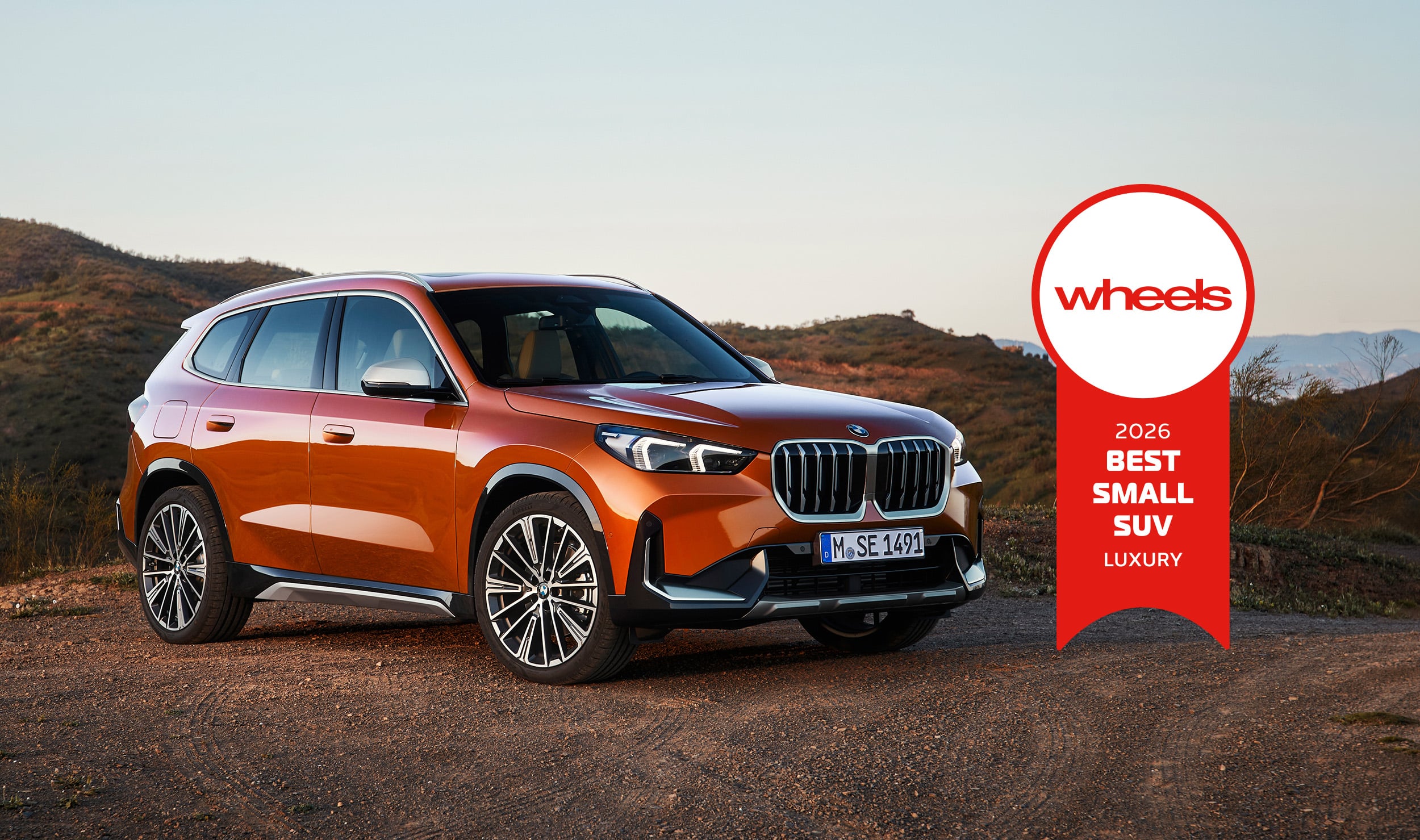
Winner: BMW X1/iX1
3
Price: From $66,700 Plus on-road costs (X1) from $77,900 plus on-road costs (iX1)
Drivetrain: 115kW/230Nm 1.5L three-cylinder (X1 sDrive18i), 230kW/494Nm dual motor
65kWh (iX1)
WLTP range, peak charging speed: 400-466km, 130kW
Fuel consumption: 6.5L/100km
Warranty: Five-year/unlimited kilometre
Five-year service cost: $2150 (X1) $2200 (iX1)
| Driving | |
| Interior | |
| Practicality | |
| Overall value | |
Strengths
- Ride quality and bump absorption
- Smart styling and cabin quality
- Integration of tech
Weaknesses
- Tyre noise at highway speed
- Not quite as driver-focused as X1 of old
- Not a dedicated EV platform
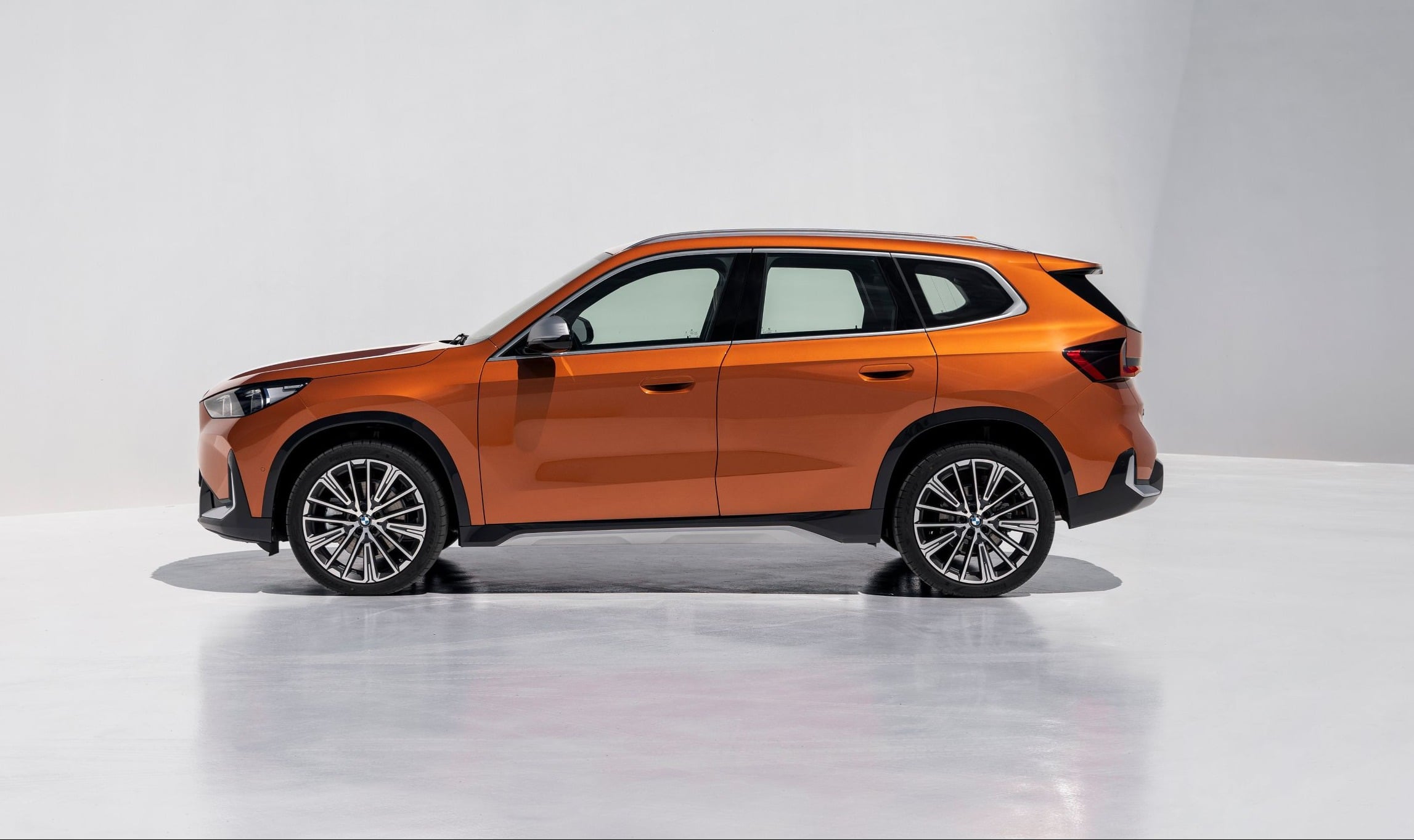
The strongest weapon in the BMW X1’s armoury is its availability with either conventional internal combustion, or more modern electric powertrains. Buyers can therefore choose whichever already-excellent small SUV best suits their needs.
The entry-grade X1 sDrive 18i is the smart pick in the regular range, with all the luxury and amenity you’d expect from BMW, but at a sharp, sub-70k starting price. There are of course, more expensive variants available, but the entry-grade X1 delivers a quality feel without the high price.
The dual-motor, AWD electric iX1 concentrates more on smarts and range than outright speed, with a WLTP claimed driving range of up to 466km in a compact package. 230kW is still a formable power output, though. And, while it’s not rapid in the way some electric vehicles can be, it’s an engaging small SUV to drive in the sense that it injects some fun into an otherwise bland segment. A recent cut to the cost of entry – $8900 – makes an electric X1 even more attractive than it was previously.
X1 gets a healthy list of standard equipment, and a stylish exterior design that, beyond the badge cache, ensures it stands out in an otherwise bland SUV sea. Both petrol and electric propulsion deliver an engaging, enjoyable drive, with the thrummy 1.5-litre three cylinder driving though a sharp-shifting 7-speed DCT, and using as little as 6.6L/100km.
The X1 puts forward a compelling case that you may not need the medium SUV you assumed you did. Clever packaging, useful storage, interior comfort, and compact exterior dimensions mean the X1 is as useful around town as it is on a longer road trip.
Lexus LBX
2
Price: $47,550 plus ORC (Luxury 2WD)
Drivetrain: 100kW/185Nm 1.5-litre, three-cylinder, petrol-hybrid
Fuel consumption: 3.8L/100km
Warranty: Five-year/unlimited kilometre
Five-year service cost: $2975
| Driving | |
| Interior | |
| Practicality | |
| Overall value | |
Strengths
- Fantastic small SUV to drive
- Luxury cabin execution
- Lexus ownership is standard setting
Weaknesses
- Second-row space is tight
- Boot space is small
- Most affordable Lexus still isn’t cheap
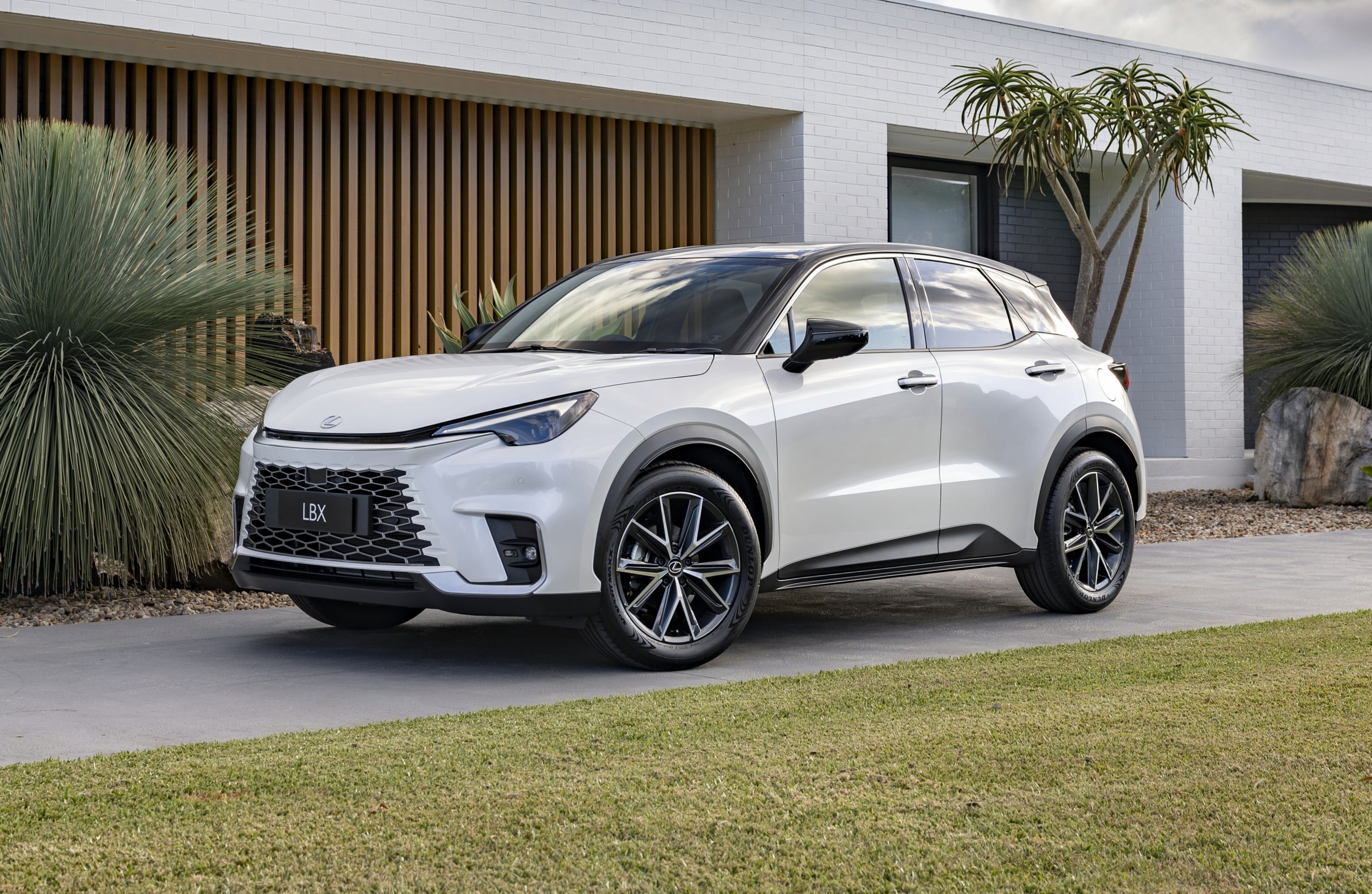
The smallest Lexus on sale in Australia is available in three model grades in the regular range with the hot Morizo RR sitting above them, and getting GR Yaris drivetrain performance. However, there’s a lot to like about the more affordable ‘regular’ LBX.
The first of those factors is ownership, with the premium Lexus owner’s experience extending to the brand’s more affordable models. Save your money and opt for the still-premium Luxury 2WD model, which gets the same efficient hybrid drivetrain, and cabin amenities without the higher price tag.
Even the Luxury 2Wd gets 18-inch alloy wheels, a 12.3-inch digital instrument display, 9.8-inch infotainment touschscreen, synthetic leather-look seat trim, heated front seats and a 360-degree camera.
The tight confines of the second row mean the LBX isn’t the choice – in this segment – for families with older children or those who need to move four adults around regularly. The boot is also quite small, but still useful for two-up road trips.
Despite the use of an e-CVT, the LBX is still a fun small SUV to drive, with cabin smarts, Lexus attention to detail and fit and finish, and a refined, insulated driving experience. Some engine noise will enter the cabin if you work it hard, but the cabin is largely serene.
Mercedes-Benz GLA/EQA
6
Price: $69,630 drive away (GLA 200), $92,777 drive away (EQA250+)
Drivetrain: 120kW/270Nm, 1.3-litre, turbocharged four-cylinder petrol FWD (GLA200),
140kW/375Nm single motor, FWD 70kWh (EQA250+)
WLTP range: 426km
Fuel consumption: 6.2L/100km
Warranty: five-year/unlimited kilometre
Five-year service cost: $2500 (City)
| Driving | |
| Interior | |
| Practicality | |
| Overall value | |
Strengths
- Drive dynamics are excellent
- Cabin comfort and practicality
- Dual screens and on-point technology
Weaknesses
- Higher priced than some of the competition
- Fixed price model means bargains are harder come by
- Piano black trim attracts dust
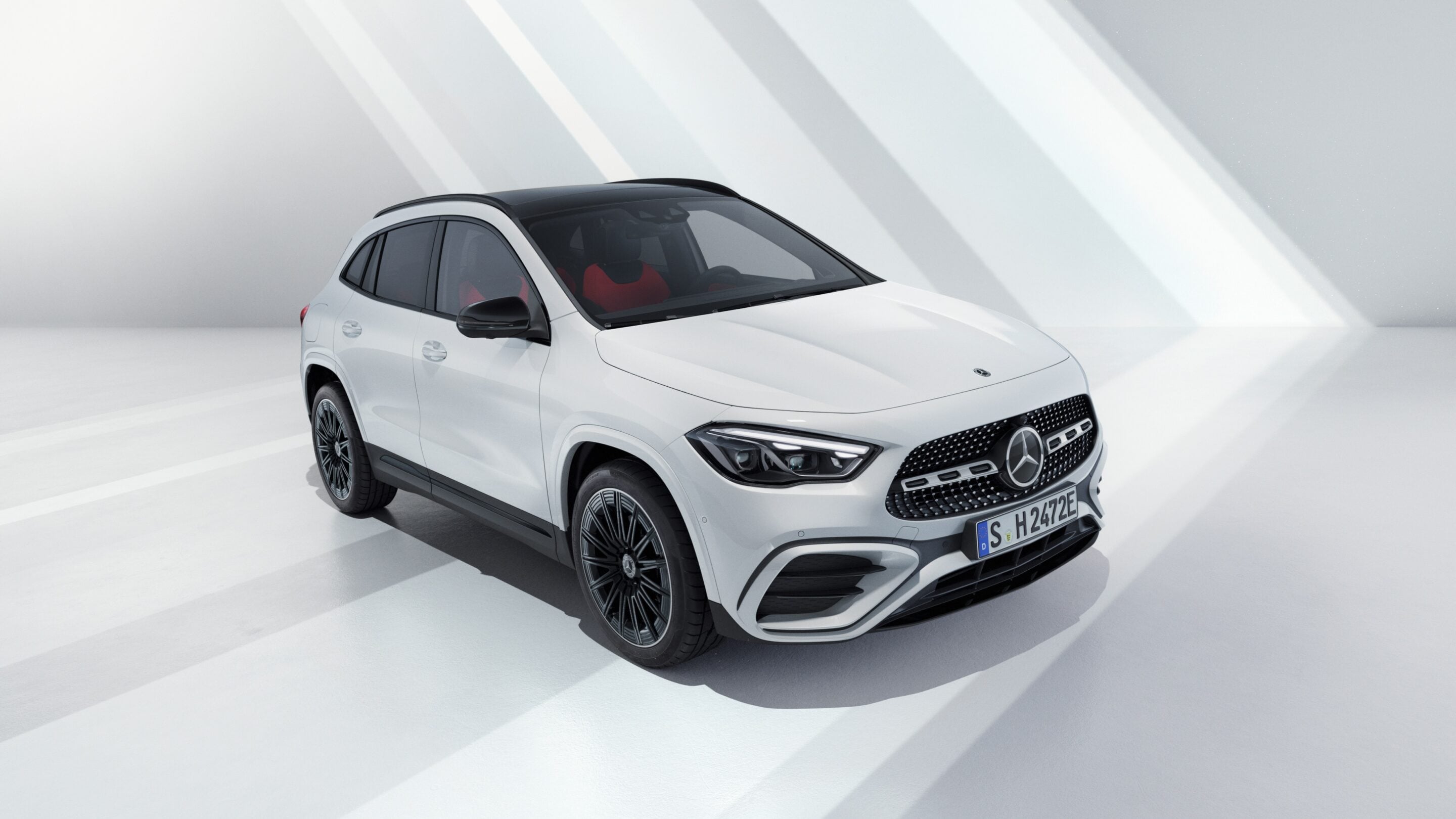
Like some of the competition here, Mercedes-Benz offers the choice of petrol or electric drivetrains within its GLA/EQA model structure, with competitive pricing the key for what is a luxury offering. And, AMG-tweaked versions are also available.
Entry into the Mercedes-Benz SUV stable by way of the stylish GLA, brings with it a sense of premium attention to detail, stylish design and beautiful execution inside the cabin especially. The including of technology gives the GLA a high-tech, up to date feel, with two big screens commanding attention. Mercedes’ excellent MBUX infotainment control system is fast, reliable and easy to use.
There’s more space than you might expect inside the cabin, and GLA is a comfortable road-trip companion despite the compact dimensions. A higher seating position than the old model, gives a commanding view of the road ahead.
Even in its most affordable, base model guise, the GLA’s engine is punchy and responsive, and rewarding to drive on any road. Not as sharp as some, given it feels a little heavier through the wheel, the GLA is nonetheless capable across all road surfaces, riding with comfort over even the nastiest of roads.
We’ve listed the piano black trim as a negative because of its tendency to attract dust, but what it does do when clean is lend a premium, high-end level of detail to the cabin. If you’re looking for quality, the ‘Benz small SUV delivers.
Mini Countryman
2
Price: $49,990 plus ORC (Core) $67,990 plus ORC (E)
Drivetrain: 1.5-litre, turbocharged four-cylinder petrol FWD (Core), 150kW/250Nm single-
motor, FWD (E)
WLTP range: 501km
Fuel consumption: 6.8L/100km
Warranty: Five-year/unlimited kilometre
Five-year service cost: $2425 (Core), $2360 (six years E)
| Driving | |
| Interior | |
| Practicality | |
| Overall value | |
Strengths
- Driving dynamics are excellent
- Stylish and different take on exterior design
- Drivetrain options available
Weaknesses
- Cost clips at the top of the range
- Ride can be firm on poor surfaces
- Screen based controls can be annoying
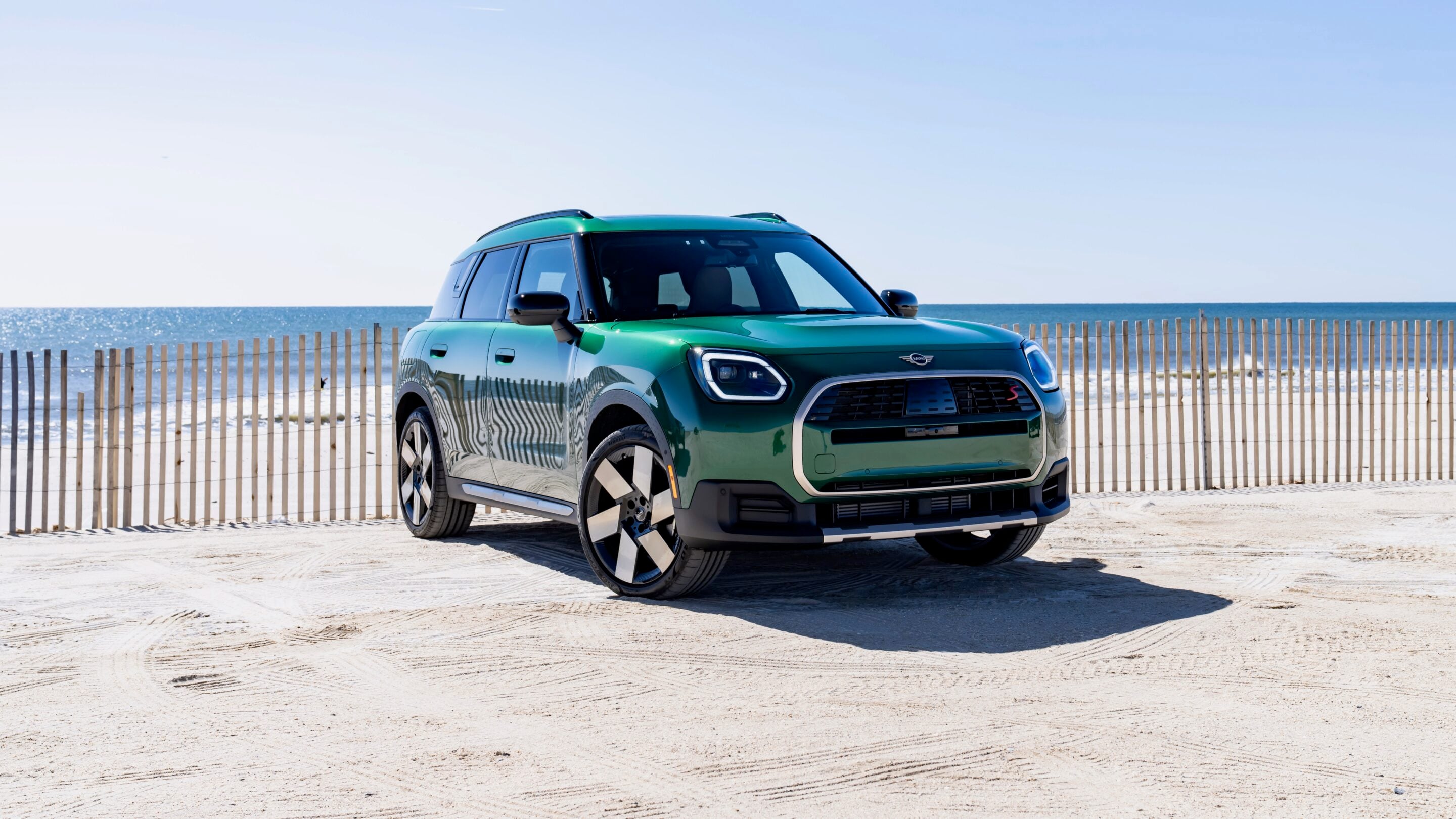
Bringing practicality and user-friendliness to the cheeky Mini styling and heritage, Countryman provides a left-field alternative to the other SUVs in this segment. Those of you looking to make the switch to electric power can opt for the second most expensive in the range, with the electric E only beaten by the John Cooper Works in regard to asking price. However, the most cost effective is the sharply-priced mild-hybrid Core.
Without doubt, the biggest strength of the Countryman is that it looks and feels like a Mini from the inside. The cabin is cleverly designed, funky and stylish, with practicality and comfort beyond the looks.
While the electric Countryman is sharp on any road, the petrol-powered model gets an engaging 2.0-litre turbocharged engine that feels lively and peppy, while delivering reasonable fuel efficiency. It’s a hoot to drive on any road, in any conditions, such is the Mini way. The sharp handling and feedback through the steering wheel offer up an engaging drive for those of you who love driving.
Like the Range Rover Evoque it shares segment space with, the Mini is an inspired choice for those of you looking to stand out. With style very much at the forefront of the appeal, it’s still a practical SUV that works for the daily grind.
Range Rover Evoque
1
Price: $84,050 plus ORC (Dynamic SE)
Drivetrain: 2.0-litre, turbocharged four-cylinder petrol, AWD
Fuel consumption: 8.3L/100km
Warranty: Five-year/unlimited kilometre
Five-year service cost: $1950
| Driving | |
| Interior | |
| Practicality | |
| Overall value | |
Strengths
- Beautiful exterior and interior styling
- Signature luxury feel inside the cabin
- Superb bump absorption on any road
Weaknesses
- Rear three-quarter visibility is limited
- Price of entry is not cheap
- Mild-hybrid not as efficient as we’d like
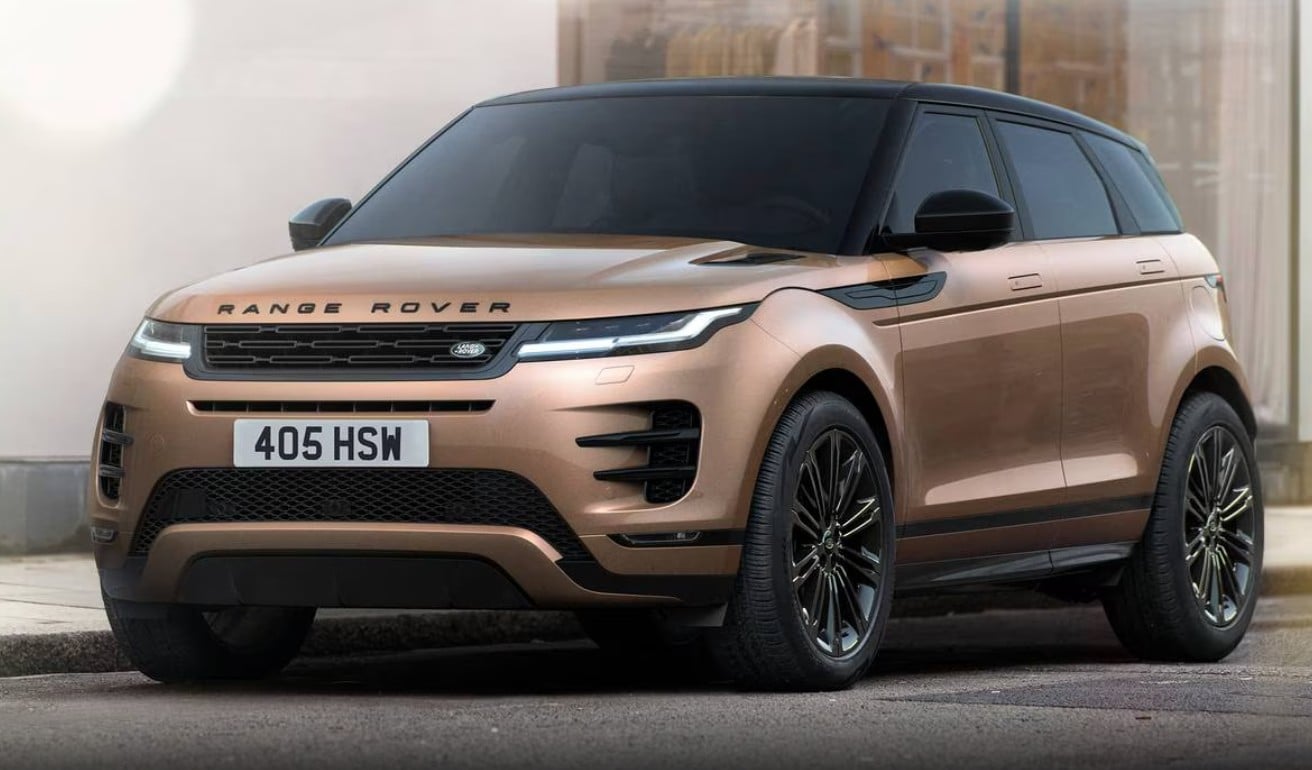
A perennial premium favourite in this segment thanks to its stylish exterior and luxurious attention to detail, the Evoque is now available across three variants – Dynamic SE, Hoxton and Autobiography – with the 2.0-litre petrol engine paired to mild hybrid technology and a more efficient PHEV as well.
Starting at just more than $84,000, Evoque is a discerning choice in this segment for those not so concerned by budgetary constraints. Step right up to there PHEV at the top end of the range and you’ll be paying six figures before on-road costs are factored in.
With AWD standard, as per the Range Rover brief, and a smooth nine-speed automatic, even the entry-grade Dynamic SE is a luxurious way to tackle the medium SUV segment. Evoque has always set a standard of luxury from inside the cabin, and that remains the case with a quiet and refined deriving experience, and Land Rover’s signature attention too suspension detail.
Not as sharp under acceleration as the electric options in this segment, it’s less sporty than the styling might indicate. Off-road capability is a non-negotiable for the British manufacturer, with drive modes making the rough stuff easy even for beginners.
If you’re looking in this segment and you value luxury, quality materials and attention to detail, the ‘mini Range Rover’ as it’s become known is a choice to consider. It’s elegant styling will ensure it stands out from the crowd.
Volvo EX30
4
Price: $49,990 plus ORC (Single Motor Extended Range Plus)
Drivetrain: 200kW/343Nm single-motor RWD 69kWh
WLTP range: 480km
Warranty: five-year/unlimited kilometre
Five-year service cost: $5995
| Driving | |
| Interior | |
| Practicality | |
| Overall value | |
Strengths
- Genuine value for money
- Signature attention to detail
- Real-world range and driving enjoyment
Weaknesses
- Service costs more expensive than some
- Boot space small for the segment
- Too many controls through the infotainment screen
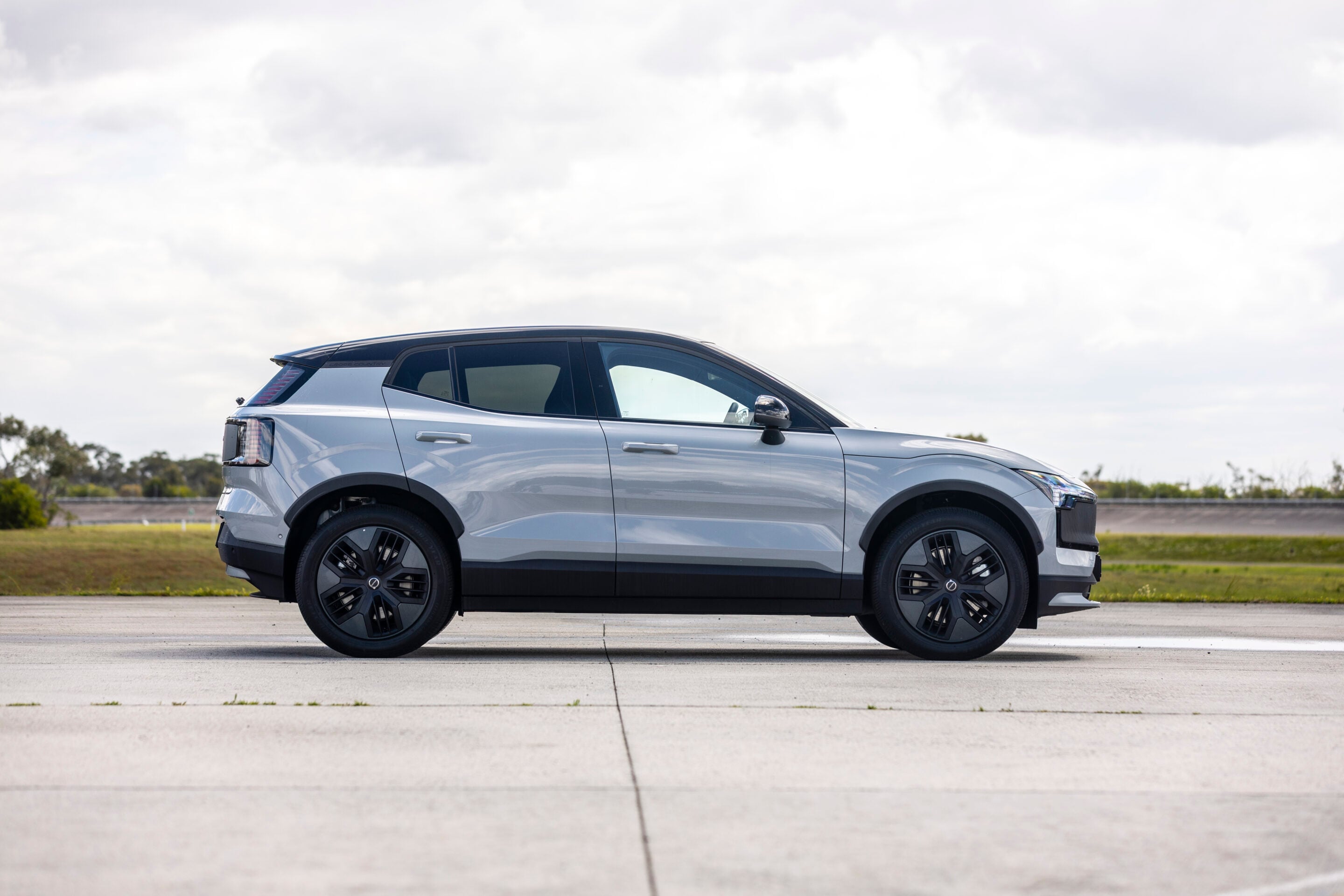
Volvo’s EX30 is the electric vehicle that Volvo wanted in the Australian market as soon as it could secure it – and with good reason. Across three model grades, and with a sense of luxury synonymous with the Swedish manufacturer, the EX30 is priced to appeal not just to EV converts, but also to those skeptical of EV ownership.
As much as $10,000 was recently cut from the asking price, with the entry-grade single motor, extended range EX30 costing $49,990 before on-road costs. Single-motor, and dual-motor models are available, with 200kW or 315kW on offer, and a WLTP-claimed range up to 480km.
With Volvo’s signature minimalistic, clean aesthetic, especially inside the cabin, along with up to date tech, recycled material choices, advanced safety features, and integrated Google technology, the EX30 is as premium as it is enjoyable to drive.
As is often the case with electric vehicles, the smart choice in the range is the entry-grade RWD EX30, with the aforementioned 480km range on offer, 0-100km/h time of just 5.3 seconds and 200kW. Buyers still get five-star ANCAP safety, and all of the standard equipment you’ll want in the segment. Given you get that for a starting price beneath $50,000, that sets the EX30 in line with electric vehicles from less established manufacturers.
Zeekr X
8
Price: $47,900 drive away (RWD)
Drivetrain: 250kW/373Nm single-motor RWD 61kWh
WLTP range: 405km
Warranty: five-year/unlimited kilometre
Five-year service cost: $2532
| Driving | |
| Interior | |
| Practicality | |
| Overall value | |
Strengths
- AWD version is fast
- Premium cabin is well executed
- Second row space is excellent
Weaknesses
- Safety alerts too enthusiastic
- Boot space is small in this class
- Ride can be firm on some roads
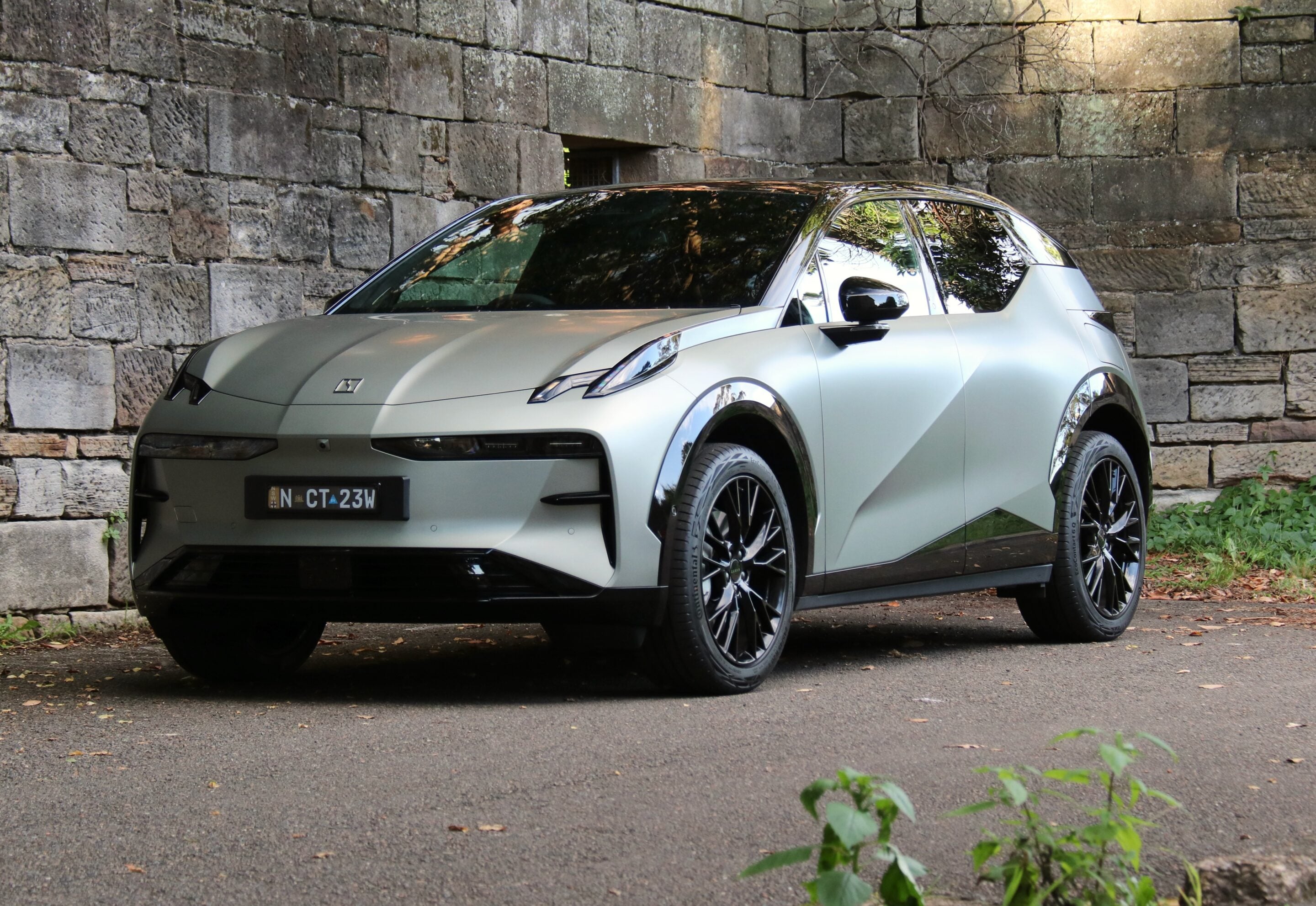
The updated Zeekr X is the latest entrant from Chinese manufacturer Zeekr, to sit alongside 7X in Zeekr showrooms, and it’s an impressive SUV in this segment – keeping in mind it came to market before the 7X. While it looks almost identical from the outside, the new X has gained plenty of upgrades to make it even more attractive to buyers.
There’s a serious price cut for starters – now below 50k drive away, but there’s a new electric motor, new battery for the RWD model, faster charging capability and interior changes that make it easier, and more practical to live with.
Standard features are impressive with the likes of heated and ventilated front seats, electric adjustability for the passenger, driver’s seat memory, heated steering wheel, and premium Yamaha audio, all standard compared to being optional previously.
Even the RWD model makes 250kW and 373Nm, ensuring it’s a snappy SUV even in its most affordable guise. Zeekr X is a good thing to drive, too, thanks to revised suspension that is taut enough to feel sporty, but not so hard as to be uncomfortable around town.
Best Small SUVs in Australia
Looking to get into a brand-new small SUV? Our stories below will guide you to the model that best suits your needs:
Follow WhichCar/Wheels on Google
Click the button below to make WhichCar by Wheels a preferred source for your news.

We recommend
-
 Best Small SUVs
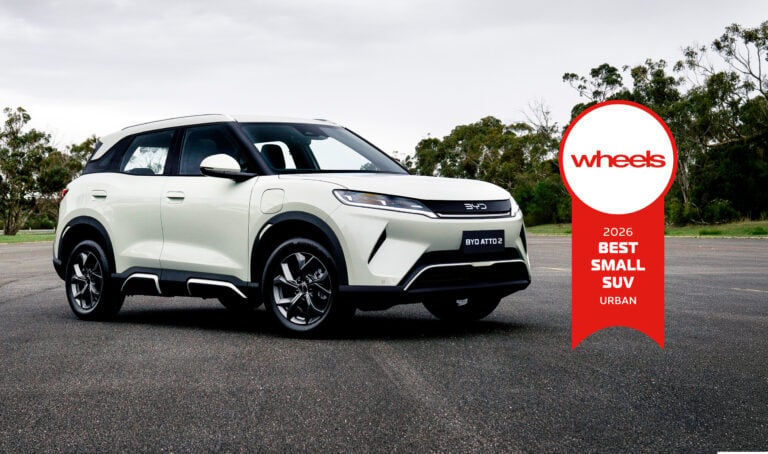
Best Small SUVs 2026: Urban
The best small SUVs for urban mobility, blending efficiency, smart packaging and modern technology to better suit car-heavy Australian cities.
-
 Best Small SUVs
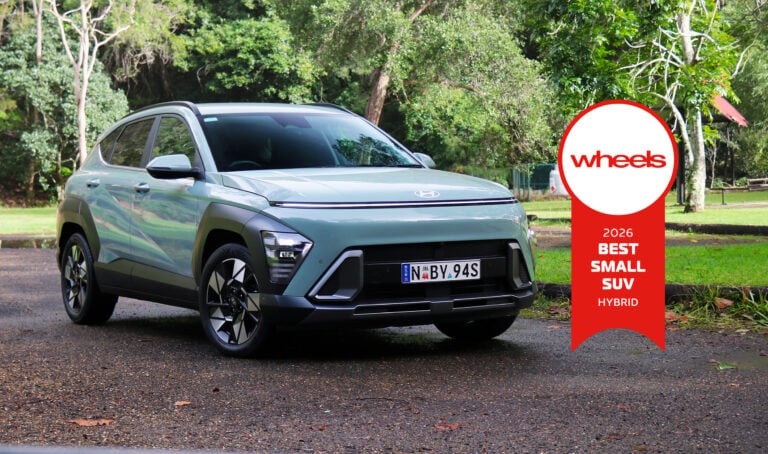
Best Small SUVs 2026: Hybrid
Hybrid small SUVs are drawing more attention from Australian new car buyers through a combination of improved efficiency, lower running costs and greater flexibility for everyday driving.
-
 Best Small SUVs
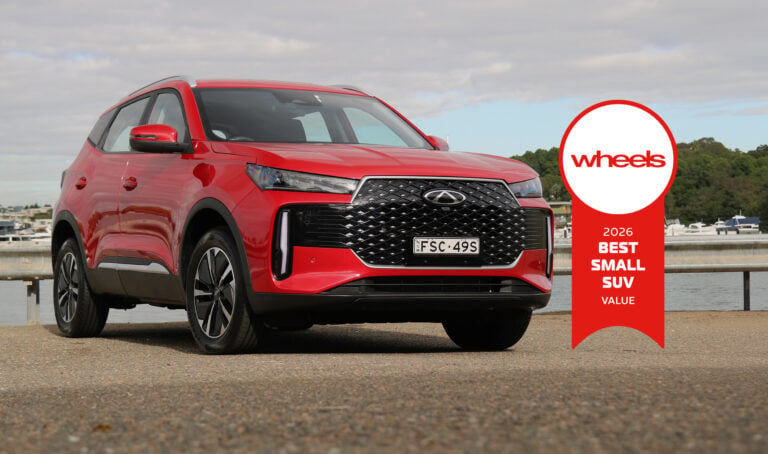
Best Small SUVs 2026: Value
From sharp pricing to strong warranties and generous standard features, these small SUVs deliver real-world value beyond the sticker price in 2026’s competitive market.