News
Gallery 1
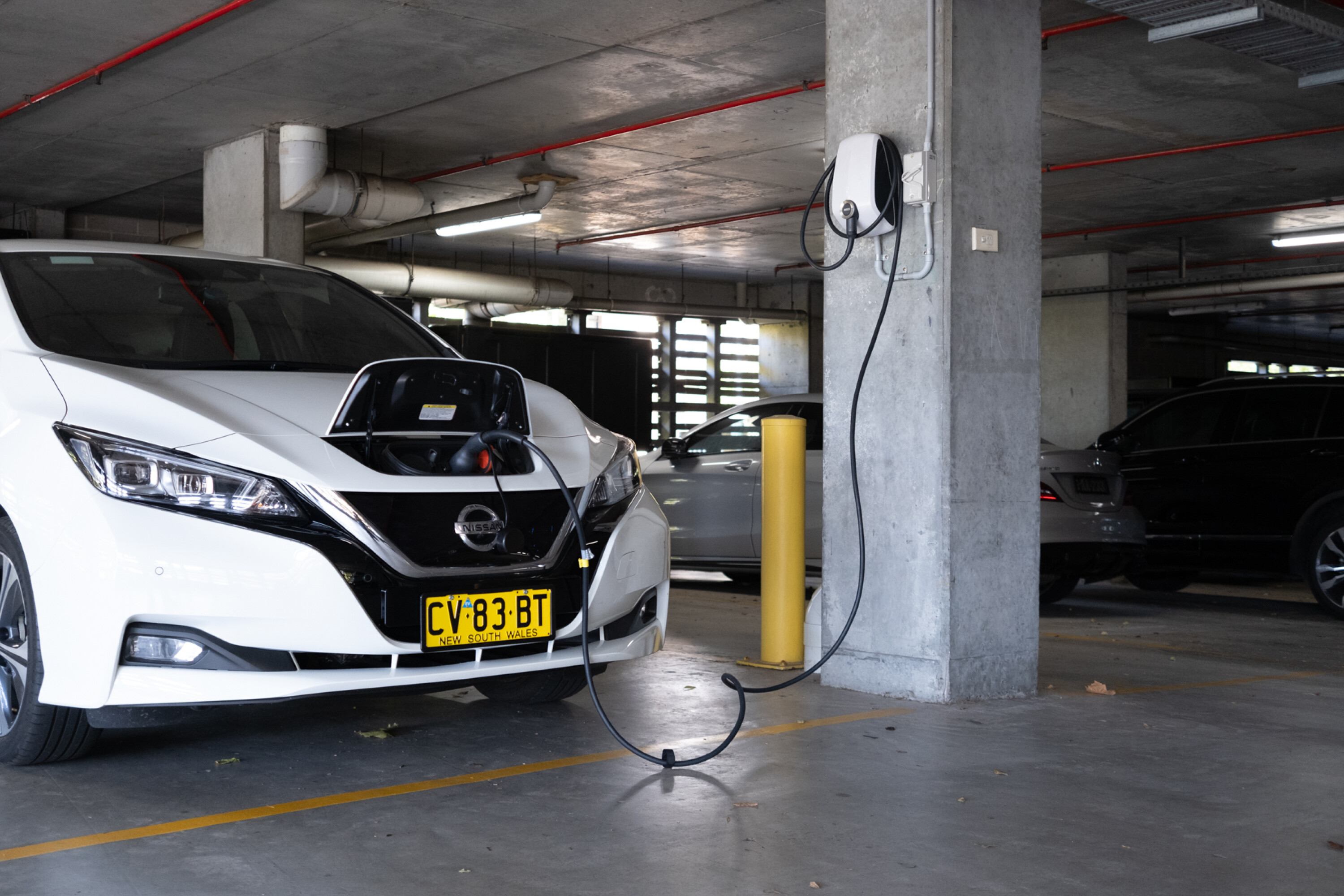
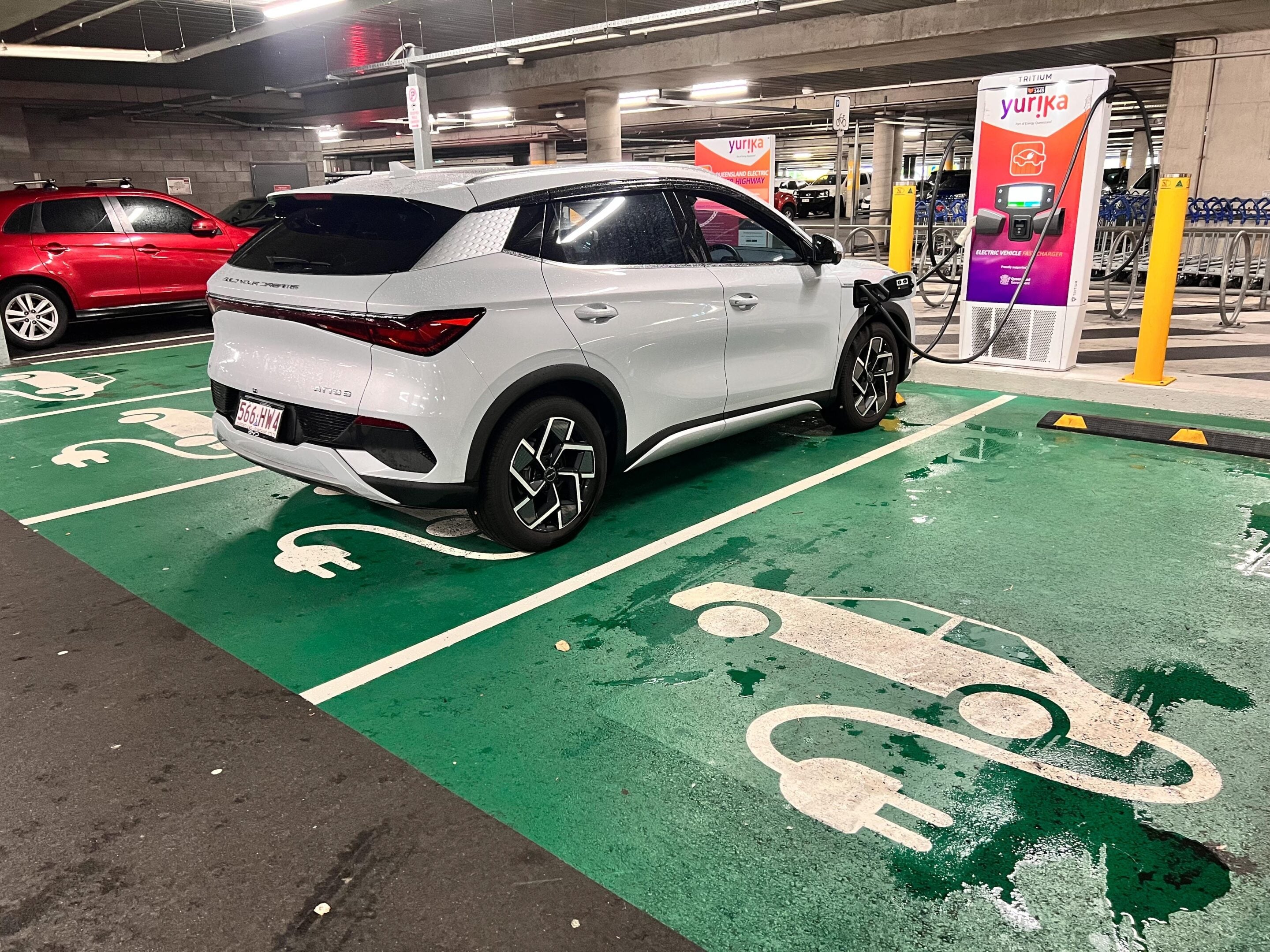
In an effort to quickly expand Australia’s publicly-accessible EV charger network, the Australian Government has proposed a change to how EV chargers are owned and operated.
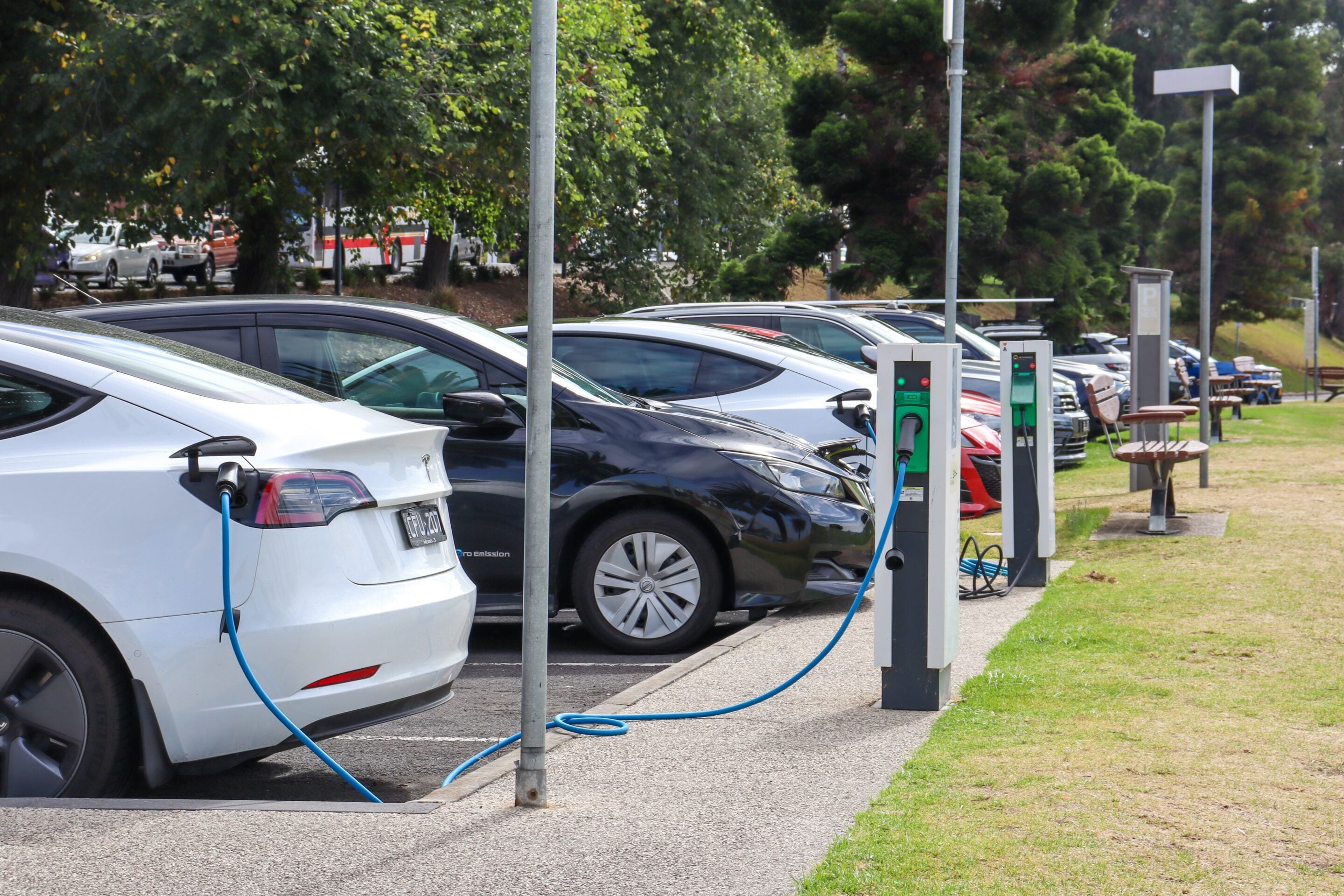
The proposal would allow pole-mounted chargers to be installed at sites where existing electrical infrastructure already exists, adding a charge port that electric vehicles and plug-in hybrids would be able to utilise.
Australia’s electricity network providers would identify suitable sites and install the hardware required to allow the fitment of an EV charger. From there, private charging operators would be given the opportunity to install their charging system, or pass on the location.
1
In situations where charge providers decline a site, the network providers, companies like CitiPower, Powercor, or United Energy would then be able to own and operate a charger.
The proposal is currently in its consultation phase. Australia’s peak industry body for electrical contractors, the National Electrical and Communications Association (NECA) has come out in opposition to the proposal.
According to the NECA, the proposal to allow electricity providers access to installing and maintaining charger hardware could see all Australians foot the bill.
In contrast, Energy Networks Australia (ENA), the body that represents Australia’s electricity distribution networks, estimates that the most that Australian households will pay is $2.10 per year.
The ENA, which submitted the rule change request that would allow electricity networks to operate charging sites, argues that delays in expanding Australia’s charging network have left Australian households “more exposed to fuel price shocks and unable to access the lower running costs EVs can offer.”
“This isn’t about networks selling electricity to EV drivers,” ENA Chief External Affairs Officer, Emma Shanks said, in a statement.
1
“Scaling up kerbside charging would improve use of the electricity grid, lower system costs and help ensure the benefits of electrification are shared more evenly across Australian communities.”
The move would see the cost of installations included as part of Australia’s regulated asset base, which covers the costs associated with existing electricity infrastructure, along with gas, water, rail, and other services that serve the country.
Like those costs, which are contributed to by users and non-users, the expansion of EV charging under the proposed rollout, chargers would not be levied directly at users of the public charging network, but would be added to existing access chargers to the electricity network.
The extra cost would be tied to the infrastructure changes only, with the cost of power used at the charging points to be charged directly to vehicle owners who connect to the charging network.
Follow WhichCar/Wheels on Google
Click the button below to make WhichCar by Wheels a preferred source for your news.


We recommend
-
 News
NewsAussie state reveals plan to roll out more EV charging infrastructure
As the conflict in Iran continues, the NSW government has committed to making EV ownership easier than it has been, with expanded charging infrastructure in suburban Sydney and regional black spots.
-
 News
NewsBYD’s desert Flash Charging demonstration hints at Australian suitability
BYD offered a ‘real world’ demonstration of its 1500kW charging tech in a remote part of the Mongolian desert, suggesting the super-fast charging tech could be a natural fit for Australia.