Classic Wheels

Gallery 1
First published in the July 2000 issue of Wheels magazine, Australia’s best car mag since 1953. Subscribe here and gain access to 12 issues for $109 plus online access to every Wheels issue since 1953.
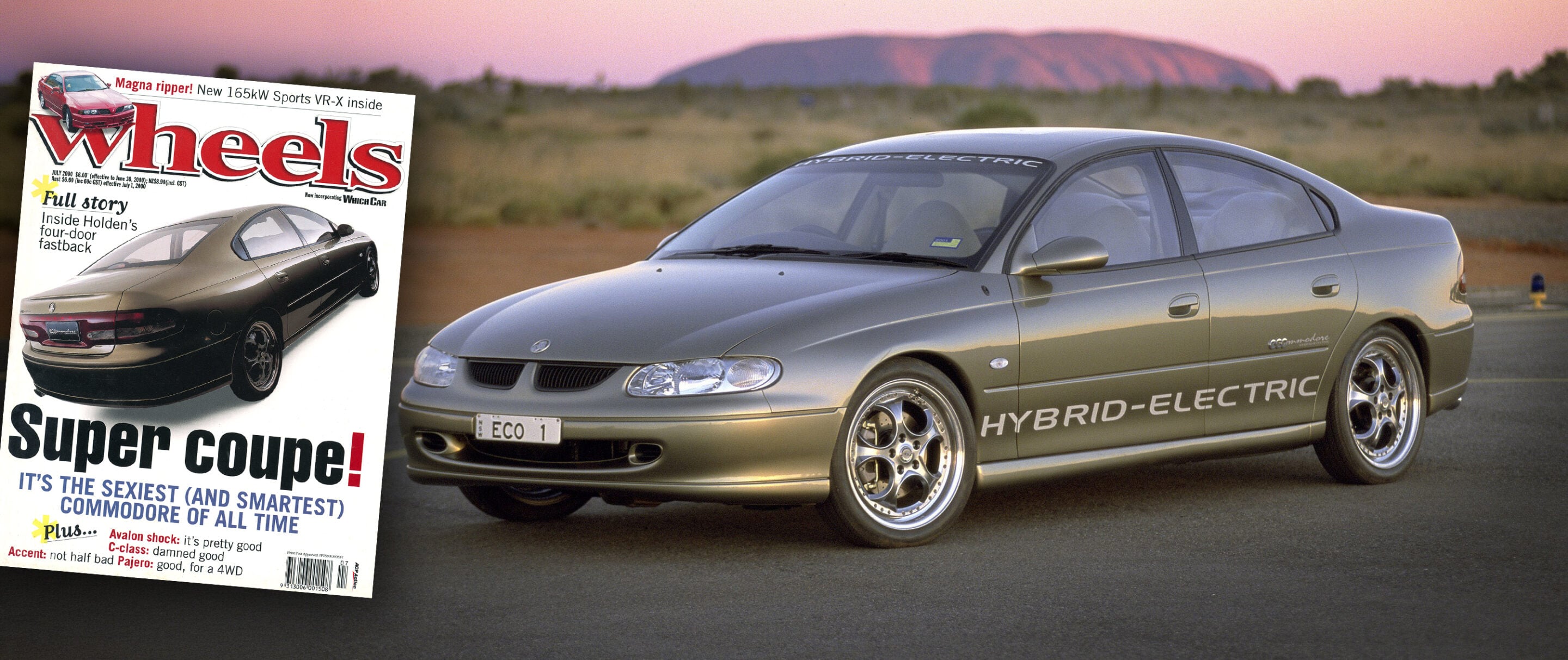
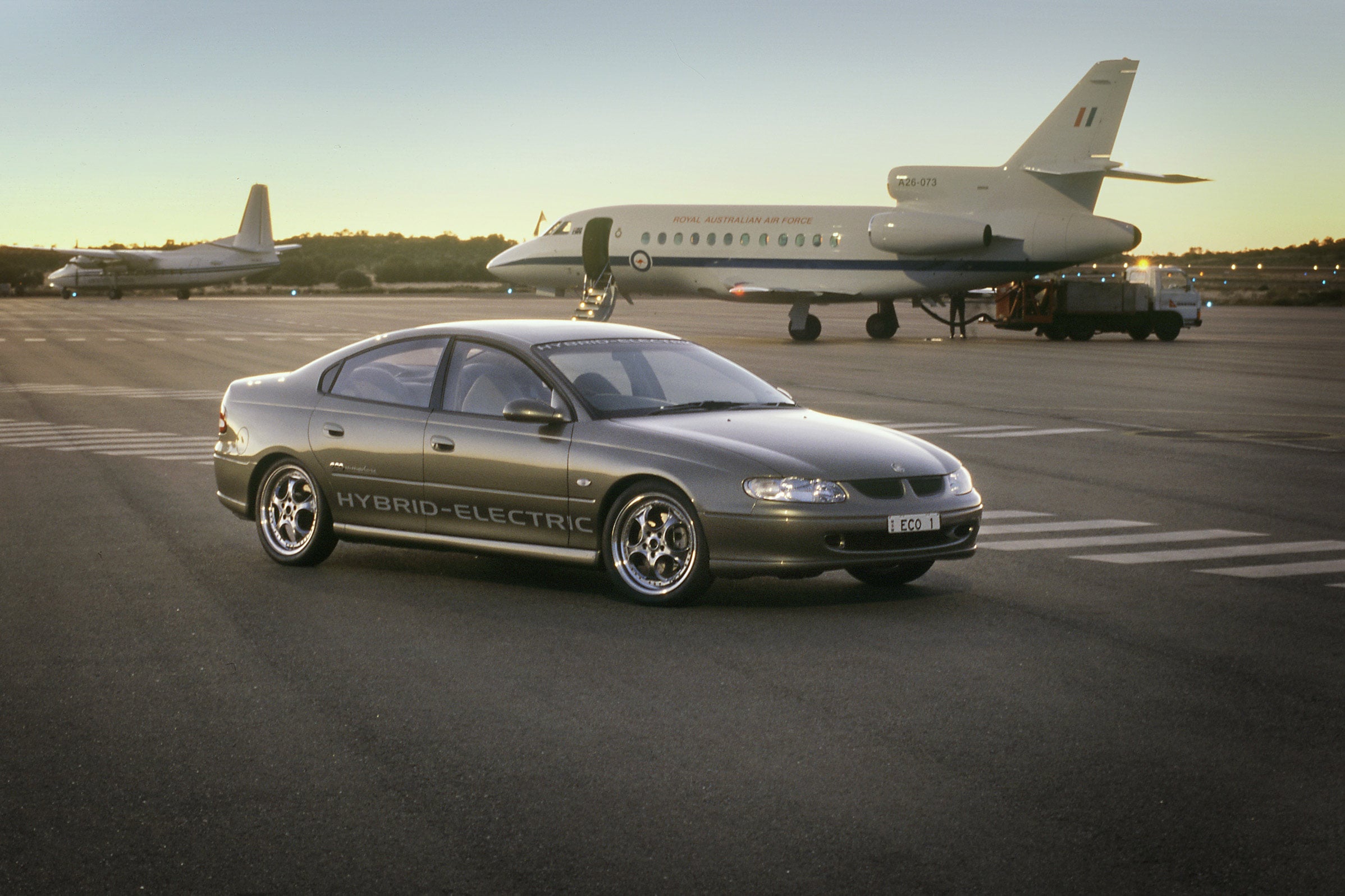
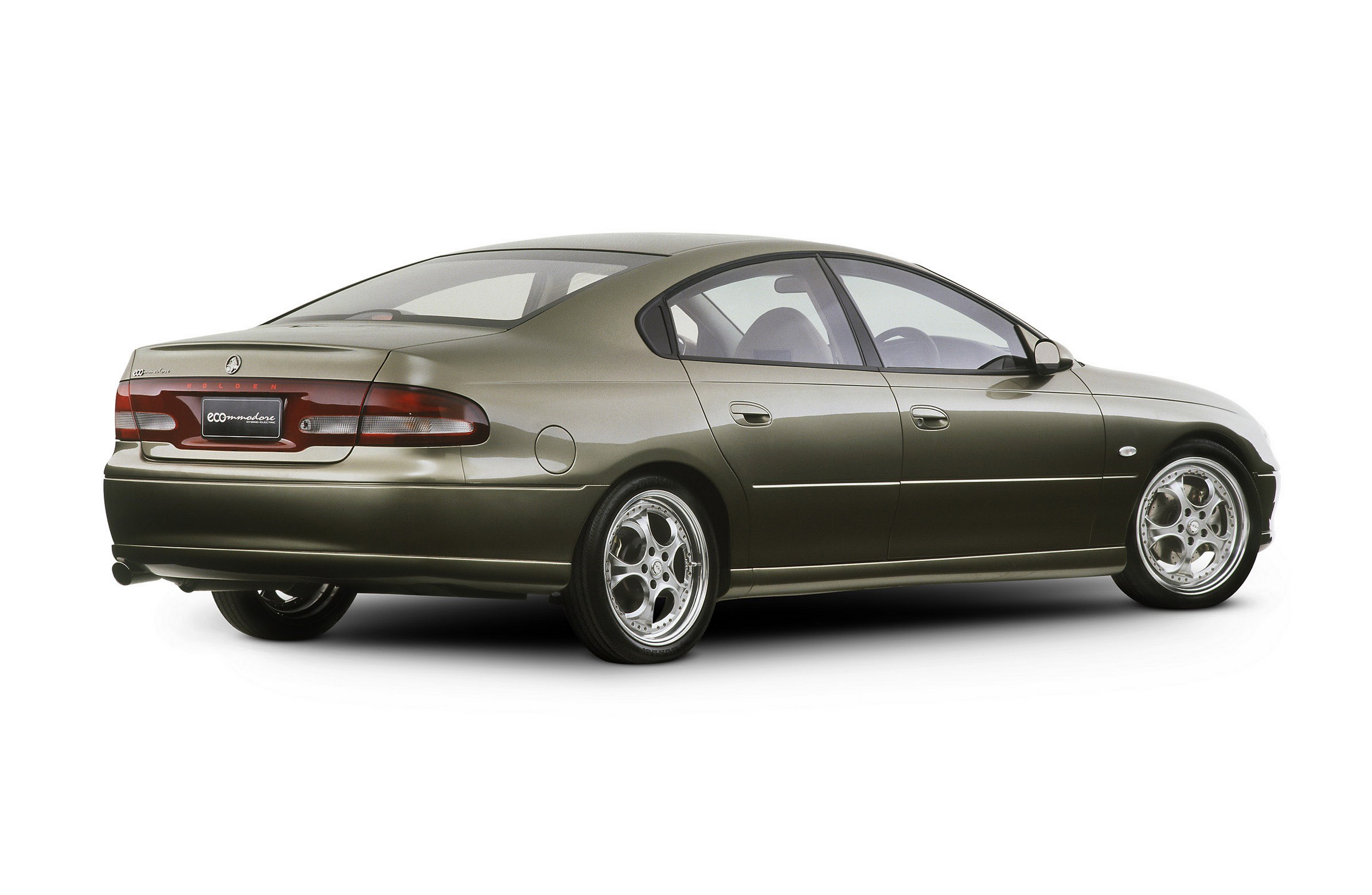
Another Commodore coupe? Yes, absolutely. Coupe; from the French ‘couper’, to cut. And this one-off Commodore’s roof and rump have certainly been sliced and pared. Never mind that it has four doors – it’s the cutting that counts.
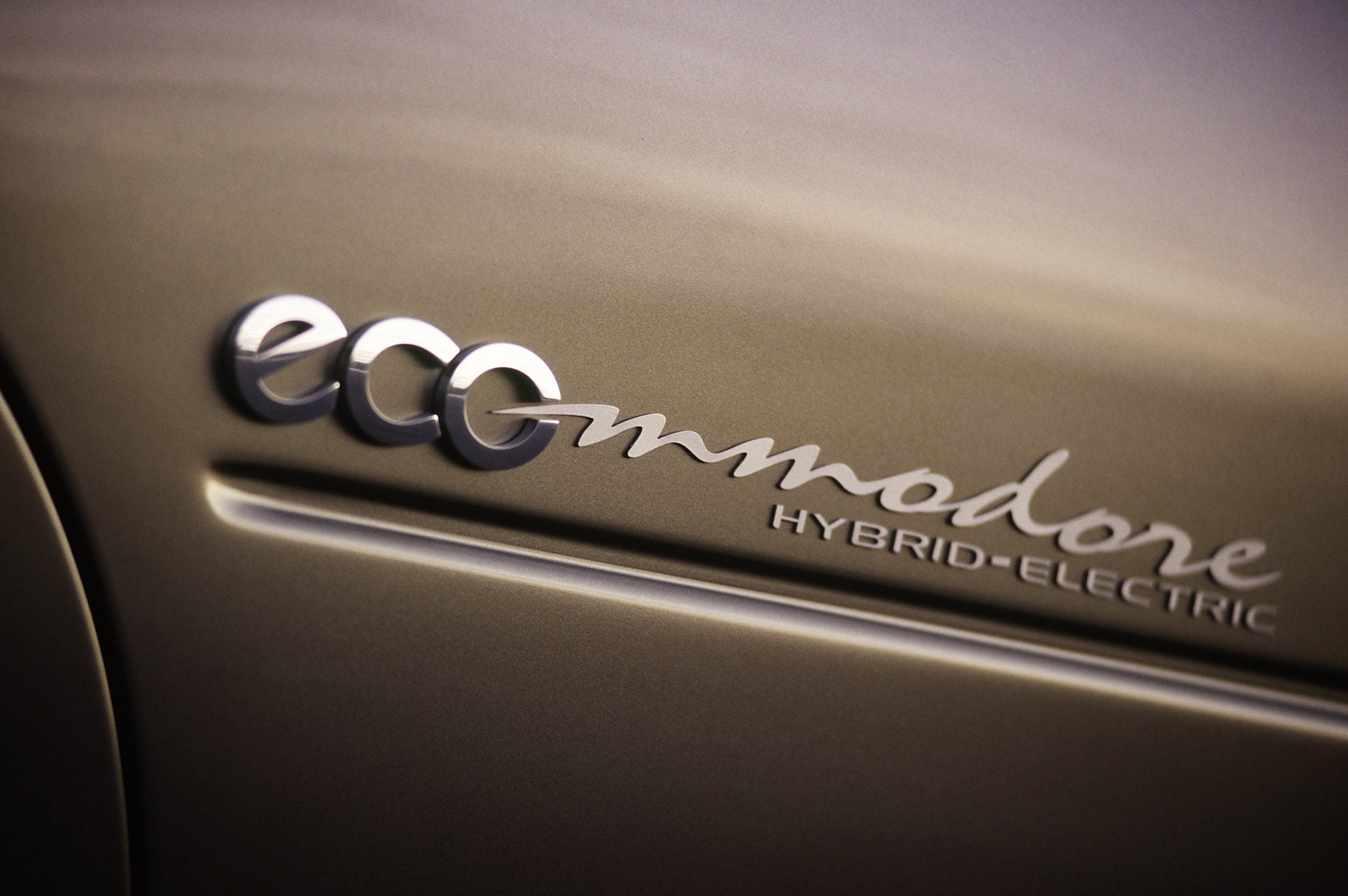
The objective? To slash aerodynamic drag. Sheer coincidence, then, that the Holden ECOmmodore petrol-electric hybrid looks wonderful?
1
Yes, says Dean Niclasen, senior project engineer in Holden’s advanced engineering department. Low and lithe, sleek and seductive weren’t the prime objectives. It was engineers, not designers, who shaped this car. They wanted less frontal area and a better co-efficient of aerodynamic drag than the standard car. The slick Commodore’s appearance was a secondary consideration.
It was Niclasen who made the key decisions. A mechanical engineer lured by Holden from the CSIRO three years ago, Niclasen’s particular expertise is the computer modelling of fluid dynamics. He’s a man who knows how air behaves, the shapes it prefers.
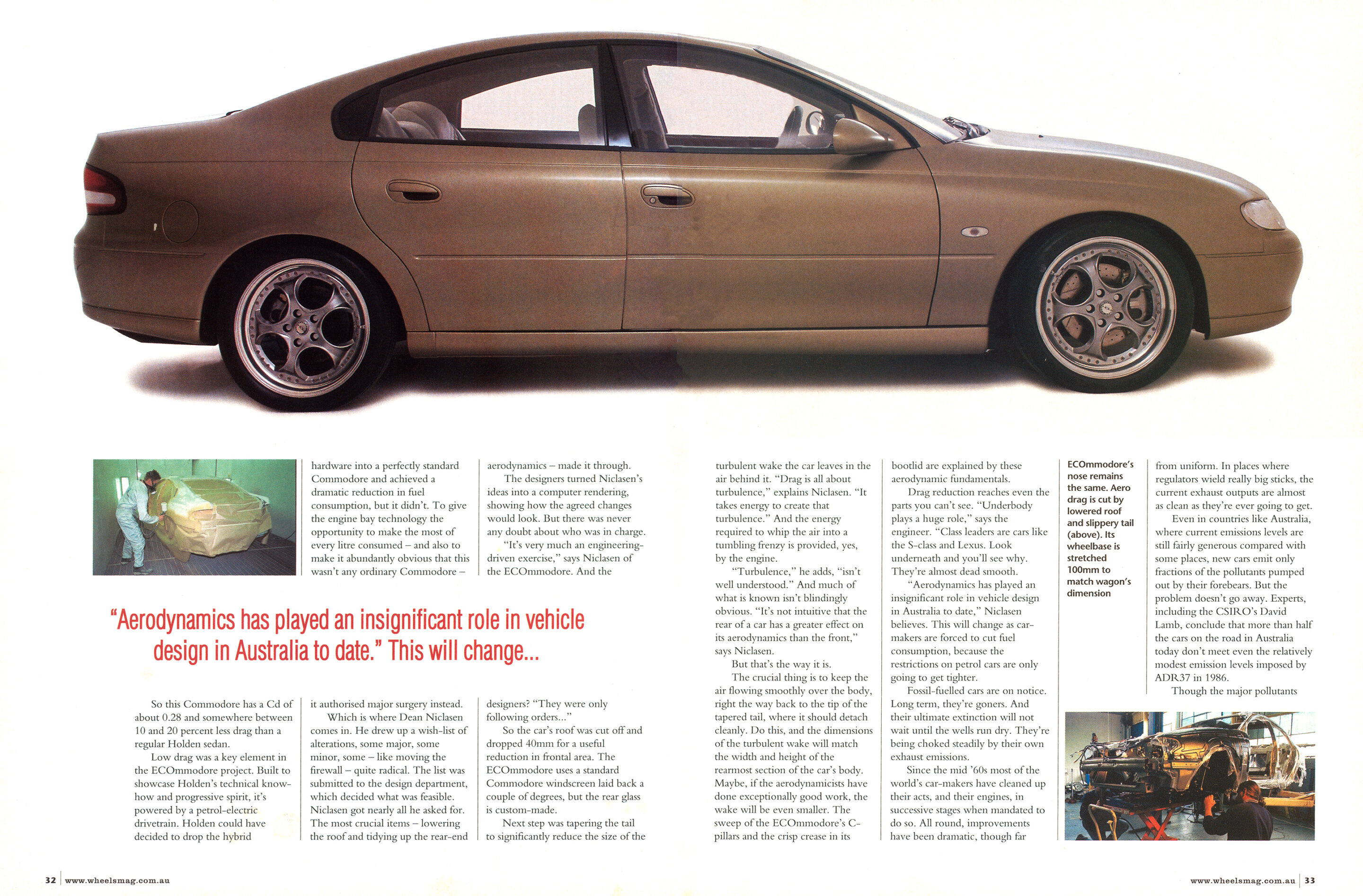
So this Holden Commodore has a Cd of about 0.28 and somewhere between 10 and 20 per cent less drag than a regular Holden sedan.
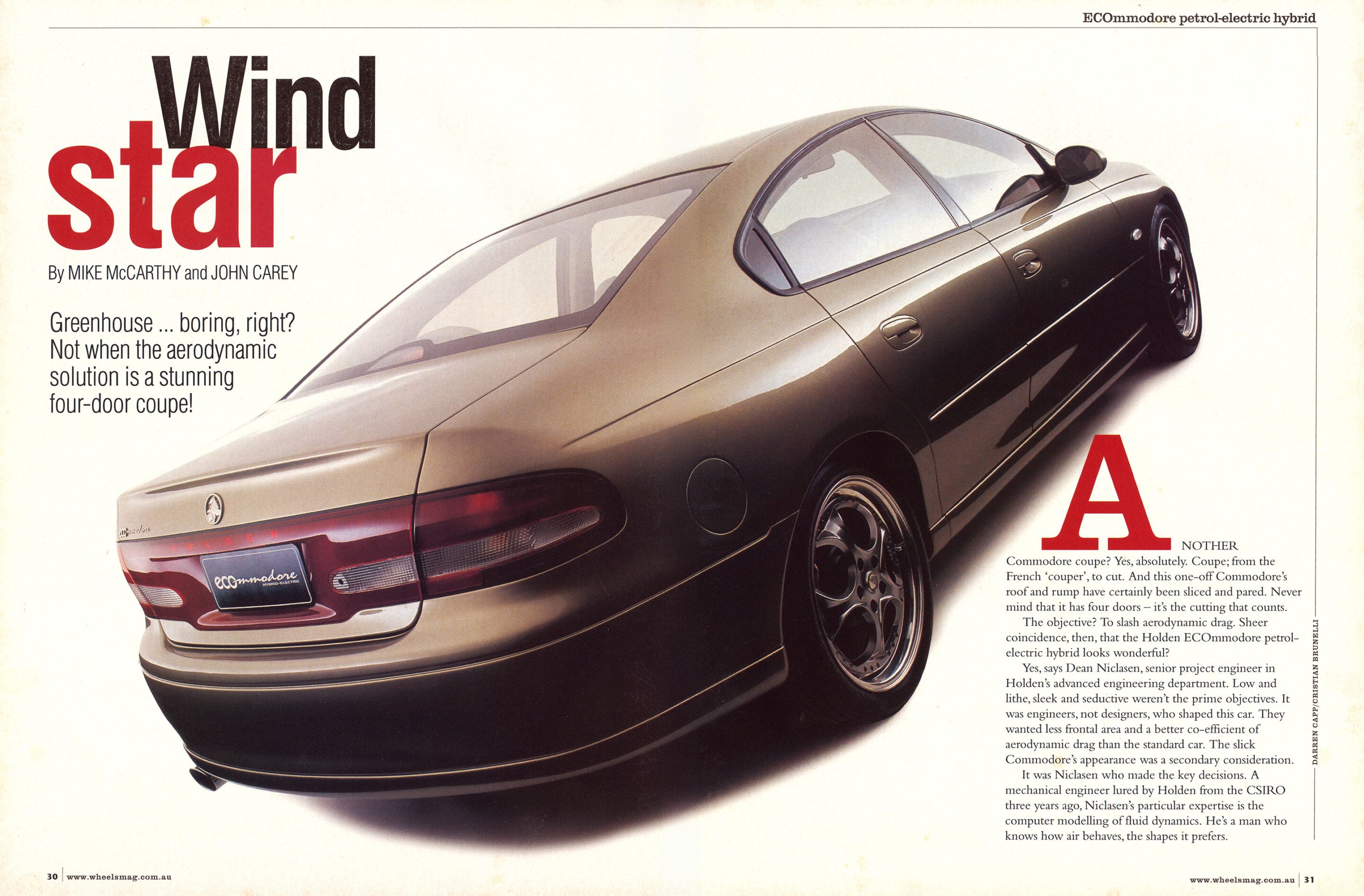
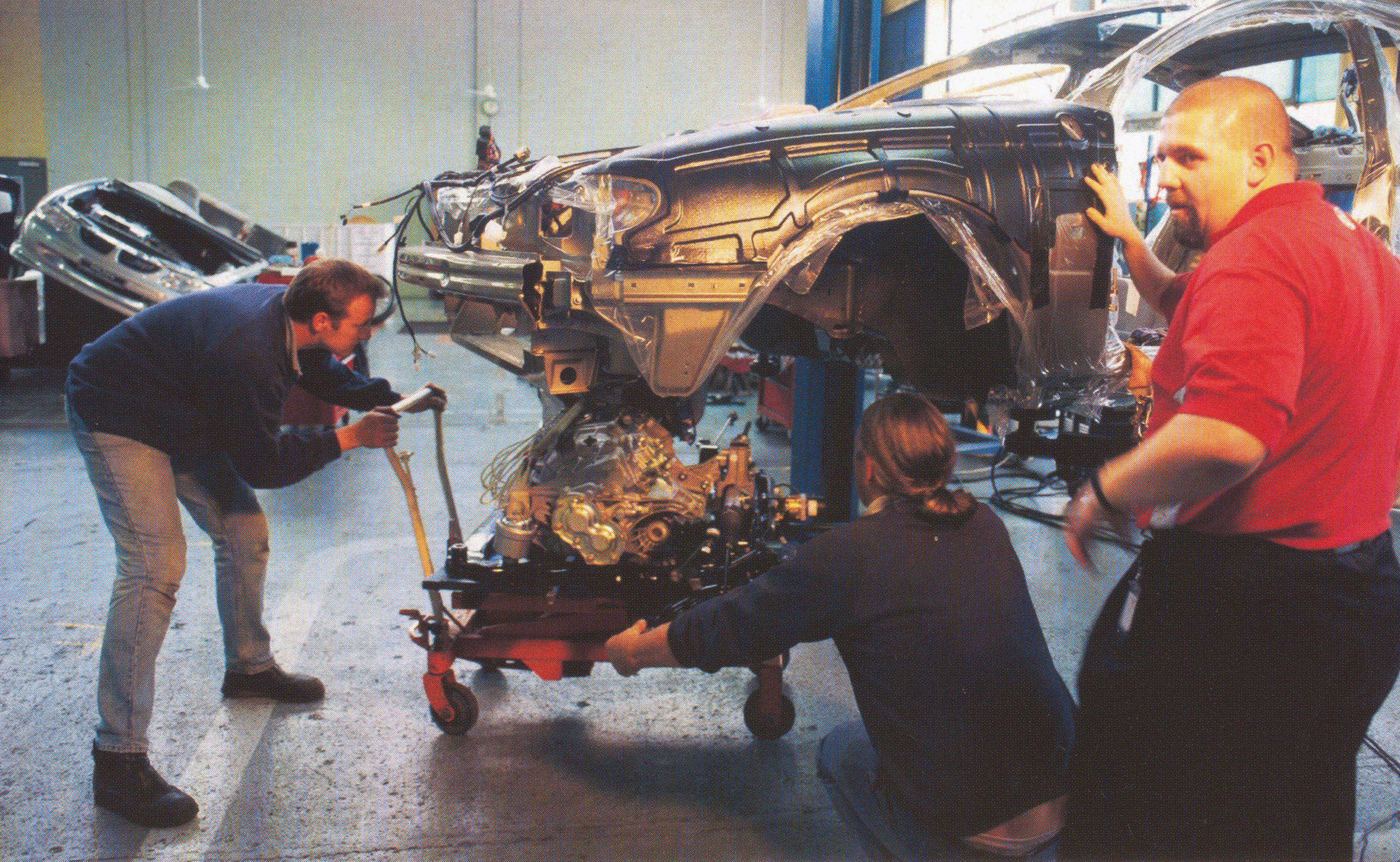
Low drag was a key element in the ECOmmodore project. Built to showcase Holden’s technical know-how and progressive spirit, it’s powered by a petrol-electric drivetrain. Holden could have decided to drop the hybrid hardware into a perfectly standard Commodore and achieved a dramatic reduction in fuel consumption, but it didn’t. To give the engine bay technology the opportunity to make the most of every litre consumed – and also to make it abundantly obvious that this wasn’t any ordinary Commodore – it authorised major surgery instead.
1
Which is where Dean Niclasen comes in. He drew up a wish-list of alterations, some major, some minor, some – like moving the firewall – quite radical. The list was submitted to the design department, which decided what was feasible. Niclasen got nearly all he asked for. The most crucial items – lowering the roof and tidying up the rear-end aerodynamics – made it through.
The designers turned Niclasen’s ideas into a computer rendering, showing how the agreed changes would look. But there was never any doubt about who was in charge. “It’s very much an engineering-driven exercise,” says Niclasen of the ECOmmodore. And the designers? “They were only following orders…”
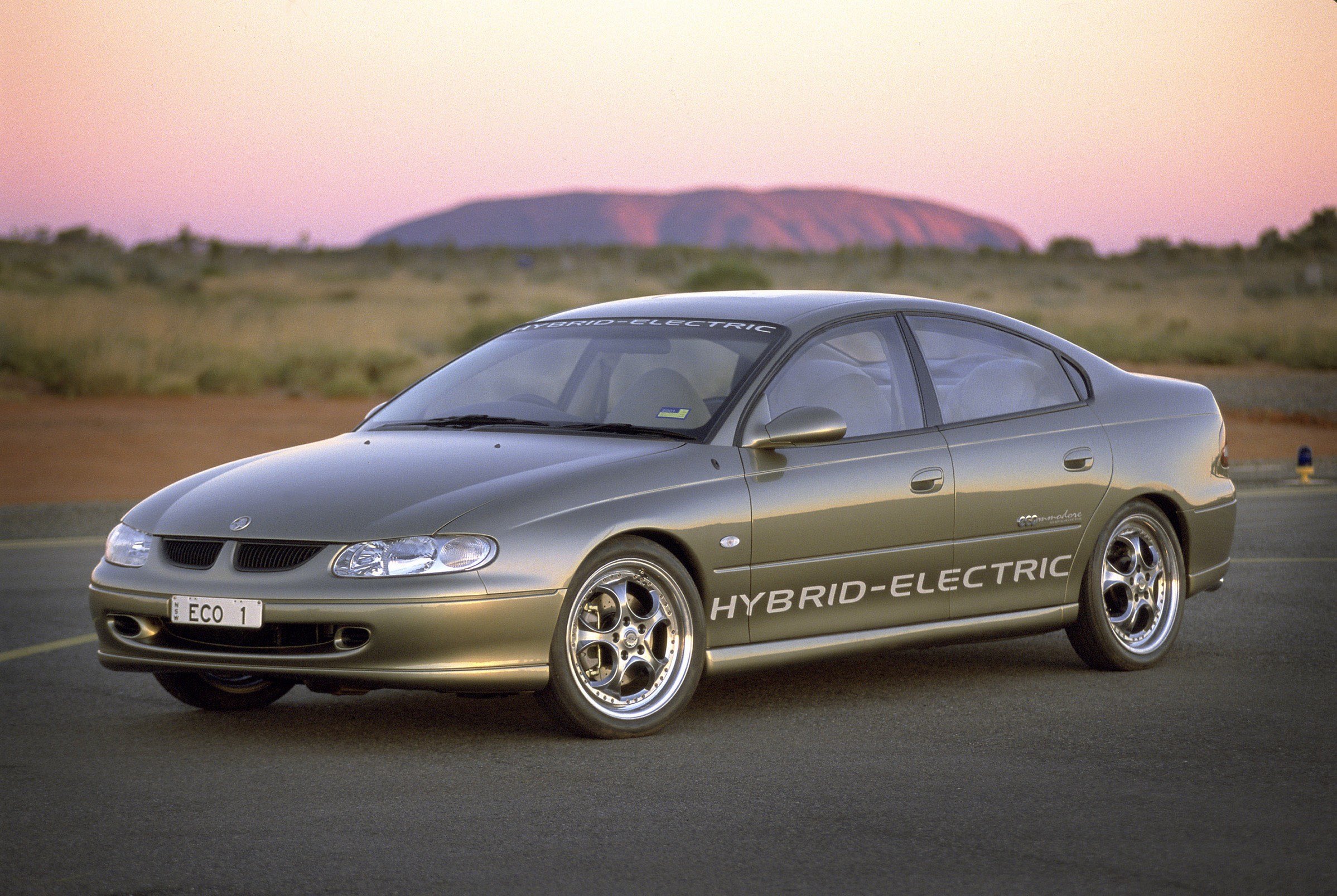
So the car’s roof was cut off and dropped 40mm for a useful reduction in frontal area. The ECOmmodore uses a standard Commodore windscreen laid back a couple of degrees, but the rear glass is custom-made. Next step was tapering the tail to significantly reduce the size of the turbulent wake the car leaves in the air behind it.
“Drag is all about turbulence,” explains Niclasen. “It takes energy to create that turbulence.”And the energy required to whip the air into a tumbling frenzy is provided, yes, by the engine. “Turbulence,” he adds, “isn’t well understood.” And much of what is known isn’t blindingly obvious. “It’s not intuitive that the rear of a car has a greater effect on its aerodynamics than the front,” says Niclasen.
But that’s the way it is.
1
The crucial thing is to keep the air flowing smoothly over the body, right the way back to the tip of the tapered tail, where it should detach cleanly. Do this, and the dimensions of the turbulent wake will match the width and height of the rearmost section of the car’s body.
Maybe, if the aerodynamicists have done exceptionally good work, the wake will be even smaller. The sweep of the ECOmmodore’s C-pillars and the crisp crease in its bootlid are explained by these aerodynamic fundamentals.
Drag reduction reaches even the parts you can’t see. “Underbody plays a huge role,” says the engineer. “Class leaders are cars like the S-class and Lexus. Look underneath and you’ll see why. They’re almost dead smooth.
“Aerodynamics has played an insignificant role in vehicle design in Australia to date,” Niclasen believes. This will change as carmakers are forced to cut fuel consumption, because the restrictions on petrol cars are only going to get tighter.
Fossil-fuelled cars are on notice. Long term, they’re goners. And their ultimate extinction will not wait until the wells run dry. They’re being choked steadily by their own exhaust emissions. Since the mid ’60s most of the world’s car-makers have cleaned up their acts, and their engines, in successive stages when mandated to do so. All round, improvements have been dramatic, though far from uniform. In places where regulators wield really big sticks, the current exhaust outputs are almost as clean as they’re ever going to get.
1
Even in countries like Australia, where current emissions levels are still fairly generous compared with some places, new cars emit only fractions of the pollutants pumped out by their forebears. But the problem doesn’t go away. Experts, including the CSIRO’s David Lamb, conclude that more than half the cars on the road in Australia today don’t meet even the relatively modest emission levels imposed by ADR37 in 1986.
Though the major pollutants have been decimated, the hoary old carbon dioxide bogey remains. CO2 is one of the main reasons Earth is habitable. But our overproduction of the stuff tilts nature’s balance askew and stimulates the so-called greenhouse effect, with its attendant warming peril. Thing is, there’s a direct and inescapable correlation between CO2 production and fossil fuel consumption. Every litre of petrol burned sends another 2.4kg of CO2 into the system. Scaled up, it’s an annual average of over four tonnes of CO2 from every car. The problem is big. Very big indeed.
Electric cars are the answer. Trouble is, no-one has yet figured how to make a battery-electric competitive for cost, mass, performance, driving range and other things essential for mass marketing.
So, how can hybrids help? After all, it’s reasonably common knowledge that fuel cell cars are coming to save us. We wish. By producing electricity via non-polluting chemical means, best-practice fuel cells seem the ideal answer. Even some second-best solutions, which involve cracking fossil or organic fuels to feed the cells, promise tolerably minimal tailpipe nasties.
1
There’s talk of automotive fuel cells being on the road in a few years, but it’s a safe bet they won’t be around in even slightly significant numbers for at least a decade, probably closer to two. Or three. This is where hybrids come in; between now and fuel cells.
Nobody’s honestly pretending hybrid electrics are the ultimate answer. Some critics dismiss hybrids as heavily compromised solutions that only wed the disadvantages of combustion engines and battery-electric motivation. There’s some truth in that, but the bigger reality is that hybrid electrics are far more viable and measurably more efficient, with much less obnoxious flatulence, than any alternative now and in the immediate future. Hybrids may need two things (combustion engine and electric motor) to get their act together, but they do work.
There are two basic types of hybrid electrics. Holden hasn’t enrolled in the ‘series’ hybrid school, where the electric motor does all the driving and the combustion engine runs only as often and much as needed to keep the (big) batteries charged. Instead, Holden has chosen the ‘parallel’ hybrid path, where the driving duties are shared by the engine and/or motor as conditions require.
Now that the idea of a hybrid Holden has begun seeping in, you’re ready for the next shock… a front-wheel drive Commodore! Stay calm. A whatever, whenever Commodore-based production hybrid will almost certainly have rear-wheel drive. But for the purposes of this first exercise, front-drive was most expedient.
Hybrids to date have been physically small or compact, as the first production models (Toyota Prius and Honda Insight) reflect. But Holden decided its project must involve a full (Aussie) size family sedan to have real-world relevance.
1
To bring best possible technology to bear, Holden enlisted hybrid-savvy CSIRO experts, along with specialised resources from more than 25 local suppliers.
In the quest for lightness, exterior body panels are carbon fibre or fibreglass, while the door windows and backlight are polycarbonate plastic weighing about two thirds less than the panes they replace. The interior also extols the no-fat diet with lightweight door trim panels and exclusive form-fitting seats.
The combined effect of these and other lipo-suctions almost offset the extra mass of the motor, battery pack, super-capacitors and the electronic power management package, so the completed hybrid’s mass ends up in the same ballpark as a stock Commodore.
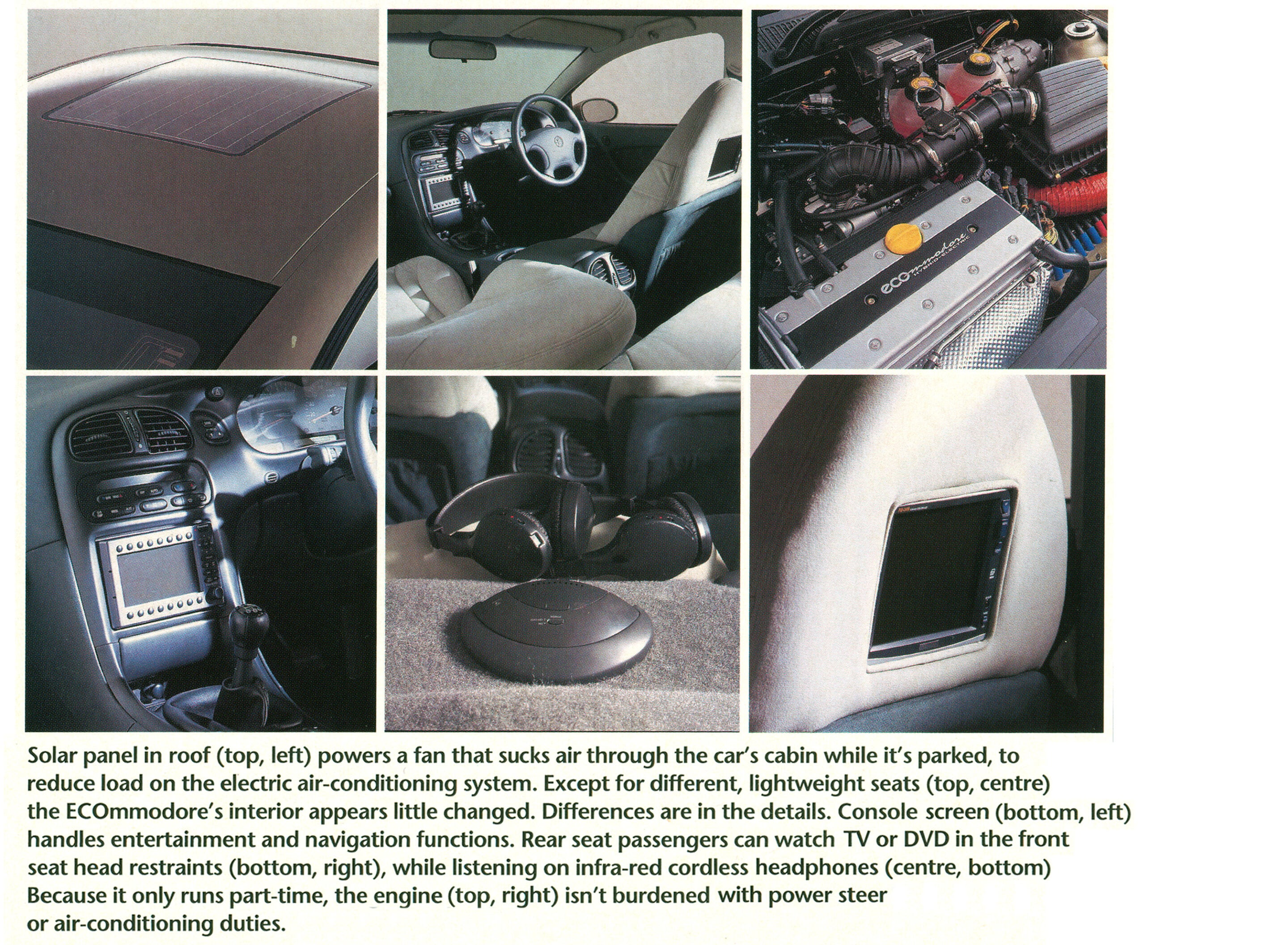
Though Holden’s hybrid clearly stresses the need for (and benefits of) reduced weight and energy efficiency, the interior also reflects the project’s high tech aspects. The unique instrument cluster, for example, adds displays for the prevailing driving mode (petrol, electric or combo and the battery charge level. The front console’s info/entertainment centre complements the familiar CD and AM/FM radio with integrated DVD player, television receiver and Global Positioning System. Rear passengers can watch TV or a DVD on the front seatbacks’ video screens, with audio via cordless infrared headsets, even as GPS is playing on the front screen.
1
Elsewhere, attention to detail includes a new weight-reduced steering column with innovative electric clamping for the height/reach adjustment. Significant weight savings accrue from new brake calipers and rotors, along with an electric parking brake system.
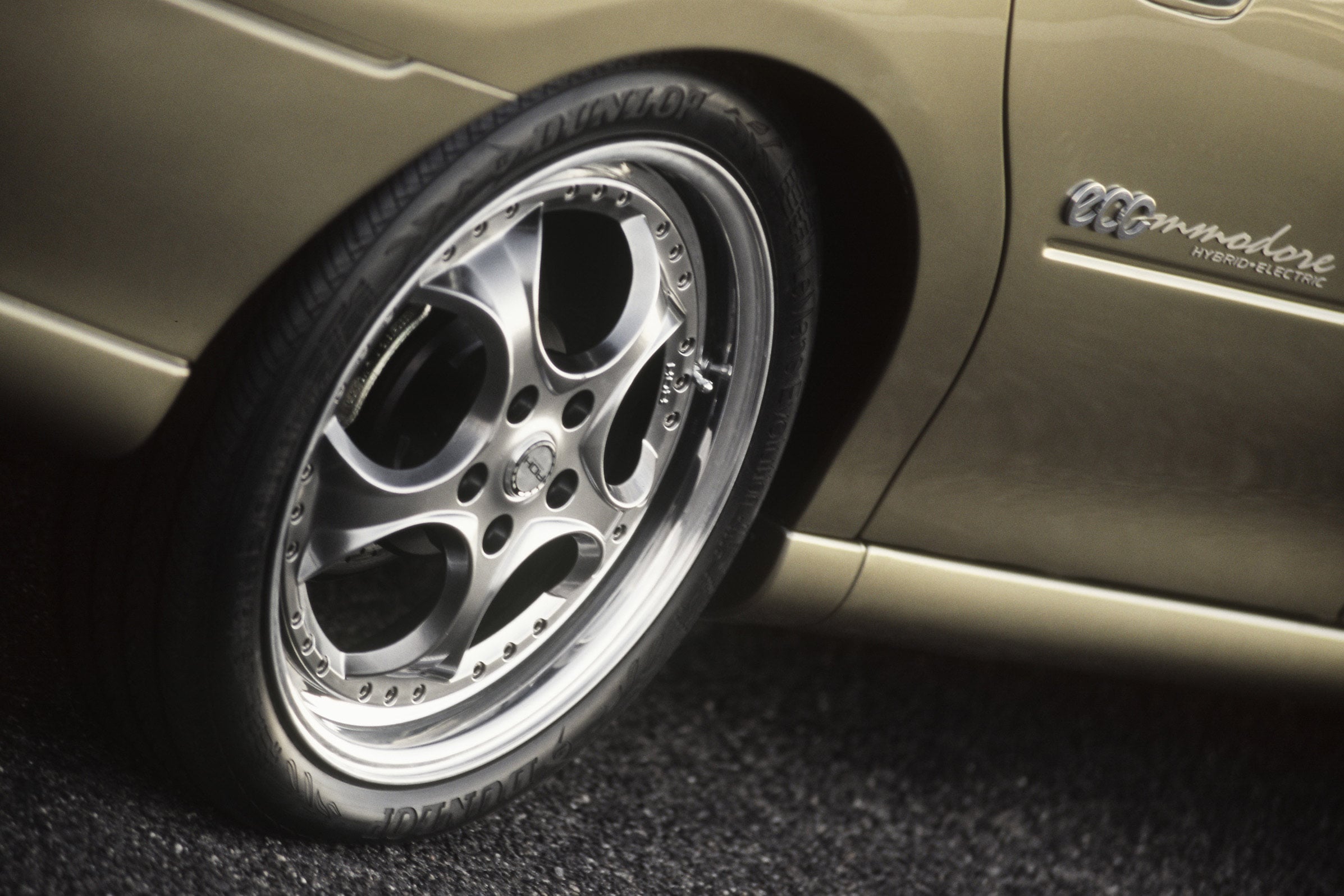
Since reduced rolling resistance is also a target, the hybrid has its own lightweight 18-inch ROH wheels, with special five-inch tyres. Besides rolling more easily than conventional tyres, the comparatively narrow Dunlops help reduce the car’s frontal area and create less turbulence within the ECOmmodore’s wheel wells.
The hybrid’s suspension owes nothing to the Commodore, and ex-Opel trailing arms are relatively easily adapted to the rear underbody. But the Commodore’s front-end structure is extensively revised to accept Vectra struts and arms, as well as the comparatively wide transverse powerplant.
The engine choice was, of course, a pivotal factor at the project’s very outset. Once the hybrid’s objectives were resolved, extensive computer analysis by the CSIRO sifted through a number of engine possibilities, assessing candidates’ power, torque, fuel consumption, mass and other stats. Sort of like Popstars auditions.
Without a suitable longitudinal rear-drive engine in the GM stable, the selection narrowed to the latest 2.0-litre Vectra engine, one designed specifically for front-drive. However, a special light alloy cylinder block with spun cast iron liners was produced specifically for this installation.
1
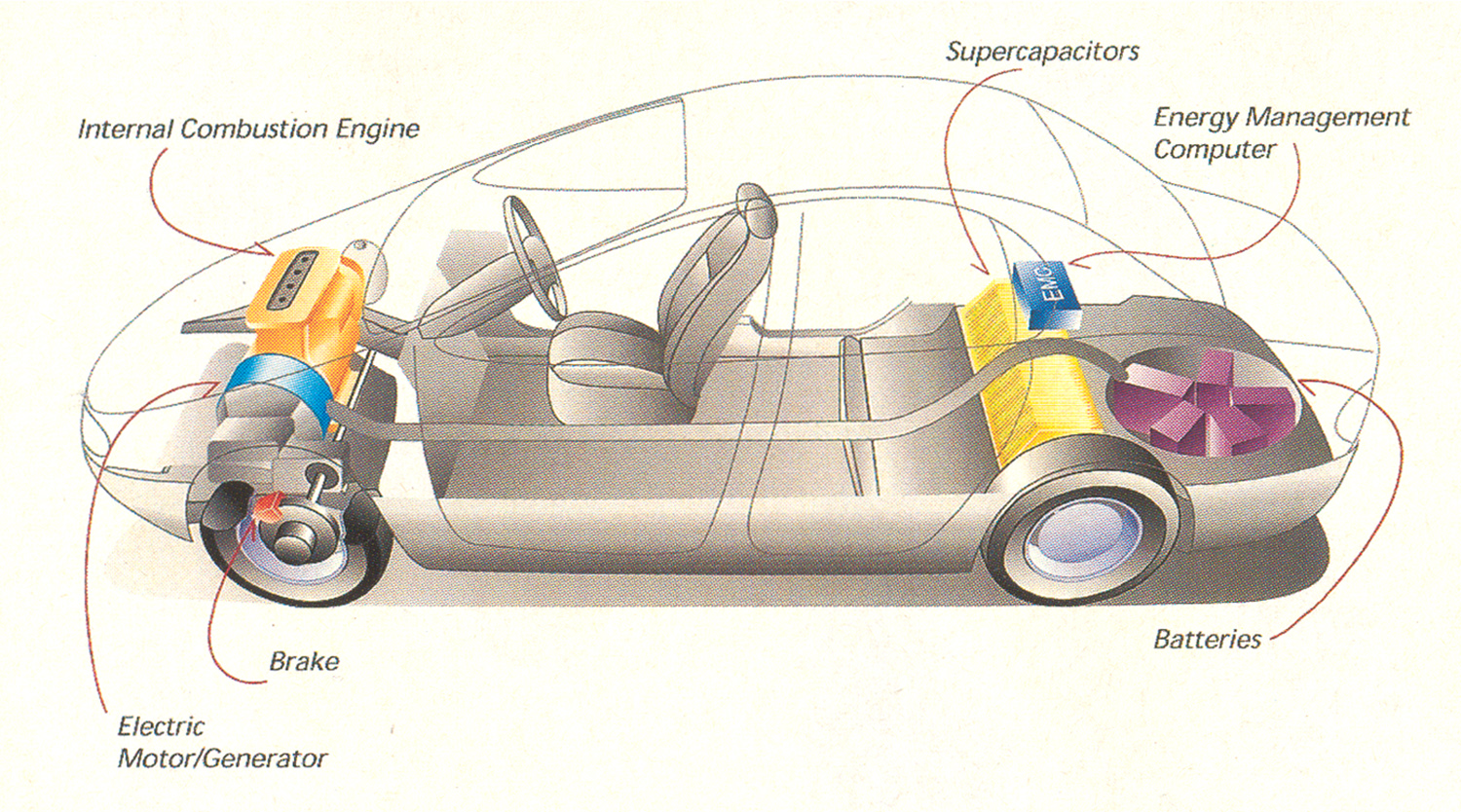
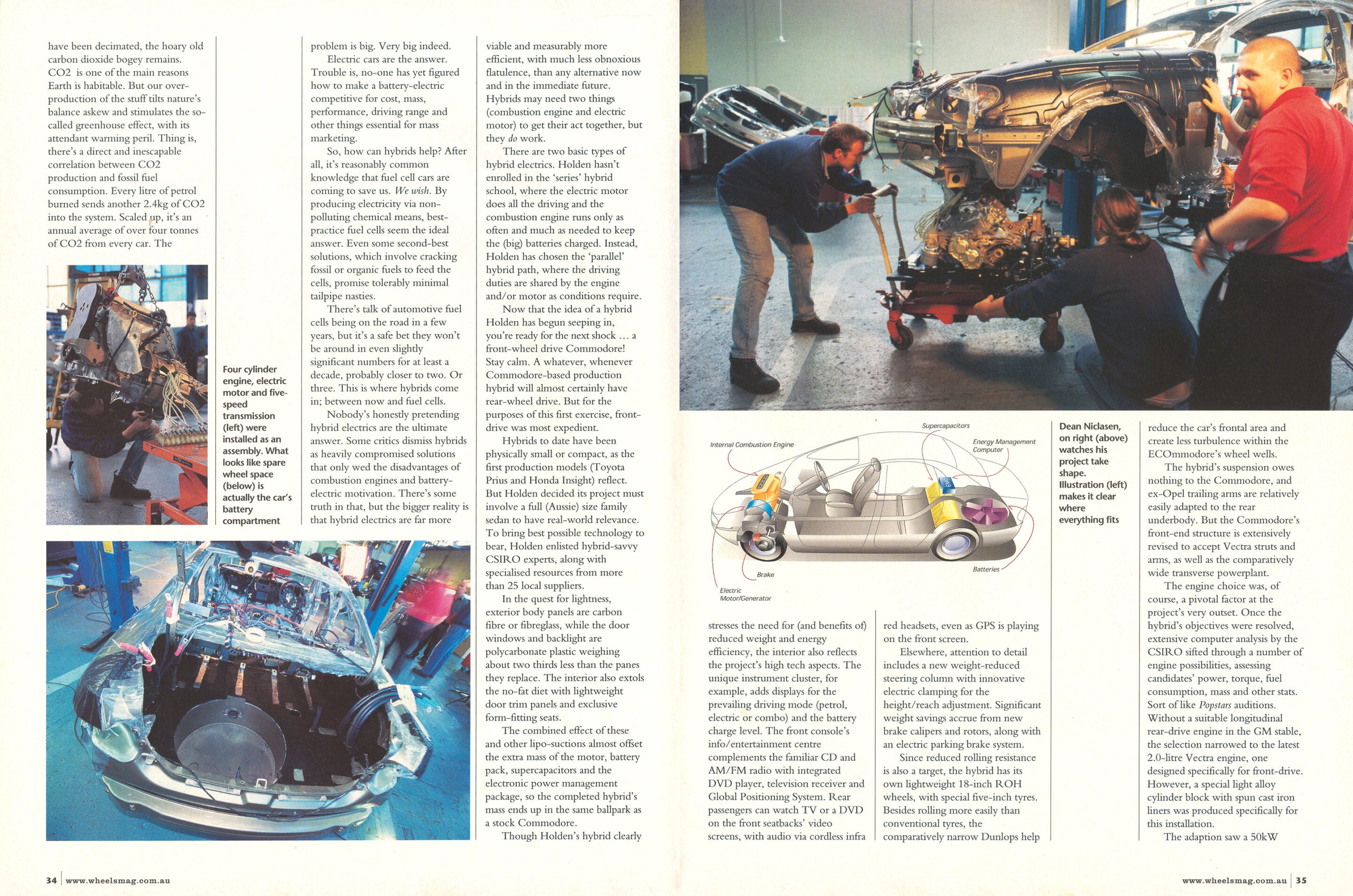
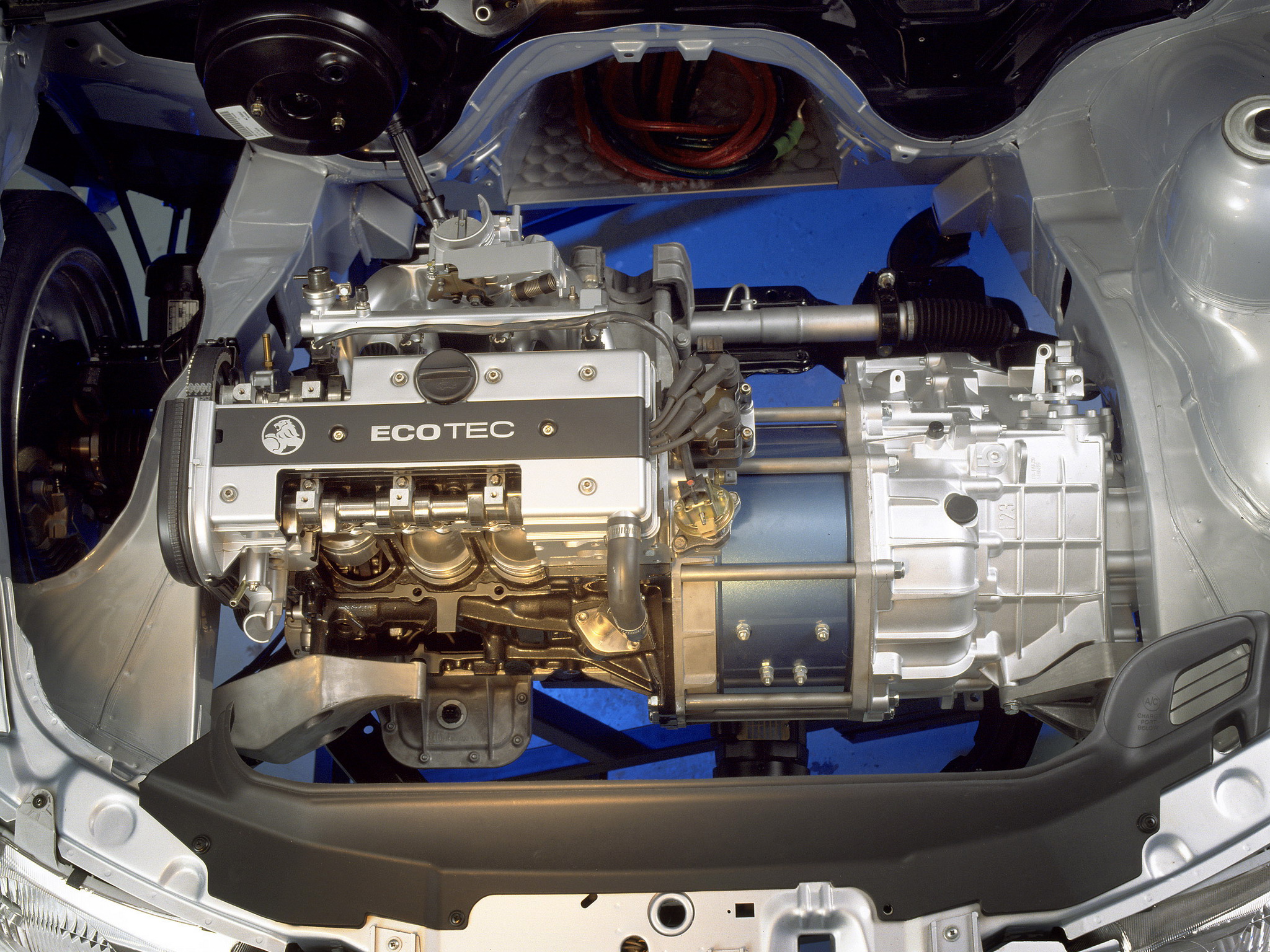
The adaption saw a 50kW CSIRO-sourced electric motor inserted between the 95kW Vectra engine and its manual transmission. Enabling the motor alone to propel the car in some conditions, and in conjunction with the engine at other times, meant a second clutch was needed to marry and divorce the two cohabitants as needed.
Trouble was, the Commodore’s front bay offered only 210mm more width than the standard Vectra engine/gearbox combo. So that was the maximum spread allowable between engine and transaxle. It took some doing, but the engineers ultimately devised a special thin flywheel and clutch assembly for the engine/motor interface. This clutch is electronically actuated and computer controlled.
For smoothest coupling of the engine and motor, the engine speed must be synchronised with the motor’s revs in the moment before connection occurs. To that end, the respective revs are monitored by the management system, which signals the drive-by-wire throttle to zip the engine up to speed.
1
At the other side of the motor, which in some conditions doubles as a generator to recharge the batteries and super-capacitors, a standard Vectra clutch delivers the drive to the gearbox.
The hybrid’s engine leads a life very different to conventional cars’. Depending on driving conditions, the engine may run for only 20 to 60 seconds, then sleep for some minutes before being awakened for another squirt of whatever duration. Special measures are needed to avoid high engine wear and friction due to the frequency of cold starts, and to circumvent the lack of manifold vacuum for the brake booster. As well, the engine must hit full speed and load whenever the driver calls for maximum power.
Since coolant need not be circulated when the engine is cold, the mechanical water pump is redundant. Overseen by the car’s energy management computer, the replacement electric water pump runs relative to engine temperature.
Adequate lubrication presents a different problem. To ensure the bearings and bores are oiled prior to start-up, a secondary electric pump pressurises the lubrication system a moment before the engine is cranked over. As the engine starts, the standard mechanical oil pump takes effect.
The engine’s part-time operation is also behind the inclusion of an electro-hydraulic pump for the power steering. Because the engine’s inlet vacuum is unsuitably intermittent and inconsistent, an electric vacuum pump meets requirements of the brake booster and air-conditioning.
1
The air-con itself uses an electric compressor, while the heater is fuel-fired because the engine cooling system cannot be relied upon to furnish adequate heat for the cabin. A solar panel bonded to the roof powers a fan that continually pumps fresh air through the cabin, reducing dependence on the air conditioning.
The hybrid Holden also has a separate secondary cooling system to keep the maximum temperature of the electric motor and hard working power electronics below 60 degrees C, while the engine cooling system copes with operating temperatures to the high side of 100 degrees C.
The power electronics are situated in the rear compartment, along with the super-capacitors spanning the width between the wheelarches behind the seat. A cluster of five special CSIRO batteries are arranged spoke-like within the original spare wheel well, where a fan-fed 100mm duct supplies air to cool the batteries and evacuate any hydrogen produced during recharging.
1
The ECOmmodore has lead-acid batteries, rather than the more upmarket (and expensive) types that offer greater performance potential with lighter mass and longer life expectancy. Though lead-acid batteries are very heavy, they work well, are a known quantity and are the nearest thing to being affordable. Developed by CSIRO specifically for such installations, these special batteries are ‘optimised’ by means of unique construction and what’s described as “creative chemistry”. The charged batteries are the sole energy source when the car’s cruising easily and the engine is resting. When the batteries discharge to a prescribed point, the engine kicks in and, besides propelling the car, drives the motor/generator to recharge the batteries and super-capacitors. The motor also acts as a generator whenever the car is braked or coasted.
For major acceleration, the engine is boosted by the motor, which gets highly juiced by the super-capacitors. They’re physically large yet relatively light electrical devices that can store a useful amount of electricity, and release it in a rush. Though the discharge can be controlled to a degree, once the taps are opened the outflow is spent in perhaps 10 seconds or so. Fortunately, the super-capacitors recharge just as quickly and are then ready for the next burst of acceleration.
1
Which brings us back to the project’s bottom line: To prove that an Aussie-size hybrid electric family car can be on the pace for the safety, performance, room and comfort expected by most buyers, while almost halving petrol consumption and slashing noxious exhaust gases. Targets worth chasing.
Follow WhichCar/Wheels on Google
Click the button below to make WhichCar by Wheels a preferred source for your news.

We recommend
-
 Features
What would Holden’s line-up look like today? AI helps reimagine a cancelled future
From imagined EVs to revived performance icons, our AI-built 2025 Holden line-up reimagines the brand for a new age...
-
 Features
10 Holdens that mattered: One year on from Holden’s Aussie factory closure
It’s an unwinnable argument, but let’s start it anyway: here are the General’s top 10 soldiers that made the most important contribution to the battle for hearts, minds and wallets
-
 Features
2002 Holden Commodore: VY Commodore - Reinventing Australia's top seller
lt's about to get a whole lot tougher for Holden. Confronting a fiercely competitive Falcon for the first time in years, the boys from Fishermans Bend have worked hard on a defence strategy.