News

Gallery 1
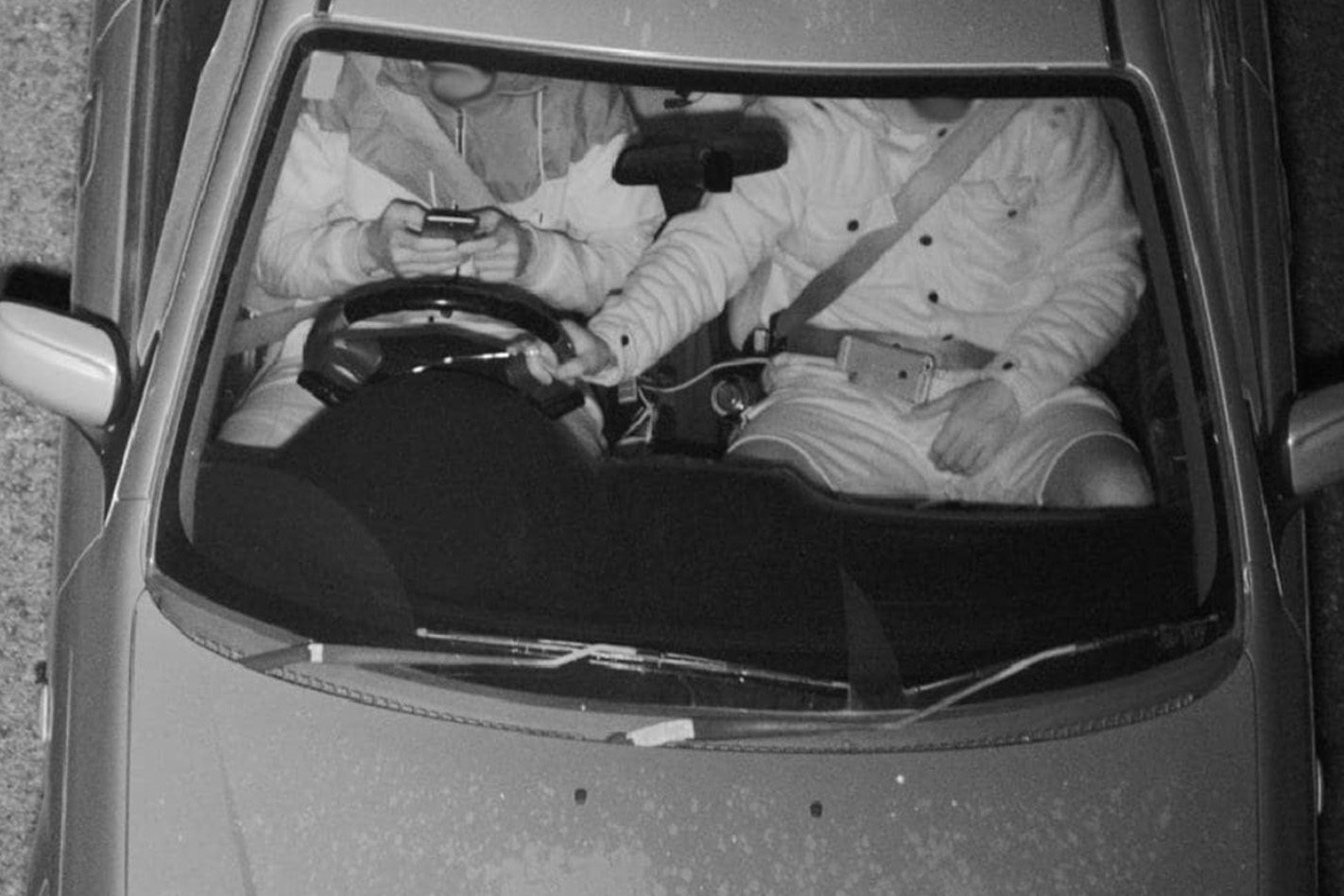
South Australia has tightened its mobile phone detection laws after a legal loophole allowed motorists caught with phones on their laps to successfully challenge fines.
The state government has amended regulations governing mobile phone detection cameras, with police confirming the change removes ambiguity around whether drivers can be penalised for resting a device on their body while behind the wheel.
The move follows a sharp rise in mobile phone detection offences since cameras were rolled out across South Australia in late 2024, reported Yahoo News Australia.
1
In the program’s first six months, police issued 46,476 expiation notices to registered vehicle owners. In the current financial year alone, authorities have handed out more than 40,000 notices, generating more than $26 million in fines and levies, reported the Adelaide Advertiser.
Under South Australian law, motorists caught illegally using a mobile phone face a $556 fine, a $104 Victims of Crime Levy and the loss of three demerit points.
While national road rules have long prohibited drivers from holding or resting phones on their bodies, South Australia’s original camera enforcement regulations only authorised officers to examine images for offences specifically detailed in state legislation.
That wording did not clearly include phones positioned on a driver’s lap or elsewhere on the body, creating uncertainty about whether police could legally inspect images for that behaviour or issue fines based on the footage.
The amended regulations now broaden the legal definition of “use” to explicitly include resting a phone on any part of the body, while also formally allowing camera images to be used to enforce the offence.
Police Minister Michael Brown said the changes were introduced to clarify the intent of the law after court matters exposed the gap.
“South Australia first introduced mobile phone detection cameras in 2024,” he said.
“As such, new laws were passed by parliament, and there have been subsequent matters before the courts where it became clear that there was ambiguity.”
Authorities across Australia continue to intensify enforcement against distracted driving, with camera technology increasingly targeting motorists using phones behind the wheel – even when devices are switched off or not actively in use.
Follow WhichCar/Wheels on Google
Click the button below to make WhichCar by Wheels a preferred source for your news.


We recommend
-
 News
NewsWhat does it cost to get a licence in every state of Australia?
The cost of getting your driver's licence varies greatly depending on your location, according to new research from a professional driving instructor finder, as does the time required to become fully licensed.
-
 News
NewsAI traffic cameras lead to surge in road fines across Australia
Automated enforcement technology is lifting fine revenue nationwide, with most offences now detected by cameras rather than police.
-
 News
NewsNew speed camera roll-out defended amid ‘revenue raising’ accusations
Government says new enforcement sites target high-risk areas, not revenue.