News

Gallery 1
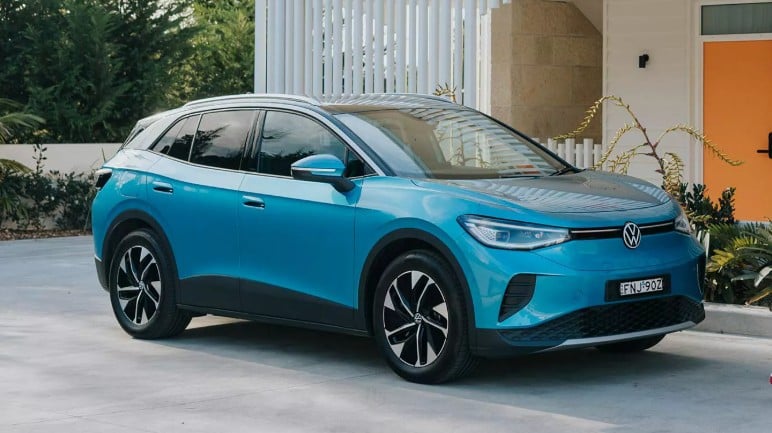
Volkswagen Australia remains committed to an increasingly electrified future, but insists the pace and type of technology it adopts locally will ultimately be determined by customer demand rather than a fixed roadmap to battery-electric vehicles.
Speaking to WhichCar by Wheels at the local launch of plug-in hybrid variants of the Tiguan mid-size SUV and Tayron large SUV, Volkswagen Australia executives outlined a strategy centred on flexibility, with hybrids, plug-in hybrids and EVs all expected to play a role in the brand’s local line-up over the coming years.
“The future is electrified,” said Arjun Nidigallu, Head of Passenger Vehicles at Volkswagen Australia. “But just how electrified and what kind of electrification will really be dictated by the market.”
According to Nidigallu, the wide range of platforms developed by the Volkswagen Group is a major advantage, and allows the brand’s local arm to pick and choose what it needs locally as market tastes change.
“We’re in a privileged position as a brand to have multiple platforms that can support multiple types of powertrains – ICE, hybrid or fully electric – and we can pick and choose as we see fit for the Australian market.”
4
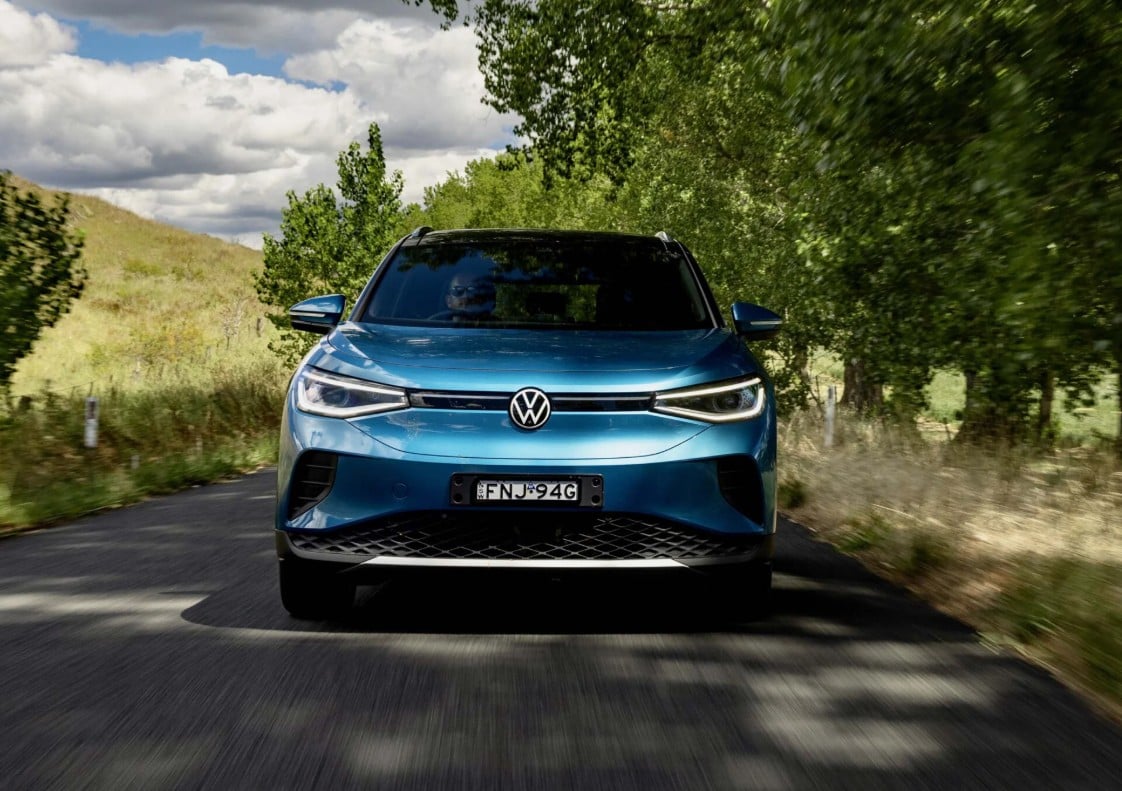
The comments come as Volkswagen continues to expand its electrified range in Australia. Despite being one of the slower local brands to launch an electrified product – its first, the plug-in hybrid Touareg R, launched only in March 2024 – it now offers a reasonable range locally, including the ID.4 and ID.5 electric medium SUVs.
When asked if more EVs like the recently revealed ID.Polo will be offered here, Volkswagen Australia Director of Passenger Vehicles, PierGiorgio Minto, said that they remain under consideration, although any future decision would depend on both demand and broader conditions.
“Strategically, in the future we need to be able to cover as many segments as possible. If there is demand and it makes sense from a brand perspective, why not? But we also need to choose the right product for this market and for our customers. If they have nowhere to charge it, why sell it?”
Volkswagen noted that markets such as Norway – often referenced as the benchmark EV success story globally – benefited from decades of government support and incentives.
“Norway’s journey was long and the government played a fundamental role. It started in 1990 with the world’s first EV incentive, which was exemption from road tax, and that has only increased since then and they’re now at 98 per cent EV sales.”
Despite Norway’s success, Volkswagen Australia says it is not waiting for government policy intervention.
“We really focus on our customers and what they need, and I feel like that’s infrastructure. Customers need support to make the decision to jump into an EV, which for most customers is still unknown territory. We’re trying to solve some of those problems ourselves within the scope of what we can, like partnerships with Ampol, for example. We’re supporting where we can and we certainly aren’t thinking too much about what the government can do for us, instead, we think about what we can do for our customers.”
The next step of Volkswagen’s electrification journey comes in the form of the new plug-in hybrid Tiguan and Tayron eHybrids, which are priced from $62,390 plus on-road costs.
Follow WhichCar/Wheels on Google
Click the button below to make WhichCar by Wheels a preferred source for your news.

We recommend
-
 News
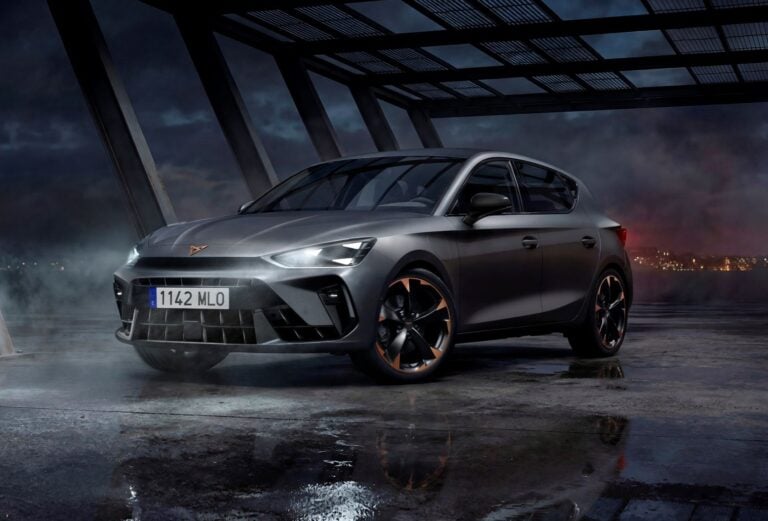
NewsCUPRA Leon Ve: Pricing and specs revealed for plug-in hybrid hatch with over 120km range
New plug-in hybrid hatch adds larger battery, faster charging and lower fuel use to refreshed Leon line-up.
-
 Features
Top 10 cheapest medium SUVs you can buy in Australia right now
If you're in the market for a new SUV to serve the family, but want to keep a lid on expenses, here are the 10 cheapest medium SUVs you can buy in Australia.
-
 News
NewsAI integration is coming to cars and could change the way you do everything
The stilted voice commands for car control could be replaced by fluid conversations, adaptable interactions, and smarter problem-solving to help you get around.