News

Gallery 1
Video playback is coming to your car, at least, it is if you use Android Auto phone mirroring.
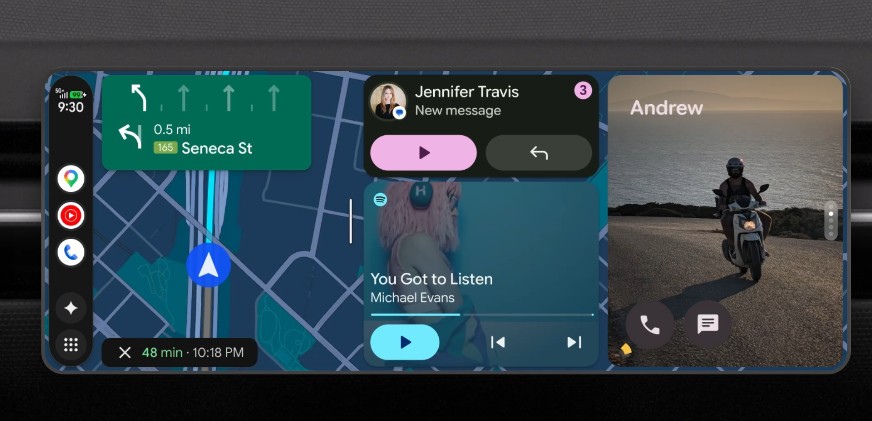
The latest round of revisions laid out by Google for its Android 17 mobile phone operating system, due for a full release later this year, brought major changes to Android Auto functionality.
Officially announced as part of the Google I/O 2026 developer conference, the changes to Android Auto and cars compatible with Google built-in services bring a range of functionality and app compatibility changes.
1
The biggest news – especially for owners of EVs who may find themselves facing long waits for, or at, public charging stations – is the adoption of YouTube video streaming support for Android Auto. Now drivers will be able to use their car’s infotainment screen to view video content.
The first supported platform will be Google-owned YouTube, with HD video at 60 frames per second supported on compatible infotainment systems. The roll-out will begin on cars from brands including BMW, Ford, Genesis, Hyundai, Kia, Mahindra, Mercedes-Benz, Renault, Skoda, Tata and Volvo.
In an attempt to stem safety concerns, the system will be configured to display video only when a vehicle is parked, and will switch to audio playback with a static image once a car is shifted into gear.
While not officially announced as part of the Google I/O presentation, industry speculation points to other steaming platforms, like Netflix, Disney+, Paramount+ and others, potentially receiving the same streaming support down the line.
1
Video streaming and high definition video won’t be automatically available on all cars compatible with Android Auto, with vehicle hardware pinned to system compatibility. In other words, older cars with smaller, low-resolution screens may not offer this latest upgrade.
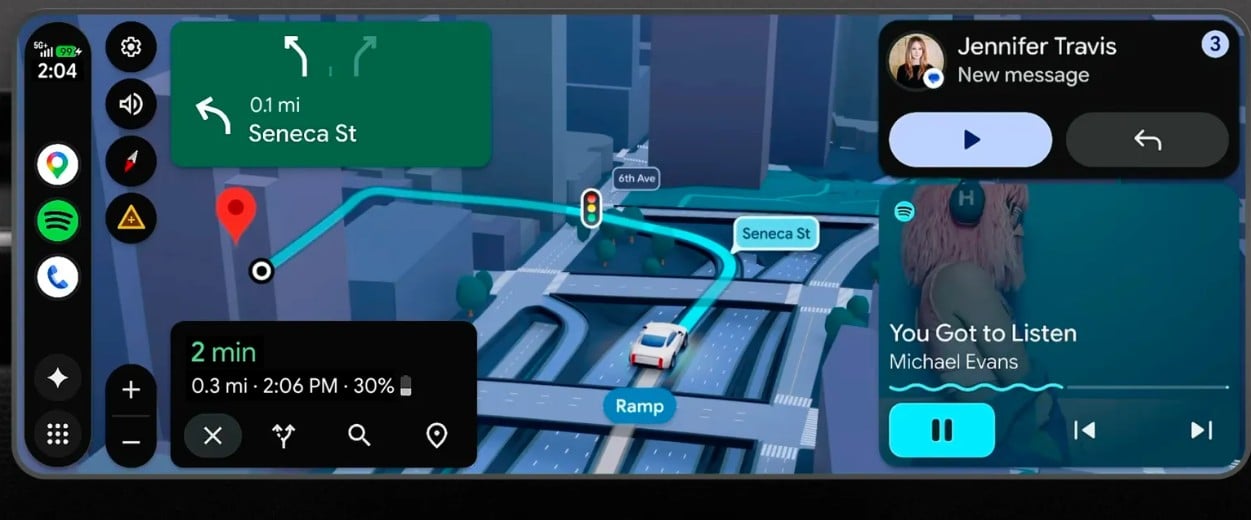
Other Android Auto changes coming with Android 17 include a new-look for the Andoid Auto system, ‘Immersive Navigation’ in Google Maps with added 3D details, additional customisable widgets, and an interface that matches the look of Android phones, known as Material 3 Expressive.
The public release of Android 17 is expected by June or July, 2026, with video streaming support for YouTube via Android Auto expected before the end of the year.
Follow WhichCar/Wheels on Google
Click the button below to make WhichCar by Wheels a preferred source for your news.
We recommend
-
 News
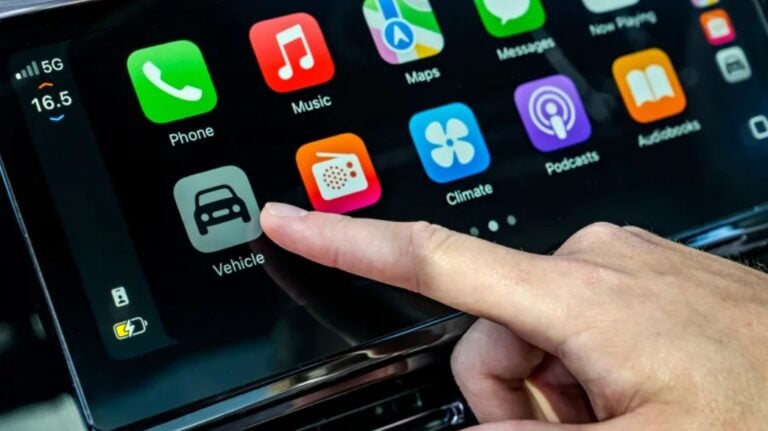
NewsLatest Apple CarPlay update adds customisable features
Next update adds a third widget on big screens and lets drivers turn off pinned message threads, continuing Apple’s slow-but-steady in-car refresh.
-
 News
NewsGM to dump Apple CarPlay and Android Auto support as it pushes its own AI-driven infotainment
General Motors plans to drop Apple CarPlay and Android Auto by 2028, replacing them with its own Google-based infotainment and next-generation AI assistant platform.