Features
Gallery 1
Some cars have cemented their place in history by being broadly appealing, inoffensive, and largely unremarkable. You’d see one on the street and not even think twice about it.
Those basic beginnings can also give way to spectacular works of engineering, transforming humble commuter appliances into cars with legendary credentials.
Nissan Juke-R
1
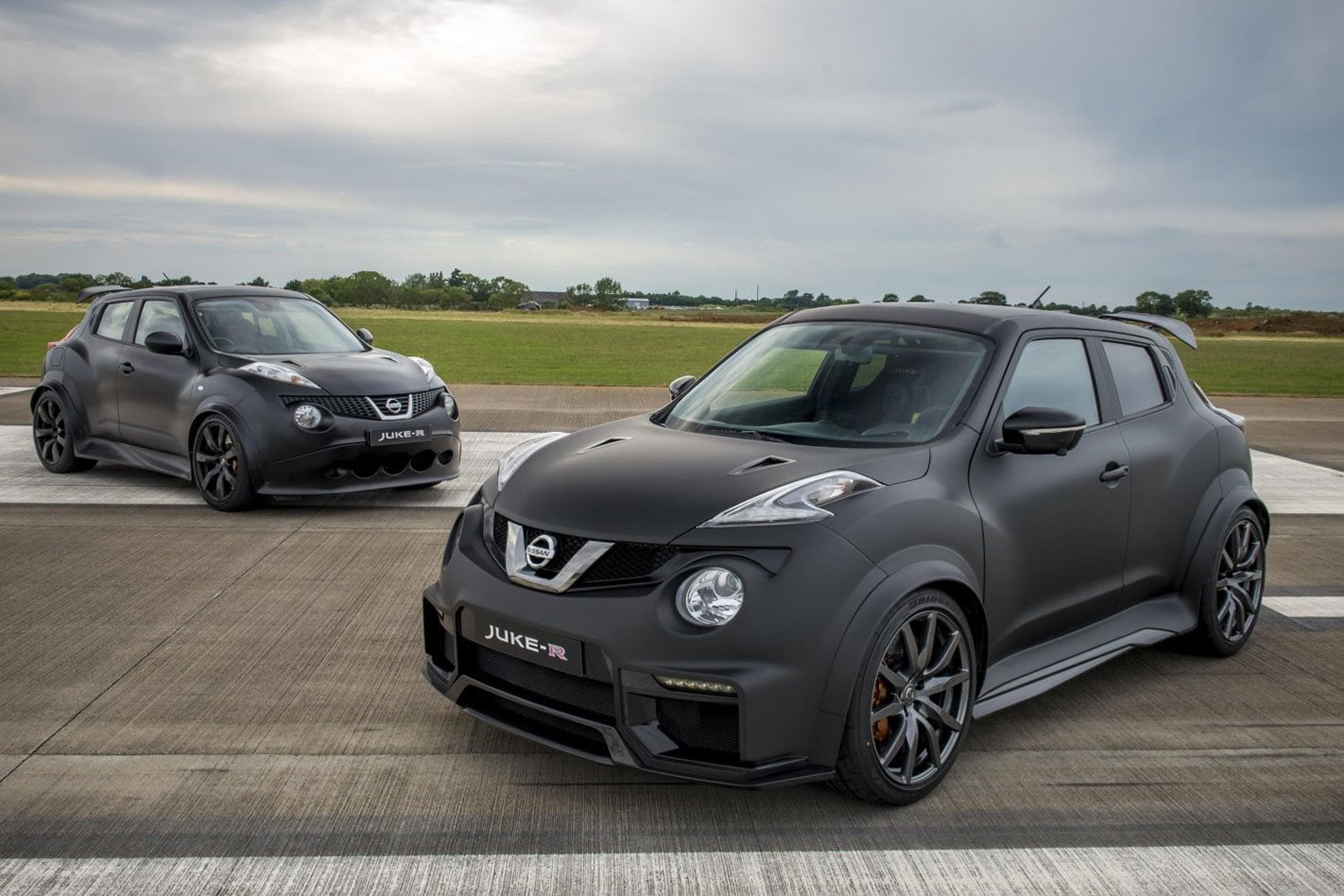
At very different ends of the Nissan spectrum, you have the all-wheel-drive twin-turbo V6 GT-R and the first-generation Juke. The latter could be, well, challenging to look at, and its 86kW 1.6-litre atmo engine and CVT auto couldn’t match its motorcycle-inspired styling.
Enter the Juke-R, based on the chassis and drivetrain of a Nissan GT-R, the 406kW 3.8-litre V6, twin-clutch auto, and all-wheel drive system were shoehorned in as part of an after-hours skunkworks project. Crazier still, rather than just a showcar, Nissan offered the handbuilt Juke-R for sale, and updated the original with a Juke-R 2.0 in 2015, punching out 447kW.
Renault Espace F1
1
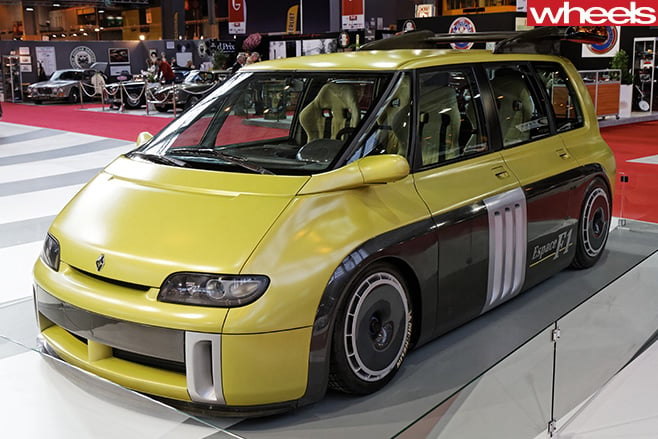
What do you do when you build Europe’s most popular people mover? The answer is obvious – squeeze a 3.5-litre V10 engine from an F1 car into it.
To commemorate the 10th anniversary of the Renault Espace, Matra, the contract manufacturer that built it, produced a one-off Espace F1 that had much more in common with Renault’s F1 car than anything you could buy in a Renault showroom.
Acceleration was a claimed 2.8 seconds to 100km/h. A carbon-fibre chassis kept the mid-mounted engine essentially where you’d find it in a Formula One racer, with the four-seat cabin adapted to fit around the mechanical package, rather than the other way around.
Toyota Prius Super GT
1
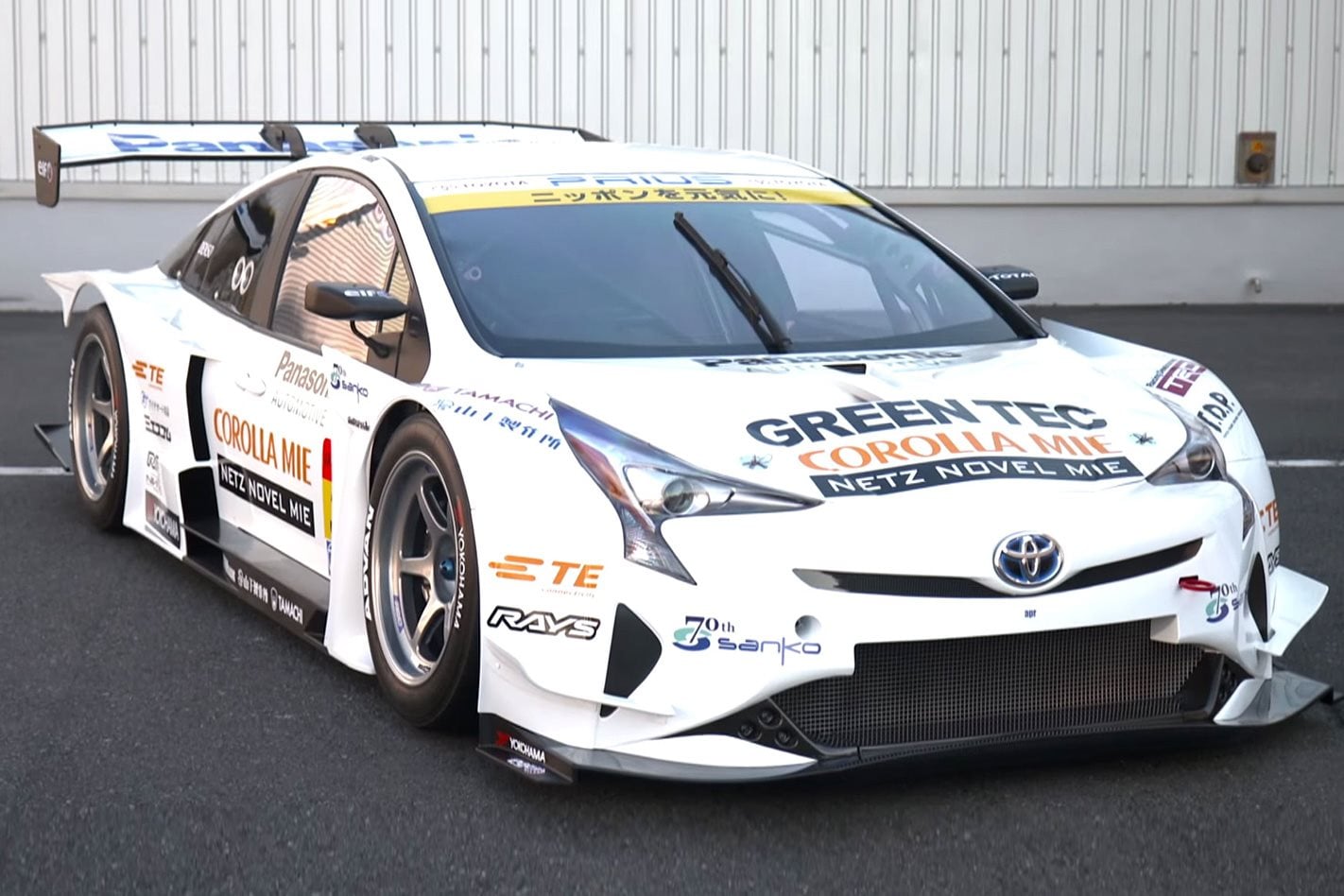
While the Toyota Prius might rank among the more sleep-inducing offerings in the modern motoring landscape, Toyota believed strongly enough in it to enter it into Japan’s Super GT racing series.
The Prius GT300 was not your typical taxi-spec Prius. Sure, it kept a hybrid engine, just like the road-going Prius, but this one was a mid-mounted hybrid V8 with a 3.4-litre V8 developed from Toyota’s IndyCar participation.
Regulation changes saw the Prius GT300 switch to a front-mounted hybrid V8 later in its racing career, and perhaps the most impressive connection to the production car is that its hybrid motor was, apparently, the same unit as used on the regular Prius.
Volkswagen Beetle RSI
1
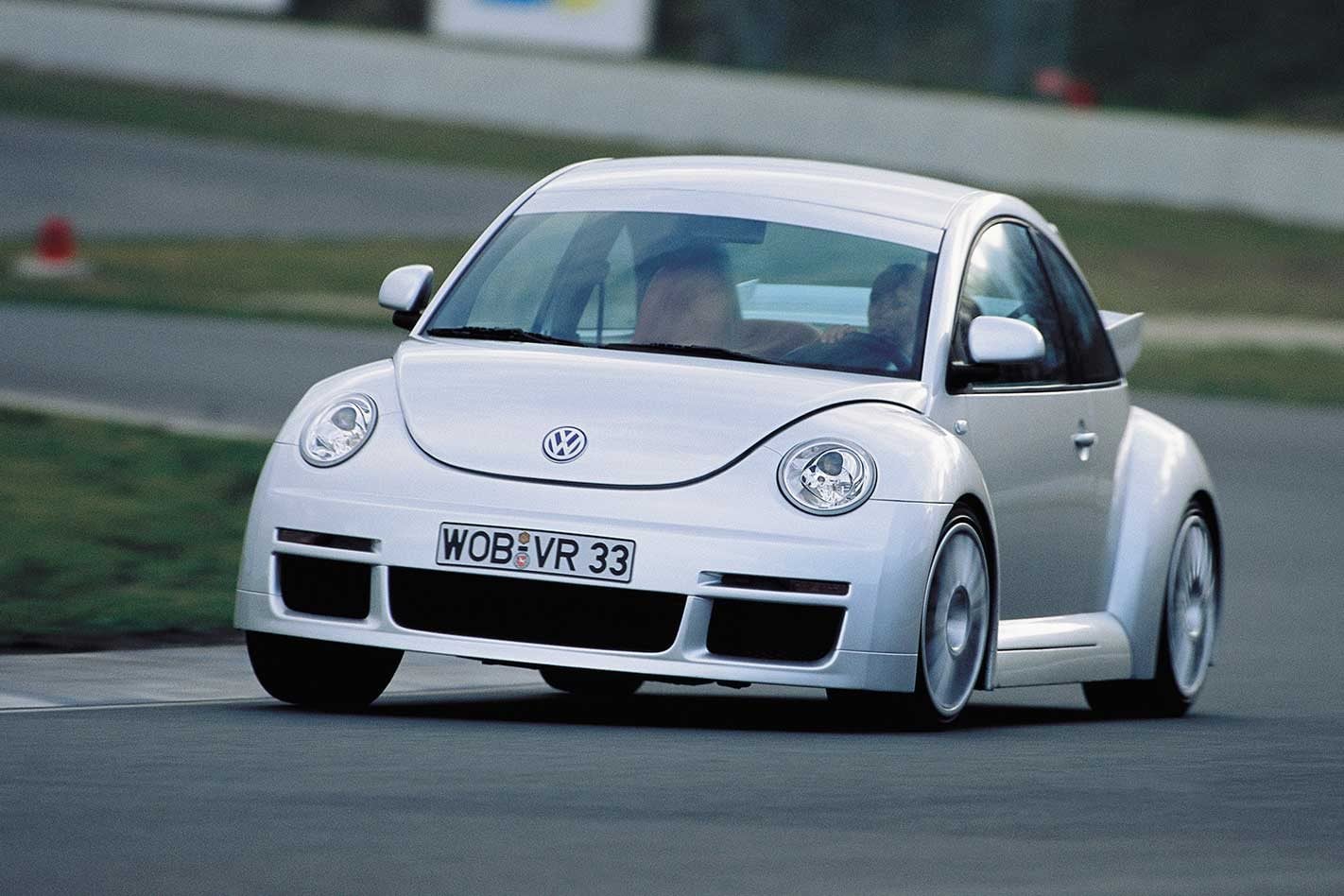
When Volkswagen launched the New Beetle in 1997, it quickly found an audience more interested in its playful styling and candy-coloured paint finishes than its performance or dynamics.
None of that stopped Volkswagen from pushing forward with the Beetle RSI. A transformative heart transplant from the Golf R32 saw the Beetle’s four-cylinder engine (with as little as 55kW in some markets) replaced with a 165kW VR6 engine, six-speed manual transmission, and 4Motion all-wheel drive.
To match the uprated performance, the Beetle RSI copped 80mm wider guards, unique ground-hugging bumpers, a distinctive rear spoiler, Recaro seats, and 18-inch OZ wheels. Production was capped at 250 units.
Audi RS6 5.0 TFSI quattro
1
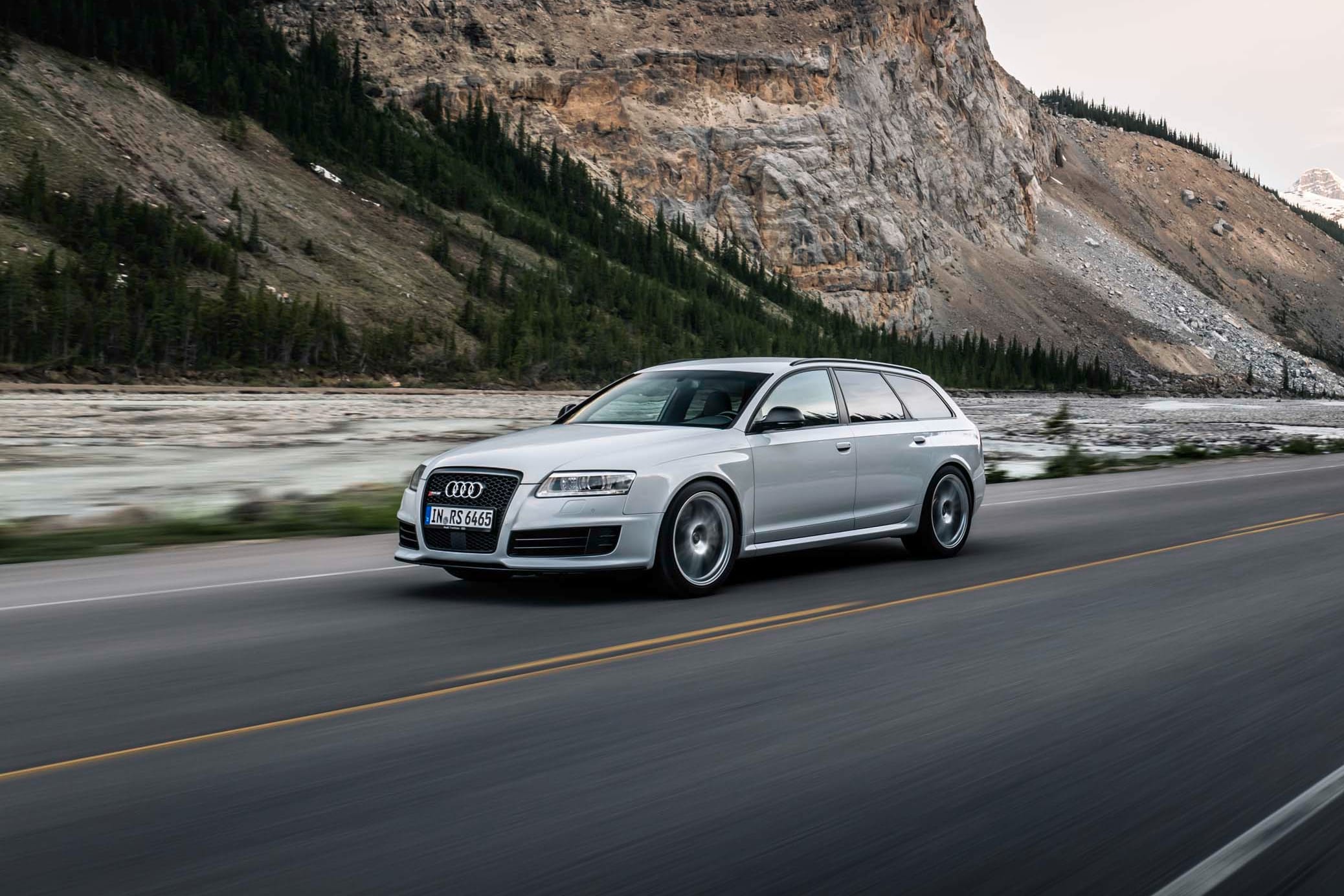
BMW launched the V10-powered M5 in 2004, so Audi did the only logical thing to one-up them, and strapped two turbochargers to its own V10-powered super sled. BMW claimed 373kW, Audi said ‘halt mal mein bier!’ and dropped the 426kW RS6.
Its lineage is shared with V10 models like the R8, S6, and S8, but only the RS6 scored the turbocharged treatment. Meanwhile, at the complete opposite end of the A6 spectrum, Audi would also happily sell you a 2.0-litre turbo diesel version with front-wheel drive, a CVT automatic, and just 100kW to its name in Europe.
Citroen BX 4TC
1
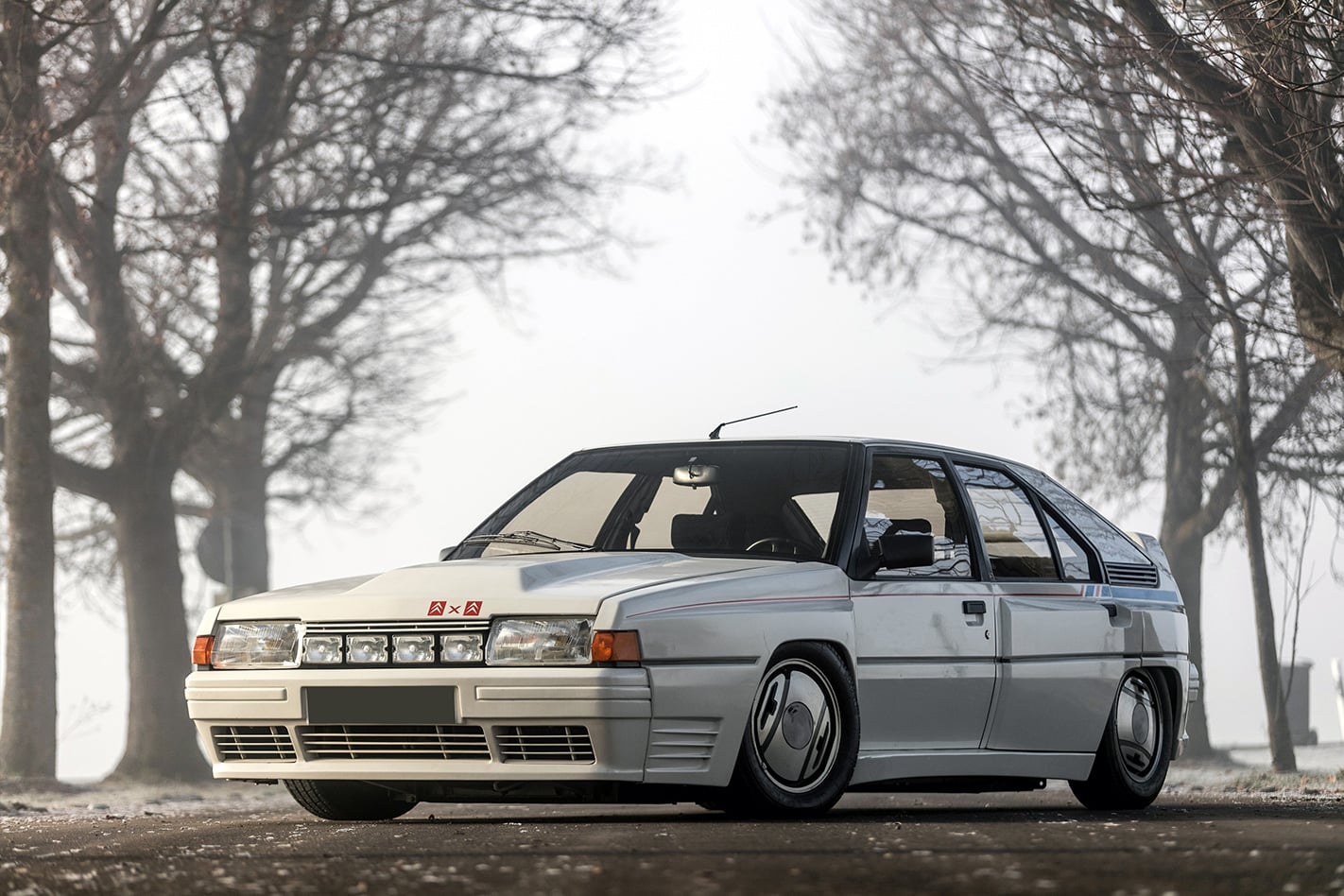
The Citroen BX was already one of the more unusual-looking cars of the 1980s, thanks to its cleanly futuristic Bertone-designed bodywork. Underneath the sharp exterior, mainstream versions of the BX were often paired with underwhelming engines, downsized to fit European tax charges that incentivised smaller capacities.
Citroen’s involvement in Group B rallying also led to the development of the BX 4TC. Homologation rules at the time meant 200 production examples, fitted with wider bodywork, and a turbocharged engine turned to run longitudinally instead of transversely, were required. Only around 110 eventuated.
The rally-bred BX flopped, not only in WRC racing, but also in showrooms, with only 86 reported as sold. Citroen’s shame at the whole program saw it attempt to buy back those customer cars, resulting in less than 40 surviving.
Dodge RAM – RAM SRT 10
1
America’s full-size pick-up trucks are often seen as symbols of excess here, but owe their existence to more humble workhorse models, seen towing and serving on fleets across the USA.
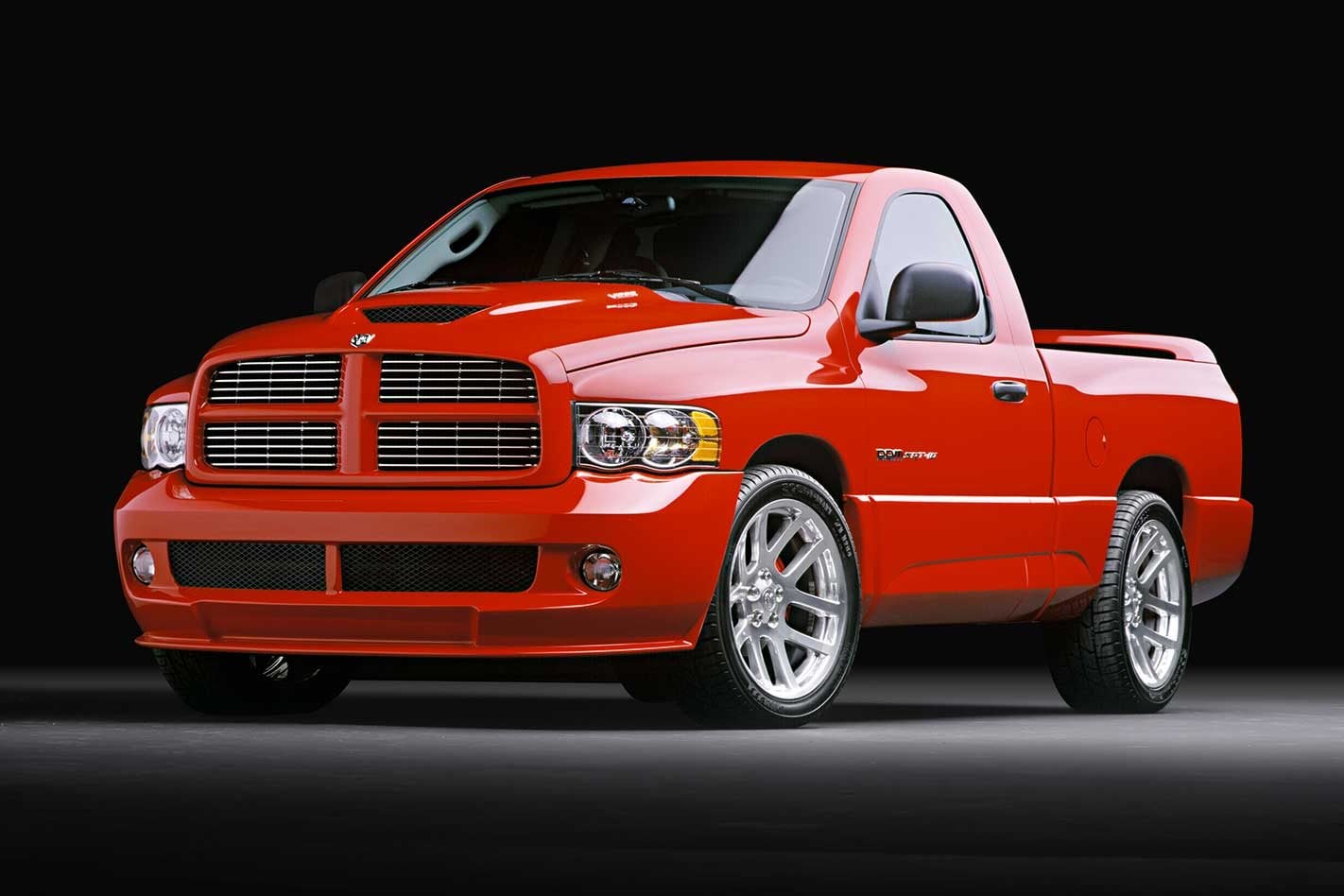
The standout exception to the duty-bound life is the Dodge Ram SRT-10. First shown as a concept in 2002, the Ram SRT-10 took its power from an 8.3-litre V10, the same as found in the Viper sports car.
While Dodge also introduced a work-spec 231kW 8.0-litre V10 to the Ram range, the bigger SRT-10 engine boasted 380kW and fed power through a six-speed Tremec manual transmission. The project proved so successful that Dodge later added a dual-cab version and four-speed auto, with over 10,000 units produced between 2003 and 2005.
Ford Sierra Sapphire XR8
1
Ford’s European family car of the 1980s, the Sierra, saw a number of performance versions adapted from its mostly humble core. The best known of which are probably the Sierra RS Cosworth and RS500 Cosworth models that campaigned in Australian Touring Car racing in the late ‘80s.
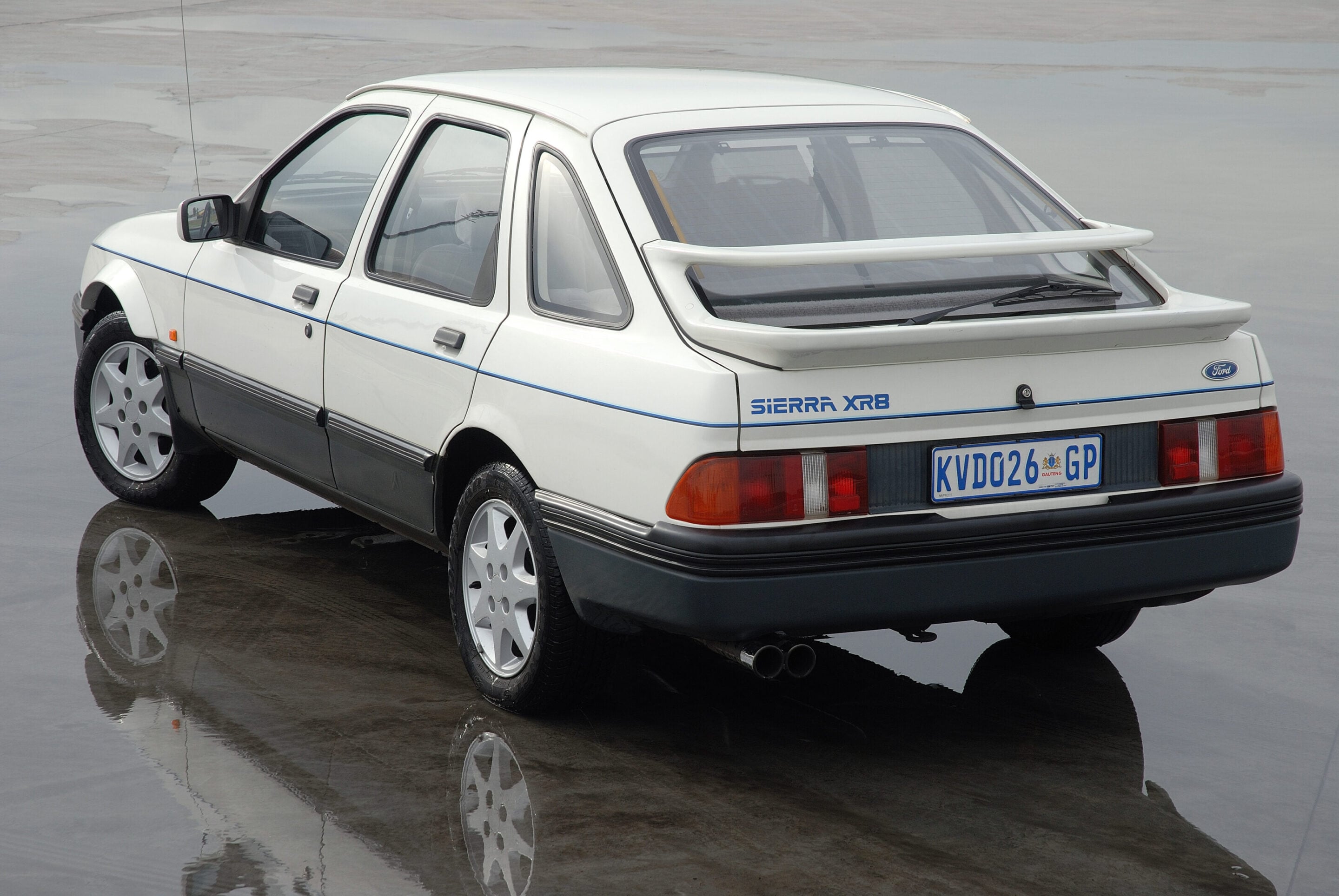
While the 2.0-litre turbocharged four-cylinder Sierras made an impact, South Africa flipped the script with the Sierra Sapphire XR8. As the name suggests, the Sierra XR8 featured a V8 engine, adapted from the 5.0-litre Windsor engine in the Mustang.
Styling was surprisingly tame, apart from the massive bi-plane rear wing. Outputs for the V8, at 161kW were tamer than the RS500’s 167kW peak, but in an era when either was a significant number, the XR8 was nothing to be sneezed at. Where later Cosworth models adopted all-wheel drive, the XR8 kept its rear-wheel drive underpinnings, with suspension and brakes upgraded to ensure it could handle the pressures of racing.
Mercedes-Benz R63 AMG
1
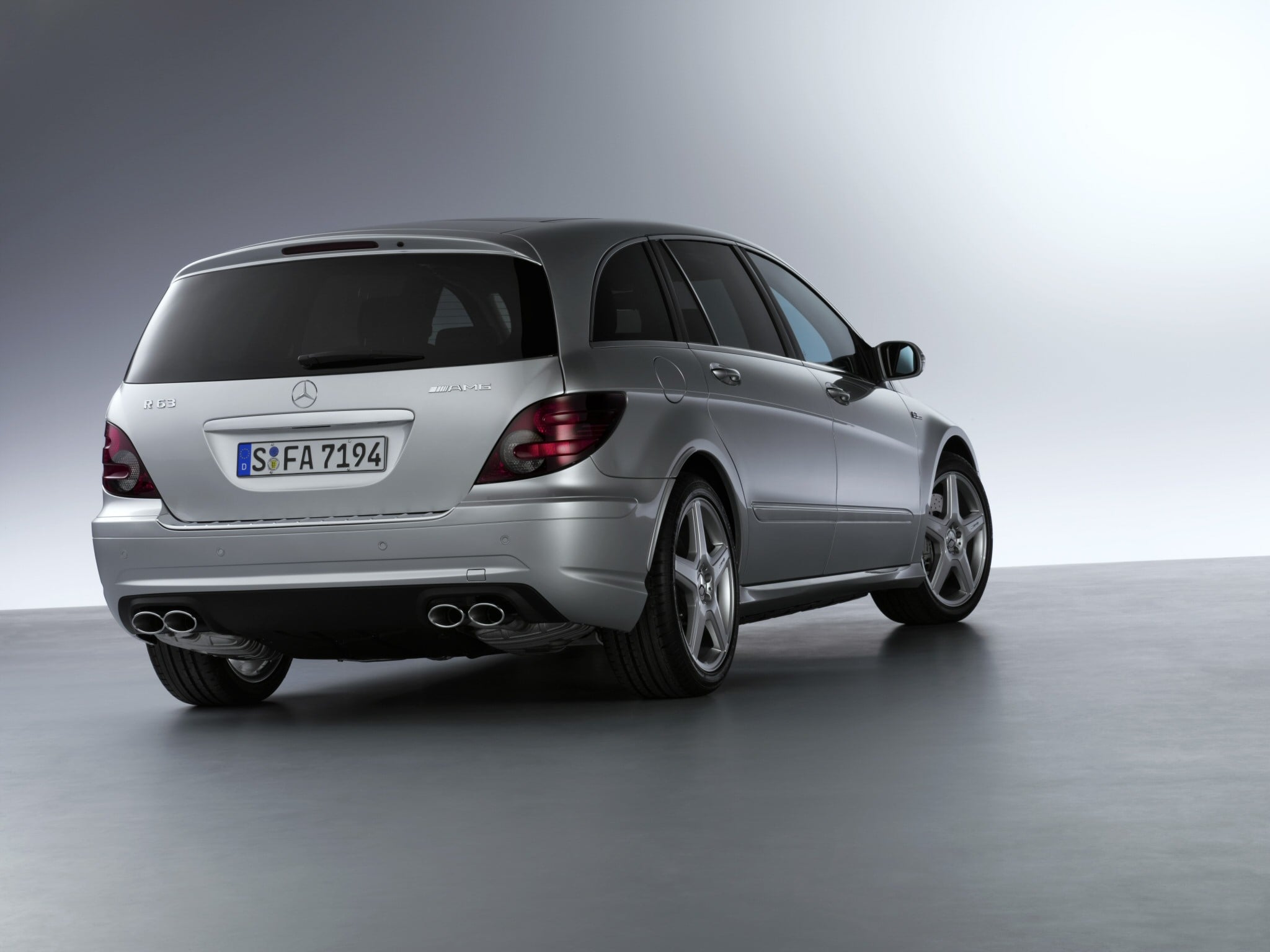
For a brief moment, Mercedes-Benz decided that it would have an AMG performance version of every passenger model it sold. The strangest product to result from that determined product push was an all-wheel drive people-mover, powered by a naturally-aspirated 6.2-litre V8.
The R63 AMG 4Matic was the most potent version of Benz’s R-Class MPV. The R-Class itself didn’t set sales charts alight, and the AMG version, largely twinned with the ML63 under the sheet metal, proved even less popular, with estimates suggesting somewhere between 200 and 320 examples built for global consumption.
The on-paper stats look sound, with 375kW of power and a 0-100km/h claim of 4.6 seconds, with the more desirable ML and GL SUVs selling beside it, the R63 didn’t stand a chance.
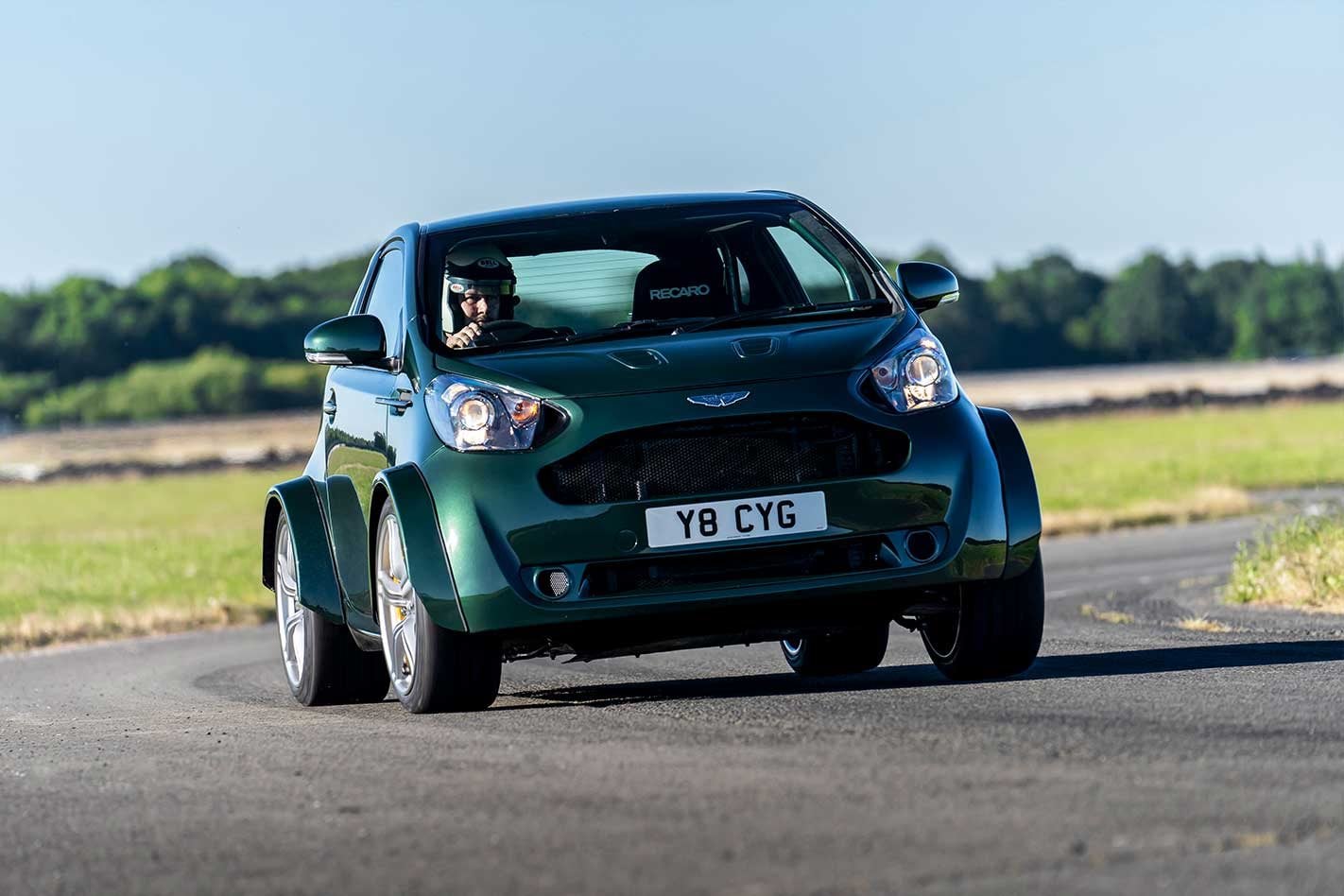
Aston Martin Cygnet V8
1
The ill-fated Aston Martin Cygnet was designed to be an exclusive city-sized tender for Aston Martin owners forced to leave the comfort of their country estates, fortuitously providing Aston Martin with an emissions offset to counter its V8- and V12-powered grand tourer range.
For one customer, however, the Toyota-derived front-wheel-drive four-cylinder Cygnet was missing something. That ‘something’ was restored in the Cygnet V8, which swapped the regular Cygnet’s 72kW 1.3-litre engine for a 320kW 4.7-litre V8 and custom front and rear subframes adapted from a V8 Vantage.
Drive is sent to the rear wheels, as it should be, via a seven-speed single-clutch automated manual. Double wishbone suspension and a slew of carbon-fibre enhancements help bring Aston’s monster Cygnet to life.
Follow WhichCar/Wheels on Google
Click the button below to make WhichCar by Wheels a preferred source for your news.

We recommend
-
 Features
Cars that defined Australian suburbia in the 1990s
Tarago, Laser, Commodore? In the 1990s you couldn't turn around without seeing one, but these days they’re becoming a lot harder to spot on Australian roads.
-
 Features
AI helps imagine what a Mitsubishi Magna might look like today...
While the Falcon and Commodore were iconic Australian cars, the Mitsubishi Magna was also a long-time favourite, winning Wheels Car of the Year in 1985 and 1996. Here, AI helps us see into a future that will never happen...
-
 Features
Forgotten Aussie flagships – top 10 range-toppers from our motoring heyday
Whether they were overlooked in their heyday or have simply faded from memory over time, here are 10 range-topping cars that you probably haven’t thought about in a while.