Reviews

Gallery 1
7.3
/10
Score
Score breakdown
8.0
Safety, value and features
8.0
Comfort and space
7.0
Engine and gearbox
6.0
Ride and handling
7.5
Technology
Things we like
- Attractive styling inside and out
- Lengthy list of standard equipment
- Lengthy list of standard equipment Cabin space is excellent
Not so much
- Body control still a little too soft
- Some annoying driveline vibrations
- Safety tech too invasive
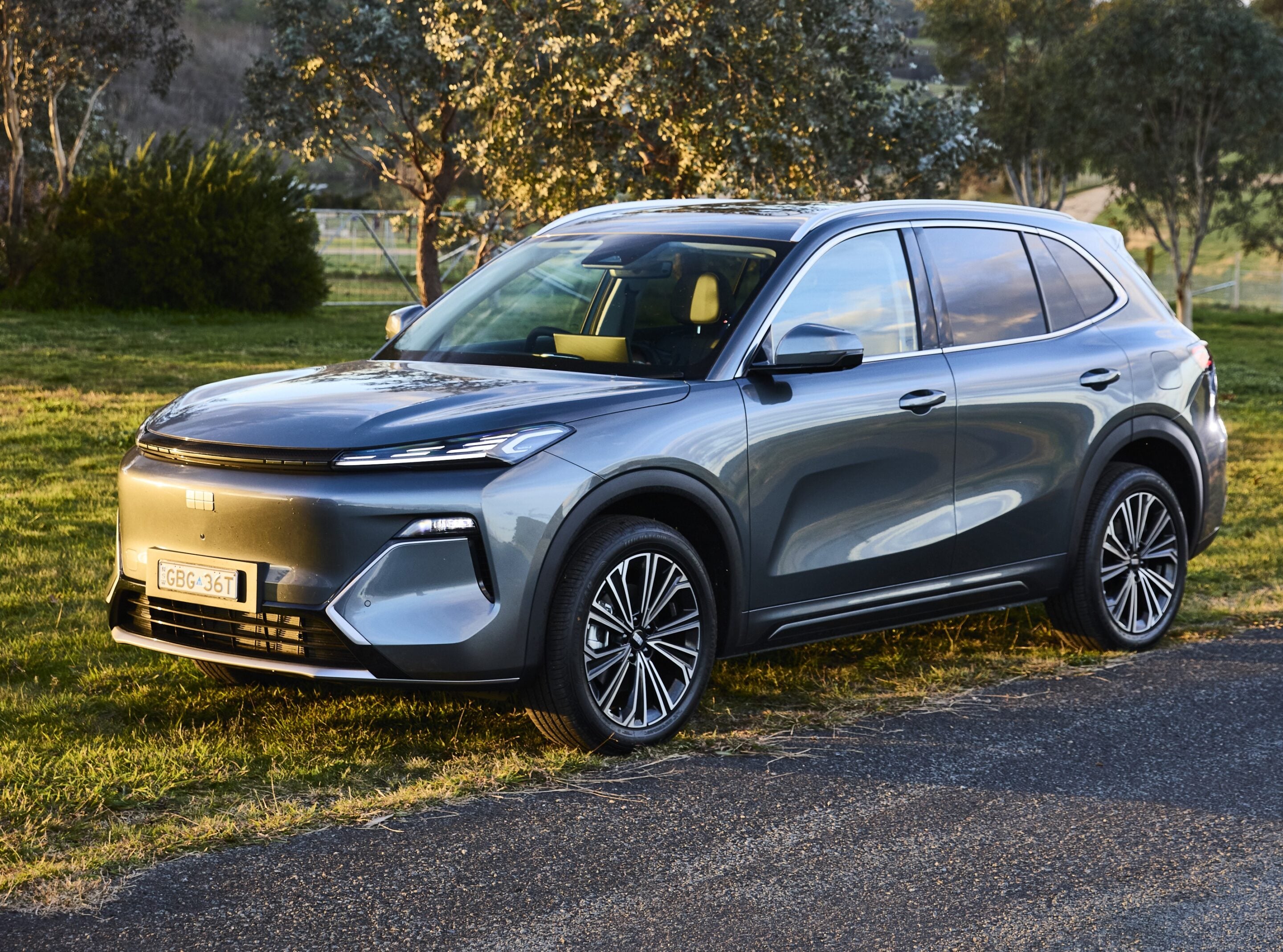
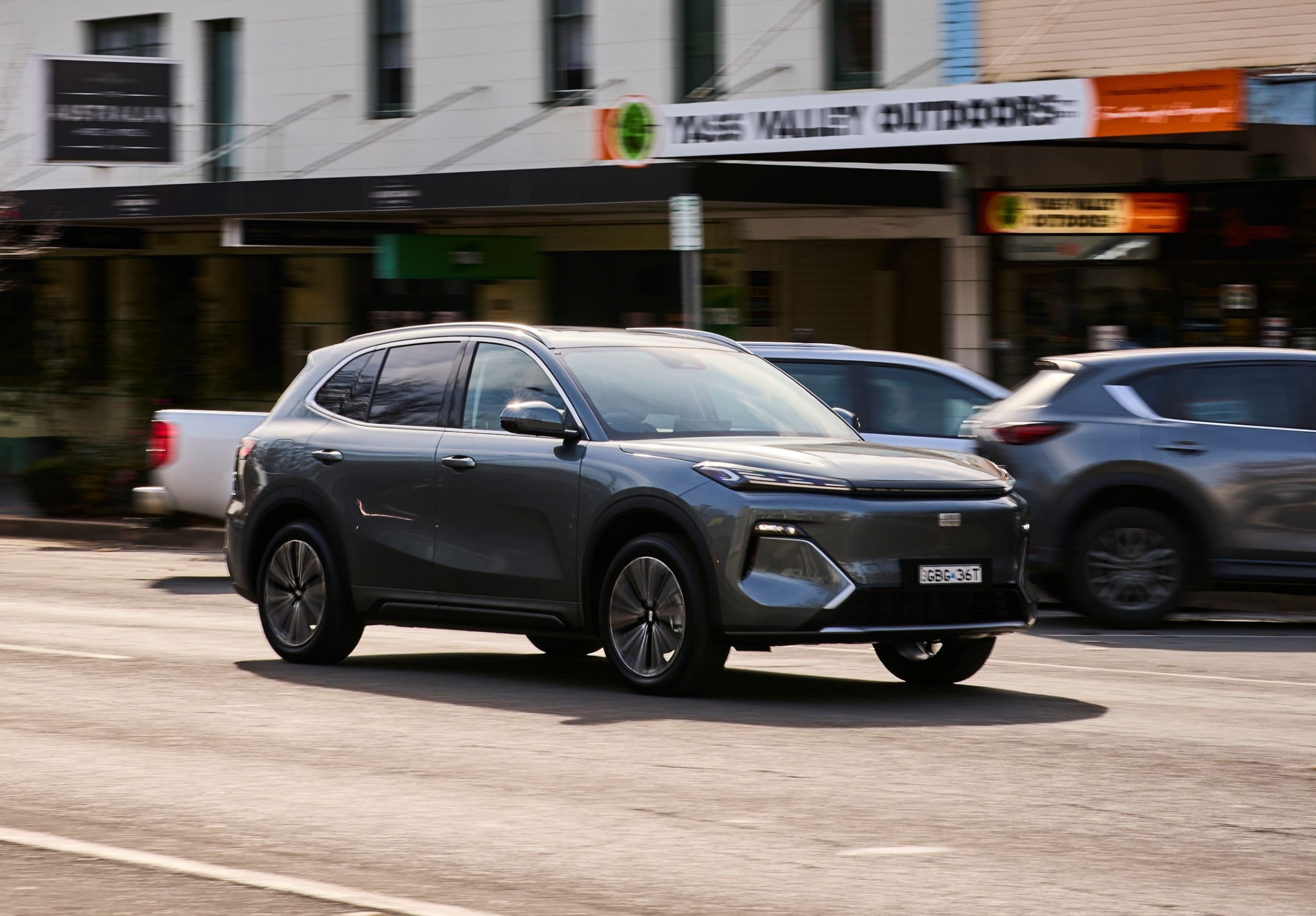
It might seem like referring to a model as a ‘2027’ version is a little premature, given it’s only June, but it was only six short months ago that we tested the earlier version of this Starray PHEV. Now, Geely has added even more electric range to the spec sheet in an attempt to stave off the numerous new contenders in a growing segment.
First up, then, the changes. Key to the MY27 update is the extended range that comes from the larger lithium ion phosphate battery pack. It grows from 18.4kWh to 29.8kWh, which moves the WLTP-claimed electric range from 83km to an impressive 136km. With that, overall driving range moves from 943km to 996km.
The larger battery pack has been added to the top of the range EM-i Inspire model for the MY27 range, with the price increasing by $1500 to $41,490 before on-road costs. Is an extra 53km in electric range worth $1500? We reckon it is – especially given the low price of entry for the vehicle as a whole.
1
For this larger battery pack, DC fast charging has been lifted, too, up to 60kW from 30kW, meaning you can charge the model we’re testing here from 30 to 80 per cent in 16 minutes, down from 20 minutes. Geely also claims a drop in fuel consumption, but more on that in a minute. The EM-i range also now gets a 5.0-metre charging cable, a towing preparation kit, and also trailer stability assist.
Standard mechanical equipment for the Inspire Extended Range includes the same 1.5-litre, four-cylinder petrol engine, which makes 73kW/125Nm, paired to a 160kW/262Nm electric motor driving the front wheels. Geely claims combined power of 193kW for the pair and the petrol engine effectively works as a generator to charge the battery pack, but in power mode it will drive the front wheels. If you’re on the hunt for efficiency as we were on test, you won’t use that mode often.
How’s it is the Starray’s fuel efficiency?
Here’s where things get interesting, because the way a PHEV works has changed and changed quickly, for the better. Where the battery pack used to run flat, then the petrol engine would take over, the computer brains that run the systems are now significantly smarter. As such, they hold a minimum state of charge in the battery pack – typically 20 to 25 per cent – ensuring when you reach that state of charge, you’re not simply lugging around a heavy electric drivetrain you’re not using. It means overall efficiency is significantly better than it otherwise would be.
During a recent PHEV comparison test for Wheels, we asked the Geely to do the thing it should, in theory, like the least. Our drive loop began with a short 6.6km run in regular traffic to the on ramp for a major Sydney motorway where the speed then sat between 100km/h and 110km/h. The final average fuel use figure was recorded when we had returned back to the city. The Geely, was therefore, given almost no opportunity to regenerate any charge as it would in stop/start traffic, making it as difficult as we could for it to remain efficient.
To recap, Geely quotes 136km pure electric range, and 1.4L/100km on the combined cycle. That fuel use figure though, represents the first 100km, not a prolonged highway run once the battery is discharged down to its lower limit. Keep in mind that the best regular hybrids, in testing, have used anywhere from 5.2L/100km to 6.2L/100km.
The Geely ran an impressive 102km before the battery reached it’s lowest state of charge and the petrol engine then started working. We’d forced it into EV mode to stretch that run as far as we could. Covering 700km total, with the first 102km on electric power, the Geely then used 5.3L/100km for the rest of the run. That’s a genuinely impressive real-world fuel use figure on the highway, with no attempt made to hyper-mile or drive to a set speed to use as little fuel as possible. We just hit the speed limits and stayed there.
4
What’s the interior like?
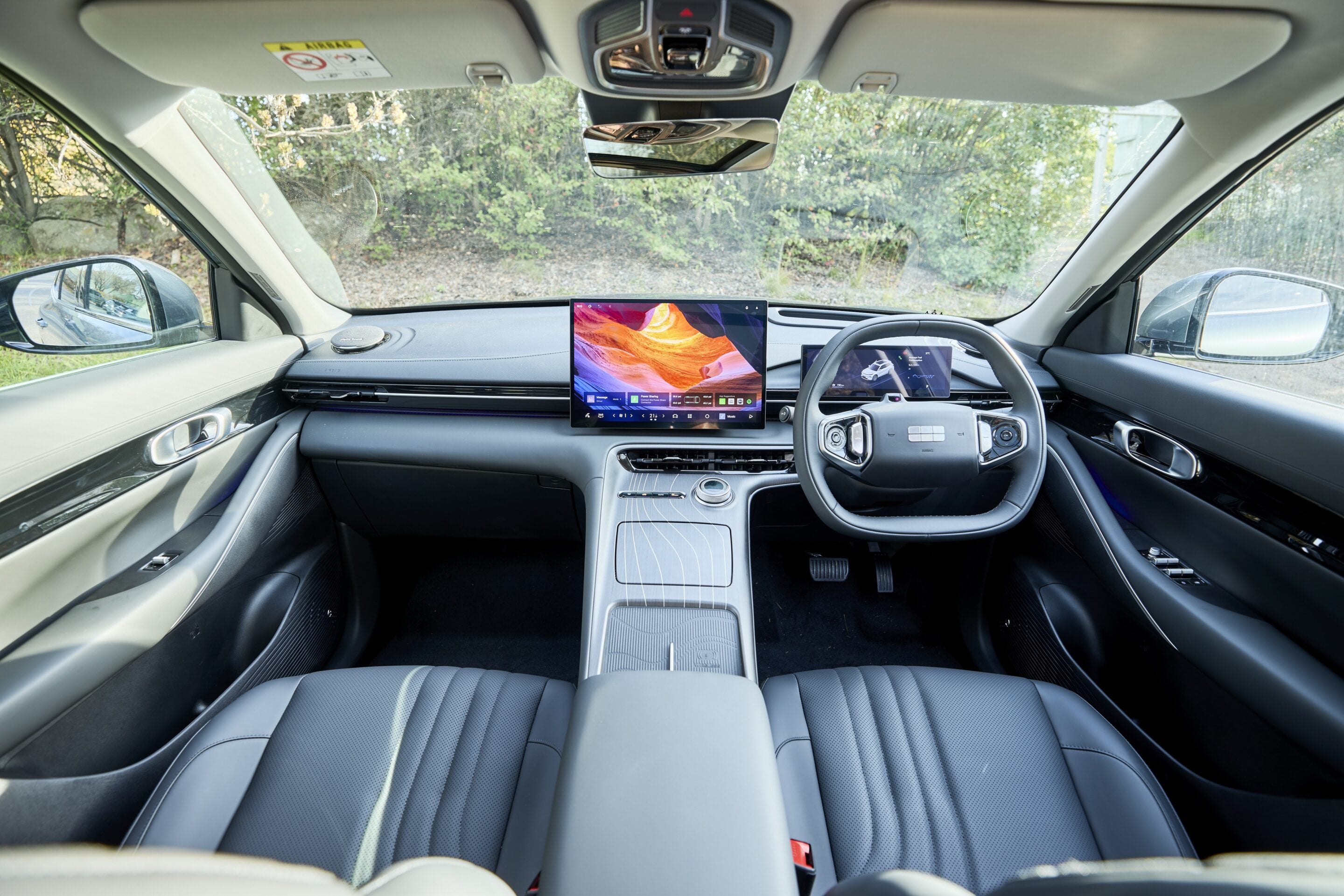
As it has since our first test, the Starray impresses inside the cabin. The 15.4-inch infotainment screen is huge, clear and easy to master. The trim is attractive and well-executed, with a slick design aesthetic and a premium sense to the cabin in general.
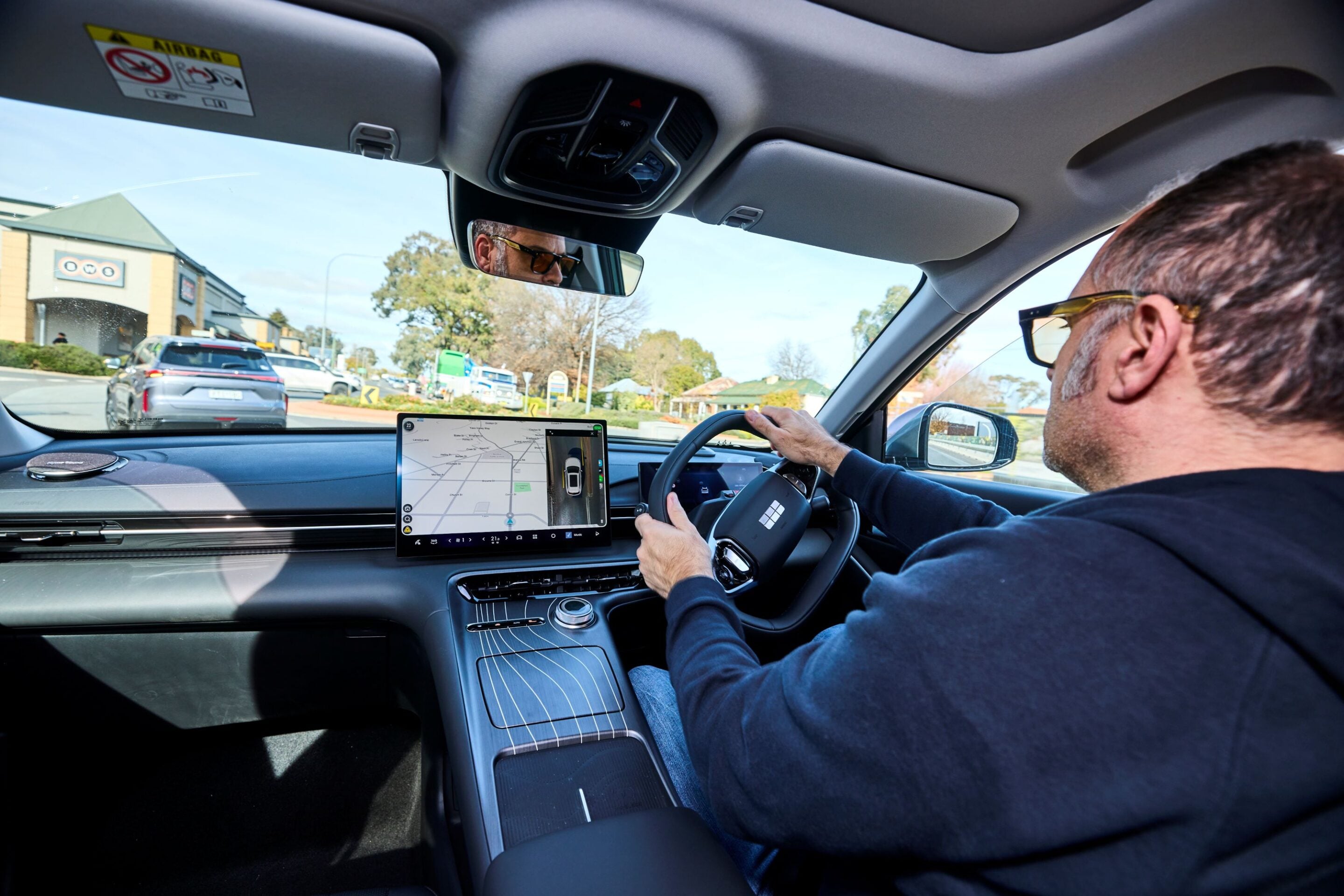
Noting about the Starray cabin looks or feels cheap, belying the sharp asking price. Heated and massaging front seats are excellent, and the premium feel of the cabin is aided by things like privacy glass, the 10.2-inch digital driver’s cluster, leather-accented trim, and an excellent 360-degree camera system.
For our test, the cabled smartphone connection was clear and never dropped out, the screen was responsive to inputs, and call clarity was excellent from the other end. While there are layers to the tech that runs the system, and there’s some research to be done to familiarise yourself with it, that’s true of any modern car regardless of drivetrain choice.
The gear lever on the right of the steering column isn’t immediately intuitive, but you will get used to it, and while we’d like more physical control button and dials, there are just enough that you don’t get annoyed with the lack of them.
The sense of space inside the cabin is impressive. Front row or rear, any of the four main seating positions have excellent head, leg, shoulder and knee room, and even when you look at the luggage space, this is a cleverly executed SUV in this segment. If you’re using the second row, you get 528 litres of storage space, and the retractable cover does a good job of keeping things out of sight.
Road trippers among you take note: there is no spare tyre. It’s something you know we’ve noted before, especially in segments like this one, where family buyers love the idea of a road trip. A spare – of some sort – should be standard on all vehicles (certainly medium and up) in Australia.
What’s the driving experience like?
All round, we’d call the driving experience solid, without being amazing. A couple of negatives to note; our test vehicle had a discernible vibration through the drivetrain between 80-110km/h, most noticeable between 100-110km/h. We could feel it most in lift-off coasting situations, but it wasn’t a wheel or tyre issue, and its something you’ll feel if its not a one-off. It presents as a lack of refinement through the driveline, which could do with some rectification.
1
The brake and accelerator pedals take a bit of getting used to, as the brakes especially are quite touchy. You’ll work it out after a bit of time in the driver’s seat, but if you change into and out of a few vehicles often, you’ll notice your driving isn’t as smooth as it might otherwise be. Lastly, we’d like Geely – as we’ve noted with so many of these new entrants to the market -– to tune out the electronic driver assistance a little. The Starray’s is a little to enthusiastic for our liking, cutting in regularly when it wasn’t needed.
The Geely – on its 235/50/19 Goodyear Efficient Grip tyres – rode the firmest of the group we tested for Wheels, on any surface. It’s not too harsh, mind you, just firmer than others in the direct competitor set. We noted that the cabin comfort wasn’t impacted, but you’ll feel road imperfections more than some SUVs in this segment, which offer a spongier ride.
The offset through, is the firmer ride tying down the overall weight better than a softer ride might. At 1748kg, the Geely is hefty for a medium SUV so the firmer ride is partly due to weight but it also means it doesn’t flop around when you turn into a corner. You won’t want to push the Geely at silly speed on a B-Road, so ultimately, the ride and handling balance is spot on for the intended buyer.
You can also work through the brake regeneration settings to find the one you prefer. We liked moderate the most. The steering is light and city focused, with firmer steering a personal preference but not needed in this platform. Overall, and driveline vibration aside, the Geely Starray makes a decent fist of the varied driving we require of our SUVs in this market.
1
Geely Starray EM-i standard features
- Massaging front seats
- 19-inch alloy wheels
- Electric tailgate
- Panoramic sunroof
- Front parking sensors
- Illuminated vanity mirrors
- 256-colour ambient lighting
- Ventilated front seats
- Driver’s seat memory function
- Rear-centre armrest
- 13.4-inch head-up display
- 15-watt wireless phone charger
- 16-speaker, 1000-watt Flyme Sound audio system
- Auto-dimming rear-view mirror
- Optional Ivory White interior
Should you buy the Geely Starray EM-i Inspire Extended Range?
This segment is both crowded and competitive. Geely has the likes of BYD, MG, Chery and GWM to contend with, and while its electric range is impressive, the starting prices of the competition are now firmly in the same range. You do get a lot for your money in the Geely showroom, but competition is fierce.
We’d like the driveline vibration ironed out, and some of the electronic safety aids retuned, to be able to place the Starray up with the best in the segment. There’s just some minor work that needs to be done to complement its excellent basics. Meanwhile, the electric range and standard equipment list are hard to ignore.
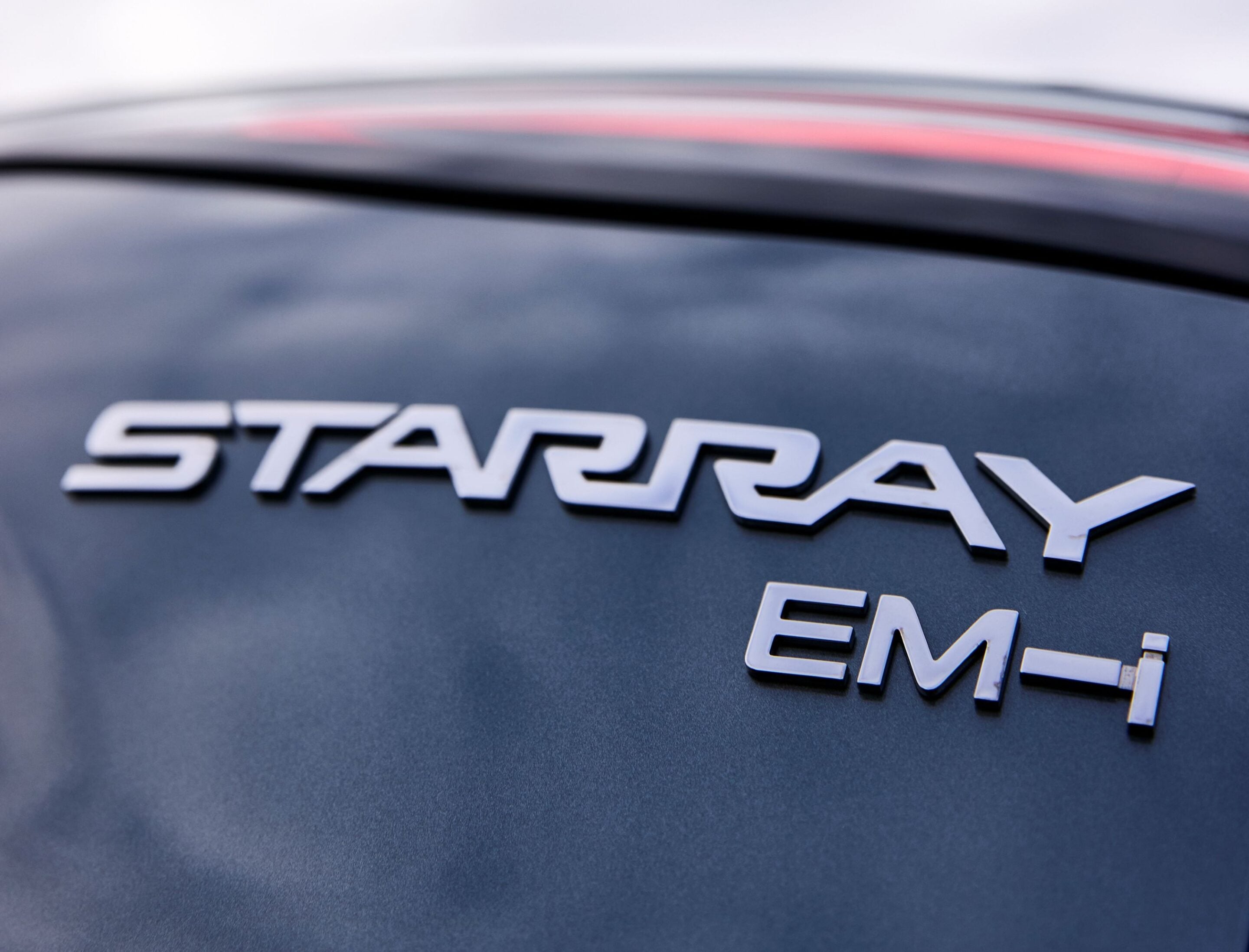
1
Geely Starray EM-i Inspire Extended Range specifications
| Price | $41,490 plus on-road costs (currently $45,000 drive away in NSW) |
|---|---|
| Drivetrain | 1499cc four-cylinder plug-in hybrid |
| Engine outputs | 73kW/125Nm |
| E-motor outputs | 160kW/262Nm |
| Combined power | 193kW |
| Battery | 29.8kWh LFP |
| Transmission | Single-speed, front-wheel drive |
| Claimed 0-100km/h time | 8.2 seconds |
| Claimed electric range | 136km (WLTP) |
| Claimed peak charge speed | 6.6kW (AC), 60kW (DC) |
| Claimed 30-80% charge time | 16 minutes |
| Claimed CO2 emissions | 32g/km |
| Claimed combined fuel consumption | 1.4L/100km |
| Fuel type/tank size | 95 RON premium unleaded, 51 litres |
| Dimensions (l/w/h/wb) | 4740/1905/1685/2755mm |
| Boot capacity | 528 litres (seats up, including under floor storage), 2065 litres (rear seats folded, including under floor storage) |
| Tare mass | 1784kg |
| Warranty | Seven-year/unlimited km (car), eight-year/unlimited km (battery) |
| Five-year service cost | $1932 ($386 per year) |
| On sale | Now |
7.3
/10
Score
Score breakdown
8.0
Safety, value and features
8.0
Comfort and space
7.0
Engine and gearbox
6.0
Ride and handling
7.5
Technology
Things we like
- Attractive styling inside and out
- Lengthy list of standard equipment
- Lengthy list of standard equipment Cabin space is excellent
Not so much
- Body control still a little too soft
- Some annoying driveline vibrations
- Safety tech too invasive
Follow WhichCar/Wheels on Google
Click the button below to make WhichCar by Wheels a preferred source for your news.

We recommend
-
 News
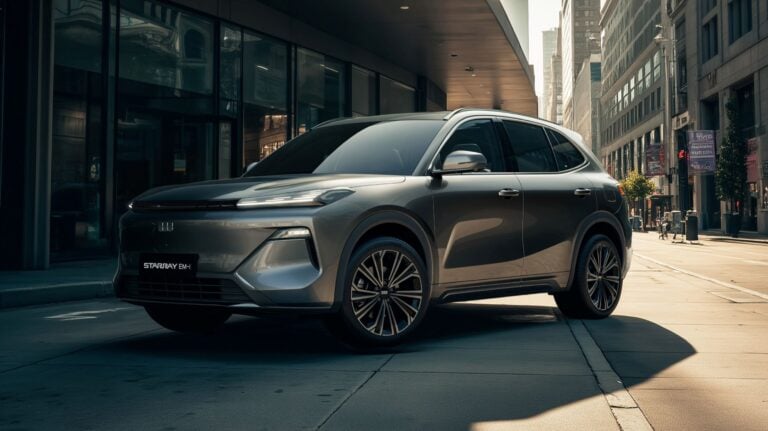
NewsGeely Starray EM-i gains bigger battery and longer EV range for soon-to-arrive model
Updated plug-in hybrid SUV adds larger 29.8kWh battery, faster charging and nearly 1000km claimed driving range.
-
 Comparisons
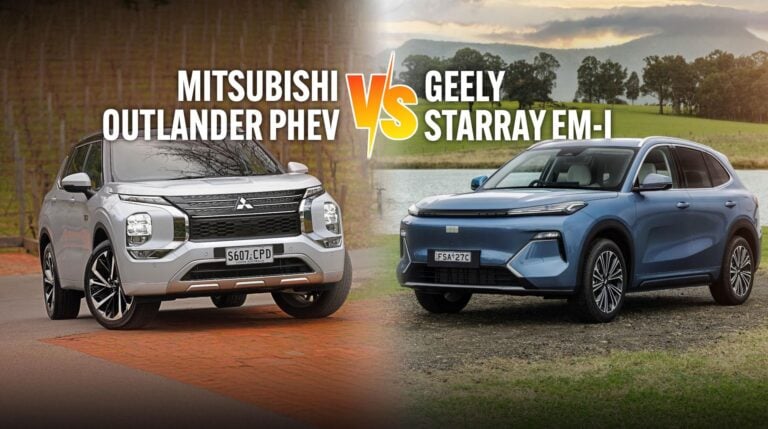
Geely Starray vs Mitsubishi Outlander PHEV spec battle: Which plug-in hybrid SUV should you choose?
Plug-in hybrid SUVs are gaining popularity in Australia and the Geely Starray is one of the newest on the market. How does it compare against the more established Mitsubishi Outlander PHEV?
-
 News
NewsGeely EX2: China’s best-selling car approved for Australia
Australia's electric vehicle fleet is set to be bolstered by the imminent arrival of the Geely EX2 electric hatchback.