Features
Gallery 1
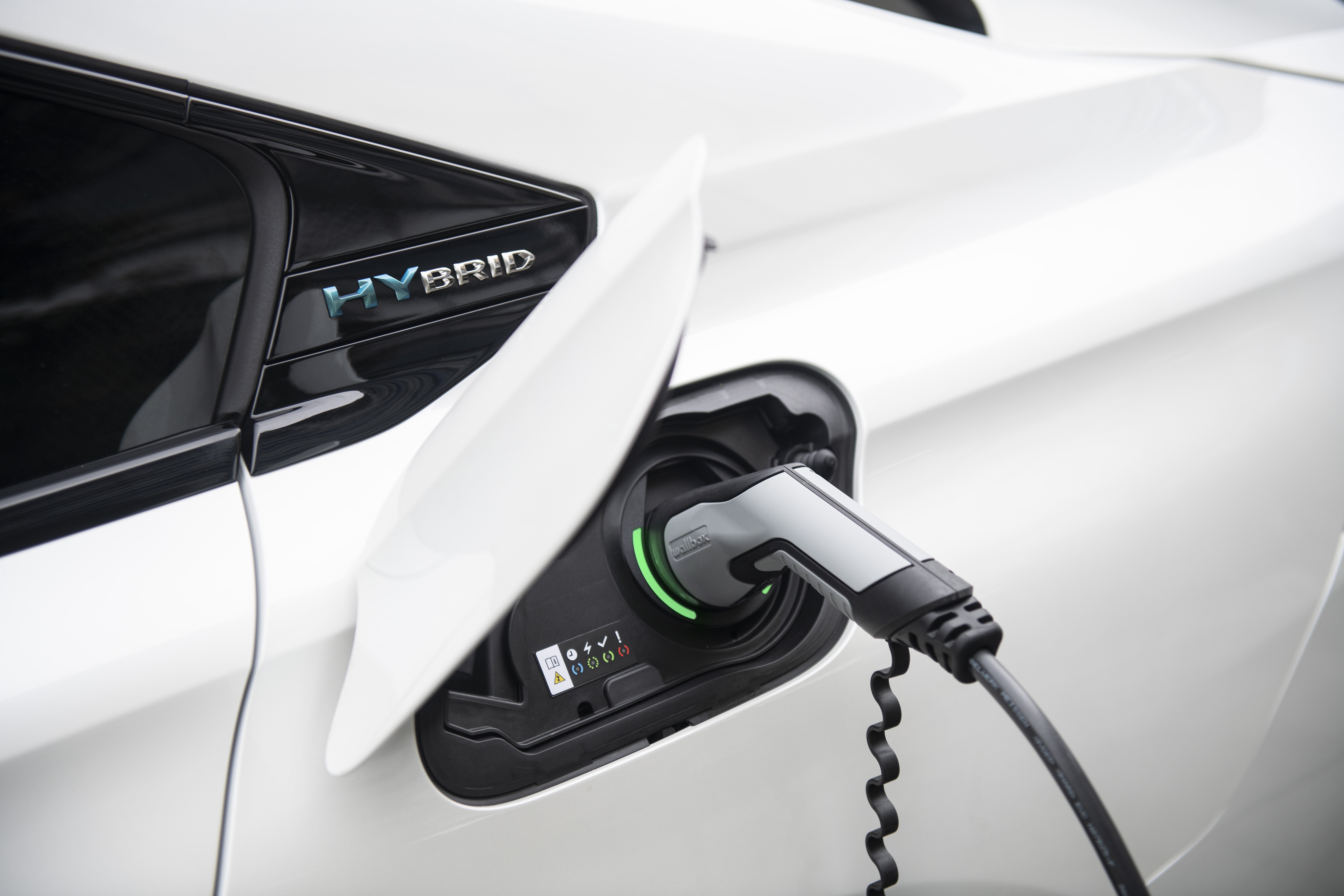
In the matrix between rising fuel costs, fuel supply stability, and sustainable transport solutions, you’ve probably already considered how a plug-in hybrid (PHEV) could work for you.
The idea of being able to refuel from a wall plug at home cheaply, and get to and from work in silent comfort, has plenty of appeal.
But electric vehicles aren’t for everyone, and increasingly, PHEVs are growing in popularity and versatility, thanks to long-range touring ability without the need to stop for long charging breaks away from home.
If you’re approaching the end of your current lease, or thinking it could be time to upgrade to a more efficient commuter car, you’ll join tens of thousands of Australians considering a PHEV.
We’ve put together a list of Australia’s most affordable PHEVs, based on the recommended retail starting price for each respective model.
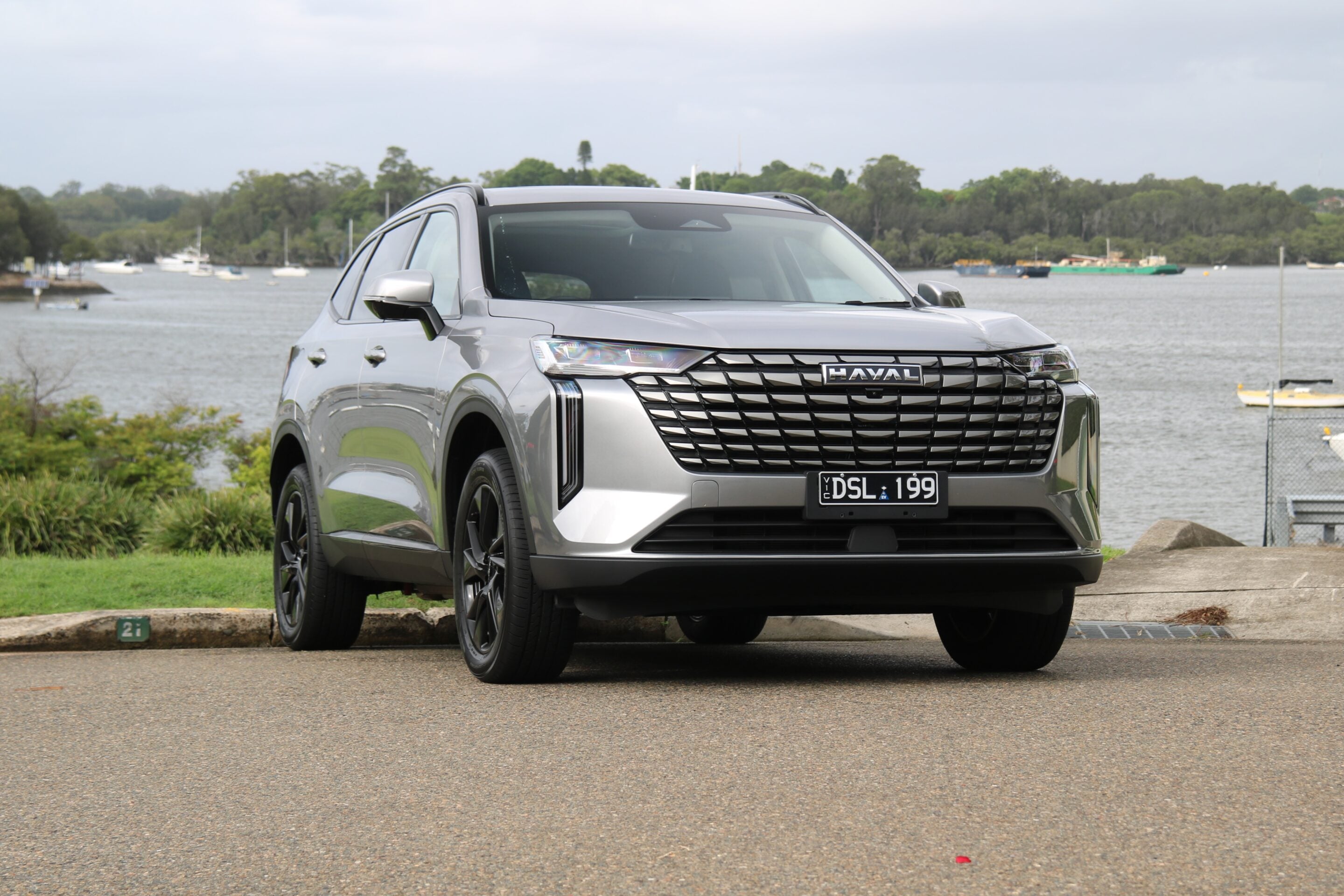
10. GWM Haval H6 Lux PHEV
3
The lowest-priced plug-in hybrid vehicle from GWM is the Haval H6 Lux PHEV medium SUV, which starts from $43,990 driveaway.
Updates rolled out to the Haval H6 range in 2025 saw it fitted with improved infotainment, revised styling, and locally-tuned suspension, overseen by former Holden ride and handling experts. The Haval H6 boasts a useful 106km NEDC driving range provided by a 19.1kWh battery, and official fuel consumption is rated at 1.0L/100km.
Special offers bring pricing down even further, with GWM offering $4000 in discounts – enough to effectively leapfrog the H6 PHEV into seventh place. This is not a permanent offer, however, and is subject to change.
Price: From $43,990 driveaway
Fuel consumption: 1.0L/100km
EV driving range: 106km NEDC
Engine: 1.5-litre turbo four-cylinder PHEV
Battery: 19.1kWh
Power: 130kW electric, 240kW combined
Torque: 300Nm electric, 540Nm combined
Segment: Medium SUV
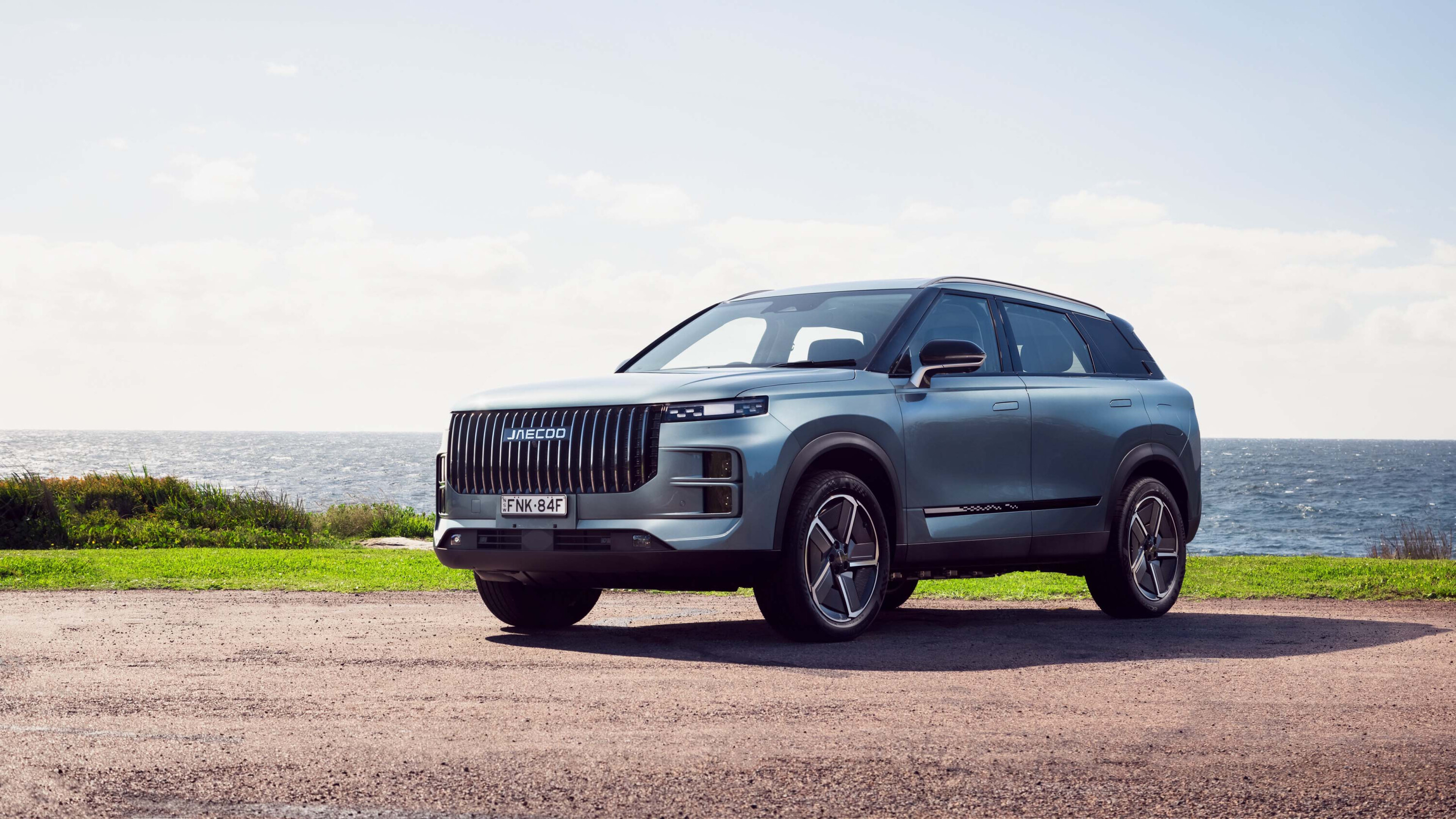
9. Jaecoo J7 SHS Track
3
From Chinese auto group Chery, Jaecoo offers similar specifications to what you’ll find on the cheaper Tiggo 7 (further down the list) but with an emphasis on svelte styling and more premium equipment.
The SHS powertrain (which stands for Super Hybrid System) promises up to 90km of electric-only driving range, and fuel consumption as low as 1.0L/100km. Pricing for the entry-level J7 SHS Track starts from $43,990 drive-away.
Promotional offers are a regular feature of Jaecoo’s pricing, and for the month of July the J7 SHS starts from an even lower $40,990 drive-away, with full details of the offer available at your Omoda Jaecoo dealer.
Price: From $43,990 driveaway
Fuel consumption: 1.0L/100km
EV driving range: 90km WLTP
Engine: 1.5-litre turbo four-cylinder PHEV
Battery: 18.3kWh
Power: 150kW electric, 105kW petrol
Torque: 310Nm electric, 215Nm petrol
Segment: Medium SUV
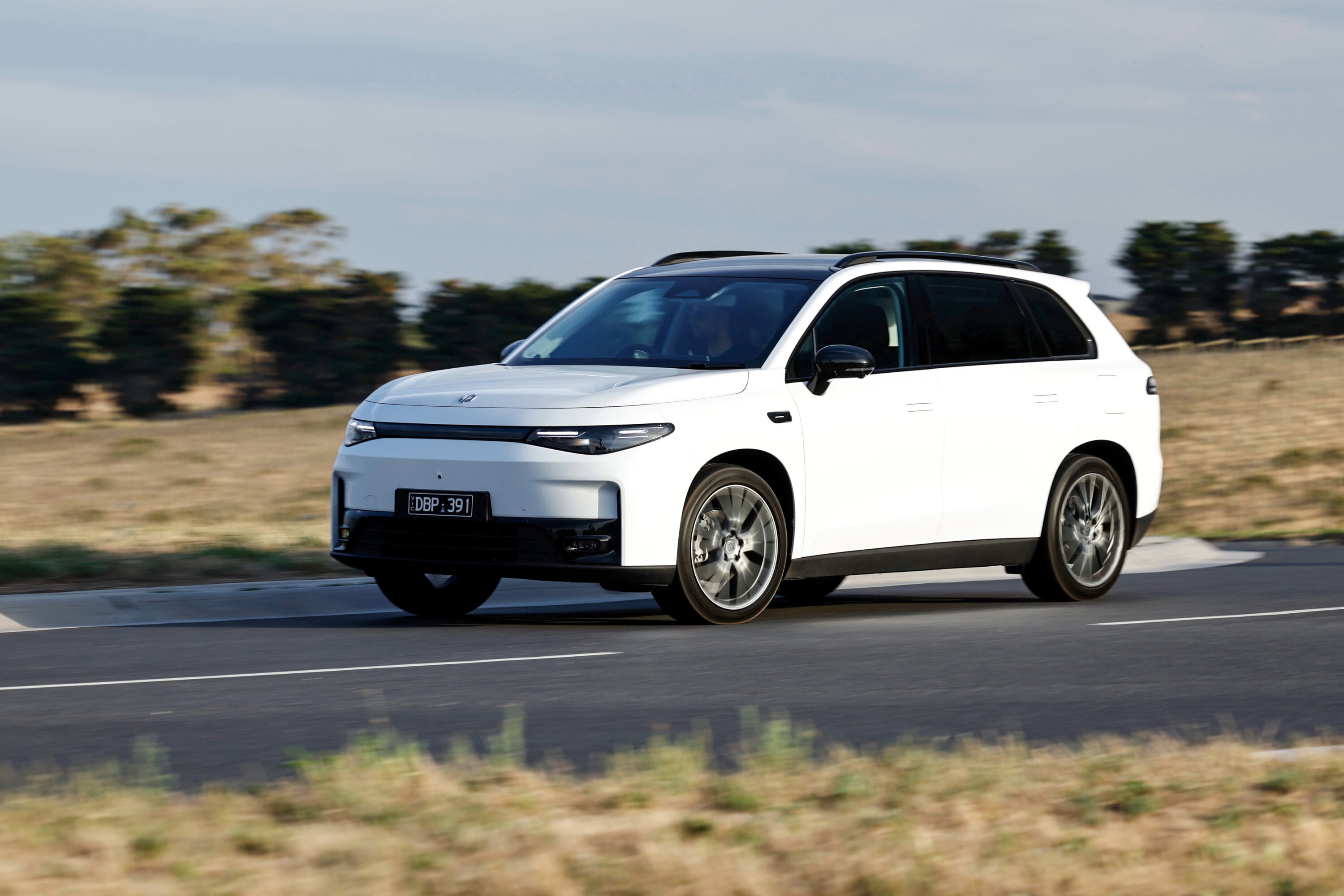
8. Leapmotor C10 Hybrid EV Style
3
Leapmotor differs slightly from some of the other cars on this list by offering the C10 as a range-extender EV. It’s still a plug-in hybrid, but rather than the petrol engine ever driving the wheels, all drive is carried out by the electric motor, and the petrol engine is used as an efficient generator.
The big onboard battery of the Leapmotor C10 Hybrid EV has a 28.4kWh capacity, which results in an NEDC-rated electric range of 170km. The long electric range also helps drive down official fuel consumption, rated at just 0.9L/100km.
Pricing for the C10 Hybrid EV Style starts from $43,888, but Leapmotor regularly features drive-away pricing offers, the latest of which brings the C10 Hybrid EV down to $43,980 drive-away.
Price: From $43,888 plus on-road costs
Fuel consumption: 0.9L/100km
EV driving range: 170km NEDC
Engine: 1.5-litre four-cylinder range-extender
Battery: 28.4kWh
Power: 158kW electric
Torque: 320Nm electric
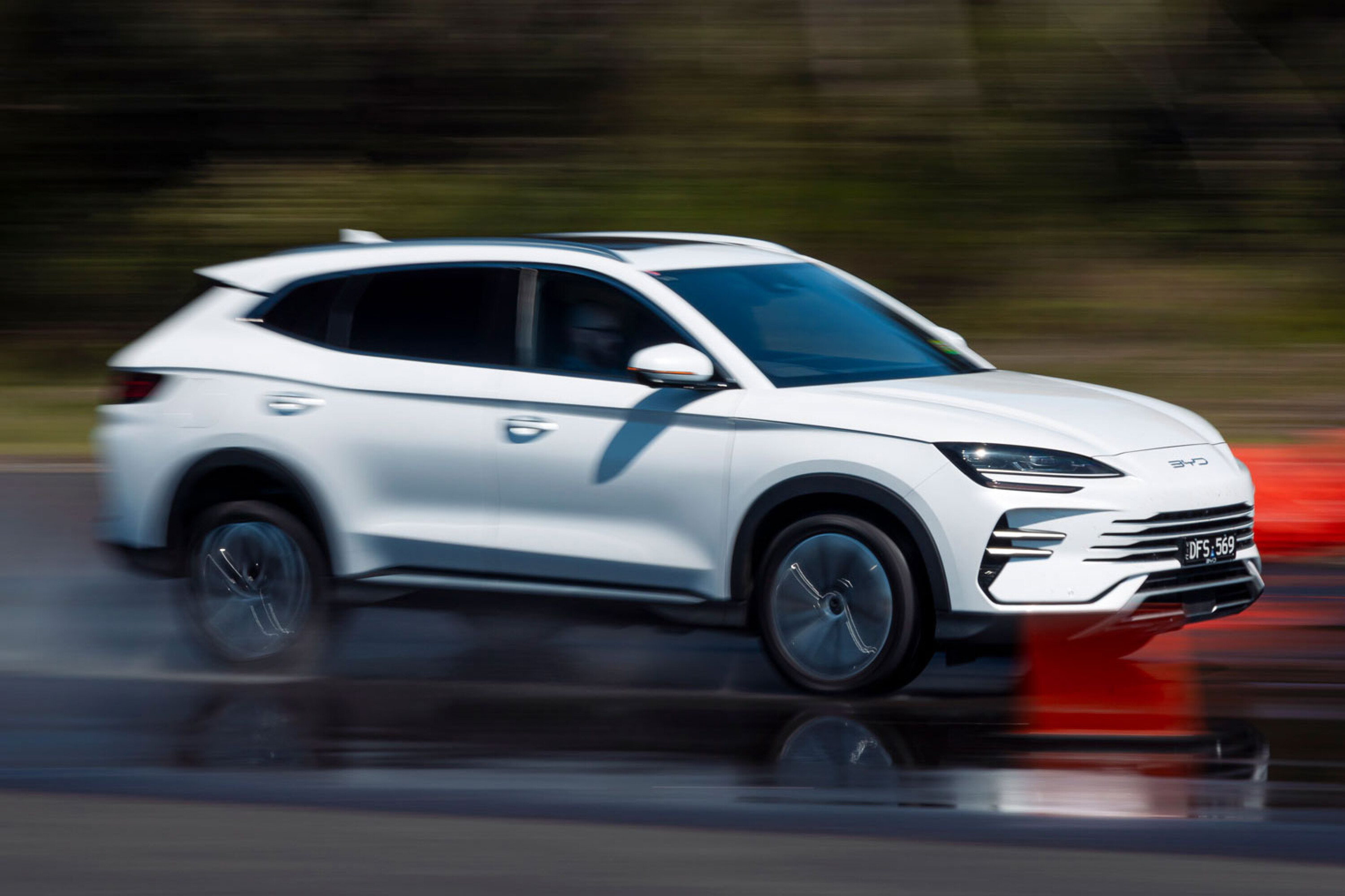
7. BYD Sealion 6 Essential
3
In BYD’s broad range of models the Sealion 6 the larger of two medium SUV plug-in hybrids available. It has a roomier interior than the cheaper Sealion 5, and boasts a superior 92km NEDC electric driving range in its most basic version, priced from $42,990 before on-road costs.
Official fuel consumption is rated at 1.1L/100km, but BYD also includes a fuel figure for when battery driving range is depleted, of 4.7L/100km. The Sealion 6 Essential come with 18.3kWh battery, but more expensive models are available with a bigger battery enabling up to 140km of EV range.
Price: From $42,990 plus on-road costs
Fuel consumption: 1.1L/100km
EV driving range: 92km NEDC
Engine: 1.5-litre four-cylinder PHEV
Battery: 18.3kWh
Power: 145kW electric, 160kW combined
Torque: 300Nm electric
Segment: Medium SUV
6. Leapmotor B10 Style Hybrid EV
3
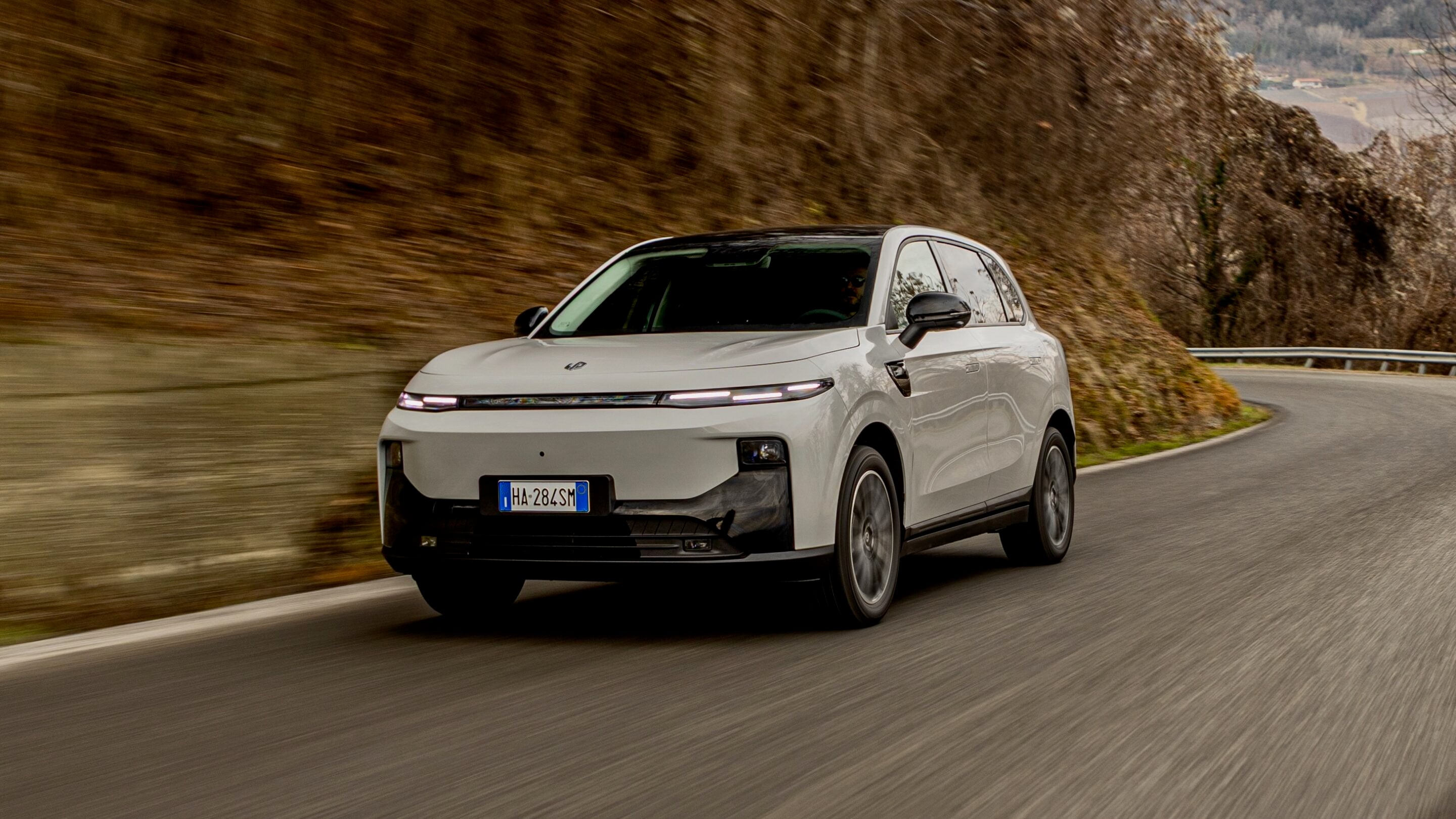
Leapmotor has updated its B10 compact SUV with a new range-extender model. The B10 range, like the larger C10, offers a choice of plug-in hybrid (called Hybrid EV) and all-electric models
As a range-extender, the 160kW electric motor is entirely responsible for powering the vehicle, with 84km of claimed WLTP range. Once depleted, the onboard 1.5-litre engine works as a generator to supply charge for the 18.8kWh battery.
The B10 is also offered as an all-eelectric vehicle, and pricing start from the same $37,888 plus on-road costs, making it a tough call for buyers unsure if an EV or PHEV is best for them.
Price: From $37,888 plus on-road costs
Fuel consumption: 0.9L/100km
EV driving range: 84km WLTP
Engine: 1.5-litre four-cylinder range-extender
Battery: 18.8kWh
Power: 160kW electric
Torque: 240Nm electric
Segment: Small SUV
5. Geely Starray EM-i Complete
3
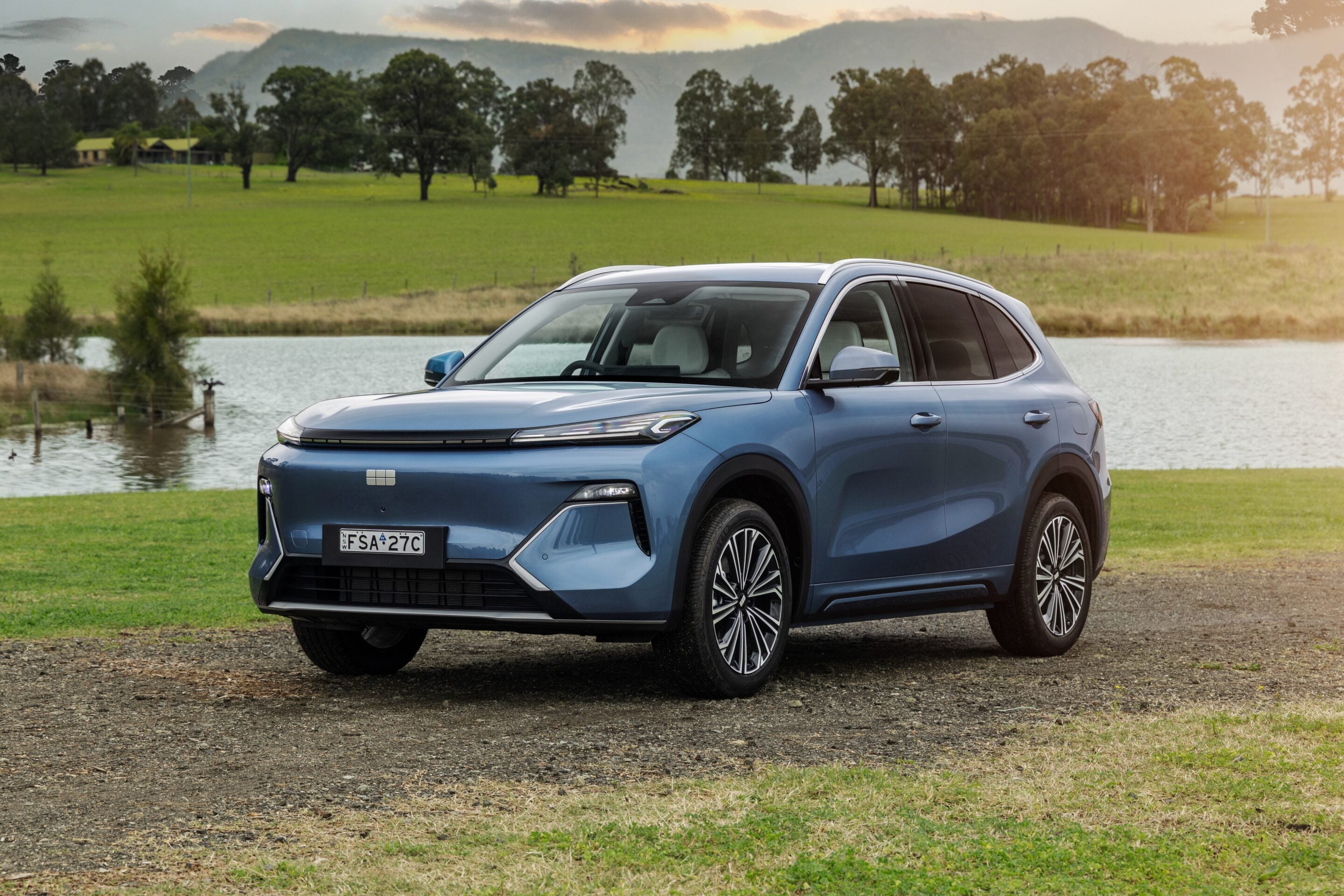
The entry-level Geely Starray EM-i plug-in hybrid range starts from $37,490 plus on-road costs for the Complete grade, but a more expensive Inspire version is also available with the same mechanical and electrical specifications.
The Geely Starray has an EV driving range of 83km (WLTP), while official fuel consumption is rated 2.4L/100km.
The Starray medium SUV comes with five seats, but is slightly longer than seven-seat medium SUVs like the Honda CR-V or Nissan X-Trail.
Price: From $37,490 plus on-road costs
Fuel consumption: 2.4L/100km
EV driving range: 83km WLTP
Engine: 1.5-litre four-cylinder PHEV
Battery: 18.4kWh
Power: 160kW electric
Torque: 262Nm electric
Segment: Medium SUV
4. Forthing Taikon 5 REEV Luxury
3
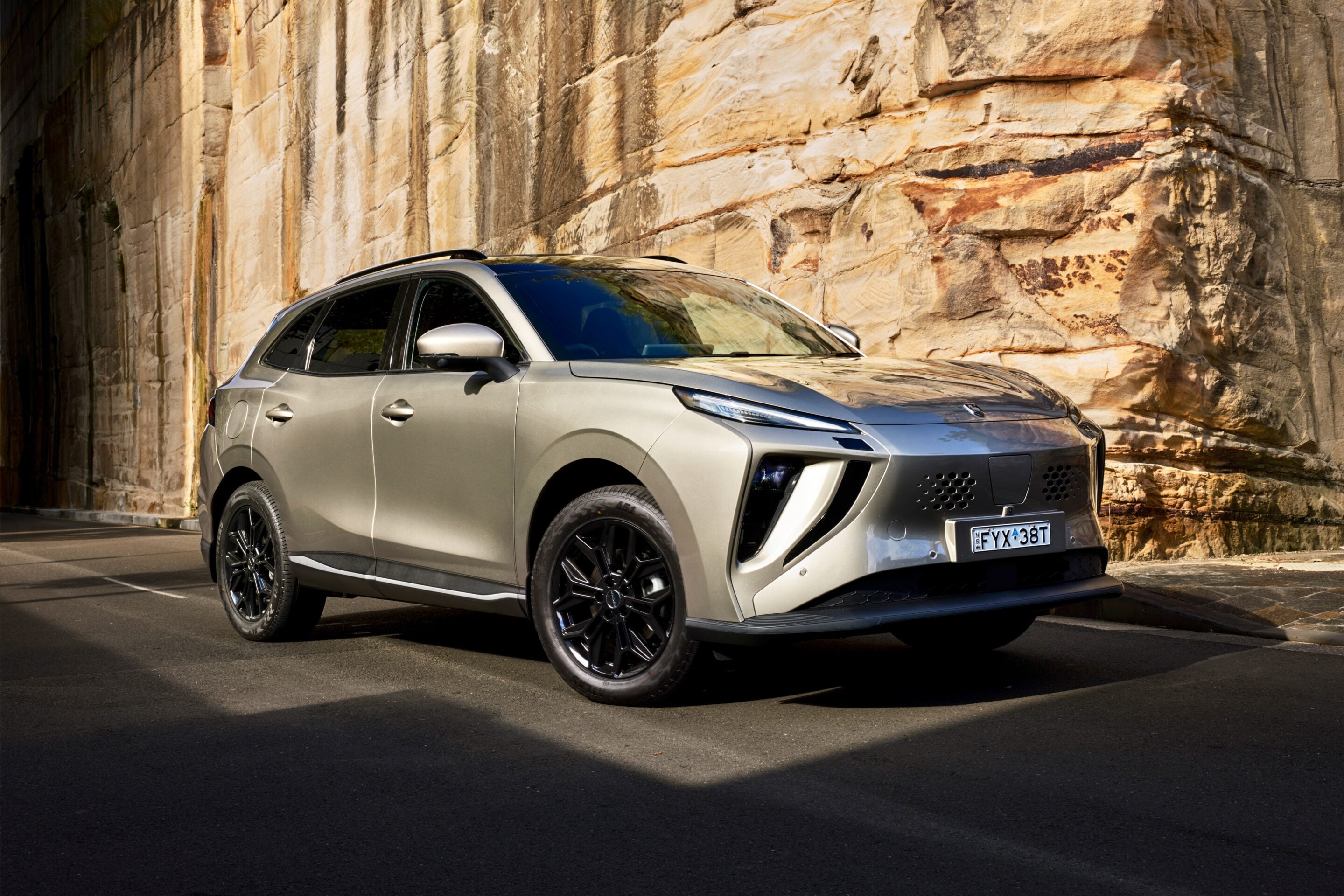
The newest brand to launch in Australia, Forthing comes from China and is part of the larger Dongfeng group, which builds cars for companies like Peugeot and Nissan overseas.
The Forthing Taikon 5 launches in Australia, priced from $36,990 driveaway. The range-extender hybrid system drives the front wheels via a 120kW motor, with a 31kWh battery providing 170km of EV driving range, after which a 1.5-litre petrol engine can charge the battery for the electric motor to draw from.
As a range-extender, rather than a regular PHEV, the Forthing offers a longer EV driving range (the longest of this list) and is the cheapest range-extender model in Australia right now.
Price: From $36,990 driveaway
Fuel consumption: 5.6L/100km (with EV range depleted)
EV driving range: 170km WLTP
Engine: 1.5-litre four-cylinder range-extender
Battery: 18.4kWh
Power: 120kW electric
Torque: 240Nm electric
Segment: Medium SUV
3. Chery Tiggo 7 Super Hybrid Urban
3
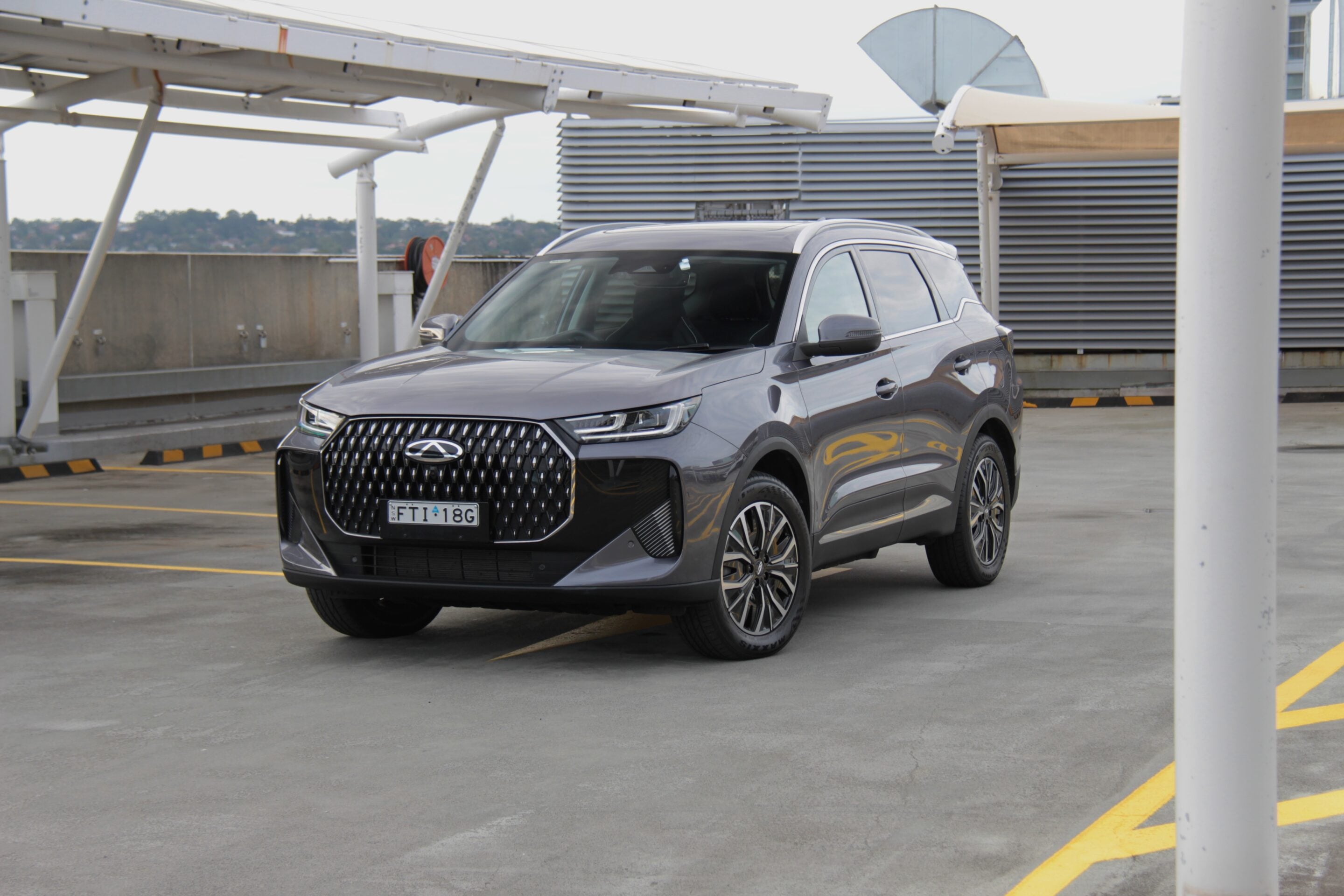
Chery’s focus on value applies to its plug-in hybrid Tiggo 7, which offers national drive-away pricing starting from $34,990
Specs include an 18.4kWh battery and a claimed EV driving range of 93km (NEDC). Fuel consumption is rated at 1.4L/100km, and the Tiggo 7 takes the less common approach of combining a turbo petrol engine, rather than a naturally aspirated one, as part of its hybrid drivetrain.
Drive-away pricing also means that, despite sitting higher in numerical terms, the final price for the Tiggo 7 actually undercuts the next two cars on this list once their on-road costs are added.
Price: From $34,990 driveaway
Fuel consumption: 1.4L/100km
EV driving range: 93km NEDC
Engine: 1.5-litre turbo four-cylinder PHEV
Battery: 18.4kWh
Power: 150kW electric
Torque: 262Nm electric
Segment: Medium SUV
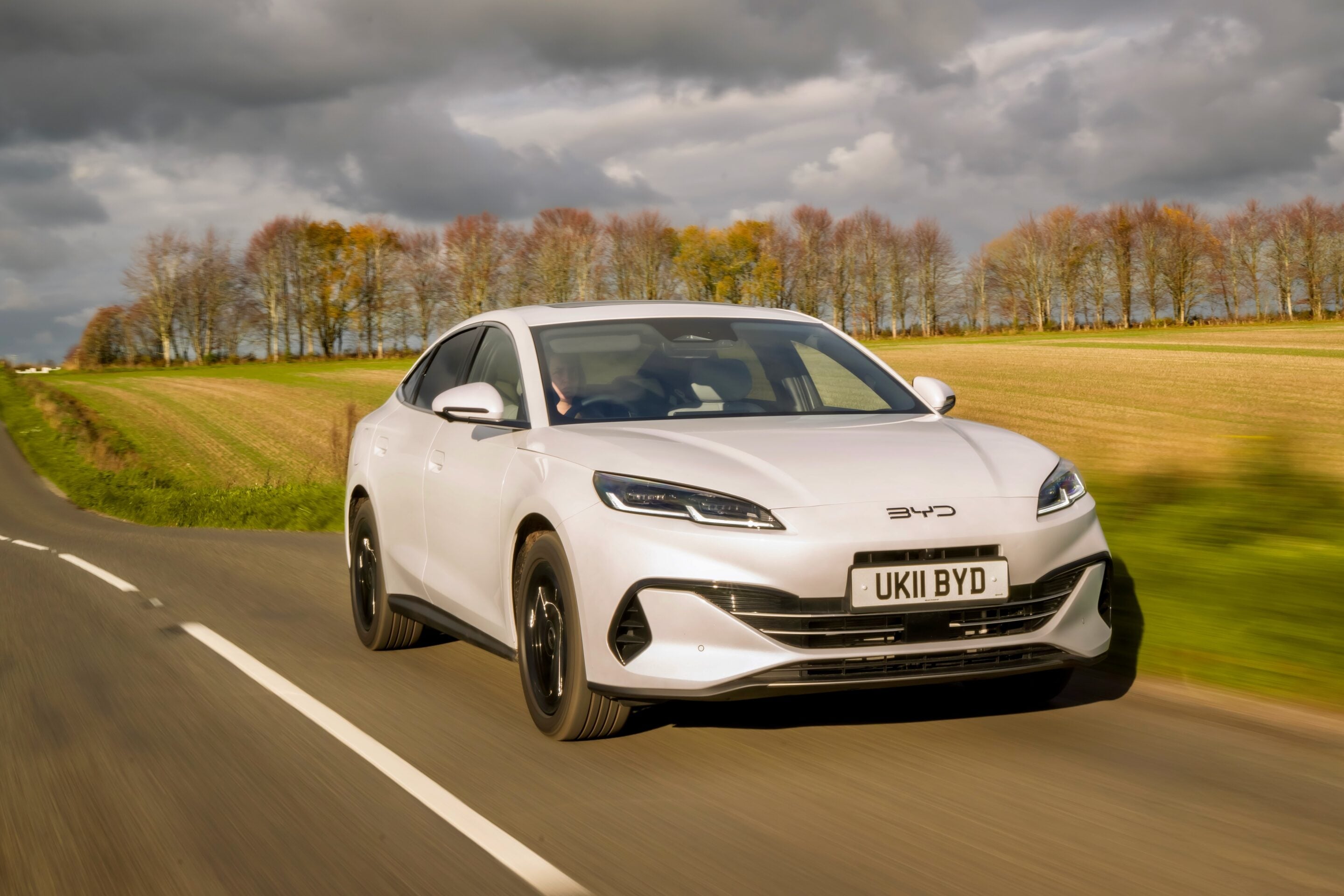
2. BYD Seal 6 Essential
3
Sized like a Toyota Camry, but with plug-in hybrid range not found on Toyota’s popular mid-sizer, the BYD Seal 6 starts from an attractive $34,990 plus on-road costs. Cheap enough to also give it the title of Australia’s cheapest medium sedan.
As with other BYD models, the Seal 6 is available in base Essential or more upmarket Premium guise, the latter as a station wagon. The Seal 6 Essential sedan has a small 10.1kWh battery enabling a 70km NEDC driving range, or 55km of WLTP range.
Official fuel consumption is listed at 1.1L/100km, but BYD also offers a more expensive and better-equipped Seal 6 Premium Touring wagon with a 125km NEDC/100km WLTP range and fuel consumption that drops to 0.8L/100km.
Price: From $34,990 plus on-road costs
Fuel consumption: 1.1L/100km
EV driving range: 70km NEDC
Engine: 1.5-litre four-cylinder PHEV
Battery: 10.1kWh
Power: 120kW electric, 130kW combined
Torque: 210Nm electric, 210Nm combined
Segment: Medium sedan
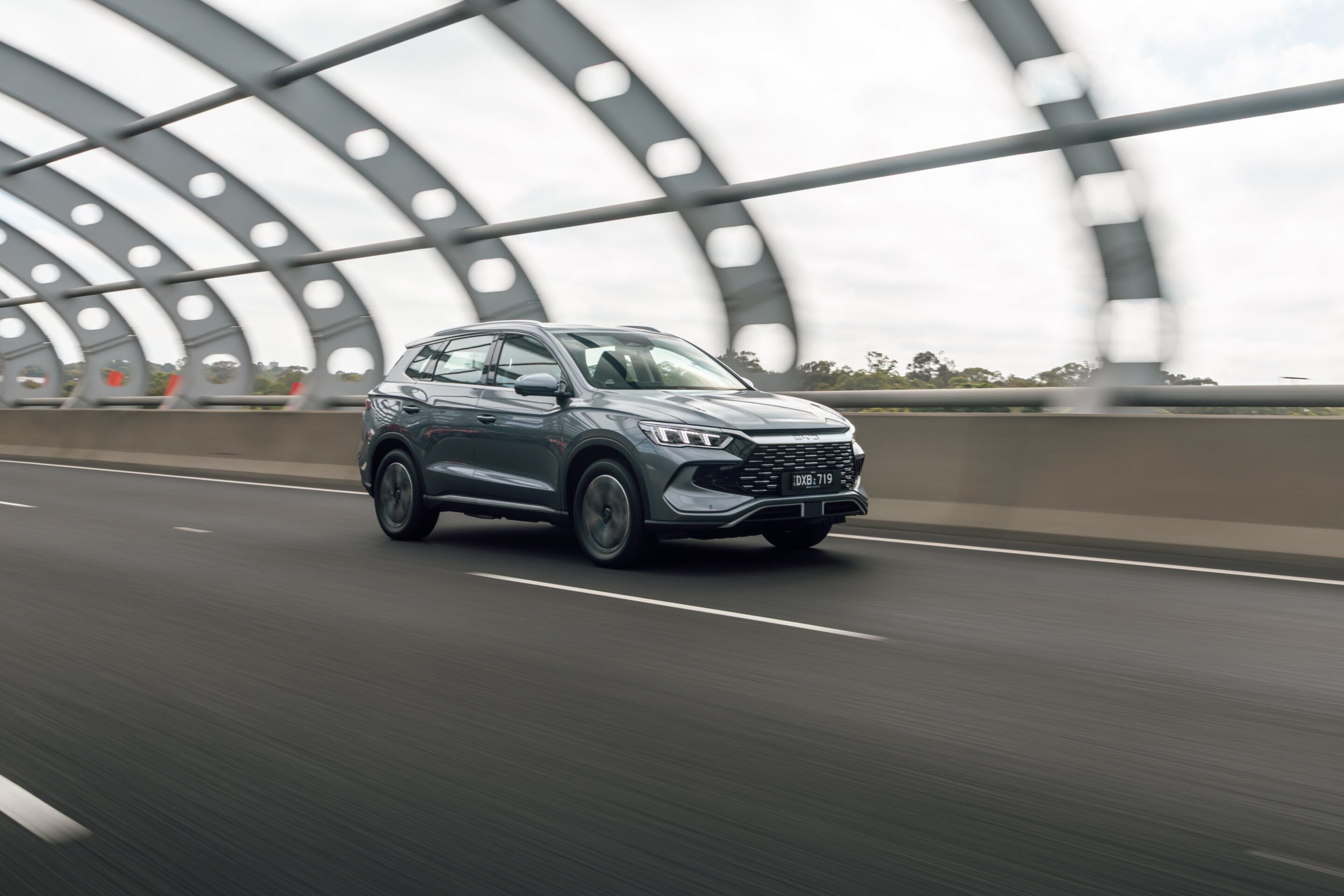
1. BYD Sealion 5 Essential
3
If you think Australia’s cheapest plug-in hybrid will see you in a cramped, small car with compact dimensions and next to no driving range, think again. The BYD Sealion 5 sits in Australia’s medium SUV class and is actually slightly larger than cars like the Hyundai Tucson and Toyota RAV4.
Positioned below the larger, longer-range Sealion 6, the Sealion 5 comes in basic Essential guise with 71km of EV-only range (NEDC) from its 12.9kWh battery, priced from $33,990 plus on-road costs. The $4000 more expensive Sealion 5 Premium gets a bigger 13.8kWh battery and can cover 100km of claimed EV-only range.
Official claimed fuel consumption is rated at 1.2L/100km for the Sealion 5 Essential, and BYD quotes consumption of 4.5L/100km once electric-only range is depleted.
Price: From $33,990 plus on-road costs
Fuel consumption: 1.2L/100km
EV driving range: 71km NEDC
Engine: 1.5-litre four-cylinder PHEV
Battery: 12.9kWh
Power: 145kW electric, 156kW combined
Torque: 300Nm electric
Segment: Medium SUV
Follow WhichCar/Wheels on Google
Click the button below to make WhichCar by Wheels a preferred source for your news.

We recommend
-
 Features
Best hybrid models still to come in 2026
Looking for a new hybrid vehicle? There are plenty to choose from, but it might be worth waiting as these 10 new models are set to launch with a bang in what remains of 2026.
-
 News
NewsEV chargers fall target to copper theft crime wave
Ease of access has made public EV chargers a target for thieves on the lookout for copper to scrap for cash.
-
 News
NewsNewest family SUVs from Mazda, MG, BMW and Cupra awarded five-star ANCAP ratings
Mazda and MG have scored five-star safety ratings from ANCAP for latest models, while BMW gets a backdated rating for models sold from 2024.