Features

Gallery 1
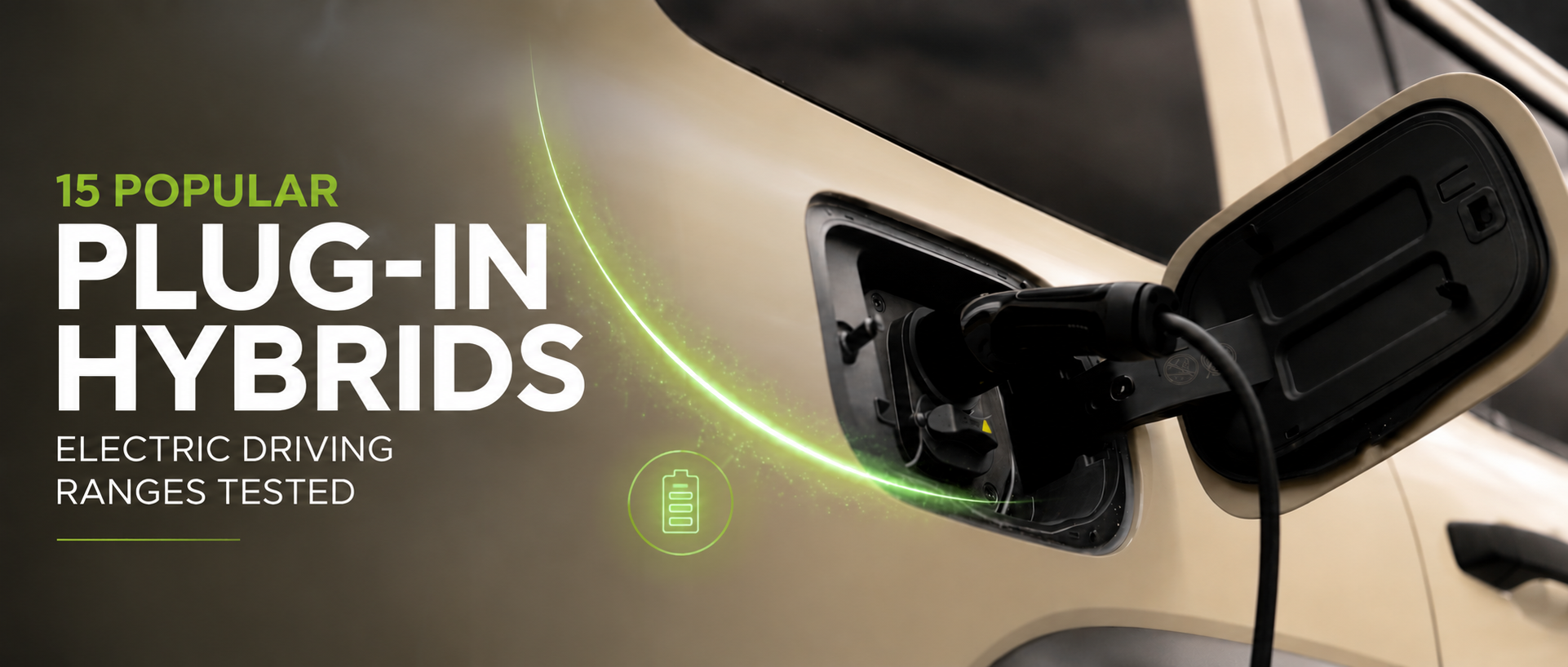
Prior to 2025, plug-in hybrid vehicles were never strong sellers in Australia. While brands like Mitsubishi pioneered the tech locally with the original Outlander PHEV from way back in 2013, electric vehicles took over in electrified sales once brands Tesla arrived on the scene.
Now plug-in hybrids are enjoying a resurgence in sales as buyers look to electrify their fleets. Compared with 2025, PHEV sales are up by a huge 76.9 per cent to 28,858 units, proving that there is clear demand for them locally.
Each makes a manufacturer’s claim about the vehicle’s electric-powered driving range but after driving the 15 plug-in hybrid models in this story over the last year and a half, the Wheels team can now compare those claims with our tested range, including in this overview of each model.
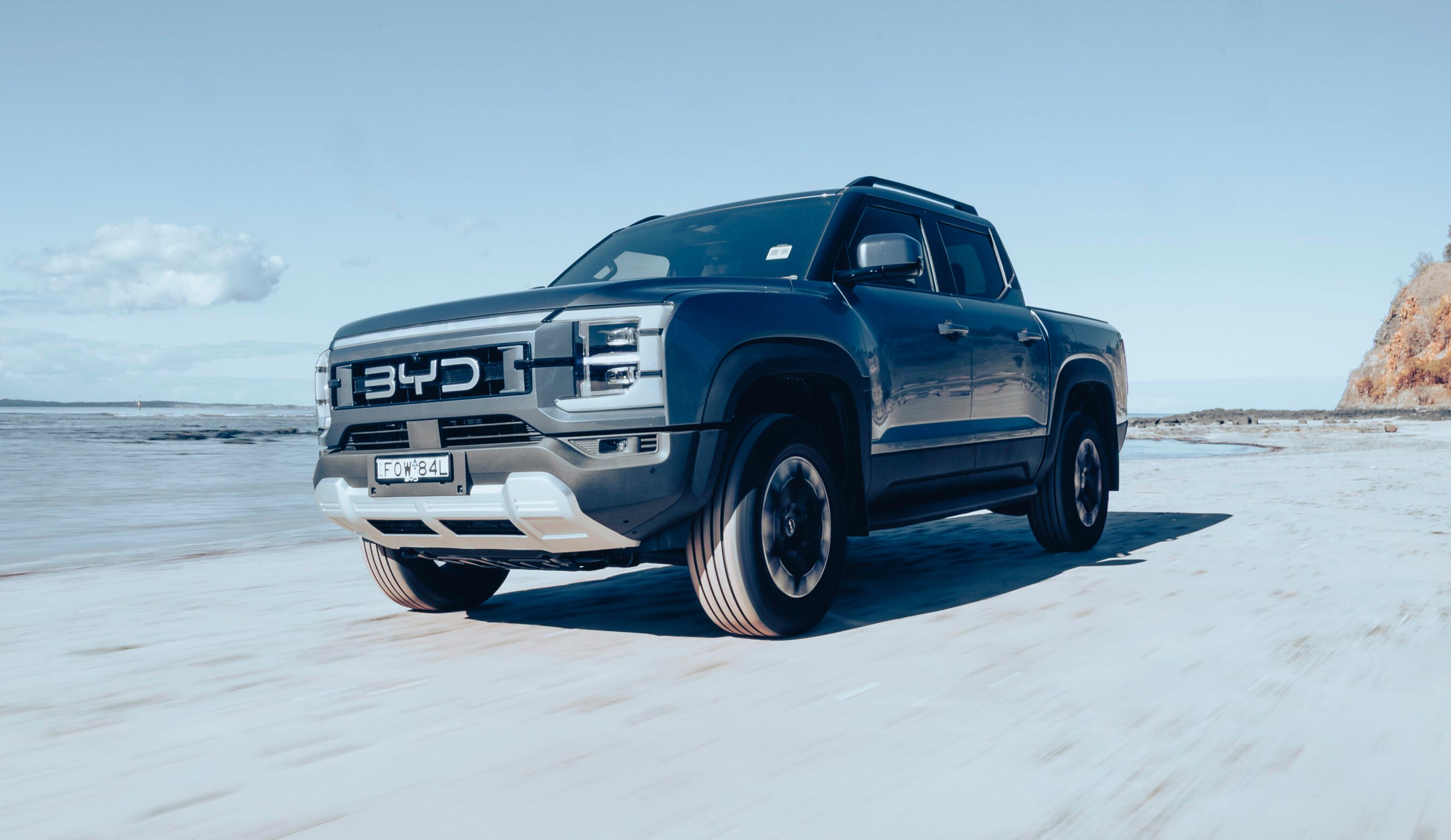
BYD Shark 6
3
Price: From $55,900 plus on-road costs
Drivetrain: 1.5-litre or 2.0-litre turbo plug-in hybrid, 321kW/650Nm (1.5L) or 350kW/700Nm (2.0L), 29.58kWh battery, all-wheel drive
Claimed EV range: 80km (2.0L) – 100km (1.5L) (NEDC)
Tested range: 89km
It’s fair to say that the arrival of the BYD Shark really shook up the ute market in Australia. Previously, almost all utes were diesel powered, with a lot of them quite unrefined and workman like in their nature, but the Shark turned that upside down. It even won Wheels Ute of the Year for 2025-26.
Here was a ute that was, thanks to its plug-in hybrid system, quite refined by comparison to many other utes. Instead of a loud diesel clatter greeting you every time you start it up, instead, there’s… nothing. No noise until the petrol engine is needed. There’s also a claimed electric driving range of 100km from a 29.58kWh battery, which is especially impressive given how large of a vehicle it is and that it weighs over 2700kg. We achieved 89km, by the way.
The Shark is quite punchy, making 321kW/650Nm outputs – and that’s only the 1.5-litre engine, so it should be even more fearsome on the road with the new 2.0-litre variant that makes an even stronger 350kW/700Nm outputs.
Importantly, the Shark drives well for a ute, and is generally more car-like in its ride and handling balance than most of its diesel-powered rivals. That’s especially impressive given that A) again, it weighs more than 2600kg and B) it’s the first BYD ute ever sold here and a great first attempt. Overall, it’s easy to see why the BYD Shark has upturned the ute segment and is selling quite well. If you’re chasing pure EV range, it gets quite close to its claim, and will have more than enough range for your weekly commute.
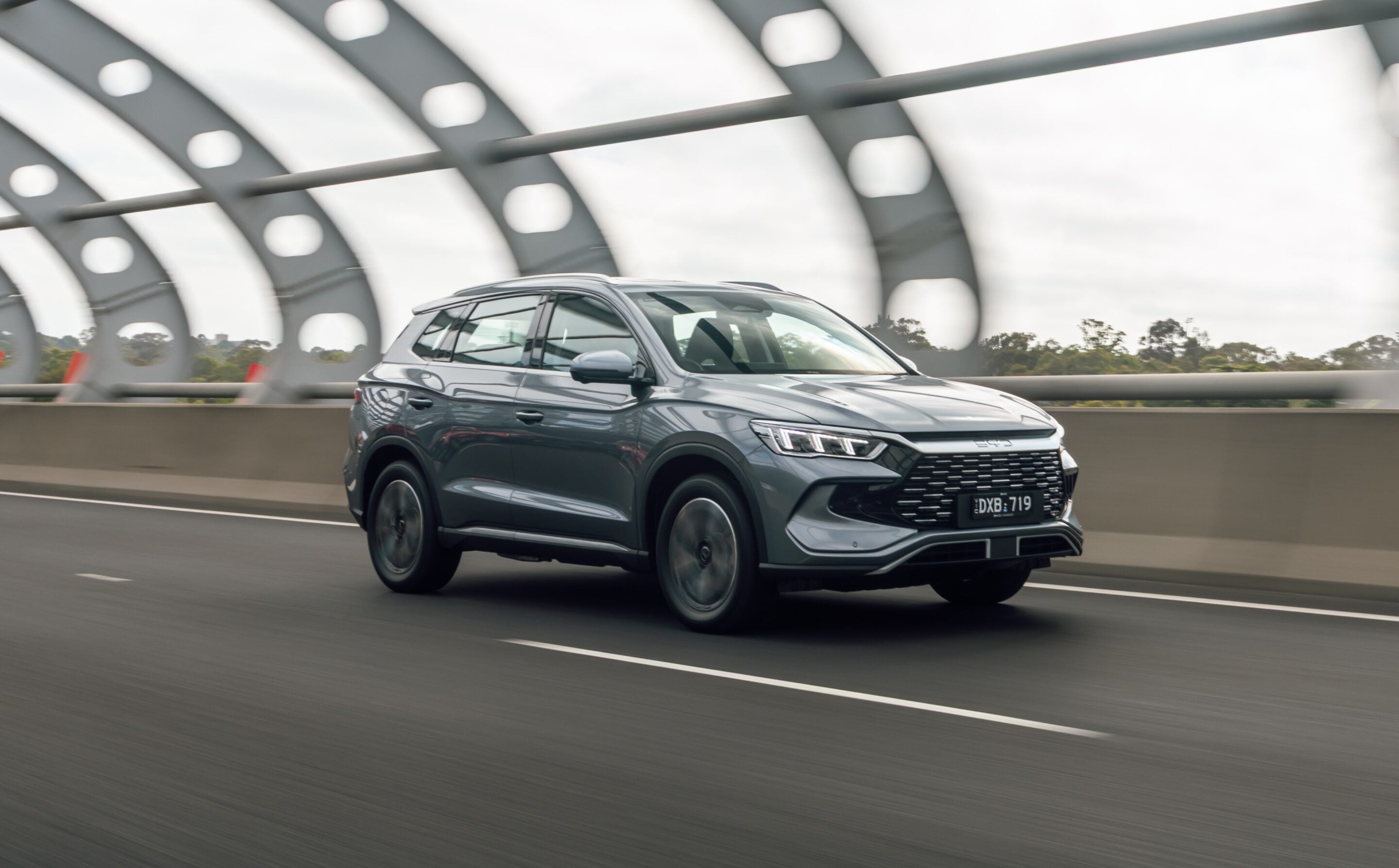
BYD Sealion 5
3
Price: From $33,990 plus on-road costs
Drivetrain: 1.5-litre naturally aspirated plug-in hybrid, 156kW, 12.9 or 18.3kWh batteries, front-wheel drive
Claimed EV range: 71km (Essential, 12.9kWh battery); 100km (Premium, 18.3kWh battery) (NEDC)
Tested range: 86km (Premium)
BYD has been quietly adding a plethora of new product to its local line-up and the Sealion 5 is one of the latest to the range. It’s the cheapest plug-in hybrid SUV on sale in Australia based on retail pricing, starting at just $33,990 plus on-road costs for the entry level Essential (the upper-spec Premium asks $37,990 +ORC), and based on its early sales figures, is selling well.
A 72kW/122Nm 1.5-litre petrol engine forms the basis for the plug-in hybrid drivetrain, with an electric motor providing another 145kW/300Nm. What you need to know is that the combined power output is 156kW, which provides the Sealion 5 with spritely performance with a claimed 7.7-second run for the Essential and 8.1 seconds for the Premium.
As for EV range, the Essential features a 12.9kWh battery for a claimed 71km of range, and the Premium steps that up to 18.3kWh for a claimed 100km of range. We tested the Premium and in the real world, found that it achieved 86km – yes, that’s 14 per cent less than the claim, but it’s still more than enough for the average Australian commute.
Dynamically, the Sealion 5 isn’t the most impressive car in the world as it rolls a bit and is generally soft. But that makes it quite comfortably in everyday driving, and bump absorption is great. Add in the good quality and spacious cabin and there’s clear appeal to the Sealion 5. Its claimed EV range is mostly accurate in the real world, and it offers a lot for not a lot of cash.
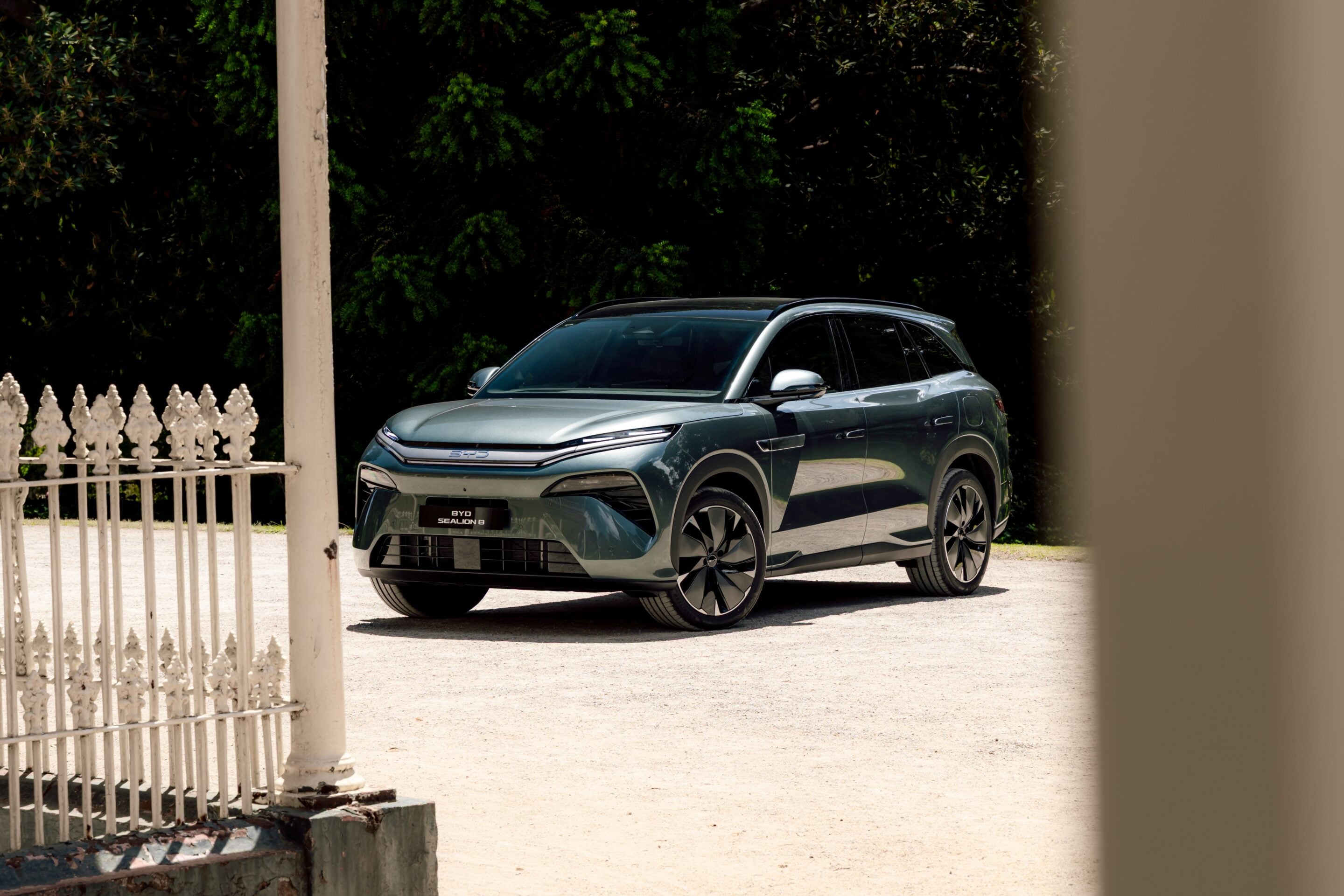
BYD Sealion 8
3
Price: From $56,990 plus on-road costs
Drivetrain: 1.5-litre turbo plug-in hybrid, 205kW/315Nm or 359kW/675Nm, 19kWh or 35.6kWh batteries, front- or all-wheel drive
Claimed EV range: 100km/19kWh battery; 152km/35.6kWh battery (NEDC)
Tested range:136km (from 35.6kWh battery)
In addition to the smaller Sealion 5, BYD Australia also recently added the larger Sealion 8 to its range. The first seven-seater the brand has offered locally, the Sealion 8 is priced from $56,990 plus on-road costs for the entry-level Dynamic FWD, rising to $70,990 +ORC for the top-spec Performance AWD. Considering that an entry-level Kia Sorento PHEV asks $70,880 +ORC and is not as well equipped as the $15k-cheaper Sealion 8, BYD’s value equation is clear to see.
Two drivetrains are on offer in the Sealion 8, with both using a 1.5-litre turbocharged petrol engine as a base. The front-wheel drive Dynamic, with its single electric motor, makes 205kW/315Nm outputs – or more than enough for most buyers – but the all-wheel drive cars add an extra rear e-motor for hefty 359kW/675Nm totals, which is enough for a claimed 4.9-second 0-100km/h sprint.
As for electric driving range, BYD claims 100km from the smaller 19kWh battery from the Dynamic and 152km from the larger 35.6kWh battery in the all-wheel drive cars. Both represent healthy numbers that more than cover at least three days of the average commute in Australia, and like in the Shark and Sealion 5, BYD’s i-DM plug-in hybrid tech is efficient enough to make achieving those numbers or close to them easy. In our mid-spec Dynamic AWD test car, we achieved 136km of electric driving without even trying.
On the road, the Sealion 8 mostly impresses bar the overly firm ride in the top-spec Performance thanks to its large 21-inch wheels. Keep it to the lower specs, and it’ll be extremely comfortable, though no Sealion 8 is what you’d call a sports car. Still, it’s a large seven-seat SUV, and for that mission, its dynamics are quite good. As with its other PHEV models, the BYD Sealion 8 nails the brief for an efficient seven-seat SUV with a good electric range.
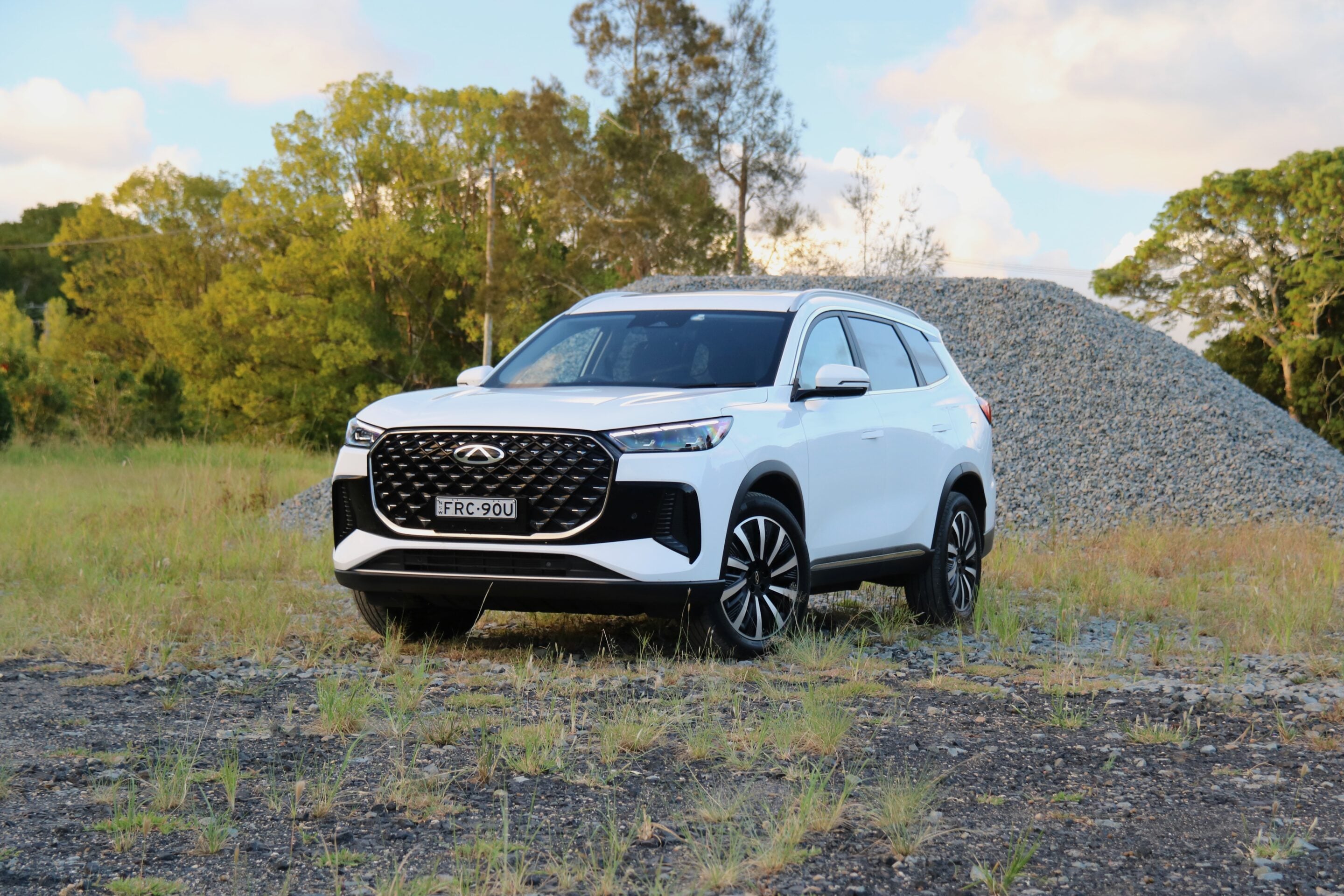
Chery Tiggo 8 Super Hybrid
3
Price: From $45,990 driveaway
Drivetrain: 1.5-litre turbo plug-in hybrid, 150kW/310Nm, 18.4kWh battery, front-wheel drive
Claimed EV/tested range: 95km (NEDC)
Tested range: 68km (highway driving); 82km (city driving)
It’s funny how a new drivetrain can completely transform a car for you, and with the Chery Tiggo 8, the newer Super Hybrid system did just that. The regular Tiggo 8’s 2.0-litre turbo-petrol engine is punchy, but it’s spoiled by a jerky dual-clutch transmission and it’s not very fuel efficient. In a big contrast, however, the Super Hybrid system is not only quite fuel efficient but it’s also far more refined than the petrol engine. If you’re considering a Tiggo 8, don’t even bother with the petrol engine.
Using a 1.5-litre turbo-petrol engine combined with a 150kW/310Nm front-mounted electric motor, the Tiggo 8 Super Hybrid uses a 18.4kWh battery for a claimed 95km of NEDC range. We tested it in highway driving so it naturally used more electrons, but we still ended up with an EV-only range of 68km, which is admirable as PHEVs are traditionally at their least efficient in that environment. Around town, it increased to 82km of electric driving, which is impressive.
Helping the Tiggo 8 Super Hybrid further is that, unlike a lot of other PHEV models, it can be DC fast charged and up to 60kW as well, for a claimed 30-80 per cent charge time of 20 minutes. The driving experience of the Tiggo 8 Super Hybrid is quite comfortable and refined, and though it rides well in town, it’s a bit too soft at higher speeds.
Overall, the Chery Tiggo 8 Super Hybrid is a solid choice for a seven-seat plug-in hybrid SUV. Pricing starts at just $45,990 driveaway, which makes it a bargain, and there’s value beyond the price point thanks to its efficient drivetrain, solid driving experience and good quality cabin.
Chery Tiggo 9 Super Hybrid
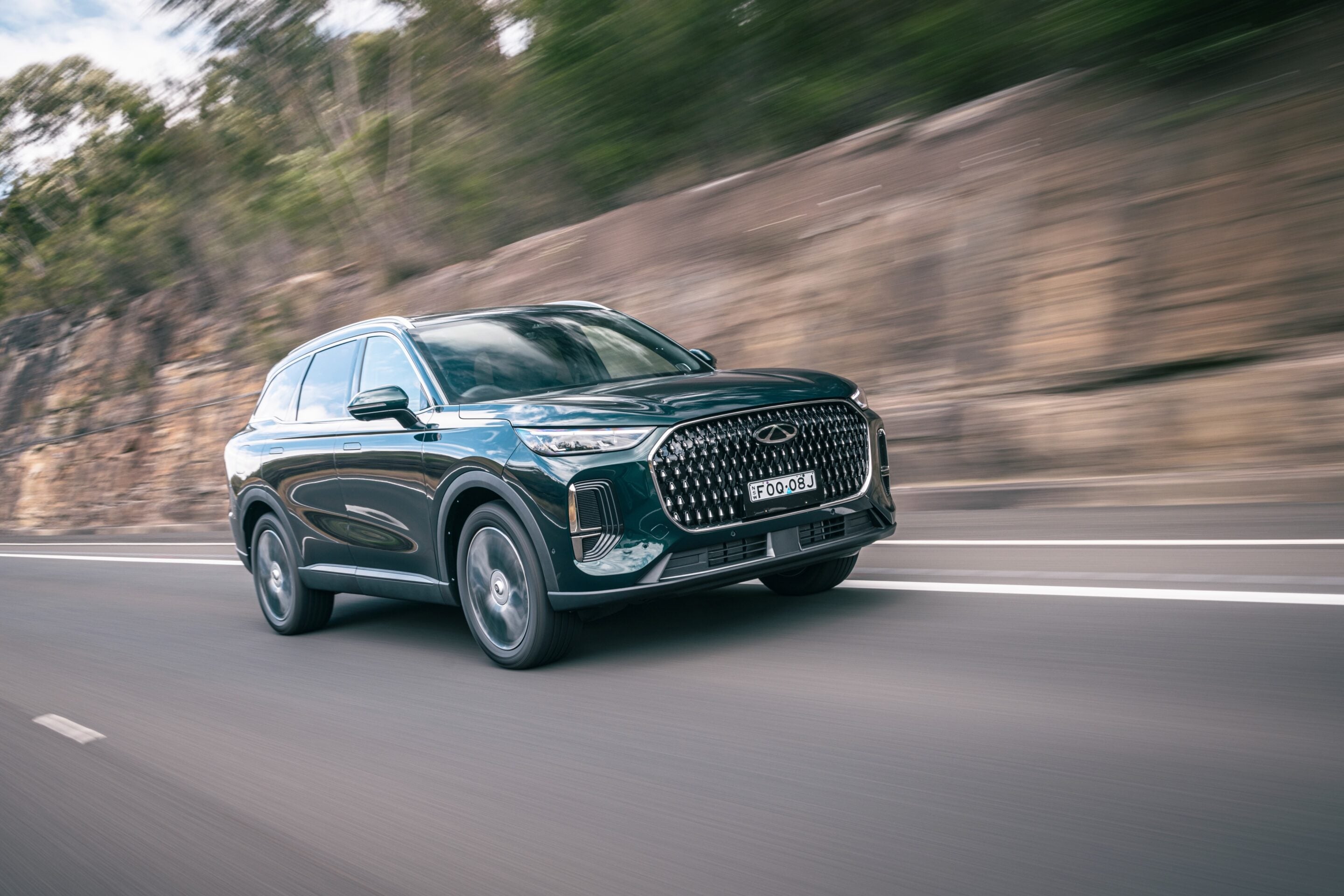
3
Price: From $53,990 plus on-road costs
Drivetrain: 1.5-litre turbo plug-in hybrid, 225kW/450Nm (Elite) or 315kW/580Nm (Ultimate), 19kWh (Elite) or 34kWh (Ultimate) batteries, front- (Elite) or all-wheel drive (Ultimate)
Claimed EV range: 90km (Elite, 19kWh battery); 170km (Ultimate, 34kWh battery) (NEDC)
Tested range: 148km (Ultimate)
The Chery Tiggo 9 Super Hybrid takes the goodness from the Tiggo 8 Super Hybrid and adds a more powerful drivetrain, larger batteries for more electric driving range and a slightly larger and more practical body. Pricing used to start at $59,990 plus on-road costs for the Ultimate model, but Chery recently added a new lower-spec Elite that now opens the range at $53,990 +ORC.
As with the Tiggo 8 Super Hybrid, the Tiggo 9’s plug-in hybrid system surrounds a 1.5-litre turbocharged petrol engine with an electric motor. In the front-drive Elite, it makes keen 225kW/450Nm peak outputs, but thanks to the Ultimate’s two extra e-motors, it makes 315kW/580Nm, and as you’d expect, performance is no issue.
The Tiggo 9 Super Hybrid Elite features a 19kWh battery for a claimed 90km of range on the NEDC cycle, while the Ultimate uses a larger 34kWh unit instead, for its healthy claimed 170km of range. We’ve only tested the Ultimate so far, but achieved 148km of electric driving, which is enough range for four days of the average Australian commute.
Helping that further is the Tiggo 9 Super Hybrid’s ability to be DC fast charged at up to 71kW, allowing for a 30-80 per cent charge in just 20 minutes. That means that owners can charge quickly and don’t need to have power at home to charge their car. It drives mostly well, and like the Tiggo 8 Super Hybrid, is quite refined too.
Denza B5
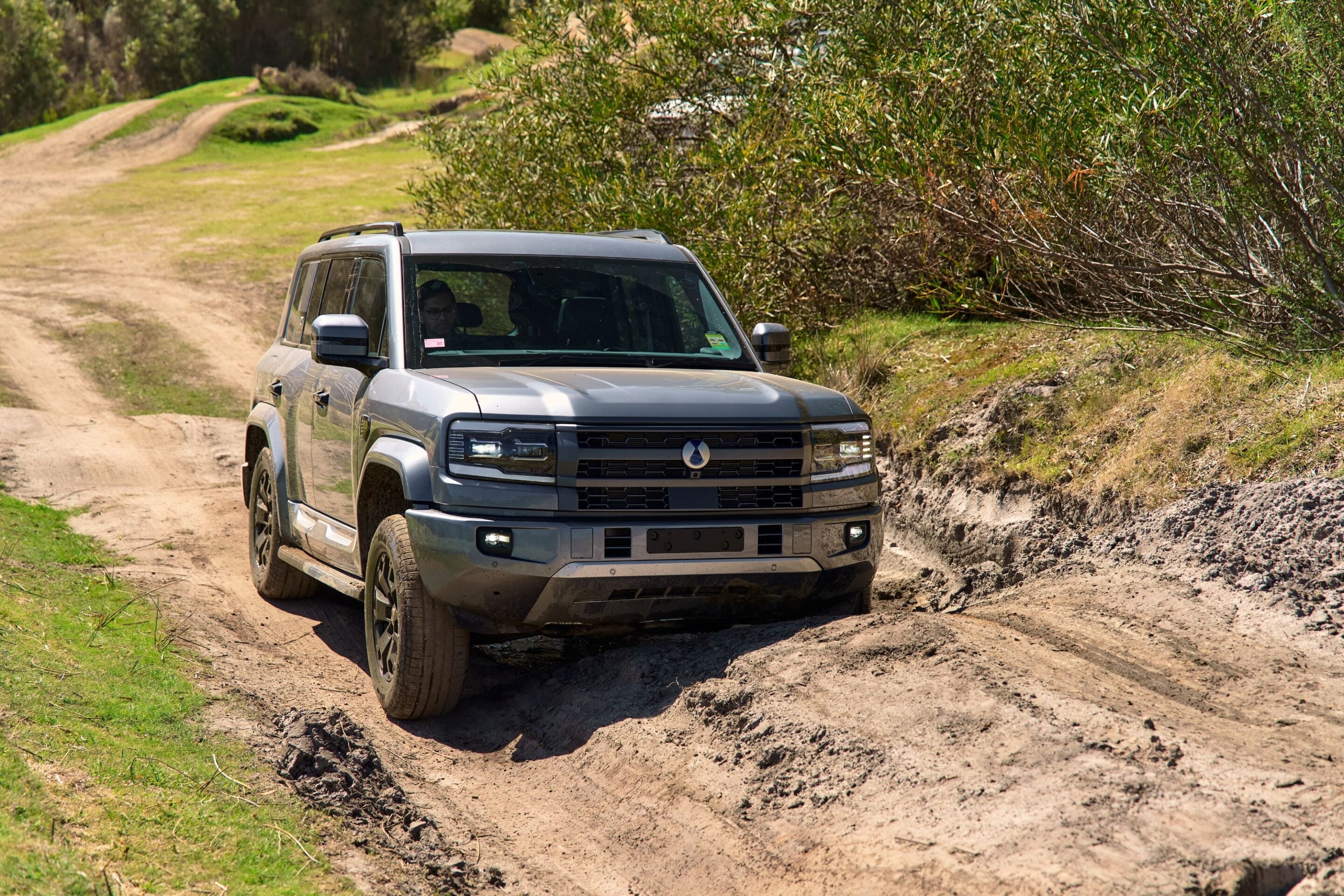
3
Price: From $74,990 plus on-road costs
Drivetrain: 1.5-litre turbo plug-in hybrid, 400kW/760Nm, 31.8kWh battery, all-wheel drive
Claimed EV range: 90km (WLTP)
Tested range: 78km
This comparison involves a number of cars from brands that you may not have heard of before, and Denza is one of them. BYD’s premium arm only launched in Australia in 2025, but judging from its products, it means business. The B5 is one of two chunky off-roaders offered so far by the brand, and it’s priced from $74,990 plus on-road costs in entry-level form.
But don’t write it off because you don’t know what it is, because the Denza B5 is a great choice for a plug-in hybrid SUV that can also go off-road. Its drivetrain combines a turbocharged 1.5-litre petrol engine with two electric motors for 400kW/760Nm peak outputs, which despite the three-tonne weight, motivates the B5 well.
Featuring a 31.8kWh battery for a claimed 90km WLTP range but we achieved 78km in mixed driving on test. The B5 can be DC fast charged at up to 100kW, for a 10 to 80 per cent charge in around 20 minutes. If you’re using an AC charger instead, the B5 can be charged at up to 11kW, for a claimed full charge in under three hours.
On the road, the B5 is refined and the ride quality is good without being great. There’s a firm edge to the bump absorption and some sharpness to the way the suspension takes a nastier hit, but it’s not uncomfortable either. The B5’s cabin is well finished and very well equipped, making its asking price seem not unreasonable. Overall, the Denza B5 is further proof that BYD can make a damn good car for a reasonable price.
Denza B8
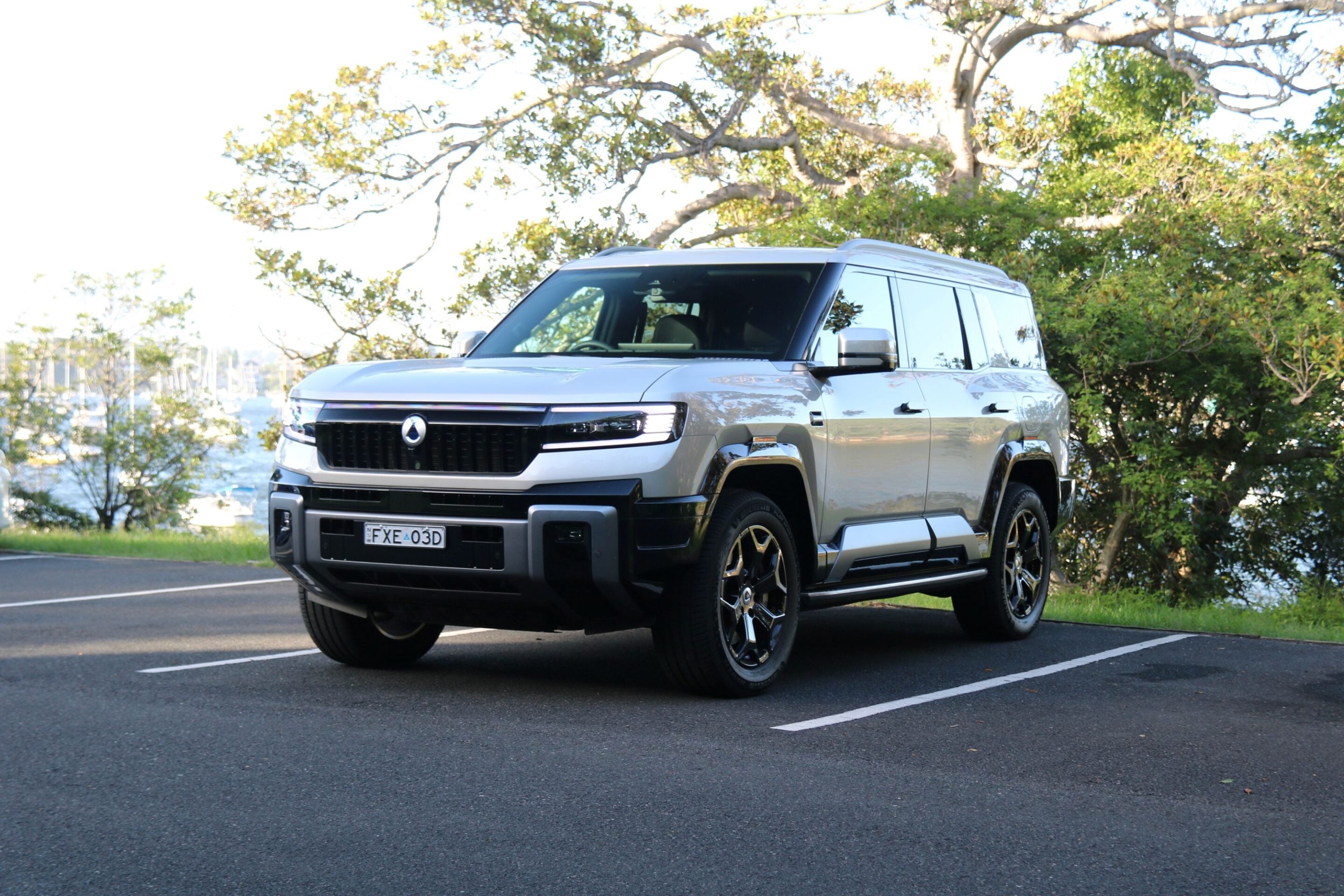
3
Price: From $91,000 plus on-road costs
Drivetrain: 2.0-litre turbo plug-in hybrid, 425kW/760Nm, 36.8kWh battery, all-wheel drive
Claimed EV range: 115km (WLTC)
Tested range: 90km
Denza also sells the larger B8 in Australia, which is even larger, even heavier and even more powerful than its B5 smaller sibling. It also offers up to seven seats, and pricing starts at $91,000 plus on-road costs. That’s a serious price tag, but the Denza B8 is a serious product too.
Featuring a larger 2.0-litre turbo-petrol engine as part of its plug-in hybrid drivetrain compared to the smaller 1.5-litre unit in the smaller B5, the B8 makes huge 425kW/760Nm combined outputs and even though it weighs even more than the B5 at around 3300kg, it moves quite well with a claimed 0-100km/h time of just 4.8 seconds.
The B8 uses a 36.8kWh battery for a claimed range of 115km, and we achieved 90km in our testing in mixed driving. It can be DC fast charged at up to 120kW for a claimed 20 to 80 per cent charge in under 40 minutes, or around four hours for a full charge using 11kW AC charging. The 120kW peak charging speed is quite healthy for a PHEV in Australia.
In real life, the B8 drives reasonably well and it’s also quite capable off road. The urban ride can be too firm, likely thanks to its weight, with sharper bumps taking just too much of an impact on the otherwise serene cabin environment. Overall, the Denza B8 is a worthy large plug-in hybrid SUV with a variety of talents. Some may baulk at the price, but there’s no doubting the level of engineering talent and its all-round capability.
Ford Ranger PHEV
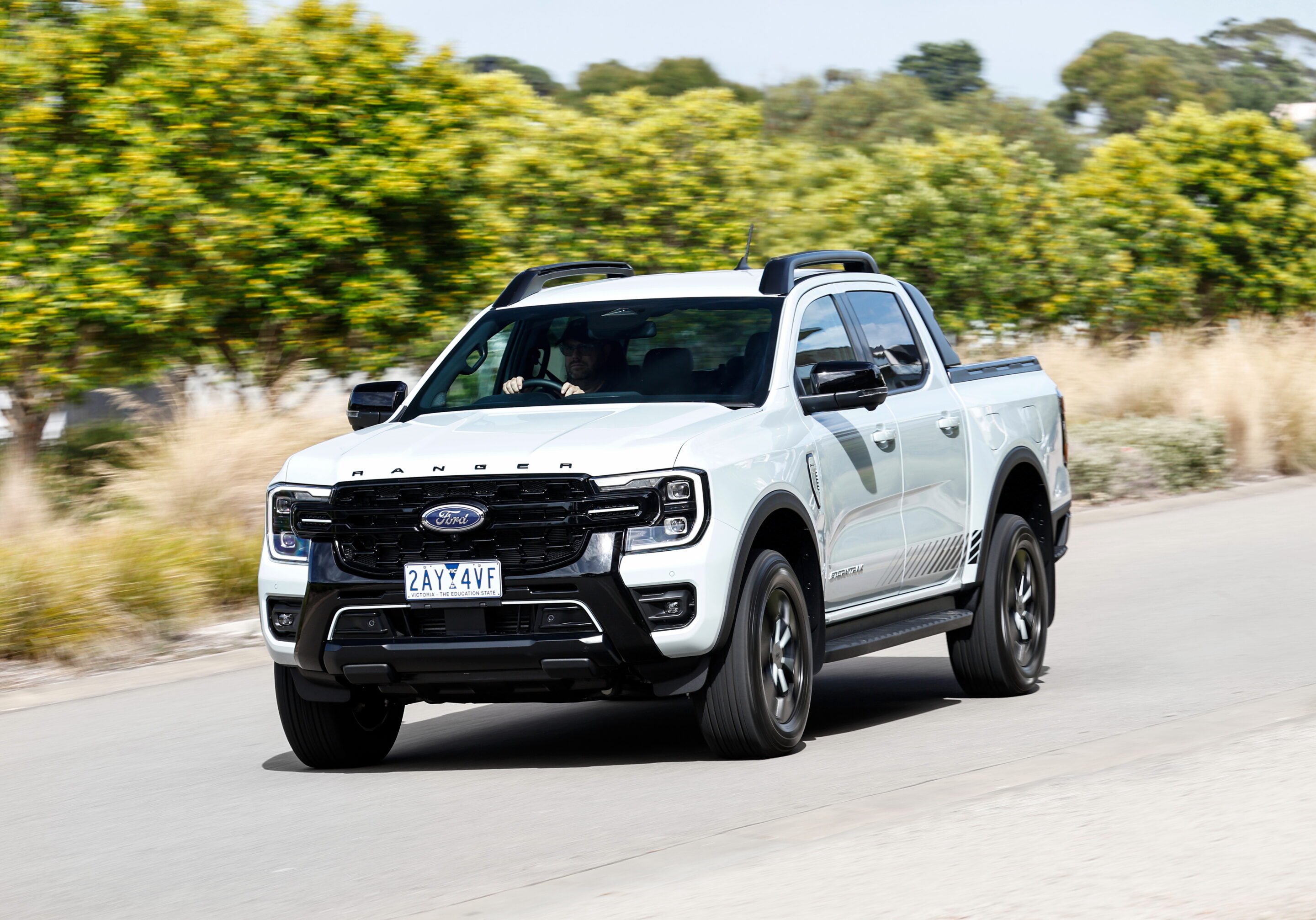
3
Price: from $59,000 driveaway (2026 updated model)
Drivetrain: 2.3-litre turbo plug-in hybrid, 207kW/697Nm, 11.8kWh battery, all-wheel drive
Claimed EV range: 49km (NEDC)
Tested range: 28km
The Ford Ranger, Australia’s best-selling vehicle and developed locally, is well known for being a tough workhorse ute that also drives the best in its class. Because of that, it was feared that the plug-in hybrid version of the Ranger would be watered down and nowhere near as capable as the versions already on sale, though thankfully, that didn’t end up to be true.
Despite using a petrol plug-in hybrid drivetrain, the Ranger PHEV still does Ranger things, like proper off-roading and towing 3500kg. The latter item is one thing that the BYD Shark, at least until the release of the Performance model, could not previously do, so if you were after a hybrid ute that can handle the serious stuff that some Ranger owners require, it was your only choice.
Using a 2.3-litre turbo-petrol engine and combining it with an electric motor, the Ranger PHEV makes 207kW/697Nm peak outputs, making it feel quicker than diesel Ranger variants, and like those variants, it can also do heavy off-roading if you require it to. It also drives much like a regular Ranger, which is to say quite well for a ute thanks to the Australian-developed suspension.
However, the biggest chink in the Ranger PHEV’s armour is that its 11.8kWh battery is just too small to provide a good electric-only driving range. Its claimed EV range is just 49km and that’s on the lenient NEDC cycle, and we achieved just 28km in our testing. Granted, it provides an advantage to power tools for job sites, but a BYD Shark is capable of traveling more than double our as-tested EV range. Overall, the Ford Ranger PHEV is a great ute with a lot of capability, but it’s just not a great hybrid in current guise.
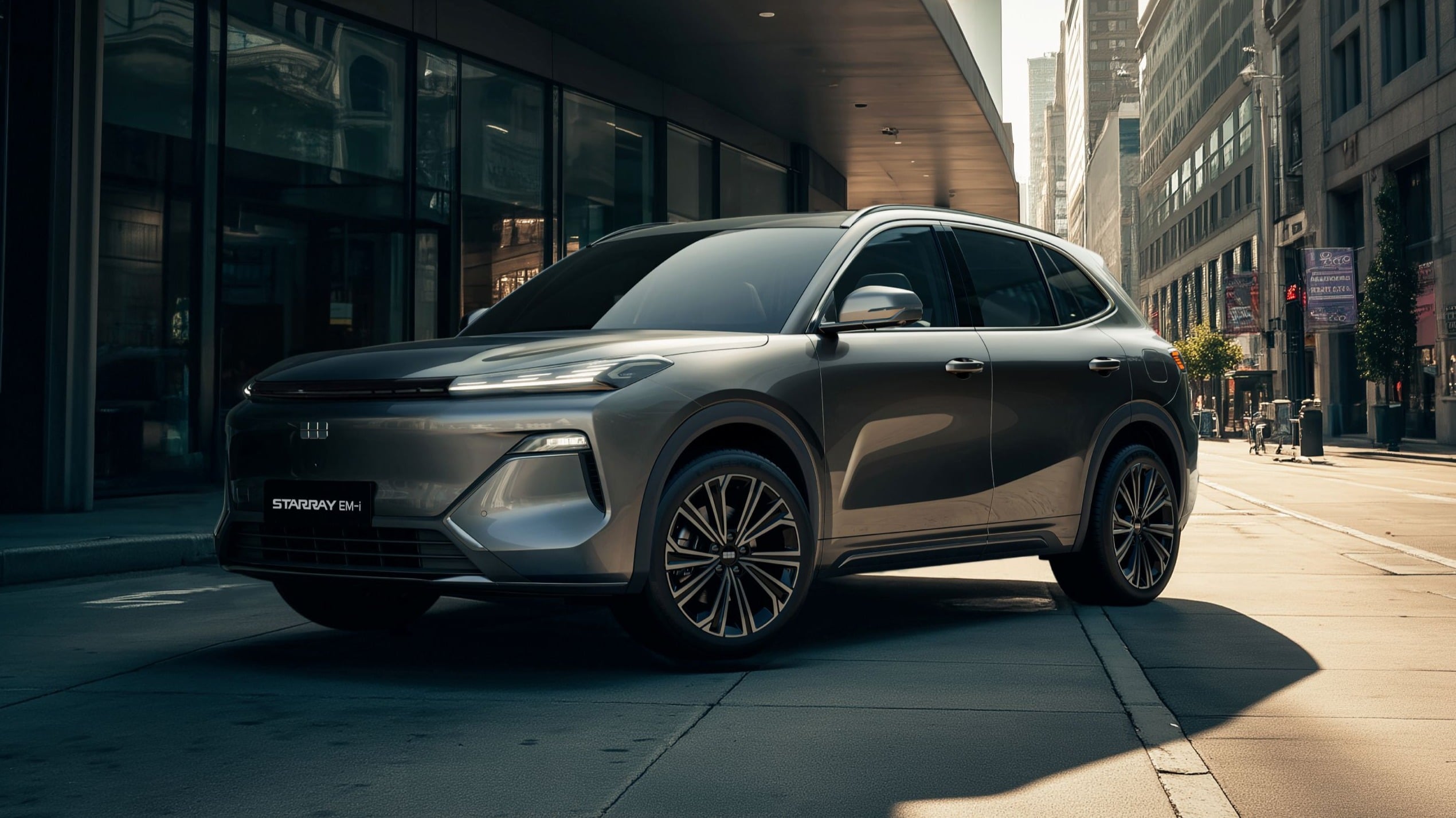
Geely Starray EM-i
3
Price: From $37,490 plus on-road costs
Drivetrain: 1.5-litre turbo plug-in hybrid, 193kW, 18.4kWh or 29.8kWh battery, front-wheel drive
Claimed EV range: 83km (Complete, 18.4kWh battery); 136km (Inspire, 29.8kWh battery) (WLTP),
Tested range: 80km (Complete, 18.4kWh battery)
Geely launched the Starray EM-i in Australia in 2025 and from the outset, it made an impact as an inexpensive, well-rounded plug-in hybrid medium SUV. Pricing starts at just $37,490 plus on-road costs for the entry-level Complete, and Geely regularly does deals as well – at the time of writing, it’s being offered with a 0.88 per cent comparison rate and a free EV home charger, for example.
The Starray EM-i uses a turbocharged 1.5-litre four-cylinder petrol engine mated to a front-mounted electric motor for a total system output of 193kW. That drivetrain uses either an 18.4kWh battery in the entry-level Complete, or in the case of the recent 2026 update, a larger 29.8kWh battery in the upper-spec Inspire.
The Starray’s WLTP-rated range is 83km for the Complete, and 136km for the Inspire, and in previous testing with the smaller battery, we achieved 80km or nearly bang on what it should be. The Starray’s battery can also be DC fast charged, with a 30kW maximum in the Complete and double that in the Inspire.
On the road, the Starray is impressively refined, and its drivetrain is reasonably punchy as well, though its ride quality is a bit too firm in urban driving. Still, it’s more than comfortable enough for most, and its good quality cabin impresses as well. Overall, the Starray EM-i is a great option for a PHEV as it’s a good all-rounder that is capable of very nearly achieving its claimed EV range, which is rare.
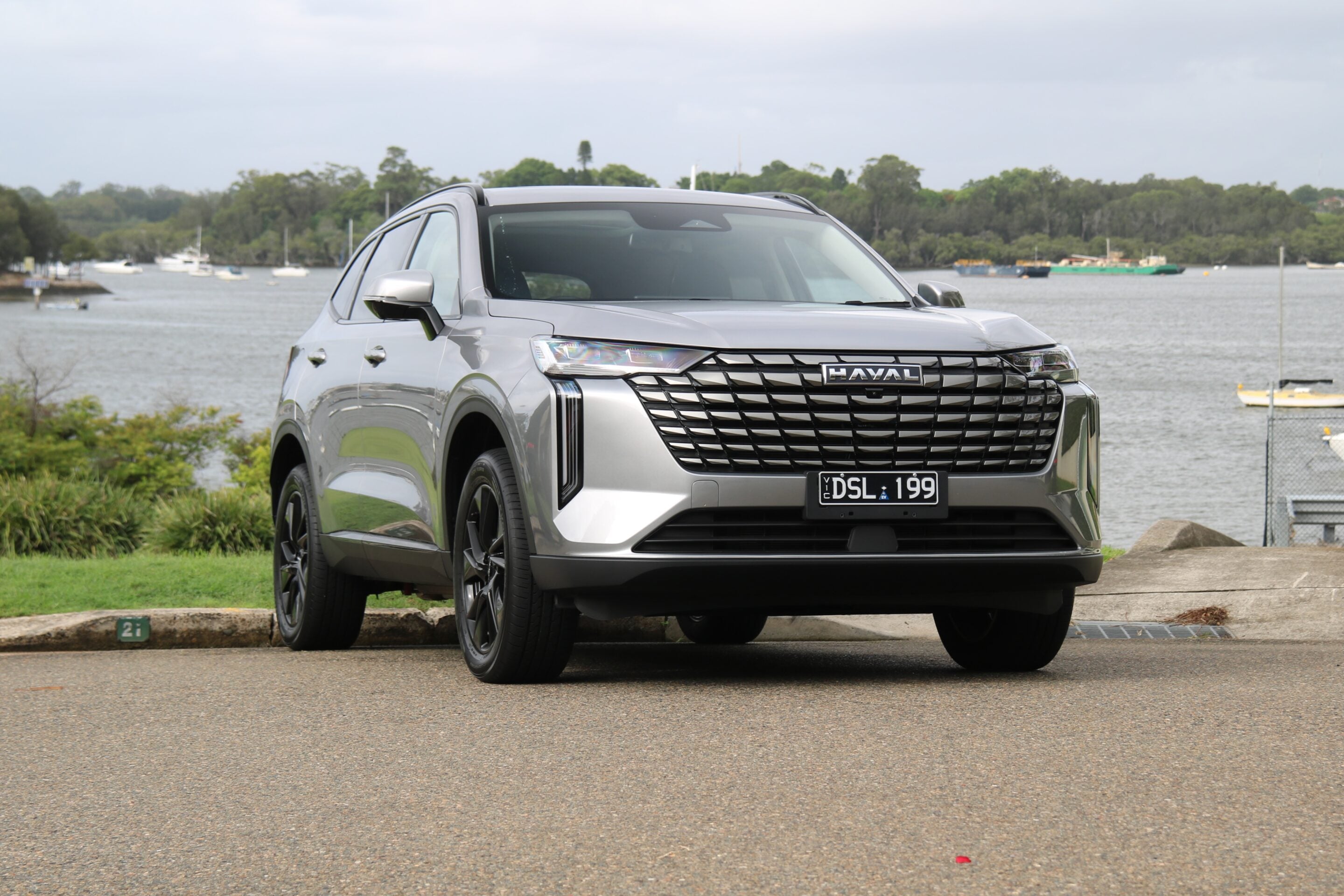
GWM Haval H6
3
Price: From $40,990 driveaway
Drivetrain: 1.5-litre turbo plug-in hybrid, 240kW/540Nm (2WD) or 268kW/760Nm (AWD), 19.09kWh battery, front- or all-wheel drive
Claimed EV range: 100km (AWD, 19.09 kWh battery); 106km (FWD, 19.09 kWh battery) (NEDC)
Tested range: 86km (AWD)
The GWM Haval H6 received a large update in 2025, and part of that update was the introduction of two new plug-in hybrid drivetrains for the first time – previously, only the sportier-looking H6GT offered PHEV power in the H6 range. While the H6 range starts at $35,990 driveaway, pricing for the PHEV models starts at $40,990 driveaway, which makes it one of the cheapest PHEVs on the market.
Centred around a 1.5-litre turbo engine, the GWM Haval H6 actually offers a choice of two plug-in hybrid drivetrains: A front-driver making 240kW/540Nm or an all-wheel drive model making even more grunt with 268kW/760Nm, with the latter capable of a 4.8-second 0-100km/h sprint. As for electric driving range, both PHEV drivetrains in the H6 range use a 19.09kWh battery, with the FWD models rated at 106km and the AWD at 100km.
We tested the all-wheel drive model and got 86km out of a full charge, which is reasonable considering the performance on offer. As for charging, the H6 PHEV’s battery can be charged at up to 34kW for a claimed 30-80 per cent charge time of 28 minutes and a full 6.6kW AC charge in around three hours. As with many other new PHEV models, the H6’s ability to fast charge gives it appeal for those who don’t have power in their garage or when venturing somewhere that doesn’t have much in the way of AC charging.
On the road, the H6 range has been vastly improved compared to the pre-updated car thanks to GWM’s local tuning program, which has given it a revised suspension set up and it now steers and rides much better than before. Overall, the H6 PHEV is a solid plug-in hybrid option thanks to its great practicality, bargain pricing, healthy EV range and strong performance.
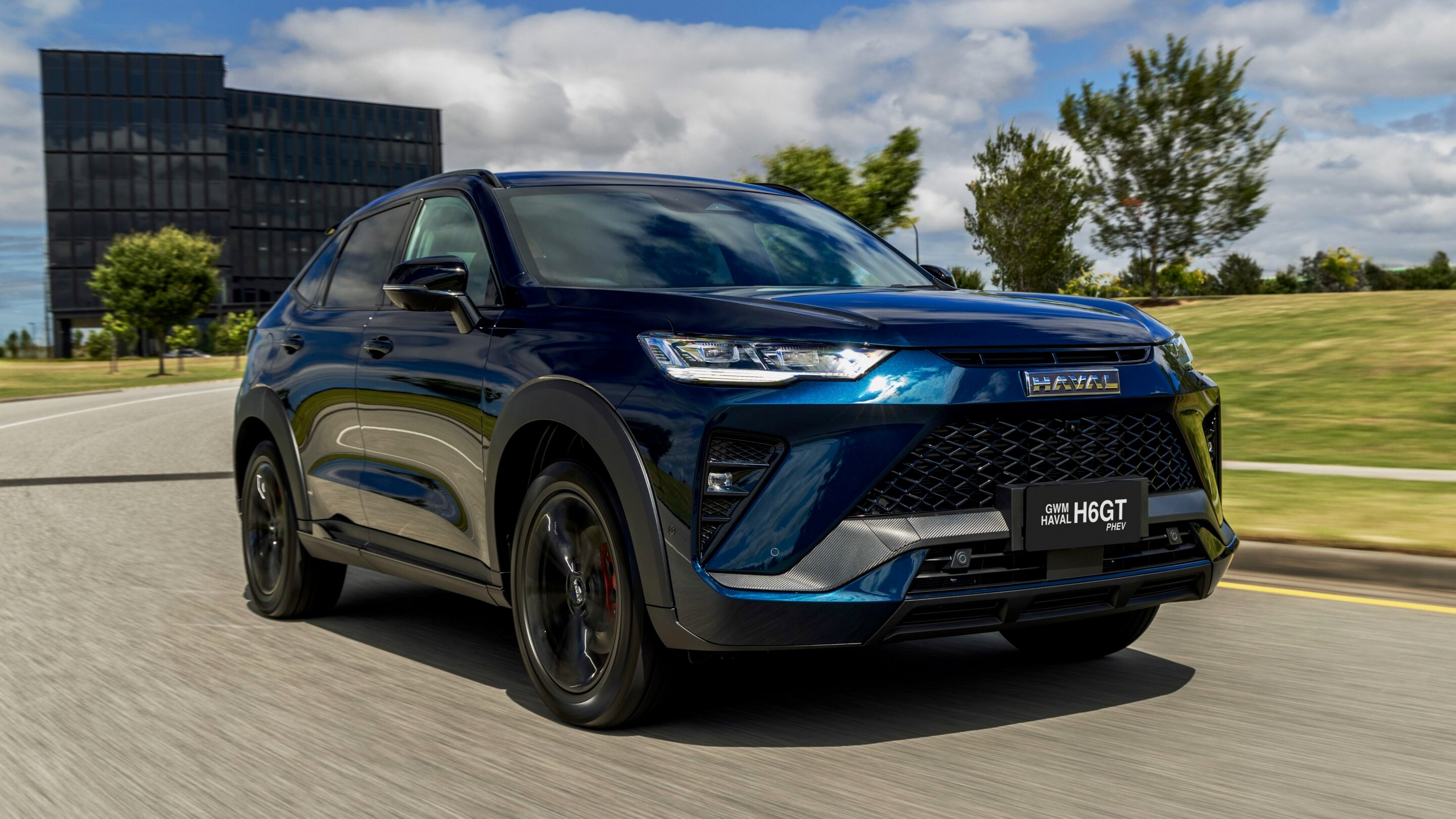
GWM Haval H6GT
3
Price: From $52,990 driveaway
Drivetrain: 1.5-litre turbo plug-in hybrid, 321kW/642Nm, 35.43kWh battery, all-wheel drive
Claimed EV range: 183km (NEDC)
Tested range: 165km
Surprisingly to some, the longest electric range plug-in hybrid on sale today in Australia is actually the GWM Haval H6GT and that’s been the case since it went on sale locally July 2022. It’s just been given a comprehensive update as well, with even more performance than before, while its claimed EV range is now 3km further at 183km. In the real world, we achieved 165km in mixed urban and highway driving, which is less than the claim but still more than decent.
Using a 1.5-litre turbo-petrol plug-in hybrid drivetrain making huge 321kW/642Nm outputs, the H6GT is not only a green option in the H6 range but it’s also a performance model, and is capable of a quick 4.6-second 0-100km/h sprint time. It drives reasonable well too, with a compliant ride quality that can be confused by lots of smaller bumps, but is otherwise generally smooth.
The H6GT PHEV’s peak DC fast charging is a quick 48kW, which gives it a claimed 30-80 per cent charge time of 26 minutes for around 90km of EV range, or from five to 100 per cent in an hour. Using slower 6.6kW AC charging gives a full charge in around six hours, according to GWM.
The H6GT features an impressive plug-in hybrid drivetrain but what’s even more impressive is its value equation. Sitting atop the local H6 range, it’s priced at just $52,990 driveaway, and while that’s not exactly cheap, it’s not a lot for a car with as much performance, standard equipment, practicality and the aforementioned drivetrain.
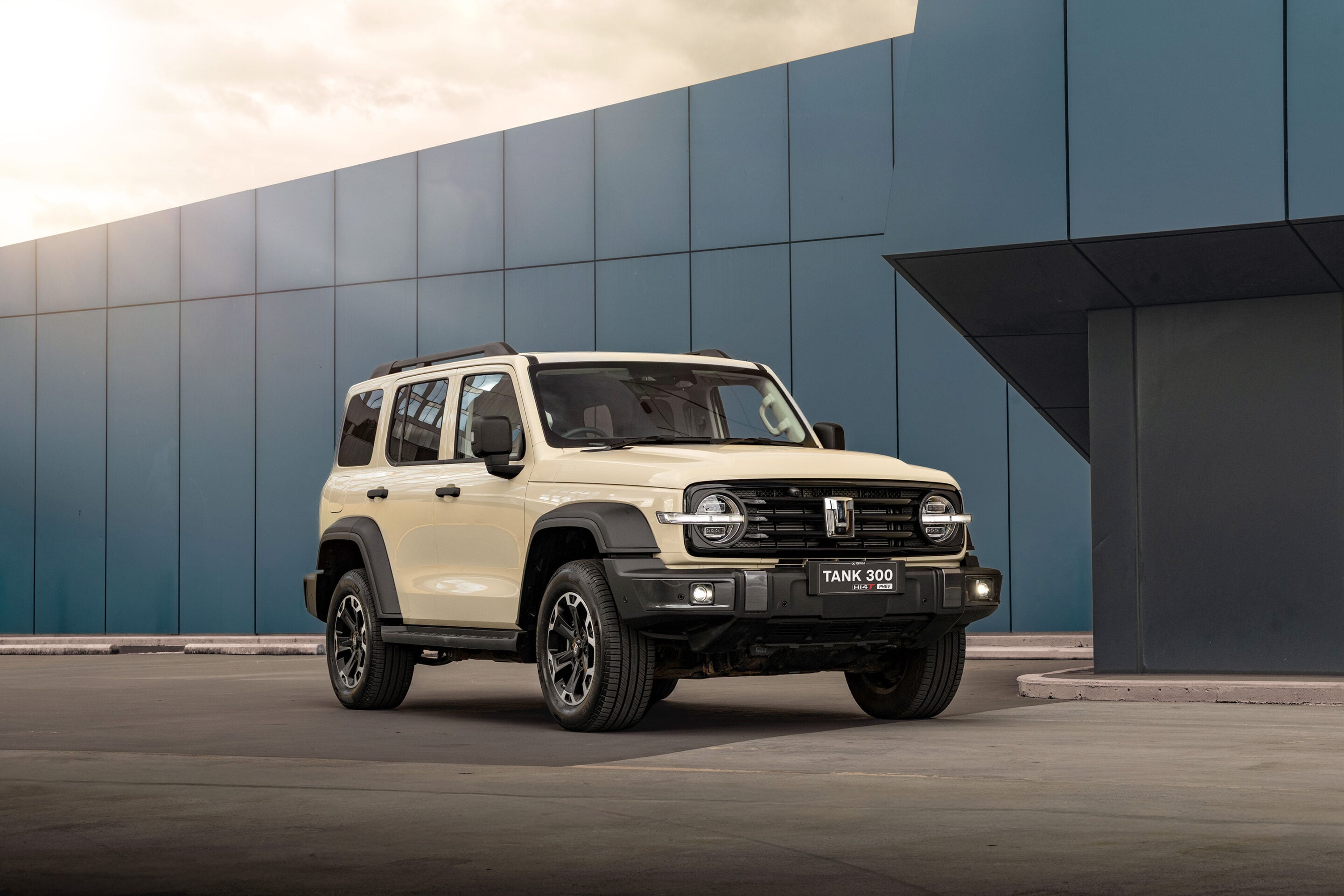
GWM Tank 300 Hi4-T
3
Price: From $57,990 driveaway
Drivetrain: 2.0-litre turbo plug-in hybrid, 300kW/750Nm, 37.1kWh battery, four-wheel drive
Claimed EV range: 115km (NEDC)
Tested range: 102km
Of all the plug-in hybrids in this comparison, this one is the latest to launch. The GWM Tank 300 is not a new product to Australia – in fact, it was initially released in late 2022, but it’s been a popular product for GWM and sold over 5000 units in 2025 alone. Until recently, the Tank 300 had been available with petrol, hybrid and diesel power, but now it’s also available with plug-in hybrid power as the latest part of GWM Australia’s quest for electrification.
Two models are offered in the plug-in hybrid Tank 300 range: The entry-level Lux at $57,990 driveaway and the upper-spec Ultra at $61,990 driveaway. Both are well priced, especially given that they’re quite capable off road, and are also quite well equipped.
Unlike the other plug-in hybrid GWM models in this comparison, the Tank 300 uses a larger 2.0-litre turbocharged plug-in hybrid drivetrain making 300kW of power and 750Nm of torque and using a nine-speed automatic transmission sending grunt to all four wheels. A 37.11kWh battery is rated for 115km of range on the NEDC cycle – we achieved 102km – and it can be charged at up to 50kW on a DC fast charger for a claimed 24 minutes.
It’s surprisingly quick at a claimed 6.3-second 0-100km/h sprint time, and its ride quality is nicely compliant on the road with good body control. The active safety alerts are too sensitive, however, and require a lot of button presses to disable. But as one of the only off-roaders here, the GWM Tank 300 is a solid all-rounder, and the PHEV only adds to that with its punchy drivetrain, solid EV range and quick charging capability for a PHEV.
Mazda CX-60 P50e
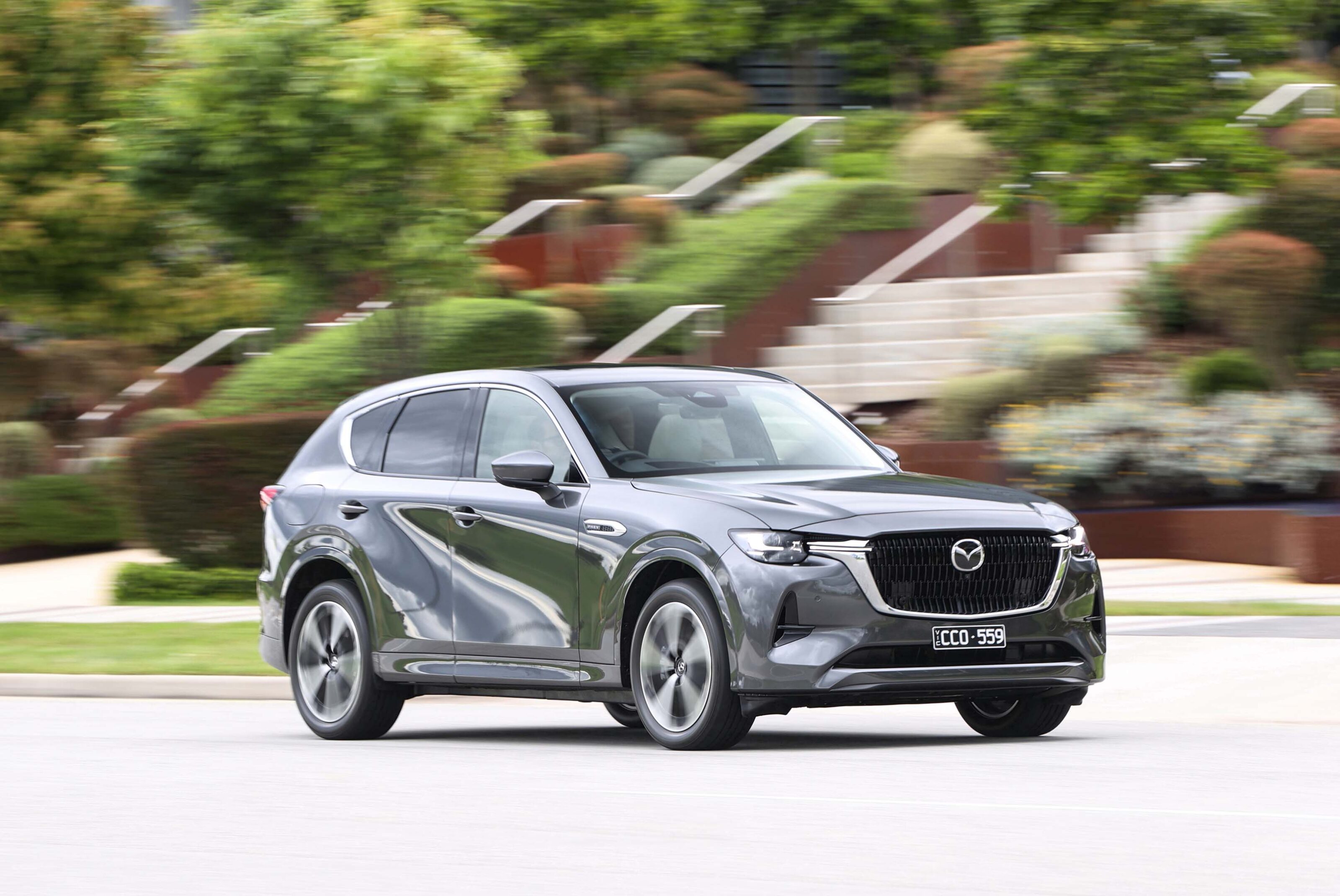
3
Price: From $63,790 plus on-road costs
Drivetrain: 2.5-litre naturally aspirated plug-in hybrid, 241kW/500Nm, 17.8kWh battery, all-wheel drive
Claimed EV range: 76km (NEDC)
Tested range: 52km
The CX-60 was Mazda’s first plug-in hybrid product globally and that drivetrain was part of the CX-60 range when it launched locally in mid-2023. Positioned as the performance drivetrain, the CX-60 plug-in hybrid makes keen 241kW/500Nm outputs and is capable of a 5.8-second 0-100km/h sprint. But featuring a 17.8kWh battery, it’s also capable of a claimed 76km of electric driving range.
In the real world, that range is not quite as rosy as we achieved 52km in our testing. Granted, the CX-60’s performance and relatively fun chassis mean that we could’ve been a bit more efficient, but those expecting upwards of 70km of EV driving should look elsewhere. Adding more disappointment to the drivetrain is that it cannot be DC fast charged, instead, only AC up to a slow 6.6kW. The smaller battery does make it easier to charge from a wall socket, however.
The CX-60 was initially heavily criticised for its overly-firm driving experience – especially the PHEV, which is the heaviest drivetrain – which is something that the brand has improved since, but it’s still not as smooth as you’d expect for a Mazda product. Thankfully, it’s still quite engaging to drive, with a great chassis and feelsome steering. But the firm suspension tune means that you feel every single bump on the road, no matter how big or small.
Pricing for the CX-60 starts at $44,740 plus on-road costs for the entry-level naturally aspirated petrol engine, and the PHEV kicks off almost $20,000 higher at $63,790 +ORC. In short, while we appreciate the performance aspect of the CX-60 PHEV, and its fun chassis, the reality is that it would take decades to make back the difference in cost thanks to the lacklustre electric driving range. The CX-60 is a much improved mid-size SUV option compared to when it first launched, but with our rational hat on, we’d be looking elsewhere.
Mercedes-Benz GLC 350 e
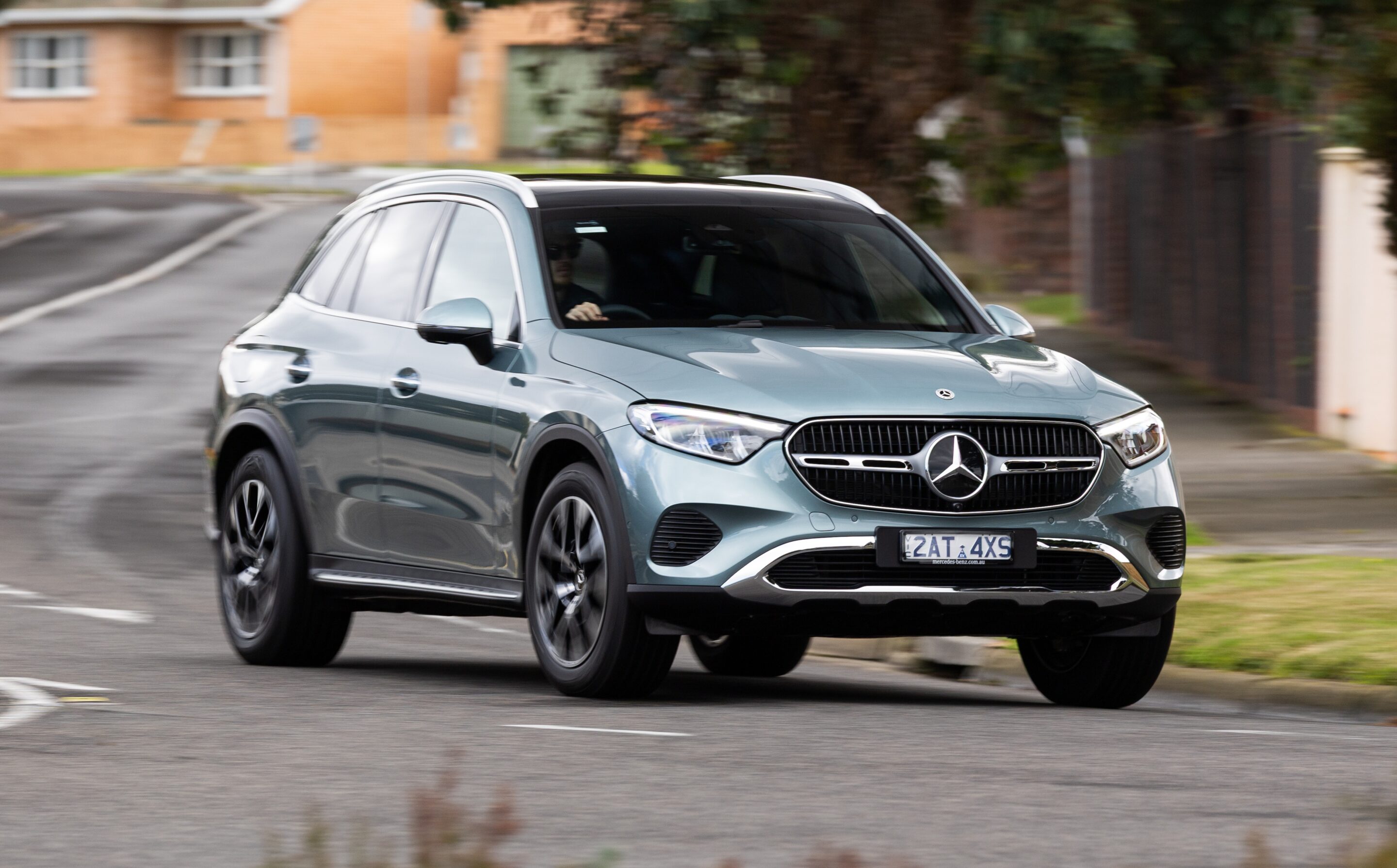
3
Price: $99,900 plus on-road costs
Drivetrain: 2.0-litre turbo plug-in hybrid, 230kW/550Nm, 25.28kWh battery, all-wheel drive
Claimed EV range: 132km (NEDC)
Tested range: 124km
Globally, the best-selling Mercedes-Benz product is the GLC medium SUV and given its wide range of talents, that’s no surprise. Mercedes-Benz Australia initially launched the GLC with a petrol-only range but in October 2025, added a 350 e plug-in hybrid option for buyers to choose. It’s priced from $99,900 plus on-road costs before options are added.
Making a total system output of 230kW/550Nm, the PHEV GLC 350 e is punchier than the 190kW/400Nm GLC 300, but in a boon for those looking to further justify buying the hybrid, it’s also around $5000 less expensive.
The 350 e features a 25.28kWh battery, which offers a claimed electric-only range of up to 132km (NEDC), something we almost achieved in the real world at 124km. The 350 e will recharge at up to a maximum of 60kW, so a 10 to 80 per cent recharge will take 29 minutes, but doing so at home using three-phase AC power at 11kW will take just under three hours.
With a claimed 0-100km/h time of 6.7 seconds, the GLC 350 e is more than punchy enough for most drivers, and as you’d expect for a Mercedes-Benz product, it drives quite well. The ride can be a little firm on really bad quality roads, but its rubber gives an extra layer of plushness that is appreciated. Add in its mature and luxurious cabin, healthy electric driving range and performance and there’s clear appeal to the GLC 350 e.
MG HS Super Hybrid
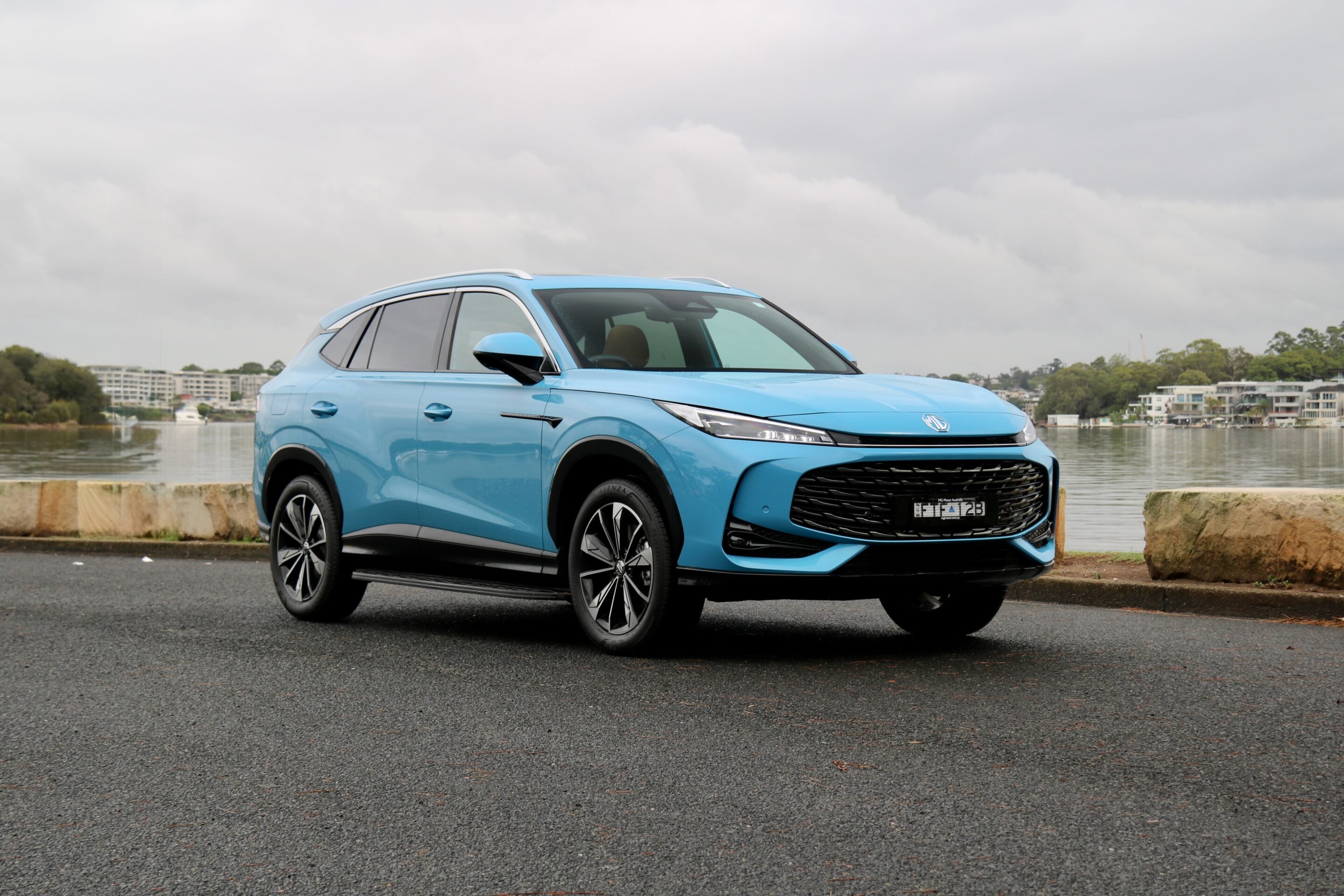
3
Price: From $48,990 driveaway
Drivetrain: 1.5-litre turbo plug-in hybrid, 220kW/350Nm, 24.7kWh battery, front-wheel drive
Claimed EV range: 120km (WLTP)
Tested range: 115km
MG was one of the early adopters of plug-in hybrid tech in Australia with the first-generation of HS, and the improvement in all-round ability with the second-generation model is impressive. Not only is it more attractive, but it drives much better, is better equipped across the range, is more practical and offers a wider range of drivetrains, with a regular hybrid also offered for the first time.
Now called Super Hybrid, the MG HS PHEV uses a 1.5-litre turbo-petrol engine combined with an electric motor for keen 220kW/350Nm total outputs. Its 24.7kWh battery gives a claimed range of 120km, and because that number is on the more realistic WLTP cycle – unlike the NEDC claim of the majority of cars here – it’s easier to achieve in the real world. Twice we’ve achieved 115km from electric driving in the HS, which is impressive, and it compensates for the fact that it can’t be DC fast charged, rather, only up to 6.6kW on AC power.
On the road, the HS Super Hybrid is a well-sorted and easy SUV to drive. Its active safety systems can grate, like the speed warning buzzer shouting at you for thinking you’re speeding when you aren’t and the over-sensitive lane keeping assistance. But aside from that, it’s refined, it rides well and more than quick enough in a straight line.
Pricing for the HS Super Hybrid starts at $48,990 driveaway, though there are deals to be had to lessen running costs further – at the time of writing, MG is offering the HS Super Hybrid with a $6000 cash back offer, so just $42,990 driveaway. Even at retail pricing, the HS Super Hybrid is a great all-rounder that does what medium SUVs should do, but add in its excellent Super Hybrid system, and we think it’s a formidable force.
Follow WhichCar/Wheels on Google
Click the button below to make WhichCar by Wheels a preferred source for your news.

We recommend
-
 Features
Wheels' Fuel Busters Special: Cars to make your $$$ go further at the bowser
Conflict in the Middle East has again thrown fuel usage into sharp relief in Australia, a country still overly dependent on petrol and diesel. But we’re here to help, with Wheels' fuel buster special…
-
 News
NewsBYD could be preparing to launch a luxury PHEV sedan in Australia
Not content with two mid-size sedans already, a bigger four-door plug-in hybrid could be on its way to Australian showrooms.
-
 Comparisons
GWM Tank 300 Hi4-T vs Denza B5: Spec Battle
Large SUVs with off-road capability are moving quickly into the era of electrification. Two of the plug-in hybrid frontrunners are the Tank 300 PHEV and Denza B5 – so which wins on spec?