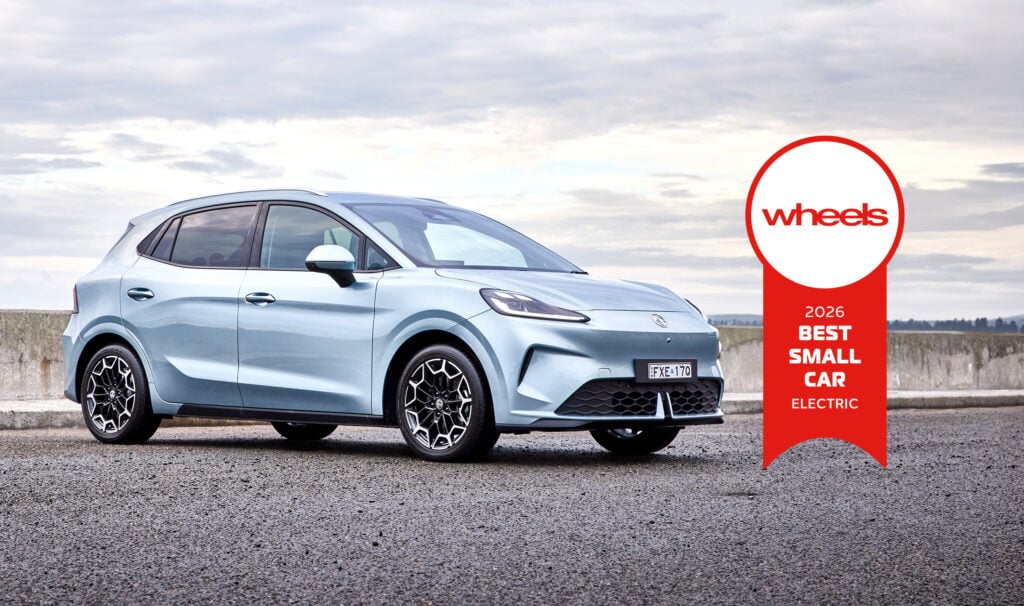
Best Small Cars

Gallery 1
Contenders
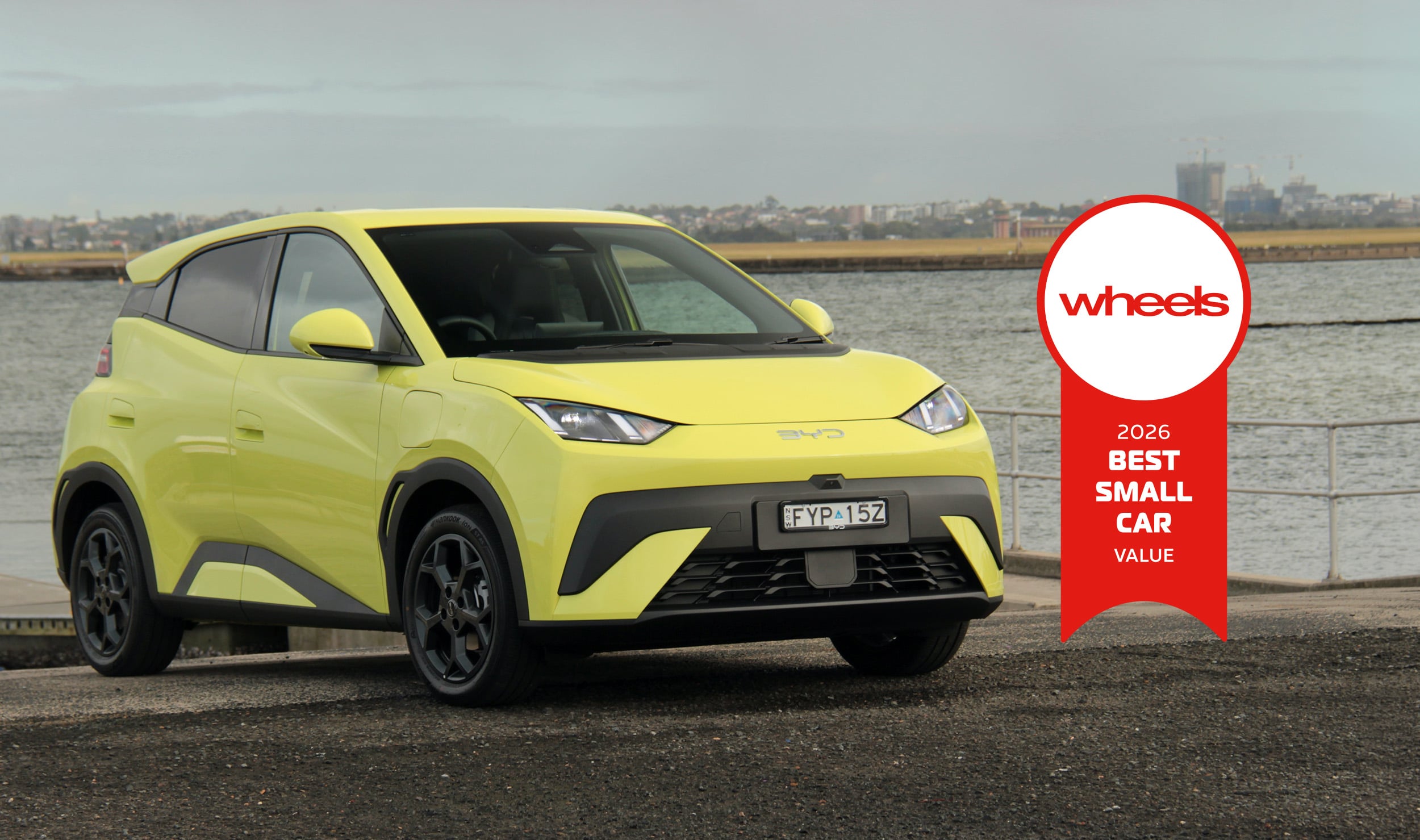
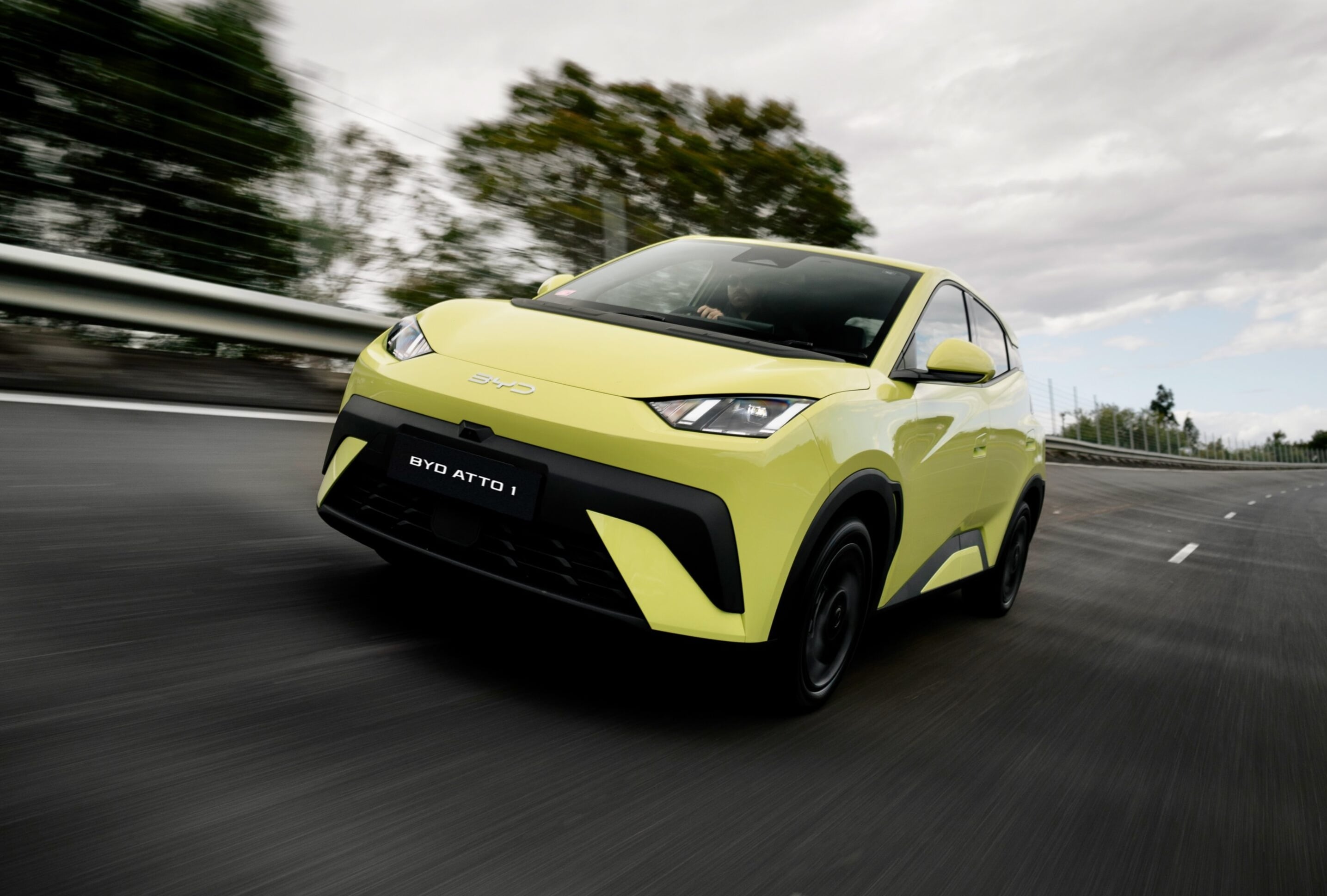
Winner: BYD Atto 1
8
Price: From $23,990 plus on-road costs (Essential)
Drivetrain: Single-motor electric, single-speed transmission, front-wheel drive, 31kWh (Essential)
or 43.2kWh (Premium) battery
Outputs: 65kW/175Nm (Essential), 115kW/220Nm (Premium)
Claimed range (WLTP): 220km (Essential), 310km (Premium)
Warranty: Six-year/150,000km
Five-year service cost: $1391
| Driving | |
| Interior | |
| Practicality | |
| Overall value | |
Strengths
- It made EV tech and low running costs even more affordable
- Mature to drive and surprisingly punchy
- Spacious inside, despite tiny exterior dimensions
Weaknesses
- Base model Essential could be better equipped
- No blind-spot monitoring, rear cross-traffic alert or even a rear wiper
- Touchscreen is difficult to use at speed
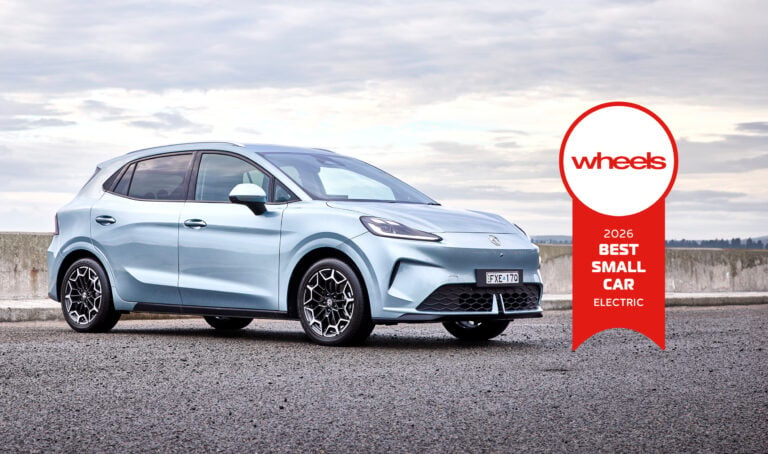
Say what you want about it, but the BYD Atto 1 has definitely changed the conversation around electric vehicles in Australia. As the country’s cheapest new EV, it removes one of the biggest barriers to ownership, proving buyers no longer need to spend well over $40,000 to make the switch from petrol. Instead, the Atto 1 is a genuinely usable electric hatchback at a price that rivals – or undercuts – many ICE competitors, making it one of the most compelling value propositions on the market. That’s what makes it the winner of the Wheels Best Small Car 2026 – Value award.
While affordability is its biggest selling point, the Atto 1 offers more than just a low purchase price. Even the entry-level Essential is well equipped with a large 10.1-inch infotainment system featuring live services and wireless smartphone mirroring, along with a reasonable suite of active safety features. However, blind-spot monitoring, rear cross-traffic alert and even a rear wiper remain unavailable. The cabin feels modern and thoughtfully designed, with plenty of storage, while clever packaging provides enough space for four occupants. Its 308-litre boot initially appears small, but a deep underfloor storage area adds useful practicality.
The Atto 1 is also more accomplished to drive than you might expect. Instant electric torque makes it feel lively around town, while its compact dimensions and light controls make parking and urban driving effortless. The suspension delivers a comfortable ride with enough composure to inspire confidence beyond the city limits, giving the car a surprisingly mature feel.
Range is another strength. The Essential offers a WLTP-rated 220km, which is more than adequate for most urban drivers, while stepping up to the Premium increases that to 310km, providing greater peace of mind. Even the Essential’s 65kW/175Nm motor offers ample performance around town, while the Premium’s 115kW/220Nm drivetrain feels genuinely brisk at times. Despite the extra performance, the Atto 1’s balanced ride and handling mean it never feels overwhelmed by the additional power.
The Atto 1’s value extends well beyond the showroom. Electricity remains significantly cheaper than petrol for most Australians, while the simplicity of an electric drivetrain reduces servicing requirements compared with an equivalent internal combustion vehicle. Five years of servicing costs just $1391, or $278 per year. BYD also backs the Atto 1 with a six-year/150,000km warranty, although some rivals offer longer coverage.
Of course, there are compromises. The Atto 1’s compact dimensions mean it accommodates only four occupants – even if there were room for a fifth, there are only four seatbelts – while larger and more practical alternatives such as the MG 4 Urban aren’t dramatically more expensive. It also misses some desirable safety features, and its touchscreen can be fiddly to use on the move because of its small on-screen buttons.
Ultimately, the BYD Atto 1 earns its place as the Wheels Best Small Car 2026 – Value winner because it democratises electric motoring. It delivers the low running costs and smooth performance buyers expect from an EV at a significantly lower price than its rivals. It’s not just cheap for an EV – it’s cheap for a new car, full stop. For motorists seeking the most affordable entry point into EV ownership, the Atto 1 is the standout value choice. The fact it’s also a capable all-rounder only strengthens its appeal.
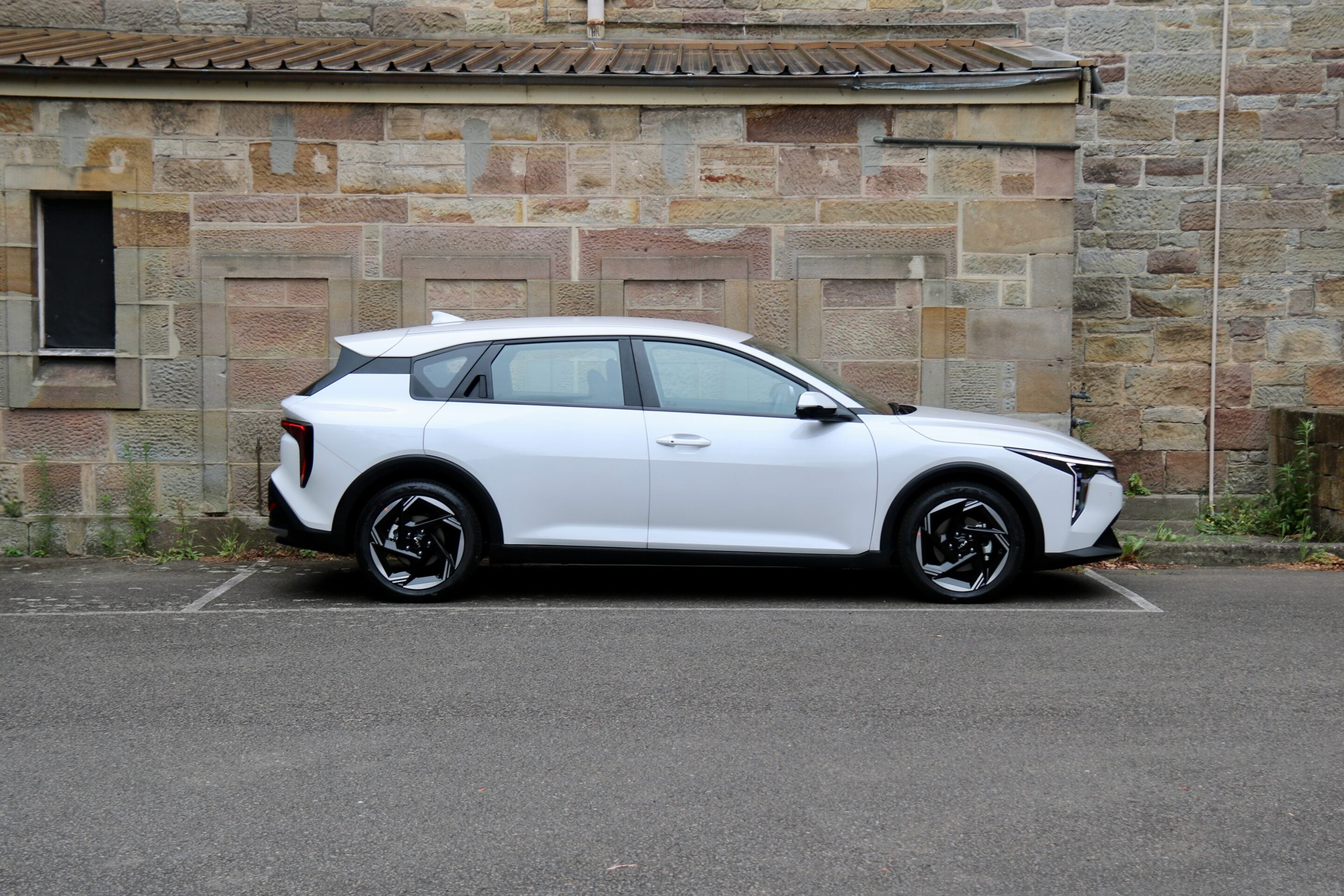
Kia K4
8
Price: From $32,090 plus on-road costs (S)
Drivetrain: 2.0-litre naturally aspirated four-cylinder petrol or 1.6-litre turbocharged four-cylinder
petrol, CVT (2.0L) or eight-speed auto, front-wheel drive
Outputs: 110kW/180Nm (2.0L), 142kW/265Nm (1.6T)
Claimed combined fuel consumption: 6.0L-6.1L/100km (2.0L), 6.7-7.4L/100km (1.6T)
Warranty: Seven-year/unlimited km
Five-year service cost: $2322 (2.0L) – $2459 (1.6T)
| Driving | |
| Interior | |
| Practicality | |
| Overall value | |
Strengths
- Both sedan and hatchback bodystyles available
- Properly spacious inside for a small car
- Excellent ride quality
Weaknesses
- Base model misses out on full safety suite
- No hybrid drivetrain yet
- 1.6T’s short 10,000km service intervals
Value has long been one of Kia’s greatest strengths and is arguably one of the key reasons the brand continues to climb the global sales charts. As expected when it launched in late 2025, the K4 carries on that tradition by delivering far more than its price tag suggests. Replacing the popular Cerato, the K4 offers a more upmarket feel, greater refinement thanks to its new platform and an impressive list of standard equipment, even in the entry-level S.
The S is generously equipped with 16-inch alloy wheels, smart key entry with push-button start, LED lighting, twin displays with wired Apple CarPlay and Android Auto, plus safety features including autonomous emergency braking, adaptive cruise control, blind-spot monitoring and rear cross-traffic alert. Higher grades add more advanced safety technology, climate control, larger wheels, synthetic leather trim, a Harman Kardon audio system and, in the flagship GT-Line, a punchy 1.6-litre turbo-petrol engine paired with an eight-speed automatic transmission.
The K4’s value extends beyond pricing and equipment because it’s also a lot of car for the money. It has grown considerably compared with the Cerato, particularly the sedan, and rear legroom – traditionally a weakness in the small-car segment – is generous enough to rival some medium-sized cars. That makes it an excellent choice for singles, couples and young families, and well worth considering over alternatives such as the Seltos small SUV.
The K4 is also genuinely enjoyable to drive. Kia Australia’s local ride and handling program has once again paid dividends, producing a suspension tune that’s well suited to our poor-quality roads. It strikes an impressive balance between ride comfort and body control, feeling composed around town and confident on the highway. The engine range offers solid performance, although fuel economy could be better. Thankfully, a hybrid drivetrain is confirmed to arrive within the next 12 months.
The ownership package further enhances the K4’s appeal. Kia backs the range with a seven-year, unlimited-kilometre warranty, one of the longest in the mainstream market, although servicing could be more affordable. Five years of servicing for the 2.0-litre K4 costs $2322, or an average of $465 per year, while the 1.6-litre totals $2459 over the same period ($492 annually).
Overall, the Kia K4 represents outstanding value. It combines generous equipment, excellent practicality, a polished driving experience, a long warranty and competitive pricing in a package that’s difficult to ignore. It’s not without shortcomings – servicing is expensive, the turbo-petrol engine has relatively short service intervals and a hybrid isn’t yet available – but the K4 remains one of the strongest value propositions in the small-car segment.
Kia Picanto
6
Price: From $19,190 plus on-road costs (Sport manual)
Drivetrain: 1.25-litre naturally aspirated four-cylinder petrol, five-speed manual or four-speed
automatic, front-wheel drive
Outputs: 62kW/121Nm
Claimed combined fuel consumption: 5.4L/100km (manual) – 6.0L/100km (auto)
Warranty: Seven-year/unlimited km
Five-year service cost: $2079
| Driving | |
| Interior | |
| Practicality | |
| Overall value | |
Strengths
- Despite price rises, still a cheap car
- Easy to use cabin tech
- Darty and fun to drive
Weaknesses
- Dated and inefficient drivetrain
- Stiff ride quality in GT-Line spec
- Overseas models get more features
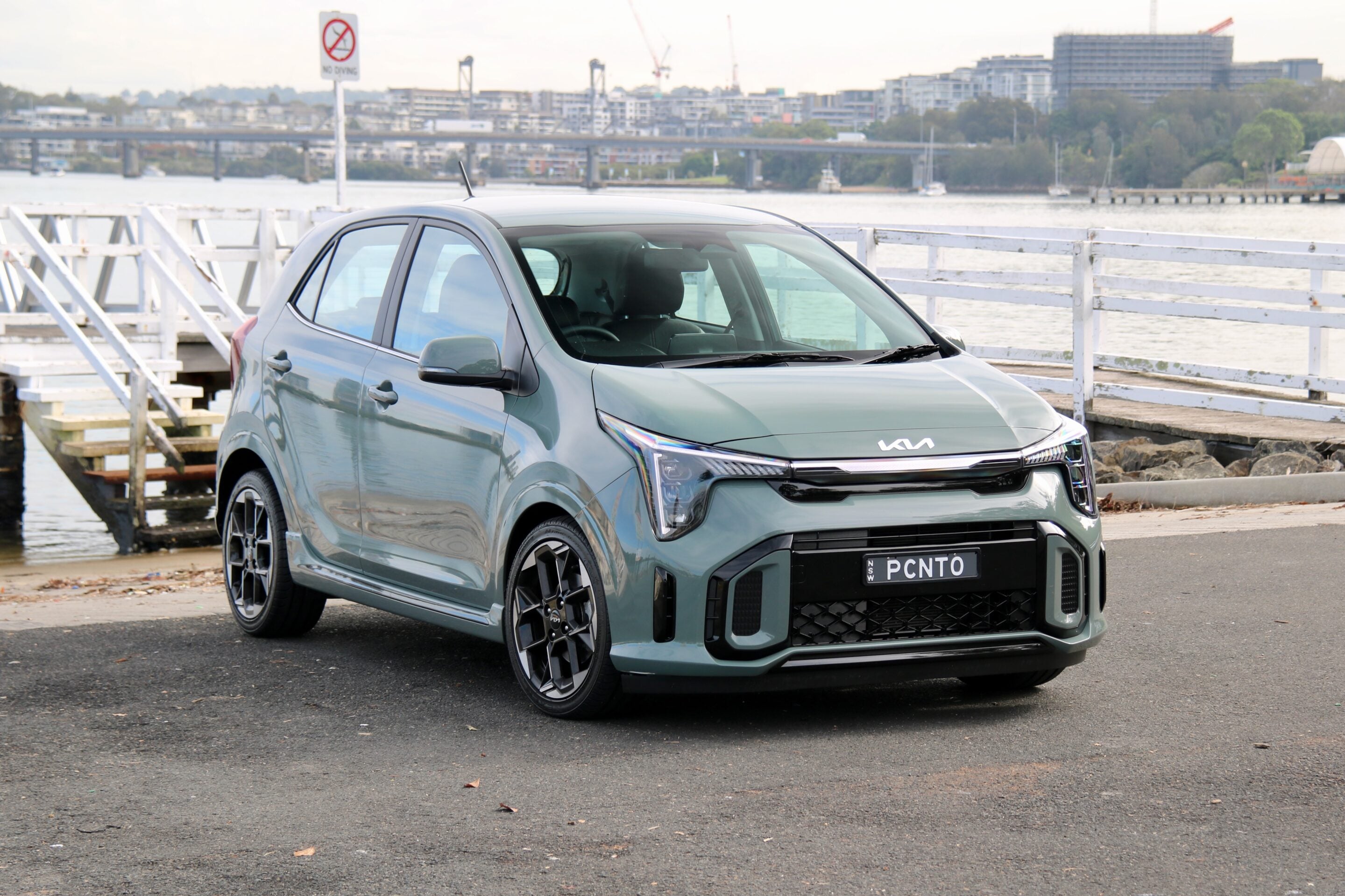
In a market where many new cars cost significantly more than they once did, the idea of a sub-$25,000 – let alone sub-$20,000 – car almost seems too good to be true. Yet the Kia Picanto still starts below $20,000 in 2026, and that alone deserves recognition. But does its low price translate into genuine value?
Pricing starts at $19,190 plus on-road costs for the entry-level Sport manual, and despite the modest asking price, standard equipment is generous. Features include automatic headlights, air-conditioning, auto-folding mirrors, an 8.0-inch touchscreen with wireless Apple CarPlay and Android Auto, plus safety technology such as autonomous emergency braking, adaptive lane guidance, blind-spot monitoring, rear cross-traffic alert, automatic high beam and a reversing camera.
The automatic-only GT-Line adds plenty more equipment, including LED lighting front and rear, synthetic leather upholstery and sportier styling highlighted by distinctive 16-inch alloy wheels. At $22,590 plus on-road costs, it remains affordable, although we’d like to see Kia introduce some of the features already available overseas, including a newer infotainment system, a digital driver’s display, automatic climate control and heated seats.
Despite its compact dimensions, the Picanto feels surprisingly grown-up. The cabin is sensibly laid out with solid, if not especially flashy, materials, while storage is impressive for such a small car. Rear-seat space is adequate for two adults, although legroom is naturally limited, and the 255-litre boot is respectable for the class. Fold the rear seats and capacity expands to a useful 1010 litres.
Around town is where the Picanto shines. Its tiny footprint and excellent visibility make parking effortless, while the locally tuned suspension delivers a composed ride that gives the little Kia a maturity beyond its size. The GT-Line, however, rides more firmly, with its larger wheels making bumps more noticeable.
The 1.25-litre petrol engine is perfectly adequate in urban driving, but its modest 62kW/122Nm outputs leave it feeling out of its depth on faster roads. The GT-Line’s four-speed automatic is also showing its age, and extra ratios would improve both drivability and fuel economy. At 6.0L/100km, it’s surprisingly thirsty for a car of this size. By comparison, the similarly powerful mild-hybrid Suzuki Swift uses around 2.0L/100km less.
Kia’s seven-year/unlimited-kilometre warranty provides long-term peace of mind, although servicing costs are higher than expected for such an affordable car. Five years of servicing totals $2079, or an average of $416 per year, making it more expensive to maintain than the more sophisticated Swift, albeit with two additional years of warranty coverage.
The Picanto’s compact size won’t suit everyone, but it’s affordable, well equipped, reasonably practical and backed by an excellent warranty. Against that, the drivetrain could be more efficient, servicing isn’t especially cheap and the GT-Line rides too firmly while missing features already available overseas. Even so, the Picanto remains one of the best-value small cars on the market, and we wish there were more like it.
Mazda2
1
Price: From $27,290 plus on-road costs (G15 Evolve)
Drivetrain: 1.5-litre four-cylinder naturally aspirated petrol, six-speed automatic, front-wheel drive
Outputs: 81kW/142Nm
Claimed combined fuel consumption: 5.0L/100km
Warranty: Five-year/unlimited km
Five-year service cost: $2290
| Driving | |
| Interior | |
| Practicality | |
| Overall value | |
Strengths
- Fun but comfortable driving experience
- Two well equipped model grades and available sedan in GT form
- Well equipped
Weaknesses
- Getting on in age with dated tech
- Far more expensive than it used to be
- Warranty length is average in today’s market
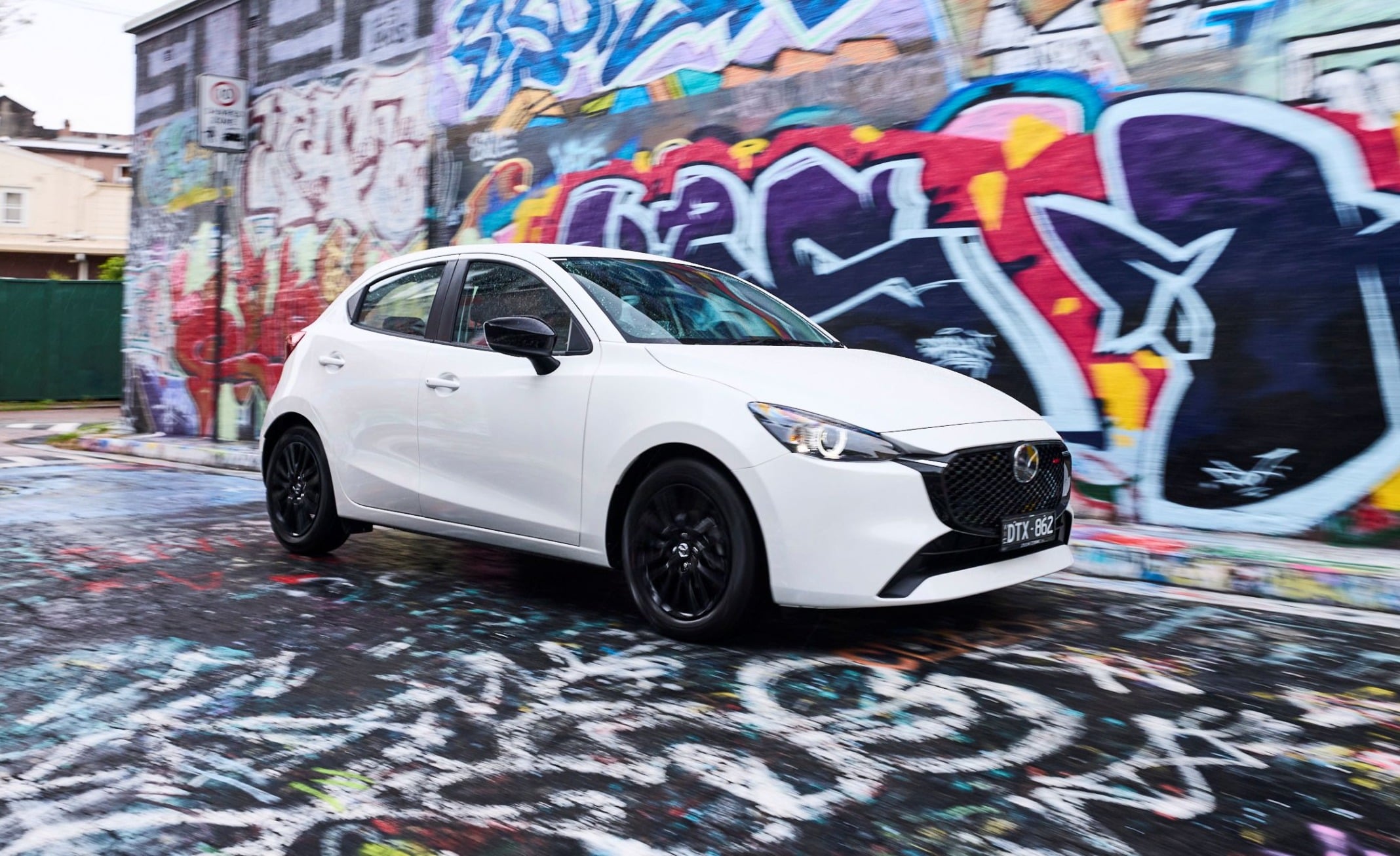
The Mazda2 might be one of the oldest cars in this year’s field – and indeed one of the oldest new cars on sale – but it remains a compelling package. Continuous refinement since its 2014 launch has helped Mazda keep its light hatchback competitive. While newer rivals offer more modern technology, the Mazda2 continues to deliver an appealing blend of quality, reliability and enjoyable driving dynamics.
One of the Mazda2’s greatest strengths is its solid, well-built cabin. The interior materials and premium-feeling switchgear still feel a cut above what you’d normally expect at this price point. Practicality has never been its strongest suit, however. Rear-seat space is tight for even average-sized adults, while the 250-litre boot is modest by class standards.
Like many new cars, the Mazda2 is more expensive than it once was, but it has also become significantly better equipped over time. The entry-level Evolve, priced from $27,290 plus on-road costs, includes virtually everything most buyers will need. Standard equipment includes automatic LED headlights, automatic climate control, a head-up display, a 7.0-inch touchscreen with wired Apple CarPlay and Android Auto, plus safety features such as autonomous emergency braking, adaptive cruise control, blind-spot monitoring, rear cross-traffic alert and a reversing camera.
Mazda has long been known for producing engaging driver’s cars, and the Mazda2 is no exception. While its naturally aspirated 1.5-litre four-cylinder petrol engine isn’t especially powerful, it is smooth and dependable. Combined with accurate, well-weighted steering and compliant yet taut suspension tuning, it remains one of the more enjoyable light cars to drive. It’s equally at home weaving through city traffic as it is on a winding country road.
Running costs are also reasonable. Five years of servicing costs $2290, or $458 per year, while the claimed combined fuel consumption of 5.0L/100km isn’t quite as low as a hybrid rival but is still competitive, and achievable in mixed driving. Mazda also backs the car with a five-year/unlimited-kilometre warranty, which is average by today’s standards but on par with rivals such as Toyota and Suzuki.
The Mazda2 no longer sets the benchmark for in-car technology or practicality, but it continues to excel in many other areas. It feels exceptionally well built, drives with polish and has earned a reputation for dependable, fuss-free motoring over many years. It’s not the cheapest car to buy, and its technology is beginning to show its age in 2026, but it’s well equipped, reasonably affordable to service and remains an impressively rounded package. It’s little wonder the Mazda2 has remained so popular throughout its long life.
MG 4 Urban
7
Price: From $31,990 driveaway (Essence 43)
Drivetrain: Single-motor electric, single-speed transmission, front-wheel drive, 43kWh (Essence
43) or 54kWh (Essence 54) battery
Outputs: 110kW/250Nm (Essence 43), 118kW/250Nm (Essence 54)
Claimed range (WLTP): 316km (Essence 43) – 405km (Essence 54)
Warranty: Seven-year/unlimited km (extendable up to 10 years/250,000km with dealer servicing
until then)
Five-year service cost: $1366
| Driving | |
| Interior | |
| Practicality | |
| Overall value | |
Strengths
- Excellent pricing and specification
- Spacious cabin and boot
- In its element driving around town
Weaknesses
- Active driver aids can be intrusive
- Faux leather trim would be better as cloth
- Rear seats don’t fold flat
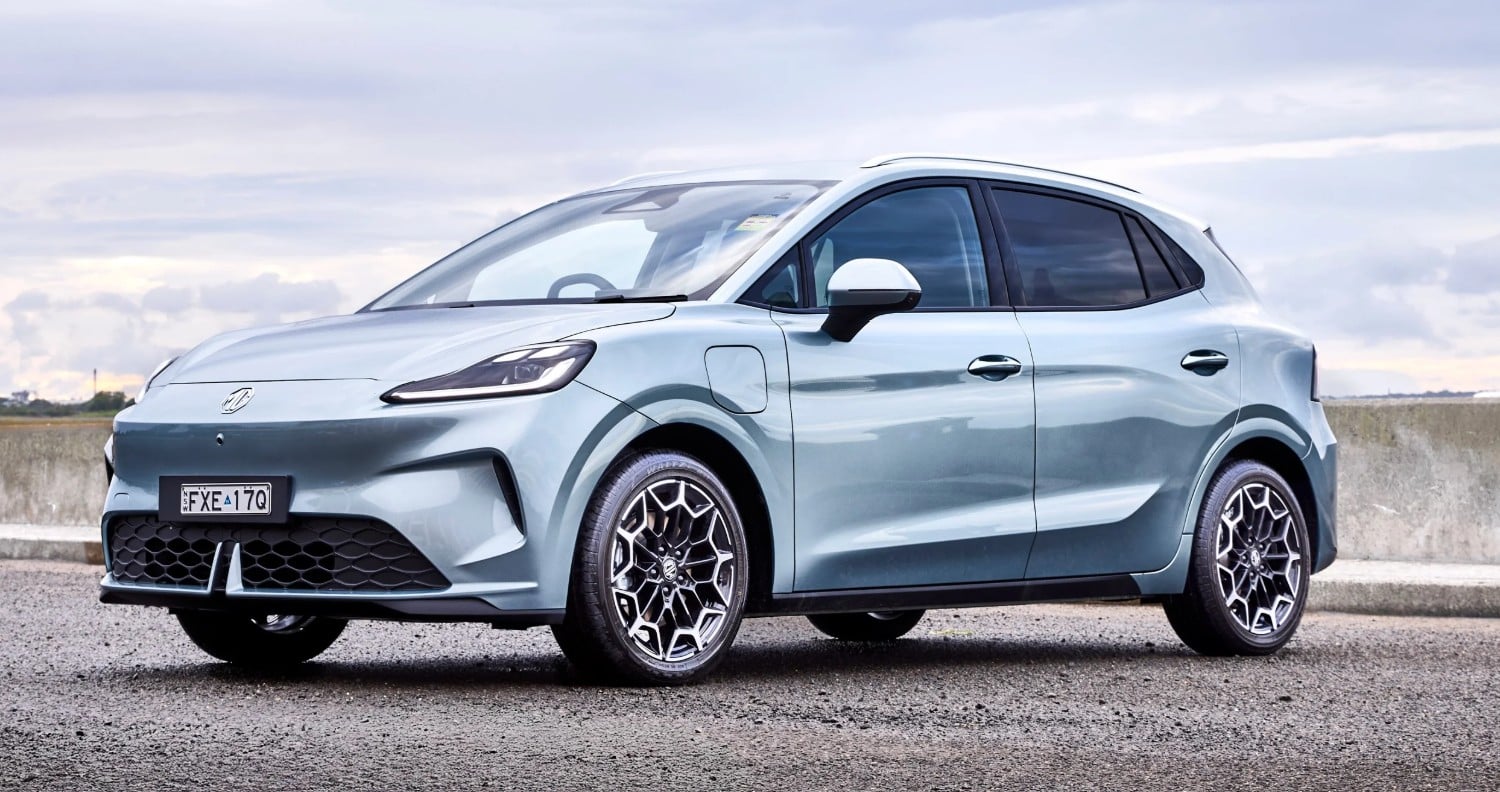
MG was one of the first brands to significantly lower the cost of EV ownership with models such as the ZS EV small SUV and MG 4 hatchback, and now it has launched its most affordable electric vehicle yet. Called the MG 4 Urban, the new model is built on a platform using what MG calls ‘cell-to-body construction’, where the battery casing forms part of the vehicle’s structure to reduce costs. The result is a drive-away starting price of just $31,990. But there’s much more to the Urban than its sharp pricing.
There’s just one model in the MG 4 Urban range, the Essence. Buyers concerned that such an affordable EV might be sparsely equipped needn’t worry, as the standard specification is generous. Features include automatic LED headlights, automatic wipers, keyless entry and start, synthetic leather upholstery, an electric driver’s seat, heated front seats and steering wheel, a large 12.8-inch touchscreen with online services, plus a comprehensive suite of safety features including adaptive cruise control, adaptive lane guidance and a 360-degree camera.
Two battery options are available: 43kWh and 54kWh, delivering claimed WLTP driving ranges of 316km and 405km respectively. As the name suggests, even the smaller battery provides more than enough range for most urban drivers. A 110kW/250Nm front-mounted electric motor powers the 43kWh version, while the 54kWh model gains an extra 8kW to offset the larger battery’s additional weight.
Performance is more than adequate, and aside from some overzealous driver assistance systems – particularly the adaptive cruise control and lane-keeping assistance – the Urban delivers a refined and comfortable driving experience. Enthusiastic drivers, however, should also consider the rear-wheel-drive MG 4 (not to be confused with the MG 4 Urban), which was recently updated.
The cabin is modern, well finished and highly practical. While the 12.8-inch touchscreen controls most functions, MG has wisely retained physical climate and volume controls beneath the display for easier operation. Storage throughout the cabin is generous, rear-seat space is impressive even for taller adults thanks to the car’s relatively large dimensions, and the boot offers a healthy 382 litres. A deep underfloor storage compartment increases total luggage capacity to 480 litres, while folding the rear seats expands it to 1364 litres.
Running costs are another highlight. Charging is typically far cheaper than refuelling an equivalent petrol car, the Urban is energy efficient, and servicing costs just $1366 over the first five years.
MG also backs the 4 Urban with a seven-year/unlimited-kilometre warranty. Owners who continue servicing through MG dealerships can extend that coverage to as much as 10 years or 250,000km, making it one of the longest warranties available on the Australian market.
Overall, the MG 4 Urban makes a compelling case in the Wheels Best Small Car 2026 – Value category. It’s attractively priced, generously equipped, offers useful driving range, excellent practicality and a polished driving experience. The driver assistance systems could be better calibrated, cloth upholstery would arguably be preferable to synthetic leather, and the rear seats don’t fold completely flat, but these are relatively minor criticisms. More importantly, the MG 4 Urban undercuts most rivals – whether they’re electric, hybrid or petrol-powered – making it one of the strongest value propositions in the small-car segment.
Skoda Fabia
2
Price: From $29,990 driveaway (Select 85TSI)
Drivetrain: 1.0-litre three-cylinder turbo-petrol (85TSI) or 110kW/250Nm 1.5-litre four-cylinder turbo-
petrol, seven-speed dual-clutch, front-wheel wheel
Outputs: 85kW/200Nm (85TSI), 110kW/250Nm (110TSI)
Claimed combined fuel consumption: 5.0L/100km (85TSI) – 5.2L/100km (110TSI)
Warranty: Seven-year/unlimited km
Five-year service cost: $2590
| Driving | |
| Interior | |
| Practicality | |
| Overall value | |
Strengths
- Quiet and refined driving experience
- Long seven-year warranty
- Grunty but efficient engines
Weaknesses
- Big price gap between models
- Unpredictable low-speed transmission behaviour
- Sporty Monte Carlo a bit stiff around town
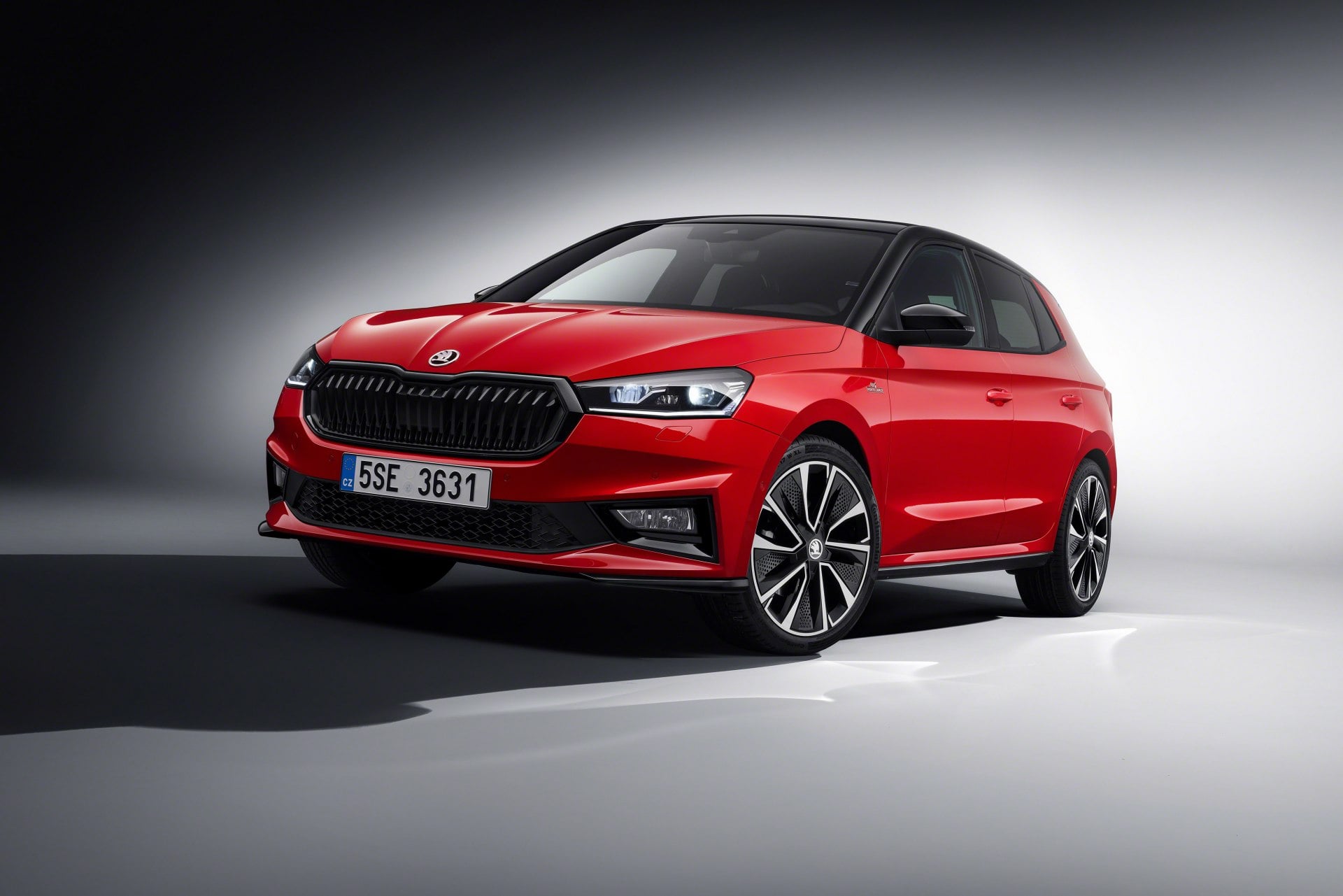
Modern Skoda has built its reputation on value for money, and the global sales figures speak for themselves. It’s now one of the most profitable brands within the Volkswagen Group. The Fabia light hatch isn’t the cheapest option on paper, but its value extends well beyond its asking price. It combines a mature European driving experience with impressive practicality, generous equipment and reasonable running costs, making it a car that consistently punches above its weight.
One of the Fabia’s biggest strengths is how cleverly it uses its compact footprint. Despite its modest exterior dimensions, the cabin is remarkably spacious, with excellent headroom and legroom for rear passengers, while the 380-litre boot is one of the largest in the segment – 130 litres bigger than a Mazda2’s. We also like Skoda’s genuinely useful ‘Simply Clever’ touches, including an umbrella stored in the driver’s door, a reservoir around the washer fluid bottle to prevent spills while refilling, and a removable rubbish bin in the front cabin.
Standard equipment includes 16-inch alloy wheels, automatic LED headlights and wipers, keyless entry and push-button start, an 8.0-inch digital driver’s display, an 8.25-inch touchscreen with wireless Apple CarPlay and Android Auto, plus safety features such as autonomous emergency braking, lane-keeping assistance, blind-spot monitoring, rear cross-traffic alert and a reversing camera.
Buyers prepared to make the substantial $10,000 step up to the flagship Monte Carlo receive a significant equipment upgrade, including sportier styling, larger 18-inch alloy wheels, heated front seats, a heated steering wheel, a larger infotainment screen, wireless phone charging, dual-zone climate control and additional safety features such as adaptive cruise control. It’s a generous list of extras, although the price gap over the Select is considerable.
Whichever variant you choose, the Fabia delivers a driving experience that belies its affordable positioning. It has the mature, refined feel expected of a European hatch, combining a comfortable ride with tidy handling that’s equally at home in city traffic or on long highway journeys. The Monte Carlo’s firmer suspension, however, can feel a little stiff around town.
The Fabia is offered with two punchy and efficient turbocharged petrol engines, and even the entry-level 85kW/200Nm 1.0-litre turbo provides more than enough performance. The dual-clutch transmission fitted to both engines can occasionally feel indecisive at low speeds, however. Skoda is the only European manufacturer – and one of the most affordable brands overall – to offer a seven-year/unlimited-kilometre warranty as standard. Buyers can also choose prepaid servicing, with a five-year/75,000km package costing $2590. It’s not the cheapest available, but still less than many buyers would expect from a European brand.
The Skoda Fabia isn’t the flashiest small car on the market, but it’s an impressively well-rounded package. Excellent practicality, refined driving manners, punchy yet efficient drivetrains, competitive pricing and a long warranty make it an easy recommendation. The dual-clutch transmission could be smoother at low speeds, the gap between the two variants is substantial and the Monte Carlo could ride more comfortably, but for buyers seeking value beyond just a low purchase price, the Fabia remains one of the segment’s standout choices.
Suzuki Swift
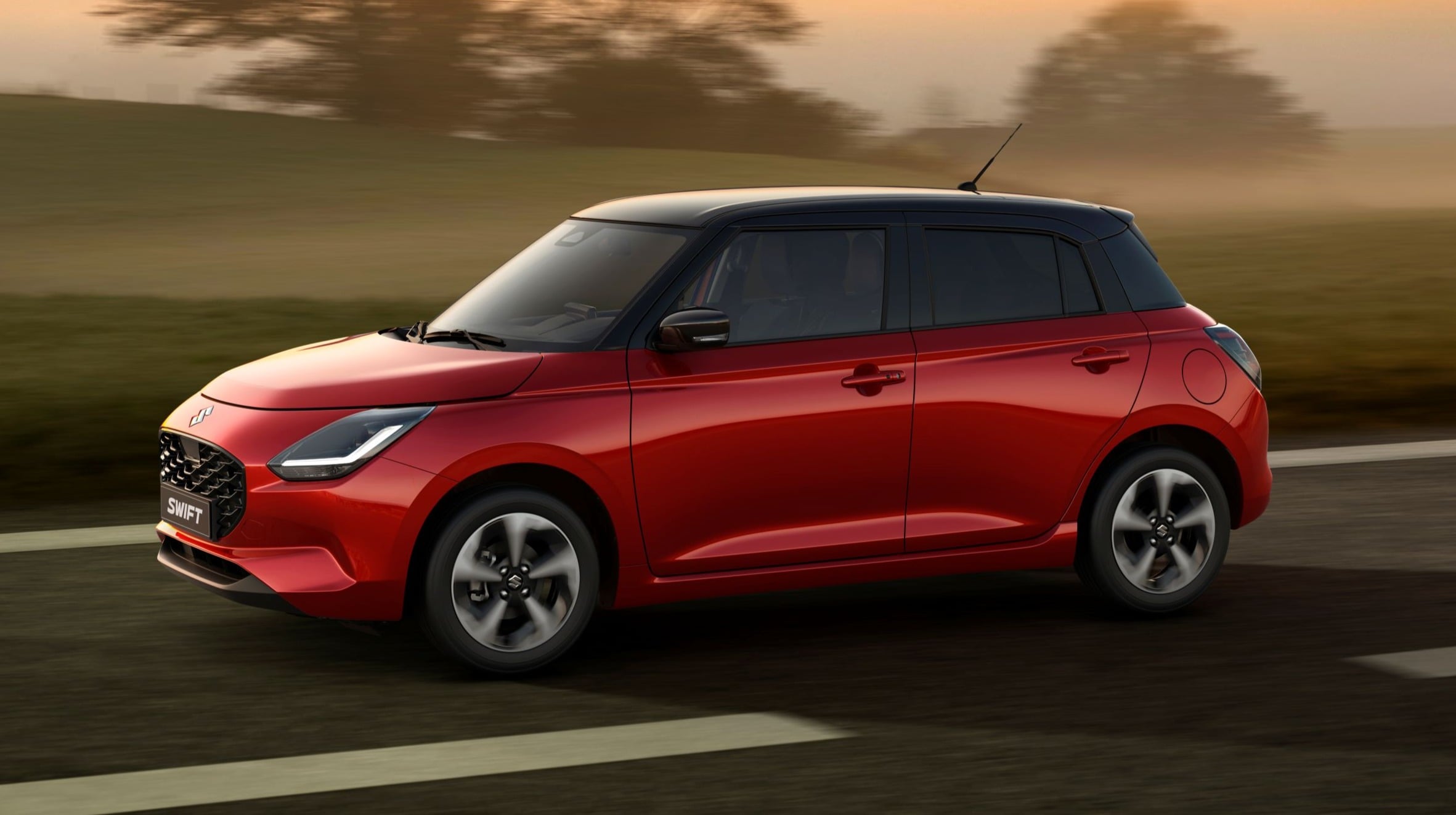
1
Price: From $24,990 driveaway (base manual)
Drivetrain: 1.2-litre naturally aspirated three-cylinder petrol, five-speed manual or CVT automatic,
front-wheel drive
Outputs: 61kW/112Nm
Claimed combined fuel consumption: 3.8L/100km (manual) – 4.0L/100km (auto)
Warranty: Five-year/unlimited km
Five-year service cost: $1955
| Driving | |
| Interior | |
| Practicality | |
| Overall value | |
Strengths
- Low driveaway pricing but well equipped across the range
- Excellent fuel economy, and it’s not even a proper hybrid
- Simple model range easy to understand
Weaknesses
- Hybrid badging is a bit of an exaggeration
- Not what you’d call fast
- Rear seat and boot aren’t huge
The Suzuki Swift has been a favourite with Australian buyers for decades thanks to its fun character, affordable pricing and reputation for reliability. The latest generation continues that tradition, combining a competitive purchase price with excellent fuel efficiency from its new mild-hybrid drivetrain and solid driving manners. The Swift has always been an accessible choice, and the latest model is no exception. Priced from just $24,990 driveaway for the entry-level manual, it’s one of the most affordable new cars on the market, yet buyers won’t feel short-changed because every model is generously equipped.
Even the entry-level variant features a modern 9.0-inch touchscreen, wireless smartphone connectivity, satellite navigation, automatic LED headlights and active safety technology including adaptive cruise control and lane-keeping assistance. Step up to the mid-spec Plus ($27,490 driveaway) and the equipment list grows to include blind-spot monitoring with rear cross-traffic alert, a leather steering wheel, heated front seats, alloy wheels and rear privacy glass.
The flagship GLX, priced from $29,490 driveaway, adds power-folding mirrors, upgraded alloy wheels, a wireless phone charger and automatic climate control. An entire model range priced below $30,000 driveaway in 2026 is becoming increasingly rare, and the Swift remains one of the market’s true bargains.
Every Swift is powered by a 1.2-litre naturally aspirated three-cylinder petrol engine producing 61kW and 112Nm, supplemented by a mild-hybrid system that contributes up to an additional 2kW and 60Nm under certain conditions. Suzuki cheekily badges the Swift as a hybrid, though in reality the system functions more like an enhanced stop-start system.
The Swift isn’t a performance car, but it’s perfectly suited to urban driving and delivers impressive fuel economy. The manual is rated at just 3.8L/100km, while the CVT automatic uses only 4.0L/100km. It’s also enjoyable to drive, with communicative steering, a nimble chassis and a comfortable ride. The active safety systems are well calibrated, avoiding the intrusive behaviour seen in some rivals.
Inside, the cabin makes a good first impression thanks to its large touchscreen and generous storage, although the extensive use of hard, glossy plastics across every model reminds you of the car’s budget positioning. Practicality isn’t a strong point either, with limited rear-seat space and a modest 265-litre boot. Then again, it’s a light hatchback, so expectations should be realistic.
Suzuki backs the Swift with a five-year/unlimited-kilometre warranty, which could be more competitive in 2026, while five years of servicing costs a reasonable $1955, or $391 per year.
The Suzuki Swift combines affordable pricing, generous equipment, impressive fuel efficiency and an engaging driving experience with a long-standing reputation for dependability. It’s not especially spacious, the cabin materials feel inexpensive and its hybrid system offers only modest assistance, but as an affordable, characterful and enjoyable small car, the Swift continues to represent excellent value.
Best Small Cars in Australia
Looking to get into a brand-new small car? Our stories below will guide you to the model that best suits your needs:
Follow WhichCar/Wheels on Google
Click the button below to make WhichCar by Wheels a preferred source for your news.