Classic Wheels

Gallery 1
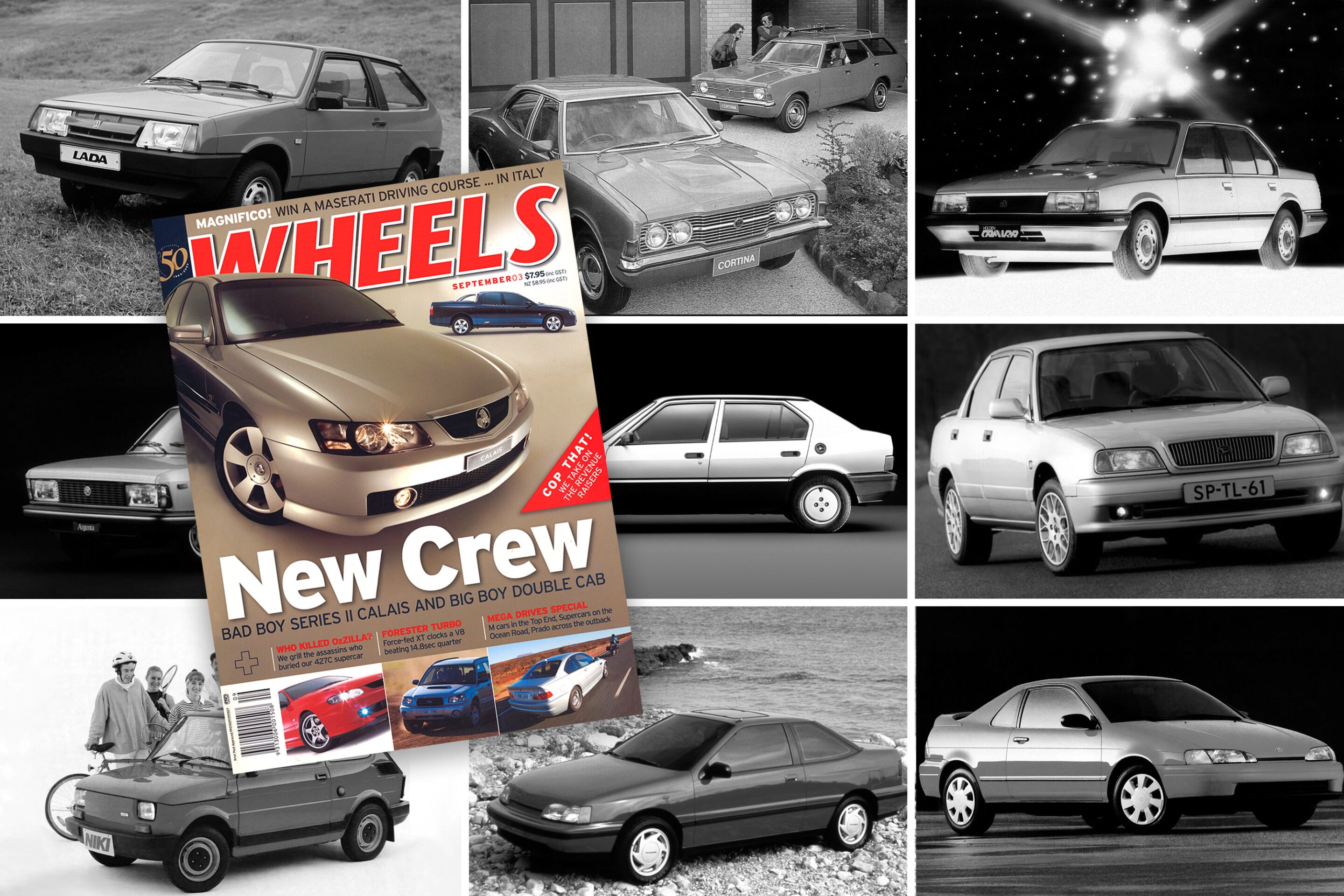
It’s often said that the car you drive is a reflection of your personality, a four-wheeled statement of identity and personal expression. Luxury cars, pick-up trucks, sports cars, small hatchbacks, or electric vehicles; all say something about the people behind the wheel. Not all cars are created equal of course, and while some exude with the confidence of their owners, others simply blend into traffic. And then there are these, judged by Wheels in 2003 as some of the most embarrassing cars ever sold in Australia.
First published in the September 2003 issue of Wheels magazine, Australia’s best car mag since 1953. Subscribe here and gain access to 12 issues for $109 plus online access to every Wheels issue since 1953.
Ford Cortina TC/TD
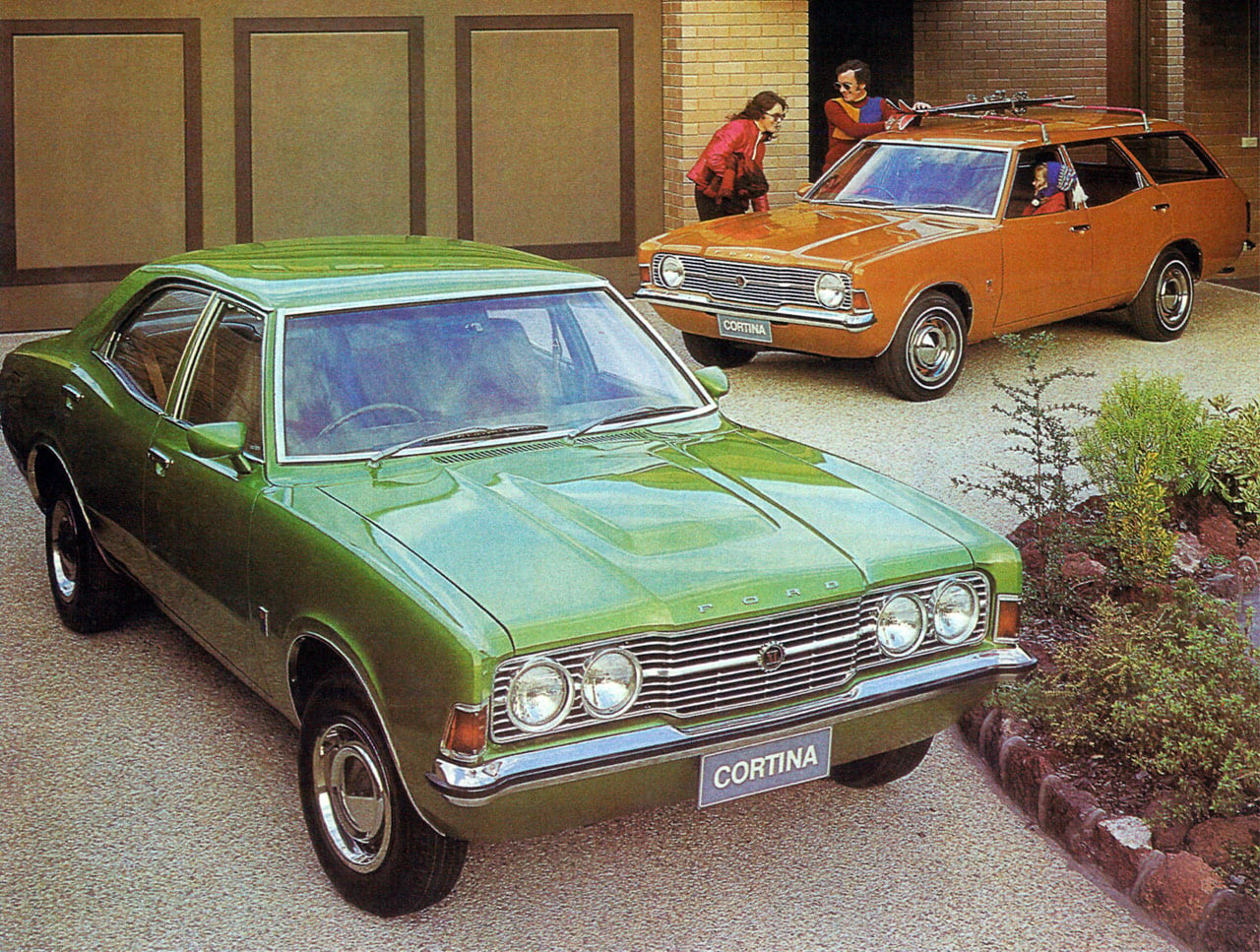
Coke-bottle styling, more metal, and a range to match Holden’s Torana were the big news for Ford’s third-generation (TC) Cortina.
1
But the crease line on its rear doors never lined up, the standard of finish was appalling, and it didn’t take long for a ’tina to look tatty.
Of equal concern was the 1600’s painful lack of poke, the XLE’s putrid mustard/vinyl roof combo, and the poor road manners of the sixes.
By 1974’s TD, little had changed: “On anything but smooth bitumen, the roadholding and handling are terrible, and bits still fall off. The brakes fade away and the steering wheel can be torn out of the driver’s hands under hard braking on a loose surface,” said our 74 Car of the Year appraisal. It lost.
Fiat Argenta
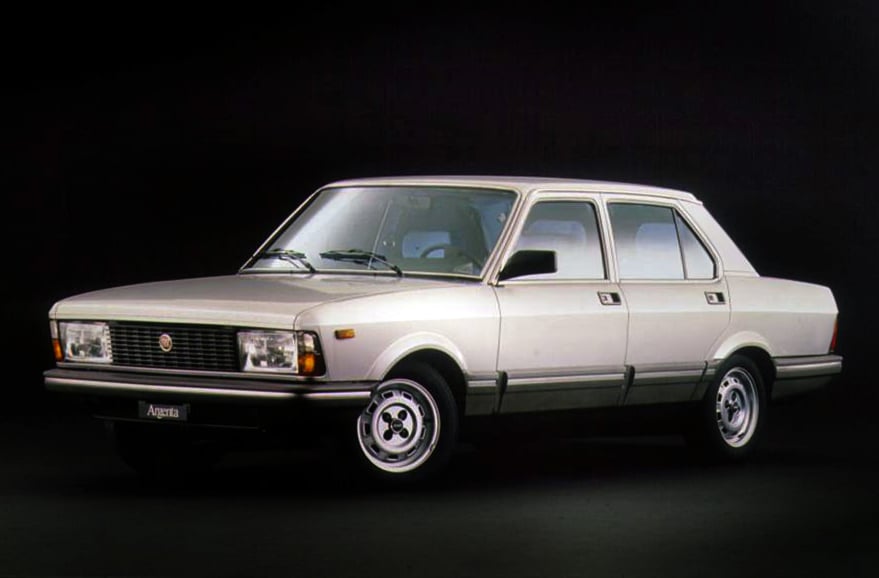
What do you do with a decade-old car that wasn’t particularly great, even when new? Not this. Fiat’s major facelift of the 132 sedan was a huge joke in Australia.
1
The Argenta took two years to land (March ’83), cost a Statesman-rivalling $20K (when the 132 cost $12K), and looked exactly what it was – a boxy, body-clad heap, more dated even than the 1972 original.
We described it as “so lacking in flair and so plainy bland, you expect it to be boring. Except that there are enough irritating and stupid things about the car to make the driver sufficiently annoyed that motoring in the Argenta could never be dull.”
That Fiat made four attempts at fixing the 132/Argenta’s suspension says it all.
Alfa Romeo 33
Not one of Alfa Romeo’s highlights, although not quite as horrendous as the Europe-only, Nissan-Pulsar-based Arna.
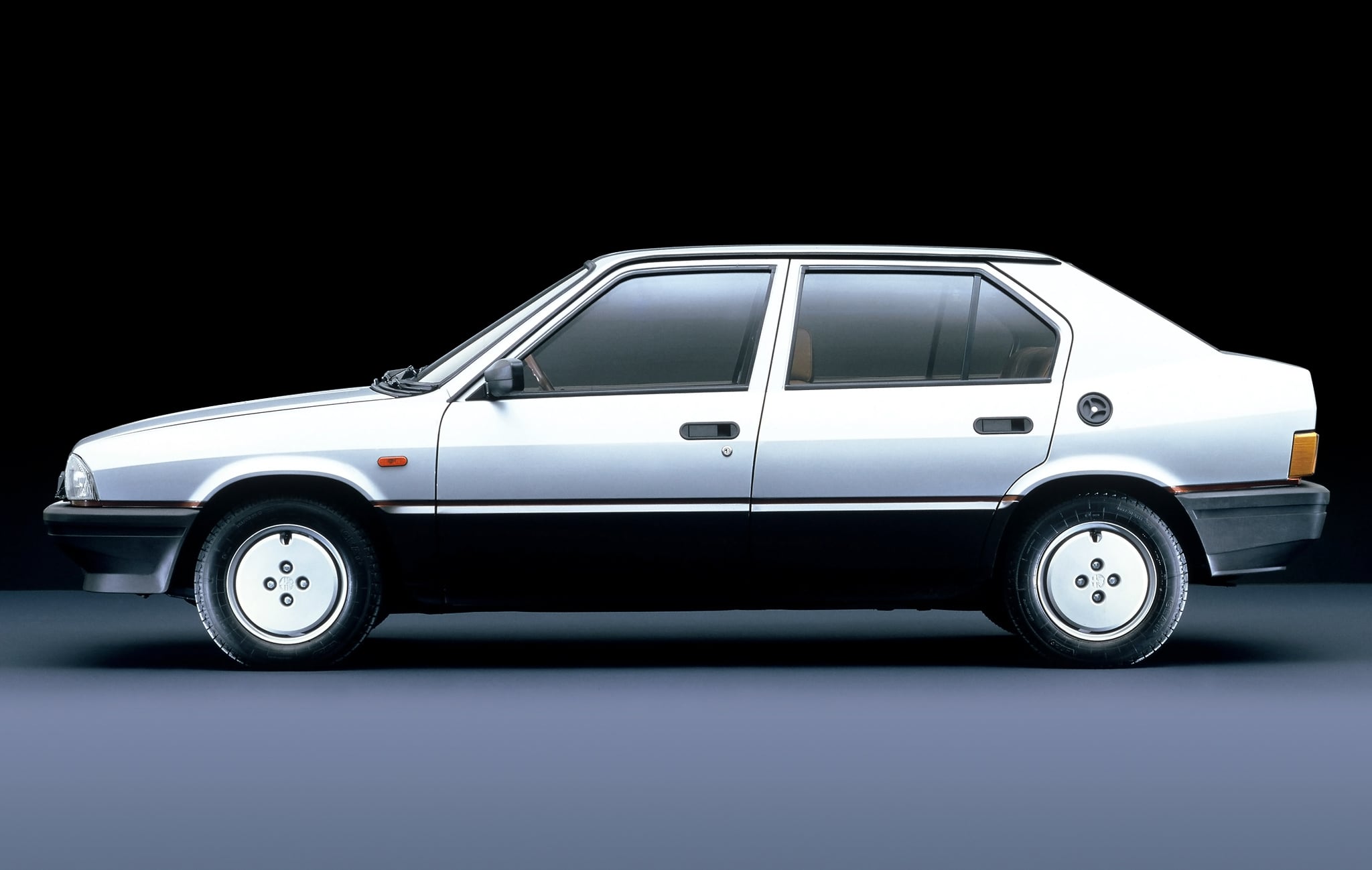
The Alfa 33 (1984-1992) replaced one of Europe’s most-loved cars – the iconic, if rust-prone, Alfasud – but it just didn’t rate.
1
The 33 regressed to rear drum brakes instead of discs, lacked the Sud’s flair and fizz, and appeared too mainstream.
But despite the encroaching stolidity, the 33 remained an owner’s nightmare. Its high-tail body was far too weak, it rusted, and the electrics, like the driving position, were hopeless.
The door trims were made of cardboard, and the roof lining eventually turned to powder – snowing on passengers if touched. Yes, the 33 was about on par with a peeling scalp.
Hyundai Excel X1
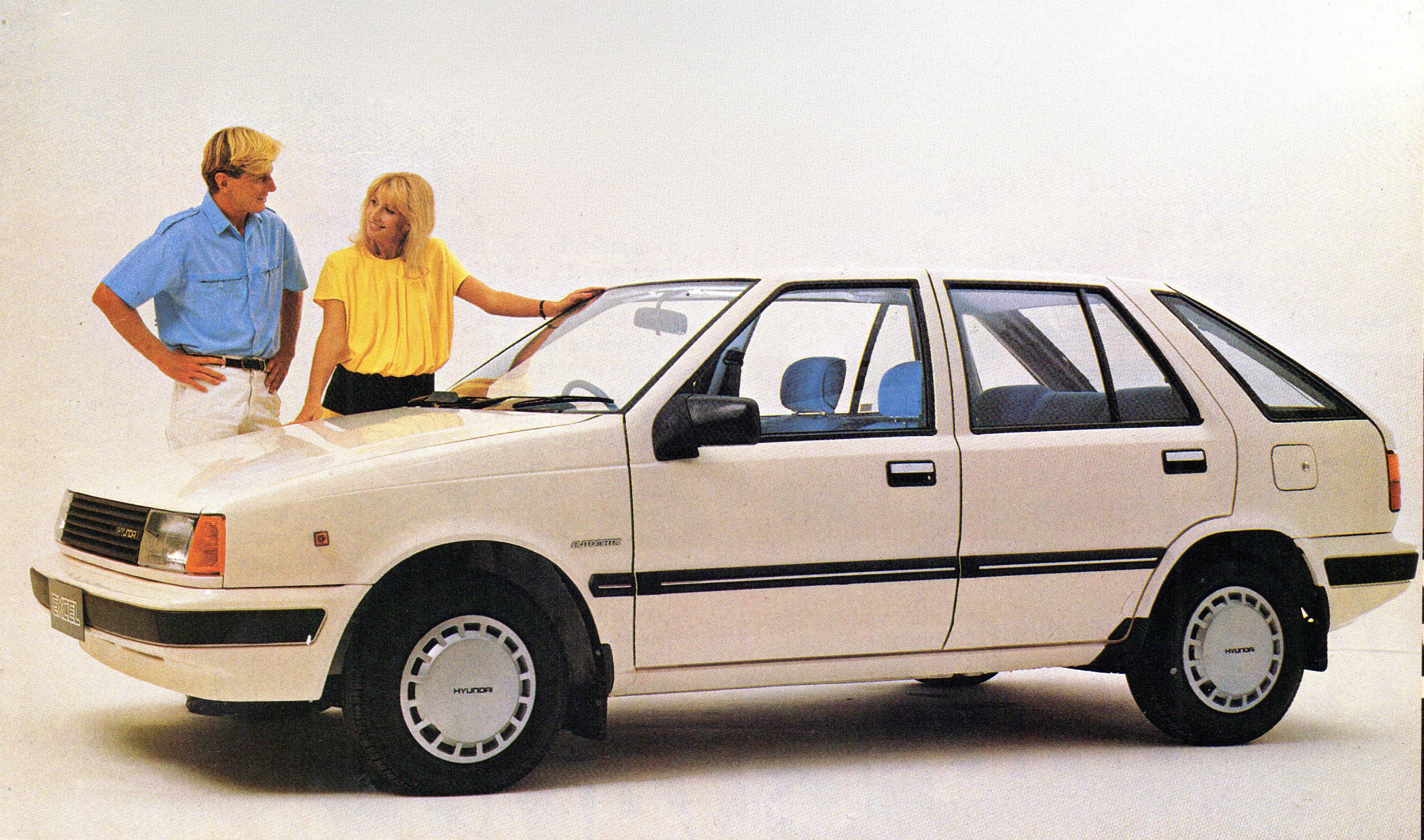
Our first taste of Korean automotive cream was this – Hyundai’s inimitable X1 Excel (1986-90).
The name might have prompted a lawsuit for false advertising, if not for the fact the car so obviously excelled at transporting mindless drones at well below the speed limit for stuff-all cash.
1
Its blocky styling made a lump of wood look svelte, and its cabin plastics were benchmarked against disposable cutlery for tactile delight.
But the X1 Excel’s breathless performance, hopeless dynamics, and A-to-B owner demographic that cements it as a laughing stock.
Unfortunately, the Excel also proved fairly rugged, so it’s still uglifying our roads today.
Die you bastard, die…
Lada Samara
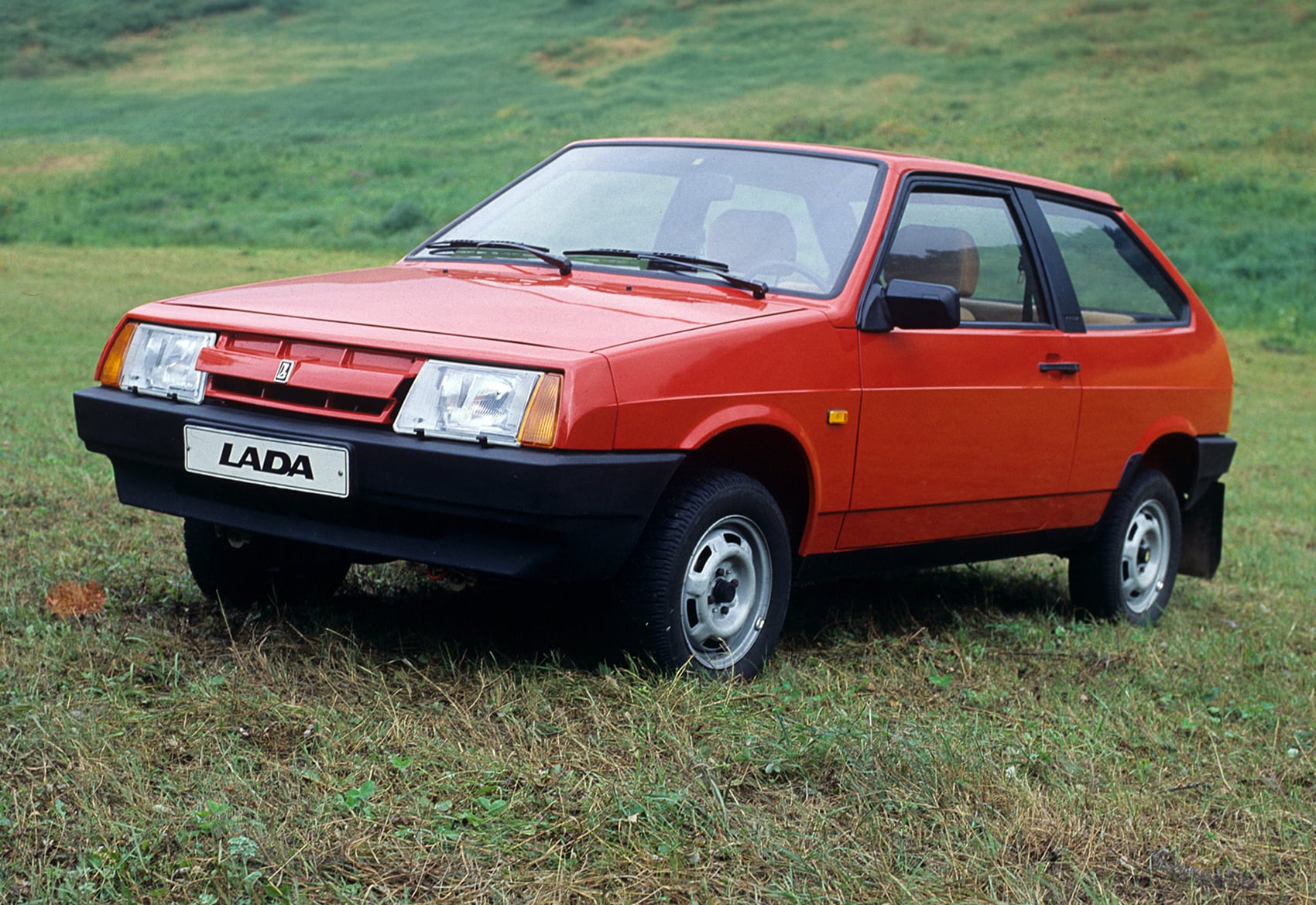
If any car can make the original Excel seem palatable, it’s Lada’s Samara. Born in a backroom somewhere in Moscow’s red-light district during the mid ’80s, the Samara appeared quite modern when launched locally in 1988, but only in comparison with its Niva 4WD relative, and any previous Fiat-based attempts.
1
So bad was Lada’s build quality that, in Europe, Russian-built Samaras were sent to Belgium, stripped, and rebuilt before sale. In Oz, Peter Brock handled pre-delivery and ADR certification until he realised his folly.
In a confusing turn of events, Lada renamed it 1300 in 1990, then added the Cevaro (5dr), before steaming to a halt with the Volante (3dr) and Sable (4dr) in 1995. Same car, same bad smell.
FSM Niki 650
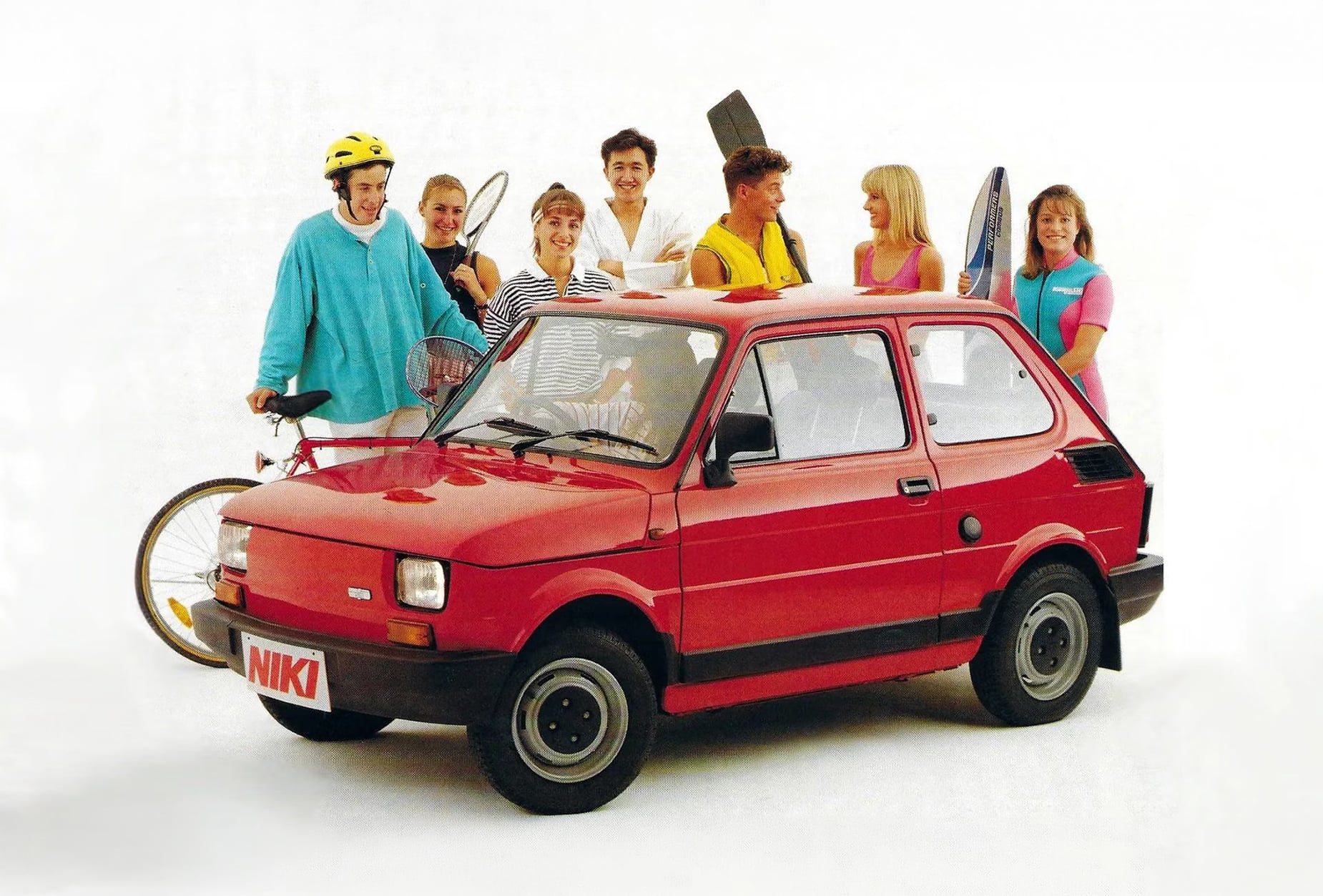
This is the horror responsible for reducing a former Wheels staffer, Adam Porter, to a quivering mess – after he flipped one onto its roof during a four-car comparison test in 1990.
Essentially a 1972 Fiat 126, but without any worthwhile updates, the SM Niki hit Australia crawling in May ’89, and promptly defecated in its dacks, judging by the crap lurking back there: an 18kW, air-cooled, 652cc in-line twin, and swing-axle rear suspension would you believe?
1
“We cannot recommend the Niki,” said Wheels in 1990. “It is not cute. It is not clever. It is seen as such only by the innocent or the ignorant. This is a car whose time has passed, long ago.” All the Niki did was make a brilliant case for buying second-hand. Anything.
Ford Corsair
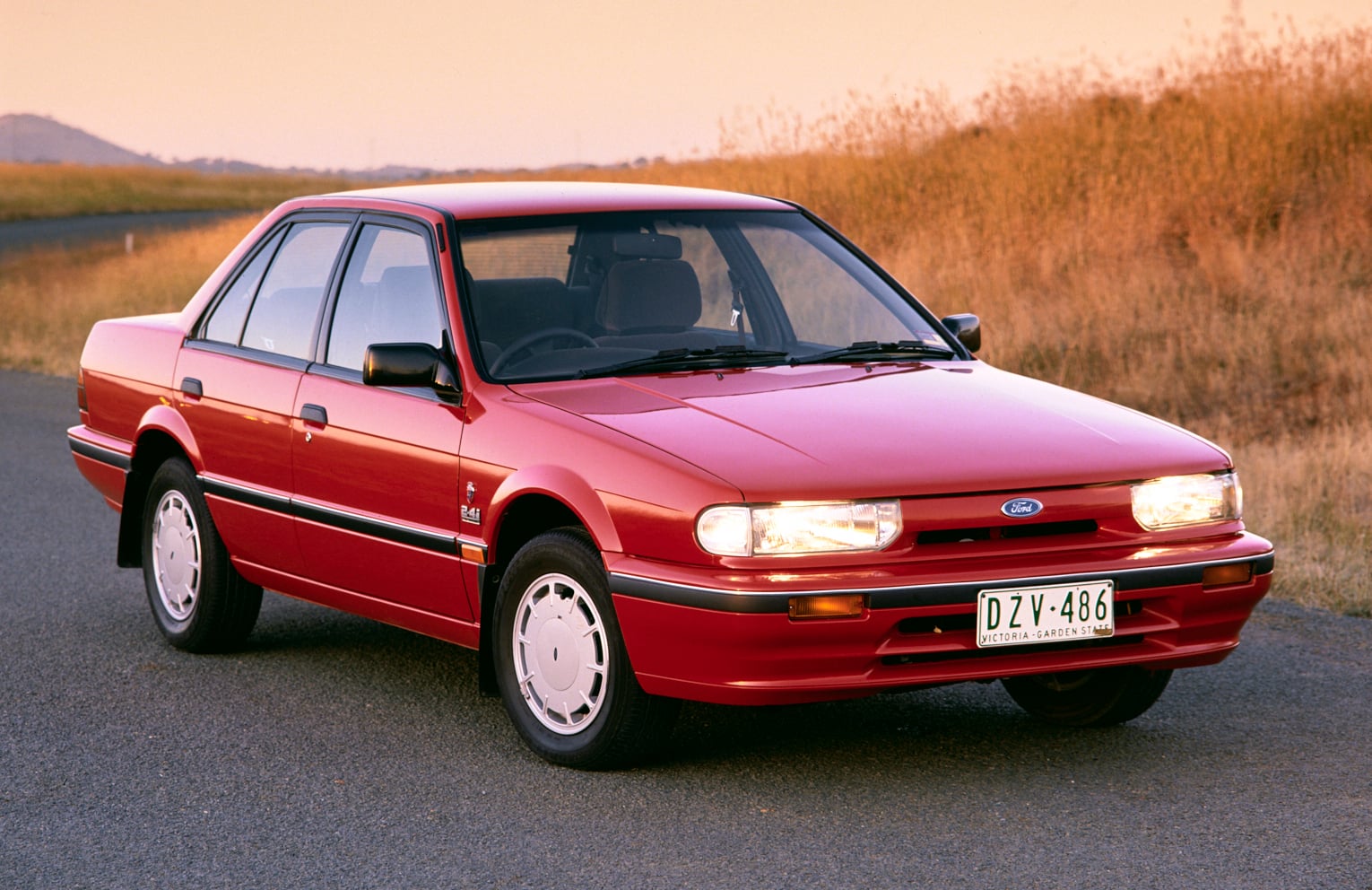
Named after a quirky, V4-engined European Ford that sat between Cortina and Zephyr in the ’60s, our Corsair is quite possibly the most cringe-worthy attempt ever at model sharing, mainly because the model it was based on – Nissan’s front-drive Pintara – was a half-arsed, expedient attempt at mediocrity.
Yes Nissan’s 96kW 12-valve 2.4 went like stink, but not the dreary twin-plug 2.0, and both sounded hoarse.
1
The Corsair looked dead boring, drove like mush, and offered little in the way of body rigidity (you could hear its doors moving on rough roads). It felt flimsy and sounded tinny, with build quality so unforgettable that Corsair customers are still avoiding anything stamped ‘Australian Made’ a decade later.
Daihatsu Applause
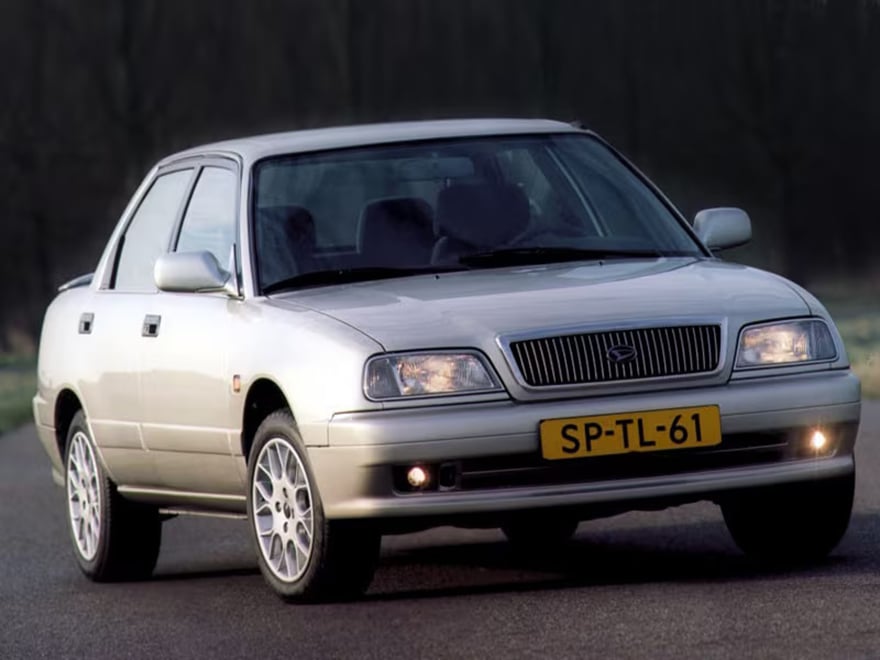
Not necessarily bad enough to force its driver to don a disguise at its 1989 launch, the Applause hung around long enough to eventually demand witness protection.
The original series looked fairly individual, with a trendy, low-cowl dash that blended into the doors, sedan-esque styling that concealed a tailgate, and a lively 77kW 1.6.
1
But Daihatsu was apathetic. Few buyers appreciated the Applause’s reasonable chassis, and fewer were willing to fork out over $20K for the stocked sports variant.
Only the old and crusty were turned on, so Daihatsu reduced the range to one in 1997, added a useless chrome conk, a pointless, bulky fake-wood dash, and cemented the Applause’s lace-doiley reputation forever.
Hyundai S-Coupe
“Scoop it up, throw it away” read a rather brief, but highly accurate, summation of the S-Coupe’s talents in the early ’90s – back when Unlimited was recording music that also bore resemblance to doggie do.
Hyundai based its embarrassingly named S-Coupe on the poverty Excel (see above), but clothed it in a moderately appealing body that implied some level of sporting talent. It had none.
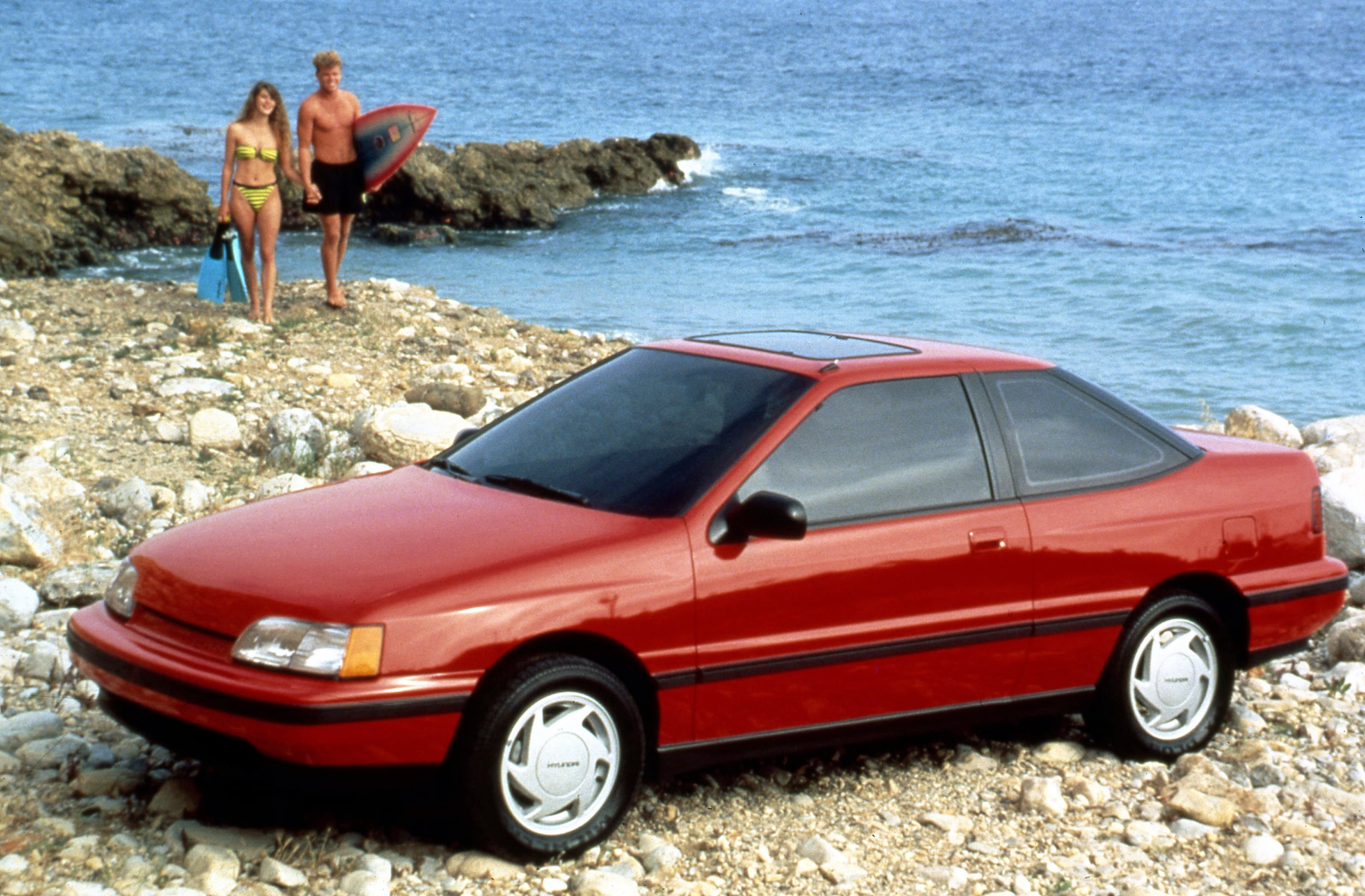
1
Chief shortcoming was its engine – a gutless 62kW, 1468cc Mitsubishi cast-off – until Hyundai introduced its own Alpha-series 12-valve units in October ’92. Then the S-Coupe’s problem became everything else.
An 84kW Turbo version promised (and delivered) some pace, but the Pooper Scooper’s soft, rubbery chassis, woeful cabin, and joke image meant it was destined for eternal derision.
Toyota Paseo
When launched back in 1991, Toyota’s Paseo sat below the Celica and formed part of a successful, two-pronged coupe attack. That both sold well shouldn’t be a surprise. Neither should the fact the Paseo didn’t deserve to.
Underneath, it was all Tercel – a cheap, sub-Corolla hatch with minimal sport or sex in its DNA. Hence, the flaccid Paseo was bought by poseurs.
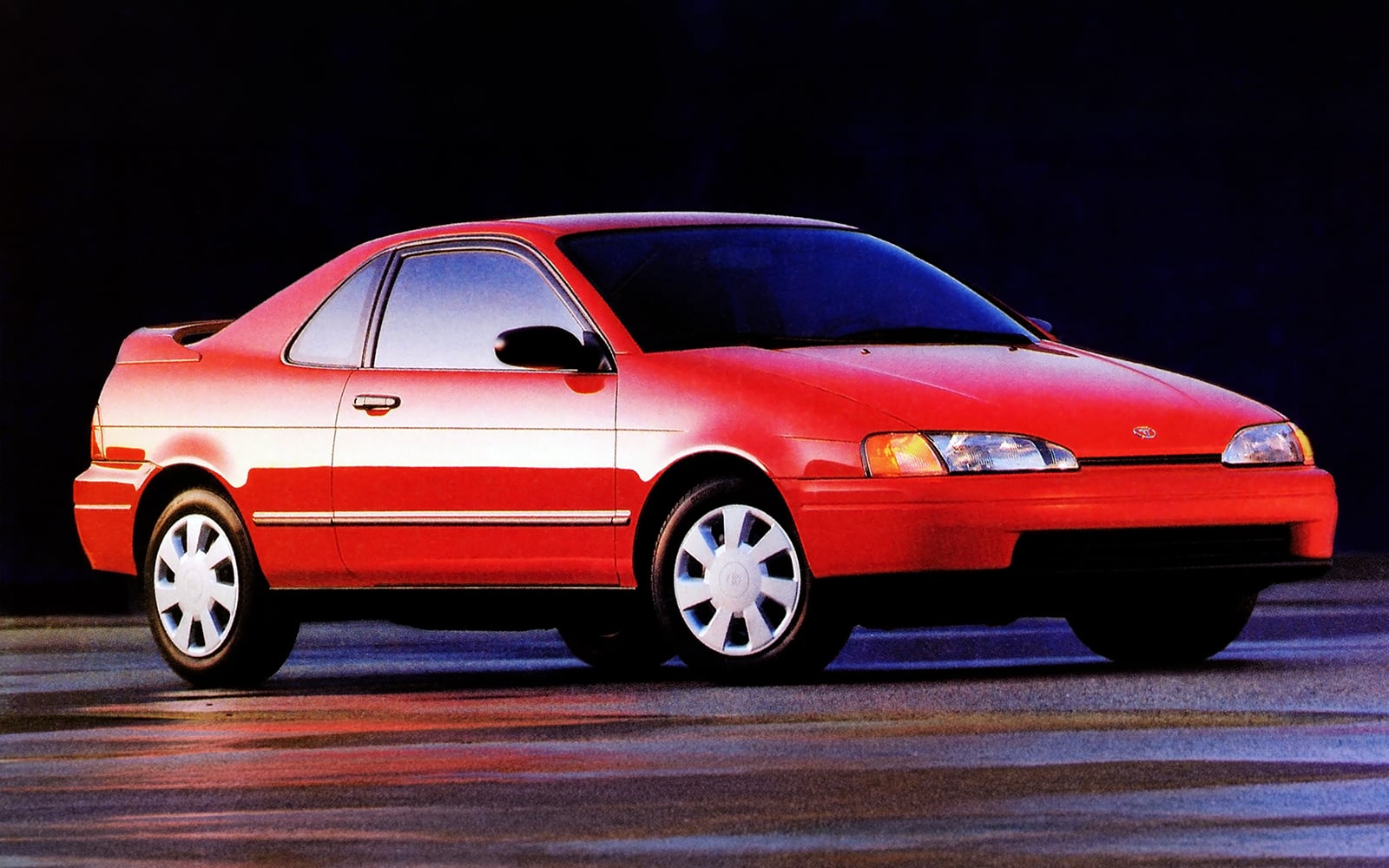
1
Its 74kW, 1497cc four hated revs, sounded rough, and wasn’t quick (0-100 in 11.3secs). Its economy-car origins donated body boom and sub-standard refinement, and the all-new model (1995) looked the same as the old one, only worse.
At least the Paseo’s chassis was tweaked by Toyota Oz – to only work on smooth roads. Vasectomy. Perhaps?
And three you can get away with… just
Holden Camira
Despite arriving in a blaze of “Supercar” launch hype, then dominating COTY in ’82, and initially selling like Rita the ETA eater, Holden’s Camira (1982-89) is now a firmly established dunger.
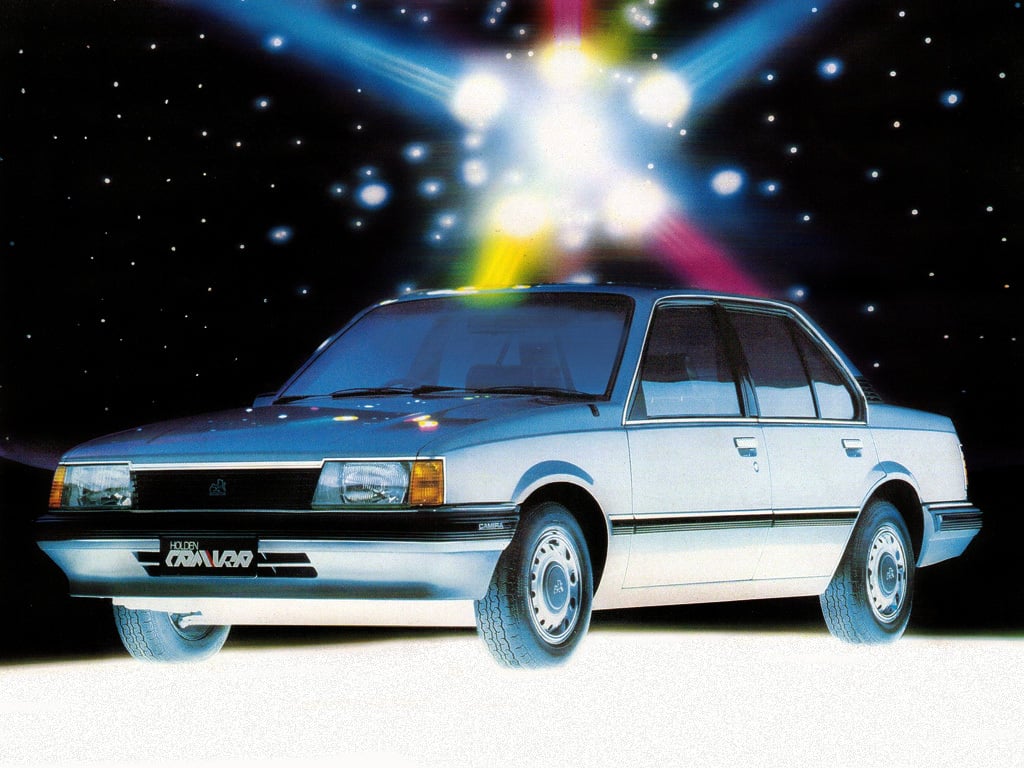
1
But blame its wildly erratic build, rust and reliability issues, and daft product planning… not its dynamics.
“The Camira is outstanding in individual aspects such as accuracy of steering, success of roadholding, and competence of cornering, and its chassis gets everything together with a finely tuned sense of balance,” said Wheels in 1987. Fun, while (or if) it lasted.
Peugeot 404
Ignore the 404’s Pininfarina-penned similarity to an Austin Freeway and its moderate performance (from a 1618cc four) because underneath lies a brilliant car – simultaneously one of the best Pugs ever, and the best mainstream sedan of its era.
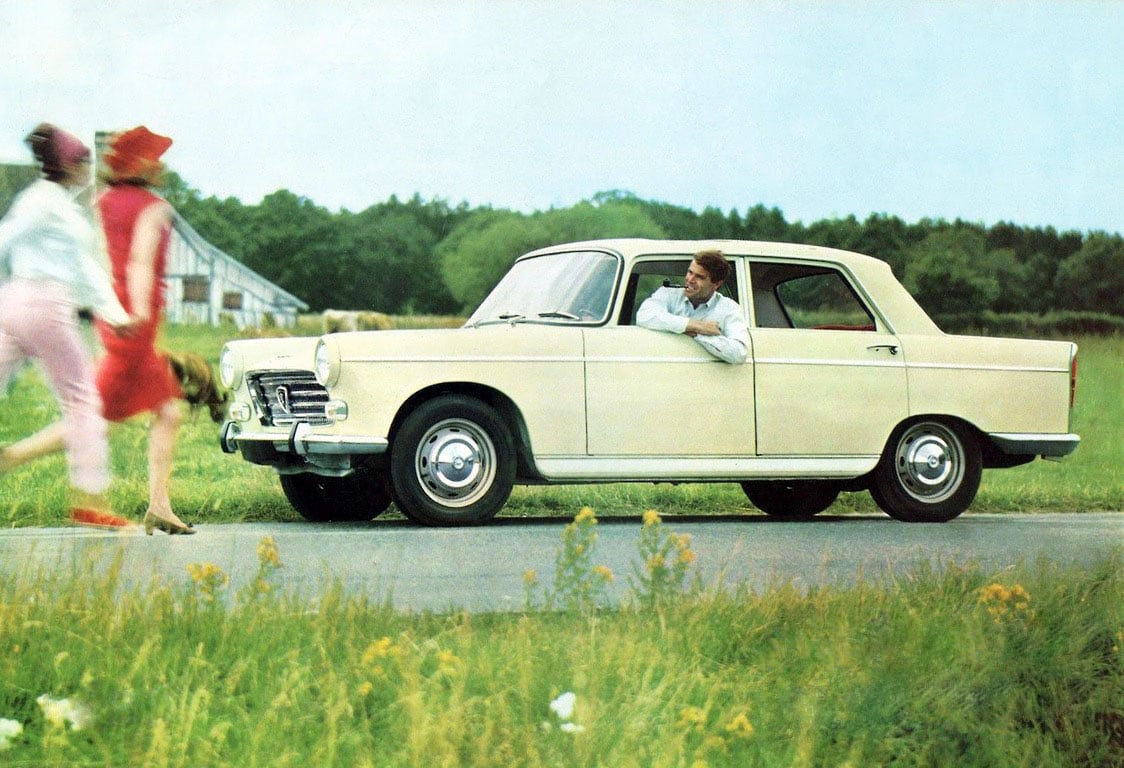
1
Superb balance (on standard Michelin radials), with a tendency to adopt a slight oversteer stance in hard going to improve turn-in, made the 404 brilliant for rallies and road alike.
Beautifully direct and accurate steering, the world’s best column-change shift, and a wonderful ride further advanced the 404’s cause. A much better car than today’s Pugs.
Hyundai Tiburon V6
The big issue with this car is the brand – Hyundai. And the Koreans really have no-one to blame but themselves (see Excel X1 and S-Coupe), because the Tiburon is the successor to a long line of uninspired white goods.
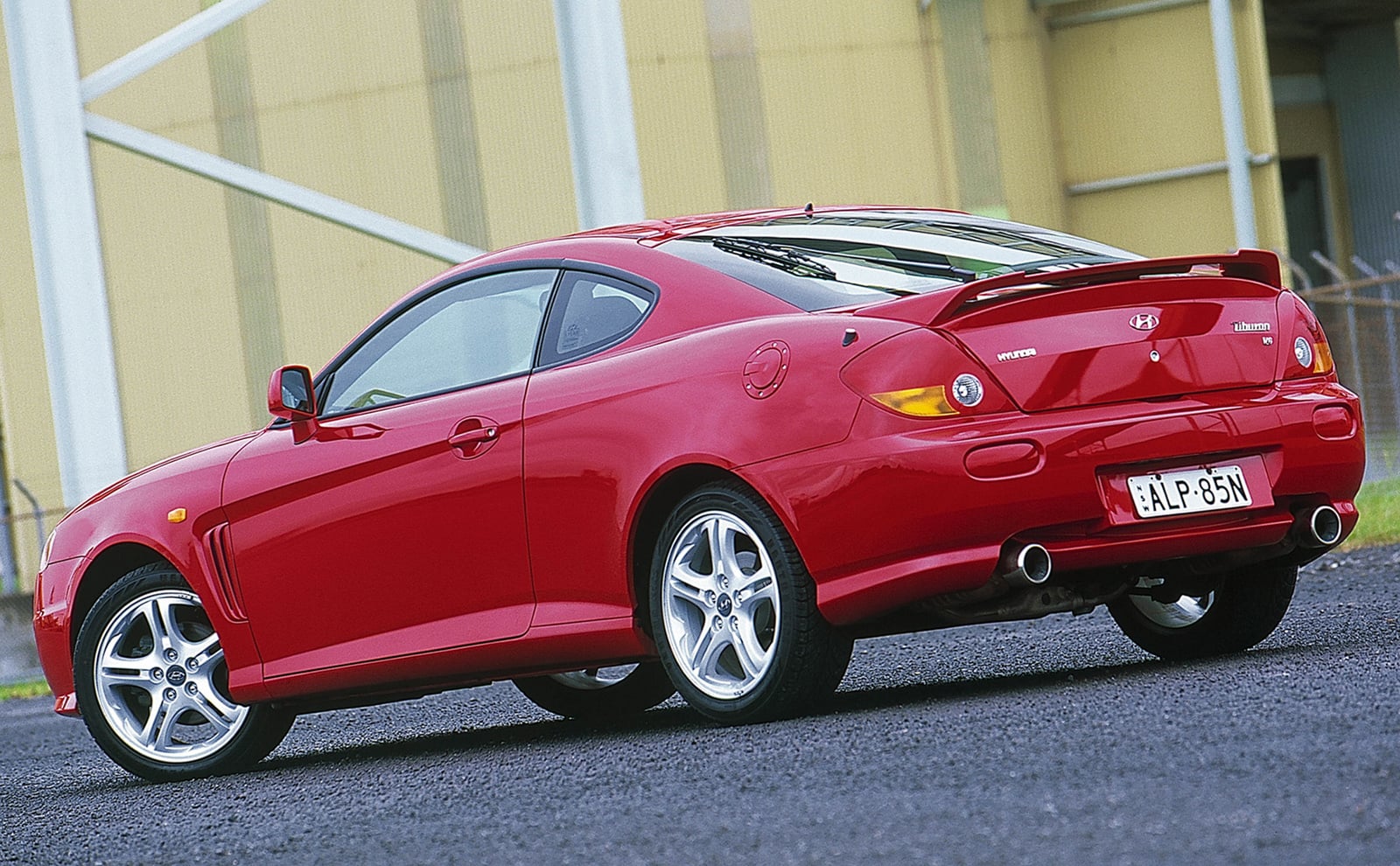
1
But in creamy V6 form, it’s good. Purposeful, Ferrari-esque styling, a fruity-sounding engine, miles of gear, and surprisingly adept dynamics (considering its Elantra base) mark the Tibbers as the anti-ordinary Korean. And possibly the only one. Forget the four-cylinder, though – it’s harsh, and it lacks grunt.
Follow WhichCar/Wheels on Google
Click the button below to make WhichCar by Wheels a preferred source for your news.

We recommend
-
 Classic Wheels
From the Wheels Archive: Granny Turismo – the 10 best cars your grandma drove
These favourites of the blue-rinse set packed some perm-straightening performance.
-
 Classic Wheels
From the Wheels Archive: XC Cobra – Ford’s hottest Falcon ever
Born out of a need to shift the last batch of Falcon Hardtop body shells, the XC Falcon Cobra has gone on to become a bona fide Ford legend.
-
 Features
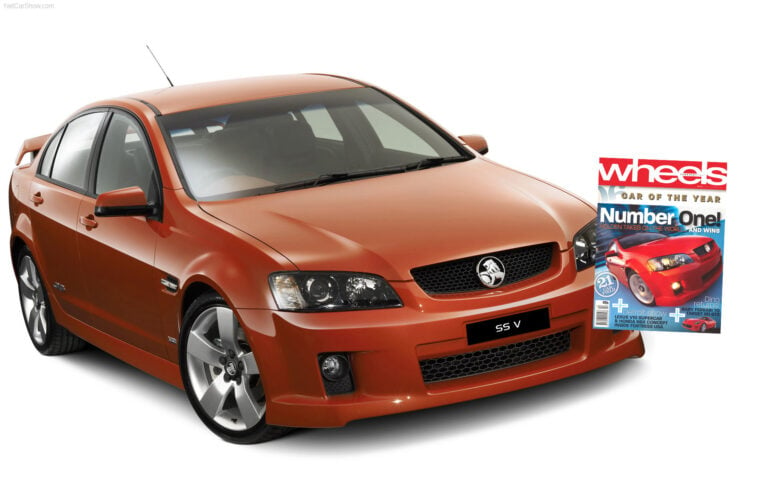
'Billion dollar baby': It's 20 years since the VE Commodore first launched
Twenty years on, Holden's clean-sheet VE Commodore remains one of the boldest and most ambitious vehicles ever conceived in Australia – a billion-dollar gamble that became a national icon.