
Features

Gallery 1
Once upon a time, Australian roads were filled with sedans, wagons and hatchbacks… and then SUVs came along and hit them with something close to an extinction-level event. Perhaps that’s being slightly dramatic, but there’s no denying that the extraordinary rise of the SUV has changed the cars we buy and, more importantly, the cars manufacturers want to sell us.
Today, SUVs account for well over half of all new vehicles sold in Australia, and that number is only increasing. Buyers can choose from seemingly endless variations: small, medium, large, coupe, electric, performance – even models that are essentially hatchbacks wearing plastic wheelarch cladding are now marketed as SUVs.
The success of the SUV has inevitably come at the expense of traditional passenger cars. Sedans have almost disappeared, wagons are endangered and the once hugely popular hatchback has been abandoned as manufacturers chase customers into higher-riding alternatives.
SUVs aren’t solely responsible for every death on this list; changing regulations, profitability, electrification and individual product decisions have all played a role. But each of these cars represents something we’ve lost in the huge market shift. Here are 10 cars that we miss the most…
1. Holden Commodore
19
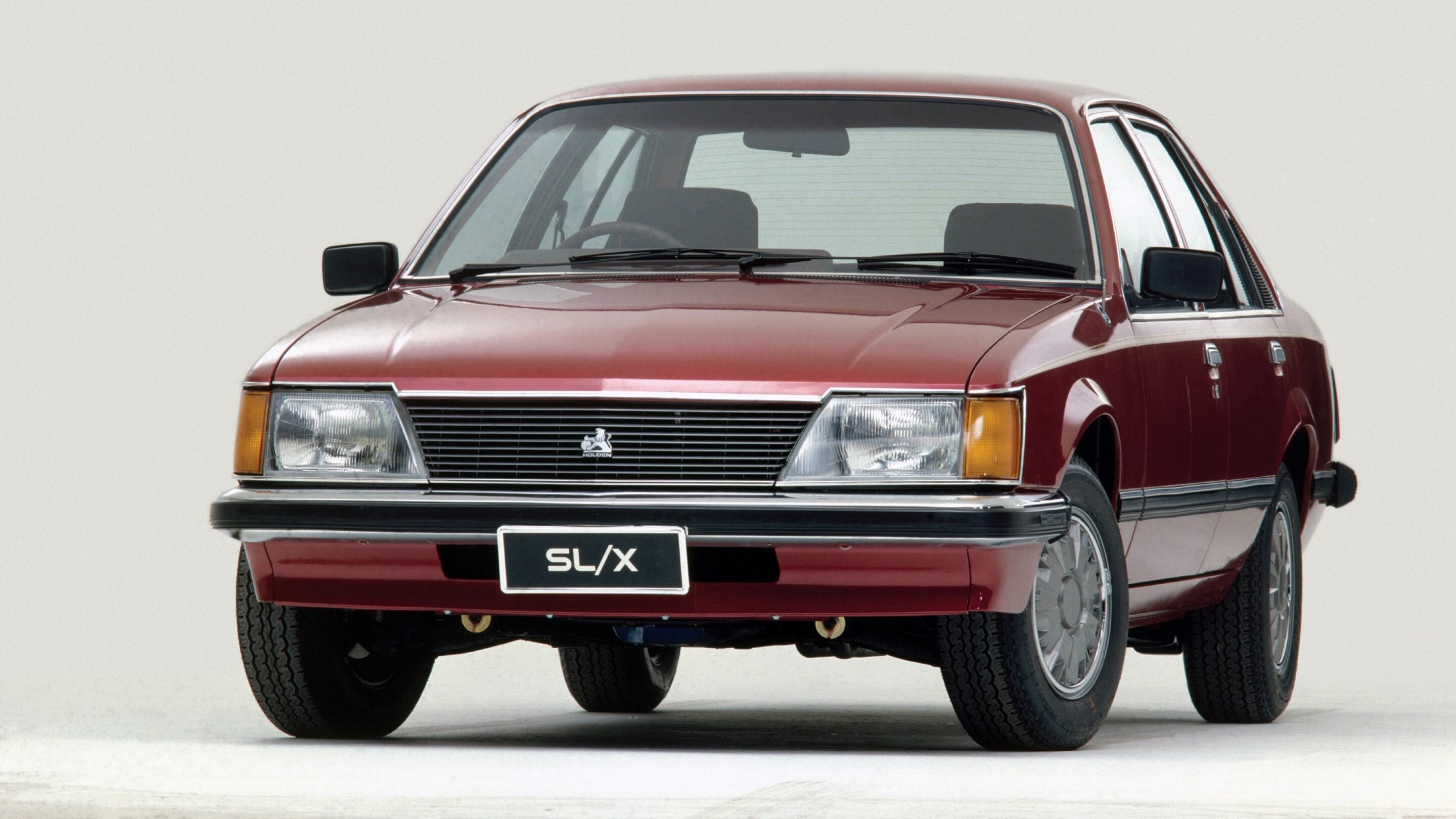
If there’s a car that singlehandedly demonstrates Australia’s changing automotive tastes, it’s the Commodore . For much of its life, it wasn’t merely popular, it was a huge part of Australia’s culture. Sedan, wagon, ute, V6 or V8, manual or auto, luxury, performance, police car, taxi cab… the ‘dore could be almost anything you wanted it to be.
Local production ended in 2017, but Holden attempted to keep the name alive by rebadging the imported Opel Insignia which, as we know, was a commercial failure.
The imported Commodore disappeared at the end of 2020, just as Holden itself was being retired. Meanwhile, buyers who might once have owned a Commodore wagon were flocking towards SUVs. It’s difficult to imagine a better illustration of the market’s transformation than the disappearance of Australia’s own family car.
2. Ford Falcon
16
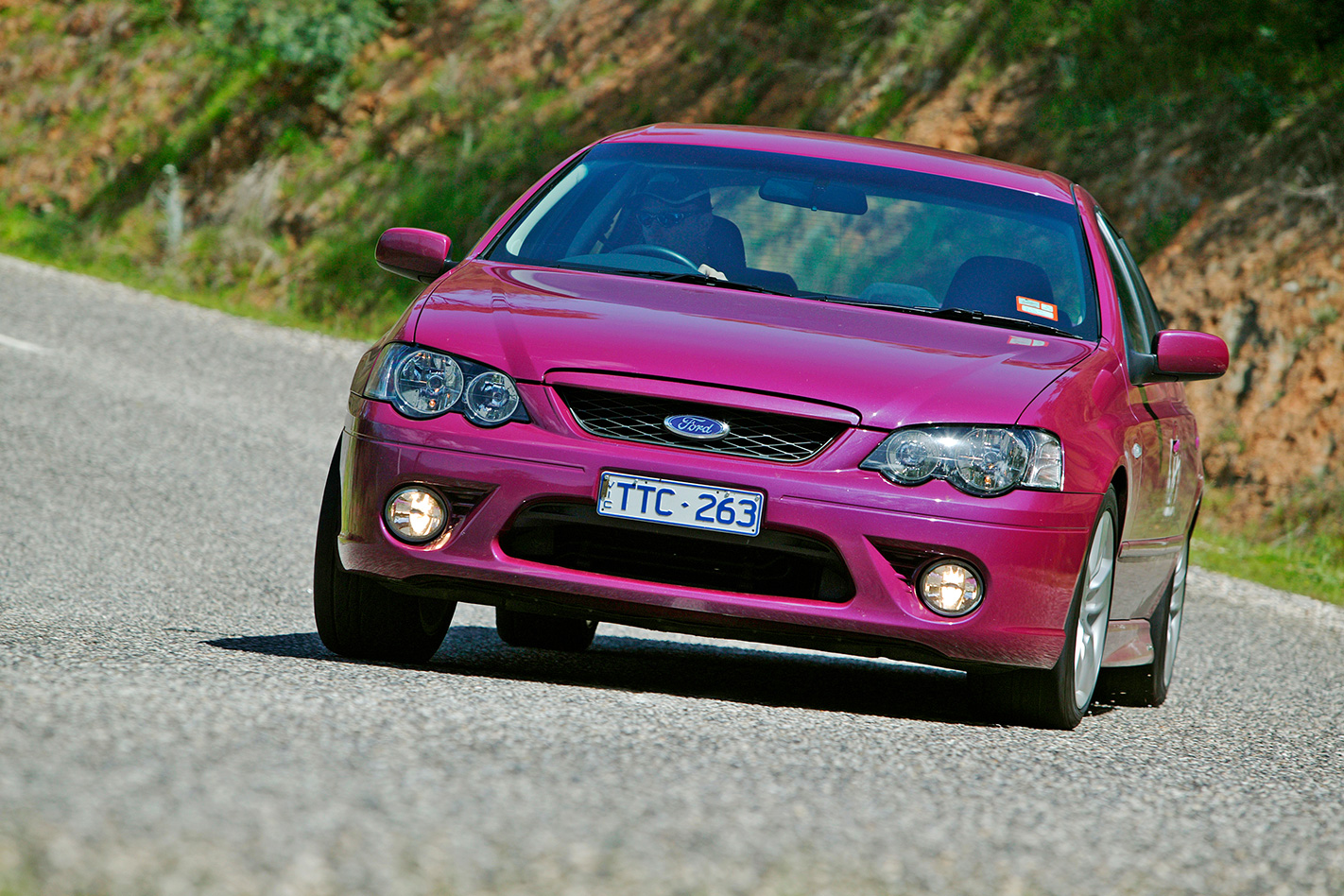
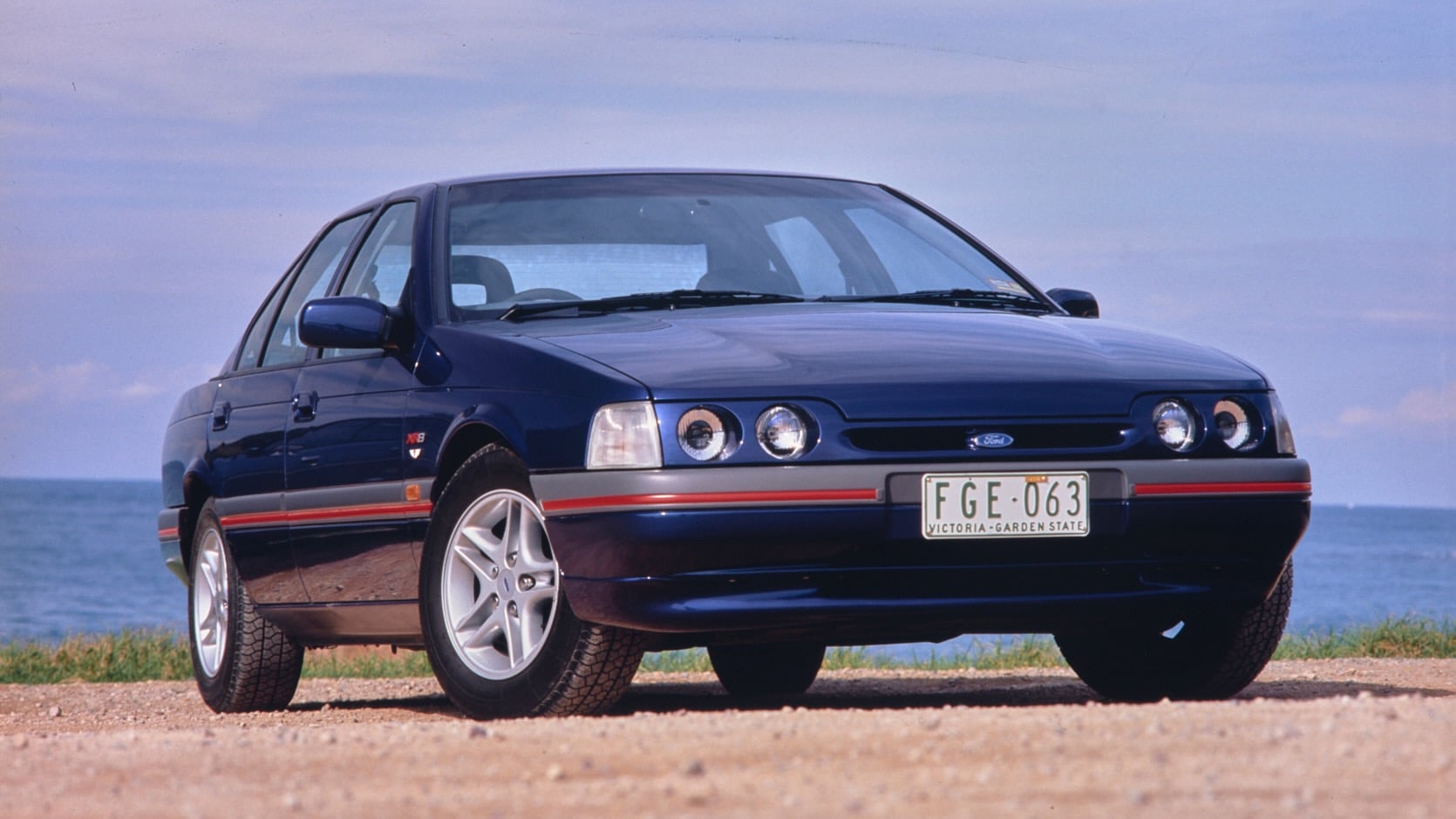
Like the Commodore, the Falcon was a default Aussie family car. You could buy it as a sedan, wagon or ute, while performance versions wearing XR6 Turbo, XR8 or FPV badges provided enormous bang for your buck.
By the end of its time, however, Australians were increasingly walking past large sedans and over SUVs in the showroom. Ford ended Australian manufacturing in 2016, killing the Falcon after more than half a century. Today, the spiritual family-car role once occupied by Falc has effectively been taken by the Ranger-based Everest SUV.
That Ford Australia now sells essentially no conventional passenger cars tells you everything you need to know. How did we let the country become a wasteland for locally made icons?
3. Mazda6
6
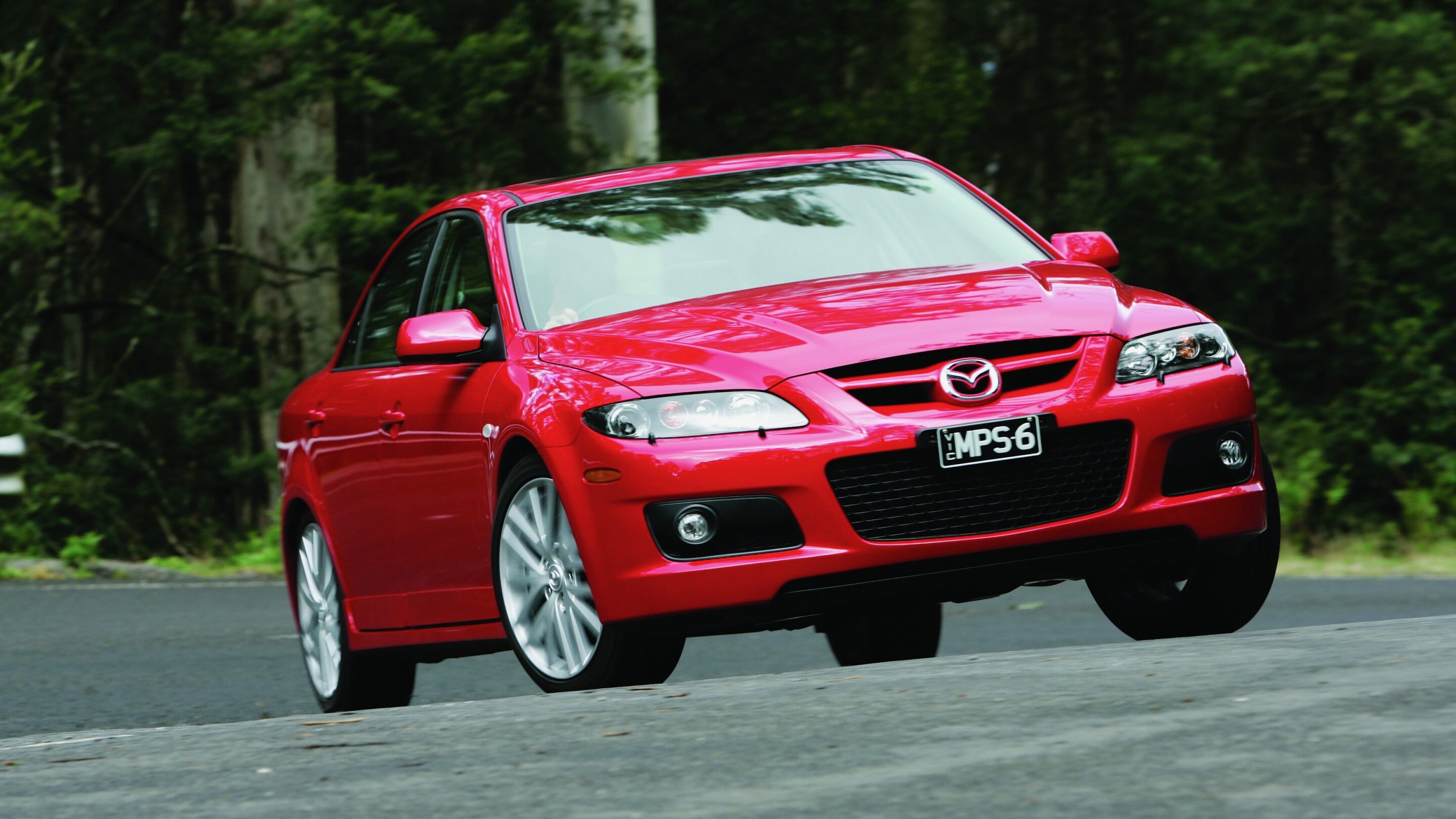
The Mazda6 is notable in that survived longer than most. Introduced in 2002 as the replacement for the 626, it became one of the defining medium cars of its era, particularly in handsome wagon form, and played a big role in launching Mazda’s ‘zoom zoom’ era.
But when Mazda’s SUV range exploded with CX-branded models like the CX-3 and CX-5, sales of the 6 dwindled. Australian sales finally ended in 2025 after 22 years, leaving the smaller Mazda3 as the brand’s only conventional passenger car down under.
Mazda perhaps best demonstrates the changing market. Its Australian range now stretches from CX-3 and CX-30 through to CX-5, CX-6e, CX-60, CX-70, CX-80 and CX-90. At this rate, the brand will stop running out of numbers to add to the CX prefix.
4. Ford Mondeo
6
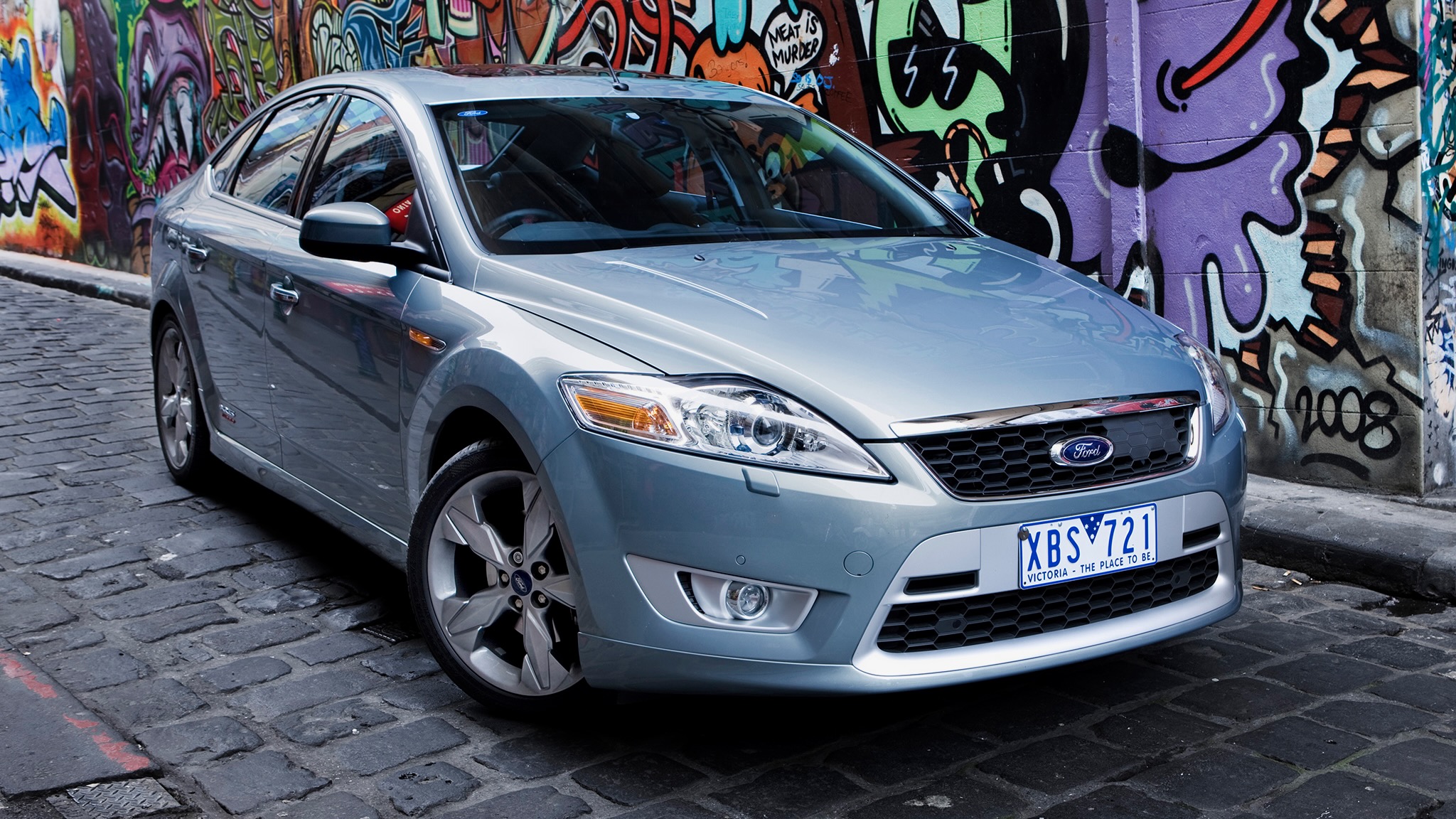
Remember when medium-sized family cars were a completely normal thing to buy? We certainly do, and the Mondeo was one of the best ones you could own. It competed with cars such as the Mazda6, Volkswagen Passat and Toyota Camry, offering plenty of space and impressive dynamics without making its occupants sit half a metre higher than necessary.
Australia received the final Mondeo in hatchback and wagon forms, but neither could compete with the SUV invasion. Ford withdrew it locally in 2020, while European production ended completely in 2022. You can still get a Mondeo in markets like the Middle East, but that model will sadly never be made in right-hand drive form.
In fact, Ford Australia has pulled out of passenger cars entirely and now sells nothing but commercial vehicles and SUVs. If a Mondeo owner wanted a modern equivalent, the Mustang Mach-E or Everest would be the closest thing available. They’re both solid products, but you can’t help but feel a touch of sadness.
5. Volkswagen Passat
9
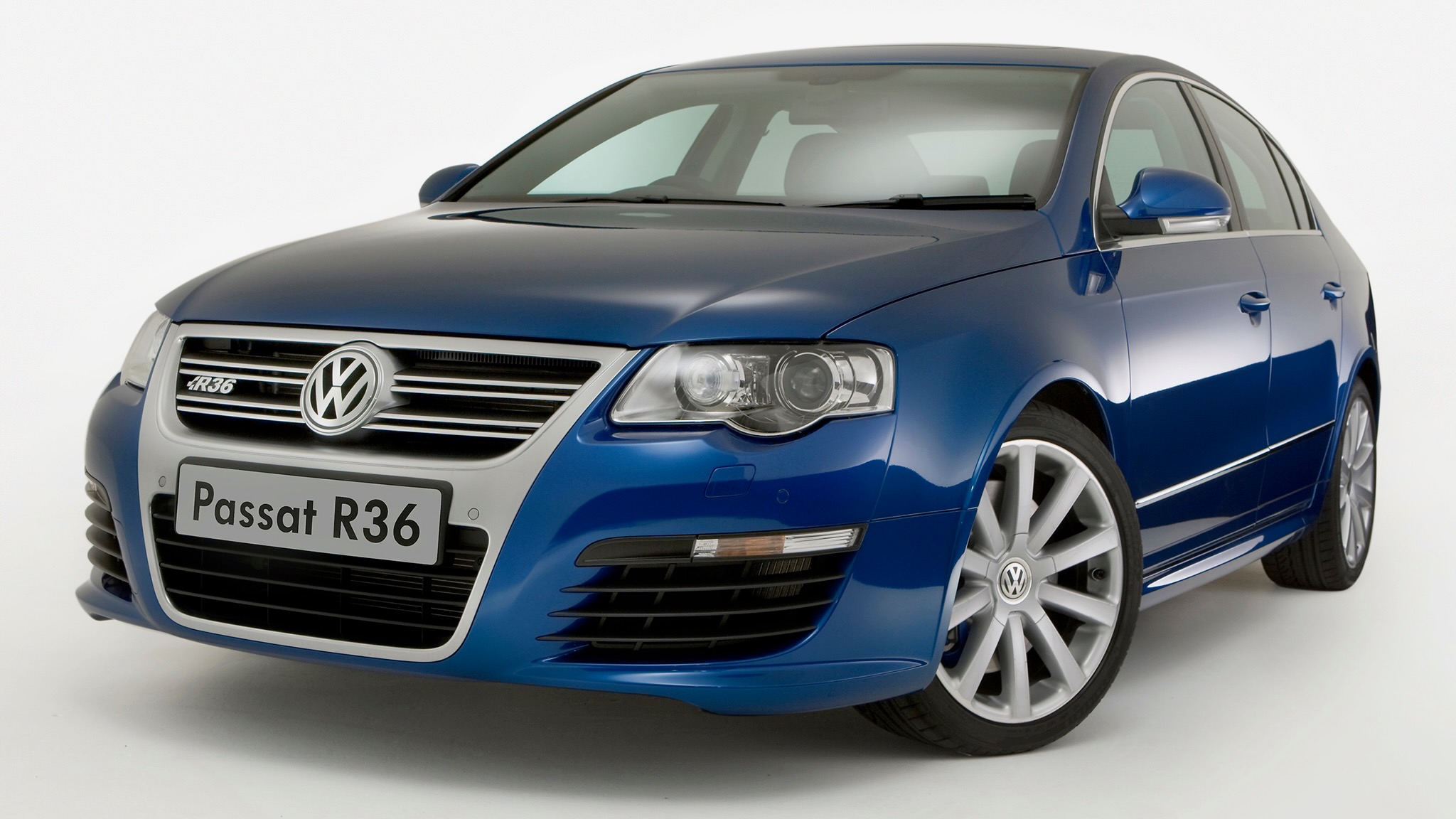
For decades, the Passat was Volkswagen’s sensible grown-up family car. While the Golf and Jetta were for smaller households, the Passat was larger with more rear space and a massive boot, particularly as a wagon. It was also a flagship in more ways than that, as the 220kW 3.6-litre R36 model proved.
However, buyers increasingly gravitated to the Passat’s Tiguan medium SUV sibling instead. The sedan eventually disappeared globally, with the whole Passat range disappearing entirely from Australia, while Europe moved to a wagon-only new generation that now shares almost everything with the latest Skoda Superb.
It’s a crying shame, especially when Volkswagen Australia once offered three wagons in its range. Thankfully, Volkswagen’s Skoda and Cupra sub-brands still offer wagons locally in the form of the Octavia, Superb and Leon Sportstourer, so those who want some Volkswagen Group wagon goodness still have a few options.
6. Honda Accord Euro
6
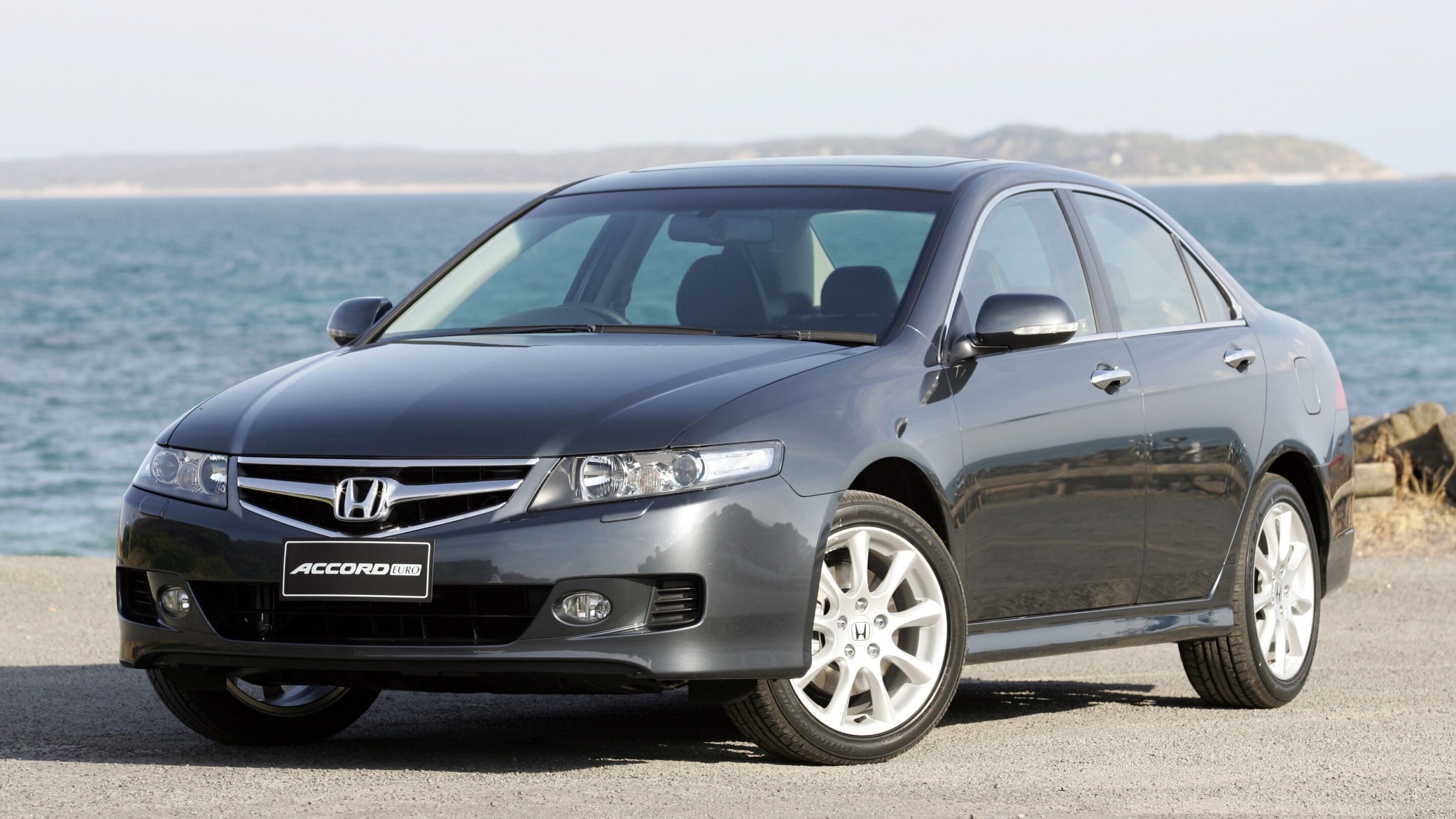
There was a time when Honda sold not one, but two different versions of the Accord in Australia and New Zealand. There was the larger version aimed at North America – Wheels famously dubbed that one the ‘Accord Seppo’ – and then there was the smaller model for markets like Japan and Europe, which was marketed locally as the Accord Euro.
The Accord Euro was the smaller, sportier and arguably more desirable of the pair. Launched locally in 2003, it combined handsome styling, excellent build quality and a rev-happy 2.4-litre four-cylinder engine with the sort of polished dynamics that helped build Honda’s reputation for sporty, well-engineered cars.
The second-generation Accord Euro arrived in 2008, but it would be the last. Production ended in 2015 without a direct replacement, leaving a hole in Honda’s Australian range that was never really filled.
By then, medium sedans were losing favour while SUVs such as Honda’s own CR-V were becoming the default family choice. The Accord Euro was exactly the sort of car Honda once did brilliantly and today, making a business case for another one would be very difficult.
7. Honda Odyssey
12
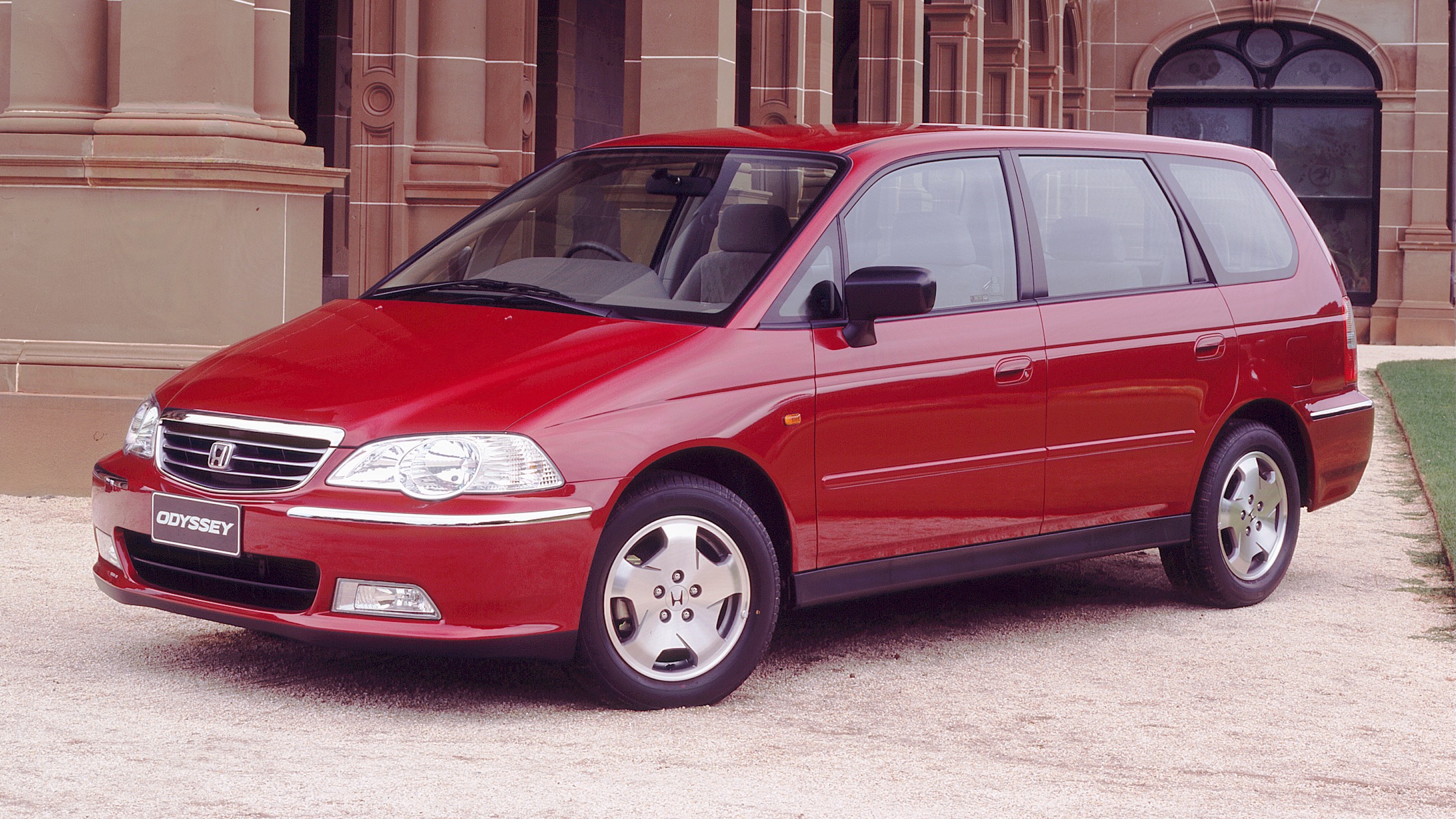
In case you haven’t noticed, SUVs haven’t only claimed sedans, hatchbacks and wagons – they’ve also helped push the traditional people mover towards extinction. The Honda Odyssey is one of the most interesting examples because it never really felt like a van. Lower, sleeker and more car-like than rivals such as the Kia Carnival, it combined seating for up to eight with a driving experience closer to what you’d get from a large wagon.
It made an enormous amount of sense for families but unfortunately, buyers increasingly decided that three-row SUVs were an even better fit… or at least looked cooler on the school run. Honda ended Australian Odyssey sales in 2022 after production of the Japanese-built model ceased, leaving the brand without a people mover locally. It returned to some markets like Japan not long afterwards, but remains off-limits down under.
Today, buyers who are after a large Honda family vehicle are directed towards the CR-V, while the broader market has embraced large car-based SUVs like the Toyota Kluger and Kia Sorento. The SUV didn’t completely kill the people mover, but it certainly made life much harder for one of the cleverest examples. In Australia, it’s really only the Carnival that still sells in meaningful numbers.
8. Subaru Liberty
13
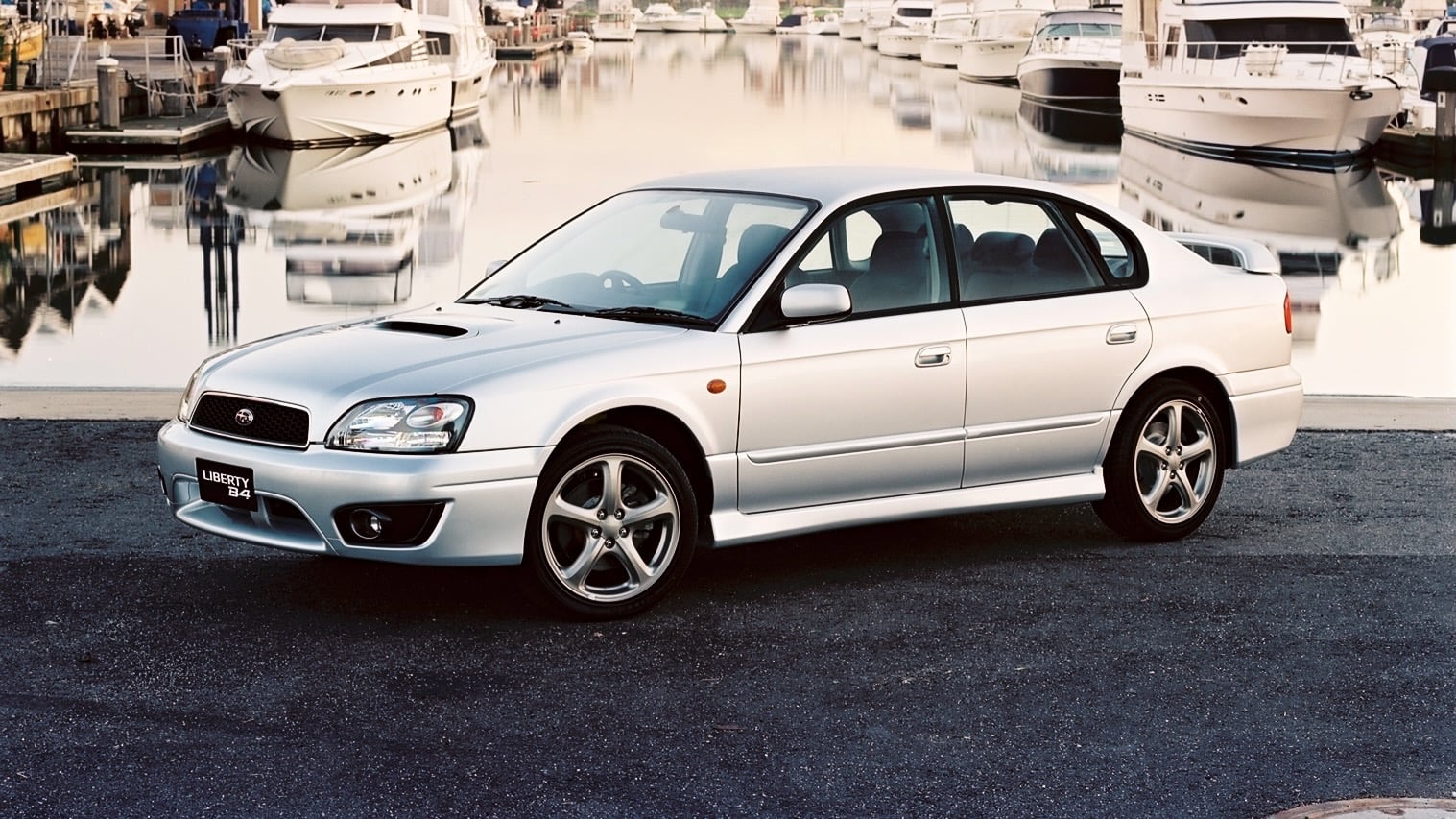
The Subaru Liberty seemed to be everywhere in the early-to-mid 2000s. Comfortable, practical and equipped with all-wheel drive as standard, the Liberty – particularly in wagon form – provided many of the supposed benefits of an SUV in a far more streamlined and sleek package.
All of which makes what happened next particularly ironic: the Liberty wagon gradually gave way to the Outback, which has evolved from a jacked-up Liberty wagon into a proper SUV with its latest generation.
As a result, Subaru dropped the Liberty from Australia after 2020, leaving the Outback to carry the family-car torch, and it no longer makes the Legacy, as the Liberty was named overseas. The SUV didn’t so much kill the Liberty as the Liberty became the SUV.
9. Honda Jazz
9
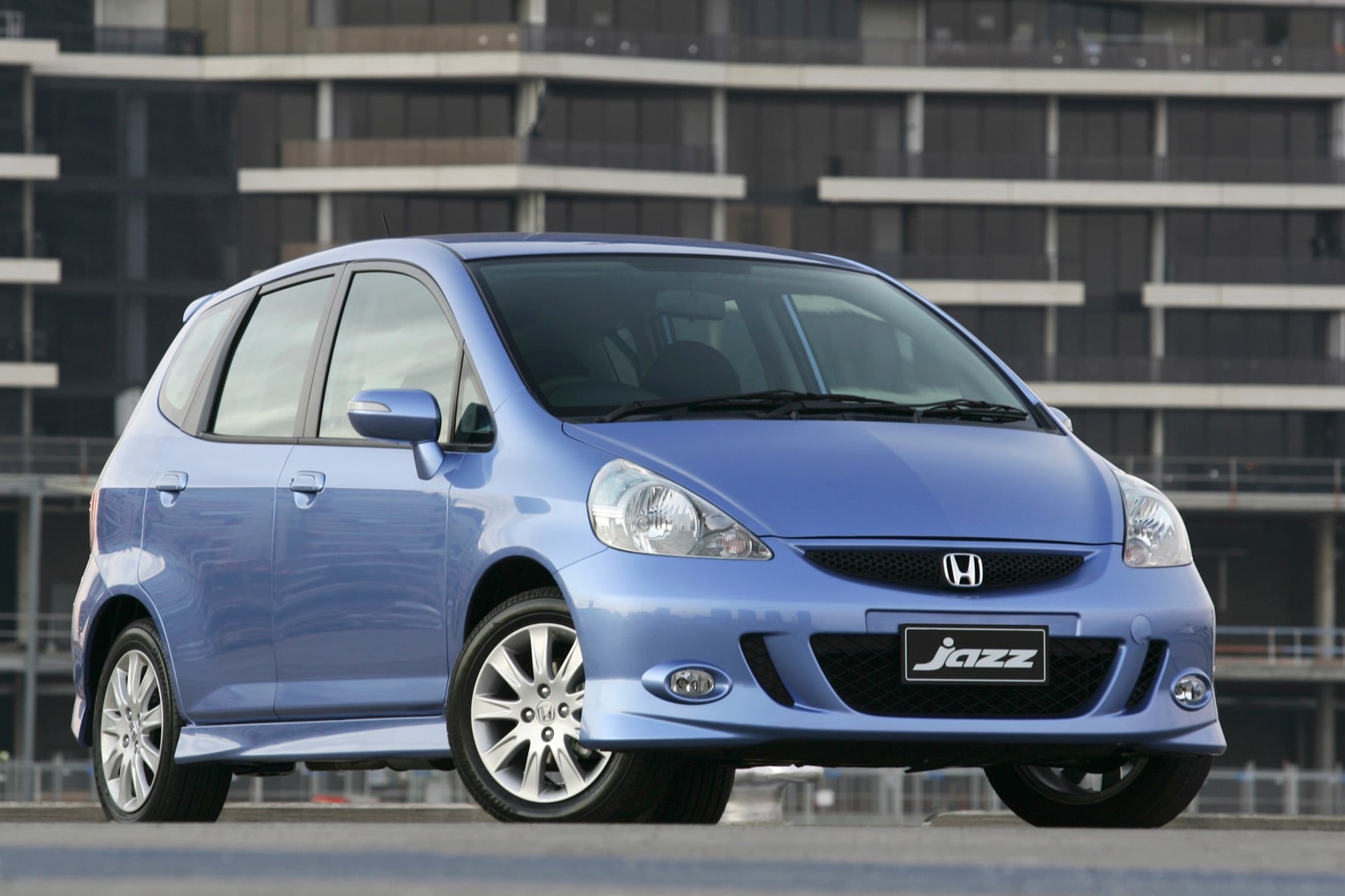
Few small cars are more practical than the Jazz. That’s the way it’s been since 2002, when the original was introduced locally, and it’s the same story today. They have a fierce following among owners because, at the time, no car delivered as much pragmatism for the money. You’d struggle mightily to find a model that demonstrates the difference between what buyers say they need and what they’re actually need quite like the Jazz.
Despite being sized like a conventional light hatchback, it was insanely versatile. Its clever centre-mounted fuel tank enabled Honda’s brilliant ‘Magic Seats’, with the bases of the rear pews flipping upwards so the seatbacks fold almost completely flat. Even now, many larger SUVs can’t match its usefulness.
It was also affordable, starting at comfortably under $20,000, economical thanks to its 1.3- or 1.5-litre petrol engines, easy to drive and amazingly spacious for something so small. Yet none of that could save it from Australia’s growing obsession with SUVs.
Honda discontinued the Jazz locally in 2021 as part of a major overhaul of its Australian business, despite a new generation being available overseas. Its role has effectively been absorbed by the HR-V – a small SUV that’s both larger and more expensive than the Jazz ever was. That’s the most frustrating part: we haven’t stopped needing practical small cars, we just decided that they needed to look a lot bigger.
10. Volvo V60 and V90
9
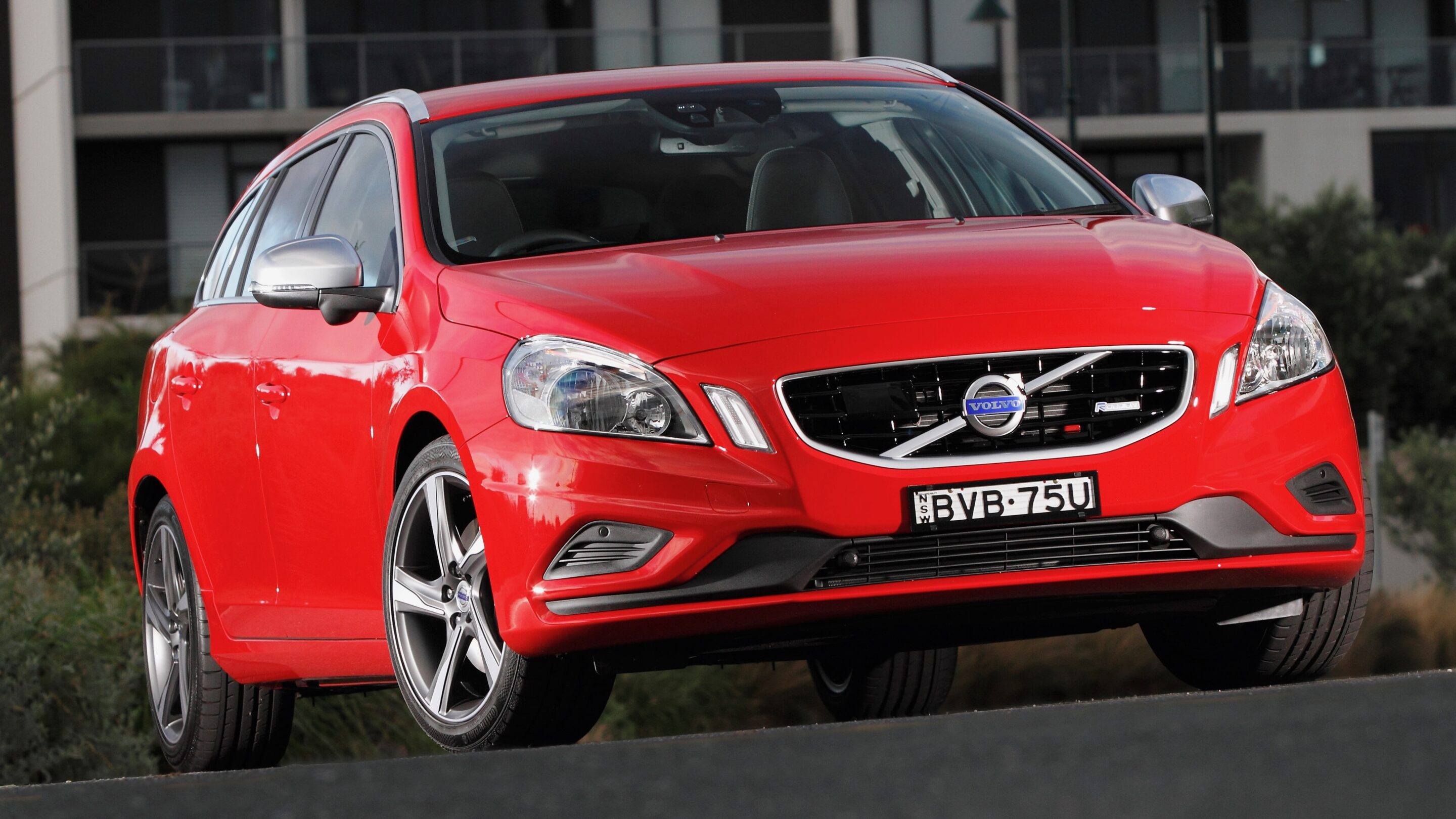
If there’s one body style the SUV boom has treated particularly cruelly, it’s the wagon, and few companies were more synonymous with wagons than Volvo. The iconic Swedish brand built its reputation on boxy, uber-practical versions, and recently reached the end of the wagon line with both the V60 and V90.
But even Volvo couldn’t resist the SUV and as we saw earlier this year, its XC60 mid-sizer became the most popular Volvo product of all time, eclipsing the 240 wagon. Locally, Volvo stopped selling the V60 in early 2025, with local stock cleared by the middle of the year, while the V90 stopped being imported in 2021.
Its XC40, XC60 and XC90 models have become increasingly successful, and now the brand that was partly built on wagons doesn’t offer one in its entire range. As an illustration of just how complete the SUV takeover has become, this takes some beating.
Is the traditional car really dead?
Thankfully, not quite, they still sell in reasonable numbers. The Toyota Corolla and Camry remain, as do the Mazda3, Volkswagen Golf, Skoda Octavia and Honda Civic. Electric newcomers have also breathed unexpected life into traditional body styles, with cars such as the Polestar 2, BYD Seal, Mercedes-Benz CLA and Tesla Model 3 proving there’s still demand for sedans.
More wagons are in development as manufacturers discover that an efficient EV doesn’t necessarily need to be shaped like an SUV, while we’ve also seen new small hatchbacks from China breathe new life into the cheaper end of the market. But there’s no escaping what’s happened over the past two decades both locally and around the world.
SUVs offer genuine advantages: they’re easy to get in and out of, provide the high driving position buyers love, accommodate families well and, increasingly, aren’t much more expensive or thirsty than equivalent passenger cars. We bought them in enormous numbers, so manufacturers built more of them, and then we bought those too. The result is a new-car market with greater choice than ever… provided the car you want happens to be an SUV.
The Falcon, Commodore, Mondeo, Liberty, Passat also fell victim to age, lack of profitability and other reasons entirely beyond changing consumer tastes. But the shift towards SUVs helped create a world in which replacing them no longer made sense.
For those of us who still appreciate a low seating position, or a wagon or a sedan that doesn’t pretend it’s preparing to cross a desert, our roads are significantly less interesting because of the change.
Follow WhichCar/Wheels on Google
Click the button below to make WhichCar by Wheels a preferred source for your news.

We recommend
-
 Features
Kia Australia's new model onslaught isn’t over yet: Here's everything the brand has coming up in the next 12 months
From a new hybrid Seltos to the next Sportage and more, Kia has plenty in store for Australian buyers through the rest of 2026 and into 2027.
-
 Features
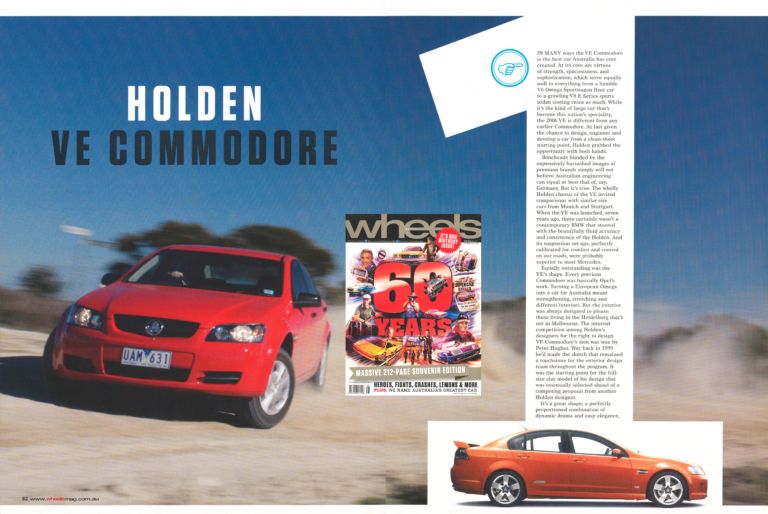
From the Wheels archive: Australia's greatest ever car is crowned in 2013
Wheels named the top 10 best and most important cars made down under to mark the bible's 60th birthday.
-
 Features
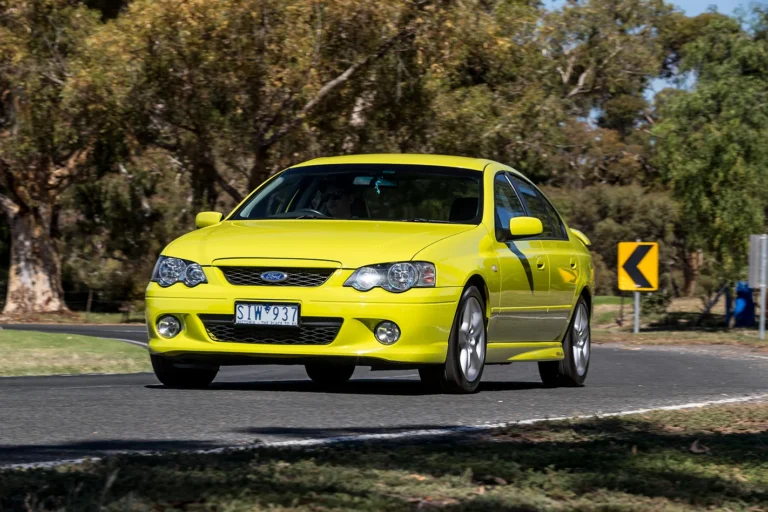
10 cheap cars you should buy now before everyone realises they're classics
The classic car market can be a fickle beast, especially when the cheap models that used to be junk suddenly become desirable, which begs the question: Which cars will be next?
