Features

Gallery 1
Before Apple launched its iPhone in January 2007, BlackBerry controlled half of the global smartphone market and had annual revenue of A$4 billion. Shortly after Steve Jobs revolutionised communications with the unveiling, BlackBerry’s co-CEO Jim Balsillie reacted by saying, “It’s OK – we’ll be fine.” He could not have been more wrong.
Volkswagen is starting to look a bit like the BlackBerry of the automotive world, and Chinese EVs are shaping as its iPhone. You can almost imagine the head honchos at headquarters in Wolfsburg saying “we’ll be fine” once the king tide of cheap, game-changing electric vehicles loomed on the horizon. And now the brand is paying the price in Australia and right around the world.

4
Go back to 2015 and VW was riding high down under. The marque had cracked a record sales figure of 60,225 for the year and you’d struggle to walk down a city street without spotting a Golf.
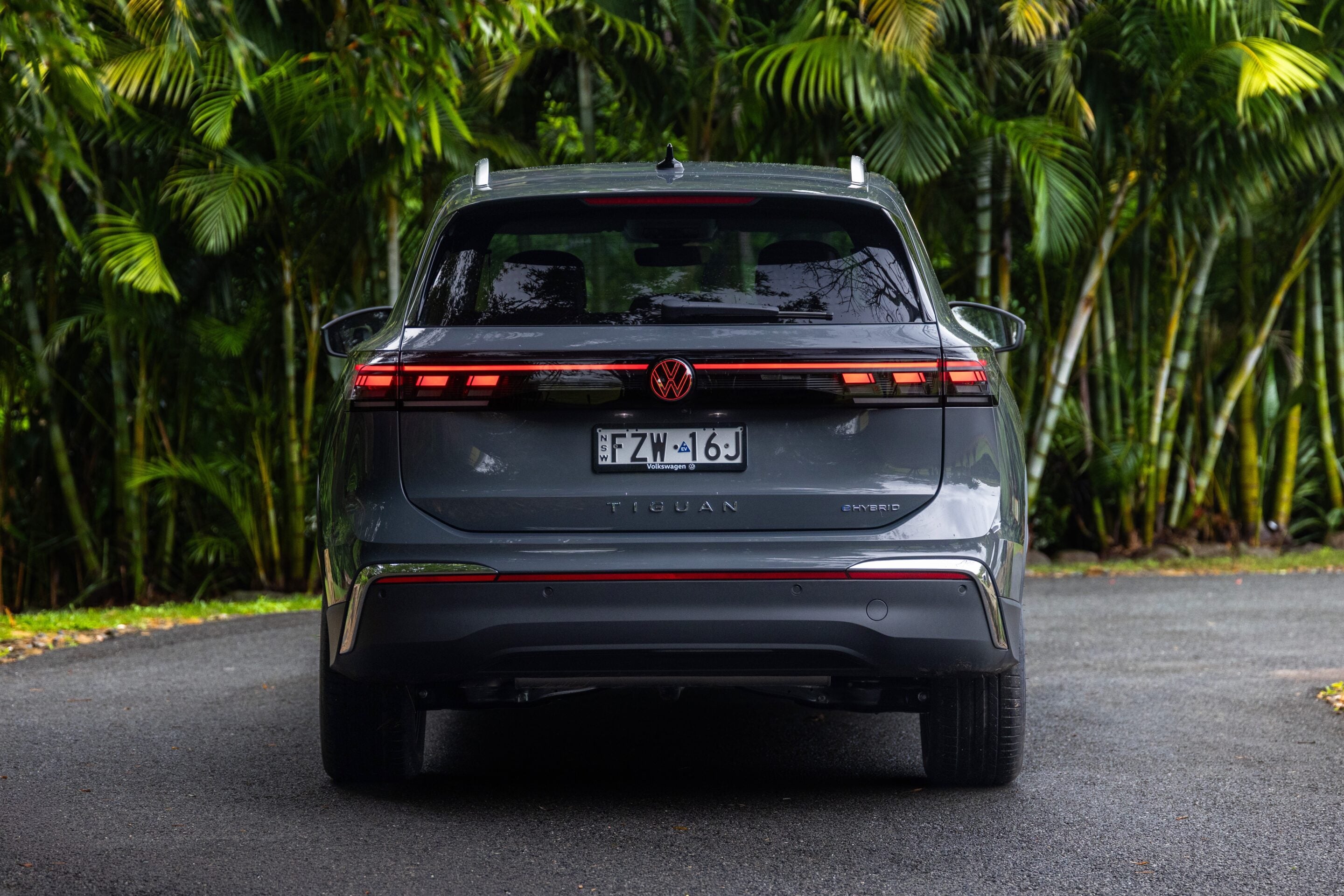
By May this year Volkswagen Australia director of passenger vehicles Piergiorgio Minto delivered a message with an ominous undertone at the launch of the company’s plug-in hybrid SUV range. VW’s sales had fallen to 36,480 in 2024, a drop of 16.8 per cent on the 2023 figure, and worse news was to come.
“We want to play a role in the Australian market and definitely a role that is not a niche or a role that is just very low in terms of volume,” Minto said. “Whenever you start selling less than 10,000 vehicles a year, you’re niche.”
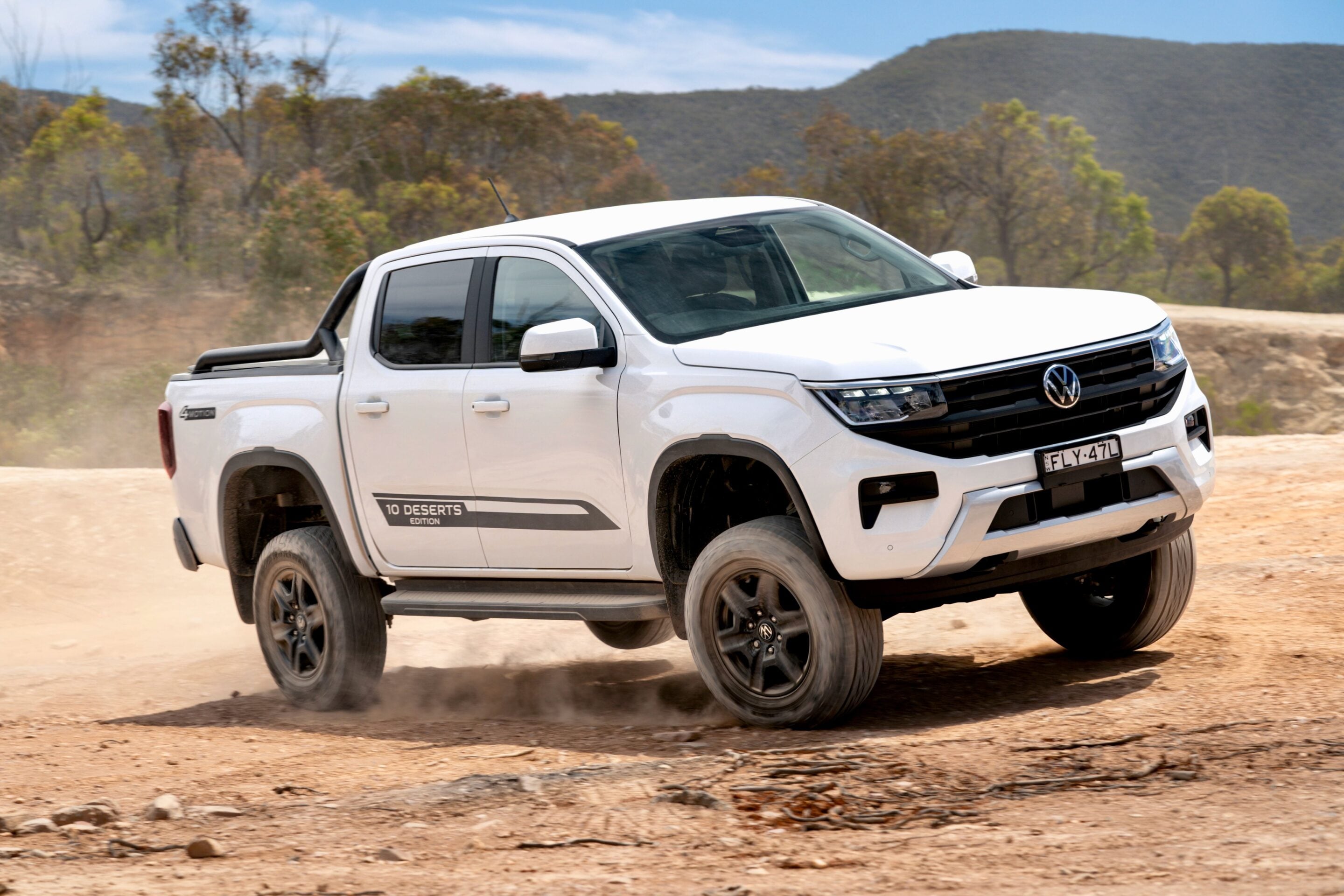
Just a few months later, sales figures for 2025 showed Volkswagen had sold 28,970 vehicles down under, a drop of 20.6 per cent from that awful 2024 result. If that trajectory isn’t corrected – and there are no signs of that happening right now – VW will, using Minto’s own definition, become a niche carmaker in Australia within the next five years.
Volkswagen’s image had already suffered a major blow by the time the 2015 sales record was achieved. In September that year, America’s Environmental Protection Agency announced that VW had cheated emissions tests with illegal software. The resulting scandal, dubbed “Dieselgate”, set the company back about $50 billion after it installed the programming on around 11 million vehicles.
5
Horrible as that was, the cost of Volkswagen’s current predicament is on track to be far higher.
VW’s share of the Aussie market over the first seven months of 2026 was 2 per cent, down from an all-time high of 5.2 per cent in 2014/2015. It has dropped out of the top 10 best-selling brands and been replaced by EV giants like Tesla, BYD, MG, Geely and Chery. The German colossus doesn’t make the list of the top 10 best-selling models, either. The Golf used to be a fixture there.
It’s much the same story in other, far larger markets. Sales in the USA declined by around 14 per cent last year, for example, and numbers in the all-important Chinese market fell off a cliff to the tune of about 26 per cent in the first half of 2026. Deliveries around the world were down 6.3 per cent in that timeframe as well.
However, it’s not like Volkswagen was blindsided by the global shift to electric cars. Former CEO Herbert Diess pushed aggressively for electrification and his plan for “the largest transformation in the history of Volkswagen” was backed unanimously by the board in 2020.
Diess, who even invited Tesla’s CEO to address executives in order to ram home his point about the danger posed by EVs, was gone by 2022 despite having three years left on his contract. His replacement, current CEO Oliver Blume, voiced a far more pro-internal combustion line when he took over. To him, synthetic fuels presented a great opportunity.
2
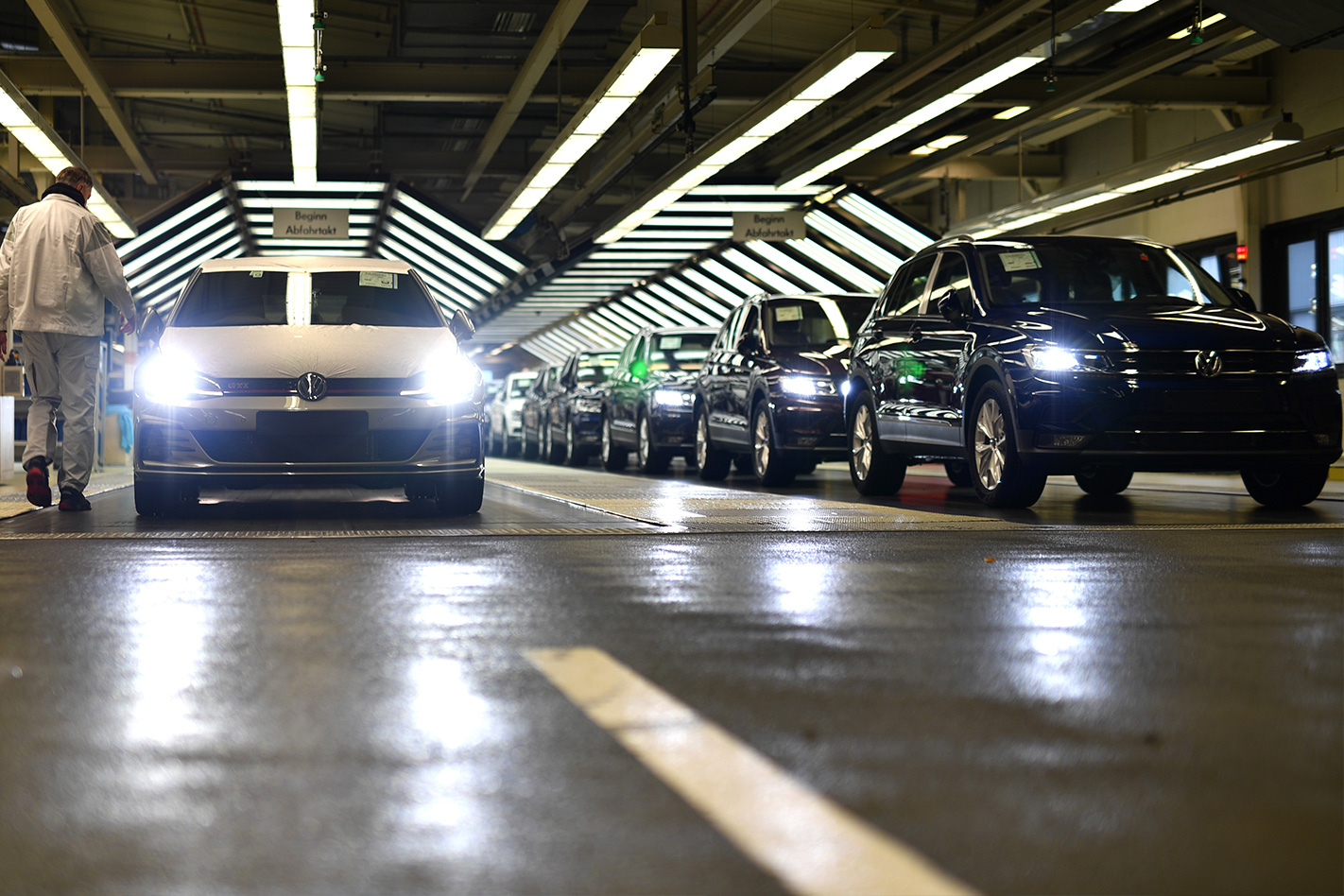
VW is an immense business, and trying to make it change course as Diess planned is like doing a three-point turn in an aircraft carrier. Compared to the Chinese brands that are eating its lunch, Vee Dub is a bloated operation that is lagging behind badly on the length of its product cycles, its product portfolio and, most importantly of all, costs.
Research by Citigroup, quoted by the Australian Financial Review, found that it costs VW $7616 to make a car in Europe. Its most efficient Euro rivals do it for $4030, and producing a vehicle in China costs as little as $2750. Citi’s analysts say Volkswagen workers in Germany make an average of $121 an hour, while their Chinese counterparts earn $24.
China’s carmakers can bring a new EV product to market far quicker than VW and other more established brands, whether they’re European, Japanese or American. And Aussies know all too well that even when a new Volkswagen model is launched, the delay in bringing it down under can be bewildering.
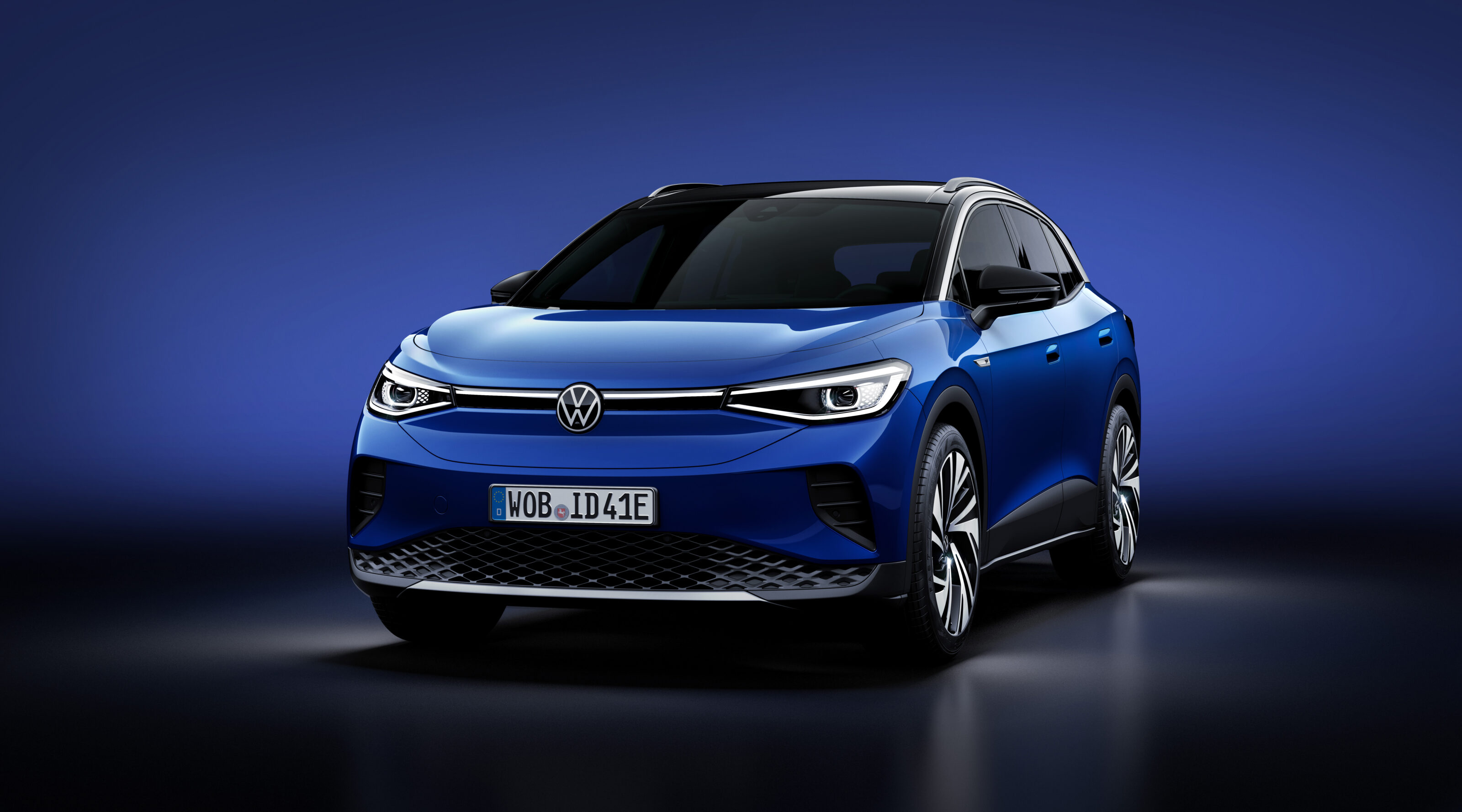
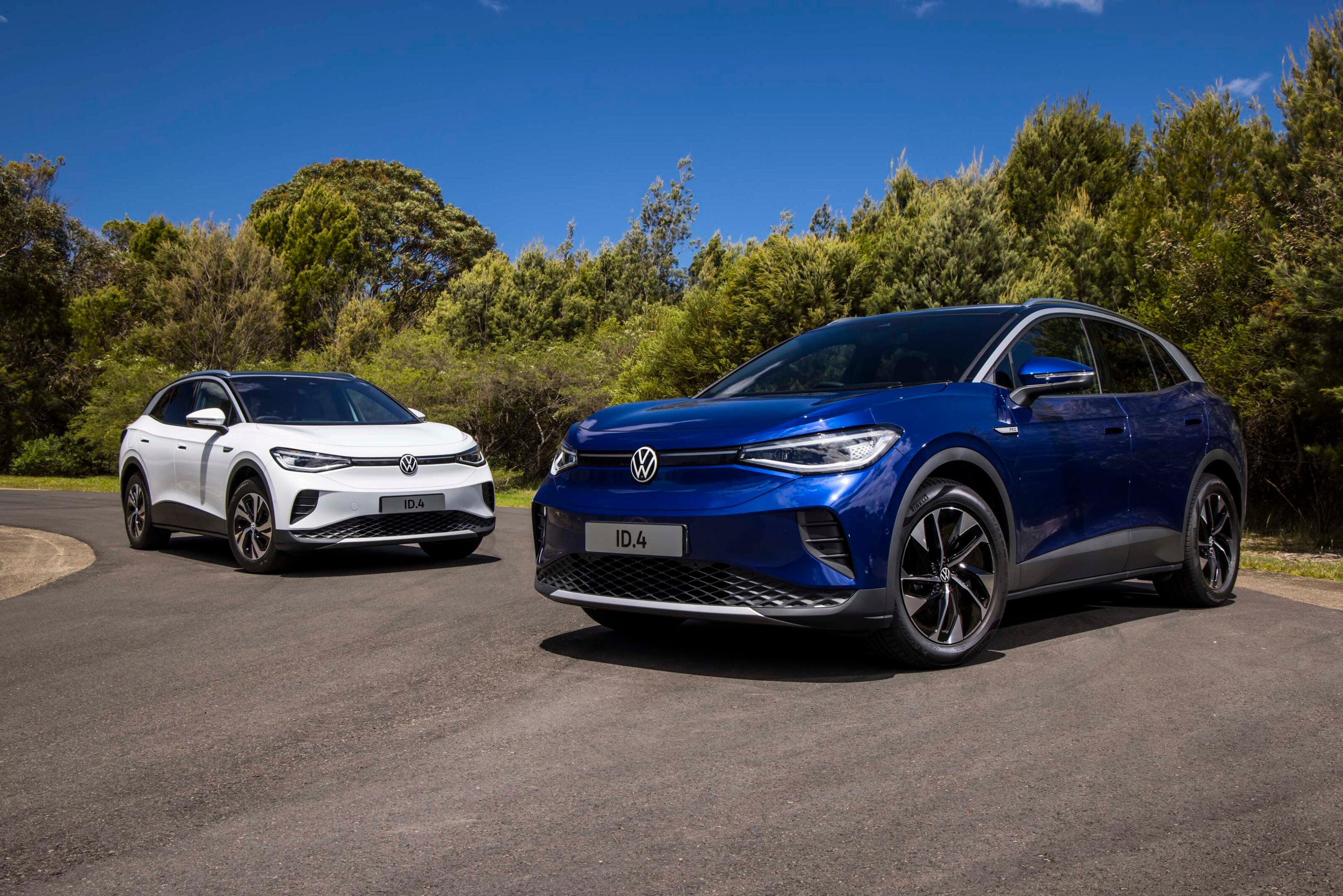
That was the case with the all-electric ID.4, which took four years to make it to our market after its global debut. This nugget from WhichCar by Wheels’ Australian preview drive of the ID.4 in November 2022 sums up the situation well: “Volkswagen has made a big song and dance about electric vehicles being the future, pushing for government mandates and infrastructure spending in Australia. And yet, the brand – as of right now – doesn’t sell an EV in this country. In fact, Volkswagen doesn’t even sell any kind of hybrid here. So, what gives?”
That question was still hanging over VW’s head in October 2024, when the company’s then-managing director for Australia, Karsten Seifert, said: “We do not have electric cars in the market yet so yes, it’s a great time to start. We have used the time in the right way, prepared the network, everything is ready to go, which is great for the customer. But I think I would not have minded also if we would have started a year earlier and [got] the new technology with the customers a little bit earlier.”
5
Seifert’s misplaced optimism is nowhere to be seen today. In August, CEO Blume told staff that the company’s situation is “more than critical” and admitted overhead costs are more than 30 per cent higher than those of its rivals. An absolutely brutal but imperative restructuring is underway.
In early September it was revealed that Volkswagen’s Future Plan 2030 will see the number of models cut by 50 per cent, with a 75 per cent reduction in model complexity to be achieved by eliminating many trim levels, options and low-volume derivatives across the group’s brands. The strategy will also reduce the number of vehicle platforms, electronic architectures and software systems across the group.
German factories and workers are facing a nightmarish future. VW admits its domestic manufacturing capacity exceeds demand by 500,000 vehicles a year. At least four plants in its home country are on the chopping block. Up to 100,000 staff worldwide, including management, are facing the axe. And the cost of all that? VW has priced it at almost $26 billion, according to Reuters – and who knows what that figure will swell to once the process is over?
At least one expert says the worst is yet to come. Felix Mogge, a senior partner in the automotive unit of global consultancy firm Roldand Berger, told Germany’s Manager Magazin that what VW and other major carmakers are experiencing is “not yet at the end of the flagpole”. The publication added that “the low point has by no means been reached yet”.
6
The VW Group has just streamlined itself and pocketed some much-needed cash by selling its stakes in Bugatti, Rimac and Italdesign, and it’s been widely reported that the Seat brand could be killed off altogether.
But that wasn’t enough to stop Volkswagen’s removal from the EuroStoxx 50, the leading blue-chip index for the Eurozone, after the company’s share price slipped by more than a quarter this year. VW has also just cut its 2026 profit margin outlook to just one per cent, leading to another fall in the stock price.
There are some green shoots. VW is making progress with its “in China, for China” strategy, for example, which is supposed to produce 40 new models for that market by 2030. In May, Blume said vehicles developed with Chinese partners like SAIC and Xpeng could be exported to places like Latin America, Asia and India.
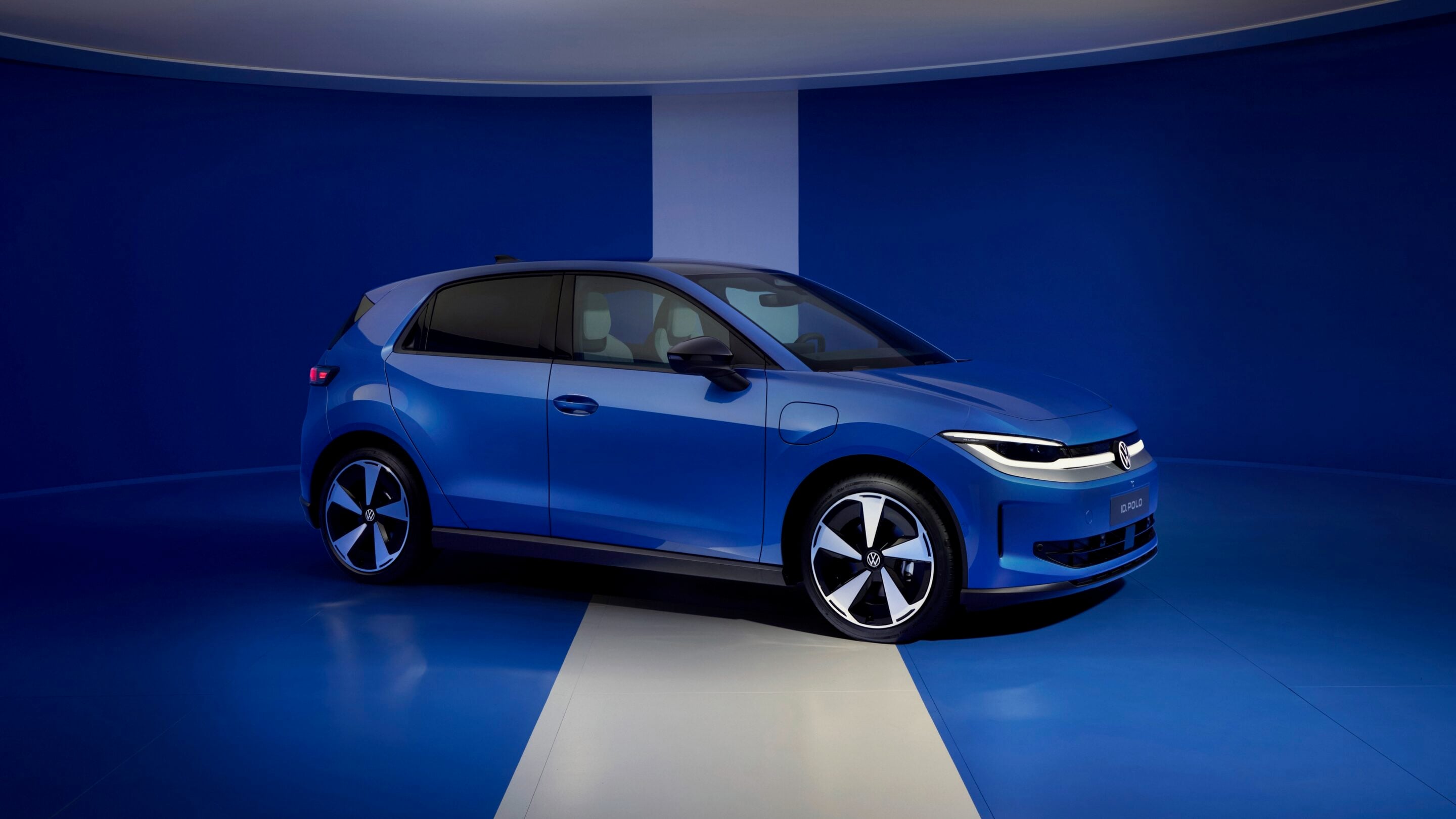
Then there’s the Mission Efficiency, which VW claims is the most efficient EV on the planet. The ultra-sleek testbed, which is near production status, has set world records as the most aerodynamic car approved for road use, and the most economical electric car in its class with average consumption of just 6.89kWh/100km. It’s testament to the fact that while Volkswagen is a troubled business, there is absolutely nothing wrong with its engineering and ability to push the envelope.
2
At the time of writing, there’s no word on whether any of those hopefully cheaper and more quickly developed vehicles will come down under. But as the risk of becoming a niche carmaker shows no signs of easing, VW says its immense struggles worldwide will not affect its Australian operations.
“Volkswagen remains committed to Australia and continues to invest in products, technology and customer experience. Australia is an important market for the Volkswagen Group, and our focus is on delivering a strong and competitive product portfolio,” VW’s Aussie arm said in a statement to WhichCar by Wheels.
“At a global level, the Volkswagen Group recently presented its Future Plan 2030, which is designed to make the organisation more resilient, efficient and competitive. This development has no immediate impact on Volkswagen’s operations or presence in Australia, and business continues as usual.”
Well, hopefully not completely as usual. VW’s Icarus-like fall since 2015 should put paid to that notion.
Follow WhichCar/Wheels on Google
Click the button below to make WhichCar by Wheels a preferred source for your news.

We recommend
-
 News
NewsVolkswagen’s list of under-threat models includes high-volume and surprisingly new models
News that Volkswagen may be preparing to cull underperforming models has firmed up, with a leaked list of vehicles that could be cut.
-
 News
NewsVolkswagen's drastic restructure plans hit a roadblock
Volkswagen's sweeping restructuring plans have hit a hurdle after the company's supervisory board rejected proposals for factory closures and deeper job cuts.