Features

Gallery 1
There is more turmoil in the car world in 2026 than at any time in Australian history, with action and excitement everywhere you look.
More than 70 brands – no-one has an exact count because things change so fast – are scratching and scraping for success in a showroom landscape that has changed beyond recognition in just a handful of years.
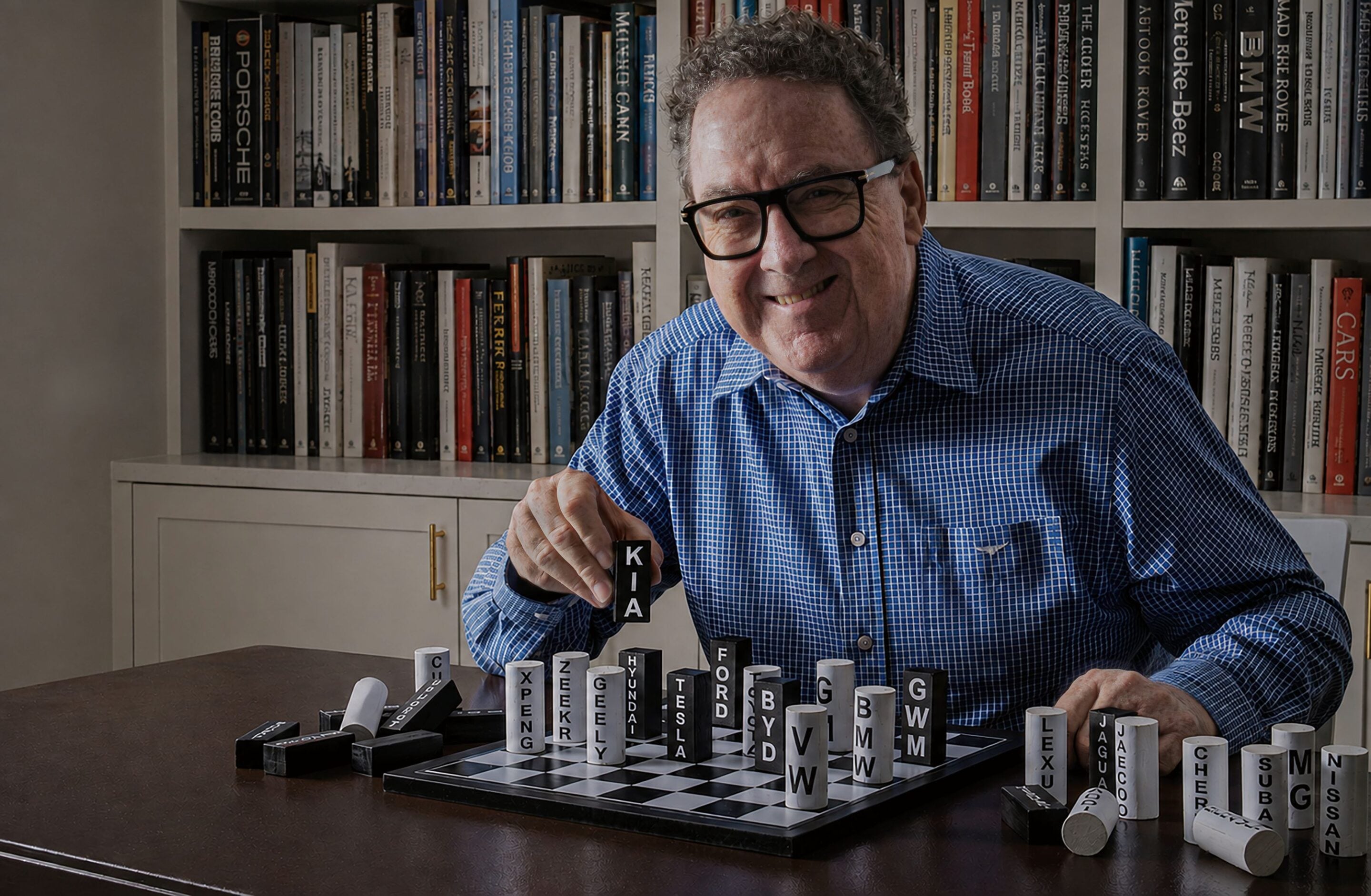
It’s like a giant chessboard, with the individual pieces fighting and falling in their battles to advance a couple of squares. It’s no exaggeration to say the strategic picture changes almost every day.
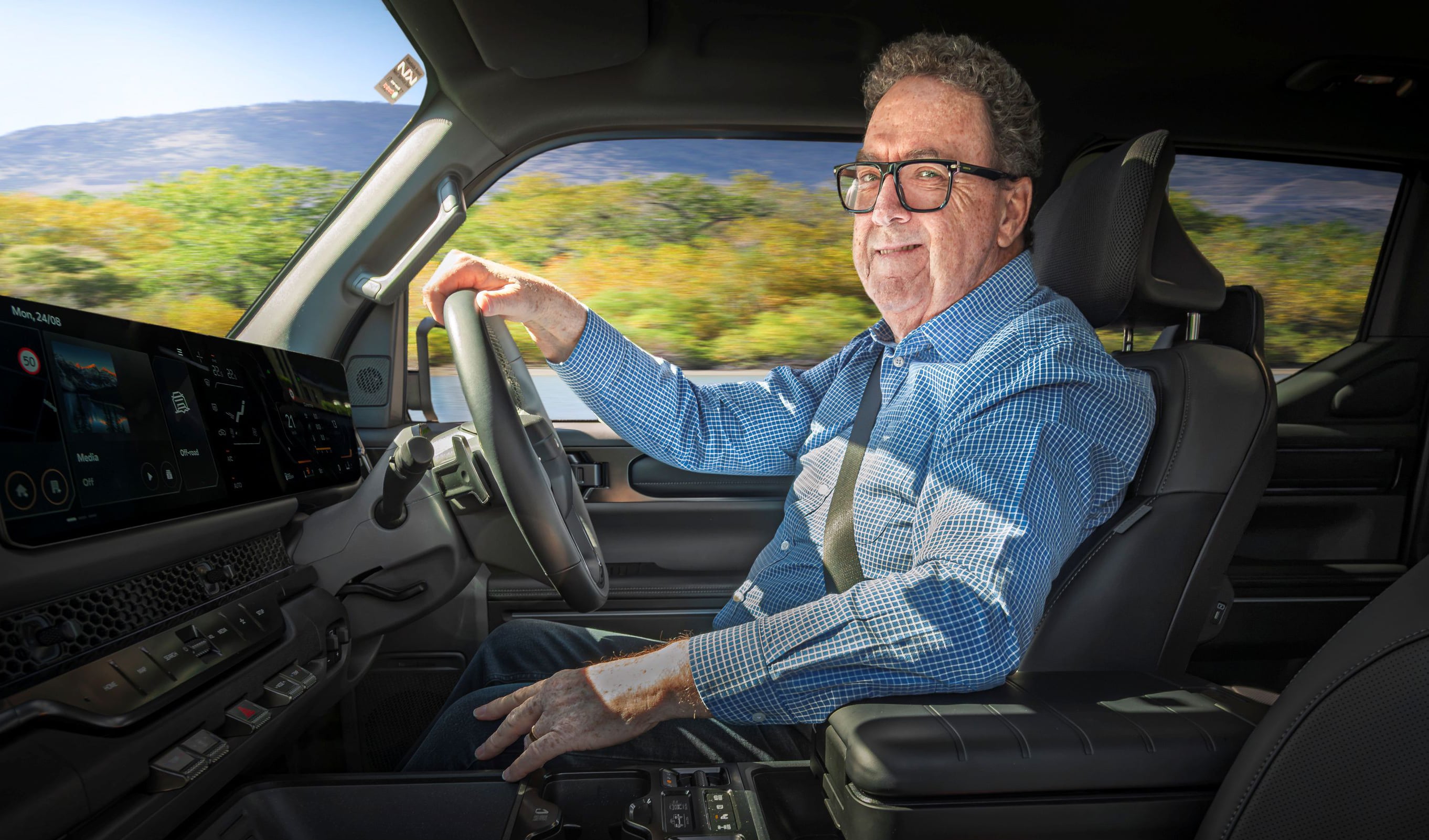
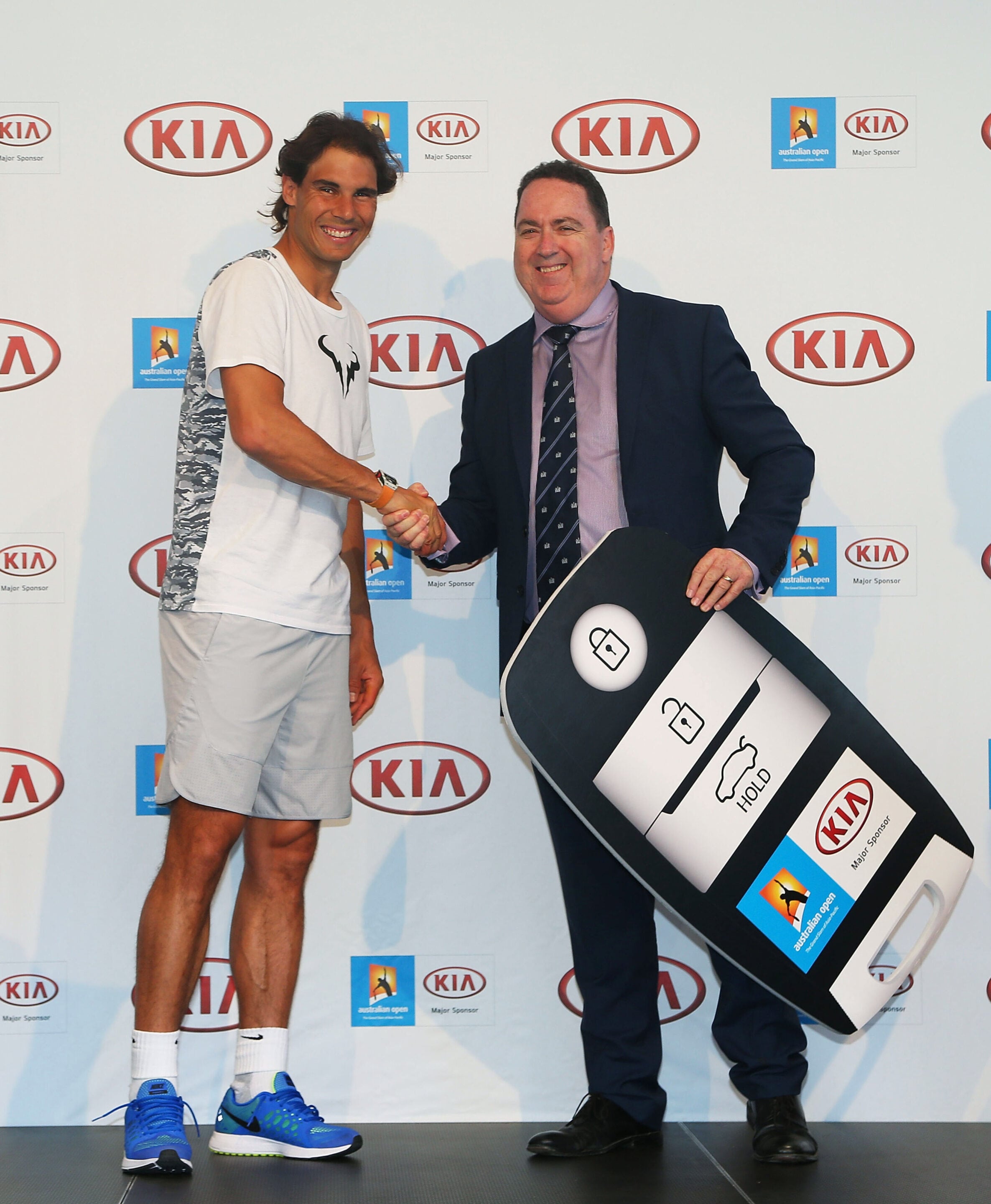
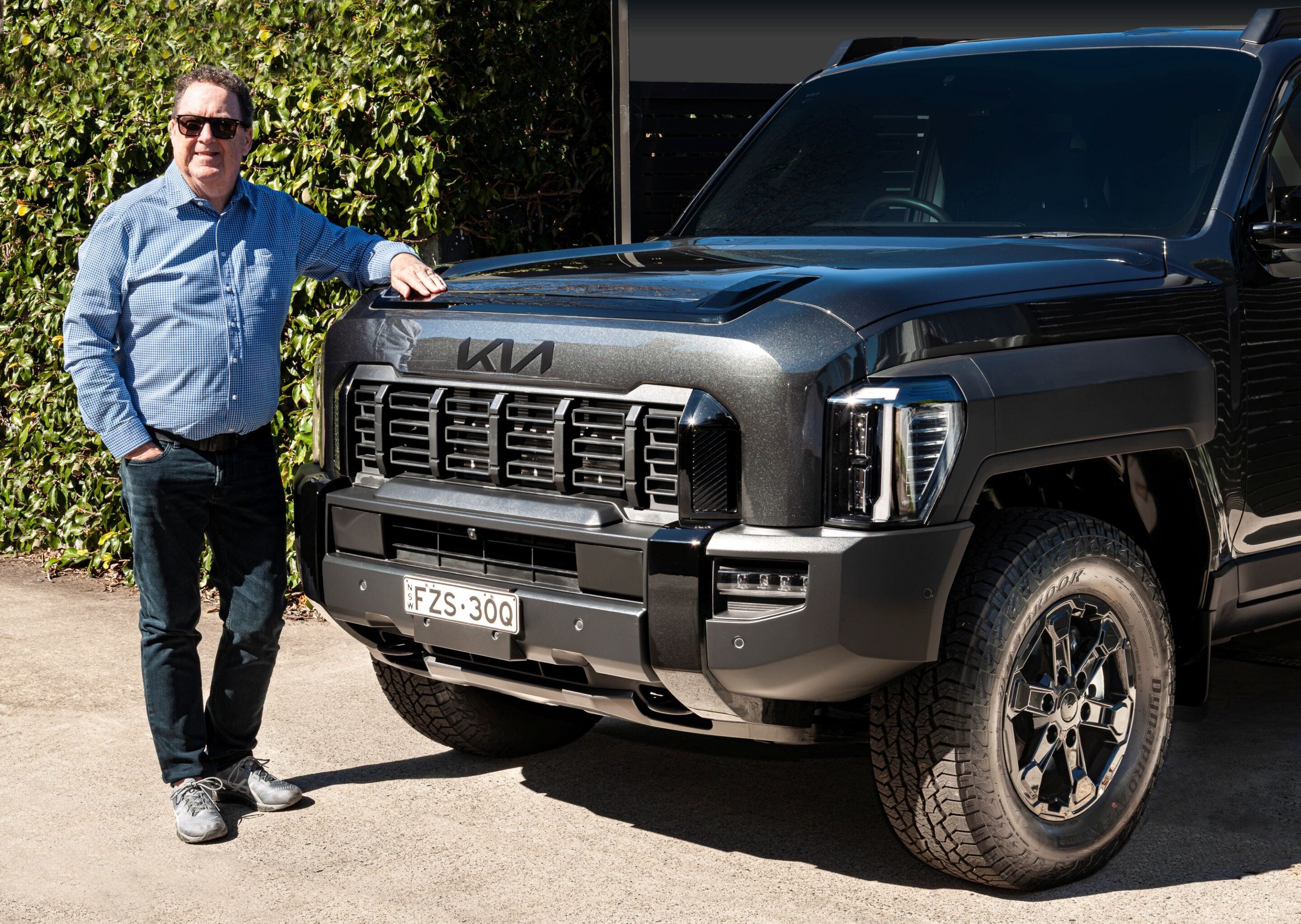
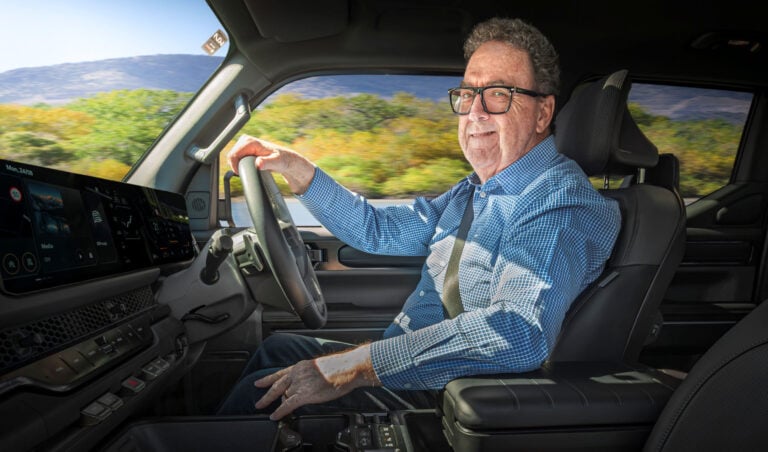
It takes a grandmaster to see the patterns and stay ahead of the game, planning and playing at the same time, and Damien Meredith is one of the best. He’s been a winner for more than 30 years and has just stepped out of the big chair at Kia Australia into a new role as ‘advisor’ to the Korean carmaker.
1
“When the Chinese tsunami started, about three to five years ago, we made a choice internally,” he tells Wheels. “We could roll up in a ball in the corner and complain and suck our thumbs, or work on refinement of the brand.”
There is no prize for picking which way he went.
Meredith confirms he is seeing a similar seismic shift to the one that first brought him into the car game in the 1980s.
“I’m a school teacher by undergraduate degree,” he recalls. “I was playing football in Melbourne for a VFA team, and the president had an HR (human resources) business.
“He said I would be better at sales and marketing than teaching. And he was correct.”
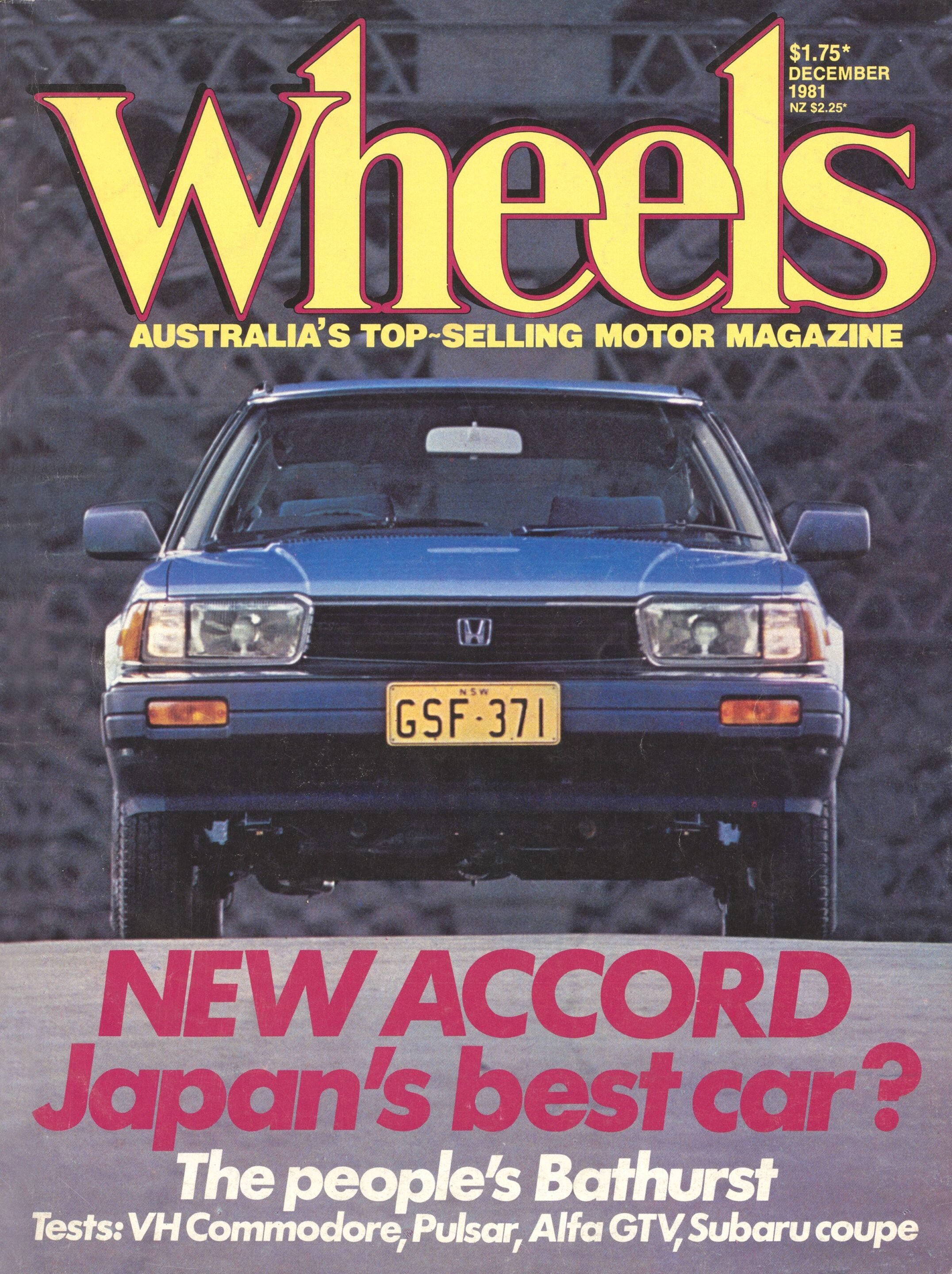
Meredith soon made the switch from the classroom to the showroom, starting on the bottom rung at Honda Australia in 1981.
“Honda was the sort of company where they gave young people great opportunity,” he reflects. “Every two or three years I had a new job.
“I was at Honda for a month where I was working in distribution. I was promoted to a motorcycle rep. That first step of moving out of distribution into the face-to-face situation, at 23, was confronting. But there were incredible learnings.”
It’s always been that way for Meredith, who has never been frightened of a challenge. It helps that he has a whip-crack memory and huge loyalty.
“I can tell you a funny story. The first day at Honda was pretty good, although moving from teaching to the commercial environment was challenging. But on the very same day, Phil Murray, who has now worked with me at Honda, Volkswagen and Kia, started work. He was fresh off the boat from Scotland.”
The reason Meredith originally went into teaching after high school is not one that anyone would expect.
“I’d been at boarding school for five years and I thought that would be a good faculty to meet girls. The female percentage was higher,” he smiles.
He met his first wife, Joanne, and they were “married for a long time”. She sadly passed away and he is now with Jenny and a Brady Bunch collection of seven kids. The youngest is five and the oldest is 36. He might have 69 on his personal clock, but the family helps keep him inspired.
1
“It keeps you young,” he says. “There are benefits and they are great kids. The new 64 is the old 54.”
He’s also been flat-out this year on renovations at the family home in Sydney’s upmarket Hunters Hill, and has a side hustle in horse racing.
“It’s not just about the horse or the jockey,” he says. “There is a lot more to it than that. Buyers, trainers, tracks.
“That’s my outlet. I’ve got shares in about 12 horses. It’s a great thrill, a great buzz. When they win it’s a great feeling.
“We’re lucky we’ve got a few good ones. They pay for the slow ones.”
There are obvious parallels with the car business, as he winds the clock back. Meredith’s car career moved quickly at Honda Australia (including an MBA paid for by the company) as he learned and progressed.
“I don’t think Honda was as structured as Toyota, which has advantages and disadvantages, but I worked in every department except service. Parts, product planning, marketing, sales. I got the full spectrum of experience before I was 35 years of age.
“I was very fortunate as a young man, being involved with Honda. They were winning a Wheels Car of the Year award every three or four years.”
His first big change was a move to Volkswagen in Australia, which at the time was transitioning from an independent importer with Inchcape Motors to a full factory operation.
“After Honda I moved to Volkswagen as general manager of sales, in the early 2000s,” Meredith recalls. “It was a pretty tough time. The product timing wasn’t great for VW in Australia. Golf 5 was still a few years off, and there wasn’t a great range.
“It was a difficult time, but a lot of learnings.”
The big change, and the big opportunity, came after just a few more years.
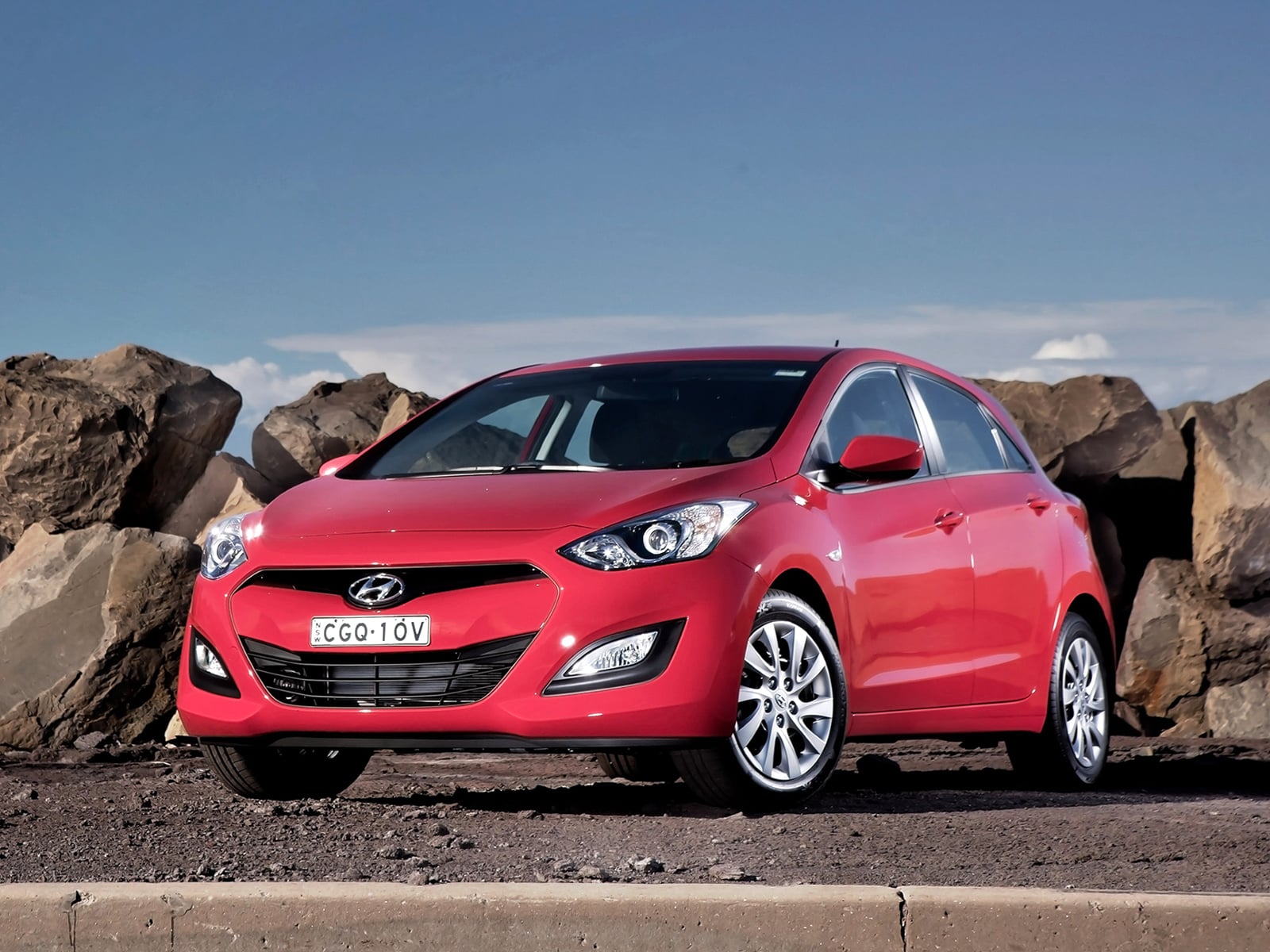
“I got a call and joined Hyundai in 2005. General manager of sales. “Working for a Korean company … it’s the 2R rule – respect and results. It’s a two-way street. That’s basically what working for the Koreans is all about. It’s about getting results.”
There are many ways to measure the success at Hyundai, from the quality of the cars and the brand’s positive reputation, to the building of a giant new multi-storey headquarters in the Sydney suburb of Ryde.
“It’s probably one of the greatest investments of all time,” says Meredith. “It’s probably worth 10 times today what it cost to build.”
Inevitably, however, success is measured mostly by the showroom totals.
1
“In 2005 we were probably 38,000. When I left Hyundai in 2014 we did 100,000. So double-and-a-half. It was serious growth.”
Then came another call-up from Korea to switch from the blue team to the reds, as the Hyundai Group had identified Meredith as the person who could – and would – lead a similar Down-Under drive by Kia. How did it happen? Not by any traditional recruiting process.
“I didn’t have a choice,” Meredith laughed.
“It’s a great story. I got a telephone call on a Friday night, about eight o’clock, and I was in Melbourne watching an AFL game. I was asked ‘Are you alone and can I talk with you?’ There were 85,000 people there.”
He was presented with the chance to become Chief Operating Officer at Kia Australia and headquarters needed an answer – fast.
“I had until Monday.”
It was, of course, a no-brainer for Meredith but also typical of his career. Always thinking ahead, looking for opportunities.
“I’ve always respected the quick-and-nimble component. I met the CEO on Monday and started work the next month. Ten days.”
Meredith’s focus, starting from May 19 in 2014, was to supercharge the sales at Kia.
“I’ll be quite honest. In my time at Hyundai, Kia wasn’t on the radar at all,” he began.
“When I went across, specifically after the first month settling in and reviewing the situation with the staff, it wasn’t a good time for the brand.
“Specifically, I had a three-point strategy: fix the brand, fix the dealer network, and fix the internal structure.”
Those moves took time but they quickly began to pay off.
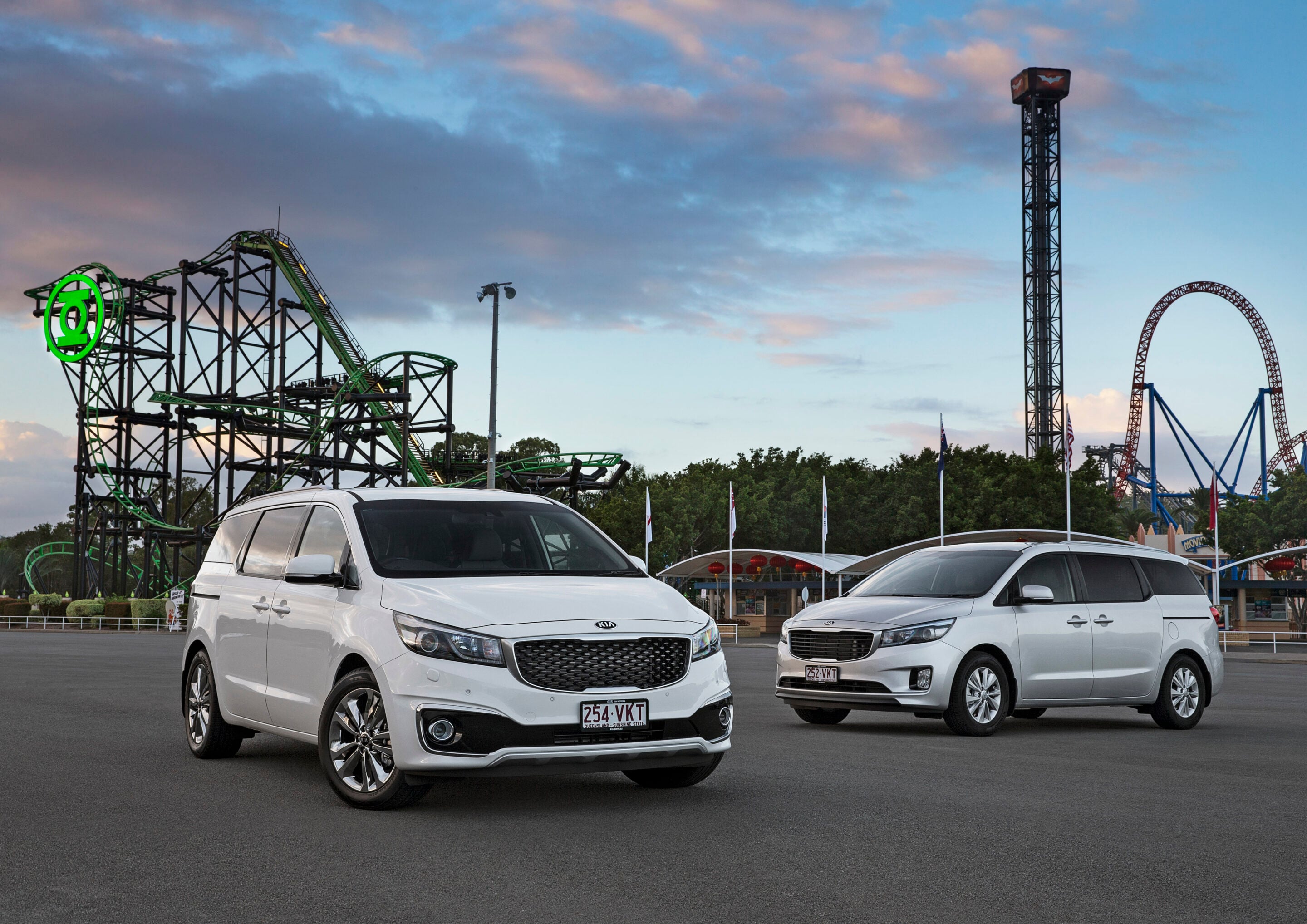
“We got a bit of growth in 2015, 28,000 to 32,000. Then things started to work. Good product started to come through and we took advantage of that.
“We started to take a more aggressive approach and a more upmarket approach with the Australian
Open (tennis) and how we presented product. It was busy, it was tumultuous. But it grew the brand, and grew the sales.”
1
Kia was rolling with lots of impressive new models, but it was also helped by disasters – the Global Financial Crisis and a tsunami – which hit the Japanese brands it was targeting as customer conquests.
“There is one common factor about the motor industry.” says Meredith. “There are lots of reasons for success, but the major reason is good product.”
The numbers were a reflection of the improved cars, but also Meredith’s planning and shrewd moves – including 45 dealership changes in the early days.
“I think the happiest day I’ve ever had, and there’s been a lot, was when Kia went through 50,000 cars in 2017. That was a great day. We were supposed to get 50,000 by 2020 and we were two years ahead of schedule. That, to me, showed the brand was accepted in the Australian market.”
But it wasn’t all happiness and light. Meredith knew Kia needed a pick-up truck for Australia and he drove the project ute hard with Korea. So hard that he had written warnings from headquarters for talking about the project.
“Formal warnings? Two,” he recalled.
“That’s alright. One thing in a senior role is you’ve got to talk about the brand you represent, but you’ve got to be honest and realistic. It was a seven-year germination.
“I think Tasman will still be a success. But it’s just taking longer than we all thought. I actually like that industrial design, but it probably needs to be softened a little bit. The other thing is engine choice. It needs a hybrid choice and then it will go bananas.”
Away from Kia, Meredith has thoughts on many things around motoring in Australia, and the triggers for major change in the industry.
“I think it’s two things – the NVES and the surge of the Chinese in the last five years.
“The third would be the decline of manufacturing in Australia. It’s sad that a country can only have civil engineers rather than an array of engineers.”
1
Meredith has made some inspired – and inspiring – moves on the automotive chessboard, but he is still looking to the future and preparing for the biggest shift in living memory. It’s all about the Chinese invasion.
Surprisingly, he’s not forecasting any sort of implosion or decimation for existing brands. He believes there is a way for non-Chinese marques to survive.
“It looks like within the end of this decade, 60 per cent of sales will be Chinese. They are saying it’s 2032, but I think it will be sooner than that,” he observes.
“It’s not armageddon. It’s competition. It’s opportunity. Is it going to take a lot of work? Bloody oath it will. If it’s a 1.2-million market, and the Chinese have got 720,000 cars, what you have to do is look at the segment that’s left. Say, 500,000.
“You’ve got to set your strategy to that. You know what the Chinese are going to do. There is still a pool of cars – so you have to ask yourself how to get your share. It’s not the death of other brands from other countries.”
And what about Meredith’s future? Does he see himself being lured into the Chinese orbit to help a start-up in Australia?
“No, I don’t. Never say never, but … I’m not sure it would be value to me or a Chinese brand,” he says.
“I’ve been really very fortunate to work for the Japanese, Germans and the Koreans. My personality, and my belief parameters, work really well with the Koreans.”
2
He is now working through a 12-month contract with Kia, finishing his renovations, and enjoying family time.
“I’ve been busy. And poor,” Meredith laughed.
“I’m really, really happy that I was given a huge opportunity for 14 years. In total, 21 years with the group. Not many people get that opportunity.
“But you can’t stay in the chair forever. There’s got to be movement, there has got to be change.”
So, what’s next if it’s not Chinese?
“I’ve still got twin daughters who are very young. I’ll still be working in some shape or form. But I haven’t decided what road I will take.
“I love work. I love having an active mind. And I do like making decisions.
“Most people I’ve spoken to, and who I have respect and time for, give the same advice: ‘Don’t stop, keep going’.”
Follow WhichCar/Wheels on Google
Click the button below to make WhichCar by Wheels a preferred source for your news.

We recommend
-
 Features
The Wheels interview: Rob Trubiani, Australia’s tuning wizard
Rob Trubiani cut his teeth at Holden but now with GWM, is recognised as one of the engineering masterminds who give imported cars their much desired ‘Aussie tuning’ to appeal to local buyers. He spoke with Paul Gover.
-
 News
NewsEx-Kia Australia boss: Traditional brands have just 'three years' to work out survival plans in battle with Chinese upstarts
Kia Australia’s former boss Damian Meredith predicts Chinese brands will force established carmakers to consider how they survive here in as little as three years.
-
 Reviews
Kia EV4 Earth review: Daring medium sedan shakes things up
The Kia EV4, the first electric vehicle from the Korean brand that isn’t an SUV, cuts an imposing, if polarising, figure on the road