New Honda Civic launches into the Australian market today, starting at $49,990 driveaway
Two e:HEV hybrid variants introduced, making the Civic a 100 per cent hybrid offering in Australia
Advanced in-car technology across the range, including Honda SENSING and next-generation Honda Connect D48 with Google built-in D64 as standard
5 Year unlimited km Warranty, 5 Year Premium Roadside Assist, 5 Low Price Services for $199 per service and 3 Year Honda Connect D48 Subscription as standard
For more than 50 years the journey of many Australians as motorists has started with a spin behind the wheel of a Honda Civic.
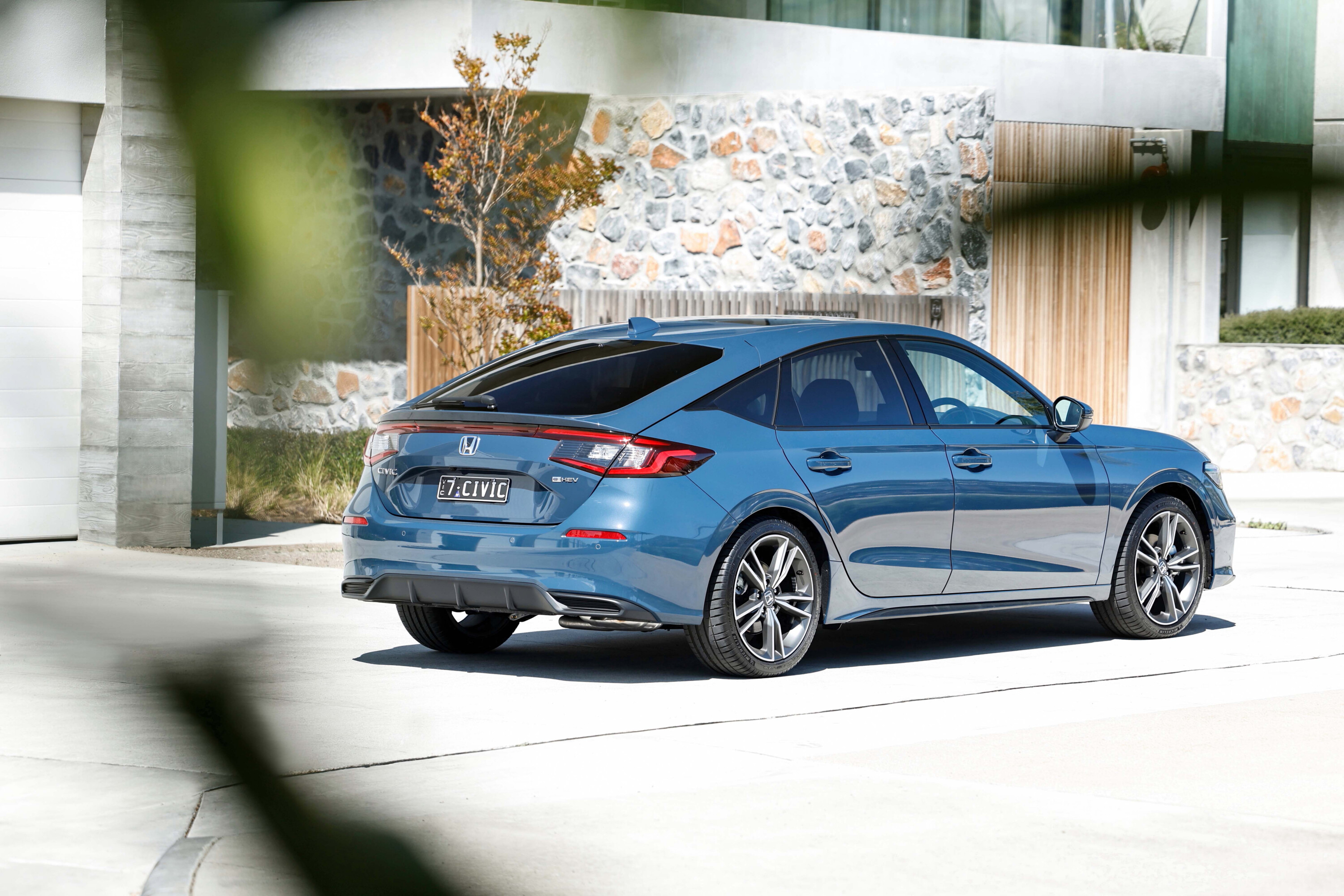
But in recent times Honda has tried to reposition the five-door hatchback as less entry-level, more upmarket, a mission which arguably reaches its zenith with the latest generation of two e:HEV hybrid variants – e:HEV L and e:HEV LX – making the Civic now a 100 per cent hybrid offering in Australia.
Besides the hybrid powertrain, new tech, interior improvements and tweaks to the exterior design are the key take-outs from the relaunch.
1
Exterior and powertrain
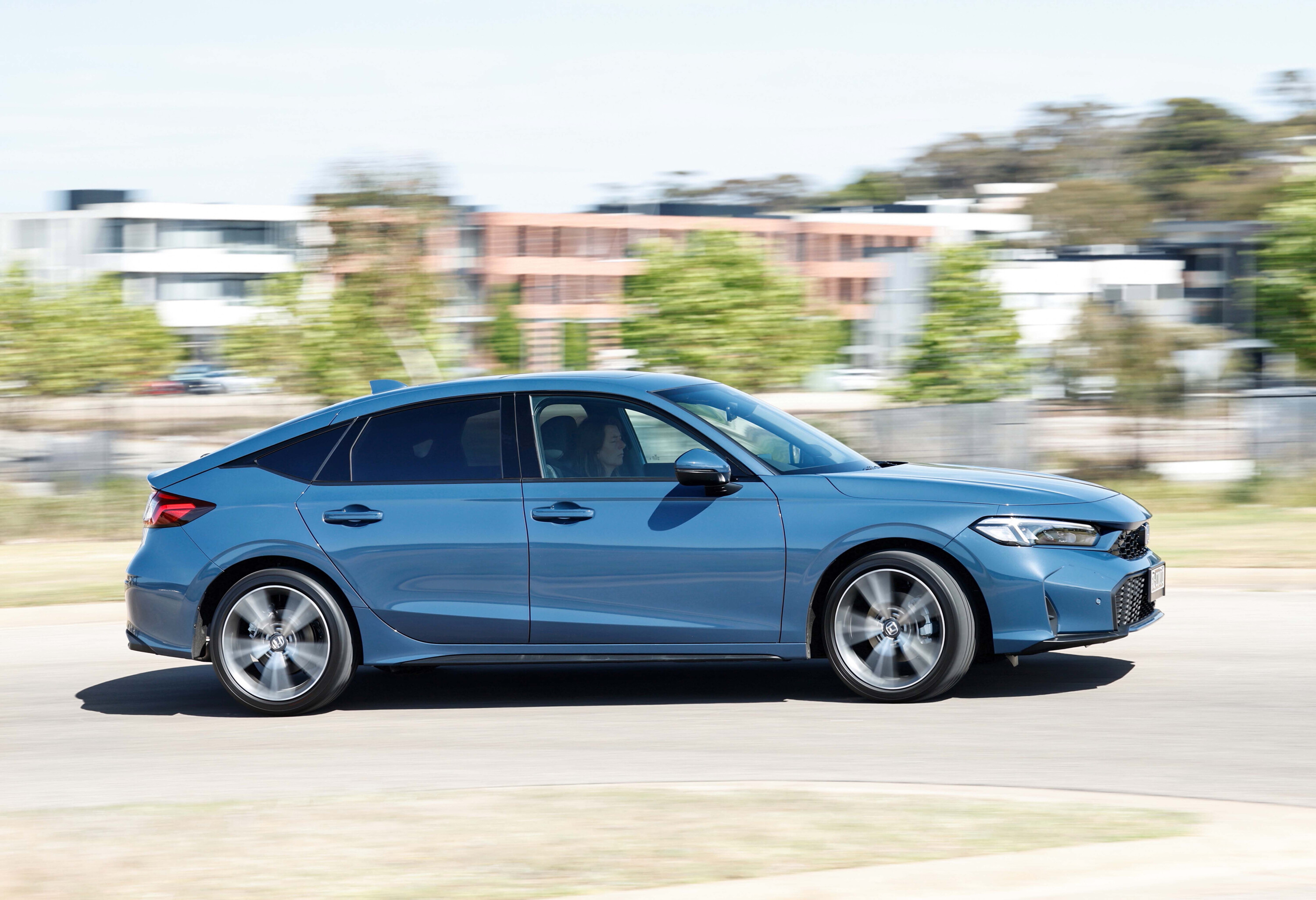
A redesigned front bumper, body-coloured lower headlamp garnishes and new 18″ alloy wheels are part of a sportier profile Honda seek for the updated favourite.
Under the bonnet is a 2.0L direct injection engine with two electric motors delivering more instantaneous acceleration in the form of 135kW of power and 315Nm of torque. Fixed gear transmission, under the control of an intelligent power control, minimises mechanical friction through four driving modes, Eco, Normal, Sport and a new Individual mode.
In Sport mode, power steering calibrations are optimised for increased steering feel, Normal mode is set for a balance between fuel efficiency and driving performance, Econ relaxes throttle response to prioritise fuel efficiency, while the Individual mode empowers the driver to select individual settings including engine responsiveness, steering feel and gauges.
1
Safety and other new tech
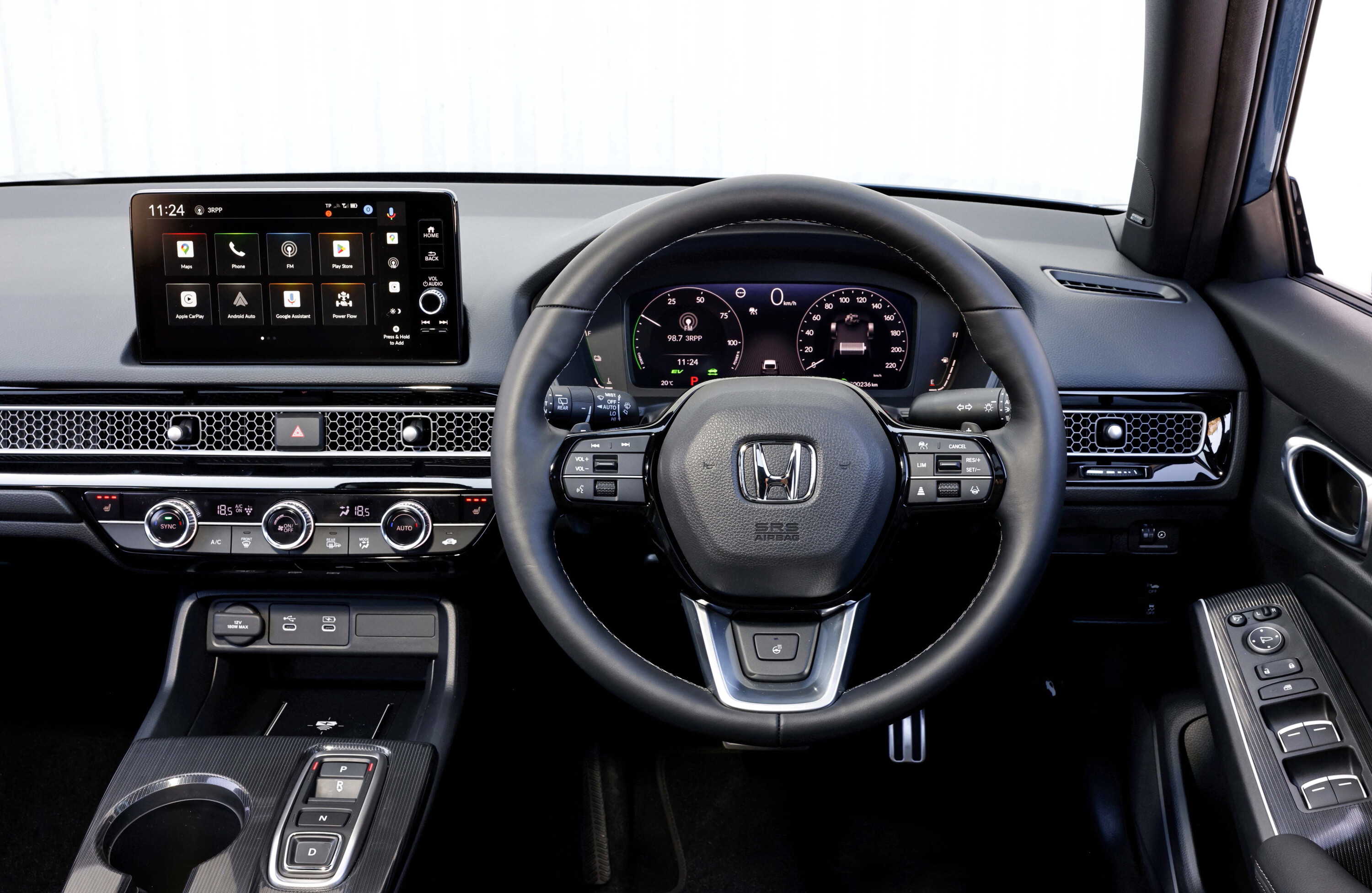
The Civic’s upgraded tech offering is boosted by the inclusion of Google built-in D64, including Google Assistant, Google Maps, other Google Play apps and services, as well as integration of navigation and live traffic updates.
Next-gen Honda Connect D48 with a more user-friendly interface and improved response time is also included.
Also standard are advanced active and passive safety technology including Honda SENSING, safety and driver-assistive technology delivered via front camera software.
2
This newly updated Honda Civic delivers the sleek silhouette and sporty performance that our customers know and love
“Since the launch of the first-generation Honda Civic in Australia over 50 years ago, it has earned a strong customer following, spanning across generations of Honda loyalists,” said Honda Australia’s Vice President and Director, Ms. Carolyn McMahon.
“This newly updated Honda Civic delivers the sleek silhouette and sporty performance that our customers know and love all whilst keeping in line with its legacy of introducing innovative technology with Google built-in D64 as standard.”
Australian Pricing
2025 Honda Civic hybrid
Variant
e:HEV L
e:HEV LX
Price
$49,900
$55,900
Engine
2.0L DI Engine + 2-Motor Hybrid System
2.0L DI Engine +2-Motor Hybrid System
Drive
2WD
2WD
Seats
5
5
*Pricing excludes state/territory incentives for hybrid vehicles where applicable. (Current indicative pricing as of 28th Nov 24 is $49,345 in QLD and $49,382 in ACT)
*Pricing excludes state/territory incentives for hybrid vehicles where applicable. (Current indicative pricing as of 28th Nov 24 is $55,289 in QLD & $55,264 in ACT)
The model, first released in Korea in March 2022, was the third EV in the Genesis lineup, following the introductions of the Electrified G80 and the GV60. Its first substantial re-design reflects the brand’s ‘Athletic Elegance’ design concept, both inside and out.
1
New exterior design details
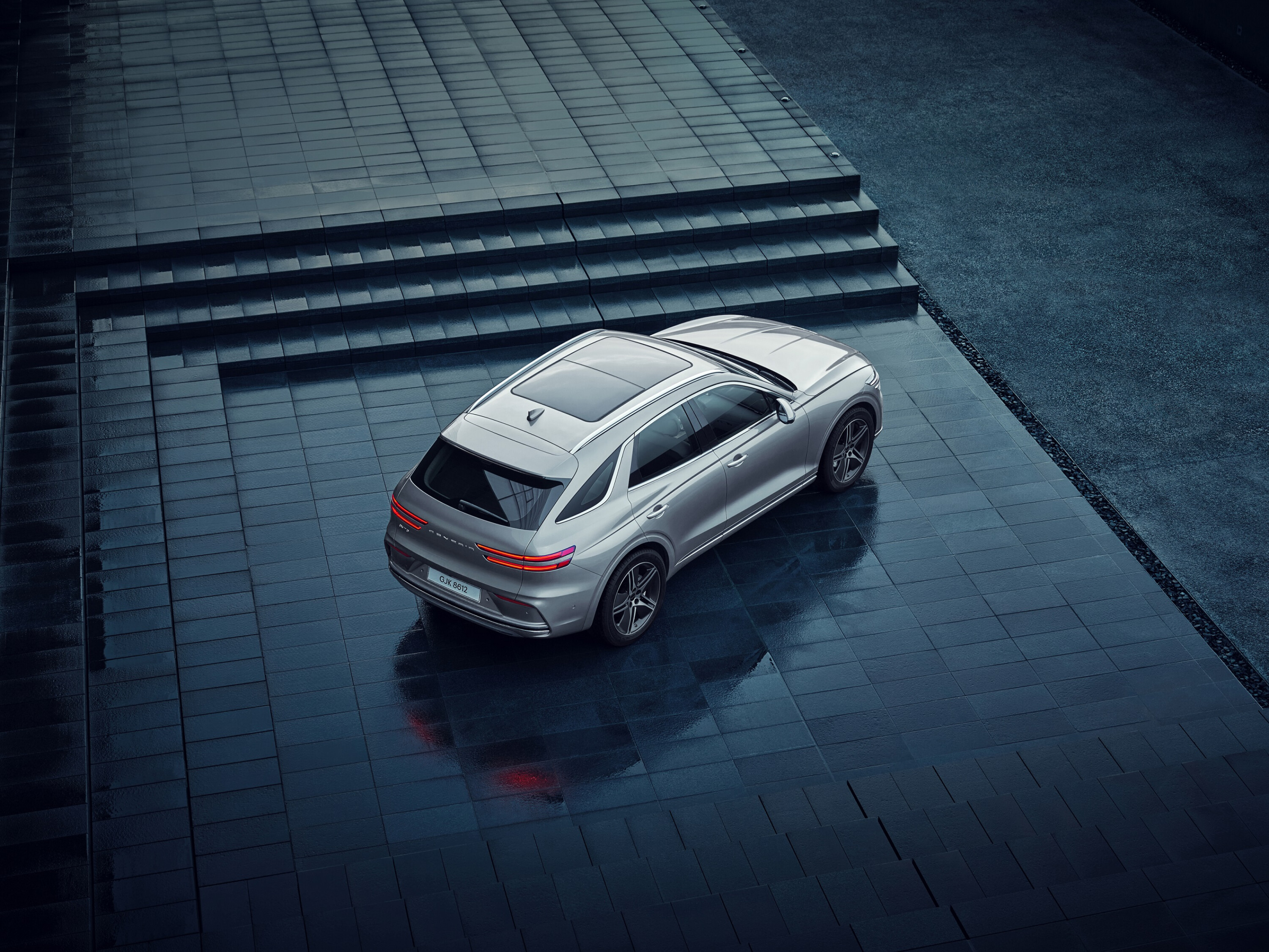
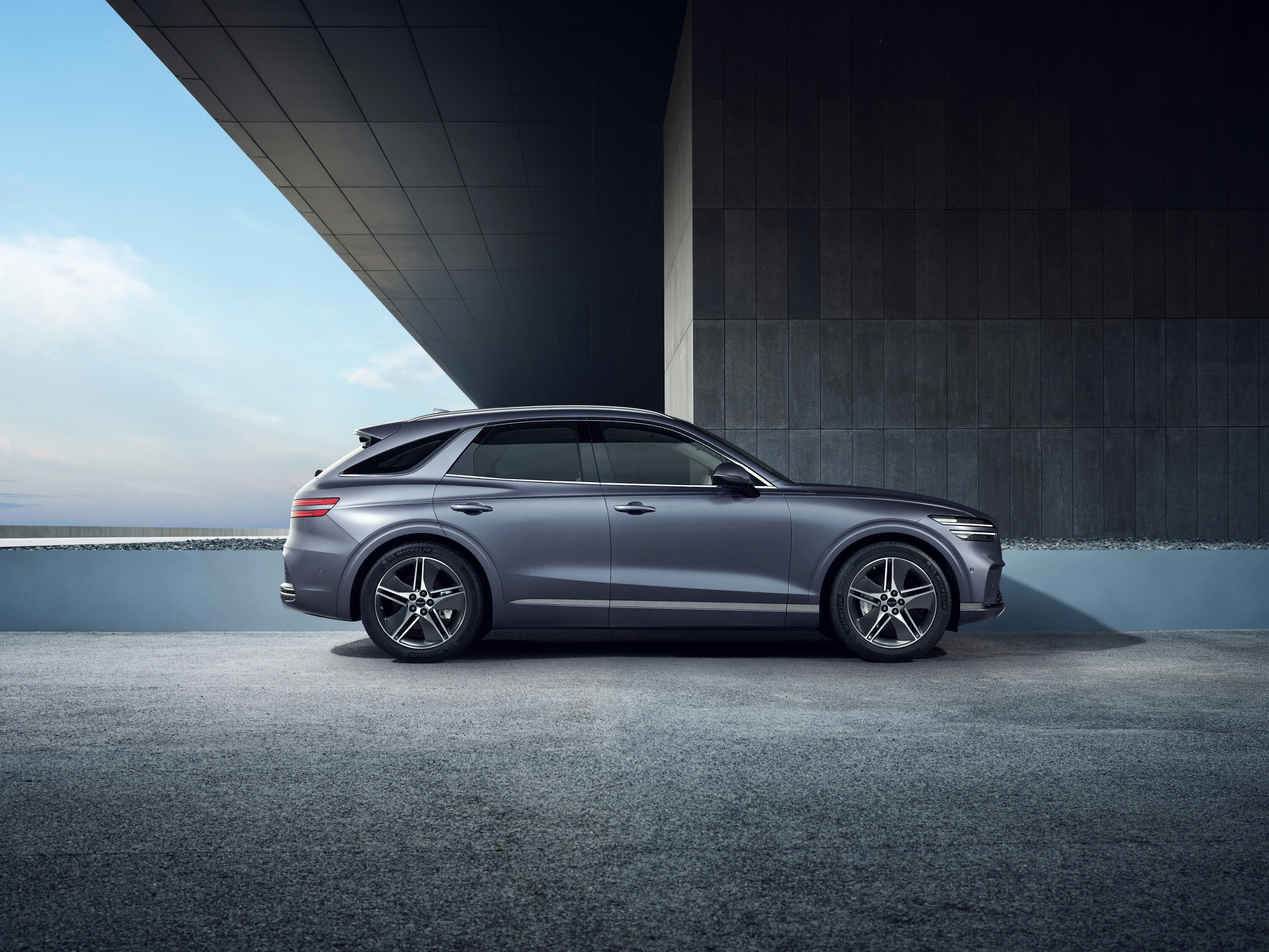
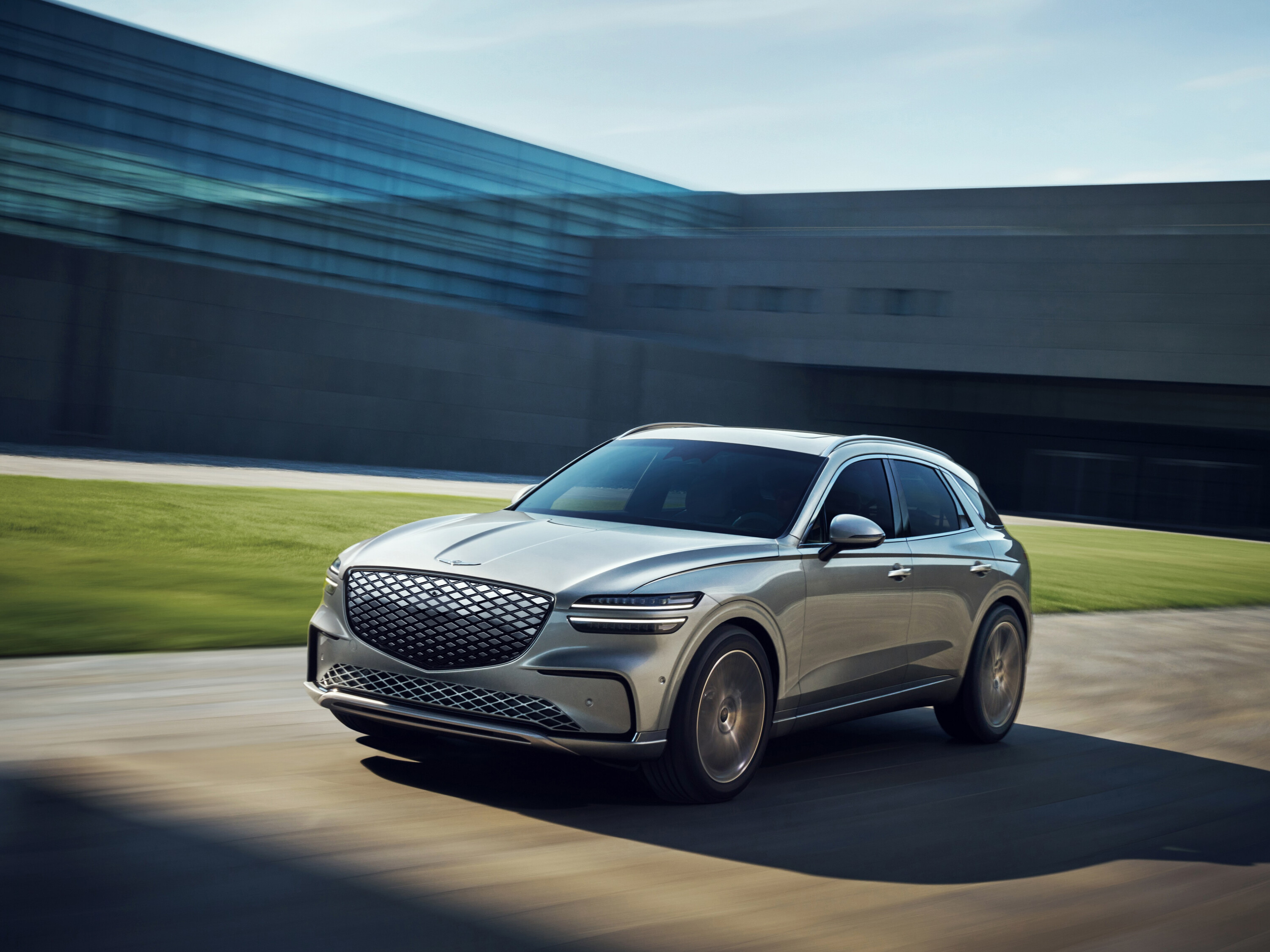
The updated look begins at the front end with a new Crest Grille featuring a gradient G-Matrix pattern and a wider bumper design.
Two-Line headlamps use Micro Lens Array (MLA) technology, improving lighting performance with unique design elements.
New 20-inch wheels are available in a sleek matte dark grey shade, while those who opt for the current 19-inch wheels also get a new shade.
1
At the back, the turn signals have been relocated from the bumpers to the rear combination lamps to improve visibility for trailing vehicles.
The turn signals now adhere to the front Two Lines concept, with the lower part of the bumper also featuring Two-Line chrome garnish for an enhanced aesthetic.
The shape of the high-mounted stop lamp (HMSL) located on the rear spoiler has been streamlined, and a module integrating a digital centre mirror (DCM) ad a built-in camera has been applied to the lower part of the HMSL, creating a cleaner image.
Exterior colour options also gain a ‘Ceres Blue’ selection in gloss or matte.
1
Interior: ‘The beauty of white space’
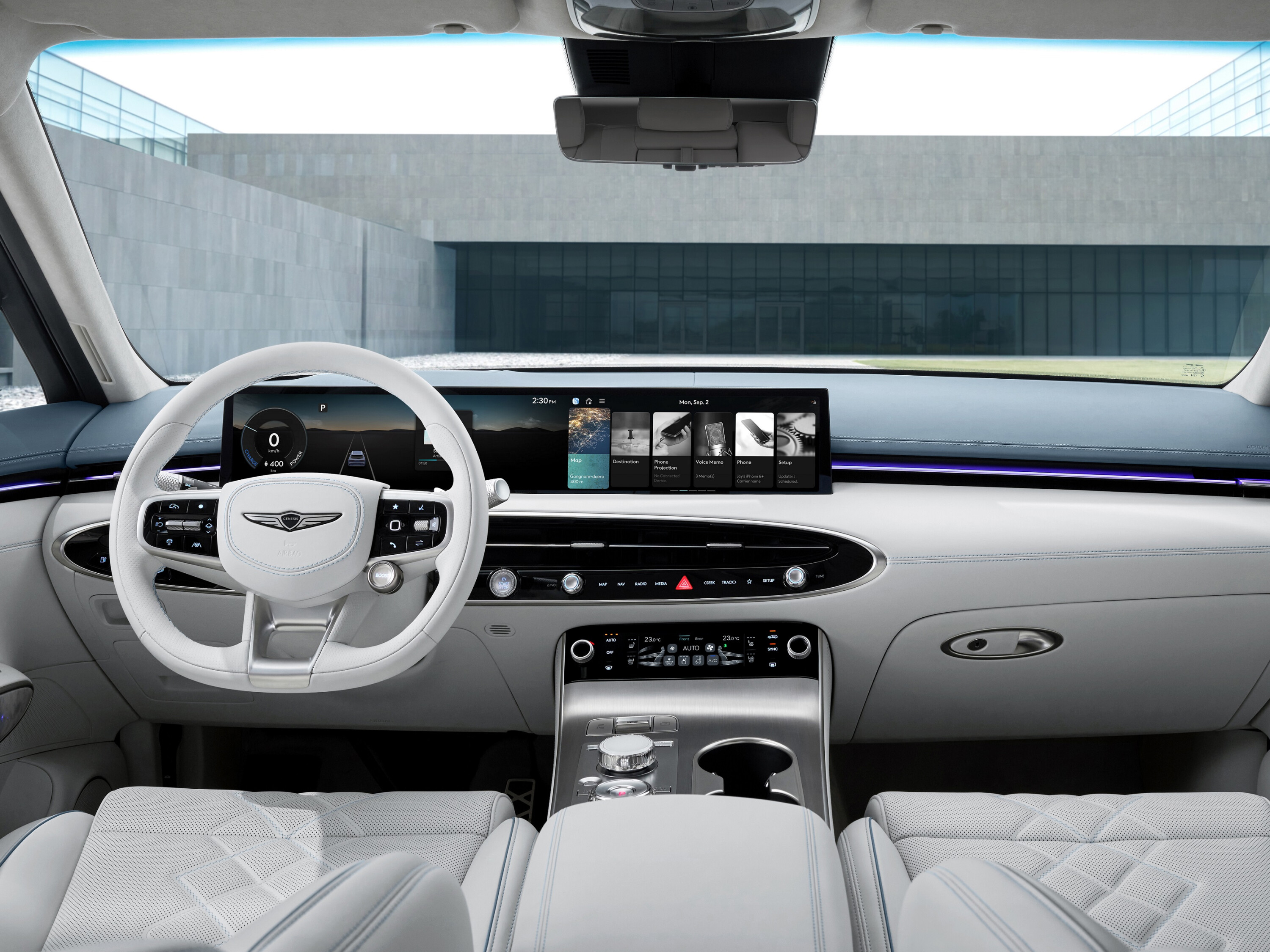
Genesis’ guiding design principle of the ‘Beauty of White Space’ is seen on the inside of the GV70 along with updated tech.
Across half the dash, the horizontally mounted 27-inch OLED screen integrates the driver’s instrument cluster and infotainment system, along with a touch-based heating and air-cooling system. A premium Bang & Olufsen sound system also features real aluminium speaker covers.
2
A serene atmosphere is created in the cabin by a mood lamp extending from the upper part of the door trim to the centre fascia, which along with a newly applied EV-exclusive door garnish is dubbed ‘Milky Way Pattern Mood Lighting’.
The model comes in three interior colour options, including the newly introduced EV-exclusive Icy Blue/Glacier White Two-Tone.
Korean sales for the redesigned Electrified GV70 will start in the first quarter next year, with Australia to follow in the first half of 2025.
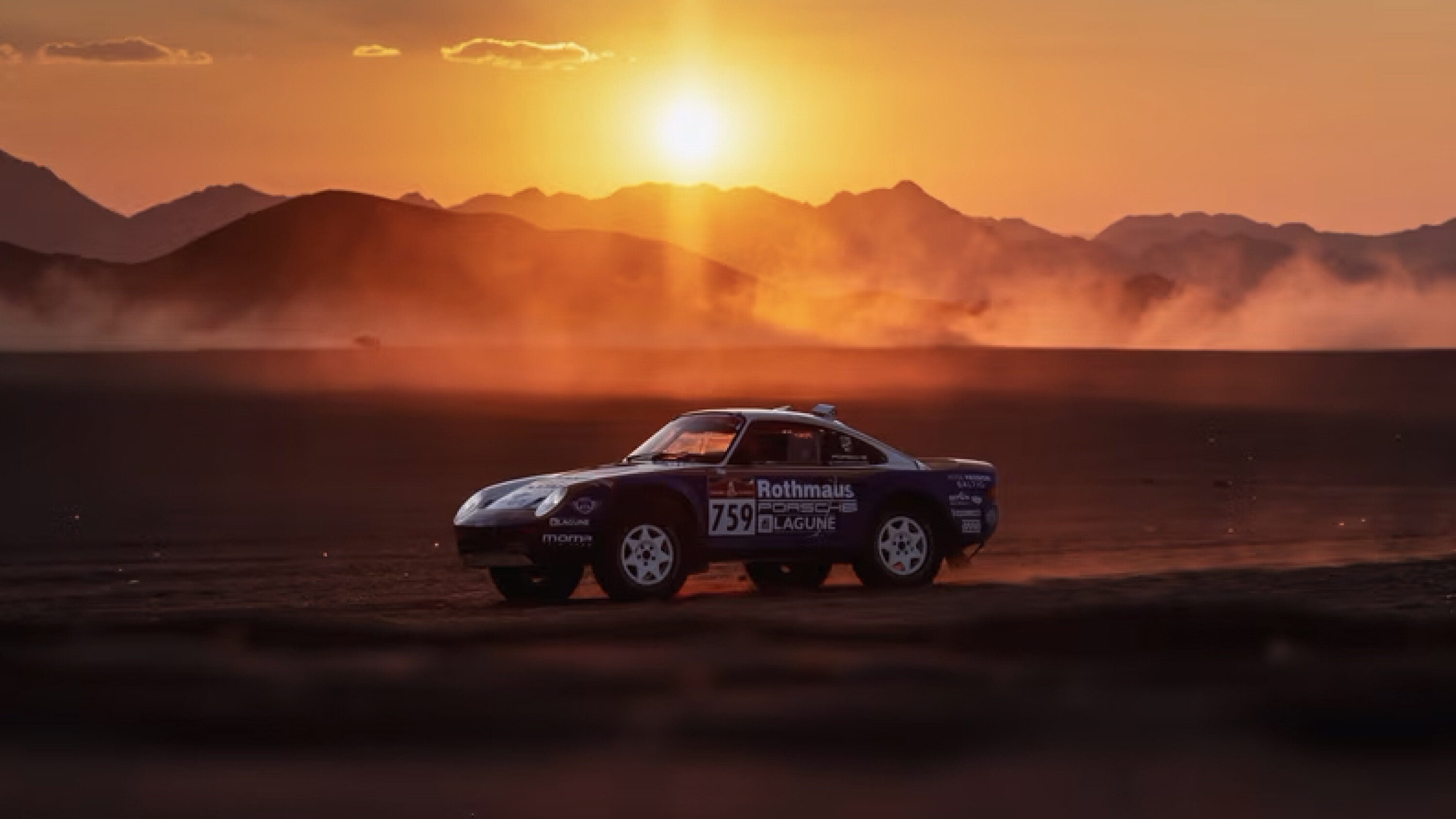
Featuring a long-running tagline, ‘Born to Dare’, in its ad campaigns makes it unsurprising adventure-focused Swiss brand TUDOR have taken on the role of Official Timekeeper of the 2025 Dakar Rally.
The world’s most epic and gruelling off-road race will take place in Saudia Arabia from January 3-17, spans 14 days and thousands of kilometres across the vast and unforgiving terrain of the Empty Quarter, the largest desert on Earth.
As timekeeper TUDOR will have the responsibility to account for every second across stages such as the iconic Marathon and 48-hour chrono. The 2025 edition of the race will start in Bisha on January 3 and end in Shubaytah on January 17. In between the route will take competitors through the Empty Quarter, the largest sea of sand on the planet and unoccupied by humans.
1
The race uses a ‘rally raid’ format which means teams will use nothing but a roadbook with a route map to cross vast expanses of adverse terrain, sometimes driving for up to 12 hours straight, with special stages along the route.
The origins of ‘Dakar’, as it’s now known, can be traced back to the moment when Thierry Sabine, a French motorbike racer, lost his way during the 1977 Abidjan-Nice Rally and ended up stranded in the Sahara Desert.
He was eventually rescued, but he observed just how challenging and unforgiving the desert could be, birthing the idea to make it the central theme of what would become the toughest race in the world.
5
In 1978, the first edition of the Paris-Dakar began. The name has since been changed simply to the Dakar Rally.
TUDOR is also the official timekeeper of the Dakar Classic, a parallel race held at the same time featuring vehicles that competed in the Dakar Rally up to 2005. The brand has a long and storied association both with motorsports and extreme adventure.
Its earliest watches were famously worn by mountaineers and hikers in extreme conditions, a testament to their toughness, durability and precision. TUDOR timepieces were also seen on the wrists of drivers during the golden era of motorsport, starting with the Tudor Watch Racing Team in the late ’60s through to the recent IMSA TUDOR United SportsCar Championship.
New vehicle sales in Australia fell by 11.6% in November 2024 compared to the same month last year, with a total of 99,091 units delivered, according to data from the Federal Chamber of Automotive Industries (FCAI).
Snapshot
Total November sales reached 99,091, down 11.6% year-on-year
Hybrids and plug-in hybrids made up 16.9% of sales, up from 9.9% in 2023
Toyota led the market, with the RAV4 topping the sales charts at 5526 units
The private buyer segment was hit hardest, declining by 16.6% as cost-of-living pressures continued to impact consumer spending.
This follows consistent monthly drops of over 14% since August, reflecting ongoing challenges in household budgets.
The shift towards SUVs and light commercial vehicles continued, with these segments dominating the market. Passenger vehicles, by contrast, accounted for only 13.7% of November’s sales, highlighting a sustained preference for larger, more versatile options.
Breakdown by segment
SUVs
The largest segment with 60,612 units sold, representing 61.2% of all sales for November, though down 2.8% year-on-year.
Light Commercial Vehicles
20,544 units sold, making up 20.7% of the market, but down 23.3% compared to November 2023.
Passenger Vehicles
Sales fell sharply to 13,621 units, a 26.3% drop, as consumers continued to move away from traditional sedans and hatchbacks.
Heavy Commercial Vehicles
This segment recorded 4,314 units sold, a modest decline of 5.2%.
State-by-state results
Sales fell across all states and territories, with the Northern Territory and Tasmania experiencing the steepest declines:
Northern Territory: Down 21.1% to 727 units.
Tasmania: Down 18.8% to 1,642 units.
Australian Capital Territory: Down 18.1% to 1,333 units.
New South Wales: The largest market, down 12.2% to 30,490 units.
Victoria: Down 9.8% to 26,729 units.
Queensland: Down 12.1% to 21,320 units.
South Australia: Down 9.5% to 6,591 units.
Western Australia: Down 12.2% to 10,259 units.
1
Key brands and models
Toyota retained its position as the market leader with 20,562 units sold, far ahead of Ford (8,720) and Mazda (7,588).
Notable Toyota models dominated the rankings, with the RAV4 topping the charts at 5,526 units sold, marking a significant 125.6% year-on-year increase. Other top performers included:
Ford Ranger: 4,981 units, down 20.9% year-on-year.
Toyota Prado: 3,590 units, up 16.2%.
Toyota HiLux: 3,572 units, down 39.5%.
MG ZS: 2,794 units, up 36.5%.
The Ford Everest also recorded notable growth, with 2,737 units sold, a 97% increase compared to the same month last year.
Model
Nov 2024
Nov 2023
YTD 2024
YTD 2023
Toyota RAV4
5,526
2,449
53,599
27,435
Ford Ranger 4X4
4,701
6,000
53,729
50,902
Toyota Prado
3,590
3,090
7,115
18,235
Toyota Hilux 4X4
2,869
4,843
43,068
44,548
MG ZS
2,794
2,047
21,462
27,736
Ford Everest
2,737
1,389
24,018
13,575
Mitsubishi Outlander
2,472
2,381
25,622
22,381
Isuzu Ute D-Max 4X4
1,782
3,033
22,015
23,059
Kia Sportage
1,766
1,559
19,997
14,201
Mazda CX-5
1,727
2,256
21,237
21,660
Mazda CX-3
1,624
1,200
17,057
14,524
Toyota Corolla
1,599
1,976
22,526
18,098
Hyundai Tucson
1,542
1,899
17,743
19,834
Nissan X-Trail
1,495
1,361
15,398
11,921
Hyundai Kona
1,279
1,332
16,431
10,188
GWM Haval Jolion
1,274
1,029
12,547
10,169
Mitsubishi Triton 4X4
1,226
1,332
13,335
12,701
Isuzu Ute MU-X
1,206
1,161
16,790
12,985
Mitsubishi ASX
1,176
694
11,325
8,552
Toyota Hiace Van
1,122
650
11,171
6,479
Hybrid demand rises, EV sales break 100,000 barrier – depending on who you ask
Hybrid and plug-in hybrid vehicles accounted for 16.9% of total November sales, a sharp increase from 9.9% last year.
Meanwhile, electric vehicle (EV) sales were poor for November, but year-to-date results showed a record performance, surpassing 100,000 units for a total of 101,700 – exceeding the 2023 year-end total of approximately 98,400 units.
The FCAI – officially a representative or lobbying body for the brands that choose to participate – takes a different view on the latest EV results, however, highlighting only the underwhelming November numbers in its comments and ignoring the overall figure above, which factors in Tesla and Polestar figures (both brands having left the FCAI earlier this year in protest (Tesla, Polestar)).
As a result, this week’s FCAI figures show only 70,051 EV sales year-to-date.
FCAI Chief Executive Tony Weber said: “The Australian experience with EVs is similar to many major markets overseas such as Europe, New Zealand and the USA. Car makers are responding to regulatory settings that mandate an increase in the number of zero emission vehicles by introducing new products. However, consumers remain cautious about making the shift to pure EVs and instead are purchasing hybrid or plug-in hybrid vehicles.”
Mr Weber said that while the industry is introducing more affordable low-emission options, the lack of widespread infrastructure remains a barrier.
However, the expansion of charging infrastructure in 2024 has been significant, with nearly 100 new DC fast-charging sites installed across Australia.
That number brings the total to around 900 DC fast-charging sites (50kW+), and 2100 fast (100kW+) and ultra-fast (350kW) charging plugs nationwide.
Year-to-date performance
Despite the softening market, 2024’s year-to-date sales remain robust, with 1,124,712 vehicles delivered – by FCAI’s records.
In FCAI figures, the first half of the year saw an 8.7% increase compared to 2023, though sales have declined by 8.2% since July.
Outlook
The Australian automotive market faces continued challenges as rising costs weigh on consumer spending.
While hybrid and plug-in hybrid vehicles show growing traction, the shift to full electrification may depend on broader infrastructure and policy developments – and the narratives delivered by manufacturers and their representatives.
Australia’s electric vehicle (EV) market has experienced notable developments in 2024, with industry body claiming sales surpassing 100,000 units by December, exceeding the previous year’s total of approximately 98,400 units. There’s more to the numbers than meets the eye though.
Snapshot
EVC claims over 100,000 EVs sold in 2024, with this figure including plug-in hybrids
Federal and state incentives, alongside growing model availability, support adoption
Charging infrastructure now includes 900 DC fast-charging sites nationwide
Battery electric vehicle sales stand at 82,690 YTD, with growth outstripping the general market
Monthly sales trends
In November 2024, combined EVC and FCAI figures show 6585 battery electric vehicles were sold, accounting for 6.5% of total new vehicle sales.
This represents a slight increase from October’s 6.4% share but a decrease from the 8646 units sold in November 2023.
Total EV says year-to-date, combining EVC-supplied figures for Polestar and Tesla (both brands having left the FCAI earlier this year (Tesla, Polestar)), come out to 101,707.
This also includes plug-in hybrid vehicles. Strip those from the numbers and sales stand at 82,690 vehicles. That’s still 2.8% up on last year in a market that overall grew by a mere 1.7%.
Electric Vehicle Council’s Head of Policy, Legal and Advocacy Aman Gaur said: “Despite ongoing cost-of-living pressures making it harder to purchase a new car upfront, EV sales have still outpaced previous years.
“EVs are becoming more affordable thanks to a variety of budget-friendly models, more competition across all vehicle types and government incentives.”
Model-specific performance
Tesla sold 2540 vehicles in November, a 74% increase from October but a 45% decline compared to November 2023.
Year-to-date Tesla sales stand at 34,754, down 20.9% from the previous year. The Model Ywas the top-selling EV with 1,653 units, followed by the Model 3 with 887 units. In fact, every one of Tesla’s last 12 months figures in Australia were down on the year prior.
The BYD Sealrecorded 360 sales, and the Atto 3 had 267 sales in November, marking the lowest monthly sales for BYD’s EVs this year. 
The MG4 secured 821 sales in November, benefiting from competitive pricing strategies. 
Rounding out the top performers, the GWM Ora hatch showed 127 units sold, reflecting growing consumer interest.
Incentives and policies
Federal and state governments have implemented various incentives to promote EV adoption.
However, it is hard to say what specific role these have played in sales growth, as many surveys show more buyers are keen to make the leap to electric.
On a federal level, the Electric Car Discount removes import tariffs and fringe benefits tax on eligible EVs priced below the luxury car tax threshold of $89,332 for the 2023/24 financial year. 
State Programs
Australian Capital Territory: Offers $15,000 interest-free loans, stamp duty exemptions, and two years of free registration for EVs. 
Queensland: Provides discounted registration fees and the lowest vehicle registration duty rates for EVs. 
South Australia: Ended its $3,000 EV rebate on 31 December 2023 but continues to offer free registration for three years on eligible EVs until 30 June 2025. 
Tasmania: Exempted EVs from stamp duty until 2023 and offers zero-interest loans for EV charging infrastructure. 
Victoria: Ceased its $3,000 EV subsidy in July 2023 and repealed its rebate and free stamp duty beginning 1 January 2024. 
Western Australia: Continues to offer a $3,500 rebate for EV buyers, with a cap set at 10,000 cars. 
Charging infrastructure developments
The expansion of charging infrastructure in 2024 has been significant, with nearly 100 new DC fast-charging sites installed across Australia.
That number brings the total to around 900 DC fast-charging sites (50kW+), and 2100 fast (100kW+) and ultra-fast (350kW) charging plugs nationwide. 
Market outlook
The introduction of the New Vehicle Efficiency Standard in 2025, although not as strict as those of other markets, is expected to further drive EV adoption by increasing the availability of low- and zero-emissions vehicles and reducing their upfront costs.
The Electric Vehicle Council advocates for continued expansion of charging infrastructure, additional incentives to improve affordability, and regulatory updates to support the sector’s growth and job creation.
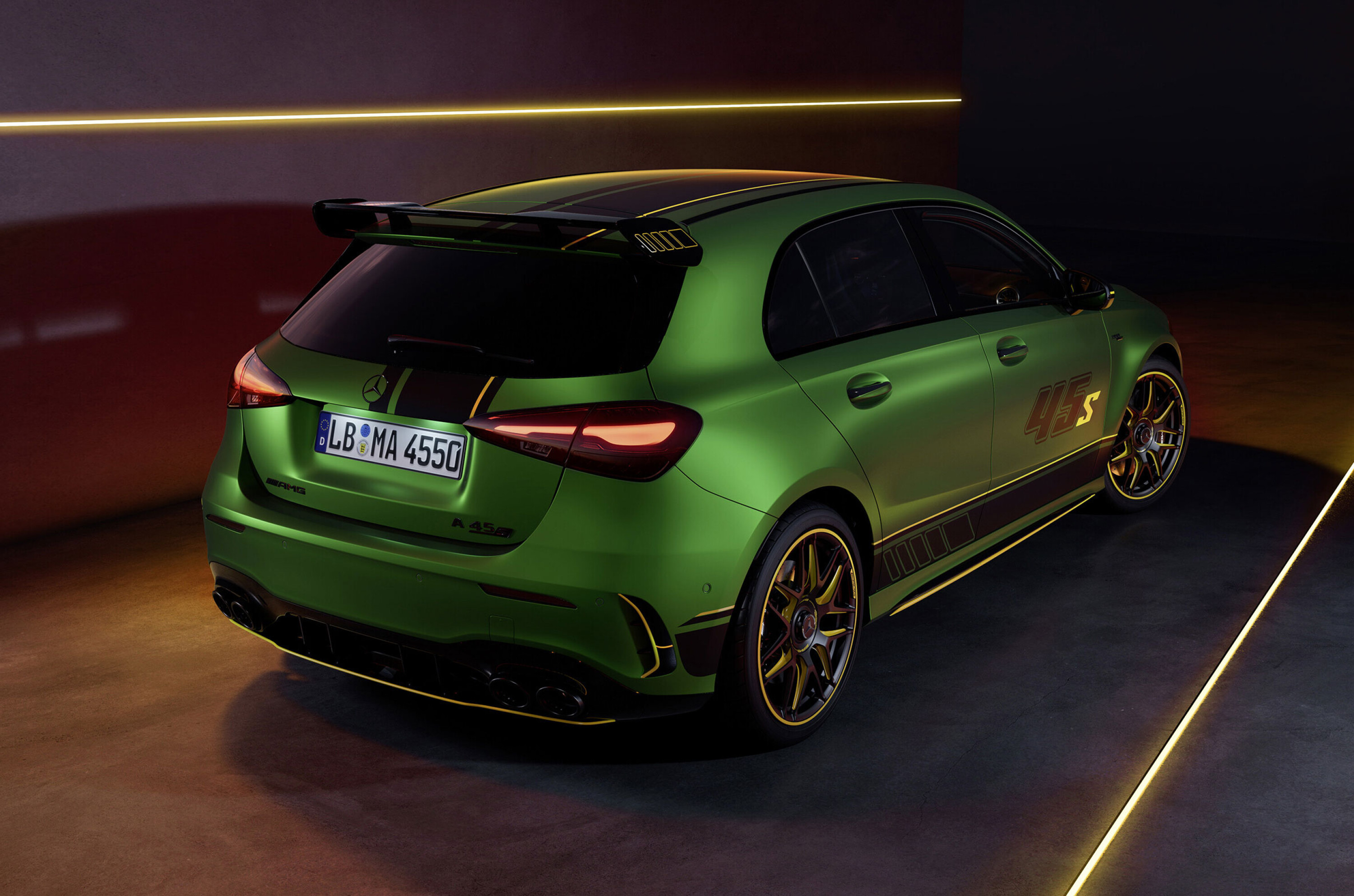
For lovers of performance-oriented compact hatches, the Mercedes-AMG A 45 S 4MATIC+ was already a firm favourite. The debut of a limited edition model with a spectacularly bold, luminous AMG Green Light Magno paint job may blow their collective minds.
Besides the head-turning exterior finish, the Mercedes-AMG A 45 S 4MATIC+ Limited Edition features racing-inspired external enhancements along with key interior trim and specification updates. The addition of an AMG-developed Aerodynamics Package adds add both to its performance credentials and driving experience.
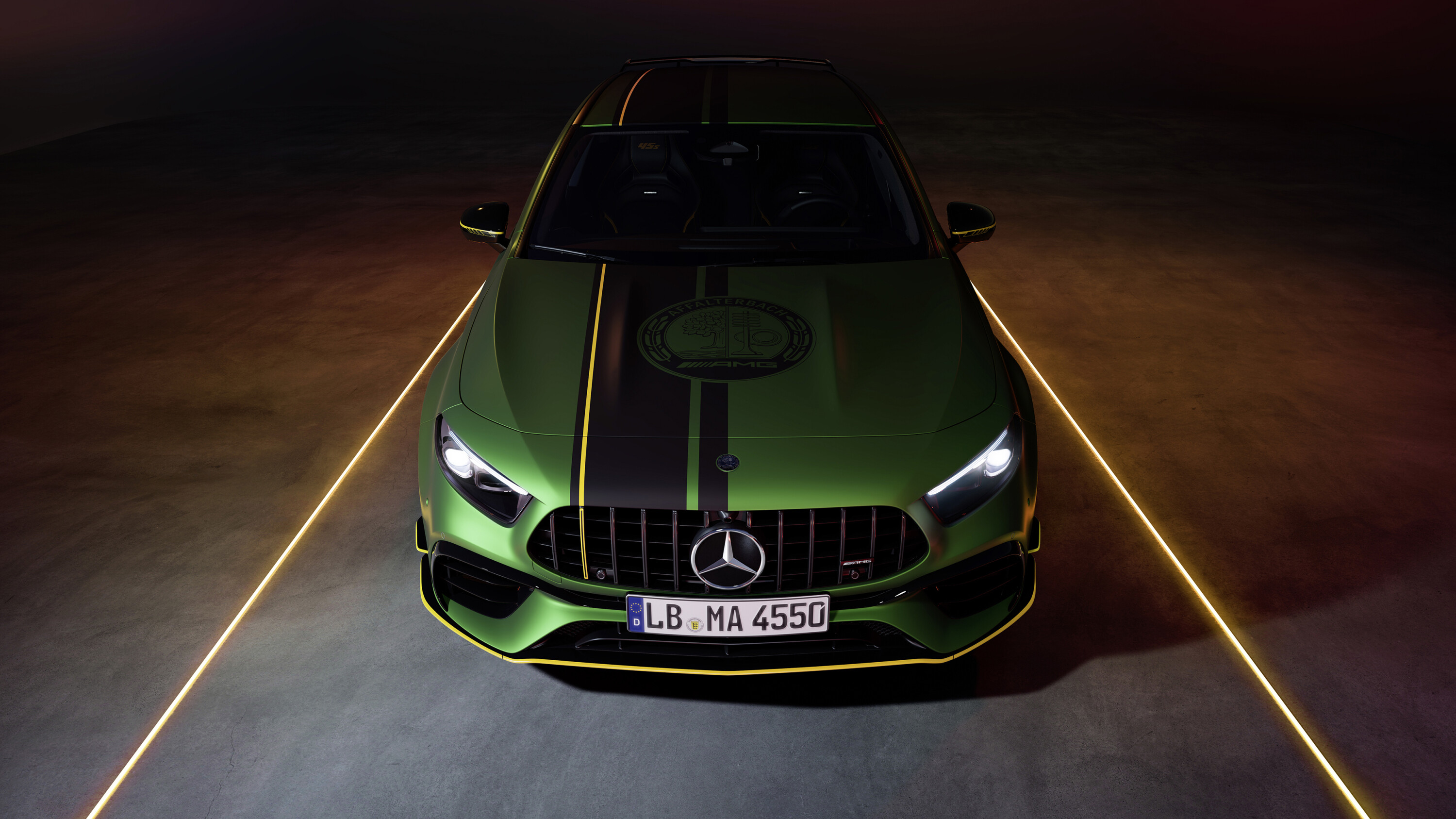
The stunning Green Light Magno paintwork, sourced directly from the Mercedes-AMG GT, has not previously been available in the compact class. The finish includes distinctive racing stripes, contrasting yellow highlights and a range of special identifiers.
1
AMG Night Package
The limited edition hatch is offered in both AMG Night Package and Night Package II.
The first brings black accents to the front splitter, wing mirror housings and beltlines, while windows behind the B-pillar are dark tinted. Night Package II adds darkened details found in the struts on the radiator trim, on badging on the front fender and tailgate, on the grille-mounted and wheel hub-mounted Mercedes stars, and on the door handles.
To finish the race-bred look, a black racing stripe runs from front to rear, sealed on the bonnet with an AMG crest, foil racing stripes adorn the flanks, ‘A 45 S’ lettering is displayed on the front doors and yellow highlights including contrasting yellow flange and rim spokes on the exclusive 19-inch AMG cross-spoke forged wheels in matt black.
The AMG-specific Aerodynamics Package developed in the Affalterbach wind tunnel enhances downforce and improves handling at high speeds via a fixed AMG rear wing and special add-on parts.
1
Exclusive interior
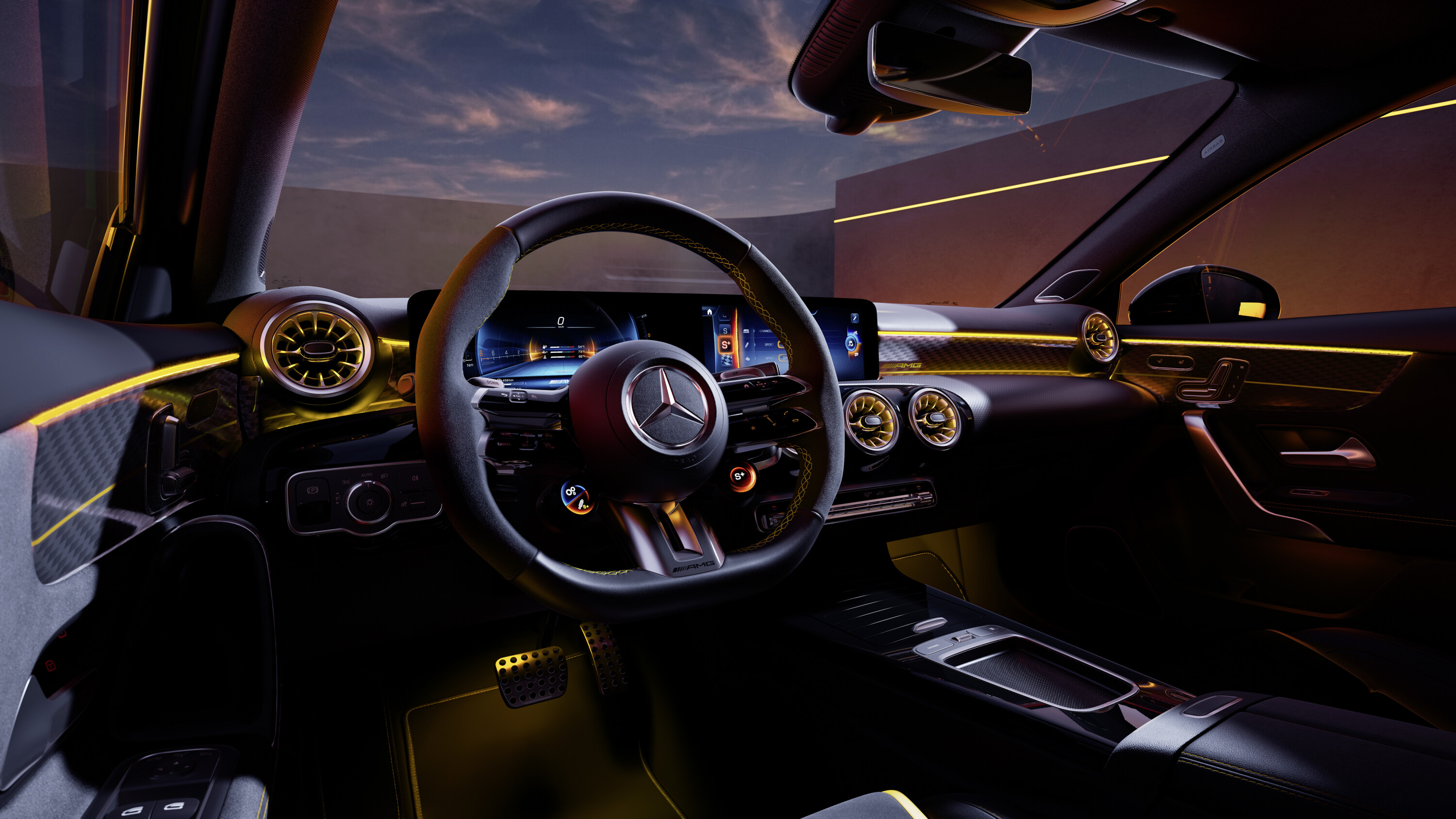
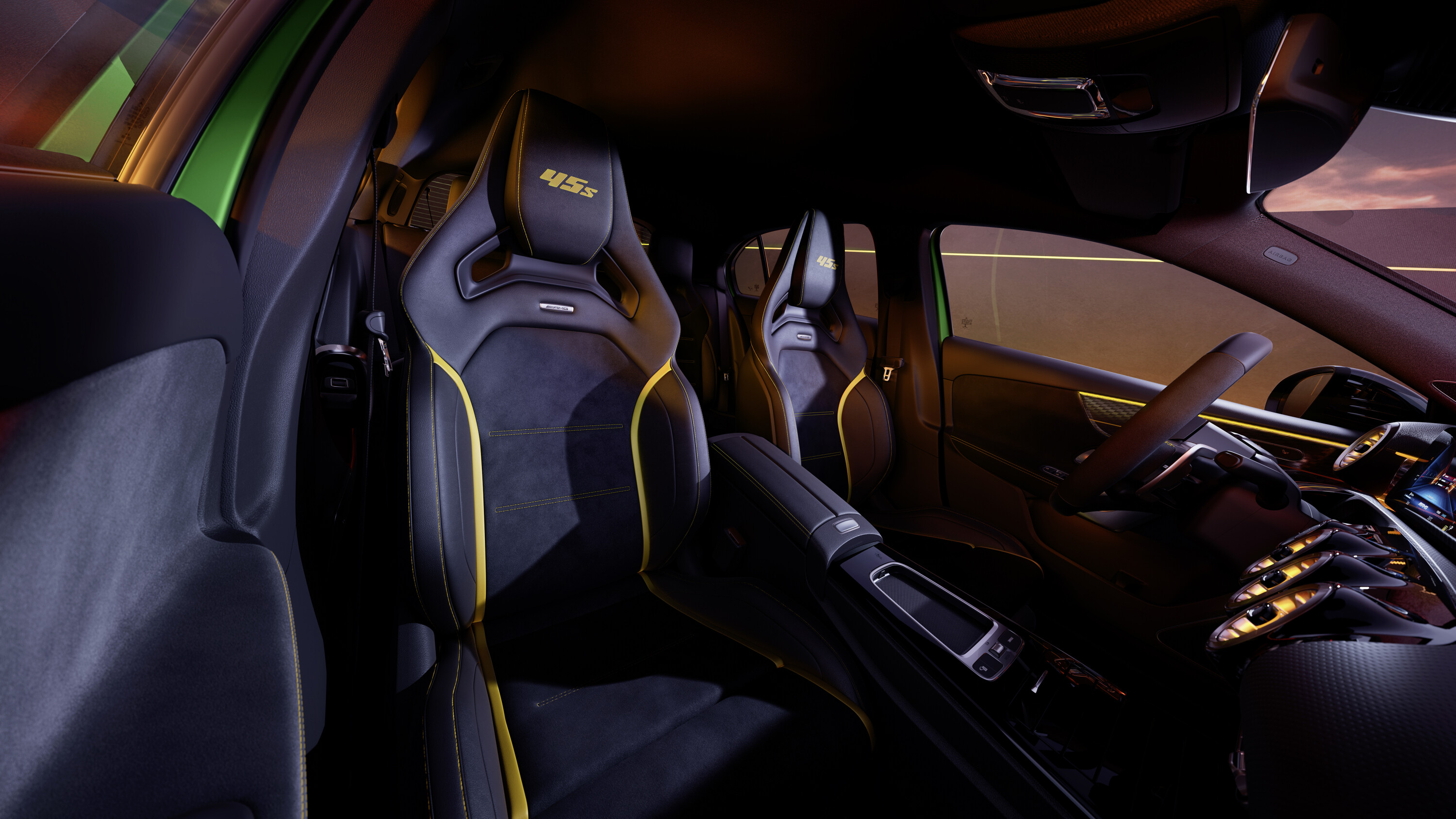
Sportiness extends to the A 45 S Limited Edition’s cabin with ARTICO leather and MICROCUT microfibre seats bearing yellow decorative stitching, also seen on door panels and instrument panel, and with ‘45 S’ emblems embroidered into the front seat headrests in yellow.
At the controls, the AMG Performance steering wheel is finished in leather and MICROCUT with yellow decorative stitching.
Additional elements include aluminium trim with AMG pattern and yellow AMG lettering, AMG door sills illuminating the AMG logo in yellow, and AMG floor mats include ‘45 S’ lettering and yellow stitching.
1
Key performance indicators
Compact but powerful is the perfect description for the A 45 S Limited Edition, its 2.0-litre four-cylinder turbocharged engine producing an impressive 310 kW and acceleration from 0-100 km/h in just 3.9 seconds, with a top speed of 270km/h.
Both AMG Performance 4MATIC+ all-wheel drive – with driving force distributed variably between the front and rear axles, and selectively between the left and right rear wheels – and AMG TORQUE CONTROL deliver superb handling characteristics.
4
Australian pricing
The Mercedes-AMG A 45 Limited Edition retails at $128,400 (MRLP; excludes all on road costs and dealer delivery) and will be available to order from Wednesday, December 4 through Mercedes-AMG retailers.
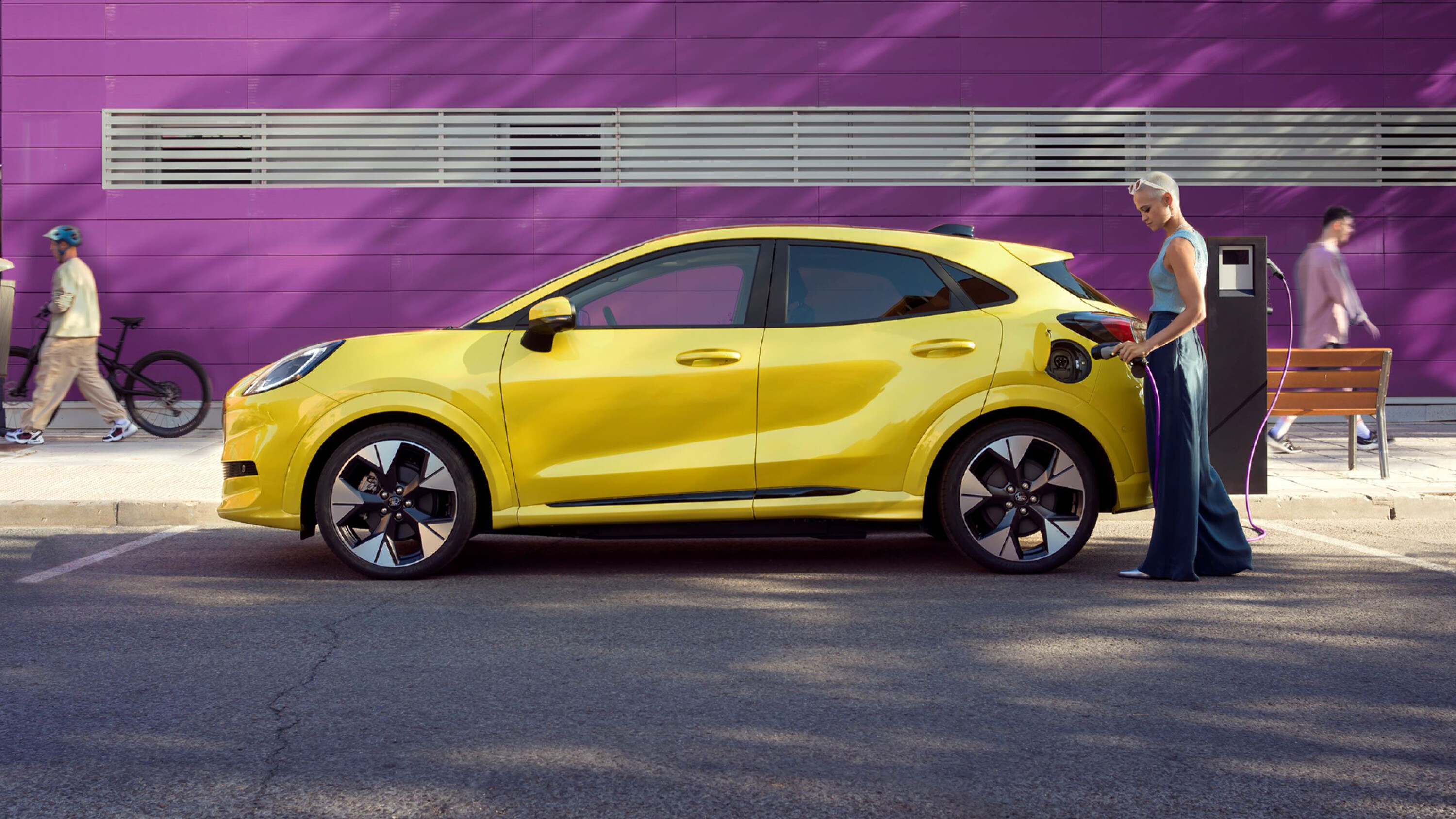
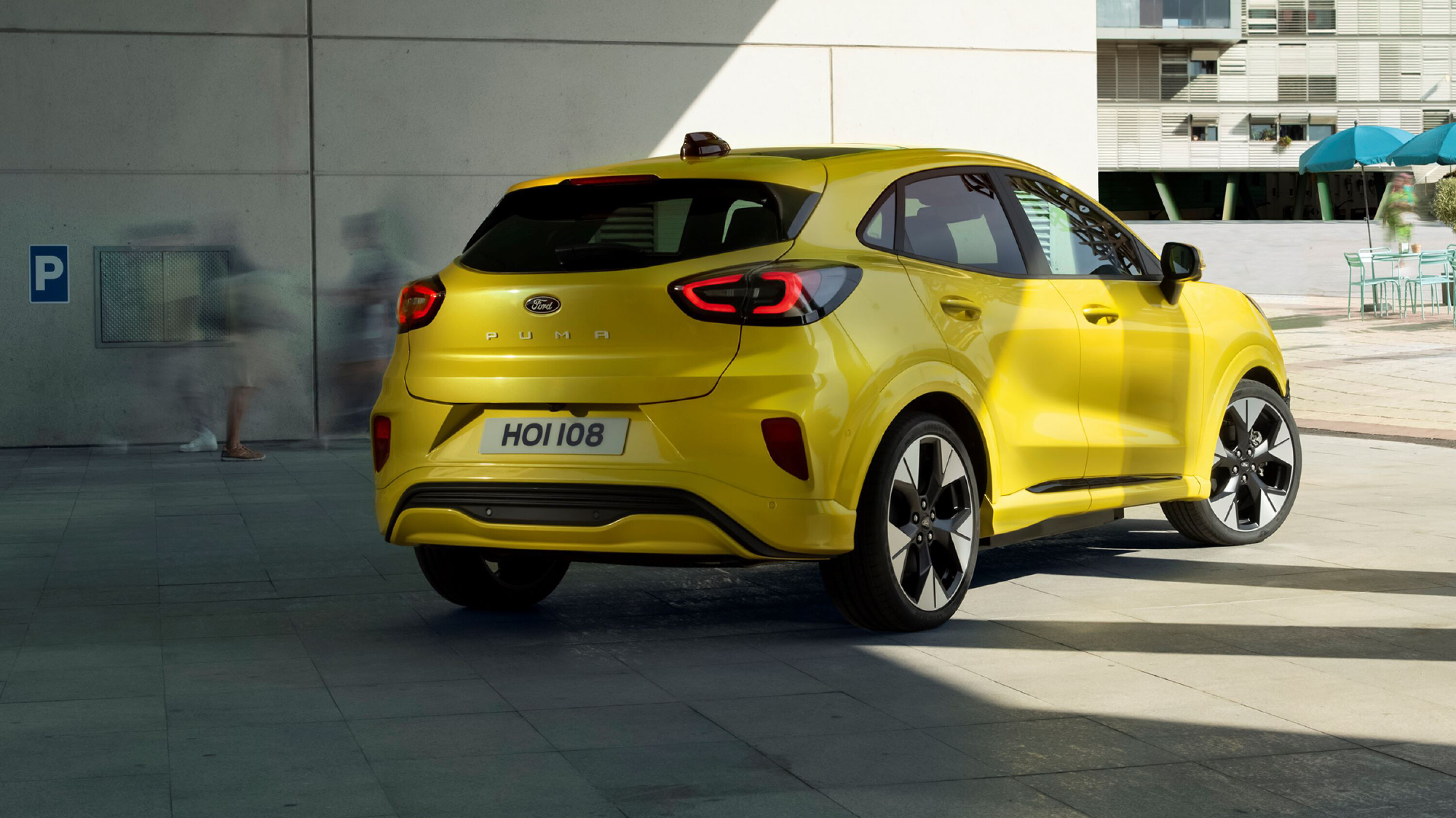
Ford has dropped the axe on model after model in its Australian line-up, and today it has killed another before it even had a chance at life: the newly revealed Puma Gen-E.
Snuck into a press release announcing plans to introduce the Transit Custom, the small electric SUV’s aborted arrival is described as “part of a broader portfolio decision that also includes the company ceasing plans to introduce the fully-electric Puma Gen-E”.
1
Ford Australia marketing boss Ambrose Henderson said: “Since we announced that the Puma Gen-E would join the Ford Australia line-up in early 2023, the EV market, in particular for small SUVs, has changed significantly.”
“There are many factors that influence whether a vehicle’s business case stacks up – such as economic trends, material costs, consumer incentives and global supply chain – and after weighing these up, we took the call that we were better to focus our electrified line-up on other models.”
The shape of Australia’s EV market hasn’t slowed the likes of Hyundai and Kia in charging towards electric, or the flood of affordable Chinese EVs, but Ford is far from alone among ‘legacy’ brands in hesitating on EVs – thanks partly to a generally stunted electrification plan among the Japanese brands, and a desperate rush to avoid far heftier emissions penalties in Europe.
Indeed, even in Europe, Ford’s broad exit from small cars and its near stall on EVs has seen its market share fall to around three percent in that region.
1
About the Ford Puma Gen-E
The Puma Gen-E was announced back in 2022, as part of a program to launch seven new EVs in Europe by 2024.
On the passenger side, the other models in that plan include the VW-based Explorer, the refreshed Mustang Mach-E and the polarising new Escort.
124kW and 290Nm front-mounted electric motor, comparable to the Puma ST’s 125kW
43 kWh battery with WLTP range of 376 km; 35 km more range than the Peugeot e-2008 despite a smaller battery
Efficiency rated at 13.1 kWh/100 km
Supports 100 kW DC fast charging; 80% charge in 22 minutes
0-100 km/h in 8.0 seconds; top speed electronically limited to 160 km/h
Huge 574-litre boot and 43-litre space under the bonnet
What’s left?
The decision to leave the Puma Gen-E out means Ford Australia’s line-up into the future will be almost exclusively focused on commercial vehicles, but it isn’t yet ‘The Ranger Company’ as commentators like to say.
Even still, you won’t find a compact or small passenger vehicle in the range.
The Mustang Mach-E will be Ford’s only passenger-focused, pure-electric offering for the near future – leaving the Blue Oval among a dwindling number of brands with very little to say about a roadmap to EVs.
Overall EV sales in Australia have fallen in the past year, from 71,800 by the end of October 2023 to 66,082 for the same period in 2024. (November figures are due today.)
However, the dip has largely been in SUVs (37,036, down from 48,260), with electric ‘passenger’ sales growing from 23,359 to 28,731 by the end of October 2024.
Category
YTD 2024
YTD 2023
Passenger – Diesel
8,724
10,457
Passenger – Electric
28,731
23,359
Passenger – Hybrid
35,280
22,516
Passenger – Hydrogen
9
2
Passenger – Petrol
102,333
119,896
Passenger – PHEV
681
416
SUV – Diesel
93,371
98,470
SUV – Electric
37,036
48,260
SUV – Hybrid
108,299
56,098
SUV – Hydrogen
0
0
SUV – Petrol
321,098
353,617
SUV – PHEV
17,272
8,395
Light Commercial – Diesel
208,742
197,977
Light Commercial – Electric
315
181
Light Commercial – Hybrid
492
0
Light Commercial – Petrol
20,430
23,616
Total – Diesel
310,837
306,904
Total – Electric
66,082
71,800
Total – Hybrid
144,071
78,614
Total – Hydrogen
10
8
Total – Petrol
443,861
497,129
Total – PHEV
17,953
8,811
Petrol and diesel sales have fallen, but hybrid is up – thanks in large part to Toyota’s focus on hybrid models – and Ford is clearly betting that the growing PHEV segment is its best chance to meet a New Vehicle Emissions Scheme that will be weaker than many had hoped – but still impactful enough to hurt legacy brands in Australia’s relatively small market.
Ford’s decision on the Puma is sure to be welcomed by other brands, with options like the Hyundai Kona Electric and BYD Atto 3, along with the incoming Kia EV3 and MG ES5 (ZS EV replacement) all available as clear alternatives.
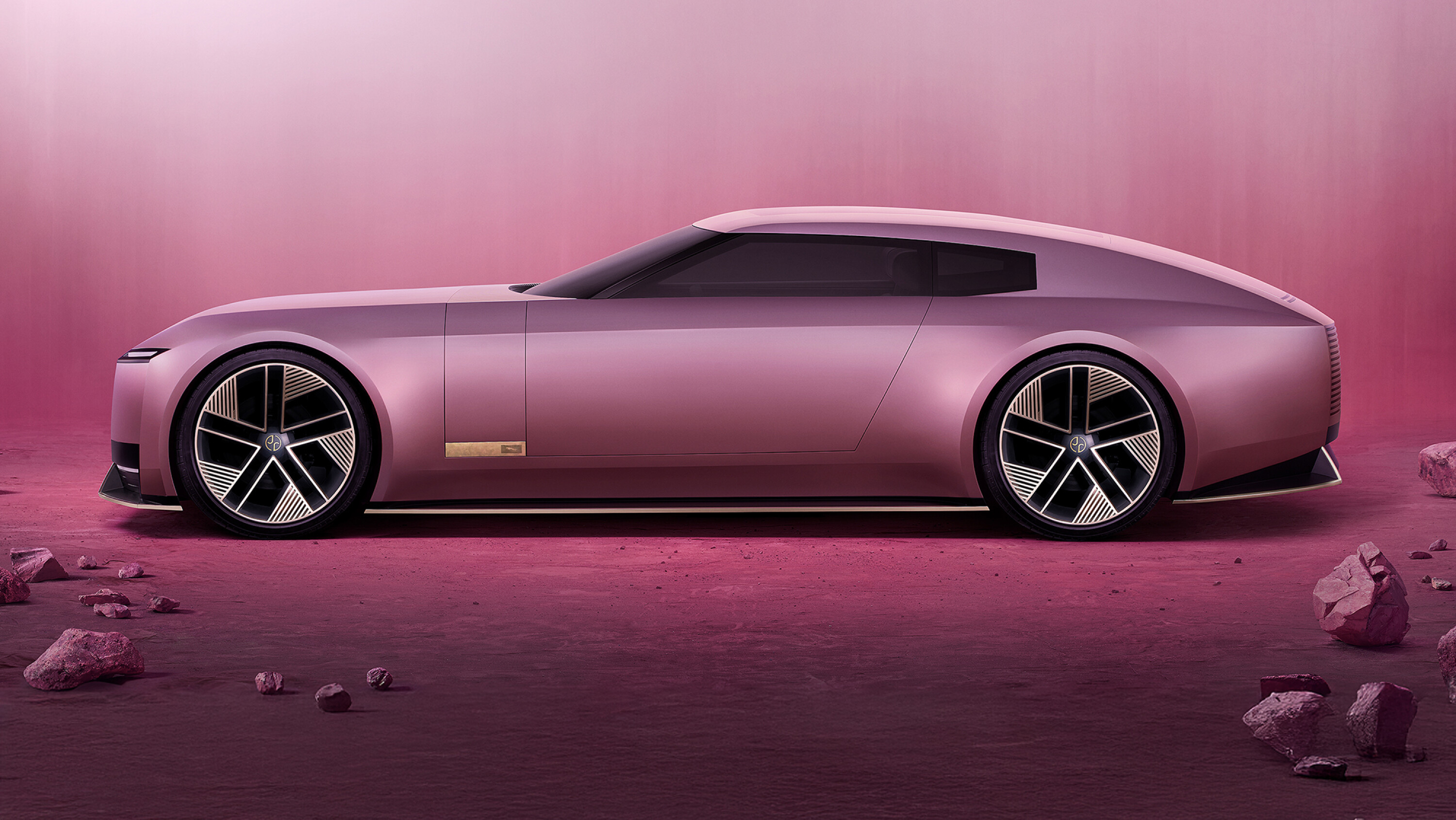
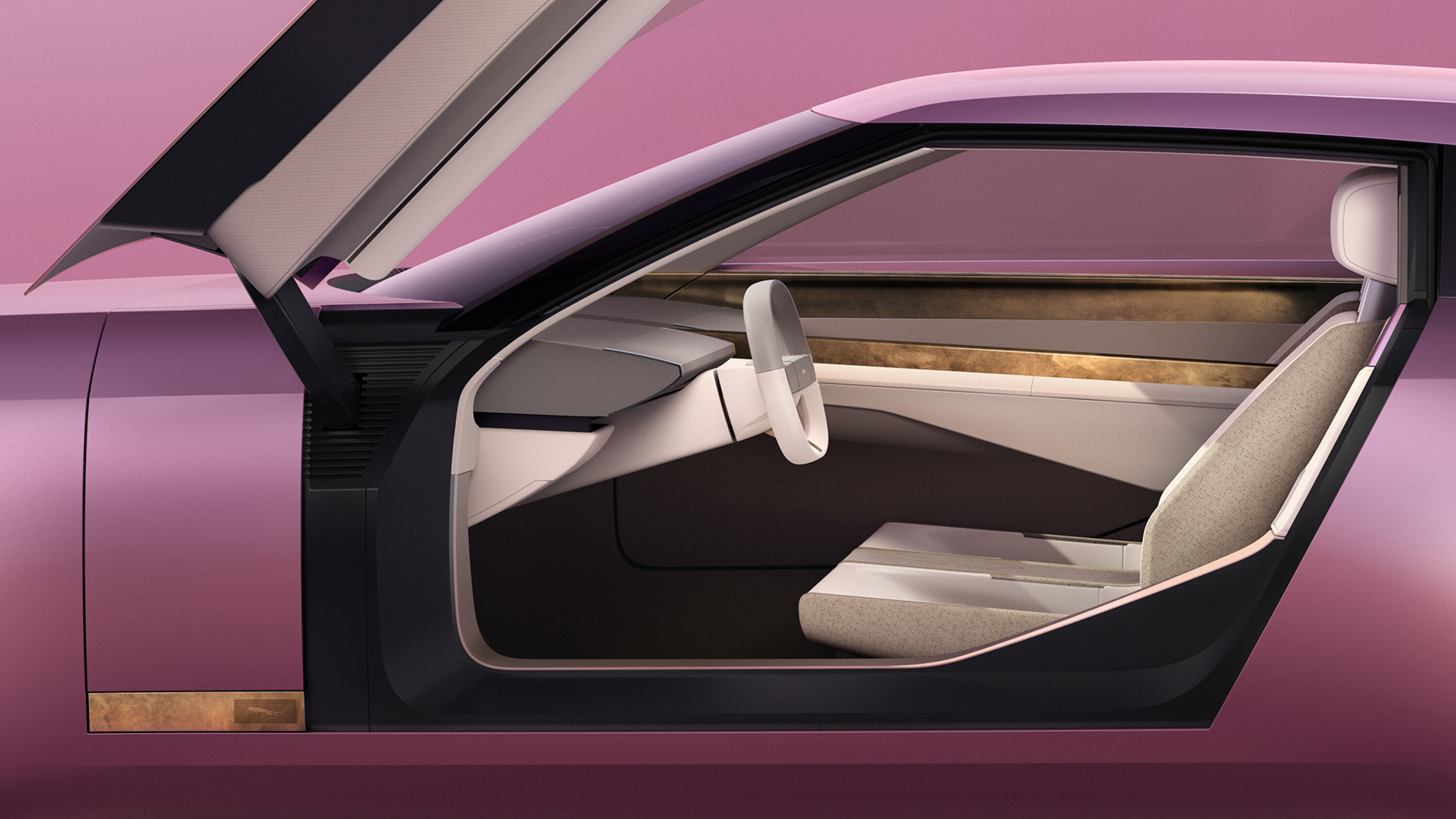
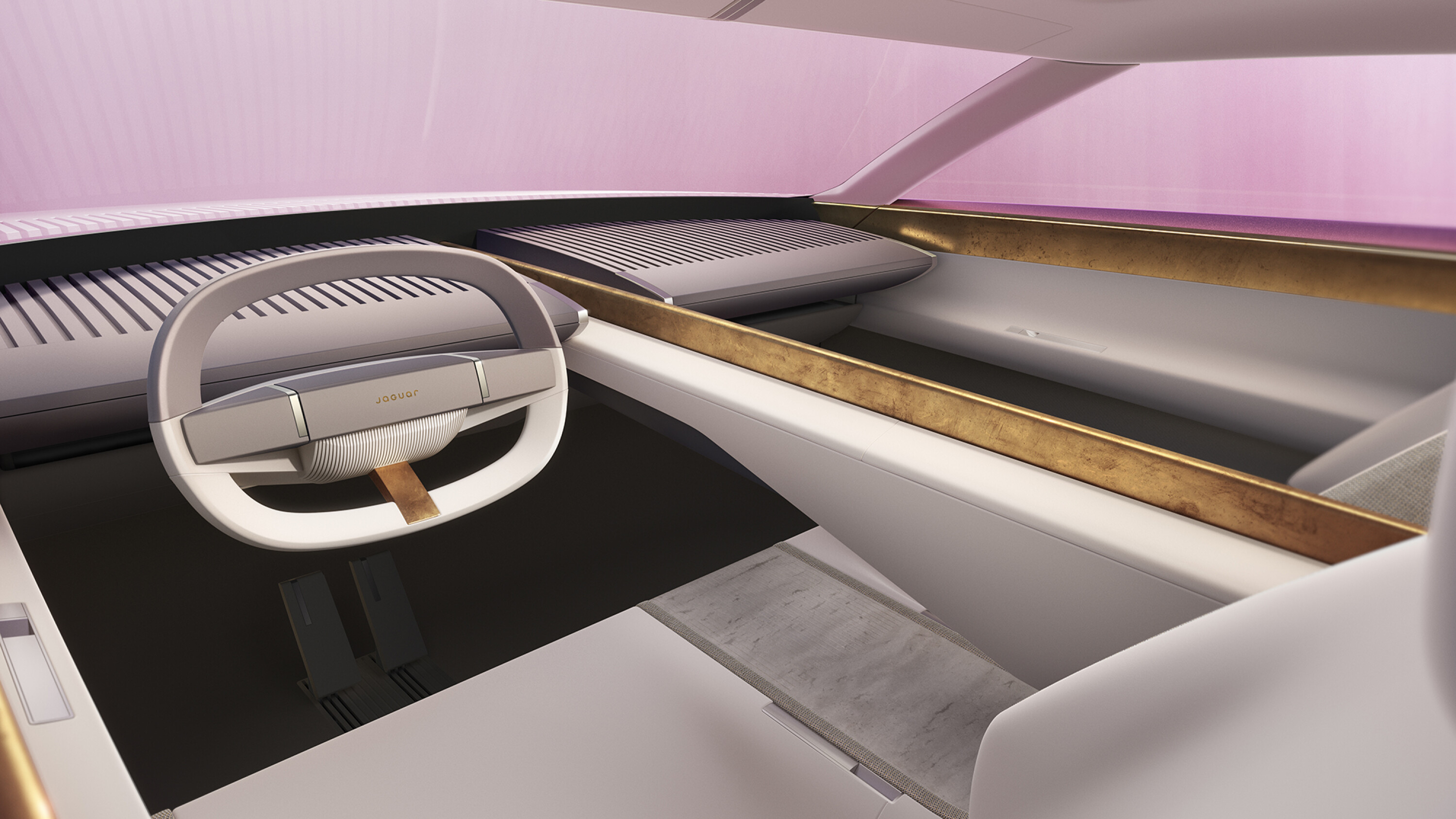
Jaguar has now unveiled its big new Type 00 concept, just hours after a set of leaked images set the web alight with debate, again, over the brand’s future.
It was only a couple of weeks ago that Jaguar unveiled a comprehensive rebranding that had motoring enthusiasts and armchair design experts wondering what had been fed through the ventilation system at its Coventry headquarters.
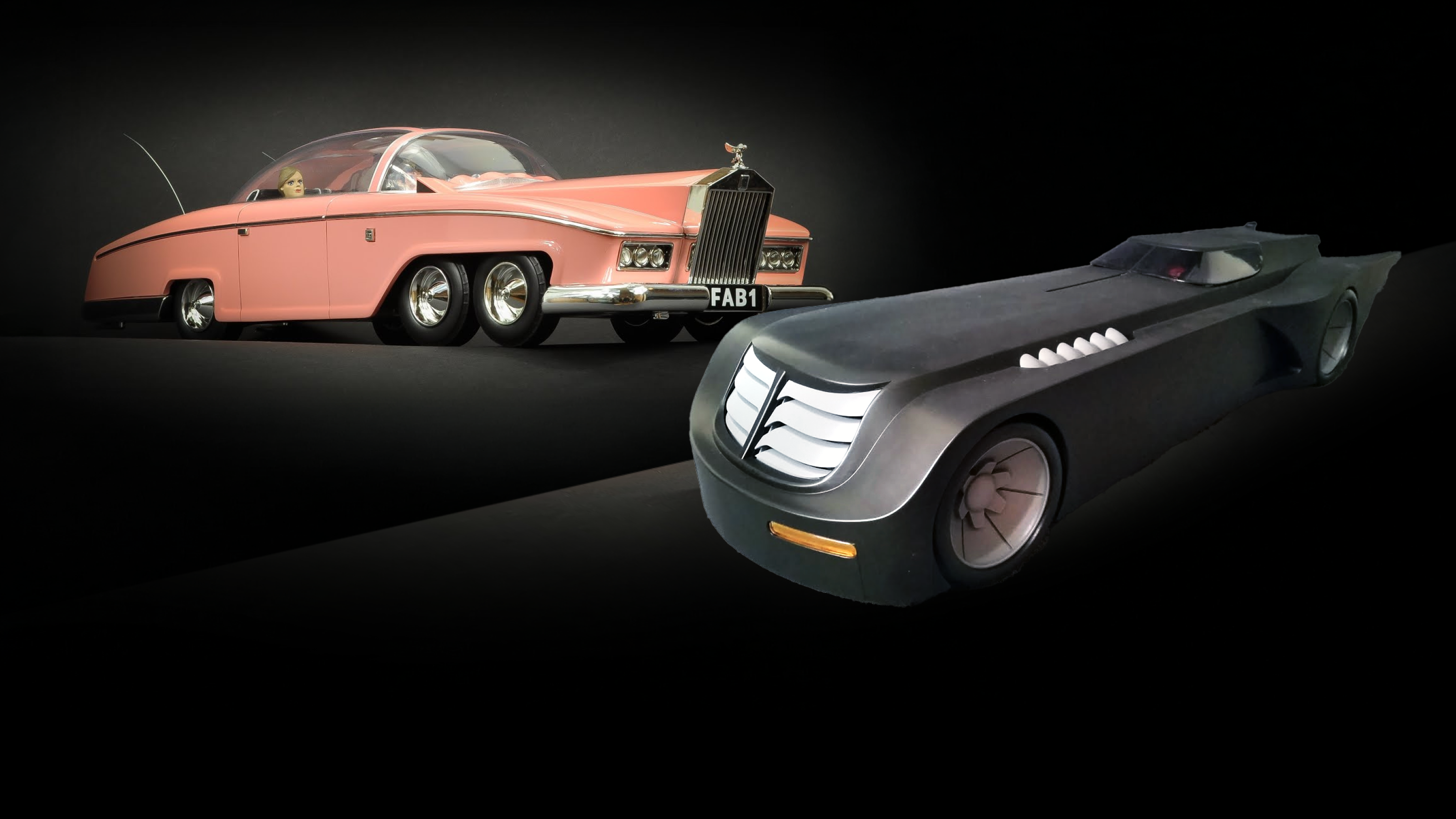
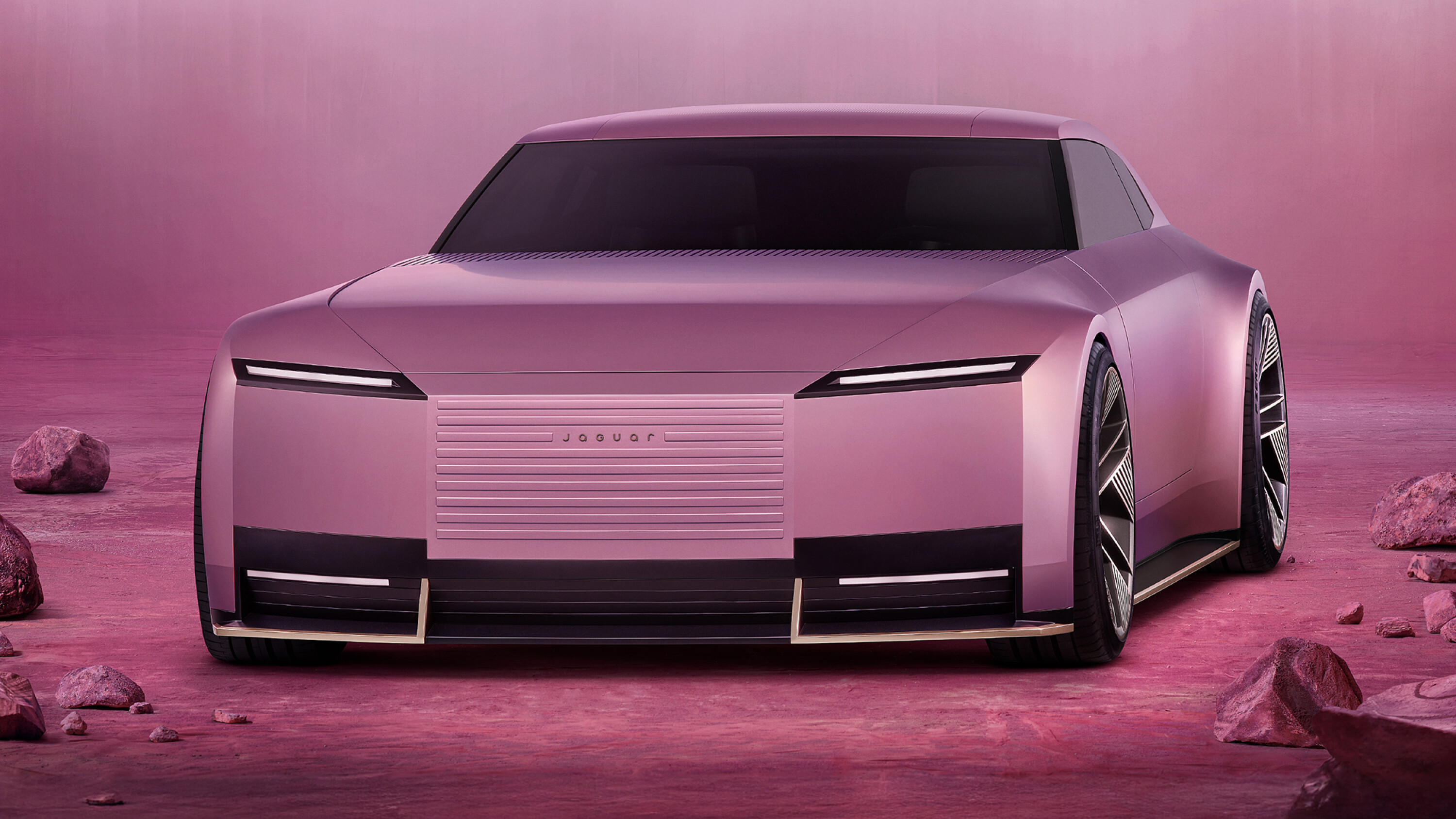
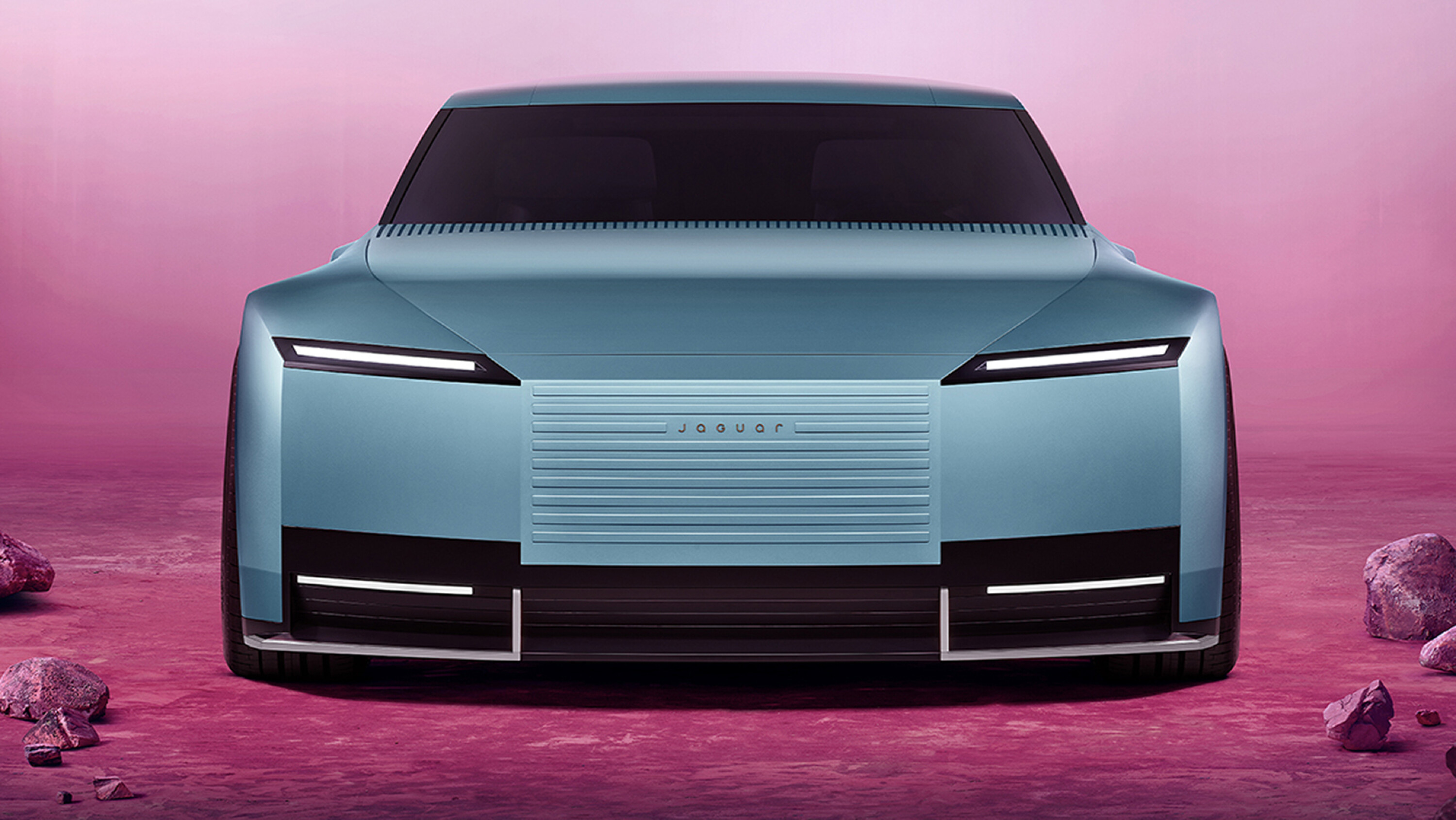
The company is fully leaning into its fashion-focused rebirth, however, using the Miami Art Week event to unveil its boldest concept in years: a bright pink coupe that might be the result of a meeting between Lady Penelope Creighton-Ward’s Rolls-Royce FAB1 and the Bruce Timm-designed Batmobile.
1
The brand’s long-serving design chief, Gerry McGovern OBE, described the concept’s design as a “pure expression” of where Jaguar is going.
“This is the result of brave, unconstrained creative thinking, and unwavering determination,” he said.
“It is our first physical manifestation and the foundation stone for a new family of Jaguars that will look unlike anything you’ve ever seen. A vision which strives for the highest level of artistic endeavour.”
1
1
Jaguar brand boss Rawdon Glover said: “Our presence at Miami Art Week emphasises Jaguar’s purpose as an advocate for art and creativity in all its forms.
“We know that art is a passion point for our future clients, so what better way than to go and talk to them directly, at one of the world’s premier art festivals”.
The company is also making clear that Type 00 is to be pronounced “Type Zero Zero” – and not, as you may be tempted, “Type Double Oh”.
1
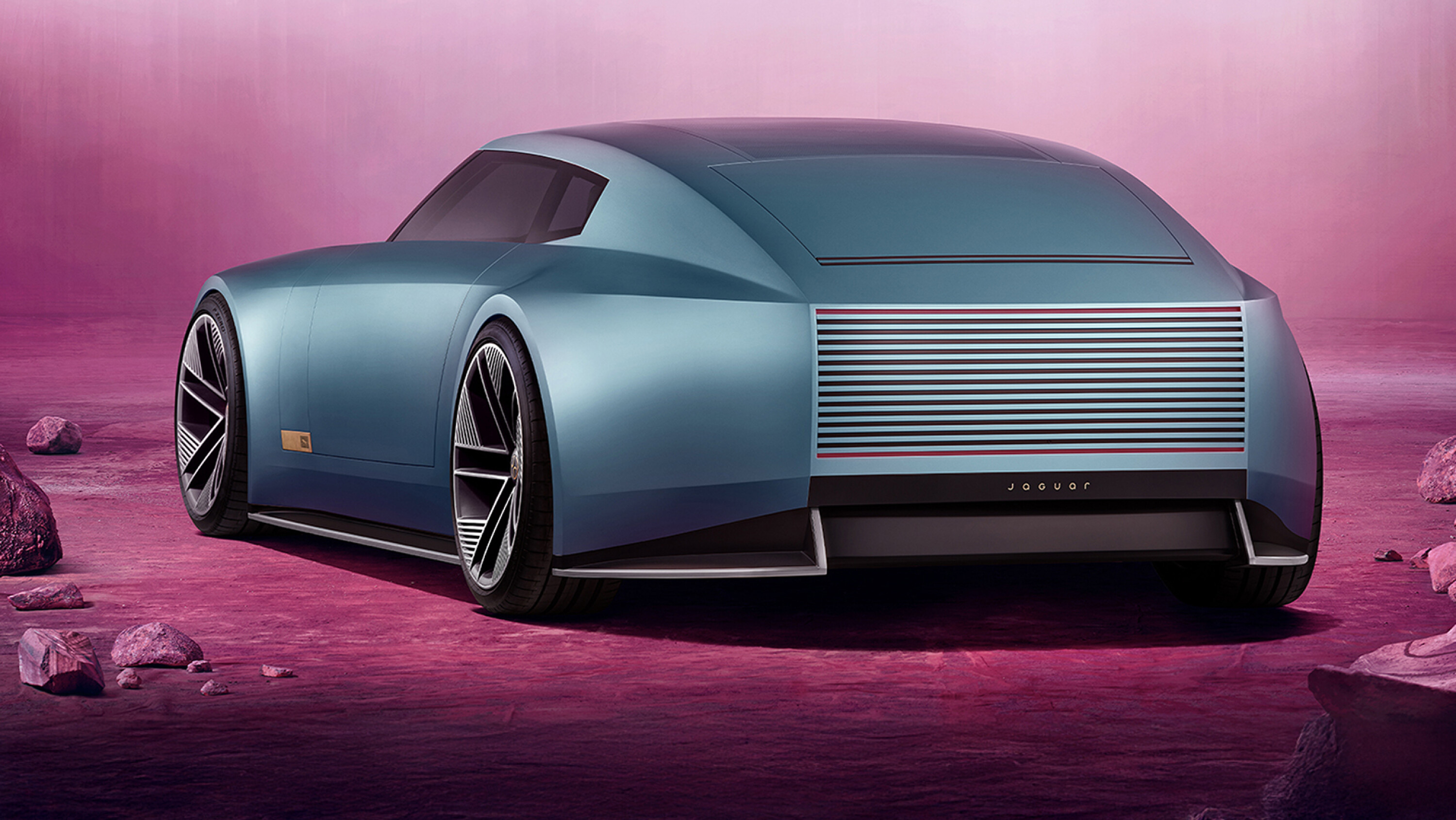
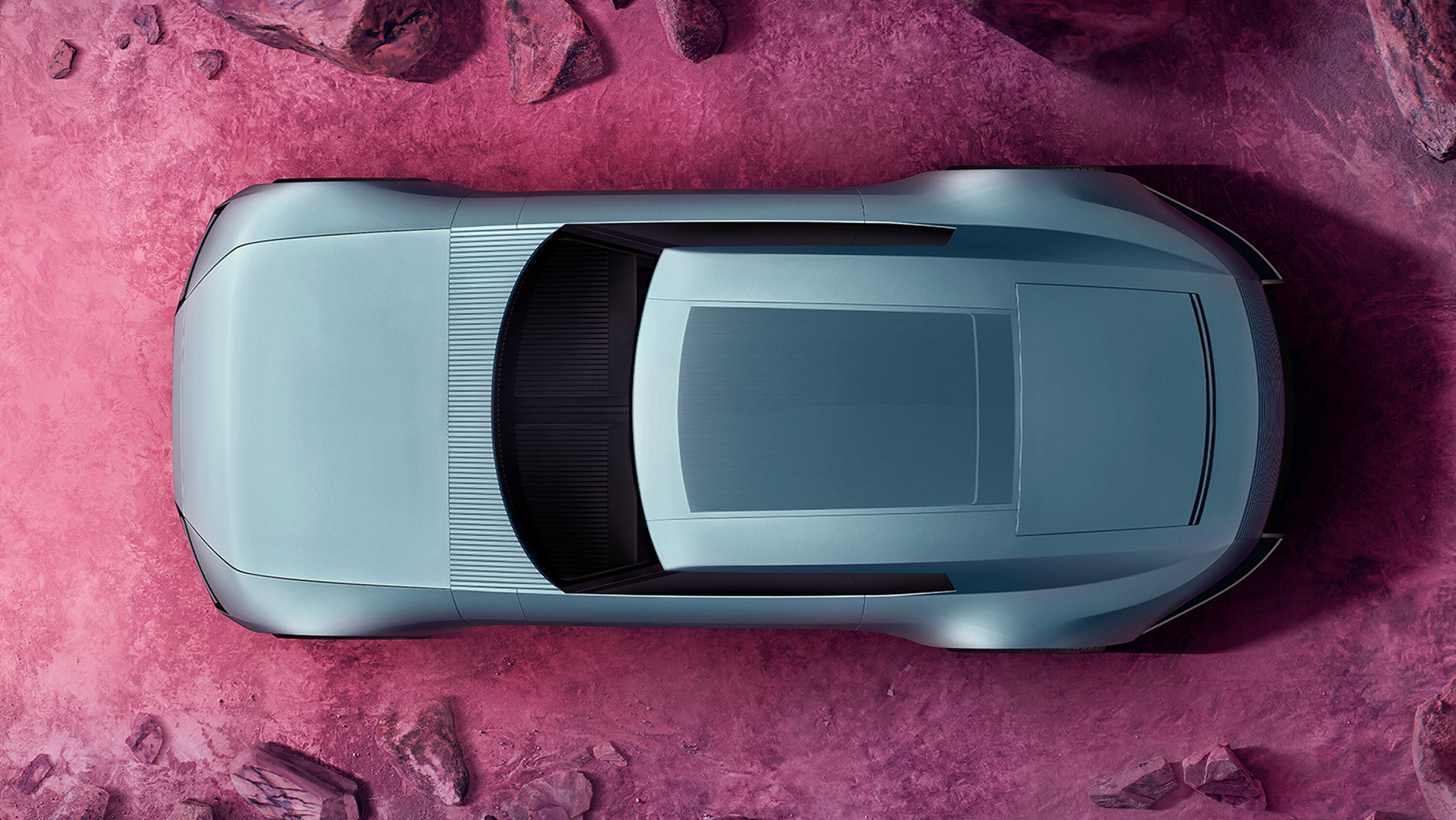
For those that can’t see past the pink, Jaguar has wisely revealed a second identical version in blue, perhaps suggesting a his-and-hers purchase would be the perfect Christmas gifts next year.
A production version of the concept will be the first model in Jaguar’s transition to an all-electric line-up, the company confirmed sometime ago.
Photos of a heavily camouflaged car surfaced in the UK media last week, revealing much of the concept’s proportions will carry over into production.
In production form, the Type 00 will manifest as a four-door GT rather than the two-door design shown here.
1
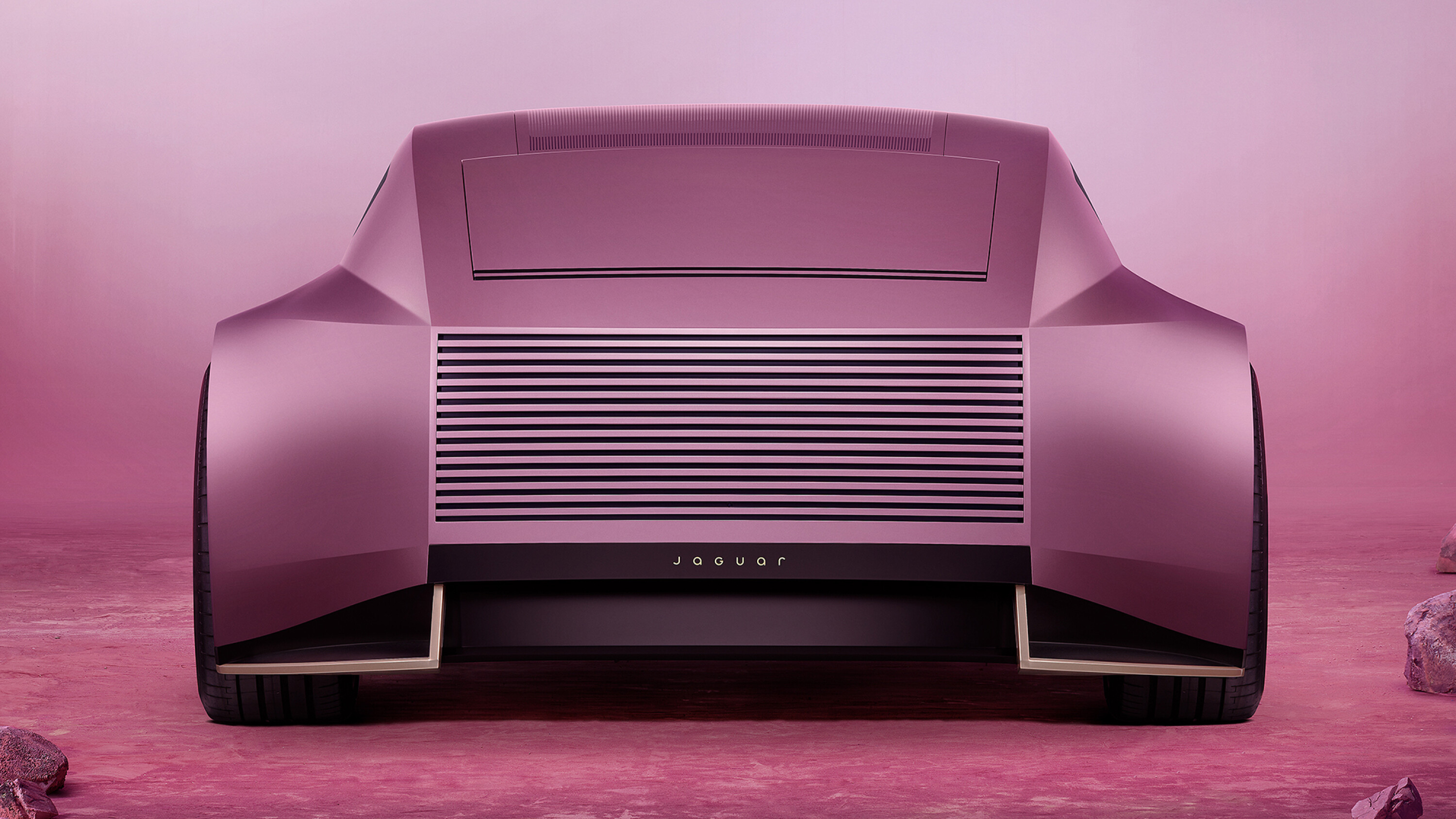
Jaguar has opted for a minimalist rear design, omitting a traditional rear window in favour of a digital rear-view mirror system.
This approach, already seen on the likes of Polestar’s newly launched 4, is intended to enhance aerodynamics and provide a clearer digital feed to the driver.
The new EV is expected to feature a dual-motor powertrain delivering over 430kW (575hp), with an estimated driving range of “up to” 770km (WLTP) on a single charge.
At a rapid charging station, Jaguar says the car will add a massive 321km of range in just 15 minutes.
1
1
The GT will be built on Jaguar’s new JEA platform, a dedicated architecture for the brand’s upcoming EVs.
This platform is expected to underpin two additional models following the GT: a large luxury saloon and a high-riding SUV.
These new EVs are planned for release within 18 months of the GT’s launch in 2026, forming a core component of Jaguar’s all-electric transformation strategy.
This shift represents, according to Jaguar, a move toward modernity and individuality within the luxury EV market.
The reception to this campaign has been mixed, with some praising its forward-thinking approach and others questioning the departure from traditional automotive branding.
1
1
Pricing in its UK homeland is anticipated to start above £100,000 (approximately AUD $195,000).
The Jaguar GT concept will be formally revealed later today at the Miami Art Week.
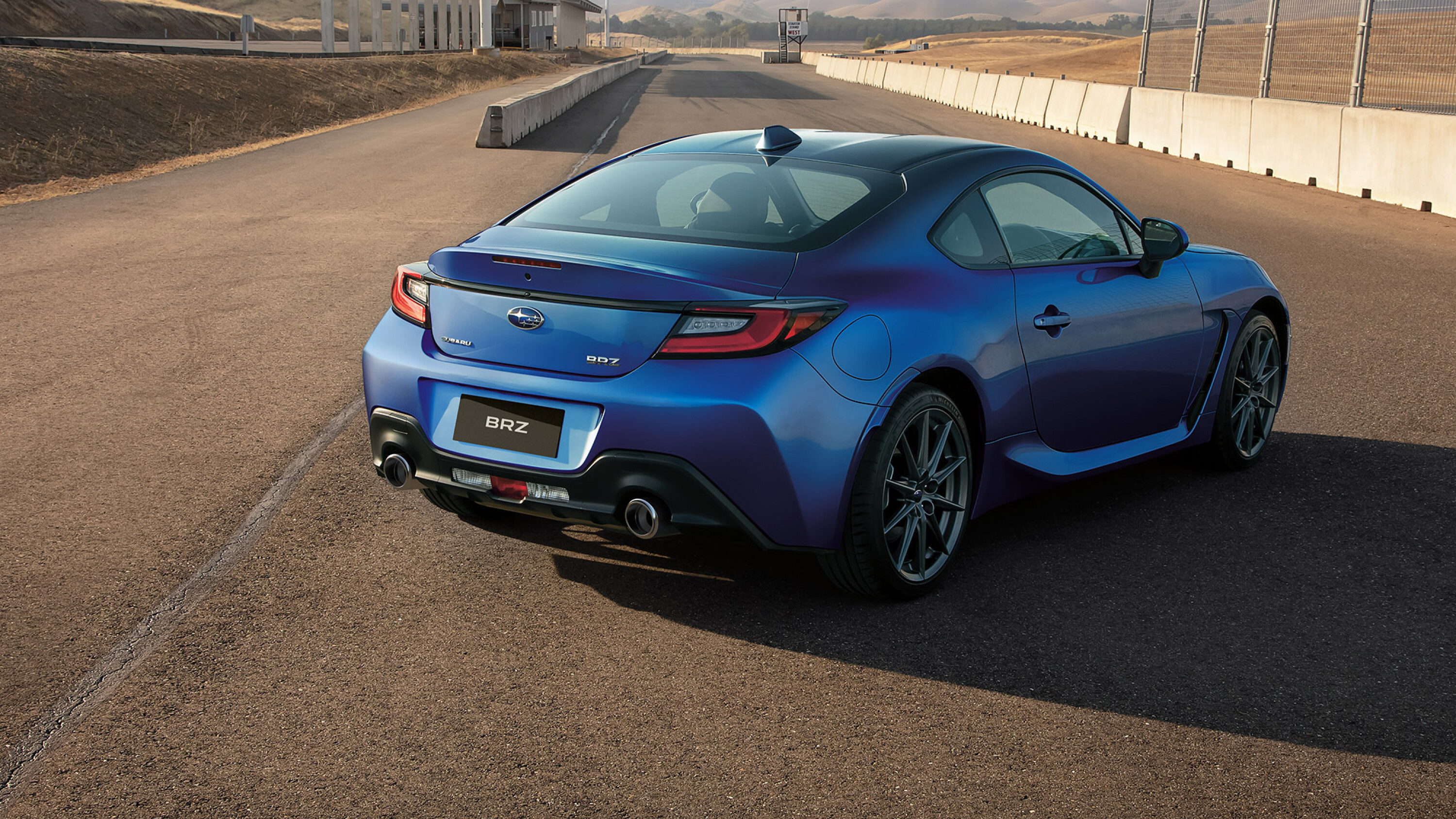
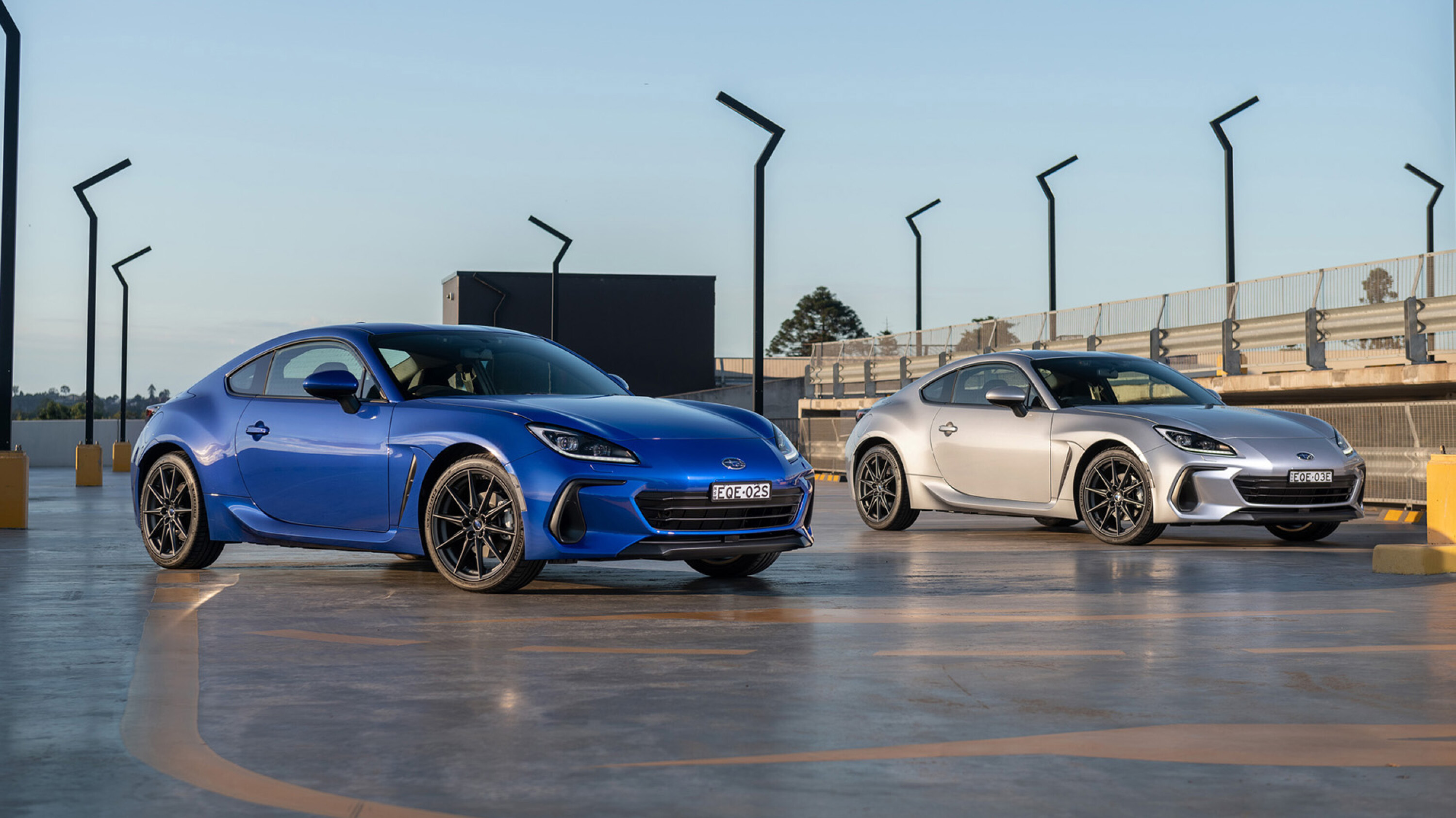
The 2025 Subaru BRZ is now on sale in Australia, introducing an updated equipment list while maintaining its pricing from the outgoing model year.
The changes centre on technology, with no changes to the BRZ’s mechanical package.
On the outside, the only change is the addition of a ‘shark fin’ antenna and a rear spoiler as standard on both available variants.
1
Inside, a new 7.0-inch digital instrument cluster is featured behind the steering wheel.
The infotainment system now supports wireless Apple CarPlay and Android Auto, improving smartphone connectivity.
The BRZ retains its 2.4-litre naturally aspirated flat-four engine, generating 170kW and 249Nm. Buyers can choose between a six-speed manual or a six-speed auto, both driving the rear wheels.
1
As before, the BRZ is equipped with Subaru’s EyeSight Driver Assist tech for automatic models. This suite includes adaptive cruise control, pre-collision braking, and lane departure warning.
Standard safety features across the line-up also include seven airbags, a reversing camera, and stability control systems.
Pricing and availability
The BRZ range continues with two variants: the standard BRZ and the higher-spec BRZ S. Pricing starts at $38,990 for the entry model and $43,990 for the BRZ S (both before on-road costs).
Deliveries are expected to begin in the first quarter of 2025.
Subaru has sold 832 units of the BRZ in Australia, year-to-date (to end of October, November figures due shortly), compared to 1399 for the same period in 2023.
Its Toyota-badged sibling sits at 506 sales year-to-date (to end of October), compared to 936 for the same period last year.
Industrial action across nine of Volkswagen’s ten factories in Germany has disrupted operations, with workers beginning ‘warning’ protests against plans for job cuts, plant closures, and wage reductions.
Organised by the IG Metall union, the strikes are a response to proposals that include shutting three plants, cutting wages by 10 per cent, and shedding thousands of positions.
Strikes began mid-morning at the Zwickau plant, followed by walkouts at key facilities in Wolfsburg, Hanover, and others throughout the day.
Described as a ‘warning’ to the manufacturer, each protest lasted around two hours and targeted multiple shifts, resulting in a reported production shortfall of over 1000 vehicles.
1
Thorsten Gröger, IG Metall’s lead negotiator with VW, said: “Volkswagen has set fire to our collective agreements.”
“If need be, it will be the toughest collective bargaining battle Volkswagen has ever seen.”
The dispute follows Volkswagen’s efforts to address declining profits and heightened competition from China, particularly in the EV market, which the company says has pressured it to reduce costs significantly. Management argues that drastic measures are necessary to sustain competitiveness against these rivals.
Not specifically said was that these rivals are far less affected by traditional western economic factors such as higher-paid workers and powerful labour unions, while benefiting from government aid to an extent rarely enjoyed in the west. This has been compounded by reduced growth in demand for cars in Europe.
New car sales in Europe have fluctuated in 2024, with September seeing new car registrations decrease by 6.1% year-on-year, marking the second consecutive month of decline.  However, October saw a modest rebound, with a 1.1% increase in registrations, driven by growth in Spain and Germany, while France and Italy continued to face downturns. 
The electric vehicle (EV) segment has also encountered challenges. In August, battery electric vehicle registrations fell by 36% compared to the same month in 2023, the largest drop since January 2017. This decline is attributed to factors such as reduced incentives, high prices, and concerns about residual values.
The protests appear to centre on the argument that the challenges presented by China should not be the factory workers’ burden to shoulder – at least not alone, with white-collar cuts and further government assistance being other potential ingredients.
Nevertheless, the IG Metall union has offered a labour-focused plan it says could save AUD $2.4 billion without plant closures or mandatory redundancies. Suggested measures include reduced working hours and a temporary suspension of bonuses to factory workers.
Volkswagen has rejected the proposal, claiming it would not achieve the level of cost reduction required.
The timing of the strikes follows the expiration of an earlier agreement that barred industrial action, leaving no constraints on workers’ ability to strike.
Negotiations are scheduled to resume on December 9, but the union has signalled that more extensive protests, potentially including 24-hour or indefinite strikes, could occur if no resolution is reached.
Volkswagen has acknowledged the protests as a lawful response by employees, reaffirming its commitment to finding a resolution through continued negotiations.
The Volkswagen group is Germany’s largest employer, with nearly 300,000 workers nationwide – including around 120,000 under a collective bargaining agreement.
Whether these strikes will lead to further delays on the Australian launch of its numerous ID-badged EVs, remains to be seen.