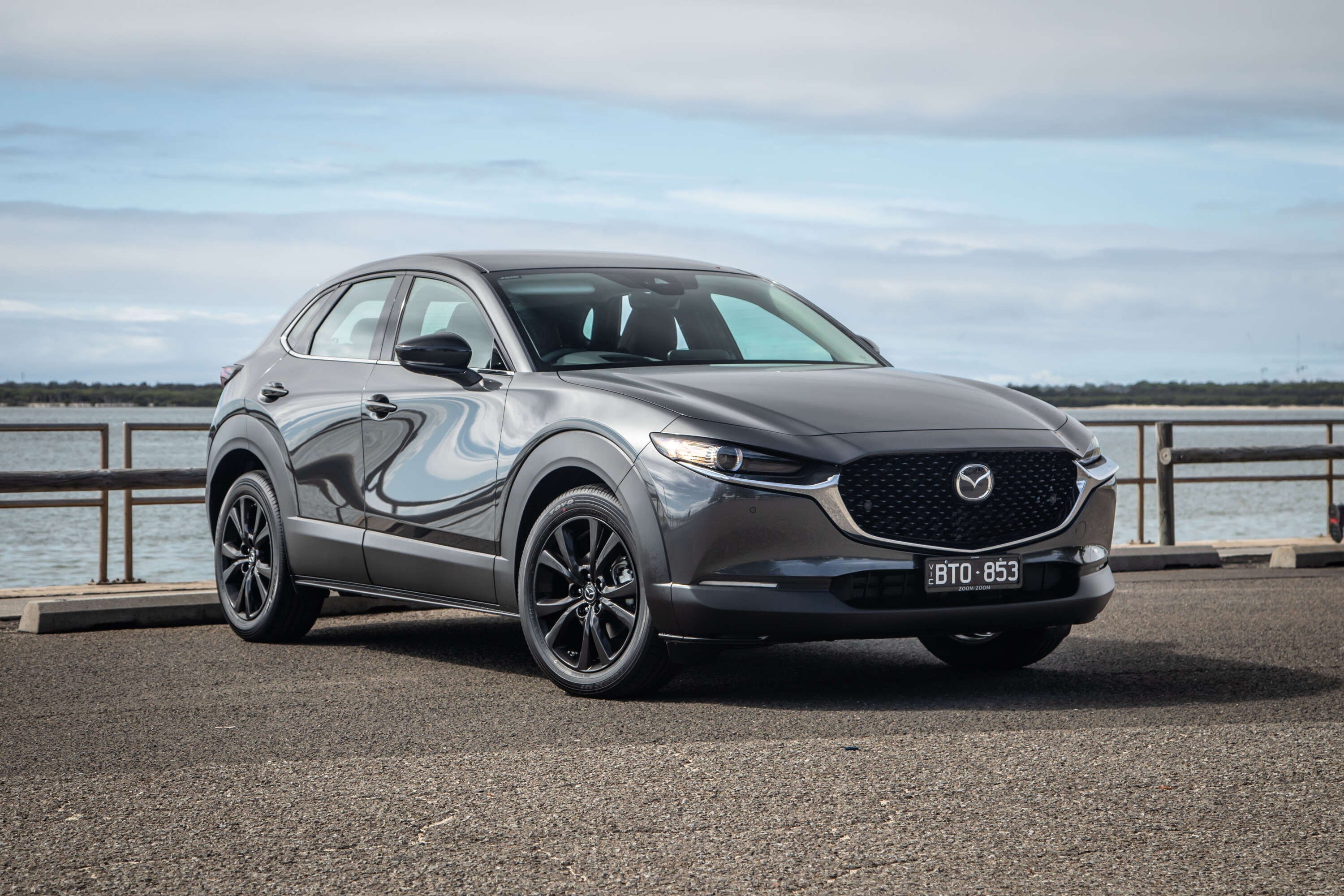
As the SUV trend took off in Australia, manufacturers started offering light and small SUVs as alternatives to traditional hatchbacks and sedans.
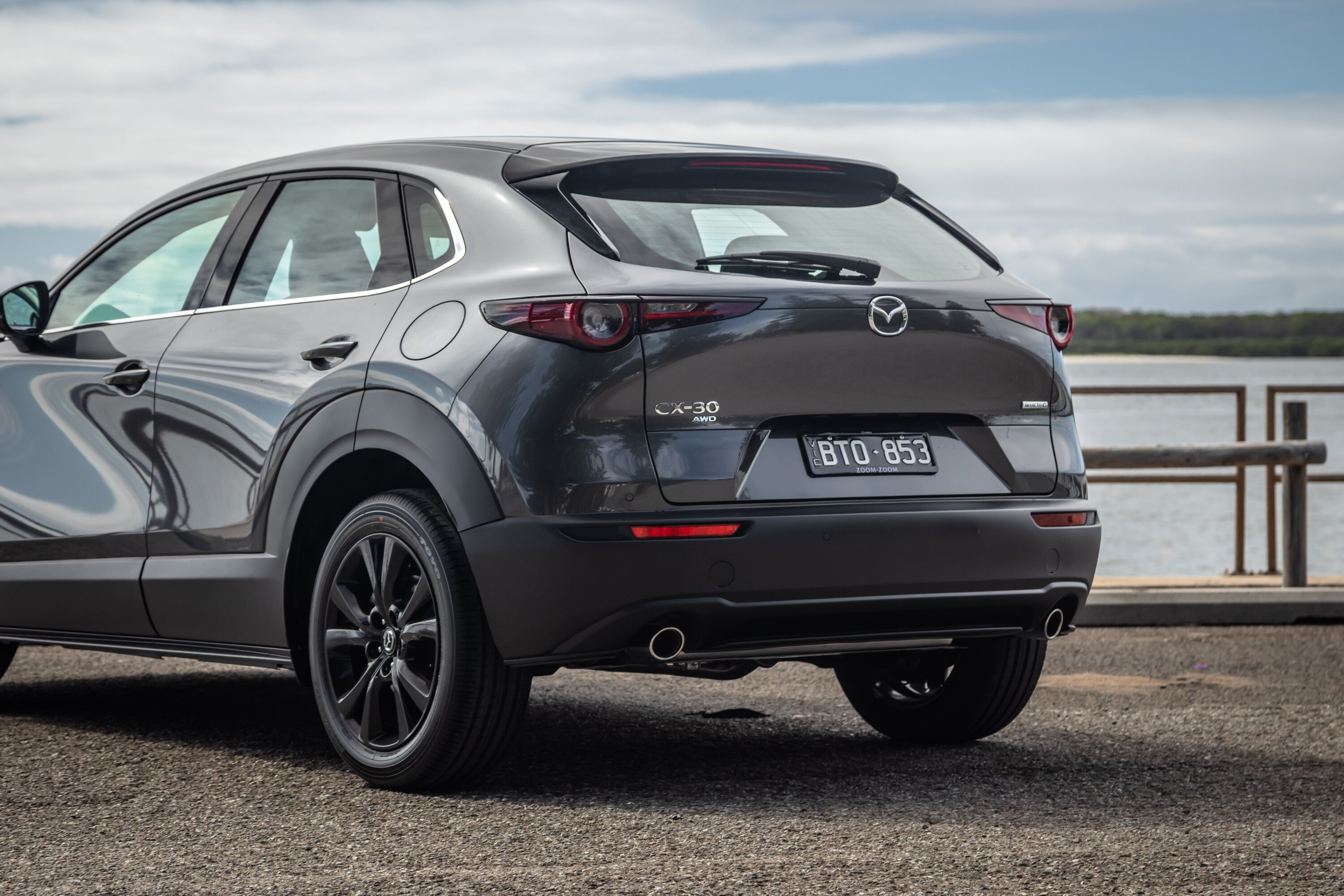
Capitalising on the success of its family-sized CX-5 and CX-3 models, Mazda introduced the CX-30 in 2020 to fill the gap between these SUVs, by creating a small SUV using the same platform as the Mazda 3.
The CX-30’s pricing starts at $32,990 for the base G20 Pure model and goes up to $47,390 for the high-end X20 Astina. All models comes equipped with a six-speed automatic transmission.
1
Pricing and Features
The Touring variant sits smack bang in the middle of the CX-30 grades and is available in two powertrains– a 2.0-litre or 2.5-litre petrol engine.
A 2.0-litre engine produces 114kW and 200Nm, using about 6.3 litres of fuel per 100km on a combined cycle.
The more powerful 2.5-litre engine gets you more power and torque at 139kW and 252Nm, using slightly more fuel at 6.6 litres/ 100km.
Both models are priced at $38,690 and $40,190 before on-road costs.
Nine paint colour options are available, with four of those costing an extra $595.
1
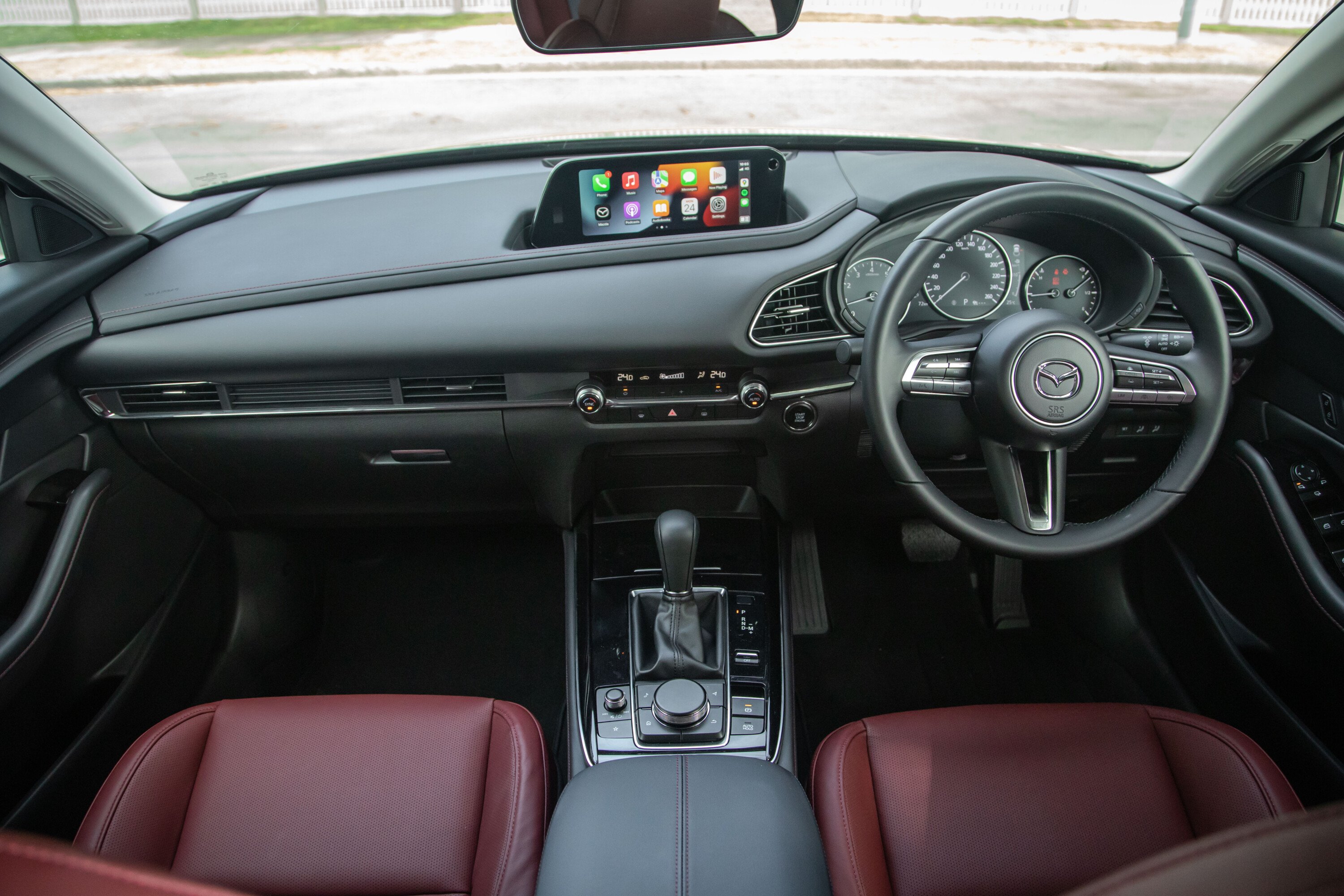
2023 Mazda CX-30 Touring features
10-way electrically adjustable driver seat including lumbar adjustment and 2-position memory
Head-up display
18-inch alloy wheels (silver finish)
Keyless entry with push-button start
7.0-inch digital instrument display
Leather seat trim
8-speaker audio with Bluetooth and DAB digital radio
Leather-wrapped gear shift knob and steering wheel
8.8-inch infotainment touchscreen with Apple CarPlay and Android Auto
Parking sensors (front and rear)
Adaptive cruise control
Rain-sensing front wipers
Auto dimming rear-view mirror
Rear Cross Traffic Alert (RCTA)
Auto-dimming driver side mirror with automatic reverse tilting
Rear seat centre fold down armrest with cup holder
Blind spot monitoring
Reverse camera
Dual-zone climate control with rear vents
Satellite navigation
Electric parking brake
Tilt and telescopic adjustable steering wheel
Exterior electric mirrors with position memory
Tyre Pressure Monitoring System (TPMS)
Front illuminated vanity mirrors
1
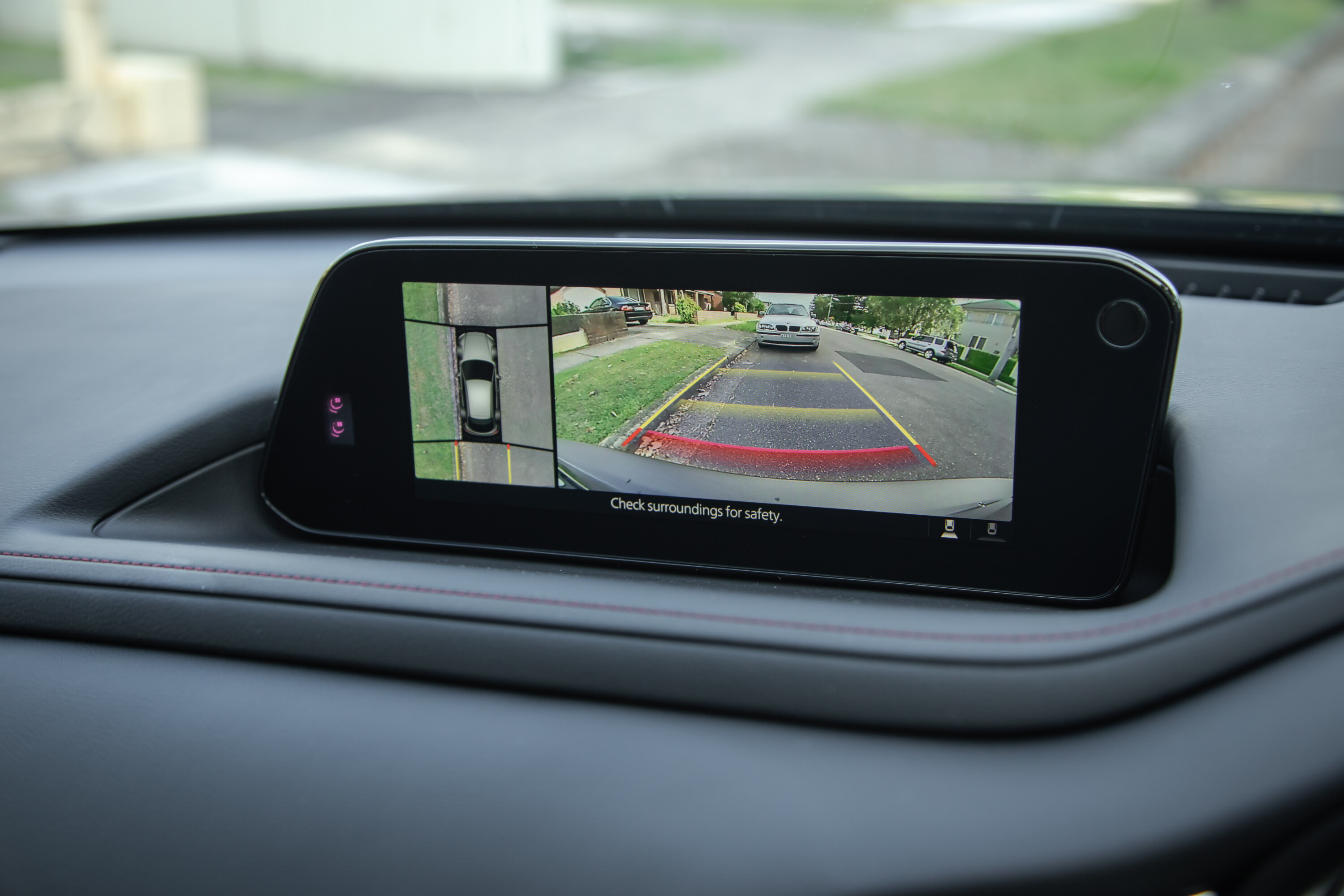
For an extra $1800 you can add a Vision Technology option package which includes :
360° view monitor
Driver Monitoring
Front Cross Traffic Alert (FCTA)
Adaptive cruise control
10.25-inch widescreen colour display
These features are standard on G20 and G25 Astina variants, higher up in line-up.
Safety
The Mazda CX-30, tested in 2019, has earned a five-star ANCAP safety rating.
It comes standard with seven airbags, including dual front, side, curtain, and driver’s knee airbags.
Even the entry-level model is equipped with advanced active safety features like autonomous emergency braking with vehicle, pedestrian, cyclist, and reverse detection, adaptive cruise control, lane-keeping assist, lane departure warning, blind-spot monitoring, rear cross-traffic alert, driver attention alert, and traffic sign recognition.
Additionally, all models feature a reversing camera and rear parking sensors. While the Vision Technology package adds more safety features at an extra cost, the base safety equipment is already comprehensive.
1
Key Rivals
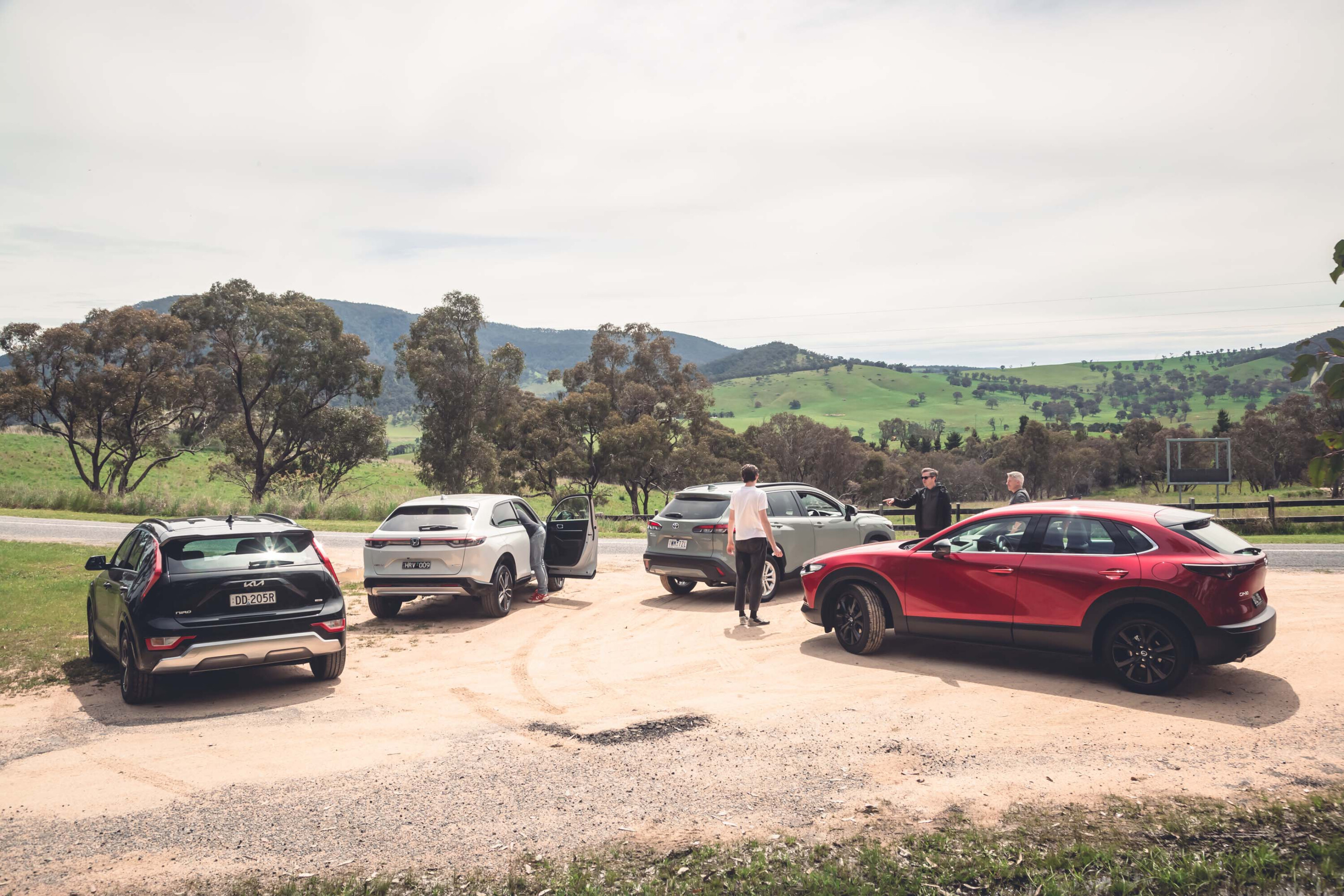
The CX-30 competes against popular small SUVS such as:
The Mazda CX-30 serves as a stylish and efficient small SUV, perfect for those who require more versatility than a typical hatchback or sedan offers, but don’t need excessive space.
It’s an attractive option for younger buyers or as a first car, especially the base G20 Pure model, which comes with a comprehensive array of equipment and safety features.
For those desiring slightly more luxurious amenities, the Touring variants are an excellent choice.
GWM provides official comment on the Tank 700 coming to Australia
Tank 700 actually produces 850Nm which is 100Nm more than first reported
GWM confirms Tank 700u2019s 0-100km/h time
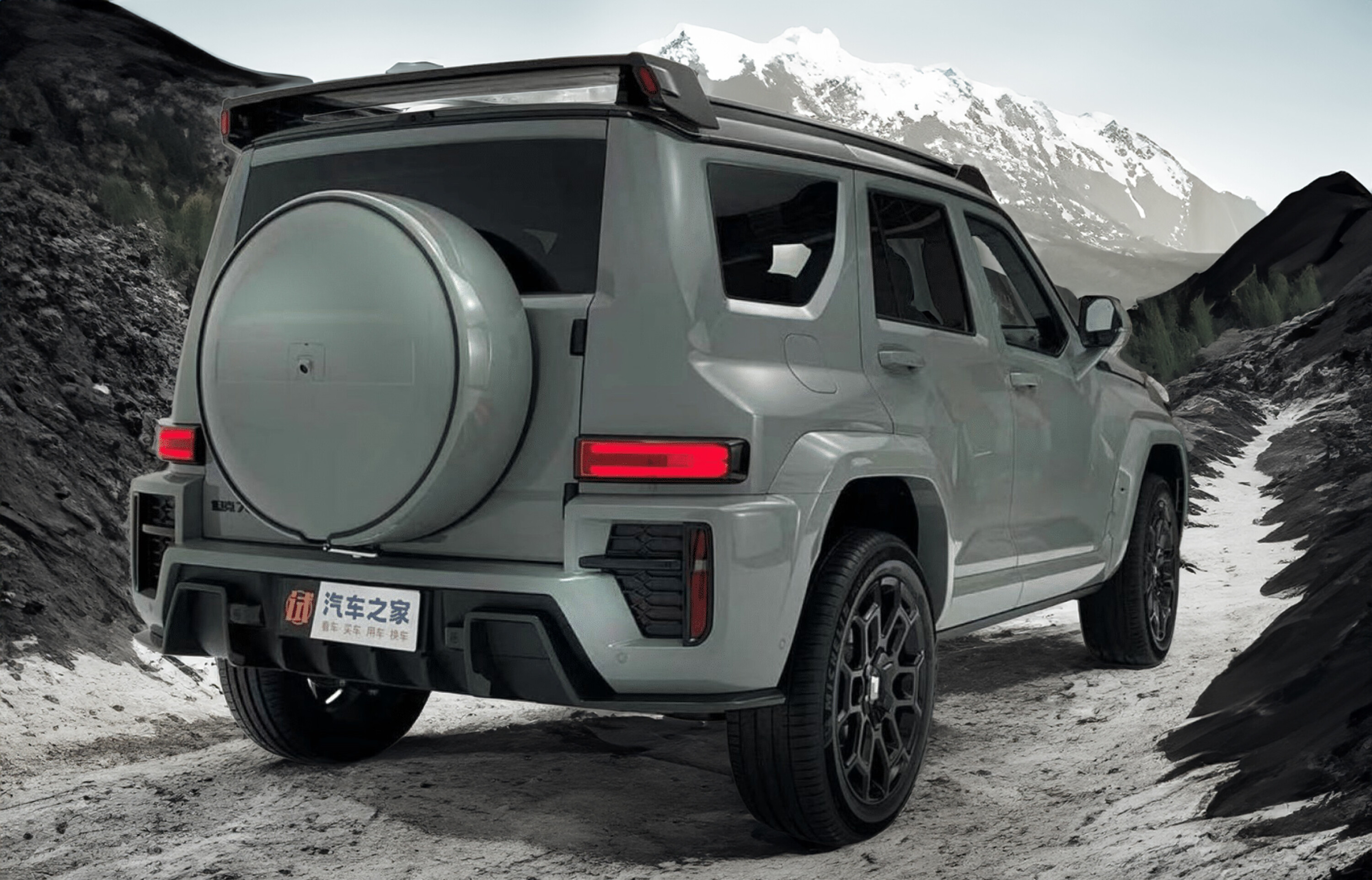
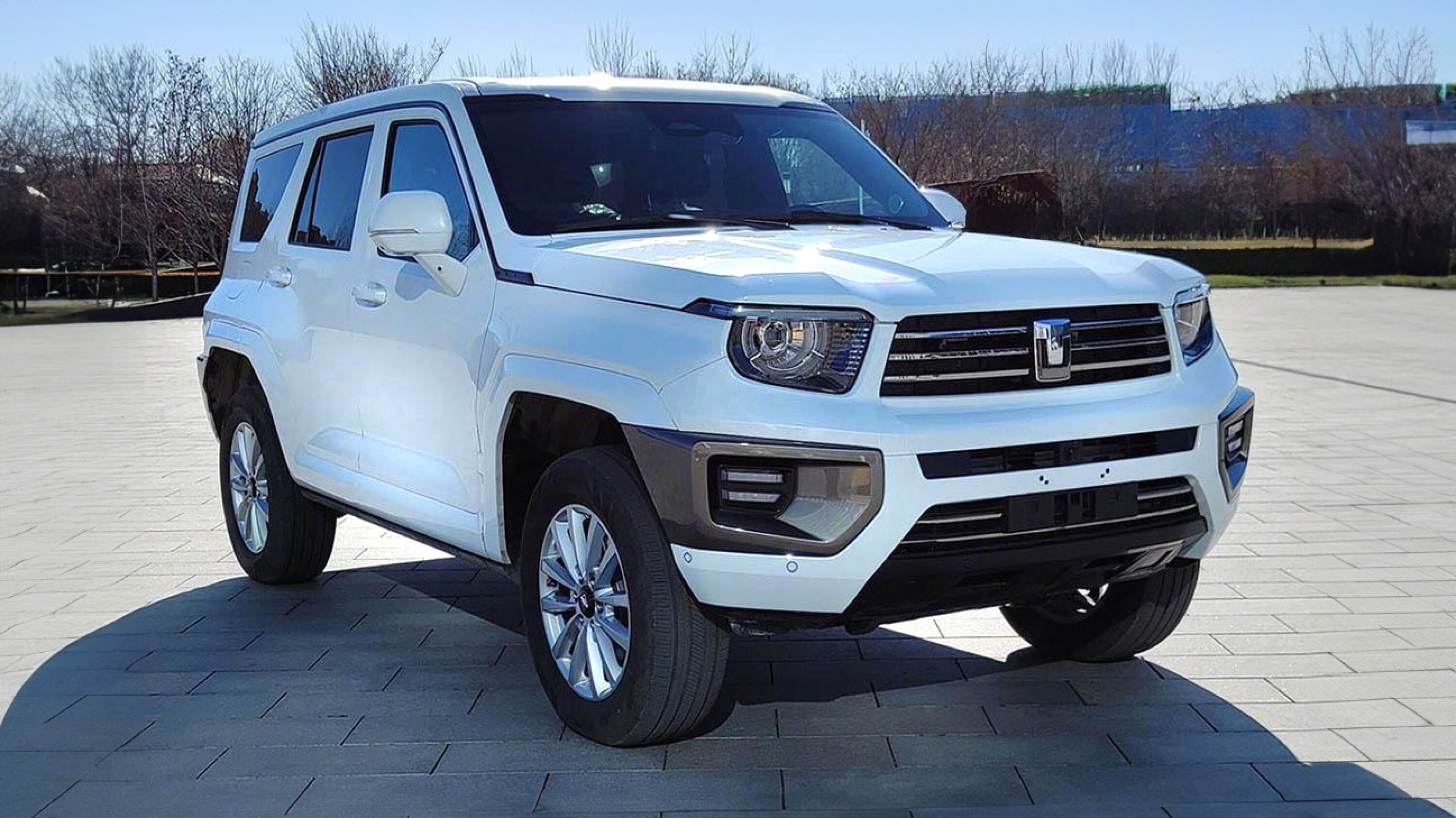
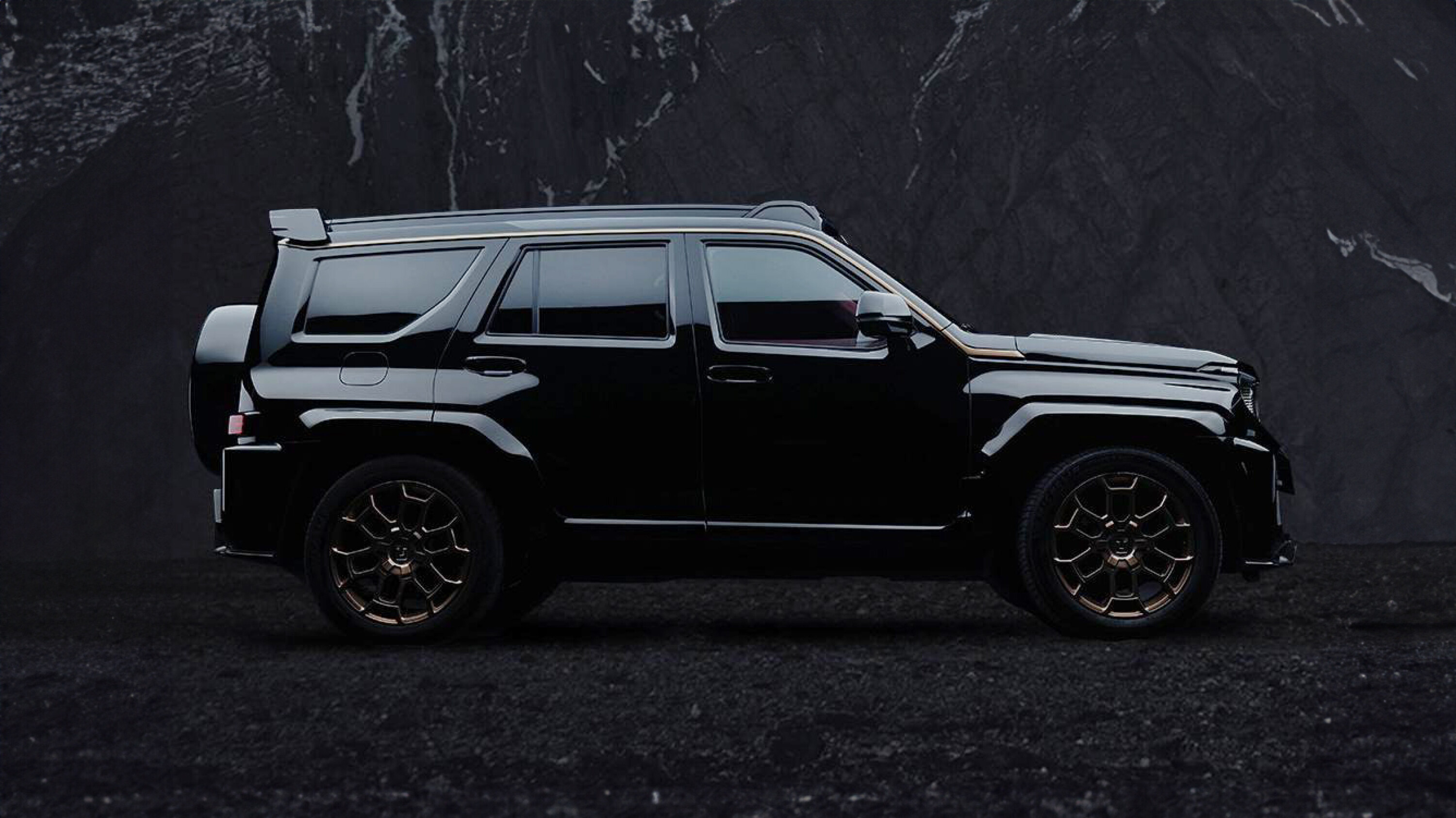
We already knew the wild-looking GWM Tank 700 was hugely powerful but now the brand has confirmed it actually has more torque than we first thought.
Packing a plug-in hybrid powertrain that combines a 3.0-litre twin-turbo V6 with a single electric motor, news out of the Guangzhou motor show reported the Tank 700 produced 386kW and 750Nm.
Few other details around the Tank 700 were revealed, beyond its basic dimensions which place it between rivals like the Toyota LandCruiser and Nissan Patrol for size.
1
Now, though, GWM has confirmed some new details to Wheels about the Tank 700’s powertrain and its chances of coming to Australia.
According to GWM head office in China, the Tank 700 “has a comprehensive power of 385kW and a torque of 850Nm.” That torque figure is 100Nm more than initially reported and further elevates the Tank 700 above the LandCruiser and Patrol for powertrain performance.
The LandCruiser 300 Series has 227kW/700Nm from its 3.3L turbo diesel, while the Patrol has a naturally aspirated V8 petrol that produces 298kW and 560Nm.
1
Another new detail provided by GWM is the Tank 700’s 0-100km/h time which is “in the 5-second range”.
That means the Tank 700 — which is a hulking, body-on-frame LandCruiser rival don’t forget — is quicker to three figures than most hot hatches. Crikey.
GWM also provided some more detail around the Tank 700’s plug-in hybrid powertrain. Built on GWM’s fresh Hi4-T platform, the Tank 700 uses a ‘P2 hybrid’ system that features a single electric motor mounted between the 3.0-litre V6 and nine-speed automatic.
1
As for the Tank 700’s chances of coming to Australia, GWM’s local arm provided the following statement:
“The official line locally is that Tank 700 is, at this stage, not confirmed for Australia,” said GWM’s head of marketing and communications Steve Maciver.
“We see the potential for multiple Tank products in the Australian GWM lineup but our focus currently is to continue the successful launch of Tank 300 and finalise the business case for a possible Tank 500 launch.”
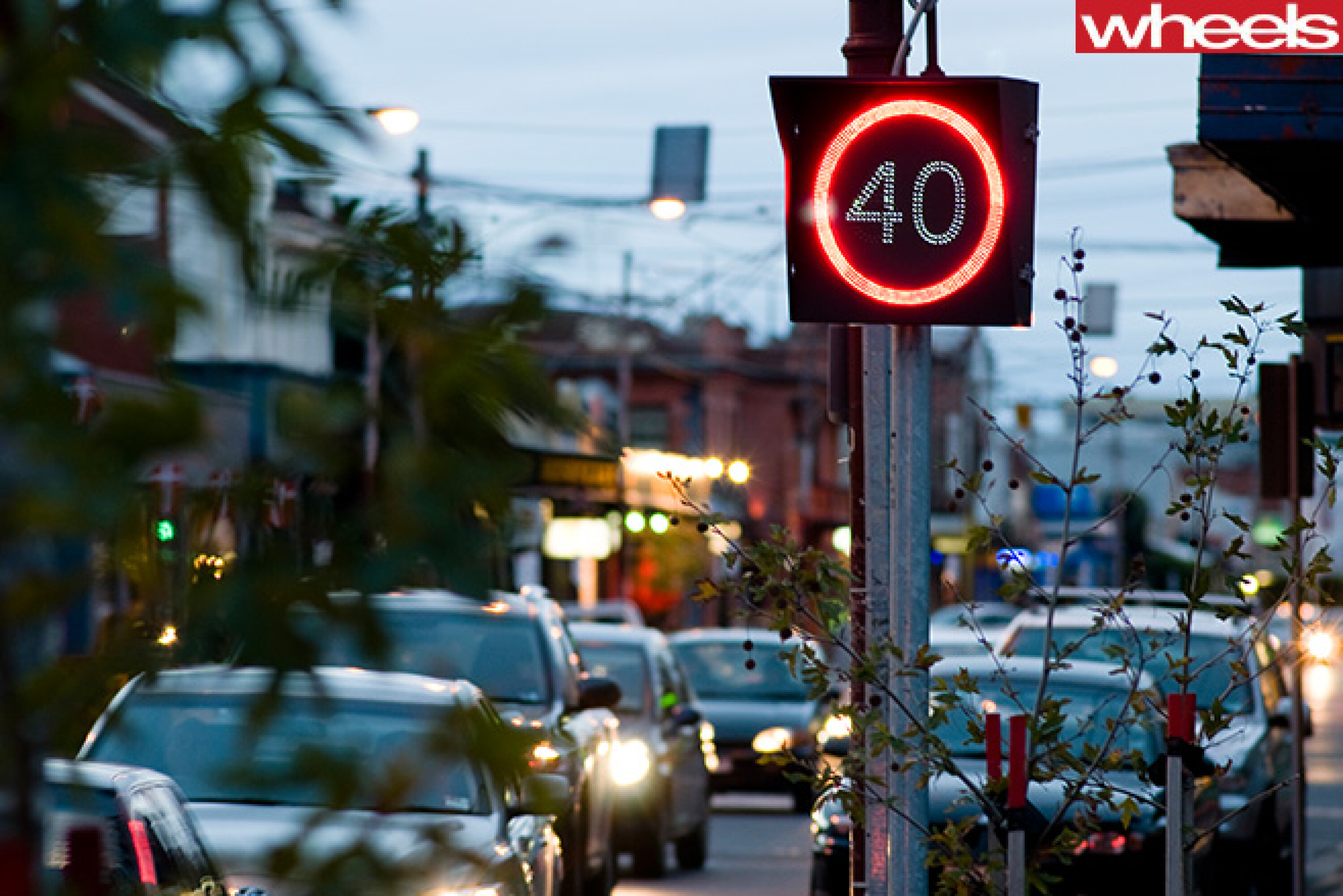
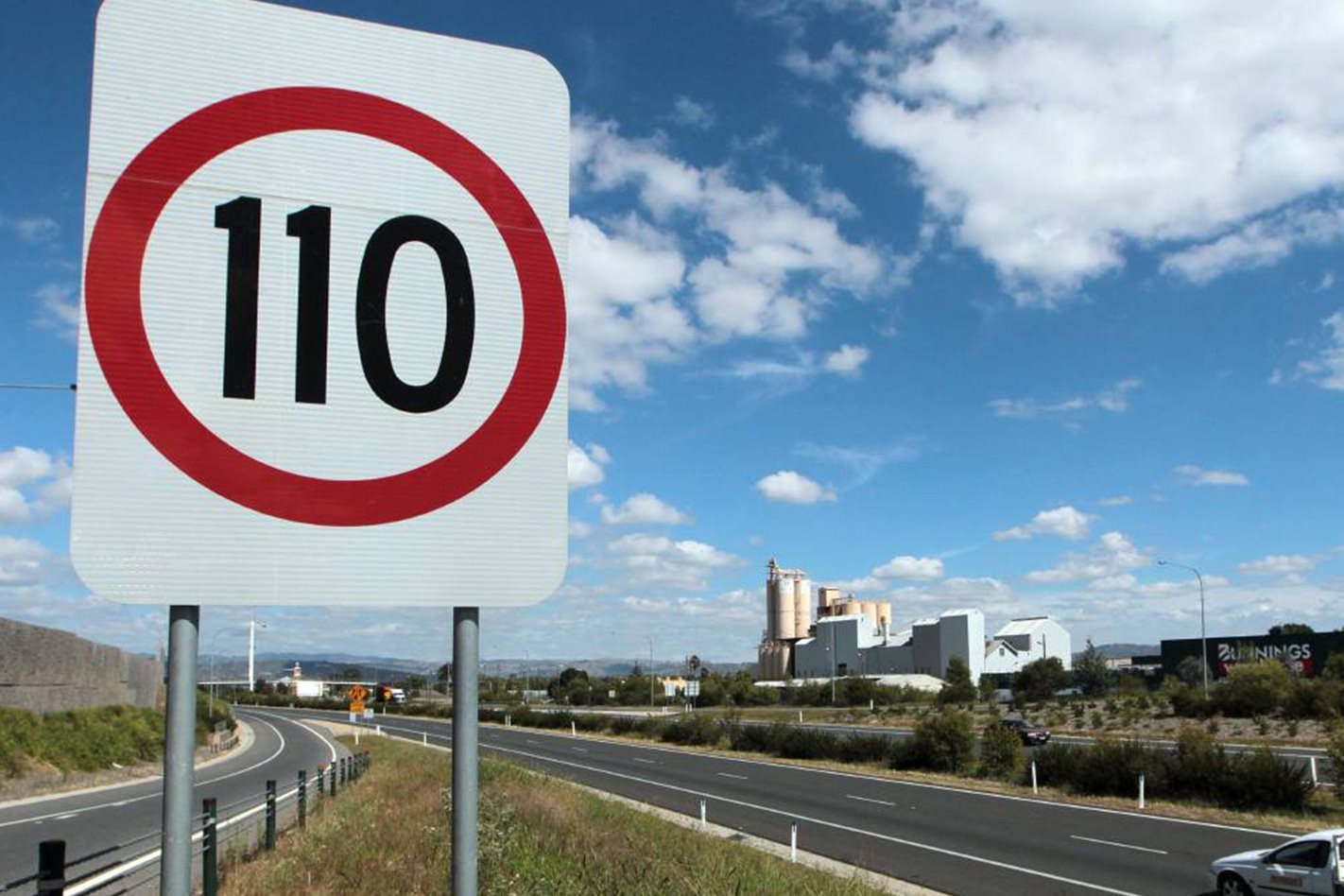
Since 2022, all new models launched in Europe must be equipped with Intelligent Speed Limit Alert technology, while all existing new models must have them installed as an update by 2024.
Australia was expected to follow, and now the US could be on the same path.
As reported in our earlier coverage below, the technology was made law for Europe in 2019, with bolder plans ahead for those systems to not only alert the driver if they’re speeding, but also to slow the vehicle as needed.
Under the Morrison government of the time, Australia was understood to be preparing plans to follow Europe’s lead, but there has been no announcements or comment offered in the time since.
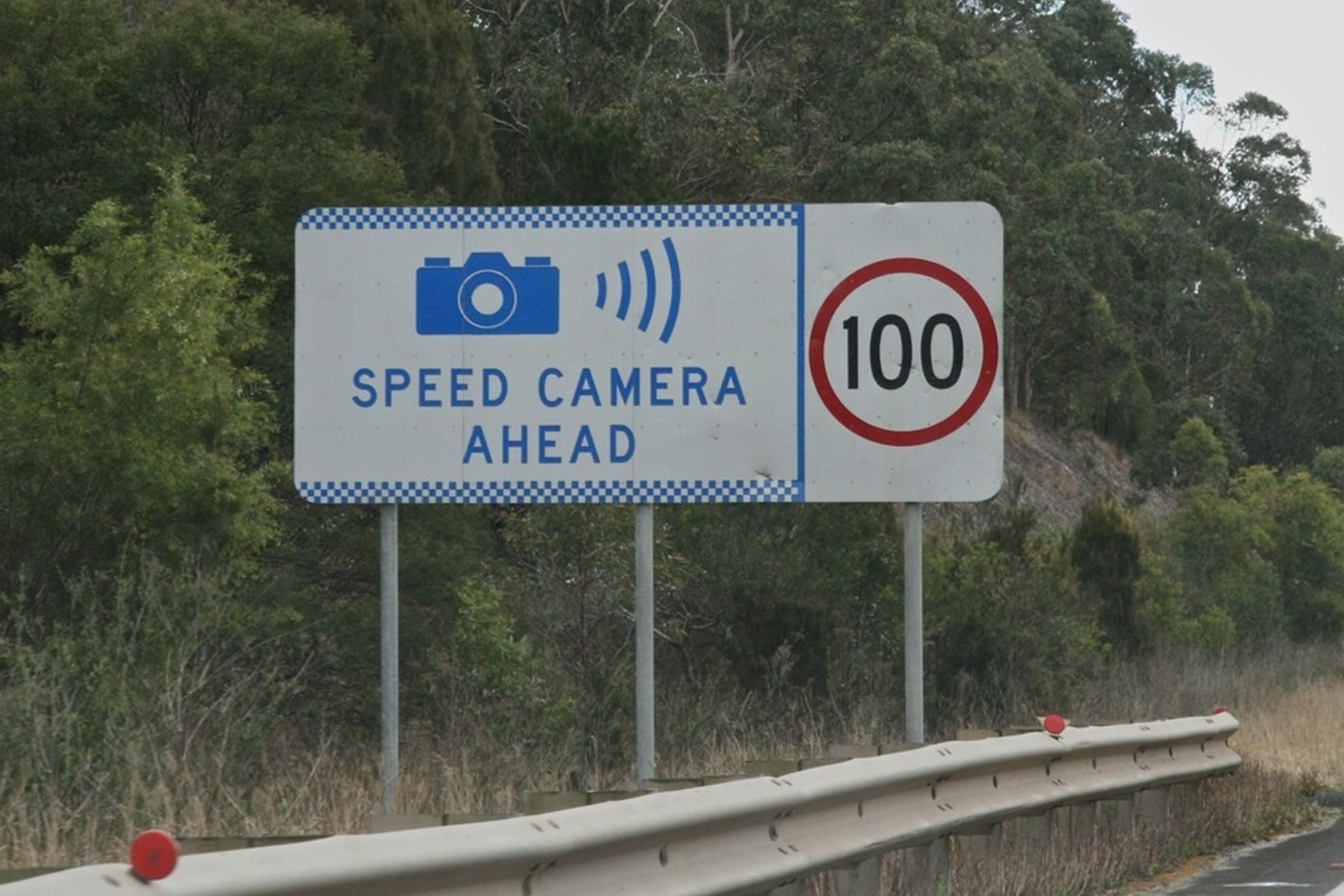
Nonetheless, a number of new cars coming into Australia are now equipped with these alert systems. In most cases, the alerts are visual only, while others like those from Hyundai and Kia will deliver an audible alert whenever the identified speed limit is exceeded – determined through GPS and camera-based speed sign recognition.
These audio alerts can be disabled or lowered in volume, but it must be done each time the vehicle is driven, as the driver preference will be reset after each trip.
A spokesperson for Kia told Wheels at the recent EV9 launch that this combination of visual and audio alerts is a Euro NCAP requirement for a 5-star safety rating, but the organisation’s assessment protocol is clear: “The warning shall be a flashing traffic sign used to communicate the speed limit or an additional visual signal adjacent to the traffic sign.” A Hyundai product manager has since told Wheels the additional audio alert is merely the company acting in the best interests of its customers’ safety.
In the United States, the country’s National Transportation Safety Board (NTSB) has recommended all new models come equipped [↗] not only with alerts, but also the most extreme version of the technology, capable of slowing or stopping a vehicle as needed.
How far such a recommendation will get in “the land of the free” remains to be seen, of course, with many Americans holding their car keys as tightly in one hand as they do their firearm in the other. For its part, the US National Highway Traffic Safety Administration has not yet taken a position, and the NTSB does not have regulatory powers of its own.
What do you think of speed limiter systems being mandated to slow your vehicle if it detects you exceeding the limit? Tell us in the comments below!
1
2019: Speed limiters coming to Australia
Just like the seat belt and electronic stability control, speed limiters, among other safety technology, will become mandatory in Australian cars.
Earlier this week, the European Commission confirmed it passed legislation that will see a range of safety systems compulsory for cars sold in the European Union. The systems include intelligent speed assistance, alcohol interlock installation facilitation, advanced driver distraction detection, AEB, lane departure warning, and an accident recorder ‘black box’.
Wheels can exclusively confirm that Australia is in line to introduce similar mandatory requirements.
The cogs are already in motion, with the government currently sorting out the proposal for approval. The legislation that will be introduced in Europe from May 2022 requires vehicles not yet in production to introduce the systems effective from that date, and vehicles which are currently on-sale to have the technology fitted by 2024.
1
The legislation is not unique to the EU. As Wheels discovered, the proposal to introduce driver distraction-mitigation systems and speed limiters, which will warn the driver once the speed limit has been exceeded and have the ability to slow the vehicle down, has already been drawn up by the United Nations, of which Australia is a working group.
The list of requirements was described to Wheels as a ‘pick and mix’ for countries to choose from, though it is likely there will be a similarity between European and Australian requirements. It is also understood that the timeline for Australian legislation is close to that of the EU, through a staggered introduction.
Shared testing between ANCAP and EuroNCAP authorities has led to both cars requiring safety systems such as AEB and lane departure warning be standard equipment as part of the requirements to be awarded a full five-star rating. The European Commission estimates that at least 25,000 lives will be saved on European roads as a result of the legislation it is introducing.
ANCAP has already begun scoring Australian vehicles for speedometer accuracy; a key component of ensuring speed limiting technology can be introduced within time. The ‘Intelligent speed assistant’ system uses GPS data and sign recognition to provide advice on the speed limit, warning the driver when it is exceeded, with the ability to reduce engine power.
Two hurdles are speedometers, which can legally have a variance from the factory of up to ten percent below the indicated speed, and GPS and sign recognition, which still has a number of variables that manufacturers need to overcome.
Speaking with Wheels, ANCAP Chief Executive James Goodwin said the safety authority fully supported the move to make vehicles safer. Goodwin said that ANCAP’s early adoption of technology such as AEB and lane departure warning – and being a harsh critic of vehicles that failed to introduce the technology – has been key to safer vehicles and lowering the road toll in Australia.
“ANCAP supports moves to mandate these important safety aids, but the regulatory process can take time,” he said.
“In the interim, the voluntary fitment of these technologies is already increasing quickly through ANCAP’s consumer and market influence, with many of these features already required in order to score a high ANCAP safety rating – whether it be a passenger car, SUV, van or light commercial vehicle.”
A brand-new Chevrolet Corvette has been involved in a multi-car accident that sent three people to hospital and caused traffic chaos in downtown Bondi, New South Wales.
Seven News reports the crash took place around 10am on Sunday morning and occurred after the Corvette collided with a Subaru Forester that was leaving a driveway.
The Corvette then smashed into several other vehicles and hit a red Vespa scooter, which had just been mounted by its owner.
The legs of the scooter rider, a 36-year-old called Franky, were crushed in the impact and had “bones breaking through” according to Seven News.
https://www.youtube.com/watch?v=utQRTaMXutg
A total of five vehicles were damaged in the multi-car prang but ironically, the one car not damaged was the one actually owned by the 28-year-old driving the Corvette.
The owner of the Corvette told Nine News he had taken delivery of his new car just three weeks earlier and had only recently met the Lamborghini owner through a local car enthusiast group.
Witness accounts from the scene suggested the two drivers had been racing. “We just hear two cars racing then a massive crash,” one onlooker told Nine News.
The Corvette owner denied they were racing at the time: “No, I don’t want to make a comment,” he said. “I haven’t done anything, thank you for your time.”
The man driving the Corvette returned a negative blood alcohol reading at the scene and was taken away in the back of a paddy wagon for further police questioning.
The incident occurred on the main arterial heading to Bondi beach and caused heavy traffic delays. Anyone who saw the incident or has dash-cam footage of the crash are urged to contact Bondi police.
An attempt to prove the superiority of Tesla’s so-called Full Self Driving system over Google’s driverless Waymo cars in San Francisco fails to instil confidence in Elon Musk’s preference for camera-only control.
In a video published to YouTube channel HyperChange, the host meets up with Tesla fanboy slash hypeman Omar Qazi (known on social media for his Tesla Whole Mars Catalog accounts) to compare the two systems.
The intention is to demonstrate that Tesla’s Full Self Driving system in the latest Model S update, which combines artificial intelligence with a camera-only object detection platform, is all you need for safe and capable autonomous driving.
The Waymo system, running in a fully driverless Jaguar I-Pace licensed to operate as a ‘robotaxi’ in San Francisco, combines cameras with radar and lidar systems, along with heavily detailed and regularly updated mapping developed specifically for autonomous operation.
Elon Musk has previously said his Full Self Driving system is “really the difference between Tesla being worth a lot of money or worth basically zero”.
? As he boasts of the Tesla system’s capability, Qazi’s Model S screams down one of San Fran’s steep hills (16m25s) and blows through a stop sign, hitting its bump stops as it crosses the level intersection.
As Qazi stumbles through acknowledging the error – “yeah that wasn’t good”, his YouTuber passenger admits to be “a little freaked out”.
After crossing the intersection, Qazi has to grab the wheel a number of times to keep it from driving into parked cars. “Holy shit, what’s going on here?” he exclaims before deciding to pull over and check the cameras, confirming they were clean and not obscured.
The video continues with no further major dramas, so if you can sit through the many dozens of “dude” and “bro”, check it out below.
UK to ban ‘self-driving’ marketing, will hold carmakers accountable for incidents on the road
Meanwhile, earlier this month, King Charles and his UK government confirmed it will use a new Automated Vehicles Bill to ban carmakers from describing vehicles as “self-driving” or “driverless” unless their systems are approved under changes that will be included in the new legislation.
“While the vehicle is driving itself, a company rather than an individual will be responsible for the way it drives,” the government said.
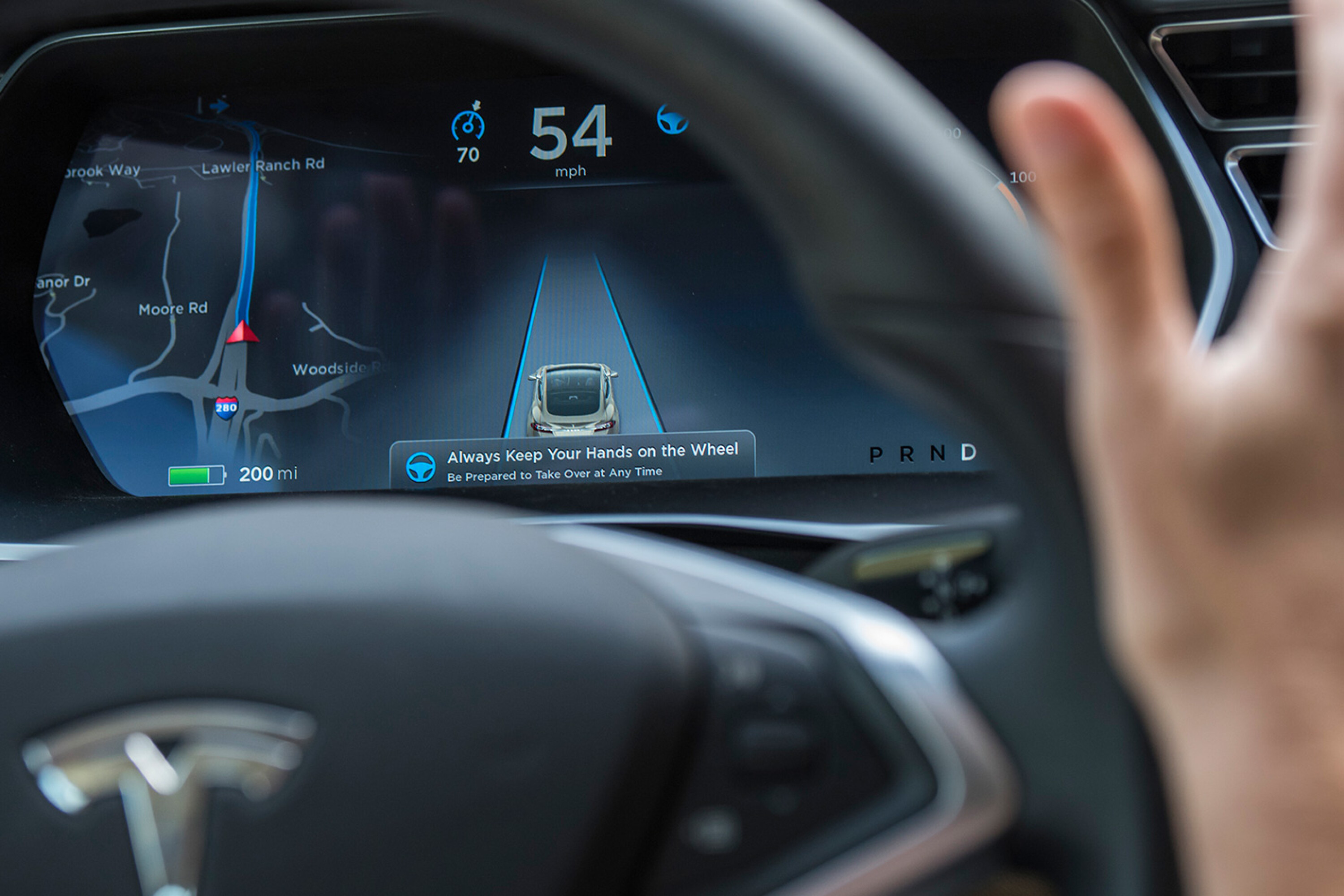
In branding terms, Tesla’s Autopilot and (supposedly more advanced) Full Self Driving systems have the appearance of ‘doing what it says on the tin’, but Tesla specifies that they are officially assistance systems and the driver must monitor the road and the vehicle controls at all times.
1
In most countries, including Australia, drivers must not merely monitor but actually keep their hands on the wheel and maintain direct control at all times.
Speaking with Reuters[↗], AXA insurance’s UK boss Tara Foley said, “for insurers, it also provides crucial clarity for establishing liability for self driving”.
Last year, Musk was quoted as saying: “In the US, things are legal by default. In Europe, they’re illegal by default. So, we have to get approval beforehand. Whereas, in the US, you can kind of do it on your own cognizance, more or less.
On an investor call in October this year, Musk said: “Obviously, in the past, I’ve been overly optimistic about this.”
This is far from Tesla’s first run-in with negative media when it comes to autonomous driving. See our stories below.
But hey, at least it’s doing this:
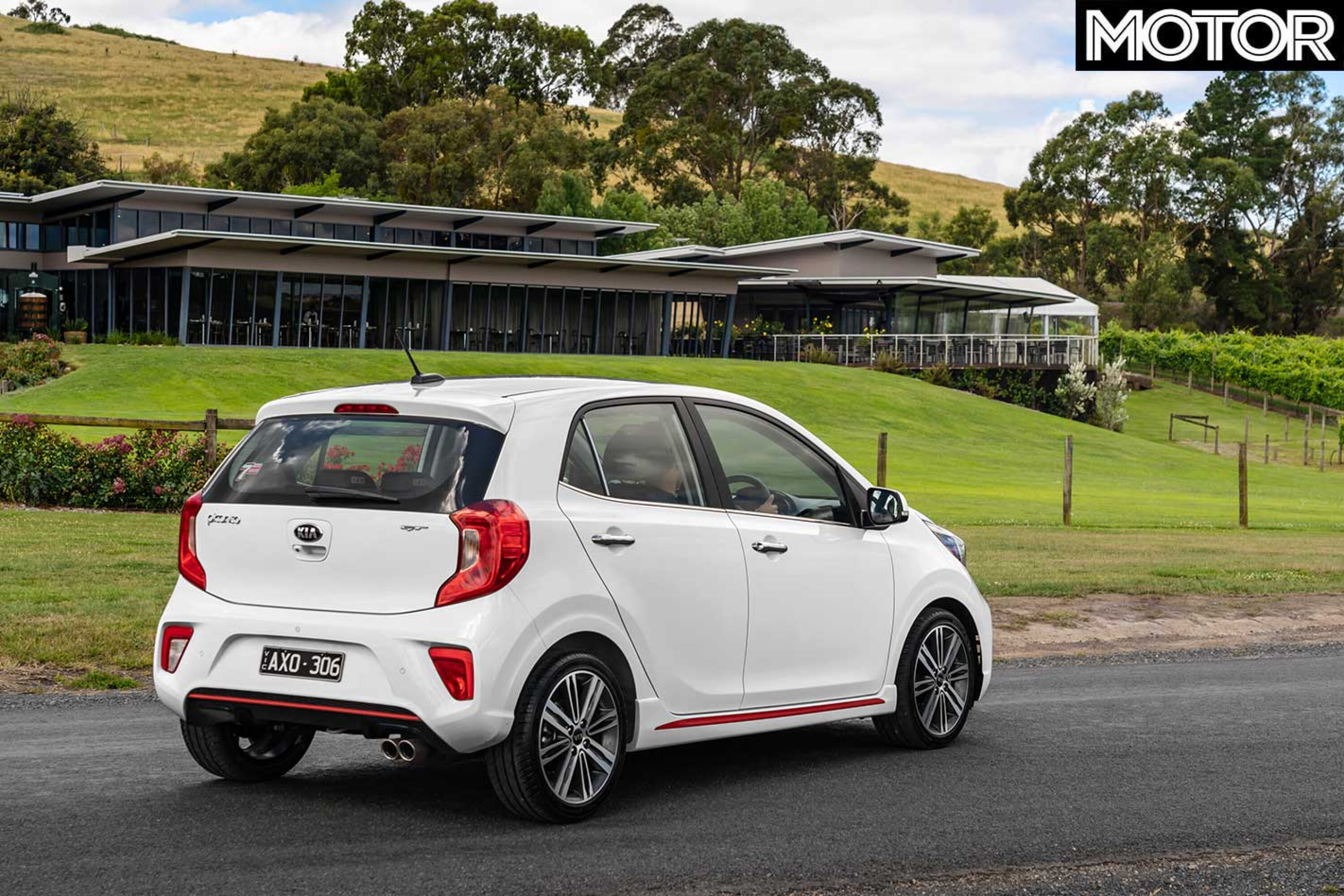
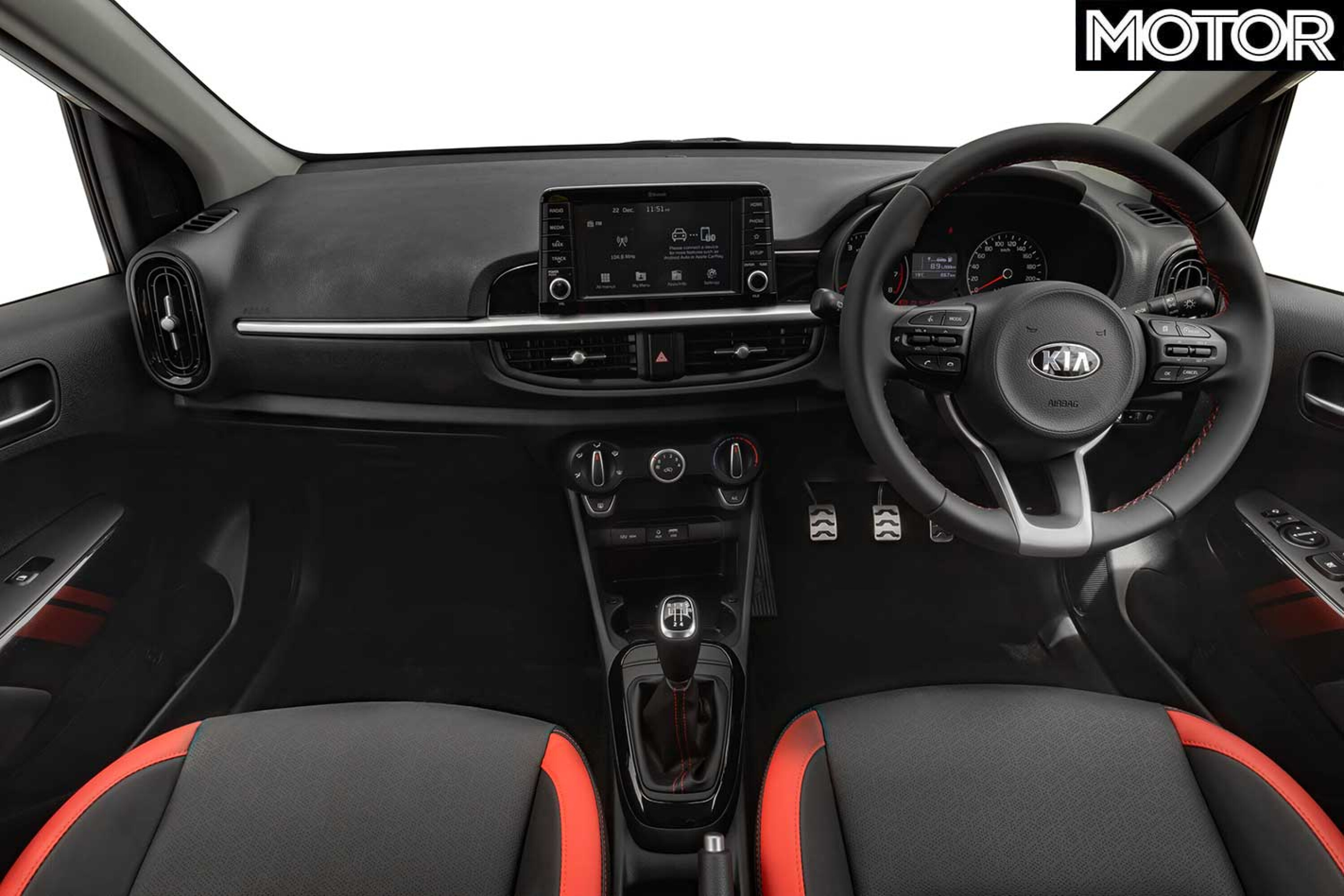
There are certain small indulgences that make life that little bit more tolerable. It might be a decent cup of coffee or the luxury of a weekend lie-in. The Kia Picanto GT always felt like one of those slightly giddy joys that felt so good it almost seemed illicit.
But, like most such petty vices, it’s not long for this world. When Kia facelifts the Picanto, the GT, with its three-cylinder turbo engine and manual gearbox, is set for the chop. The mantle of Australia’s cheapest performance car will pass from the baby Korean to the Suzuki Swift Sport, an uptick of about eight grand.
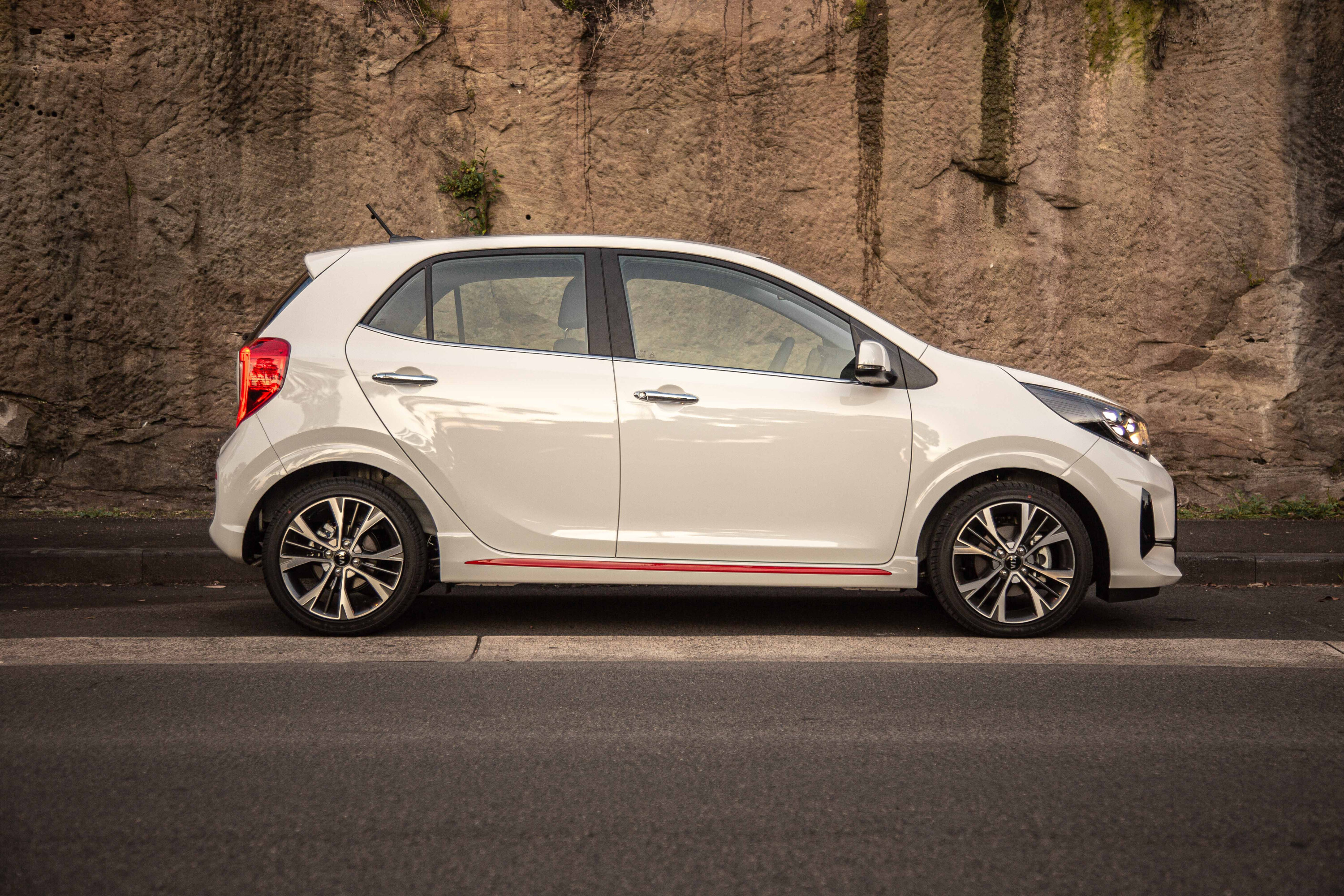
We’ll miss those caster-like 16-inch wheels, and then get slightly depressed when we’re reminded that Ferrari 308s used to look the business on sixteens.
1
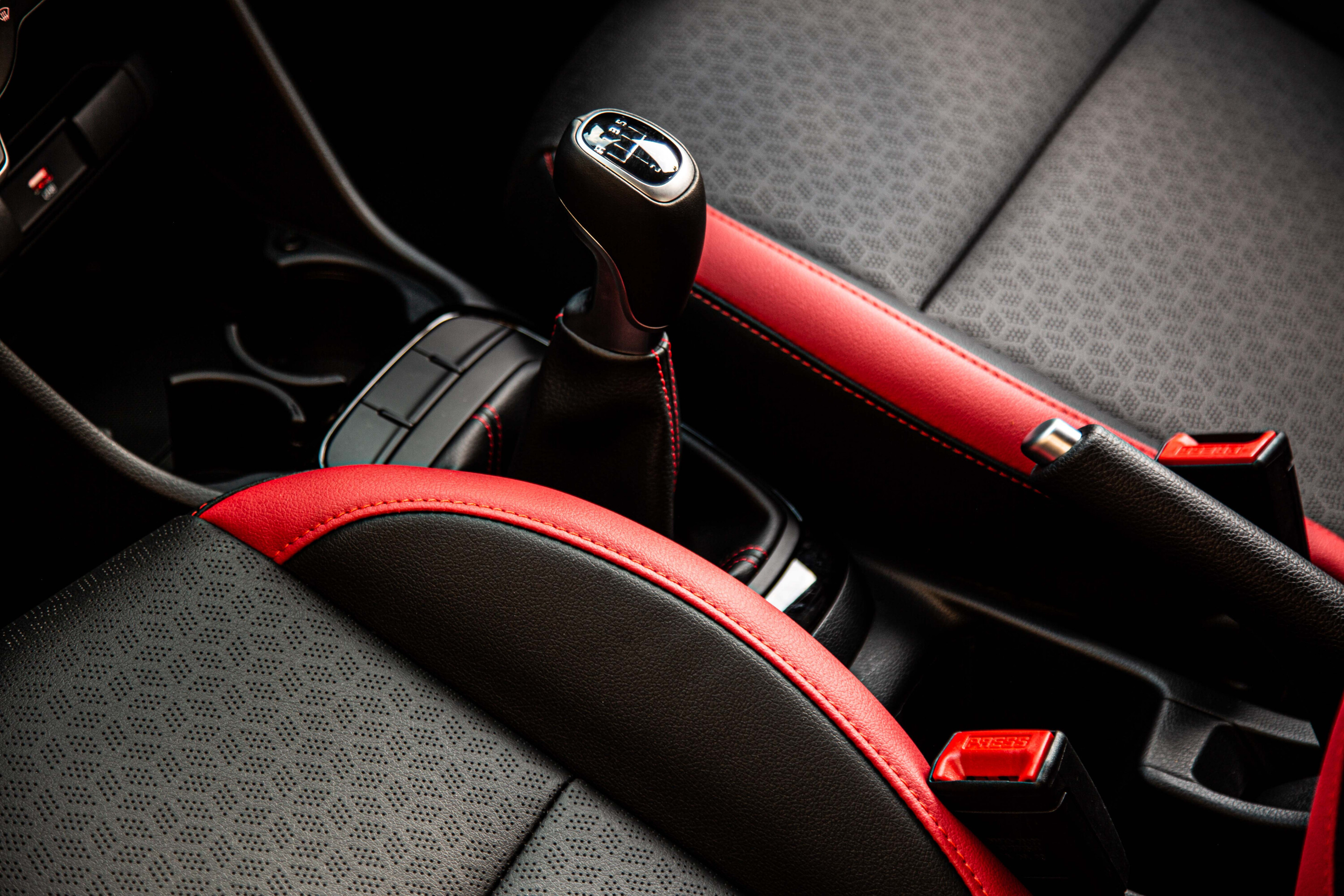
We’re not resorting to cheap hyperbole when we say that the Picanto’s five-speed manual gearbox had a shift quality that would shame a modern M3, although if we’re being really picky, the ratios were spread so widely that you needed to rev it until the valves were bouncing in order to plug it into the meat (okay, the carpaccio) of that 172Nm of torque.
What was so joyous about the Picanto GT is that you could feel as if you were wringing it to death on your favourite road, really involving yourself in the preservation of momentum, feet dancing on the pedals, only to glance into the rear view and see a bored-looking school bus driver embarking on a nasal excavation project behind.
But who cares? This was a cheap treat that hit the spot every time: the Dagwood dog of vaguely sporting cars. Yours for less than the price of ticking a box for ritzy paint on a Porsche Boxster.
1
Reflecting how difficult it is to make money on small cars, the price of the Picanto GT was ratcheted upwards in the last few years of its life. The Wheels’ test of August 2019 saw it priced at $17,990, compared to its $20,790 sticker today. “We’re glad it exists”, summarised Byron Mathioudakis. That last line’s speared me a bit.
Although it seems to have been a fixture here in the Aussie car market for a respectable innings, this Picanto GT debuted as recently as January 2019, so it’s a comparative cranefly compared to the likes of the dismal Holden Barina, which somehow endured for 33 years.
There will be no like-for-like replacement. Kia has promised that the next-gen Picanto will be powered by either a 1.0-litre budget powerplant or a 1.2 which is “better for customers who want a little more power”.
Our advice is to bag a Picanto GT before it’s too late. It’ll still be under warranty in the year 2030, by which time twenty grand’ll probably just about cover a round of ristrettos. You owe it to yourself. We all deserve a small indulgence once in a while.
1
How slow?
Granted, flat-out sprinting isn’t the Kia Picanto GT’s forte, but when we put it up against the clock on a sticky dragstrip at Heathcote back in 2019, it was the quickest of a trio that included 66kW versions of the Renault Clio and Suzuki Swift. The Picanto GT blazed to 100km/h in 9.4 seconds (versus a 9.9 sec factory claim) and smashed through 400m in 16.8sec at 133.2km/h. Just thought you’d like to know.
1
Test notes
August 2019
The Picanto GT’s smart and stylish cabin appeals with minimalist dash, beaut tablet touchscreen, supportive front seats, theatre-style rear seating, a great driving position and plenty of standard features.
On the flipside is its clammy vinyl upholstery, lack of steering reach adjustment and absence of digital speedo. A 255L cargo capacity reflects Kia’s sub-B city-friendly sizing. Space saver spare.
For many motorists, there are few things more frustrating than being caught behind someone who, for reasons known only to them, has decided to travel even just 10km/h below the speed limit.
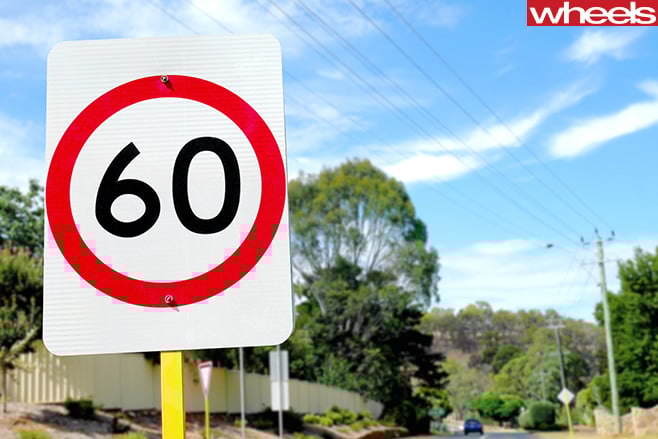
The bad news is that In most parts of Australia, there isn’t a specific law that forbids driving ‘too slowly’ – nor are there any minimum speed thresholds at which you’re allowed to travel.
However, driving significantly below the speed limit can be deemed an offence under Australian Road Rule 125.
The rule states: “A driver must not unreasonably obstruct the path of another driver or a pedestrian” – with the following provisos: “For this rule, a driver does not unreasonably obstruct the path of another driver or a pedestrian only because:
The driver is stopped in traffic; or
The driver is driving more slowly than other vehicles (unless the driver is driving abnormally slowly in the circumstances).
It then gives the following example:
“A driver driving at a speed of 20 kilometres per hour on a length of road, to which a speed limit of 80 kilometres per hour applies, when there is no reason for the driver to drive at that speed on the length of road.”
That is indeed significantly below the speed limit, and certainly much rarer than the common-enough sight of a car travelling 10- or 15km/h below the posted limit. So, in most cases, it’s not a very useful law.
While it’s clear that driving too slow and obstructing traffic behind you is an offence…
The word “unreasonable” allows for discretion for those who may have a reason to be going slowly – such as inclement weather, travelling past an accident scene, animals on the road, or mechanical issues where it’s unsafe to stop.
The law can also be used against drivers who hog the right lane on a freeway, even if they’re travelling only a few km/h below the speed limit. When was the last time you saw that law actioned?
Of course, it also allows for someone to drive as slowly as they want if they’re not obstructing traffic.
“If you are going 50km/h down the Monash Freeway at 1am with no cars on the road, it’s not a drama,” Victoria Police Highway Patrol inspector Simon Humphrey told News Ltd. “But if you are doing that speed at 7am, in the right-hand lane, during peak hour – it might be a problem.
“It’s about common sense. It’s about obstruction rather than speed.”
So, in short, use common sense and think of other drivers.
And remember, even if someone is breaking Rule 125, it doesn’t excuse you from breaking Rule 126: the one against tailgating.
“A driver must drive a sufficient distance behind a vehicle travelling in front of the driver so the driver can, if necessary, stop safely to avoid a collision with the vehicle.”
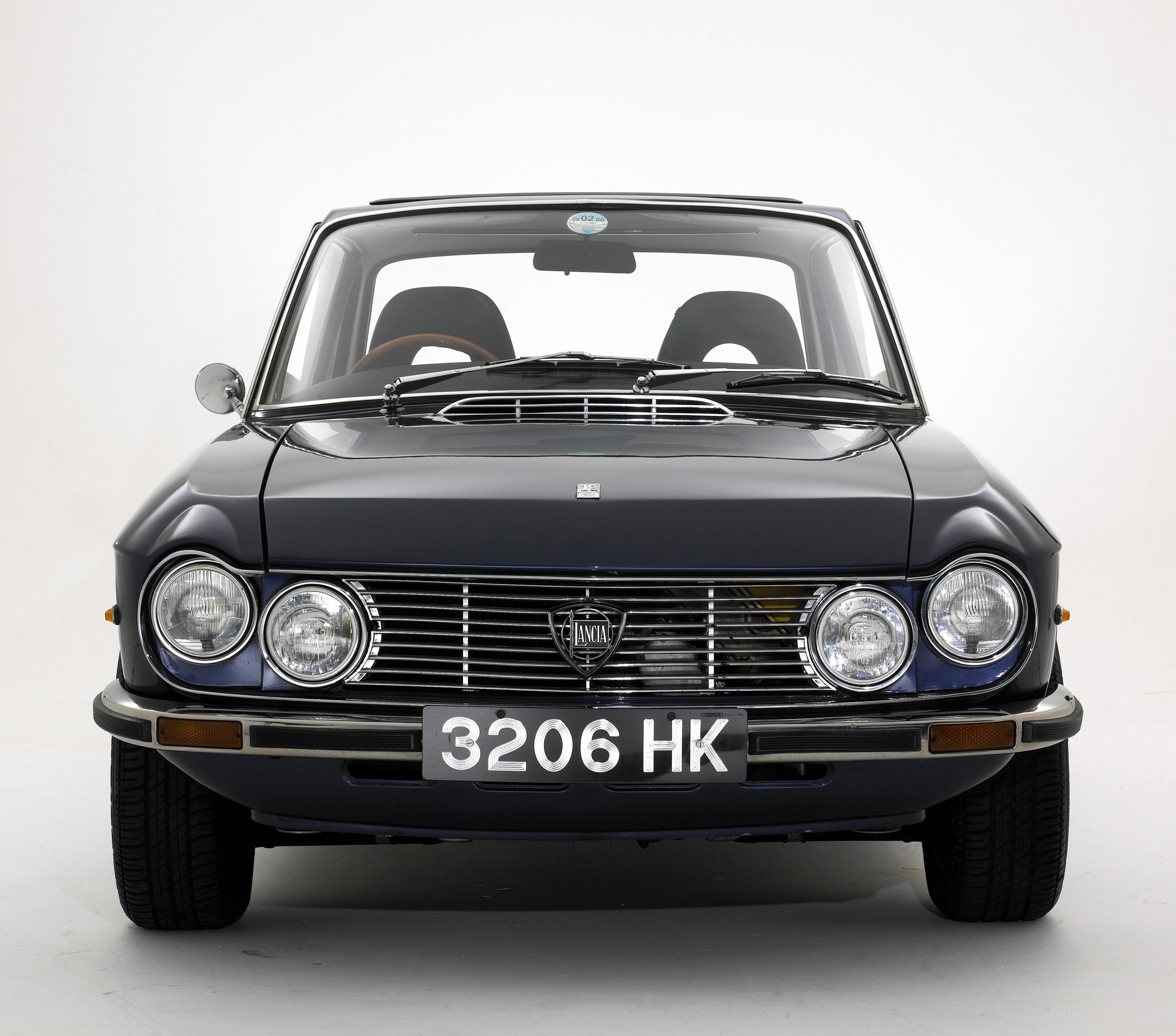
It takes an automotive romantic with a long memory to gush about Lancia as one of the great marques.
It sure doesn’t look that way today – Lancia currently sells one model, the outdated Ypsilon hatch, and only in Italy – and it’s been much the same story for the current millennium.
Go back to the 20th century and you’ll understand the passion held for the brand founded in 1906 by Fiat racing and test driver Vincenzo Lancia and inherited on his death in 1937 by his similarly racing-pedigreed son, Gianni.
Lancia’s road cars were as innovative as they were elegant.
The 1922 Lambda, for example, boasted the industry’s first monocoque chassis, independent front suspension, alloy V4 engine block and four-wheel brakes. Lancia’s technical momentum would only begin to wane under Fiat ownership, from 1969.
1
Even so, Lancia – absent from rallying since 1992 – still holds more world rally championships for manufacturers (10) than any other marque.
That comprises three titles for the Stratos (1974-’76), a Group B victory for the 037 in 1983, and the Group A dominance of the Delta Integrale (1987-’92).
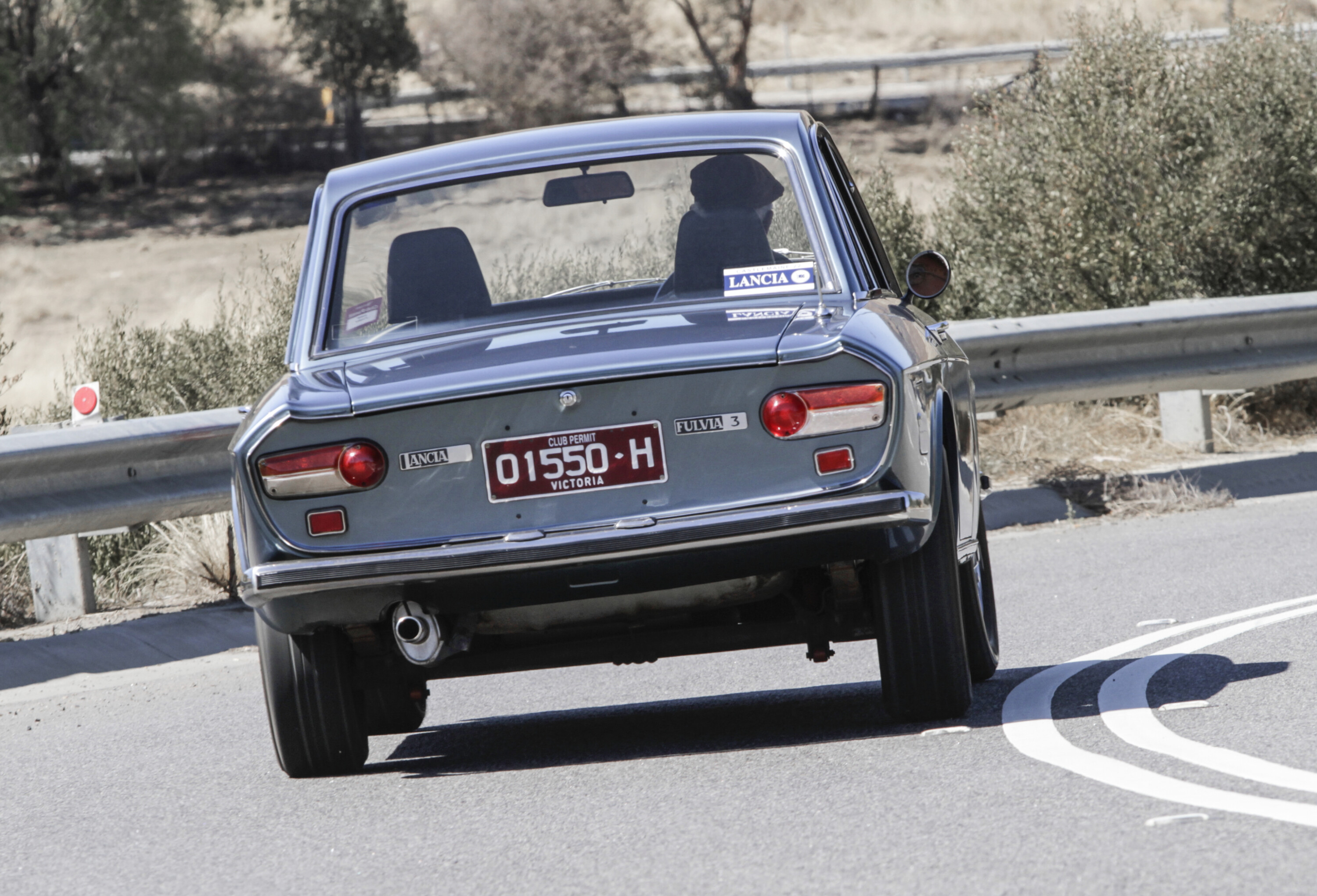
Pre-dating the FIA WRC, in 1972 Lancia won the International Championship for Manufacturers with the light, lithe and pretty Fulvia Coupe 1.6 HF.
The Fulvia Coupe was derived from the 1963 Fulvia sedan. The new front-driver borrowed heavily from the luxury Flavia (1961), but where the latter ran a flat-four engine ahead of its front axle, the Fulvia continued the narrow-angle V4 tradition.
1
Two years after the sedan came the Fulvia Coupe, likewise styled by Piero Castagnero and claiming inspiration from Riva speedboats. In 1967, Road & Track magazine described the Coupe as “a precision motorcar and an engineering tour de force.”
If Porsche is praised for the 911’s triumph over physics with a weird engine hung outside a wheelbase, the Fulvia coupe is every bit as deserving.
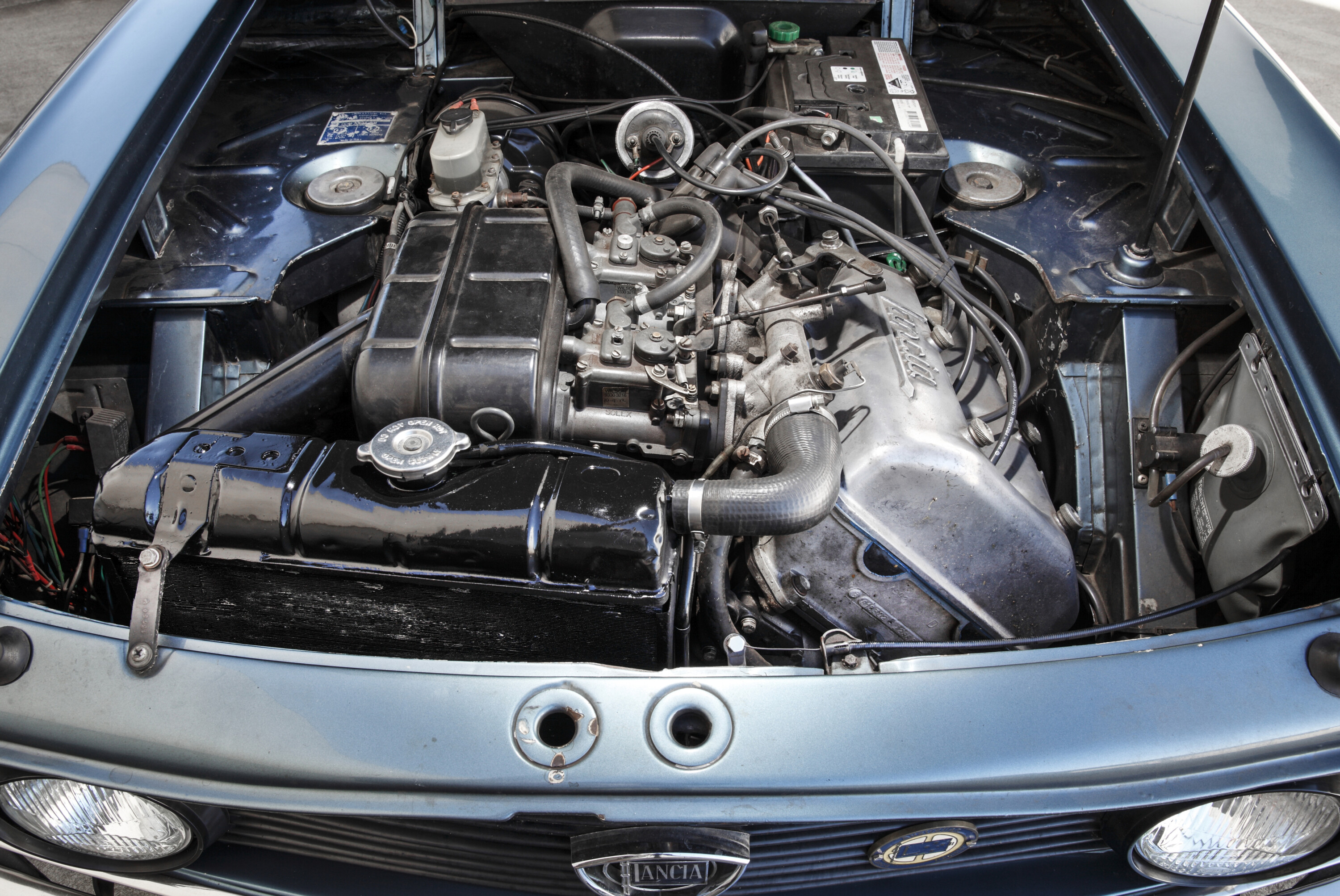
The DOHC, 13-degree V4 engine was mounted longitudinally ahead of the front transaxle and canted at 45 degrees. Capacity quickly grew from 1.2 to 1.3 and ultimately 1.6 litres.
1
The Coupe was quickly popular for rallying, prompting Lancia to develop a variety of stripped-out versions.
These were named HF, after the independent ‘Lancia Hi-Fi’ independent rally team founded in 1963 by Cesare Fiorio, son of Lancia PR boss and rally ace Sandro Fiorio.
Lancia Coupe HFs were built in limited numbers in 1.2, 1.3 and 1.6-litre capacities, with the final ‘1600 HF Lusso’ version’s 3690 units outnumbering the total of its predecessors.
1
Narrow margins
Unlike some of Lancia’s earlier V4 designs, which had a variety of vee angles ranging up to 20 degrees, the 13-degree iron-block unit developed for the Fulvia had true twin overhead camshaft (alloy) cylinder head.
It was leaned at 45 degrees to reduce height and accommodate the adjacent dual carburettors.
1
Into the light
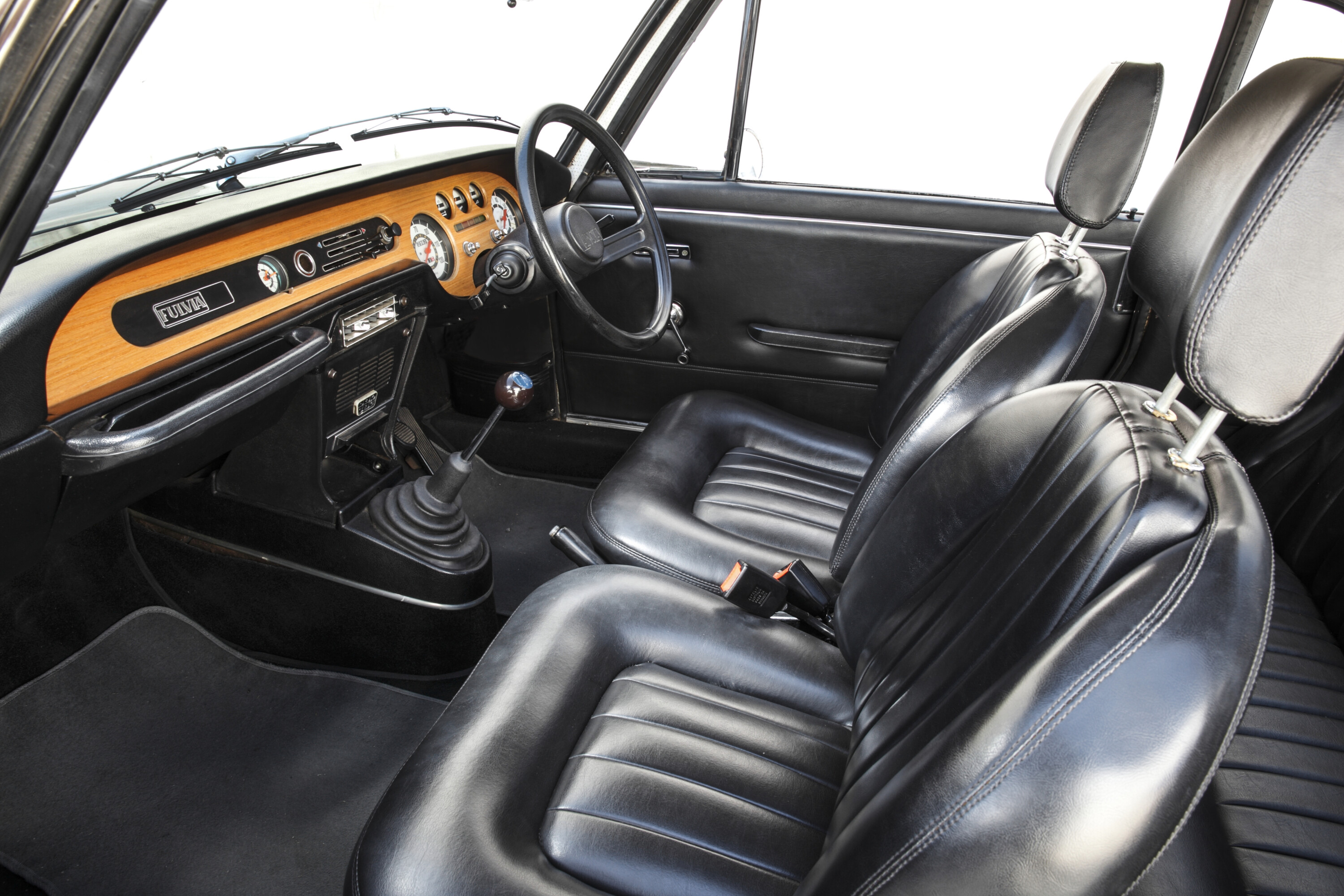
The Fulvia Coupe’s designers were given a strict brief of 4000mm overall length, 900kg maximum weight and a 2+2 cockpit.
The first 1.2 HF in 1966 set the tone for the boy-racer specials, with plexiglass side windows and aluminium bonnet, bootlid and doors and deleted bumpers all helping trim weight to around 780kg.
1965 Lancia Fulvia – in detail
85
kW from primo 1969 1.6 HF
1968
Fulvia coupe 1.3 finish 1-2-3-4 in Sestriere Rally
While August’s Wheels detailed advances in the ‘personal mobility aircraft’ industry, it won’t surprise many of you that I remain deeply sceptical of the whole flying car thing.
The notion, I’ll admit, is a tantalising one. Who wouldn’t want to beat the traffic each day, commuting above the rooftops saving time and looking ridiculously cool in the process?
Over the years, personal air travel has featured in varying degrees of fantasy in these pages and yet, despite the frequency, production models have been about as successful as Saudi Arabian hypercars, never making it much further than an awkward prototype that doesn’t work.
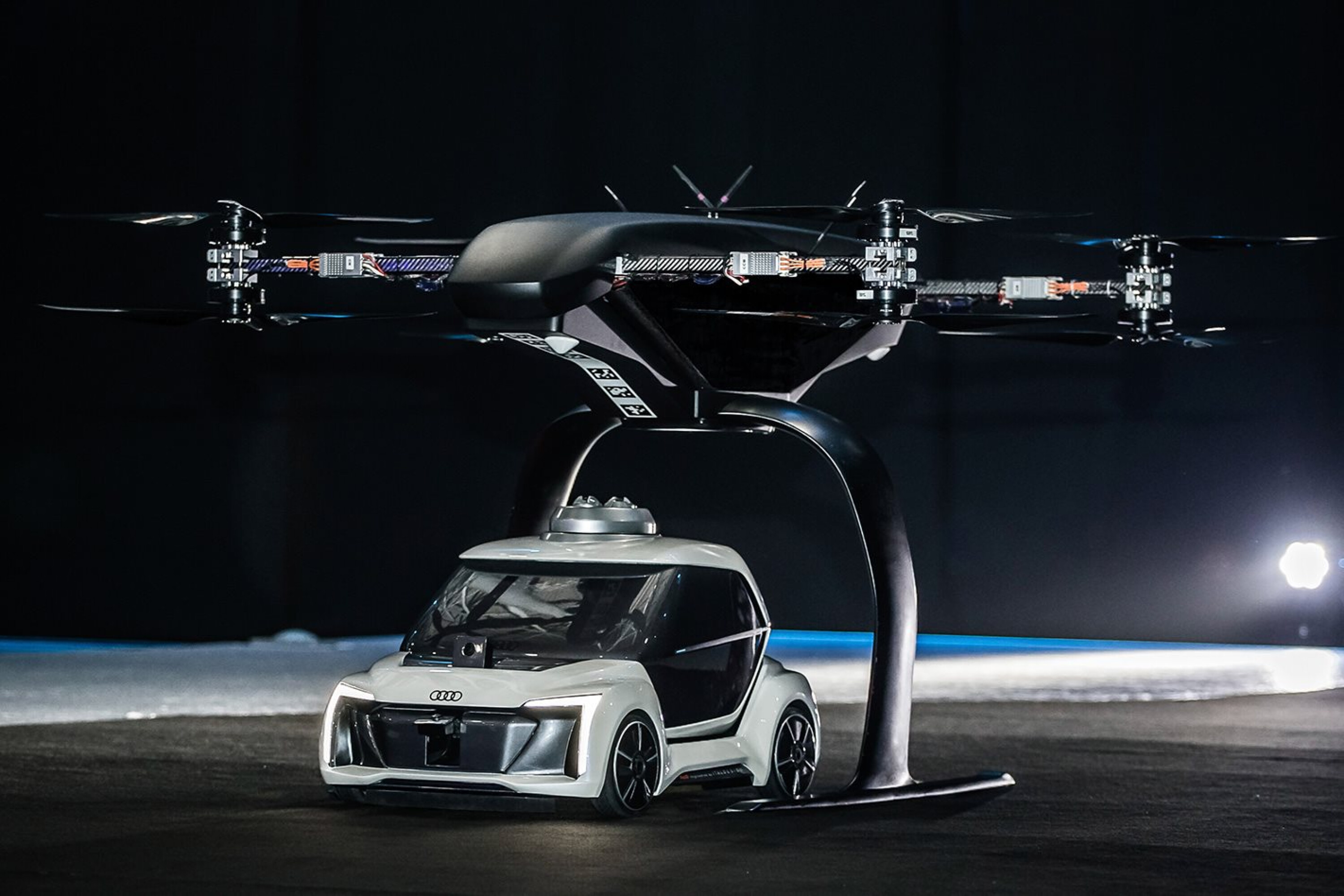
In recent years, the absurd designs which represented little more than sedans with wings glued on in someone’s garage have evolved into marginally more passable machines thanks to the advent of drones or, to use their correct name – quadcopters.
1
Instead of requiring access to an airstrip at either end of your trip, the quadcopter design has the potential to take off and land virtually anywhere.
The key disadvantage over fixed-wind craft, however, is that in the event of power failure, big drones glide like the small ones − which is not at all.
Of course, the reliability of motors and electronics has improved immeasurably in recent years, but it won’t take many human-sized DJIs making unplanned high-velocity landings before proponents fall back in love with four wheels.
The real sticking point with flying cars is not in the hardware – the reason I’m confident they won’t catch on comes down to the sack of flesh and flaws sat at the controls. For a human to take to the skies in traditional aircraft, many hours of training, assessment and experience are required, and even then, the most frequent cause of a massive black scar in the side of a mountain where a helicopter used to be is pilot error.
1
Spend even a short time on our roads and it quickly becomes clear that most drivers struggle controlling a vehicle in just two dimensions so imagine the catastrophe if we threw a third into the mix.
So if we can’t be trusted to fly ourselves then autonomy is the only solution and here too, the idea of a flying car hits a hurdle.
While all the mainstream car manufacturers were vocal about fully autonomous vehicles in the early part of this decade, the bluster has comprehensively fallen off a cliff in recent years as the magnitude of the challenge dawned and predicted milestone dates lapsed.
Like driverless cars, for autonomous flying cars to work, they must exist in a world where no human-piloted vehicles can upset the harmony and cause the inevitable collisions when you mix man and machine.
1
In which Dan comes to an awkward realisation…
If going full self-flying is the way, it makes less sense to choke the skies with individual transport when many people can be ferried more efficiently in fewer, larger vehicles rather than a plague of tiny craft.
If we can nail all these challenges, then perhaps the flying car does stand a chance and will one day offer a revolutionary mode of transport that’s faster than driving, safer than land-based cars, can deliver you anywhere there’s supporting infrastructure, and is more environmentally sensitive.
All of which leads us to a somewhat unpalatable conclusion… The transport solution that solves these flying car issues has already been invented. It’s the train, tram, and bus.
The 2024 Mitsubishi Triton – due for release in February – will be offered with four variants in two body styles with an updated twin-turbo diesel and more tech than ever.
REVIEW: BMW i5 driven in Australia
Why the BMW i5 is the best car you’ll hear nothing about this year.
Tesla Model 3 facelift detailed for Oz
Launch team for 2024 Model 3 update says go-fast version will be better than before.
Hyundai’s Tucson SUV goes premium
Hyundai’s top-selling vehicle updated with Santa Cruz-like front end, plus a new-look dashboard inspired by the Kona and Santa Fe.
SHOCKER: Hyundai’s hot EV is a blast
Jez heads to Korea for some hooning in Hyundai’s mad new ‘hot hatch’, the Ioniq 5 N.
Controversial licensing changes, rewards for good behaviour, better training, more speed cameras? Something needs to be done.
Can’t wait for RAV4 Hybrid? Check these out
If still-lengthy waiting times for a new Toyota RAV4 hybrid are making you impatient, WhichCar guides you through a range of alternatives.
All the new Kia models bound for Oz
Kia’s turned its fortunes around from bargain basement motoring to electric chic and cutting-edge design – here’s what’s coming down the pipeline.
Euro NCAP says lane-keep not good enough
The secretary general of Euro NCAP – sister organisation to ANCAP – has said many lane-keep assist systems are not “properly evaluated in the real world”.