
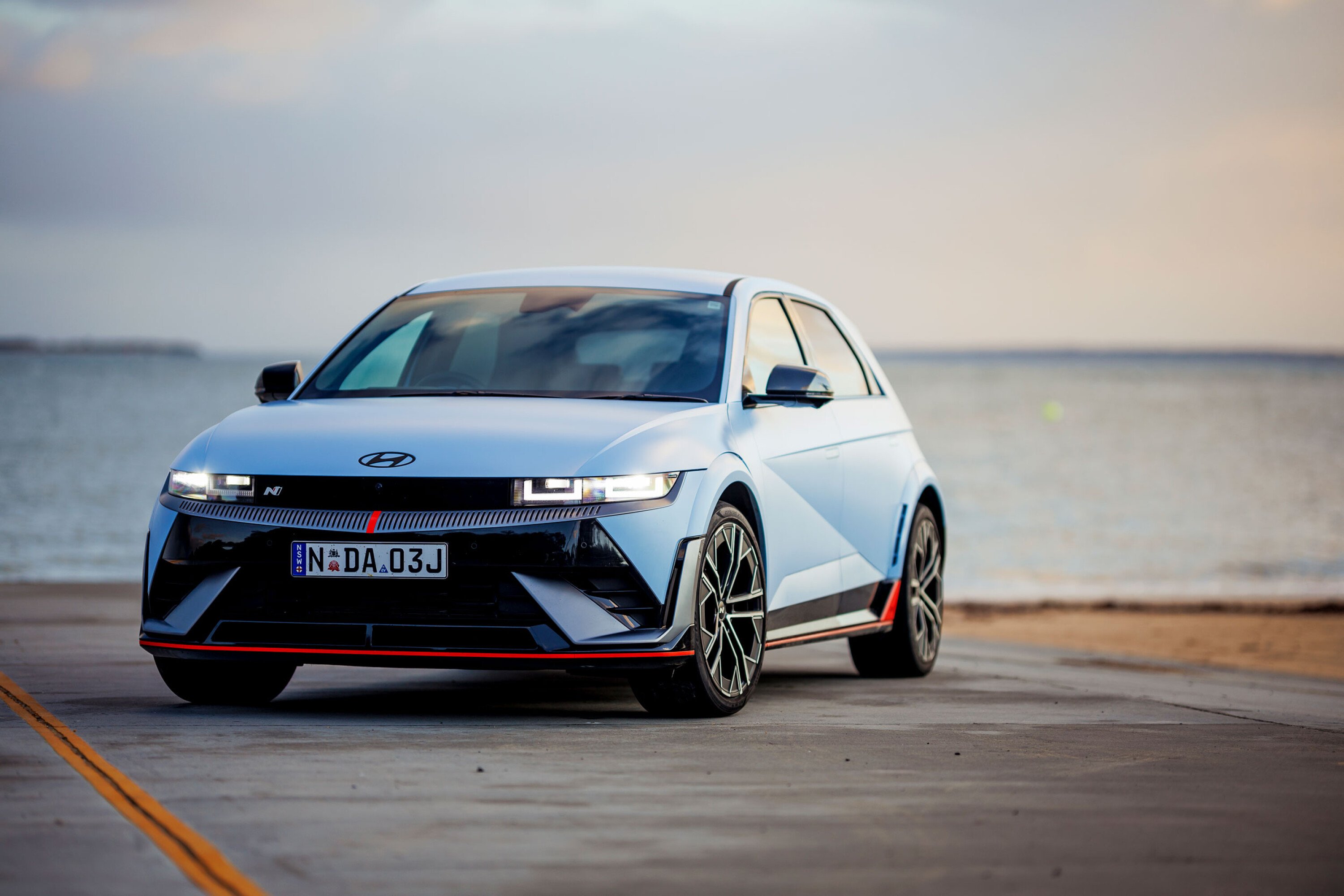
Hyundai has teased the upcoming Ioniq 6 N high-performance electric sedan ahead of its reveal at the Goodwood Festival of Speed in the UK next month.
The sister to the Wheels COTY-winning Ioniq 5 N, the Ioniq 6 N is based on the recently-facelifted Ioniq 6 electric sedan and according to its maker, will “redefine the N driving experience”.
Hyundai is yet to reveal any specifications of the Ioniq 6 N, but it’s expected to draw a lot of its technology from the Ioniq 5 N, likely including its 478kW dual-motor drivetrain – though it could be even faster considering the Ioniq 6’s lower weight and centre of gravity versus the Ioniq 5.
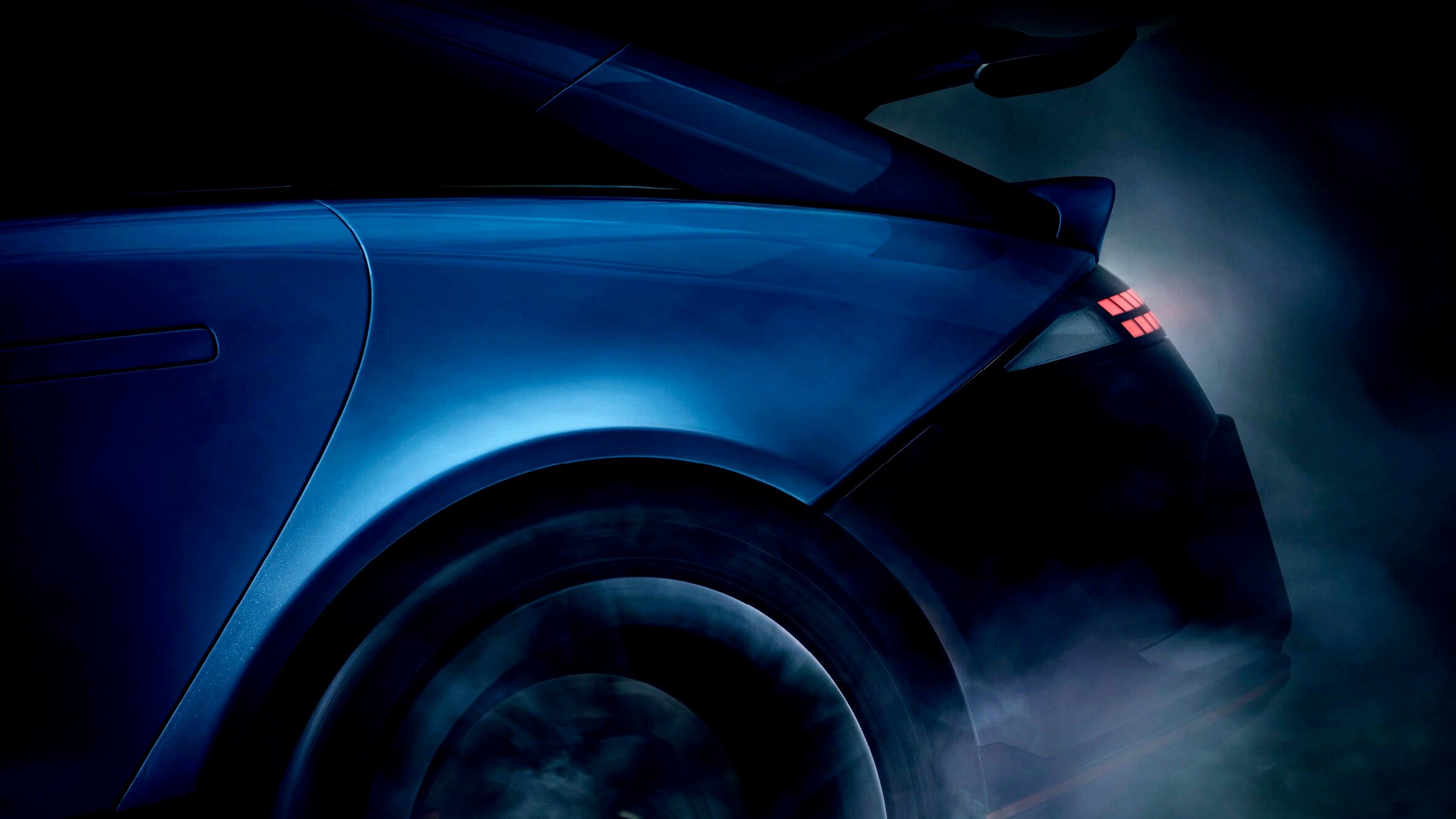
From the new teaser photos, we can see that the Ioniq 6 N will feature a large rear wing spoiler, a lowered ride height for sporty handling and pumped wheel arches to hide a larger wheel and tyre package.
“Ioniq 6 N will once again disrupt the high-performance EV segment to deliver exciting driving experiences to our fans,” N Management Group chief Joon Park said. “We chose to debut the Ioniq 6 N at Goodwood Festival of Speed to be as close to our fans as possible.”
Hyundai Australia has confirmed the Ioniq 6 N for local sales, though is yet to confirm exact timing – we expect it to launch in the first quarter of 2026.
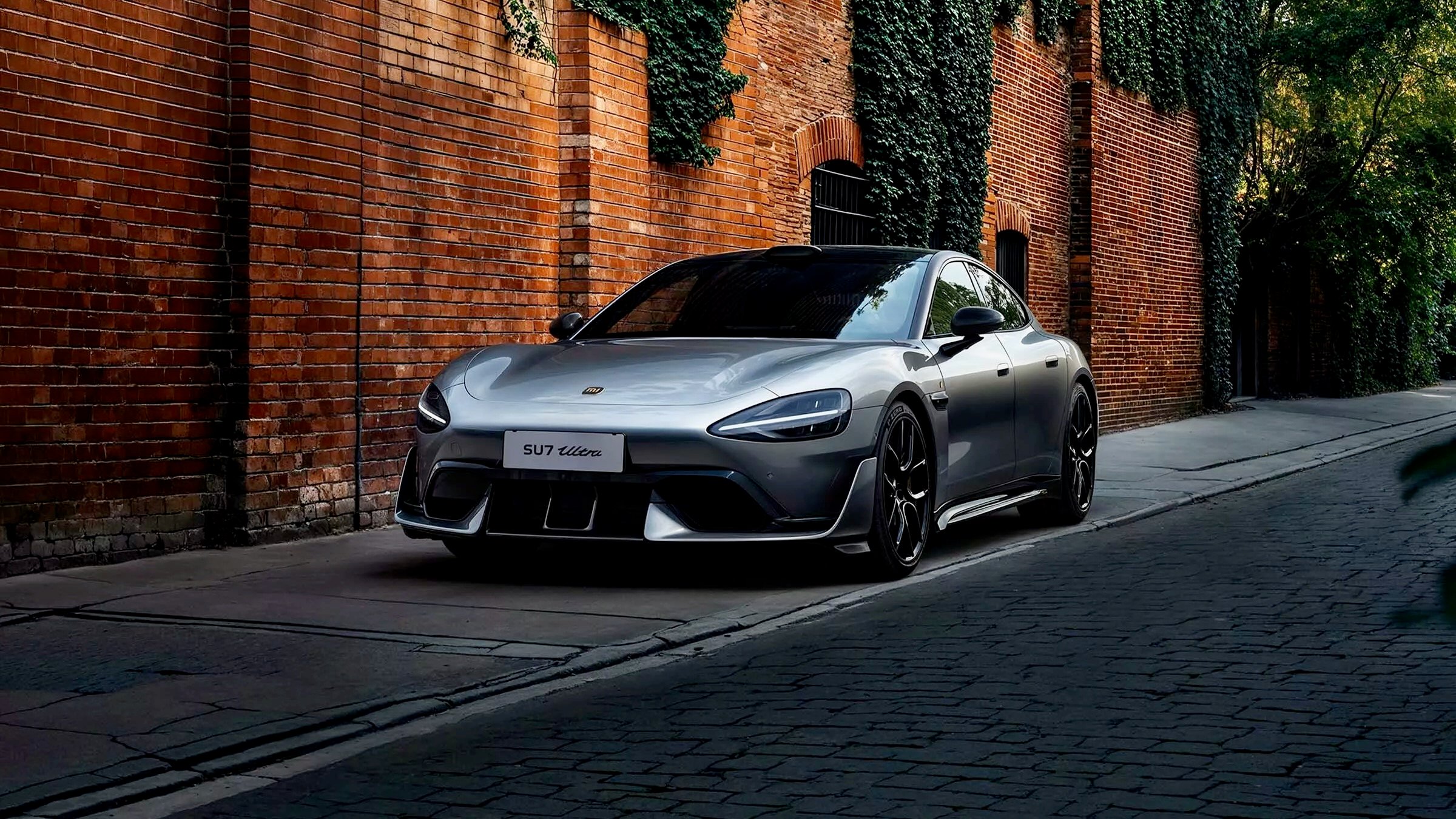
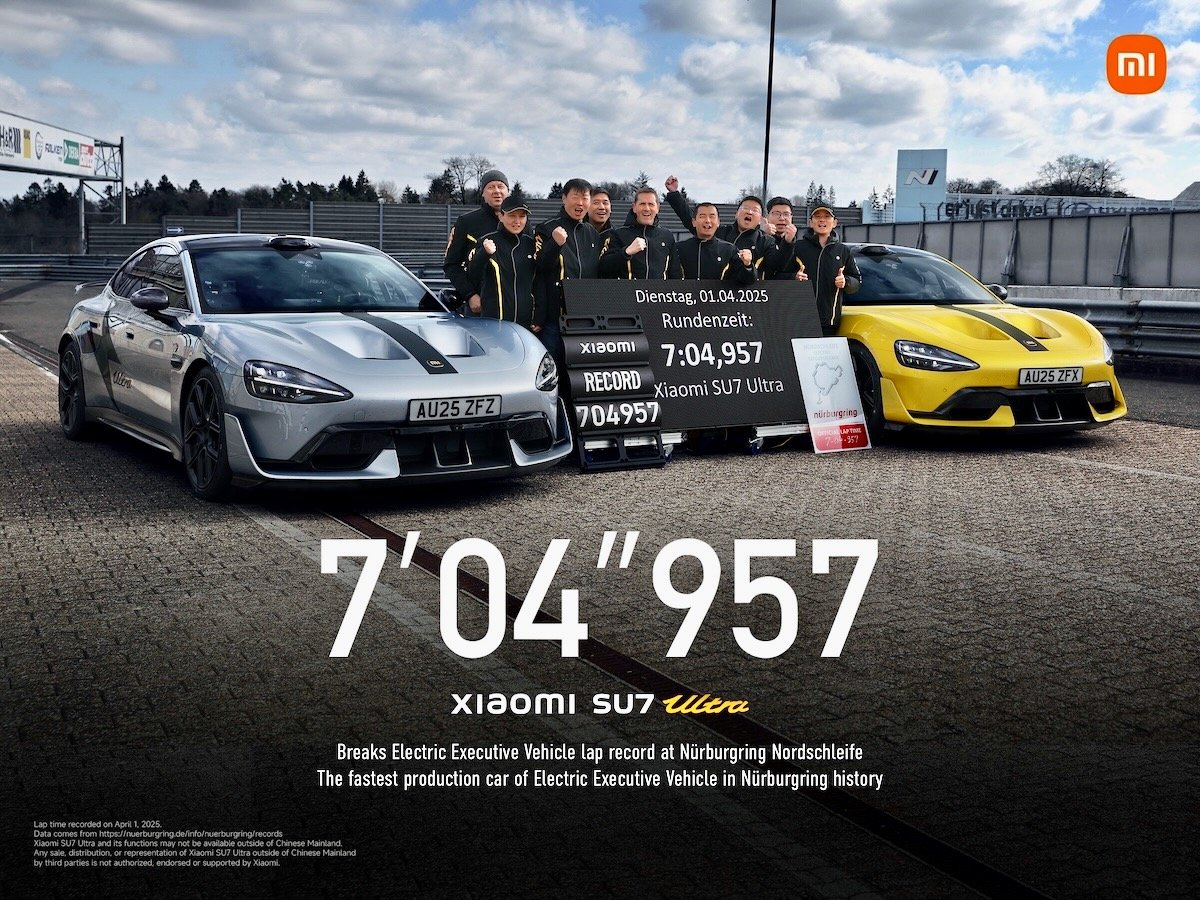
Better known for making smartphones, Chinese car maker Xiaomi has shown that it’s capable of making a fast cars as well by breaking the production electric car lap record at the Nurburgring with its SU7 Ultra performance sedan. With a verified lap time of 7:04.957, the brand beat not only Porsche but Rimac as well.
Using a tri-motor set up, the SU7 Ultra makes 1138kW of power (that’s 1527 horsepower) and 1770Nm of torque, which makes it one of the most powerful road cars in the world and also one of the quickest: it hits 100km/h in just 1.89 seconds and a top speed of 350km/h.
A prototype version of the SU7 Ultra – with less weight and more hardcore aerodynamics – went around the Green Hell 18 seconds faster earlier this year, though that wasn’t the production version.
Yet the brand thinks it can go even faster, with its CEO Lei Jun adding that this record won’t be the last time that we see Xiaomi at the Nurburgring, potentially improving its time even further.
The SU7 Ultra is based on Xiaomi’s ‘Modena’ EV platform and 800V electrical architecture with a 93.7kWh battery for a claimed CLTC range of 620km. It weighs 2360kg.
Compared with lesser versions of the SU7, the Ultra features Bilsten Evo T1 dampers, an AP Racing braking system with 430mm front/410mm rear carbon ceramic discs, six-pot front callipers and Pirelli P Zero 5 tyres as standard.
Pricing for the Xiaomi SU7 Ultra starts at 529,000 Yuan (around $113,000 AUD – or less than a BMW 520i) in China, or around a third of what the Porsche Taycan Turbo GT costs there.
Xiaomi is yet to announce any Australian sales plans, though has previously mentioned our market as a potential for the future.
The BYD Seagull (Dolphin Surf in some markets) could be sold in Australia with a change in product strategy from the brand thanks to its new factory distribution that starts on July 1.
Previously ruled out by the company’s previous distributor, EVDirect, because of its likely four-star ANCAP rating, the Seagull is now made in right-hand drive form for the UK and would likely be the cheapest EV on sale in Australia, presenting a big opportunity for sales growth.
With the slightly larger BYD Dolphin priced at under $30,000 in Australia, the Seagull would likely be priced closer to $20,000, potentially giving BYD the opportunity to reignite the light car segment in Australia. In China, over 61,000 Seagulls were sold in May 2025 alone, making it the brand’s most popular product.
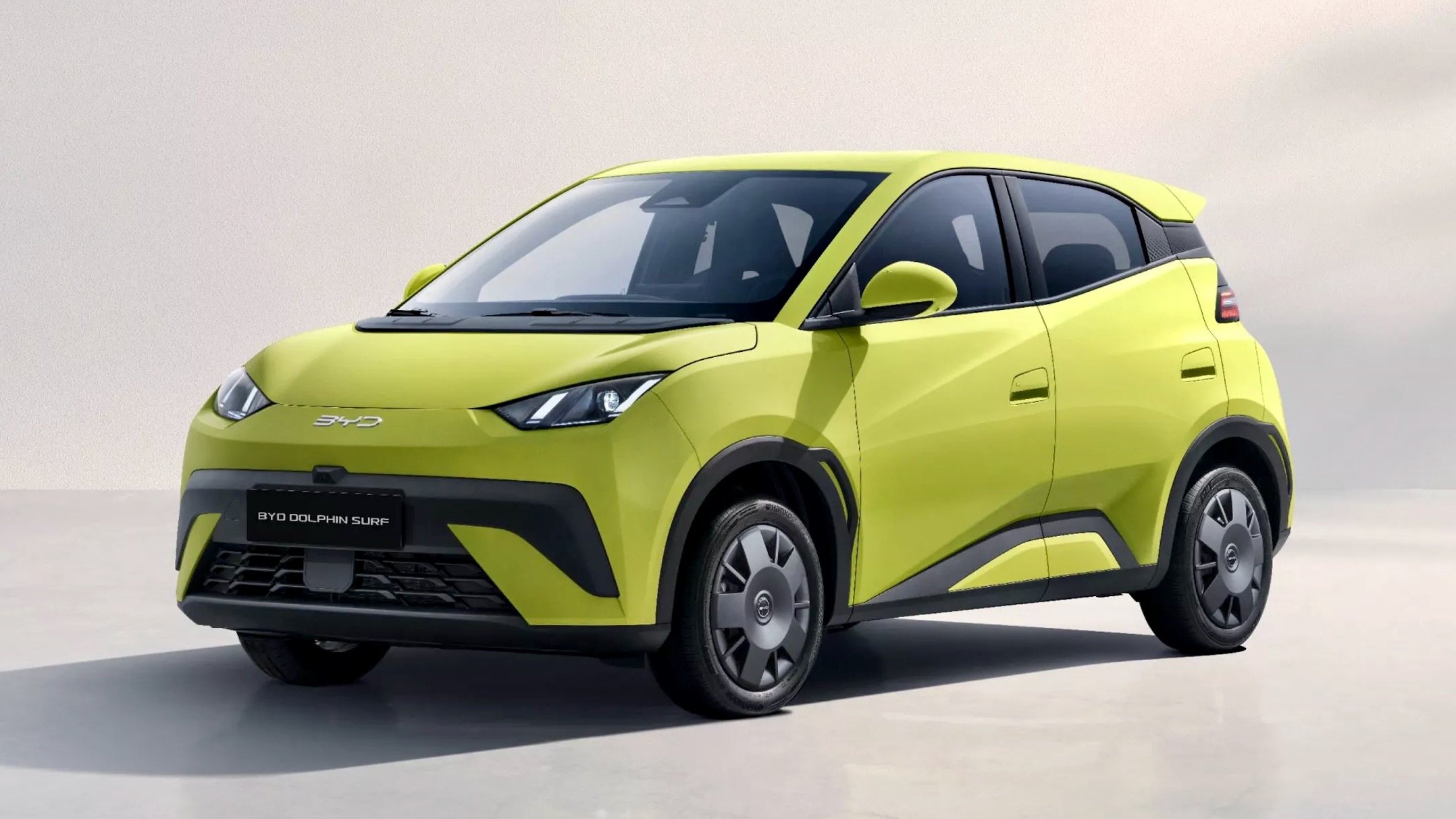
In the UK, the Seagull is offered in three models – Active, Boost and Comfort – with either a 30kWh or 43kWh LFP battery with up to 320km of range on the WLTP cycle. The smaller battery can be charged at up to 65kW, while the larger one supports a higher 85kW rate for a 30-minute 30 to 80 per cent charge.
For UK buyers, the entry- and mid-level Seagull uses a 65kW/175Nm front-mounted electric motor for a claimed 11.1-second 0-100km/h time, while top-spec model makes 115kW/220Nm for a 9.1-second 0-100km/h run and a 175km/h top speed.
The Seagull measures 3990mm long, 1720mm wide, 1590mm tall and rides on a 2500mm long wheelbase, making it 395mm longer, 125mm wider, 5mm taller and 100mm longer between the wheels than the Kia Picanto.
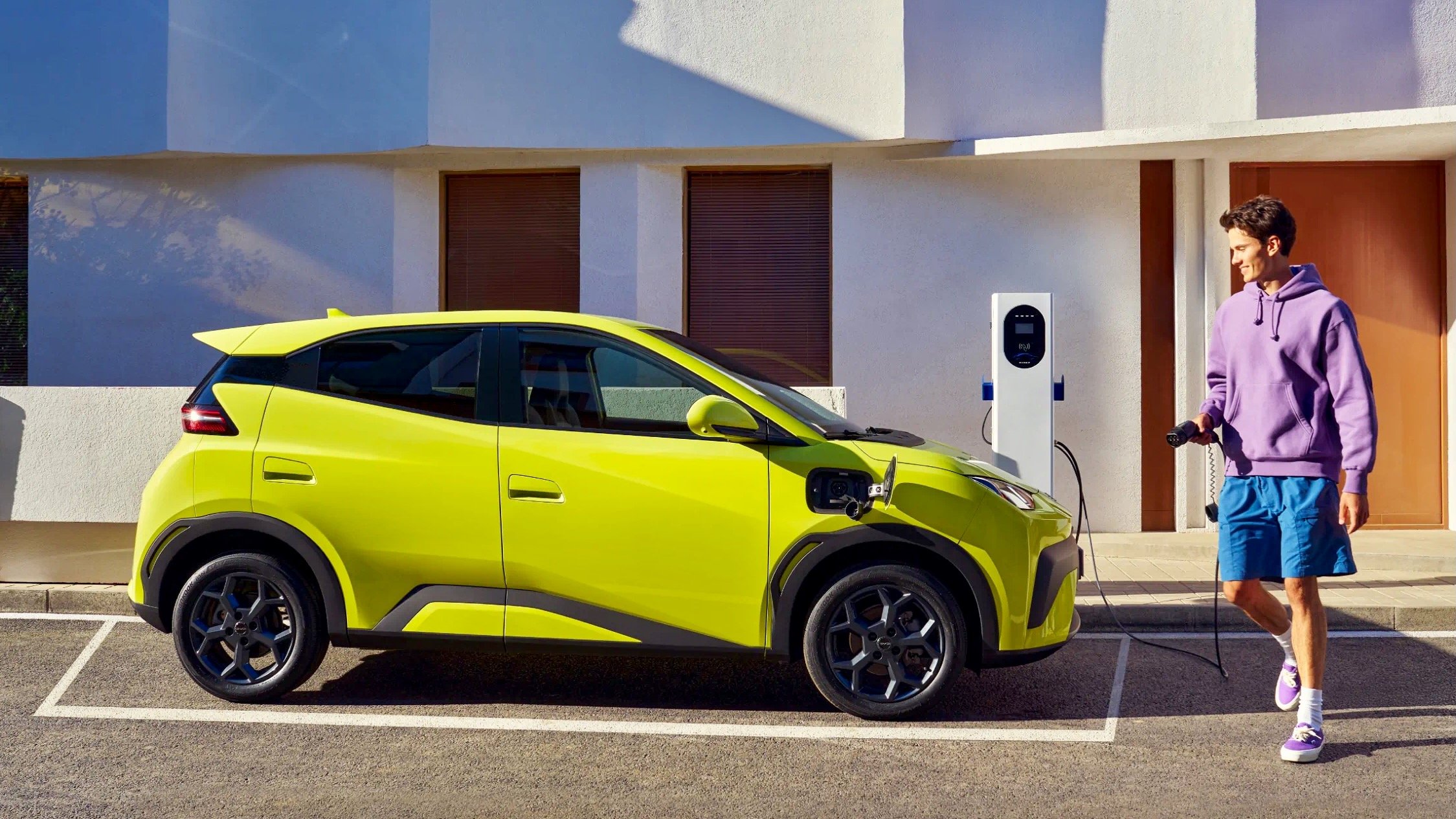
The Seagull’s boot measures between 308-litres (rear seats up) and 1037-litres (rear seats folded) 53L larger seats up and 27L seats folded than the Picanto.
Features on the entry-level Active include automatic halogen headlights, 15-inch steel wheels, synthetic leather trim, a 7.0-inch digital driver’s display, a 10.1-inch rotating touchscreen with inbuilt 4G connectivity for over-the-air updates, Apple CarPlay and Android Auto and active safety features including six airbags, autonomous emergency braking, adaptive cruise control, lane keeping assistance, driver attention monitoring, traffic sign recognition, auto high beam and a reversing camera.
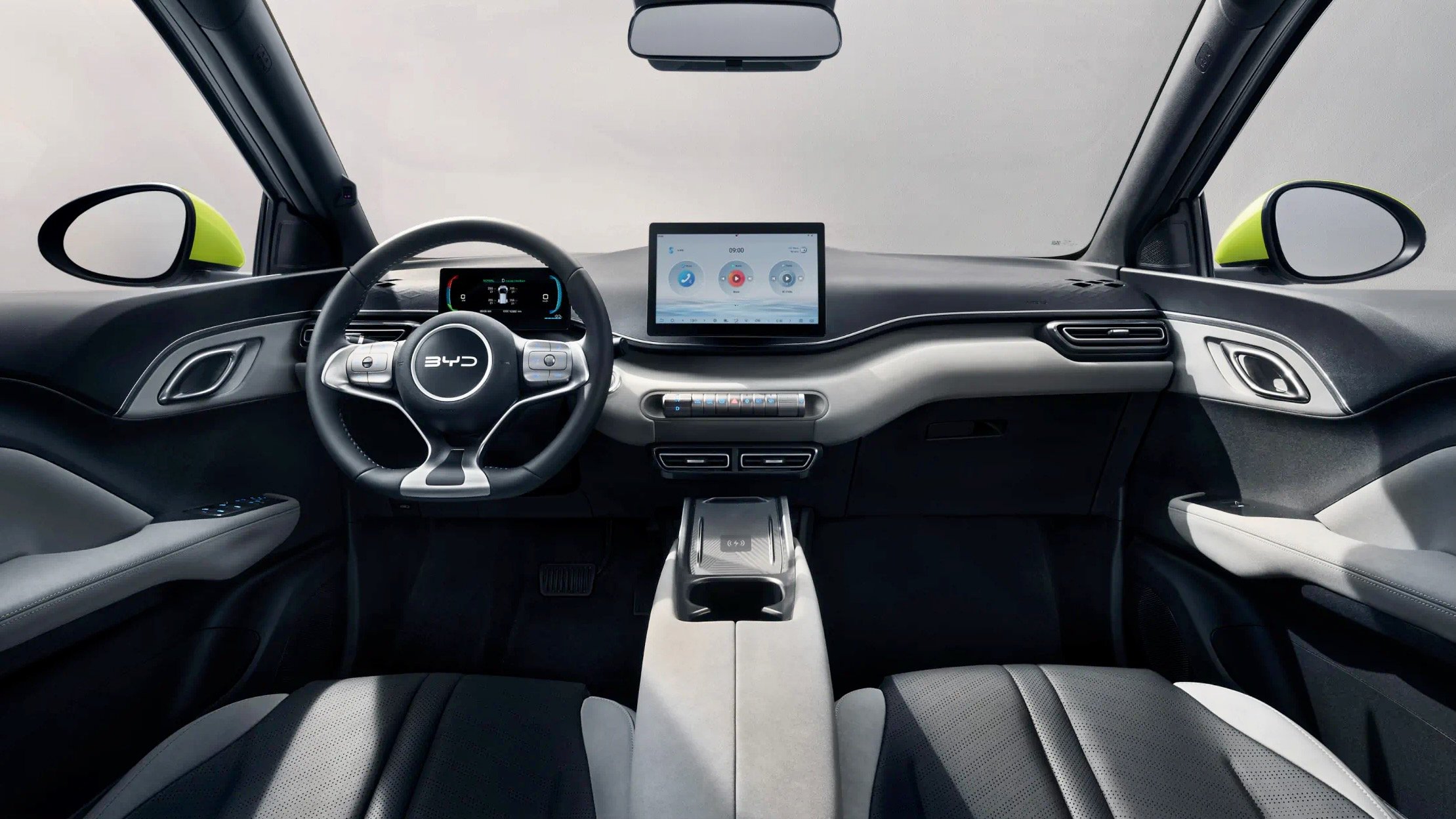
Moving up the range adds features such as a 360-degree camera, 16-inch alloy wheels, LED headlights, auto-folding mirrors, rain-sensing wipers, a six-way electric driver’s seat, heated front seats and a wireless phone charger.
BYD’s Australian factory distribution starts on July 1st, with local product plans beyond the new Atto 2 and Sealion 8 yet to be confirmed.
Toyota has launched its third EV in China: the bZ5 coupe SUV. Using BYD’s Blade Battery and Toyota’s own e-TNGA platform, the bZ5 has been developed as part of the brand’s joint venture with China’s FAW. Positioned as the brand’s third EV on sale there, the bZ5 is priced from 129,800 yuan (approximately A$27,800) in its home market.
While the bZ5 uses Chinese tech, it very much looks like an all-Toyota product with the brand’s latest “hammerhead shark” design language featuring proudly all over – the headlights, for example, are very similar to its bZ4X sibling.
Inside the bZ5 is also a similar layout to the bZ4X, with a huge 15.6-inch touchscreen and digital driver’s display sitting underneath the windscreen like its sibling.
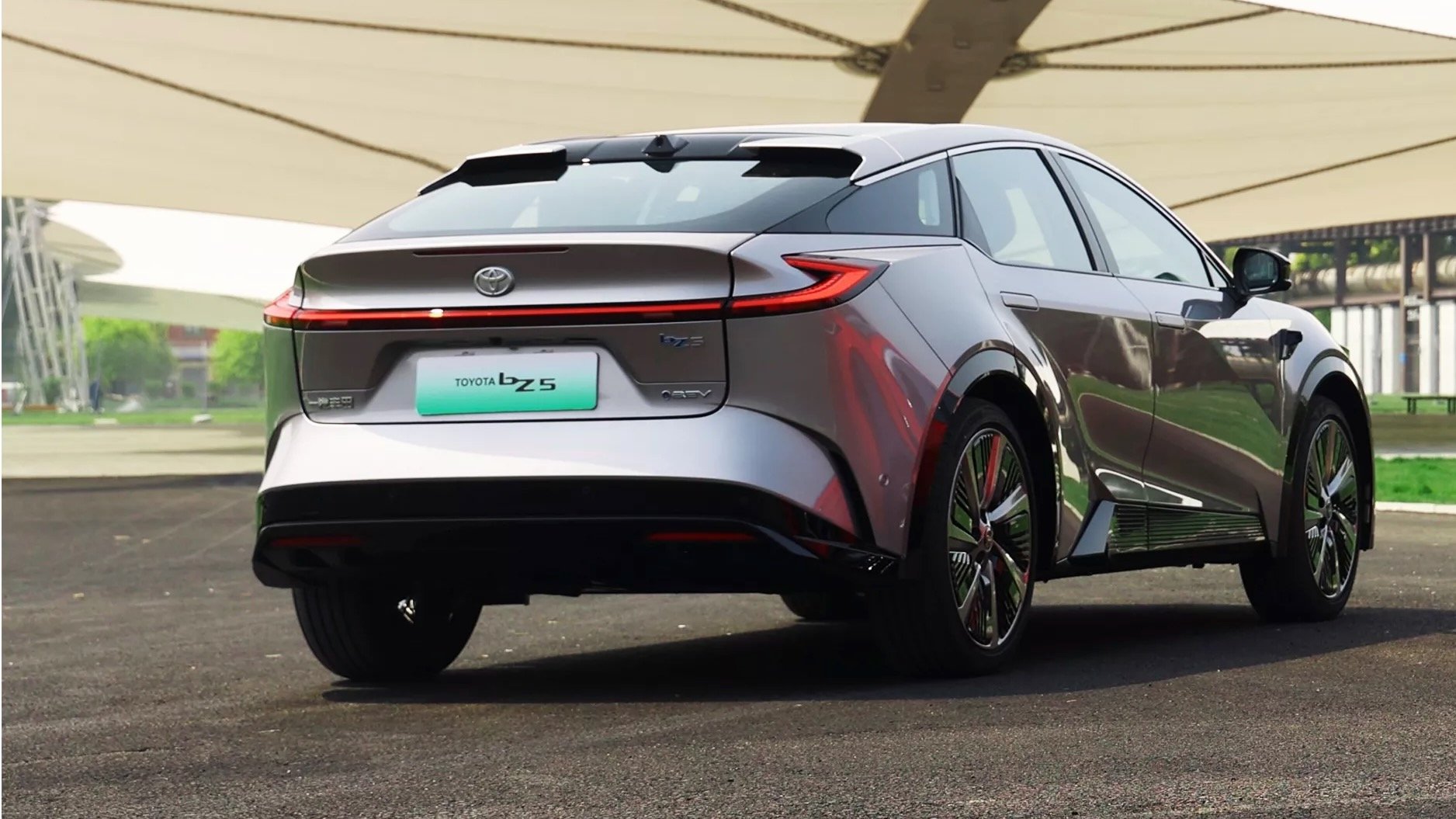
Underneath the bZ5’s body is the same e-TNGA platform that underpins the bZ4X, though the bZ5’s 200kW/330Nm electric motor the 65.28kWh and 73.98kWh LFP batteries sourced from BYD.
According to the lenient CLTC cycle, the bZ5 has a range of between 550km and 630km, depending on battery size.
According to FAW Toyota, the bZ5 supports 90kW fast charging, with a 30 to 80 per cent charge time of 27 minutes.
The bZ5 measures 4780mm long, 1886mm wide and 1510mm tall with a 2880mm long wheelbase, making its dimensions more lifted sedan-like than a true SUV, similar to the Polestar 2, and longer than the bZ4X.
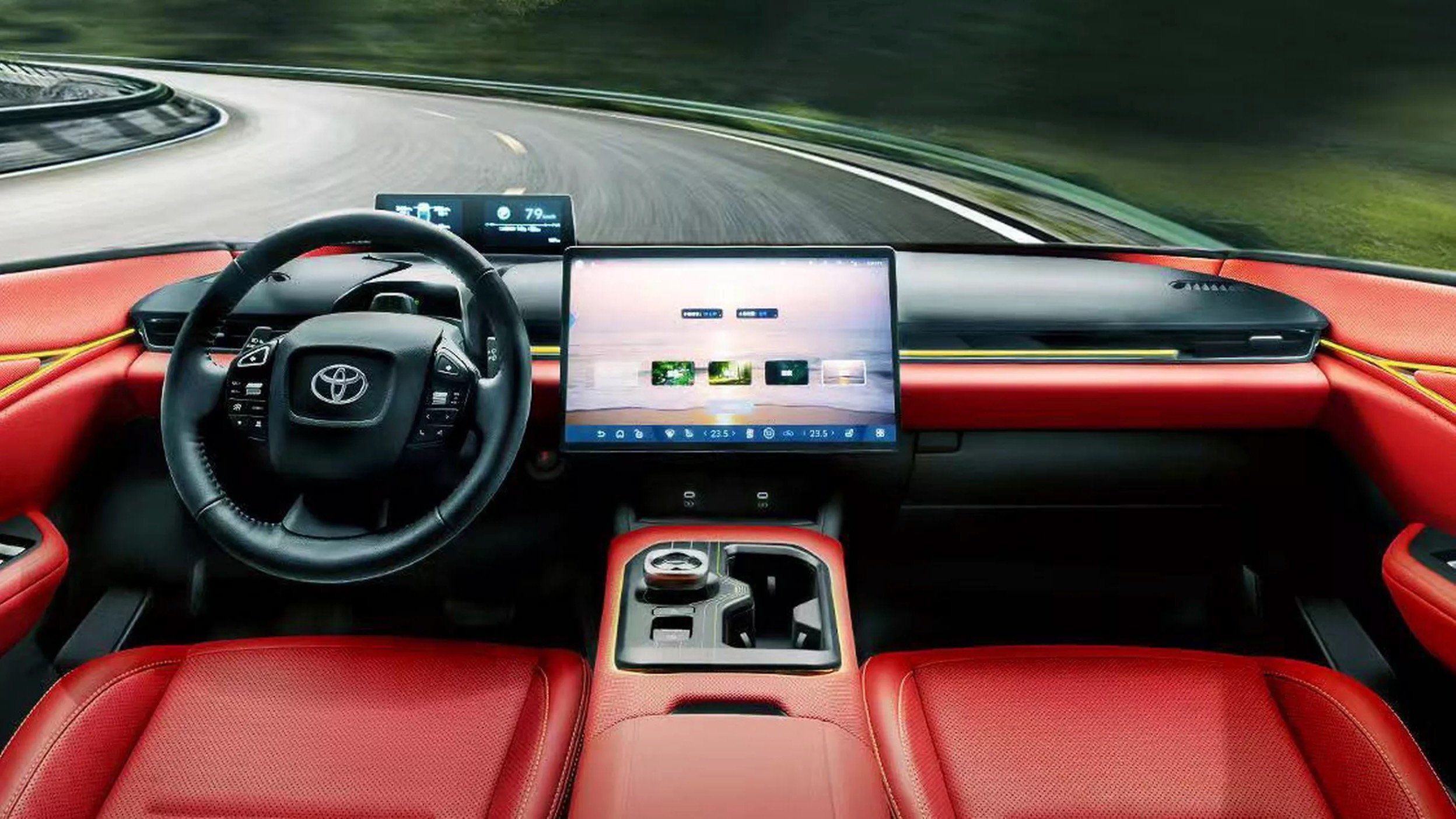
Available features in the bZ5 include 21-inch alloy wheels, a panoramic glass roof, a 10-speaker JBL sound system, up to nine airbags, 256-colour cabin ambient lighting, nap modes for in-cabin resting and over 30 active safety features, including a LiDAR unit in upper-spec models.
While China has become an EV-dominated new car market, Toyota’s global multi-layered approach to reducing vehicle emissions continues as before with CEO Akio Toyoda recently claiming that EVs are “dirtier than hybrids.”
So far, Toyota Australia only sells one EV: the bZ4X SUV, though the recently-revealed bZ4X Touring will join it in 2026 . The new Urban Cruiser small electric SUV co-developed with Suzuki will go on sale in some markets soon as well, while the new C-HR+ – not to be confused with the hybrid C-HR already on sale – will also be launched in some markets such as Europe and North America with Australian plans for both yet to be revealed.
The Toyota bZ5 is now on sale in China, with global sales plans yet to be revealed.
MG Motor Australia has announced local pricing for its new premium electric IM by MG range.
Priced from $60,990 drive away for both the IM5 mid-size sedan and IM6 mid-size SUV, three models will be available in each model range: base Premium, mid-spec Platinum and top-spec Performance.
The IM5 and IM6 sit on the same platform and feature either a 75kWh (in Premium variants) or 100kWh battery (Platinum and Performance) for up to 655km of range in the IM5 and 555km of range in the IM6 (both figures are on the WLTP cycle).
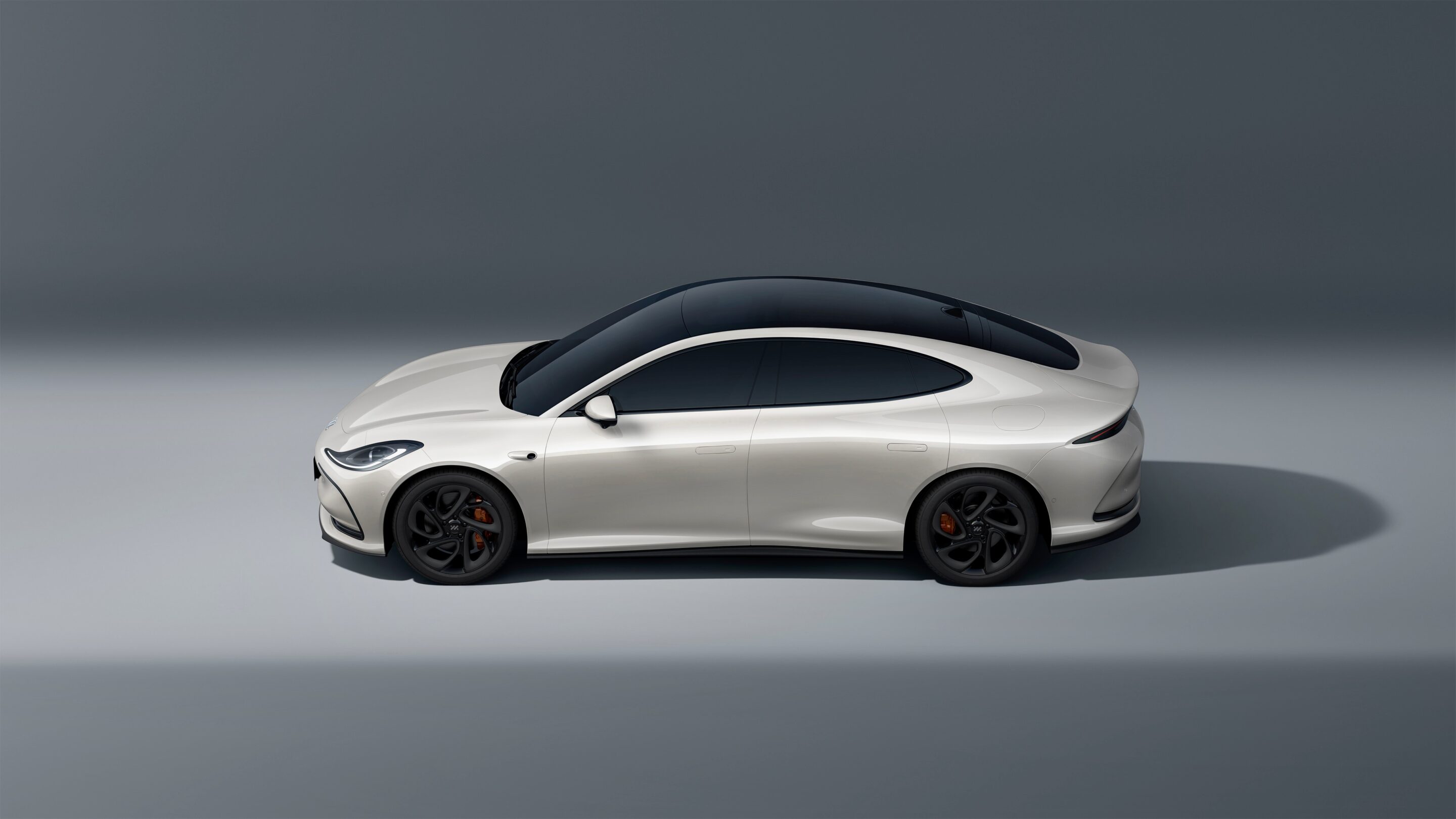
Premium variants use a 400V architecture for 153kW DC fast charging capability, while Platinum and Performance variants up to ante to an 800V platform and 396kW DC fast charging – one of the quickest on the market and capable of a 30-80 per cent charge in as little as 15 minutes.
The Premium variants uses a 217kW rear-wheel motor, with the Platinum upping that figure to 300kW and the Performance adding a second motor on the front axle for a huge 572kW.
The IM5 and IM6 Premium hit 100km/h in 6.8 seconds, with the Platinum lowering that to 4.9 seconds (5.4 seconds for the IM6) and the Performance lowering again to just 3.2 seconds (3.4 seconds).
MG is yet to announce full specifications for the IM5 and IM6, but available features on both include wheels up to 21-inches in size, air suspension (Platinum and Performance variants), automatic parking, bi-directional rear-wheel steering, a 10.5-inch central touchscreen paired with a 26.3-inch infotainment screen, wireless Apple CarPlay and Android Auto, heated and ventilated seating, smart device magnets, a 20-speaker sound system and a panoramic glass roof.
IM by MG Australian pricing (drive away):
| IM5 Premium and IM6 Premium | $60,990 |
|---|---|
| IM5 Platinum and IM6 Platinum | $69,990 |
| IM5 Performance and IM6 Performance | $80,990 |
Pre-orders for the IM by MG Australian range are open now ahead of the first deliveries in July.
Cupra Australia has confirmed that the Terramar mid-size SUV, its largest product yet, will be launched in Australia in July, with pricing starting at $53,990 plus on-road costs. Three drivetrains will be offered, including one electrified option, and three models as well: S, V and VZ.
The Terramar measures 4519m long, 1863mm wide, 1584mm tall and rides on a 2681mm long wheelbase, making it 20mm shorter, 76mm less tall and 21mm wider than the Volkswagen Tiguan that it shares its platform and mechanicals with. Its bootspace measures between 540-litres and 642-litres, depending how far forward the rear seat is slid.
Four drivetrains will be available in the Cupra Terramar range. The S uses a 1.5-litre turbocharged four-cylinder petrol engine with a 48-volt mild-hybrid set up making 110kW of power and 250Nm of torque.
That’s mated to a seven-speed dual-clutch transmission and its claimed fuel consumption is 5.7L/100km.
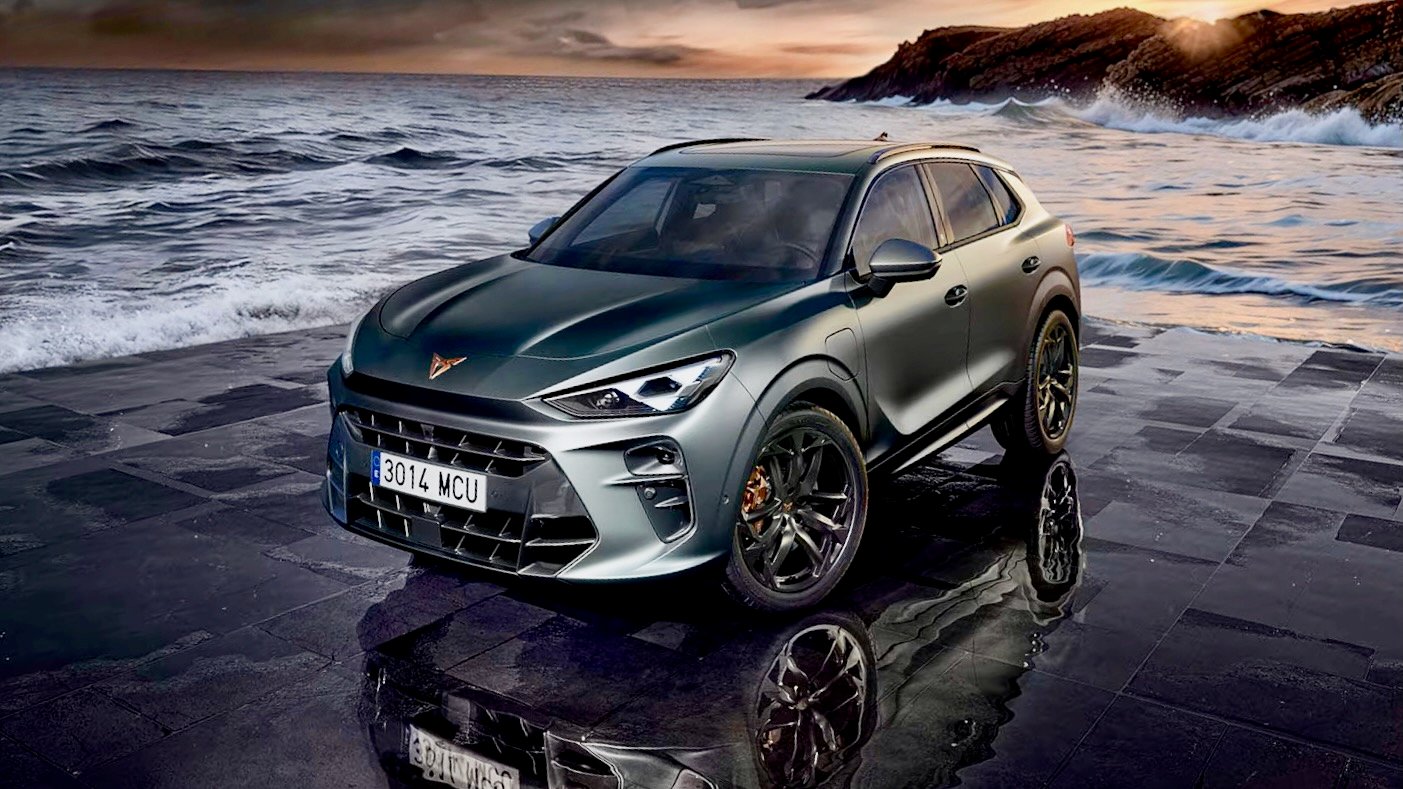
Stepping up to the Terramar V adds a larger 2.0-litre engine – without a mild-hybrid setup – making 150kW of power and 320Nm of torque, while the higher-spec VZ makes 195kW/400Nm from the same engine.
Both the V and VZ send power to all four wheels and also use a seven-speed DCT, while the V’s claimed fuel consumption is 7.2L/100km and the VZ’s is 8.2L/100km. The V hits 100km/h in 7.1 seconds and the VZ 5.9 seconds.
The 200kW/400Nm plug-in hybrid Terramar VZe with over 100km of electric driving range is due in 2026.
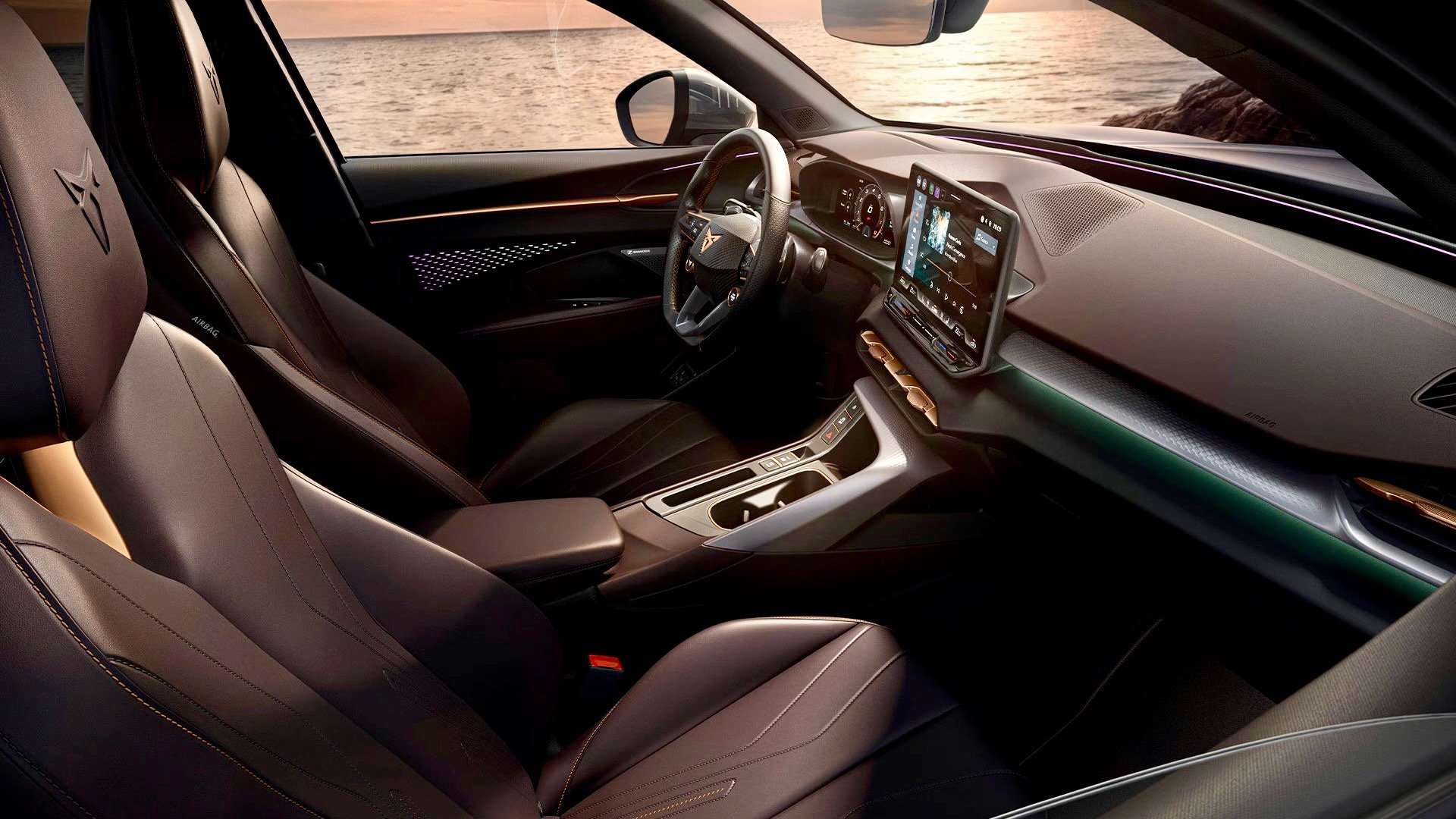
Cupra Terramar pricing (plus on-road costs:
| S mHEV | $53,990 ($58,490 drive away) |
|---|---|
| V | $61,990 ($66,490 drive away) |
| VZ | ($73,490 drive away) |
Cupra Terramar S mHEV standard equipment:
- 18-inch alloy wheels
- Automatic LED exterior lighting
- Automatic wipers
- Keyless entry and start with a power tailgate
- Black Diminica upholstery
- Electric front seats with heating
- Tri-zone automatic climate control
- Heated leather steering wheel
- 10.25-inch digital driver’s display
- 12.9-inch touchscreen
- Satellite navigation
- Wireless Apple CarPlay and Android Auto
- Wireless phone charger
- Nine-speaker sound system
- Selectable driving modes such as eco and sport
- 7x airbags
- Autonomous emergency braking
- Adaptive cruise control
- Adaptive lane guidance
- Traffic sign recognition
- 360-degree camera
- Head-up display
Cupra Terramar V model adds:
- All-wheel drive
- Larger 19-inch wheels
Cupra Terramar VZ model adds:
- 20-inch alloy wheels
- Adaptive damping
- Upgraded rear brakes
- Matrix adaptive high beam
- Cupra drive mode
- Leather and Sound Package
Cupra Terramar options:
- Leather and Sound Package (S and V – $1600): burgundy leather upholstery, 12-speaker Sennheiser sound system
- Akebono performance six-piston front brakes (VZ – also removes the spare tyre): $4200
- Panoramic sunroof: $2000
- Premium paint (‘Dark Void’ or ‘Graphene Grey’): $620
The Cupra Terramar will launch in Australia in July, with local deliveries due to commence then.
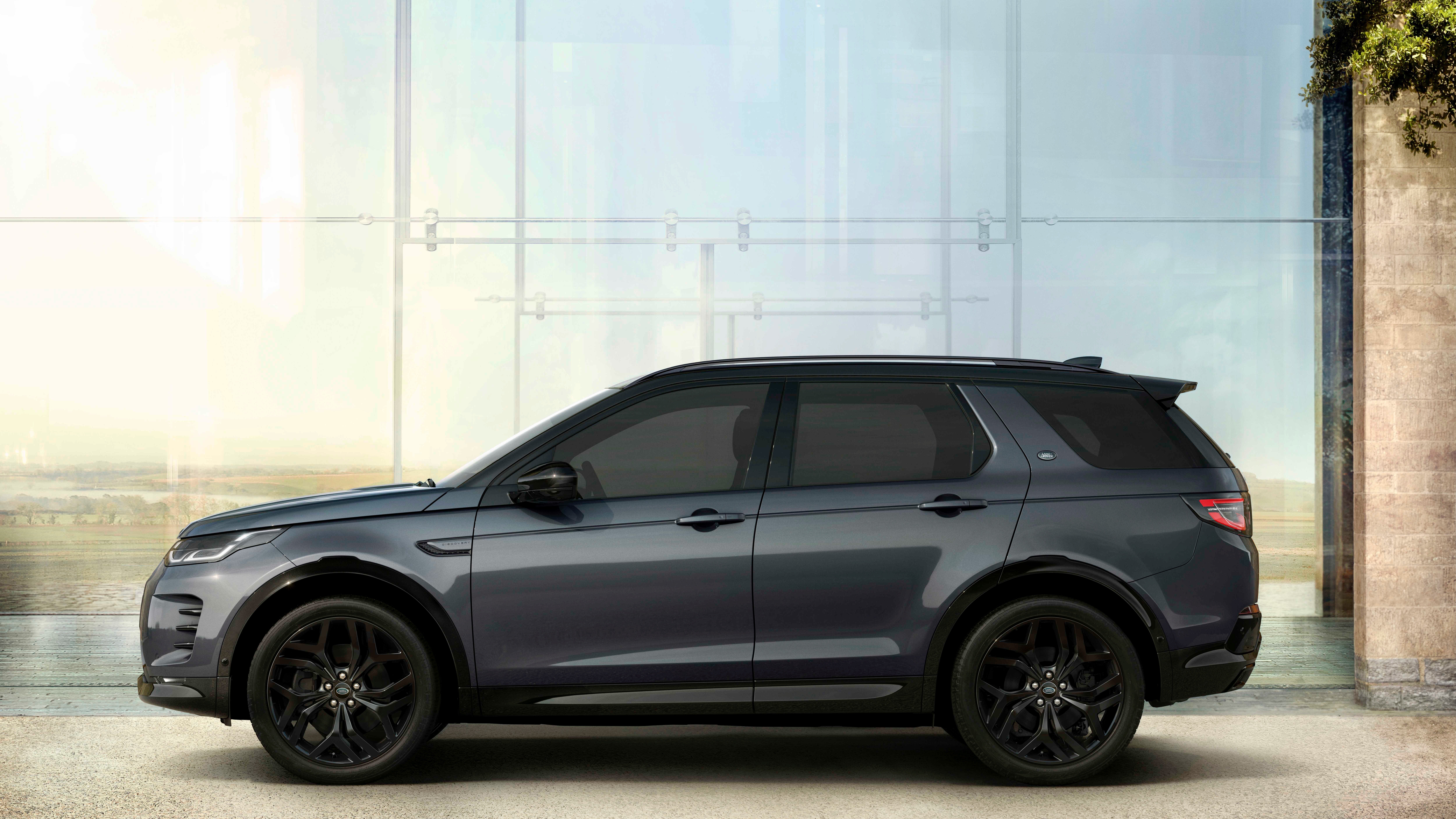
Land Rover Australia has announced local pricing and specifications for the updated MY26 Discovery Sport seven-seat SUV line-up, which is now available to order. Priced from $78,454 plus on-road costs, the updated Discovery Sport introduces new Metropolitan and Landmark trim levels with new equipment.
Mechanically, the Discovery Sport remains available with either the ‘P250’ 184kW 2.0-litre turbo petrol engine or the ‘P300e’ 227kW 1.5-litre turbo plug-in hybrid, which offers 66km of electric range and DC fast charging capability for a 0-80 per cent charge in as little as 30 minutes. The P250 is rated at 8.4L/100km for combined fuel consumption and the P300e 2.1L/100km (with a full battery).
Sitting at the entry point to the Discovery Sport line-up is the Landmark trim, which replaces the former SE. Standard features on the Landmark include 19-inch wheels, roof rails, a panoramic glass roof, synthetic leather upholstery, an 11.4-inch touchscreen with the company’s ‘Pivi Pro’ infotainment software with wireless smartphone mirroring and a 360-degree camera. The Landmark is available with either the petrol P250 or plug-in hybrid P300e drivetrains.
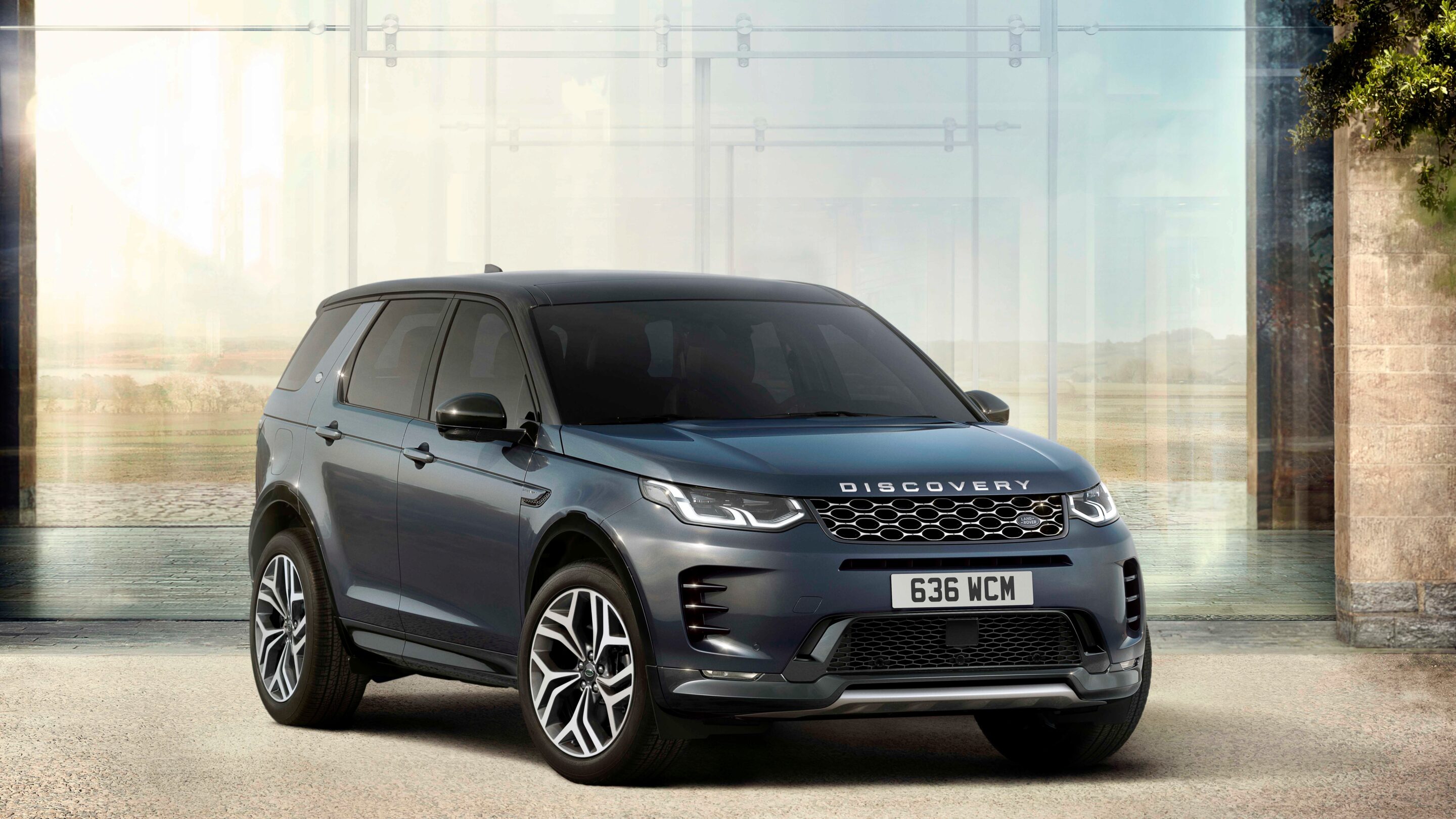
The Discovery Sport Landmark is priced from $78,454 plus on-road costs, or almost $5000 less
than the previous P250 Dynamic SE.
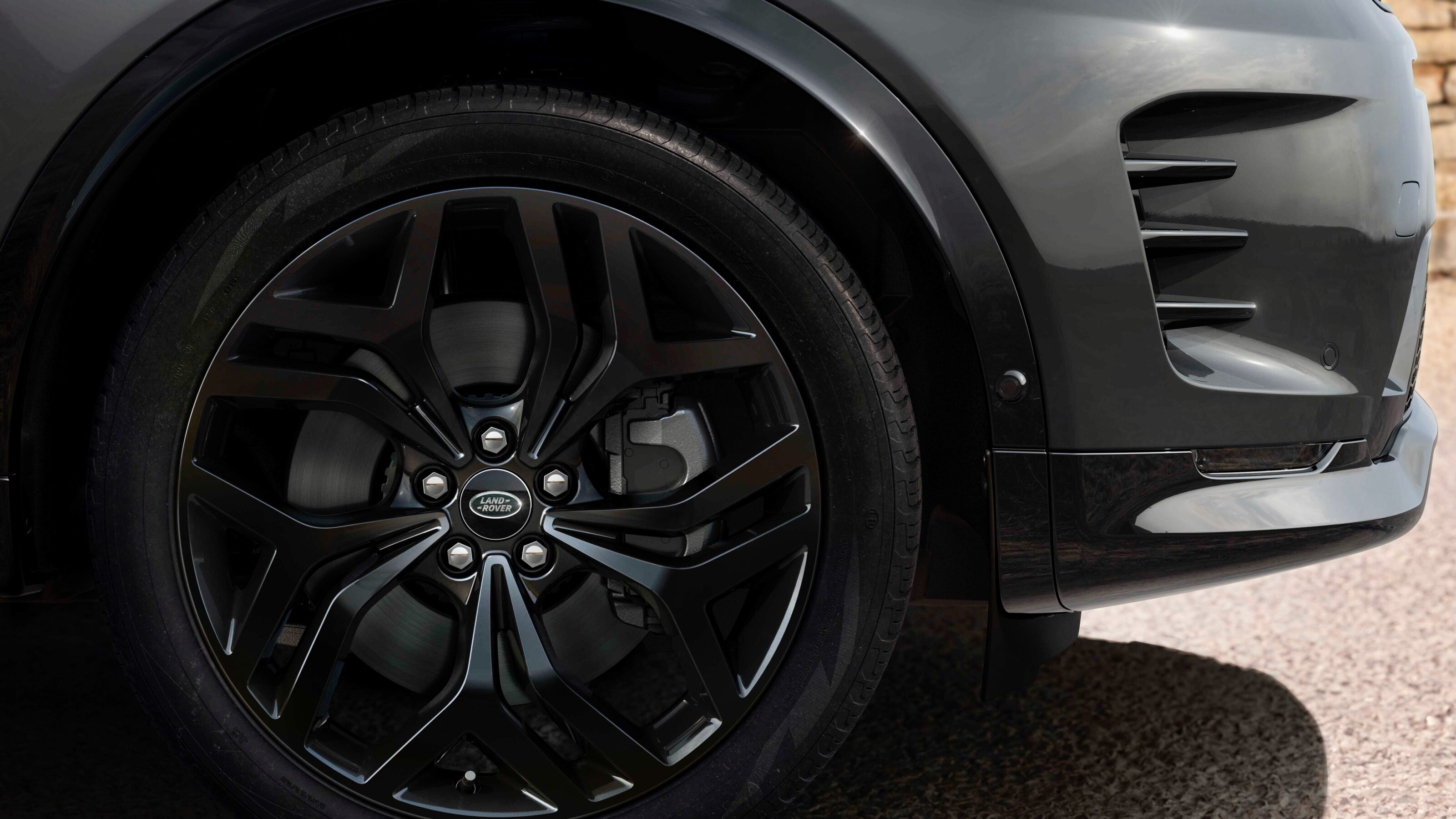
Above the Landmark sits the new Metropolitan, which replaces the former HSE. The Metropolitan adds features such as larger 20-inch wheels, bright exterior finishes, 14-way electric front seat adjustment with heating and cooling, a 650-watt 14-speaker Meridian Surround audio system and a digital rear mirror. The Metropolitan is only available with the P250 drivetrain and is priced from $91,955 plus on-road costs.
Land Rover has also added new accessory packages for the Discovery Sport, including the ‘Beach Days’ package with a centre armrest cooler, tailored sunshades and a collapsible organiser for the load area and a ‘Road Trip’ pack with media device holders for rear seat occupants and a roof box for extra luggage capacity.
Land Rover Discovery Sport MY26 pricing (plus on-road costs):
| Landmark P250 | $78,454 |
|---|---|
| Landmark Plug-in Hybrid | $91,502 |
| Metropolitan P250 | $91,955 |
Land Rover Discovery Sport Landmark standard features:
- 19-inch alloy wheels
- Automatic LED exterior lighting
- Automatic rain-sensing wipers
- Black roof rails
- Heated and auto-folding mirrors with auto-dimming and puddle lamps
- Panoramic glass roof
- Keyless entry with push button start
- Electric tailgate
- Dual-zone climate control
- Black synthetic leather upholstery
- 12-way driver and 10-way front passenger electric seat adjustment with driver’s memory
- 11.4-inch touchscreen with live services
- Satellite navigation with live traffic
- Wireless Apple CarPlay and Android Auto
- DAB+ digital radio
- Wireless phone charger
- 5x USB ports
- Meridian sound system
- Autonomous emergency braking
- Adaptive cruise control
- Blind-spot monitoring with rear cross-traffic alert
- Traffic sign recognition with adaptive speed limiter
- Driver attention monitoring
- Auto high beam
- Front and rear parking sensors
- 360-degree camera
- Alarm
Discovery Sport Metropolitan model adds:
- 20-inch alloy wheels
- Matrix adaptive high beam
- Uprated Meridian sound system
- Leather upholstery
- 14-way electric front seat adjustment
- Heated and cooled front seats
- Head-up display
- Digital rear mirror
- Cabin air purification
The updated Land Rover Discovery Sport range is now available to order, with local deliveries due
to commence soon.
Apple has revealed its iOS 26 software for the iPhone, which has included a big update to the CarPlay in-car smartphone mirroring tech.
Aimed at making CarPlay more user-friendly and customisable, it will be made available to download in October.
Launching alongside CarPlay Ultra, which is an expanded version of CarPlay that can control the driver’s display, radio and climate control to only be available in new Aston Martin products initially, the regular CarPlay’s update introduces fresh graphics mirroring the iPhone called ‘Liquid Glass’ with translucent menus.
According to Apple, user-friendliness has been improved with the CarPlay update with key information such as maps made more visible. For example, incoming phone call notifications will no longer take up the whole display or cover mapping directions – instead, they will be be displayed in a more compact view.
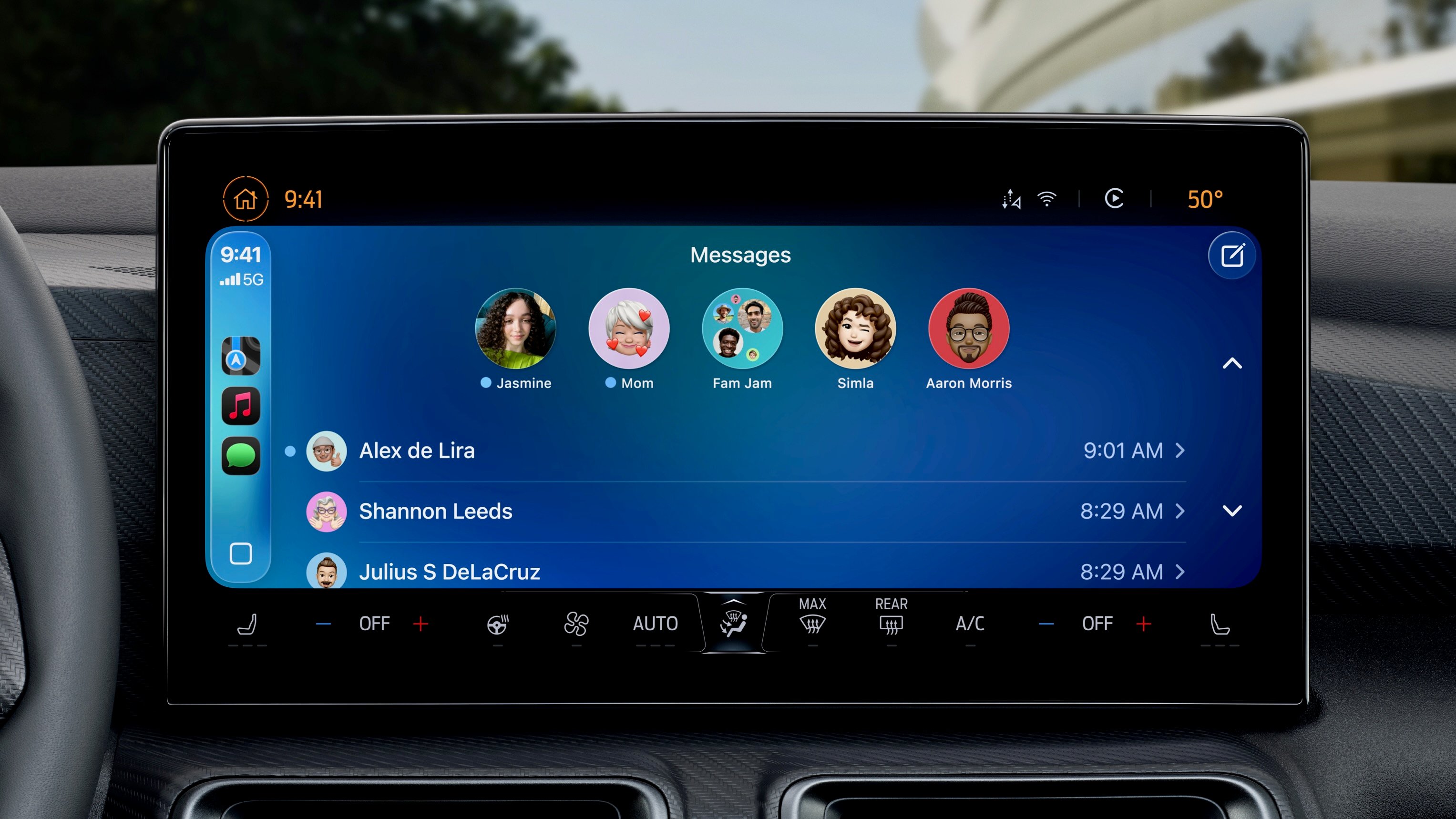
Incoming messages will also be made less distracting, displaying as a small notification at the bottom of the screen and users will now be able to respond with emoji ‘tapbacks’ (where you can, for example, send a thumbs up or heart as a response, like on an iPhone) and contacts will also be able to be pinned like on an iPhone so that messaging favourites will be easier.
iOS 26 also brings widget customisation so the home screen can be designed by the user) and Live Activities, so that users can be fed information such as flight tracking while driving.
Apple’s iOS 26 software will be made available to public beta testers next month ahead of a full market launch in October.
Alfa Romeo is set to introduce a new range of special edition models using tech from America’s Cup yachts. That’s the functional aspect. The style? That’s being helped by fashion house Prada.
The connection between these seemingly disparate partners is that Alfa has recognised the materials technology advantage in the racing yachts sphere and is keen to exploit it. Partnering with the Italian team Luna Rossa will bring a series of special editions. Luna Rossa is owned by Andrea Guerra, who also happens to be the CEO of Prada. Synergy, you see?
It’s easy to be a little cynical, but anything that extends the lifespan and appeal of the magnificent Quadrifoglio performance models is more than OK with us, with the Luna Rossa editions to initially comprise the flagship Giulia sedan and Stelvio SUV.
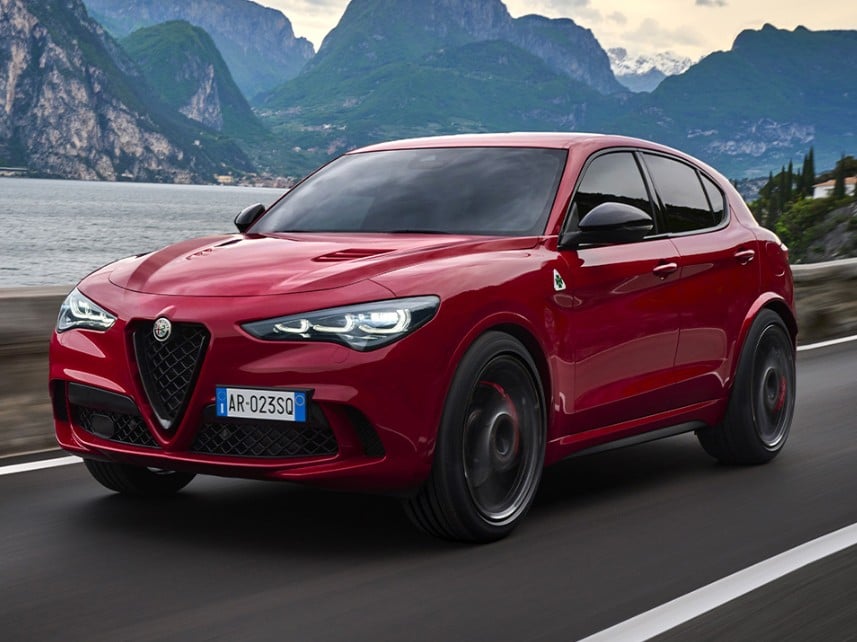
Cristiano Fiorio, head of Alfa Romeo’s global marketing and communications, spoke to Australian and Asian media ahead of the launch, claiming that “the partnership is going to start now, and I believe that the next six to eight months are going to [see us] really working together.”
“Then I believe that in Q1 2026, we would like to start with something we have in our mind – very limited, very powerful. Then we would like to continue … the apex in mid-to-end 2026 to cover the America’s Cup, which is, of course, in 2027.”
“It’s a technical partnership, but also the willingness of having the two brands working together.We are working with the team from Luna Rossa, and with Lorenzo [Sirena, race team director] in order to put all the know-how, the expertise of the design, the speed, the light materials into some limited-edition cars.”
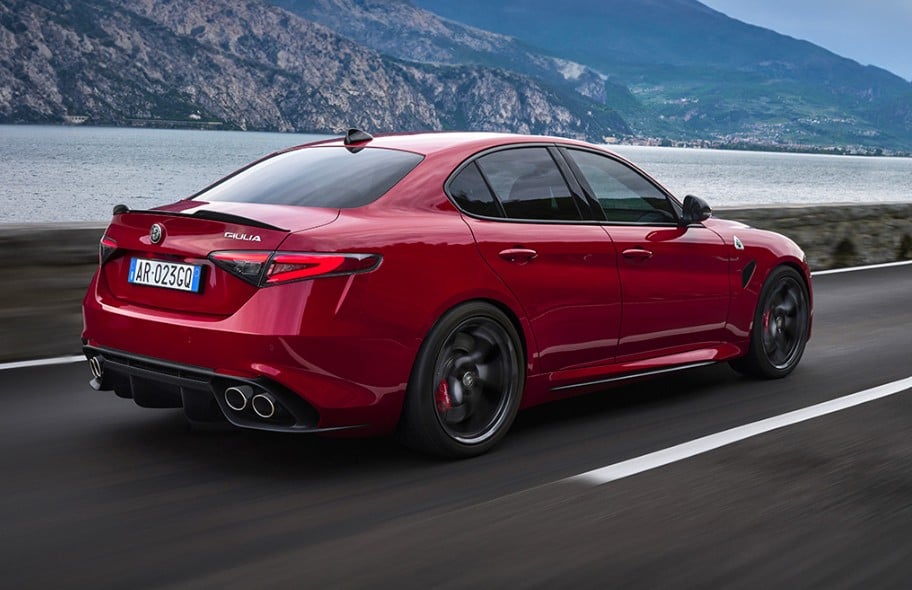
Reading between the lines, these dates may also coincide with the delayed launch of the Stelvio SUV, which now appears to have been pushed back to mid 2026, with the Giulia replacement, following around 12 months later. Beyond that, a seven-seat Range Rover rival is mooted for 2027.
These cars are to be built on the Stellantis STLA Large platform. Alfa Romeo CEO Santo Ficili, had already claimed the new Giulia’s form factor will change, saying it will have “a new design and a new type of bodywork”.
Ficili also hinted that the special editions may also filter down to more affordable models in the Alfa range.
“Junior, Tonale, Giulia and Stelvio, we will start from these four fantastic models we have today in our range. Then, we will see also in the future, but there is already space to work with the current range of Alfa Romeo.”
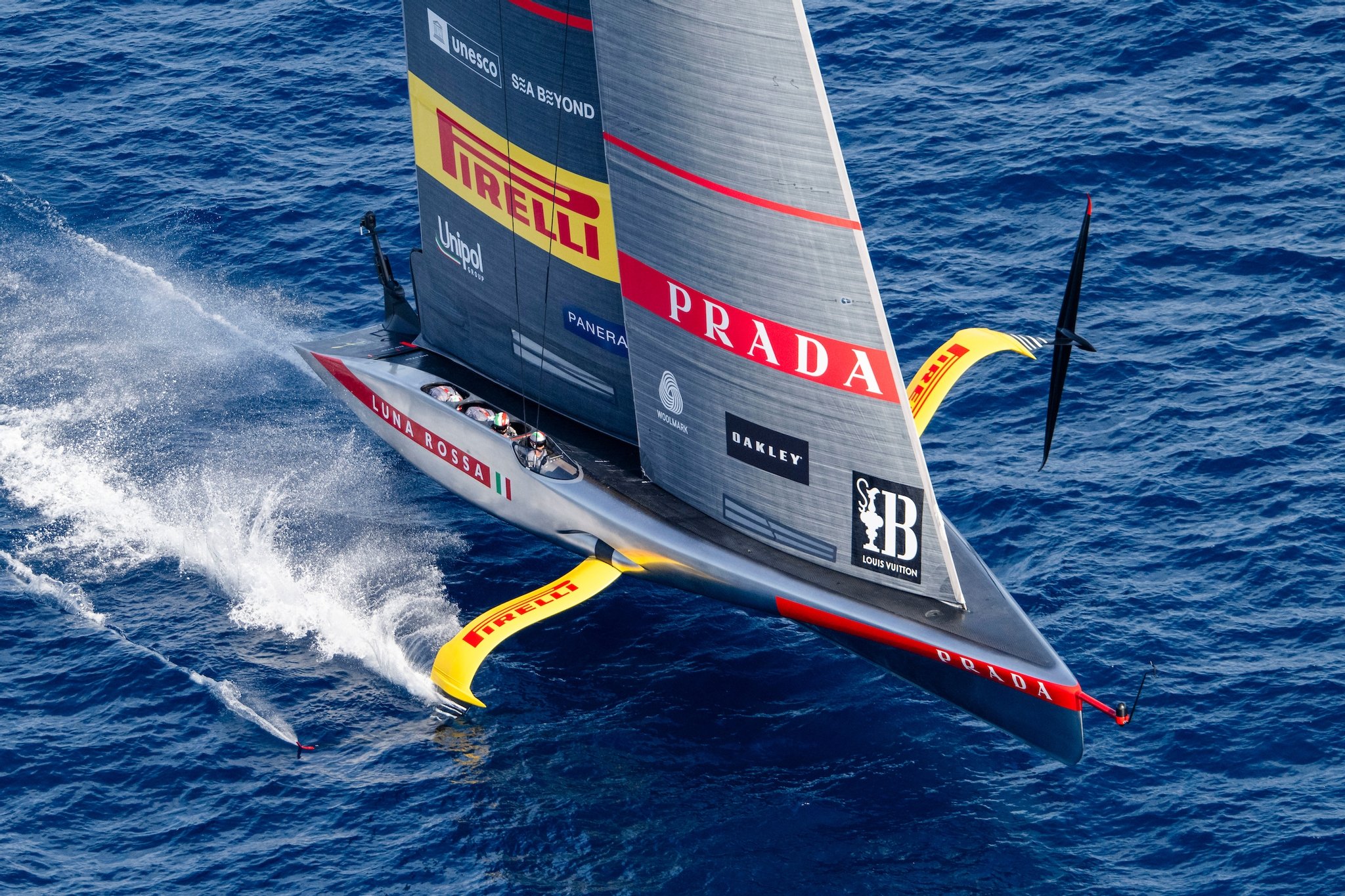
There’s been no word on pricing or exactly when we can expect to see what the partnership between Alfa Romeo, Luna Rossa and Prada will deliver. Of course, Alfa Romeo have a significant business turnaround on their hands, with significant results to show for it. The flights of fancy are no more.
In an interview with Car, Fiorio was brutally frank about the company’s priorities.
“Any person working at Alfa Romeo will tell you that we would like to have another performance sort of reachable car,’ he said. ‘But I always believe that, before going into dreams, we have to deliver.”
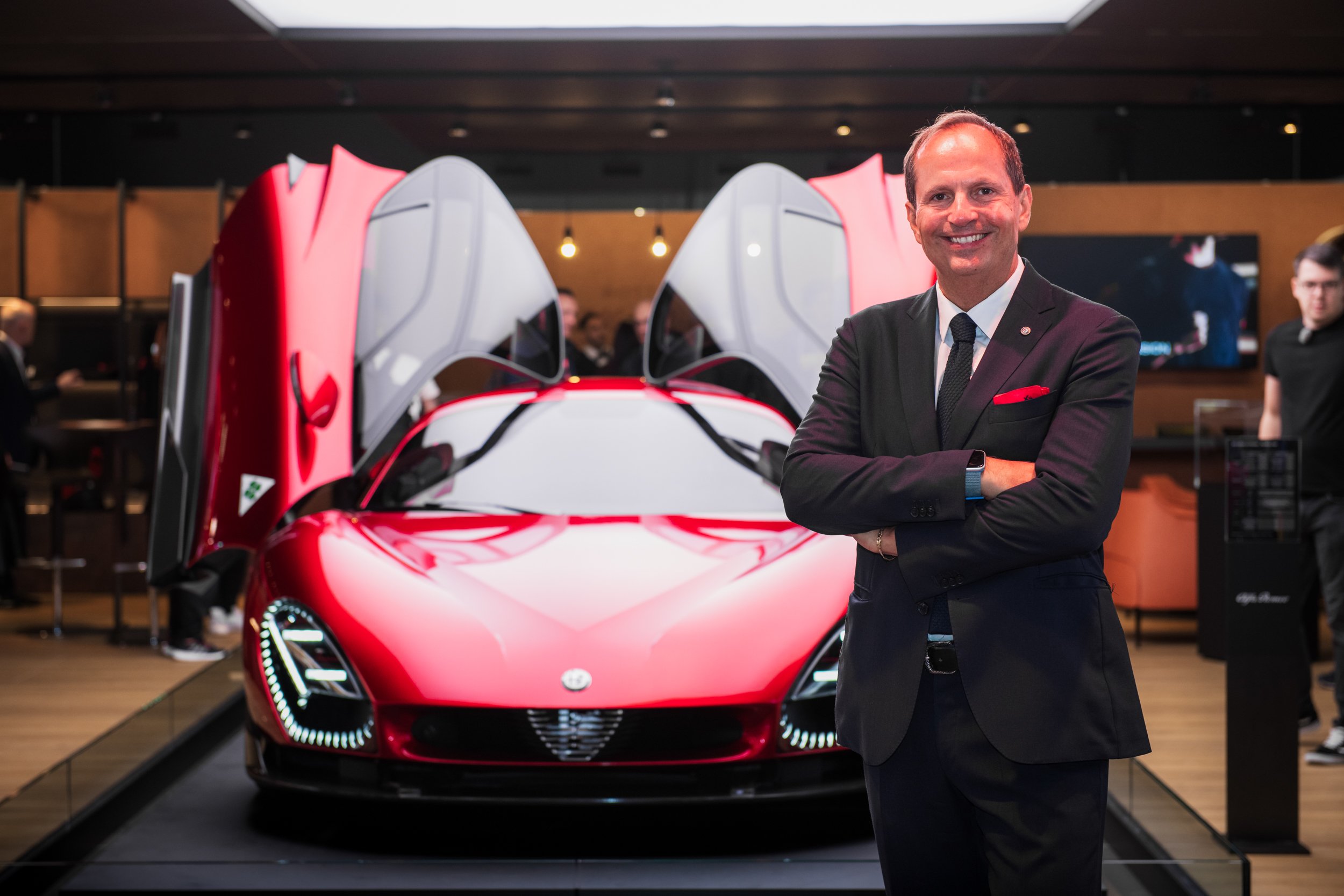
“Alfa Romeo doesn’t have the means of Audi or Mercedes or Porsche because of volumes that we generate – and we have to do things step by step. So, we have been, in the last three/four years, being very diligent in putting in order again the accountability of the brand in terms of delivering results,” he noted.
“We have to start from the credibility. Doing one model every year, proving that we are able to execute, to make it profitable, to make numbers which are acceptable for the investment we have done. Once we have done a track record on that, then we can dream.”
BYD Australia’s offering is set to grow from later this year with the addition of two new SUVs: the Atto 2 as its entry-level electric SUV and the seven-seat plug-in hybrid Sealion 8 at the top of the line-up.
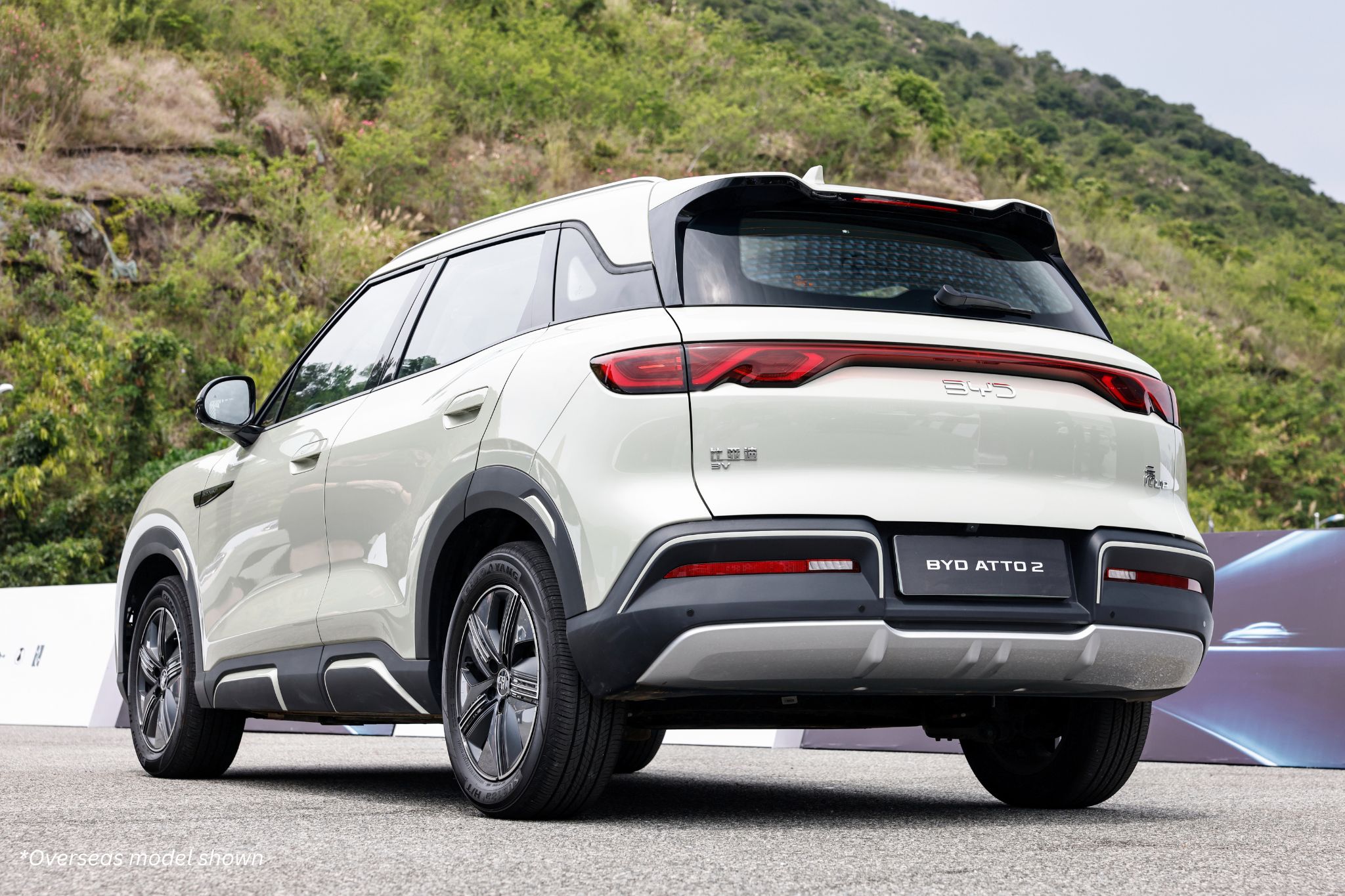
Priced from potentially under $35,000 plus on-road costs, the BYD Atto 2 is smaller than the existing Atto 3 and uses the same ‘e-Platform 3.0’ as the smaller BYD Dolphin.
Two Atto 2 models will be available in Australia: Essential and Premium, with both using a 130kW/290Nm electric motor on the front wheels.
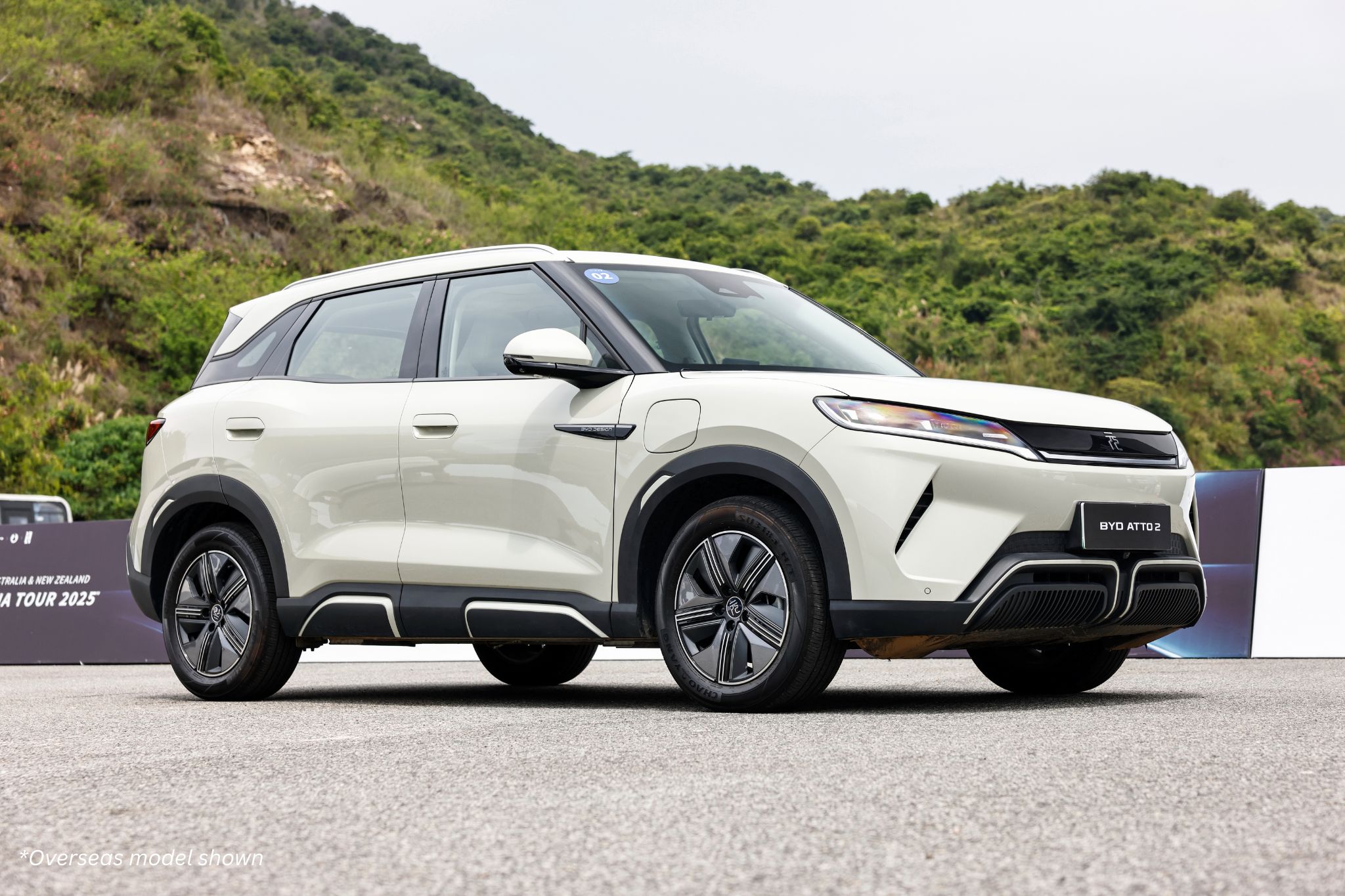
Using a 51.3kWh LFP battery, the Atto 2 is rated at 401km of range on the lenient Chinese CLTC testing cycle – expect that to sit at around 300km on WLTP numbers when it launches locally.
Features such as synthetic leather, adaptive cruise control and vehicle-to-load (V2L) functionality will be standard across the range, with the upper-spec Premium adding a larger 12.8-inch touchscreen and a 360-degree camera.
At the other end of the range is the Sealion 8, which will be BYD’s largest offering locally and its first seven-seater. Unlike the electric Atto 2, the Sealion 8 will be a plug-in hybrid centred around a turbocharged 1.5-litre four-cylinder petrol engine making 110kW of power and 220Nm.
Two drivetrains will be available: DM-i (intelligent in BYD jargon) and DM-p (performance), with the DM-i using a 200kW/315Nm front-mounted electric motor and a 19kWh battery. The DM-p further adds a 141kW/360Nm rear electric motor and a larger 35.6kWh battery.
Combined outputs are yet to be announced, but the Sealion 8 DM-p hits 100km/h in a claimed 4.9 seconds and can reportedly drive around 200km – again, on the lenient Chinese testing cycle – on a full battery before the petrol engine kicks in.
As we’ve come to expect from the brand, the Sealion 8 will be well equipped with features such as heated, cooled and massaging seats in the first and second rows of all-wheel-drive models.
BYD Australia will confirm local pricing and specifications for both the Atto 2 and Sealion 8 closer to their respective launches.
