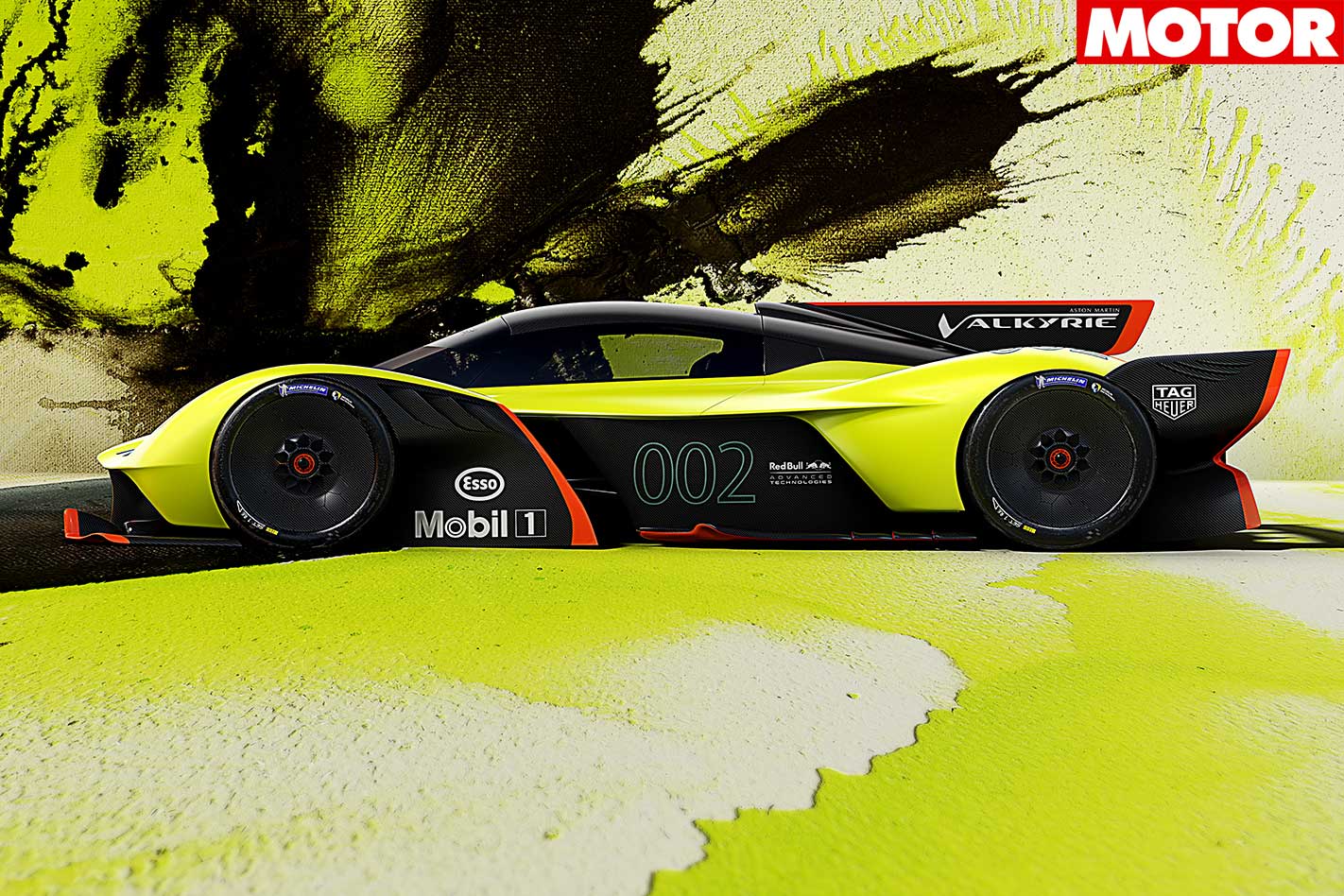
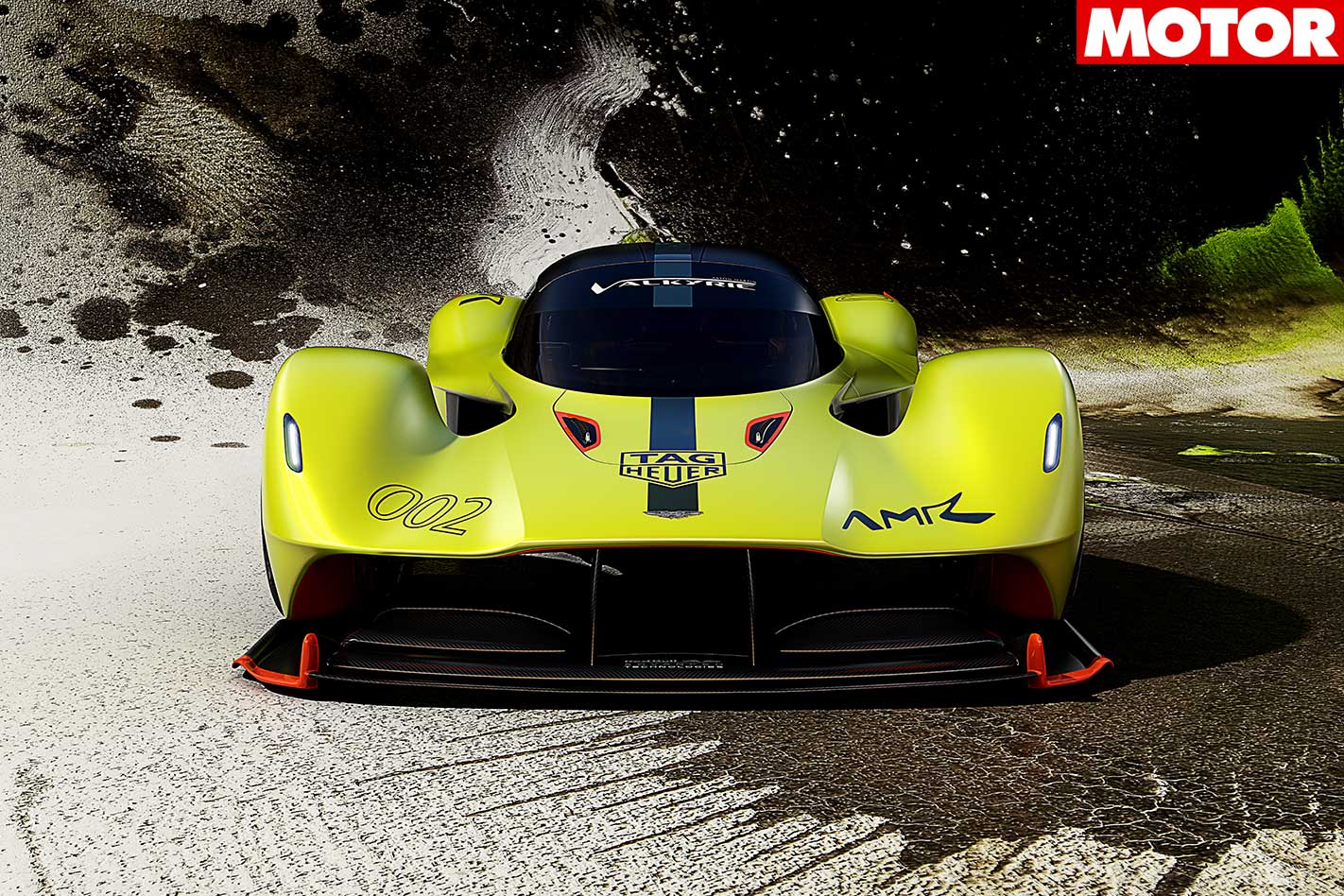
Aston Martin has officially revealed its Valkyrie AMR Pro, the most extreme version of an already extreme vehicle.
The AMR Pro is the track-only version of its Valkyrie hypercar, and only 25 are going to be built.
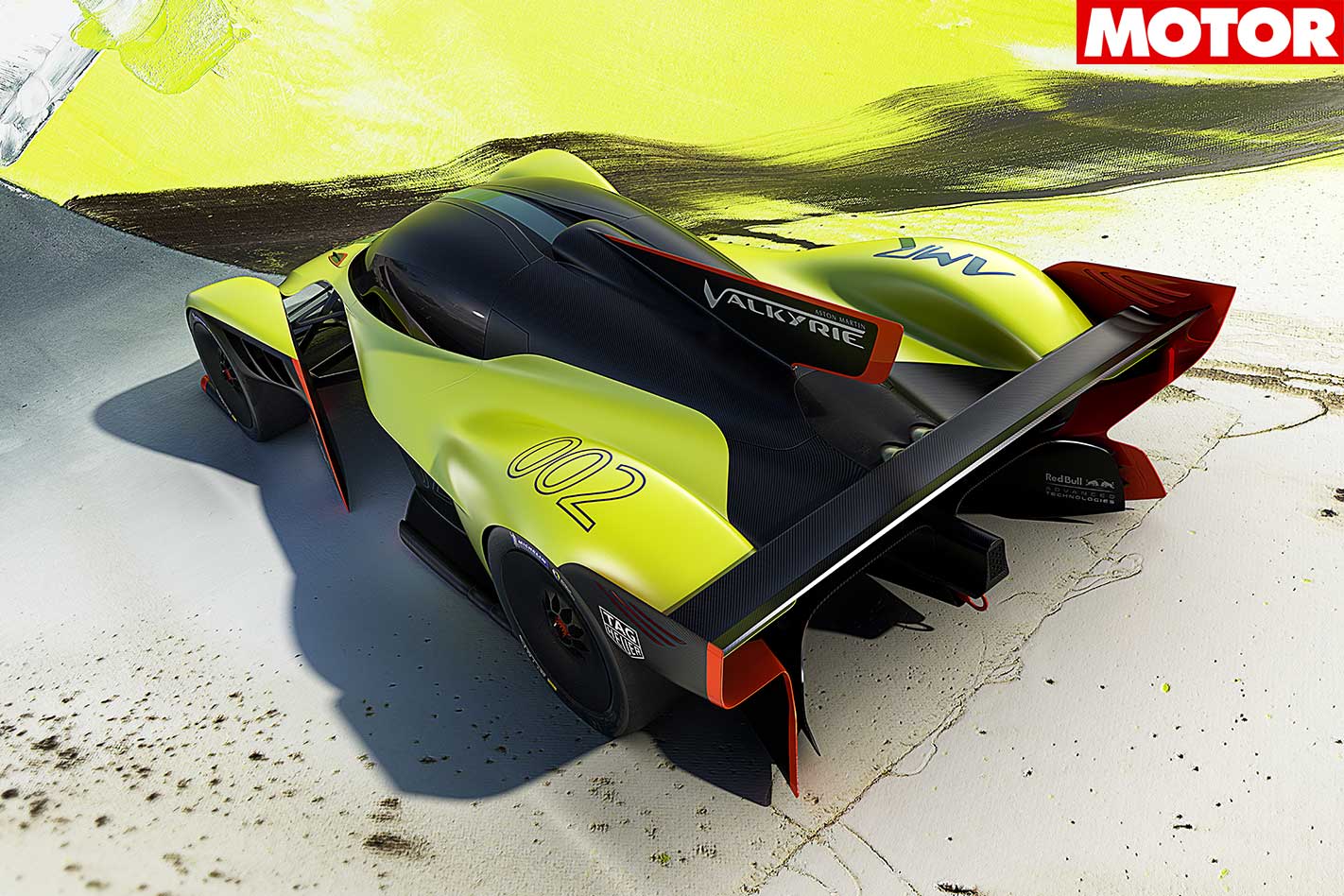
Even with its massive downforce, the Valkyrie AMR Pro can hit a top speed of 362km/h, though Aston says its ability to withstand 3G of lateral acceleration is of more importance.
Chief technical officer for Red Bull Racing Adrian Newey says working with Aston to develop the AMR Pro has been quite special for him personally.
“The Aston Martin Valkyrie road car draws extensively from the knowledge I have gained during my career in Formula One, but the AMR Pro version has allowed me to work beyond the constraints of road legality, or indeed practicality!
“We’ve told a few of its secrets, but by no means all. I will leave it to the public to ponder the lap time predictions. Suffice to say they’re quite impressive.”
“Anyone who knows me will tell you I’m a true racer at heart, so to see the track-only Aston Martin Valkyrie AMR Pro together with Aston Martin Red Bull Racing’s Formula One and Aston Martin’s World Endurance Championship cars here at Geneva is fabulous.
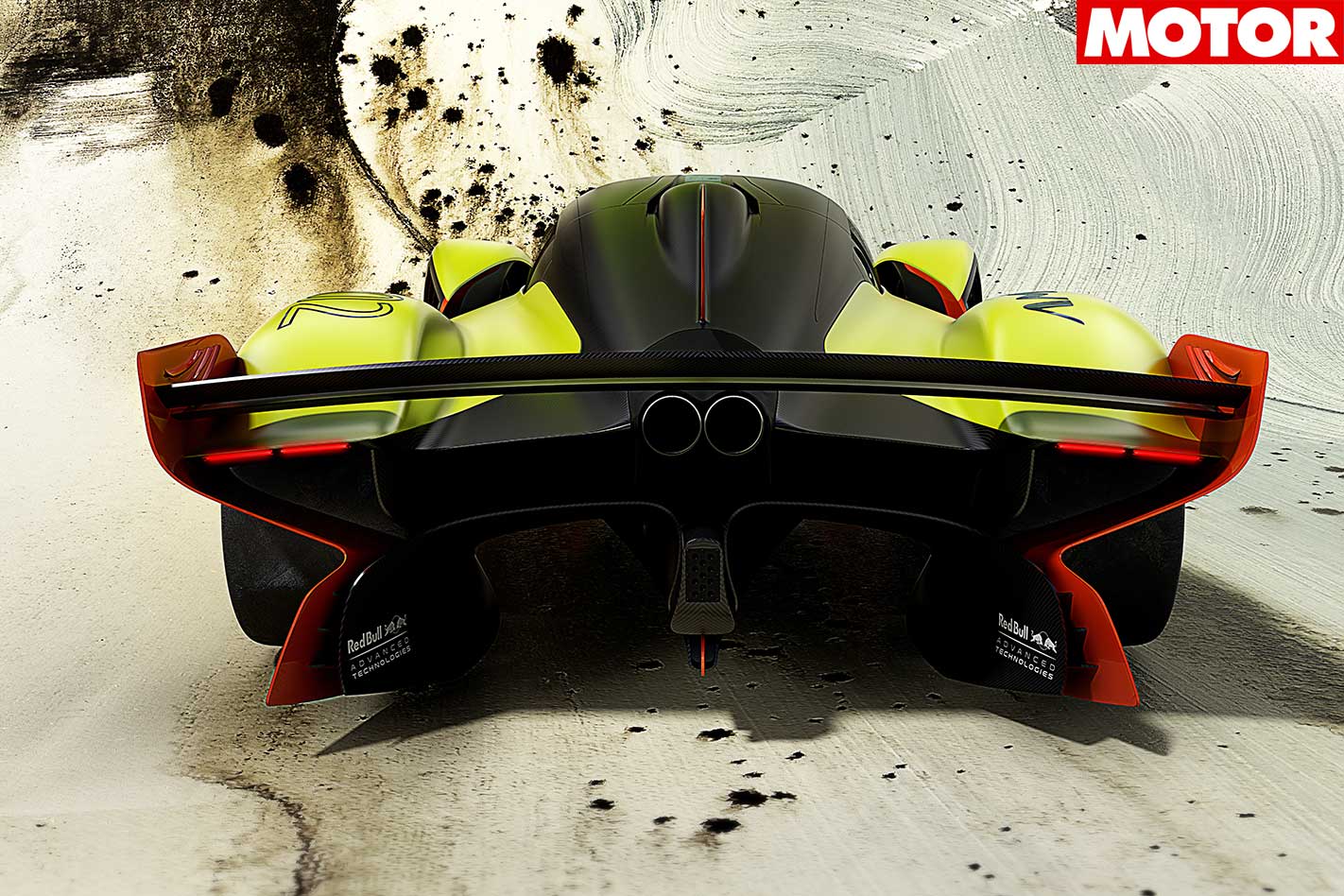
All 25 examples of the Aston Martin AMR Pro which are to be built have been spoken for, with the lucky (and wealthy) owners expected to take delivery in 2020.
THE 2018 Geneva Motor Show could go down in history as the one in which the diesel engine was put on life support. Soon, though, we may also be pulling the plug.
Toyota and Subaru have both used the show to confirm that they will stop selling oil-burning engines in Europe – the former has always had an aversion to the fuel, and the latter has struggled with seamlessly adapting the technology to its boxer engines.
Toyota used the launch of its new-generation Corolla small car at Geneva to announce that its new generation of more fuel-efficient petrol-electric hybrid drivetrains meant that there was no longer a need to offer a fuel-saving diesel alternative in Europe.
“Six months ago in Frankfurt we announced a second hybrid electric powertrain for all our core models in the future. And here it is,” Toyota Motor Europe chief executive Johan Van Zyl said.
“The new Auris (Corolla’s name in Europe) will be the first Toyota to offer the choice of two hybrid electric powertrains. It will have the super-efficient 1.8-litre system, the same as in the Prius and C-HR. And it will also be available with a new 2.0-litre hybrid with 180hp (134kW).”
Zyl said a 1.2-litre petrol engine would complete the Corolla range in Europe. “But, you may ask, where’s the diesel powertrain?” he said. “The answer is simple; there isn’t one.”He said the car maker would instead build on the success of its hybrid line-up, which meant it would be “phasing out diesel engines from our passenger cars in Europe”.
“Customer demand is a clear sign that our petrol-electric hybrids are a strong and popular alternative,” Zyl said.
Europe’s rush to abandon the fuel-efficient oil-burning engines comes in the wake of the Dieselgate emissions scandal, increasing pressure on European cities to crack down on polluting nitrous oxide emissions, and revelations this week that a Eurozone backlash against diesels has pushed up carbon dioxide emissions.
In Australia, the smallest vehicle that Toyota offers a diesel alternative for is the RAV4. It is expected a hybrid version of its smaller SUV, the C-HR, will add a petrol-electric hybrid drivetrain.
Subaru, meanwhile, announced it would soon stop selling diesel engines in Britain, after the company late last year flagged plans that it would dump its oil-burning technology by 2020 in favour of developing hybrid powertrains.
The Japanese car maker has done little with its unique boxer engine since it was revealed in 2006. It sells the engine here as an alternative to the 2.0-litre petrol engine in the Forester and Outback.
It is believed the first of the hybrid drivetrains could soon make its debut under the bonnet of a WRX-badged sedan, a car flagged by the Subaru Viziv Performance STI Concept unveiled in January, and hinting that a Subaru was soon to add a new hero car to its showroom.
The concept car wears the same garish, pumped guards as the Viviz Touring Concept unveiled at Geneva this week – a concept that hints at a new-generation Levorg wagon.
Subaru Australia said diesel remained an important part of the product mix here, where it accounted for about one in every 10 sales across the Forester and Outback range.
The car maker has only recently announced a series of running changes to the Outback as part of a mid-life update, with an oil-burner featuring in the mix.
Diesel sales in Australia have slowed dramatically as mum and dad buyers’ interest in passenger cars using the fuel wanes. In 2017, the oil-burning engines only accounted for less than 2.3 percent of passenger car sales, a 20 percent slump over the previous year’s figures. In contrast, diesel SUVs accounted for almost 35 percent of private sales, and fell only 8.3 percent compared with 2016’s figures.
But is hybrid the saviour in Australia? The numbers suggest it isn’t. Hybrid sales to private passenger car buyers in 2017 ended the year relatively flat, but were still outsold by diesels two to one. Among the SUVs it’s much worse: diesels outsold hybrids by a factor of 10 to one.
The death of diesel and the rise of hybrid in Australia may yet be a long time coming.
What stands out?
The medium-sized Skoda Octavia has a regal look, and offers lots of space and equipment for the money. A line-up of keen, frugal engines is crowned by the athletic 2.0-litre turbo in the Octavia RS 169 and RS 245, which are like a sporty Volkswagen Golf GTI wearing sensible clothes. All Octavias have auto emergency braking, and all but the least costly provide nine airbags.
What might bug me?
Paying extra for fuel: Skoda recommends premium (95 RON) or super-premium (98 RON) petrol for the Octavias.That you can’t listen to your favourite CDs – there’s no player. In an Octavia RS, driving at 80km/h on the skinny space-saver spare until you can fix your full-sized flat tyre.(The less sporty Octavia and Octavia Sport use a full-width spare that nevertheless does not match the other wheels and tyres on the car. While it too is speed-restricted, it will probably get you further than the space-saver.)Drivers born and bred on traditional automatic gearboxes may need to approach an auto Octavia’s DSG dual-clutch gearbox with an open mind. The DSG transmission is essentially an automated manual gearbox – albeit a highly sophisticated one – and when starting from rest it won’t match the forgiving smoothness of a conventional automatic or CVT auto.
What body styles are there?
Five-door hatchback and five-door wagon. The hatchback looks like a sedan but has a boot-lid hinged from above the rear window rather than below it, a body style that can also be described as a liftback.The Skoda Octavia drives its front wheels. It is classed as a medium car, lower priced.
What features do all versions have?
Adaptive cruise control, which automatically maintains a safe distance from vehicles ahead on the highway.A reversing camera, and rear parking sensors (which help you judge how far the bumpers are from obstacles).Dual-zone air-conditioning, so that the driver and front passenger can set different temperatures.A sound system with a radio, USB and auxiliary sockets, Bluetooth phone and audio connectivity, two SD card slots, and eight speakers, controllable from an 8.0-inch (or larger) touchscreen.Support for Apple CarPlay and Android Auto, which allows the touchscreen to display and control some apps from your phone (including navigation).Height and reach adjustment for a leather-wrapped, flat-bottomed steering wheel, which carries controls for the audio system and your phone (via Bluetooth). Height-adjustment for the driver’s seat.Daytime running lights, illuminated by extremely long-lived LEDs.A hill-holder, which operates the brakes automatically to make uphill starts easier.Wheels made from an alloy of aluminium, which are lighter than steel wheels and don’t need plastic trim caps. A tyre pressure monitor, which warns you if a tyre has lost air (this can give you extra time to get a slow puncture seen to).Autonomous emergency braking (effective at speeds below 30km/h). A driver-fatigue alert.Seven airbags. Anti-lock brakes, and electronic stability control – which helps you control a skidding car. (For the placement of airbags, and more on Octavia safety systems, please open the Safety section below.)Every Skoda Octavia carries a five-year, unlimited kilometre warranty.
Which engine uses least fuel, and why wouldn’t I choose it?
The 110 TSI petrol engine that is your only option in the less costly Octavias is as fuel efficient as the alternatives, consuming 5.2 litres/100km on the official test (city and country combined) in auto form. Manuals use marginally more.In a real-world comparison conducted for the January 2017 issue of Wheels magazine, an Octavia with this turbocharged, 1.4-litre, four-cylinder averaged 6.8 litres/100km, ranking as the most fuel-efficient of 12 hatchbacks reviewed (even though every other car was smaller than the Octavia).It is a responsive engine that endows the Octavia and Octavia Sport with brisk city and highway performance.The only reason you wouldn’t choose it is that you want more speed and better handling, from a more expensive Octavia RS.The RS offers a choice from diesel or petrol engines. The 2.0-litre diesel in the Octavia RS 135 TDI uses about as much fuel as the petrol engine in the less costly Octavias, while supplying about 20 per cent more grunt.The alternative, 2.0-litre, petrol engines in the Octavia RS 169 and RS 245 feel smoother and more responsive than the diesel, and considerably more thrust than the smaller petrol in the Octavias. In real world driving can expect to average 8-9 litres/100km from a petrol RS 162 and the high-performance RS 245.All engines have an automatic stop-start system, which saves fuel in urban driving. It shuts down the engine when you stop, and starts it again when you take your foot off the brake pedal to drive away.A six-speed manual gearbox is available in the Octavia and the petrol Octavia RS.All Octavias offer a dual-clutch automatic gearbox. The auto in an Octavia or Octavia Sport will have seven ratios, while the auto in any Octavia RS will have six ratios.A dual-clutch automatic works like a robot-controlled manual gearbox. It improves fuel efficiency and shifts very smoothly once you are moving.
What key features do I get if I spend more?
The least costly Octavia, called simply the Octavia, has cloth-covered seats, 17-inch wheels, the 110 TSI petrol engine, an 8.0-inch touchscreen, and the features common to every Octavia.Spending more on an Octavia Sport gets you seats trimmed in a mix of real and fake leather, and very bright and durable LED headlights that shine into corners when you turn the wheel. Windscreen wipers operate automatically when it rains. The car rides lower on its torsion-bar suspension (for a sportier look and more stable cornering), and its slightly bigger, 18-inch, wheels carry lower-profile tyres (for a sportier look).On the safety front, the Octavia Sport has two more airbags (adding chest protection to the standard head protection for rear passengers), and a pre-crash preparation system that detects when you are making an emergency manoeuvre and readies the car for a possible collision.Paying still more for an Octavia RS gets you a more powerful petrol or diesel engine, as described above, some other performance-focused features, and some sporty cosmetic touches.On the performance side is a more sophisticated, multi-link, suspension design at the rear, which sharpens the steering and handling. Driving mode selection allows you to tailor the weight of the steering and the sensitivity of the accelerator for your driving conditions.Among the interior touches are seats are trimmed in a mix of real leather, fake leather and fabric. You also get built-in satellite navigation, displayed on a 9.2-inch central touchscreen. Outside, the 18-inch wheels are in black, with matching black elements in the exterior trim.Two option packs allow you to enhance any Octavia at extra cost (some elements of either are standard on more expensive Octavias).A Tech pack gets you the 9.2-inch touchscreen, satellite navigation, LED headlights, a better sound system, and smart-key entry (the key can remain in your pocket or bag while you unlock the car), among other features.A Luxury pack brings part-leather seats, power adjustment for the front seats, and two active driver aids (lane keeping assistance and a blind-spot monitor), among other features.The high-performance RS 245 is equipped with an electronically controlled limited slip differential, for enhanced traction and stability in corners at higher speeds.The RS 245 also gains 19-inch black alloy wheels.
Does any upgrade have a down side?
The sports suspension on an Octavia Sport or RS reduces ground clearance, which make these versions more prone to scraping the front bumper on steep driveways.The firmer springs and shock absorbers on an RS also make the ride a bit less supple, particularly at low speeds and over sharp-edged bumps.The 18-inch wheels on the Octavia Sport and RS have the same effect on ride comfort, in comparison with the 17-inch wheels worn by an Octavia, because the lower profile tyres on the bigger wheels have less rubber and air cushioning you from the road.Of eight colours available on a Skoda Octavia, only two – Corrida Red and Candy White – are non-metallic and come at no extra cost.
How comfortable is it?
The sense of space inside the Octavia, and its firmly supportive seats, make it a comfortable car before you even get moving.The Octavia rides bumps smoothly, and it is above average at shutting out noise from the tyres, suspension and wind, and vibes from the road and the engine.At highway speeds the bump-smothering is at its best in RS Octavias, thanks to their using a multi-link, independent rear suspension rather than the torsion beam found on all other Octavias. The 18-inch wheels and tyres remove some low-speed polish, however.The torsion beam cars still deliver an absorbent, if slightly less settled, ride – at its best in the plain Octavia because the tyres fitted to its smaller wheels have deeper sidewalls.
What about safety?
Every Octavia has stability control, seven airbags, a reversing camera with multiple perspectives, rear parking sensors, a fatigue alert, and low-speed autonomous emergency braking. It is an all-round good package, augmented by active cruise control (which cuts fatigue on long trips).There are two airbags directly in front of the driver and passenger; one on the outer side of each front occupant to protect the upper body; a curtain airbag on each side at head level, protecting front and rear passengers; and an airbag at knee level for the driver.The fatigue alert monitors your steering for signs you are falling asleep at the wheel, when it will suggest you take a break.An Octavia’s autonomous emergency braking warns you of obstacles in front of the car, typically a slower vehicle, and applies the brakes automatically if you do not react. It works when you are travelling at up to 30km/h – the idea is to save you from crashing into a car ahead that stops suddenly in heavy traffic.(The Octavia also has multi-collision braking. This applies the brakes after an initial collision, in the hope of mitigating a secondary impact. For example, it might prevent your drifting into an oncoming lane after being hit from behind.)Sport and RS Octavias add an extra two side-airbags, for a total of nine. These supply rear-seat passengers with pelvic and chest protection against side-impacts – adding to the head-level protection on the cheaper Octavia.A pre-crash preparation system on the more expensive cars responds to indications of an impending crash and prepares for impact, by tightening the seatbelts and closing the side windows (and, if fitted, the sunroof).To any Octavia you can add Lane Assist and Blind spot detection, via the optional Luxury pack. The former monitors highway lane markings for signs you are drifting wide (perhaps from distraction), and can both warn you and apply a steering correction. The latter monitors your rear corners, alerting you to vehicles that might not show in your mirrors.The Australasian New Car Assessment Program (ANCAP) awarded the Skoda Octavia five stars for safety, its maximum, most recently in August 2016. The Octavia scored 36.84 points from a possible 37.
I like driving – will I enjoy this car?
‘Surprise and delight’, as the motoring industry puts it, or in Skoda-speak ‘Simply Clever’ features, go a disproportionately long way to making the Octavia an enjoyable car to own and drive.Without wanting to take away all the wonder, the simple ticket-holder on the right side of the windscreen, the air-conditioned glovebox, and the double-sided mat in the boot are cool, handy features that suggest Skoda has thought long and hard about every part of the car.However, there’s a lot more to an Octavia. Every engine is smooth, with power from low speeds, where you need it in city driving, and a slick dual-clutch auto or tactile manual gearbox. The knowledge that your car is highly fuel efficient adds pleasure to the drive.An Octavia’s steering is pleasantly weighted and offers a good sense of how well the front tyres are gripping the road. The Octavia doesn’t have the slick sense of connection you get in a Ford Mondeo, or even the engagement of a Volkswagen Golf, but it’s still a satisfying steer.The handling, like the steering, is innocent and enjoyable – rather than in-your-face firm and sharp.Responsiveness takes a concerted step towards sportiness in an Octavia RS, however. The extra power brings these sports versions alive, along with lower, stiffer suspension. They are swift, respond more quickly to the steering wheel, and corner crisply.A so-called Extended Electronic Diff Lock (EDL) provides a limited-slip effect to help both front tyres apply the extra power to the road without spin. A performance sound actuator that enhances the engine note gives RS Octavias a bit more grumble.The responsive paddle gear-shifters in any dual-clutch auto Octavia RS let you take more control of the engine when you’re driving enthusiastically, which adds to the fun.
How is life in the rear seats?
The Octavia’s rear doors open wide to reveal generously large apertures, which makes getting in easy, and they shut with a reassuring thud.The clever design and generous proportions continue inside. The high seat-cushion provides good under-thigh support, and there’s lots of leg and shoulder room, which means it’s comfy for two and roomy enough for three.Back-seaters get a good view forward and out of deep side-windows, as well as their own air-conditioning outlets on the rear of the centre console.Tyre noise is a bit better than average – it’s quieter in the back of the Octavia than it is in a Mazda6, but not as hushed as it is in a Volkswagen Passat or a Golf (which share their chassis component sets with the Skoda). It’s also a bit noisier in the rear of an Octavia wagon than in the hatchback.
How is it for carrying stuff?
The Octavia sedan’s boot is bigger than that of any alternative medium car, at 568 litres, and it’s accessed via a hatch-back rather than a normal boot lid, which makes loading enviably easy.With the 60-40 split rear seatbacks folded the Octavia can swallow 1558 litres of stuff, although because of the height of the rear seat base the resultant floor isn’t flat.The wagon version can take a bit more luggage – 588 litres officially – and its carrying capacity expands to a cavernous 1718 litres with the rear seatbacks folded.Not only are the Octavia boot and cargo bay large and easily accessible, they’re also equipped with lots of handy little features – such as a 12-volt power socket and multiple hooks and tie-down points.Octavia wagons come with roof rails that make it easy to attach luggage devices.
Where is it made?
The Skoda Octavia is built in the Czech Republic.
What might I miss that similar cars have?
Maybe the poor-weather grip and stability of all-wheel-drive, which you can have in a Subaru Impreza or Levorg.Among other cars worth considering are the Ford Focus and Mondeo, Mazda3 and Mazda6, Holden Astra, Volkswagen Golf and Passat, Kia Optima, and Hyundai Sonata.
I like this car, but I can’t choose which version. Can you help?
Our reviewers like the Octavia RS wagon with a petrol engine. It has Golf GTI power, with the practicality of a big wagon body and a lot of equipment.
Are there plans to update this model soon?
The current third-gen Skoda Octavia went on sale at the end of 2013, and was joined by the RS versions in April 2014.The Octavia was updated in October 2014 to include a standard reversing camera in all versions except the Ambition.A change to Euro 6 emissions-compliant engines in mid-2015 also introduced a fuel-saving automatic engine stop-start system, and upgrades for the infotainment systems.And an equipment update in mid-2016 brought city-speed auto emergency braking, adaptive cruise control, a reversing camera, rear parking sensors and alloy wheels to every Octavia. (The Ambition Plus variant was dropped, with the Ambition gaining its extra kit.)On 1 January 2017, Skoda extended its warranty on new cars to five years.A mildly revised and facelifted Octavia arrived about the end of May 2017, dropping the 110 TDI diesel engine option and renaming the trim levels. The Octavia replaced the former Octavia Ambition, receiving dual-zone climate control among other adjustments. The Octavia Sport replaced the former Octavia Style, gaining LED headlights but bringing a lower stance, bigger wheels, a firmer ride, and cosmetic changes.About the middle of July 2017 a facelifted Octavia RS also arrived, equipped with a little more power from the RS162’s 2.0-lite petrol engine and a bigger touchscreen (the 135 TDI diesel option was retained). This was followed by the new RS 245 sedan and wagon in October 2017.Expect to see a new-generation Octavia about 2020.
UNLESS you’ve been living under a rock these past few days, you’re sure to have noticed the sudden surge in motoring announcements and unveilings that all stem from one source, the 2018 Geneva Motor Show.
First held in 1905, the Geneva International Motor Show is one of the world’s major motoring expos and offers manufacturers and aftermarket outfits the opportunity to showcase new models, concepts and upcoming products.
Here’s a quick run through of what we’ve seen come out of Switzerland so far this week, in no particular order.
Toyota Supra returns
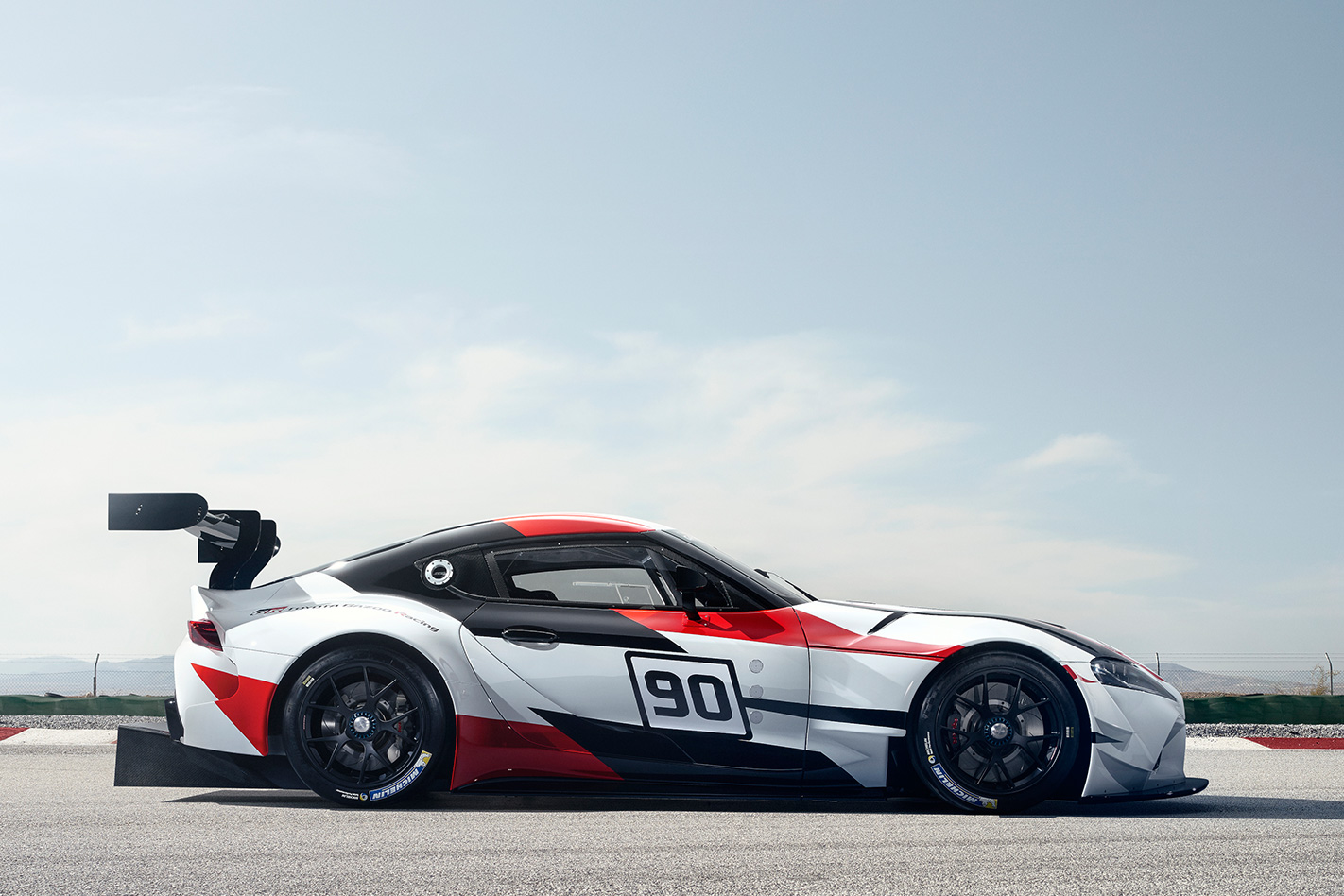
After years of teasing via concept photos, hearsay, and a prototype unveiled in Detroit in 2014 and called the FT-1 Concept. the Toyota GR Supra Racing Concept has arrived. Toyota and BMW are working together on a joint Supra/Z5 road model, and this is our first official glimpse at where one manufacturer is taking the partnership.
Ford Mustang Bullitt
A tribute to the 1968 Mustang from the Steve McQueen flick, Bullitt, this special edition adds more power, custom trimmings, two colour choices (Bullitt-inspired green, or black) and a single transmission (manual). And for the first time since the car’s Detroit reveal, even Aussies can be Steve McQueen, with a limited number earmarked for Down Under.
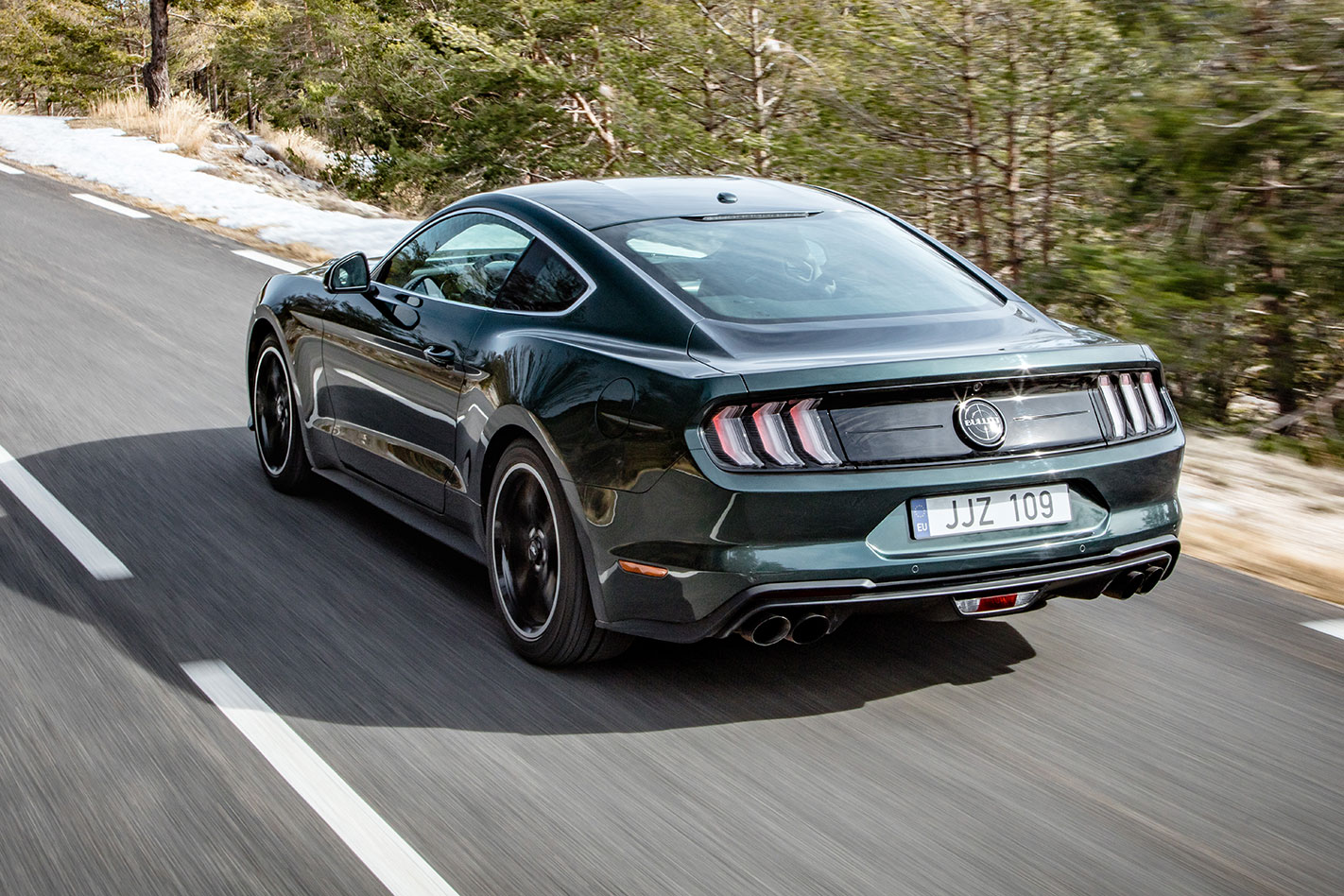
Mercedes-Benz AMG GT Black Series
Word from AMG’s chief executive Tobias Moers is that the latest addition to its run of “Black Edition” two-door performance models will arrive in 2020.
BMW M8 Gran Coupe Concept
The upcoming BMW 8-Series line-up will swell with the M8 Gran Coupe, a super-fast, super-luxurious fastback coupe to rival the Porsche Panamera and the just-revealed AMG GT Four-Door Coupe. The M8 is only a concept at this stage, but prototypes spied undergoing testing demonstrate BMW’s commitment to both this model and the new generation 8-Series.

Mercedes-AMG Four-door GT
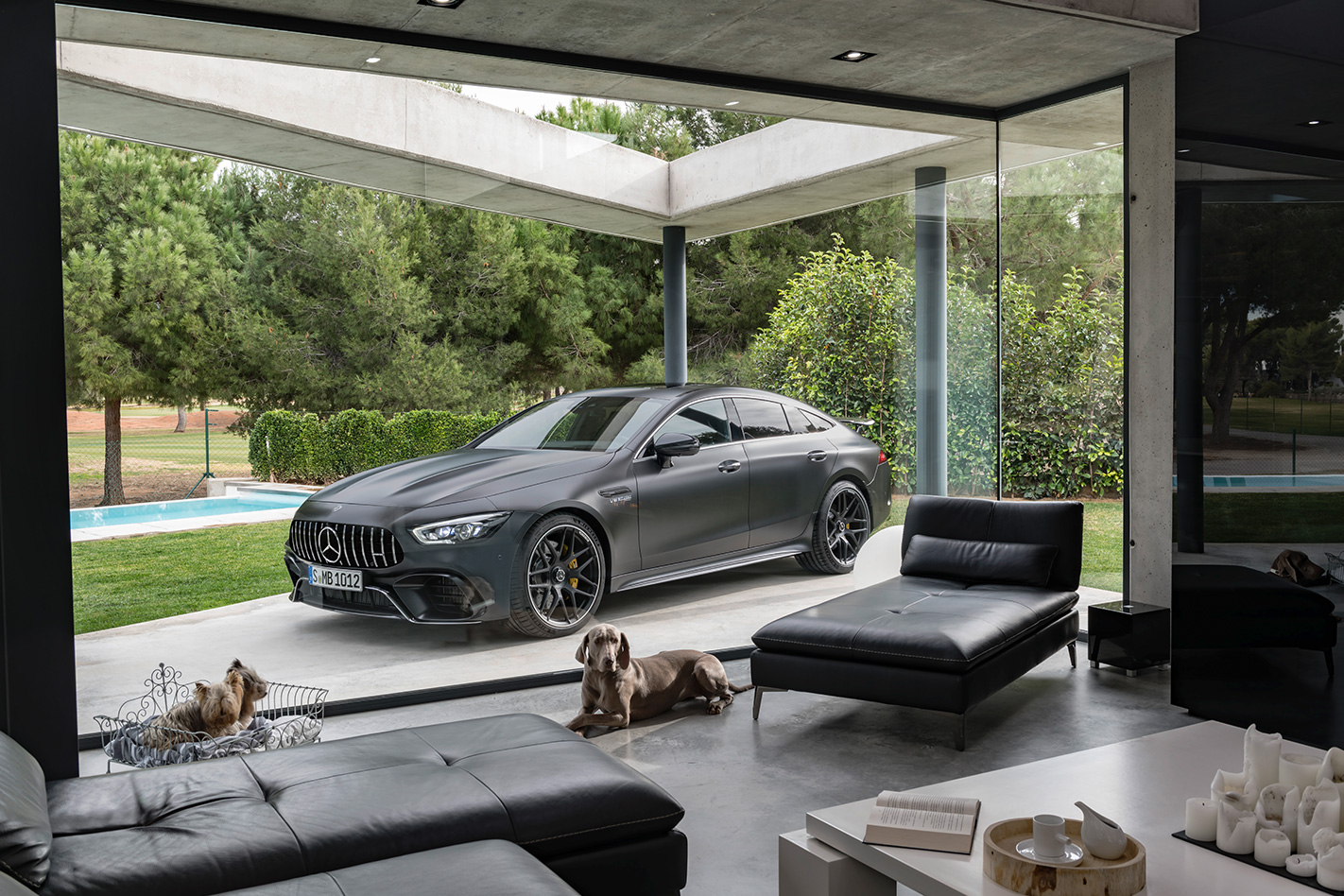
The Mercedes-AMG Four-door GT fills the void left by the now ditched the CLS 63, and brings with it the luxury of an E-Class sedan. A range of engines are offered including a monster 470kW/900Nm twin-turbo V8 that promises to ferry the kids to school faster than Elon Musk’s latest rocket.
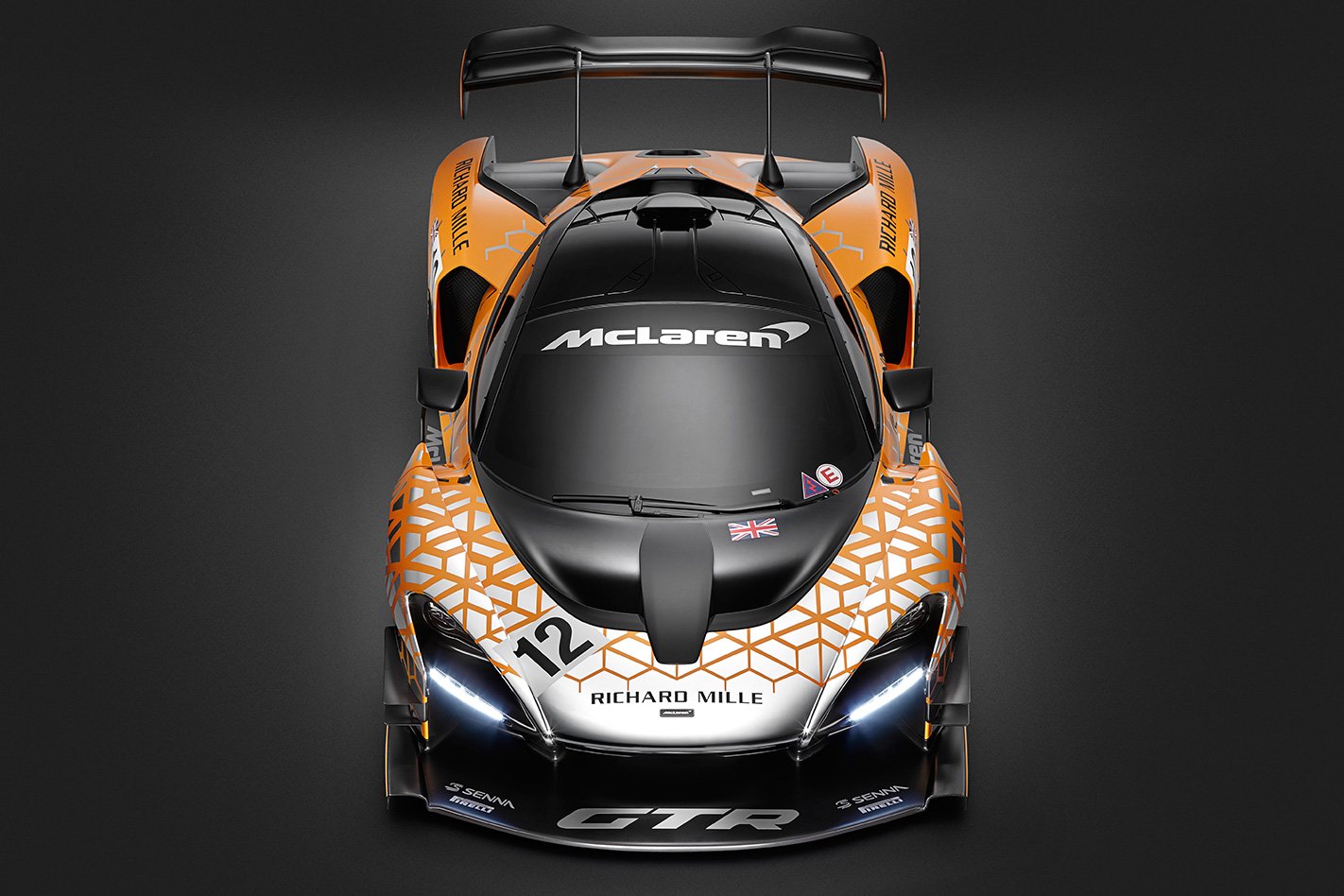
The Geneva Motor Show heralded the announcement of two new editions to the McLaren hypercar line-up. The McLaren Senna, announced back in December 2017 and its racing variant the Senna GTR, announced this week. The models are named for the late Brazilian Formula 1 legend and boast the most powerful engines ever made by McLaren. Both are on display at the motor show.
Bugatti Chiron Sport
The Sport version of the 1103kW/1600Nm quad-turbo 8.0-litre W16-engined Chiron is 18kg lighter than the one that doesn’t wear the fancy badge. It’s no more powerful or faster to 100km/h than the standard Chiron, but it gains much in terms of roadholding, making it much faster around a track.

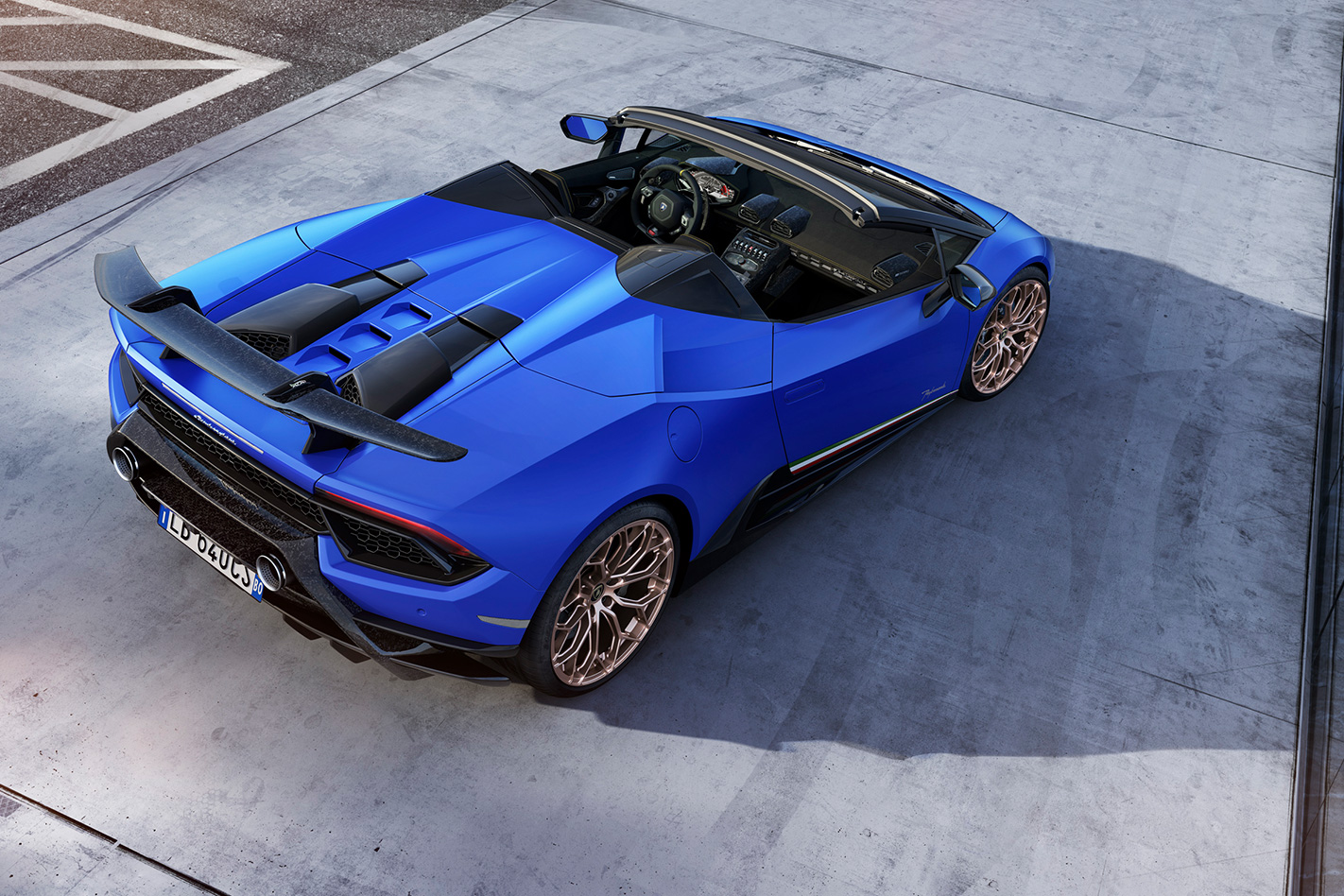
Lamborghini Huracan Performante Spyder
Porsche Mission E Cross Turismo
The high-riding Porsche Mission E Cross Turismo concept is what Porsche says is a “Cross Utility Vehicle”. To us, it looks a it like an electric Panamera with raised suspension and all-terrain tyres.
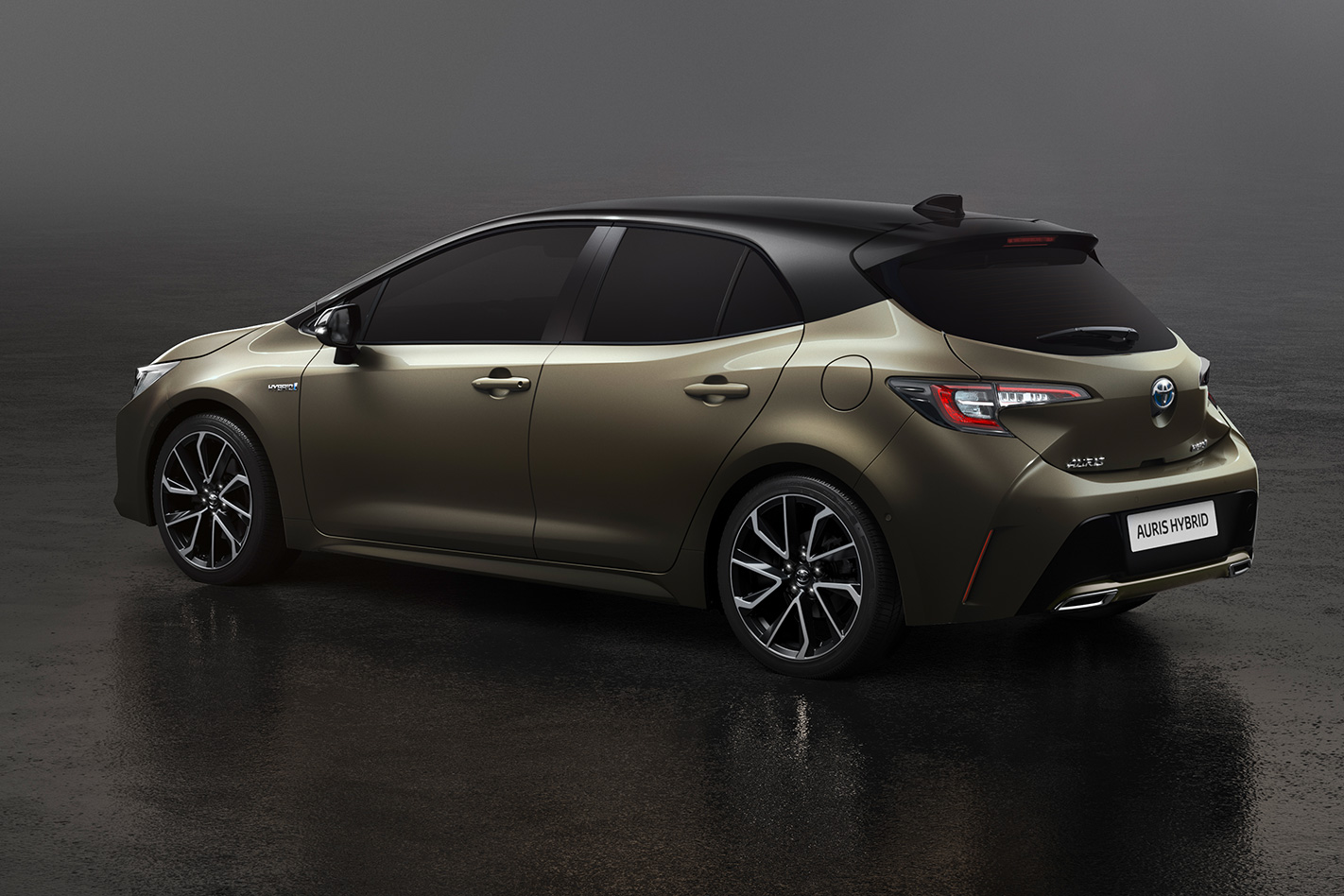
Next-gen Toyota Corolla
Revealed at Geneva, the latest generation of the Toyota Corolla swaps over to the Toyota New Generation Architecture. We’ve already liked what TNGA is capable of in terms of dynamics, which suggests Australia’s best-selling passenger car will gain more performance and refinement when it arrives.
A hybrid Bentley Bentayga
Bentley has unveiled its first-ever hybrid vehicle. Based on the gentlemanly looking Bentayga SUV, it uses plug-in battery pack, and an electric motor paired with a turbocharged 3.0-litre V6 – a tiny displacement by Bentley standards – to help it produce fewer emissions than a Toyota Prius. Bentleys normally come with power chords (owners drive them so little that their batteries often go flat, so a 12-volt trickle charger is vital) but this is the first one you have to plug in to get those low emissions.
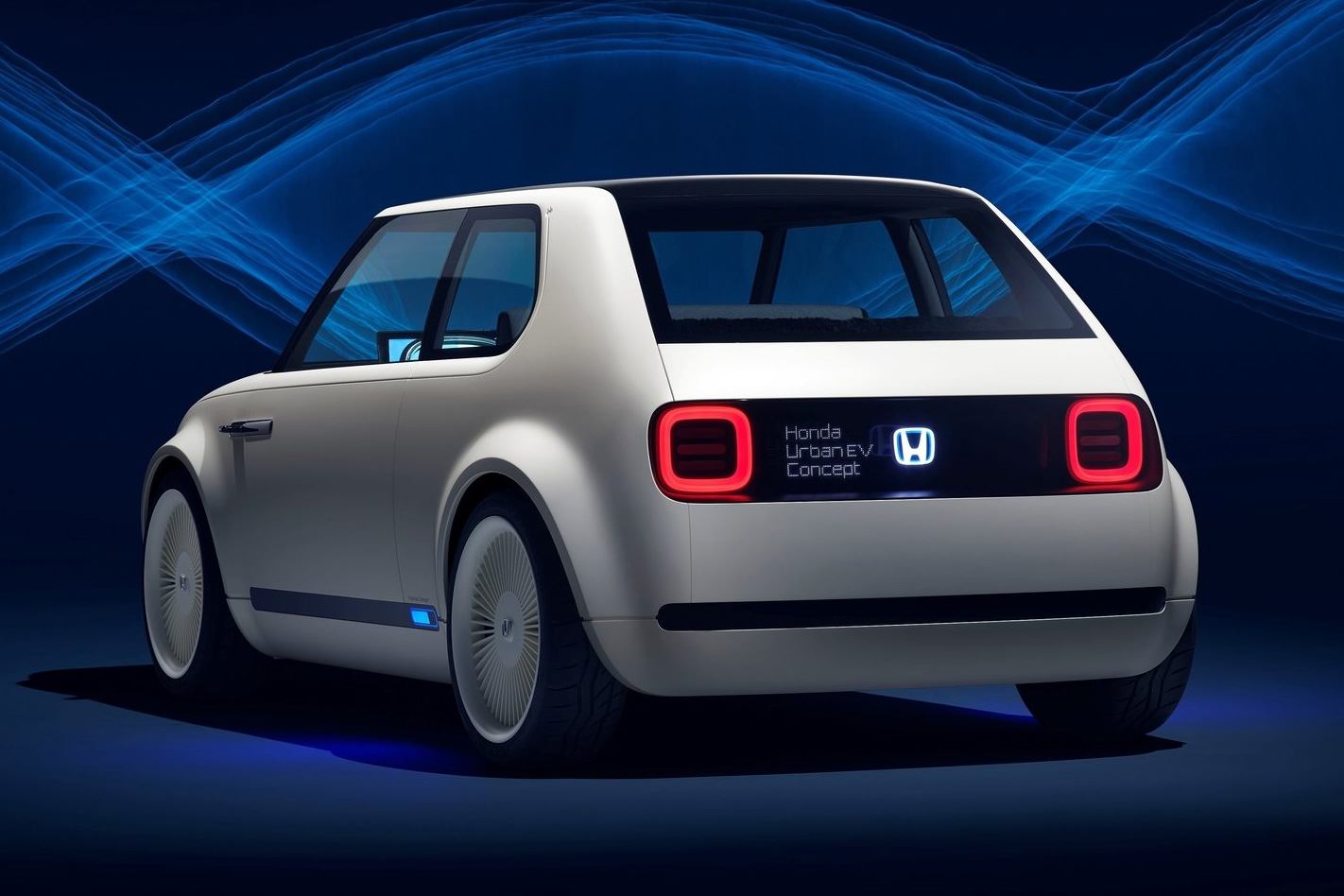
Honda Urban EV
The unassuming star of last year’s Frankfurt Motor Show was an all-electric city car from Honda; the Urban EV Concept. Honda rocked up to this year’s Geneva show and confirmed the car will go into production in 2019. Prospective customers now have the opportunity to join what’s bound to be a long waiting list.
The Ren RS
A follow-up to last year’s road-going Ren electric supercar, the Ren RS is powered by two diesel turbine range-extending generators and six electric motors. The track-only new model aims to stir the loins via wild performance figures and the unique driveline.
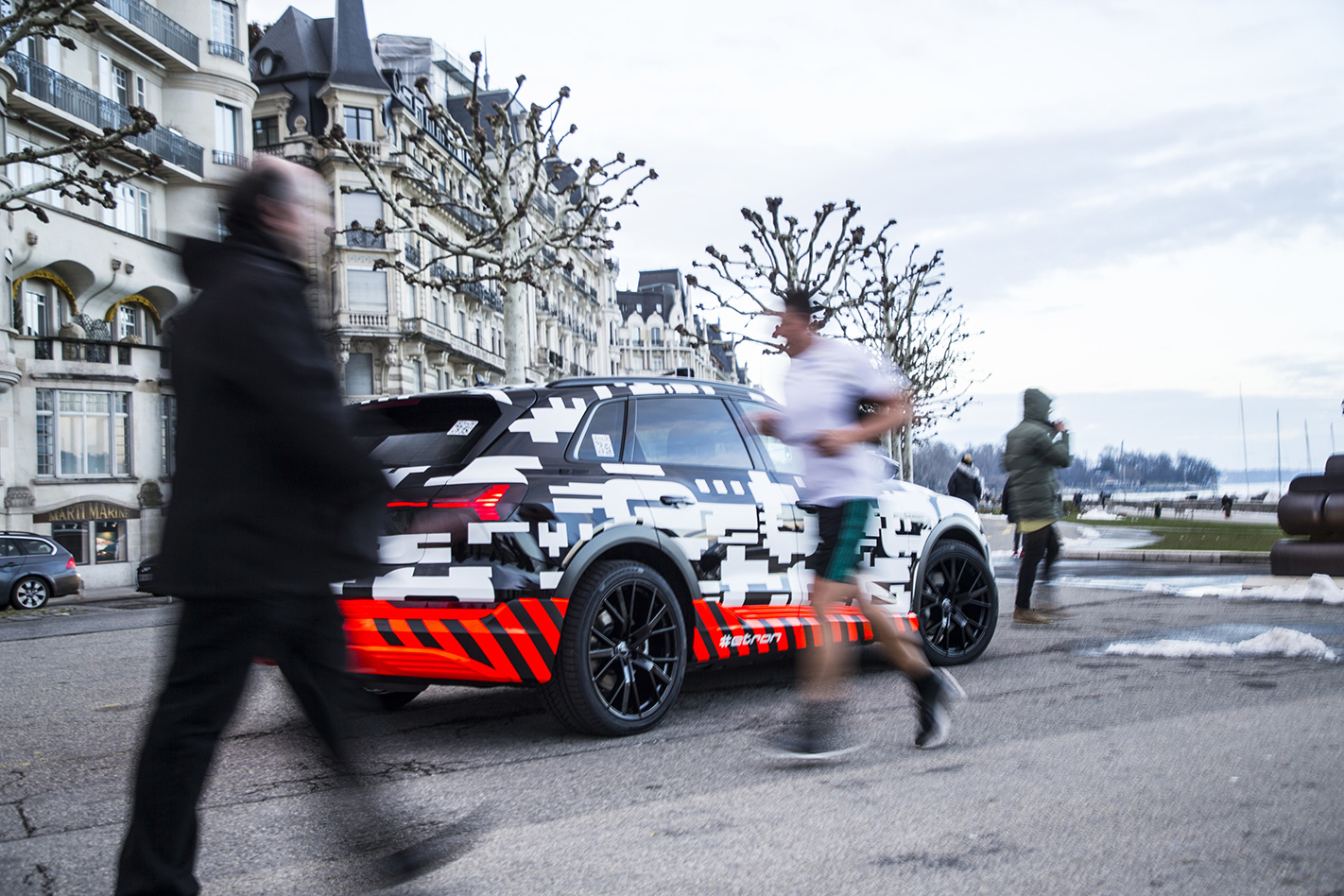
Audi E-tron
While most car makers performed their revels inside the walls of the Geneva Motor Show, Audi did a little but of ambush marketing outside the show. It unveiled its electric E-tron SUV by dressing up the prototypes with catchy camo and nonchalantly parading them through the city.
Aston Martin Lagonda Vision Concept
The Aston Martin Lagonda represents the first step towards Aston Martin’s proposed range of state-of-the-art, emission-free vehicles. Intended as an entirely autonomous vehicle, the Lagonda showcases a new genre of design language that reflects the growing interest in self-driving vehicles that wear Aston badges.
Volkswagen ID Vizzion 2030 concept
Another in the ID concept series, the Vizzion sedan is the flagship of Volkswagen’s future all-electric, autonomous hatchback, van and SUV offerings. Aimed at the year 2030, it’s a future that’s still a long way away.
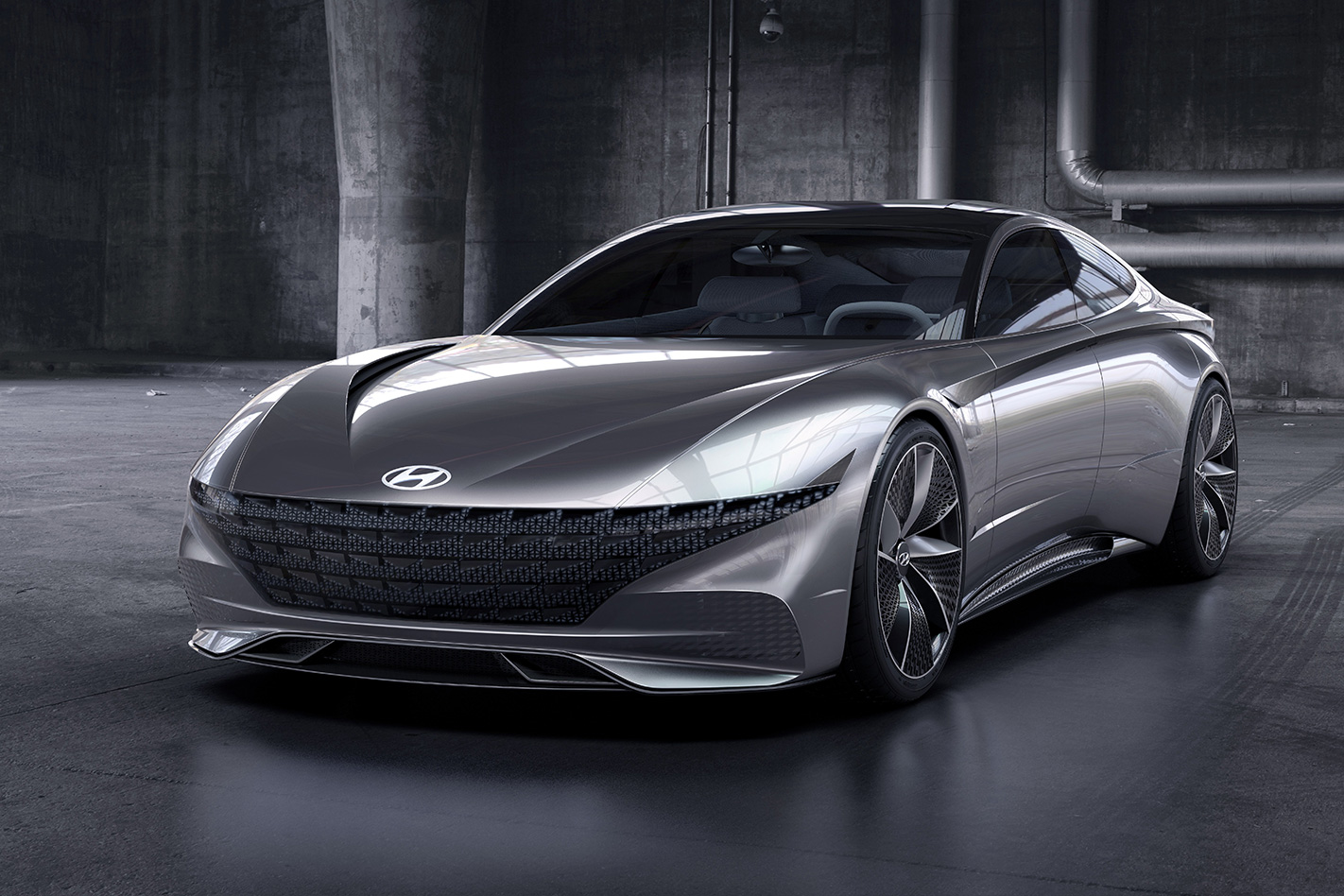
Hyundai ‘Le Fil Rouge’ HDC-1
Hyundai billed this as a redesign of the 1974 Pony Coupe Concept, and we can sort of see it. However, the Le Fil Rouge HDC-1 has futuristic looks and an attractive coupe layout, incorporating Hyundai’s boundary-pushing design language that will flow into future production cars.
Subaru Viziv Tourer Concept
Subaru’s latest concept hints at what we think will one day become a natural evolution of the Levorg wagon. It is the latest in a series of Viziv concepts that all hint at the brand’s future design direction.
Land Rover SV Coupe
Range Rover called on its Special Vehicle Operations unit to help it unveil a limited edition, two-door coupe that will become the fastest luxury off-roader ever made by the brand. Mash the accelerator pedal to the floor at a wide, dry salt lake somewhere in central Australia, and it will eventually wind out to a top speed of 266km/h.
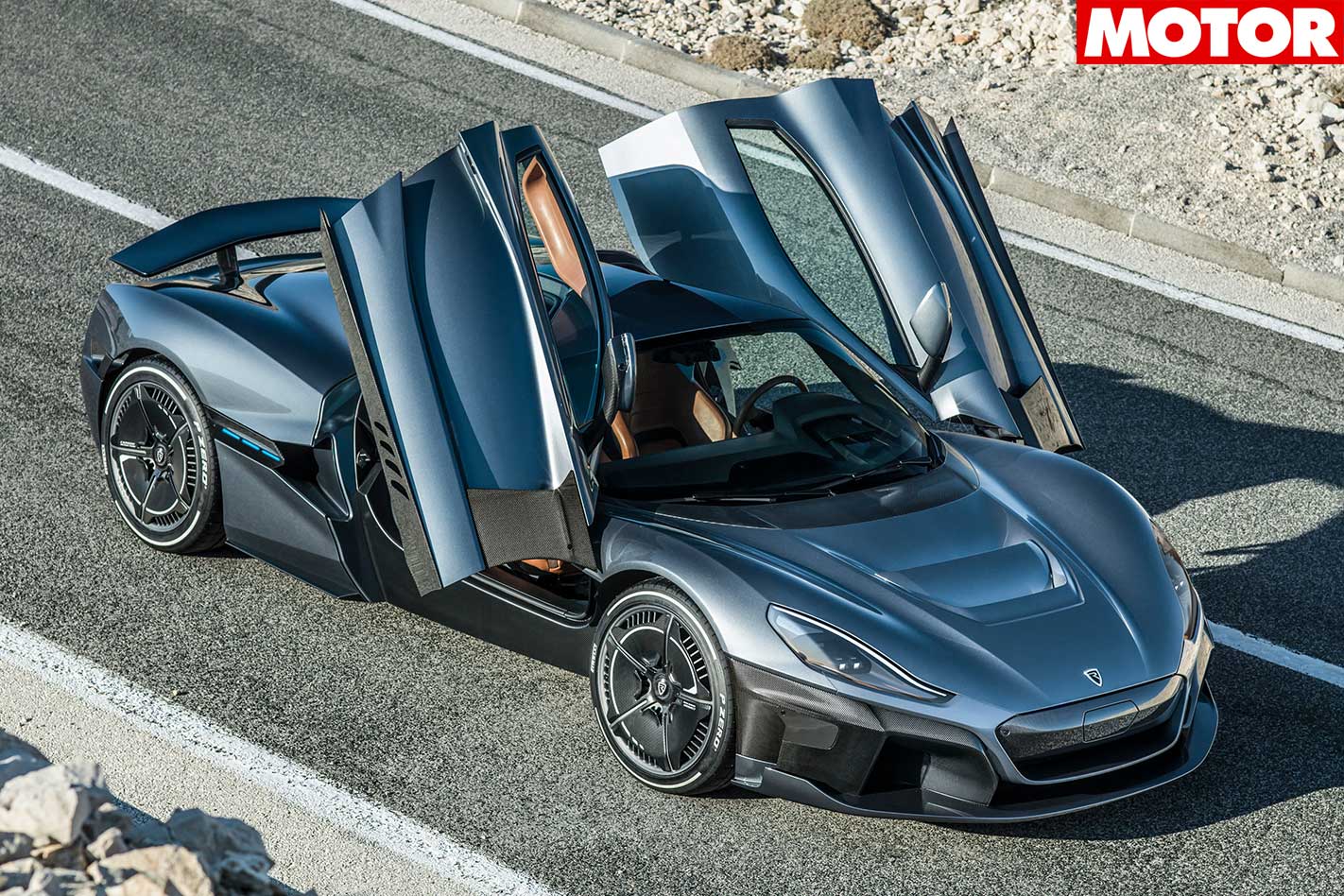
This is the Rimac C Two, a purely electric hypercar that thrives on mind-boggling numbers.
Beginning with the power, it makes 1408kW and 2300Nm. This comes thanks to four electric motors, one for each wheel. We’re already overwhelmed.
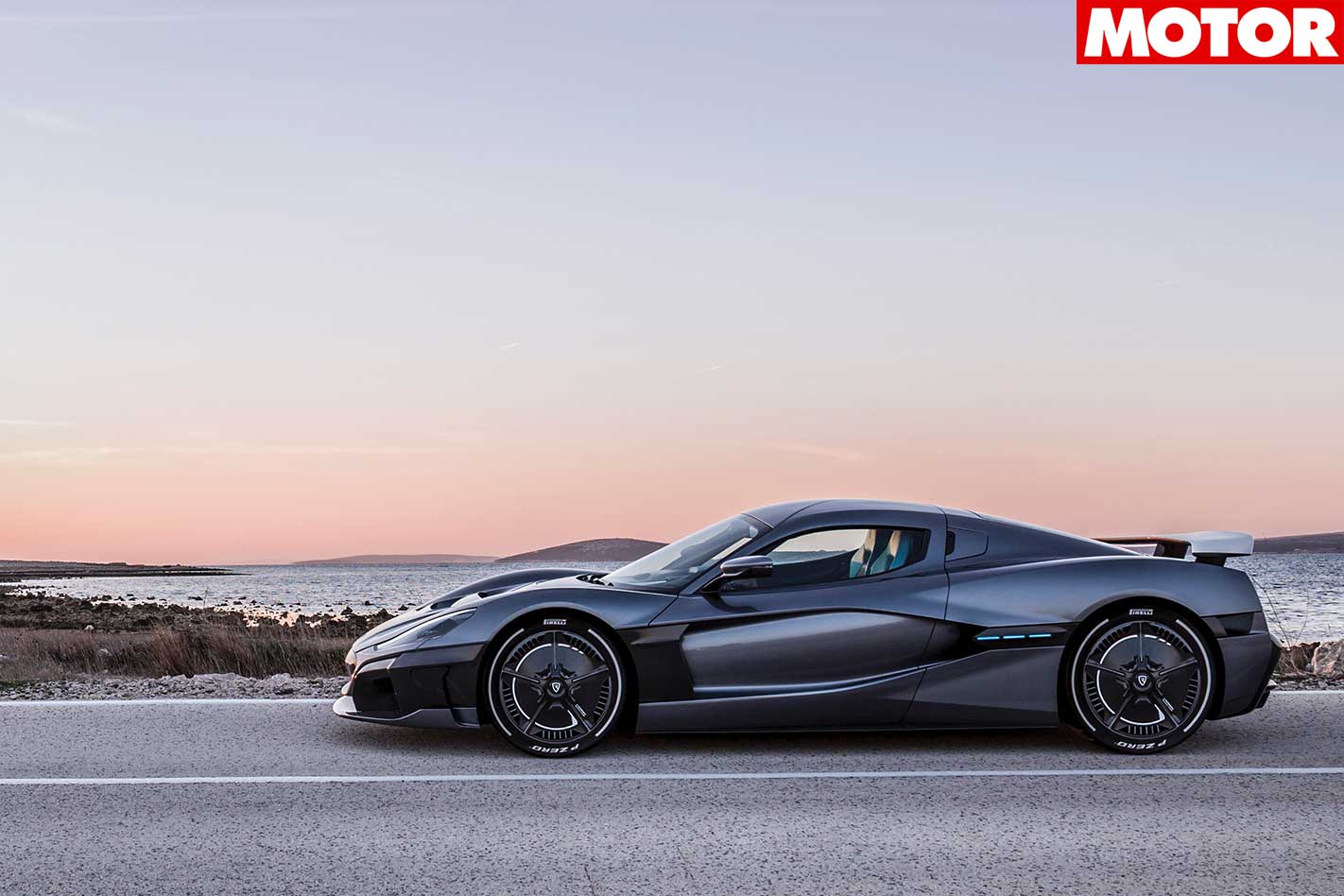
But that’s not all, because Rimac also claims it’ll hit 300km/h (yes, 300) in just 11.8 seconds. It will then apparently go on to a top speed of 412km/h.
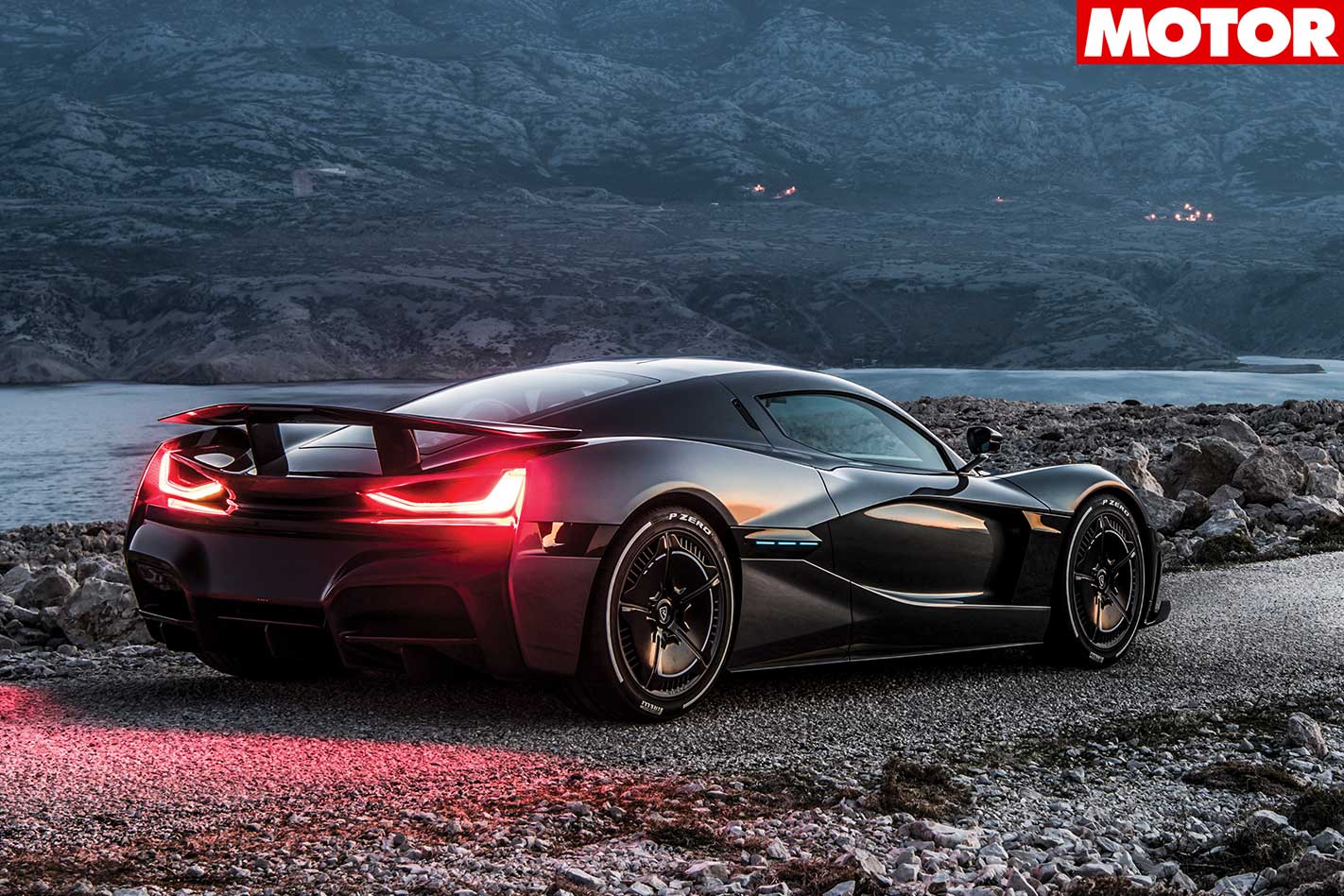
“Rimac’s own suite of electronic control systems means that full torque-vectoring is available (and necessary!) to harness two and a half times the torque output of a contemporary hypercar,” the Croatian company explains.
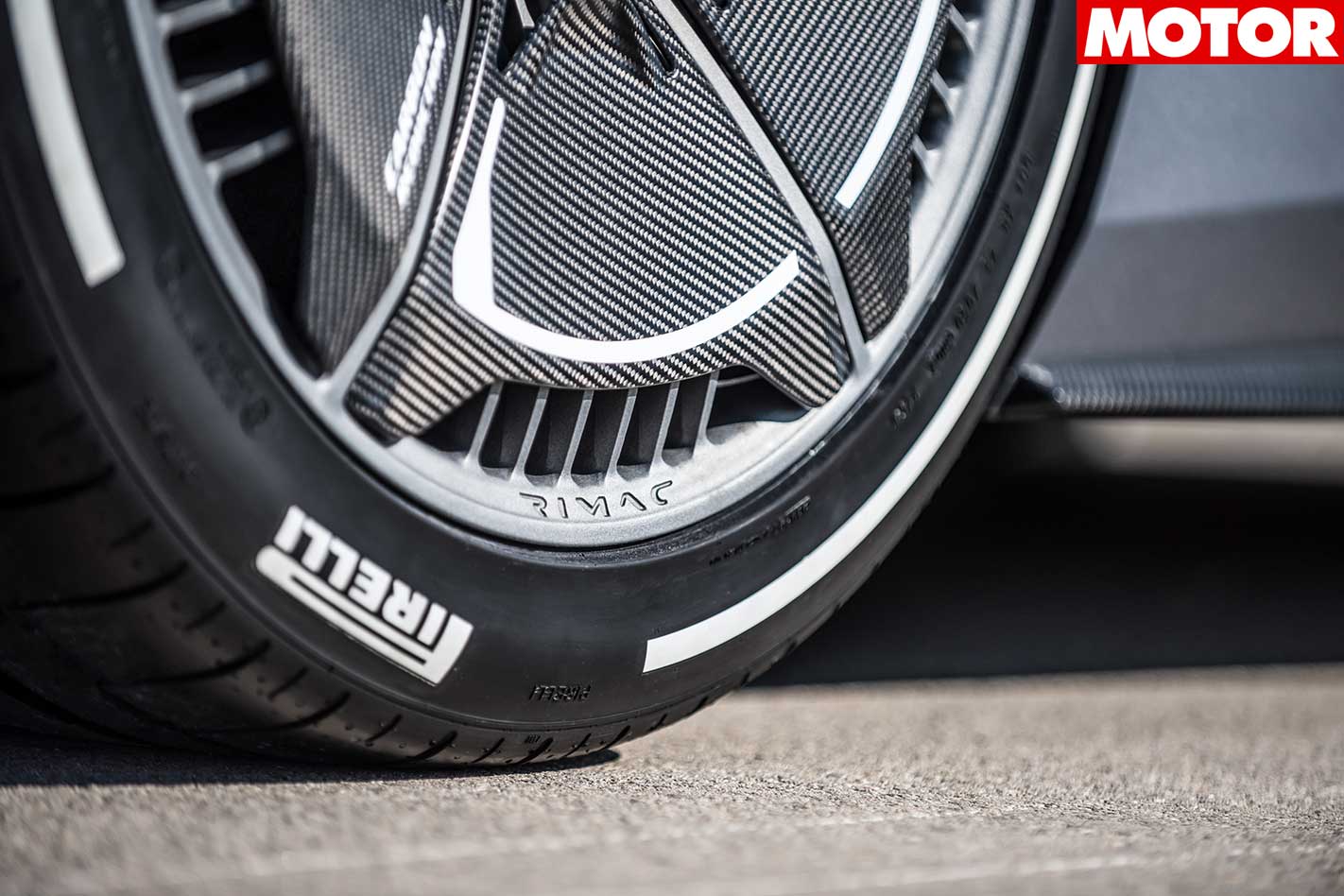
“With such power comes responsibility: The C_Two is equipped with the latest braking technology. In addition to a maximum regenerative braking of 150 kW, huge 390mm Brembo CCMR carbon ceramic brake discs and six-piston calipers feature on both the front and rear axles, allowing for fade-free, powerful deceleration.”
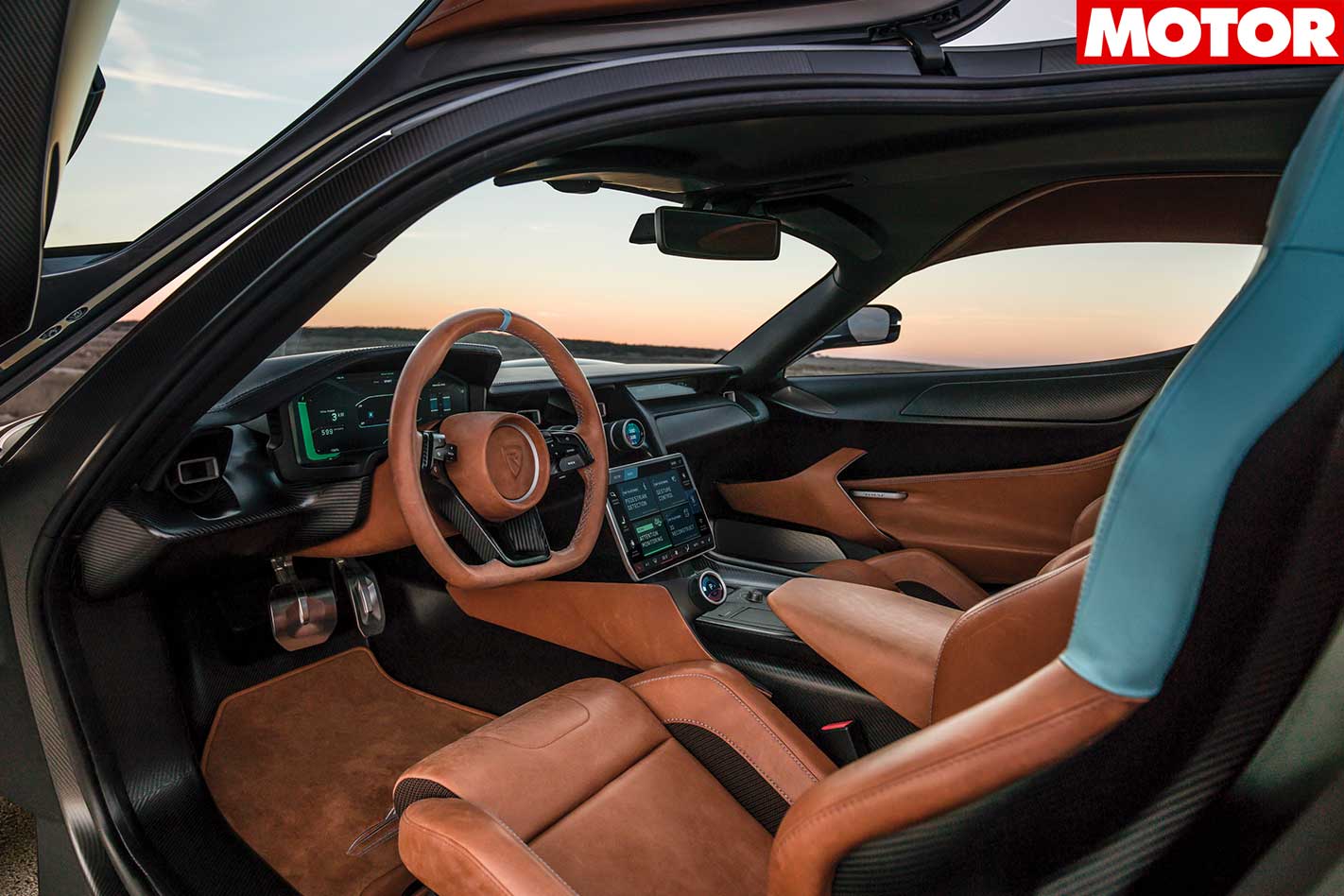
It also uses facial recognition to allow the car to unlock, rather than a regular key.
Rimac recently gained a little bit of publicity after a crash involving one Richard Hammond and its Concept One. Hammond reached the top of a hill climb before sliding off and rolling the car over 100m down the hill.
A maximum of 150 C Twos will be built in total.
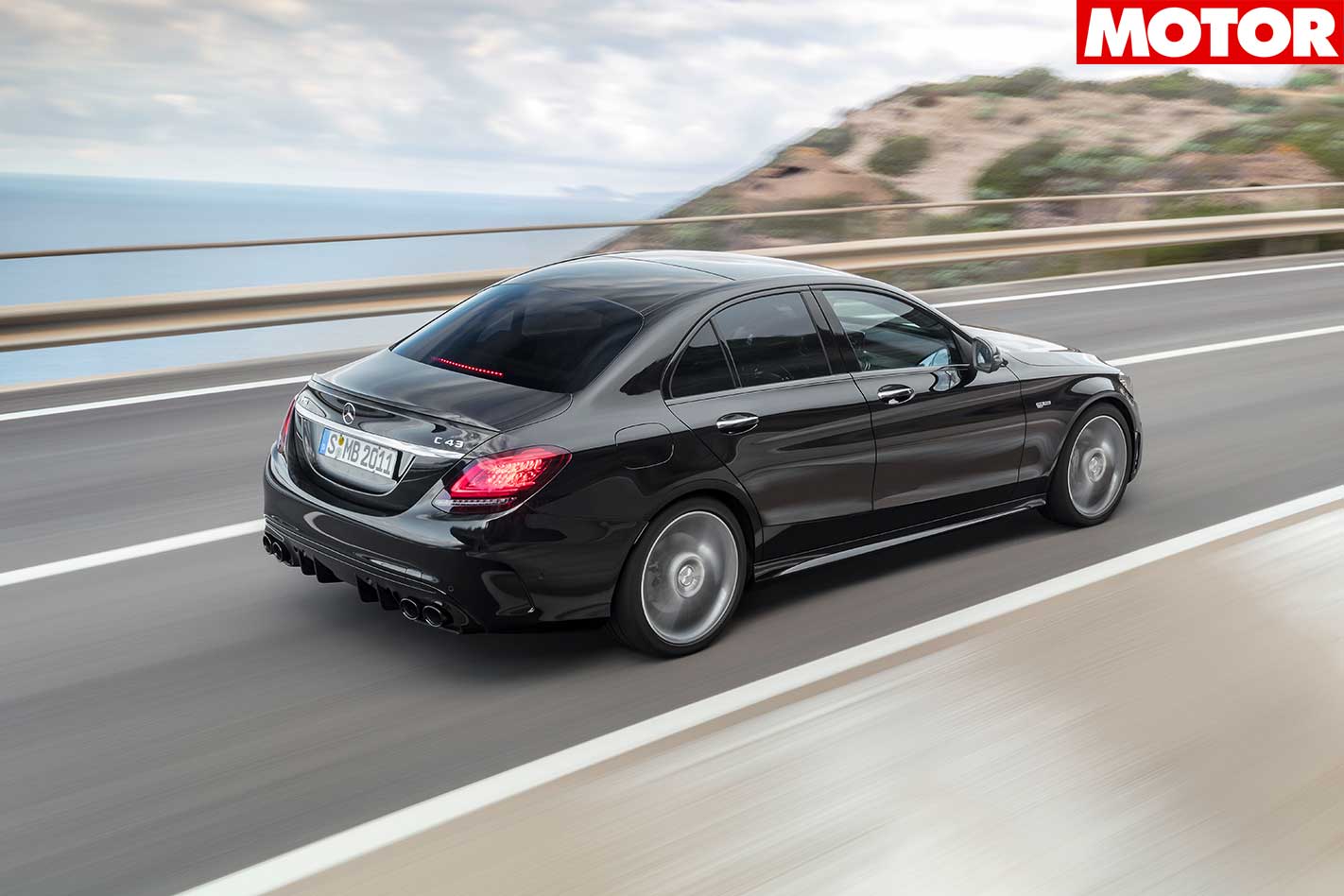
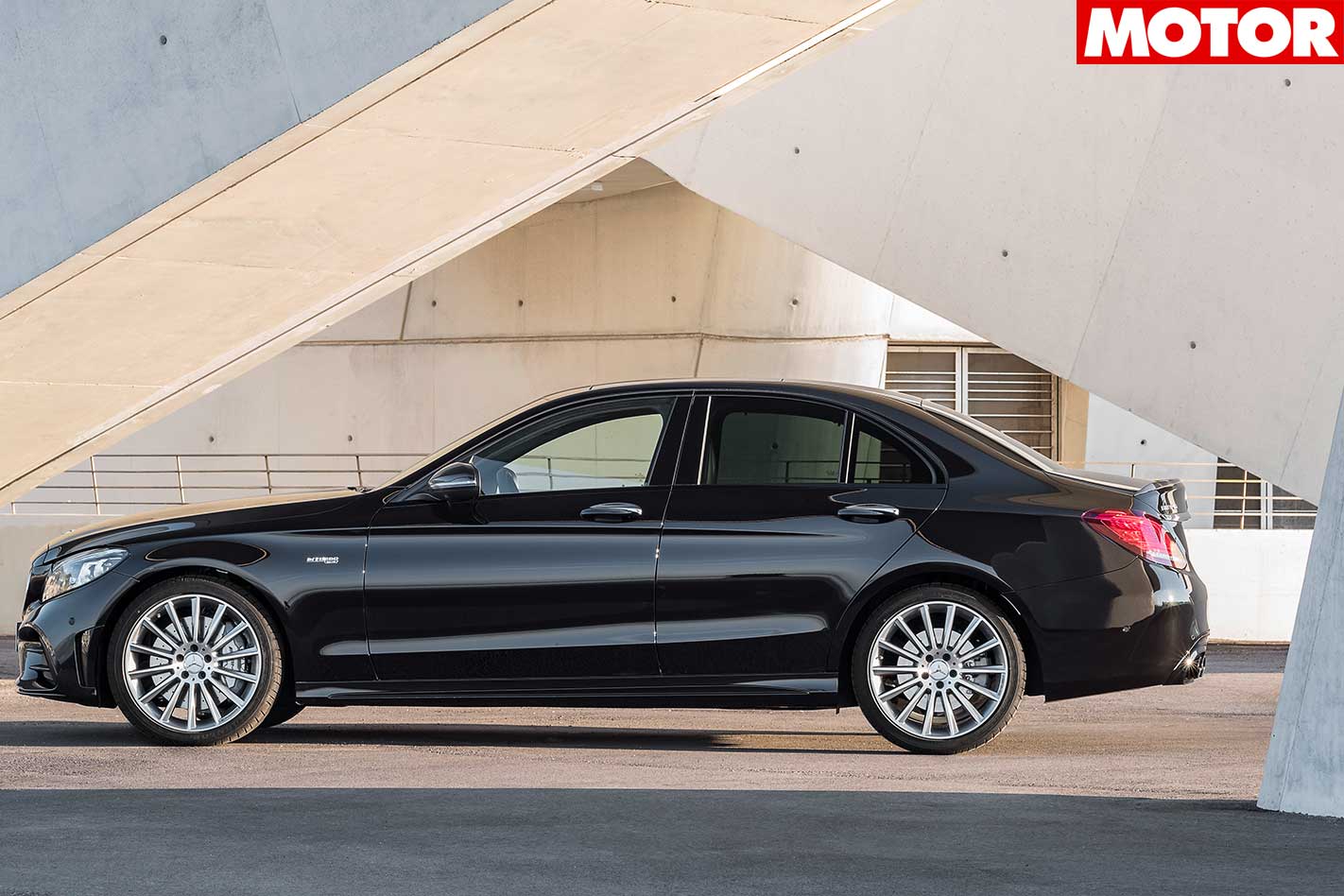
Mercedes-Benz is updating the C-Class, which means we also get a new AMG C43.
The ‘subtle one’ in AMG’s arsenal will score a power upgrade, fresh looks, and some new kit in the cabin.
Firstly, the new engine tune means the C43’s twin-turbo V6 now produces 287kW/520Nm, a 17kW increase over the current car.
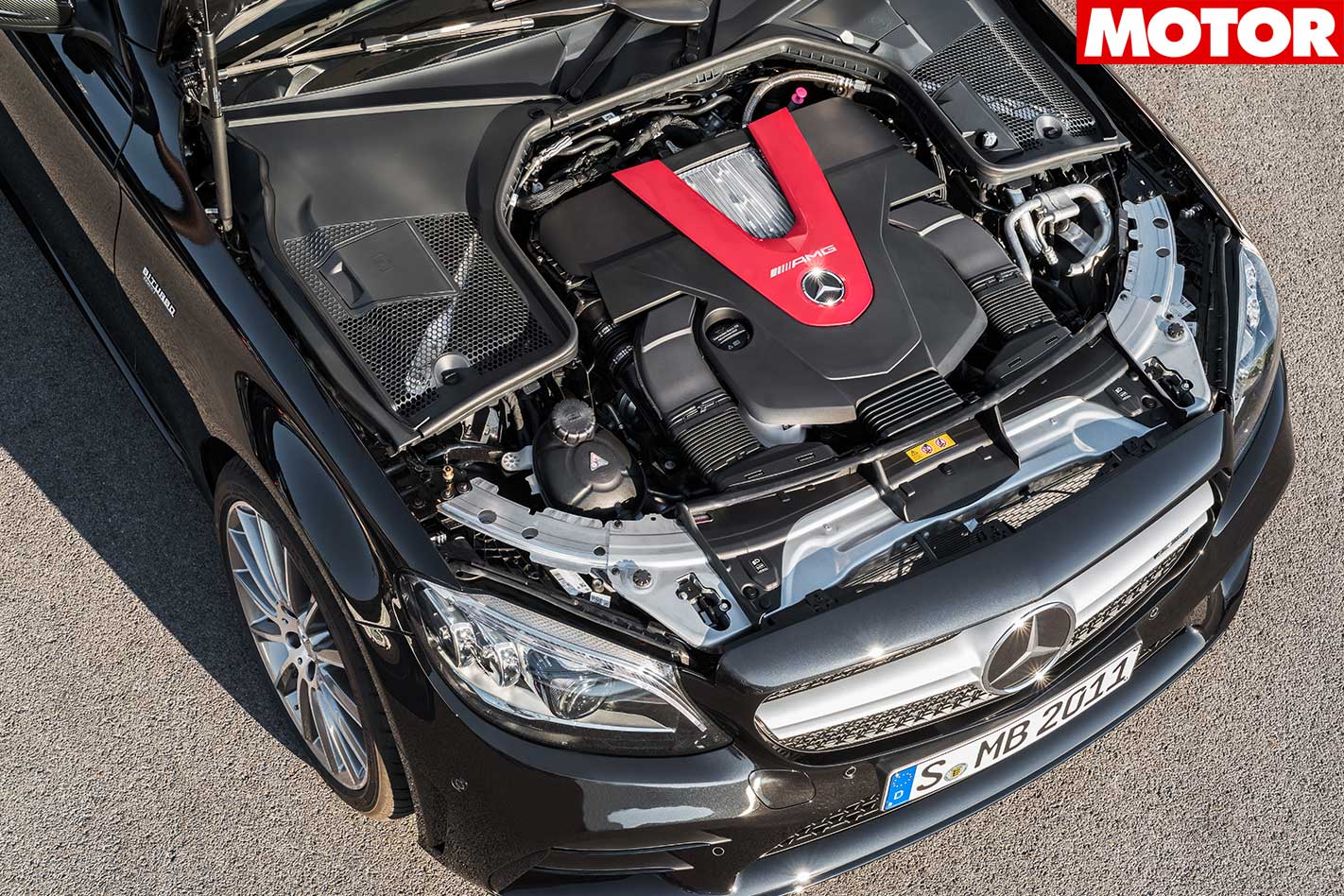
The top speed is electronically limited to 250 km/h. AMG’s Speedshift 9-speed dual-clutch is mated to the V6, providing “very short shift times.”
It also retains its rear-biased 4Matic AWD, with a front/rear axle split of 31 to 69 percent distribution.
Mercedes says it has also updated the interior tech for the C-Class adding new features both visual and otherwise.
C-Class now has semi-autonomous driving, upgraded infotainment and a digital dash, as well as less obvious features like motion sensors for hand movements.
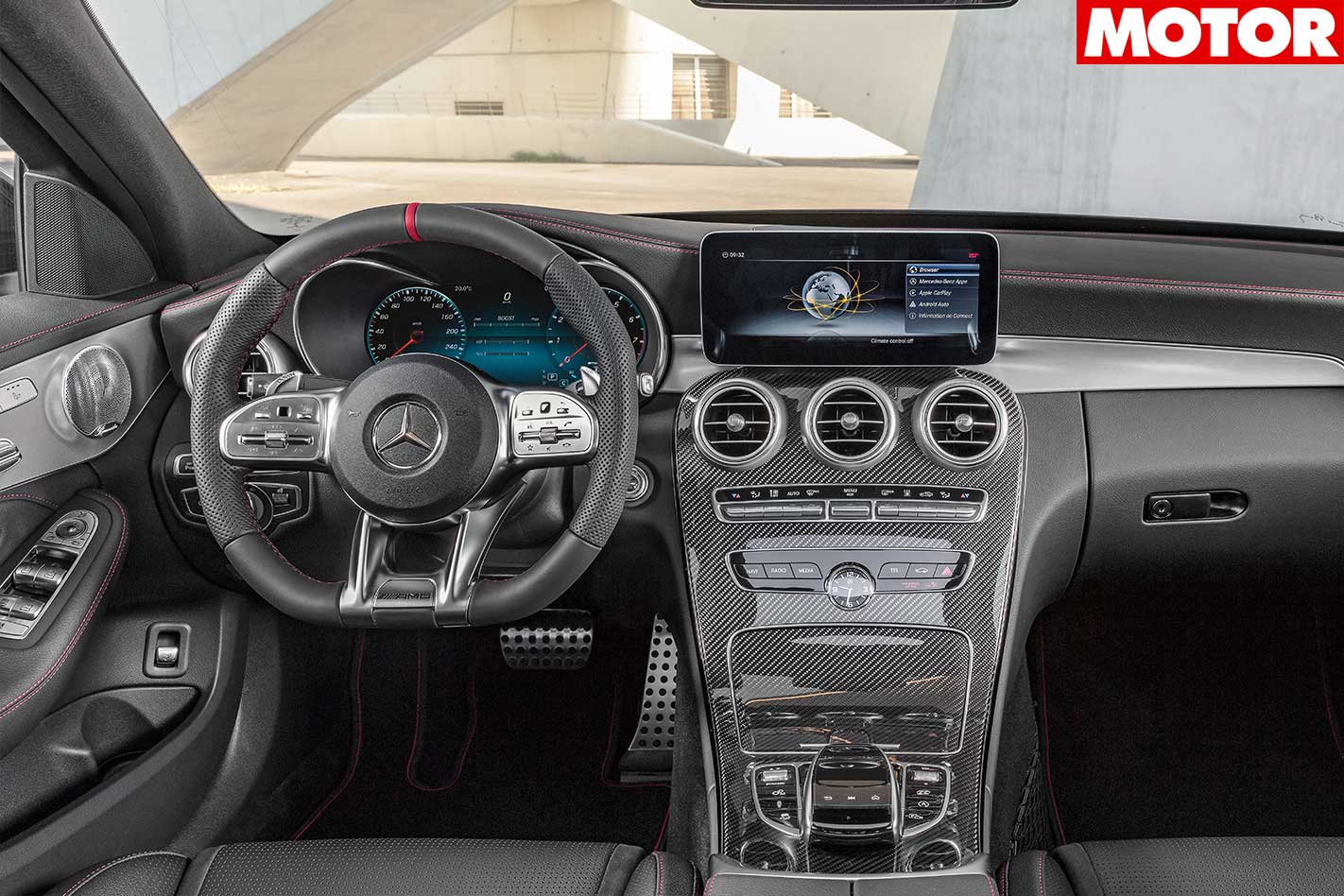
“They enable the driver to control the functions of the instrument cluster and of the entire infotainment system without having to take their hands off the steering wheel.”
Worldwide results are due to begin in June, though Australian deliveries are expected to begin in Q3/Q4 2018.
A SIX-POT revival could be on the way for Aston Martin, with the British marque confirming that it is taking a serious look at transplanting Mercedes-AMG’s box-fresh turbocharged 3.0-litre inline six into its sports cars.
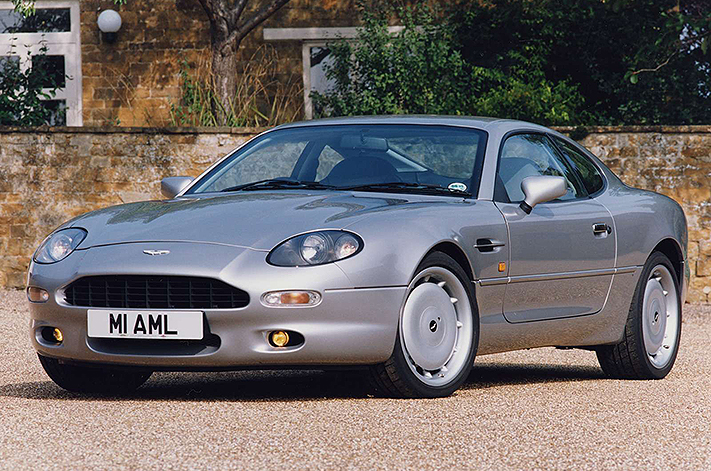
It’ll be a return to the brand’s roots. Between 1950 and 1969, all of Aston Martin’s road cars were powered exclusively by inline sixes, with the classic engine configuration surviving in the company’s product portfolio until 1998 with the DB7 the last model to carry an engine with fewer than eight cylinders.
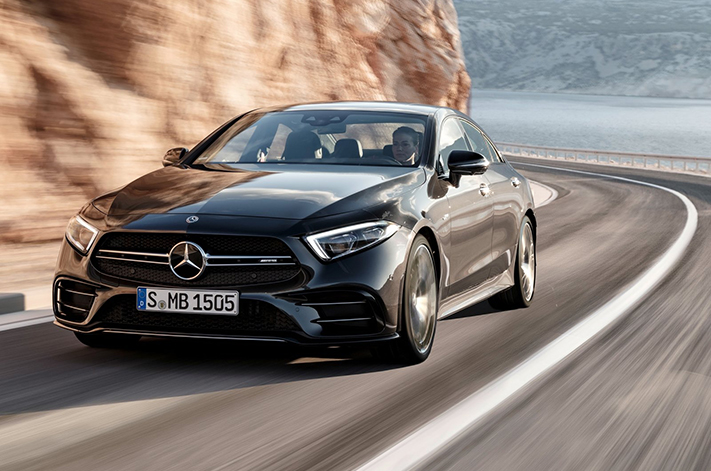
Just launched in Europe, the Mercedes-AMG CLS 53 is the first vehicle to make use of Benz’s performance-oriented 3.0-litre turbocharged inline six, and it’s this powertrain that is generating substantial interest in Aston’s engineering department.
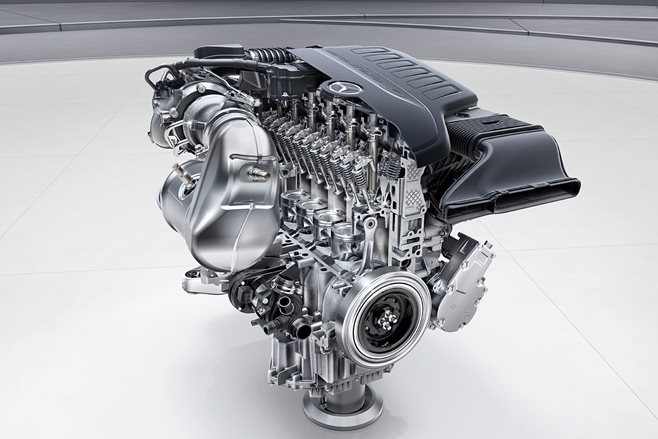
“With emissions regulations going where they’re going and getting harder and harder, we have to consider all powertrain options, and we are considering six-cylinders for the future. Previous Astons have had six cylinders – a long time ago – but I think with CLS 53 (below), the engine that has is a very complicated and clever engine and it’s something that could fit with the brand in the future.”
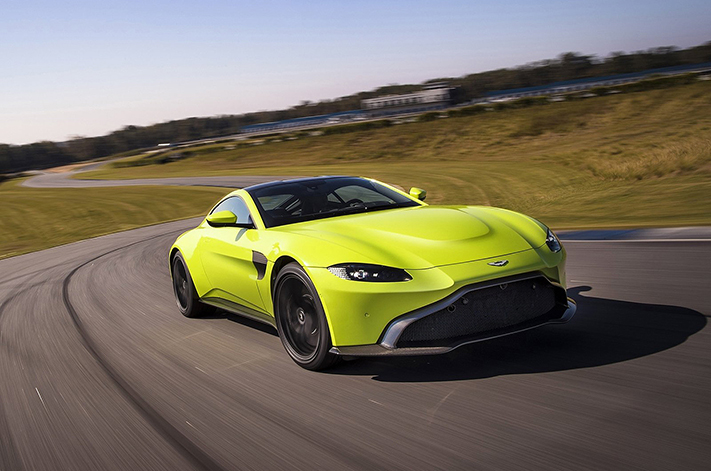
Becker confirmed that the Vantage’s engine bay is large enough to accept a V12 (which also raises the possibility of the return of a V12 Vantage flagship), so squeezing in an I6 shouldn’t present too many challenges. Even so, some work would remain for Aston’s engineers.
An Aston-developed ECU tune would also be applied, but not necessarily to generate greater numbers than the CLS 53’s 320kW and 520Nm.
“We would not necessarily play with the power and torque curves,” Becker explained. “Mercedes develop those to a point that we have to adhere to. Ours is more about the calibration of throttle travel relative to acceleration, and calibration of the engine to suit our mass and gear ratios – all of that has to be tuned.”
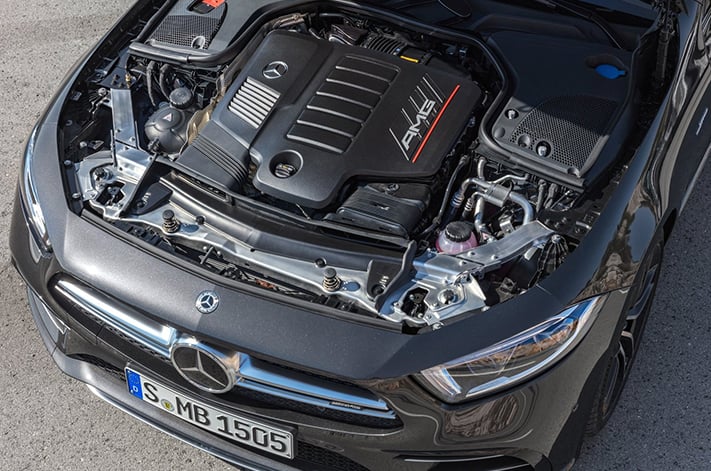
With that in mind, assuming Aston Martin takes the same state of tune as the CLS 53, the AMG inline six would offer 55kW and 165Nm less than the 4.0-litre twin-turbo V8 that powers the just-launched Vantage. The implication there is that a six-cylinder could slot in beneath the V8 as a more affordable entry point to Aston Martin ownership.
An alternative scenario is that it could take the place of the V8 later down the line as a response to tightening emissions legislation, with only a modest bump in power and torque required to bring it to similar levels of performance as the V8.
As to when we’ll get to see which situation plays out in reality, that’s yet to be decided.
Morgan has officially revealed the Aero GT, the car that signifies the end of the line for the Aero 8 badge.
Powered by a 4.8-litre BMW N62 V8, the Morgan Aero GT produces 270kW/490Nm, and hits 100k/h in 4.5 seconds.
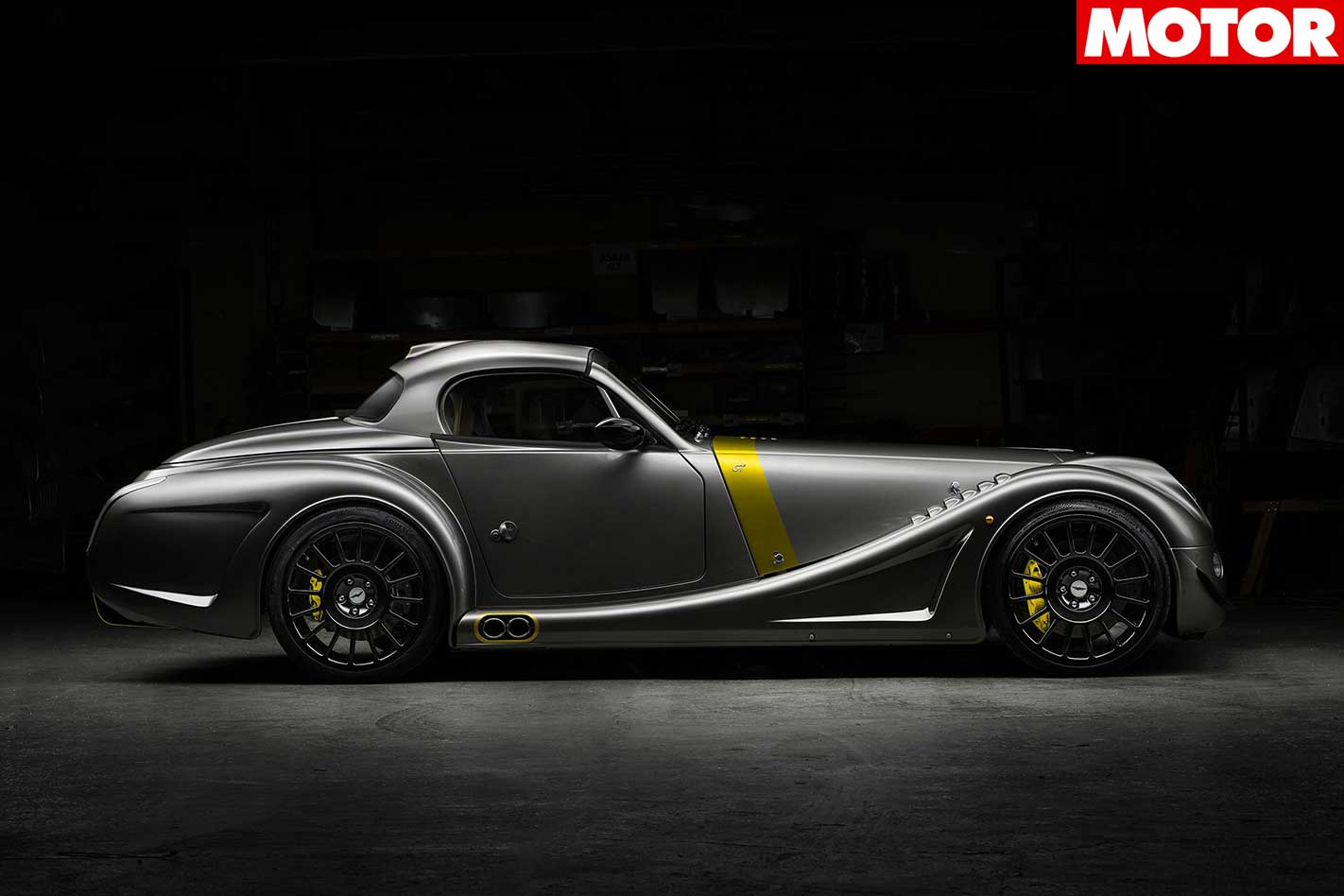
But only eight of them are going to be built, and they’ve all been allocated with each to be specifically personalised for its buyer.
Such features on the GT include the option of a carbon fibre hard top with rear-facing vents inspired by the race cars of the 1960s.
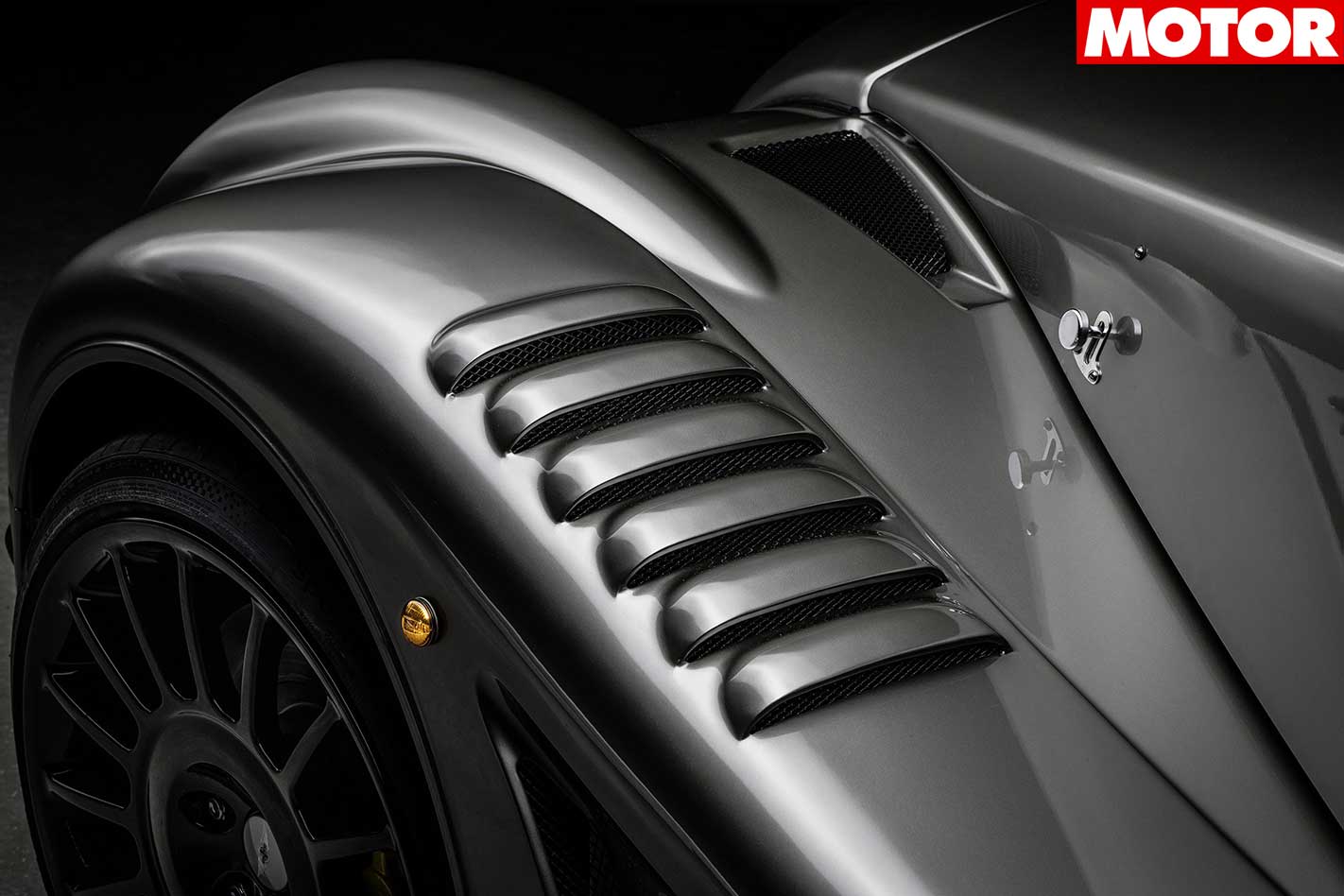
Morgan head of design Jon Wells says the GT has always been a dream for his team to work on, and that he’s excited it’s finally a reality.
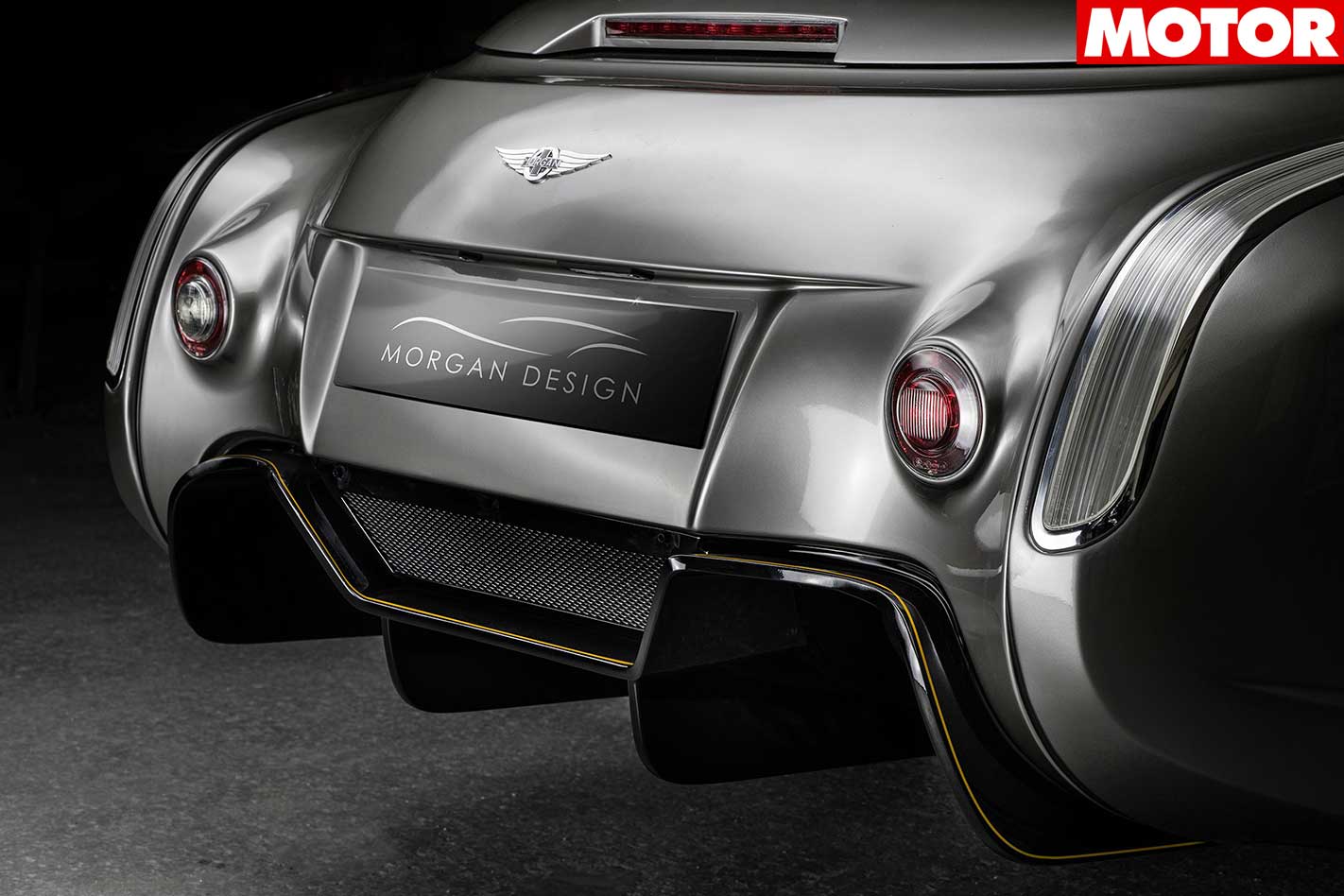
“This is most apparent in the new additions to the body work. The additional wing top louvres, side impressions and dramatic rear diffuser have all been tested extensively to ensure they work together to reduce drag and increase road holding capability.
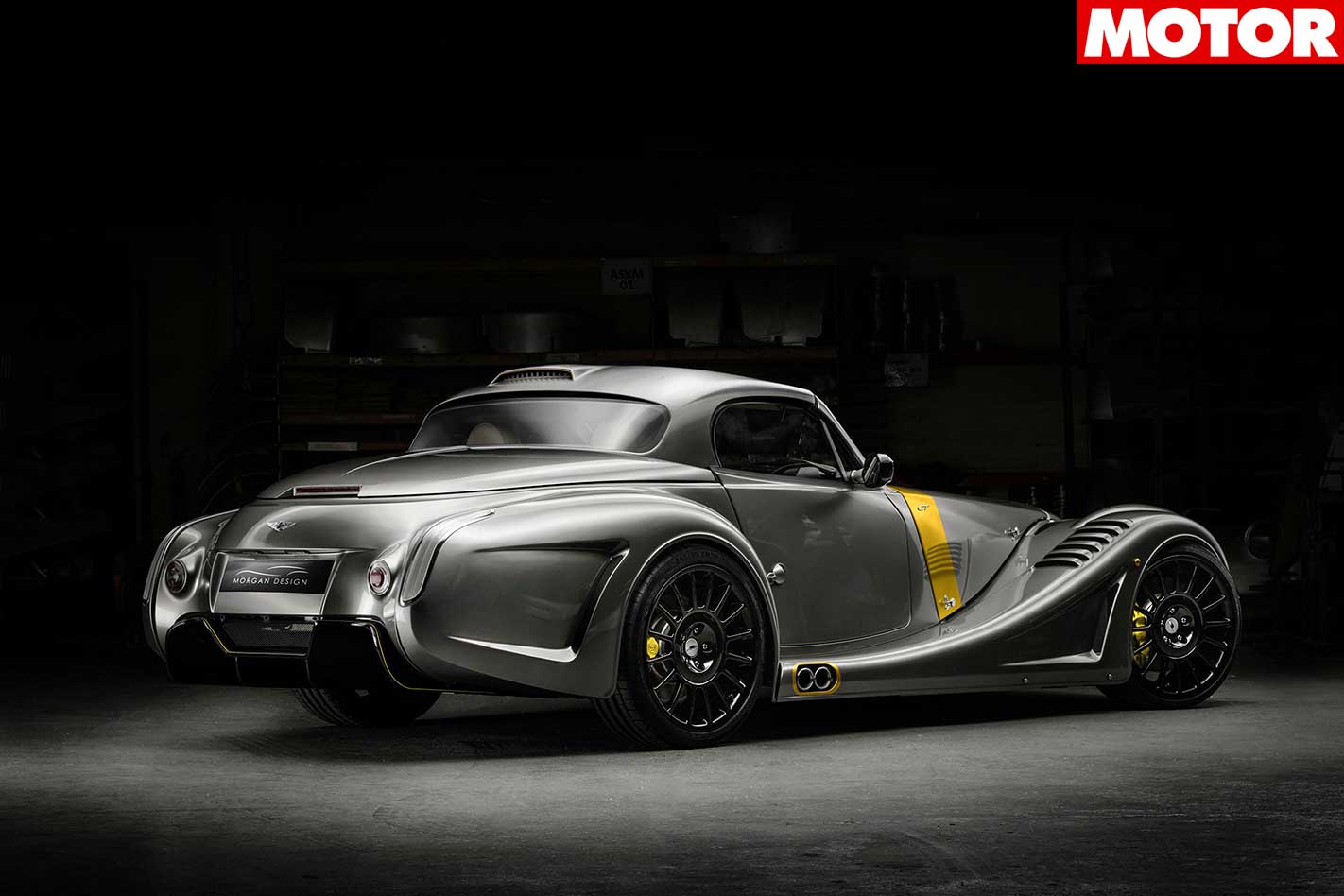
“The Aero range has always offered Morgan the platform to explore the boundaries of mechanical and styling design and I am delighted the family has allowed one of our wildest ideas to become a reality.”
Holden is looking to put its poor February sales behind it, by offering extended warranties on all its 2018 plate models, including seven years for its new Commodore, and Equinox SUV.
All other models, including Astra, Barina, Spark and Trax get a five-year warranty instead of the usual three years, with all warranty periods coming with roadside assist coverage.
Colorado and Trailblazer also get five-year warranty and roadside assist plus three-years’ free scheduled servicing, based on nine months/15,000km intervals.
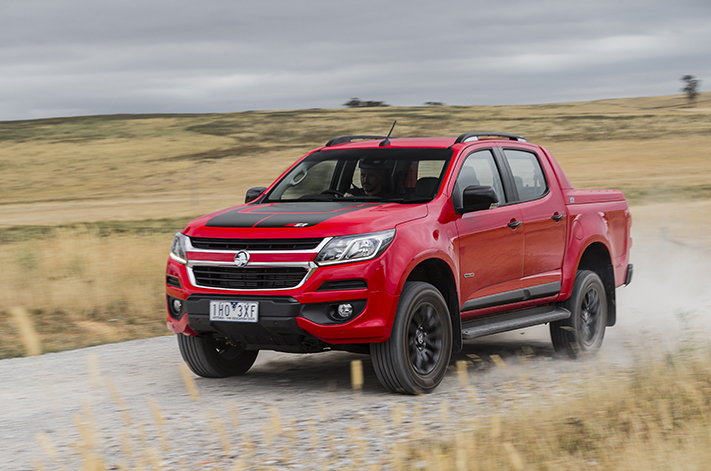
2017 plate Holdens – new and demonstrator – also get the five-year warranty with roadside assist and the three years free scheduled servicing.
While the cynics among us would say extending the warranty is a way to discount slow-selling models, Holden’s executive director of marketing, Mark Holland says it reflects the brand’s self-assurance.
“We want more and more people to come and take a look at just how good these vehicles are and experience some of the great engineering work from our talented engineers – our new seven-year warranty on Commodore and Equinox shows just how confident we are.
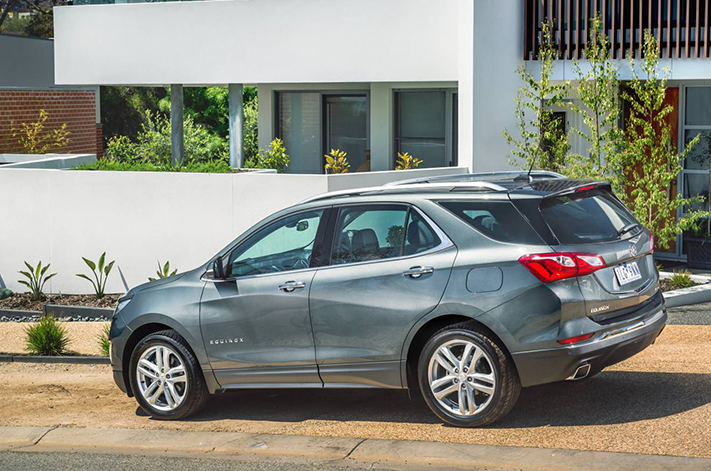
“With extended warranties across the range and world-class new products, now is a great time to buy a Holden,”
The offer, which applies to vehicles purchased before March 31, sees Commodore and Equinox become the only non-Kia vehicles to be covered for seven years, and follows a similar offer at the end of last year, which proved successful.
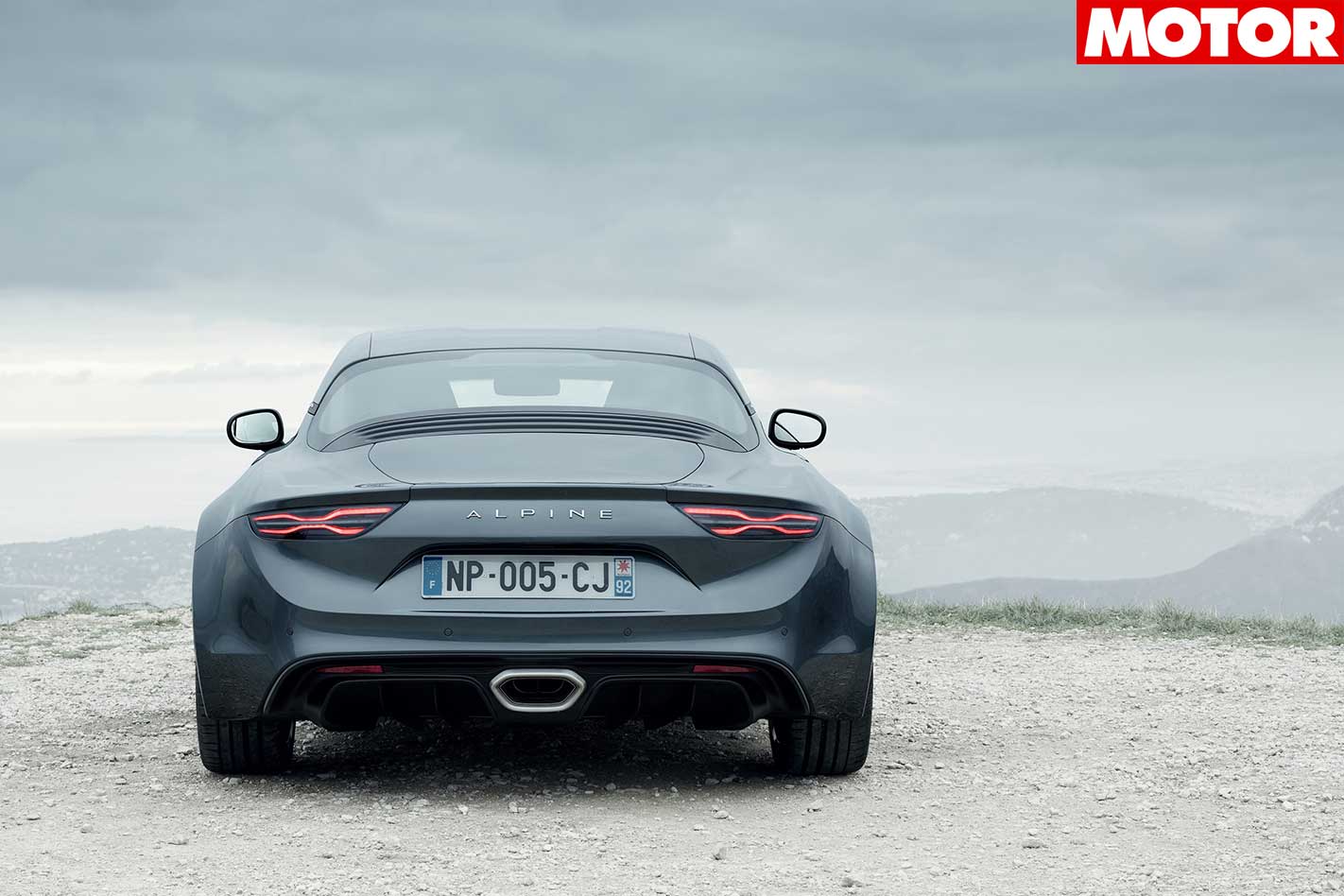
The newly-revived Alpine A110 has already caused quite a stir, but it’s now gained three new versions before even landing on Aussie shores.
The newest addition to the Alpine A110’s line is the GT4 version of the car, developed by Alpine’s motorsport partner Signatech.
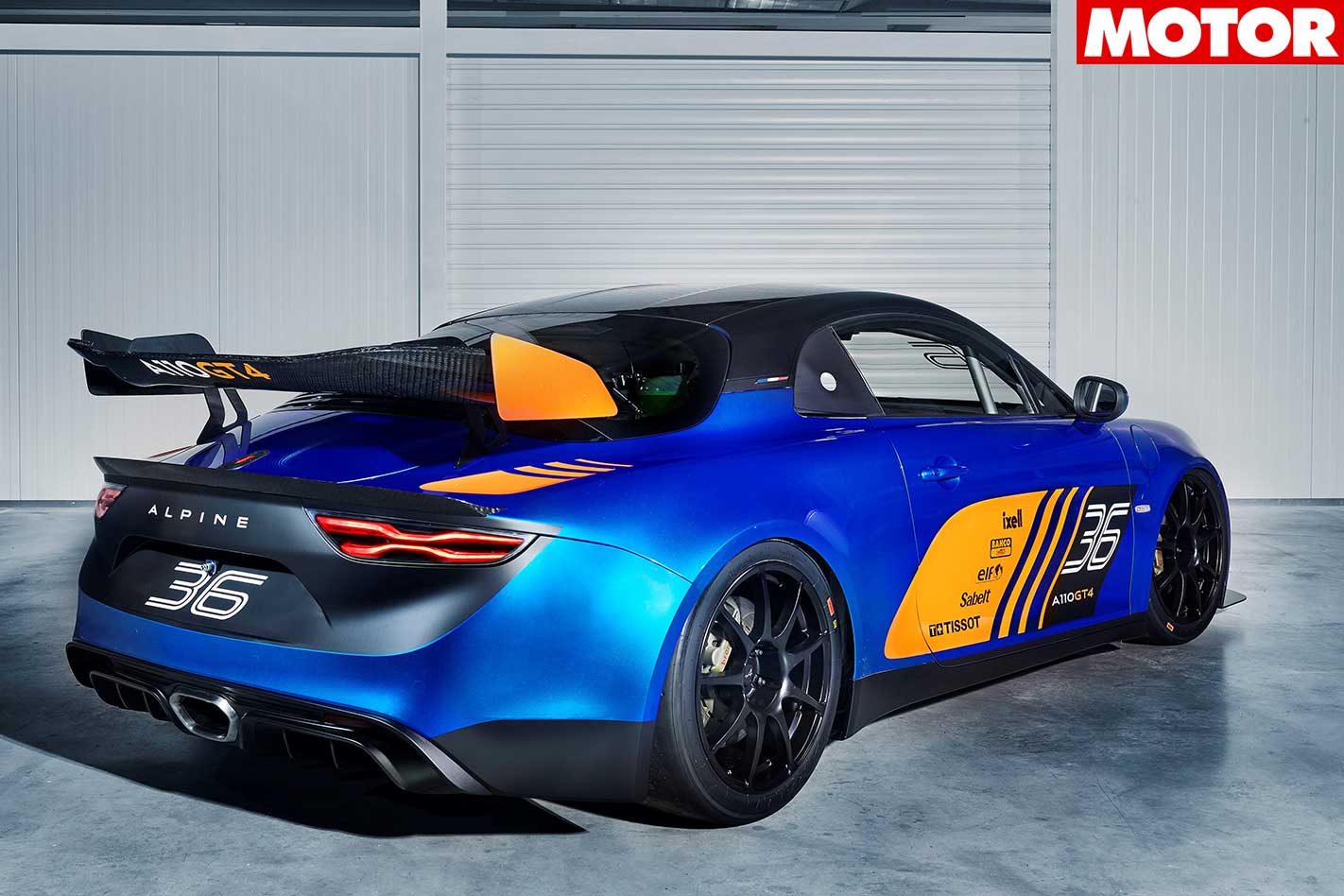
The GT4 is the more honed version, with “increased engine power and aerodynamic downforce,” and it also represents the firm’s return to the racetrack in an official capacity.
Alpine says “a small number of A110 GT4s will race throughout Europe during the second half of 2018 before the car goes into full-scale production ahead of the 2019 season.”
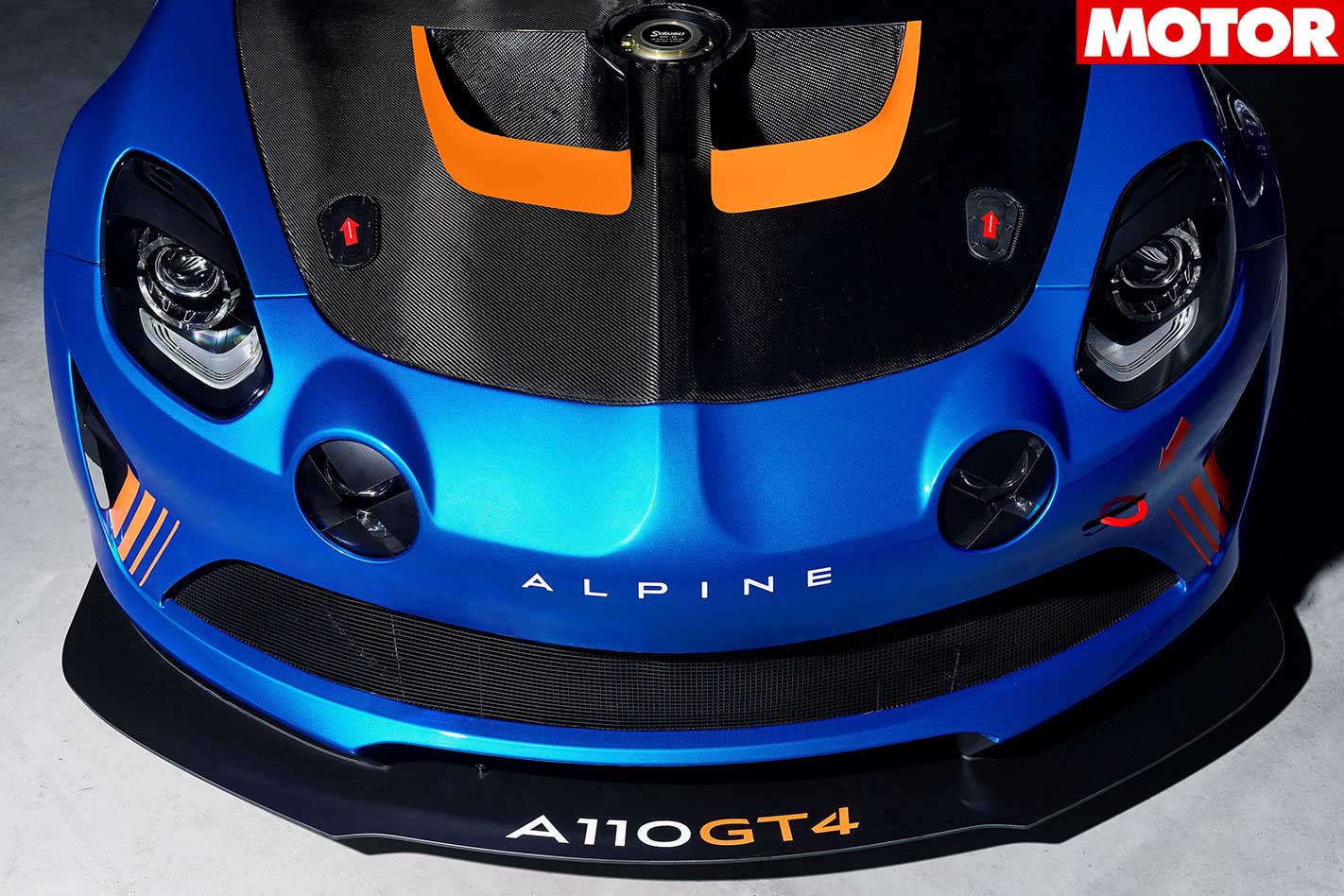
Alpine adds the Cup version can actually be upgraded to a GT4 car by replacing components with a kit.
The next two are road-going versions, both previewed by the Renault sub-brand ahead of the Geneva Motor Show.
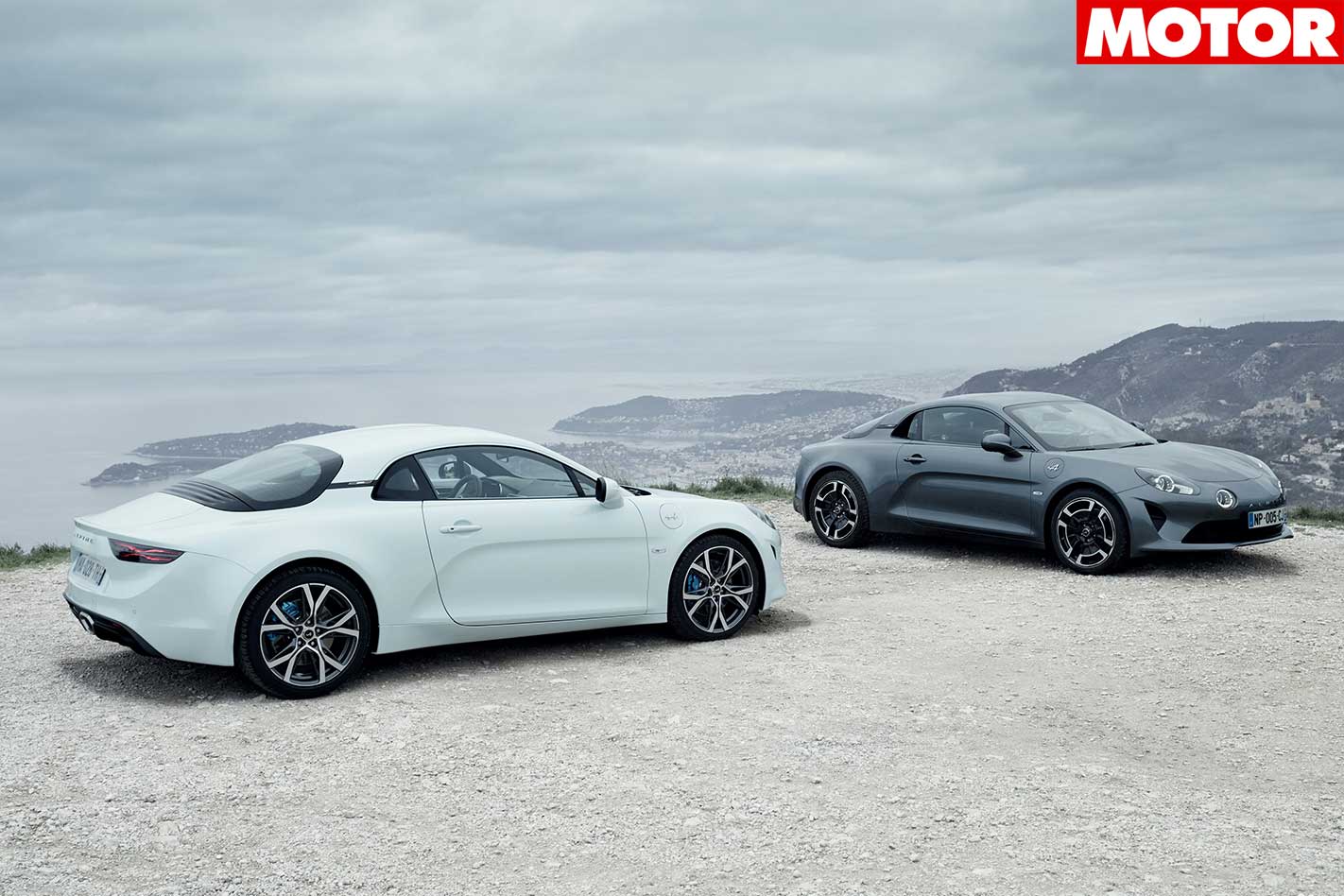
With only 1955 versions of the Première having been available, and already selling out, the Pure and Légende represent the next opportunity for buyers to get their hands on an A110.
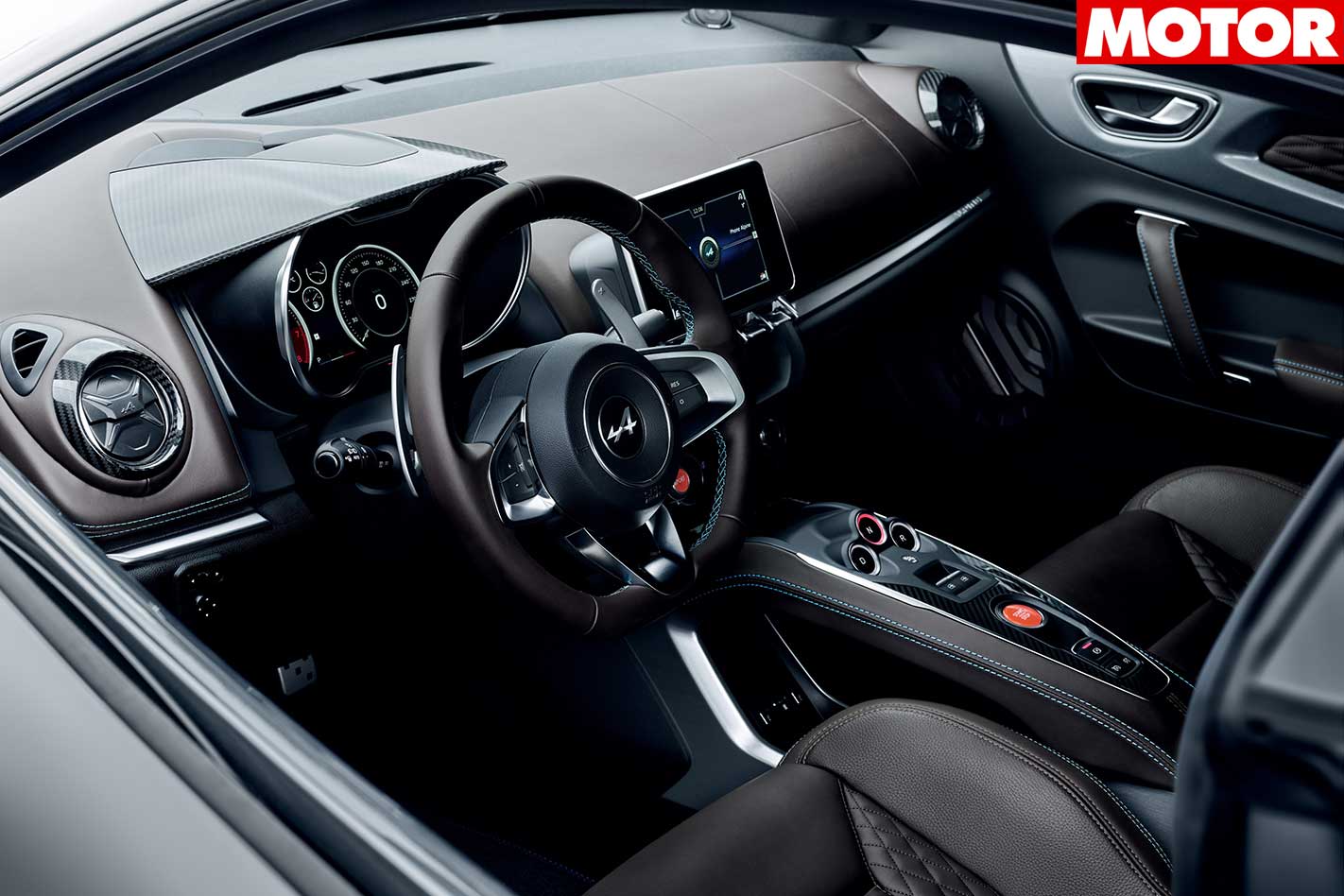
Renault Australia hasn’t confirmed local details for the A110 Pure and A110 Légende.