
If you’re a fan of The Grand Tour, the new show from Clarkson, Hammond and May, you may be familiar with this particular Nissan Patrol.
In the last episode of the first season, Richard Hammond drag races a Porsche 918 Spyder against a Bugatti Veyron and having dispatched that, lines up against this innocuous-looking short-wheelbase Nissan Patrol, only to be blown into the weeds.
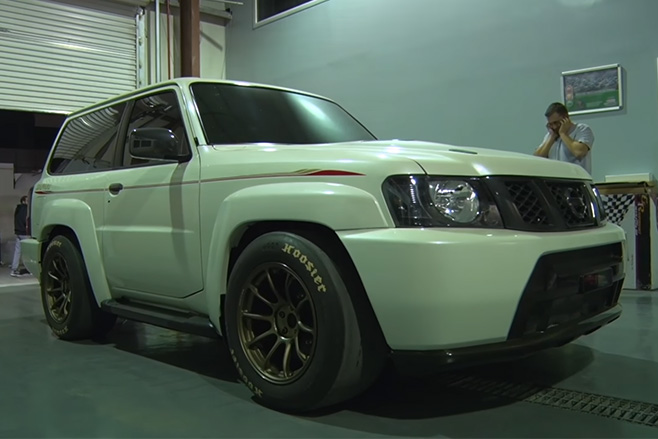
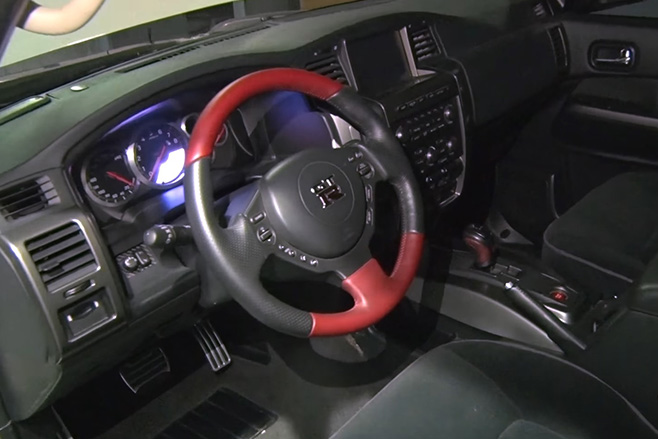
There’s a highly-modified VR38DETT engine, stroked to 4.1 litres, capable of over 1400kW, as well as the GT-R gearbox, diffs, subframes and brakes. It’s a similar concept to the Juke R that Nissan produced a couple of years ago, only with around three times the power.
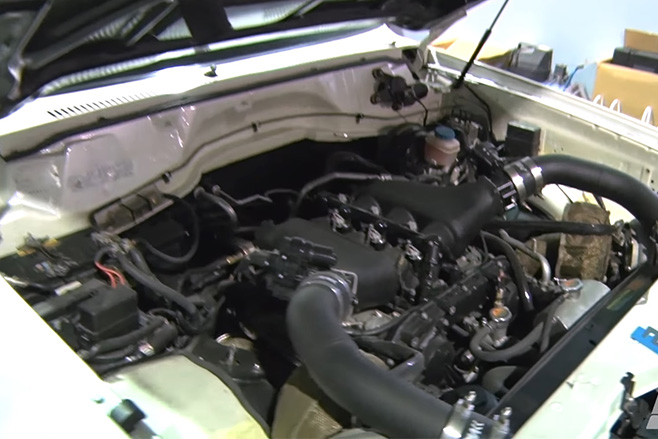
On the medium boost setting, equivalent to around 1200kW, it looks absolutely terrifying. Something this size and weight shouldn’t be able to accelerate so quickly.
A UNIVERSITY of Minnesota-lead research team has come up with an innovative way to make car tyres, and in the process turn polluting tyre production into a cleaner, more sustainable business.
About one billion car tyres are produced worldwide each year, made from a synthetic rubber requiring the use of non-renewable fossil fuels. But a new chemical process promises to use natural and renewable resources to make them, promising to meet an ever-increasing demand expected to be around 1.6 billion tyres a year by 2022.
According to Paul Dauenhauer, an associate professor of chemical engineering and materials science, the university has “created a new chemical process to make isoprene, the key molecule in car tyres, from natural products like trees, grasses, or corn”. “This research could have a major impact on the multi-billion-dollar automobile tyres industry,” he said.
It’s a three-step chemical process, but the clever and surprising bit is how the naturally acquired isoprene looks and behaves like synthetic polymers. The good news for consumers (and the environment) is that if and when the product becomes commercially available, there should be little or no difference between the old and new product in terms of road-holding performance.
The other boon for sustainability is, of course, a cleaner solution in terms of disposing of the enormous number of used tyres the world accumulates each and every year: most go into landfill or are burnt as a so-called alternative fuel.
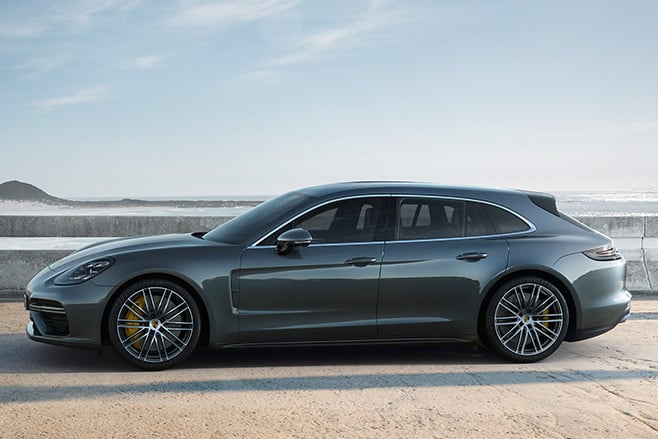
Move over, Audi RS6. There’s a new super station wagon going up on bedroom walls.
Porsche has revealed official photos and details on its Panamera wagon ahead of its debut at the Geneva Motor Show next week.
Called the Sport Turismo, it’s a right looker. Thanks to an extended, and raised, roofline that helps storage space increase to 1390-litres with the rear seats folded.
But it’ll replace the old individually adjustable items, as an option, should you want to recline in chauffeur-style comfort and can do without the extra pew.
It’s offered with every drivetrain the sedan currently uses, from the fuel sipping V6 hybrid to the Turbo’s storming 4.0-litre twin-turbo V8.
And while there are no confirmed power or weight figures yet, expect identical outputs and a slight increase to its waistline.
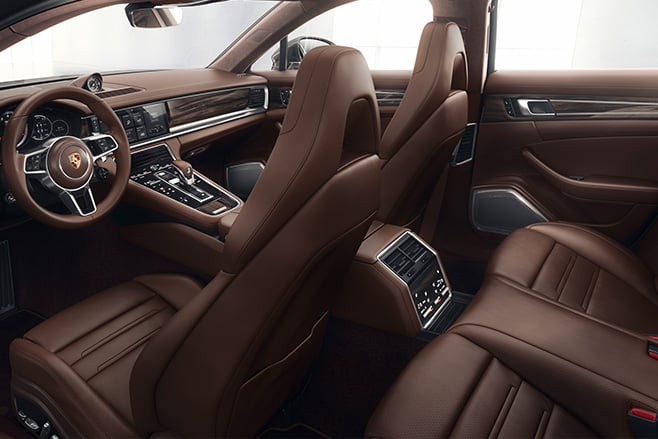
Porsche excluded the five-metre estate’s big hatch from the sedan’s Autobahn-cheating aero.
The rear spoiler is adaptive and switches between slippery, noise-reducing, and performance modes.
However, it’ll be the noise-reducing angle that looks most potent, raising to 26 degrees while the panoramic roof’s open.
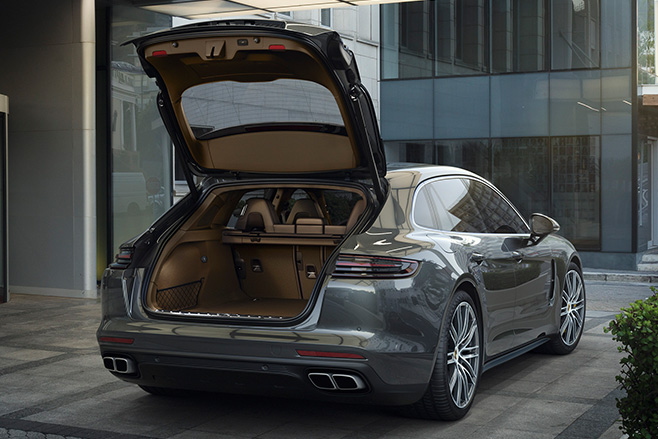
The order books on the Sport Turismo are open ahead of local deliveries in November – it’s just a matter of taking your pick of drivetrain. Prices are listed below with the sedan’s price in brackets for comparison:
Panamera 4 Sport Turismo $232,800, ($220,400) Panamera 4 E-Hybrid Sport Turismo $255,800, ($242,600) Panamera 4S Sport Turismo $318,100, ($304,200) Panamera 4S Diesel Sport Turismo $325,900, ($312,100) Panamera Turbo Sport Turismo $391,000 ($376,200)
CITROEN will launch an all-new van with an old name in Australia mid-year, as it attempts to build on the burgeoning success of the long-running Berlingo.
Expected around July, the box-fresh Dispatch will compete in the 2.5-3.5 tonne van market dominated by the Toyota HiAce and Hyundai iLoad, though its European provenance suggests the somewhat more premium Volkswagen Transporter, Ford Transit Custom, Renault Trafic and Mercedes-Benz Vito will be the crisply designed van’s more natural targets.
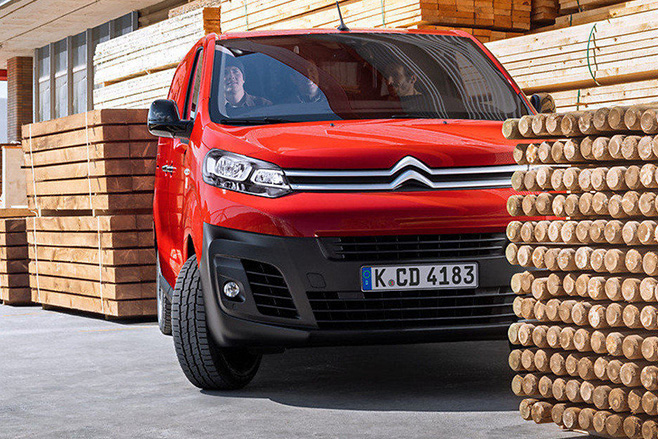
Interestingly, however, the latter is not slated for a local launch at this stage, according to the importers of both French brands, Sime Darby Motor Group (SDMG), since the smaller Berlingo van has firmly established the eccentric marque in the commercial vehicle sphere.
“The view of the business is that, rather than spread ourselves too thinly, (it is better) for us to focus our commercial vehicle range with Citroen,” SDMG sales general manager, Nigel Wright, told Wheels.
“We have the Berlingo right now, and then we’ll essentially get the Hyundai iLoad competitor in the middle of the year, and that’s the Citroen Dispatch.”
Whether Australians will also see the three-row passenger van version – known as the Space Tourer in Europe – hasn’t been confirmed, though the very car-like underpinnings suggest that maybe SDMG might have an effective weapon against rival van-cum-people mover iterations of the popular Transporter and Vito dubbed the Volkswagen Multivan and Mercedes-Benz Valente respectively.
Available in three lengths stretching from 4.6 to 5.3 metres, the Dispatch will most likely surface with one of the more powerful 2.0-litre four-cylinder turbo-diesels offered elsewhere. The top-spec version pumps out 134kW, and drives the front wheels via either a six-speed manual or automatic transmission. Versus the preceding version, weight tumbles by up to a remarkable 150kg. Payload is rated at 1400kg.
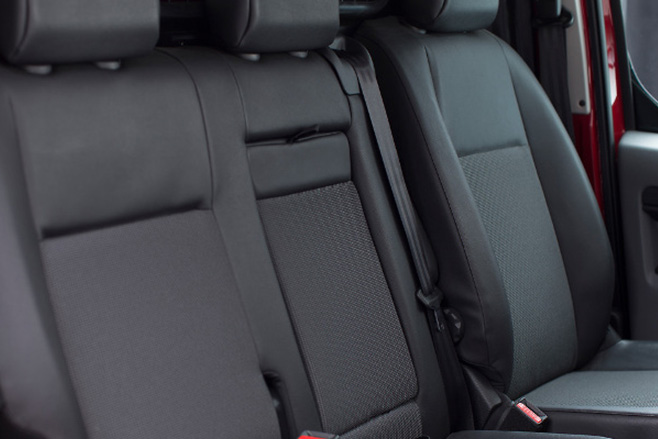
Speaking of the old version, Citroen sold the last-generation (Mk2) Dispatch in Australia from 2008 til 2012, but it was not a success (possibly due to its oddball elongated design) with only around 170 units registered. Pricing kicked off from around $37,000, which is just below where the Transporter starts off nowadays, so expect the far-more stylish newcomer to follow suit.
The Berlingo, meanwhile, was the brand’s bestselling nameplate Downunder last year, with 315 registrations (a 5.7 percent jump over 2015’s result), beating the second-placed C4 Cactus by 89 units.
Lamborghini’s soon-to-be-revealed Huracan Performante hasn’t just set a new Nurburgring lap record for a production car – it has smashed it out of the park.
The Italian supercar maker last night ended months of speculation, revealing the 5.2-litre V10-engined supercar had lapped the 20.2-kilometre circuit in a claimed 6min 52.01sec with Lamborghini test driver Marco Mapelli behind the wheel, smashing the previous 6min 57.0sec set by the 4.6-litre V8-engined plug-in hybrid Porsche 918 Spyder in 2013.
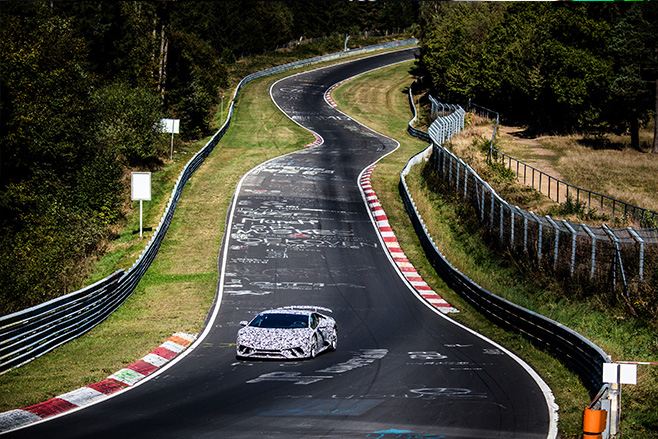
“Following the day’s open sessions on the ‘Ring, at 17.00, officials closed the track to other manufacturers,” Lamborghini said. “After official track checks this left just a 15-minute window for Lamborghini to make one attempt at the lap record with a production Huracán Performante, still in its development camouflage.”
“This was an incredible and emotional moment,” Lamborghini chief executive Stefano Domenicali said.
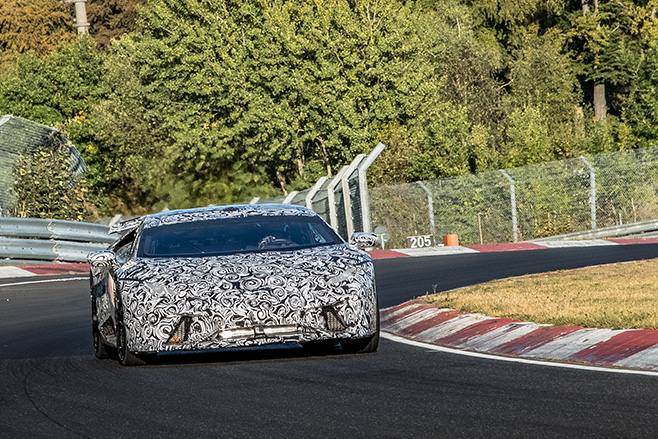
“We wanted to achieve the Nürburgring victory in advance of the Performante’s launch [at Geneva next week], which was a challenge in terms of weather and availability of the Nordschleife. Not only did we take the lap record, we took it by some seconds!
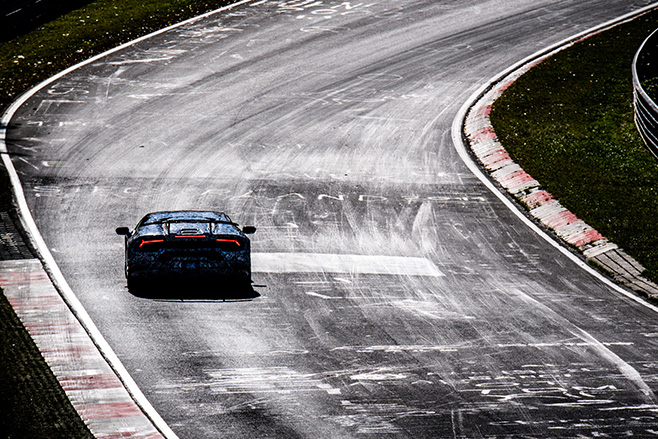
“I am so proud of everything achieved by Lamborghini people that day and extremely privileged to have witnessed it.”
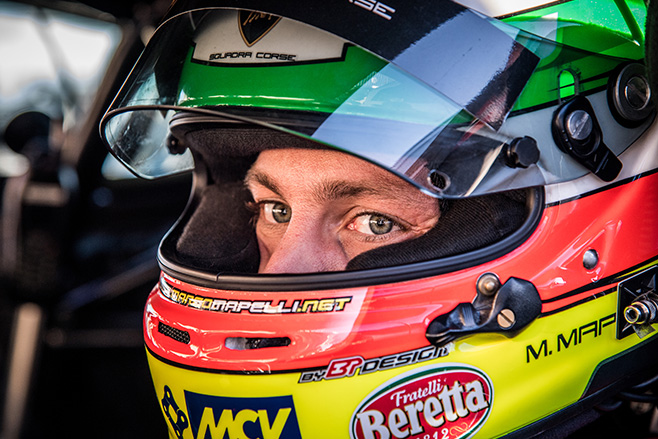
The lap record was set on the same Pirelli Trofeo R tires available on cars delivered to owners.
FOUR-cylinder Porsches have a history of being truly fabulous, from the brand’s earliest production model, the 356, to the 912, and the 944 S2, Turbo and 968 from the 1980s and ’90s. And, now, the Porsche 718 Boxster.
What a relief. Killing off the earlier 981 series’ definitive naturally-aspirated 2.7-litre and 3.4-litre flat-sixes might have seemed an act of heresy, but the result is something altogether reassuringly lovable yet intriguingly different. And even rogue.
Not to mention better in key areas. Brandishing meaningful power and economy gains, the all-new horizontally opposed four-pot turbo in 220kW 2.0-litre and 257kW 2.5-litre S configurations mesmerise with muscular performance, the latter adding a level of torquey flexibility that’s downright intoxicating. Over half a second faster to 100km/h in either guise, too.
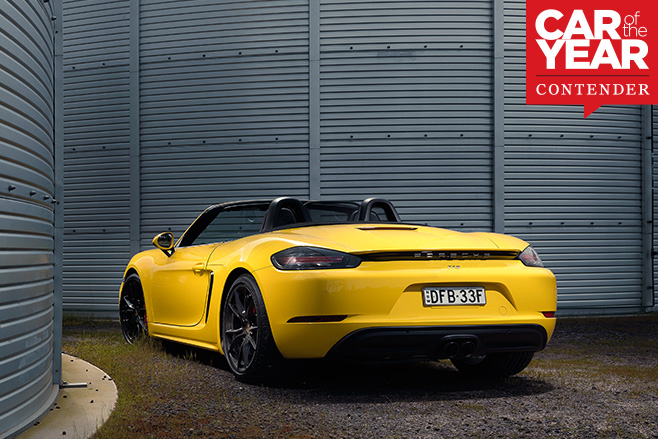
But why did Porsche’s designers squander the opportunity to implement some visual differentiation between the 718 and the 2012-vintage Boxster it replaces? Every exterior panel has changed bar the windscreen, roof, and front boot lid, but who would know at first glance?
Inside it’s similar, with the carryover dash and instrumentation, interspersed with all-new multimedia touchscreen tech and other minor updates devised to help keep things fresh. It’s all palpably better than before.
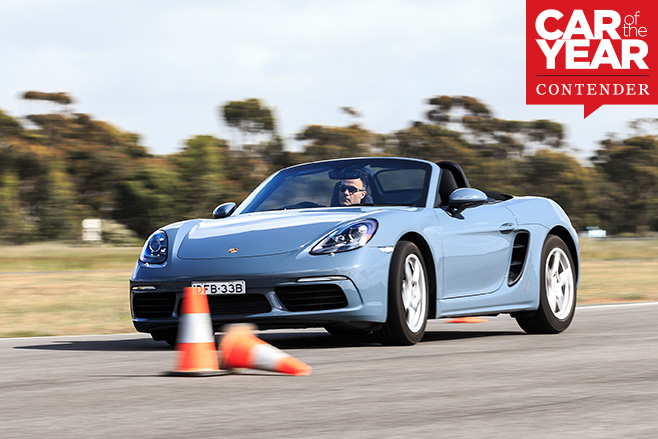
It’s not kidding. Deliciously tactile steering opens up a world of incredibly flat handling balance, lifting the Boxster’s already elevated reputation for being one of the most intimate and joyful drives around. Yet the chassis tune is actually softer than the model it replaces, resulting in a suppler, more nuanced driving experience. The Boxster’s talents have been wonderfully broadened. Note, however, that’s with the optional PTV torque vectoring and PASM Porsche Active Suspension Management tech – which also explains why the 718’s ride is so comfy yet controlled.
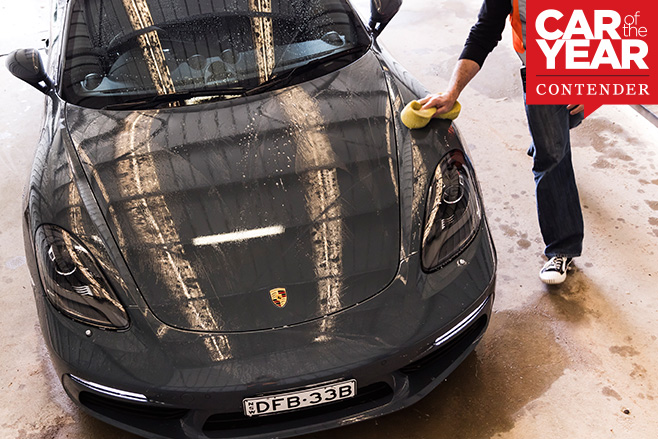
So the 718 is an incredibly polished and accomplished update on a familiar theme, providing exquisite dynamic tactility and truly satisfying performance, especially with the right combo of expensive options.
Ultimately, then, value rather than two fewer cylinders, keeps the four-pot Porsche from the podium. But then it’s been that way since the 356, 912, 944, 968…
Specs
BODY Type: 2-door convertible, 2 seats Boot capacity: 150 (f), 130 (r) litres Weight: 1335 – 1385kg
DRIVETRAIN Layout: mid engine (north-south), RWD Engines: 1988cc flat-4 turbo (220kW/380Nm) 2497cc flat-4 turbo (257kW/420Nm) Transmissions: 6-speed manual; 7-speed dual-clutch
CHASSIS Tyres: 235/45R18 – 265/40R19 ADR81 fuel consumption: 6.9 – 8.1L/100km CO2 emissions: 158 – 184g/km Collision mitigation: No Crash rating: Not tested Prices: $112,800 – $148,090
Being a more ‘maxi’ mini is no bad thing; it’s more the perception of what constitutes ‘premium’.
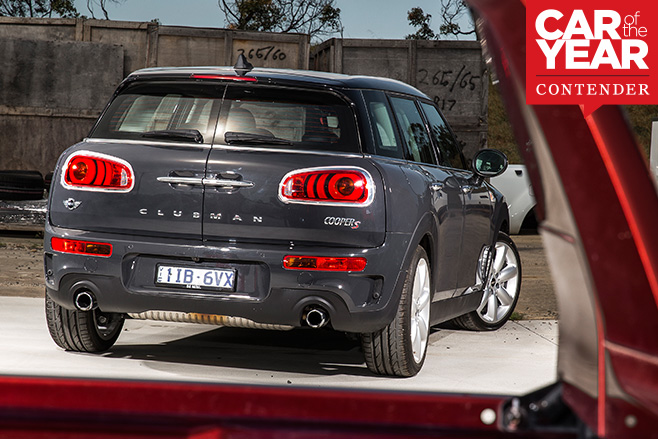
THAT the Mini Clubman even made it to COTY is a feat in itself, largely because some weren’t initially convinced of its eligibility. Based on the F55/F56 Mini family, the second generation appears to be essentially a stretched version of cars in the existing Mini range.
But as well as extra length and wheelbase (see sidebar) the Clubman is also some 70mm wider than those other Minis, necessitating a unique interior treatment. So the new Clubman is sufficiently different to any Mini before it.

Practicality isn’t usually the highlight of a Mini, but it’s a standout of the Clubman, with the exception of the barn doors at the rear; they not only make it a double motion to open the boot but also impact rear vision.
Those broader dimensions also help with the driving experience, too. There’s still the trademark quick-ratio steering and taut chassis, but there’s newfound maturity that makes it more adaptable on poor surfaces. The longer wheelbase, in particular, adds compliance to the ride that makes the Clubman the most comfortable Mini to date. Yet it still suffers from known Mini shortcomings: wind noise and tyre roar that take the edge off high-speed cruising.
And while the size has brought more on-the-limit understeer to the handling, it somehow seems to hang on better than other Minis and feels more predictable and adjustable in corners.
There were also question marks around the Mini’s value, long a sore point due to its premium positioning. Priced from $34,900, it’s playing with a suite of excellent four-cylinder small cars yet misses out on some of the prestige fruit some would expect. And the Cooper S is bang into Volkswagen Golf GTI territory.
The interior and materials – elegant and well chosen in some areas but cheaper and less convincing in others – was also a COTY discussion point.
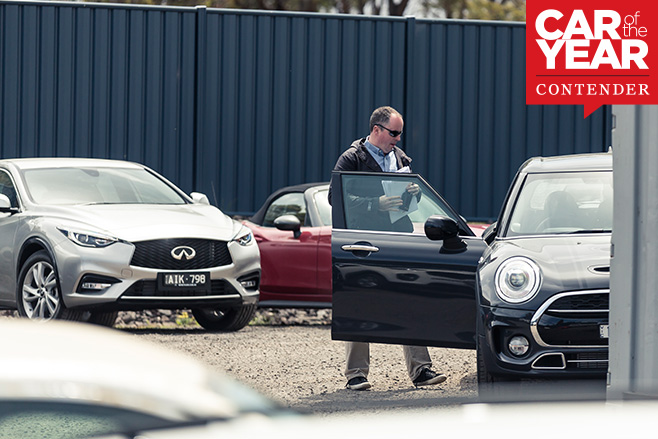
At this price level, things like that should work faultlessly.
Which is part of the Clubman’s issues. It’s the most convincing new Mini to date, but it also comes with a price tag that reduces its appeal against even more convincing rivals.
Specs
BODY Type: 5-door wagon, 5 seats Boot capacity: 360 litres Weight: 1300 – 1390kg
DRIVETRAIN Layout: front engine (east-west), FWD Engines: 1499cc 3cyl turbo (100kW/220Nm); 1998cc 4cyl turbo (141kW/280Nm) Transmissions: 6-speed manual; 8-speed automatic
CHASSIS Tyres:205/55R16 – 225/45R17 ADR81 fuel consumption: 5.4 – 6.4L/100km CO2 emissions: 118 – 147g/km Collision mitigation: Crash rating 4-star (Euro NCAP) Prices: $34,900 – $42,900
Watching onboard laps of the Nurburgring Nordschleife used to be a serious time investment.
Increasingly, however, it’s becoming less of a lunchtime activity and more of a quick cup of coffee affair. Lamborghini was a late comer to the party, probably because wrestling a Diablo or Murcielago around the high-speed circuit wasn’t much fun, but it’s now the new king of the ‘Ring.
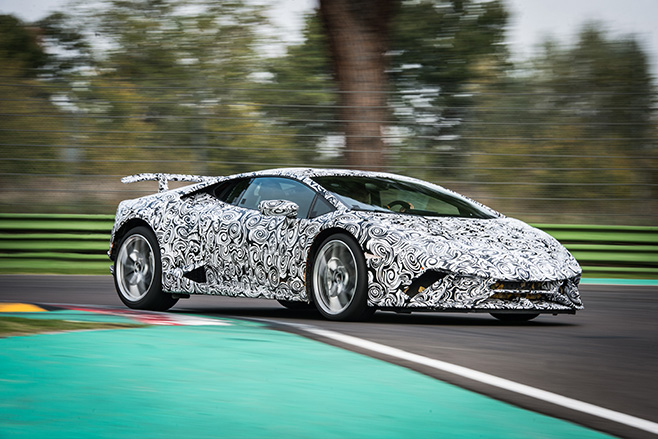
This makes the Huracan Performante the fastest production car ever around the Nurburgring, beaten only by super-focused track cars like the Radical SR8LM. The driver, as with the Aventador SV, was Italian racer Marco Mapelli.
While the Performante adheres to the traditional recipe of more power and less weight, the real key to its speed is its clever new active aerodynamics setup. Using three electrically-operated flaps the car can shed drag on the straights (hitting a maximum of 304km/h) while adding downforce when it’s needed most.
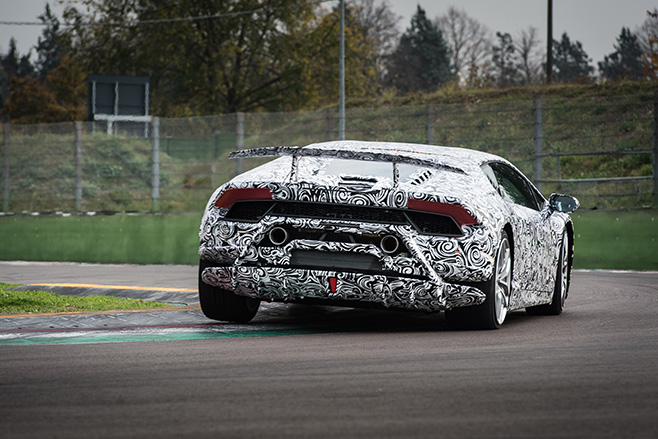
Niki Lauda holds the F1 lap record at 6min58.2sec, however that was set on the longer 22.835km circuit. Which car will be next to lower the record mark? Porsche 911 GT2? Koenigsegg One:1? Or will lap record attempts be outlawed once again?
AS THE world’s enthusiasm for Range Rover products shows no signs of diminishing, so Land Rover continues to create more variants.
Next week’s Geneva Motor Show will see the unveiling a fourth version, the Range Rover Velar, it’s name referring to that given to the original Range Rover prototypes in 1969.
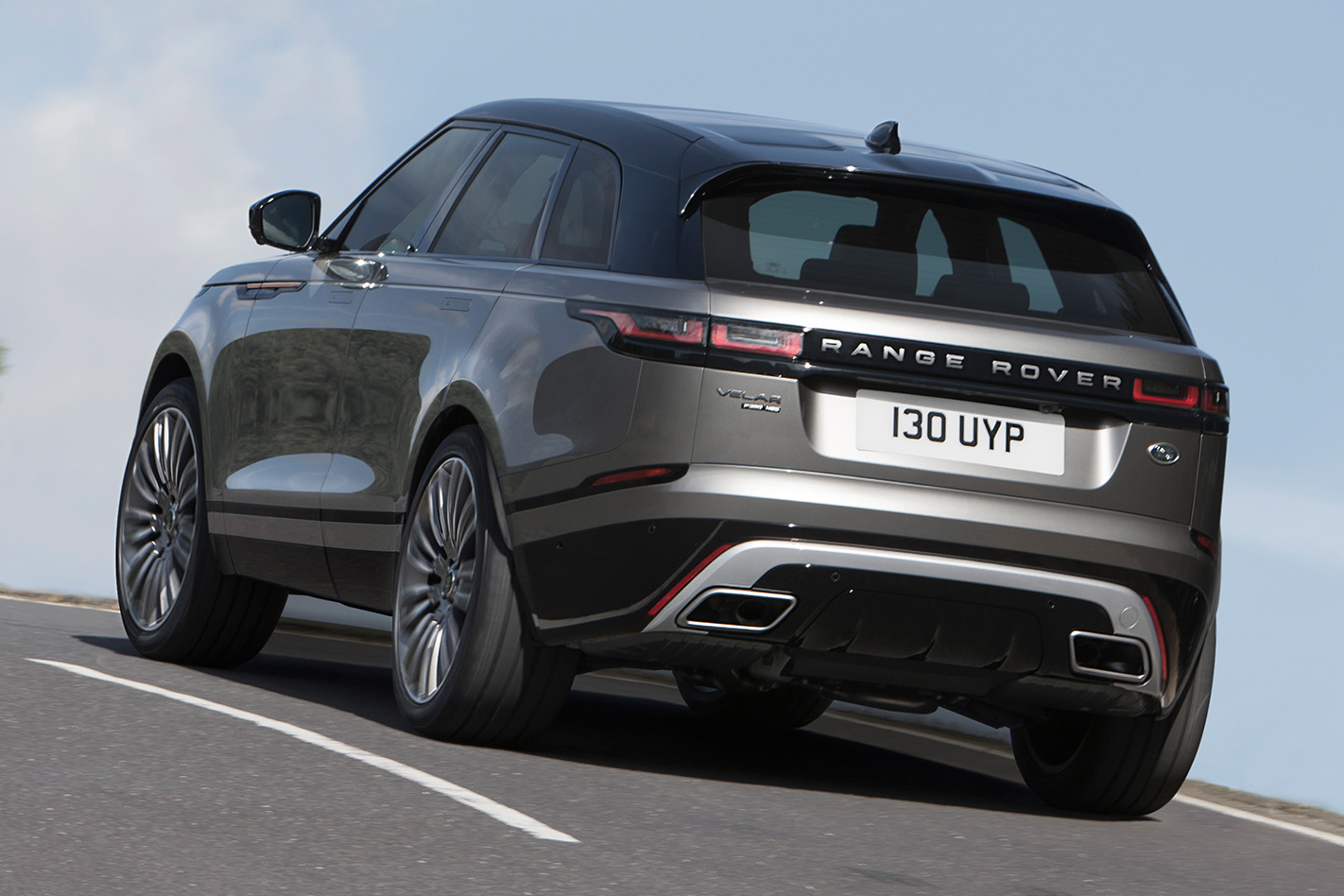
Positioned to plug the gap between the baby Evoque and the Range Rover Sport, the Velar is intended to take on rivals such as the Porsche Macan. It is closely related to the Jaguar F-Pace, although we can safely predict it will be much more accomplished off-road, sitting on the same mostly aluminium iQ platform and set to be built on the same assembly line at Solihull, alongside the Range Rover Sport.
Long and sleek-looking, the Velar’s roofline sits much closer to the ground than its bigger sisters. The 1665mm overall height is just 5mm taller than the Evoque, 185mm lower than the Range Rover Sport and 250mm below the Range Rover. It’s aerodynamic design.
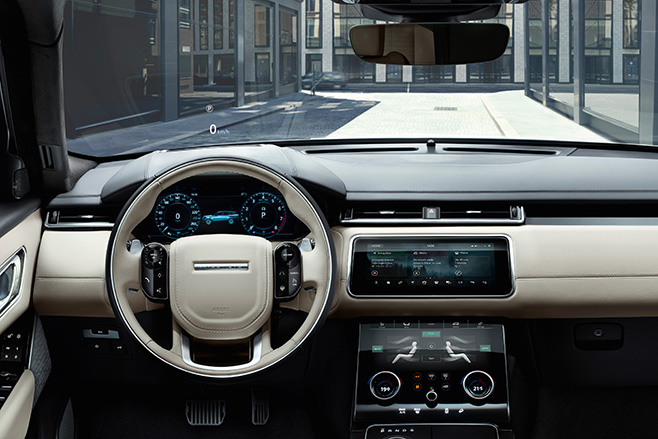
Although lacking some of the chunky visual aggression we normally associate with Range Rovers, the Velar’s smooth styling does make it impressively aerodynamic, with a drag co-efficient of just 0.32 and a specially designed rear spoiler that cuts dirt build-up on the rear screen.
Land Rover claims that 81 percent of the Velar’s body in white is made from aluminium, although – strangely – it has only released the car’s fully laden gross vehicle weight rather than its regular kerbweight, this ranging from 2490kg to 2550kg.
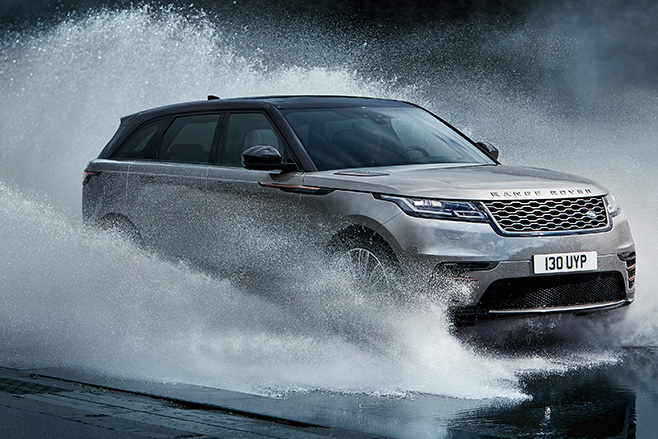
Both four- and six-cylinder petrol and diesel engines will be produced, although we’ll need to wait and see which ones make it to Australia. Petrol four-cylinders turbos come from JLR’s new Ingenium family and will be available in 185kW and 225kW flavours, with a supercharged 3.0-litre V6 making 280kW at the top of the range.
Two four-cylinder Ingenium diesels will be offered, a single-turbo D180 135kW version and a twin-turbo D240 with 180kW, with JLR’s venerable 3.0-litre V6 diesel positioned above both with 225kW and a peak 700Nm.
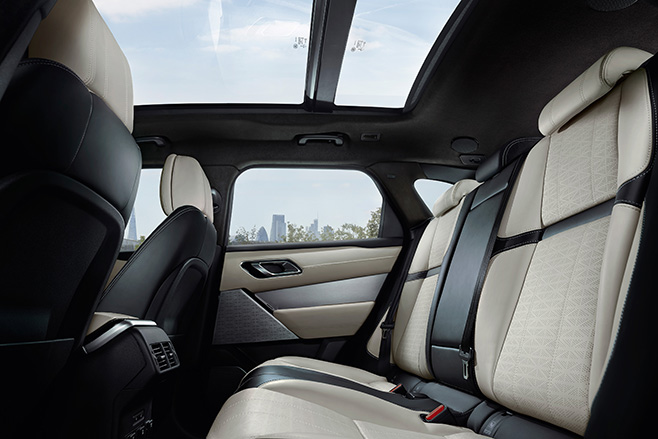
We expect that both V6s will be replaced by new Ingenium straight-sixes within the Velar’s lifespan. The slowest D180 will have a 0-100km/h time of 8.9 seconds while the petrol V6 will dispatch the benchmark in a claimed 5.7 seconds. All will send drive to all four wheels through a standard eight-speed ZF automatic.
Sales will start in the middle of the year, with pricing for the Velar range starting from $70,300 and stretching up to $135,000.
OFFICIAL images of Mitsubishi’s all-new compact SUV, the Eclipse Cross, have been revealed ahead of its scheduled debut at the Geneva Motor Show next week.
The Eclipse Cross, due on sale in Australia late this year, will sit between the small ASX and the mid-size Outlander in Mitsubishi’s SUV line-up and have the option of two engines. We won’t know the full details until its arrival in Geneva, but Mitsubishi has given us an official glimpse of the compact SUV to tide us over until then – which also affords us a good look at the latest evolution of the carmaker’s latest styling language.
With a tapered, curved roof and sharp styling, the Eclipse Cross has a coupe-like SUV shape, and at 4405mm long measures 35mm longer than the compact ASX and 290mm shorter than the Outlander.
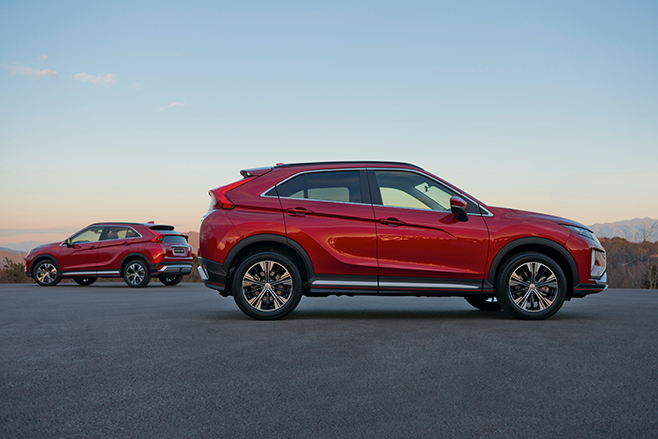
The new design also features a distinctive wedge profile, forward-raked rear window andpumped guards that give it a sportier, muscular look.
The show car’s red paint job is also a new colour for Mitsubishi’s corporate palette.
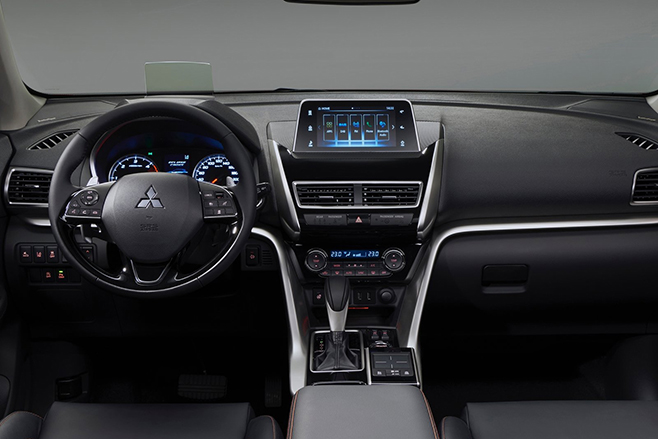
Inside, the Eclipse Cross’s design is more refined than the norm for Mitsubishi, with black and silver details and a system featuring Mitsubishi’s new infotainment system. The “futuristic cockpit” also incorporates a head-up display, touchpad controller and smartphone connectivity including Apple CarPlay and Android Auto.
Under the bonnet, the new SUV will feature a 1.5-litre petrol four cylinder engine or a 2.2-litre turbo diesel, mated to a CVT transmission with eight pre-set ratios, or a more conventional eight-speed torque converter automatic.
This is backed by an electronic all-wheel-drive system and Mitsubishi’s Super All-Wheel Control, an integrated vehicle dynamics control system incorporating brake-activated Active Yaw Control that “manages the torque feed and brake force at individual rear wheels to help the vehicle behave as the drive intends”. In layman’s terms, it uses the brakes to pull the car in line around a corner.
That’s all the details we have on hand for now: we’ll find out more when the Eclipse Cross is officially unveiled at next week’s Geneva Motor Show.
