
Figures compiled by the China Passenger Car Association (CPCA) and reported by Reuters, indicated new vehicle sales in China dropped by 21.6 per cent, with 1.4 million vehicles sold for the month.
April’s figures represent the seventh month in a row that China’s new car market has dropped below results from the previous year.
Believed to be driven by rising petrol prices and questions over supply stability, plug-in hybrid sales fell by over 25 per cent, but electric vehicles posted a small 2.4 per cent increase.
Chinese-built vehicles sent offshore, meanwhile, saw an 80.2 per cent increase in April with 769,000 vehicles reported as exported. Exported ‘new energy’ vehicles (NEVs), including electric, plug-in hybrid, and extended range EVs, represented 406,000 units, up 112 per cent compared to last year.
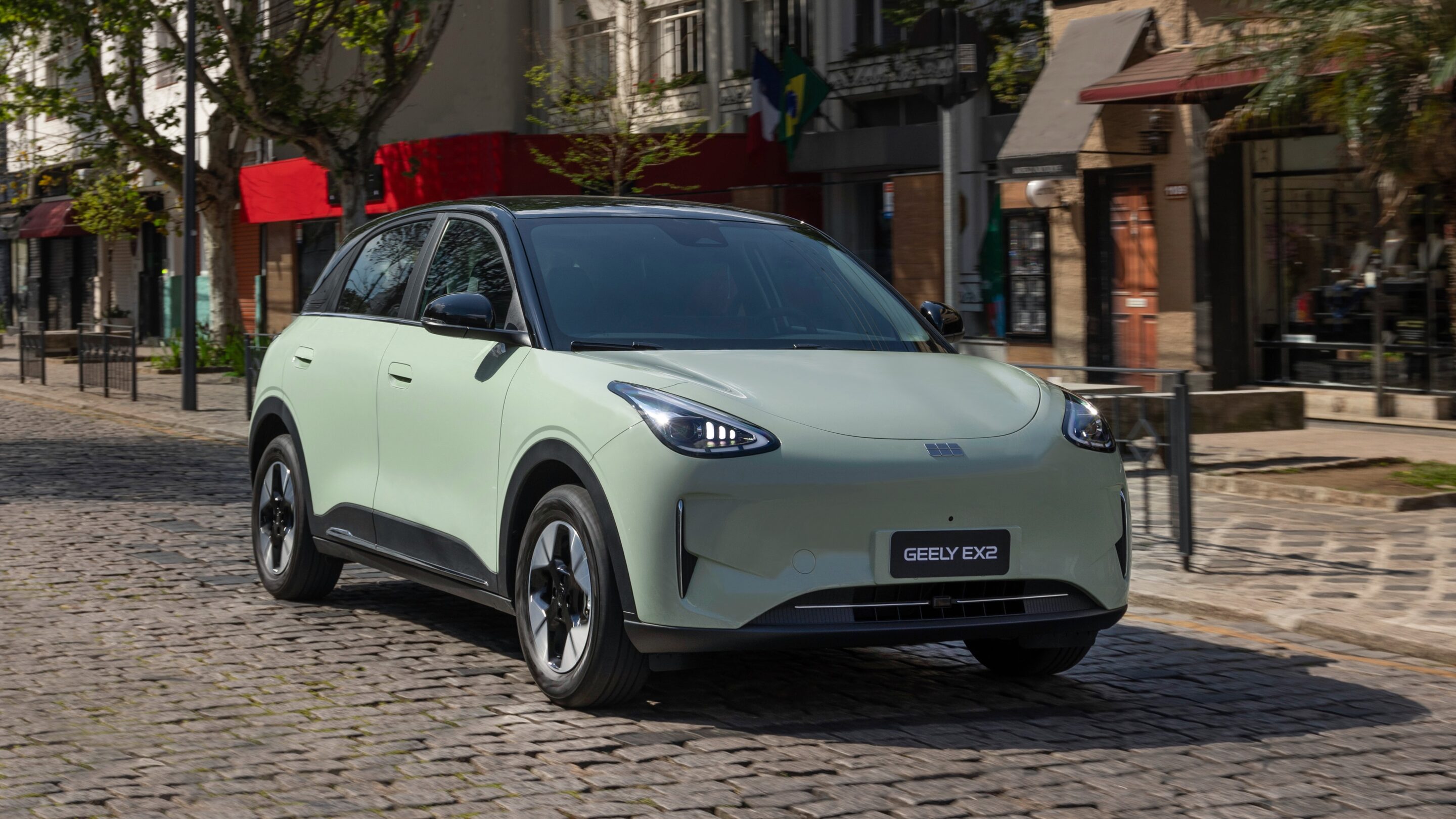
The combined sales for NEVs in China dropped by 6.8 per cent overall, with the small boost in EV sales not enough to stem the drop driven by PHEV numbers.
Within China, recent changes to the passenger car market have seen buyer incentives and subsidies for reduced for NEVs reduced, as the government looks to stabilise the country’s manufacturing sectors.
With fierce competition and heavy discounting to attract buyer attention, Chinese car brands are building stronger export programs. Vehicles sold outside of China can often be retailed with higher margins while still undercutting established rivals.
Financial analyst firm, Morgan Stanley, predicts that China’s overall vehicle production volume would drop by around 2 per cent in 2026, but has recently increased the country’s export growth potential estimate from 15 per cent earlier in the year, to around 33 per cent by the end of 2026.
To offset falling sales at home, Chinese automakers are turning to larger, high-margin luxury SUVs and sedans while reducing the number of cut-priced compact models offered.
Chinese brands are now also prioritising export markets, with a number of brands designing models specifically for sale in Europe, rather than adapting Chinese-market products for sale in overseas markets.
Further details about the Jaecoo J5 Super Hybrid have been revealed ahead of its July 2026 Australian debut. Already available in both electric and turbo-petrol forms, the J5’s third drivetrain choice will come in the form of a 1.5-litre ‘Super Hybrid’ drivetrain, with the addition of a turbocharger giving it a point of difference compared to the popular Chery Tiggo 4 it shares a platform with.
Making a total system power output of 165kW, the J5 Super Hybrid’s hybrid system is 15kW more powerful than the Tiggo 4. Jaecoo is yet to reveal its combined torque figure, but it will likely feature more than the Tiggo 4 hybrid’s 310Nm. A small 1.83kWh battery will handle electricity storage.
According to its maker, the J5 Super Hybrid will be capable of travelling 980km, which will “balance strong performance with low fuel consumption across both daily commutes and long-distance driving”. Its combined fuel consumption is also yet to be revealed, but the Tiggo 4 Hybrid is rated at 5.4L/100km.
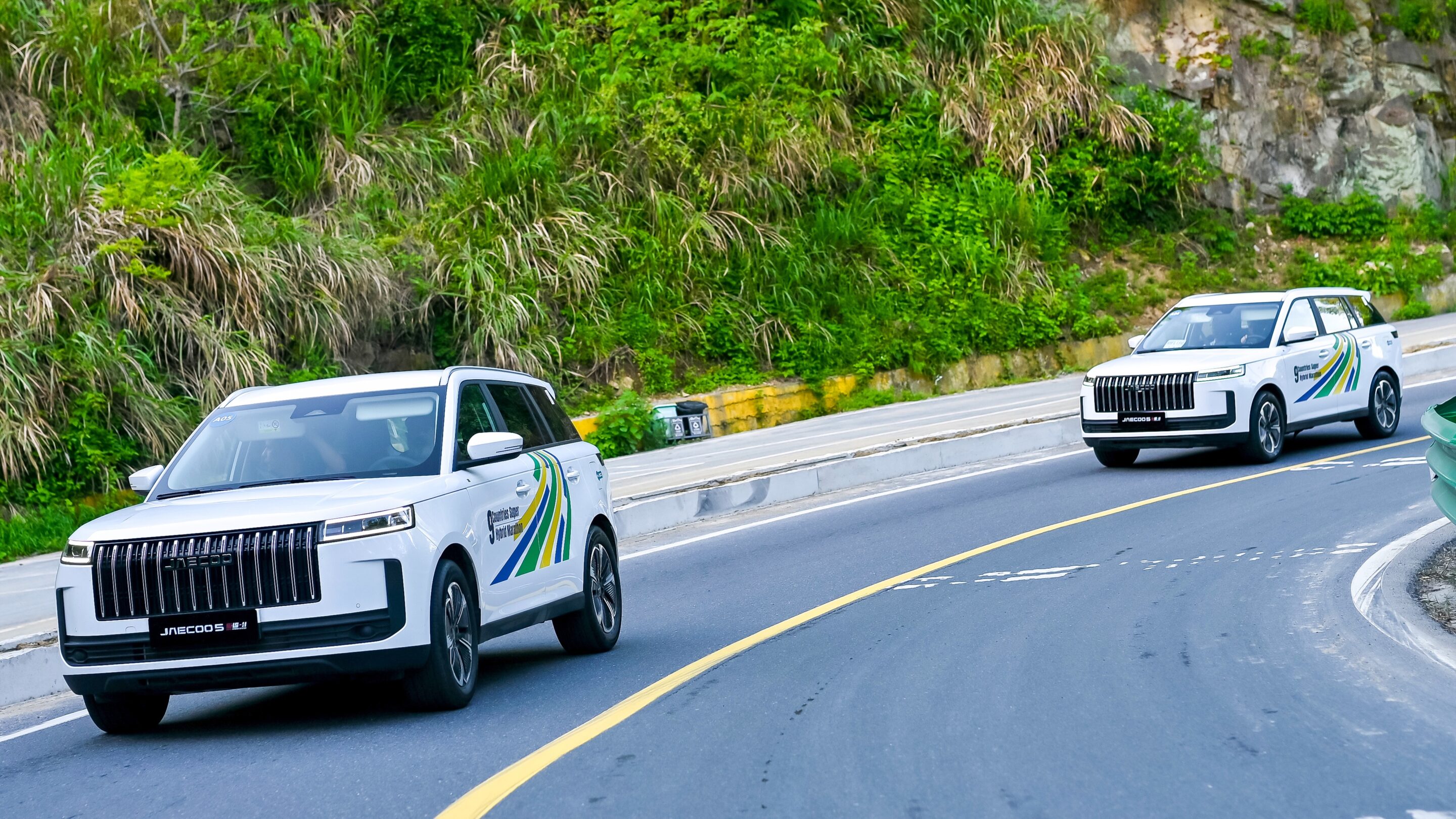
Australian pricing for the J5 Super Hybrid is also yet to be revealed, but with the petrol model starting at $25,990 driveaway and the EV at $36,990 driveaway, we’re expecting a starting pricepoint somewhere in the middle, perhaps $29,990 driveaway. If the brand offers a two-model line-up like the petrol J5, we’re predicting around $33,990 driveaway for the upper-spec car.
In terms of standard equipment, we predict the base model to mirror the petrol J5, and include 18-inch alloy wheels, automatic LED lighting, cloth upholstery, an 8.8-inch digital driver’s display, a 13.2-inch touchscreen and safety features like seven airbags, autonomous emergency braking, adaptive cruise control and a 360-degree camera.
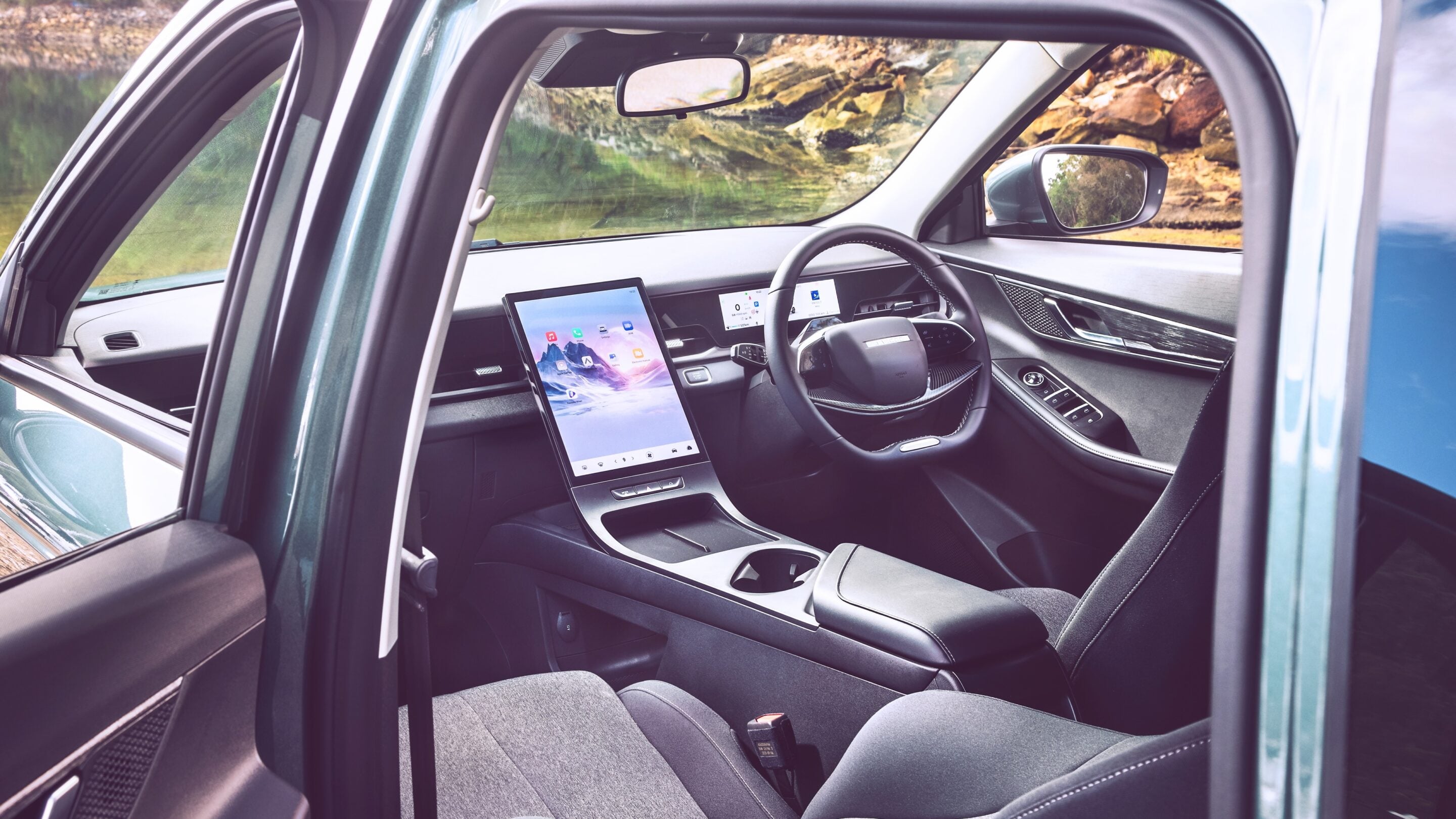
Petrol J5 Track shown
The upper-spec petrol J5 Summit then adds synthetic leather upholstery, heated and ventilated front seats with electric adjustment, a panoramic glass roof and 50W wireless phone charging, which we’re also expecting to carry over to the Super Hybrid.
Australian pricing and specifications for the Jaecoo J5 Super Hybrid will be revealed closer to its July 2026 local release.
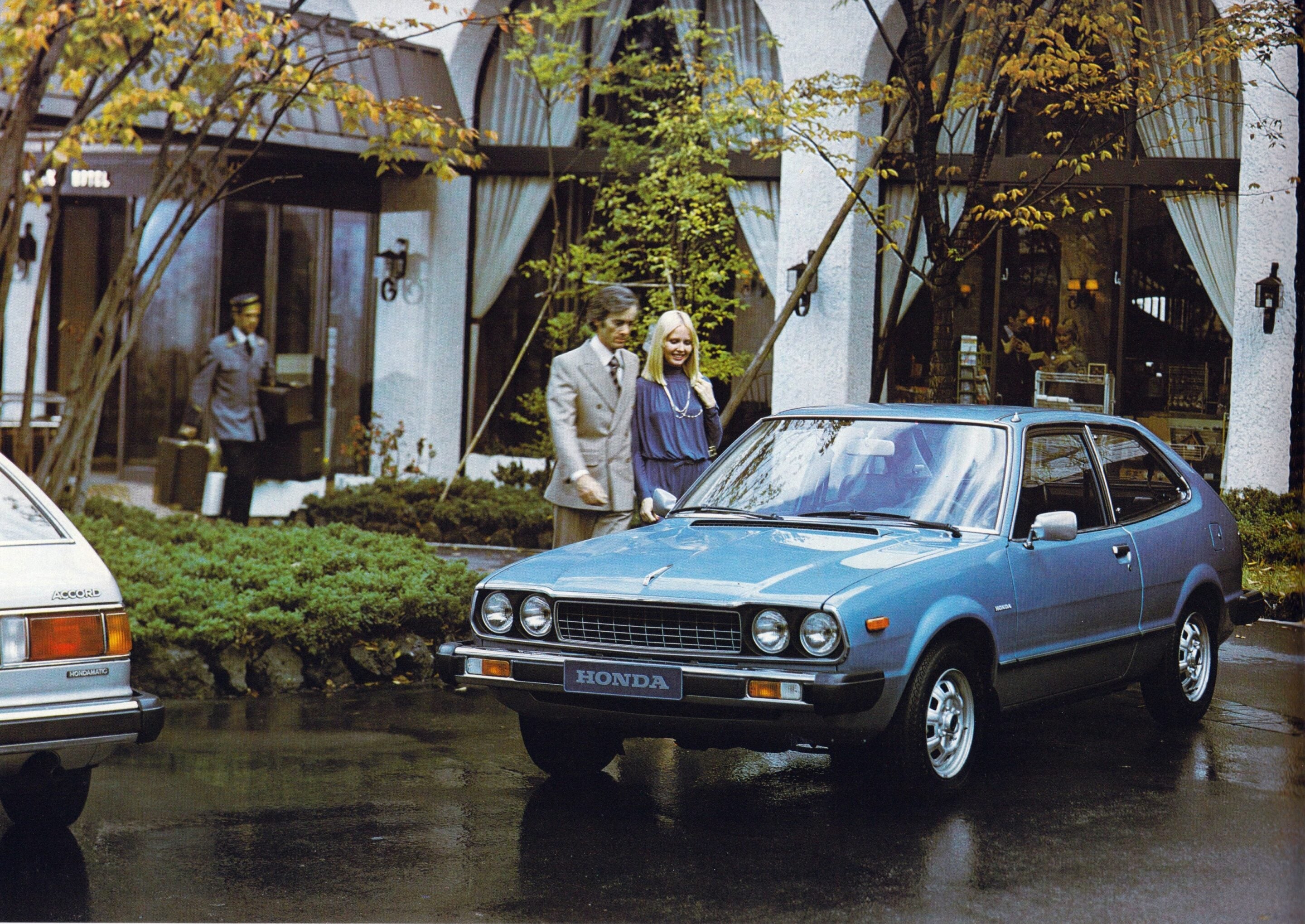
It’s Golden Jubilee time for the Honda Accord, which is celebrating 50 years of production this month. Production for the brand’s iconic mid-sizer began on May 8, 1976 and 11 generations later and two Wheels Car of the Year awards later, it’s hit its 50th birthday. Total global sales of the nameplate since its introduction total over 25 million, making it one of the world’s best-ever selling cars.
The very first Accord was actually a compact hatchback, sitting above the Civic in the brand’s line-up as it does today, and was actually the first Japanese car to win Wheels Car of the Year, which it did in 1977 and later in 2008 with the second-generation Accord Euro. In 1989, when the Accord became one of North America’s best-selling cars (still true today), the line-up expanded to include a sedan bodystyle, as well as a coupe and even a wagon.
By the time the mid-1990s came along, the Accord had grown notably in size and was actually almost as large as the first-generation Legend that sat above it. In 1994, Honda‘s iconic VTEC (Variable Valve Timing & Lift Electronic Control) system made it to the Accord line-up with a new 2.2-litre petrol engine, and eventually expanded to larger 2.7-litre and 3.0-litre V6 engines.
The fifth-generation Accord was actually the first where two separate models were developed globally to suit different tastes, a trend which continued until the mid-2010s when the last European Accord (badged Accord Euro locally) ended production. Australia received the North American Accord, while a separate European model was developed and twinned with the Rover 600, like the larger Honda Legend and Rover 800.
The sixth-generation Accord actually spawned three different models: One for Japan, one for North America and Australasia, and one for Europe, with each featuring different styling and sizing. As with the previous model, Australia only received the American model and only as a sedan, with the coupe left overseas. That also meant that we missed out on the first Type R and Euro R performance versions.
For its seventh generation, the Accord reverted to two global versions and for the first time, Australia received both models: the larger Thai-built North American Accord and the smaller Japanese-built model destined for Japan and Europe, with both sedan and wagon bodystyles, available with Honda’s first diesel engines. In North America, the first hybrid drivetrain in the Accord was released in 2004, coinciding with the smaller Civic Hybrid, in response to the Toyota Prius’ huge success.
Despite Australia again missing out again on the hot Euro R version, the first-generation Accord Euro sold quite well locally, with over 45,000 units sold from its debut in 2003 until the next model landed in 2008.

Notably, the seventh-generation European Accord’s “Cog” advertisement is regarded as one of the most influential car advertisements of all time. It follows the convention of a Rube Goldberg Machine utilising a chain of colliding parts taken from a disassembled Accord, and ends up with a full-sized model at the end with the line, “Isn’t it nice when things just work?” In the UK, where it was filmed, it’s still one of the most well received and highest-awarded advertisements of all time.
The eight-generation models grew significantly in size, and were again offered in both smaller Euro and larger American forms. The eight-generation car was the last Accord model to be sold in Europe thanks to dwindling large sedan sales on the continent, and since then, there has only been one form of each Accord.
Over its history, the Accord has often been one of the first cars with new technologies in the market – the first model was the car in Japan to feature a tachometer and intermittent wipers, the second-generation model optionally featured the world’s first automatic in-car navigation system, and the third-generation was the first Honda product to feature double wishbone rear suspension to aid both ride and handling. It also early was early in the adoption of airbags, anti‑lock braking, and the Honda Sensing driver‑assist technologies.
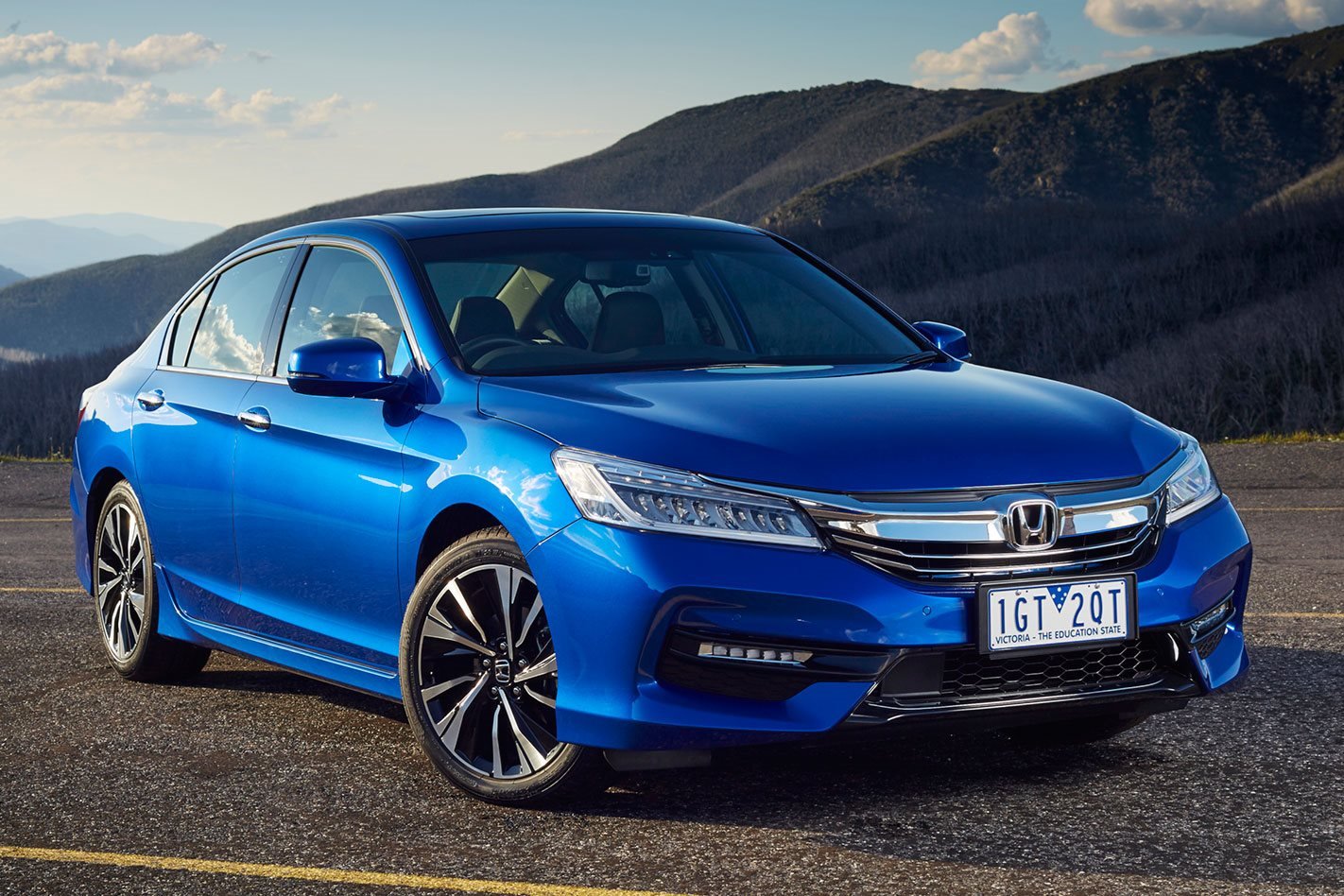
In Australia, the current Accord is currently offered in a single e:HEV RS specification, and priced at $64,900 driveaway. Standard features include a panoramic sunroof, 12.3-inch touchscreen with inbuilt Google features like Google Maps, a 360-degree camera and the full suite of the Honda Sensing active safety features.
The next-generation Accord is not expected until at least 2030, and at this stage, it’s known yet known if it will remain a hybrid or be available in fully electric form as well. But regardless, the Honda Accord has been a massive success for its maker over half-a-century. While Australian sales have been modest for the past few generations, it remains an important model as the head of the Honda line-up and still one of the best medium sedans around.
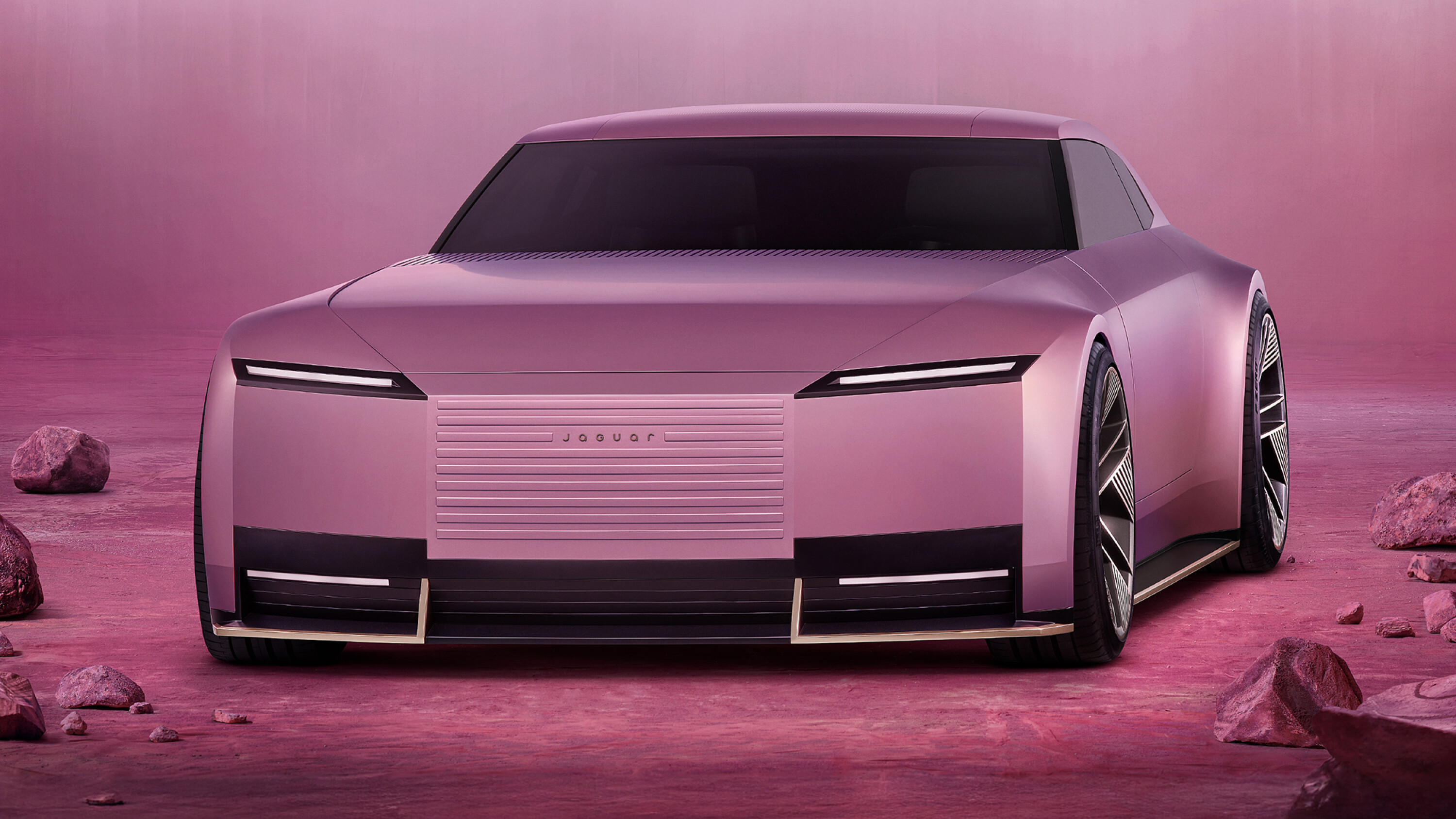
The Jaguar Type 00 Concept car (below) sparked one of Jaguar’s most controversial chapters when it was revealed in 2024.
Now Jaguar has announced how its all-electric new generation line-up will connect the brand’s historic past with its bold future.
The first production car to be based on the Type 00 will move away from the concept’s two-door form and morph into a four-door grand tourer, with a design that closely follows the styling themes established by its concept forebear.
And the name, similarly, won’t stray too far either.
Jaguar has announced that its first all-new product will be called the Type 01, with the ‘Type’ designation designed to link the new ultra-luxurious four-door to iconic cars from the brand’s past.
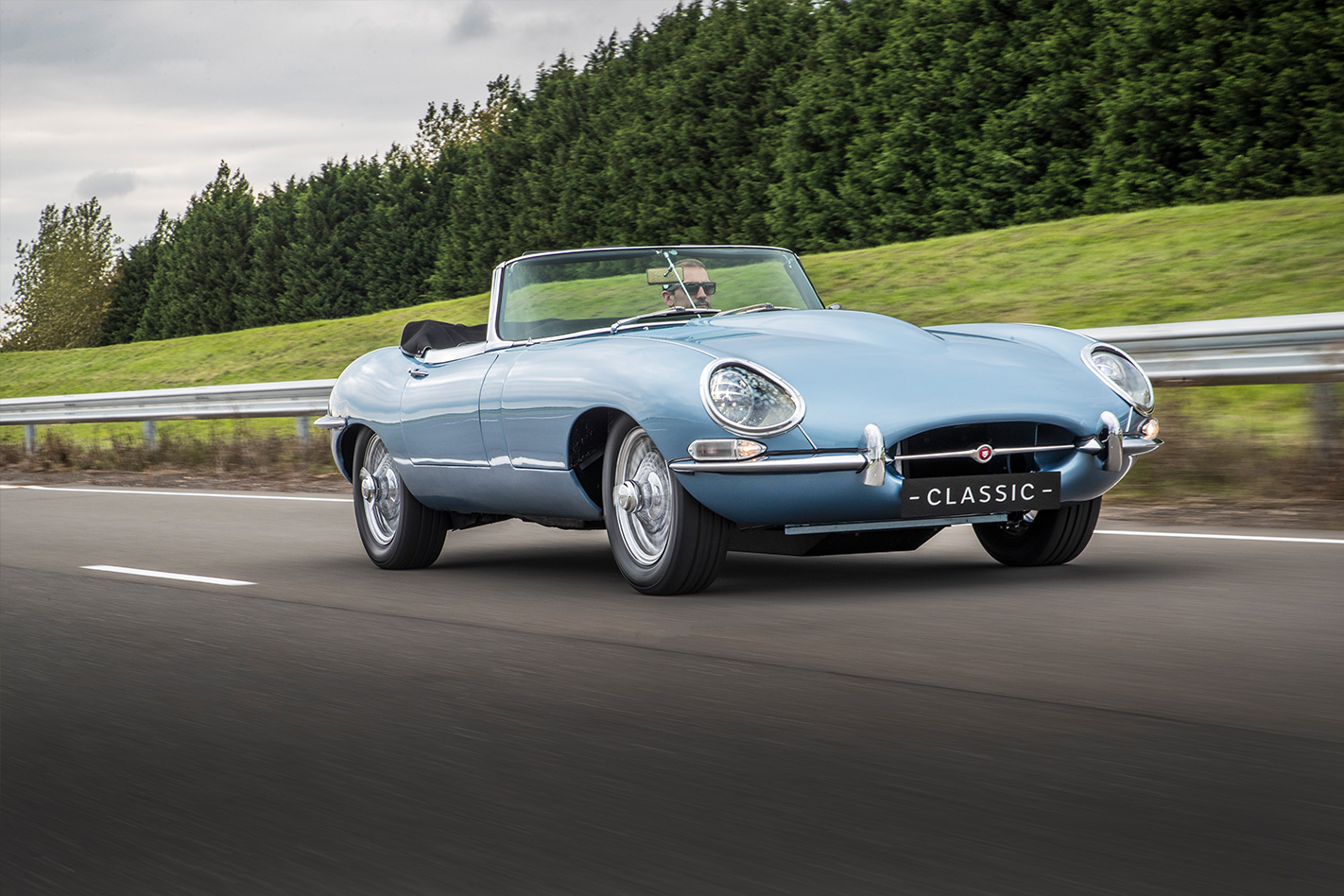
The first ‘type’ car was the C-Type racer produced from 1951 to 1953, a competition version of the XK120 sports car. From there, Jaguar followed up with the D-Type racer as its successor, and the highly recognisable E-Type coupe and convertible (below).
While Jaguar’s aim is to evoke its illustrious sports car history, the ‘Type’ designation has also adorned the S-Type sedan from 1963 to 1968 and was revived again from 1999 to 2008 on a modern S-Type four-door.
The smaller X-Type also wore the designation previously, but suffered by association to its Ford Mondeo-related platform and compact size. Most recently, the F-Type coupe and convertible saw the designation return to its sports car past.
For its use on the Type 01, Jaguar says the ‘Type’ designation “unites the brand’s history of innovation in design, technology and performance”. The ‘0’ denotes its zero-emission electric powertrain, while the ‘1’ refers to the car’s chronological appearance as the first of its kind in Jaguar’s latest line of products.
The move to a name based on order of introduction mirrors that of Polestar, which gives each car in its range a numerical designation based on its order of release. This is in contrast to a growing number of brands that use a higher numerical suffix to indicate status within a line-up.
The move could be a risky one in markets like China, where a lower number could be seen as the equivalent of an entry-level product, rather than the high-end positioning alongside Bentley and Rolls-Royce that Jaguar is aiming for.
The full reveal for the production version of the Jaguar Type 01 is set to take place later in 2026, with Jaguar set to preview the car in camouflage in Monaco for round 10 of the Formula E championship on May 16th and 17th.
The ongoing closure of the Straight of Hormuz could see production of new vehicles massively restricted. The pivotal shipping route sees around half of the world’s supply of sulphuric acid shipped from the Middle East, where it is produced as a byproduct of oil refining. Sulphuric acid is essential to extract battery-grade nickel from Indonesian ore.
Indonesia is one of the leading producers of battery-grade nickel, though Australia also contributes to the supply of metals like lithium and copper used in the production of EVs.
A report by Reuters has identified that, like fuel supply from the Middle East, the supply of other products from the region is starting to impact areas outside of the fossil fuel industry.
With the supply of sulphur slowing, the manufacturing of electric vehicle batteries is set to face delays at a time when interest in electric and plug-in hybrid vehicles is soaring as consumers look to offset rising fuel costs.
Commodity analysts Kpler report that sulphur shipped through the Straight of Hormuz has dropped from a monthly average of 1.27 million tonnes at the start of the Iran war conflict, to 180,000 tonnes in March and just 30,000 tonnes in April.
The price of sulphur has risen by 50 per cent, according to reports, with the higher cost impacting the price of metals like copper, nickel, and lithium, and contributing to shortages of those metals.
With electric vehicle batteries reliant on the supply of those metals, battery suppliers face output restrictions that could see car makers left short of stock, and facing higher production costs.
Demand for electrified vehicles is already rising in the short- to mid-term as a side-effect of rising petrol prices. Now, new car buyers could be faced with delays in a repeat of the waiting lists that stemmed from component shortages earlier this decade.
Materials shipped through the Straight of Hormuz could also run short for other industries which, alongside battery supply shortfalls, could also see other electronic components, computer chips, and associated hardware rise in cost as production output shrinks.
Helium supply, shipped from countries like Kuwait and Qatar and used for semiconductor production, is also at risk. With priority given to medical usage, slowing the output of electronic components.
An engine-building company owned in part by Geely and Renault has called for hybrid powertrains to be standardised.
The CEO of Horse Powertrain, a company spun off from the Renault Group and later joined by Geely but headquartered in the UK, has called for car brands to abandon individually developed hybrid systems and move to a standardised format.
“Does it make sense for OEMs to continue investing individually in things that are becoming standardised? I’d argue it doesn’t.” Horse Powertrain CEO, Matias Gianni, told attendees at the Future of the Car Summit in London.
“If you collaborate, you gain scale, you gain continuous innovation, and you can redirect all that capital into what truly differentiates your product: the user interface, automation, the things consumers actually care about.”
Horse Powertrain (product example displayed at 2026 Beijing Auto Show, main) was originally started as an engineering arm designed to specialise in combustion and hybrid engines at a time when electric vehicle propulsion systems were fast becoming a resource-intensive part of automaker budgets.
The eventual aim for the company was to sell powertrain systems to companies outside of the Geely and Renault groups, and become an engine supplier to smaller companies that may not have the engineering resources to develop their own combustion engines.
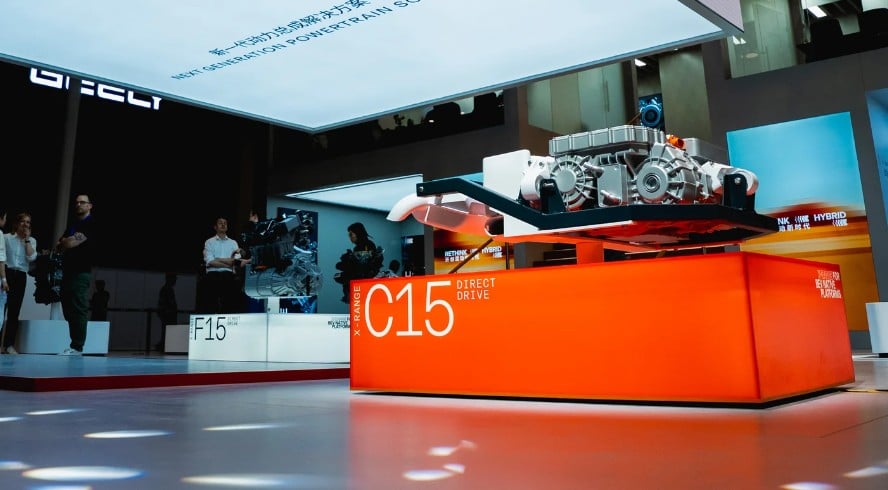
Gianni sees the standardisation of hybrid engines as a way for automakers to streamline operations and cut costs without sacrificing innovation or technology.
The idea has some merit, with more and more brands releasing engines with similar size and specifications, particularly in the Chinese market, where 1.5-litre plug-in hybrid and range-extender systems are increasingly common regardless of the brand, aligning with taxation rates that increase based on engine capacity.
Gianni emphasised the ability for car makers to cut costs through the use of a standard system, while remaining competitive. The move to a standardised powertrain system could also see supply costs monopolised and innovation stifled without a traditional competitive environment.
“OEMs historically have been used to doing everything themselves. That time is over.” Gianni warned. “If they’re going to make money again and bring competitive technology to market, they will have to collaborate.“
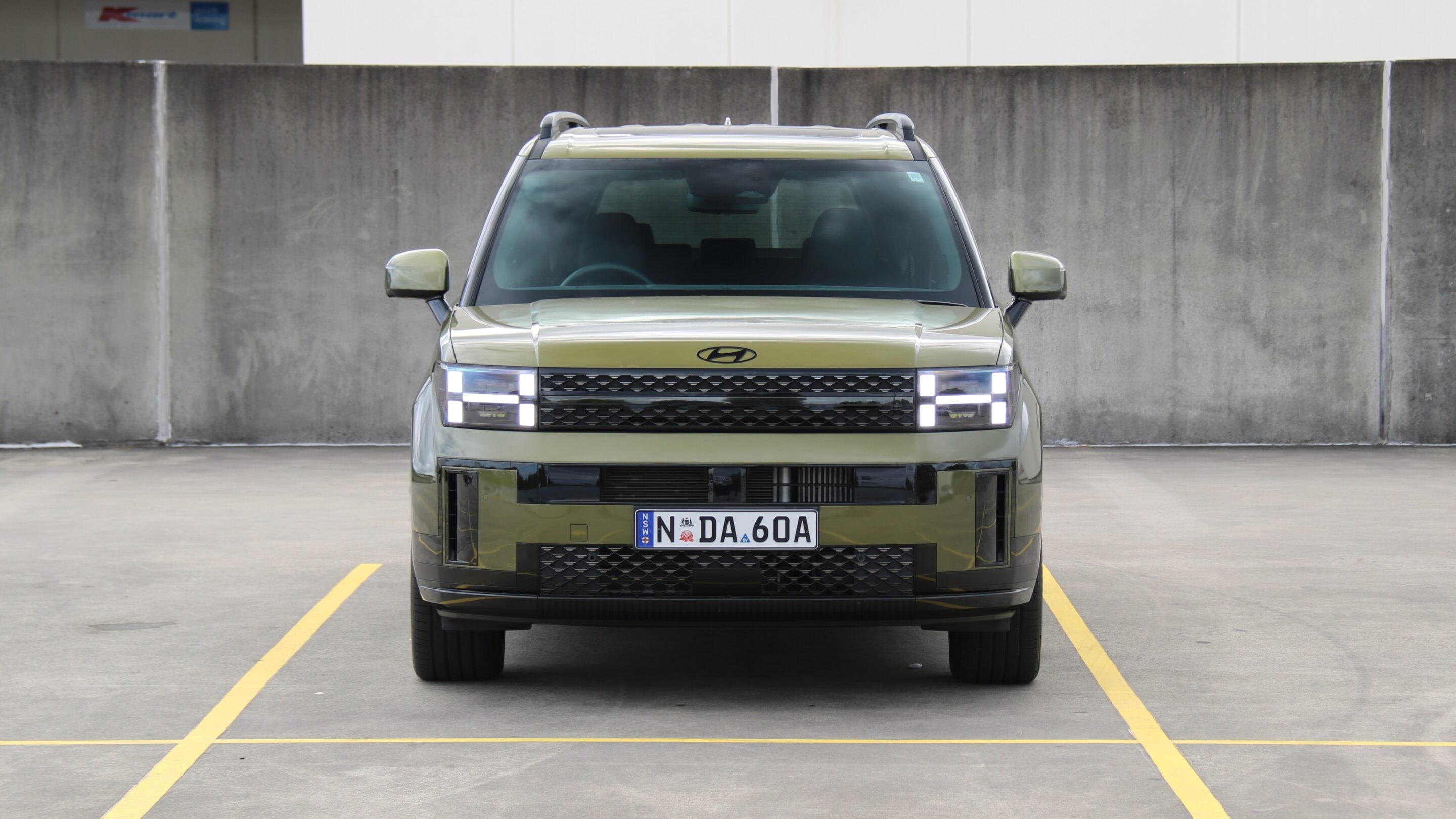
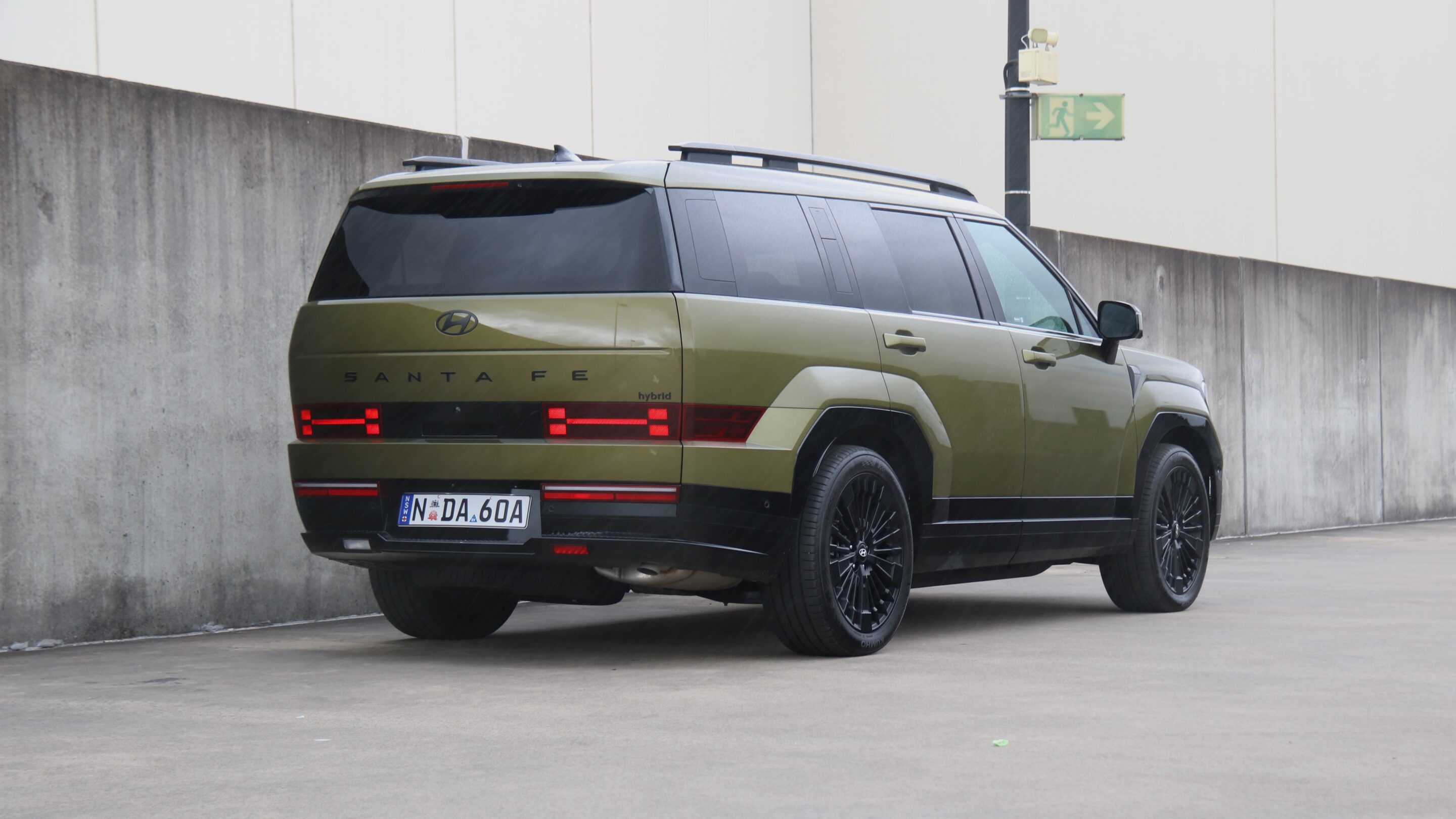
I can’t think of a car in recent memory that’s caused more stylistic controversy than the latest ‘MX5’ (that’s not a typo) generation of Hyundai Santa Fe. Upon its release, much both praise and hatred was thrown towards its design, with many online commenters – and they do tend to know everything – feeling that it was too boxy, or too ugly, or both. However, almost two years on from its local release, the Santa Fe is selling quite well sitting in third place in the large SUV under $80,000 segment. So have punters warmed to the styling, or is there more to this hybrid large SUV than meets the eye?
How much does the Santa Fe Calligraphy Hybrid cost to buy?
Prices for the Santa Fe range start at $54,000 plus on-road costs for the entry-level petrol, and $57,000 +ORC for the entry-level hybrid. Three models are available: base, mid-spec Elite and top-spec Calligraphy and our Calligraphy Hybrid test car sits at the top of the tree at $77,150 +ORC or currently $79,490 driveaway on a manufacturer special deal.
2026 Hyundai Santa Fe pricing (excluding on-road costs):
| Santa Fe petrol 2WD | $54,000 |
|---|---|
| Santa Fe Hybrid 2WD | $57,000 |
| Santa Fe petrol AWD | $57,650 |
| Santa Fe Hybrid AWD | $60,650 |
| Elite petrol AWD | $63,500 |
| Elite Hybrid AWD | $67,150 |
| Calligraphy petrol AWD | $73,500 |
| Calligraphy Hybrid AWD | $77,150 |
There are plenty of available hybrid competitors to the Santa Fe, including its twin-under-the-skin Kia Sorento, Mazda CX-80, Toyota Kluger and Peugeot 5008. In this company, the Santa Fe Calligraphy looks like good value for money. In particular against the Kluger, which is around $13,000 more expensive but less well equipped, less spacious and less premium-feeling inside.
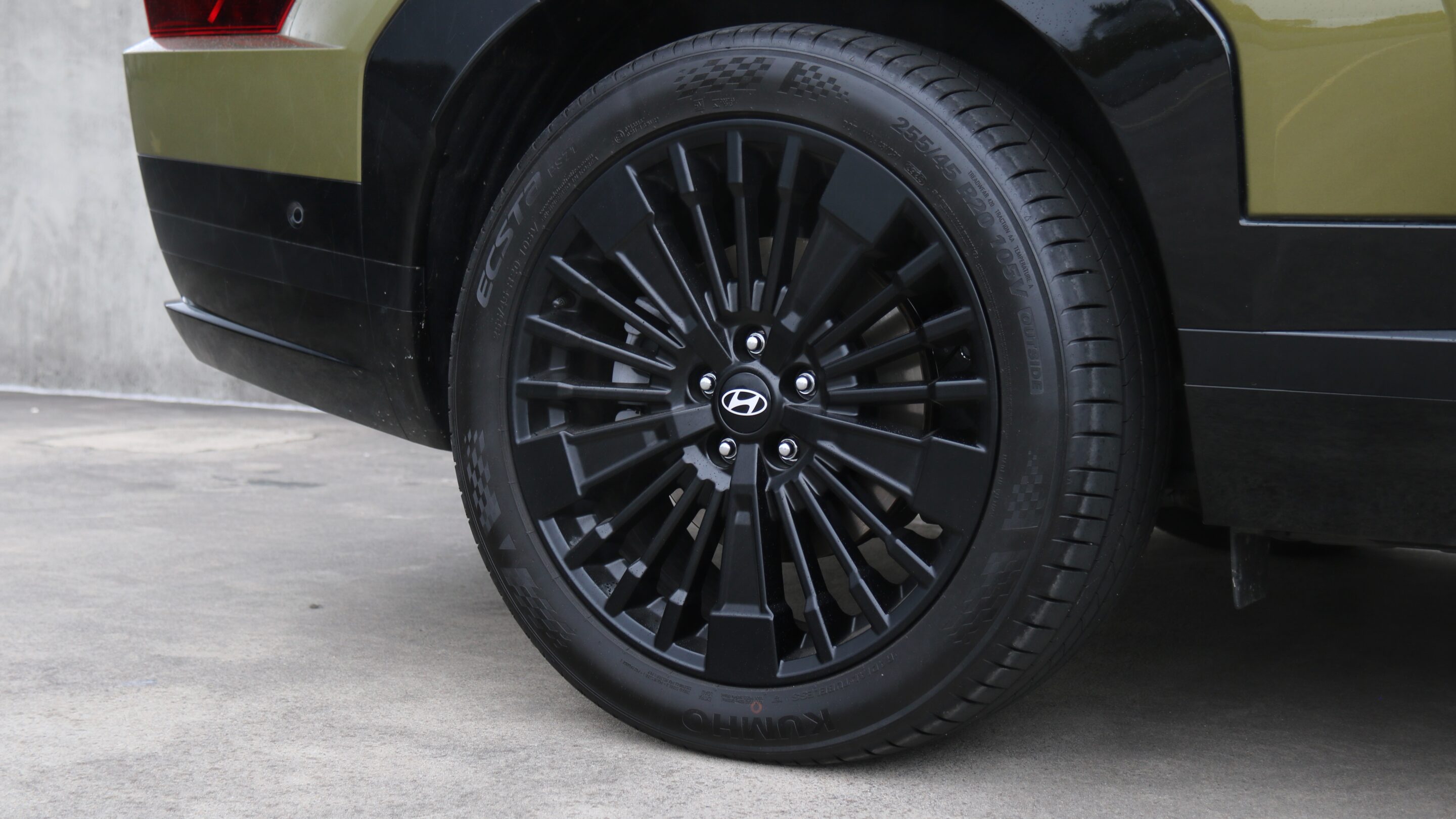
Standard features on the Calligraphy include 20-inch alloy wheels, LED lighting, Nappa leather upholstery, electrically adjustable and heated/ventilated front seats, dual 12.3-inch displays, Bose audio, dual wireless phone chargers and a full suite of active safety features, including 10 airbags, autonomous emergency braking with a ride range of monitoring, adaptive cruise control, adaptive lane guidance, blind-spot monitoring with cameras, safe exit assist, tyre pressure monitoring and a 360-degree camera.
How fuel efficient is the Santa Fe Calligraphy Hybrid?
Two drivetrains are available in the Australian Santa Fe range: either a 206kW/422Nm turbocharged 2.5-litre petrol engine, or a 172kW/367Nm turbocharged 1.6-litre hybrid. The hybrid uses a six-speed automatic transmission – which is rare for hybrids as they typically use CVT-like transmissions – and all-wheel drive is standard on both the Elite and Calligraphy trims.
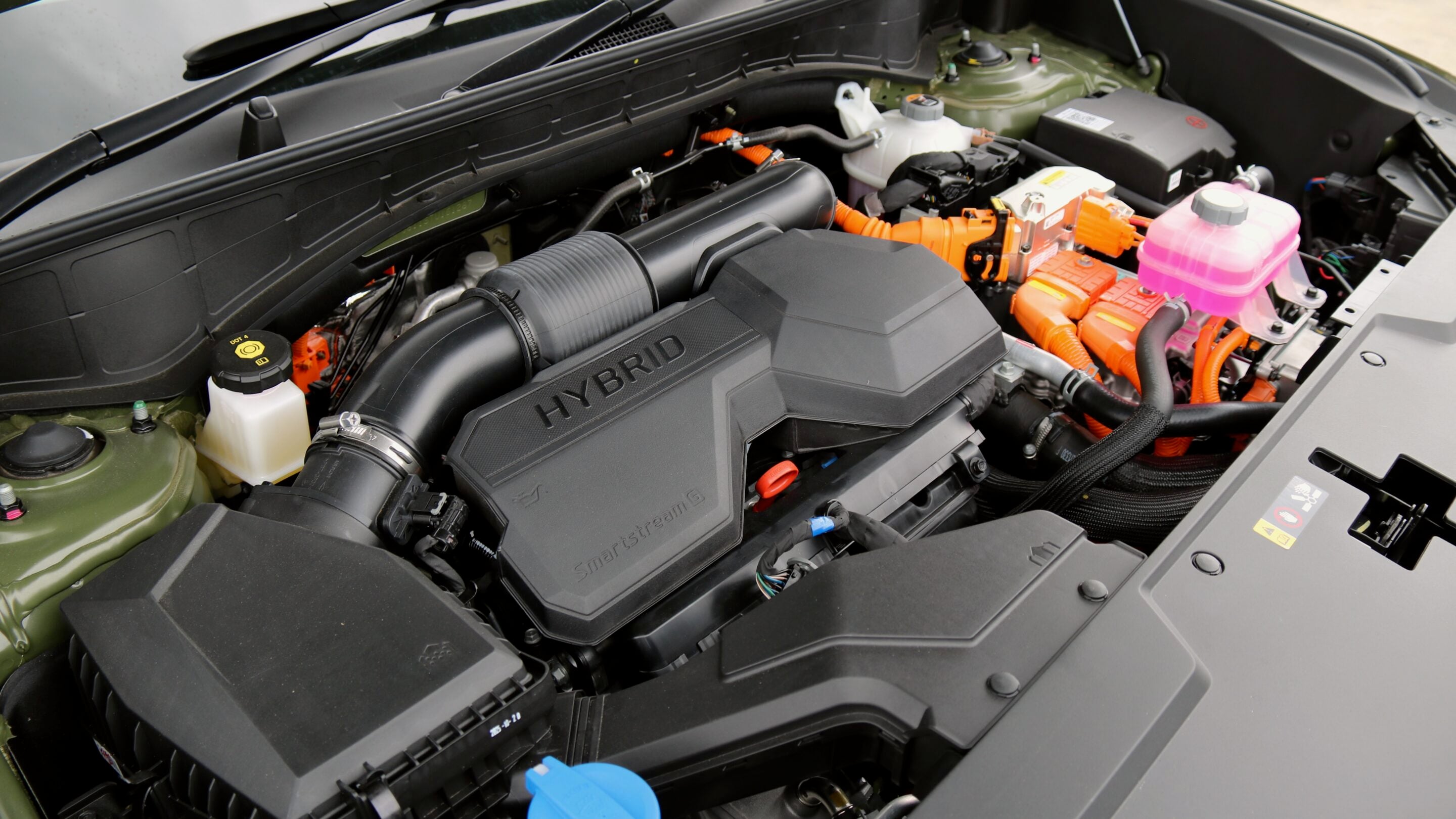
The hybrid Santa Fe is rated at 5.6L/100km on the combined cycle, with claimed CO2 emissions of 128g/km. In our testing, we achieved 6.8L/100km, though that was skewed towards highway driving where hybrids are typically less efficient. The Santa Fe Hybrid runs on 91 RON regular unleaded fuel, while it features a large 67-litre fuel tank.
Is the Santa Fe Calligraphy Hybrid good to drive?
As you’d expect for a modern day Hyundai product, the Santa Fe covers the driving bases well. It’s comfortable, easy to drive, reasonably refined and its active safety features are intuitively tuned with only the – easily defeatable – speed limit buzzer annoying. The adaptive lane guidance is particularly well tuned, actively assisting at highway speeds and reducing the load on long trips
Hyundai Australia doesn’t tune the ride and steering in its products like it used to – and like sibling Kia still does – so that the Santa Fe’s ride quality isn’t quite as good as the previous model. It feels heavy, which the previous model didn’t, and the Calligraphy on its 20-inch wheels never feels truly settled in urban driving.
The Santa Fe is definitely still more comfortable than the too-firm CX-80, but a Kluger is more settled in a wider range of driving. On the handling front, the Santa Fe is a more composed handler than the Kluger, with a composed chassis and linear steering that weights up nicely in sport mode. There is a wide range of both regenerative braking settings and drive modes to better tailor the driving experience to a driver’s taste as well.
Hyundai is more than capable of making a good hybrid system, and the Santa Fe’s is a good example of that. It’s refined with switching between electric and petrol power, and the electric power is easy to keep on at lower speeds with a light foot. While Hyundai claims punchy 172kW/367Nm total outputs, the Santa Fe Hybrid doesn’t feel quite that powerful in real life and while an official 0-100km/h time isn’t claimed, quick research suggests that it will complete the sprint in around 9-10 seconds. It’s quick compared to the 107kW Peugeot, but some rivals like the six-cylinder CX-80 feel faster.
How luxurious is the Santa Fe Calligraphy Hybrid?
With the drastic change in exterior styling of the Santa Fe brought an equally large change inside, one that is still as successful today as it was when it was first released. There was nothing wrong with the previous model, but the current Santa Fe’s cabin is one of the best on the market thanks to its excellent design and practicality. While some may dislike the current model’s boxy styling, there’s no denying that it’s now far more practical than before.
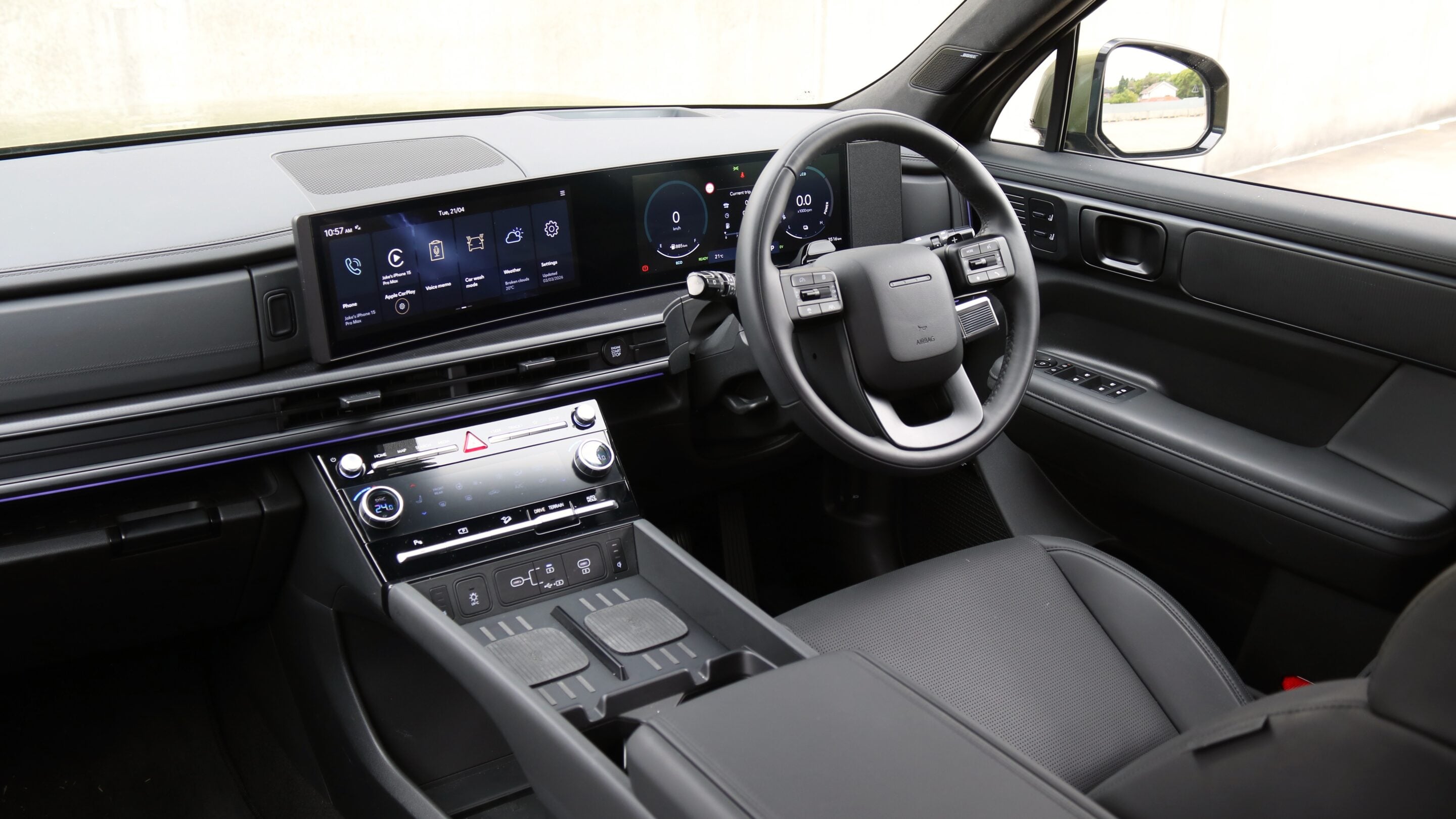
Where we think there is room for improvement is in the quality. The Nappa leather trim is rich and high quality, and feels like it will age well, while the padded and stitched materials on the door tops and upper dashboard also feel good. But some of the plastics used around the cabin do not feel like more than $80,000 once on-roads are included in the price, like the hard centre console plastics. An extra layer of finishing on some parts of the Calligraphy’s cabin would certainly add to its overall appeal.
Where the Santa Fe claws back points is with its in-car storage, which is best in class. The huge open centre console tray – which includes dual wireless phone chargers – also includes large cup holders, while a large second tray lies underneath. The box underneath the central arm rest is large, as are the door pockets and there’s even a second glovebox. Compared with the Mazda CX-80, the Santa Fe’s in-car storage is plentiful.
Hyundai’s current ‘CCnC’ infotainment software is projected through a crisp and bright 12.3-inch touchscreen that’s breathtakingly easy to use and loaded with features like live services, sat-nav, wireless smartphone mirroring and DAB+ digital radio. The Elite and Calligraphy models feature a 12-speaker Bose sound system, which is reasonably punchy.
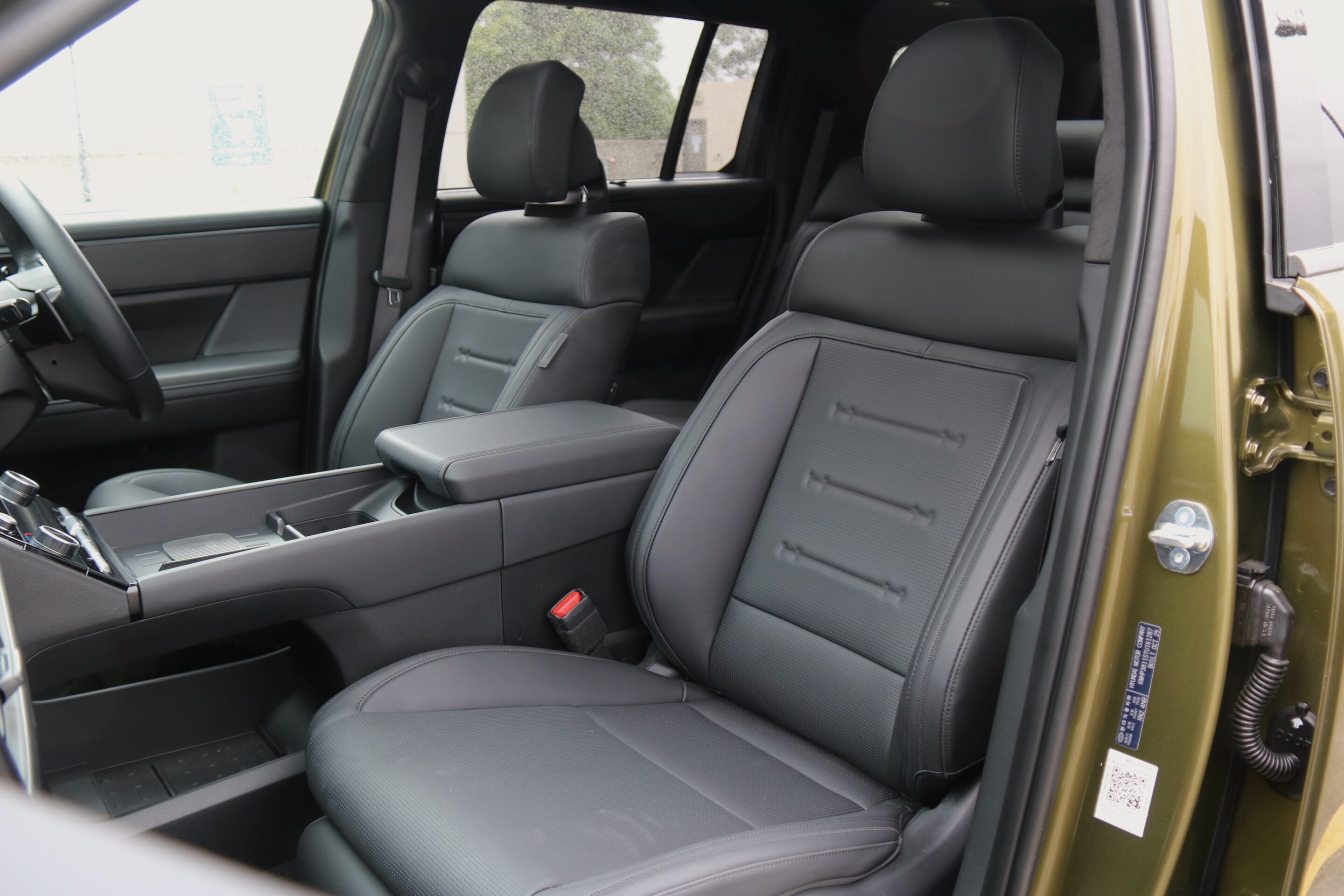
Space in the second row of the Santa Fe is plentiful, even for taller adults with ample Leg- and headroom. The expansive second sunroof adds extra light and airiness, while amenities include a central armrest, bottle holders in the doors, two USB-C ports, air vents in the B pillar and even a large tray in the centre console. There are two ISOFIX points for child seats, as well as three top tether points.
Access to the third row is relatively easy, with the second row titling and sliding forward and once back there, headroom is great for a third row and legroom is fine too. There’s a fan speed controller, air vents, cup holders and two USB-C charging ports, plus both seats feature ISOFIX points, the latter of which is still rare in the industry.
What warranty covers the Santa Fe Calligraphy Hybrid?
The Santa Fe is covered by a five-year/unlimited km warranty, which can be extended up to seven years in total when serviced at a Hyundai dealership. The hybrid battery boasts separate eight-year/160,000km warranty coverage, which is pretty standard for the industry.
The Santa Fe requires servicing once annually or every 15,000km – whichever comes first – and five years/75,000km of servicing it costs a reasonable $2627 or $525 per year.
Should I buy a Hyundai Santa Fe Calligraphy Hybrid?
Overall, there’s quite a lot to recommend about the Hyundai Santa Fe Calligraphy Hybrid. It excels as a large family SUV, from its huge cabin space and plentiful storage to its comfortable seating, there is plentiful space for seven occupants – or six, if you choose the optional six-seat layout. It’s absolutely loaded with equipment, it’s thrifty in real life and covered by a solid warranty program.
Counting against the Santa Fe is that it doesn’t feel quick in real life, some parts of the cabin materials could be higher quality – it’s over $80,000 including on-road costs, after all – and its low speed ride quality could be improved. But aside from those potential issues, it’s clear why the Santa Fe is so popular in Australia and its strong attributes make it easy to get over potential styling hesitations.
Santa Fe specifications:
| Model | Hyundai Santa Fe Calligraphy Hybrid AWD |
|---|---|
| Price | $77,150 plus on-road costs |
| Drivetrain | 1598cc turbocharged DOHC four-cylinder hybrid, 1.49kWh lithium-ion battery |
| Engine outputs | 132kW/265Nm |
| Electric motor outputs | 47.7kW/264Nm |
| Peak combined power | 172kW @ 5600rpm |
| Peak combined torque | 367Nm @ 1000rpm – 4100rpm |
| 0-100km/h | 9-10 seconds (est.) |
| Transmission | Six-speed automatic, all-wheel drive |
| Combined fuel consumption | 5.6L/100km |
| Combined CO2 emissions | 128g/km |
| Fuel type/tank size | 91RON regular unleaded, 67 litres |
| Dimensions (l/w/h/wb) | 4830/1900/1770/2815mm |
| Boot capacity | 628 litres (all rows up), 1949 litres (second + third rows folded) |
| Kerb weight | 1990kg |
| Warranty | Five-year/unlimited km (extendable to seven years in total with dealer servicing) |
| Five-year/75,000km service cost | $2627 ($525 per year) |
| On sale | Now |
Santa Fe Calligraphy Hybrid standard features:
- 20-inch alloy wheels (with a full-size alloy spare wheel)
- Dusk-sensing automatic LED exterior lighting
- Front and rear LED daytime running lights
- LED rear fog light
- Rain-sensing automatic wipers
- Keyless entry with push button start, remote start and remote smart parking
- Roof rails
- Dual sunroofs
- Electric tailgate with easy open functionality
- Exterior mirrors with heating, auto-folding and auto-dropping in reverse
- Rear privacy glass
- Nappa leather upholstery
- Suede headliner
- 14-way driver/10-way front passenger electric seat adjustment
- Heated and ventilated front seats
- Heated leather-wrapped steering wheel with paddle shifters
- Heated outboard middle row seats
- Dual-zone automatic climate control with rear fan speed controller
- Head-up display
- Bluelink live services with over-the-air updates
- 12.3-inch digital driver’s display
- 12.3-inch touchscreen
- Satellite navigation with live traffic
- Wireless Apple CarPlay and Android Auto
- AM/FM/DAB+ digital radio
- Bluetooth calling and audio streaming
- 12-speaker Bose sound system
- 6x USB-C chargers
- 2x wireless phone chargers
- UV steriliser tray
- Interior ambient lighting
- 10x airbags
- Autonomous emergency braking (AEB) with pedestrian, cyclist and intersection assistance
- Lane keeping assistance with adaptive lane guidance
- Adaptive cruise control with stop and go functionality
- Blind-spot monitoring with rear cross-traffic alert (with braking)
- Blind-spot camera
- Safe exit assist
- Automatic rear braking
- Driver attention alert
- Auto high beam
- 360-degree camera
- Front, side and rear parking sensors
- Tyre pressure monitoring
- Anti-theft alarm
- Various drive modes such as eco, sport, snow and sand
When you’re afflicted with the passion that is the ownership of old cars, two specific types of people become vital members of your inner sanctum. Mechanics and owners of tyre shops. Unbeknownst to them, it’s very much a one-way street, where us mere mortals rely on their expertise, knowledge, specialist tools and workshop space to keep our old piles safely on the road. If you’re smart, the two aren’t too far apart from each other, either.
I have a ‘good mate’ who owns a tyre shop. His shop is a large and successful one and one of the brand names you would know well. I’ll respect his anonymity here, but a conversation he and I have had many times over the years rings in my ears. The two questions he hears more often than anything else are, “What’s the cheapest tyre you’ve got for my car?” and, “Is there a cheaper tyre than what’s on it now?”
Now, as someone who usually puts the most expensive tyre he can find on the least deserving car, I find the above thought process staggering.
I really do. The four contact patches of rubber are the only thing between you and your passengers inside the cabin and the surface underneath you. And yet, the main consideration for so many is how cheaply they can get away with it, rather than the safest way of doing so.
Only recently, at that same tyre shop, I watched a Porsche Macan owner try to argue that his nearly bald, eight-year-old tyres definitely didn’t need to be replaced. “Just do the one that’s damaged from the pothole,” he said. He eventually gave in once the customer service guru showed him the date stamping and decoded it, and he thankfully opted for a quality brand name tyre.
All of the above, is why I’m looking forward to exploring the new Bridgestone Potenza Adrenalin RE005 we’re taking a look at this month in Wheels. I’ve had Bridgestone Potenza tyres on my cars over the years, but I’ve never pushed them the way we’ll be pushing them at the Norwell test facility in Queensland. It’s one thing to claim your tyres are capable of certain performance criteria. It’s another to illustrate that they are.
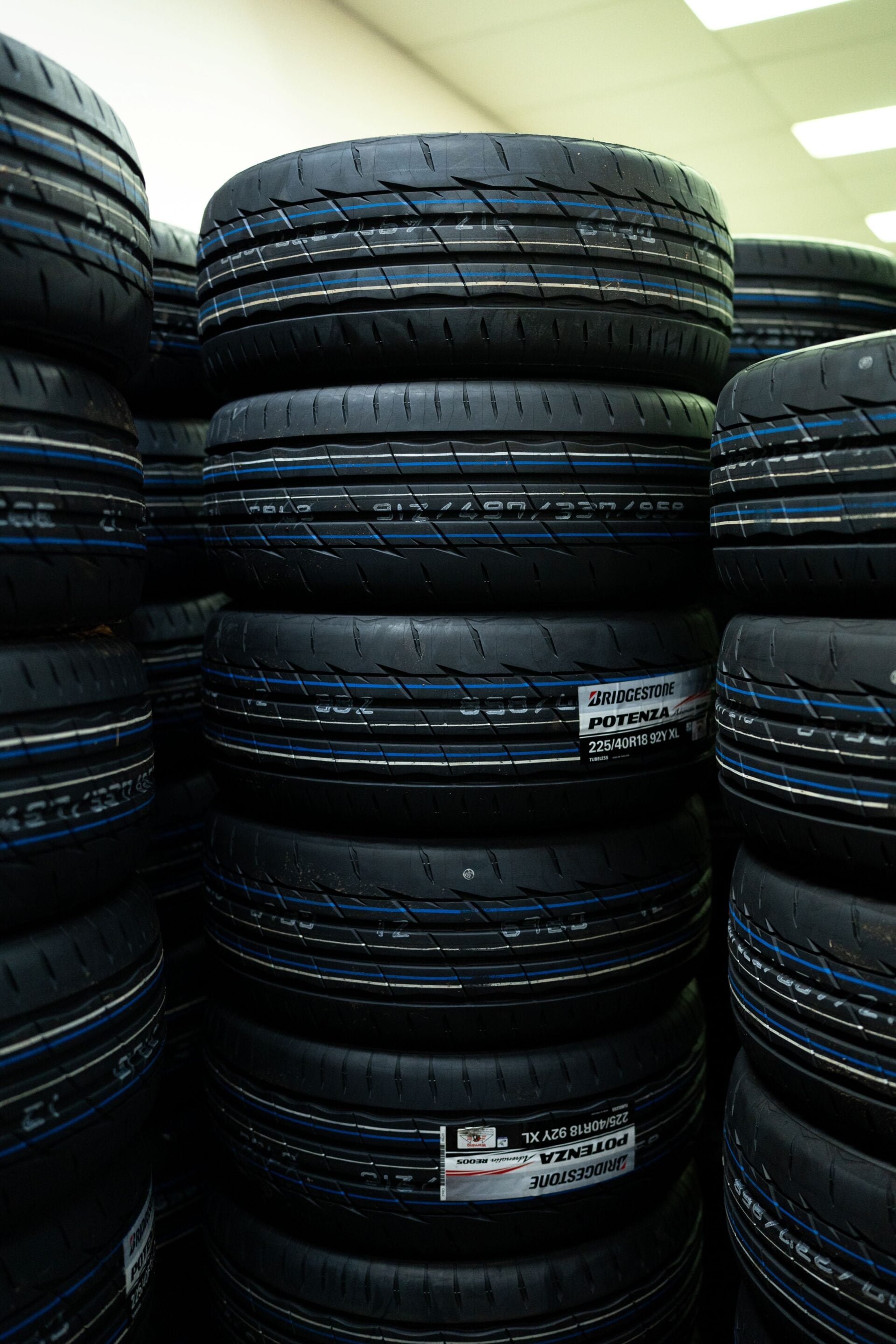
First up, the type of car you own is less important than the fact that you love driving it. In most cases, you’d be fitting this type of tyre to a performance sedan, a hot hatch, or a sports car, but there’s no reason you shouldn’t look to enhance the handling, driving engagement, braking capability, and all-round confidence of any car you’re driving.
Keep in mind, too, that tyre manufacturing isn’t what it used to be. Bridgestone told Wheels that environmental concerns – not just in the manufacturing process, but also in regard to tyre wear and life – are a reality of modern manufacturing, demanded not just by the customer who might want a more environmentally friendly tyre, but also by the company looking to do its bit for the environment.
“The customer might want the ultimate touring product, but one that features a certain amount of recycled product and lower embedded carbon emissions,” Jo Hayes, Bridgestone’s head of corporate affairs, said. “As such we use as many recycled or renewable materials as we can.”
What stopped me in my tracks is the depth of development. We’re accustomed to the numbers that vehicle manufacturers quote for research and development, but the cost of entry at the high end of tyre design is just as eye-watering. Bridgestone invests more than $1 billion annually into research and development. Bridgestone is also, of course, the approved OEM supplier for many of the biggest automotive manufacturers in the world.
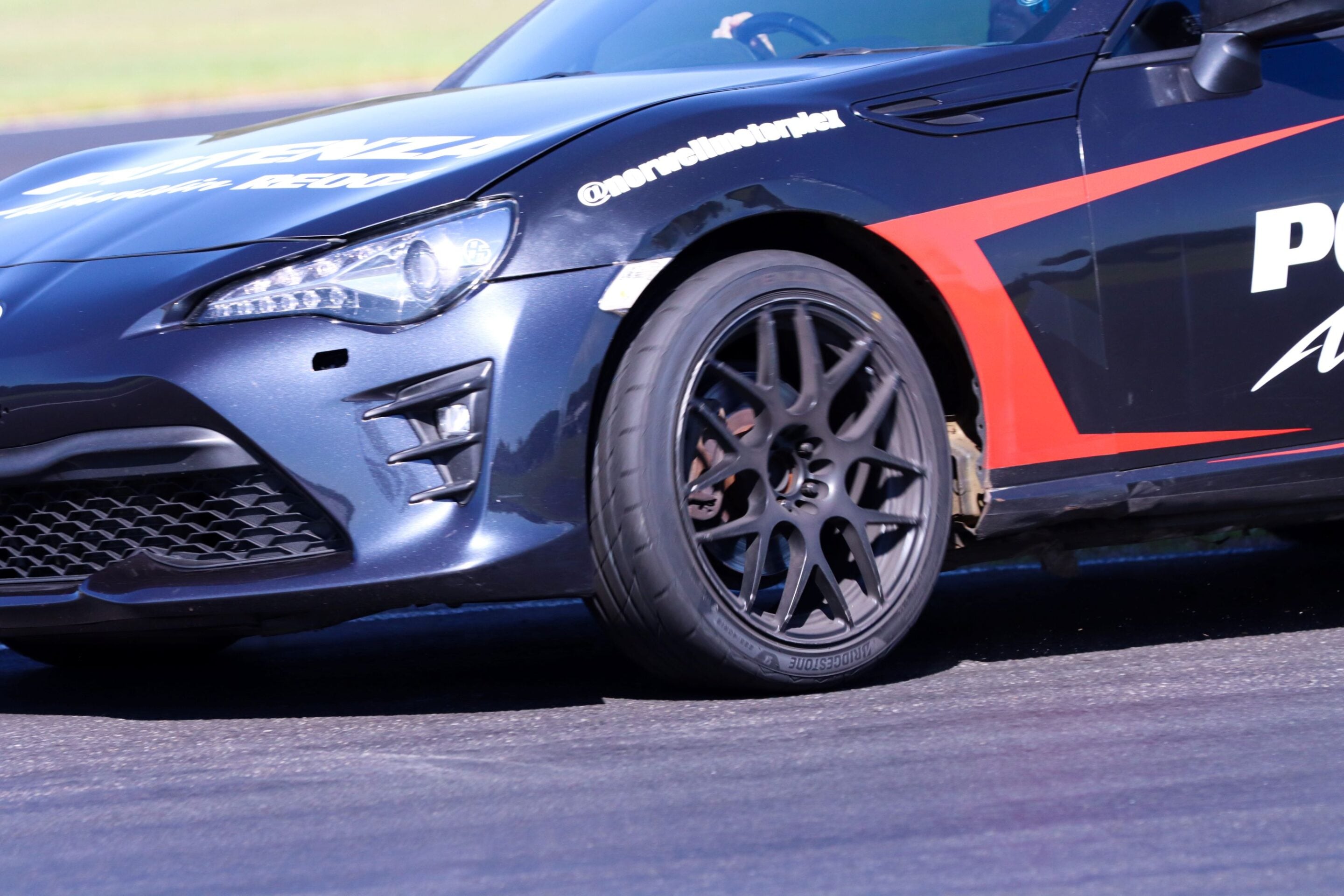
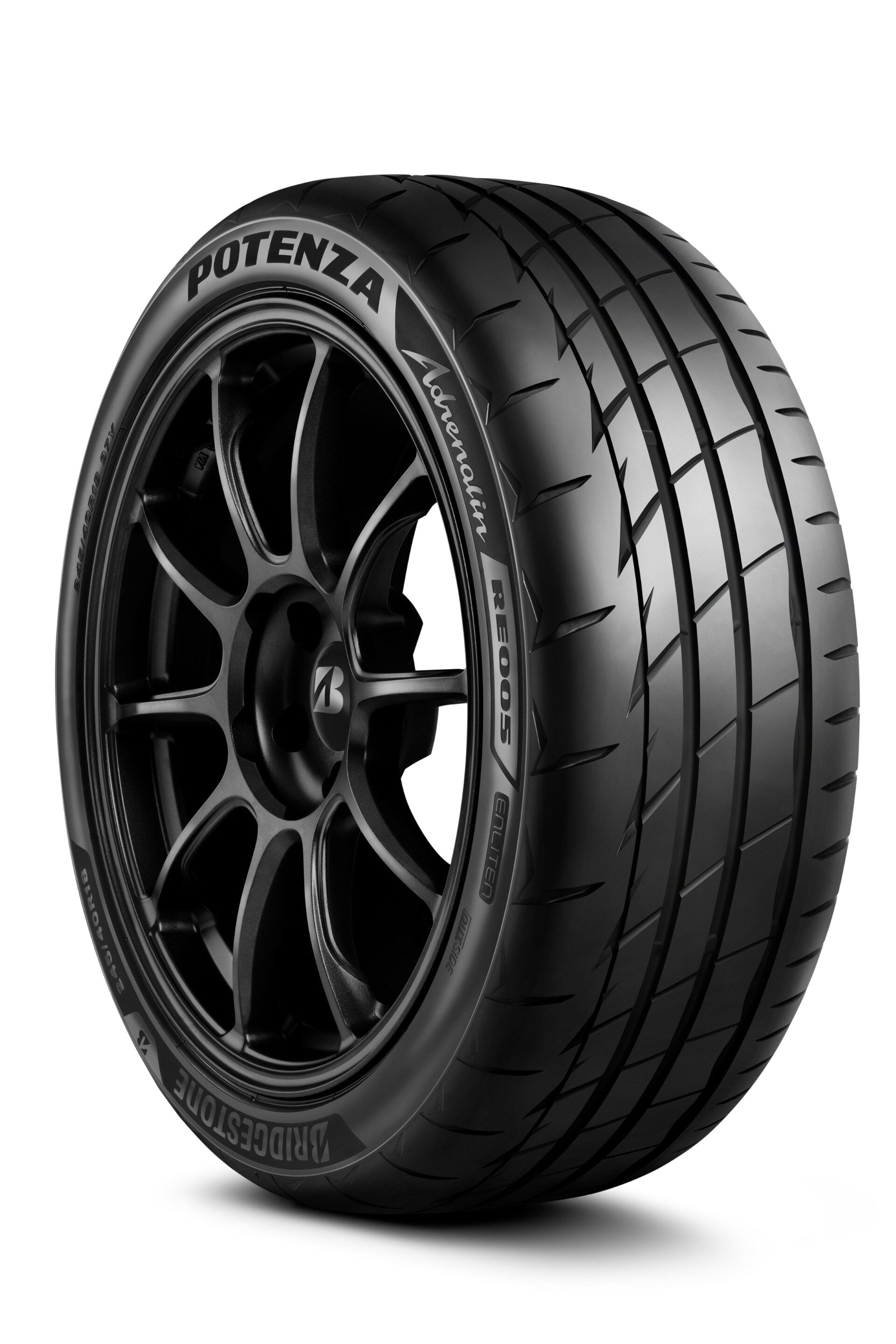
More than 50 sizes of the new RE005 will be available between 15- and 20-inch rims sizes, with the successor to the RE003 available for a broad array of vehicles.
Bridgestone’s own testing against the RE003 showed that the new RE005 delivered superior wet lateral g-force capability in corners, as well as faster wet and dry lap times. RE005 is seven per cent better in dry braking, and 12 per cent better in wet braking tests, with four per cent improvement to tyre life compared to the RE003. The brand’s own research also indicated that key to owners was strong wet weather performance, not just high speed grip.
Bridgestone says the combination of wet and dry performance makes the RE005 ideal for those of us who love driving. The available contact patch has been maximised, the centre of the tyre designed to deliver precise steering response, and the outer tread area reinforced for more stability under load during cornering.
For the test day, we’re behind the wheel of Toyota 86 and BMW 2 Series road cars, set up as they would be on the road. Some of the testing – like the slalom and wet skid pan – will be back-to-back with another respected tyre brand, and the final, full track run will show us how the RE005 handles higher speeds.
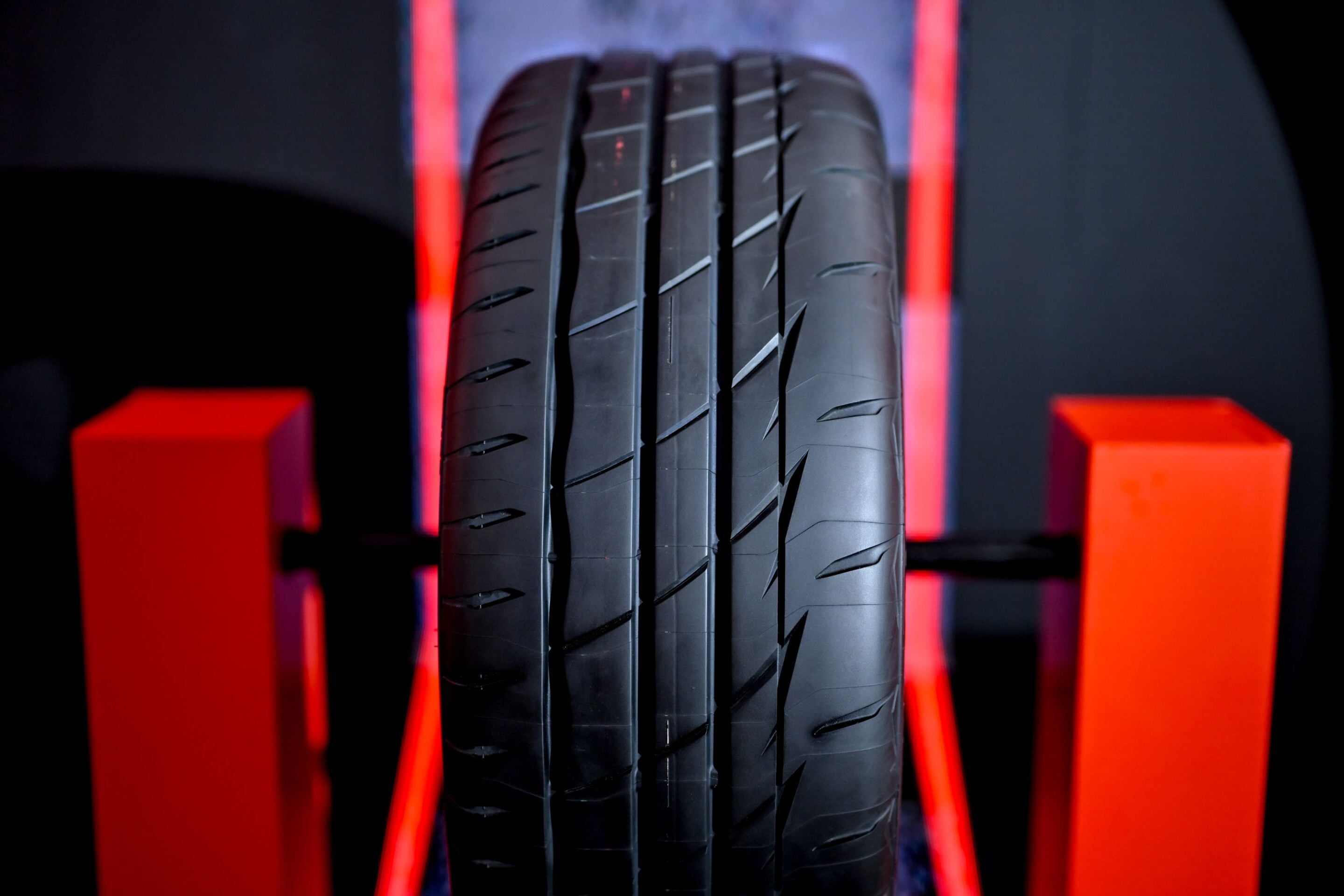
Crucial to the development of the RE005 is improved rolling resistance, which results in improved fuel use for an ICE car, and less energy consumption for an EV.
“The end result is the right balance of performance and everyday durability,” Heath Barclay, Managing Director of Bridgestone Australia/NZ, told Wheels.
Our first back-to-back slalom run provides an immediate illustration of how the RE005 changes the way you not only approach a corner, but the way the 86 behaves, especially mid-corner, when the tyre is at its most loaded at the outer edge. Where the competitor tyre starts to feel skatey and that the subsequent loss of grip is going to push the 86 wide, the RE005 keeps turning in, the edge grip ensuring you can push through the corner faster than you thought possible. The stopwatch might tell the story, but even the age-old seat of the pants sensors pick up the difference.
Even though the 86 is inherently beautifully balanced, the extra grip provided by the RE005 means you can push it harder, brake later, turn in sharper and carry more speed through the corner, all without the tyre even making a squeal in protest. It’s impressive stuff, more so given the reality that these are not ridiculously expensive tyres. The entry-point to the range is $228 per tyre for a 15-inch, and even the most expensive 19-inch tyre is $600.
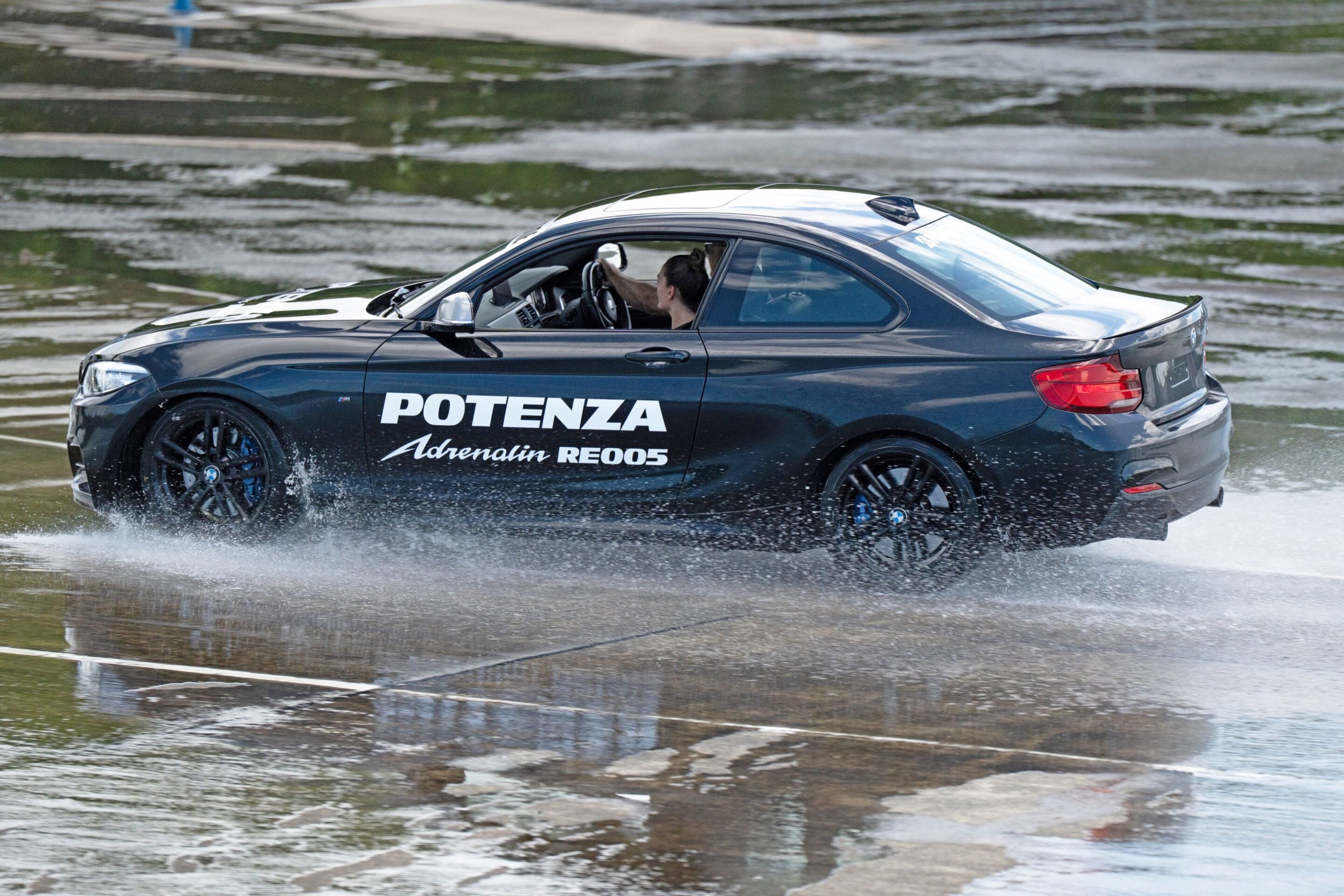
The wet skid pan – driven in a 2 Series BMW – is a further extension of the RE005’s capabilities. You’ll wash speed off way before the tyres start to lose grip, such is the surety it provides as your confidence builds.
Most surprising to me, was how sharp the front end remained on the wet surface, meaning you could point the BMW where you wanted to go and it stayed on that line. Taking curves much faster than you would in any regular on-road driving situation when the road is wet, the RE005s kept gripping into the wet surface. Confidence is key according to Bridgestone, and the RE005 delivers that in spades, even on a drenched, concrete surface.
On the long track, back behind the wheel of the Toyota 86, the RE005 once again shows the smarts of a street tyre that has been developed with racetrack nous. The grip level at speed is excellent, whether under acceleration or braking, and there are no heart-in-the-mouth moments, even when you deliberately try to unsettle the car to find out how it will react.
The new Bridgestone Potenza Adrenalin RE005 is an impressive tyre. Wet or dry, at traffic speeds or beyond, it delivers confidence and grip, and allows the car to do what it’s best at. If you’re a semi-regular club level track day attendee, this is a tyre you should look at. However, even if you just love driving, you should be thinking about treating your car to the tyres it deserves. Further, with cost often used as a barrier to entry, Bridgestone’s sharp pricing mounts a compelling case.
Electric vehicle owners and buyers remain a major focus of the 2026 Federal Budget, but the latest measures signal the Albanese Government is beginning to shift from aggressive EV incentives toward a longer-term transition strategy.
The biggest change affects the Fringe Benefits Tax exemption for electric vehicles purchased through novated leases – one of the most significant incentives driving EV adoption in Australia over the past four years. Introduced in 2022, the exemption allowed eligible EVs to be salary packaged without attracting FBT, dramatically reducing running costs for many buyers. Industry estimates suggested the policy helped put more than 100,000 EVs on Australian roads.
Under the Budget changes, the concession will gradually be wound back from April 2027. Premium EVs priced above $75,000 will first lose part of the exemption before the changes progressively expand to cover all EVs by 2029. The government expects the move to recover about $1.9 billion over five years as pressure mounts on federal revenues following temporary cuts to fuel excise.
For drivers considering an EV purchase, the current rules remain in place for now, meaning eligible battery-electric and hydrogen-powered vehicles obtained through novated leasing still qualify for full FBT exemption until the phase-out begins. Plug-in hybrids, however, already lost eligibility in April 2025.
At the same time, the government committed new funding to charging infrastructure, particularly outside metropolitan areas. The Budget includes $40 million over four years for regional and kerbside EV charging projects, aimed at improving charging access for apartment residents, regional communities and motorists travelling longer distances. Australia Post will also receive $40.5 million to support electrification of its delivery fleet.
The government also stopped short of introducing a national road-user charge for EVs, despite growing debate around how Australia will eventually replace declining fuel excise revenue as petrol and diesel consumption falls. While several states had previously explored EV-specific distance charges, legal and constitutional concerns have effectively halted those efforts for now.
For conventional motorists, the Budget delivered more immediate hip-pocket relief through a temporary halving of fuel excise, part of a broader fuel security package introduced amid rising global oil prices and Middle East instability.
Taken together, the Budget suggests Australia’s EV transition is entering a new phase: less reliant on generous purchase incentives, but increasingly focused on infrastructure, long-term taxation reform and broader mainstream adoption.
Toyota has warned that escalating US tariffs and rising global costs are set to inflict billions of dollars in losses on the world’s largest carmaker, with the company forecasting one of the sharpest profit declines in recent years.
The Japanese manufacturer says its North American operations have effectively slipped into the red after the combined impact of import tariffs, rising material costs and currency pressures erased regional earnings during the 2025-26 financial year.
Toyota reported operating profit of 3.77 trillion yen (about A$39 billion) for the year ending March 2026, down 21.5 per cent from the previous year, despite global vehicle sales rising 2.5 per cent to almost 9.6 million units. Revenue climbed 5.5 per cent to a record 50.7 trillion yen (approximately A$524 billion), but higher costs and trade disruption severely affected margins.
North America was one of Toyota’s strongest markets for vehicle sales, yet it became one of the company’s biggest financial weak points. Operating results in the region swung from a 108.8 billion yen (approximately A$1.1 billion) profit to a 192.5 billion yen loss (approximately A$2.0 billion) over the past financial year.
The company said US tariffs were the single largest factor affecting earnings, with Toyota estimating an additional 670 billion yen (approximately A$6.9 billion) hit to profits in the next financial year alone. Earlier estimates suggested tariffs imposed by the Trump administration had already cost the carmaker about US$1.3 billion in just two months.
Toyota now expects operating profit to fall again in the year ending March 2027, dropping to around 3 trillion yen (approximately A$31 billion) – roughly 20 per cent lower than current results.
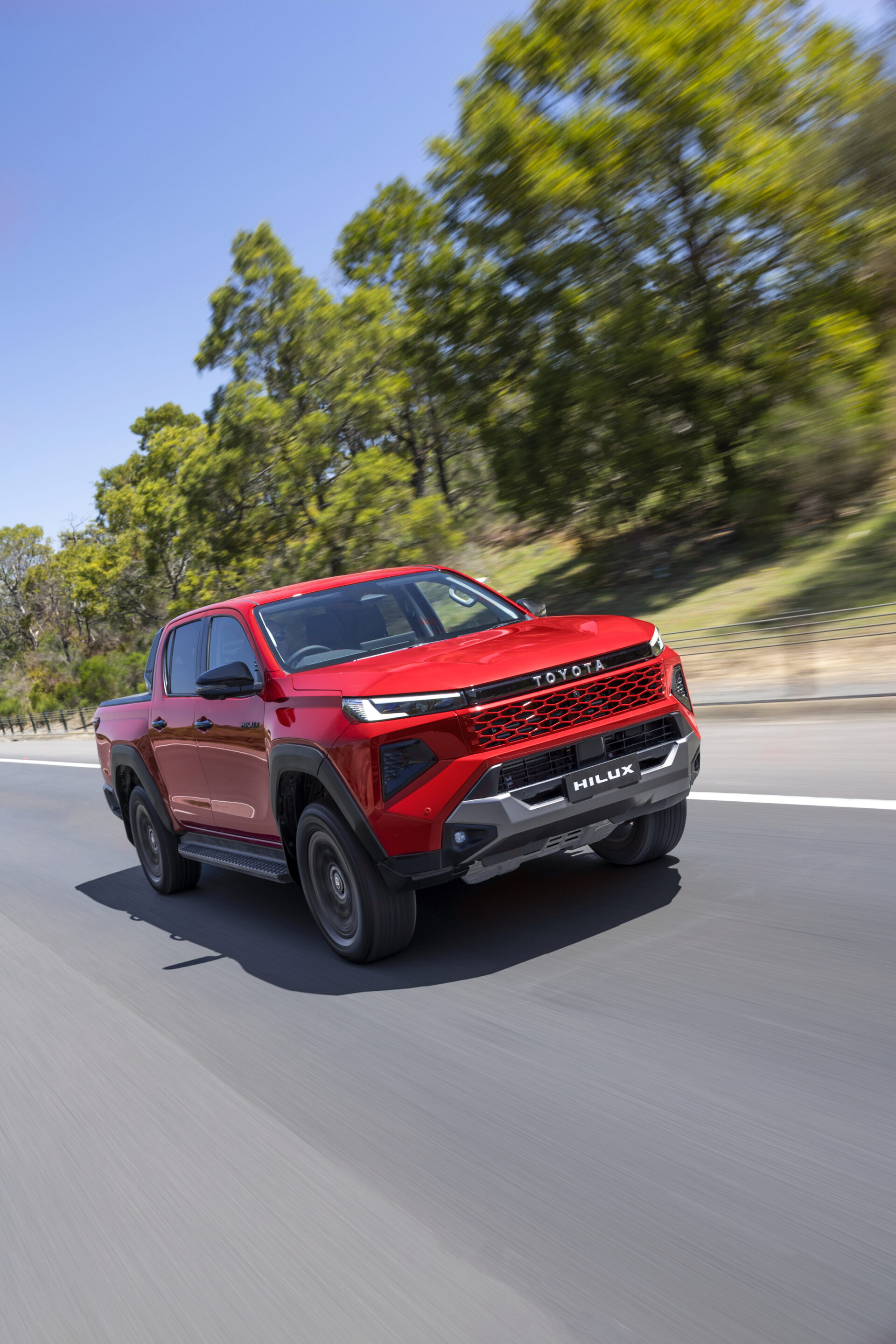
Despite the global pressure, Toyota is expected to remain in a strong position in Australia during 2026, helped by the arrival of the new-generation RAV4 and updated HiLux. The RAV4 returned to the top of the Australian sales charts in April 2026 VFACTS data, reclaiming its position as the country’s best-selling vehicle with 3729 deliveries for the month. Toyota is also banking on renewed momentum for the HiLux as the long-running ute prepares for a major update amid intensifying competition from Ford, BYD and a growing wave of Chinese rivals.
The company also pointed to broader geopolitical instability, including conflict in the Middle East and disruption to shipping routes, as adding further pressure to supply chains and material costs. Toyota disclosed a 400 billion yen increase approximately (A$4.1 billion) in material expenses linked to Middle East tensions, while weaker sales volumes in some regions compounded the problem.
Despite the financial headwinds, Toyota continues to benefit from strong global demand for hybrid vehicles, which now account for nearly half of its worldwide sales. The company has largely resisted a full-scale shift to battery-electric vehicles, instead continuing to focus heavily on hybrid drivetrains as a transitional technology.
Toyota executives say the rapidly changing tariff environment makes long-term planning difficult, particularly in the United States – one of the company’s most important markets. The company is now considering expanding localised manufacturing and product development in America as it attempts to reduce future exposure to import duties and political uncertainty.
