
Cayenne might have brought sports car DNA to an SUV back at its 2002 inception, but it’s the fledgling Macan – smaller, lighter, friskier on road – that not only converts DNA to delivery more confidently but is enjoying the sales success that’s currently pushing customer orders out to beyond a nine-month wait.
It’s timely, then, that the big brother, accountable for half of Porsche’s global sales, gets a freshen up.
The 2015 nips and tucks aren’t quite as wholesale as 2010’s major face-lift; that’s right, that DNA is now nudging 15 years young. Exterior styling wise, everything from the A-pillar forward, as well as the tailgate, tail-lights, rear bar and exhaust outlet placement, is new.
Anything between is carryover. The three-variant launch range – petrol S, diesel S and Turbo – looks sharper and cleaner, though with oh-so Porsche-like subtlety. Bigger news is the base S Petrol ($139,900) has dropped the naturally aspirated 4.8-litre V8 in favour of a twin-turbo 3.6-litre V6.
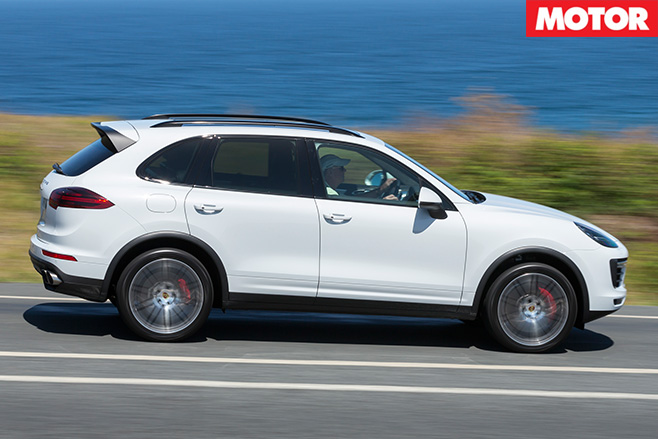
An extra $3300 gets you the S Diesel, its 4.2-litre bi-turbo V8 oiler remains at a heady 850Nm while it adds just two extra kilowatts to total 283kW. Sport Chrono equipped, it’s also 0.1sec swifter for the 0-100km/h sprint (5.3sec) than the more lightweight 2085kg petrol, despite a sizeable 130kg weight penalty.
Frankly, the oiler is more real-world desirable. The diesel’s shove is palpable, its driveability is effortless, the engine note borders on sweetness and, crucial to realistic SUV ownership, whatever penalty weight plays in dynamics is shadowed by the oiler’s more preferable 8.0L/100km combined consumption against the petrol’s 9.8L/100km figure.
The top-rung Turbo delivers astonishing 4.5sec 0-100km/h potential from its 382kW and 750Nm twin-turbo 4.8-litre V8, as it ought to for the jump to $230,800 before options. Leverage the 2185kg device’s big party trick, though, and you can kiss its combined 11.5L/100km bon voyage.
Every Cayenne gets a new sharper-shifting eight-speed automatic and revised suspension designs, though it’s the top dog that fits the all-singing-and-dancing air suspension as standard.
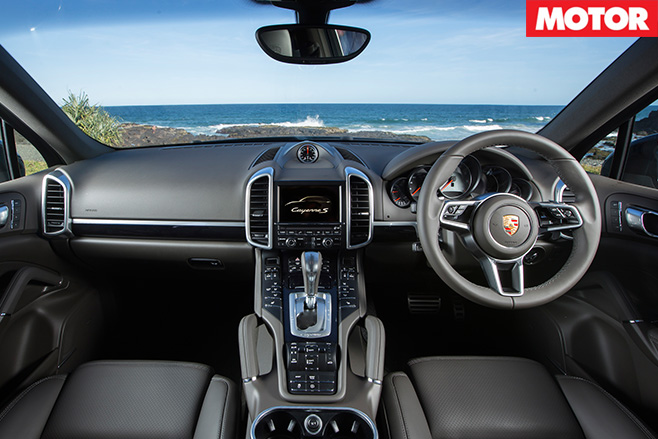
Despite the claim, it’s no sports car by traditional measure. On a twisty road, it’s tricky to place, the steering is clear but lacks load-up feedback, it’s agile only within the limits of its strident grip and you’d be foolhardy to push beyond. It ticks the right boxes for prestige, luxury and performance pace, but has ‘driver enjoyment’ well down on its priority list.
That said, the Cayenne remains perhaps the most enjoyable punt of the otherwise lethargic and bloated large-SUV breed. And 15 years on, new tweaks leave Porsche’s most important (business) model feeling suitably evergreen.
4 out of 5 stars
Specs
Engine: 4806cc V8, DOHC, 24v twin-turbo Power: 382kW at 6000rpm Torque: 750Nm at 2250-4000rpm 0-100km/h: 4.5sec (claimed) Weight: 2185kg Price: $230,800
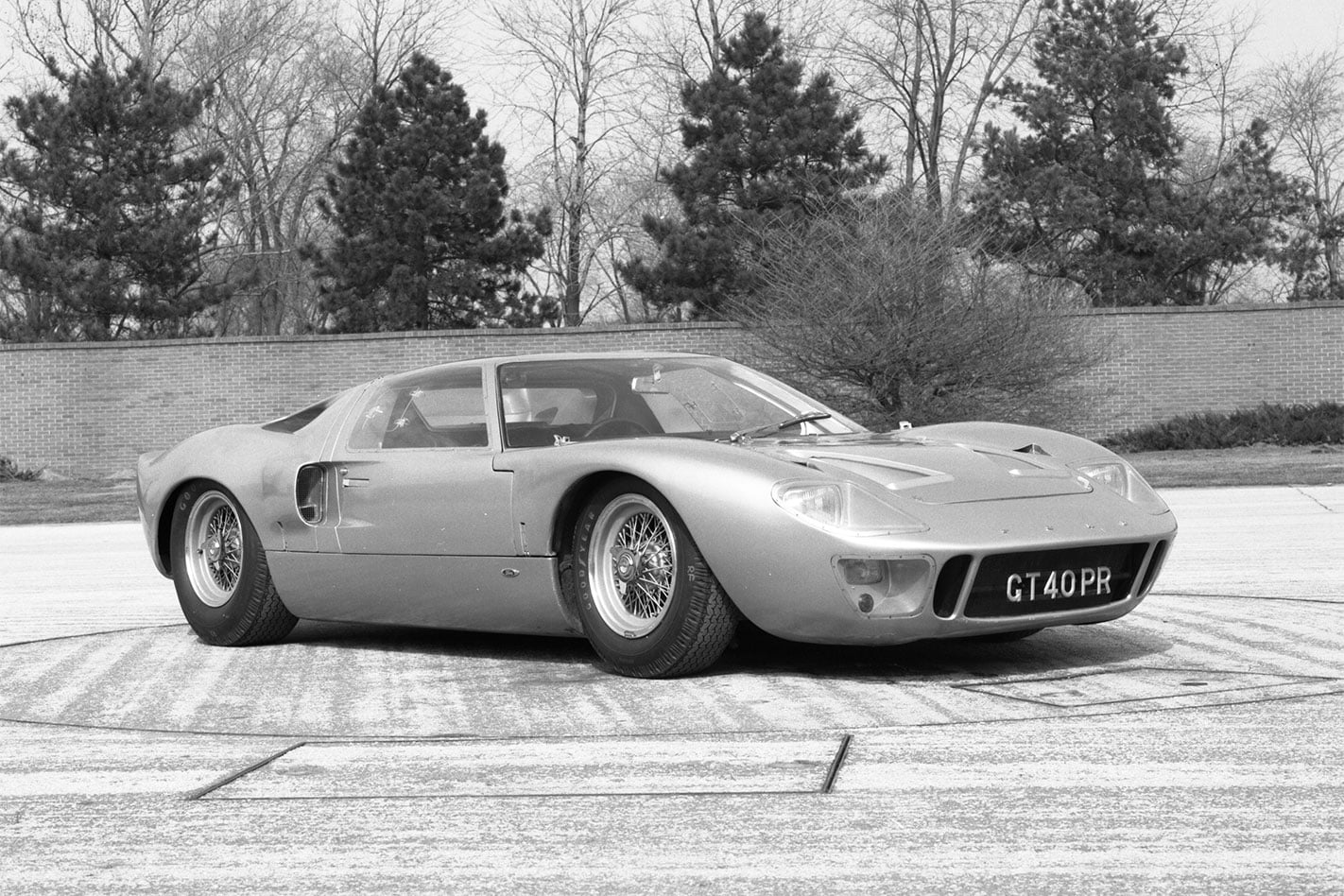
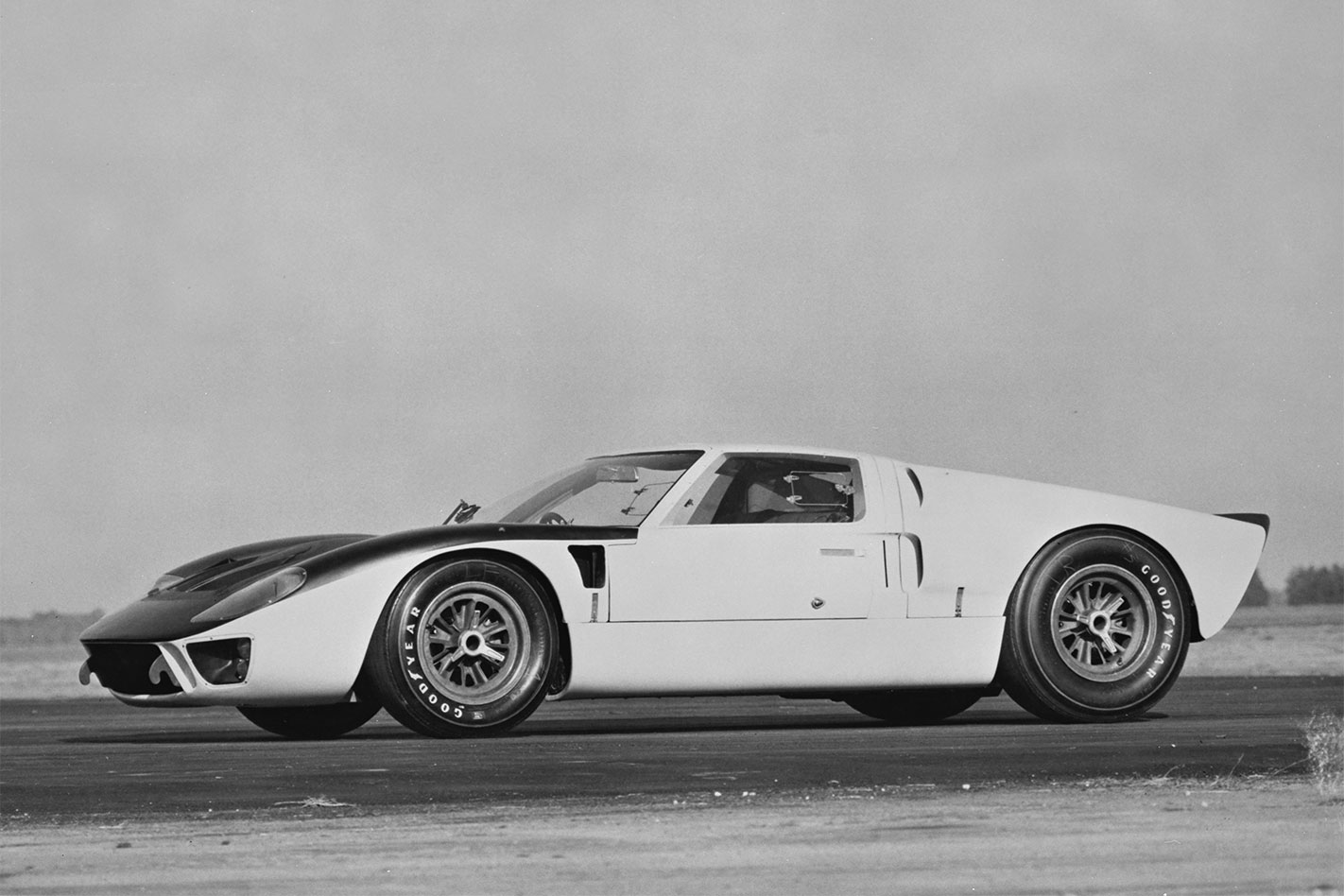
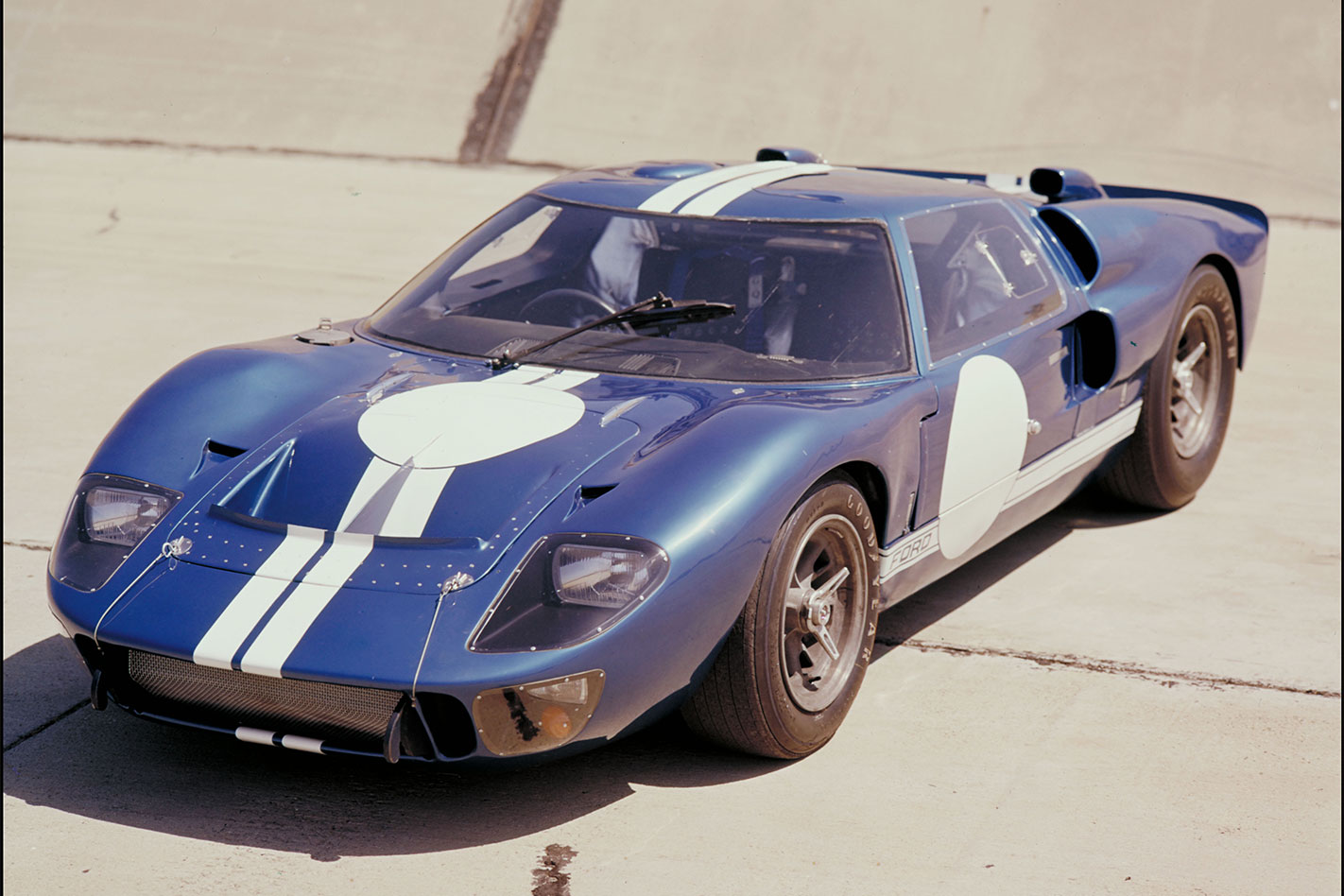
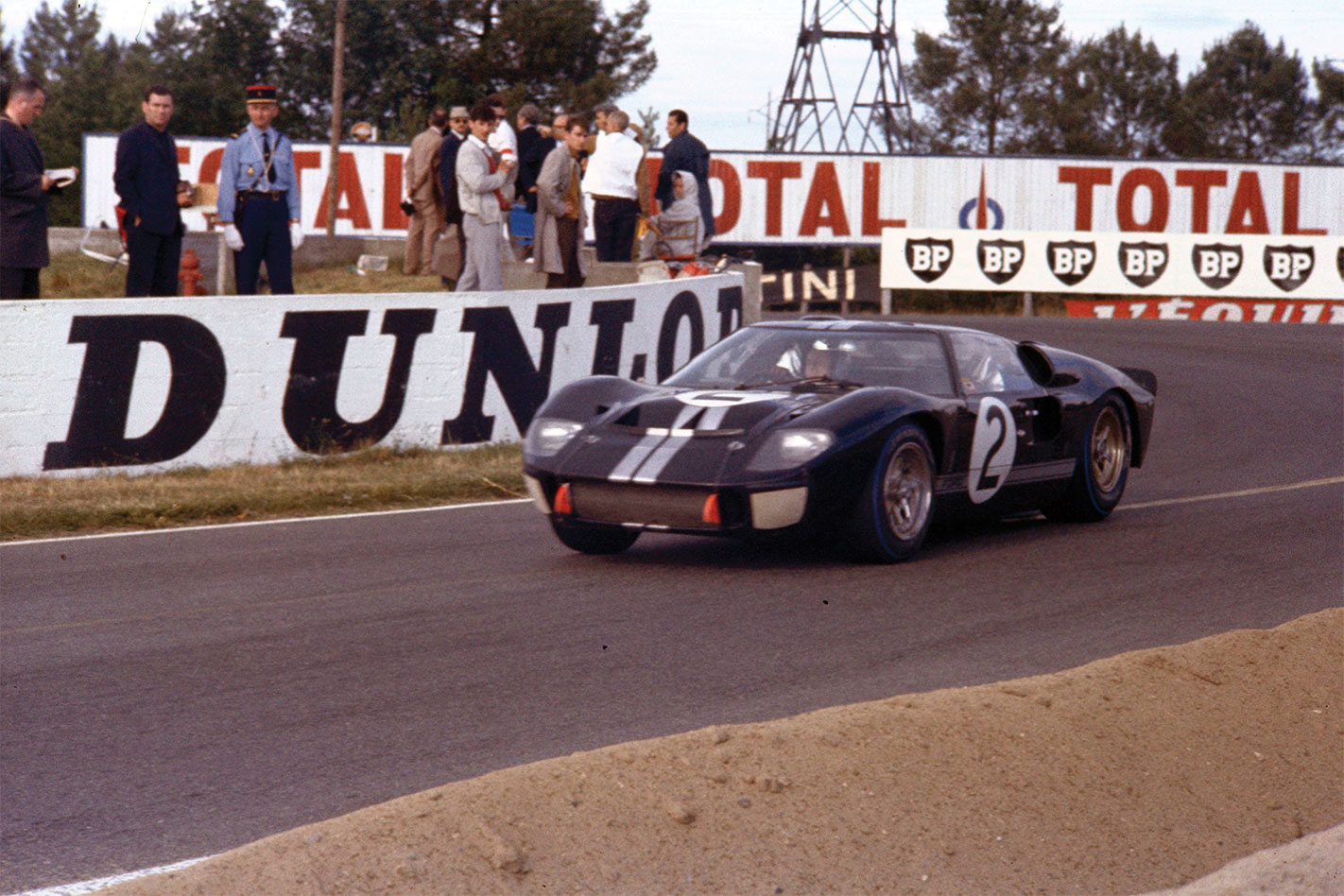
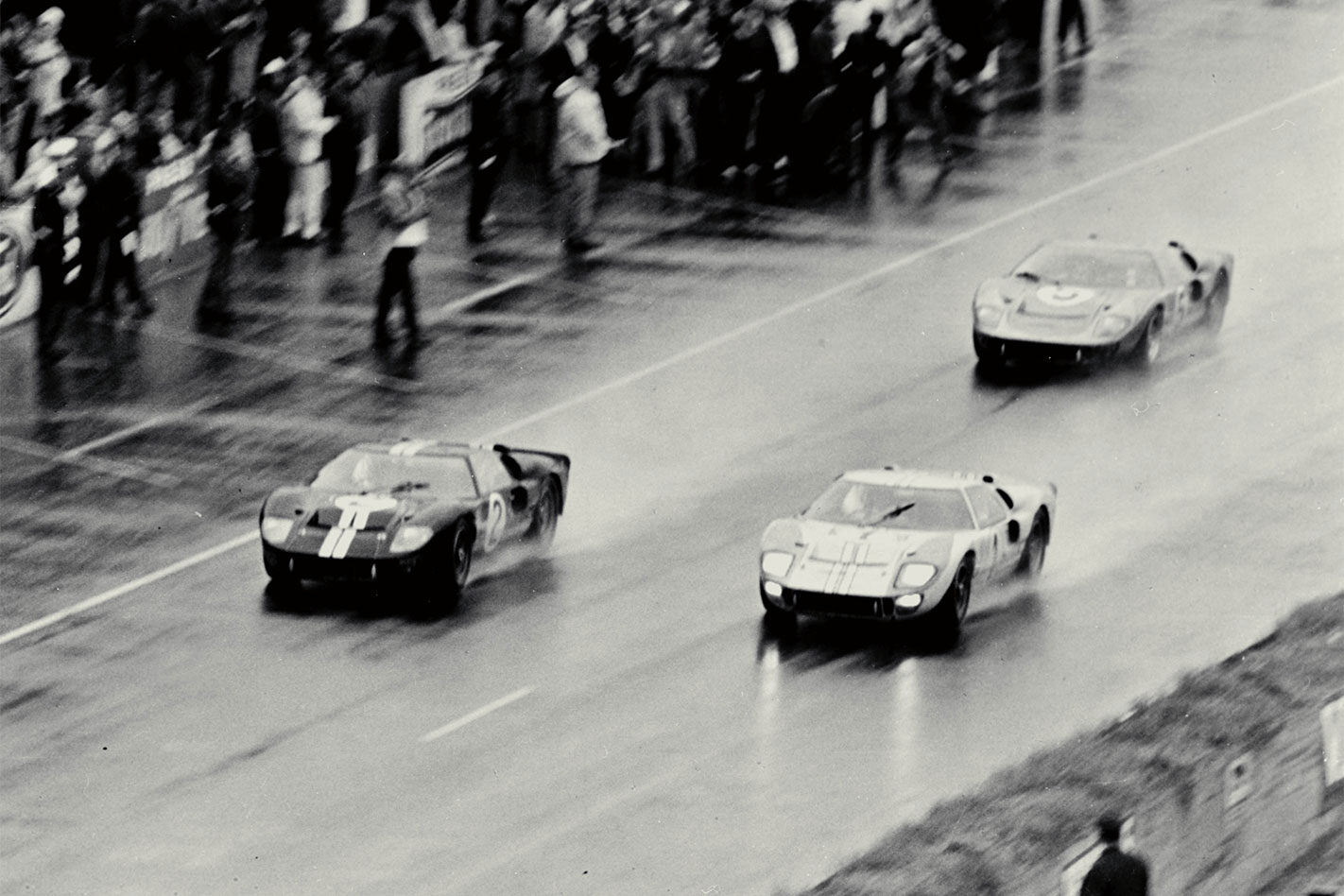
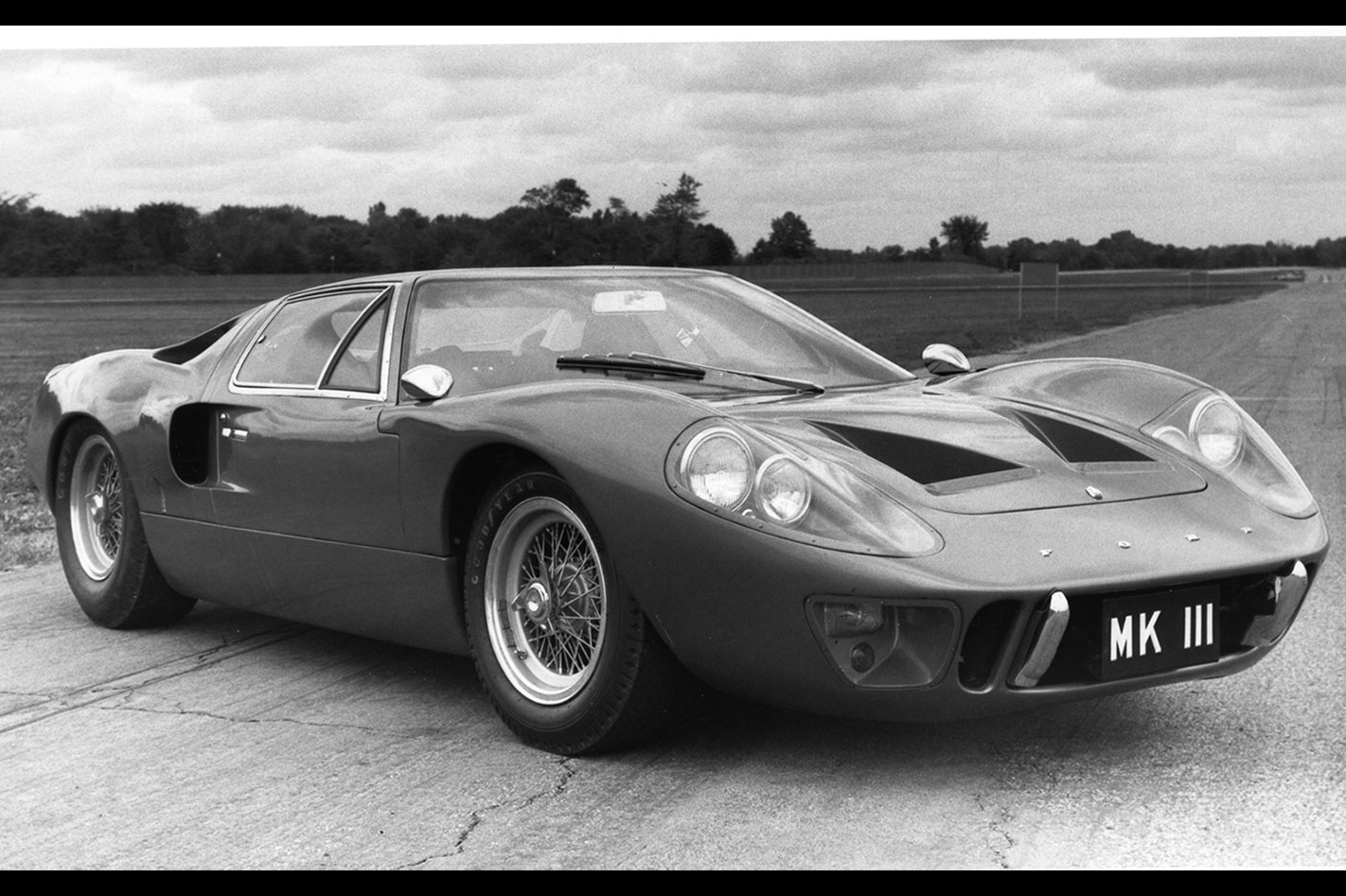
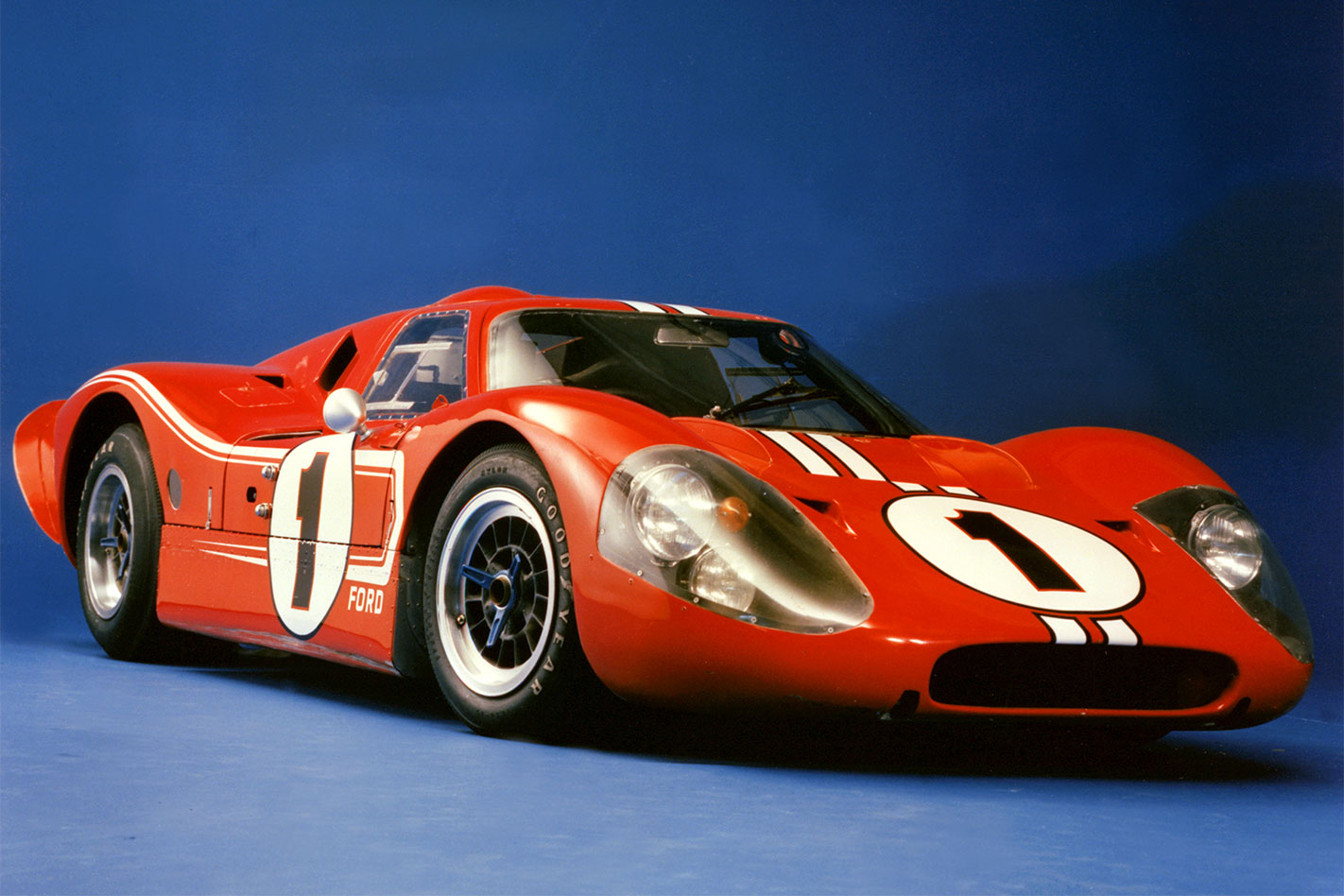
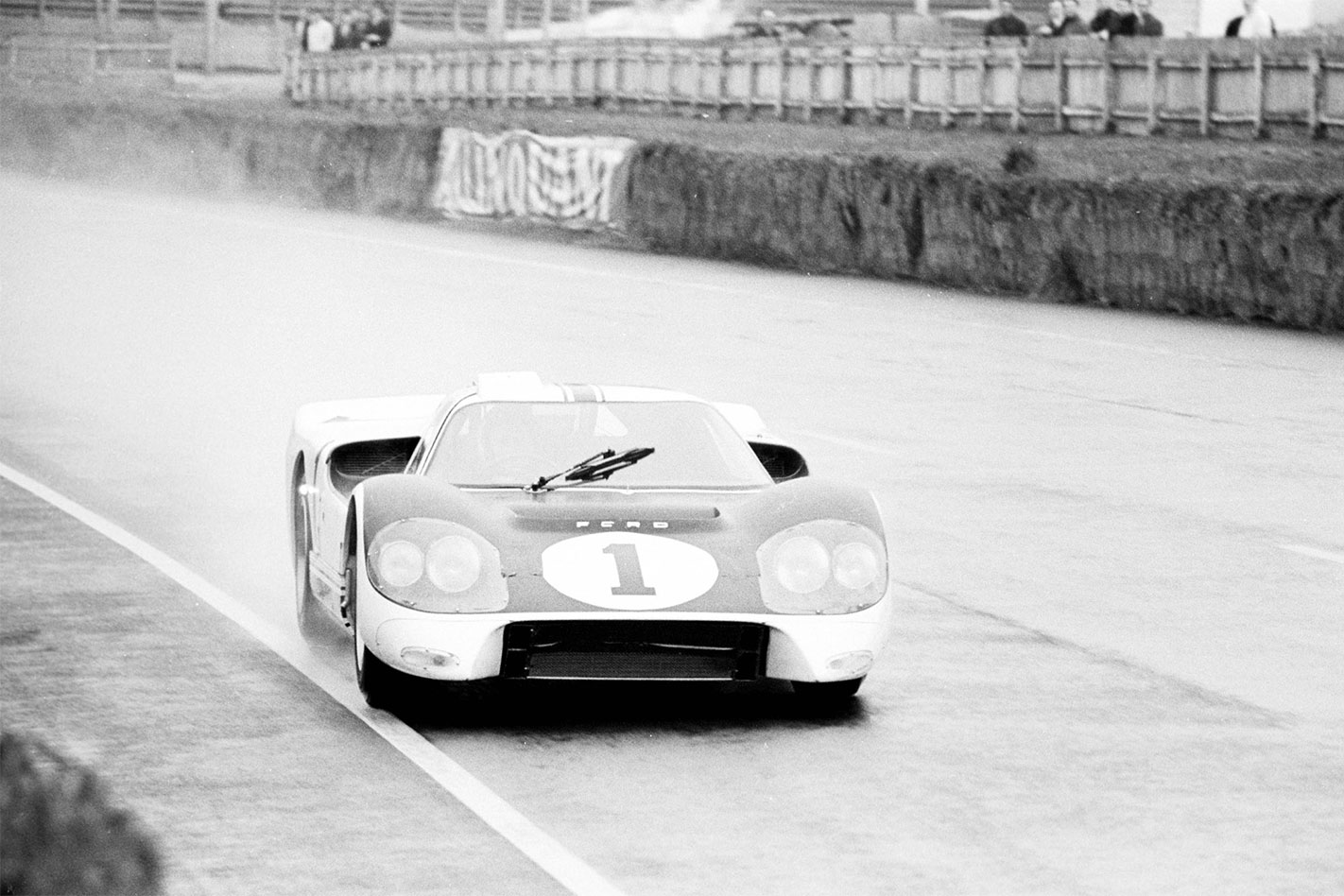
This weekend’s Daytona 24-Hour marks the race debut of Ford’s new GT supercar.
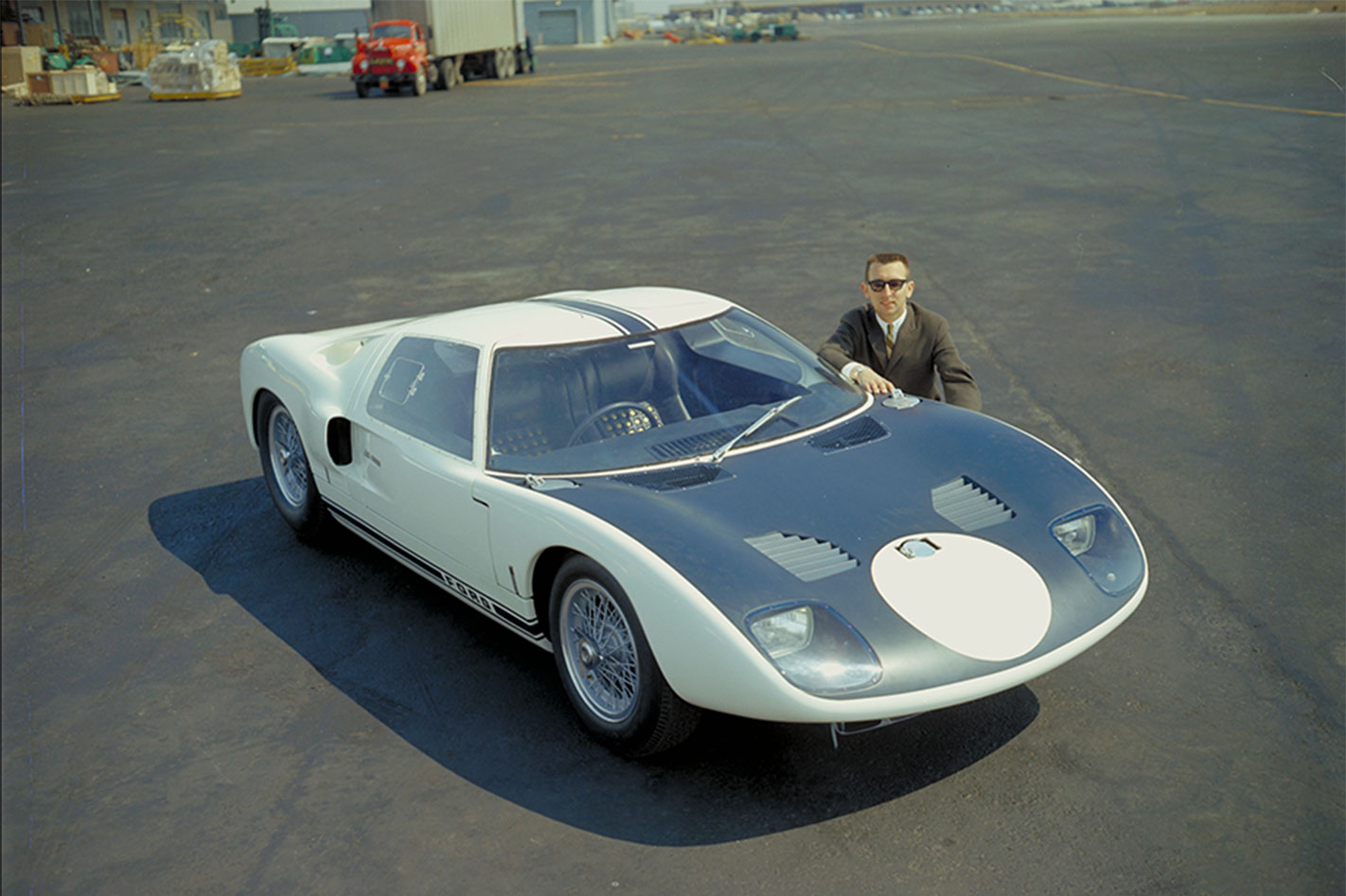
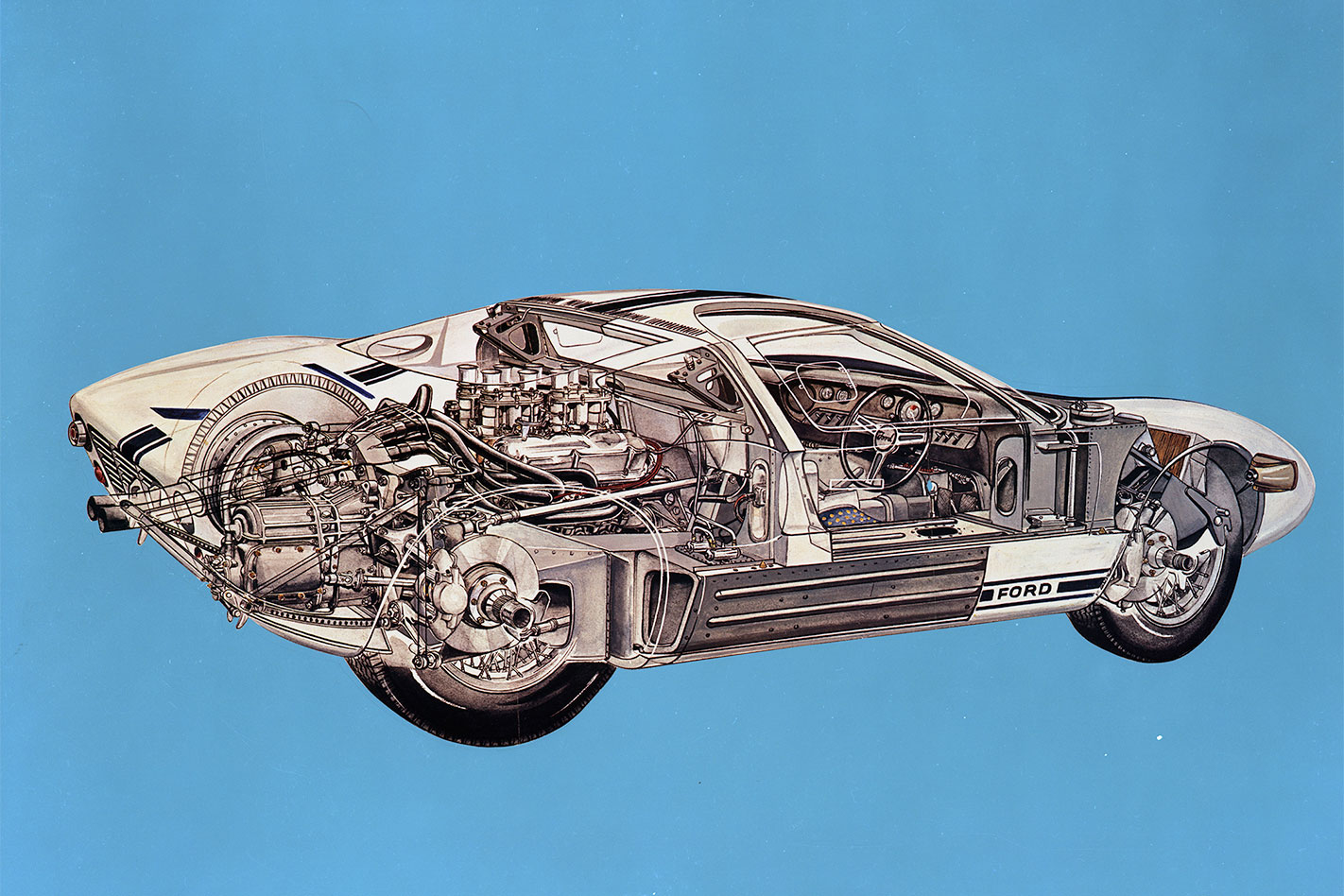
To celebrate the occasion, we’ve trawled through Ford’s image archive and dug up some brilliant historic shots that are a firm reminder of why this car is so revered and why Ford is keen to spend millions of dollars attempting to recreate the magic. Enjoy.
Where it all began, the original 1964 Ford GT prototype, the ’40’ would come later.
Toyota has detailed the costs involved in modifying a Toyota 86 to compete in the forthcoming Toyota 86 Pro-Am Racing Series which kicks off in May.
Developed by Neal Bates Motorsport, the $25,000 package upgrades the engine, suspension, braking and wheels and tyres, which can be fitted to any ADR-approved manual variant.
The 2.0-litre FA20 flat-four engine receives a custom exhaust system, TRD oil cooler and a locked Motec M150 ECU, which can be swapped from car to car to ensure parity.
Adjustable coilovers front and rear are supplied by Queensland based MCA, while brakes are upgraded to 330mm front and 316mm rear discs grasped by four-piston front and two-piston rear AP Racing callipers.
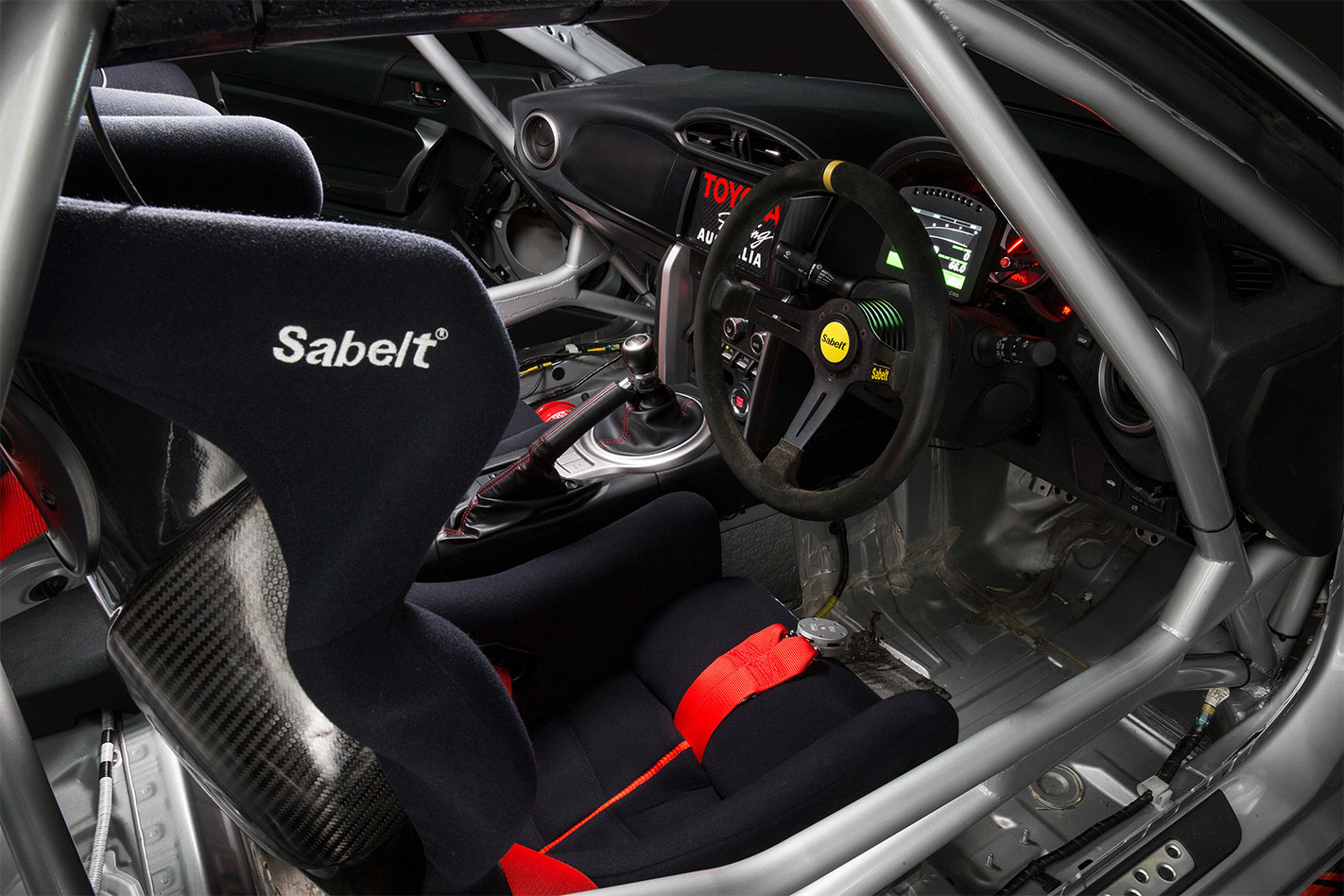
Independent of the performance modifcations, competitors will also have to ensure cars are upgraded to the required safety standards with a full roll cage and CAMS-compliant seat and harness. Toyota estimates the cost of this equipment to be in the region of $12-15,000.
The Toyota 86 Racing Series begins at Winton in May, moving to Sydney Motorsport Park in August before supporting the V8 Supercars championship at Sandown (September), Bathurst (October) and Sydney (November).
Controversial Venezuelan F1 driver Pastor Maldonado is set to lose his seat ahead of the 2016 season, according to UK motorsport media outlet Autosport.
Autosport reports Maldonado’s main backer, Venezuelan oil giant PDVSA, has failed to deliver promised sponsorship payments, believed to be in the region of US$46million.
Maldonado’s seat will be taken by former McLaren driver Kevin Magnussen, who finished 11th in his debut season in 2014 before being demoted in reserve driver in 2015.
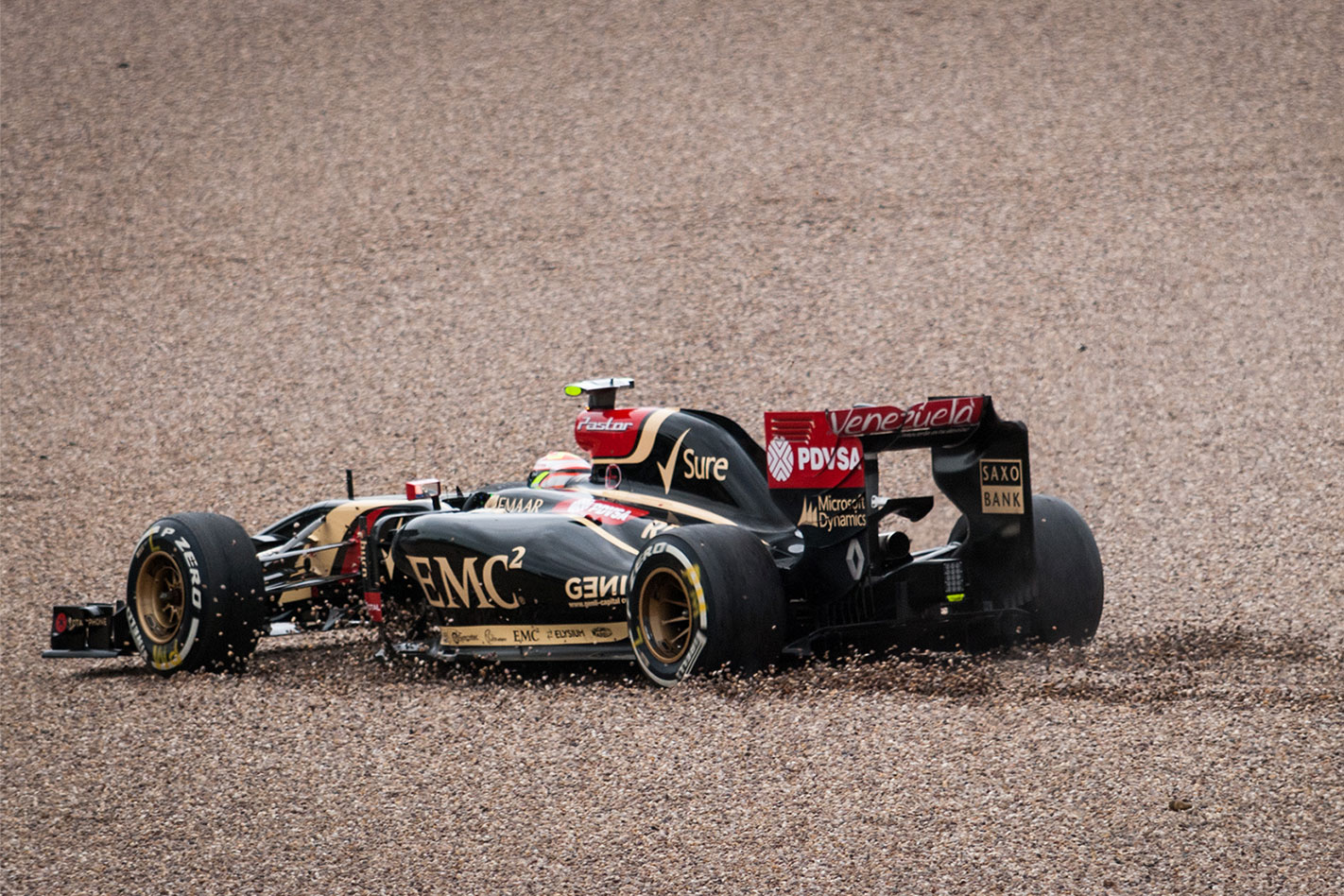
Speaking to sister publication Wheels at the recent Australian Motoring Awards, Mark Webber nominated Maldonado as the worst driver in F1, saying “he’s out of his depth and just shouldn’t be there.”
The 2016 F1 season kicks off in Melbourne on March 18.
This all-new Kia mid-sizer ramps up performance and polish, for a price.
WHAT IS IT? The second-generation Kia Optima. It’s an all-new platform and body, and it’s completely fresh inside. It shares its mechanicals with the Hyundai Sonata but brings Kia flair and loads of standard equipment.
WHY WE’RE DRIVING IT This is our first drive of the new Optima in Australia. And that’s especially relevant for a Kia, as the Korean maker continues to tune the suspension on its Australian-delivered cars for local conditions, with the aim of delivering the optimum ride on our rough and ready roads.
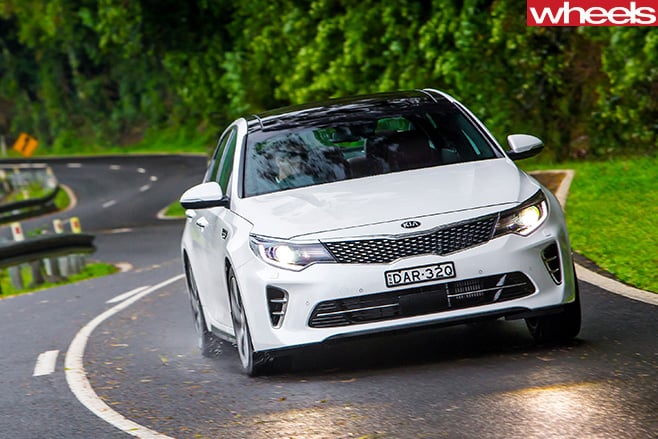
There are now two trim levels. The $33,490 Optima Si is the price leader, aimed primarily at fleets, pragmatists and pencil-pushers. The step up to the Optima GT we’re driving here is an eyebrow raising $10K, which makes the $43,990 GT is the most expensive Optima ever offered.
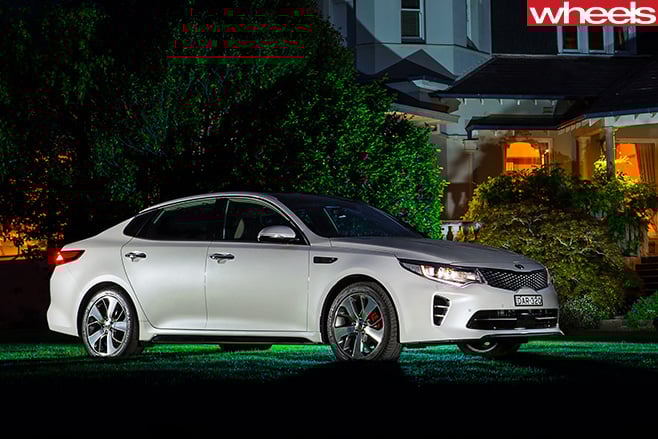
It ought to be, as the 2.0T-GDI engine is available in Sonata Elite for $36,990 with the same packaging and roominess. The new Optima’s 2805mm wheelbase is 10mm longer than before, resulting in masses of rear-seat space for easy six-foot passenger comfort, and a 510-litre boot holding a full-size alloy spare.
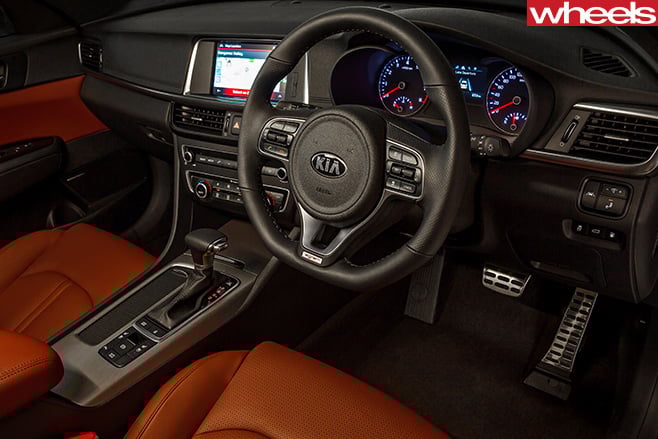
On the road, the Optima GT shows dabs of talent, yet it doesn’t quite pull it all together.
The 180kW turbo donk is responsive, if a little gruff when pushed, and if you select the ‘Sport’ Drive Mode, the GT’s throttle pedal is far too toey and difficult to modulate. Best leave it in ‘Normal’ mode and enjoy crisper steering too.
The engine is reasonably quiet around town – where the Optima offers good overall refinement – and while the auto is also a little slow at getting it all together, its smoothness is admirable.
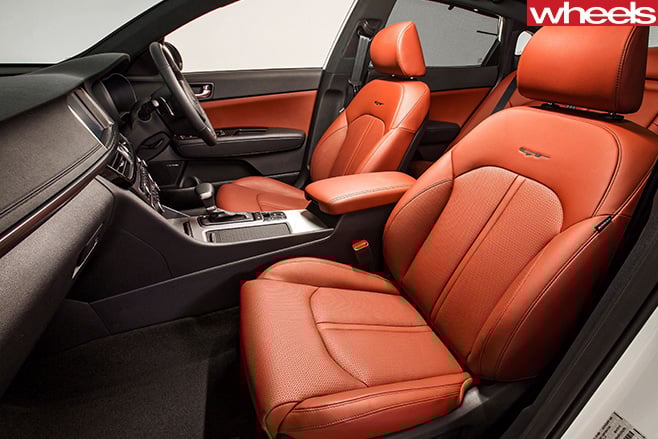
The body control, however, isn’t. That high-speed ride may be a plus, but a larger bump will see the Optima GT feel a bit spongy, and quick changes of direction aren’t its forte.
Does that mean the Optima GT doesn’t make the cut? No. While it lacks the chassis talent and overall polish of VW’s new Passat, the biggest Kia makes huge strides in the areas of perceived quality, safety, and luxury.
SPECS Model: 2016 Kia Optima GT Engine: 1998cc 4cyl, dohc, 16v, turbo Power: 180kW@6000rpm Torque: 350Nm@1400-4000rpm Transmission: 6-speed automatic Weight: 1650kg 0-100km/h: 9.5sec (est) Fuel economy: 8.5L/100km Price: $43,990 On sale: Now
Ferrari has injected an extra dose of athleticism into its California T with the introduction of a new ‘Handling Speciale’ pack aimed at sharpening the front-engined GT’s handling.
Following its tradition of introducing mid-life handling upgrades – the 575, 599 and 612 were also ‘sportified’ during their life cycles – the HS option is aimed at buyers who are happy to trade a little comfort in return for some extra cornering speed.
The SCM3 magnetoheorological dampers are claimed to respond faster, while stiffer springs (16 per cent front; 19 per cent rear) increase body control.
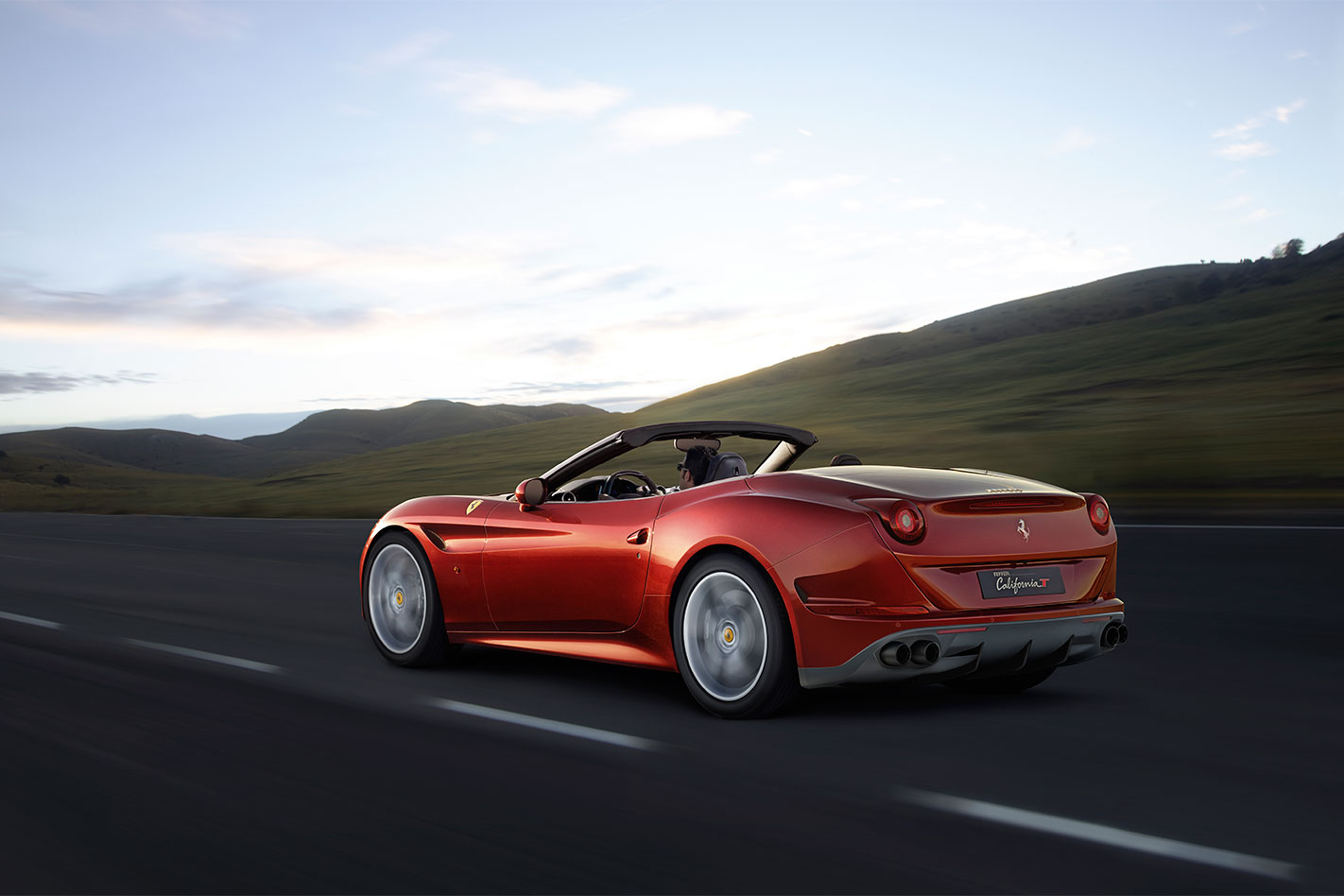
Should the changes deliver what they promise, they should rectify the California’s few shortcomings – specifically, a slight lack of body control on bumpy roads, far too restrictive ESP and the muffled engine note courtesy of those turbochargers.
The Handling Speciale option adds $15,750 to the California T’s Australian MSRP of $409,888 and the first deliveries will arrive in Q3 2016.
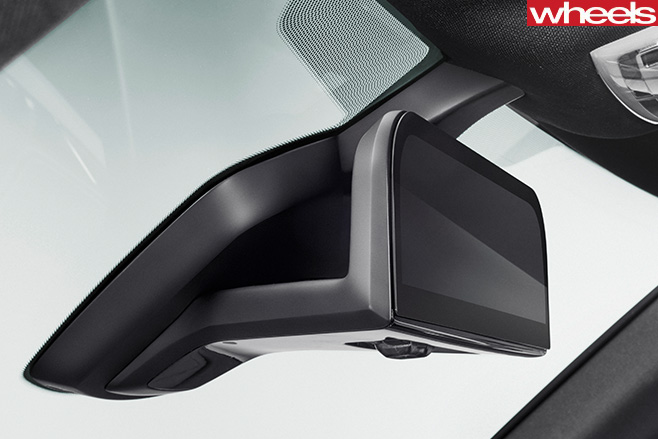
A rear-vision system that replaces all mirrors with digital images will be standard on the BMW that introduces it, likely in 2018.
Replacing mirrors with cameras has been a concept-car gimmick for years.
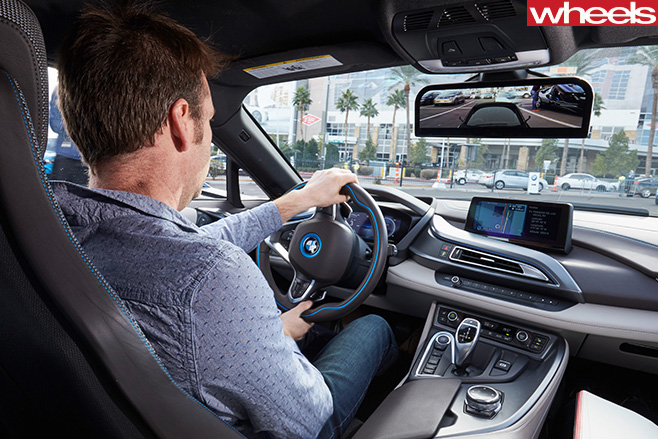
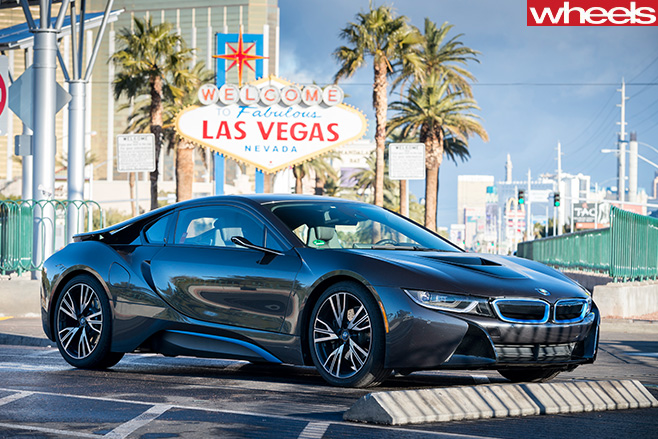
But when Wheels tried a mirrorless i8 concept car at the Consumer Electronics Show this month in Las Vegas, BMW assured us that this futuristic technology would make production.
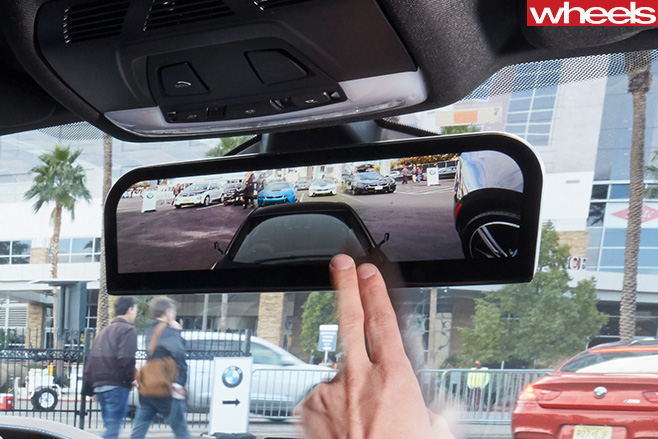
It also gets images from cameras on streamlined stalks that replace side mirrors (pictured below). The side cameras use ultra-tough Gorilla Glass, and are heated to prevent them freezing.
Images from all three cameras images are patched together on-screen.
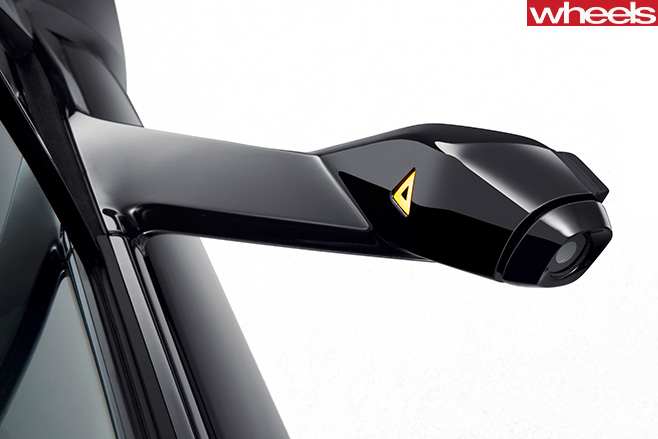
But the system works well. It isn’t entirely seamless as a car moves from one portion of the screen to another, but it doesn’t jar. And you do get an 80-degree field of vision, eliminating blind spots and removing any need to faff with mirror adjustment.
There are further benefits from the high-tech side mirrors. They are slimmer than conventional lumps, and hence interfere less with the driver’s forward vision. And they are no wider than the car’s rear haunches, and three percent more aerodynamic than what they replace. That unlocks a one percent fuel saving and, more tangibly, should make the cabin quieter – although our low-speed experience was inconclusive.
Mirrorless cars could be on the road sooner than you think. The European homologation process begins this year, while the US will follow in 2017, and Asia no later than 2018.
There’s no official on-sale date, but BMW’s i saloon just happens to be scheduled for 2018. That’d be our bet.
Like most petrolheads, you’ve probably been wondering what an 86/BRZ would be like with a hefty helping of extra power.
Well, wonder no more. Here’s a Toyota 86 with both a supercharger and a turbocharger, the combination of which lifts power to an impressive 287kW at the hubs, or approximately 150 per cent more than standard. It’s the brainchild of ROH Wheels head designer, Glynn Helgeson, which explains the conspicuous graphics on the side of the car.
You might wonder why a wheel maker would go to such extremes – surely a nice set of rims and a cool bodykit would’ve sufficed? Helgeson explains the logic: “Every company has an 86 with cool graphics and mild mods – doesn’t get noticed. We required a point of difference [and] I think we achieved that.”
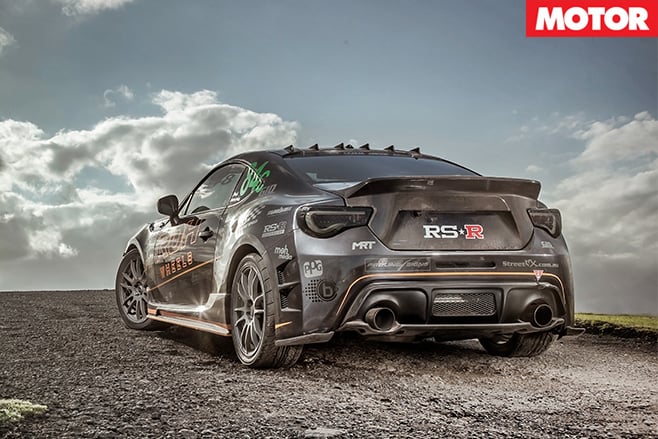
It’s literally do or die, which is why Helgeson has invited MOTOR along to sample his pet project at the World Time Attack Challenge at Sydney Motorsport Park.
We’ve sampled the ROH 86 before, back in December 2013, but there have been a few tweaks since then. Brett Middleton from MRT Performance – a man who knows a thing or two about Subaru engines – cracked open the FA20 2.0-litre boxer, strengthened it to cope with more boost and tuned it to run on E85 fuel.
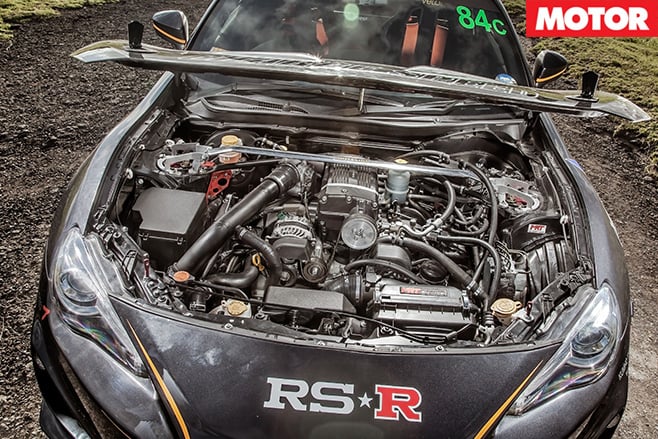
Given we’ll be sampling the ROH 86 on track, it’s comforting that the latter two-thirds of the go-stop-turn equation have received as much attention as the former. RS-R coil-overs are complemented by a full array of Whiteline gear, while the standard stoppers are replaced by giant slotted DBA rotors clamped by Ferodo pads within AP Racing calipers.
The Azzurro wheels, designed by Helgeson, are an inch larger and wider at 18 x 8.0-inch and for World Time Attack are wrapped in 235/40 R18 Yokohama Advan Neova AD08 semi-competition rubber.
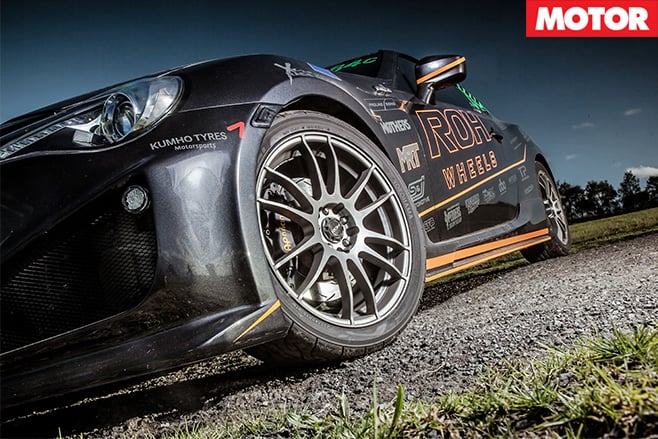
Leaving pit lane for the first session the rear wheels instantly light up as throttle is applied. Second gear, same result. Third is no better, the rear sliding wide as the supercharger’s instant torque easily turns the tyres.
This should be interesting, especially as traction control issues have led to the fuse that controls the ESP, TCS and ABS systems being removed. I’ve never driven Sydney Motorsport Park before, either.
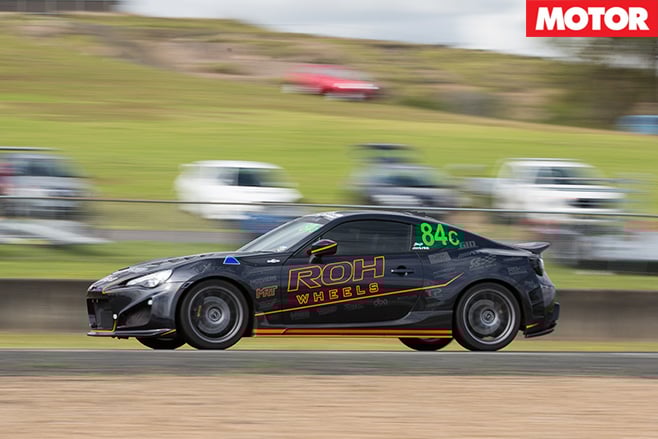
Progress is further halted by a severe misfire all the way down the straight; as soon as fourth gear is selected the engine splutters and dies – selecting fifth or sixth doesn’t improve matters, so the next time around I pit. A phone call to Middleton confirms the car is cutting boost to protect the engine; mixing boost with a 12.5:1 compression ratio is always going to be a delicate juggling act.
Next morning, having had a night to think about how to drive this wild machine, we hit the track once more. Armed with some knowledge of what to expect, it’s a much more successful partnership.
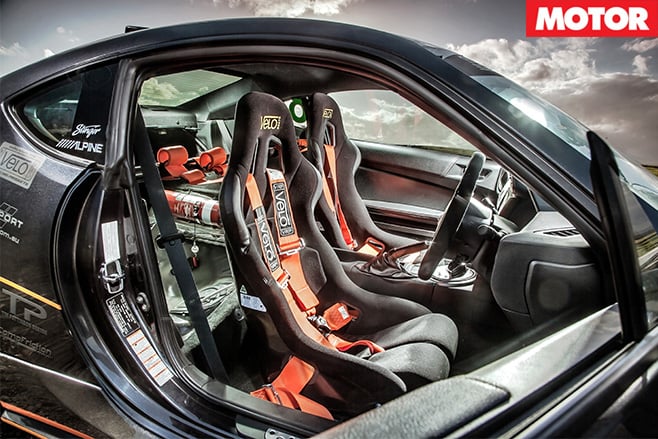
The brakes are hugely powerful, with way more stopping power than the tyres can cope with, the fronts chirping in protest with what feels like barely any pedal pressure. With confidence building, it’s quickly apparent the suspension mods haven’t altered the 86’s inherently friendly cornering characteristics.
Gentle understeer at corner entry is easily controlled and then it’s simply a matter feeding in the immense power. And it is immense. There’s the feeling the ROH 86 would power oversteer in every gear if you were silly enough to try it, but fourth is exciting enough for me, thanks.
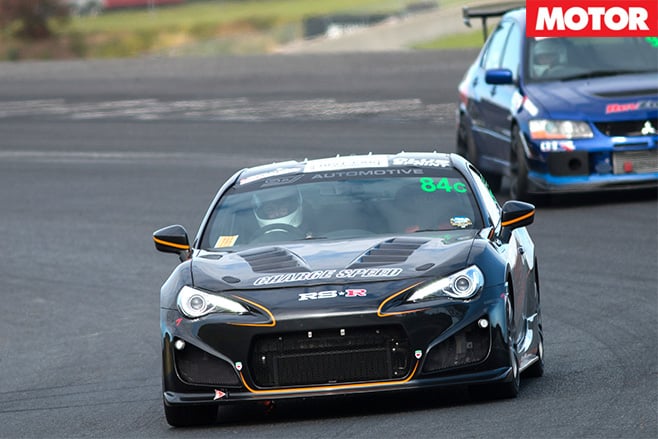
It’s eventually diagnosed as a snapped rod, potentially caused by a blown head gasket. It hasn’t exactly been the smoothest of weekends for Helgeson and his twin-charged 86, but when you’re sailing in uncharted waters, occasionally you’ll hit a reef.
The good news is that, while in its current tune there’s definitely a certain ‘hold-on-tight’ kind of thrill, it’ll probably be a more enjoyable car with 100 less kilowatts.
3.5 out of 5 stars
Specs
Body: 2-door, 2-seat coupe Drive: rear-wheel Engine: 1998cc flat-4, DOHC, 16v, turbo & super Bore/stroke: 86.0 x 86.0mm Compression: 12.5:1 Power: 287kW (at the hubs) Torque: 460Nm @ 3000rpm (approx.) Power/weight: N/A Transmission: 6-speed manual Weight: N/A Suspension: struts, coil-overs, anti-roll bar (f); double A-arm, coil-overs, anti-roll bar (r) L/W/H: 4240/1775/1285mm Wheelbase: 2570mm Tracks: 1520/1540mm (f/r) Steering: electrically-assisted rack-and-pinion Brakes: 330mm ventilated/slotted discs, 4-piston calipers (f); 316mm ventilated/slotted discs, 2-piston calipers (r) Wheels: 18 x 8.0-inch (f/r) Tyres: 235/40 R18 Yokohama Advan Neova AD08 R (f/r) Price: $70,000 (approx.) Positives: Mind-bending power; immense brakes; uncorrupted chassis balance Negatives: Too much power, really; reliability issues; demands respect!
When our friends at Wheels Magazine told us they were taking seven cars to drive through Tasmania, we knew we had to be part of that trip.
There are plenty of ways to see Australia’s island state, but we think the only way to do it properly is via car. Check out the video to see just how beautiful it is.
Click here to read the full seven car comparison review.
To read the WhichCar First Drive reviews on the cars, see the ‘related articles’ links.
SMART FORTWO Length: 2695mm
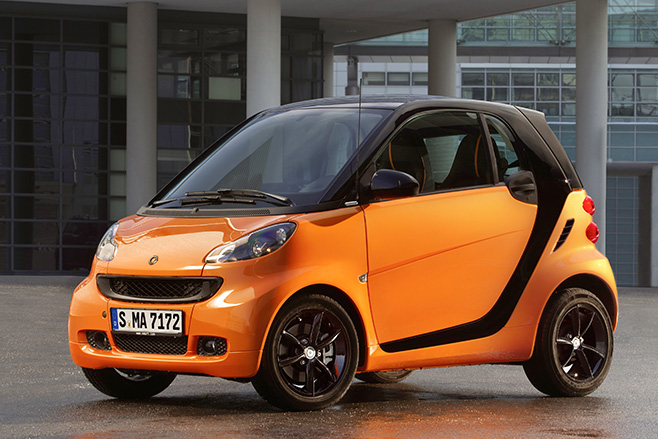
Soon-to-be-discontinued two-seater is known for its smallness. At upwards of $20K, though, it’s difficult to justify against Polos and Mazda 2s.
MORGAN 3 WHEELER Length: 3260mm
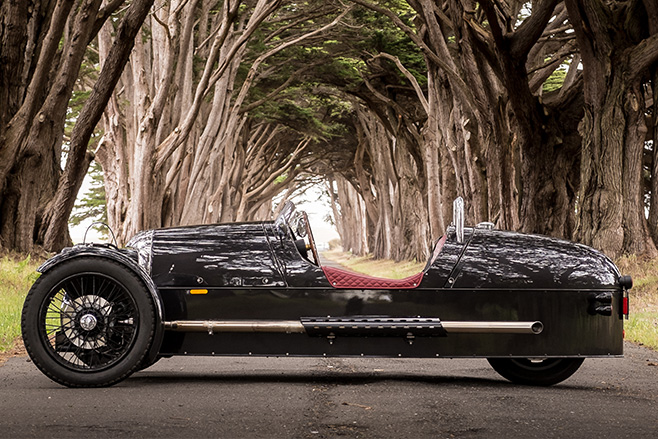
It’s no surprise that a car missing so much of what other cars get (like a fourth wheel) is also shorter than most things on the road.
CATERHAM SEVEN Length: 3360mm
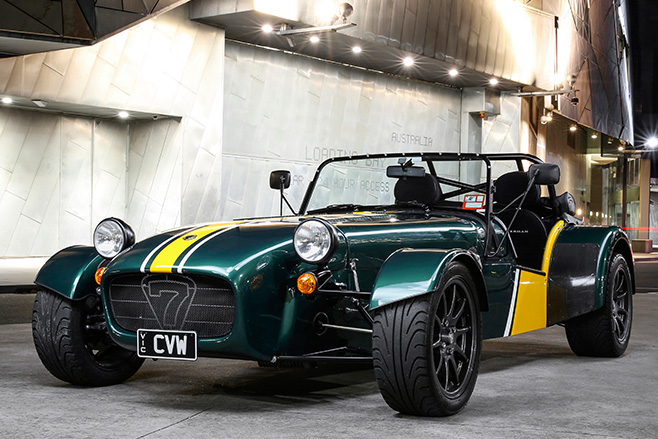
It’s all about simplicity with the track-focused Caterham range, with the shorty of the family being the CSR 175.
FIAT 500 Length: 3546mm
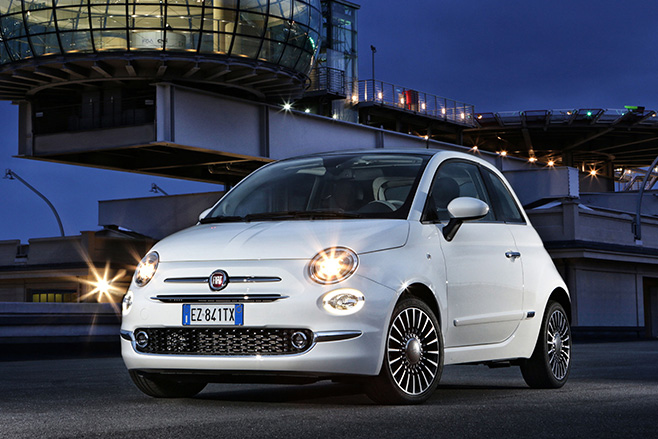
It’s small compared with other city cars, but the modern Cinquecento is more than half a metre longer than the 1957 original.
HOLDEN BARINA SPARK Length: 3595mm
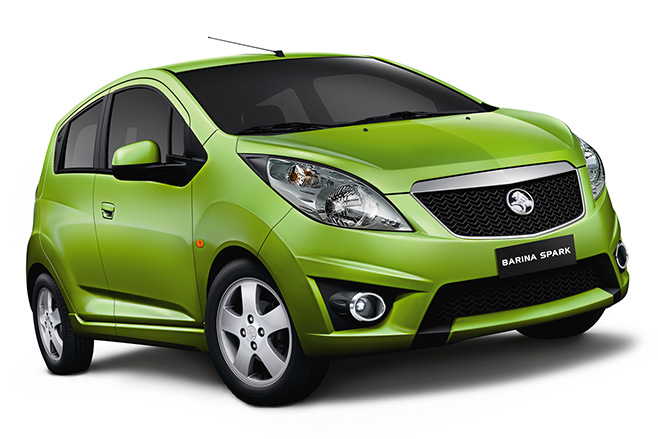
Cheapest Holden and the shortest five-door on the market, though that may change when an all-new model arrives here next year.
This article was originally published in Wheels October 2015.
