
Ford Australia has already ruled out an FG X-based Falcon GT, claiming 2014’s limited edition GT F would be the last Aussie GT. But that hasn’t stopped us from dreaming up our own GT-badged fast last Falcon.
MOTOR’s FG X Falcon GT would use the same 5.0-litre supercharged Miami V8 as the current XR8, but with a bit more grunt courtesy of a freer breathing exhaust and intake system as well as a smaller supercharger pulley. With those modifications we’re looking at more than 400kW, enough to stay with the HSV GTS and roast a set of rears within a few kilometres.
But what’s power without control? This GT will finally bring the chassis sophistication to match the grunt churned out by the Falcon’s ballistic engine. Beefier Brembo brakes than standard along with upgraded springs and dampers bring some genuine substance to Ford’s ‘Control Blade’ rear end.
Using Ford’s ties with Geelong-based carbonfibre experts Carbon Revolution, the FG X GT would also be significantly lighter than an ordinary XR8. The wheels, roof and bonnet would all be made from the light stuff, helping lower the car’s centre of gravity and unsprung mass.
If only Ford Australia had the cash to send off its last ever Australian built Falcon with something loud, proud and a little bit insane.
RAZOR BLADE This Falcon GT will be the first to bring some genuine control to Ford’s Control Blade rear suspension. Race-spec springs and dampers combined with low-weight wheels equals proper handling sophistication.
GOT ATTITUDE Revised front bumper incorporates Mustang-style grille ‘fangs’ to give a meaner impression, while a new front splitter adds downforce. The GT also wears lower side skirts and a rowdy rear wing to keep it glued to the road.
WICKED WEAVE Bespoke lightweight carbonfibre parts will be sourced from Carbon Revolution in Geelong (keeping it local), including the roof, wheels and bonnet. The Geelong folk also supply the wheels for the new Shelby Mustang GT350R track weapon.
LOW LIFE We’re throwing away the XR8’s arm-chair like seats and the high-set driving position they promote and plonking in some low-slung body-hugging buckets. The GT will also be manual only, so prepare to exercise your left leg.
STRIPE TEASE Apart from adding at least 10kW to the output of the 5.0-litre supercharged V8, racing stripes give the GT a unique and racey appearance. Colour a modern interpretation of Phase III’s Vermillion Fire.
HOT IN MIAMI Our GT Falcon retains the XR8’s 5.0-litre supercharged Miami V8 engine, but pumps out a tyre-torturing 400kW thanks to old-fashioned tuning. It also gets a less restrictive exhaust and intake, plus a smaller supercharger pulley.
RESULTS
Anticipation isn’t a strong enough word for the XE. Jaguar has been desperate for something to finally take the fight to the German big guns, notably C-Class, 3 Series and A4. In its first couple of months, the XE was by far the biggest-selling Jag; a trend set to continue. Less impressive was the former mainstay, the XF, which slowed to a trickle as a replacement model looms.
Rank: 32 2015: 1.2K 2016: 3K Grade: A+
OPPORTUNITIES
The XE has plenty to offer – an impressive sports sedan with more exclusivity than its prime premium-badged rivals – and will dominate the brand’s sales. The new-gen XF that arrives in February should bring incremental increases, and a tweaked XJ will also arrive around the same time, meaning a refresh of most of the British brand’s models. Crucially, around mid-year, Jaguar will launch the F-Pace, its first SUV.
CHALLENGES
The Germans. Jaguar is still a tiny player in the booming luxury market and the impressive offerings from BMW, Mercedes-Benz and Audi inevitably impact how many potential buyers will consider a Jaguar. The British marque must also fight without the breadth of model variants offered by its wealthy German rivals, instead focusing on its relatively narrow line-up.
SUMMARY
Finally pouncing with the potential it has long had. The XE is exactly the car Jaguar needs right now, something that will ensure a more than doubling of sales in 2016. Throw in fresh offerings across almost the entire model range and it’s shaping up to be Jaguar’s best year in Australia to date.
So, what is it?
Volkswagen has upgraded, updated and upscaled its Polo chip off the GTI block with some subtle cosmetic revisions, a host of new safety and convenience tech, as well as more grunt from the compact rocket’s 1.8-litre turbo petrol engine.
Why should I care?
Believe it or not, the Polo GTI has been on sale in Australia for a decade, and this fourth-gen model’s mid-life makeover brings back the option of a six-speed manual gearbox (alongside the existing seven-speed dual-clutch), with the three-door body style deleted.
Like-for-like it’s quicker, more generously equipped, and cheaper than the model it replaces.
What’s new about it?
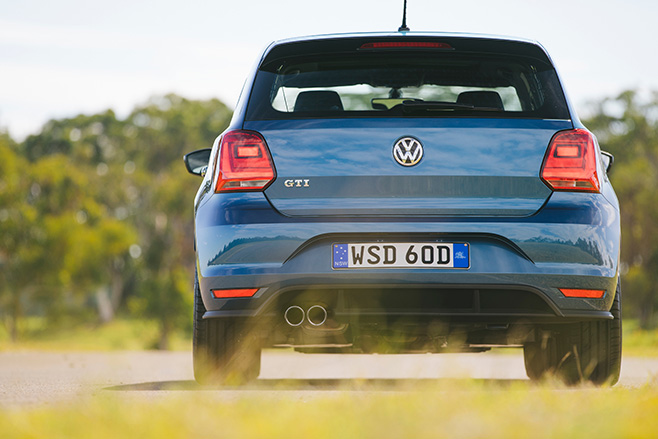
Exterior design changes are focused mainly on the nose, with a new bumper insert incorporating fog lights (with static cornering function) in the lower section, and signature red grille trim continuing into the headlight housing.
The car also rides on new 17-inch ‘Parabolica’ alloy rims wearing 215/40 rubber, with glimpses of bright red brake calipers shining through the spokes.
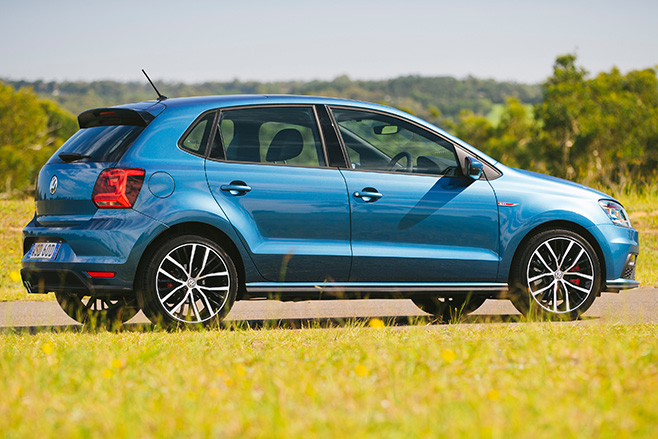
VW’s flexible MQB small car platform boasts sophisticated electronic architecture, and the new Polo takes full advantage of it, picking up the latest generation ‘Composition Media’ touchscreen audio system with 5.0-inch colour display, as well as automatic headlights, an alarm (with interior monitoring, tilt sensor and deadlock mechanism), tyre pressure indicator, auto-dimming rear-view mirror and automatic rain-sensing wipers.
LED headlights are optional, as is ‘Discover Media’ audio and sat-nav, a rear-view camera, front and rear parking sensors and a ‘Driver Fatigue Detection’ system.
The 1.8-litre engine comes from the third-generation of VW’s EA888 GTI engine family, with 2.0-litre variants powering the GTI, GTI Performance and R models. It features a host of improvements, ranging from an exhaust manifold integrated into the head, to water-cooled exhaust gas routing to the turbo, and variable valve timing with dual camshaft adjustment. Like its larger capacity siblings, the 1.8 features dual injection (multi-point at low loads, direct-injection at high loads).
Reintroduction of the three-pedal manual means there are two versions of the same engine, depending on which gearbox you opt for; both producing 141kW, with the six-speed delivering 320Nm, and the dual-clutch 250Nm.
That’s a handy (9kW) power increase over the out-going model, with the new manual adding no less than 70Nm to the equation; plus, the points at which these peak numbers arrive have been broadened substantially.
That’s all fine, what’s it like to drive fast?
The Polo GTI has built a solid reputation for outstanding dynamics, and on the basis of a twisting launch drive through the Blue Mountains, along The Great Dividing Range in NSW, this latest model gives it some extra lustre.
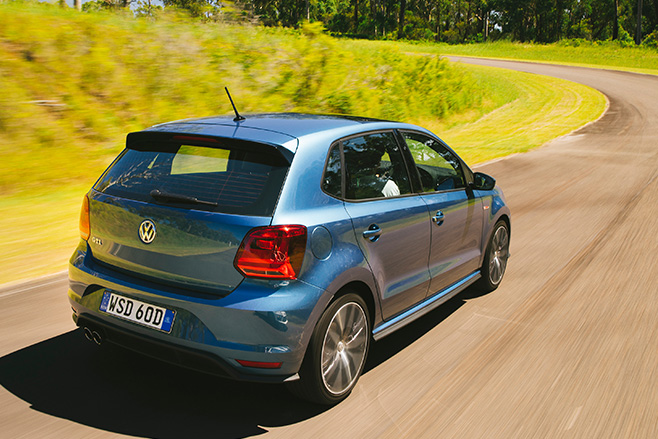
The GTI’s suspension is lowered by 15mm, with a thicker front anti-roll bar and recalibrated dampers adding a sharper edge to the car’s cornering ability. Standard spec also includes an ‘Extended Electronic Differential Lock’ (XDL), which manages brake pressure to the inner front wheel in cornering to minimise slip, and maximise traction.
The electronic stability program (ESP) is switchable through three modes – Standard, with full traction control and stability support, one press for the (ASR) traction control off, and two presses for ESP Sport, which allows a certain amount of drift before the system steps in.
The electro-mechanically assisted, speed-sensitive steering combines good road feel with smooth, linear response. And the ride quality is amazing for such a small, sports-focused hatch. In typical Teutonic fashion, the front seats are firm but supportive, and the leather trimmed, three spoke wheel is pleasingly grippy.
Plus, the Polo GTI is genuinely quick, with VW claiming 0-100km/h in 6.7secs for both versions, although the manual’s fatter torque curve adds some extra meat to an already solid mid-range. The seven-speed dual-clutch, with paddle change, is quick, while the manual is a pleasure to snick up and down its six ratios; the engine rapidly climbing to a raspy roar as it hits the 6k rev band.
Braking is via 310mm ventilated discs at the front and 230mm solid rotors at the rear, and stopping power is prodigious and progressive.
And driving home from the city?
The Polo GTI’s superb dynamics and comfort mean it can serve as a weekend fanging warrior as well as quiet, refined and practical transport for a young or growing family through the week.
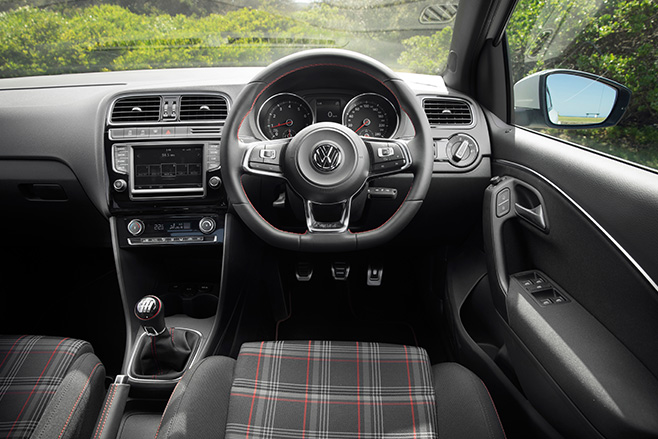
The interior design is drawn straight from the VW corporate mould, which means a clean, relatively conservative layout, that’s functional and easy to live with. Copious amounts of contrasting red stitching and ‘Clark’ tartan trim inserts also add to the familiar GTI feel.
Six-speaker audio is controlled through the 5.0-inch colour touch screen, plus there’s a CD player (old school…) an SD card slot, and compatibility with MP3, WMA and AAC music files.
Anything bad about it?
Rear room is ‘cozy’, although cargo space is surprisingly generous. And the interior design will be too low key and clinical for some.
How much would I have to pay? And is it worth it?
Pricing starts at $27,490 for the manual and $29,990 for the dual-clutch, the standard spec including, six airbags, Hill Start Assist (HSA), VW’s Multi-Collision Braking system, front and rear fog lamps, XDL, alloy wheels, climate-control air-con, cruise-control, Composition Media audio, aluminium finish pedals, multi-function trip computer and rain-sensing wipers. Plenty of fruit for the money.
An optional ‘Driver Assistance Package’ ($1,700) adds Discover Media audio and satellite navigation system controlled via a 6.5-inch colour touch screen, Driver Fatigue Detection, parking distance sensors front and rear with Optical Parking System (OPS), and a Rear View Camera (RVC) with static guidance lines.
For another $3,300 the Luxury Package delivers Alcantara and leatherette upholstery with heated front seats (GTI sport seats are replaced by comfort sports seats with this upholstery), LED headlights and LED daytime driving lights, plus a panoramic glass sunroof.
Would you take the VW Polo GTI or Peugeot 208 GTi?
Both are brilliant hot hatches with impeccable pedigree, and prices are line-ball. Like the Golf GTI, the Polo GTI can feel more efficient than fun, the Peugeot’s flamboyant personality ticking the box for some. But the Polo takes it on the basis of five-door versatility and its sublime ride/handling balance.
Click here to read the full review on the Volkswagen Polo.
Meet the 25 nominees shooting for glory in Wheels Car of the Year 2016.
A HUGE field of stellar cars, eight experienced judges, seven exciting days and thousands of high octane kilometres… This is the 2016 Wheels Car of the Year.
Now in its 53rd year, the world’s longest-running motoring award for excellence is upping the ante. This year, our exclusive award will become more inclusive. This year COTY has two complementary goals. First, and always foremost, is to crown the Wheels Car of the Year. Secondly, we’re determined to make COTY the de facto Wheels road-test annual. We’re cramming more great cars launched in the past 12 months into COTY. We’ll make our eight expert judges work harder than ever before. And we’ll cover the highs and lows in more detail, and across more publishing platforms.
We’ve even convinced our publisher to add an extra 32 pages to the February issue of Wheels, so we can give every one of our 25 nominees for 2016 Car of the Year (yep, we’re adjusting the award’s name to reflect the winner’s year of reign) the coverage they so rightly deserve.
So, without further ado, here are the 25 nominees for the 2016 Wheels Car of the Year.
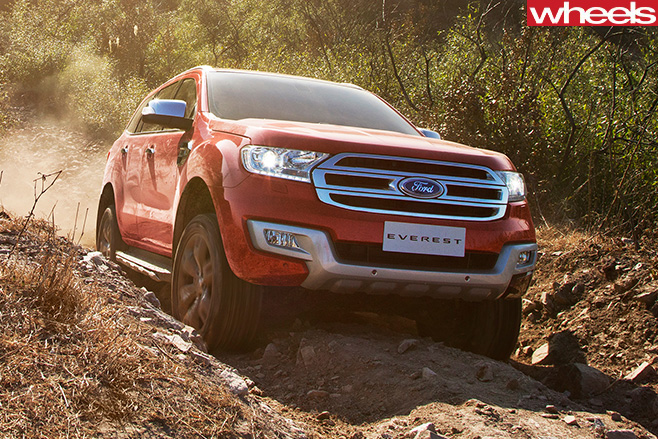
Ford Everest
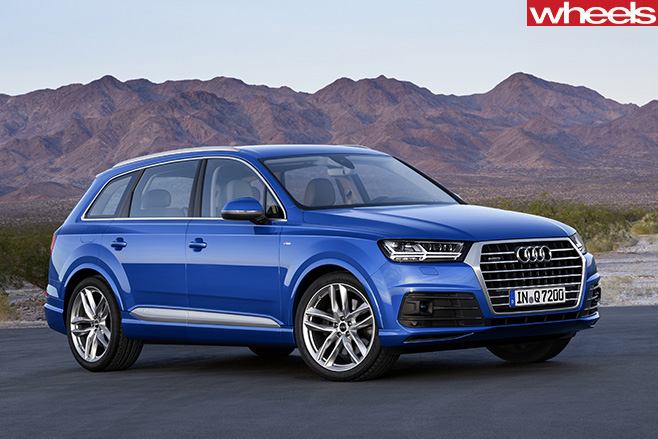
Audi Q7
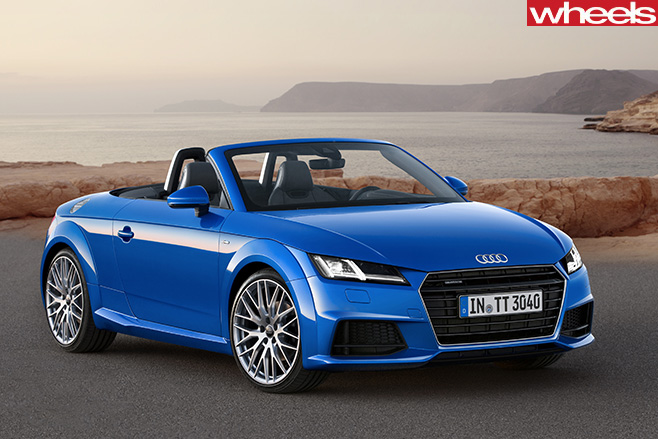
Audi TT
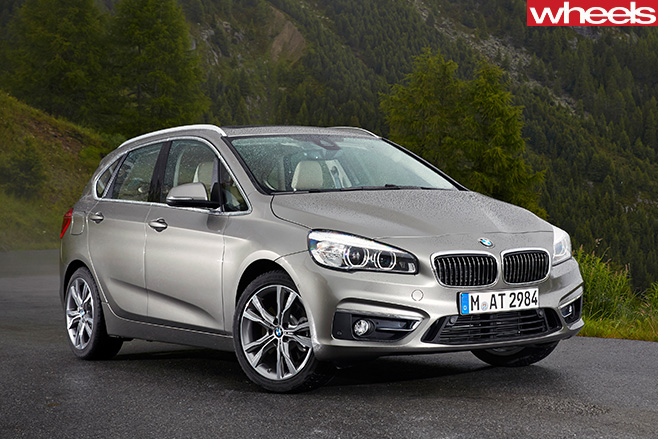
BMW 2 Series Active Tourer
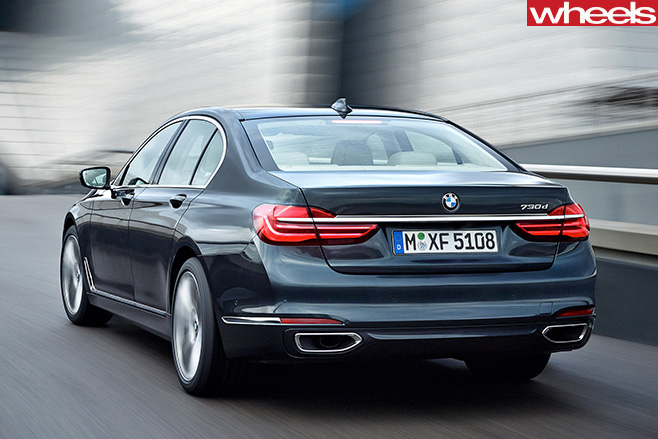
BMW 7 Series
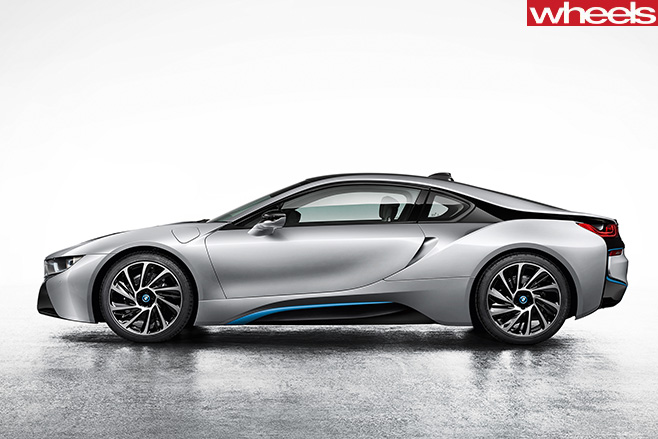
BMW i8
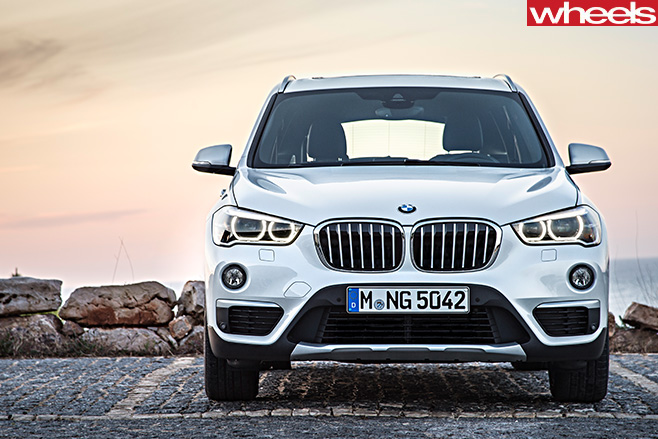
BMW X1
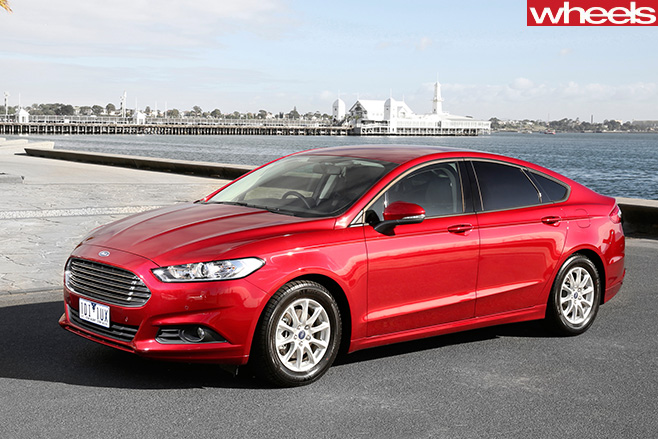
Ford Mondeo
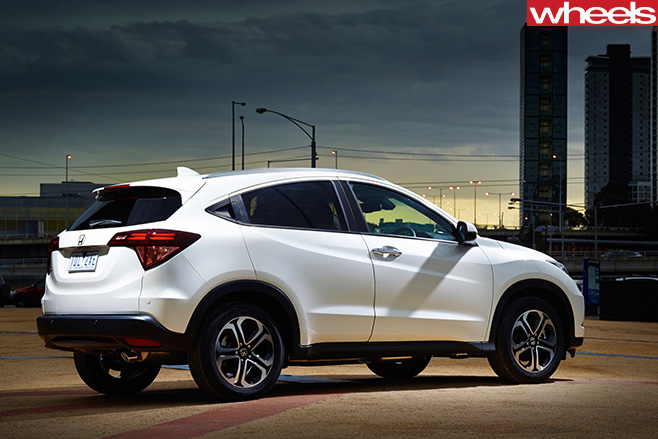
Honda HR-V
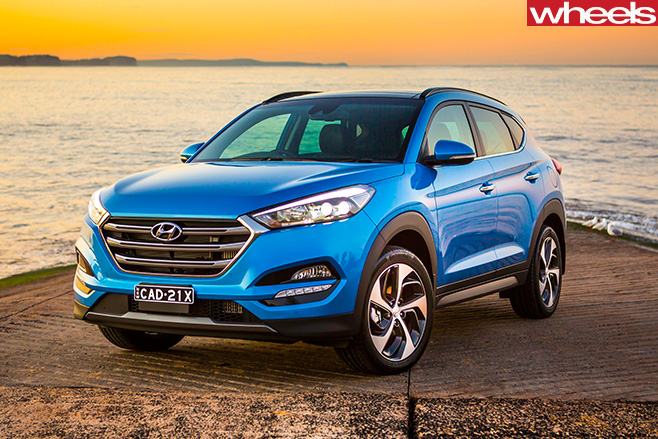
Hyundai Tucson
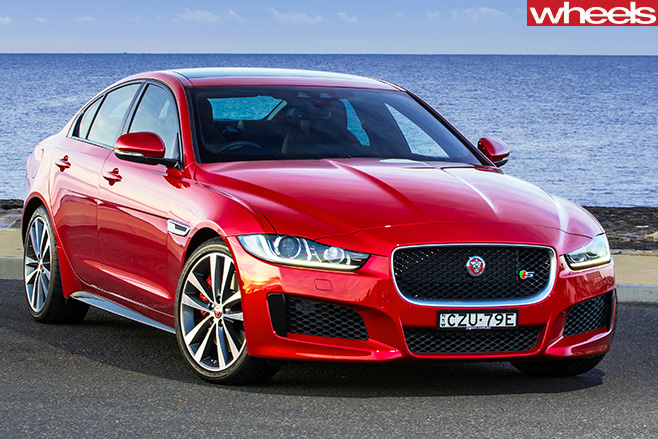
Jaguar XE
Jeep Renegade

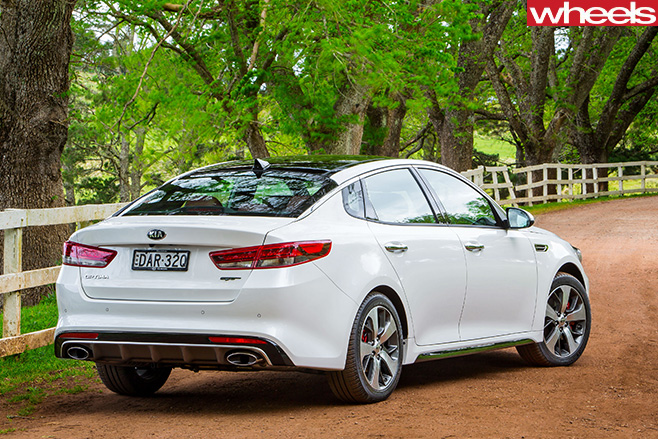
Kia Optima
Kia Sorento

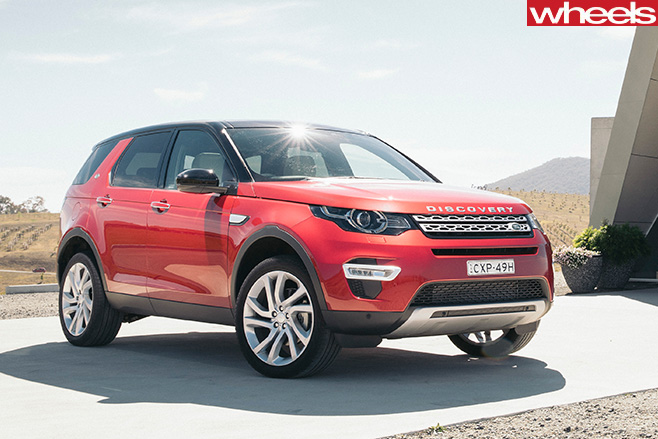
Land Rover Discovery Sport
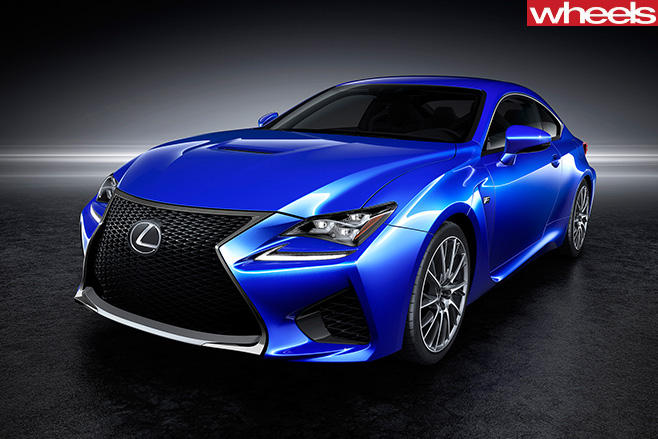
Lexus RC
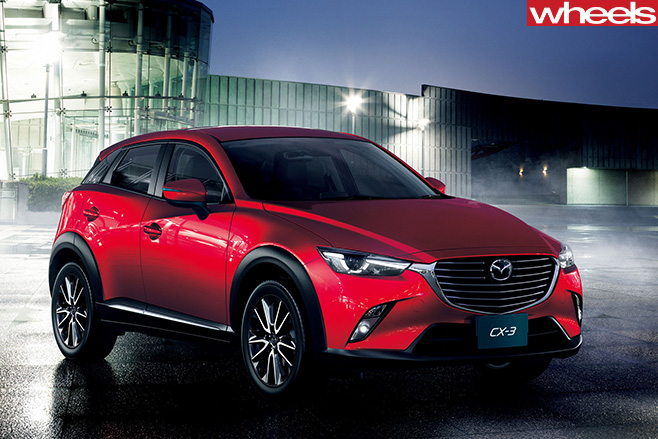
Mazda CX-3
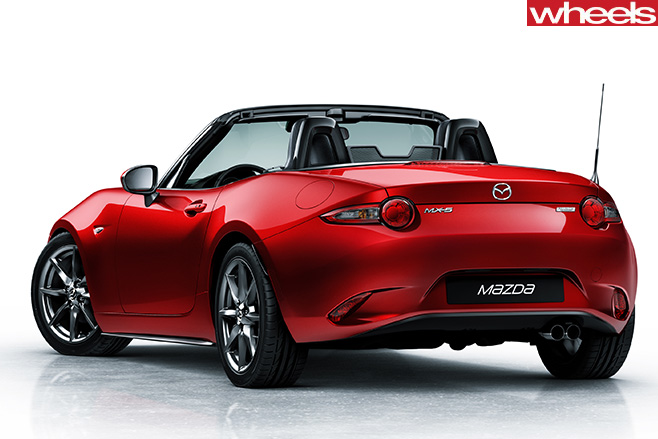
Mazda MX-5
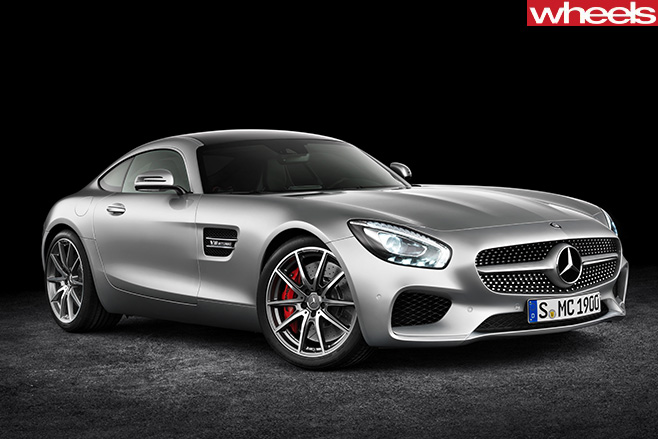
Mercedes-Benz AMG GT S
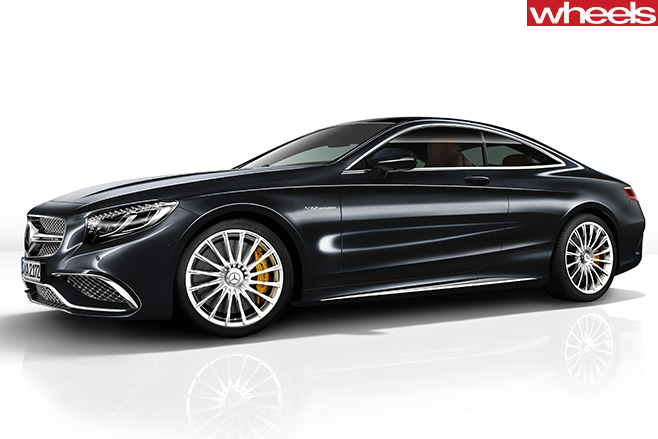
Mercedes-Benz S-Class Coupe
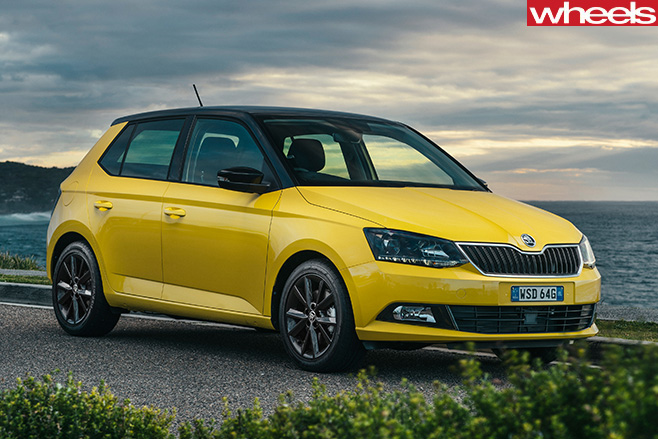
Skoda Fabia
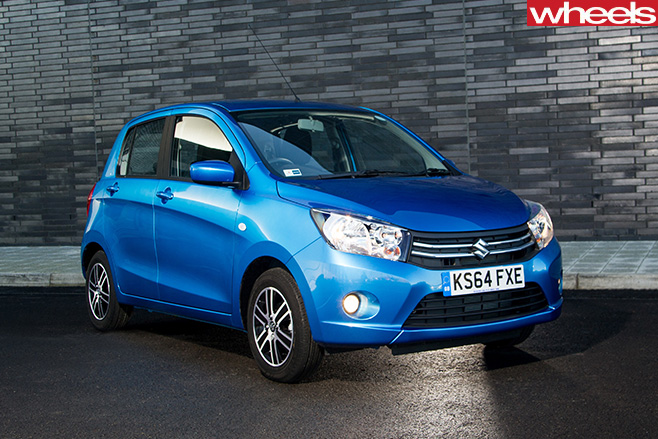
Suzuki Celerio
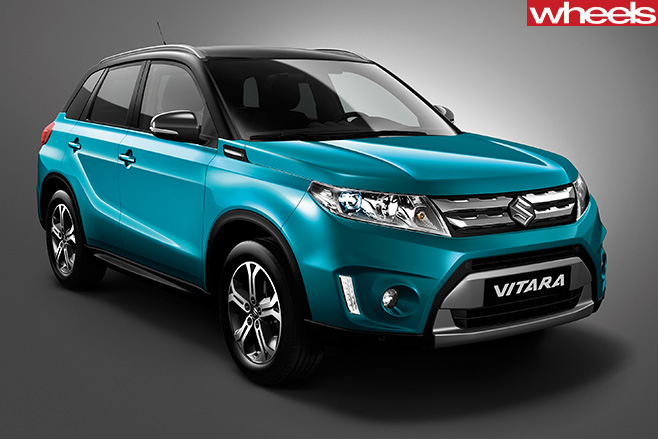
Suzuki Vitara
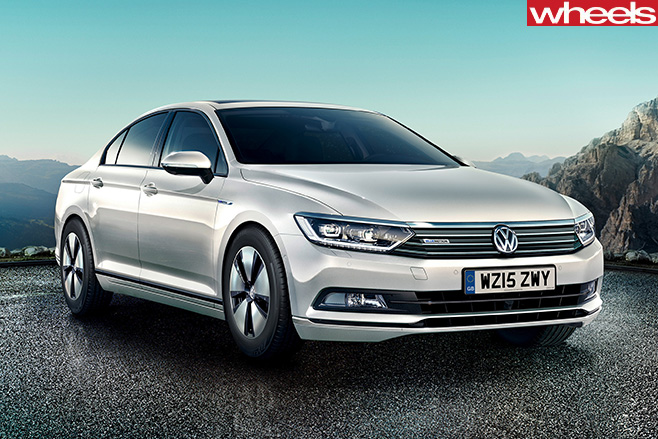
Volkswagen Passat
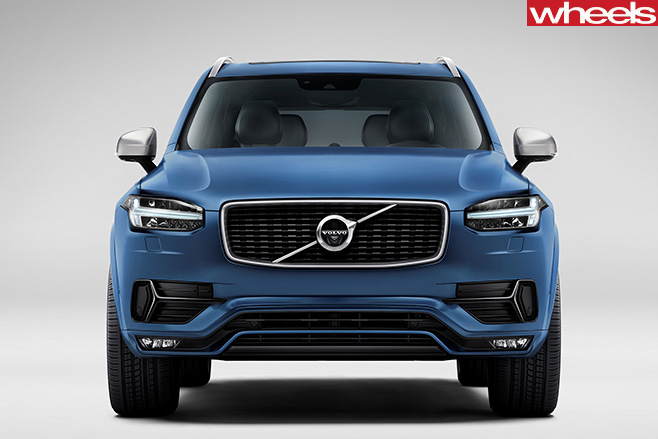
Volvo XC90
Roll on COTY 2016. We can’t wait.
Honourable discharges: Cars that just missed the cut
A NO-SHOW rather than any lack of achievement means the Ford Mustang forfeits its chance to strike this year’s COTY jackpot. Ford Australia couldn’t provide cars for us to drive in time, a real shame for the iconic pony car.
Similarly, the Haval H2, H8 and H9 range of SUVs must be on a slow boat from China, as they also missed the wildcard entry deadline – as has the Mercedes-Benz GLC.
As a tool-for-task proposition, the Kia Carnival is one of the year’s most improved cars. Its handsome design, cabin quality and functionality add to the people-mover class, but the diesel is noisy and the dynamics below par.
The popular Subaru Outback is a big leap forward over its ungainly predecessor, highlighted by sharp pricing and real safety progress. However, rival wagons such as the Ford Mondeo and Mazda 6 edge past it.
Renault’s sassy Captur is a victim of bad timing. Had it been released in 2014 as intended, before the spate of newer and better compact SUVs (CX-3, HR-V and Vitara) came through, the Clio-based Frenchy might have scored a guernsey. However, hobbled by a recalcitrant dual-clutch ‘box with the 1.2-litre turbo four, it must stay behind.
Finally, who doesn’t adore the Alfa Romeo 4C – a raw and uncompromising driver’s car harking back to the marque’s racing heritage? We should just be grateful it exists. But while the 4C’s raw driving experience is exciting, it lacks polish in almost all areas and its pricing is relatively steep.
HENRIK Fisker is suing Aston Martin for $US100 million as he claims that the British car is attempting to lock his Force 1 concept car out of the 2016 Detroit Motor Show.
Fisker, who worked as a designer for Aston Martin until 2004, where he designed for the current-generation Vantage and DB9 models, has filed a civil extortion law suit in the District Court of California.
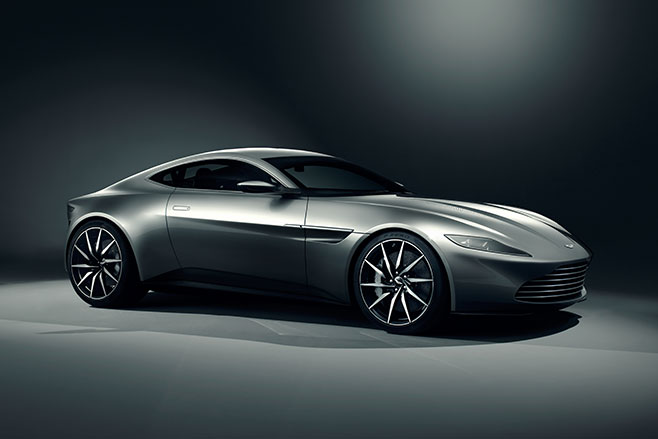
Now head of Henrik Fisker Design, Fisker says that the British carmaker claimed the Force 1 was strikingly similar to the Aston Martin DB10 (pictured below) produced for the 2015 James Bond film, Spectre. That’s despite the fact that the DB10 is not a production model, and that the observations are based on a single sketch that reveals only basic overall proportions of Fisker’s Detroit show car.
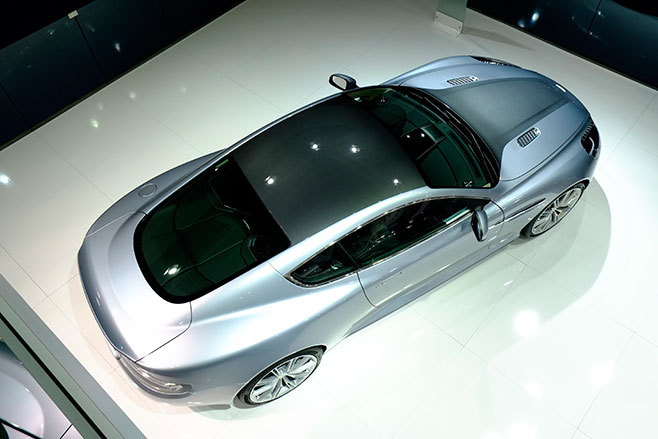
Acting on behalf of Aston Martin, lawyer David Kelly sent Fisker Automotive a letter on December 23 stating that the Force 1 is, “of concern to Aston Martin because it is strikingly similar to several of Aston Martin’s cars, including the DB10”.
Kelly’s letter goes on to cite examples in the motoring media that suggest the Fisker’s design bears a strong resemblance to various Aston Martin models, before a call to action from Fisker.
“Please provide written assurances immediately that Fisker will either [1] not show or display the version of the Force 1 vehicle shown in the above sketch (in any form, including prototypes and sketches) at the upcoming Detroit Auto Show starting on January 11 or [2] will make design changes to the Force 1 vehicle before that show to avoid conflict with Aston Martin’s rights.
“As Fisker knows, Aston Martin will not hesitate to protect its valuable rights if necessary.”
In response, Fisker is suing Aston boss Andy Palmer, its marketing and communications manager Simon Sproule and the man who replace Fisker as Aston’s chief designer, Marek Reichman.
The law suit claims that Aston Martin has “conspired and devised a scheme to stomp out Henrik Fisker’s competitive presence in the luxury sports car industry”. Fisker is suing for “no less than $USD100m” in addition to punitive damages.
While disputing that the Force 1 infringed on any of Aston Martin’s intellectual property, Fisker pointed to the Jaguar F-Type as well as the C7 Chevrolet Corvette as examples of sports car proportions similar to Aston Martin’s, but were not contested by the British car maker.
High performance sports cars in 2016 will be a game of two halves – the awe-inspiring and the somewhat more accessible.
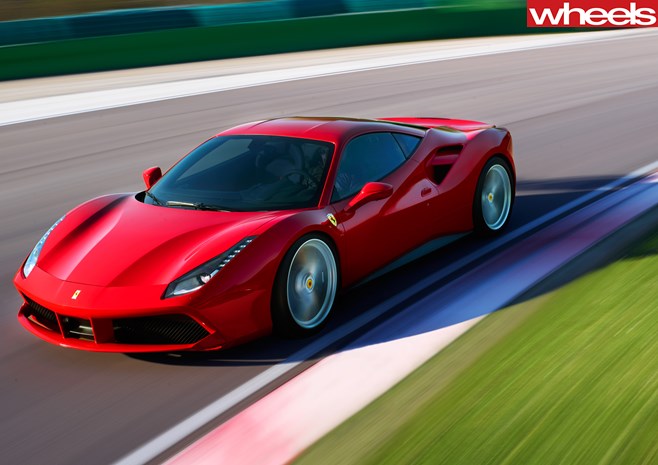
The Ferrari 488 GTB and a reborn Honda NSX will headline the former, while among the latter will be the BMW M4 GTS, the Mercedes-AMG C63 Coupe, and Porsche’s updated Boxster and Cayman.
With a mid-mounted twin-turbo 3.9-litre V8 sending 493kW to the rear wheels, Ferrari’s 458 successor, the 488 GTB (pictured below), is on the front foot against new and renewed rivals.
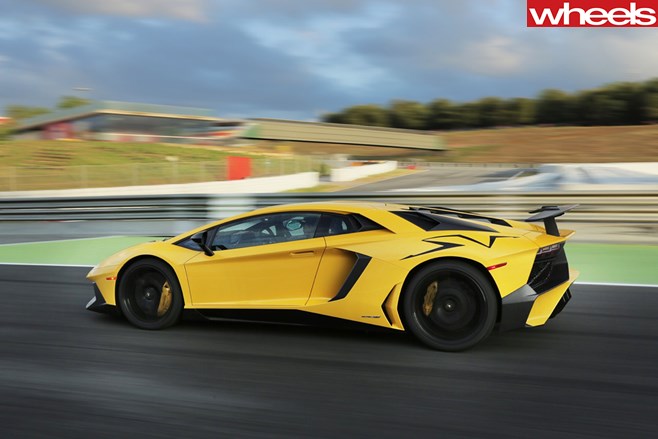
We’re also likely to see the 4.0-litre twin-turbo V8 Lamborghini Urus, which is the brand’s second SUV, and its first since 1993.
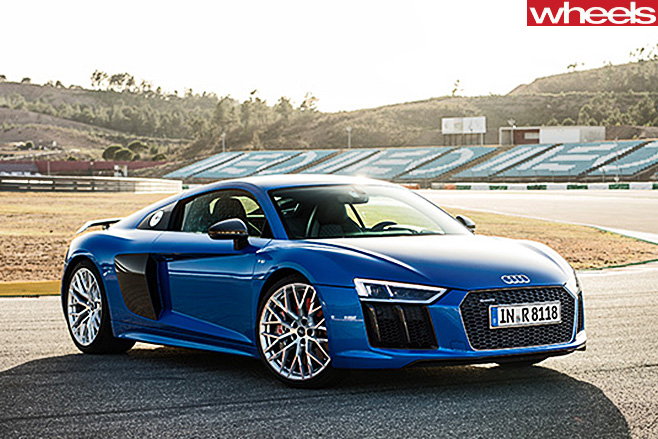
Audi’s second-generation R8 will arrive around June, bringing an evolutionary new look, more power and speed, and greater efficiency. Importantly, the R8 won’t trade away its renowned user-friendliness, though it will drop the V8 to become a V10-only proposition.
Moving into a less costly domain, we’ll greet hotter, harder BMW M4 variant the GTS, and a full-house 2 Series M-car called, yep … the M2.
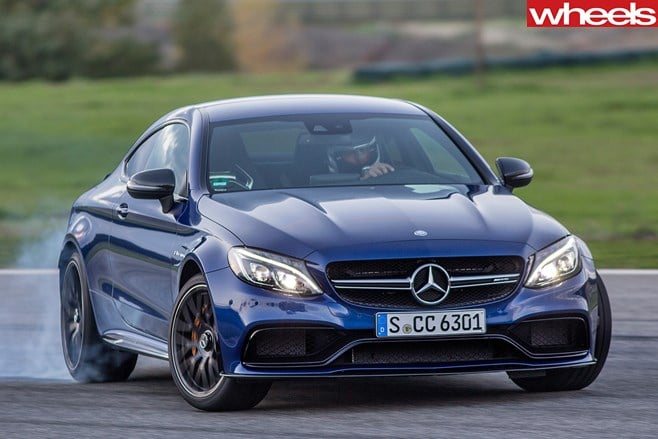
McLaren will give us a two-car line-up and a baby brother for the 650S, with its 540C and 570S Coupes, which have the Porsche 911 Turbo fixed in the crosshairs.
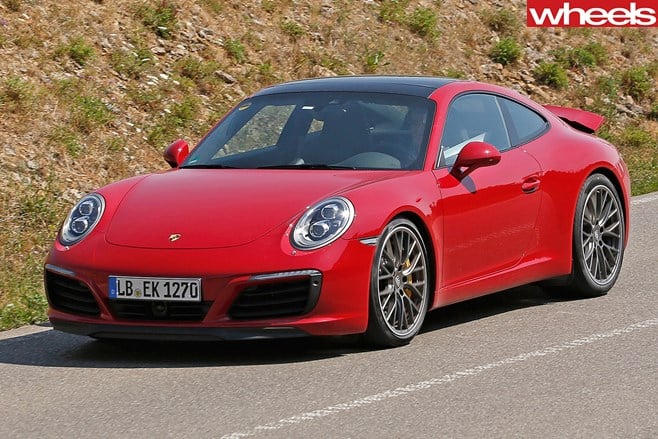
The German brand will also deliver a facelifted Boxster and Cayman, complete with boxer four-cylinder turbo engines. The talented Zuffenhausen engineers will make sure these are more impressive than they sound.
America owes Australia. No, really, when you think about it, the US has a lot to thank its pals Down Under for.
Whenever it goes to war we’re there to help out, we ship our finest talent over – Cate Blanchett, Geoffrey Rush, Eric Bana, Hugh Jackman and more – to make its movies better and we’re happy to lend a hand on the car front, too.
The Monaro and latest VF Commodore made their way Stateside, as did the Caprice, which saved US police officers from enduring any more motoring misery from behind the wheel of ancient Ford Crown Victorias.
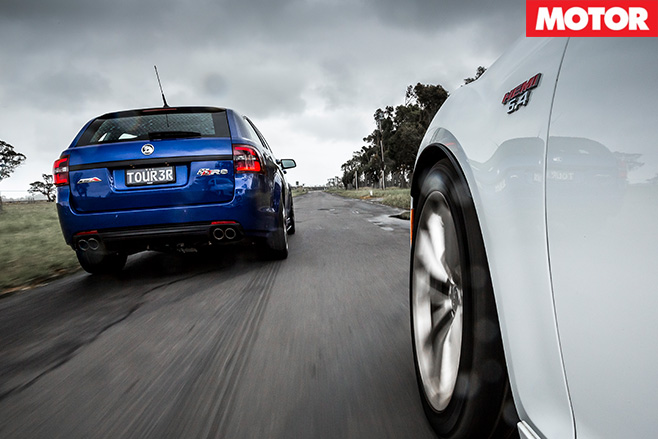
But we’re glad it has, because when it comes to V8 rear-drive muscle cars, there’s no such thing as too much choice.
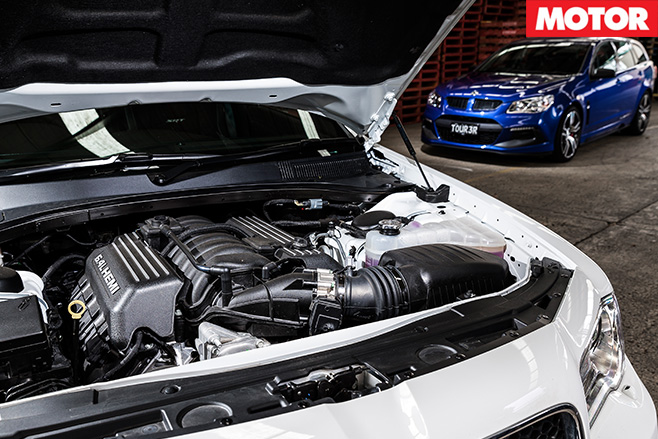
It’s not the only gift we can enjoy from Uncle Sam, however. As you’re probably aware by now, as part of its MY16 Gen-F2 update, HSV has installed the 6.2-litre supercharged LSA V8, originally found in the Camaro ZL-1 and Cadillac CTS-V models Stateside, under the bonnet of its Clubsport, Maloo and Senator models.
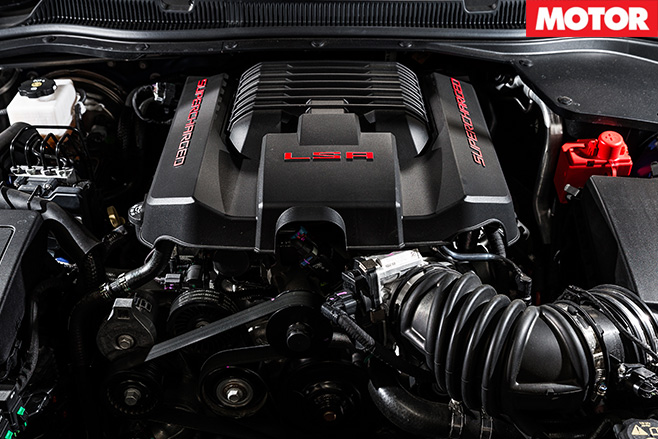
Having driven the sedan last month and the Maloo on page 42, we chose the wagon for this comparison because, well, we wanted to; since when is an excuse needed to drive a 400kW station wagon?
Sadly, Chrysler no longer offers a wagon option for its 300 SRT. Buyers wanting Hemi-powered practicality can always stump up $84,000 for a Jeep Grand Cherokee SRT, however unless you really need the extra load space the Chrysler is the car to have, not least because you can enjoy the same 6.4-litre V8 for just $59,000.
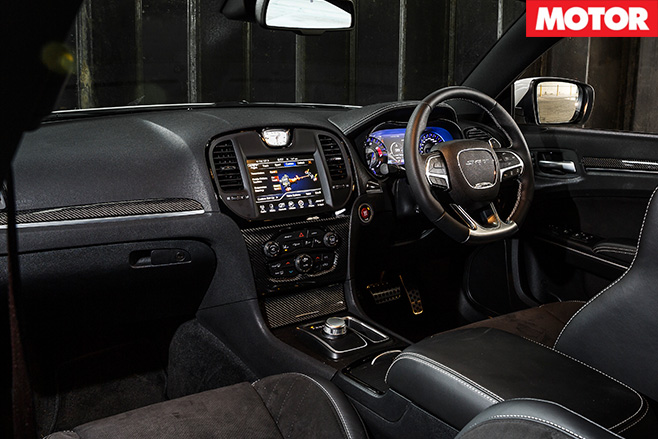
Okay, so the interior doesn’t set any new benchmarks in material quality or fit and finish, but the amount of equipment contained within is just staggering.
Here is just a selection: heated and cooled front seats; heated rear seats; leather and alcantara upholstery; 19-speaker Harmon Kardon stereo; bi-Xenon headlights with adaptive cornering and auto high-beam functions; SRT Performance Pages with lap and acceleration timer; and a full suite of active safety gear, including blind-spot monitoring, adaptive cruise control, forward collision warning and lane departure warning.
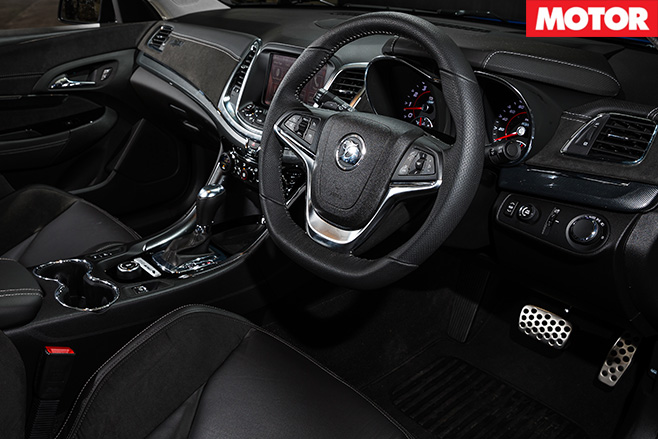
The HSV can’t pull the same trick but offers similar levels of active safety tech, though most keen drivers will turn the systems off, their over-zealousness – emergency brake is particularly keen to activate for no reason – an irritation if you are actually paying attention.
While the Clubsport’s interior lacks the toys (heated and cooled seats) and tinsel (carbonfibre trim) of the Chrysler, it counters with a better driving position and head-up display, though it would be worth playing with trim colours to break up the overwhelming greyness of our test car.
It may be 30kW/69Nm down and weigh a portly 1974kg – a 67kg penalty over the Clubsport LSA sedan and 71kg more than the GTS – but the R8 LSA Tourer hits 100km/h in 4.54sec on its way to a 12.67sec quarter mile at 180.75km/h.
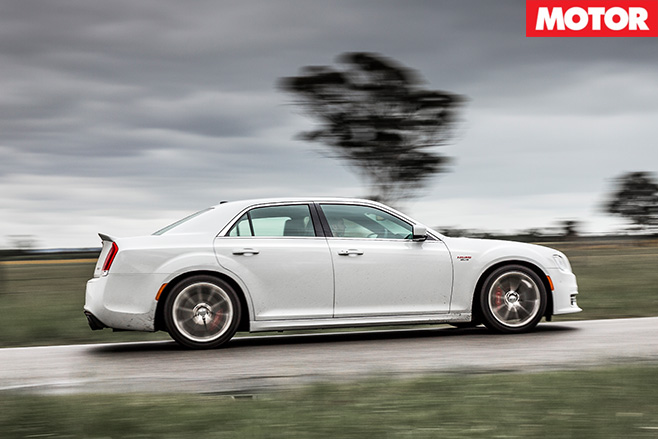
When it comes to bang for your buck, however, the Chrysler is king. At 1965kg it, too, is a heavy beast, yet it scorches to 100km/h in just 4.49sec and through 400m in 12.60sec at 180.54km/h, though if you believe the onboard computer it takes just 4.3sec and 12.3sec respectively, which illustrates the difference between DriftBox and drag strip timing.
In contrast, the Clubsport feels almost lazy in comparison, though lazy is the wrong adjective for a car that can accelerate so effortlessly and rapidly. The speed in each gear inexorably builds (and builds, and builds), the exhaust note hardening from a guttural growl – the kind you get from an angry dog warning you to not step any closer – to an enraged roar in the process.
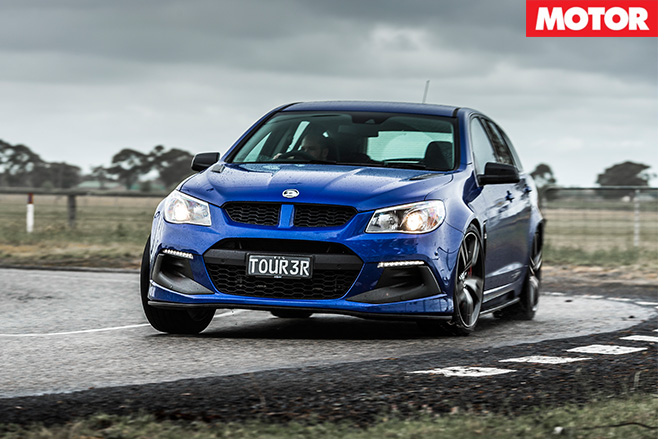
Traction is strong, even in the wet. In the dry it takes a fairly concerted effort to break the rear free, and when it does so it’s progressive and easily caught with a flick of opposite lock.
You could quite easily drive it without fear sans any electronic aids, though the Performance setting in the Driver Preference Dial is so good you might as well leave the safety net in place. The steering is weighty, perhaps slightly excessively so, and if we’re nit-picking it could be a bit quicker off-centre, but you can still place what is a very large car very accurately.
It feels to sit quite flat in corners; the LSA models’ stiffer spring and damper rates have largely eradicated the Commodore Redline’s off-throttle playfulness, but perhaps that’s no bad thing given the Tourer weighs well over two tonnes with a driver and a full tank of fuel on board.
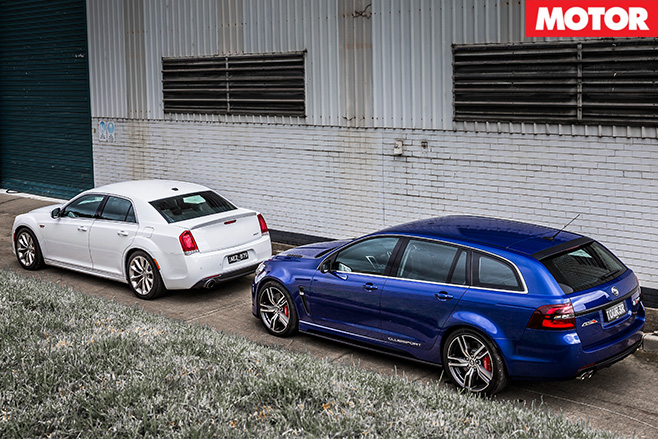
In terms of cornering behaviour, the 300 SRT feels remarkably similar to its antipodean rival. Both cars are essentially neutral, with mid-corner understeer if you carry too much speed on entry and oversteer on exit if you use too much throttle.
The Chrysler’s ultimate limits are lower thanks to 245/45 R20 Goodyear Eagle F1 rubber all ’round versus the HSV’s 255/35 R20 (front) and 275/35 R20 (rear) Continentals, though the flip side of that is the harder Goodyears will cop more punishment than the sticky but soft Contis.
That said, it’s remarkable how good the big 300 is to drive hard. Looking at it you’d assume it’s going to handle with all the poise and finesse of a Melbourne tram, but while it’s never going to qualify for Swan Lake, it’s very capable and very friendly at the limit.
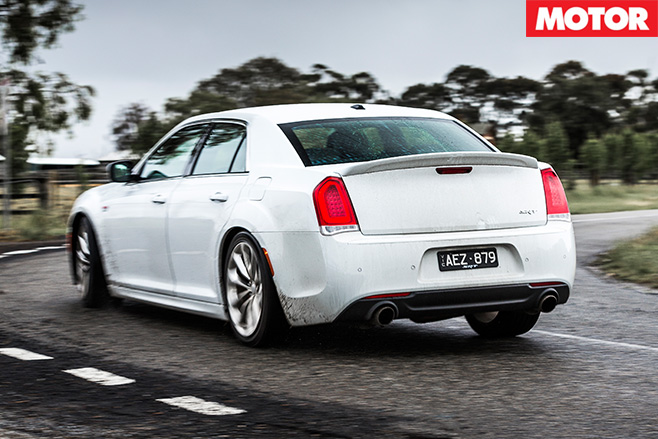
Likewise, the new electrically-assisted power steering is light and vague in Street, but Sport offers enough weight to lean against – if little in the way of actual feel. Track suspension and steering is probably a step too far for most people on the road, but the Track ESP setting is brilliant.
Lenient yet subtle in its interventions, if you need more slip angle than this on the street you’re going to end up on A Current Affair, though few cars are easier to drive extremely sideways if you have the venue and inclination to do so.
What ultimately costs the Chrysler, however, is its lack of composure at the limit. Up to around seven or eight-tenths it’s all pretty happy, but push harder and you start to wish for a bit more control and feedback.
Some issues are ergonomic; you sit high in the driver’s seat, the paddle shifters are awkwardly placed and the throttle action is incredibly long. But the main problem is that the 300 SRT always feels like an extremely big car, never shrinking around you in the same manner as the Clubsport.
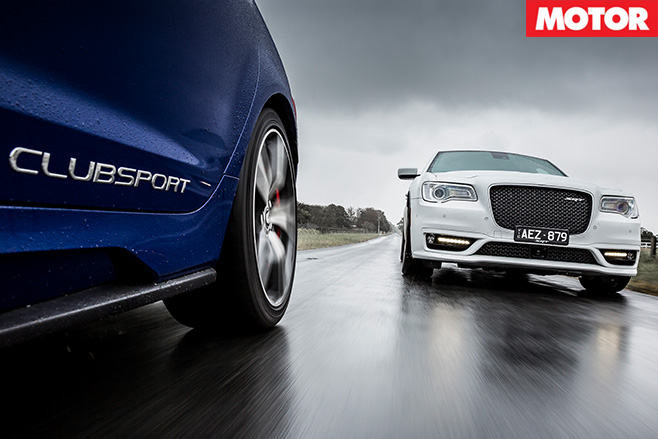
On the other hand, it doesn’t get much more sensible than a Commodore wagon, though few will mistake the Clubsport R8 LSA Tourer for your run-of-the-mill Holden, especially once it starts up with a thunderous boom.
We reckon it looks awesome, understated yet aggressive, especially in HSV’s new Slipstream blue. And the new tail-lights, bonnet vents and sculpted side skirts freshen up its styling.
Between this, AMG’s C63 S Estate and CLA45 Shooting Brake, Audi’s RS6 and VW’s Golf R Wagon, we’re in a golden age of practical performance cars, which makes you wonder why anyone would want to buy an SUV. No sportified off-roader drives as well as the Clubsport, and it’s this dynamic prowess that gives the HSV the win here.
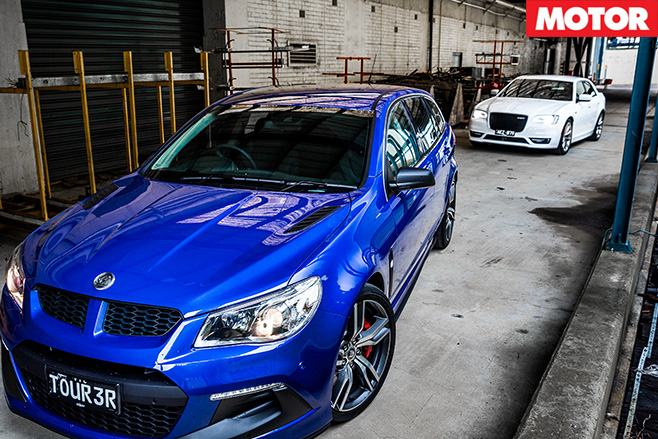
Not everyone is going to be a fan of the bling, but for those who are – people who wish their lives were more like The Sopranos, presumably – it’s a fine alternative to the traditional muscle car choices. We’re not square yet, America, but this is a good start.
| u00a0 | u00a0 | HSV CLUBSPORT R8 LSA TOURER | u00a0 | CHRYSLER 300 SRT |
| Body | u00a0 | 5-door, 5-seat wagon | u00a0 | 4-door, 5-seat sedan |
| Drive | u00a0 | rear-wheel | u00a0 | rear-wheel |
| Engine | u00a0 | 6162cc V8, OHV, 16v, supercharger | u00a0 | 6417c V8, OHV, 16v |
| Bore/Stroke | u00a0 | 103.25 x 92.0mm | u00a0 | 103.9 x 94.5mm |
| Compression | u00a0 | 9.0:1 | u00a0 | 10.9:1 |
| Power | u00a0 | 400kW @ 6150rpm | u00a0 | 350kW @ 6150rpm |
| Torque | u00a0 | 671Nm @ 4200rpm | u00a0 | 637Nm @ 4250rpm |
| Power/Weight | u00a0 | 203kW/tonne | u00a0 | 178kW/tonne |
| Transmission | u00a0 | 6-speed automatic | u00a0 | 8-speed automatic |
| Weight | u00a0 | 1974kg | u00a0 | 1965kg |
| Suspension (f) | u00a0 | struts, coil springs, anti-roll bar | u00a0 | double A-arms, coil springs, adaptive dampers, anti-roll bar |
| Suspension(r) | u00a0 | multi-links, coil springs, anti-roll bar | u00a0 | multi-links, coil springs, adaptive dampers, anti-roll bar |
| L/W/H | u00a0 | 4978/1899/1454mm | u00a0 | 5089/1902/1478mm |
| Wheelbase | u00a0 | 2915mm | u00a0 | 3052mm |
| Tracks | u00a0 | 1616/1590mm (f/r) | u00a0 | 1621/1639mm (f/r) |
| Steering | u00a0 | electrically-assisted rack-and-pinion | u00a0 | electrically-assisted rack-and-pinion |
| Brakes(f) | u00a0 | 367mm ventilated discs, 4-piston calipers | u00a0 | 360mm ventilated discs, 4-piston calipers |
| Brakes(r) | u00a0 | 372mm solid discs, 4-piston calipers | u00a0 | 350mm ventilated discs, 4-piston calipers |
| Wheels | u00a0 | 20.0 x 8.5-inch (f); 20.0 x 9.5-inch (r) | u00a0 | 20.0 x 9.0-inch (f/r) |
| Tyre Sizes | u00a0 | 255/35 ZR20 (f); 275/35 ZR20 (r) | u00a0 | 245/45 ZR20 (f/r)u00a0 |
| Tyre Sizes | u00a0 | Continental ContiSportContact5P | u00a0 | Goodyear Eagle F1 |
| Price as tested | u00a0 | $85,990 | u00a0 | $69,000 |
| Pros | u00a0 | Supercharged grunt; polished dynamics | u00a0 | Searing pace; value; looks; ride comfort |
| Cons | u00a0 | Weight; firm ride; outrageous thirst | u00a0 | Steering better but not great; gearbox could be sharper |
RESULTS
There are 17 models on Volkswagen’s books, but Golf does the bulk of the heavy lifting. The popular hatch is up 17pc for the year and accounts for 37pc of the brand’s sales. Golf and Polo together account for almost all of VW’s 11.9pc rise YTD. However, the emissions scandal is clearly taking its toll locally because the German brand’s sales fell 6pc in October.
Rank: 8th 2015: 60K 2016: 59K Grade: B-
OPPORTUNITIES
It’s all about the Tiguan in 2016. It is outsold by at least eight mid-size rivals and VW hopes the arrival of the second-gen model in the first half of the year will bump it up the pecking order. Golf should get some pricing and marketing love as the small-car segment heats up. Volkswagen also has a full year with the new Passat, a car priced to take a larger slice of the medium segment dominated by Toyota’s Camry.
CHALLENGES
Regaining trust after the cheating scandal. But the early part of 2016 will see Volkswagen trying to look after existing customers, taking the focus off winning potential new buyers. Also, Amarok is under pressure from newer utes, while Golf fights in a declining segment; almost two-thirds of VW sales are traditional passenger cars, which are in gradual decline. SUVs account for 35pc of total sales, but only 16pc of Volkswagen volume.
SUMMARY
A problem child. School reports aren’t just about results, but how the kid behaves in class. And we’re tipping VW would have been given the cane in days of old. It’s sailing through uncharted waters so must continue to navigate carefully, with customer service paramount. Dealers, too, will be distracted dealing with fixing 80,000 cars. Uncertain future, but very strong product.
What is it?
An updated version of an ageing hot-hatch icon. The current RenaultSport Megane 275 Cup Premium may be in the twilight of its life, but key upgrades – and brilliant fundamentals – keep it utterly engaging and hugely desirable. It’s a performance car for those who really are into driving for the hell of it, and those who enjoy the occasional track day.
What’s new about it?
A super-trick (and costly) titanium exhaust system from specialist Akrapovic that delivers a rich, rorty note under throttle and whip-cracks when you lift to brake or change gear. It also gets a slight lift in power from the 2.0-litre turbo engine, taking outputs to 201kW and 360Nm, among a handful of other more minor upgrades.
What’s it like to drive fast?
Anyone who finds driving a pleasure rather than a chore will agree that ‘fastest’ does not equate to ‘best’. Driving enjoyment comes from connection with the car; feedback from the controls, a sense of ‘oneness’ when hustling through your favourite back road’s corners. The Megane RS275 has all this and more, leading us to the inescapable conclusion that it’s the most involving and best-handling front-wheel-drive car currently available in Australia. The fact it’s still so good this far into its lifecycle makes it even more remarkable.
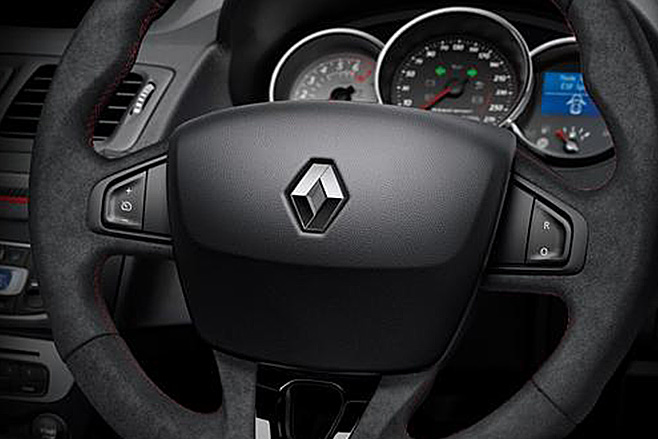
Central to the Megane’s driver appeal is that it’s engineered by the company’s motorsport division – clearly a team that knows how to extract the best from a front-wheel-drive layout. The suspension is re-engineered to help provide super-sharp, feelsome steering and resolute body control. In an age where real steering feel is being steadily diluted, the RS275 is a revelation. The wheel telegraphs what’s going on down at tyre level, informing the driver how much grip and corner entry speed is available. Hint: it’s almost always more than you initially figured. Powering out of corners brings just a hint of wheel wriggling in your hands – just enough to let you know how well the front tyres are finding traction.
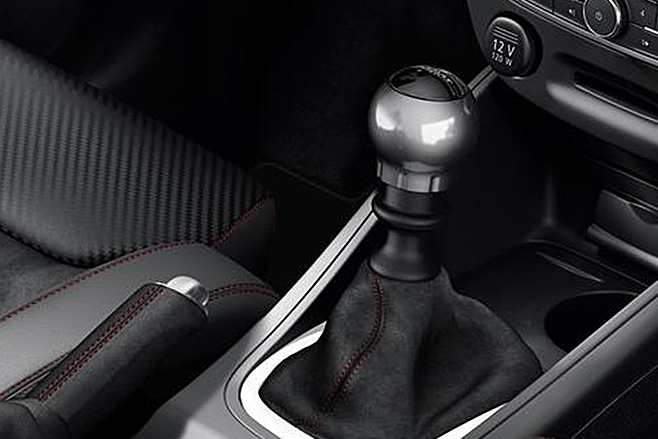
The 2.0-litre engine is turbocharged yet mostly avoids typical turbo drawbacks of soft low-rev performance or mushy throttle response. It’s raspy and eager, and pulls hard to peak power, at which point a helpful buzzer chimes in to insist you upshift. Yes, as a proper driver’s car, the Megane demands you shift your own gears; there’s no automatic option. Fortunately, the shift action is short between gear slots and wonderfully slick, so the process only enhances the driver’s sense of connection with the car. Then there’re the brakes, which give a strong bite from a firm, progressive-feeling pedal. Unlike many front-wheel-drive cars, which start to wilt and feel a bit reluctant when driven with real enthusiasm, the Megane laps it up.
What about the commute home?
In order to deliver the brilliant handling and body control, Renault’s engineers had to settle on a very firm suspension tune, and there’s no Comfort button to soften things off. The result ride is ultra-disciplined quality, the wheels moving with short, quick responses to lumps and bumps in the road. It’s sophisticated enough to round off most surfaces, but at lower speeds and around town, some drivers may find the level of jiggling and slight restlessness a bit wearying.
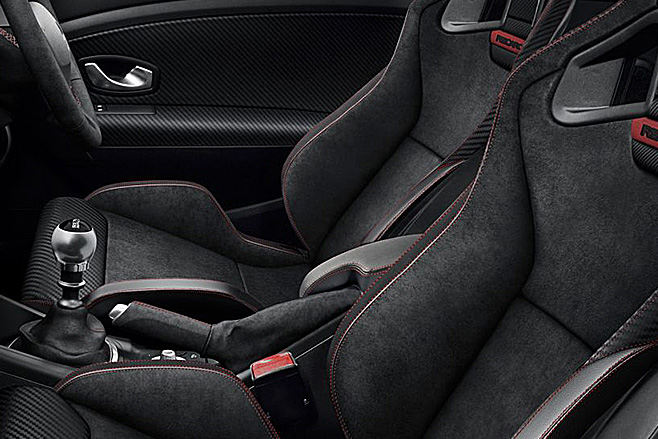
The cabin treatment leaves you in no doubt as to the Megane RS275’s priorities: front seats are from performance specialist Recaro, and once you’re in them, they embrace you like a long-lost relative. Side support for thighs and back is especially welcome, given the type of driving the Megane encourages. They require a bit of muscle to slide and recline forward to access the rear seat, though. Space back there is limited – fine for kids up to early teens but adults will only endure it for short hops. Cabin design is minimalist, which has helped it age well, but compared to more modern rivals, it lacks some now-ubiquitous safety and convenience features, and has a few operations quirks that require familiarisation.
What’s it worth and is it worth it?
You can get into the slightly lower-spec Megane RS265 for $43,990, which is strong value against the hot-hatch opposition. The Cup Premium version here pushes that out to $52,990, well above VW’s benchmark Golf GTi ($41,000 as a manual) and line-ball with its more focused sibling, the Golf R ($52,740.) The Megane isn’t as polished or as well-equipped as the latter, but its more hardcore focus makes that tolerable. Given its status as sharpest front-driver on the market, we reckon it’s solid value.
Click here to find out more about the Renault Sport Megane RS275 Cup Premium.
Small cars are set for a big year in 2016, with appealing and interesting new arrivals expected in both the market-leading hatchback/sedan class and in the booming baby-SUV segment.
One from left-field is quirky but clever Citroen crossover the C4 Cactus, which we’ll see around February. The French wagon will be a niche model, playing the likes of the Mazda CX-3, Nissan Juke and Peugeot 2008.
Selling points include roominess, low weight, a choice of efficient small turbo petrol and diesel engines and, in fine Gallic tradition, comfortable ride quality. The C4 Cactus (pictured above) is a front-drive-only proposition, and a six-speed robotized manual will be offered in lieu of a conventional automatic, alongside five-speed and six-speed manuals.
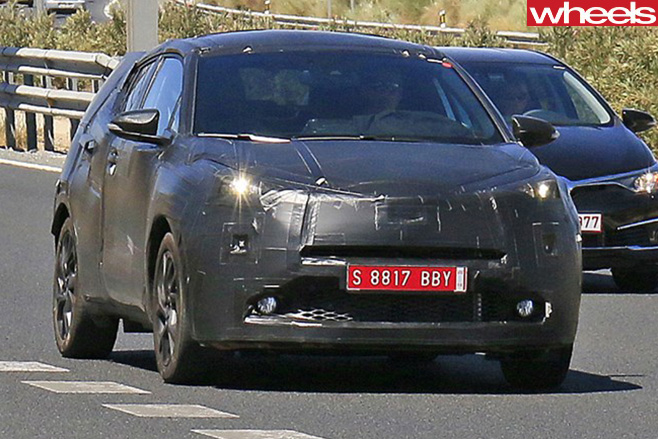
Big news at the pointy end of the passenger cars sales charts will be the arrival of a new Holden Astra. And – although perhaps not until 2017 – the Opel-sourced fifth-generation Astra ‘K’ will sell alongside a fresh – and imported –Holden Cruze.
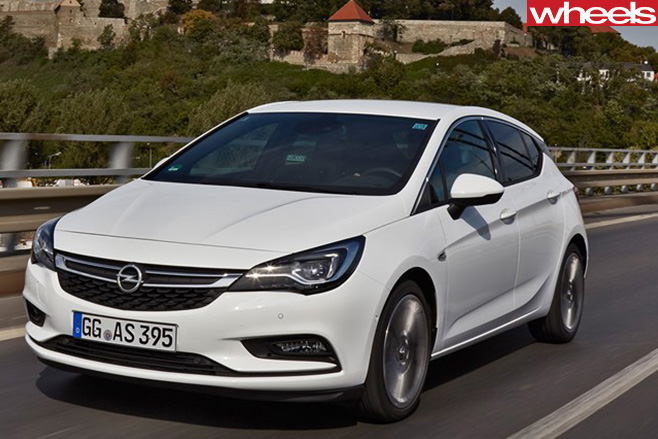
The Holden Cruze is also expected to take a step up with the second-gen model, which will be sourced from Korea ahead of the impending closure of Holden’s local manufacturing operation.
The Lion’s two-pronged attack will stand it in good stead in a small-car class of 2016 brimming with new players, likely including a facelifted Mitsubishi Lancer, Honda’s 10th-gen Civic and Renault’s Megane IV (due July).
In premium compact arrivals, Audi’s A3 range is due for an update, which will be headlined by the adoption of the ‘virtual cockpit’ instruments to which were introduced by the third-generation TT. The Ingolstadt brand will also usher in its Q1. The ultra-compact, MQB-based model will open the brand’s SUV range.
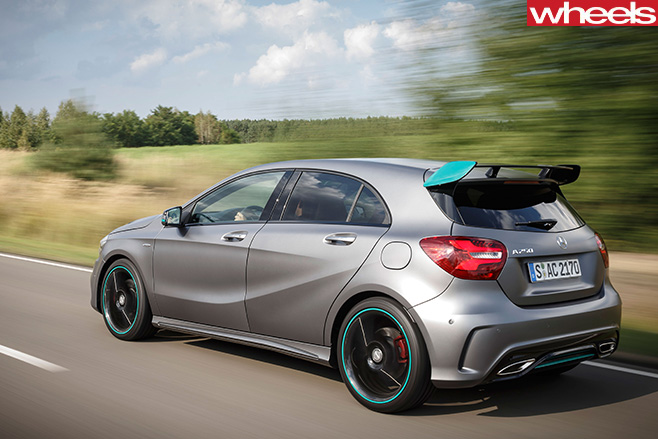
Citroen will introduce a facelifted DS3, which will bring a hotted-up Racing version to Oz for the first time. The French brand’s DS4 is also due for an update; it’ll drop the grille chevron for a new visage.
The baby SUV segment saw strong growth in 2015 and solid sales thanks to the Mazda CX-3 among others, and arrivals such as Suzuki’s iM-4 will help it maintain the momentum in 2016. We’ll also see Mitsubishi’s second-gen ASX – if you’d like a preview of the styling, look exactly as far as the XR PHEV II concept.
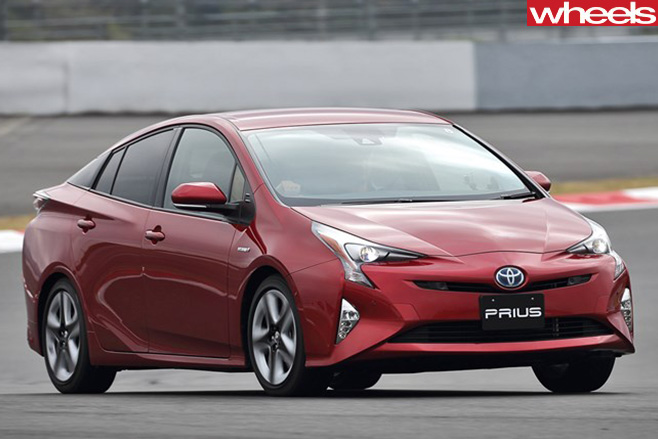
A new Holden Barina Spark won’t set the world on fire when it arrives in February, but the next-gen city-car promises to be a big improvement on the current model which, admittedly, is not difficult.
Mitsubishi’s updated Mirage, on the other hand, probably won’t be much better than the outgoing version. Meanwhile, Suzuki’s new little hatch, the iK-2, will at least give buyers an interesting alternative in this segment of slim pickings.
