
THE race wasn’t quite as memorable as last year’s thriller, but most of the spectators trackside at Mount Panorama yesterday were ecstatic about Craig Lowndes winning his sixth Bathurst 1000 enduro on Sunday.
Lowndes is purely and simply Australia’s favourite race driver. Even Ford fans warm to the grinning Mother Teresa in Nomex.
It was a great day for a couple of over-40s. Experience counts when the going gets tough.
Lowndes and his co-driver, Steve Richards, came from 15th on the starting grid, safely managed a lengthy wet period when their Commodore wasn’t coping well with the conditions, and then maxed out the car’s pace in the dry.
“That last lap I backed off and really enjoyed the lap for what it was,” beamed Lowndes. “I could see the crowd going wild across the top and saw their flags flying.
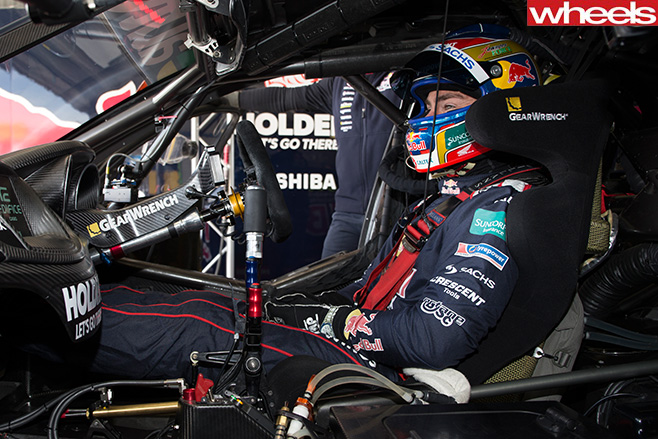
“Richo is one of those quiet achievers who goes under the radar. He did everything we needed him to do today.”
Ford’s V8 Supercar Championship leader Mark Winterbottom fought tenaciously all day, with he and co-driver Steve Owen plucking second place out of a scenario that looked bleak in the first part of the enduro. They had to deal with two black flag penalties for not having operating brake lights. Their dash gauges also went dead until a reboot.
“There were plenty of eventful things going on but by running slicks in the wet we popped out of nowhere and ended up at the front,” said Winterbottom. “The car was alright; I really had to hammer it though. I don’t think I’ve ever driven that hard here. We salvaged something out of a situation that looked quite bad. I must thank Steve and the team for turning it around.”
A safety car triggered when Scott Pye’s Falcon broke a steering arm and speared hard into the concrete, did more than leave the driver with suspected broken ribs, and end Marcos Ambrose’s Bathurst return. The big shunt also compacted the field and left Lowndes leading a group of potential muggers in a desperate 19-lap sprint to the chequer.
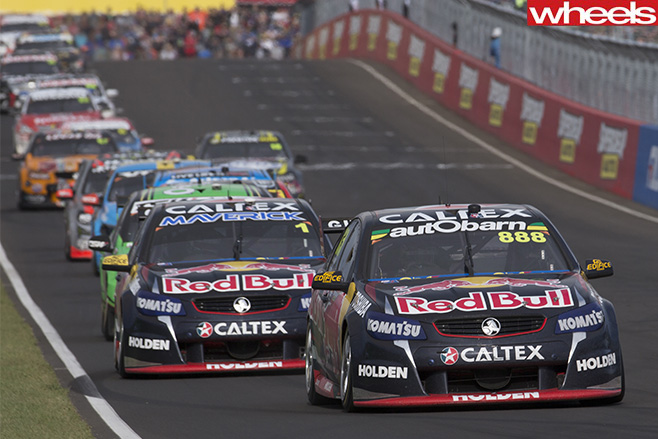
HRT’s Garth Tander and Warren Luff were third, coming from position 22 on the grid and completing a remarkable statistic; all on the podium came from outside the top 10. Well outside.
Lowndes’ latest success means he joins Larry Perkins and Mark Skaife with six wins, although at 41 he probably will struggle to match his idol Peter Brock’s nine. Steve Richards is amassing a handy total himself; the 43-year-old has bagged four.
For the second year on the trot, defending V8 series champion Whincup was left rueing what might have been.
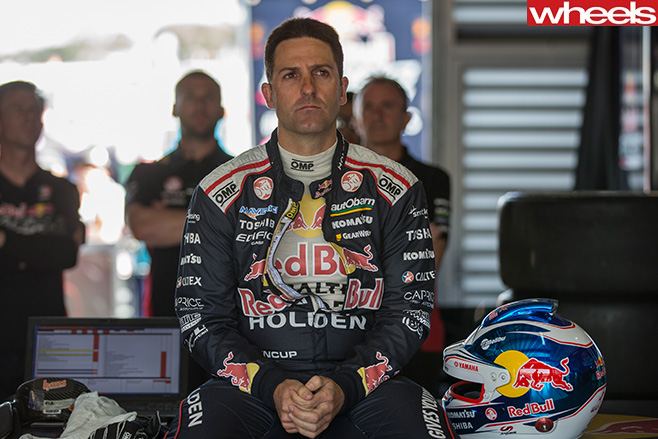
But when the safety car was deployed for the Pye incident, Whincup ignored team instructions to pit immediately for the race-defining final fuel stop, making a split-second decision to remain on the track for another fateful lap rather than double stack behind Lowndes.
Officials pinged him for overtaking the safety car, pulling him from the lead group to serve a drive-through pit lane penalty. He ultimately finished 18th but not before a couple of heart-stopping ‘offs’ and a new race lap record. It was a strange day in the office.
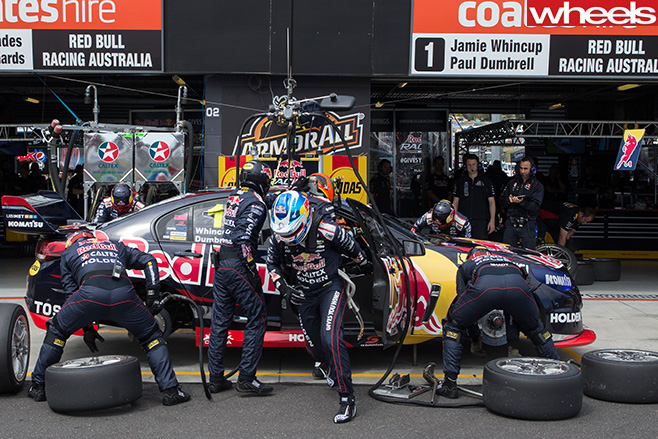
After reflecting on the enormity of his error, Whincup was more conciliatory: “I was just trying to do the right thing – I thought I was doing the right thing, but clearly I wasn’t.”
Though not quite a serial offender, Whincup has form for shunning team advice. In last year’s race, his Red Bull boss Roland Dane fingered him for ignoring team entreaties to back off and save fuel. But Whincup then ran out of petrol while leading on the last lap.
Five of the 26-car field failed to finish. A Volvo blew an engine; four others crashed heavily.
It seemed the all-female pairing of Renee Gracie and Swiss professional Simona de Silvestro were also destined to be non-finishers when the Australian driver failed to see fluid dropped by the stricken Volvo and skidded hard into the wall at Forrest’s Elbow on lap 15.
But the team flew into action and got the battered Ford trackworthy, and they completed the race 40 laps down in 21st place.
Winterbottom might be unhappy just missing out on another Bathurst win, but he should be cheered by looking at the championship points table; he is 399 points ahead of Lowndes with the Gold Coast, Auckland, Phillip Island and Homebush to run.
What a difference a year makes
It was all over early for defending Bathurst 1000 champion Chaz Mostert after his brutal, bell-ringing stack early into Friday’s qualifying. It was a simple mistake with cruel consequences, Mostert misjudging his slalom run down to Forrest’s Elbow. His Falcon clipped a barrier at 170km/h and then pinballed through a series of six big impacts. The Ford was a mess but metal can be fixed or replaced. Worse was that the car debris collected a group of flaggies, hurting one. Mostert was whisked to hospital with a fractured left leg and wrist.
Right there, Mostert’s cheeky late-season charge to V8 Supercars’ championship contention ended abruptly, and sadly.
Like just about every time the 1000 rolls around, Mount Panorama again dispensed favours and pain indiscriminately.
For the first time in many years, the top 10 Shootout was run in the wet. Slippery and treacherous at the start, it then got worse.
Pole went to one of Mostert’s Ford teammates, Dave Reynolds, the same bloke left $25,000 lighter after he was fined earlier for flippantly asking if the Falcon of all-girl team of Renee Gracie and Simona de Silvestro was the “pussy wagon”.
For the first time in memory, the Bathurst 1000 began without two of its biggest stars, Mostert and James Courtney, the latter still recovering from injuries from that freakish off-track incident many weeks earlier.
Just as steering wheels have evolved to ensure drivers keep their hands on the wheel, so to have technologies to help keep the eyes on the road in the form of heads-up displays (HUDs).
Originally debuting in fighter pilot cockpits more than 50 years ago, the HUD is information projected onto the windscreen or a pop-up transparent device within the eye-line of the driver.
It has evolved into a sophisticated projection of driver information. The car’s speed, GPS directions and system information or infotainment is now more accessible at a glance without taking eyes off the road ahead. Think about it: when travelling at 110km/h on the highway, it takes a second to glance down at the instrument cluster to check your speed. It then takes another second to re-focus on the road ahead. By then, you’ve travelled 60 metres essentially blind.
Do it enough times and your eyes will get tired and your brain a bit fuzzy through all the effort of re-focusing distances. Add all the glances at the radio, the GPS, the car’s info systems… On a long journey, you could be ‘blind’ for kilometres.
BASIC HEADS-UP DISPLAY
There are typically two systems: a laser or light source projected on to the windscreen or glass panel in front of the driver; or a digital mirroring system to reflect the images onto the windscreen.
A basic HUD system displays plenty of information for the driver including the current speed of the vehicle in a digital format, GPS information counting down the distances to turns, and the best lane to be in for the next intersection.
If you think this kind of technology doesn’t come cheap, think again. There are factory units as well as aftermarket ones available for helmet visors and car windscreens, and basic units that plug into your car (or display from a GPS) which start from around $100.
Cheaper HUD systems are susceptible to glare, so the more you pay (or the more expensive the car) the more informative and integrated the unit will be.
AUGMENTED REALITY HUD
In recent times, HUDs have gone another step further into the realm of ‘augmented reality’, which we think is pretty cool.
Augmented reality systems add a deeper layer of information by placing imagery and virtual signals directly in-line with the driver’s view.
Not confined to a small section of the windscreen, the system places graphics – some systems are even in full colour – into the driver’s entire forward field of vision.
Typically connected to the driver safety and information systems – and utilising radar and GPS – the system can show the painted lines of the road in the deepest fog and trace the shape of vehicles lost in the pea soup ahead.
Some manufacturers are already taking guidance a step further in their prototypes, creating a ‘360-degree virtual view’ system which not only utilises full graphics, but a ghost car as a guide to follow instead of typical GPS arrows and street names. It must feel like the driver is immersed in the Gran Turismo video game.
Other systems already in production utilise infrared to outline animals and pedestrians near the roadside at night and even warn of impending accidents, lane drifting and other hazards with big flashing warning signs on screen, be it day or night.
Ironically, the intention of a HUD is to bring the road back in to focus and away from the distractions that pull our eyes away from it, not to clutter up our field of vision with an overload of information and entertainment.
Before long, HUDs will probably be connected to all the apps on our phones. The argument being that it is best to have our heads up reading Facebook and Twitter messages than sneaking peeks across to the passenger seat. Navdy is a step toward this, projecting social media messages and GPS directions, while also featuring touch-less gestures to flick through messages and answer calls by swiping in the air near the device.
Of course, to do that, you need to take a hand off the wheel.
OUR CAR PICKS
Want to look into a car with a head-up display? Here are our picks.
Some breathless laps at the Phillip Island circuit in Victoria suggest that the 283kW GT4 – the first Cayman worked over by Porsche’s motorsport division – will be every bit as entertaining as it felt overseas.
WHAT IS IT? Bloody special, that’s what. This is the first Porsche Cayman to be fettled by Porsche’s iconic motorsport division and trust us, it’s been worth the wait. This is no light upgrade: the Cayman GT4 looks and feels every bit as focused as the bigger, and more expensive, 911 GT3.
WHY WE’RE TESTING IT Because this is the Cayman we’ve all been waiting for. A bigger engine, and parts stolen from the mighty 911 GT3, promise to lift what is already a benchmark sportscar to another level.
MAIN RIVALS Lotus Exige S, Jaguar F-Type Coupe R, Audi TT RS, Porsche 911 GT3
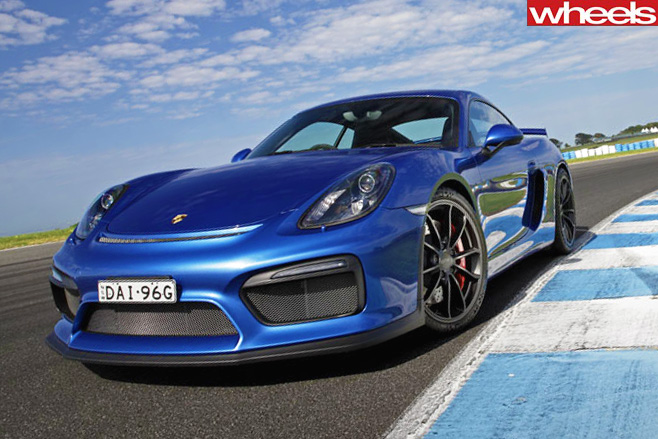
PLUS: Grip; balance; steering; interior ergonomics; manual only MINUS: firm ride; rear visibility; too tall geared; demand is so high, you’re unlikely to get one
THE WHEELS REVIEW
IT TAKES a full lap in the Cayman GT4 before I remember to do the most basic of human functions: breathe. The preceding 4.4km at Phillip Island has been such a manic orgy of eye-popping speed, astonishing mid-corner grip and haunting flat-six noise that my brain is starved of oxygen.
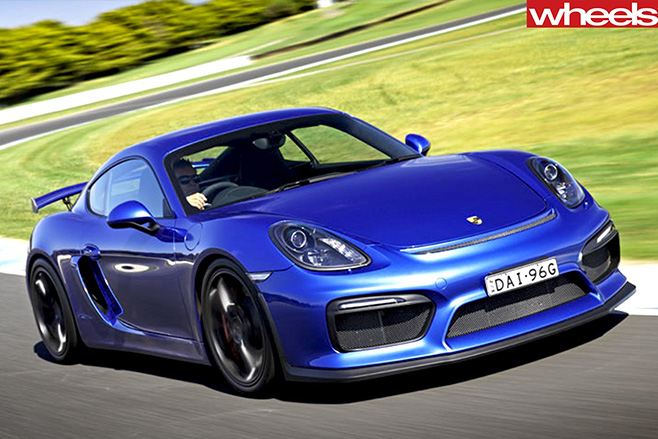
It’s also Porsche’s entry-level track toy, but don’t for a second dismiss the GT4 as the runt of the GT litter. The 283kW/420Nm 3.8-litre flat six is nicked from the Carrera S, only rotated 180 degrees to suit the Cayman’s mid-engine layout. The bigger, 380mm brakes and front end are from the mighty GT3, as are elements of the sharper electronic steering. There’s even a new, aero-infused body that at 295km/h provides 100kg of downforce. And joyously, the sole transmission choice is a six-speed manual.
The attention to detail is so absolute Porsche says its GT division has fitted the GT4 with more than 500 new components. Little wonder it feels so different. From the first corner at Phillip Island, the GT4 is a noticeable step up from the already very fast Cayman GTS.
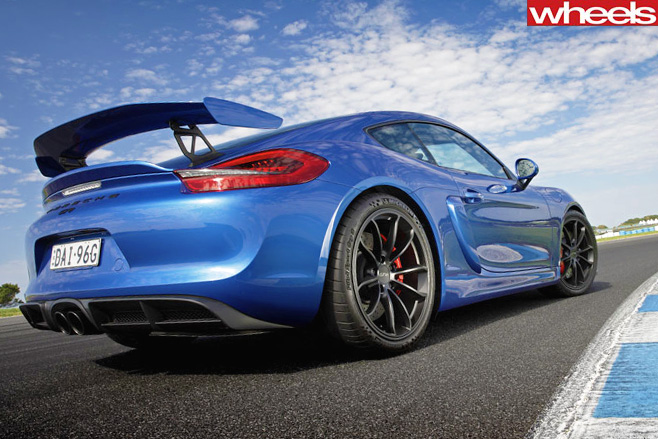
It’s so beautifully balanced and confidence inspiring that with every new corner you get on the throttle harder and earlier, secure in the knowledge the rear tyres will grip and hurl you through the other side. This is one of those rare cars where the harder you push, the more it rewards you, and I finish my handful of laps convinced I’ve only just begun to explore the limits of the GT4’s astonishing ability.
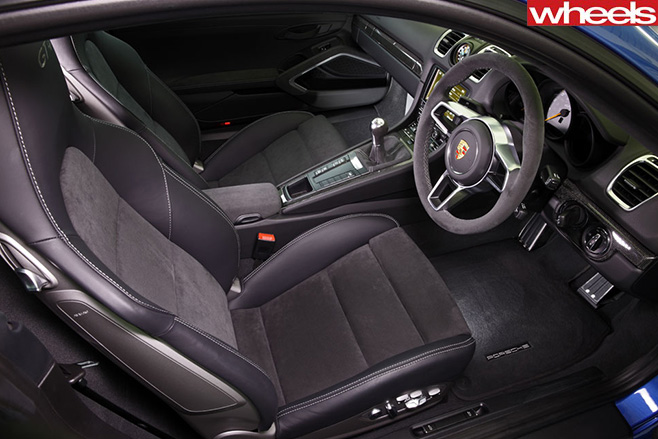
Inside, the GT4’s interior is a masterclass of build quality and ergonomics. The seating position is perfect and a new, 918-style alcantara-trimmed steering wheel that’s 10mm smaller sits snugly in your hands. Even the pedals are exactly where you want them, which makes rev matching on downshifts a dream. Until you realise that with Sport mode activated, the GT4 matches every downshift for you. Perfectly.
Which brings us to another point of contention – the engine. In isolation the 3.8-litre six is a peach that revs sweetly to its 7800rpm cutout and delivers a razor-edged howl that is angrier and even more engaging than the note than it delivers in the Carrera S. But it does lack the final dash of rev-crazed savageness you get in the GT3’s bespoke unit. And I’m sure the GT4’s heavier clutch and firmer ride (it sits 30mm lower than standard) could become tiring on public roads. But really, I’m nit-picking here. The GT4 is a triumph, and one guaranteed to reward you every time you slide behind the wheel. Just remember to breathe.
SPECS Model: Porsche Cayman GT4 Engine: 3800cc flat 6, dohc, 24v Max power: 283kW @ 7400rpm Max torque: 420Nm @ 4750rpm Transmission: 6-speed manual Weight: 1340kg 0-100km/h: 4.4sec (claimed) Economy: 10.3L/100km Price: $189,900 On sale: Now
It’s no wonder the world is going automatic. Long gone are the days when losing a clutch pedal also meant sacrificing a gear ratio or two, as well as a great wad of performance. About the only thing anyone could miss from the bad old days of glacial small autos is some of the marketing names, though whoever thought ‘Toyoglide’ gave an impression of speed had clearly never driven one.
If you love driving, nothing beats the pleasure of a great manual. And if you don’t mind lowering your aspirations to the bottom end of the small hatchback market, there’s a wealth of sharp-shifting manuals waiting to tempt the Fangio in all of us.
Europeans worship the manual gearbox almost as much as the Greeks love smoking, so it’s no surprise that Peugeot, Renault and Volkswagen open their nifty-handling Peugeot 308, Renault Megane and Volkswagen Golf ranges with six-speed, three-pedal variants.
In the Volksy, you can have a manual in either the $21,490 base car or the retiree-tinged $25,240 Comfortline, but not the beautifully finished Highline (even though it exclusively offers a sporty R-Line package). The Frenchies, however, only serve up a manual in their entry-level specials – the $20,990 Megane Authentique and $21,990 308 Access – or their performance models. So we’ve gathered the cream of the affordable Euro crop, all sub-$22K yet also surprisingly flash for the poverty end of the market.
Well, the Golf and 308 are. The Renault Megane is a different story, from a different era seeing its DNA dates back to 2008, which helps explain its dour interior and lack of visual sizzle. In Authentique spec, you’re seeing a Megane for what it really is, without the trick Recaro seats and brightly coloured belts of its Renaultsport stablemates to liven up the place. About the only moment of sparkle in the Megane’s cabin is its interesting semi-digital instrument set-up because the rest is darker than an Arctic winter. Even chrome door handles can’t save it, though a more adventurous seat fabric would’ve gone a long way to making the Megane less dull. Rumours that Joe Hockey did the ‘working poor’ cabin fit-out are unfounded.
Alongside the austere Renault, the Pug and Volksy are almost flamboyant. The base 308 misses out on the high-design centre touchscreen of more expensive variants, but the architectural shape of its dashboard and the flourishes of aluminium trim and textured upholstery give it a massive leg-up over the Megane. And while the base Volkswagen Golf still has an air of German restraint, its lush plastics, crisp instruments and beautiful leather-bound steering wheel make it feel genuinely special, as does its luxury-car refinement.
If you look closely, the Golf’s in-cabin superiority runs far beyond having this trio’s only leather wheel. An excellent multi-adjustable centre-front armrest above a front storage bin, a sliding cover for its cupholders, touchscreen multimedia, remote window opening, rear-seat air vents and a parcel shelf that can be stored below the boot floor are all just about unheard of at 30 grand, let alone 22. The only ‘exclusives’ the French pair can offer are LED daytime running lights on the Peugeot and the Renault’s five-year warranty and full-size spare. That said, one unexpected upside of the Megane Authentique’s alloy-esque wheelcovers is that underneath them hides a set of styled black steelies for a bit of Skyline GT-R menace (see p.78). Especially with the test car’s optional Diamond Black paint.
Sadly, that’s where the GT-R connotations end for the Renault. Its 97kW/205Nm 1.2-litre turbo four – an uprated version of the same donk in the Clio – is no powerhouse, though a 17.4sec standing-400m time ain’t too shabby for a large-ish hatch with a small engine.
Stretched to its 6400rpm redline, the Megane’s zingy engine sounds sportier, if much louder, than the Golf’s less powerful 1.4 turbo, and its in-gear response is right on the money. Almost identical to the Golf and 308 from 80-120km/h in third and fourth gears, the Megane falls away in fifth but is stronger than the Golf in sixth.
Where it drops the ball, though, is in shift feel. Its firm, short-travel clutch and meaty gearchange lack the crispness that makes the Peugeot and Volkswagen manuals so pleasant to use. Combine that with the softness of the Renault’s turbo boost and throttle response, and you’re left feeling slightly dissatisfied. But there’s definitely some latent potential. How about more boost please, Regie?
The Golf’s 90kW/200Nm 1.4-litre turbo four is an elastic, stress-free worker, not an object of sporting inspiration. It’s all about tractable response and mid-range effortlessness, yet it doesn’t object to being stirred along via the Golf’s slick six-speed gearchange. Even when you do, fuel economy remains outstanding, but there’s a better petrol engine here and it belongs to the Peugeot.
Given the worker-bee quality of most mass-market French petrols, it’s a revelation that Peugeot’s ‘Pure Tech’ 1.2-litre turbo triple is such a fantastic engine. On paper, its 96kW/230Nm outputs aren’t greatly different to the Renault’s, yet there’s a sparkle to the Peugeot’s throttle response, and a sweetness to its power delivery that raises this engine to another level. Without question, this is the greatest three-cylinder engine of all time, with the possible exception of some obscure mad-bastard domestic-market Daihatsu from the 1980s.
Not only does the Pug exude that thrummy three-pot character, it does so without affecting its refinement. Quieter than the Golf, yet much spritelier than the Megane, the 308’s engine blends loads of chubby boost (peak torque is just 10Nm less than the 308 1.6 turbo’s) with a smoothness that hasn’t always been a given in a three-pot donk. And it has a lovely metal knob topping a gearshift that is notchier than the Golf’s, demanding more dextrous use of the clutch to approach the Volkswagen’s slickness, though greater mileage should free it up more.
Where the Megane claws back some ground, and ultimately argues the strongest case for itself, is on a twisty road. It’s the easiest car of the three to simply jump into and drive hard, displaying instant poise and adjustability from a lifted throttle that enhances its involvement, and elevates its handling to a level far beyond most of the competition at its $21K price point. Indeed, the Megane’s co-operative back end proves that torsion-beam bums are what you make of them, and that this pseudo driver’s car has more than a hint of Renaultsport about its chassis.
The slightly left-field Peugeot requires greater acclimatisation, but is similarly enthusiastic. As soon as you slip into its supportive driver’s seat, it feels vastly different to the Golf and Megane, with both an unusual and interesting driving environment. Its little steering wheel is brilliant, though unfortunately not leather in Access grade, and its driving position is fine once you get used to the low-set wheel position, its instrument pack sitting right up in your eyeline, and its reverse-swinging tacho.
But the 308’s chassis is instantly up for it. It’s much more reactive to mid-corner throttle adjustments than the Golf, and while it feels more softly sprung than the Megane, the 308’s sharp steering, quick turn-in and terrific body control give it a layer of dynamic polish that the handling-biased Renault fails to achieve. And the 308 does so with personality and panache.
In the Golf, everything harmonises with such lovely, seamless fluidity that you almost don’t notice how capable it is at first because you just feel so calm and relaxed when driving it. The VW’s big steering wheel and the on-centre aloofness of its steering are in sharp contrast to the Peugeot’s hyper keenness, but its chassis is sweetly balanced and its refinement continues to be a highlight. Pity the driver’s seat doesn’t offer lumbar adjustment, though, and its somewhat squeal-prone 195/65R15 Michelin Energy Savers don’t seem to have the wet-road purchase of the French pair’s Goodyear Efficient Grip tyres – 195/65R15s on the Peugeot and sportier 205/55R16s on the Renault.
But the Golf holds one invincible ace up its sleeve and that’s ride. The quiet and serene fashion with which it blots virtually any road surface is exceptional for any car, let alone a small hatchback. The entry-level Golf is truly a luxury car in a concentrate, with class-leading rear seat room and comfort, and little extras such as individual map lights and fully lined door bins designed to take 1.5-litre water bottles.
The Peugeot runs the Volkswagen close for ride and refinement, with a suppleness that has been missing from French hatchbacks for way too long, though there are moments you can tell it has a torsion-beam rear end, not the Golf’s multi-link IRS. A series of challenging mid-corner bumps expose a shifting in its rear end that serves as a reminder of its non-independence, though the 308’s rear-biased balance and eagerness to change direction more than compensate.
What really puts distance between the Pug and VW, though, is the Peugeot’s emphasis on its front-seat package. Up front, it’s terrific, but jump into the back and it’s impossible not to notice the seat’s lack of under-thigh support – you sit with legs completely splayed – and the marginal foot and toe room if both front seats are cranked to their lowest positions. Clearly, if you value rear-seat acreage, you’ll need to stretch to the long-wheelbase 308 wagon. Still, it could be worse. You could be in the Renault.
While the Megane’s upright rear seat is reasonably supportive and headroom is quite generous, you wouldn’t call it luxurious by any means. Loud road rumble exposes the Megane’s seven-year vintage and the non-height-adjustable front passenger seat makes life hell for any adult sitting in the back-left spot, staring directly at the front headrest. It would be much better for kids, though even wee little ones would notice the lateral head toss on bumpy roads and the suspension’s inability to settle down, even when carrying a load.
So while the Megane Authentique’s handling talent and its sharp $20,990 starting price scream base-model value, its drab and dated interior, and its lack of visual sizzle, make it almost seem expensive. Then again, with its mega warranty, capped-price servicing, five-star safety and impressively vast boot, the boggo Megane manual would be a pretty good starter car, especially for someone who values driving entertainment. Lose the wheelcovers, chip the ECU, fit a performance exhaust, upgrade the speakers…
The 308 Access might be $1000 dearer, but in some ways it feels twice the Renault’s price. Its cabin, for instance, is vastly more modern and interesting, and its crisply styled exterior becomes more handsome the longer you look at it – especially those indecently sexy hubcaps. But it’s the all-new Peugeot’s huge leap in refinement and sophistication over its ageing compatriot that puts it in another league.
Indeed, so great is the 308’s revival of Peugeot’s once-revered abilities that it’s a close run thing between it and Volkswagen’s COTY-winning Golf. Where the VW hits hard with its outstanding refinement and devastating breadth of ability, the Pug fires back with its chirpy personality, more entertaining dynamics and hugely endearing three-cylinder engine. In comparison, the Golf’s all-round slickness almost seems a tad boring. Brilliant, yes, but for some people, just not exciting enough, especially its styling.
What nudges the VW over the line, though, is its back half. The best rear seat in its class – Golf is a true five-seater – is supported by the best boot and a benchmark rear suspension set-up.
Yet in many ways, despite not being quite as perfect, the 308 is the more likeable package. It’s prettier, sportier, more fashionable, sounds charming, is slightly quicker, yet sips just as little fuel, and is definitely more unique.
It may not be one of the greatest all-rounders ever made, which in so many ways the Mk7 Golf is, but the 308’s character is infectious, and for car tragics like us, that’s something you can’t measure.
This article was originally published in Wheels magazine April 2015.
Driving is a big part of what we do here in the WhichCar office. Shock horror. But when we received an email directing us to a bunch of videos of dogs driving a MINI, we didn’t know whether to laugh (because it’s hilarious) or cry (because a dog can drive better than some of my colleagues?)!
The videos, which have circulated the internet for a couple of years now, show two rescue dogs, Porter and Monty, driving a MINI at the command of their instructors.
The canines are trained to turn the ignition of the modified cars, put it into gear and then steer it around a racetrack.
The Society for the Prevention of Cruelty to Animals (SPCA) was the brains behind the training of these abandoned pooches. “Our dogs are a motley bunch, but they’re all smart and lovable”, it said on the Drivingdogs YouTube channel.
And smart they are. We think these pups need a big ol’ belly rub for this brilliance.
We’re still coming to terms with the idea of cars driving humans, and now pets can drive too? We’ll have some real competition in the automotive space if this keeps up; thankfully dogs can’t even internet… yet.
I call it a ‘movement’. If it were most drivers, you’d call the slip-sliding effect of throwing a station wagon with three on board – some 2.1 tonnes total – 15km/h too hot into a wet corner a moment.
This story was originally published in our May 2011 issue
But ‘moment’ suggests the bloke steering has run out of control and talent. And Craig Lowndes, my chauffeur, is demonstrating control and talent well beyond most drivers.
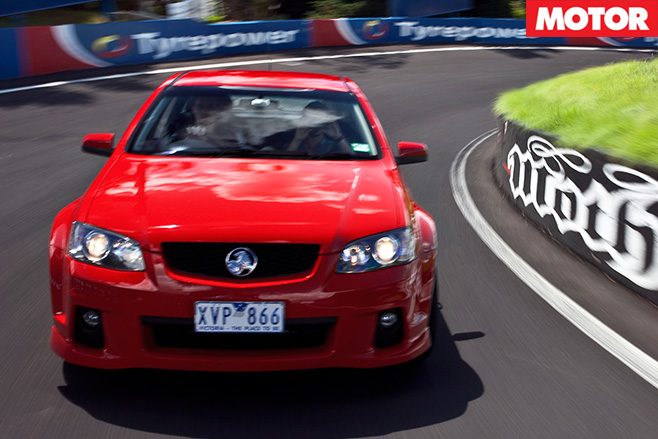
As the SS-V Sportwagon Redline Edition slews towards the outside of Griffin’s Bend, Lowndes not only keeps it off the concrete – where many V8 Supercars have lost their passenger-side wing mirrors – his inputs are so accurate and smooth that the Commodore’s ESP system hasn’t even flinched.
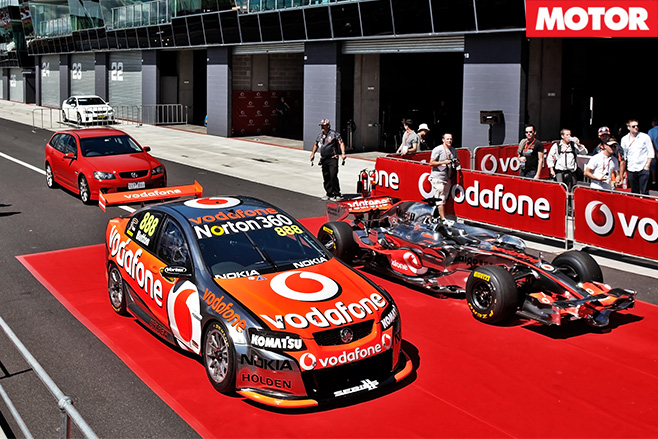
“It’s between the corners, like right here, where it’ll be the most exciting,” he beams, like a child in anticipation of Christmas presents, as the SS-V blasts up towards The Cutting. But he’s not talking about this wagon. Or his Team Vodafone V8 Supercar. “Even in my racecar the climb up here’s a bit tedious. See? I’ve got this thing flat to the boards right now!”
What I do see is the approach to The Cutting shrinking like tunnel vision. And big wet patches. And a stream of water flowing across the hotmix. And that Craig’s so deep into showing me how slow the SS wagon is – at least in the context of the conversation topic – that he’s still got the throttle pinned as the wagon dives into the blind, left-hander approach to The Cutting.
Fast. When Craig does wail on the Redline’s Brembos, it’s very late. All I see is concrete everywhere bar the track surface, hard-left, which is drenched in rain water.
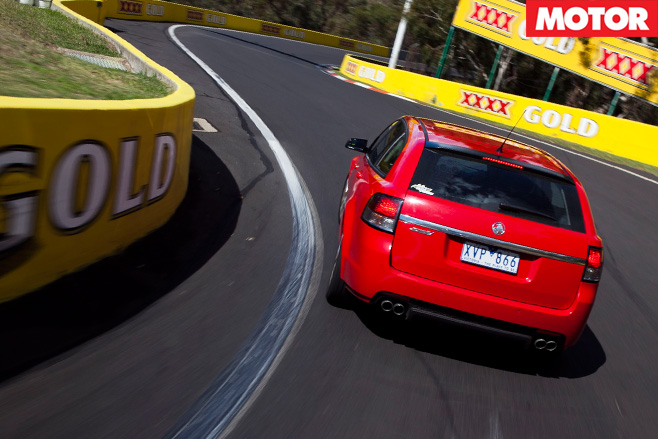
Craig’s an instant flurry of inputs. The wagon’s nose tucks in, somehow, but its bum snaps sideways – the lateral inertia amplified from my rear-seat viewpoint – and the ESP system literally groans as it catches the mass once the rear cocks 40-degrees. ‘Thank God for ESP’, I think, silently…
“Bloody ESP,” Craig shouts, stabbing the ‘off’ button even before the wagon’s straightened up. The throttle’s back in the firewall and as the wagon dances along the approach to the blind-cresting Reid Park, where Mount Panorama starts to get really interesting, thoughts flash in a moment. ESP off. Slippery conditions. We’re not wearing helmets. But…
My pilot’s won Bathurst five times. He’s the current lap record holder and King of the Mountain heir apparent. And in an hour or so, he will fulfil his lifelong dream of finally punting a Formula One car, and on turf he virtually owns. And maybe, just maybe, there’s a stab at a new, potentially untouchable Bathurst lap record in the deal. It’s all his Christmases at once. That’s provided, of course, we make it back to pitlane in one piece.
Fate, I’m reckoning, won’t be that cruel. To either of us.
“See, we’re at 225km/h now,” as the wagon hits Conrod’s crest, “and my racecar will do almost 300km/h here. They reckon the F1 could do 360km/h,” he adds as the SS loads up its left-side tyres through the kink that funnels into The Chase, “but it’s geared for Albert Park. It’ll only do 301km/h today, on its rev-limiter almost all the way down Conrod.”
“I’ll be able to brake so late here in the McLaren,” he enthuses while braking impossibly late in the SS before adding a slide through The Chase.
“Jeez, how many laps of this place have you done?” I ask him. Judging by the quizzical look on his face, I realise it’s probably the stupidest question he’ll be asked all day. Oops. I was thinking out aloud there…
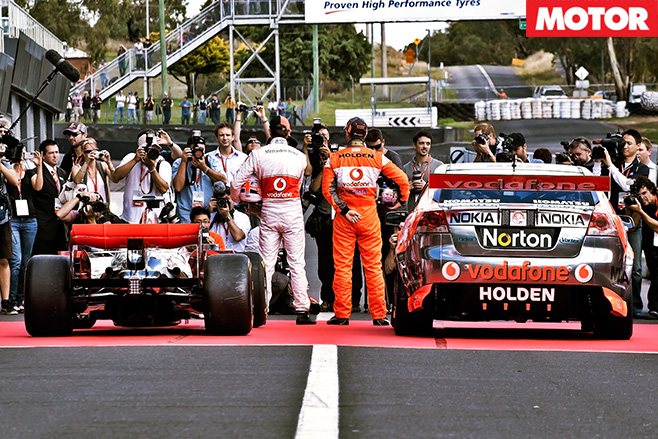
Craig’s comments aren’t meant to condemn the Sportwagon. They’re simply in relative context to the McLaren F1, and of the Team Vodafone V8 Supercar ‘ride’ car – essentially a copy of Craig’s racecar that’s been wicked up a little to provide bona fide race pace once the dead weight of a punter is strapped onboard – that he’ll also punt around Mount Panorama today. Besides, it’s a stellar case of actions speaking louder than words ever could. Few blokes on the planet could hustle a humble Commodore wagon across The Mountain as confidently and quickly as he can.
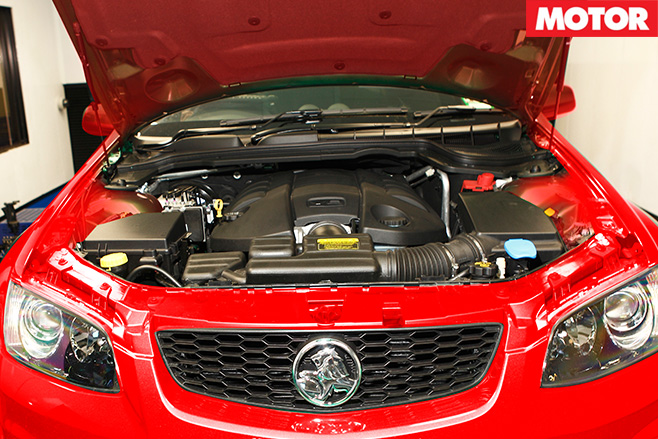
In fact, that blend of balance, compliance and body control has been a strong suit for the Holden’s BFYB-winning SS breed, and the Sportwagon lacks little, if any, of its sedan and (very capable) Ute stablemates’ abilities.
Sure, it doesn’t have the muscle-flexing grip of the HSV gear, but it slides controllably and predictably. Its brakes aren’t as prodigious, either, but if the Brembos can withstand lapping The Mountain by an eager Lowndes without as much as a whiff, they should be ample for mortal talents. In fact, with its stiffer-than-the-sedan shell, sedan-matching (short) wheelbase and Redline fettling, there’s a good argument that the Sportwagon is the pick of the SS patch for reasons beyond the obvious utilitarian advantages.
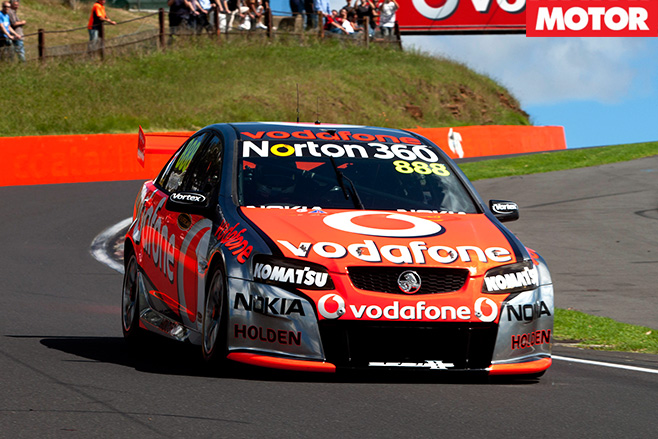
As yardstick times go, the most accurate one is the lightly fettled factory Holden VE Sportwagon entry in the 2008 Bathurst 12-hour production race, where McConville/Pretty/Price took a class pole with a 2:35.3sec.
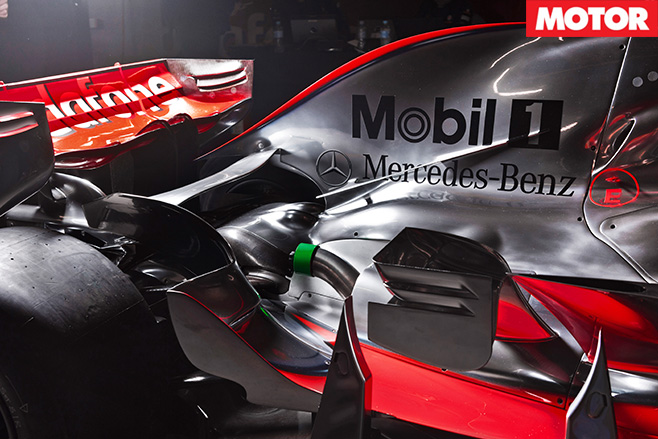
In race trim, Team Vodafone’s V8 Supercar’s 1355kg without driver, (that half-tonne benefit), and its 480kW-odd (at 7500rpm) 5.0-litre V8 race engine holds a clear 210kW advantage over the 270kW (at 5600) 6.0L L98 production donk.
Then you add a six-speed sequential ’box, double A-arm/four-link front/rear suspension – albeit with an unsophisticated if bloody effective live-axle design – plus 11-inch-wide slick rubber, roll-cage stiffening and monstrous 375mm/343mm Alcon race brakes.
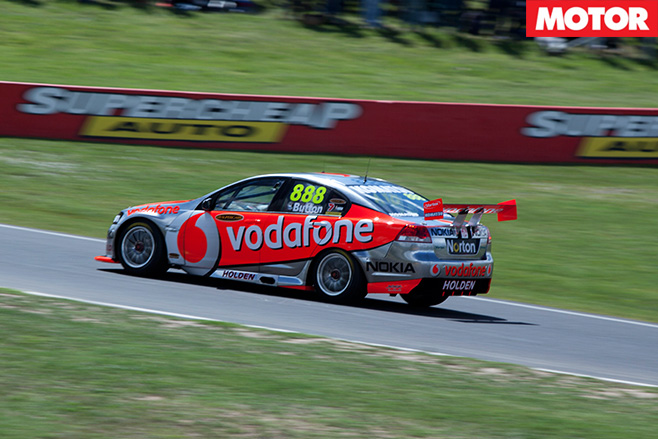
Nobody expects Button, or even Lowndes for that matter, to break that benchmark in Team Vodafone’s ride car. Especially given the surprising, perhaps tantalising lack of driver prep for The Event: a few ‘demo’ laps. Button loses his Mount Panorama virginity via a couple of laps in an S-Class road car while it’s still open to the public – speed limit 60km/h – earlier in the morning. Meanwhile, I lose my hot-lap Bathurst virginity in the Sportwagon during what’s probably Craig’s only lap of the place since Audi’s 12-hour win.
Neither driver’s done any more than sit in each other’s idle racecars: seat-fittings, learning the controls, etcetera. And the damp and drying tarmac is ‘green’, race-speak for slippery, with no rubbered-in line to provide race-pace grip. By motorsport standards, it’s a bit gung-ho.
Today’s format is simple for both V8 Supercar and F1 racecar: one out-lap, two fliers then back in. Or, if the case may be, send out the crash crew, which, given the circumstances, isn’t the most unlikely of scenarios.
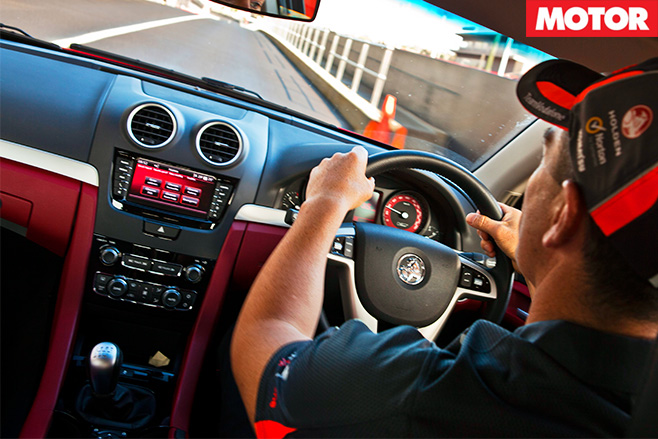
“Even in the Mercedes road car this place feels fast,” he says. As for advice imparted by Craig? “He told me it’s flat (out) everywhere. And that if you don’t come back with the wing mirrors then that’s pretty normal.”
The Brit has a good stab, but he’s clearly not attacking to the level Craig does, particularly under brakes. Call it a 2:17, or six seconds adrift.
“I didn’t expect so much grip,” he says of the V8 Supercar. “I haven’t hammered over kerbs (ripple strips) like that for 12 years, which is something I’ve missed. I was holding on tight all the way. It takes everything out of you.” Then he nails the respect he has for V8 teams who race here each October with one sentence. “These guys are crazy, they really are.”
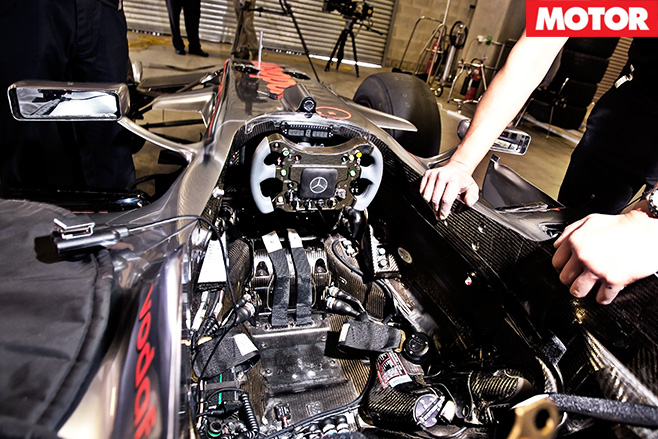
Cued by a ‘how many Brits does it take to start a car?’ joke (answer: seven), Jenson cruises the McLaren MP4-23 out of pitlane, winds it out to the 15,500rpm limiter – some 3500rpm shy of full race rpm, for reliability’s sake – and Mount Panorama loses its F1 virginity in the banshee wail.
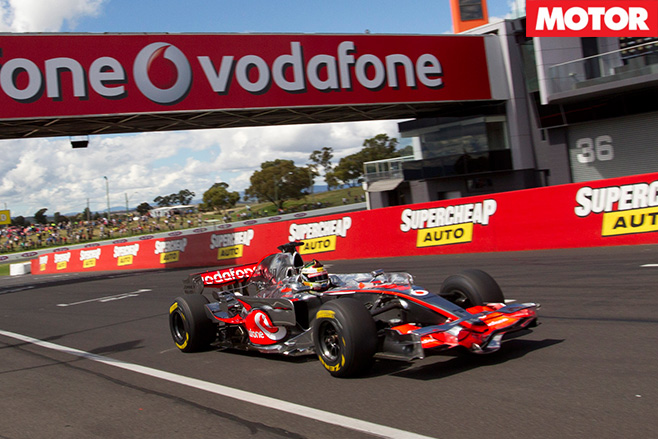
It rounds Murray’s Corner, blasts down Pit Straight and, right here, the same light bulbs switch on in many of the thousands of spectators: the idea of F1s at Bathurst isn’t that weird after all.
And at once, hundreds of iPhone stopwatch apps go ‘bing’. Some 1:58sec later, Button breaks the lap record. And the new benchmark lasts for precisely 1:48sec, at the conclusion of his second flier.
Button’s just smashed Craig’s official record time by 18 seconds! “Phenomenal” he says, back in pitlane. “It’s such a rush.” He reckons that you sit so low it’s hard to see the kerbs and lines across the top, and the straights are so bumpy, by F1 standards at least, that you’re literally fighting to keep the F1 in a straight line, particularly down Conrod.
“I never thought in my lifetime we’d see this,” Craig says about the F1-Bathurst union. “An F1 car around Bathurst initially seemed a bit crazy”.
“Yeah, a lot of them,” he says.
Did McLaren read you the riot act?
“They just said to keep it off the concrete,” he replies, with a split-melon grin all but confirming he’ll have a crack you could build a bridge across.
Team McLaren flurry about: stabbing laptops, adjusting aero, adding 4mm of ride height, applying Lowndes’ name on the F1’s airbox as a mark of temporary custodianship. There’s silence in the crowd as Craig climbs in, the 2.4 fires up, and The Chance Of A Lifetime clicks into first gear. He’s so preoccupied with getting the F1 moving – those hand-clutches are bastards to modulate – that, it seems, he forgets the pitlane speed-limiter. He enters Mountain Straight, opens her up, and the sensory overload bombards him with answers to questions he’s harboured since childhood.
Jenson stands in the carpark, eating a chicken drumstick, chatting with crew, as Craig screams down Pit Straight. A thousand iPhones go ‘bing’.
The giveaway arrives 40 seconds later. The exhaust note beaming across the Bathurst landscape suggests the Aussie is generally on the throttle, from The Cutting right to The Dipper, longer than the F1 veteran was.
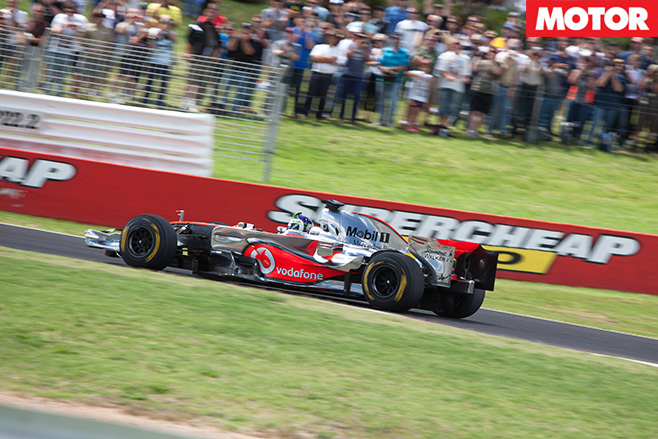
Game on. Lap two, caution to the wind, Craig hammers over a kerb or two, and feels the hotmix skimming the bottom of the tub. The McLaren lifts its inside front wheel through The Dipper – the F1 team was concerned about that – as the local lad milks the hometown advantage for all its worth. One kay down the hill, both sides of pitlane are gobsmacked. Nobody expected Craig to be close to Button’s time. Or, just perhaps, beyond it.
He keeps it off the concrete, rounds on to Conrod, and 570kg of grounded missile is propelled along by 540kW and an added boost of the hopes of a couple of thousand trackside Lowndes fans, most of them holding their breath. He’s clean out of The Chase, deep into Murray’s, over the line.
It’s a 48.2 … or 48.9 … or 48-flat, depending on who you ask. The official ‘unofficial’ time comes over the loudspeaker.
“The acceleration is the first thing you notice,” he says, “but it’s the speed between the corners where you realise how much acceleration they have. The F1’s easy to drive to a point. Handling-wise, the F1 is surprisingly forgiving. But to get that last second out of it is a different story. You don’t have to put much into an F1 car to get a lot out of it, while you have to put a lot into a V8 to get very little.
“Around Bathurst, you can crash the V8 over bumps, while you can’t in the F1. You must be more accurate in the McLaren because it’s so sensitive to steering and throttle inputs.
“The brakes are phenomenal,” he adds, and explains left-foot braking an F1 is vastly different to right-foot braking the V8 Supercar. “And as soon as you lift off into a corner, the downforce has the effect that the car’s actually braking itself. Power, weight, steering, braking – the two cars are at the opposite ends of the spectrum. With more laps I could’ve braked much later,” he adds. “And, potentially, it could’ve been a lot quicker. But I was told to bring it back in one piece…”
So Button’s officially ‘unofficial’ time of 1:48 inks the history books.
And Craig? Well, his favourite catchphrase for the day is: “it’s 14 years too late,” describing the point when his F1 aspirations in F3000 overseas took a sharp left turn to a touring car career back home. Whether it’s a blessing or curse, he’ll sleep tonight in the knowledge of the answer to The Big Question he’s pondered for even longer than that.
| u00a0 | u00a0 | u00a0 | Mclaren MP4-23 F1 | u00a0 | u00a0 | Holden V8 Supercar | u00a0 | u00a0 | Holden SS-V Sportwagon |
| Body | u00a0 | u00a0 | 0-door, 1-seat open-wheeler | u00a0 | u00a0 | 4-door, 1-seat sedan | u00a0 | u00a0 | 5-door, 5-seat wagon |
| Drive | u00a0 | u00a0 | rear wheels | u00a0 | u00a0 | rear wheels | u00a0 | u00a0 | rear wheels |
| Engine | u00a0 | u00a0 | 90deg V8, DOHC, 32v | u00a0 | u00a0 | 90deg V8, OHV, 16v | u00a0 | u00a0 | 90deg V8, OHV, 16v |
| Material | u00a0 | u00a0 | alloy head/alloy block | u00a0 | u00a0 | alloy head/iron block | u00a0 | u00a0 | alloy head/alloy block |
| Bore/Stroke | u00a0 | u00a0 | 98.0 x 39.1mm | u00a0 | u00a0 | 101.6 x 77.0mm | u00a0 | u00a0 | 101.6 x 92.0mm |
| Capacity | u00a0 | u00a0 | 2400cc | u00a0 | u00a0 | 4994cc | u00a0 | u00a0 | 5967cc |
| Compression | u00a0 | u00a0 | n/a | u00a0 | u00a0 | 10.01:1 | u00a0 | u00a0 | 10.4:1 |
| Power | u00a0 | u00a0 | 545kW @ 19,000rpm (approx) | u00a0 | u00a0 | 480kW @ 7500rpm (approx) | u00a0 | u00a0 | 270kW @ 5700rpm |
| Torque | u00a0 | u00a0 | n/a | u00a0 | u00a0 | 630Nm @ 5250rpm | u00a0 | u00a0 | 530Nm @ 4400rpm |
| Redline/Cut | u00a0 | u00a0 | 19,000/15,500rpm | u00a0 | u00a0 | 7500/7500rpm | u00a0 | u00a0 | 6000/6200rpm |
| Fuel/Tank | u00a0 | u00a0 | 110 octane/93 litres | u00a0 | u00a0 | E85/75 litres | u00a0 | u00a0 | 98 octane/73 litres |
| Kerb Weight | u00a0 | u00a0 | 570kg (less driver)u00a0 | u00a0 | u00a0 | 1355kg | u00a0 | u00a0 | 1890kgu00a0 |
| Power-to-Weight | u00a0 | u00a0 | 956kW/tonneu00a0 | u00a0 | u00a0 | 356kW/tonne | u00a0 | u00a0 | 143kW/tonne |
| Top Speed | u00a0 | u00a0 | 301km/h (limited) | u00a0 | u00a0 | 297km/h (approx) | u00a0 | u00a0 | 250km/h (limited) |
| Transmission | u00a0 | u00a0 | 7-speed sequential | u00a0 | u00a0 | 6-speed sequential Holinger dog-box | u00a0 | u00a0 | 6-speed manual |
| Suspension | u00a0 | u00a0 | double A-arm, push-rods and bell crank, in-board torsion bar and dampers (f/r) | u00a0 | u00a0 | double A-arms, coil springs, adjustable dampers, anti-roll bar (f);live axle, Watts linkage, coil springs, adjustable dampers, anti-roll bar (r) | u00a0 | u00a0 | struts, A-arms, anti-roll bar (f); multi-links, coil springs, anti-roll bar (r)u00a0 |
| L/W/H | u00a0 | u00a0 | 4600/1800/950mm | u00a0 | u00a0 | 4944/1887/1224mm | u00a0 | u00a0 | 4897/1899/1476mm |
| Wheelbase | u00a0 | u00a0 | 3187mm | u00a0 | u00a0 | 2820mm | u00a0 | u00a0 | 2915mm |
| Tracks | u00a0 | u00a0 | (f/r) 1470/1405mm | u00a0 | u00a0 | (f/r) 1930/1905mm | u00a0 | u00a0 | (f/r) 1602/1618mm |
| Steering | u00a0 | u00a0 | power rack and pinion | u00a0 | u00a0 | power rack and pinion | u00a0 | u00a0 | power rack and pinion |
| Brakes | u00a0 | u00a0 | 278mm ventilated carbon discs, six-piston calipers (f/r); | u00a0 | u00a0 | 375mm ventilated/ grooved discs, six-piston calipers (f);u00a0343mm ventilated/ grooved discs, four-piston calipers (r) | u00a0 | u00a0 | 355mm ventilated discs, four-piston calipers (f); 324mm ventilated discs, single-piston calipers (r); ABS, EBD, BA, ESP |
| Wheels | u00a0 | u00a0 | 13.0in x 355mm (f), 13.0in x 380mm (r), | u00a0 | u00a0 | 17 x 11-inch, alloy | u00a0 | u00a0 | 19 x 8-inch, alloy |
| Tyres | u00a0 | u00a0 | Pirelli P Zero F1 | u00a0 | u00a0 | Dunlop SP Sport Maxx control tyre | u00a0 | u00a0 | Bridgestone Potenza |
| Size | u00a0 | u00a0 | 13 x 325mm (f), 13 x 375mm (r) | u00a0 | u00a0 | 280/680 R17u00a0 | u00a0 | u00a0 | 245/40 ZR19 98Y |
| Price | u00a0 | u00a0 | $5,000,000 (estimated) | u00a0 | u00a0 | $500,000 (estimated) | u00a0 | u00a0 | $59,790 * includes Redline pack ($2500) |
PLUS
- Stunning looks, guaranteed to turn heads regardless of what else is around.
- The supercharged V6 sounds great, has plenty of power and the eight-speed automatic gearbox is smooth.
- Adding all-wheel drive does little to dampen the F-Type’s agile handling, but adds security on slippery roads.
- Steering and brakes are excellent, the Jaguar F-Type doesn’t just look like a sports car, it feels like one to drive as well.
- Costs quite a lot, particularly as a lot of desirable equipment is optional.
- Practicality. Forgo a spare wheel and there’s reasonable space under the rear hatch, but you’re still going to want to pack light for a weekend away.
- Not as outright fast as rivals like the BMW M4 and Mercedes-AMG C63.
- All-wheel drive adds almost $17K and is unlikely to be necessary for most drivers.
Motorsport has traditionally been a male pursuit. But that hasn’t stopped these fast femmes ascending the ranks – and kicking quite a lot of male arse in the process.
SIMONA DE SILVESTRO
First on the list is this weekend’s Bathurst guest star. At just 27, Swiss racer De Silvestro is racing at the front of IndyCars in America, with a best finish of second at last year’s Grand Prix of Houston.
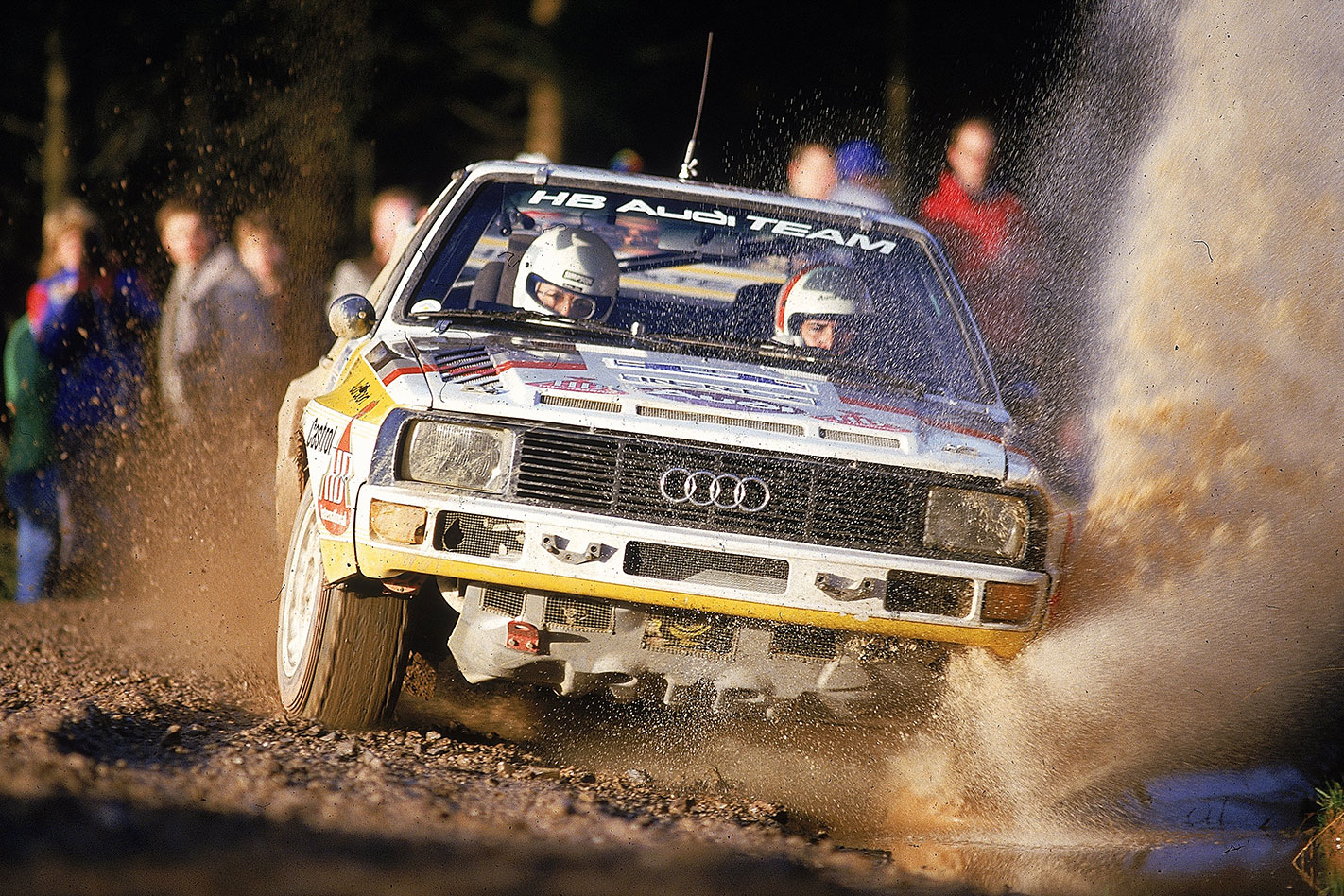
MICHÈLE MOUTON
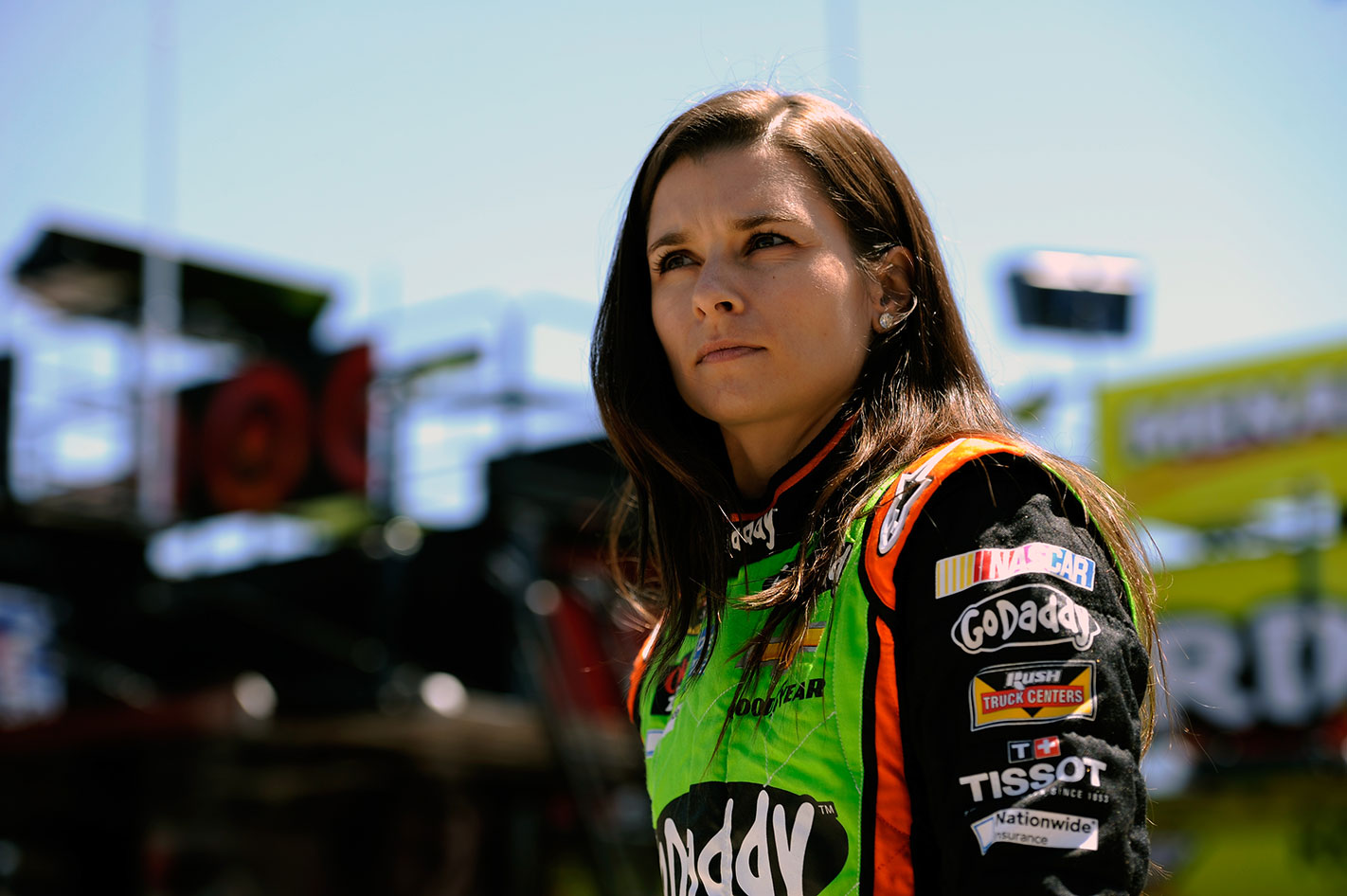
DANICA PATRICK
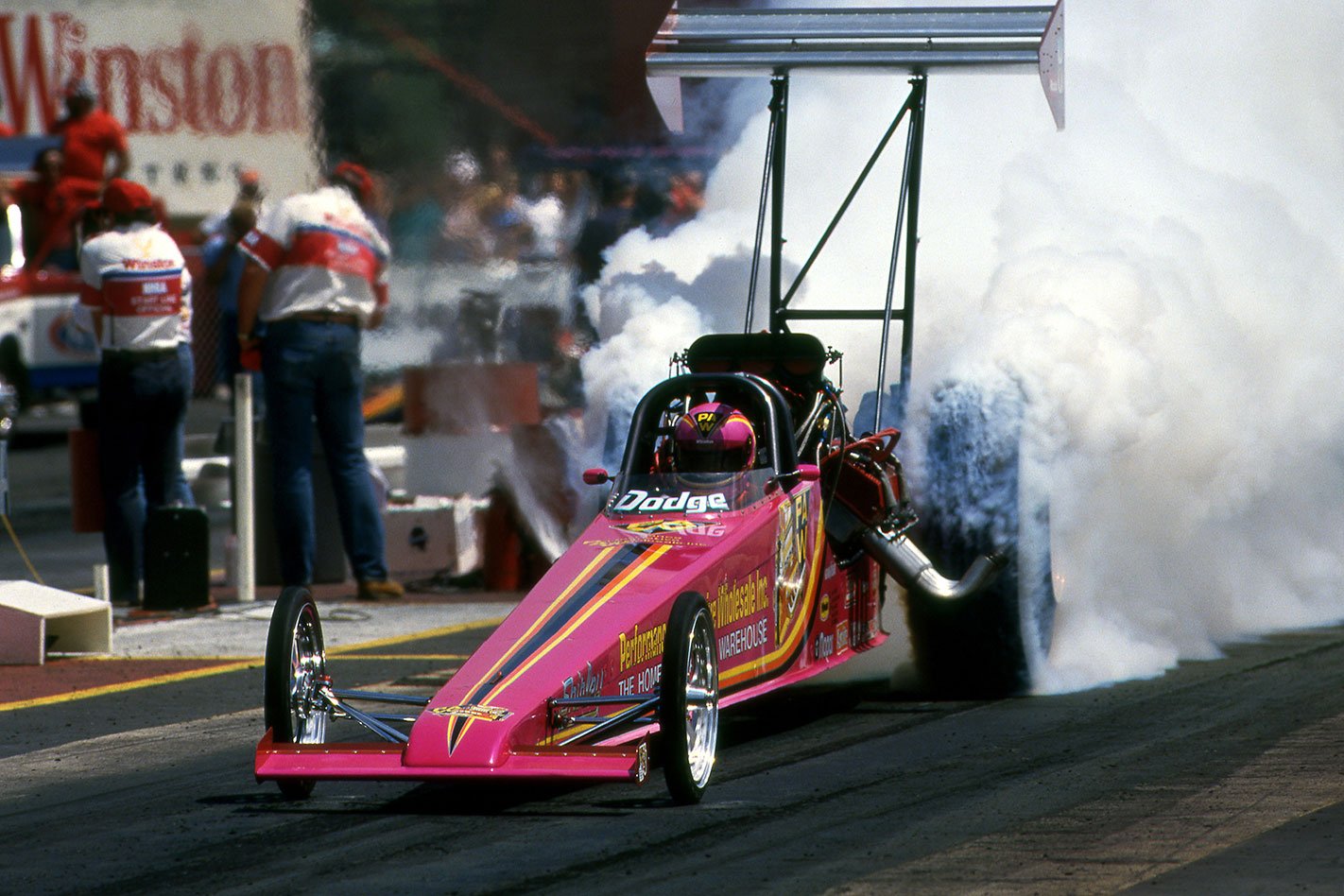
SHIRLEY MULDOWNEY
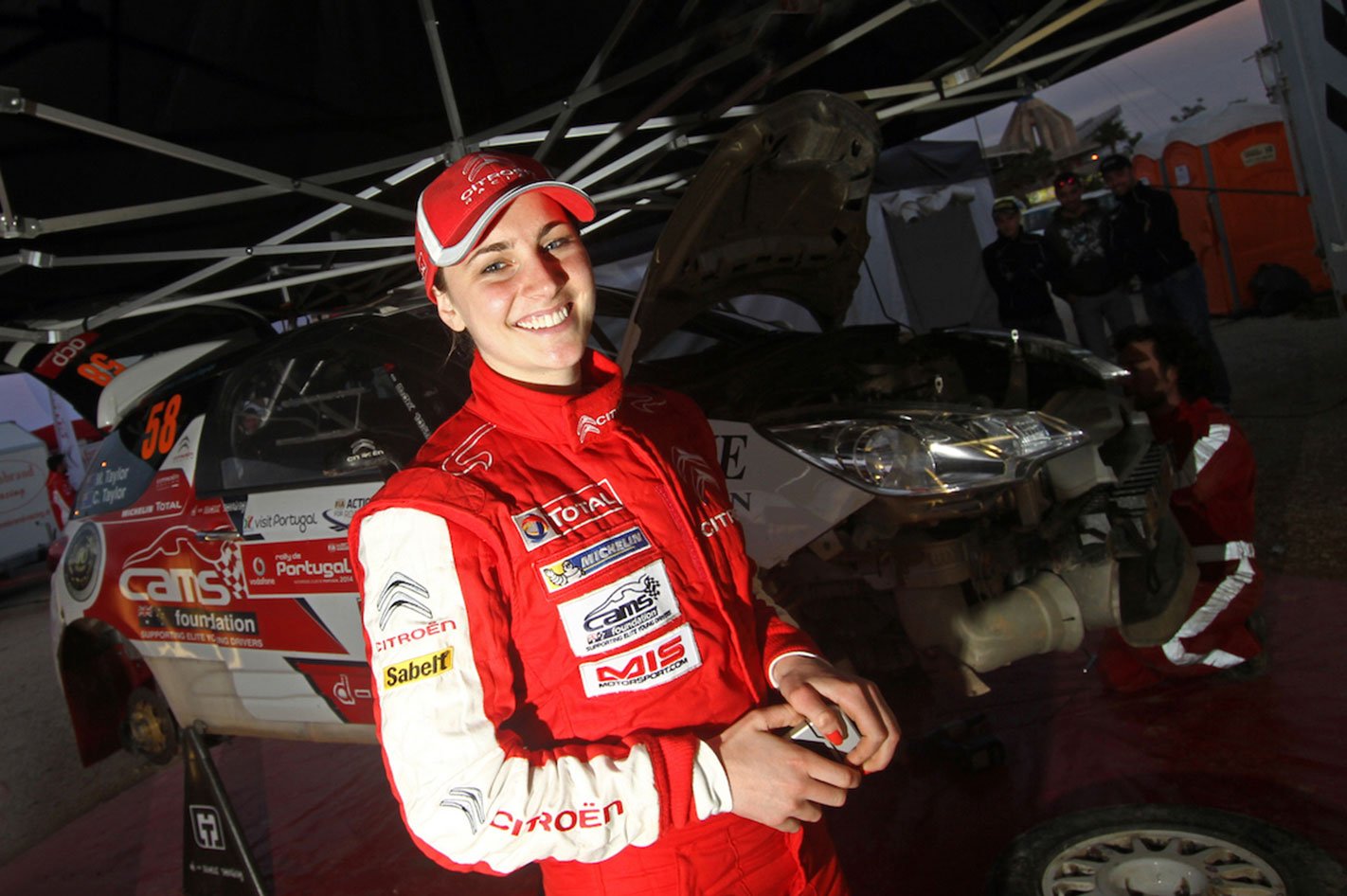
MOLLY TAYLOR
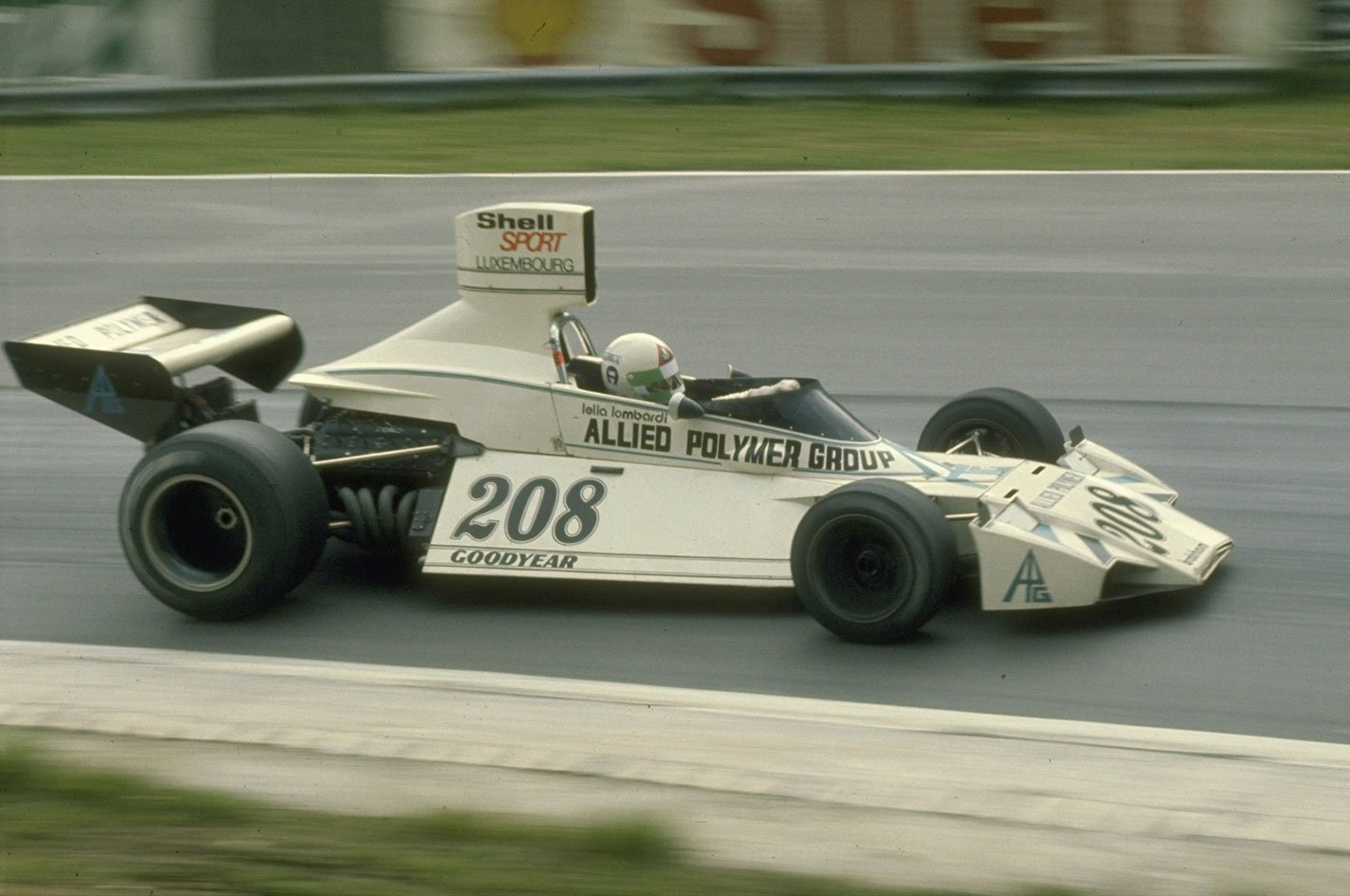
LELLA LOMBARDI
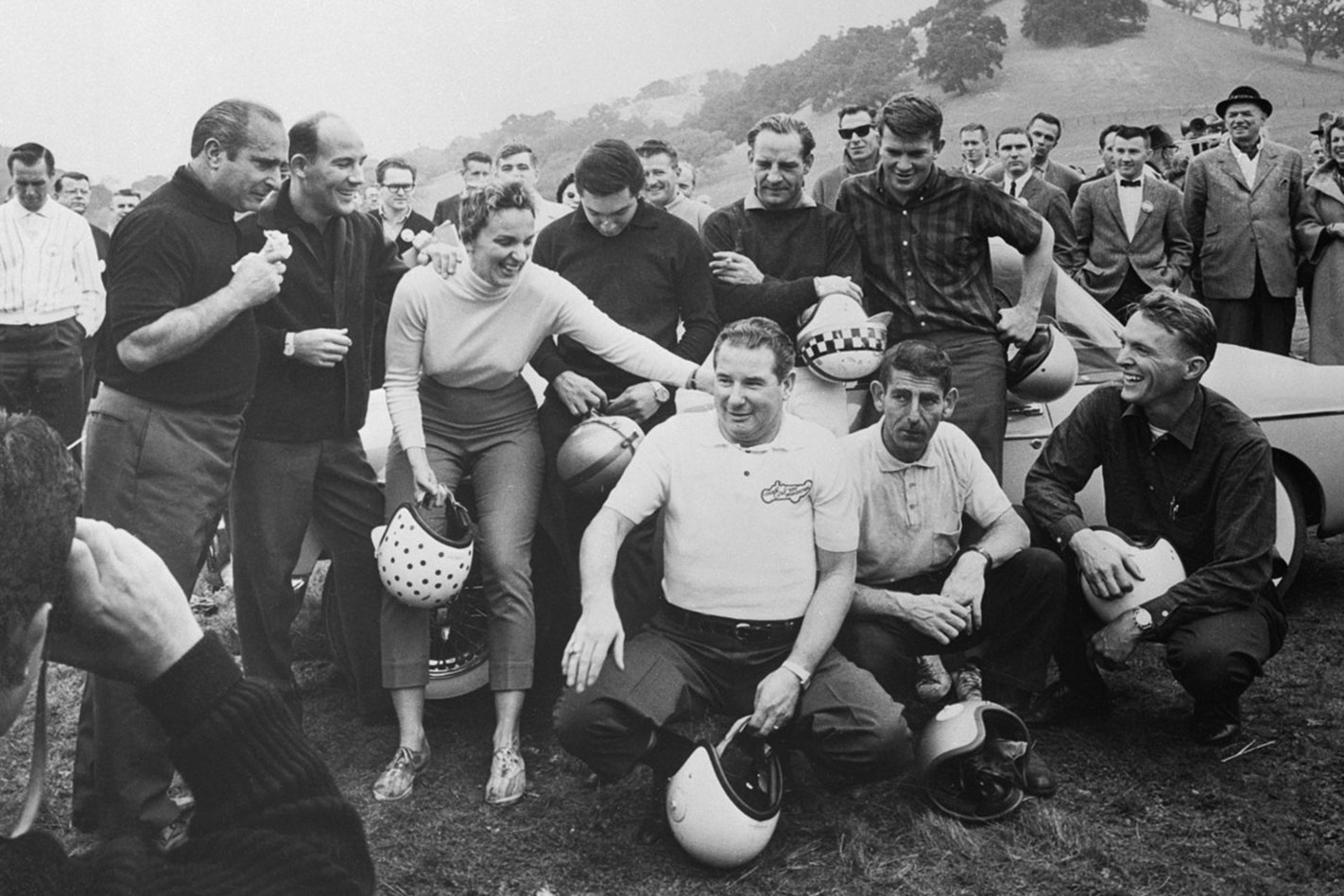
DENISE MCCLUGGAGE
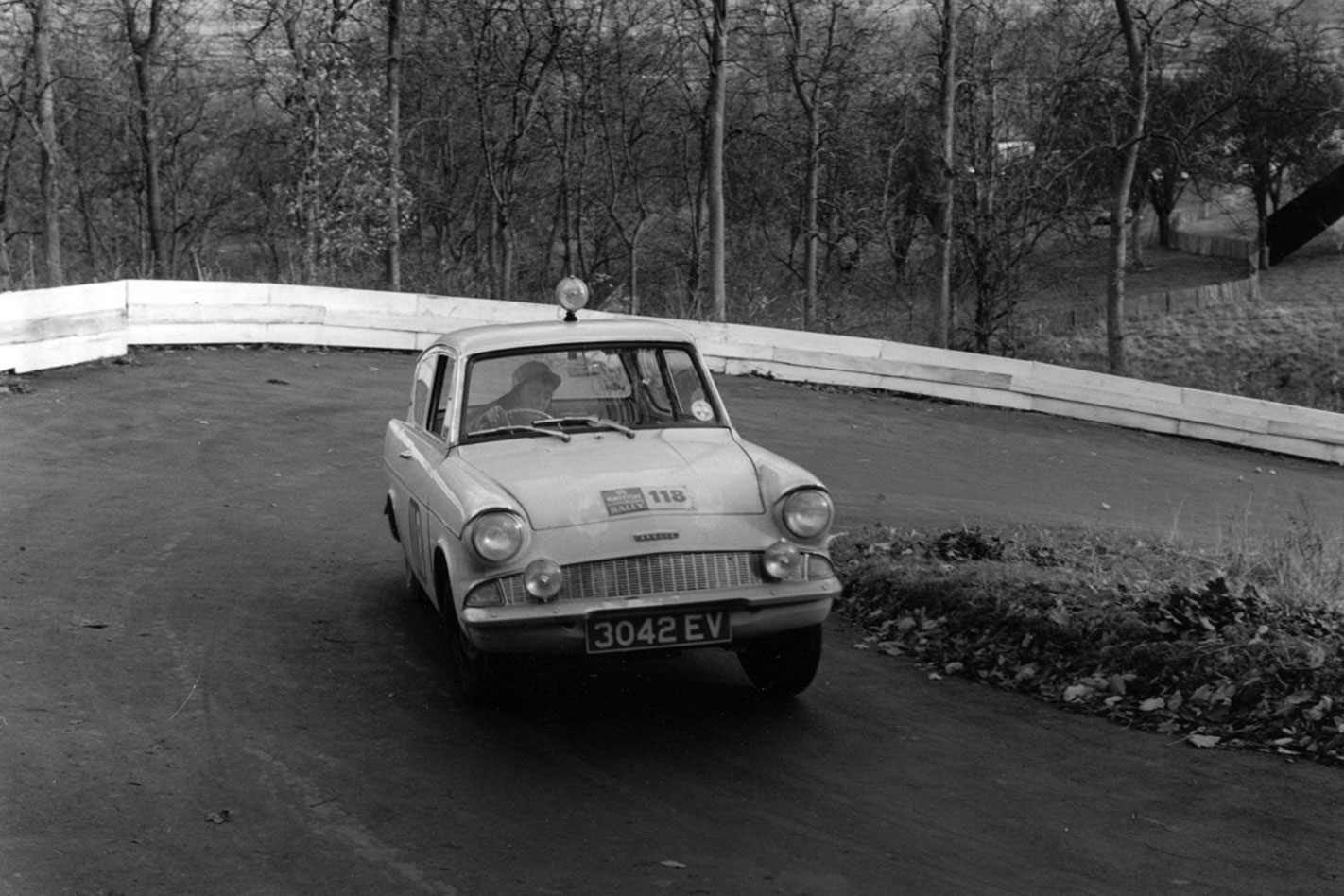
ANNE HALL
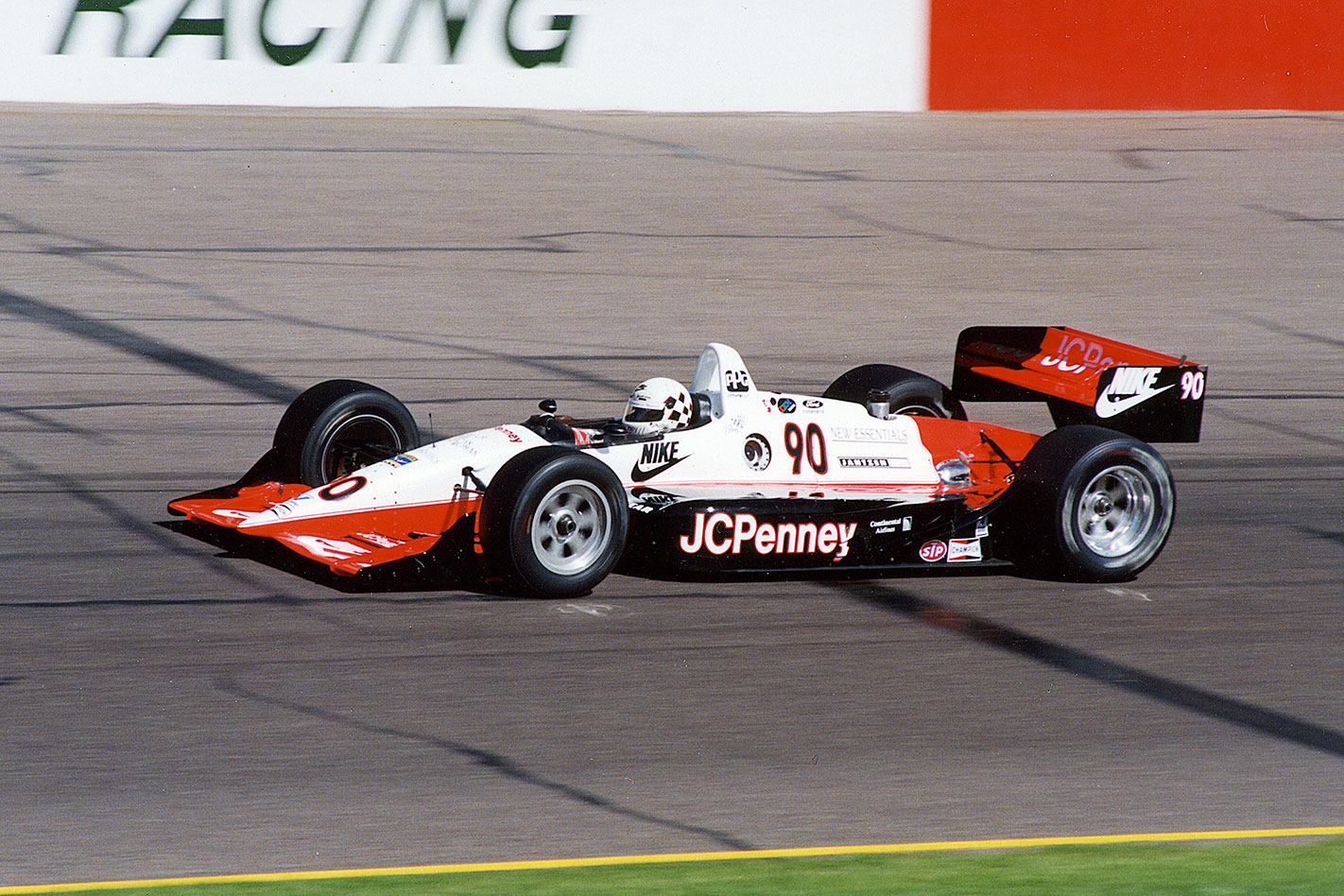
LYN ST. JAMES
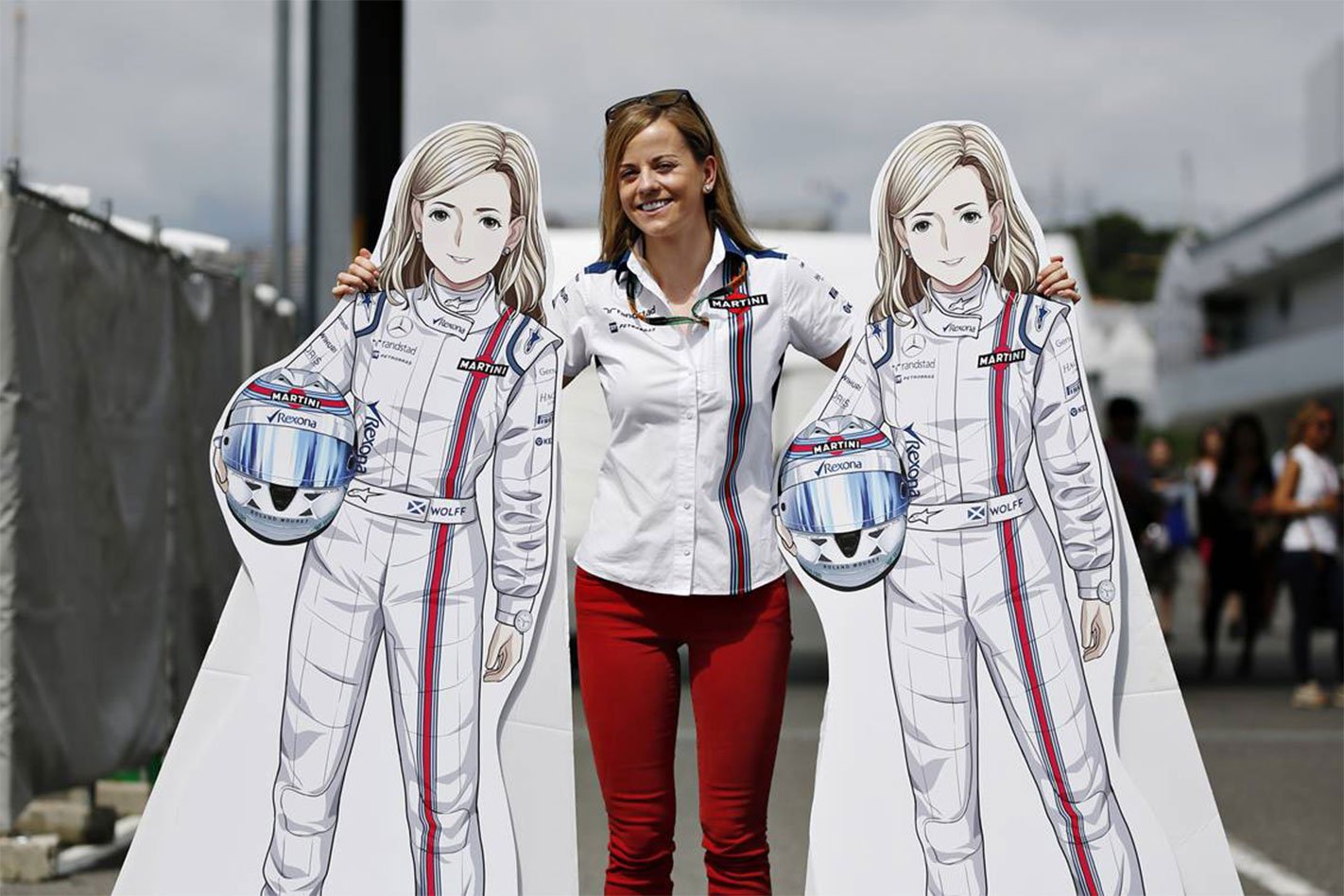
SUSIE WOLFF
Production car racing at Mount Panorama is but a distant memory, and production new cars rarely translate well from public road to racetrack – with the exception of these few models.
It’s a simple list: we’ve gathered up five new cars available to buy off the showroom floor that we’d love to punt around the mythical 6.2km circuit.
With 20 turns and an astonishing 174 metres between its highest and lowest points, this western NSW track has no time for cars with excess flab, rubbish brakes or a front end anything less than pin-pointy. Yet on the big climb you also need power and correct gearing.
So meet our top five then feel free to argue (like how there isn’t a Holden and Ford in sight).
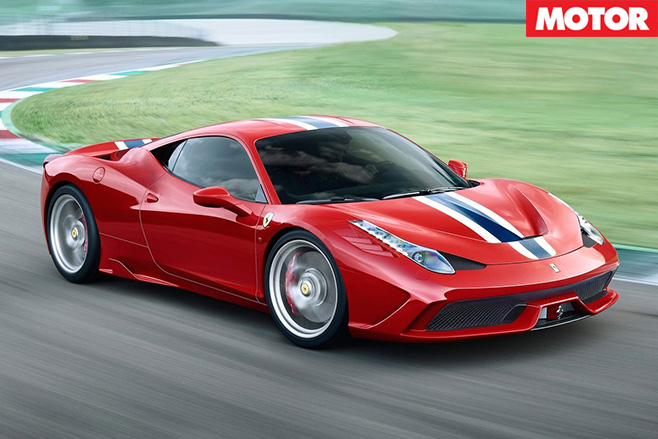
1. Ferrari 458 Speciale
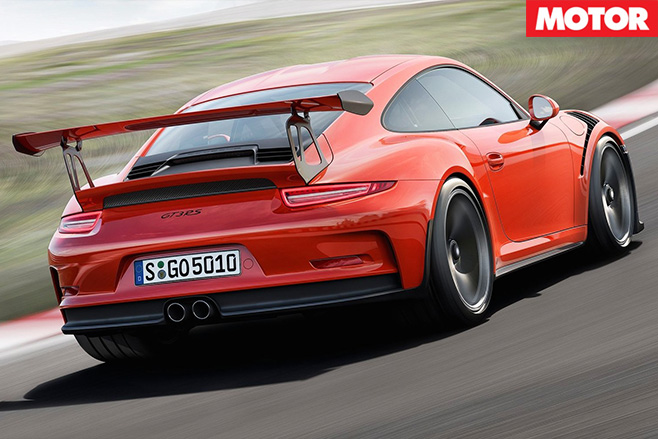
2. Porsche GT3 RS
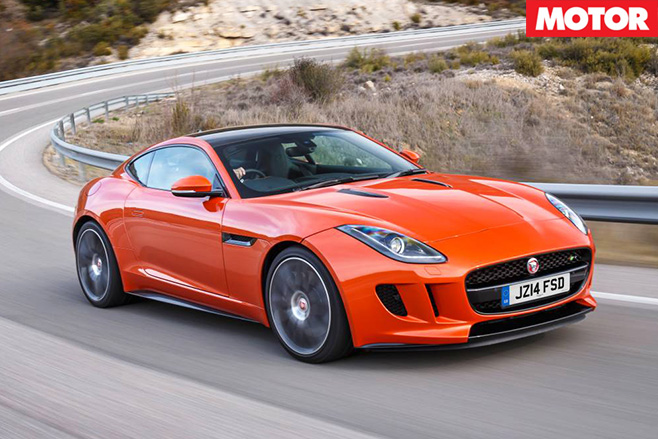
3. Jaguar F-Type V8 R Coupe
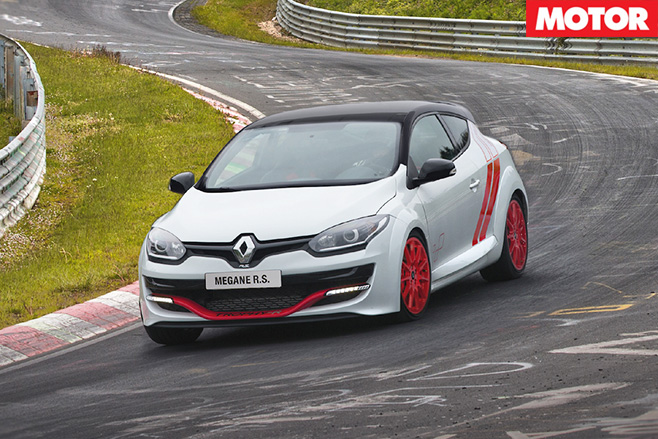
4. Renault Sport Megane 275 Trophy-R
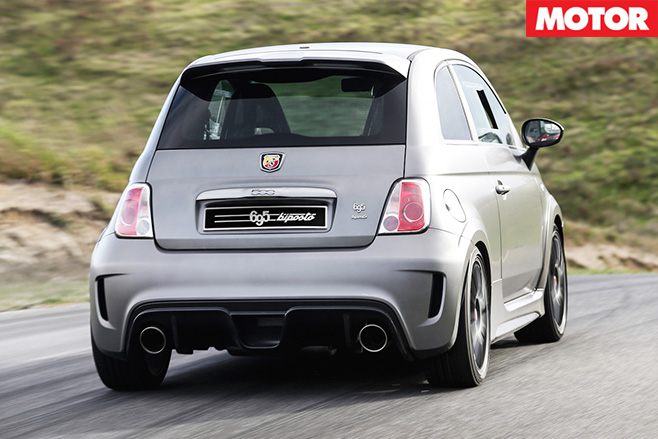
5. Fiat 695 Biposto
Seems the global boss of Ford Performance thinks a bit like us when it comes to SUVs.
Jamal Hameedi told MOTOR that a high performance SUV was not a favourite concept of his and would be unlikely to happen on his watch.
Admitting that Ford Performance had been “having that conversation (on performance brat-haulers)” but also said that it was not a philosophy he was particularly comfortable with on the basis of an SUV and a performance car being mutually exclusive things.
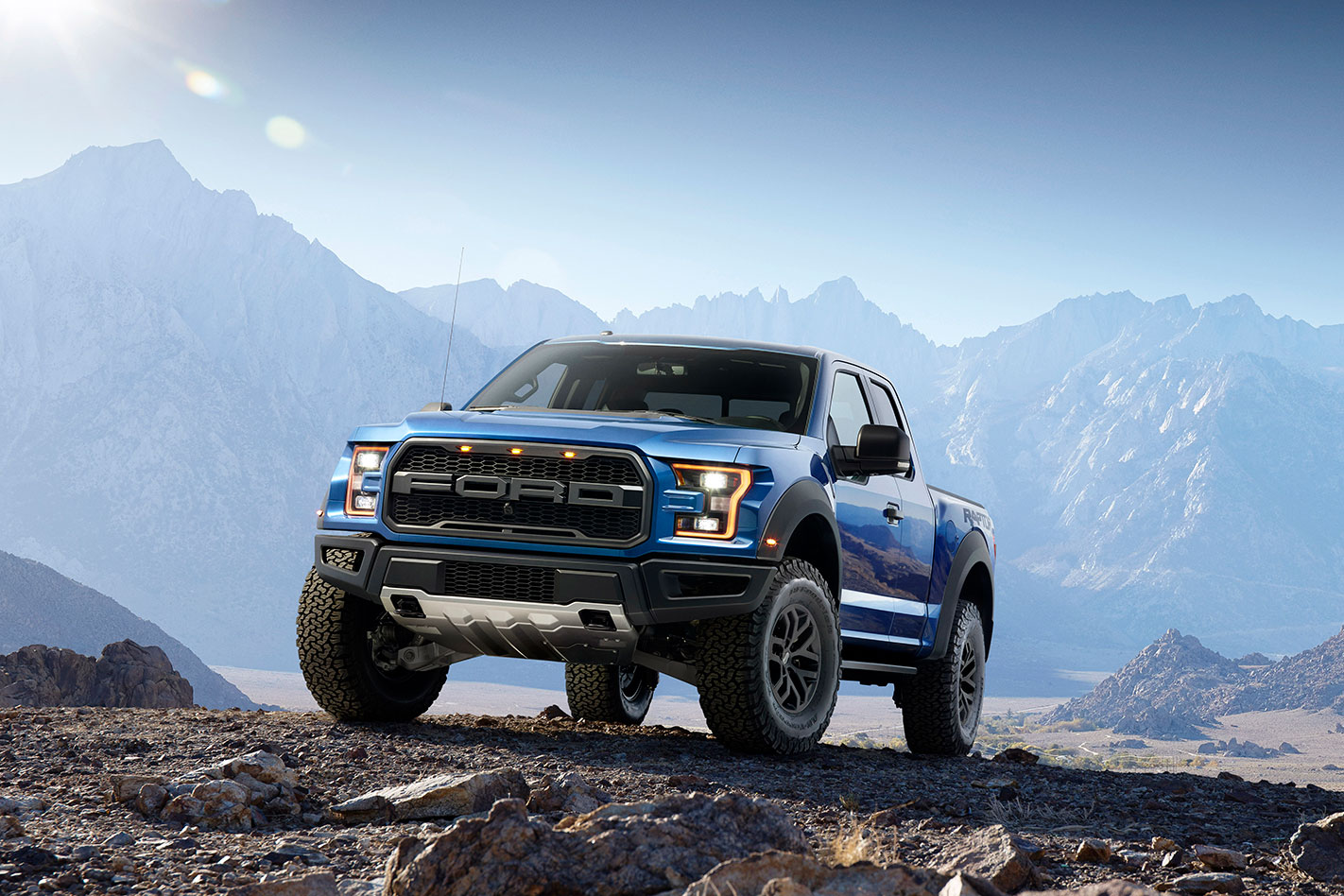
He said the closest thing he could imagine would be a watered-down version bearing an ST badge rather than a full-fat RS version.
Unfortunately, however, it seems that one of the cars we would dearly love to see built won’t happen either.
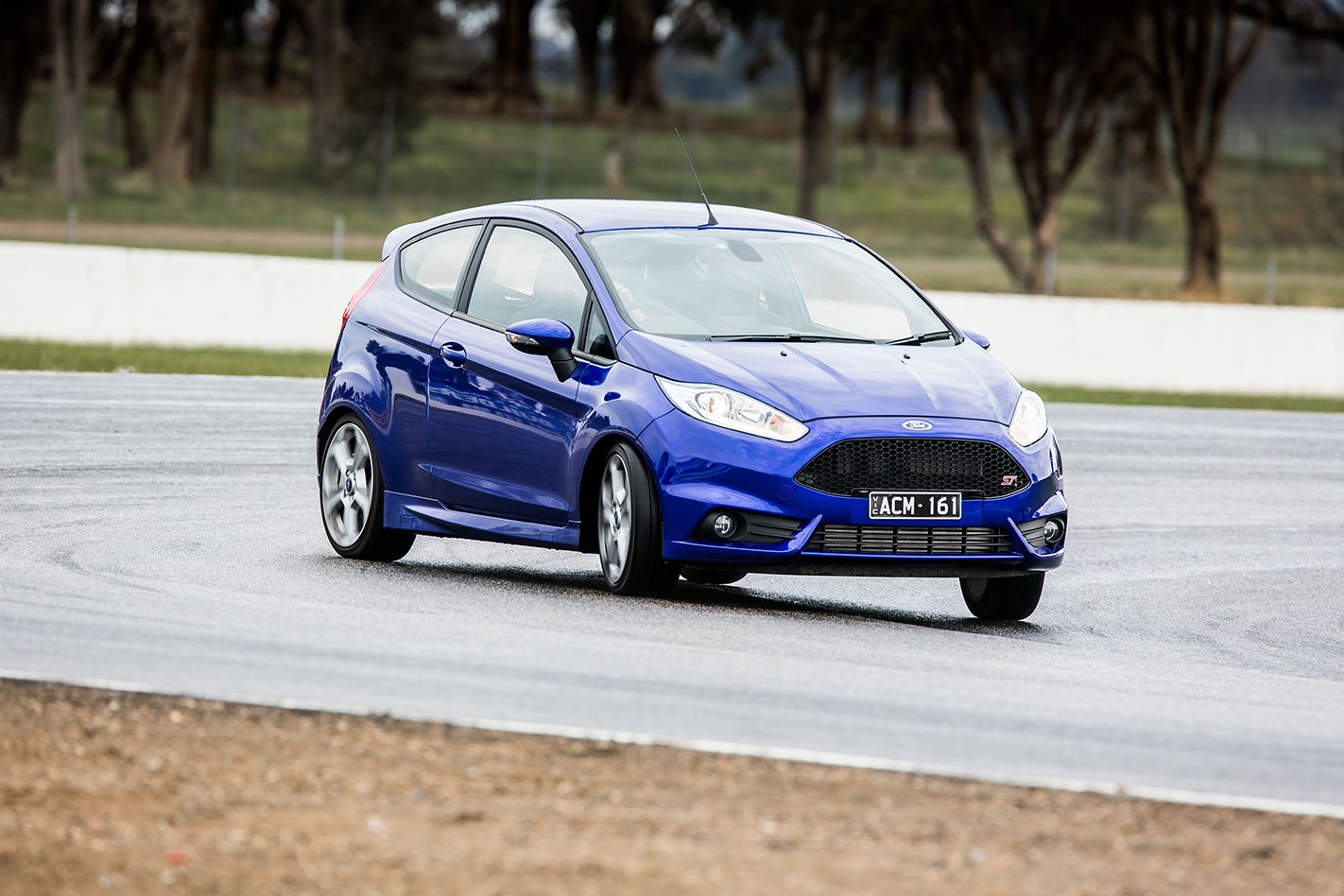
A Fiesta RS is not looking likely under Hameedi’s tenure, either, as Ford Performance reinvents itself as a global umbrella brand for all the hot-shot Ford franchises including ST, RS, SVT and Raptor.
And it seems, that balancing act rules out anything that wouldn’t sell its butt off around the world.
One the Fiesta RS specifically: “We’ve talked about it a lot. There’s a debate on whether it would have a lot of customers. Certainly, the hard-core guys would go for it in Europe, but we’ve prioritised projects that we think have global reach.”
But don’t give up hope yet, folks, because if a Fiesta RS ever did get the green light under Hameedi, it could be something really special.
“I’d love to put an engine in the back of the Fiesta and call it an RS.”
