
AUSTRALIA’S safety watchdog has lauded two cars that sting buyers for crash avoidance technology, despite its European equivalent penalising the same cars heavily for doing the same thing.
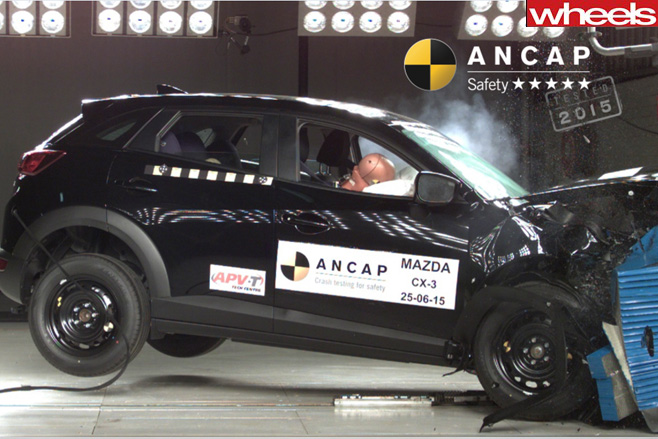
The Australasian New Car Assessment Program has awarded the Mazda 2 city car and the Mazda CX-3 small SUV its maximum five-star crash safety rating, despite EuroNCAP awarding both cars only a four-star rating.
Under EuroNCAP’s assessment criteria, carmakers are penalised for pushing driver aids onto the options list rather than supplying them as standard equipment – a factor highlighted in the Mazdas’ lower EuroNCAP scores.
Announcing the Australian result, ANCAP praised Mazda for offering autonomous emergency braking (AEB), which can either avoid or minimise damage and injury from a low-speed crash, as a $400 option on the 2 and a $1030 option on all but the most expensive CX-3.
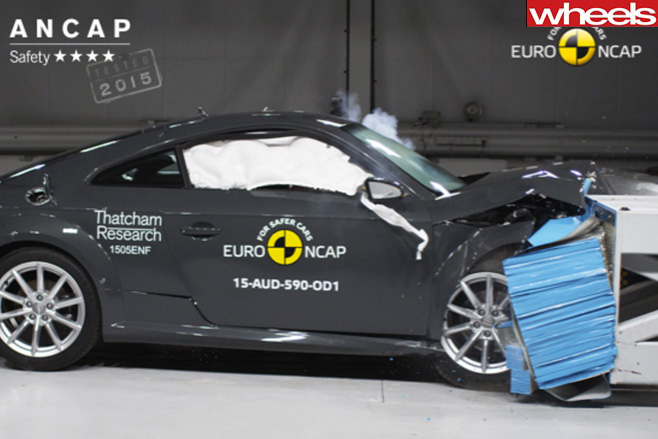
In contrast, the low-slung two-door Audi TT sports coupe, which doesn’t have AEB, earned a four-star rating – the same result it was given by EuroNCAP – and received a stinging blow from ANCAP for not doing enough to protect children.
“Although the TT performed well in numerous areas for adult occupants and pedestrian protection, insufficient safety assist technologies and inadequate child occupant protection caused the TT’s overall rating to be limited to four stars,” it said.
The TT was scored using European crash test data, while the Mazda scores were both assessed using ANCAP’s local crash testing regime.
Audi Australia said all its cars were designed to exceed global requirements for safety, and that a four-star result for the TT was still “very good”.
“Euro NCAP and ANCAP referenced the fact that the limited space in the rear meant that certain child seats could only be used with restrictions or were difficult to fit,” Audi Australia senior product communications executive Shaun Cleary said.
“But here, too, the Audi TT achieves a strong rating in the sports car category.”
ANCAP says AEB should “increasingly be included in Australian cars due to its lifesaving potential”.
“AEB is a technology that will reduce the number of deaths and injuries from road crashes,” ANCAP chief executive Nick Clarke said this year at the launch of a national campaign to have it fitted as standard to all cars sold here.
“While the number of people killed on Australia’s roads is declining, road crashes are still unnecessarily killing around 1200 people every year,” he said.
“Technology like AEB will go a long way towards reducing the number of fatalities.”
However, the group also notes that almost half of fatal crashes do not involve another vehicle.
ANCAP is currently in the middle of a three-year plan to align its crash testing framework with that of EuroNCAP.
A special Wheels investigation this year found the changeover process had thrown Australia’s crash test into disarray, making it confusing for consumers and potentially costing carmakers sales.
The changeover process has allowed cars such as the Renault Captur, which before the first of the changes introduced at the start of this year would have received a four-star crash rating, to gain a top five-star stamp.
The investigation noted that some cars tested here were being penalised by ANCAP for missing out on features not directly linked to occupant safety, such as smart keys and trailer stability control.
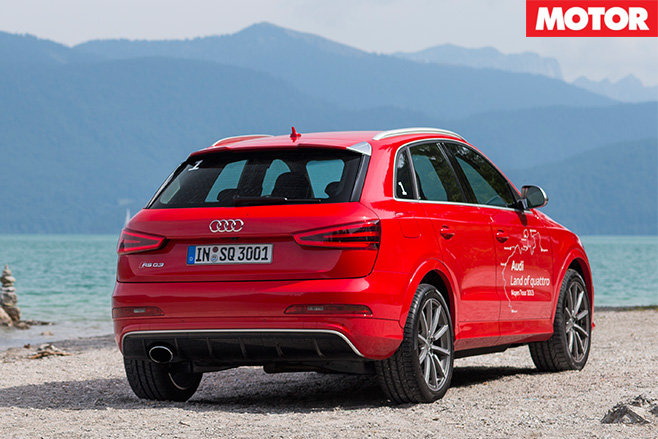
Audi’s go-fast RS fleet has grown to eight with the arrival of the RS Q3, a high-performance version of its compact SUV.
Ingolstadt’s factory speed shop, ‘quattro GmbH’, has stuffed a 228kW/420Nm version of its 2.5-litre turbo five cylinder under the RS Q3’s bonnet, with drive going through a seven-speed ‘S tronic’ dual-clutch ’box, to all four wheels, the rears managed via a hydraulically operated, and electronically controlled, multi-plate clutch pack on the back axle.
The transverse, DI engine is a retuned version of the EA255 unit used in the TT RS coupe and outgoing RS3 Sportback (not seen in Oz), with maximum torque delivered over a broad spread from 1500rpm all the way up to 5200rpm.
Getting there is massive fun thanks to the turbo five’s characteristically rorty engine note. The specific 1-2-4-5-3 firing order, design of the inlet manifold and a flap inside the sports exhaust system combine to produce the same throaty howl as the original Sport Quattro campaigned so successfully in world rallying by the likes of Hannu Mikkola, Stig Blomqvist, and Walter Röhrl, close to 30 years ago.
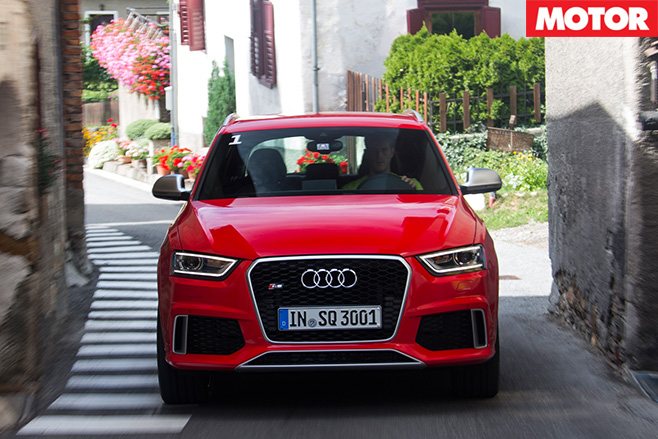
External changes include an RS front bumper with quattro emblem cut into the air intake, matte alloy trim on the grille surround and roof rails and RS door sill plates and trim strips. A roof spoiler, central diffuser, and an oversize oval tailpipe differentiate the car from the rear.
Nappa leather trim sets the performance luxury tone inside, with the front sports seats incorporating heating, electric adjustment and four-way lumbar control. The leather RS steering wheel is fitted with alloy shift paddles and the multi-media interface is the premium version.
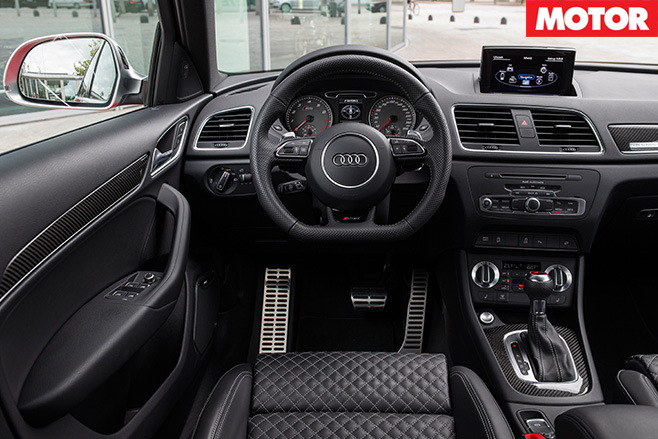
In ‘normal’ driving the quattro system sends the majority of torque forwards, but as speeds and cornering loads rise, it is redistributed between front and rear axles, up to a maximum of 40:60, front to rear.
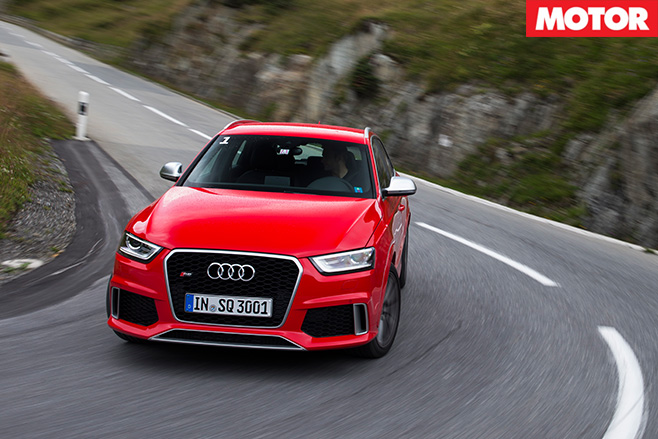
With the gearbox in manual, the wheel-mounted paddles (or central shifter) deliver rapid, snappy changes, and with ESC in sport for delayed intervention, the suspension tune provides a delicious blend of handling balance and ride comfort.
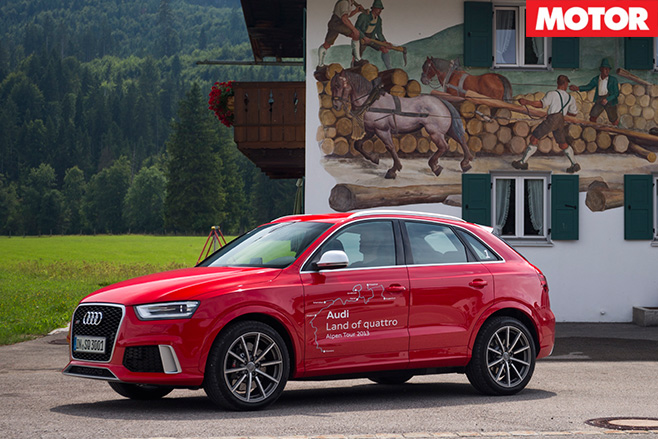
The RS Q3’s current price is $81,510, but the updated model is set to arrive before year’s end with more power (250kW/450Nm), faster gearchanges and more equipment, so if you are tempted by this baby RS, it might pay to have some patience.
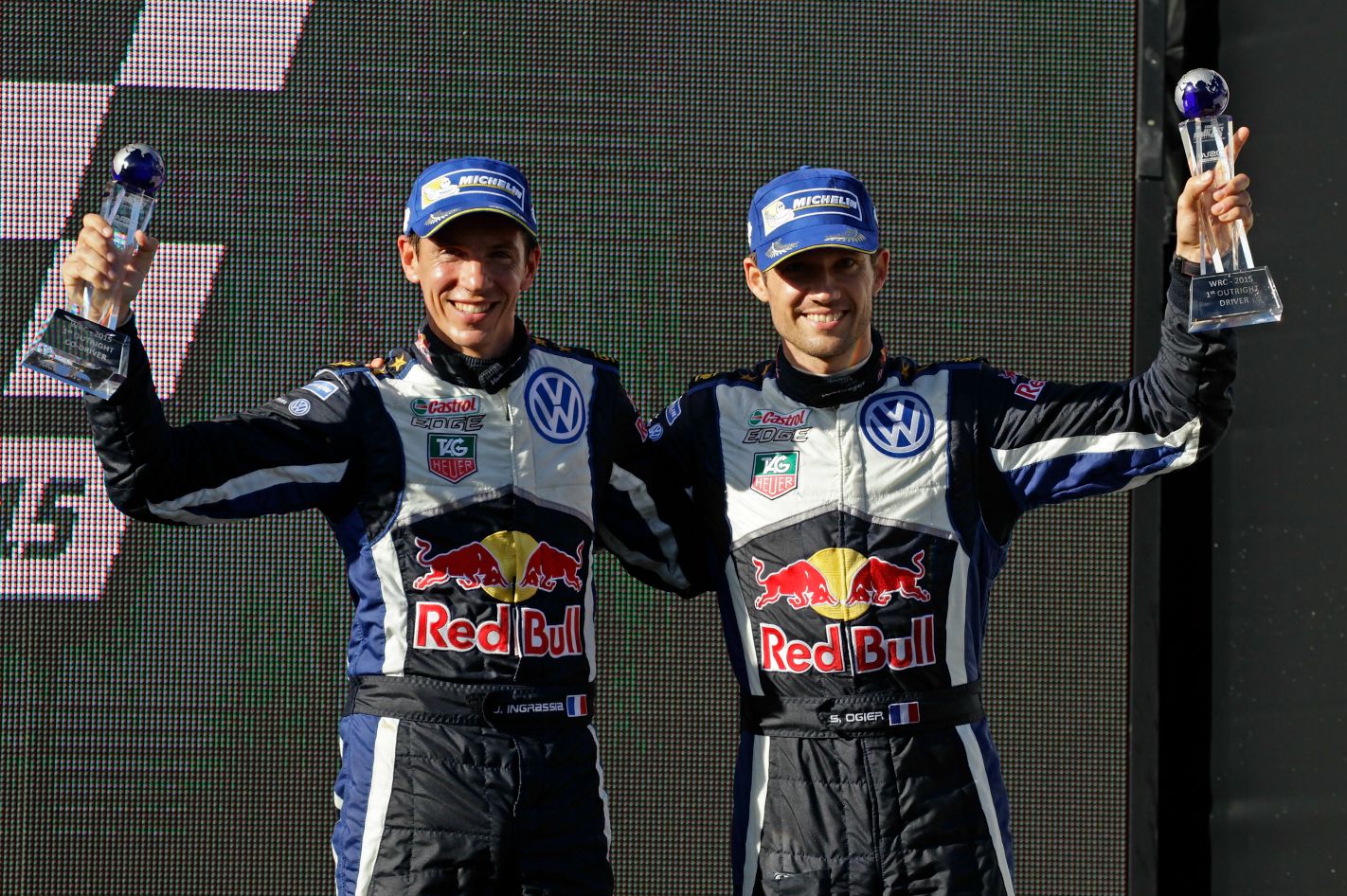
Volkswagen duo Sebastien Ogier and Julien Ingrassia have won their third Rally Australia in a row and with it their third straight WRC title with three rounds of the 2015 season still to run.
Overcoming the considerable disadvantage of having to sweep the road for the first two days of competition, the champion pairing took victory over Volkswagen team-mates Jari-Matti Latvala and Mikka Anttila by just 12.3 seconds.
Citroen’s Kris Meeke and Paul Nagle secured third, 32.6sec behind the winning pair; they led the rally for much of the first two days, though were unable to keep pace with the superior Volkswagens.
However, it was one of Meeke’s most impressive performances following a recent run of errors and should go a long way to securing a seat with the French team for 2016.
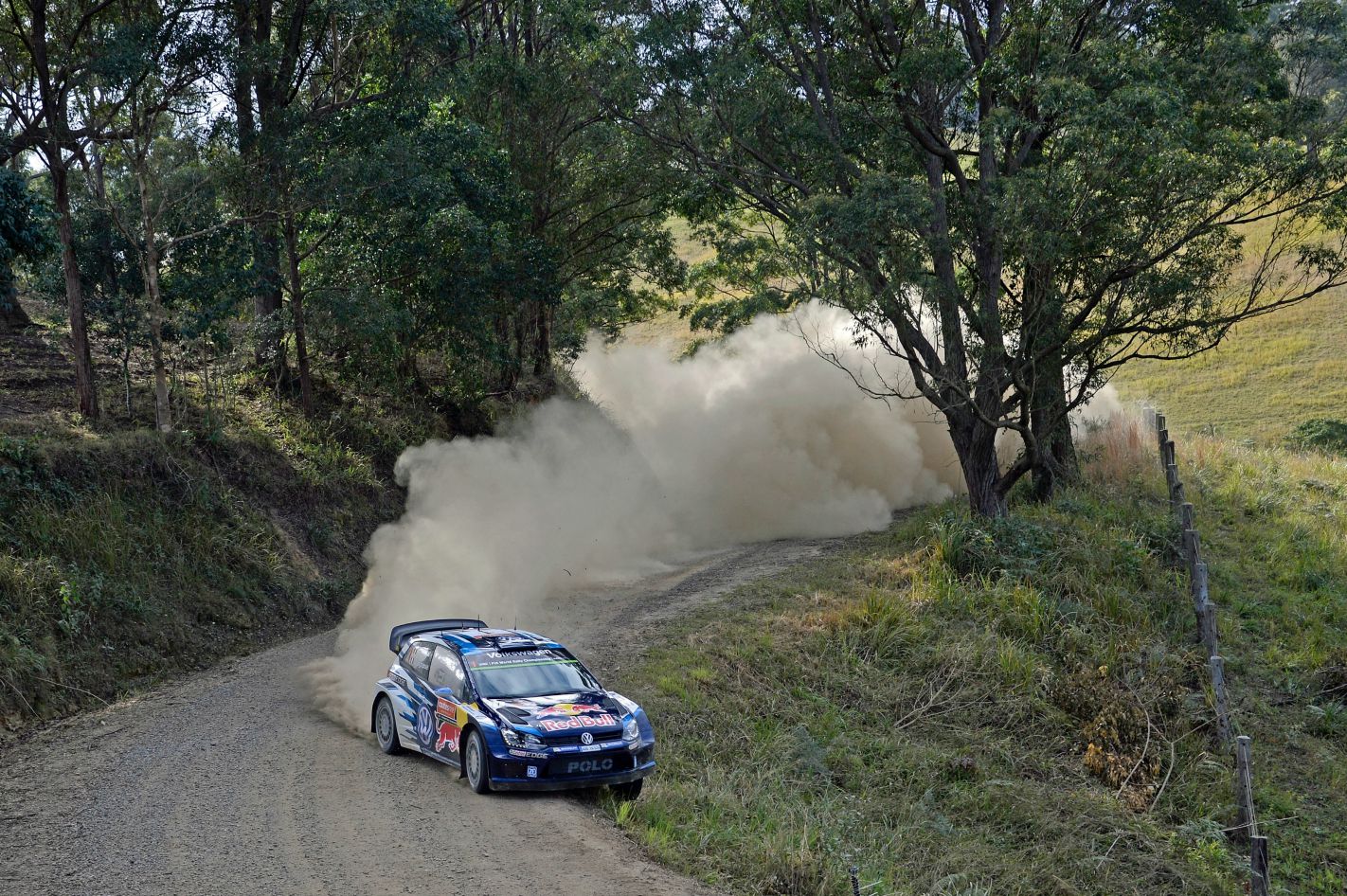
The leading Hyundai team was Kiwis Hayden Paddon and John Kennard, who showed exceptional pace to secure fifth place; it’s expected that Paddon will be announced as a Hyundai factory driver for 2016 in the coming week.
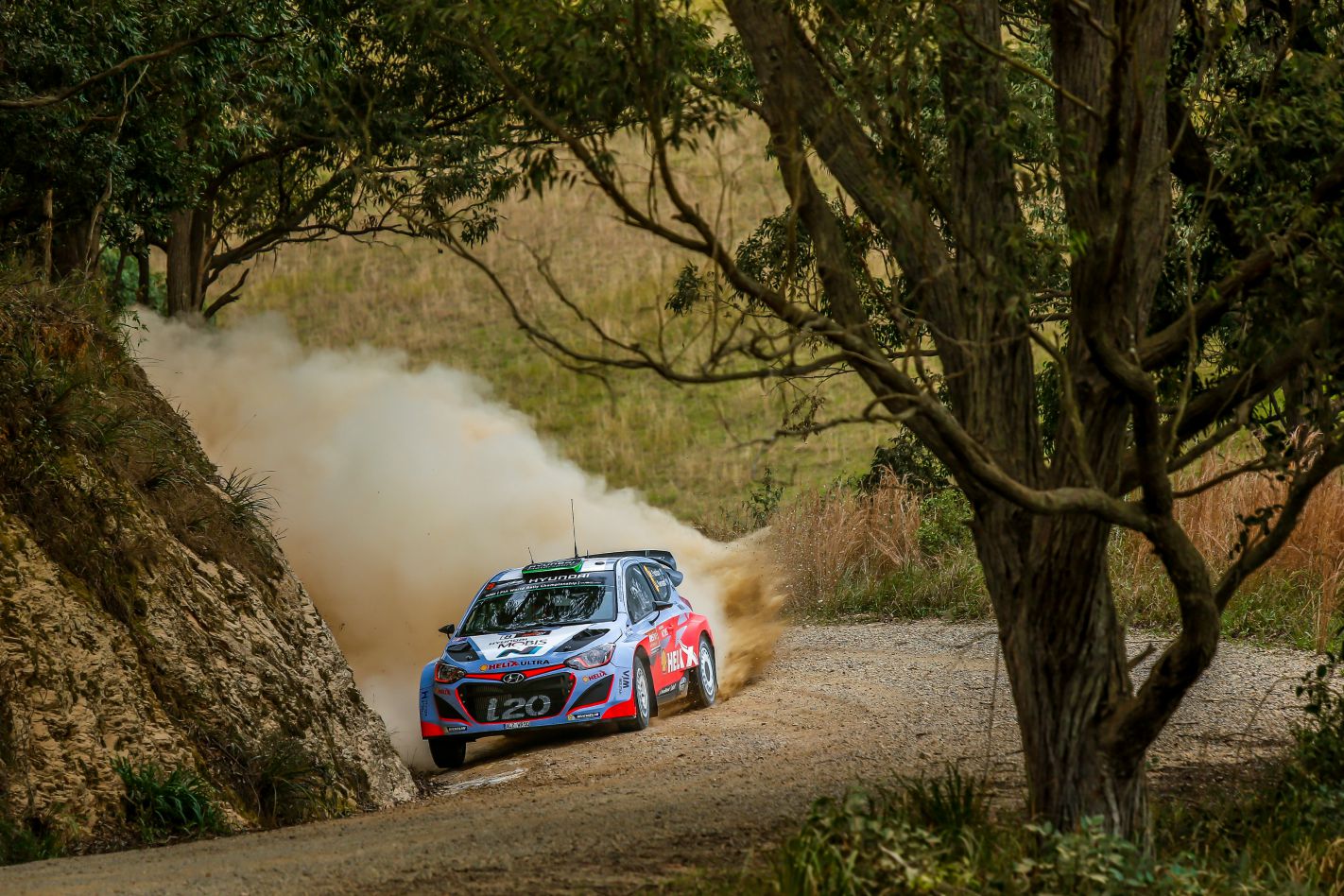
The next round of the WRC takes place on tarmac in Corsica from October 1-4, while Rally Australia is tipped to move to November in 2016 and host the season finale.
THE HOLDEN lion has got its roar back. This is the last Australian-made Commodore, and it will be more powerful, quicker and more vocal than ever.
The new VF Series II Commodore range, shown for the first time today, focuses on V8 performance models. These are expected to make up half its sales before the Commodore nameplate is glued to the back of the next Opel Insignia from 2017.
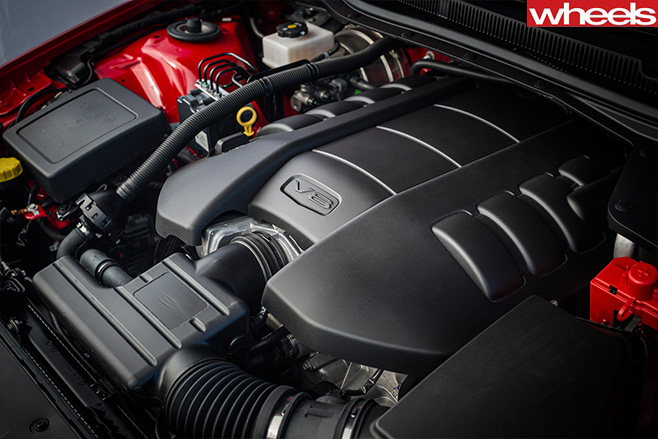
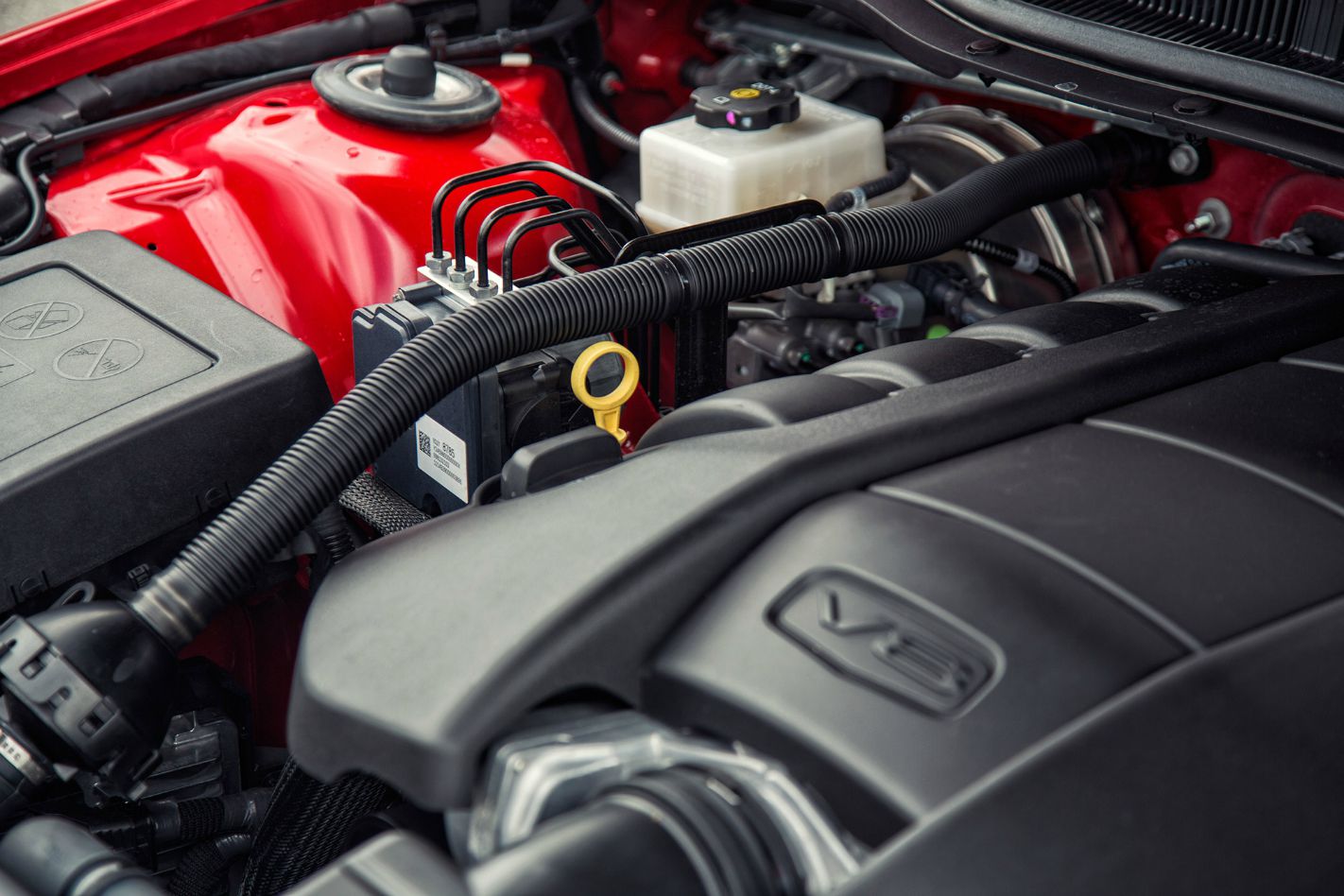
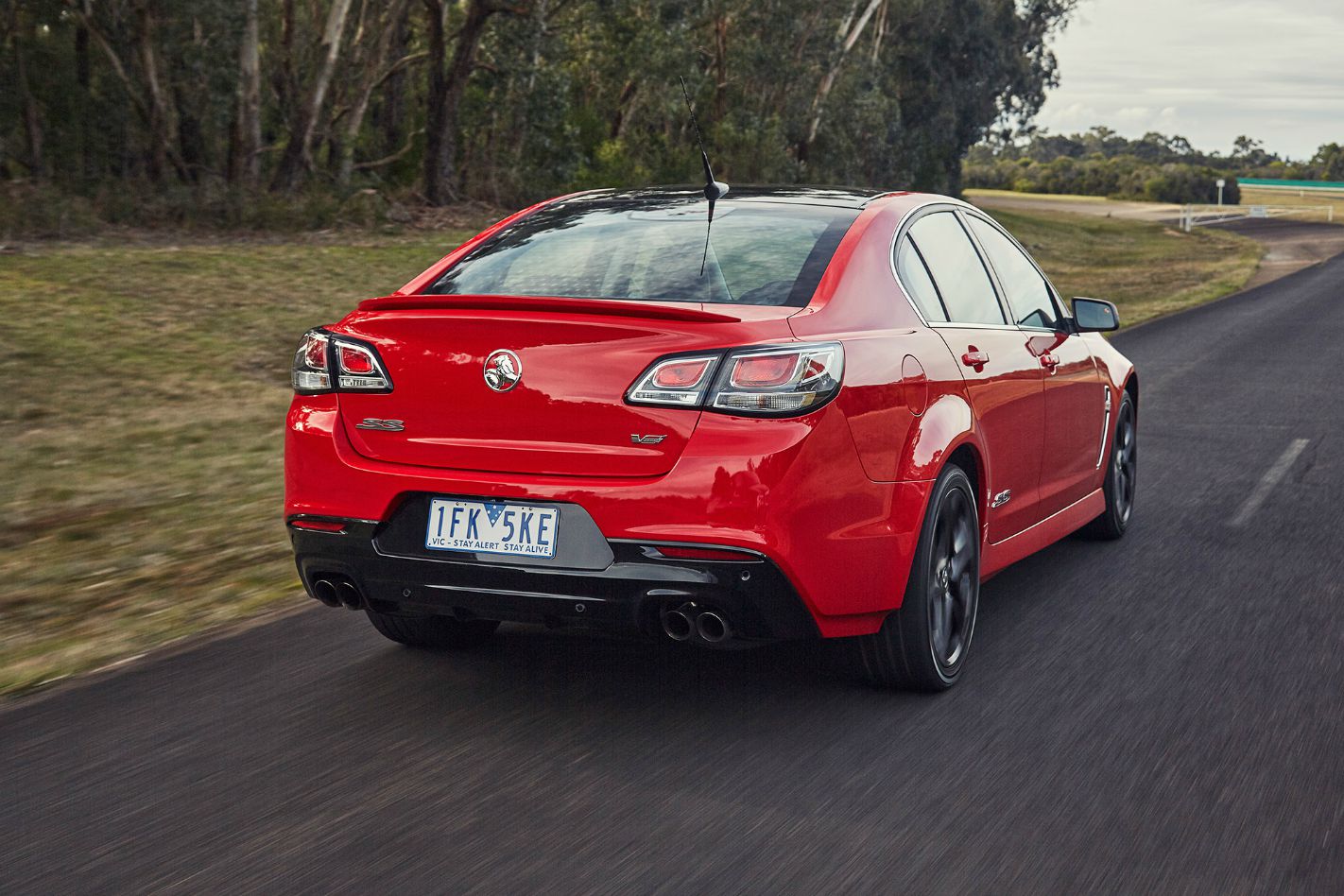
The V8 rumours were true – the SS Commodore is now powered by a 6.2-litre LS3 V8, the same engine that’s been spinning the rear tyres of HSV models since 2008.
It sees power upped from 270kW to 304kW. That’s still shy of the Ford Falcon XR8 with 335kW, but more importantly, torque from the SS will match the XR8’s 570Nm.
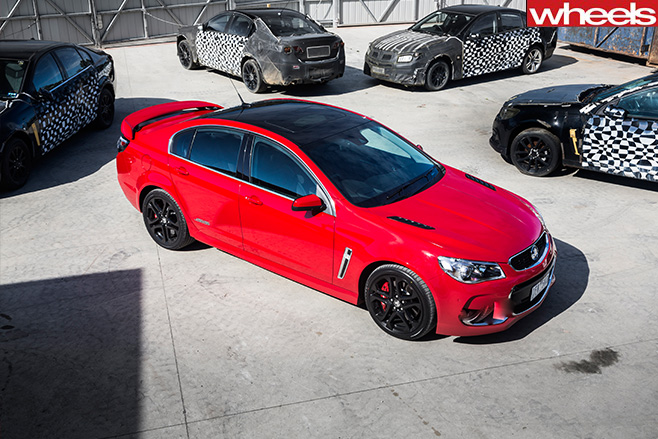
Crucially, the 10kW power deficit of the old automatic SS is gone, with both manual and auto models given the full 304kW/570Nm.
Helping those acceleration figures are revised final drives, which change from 3.45:1 in the manual to 3.72, and from 2.92:1 to 3.45 in the automatic.
“The changes to the VF Series II are few, but significant,” said design director Richard Ferlazzo.
The VF Series II SS-V Redline also has a new front bumper that includes a wider centre air-dam, and brake ducts that filter air through to an aperture in the front wheel arch, similar to the BMW air-breather. There’s also a new version of the aluminium bonnet, which includes two air vents to remove heat.
Across the range, there are no changes to the interior, and no notable changes to the V6-powered Commodore line-up.
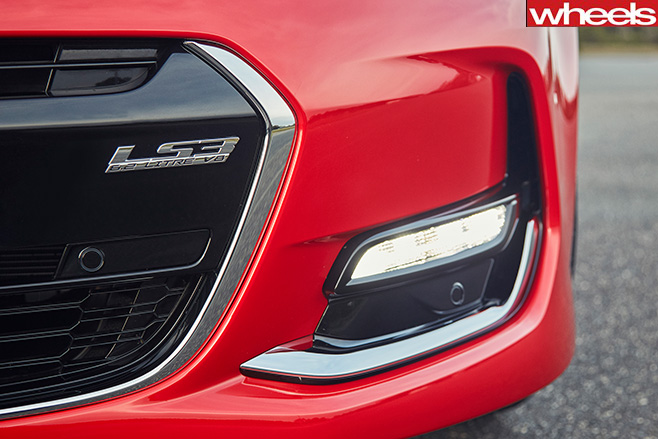
All VF Series IIs optioned with a V8 will get the 6.2-litre engine, including the Calais and Caprice models.
Unique to the SS-V Redline, however, is a bi-modal exhaust, developed by Holden because owners have long complained that the V8 didn’t have the soundtrack to support its punch. It uses twin pipes to channel the exhaust flow, depending on whether you’re after a quiet, late-night suburban mute or a weekend track day roar to shake your neighbour’s windows. This is expected to be the loudest Commodore to storm out of Elizabeth.
Holden benchmarked cars that included the fire breathing AMG V8 models, and developed an under-bonnet sound enhancer for the SS-V that sends noise into the cabin, too. Make no mistake: this will be genuine noise, not an artificial soundtrack as per the BMW M3, for instance. Holden says that drivers also get a flurry of noise when they stomp the loud pedal, so that the fun’s not all for those getting blown away on the pavement.
Fuel consumption? If you have to ask… the figures are, in fact, worse than for the previous SS, rising to 12.6L/100km for the manual SS-V Redline and 12.9L/100km for the automatic. “If you’re going to buy a V8, the last thing you think about is fuel economy,” says Holden’s marketing manager, Ben Lasry.
“Our customers resoundingly want more grunt, more noise and a more involving driving experience,” Lasry said. “The sports models continue to represent an ever increasing share of the Commodore total sales … People want a sports sedan.”
The Holden Commodore VF Series II goes on sale in October with pricing yet to be announced.
SNAPSHOT Holden Commodore VF Series II
- 6.2-litre V8 replaces 6.0-litre across the range
- V8 power up from 270/530Nm to 304kW/570Nm;
- 0-100km/h in 4.9sec for SS-V Redline (manual)
- New front bumper, tail light clusters
- SS-V gets bonnet vents; optional black roof; bi-model exhaust; under-bonnet sound enhancer; Brembo brakes on all four wheels; revised final drive
- Rear stabiliser bar is smaller yet stiffer; damping softer
- SS-V fuel consumption now 12.6/100km (manual) and 12.9L/100km (auto)
- Calais: new colour (Empire); lettering across boot lid
- No changes to V6-powered models
- No interior changes
Call it the Holden Commodore swan song – a 304kW 6.2-litre V8 takes centre stage in a VF Series II range to see out local manufacturing in 2017.
Holden has finally confirmed what we’ve reported, ditching the L77 6.0-litre used for the last decade and pinching the LS3 6.2-litre that until now has been reserved for HSV.
It hasn’t mucked around either, with torque of 570Nm eclipsing the $60,000-plus Clubsport and Maloo by 20Nm while equalling the $70,000-plus Clubsport R8, Maloo R8, Senator Signature and Grange.
Performance enthusiasts can now get all that from just $40,990 for the SS ute, immediately wiping $18K off the previous entry point to 6.2-litre ownership.
From there the 0.2-litre-larger donk finds its way into the SS V ute ($44,490) and SS V Redline ute ($47,990) with each sedan commanding a $3500 premium.
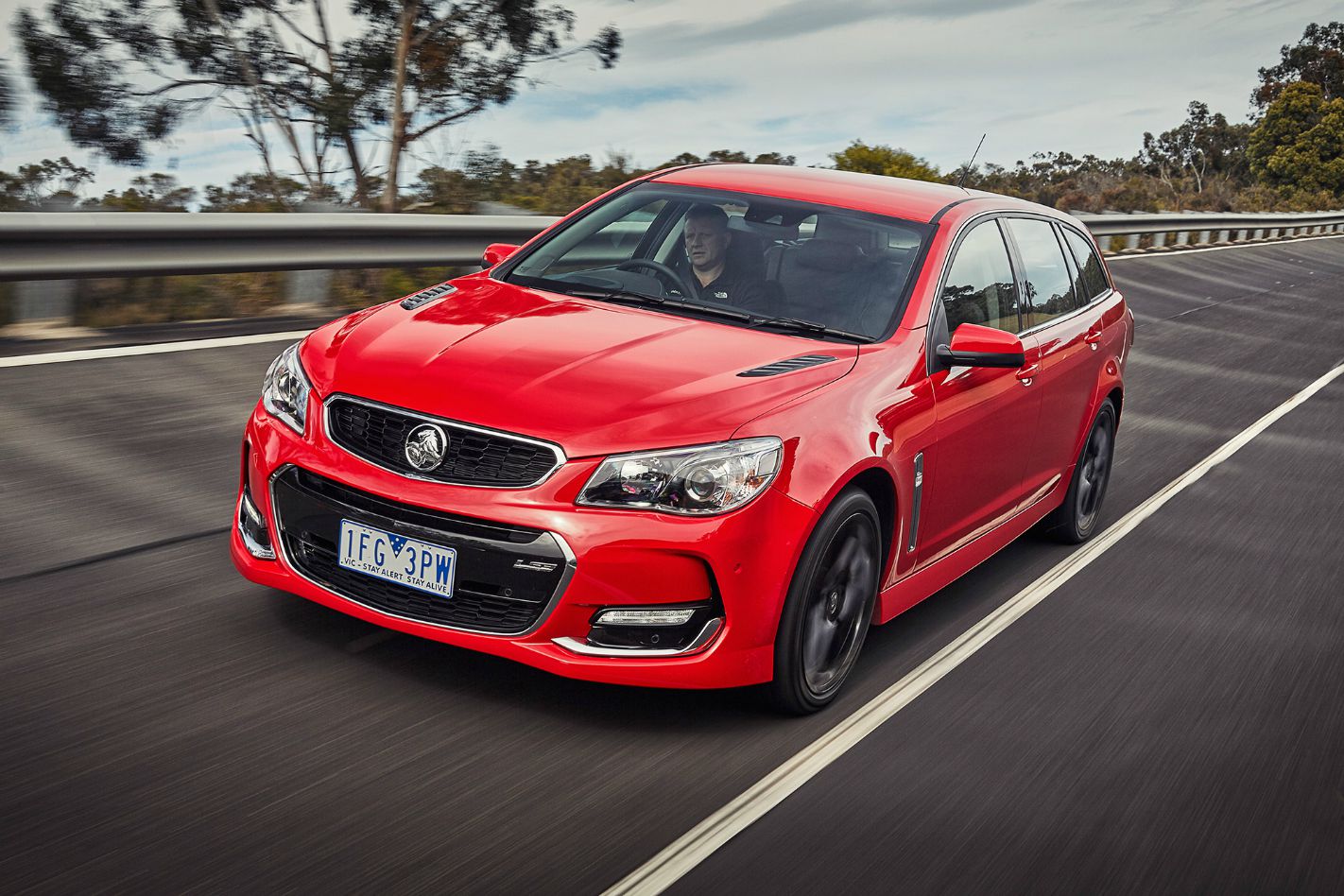
For heightened sleeper appeal, the big block V8 also goes into Calais V ($55,490 sedan/$57,490 wagon) and Caprice V8 ($60,490). The latter grade is the only one not to cop a $1500 price hike to pay for the 34-to-44kW and 40-to-53Nm increase in outputs (manual-to-auto).
Although neither luxe grade gets the bi-modal exhaust, the Calais V sneakily gets the limited-slip differential standard in the sports grades while performance brakes are available for just $350 (also optional on SS, SS V and even Caprice).
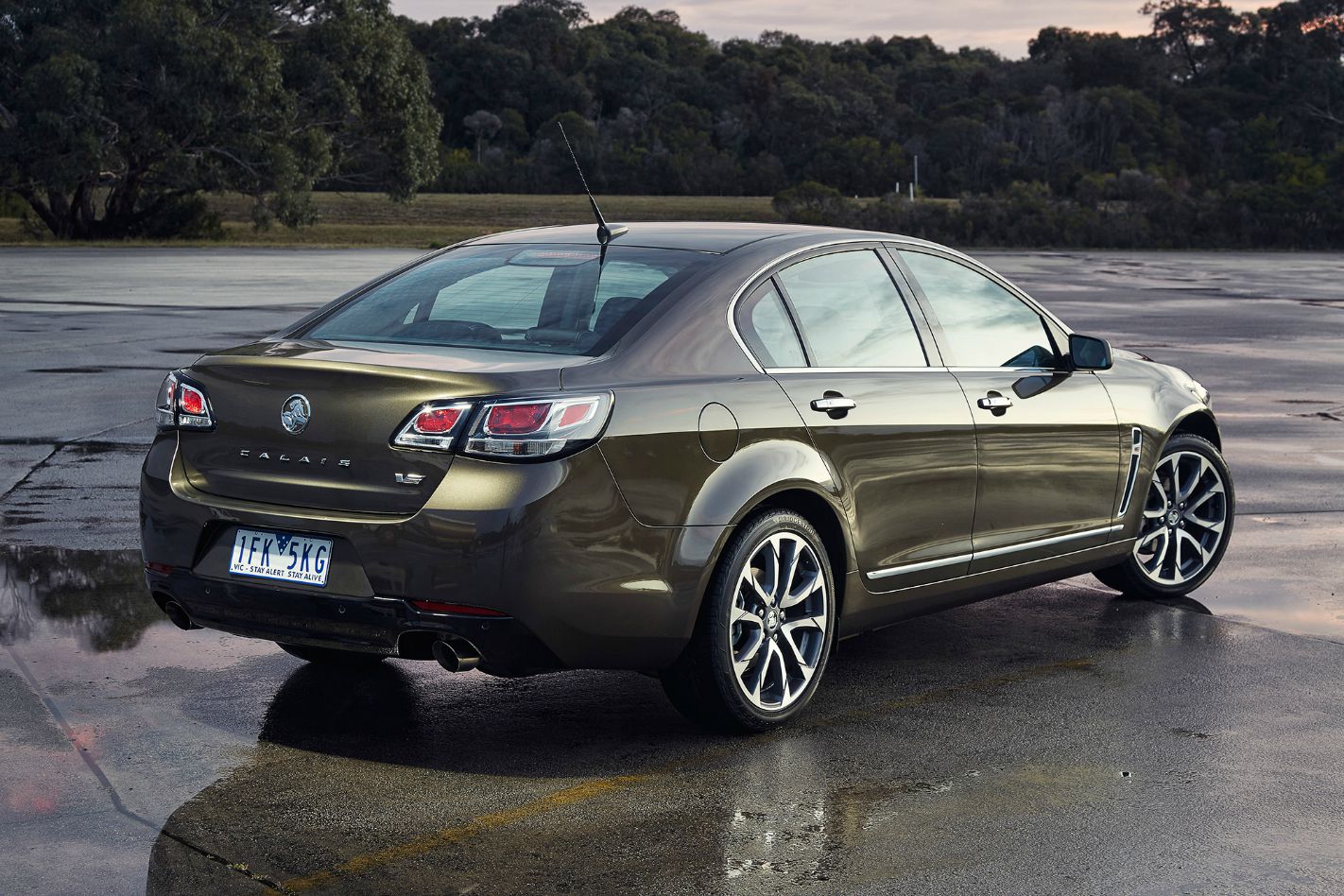
Other styling changes include a new front bar with extra ‘C’ shaped outer ducts on the sports models designed for aero improvement and clear tail-lights on SS V, SS V Redline, Calais and Calais V – the latter two grades of which splay their French-town letters across the boot lid.
For the first time since its 2008 introduction, the Sportwagon gets new tail-lights of the LED variety that curiously remain unavailable on the sedan or ute.
“This is absolutely the best car we have ever engineered and we are confident we are giving all our customers a compelling reason to but the latest Commodore in their driveway.”
“We made a commitment to keep this iconic car exciting and relevant for Australian motorists and that is exactly what we have done,” added Holden managing director Mark Bernhard.
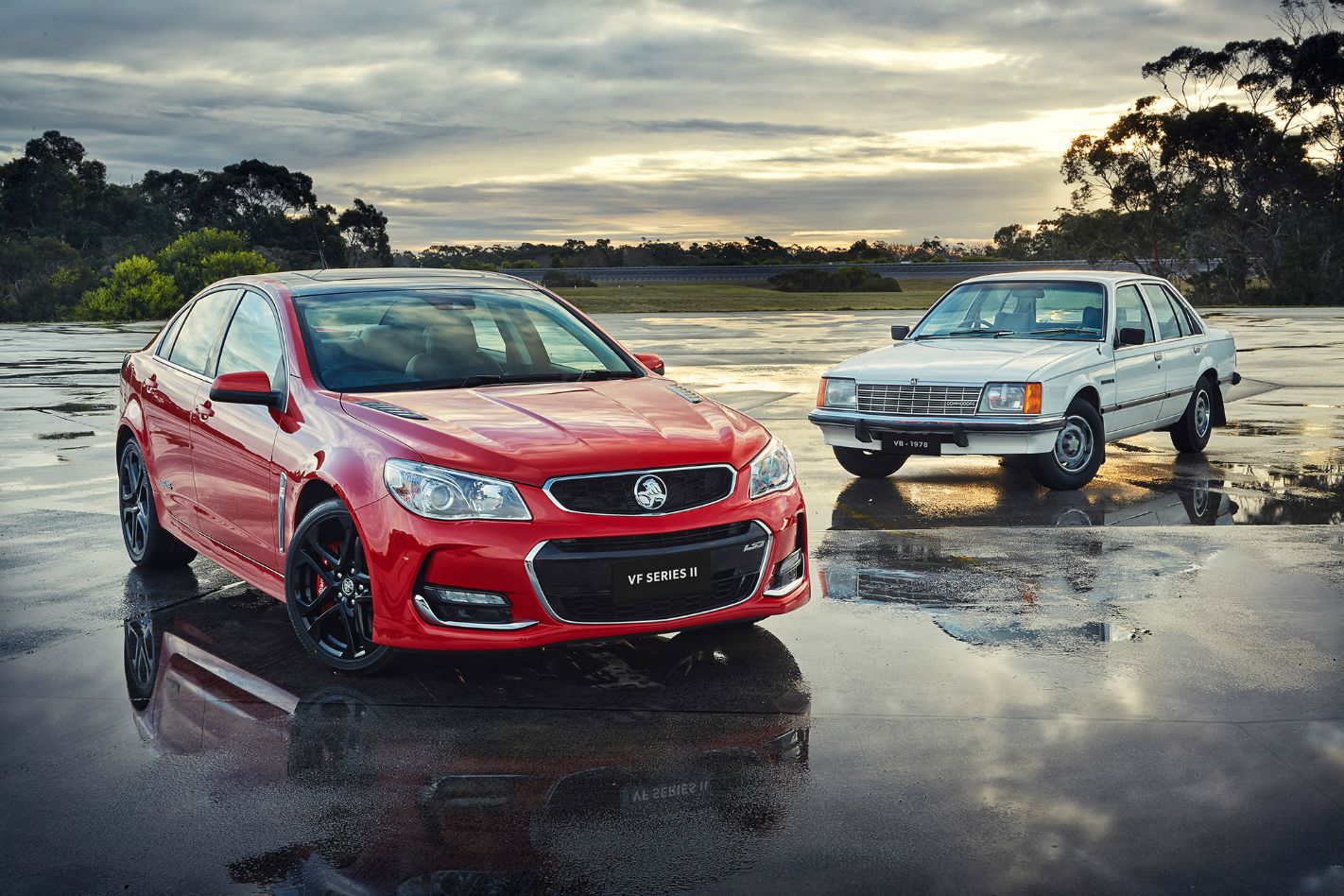
It is a big-block bang theory that will also take the Holden Commodore to the end of its 39-year manufacturing tenure when the Elizabeth, South Australia, plant closes towards the end of 2017.
Rally Australia is set for a thrilling conclusion with the top three drivers separated by just 2.6 seconds.
Volkswagen’s Sebastien Ogier has achieved the impossible by leading despite sweeping the road of gravel for two days, however his margin is a scant 0.3sec over Citroen’s Kris Meeke. Volkswagen’s flying Finn, Jari-Matti Latvala, trails by just 2.3sec.
However, the thrillilng battle at the front was overshadowed by controversy surrounding the final stage of the day run in darkness.
A number of drivers had expressed concerns about hanging dust prior to the event, but despite organisers increasing the gap between cars from three to five minutes, most drivers complained about poor visibility.
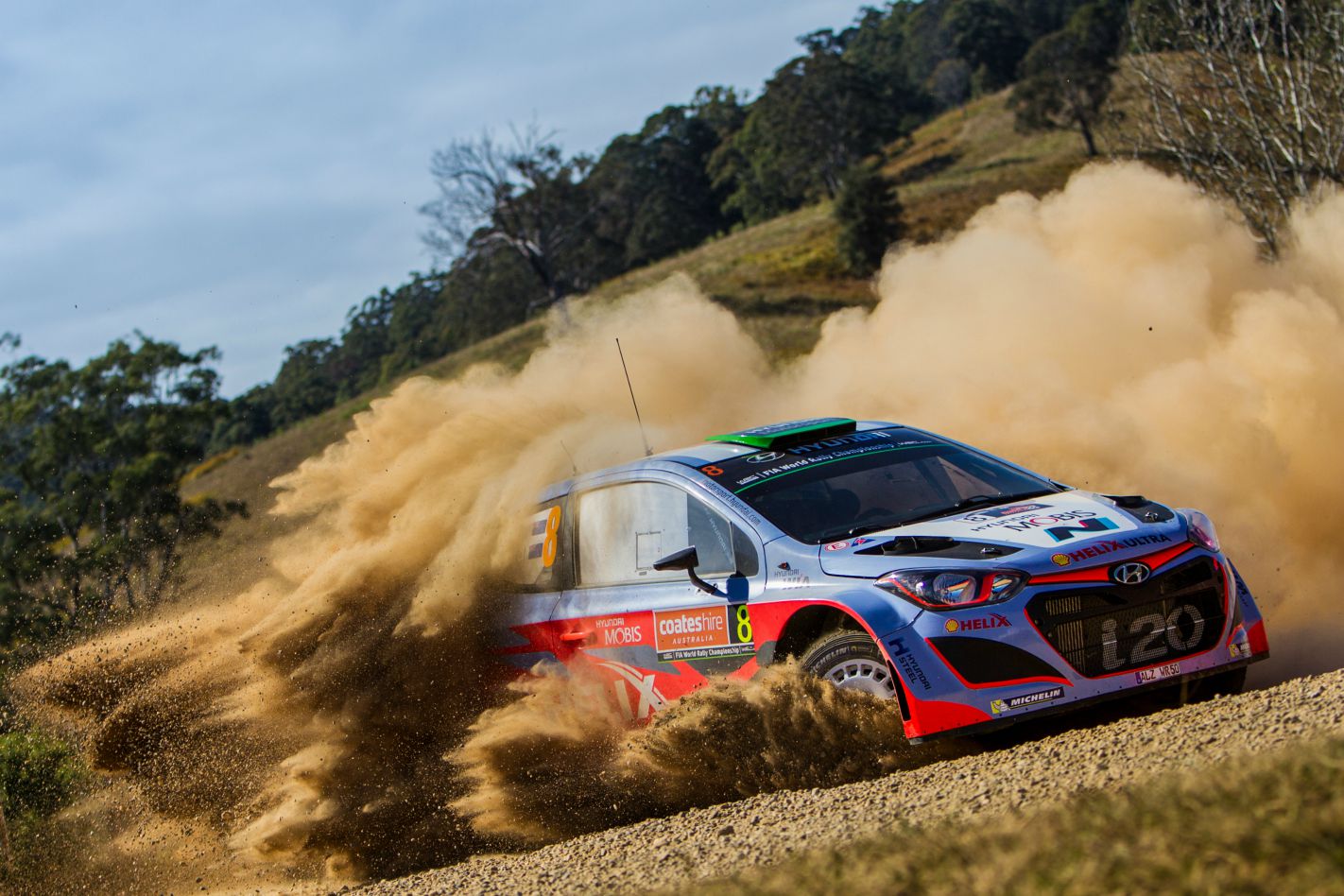
The day’s fastest driver was Hyundai’s Haydon Paddon, the young New Zealander cheered on by an army of fans from ‘across the ditch’. Having won both morning stages, Paddon then lost some time with tyre problems in the afternoon; he finished the day fifth, 19.4sec from the lead.
Rally Australia concludes with five stages tomorrow, with extra points on offer for the three fastest drivers through the rally’s final stage.
Just 4.6 seconds separates the top three drivers after the first eight stages of Rally Australia.
In dry, dusty conditions Finnish Volkswagen driver Jari-Matti Latvala leads by two seconds from Citroen’s Kris Meeke with two-time WRC champion Sebastien Ogier a further 2.6 seconds further back in third in another Volkswagen.
With the championship-leading Volkswagens forced to drive first on the road and encounter the worst of the loose gravel, Meeke and Hyundai drivers Dani Sordo and Haydon Paddon took advantage of their road position to occupy the top three spots respectively after the morning loop of four stages.
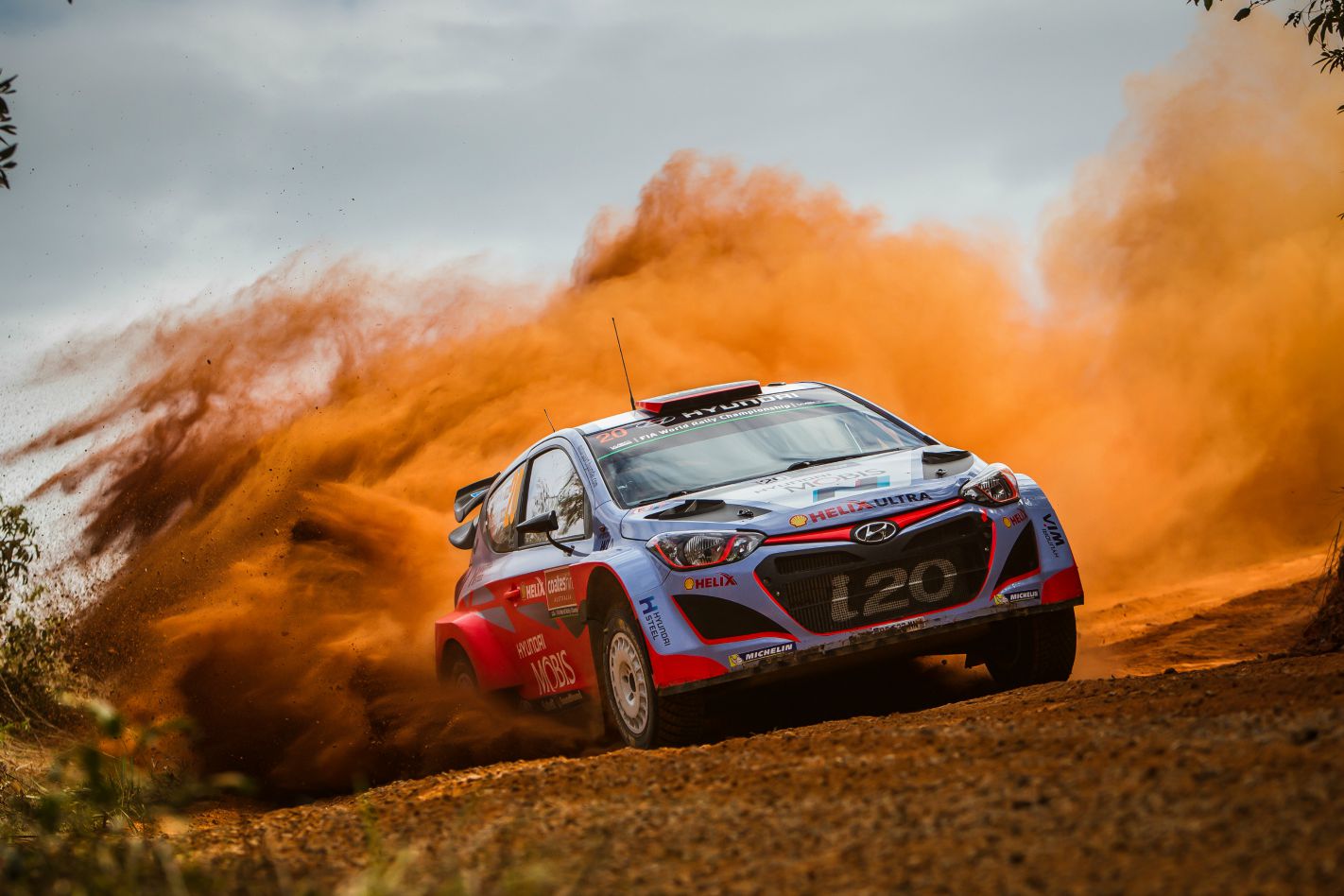
Sebastien Ogier made his move on the second run through Newry, the last stage of the day, taking 4.5sec from team-mate Latvala and 11.2sec from Meeke to vault from sixth to third in one stage, despite complaining of transmission troubles.
He was helped somewhat by hanging dust, which restricted visibility for those running further down the field.
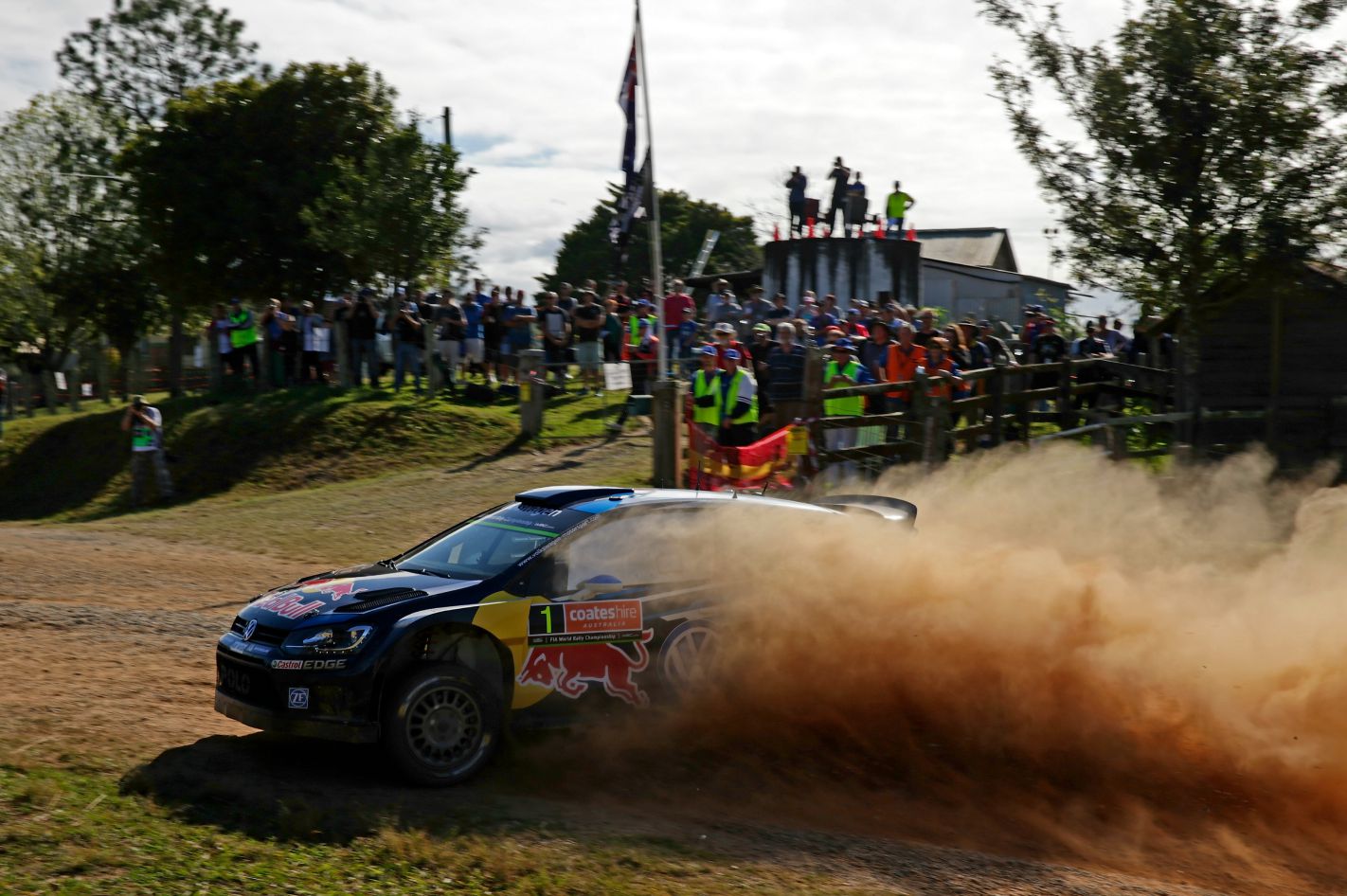
Australian Scott Pedder crashed out of WRC2 on the first stage of the day in the Ford Fiesta R5, however he will restart tomorrow. Local driver Nathan Quinn, driving a Mitsubishi Evolution IX, is running an impressive fifth in WRC2 against much faster international-level machinery.
Overall after Day 1
1. Jari-Matti Latvala/ Mikka Anttila Volkswagen Polo – 1:15:29.1 2. Kris Meeke/Paul Nagle Citroen DS3 – +2.0 3. Sebastien Ogier/Julien Ingrassia Volkswagen Polo – +4.6 4. Andreas Mikkelsen/Ola Floene Volkswagen Polo – +12.9 5. Dani Sordo/Marc Marti Hyundai i20 – +15.9
When you take the high-tech V8 from a BMW M3 rival and stuff it in to a heightened ute, you get this: a dune shredding psychopath created by the Toyota folks in South Africa.
That’s right, Toyota South Africa have taken the Lexus IS F’s sweet-singing 5.0-litre and jammed in the front of a production Hilux, 335kW/600Nm and all.
Called the Toyota Hilux Racing Experience, the utilitarian Frankenstein was created to celebrate Toyota SA Motorsport surpassing one million sales of the Hilux, while also tipping its hat to the car’s local success in off-road motorsport.
But don’t think they’ve been so crude to dump in the engine and call it a day. They’ve gone to great effort and poured they’re competition know-how in to this one-off beast.
Both front and rear differentials receive new lower ratios to cater for car’s new rpm range, the suspension uses new dual-adjustable dampers, the brake discs are now two-piece drilled items, and the steering’s been quickened.
The engine also blasts its orchestra through a full tubular exhaust system, and speaks to the standard D-4D’s transmission through an AP racing clutch.
You’d never be late on site again.
From humble Fiat 500 origins, the Abarth 695 Biposto has been stripped bare of its rear seats, air-conditioning and stereo, and injected with weight-saving parts.
It weighs just 997kg and utilises a 1.4-litre turbo four-cylinder engine with 140kW and 250Nm – up 22kW/20Nm on the $35K, 1035kg Abarth 595 Turismo. For nearly double the ask of that hot-hatch, the 0-100km/h sprint is lowered 1.5 seconds to 5.9sec and a five-speed manual is very nearly your only choice.
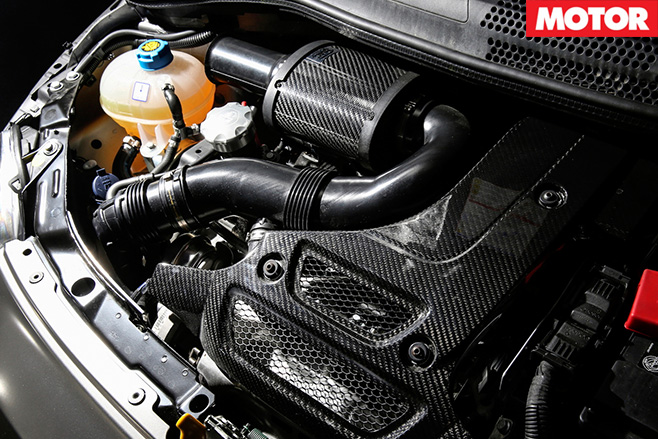
There are more options beyond the standard addition of OZ racing alloy wheels, Akrapovic exhaust, Brembo brakes and EXT manually adjustable front and rear suspension.
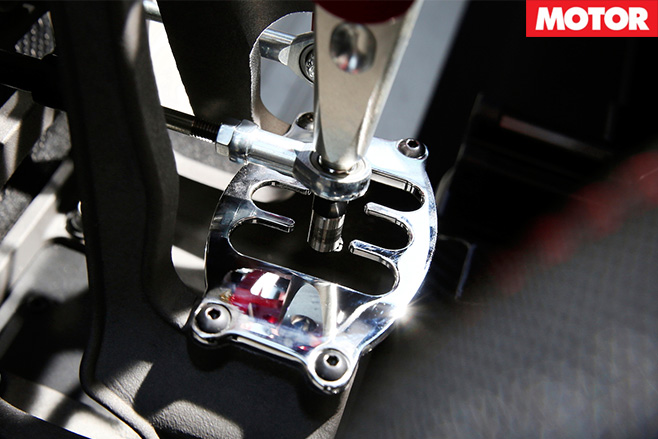
Slightly less, at $7000, is a ‘track kit’ that includes a digital data logger and four-point seat belt harness integrated into carbonfibre-clad buckets. For the same amount you can individually add polycarbonate windows with sliding-opening panels – perfect for grabbing drive-thru Macca’s.
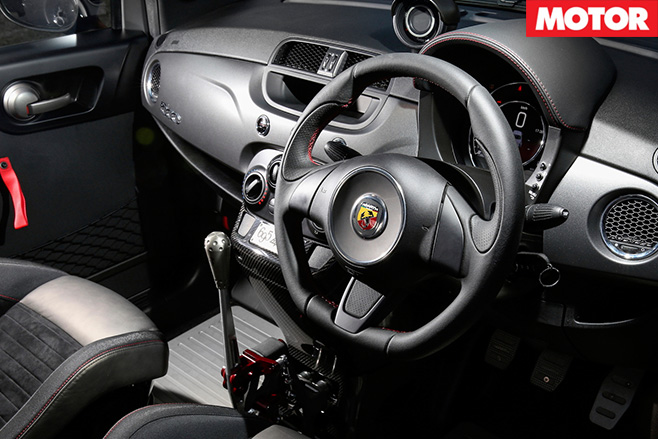
Add them all up in and you’ll have a $108,000 Fiat 500. Only 14 are coming to the country so far, but Fiat Chrysler Australia is hoping for more if demand is sufficient.

Your mum, bless her, probably doesn’t like motorsport. Mine doesn’t.
In fact, she’d prefer it if you and I were collecting stamps instead.
Then again, she’s the one who could never figure out why the petrol tank in her Torana was almost empty each Saturday night when her and dad were out at the RSL, even though her car was locked in the shed at home and her little darlings (that would be me and my bruvver) were the only ones who knew where the key lived. So what does she know?
But me and motorsport? Our paths were always going to cross at some point. Fate, I believe it’s called. I remember back in the dark days of the late ’80s, a few of us decided that roaring around racetracks in a bunch of all-but-standard HQ Holdens with the floor mats ripped out would be a grand way to spend weekends.
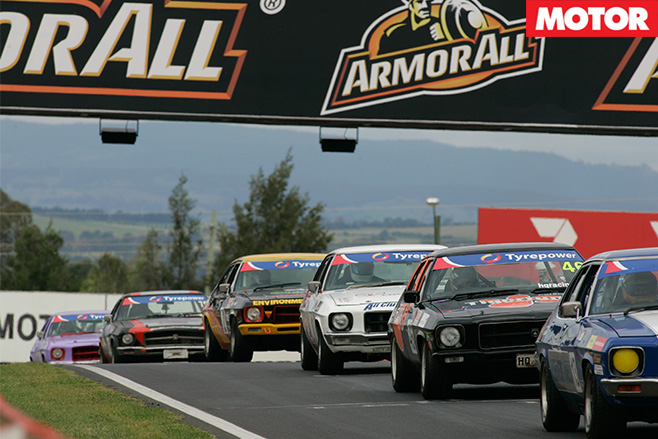
So we started a club, lobbied CAMS to be included in the next year’s calendar and whaddayaknow? We had ourselves a race series. Initially it was just good, clean fun. My car, as it sat idling on the grid for the first time with my clutch knee doing a pretty good impersonation of a fiddler’s elbow, owed me just on four grand.
That was probably on the low side of the grid average, but I’ll bet you no single car on that grid that day owed its punter any more than 10 large.
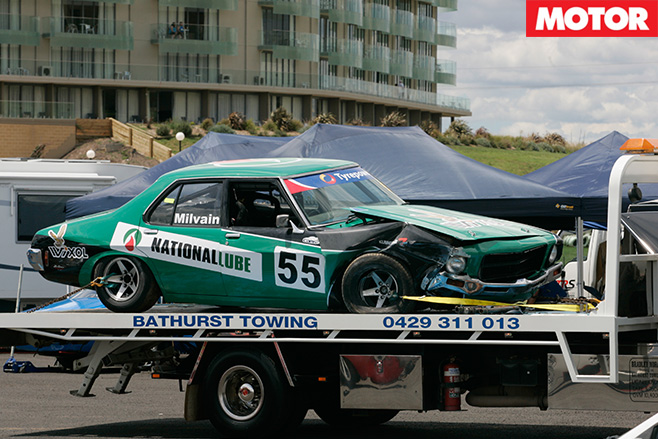
But now, as well as holding your breath and crossing your fingers, you had to deal with Matey’s brother helping identify that the windscreen washer bottle you were using was from a HJ, not a HQ. Piss orf, dickhead.
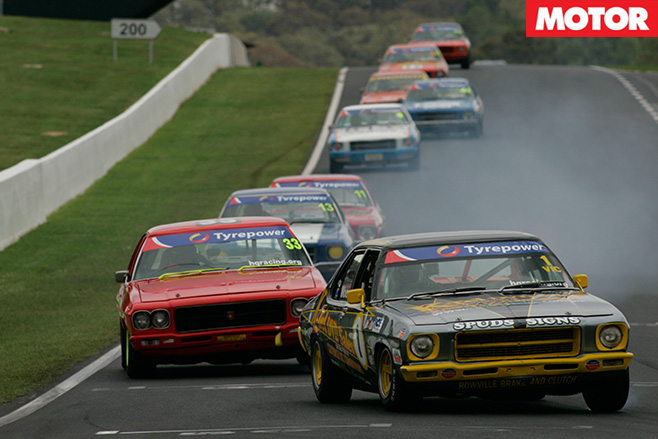
And on the back of that truck were two identical HQs that were, effectively, brand-new cars.
My mate Lenny – who knew about these things – did a quick add-up in his head and reckoned each car represented something like 50-grand. No surprise to learn they started wiping the floor with the rest of us.
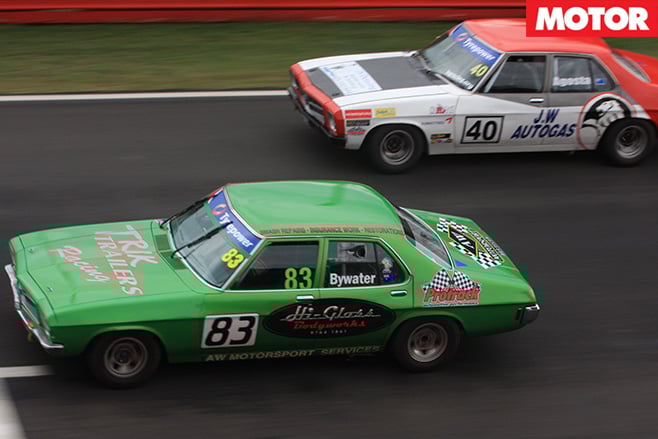
But you know what? I still see a few of my original HQ racing mates – usually at historic race meetings – and we still crack a beer and yak on about the good old days, even though those days are getting on for 30 years ago.
I might be wrong, but I bet you can’t say that about stamp collectors.
