
As the GFC becomes but a decaying memory, supercars are scurrying out of design studios – and showrooms – with apparent increasing pace.
In the last few months alone, the supercar gelato shop has added new flavours including the 488 GTB, Huracán, 911 GT3 RS and the McLaren 675 LT. Japan is still yet to unleash its NSX, and Ford, those purveyors of Fiestas and F350s, the GT. To have both wealth and enthusiasm for fast cars must be as thrilling as it is overwhelming, such is the offering. And then there’s the Audi R8.
When it arrived in 2007, the R8 upset the supercar fraternity with its wild concept car looks and movie cameos. And while Audi sold 27,000 of them, it wished it sold more. Audi might put it differently, but the first generation R8 was as poor a profit maker as it was a terrific brand builder; it implanted the Audi brand into the minds of many.
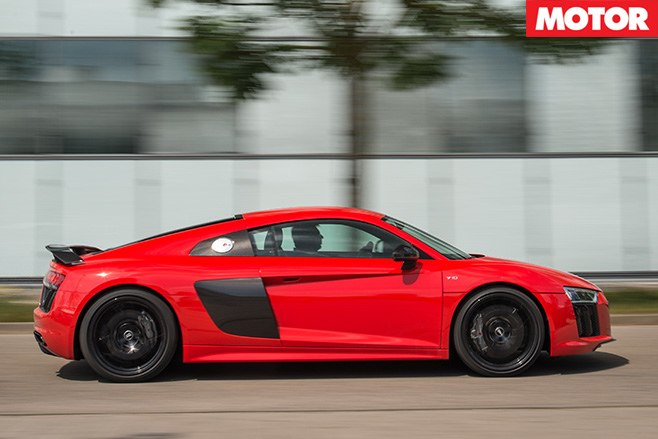
Effectively, like the next Audi A4, the R8 replacement is a reheated version of the old model, the goal being minimum investment with maximum effect.
Sadly, for all its changes, there have been casualties. The six-speed gateshift manual is gone. As is the V8 version, which used the RS4 and RS5’s screaming 4.2-litre naturally-aspirated donk to good effect producing 316kW and 430Nm. In manual guise, it was also the cheapest ticket to join the R8 club at just $279,500.
And in news that will excite people phobic of petrol stations, a 346kW engineless e-tron is inbound. Again, with torque that could tow a coal train – 920Nm, in fact.
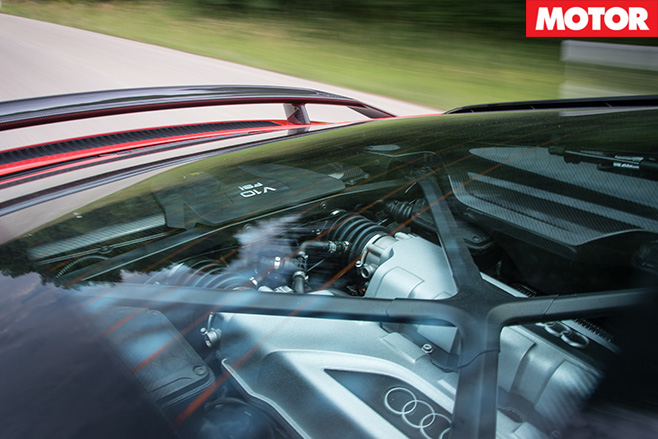
But for now, R8 generation two comes with just one engine option in two flavours. And lord, what an option it is. It’s familiar, admittedly, given the 5.2-litre naturally-aspirated V10 is all-but carried over from the previous generation car. But Audi wasn’t able to leave it alone, of course.
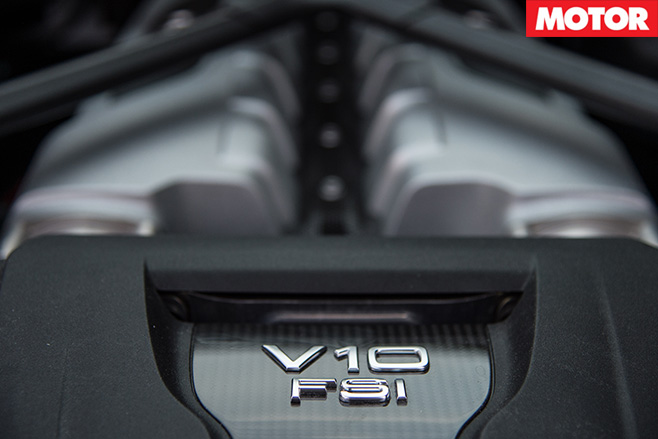
Compared to the outgoing V10 Plus, which had 404kW at 8000rpm and 540Nm at 6500rpm, the new R8 Plus has eked an extra 45kW and 20Nm, now 449kW and 560Nm. Meanwhile an R8 V10 model, sitting below the Plus, will have 397kW and 540Nm, both with a screaming 8500rpm redline.
Audi will tell you it spurned turbos, because in supercar land making you happy-clap like a seal is more important than fewer petrol station visits. It’s all about the thrill.
More astute readers might pick up on some grounds for sibling awkwardness, given the Huracan also makes 449kW and 560Nm. No hard feelings, says Audi, given its customers, according to them, aren’t the sort to drive up and down shopping strips in first gear. But privately you might pick up the Italians are a bit peeved.
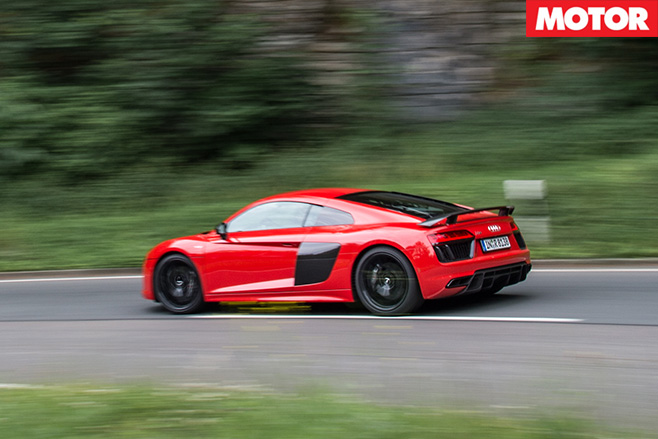
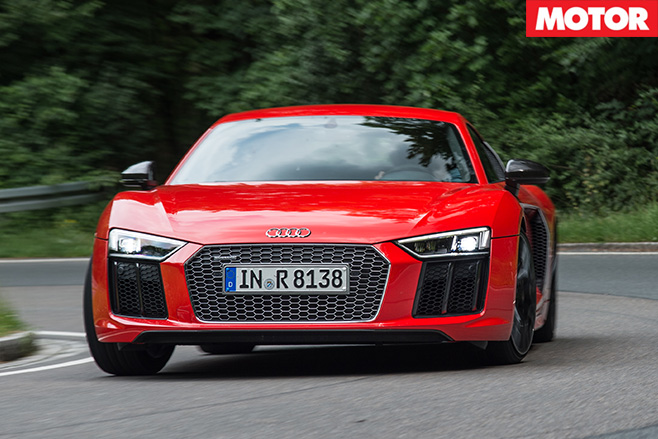
Intra-empire tensions aside, MOTOR picked the Plus for its exclusive first drive. In some ways, from afar, it’s hard to tell the styling is new. Only at second glance does the stance start to look tougher, the proportions more aggro.
Getting closer, the new R8 reveals its rather swanky new laser headlights, new tail-lights, revised air intakes and a fat rear end dragging a huge diffuser, topped with a fixed, adult-sized carbonfibre rear wing. And just as the exterior is, in essence, a clever reheating of the carryover Modular Sports Car System, slinking into the interior reveals a familiar feeling with the packaging and constraints.
That said, if you’re thinking of getting a new R8, and you do your grocery shopping once a month, you’ll be pleased to hear the R8’s luggage space has increased. Having taken a seat, the new R8’s interior is all about spewing information. And buttons. Lots of buttons.
Scoring the same virtual cockpit as the new TT, the R8 goes a step further with a central, analogue tacho (a graphic on a TFT screen, we mean) incorporating a digital speedo. Flanked to its sides are, yes, more screens, with entertainment information one side and vehicle info including engine temperatures, g-force, torque curve, tyre pressures and lap times, the other.
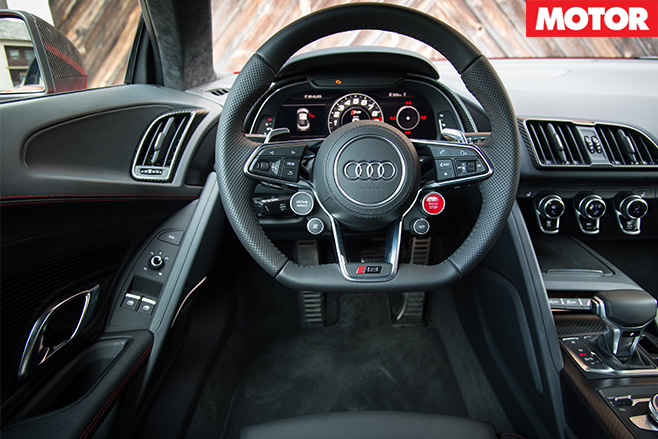
The debatable buttons-everywhere approach is summed up by the sports steering-wheel, standard on the V10 Plus. It’s hard enough to suss out the multiple controls placed in the two spokes, but why does the ‘Drive Select’ mode button live next to another button-thumbwheel-thing marked ‘Performance’?
While Drive Select tweaks the car’s main traits, Performance lets you choose between three settings marked Dry, Wet and Snow. Both algorithms influence the ESP set-up, but then there is also an additional two-stage ESP button.
Is this overkill galore, or are we missing the point? We can’t help but feel Audi should have opted for a simple, quick toggle switch not unlike, well, Ferrari’s manettino.
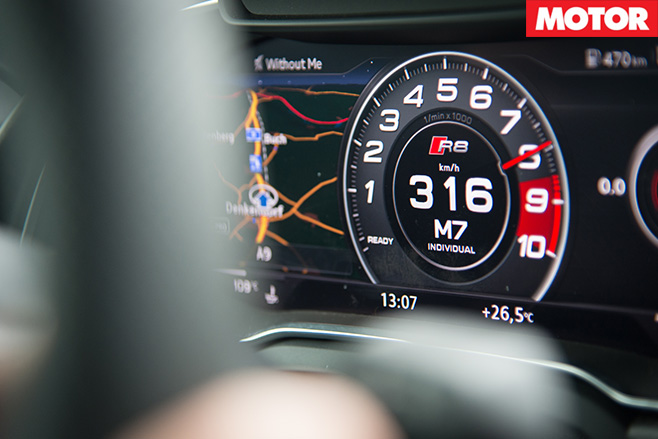
And of course, without a pair of snail-shaped air pumps augmenting mid-range torque, 8500rpm is a place you’ll be visiting often (in tunnels). Just like the old model, the new R8 V10 Plus makes the most delicious racket.
With the exhaust in anti-social mode, the R8 is surely talented in the way it ruffles street-side cafes and summons the attention of smartphone cameras. Artificially-created lift-off crackling and full-throttle upshift splats attract eyeballs and confirm one thing for certain: the new R8 experience, much like the old, revolves around the menacing clump of superheated oil and moving metal, centimetres from your spine. You certainly know it’s there.
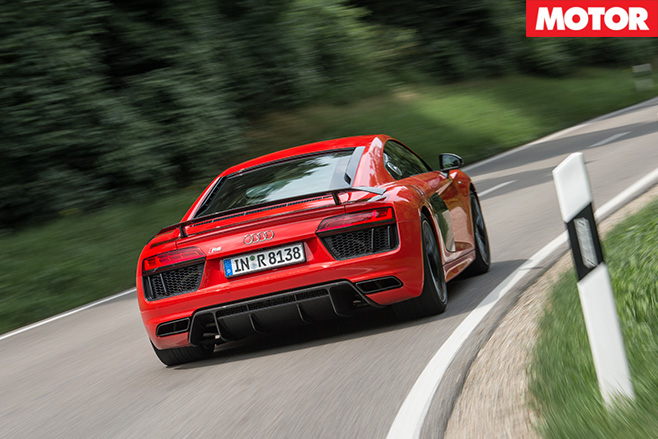
But really it’s many things working together, like an organism, that combine to make the new R8 an engaging cornering combatant: the ever-so-slightly self-centring steering, the apex-clinging front Haldex diff, the massive 560Nm available crisp underfoot as the corner exit unveils.
On track, the new R8 reveals itself to be more energetic, efficient and effortless – rather than radical, raw or raucous. Towards its limit, you wouldn’t call it boisterously playful, even in its most aggressive Dynamic mode and with ESP off. It stays behaved, and to play takes some careful prodding (and some patient experimentation with the various available driving modes).
Locking Performance mode in Dry, Drive Select in Dynamic and ESP off seems to do the trick on the track, but yet still, the new R8 is no 911 or 488. In place of cheekiness and playfulness you instead get dynamic control and rock-solid stability.
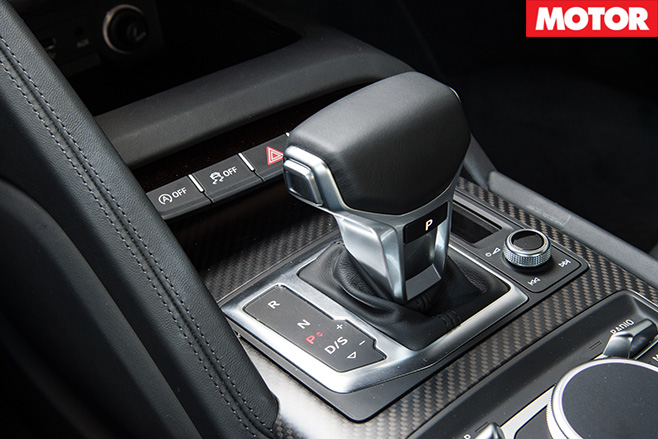
Not unlike the old car, in fact. But mostly, the brakes are special in the way they allow a margin for error significantly wider than most of the R8’s competitors. They’re epic.
Compared in particular to the previous generation car, R8 version 2.0 feels more mature, grown up and balanced. Danced around its limits, it’s no longer a stubborn, wild thing, idiosyncratic in its behaviours to your inputs. Instead, you could call it characterful but benign, focused yet compliant, attentive and responsive. Funnily enough, Audi would likely cheerfully disagree with you on all these descriptions on the basis you could be calling the new R8 a bit soft. It’s a hardcore supercar, they’ll tell you.
To an extent, the new R8 does match this description. But it is more than a one-dimensional, single-purpose road rocket. The new R8 fuses remarkable speed with a reassuring flow, it rules the 160-330km/h zone with an almost eerie tranquillity, and it won’t allow the rough stuff to deflect its trajectory.
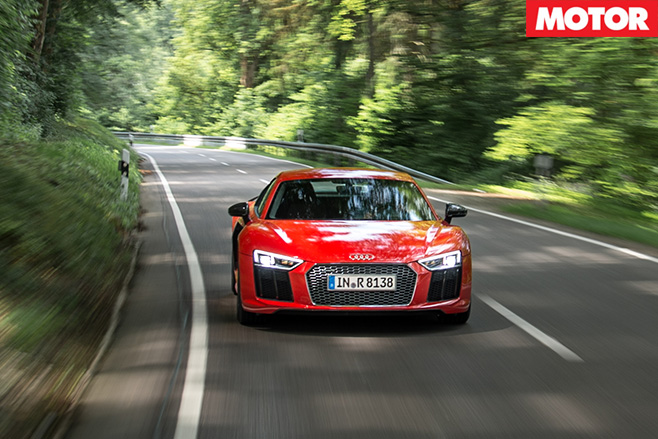
They did what they could to teach this car manners, to iron out its flaws where possible. And yet it’s not mere Terminator-like competence that makes the new R8 shine. The new R8 is fascinating by means of breaking down its impressive component parts. It thrills with an old-school, normally-aspirated V10, a supersonic gearbox, extra-terrestrial brakes, and a surgical all-wheel drive system.
Eight hours after picking it up, we returned a wonderfully analogue, refreshingly mechanical sportscar infiltrated, more or less successfully, with digital innovations. The best of both worlds? Not quite. But yet hardly a middle-of-the-road, me-too compromise. In the supercar gelato shop, the R8 still stands out as a flavour all on its own.
PLUS
- It looks fantastic, inside and out. This has to be one of the best looking cars ever to wear a Kia badge thanks to a handsome exterior design dominated by that big, chiselled front grille and Batman-esque tail lights. The interior in the range-topping Platinum is beautiful too, with lashings of leather, comfortable and spacious seats and plenty of standard equipment.
- Sorento is offered with the choice of a V6 petrol engine or four-cylinder turbo-diesel, and it’s the diesel that’s the stronger of the two. Powerful and relatively refined, the diesel is also impressively frugal.
- Let’s be honest, Kias have never really been known for razor sharp dynamics, but this is changing. Fast. Kia is working hard to improve its ride and handling and the Sorento is supple, controlled and comfortable.
- Spending $55,990 for the top-spec Platinum brings a suite of standard equipment usually only found on pricier rivals. The Sorento’s premium interior includes: reversing camera, electric tailgate, panoramic roof, auto lights, heated seats, sat-nav, cruise control and auto wipers. There’s even a heated steering wheel!
- The Sorento’s huge 7-year/unlimited kilometre warranty means it comes with one of the best after sales support packages currently on sale.
- Push the Sorento hard on windy roads and there is some body roll, as you’d expect from a big two-tonne SUV.
- And while access to the third row is a breeze, there’s still only enough room for occasional adult use. Comfortable seats that are easy to erect and excellent vision are big strengths, though, and means kids will happily spend hours in the back.
- Petrol-powered variants lack the performance and efficiency of the diesel engine.
Honda has unveiled a radical ultra-lightweight track focussed concept, set to make its public debut at next week’s Frankfurt Motor Show.
As the name suggests, Project 2&4 melds aspects of Honda’s car and motorcycle divisions to create a 158kW/118Nm screamer that weighs just 405kg.
At just 3040mm long (half a metre shorter than a Fiat 500) the 2&4’s compact dimensions are made possible by its wild mechanical configuration, in which the driver sits next to the 999c V4 engine, lifted from Honda’s RC213V MotoGP bike.
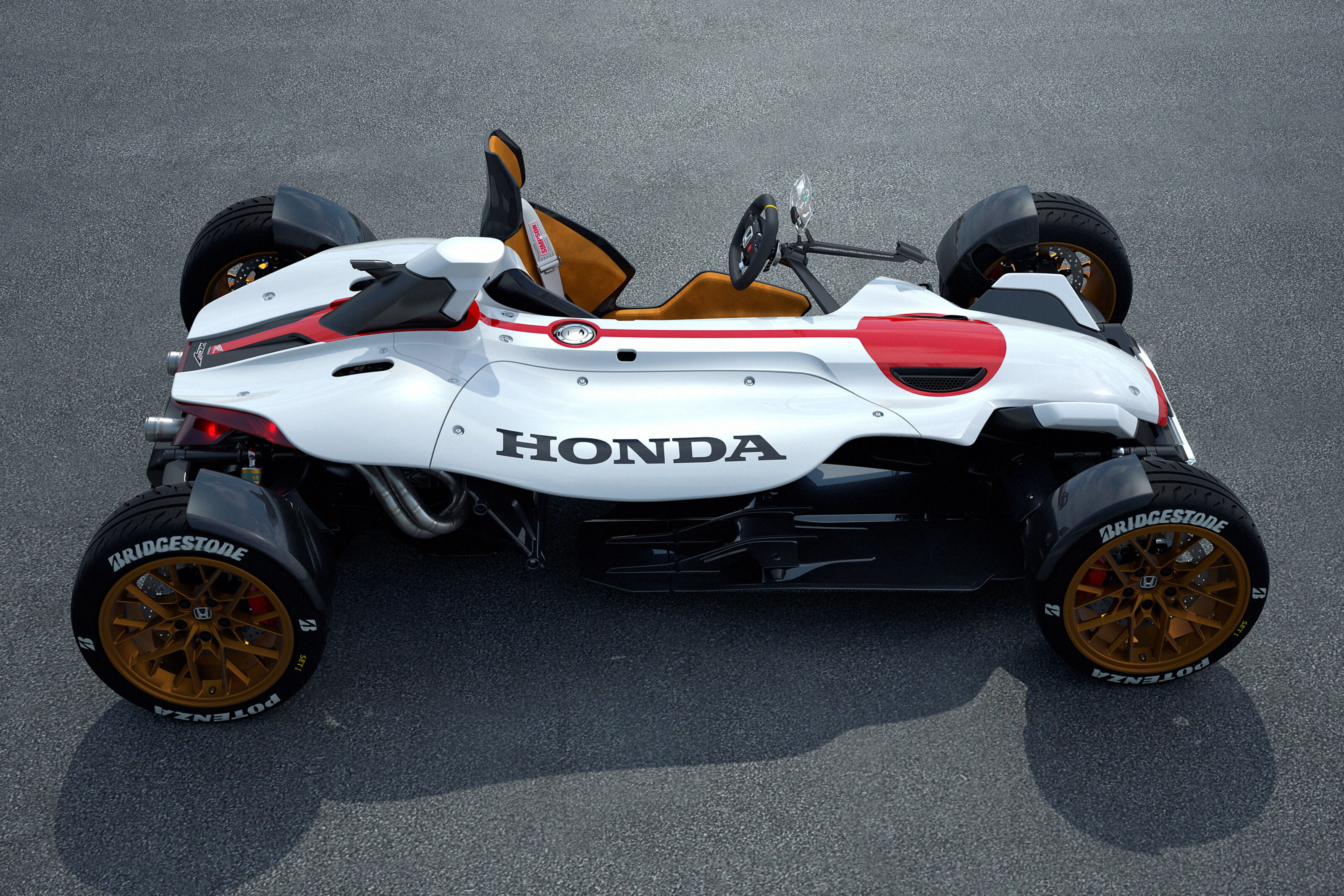
The open cockpit is intended to give the feeling of immersion provided by a motorbike, with only the four-point harness holding the driver in place.
The race-spec engine produces peak power at a dizzying 13,000rpm and delivers its 158kW to the rear wheels via a six-speed dual-clutch gearbox.
The resultant 390kW/tonne power-to-weight ratio promises vivid acceleration, however it’s likely that should a production version of the 2&4 appear, the MotoGP engine will be swapped for a more street-friendly unit like the 131kW/112Nm 1.0-litre four from the CBR1000RR.
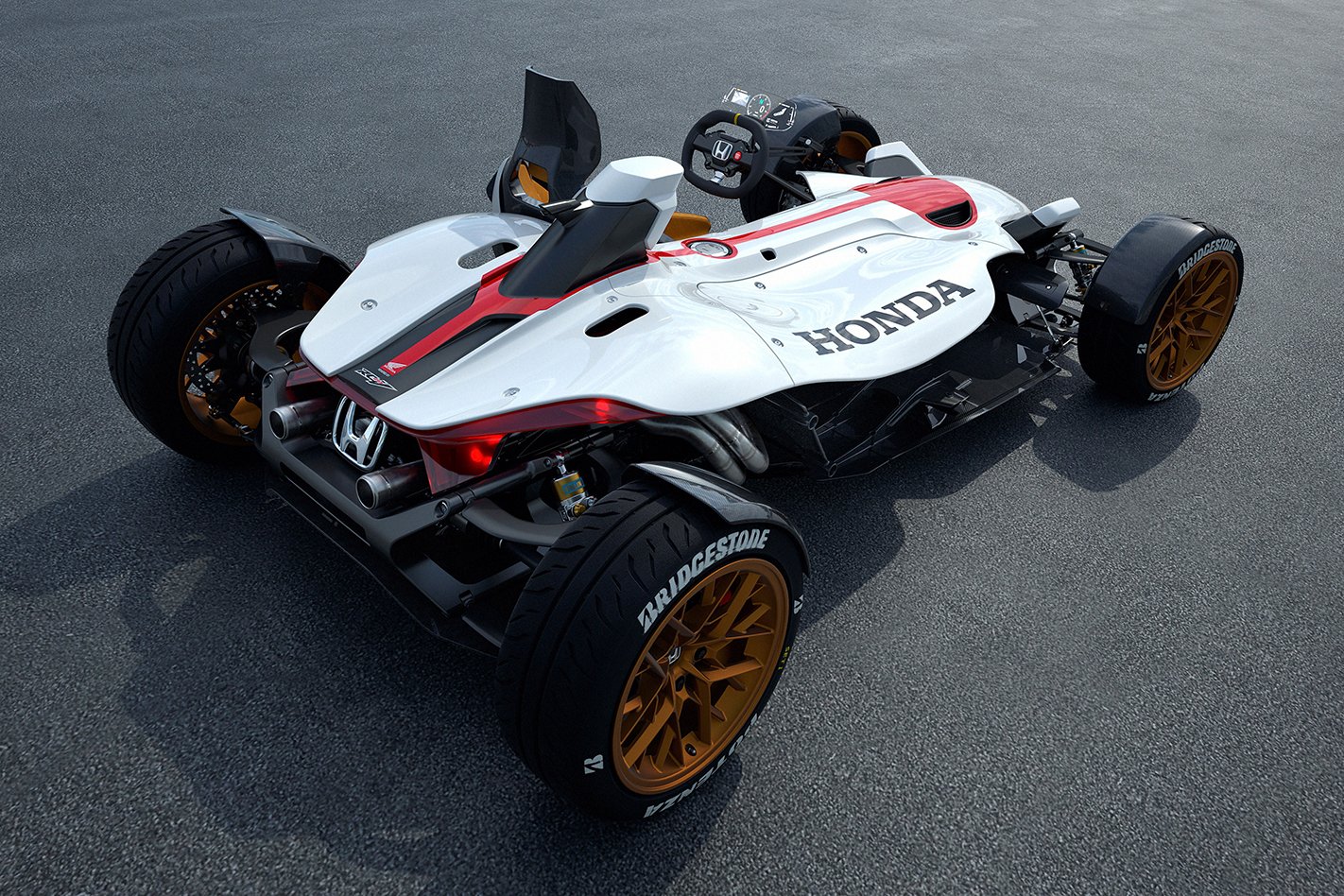
Despite Honda talking up the 2&4’s road legality, it’s extremely unlikely a road-going version will appear, however it proves that Honda still has a pulse.
With the new NSX suffering constant delays and its return to Formula 1 causing more harm than benefit to its image, Honda could do worse than to release a limited-run of the 2&4, if only to prove its capable of making something exciting again.
Suddenly within the space of two weeks, the (rarefied super-rich) world has a duo of extra-large four-seat convertibles from which to choose.
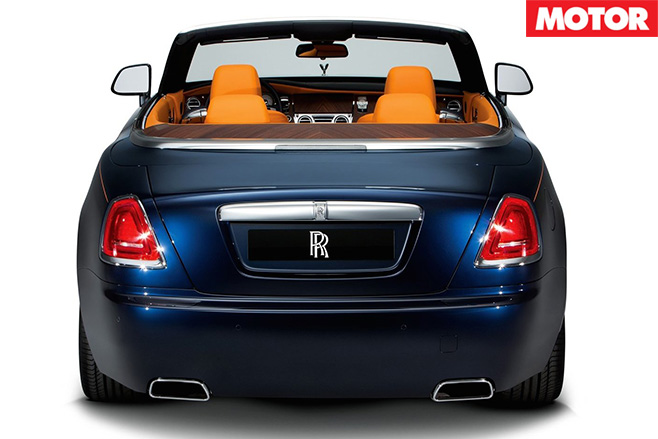
The Dawn – homage to the original Silver Dawn drophead of 1952 – claims to have 80 per cent unique body panels compared with its $600,000-plus Ghost sedan and Wraith coupe stablemates.
Taking a shot at other rivals that adopt a 2+2 seater philosophy, the brand says, “The result is a sector populated exclusively by open-top cars that Rolls-Royce would consider compromised and ‘anti-social’”.
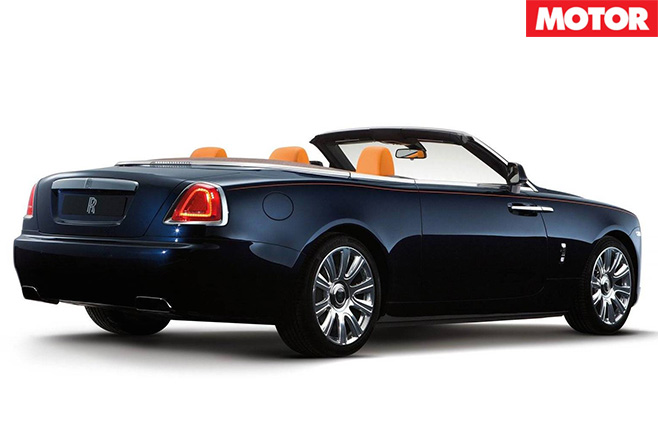
May as well belt out a few lines of Carly Simon’s You’re So Vain while you’re there.
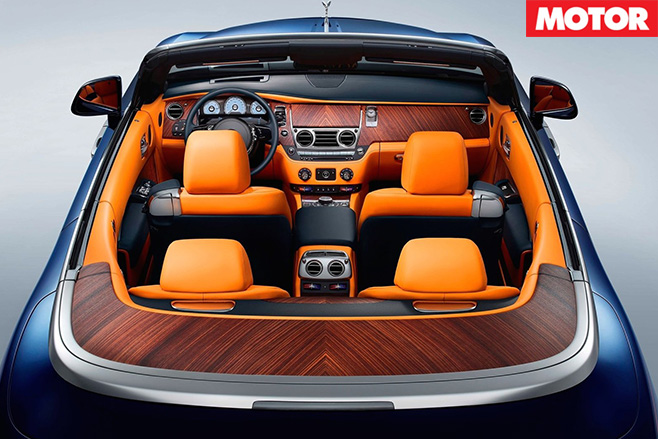
Stowed away, a stainless steel waistline finisher and open-pore Canadel deck paneling reveal themselves to a world not as wealthy as you. (They’ll see you Rollin’ and, yes, they will be hatin’).
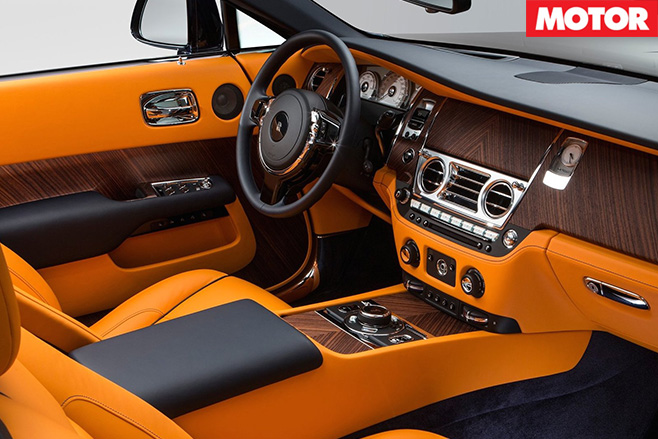
Rolls-Royce has also pinched from BMW new technology such as full LED headlights with auto high-beam that can ‘block out’ individual cars ahead, active cruise control, head-up display and heat detection system that can pick up humans and animals ahead and warn the driver not to mow them down.
ROAD deaths in Australia have risen for the first seven months of this year, a trend matched in several other countries despite carmakers’ best efforts to build class-leading safety into the vehicles they sell.
Figures from the Department of Infrastructure and Regional Development show that 676 people have died on our roads, compared with 654 over the same period last year – a 3.3 percent increase.
In the US, the number of road deaths is on track to record its highest figure since 2007, up more than 14 percent on the previous year despite the big advances in car safety aimed at avoiding collisions.
In New Zealand, the road toll has soared 27 percent to 108, the latest figures show. In Portugal, the toll has risen almost 10 percent over the first eight months of this year, while in nearby France, roads authorities are introducing new safety measures after a 3.5 percent jump in fatalities.
There’s a similar pattern in Germany, with the number of deaths rising over the first six months of the year.
In Australia, the annual road toll has almost halved over the past 25 years, according to the International Traffic Safety Data and Analysis Group, the transport safety division of the Organisation for Economic Co-operation and Development.
Monash University Accident Research Centre associate professor Stuart Newstead said the small rise in Australia’s road toll so far this year was not significant enough to cause alarm.
“From what we’ve seen so far it looks like a statistical anomaly,” Newstead said.
“I don’t think we’re heading for panic stations at this stage – we’re only marginally above where it was last year, which is not really that far outside of the broader trend that we’ve had.
“Even just maintaining the status quo in the face of a rising population and increasing travel is actually quite an achievement in itself, which might sound strange, but in fact it is true that if you did nothing you would go backwards at the rate of population and travel growth.”
Professor Newstead said there was no magic bullet on the horizon that would reduce fatalities as significantly as past innovations such as airbags and electronic stability control.
A long run of low fuel prices since the 2008 global financial crisis has been blamed for the rising toll in the US, by encouraging drivers to use their cars more – increasing the risk of a collision.
Carmakers such as Volvo, which has set itself a 2020 deadline to engineer and sell an uncrashable car, are building more safety technology into vehicles to help drivers avoid, or at least minimise, the risk of a life-threatening collision.
However, a recent JD Power study in the US revealed while the car brands were pouring billions of dollars into the development of technology designed to help drivers, one in five owners had never used it.
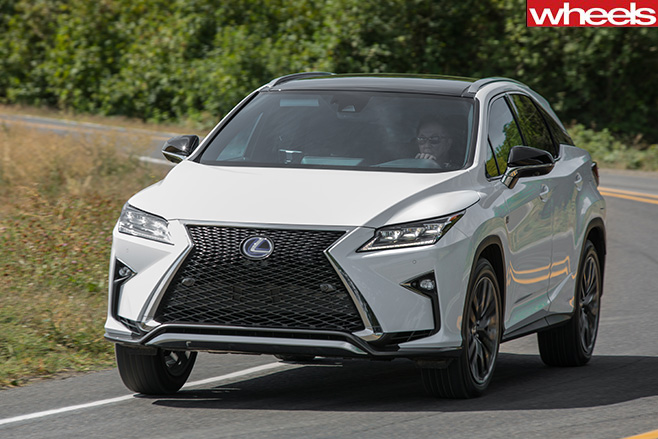
That attention has been lavished on the new Lexus RX is clear from the styling, but the popular large SUV needs to make more than a visual statement if it is to match the BMW X5 and Volvo XC90.
WHAT IS IT?
The fourth generation of the most popular car in the Lexus line up, the RX SUV.
WHY ARE WE DRIVING IT?
Because it sells like hot cakes. Lexus has sold more than 2.1 million RXs worldwide since it launched the model in 1998, but the RX is facing stiffer competition from new, seriously impressive rivals like the Audi Q7 and Volvo XC90.
MAIN RIVALS
Volvo XC90, BMW X5, Mercedes-Benz ML, Range Rover Sport, Audi Q7
VERDICT
A brilliant interior and edgy design is let down by carry-over drivetrains and average dynamics. Effervescent 2.0-litre turbo four in 200t is the pick, but annoyingly, Australia isn’t getting it in F Sport trim.
THE WHEELS REVIEW
BLAME (or thank) Akio Toyoda. He’s responsible for the mad scattering of lines, creases and angles stamped so proudly into the body shell of this new Lexus RX. But not in the way you might expect. As this fourth-gen RX neared the very end of five years’ development, Akio dropped a bomb on the chief engineer.
“I don’t like the styling,” he said. “Change it.”
The chief engineer shook his head sadly, the way you might when remembering a dead loved one, when asked how much his team needed to change.
One month later the new design was finished, its lines sharper, its styling bolder, its details more aggressive. Akio was happy.
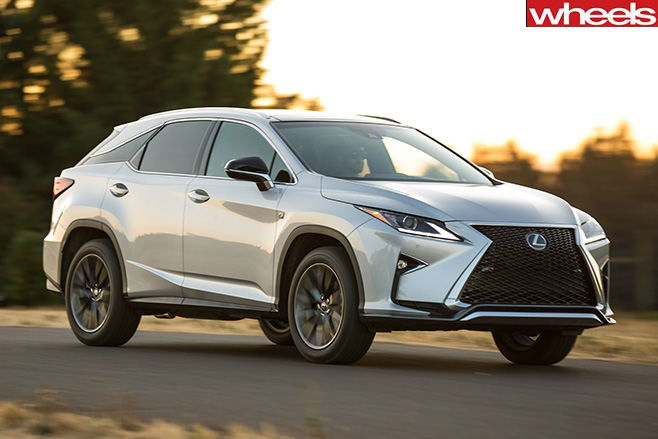
But this RX has to be more than a visual statement. It needs to have the engineering depth and technical nous to trump fresh rivals, such as the Volvo XC90, that have set new benchmarks for quality and dynamics.
On the surface, things look positive. This new model is 120mm longer, 10mm wider and has had its wheelbase stretched by 50mm, which translates into 25mm more space for front and rear passengers. There’s a lower hip point and increased headroom. And there is a suite of standard safety gear labelled Safety System+, which combines pre-collision and lane departure warning systems, automatic high beam, and active cruise control. Lexus says all of its cars will include Safety System+ as standard by 2017.
Three engine choices will be available at launch in November: a 2.0-litre turbo petrol in the front-drive 200t, and a tweaked, more powerful version of Lexus’s venerable 3.5-litre V6 in the all-drive RX350. The atmo V6 is also mated to an electric motor in the 450h.
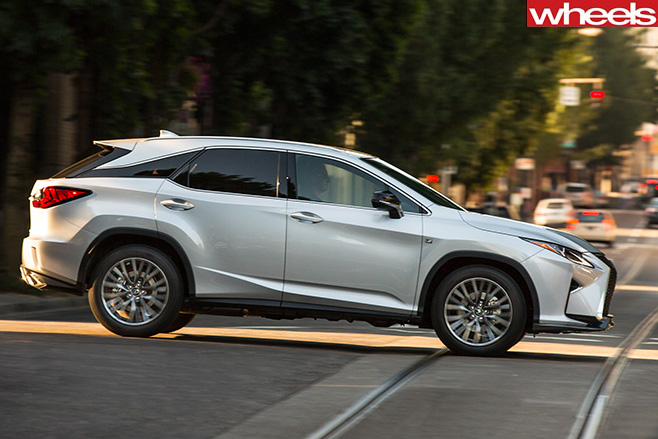
The V6 now sports direct injection, and in the 218kW/360Nm RX 350 it uses a new eight-speed auto (the 450 retains its CVT tranny). Lexus reckons the 350 will be the volume seller, and while the V6 is smooth, the calibration of the new ’box is less convincing and delivers jerky shifts under part throttle.
The clear dynamic standout is the six-speed auto, entry-level 200t. The new 2.0-litre turbo is eager and zingy. It isn’t only more refined and efficient than the brawnier V6, but also trumps the 450h for smoothness.
It works best in sporty F Sport trim, which as well as wearing unique styling tweaks (different spindle grille, lower front splitter) adds an active anti-roll bar. The tech is fitted to all F Sport models and works alongside a more sophisticated version of Lexus’s adaptive variable suspension to completely transform the RX’s handling.
No RX is what you’d call inspiring to drive, thanks to light and lifeless steering, but F Sport models feel the most tied down. Body roll is well controlled and while it will understeer if pushed, the handling is predictable and adjustable.
The trade off is a firmer, choppier ride but this is preferable to the sloppy body control and head toss so prevalent in variants without the fancy sway bar tech.
Annoyingly the 200t F Sport isn’t coming to Australia. Lexus Oz is taking the 200t only in base Luxury form, which is a glaring oversight given the 350 and 450h will be offered in all three equipment grades: Luxury, F Sport and Luxury Sport.
Another faux pas is the absence of a fuel-saving stop/start system in the RX 350, particularly given it’s a standard feature on the 200t. Lexus had no answer when quizzed on why the 350 missed out.
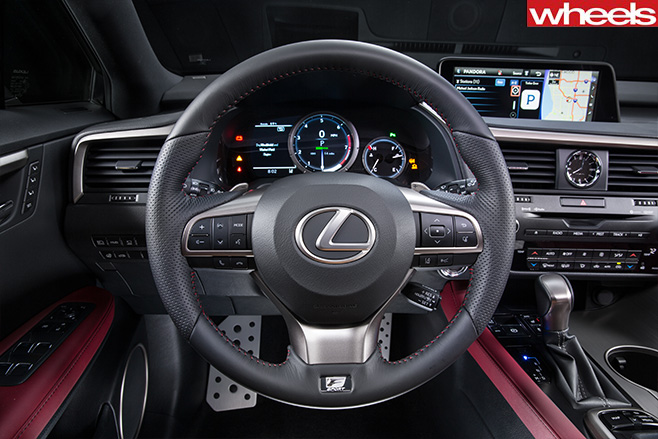
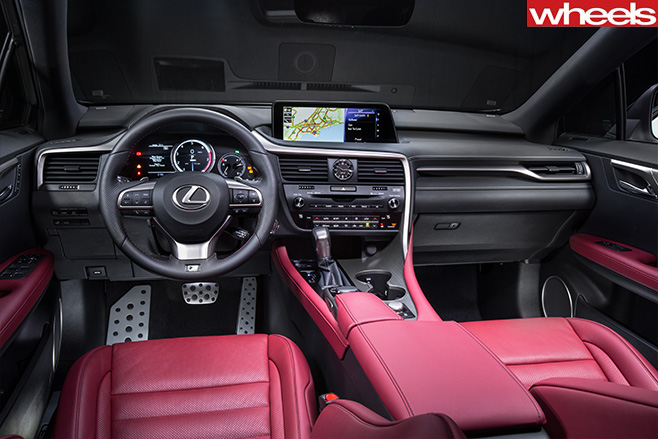
Where the RX excels, though, is its interior. The RX cabin is one of Lexus’s best, with an airy, effective design dominated by a massive, 12.3-inch floating central screen in higher-spec variants. It’s also beautifully made and suitably quiet, although there is some tyre roar on coarse chip surfaces.
But like the rest of the car, the interior is a masterstroke of convention. There’s no ground-breaking tech or fresh ideas. And while the RX pushes boundaries with its bold and aggressive exterior styling, it falls flat where it matters most: how it drives. It leaves you thinking Lexus could have done more, and means the RX is only a small step forward at a time when its competitors are taking leaps and bounds.
SPECIFICATIONS
- Model: Lexus RX 350 F Sport
- Engine: 3456cc V6 (90), dohc, 24v
- Max power: 218kW @ 6300rpm
- Max torque: 360Nm @ 4700rpm
- Transmission: 8-speed automatic
- Weight: 2085kg
- 0-100km/h: 7.9sec (estimated)
- Economy: 9.6L/100km
- Price: $85,000 (estimate)
- On sale: November
First it was Audi’s R8 V10, next its S8 super limo, and now, the German marque’s quick-footed SQ5 has been hit with the Plus treatment.
Revealed this week, more power and new equipment have thrown the SQ5 Plus into performance territory of proper hot hatches.
Helping is its twin-turbo diesel V6 that’s been tweaked to the tune of 250kW and 700Nm, producing 20kW and 50Nm more than before thanks to higher injection pressures.
Despite the power increase, the new SQ5 is no faster to 0-100km/h than its almost-two-tonne non-plus counterpart, claiming to still need 5.1 seconds for the sprint.
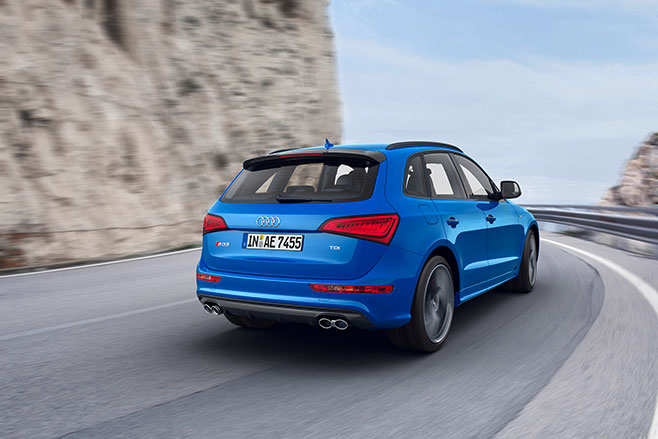
Perhaps more integral to the Plus’s new performance is the sports differential Audi’s added to its weapons list, which uses electronically controlled hydraulic clutch packs to vary torque left or right on the rear axle.
New standard 21-inch wheels, with 255mm wide footprints, are the final piece of the all-wheel drive system, and are finished in gloss black.
Meanwhile the exterior mirrors, door handles, rood edge spoiler, and rear bumper diffuser insert are also finished in the gloss colour.

Germany will be first to welcome the hot Q5 this October at €67,700 (AU$108,411), or €4950 (AU$7927) more than the non-Plus model.
While specification and details are not yet known, Australia can expect the arrival of the SQ5 Plus early to mid next year.
In the event of an accident, brakes can turn a hit into a near-miss, or a major crash into a minor bingle. But brakes aren’t simply a set of pads clamping onto a disc at the behest of your boot; there are some amazing active and passive safety systems in modern cars that can help a car pull up more effectively.
While car manufacturers have different tech and therefore use different names for everything, there are three main categories in a car’s braking system that all new car buyers should look out for: ABS, EBD and BA.
So let’s, errr, break them down.
ABS – ANTI-LOCK BRAKING SYSTEM
ABS is the most basic form of braking safety and should be on every single car in Australia. Unfortunately, a few vehicles including utilities and vans are still lacking this basic braking tech.
Anti-lock brakes stop the wheels from locking up under heavy braking. When hard pressure is applied to the brake pedal, a car without ABS will clamp down so hard on the spinning wheels that they stop turning completely. This overwhelms the grip of the tyre and the car will begin to slide.
When wheels are locked and sliding, you can’t steer… at all. The only way to get control back is to take your foot off the brake pedal, let the wheels turn again to regain traction, and apply the brake again, preferably with just enough pressure to slow the wheels without locking them up.
Imagine doing that consciously as you hurtle towards an object – it is extremely difficult and takes great presence of mind, not to mention practice.
The ABS prevents wheel-lock by pulsing the brakes for you and is activated automatically when enough pressure is applied to the brake pedal. Quickly clamping the brakes on and off will slow the car effectively, while keeping you in control of the steering wheel.
Often you won’t even notice when the ABS is activated, but it can feel like a vibration under your pedal foot. You can sometimes even hear it like a distant grinding noise.
BA OR EBA – EMERGENCY BRAKE ASSIST
If you’ve ever had to stomp on the brake pedal to avoid hitting something, it probably felt like you were trying to push the pedal out through the firewall, right? However, many drivers don’t actually ‘slam on the brakes’ like they should. Neither do they react fast enough to an impending accident – where a fraction of a second can translate to metres in braking distance.
Emergency Brake Assist activates when a driver rapidly applies the brake pedal. It works with ABS to apply full brake pressure in the event of an emergency stop, even if the driver has only pushed the pedal part-way to the floor. This turns a flimsy pedal push into a full-on slam, ensuring you are getting the optimum stopping power.
EBD – ELECTRONIC BRAKEFORCE DISTRIBUTION
EBD does exactly what its name suggests – it distributes the braking force between all four wheels electronically.
When you slam on the brakes in a straight line, the weight of a car will tip onto its nose. In this scenario, the wheels at the front have a nice big contact patch with the ground, therefore they have the most grip and will benefit from more braking power. So, EBD pushes the full braking force to the front wheels.
If you brake while cornering, the inside wheels are light and not carrying much weight, so the braking force is doled out to the wheels carrying the most weight and are able to brake more effectively – the outside wheels. It’s all very smart, and again, is linked to the ABS.
WHAT ABOUT ESC AND TC?
Traction Control and Electronic Stability Control are active safety systems that offer more control to the driver when grip from one, two, or all four wheels is lost. A car can’t have stability control without ABS, and while it’s a major feature that utilises the braking system of the car, it does so much more than apply brakes and slow the car. Click her to read more on ESC and TC.
Nissan is preparing to shock Z-car fans next week with a concept SUV that is tipped to replace the ageing 370Z.
The Japanese brand has released a teaser image of its New Crossover Concept being unveiled on September 15 at the Frankfurt motor show and performance model clues (and cues) abound.
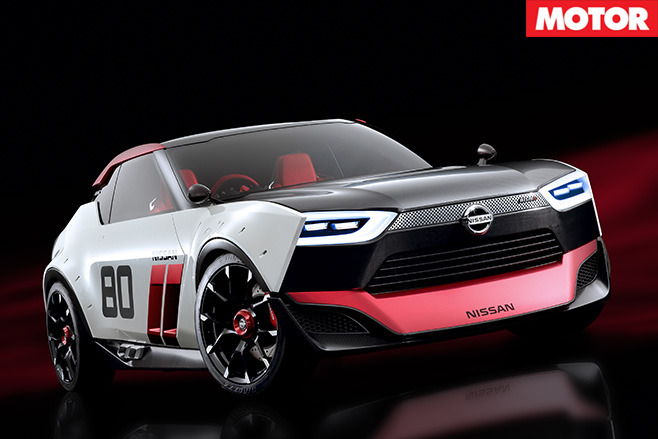
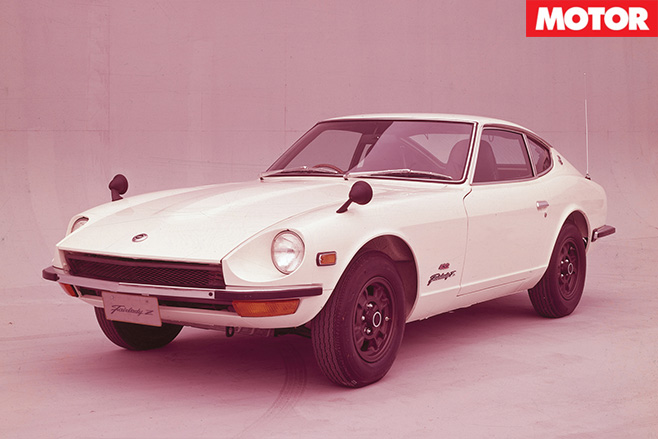
The single teaser image shows a crossover with beefy haunches and a black bonnet that may be a homage to the original Datsun 240Z rally car. The styling points to a taller version of the Nissan IDx concept coupes that former Nissan vice president Andy Palmer promised for production, but have now been canned (and Palmer has since shifted to Aston Martin).
At the same time as a traditional rear-drive Toyota 86 rival was canned – Nissan chief creative officer Shiro Nakamura told Autocar in March, “I think IDx will not be produced” – the possibility of a Z-car SUV strengthened.
“I think GT-R has to stay the most high-performance symbol of Nissan technology and Z is a more affordable sports car or a sporty car to get the younger people.”
Sounds like a Z-car that will be cheaper but isn’t a traditional coupe, then.
Rather than providing information about its SUV concept, Nissan has instead posed a couple of questions to ponder in the meantime, asking, “So can Nissan continue to innovate and move the bar higher?” and “what if Nissan created a new way to feel driving excitement?”
Nissan Australia says it can’t comment on what the New Crossover Concept may point to, but all will be revealed next week.
With global SUV sales booming and an appetite in the premium sector for more high-riding performance models, it’s possible the Japanese may have called this one right. Mitsubishi, too, has all but confirmed that an eventual Lancer Evolution X replacement will throw in extra utility with its sporting promise.
A future Evo versus Zed car battle could be one few enthusiasts could ever have imagined until now.
Bentley has published footage from high-speed testing of its new Bentayga SUV which seemingly confirms it will be the world’s fastest SUV.
Powered by Bentley’s new-generation 447kW/900Nm 6.0-litre twin-turbo W12, the Bentayga manages to assault physics by blasting its bulk to over 300km/h.
This puts clear air between it and existing rivals like the Porsche Cayenne Turbo S and Range Rover Sport SVR, though the Bentley off-roader is expected to be significantly more expensive than either.
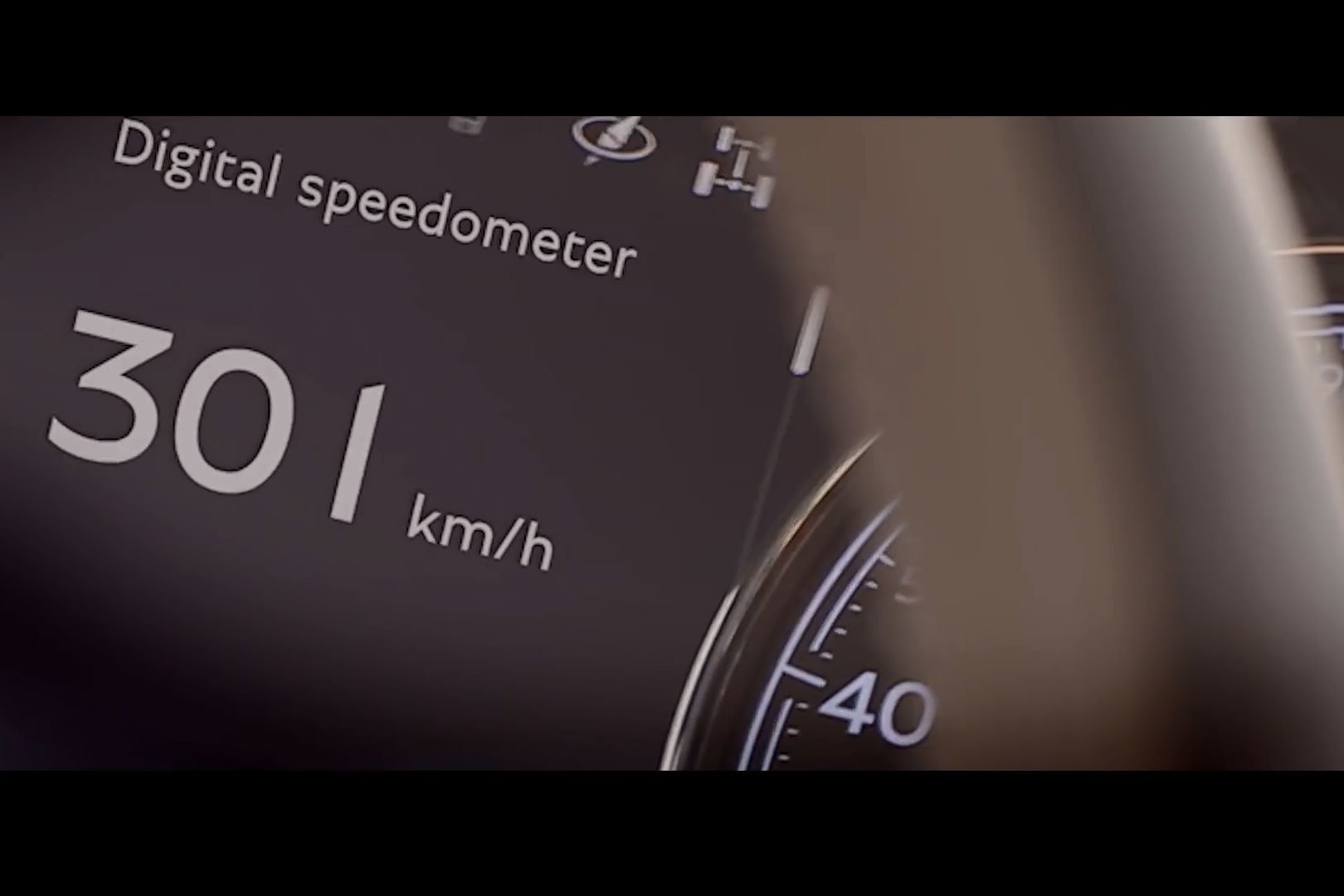
Impressive as it is from an engineering perspective, we can’t help but feel that the Bentayga’s hig-speed ability is of little relevance on anything other than the spec sheet.
