
The Tesla Model S can now shift its all-electric body from standstill to 100km/h in a ludicrously fast 3.0 seconds.
Fittingly, that is the name – Ludicrous Mode – given to a fresh and fast option as part of a revised Model S range available for local delivery in November.
The flagship P85D is priced from $148,000 plus on-road costs, but becomes the P90D after optioning a new $4100 larger battery pack – as the model designation suggests, size grows from 85kWh to 90kWh, boosting the 491kW range on a single charge to 520km.
Choosing P90D is mandatory before another $13,500 buys Ludicrous Mode that lowers the large sedan’s 100km/h sprint by three tenths and allows it to cross the quarter mile 20 per cent faster in just 10.9sec.
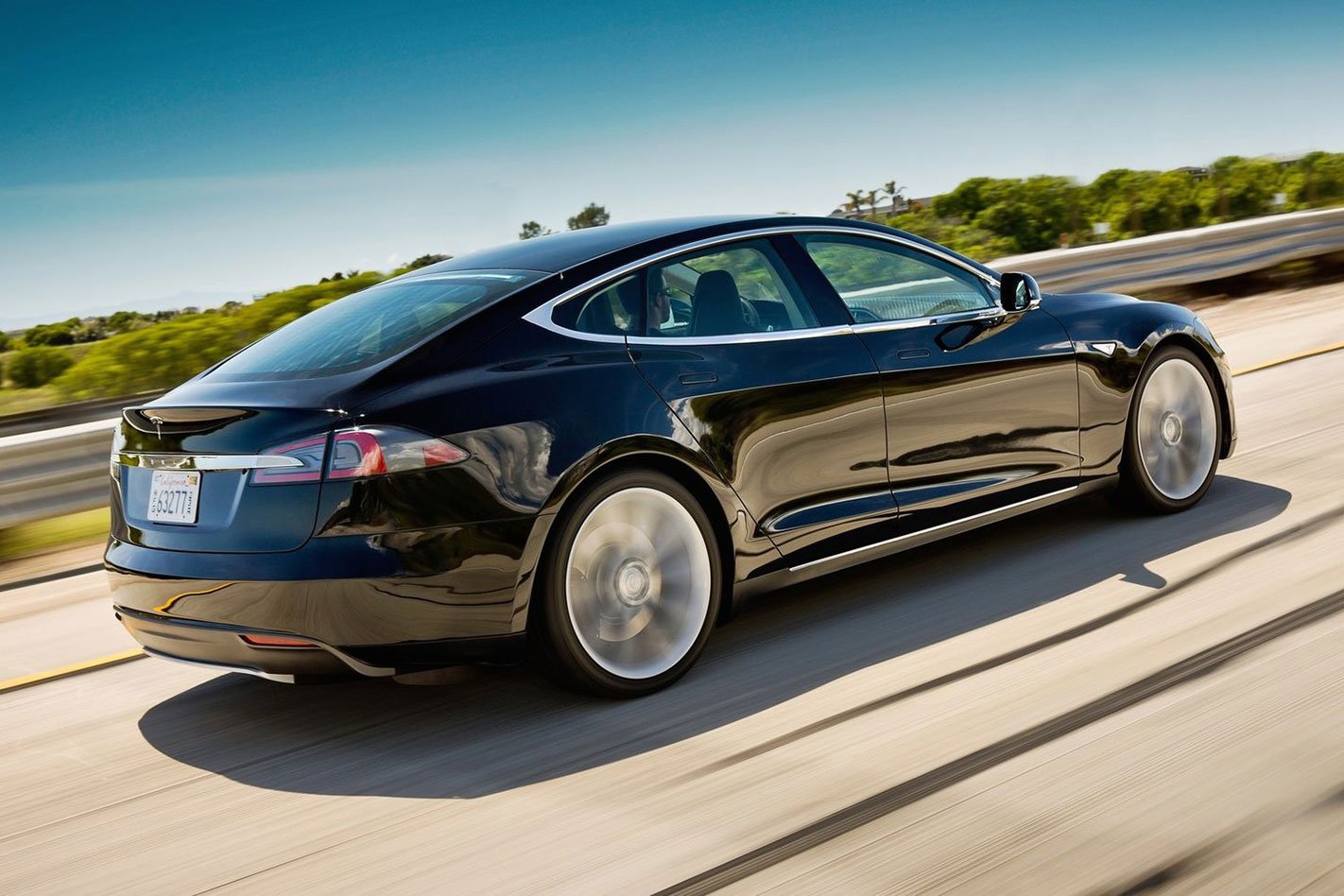
Even at $165,600, the Tesla Model S P90D is a whole lotta electric sedan that can easily outsprint a BMW 550i ($159,900) that gets a lesser result from its 330kW/650Nm 4.4-litre twin-turbo V8 (0-100km/h in 4.6sec).
Further down the range, the 90kWh extended range battery is also available as an option to turn the single-motor, 278kW Model S 85 ($114,200) into the 90 (plus $4100).
It isn’t exactly slow with its 5.6sec 0-100km/h, though choosing optional all-wheel drive (plus $6800) ups grunt to 311kW and lowers that time to 4.4sec.
Option the extended battery pack with the AWD system and the resulting range is the highest of any Model S – about 560km, up from 528km.
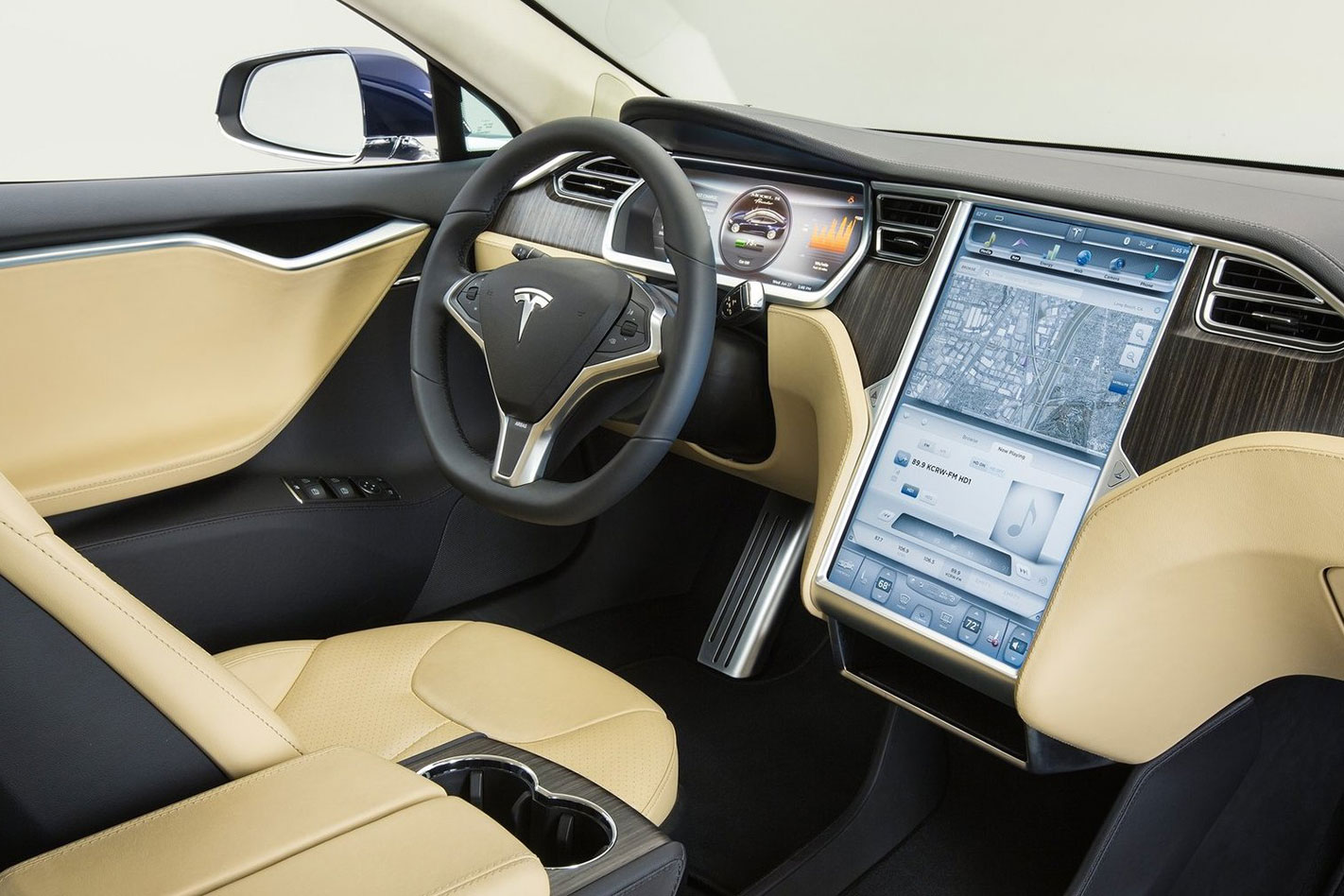
The Californian company used the announcement to also reiterate its Model X SUV and Model 3 small car are also on the way, but bigger news for enthusiasts is the confirmation the new Roadster will be here within four years.
Tesla CEO Elon Musk let slip that Ludicrous Mode won’t be the fastest mode available on that model, though.
“There is of course one speed faster than ludicrous,” he announced. “But that is reserved for the next generation Roadster in 4 years: maximum plaid.”
It seems an electric car with sub-3.0sec performance isn’t far away. Bring it on…
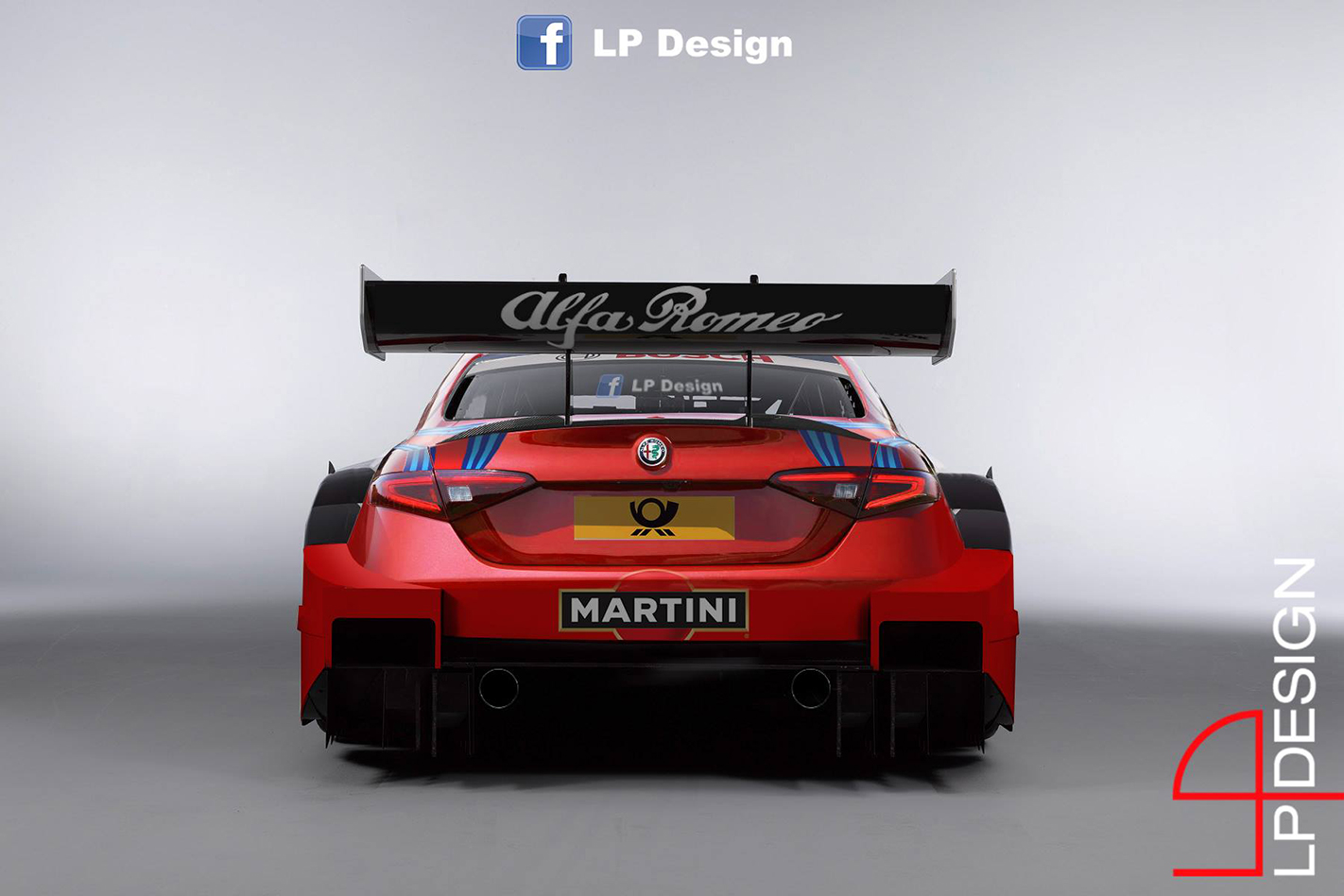
SADLY, this jaw-dropping Alfa Romeo Giulia racing car isn’t real – it’s a rendering – but that doesn’t mean we can’t stare and hope.
The rendering is the brainchild of LP Design and shows what Alfa’s new, pumped-up 380kW twin-turbo V6 Giulia QV could look like if it entered the German touring car championship, or DTM. Which it probably won’t.
Still, the Giulia is wearing the same pumped-up guards and mental aero kit that adorn current DTM cars from BMW, Mercedes and Audi, and it looks great.
ADELAIDE motorists are shaping up be the first in Australia to share the road with self-driving cars, with the South Australian government announcing a series of trials of the technology to take place later this year.
Under the scheme, Swedish carmaker Volvo will bring an autonomous vehicle to Adelaide to help it assess how the technology needs to be modified to integrate with Australian driving behaviour, climate and road conditions, and what needs to be done to local infrastructure such as road markings and signage.
The trial will take place on closed sections of the Southern Expressway on November 7-8, with multiple vehicles conducting overtaking, lane changing, emergency braking and merging manoeuvres.
SA Transport and Infrastructure Minister Stephen Mulligan said the trials were an opportunity for Australia to position itself at the forefront of autonomous car technology beyond 2017 – the year that marks the closure of Australia’s long car manufacturing industry.
According to SA Premier Jay Weatherill, research predicts the international driverless car industry would be worth $90 billion within 15 years, “so we want to encourage other global businesses to come to South Australia to develop and test their technologies”.
Flinders University, Carnegie University, the SA-based RAA Telstra, Bosch and Adelaide-based car-to-car network specialist Cohda Wireless will work with Volvo and project leader ARRB Group on the trial.
Sign up here to receive the latest round-up of Wheels news, reviews and video highlights straight to your inbox each week.
FORMULA One tyre regulations will need to change significantly if Michelin is to throw its hat into the ring again, the French manufacturer says.
“We need rules which are not promoting only the show, instead of the (tyre) performance,” Tony Menard, Michelin’s Southeast Asia and Oceania marketing director told Wheels during performance trials at Malaysia’s Sepang F1 circuit last week.
“If people are asking us to make tyres that stop after 10 laps, we say, no. That makes no sense”, Menard said.
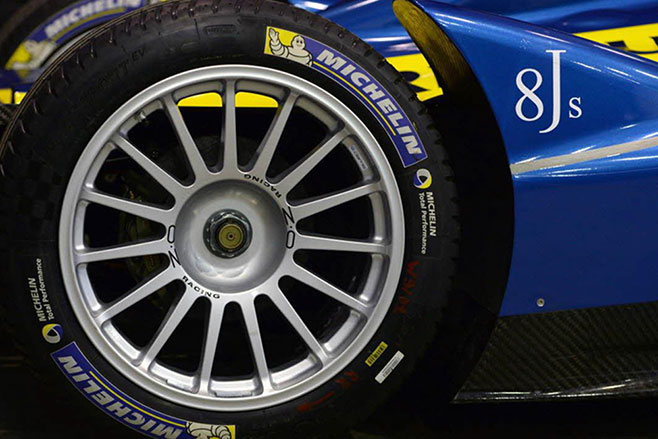
“It’s difficult racing with old technologies. A 13-inch wheel? This bears no relation to performance tyres people buy,” he said.
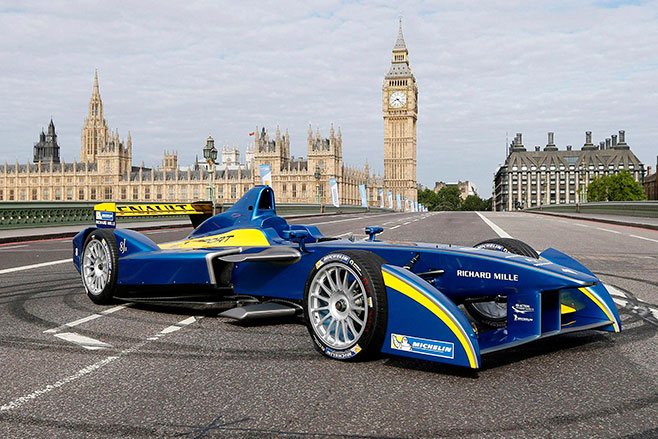
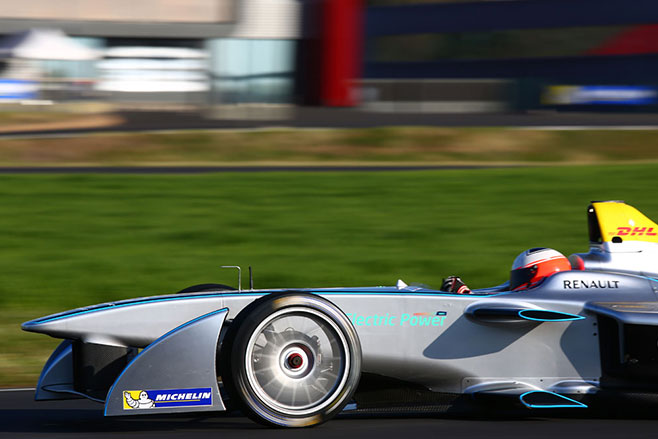
Instead, Menard flagged the 18-inch tyres used in Formula One’s battery-powered rival, Formula E, as a more interesting challenge – the cars feature tyres that last all race and have to cope with both wet and dry conditions.
Michelin bowed out of Formula One in 2005, leaving rival Pirelli as the sole tyre supplier, after its tyres failed spectacularly under high cornering loads at the Indianapolis Motor Speedway-based US Grand Prix.
When asked what could tempt Michelin back to Formula One, Menard said the company has never said never again.
“Formula One is still a big show, it’s popular everywhere,” he said.
“Maybe there’s an opportunity under this condition, which could also be very interesting for the teams… because I’m not sure today that the teams are very happy because they lose a race because they lost one second in a pit stop every 10 laps.”
When also asked if Michelin felt that artificially introducing rapidly wearing tyres added to the F1 show, Menard said rubber that would not go the distance was the antithesis of the French tyre giant’s philosophy.
“We are not against entertainment,” he said. “We are against using the tyres as the single source of entertainment. The tyre could contribute but we don’t want to go against our DNA.
“Using the 10 laps in Formula One as an example, I’m spending hours explaining to my team how to sell and how to value the additional mileage we’re selling.
“At Michelin, we’re always the most expensive tyre for the consumer, but because we are delivering more performance and more mileage, we offer a better return on investment,” Menard said.
“My message is not credible if you watch on TV something showing exactly the opposite.”
Buying a new car can be expensive. There’s the car itself, of course, but then you’ve got registration, insurance, after-market accessories, luxurious seat covers, and detailing after you spill a drink in it for the first time.
But there’s another cost you might not have factored in when you’re making a decision on which car to buy: stamp duty.
You’ve probably seen new cars advertised with “no on-road costs”. Stamp duty is one of those costs. Drive-away prices also include registration and dealer delivery (which can mean all kinds of things, but includes transporting your new car, safety checks and usually a final clean).
So, what does it all mean? Is it a scam? It depends on who you ask.
Stamp duty is a tax, so basically it’s money in the government’s pocket every time you buy a car. It applies to all cars, new and old, and is designed to cover the legal costs of transferring ownership of your car.
To make it even harder, each state calculates stamp duty differently. Some states charge a percentage based on the value of the car or the size of the engine while others have a flat rate for some cars but not others.
Generally speaking, the stamp duty you have to pay will be somewhere between two percent and four percent of the total cost of your car. On a Volvo S60, that’s about $1500. On a Holden Astra , about $900. On a Mercedes-Benz S63 AMG Coupe it’s nearly $15,000, but we’re guessing that’s probably not a problem for those buyers.
We don’t want to prolong your suspense. Here’s the stamp duty you’ll be paying in your state, once you’ve found your perfect car (click here to start your search):
NSW | VIC| QLD | TAS | SA | WA | ACT | NT
NSW
NSW calculates stamp duty based on the value of the car:
Caru2019s value | Stamp duty rate |
$0 u2013 44,999 | $3 per $100 (or part thereof) |
$45,000+ | $1350, plus $5 per $100 (or part thereof) |
So a snappy $30,000 hatch will come with an extra cost of around $900.
The NSW Government has an online calculator to help estimate the amount of duty to pay in NSW.
Victoria
Victoria has different rates for new and used cars. We’re in the business of connecting folks with great new cars, so here’s what you need to know:
Caru2019s value | Stamp duty rate |
$0 u2013 63,184 | $6.40 per $200 or part thereof |
$63,185+ | $10.40 per $200 or part thereof |
That means your safe and shiny Volvo XC60 Luxury Wagon will have an extra $3380 payable to get it on the road.
Victoria also has different rates for non-passenger vehicles, demos and other vehicle types. The VicRoads website includes further detail regarding motor vehicle duty.
Calculate it online: State Revenue Office Victoria Motor Vehicle Duty Calculator
Queensland
In Queensland, stamp duty is based on the size of your engine. If you’re the kind of person who gets around, James Bond-style, in a V12 Aston Martin, you’re up for a fair whack of tax.
Queensland also charges stamp duty on any additional accessories, modifications or sick spoilers added to your car before you buy it.
With rates as complex as these, we suggest you head on over to their online calculator to find out how much you’ll be paying.
Tasmania
Tassie charges stamp duty based on the value of the car, with a flat rate for cars under $600.
Caru2019s value | Stamp duty rate |
$600 or less | $20 flat rate |
$600 – 35,000 | $3 per $100 or part thereof |
$35,001 u2013 40,000 | $1050 plus $11 per $100 over the $35,000 or part thereof |
$40,000+ | $4 per $100 or part thereof |
That $35,001 – 40,000 bracket is a curly one. That means if you buy a new Nissan Navara dual cab, you’ll pay $1050 plus $439 (that’s ($38,990 – $35,000) / 100 x 11).
Phew!
South Australia
SA has kept it nice and simple. For a new car (that is, a car valued at more than $3001), you’re looking at one rate.
Caru2019s value | Stamp duty rate |
$3001+ | $60 plus 4% ($4 per $100) for every dollar over $3000. |
What did I tell you? Simple. On a BMW 2 18i Active Tourer Luxury Wagon, that’s $60 plus $4 times $45,700 – $3000, which is, if our abacus serves me correctly, $1768.
Western Australia
Thank goodness for WA. Their stamp duty chart is… oh, wait. They charge based on “dutiable value”, which for new cars is the manufacturer list price.
Caru2019s value | Stamp duty rate |
$0 u2013 44,999 | $3 per $100 (or part thereof) |
$45,000+ | $1350, plus $5 per $100 (or part thereof) |
Let’s talk about that middle row. That means you pay a percentage of the list price of the car, plus a percentage of the list price equal to the list price minus $25,000 divided by 6,666.66.
We’re not even sure where to begin with that one. At least the Mazda3 is easy to figure out.
ACT
The country’s political heartland calculates stamp duty based on both the value of the car, and how “green” it is. So the first thing you need to do is visit this website to see your car’s impact on the environment. Class A is the best, while Class D means you’re figuratively driving your car through the ozone layer on your way to work.
Cars without class have reality TV shows and also have to pay the Class “C” rate.
Caru2019s Value | Class A | Class B | Class C | Class D |
Up to $45,000 | No duty | 2% | 3% | 4% |
Over $45,000 | No duty | $900 + 4% per dollar over $45,000 | $1350 + 5% per dollar over $45,000 | $1800 + 6% per dollar over $45,000 |
So if you need to get to and from Parliament House in a new Mercedes-Benz E250 Night Edition 2D Cabriolet , you’ve got $1878 to pay to… well, yourself, I guess.
Their online calculator for vehicle stamp duty in the ACT can help calculate the amount payable.
Northern Territory
Finally! Bless you, northern friends. The NT calculates stamp duty at 3% of the dutiable value of the car. No fancy tables required.
BAD news if you’re waiting for a pumped-up, 230kW, M version of the new BMW X1 to take on the Mercedes-AMG GLA45 and Audi RS Q3 – BMW says it’s not happening.
BMW boffins vehemently denied speculation a hotter, harder X1 – dubbed X1M – is being developed by the brand’s iconic M Division, but did hint another performance-focused baby SUV is on the way.
Company insiders revealed that it’s the upcoming, though yet to be confirmed, X2 that will be tweaked by the performance junkies at M.
“A more powerful engine for the X1 isn’t really being discussed,” a BMW source told Wheels. “There is no M version on the table; no, definitely not. The 25i is the top model at the moment and we won’t make an X1M at this stage.
“What we have discussed is the X2; this is the car where we could make an M performance car.”
This X2 would not be a full-blown M car, but rather an M Performance variant, similar to how the M235i sits in the current 2 Series range.
“It won’t be an M car, but one that sits in the middle. Perhaps this is possible,” our source said.
Power would likely come from a heavily tuned version of the new 2.0-litre turbo four-cylinder petrol that powers the second-generation X1 25i, where it produces 140kW/350Nm.
In comparison, AMG’s GLA45 produces 256kW/450Nm, while the Audi RS Q3 has 228kW/420Nm.
Hopes of a more powerful, six-cylinder engine for the X2, such as the 240kW/450Nm that powers the updated 340i, are fantasy, given it won’t fit in the X1/X2’s new transverse-engined UKL platform.
“It will be in the X2 because it’s more sporty, the same as an X4 is sportier than the X3,” added our source. “If you need a sporty car in this category, you should want a coupe body style.”
The source added the X2 range will be powered by the same family of engines as the new X1, but is likely to start with a higher-output entry-level option given its sportier emphasis, meaning no 16d.
Although the source was quick to add: “Making this X2 isn’t confirmed, but it’s in discussion; we are talking about it.”
The giant tapered blades of the towering wind turbine rotate gracefully, aided by the fearsome wind that relentlessly batters the north-west coast of Tasmania.
I’m standing 100 metres below, gazing at this amazing piece of engineering and admiring those mighty blades in all their carbonfibre-reinforced plastic beauty. The wind pattern that causes them to rotate is called the Roaring Forties (as in 40 degrees south of the equator). It pushed ships across the Pacific in the age of sail, but is now making energy that can power the vehicle that I’m standing next to. I wonder what the old sea dogs would have thought about that.
The view out over the bright blue ocean is mesmerising and the rolling green hills are pretty, even with these man-made turbines reaching up into the clear sky. We mainlanders can easily forget how stunning Tasmania is, especially its exquisite beaches and dense forest expanses.
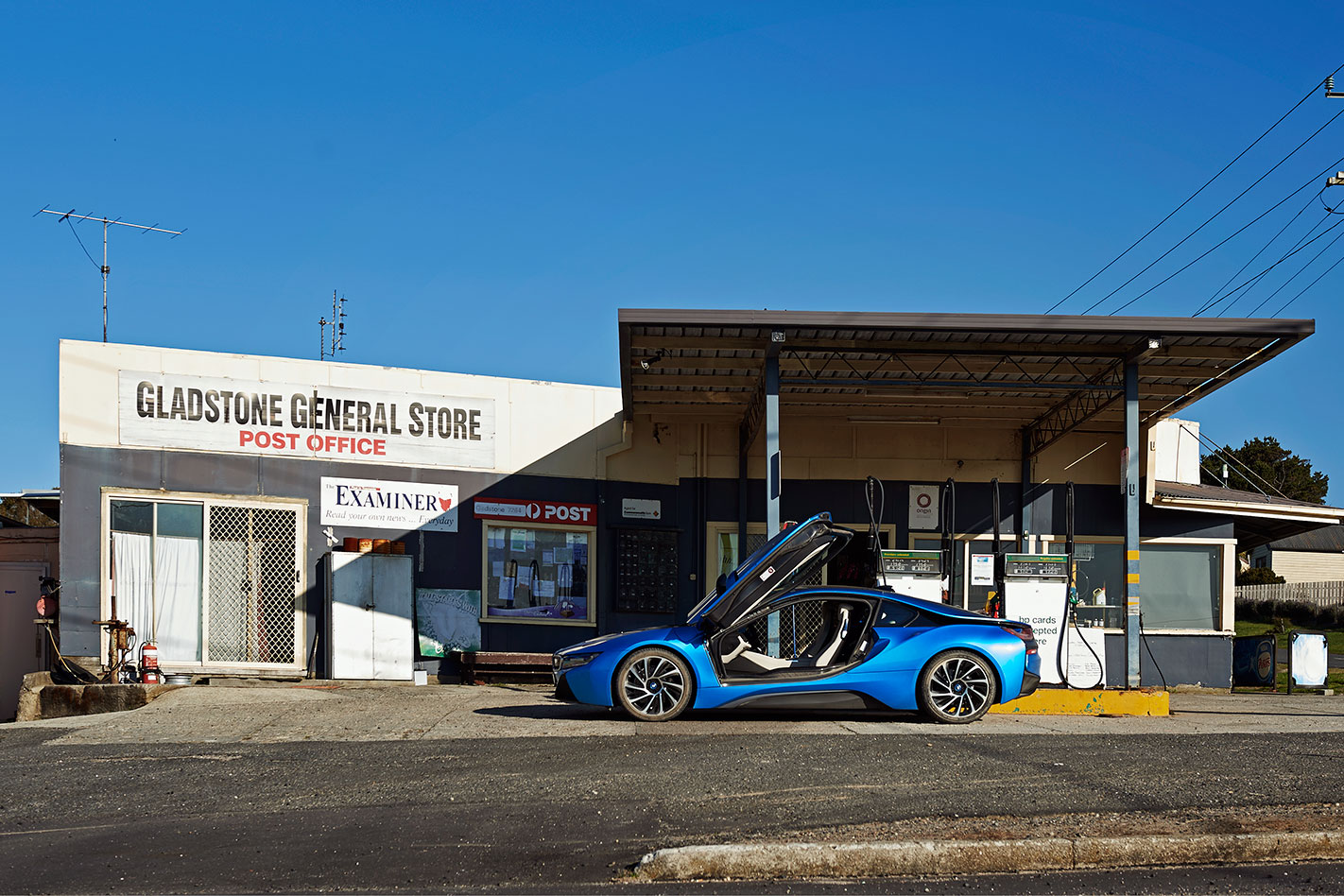
You could spend weeks looking at the scenery, but we can’t. After all, we have arguably the most important supercar of the decade at our disposal and hundreds of kilometres of Australia’s best roads before us.
I lift up the beautifully shaped wing door that, along with much of BMW’s i8, is also made from a mixture of plastic and carbonfibre, and drop into the cabin. So, this is what the future feels like.
“When do you reckon they will start making this then?” asks aged mechanic Neville Rodman, taking a break from working on a Datsun 120Y at his garage just out of Hobart. “They already are. This is a production car,” I reply, to his amazement.
His surprise is understandable; the i8 belongs in another dimension. It is so different to anything else on the road, especially here in Tasmania, where old cars survive in the wild for much longer.
I first saw the i8 three years ago, when it was revealed along with the i3 eco hatch. There was much fanfare at that Frankfurt Motor Show presentation. With all the pyrotechnics, interpretive dance routines and marketing horseshit about ‘visionary mobility’, it was easy to dismiss the swooping sports car on the stage as just another unrealistic concept.
Perhaps a little cynical after witnessing countless of these mind-sapping presentations, I fully expected the i8 to be watered-down along the development process until it arrived in showrooms a shadow of the show car, with hardly any of the technology it showcased. But the i8 I’m a sitting in is very real and virtually identical to that Frankfurt car.
It’s not easy to explain exactly what it is, though. The term plug-in hybrid sports car is technically accurate, but the i8 is more complex than that, as I discover on some of the roads just out of Launceston that are used for the annual Targa Tasmania tarmac rally.
A turbocharged 1.5-litre three-cylinder engine sits behind and below, powering the rear wheels. That hardly sounds enough to challenge a Porsche 911, but there is also an electric motor at the front, which draws power from a (7.1kW/h) lithium-ion battery pack sitting where a transmission tunnel would normally be, and sends it to the front wheels.
These systems don’t necessarily work at the same time, though. If there is enough juice, the car can operate using only the electric motor, making it the fastest-looking front-drive coupe in the history of the planet. The range, if the battery has been fully charged, is 35km. So, if you lived close to work, or your work had an accessible power plug, you could drive there and back without using any fossil fuel.
When the battery is near empty, the petrol engine kicks in. The i8 can operate with only the petrol engine running, but the hybrid system allows the battery to be topped by the petrol engine and it can also gather up energy when the car coasts or brakes.
This means that most of the time the electric motor can add additional power, turning the vehicle into an all-wheel-drive slingshot when you nail the accelerator.
To be honest, all of this is a little overwhelming as I try and comprehend exactly what all the various systems are doing at the start of the drive. I make a truce with myself to not worry how the i8 is working for now, simply to enjoy its work.
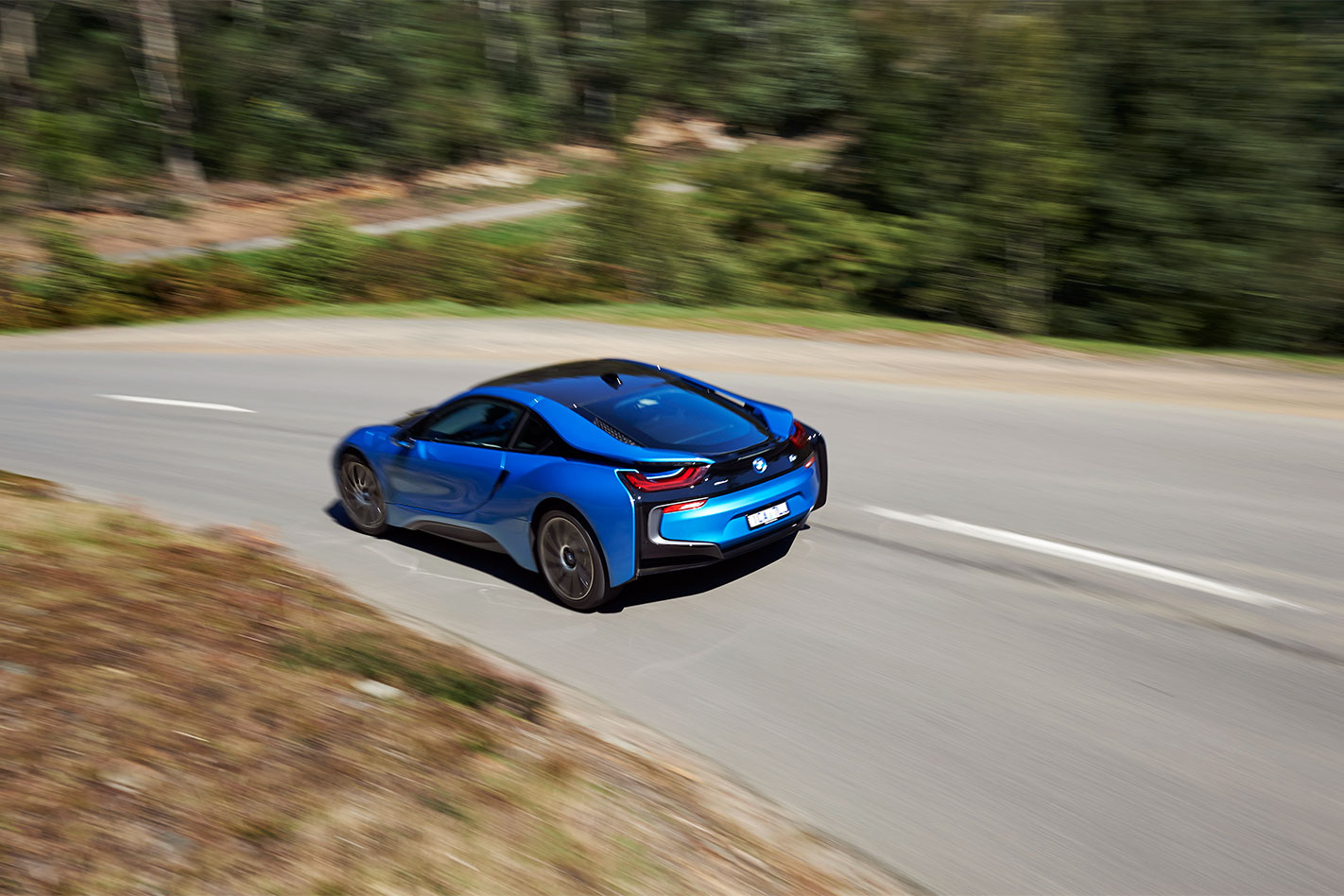
The open road starts to twist and turn as we enter one of the best Targa roads, the infamous Sideling stage not far from Launceston, which has ended the campaigns of many racers over the years. Rocks protrude from the banks just inches from some of the corners, frighteningly close to the front quarter of the only i8 in Australia, which retails at $299,000.
The long and low machine is incredibly eager to dive into the tight bends and it takes very little movement of the wheel to change direction. Its body feels remarkably rigid, like it is carved from stone. It isn’t, BMW engineers instead opting for carbonfibre, which is around 30 percent lighter than aluminum. The doors and boot are CFRP, while the roof is carbonfibre and the bonnet is aluminum.
It all sits on a subframe that, along with most of the suspension components, is made from aluminium. These lightweight materials are crucial to prevent the i8’s weight from soaring under the impost of the notoriously heavy battery pack and electric motors.
As it stands, the i8 is 1560kg, some 100kg heavier than the entry-level Porsche 911. Much of that bulk sits low and BMW says the i8 has the lowest centre of gravity of any of its cars.
Despite all this, the i8 still feels a tad heavy in corners, and on the way out. It sits flat, thanks to a well tuned suspension package with hydraulically controlled variable valves and regular 20-inch tyres (it seems there will be no run-flats in the future, folks).
It’s great at eight-tenths, but push harder and the i8 falls away a little. It’s not as sharp as the 911, with a tendency to give up front-end grip when pushed to the limit. Even with the stability control flicked off, the i8 won’t naturally step out at the back. Helping to steer through the bend, with just a little rear-wheel slip, is not an option, either.
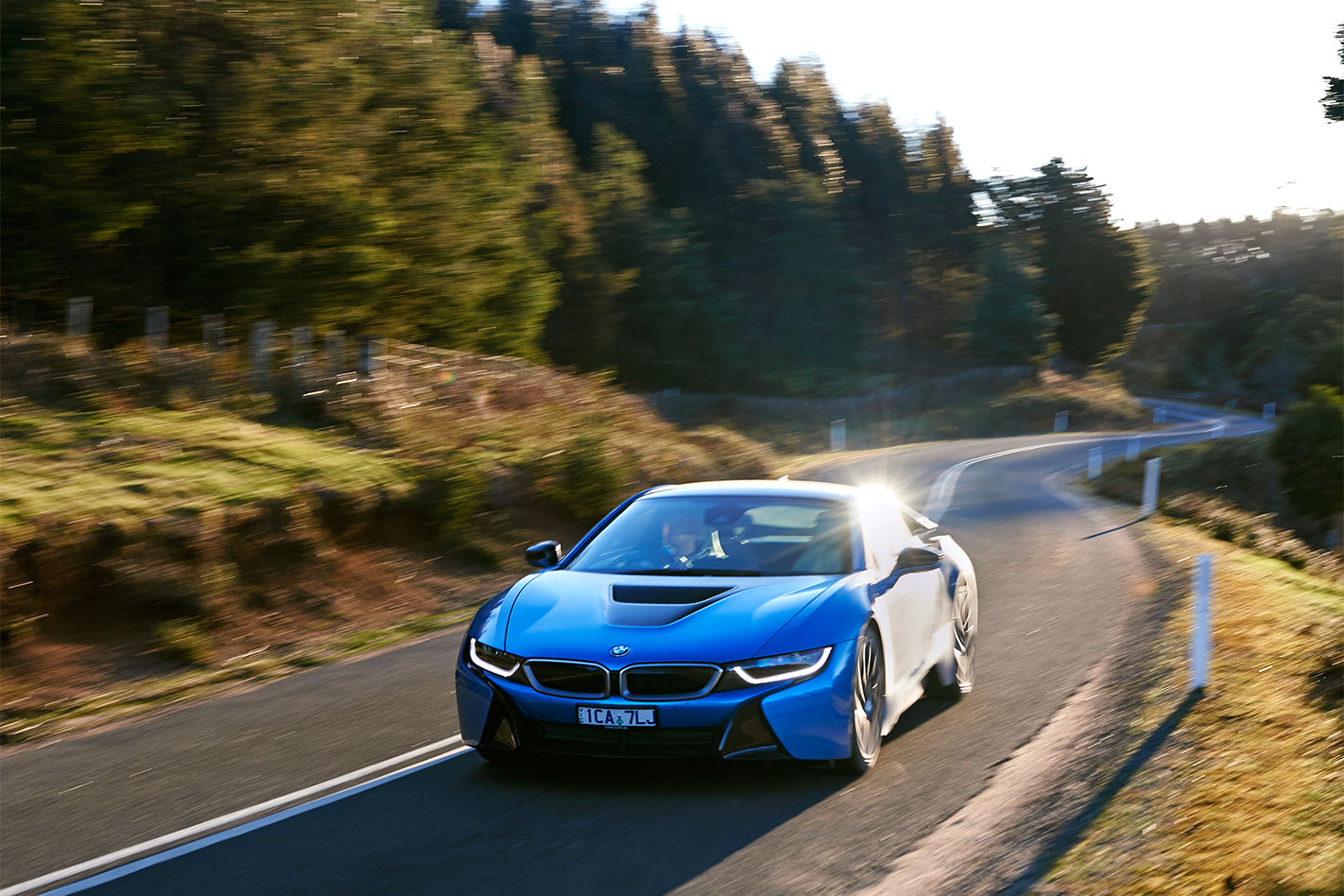
The corners start to open up and we arrive in the small town of Scottsdale. There’s a sausage sizzle at the local hall and one pass with the windows down is enough to make us stop. The nanas cooking the snags are very impressed. “Park it over here so we can look at it,” says one older lady, who admits to driving around town fast in her Alfa.
No longer famished, we head out to find the Musselroe wind farm, take several wrong turns and end up stumbling across one the of the most fantastic stretches of beach in Australia. If the water wasn’t colder than a yeti’s Esky, I’d be in there straight away.
We hit several more Targa stages after visiting the wind farm and I get more comfortable with the i8. I’ve found a graphic for the dashboard screen that shows what the each power unit is doing. That helps, but it’s still not completely clear what it will do in each corner, how much power will go forward and how much will go to the rear.
It does punch hard out of the bends, with both electric and combustion power, although it doesn’t feel quite as fast as a 911 or an Audi R8. The electric motor makes 250Nm and 75kW (96kW for short bursts) and the petrol engine is good for 320Nm and 170kW.
I don’t doubt the official sprint time of 4.4sec, which pips the Porsche, but the i8 is stronger from a start than when it is rolling. This is because of the immediate torque of the electric motor, as well as the fact the electric motor has a two-speed automated gearbox. From rest, it takes off in first, a gear it doesn’t use any other time, and this helps it launch hard.
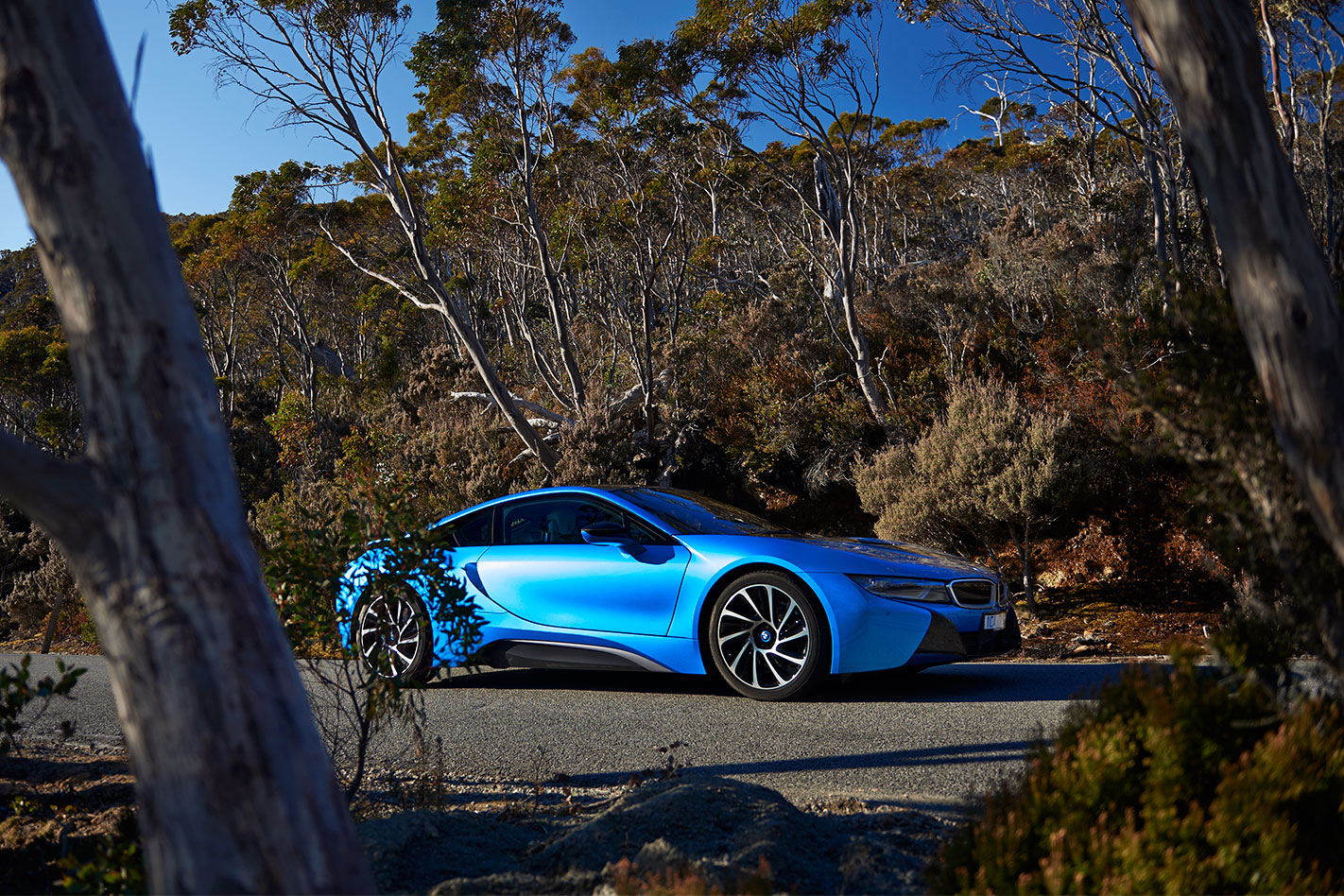
We carve our way through some of Tasmania’s lush forests, which have become a battleground for those who want to hug the trees and those who make a living from chopping them down. An historic peace deal that led to protection of vast areas of forest was signed in 2012, but the newly elected state coalition government has promised to re-open 400,000 hectares for logging with support from PM Tony Abbott, who says “we have too much locked-up forest”.
After more than 600km of winding roads, we arrive on the outskirts of Hobart and I flick the i8 into electric-only mode. This is a strange experience. A sports car so imposing making no noise apart from a slight whirring sound as it fires away from the traffic lights. The performance in EV mode is more than enough in the city, and it’s relaxing.
We give it a clean and wash off some of the bugs that have sacrificed themselves on the i8’s nose and are soon approached by a young bloke named AJ. He politely asks for permission to stare at the car and take photos. AJ is in awe. He just loves it, even before he sees the fold-up doors that just add to his fervor. Our new friend details all the supercars in Hobart, but reckons this is by far the most impressive.
AJ is not alone. The i8 causes a stir wherever it goes. Heads flick quickly as we pass at speed and smartphones are produced at record speeds to provide photographic evidence for friends.
It’s fun to study people’s faces as we pass. Some look excited, some point, and others, especially in the really small towns, just freeze with faces like stunned mullets, wondering what the hell has just arrived from another galaxy.
The designers really have come up with something special. Its complicated but aero-friendly rear end is a bit of a mess, but it gets a free pass thanks to its blissful side profile and predatory M1-inspired nose. Then there is the interior. Yes, this is how BMW should do all its cabins.
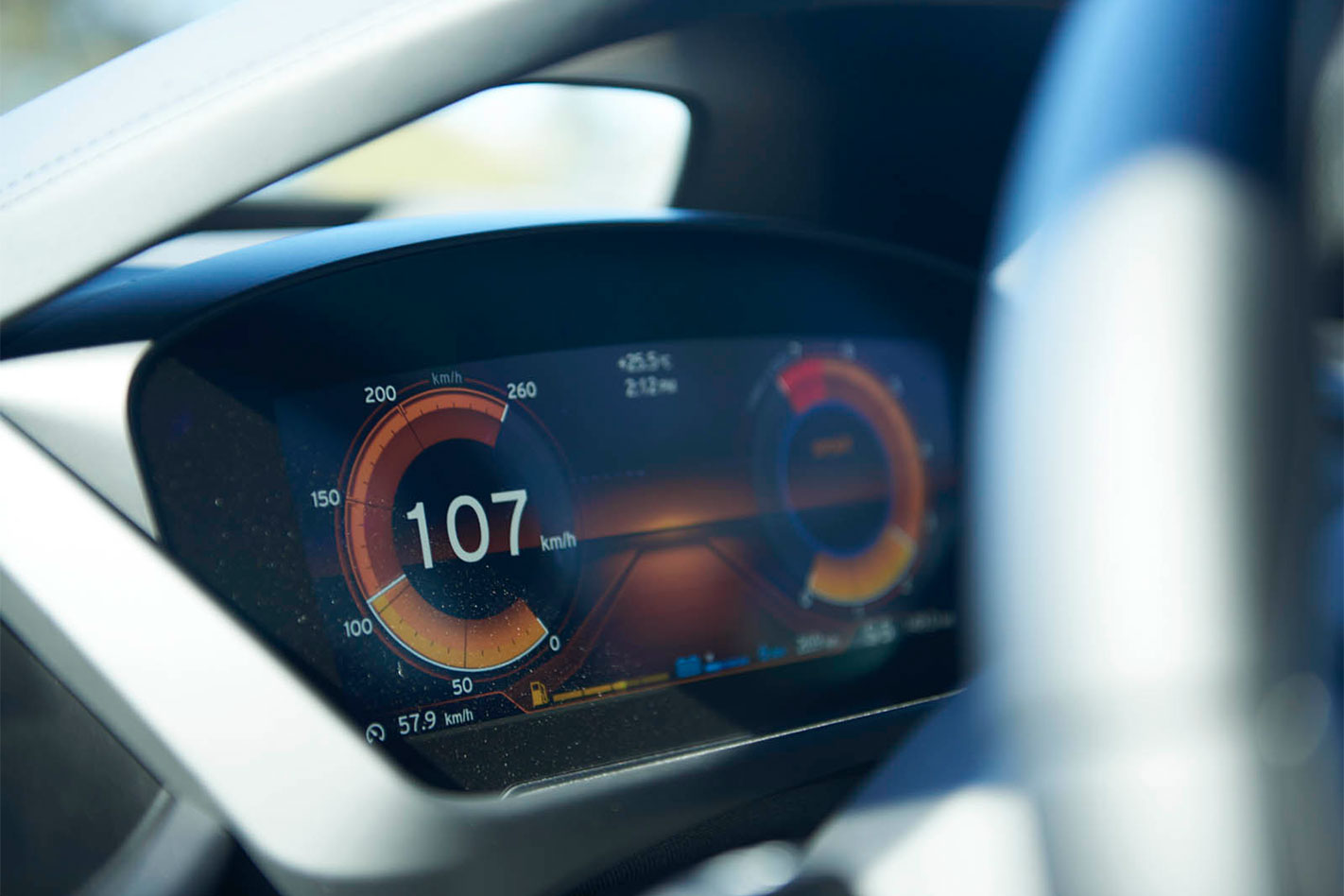
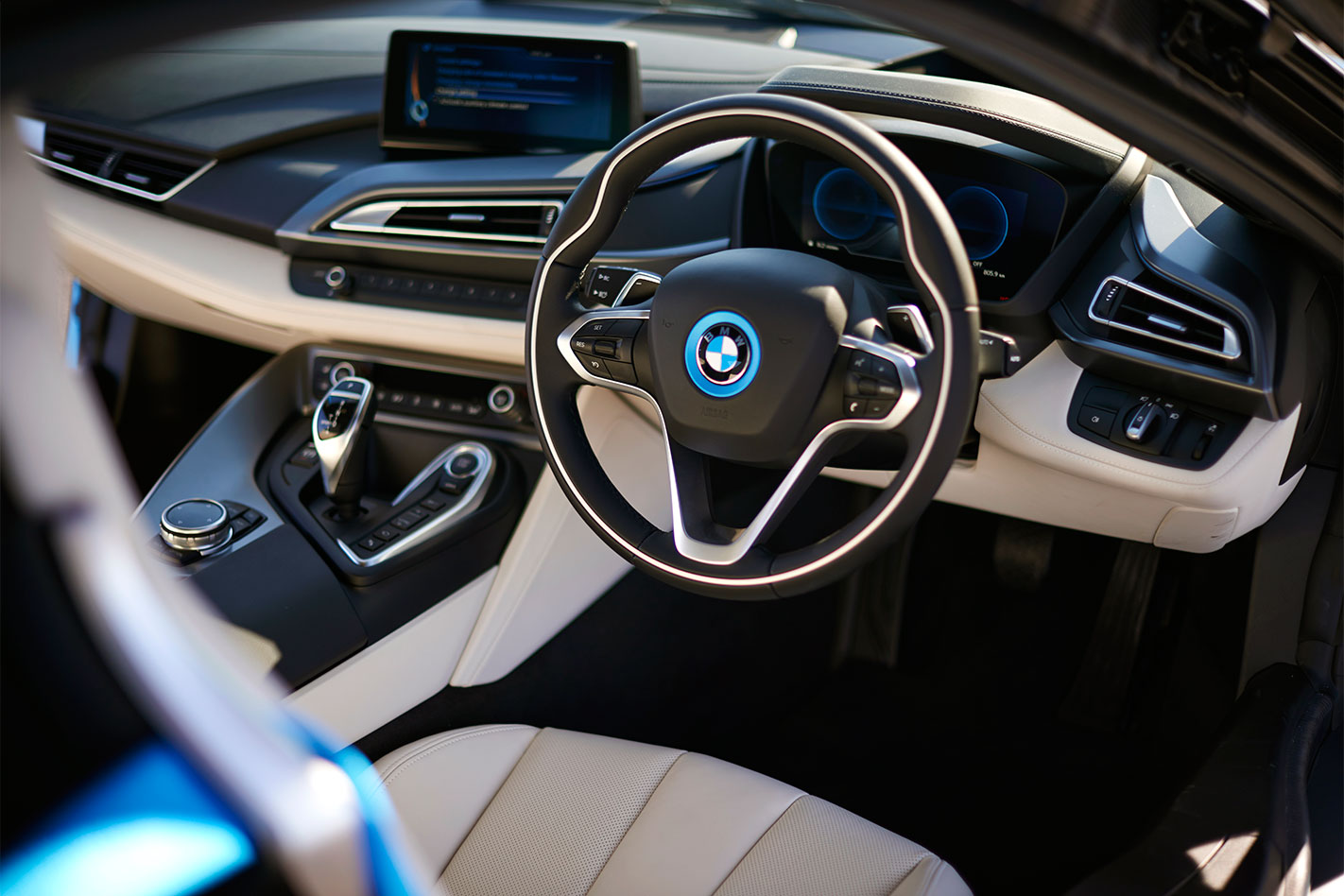
One admirer says it had the flair of a Citroen and I agree. The shapely lines, the digital dashboard and cool blue mood lighting all veer from the traditional, and often plain, BMW interiors. Sadly, it retains the generic and unintuitive BMW gear-shifter (push forward for reverse and press the side button). It also adds new frustrating chimes, including a two-tone zinger that is guaranteed to drive anyone nuts in seconds.
We head up the long and winding climb to Mt Wellington to soak up the breathtaking views out over the Hobart harbor and coast before choosing the west coast route that will eventually lead back to the airport.
None of these roads are used in Targa, but they are still great fun. I select the Sport mode and watch the instrument cluster flash to red, which must mean the car is going to go faster. The throttle response is sharper, the steering stiffens a little and the exhaust grows louder. There is a reason for this, just as it does with other sporty models, BMW tops up the sound through the speakers.
Is this cheating? The automotive equivalent of photoshopping your thigh-gap? Probably, but it does sound good. The petrol engine makes a nuggety sound, not far off a boxer four or straight five, also imitating a big V8 at lower revs. Get on it and the electric motor adds a noticeable whirr to the mix. It reminds me of the sound of straight-cut racing gears.
An hour later, we pull up at the airport with 1600km on the clock, just in time for my flight. I have flogged this thing for much of the journey and yet the average fuel consumption is just 8.2L/100km, half of what many regular supercars would consume over the same path.
But is it a proper supercar? It certainly looks like one and will cause even more of a fuss than cars like the Lamborghini Aventador. It also qualifies as a technical marvel. But it falls just short of a real supercar.
On these wondrous roads, I would rather be in something more communicative such as a 911 or an R8, with a traditional and responsive naturally aspirated engine. Feel free to call me a dinosaur.
Nevertheless, the i8 is worthy of admiration.After all, it could also point the way for us car nuts to continue enjoying performance that doesn’t literally cost the Earth.
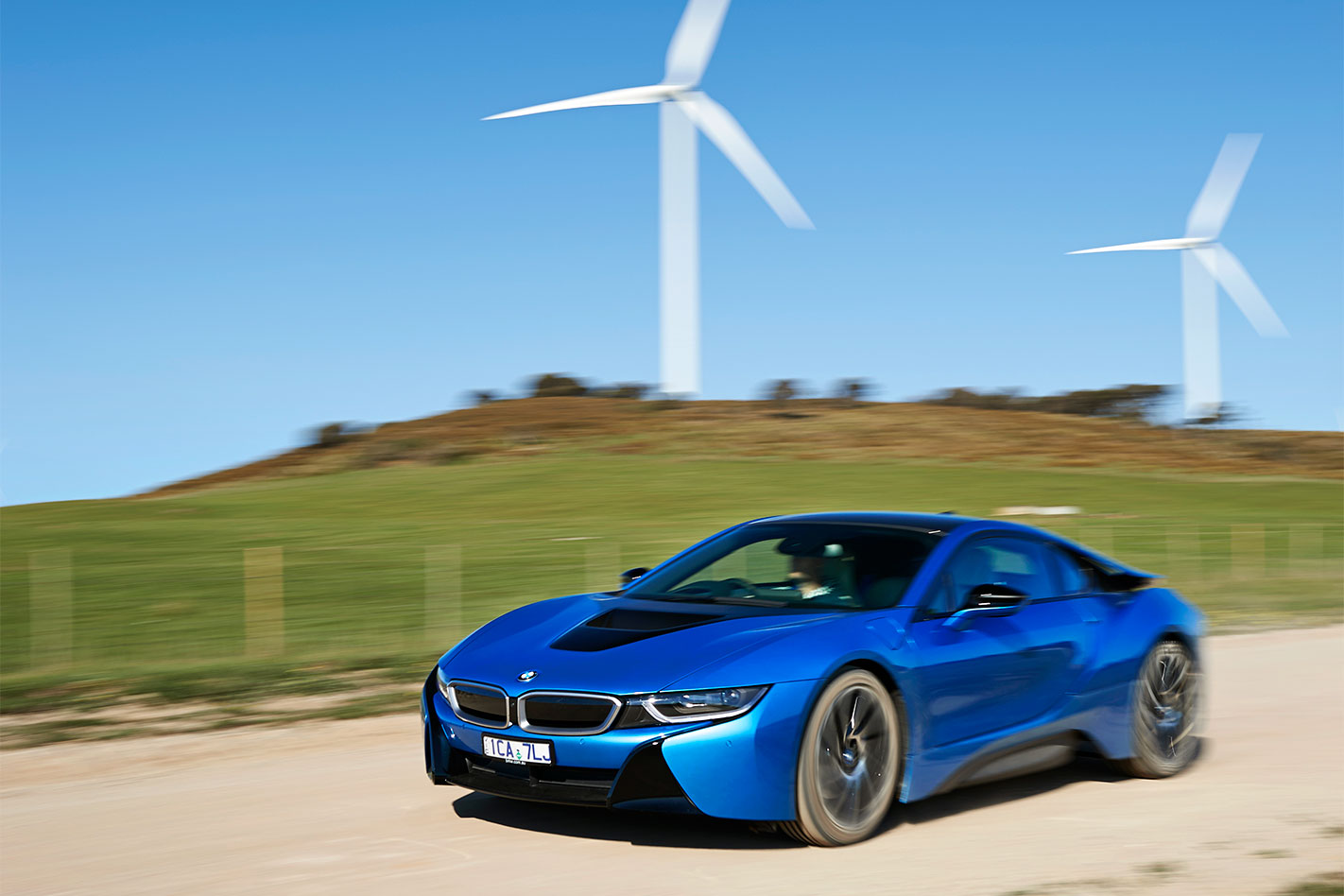
POWER FOR THE PEOPLE Tasmania is by far the greenest state in Australia when it comes to energy production. As a result, it is the place where driving an electric car makes the most sense (from an emissions perspective). Dams collecting water for hydro power plants are not always popular, but Tasmania has many, as well as new wind farms.
Official government figures show that producing 1kW/h of electricity in Tasmania creates just 0.26 kg of CO2, while in coal-addicted Victoria it takes 1.19kg of CO2 to produce the same energy.
Buying green energy, or fitting a solar panel (which would be enough to charge the i8) are also options.
PLUG-INS NOT WELCOME There is a public charge point open to all electric-vehicle motorists in Hobart. Unfortunately for us, it is in Hobart, Indiana.
The American Hobart has a population of just 30,000, but already has a charging point with four sockets, with many more planned.
Hobart, Australia (about 220,000) does have a public charge point, but at the time of writing it is in a Nissan dealership and only for Leaf customers.
We didn’t charge the i8 overnight because we couldn’t find a power plug at the hotel. That’ll show us for shunning a caravan park, with plugs aplenty. Charging the i8 with a regular plug (10 amps) takes about four hours, while a BMW wall charger (16 amps) reduces that to 105 minutes.
HOW GREEN ARE YOU REALLY? Building cars produces CO2 and using lightweight materials, as the i8 does, is even more energy intensive. The CSIRO calculates that it takes just 22.7 Gigajoules of energy to make one tonne of steel, but 211Gj to make the same weight in aluminium. Aluminium advocates like Audi argue that the fact it is three times lighter than steel means fuel savings make up for production emissions.
Carbonfibre production is also energy intensive, with a US university claiming it takes 275GJ per tonne. However, it is also lighter than aluminium. BMW says it uses renewable energy at its US-based carbonfibre production plant to keep a limit on production emissions.
This article was originally published in Wheels November 2014.
Love ’em or hate ’em, SUVs aren’t going away any time soon. Families love the pseudo-fourbies for their practicality and user-friendliness while traditional sedans and wagons fall by the wayside.
And why not? An SUV’s versatile interior makes it more adaptable to an active lifestyle, the higher hip point makes them easier to get in and out of and load youngsters into, and the higher seating position gives a better and safer view of what’s going on around you. So it’s no surprise that SUVs like those in the recent Wheels megatest are selling like tickets to a Kylie concert in a men’s prison.
What might come as a surprise to some is that these vehicles will not climb every mountain and ford every stream as many buyers expect.
I’ve stood beside a white shoe-wearing salesman in a new car showroom while he told a prospective buyer that this (insert limp-wristed soft-roader model here) SUV would do everything a Toyota LandCruiser could do off road while being more efficient and less trucklike than the legendary off-road rig.
He might have been right about it being more efficient and less trucklike than the big Cruiser, but the heavy-duty Toyota would be just the type of vehicle this person would soon be looking for to pull him out of trouble if he dared venture to the places he wanted to go.
These SUVs might have clever traction control systems, locking centre diffs and a bit more ground clearance than your average family sedan, but a jacked-up ride height and some plastic body cladding isn’t going to get your SUV to Cape York.
Real off-road adventures require a fair dinkum 4×4 vehicle, and sadly these trucks are becoming fewer and softer. The days of LandCruisers, Patrols and Land Rovers that are made for serious off road use are behind us, and travellers are relying on the strong aftermarket industry to keep their older, more suitable 4x4s ready to tackle the back of beyond.
The most common thing we hear in the 4X4 Australia office from prospective SUV buyers is that they ‘only want to go off-road occasionally and maybe drive on the beach once in a while’. So a light-duty SUV will do that, right?
Sure, a properly prepared and well-driven SUV might get you there and back, but we’ve spent a lot of time pulling these cars out of bogs and off beaches only to find the highway-biased tyres are still inflated to road pressures. A little bit of driving knowledge goes a long way and could save you a lot of money. And you only have to go off road once to get stuck.
The perception that driving on a beach is easy work for an SUV can get the uneducated adventurer in deep trouble real quick. Being bogged up to your belly on the shoreline with the incoming tide fast encroaching is not a place you want to be. Believe me.
While there is a place for SUVs, soft-roaders, crossovers or whatever the latest buzz-term for them is, that place is not as far removed from the tarmacked suburban tracks as the advertising hype would have you believe.
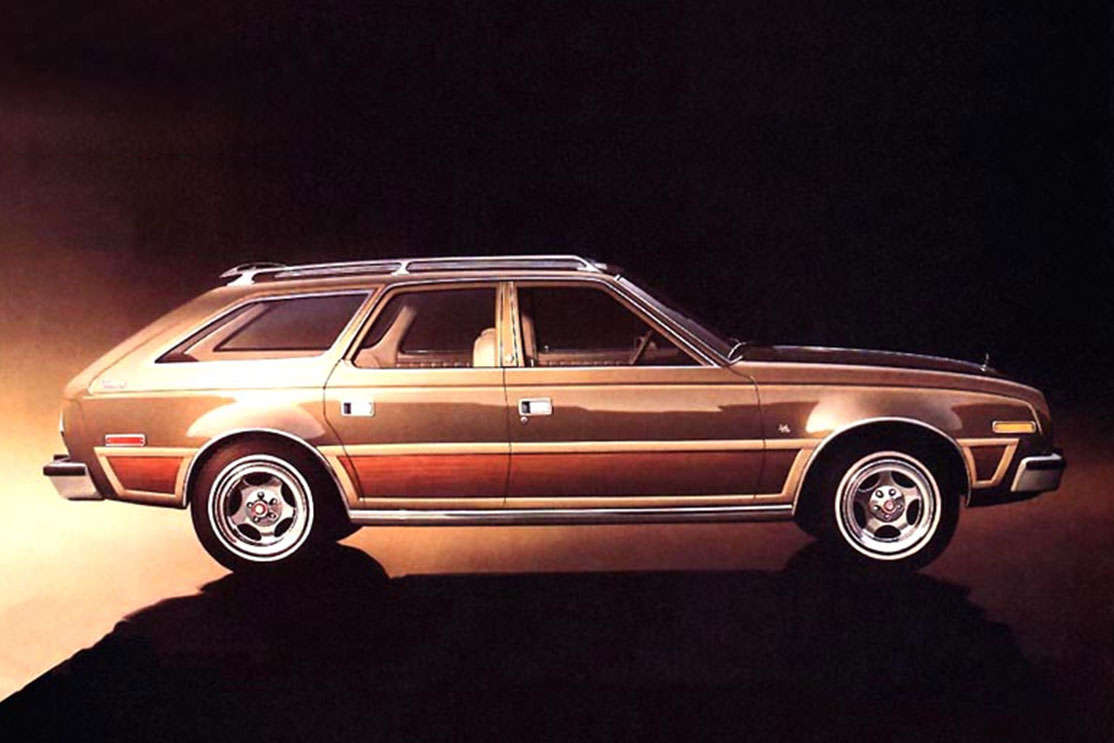
A few car companies would have you believe they alone invented the SUV or crossover style of car, but the trend surely started with the early Subaru 4×4 wagons from the 1970s. Another early player you don’t hear about is the 1980 Eagle SX/4 produced by AMC, which then owned Jeep, and saw the need for an AWD compact car suited to America’s snow-affected regions. The Eagle combined the body of the AMC Concord sedan, coupe or wagon (pictured) with a viscous-coupled 4×4 system. It was ahead of its time and gone by the end of the decade.
This article was originally published in Wheels August 2014.
HOW DO you express your displeasure at another driver while racing on the ragged edge at 320km/h? By flipping him the bird of course!
IndyCar ace Ed Carpenter unleashed the gesture on fellow racer Sage Karam over the weekend after the two clashed at the catchily-named Iowa Corn 300. Carpenter was furious after he felt Karam squeezed him at Turn 4 where he almost collected the wall.
Watch the video for comments from both drivers, plus the high-speed gesture. Classic.
Sign up here to receive the latest round-up of Wheels news, reviews and video highlights straight to your inbox each week.
Fancy yourself as a bit of a rally ace? Subaru is importing limited numbers of the FIA-homologated race-ready WRX STI NR4 to sell to punters for $38,990.
The Australian arm of the Japanese brand was rumoured to re-enter the Australian Rally Championship (ARC) after a race-going WRX STI was spotted on the front lawn of rally outfit Possum Bourne Motorsport (PBMS). However Subaru Oz are now officially ruling that out – the models are here as a one-off import deal.
The NR4 designation references the ability to run the WRX STI in both FIA WRC2 and ERC2 regional and national championships, and Subaru Oz will import the motorsport-only models in two colours, white and WR Blue. The 2.0-litre turbo makes more grunt than the production 2.5-litre STI and is unique to the non-road-going model.
PBMS is actually developing, Subaru revealed in a statement, “A range of packages for these vehicles which will suit everyone from club amateur to the professional”.
Indeed that $39K price tag is essentially a blank canvas for the rally buyer, with PBMS able to add a roll-cage and several other buyer-specific options.
Subaru Oz hasn’t released the full list available, however overseas buyers can get 3-way Ohlins adjustable dampers, AP Racing paddle clutch for the five-speed dog gear kit, AP Racing homologated brake packages for tarmac and gravel with driver-adjustable brake pressure and hydraulic handbrake with manual lock, a fibreglass fixed bucket seat and more.
“Current production WRX and WRX STI have taken interest in these turbocharged legends back to the peak levels we saw in the late 1990s, and with that has come a whole new wave of interest in using them for motorsport activities,” explained Subaru Australia managing director Nick Senior as a key reason for the special import series.
“These cars represent fantastic value for motorsport enthusiasts that want the amazing all-wheel drive advantage that has made WRX such a legend over the past 20 plus years”.
Celebratory rooster-tail, anyone?
Get your free weekly report from the world of fast cars – subscribe to the MOTOR newsletter!
