
Just in the nick of time, the Honda F1 team placed on the market at the end of last season has been saved by a management buyout led by Ross Brawn. The team now seems certain to be on the grid for the season-opening Australian Grand Prix next month, Jenson Button to drive one of the two cars.
British newspaper The Times, usually a good source of accurate motor sporting news, today declared the Brackley UK team to be saved and that Button will spearhead the team on the track after two months of intense work on a rescue package by senior managers.The Times’ story indicates the team will conduct a “shakedown” test of its new car (work continued despite the cloud hanging over the workforce) at Silverstone next Thursday.This will be Button’s first outing in the new car.The management buyout will be funded, according to The Times, by money from Honda itself for this year, as well as funds from the always munificent Bernie Ecclestone, the Formula One commercial rights-holder, plus unknown commercial sponsorship. It’s thought that this won’t include Virgin, a company linked to a possible purchase of the team.The team formerly known as HondaF1 will now operate directly under Brawn’s control, with a chassis designed by Honda and powered, says theTimes story, by a Mercedes-Benz engine under a supply deal with McLaren Mercedes. Right through the painful period of the team being on the market, Mercedes-Benz has been very patient, repeating its original offer to supply engines.After the shakedown at Silverstone next week, the reborn team’s first serious test is expected to be at Catalunya, Spain, on March 9. This will be the last official outing before the first opening grand prix of the season on March 29.Button has been confirmed as one driver, but the second one seems to be between Brazilians Rubens Barrichello, who has been with Honda for the past three seasons, or rookie Bruno Senna, nephew of Ayrton Senna.
The first Coffs Coast rally in eight years threw its fair share of spanners into the last round of the 2008 Australian Rally Championship.
It’s been a long time between drinks for Team TRDs Neal Bates and Coral Taylor, but they have broken a 13-year drought to win a record-equalling fourth Australian Rally Championship title at a treacherous Allied Air Conditioning / Daikin Coffs Coast Rally finale.The rally itself has been off the calendar for eight years, and its reintroduction was a welcome addition for the competitive field. However, unpredictable weather brought predictable difficulties for the frontrunners.Needing a Heat One finish of 15th place or above to secure the historic fourth title (and nine for Toyota), Bates was forced to drive conservatively throughout the day. Though the rally started under beating sun, a tropical downpour during the last two stages threw buckets of tension on the pair.“I found it very stressful but wasn’t going to throw it all away after 13 years,” said Bates, who has amassed 32 outright ARC wins over a two-decade career.“We were listening for every creak and squeak, and I did not enjoy driving like that. The last two stages were ridiculously slow; but I could afford the time and not take risks.”“Neal was very quiet in the last couple of stages and when the rain came at the end we didn’t really speak at all and just concentrated on being conservative and getting to the end of the Heat,” said co-driver Coral Taylor.“We were more relieved than anything to see the finish line, and we knew on the transport back that it was all ours,” said Bates.“Overall, it is a big achievement to win another manufacturers’ title and for Coral and I to win again (after) 13 years. Your first championship is always the best, but we will really cherish this one.”But while Bates nursed his Corolla to the finish line on day one, a battle between brothers was being fought at the pointy end for the round win.Fighting valiantly for a Toyota 1-2, defending champions Simon and Sue Evans took out Heat One, claiming seven of the nine stages and leading the next ARC competitor, younger brother Eli and co-driver Chris Murphy, by 40 seconds.In a promise of things to come next year, Honda’s entry of British rally champions Guy Wilks and Philip Pugh in the front-drive Civic Type R won the remaining two stages and finished second in Heat One by 30 seconds.While not registered for ARC points, the Type R showed speed and cornering that belie its two driven front wheels, losing some of the stages by mere tenths, and very quick on the shorter, tighter stages.The visiting duo were closing in on the round podium when Wilks found the limit of the diminutive Civic, rolling on stage four of Heat Two and retiring from the rally.This stage, on the infamous Sherwood Road, had been split in two and the latter stage diverted to a faster, flatter road after several crews expressed concerns over its slippery off-camber clay corners and ruts. But despite the last-minute re-routeing, it still claimed several more big names.Michael Guest, who had taken his new LHD Les Walkden-prepped STI to sixth place the day before, cracked the gearbox casing and was forced back to service via a slip road, where he decided to retire and save the engine.After gaining bonus points for his ninth stage win and looking red-hot for a Toyota 1-2 manufacturer’s title, Simon Evans broke a gearbox selector on the same Sherwood stage.Though he rejoined the rally, the three stages and four places sacrificed both the round victory and second place on the 2008 season leaderboard – and handed them to his privateer brother Eli.Evans eventually finished in 16th and was relegated to third in 2008 Outright, but was gracious in defeat and promised a strong fight for the following year.“We do need to work hard in the off-season because our goal this year was 1-2 in the championship and we didn’t quite get there,” he said.“I was having a great run and then just heard a bang as we were accelerating. We still have a bit of work to do on developing the car, but this is only my sixth rally in this car so that’s nothing unusual.”“The S2000 has so much potential that we are just starting to unlock – this year is just the tip of the iceberg.“You can always bet on the sun rising and me being quick.”After several strong second-place finishes this year, it was a first time round win for Eli in his Subaru WRX STI. He also took out the 2008 Privateer’s Cup.“It’s a big relief for both me and the team to finally break through for this win,” said Eli.“Mum and Dad have put a lot of time and effort into me to get to this point, so it feels great to be able to pay them back; it’s all worthwhile.“I feel bad for my brother, but he is the quickest driver in the ARC right now and I’m sure he’ll be right back up there next year.”The pair secured the round win after another afternoon thunderstorm cancelled the final two southern stages, taking the top spot with seconds up his sleeve to local driver Nathan Quinn and Ben Atkinson in a Mitsubishi Evo V.Glenn and Matt Raymond in an ex-TRD Corolla stepped up to third after battling through Heat One tyre dramas.Ryan Smart and sister Rebecca finished fourth in their Evo VI, and Spencer Lowndes and Chris Randell boosted their confidence with fifth outright after crashing out spectacularly in the last stage of the previous Tasmanian tarmac round.In an ironic twist, Bates and Taylor were penalised four minutes for using two more tyres than the number allowed: perhaps relaxing a little too much after their championship win. They still finished seventh.In other outright 2008 championship categories, Western Australian die-hards Dennis and Jaqueline Dunlop won the Premier League title in their Mitsubishi Evo VII.Up-and-coming female driver Molly Taylor with navigator Samantha Stevens was second in her 2WD Mitsubishi Mirage, and also retained her F16 championship crown. Taylor won an appeal against exclusion from the Tasmanian round to again lead the championship, and secured it in Coffs on a four-best round countback with two decisive class wins.The ARC returns in 2009 with nine rounds across the country, starting with the Burnie-based Tasmanian Tarmac Challenge on February 14-15, and including an Asia Pacific Rally Championship round in Queensland in May, and the highly-anticipated return of the World Rally Championship to north-east NSW in September.
Porsche’s winning 911 formula remains largely unchanged on the outside; it’s the inside that counts.
The refreshed 911 Carrera and Carrera S will receive uprated 3.6-litre and 3.8-litre engines with direct fuel injection, and they’re finally matched to an optional dual-clutch transmission.The Carrera’s 3.6-litre six produces 15kW more than the superseded engine at 254kW, while the Carrera S is now 282kW (up 22 kW) with potential top speed now just over 300km/h.The new seven-speed double-clutch gearbox, or Porsche-Doppelkupplung (PDK), replaces the antiquated five-speed Tiptronic automatic and adopts its technology from Porsche’s motorsport programs.The PDK operates in automatic or manual mode using either the gearshift or wheel-mounted paddle shifters. Its 0-100km/h sprint is 0.2-sec quicker than the six-speed manual across the 911 lineup at a claimed 4.5-seconds, or 4.3-seconds with the optional Sports Chrono pack with launch control. It also offers the added benefit of reduced ADR fuel consumption and emissions, claiming 9.8L/100km.Exterior tweaks include LED daytime running lights and cornering bi-Xenons, new taillamps, and redesigned exhaust tips.The new 911 goes on sale in Australia on September 20.
Ford has killed off its long-running large car flagship, the Fairlane and its LTD variant.
Production of the long-wheelbase versions of the current Falcon will stop before the launch of the next-generation Falcon, dubbed Orion, early next year.Ford Australia president, Tom Gorman made the announcement in Sydney today.Gorman said the decision to stop production of the Fairlane and LTD was made here in Australia, and was prompted by falling sales and high development costs for an Orion-based new model.“It’s really a result of market dynamics, more than anything else,” he said.Even a cursory look at sales volumes for the Fairlane and LTD show their fall from favour. In 1997, combined Fairlane and LTD sales reached 4519. By 2000, they’d fallen to 3076. Last year, combined sales were 1158. Last month, Ford sold 99 Fairlanes and only three LTDs; and most of those sales were to rental firms, Tom Gorman said.The other part of the equation that wasn’t adding up for Ford, he said, was the need to invest in development of an Orion-based long-wheelbase car for the Australian market when local interest in such cars was decreasing. Without an export program for a long-wheelbase variant of the Orion, the sums wouldn’t add up.Gorman said the development costs associated with a new long-wheelbase model would be between $150-$200million.“If you’re gong to spend that much money to have a world class vehicle, you have to have some volume to support it,” he said. “The whole market segment isn’t even what we used to sell. So the dynamics have changed so much that it doesn’t make any sense.“So, rather than continue down that path, obviously we’re going down multiple different paths of bringing in a lot more imported product, extending brands and launching some new brands, particularly Mondeo, this year.”Fairlanes first came here as imports from the US in the 1960s. Ford started building them locally in 1967, and added the LTD in 1973.“It’s hard to say goodbye to someone that you’ve loved for so long,” Tom Gorman said. “But the market has changed so much that we have to be responsible in the market environment. We’re running a business, and that’s what we have to do.”However, Gorman left the door open for Ford to again build a long-wheelbase car. “Never say never,” he said. “It may resurface somewhere in the future. And, if it does, that’d be great.”
MOTOR’S reigning Performance Car king, Porsche’s awesome 911 GT2, will be de-throned by an even faster version next year.
The ultimate Stuttgart stormer will be the last of the current 997-series 911s to be updated in Generation II-spec before the all-new 991 model arrives in 2011, with our European sources indicating it will receive the full RS treatment to ensure it remains the king of the 911 family.And it’s only going on a carbonfibre and perspex-fed diet to keep it ahead of the regular 911 Turbo when it receives the Gen II update later this year. Porsche admits the updated Turbo with a quick-changing PDK transmission is likely to outstrip the current GT2 in the sprint to the speed limit with the potential for a low-threes run to 100km/h, so is promising a “GT2-plus” upgrade late in 2010.Before then, it has continued drip-feeding information on the upcoming Panamera with confirmation this month that the four-seater will debut five world-first innovations when it launches at the Shanghai Motor Show.These include the first application of stop-start technology with a dual-clutch PDK transmission, active aerodynamics with a multi-stage adjustable rear wing on the flagship Panamera Turbo, and air suspension that has additional volume when required to offer an even greater variation of ride control and comfort.
In these troubled times even the rich have stopped buying and the supercar industry is on its knees. But for those that need to get their rocks off, salvation is at hand. The credit-crunch supercar is here. And yes, really, it’s a Ford Focus.
The new Focus RS, the 22nd Ford to wear the RS badge, is the quickest Ford road car of all time, beating even the almighty GT supercar’s time around the handling track at Ford’s Lommel test centre in Belgium. That’s just plain scary…
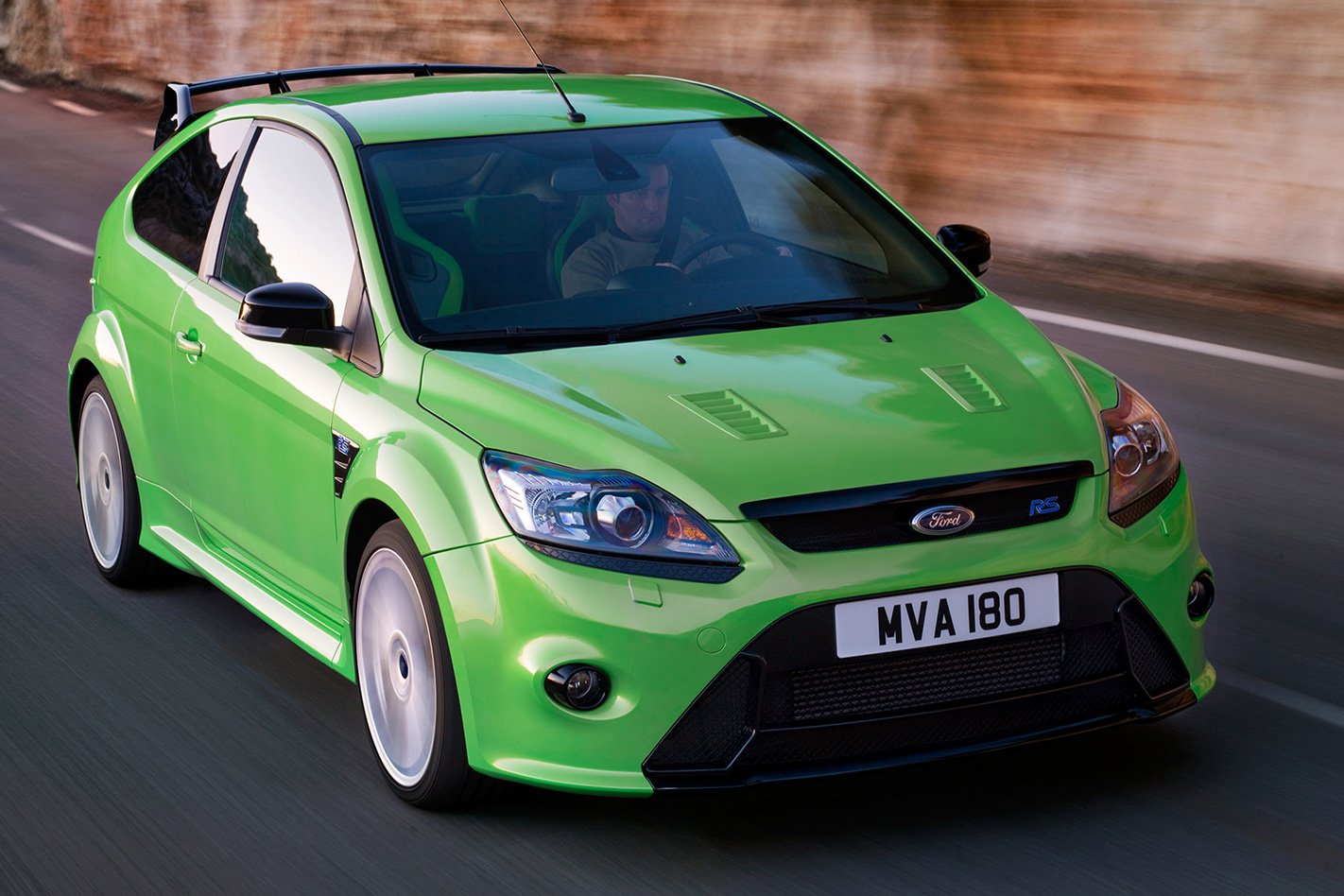
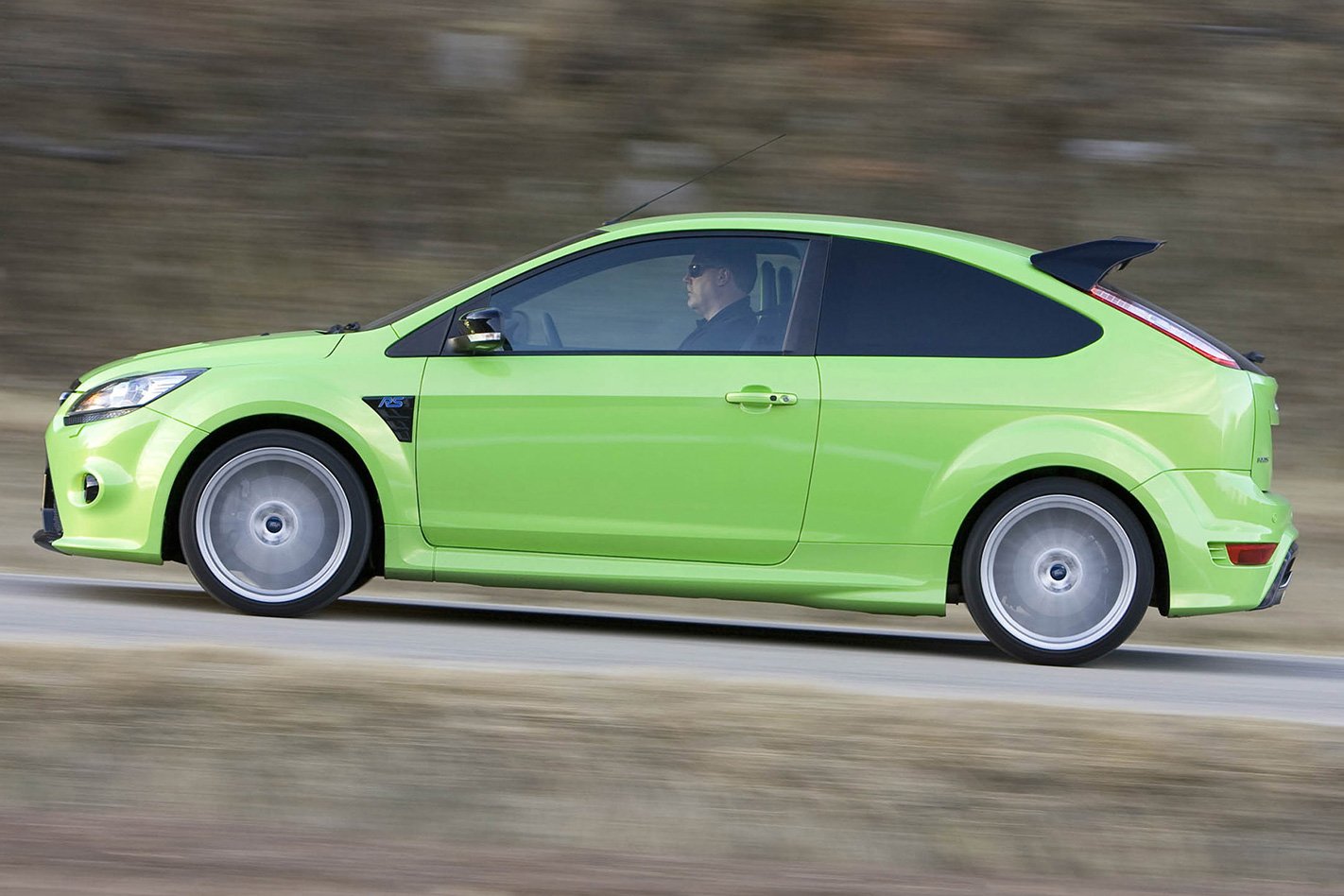
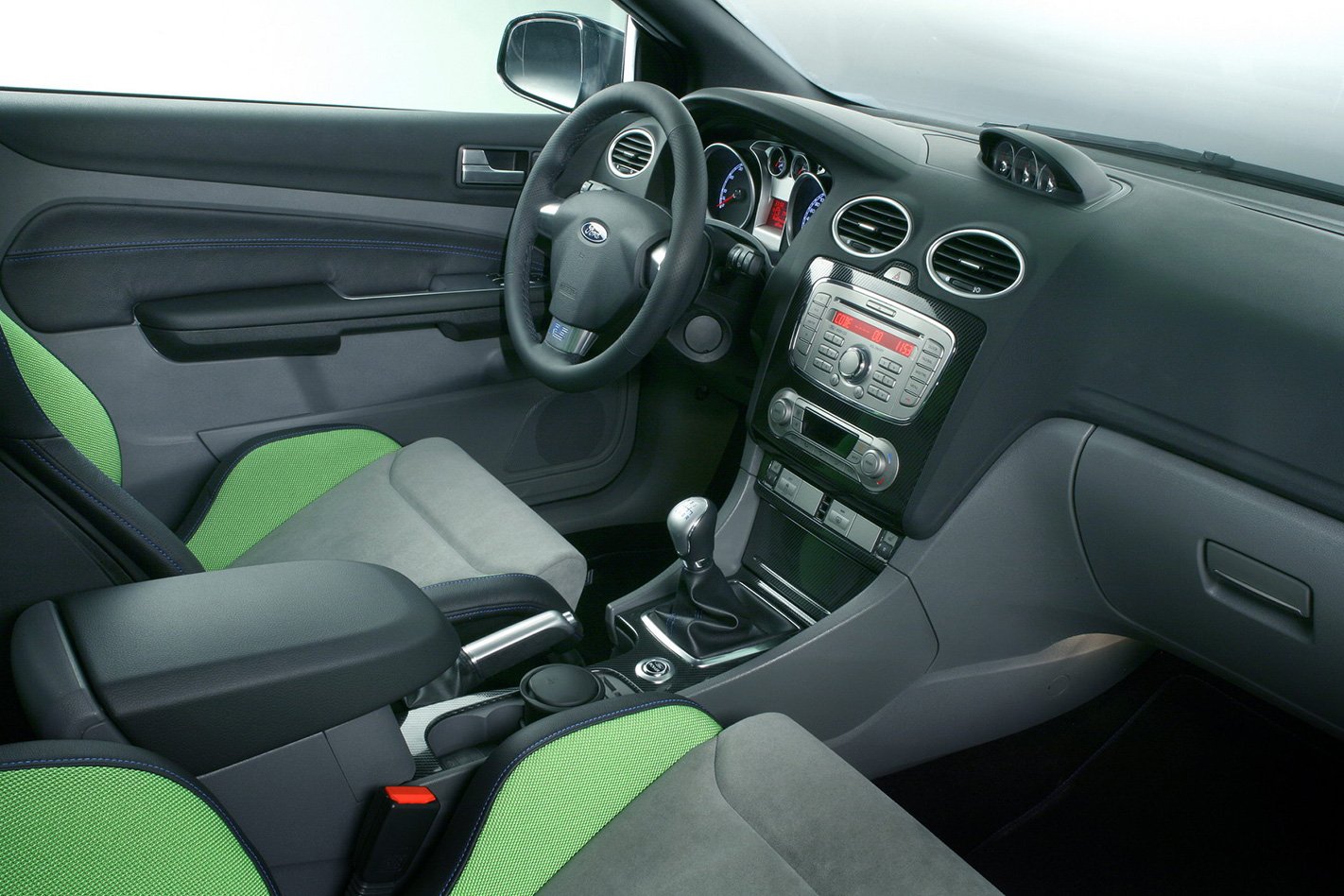
The Focus RS is a mind-blowing technical leap forward, yet it’s more than that. It makes you want to drive the nuts off it on each and every roundabout, backroad, and anywhere there’s room to move. And that’s what makes Ford’s credit-crunch supercar such a great drive.
Hindsight is a wonderful thing, but probably not for the Holden faithful. Even the dumb kid in class could’ve predicted that re-tuning and re-branding cheap, crappy Daewoos was a stupid idea, even before the latest oil shock.
Replacing a soundly-engineered car (the XC Barina) with a blatantly inferior product (the current heap parading under the same name) was a brave move – especially when the logical follow-up, Opel’s Mk4 Corsa, is such a quality effort.So it’s both delightful and depressing to announce that what could’ve been Holden’s (or HSV’s) entry-level hot-hatch is a cracking little car. Having just spent a week hammering one across Europe – through the Alps and on unrestricted German autobahns – I can confirm that only Renault’s Clio 197 decisively out-corners Opel’s Corsa OPC, and that you’d need to stretch to a range-topping JCW Mini to find a little’un with as much lag-free poke and rock-star personality.The engine in question is a high-boost version of GM’s turbocharged 1.6-litre Ecotec four that services a range of European Opel/Vauxhall models. It produces the most power in the Corsa OPC, however – cranking out 141kW at 5850rpm and 230Nm from just under two grand all the way to peak power. There’s also a 15-second overboost function that bumps torque to 266Nm across the same 3800-rev mountain, endowing the short-geared Corsa OPC with unrivalled flexibility and scorching in-gear response.Third gear hits the 6700rpm rev limiter at just 128km/h, making the punchy Corsa close to perfect for Aussie country-road overtaking. On faster European freeways, even sixth gear is muscly enough to gather speed quickly, but drop down to fourth and the Corsa rewards you with its real party trick – a bark from its central exhaust pipe following a high-rev upshift. It’s there on overrun after throttle-blipped downchanges, too.The exhaust bark is accompanied by a purposeful whooshing during hard acceleration and some unexpected induction growl. Power delivery is beautifully progressive with virtually no turbo lag and low-rev throttle response is excellent. In every area, the Corsa’s drivetrain is noticeably more finessed than an OPC/VXR Astra’s.This polish carries over to its dynamics and its interior. Where the Astra positions its driver strangely high, the Corsa’s exceptionally comfortable side-airbagged Recaros are mounted low. On standard 215/45R17 Continentals (225/35R18s are optional), the Corsa rides well, too, and its handling is well-balanced and very planted – if perhaps too composed for those into lift-off oversteer.The Corsa’s variable-ratio steering is a bit disappointing, though – dull at straight ahead, then very reactive either side, and even more so as you add more lock. It’s good in really tight stuff, but lacks connection on fast straights. And the roof spoiler creates plenty of wind noise, even at 120km/h. So while the Corsa OPC doesn’t hit a Clio 197’s dynamic highs, it’s still a very likeable thing – fast, upmarket, and sexy, with a truly cracking engine. Everything Holden’s Korean pretender isn’t, in other words.
Don’t be misled by VW’s confusing name strategy: there is a GT model hiding in the new Golf Mk VI.
But you just won’t be able to tell your mates about it. Instead, you’ll have to explain you’ve got a Volkswagen Golf 118 TSI (the one with the red ‘SI’ letters, thank you very much!) Comfortline with the optional Sports Package and Adaptive Chassis Control.Doesn’t quite roll off the tongue as easily, or with as much impact, as a Golf GT Sport does it? But essentially you can create your own in the just-released-in-Oz sixth-generation Golf range.Start with the base 118 TSI six-speed manual at $30,490 (only if you want it in white, as the rest of the colours are metallic and cost an extra $1000), then option it up with the Sports Package, which adds 17-inch wheels, bigger-bolstered seats and stiffer suspension for an extra $2000, then the Adaptive Chassis Control dampers for $1500, and you’ve got yourself a new-gen GT.Add a similar amount for the new seven-speed dual-clutch transmission if you want, but it’s been calibrated more for fuel economy than fun as it rows itself through the ratios too quickly, droning at less than 1500rpm even in city traffic, and needing a big boot to kick down. If we need further evidence that economy is the new black, VW has even tuned out the blurt from the exhaust when it changes gears.And because the DSG still needs to be rowed through the stubby gear lever (and the shifts are back-to-front), we’d stick with the slick-changing and well-weighted manual for the fun factor.It works well with the revised twin-charged 1.4-litre four-potter, which, like the gearboxes, has been re-tuned for greater economy and lower emissions, reducing peak power from the GT’s 125kW to 118kW (hence the odd name) at 5900rpm, but maximum torque remains at 240Nm on a plateau between 1750rpm and 4500rpm.Even so, it’s still a surprisingly fun and frugal little engine that, with the low-rev boost of a supercharger below 2500rpm, pulls out of the bottom end with an unexpected degree of urge. The turbo comes on stream seamlessly and drives through the mid-range with the same level of thrust, but it does taper off towards the 6500rpm redline and lacks the whistle and bark that made the GT such a cracking underdog.Volkswagen has spent a considerable amount of effort on making the Golf VI range as quiet as possible, which is evident on well-maintained roads, but there’s still a noticeable amount of tyre rumble on harsh back-road country stretches.It’s easy to ignore the rumble when you’re up it for the rent, particularly with the ACC switched on sport, as the chassis is nicely balanced with plenty of front-end feedback, but it does come at the expense of some low-frequency ride quality. At the opposite end of the scale, the comfort mode is a bit too soft even on smooth freeways, where it can become floaty to the point where you almost feel seasick.But the Golf VI is still remarkably good value, good fun and retains its place as the benchmark small car.
The mystique of the black Spec-V GT-R is immediate.
The lure of such an exclusive, anticipated supercar sparked a hive of activity around the world as pundits and supercar lovers tried to pick exactly what the Spec-V would gain over the already-capable standard GT-R, after the flying V was spied at the Nurburgring last year.
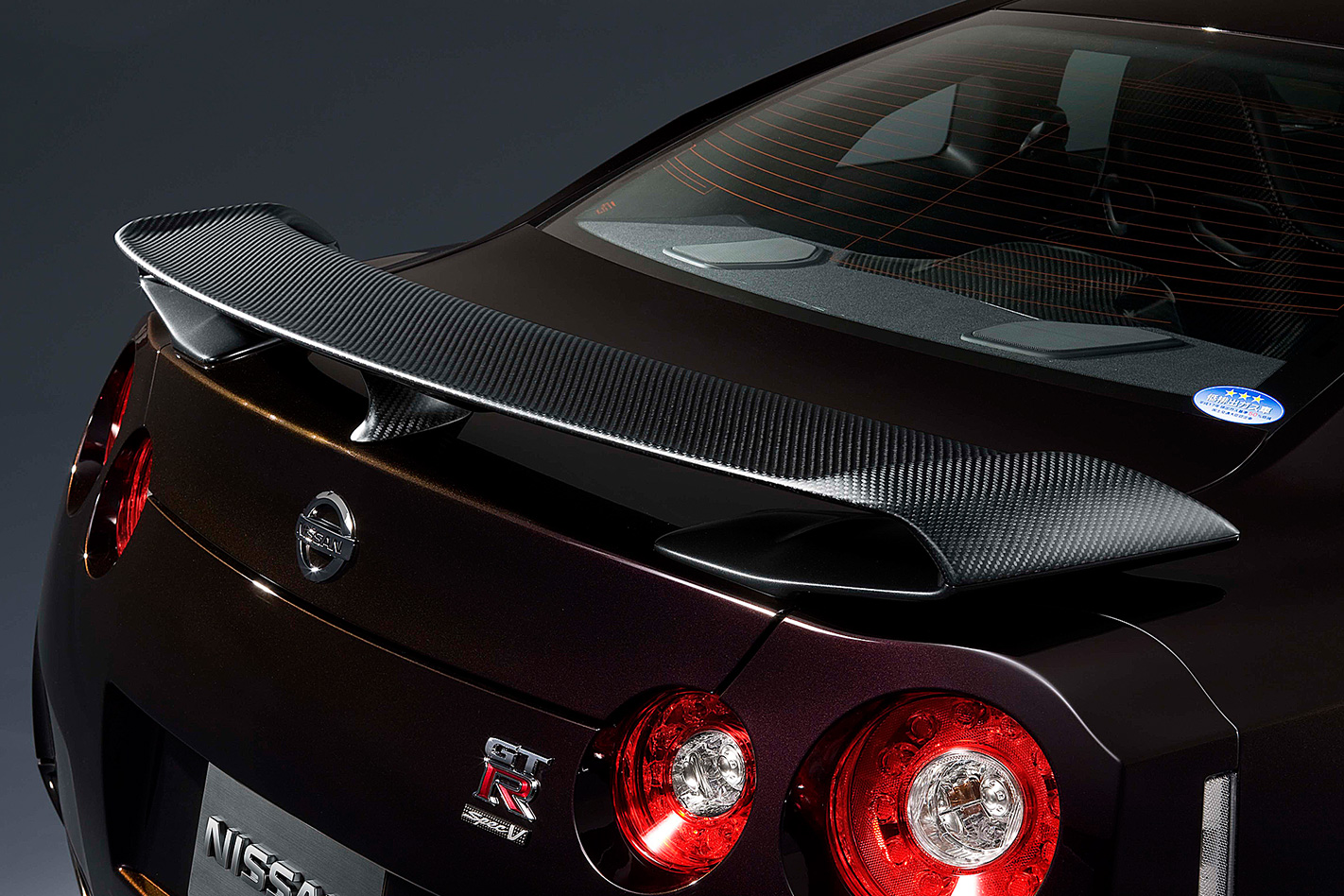
We’d heard about its lightweight carbonfibre body parts, its $70,000-plus carbon-ceramic brakes, its high-gear boost control, unique Bilstein suspension, and ultra-high performance Bridgestone rubber. Now it’s our turn in the hot seat to see how these changes alter the GT-R.
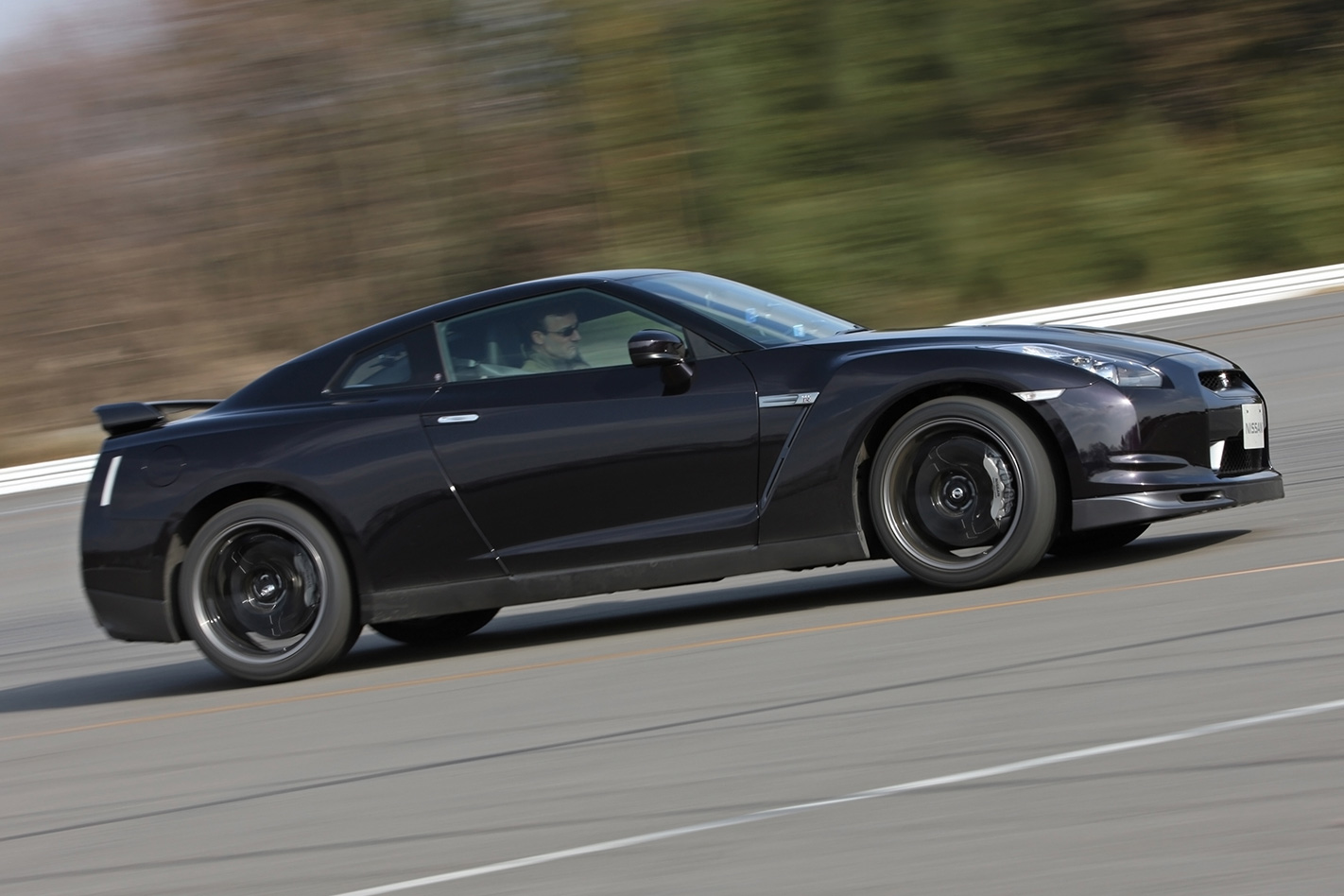
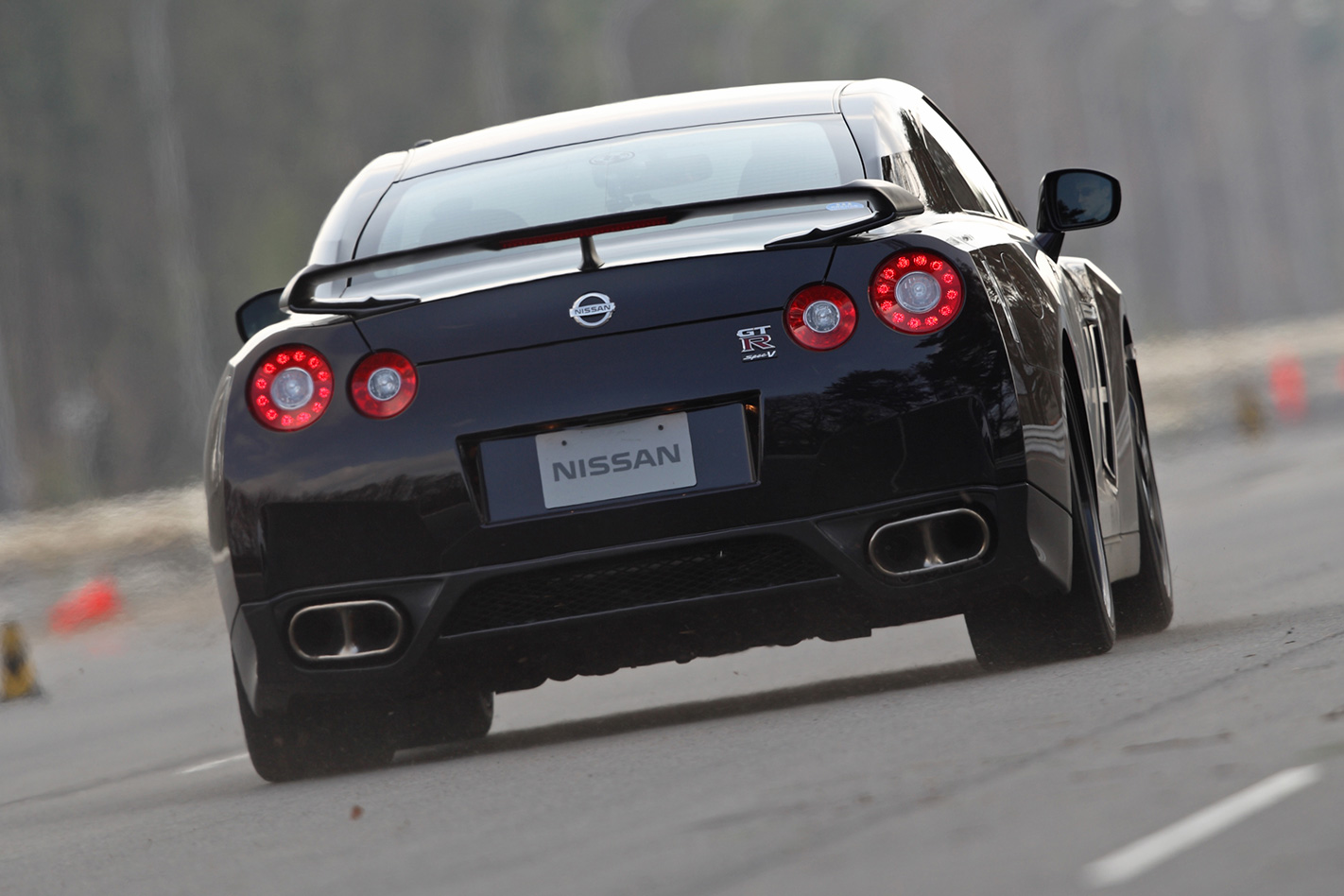
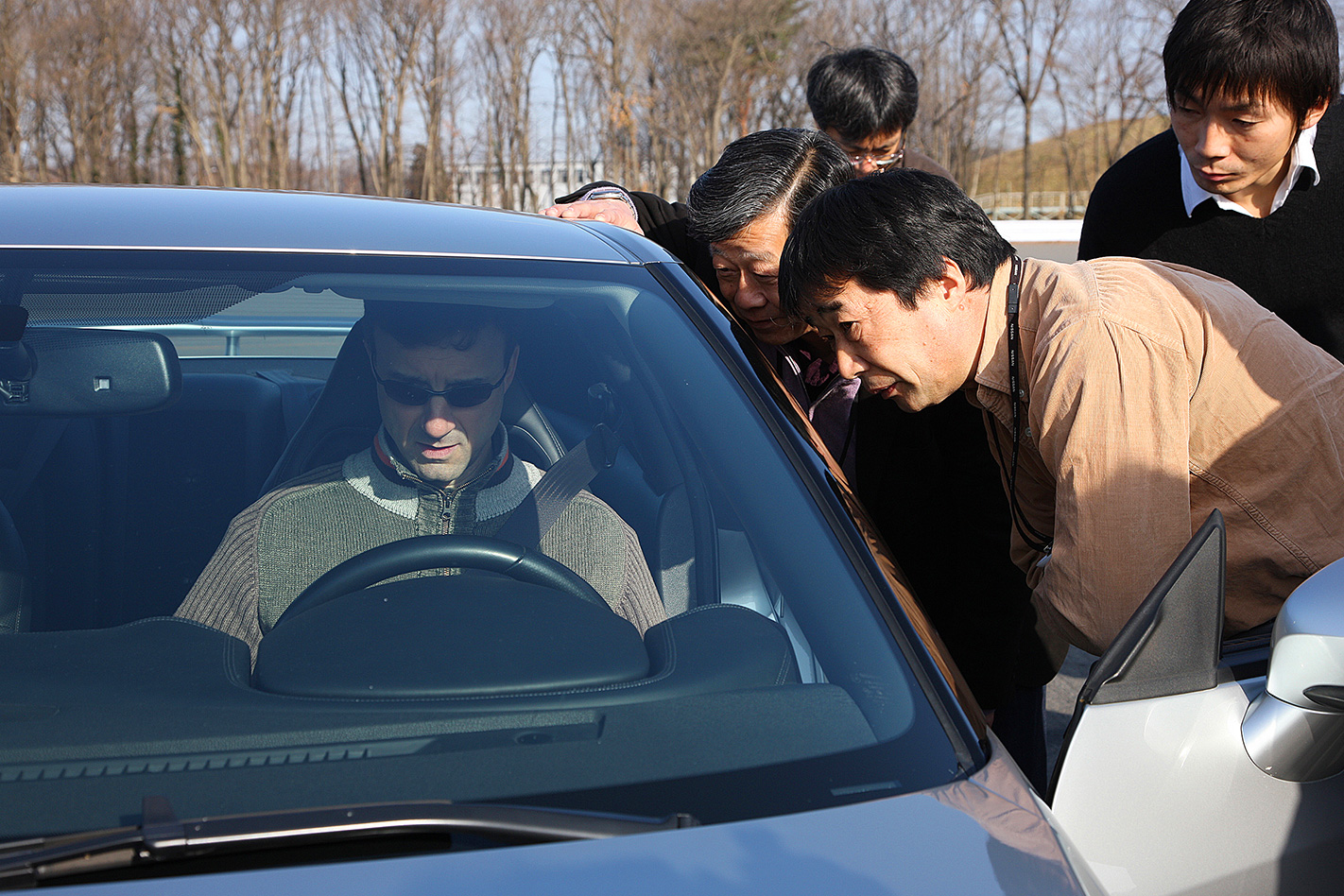
To shed as much weight as possible, Mizuno replaced the tight rear seats with soft plastic covers, while in the front he specified two ultra-thin carbonfibre Recaros to save more kegs. All up, the Spec-V has lost 56kg, dropping kerb weight to 1684kg which, to tell the truth, is less than the 100kg weight loss that we expected.“The GT-R is the anyone-anywhere-anytime supercar,” claims Mizuno. “The Spec-V, in contrast to what you might be thinking, is not the high-performance version of the GT-R.” Huh, really? “It is a car tailored to those drivers who really enjoy fast driving and like to push a car to its limits on a track. That’s why we strived to build the best brakes in the world,” he stresses. Right.
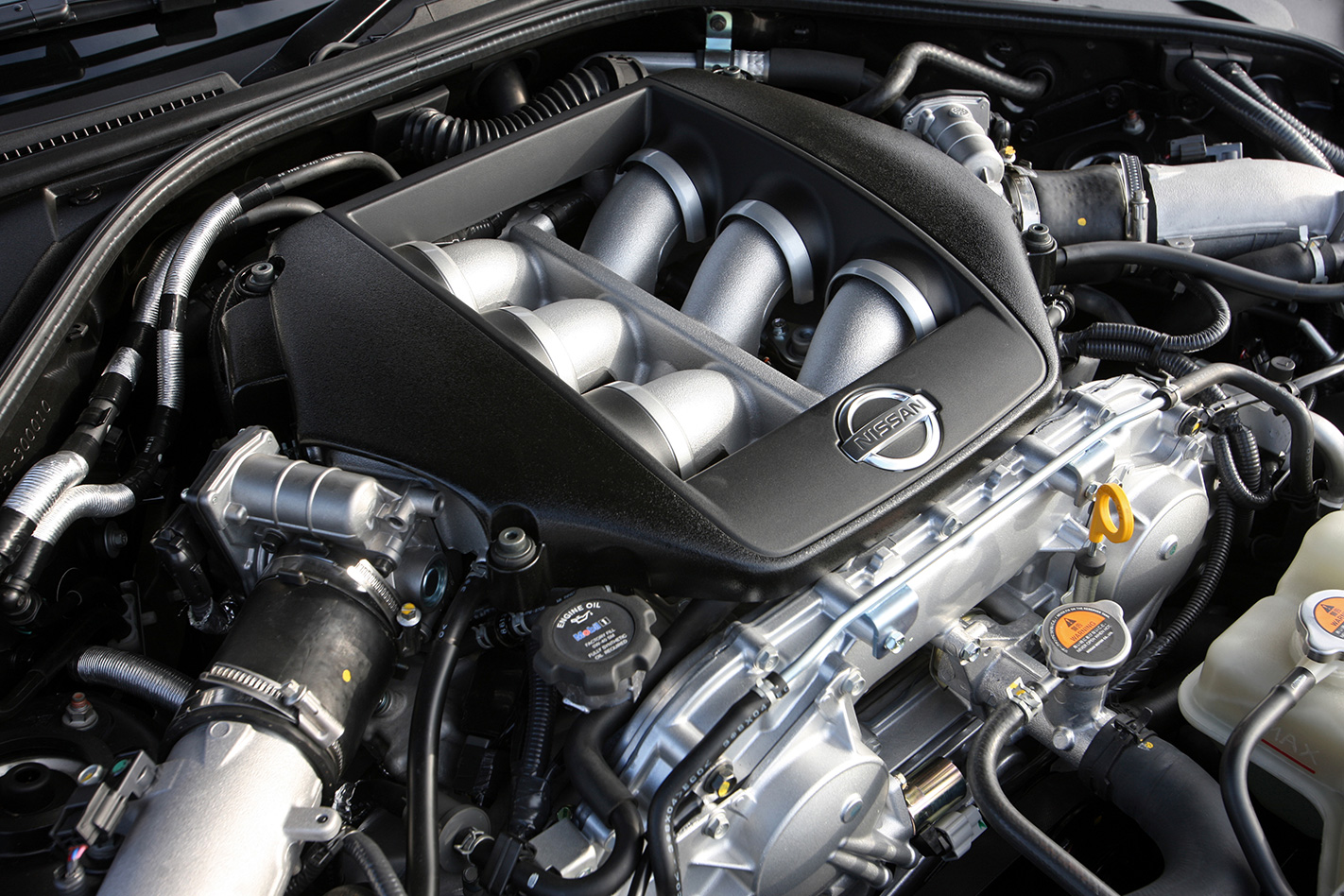
But as Mizuno explains, “That was not our aim. We wanted to lift the on-road thrill factor, not power. And re-define brakes.” The 588Nm torque figure is identical to the regular GT-R’s, too, however there is a high-gear boost control device that ups that figure by 19Nm for an 80-second burst.
As we ready ourselves to launch the car, Mizuno makes sure we know about the retuned VDC unit (an upgrade on all post-MY09 GT-Rs). He is basically saying that he strongly recommends we leave the VDC on, as minor revisions to its programming make it as fast as, if not faster than, the car with the VDC off.
“Oh, so you don’t want us to use the launch control?” we say cheekily. To which he replies half-smiling: “What are you talking about? The GT-R has no such feature.” He is just toeing the company line, because Japanese law states that road cars cannot have launch-control systems.
Leaving the stability-control on, there’s no need to floor the brake pedal, wood the throttle to 4500rpm and release the brake like with the standard GT-R. So we take Mizuno’s advice and just transfer our right boot gently off the brake and floor the throttle.
That makes the Spec-V faster than not only the Dodge Viper, Porsche 911 Turbo and Corvette ZR1, but its true European rivals in the Ferrari 430 Scuderia and Porsche 911 GT2.The slalom is a true test for the revised suspension set-up and tyres. On the Spec-V, the switchable Race, Sport, and Comfort dampers are history. The new car’s one-size-fits-all units were jointly developed by Bilstein and Nissan to achieve the best combination of grip and ride quality.The tyres might look like stock 20-inch Bridgestone Potenza RE070ZRs, but they’re not. To endure the extreme braking forces of the Spec-V, Mizuno asked Bridgestone to produce stiffer sidewalls for the Spec-V’s boots, with more rigid shoulders and a more aggressive tread pattern that puts more rubber in contact with the road.But the Spec-V’s big news is its carbon-ceramic brake system. It pulls the car up quicker than any other stoppers of the past and resists fade better. This six-piston affair is a collaboration between Brembo and Nissan. From motorsport, Mizuno knows brakes and what’s here is just a bee’s weeny shy of the stoppers found on a GT track car.
We also reckon that maybe we did not quite generate enough heat throughout the test to get these all-conquering brakes up to operating temperature.After all, for all intents and purposes, these are racing brakes and need heat on board to achieve maximum stopping force. Okay, so we were expecting something like the ZR1 and GT2’s stopping distance of 29.3 metres, but 32.3 metres will have to do for now.When Mizuno points us in the direction of the winding test track at the back of the facility, our first lap is extra-tentative so that we can adequately warm up these carbon-ceramic stoppers. Satisfied that the rotors and pads are now hot, and that the dust and pollen has all but gone, we open the throttle more and brake later, diving deeper and deeper into each successive corner. And the Spec-V just keeps delivering, inviting us even deeper into the turns.
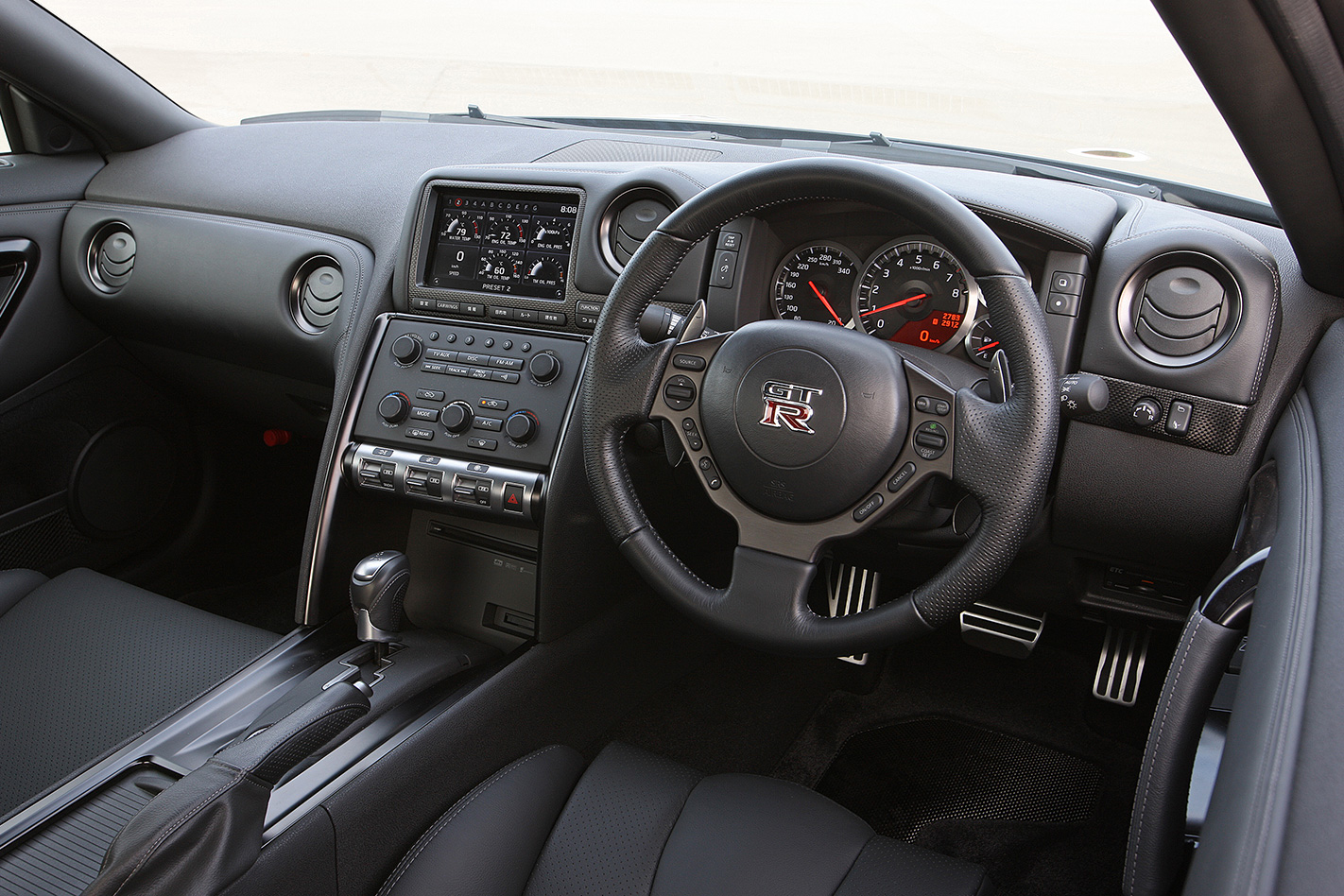
Mizuno tells us the Spec-V can push its limits all day at Fuji and come back for more the next day. And we believe him. The downside? You’d better have upwards of $70K in your back pocket to replace pads and rotors.
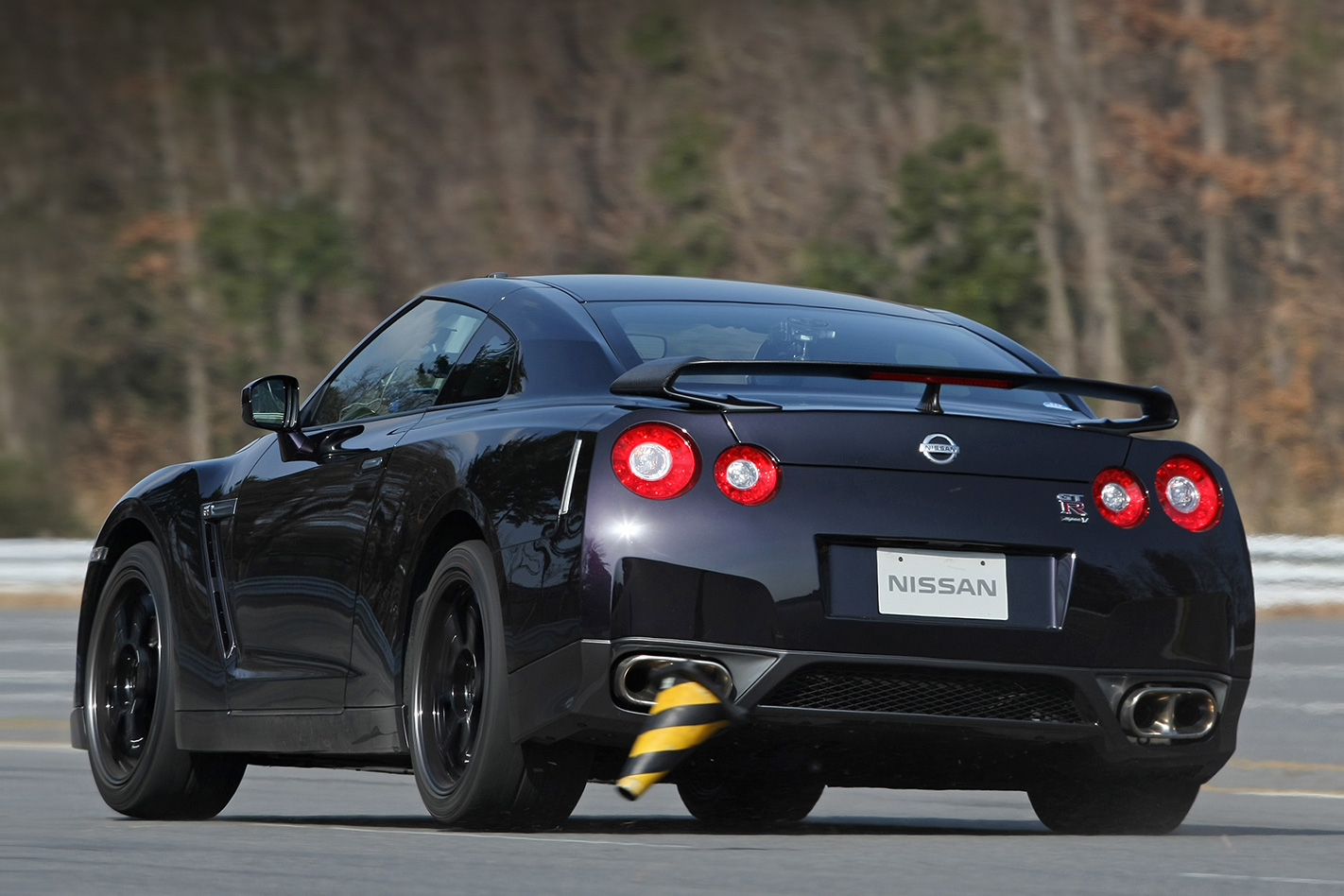
At that price, the Spec-V could be a hard sell even in Japan, even if they only make 30 units a month. Exports are yet to be confirmed.Just to keep us all salivating at the evolution of Japan’s greatest-ever car, Nissan will turn up at the Nurburgring in Germany in April with the Spec-V in an attempt the smash its own 7:29 lap time. And there’s more for the GT-R in the pipeline, apparently. That’s right, Mizuno has more magic up his sleeve. Watch this space.
With 20 years of production creeping dangerously close to one million units (855,000 at last count), and a claimed 178 awards under its belt, the world’s best-selling open-top two-seater has plenty of reasons to smile.
But the facelifted third-genner cracks a Botox grin like it’s rocked in the door at 6am after a night of dance-party tomfoolery. Or woken up and found Jennifer Hawkins cooking it breakfast. Or perhaps both.Sure, there are subtle nips and tucks: a trimmer rump, more shapely side-sills, a bit of fender massaging and minor plastic surgery to the lights and wing mirrors. But it’s the new five-point grille and triangular fog-lamp bezels that certainly nails the brand’s current styling language, and makes the old car’s face look a bit blank. Mazda calls it “aggressive” – we reckon it’s a promise of the kind of black-labelled, X-rated, over-proof fun you might need lawyers to bail you out of. Never has MX-5 appeared so keen to be naughty.So you might, then, take a cursory glance at the muscle-shirt wearing MX-5’s new glory figures, and the mechanical specs behind them, and think it’s a bit of a farce. Little, it seems, has changed over the old car. The previous hard-lid Roadster Coupe scrambled over the 400-metre mark in a commendable 15.8sec. The new range-topping Roadster Coupe Sports – featuring BBS 17s and suede/leather mix Recaro buckets – shaves just a single tenth off that, yet at $51,455 (for the manual) it costs $3795 more. The old MX-5 weighed 1152 kilos whereas the new hero model carts around an extra 15 kegs (the base soft-top is 1129kg). And there are no major chassis, suspension or driveline overhauls.Then there’s the engine. At 118kW and 188Nm, the new MX-5’s 2.0-litre four-banger makes exactly the same outputs as before. That’s a big head-scratcher, you might think, given the introduction of a forged crankshaft and revised full-floating pistons, conrod bearings and valvetrain gear. Net gain? Peak power, for the manual version at least, is 300rpm higher, and the (7500rpm) rev-limiter cuts in 500rpm higher. “Big whoop,” you might say. In-fact, the most conspicuous addition to the engine bay is the ISE, or Induction Sound Enhancer – a device that sort of amplifies the induction noise into the cabin via plastic ducting in the dash panel.But to measure a new MX-5’s worth in the size of its net gains misses the point. It’s of the rare motoring breed that is, like Porsche’s 911 Carrera, a much-loved and successful formula honed to a level of brilliance over generations. And where, engineering- and design-wise, significant effort goes into each successor in tuning and polishing the detail work to a level of perfection. For open-top sportster ability and driver enjoyment, the old car was peerless. So Mazda’s goal with the facelift was more of the same where it could, while chasing more refinement and comfort and, conversely, creating a sportier-feeling and more abuse-proof result.Apply the methodology to MX-5’s engine and you get a silky smooth, hard-revving, absolutely bomb-proof unit that’s surprisingly eager (given the output) from the depths of the rev-range – it’s toey around town – to the manual’s extended banshee-wailing 7500rpm cut-out so handy for holding a selected gear through racetrack curves. It’s refined, yet has a nice raspy edge, audible without being annoying. It’s punchy enough to fry the tyres, but has that linear flexibility so crucial to MX-5’s fluid balance. And it’s claimed that fuel economy has improved six percent, now 8.1L/100km. It’s a gem, and you sense that significant effort has gone into achieving the excellent end result.The Activematic six-speed auto models cop a different engine tuning – the same 118kW peak comes in at 6700rpm, 300rpm lower than the manuals, though torque remains the same, 188Nm at 5000rpm. From the base soft-top ($43,850) to our full monty Roadster Coupe Sports test car, all manuals get an LSD, while the autos (Touring, Coupe and Coupe Sports only) don’t. Though Takao Kijima, the MX-5 Godfather himself who tagged along to the local launch, claims the auto “isn’t really the sporting version”, the Activematic is a gem: completely fluid with intuitive sport-focused shifting and a tight ratio spread.It’s superbly mannered around town – all in a single mode – and offers a new, instantaneous manual mode at a flick of the correctly arranged (– forward/+ back) console shifter or the awkward thumb (–) and finger (+) tiller paddles that are mounted to the steering wheel. The revised six-speed manual, with more robust syncros, feels as direct, tightly gated and as nicely ‘mechanical’ as ever.The super-rigid structure – some 58 percent of the ‘body in white’ is high- and ultra-high-tensile steel – and perfect 50/50 weight distribution are carry-over, but the suspension has been retuned (revised front geometry, settings altered all round) and the front roll-centre has been lowered by 26mm to improve the old car’s already excellent steering response, which Mazda claims is now more linear. Tangibly, though, it feels fractionally sharper in tiller response and a little busier around the dead-ahead position, while the front-end feels noticeably more eager on initial turn-in – being almost a touch too aggressive in its want to point the nose at an apex. Steering weight remains nice and meaty, too.The MX-5 is still as joyfully responsive and grab-its-scruff playful as ever. It hasn’t lost that keenly intimate communication between the tyres and road surface, fed through the thick-rimmed tiller and the snug, yet not overly bolstered, leather/Alcantara mix Recaros (everything bar the range-topper gets traditional, more relaxed-shaped Mazda buckets).But perhaps MX-5’s most impressive trick is how it retains such a crisp sharpness to its body control while offering a really startling level of ride comfort. The spring/damper matching and compression/rebound rates offer suspension tuning par excellence. There’s a slight jiggliness at low speed, but get moving and every road pimple is ironed smooth, and every hard-edged hole or dramatic bump is cushioned with a controlled perfection many large and heavy cars can’t match. Yet it never stops feeling nimble and sporty, anywhere, and is downright tenacious when asked to change direction in a fast sequence of corners.The 205mm-wide rubber still looks anaemic under MX-5’s pumped guards, and those frankly Wheel-And-Tyre-Mart-looking 17-inch BBS rims don’t do it any favours (the standard wheels are much nicer). But they muster up decent lateral grip, and break away nice and progressively at the sort of brisk road speeds where most keen punters might ideally want to do a bit of lateral tango with the sublimely balanced chassis’ rear-end. One button switches both electronic stability- and traction-control systems off, and there’s enough slip-angle and headroom tuned into both to have a hard punt without either waving a white flag in protest.We’re not completely sold on the Roadster Coupe’s looks, though. The hard skid-lid’s a bit bulbous for MX-5’s proportions, a bit Noddy Goes To Toytown. But it opens or closes electrically in 12 seconds, robs no boot space, removes a lot of ambient noise when shut and adds just 37 kilos over the more pleasant-looking soft-top. It’s quieter than the old coupe, too, and the model’s front suspension crossmember is urethane-filled to reduce in-cabin road noise. In-fact, bar some occasionally hellacious tyre roar, it’s quiet, refined and completely unfatiguing to drive on long distances. Too refined, some MX-5 diehards argue, including a couple of MX-5 club members Mazda brought along to the local launch, early-girl NA and NB models in tow.Does being Spartan mean purity for the MX-5 breed? Judging by the new range’s impressive specs, definitely not. Standard equipment, even on the base soft-top, includes cruise control, six-disc stereo, electric windows/mirrors, central locking, front and side airbags, DSC and traction control, and all variants feels a bit richer and nicer inside. At mid-spec Touring level, trim is leather and the stereo is a new 200W seven-speaker Bose system. There are even a few new and clever cabin storage tricks – like the centre console ‘grip’ mat or new door-mounted storage nets – and, for some reason, four cup holders (in a two-seater?).Take two of the third-gen MX-5 proves that you don’t have to rough it (hello Lotus) or even be a masochist (that’s you, Elfin and Caterham) to enjoy a bona-fide, lightweight, two-seat sports-car experience. Then again, some may argue that the MX-5 has nothing to prove. And in continuing along a proven path with steady incremental gains while offering plenty of choice – there are seven versions available, priced between $43,850 and $53,655 – the MX-5 looks to continue its status as both a credible enthusiast cult car and a reasonable volume-seller fit for the masses. And that’s a rare path to forge indeed.
