
In the context of finding vulnerabilities, a hackathon is an organized event where security professionals or ethical hackers come together to identify and exploit vulnerabilities in a particular system or application. Participants work in teams or individually to find and report security flaws, with the goal of improving the security of the system or application.
Cupra’s first all-electric SUV, the Tavascan, has been teased in production form in an advertisement featuring Spanish music artist Rosalía.
Snapshot
- Tavascan EV teased again in TV advertisement
- Sporty coupe SUV rear, triangular light motifs revealed
- Expected in Australia in 2025 as Formentor alternative
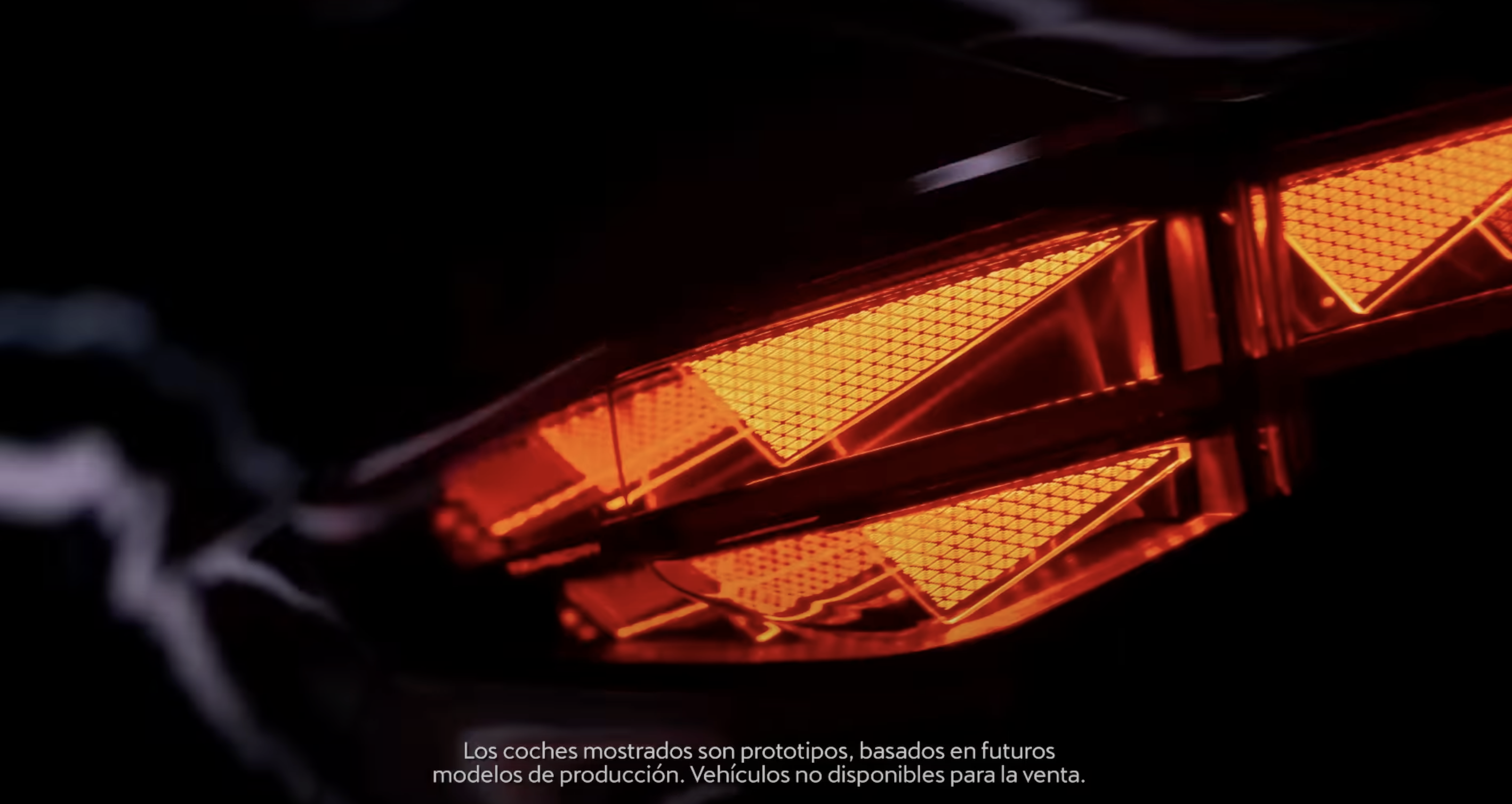
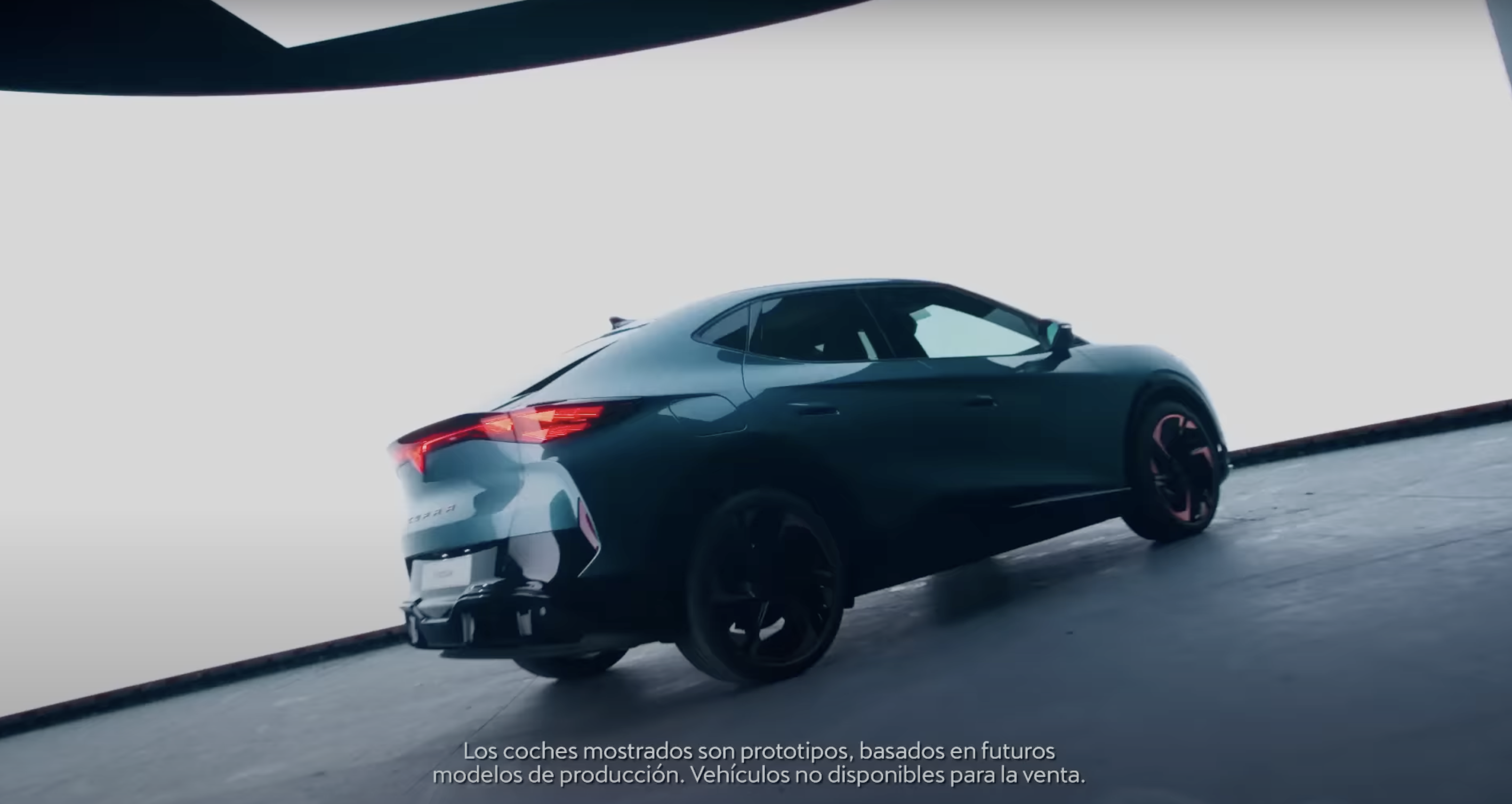
Brief shots of the Tavascan EV reveal its entire rear three-quarter profile, with an Audi Q8 E-Tron Sportback-esque coupe SUV roofline, an aggressive gloss black rear diffuser, and full-width LED taillights that illuminate the Cupra logo.
It also appears to debut triangular motifs within the lights and rear reflectors, an illuminated front Cupra logo, feature the Spanish performance brand’s requisite copper alloy wheels, and flush door handles as per its platform-relations; the Cupra Born and Volkswagen ID.5.
It follows Cupra teasing the front of the Tavascan last year, albeit in an early stage form.
The Cupra Tavascan will launch in Europe first in 2024, but the brand’s local director confirmed to Wheels last year that it’ll likely lob in Australia in 2025.
The sporty coupe electric SUV is expected to ride on the Volkswagen Group’s dedicated Modular Electric Toolkit (MEB) platform. This means it could boast a usable battery capacity of up to 77kWh, up to 11kW AC and 175kW DC charging capability.
1
Performance details are, naturally, far from being confirmed, but Cupra’s athletic pitch means there’ll likely be a hotted-up twin-motor Tavascan. A conservative estimate would be 0-100km/h in around six seconds, as per the Volkswagen ID.5 GTX coupe SUV overseas – which is corroborated by the 2019 Tavascan concept car.
The Tavascan will likely be positioned as a pure EV alternative to the brand’s best-selling Formentor crossover SUV that’s available in turbo-petrol and plug-in hybrid powertrains and tops out at $68,990 before on-road costs in Australia.
Advice
Australia’s best electric cars for 2023
We’ve tested nearly every EV below six figures in Australia to rank the best on sale today
1
It will also represent Cupra’s second full EV after the Born hatchback, which is due locally in the coming weeks and is priced from $59,990 before on-roads – identical to the Leon VZe PHEV.
The commercial also hinted at the Cupra Terramar mid-size SUV as the spiritual successor to the Ateca, which will be a more traditional wagon offering with petrol and PHEV powertrains. It’s tipped to land Down Under around 2024 or 2025.
MORE
Everything Cupra
MORE
Electric SUVs
A team of French cybersecurity researchers have exploited a Tesla Model 3’s critical systems twice at the Zero Day Initiative’s Pwn2Own annual hacking contest in Vancouver.
These events are also known as ‘hackathons’ and are commonly run as a ‘whitehat’ security exercise to help identify vulnerabilities that might otherwise be exploited by bad actors.
Snapshot
- French researchers exploited Model 3 system vulnerabilities twice
- Allowed them to open doors, deep access into central infotainment system
- Hacking contest aims to surface hidden u2018zero-dayu2019 vulnerabilities for affected companies to address
The Synacktiv team gained access the electric vehicle within two minutes by executing a time-of-check-to-time-of-use (TOCTTOU) attack on Tesla‘s Gateway energy management system.
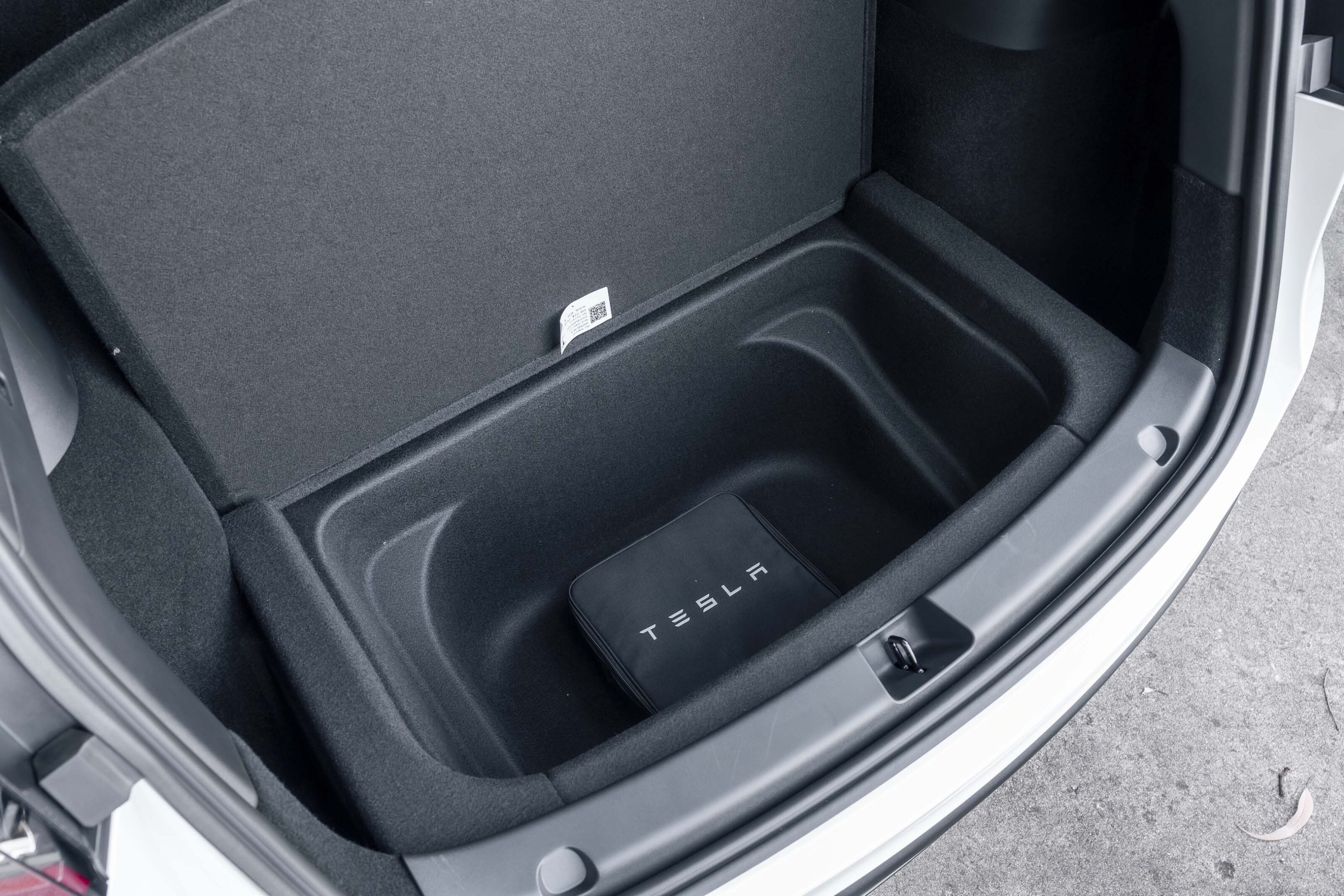
It allowed them to remotely open the frunk (front storage) while the vehicle was driving – and were rewarded with $149,300 (US$100,000) and a new Model 3 sedan for discovering the tier-three vulnerability.
1
What is a hackathon?
In the second hack, Synacktiv researchers exploited a heap-overflow vulnerability and an out-of-bounds write error in an external Bluetooth chipset to access Tesla’s infotainment system and subsequently gain root access to other deeper subsystems.
They were rewarded an additional $373,200 (US$250,00) bounty as the contest’s first-ever attack classified as a tier-two level – which is reversed for particularly impactful vulnerabilities and exploits.
Due to the risk of hacking a vehicle, the team demonstrated their exploits on a separated Tesla head unit and componentry – which is the home to nearly all of the vehicle’s controls, including the speedometer, adjusting the mirrors, and opening the glovebox.
In total, participants in the three-day hacking contest discovered 27 unique zero-day vulnerabilities, including in Microsoft SharePoint, Teams and the Windows 11 operating system, with the Trend Micro-owned organisation giving out $1.5 million (US$1.03 million).
Unlike other carmakers, Tesla recently published its data privacy policy, stressing its high-tech EVs mostly localise and anonymise data collection.
Major car brands are increasingly becoming ‘software-driven’ technology companies by investing in their own operating systems, while others such as Volvo, Polestar and Renault adopt built-in systems from tech giants such as Google’s Android Automotive and the forthcoming next-generation Apple CarPlay.
MORE
Everything Tesla
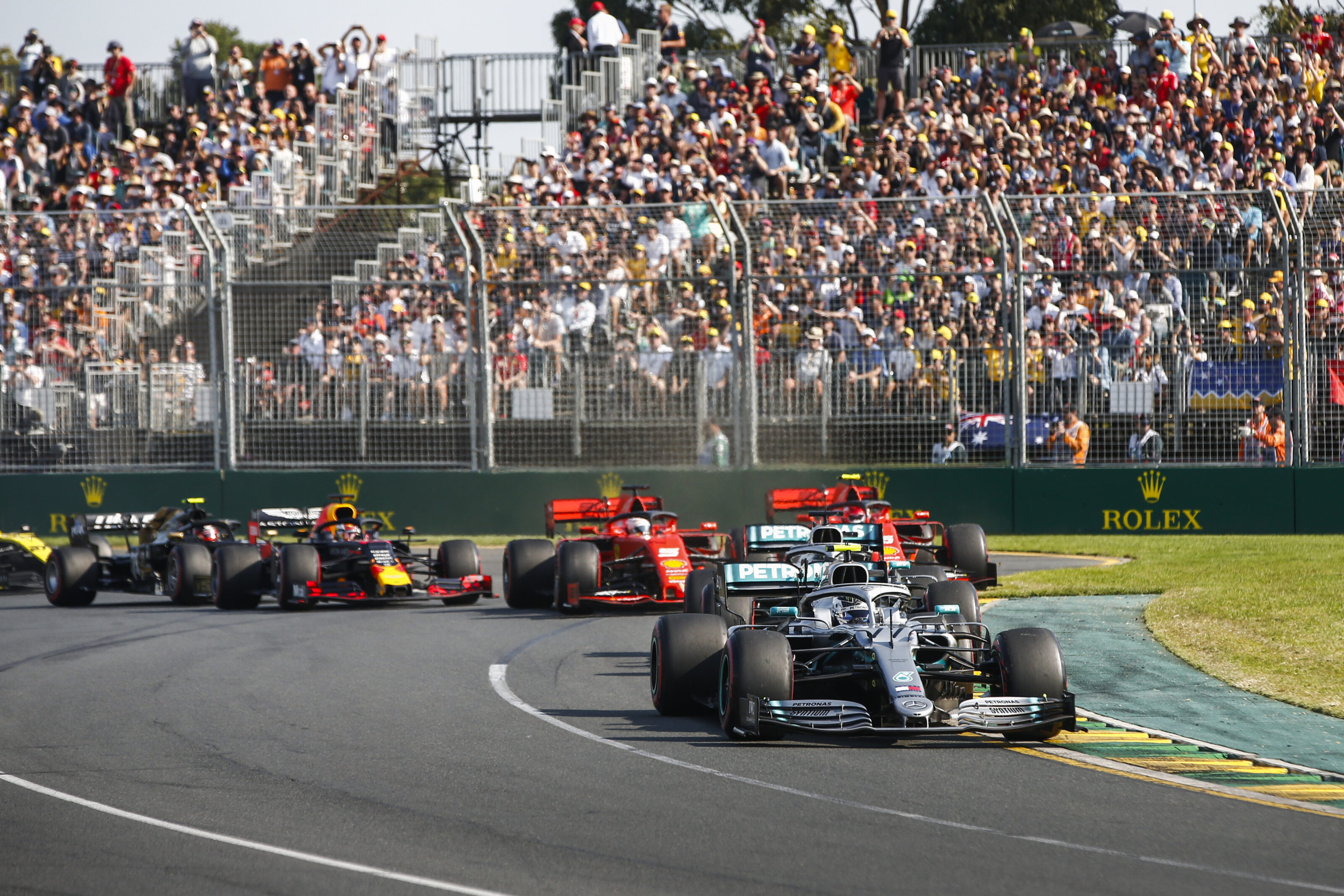
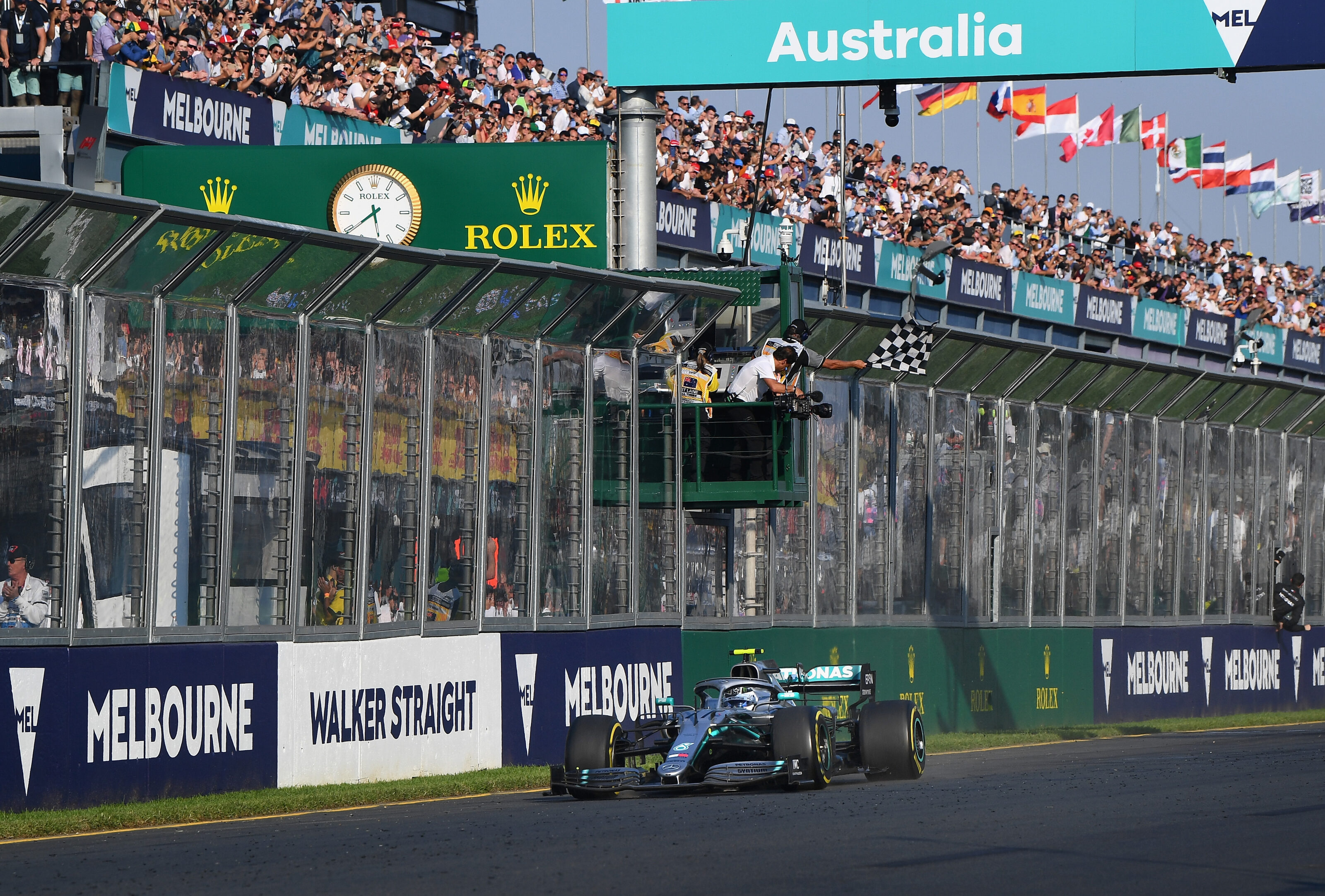
Melbourne is this weekend staging its 26th Australian Grand Prix, and the third round of the 2023 Formula 1 Championship.
The event is officially a sell-out for the second consecutive year following the 2020 and 2021 Covid-enforced cancellations.
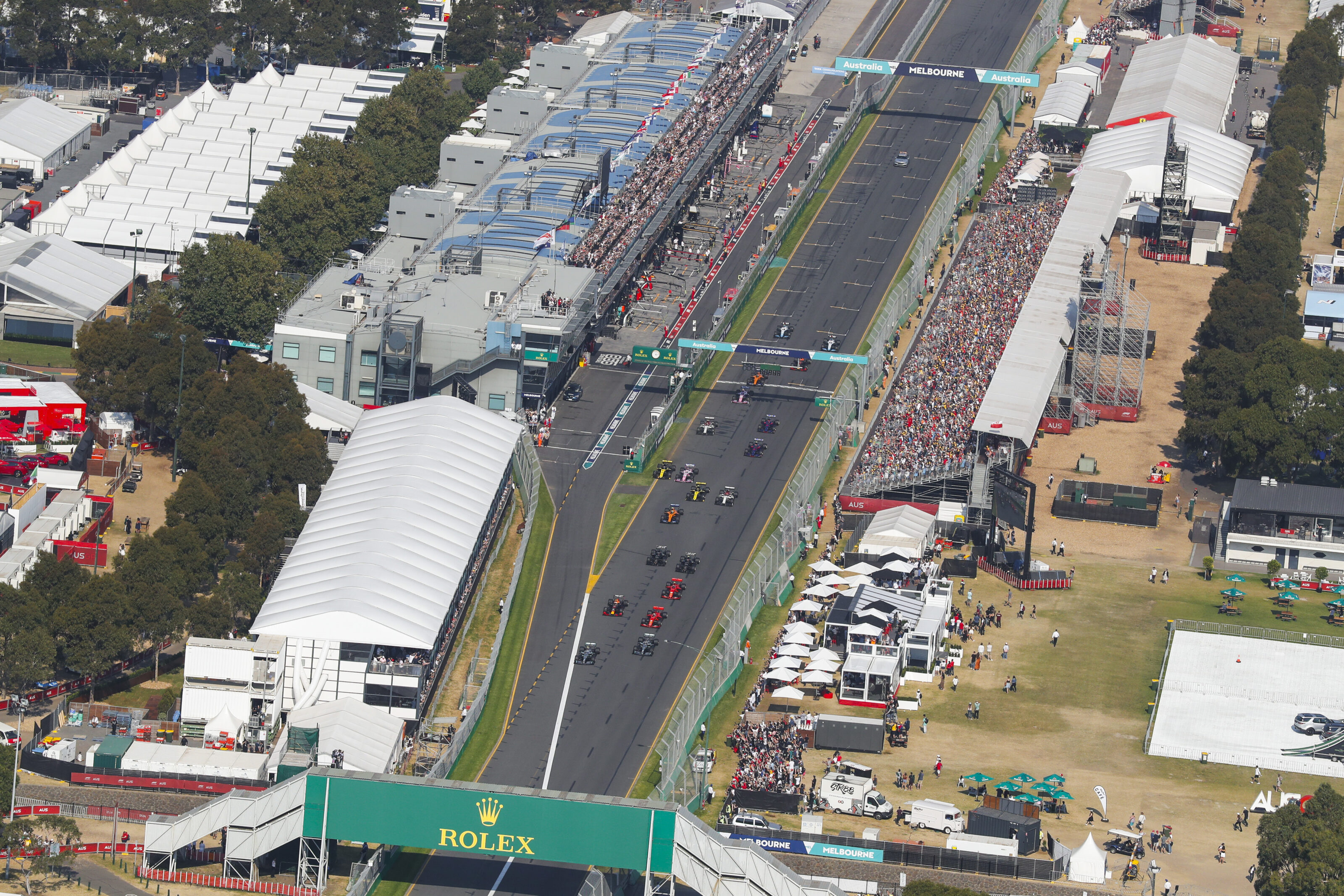
All the motorsport activities again take place on the Albert Park street circuit that’s sandwiched between the Melbourne CBD and St Kilda Beach and has staged F1 since 1996.
Jump Ahead
Catch up on F1
1
On-track action is boosted in 2023 with debuts for the lower-tier Formula 2 and Formula 3 championships – single-seater categories that feature the next generation of budding F1 stars.
With the highly popular Daniel Ricciardo moving into a third-driver role with Red Bull this season, home-favourite status switches to new McLaren recruit Oscar Piastri.
Here’s your quick guide to how to watch, when to watch, and who to watch.
1
How to watch
General admission tickets and grandstand seats are all sold out, so the next best spot is your grand sofa.
Network 10 is providing free live coverage via channel 10 and 10 Play, as follows:
| Friday 31st March | |
|---|---|
| 11.30am-5.00pm (inc F1 practice sessions) | 10 and 10 Play |
| Saturday 1st April | |
|---|---|
| 10.00am-6.00pm (inc F1 practice 3 and qualifying) | 10 and 10 Play |
| Sunday 2nd April | |
|---|---|
| 8.30-5.00pm (inc F1 race) | 10 and 10 Play |
Kayo Sports (subscription required) is showing live coverage of the Formula 1 Australian Grand Prix action as follows:
| Friday 31st March | |
|---|---|
| Practice 1 | from 12.00pm |
| Practice 2 | from 3.45pm |
| Saturday 1st April | |
|---|---|
| Practice 3 | from 12.15pm |
| Qualifying | from 3.15pm |
| Sunday 2nd April | |
|---|---|
| Race | from 1.30pm |
When to watch (on-track schedule)
| FRIDAY 31ST MARCH | |
|---|---|
| 8.30am | 8.30am Gates open |
| 8.50-9.35am | Formula 3 Practice |
| 10.00-10.45am | Formula 2 Practice |
| 11.40am-12pm | Shannons Historic Demonstration |
| 12.30-1.30pm | Formula 1 Practice 1 |
| 2.00-2.30pm | Formula 3 Qualifying |
| 2.50-3.30pm | Supercars Race 2 |
| 4.00-5.00pm | Formula 1 Practice 2 |
| 5.30-6.00pm | Formula 2 Qualifying |
| 6.25-7.00pm | Porsche Carrera Cup Race 2 |
| 7.30pm | Gates close |
| SATURDAY 1ST APRIL | |
|---|---|
| 8.30am | Gates open |
| 9.05-9.20am | Supercars Qualifying (Race 3) |
| 9.30-9.45am | Supercars Qualifying (Race 4) |
| 10.45-11.30am | Formula 3 Sprint Race |
| 12.30-1.30pm | Formula 1 Practice 3 |
| 1.40-2.00pm | Shannons Historic Demonstration |
| 2.20-3.10pm | Formula 2 Sprint Race |
| 4.00-5.00pm | Formula 1 Qualifying |
| 5.25-6.00pm | Supercars Race 3 |
| 6.25-7.00pm | Porsche Carrera Cup Race 3 |
| 7.30pm | Gates close |
| SUNDAY 2nd APRIL | |
|---|---|
| 8.30am | Gates open |
| 9.05-9.55am | Formula 3 Feature Race |
| 10.20-10.55am | Supercars Race 4 |
| 11.35am-12.40pm | Formula 2 Feature Race |
| 1.00-1.30pm | Formula 1 Driversu2019 Parade |
| 3.00pm | Formula 1 Race |
| 6.00pm | Gates close |
Who to watch (and who will win the Australian GP?)
Young Aussie Oscar Piastri will no doubt be cheered on enthusiastically by local fans, though McLaren’s form in the first two races of 2023 suggest neither him nor his British team-mate Lando Norris have much chance of winning the 2023 Australian Grand Prix.
The utter dominance of the Red Bull team in Bahrain and Saudi Arabia makes Max Verstappen or Sergio Perez the clear favourites for victory at Albert Park. Neither driver has won in Australia previously.
1
The Red Bull drivers are split by just a single point in the driver’s championship going into the weekend.
Aston Martin is expected to continue its great start to the season, so keep an eye on double-world champion Fernando Alonso who’s currently third in the championship and clearly relishing his most competitive car in years.
Ferrari’s Charles Leclerc and Carlos Sainz and Mercedes pair Lewis Hamilton and George Russell will also have hopes of getting onto the podium, though just a single spot is likely to be up for grabs if the Red Bulls stay out of trouble and don’t suffer any reliability issues.
BYD‘s mobile device app has launched in Australia.
It supports vehicle connectivity with the Atto 3 electric SUV, allowing owners to remotely check their vehicle and control various functions remotely.
The BYD app is free on both the Apple App Store and Google Play, with access rolled out to customers in Australia from March 27, 2023.

1
BYD Automotive notes in an email to owners that when the app unlocks the doors, “the vehicle can be started within four minutes”.
The mobile app from BYD follows technology made popular by Tesla, and other brands including Kia with its Kia Connect app, Hyundai with Bluelink, and Ford with FordPass Connect.
BYD currently only offers the Atto 3 electric SUV in Australia, but its affordable price and broadly admirable talent have seen it in hot demand – achieving the third top slot in EV sales in 2022.
2
The BYD Atto 3, priced from $48,011 to $51,011 before on-road costs, faces competition from the GWM Ora hatchback (known as Good Cat in other markets) and MG ZS EV in the battle for Australia’s cheapest electric vehicle.
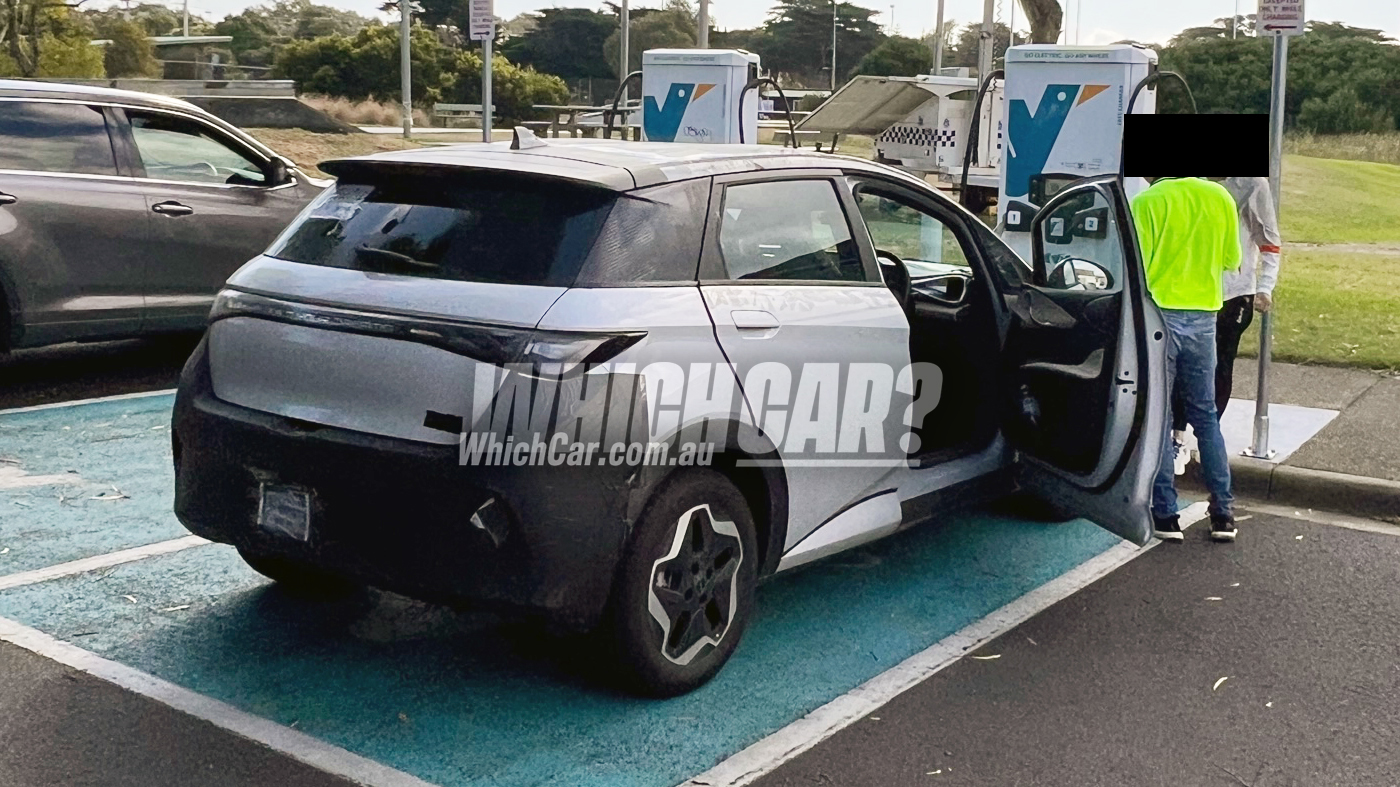
It will soon be joined by the smaller Dolphin hatchback and the Seal sedan – a rival to the Tesla Model 3 – in the second half of 2023.
Both of these vehicles have been spied testing in Australia in recent months.
MORE
Everything BYD
MORE
Technology stories
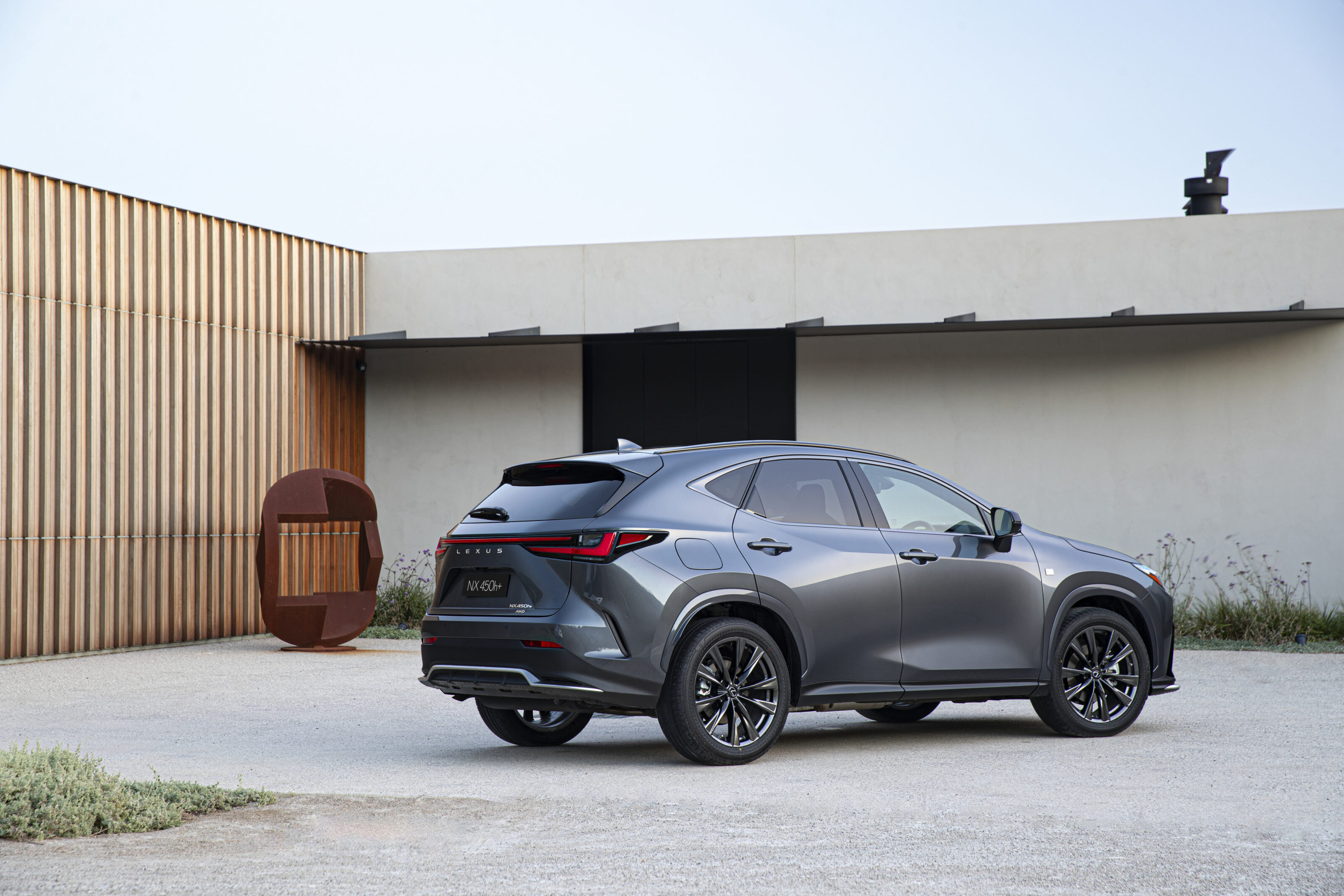
The 2023 Lexus NX450h+ plug-in hybrid is off-sale in Australia, as wait times stretch “into 2025.”
Lexus Australia has taken order for 1000 examples of the range-topping NX450h+ F Sport, but just 230 units were delivered in 2022.
“While arrivals this year are expected to increase by approximately 50 per cent, the PHEV’s popularity has resulted in delivery dates that now stretch into 2025,” said Lexus Australia chief executive officer, John Pappas.
1
“In order to ensure each customer’s experience with Lexus is always delivered in the best possible way, our dealers will now accept expressions of interest for the NX450h+ so we can achieve a markedly better balance between supply and demand.
“Importantly, this action does not apply to other NX variants.”
Pappas added that improved supply of the non-PHEV NX – including hybrid and petrol-only variants – should allow for more deliveries in the coming months, along with the broader Lexus lineup.
1
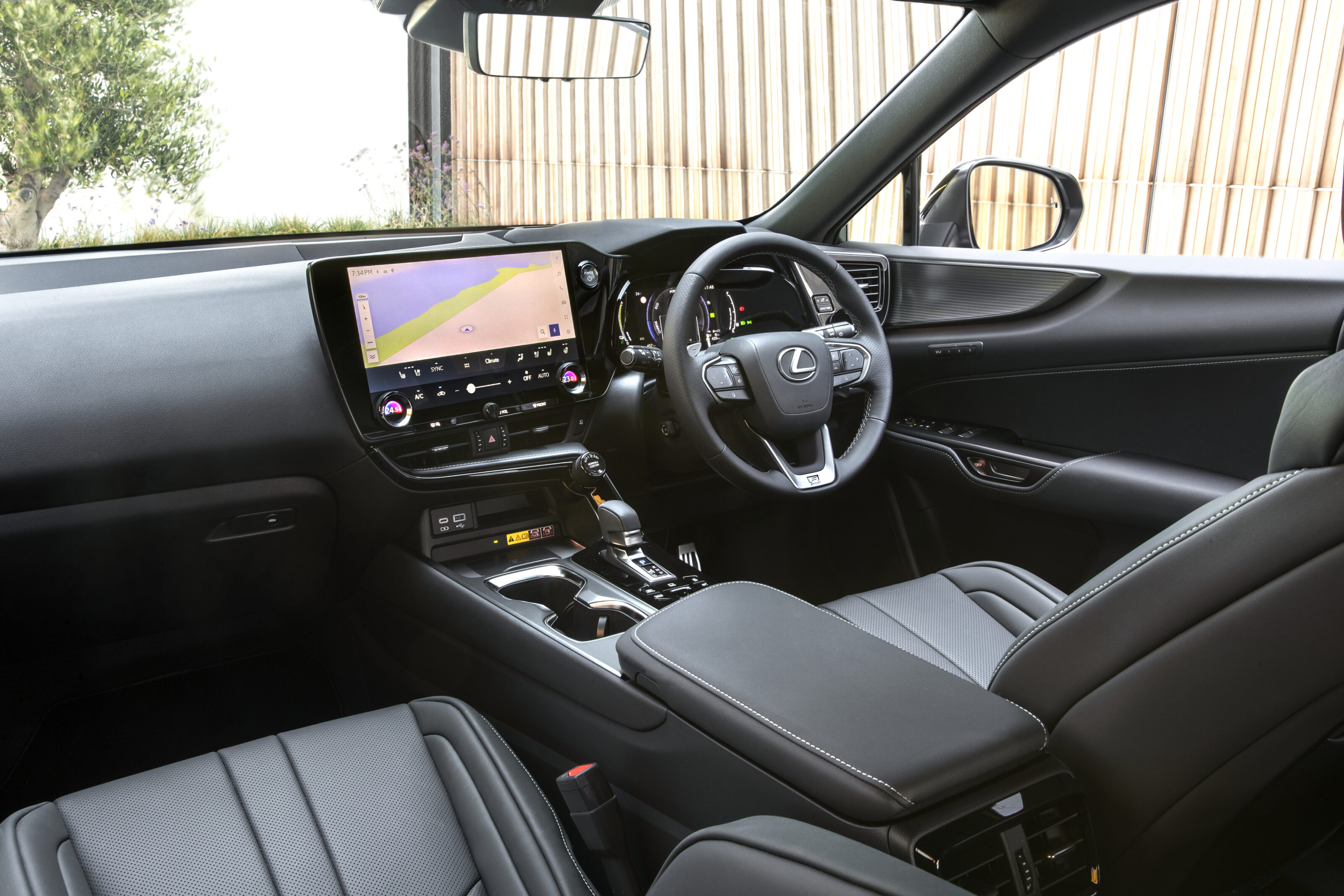
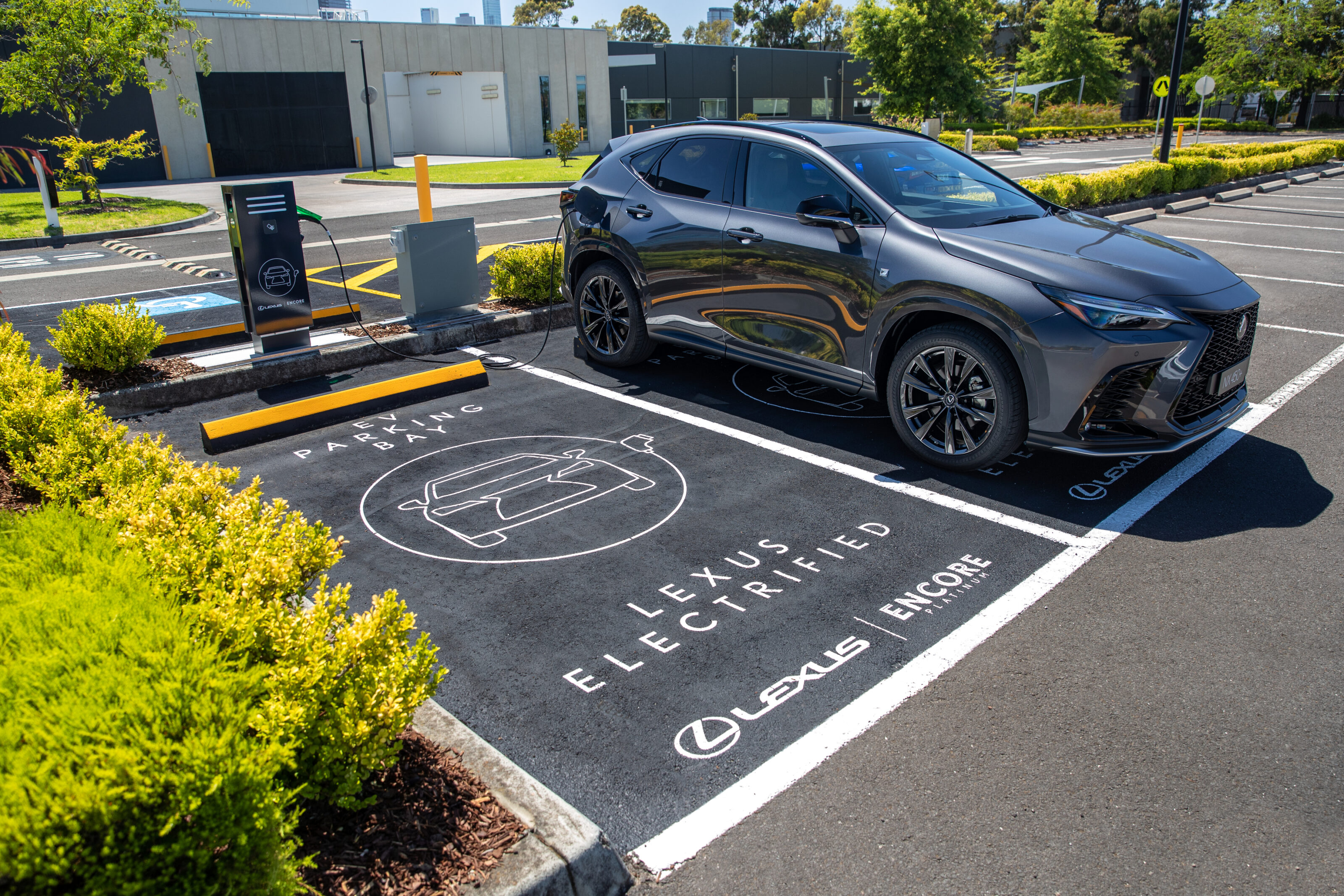
Priced from $90,923 before on-road costs, the NX450h+ – with the standard-fit F Sport package – pairs the hybrid’s 2.5-litre four-cylinder petrol engine with a larger battery and a more-powerful electric motor.
It has a 227kW total system output, while its 18.1kWh lithium-ion battery allows for an 87-kilometre all-electric driving range.
First launched in early 2022, the new-generation NX – now riding on the same GA-K platform as the top-selling Toyota RAV4 – contributed toward record electrified sales for Lexus in Australia in 2022, with 46.3 per cent of its sales being hybrid, plug-in hybrid or all-electric vehicles.
With the delay attributed to the ongoing semiconductor chip shortage affecting the wider automotive industry, Lexus said its working to secure additional vehicles for Australia.
1
“Lexus dealers are playing a remarkable role in communicating openly and transparently with customers about their individual orders and ensuring vehicles are delivered as quickly as possible,” added Pappas.
The move to pause sales for the NX450h+ follows a similar step within the Toyota Australia family, with the LandCruiser 70 workhorse still off-sale locally following similar extraordinary wait times.
Toyota’s popular RAV4 mid-size SUV also faces a 12- to 24-month wait time for the most-popular hybrid variants; however, it remains available to order – at least for now.
2023 Lexus NX pricing
Prices exclude on-road costs.
* not available to order.
MORE
Everything Lexus
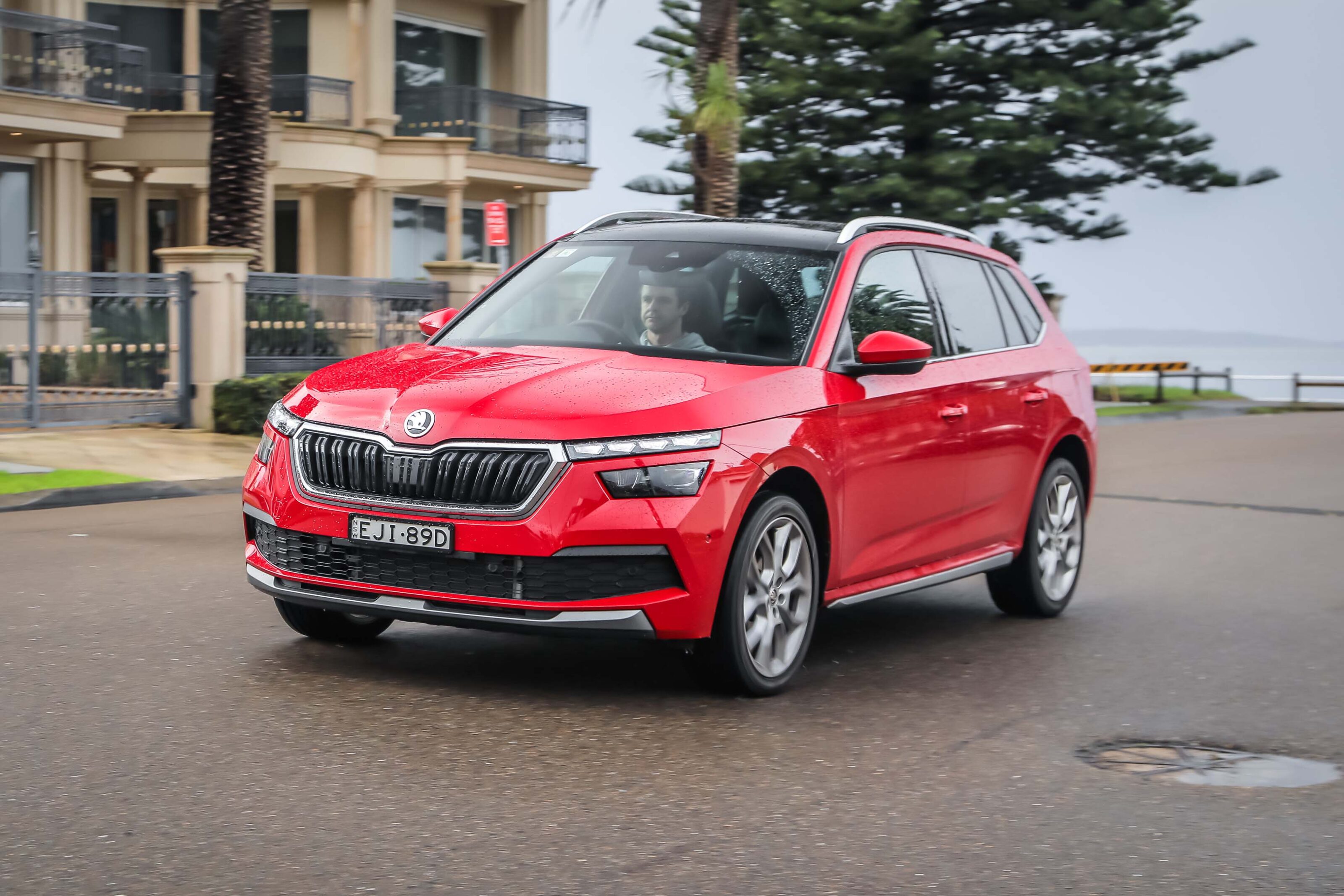
Skoda Australia has confirmed it has more stock of its ‘core’ models available to order.
While semiconductor-related supply issues continue to affect the Volkswagen Group and the wider automotive industry, it appears the delays affecting the Skoda Kamiq, Karoq and Octavia are largely resolved.
Skoda Australia director, Michael Irmer, said “securing supply of the brand’s core range is the news customers have been waiting for.”
The brand has confirmed the “vast majority of inbound stock” will be fitted with the features previously removed to improve wait times, such as the sensors for blind-spot and rear cross-traffic alerts.
“That’s an important step forward to give customers what they desire, and once possible they will become standard again,” added Irmer.
All three vehicles will be available in every trim level, including the Octavia Style and RS liftback and wagon, the Kamiq 85TSI Style, 110TSI Monte Carlo and Signature, and the Karoq 110TSI Style and 140TSI Sportline.
In addition, Skoda Australia has confirmed it will launch “scheduled mid-life upgrades” for the Scala, Octavia and Kamiq in 2024.
1
As detailed here, the all-electric Enyaq and Enyaq Coupe – siblings to the Volkswagen ID.4 and ID.5 – will arrive next year, with local details to be announced closer to launch.
These vehicles are expected to be followed by the next-generation Kodiaq and Superb due for reveal later this year, though Skoda Australia has provided no official comment at this early stage.
Both the Kodiaq and Superb will be underpinned by the Volkswagen Group’s updated MQB Evo platform, with a close connection to the redesigned Volkswagen Tiguan and Passat, respectively.
MORE
Everything Skoda
UPDATE: Skoda has pushed the Australian release of Enyaq iV and Enyaq Coupe iV back to 2024.
In March 2022 (see below) Skoda’s Australian arm suggested that orders would open for Enyaq models in the second half of 2023, though did not confirm an arrival date.
In a statement, the Czech marque confirmed in that Australian production of the Enyaq and Enyaq Coupe medium SUVs will commence next year, with exact arrival timing still to be locked-in. It’s safe to expect local arrival roughly mid-year.
Skoda’s announcement follows Group leader Volkswagen’s announcement of timings for its related ID.4, ID.5, ID.Buzz van, and ID.3 small cars for Australia.
Our original story, below, continues unchanged
The story to here
UPDATE March 22, 2022: The Skoda Enyaq iV wagon and Enyaq Coupe iV electric SUVs will be available for order in Australia from the second half of 2023.
Skoda’s first battery-electric vehicles have been anticipated for many months, with confirmation coming at today’s media launch of the Kodiaq large SUV.
The Enyaq models share their MEB platform with other VW Group electric vehicles, including the Audi Q4 E-Tron and Volkswagen ID.4 – offering a range of battery sizes and variants.
Skoda Australia is still working on the exact Enyaq iV and Enyaq Coupe iV variants it will import. Deliveries could push out to 2024 depending on the supply situation.
5
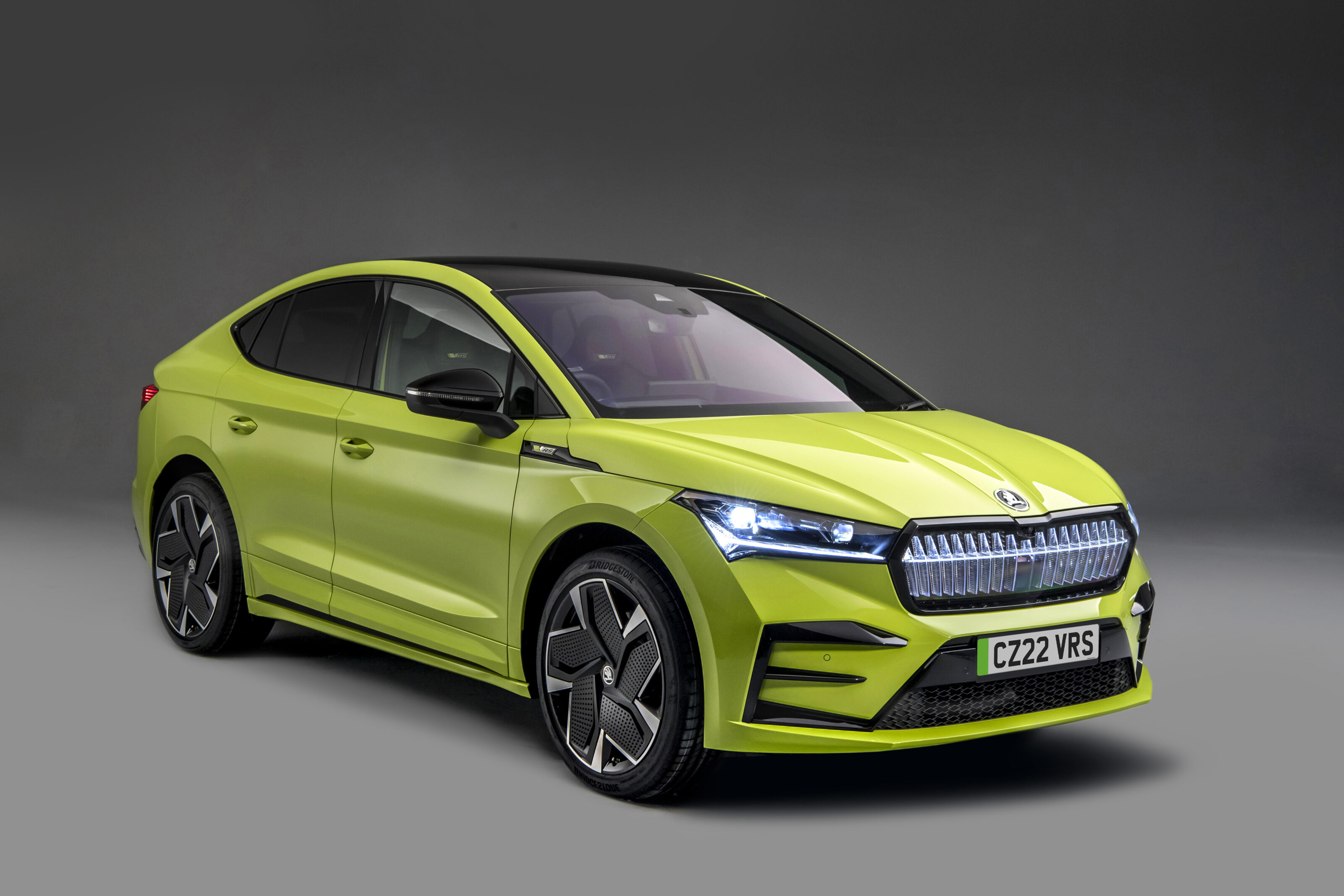
These include an all-wheel-drive performance RS model (above) at the top of the Coupe iV range, which utilises an 82kWh battery and dual motors producing 220kW and 460Nm.
The first fully-electric RS has a WLTP-rated driving range of almost 500 kilometres (497km) and Skoda quotes a 0-100km/h time of 6.5 seconds – a couple of tenths quicker than the company’s Octavia RS sedan.
A sports chassis lowers the RS compared with other Enyaq models – by 15 millimetres at the front and by 10mm at the rear.
4
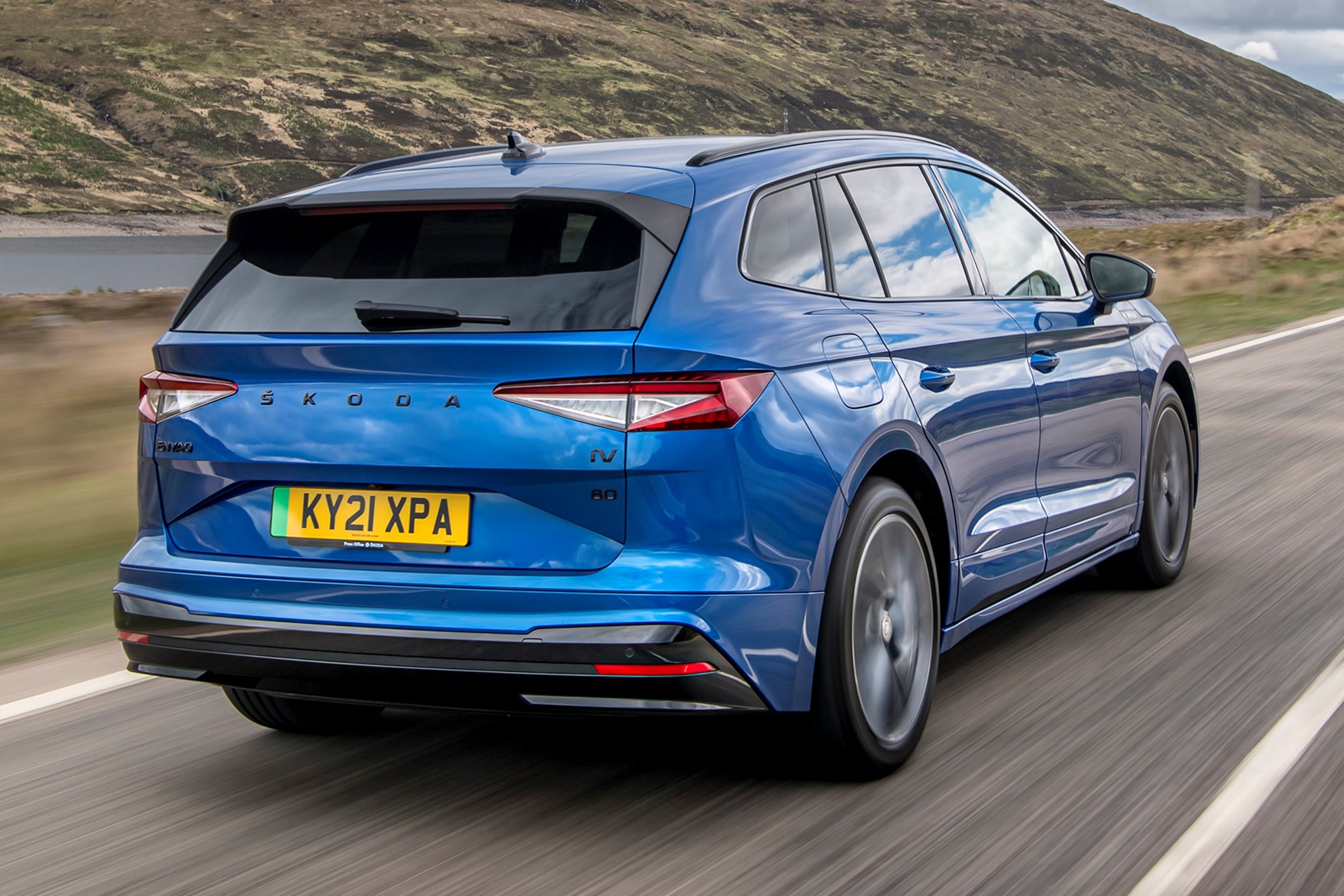
Regular, rear-wheel-drive versions of the Enyaq wagon (above) and four-door coupe are available in Europe in either ‘60’ or ‘80’ specification.
The Enyaq iV 60 produces 132kW and 310Nm and has a driving range of around 400km.
Stepping up to the 80 brings power and torque increases to 150kW and 425Nm, while increasing the driving range to a maximum 540km.
As with other Skoda models such as the Kodiaq, the Enyaq iV 80s are also offered in a Sportline trim, which brings sportier elements to the exterior and interior.
4
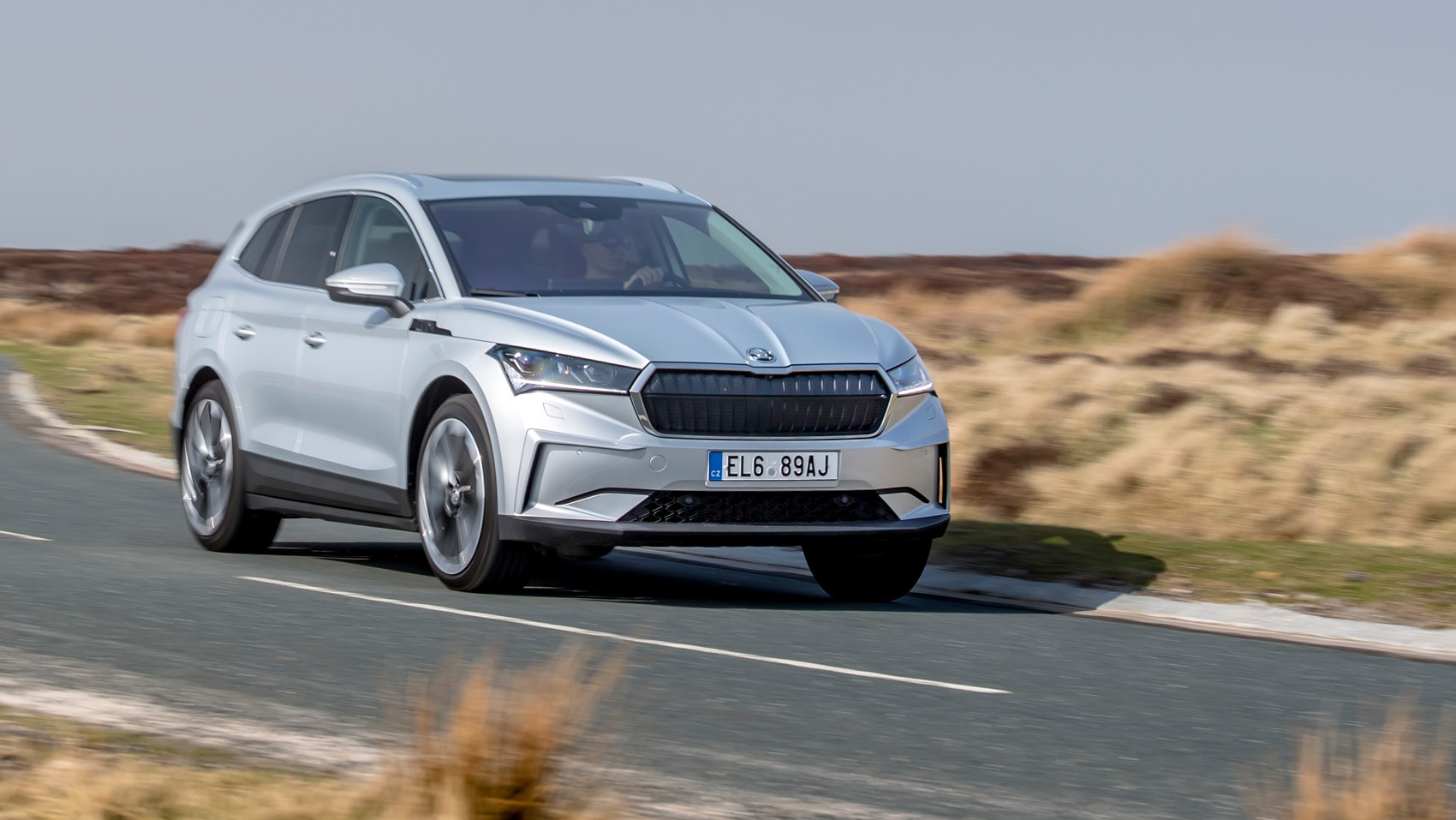
Both Enyaq models are five-seaters. Boot space is also similar, despite the Coupe’s dramatic sloping roofline. Skoda quotes 585 litres for the wagon – just 15 litres more than the Coupe.
They also deliver impressively slippery shapes. The Coupe’s co-efficient of drag is 0.234, with the wagon only 0.04 behind.
Skoda Australia is not currently planning to import any of the Czech brand’s plug-in hybrid models found in other markets – the Octavia iV and Superb iV.
MORE
Enyaq news & reviews
MORE
All Skoda
Isuzu Ute Australia has issued a recall for more than 15,000 vehicles due to a manufacturing defect.
Snapshot
- 2020-2022 Isuzu D-Max and MU-X recalled
- More than 15,000 vehicles affected
- Mazda BT-50 unaffected by the recall
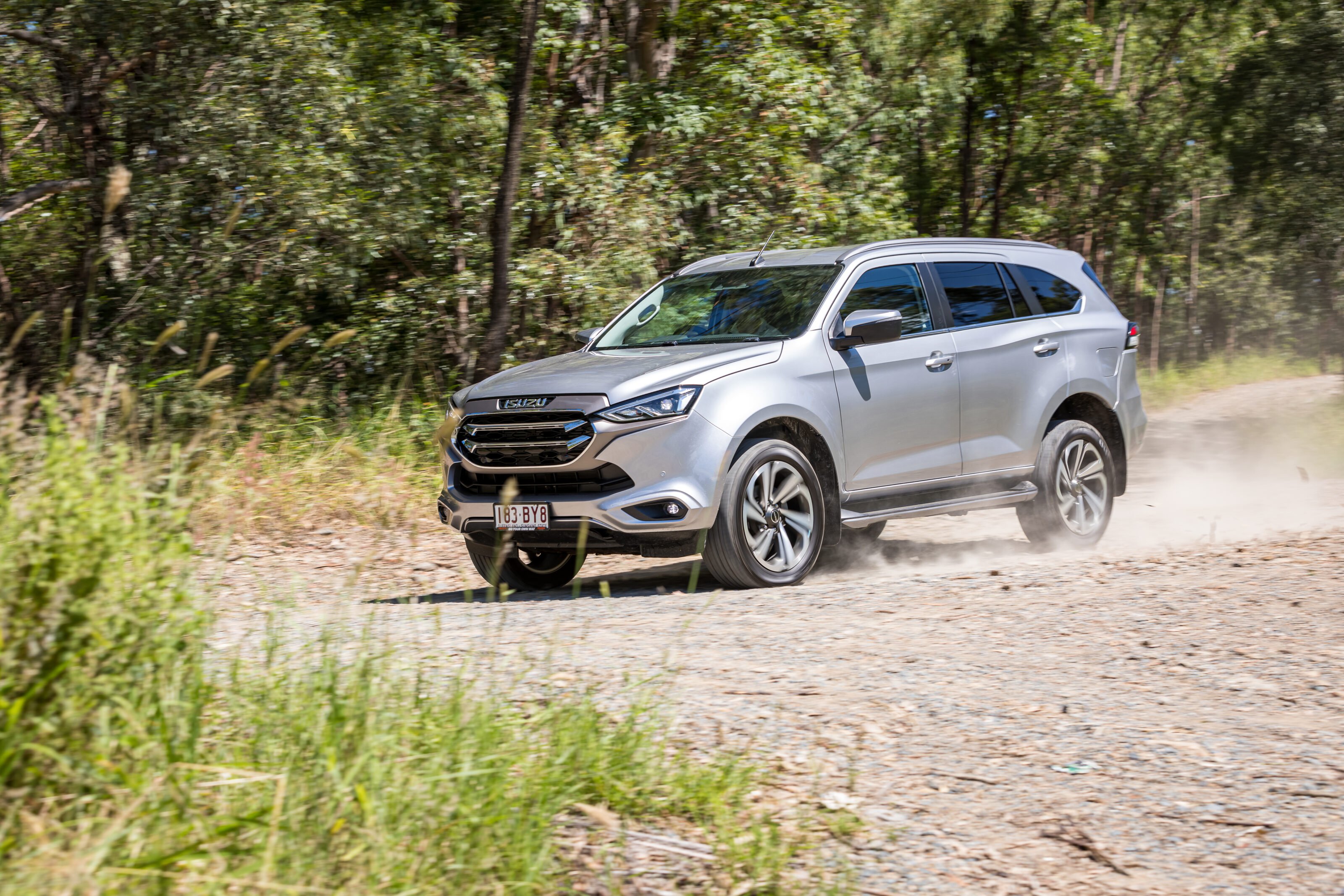
The issue, affecting 15,542 D-Max and MU-X vehicles built between 2020 and 2022, relates to the lower steering shaft attaching bolt, which could have a “torque value lower than the required specification”.
According to the recall notice published by the Department of Infrastructure, this could cause “the lower steering shaft attaching bolt [to] lose tension” and dislodge over time.
“If the steering shaft bolt dislodges whilst operating the vehicle, it will cause a loss of steering. This may increase the risk of an accident causing serious injury or death to the driver, occupants and other road users.”
1
Mazda Australia has confirmed the heavily-related BT-50 ute is unaffected by the recall.
Isuzu Ute Australia said affected owners should contact their nearest dealership to arrange an inspection to ensure the lower steering shaft attaching bolt is at the correct torque specification, at no cost.
A VIN list for the affected vehicles can be found here.
The company can be contacted directly by calling 1300 147 898 or via email at [email protected], or by visiting a dealership, found here.
MORE
Everything Isuzu
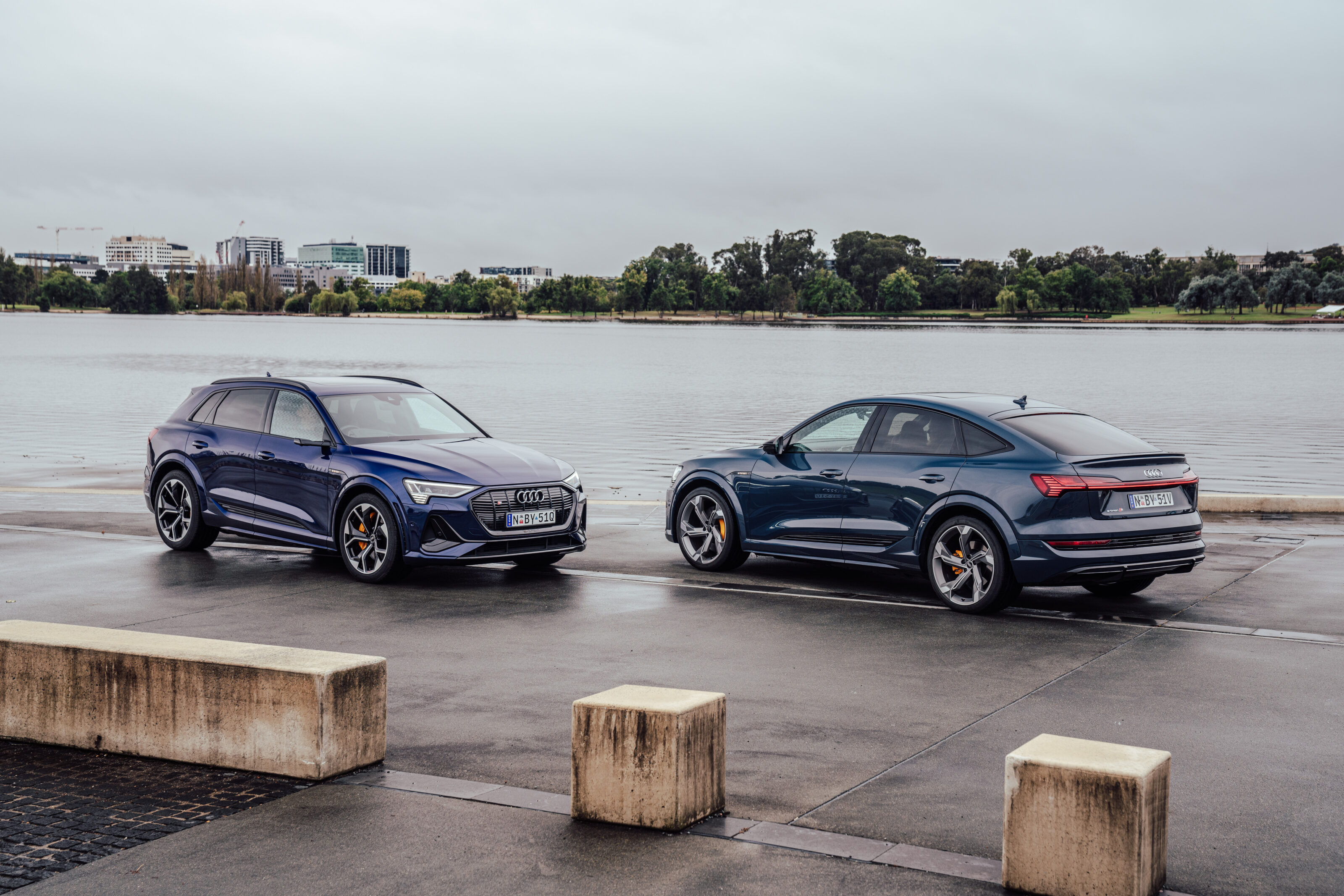
Audi and Origin Energy, one of Australia’s largest energy providers, have partnered to help drive electric vehicle ownership.
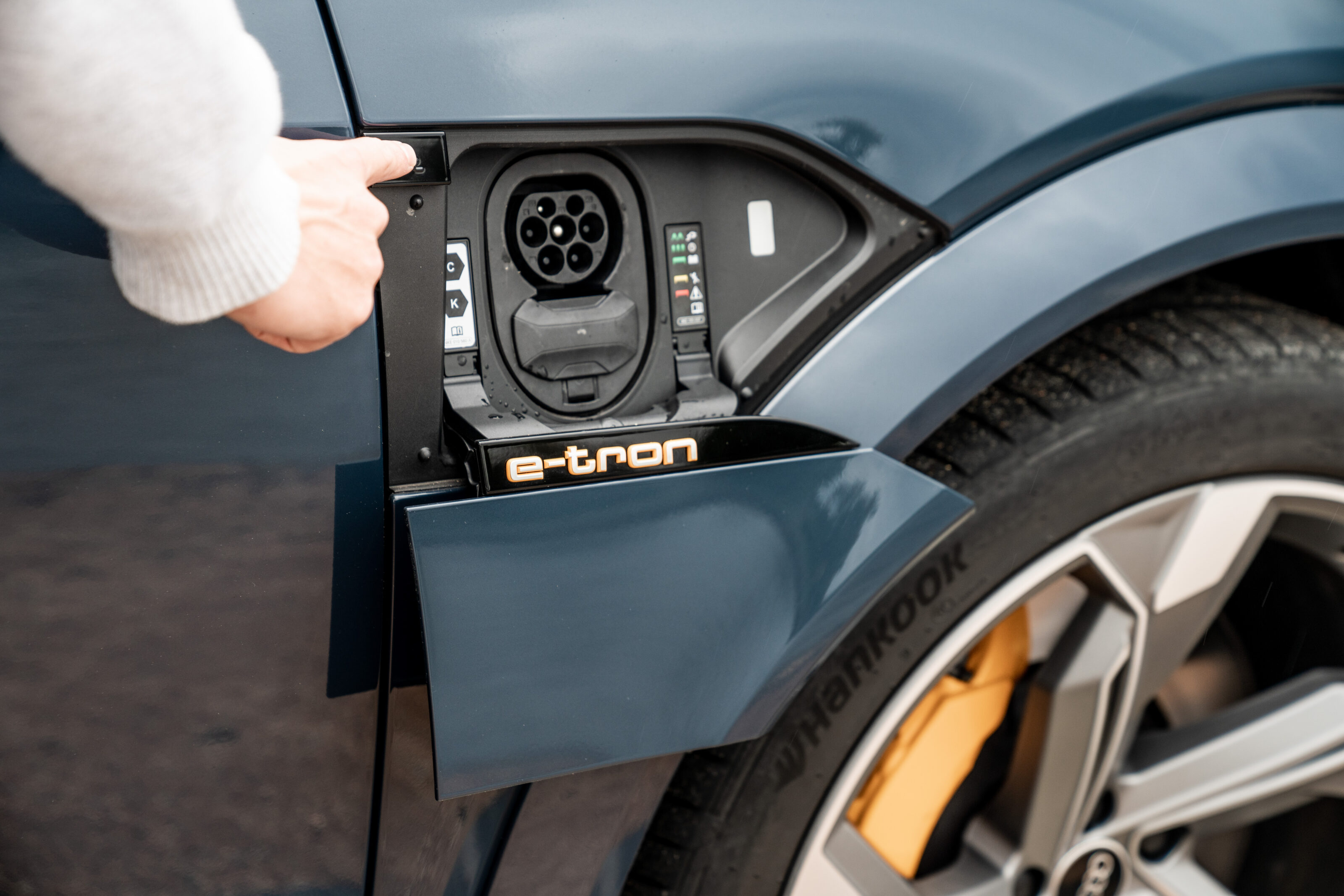
Under the new ‘EV energy plan’, both new and existing Audi E-Tron owners would be eligible for free charging of their vehicles between 10am and 3pm, reducing any concern about their cars contributing excessively to their power bills.
The same plan will offer off-peak energy rates between 1am and 6am to encourage E-Tron owners to charge when the energy demand is low, and wholesale prices are at the most economical.
1
“This unique new home-charging offer with Origin, in combination with the existing EV offers exclusively available for Audi E-Tron customers, presents a well-rounded and more sustainable ecosystem for both public and home charging,” said Audi Australia director, Jeff Mannering.
“This holistic approach sets the standard for supporting those driving electric vehicles – those leading the charge for more sustainably-focused lifestyles and mobility.”
The offer complements other incentives offered across Australia, including; subsidies, reductions on registrations and stamp duties, and the use of transit lanes.
These strategies have been largely developed by state and territory governments to drive EV adoption, which the Intergovernmental Panel on Climate Change (IPCC) cites as a key measure for climate change strategies.
1
“Origin is committed to helping get more EVs on the road and to do this we need to make it easier and more affordable for people to get into their first EV, and then support them at all points of their EV journey,” said Origin’s general manager for e-mobility, Chau Le.
Adoption of electric vehicles is set to increase amid global regulatory changes, but also as Australians become more interested in EVs for perceived lower maintenance and running costs.
However, the high cost of entry and lack of supporting infrastructure still causes some hesitancy, particularly in regional areas.
The plan will be available for new or existing Origin customers from next month for eligible Audi E-Tron customers in Victoria, New South Wales, South-East Queensland, ACT and South Australia.
Western Australia, Tasmania, the Northern Territory, and other parts of Queensland are excluded, at least initially.
MORE
Electric Cars
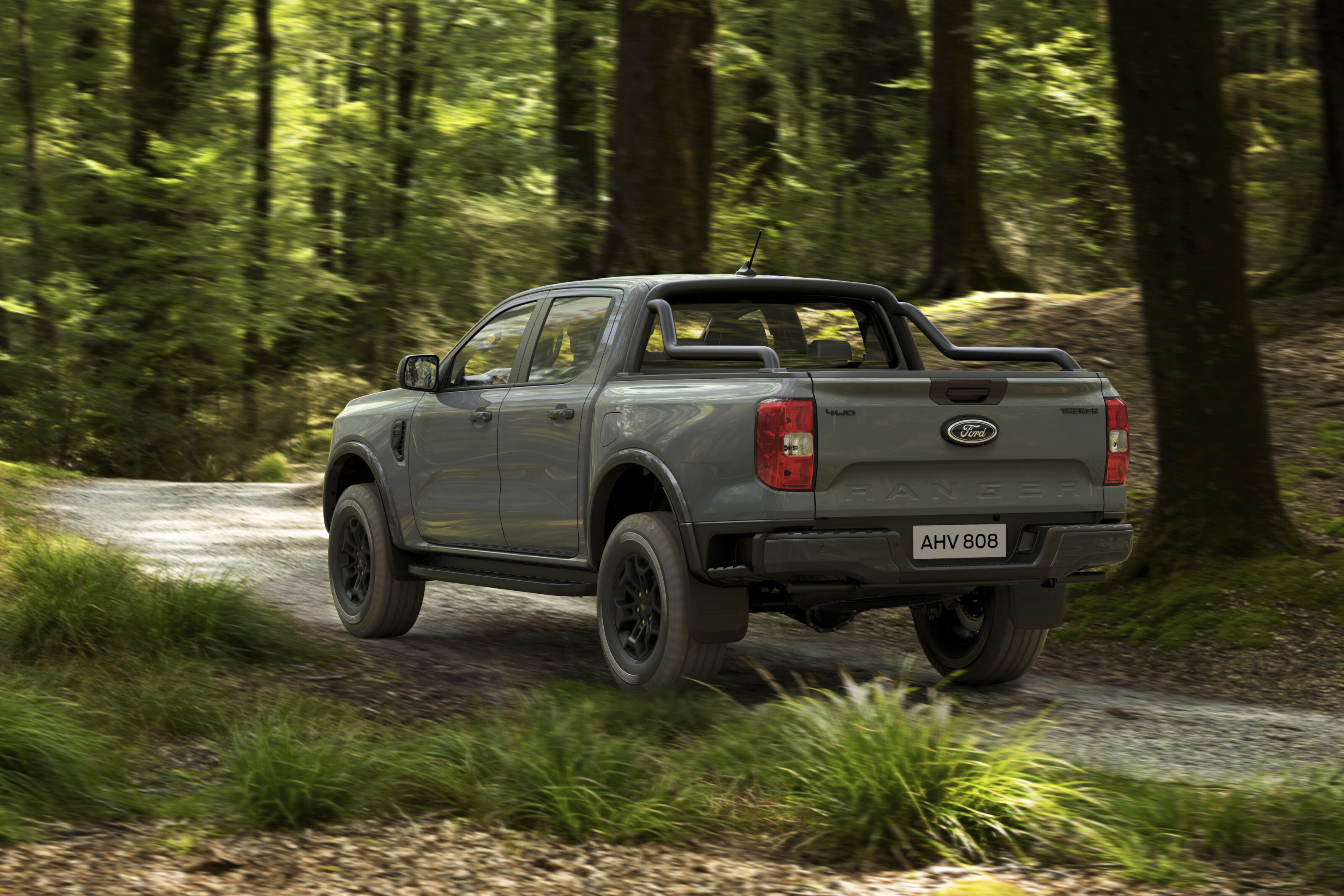
The global Ford Ranger line-up has expanded with a new Tremor variant for Europe.
Ford’s local arm said it had “no news to share around Ranger Tremor for Australia right now” – but the variant could preview a potential rival to the Nissan Navara SL Warrior off-roader.
It shares its underpinnings with the Wildtrak X flagship revealed for Australia last week, bringing new Bilstein-tuned dampers and a Raptor-lite wider track.
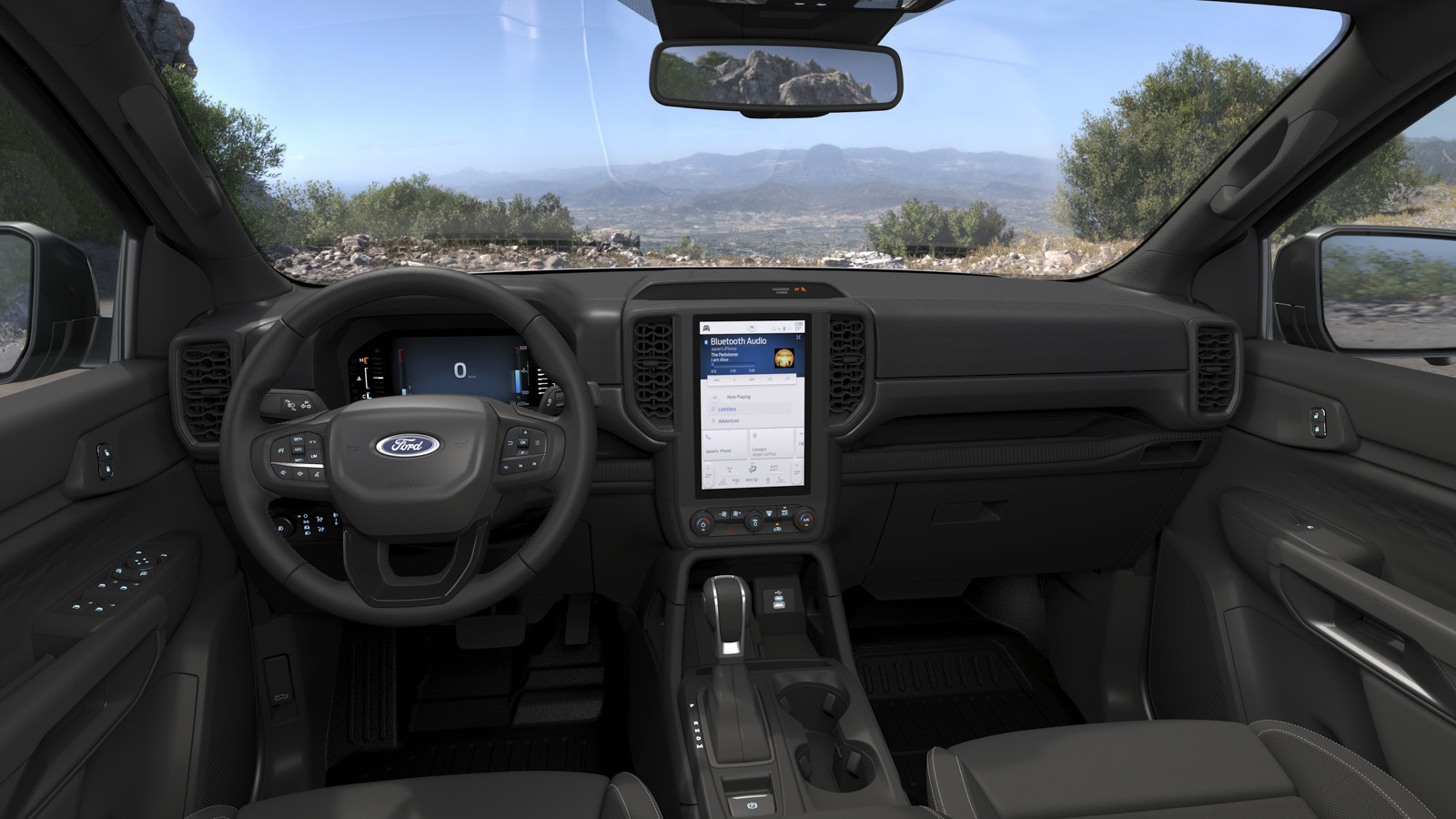
However, it is based on Europe’s XLT variant – similar in specification to our XLS – with halogen headlights, and “water-resistant” vinyl seats and flooring for a more-attainable price point.
For context, a stock bi-turbo Ranger XLS 4×4 dual-cab is listed at $54,730 before on-road costs, while the Navara SL Warrior is priced at $60,500 plus on-roads for the automatic – opening the door for an off-road-focused variant at around $60,000 in Australia.
1
As with the Wildtrak X, the Tremor is exclusively powered by the 150kW/500Nm 2.0-litre four-cylinder bi-turbo diesel engine, matched to a 10-speed torque converter automatic transmission and a full-time four-wheel-drive system.
This engine will meet the stricter Euro 6 light-duty truck emissions standard, requiring AdBlue diesel exhaust fluid – as seen in all Euro-market Rangers, and the related Everest and Volkswagen Amarok.
The addition of a Raptor-like wider frame sees the front and rear track width increased by 30 millimetres – adding to the range-wide 50mm increase compared to the previous-generation Ranger – while ground clearance is up 26mm over the XLS 4×4, to 258mm.
1
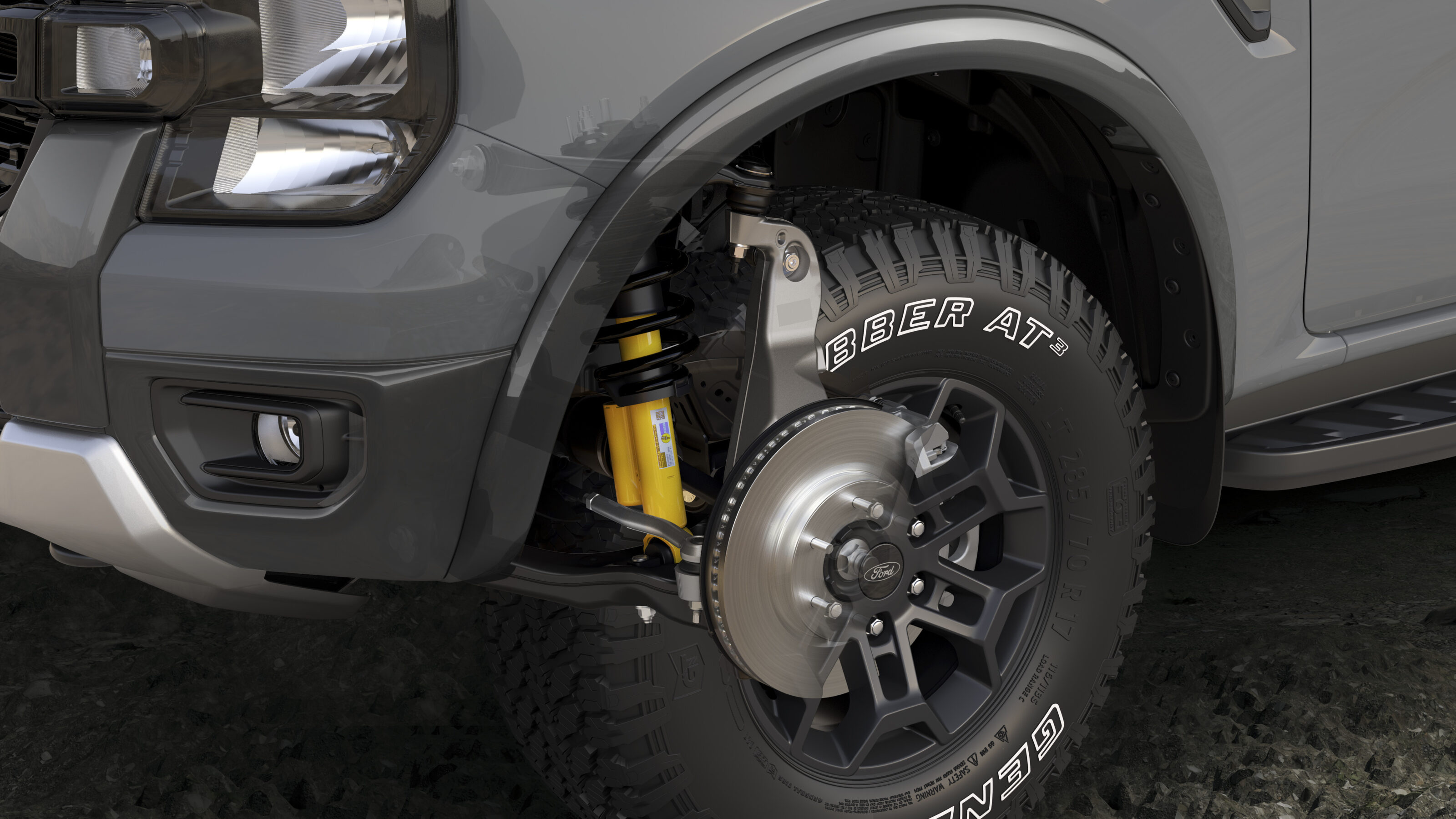
Under the skin, Ford has fitted wheel and suspension improvements, highlighted by Bilstein-sourced ‘position-sensitive’ dampers, as found in the Wildtrak X.
This updated system allows the dampers to automatically adjust to the terrain, with ‘end stop control valve’ technology for greater off-road performance, while also improving on-road dynamics.
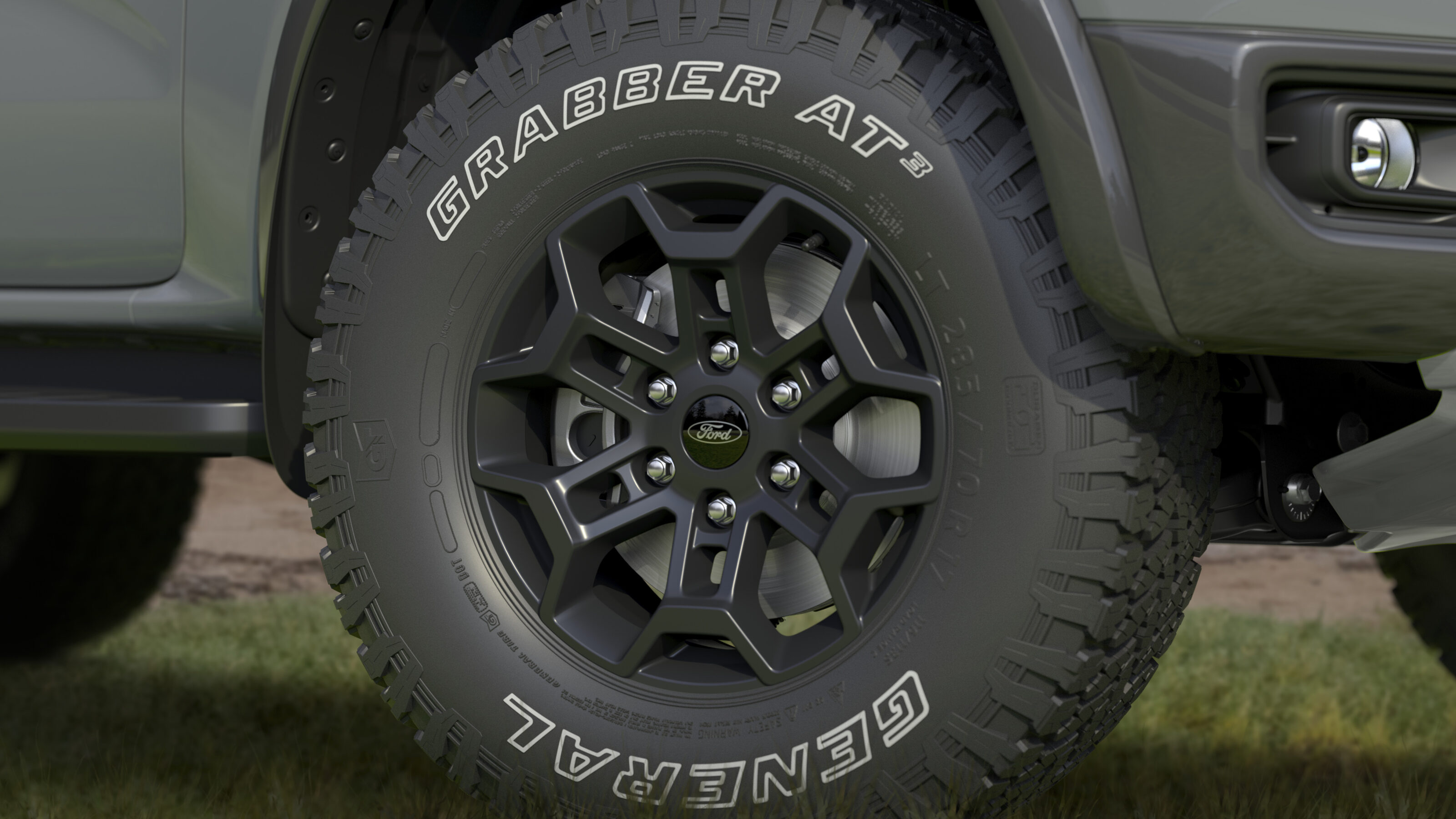
Other new additions include; 17-inch black alloy wheels, chunkier 265/70 R17 General Grabber AT3 all-terrain tyres, and Trail Turn Assist – a Ford Bronco-derived feature – to reduce the vehicle’s turning radius by up to 25 per cent on narrow tracks by applying the brake to the inside rear wheel.
1
It can be engaged under 19km/h when the vehicle is engaged in either 4H or 4L, with the rear differential unlocked.
In addition, the Tremor will feature the flagship Raptor’s Trail Control off-road cruise function to maintain a constant set speed below 32km/h while off-roading, and a rock crawl drive mode tuned for “uneven, rocky terrain in a controlled manner at low speed.”
External revisions include; cast aluminium side steps, exposed front tow hooks, boulder grey exterior accents, and a darkened grille.
1
Ford’s new flexible rack system will be optional, with a standard-fit black sports bar. The overhead auxiliary switch bank is also available on the options list.
The 2023 Ford Ranger Tremor will become available for pre-order in Europe this month, with first deliveries to commence in August.
“Ranger Tremor is an exciting new addition to the global Ranger line-up, as announced by Ford of Europe overnight. We have no news to share around Ranger Tremor for Australia right now,” said Ford Australia.
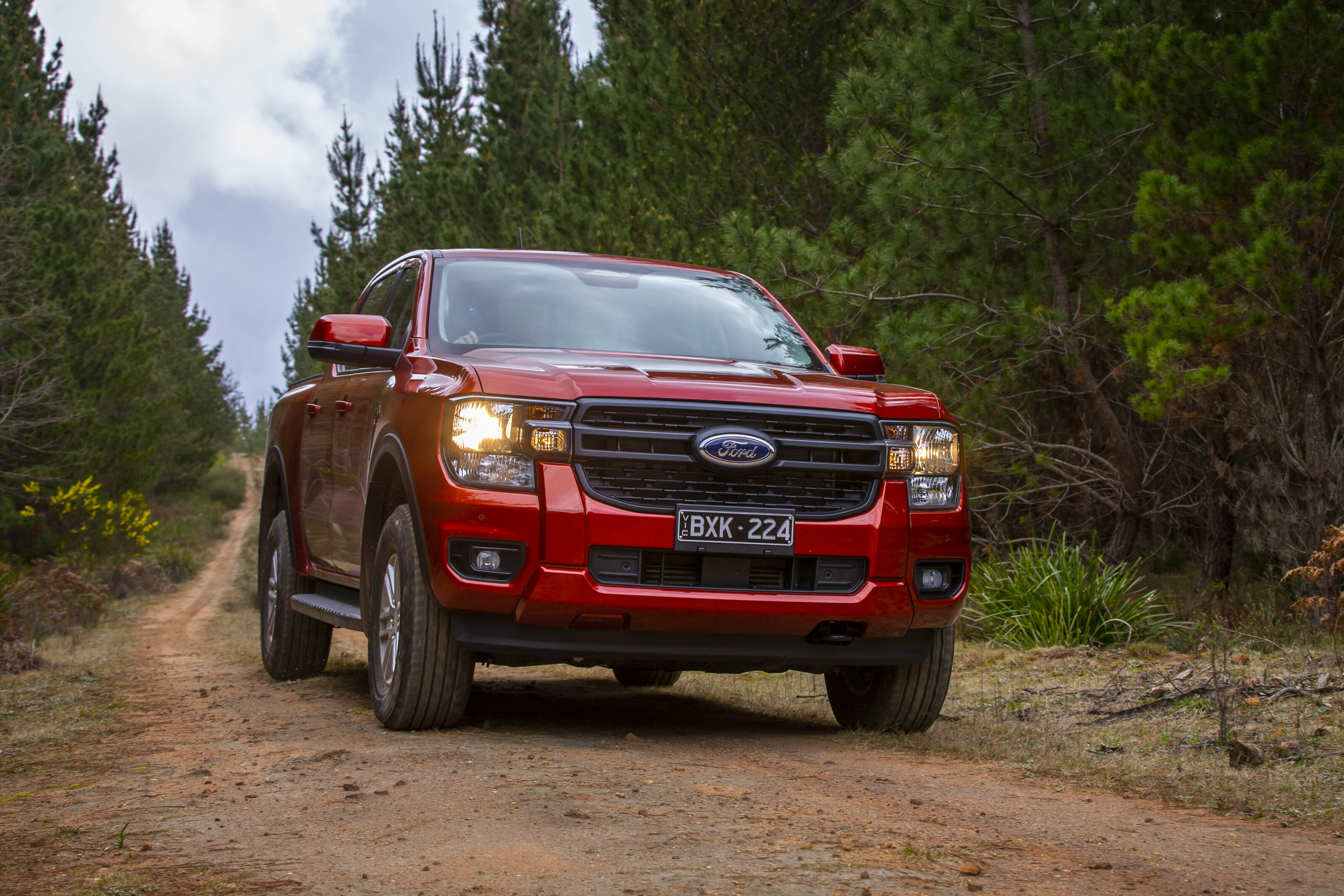
Below: The 2023 Ford Ranger XLS, in dual-cab 4×4 guise
1
MORE
Everything Ford
