Snapshot
- New heated seatbelt designed for EVs
- Can improve driving range by up to 50 per cent
- Same thickness and safety as conventional seatbelts
German automotive parts supplier ZF Friedrichshafen has developed a new heated seatbelt to extend electric vehicle driving range.
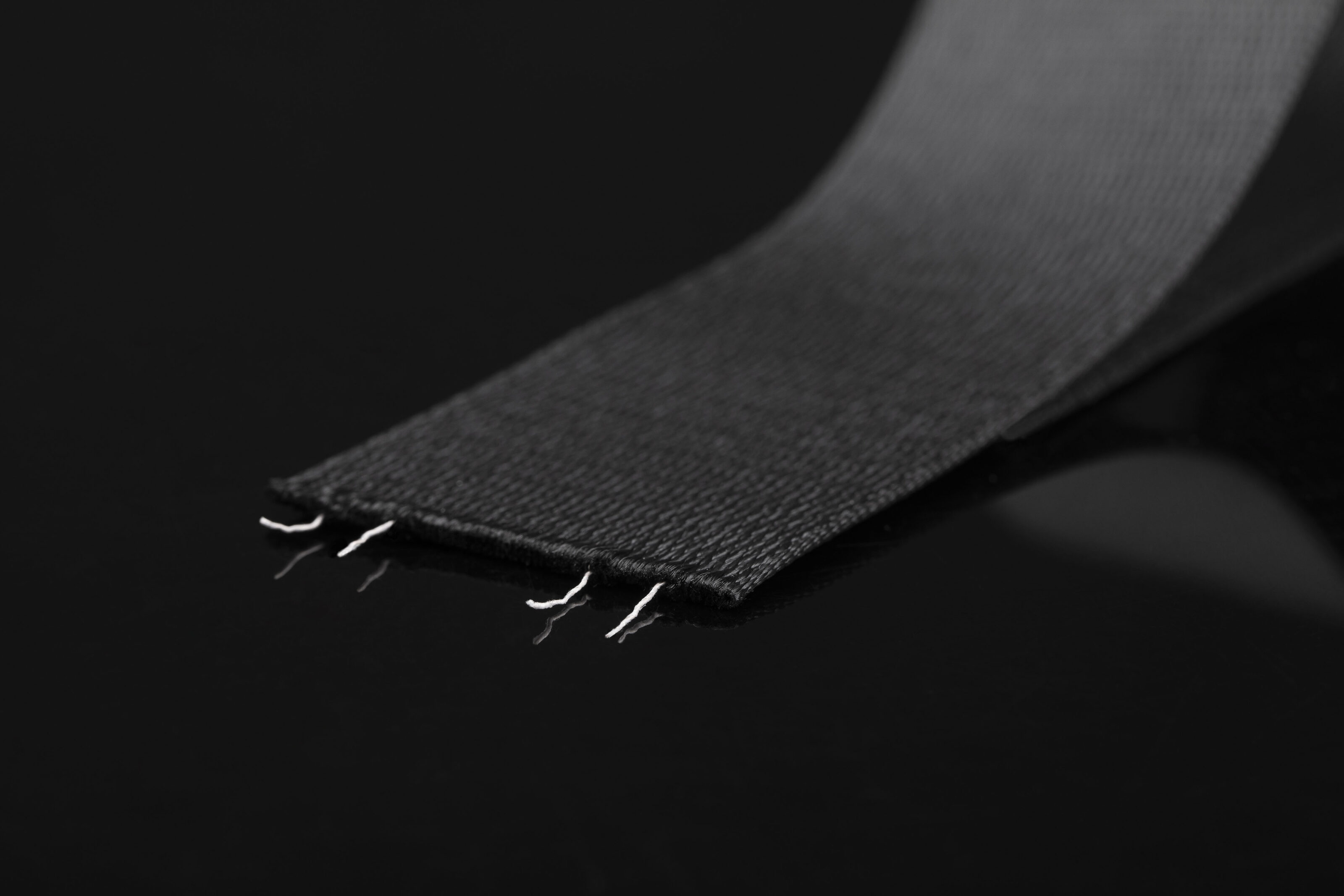
It incorporates a unique textile processing method by weaving electrical heating conductors into the seatbelt structure, with no compromising necessary on occupant protection or need to increase its thickness.
ZF claims it can increase EV driving range by up to 15 per cent in combination with heated seats and reducing climate control use.
The seatbelt quickly heats up between 36 to 40-degrees celsius with a uniform feeling and is most useful in extreme colder climates such as Europe, where temperatures of up to -50 degrees celsius have been recorded in some regions.
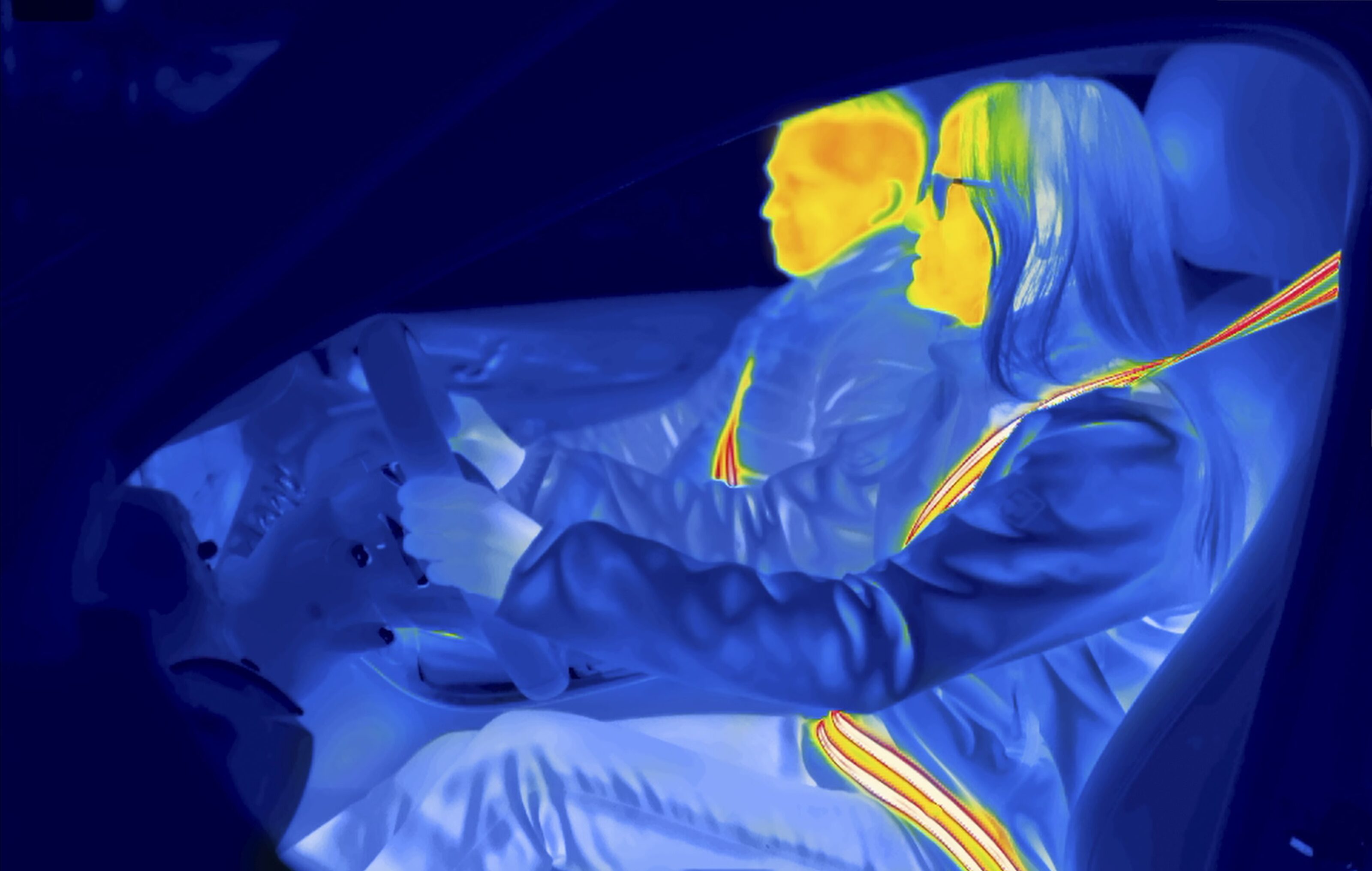
This means, occupants are more likely to take off their thick winter jackets while inside the car, allowing the seatbelt restraint to be closer against the body to ensure optimum crash protection.
There are no added procedures or qualifications needed from car brands to fit the heated seatbelts at mass scale, but there are likely to be slight installation differences.
The company hasn’t detailed when it’ll be available.
ZF has been best known to supply its eight-speed torque converter automatic transmission to models such as the latest BMW M3 and M4 high performance sedans, Rolls-Royce Ghost limousine and GWM Tank 300 off-road SUV.
The German manufacturer is responsible for the electric drive unit – including the motors, transmission, electronics and control software – for the Mercedes-Benz EQC mid-sized SUV and introduced an improved version late last year.
It also develops airbags, safety assistance systems and autonomous driving tech.
As a migrant to Australia, everyone has a unique back-story that led to them arriving on our shores – and Shaun Westcott is no different.
Though his reasons for seeking a better life Down Under have less to do with visions of beautiful golden beaches and more to do with seeking safety for his family.
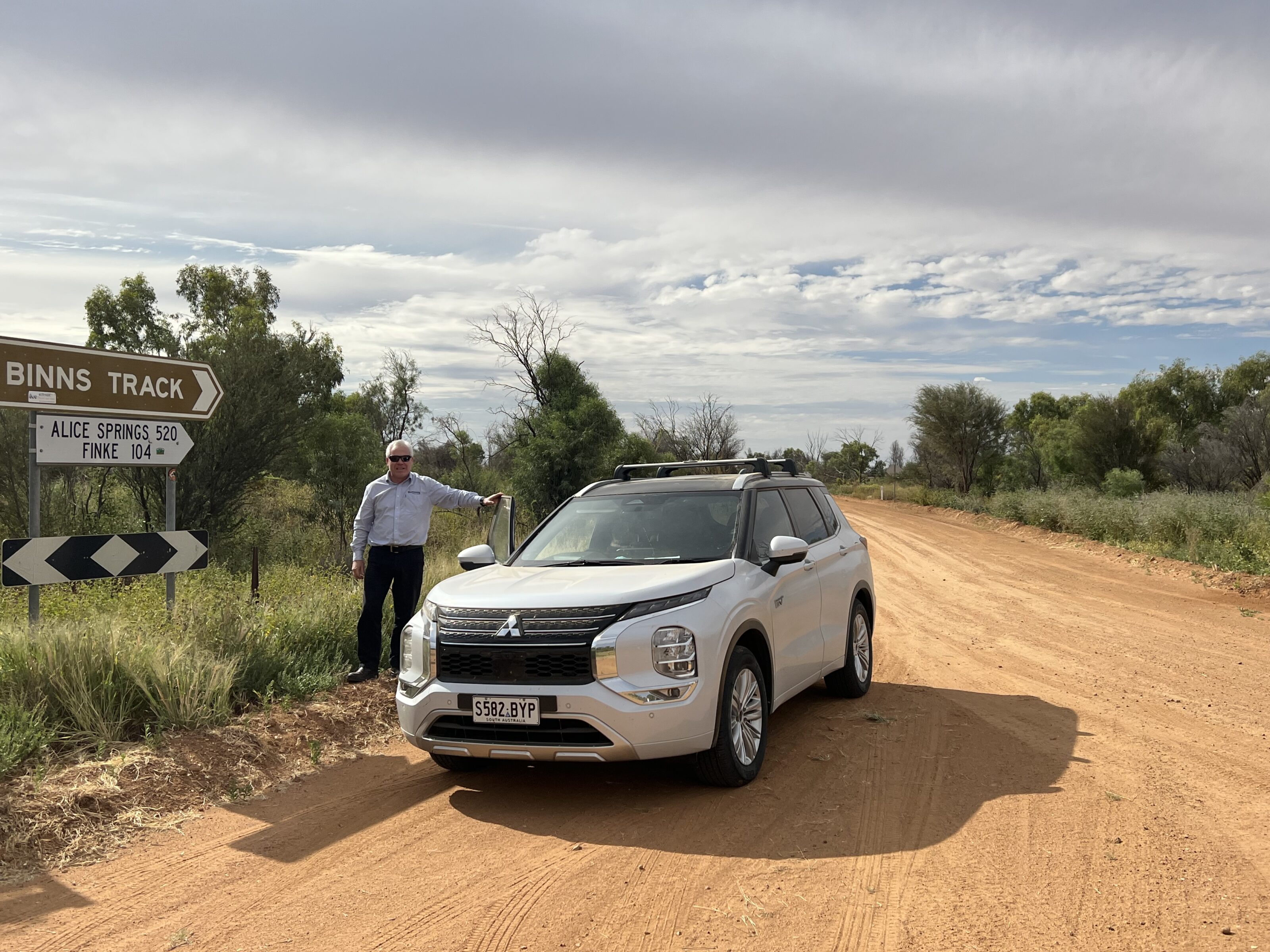
High levels of crime in his home country of South Africa, and one particularly horrific shooting incident in a shopping centre, led Westcott to Adelaide – where he now heads up Mitsubishi Australia as CEO.
“I’m not sure how many Australians know too much about South Africa, but it has a serious crime problem. And we had some fairly traumatic experiences,” he tells Wheels.
“One day I was in a store, not unlike a Big W, with my family and these guys came in with automatic rifles and opened fire. So I phoned the police and these guys saw I was doing that and they started shooting at me. So I slid my phone across the floor and rolled under a shelf in the centre of the aisle to try and stop the bullets from hitting me. Then my daughters and I ran into the clothing section and we were just ripping clothes off the racks to protect ourselves because bullets were flying everywhere.
“So we’ve had some very traumatic experiences, which unfortunately a lot of South Africans have suffered, that made us realise that we need to go to a safer country. The reality is, I actually earn a lot less money in Australia than I did in South Africa. But I came here for the quality of life.”
Prior to his move in 2017, Westcott worked in a variety of fields, including the forestry and mining industries, at Coca-Cola, and in HR during the Apartheid revolution.
“I came here for the quality of life”
“I was in industrial relations at that time and in the mining industry, if people broke a strike and they went to work they were murdered, they had the heads chopped off. So it was a very violent time in our history, and I was at the forefront of that,” he tells us.
“But I did particularly well, got recognised, got put on a fast track management development program, and got the opportunity to get into management at a very young age, moving up the ranks fairly rapidly. I studied marketing along the way and then went into general management.”
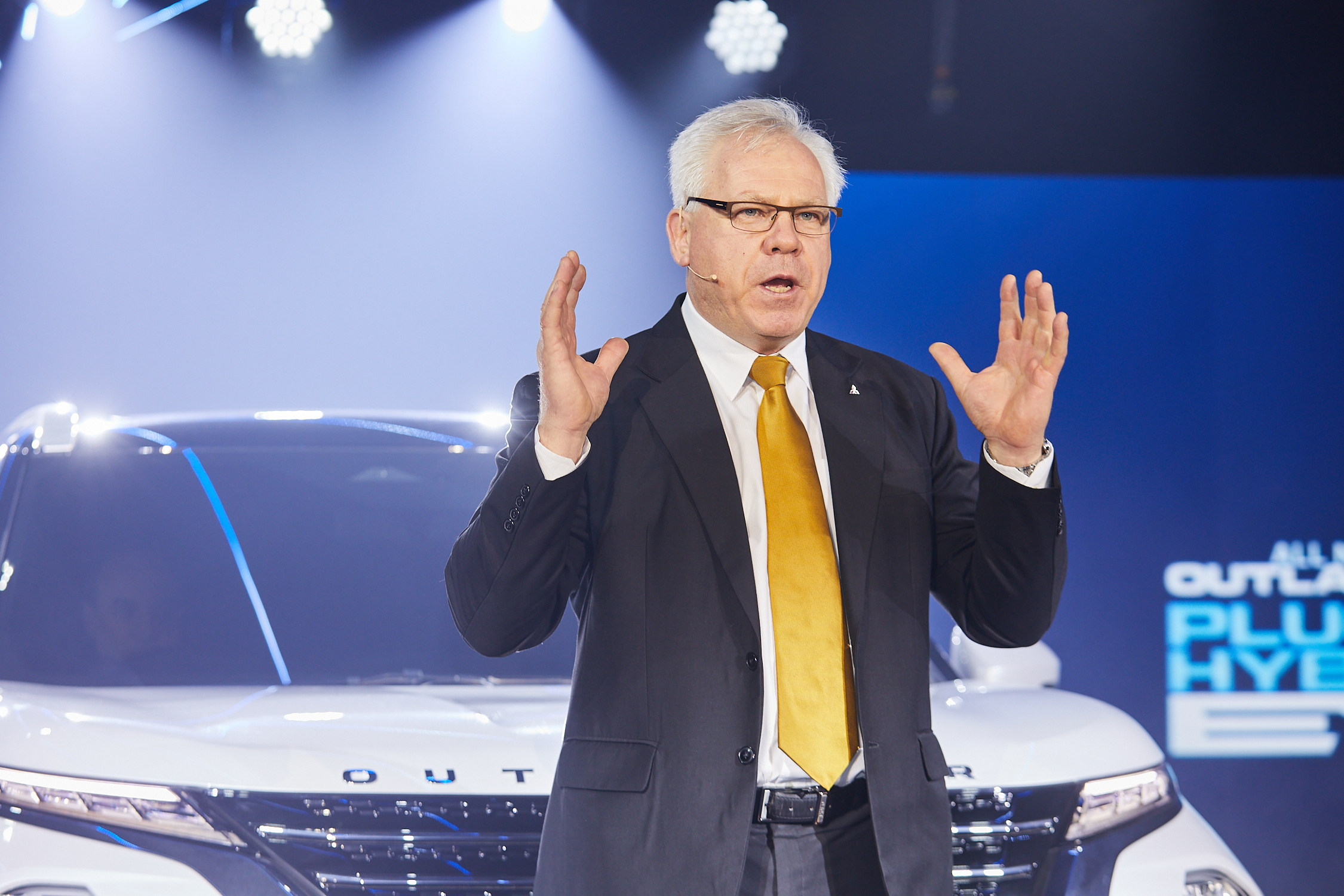
After first taking a role leading an automation and robotics company when arriving in Adelaide, the self-described adventurer was drawn to the Japanese carmaker – the last carmaker based in South Australia – through his love of four-wheel driving and travel.
“It’s what I’ve grown up doing my whole life is having fun, camping, outdoors, four-wheel driving activities, extreme adventure. Everything from skydiving to scuba-diving, to rally driving to whatever you can think of. I’ve probably done it,” he says.
“I think I have the record in Mitsubishi for the fastest promotion to CEO”
Initially Westcott joined as Mitsubishi’s Director of Aftersales in 2019, and got to work quickly – taking the department’s global rankings from eighth to first in the world within six months.
“The philosophy when I joined Mitsubishi was that accessories were something that you sell after you’ve sold the car. What I did is turn that on its head and said you can use accessories to define the car. And we actually used accessories to define the GSR. I think I have the record in Mitsubishi for the fastest promotion to CEO as I was in the role eight and a half months before I took over.”
By now those who are good at maths or a dab hand with a calculator will have realised this puts Westcott’s promotion squarely in March/April of 2020, and we all know too well what happened next…
“I had already been interviewed and I was to take responsibility on April 1 and of course on March 20 then Prime Minister Scott Morrison shut the country down,” he remembers.

“Luckily, taking over right as COVID-19 struck, I had two things to fall back on. One is my spirit of adventure and I love a challenge no matter what it is. I’m a bit of an adrenaline junkie. And then second was that because I’d worked in different countries, even with Coca-Cola, I had come out of an environment where economies were not as stable as when I arrived in Australia.
“I mean, to me, it was remarkable. I think we’d had about 18 years of straight economic growth, no recession. Where I come from we have recessions and depressions and all kinds of things on an ongoing basis, so in a way, my background had equipped me with, I guess, the skills, knowledge, and experience that a lot of Australian CEOs probably didn’t have.
“My philosophy is that when life gives you lemons, turn them into lemonade. Sure, we had to do some consolidation, and we went through a belt-tightening exercise, but we have actually grown very significantly throughout the COVID-19 time period. Australia was never an important market for Mitsubishi – yet over the last three years we have become the most important market in the world.”
“…in a way, my background had equipped me with, I guess, the skills, knowledge, and experience that a lot of Australian CEOs probably didn’t have”
According to the top boss, whose passion is clear from the more animated he gets as he talks about the things his firm has achieved in the COVID years, Mitsubishi Australia is now the most successful Mitsubishi distributor in the entire world across multitudes of metrics and has one of the biggest market shares – growing from fifth position in the local sales charts at the time he took over to consistently third in 2022.
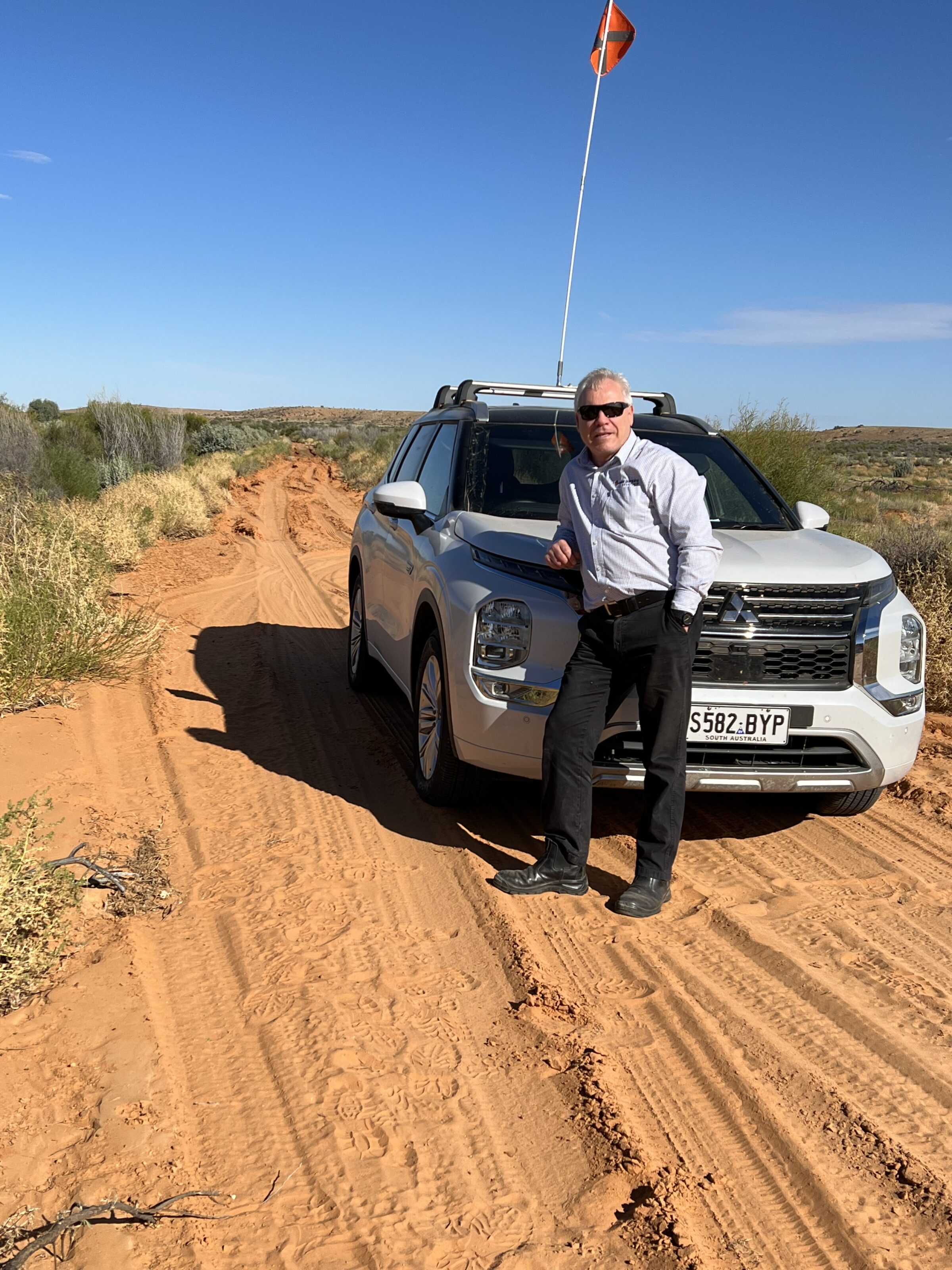
“We have grown the brand, we have repositioned the brand in Australia,” he says. “We have moved away from being a so-called value for money brand – which is just shorthand for cheap. I think that’s an insult to our Japanese heritage, to our craftmanship, to the durability of our vehicles.
“I mean, there are so many old Mitsubishis running around here. You can drive around the streets of Adelaide, you’ll see Magnas that were made probably when I was a kid still going. We made durable good quality cars. We shouldn’t be ashamed of that. We are not. We’ve demonstrated with the new Outlander that we are gaining more premium, but we are not doing that at the loss of our core market. We understand who our core market is – and that’s middle income Australia. What we are doing is extending our range upwards.”
Nameplates like the Pajero, Lancer and the Australian-built Magna established a reputation for solid dependability for Mitsubishi, but nowadays the lineup is in need of a refresh with its ASX, Pajero Sport and Triton having all been on sale for several years – with only the revitalised Outlander SUV and Eclipse Cross (both of which offer plug-in hybrid variants) demonstrating the steps Mitsubishi has taken to revitalise what has long been perceived as an aged portfolio.
In recent months the carmaker has revealed plans to launch 35 electric vehicles by 2030 across five new platforms, but going fully-electric – or even bringing such cars to market anytime soon – is not something it is committed to for one very clear reason climate change enthusiast Westcott is known for being outspoken about.
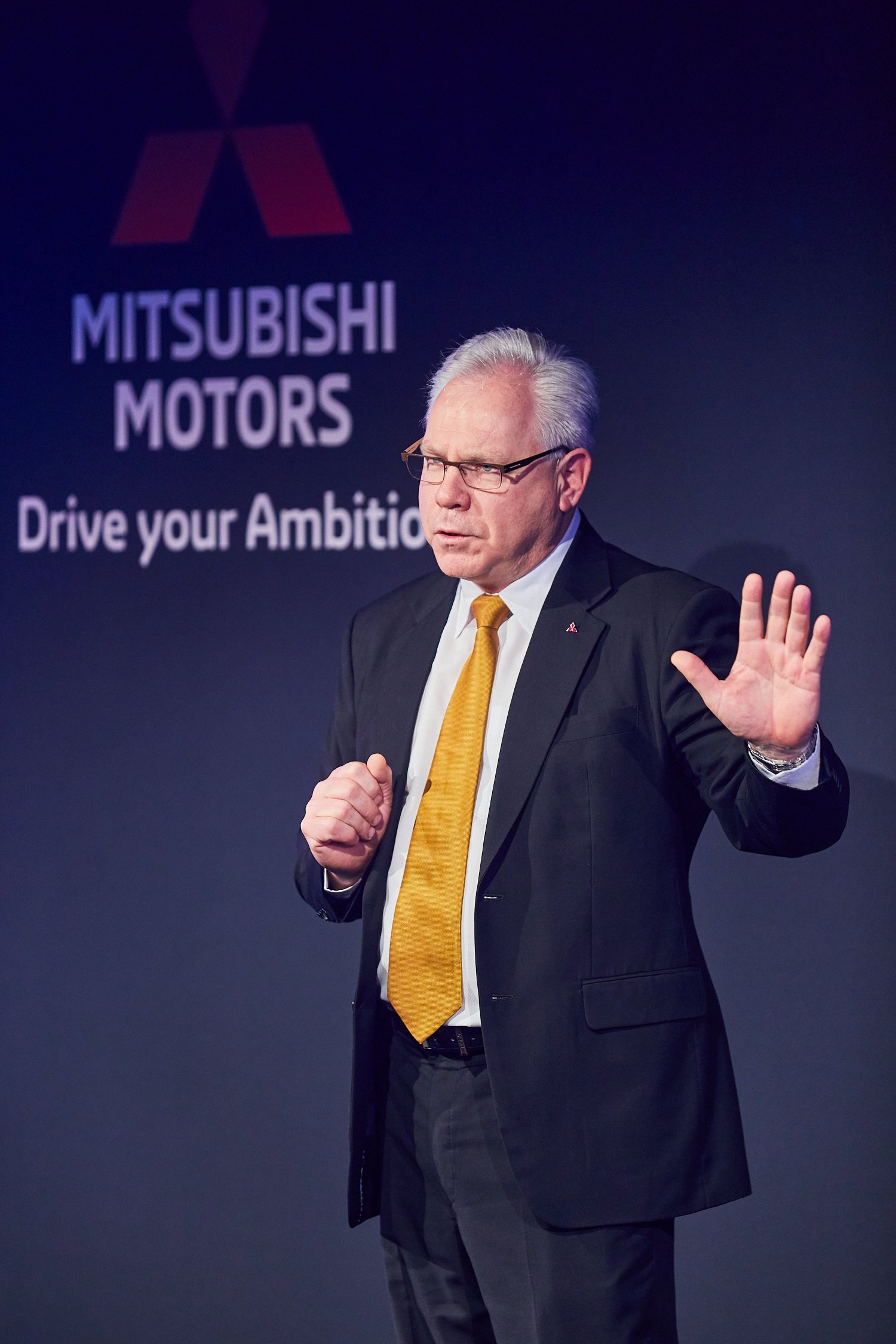
“Yes, 35 EV platforms by 30 that is still the plan. But what we’ve had to do is take a step back and look at the, I’m gonna call it the harsh reality, of where we are at in Australia. We are not Norway, we’re not Germany – we are Australia,” he says.
“We have a very large land mass with a very small taxpayer base, and that taxpayer base is expected not only to maintain our roads, but to build a significant new infrastructure – which is only one dimension that a lot of people focus on. What they forget is that you’ve gotta look at this holistically. It doesn’t help us right now to build an EV charging infrastructure across somewhere like the Nullarbor, this is massive country of a lot of nothing. The electricity poles out there aren’t even electricity poles.
“And we’re talking about a charger here and there every couple of hundred kilometres, which costs a few hundred thousand dollars, but where is the energy going to come from to power those things? So what we should be talking about first is an energy infrastructure. Then we need to take a step even further back and go, okay, so where’s our power coming from? And when I say we are not Europe, our energy currently is 75 per cent coal-powered.
“We are not Norway, we’re not Germany – we are Australia”
“We could put up massive arrays of solar panels. We can do lots of things to create renewable energy – but we haven’t done them yet. We need to do that so we don’t shift the emissions from the tailpipe to the Hunter Valley or wherever the power is being generated.
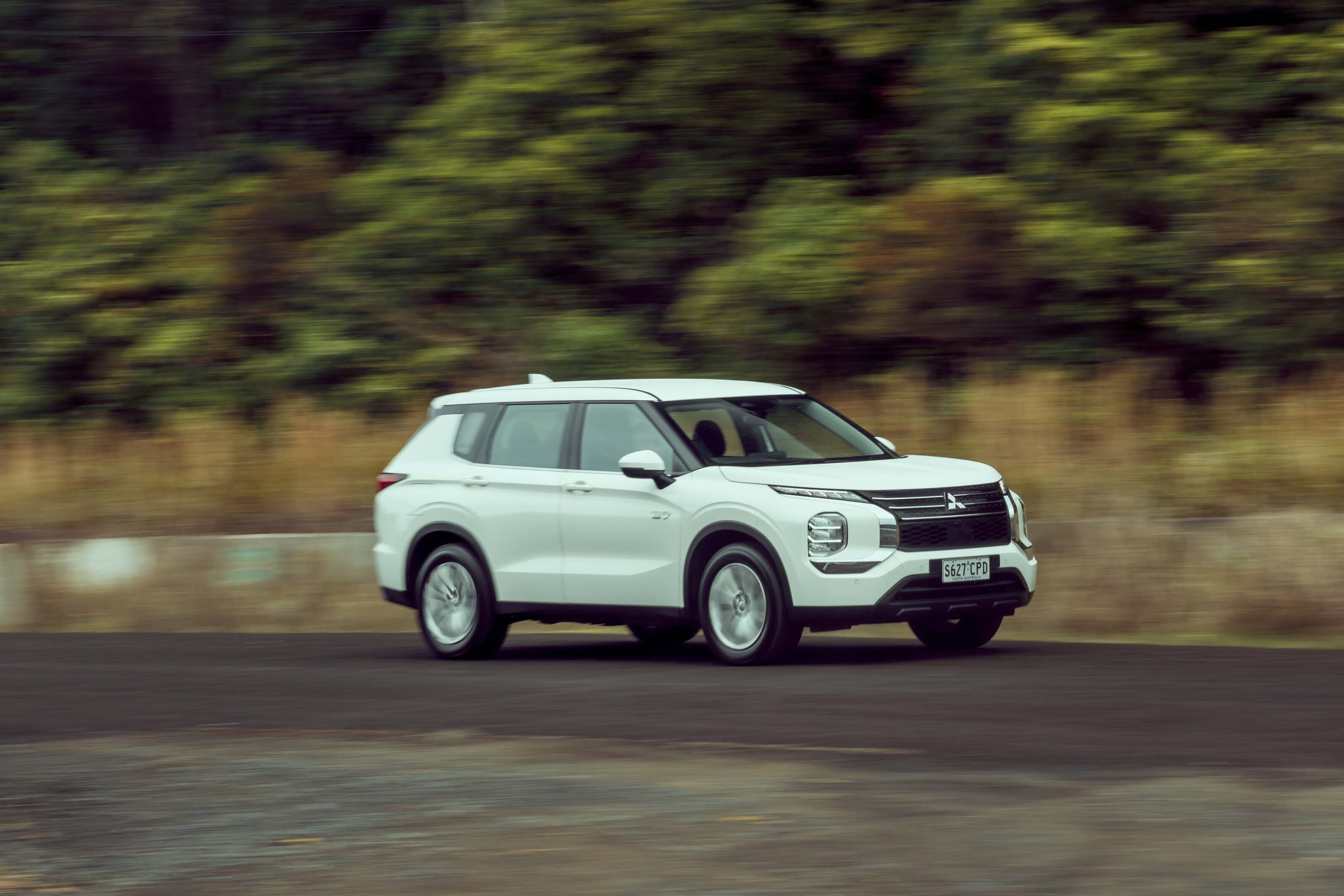
“Lots of people talk about Mitsubishi and the fact that we only have PHEVs and not full EVs, there’s always this insinuation that somehow we don’t know how to do an EV. Well, we bought the world’s first mass-produced electric vehicle – the i-MiEV – in 2008. We’ve been doing it since long before anybody else did it. If you lived in Japan today, your post would be delivered by a Mitsubishi electric vehicle.
“The reason that we have PHEVs in Australia is not because we don’t know how to do EVs, so let me blow that method up. The reason we don’t do EVs in this country is that we don’t think Australia has the necessary infrastructure for a mass rollout yet. As an interim solution, until we get all these other things fixed, is to bring PHEVs to Australia. And we are doing that because we believe it’s the right thing to do.”
Swedish-Swiss electrical and automation manufacturer ABB has revealed a sleek-looking home electric vehicle AC charger at the 2023 Consumer Electronics Show (CES).
Snapshot
- ABBu2019s new AC home charger has a Mac Mini-esque vibe.
- Swappable material covers and LED light strip
- Home EV chargers poised to dominate the market
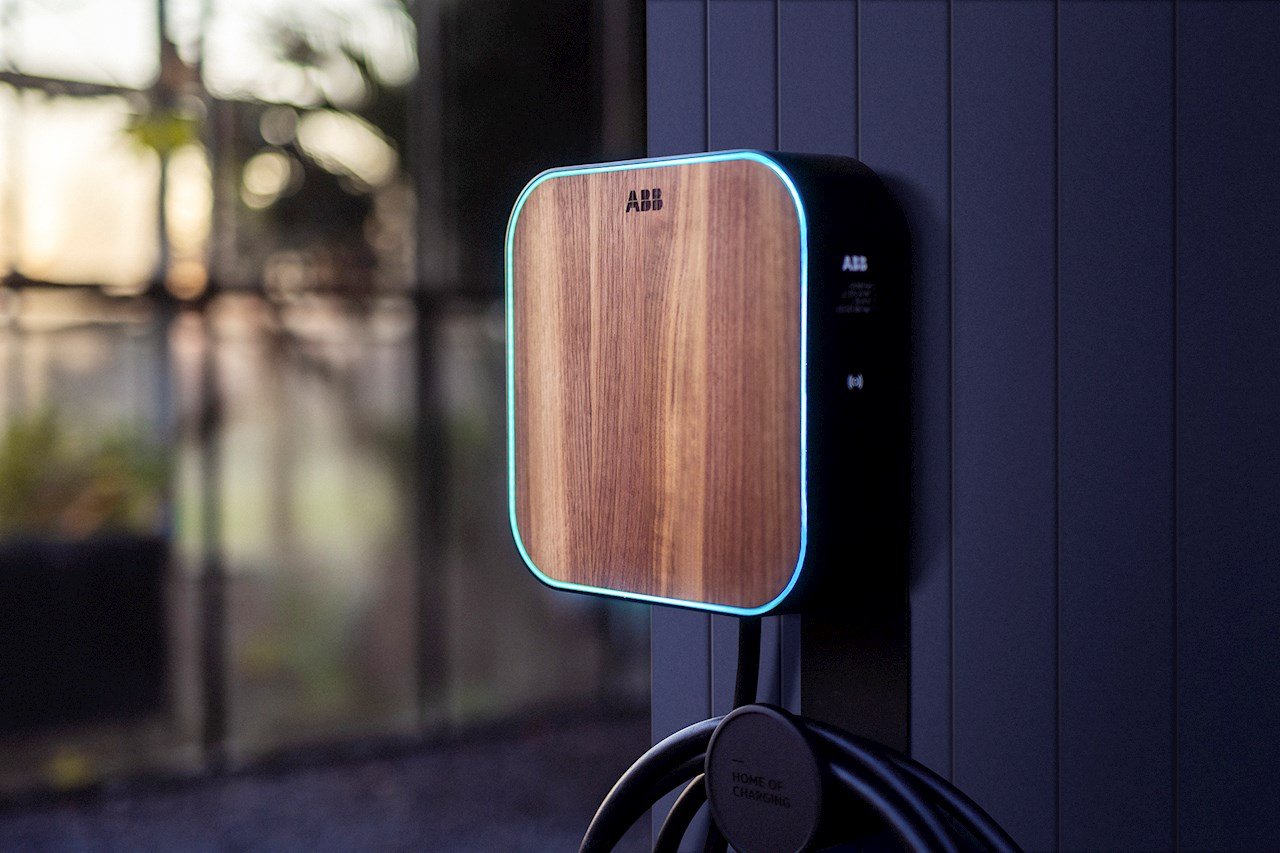
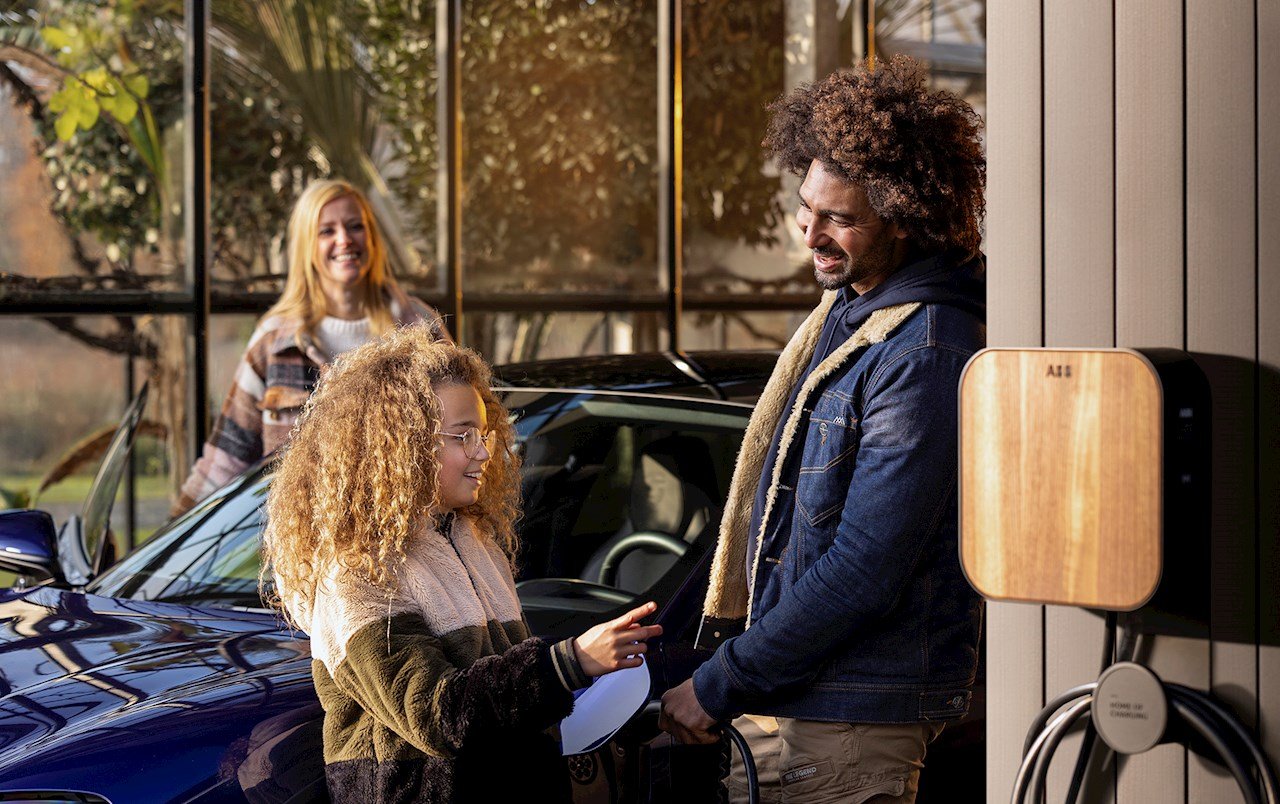
The ABB Terra Home features a compact squircle shape with the option of three swappable material covers – gloss white, gloss black and wood grain finishes.
There’s also LED light strip surrounds that indicate the state-of-charge status of the EV and adopts the Plug and Charge standard to start sessions immediately, without the need to fumble with a mobile app or tap an RFID card.
The wall box will launch later this year, but the company hasn’t detailed its maximum AC charging output speeds. It also isn’t capable of bidirectional vehicle-to-grid charging.
The Terra Home can prioritise renewable solar electricity to charge from free off-grid juice, while dynamic load balancing allows it to adjust its output based on the household’s electricity usage to prevent a short circuit.
It’s also internet-connected to monitor its status via a smartphone app and receive over-the-air firmware updates, and ABB can even remotely service it.
Bloomberg NEF estimates 340 to 490 million EV chargers are needed globally by 2040, with home chargers set to represent 82 per cent market share.
Currently, ABB sells the Terra 24kW AC wall box in Australia for commercial applications and Ampol’s AmpCharge fast charging network – which launched in August last year – uses the company’s Terra184 DC unit.
The Norway-born Zaptec Go home AC charger has a similar design approach with swappable colour covers.
More EV stories to help you choose the best car for your needs
Snapshot
- Shrinking demand in China and US
- Double-digit discounts across Model 3 and Model Y in China
- Fierce competition from Chinese makers
EV giant Tesla has followed up this week’s tepid delivery results with hefty price cuts for the volume-selling Model 3 and Model Y in China. The cuts follow the end of a CNY10,000 subsidy from the Chinese government.
China has long been a solid market for the brand, but as BYD and the Geely group of companies saturate the market – along with many other home-grown players – Tesla has cut prices to boost sales momentum.
According to the Chinese Passenger Car Association, deliveries in China were down by 44 percent compared to November and 21 percent from the year before. November’s delivery number, as reported by the CPCA, was 55,796.
This comes after missing deliveries by 15,000 units in the final quarter of 2022, to which the share market reacted strongly, pinning an almost fifteen percent drop in the share price in a single day – bringing it perilously close to $100. It has since recovered some of the losses.
The company is now worth a still-dizzying US$346 billion, but down significantly on its highest levels which exceeded the trillion dollar mark when the stock was trading at US$390.
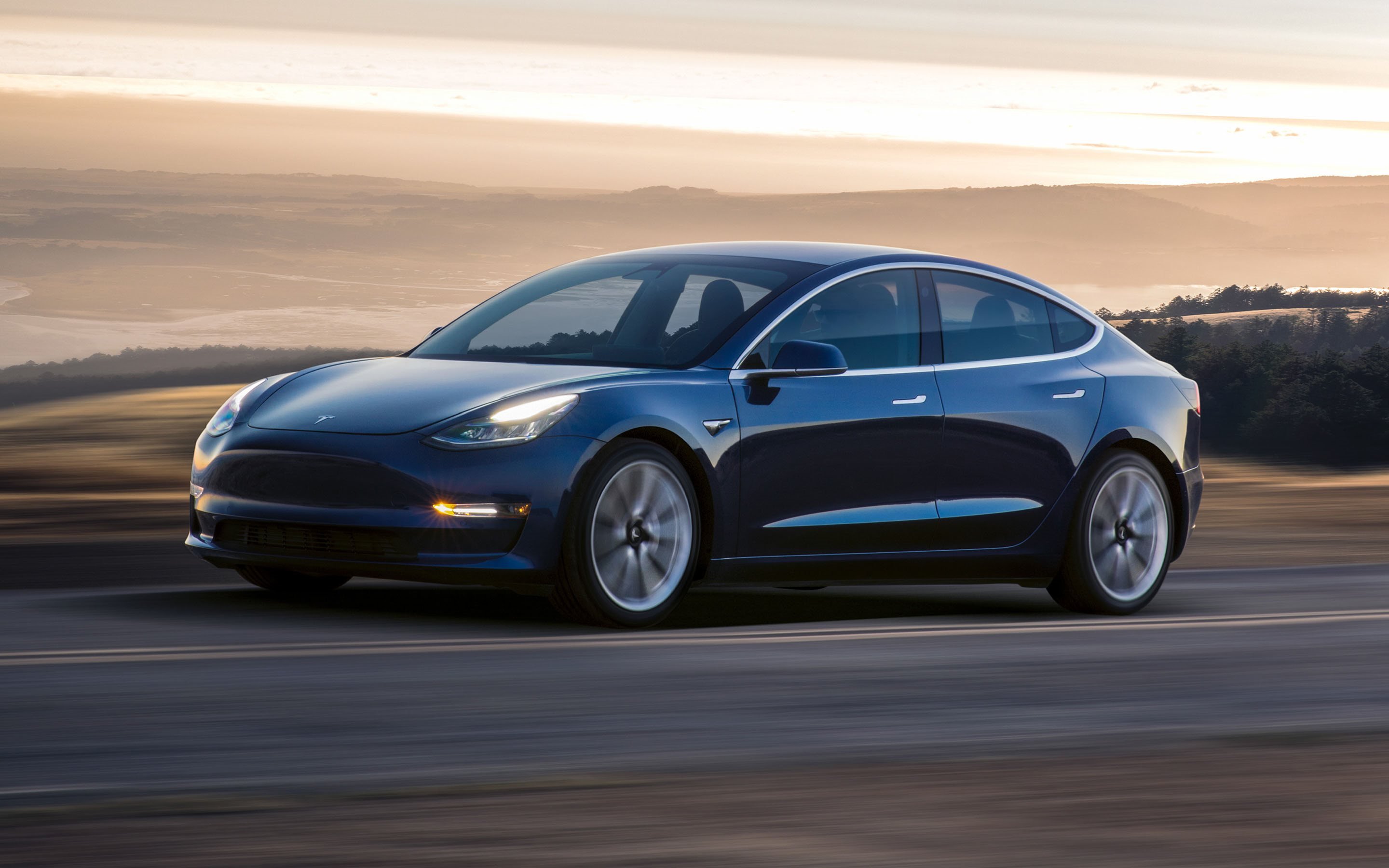
Incentives for US customers were reportedly as high as US$7500 on a Model 3, which is well over ten percent of the sticker price of even the Model 3 Performance.
The company anticipates a slowdown in China as the COVID drama drags on. During 2021 and 2022, the Shanghai Tesla factory, like so many others, suffered a number of shutdowns due to COVID while demand was running high. The factory closed for a week between Christmas and New Year, and is now running at a reduced rate as that demand falls off.
The official website shows price drops of between CNY48,000 (A$10,350) for the Model Y Long Range and CNY20,000 ($4310) for the Model 3 Performance. The Model Y Long Range drop is a stomach-churning (for Tesla accountants, anyway) 13.41 percent, while the Model 3 Performance’s discount is only a tick under six percent.
Each of the price cuts exceeds the removed subsidy and bring the prices to an historic low in China.
The biggest drop by percentage is the Model 3 Standard Range, down by 13.54 percent.
| Before | After | Difference | Discount % | |
|---|---|---|---|---|
| 3 SR | 265,900 | 229,900 | 36,000 | 13.54 |
| 3 Performance | 349,900 | 329,900 | 20,000 | 5.72 |
| Y SR | 288,900 | 259,900 | 29,000 | 10.04 |
| Y LR | 357,900 | 309,900 | 48000 | 13.41 |
| Y Performance | 397,900 | 359,900 | 38,000 | 9.55 |
Twitter user Kelvin Yang, a software engineer, noted that the term “Tesla Price Cut” was trending at number two on Chinese social media network Weibo.
Trending on Weibo costs money, he observed – up to $100,000 per day, although he accepted it’s not necessarily paid for by Tesla.
Whichever way you look at it, the rubber has hit the road for Tesla. While many are blaming the tanking share price for CEO Elon Musk’s Twitter takeover and subsequent erratic behaviour, it’s probably far more to do with the market finally coming to terms with Tesla as a car manufacturer instead of a unicorn tech stock.
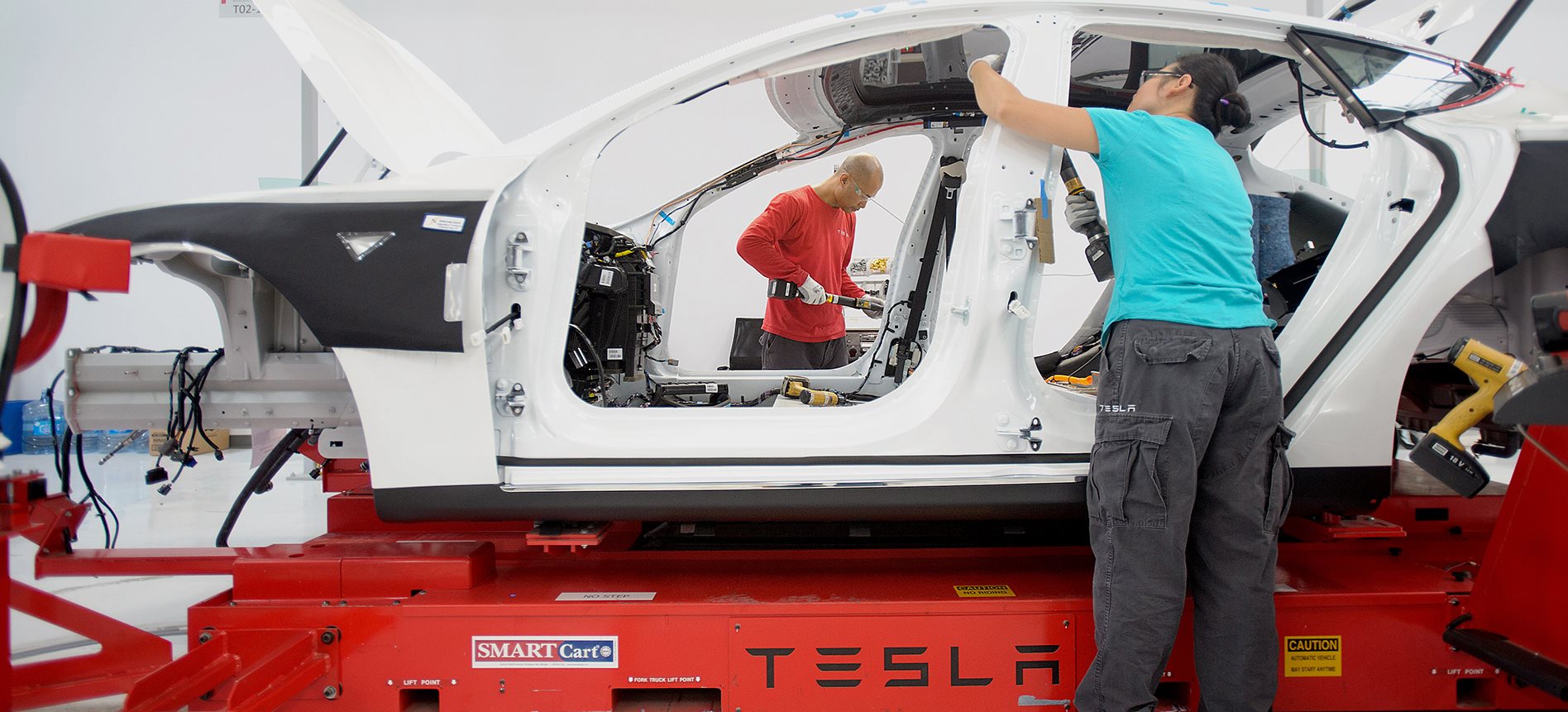
Writing for The Guardian, Nils Pratley says that the stock has moved to a “less ludicrous level” as legacy manufacturers catch up.
Bloomberg, The Economist and many other financial publications are coming to the same conclusion. As are market analysts.
It’s worth noting that Tesla still had a record quarter for deliveries in Q4 2022, but with its mounting woes in the form of economic downturn, stronger competition, increasing regulatory attention, rising costs, shrinking demand, the troubled Semi and Cybertruck programs and a CEO who is preoccupied with Twitter, the road ahead looks a little harder than it did twelve months ago.
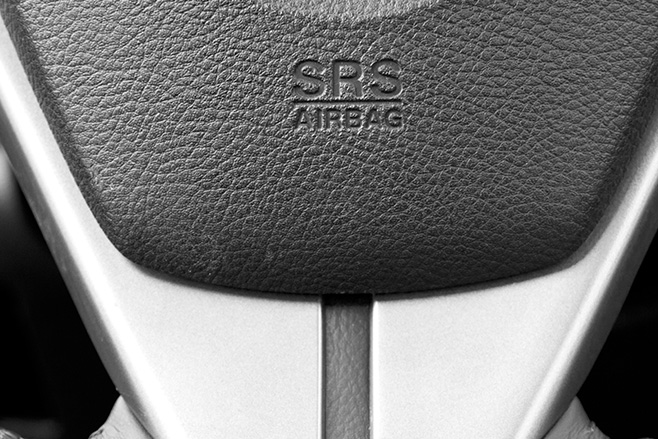
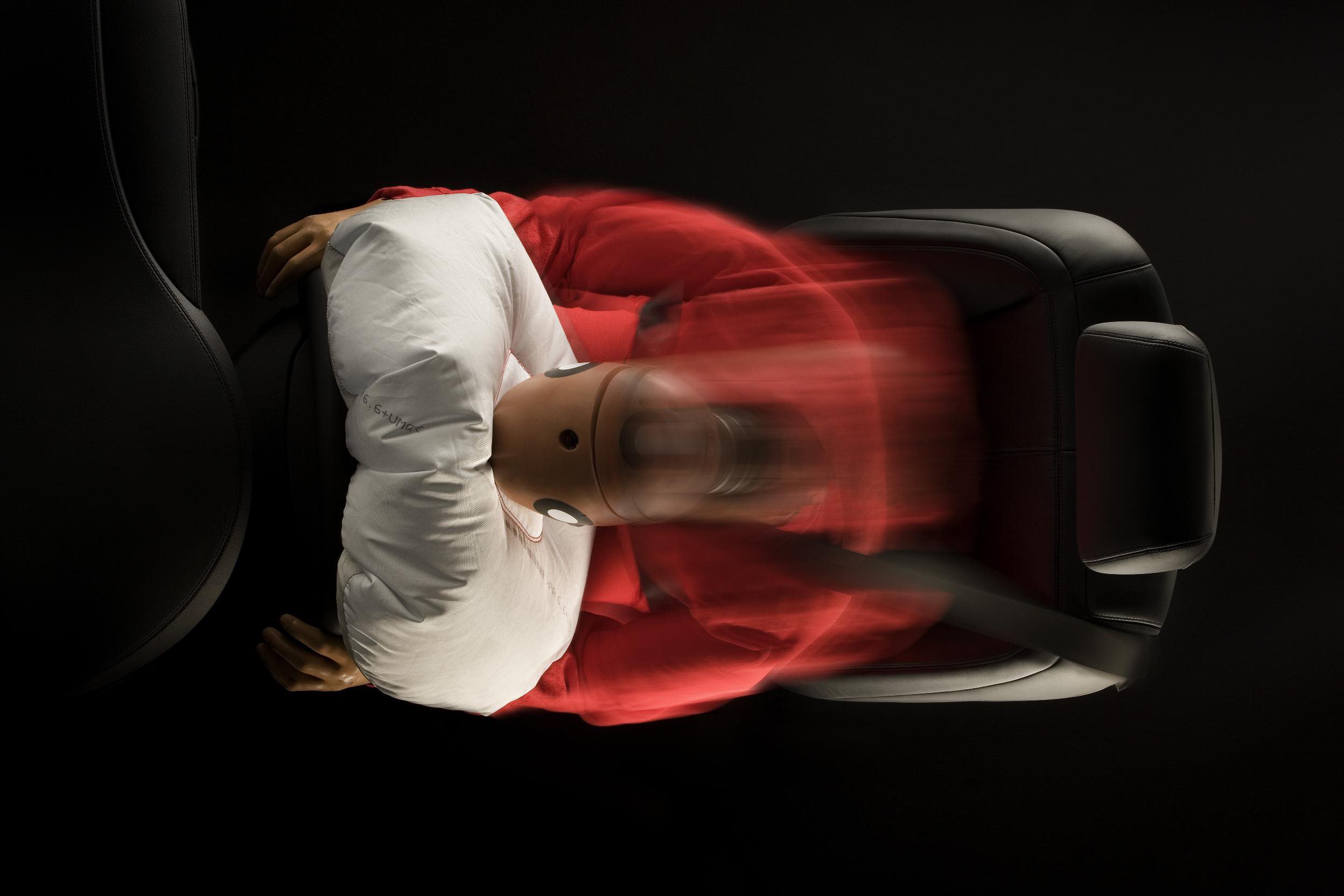
Airbags are designed to inflate within a fraction of a second of sensing an impact to provide a cushion between occupants and hard surfaces during a crash.
The airbags themselves are part of the Supplemental Restraint System (SRS) that uses signals from sensors that help detect the moment of a collision.
If there is a problem with any part of the system, your car will caution you via a dashboard warning light or graphic that looks like a person sitting with a giant ball in their lap, or simply says ‘AIRBAG’ or ‘SRS’.
What is the airbag warning light actually telling me?
Most SRS systems use sensors including ones linked to the seatbelts and seats that detect the instant a collision occurs and tell the SRS which airbags to deploy.
The seatbelt sensors detect the hard and sudden belt tension which occurs with rapid deceleration, and will generally differentiate between the forces created by hard braking and impact.
Meanwhile sensors under the seats tell the car which seats are unoccupied, to avoid any airbags inflating unnecessarily to protect non-existent passengers.
If there is a problem with any of these sensors, wiring or the actual airbag unit, the airbag light will remain illuminated or continue to flash after you start the car to signify there is an issue and that the SRS isn’t operating.
The airbag warning can also signify that the SRS has been disabled until the fault is rectified, which means no airbags will deploy should you have an accident.
It’s worth noting that your airbag warning light will not come on if you have a faulty Takata airbag, so be sure to check if your car is affected if you haven’t already.
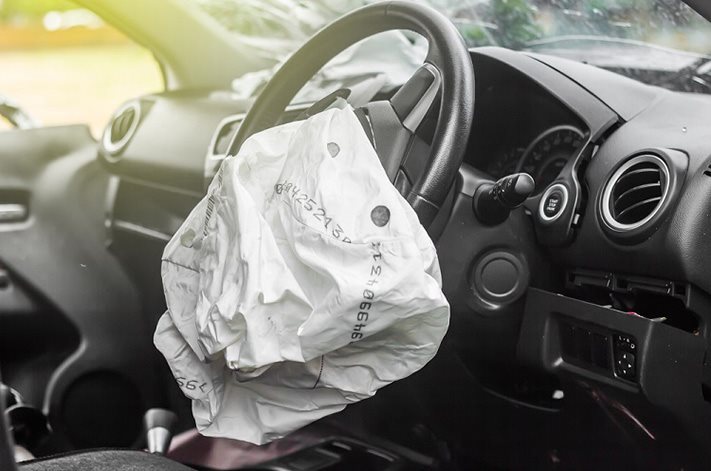
What to do when the airbag light comes on
A flashing airbag warning light indicates a significant problem with the SRS system meaning you should take it to a repairer immediately.
If the light stays on, you should still take it to repairer, however, there are a few things you can try first that could rectify the problem.
Start by checking the seatbelt buckle to see if there’s anything hampering the seatbelt sensor, such as dirt or anything else that might have fallen in there.
If that doesn’t work, ensure the seatbelts aren’t stuck or tangled and try pulling on them sharply so they tension. This might help reset any issues with the tensioning sensor.
The wiring to the seat and seatbelt sensors usually connects under the seats, so grab a torch a try a quick visual check to see if any wires or connectors have become dislodged.
Another potential cause is a damaged steering wheel clockspring. As well as flicking the steering wheel back to centre after you turn, the clockspring provides an electrical link between the steering wheel and dashboard for things like the horn, audio and cruise control switches, and the airbag.
If the clockspring is little worn it might temporarily open the circuit between the airbag and sensors, which will make the warning light come on. In some cases this can be fixed by simply turning the steering wheel to full lock in each direction, while stationary, to re-establish the connection.
One thing you should never do is inspect or take the airbag unit apart, as it contains an explosive charge that could kill you.
What if the light stays on?
Take the car to a repairer as soon as possible as you won’t be protected by your airbags should you be involved in a serious collision, and your insurance company may refuse a payout.
The first thing a mechanic or auto electrician will do is plug a diagnostic reader into a socket in your car’s dashboard to help establish the exact fault.
Hopefully it will be a simple problem and they’ll have more success with the above-mentioned checks resulting in a quick and inexpensive fix.
Alternatively, the problem may require more costly repairs or replacement of faulty items such as the SRS sensors, clockspring, or airbag module. Even so it’s a small price to pay for you and your passengers to be protected by SRS, which is a proven life saver.
Wheels Media’s production contributor Andy Hunt spends a few days with the Mitsubishi Pajero Sport to give us his Regular Everyday Bloke “I’m no journalist” take on the popular SUV.
The largest SUV in my garage is of the mid-sized variety – a Volkswagen Tiguan.
In my travels around the city, I’ve seen a number of Pajero Sport wagons on the road, and even in the VW SUV, I find myself looking in a slightly upwards direction at these things, grimacing at how they block my view of the road and surrounds. Often because they seem to always rock up next to me in a shopping centre car park…
Now came the opportunity to step up into a “real” SUV, but given that this GLS example is of the 4×2 variety (the same variant reviewed here), I did initially wonder about the kind of customer Mitsubishi was courting.
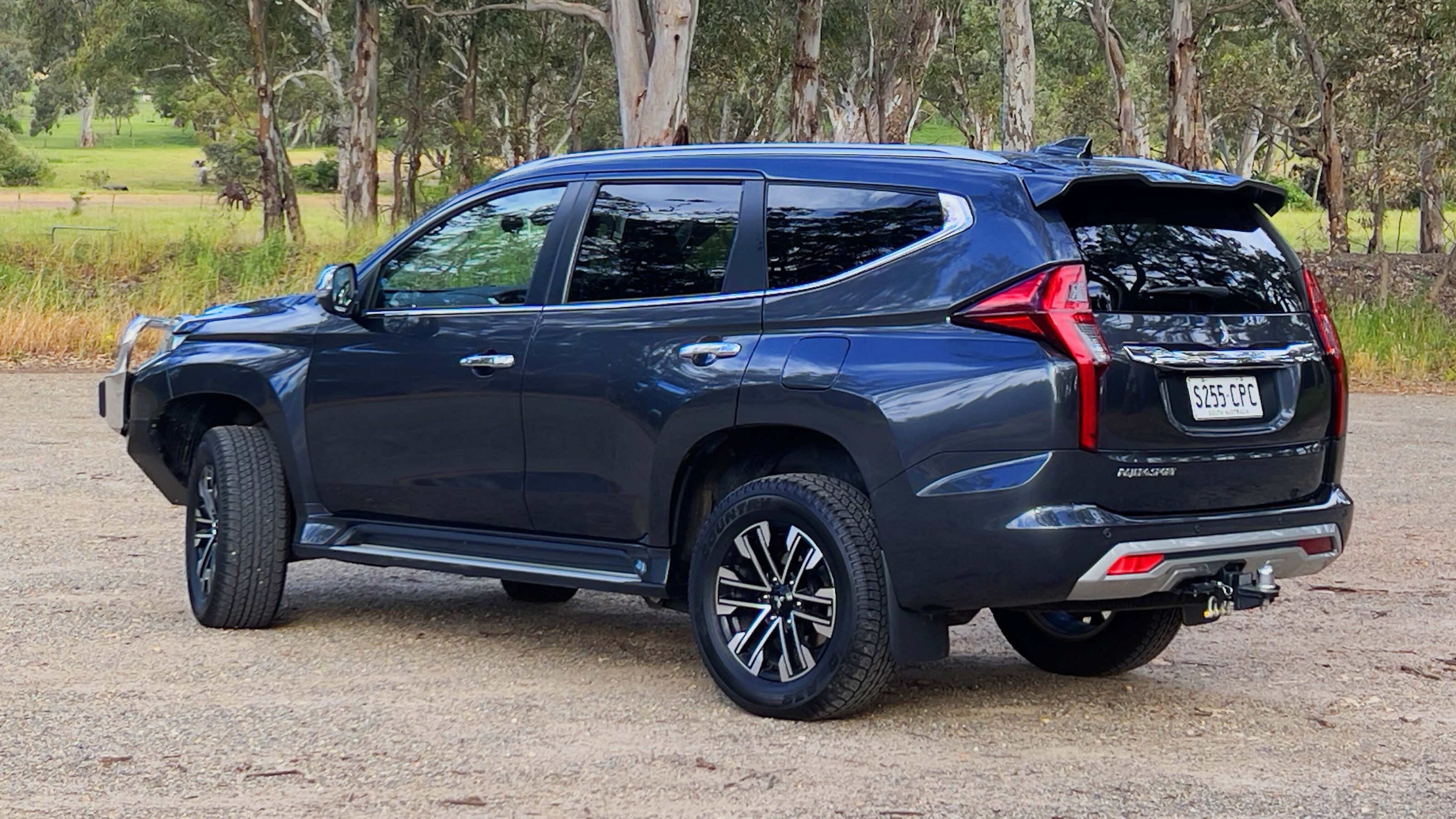
This is a car that clearly has a design brief for off-roading, with high ground clearance and good approach and departure angles, but has the two-wheel traction of a common family hauler.
Looking at the towbar kit on the back ($1386) and reading the tow rating of 3000kg (braked) with a tow ball weight of 300kg, I figured it was for the family who would be looking to drag caravans or boats with them on their travels, while mostly sticking to sealed roads.
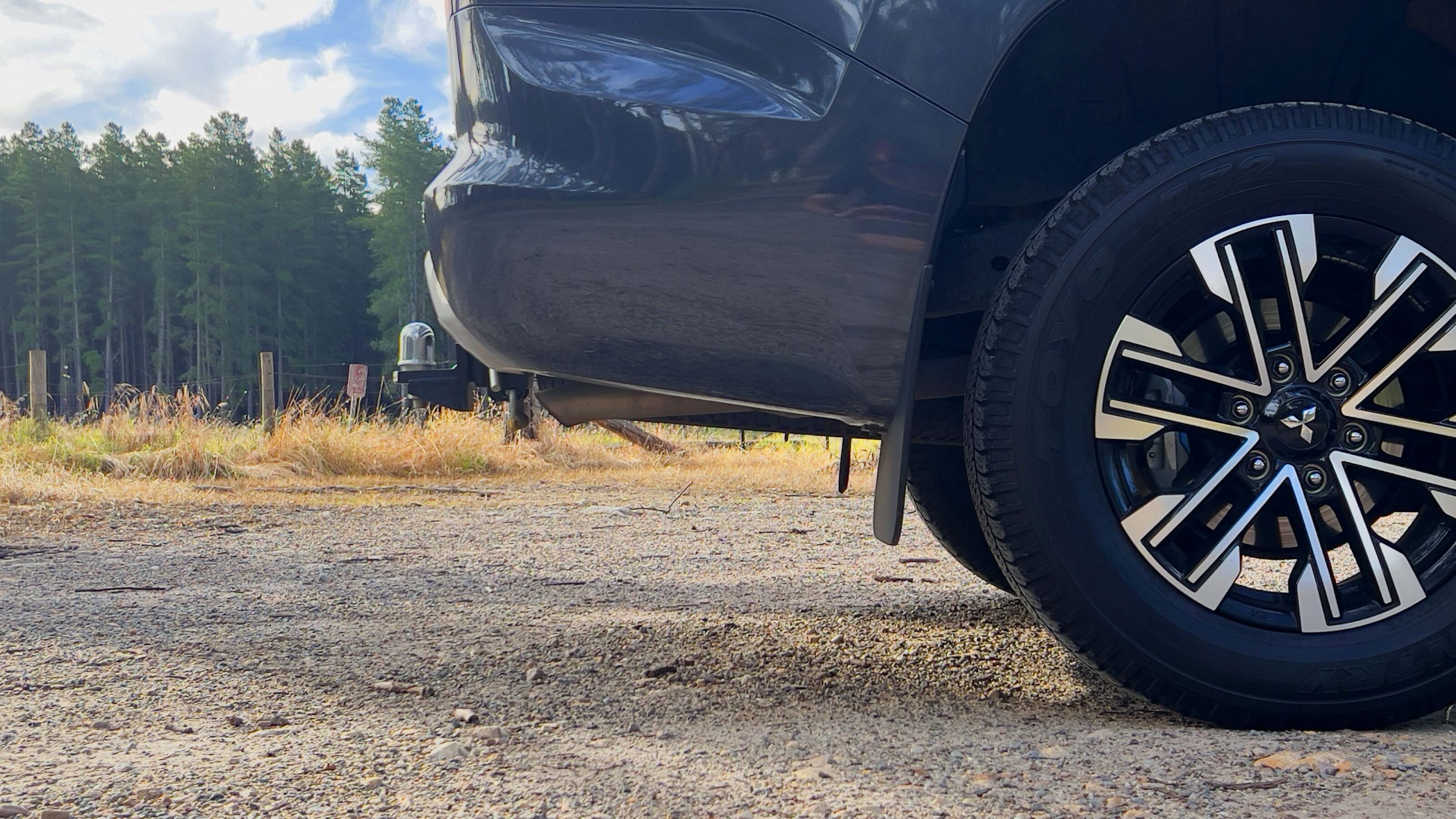
I did initially think that the rear of the car had quite a long overhang and high elevation, although it doesn’t seem out of place in the segment to which this car is pitched.
JUMP AHEAD
- First impressions
- Comfort
- Technology
- On the road
- Safety
- Fuel economy
- Parking
- Last impressions
- Specifications
First impressions
I was somewhat prepared for the size of the Pajero Sport before collection, and while I have driven other Cruisers of the Land in the past, I did find myself slightly confronted by the sheer mass of this seven-seat Pajero Sport GLS from Mitsubishi.
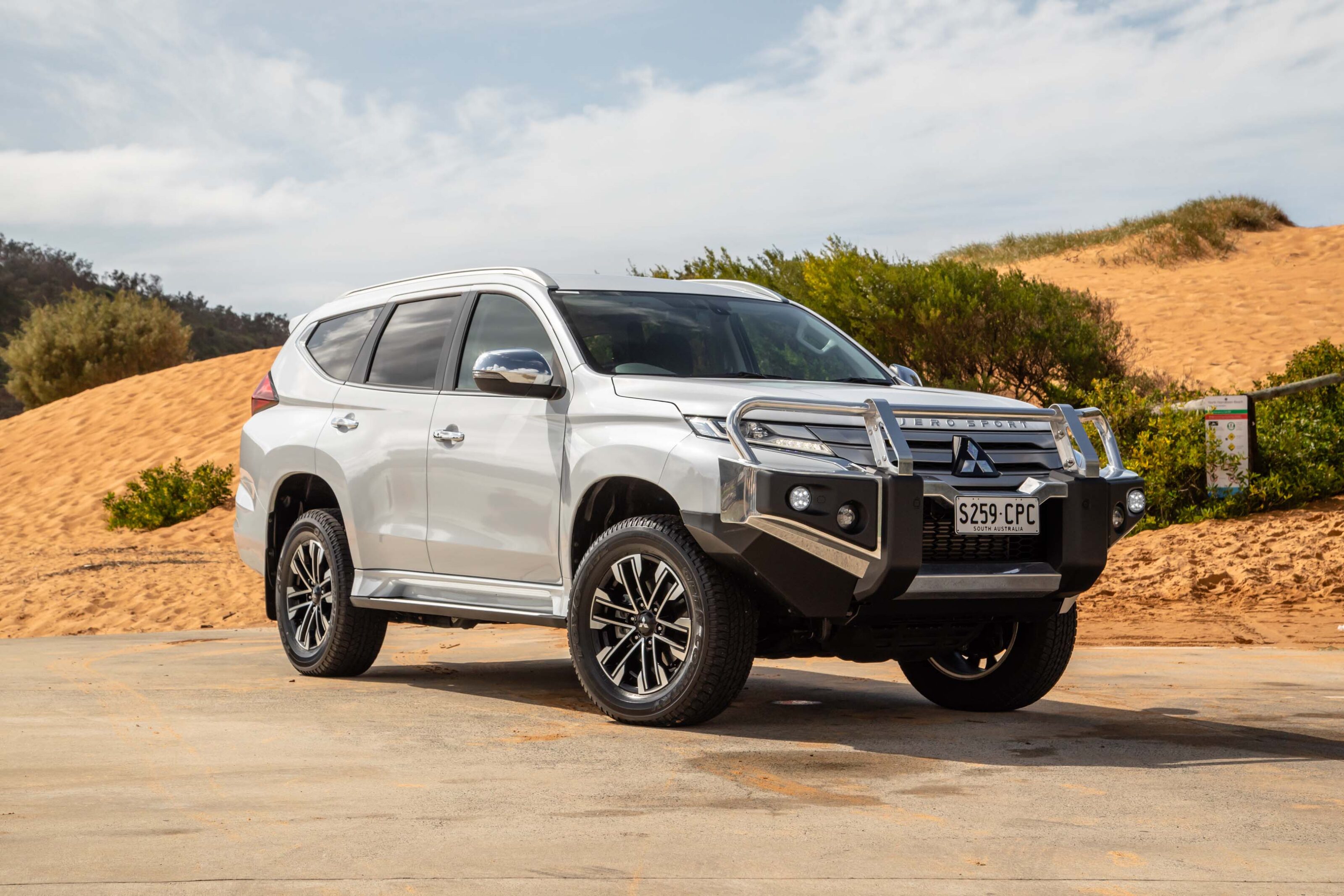
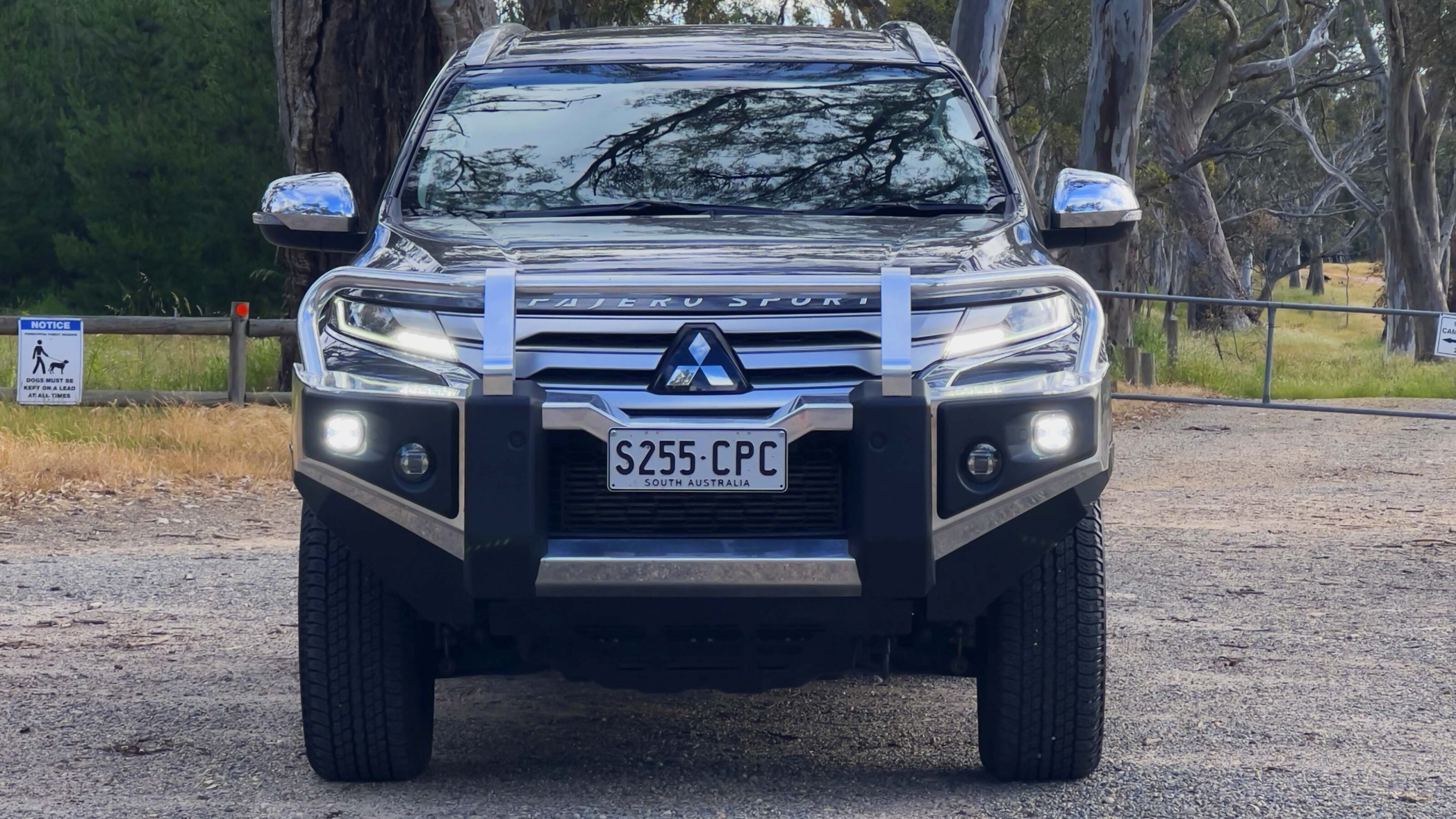
This probably wasn’t helped by the sight of the enormous alloy front protection bar (a $3879 accessory), which would probably come in handy as a steam train’s cow catcher.
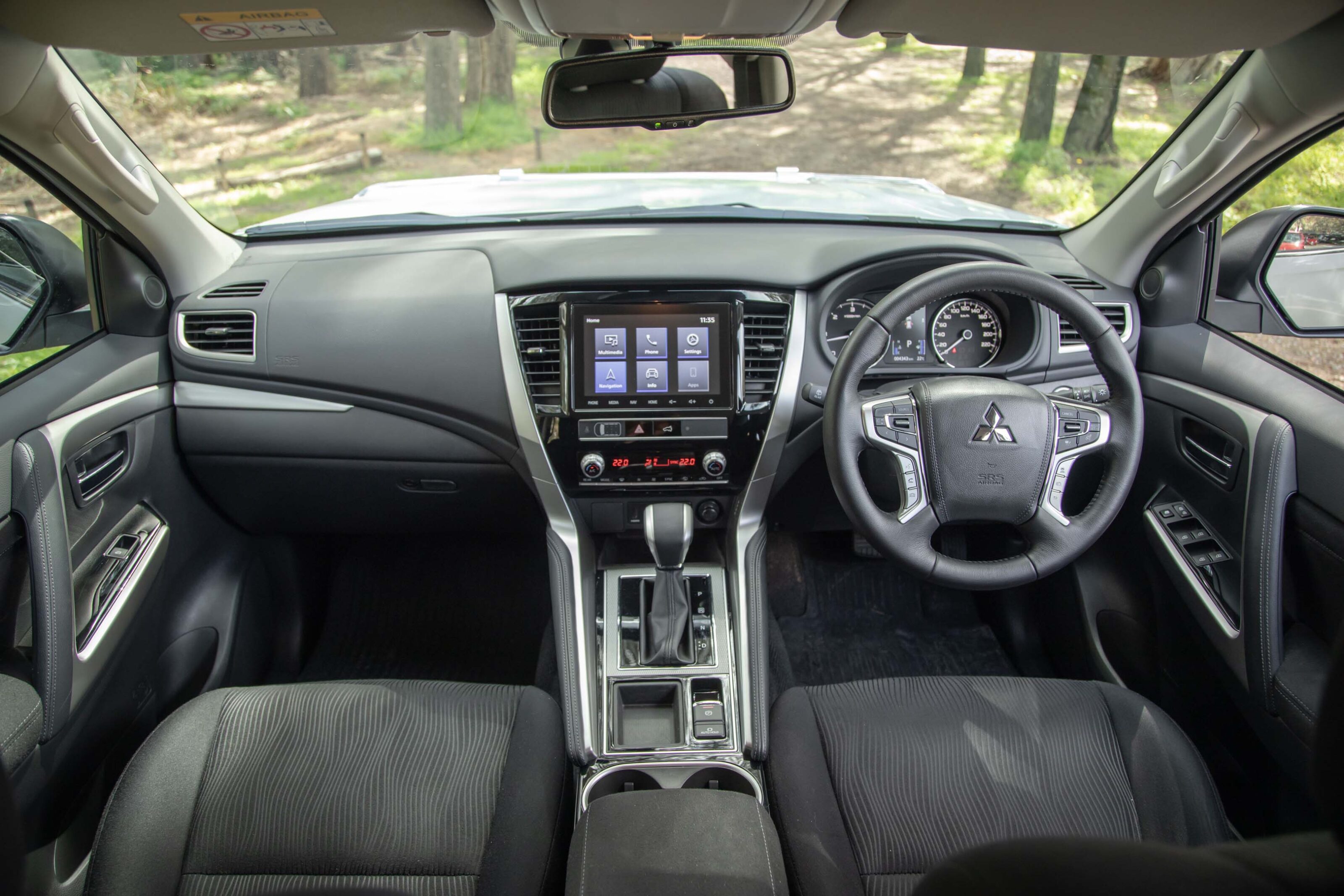
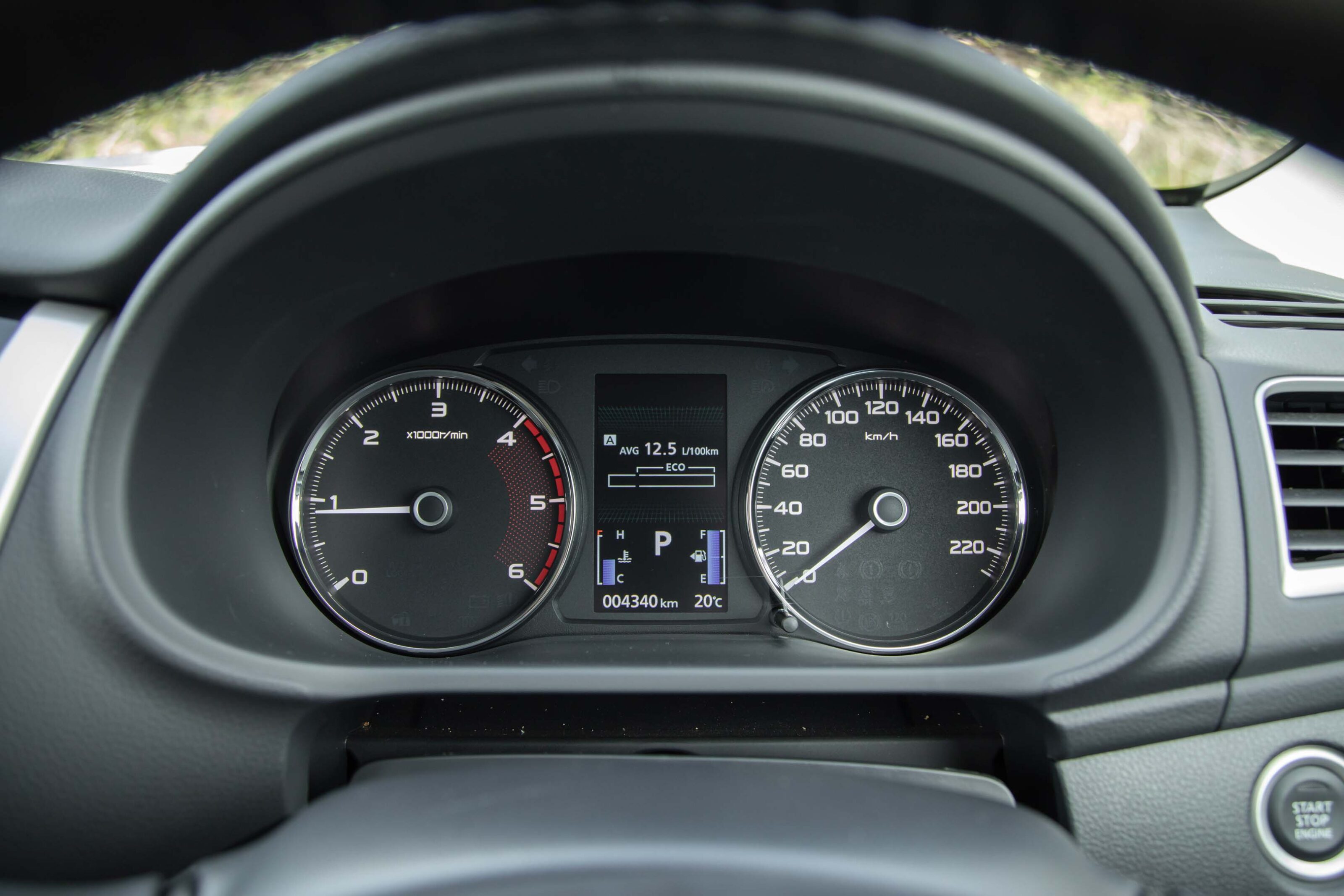
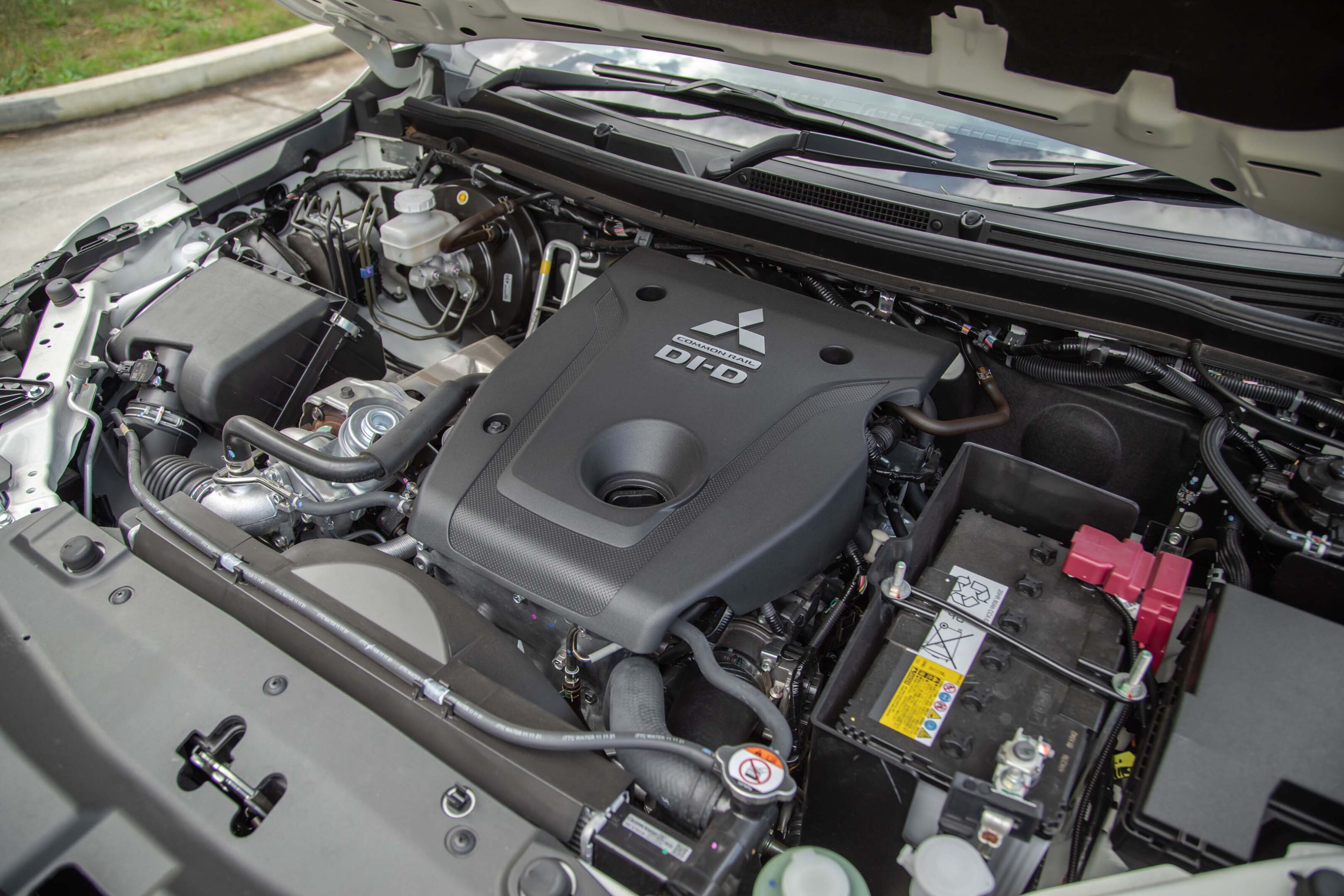
Clambering up and into the car was an easy affair, and greeting me inside was a fairly rudimentary touchscreen of decent resolution, and a classically arranged instrument cluster of two analogue dials and a small colour screen between them for information. So far, so familiar. Poking at the start button wakes the 2.4-litre diesel engine with a snort and clatter, a first of many reveals of the car’s Triton-esque underpinnings.
Comfort
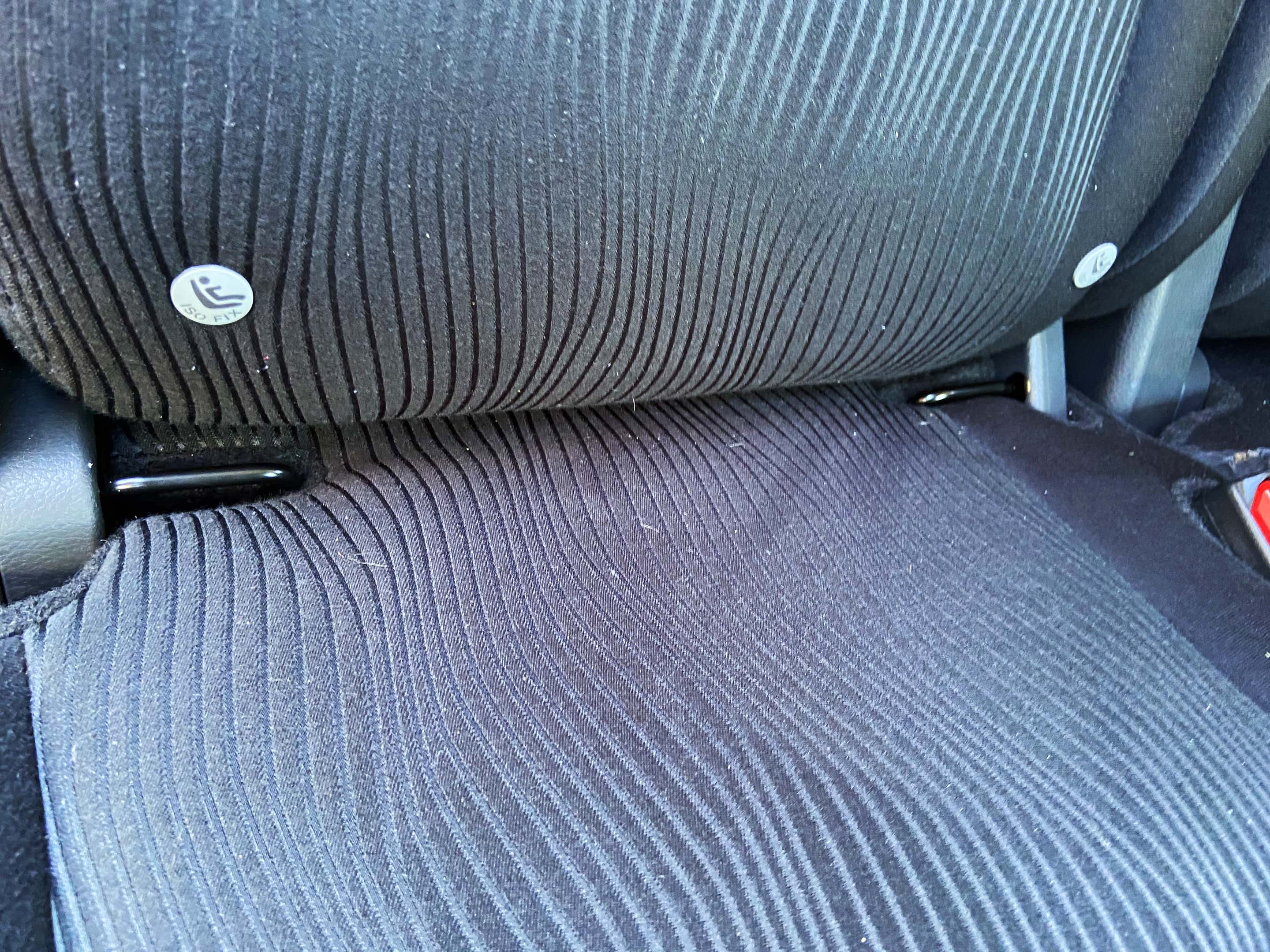
The exercise of bolting in the kids’ car seats did reveal that the vehicle’s tether points are in the roof of the car, as there are no anchor points on the seat backs like in other vehicles. The ISOFIX rails also protruded a little from the seat base, which did make me wonder if they’d present some discomfort to rear passengers who didn’t need a child seat.
I sat on the rear pew for a few minutes only to realise that my understanding of the human shape wasn’t all that advanced, and the protruding ISOFIX points didn’t poke into the posterior.
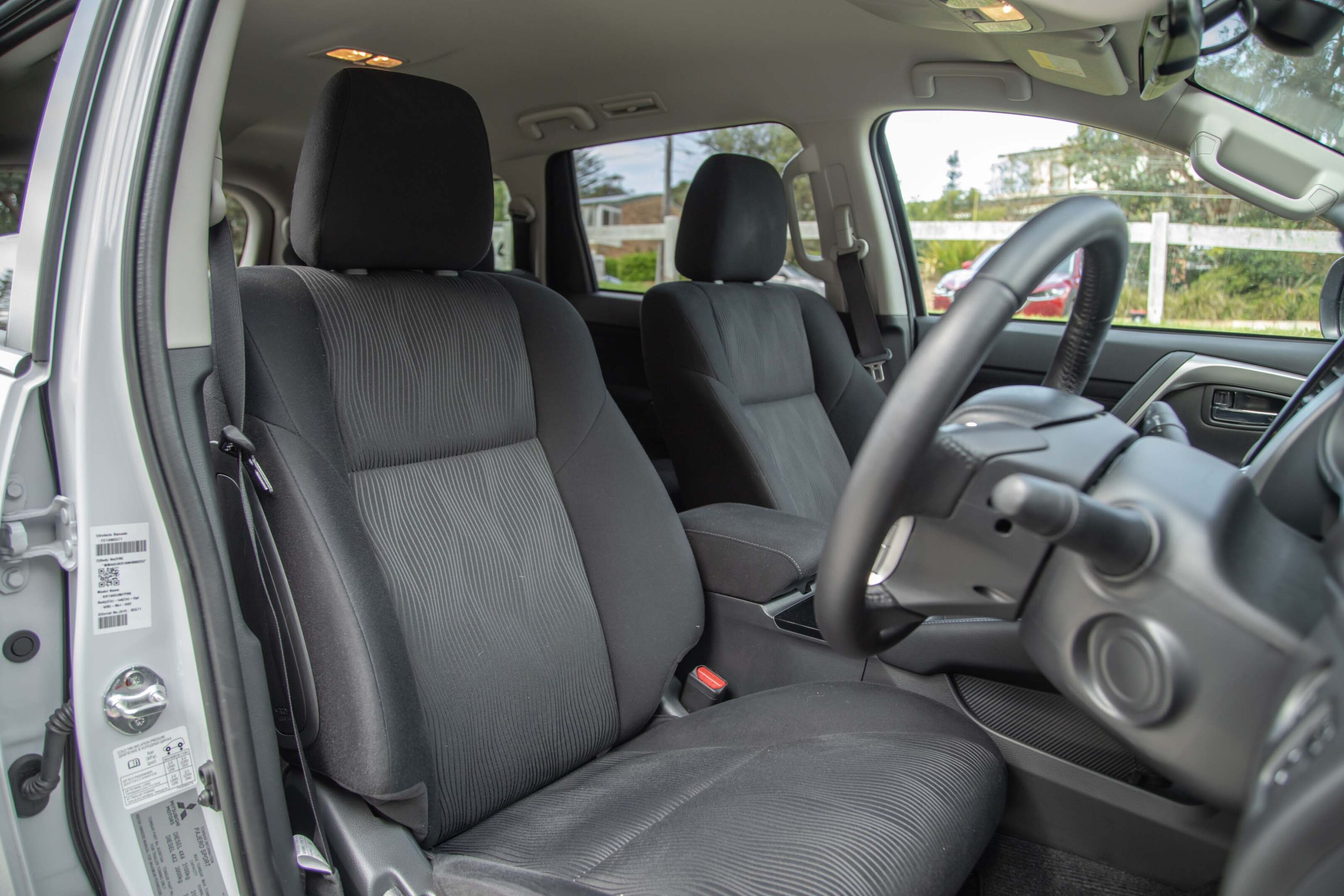
The seats themselves are wrapped in soft-touch material, rather than the typical hard-wearing cloth usually found at this end of the market. Sitting in them for longer periods was comfortable and the armrests on either side of the driver were well-cushioned.
I was initially worried that our youngest might have some difficulty climbing up and into his seat, but he tackled the task with great enthusiasm, even if it left footprints in the strangest places. His dismounting process was somewhat similar to a five-minute-old giraffe finding its feet, and he did need a little guidance and reassurance. By the end of the week, he was climbing in, out and around the car with his typical playground gusto.
Rear occupants had their temperature maintained with vents in the ceiling just above the doors, which my five and eight-year-olds delighted in adjusting back and forth.
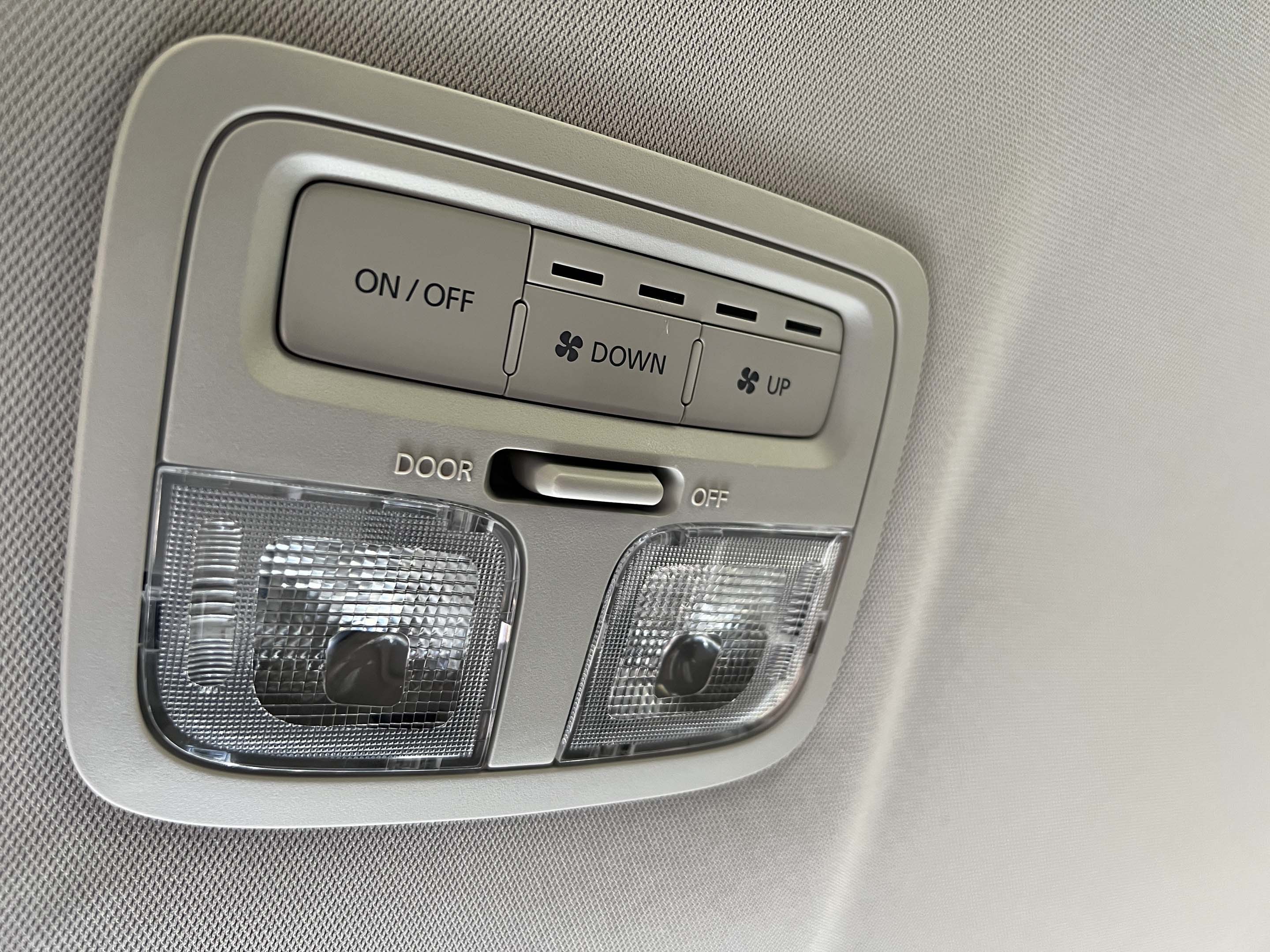
Their joy was further elevated when they realised that they could control the fan speed themselves by using the buttons in the ceiling near the cabin light. Cue the orchestra of fan noises as the pair explored their wondrous, but limited, control over the car’s ambience.
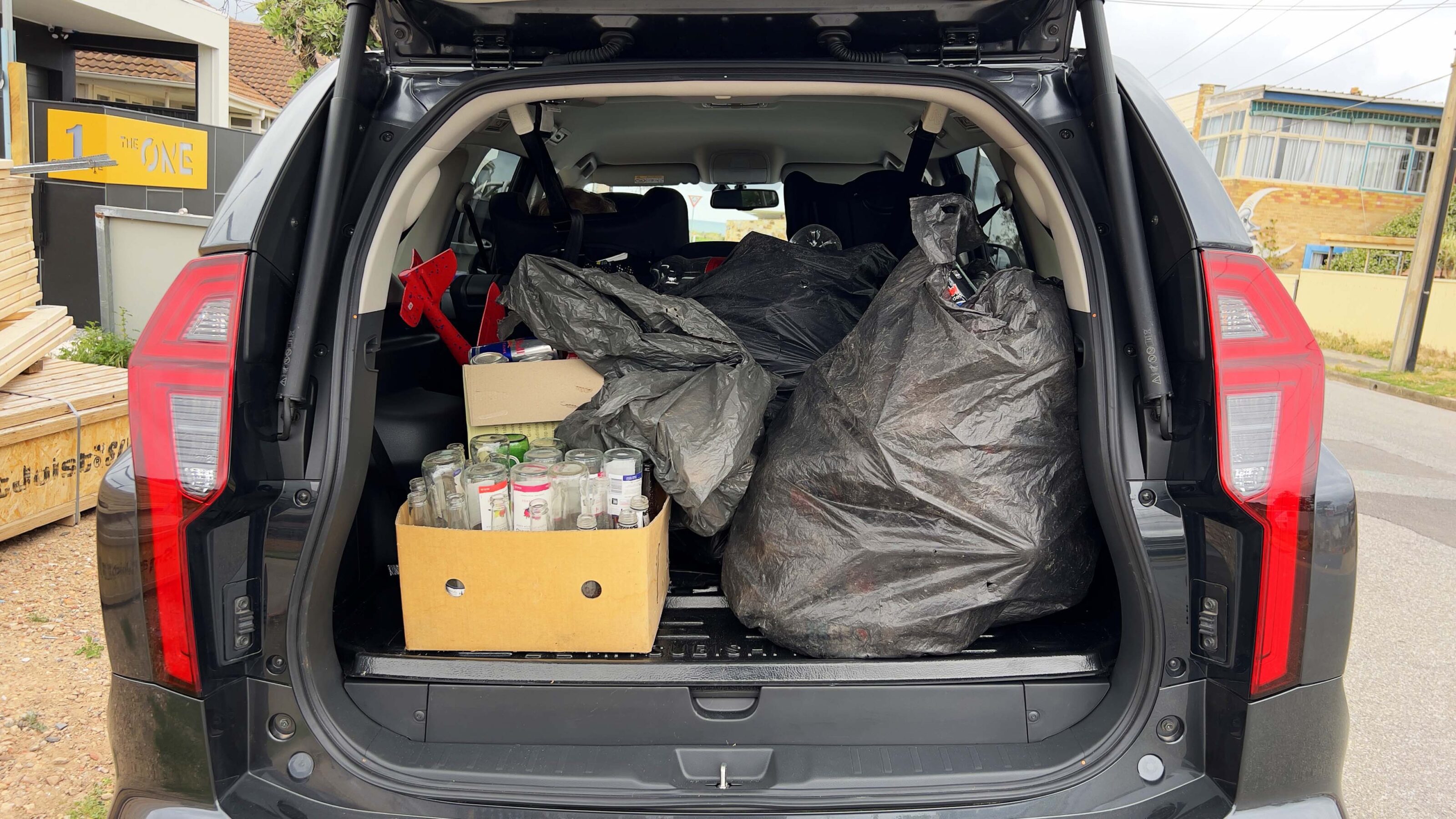
The rear centre armrest had pop-out cup holders that were good for the cans of drinks you regret ever handing your children (the photo is for illustrative purposes only and not a sign of my feeding such liquids to them), although the door bins weren’t able to house a water bottle with a 75mm diameter.
Boot space is generous at 502 litres, allowing for various errands to be run for family members, such as carting a small indoor air-conditioning unit for my mother-in-law, and taking some bottles to the recycling centre for South Australia’s 10-cent deposit.
It’s not the best metric for measurement, but the Pajero Sport was easily able to carry enough gear for a brief trip to the beach, my laptop, and $19.50 worth of uncrushed recycling.
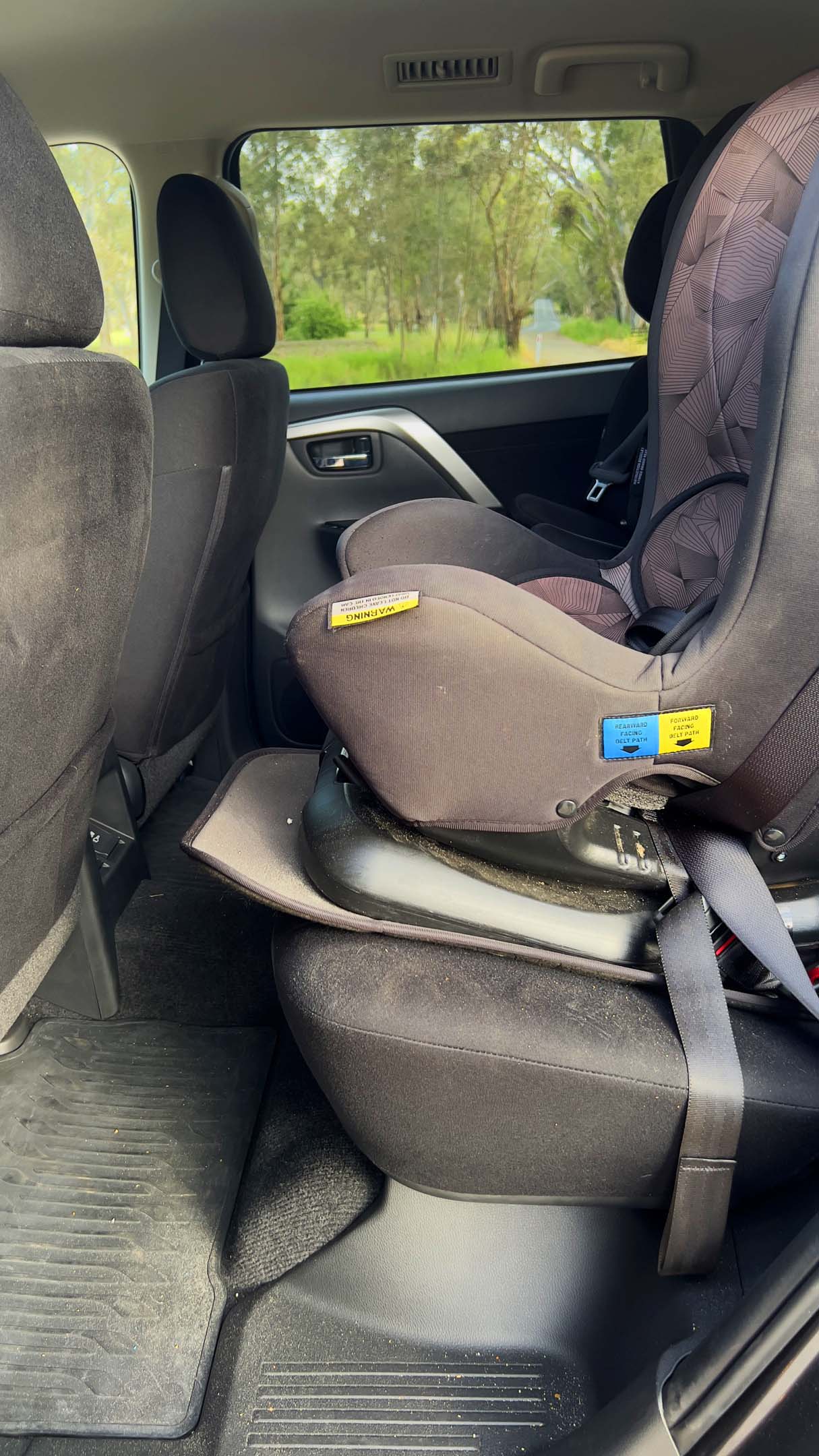
A misjudgement of a turn and my understanding of the air-conditioner’s centre of gravity did result in the aircon unit falling over, but the boot lining proved durable and showed no signs of damage. Phew.
Litres are one thing, but boot dimensions are another. The below table shows the size of the boot, and figures were obtained from Mitsubishi’s Pajero Sport brochure – apart from dimensions with the third row down, which I measured myself.
Pajero Sport GLS 4×2 boot dimensions
| Boot length with all seats up (mm) | 393 |
|---|---|
| Boot length with third row down (mm) | 1020 |
| Boot length with all seats down (mm) | 1575 |
| Cargo space width (mm) | 1370 |
| Cargo space height (mm) | 885 |
| Width between wheelarches (mm) | 1000 |
| Litres (third row down) | 502 |
| Litres (all rows upright) | 163 |
| Litres (all rows folded, measured to roof) | 1488 |
Until this Pajero Sport, I had never observed a boot lip that is lower than the boot floor – everything else I’ve seen is either flush or has a lip that items need lifting over. This design seems likely to send things rolling onto the street if you park with the nose pointing uphill.
The third-row seating provided by the Pajero Sport’s 5+2 arrangement was only ever used once as a novelty for the kids. It isn’t a place for an adult to spend any great period of time.
Technology
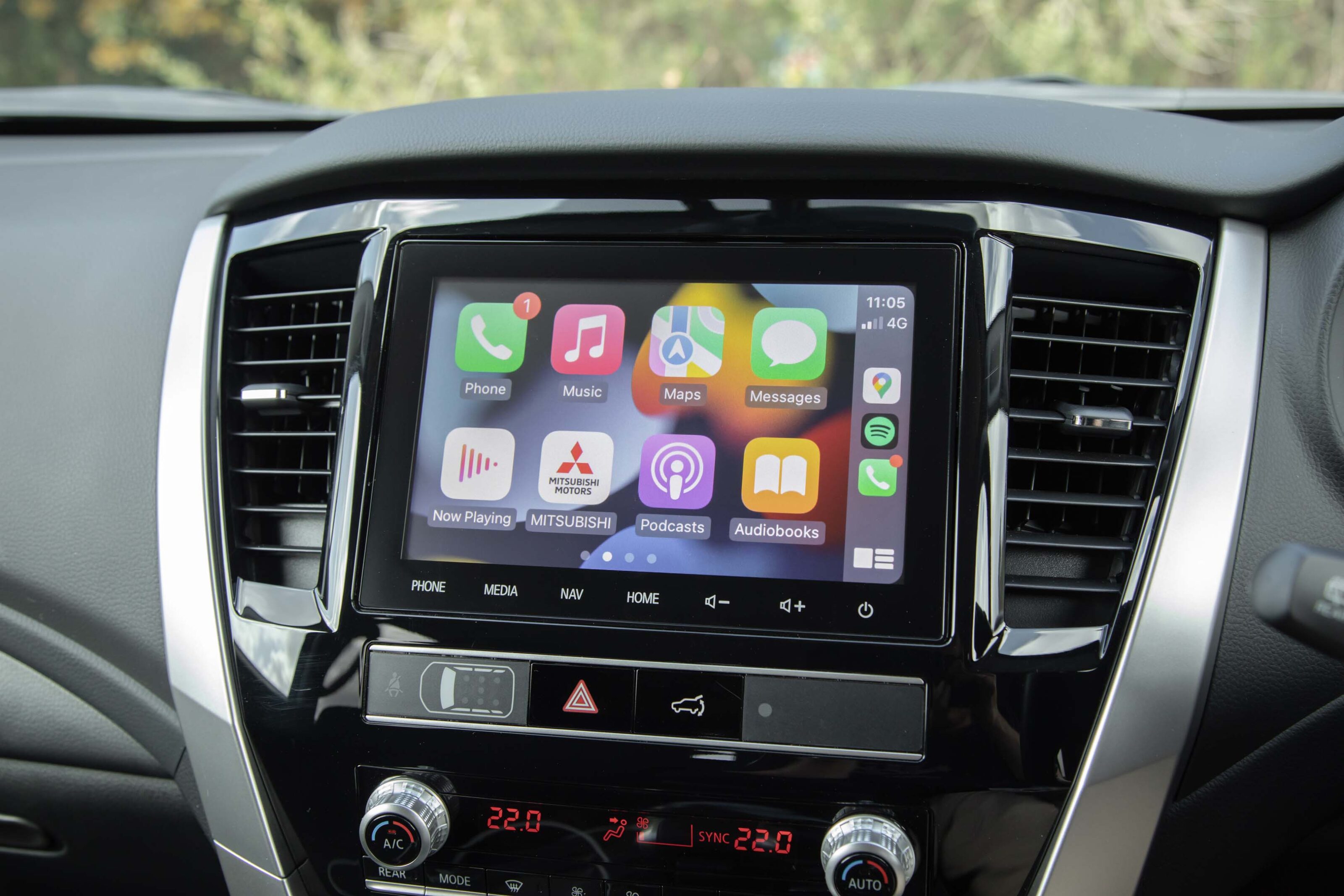
In comparison to the Mitsubishi Outlander previously driven, the cabin felt a little dated, but I feel that is the nature of the Triton base on which this Pajero Sport is built. The infotainment screen is decent in operation, responsiveness and resolution, but is smaller than some more modern offerings.
Apple CarPlay is of the wired variety, and it did take a few extra moments to boot after starting the car.
Speaker quality is acceptable, and while that could be considered damning with faint praise, I found that my 90’s alternative music was just able to overcome the gravelly Tom Waits-esque tones that seemed to be coming from behind the firewall.
When searching for the usual USB points to help with the kids’ entertainment for long trips I was surprised to find a full-sized 220V AC power outlet between the front seats. A real boon for campers, I would imagine.
The push-button tailgate was a welcome addition for someone who still yanks their boot door closed with a grab handle. Only on one instance did the car seem to detect an obstruction and refused to close properly – but that was a one-off instance and not something that would make me condemn the technology completely.
Adaptive cruise control was welcome for a few highway trips, although a strange beep from the dash would occur every now and then. I eventually pinpointed the noise to when the system stopped detecting a car in front while the cruise control was activated.
On the road
I had initially made an incorrect turn as I was leaving the Pajero Sport’s collection point in Adelaide. The city’s relatively new Torrens-to-Torrens project had deceived my usually reliable understanding of Adelaide’s trusty grid of suburban streets and led me to a dead end.
Previous Mitsubishis I’ve driven have had a turning circle that left me feeling like a Titanic officer in the Crow’s Nest, achingly waiting for the vehicle to change course as it turned hard to starboard.
When turning around from this dead end I was pleasantly surprised by the Pajero Sport’s 11-metre turning circle, the car making a simple U-turn without fuss or scraping kerbs. The width of the street was rather generous in this older Adelaide suburb, I concede, but I was still pleased with the result.
Take-off required a heavier foot than I’d anticipated, with first and second gears being quite short – likely helping with towing, as sudden and lurching acceleration would be rather troublesome with a fully laden trailer. A short period of acclimatisation had this non-issue sorted.
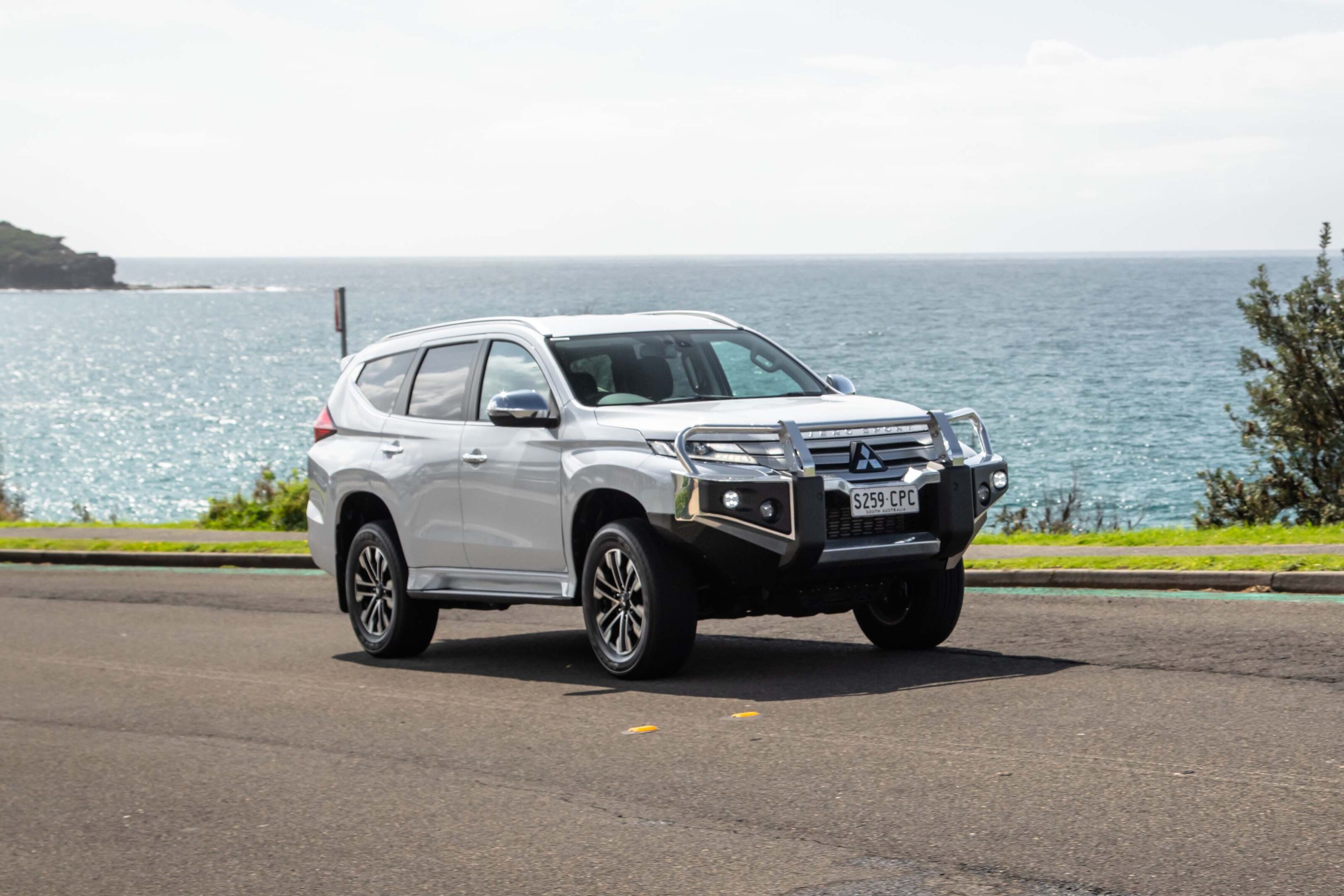
Hitting bumps at speed did upset the car, causing some jittering in the ride, but I understand that this is likely the price to pay for having a 730kg payload and 3000kg towing capacity. Load the Pajero Sport up with more weight or put something significant on the tow hitch and the ride should settle down.
Without a spare boat or caravan to tow, I decided to use a fairly rudimentary test that I’ve done on every car I’ve owned. There’s a road in the Adelaide Hills named Checker Hill Road; a very brief stretch of road that has a steep ascent that strangely gets progressively steeper the higher you climb.
Every car from a KC Ford Laser to the family Tiguan has performed this drive, with the latter doing it effortlessly, and the former needing me to drop the manual all the way down into first gear to finally claw over the top.
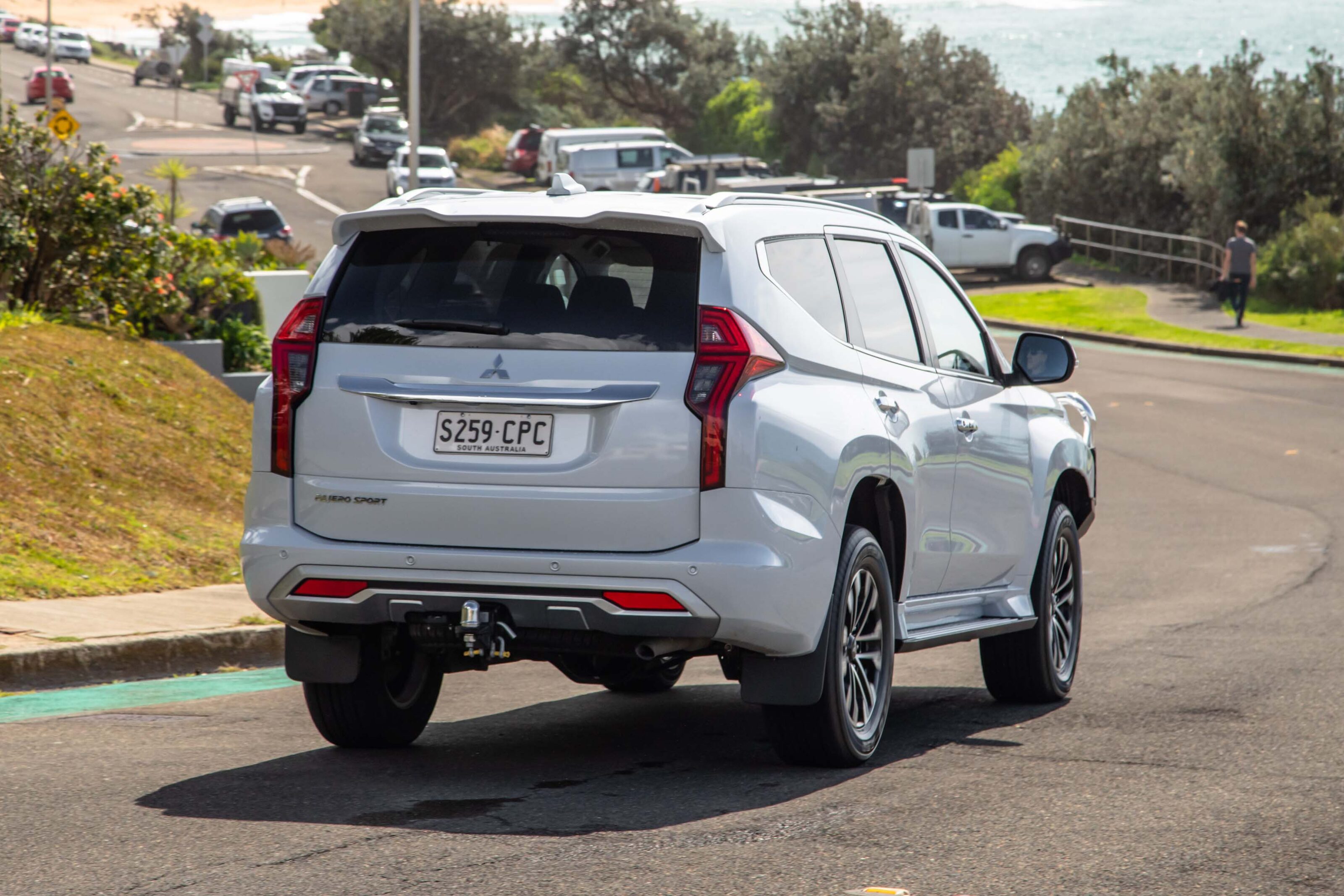
Right before the climb, the road does this neat little left-right-left, with the double line in the road totally and completely preventing literally every driver from ever cutting the corner as they totally and completely obey the posted 80km/h speed limit for the run-up the hill.
The Pajero Sport easily climbed the hill, the 2.4-litre diesel serving up its 133kW and 430Nm of torque to dispatch the ascent without any kick down through the gears or any hunting between the eight ratios available.
In fact, even during regular country road driving the transmission never did anything unexpected or indecisive with gear selection.
The following stretch of road after the climb is an up-down-up vomit comet of a road that is a horrid patchwork of various grades of tarmac.
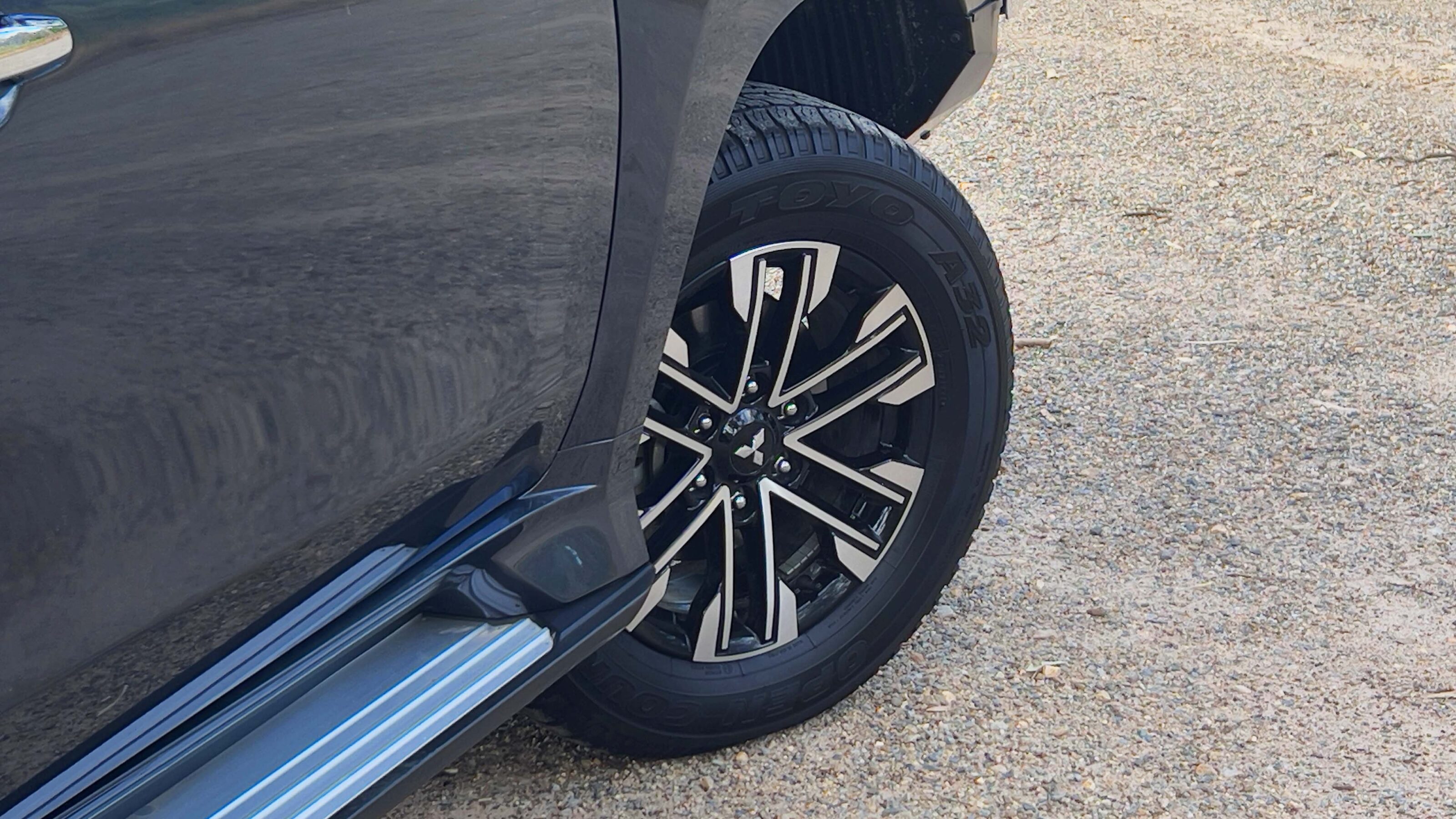
Its many divots and pocks did cause the transfer of thuds into the cabin, the R18/60/265 Toyo tyres not cushioning very much and causing the Mitsubishi to shimmy a little in protest. However, that sensation never felt disconcerting or troublesome, with the vehicle communicating through the steering wheel and the ride.
Safety
Front and side airbags feature on this GLS model, along with curtain and driver’s knee airbags. Trailer stability and traction control are standard across the entire range, which should be reassuring to those who plan on towing.
Adaptive cruise control was smooth with its detection of other vehicles, adjusting its speed with grace. I’ve experienced similar systems acting surprised to see a car in front, jerkily making speed adjustments. I would have liked a digital speedometer to easily gauge when the system was taking effect, but that’s a minor quibble.
Back in 2015 ANCAP rated the Pajero Sport with five stars, with an overall score of 36.22 out of 37. It might struggle to do the same with today’s tougher criteria.
Fuel economy
Our Pajero Sport’s Fuel gauge didn’t seem to move for the first few days but then plunged harshly. At the end of my time with the car, the trip computer read 9.0 litres per 100 kilometres, which is a little higher than the official 8.0L/100km combined cycle figure.
There were several highway trips during the week, although the bulk of duties were within the city limits and carrying other occupants for their school and kindergarten runs.
Parking
Outward visibility was good despite the Pajero Sport’s bulky A-pillars. Even without front parking sensors, big mirrors and the rearview camera made it easy to place the vehicle in shopping centre car parks – although I personally made a point of reversing into parking bays.
The perch inside the car felt somewhat elevated, rather than being an “in-the-car” sensation, but the perk of this was the easy ability to pick the corners of the front of the car which helped to manoeuvre around the Black Friday madness that was occurring at the time.
Last impressions
This Pajero Sport proved very handy in its week with our family. The boot space and dimensions allowed for a lot of transportation of various items that could have been a little cumbersome in the Tiguan.
When hauling gear around, the Pajero Sport performed every task asked of it and did it in a way that was fuss-free and comfortable.
It did become obvious over the week with the Pajero Sport that it would be ideal for those who want something that amply does the usual family duties, but always has that option to take that rugged getaway when the call of the wild becomes too great to ignore – so long as you remember this is the two-wheel drive version.
The 730kg payload is only 10kg greater than the other SUV in the Mitsubishi line-up, the Outlander, but that car’s 1600kg towing rating is dwarfed by the Pajero Sport’s 3000kg – 3100kg on the 4×4 variants.
Its braked towing capacity should be appealing for those who need to take the caravan or boat away for that adventurous weekend but don’t need the extra fuel cost of four-wheel drive.
As someone who never saw the appeal of these larger cars for regular everyday use, I feel I can say that I get it now; the commanding view of the road, the excellent outward visibility and the sheer torque from that diesel engine. It all combines to make a very appealing package, especially for those who need that extra ability to haul.
2022 Mitsubishi Pajero Sport GLS 4×2 7-seater specifications
| Price | $52,240 + on-road costs |
|---|---|
| Transmission | 8-speed automatic |
| Drive | rear-wheel |
| Power | 133W @ 3500rpm |
| Torque | 430Nm @ 2500rpm |
| Fuel type | diesel |
| Combined fuel consumption | 8L/100km (claimed) |
| Seats | 5+2 |
| Doors | 5 |
| Wheelbase | 2800mm |
| Overall width | 1815mm |
| Overall length | 4825mm |
| Ground clearance | 218mm |
| Weight | 1980kg |
| Country of assembly | Thailand |
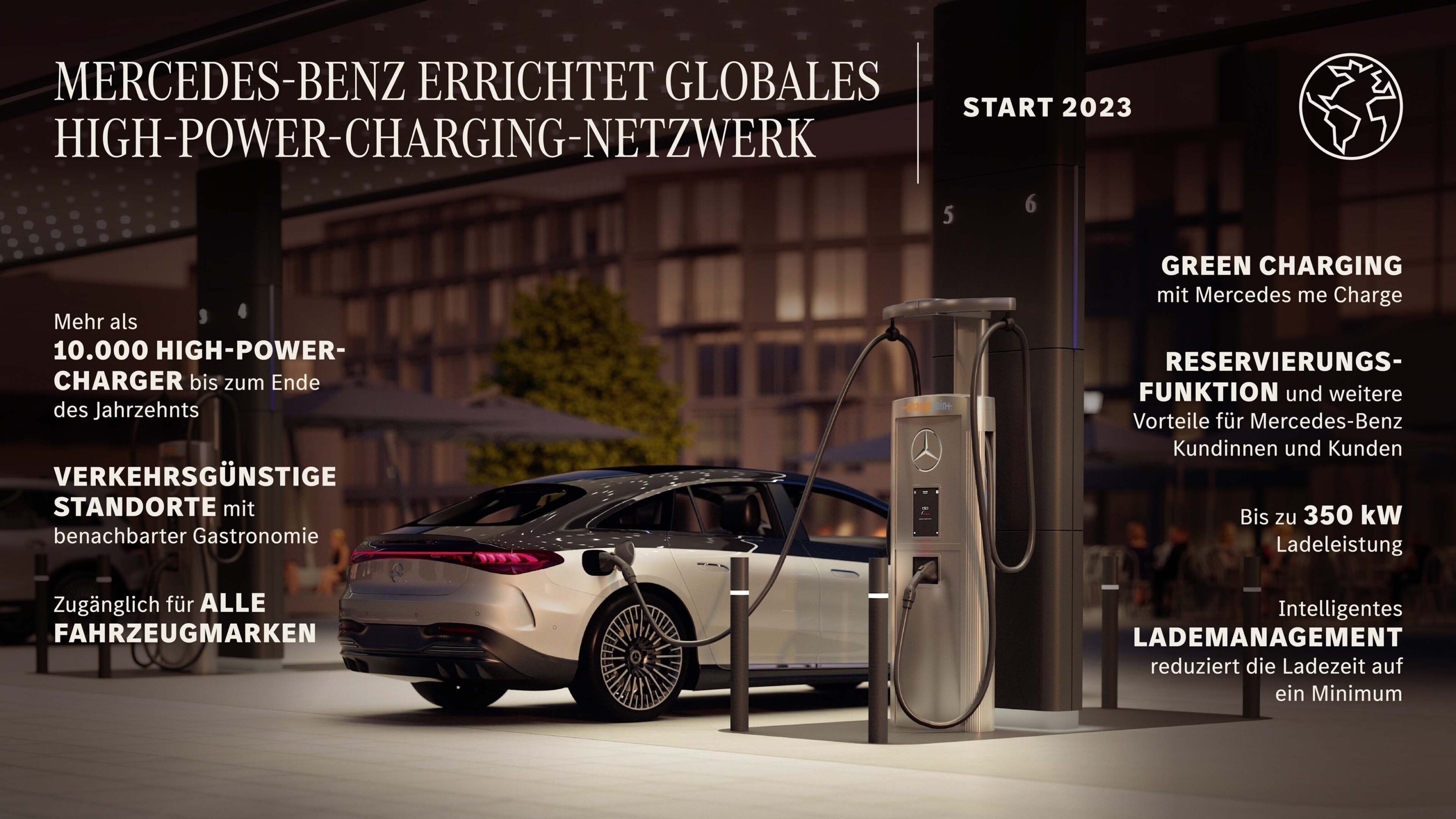
Mercedes-Benz will roll out its own ultra-fast electric car charging network with the aim to have more than 10,000 chargers globally by 2030, starting with North America this year.
Australian plans, for now, have not been confirmed.
Snapshot
- Mercedes debuts its own EV charging network to rival Tesla
- Only Mercedes owners can pre-book 350kW DC ultra rapid stations
- Starting in North America this year, unclear for Oz
Unlike Tesla’s coveted Supercharging network in most countries, it will be open to all EV models – but only Mercedes owners can pre-book a charger and receive “other benefits”.
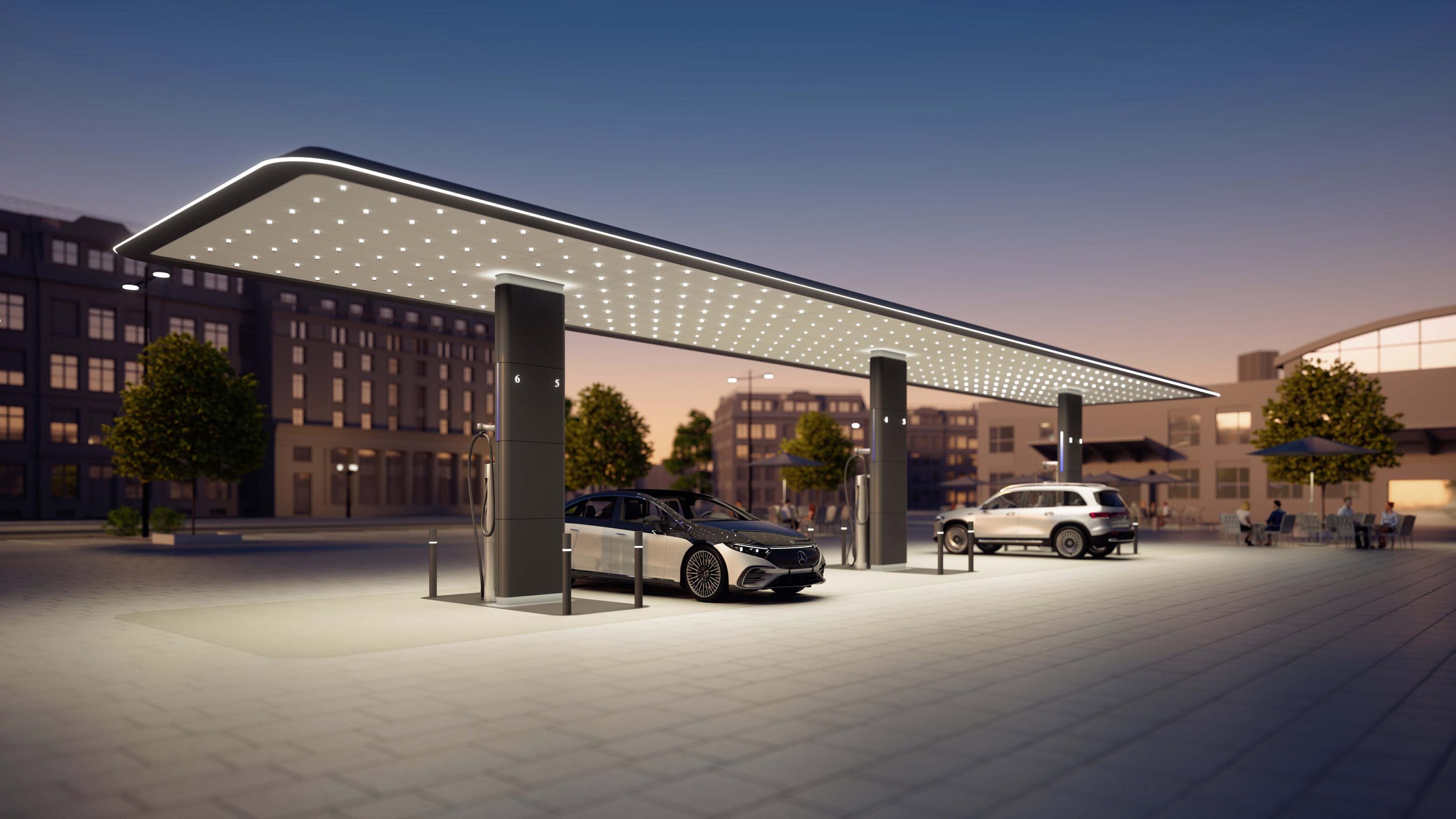
Depending on the location, each EV hub will offer four to 12 high-power chargers (HPC) with dynamic load management capable of delivering up to 350kW DC speeds.
For context, the fastest-charging Mercedes on sale currently is the flagship EQS, but can only take up to 200kW DC rates – falling shy of the Porsche Taycan that peaks at 270kW DC.
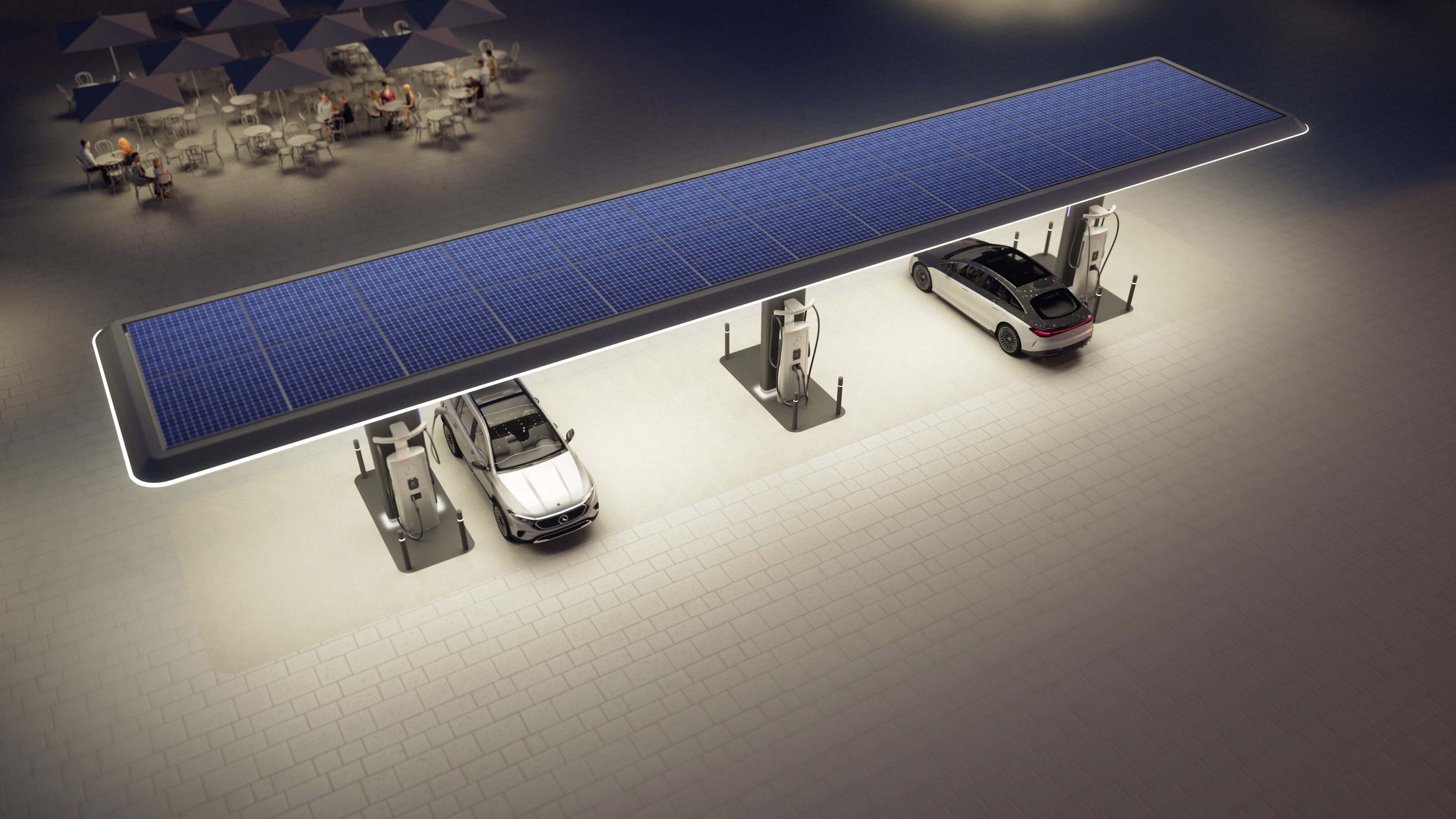
The Mercedes EV chargers will be located in key urban cities close to major arterial roads, near retail and bathroom amenities, and participating Mercedes showrooms.
All hubs will feature security cameras and lighting, and can expand to up to 30 stations if needed – but only some will have a rooftop cover and solar panels. The company aims to use green energy to power its charging network or buy renewable energy certificates.
It also adopts the Plug and Charge technology standard that allows compatible EVs such as the Mercedes-Benz EQE and EQS sedans and SUVs, Volkswagen ID.4 and Porsche Taycan to seamlessly start charging and debit the owner’s account without the need to open an app or tap a RFID card.
Meanwhile, Mercedes-Benz EVs without this tech such as the smaller EQA and EQB SUVs or eVito and EQV vans will need to manually authenticate via the Mercedes Me Charge smartphone or built-in infotainment app, and other EV models will have “straightforward access to a wide array of payment functions”.
The German luxury brand will continue its Ionity charging network joint venture with the BMW Group, Hyundai Motor Group, Ford and the Volkswagen Group in Europe.
Best Electric Cars Under $65k: Affordable EVs Rated
Welcome to part one of three price-based EV buying guides, this one focused on the most affordable electric cars available in Australia today
Where will the Mercedes charging network roll out?
The German automaker aims to have a full HPC network deployed by 2030 across North America, Europe, China and “other main markets” as it shifts to only offering pure-electric models in some countries where emissions and fuel economy regulations are becoming increasingly strict.
The Mercedes-Benz EV charging network will launch in the USA and Canada this year using a partnership with solar and battery storage company MN8 Energy and charging provider ChargePoint.
A total of 400 hubs and 2500 individual rapid chargers are planned for North Americas by 2027. It will cost more than AU$1.5 billion (EU$1 billion) on the continent alone across the next six- to seven years, with M8 Energy co-funding in a roughly 50:50 split with Mercedes.
As Mercedes-Benz electric models only use the CCS2 connector type (or CCS1 in North America and GB/T in China), it’s unlikely that it will offer the rare CHAdeMO plug for models such as the Nissan Leaf, Lexus UX300e and Mitsubishi Outlander plug-in hybrid.
At this time, it’s unclear whether the Mercedes-Benz HPC network will launch in Australia. For its part, Mercedes-Benz Australia has said only that it has no announcements to make.
The new Tesla Supercharger rival
Tesla has already established more than 65 Supercharging locations in Australia, according to PlugShare, each with three to 10 stalls at each site capable of feeding either 150kW or 250kW DC speeds.
While the EV brand is opening up its network to any model in some locations, it remains exclusive for Tesla electric cars in Australia.
In China, luxury automaker Nio has a network of nearly 6000 fast EV charging stations with up to 180kW DC speeds and even recently debuted a new 500kW DC ultra rapid station model.
It is also expanding with more battery swap stations in China and Europe, which allows owners to get a near-full new battery in just a few minutes.
There’s plenty of good advice out there about driving in the rain, but it’s not much use if you can’t see where you’re going.
Here are some tips to make sure you can see clearly when the rain has come.
Demisting
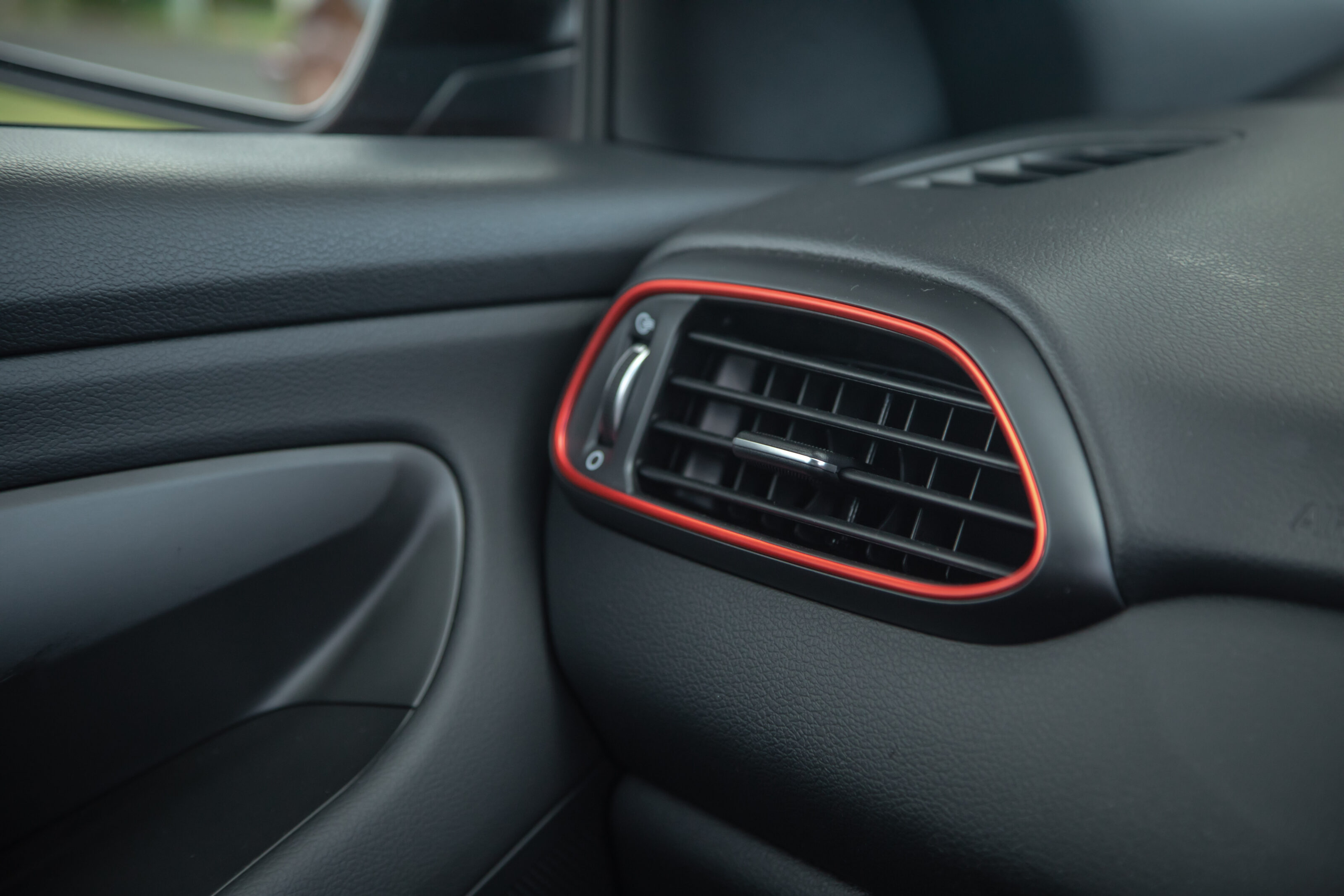
Windows love fogging up on cold, humid or rainy days and many people still drive while rubbing the windscreen with their forearm not knowing they can quickly get rid of the condensation at the touch of a button.
The reason your windows fog up is that your warm breath reacts with the cold air on the outside of the glass. Turning your heater on is like breathing even harder, so your windscreen continues to fog up.
When trying to demist your windscreen, turn the air-conditioner button on – even on a cold day. Air-conditioning pumps out dry air, which in summer takes away water vapour from the air and cools things down. Use it with the heater and you get a dry heat which removes water vapour from the air and quickly stops the reaction that causes fog.
If you have condensation on a warm day there’s no need to have the heat turned up.
Wipers
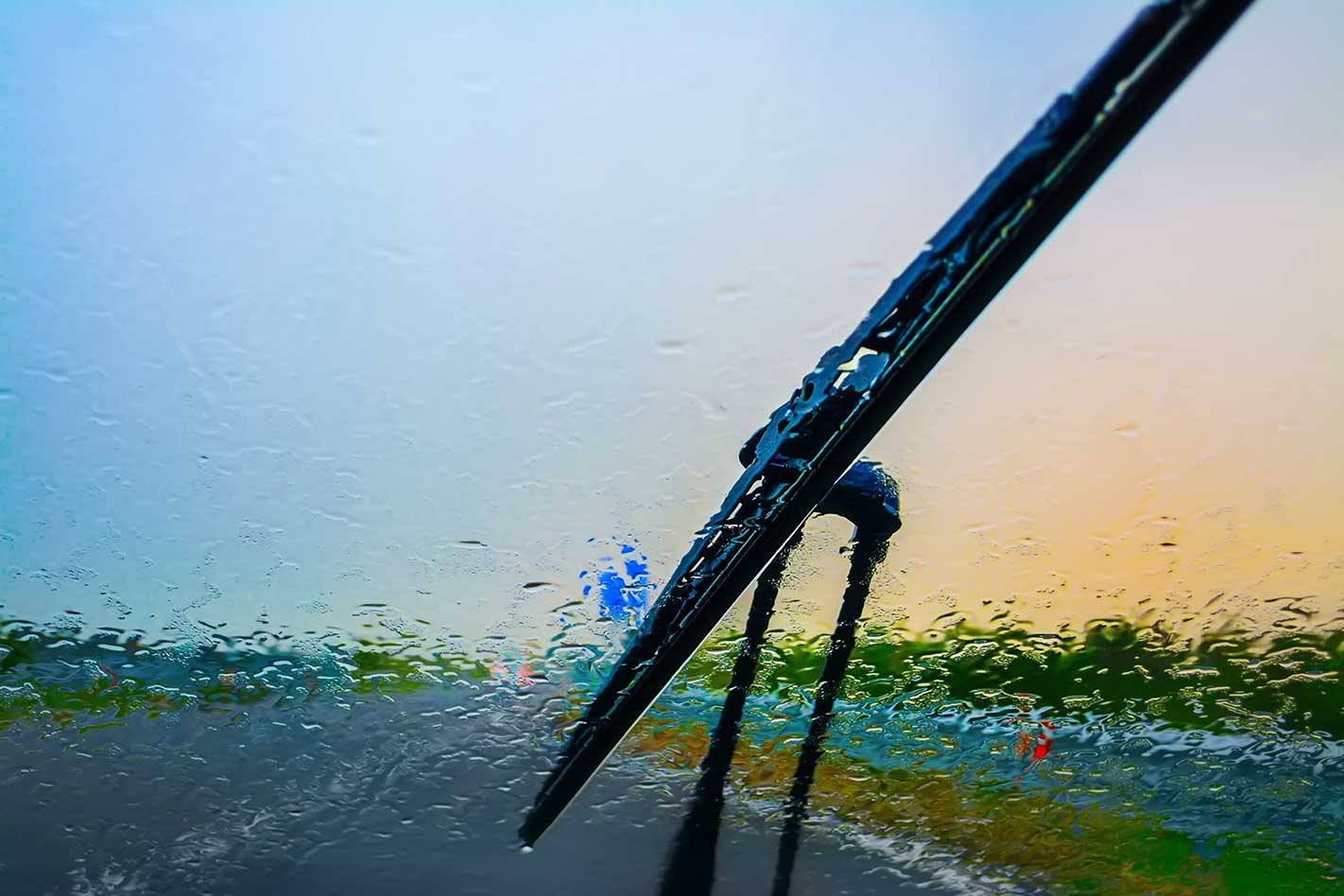
Windscreen wipers don’t just deteriorate from use, but also from sunlight, road grime and hot and cold weather conditions – so it pays to replace them every six months, 10,000kms or when they leave streaking across the windscreen or judder and screech.
Windscreen wipers are reasonably easy to change yourself. You can buy them from any auto accessories store, but be mindful that there are many different types depending on your car. If you’re not sure, ask the staff for help.
You might be able to just change the wiper blade or the wiper assembly which includes the blade and the frame that connects it to the car’s wiper arm. If you haven’t replaced your wipers for some time it’s probably best to change the assembly.
Windscreen wash
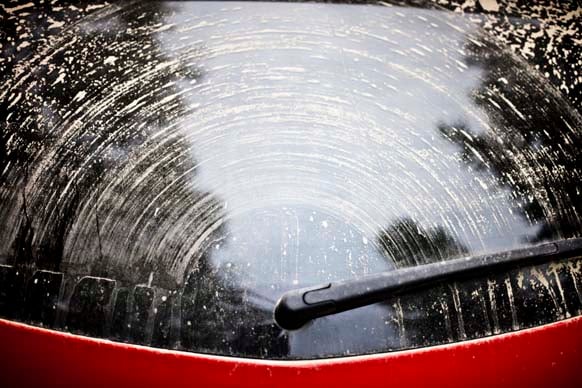
Wiper fluid is important in places where it gets really cold as it not only acts as a cleaning agent, but also stops the water from freezing. Of course, freezing isn’t a huge problem in most parts of Australia, but water in the washer reservoir could breed harmful bacteria, such as Legionella, which could end up in your air vents.
Putting that aside, we do have our fair share of bugs and bird mess hitting our windscreens, so it’s a good idea to have something in the water to help your wipers perform at their best.
Finally, wash your windscreen manually whenever you get fuel so your wipers won’t have to work too hard when you flick them on.
Tesla’s public website has been updated with lower prices across the brand’s range in Australia.
Snapshot
- All Tesla prices down in Australia
- Some models more than others
- Base Model Y, Model 3 back to June 2022 pricing
The drops bring the price of Tesla’s Model 3 and Model Y rear-drive base models back to where they were on June 10 2022, prior to the June 17 price hike.
However, the Model 3 Long Range AWD is notably more affordable than before, now $76,900 before on-road costs (down $3100).
This comes as a slight shock with most companies in the space, including most recently Volkswagen, Toyota, Mitsubishi and more, bumping prices in line with increased shipping costs and inflation.
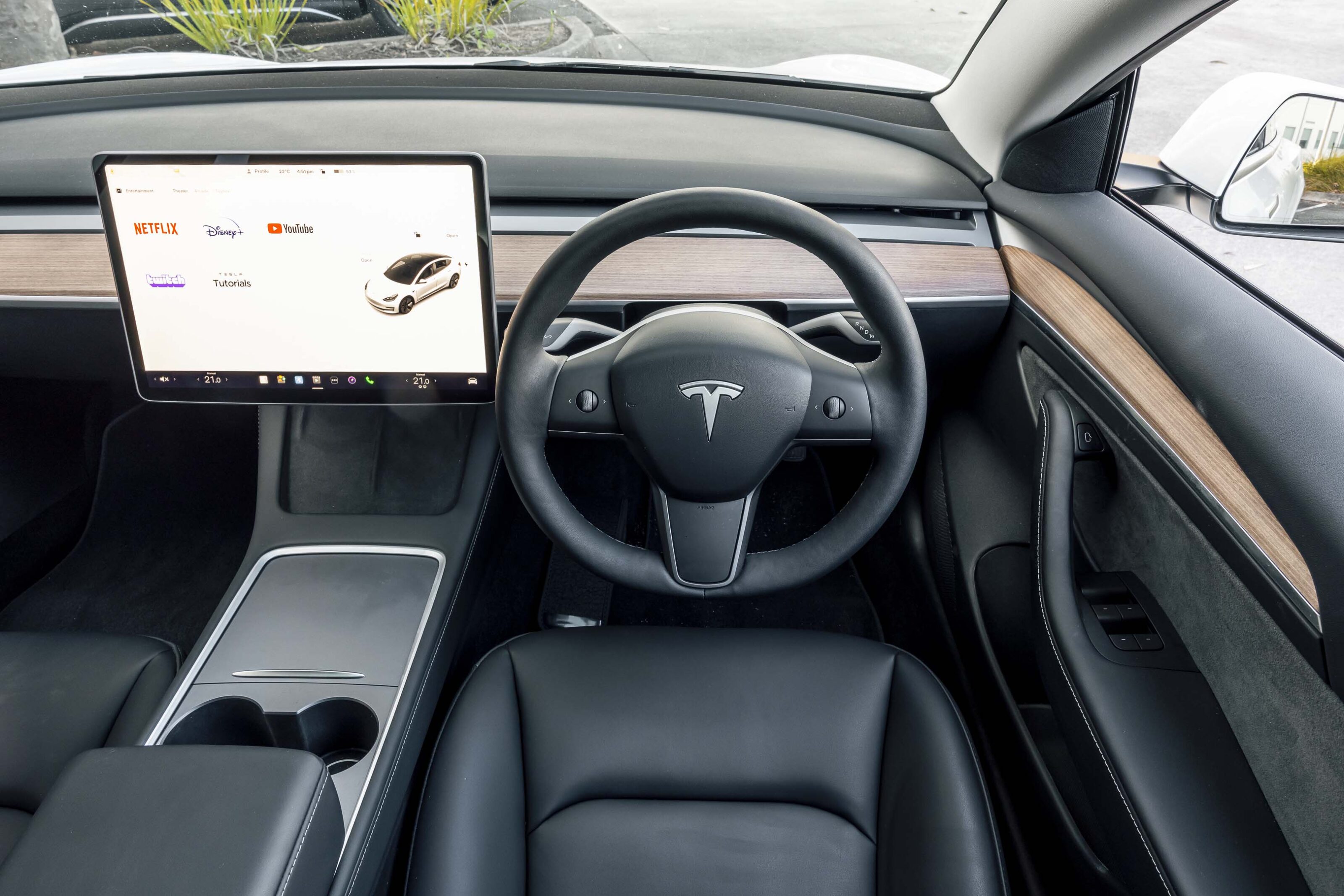
Instead, the cheapest Tesla you can get – a standard range Model 3 rear-drive – falls back from $65,500 to $63,900, according to the brand’s website.
Several option prices are also down, with the tri-coat red paint now $500 cheaper at $2400, 19-inch alloy sport wheels on Model 3 $1800 (previously $2200) and Model Y 20-inch Induction wheels $2400.
In a slight turn, Tesla’s order fee has risen by $50 (now $400), while delivery charge is up by $25 to $1400.
All other permutations of Model 3 and Model Y have also dropped – see the table below for details.
Best Electric Cars Under $65k: Affordable EVs Rated
Welcome to part one of three price-based EV buying guides, this one focused on the most affordable electric cars available in Australia today
Australian Tesla pricing for January 2023
Prices listed are before on-road costs
| Model | New price | Difference |
|---|---|---|
| Model 3 RWD | $63,900 | Down $1600 |
| Model 3 LR AWD | $76,900 | Down $3100 |
| Model 3 Performance | $89,900* | Down $1700 |
| Model | New price | Difference |
|---|---|---|
| Model Y RWD | $68,900 | Down $3400 |
| Model Y Performance | $98,435*u00a0 | Down $1800 |
*Includes Luxury Car Tax

Why have Tesla prices dropped?
There are various reasons on the table. Shipping costs may have normalised, or with a greater volume arriving, the cars may simply be more affordable to build and ship, and Tesla is passing savings onto customers.
Regardless, there are no obvious changes to the specification of any Tesla model.
But it’s most likely a reaction to Tesla’s sales slump in China – where Model 3 and Model Y are built for Australia – which has seen the brand cut prices by up to 13 per cent.

In the case of the Model 3 Long Range AWD (which, unlike the base model, is cheaper than it was in June 2022), its pricing now falls within the threshold for stamp duty rebates in NSW and interest free loans in the ACT.
Similarly, it may be easier to access each state and territory’s individual cash rebates if you’re looking at a rear drive Model 3.
WhichCar has contacted Tesla for comment, and any extra information will be added in the future.
More EV stories to help you choose the best car for your needs
Sony Honda Mobility’s new Afeela car brand will launch soon, the Japanese duo has confirmed, with pre-orders for its first car to open in early 2025.
As for Australia, the future for Honda- or Afeela-badged EVs is cloudy.
What a journey. At the 2020 Consumer Electronics Show (CES), Sony unveiled a concept car it described as a rolling lab for the testing of vehicle systems that would include infotainment tech, cameras and sensors – all features Sony has plenty of experience with, across various market segments.
A year later, Sony confirmed it had no intention of entering the automotive industry as a car brand in its own right, insisting that its Vision-S concept was a tech-testing prototype only – despite its entirely production-ready look.
Then, in 2022, the story was flipped on its head with Sony announcing it had partnered with Honda and would launch a joint EV brand for a 2025 market launch. What’s more, it revealed a second concept: the Vision-S 02 SUV.
Of course, Sony is no stranger to brand partnerships, having famously entered the mobile phone market as one half of the Sony Ericsson brand in the early 2000s. (This writer must have had at least five of their phones over the years…)
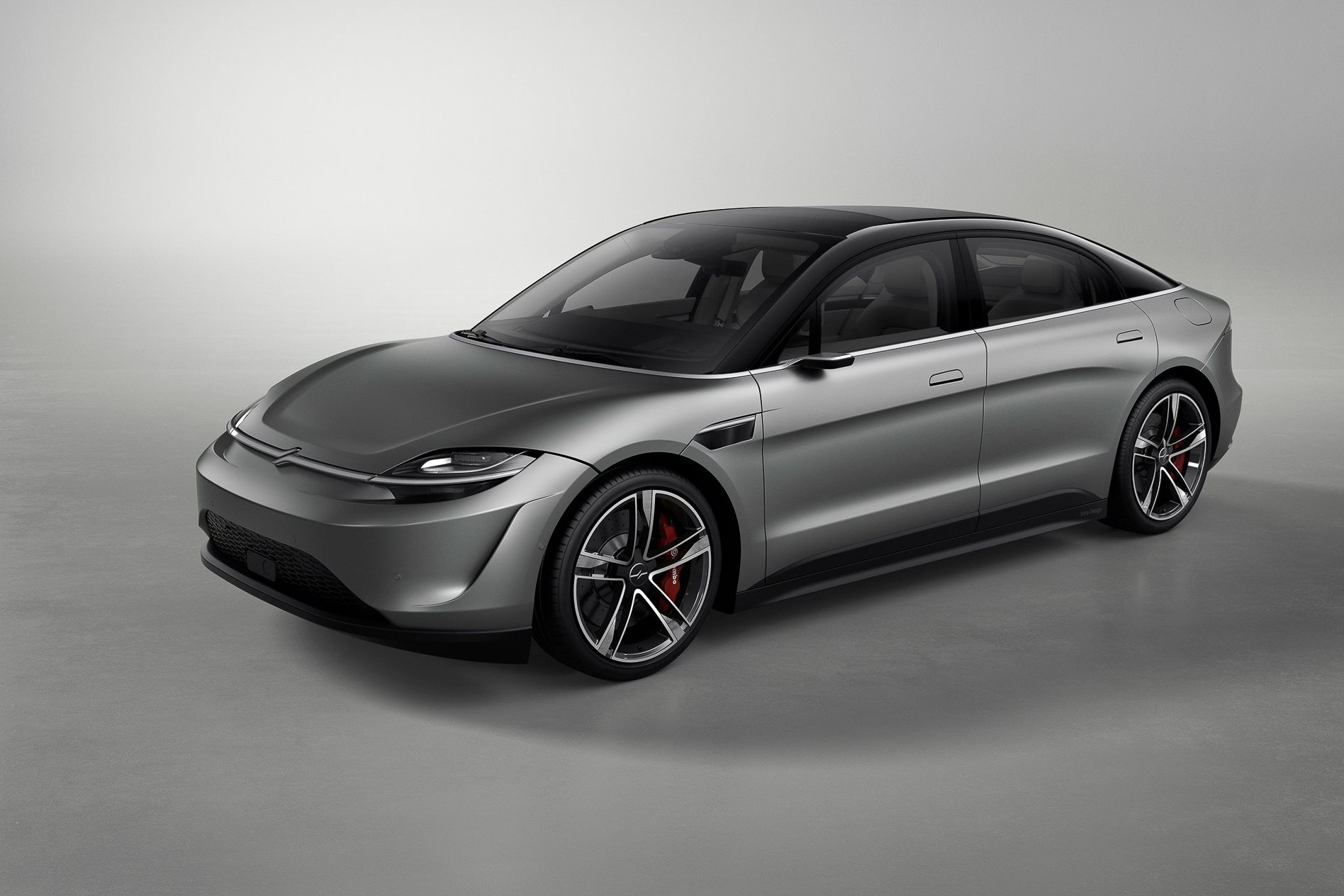
Now, at this week’s 2023 Consumer Electronics Show, Sony Honda Mobility has announced its retail brand will be called Afeela, with a simple wordmark as its logo.
The news was accompanied by the unveiling of a new near-production electric car prototype, as-yet unnamed.
Little has been revealed about the new brand, but Sony Honda Mobility CEO Yasuhide Mizuno said the car will debut as the culmination of Sony’s experience with AI, entertainment, virtual reality, and augmented reality.
The part not said – any actual automotive manufacturing experience – will obviously form Honda’s contribution to the project.

“Afeela represents our concept of an interactive relationship where people feel the sensation of interactive mobility and where mobility can detect and understand people and society by utilizing sensing and AI technologies,” Mizuno said.
Perhaps the most surprising thing about the announcement was how different the prototype car looks to the seemingly production-ready concept unveiled in 2020 – which was arguably a better-looking design, if no more uniquely styled than the car shown this week.

Afeela prototype EV tech specs
Sony Honda Mobility has yet to offer any official word on the Afeela prototype’s specs, but we expect it to be built on the Ultium architecture that Honda shares with GM.
Honda unveiled its Prologue electric SUV in October, and while that too is still to be detailed in full, Honda claims a driving range of 725 kilometres from a single charge.

Afeela prototype EV dimensions
In terms of size, the 4895mm-long Afeela car will sit between the Tesla Model 3 (4694mm) and Model S (4980mm) in overall length, although its 3000mm wheelbase will out-stretch both, which measure 2875mm and 2960mm respectively.
Indeed, the Afeela’s wheelbase is a match for the Hyundai Ioniq 5‘s wheelbase and 100mm longer than that of the Kia EV6.
| Afeela EV prototype dimensions & basic specs | |
|---|---|
| Data Table | |
| Length | 4895mm |
| Width | 1900mm |
| Height | 1460mm |
| Wheelbase | 3000mm |
| Drive | all-wheel drive |
| Seats | 5 |
| Tyres | Front: 245/40R21 |
| Rear: 275/35R21 | |
| Suspension | Front: Double wishbone |
| Rear: Multilink | |
Best Electric Cars Under $65k: Affordable EVs Rated
Welcome to part one of three price-based EV buying guides, this one focused on the most affordable electric cars available in Australia today
Will the Afeela brand come to Australia?
For now, the Afeela brand has only been spoken about in reference to the North American market, suggesting a left-hand drive configuration could be the only layout planned for its cars.
Honda Australia did not respond to a request for comment in time for publishing, although it has previously made clear it does not comment on overseas announcements – particularly for models with no history in its Australian line-up.
Honda remains one of the last brands in Australia to offer any clear word on its EV plans. Internationally, the company has announced it will launch a range of electric cars by 2030, but which of those we’ll see in Australia remains unclear.