
Sue Baker, one of the original presenters of the BBC’s Top Gear television show, has died aged 67 after a fight with motor neurone disease (MND).
Baker predated Top Gear’s popular 2002 reboot, making her debut on the fourth season of the British motoring TV series in 1980, appearing in more than 100 episodes and departing the show in 1991.
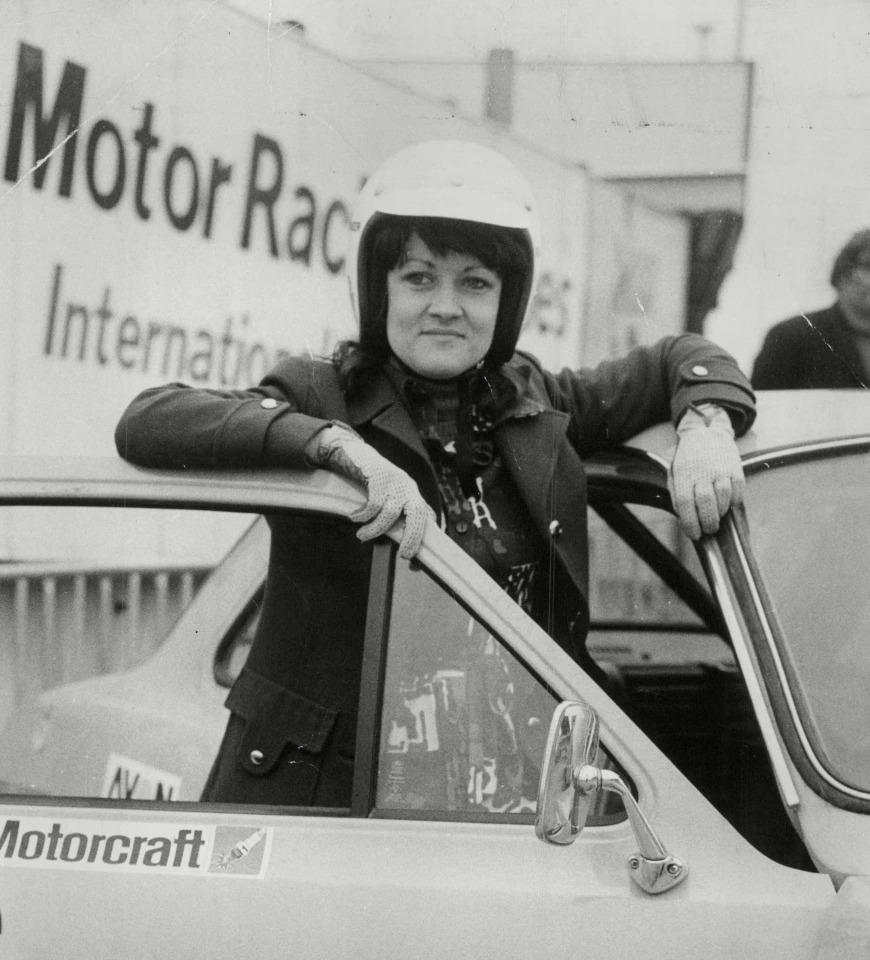
For much of her time on Top Gear, Baker also helped helm the British Sunday paper, The Observer, as motoring editor from 1982 to 1995.
Elsewhere, the passionate motoring scribe helped establish and operate the Motor Racing News Service, based at Brand’s Hatch in Kent, and enjoyed an enduring freelance career spanning decades.
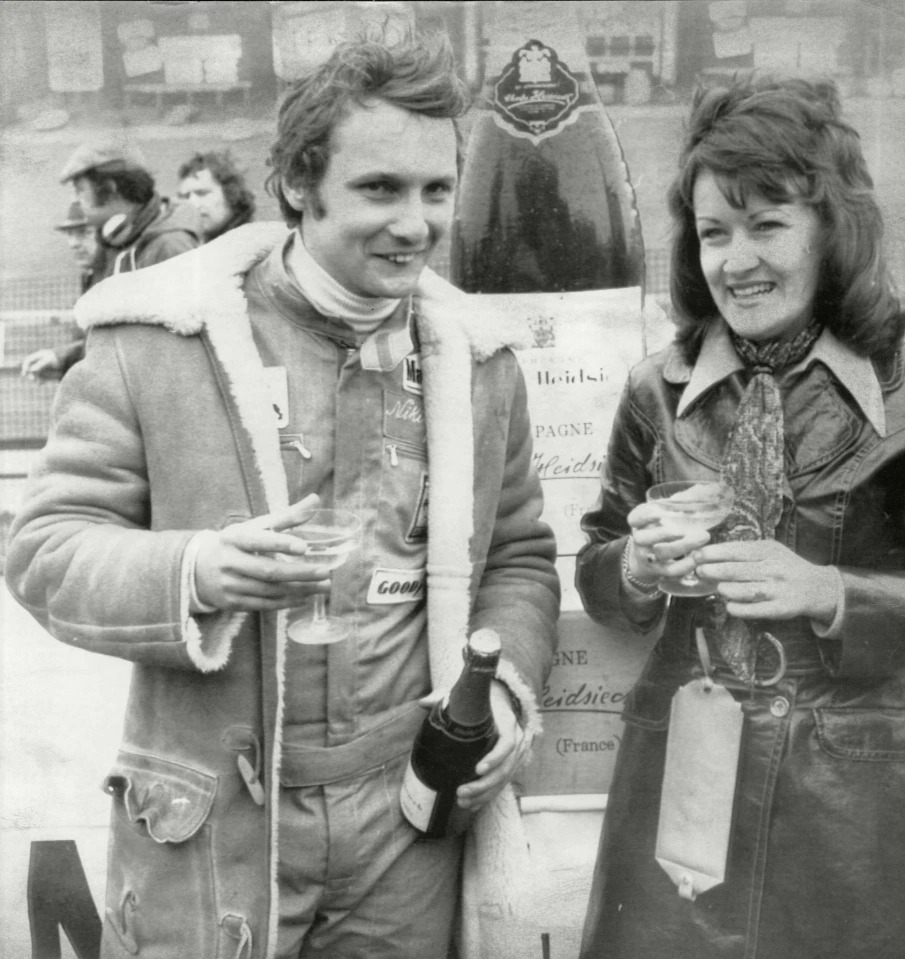
More recently, after first gaining a chair at the Guild of Motoring Writers in 1978, Sue Baker was elected Guild Vice President in 2014.
“Sue was a pioneer for women in automotive journalism”, reads a statement from the Guild.
Baker’s family said: “It is with great sadness that we share the news of Sue’s passing. A doting mother to Ian and Hannah, a loving grandmother to Tom and George, and a wonderful mother-in-law to Lucy. She passed at home this morning with family around her.
“She was a talented and prolific writer, a charismatic TV presenter, and a passionate animal lover. She had a life and career that many would envy, but did it all with such grace that she was admired and respected by all who knew her. We know she meant so much to so many.
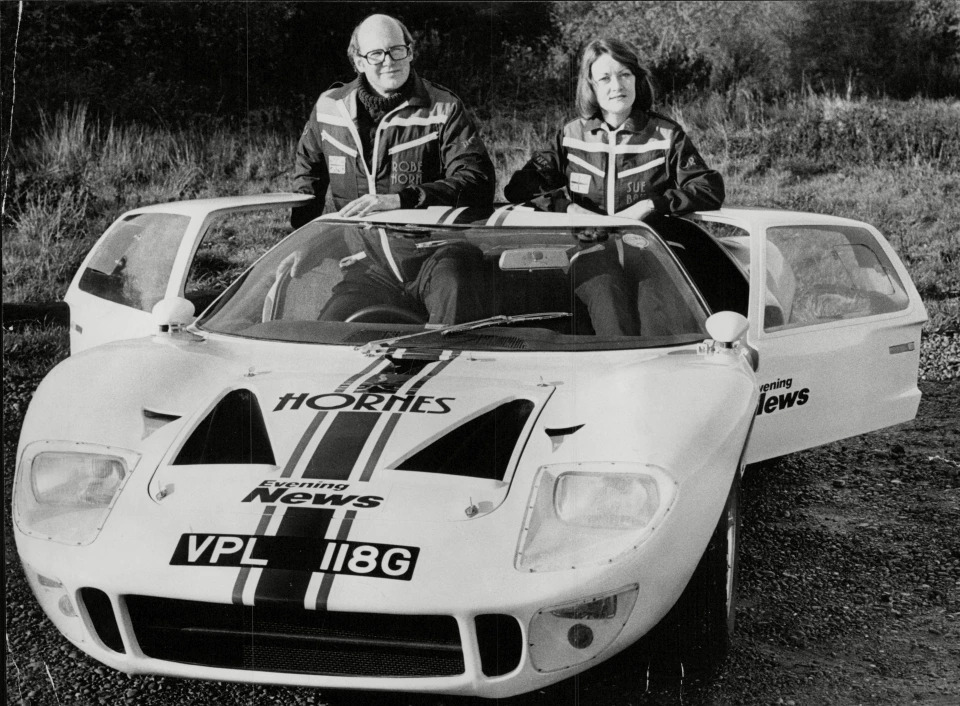
“Thank you to everyone who has supported her over the last few years as she battled with MND.”
Wheels takes this opportunity to tip its hat to a fellow motoring writer, a pioneer and a trailblazer.
Vale Sue Baker.
Korean carmaker Ssangyong has paid off its debts in a process known as Corporate Rehabilitation.
The Korean financial procedure has given it more time to find a new buyer after Edison Motors pulled out of a US$255 million deal earlier this year.
The result is a company under the new ownership of Korean family-owned business conglomerate, KG Group, which now holds a majority stake.
The marque has been under financial stress since Mahindra & Mahindra sold its 75 per cent share in 2021.
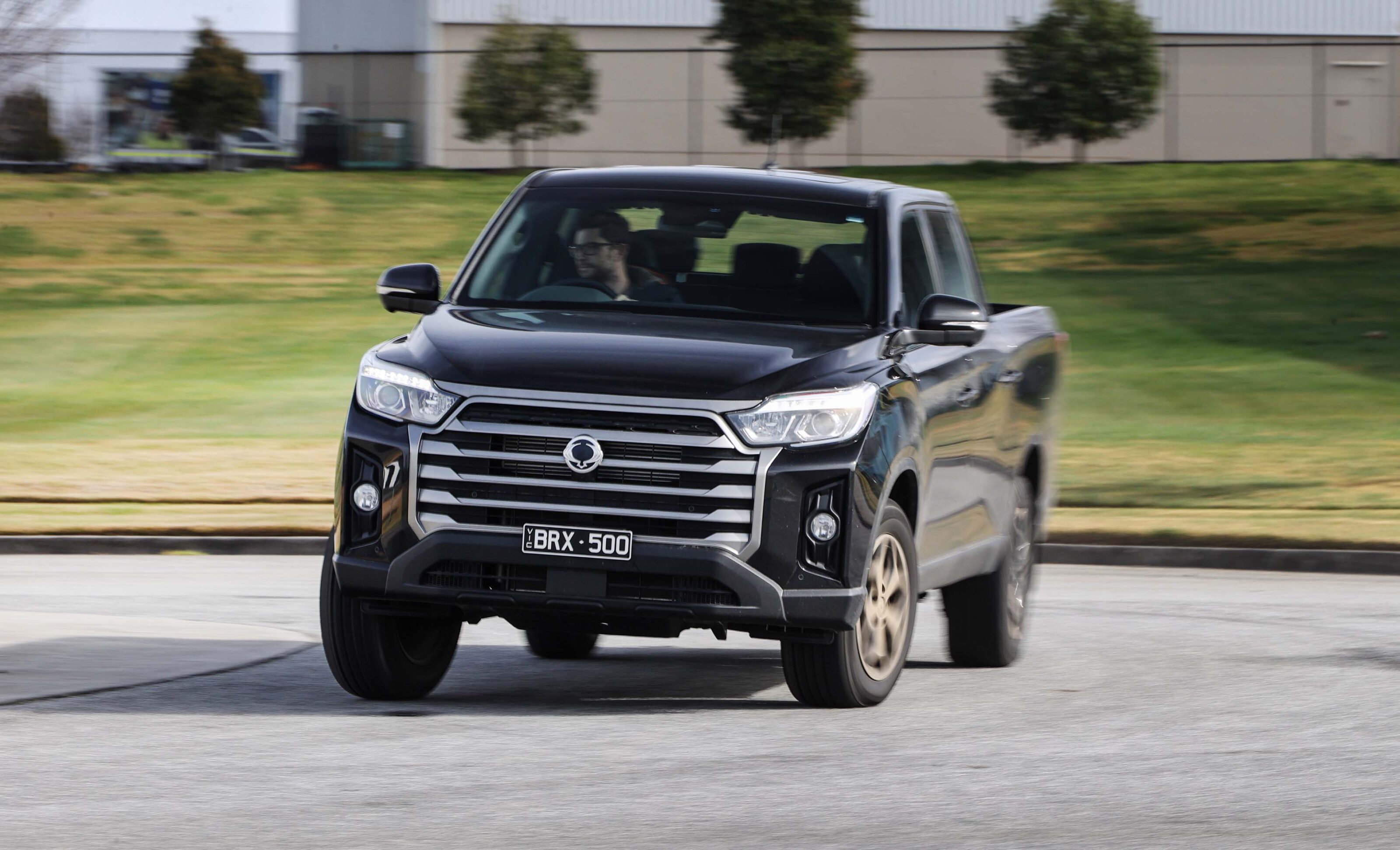
In a statement, Ssangyong said it has “plans to accelerate its early management normalisation by increasing sales and quickly making a profit”.
The carmaker currently sells three models in Australia – the Musso ute, Rexton large SUV and Korando medium SUV.
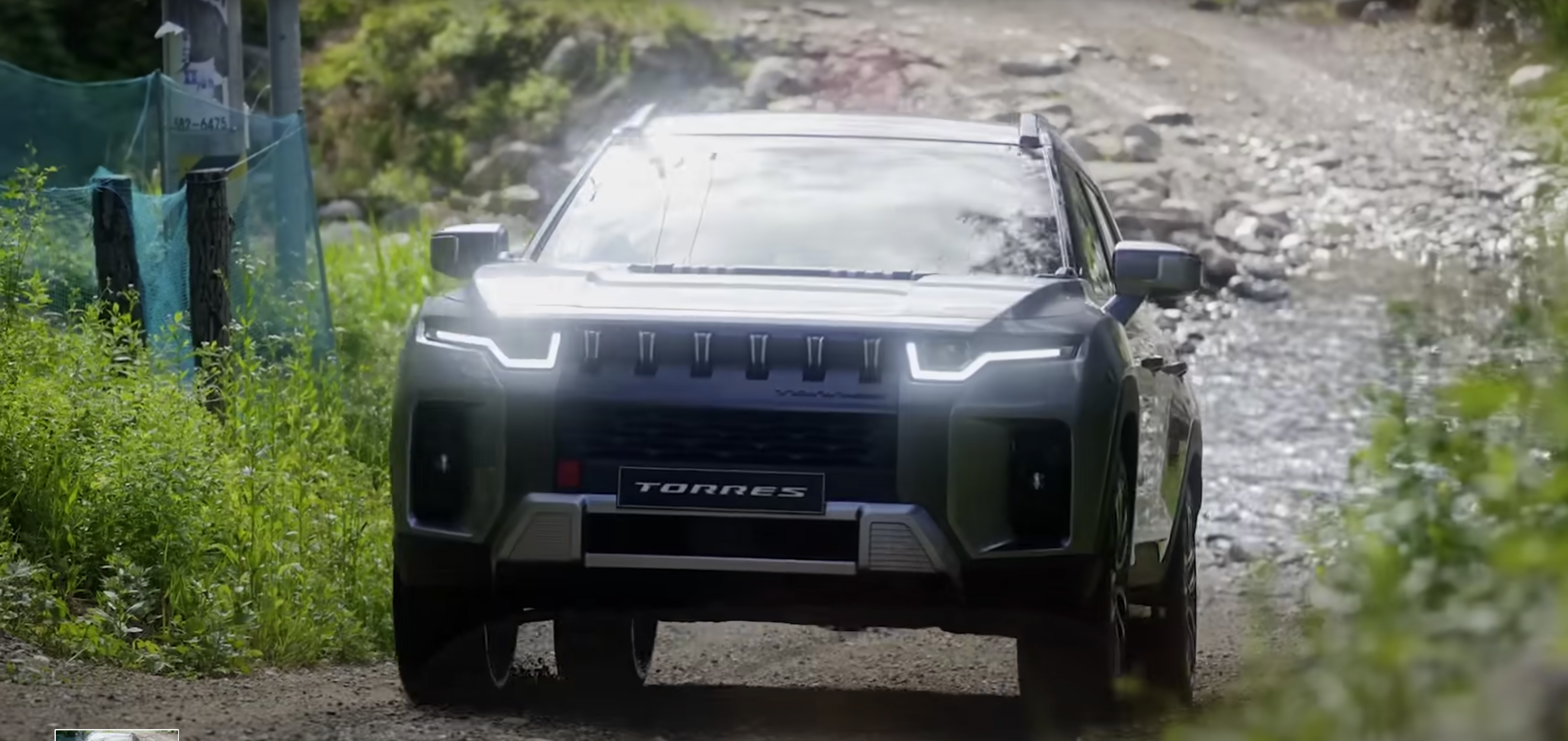
Its future though is looking electric with the J100/Torres slated for an Australian release as the brand pushes to develop five electric vehicles by 2025.
“On behalf of everyone at SsangYong Motor, we would like to express our sincere gratitude to all stakeholders, including the Seoul Rehabilitation Court, creditors and partners for their understanding and support in successfully completing the corporate rehabilitation procedure, and laying the foundation for the company’s business normalisation”, a Ssangyong spokesperson said.
“We particularly reach out to our customers to thank them for their loyalty, and as a completely new and transformed business, aim to reward them by providing the best possible customer service, and thank them for their patience.”
Safety bodies are calling for drivers to take extra precautions to avoid damage caused to Victoria’s roads due to diabolical weather conditions across the state in recent months.
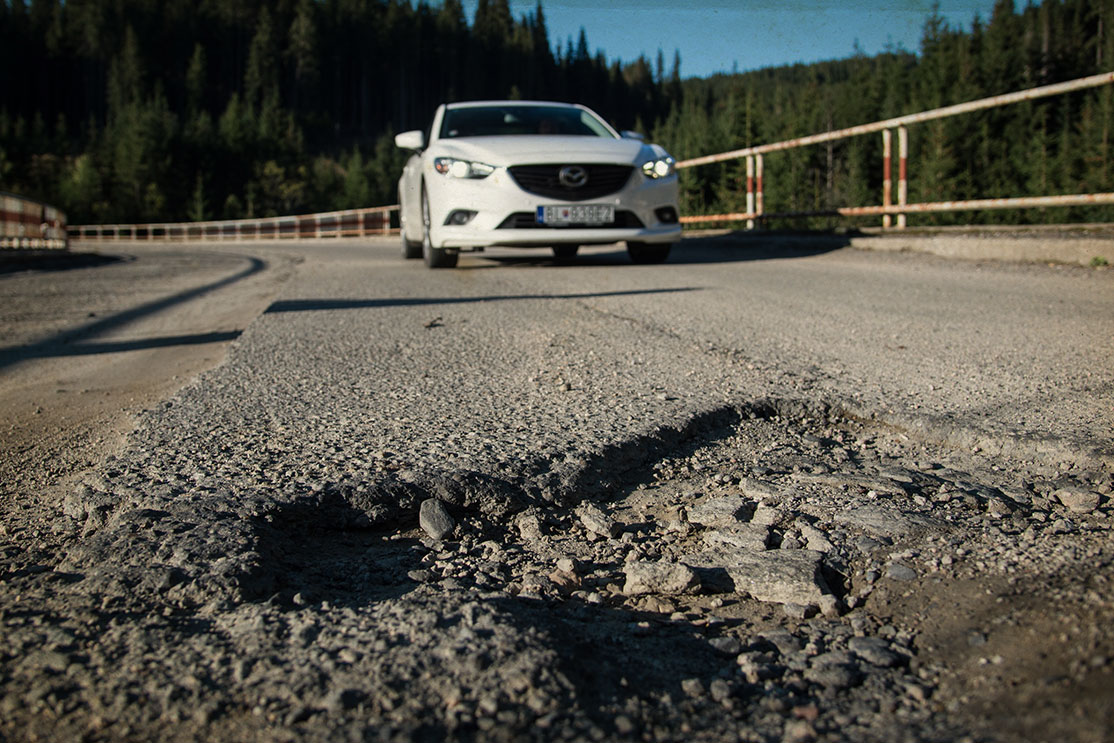
Heavy rain has contributed to flooding on metropolitan and regional roads, as well as causing potholes – presenting hazards for drivers, motorcyclists and cyclists.
According to The Age, VicRoads has filled in 71,500 potholes in a repair blitz, but 448 roads remain closed including parts of the Barmah-Shepparton Road and Murray Valley Highway.
The Royal Automotive Club of Victoria’s (RACV) Head of Policy, James Williams, said it is crucial road users are aware of the changed conditions brought about by the extreme weather event.

“Victorians would be acutely aware of how quickly weather conditions can change – they would also know that the recent storms can have a significant impact on our roads,” Williams said.
The state has experienced an increase in rainfall and severe weather events in 2022 as a result of a La Niña weather phase, with the wettest October on record inflicting devastating damage on the state’s roads.
Thousands of potholes have opened up on roads everywhere from Melbourne’s CBD to country highways, which, despite repair efforts, continue to endanger drivers.
Silvia Morris, a senior instructor for the RACV Drive School, said the dangers of potholes should not be underestimated.
“Large potholes have the potential to cause severe damage to your tyres, wheels, suspension, exhaust and/or vehicle body, and in some cases can even lead to drivers losing control of their vehicle,” Morris said.
“Even small ones can cause wear and tear to your vehicle’s suspension and steering which can be costly.”
“When you do encounter a pothole, avoid sudden breaking and dangerous swerving into oncoming traffic. Keep a firm control of the steering wheel – which can be jolted with impact.
“If you do hit a pothole and you’re concerned about potential damage to your vehicle, pull over to a safe space and contact your roadside assist.”
Flooded roads and even deep puddles are also a factor following rain, the peak body said.
“Some puddles can be hiding large potholes underneath them, so you should avoid driving over puddles where possible, and never drive through floodwaters,” Morris added.
According to The Age, road maintenance funding has decreased by about 60 per cent in real terms since 2010. The Victorian Transport Association, a trucking lobby group, told the newspaper that repairing flood-damaged roads would cost between $500 million and $1 billion – but even that estimate is thought to possibly be on the light side.
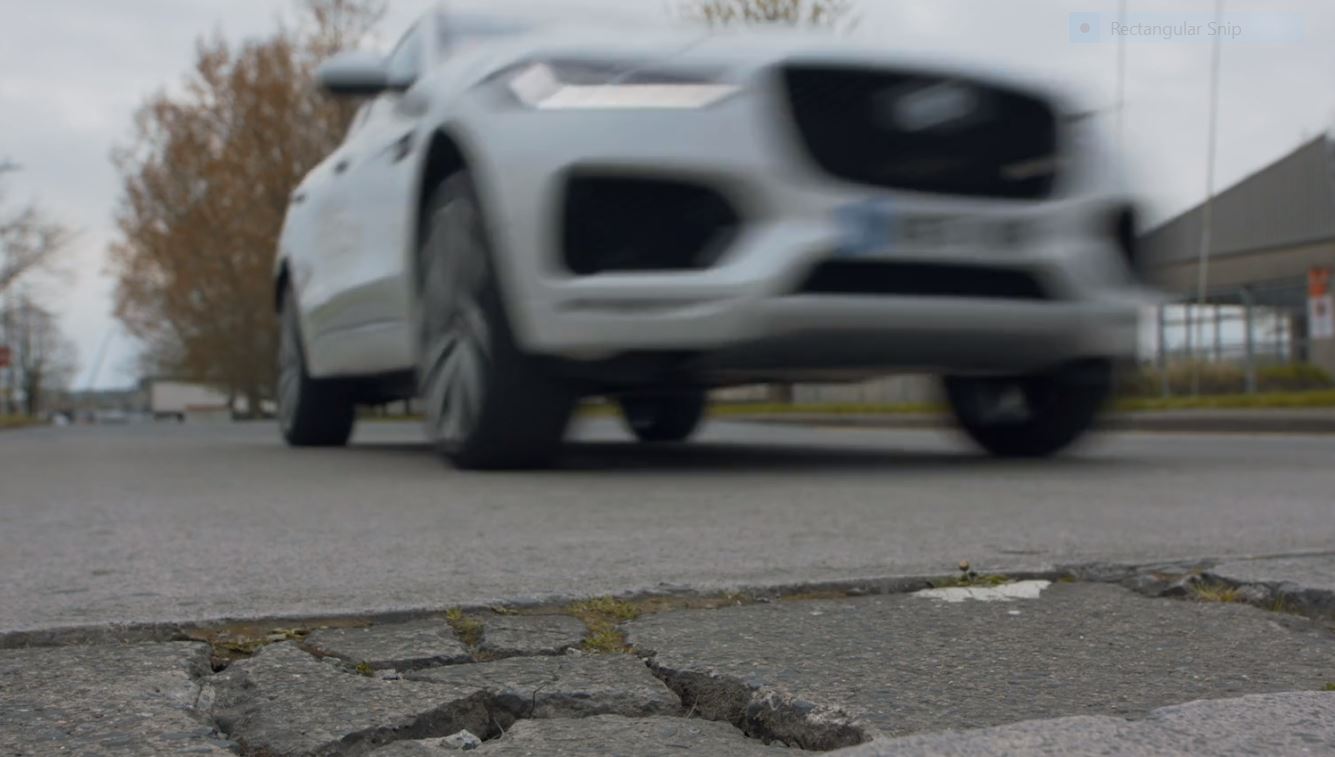
Potholes occur when water gets into the underlying structure of the road due to continual traffic passing over the affected area causing fatigue. Heavy rain, freezing and thawing also have destructive effects.
Five factors that make roads susceptible to potholing include; insufficient pavement thickness for heavy vehicles, poor quality initial construction, inadequate drainage, failures at road joints or inserts, and defects and cracks left untreated.
Potholes can be patched up, which may be either temporary or permanent.
Temporary patching is often done as a quick response to public demands for prominent potholes to be fixed.
Has your car been badly damaged by a pothole? Share your story and pictures with us at [email protected]
A Honda and Toyota battle should be a lop-sided one. Honda is tiny compared to its Japanese rival, without the megabucks to invest in new technology like hybrid and battery electric cars as well as filling niches with convincing machinery.
Yet Honda beat Toyota to the roomy compact SUV segment with the HR-V by an entire generation and even got its first battery electric vehicle out the door a year or two before the troubled bZ4X.
When it comes to hybrids, though Honda has a real battle on its hands. It has dabbled with the technology for a while, but nowhere near Toyota’s scale.
And so here we have the first hybrid HR-V and the Corolla Cross hybrid going head to head. As we already know, paper means nothing, it’s all about execution.

JUMP AHEAD
- How much are they, and what do you get?
- Interior comfort, space and storage
- What are they like to drive?
- How are they on fuel?
- How safe are they?
- Warranty and running costs
- VERDICT
- Specifications
How much are they, and what do you get?
Once you’ve got all the taxes and charges sorted out, these two are remarkably close to each other on price and specification.
The HR-V e:HEV is $47,000 drive-away while, in NSW at least, the Corolla Cross GXL Hybrid is $46,512 drive-away. Add a nicer colour to the Toyota and you’ll pay $47,105 drive-away for it. So that’s pretty close.
As you can see in the table below, it’s almost line-for-line identical, with little details like the Honda’s heated steering wheel and the Toyota’s larger media screen.
| Honda HR-V e:HEV | Toyota Corolla Cross Hybrid GXL |
|---|---|
| $47,000 driveaway | $42,250 + ORC |
| 18-inch alloy wheels | 17-inch alloy wheels |
| Six-speaker stereo | Six-speaker stereo |
| Front and rear parking sensors | Front and rear parking sensors |
| Reversing camera | Reversing camera |
| Keyless entry and start | Keyless entry and start |
| Dual-zone climate control | Dual-zone climate control |
| Heated leather steering wheel | Leather steering wheel |
| Automatic LED headlights with auto high beam | Automatic LED headlights |
| Power windows front and rear | Power windows front and rear |
| Adaptive cruise control | Adaptive cruise control |
| Fake leather interior | Fake leather interior |
| Digital dashboard | Part digital dashboard |
| Powered, heated and folding rear vision mirrors | Powered, heated and folding rear vision mirrors |
| Tyre repair kit | Tyre repair kit |
| 9.0-inch touchscreen | 10.5-inch touchscreen |
| Sat nav | Sat nav |
| Wireless Apple CarPlay | Wireless Apple CarPlay |
| Android Auto (wired) | Android Auto (wired) |
| Powered tailgate with walk-away function | Toyota Connected Services |
| Auto wipers | Digital DAB radio |
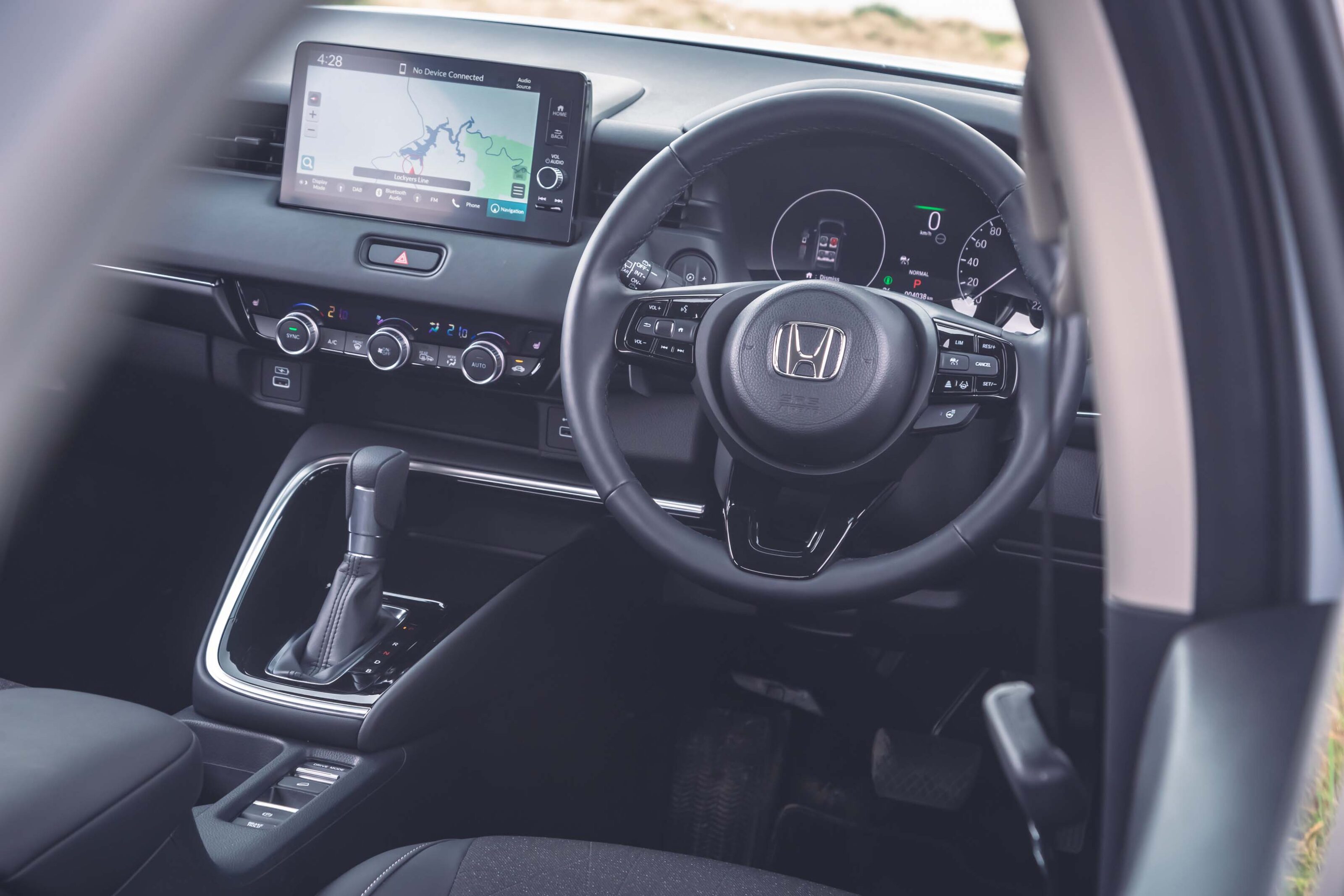
Honda’s 9.0-inch touchscreen is better than the old HR-V’s but is nothing to write home about. The hardware itself is fine but the basic tile interface along with options strung out along the upper and lower margins of the screen is not as intuitive as one might hope. Honda should do a Volvo, give up on bespoke software and submit itself to the genuine glories of Android Automotive.
Toyota probably should do the same but I can’t let the dramatic improvement in both hardware and software go unremarked. I have long been making increasingly hurtful fun of Toyota’s horrid media software found in cars that the company is trying to sell to young people.

This new system was instantly familiar to me as it presented very similarly to the new Lexus system in the NX, with the sat-nav serving as the home screen and a column of icons down the right-hand side popping out when needed (to select CarPlay, for example).
It’s nice enough to use, but the lack of a home screen kept making my brain hurt. No doubt familiarity will ease that effect or I’m just being stubborn in my old age.
Long story short, no more “drunk accountant on Alibaba buying five million units” jokes from me. It’s a heck of a lot better. The Corolla Cross also debuts Toyota’s Connected Services system of voice control and web search for restaurants and other facilities, as well as limited control over the car’s functions.

Interior comfort, space and storage
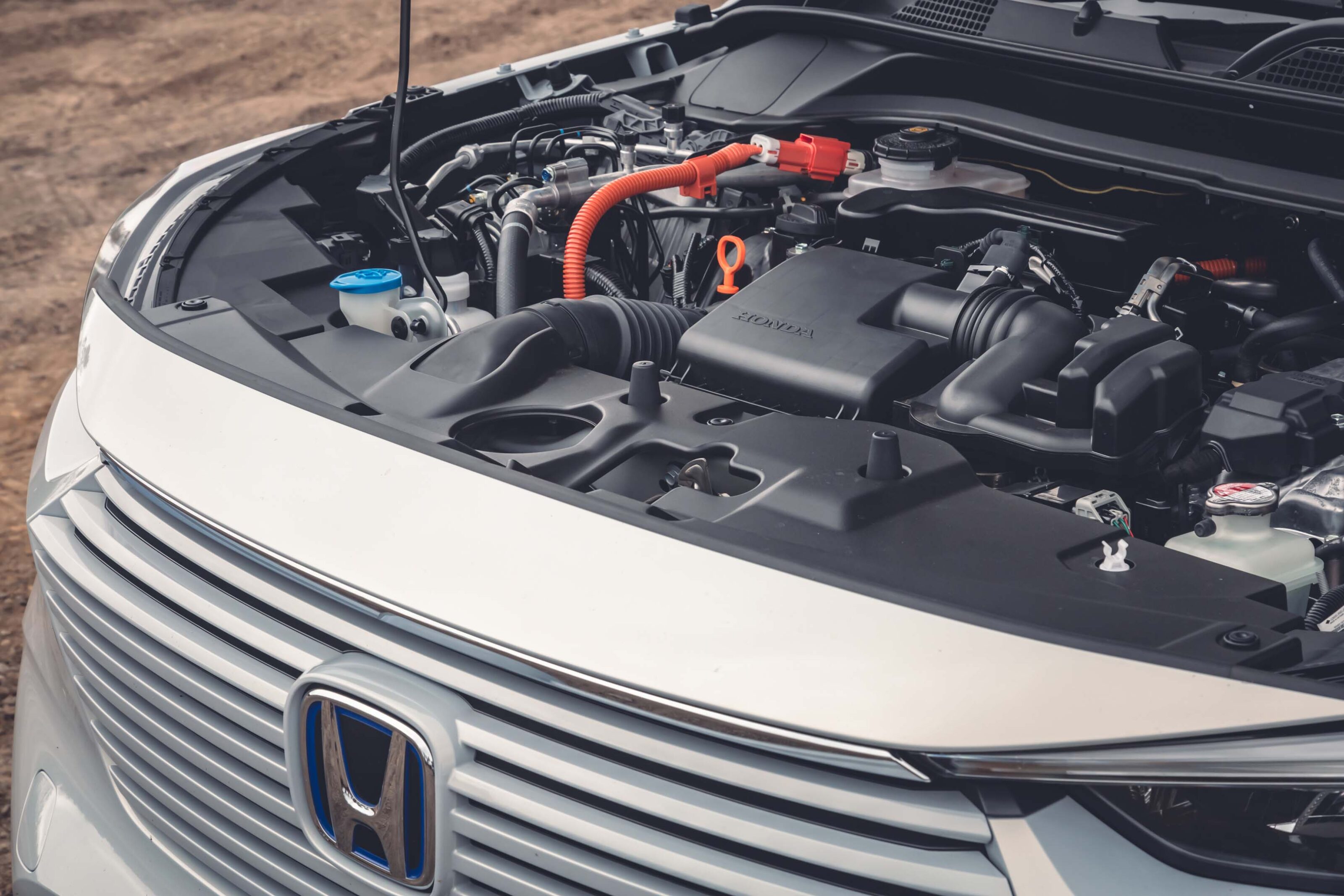
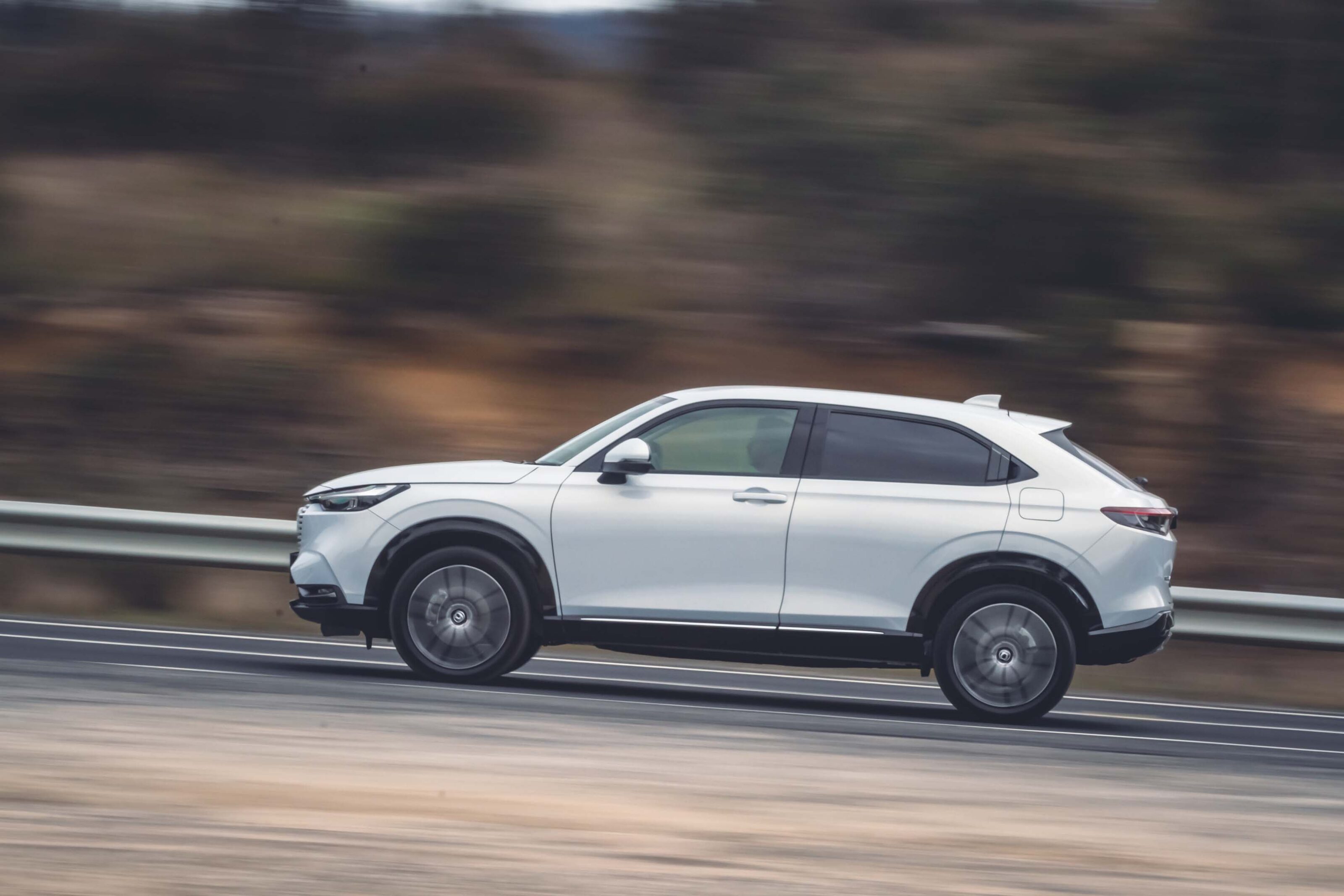
The new HR-V is a visibly smaller package than the Corolla Corolla, as the Toyota’s chunkier looks suggest its dimensions are bigger than they are.
Starting with boot space, if we’d put the previous HR-V in this blue, the Honda would win. However, this third-generation car has a smaller cargo area than before, the 2022 HR-V offering 304 litres of boot space (to the old car’s 437L), soundly beaten by the Corolla Cross’s 390-litre boot.
Both have a tyre repair kit, the Honda presumably to try and maximise boot space.
Seats down, the HR-V’s figure rises to 1274L. I’d like to tell you what the max capacity figure of the Cross is, but Toyota doesn’t offer one. I’d bet on it comfortably out-pacing the Honda by about 50 litres.
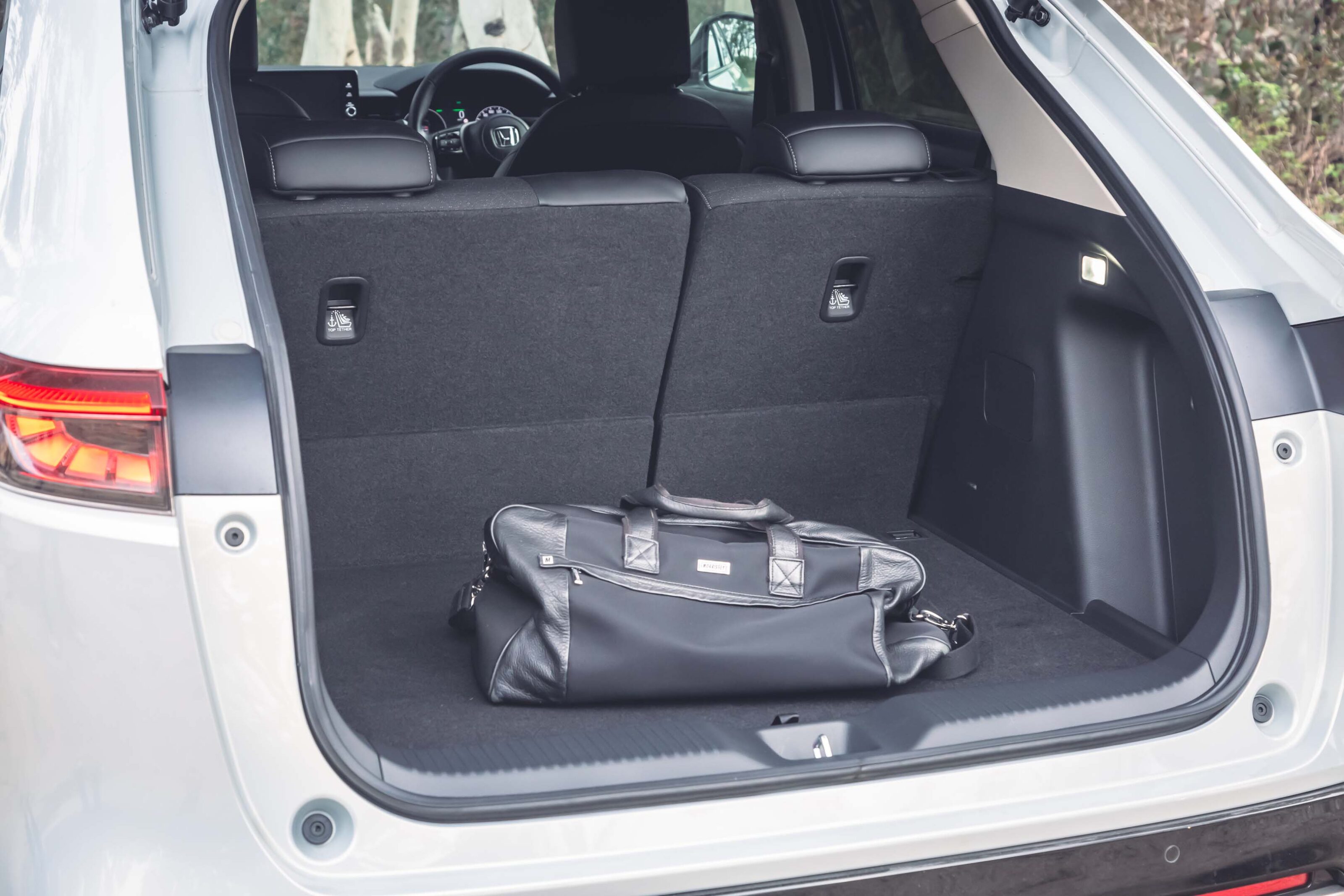
In the back seat, the Corolla takes a technical win by providing for three passengers, but two up the Honda is substantially better. There’s a lot more legroom in the HR-V and even the shape of the floor provides a nice little ramp for your feet. It’s airier, too, and the slim front seats intrude less.
The seats themselves are like individual buckets, with lots of lateral support whereas the Toyota’s is just a run-of-the-mill offering that is comfortable enough, but with surprisingly tight legroom. You do get two USB-C ports for charging in the back of the Cross, though, which is handy.
Honda also provides its clever Magic Seat set-up where you can fold the seat squabs up and out of the way to load up awkward items that won’t fit in the boot. Going the other way, the seats fold to give you a completely flat floor that shorter folks could use as a comfortable basis for a lie down.
The HR-V has a centre armrest and cup holders in the doors, but neglects to provide bottle holders. You do get air vents, though.

Up front, the Honda’s daggy-looking front seats are soundly walloped by the Toyota pair. While the Honda’s are nice enough to sit in, the single-piece buckets in the Corolla Cross look better and are more comfortable for a long haul.
There is plenty of storage in both for phones, cups (two) and bottles (two) but the Honda looks and feels better than the fairly staid Corolla. It’s a shame the Cross hasn’t got more of Toyota’s ruggedised cleverness you’ll find in RAV4 and Kluger, like the lined slot in the dash or the chunky rubberised air-conditioning controls.
Instead, you get a strip of cheap identical plasti-chrome buttons embedded in fingerprint-attracting piano black trim and two meek little knobs for the climate control. There is, however, a pair of buttons – cheap-looking as they are – for physical volume control, which is handy.

The Honda has two USB-A ports under the climate controls at either side but the tray ahead of the shifter won’t hold larger phones, so phablet owners will be using the cup holders.
In Toyota’s favour, its under-dash tray does have room for a large phone and there is a USB-A port there, too. Sadly, like the Honda, there isn’t a wireless phone charging pad despite having wireless Apple CarPlay
The Honda has an almost Mazda-like feel in its symmetry, minimalism and sparse use of buttons on the dashboard itself. The Toyota’s huge screen looks out of place in the dashboard because it’s so big and the standard-fare Toyota steering wheel doesn’t have the presence of the Honda’s.
So despite missing a seat and having a smaller boot, the Honda takes the win for a better and slightly nicer interior.
What are they like to drive?
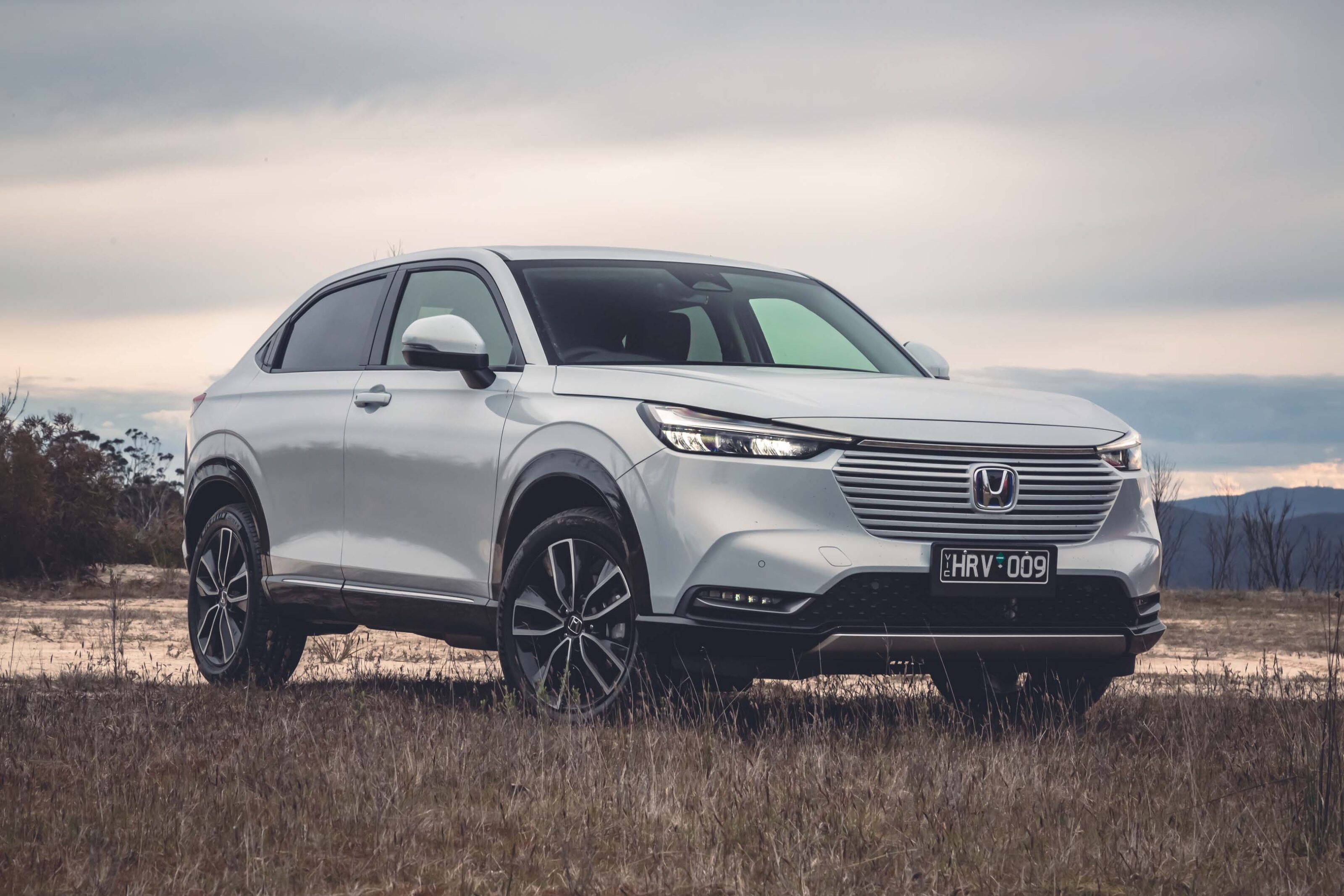
These are both pretty good cars but the Toyota has the muscle over the HR-V. On paper there’s more power and torque and, with the extra motor at the rear, the power is going down more smoothly.
| Honda HR-V e:HEV | Toyota Corolla Cross GXL Hybrid | |
|---|---|---|
| Drive: | front-wheel | all-wheel |
| Power | 78kW @ 6400rpm | 113kW @ 6000rpm |
| Torque | 131Nm @ 3500rpm | 190Nm @ 4400-5200rpm |
| Electric motor | front-wheel | front and rear |
| Electric power and torque | 97kW/253Nm | 83kW/206Nm front, 30kW/84Nm rear |
| Combined power | 96kW | 146kW |
| Combined torque | 253Nm | not stated |
| Battery | lithium-ion | lithium-ion |
| Transmission | continuously variable automatic | continuously variable automatic |
In practice, there’s a bigger gap than I expected between the two. Where the Honda feels like it runs out of puff after about 80km/h, the Toyota keeps surging. That plays out in a warm hatch 0-100km/h time of about seven-and-a-half seconds for the Toyota.
The Toyota also has much more convincing overtaking thrust as in-gear acceleration is superior. Even four-up, the Toyota pulls fairly strongly. While Toyota refuses to give a combined torque figure, it feels like more than 300Nm.
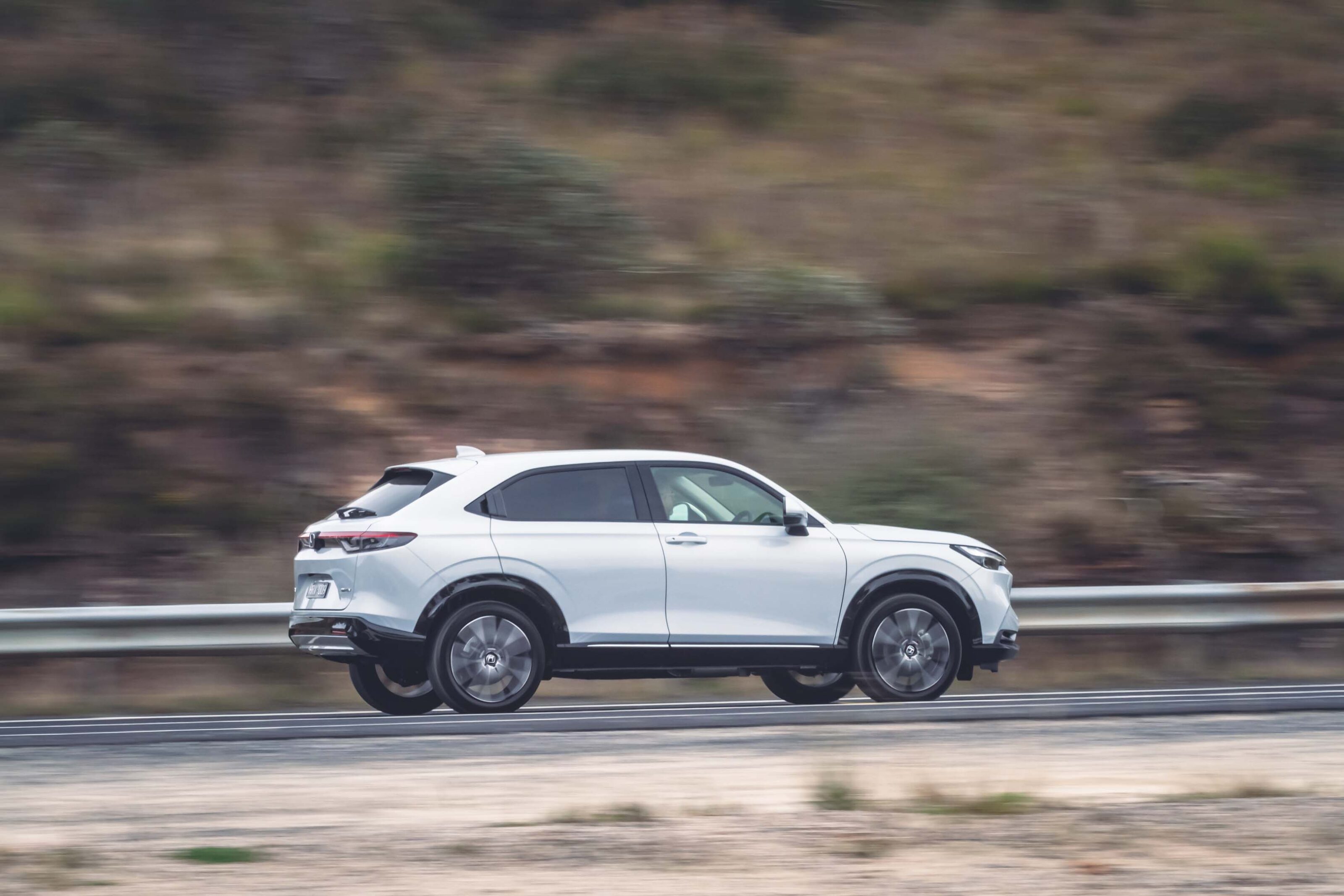
I say that because the front motor alone contributes 83kW/206Nm to the 2.0-litre engine’s 113kW/190Nm, plus the rear electric motor’s 30kW and its own torque figure that Toyota doesn’t feel strongly about enough to list but internet consensus suggests is 84Nm.
Honda makes up for its weedier 78kW/131Nm petrol engine with a slightly beefier 97kW/253Nm electric motor but still lacks the extra thrust of the Toyota’s rear drive unit.
Both cars shuffle between electric and petrol power but the Toyota does it slightly better than the Honda while making about the same amount of racket when you plant the boot. Both handle the regenerative braking well, but unfortunately, neither really manages one-pedal operation.
As both are quite advanced hybrids, they’re quite capable of dribbling along on electricity only for a reasonable distance. You can force the Toyota into EV mode, which proved very handy during photography manoeuvring that involved some mild off-roading. It performed very well and makes you wonder how good a pure-electric Corolla Cross would be.

As both are quite advanced hybrids, they’re quite capable of dribbling along on electricity only for a reasonable distance.
The Honda was in the same boat and coped with the bumps and lumps of the photography venue but its electric-only propulsion, while pretty good, is no match for the all-wheel drive Toyota.
Out on the open road, the Toyota is slightly quieter than the Honda – around town you can barely split them – but in all conditions, the Corolla is more relaxed with its larger outputs and well-sorted suspension.
The all-wheel drive Corolla Cross comes with a little bonus of swapping the front-wheel drive version’s torsion beam rear suspension with a multi-link set-up (Toyota does the same with the smaller Yaris Cross), while the Honda makes do with torsion beams. It’s genuinely difficult to split the two, though, as the Corolla’s performance over sharp bumps doesn’t suggest the more capable rear end is present.

There was in fact an argument early in the day as to whether the Corolla had torsion beams until co-conspirator John Law and I climbed under the car for me to be proved wrong. To be fair to me, part of the confusion stemmed from a spectacular moment of laziness from Toyota.
Like most electrified vehicles, there’s an animated diagram in the media system showing you the power flow and while the central display in the instrument cluster shows the rear wheels, the main screen does not, using the same animation from the front-wheel drive car. It’s a small matter but smacks of penny-pinching.
An interesting quirk in the Corolla Cross is that the adaptive cruise control does a Rolls-Royce and reads the road ahead for any curves. When approaching a bend, the Corolla will assess its severity and back off the throttle accordingly.

That’s not going to be for everyone – it certainly wasn’t for me – but it’s a little gift of semi-autonomy that will reduce fatigue and aid folks not keen on tackling unfamiliar roads, particularly at night.
Needless to say, it’s quite a conservative system and washed a fair bit of speed off in corners I’d have been happy to continue through at the set speed.
The Corolla Cross takes a win here because it does everything well – a more sorted ride (despite the firm rear), slightly quieter cabin at speed and more capable electrification, plus the extra motor at the rear. The Corolla Cross is also slightly more fun to drive, handling big bumps and road aggro with just that little bit more polish than the Honda.
How are they on fuel?
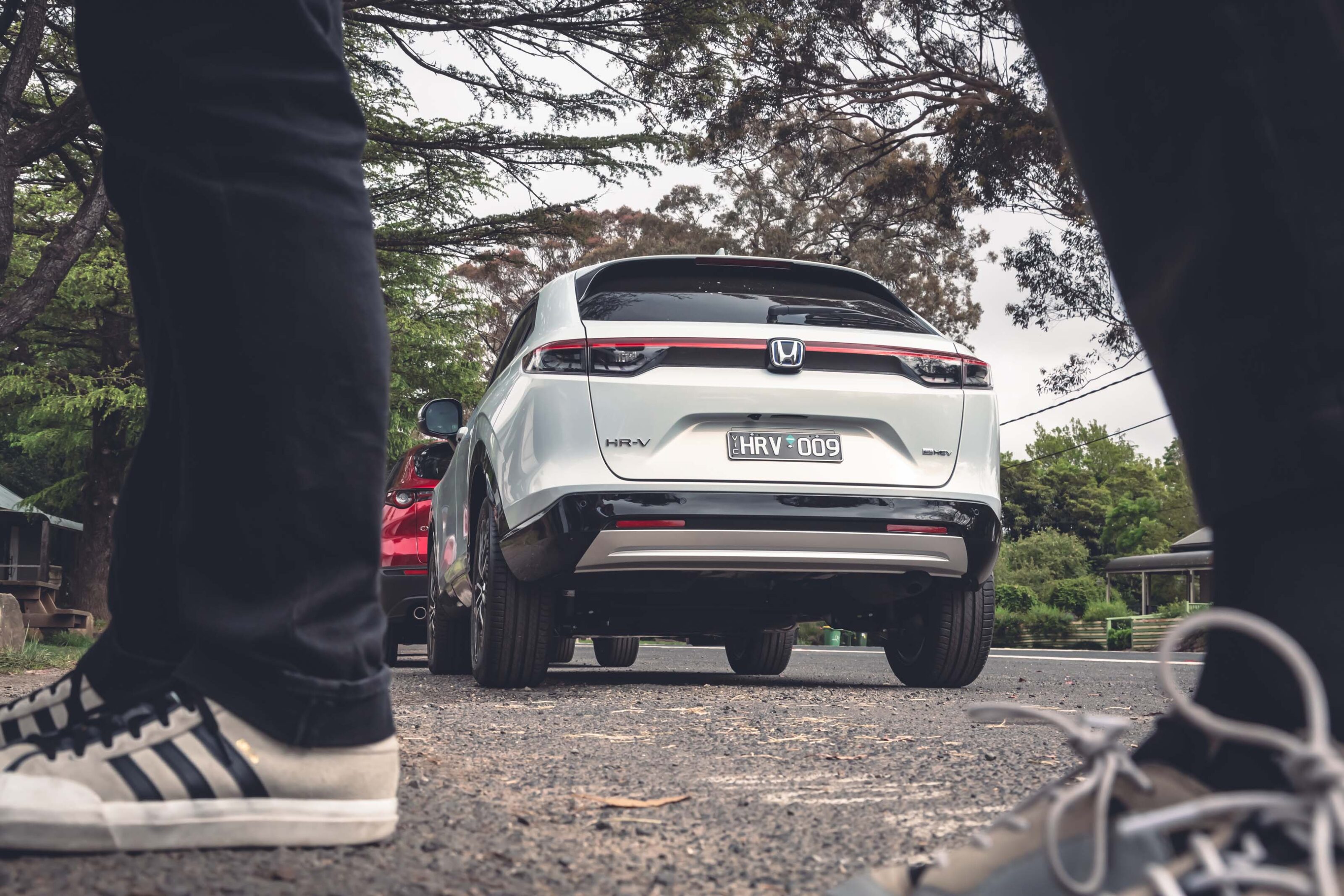
The HR-V’s official combined cycle figure is 4.8L/100km against the Toyota’s 4.4L/100km for the AWD hybrid.
Over 373km, the trip computer on the Honda spat out a 4.5L/100km figure that was backed up at the pump. The run home from fuelling up was pretty much half motorway and half traffic and the trip computer – which as you can see appears to be trustworthy – read 4.3L/100km. That’s an excellent achievement.
The Corolla Cross got quite a workout in the week it spent with the Wheels team, participating in this twin test, a four-way test and in the hands of m’colleague John Law. In urban running similar to the HR-V’s it managed 5.0L/100km and ran as low as 4.3L/100km on the long, demanding test loop.
So we’ve got a draw here – they’re both great on fuel, but it’s worth remembering that the Honda has two fewer driven wheels and delivers a lot less power and torque. One of the reasons the Corolla can get so close is that the rear wheels are only ever driven by the electric motor, meaning there is no direct drive from the engine and gearbox.
How safe are they?
Neither car has an ANCAP safety rating as of October 2022.
The clear differences between them are the extra two airbags in the Corolla Cross, one of which is a front centre airbag to stop head clashes in a side impact.
The Toyota’s forward auto emergency braking (AEB) also features front cross-traffic alert with braking (to stop you turning across oncoming traffic) and parking brake assist (stops you bumping stuff while parking), which is kind of a low-speed reversing AEB.
One would expect the eventual ANCAP crash will result in a five-star rating for the Corolla Cross (given the presence of the front centre airbag) while Honda’s four-star EuroNCAP score will most likely be reflected locally.
But, as ever, you can’t tell until the statutory body sings. It remains a curiosity to me that ANCAP hasn’t taken the Euro score as does with many other cars.
| Honda HR-V e:HEV | Toyota Corolla Cross GXL Hybrid |
|---|---|
| 6 airbags | 8 airbags |
| ABS | ABS |
| Stability and traction controls | Stability and traction controls |
| Forward AEB (low speed) | Forward AEB |
| Reverse cross-traffic alert | Reverse cross-traffic alert |
| Lane departure warning | Lane departure warning |
| Lane-keep assist | Lane-keep assist |
| Forward collision warning | Forward collision warning |
| Road sign recognition | Front cross-traffic alert with AEB |
| Pedestrian alert | Parking support brake |
| Blind-spot monitoring | Blind-spot monitoring |
| Reversing camera | Reversing camera |
The Honda has just two top-tether child seat anchors (hence being restricted to four-seat status) but we all know the reality of this is that it would extremely difficult to run three child seats across that back row. The Corolla Cross has three top-tether anchors and both cars feature two sets of ISOFIX points.
It is another win here for Toyota, with the extra safety gear that will make a genuine difference both to avoid accidents and if you’re in one.
Warranty and running costs
Both cars offer a five-year, unlimited-kilometre warranty and a five-year capped-price servicing regime.
The Honda will cost $625 for the first five services while the Toyota will ask $1150.
Now. The Honda is cheaper because the service intervals are 12 months/10,000km, that latter figure below the average annual usage of a car in Australia. If you reckon you’ll stay under 10,000km per year, you’re saving $100 a year on servicing.
The Toyota stretches closer to the average at 12 months/15,000km and works out at $230 per year for servicing. So another draw.

VERDICT
The Toyota takes the win here for a few, small reasons.
It is the better car to drive and with the extra driven wheels and more convincing hybrid system, it combines swift performance with frugality. The Honda isn’t a slouch but it runs out of power and therefore, in this company, feels underdone.
While the Honda has the better-looking car inside and, for me at least, out, the Toyota’s advantages outweigh the subjectives as well as bringing more safety gear to the table, an important consideration in a family car.
The Corolla could – and should – have a better interior with fewer blanks, but it will tackle pretty much anything you throw at it without breaking a sweat. The Honda just won’t quite match it once you leave the city. A small victory, then, and a smaller one than I was expecting.

SCORING
| Honda HR-V e:HEV | Toyota Corolla Cross Hybrid GXL AWD | |
|---|---|---|
| Safety, value and features | 7.5 | 8 |
| Comfort and space | 8.5 | 8 |
| Engine and gearbox | 7.5 | 8.5 |
| Ride and handling | 7 | 8 |
| Technology | 7.5 | 8 |
| OVERALL | 7.5 | 8 |
Toyota Corolla Cross GXL: 8/10
What we like
- Strong engine and drivetrain
- Good fuel economy
- Good servicing program
- Strong safety package
Not so much
- Blank buttons in the interior
- Limited rear legroom
- Some cheap materials
Honda HR-V e:HEV: 7.5/10
What we like
- Mature design inside and out
- Clever interior
- Great fuel economy
Not so much
- Missing some safety gear
- e:HEV runs out puff
- Only four seats
2022 Toyota Corolla Cross and Honda HR-V specifications
| Honda HR-V e:HEV | Toyota Corolla Cross GXL Hybrid | |
|---|---|---|
| Body: | 5-door, 4-seat small SUV | 5-door, 5-seat small SUV |
| Drive: | front-wheel | all-wheel |
| Electric motor | front | front and rear |
| Power | 78kW @ 6400rpm | 113kW @ 6000rpm |
| Torque | 131Nm @ 3500rpm | 190Nm @ 4400-5200rpm |
| Electric power and torque | 97kW/253Nm | 83kW/206Nm front / 30kW/84Nm rear |
| Combined power | 96kW | 146kW |
| Combined torque | 253Nm | not stated |
| Battery | lithium-ion | lithium-ion |
| Transmission | continuously variable automatic | continuously variable automatic |
| 0-100km/h: | 10 seconds (estimated) | 7.5 seconds (claimed) |
| Fuel consumption: | 4.3L/100km (tested) | 4.4L/100km (tested) |
| Weight: | 1382kg | 1545kg |
| Suspension: | MacPherson struts front/torsion beam rear | MacPherson struts front/trailing arms rear |
| L/W/H: | 4335mm/1790mm/1590mm | 4460/1825/1620 |
| Wheelbase: | 2610mm | 2640mm |
| Brakes: | not stated | 305mm ventilated discs front, 281m solid discs rear |
| Tyres: | 225/50/R18 Michelin Primacy | 215/60 R17 Bridgestone Alenza |
| Wheels: | 18-inch alloy (no spare) | 17-inch alloy (space-saver spare) |
| Price: | $47,000 drive-away | $42,250 + on-road costs |
Snapshot
- LDV Mifa petrol hits Australia
- Priced between $53,990-72,990
- Seating for seven, with cooled captain’s chairs
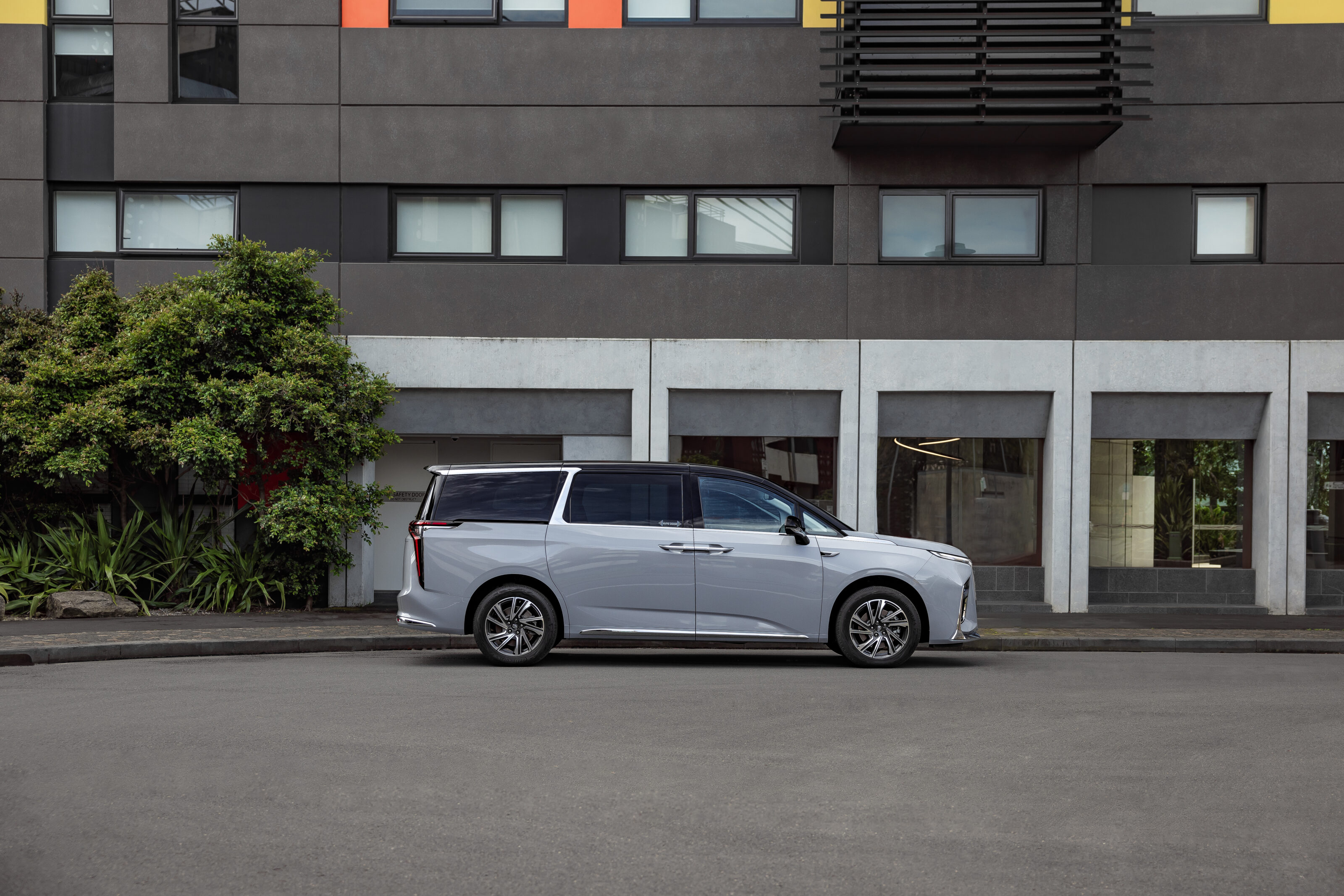
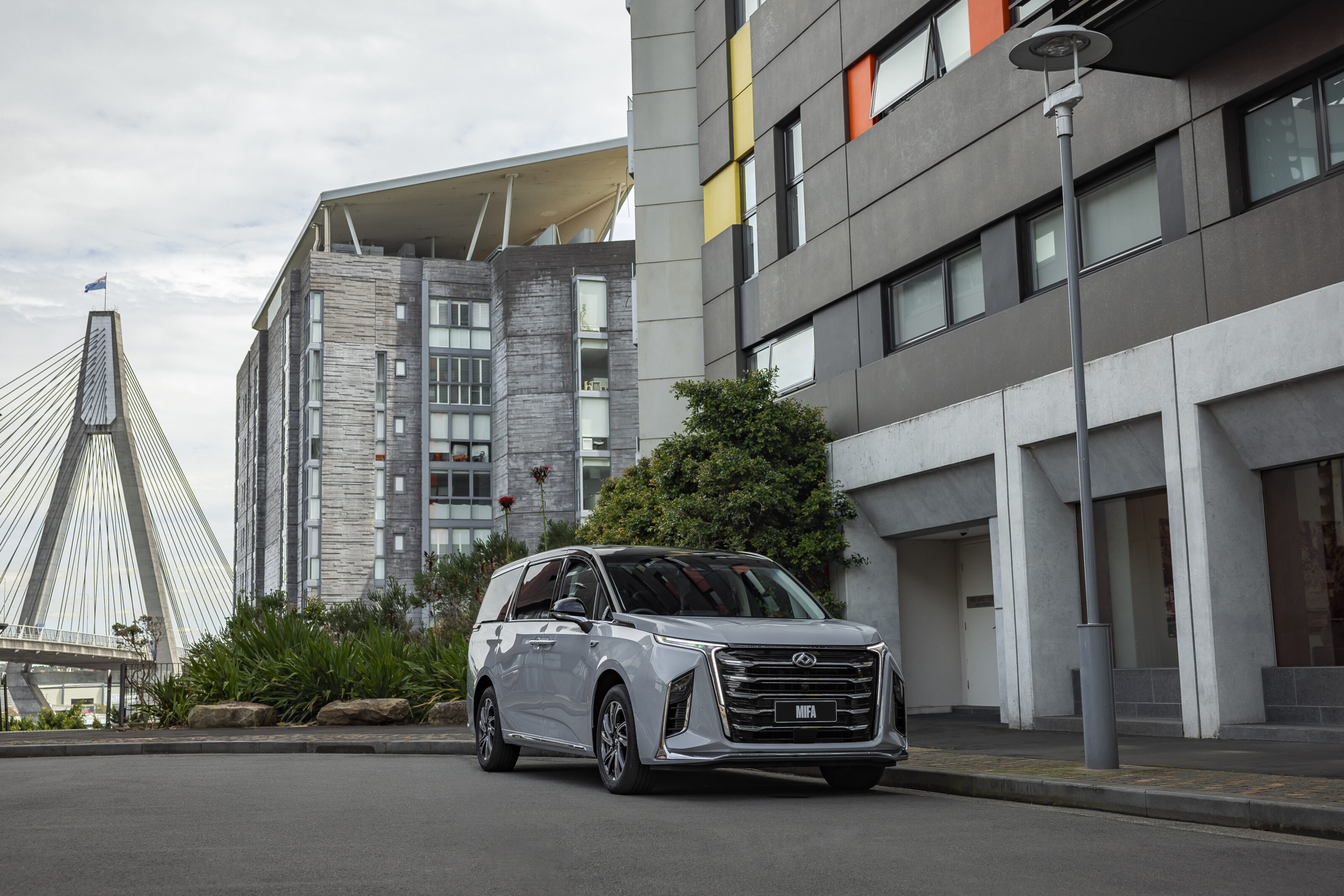
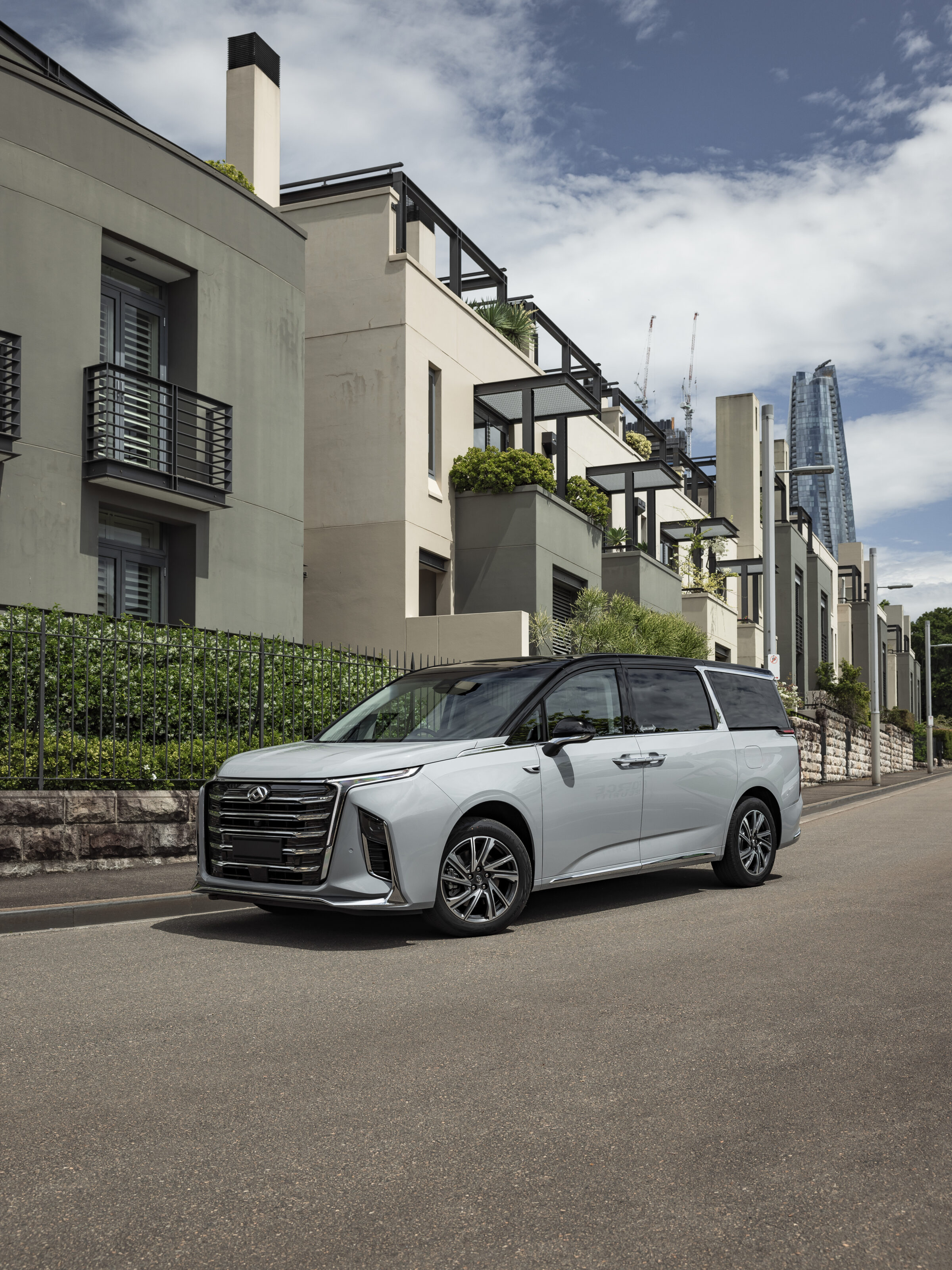
The 2023 LDV Mifa has arrived to target the Kia Carnival and Toyota Granvia.
The Chinese-built petrol-powered people-mover starts at $53,990 before on-road costs and runs up to $72,990.
LDV has also said the electric Mifa 9 will join this 2.0-litre turbo-petrol Mifa on our shores this year, but pricing is yet to be announced.
For those who are wondering about the origin of this seven- (initially) or eight-seater (due early 2023) it’s known as the Maxus G90 in its home market of China.

There will be a total of three variants from launch: Mode ($53,990 MLP), Executive ($63,990 MLP) and Luxe ($72,990 MLP).
The Mifa scores bold styling with a different, and chrome-heavy, front grille to the electric Mifa 9 – with necessary openings for cooling the petrol engine.
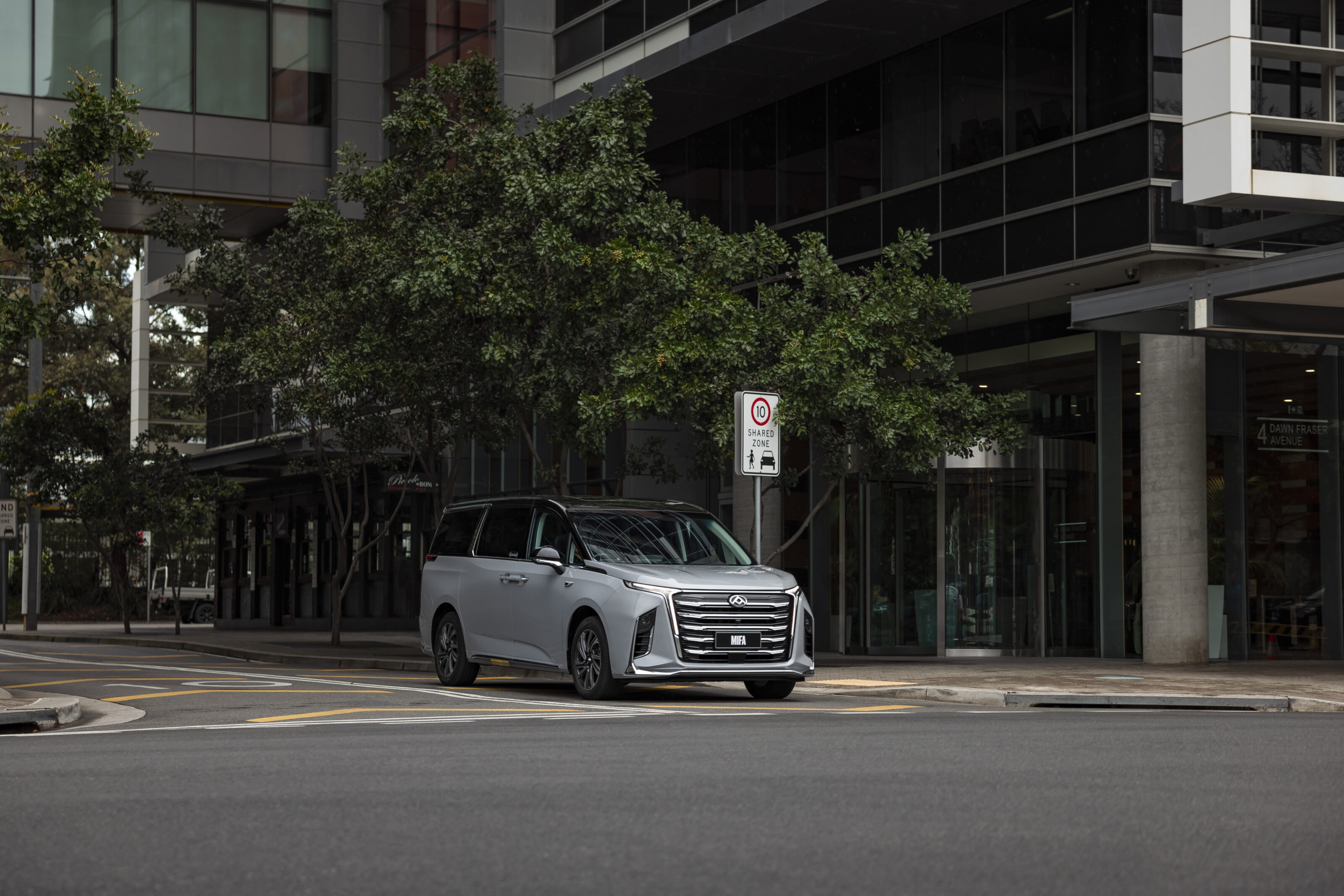
It’s a functional, slab-sided beast that in top trims is available with a two-tone paint – concrete grey with a contrast black roof.
JUMP AHEAD
2023 LDV Mifa people-mover Australian pricing
| Variant | Price (MLP) |
|---|---|
| Mode | $53,990 |
| Executive | $63,990 |
| Luxe | $72,990 |
Prices exclude on-road costs.
2023 LDV Mifa people-mover features
The Australian Mifa range kicks off with the Mode variant, which gets:
| 18-inch alloy wheels |
| LED head and taillights |
| Chrome exterior trim |
| 7 seats |
| PVC steering wheel |
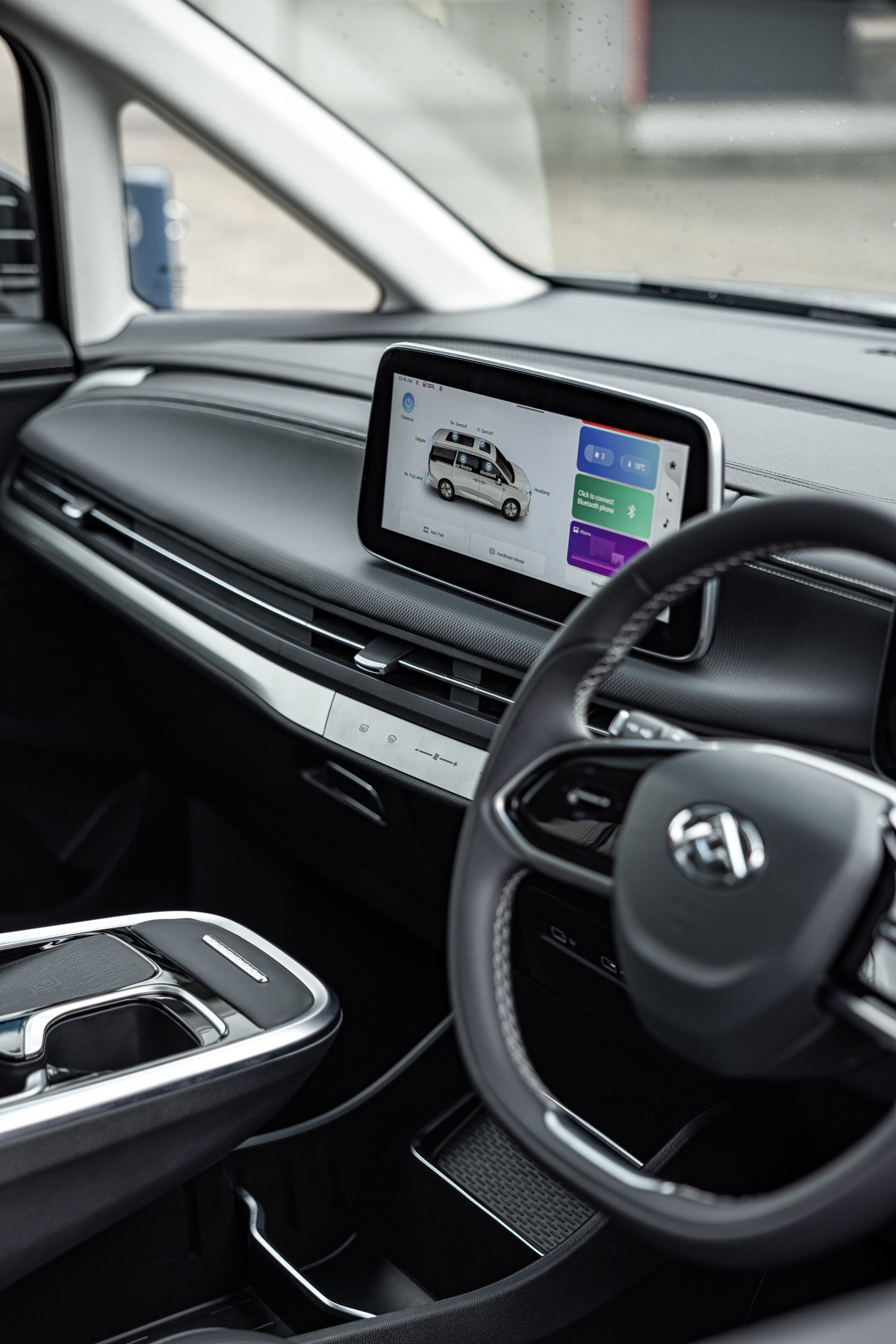
| 12.3-inch infotainment touchscreen |
| Wired Apple CarPlay/Android Auto |
| 7.0-inch digital driveru2019s display |
| 6-speaker sound system |
| Vinyl upholstery |
| Manual adjust front seats |
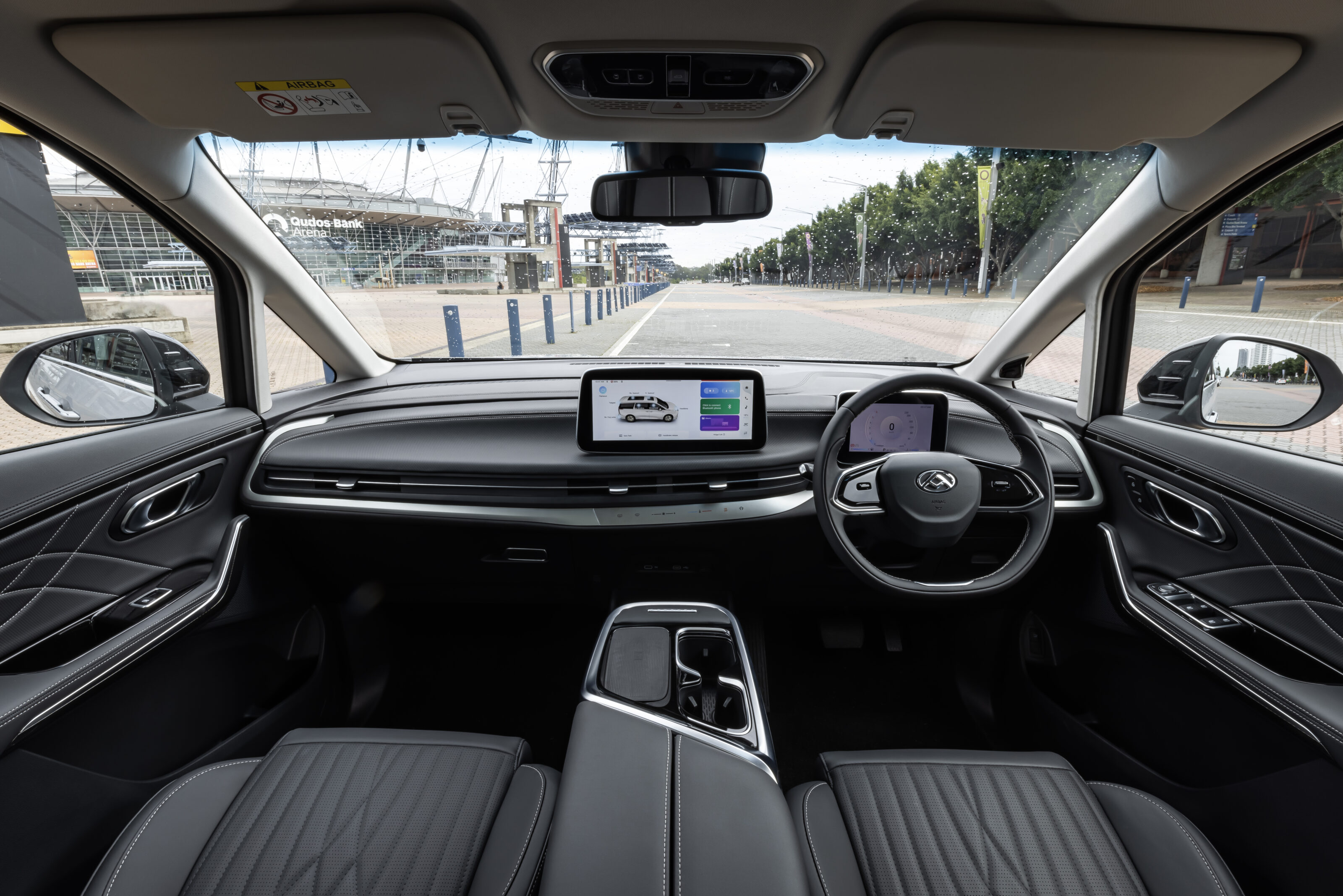
Moving up to the $10K pricier Executive grade nets you:
| 19-inch alloy wheels |
| Adaptive headlights |
| Leather-appointed steering wheel |
| 8-speaker sound system |
| Power adjust front seats |
| Power adjust second-row seats |
| Power tailgate |
| Power sliding doors |
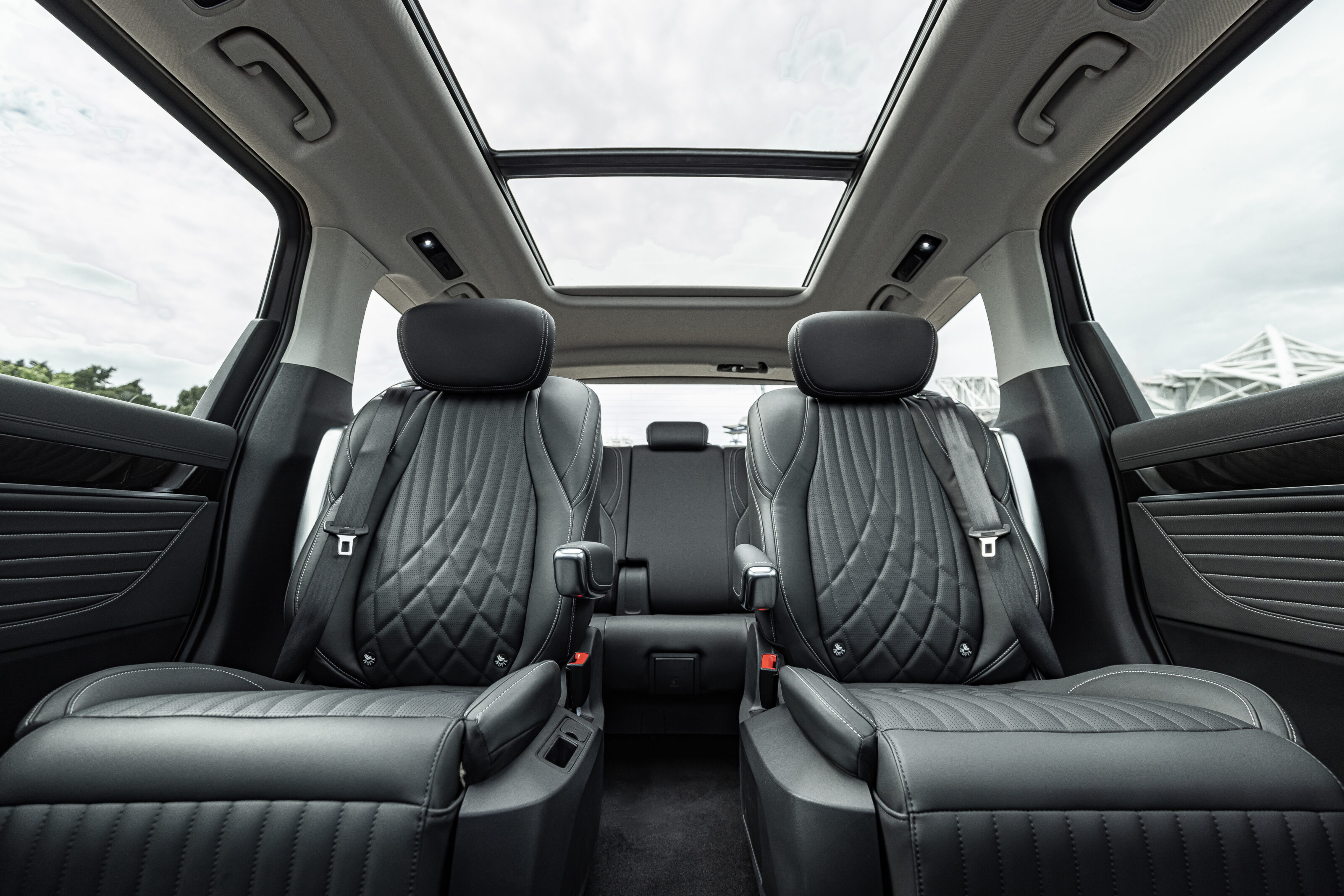
And finally, the Mifa range is headlined by the Luxe, which adds creature comforts and an extra sense of style with:
| 12-speaker sound system |
| Leather-accented upholstery |
| Heated, cooled, massaging front seats |
| Heated, cooled, massaging second row captainu2019s chairsu00a0 |
Colours
Five paint colours are offered on the Mifa range, including a contrast black roof in conjunction with concrete grey.
| Dynasty red |
| Metal black |
| Pearl white |
| Mica blue |
| Concrete grey |
Safety
An array of safety features are standard on the Mifa people-mover. The Mode gets forward and reverse autonomous emergency braking (AEB), blind-spot monitoring, rear cross-traffic alert, lane-departure warning, lane-keep assist and driver attention monitoring.
Further niceties include standard adaptive cruise control and traffic-sign recognition. In addition, Executive and Luxe grades are outfitted with a 360-camera, as well as front and rear parking sensors.
Engine, drivetrain and fuel economy
Until the Mifa 9 EV arrives with 440 kilometre driving range (WLTP) from a 90kWh lithium-ion battery, we have the petrol Mifa.
It is motivated by a 2.0-litre turbo-petrol four-cylinder developing 160kW of power and 360Nm of torque.
The engine turns the front wheels exclusively via an eight-speed Aisin-sourced torque converter automatic. The Mifa’s combined fuel efficiency is 9.3L/100km.
When it comes to ownership, LDV backs the Mifa with a seven-year/200,000km warranty with five year/160,000km of roadside assist thrown in gratis.
Servicing is due once every 12 months or 10,000km, though LDV is yet to announce pricing for Mifa maintenance.
Availability
The LDV Mifa is available to order now with the first examples expected to land in Australia this month.
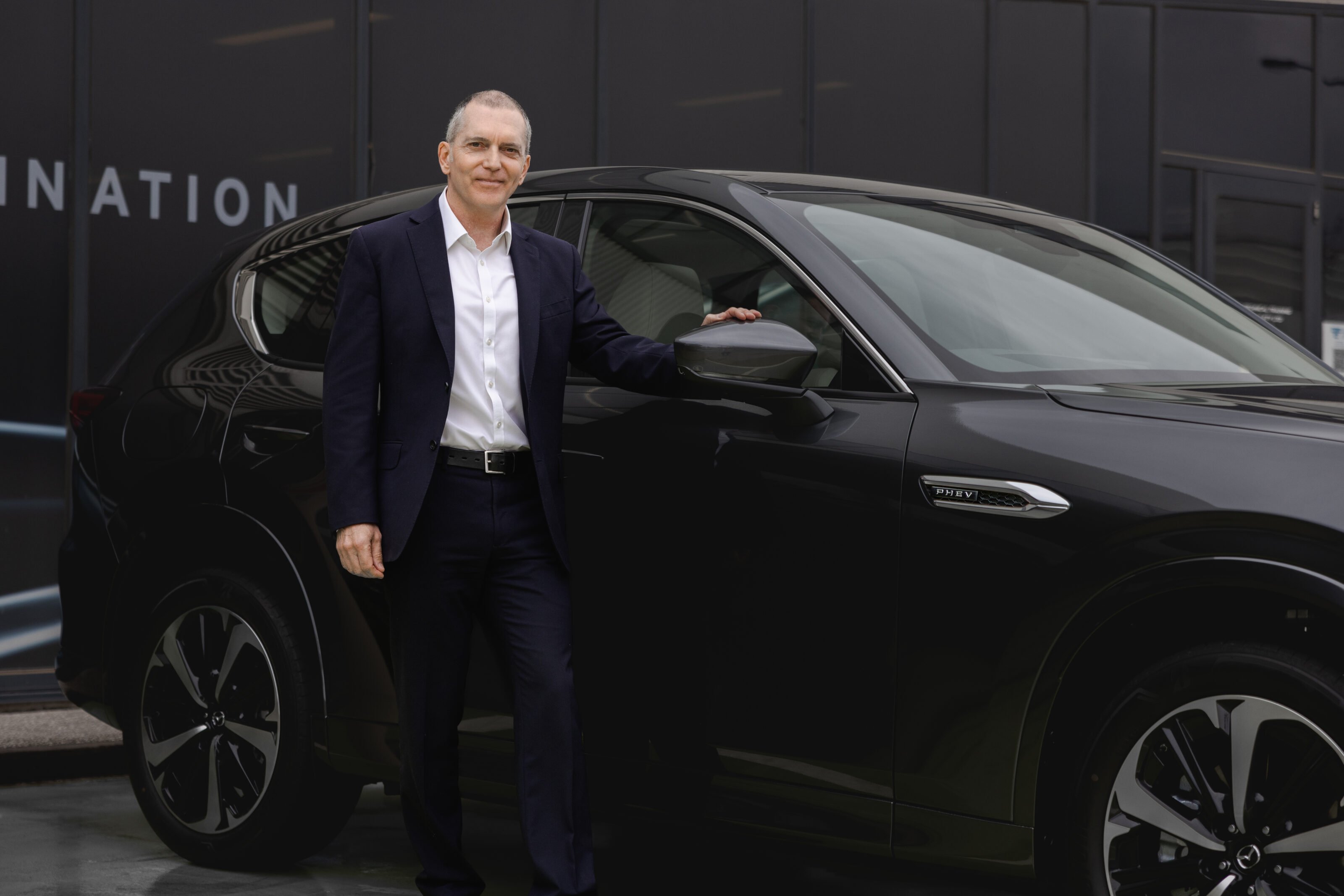
Almost 22 years’ ago, a young Alastair Doak left journalism to venture into pastures new in the upper echelons of Mazda’s Australian operations – and he hasn’t looked back since.
Arriving on our shores in the late 1970s as a teen to Sydney, the Scot embarked upon his university studies – first in Canberra pursuing science, before moving into journalism in Melbourne.
Always a car enthusiast, it wasn’t long before Doak was being paid to write about them as a journalist and with a bit of elbow grease he was quickly at the top of his game leading The Australian’s motoring desk as Editor between 1992 and 1999, followed by a stint in the equivalent role at The Age.
But in 2001 a fresh challenge presented itself and the game changed.
“I’d been a journalist for around 10 years up ‘til that point,” Doak tells Wheels in his thick Scottish brogue, undiluted despite all the years passing since he migrated.
“And I guess I became a journalist so I could drive cars – for as long as I can remember I have been fascinated with cars. But I also knew at the same time that, you get to the point where you start to think there’s a lot more in the industry happening that I don’t know about as a journalist. You get to bounce around kind of the surface of it, but you never a really get a deep dive.
“So I just thought, well maybe if you join a company, you’ll learn more things about the industry that you love and products that you love – that was kind of the motivation. And at the time, certainly Mazda was promising to go on this growth journey and it was coming up to the first of the zoom-zoom products. I thought, well why not? Let’s join.
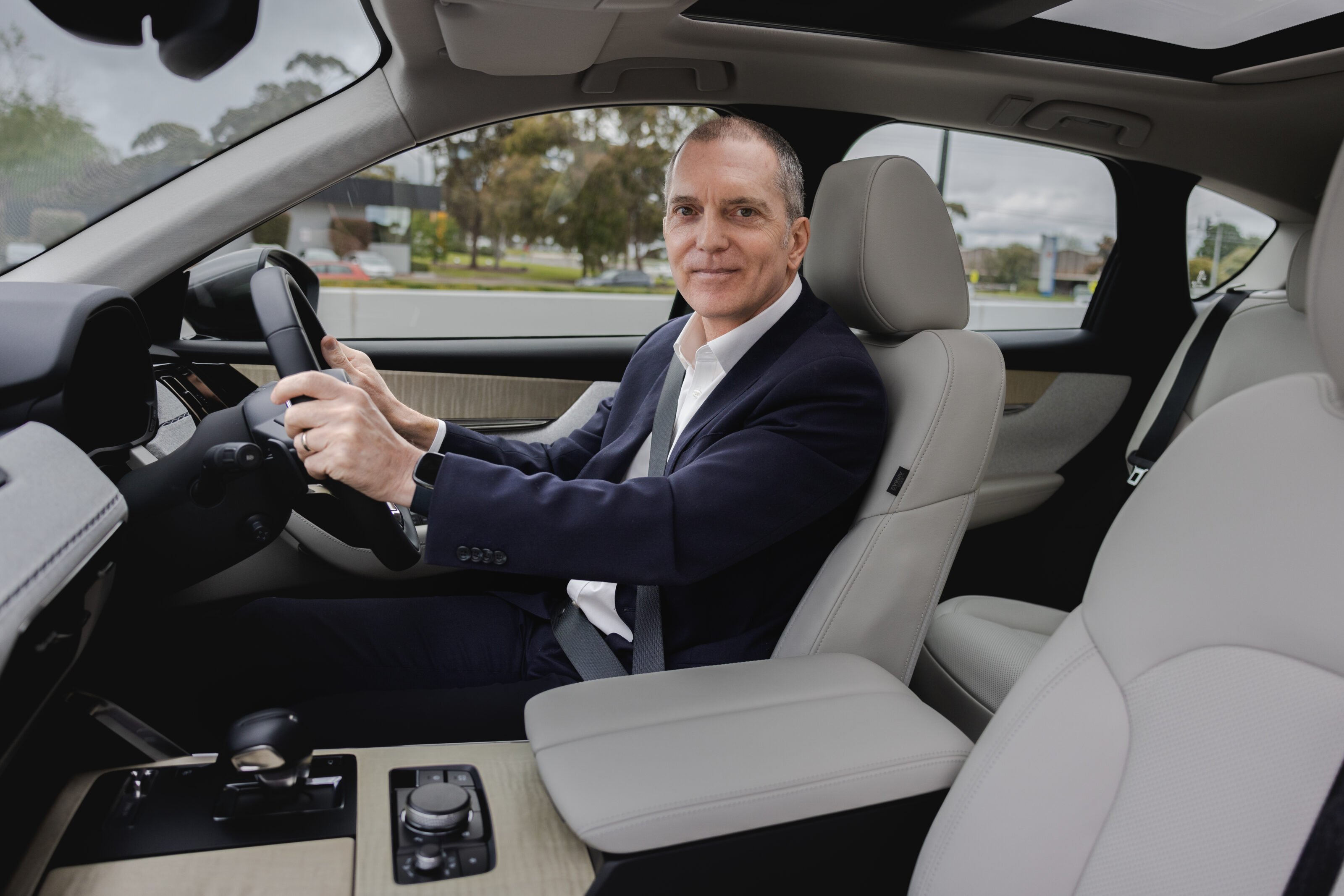
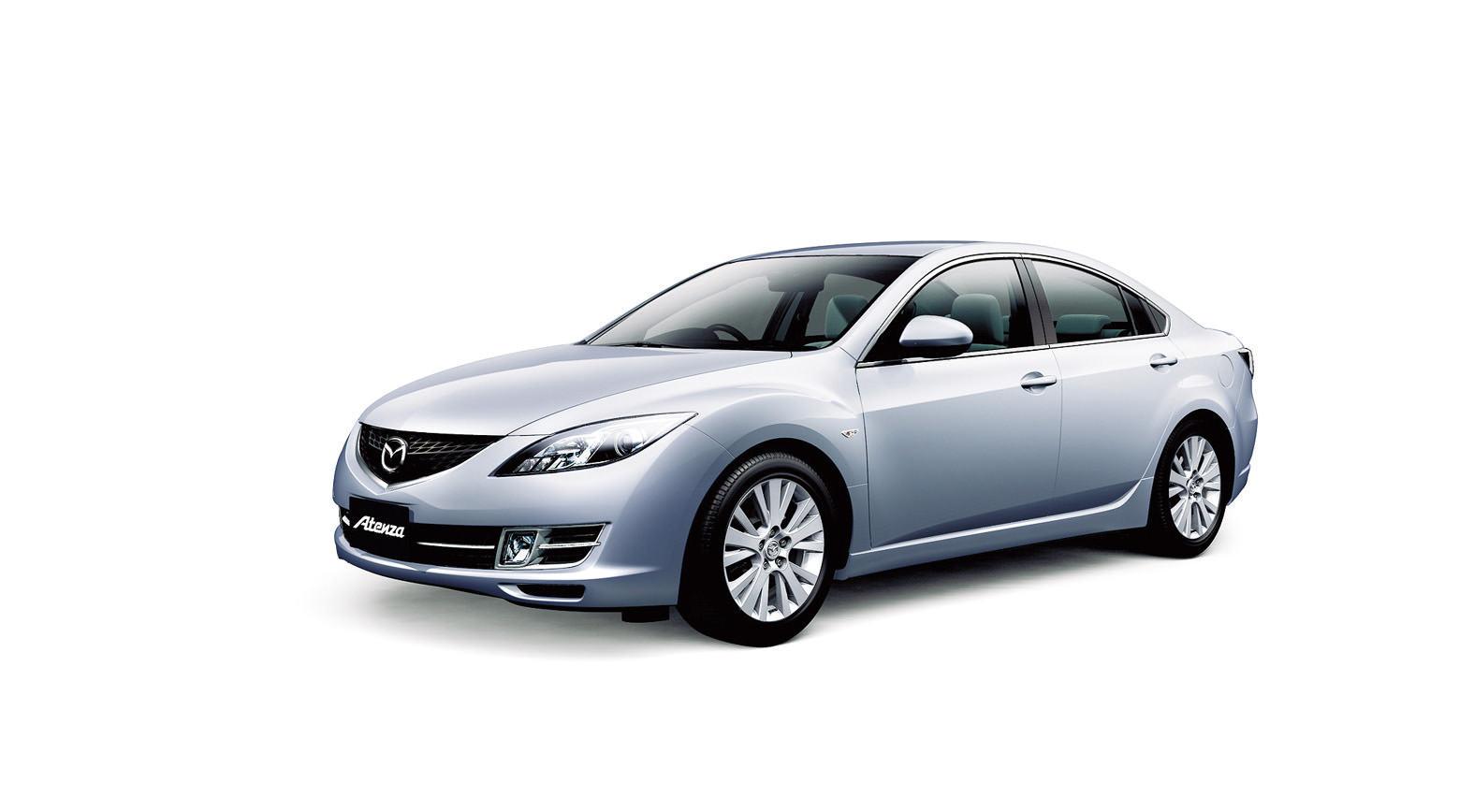
“I was Motoring Editor of The Age and I was really enjoying it, it was a good place to be. Obviously the paper had a lot of clout so it was a hard choice to leave, but I moved into Mazda as head of public relations and I think the first car I launched was the Mazda 6 and then it just went from there.”
Mazda has long been at the top end of the sales charts in Australia, and continues to consistently hold the number-two spot behind market-leader Toyota each year. But back when he started, now Marketing Director Doak says, it was just beginning to really gain momentum and occupies a seat at the big boys’ table globally as we’re such an important market for the company.
“I think the numbers the year before I started were like 30,000 and now they’re over one hundred thousand, so there’s been that kind of growth ever since,” Doak tells us.
“And I can remember a few months after I started, maybe even the second month, we sold 4000 cars in June 2001. There was this buzz around the place and people said, ‘oh, we’ll never do those kind of numbers again’. But of course we did and still do, so it’s been fun.
“After about six or seven years I got the opportunity to move into the marketing department. And the good thing about marketing, which isn’t the same in every place, is that we own the product strategy. Because of Mazda Australia’s strength within the global Mazda network, we get invited to all the global meetings and to talk about product development and brand and PR and other things.
“We’ve got a seat at that table, which I think is is quite different to a lot of the other companies. A few weeks’ ago we were in the US talking about global brand stuff there with our colleagues from the US, Japan and Europe. So that’s pretty cool. It’s a great opportunity and that’s part of the reason why I’m still here after all this time.”
Doak is keen that Mazda should lead where others follow trends, such as with the introduction of its MX-5 sports car in the 1990s. Nowadays, that includes electrification.
“If you can try and find the space in the market, the initial thought, the opportunity, then hopefully you can jump in there and do incredibly well. For example, things like the CX-50 in the US – they’ve probably tapped into a kind of an unmet need in that market. And the reaction to that has been incredibly positive over there,” he says.

“Obviously in the past there was the MX-5. Some might say you were just redefining a product that was defined by, you know, MGF and other things way back with the kind of classic British sports car, but nobody was really doing it at the time.
“I think we’ve said previously that we are always hungry for product. We have the broadest portfolio of product of all the major Mazda markets. And I guess we always go in with the attitude of ‘why can’t we sell this?’ rather than ‘why can we?’ There’s a subtle difference, but you’re always trying to make it work. You’re always trying to say what’s the opportunity with this? Even if it’s quite small and doesn’t make sense. That’s our attitude with all of the large architecture products – why can’t we make it work?
“We are never really pushing for one model to be everything. We were, for a while, the Mazda three car company and there’s dangers in that. So we would rather have a portfolio of good sellers rather than just one or two. You’re appealing to more customers that way – you’re covering a larger part of the market and, and you’re also spreading your risk. Because those cars, they go through ageing product cycles and if you spread that out then you kind of protect yourself from that risk.”
In recent years it could be argued Mazda has gone more upmarket, with its products closer to luxury than cheap and cheerful. But is a ‘premium push’ really its intention?
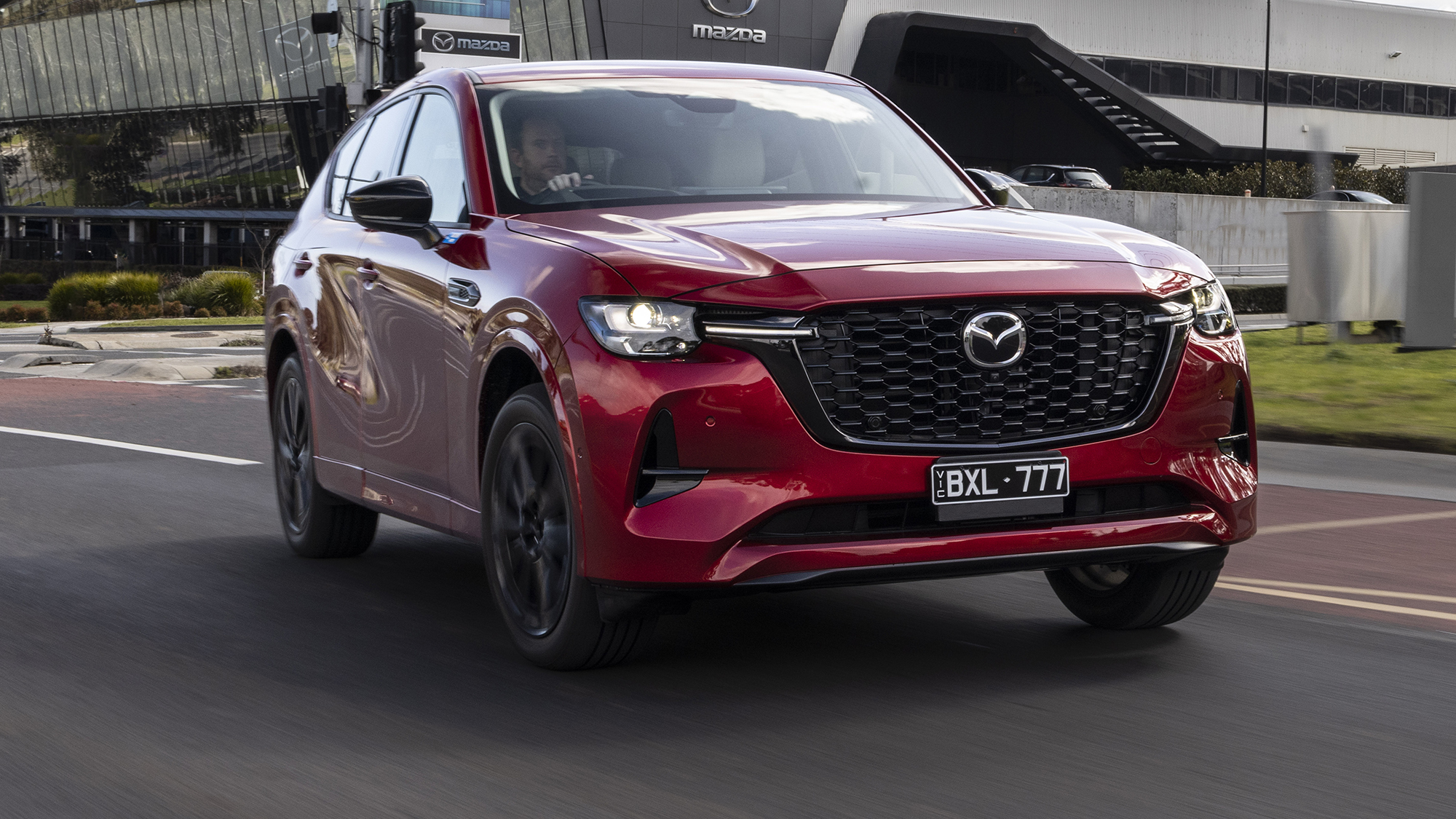
“We’re certainly not walking away from the volume part of the market,” Doak says. “I guess the premium-ness is, well, us looking at what does Mazda bring to the market that’s different to other people? Ultimately that’s what brands are about, isn’t it? So you need to appeal to a certain group of people with a code, design language, dynamics or technology in the car or wherever else it is.
“So if you get that right, then is that premium? If it appeals to people who may have considered more luxury premium brands, does it actually by default make us premium? Maybe not. But I think we’ve been reasonably successful at that over the years anyway. Even with things like Skyactiv to some degree as well that we’ve done things a little bit differently from other people and we’ve got a customer base who likes that and who appreciates that and comes back for more.”
UPDATE: Volkswagen has revealed when plug-in hybrid versions of the Golf and Tiguan will arrive in Australia – and it could be within 12 months.
Speaking to Wheels, VW Australia’s head of passenger vehicles, Michal Szaniecki, confirmed the plan is to introduce both plug-in models from around October 2023.
That timing could change, however, if VW opts to wait for updated versions of both models that will offer larger batteries and longer electric-only driving ranges that could possibly stretch up to 100 kilometres.
The Mk8 Golf hatchback range is due for a mid-life update next year, while an all-new, third-generation Tiguan is expected to be revealed in 2024.
“They are coming,” said Szaniecki when asked about Aussie timing for the Golf and Tiguan plug-ins. “We’re just making a decision on bringing even better cars to Australia. We’re just balancing these options whether to wait just a little bit longer to make sure we’re providing cars with a larger driving range for Australia – which is a perfect market for long range. Therefore we might bring a better car for Tiguan and Golf.
“Timeline? 12 [months] from today.”
Volkswagen currently doesn’t sell any hybrid, plug-in hybrid or fully-electric cars in Australia, but there are a host of electrified models headed our way.
The ID.3, ID.4 and ID.5 are all destined to arrive before the end of 2023 and the ID. Buzz van – an electric descendent of the iconic Kombi – is also a possibility.
The story to here
September 1: Golf and Tiguan PHEVs confirmed for Oz
Volkswagen Australia has targeted plug-in hybrid (PHEV) versions of the Golf hatchback and Tiguan midsized SUV to help fill the gap between its petrol/diesel vehicles and upcoming electric cars.
The German brand is stepping up its efforts around electrified vehicles having previously resisted bringing its most advanced drivetrains to Australia. It had criticised the former government’s lack of strategy regarding local fuel standards and EVs but has renewed faith in progress being made by Labor.
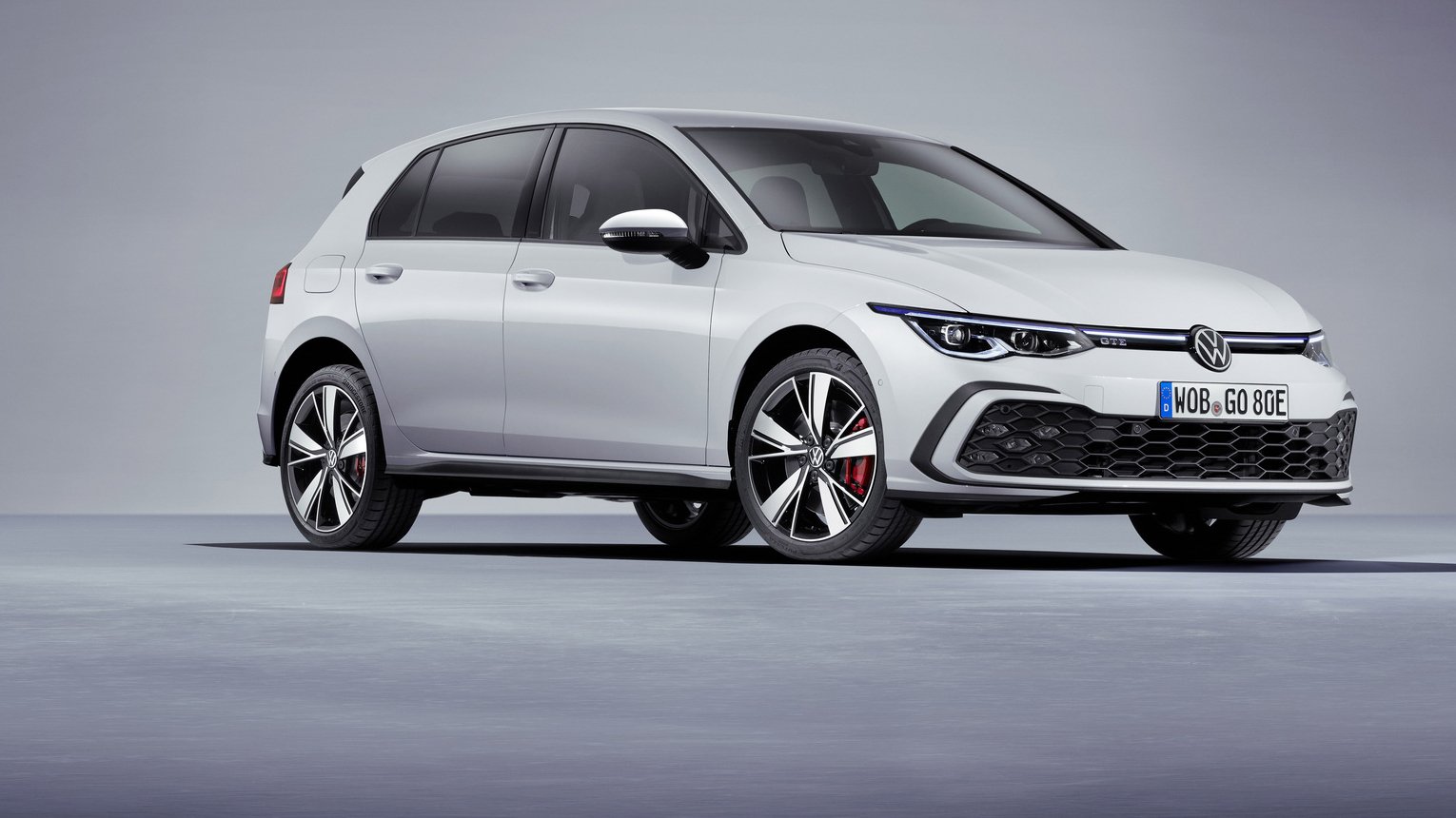
The VW Golf GTE and VW Tiguan eHybrid models would provide an option for buyers not ready or able to commit to a fully electric vehicle, such as the ID.4 and ID.5 SUVs the company is hoping to import from 2023 onwards.
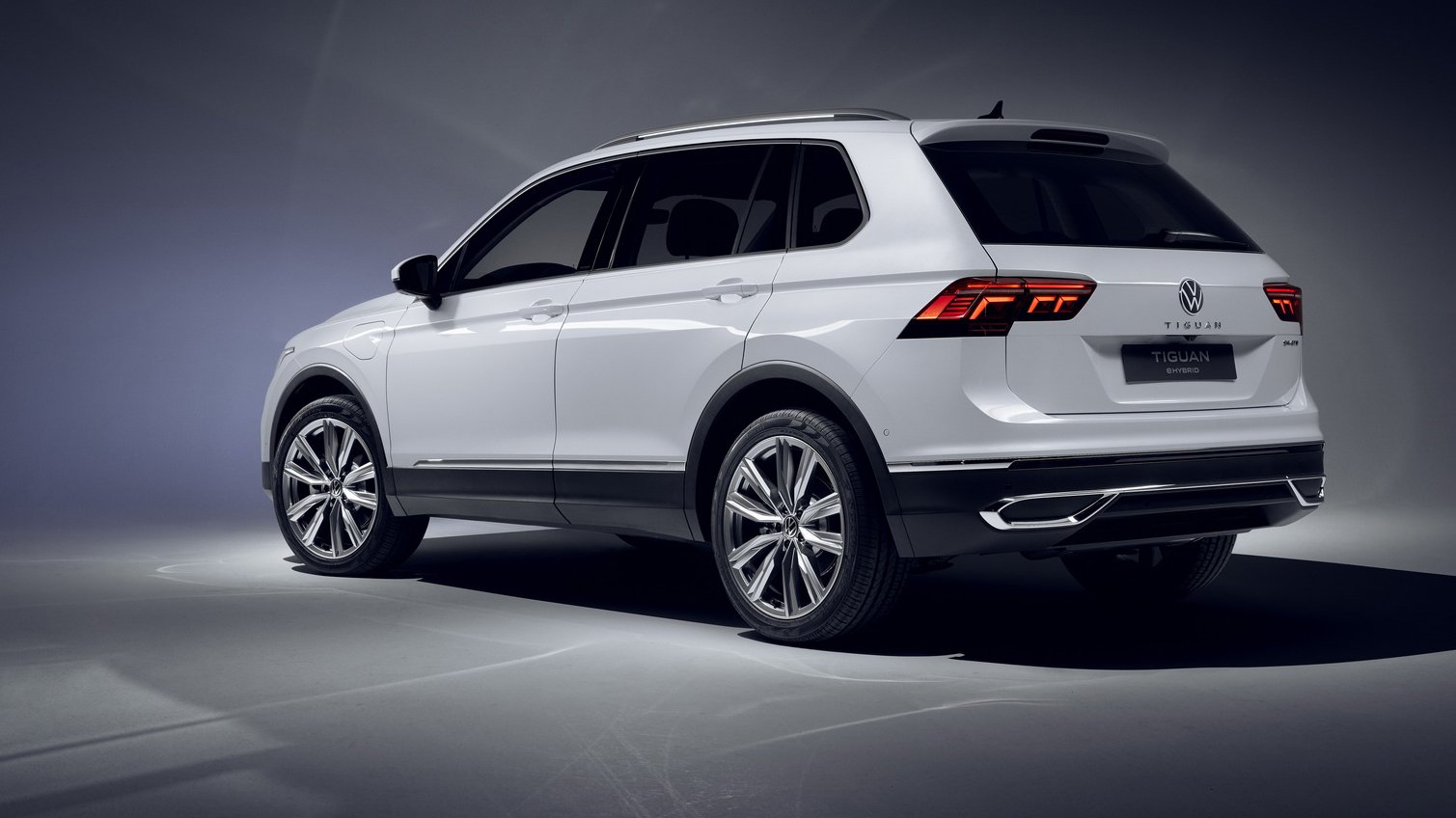
“Our electrification strategy aims to incorporate both EV and PHEV – with the fully electric ID.4 and ID.5 confirmed, and Golf and Tiguan PHEVs firmly on our radar,” said Volkswagen Australia spokesperson Dan DeGasperi.
“There is a place in Volkswagen dealerships for a Golf GTE to complement a GTI, for example, and similarly for PHEVs to complement BEVs for those customers who may not yet be ready to transition to fully electric.”
Both models combine a 1.4-litre turbo petrol engine with an electric motor and 13kWh battery, producing total output of 180kW and 400Nm. This gives the Golf GTE identical power to the Golf GTI hot-hatch.
Each offers an electric-only driving range – up to 62km for the Golf GTE and up to 50km for the Tiguan eHybrid.
An E-Mode can be engaged to maintain electric drive only, while battery power can also be conserved so it can be used for city driving at the start and finish of journeys.
The petrol engine kicks in automatically for stronger acceleration or when battery life is insufficient to power the electric motor on its own.
The dual power sources of the plug-in hybrids means they have a much longer driving range than the average EV. The Golf GTE has a maximum 745km based on Europe’s older NEDC fuel cycle, for example.
Recharging the battery takes up to five hours using a conventional power socket, or about 3 hours and 40 minutes with 3.6kW AC charging via a public charger or optional home wallbox.
The packaging of the battery cuts boot space in both vehicles. The Golf GTE’s 273-litre capacity is down on the 380 litres of the regular hatch. The Tiguan’s boot loses nearly 180 litres, dropping from 615L to 437L (European specs compared).
The plug-in hybrid drivetrain is available already in Australia, fitted to the Cupra Formentor VXe SUV that’s priced from $60,990.
Regular Wheels Media photography contributor Cristian Brunelli gets behind the wheel to deliver a review of his own. A recent holiday in the US saw CB spend some time with a big ol’ truck – only one of the world’s top-selling vehicles – so we asked him to spin out some thoughts. And photos, of course.
Summer dreamin’
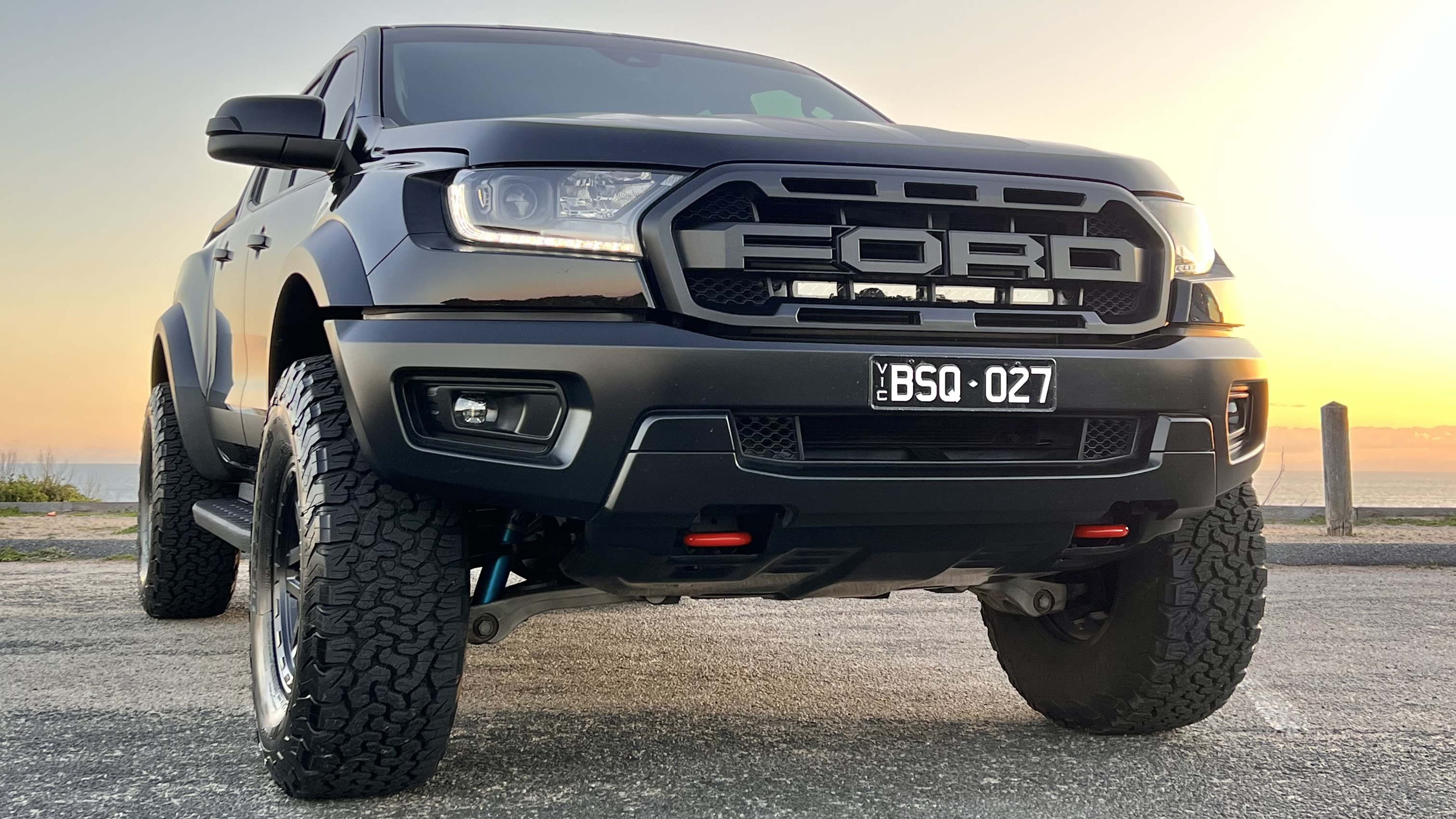
This is our first overseas holiday in more than 4 years, thanks to COVID. Finally, we could go somewhere! With the cats and dog sorted in their holiday accommodation (sorry boys), my wife and I – oh, and three kids… – loaded up the tray of our first-gen Ranger Raptor and head for Melbourne airport.
Owning a Ranger Raptor makes for a handy before-and-after comparison here, actually. The Raptor feels like a big car on Australian roads; it’s long and it’s super wide. There is, however, a bigger Ford dual-cab ute coming our way.
Actually, should I call it a pick-up? Or even a truck, maybe?
Soon, the F-150 will officially be back on sale here after a 16-year hiatus. Ford Australia will import the trucks and the conversion to right-hand-drive will be handled by Melbourne-based company RMA Automotive. We’ve lined up an F-150 to drive Stateside, in a very similar spec to what we will get here next year. I can’t wait to see what it’s like, compared to our Ranger.
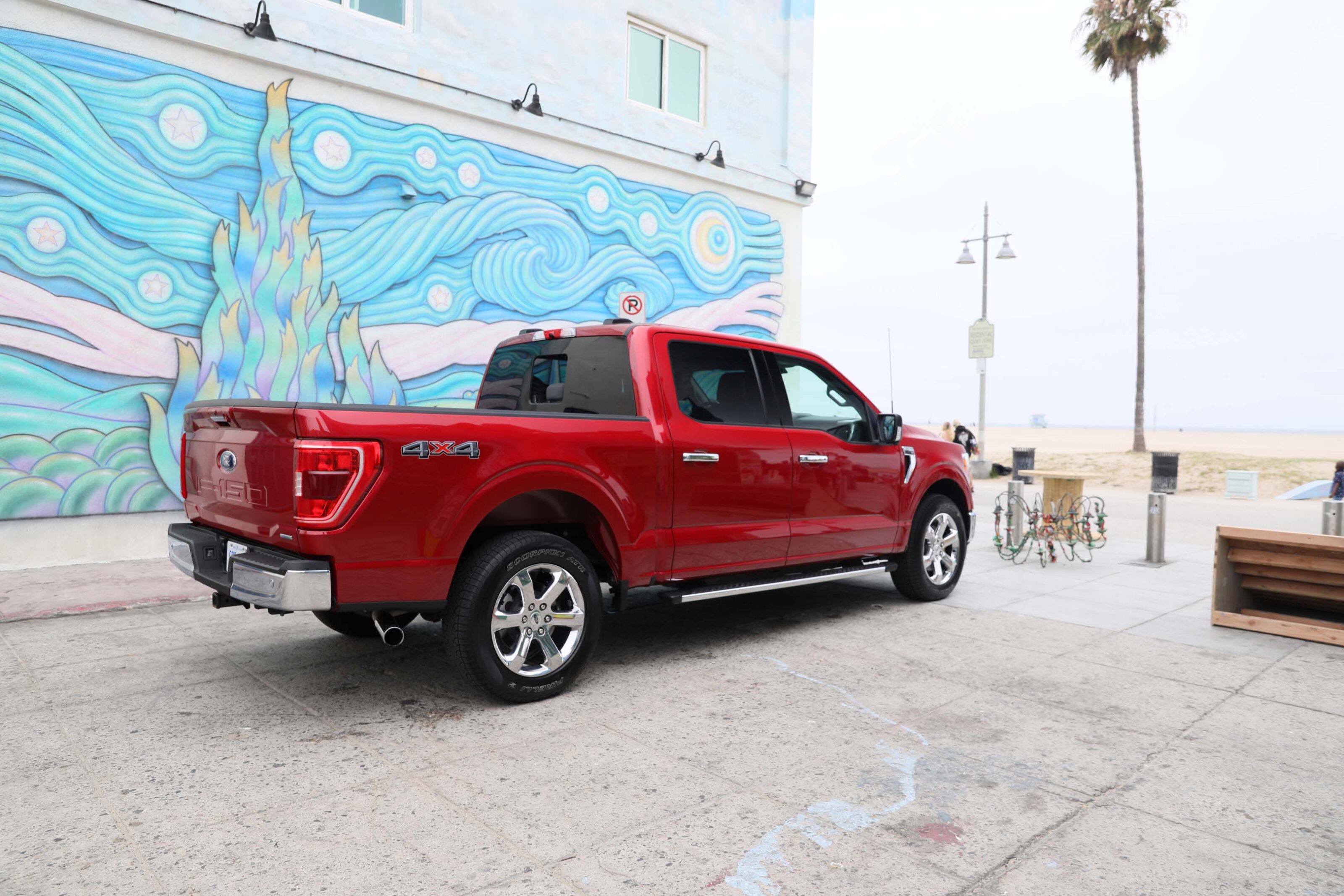
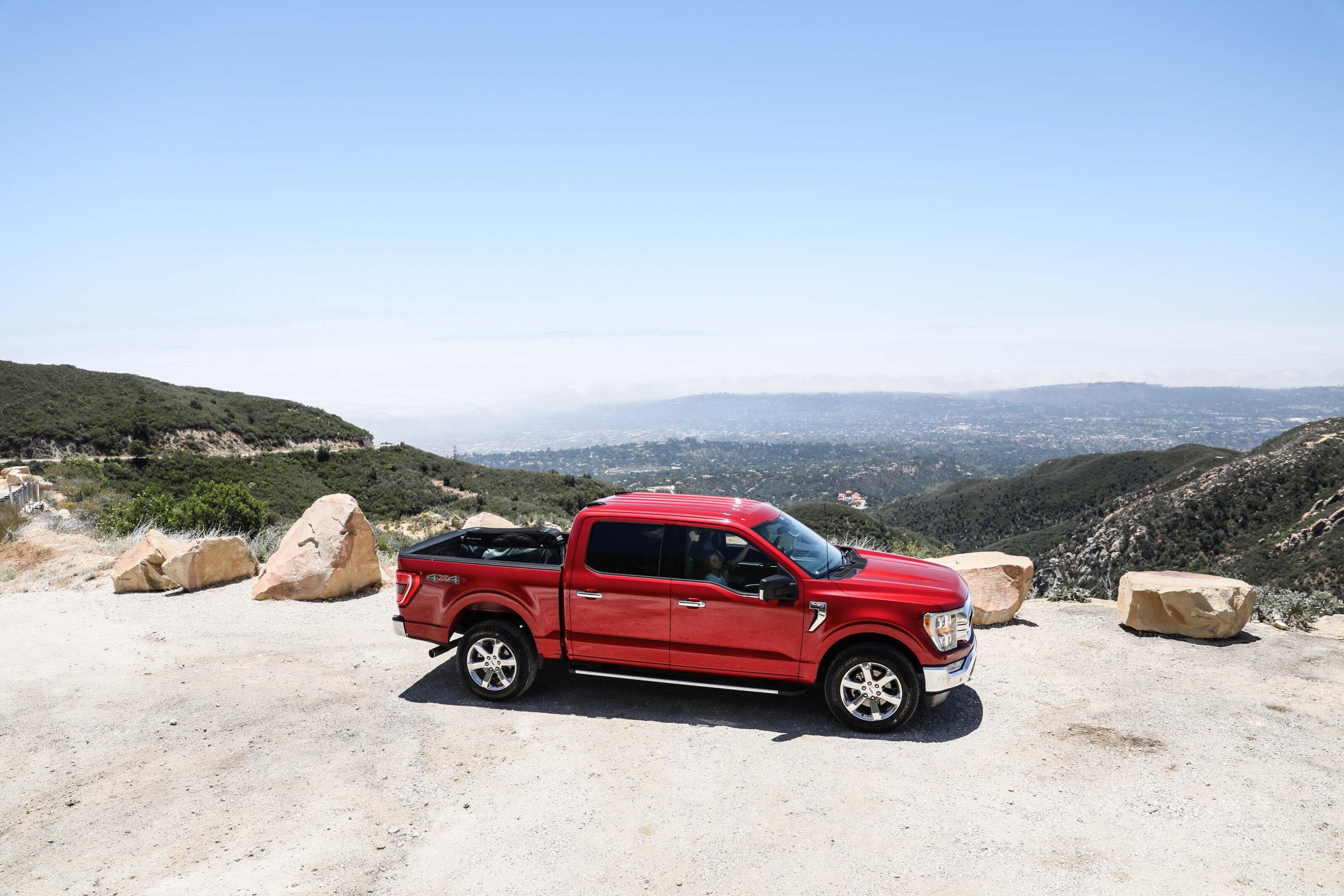
So, at the other end of a lovely 14-hour flight to the USA (yes I actually enjoy watching unlimited movies and not having to share a screen with the kids), we land in the US of A. After collecting our many bags, I’m handed the keys to a bright ‘Rapid Red’, chromed-wheeled Ford F-150 XLT.
First reaction… It looks so big! The kids jump in and are immediately lost somewhere in the rear seat area. We lovingly nickname the F-150 ‘Big Red’.
After taking in all the chrome (someone ticked the ‘make it sparkle’ box), the first thing I notice is the column-mounted shifter, and of course, how much extra space there is between the driver and passenger compared to my Ranger.
It’s also rolling on 20s, 275/60 R20 to be exact.
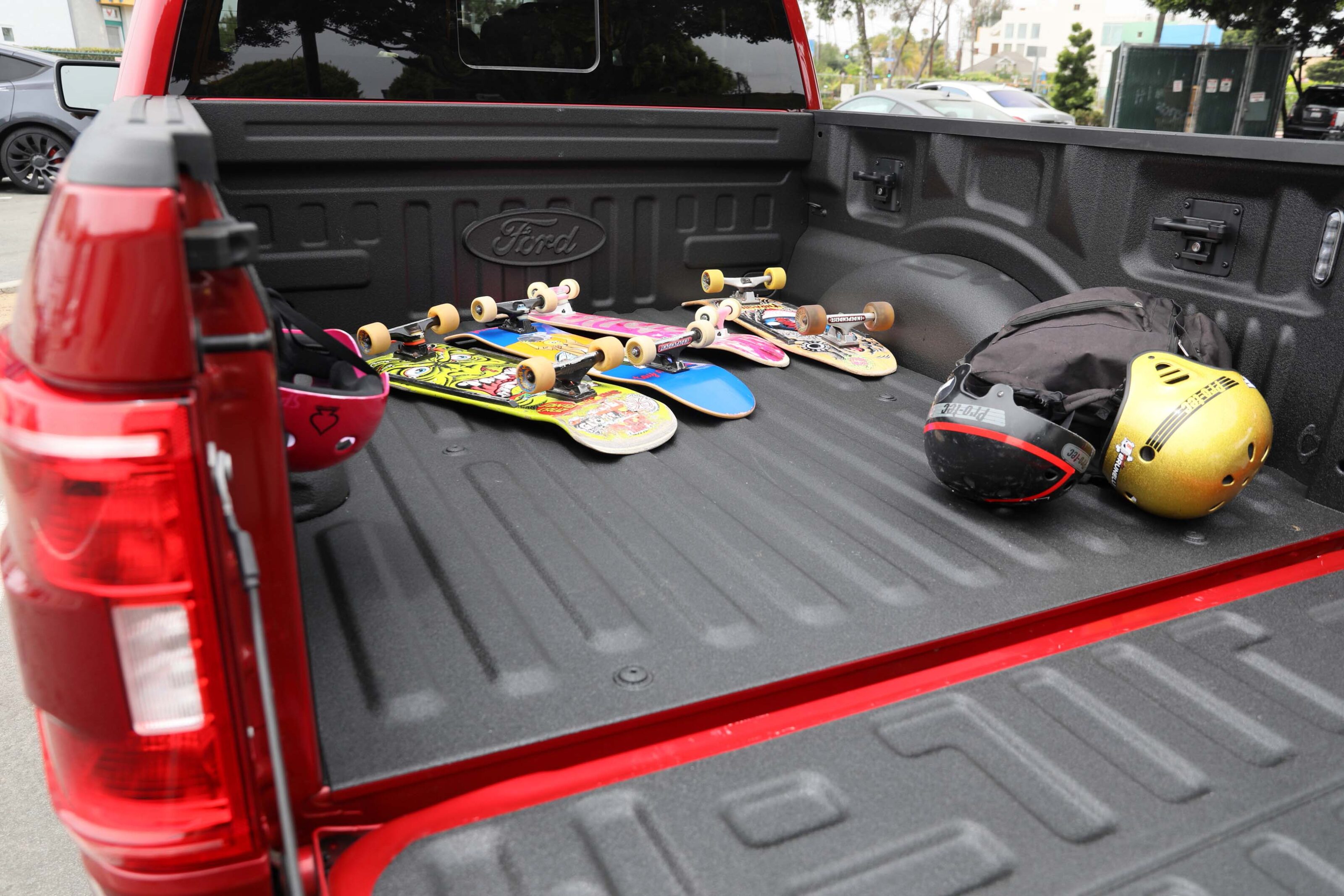
The tray swallows up all of our gear (yes we brought a mountain bike halfway across the world). It would be nice to have some sort of lockable tray lid (like a Ranger Wildtrak), as I will have to constantly unload all of our baggage if we park anywhere. I’m sure you can option one.
We drive out of the airport parking at LAX and I nearly get taken out by a car with no headlights on. Not a great start. It takes me a few miles to get into the ‘drive on the right, sit on the left’ thing. Eventually, we make it to Mel’s Diner in West Hollywood for some well-deserved burgers, fries and pumpkin pie.
Checking into our Hotel on Wilshire Boulevard, I’m thankful they have a valet service that saves me from having to park this 6.3m-long beast.
I look back at Big Red before we head to our room, and it does have a big presence compared to most cars – even in the big-car centre of the world. It also blocks the view of nearly all of the other cars in the garage, which helps it stand out.
Holiday mode engaged
We’re up early and head to Santa Monica beach to ride bikes and give the legs a stretch. I pull into the beach car park and look for a spot big enough to take the F truck.
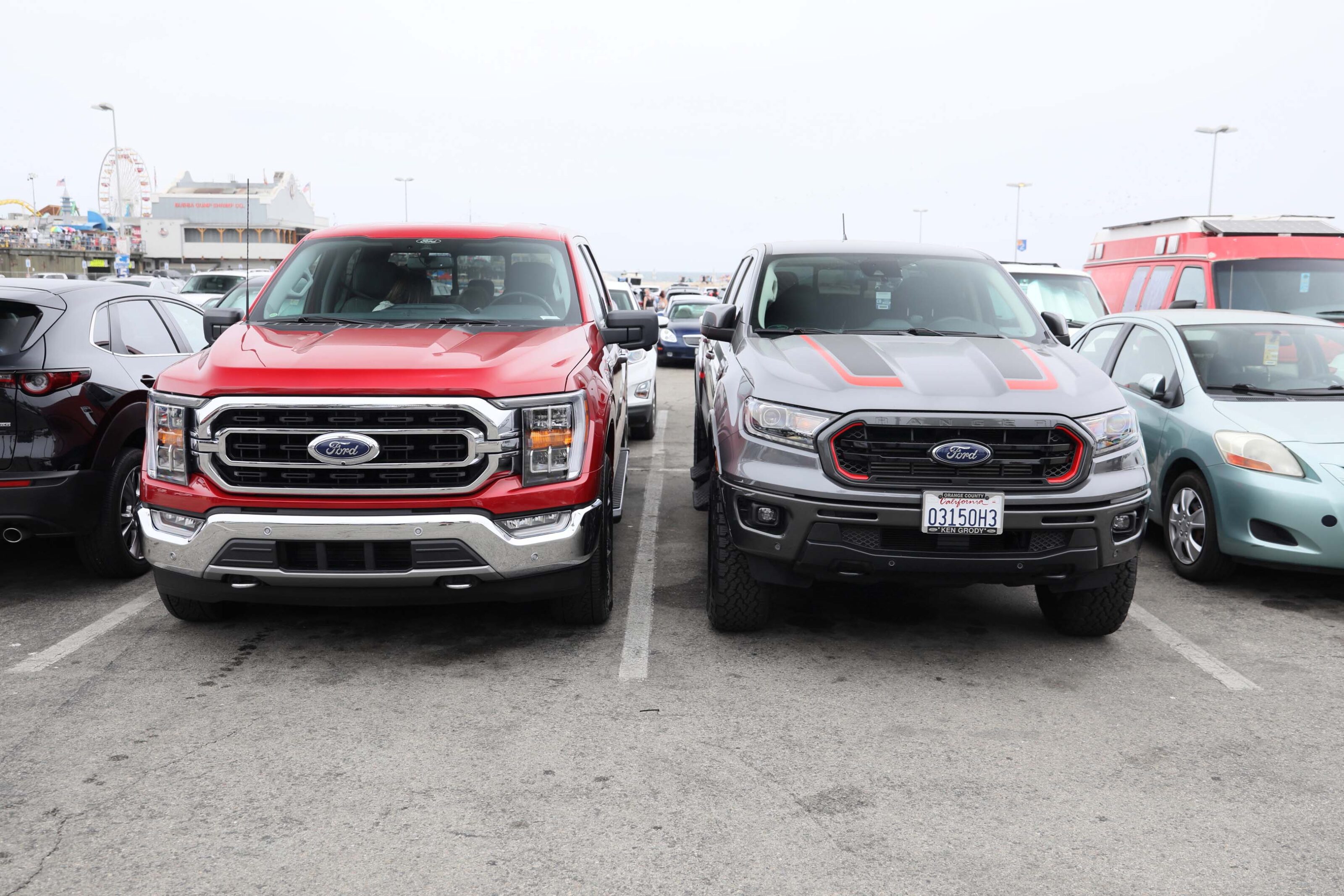
The spot I find has an Australian-style Ranger parked next to it. The F truck’s 360-degree camera is very handy when squeezing into a tight spot like this one. I jump out and compare the two Fords. The F-150 is at least a metre longer than the Ranger and a fair bit wider as well.
Riding and people-watching done, we head to Race Service on Venice Boulevard. I drive through some of the back streets of Venice and it’s here that you really notice the width of the F-150. Luckily our XLT is equipped with a raft of safety features including pre-collision assist with auto emergency braking and a million parking sensors. You would have to do something very silly to hit anything in this truck.
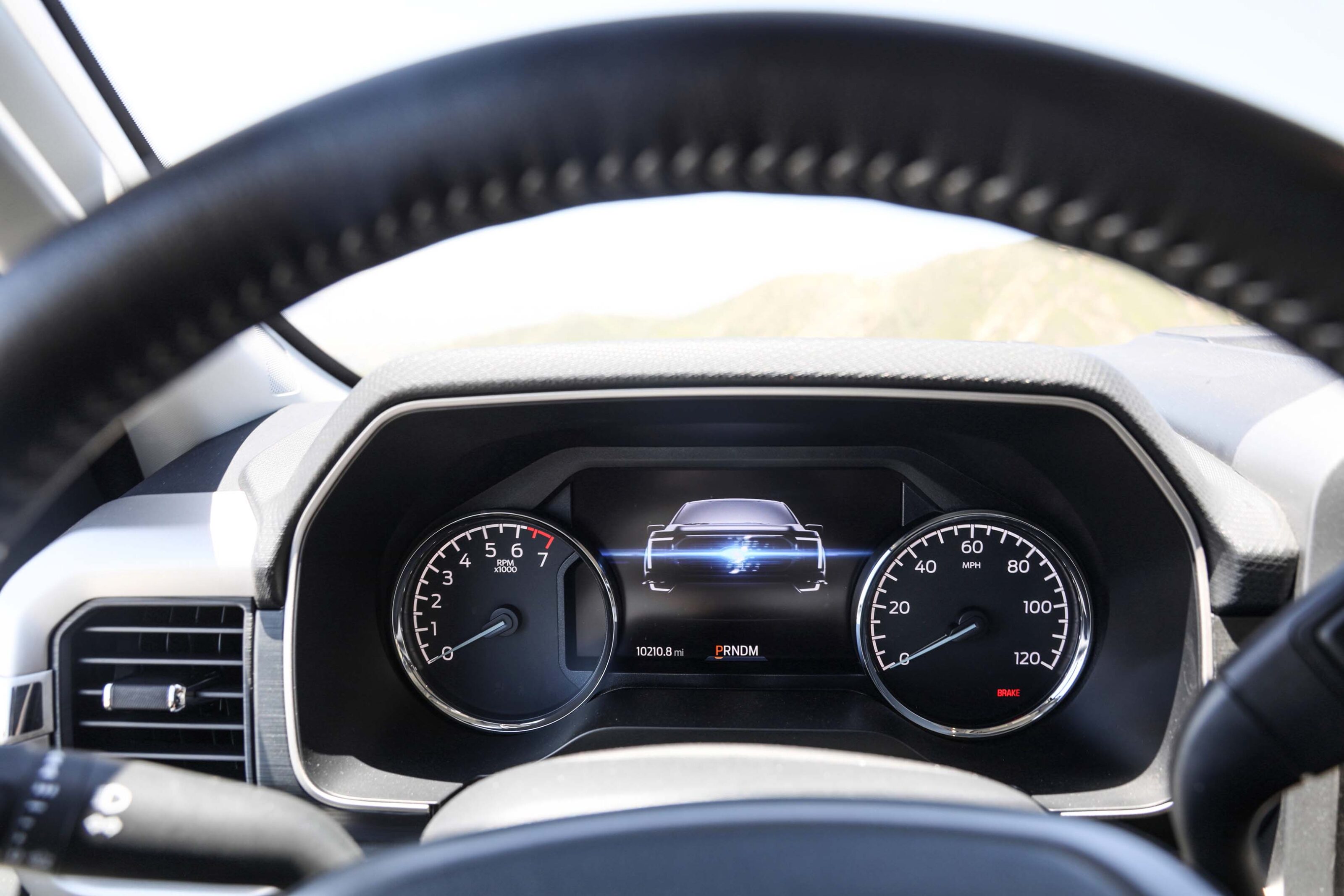
The kids are loving the fact that the rear seating area has no transmission tunnel bump, so even the middle passenger gets a lovely flat floor for their feet.
They are enjoying fighting over the rear air-conditioning controls, USB and USB-C plugs, as well as the six or so cup holders.
My wife Jennifer thinks the interior work surface (a foldable surface on the centre console to place your laptop or tablet on) is also a great feature. The rear electric opening window is also a hit with the children; they seem to be poking out of it every time we stop.
Eventually, we arrive at Race Service, which is a cross-media creative agency housed in a garage space that acts like a hub for people that share a passion for contemporary car culture. Well, that’s how they describe it. To me, it’s a place where people have turned their passion for cars and art into a day job.
My kids immediately want to work there, and so do I.
Race Service was started by James Kirkham, a former NASCAR driver who also created Donut Media. The best time to drop in for a visit is when they have their weekly Rise & Shine event on. It happens every Wednesday from 9-12 and is a cars-and-coffee type meeting with a different collection of vehicles each week.
There’s quite a lot happening here at any one time. I met the team of creatives that work on projects for car companies and brands. I checked out some of the car builds and cars there including a retro Pontiac NASCAR that belongs to James.
My favourite part of the visit was chatting to Nicolai Sclater AKA Ornamental Conifer. He is the resident artist and also the guy that creates the graphics for Daniel Ricciardo’s helmet design.
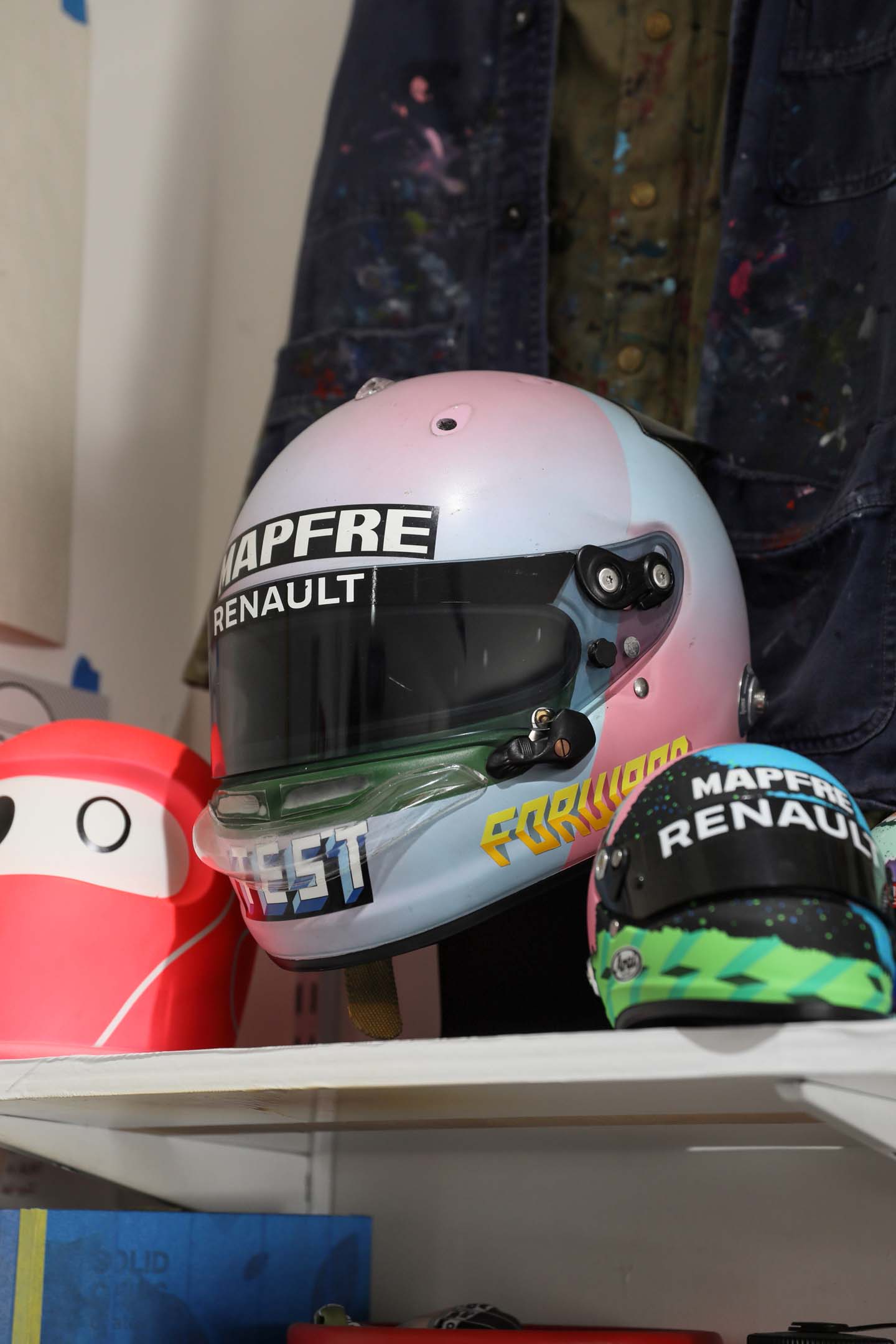
It’s very cool to witness the creative process that goes into what he does. James shows me his office, which has a collection of Daniel’s race helmets, most of which have messages written on them from Dan to the Race Service crew. My son William is a massive Riccardo fan, so he can’t help but do shoey with Danny Ric’s old race boot.
LA is a big car town and you don’t have to go far to see its car culture on display.
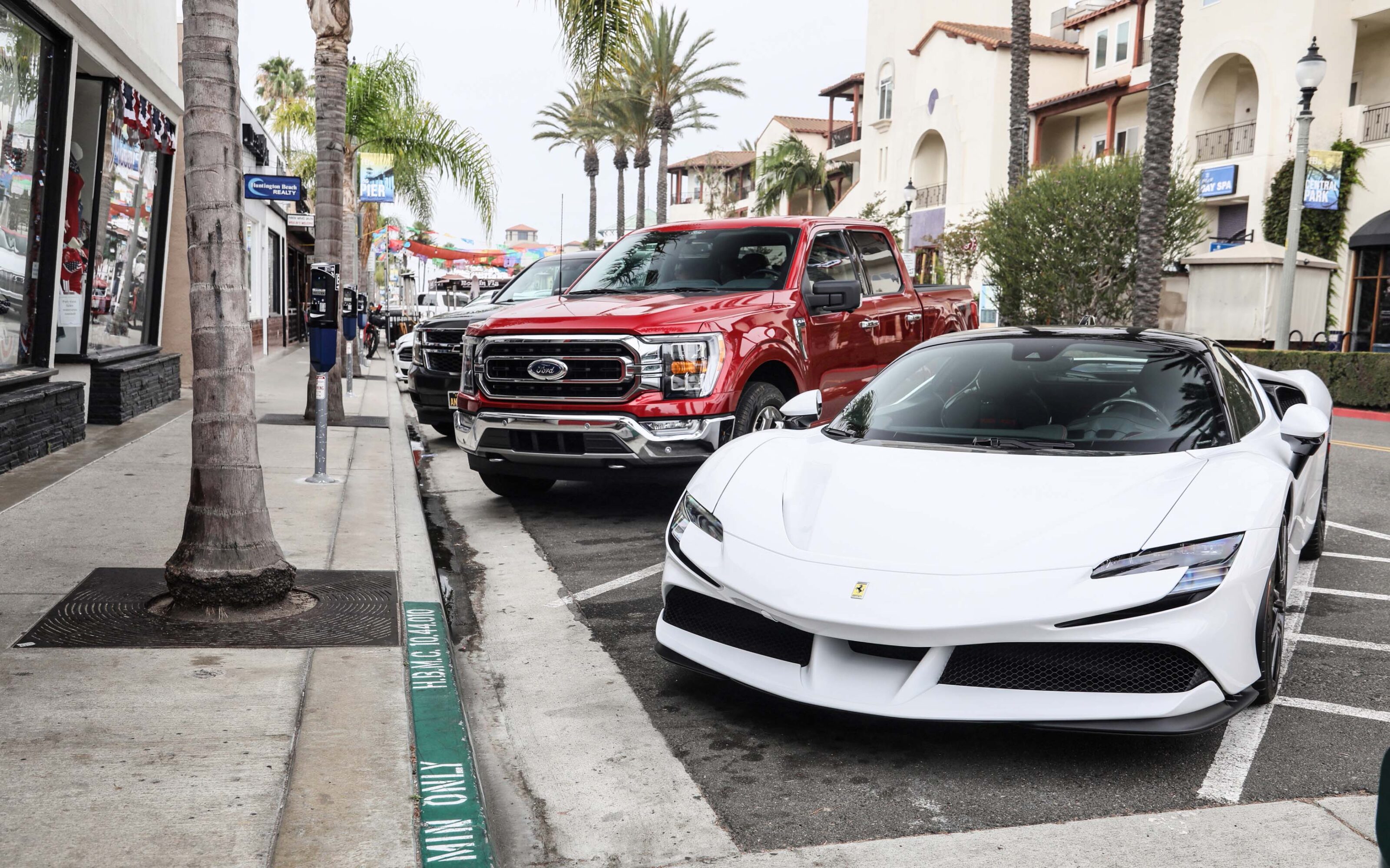
Huntington Beach is a great place for car spotting, especially on a weekend. We saw everything from a ratty Baja Beetle to a fresh-out-of-the-box Ferrari SF90 Stradale.
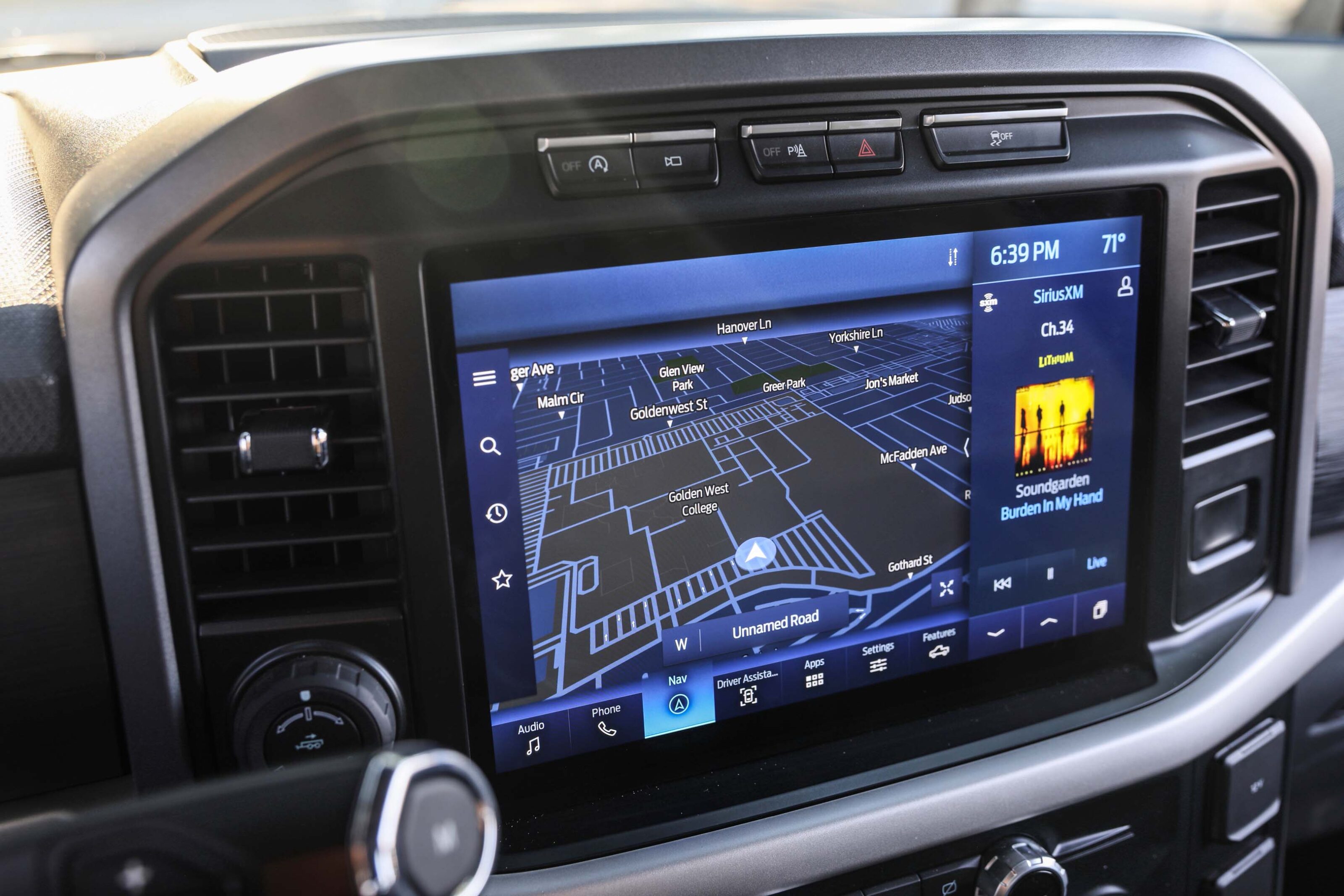
We jump back in the F-150 and set the sat-nav for the Hoonigan store in Compton. The navigation on the Ford’s Sync 4 system is very easy to use and I can’t keep but think that the screen looks exactly like the one in the new Ranger, only turned horizontal.
As we roll through Compton I worry that we may look a little like feral Trump supporters in our shiny red pick-up. Nothing to stress about, though, as we make it to the Hoonigan store just fine. Parked out front is everything from a modified WRX STI to a slammed ex-US Postal truck packing an LS1 V8.
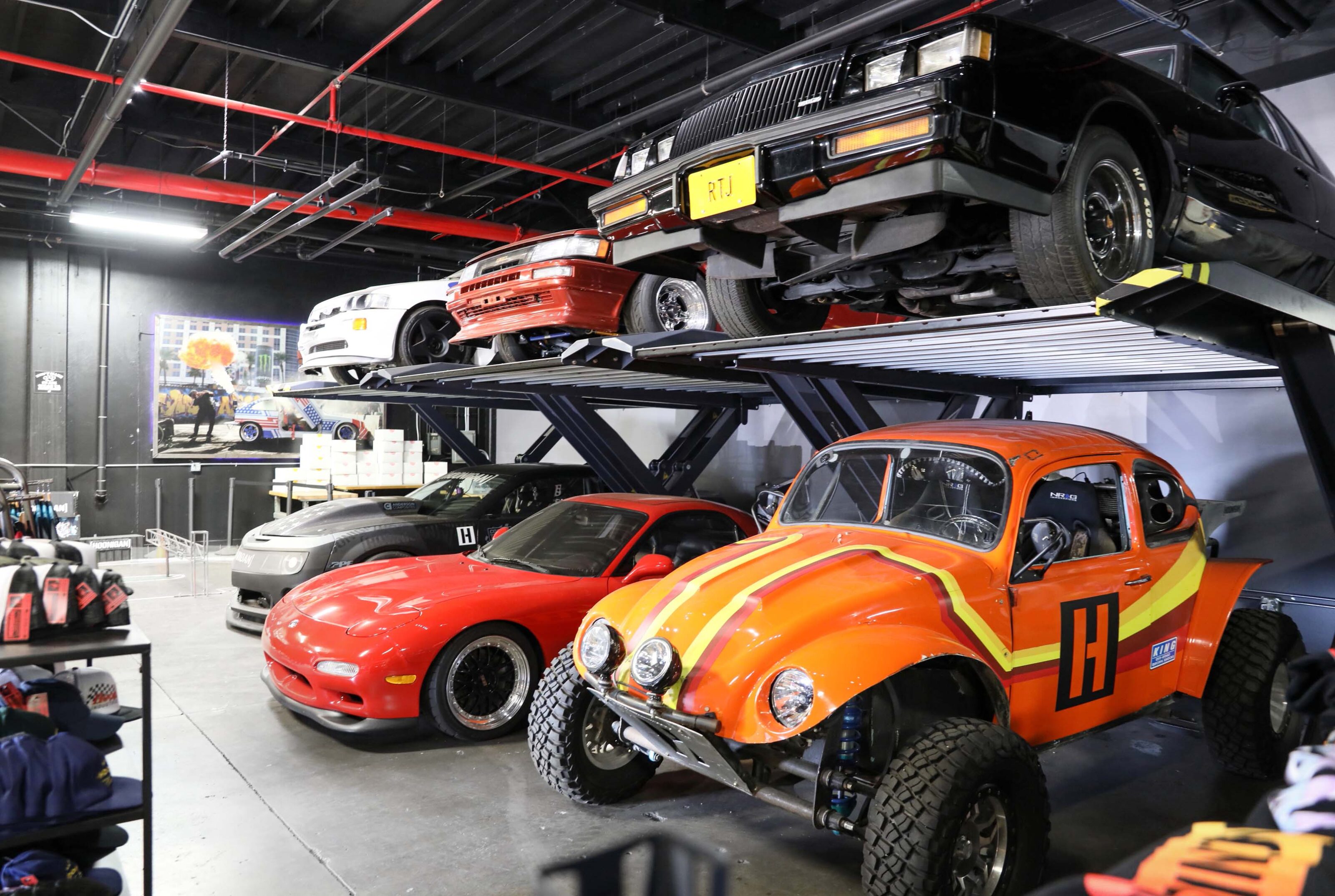
Inside the store is like being in a real-life Forza game. We spot the 72 Napalm Nova, Scumbug Baja Beetle and Ken Block’s Gymkhana Escort RS Cosworth. These cars have been immortalised on YouTube and in video games, so it’s very cool to see them up close. There’s also all the Hoonigan merch you could want including clothing, stickers and even a pair of Hoonigan Pit Viper sunglasses.
Behind the store is the workshop where the Hoonigan team works on their latest creations. We spot a brand new BRZ, which is their next giveaway car, drift-spec S13, an RX-7 and a really cool rotary-swapped wide-body Kei Truck.
Beyond the workshop is the parking lot or unofficial burnout pad. This is where they create the tyre-slaying videos for social media. Unfortunately, today was not a filming day as I would have loved to have a crack in the F-150.
There was so much cool stuff to look at here and I really wanted to take home a 1/10th scale Hoonitruck but I had to settle for some stickers instead. So we headed Straight Outta Compton (sorry but I had to).
We drive north on Interstate 405 bound for Santa Barbara.
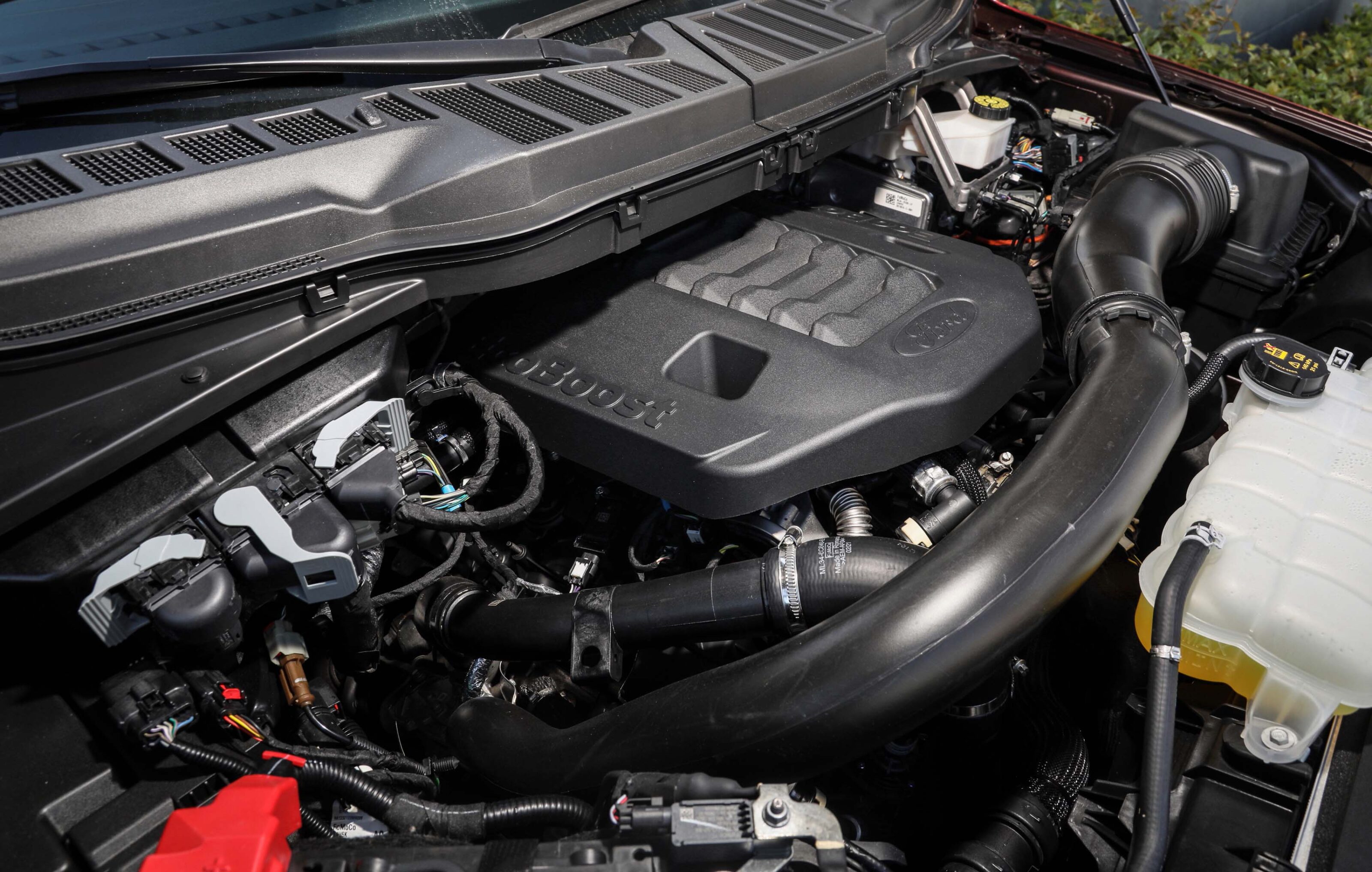
The ride in the F-150 is really good considering it’s on leaf springs in the rear. It also has lots of power (298kW) and torque (678Nm) from its 3.5-litre turbo-petrol V6 Ecoboost engine. This comes in handy when entering freeways, as it seems like nearly every Californian driver loves to accelerate hard!
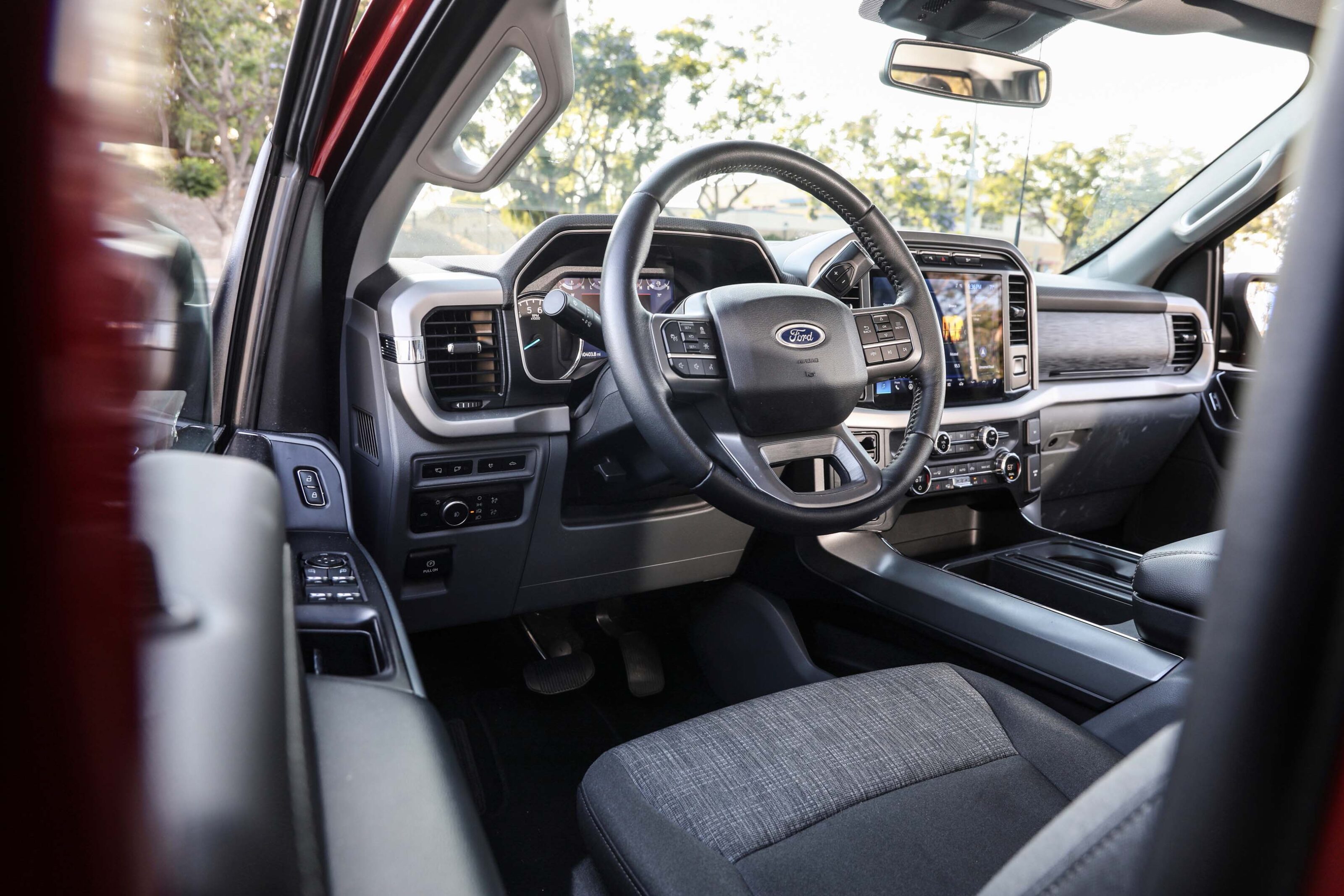
The 10-speed automatic is fairly seamless and the only real negative is the lack of exhaust note – maybe they save that for the F-150 Raptor.
After around three hours of driving including a quick stop at In-and-Out Burger, we roll into Santa Barbara. Our next challenge is parking the Big Red at the Motel. I reverse into a spot and I’m pretty pleased with myself until I notice it sticks out of the parking spot by a metre or so. Luckily I didn’t try the parking spot marked Compact.
Both the rear traffic alert and reverse brake assist features saved me at least once on this trip, stopping the F-150 from going backwards into a car that appeared from nowhere. It’s reassuring for a truck this size to have so many smart safety features built in.
After a morning of checking out the Santa Barbara main street, I’m keen to explore the Santa Ynez mountains I can see behind the town. We head up Gibraltar Road, which is a classic mountain drive with lots of switchbacks and big drops.
While the F-150 is no sportscar, it actually does an okay job on the twisties.
You just have to remember how long the wheelbase is and turn in later to corners or else you may drop a wheel off the road. We stop at La Cumbre peak and take in the view, Griswolds style.
Our last stop – and a must for any car nerd visiting LA – is the Petersen Automotive Museum. Founded in 1994, it’s one of the world’s largest car museums. The cars on display change regularly and they also have themed exhibitions, like the Bond in Motion collection that was on when we visited.
The Petersen also hosts events like the monthly breakfast club cruise, which is a cars-and-coffee-style meet on the museum rooftop parking space. Coffee and doughnuts are complimentary!
After driving the F-150 a couple of thousand miles around California, I was impressed by the way it swallowed up all our gear, kept us very comfortable and also safe.
It’s such a great vehicle for a family road trip. It would also make an awesome car for towing.
Getting used to its super size takes a little time but after a few days of driving, I felt like I had my head around it. If you are used to driving a Ranger or say a LandCruiser then the F-150 won’t feel that much bigger. You do have to hunt for those larger parking spots though. Even in America.
We drop the F-150 back to the parking spot at LAX. The family and I say our goodbyes to Big Red and tell the car it will love the wide open spaces in Australia.
UPDATE: The BYD Atto 3 now officially carries a five-star ANCAP safety rating in Australian and New Zealand.
Australian BYD Importer EV Direct and ANCAP have come to a solution for vehicles sold from November 21. Read the full story here.
Current BYD Atto 3 owners are encouraged to contact their dealer and have the required modifications made for their cars to be five-star compliant.
Our original story, below, continues unchanged.
The story to here
UPDATE November 14: BYD Atto 3 deliveries to re-commence following four-week pause
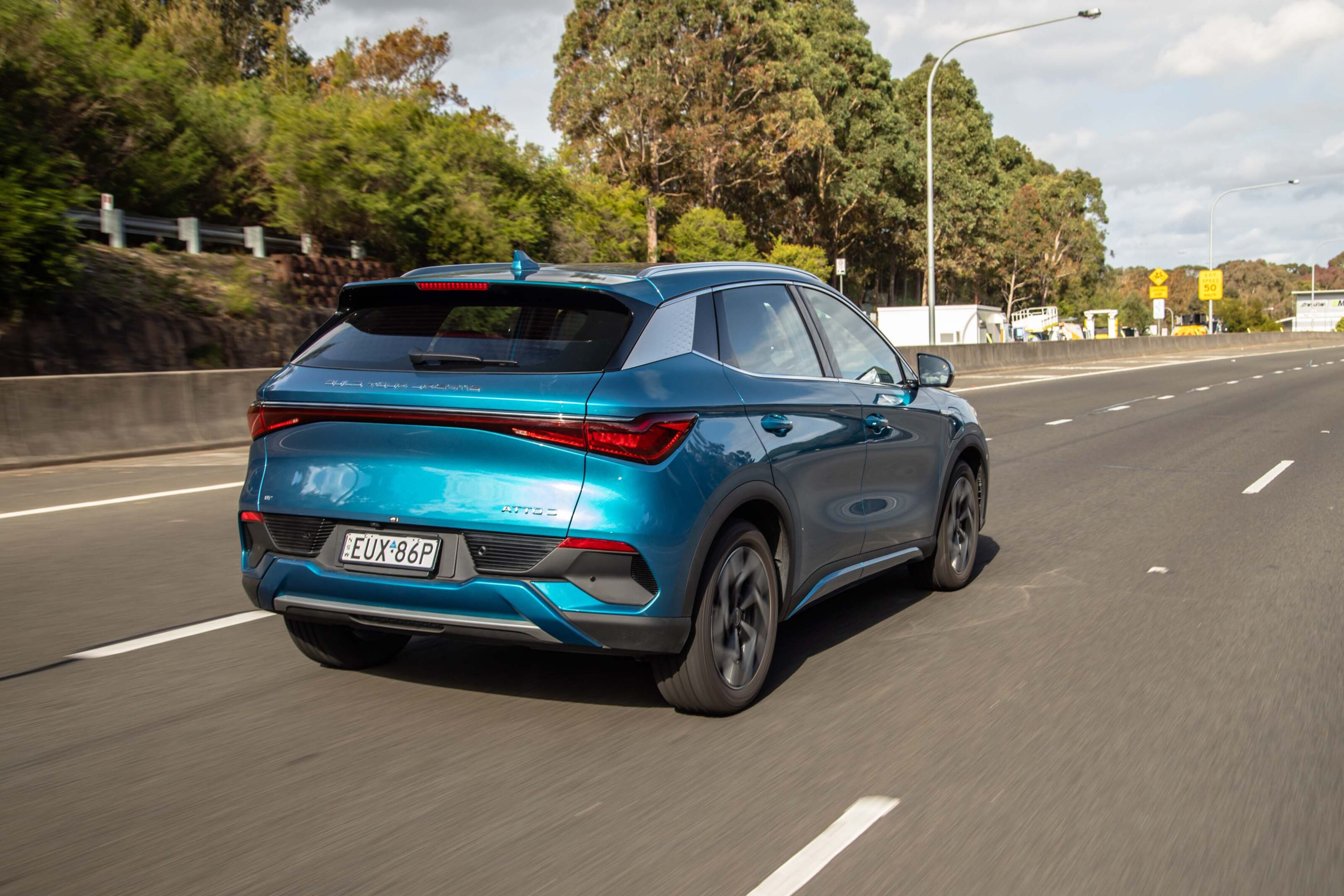
Local deliveries of the BYD Atto 3 electric SUV will re-commence in the coming days, following a four-week hold related to a compliance issue.
The small SUV – one of Australia’s cheapest electric vehicles – launched in September, but deliveries were temporarily paused in late October after it was discovered the Atto 3 failed to comply with an Australian Design Rule requiring a top-tether to attach a child seat in the rear-centre seat.
A top-tether for the centre seat has been a long-standing requirement for a five-seat passenger vehicle in Australia.
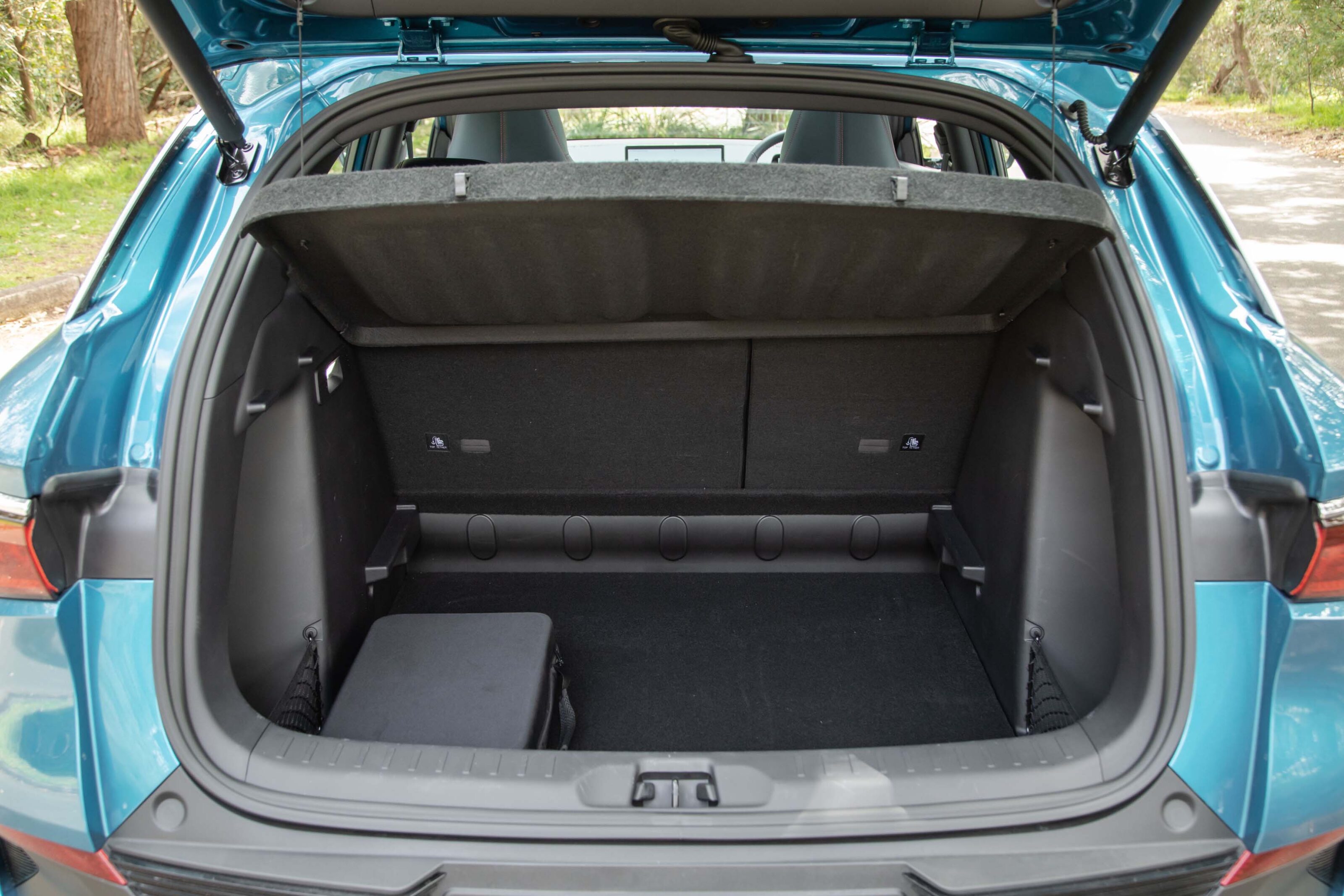
The Australian Design Rule 34/03 states: “Clearance shall be provided around each ‘Upper Anchor Fitting’ to allow latching and unlatching, without the use of tools, of the ‘Attaching Clip’ to the ‘Upper Anchor Fitting’ when it is installed in the vehicle.”
An email sent to affected customers on November 11 – after EVDirect, the local distributor for BYD in Australia, promised to release more details on November 9 – said the delivery process will resume this week.
“As you may know we have been in discussions with the local authorities for the last 4 weeks trying to clarify a technical issue regarding the ADR certification of the Atto 3 vehicle,” said the customer notice from BYD Australia and EVDirect management.
“As part of that process, we made a decision to halt deliveries until such time as we could provide the necessary information to the department to resolve the issue.
“We are pleased to inform customers that we will now re-commence the delivery process of the Atto 3. This is great news for our customers, and we thank you for your patience as we worked through this process.”
It says the Atto 3 will now feature the following modifications for newly-delivered vehicles:
- The rear-centre seat will have a rear anchorage point available, allowing for the fitment of a child seat
- The ISOFIX child-seat anchorages in the front passenger seat will be disabled, removing the ability to fit a child seat.
“We realise the child seat positions do not impact the vast majority of our customers, but safety is, and always will be our number one priority which is why we decided to voluntarily halt deliveries whilst resolving this matter,” the notice added.
Late last month, EVDirect CEO Luke Todd told Wheels little more than “a Stanley knife with a very professional operator” is needed to resolve the issue with the rear-centre seat.
It’s understood the top tether mount is incorporated into the seat but was hidden behind the fabric of the backrest.
It is unknown if soon-to-be-produced examples will include the fix from the factory in China, or if BYD Australia employees will need to manually work on each vehicle as it arrives in Australia.
A dealer notice seen by Wheels said the plan to rectify all vehicles will be outlined by BYD Australia officials today, November 14.
The company is also yet to detail how it intends to fix hundreds of vehicles delivered to customers before the stop-sale was issued on October 21 to ensure the ADR requirements are met.
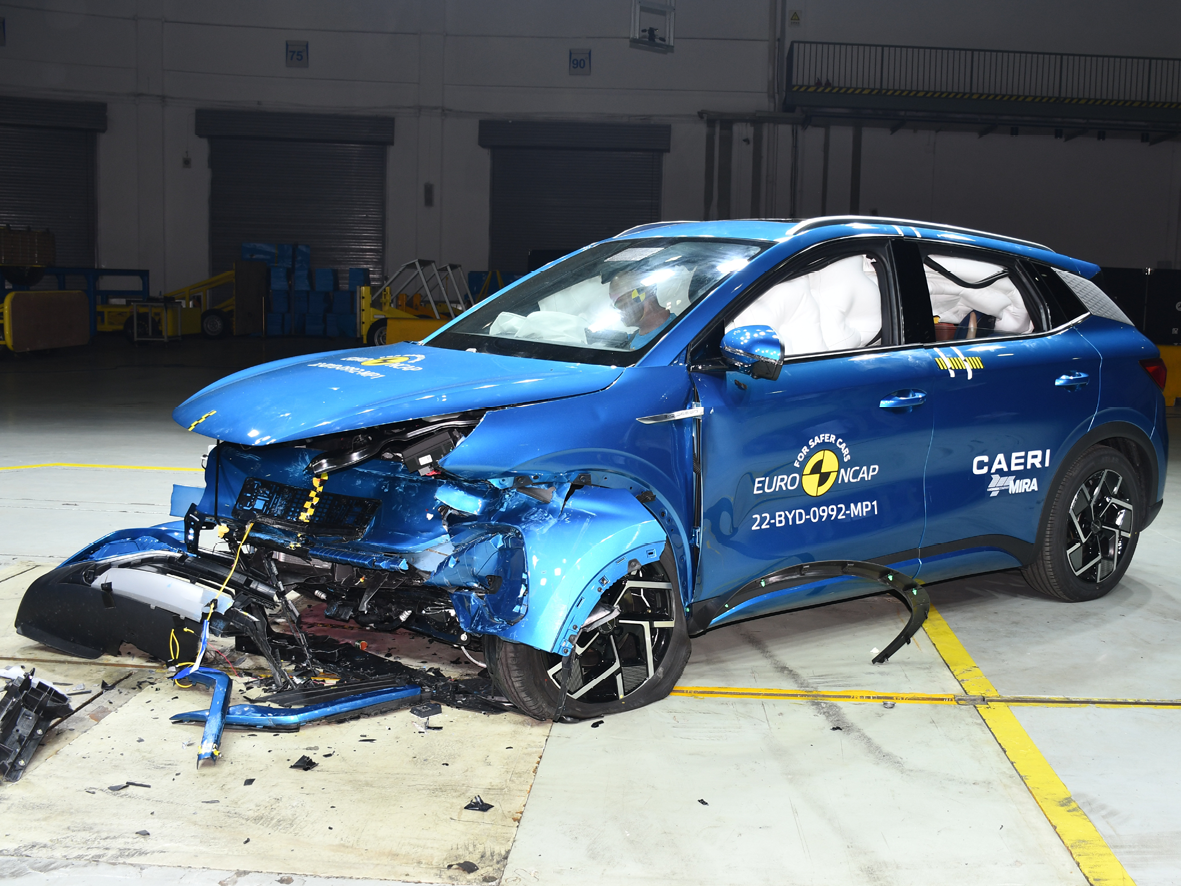
The compliance issue followed its five-star ANCAP safety rating, with Australian variants currently unrated – despite New Zealand and European variants receiving top marks under the same criteria.
“Once ANCAP is advised of the certification status and any rectification action proposed by BYD, we will review the information to determine whether an ANCAP safety rating for Australian vehicles can be applied,” said a spokesperson for ANCAP.
Snapshot
- Mercedes-Benz C-Class recalled in Australia
- Current-generation sedan affected
- Water could enter into the boot in heavy rain or when using a heavy-duty cleaning device
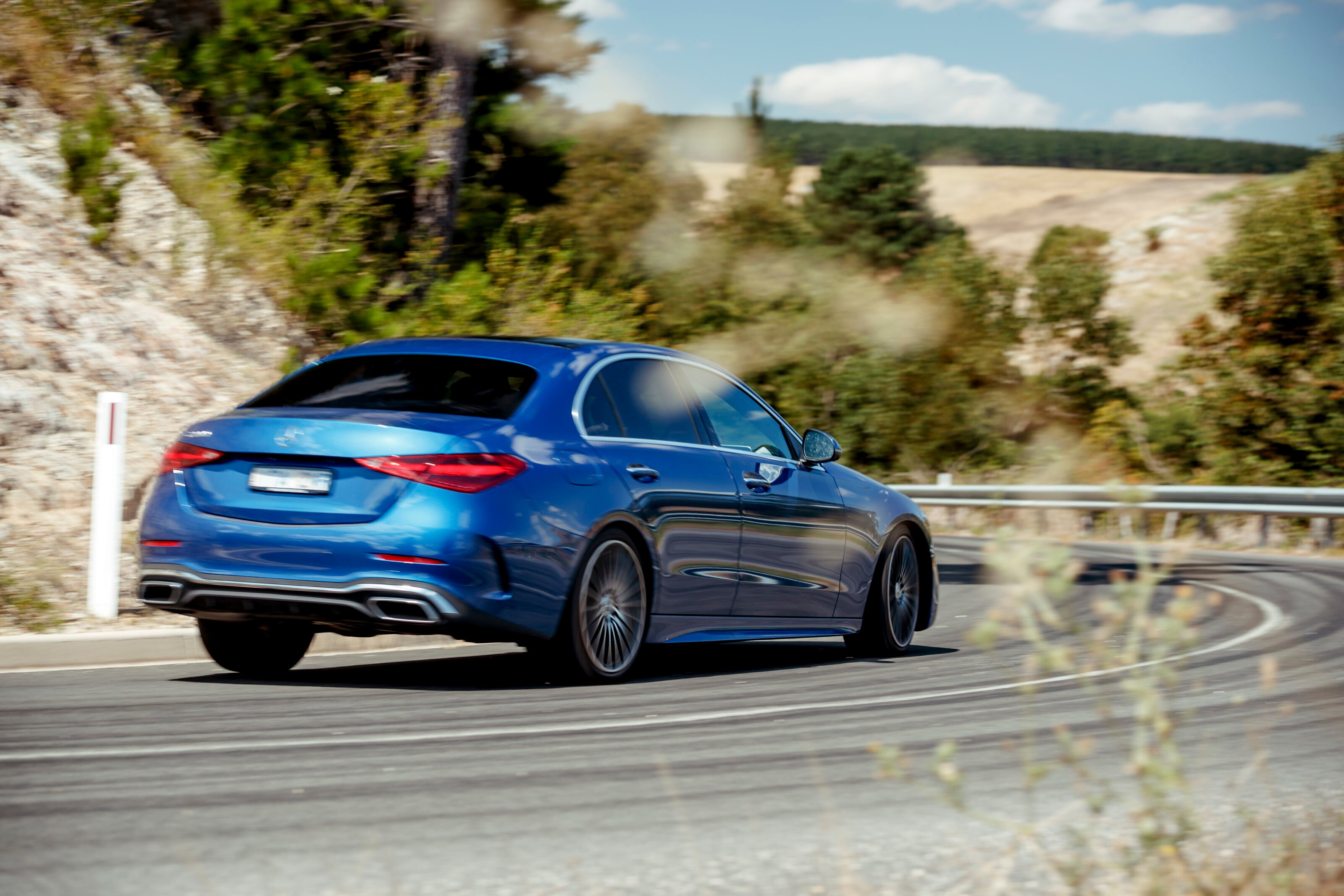
Mercedes-Benz Australia has issued a recall for the 2022 C-Class due to a short circuit risk.
The issue affects 2855 units produced between 2021 and 2022.
According to the recall notice issued by the Department of Infrastructure, water may enter into the boot after heavy rain or use of a high-pressure cleaning device.
As a result, Mercedes-Benz says the moisture could lead to a short circuit, with a potential fire risk.
Mercedes-Benz will contact owners of affected vehicles and request they make an appointment with a service centre to rectify the issue free of charge.
The company can be contacted directly by calling 1300 300 896 or by visiting a dealership, found here.
A VIN list for the affected vehicles can be found here.
It is the second recall for the 2022 Mercedes-Benz C-Class, with the first issue relating to a fault with its SOS emergency call system.
