
It’s been quite a turnaround for Volvo, hasn’t it? Once derided as the maker of safe but dull boxes on wheels, the Swedish brand is now a style-driven and desirable alternative to the established Germans. Dare we say it, but has Volvo become cool?
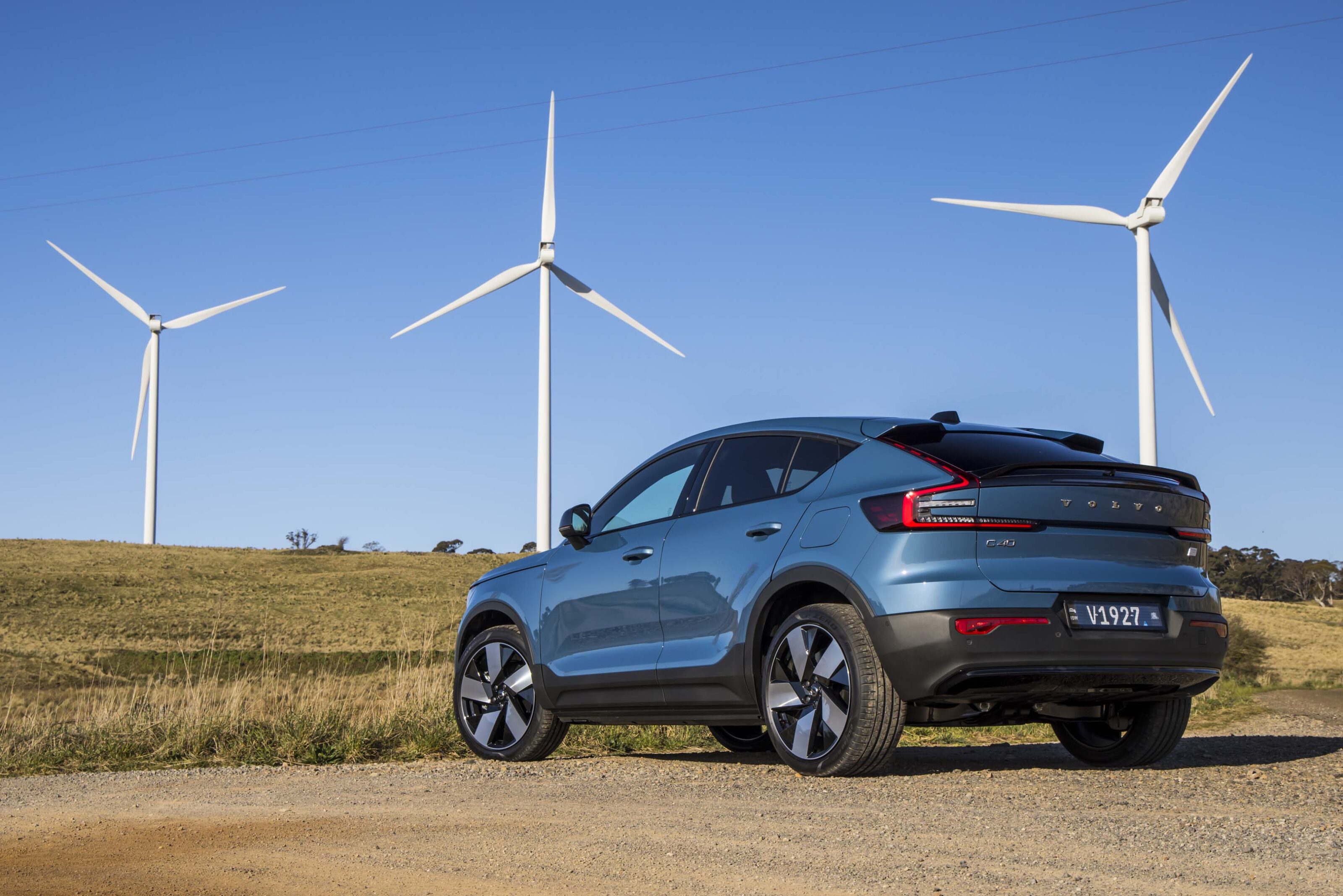
And now there’s another stylish model to add to the Aussie line-up. It’s dubbed the C40 and it’s essentially a coupe-ified version of the XC40 small SUV. Think of it as Volvo’s answer to a BMW X2, Audi Q2 and Mercedes GLA and you’re most of the way there.
Unlike the XC40, however, which can be had with petrol, hybrid or electric powertrains, the C40 is EV only. And the numbers are punchy.
In twin motor guise, the C40 turns out 300kW/660Nm and can hit 0-100km/h in 4.7 seconds. A svelte crossover that’s surprisingly practical and has enough snot to destroy most hot hatches? Colour us intrigued.
The trade-off is that the C40 isn’t exactly cheap… Prices start at $74,990 but if you want the full-fat twin motor version, be prepared to hand over the better part of $83K (both before on-road costs). Question is, is it worth it?
JUMP AHEAD
- How much is it and what do you get?
- How do rivals compare on value?
- Interior comfort and storage
- How does it drive?
- Warranty and running costs
- VERDICT
- Specifications
How much is it and what do you get?
There are two versions of the C40 to choose from: the C40 Recharge or the C40 Recharge Twin.
Both share the same CMA underpinnings and basic dimensions as the regular XC40 but the key difference between the two C40 variants is how many electric motors they have.
The cheaper Recharge, which starts at $74,990 before on-road costs, has a single motor on the front axle that produces 170kW/330Nm. It’s fed by a reasonably large 67kWh battery (that’s useable capacity), can hit 0-100km/h in 7.4 seconds and has a respectable claimed WLTP range of 434km.
2023 Volvo C40 Recharge specs: the basics
| Volvo C40 Recharge | Volvo C40 Recharge Twin | |
|---|---|---|
| Body | 5-door, 5-seat small SUV | 5-door, 5-seat small SUV |
| Drive | front-wheel | all-wheel |
| Driving range (WLTP) | 434km | 420km |
| Battery size | 69kWh | 78kWh |
| Charging speed (DC) | 150kW | 150kW |
| Power/torque | 170kW/330Nm | 300kW/660Nm |
| 0-100km/h | 7.4sec (claimed) | 4.7sec (claimed) |
| Boot min/max | 489L/1205L (SAE) | 489L/1205L (SAE) |
| Price | $74,990 + on-road costs | $82,490 + on-road costs |
The Recharge Twin ups the ante by adding a second e-motor on the rear axle. Outputs jump to 300kW/660Nm and the battery is also a touch larger at 75kWh. Again, that’s useable capacity.
Range dips slightly to 420km but the 0-100 sprint tumbles significantly to 4.7 seconds. Naturally, its additional hardware and performance command a price premium over the single-motor version and it will set you back $82,490 before on-road costs.
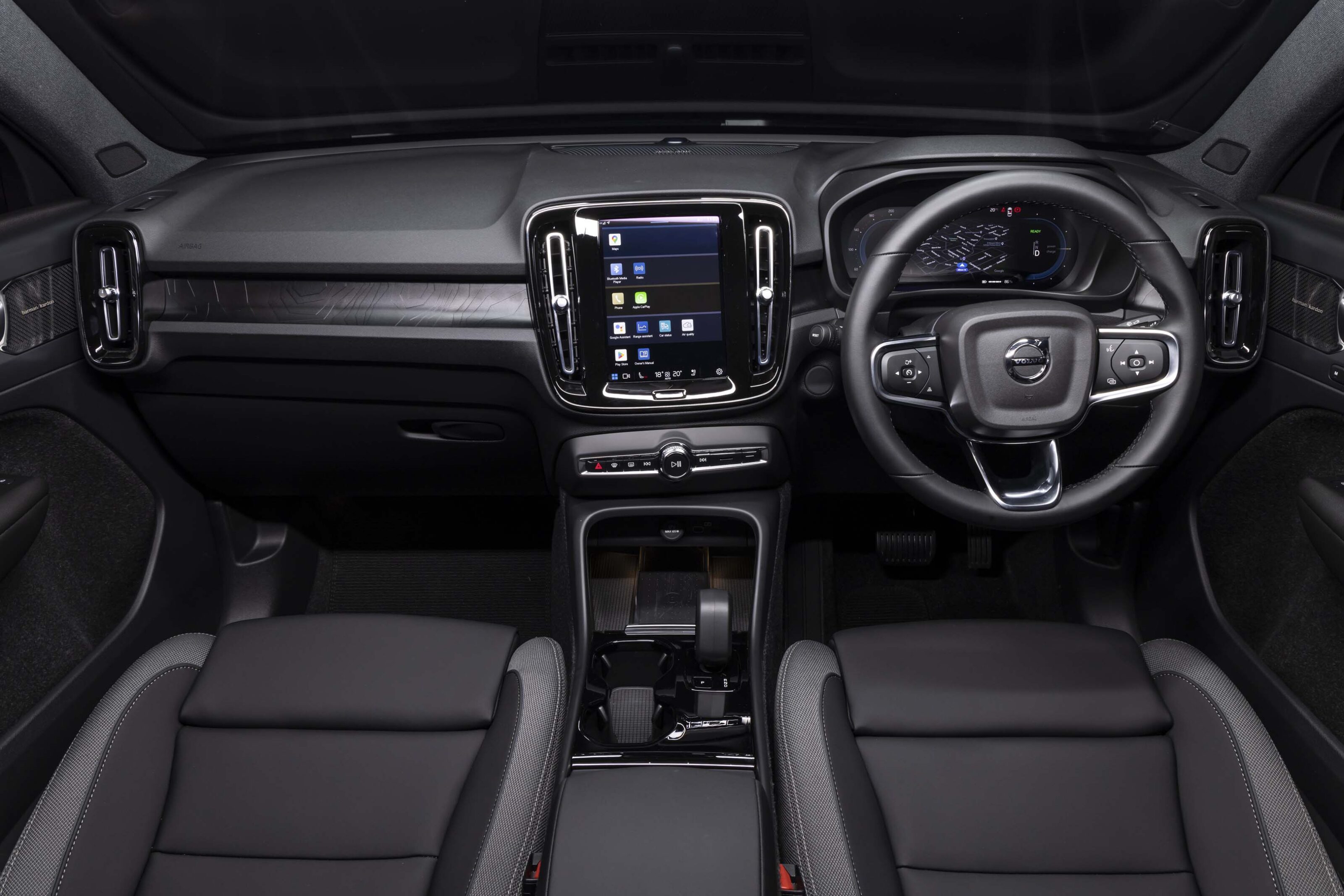
As you’d expect at this price point, both models are nicely equipped. A 9.0-inch touchscreen featuring an operating system jointly developed with Google, digital instruments, wireless charging pad, panoramic roof, heated electrically adjustable seats, electric tailgate and dual-zone climate control are all standard, as is a full suite of active safety tech.
Best Electric Cars Under $65k: Affordable EVs Rated
Welcome to part one of three price-based EV buying guides, this one focused on the most affordable electric cars available in Australia today
Safety equipment as standard
| Autonomous emergency braking (forward & reverse) |
| Adaptive cruise control |
| Lane-keep assist |
| Blind-spot monitoring |
| Cross-traffic alert |
| Parking sensors front/rear |
| Reversing camera |
| Hill descent control |
Volvo also takes great pride in the fact that both cabins are completely leather-free and use recycled materials. Apparently, 71 reused plastic bottles go into each C40 cabin.
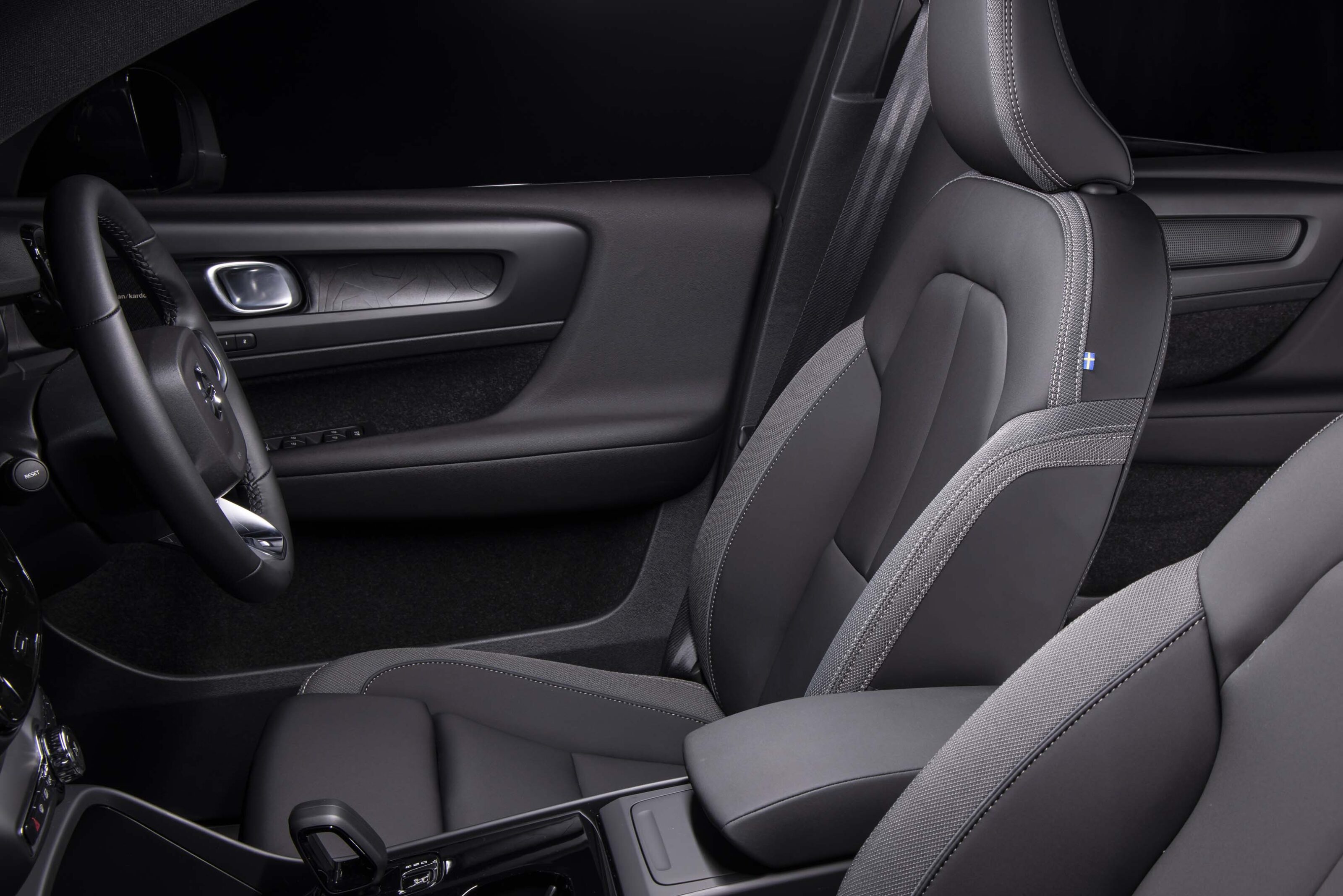
Twin motor versions add larger 20-inch wheels and feel a step above for interior presentation thanks to a more powerful Harman Kardon sound system, a 360-degree camera and seats finished in a premium-feeling mix of a wool-blend fabric and ‘Microtech’, which is a suede-like material made from recycled polyester. Worried that going leather free makes the C40 feel less luxurious? Don’t be.
A final word on value: line the C40 up against the existing XC40 Recharge and it’s between $2000-3000 more expensive model for model. But as we’ll discover, that price premium buys you more than just a jauntier rear end…
How do rivals compare on value?
The C40 is playing in a rapidly expanding segment.
Existing rivals include the Tesla Model Y, Mercedes-Benz EQA 250 and Lexus UX300e and all three are in the same ballpark as the Volvo when it comes to purchase price (although Lexus has announced an updated UX300e with more battery range but no word on pricing as yet).
Each offers a two-wheel drive version in the $70K bracket and the Volvo falls in the middle of the group for battery range.
The C40’s claimed range of around 420km is higher than the Mercedes EQA 250 (400km) but slightly lower than the revised Lexus UX300e (450km) and Tesla Model Y RWD (455km).
Where the Volvo represents excellent value against its rivals is in twin motor guise. For similar performance from two e-motors, you’ll need to spend around $100K for a Mercedes EQB 350 or Tesla Model Y Performance, which makes the $82,490 C40 Recharge Twin look a relative bargain.
But there are a host of other newcomers to consider that are waiting in the wings. BMW has just revealed pricing for its forthcoming iX1, which develops 230kW/494Nm from two electric motors and will start at $82,990 before on-road costs when it arrives here early next year.
And Volkswagen Group is preparing to launch the VW ID.4, ID.5 and Skoda Enyaq Coupe, plus the Audi Q4 e-Tron is also expected to head our way sometime in 2023.
EV Buyer’s Guide: Electric Vehicles Under $65K Ranked – The Best and The Rest
Welcome to part one of three price-based EV buying guides, this one focused on the most affordable electric cars available in Australia today
Interior comfort and storage
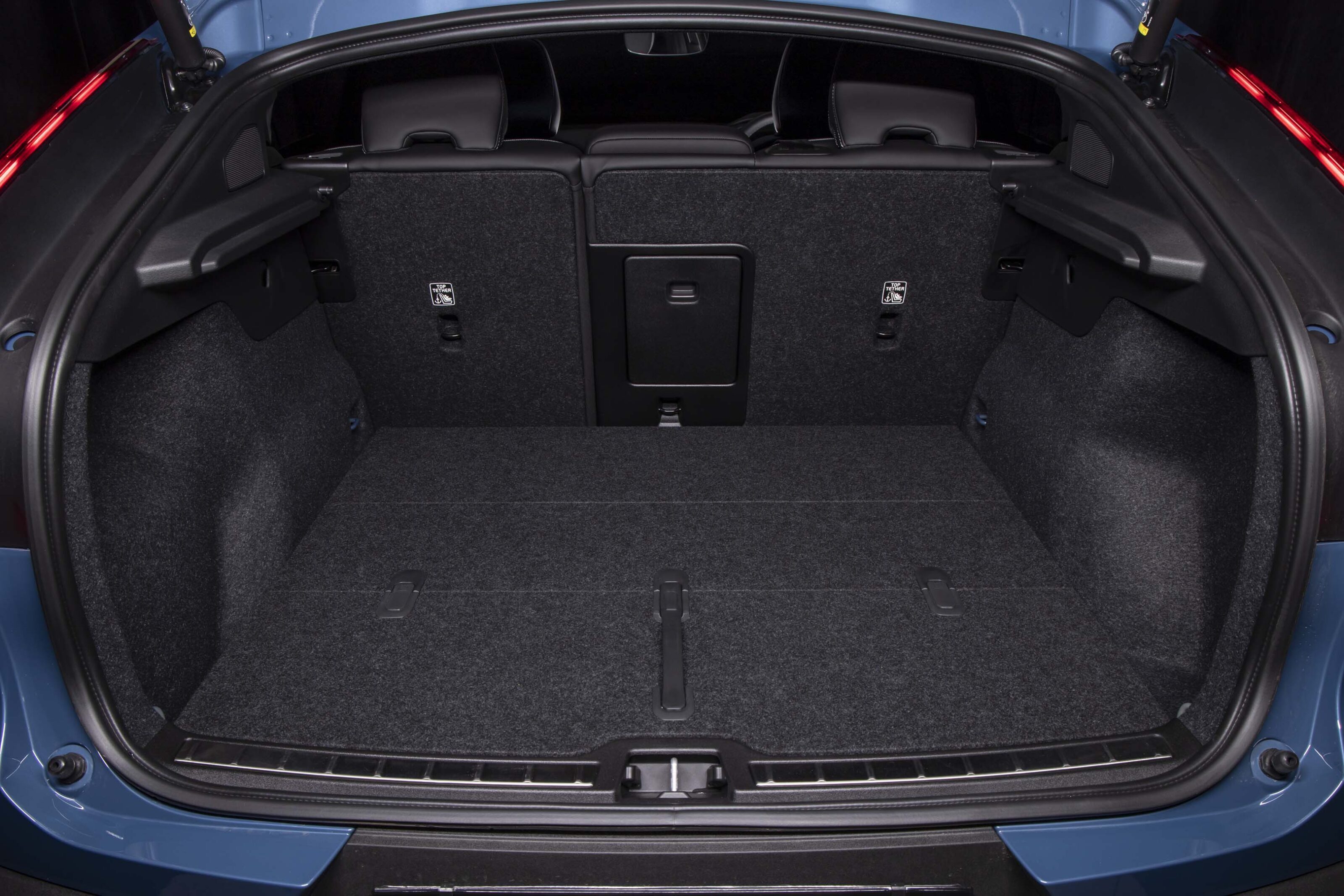
Naturally, given its more stylish bottom, the C40 isn’t quite as practical as its boxier XC40 sibling. Boot space drops by 80L from 578L in the XC40 to 498L and when you lower the folding second row that difference grows to 123L (1328L vs 1205L).
Still, although there is a loss in outright load-lugging ability and rear visibility thanks to a shallower rear window, the C40 remains impressively practical. The boot itself is nigh-on identical to the XC40’s (aside from the sloping tailgate that eats into luggage room) and that means you score a wide and low opening with a floor that’s divided into three equal sections, each of which can be flipped up individually to stop small items sliding about.
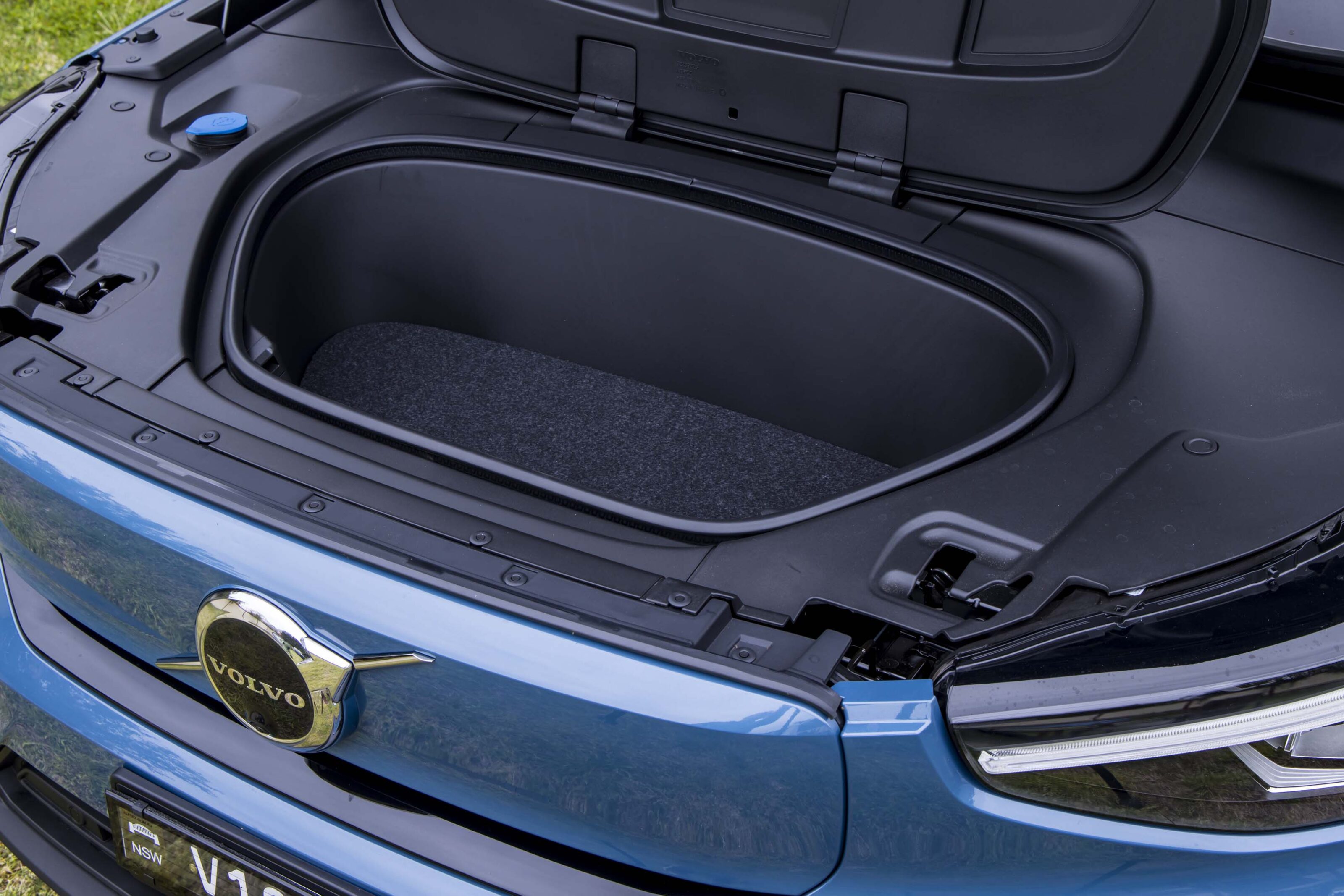
There’s useful storage below the boot floor, too, and in the nose there’s a small frunk that offers an additional 21L of storage where you can store the charging cables.
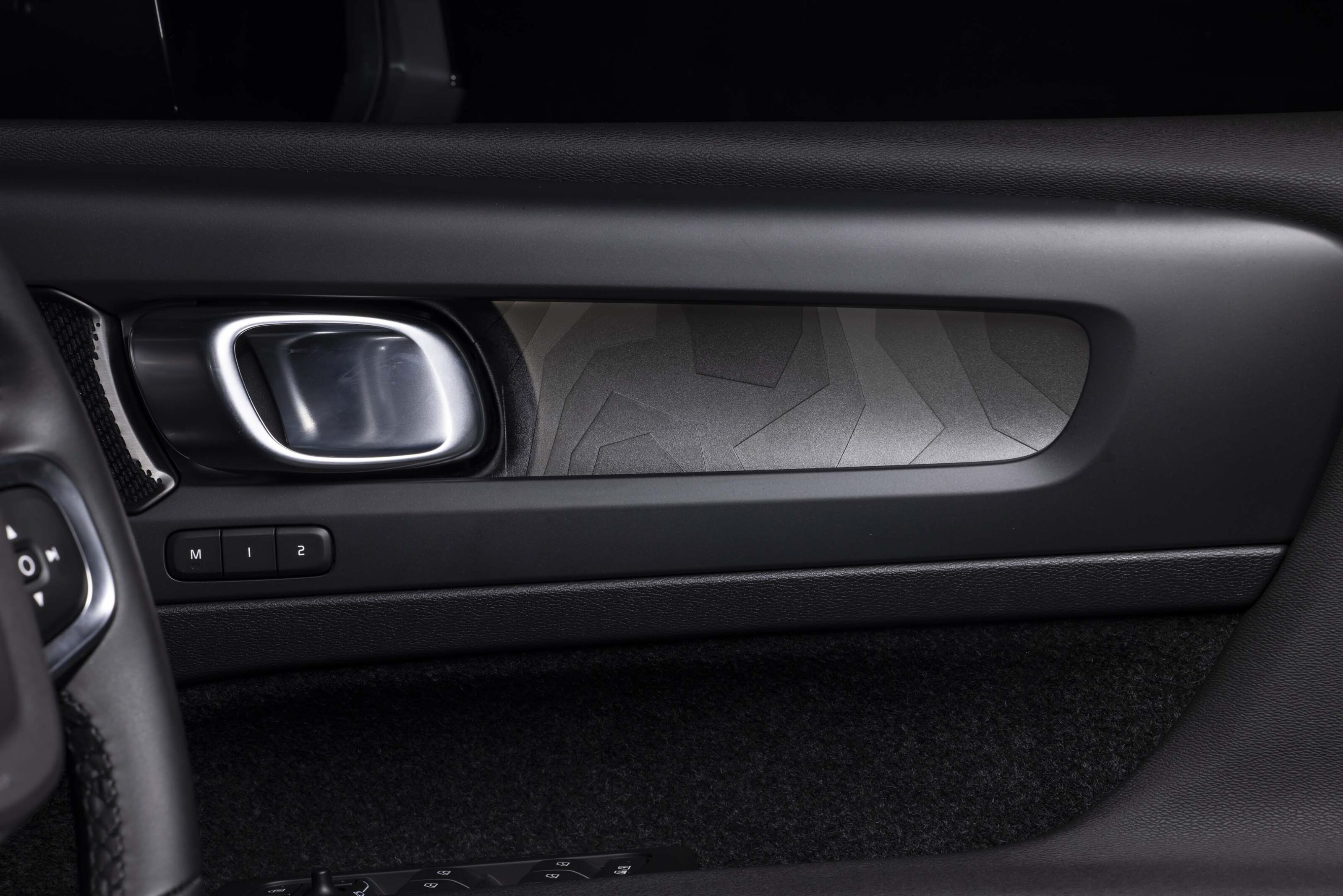
The rest of the cabin is pure XC40 with a few unique touches. The inlays in the dash and doors, for example, are a nice textural addition and feature either a graphic of Gothenburg in the single motor version or a design inspired by the Abisko National Park in the Recharge Twin.
Elsewhere the mix of materials and premium touch points feel every bit the C40’s circa-$80K asking price.
There are some cheaper-feeling plastics below the belt line but most of the touchpoints are of high quality and there’s ample cabin storage, including huge carpet-lined door pockets and a small rubbish bin that slips into the large centre console.
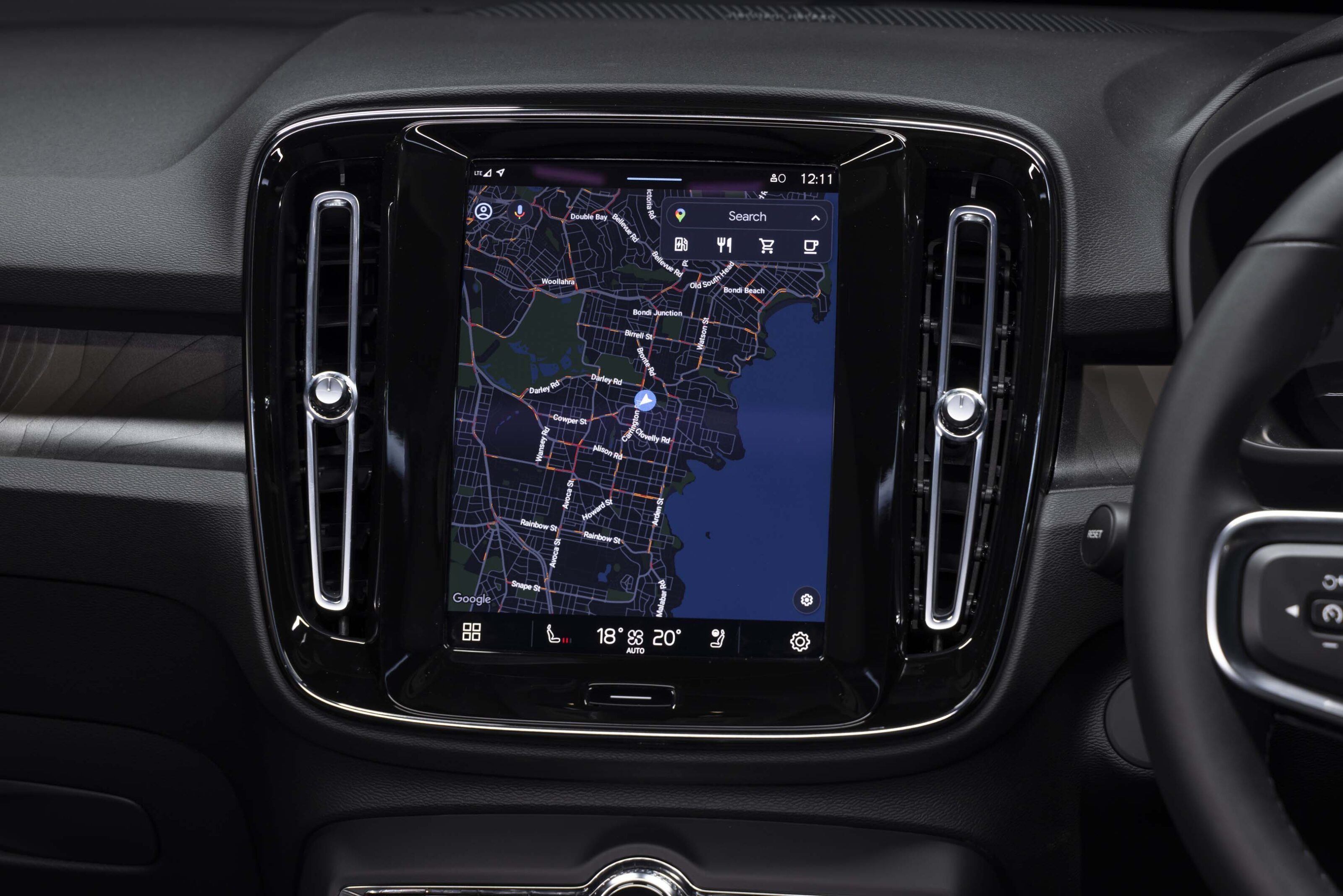
Connectivity and functionality are also impressive. The large portrait-style centre screen is quick to respond and features an Android-based operating system jointly developed with Google. An e-SIM offers internet access without having to pair a phone and Volvo throws in four years of unlimited data.
The system, which includes inbuilt Google functions like Google Maps and Google Assistant, can also receive over-the-air updates to ensure your C40’s functionality is always the latest and greatest.
A wireless charging pad is found ahead of the stubby gear selector and there are two USB-C outlets plus a 12V socket for each row of passengers to charge other devices. Apple CarPlay is also included, although you’ll need to plug your phone in to access it.
How you actually interact with the C40 is interesting. Plonk yourself behind the wheel and you’ll find there’s no starter button. Instead, the car wakes up as soon as you land in the seat and to get moving you simply engage Drive and prod the accelerator. Coming to a stop and clambering out also takes a bit of adjustment.
At the end of your journey, all you do is engage Park and get out. It can feel odd not to turn the car off by pressing a start/stop button, especially as the dash and other accessories remain on, but you soon get used to it.
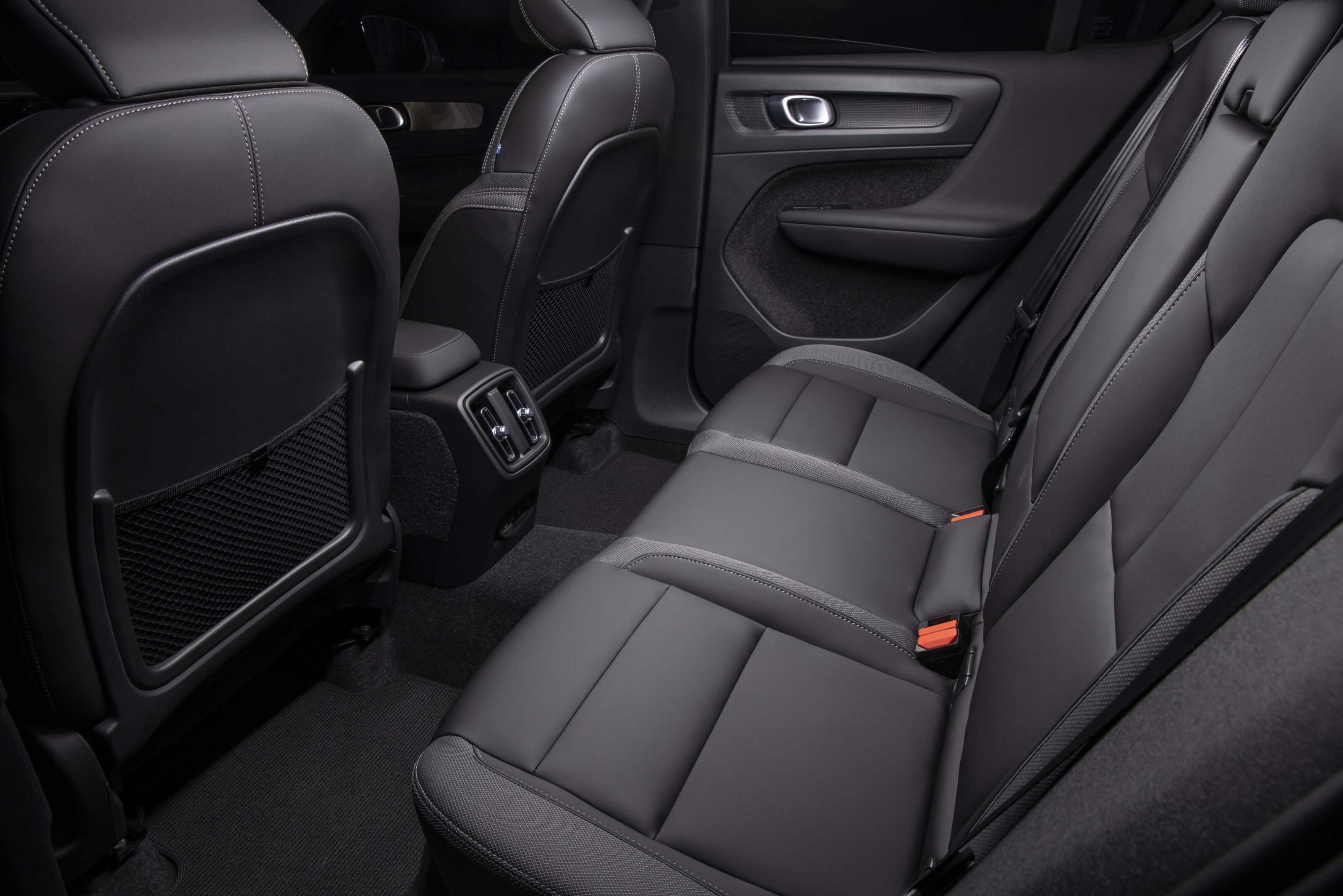
Seat comfort is another highlight. The front pews are exceptionally supportive and offer loads of adjustment, while the back seat is deceptively roomy. Tall adults will find they have ample toe- and knee-room in the back and strangely, given the C40’s swooped coupe-like profile, rear seat vision is actually better than an XC40’s.
Where the XC40’s rear window line tapers up aggressively and impedes vision out next to your shoulder, the C40 has a more relaxed kink and a slightly larger glasshouse. The rear bench is also heated, you score a central armrest with two cup holders and there are twin air vents at the back of the centre console.
Given the C40 is built on an ICE-first platform, there is a raised transmission tunnel to contend with but it’s not too intrusive.
How does it drive?
It’s a tidy handler, the C40. Both models are swift, grippy and surprisingly supple on bumpy Aussie back roads but there’s a huge difference in the level of performance on offer. Single motor versions are lively off the line but offer more leisurely roll-on acceleration whereas the 300kW/660Nm Recharge Twin is significantly more potent.
Step-off is sharp and with the throttle buried we’d suggest Volvo’s claim of 4.7 seconds to 100km/h is on the conservative side. This is a quick little SUV.
It’s decent to hustle, too. The C40 rides slightly higher than the XC40 Recharge and because Volvo’s chassis engineers have opted to skew the ride and handling balance more towards comfort than dynamics, there is some body roll to contend with.
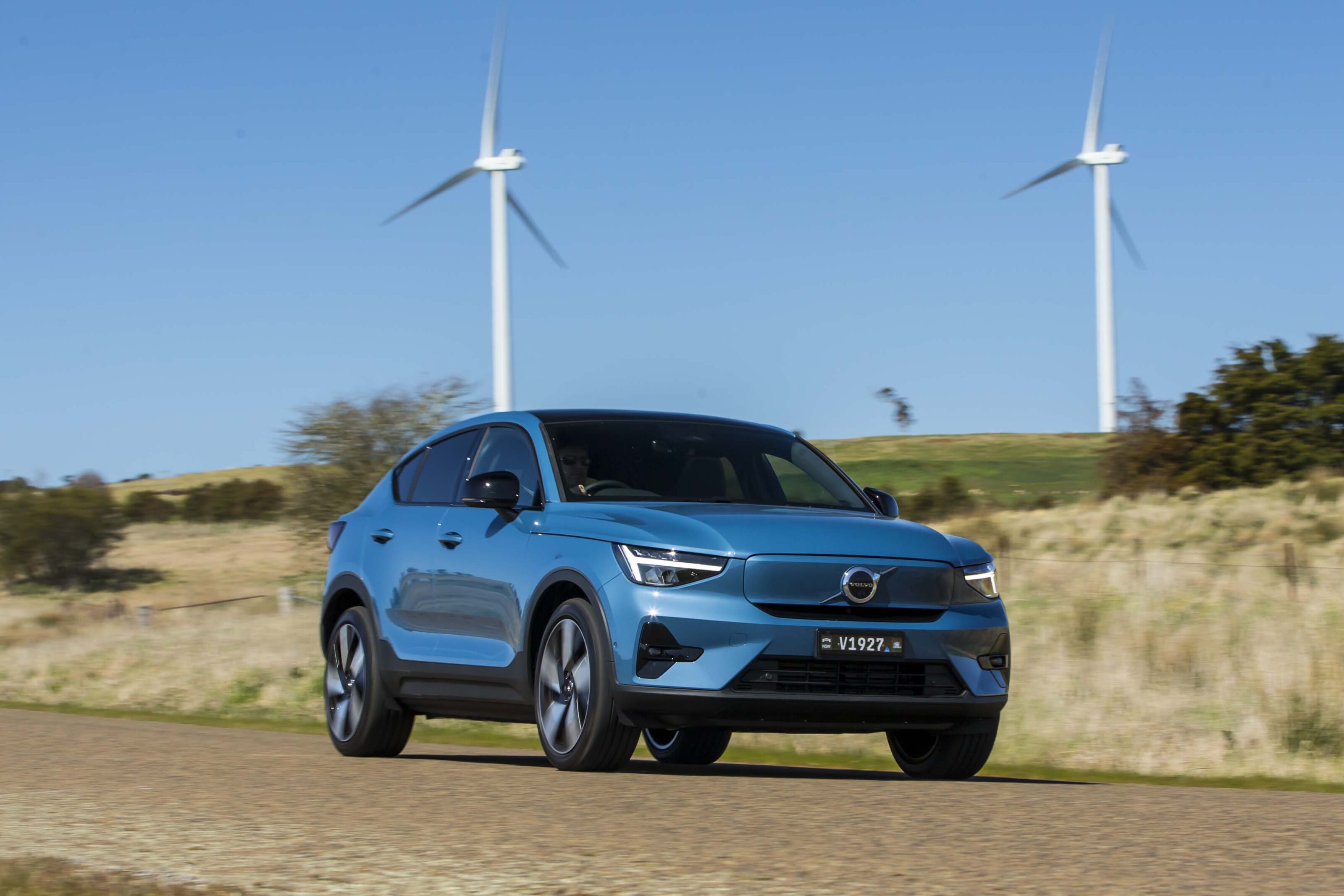
Get the C40 settled into a corner, however, and it’s a surprising amount of fun. Grip levels are high courtesy of staggered Pirelli P Zeros (235/45 R20 up front, 255/40 R20 out back), and because there’s so much thrust available it’s addictive to flatten the throttle at the apex and feel the axles squirm as the twin motors juggle torque and traction. Who said EVs can’t be fun?
The steering, while not dripping in feel, is unwaveringly accurate and you can adjust the weight through two settings: Normal or a more natural-feeling Firm. Throttle response is razor sharp, as you’d expect in an EV, but it can also be used to trim the C40’s line during hard cornering. Unlike a lot of rivals that offer multiple stages of braking regen, the C40 only has two: off or One Pedal Driving.
Happily, the one-pedal system is one of the most intuitive we’ve ever encountered. It’s speed-dependent and is easy to judge to both help tuck in the nose with a slight lift on the open road or bring it to a complete stop in the cut and thrust of city traffic.
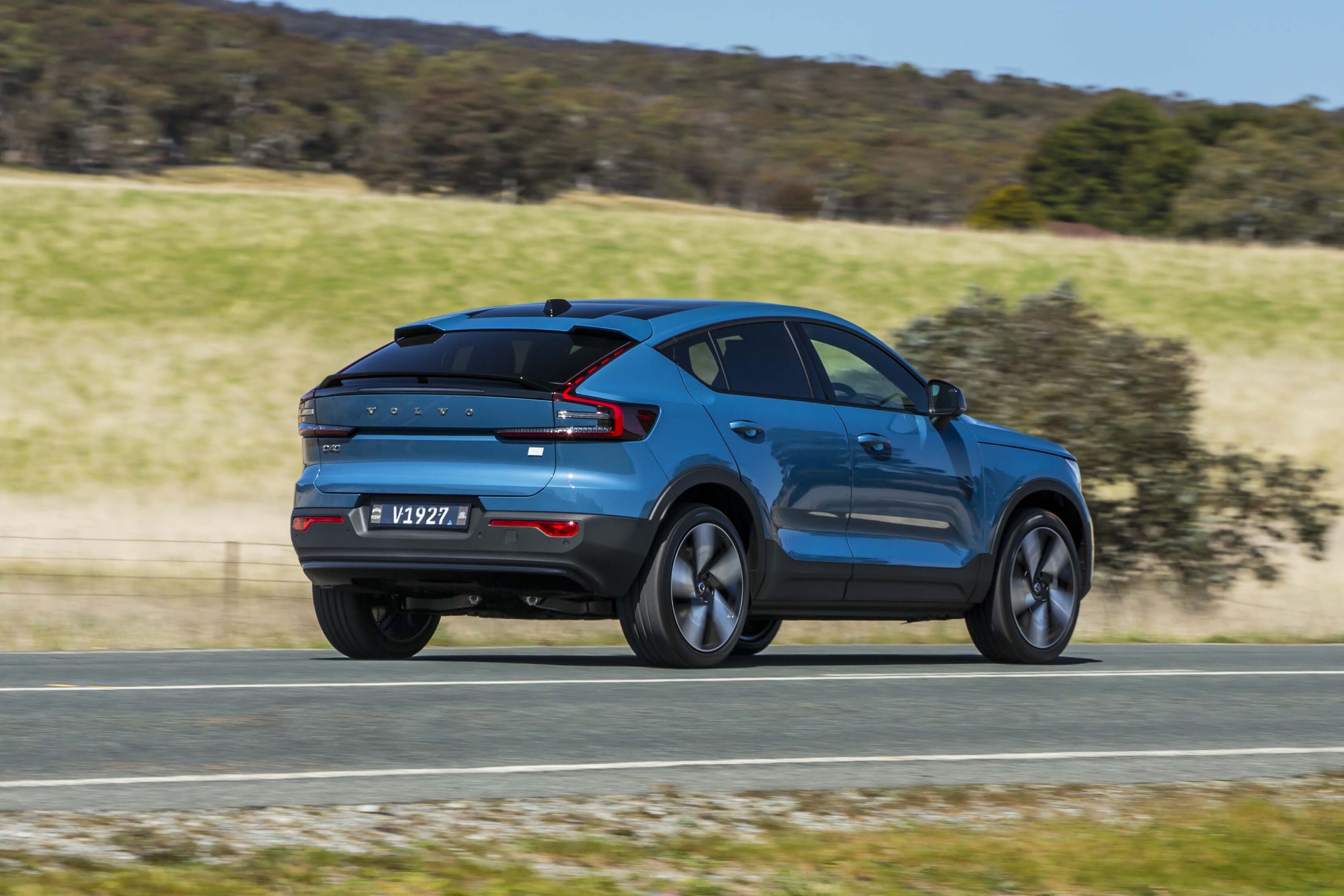
The bump compliance is also nicely judged. Our drive route took in some truly terrible roads outside of Adelaide and more than once I winced as a 20-inch alloy dipped into a nasty-looking pothole. But rather than crashing through, the C40 – despite not being fitted with adaptive dampers – absorbs hits remarkably well.
It seems to ride more comfortably than an XC40 Recharge, too, which may be down to its extra ride height. There’s not much difference in ride comfort between the two C40 models either, even though the single motor scores smaller 19-inch alloys, which only further bolsters the flagship C40 as the one to buy.
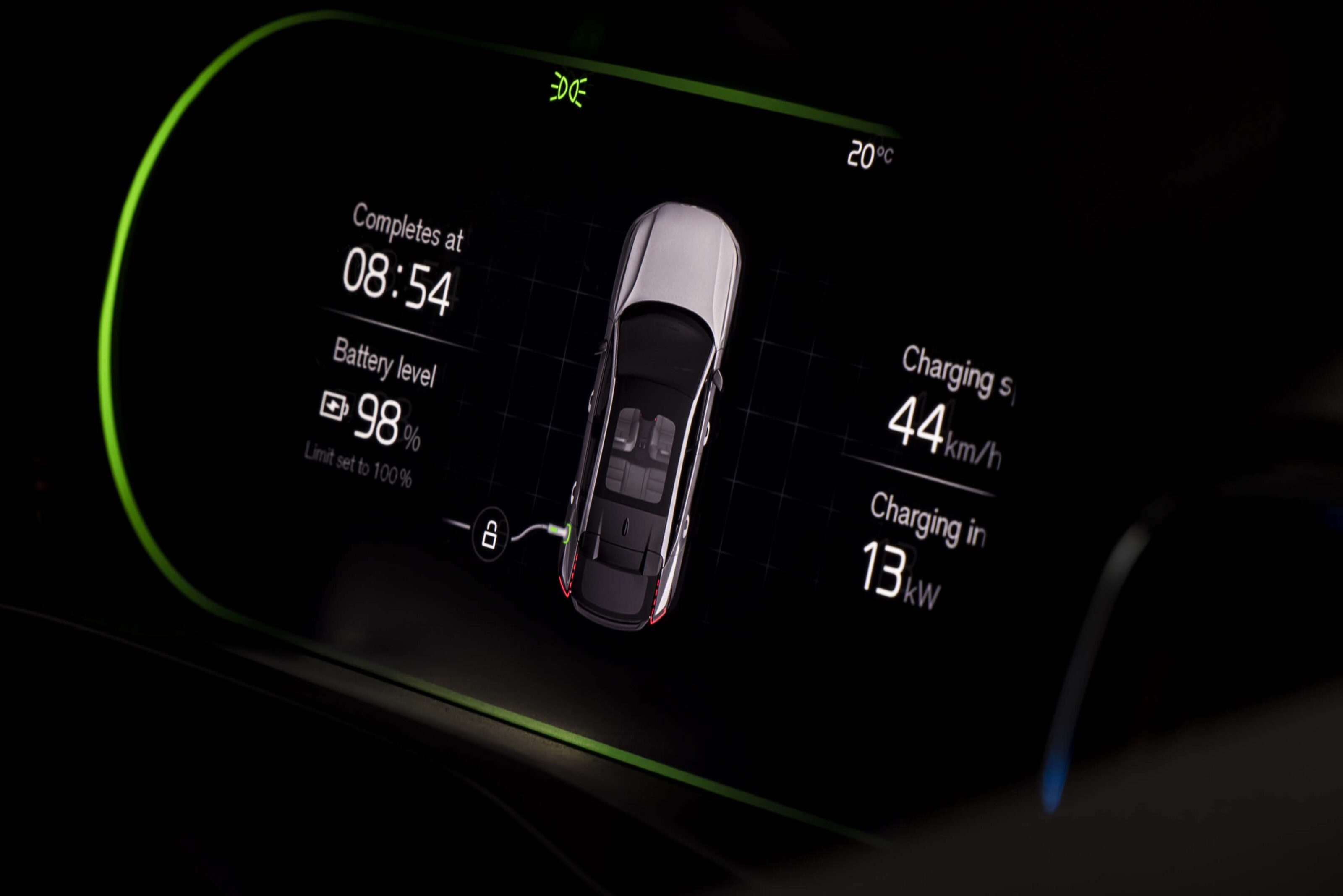
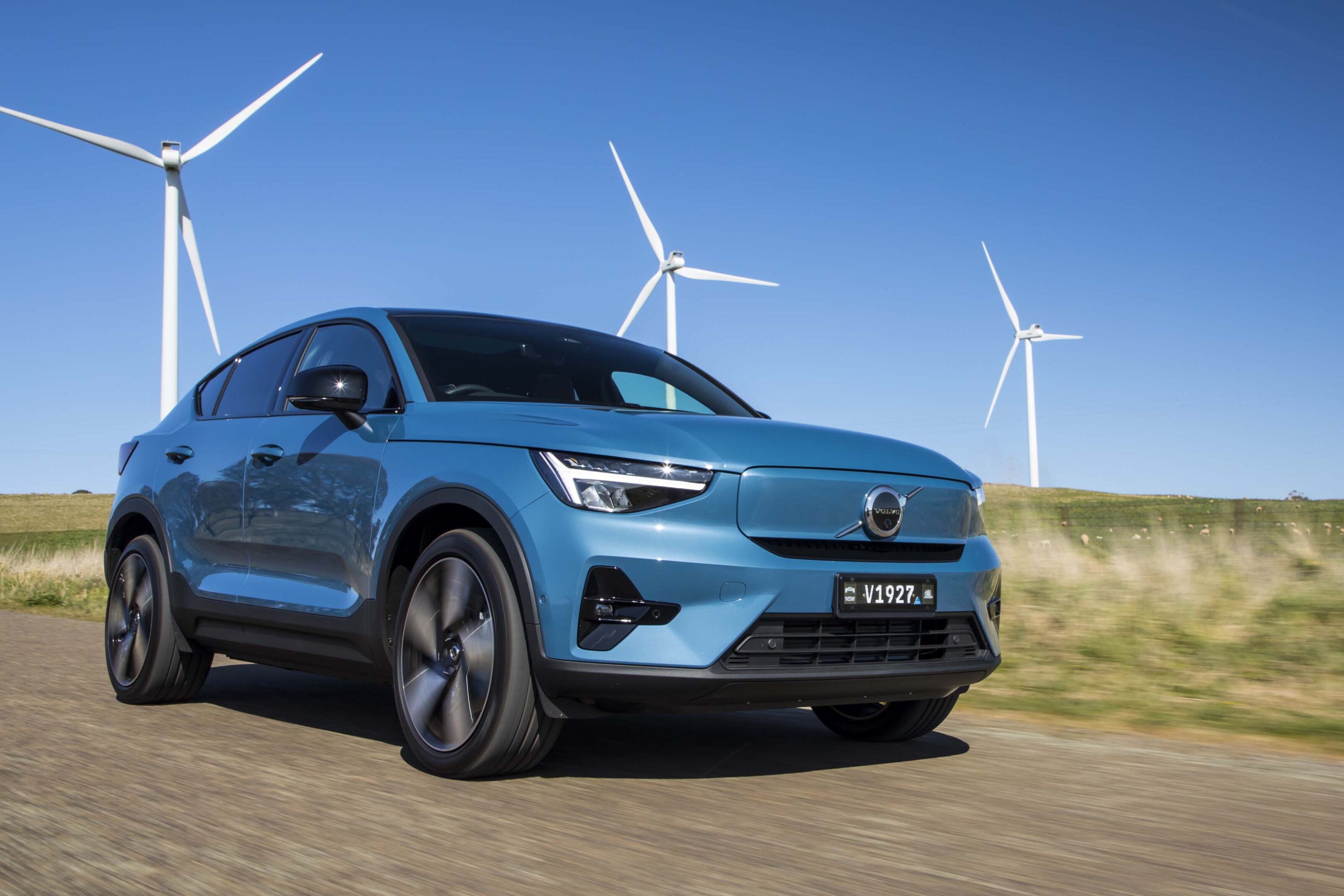
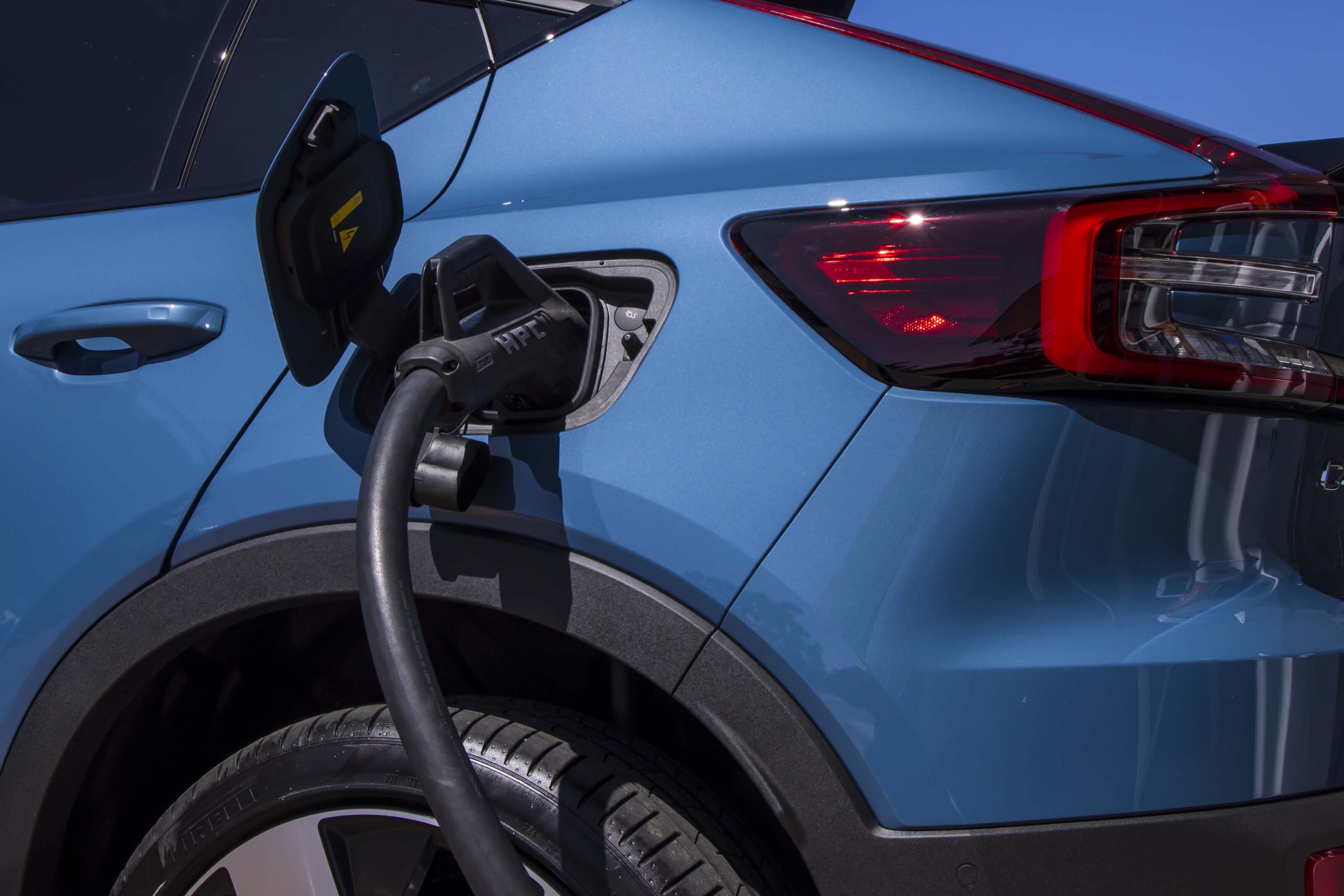
As for recharging, the C40 is built around a 400-volt architecture so feeding the battery takes a little longer than some 800V rivals but it will still accept a charge rate of 155kW.
On a DC fast charger, the single motor C40 will go from 10-80 per cent charge in 32 minutes while the twin motor’s larger battery pack pushes that time out to about 40 minutes. Plugging the C40 into a wall box at home will see you achieve a full charge in around six and a half hours.
Warranty and running costs
Like all Volvos, the C40 comes with a five-year, unlimited-kilometre warranty. The battery is also guaranteed for eight years or 160,000km and Volvo says it will have at least 70 per cent of its capacity left by that time.
Service intervals are every two years or 30,000km and Volvo includes the first three years or 100,000km of servicing free of charge with every C40 purchase. Also included is eight years of roadside assistance.
VERDICT
It’s easy to be a touch cynical of the C40. It’s costlier than an XC40 Recharge, has a smaller boot and is trickier to see out of. And at circa-$80K, it’s not exactly cheap…
But this is a rare case where a small SUV is actually more than the sum of its parts.
The restyled rear end delivers a nice point of difference, the cabin is quiet, well-equipped and feels nicely screwed together. There’s also more room in the back than you might expect.
Of the two C40s to choose from, the more expensive Recharge Twin is worth the additional outlay. Its cabin feels brighter and more luxurious and it’s in a completely different league for performance, so it’s no surprise Volvo says it’ll make up 90 per cent of sales.
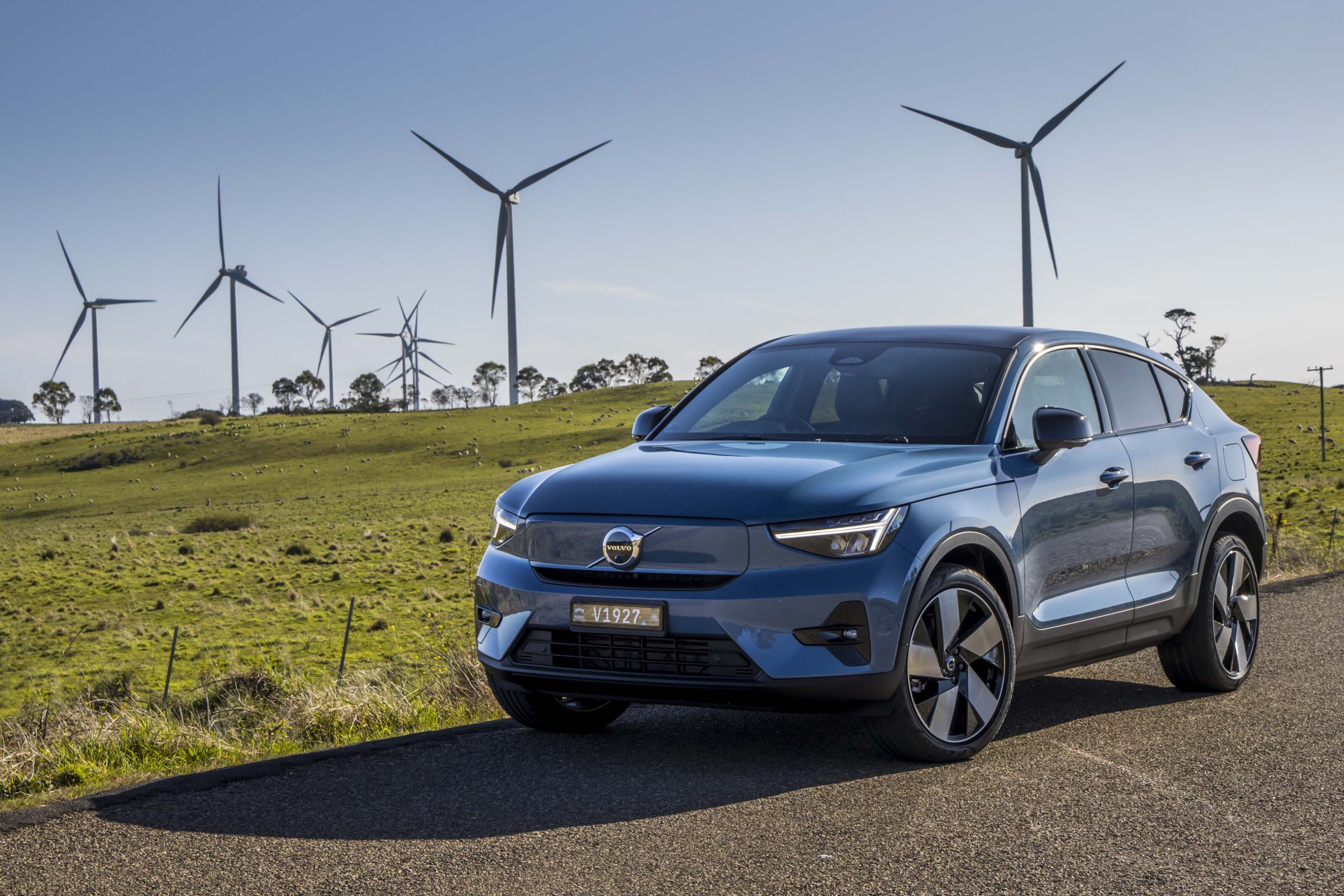
Whichever version you choose, though, the C40 trumps its key competitors for chassis cohesion and cabin presentation so it more than deserves to be on your consideration list.
Scandi cool in a car that’s thoughtfully designed, beautifully made and excellent to drive? That’s the Volvo schtick in 2022.
2023 Volvo C40 Recharge specifications
| Volvo C40 Recharge | Volvo C40 Recharge Twin | |
|---|---|---|
| Body | 5-door, 5-seat small SUV | 5-door, 5-seat small SUV |
| Drive | front-wheel | all-wheel |
| Motor | 1 x e-motor (front) | 2 x e-motor (front + rear) |
| Battery size | 69kWh | 78kWh |
| Charging speed | 150kW | 150kW |
| Power | 170kW | 300kW |
| Torque | 330Nm | 660Nm |
| 0-100km/h | 7.4sec (claimed) | 4.7sec (claimed) |
| Transmission | single-speed reduction | single-speed reduction |
| Weight | 2001kg | 2154kg |
| Front suspension | MacPherson struts, coil springs, anti-roll bar | MacPherson struts, coil springs, anti-roll bar |
| Rear suspension | multi-links, coil springs, anti-roll bar | multi-links, coil springs, anti-roll bar |
| L/W/H | 4440/1873/1591mm | 4440/1873/1591mm |
| Wheelbase | 2702mm | 2702mm |
| Brakes | ventilated discs | ventilated discs |
| Tyres | 235/50 R19 (f) 255/45 R19 (rear) | 235/45 R20 (f) 255/40 R20 (r) |
| Wheels | 19-inch alloy | 20-inch alloy |
| Price | $74,990 + on-road costs | $82,490 + on-road costs |
Snapshot
- 2023 Ford Escape revealed
- Updated medium SUV receives facelifted look and new technology
- Australian plans unclear; more information likely at European reveal
The facelifted 2023 Ford Escape medium SUV has been revealed in the United States – but Ford Australia has “no news” about local plans.
With local examples of the Escape family SUV – a rival for the Toyota RAV4 and Mazda CX-5 – produced in Spain, expect more details for Australia when the updated version is revealed for Europe, where the vehicle wears Kuga badging.
American versions of the Escape are made in Kentucky, USA.
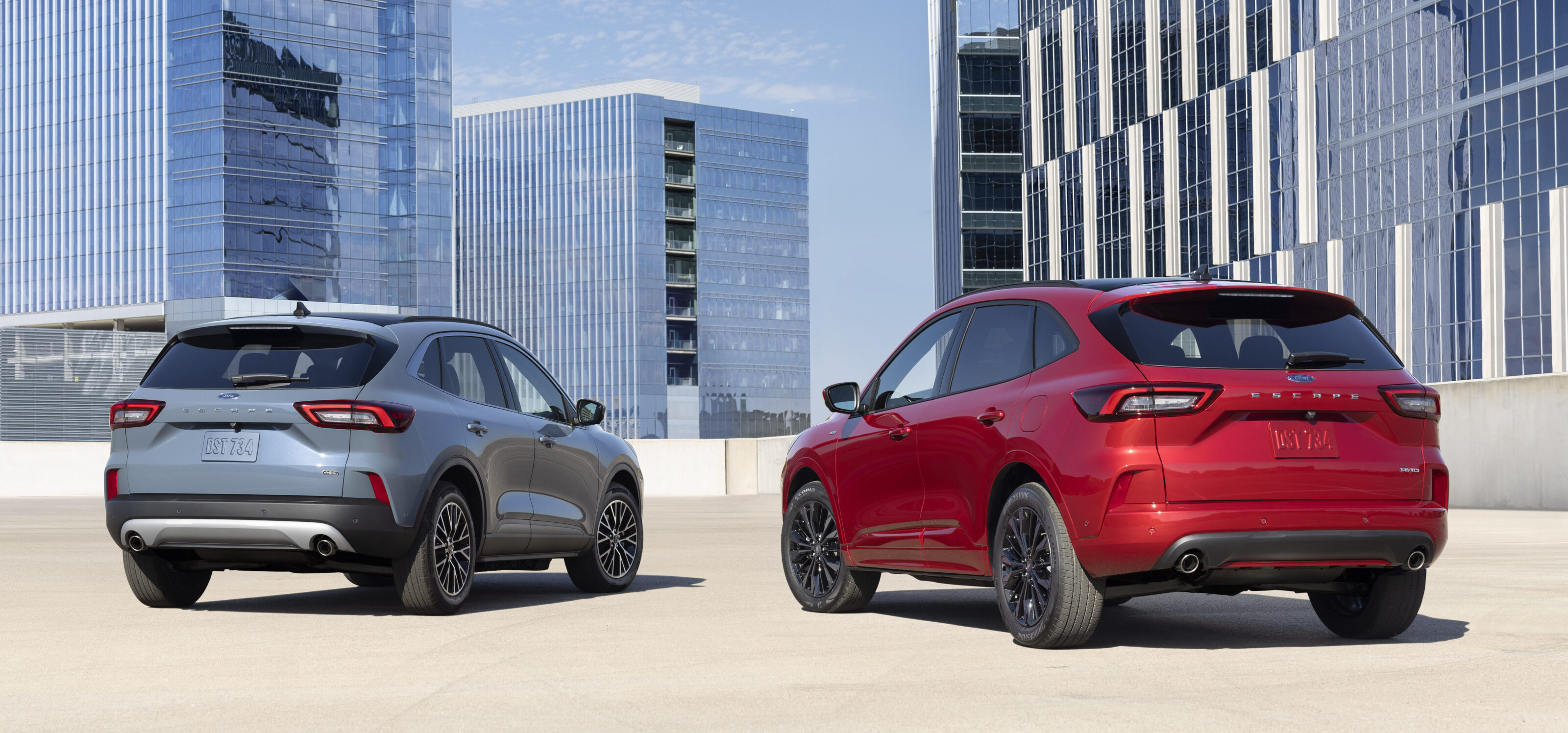
“We have no news to share about Escape at this point in time. We’re very happy with our Escape line-up, including the recent introduction of the Escape PHEV as Ford Australia’s first electrified vehicle,” said a spokesperson for Ford Australia.
Headlining the update is a revised front end, with design elements taken from the facelifted Focus hatch and next-generation Transit Custom, including sharper LED headlights and a larger grille now housing the Ford badge (rather than above the grille).
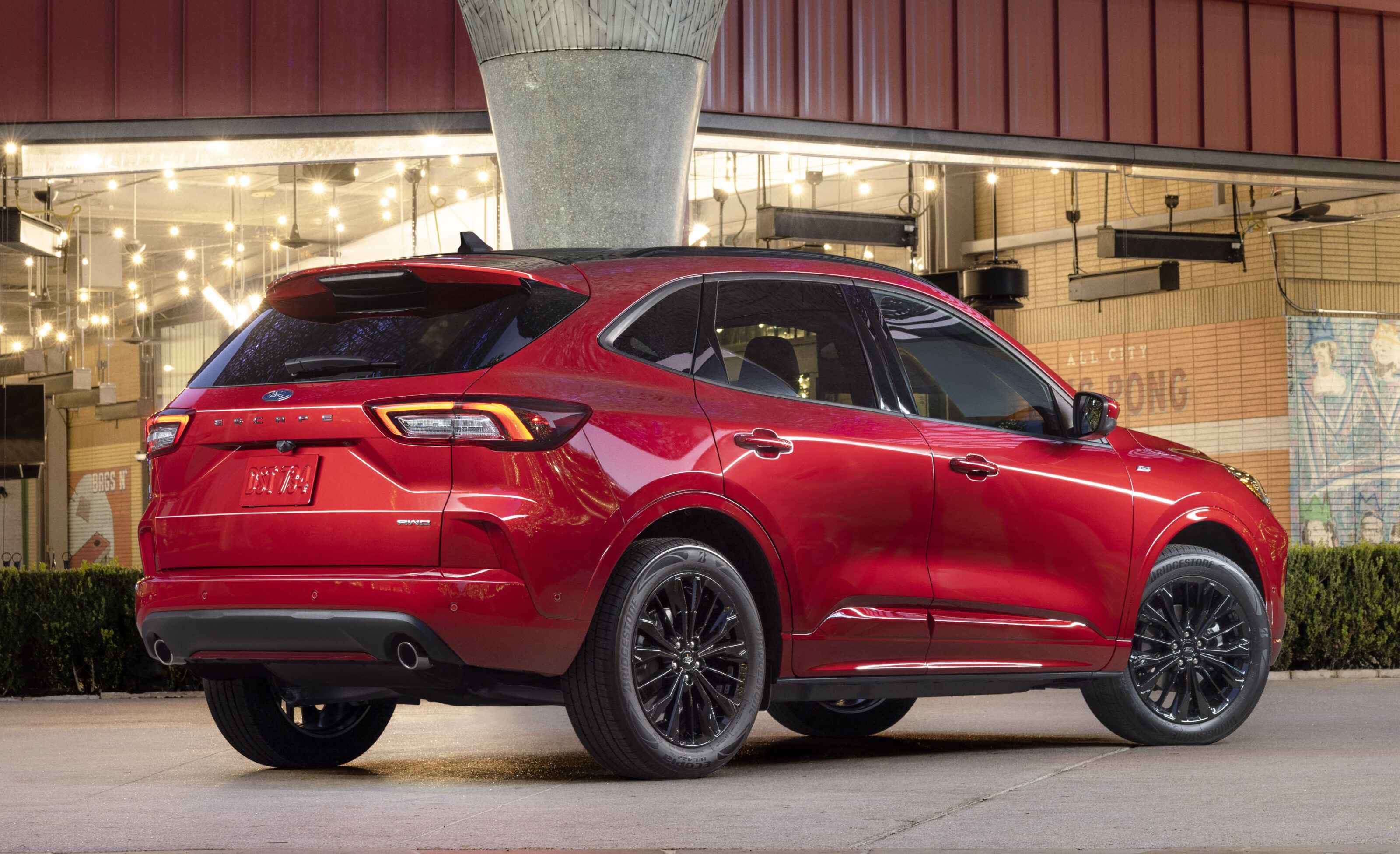
A front light strip is available on flagship variants, while other changes include a new LED tail-light signature, a reshaped front bumper, and new alloy wheel designs.
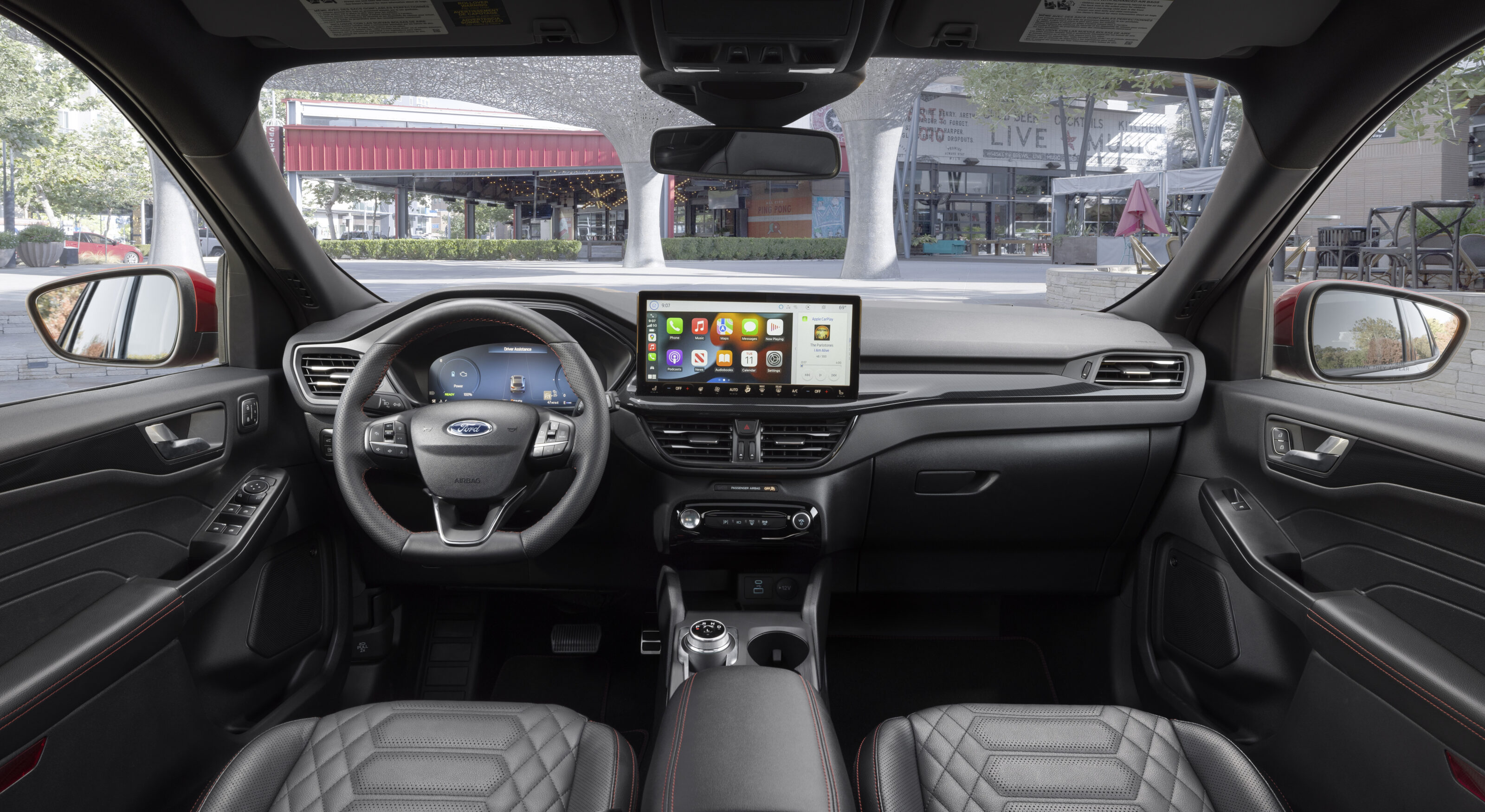
Inside, the updated Escape adopts a much larger 13.2-inch landscape touchscreen – up from the current 8-inch unit – running Ford’s latest Sync 4 infotainment system, with support for wireless Apple CarPlay and Android Auto, over-the-air software updates, cloud-based satellite navigation, and the Amazon Alexa voice assistant.
Several buttons have also been repositioned, with touch-based climate controls, lower audio controls, and a more-prominent engine start/stop switch.
As before, a 12.3-inch digital instrument cluster, wireless phone charger, 360-degree camera system and quilted leather are available on select grades.
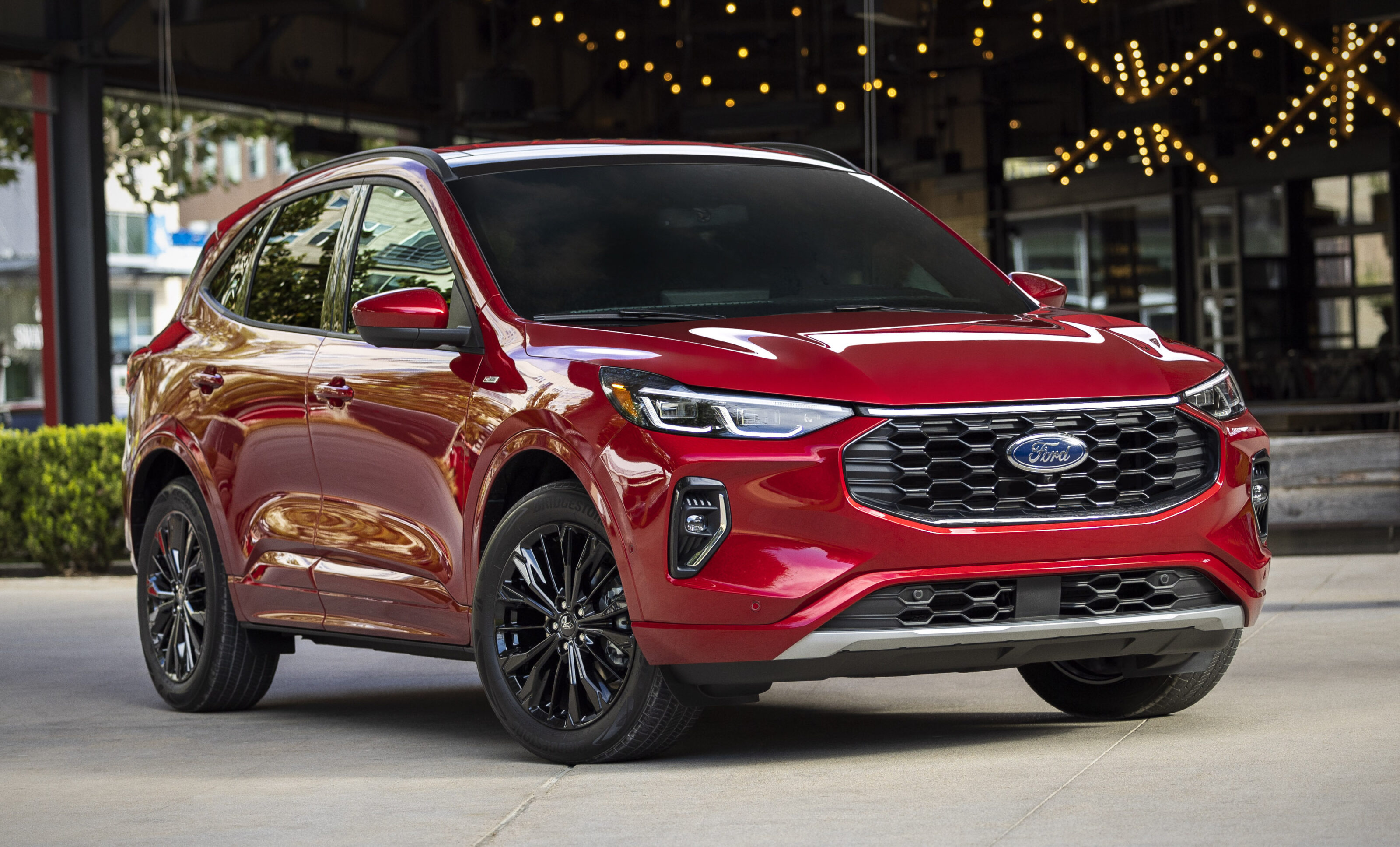
An ST-Line variant is new for the North American version, gaining black exterior trims, a revised rear spoiler, and body-coloured wheel cladding and lower bumpers.
The sportier ST-Line grade has been available in Australia since the Escape launched in 2020 – and on the previous-generation model – with further design changes, such as a unique front bumper and side skirts.
As expected, the new Escape picks up the brand’s latest active safety features, including junction-turning assist for the autonomous emergency braking system, and steering intervention for the blind-spot alert system to avoid a potential collision.
The engine line-up remains identical to pre-facelift versions, with two turbocharged petrol mills – a 135kW/258Nm 1.5-litre three-cylinder turbo-petrol and 186kW/380Nm 2.0-litre four-cylinder – and two electrified powertrains: a 149kW 2.5-litre regular hybrid and 165kW plug-in hybrid.
Only the higher-end 2.0-litre petrol and 2.5-litre plug-in hybrid are offered in Australia, with Ford Australia opting to go without the entry-level three-cylinder petrol.
The 2023 Ford Escape will arrive in US showrooms early next year, priced from $27,500 (AU$43,100) – equating to a price rise of around AU$500 compared with the previous model.
Australian details are expected to be announced when the European-market version is unveiled in the coming months.
Snapshot
- Delivery pause in effect
- But solution is an u2018easy fixu2019, according to importer
- Issue is lack of accessible centre top tether point
Deliveries of the 2023 BYD Atto 3 electric car are currently paused in Australia due to compliance issues concerning the centre rear seat’s top tether anchor.
There is no visible top tether point for the middle back seat, which goes against Australian Design Rules (ADR) for new vehicles.
Wheels understands that the requisite top tether mounting is incorporated into the seat, but is hidden behind fabric of the backrest.
Addressing this should be a “simple, quick fix”, said the brand, and when we asked EV Direct CEO Luke Todd just how easy – referencing a Stanley knife – he suggested little more than “a Stanley knife with a very professional operator” is needed.
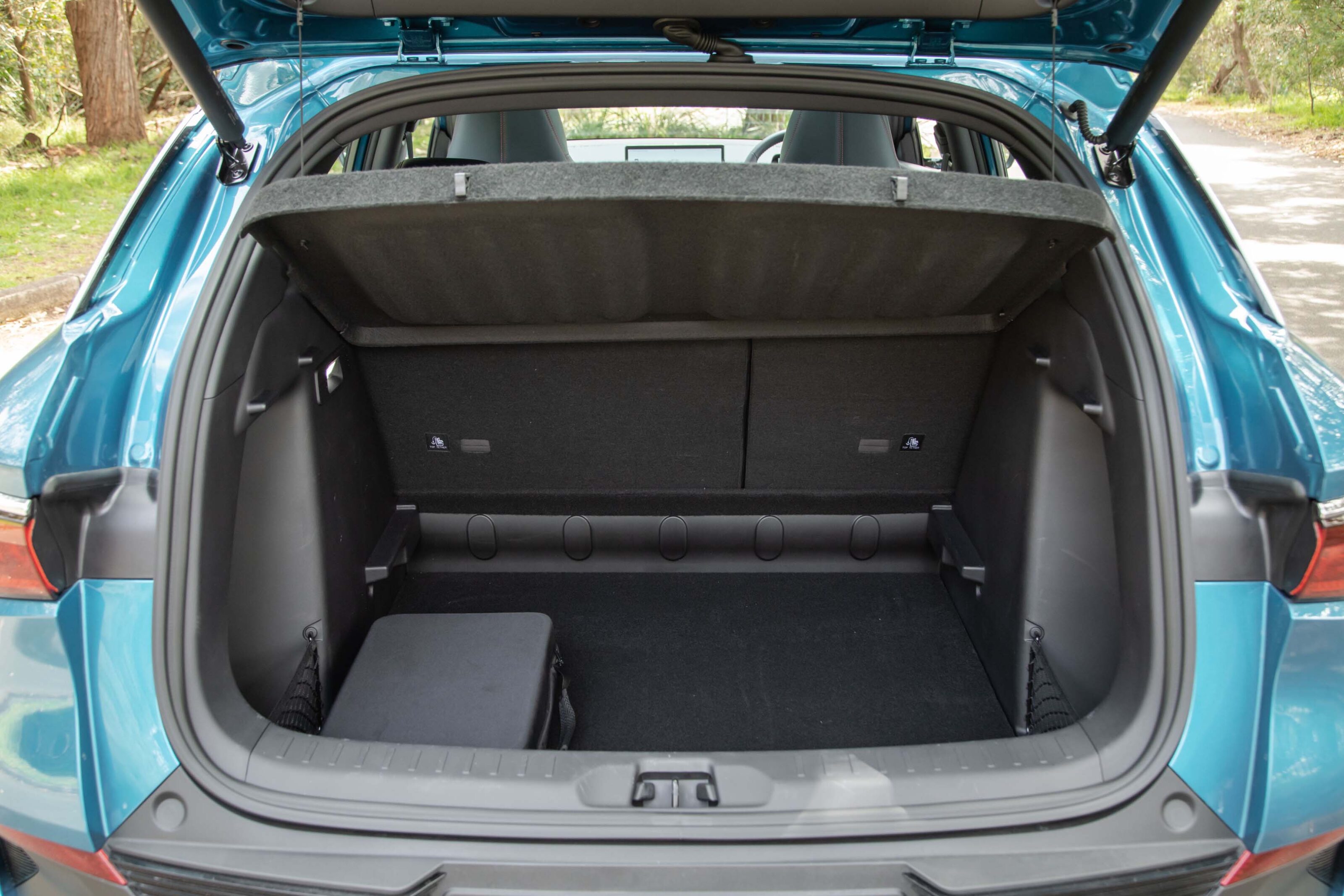
Todd assured Wheels that the Atto 3 would not end up in the same predicament as the Honda HR-V small SUV with its lack of centre rear seat top tether anchor seeing it only four-seat certified.
When will the Atto 3’s delivery pause end?
The issue is in the hands of the Department of Infrastructure and EV Direct. Both parties are working towards a solution that, allegedly, isn’t far away.
“When I can talk about it freely I’d love to give you the full details, but at the moment I want to respect the Department because we’re talking behind closed doors”, Todd told Wheels.
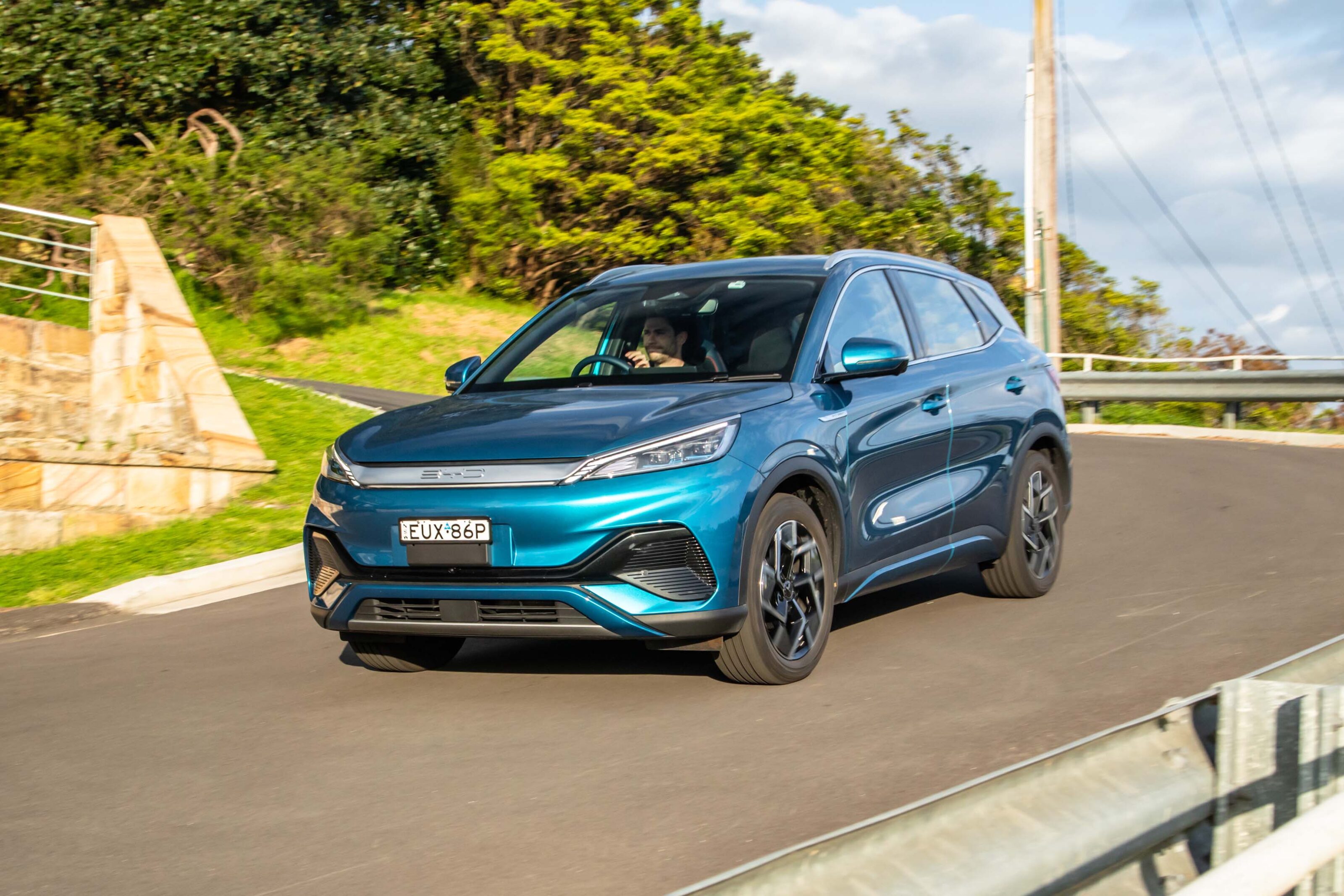
“We are compliant [with ADRs], we submitted our vehicle with an interpretation of the ADRs – a slightly different view – so fortunately, we have a very easy fix, it’s just a case of waiting for the Department to put it through.”
When asked whether situations like this one and the moving goalposts of BYD’s servicing and warranty in Australia had affected public opinion, Todd replied: “It is a little embarrassing, but we are where we are and we’ve proactively decided to hold deliveries for a little while.”
When deliveries resume, what will sales look like?
Following the promised simple fix, Todd said with optimism that BYD has the capacity to build “3000 [Atto 3s] per month.
“Shipping restraints will probably bring us down to actually getting out 2000/month at the moment.”
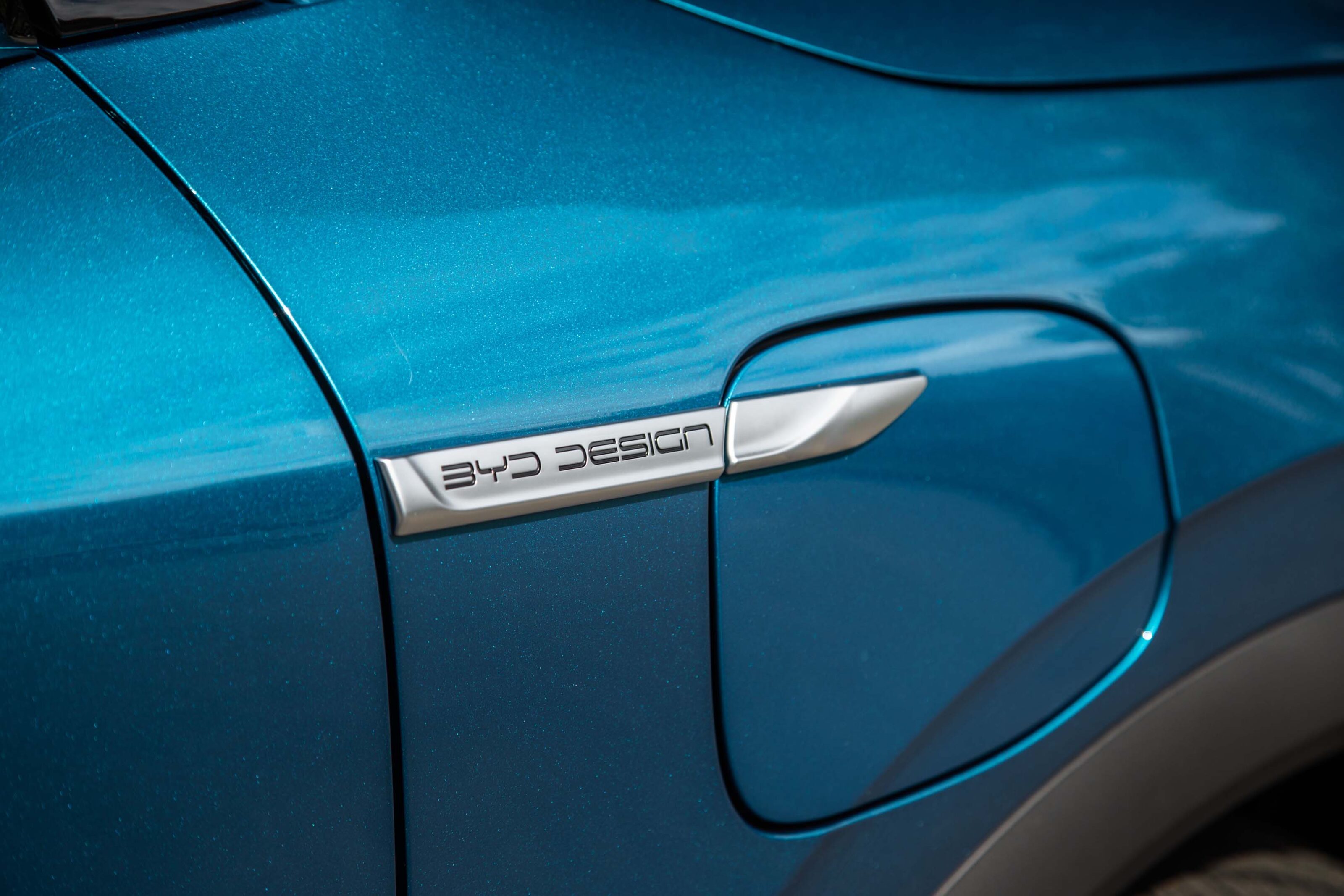
The BYD Atto 3 starts from $44,381 before on-road costs in Australia for a standard range model fitted with a 50.1kWh battery pack, 150kW/310Nm front motor and 345km WLTP driving range.
BYD will announce its sales figures for the first time in November’s VFACTs count that will be made public next week. Those numbers will give true insight into how successful the EV challenger brand’s launch has been.
“The feedback is, because everyone knows what this car is, they want to get their hands on the car. So of course we’ve got a few frustrated people who are just screaming down the door and want their car”, said Todd.
“But [BYD is] here for the long haul. We’re here for the next 100 years hopefully. So we don’t want to do anything hastily”.
Tesla CEO Elon Musk said the brand’s third-generation electric vehicle platform could cost half as much to produce as the current Model 3 and Model Y architecture.
The information was disclosed during a recent earnings call, according to Clean Technica, with Musk claiming a smaller model would significantly reduce the brand’s entry price.
While details on the smaller EV are thin, it is expected to comprise a hatchback body to rival the Volkswagen ID.3, with production likely to take place in Shanghai, China – the country of origin for Australia’s Model 3 and Model Y.

The Chinese plant has a capacity of approximately 750,000 units per annum, which is the highest installed capacity of Tesla’s vehicle production facilities. It could also be produced across several plants, as seen with the Model Y, which is made in China, Germany and two US plants (California and Texas).
With the potential for a 50 per cent cut in production cost, the smaller vehicle could start as low as US$23,495 (AU$36,810) – half as much as the cheapest Model 3 in the US. However, it will likely be priced at around US$30,000 (AU$47,000) for greater profitability.
“We don’t talk exact dates, but this is… the primary focus of our new vehicle development team, obviously. At this point, we’ve done the engineering for Cybertruck and for Semi,” said Elon Musk, in response to a question regarding cost cuts for the third-generation electric vehicle platform.
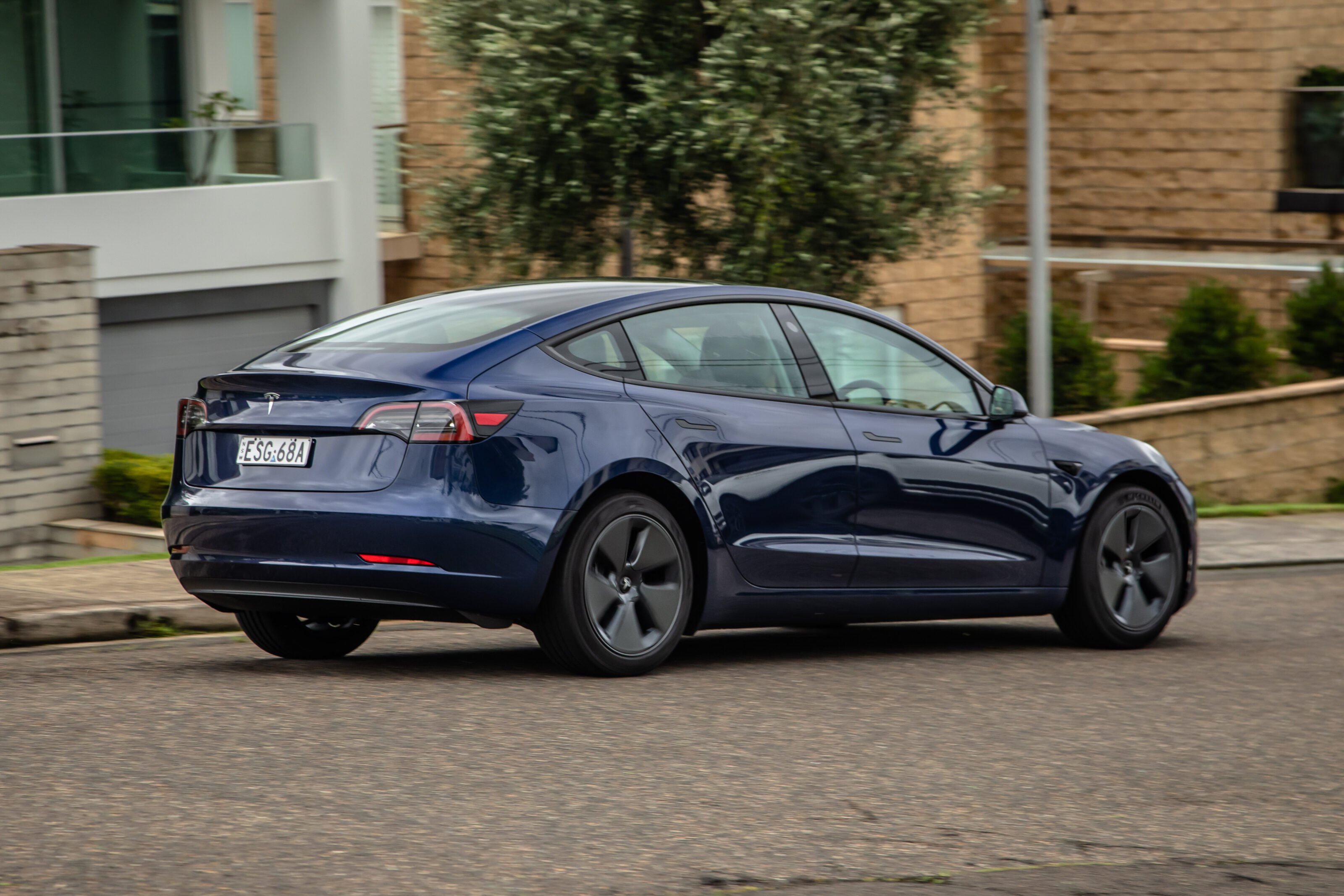
“It’s obvious you can guess what we’re working on, which is this next-generation vehicle, which will be about half the cost of the 3/Y platform. It’ll be smaller, to be fair, but it will I think swiftly… exceed the product of all of our other vehicles combined.”
Tesla’s chief financial officer Zach Kirkhorn added: “We’re going to take everything we learned from S, X, 3, Y, Cybertruck and Semi into that platform”.
“As you’ve said to us many times, we’re on a 2-for-1 target. So we’re trying to get to that 50 per cent [reduction] number again.”
Snapshot
- Toyota considering EV strategy pivot
- Could spell an early end to e-TNGA
- Emphasis on improving manufacturing efficiencies
Toyota is likely to pivot its EV strategy with an eye on competing with electric specialist Tesla over the next decade.
The Japanese carmaker is the largest in the world, and although the Prius hybrid was once a must-have enviro accessory, Toyota has been somewhat left behind in the transition to BEVs.
In December 2021, Toyota outlined a US$38 billion plan to roll out 30 new EVs over the next decade, but according to a Reuters report, the plans have been put on ice.
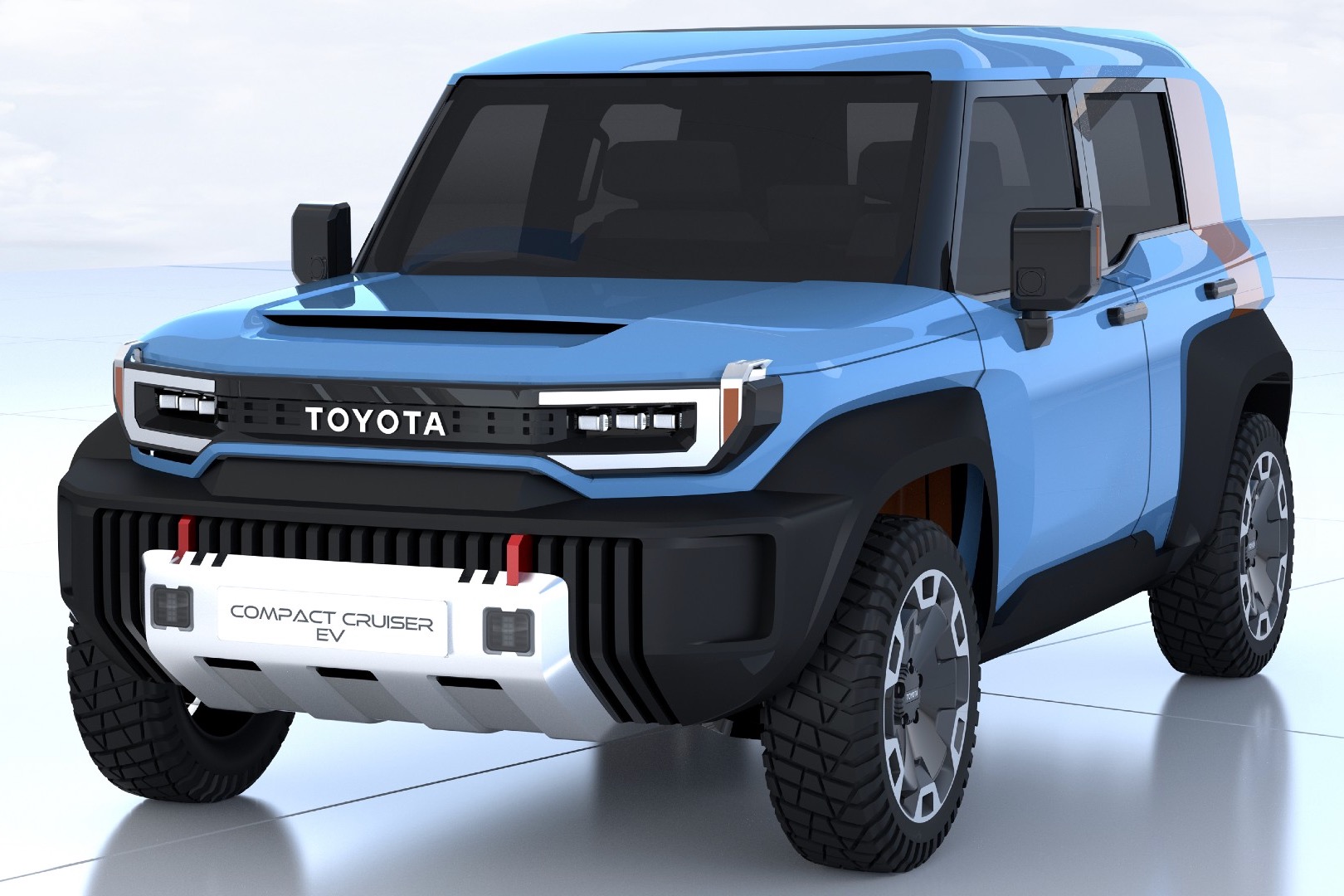
Specifically, the construction of the Compact Cruiser concept and battery-powered Crown are understood to be on hold.
The report also suggested that Toyota’s e-TNGA platform wouldn’t allow the brand to compete on a level playing field with Tesla.
Not so much in battery or range terms, rather Toyota is most concerned about how it will make its electric vehicles profitable.
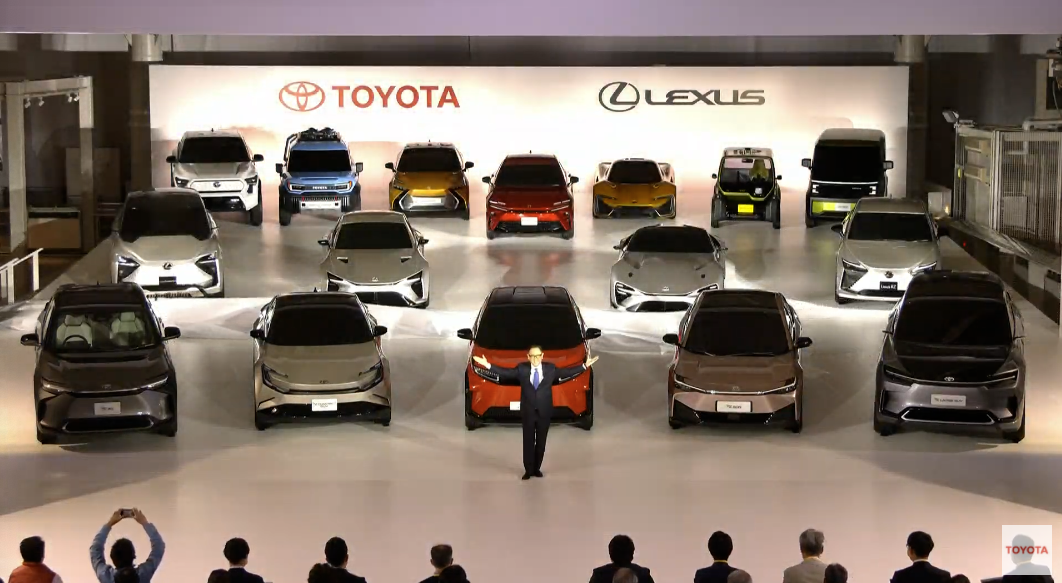
What’s causing Toyota’s rethink?
The Reuters report doesn’t name the sources from within Toyota, only noting that they’re working under Shigeki Terashi, appointed Executive Fellow in 2021, on the review process dubbed the business revolution (BR) team.
Toyota’s problem is that the current e-TNGA platform, that was going to underpin the brand future EVs, is designed in a way that it can be built in parallel with combustion-engined vehicles.
The issue, according to the sources, is the introduction of inefficiencies compared to a pure battery-electric production line.
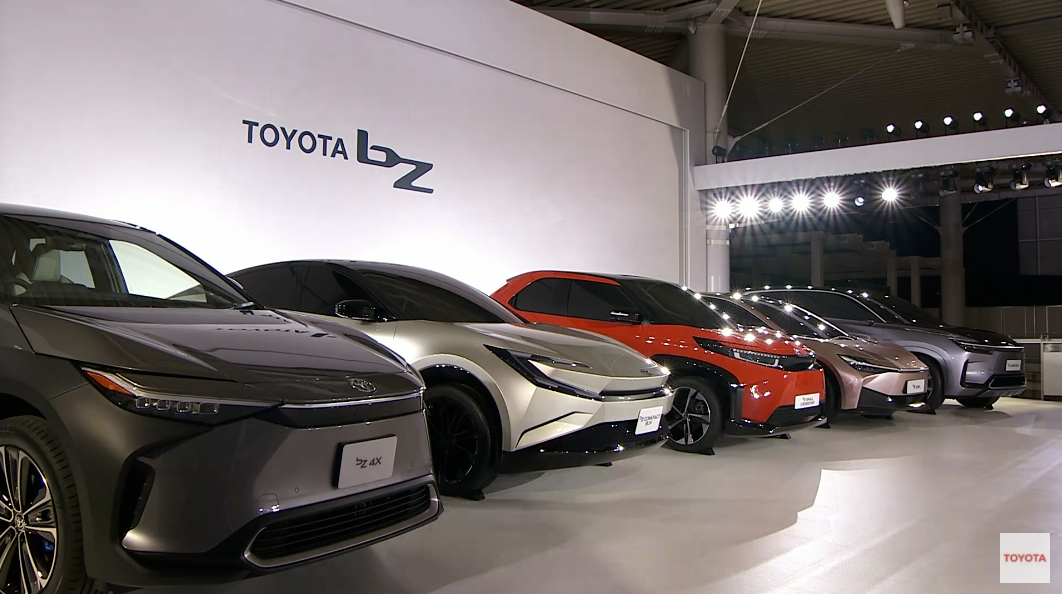
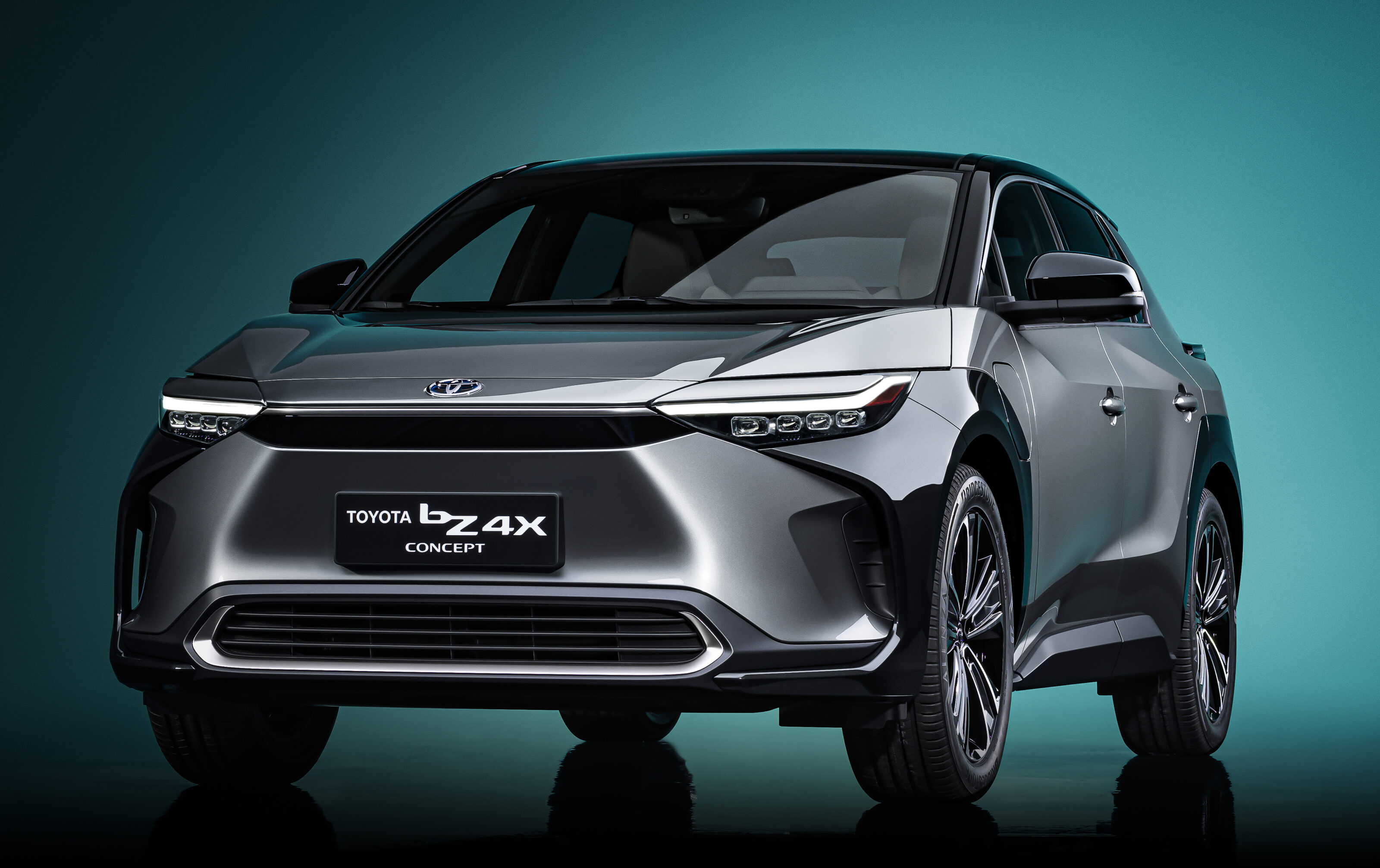
Another potential problem is that e-TNGA is only capable of supporting a 400-volt electric system, limiting fast-charging in the case of the BZ4x to 150kW (DC).
This means slower rejuicing than Tesla’s Model 3 and Model Y (250kW), Hyundai Ioniq 5 (circa-230kW) or Porsche Taycan (270kW).
There is the potential that the e-TNGA platform could be reworked to integrate the latest technologies.
But, there’s also the possibility e-TNGA could be axed within the next five years to make way for a new, bespoke EV platform.
Tesla and Toyota have collaborated before, with Toyota buying a stake in the American company in 2014, before selling up in 2017 – “they concluded back then there wasn’t much to learn”, said one of the Reuters sources.
Toyota announced details of its first BEV, the BZ4x in October 2021, though production delays and issues – including wheels falling off – made for a rocky start-of-sales. The BZ4x is likely to go on sale in Australia some time next year.
Snapshot
- 40 per cent of businesses included in survey would buy an EV next year
- Most were small or medium enterprises
- Hinges on Electric Car Discount Bill passing
A new survey has found forty per cent of Australian businesses canvassed would buy an electric vehicle by the end of 2023 if the Electric Car Discount Bill passes.
In July this year, the Albanese Government introduced the Bill to Parliament, intending to remove fringe benefits tax (FBT) from electric vehicles to give more Australians access to battery-operated, hydrogen-fuelled and plug-in hybrid cars.
New research has revealed the Bill’s popularity among businesses – mostly SMEs – with 40 per cent indicating they would purchase an electric vehicle by the end of 2023 if the Bill gets through.
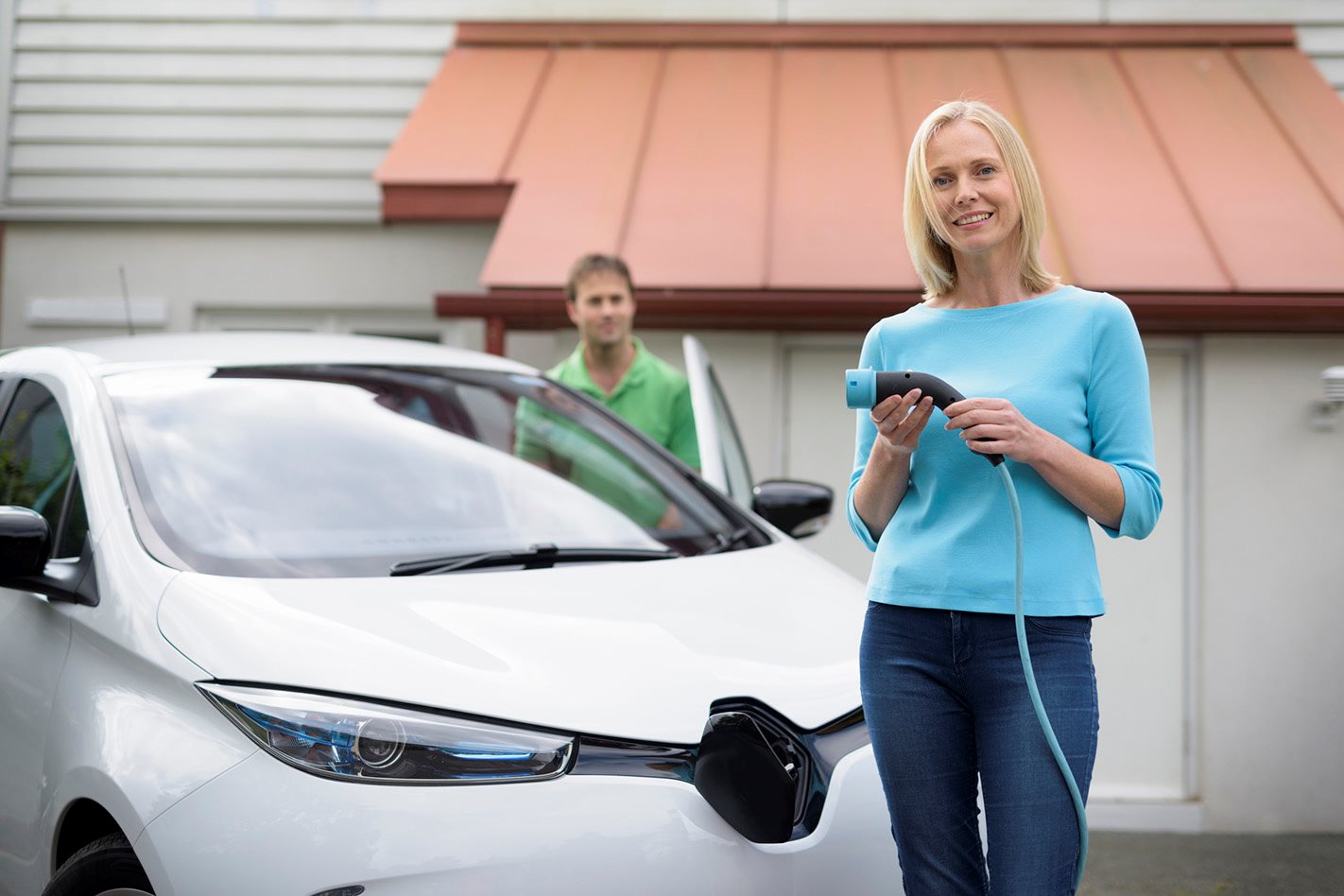
The research, which was commissioned by Small Business Loans Australia, surveyed an independent panel of 210 Australian SME owners and decision makers.
“The Federal Government understands that the price of electric vehicles has been a major barrier to their adoption in Australia,” said Alon Rajic, Founder and Managing Director of Small Business Loans Australia.
“Our research suggests that the removal of this barrier will have an enormous positive influence on business purchase decisions. It also indicates that Australian business owners support realistic Government efforts to achieving net-zero emissions – so much so, that they would get financing on their vehicles in a climate of fast-rising interest rates.”

Those canvassed included 44 per cent of micro-businesses (one-10 employees), 27 per cent of small businesses (11-50 employees) and 18 per cent of medium-sized businesses (51-200 employees) and 11 per cent of businesses with over 200 employees.
Interestingly though, 34 per cent of business owners said they would not invest in electric vehicles, regardless of the Bill’s introduction.
Of those, small businesses said they’d most likely purchase by the end of 2023 – including 57 per cent that said they actually would do so compared to 45 per cent of medium-sized firms and 21 per cent of micro-companies.
Drilling the data down to likelihood by state or territory, the study found Victorian businesses are more likely to buy an electric vehicle at some point if the Bill passes – the option chosen by 71 per cent of respondents.
Meanwhile, 68 per cent of NSW businesses and 67 per cent in South Australia said the same thing, and those in Western Australia and Queensland are least likely to invest – with just 62 per cent and 58 per cent respectively choosing to switch if the the legislations makes it through.
If it passes, the Bill will exempt some electric vehicle purchases from being liable for fringe benefits tax. This exemption, however, only applies to cars below the luxury car tax threshold (set at $84,916 for 2022-23) and for which employees can also use as personal vehicles.
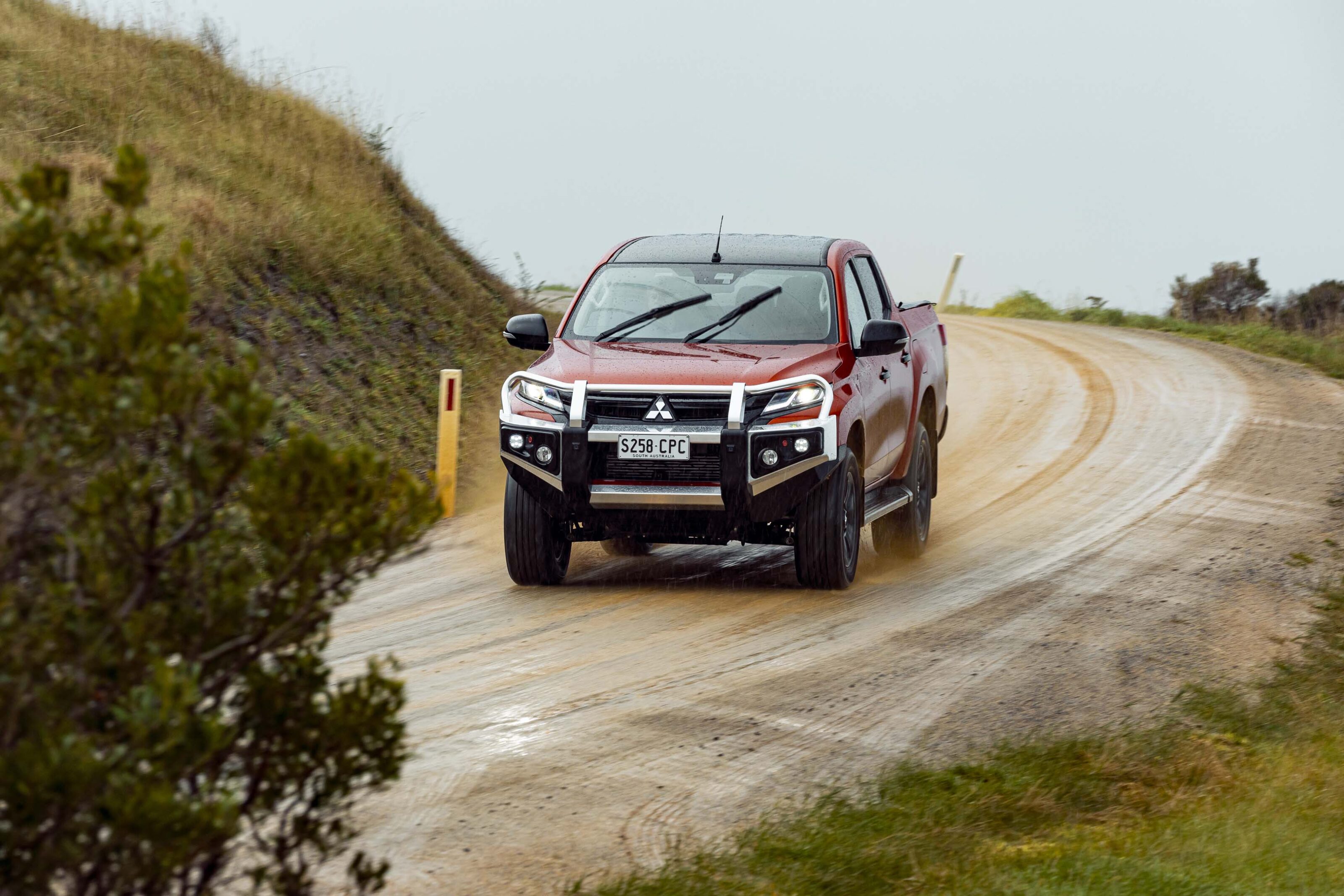
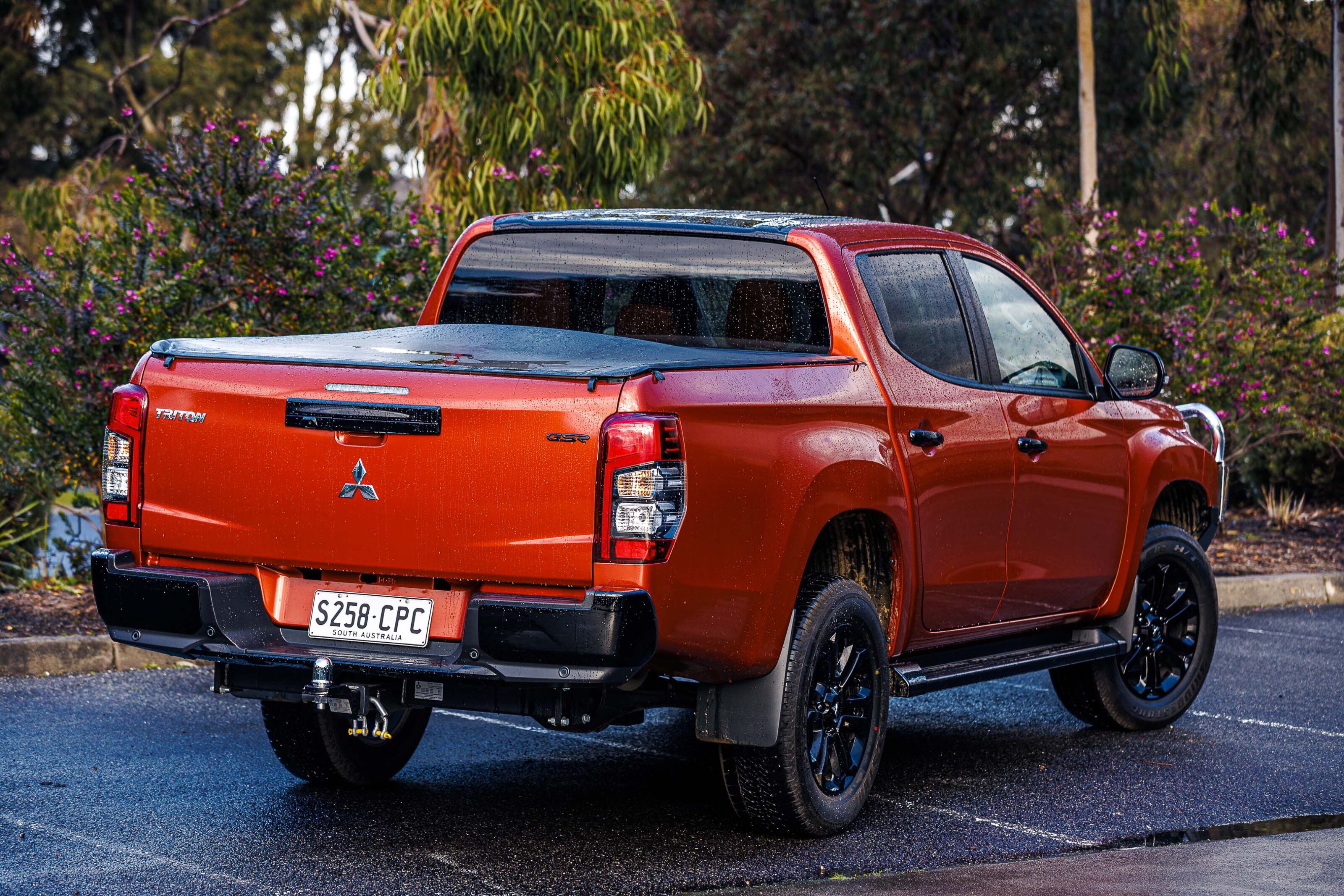
Mitsubishi’s next-generation Triton is steadily approaching the showroom, with a global debut expected in mid-2023 with an Aussie arrival in 2024.
However, while Mitsubishi’s local office has voiced its desire for a hybrid variant – whether a regular hybrid or a more capable plug-in hybrid (PHEV) – Mitsubishi Motors’ top brass says that an electron-enhanced version of its workhorse Triton has yet to be locked in, and certainly won’t be available at launch.
Speaking to Wheels, Mitsubishi’s head of EV powertrain engineering and development Takashi Shirakawa confirmed that the company was taking a serious look at electrifying the Triton and its wagon-bodied sister, the Pajero Sport.
Mitsubishi is committed to offering an electrified version of all of its vehicles by the end of its decade, with 50 per cent of its models to be electric by then, so the news that these models are in the works is no surprise. However, those hoping that a hybrid option would be present upon the arrival of the new-generation Triton and Pajero Sport may be in for a longer wait than expected.
“We are trying to introduce the electrified [Triton] application in the 2020 period, not after 2030,” Shirakawa explained. Asked if we would see a hybrid Triton – whether PHEV or otherwise – by the end of 2025, Shirakawa said it didn’t seem likely at this point.
“We’re trying, but we don’t know if it will happen or not – it depends on whether we can reduce the cost,” he said.
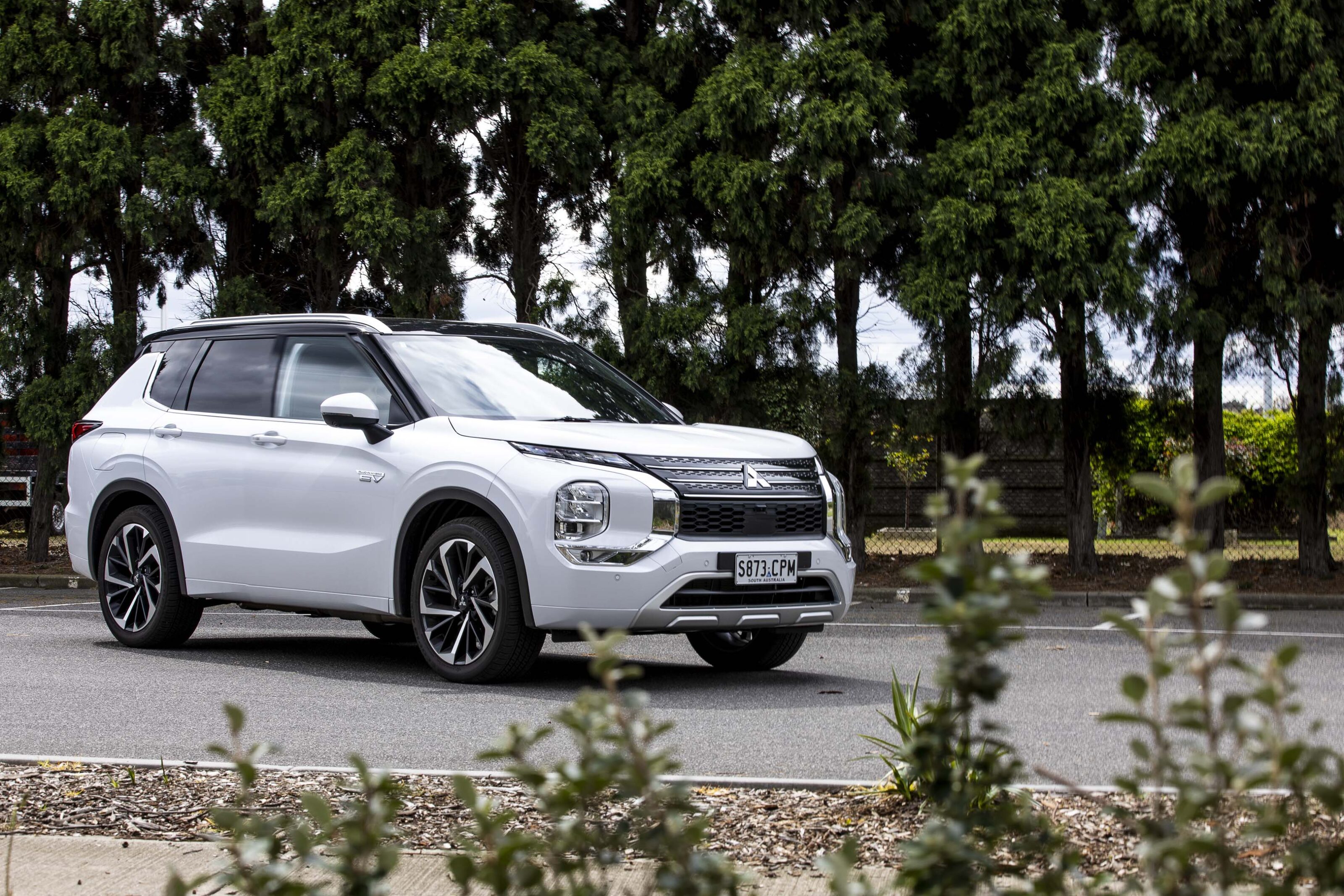
And when it comes to cost, a large part of that is centralised in the vehicle’s battery pack. Mitsubishi has the advantage of being able to lean on know-how and tech developed for its recently-launched second-generation Outlander PHEV, but with the new Triton being built on a rugged ladder-on-frame rather than the integrated unibody CMF-C/D architecture of the Outlander, a direct copy-paste isn’t achievable.
Would the Outlander’s 20kWh lithium-ion battery provide sufficient EV driving range for a heavy ute? Can the Outlander’s 85kW front motor, engineered for a transverse engine installation, be applied to the Triton’s longitudinal powertrains?
Likewise, is the Outlander PHEV’s 100kW rear motor, which sits in its own subframe and is mechanically divorced from the combustion hardware up front, somehow translate into a ute’s live-axle, leaf-sprung rear end? These are questions that Shirakawa and his team are still trying to answer.
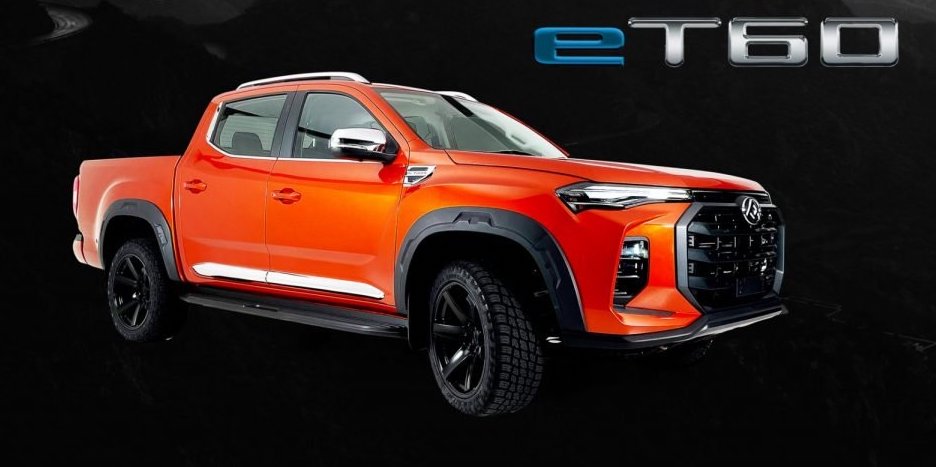
However, one thing he’s certain on is that a purely electric variant in the same vein as LDV’s eT60 (which launches in Australia next month) or Ford’s F-150 Lightning isn’t a likely starter for Mitsubishi.
“It [an electrified powertrain] is in advanced engineering already for Triton and Pajero Sport products, but from a CO2 reduction viewpoint a battery-electric is not a good answer,” Shirakawa said, before outlining that Mitsubishi’s take on an electrified ute would probably feature traction-enhancing capabilities via its electric motors.
“Electrification gives a customer benefit like manoeuvring in difficult conditions – electrification can enable some extra driving [capabilities]. So we are thinking about how to make electrified larger vehicles, but it is still under advanced engineering.
“We are thinking about whether hybrid is better, plug-in hybrid is better or pure electric is better, and we have those products in prototypes and we are comparing them, but our headache is always, always cost.”
With Mitsubishi’s current emissions reduction plan favouring a plug-in hybrid configuration for its large cars rather than conventional hybrid or EV options (see other story), it would seem that a Triton PHEV would be the most likely outcome – provided Mitsubishi can keep the price premium associated with that technology to an acceptable level. Eco-friendly utes are of no use to the environment if nobody buys them, after all.
If going the PHEV route, one feature that will likely be present in the Triton PHEV is some form of bi-directional charging.
With the Outlander PHEV featuring the ability for drivers to draw power from its battery via two household power outlets (dubbed ‘vehicle-to-load’), a similar capability for the Triton PHEV seems like a no-brainer – particularly as the tradies driving them would likely appreciate being able to power plenty of electrical appliances without running the engine.
Another Outlander feature is a vehicle-to-home energy offloading function, which could also have practical applications for tradies and farmers who might need to power an entire premises that’s disconnected from the electricity grid.
Shirakawa wouldn’t disclose any other details about the forthcoming electrified Triton – or indeed the regular Triton – so nitty gritty details like what powertrains will be offered, its size and other specs remain under wraps for now. Expect to discover more about the next-gen Triton later next year.
Snapshot
- Partnership between EV Direct and Ampol
- Sharing learnings between both companies
- Ampcharge becomes public and homecharging partner
Australian BYD importer EV Direct has today announced a partnership with Ampol to provide Australians with improved charging infrastructure for electric vehicles.
The two companies will share information, such as how owners use their vehicles and where might be best to install new fast chargers, to provide a more seamless transition.
BYD becomes the second brand to partner with Ampol in Australia following Hyundai’s announcement earlier this month.
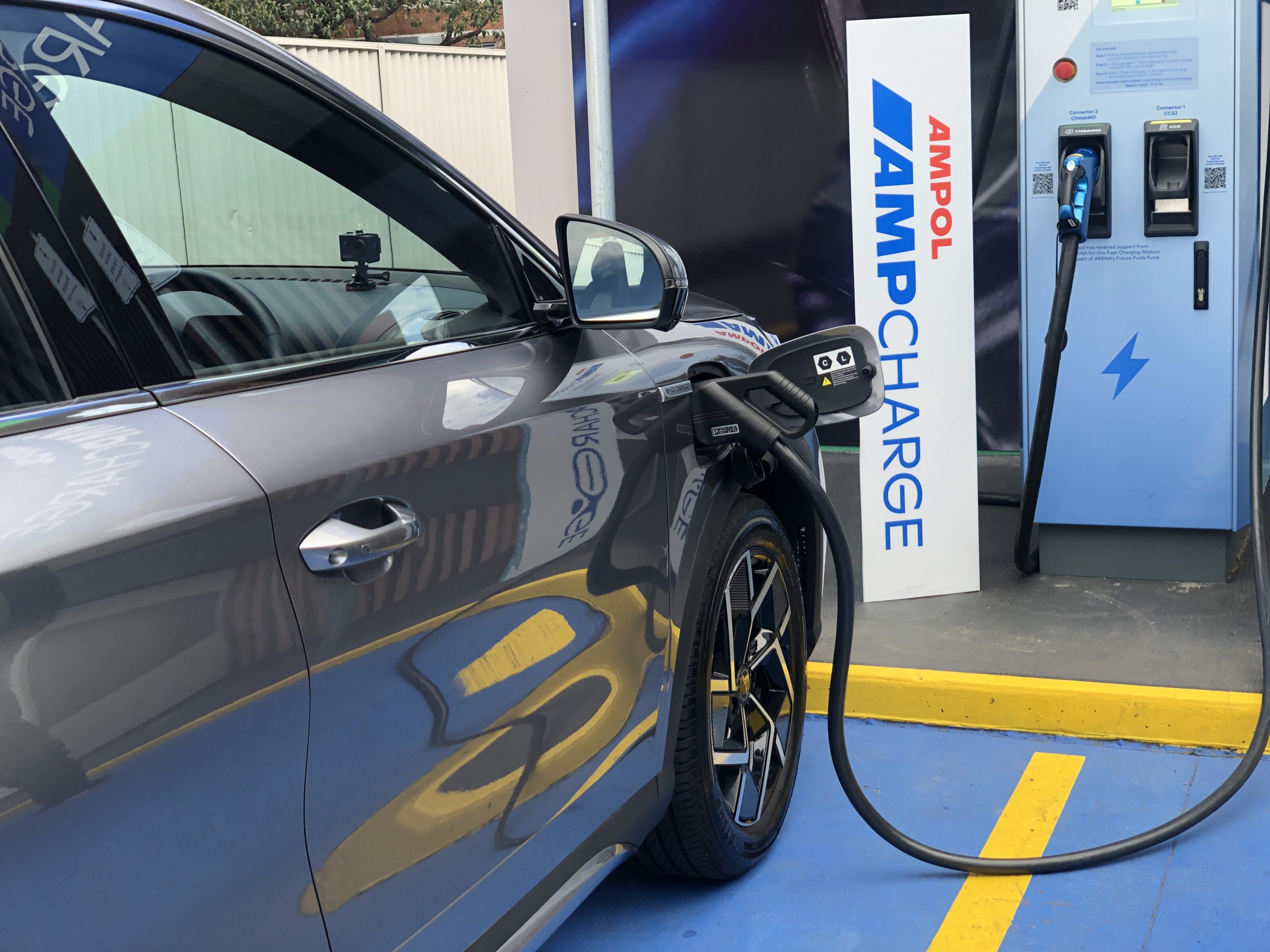
EV Direct currently only imports one BYD model, the Atto 3 small SUV, but has plans to expand and be in the game for the long run – according to CEO of EV Direct, Luke Todd.
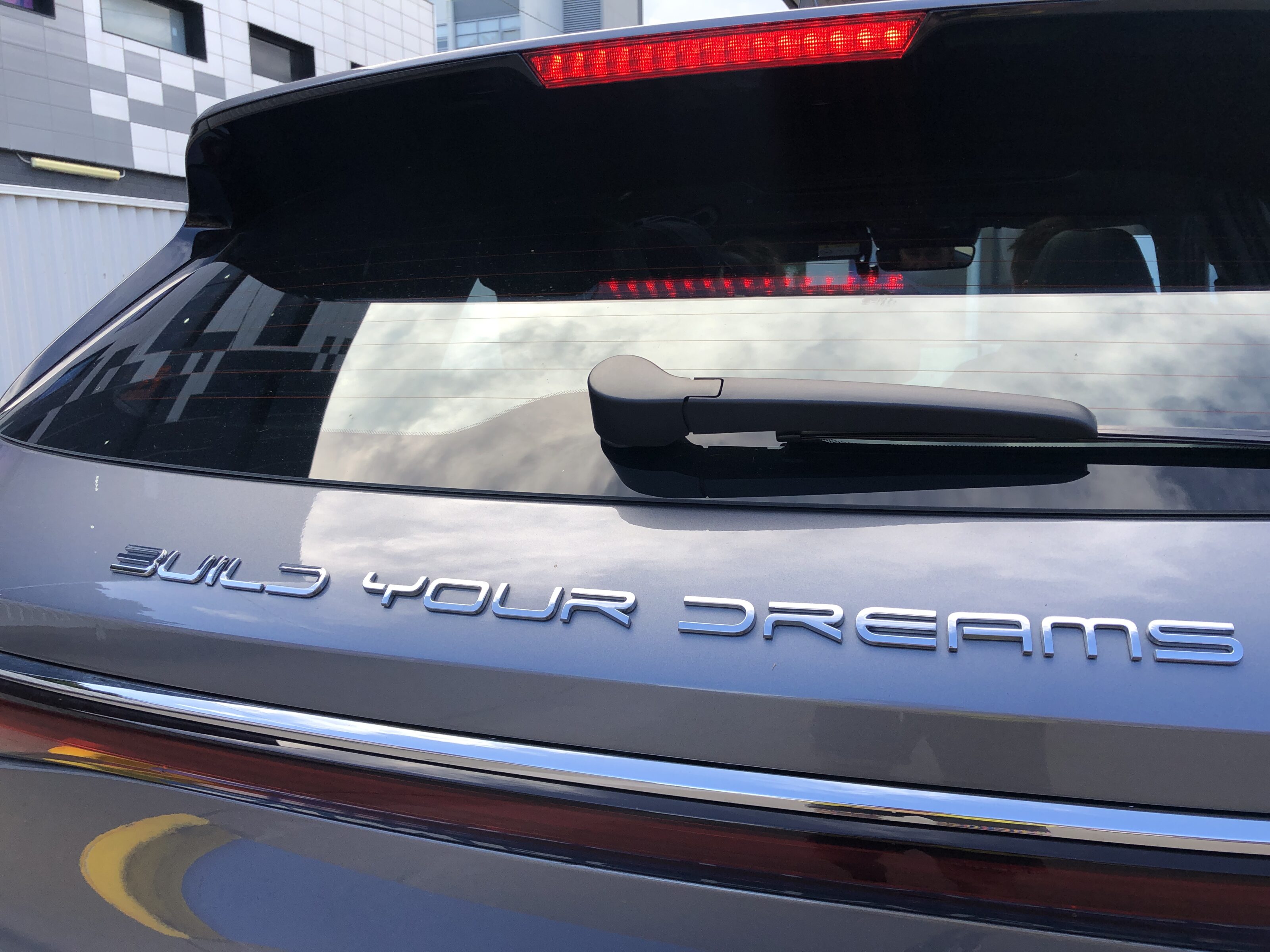
What does the partnership mean for BYD owners?
The new partnership between both companies doesn’t mean free charging on the network.
Instead, both brands will engage in information sharing operations as each expands. Currently, Ampol has two public fast-charge locations in Sydney: Alexandria and Northmead.
In Victoria there is a 150kW DC charging station in Altona North, in Queensland a fast-charger in Carseldine and one in Belmont, WA.
Correction 26/10/22: Ampol’s Belmont fast-charger is located in WA, not QLD.
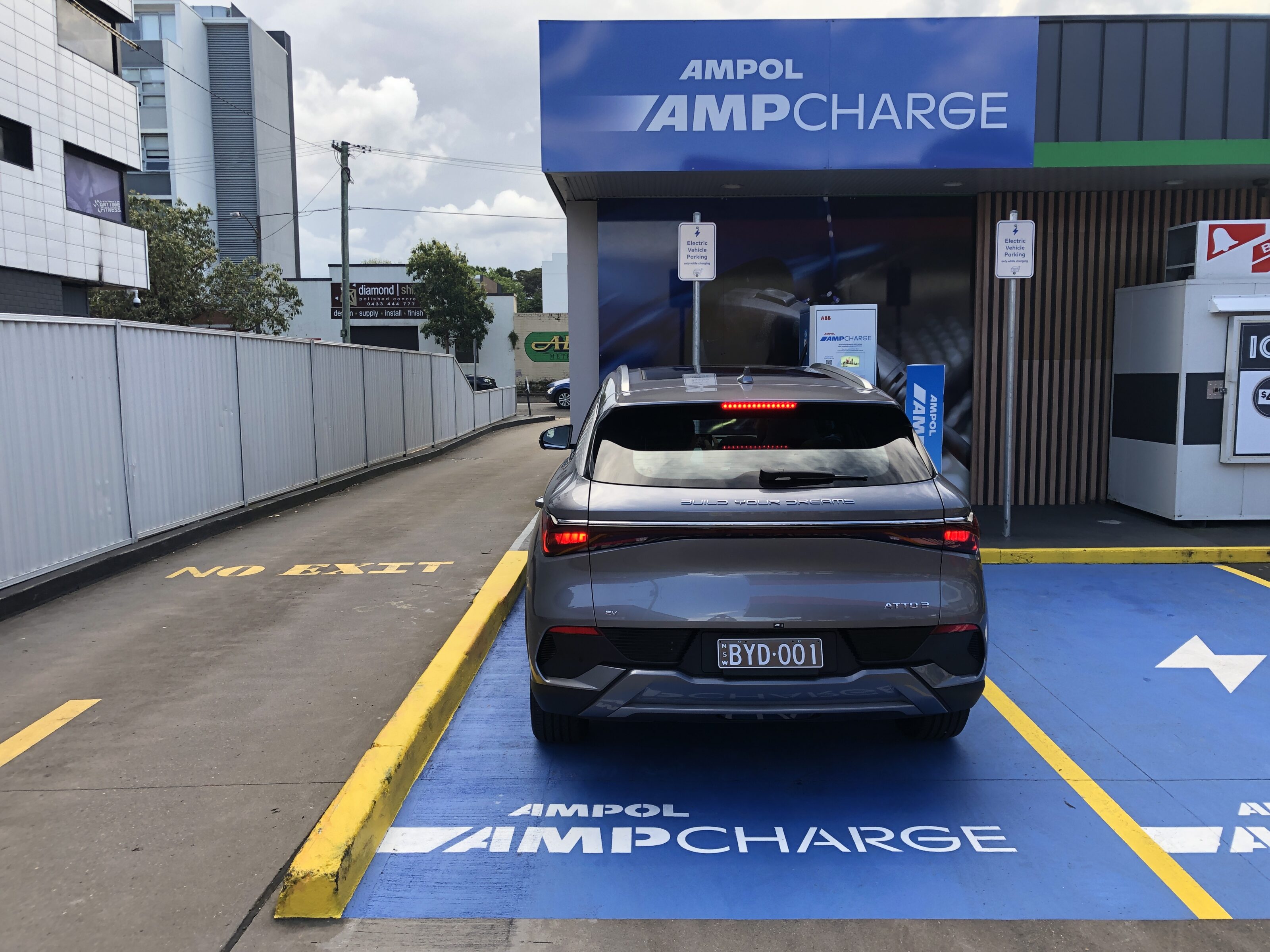
The rapid expansion will include 140 total public fast-charging locations in the first phase, with even more promised in future.
How about home charging?
Ampcharge is also looking to target the burgeoning home-charger market. It is not clear yet exactly how this will take place, but OEM partners such as BYD and Hyundai will be crucial in providing information to make the roll out as seamless as possible.
There is also scope to provide business solutions, according to Ampcharge. BYD does not currently sell commercial vehicles in Australia, but there are other potential Atto 3 applications – including council fleets.
Snapshot
- Bespoke paint colour and sticker pack
- Inspired by F1 medical car
- No extra grunt
- 63 sedans coming to Australia
Australia will be getting a limited allocation of 63 C63 AMG F1 Edition sedans, so to contact your dealer quickly to reserve one.
Max Verstappen may have taken the 2022 and ’23 Formula One driver’s titles, but Red Bull doesn’t make road cars – Mercedes-AMG, however, does.
To commemorate the brand’s involvement in the F1 championship, AMG has devised a limited F1 edition of the 2023 C63 S E Performance sedan and wagon. There’s no extra power, but unique paint, wheel details and an aero package are standard.
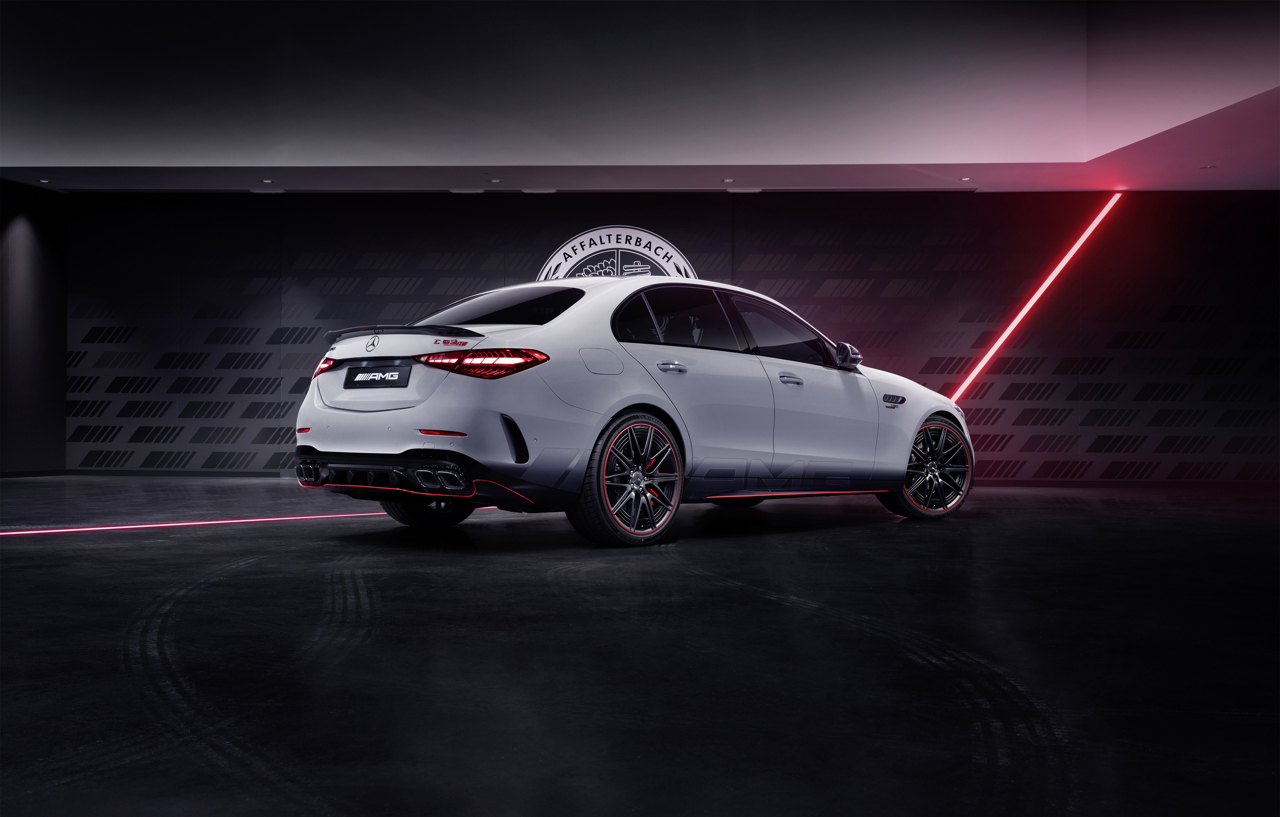
Pricing is yet to be confirmed for any of the C63 S E Performance variants, but there are rumblings the new hybrid four-cylinder C-Class flagship will command over $200,000 on the road. Expect the F1 Edition to be dearer still.
What does the C63 F1 Edition get?
The C63 S E Performance F1 Edition retains identical outputs: 500kW of power and 1020Nm of torque.
In case you missed it, that grunt no longer comes from a woofly twin-turbo V8, rather a boosted four-cylinder petrol engine and electric motors. A blistering 0-100km/h sprint of 3.4 seconds and a drift mode should go some way to making up for the lack of V8.
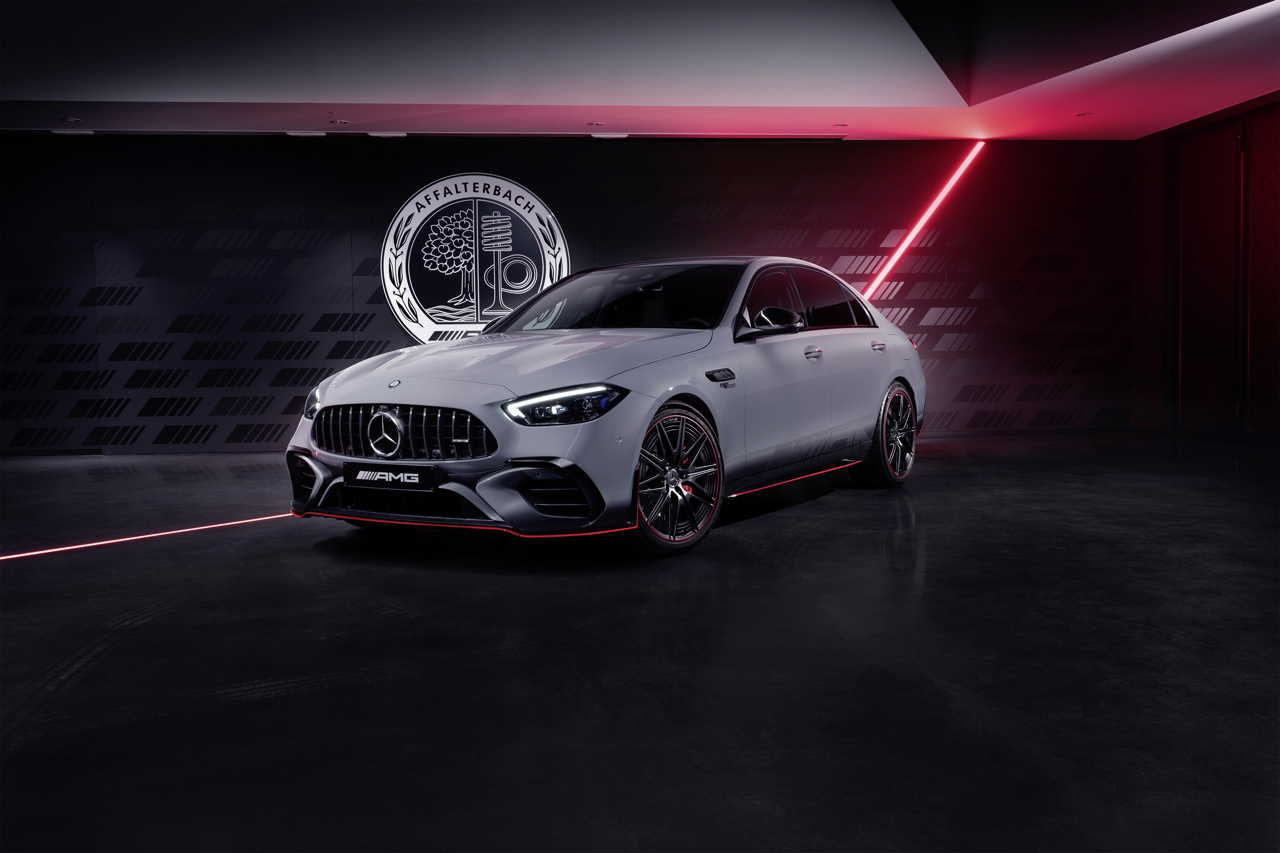
Scroll horizontally to see how the C 63 S E Performance stack up against Audi RS4, BMW M3 and its V8 predecessor
| W206 C63 S E Performance | W205 C63 S sedan | Audi RS4 Avant | BMW M3 Competition xDrive | |
|---|---|---|---|---|
| Engine | 2.0-litre 4cyl turbo + electric motor | 4.0-litre V8 twin-turbo | 2.9-litre V6 twin-turbo | 3.0-litre inline-6 twin-turbo |
| Power | 500kW (combined) | 375kW @ 5500-6250rpm | 331kW @ 5700-6700rpm | 375kW @ 6250rpm |
| Torque | 1020Nm (combined) | 700Nm @ 2000-4500rpm | 600Nm @ 1900-5000rpm | 650Nm @ 2750-5500rpm |
| Weight | 2036kg | 1745kg | 1715kg | 1855kg |
| 0-100km/h | 3.4sec | 4.0sec | 4.1sec | 3.5sec |
| Fuel use | 6.9L/100km | 9.9L | 8.9L/100km | 10.2L/100km |
The F1 Edition is made up of visual changes rather than mechanical ones. Outside, you’ll only be able to get it in Alpine grey matte paint from the brand’s ‘Manufaktur’ range.
A gradient decal fades to black at the bottom, with subtle AMG logos on the sides. The five-spoke 20-inch alloy wheels have red piping around them to tie in with the same colour accents around the front splitter, side skirts, rear diffuser and door handles.
Mercedes-AMG says the F1 Edition is inspired in its design by the official F1 medical car, currently an AMG GT four-door.
There are some performance enhancements, namely the inclusion of the AMG aerodynamics pack bringing a more prominent front splitter, broader side skirts and a rear lip spoiler.
The AMG night package – a black pack to you or I – finishes trim elements such as the grille, window surrounds and mirror caps in gloss black rather than chrome.
| C63 S E Performance F1 Edition features |
|---|
| 20-inch five-spoke alloy wheels with red piping |
| AMG aerodynamics package |
| AMG Night Package I and II |
| Black Nappa leather upholstery with contrast red stitching |
| Red seatbelts |
| Carbon trim with red thread |
| 11.9-inch MBUX touchscreen |
| Wireless Apple CarPlay/Android Auto |
| Fitted AMG car cover |
Inside the C63 F1 Edition
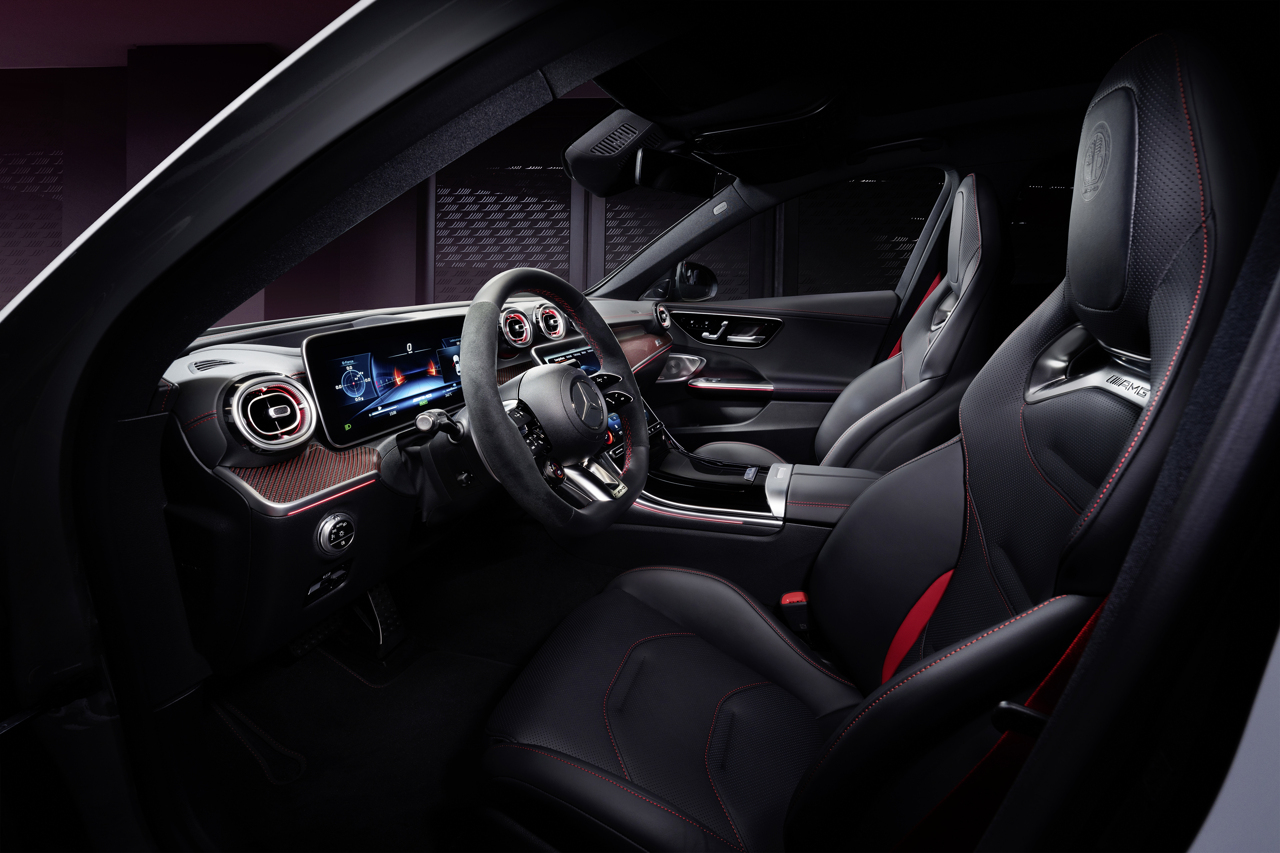
The cabin treatment, like the exterior, is all about black and red. There is red contrast stitching and piping on the black Nappa leather upholstery.
Even the carbon trim inserts get red threads throughout, and the seatbelts have matching coloured accents. The AMG performance steering wheel is appointed in AMG’s Dinamica suedecloth material.
Aside from those changes, the F1 Edition shares its hardware and software with the regular C63 S E Performance including the 11.9-inch MBUX touchscreen and 12.3-inch digital driver’s display.
Australian availability
Mercedes-AMG Australia has secured an allocation of 63 cars for Australia, though unlike overseas these will be sedans exclusively.
Pricing is yet to be confirmed, but we expect the C63 S F1 Edition to cost more than $200k on-the-road in Australia.
Snapshot
- 2023 Kia Niro Plus pricing and features
- Available in hybrid or EV in base S guise
- Priced from $41,710 before on-road costs
The 2023 Kia Niro Plus – an upsized small SUV designed for taxi and rideshare use – will arrive in Australia in the coming weeks.
It marks a return for the short-lived previous-generation Niro platform, with the Niro Plus featuring a taller and longer body and equivalent specifications – and hybrid or all-electric powertrains.
However, as with the second-generation model launched in July, Kia Australia will not offer a plug-in hybrid version of the Niro Plus.
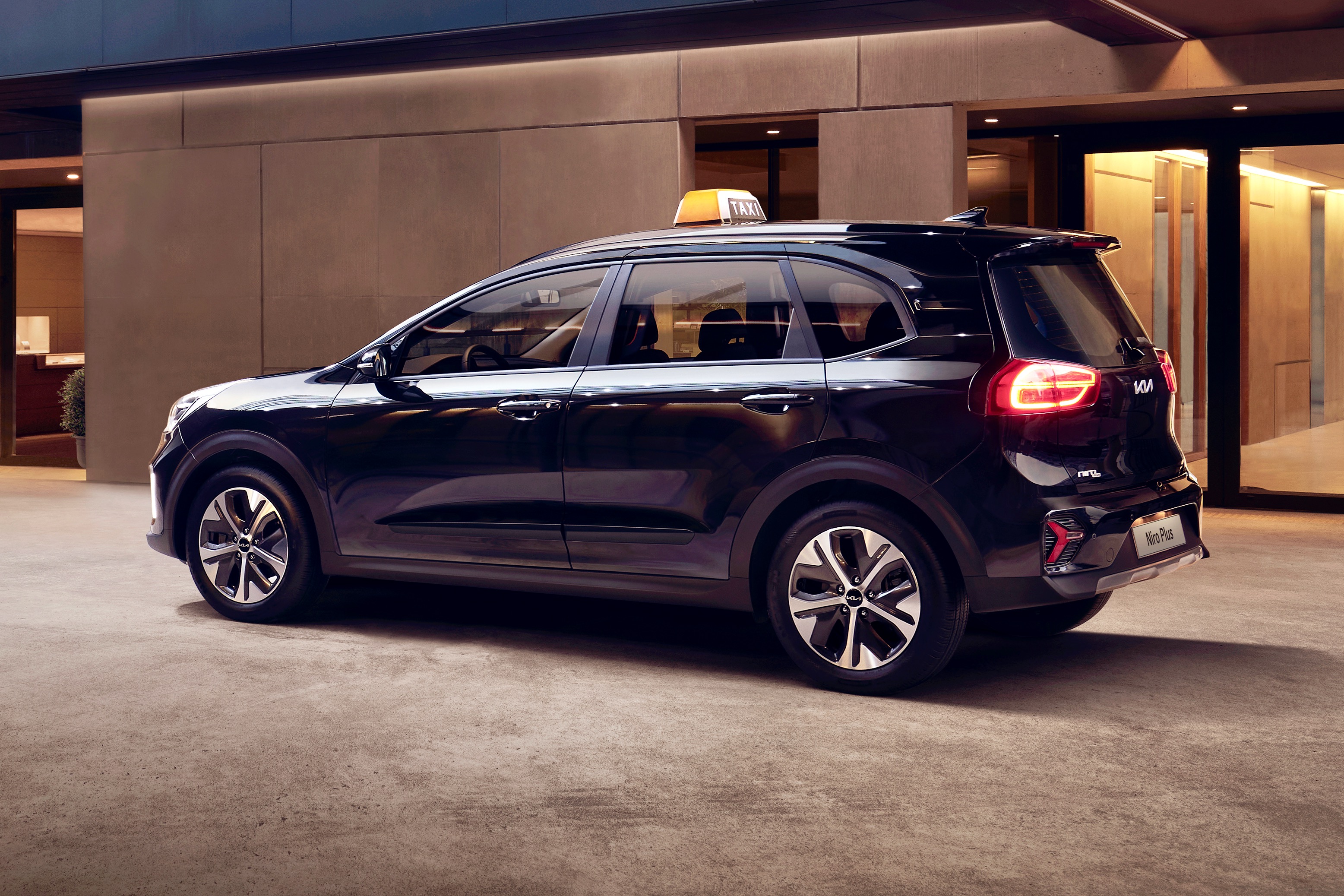
Pricing is comparable with the previous-generation Niro, starting from $41,710 before on-road costs for the S Hybrid and $64,450 plus on-roads for the EV.
This compares to $44,380 and $65,300, respectively, for the new-generation Niro, which has a host of more advanced features – including components taken from Kia’s latest models, such as the EV6 and Sportage.
While private sales are available, a Kia Australia spokesperson said fleets are being prioritised.
“Niro Plus is a fleet focused model with very limited volume that’s already exhausted for 2022,” they said.
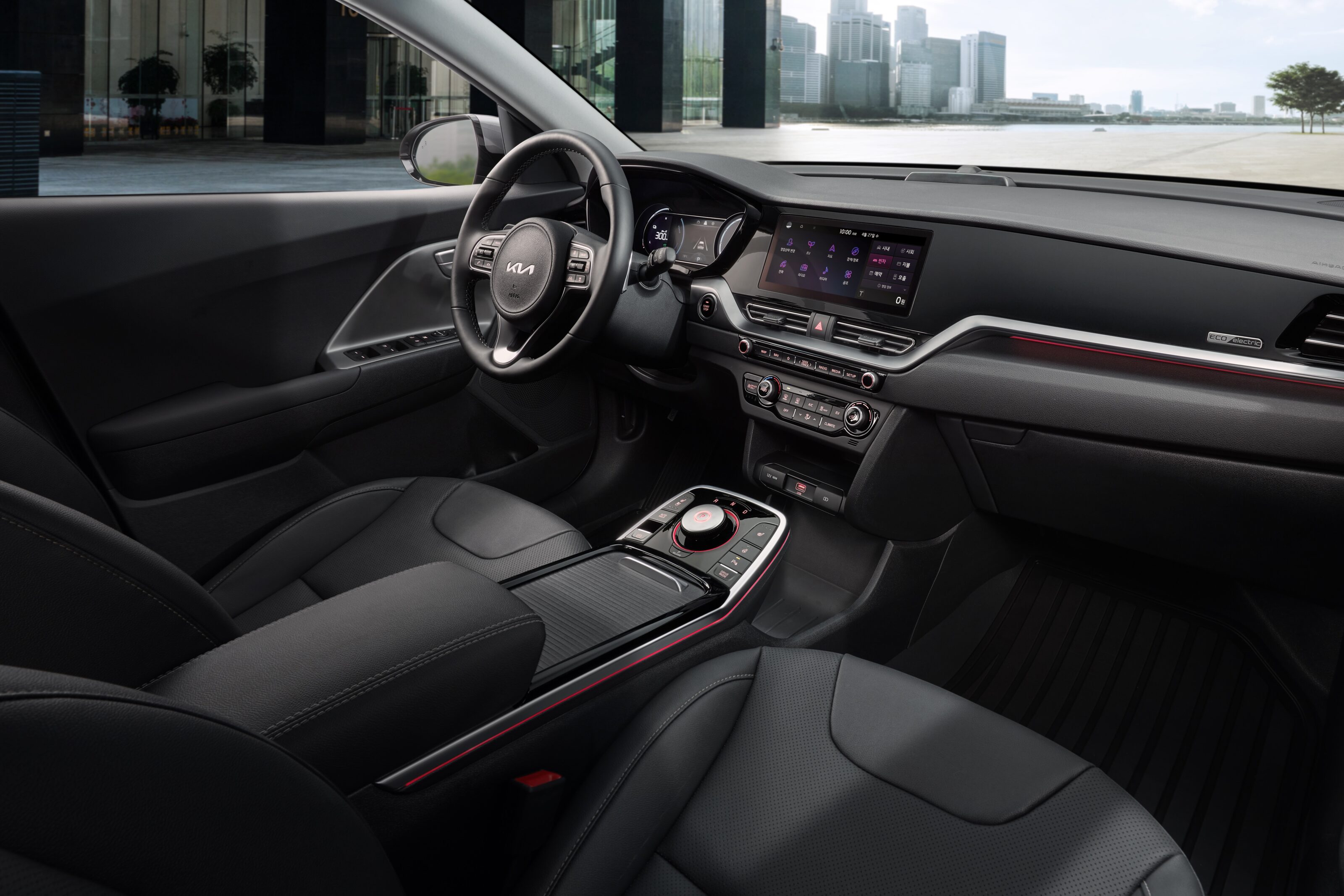
2023 Kia Niro Plus pricing
| Model | Pricing |
|---|---|
| S Hybrid | $41,710 |
| S EV | $64,450 |
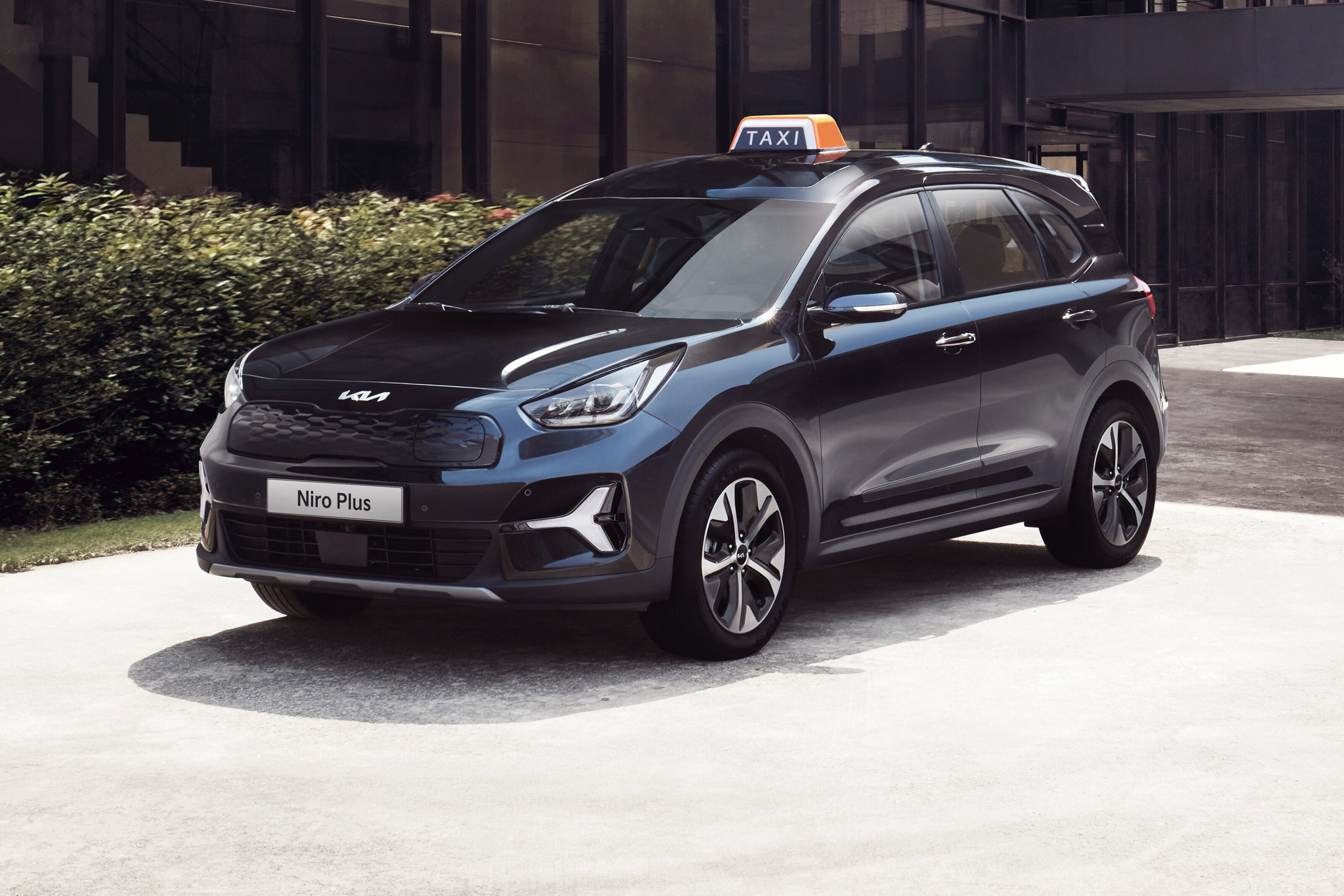
2023 Kia Niro Plus features
S Hybrid
S EV, in addition to S Hybrid
Engine, drivetrain and fuel economy
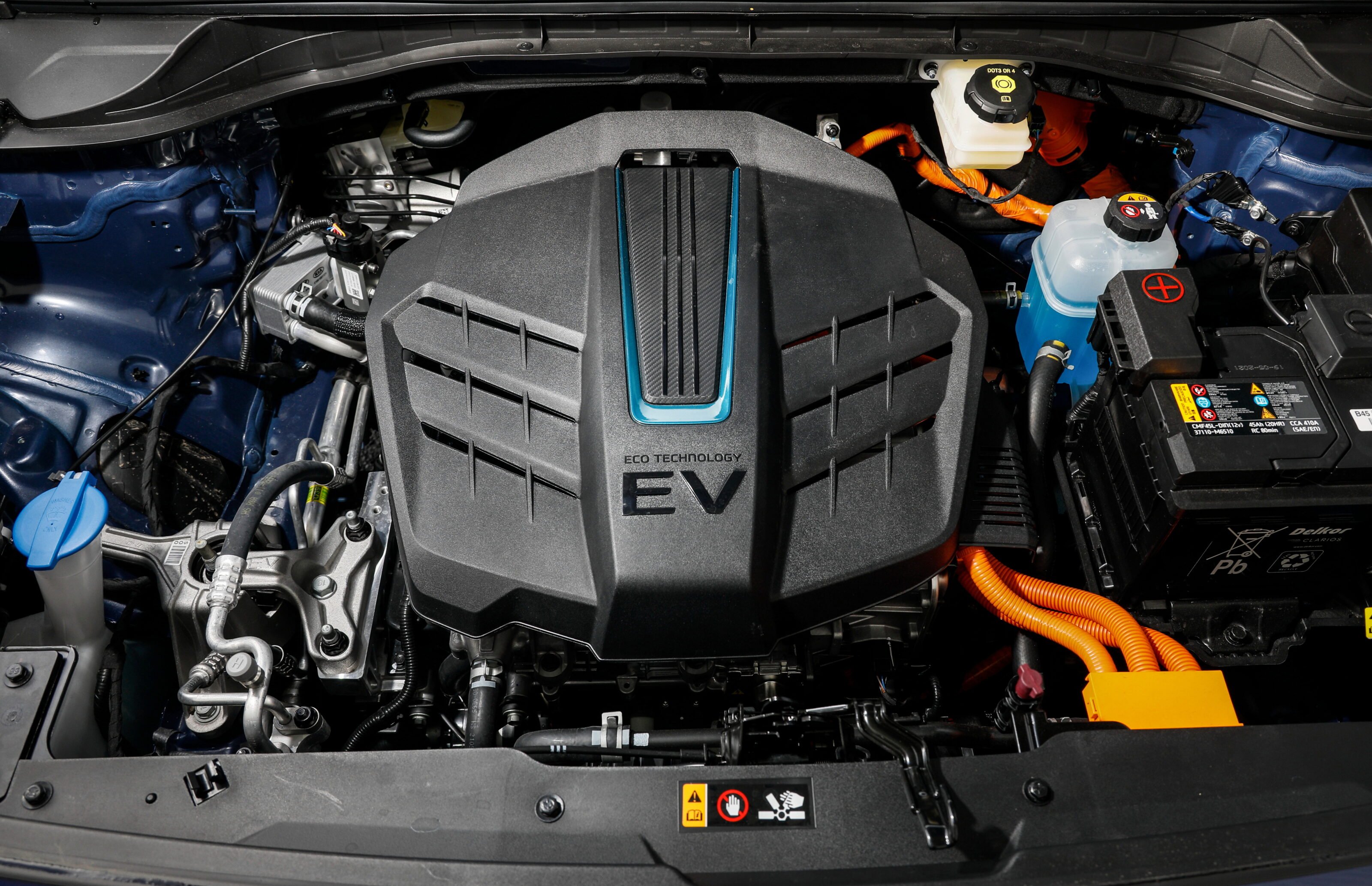
Under the bonnet, the Niro Plus Hybrid is powered by a 1.6-litre four-cylinder naturally-aspirated petrol engine, producing 77kW and 147Nm. It is matched with a permanent magnet synchronous electric motor, with a 104kW/265Nm total system output.
It is matched with a six-speed dual-clutch automatic transmission, sending power to the front wheels.
Energy storage in the hybrid is managed by a 240-volt lithium-ion polymer battery fitted under the rear seat. The battery has a capacity of 6.5Ah and 1.56kWh.
The Niro Plus EV features a more powerful 150kW/395Nm electric motor, with a larger 64kWh lithium-ion battery.
It delivers a WLTP-rated driving range of 427 kilometres, with 100kW fast charging support allowing for a 10 to 80 per cent top-up in approximately 47 minutes.
| Model | Efficiency | CO2 emissions |
|---|---|---|
| S Hybrid | 4.3L/100km | 107g/km |
| S EV | 16.6kWh/100km | 0g/km |
Safety
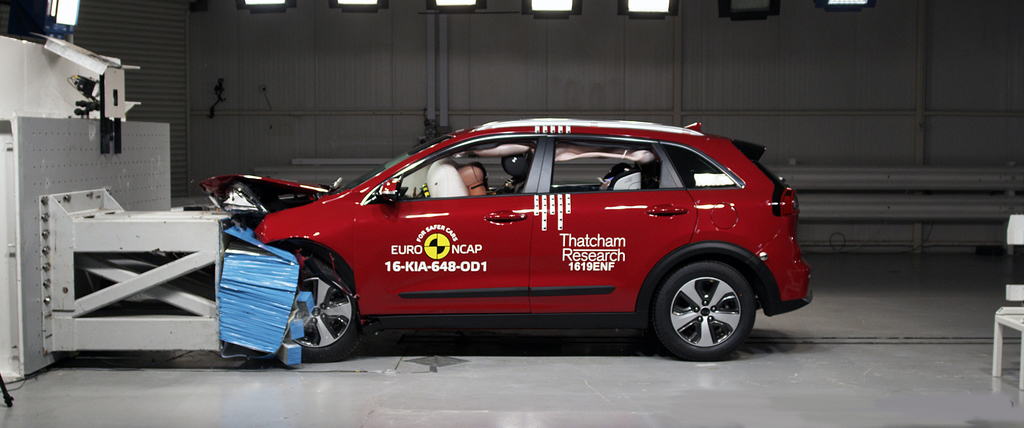
The Kia Niro Plus is covered by a five-star ANCAP safety rating, based on testing conducted in 2016. This rating applies to the hybrid variant only.
It has a 91 per cent score for adult occupant protection, 80 per cent for children, 70 per cent for vulnerable road users, and 81 per cent for safety assist.
Seven airbags (dual front, side, curtain, and driver’s knee) feature across the range.
Each variant includes the following active safety equipment as standard:
Dimensions
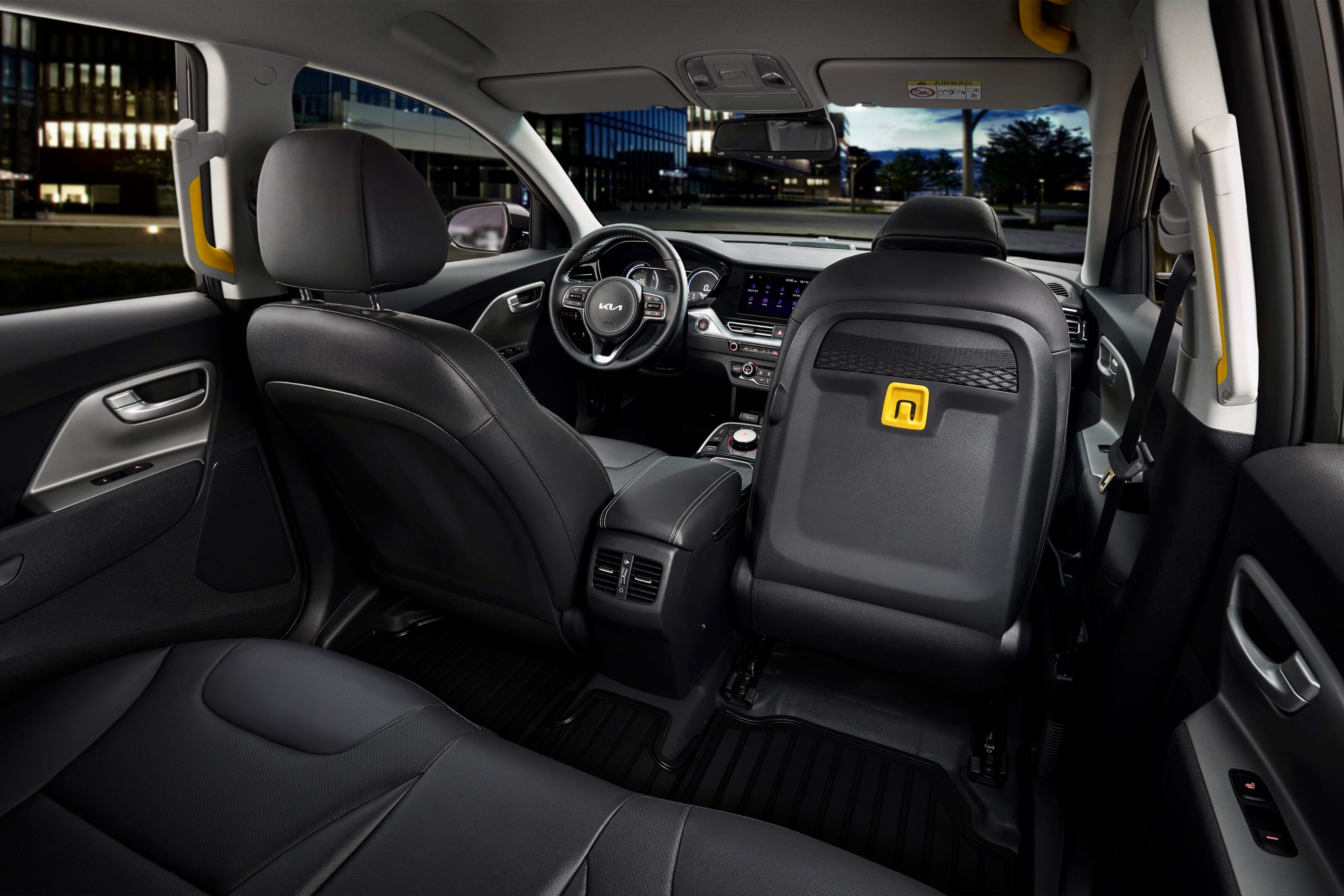
The Kia Niro Plus has a wheelbase of 2700 millimetres, and is 4385mm long, 1805mm wide and 1640mm tall.
This is 10mm longer and 80mm taller than the first-generation Niro, but 33mm shorter and 20mm narrower than the second-generation model.
It has claimed 397-litre boot capacity, expanding to 1497L with the second-row folded.
Warranty and servicing
As per the wider Kia range, the Niro Plus is covered by the brand’s seven-year, unlimited-kilometre warranty, along with a complimentary one-year roadside assistance program. This can be extended for up to eight years through annual servicing at a Kia dealership.
Maintenance for the hybrid is required every 12 months or 15,000 kilometres, whichever occurs first. Pre-paid service plans are available for the EV variant.
For the hybrid, capped-price servicing is available for seven years, with costs dependent on the service interval.
Availability
The 2023 Kia Niro Plus will arrive in Australian showrooms in the coming weeks, with the allocation for the remainder of 2022 sold out.
