
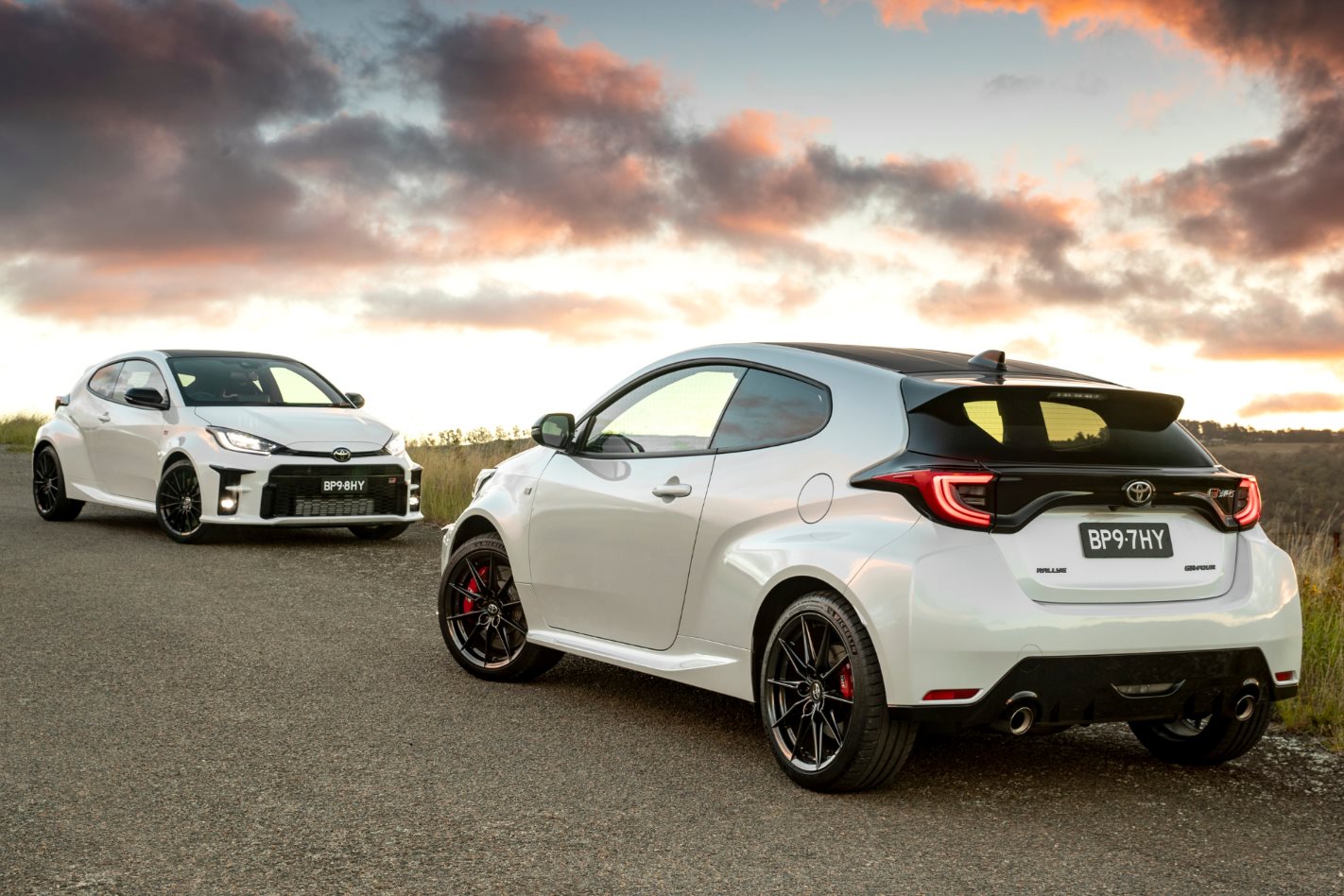
Toyota GR Yaris owners in Japan have been treated to a torque boost, as part of a new software update.
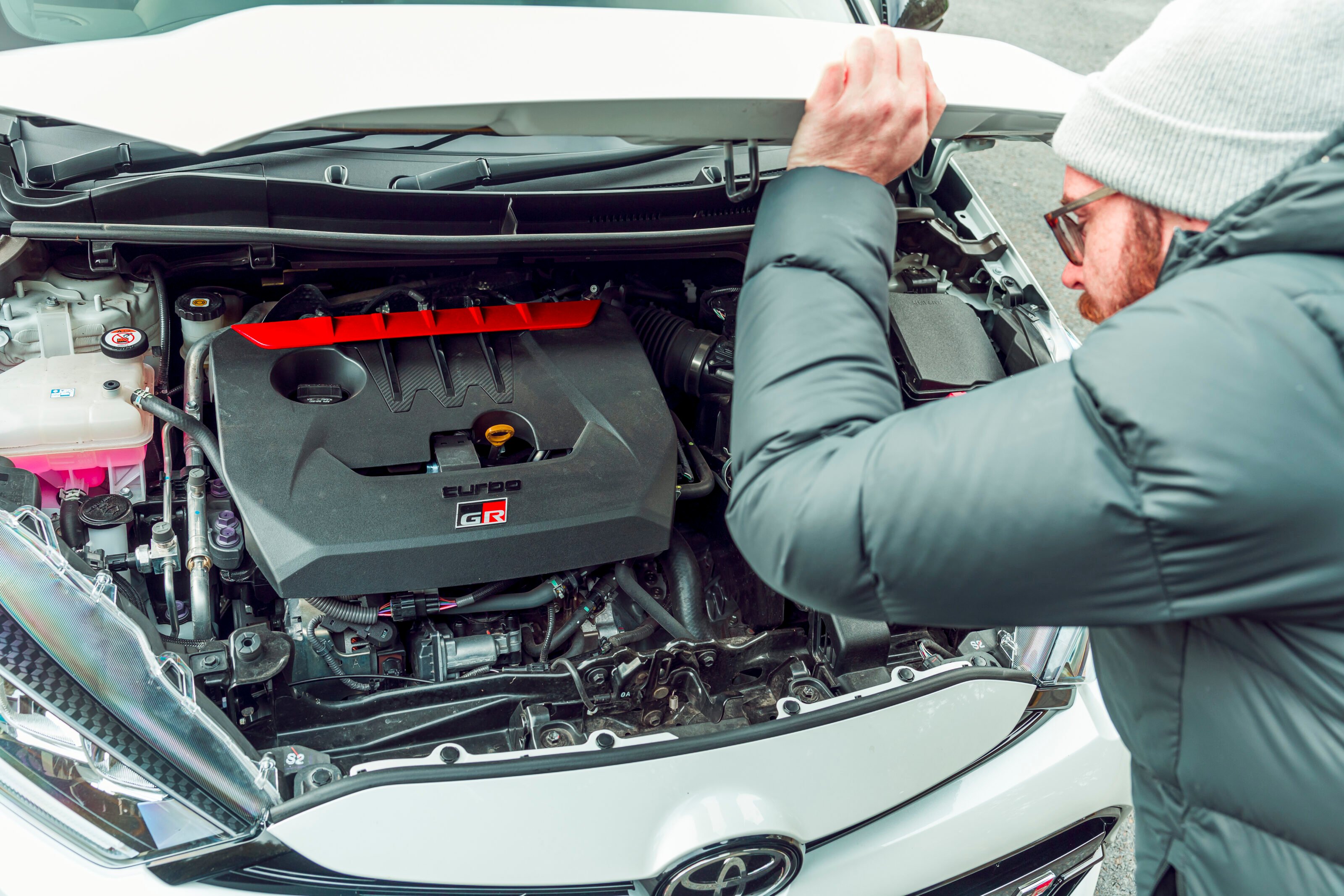
The update, known as ‘GR Yaris Performance Software 2.0’, brings a further 20Nm of torque from the 1.6-litre turbocharged three-cylinder engine.
As such, peak torque has increased from 370Nm to 390Nm (in the 3200rpm-4000rpm range), on par with the Japan-only Morizo Edition and limited-run Yaris GRMN, while peak power remains at 200kW.
The performance upgrade will set buyers back 141,400 yen (AU$1500); however, a spokesperson for Toyota Australia confirmed there are no current plans to offer the torque boost locally.
It will be provided through the company’s Kinto Factory program in Japan, which offers software tunes, vehicle customisation and basic interior “renovations” – in addition to retrofitting components such as parking sensors, power outlets and power sliding doors.
Toyota has yet to confirm if the update will improve the standard GR Yaris’s claimed 0-100km/h time of 5.2 seconds.
The availability of the Toyota GR Yaris in Australia remains cloudy, with orders currently paused due to high demand from local buyers.
It will be joined by the GR Corolla in the fourth quarter of 2022 – including the special-edition two-seater – which features a 220kW/370Nm version of the 1.6-litre three-pot.
In addition, Toyota Australia will launch the two-door GR86 in September, while an updated GR Supra with a manual option is expected to arrive before the end of 2022.
“This is the lowest risk decision I’ve ever made in my career.”
The reputation of one of the world’s most fabled luxury brands is on the line, along with billions of dollars in research and development spending. But chairman and CEO Adrian Hallmark sees little downside in committing Bentley to building nothing but electric vehicles by 2030.
The radical reinvention of Bentley, which Hallmark has been working on since 2018, has now been fully approved and signed off by the Volkswagen Group board.
Engineers in Crewe and in Germany are working flat out on a new generation of electric-powered cars and SUVs that will entirely replace Bentley’s current line-up within eight years.
Hallmark says the first all-electric Bentley will go on sale in late 2025 or early 2026. The exterior shape has been designed, and its attributes defined. “My only anxiety is whether all the technology can be delivered in time,” he says. “But if it’s late, it will only be by months, not years.”

Hallmark’s optimism is fuelled by two things. First, he says, most of Bentley’s existing customers live in places where internal combustion engine vehicles are on borrowed time.
China, which accounts for 20 percent of Bentley sales, has for example mandated that 40 percent of all cars sold there by 2030 must be EVs.
Britain has announced the sale of new petrol and diesel-powered vehicles will be phased out by 2030 and that all new vehicles will be zero-emission by 2035.
In the USA, 12 state governors have backed a ban on internal combustion engine vehicles by 2035. And many European cities already have plans in place to restrict their roads to only EVs.
Bentley can’t afford not to build EVs.
Second, Hallmark believes the recent re-organisation at Volkswagen Group that has seen the oversight of Bentley switch from Porsche to Audi will deliver EV technology that is better suited to the British luxury brand.
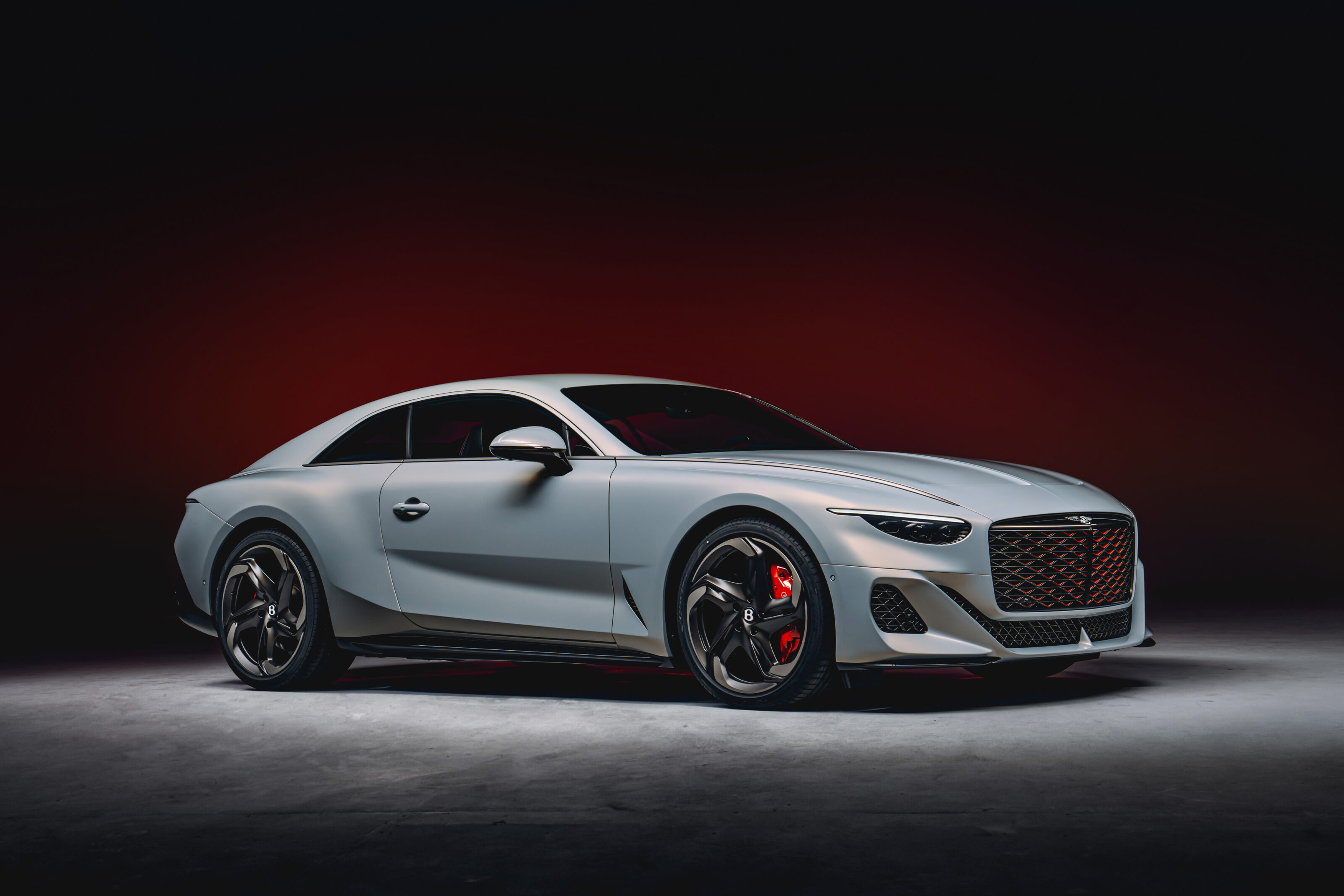
Above: The Bentley Mulliner Batur, although a limited-edition model with a huge W12 petrol heart, is understood to be our first look at the styling of future Bentley EVs.
Volkswagen Group has decided three distinct platform and battery architectures will underpin all its future EVs. Mainstream EVs up to C-segment in size will be built on an evolution the MEB architecture developed by Volkswagen.
Sporty and high-performance EVs will use an architecture developed by Porsche. And luxury EVs will use an architecture developed by Audi.
“It’s better for us to be under Audi,” Hallmark says, explaining that 80 percent of future Bentleys will be based on one premium luxury electric architecture.
And though Hallmark doesn’t spell it out, there’s another dynamic at play that makes Audi governance a better fit.
Under pressure from the Porsche and Piëch families, who watched how profitably Ferrari was detached from FCA, Porsche is about to be spun off from Volkswagen Group, with a partial IPO that’s set to value it at about $100 billion. Working with Bentley could be seen as a distraction by a more independent, performance-focused Porsche.
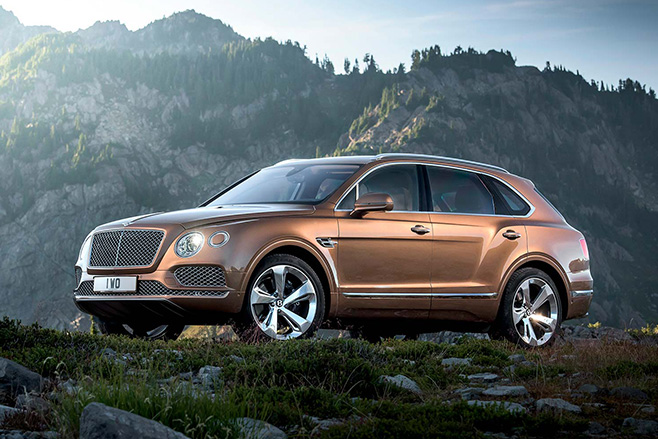
With Audi, Bentley will be given much more attention, not the least because of the potential trickle-down benefits for Audi’s larger, more expensive models in terms of the feature set and levels of refinement required for a luxury EV. “We can have a much greater say as to what we need in that architecture,” Hallmark admits.
Adrian Hallmark clearly relishes the challenge of leading Bentley through the most profound period of change facing the automotive industry in more than 100 years.
“It’s brilliant!” he says. “I’m not sentimental. I wish it had happened earlier. I’ve only got four or five years left in this industry. I wish I had fifteen.”
Audi will enter Formula 1 for the first time in 2026, confirming the long-rumoured news at this weekend’s Belgium Grand Prix.
The German brand will build its own hybrid power unit at its Neuburg facility near its headquarters in Ingolstadt.
Audi is expected to create its own works team by partnering with the Sauber team currently operating as Alfa Romeo.
Sister brand Porsche is expected to make a return to Formula 1 in 2026, joining as an engine partner to Red Bull.
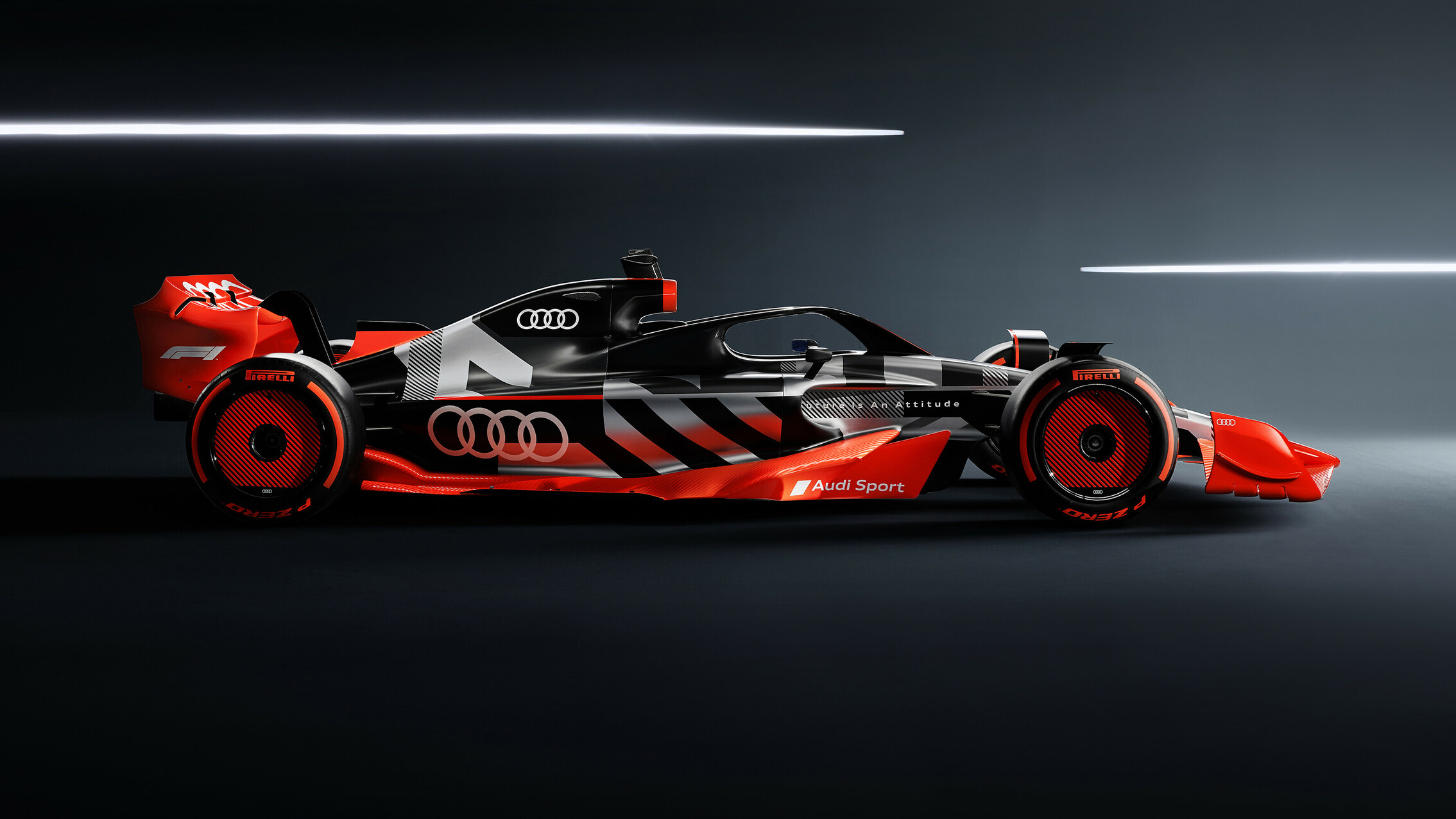
Audi’s announcement comes shortly after the FIA, motorsport’s governing body, confirmed new F1 engine regulations for 2026 onwards. The current 1.6-litre turbocharged V6 concept remains, though the engines will use synthetic sustainable fuels while electric assistance will make a greater contribution to performance – about half (400kW) of the approximate 1000bhp output.
Audi’s statement at the Belgian GP confirmed these were vital changes for the company to consider its entry.
“Motorsport is an integral part of Audi’s DNA,” said Audi’s chairman of the board, Markus Duesmann.
“Formula 1 is both a global stage for our brand and a highly challenging development laboratory. The combination of high performance and competition is always a driver of innovation and technology transfer in our industry.
“With the new rules, now is the right time for us to get involved. After all, Formula 1 and Audi both pursue clear sustainability goals.”
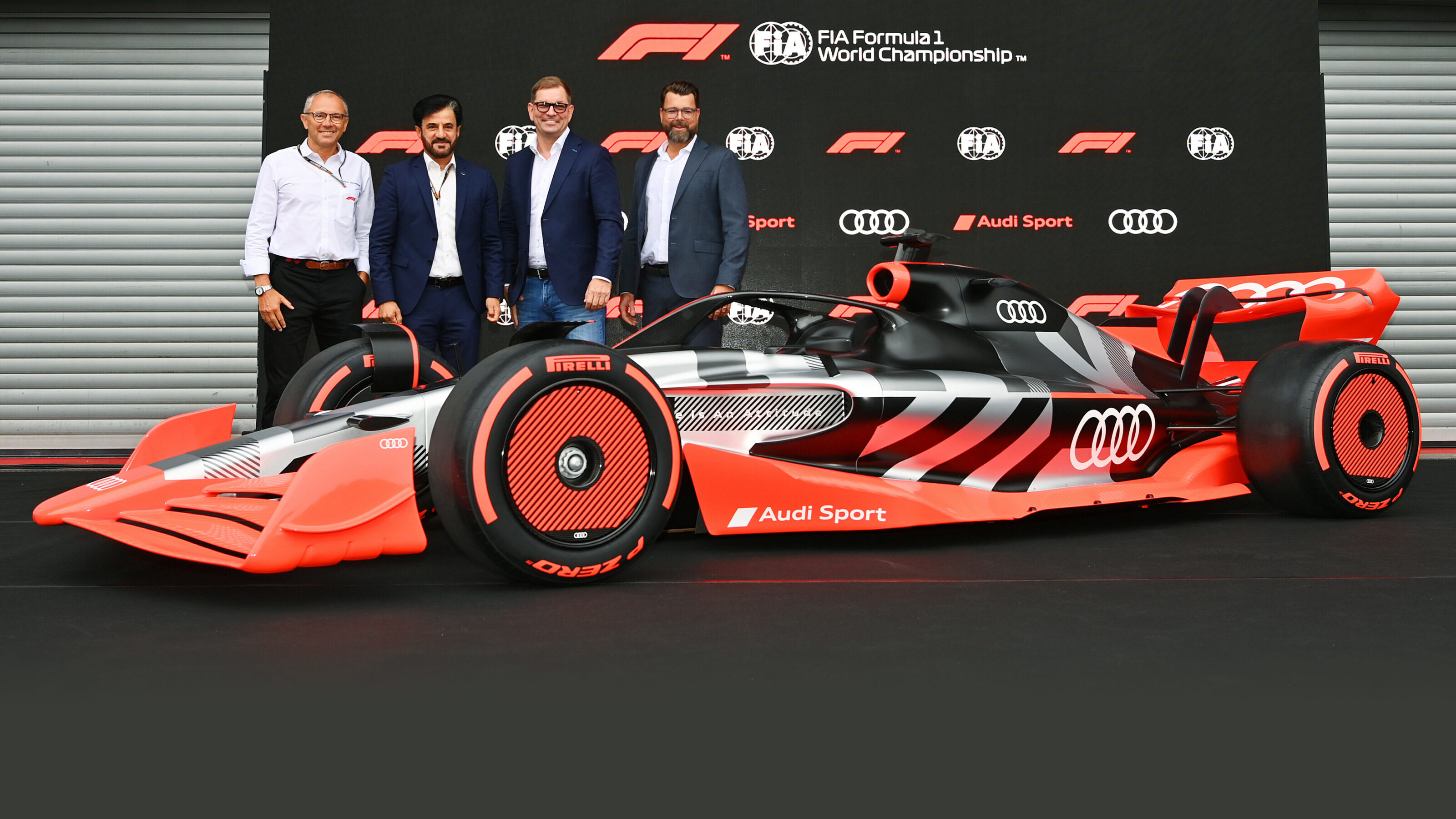
Audi had been linked to the McLaren F1 team earlier this year as its interest in joining the world’s premier motor racing series became more obvious.
It is believed Audi will turn Sauber into a proper works outfit, where Alfa Romeo is essentially just a primary sponsor of the Sauber team currently – powered by Ferrari engines.
Sauber last operated as a works team with Audi rival BMW, between 2006 and 2009. After just one victory in four seasons, BMW sold the outfit back to former owner Peter Sauber.
City car marque Smart – now co-owned by Mercedes-Benz and Geely – has unveiled a more powerful version of its #1 electric crossover, in collaboration with famed tuner Brabus.
The 2023 Smart #1 Brabus was revealed at the Chengdu Motor Show in China this week, following the debut of the regular Smart #1 – which is designed for the Chinese and European markets – in April.
According to CarNewsChina, it features a pair of high-performance electric motors, producing 315kW of power and 543Nm of torque, with all-wheel-drive and a 0-100km/h sprint time of approximately 3.7 seconds.
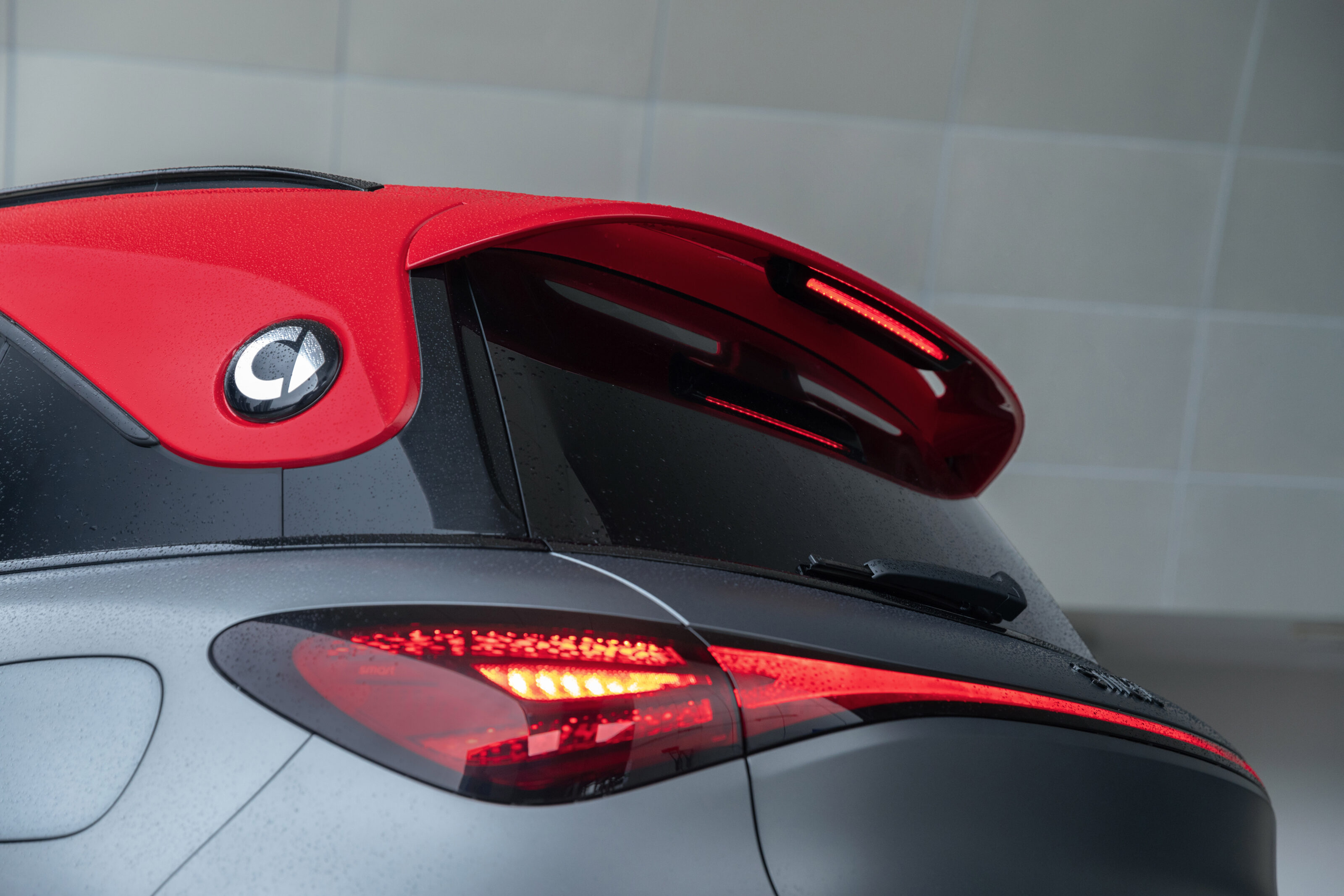
The additional power results from a new 115kW/200Nm front electric motor, supplementing the existing 200kW/343Nm rear unit fitted to regular examples of the small SUV.
Smart has fitted unique bumpers, different 19-inch alloy wheels and red exterior accents, while the bonnet vents improve airflow to keep the front motor cool.
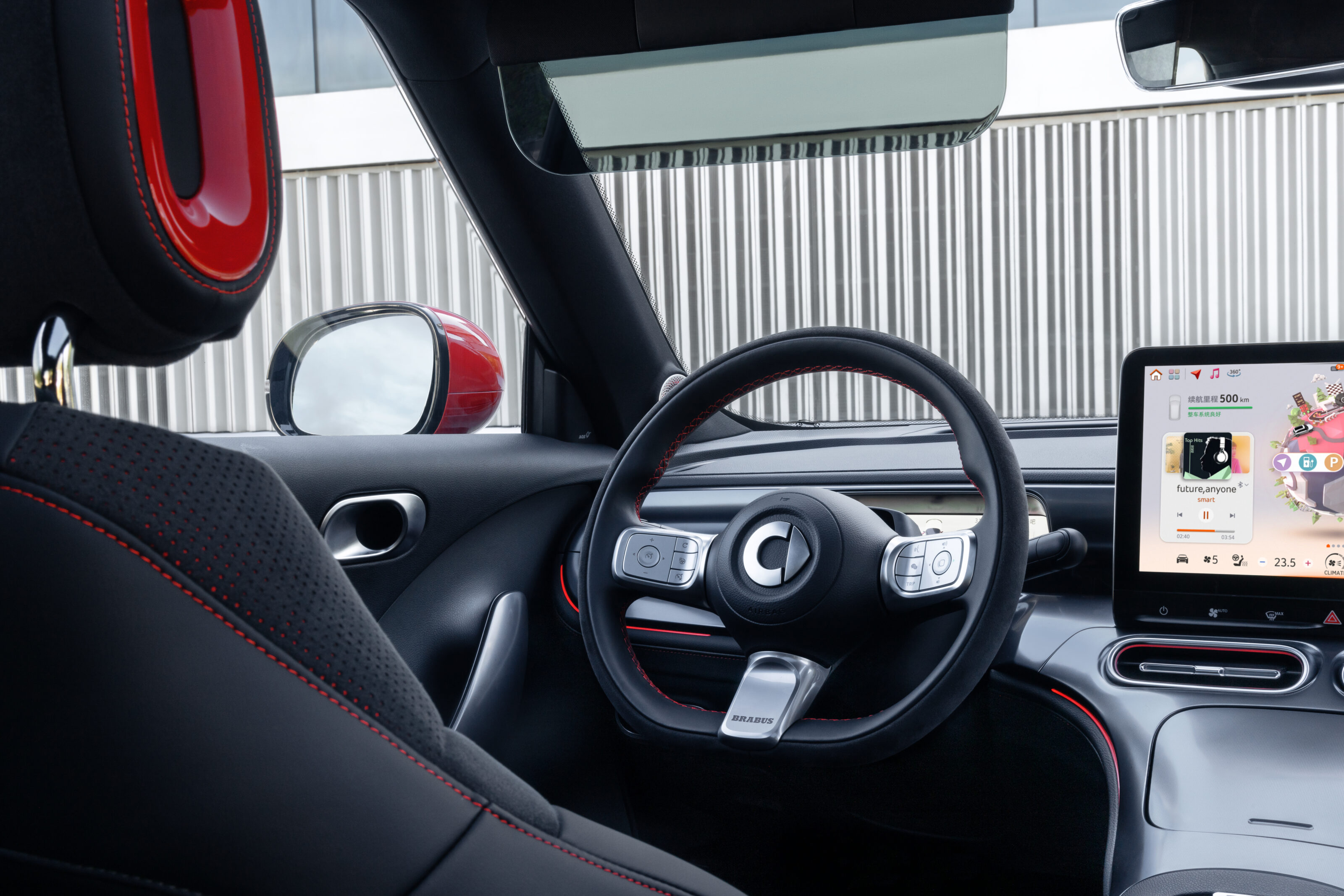
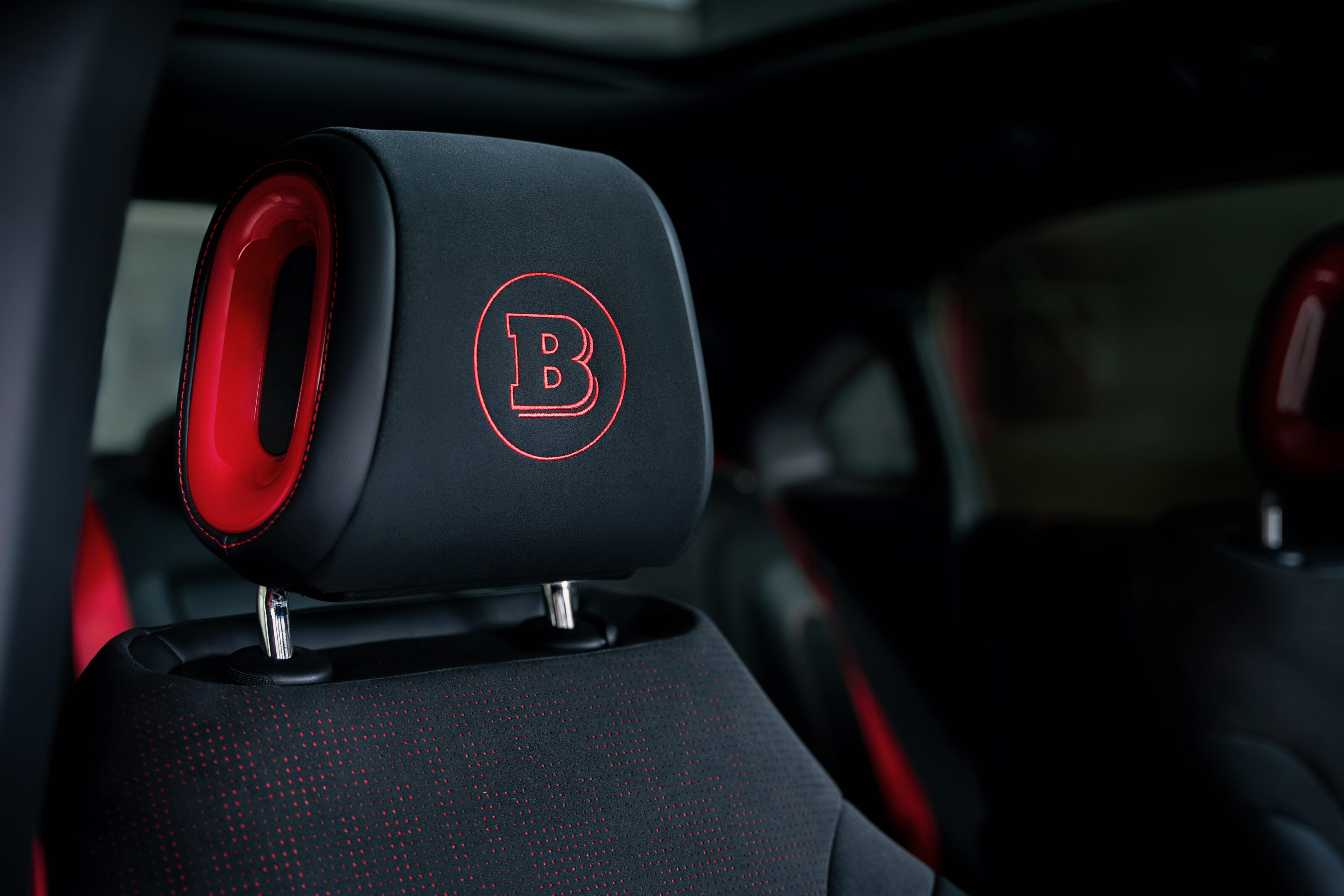
There is no badging to denote the Brabus connection outside; however, the interior sports the firm’s ‘B’ logo embossed into the headrests, while the steering wheel includes Brabus wording.
The red theme continues inside, with red stitching, seatbeats and oval-shaped elements on the side of the front headrests.
According to the brand, the regular Smart #1 offers a WLTP-rated 440-kilometre driving range, with a 66kWh nickel-cobalt-manganese battery pack fitted underneath the vehicle.
Driving range and battery capacity figures for the Smart #1 Brabus are yet to be confirmed, but a slight decrease is likely, akin to most other performance-orientated electric vehicles.
In standard guise, charging from 10 to 80 per cent takes as little as 30 minutes when using a 150kW DC fast charger, while occupants are treated to a 12.8-inch infotainment system, a 13-speaker Beats audio system, a panoramic sunroof, and a floating centre console.
The 2023 Smart #1 is expected to go on sale in Europe and China in the coming months.
However, there are no current plans for an Australian launch.
Locally, the Smart brand was introduced by parent company Mercedes-Benz in 2004, offering the ForTwo, ForFour and Roadster city cars, before it was officially discontinued from the Australian market in 2015.
JUNE 2023: We’ve driven the EV9!
Get our full written and video review at the linked story below.
STORY CONTINUES
March 2023: EV9 leaked!
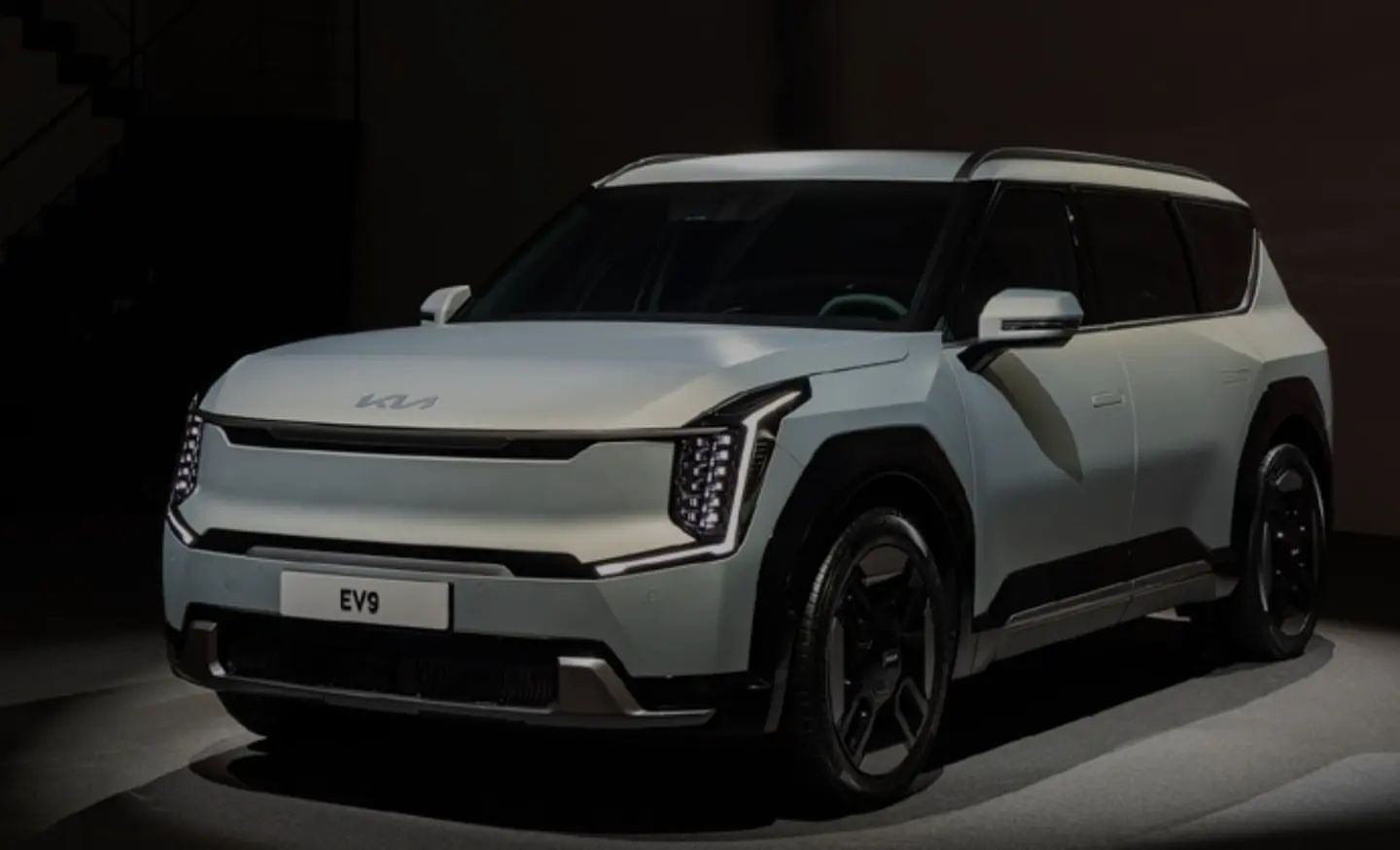
The upcoming Kia EV9 has surfaced in online social media, offering a first clear look at official marketing shots. Get the full story at the link below.
The story to here
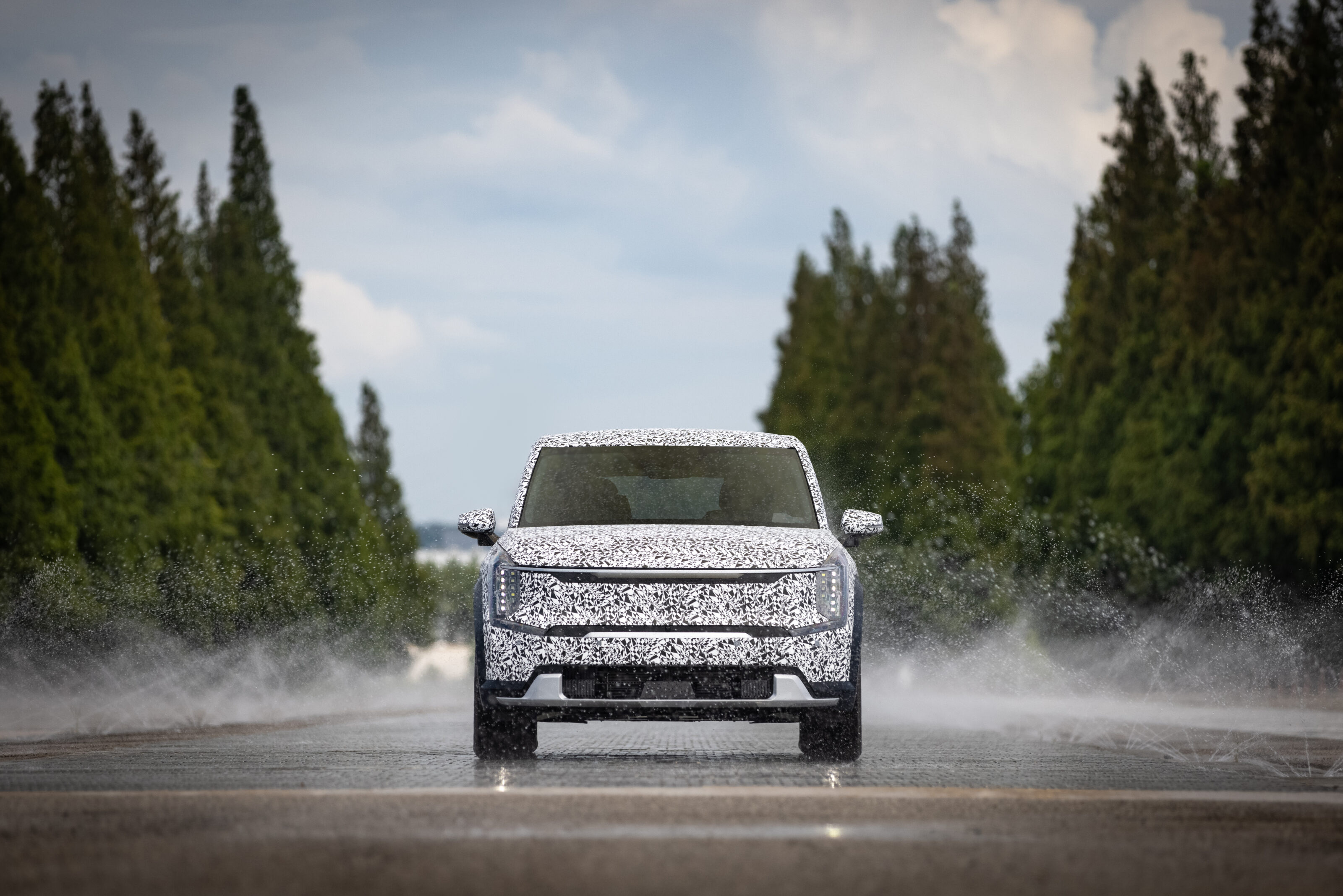
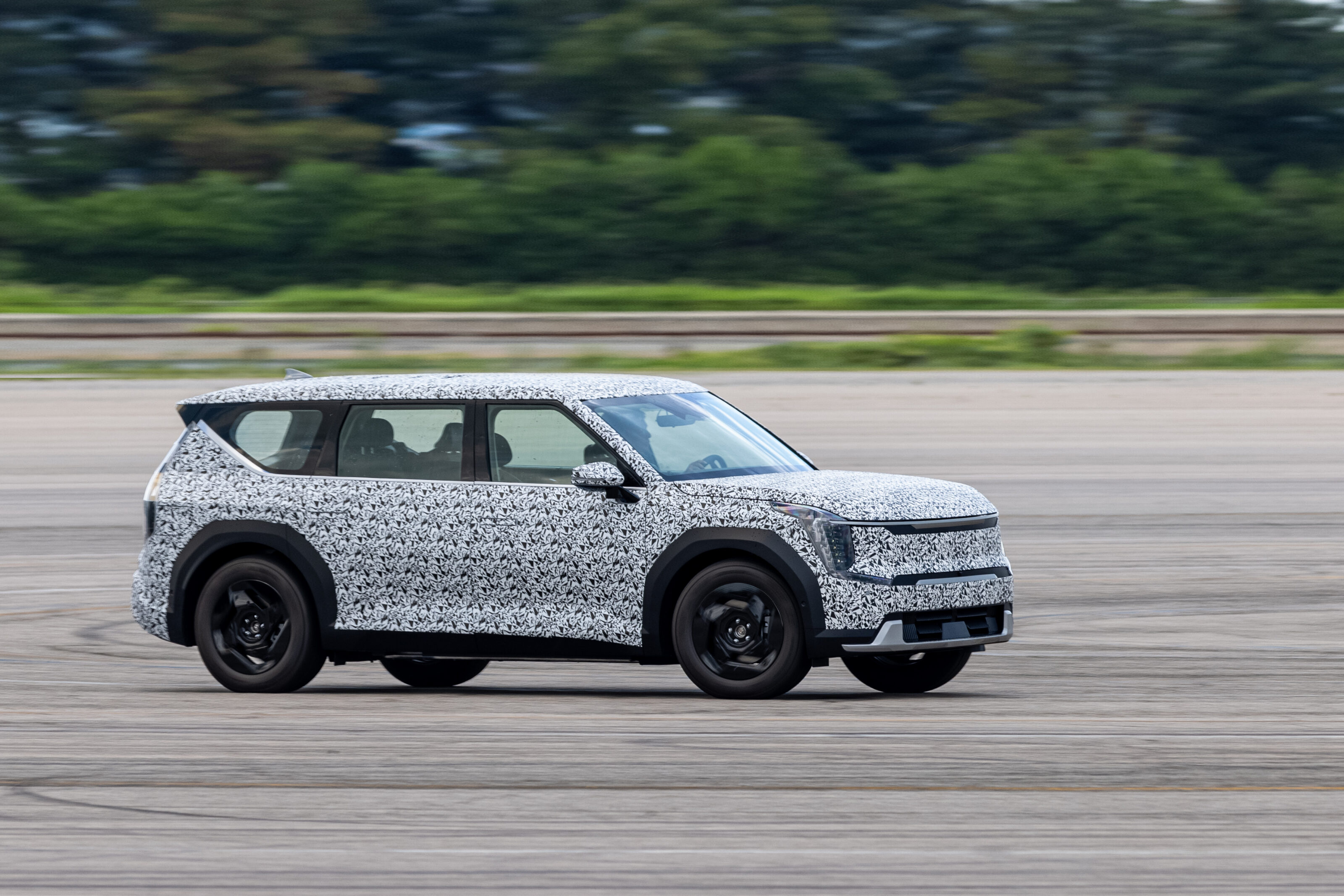
The 2023 Kia EV9 electric large SUV has been shown undergoing its final technical testing ahead of the model’s global debut early next year.
Developed over a period of almost four years, Kia says every facet of the EV9 is currently being pushed to the limits at its global R&D centre in Namyang, Korea.
During the process testing was carried out on its design, performance, driving range, driving dynamics, technology and comfort.
The all-electric Kia EV9 will become the brand’s flagship model, and will join the EV6 and Niro in its fully-electrified lineup, as well as the Sportage, Niro and Sorento hybrids.
In Australia, the EV6, Niro (hybrid and EV) as well as the Sorento hybrid are available, with the hybrid Sportage looking likely for an early-mid 2023 local launch.
While the EV9 is yet to be officially locked in for the local market, Kia Australia’s general manager for product planning, Roland Rivero, told Wheels it has strong prospects in Australia.“In the absence of Telluride, and I know there’s a lot of opinion on the lack of bringing that model to Australia, we think EV9 has got a lot of potential here,” he said.
“You look at that upper-large category – which is only a two-horse race between the Toyota LandCruiser and the Nissan Patrol – with the average price there being around $96k, and it tells us Australians aren’t afraid of a $90k upper-large SUV. There’s an opportunity there – we just need HQ to give us the green light.”
Snapshot
- 2023 Ford Transit pricing and features
- Large van gains 12-inch Sync 4 infotainment system
- Priced from $53,590 plus on-road costs
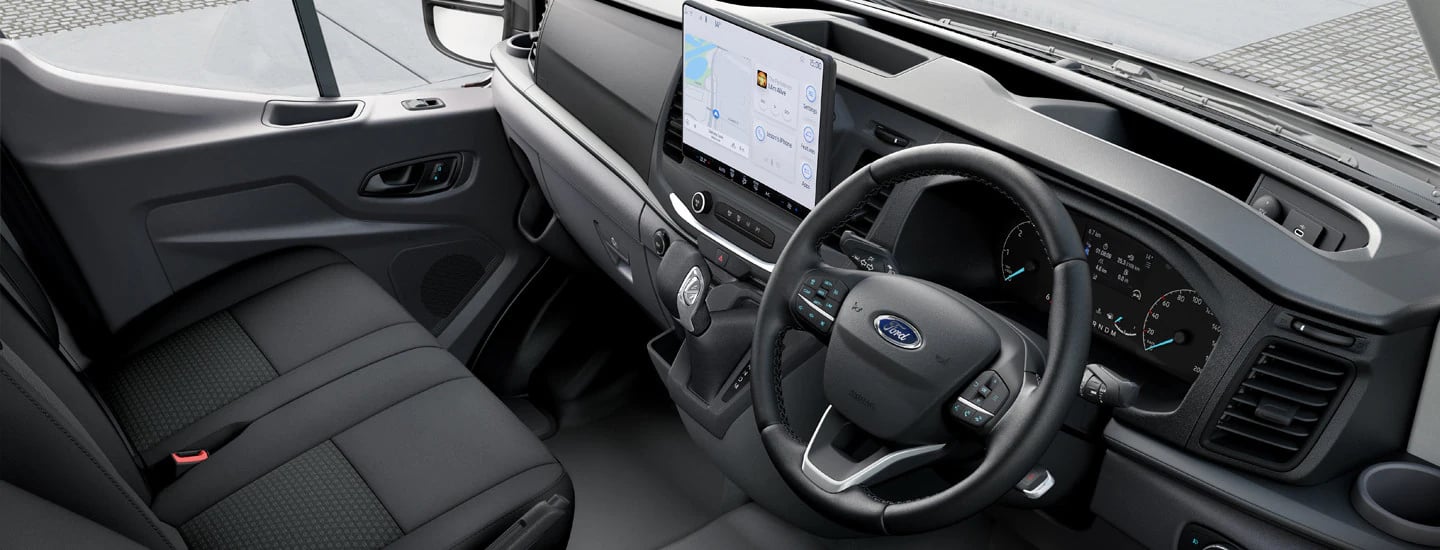
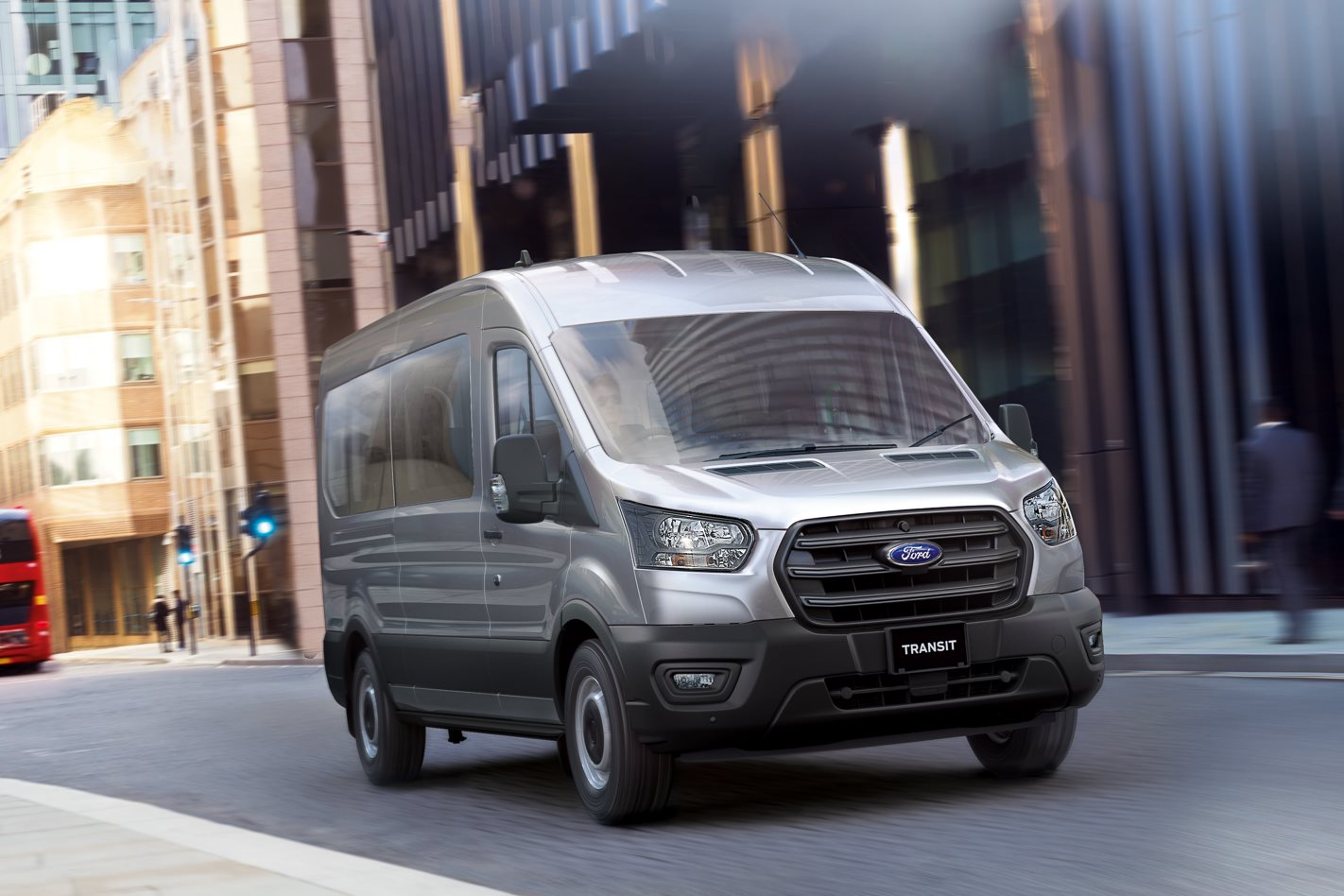
The 2023 Ford Transit will arrive in Australian showrooms in September, offering a larger 12-inch Sync 4 infotainment system with wireless smartphone mirroring.
This replaces the previous 8-inch setup running the Sync 3 infotainment system, with wired Apple CarPlay and Android Auto.
Pricing increased by $1000 across the Transit range for the new model year.
It is priced from $53,590 before on-roads costs for the 350L RWD manual van and extends to $65,690 plus on-roads for the 410L RWD 12-seat bus automatic.
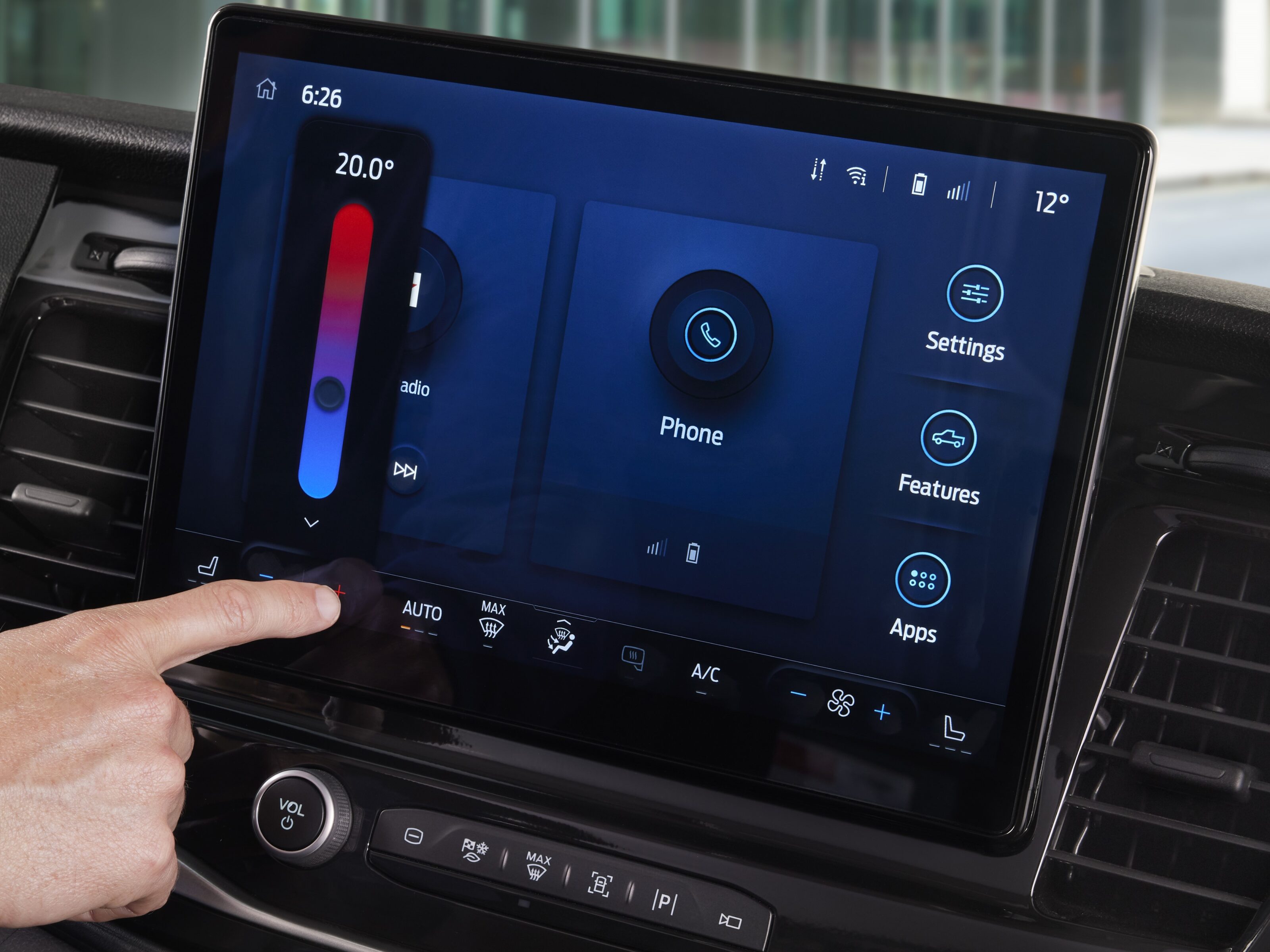
Other changes include; over-the-air software updates, standard connected navigation, a USB-C port and intersection support for the autonomous emergency braking system.
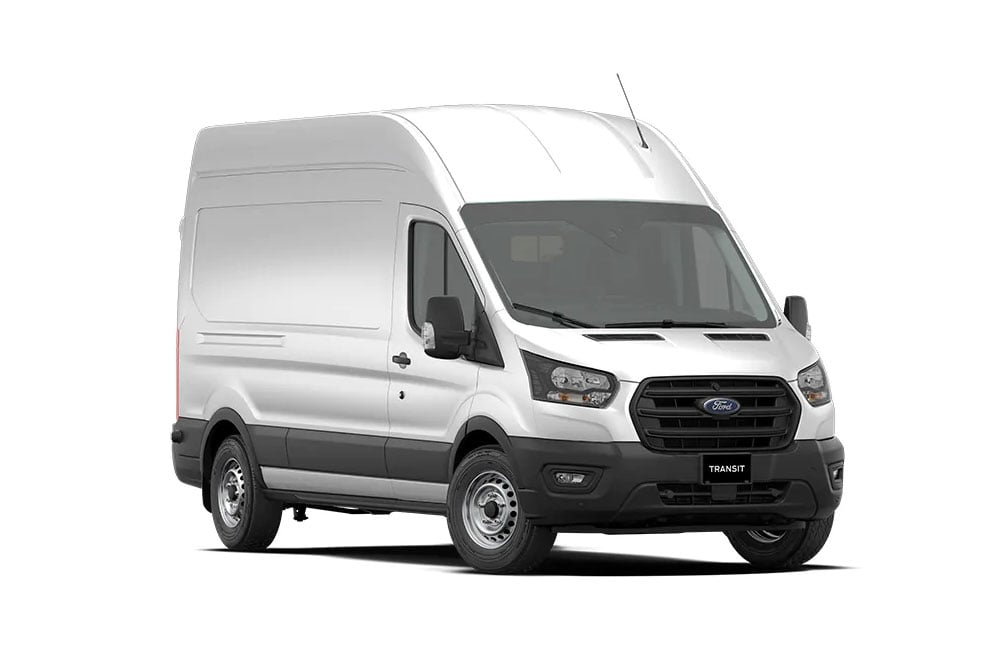
As before, the Ford Transit is offered in van, bus and cab-chassis bodies, with all variants powered by a single-turbo 2.0-litre four-cylinder diesel engine.
It competes against the Mercedes-Benz Sprinter, LDV Deliver 9, Volkswagen Crafter, Renault Master and Fiat Ducato in the large van or bus segment.
2023 Ford Transit pricing
Transit Van
| Model | Transmission | Pricing |
|---|---|---|
| 350L RWDu00a0 | Manual | $53,590 (+$1000) |
| 350L FWDu00a0 | Automatic | $56,090 (+$1000) |
| 350E RWD Jumbo | Manual | $58,490 (+$1000) |
| 470E RWD | Manual | $58,490 (+$1000) |
| 350E RWD | Automatic | $60,090 (+$1000) |
| 470E RWD Jumbo dual-wheels | Automatic | $60,090 (+$1000) |
| 430E RWD | Automatic | $63,090 (+$1000) |
Transit Cab Chassis
| Model | Transmission | Pricing |
|---|---|---|
| 350L RWD | Manual | (+$1000) |
| 430E RWD | Automatic | (+$1000) |
Transit Bus
| Model | Transmission | Pricing |
|---|---|---|
| 410L RWD 12-seater | Automatic | $65,690 (+$1000) |
2023 Ford Transit features
Engine, drivetrain and fuel economy
All versions of the Ford Transit are powered by a 2.0-litre turbo-diesel four-cylinder engine producing 125kW of power and 390Nm of torque.
It is matched with a six-speed manual or 10-speed automatic transmission, with front-wheel-drive and rear-wheel-drive options available on the Transit Van.
The Transit Bus and Transit Cab-Chassis are rear-wheel-drive only.
Ford Australia has yet to disclose fuel economy figures for the Transit range.

Safety
All variants of the Ford Transit remain untested by ANCAP and Euro NCAP.
Dual front, side and curtain airbags are fitted across the range.
Each variant includes the following active safety equipment as standard:
Van and Bus models include blind-spot monitoring and rear cross-traffic alert.
Dimensions
In van form, the Ford Transit measures 5981 millimetres long in 350L guise or 6704mm as a Jumbo Van.
The single-cab Cab Chassis is 5579mm long, while the Double Cab cab-chassis measures 6404mm in length.
Meanwhile, the Transit Bus measures 5981mm long.
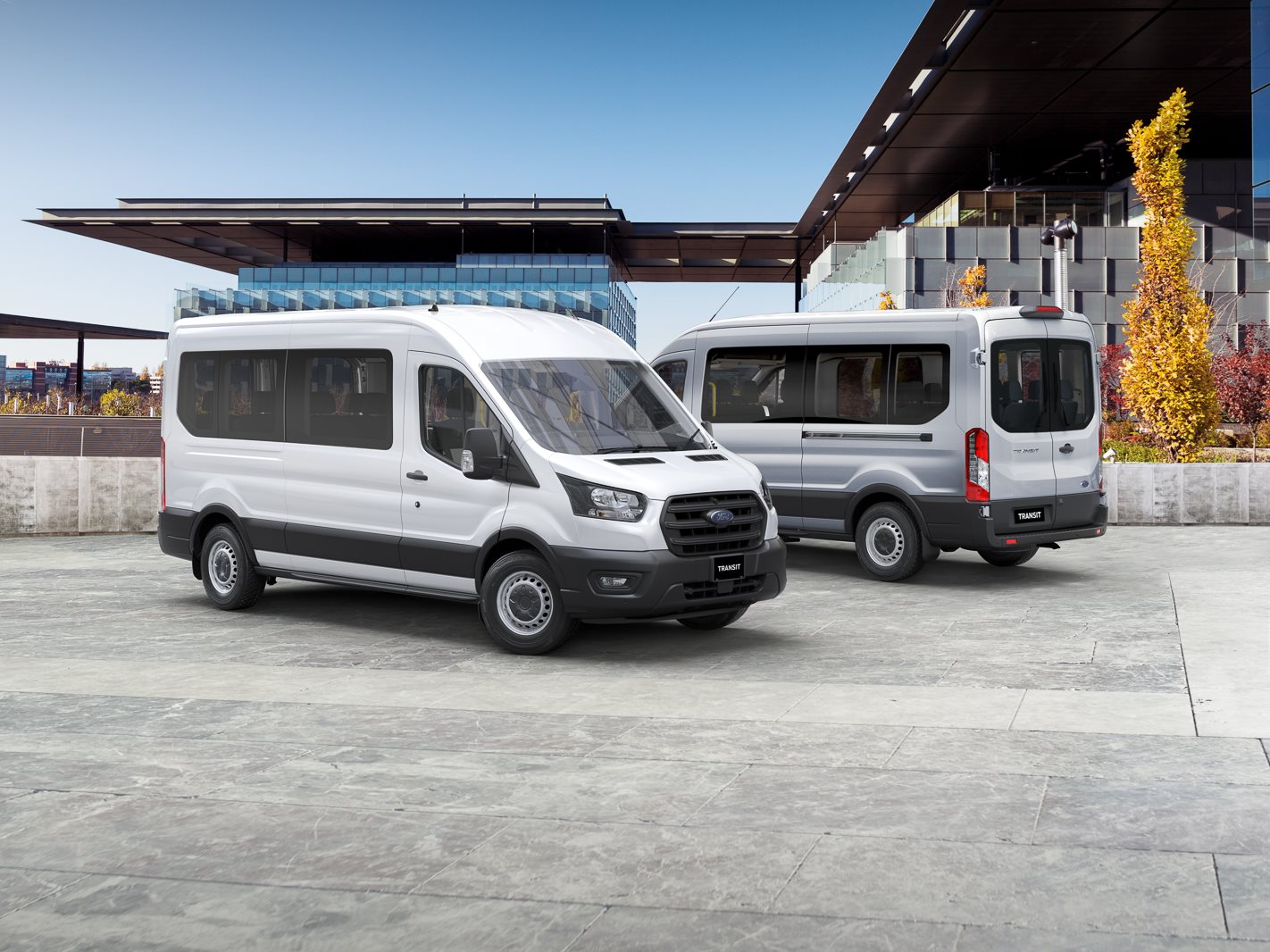
The Transit van and bus are 2112mm wide, while cab-chassis models are 2111mm wide (excluding exterior mirror length).
Height varies depending on the model.
The 350L Van measures 2443-2533mm tall with the regular roof and 2650-2767mm with the high roof, while the Jumbo Van is 2680-2778mm tall.
The Cab-Chassis measures 2205-2214mm high, and 2528mm for the Transit Bus.
All variants have a 3750mm wheelbase.
Warranty and servicing
As per the wider Ford range, the Transit is covered by the brand’s five-year, unlimited-kilometre warranty, along with a complimentary 12-month roadside assistance program. The program can be extended at each annual service for up to seven years.
Four years of capped-price servicing is available, at $399 per service.
Each service is required every 12 months or 30,000 kilometres, whichever occurs first.
Availability
The 2023 Ford Transit will arrive in Australian showrooms during September
Snapshot
- 600k EVs by late 2023, 2 million by 2026
- LFP battery chemistry coming to North American EVs
- 8000 US jobs hang in the balance
UPDATE, August 25: 3000 more jobs to go
Ford is planning to cut 3000 jobs globally this week, according to new reports.
A letter sent to employees and seen by Automotive News Europe revealed the positions going will be a mix of full-time staff and contractors working in Canada and India.
The jobs going are understood to be across a variety of fields, and are expected to come in both its Ford Blue and Model e divisions.
Speaking with Wheels Media today, a Ford Australia spokesperson said:
“As we continue to deliver our Ford+ plan for growth and value creation, we are working to address all aspects of costs to improve our competitiveness and ensure we can fully invest in growth.
“This week, we are making reductions to our salaried workforce in the US and Canada, as well as our Ford Business Services operation in India. These actions affect approximately 2000 salaried Ford employees and about 1000 agency personnel.”
The news comes in the same week that the company its production investments in Spain, citing a “revised outlook for Europe”.
No jobs will be cut at its plant in Valencia for now, a report by ANE said, although it is thought there will be some restructuring of its workforce there due to the switch to electrification.
Last week WhichCar reported Ford Australia has confirmed it will end 120 contract roles in its development and design teams, where the company still conceives and engineers models like the Ranger for global markets despite no longer manufacturing vehicles locally.
The story to here
July 22: Ford planning 600,000 EVs by 2023, needs to cut jobs to do it
Ford has confirmed it has secured the battery capacity needed to achieve 600,000 global EV sales by the end of 2023, on its way to a target of 2 million annual EV sales by 2026.
In 2021, Ford sold just 27,140 EVs in the US.
In a rare show of transparency, Ford revealed that its 600,000 EV target is expected to be made up of 270,000 Mustang Mach E SUVs in North America, Europe and China; 150,000 F-150 Lightning trucks for North America; 150,000 Transit EV vans for North America and Europe; and 30,000 units “of an all-new SUV” for Europe.
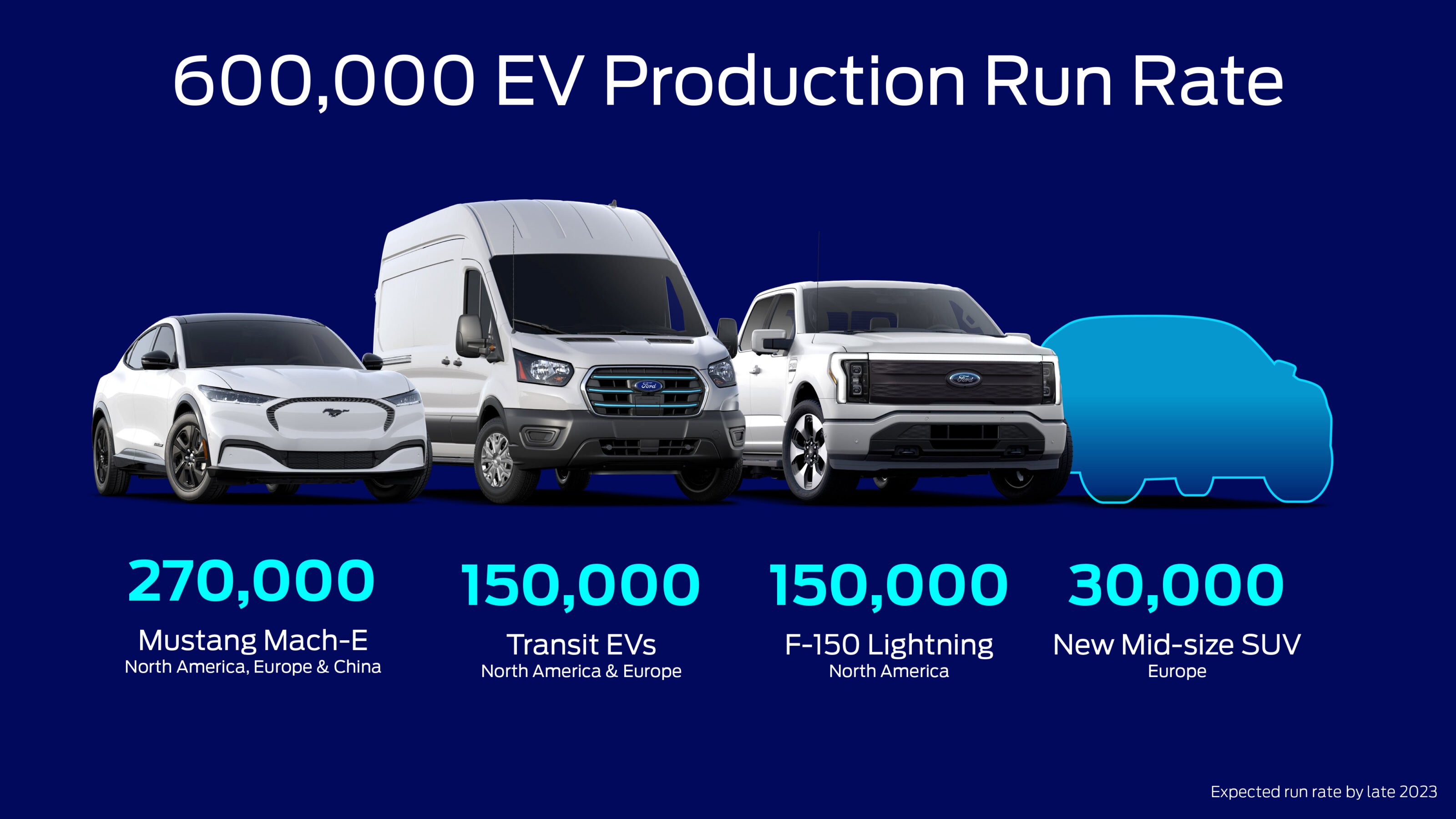
Australia is conspicuously absent from that list, although Ford has previously confirmed we can expect its big e-Transit and smaller e-Transit Custom vans to arrive in late 2022 (originally mid-2022) and 2024 respectively. Officially, the Mustang Mach E and F-150 Lightning remain in the “no current plans” column for now.
Announcing the milestone this week – which forms part of its new dedicated EV-focused Model E division’s mandate – Ford also confirmed it would offer new lithium-iron phosphate (LFP) battery packs for North American variants of the Mustang Mach E and F-150 Lightning EVs.
In adding LFP batteries to its portfolio, Ford follows Tesla in reducing its reliance on nickel cobalt manganese (NCM) chemistry – which Ford claims will result in a 10 to 15 per cent saving on battery materials.
Ford reported to be planning to cut up to 8000 jobs in ICE division
To power its push towards EV domination, Ford is reportedly preparing to cut up to 8000 jobs across more conventional areas of its North American business, where it employs around 31,000 salaried staff.
Ford CEO Jim Farley has previously confirmed plans to cut nearly $4.5 billion in costs by 2026. According to business paper Bloomberg, those 8000 job cuts – to be made mostly in the Ford Blue division that focuses on internal combustion engines – will play a major part in achieving that target.
Ford has declined to comment on the cuts, with global communications boss Mark Truby offering only this statement: “We have laid out clear targets to lower our cost structure to ensure we are lean and fully competitive with the best in the industry”.
Speaking on Bloomberg Television in March, Farley said the company’s EV investment – now up to $50 billion – needs to be funded by the company’s “core automotive operations”.
“That’s why we created a separate group called Ford Blue, because we need them to be more profitable to fund this,” Farley said.
Snapshot
- 2022 Mazda 3, CX-30 and BT-50 entry-model sales temporarily paused
- Affects 2.0-litre 3 and CX-30 grades, and single-cab and freestyle cab BT-50 XS and XT
- 3 and CX-30 2.5-litre and X20 Astina, CX-30 G20 Astina, and dual-cab BT-50 models unaffected
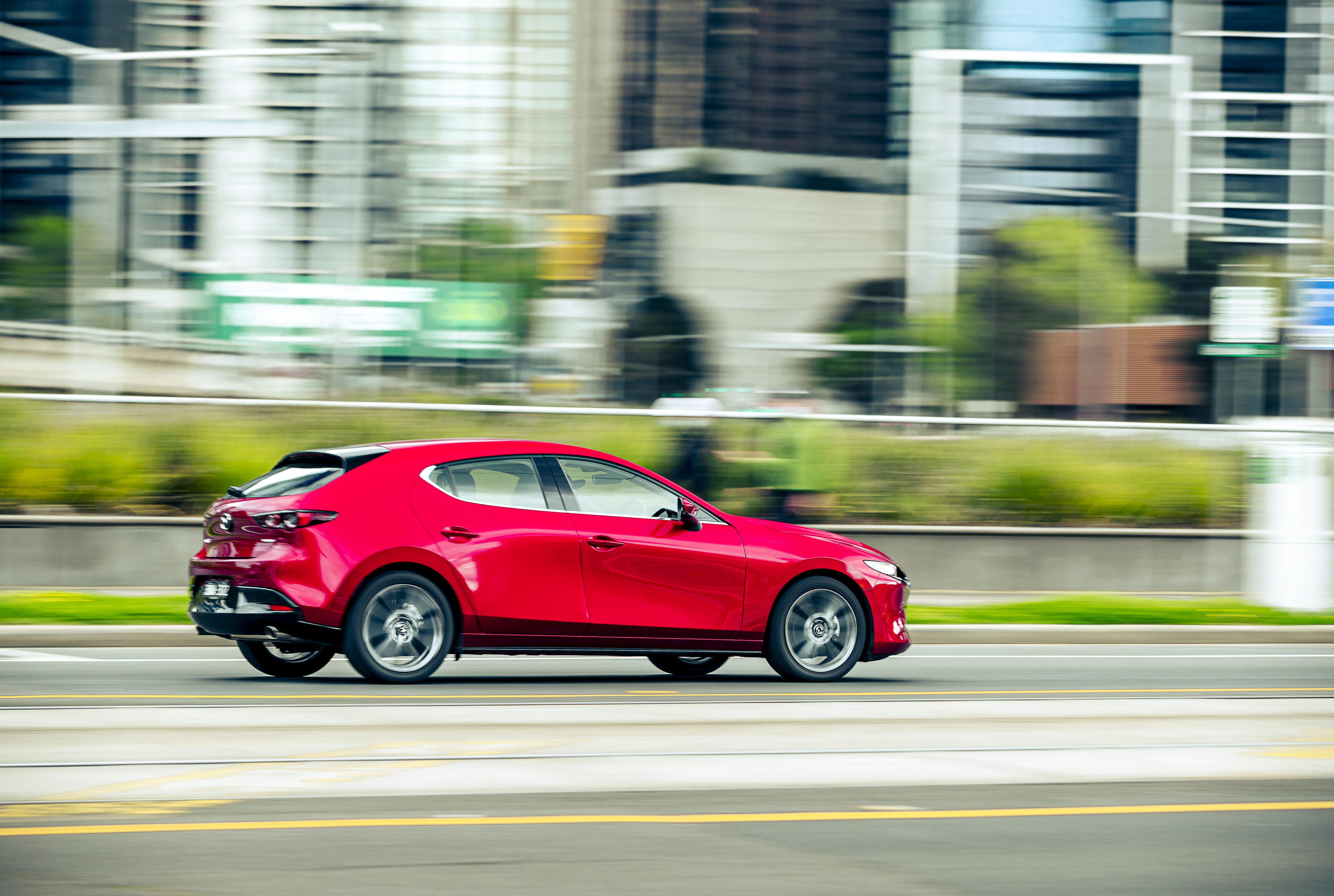
Mazda Australia has temporarily paused sales for certain 2022 Mazda 3, CX-30 and BT-50 variants.
A spokesperson for the brand’s local arm said the stop on sales results from the ongoing semiconductor chip shortage, with limited stock currently available in dealerships.
“As we continue to feel the impacts of the global automotive industry supply constraints, production for select Mazda 3 and CX-30 model grades…as well as certain Mazda BT-50 model grades…are subject to extended production delays,” they said.

“During this time we are working to prioritise existing customer orders, and a limited quantity of stock of these variants remains available in dealerships. We recommend customers contact their local Mazda retailer for more information.
“Our dealerships will continue to liaise directly with affected customers to update them on timings and availability of their individual orders.”
The affected models include most 2.0-litre variants of the Mazda 3 and CX-30, and single-cab and freestyle cab variants of the BT-50 XS and XT.
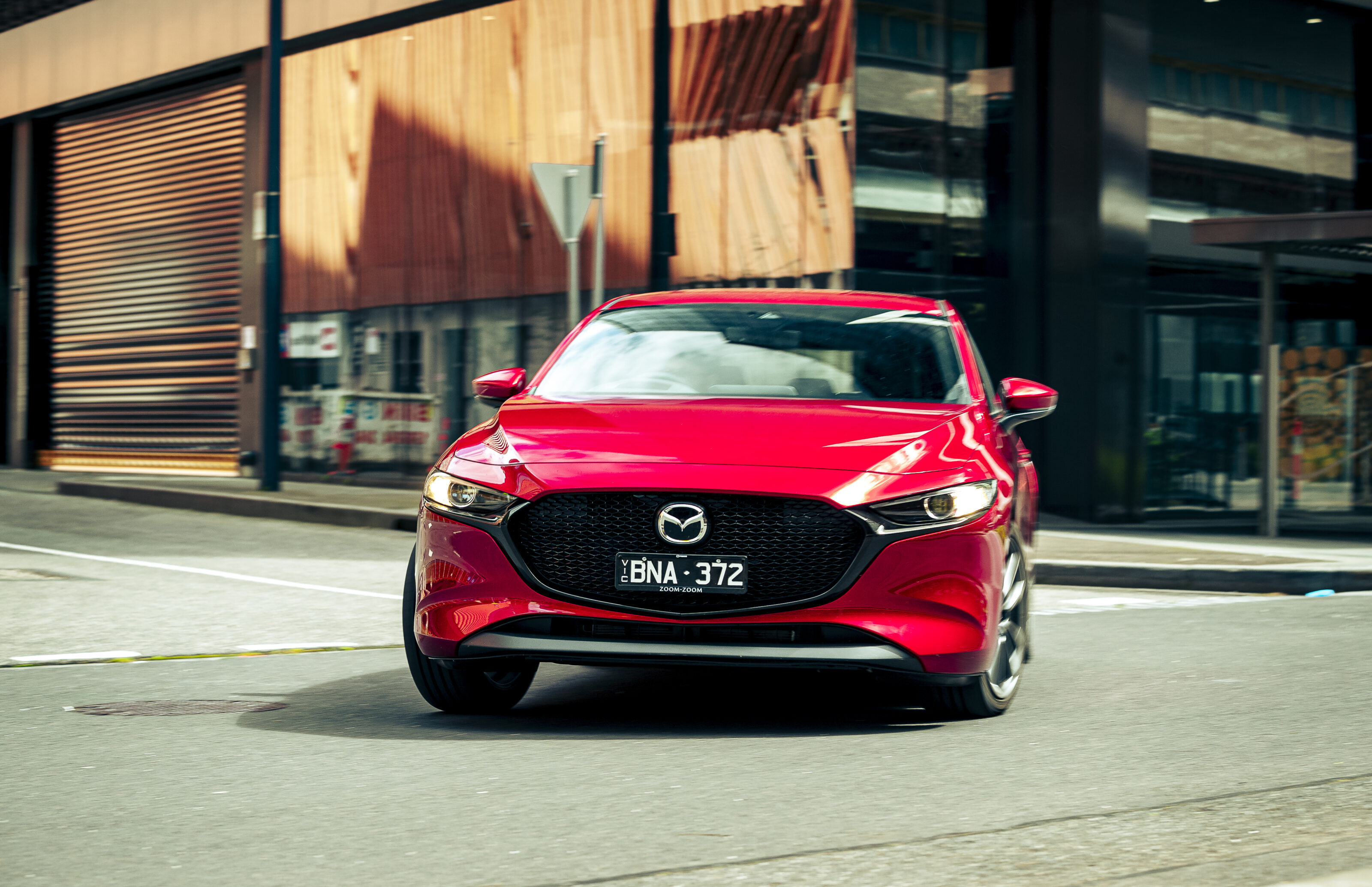
A full list of grades is available below:
- Mazda 3: G20 Pure, G20 Evolve, G20e Evolve and G20 Touring
- Mazda CX-30: G20 Pure, G20 Evolve, G20e Evolve, G20 Touring and G20 Touring SP
- Mazda BT-50: XS and XT single-cab and freestyle cab
The company’s local website has been updated to reflect the change, with a notice informing affected customers to contact their local dealership for more information.
This has considerably pushed up pricing, now starting from $31,990 for the Mazda 3 G25 Evolve SP manual, $37,690 for the CX-30 G25 Touring FWD automatic, and $42,890 for the BT-50 XS 4×2 dual-cab automatic.
For reference, the Mazda 3 G20 Pure manual starts from $27,040, while the CX-30 G20 Pure manual and BT-50 XS 4×2 single-cab automatic are priced at $29,590 and $33,950, respectively.

VFACTS new-car sales data reveals Mazda has sold 5520 examples of the 3 hatch and sedan year-to-date, down 45.2 per cent from the same period last year.
Meanwhile, it has recorded 9520 CX-30 sales and 8822 BT-50 sales, with both results remaining largely steady in comparison to 2021.
Earlier this month, several dealers contacted by Wheels said the supply situation is changing almost daily, but more cars were becoming available.
South Australian drivers may soon need to get a special driver’s licence if they want to drive high-performance cars.
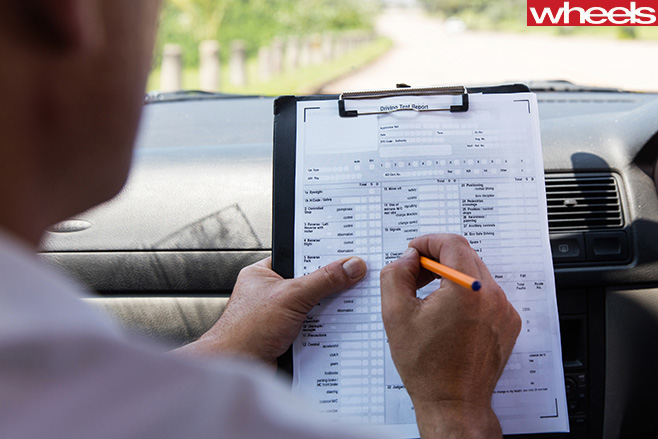
This week the State Government revealed it is proposing to introduce new reforms to the licensing system, which include changes for those who want to drive high-powered sports cars.
Under the possible new laws, drivers would be required to comply with specific training and other requirements – similar to those already applied to motorcycle and truck licences in most jurisdictions – and be banned from holding a licence altogether if accused of killing a person until their case is resolved.
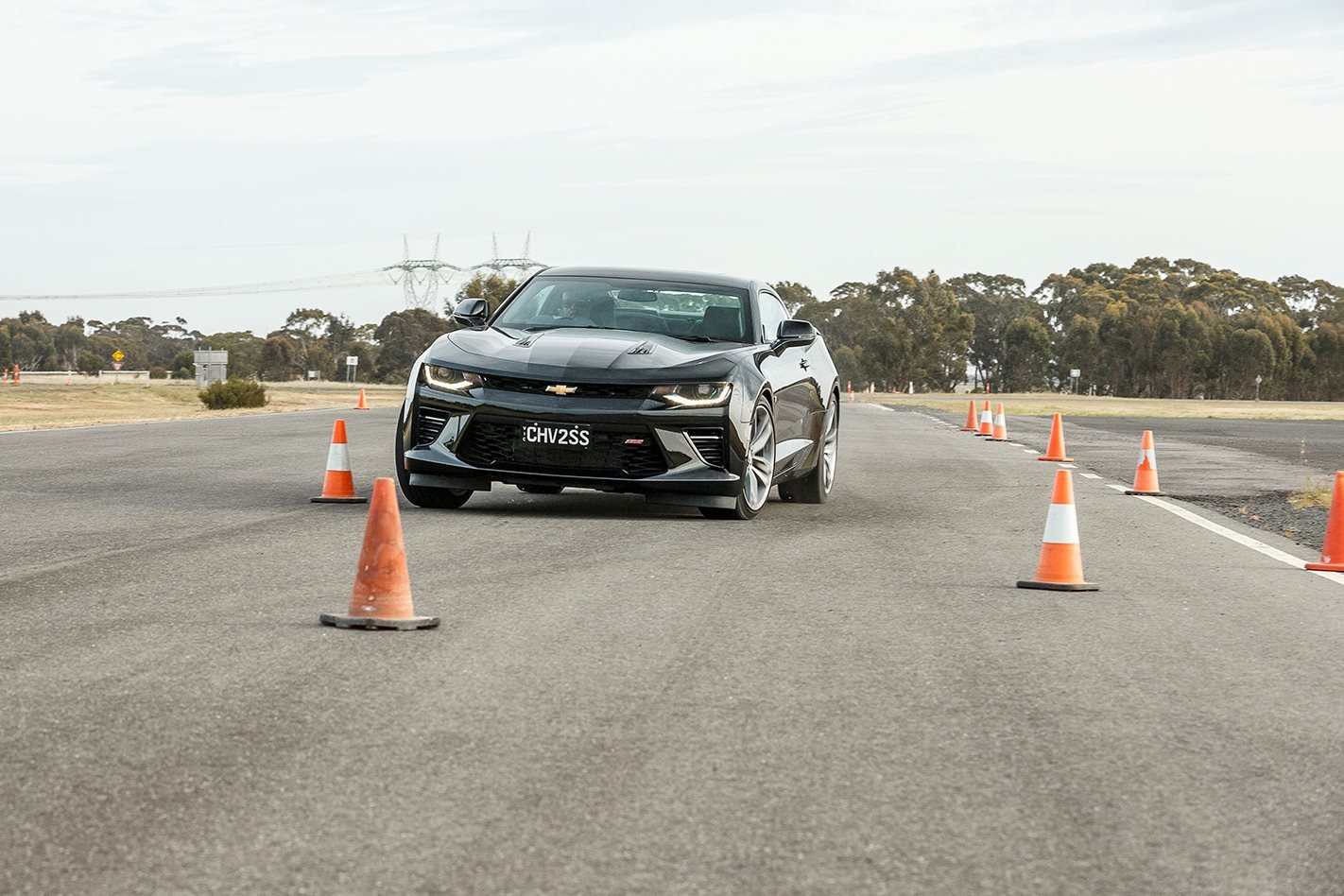
Other ideas the South Australian Government is looking at include banning the disabling of traction control in high-performance vehicles.
The move comes after the tragic death of a teenage girl in Adelaide’s south-west in 2019.
The family of 15-year-old Sophia Naismith, who died after being hit by a Lamborghini while on a footpath, have pushed for the safety reform.
According to the ABC, the driver of the Lamborghini, Alexander Campbell, pleaded guilty to driving without due care, but was recently acquitted of the more serious offence of death by dangerous driving.
“Every South Australian following the tragic loss of Sophia Naismith cannot help but admire the courage shown by her parents and family,” said SA Premier Peter Malinauskas.
“Work will now commence to bring these reforms to fruition.
“I have directed relevant government agencies to immediately commence drafting legislation and I hope that the Parliament will support these important reforms.”
The State Government will also work with South Australia Police and the Attorney-General’s office on proposed changes to the Criminal Law Consolidation Act relating to a death occurring because of unacceptable driver behaviour.
The legislation is slated to go before Parliament before the end of this year.

Earlier this year, a study of learner drivers and their habits raised concerns about how the next generation of motorists is faring on Australian roads.
Conducted by Budget Direct, 1000 Australians who currently hold a driving licence were surveyed about their time as learner drivers, exposing shortcomings in the system which allows them to progress.
Even though learners are a higher risk on the roads due to their lack of experience, just 5.5 per cent reported being in a traffic incident on their Ls, with 3.7 saying they were at fault while 1.8 per cent were not.
Males were far more likely to be in a crash and at fault compared to their female counterparts though, with over double reporting they were the cause of an incident.
Across Australia licensing requirements vary by jurisdiction, though so far no other state or territory has special requirements for drivers of high-performance vehicles.
Snapshot
- Canberra played host to inaugural summit on August 19
- Biggest points were fuel standards, supply, cost and the grid
- All the information you need and want to know, only from Wheels
Australia has held its inaugural electric vehicle summit in Canberra – headlined by the big news that the Albanese Government in launching a consultation on introducing a mandatory CO2 emissions target.
But the event, held jointly by lobby groups the Electric Vehicle Council and Smart Energy Council, think tank The Australia Institute and EV solutions specialist Boundless, covered a great deal more – ranging from what’s going on in the UK, US, Europe and New Zealand, to what the impact might be on the electricity grid.
Speakers from the political sphere included; Federal Climate Change and Energy Minister Chris Bowen, New Zealand’s Minister for Transport the Hon Michael Wood, ACT Chief Minister Andrew Barr, QLD’s Minister for Transport and Main Roads the Hon Mark Bailey, NSW Treasurer and Minister for Energy Matt Kean, and SA’s Minister for Infrastructure and Transport the Hon Tom Koutsantonis – to name a few.
Meanwhile, the car industry was represented by Tesla Chairwoman Robyn Denholm, as well as the Volkswagen Group’s Managing Director, Paul Sansom, and Polestar’s top boss Samantha Johnson.
We’ve broken down the key topics for you – and, as Australia’s only motoring news outlet to attend the summit, you won’t get this level of detail anywhere else.

Fuel-efficiency standards
Chris Bowen used the EV Summit to announce a discussion paper would be launched next month about the development of Australia’s first electric vehicle strategy – looking at key factors such as infrastructure, incentives and a fuel-efficiency standard.
Bowen said he and Transport Minister Catherine King have written to their state and territory counterparts asking them to get on board, but didn’t go as far as to commit to definitely introducing an emissions standard or when that might happen if it did.
“Australia now has a government that gets it, but this is just the beginning – it is not enough,” he said. “This summit comes at a time of hope after a decade of denial and delay, a decade of demonisation of innovation – after years of frustration, we now have the chance to give Australians access to the best transport technology.
“If the [former Government’s] intent was to limit availability to make EVs more expensive than they need to be then that policy was successful, if the intent was to give Australians genuine freedom of choice and access to some of the world’s best and most affordable cars, then it has been a failure.
“Many states have implemented their own agenda in the absence of a federal strategy – now is the chance to work together to get the job done.
“But standards that lack ambition will leave us back of the global queue longer for cheaper and cleaner vehicles, we need to be as close as possible to the best practice. I do think now is the time for the conversation that is open, constructive and mature.”

During his speech, the Minister drew repeated parallels between Australia and the United Kingdom, pointing to the nation’s ban on the sale of new internal combustion-engined vehicles from 2035 and noted that it has 26 low-emission models on sale for under the equivalent of $60k compared to eight here.
He also lauded the Albanese Government’s efforts so far, including changes to Fringe Benefit Tax (FBT) and import tariffs, saying “that’s not nothing”.
Mike Cannon-Brookes, CEO of software development firm Atlassian and Chairman of not-for-profit Boundless, said the Government seems to be tackling the issue of EVs and climate change with “maturity”.
“One of the good things to take out of it is the maturity with which the Government seems to be approaching the problem – that is a really refreshing step,” he said. “We have to have fuel efficiency standards, so the fact it is now on the agenda is excellent and to have a date in September because the speed with which we get these standards is important.
“Most importantly is how any standards cannot be just a step forward from where we are today – they have to catch up to where the rest of the world is, and the problem right now is that we are far behind the rest of the world so we can’t continue to do that, we have to catch up to where they are and make that leap.
“The tipping point could be 10 per cent [of new cars being EVs] by 2024 – we have to believe it is possible. Our friends over the ditch in New Zealand have gone from three per cent to 10 per cent in just over a year, so we know that leap is entirely possible.
“People like to talk about how we can’t compare ourselves to European countries because things are different in Sweden etc, but it’s no different over the ditch – they actually use all of our vehicle and safety standards and they have far less to gain than we do as a country so we should take great optimism from that. What they do have is a much better fuel-efficiency standard and general EV policies which we could implement relatively quickly. We need that, the question is how fast can we get there.
“One of the things that has worked well globally is that these standards are mandatory – they cannot be voluntary, they have to be compulsory and have teeth. We currently have a voluntary standard here and I joke about it being like marking your own homework – but it’s actually no-one has to mark their own homework, they don’t even have to submit it. There are no penalties, no regulations and not even any reporting – it’s more like no-one is going to look at it and you don’t even need to do it.”
The chairwoman of Tesla Australia, Robyn Denholm, agreed, saying news of the consultation on emissions was “great progress, and a real step forward”.
“The Government putting this forward is quite an important step in reducing emissions in Australia over time. But working in consultation with industry is key. Hopefully we can get a resolution for a national approach,” she told the summit.
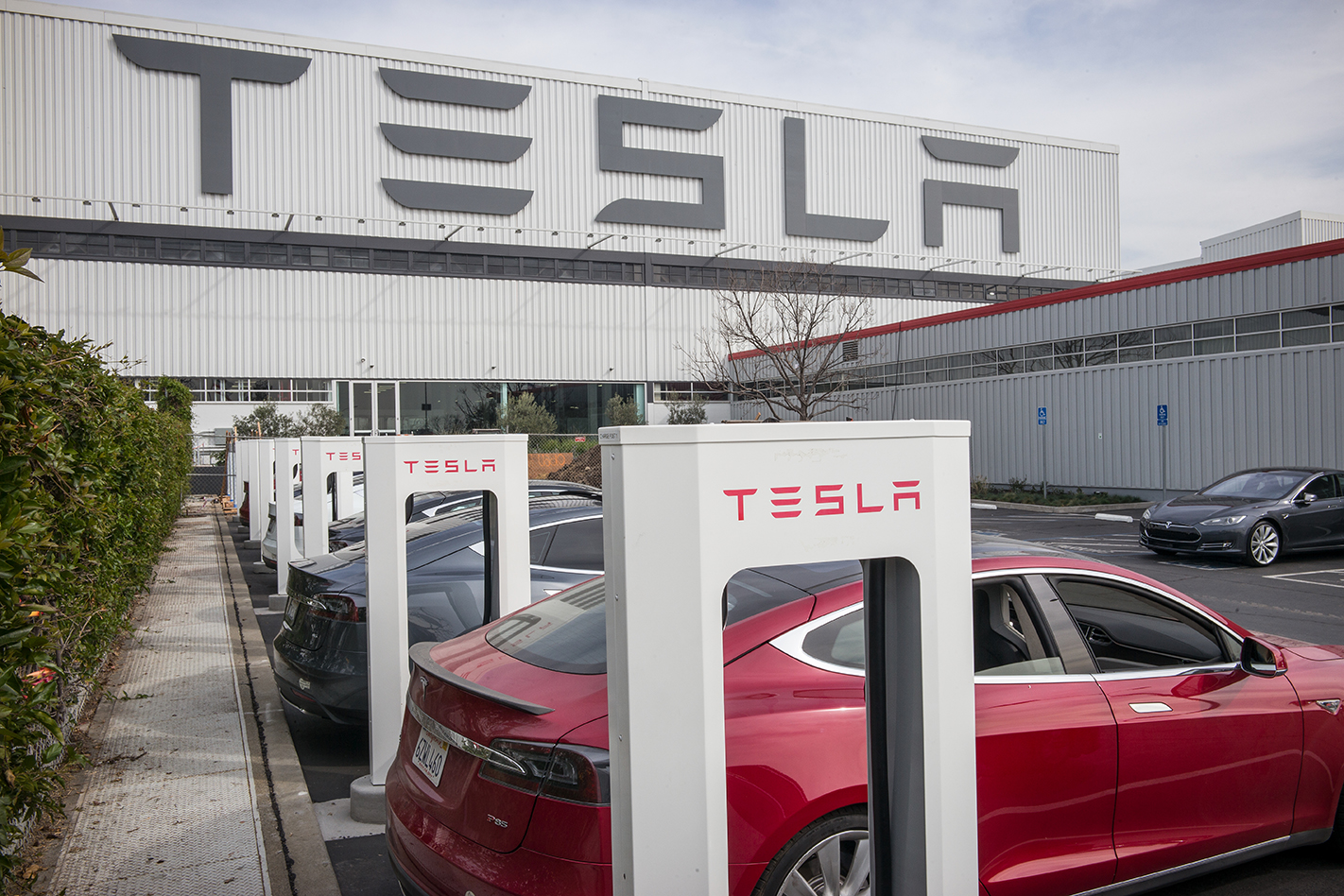
“It would be great to catch up to the rest of the world quickly, as quickly as humanly possible. Having a standard that doesn’t get us close to the European or US standard though I think doesn’t cut it. Having that ambition of having a global leading standard, or at least in keeping with global leaders, is really important.
“And 2030 is an important date – we have to have a date by which we are materially reducing emissions from our vehicle fleet. We can’t keep accepting the world’s dirtiest cars in Australia, which is what we have today.”
Something everyone agreed on was that timing was key. Currently just two per cent of new vehicle sales are EVs, up from 0.7 per cent in 2019. Industry leaders said at the summit that they hoped for 10 per cent by 2024.
Rob Giltinan, Director of Policy at the National Roads and Motorists’ Association (NRMA) said an implementation date of 2025 makes sense for an emissions standard to tie in with the reduction in the parts per million of sulphur in our petrol coming in 2024.
“We need to exert pressure for fast and timely action,” said Zoe Daniel, MP for Melbourne’s Goldstein constituency. “I understand the perspective of de-risking what has been a hit political potato for a long time, and that the Government wants to do a process of consultation – but let’s make that a quick chat.
“I would like to see the results of what that has yielded by the end of the year, then the actual writing of regulations will take time. But in the volatile political environment we’re in, we want this through in this Parliament at worst and ideally sooner.”
“We need to catch up with the rest of the world,” said Polestar Australia’s Managing Director, Samantha Johnson, “But things have to happen more quickly – we’re way behind, we can’t go at the same pace the other countries have gone we have to go faster.”
Other voices too claimed “we don’t have another three to five years to kick this around” and believed a target was needed much sooner to accelerate uptake and meet our climate goals.
Supply
One of the hottest topics at the summit, and indeed throughout the wider car industry right now, was supply.
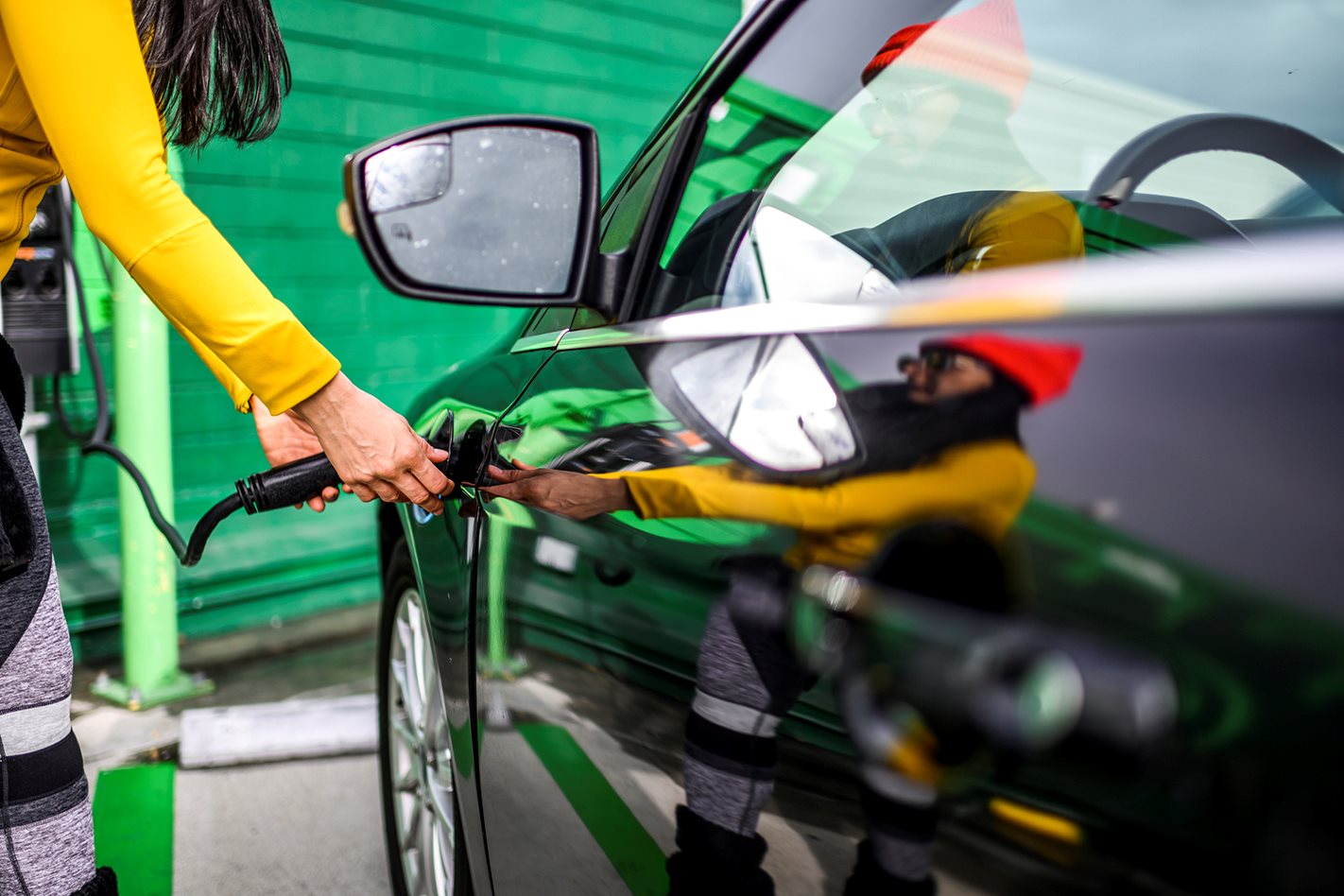
With recent research carried out by the Electric Vehicle Council finding more than half of people surveyed wanted their next car to be electric, backed up by Volkswagen saying one in two of its Australian customers coming into dealerships feel the same, finding the supply to meet the growing demand was a key issue.
“I think we can hopefully put that completely behind us and realise that demand is not the problem at all,” said Tesla Chairwoman Robyn Denholm. “The problem is entirely about supply. So we should just focus on the supply problem. We are well progressed in terms of charging infrastructure and I think we’ll continue to improve there, but really it’s about a supply problem and that’s the fundamental brick we need to remove so that we can get through.
“The demand is real, it’s like winning a lottery to get an electric vehicle – we should be ashamed of that.”
Volkswagen Group Australia’s Managing Director, Paul Sansom, told the summit a fuel standard could see its rollout of electric models sped up overnight.
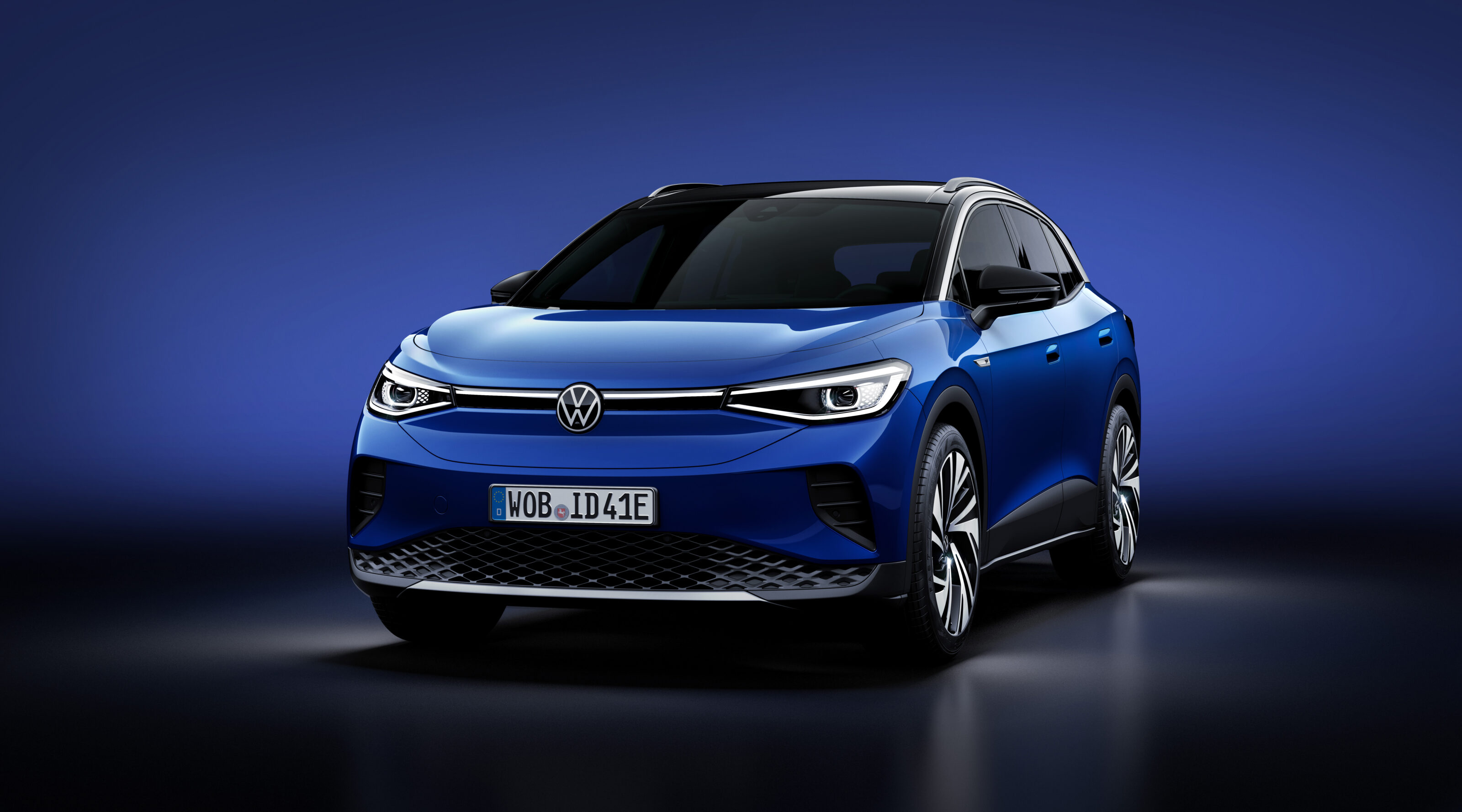
When challenged by Zoe Daniel MP on how quickly VW could changing it plans to bring more EVs to Australia, Sansom added: “Two years is too long. Implementation – if we have standards today – we could bring cars here tomorrow, we really could, it’s a game-changer not just for VW but for everyone. It will open the doors for more affordable EVs in our market.
“The blueprints are already there for us around the world [to create an emissions standard] we don’t have to reinvent the wheel here – the most important thing is that the products are there, we can bring them here if we get the circumstances right we don’t need the notice period we talked about before.”
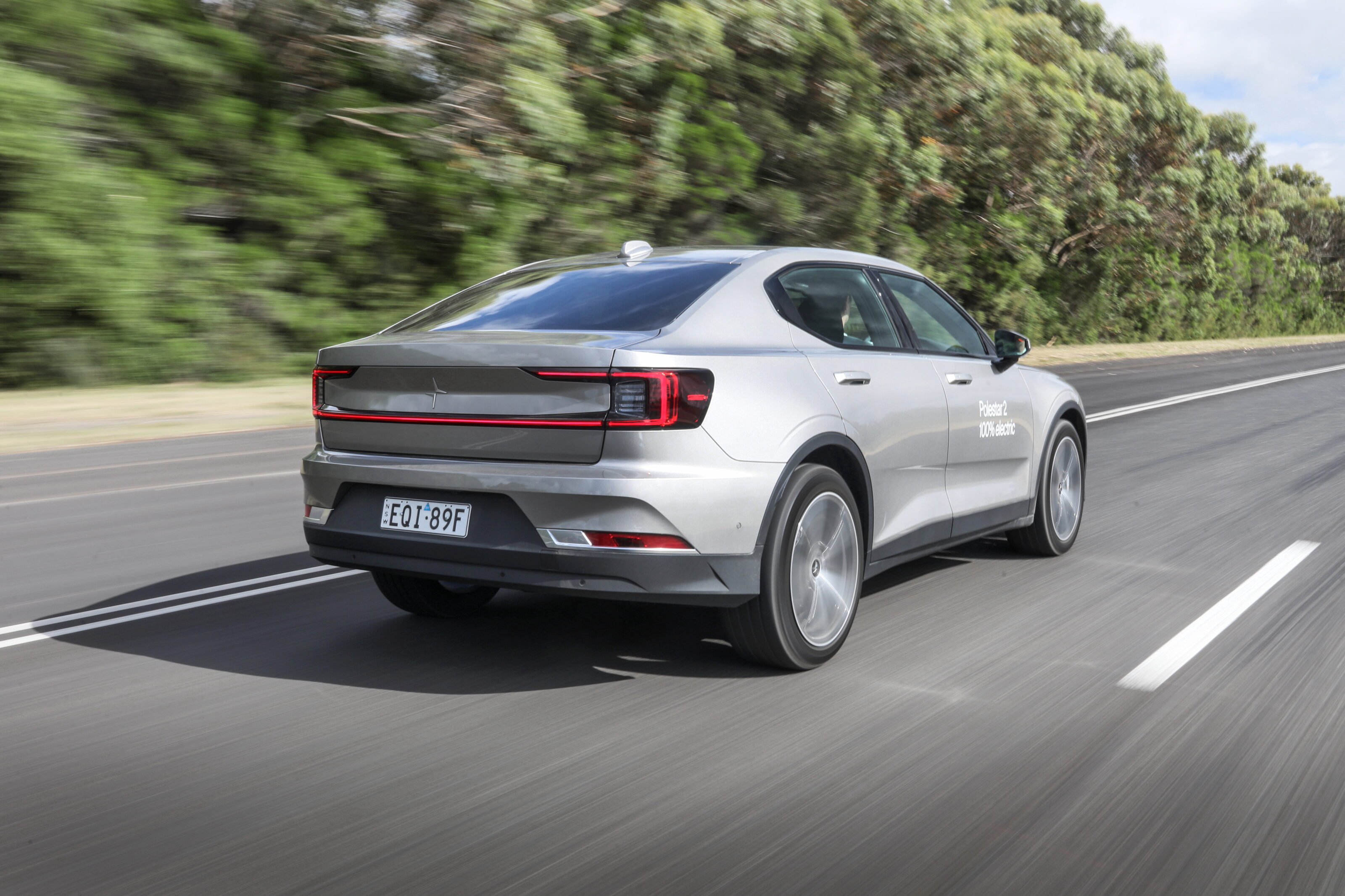
“The decision-makers [at Polestar HQ] who choose whether to send EVs to any given country have to make sure that it has the right policy to support EVs, otherwise it won’t have the right demand and uptake. Even being an EV company, I still have to convince them to bring EVs here rather than to other right-hand-drive markets like the UK, which have strong supply and demand and policies in place,” added Polestar Australia’s Managing Director, Samantha Johnson.
Unsurprisingly, the idea of affordability came up regularly too – with everyone agreed that with an emissions standard coming into play and greater supply, prices would fall and that would make EVs more accessible to those on tighter budgets rather than just those with the big bucks to spend.
Manufacturing
While Australia’s local car manufacturing industry may have wrapped up in 2017 when Holden closed up its operations in Adelaide, many contend that there is still an untapped opportunity that exists to bring some of that process back to our shores.
Specifically, talk at the summit revolved around battery manufacturing for electric vehicles. Currently, as a nation we dig up all the materials needs for battery production here in Australia – but we send most of them overseas.
Speaking at the event, Chris Bowen said it was a “lost opportunity for jobs and investment” and bringing it home could create 35,000 jobs and $7 billion worth of value across all sectors. He also revealed that, as a result, that is why the Government is implementing a National Battery Strategy and establishing a battery manufacturing facility in Queensland.
The topic is something Tesla chief Denholm has long advocated for.
“I get quite excited about this topic. I actually think that electric vehicle vehicle battery technology is the biggest and best economic opportunity for Australia in a century,” she said. “If you look at the bill of materials in terms of what goes into batteries, Australia has them all – and there aren’t many other countries in the world that do. We also have a core competency in this area, which is in mining. So whether it’s lithium or any of the different elements that go into a battery, we know how to do that.
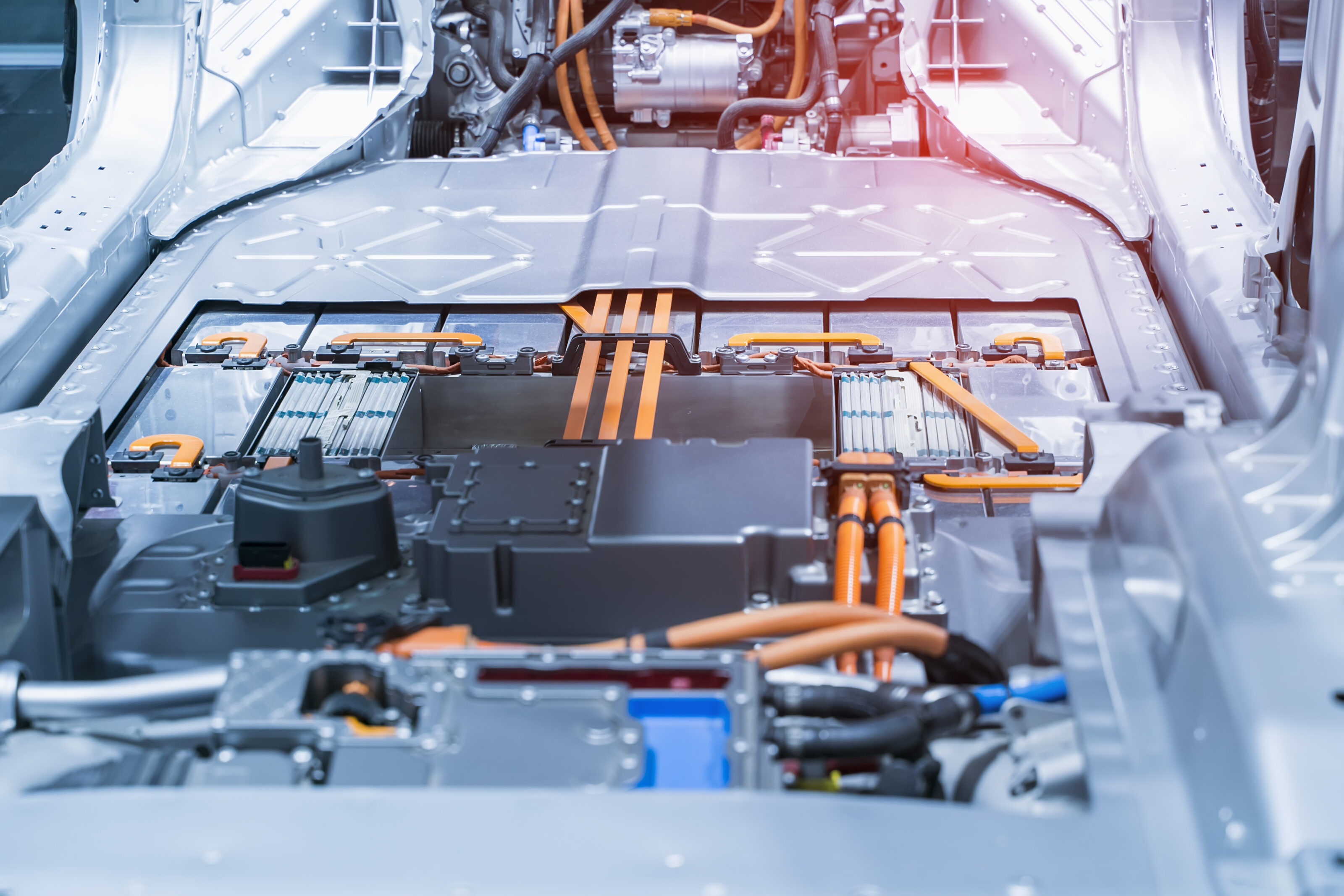
“Last year, Tesla bought a billion dollars worth of minerals. And 70 per cent of those came from Australia but we sent them off-shore to be refined and no value was added. A fraction of that comes back to Australia because of the way we’ve gone about the supply chain. What we need to do is to get the resolve to actually go up the food chain in terms of electric vehicles and batteries. We are very, very early in that whole cycle, but that supply chain will start to be locked in for the next decade and for after that pretty soon.
“So I was very pleased as well to hear about the Government’s policy to actually look at battery technology as being an industry that we want to invest in as a country. And it is not just up to Government, it needs to be public-private partnerships because we have the knowhow, we have the technology, we just need the will to actually move forward. It is a very real opportunity for Australia to actually participate in that and become an energy power.”
The first ever Australian EV Summit also welcomed Caroline Kennedy – the US Ambassador to Australia. Attendees heard about the US’s recent passing of the Inflation Reduction Act, which, in part, outlines tax benefits and subsidies for EVs – many of which are tied to the origins of the materials, such as whether they come from North America or countries like Australia that it has a free trade agreement with. Speakers outlined the opportunity the US legislation presents for us locally, as a way to kickstart the processing industry here.
What’s happening in New Zealand
Over the ditch, New Zealand has been busy for a little while now when it comes to planning for electric vehicles – having already established a national policy and created incentives to drive customers towards the new technology.
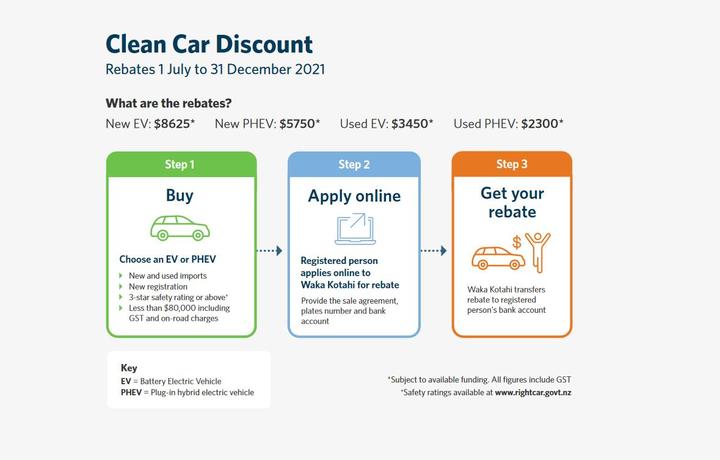
New Zealand’s Land Transport (Clean Vehicles) Amendment legislation, more commonly known as the Clean Car Standard, was given the nod from the national parliament earlier this year, and came into effect from April 1.
The Standard has been designed to encourage the purchase of electric or low-CO2 emission light vehicles by reducing the cost of eligible new and used fuel-efficient ones, while imposing a fee on higher-polluting vehicles. Buyers of fully-electric models can get an NZ$8625 rebate, while for plug-in hybrids the discount is NZ$5750.
Any passenger vehicle emitting less than 146 grams of CO2 per kilometre is eligible for a Government rebate, while those that emit 193 grams and higher are subject to a Government fee that rises with their CO2 levels. All others which fall between 146 and 192g/km are in a neutral zone and don’t attract a rebate or fee.
At the Summit, NZ Transport Minister Michael Wood said the scheme was going well so far, and in fact over recent months the country is getting close to almost 20 per cent of new car sales being of zero-emissions vehicles.
“The new passenger vehicle segment is already on track for our 2023 CO2 target a year ahead of schedule,” Woo said. “We managed to achieve a 15 per cent reduction in the average emissions of the new fleet coming into New Zealand within about three months of the scheme coming into effect. It previously took eight years to do a similar thing.
“What that goes to show, is that decisive actions, policy and collaboration between government and industry can lead to a fast transition in this sector.
“For New Zealand, we are keenly aware of the fact that climate change is one of the biggest threats that we face as a country. As we speak, the top of the South Island is currently coping with record floods through one of our cities, and we continue to experience extreme weather events across all parts of the country.”
At present, New Zealand is working towards the adoption of the Euro 6 standard across its fleet. Australia is still using Euro 5. In NZ though, around 40 per cent of the country’s CO2 emissions come from the transport sector, whereas in Australia that figure is closer to 20 per cent.
Like Australia, New Zealand has committed to a net-zero by 2050 target, but is aiming for a 41 per cent reduction by 2035 compared to our cutting of 43 per cent by 2030 (as compared to 2005 levels).
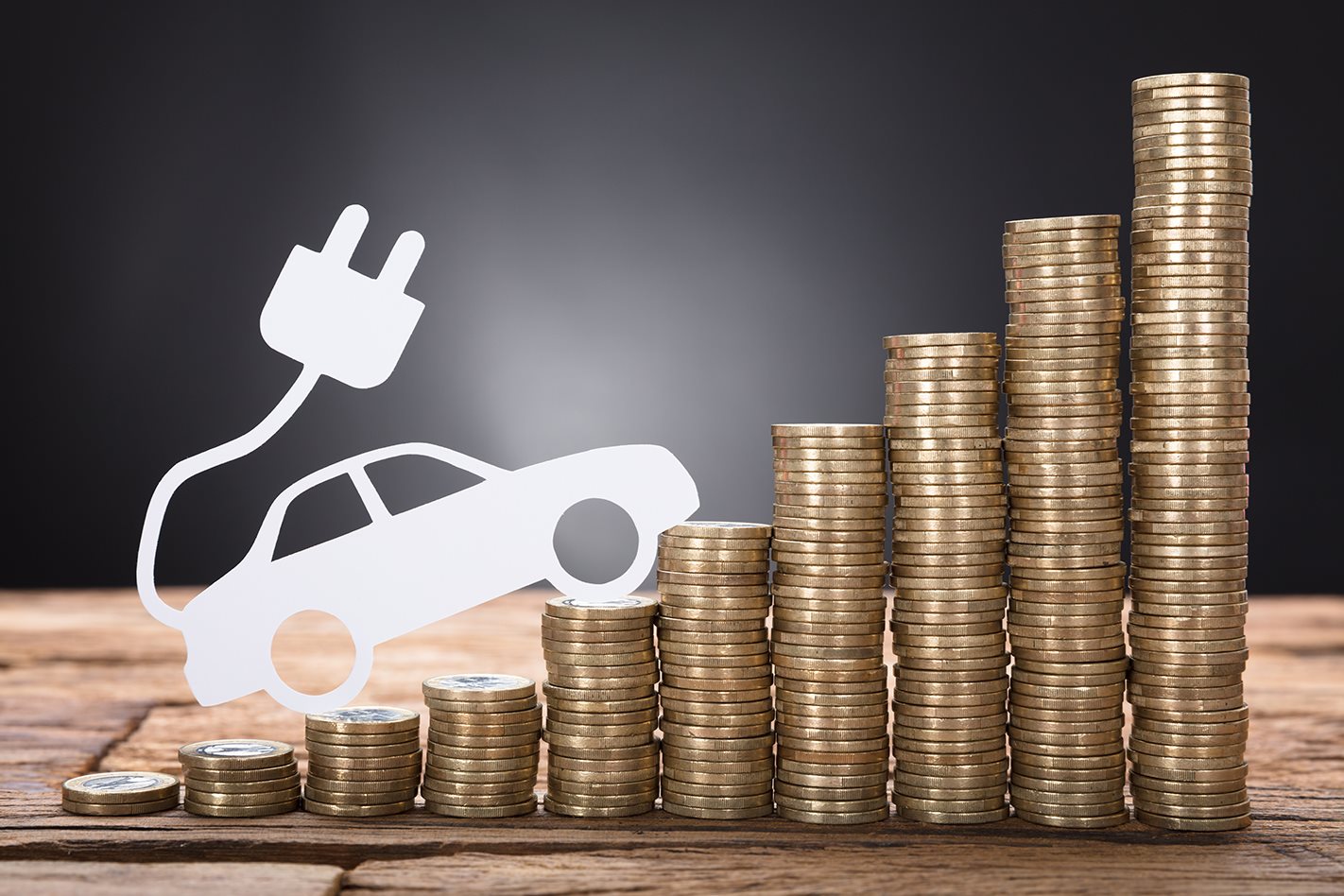
According to the Minister for Transport, NZ’s first goal is to increase the proportion of EVs making up new car sales by 30 per cent, while also reducing freight emissions by 10 per cent and total kilometres travelled by vehicles overall by 20 per cent. Crucially, NZ has already adopted a mandated CO2 emissions standard.
“So, in short, if we don’t take action on transport, then we will not hit net-zero. We will not hit our 2035 targets and we will fail future generations,” Wood added.
“We’ve gone from extremely unfavourable policy settings in this area to very positive ones that are making a real difference to encourage supply. We’ve now set a CO2 emission standard on vehicle imports into New Zealand, which suppliers must meet starting from next year by 2027. Those will be amongst the strongest CO2 targets set globally. So we’ve gone effectively, along with Australia and Russia, from having no emissions targets, to having some of the strongest by 2027.
“We already hear from vehicle importers that it is making it easier for them to access supply from overseas suppliers, because they can see that there’s a regulatory environment, which incentivises it effectively. They face a fee over the course of the year based on the average emissions of their fleet. So there’s a direct incentive for them to begin lowering their emissions by getting an increased supply of clean, or cleaner, vehicles into the system.”
Additionally, New Zeal’s has invested NZ$15m annually to co-fund EV charging stations with the private sector, with 97 per cent of its highway network now having access to a fast charger every 75 kilometres, and is set to introduce a Clean Car Upgrade scheme from April next year – essentially allowing Kiwis to scrap their petrol or diesel car for an EV or hybrid.
“Our policies are working, and helping to ensure that we will not become a dumping ground for the world’s thirstiest vehicles – which is a real risk for any country that doesn’t move ahead in this area. New Zealand’s journey has started out well, but there’s still a long way to go.”
The Grid
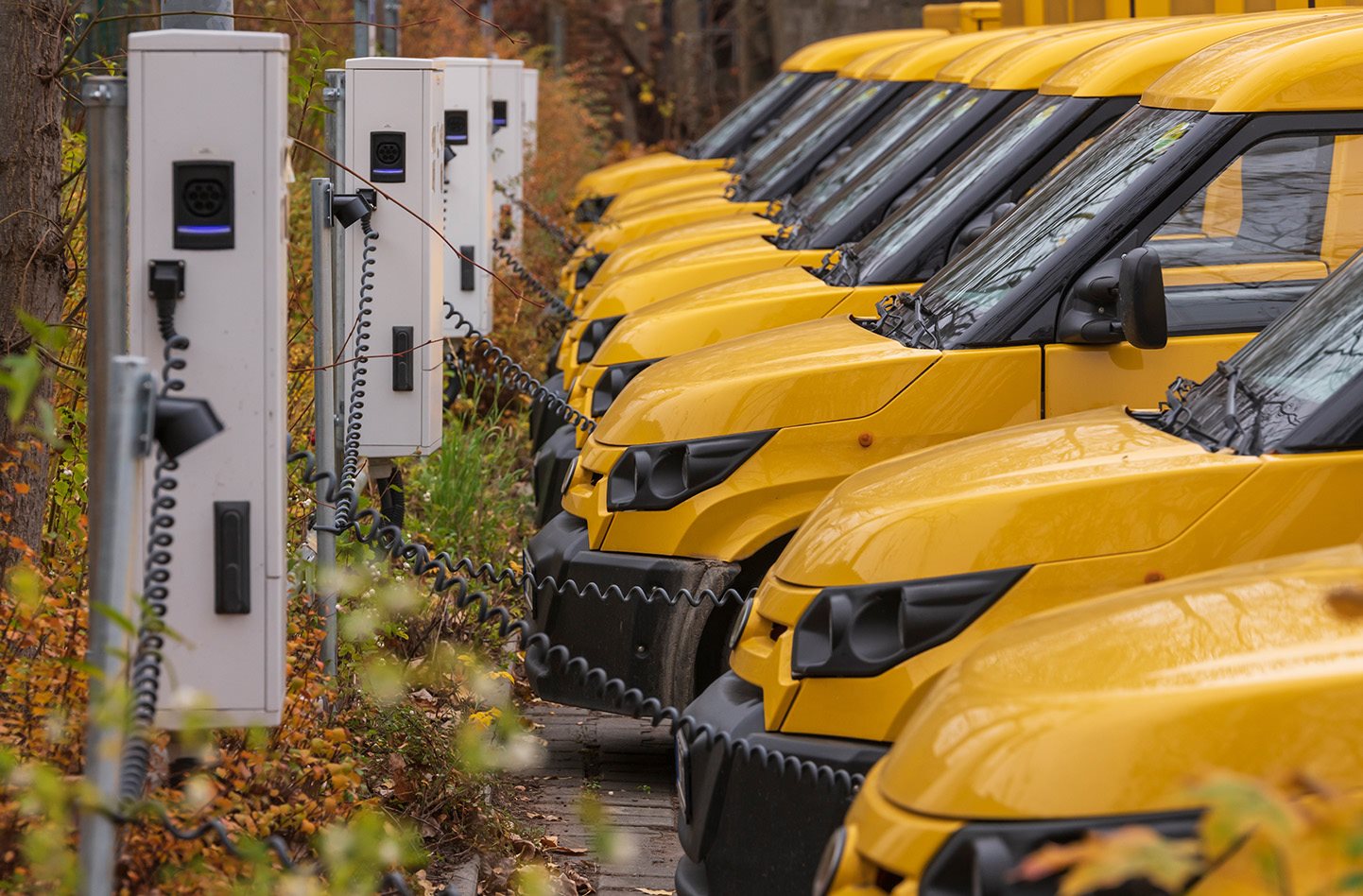
How the electricity grid will cope when we all switch to having electric vehicles is an issue which crops up regularly.
“We are going to undergo a profound transition as a country,” said John Grimes, CEO of the Smart Energy Council. “We’re gonna take all of the energy that is currently used in petrol and in diesel, and we’re going to actually put it on the electricity grid. Transportation equates to 18 per cent of total emissions in Australia. They gives you a sense of how big that is, right? Every vehicle – every passenger car, every commercial vehicle, every heavy vehicle.”
“I think it’s very clear that our future electricity system is going to be powered by renewable generation,” Professor Lachlan Blackhall, head of battery storage and grid integration at the Australian National University, added.
While there are undoubtedly challenges surrounding how it is upgraded, most of the summit’s discussion centred around the idea of the car being a battery on wheels, and how using EVs as a power source via vehicle-to-grid technology can not only benefit the owner, but also the wider community.
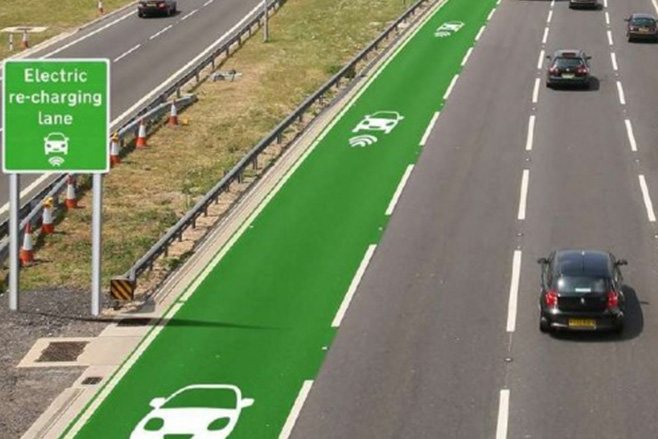
“A lot of the discussion today has been about the costs of electric vehicles at the moment, and EVs are relatively expensive decarbonisation at current prices – but they’re very, very cheap battery storage,” said Dr Gabrielle Kuiper, DER adviser to the Smart Energy Council.
“As many people have said – you buy a battery on wheels and you get a free car. Essentially we need to very much make sure that people can understand that their own personal property, their electric vehicle, can play a really important role in supporting the grid – both in terms of storage, but also in terms of grid services.”
“I think Gabrielle, your point is really critical, right? Because what you have is a private asset. You’ve bought this huge battery, but there are all sorts of public implications, both in terms of how you use the private asset, but also how it could be used to actually support the rest of the network,” added Grimes. “So this distinction between the private good and the public good – how important is that, do you think in terms of getting that right from a policy perspective?”
“A lot of the language around the rollout of all of this needs to be about giving people control of their own home’s electrical supply, but also the ability to build resilience for the community,” replied Dr Monique Ryan, Independent member for Kooyong in Melbourne’s inner east.
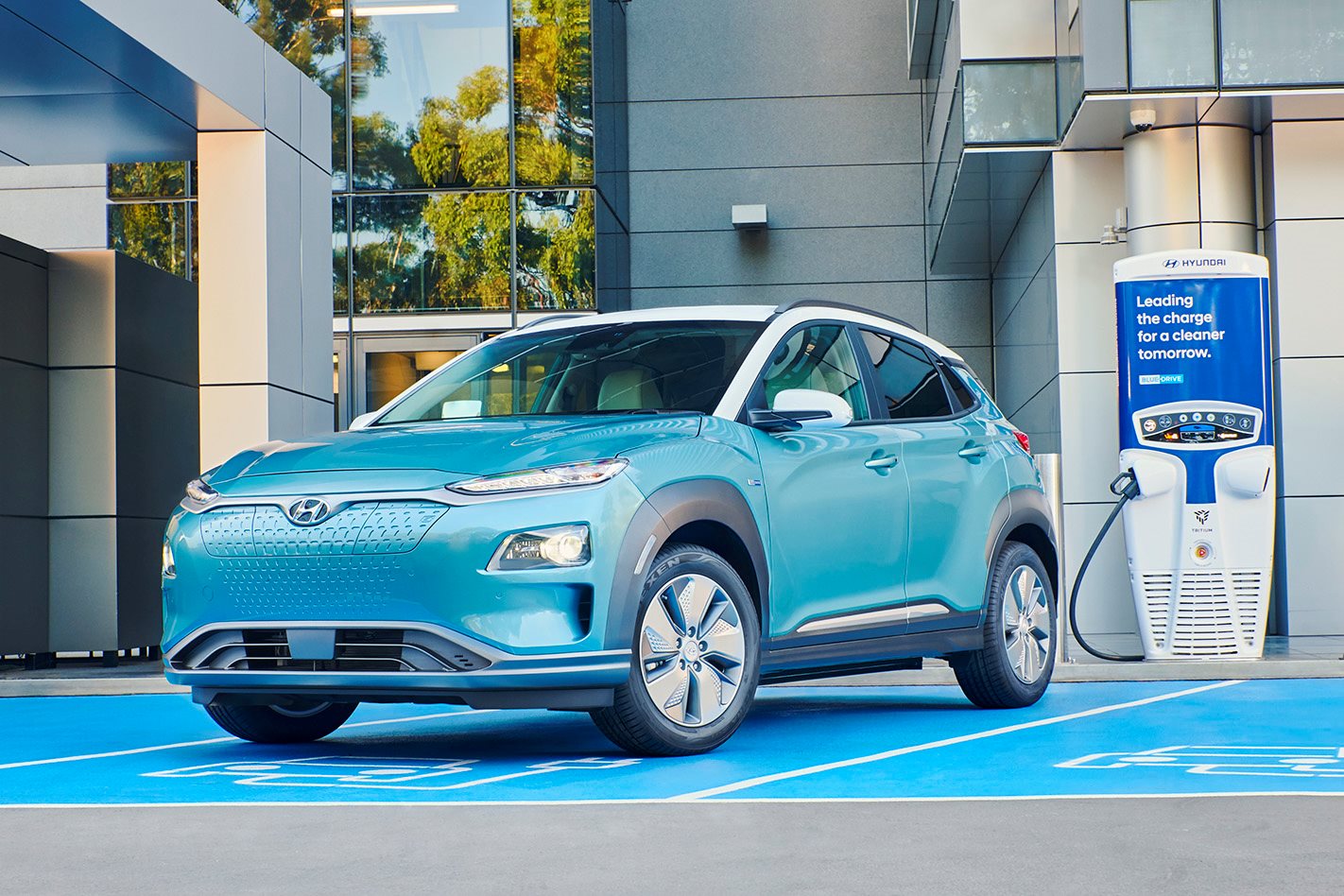
“And it needs to be presented to people as a hugely positive thing, rather than something that should make them concerned about the autonomy of their own electric supply. When you go out and talk to communities about exactly what they want, what they say back to you is that they’re quite happy for their assets to be involved, to actually provide a benefit for their neighbours, for their community.”
The other key point raised was about how sharing power between your car and your home or workplace, for example, could be incentivised. With one idea being that forward-thinking companies could allow employees to draw energy from the office during the day to make the most of the solar provided by the Sun, and take it home to power their homes at night – a perk offered in the way that an employer now might provide free childcare or an on-site gym as a method of staff retention.
“It seems one of the very few advantages of being one of the last movers in the world when it comes to EVs is that we actually get to learn from the good ideas that are actually emerging in markets overseas,” said Grimes. “Australia’s in a really interesting position because we have the largest amount of roof top solar in the world.”
“I mean, at the moment, I think most people who buy an EV have an expectation that they will charge at home,” said Blackhall. “They install their charger, they’ll drive home the evening, they’ll charge there.
“But we really want to incentivise people charging cars when there’s a lot of energy available. So at the moment we have huge amounts of solar generation during the day. If we go back three years ago, I probably would’ve said, well, that means simply we’re charging at work, because everybody will be driving to work – so you bulk out your charging facilities in city centres. But post-pandemic, you have a lot of people now working from home and actually that works quite well because that means that they should be charging at home in the middle of the day.
“And so the notion that you can then manage where EVs charge and potentially drive your energy home is an interesting one. You might be in the city at work, charge up during the day and then literally drive the energy for cooking dinner home with you and then discharge it into the house. And so all of these things might seem a little fantastical, but in reality, this is how you look at how we’re gonna run very sophisticated, renewable powered grids.
“And yeah, really the challenge at that point is just ensuring that people still have the same interface with the grid, which is that they want to turn the lights on and off. They actually don’t want to have to look at a map. They don’t want complicated. And so I think, you know, for all of us who are sort of working in this sector, that it’s the key challenge is actually to design the technology.”
