
Snapshot
- 2023 Porsche 911 Sport Classic revealed
- Seven-speed, rear-wheel drive, turbo powertrain
- Priced from $599,100 plus on-road costs
The 2023 Porsche 911 Sport Classic has been unveiled as a limited-edition model.
Porsche will produce just 1250 examples of the Sport Classic, which pays homage to the original 911 from the mid 1960s and the Carrera RS 2.7 of 1972.
Porsche is bringing a small number of the 992-generation Sport Classics to Australia in late 2022, priced from $599,100 before on-road costs.
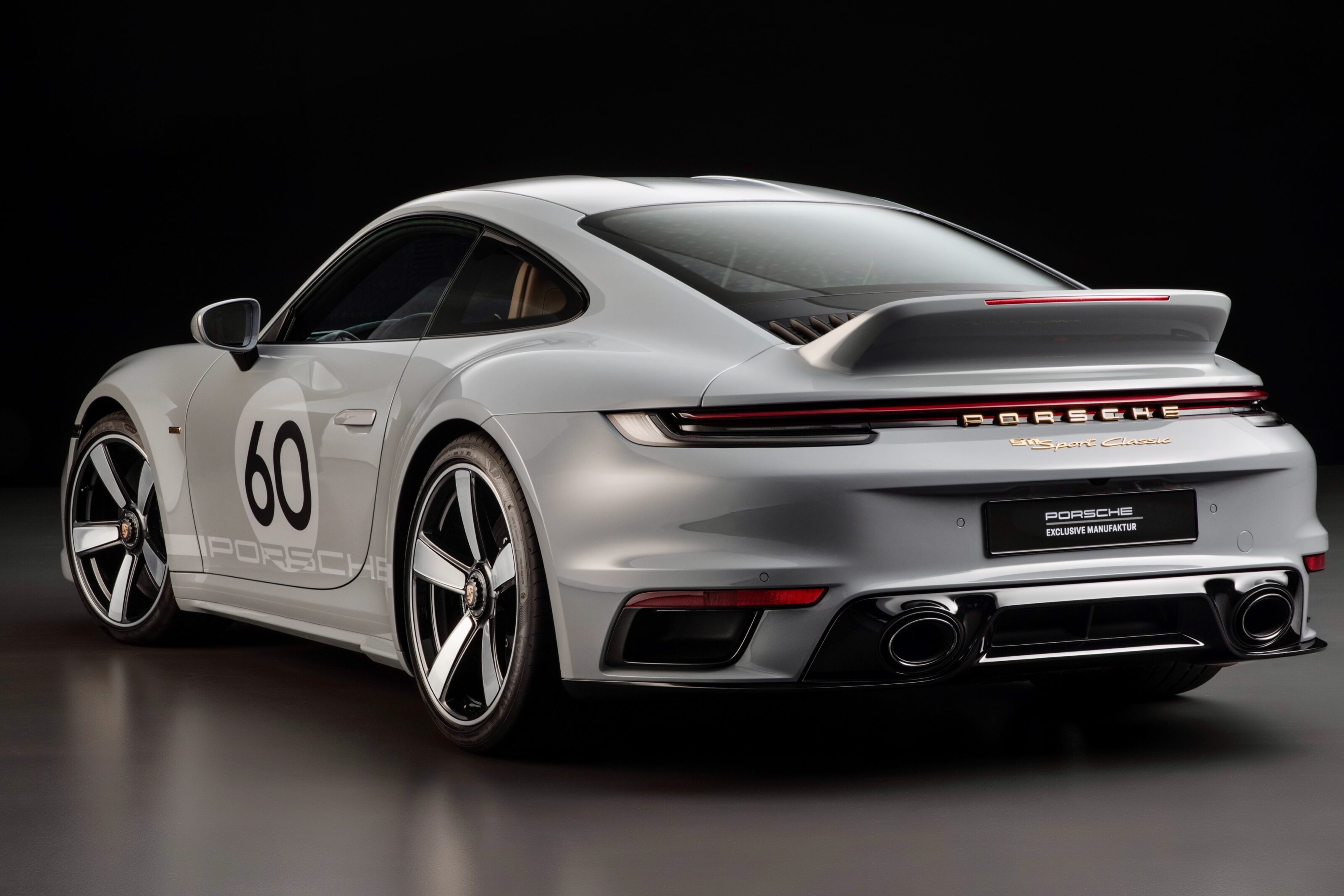
The latest Sport Classic is based on the 911 Turbo S, but instead opting for a seven-speed manual transmission.
The 3.7-litre twin-turbo flat-six sends 405kW and 600Nm exclusively to the rear wheels, which, despite outputs down 73kW/200Nm on the Turbo S to help reduce the likelihood of transmission damage, makes it the most powerful manual 911 on sale.
All of which is good for a claimed 0-100km/h sprint time of 4.1 seconds on the way to a top speed of 316km/h.
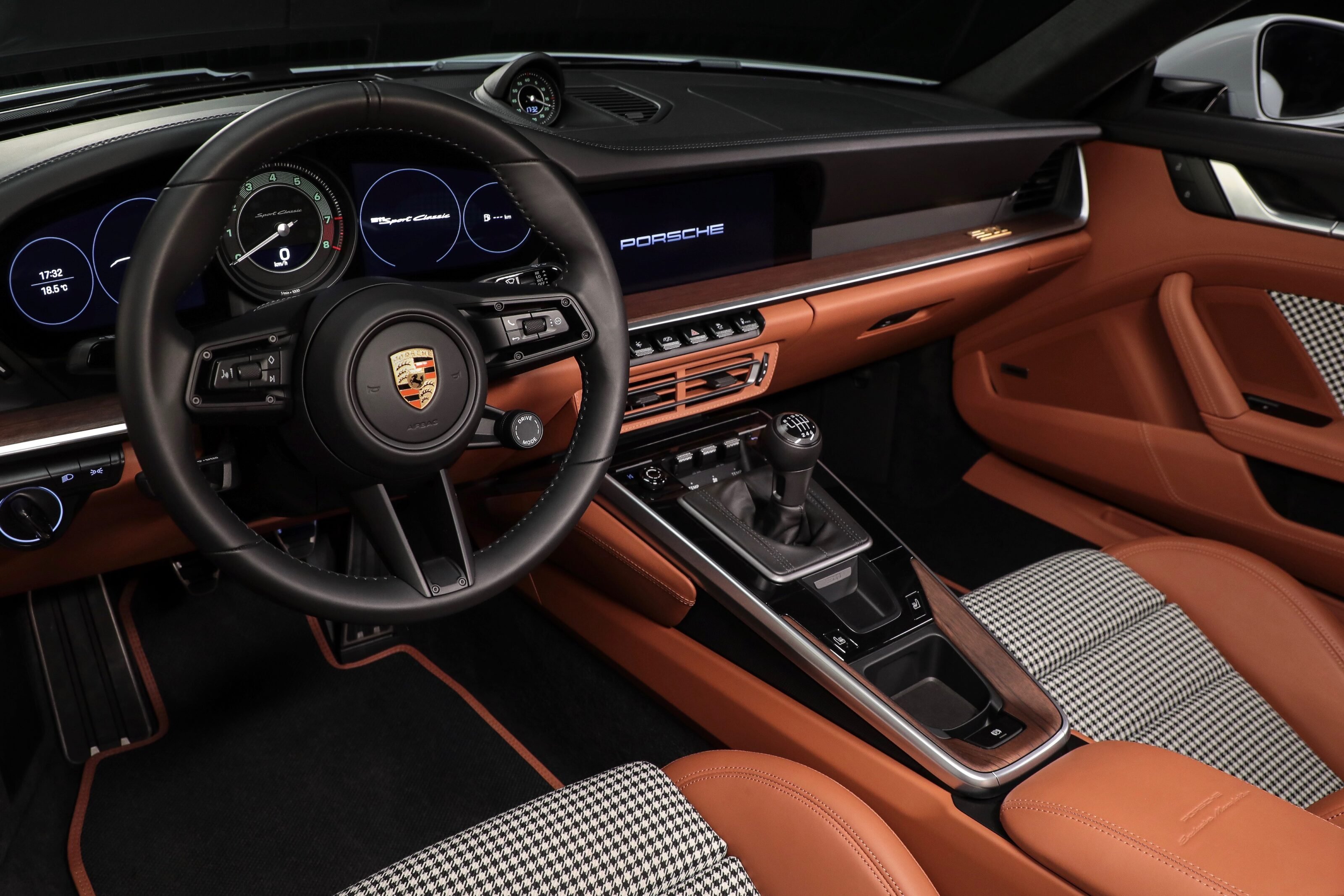
The Sport Classic comes with a number of features found on the Turbo S, including Porsche Active Suspension Management, Porsche Ceramic Composite Brakes with black calipers, Porsche Dynamic Chassis Control, rear axle steering, a sports exhaust, and the Sport Chrono Package.
Like the previous 997-generation, the special edition gets a ‘ducktail’ rear spoiler, as well as unique Fuchs-style centre-lock alloy wheels, double-bubble roof, houndstooth trim, and open-pore wood trim.
The 2023 Porsche 992 911 Sport Classic is available to order now from $599,100 plus on-road costs, with deliveries to begin in the fourth quarter of 2022.
Snapshot
- Polo was first tested in 2018, scoring five stars at the time
- Recent retest comes after safety upgrades were made for 2022
- Becomes the second vehicle to be retested for a five-star rating
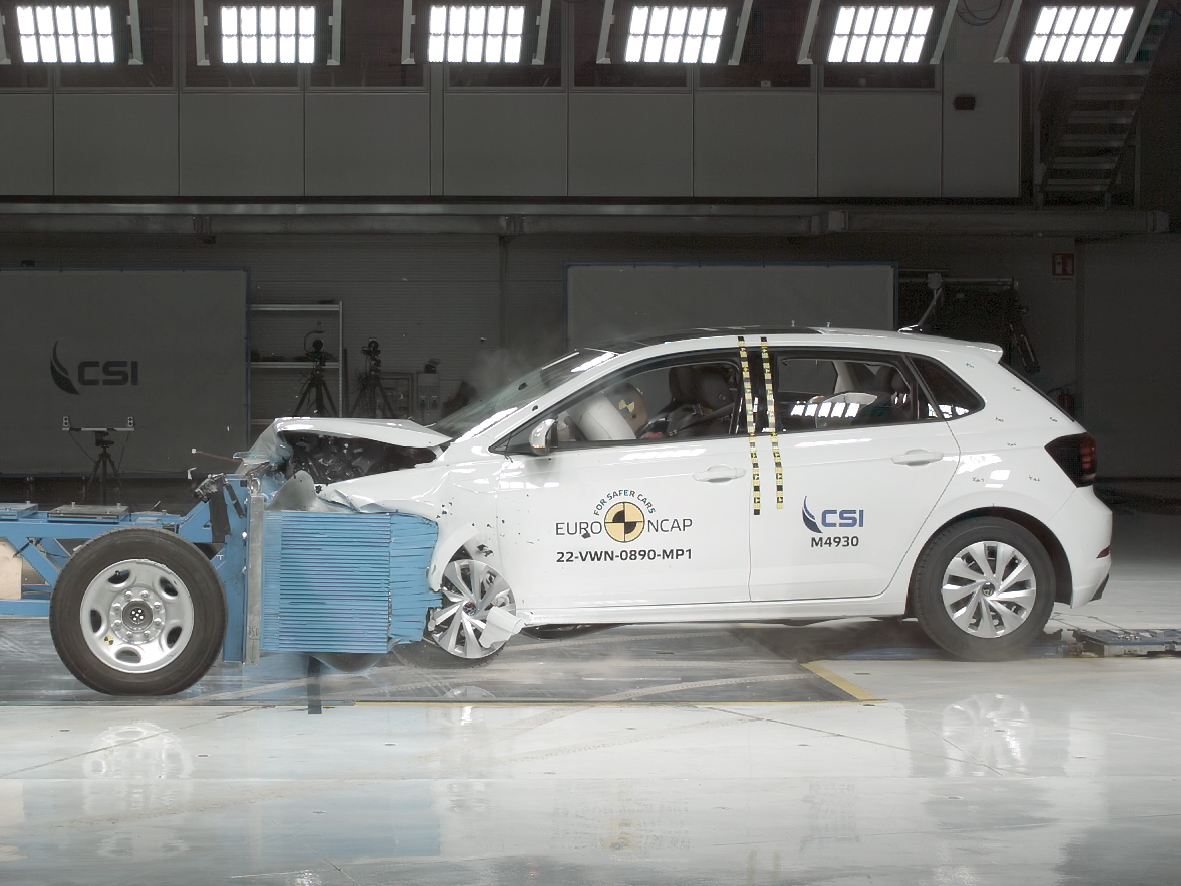
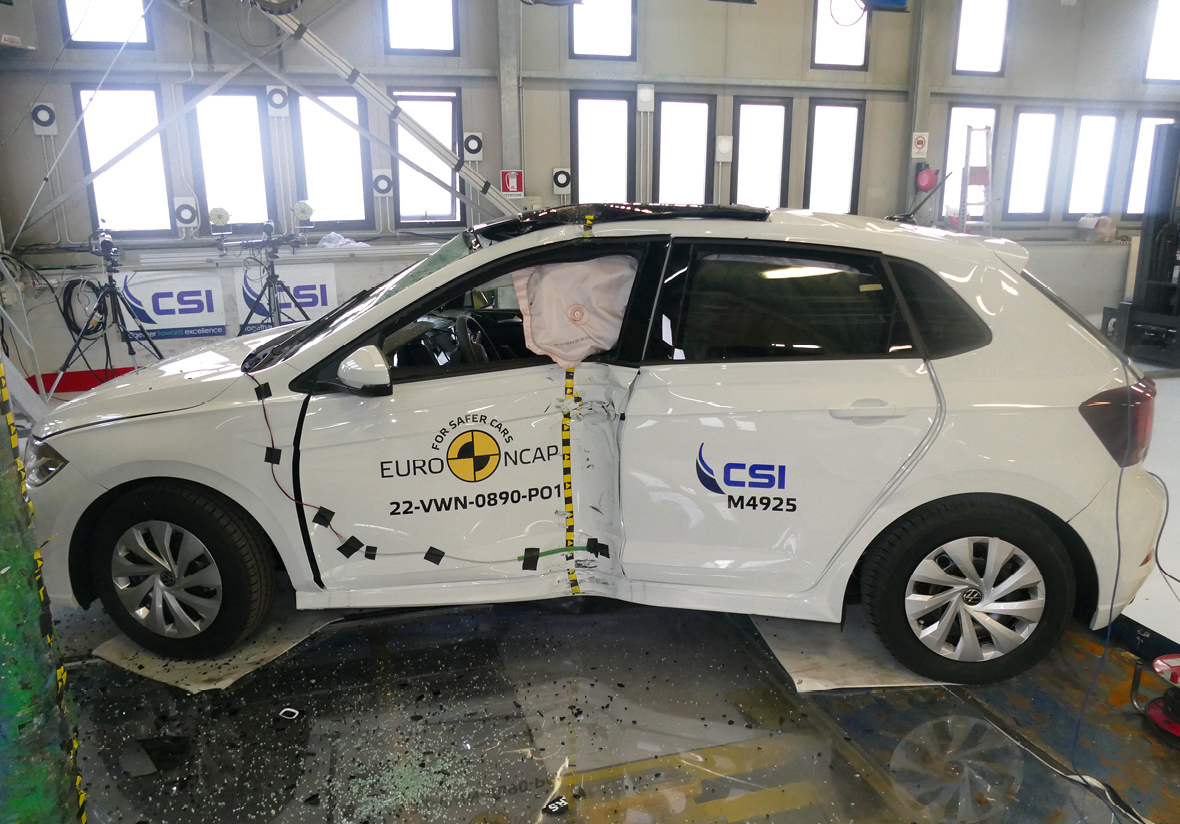
The 2022 Volkswagen Polo has been handed a five-star safety rating, with an ANCAP retest of the updated model giving it full marks thanks to its new safety equipment.
Last tested at launch in 2018, Volkswagen has since made numerous safety upgrades to the Polo, from the inclusion of a centre airbag to its front assist system now including cyclist monitoring.
While the model could remain on sale with its previous five-star rating, the decision to retest the Polo will now see all new examples sold with a rating which reflects ANCAP’s current safety assessment criteria.
ANCAP CEO Carla Hoorweg praised Volkswagen’s decision to provide safety upgrades with the 2022 Polo update, encouraging other manufacturers to do the same.
“This is a significant achievement,” said Hoorweg.
“The current generation Volkswagen Polo already held a strong five-star ANCAP safety rating following testing when it first arrived in the market in 2018. The significance of this revised rating is that it has now earned a revised five-star rating with a 2022 datestamp.
“Volkswagen’s addition of more advanced autonomous emergency braking and lane-keep assistance systems, and a centre airbag means the Polo now comes with the passive and active safety features and technologies required to earn a five-star safety rating against the most stringent requirements to date.
“The Polo has cleared this hurdle due to Volkswagen making an active move to further enhance its safety specification. This is a very welcome move, and one which ANCAP encourages all manufacturers to consider.”
“This is a definite win for the safety of Volkswagen Polo buyers and the other road users these vehicles will mix with.”
“Facelifts should always be more than just a new range of paint colours, engine line-ups or interior trim updates. Inclusion of the latest safety features has tangible benefits for all road users.”
The reissued five-star rating makes the Polo the second vehicle to receive such an accolade, after Toyota initially scored a five-star score for its HiLux in 2015 before backing it up again after an update in 2019.
The 2023 Toyota Corolla Hybrid could result in an engine downsize when the updated model arrives in the fourth quarter of 2022.
Toyota is said to be replacing the 1.8-litre four-cylinder hybrid engine found in the Japanese-market Corolla with a 1.5-litre three-cylinder ‘Dynamic Force’ hybrid engine found in the Yaris ZR Hybrid, according to a report from Japanese outlet Creative311.
The updated Corolla is also in line to receive a new 12.3-inch digital instrument cluster in Japan, up from the 7.0-inch unit currently offered, while a 10.5-inch infotainment screen is rumoured to be replacing the 8.0-inch touchscreen for higher grades.
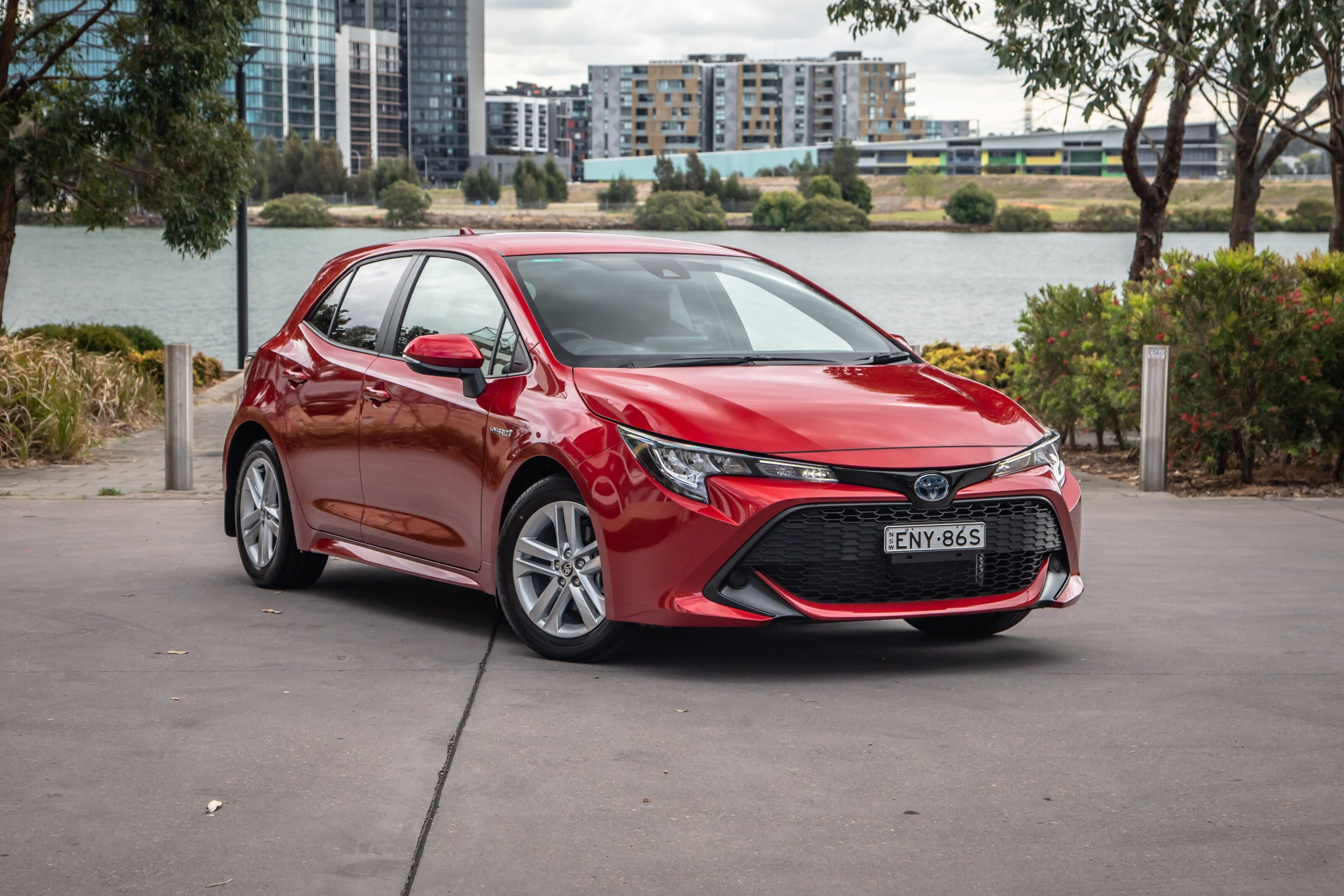
It’s also expected the Corolla will benefit from a minor facelift, including the adoption of the GR Corolla’s updated headlight signature shown recently.
Additionally, the report says Toyota will make new black and grey exterior paint colours available on the model.
Expect local pricing and specifications to be announced closer to the launch of the 2023 Toyota Corolla in the fourth quarter of 2022 (October to December inclusive).
Buyers of new Toyota, Mitsubishi, Haval, and GWM vehicles in Victoria and Queensland may have to wait a little longer to receive their vehicles.
Truck drivers contracted by company Autocare to deliver new cars from sea ports to new-car dealerships across the country are refusing to drive over an ongoing pay dispute lasting nine months.
The Transport Workers Union (TWU) says the owner-drivers are seeking a rate increase from $1.70 per kilometre to $1.94/km to cover wages and increased costs – including higher fuel prices.
The TWU says Autocare has proposed a rate cut to $1.65/km.
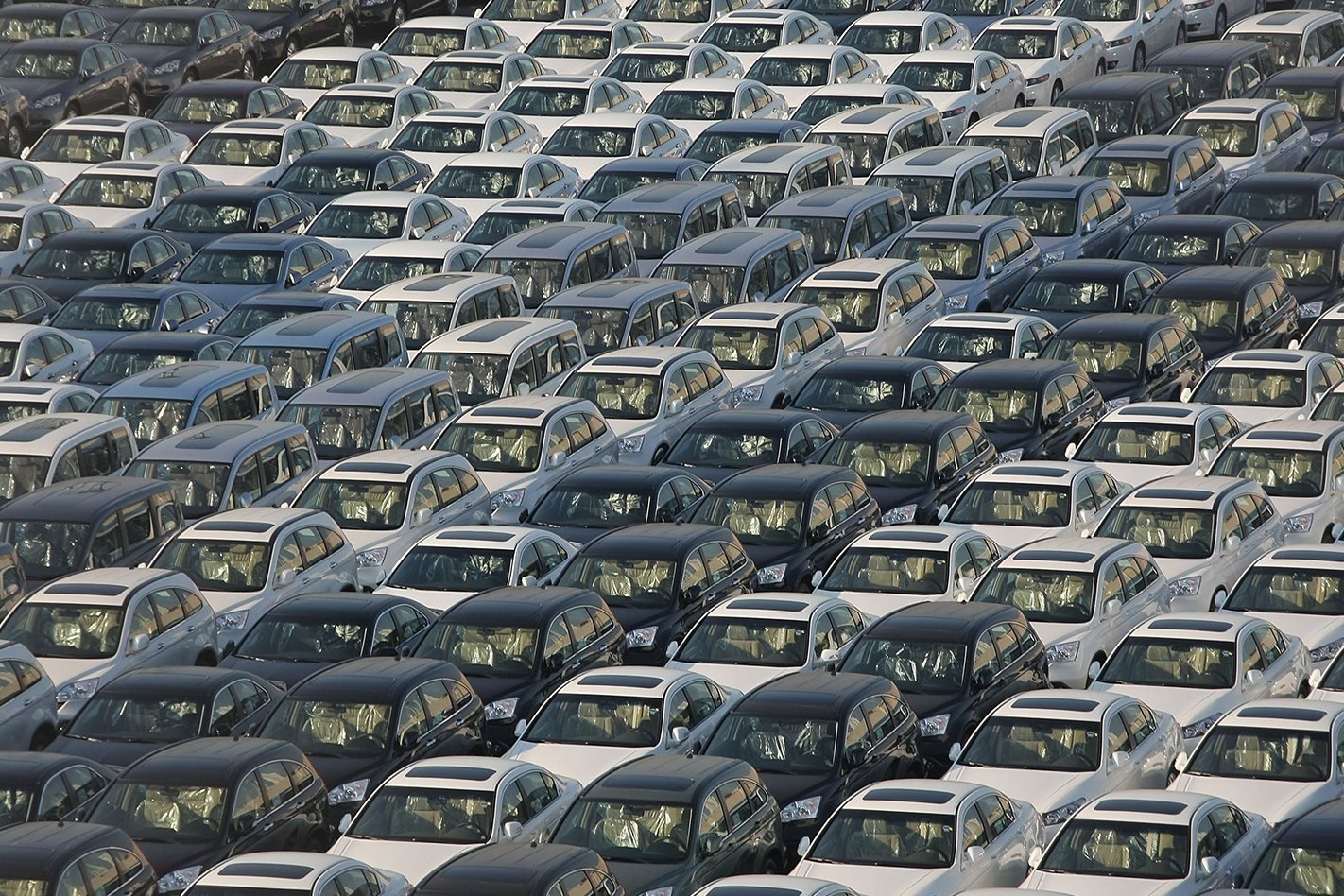
It’s understood more than 100 truck drivers have stopped work in Melbourne and Brisbane, with the number of brand-new cars parked at Autocare’s depots continuing to grow.
“TWU is calling on Toyota, Mitsubishi, Haval and Great Wall to stop using Autocare until it properly pays drivers in this vital link of the supply chain,” a spokesperson for the union said.
“Trucking is Australia’s deadliest industry, with on average 180 deaths a year, because wealthy clients at the top of supply chains are financially squeezing transport contracts.”
In a statement issued to WhichCar, Autocare said the company “has been openly and transparently negotiating the terms and conditions of a proposed new road transport subcontract with a number of its road transport subcontractors.
“Autocare acknowledges that there are some outstanding issues to be resolved and continues in its genuine attempt to resolve these matters with the relevant parties.”
WhichCar has contacted multiple car companies believed to be affected by the action, but has not received a response at the time of publication.
Snapshot
- A 59-year-old driver was killed during Wednesday running
- Remaining stages of the event will be non-competitive
- Three competitors died during last year’s event
The 2022 Targa Tasmania road rally has been downgraded to non-competitive status after the death of a participant on Wednesday.
At around 3:30pm yesterday, the competitor’s vehicle left the road and crashed over an embankment on Olivers Road, Mount Roland, causing fatal injuries to the 59-year-old male driver from Brisbane, while his co-driver – understood to be the man’s wife – received non-life threatening injuries.
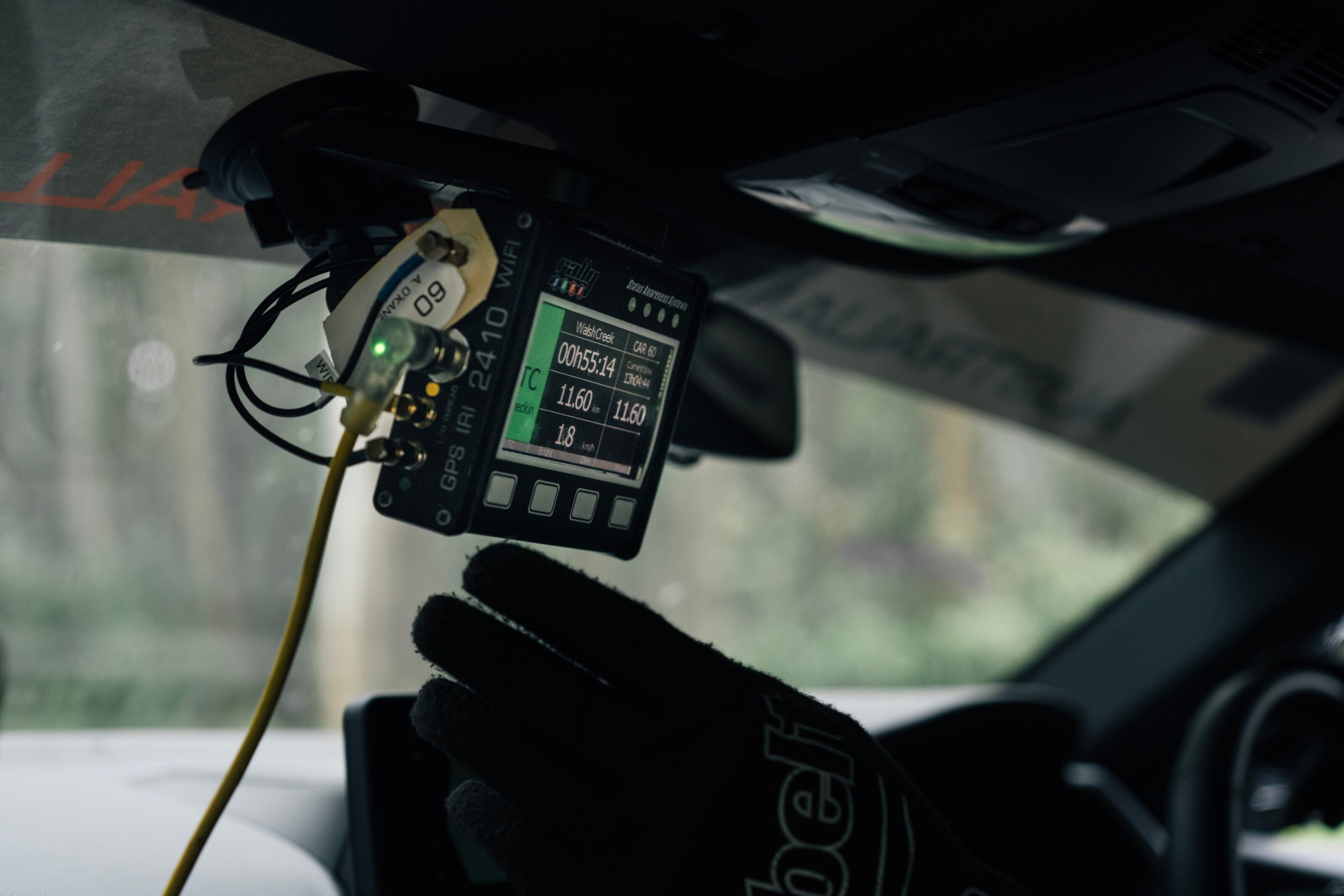
Organisers of the event announced last night the remaining stages would be held as a tour, with competitors willing to complete the rally having to obey the signposted speed limit for the rest of the event.
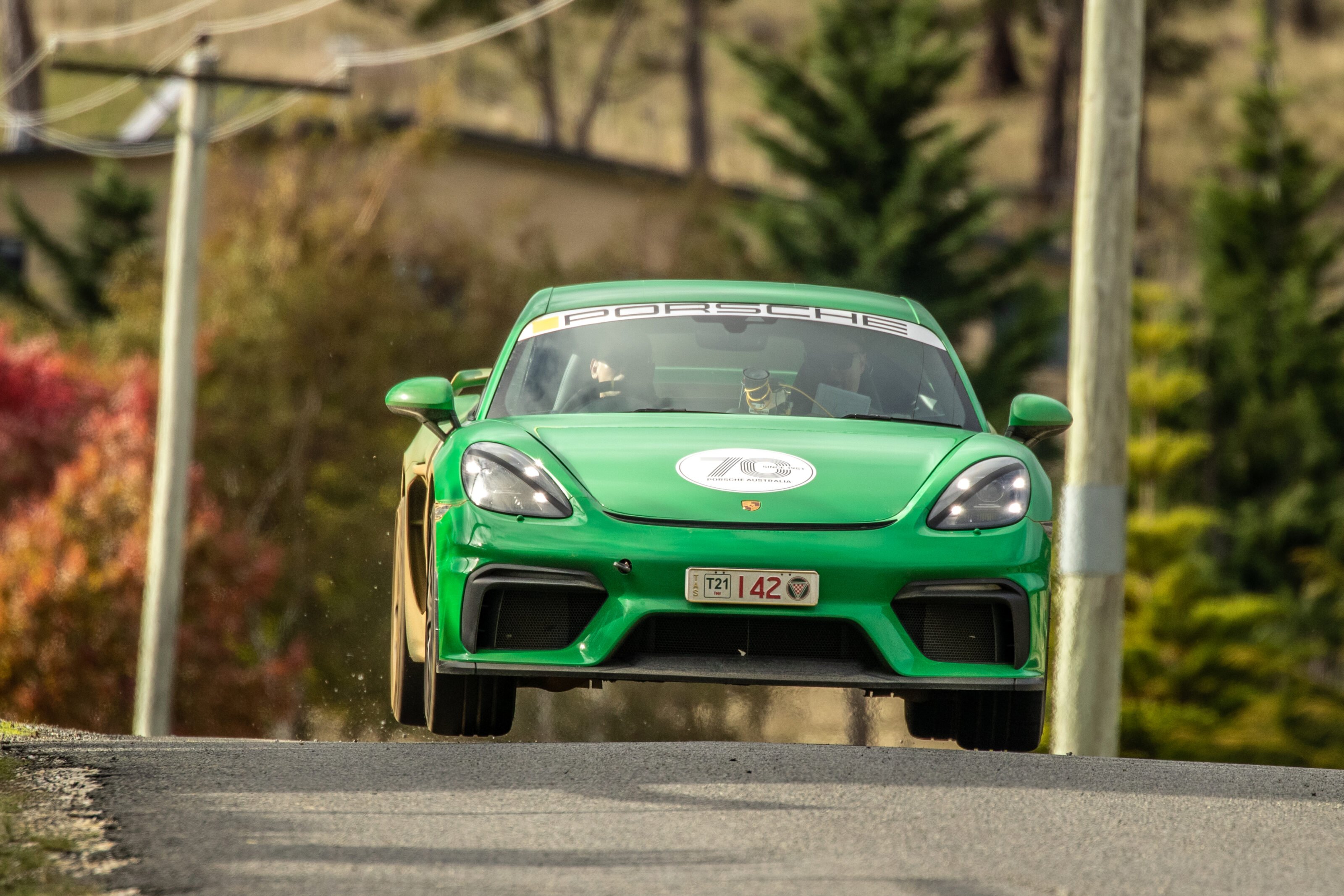
Targa CEO Mark Perry said the decision was difficult to make but ultimately the correct one, while passing his condolonences to those affected by the tragedy.
“It has been another tough day for all our Targa community and we offer our sincere condolences to the family and friends so impacted by this tragedy – their loss is immense and we feel their pain. This is a very sad time,” said Perry.
“The change to downgrade the event to touring only was a difficult one for all of us to make but one that was necessary in the current circumstances as we work through this difficult time.
“So much has been done to make this sport safer since our event 12 months ago but we have still lost a member of the Targa family, and we all need time to further reflect.”
Motorsport Australia – the sport’s governing body – extended its sympathies while supporting both Targa and Tasmanian Police with the ongoing investigations.
“On behalf of everyone at Motorsport Australia, we offer our sympathies to those impacted by this tragedy,” said Director of Motorsport Michael Smith.
“We are now working closely with the Tasmanian Police and emergency services, along with Targa event organisers as the investigation into the incident begins.
“We will continue to offer our support to the entire Targa community, including our officials and competitors.”
Yesterday’s fatality came after three competitors died during the running of last year’s event, with the trio of deaths triggering a tribunal of motorsport experts to put forth 23 recommendations for future rallies.
A lot of people ask why almost all of the EVs in Australia are SUVs. It’s a pretty simple answer, really: SUVs are what people buy. I wonder if it’s also a lack of courage or imagination on the part of car-makers who think that buyers won’t warm to a reboot of the sedan, which could be what the 2022 BMW i4 is designed to achieve.
Those of little faith in a four-door revival might be right, but Tesla has sold more battery-electric sedans than anyone in the Model S and Model 3, although it will be interesting to see what happens when the frumpy Model Y arrives. Porsche has done well with Taycan, but it costs Some Money and isn’t within everyone’s reach.

Neither, it turns out, is the BMW i4. It is, however, a breath of fresh air in the EV scene dominated by SUVs or almost SUVs. What is good is that the i4 is based on probably the prettiest of BMW’s sometimes challenging-looking portfolio, the 4 Series Gran Coupe.
Finally, EV-but-not-SUV buyers have a choice that isn’t from the Mind of Musk, looks good and, with any luck, just might help reboot the sedan.
Pricing and Features

No, it’s not really a sedan, it’s a Gran Coupe which is the hybrid hatchback/four-door coupe shape the Germans fell in love with before ruining SUVs with awkward coupe rooflines. More to the point, it’s a car. The i4 comes in two versions, the i4 eDrive 40 and the i4 M50.
The 40 starts at $99,900 before on-road costs and features 19-inch alloys, leather upholstery, auto LED headlights, head-up display, adaptive suspension, auto parking LED headlights, auto wipers, three-zone climate control, powered front seats, a powered tailgate and a digital dashboard.
Stepping up to the dual-motor i4 M50 will lighten your load to the tune of $124,900 before on-road costs but will add various M aero bits in carbonfibre, different 19-inch alloy wheels, Pirelli P Zero tyres with I and star stamps on them, heated front seats, the brilliant Laserlight headlights, a whopping 16-speaker Harmon Kardon stereo and a massive sunroof.

The giant 14.0-inch touchscreen features a BMW OS 8, which is a nice step forward from OS 7 once you work out where everything has gone. You get all sorts of clever connected functionality (for three years, then you have to renew the subscription), sat-nav, wireless Apple CarPlay and Android Auto and digital radio. The standard 10-speakers are more than enough but the 16 Harmon Kardon-branded speakers in the M50 are quite lovely. OS 8 seems to pick up wireless CarPlay better than 7, too, which is great.
On the safety list, you’ll find six airbags, the usual ABS and stability controls, forward auto emergency braking, steering and lane control assistant, lane-keep assist, lane departure warning, lane change warning, forward and rear cross-traffic alert, crossroads warning and evasion assistant.
The non-electric version of the 4 Series scored five ANCAP stars in 2019 but the electric version has not yet been crashed or rated.
Comfort and Space
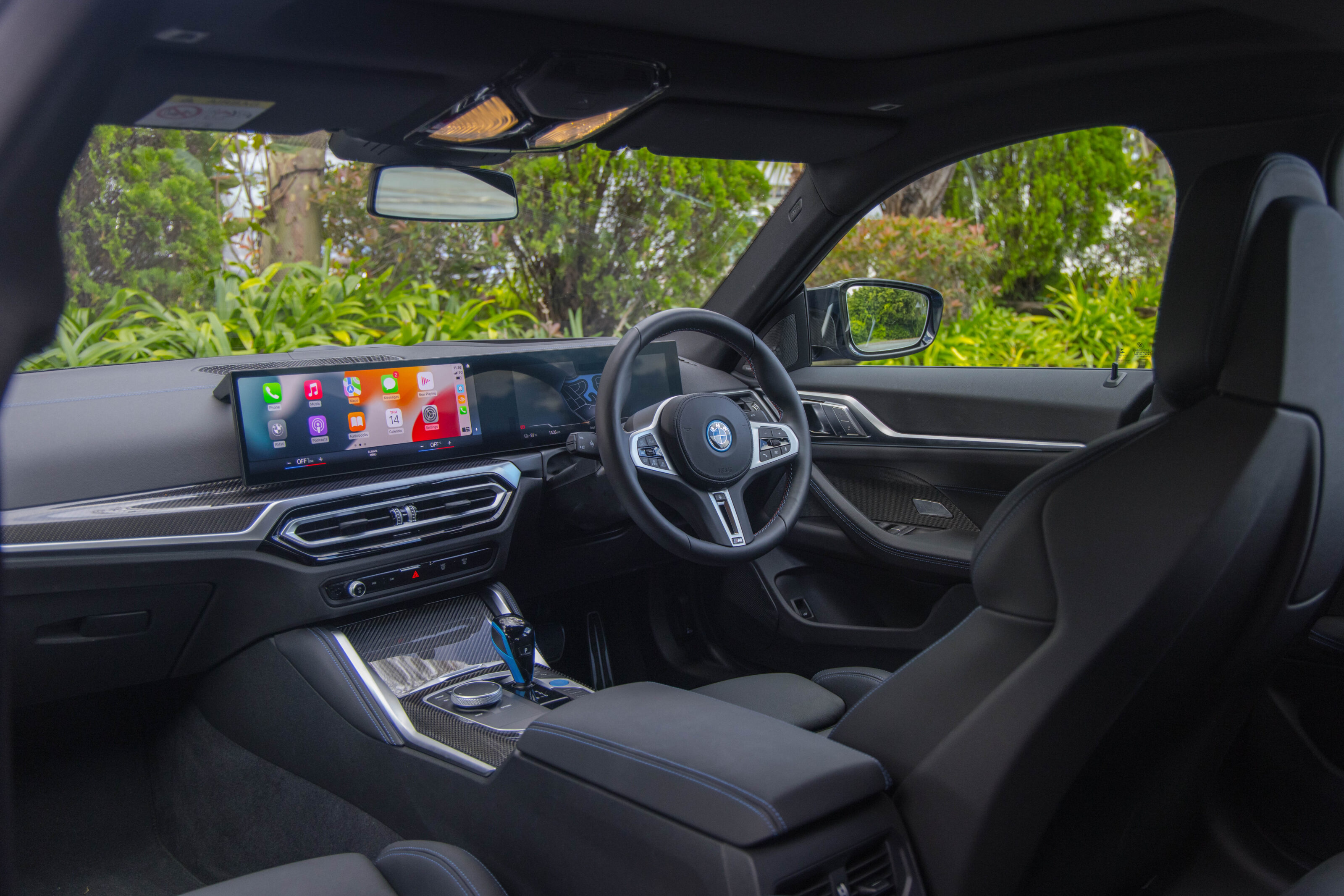
Up front, you’ll enjoy a very comfortable pair of sports seats in the M50 but I haven’t had a chance to drive the 40, so I’m not sure how different they are. Storage comes in the form of bottle holders in the doors (small), a pair of cup holders in the console, a shallow tray under the armrest with a USB-C charger and a wireless charging pad under the centre stack, as well as a USB-A port.
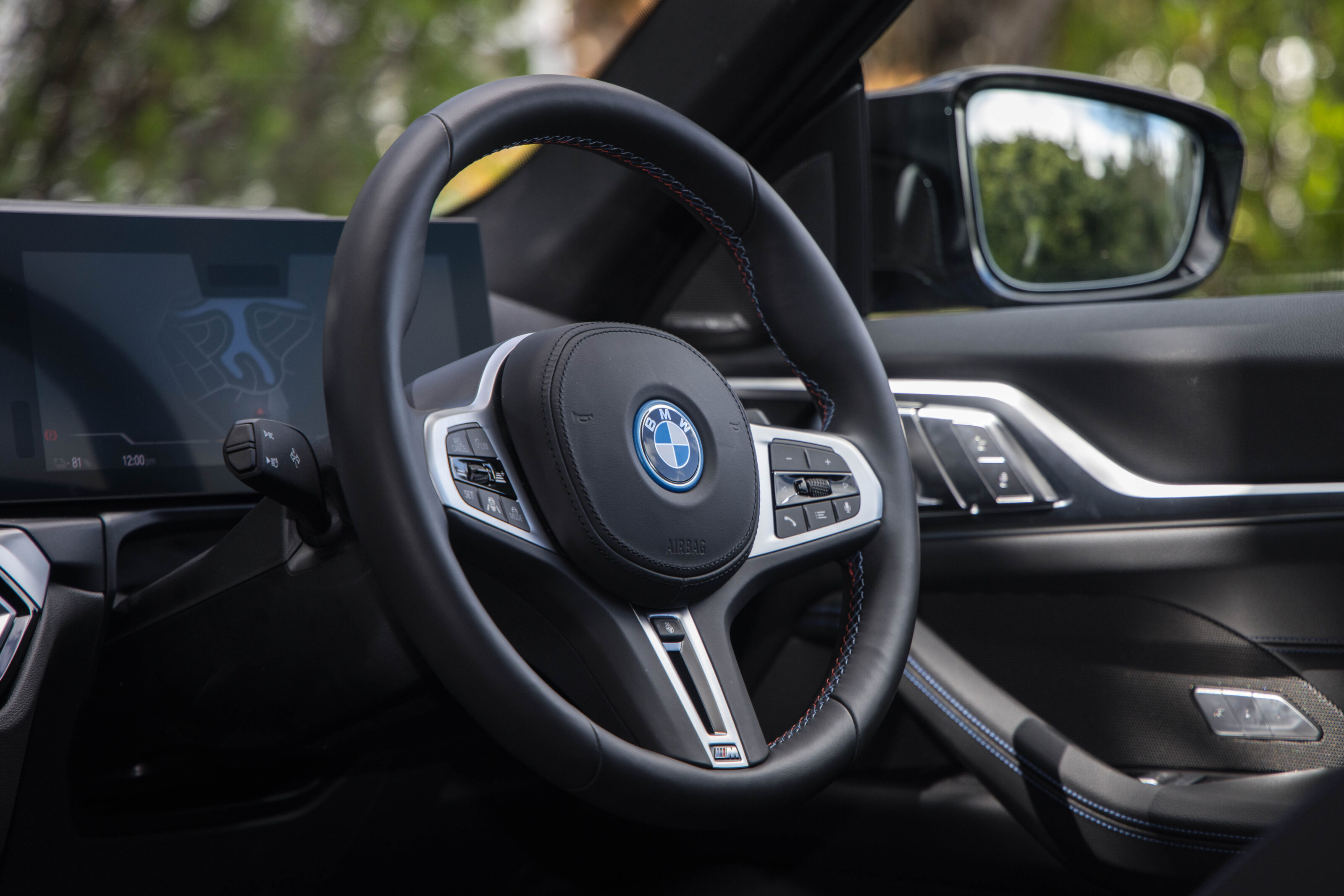
The curved twin-screen setup from the iX looks fantastic on the dash, housing a 14.0-inch media system screen and a 12.3-inch digital dashboard. I’m a big fan of both of these even if there are probably slightly too many options to click through on the screen and you have to tap a shortcut to get into the climate control.

As the i4 is a 4 Series, things are already tight in the rear. With the battery packs and an electric motor pack to accommodate where usually there’s a fuel tank and a diff, the rear seat sits slightly higher. Now, given the standard car is hardly cathedral-like in the back, it’s not a huge difference, but it’s enough for me at 180cm to be very close to the headlining. My knees are also very close to the seat in front set for my driving position, so this is not going to be a great place for teenagers. They’re nicely shaped in the outboard positions, though, which will hold you in during cornering.
The near-useless middle seating position features an armrest with two cup holders and there are air vents, a climate control zone and two USB-C ports for the rear, so while BMW taketh with one hand, it delivereth with another.

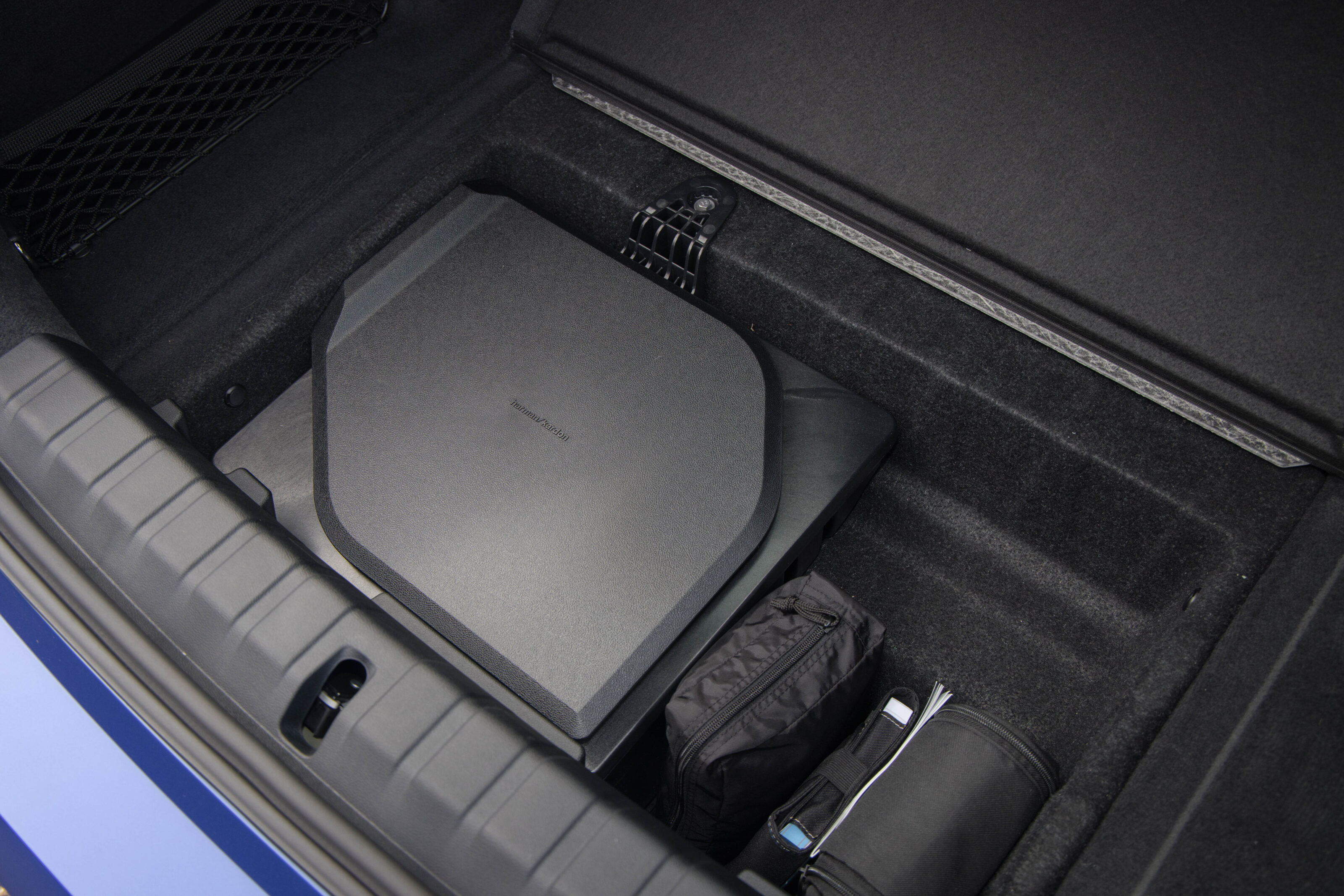
Boot space is down by a piffling 10 litres to 470L with the 40:20:40 split-fold seats in place and 1290 litres with all three sections folded. Under the boot floor is a space for your charging cables that will actually take your charging cables although almost two-thirds of that space is filled by a subwoofer in the M50 (optional on the 40).
Battery and Charging

Both i4s feature the same 84kWh lithium-ion battery, which BMW is excited to tell us is nickel rich. With 81kWh of usable capacity, it’s a bigger battery than in the iX3 and smaller than the iX 50’s 112kWh monster.
AC charging starts at 1.8kW from the supplied three-pin adapter, which will basically take two days to charge the car from dead to full. Given it can’t go any slower, it’s unlikely the final twenty per cent will be any slower than the first eighty.
A wallbox at home will get you to 7kW and if you’ve got three-phase power, you go to 11kW, which is good for an overnight charge. You can program the system to charge to a certain point, for a certain departure time and to take advantage of cheaper rates, such as my off-peak tariff that kicks in at 10pm and continues until about 6am.
As the car comes with a five-year Chargefox subscription, you can charge for free at that company’s expanding EV charging network at between 50kW and 200kW, the maximum rate on the i4’s setup. BMW says that at 200kW, the battery will charge from 10-80 per cent in 31 minutes, which is pretty good going. It will slow considerably after eighty and will take a further half-hour or so based on my experience.
This brings me to my experience. I drove from my home to the nearest 350kW Chargefox charger in Sydney’s East Village shopping centre, a 20-minute drive. It’s the closest rapid charge, the one fifteen minutes away in the other direction only running at 22kW.
There are three chargers in East Village – I’ve used them before – two offering 350kW and the third offering 50kW. Upon arrival, two red lights in the corner of the car park told me both the 350kW chargers were out of service. One of them had failed to give me more than 50kW before Christmas 2021 (when I was charging a Volvo XC40) and they’ve been broken for almost a month. The third charger was, not unreasonably, occupied by another user who would also have been unhappy with their Ioniq 5 chugging along at such a slow speed.

A grumpy Twitter post elicited a response from several other users complaining about Chargefox’s fleet of broken Tritium chargers. That’s not especially helpful and is neither BMW’s fault nor, according to these Twitter users, Chargefox’s fault. Chargefox eventually responded with a tweet about the current challenges and that those chargers are four years old but in the end, they’d been out of action for months and you have to go tappy-tappying in the app to find out that you’ve no chance of getting a charge from them.
There did follow a friendly exchange but the fact remains that Chargefox’s one job is to supply a working charging network and it’s failing, for whatever reason, to deliver that while not being as upfront about it as they could be.
Thankfully, about 200 metres away is a 160kW charger that accepts the Chargefox app. The ABB unit charged the i4 from 59 to 81 per cent in 16 minutes, plenty of time to wander back into East Village for a coffee or whatever. That translated to an indicated increase from 255km to 351km of range. The ABB-branded charger said the car would reach full in another 25 minutes. Once underway, the range increased to 380km, a function of BMW’s pessimistic-but-safe approach to range indication.

I didn’t go for the coffee, I had too many people asking about the car.
One thing I did notice was that when you punch in a destination on the sat-nav, the car doesn’t route you via charging stations if there isn’t enough juice to get you there. Instead, it suggests that you should charge first and then dynamically updates you as you’re on your way to stop you from running out, the same paradigm as the petrol and diesel BMWs.
On the Road

If you’re just looking for a sleek, nice to drive EV, you’ve come to the right place. If you’re a BMW driver looking for a sporting sedan, the decision is not quite so cut and dried. Partly because BMW is really good at those, but with petrol engines. It’s not cut and dried because the i4 is a proper sporting sedan.
The i4 is, as I’ve mentioned, based on the 4 Series Gran Coupe which itself is based on BMW’s extremely versatile Cluster Architecture known as CLAR. This underpins pretty much every BMW that isn’t front-wheel drive and there are even bits of it in the iX. But this is more identifiably an EV based on an ICE car, which comes with a bit of baggage.
As tired as you might be of hearing this, it means that, like the Polestar and XC40 CMA platform, there are compromises. BMW’s engineers had to find somewhere to put 550kg of batteries, in the M50’s case two electric motor packs, an onboard charger and still make the resulting 2290kg of 4 Series drive like a BMW.
You expect that kind of weight in a larger, higher-riding SUV, you don’t in a 4 Series. Have M’s magicians found a way to mask all that weight? Yes. And no.
Obviously, being an electric vehicle with two motors and 400kW, it’s an absolute rocket in a straight line, clearing the 0-100km/h sprint in 3.9 seconds. The torque is instant, there’s none of the clicking and whirring some EVs have and the traction systems ensure the wheels don’t lose contact. It’s immensely fast and will show an M4 a clean set of LED taillights. That does need Sport Boost mode activated, which gives you access to all the power and 795Nm of torque but even without that, you’re in a mid-four second car. Without waking up the suburb with a poppy-bangy exhaust.
Some of my acceleration runs (for science, obviously) featured a bit of torque steer, with the front end wanting to wander a little from side to side, but not worryingly so. That’s one of the challenges of two separate motors; you can’t shuffle the torque back and forth between axles to reduce that kind of thing. Is it fun? Hell, yes. Does it handle? Yes again.

While you are going to sacrifice the kind of front end that M cars have recently rediscovered, there’s still a pretty nimble car underneath you. The body will roll more than an ICE 4 Series in corners and you’ve got a bit of extra sidewall on the 19s to ensure the ride doesn’t get too jittery as it might on the optional 20s.
M adaptive damping does a great job of controlling the body without destroying the ride quality and even though you’ll feel the bumps, the wheel control is impeccable. It tracks where you want it to go and powers out of corners like a supercar. And if there’s a gap you want, you own it before you hit the accelerator. It’s that fast.
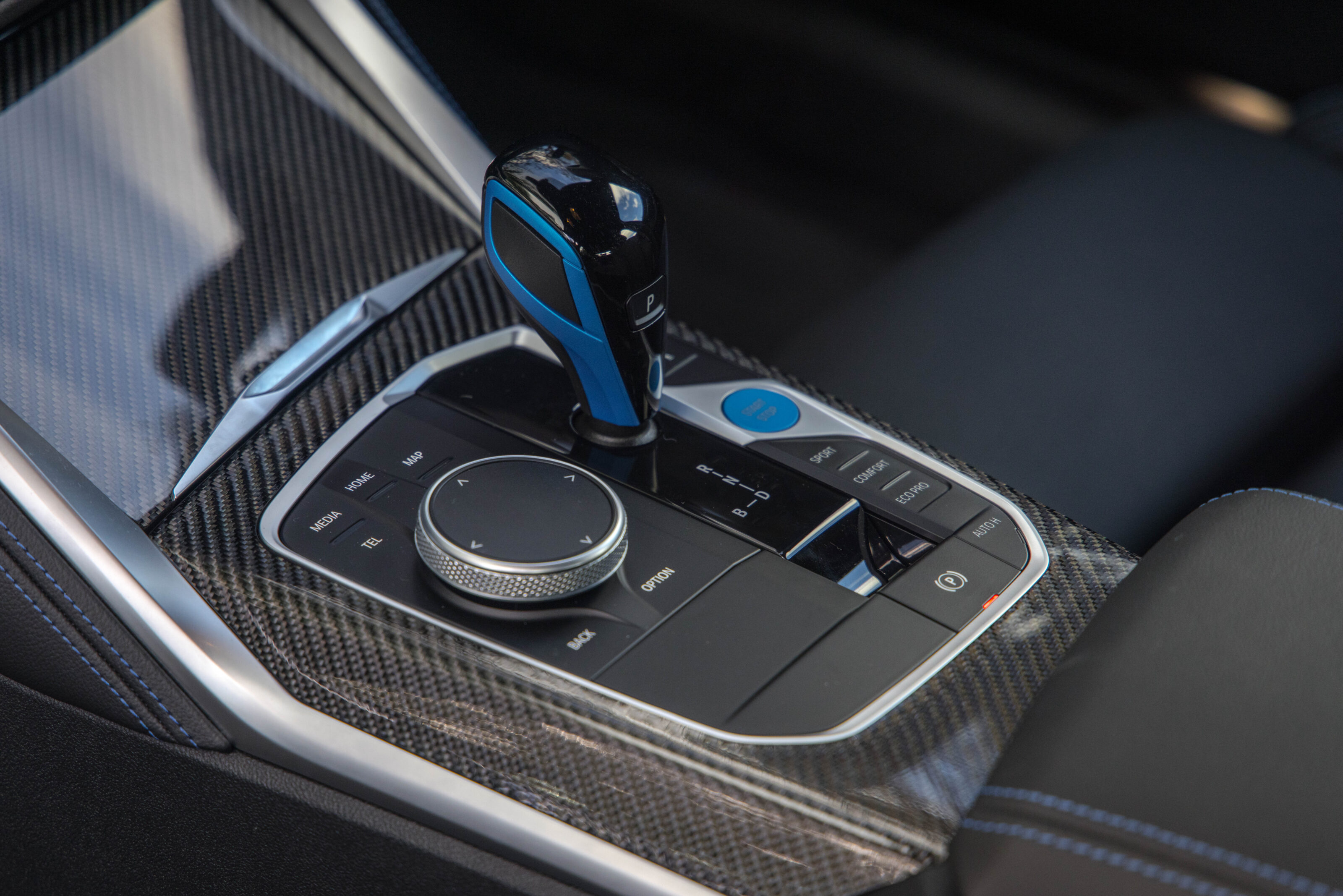
I really like the difference between normal and one-pedal mode, with a simple knock of the shifter to activate or deactivate the latter. As with the iX3, there is an adaptive mode that uses the sat-nav to work out if it’s on a hill or coming up to a bend and adjusts the strength of the energy recuperation accordingly. BMW nailed one-pedal driving first time out on the i3 and the talent has stuck.
Another trick BMW has managed is intuitive braking – some EVs have trouble with the disc brakes’ feel and performance, with some quite grabby and wooden at low speeds. The i4’s transition from regen to friction braking is impressively seamless, which generates a lot of confidence when you’re chucking it about.
But you know it’s nearly 2.3 tonnes and that’s heavy for a five-door coupe.
Despite BMW’s ADR testing coming up with an energy consumption rate of 25.6kWh/100km and despite my fun-loving approach to driving the i4, I was averaging 23.7kWh/100km.
Ownership

BMW lags behind pretty much everyone with its three-year, unlimited-kilometre warranty. One day I hope they change this to at least five years mostly to stop me finding new ways to say I’m disappointed with this short coverage.
The battery is covered by an eight-year warranty capped at 160,000km, which is competitive if not outstanding.
You also get a very generous five-year subscription to unlimited charging on Chargefox’s public charging network. That represents a significant saving, obviously on fuel but time and home charging costs too. If you can find one that works. I am not bitter, just disappointed.

BMW offers two pre-paid service plans. A four-year plan is $1240, working out at $310 per year. If you want to go to six years, you’ll pay $1765, which seems quite reasonable. Cue the shrieking of Tesla adherents about how last century servicing is (it isn’t – cars are rather famous for featuring a lot of moving parts and an array of consumables that need regular attention) and both offers are significantly cheaper than BMW’s ICE and PHEV plans.
VERDICT

I had a bloke pull up next to me in traffic in his supercharged Range Rover and ask should he buy the i4 M50 or get an M3. Really, I’d have to sit down with him and find out what he really wants from a car. If he wants that M driving experience, the i4 M50 (admittedly, it’s not an i4 M) isn’t quite there but it is terrific fun and very accomplished. So it might be there enough for him.
If he wants sledgehammer performance, a good electric range and plenty of fun if not an absolute track weapon, the i4 is the car he wants today. He probably takes the Rangie on long trips, too, so he won’t have to worry about range anxiety. If he wants to take his BMW to the track, the M3 is what he wants, and we all know that’s a niche consideration.

Before I drove it, I wasn’t expecting it to be that close a decision, though, which is a testament to M’s engineering. I am an unabashed fan of the current M3 but like this fellow in the Range Rover, I’d need to think about what I want from the two cars. The M3 is lighter, has better steering, galactically brilliant handling and one of the finest straight-six engines ever put in a car. The i4 M50 is cheaper, faster in a straight line and more comfortable day-to-day.
I gave it back wanting to spend a lot more time in this car to dig into the nuances and find out if I can live with it. Because I think it’s definitely a car most could live with rather than being a pleasantly diverting experience that needs a bit more work.
In other words, it’s not a toy. It’s a proper, liveable electric car and joins an elite group of EVs that can get away with that title.
Snapshot
- 2021-2022 Lexus LX and NX range recalled
- 1122 vehicles affected
- Issue would allow infotainment screen to show videos while driving
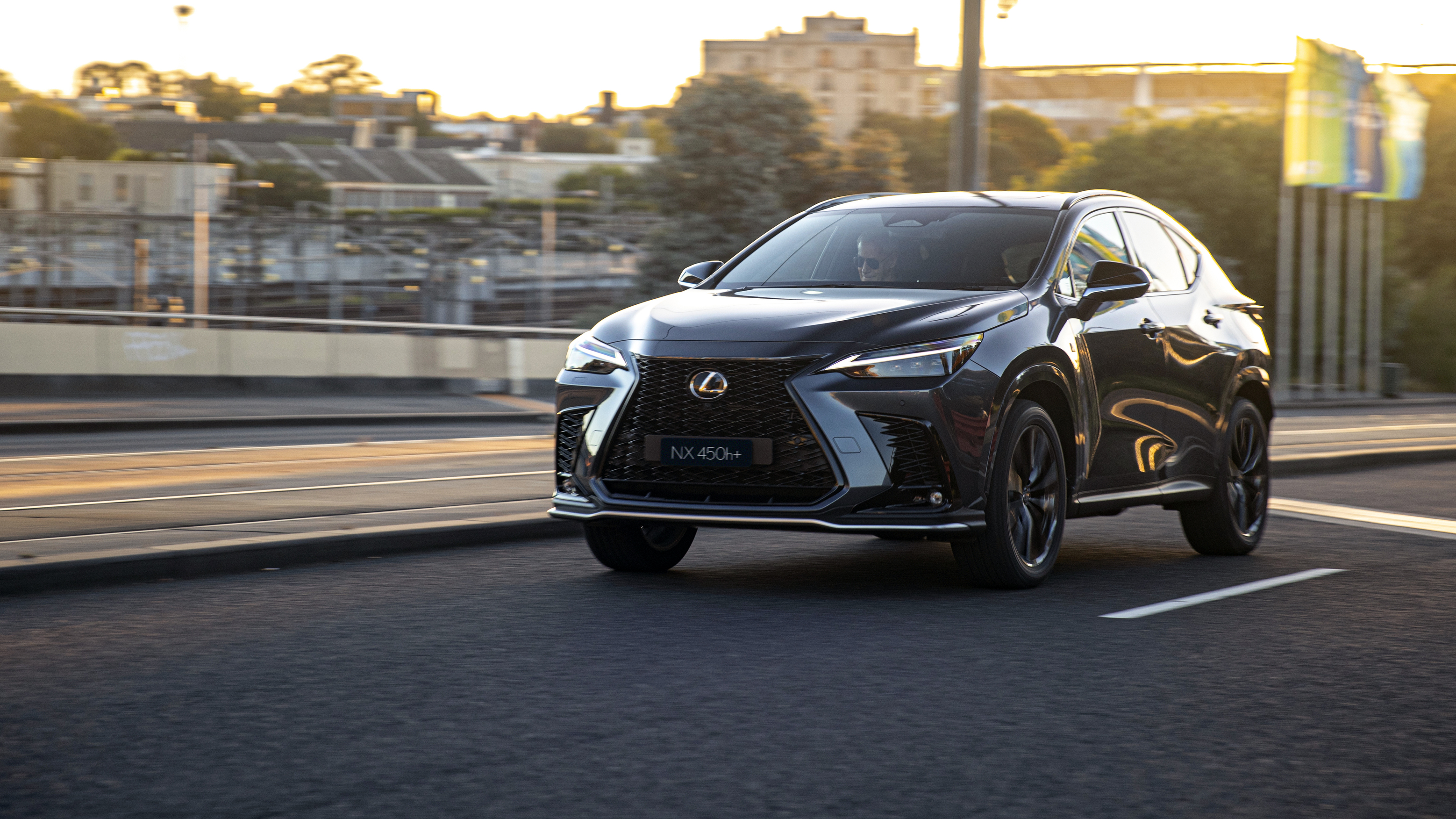
A recall of more than one thousand Lexus vehicles has been issued, covering a majority of units sold over the past two years.
Affecting a total of 1122 examples of the Lexus LX and NX built between 2021 and 2022, the recall covers the infotainment system – with a software issue meaning the screen may display video images while the car is being driven.
Given the fault may cause drivers to be distracted and lead to a higher risk of incidents on the road, the recall will see affected vehicles be given a software update, free of charge.
Lexus says it will contact affected owners in writing via SMS and email, requesting they make an appointment with their preffered dealer to rectify the issue.
Alternatively, Lexus is rolling out an Over the Air update to fix the problem from June this year, meaning owners won’t need to visit their dealer, but they will have to wait for it to be implemented.
A list of VINs for vehicles affected can be found here.
A racing legacy that has lasted for 50 years has come to an end with Phillip Morris International (PMI) – the multi-billion dollar conglomerate that has the uphill task of convincing us of the attractiveness of tobacco products – ending its partnership with the Scuderia Ferrari team. The purpose of PMI’s involvement in F1 is one often misunderstood by racing fans, and its five decade existence is a case study in dark marketing genius.
Despite Marlboro logos being worn by multiple teams across a range of racing disciplines, it is Ferrari that holds the strongest cultural link to the cigarette brand. The pair’s story begins on a very minor scale in 1973, just a year after Marlboro entered F1 for first time with BRM. Initially the tobacco company only technically sponsored Ferrari drivers with logos appearing on helmets and overalls, while McLaren was the squad that bore the red and white chevron on the flanks of its cars. Ferrari first placed Marlboro stickers on its F1 racers in 1984, long before the tobacco company jumped ship properly from Woking to become the Scuderia’s title sponsor in 1997.
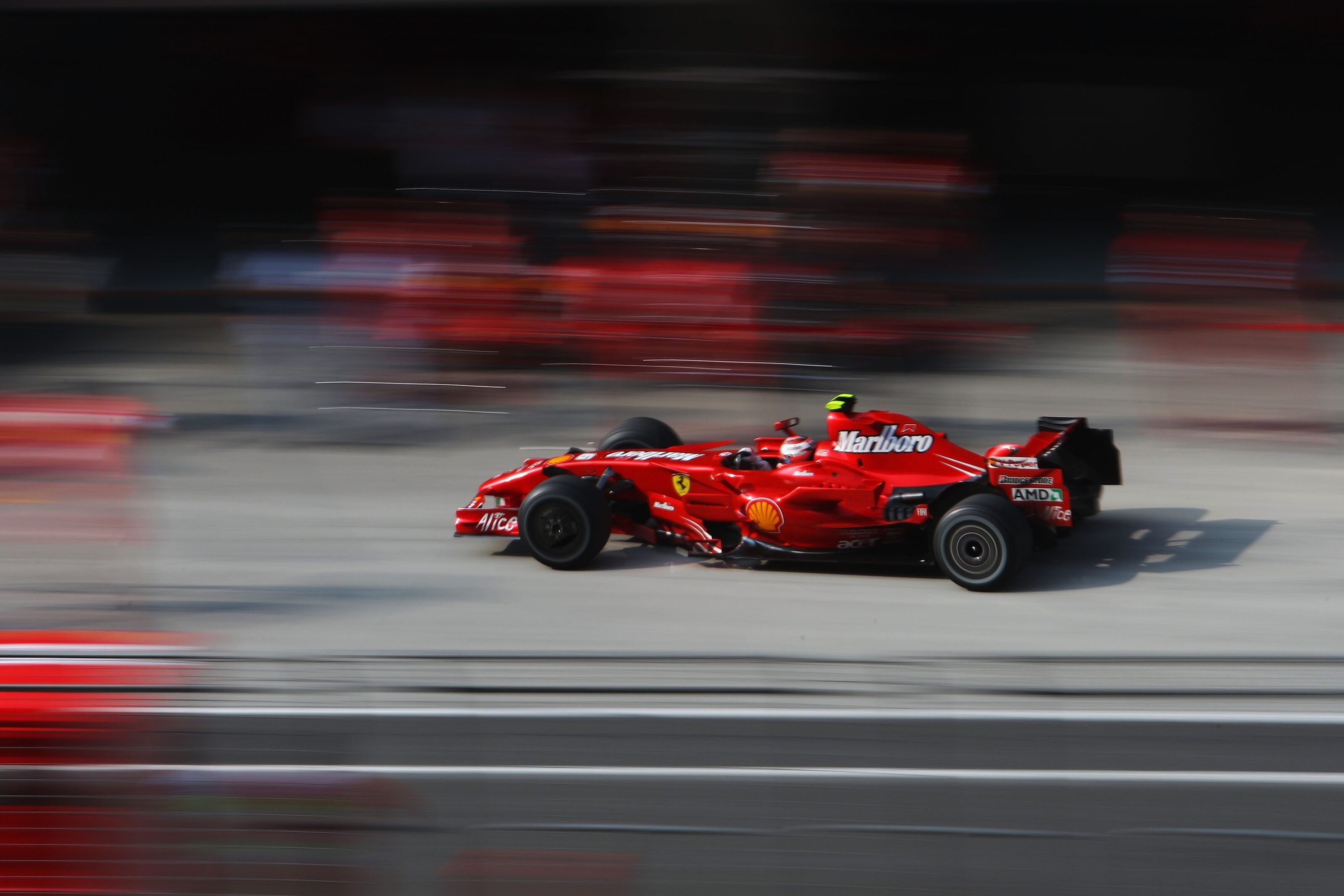
For many fans, it’s around the time of Ferrari’s Michael Schumacher/Jean Todt/Ross Brawn domination that the idea of tobacco advertising restrictions first began impacting liveries. The truth, as is so often the case, is found elsewhere.
In fact, PMI’s very involvement in Formula 1 was designed to be a direct reaction to the closing of the curtain on unregulated tobacco advertising. By the mid-late ’80s Marlboro and other cigarette companies were having to get very creative in how they were visually represented on the cars they were gifting huge swathes of cash to in return for public exposure. Marlboro’s design language worked so hard it didn’t even need to introduce itself. Ferrari and McLaren both left a blank space where the logo would usually appear, with the general public filling in the branding in their own mind like a visual Pavlovian reaction.
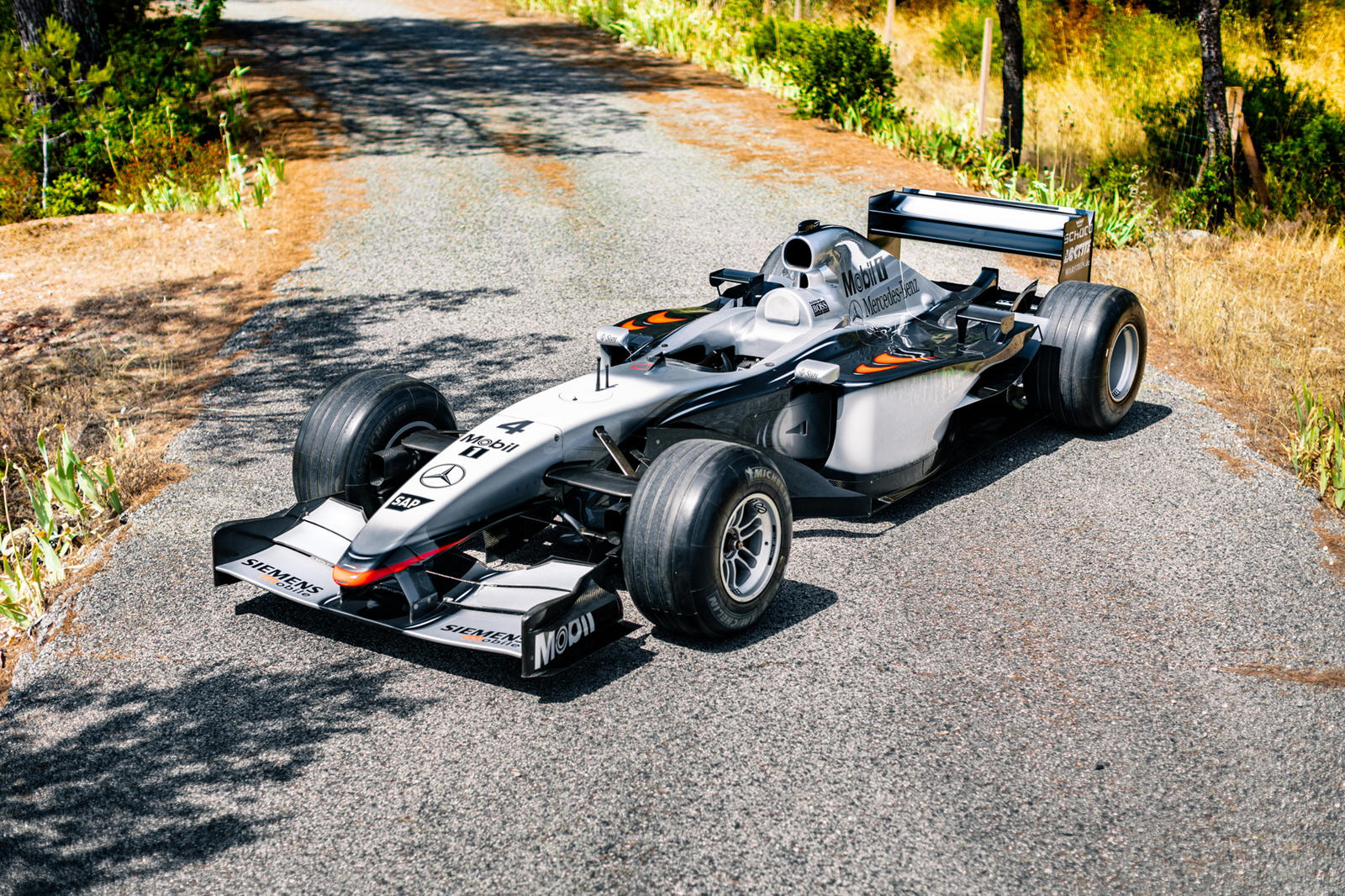
A fully liveried Marlboro car would race in Formula 1 for the last time at the 2007 Chinese Grand Prix. But so effective were PMI’s subversions of regulations that the company continued to pour huge sums into Ferrari’s race team for another 15 years despite its iconic branding never appearing again. Ferrari itself lent a helping hand in keeping PMI around, with the team’s rebranded logo of 2011 bearing a remarkable resemblance to that of Phillip Morris’ iconic chevron design, this in turn taking the place of the eventually outlawed barcode workaround. Most recently was Mission Winnow, a PMI subsidiary that appeared a thinly veiled attempt at getting the ol’ chevron back onto Ferrari’s engine cowl.
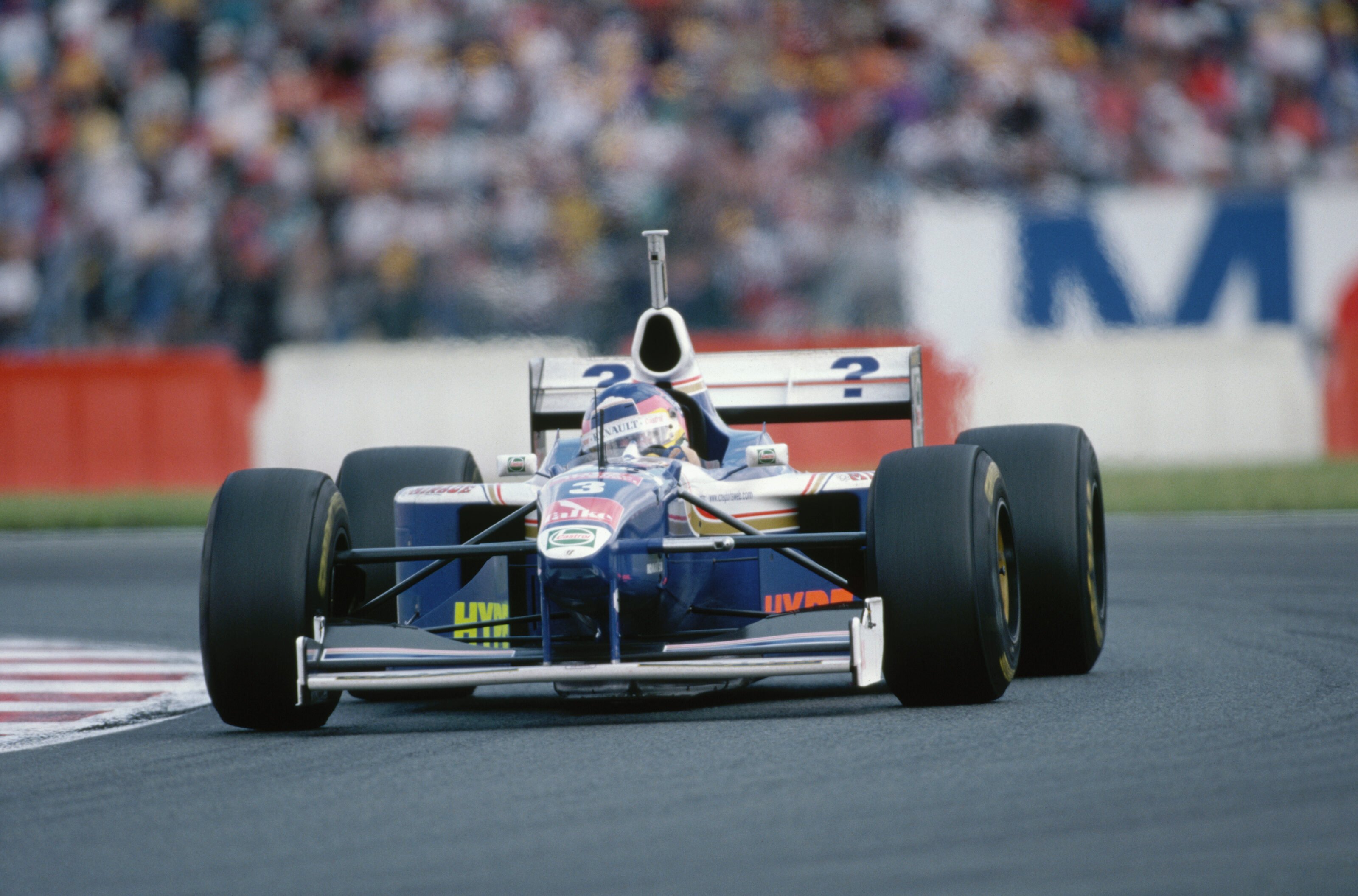
PMI weren’t the only tobacco company that has been fighting regulators in F1, but they are the ones who endured the longest. In 1997 Rothmans got cheeky adding a bold R.? to its WIlliams livery to replace the full name. During the French GP that year the team simply raced with giant question marks on its side pods and rear wing.
Zakspeed was one of the first to run a subversive logo when its West partnership hit advertising bans in the ’80s, instead changing the stickers to read East. McLaren and West would change tack by using the tobacco brand’s type font to spell out the team’s drivers’ names. Tobacco companies seemed to enjoy the cat-and-mouse game of dodging outright advertising bans. BAR used Look Alike signage for its Lucky Strike livery, while Jordan simply removed letters from Benson & Hedges’ name to create ‘Be on edge’. That particular tweak paled to the efforts of ’97 with Bitten & Hisses, and the iconic follow-up, Buzzin Hornets.
Regulations have tightened to the point that these rebranding exercises are all but impossible. Despite the tightening net and PMI’s departure, ciggie money hasn’t completely gone up in smoke. British American Tobacco remains a partner with McLaren, using its Vuse brand to help spruik e-cigarettes. This commercial partnership might be the last puff of an era that has held an intrigue since the first attempts to extinguish the flame. The finish line of a 50-year race is in sight, and while the cunning evasions of Big Tobacco were often entertaining, it’s reassuring that public health has finally won the long game.
The TVR Griffith will be soon available with an electric powertrain, according to the British sports car company.
Almost a decade after TVR acquired new owners, and five years after the new-generation Griffith was first revealed, the manufacturer says it is now developing a fully-electric version of the model for 2024.
First though, TVR says its 5.0-litre Cosworth V8-powered Griffith will finally enter production in 2023 – four years after it was expected to hit the market – following a multi-million dollar investment from lithium mining company Ensorcia.
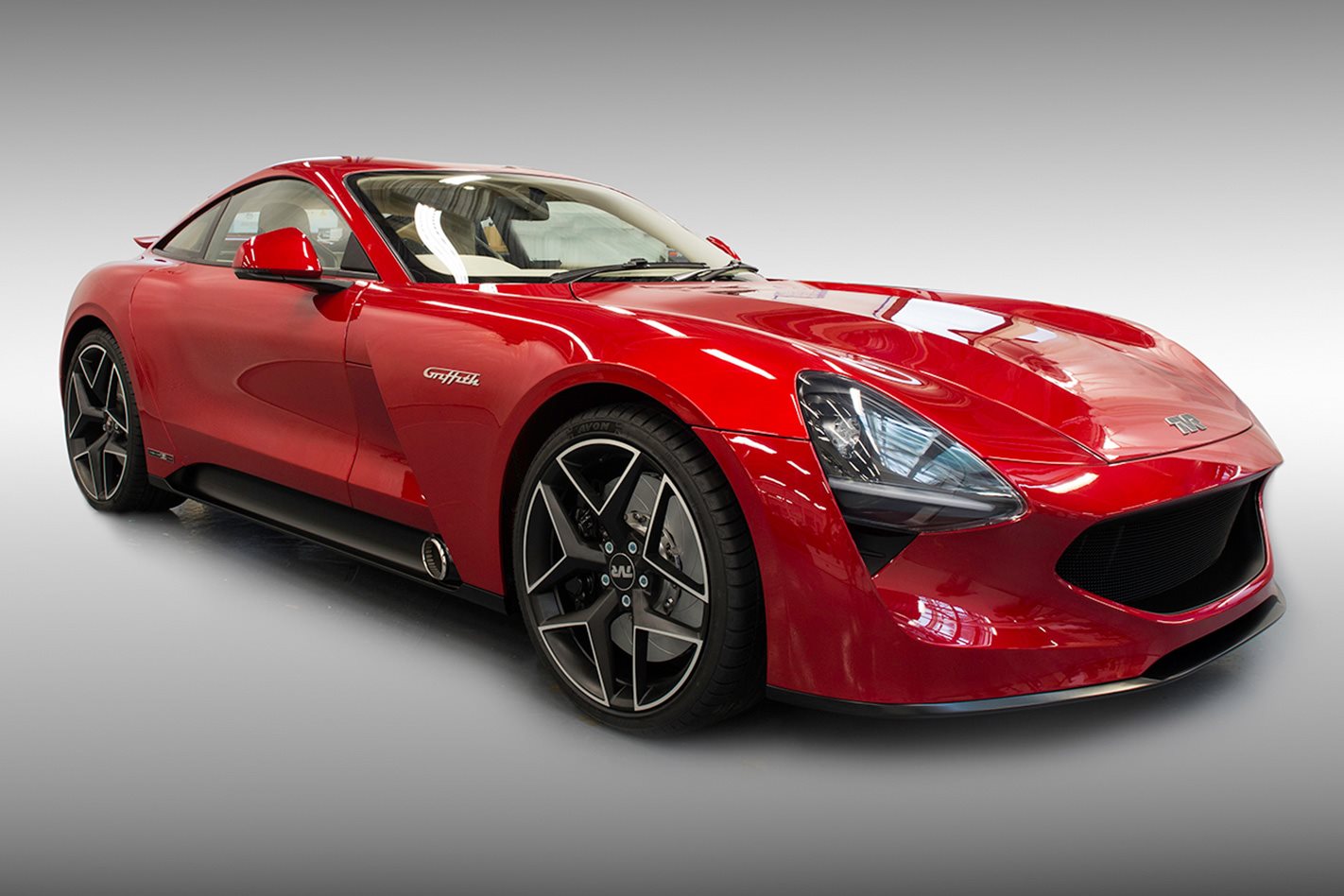
“We are delighted that we shall now shortly fulfil our promise of delivering the V8-powered Griffith Launch Edition to the hundreds of wonderful and incredibly patient depositors,” CEO Les Edgar said this week.
“Furthermore, as part of our mission to rejuvenate and future-proof our iconic British brand, we can confirm that we shall develop an electrified variant of Griffith, due to market soon afterwards. This is a hugely important element in ensuring that TVR will become a sustainable, net-zero business.”
However, years of broken promises from TVR have meant a number of would-be customers have asked for their £5000 (AU$8790) deposit to be returned, according to an earlier interview with British magazine Evo.
The company had said it had sold almost all of the 500 build slots for the Launch Edition back in 2017 at its unveiling, but interested parties are still able to place a deposit for the Griffith on its website today.
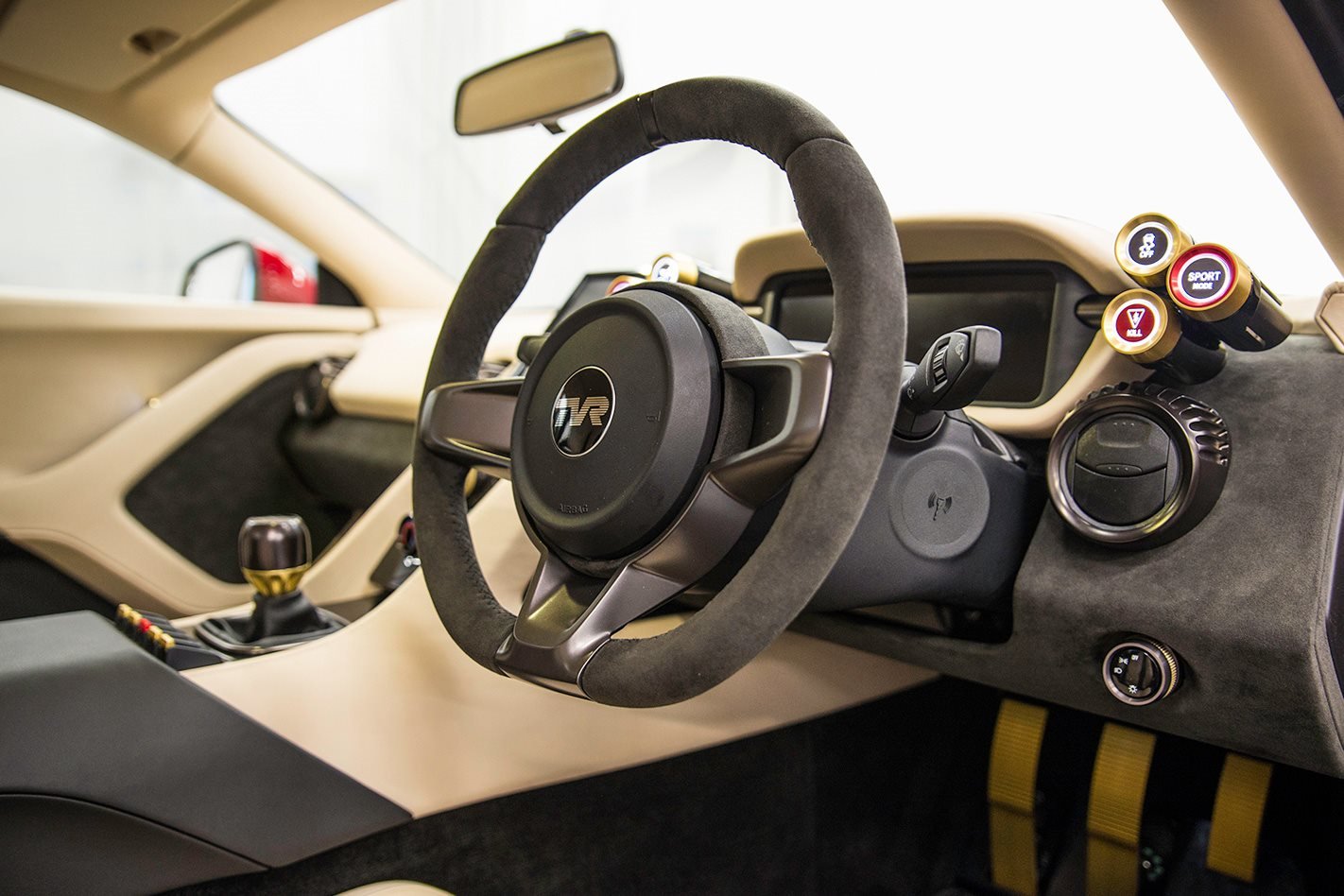
The investment from Esorcia comes as TVR announced it would become a sponsor of the Formula E – the electric open-wheeled racing series. TVR will sponsor the Monaco e-Prix in late April, as well as the two London e-Prix races being held at the end of July.
“To see TVR, an iconic manufacturer of performance sports cars, crossover and make this commitment to electric is a significant milestone and aligned to Formula E’s vision of an electric future,” said Formula E’s chief commercial officer Matt Scammell.
“TVR is a beloved brand and we look forward to working alongside them in Monaco and London to showcase their plans to electrify.”
Snapshot
- 2023 Kia Niro Plus revealed as purpose-built vehicle
- Longer and taller than the outgoing Niro, designed for taxi and ride-share services
- Limited number coming to Australia in 2022
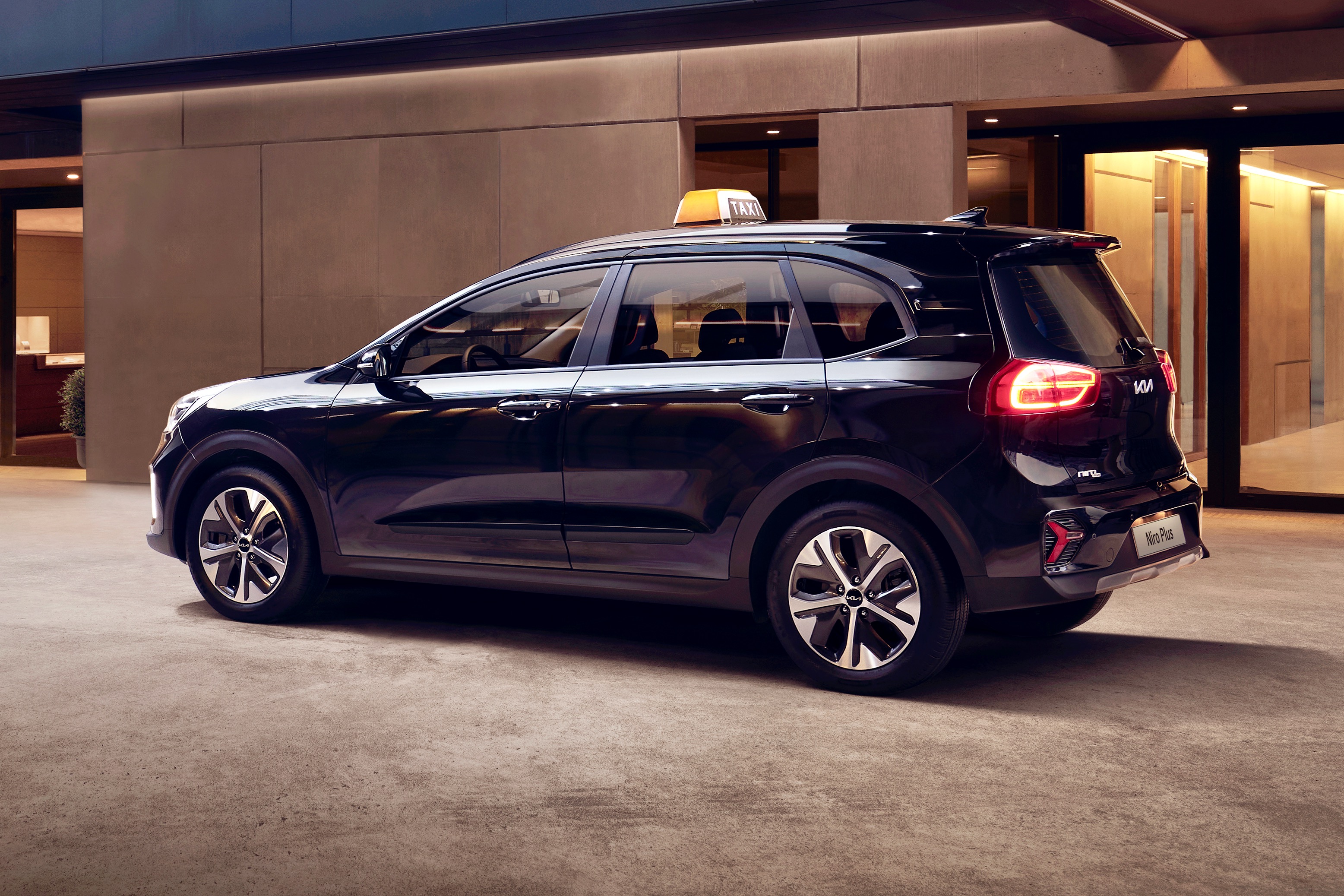
The 2023 Kia Niro Plus has been announced as the Korean carmaker’s first ‘purpose-built vehicle’ (PBV), designed to be used as a taxi and ride-share vehicle.
Kia has modified the outgoing Niro electrified SUV to create the Niro Plus, but will also offer a ‘general model’ to retail buyers in selected markets, including Australia.
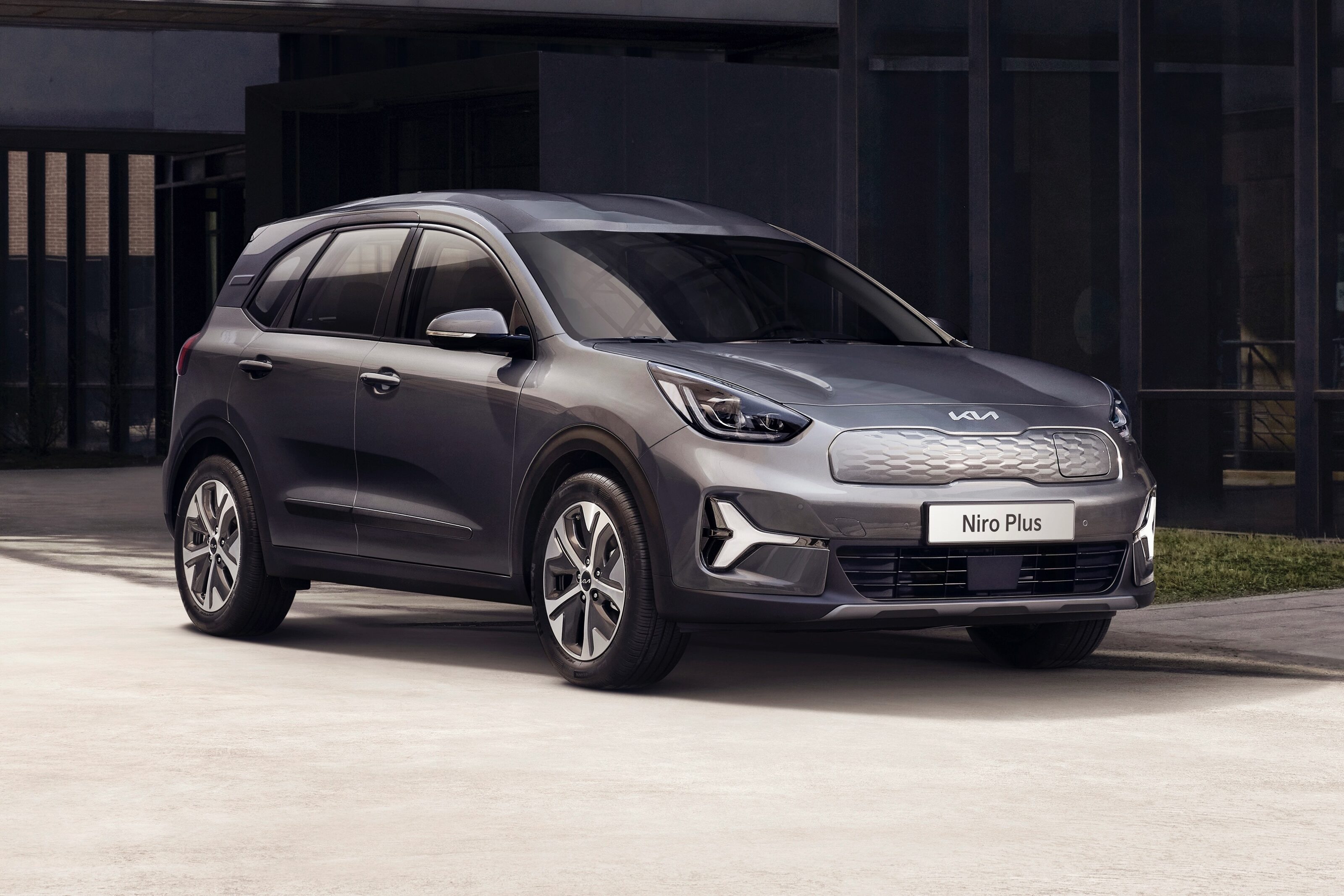
The Niro has been lengthened by 10 millimetres to create the Niro Plus, while height has increased by 80mm, increasing cabin space. Additional handles at the B-pillar also help passenger entry.
While exact details will be outlined closer to its launch, the Kia Niro Plus is expected to be offered as a traditional hybrid (HEV), a plug-in hybrid (PHEV), or as a fully-electric vehicle (BEV).
“Australia has been selected as one of the overseas markets to launch the general (non-taxi) version,” a spokesperson for Kia told Wheels.
“It will be limited in volume and arriving during the second half [of 2022] – further details [are] to be confirmed closer to launch.”
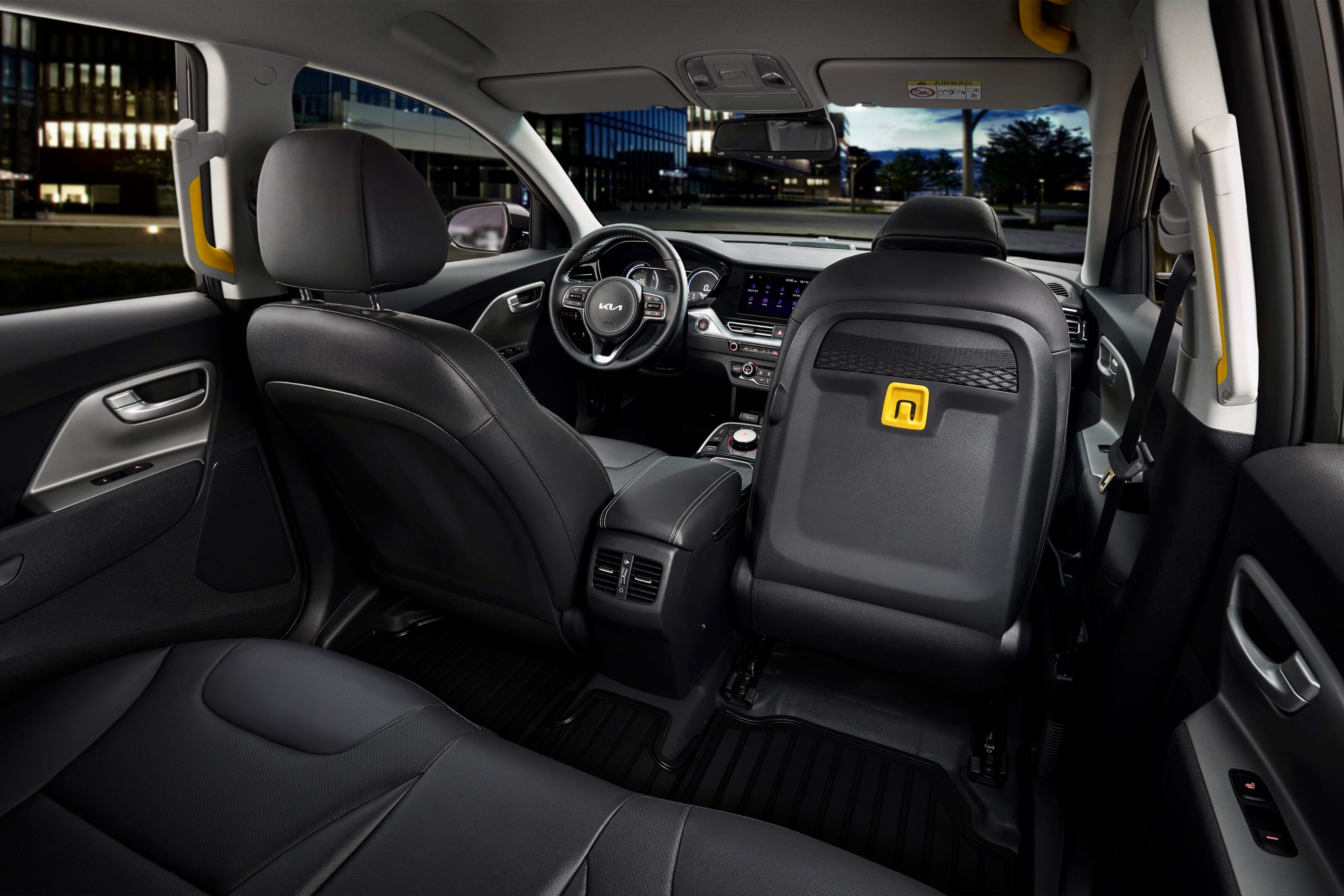
Kia says it envisages a scenario where Niro Plus owners use the car for work during the week – such as ride-sharing or courier services, for example – but still require a comfortable family car after hours and over the weekend.
A specific taxi model has also been developed for the Korean market, which uses thinner passenger seats and door trims to increase the cabin size for occupants.
Taxi versions also use an ‘All-in-One Display’, which offers; satellite navigation, points of interest, electric vehicle (EV) charging stations, and can accommodate the addition of a taximeter digital app.
Kia recently unveiled its new-generation Niro, which will be aimed at traditional buyers who are looking for a crossover with a choice of electrified powertrains.
The company’s first dedicated PBV is planned for a 2025 launch, as Kia and its parent company Hyundai Motor Group look to transform into a ‘mobility’ company, rather than just a manufacturer of passenger cars.
“Kia is transforming its business strategy to focus on popularising EVs, and introducing new mobility products tailored to the needs of users in markets around the world,” Head of Kia eLCV Business Division Sangdae Kim said.
“The Niro Plus is our first step into the world of PBVs, a market that holds great potential for future development.”
