Production of the Chevrolet Corvette C8 reportedly has reportedly come to a halt as the manufacturer hits stock shortages.
As reported by Carbuzz, the 2022 ‘Vette’s home production facility of Bowling Green, Kentucky, is currently idling with supply of the necessary parts to complete the cars low across the board.
Off the back of Chevrolet removing the Corvette’s magnetic ride control to keep vehicles rolling off the production line, the latest delays are understood to stem from a number of optional features.
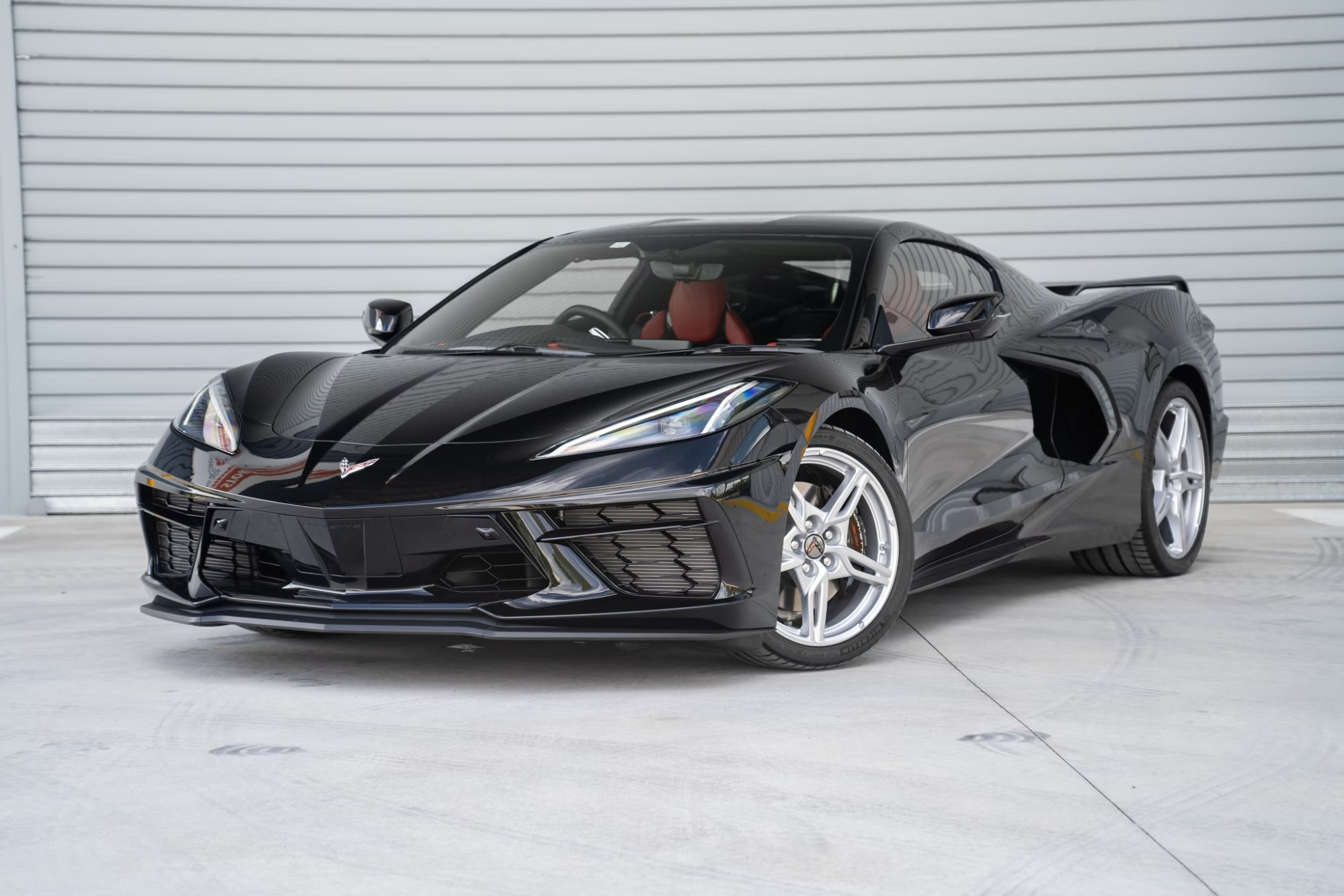
While some specific parts such as the MagRide system, black Trident wheels and front and rear spoilers are relatively superficial, the lack of tyre pressure monitors affects all vehicles, and it’s understood Chevrolet isn’t willing to remove the tech from the flagship model.
It’s the second time in the past six months for production to be frozen for the first mid-engined Corvette, after a large tornado ripped through the Bowling Green assembly plant late last year, causing US$7.5 million (AU$10.5 million) worth of damage.
The first Australian examples of the C8 were spotted on local roads in November last year, signalling the first time the Corvette has been manufactured for right-hand-drive markets by General Motors.
The Toyota Yaris is part of Toyota’s long, storied history of delivering tough, popular little hatchbacks at affordable pri… Hang on. Let’s try that again.
The Toyota Yaris is part of Toyota’s long, storied history of delivering tough, safe and popular–
Nope. That’s not as true anymore either.
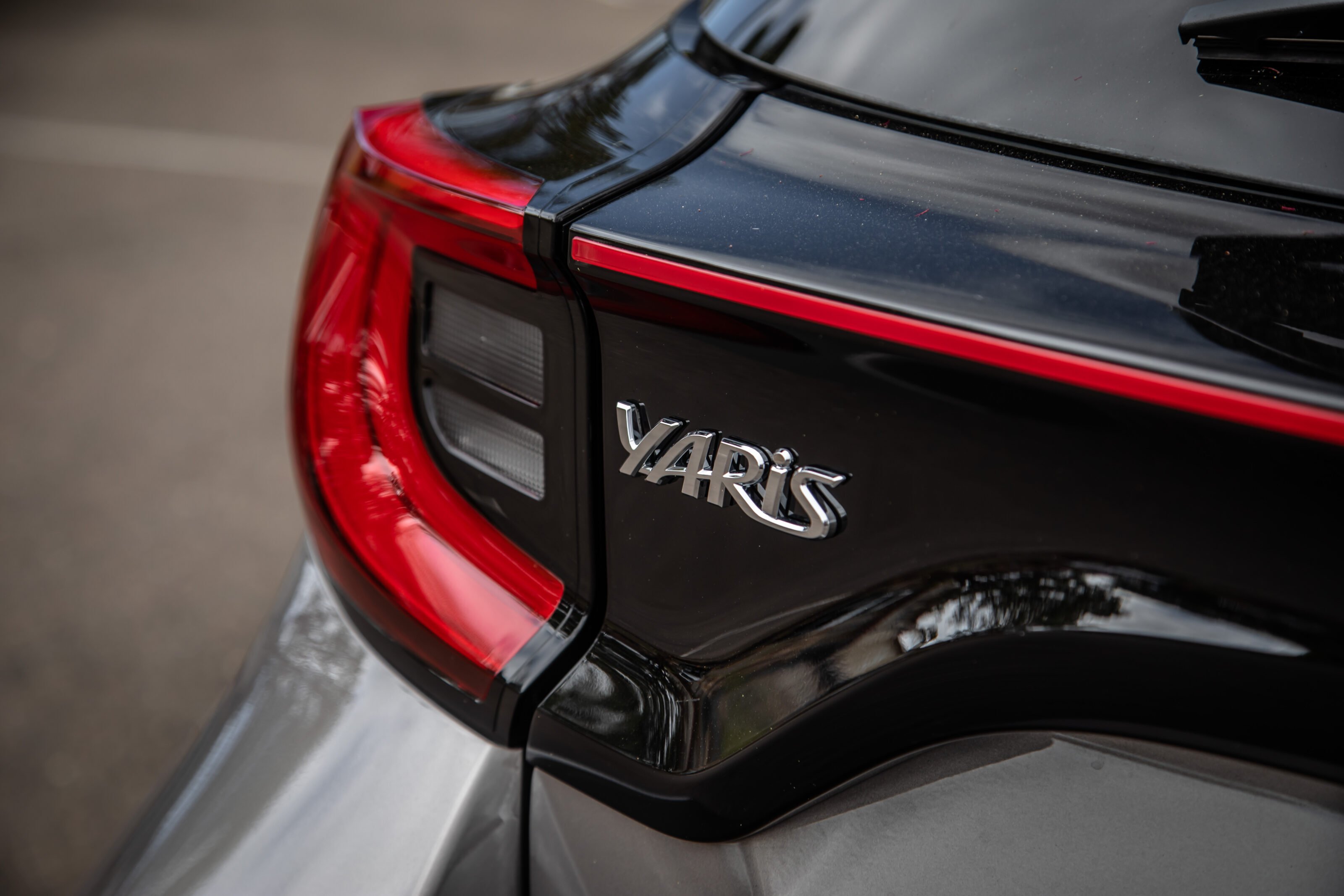
The 2021 Toyota Yaris is an expensive little hatchback, packed with stuff, a frugal hybrid drivetrain and – in ZR form – costs as much, if not more, than much of its European competition.
On the surface, what was once considered an affordable and dependable if entirely dull car has now become less dull but considerably more expensive in the process.
There has to be more to it than that. Right? I mean, you can’t add a lazy ten grand to a car without making it significantly better than the car it replaces. Right?
Pricing and Features
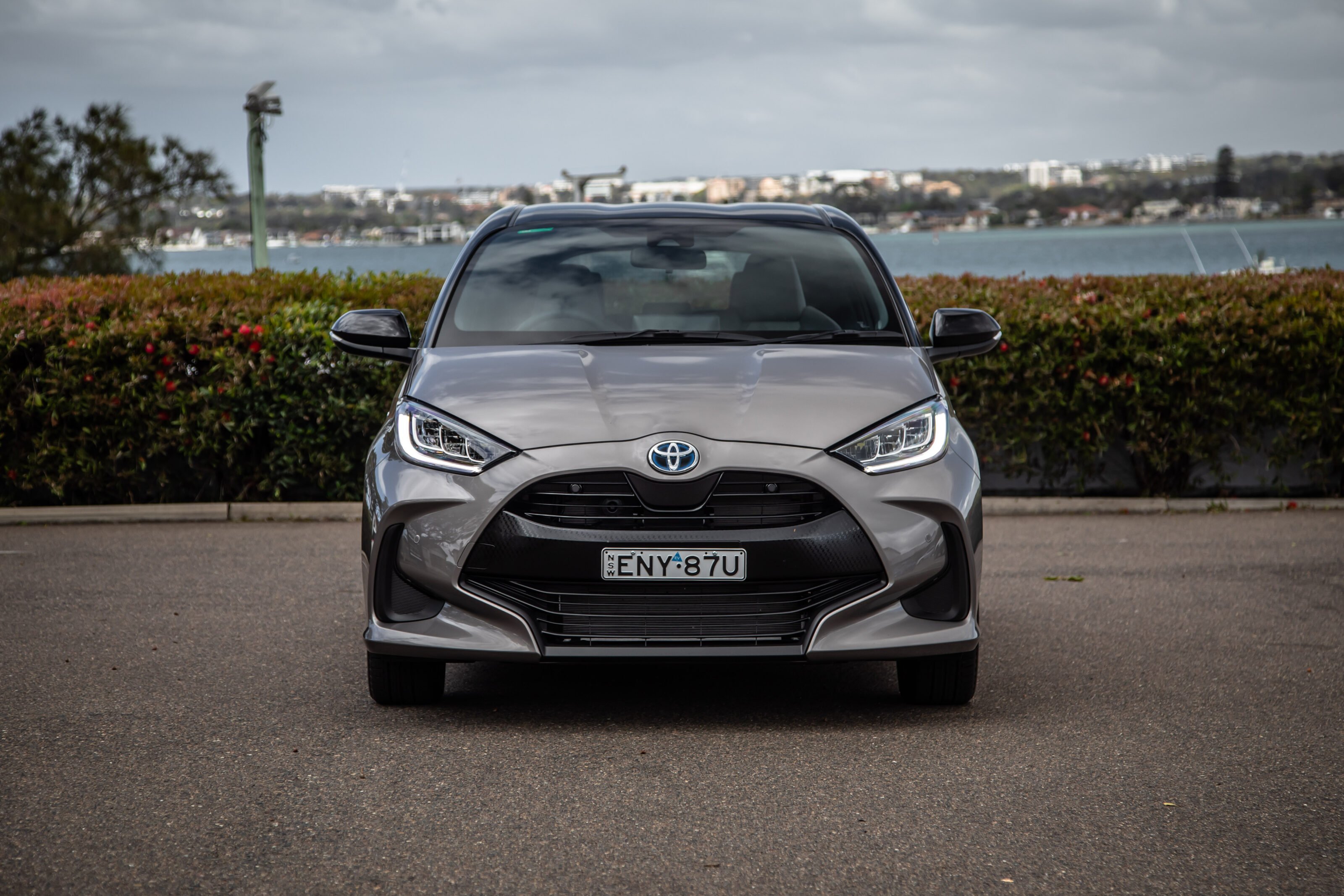
I’m still shaking my head at the huge jump in prices for the Yaris, even with the introduction of the Yaris Cross that sort of made some sense of the change (in that it meant Toyota could charge even more for the baby SUV).
People just aren’t buying as many light-segment hatches anymore, so if you’re going to offer one, make it worth everyone’s while, I guess.
I just can’t get my head around the fact that not only is $32,500 – before on-road costs – for the ZR Hybrid incredibly close to the Audi A1 35 TFSI but that kind of money buys you a Kia Seltos or a Hyundai i30 Sedan N-Line or, er, a Corolla Hybrid SX (with change leftover).
A Polo GTI is a few hundred bucks more and that same car’s Style spec is almost seven grand below, albeit without either the hybrid drivetrain or realistic service pricing.
Another benefit of the high price of entry is a freshly-minted five-star ANCAP rating – very tricky to get without centre airbags. Which the Yaris has
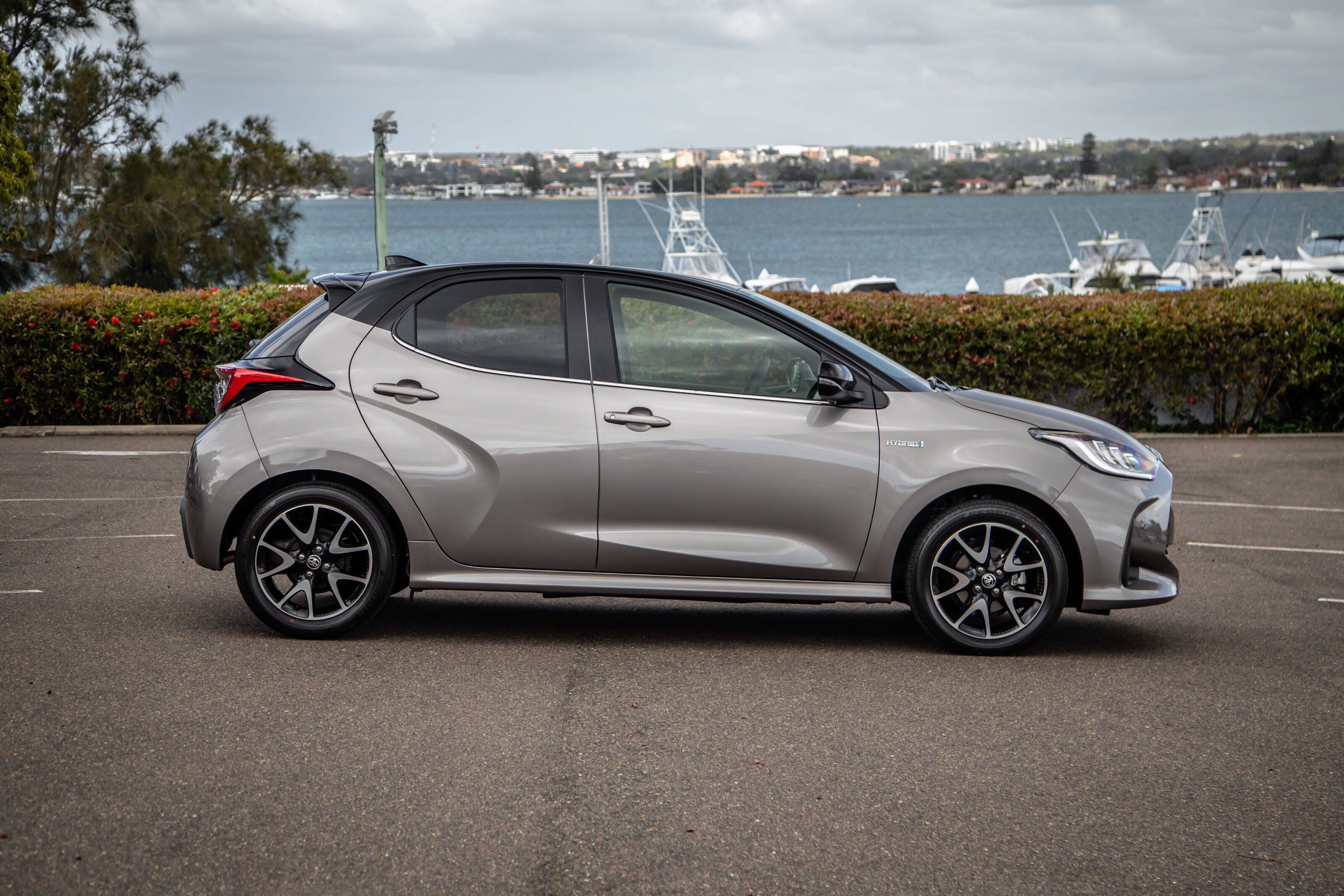
The ZR Hybrid has 16-inch alloys, adaptive cruise control, auto wipers, keyless entry and start, climate control, fake leather steering wheel trim, auto LED headlights and wipers, sat-nav, sports front seats, head-up display and interior and exterior trim bits to distinguish it from the lowlier SX.
It also has a space-saver spare. Quite where Toyota fits the hybrid battery is anyone’s guess, but it must be tiny.
The ready-for-the-pension 7.0-inch Toyota head unit has been plonked unceremoniously onto the dash. It’s old and crusty and not very good, and like BMW on warranty coverage, Toyota can do better. At least it has Apple CarPlay and Android Auto. The resolution is a bit low and everything is stretched across the screen real estate while the colours look washed out. It looks low-quality but it does respond promptly.
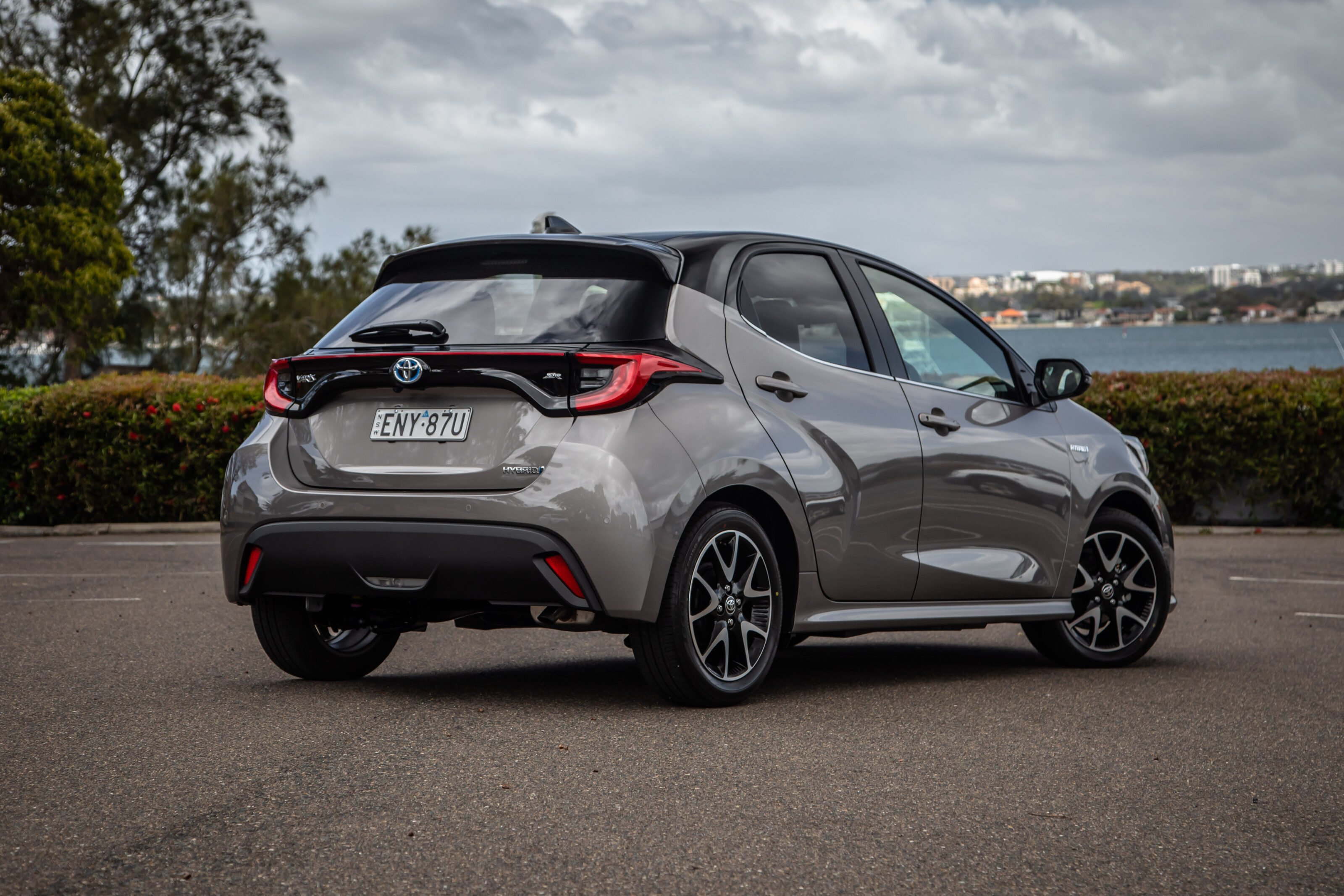
Another benefit of the high price of entry is a freshly-minted five-star ANCAP rating, something very tricky to get without centre airbags. Which the Yaris has.
It has a further six airbags for a total of seven, ABS, stability and traction controls, forward AEB with pedestrian and cyclist detection, active cruise, intersection assist, lane-keep assist and road sign recognition. Annoyingly it has neither reverse cross-traffic alert nor reverse AEB.
Only paint is an option, with Toyota having the bare-faced cheek to stiff you $575 for all but two of the eleven available colours and if you want the two-tone option applied to this car, it’s another $450. Bringing the price awfully close to that of a Corolla ZR Hybrid.
Comfort and Space
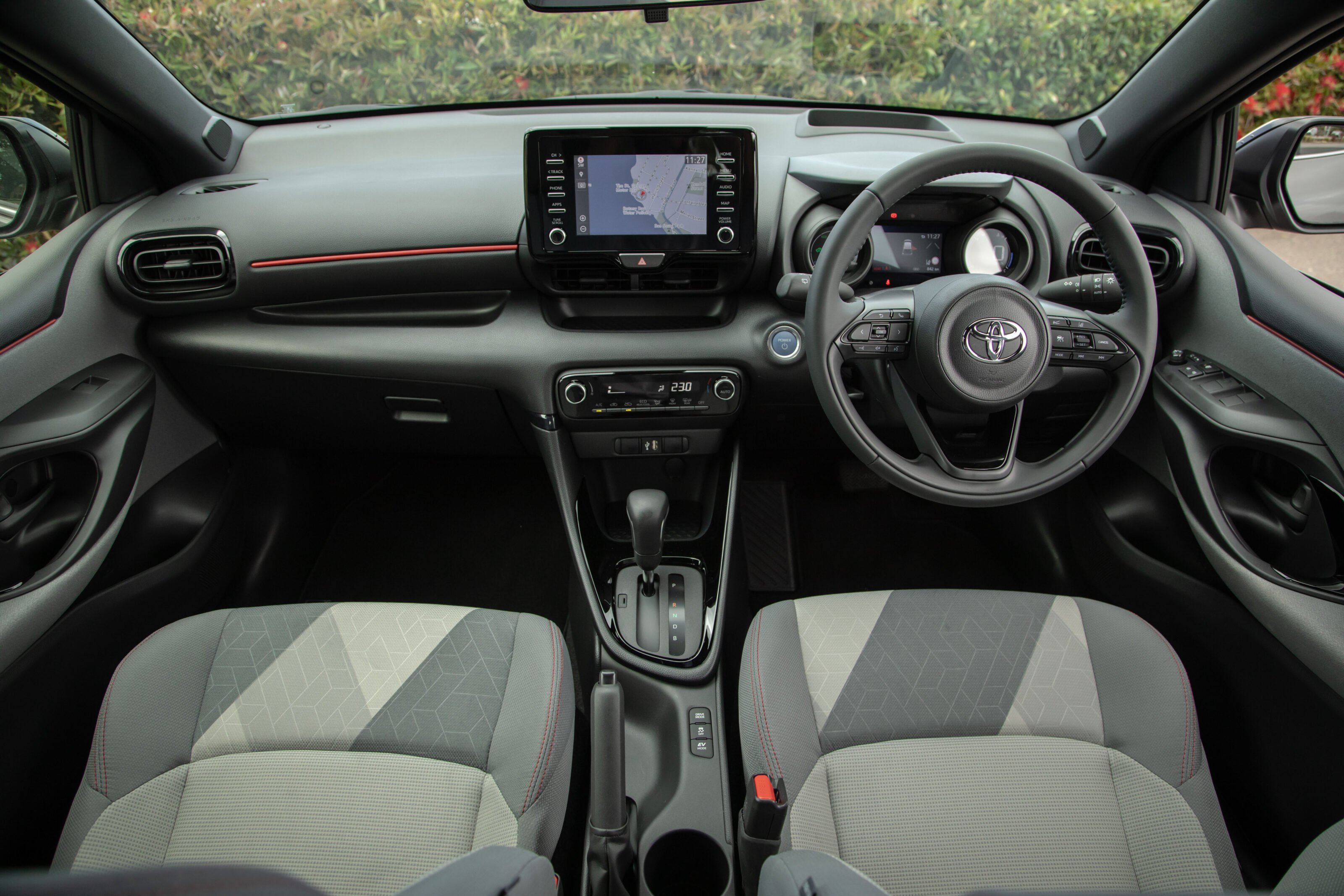
The old Yaris had a very nasty interior, so stepping into this one is far more of a pleasure than the old.
Up in the rarified atmosphere of the ZR, you get a lightly coloured cabin with a very nice pair of sports seats for the front. The fabric pattern reminds me of the one we laughed at when buying an early 2000s Peugeot, which in turn seemed to have stolen it from a mid-90s Hyundai Excel. The pale colours help to increase the sense of space in the cabin, though.
Disappointingly for the price, some of the plastics are very ho-hum and you get the impression that some parts were from the big bin out the back of the factory
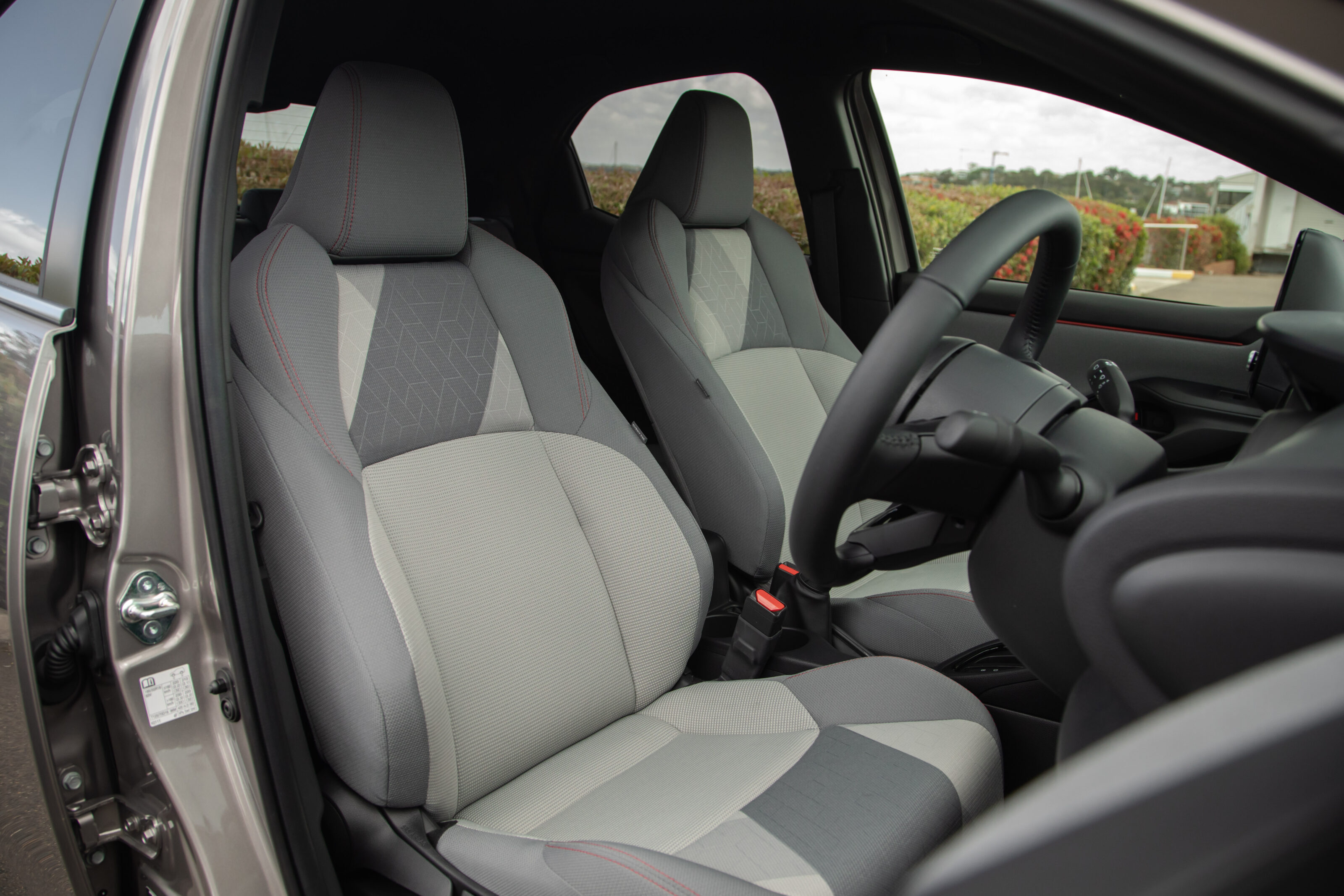
Disappointingly for the price of the car, some of the plastics are very ho-hum and you get the impression that some parts were fetched from the big bin out the back of the factory rather than spending any coin on making them nice for the Yaris.
The bottom half of the dash and the console looks really bare and made to fit a shifter and its surround from, well, anything they could find. There is heaps of grey plastic and a dark hole where you’ll find a 12-volt charger and a USB port.
ZR spec scores a screen for its climate control function, which replaces the Fisher-Price dials of the lower models, so there’s that.
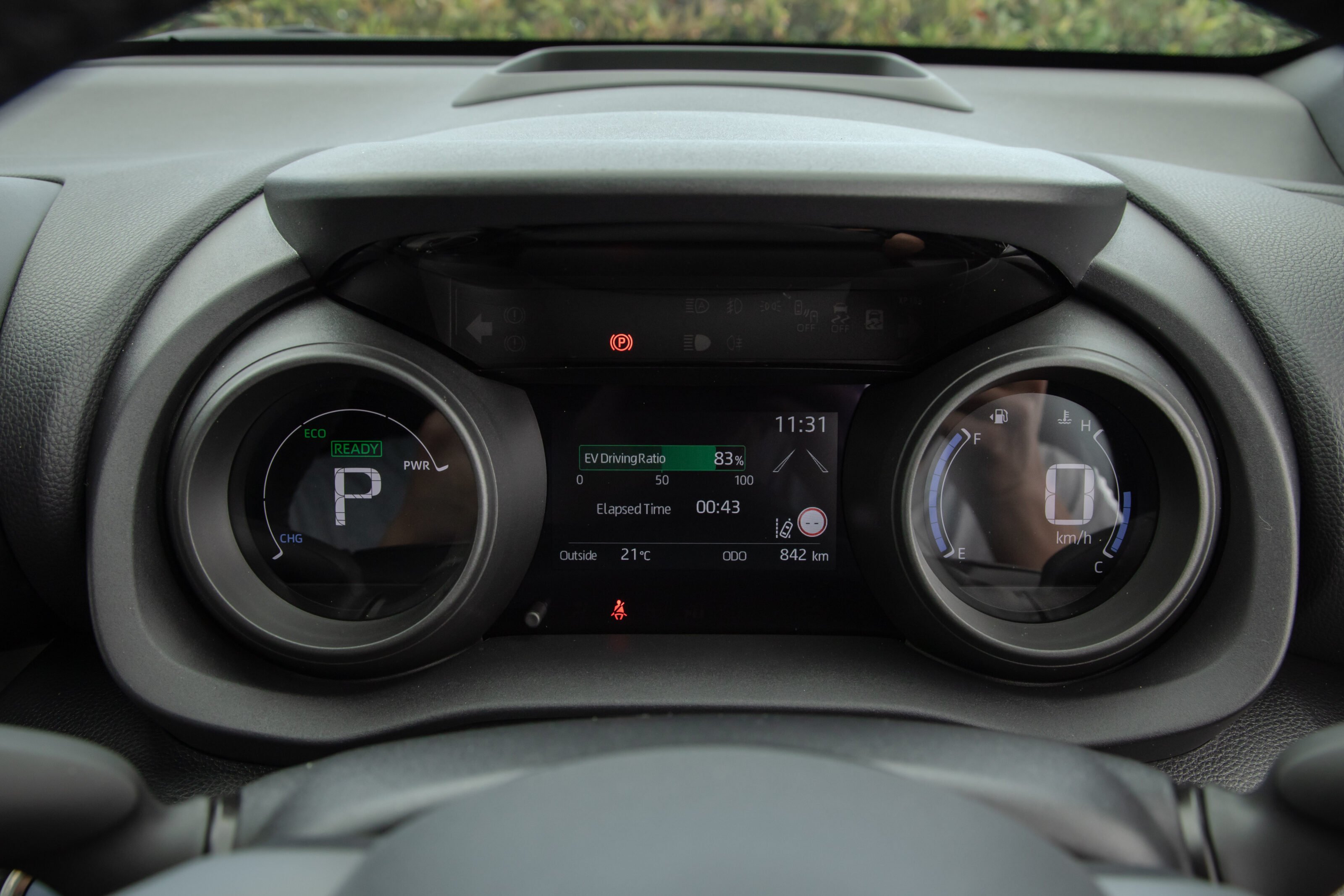
The SX’s digital dashboard is along for the ride and it is very good, as is the inclusion of a head-up display, which again goes some way to explaining the price. There’s a Kluger/RAV4 style shelf in front of the passenger, too, but you won’t get much in there. The front doors have bottle holders and there are two cup holders up front too.
Rear seat passengers will be reasonably comfortable for such a small car, with good leg and knee room and more than acceptable headroom. There is, however, not much else for them, with no armrest or cup holders and no USB ports. You could maybe get away with calling the square bin at the rear of the console a cup holder but that’s stretching the truth somewhat.
The boot is a handy if not expansive 270 litres. The false floor means you can have the floor flush with the load lip for easy packing and/or hiding expensive/muddy things underneath it.
On the Road
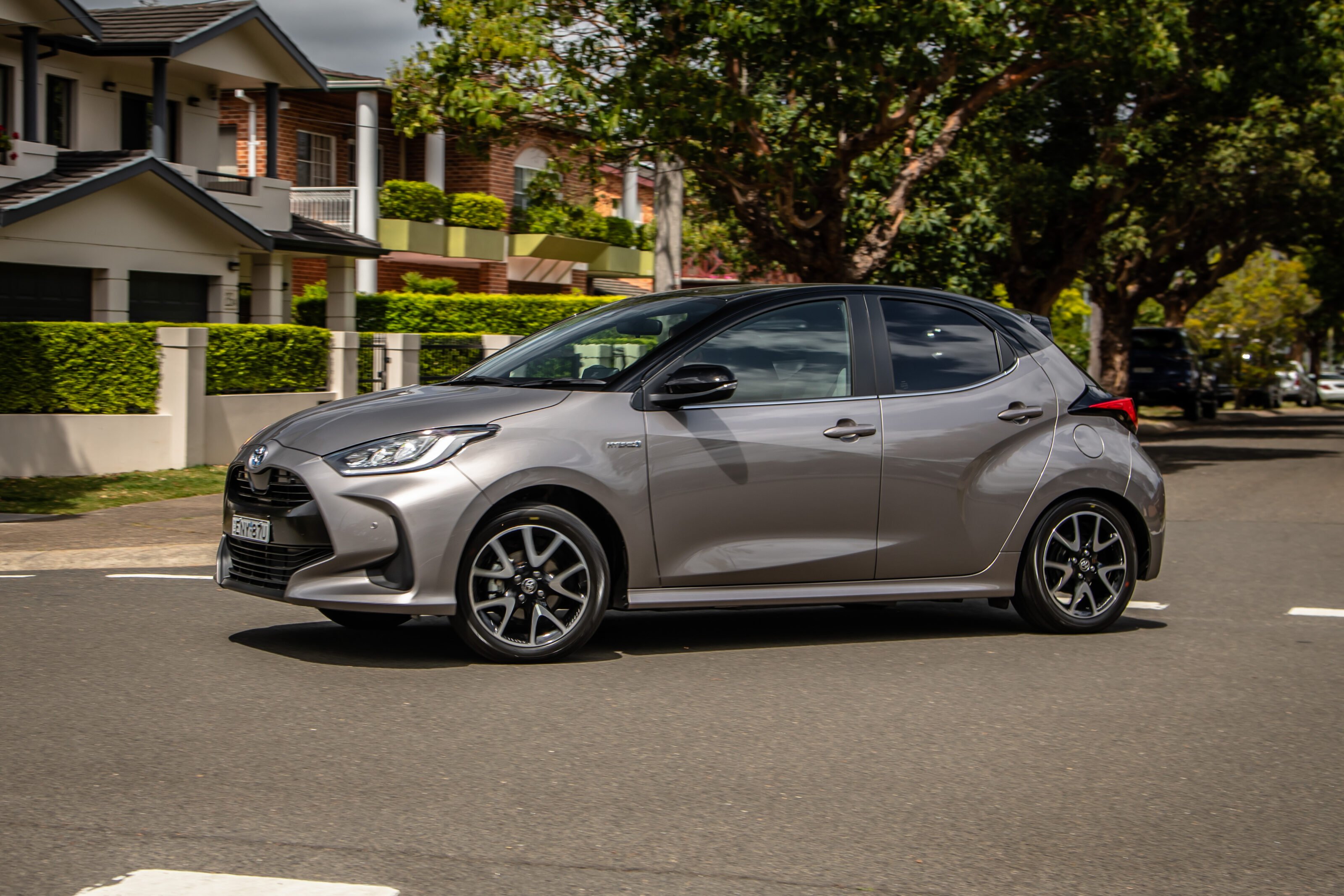
All Yarises – including the hilarious GR Yaris – are powered by a three-cylinder engine of various designs and tunes. The ZR Hybrid has a 1.5-litre internal combustion engine delivering 67kW and 120Nm while an electric motor buried in the automatic continuously variable transmission (CVT) has 59kW and 141Nm on offer.
Toyota says that the two together come out at 85kW and…er…well, they won’t say what the combined torque figure is, which continues to be something I find irrationally irritating.
The Yaris Hybrid is very much at home in the city. The slug of torque from the electric motor means smart getaways from a standstill, so you won’t get eaten up like you used to in the old car. That gives you a more convincing impression of the car’s overall safety, too, leaving you less likely to feel you’re going to be elbowed out of the way all the time.
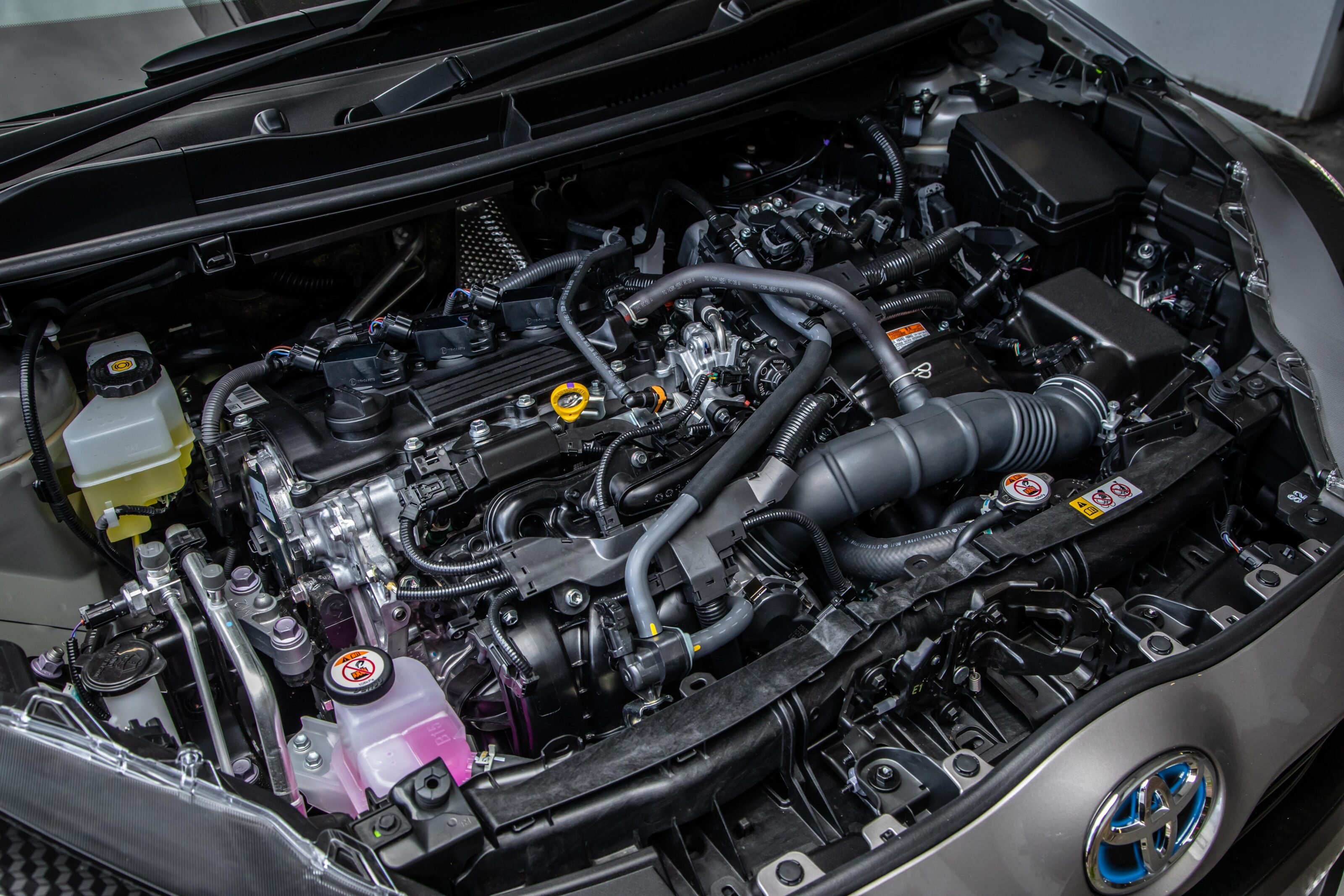
It’s nicely calibrated with the otherwise ordinary CVT, but it really does feel properly peppy, which is what you want. As ever, you can also try your luck to see how far you’ll get dribbling along on electric power only, the battery only big enough to give you a few hundred metres. That’s particularly useful in heavy, creeping traffic because it means the engine won’t cut in very often, if at all, given the right weather conditions and state of the air-con.
What I really like about this Yaris is that it’s fun to drive. That used to be a thing nobody ever said about the Yaris, but it now rolls on the small version of Toyota’s TNGA platform.
While that’s all well and good and doesn’t guarantee sparkle, I can’t think of a dud car on that set of components. It’s worth pointing out that if you’ve found your way here based on the idea a ZR Yaris is closely related to the GR Yaris, I’m going to have to disappoint you – they’re not very closely related at all.
The Yaris Hybrid is very much at home in the city. The slug of torque from the electric motor means smart getaways from standstill
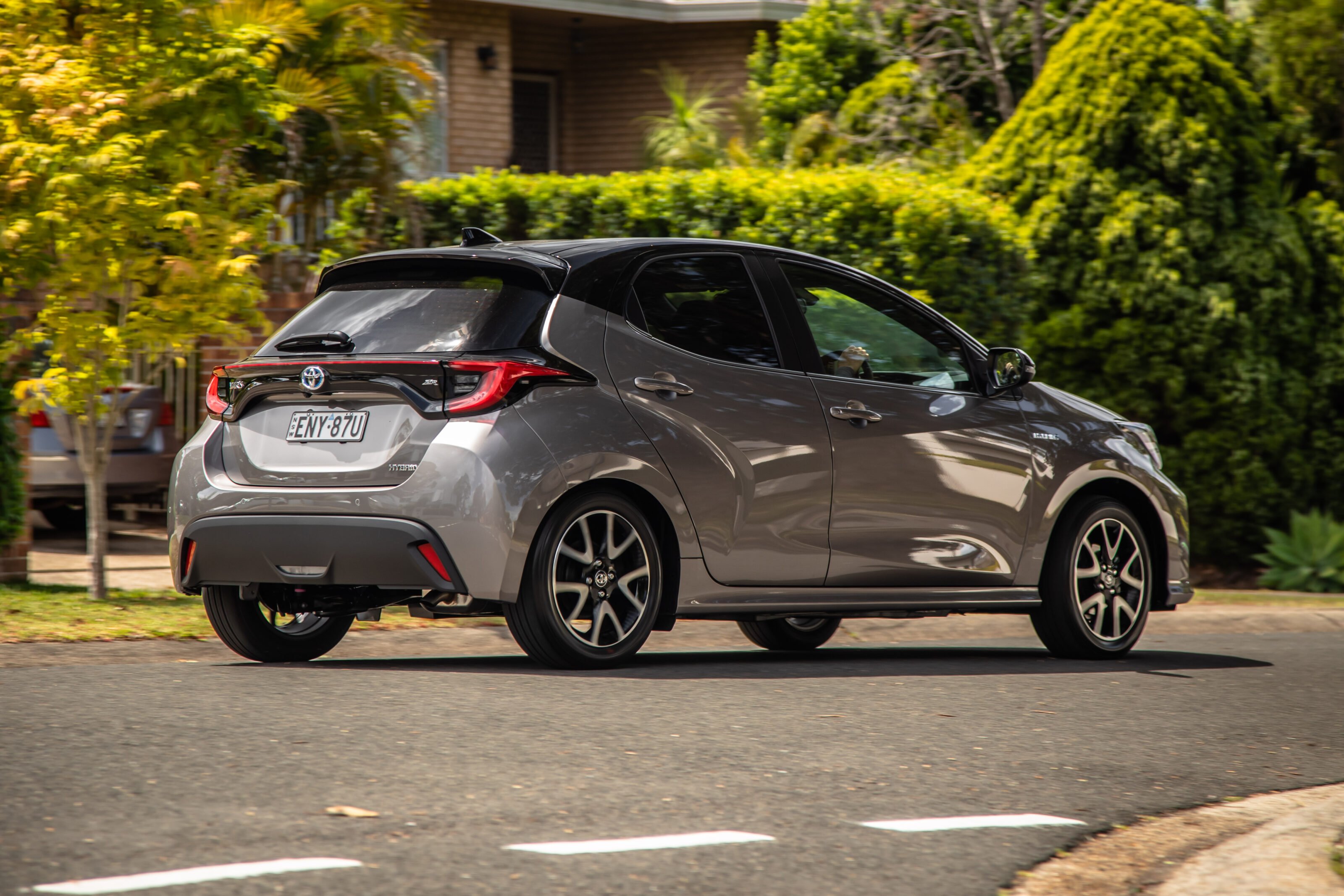
But having said that, for a Yaris, the current car is a genuinely enjoyable drive, with a really nice balance between ride and handling. For a car with such a short wheelbase, the ride is close to impeccable and the chassis tolerates a moderate amount of chucking about. The hybrid isn’t really set up for it, so with a bit of paddle pulling and learning how to build momentum and hold on to it, you’ll have a laugh or two.
For the Yaris hybrid, fuel consumption is quoted at an impressively low 3.3L/100km. I sniggered when I first saw it, then got 4.1L/100km, so that’s impressively good going.
Ownership
The Yaris comes with Toyota’s five-year/unlimited-kilometre warranty, which is now competitive. The company also throws in a further two years on the drivetrain if you service with one of its dealerships.
And you’d be mad not to. By contrast to the eye-watering price of entry, the first five services will only cost you $205 each, which is a dead-set bargain and the 12-month/15,000km intervals mean most owners will get the full five-year benefit. Although I do note that this price has risen by $35 since the car’s introduction…
The battery on the hybrid powertrain is also covered for ten years.
VERDICT

The Yaris is a lot of money, there’s no getting away from it. Is it Audi money? Yes. And no. While the Audi is rather more stylish, it doesn’t have the standard safety, bargain servicing or low total cost of ownership. It is the better car to drive and its approach to a three-cylinder engine is vastly more characterful and enjoyable.
Except, of course, that’s not what Yaris buyers are looking for. This car is everything Yaris buyers want but in a much more comfortable, safe and interesting package. In a dying part of the market, we have to be pleased when there’s anything at all available. It might be a lot of money, but it does exactly what it says it will do and will put a smile on your face doing it.
2021 Toyota Yaris ZR Hybrid specifications
| Body: | 5-door light hatchback |
|---|---|
| Drive: | front-wheel |
| Engine: | 1.5-litre three-cylinder hybrid |
| Transmission: | CVT |
| Power: | 85kW @ rpm (combined) / 67kW @ 5500rpm |
| Torque: | 120Nm @ 3800-4800rpm (ICE only) |
| Bore stroke (mm): | 80.5mm x 97.6mm |
| 0-100km/h: | 11 sec (estimate) |
| Fuel consumption: | 3.3L/100km (combined) |
| Weight: | 1130kg |
| Suspension: | MacPherson struts (f) / torsion beam (r) |
| L/W/H: | 3940mm/1695mm/1505mm |
| Wheelbase: | 2550mm |
| Brakes: | 255mm ventilated disc front / 200mm drum rear |
| Tyres: | 185/55 R16 |
| Wheels: | 16-inch alloy (space-saver spare) |
| Price: | $32,200 plus on-road costs |
In the almost 70 years since Chrysler first developed a functional gas turbine test mule, the technology that dominates the world’s skies has remained virtually untapped by road cars.
The Americans (and their Italian design counterparts) were optimistic about the potential of turbine cars in the ’50s, but the project was abandoned for good reason with just 55 cars produced. Those reasons were to do with the first five iterations of Chrysler’s engines failing to meet government emissions regulations and external pressure on the company.
Despite turbine engines never taking off in the automotive sector, American start-up Astron has a new design that shows incredible promise.
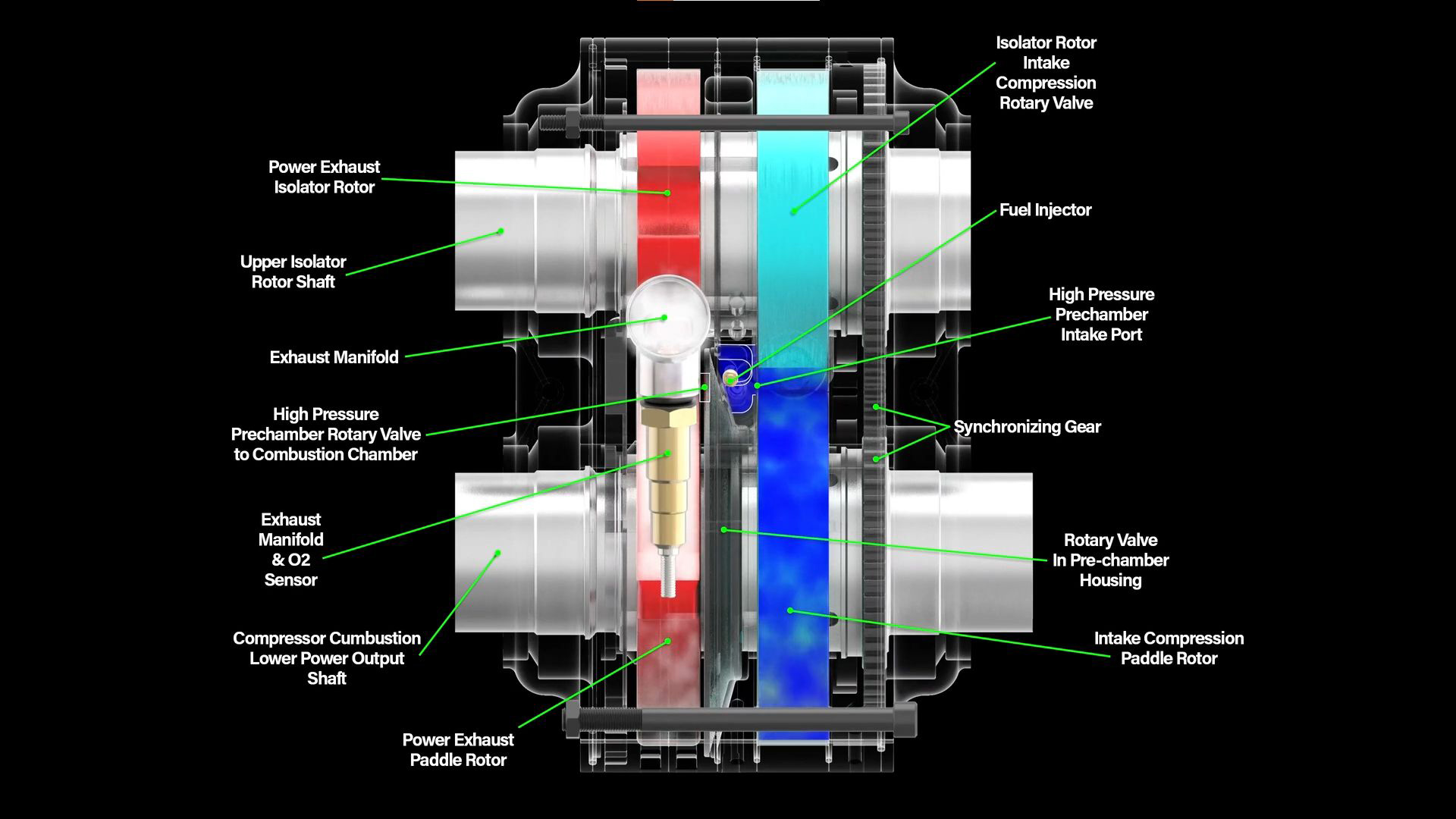
A hint at the company’s interest in a turbine-inspired engine comes from its full name – Astron Aerospace – with aviation as well as automotive usage being part of their prototype’s intended target market. The engine is called the Omega 1, and it combines parts of both a regular combustion engine and a turbine design, with hints of rotary interspersed (just without those pesky apex seals).
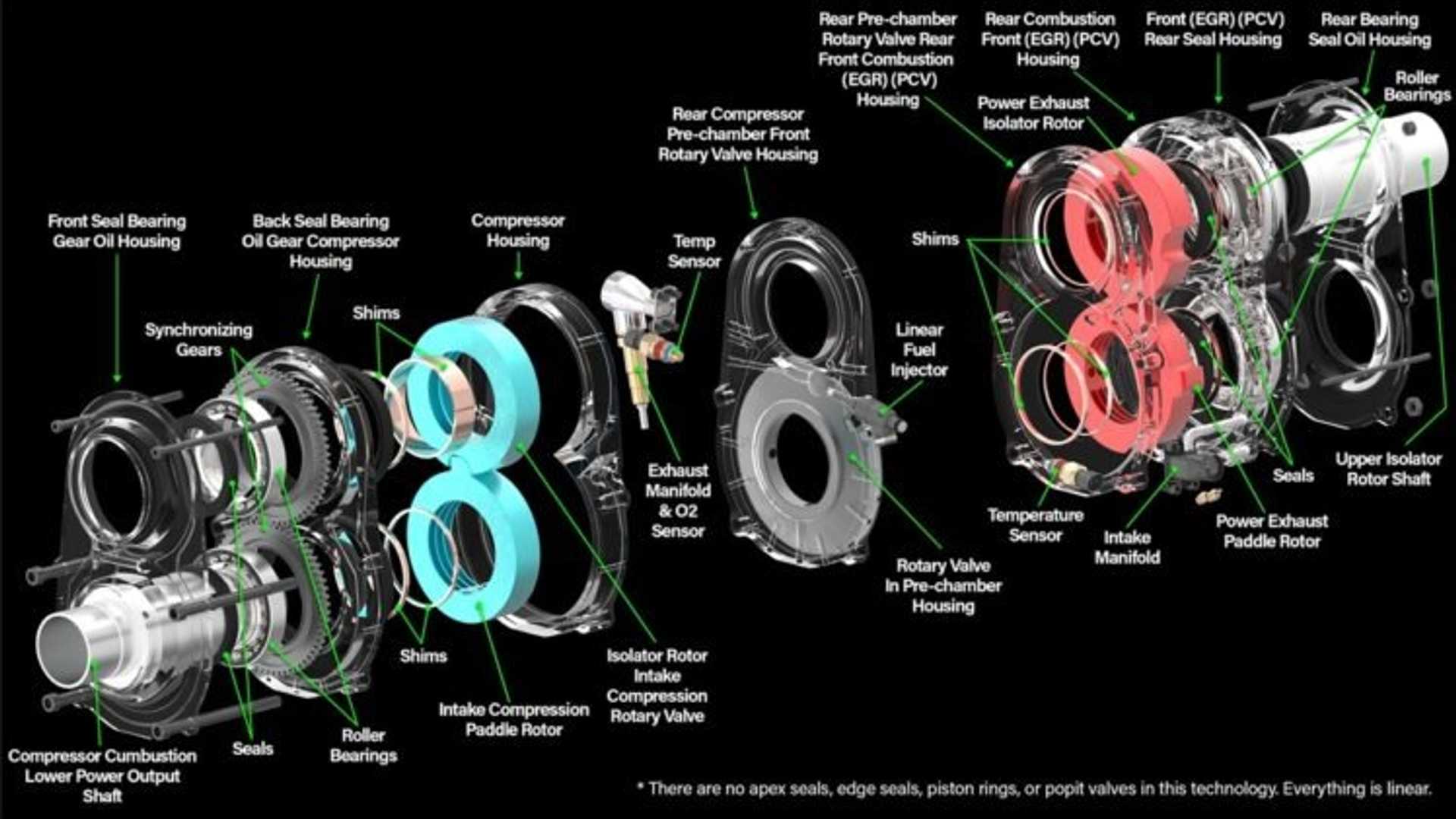
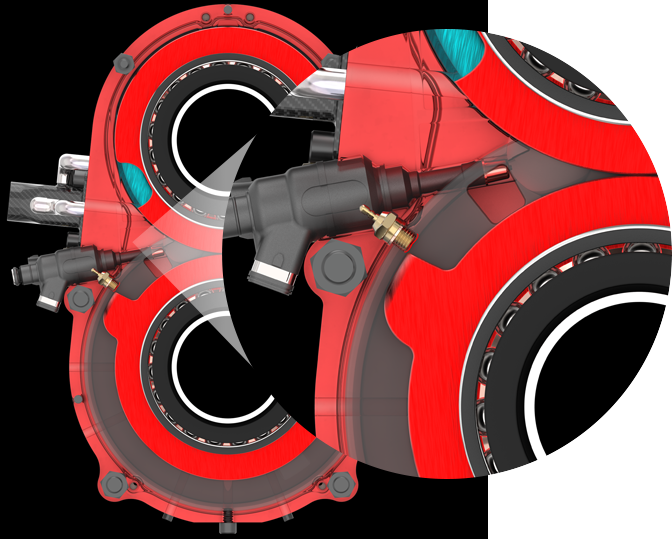
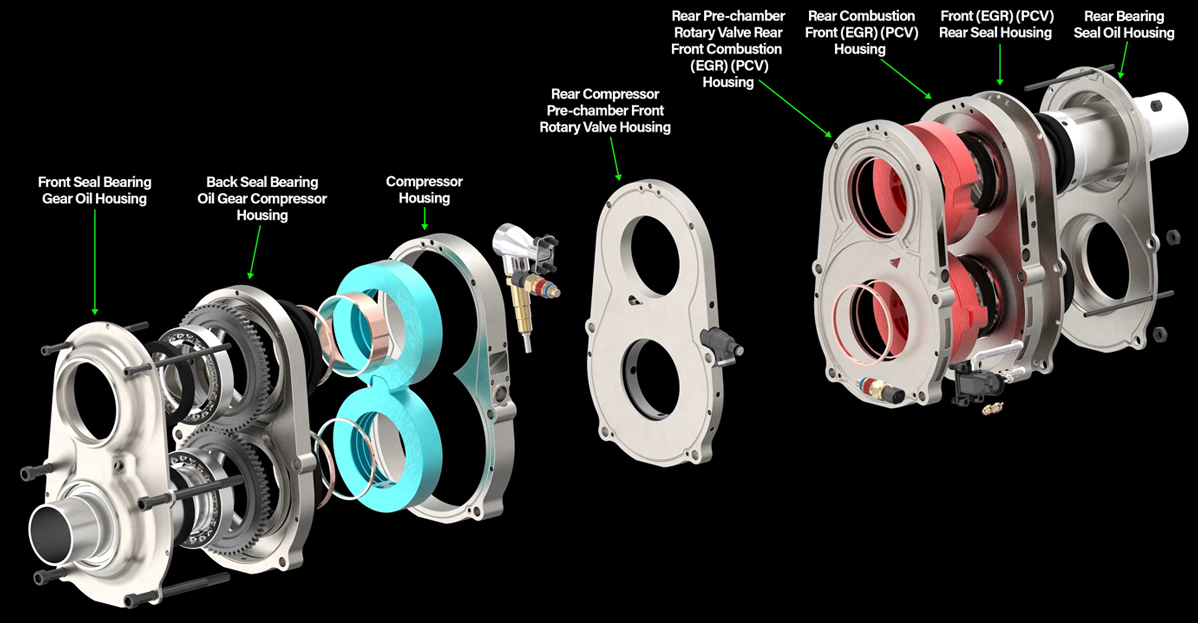
How it works is a pair of gears are stacked on top of each other, with another set behind. Both gears are smooth save for a single respective tooth and notch, that rotate in a housing that Astron claims doesn’t require sealing due to the incredibly tight fit of less than 0.1mm.
In the first pair, the gears separates the intake and compression, while the other has the combustion and exhaust. Intake air enters the combustion chamber when a hole in the rotating gear aligns with a plate in the compression side. As the compressed air then enters the port, fuel is direct injected and ignited much like a regular combustion chamber, spinning the entire assembly via the single tooth gears.
To oversimplify all of that, the Omega 1 takes a regular combustion engine’s four strokes and separates them into two distinct and independent chambers.
That’s a lot of effort, so what’s the benefit? According to Astron, the Omega 1 is compact, light, powerful, low emitting, and yet simple to maintain. It claims a single 16kg engine produces 119kW and 230Nm, with a 1000rpm idle and 25,000rpm redline. The Omega 1 can also be stacked, combining two units to make 238kW and 460Nm and so on. Early computer modelling claims the design could result in a package producing 447kW and 1355Nm at 15,000rpm with a staggering 80 per cent thermal efficiency.
So far all of Astron’s work has been in designing the engine, now it has to turn those plans into a reality. The project received considerable funding, and the company has filed patents internationally to protect its designs, while looking to licence the product to prospective clients across the automotive and aeronautical sectors.
In proving the real-world application of Omega 1 there are still issues to face, notable the incredibly fine tolerances of the design, which relies on expensive exotic materials to ensure everything continues to function throughout different heat cycles.
But, and it is a big but, if Astron can achieve part of what they promise, a new era of rotary engines could be upon us. Brap on!
What about alternative fuels?
Astron’s Omega 1 isn’t just a petrol burner. The company claims that hydrogen can be used as an ideal fuel for the engine, with emissions “close to zero”. A report last year out of Japan suggested that Mazda is investigating a similar path for its future rotary plans.
Speaking of Mazda’s rotaries…
The on-again, off-again relationship between Mazda and the Wankel rotary engine that propelled many of its sports cars into cult fame continues into a new year. Patent filings from the Hiroshima car company in early 2022 show a rear-driven coupe powered by a three-rotor engine and hybrid system. RX-9, could that be you?
Is it going to be easy to service?
Astron claims that the engine can operate for 100,000 hours plus between ‘overhauls’. In the interim, it says “only very simple, low-cost, and inexpensive” maintenance is required. This is thanks to the low part count, which Astron says for a single Omega 1 unit is roughly equivalent to a one-cylinder lawnmower engine.
Where else could the engine be used?
While we’ve maintained a focus on the Omega 1’s automotive applications, Astron says its design can be used in anything from planes, to motorbikes, heavy machinery and also a range-extender for EVs. Upsized units for heavy industry applications have a theoretical maximum power output in the region of 3355kW.
A concept car created by 28 students from the Istituto Europeo di Design (IED) in Turin has imagined what a sports car could look like by 2035.
Alpine tasked the Italian design school with creating a futuristic high-performance car, with the Transportation Design class creating the A4810 – a two-seater supercar with a hydrogen-fuelled internal-combustion engine.
“The Alpine A4810 project by IED has been a very exciting experience with students and lecturers”, said Raphael Linari, Alpine’s chief designer.
“The result is a futuristic supercar that explores new territories for the brand in terms of package, proportions, and design language. The different creative approaches of the young, talented students, combined with IED know-how, gave rise to some very interesting responses. Furthermore, the extraordinary final result makes the collaboration a resounding success!”
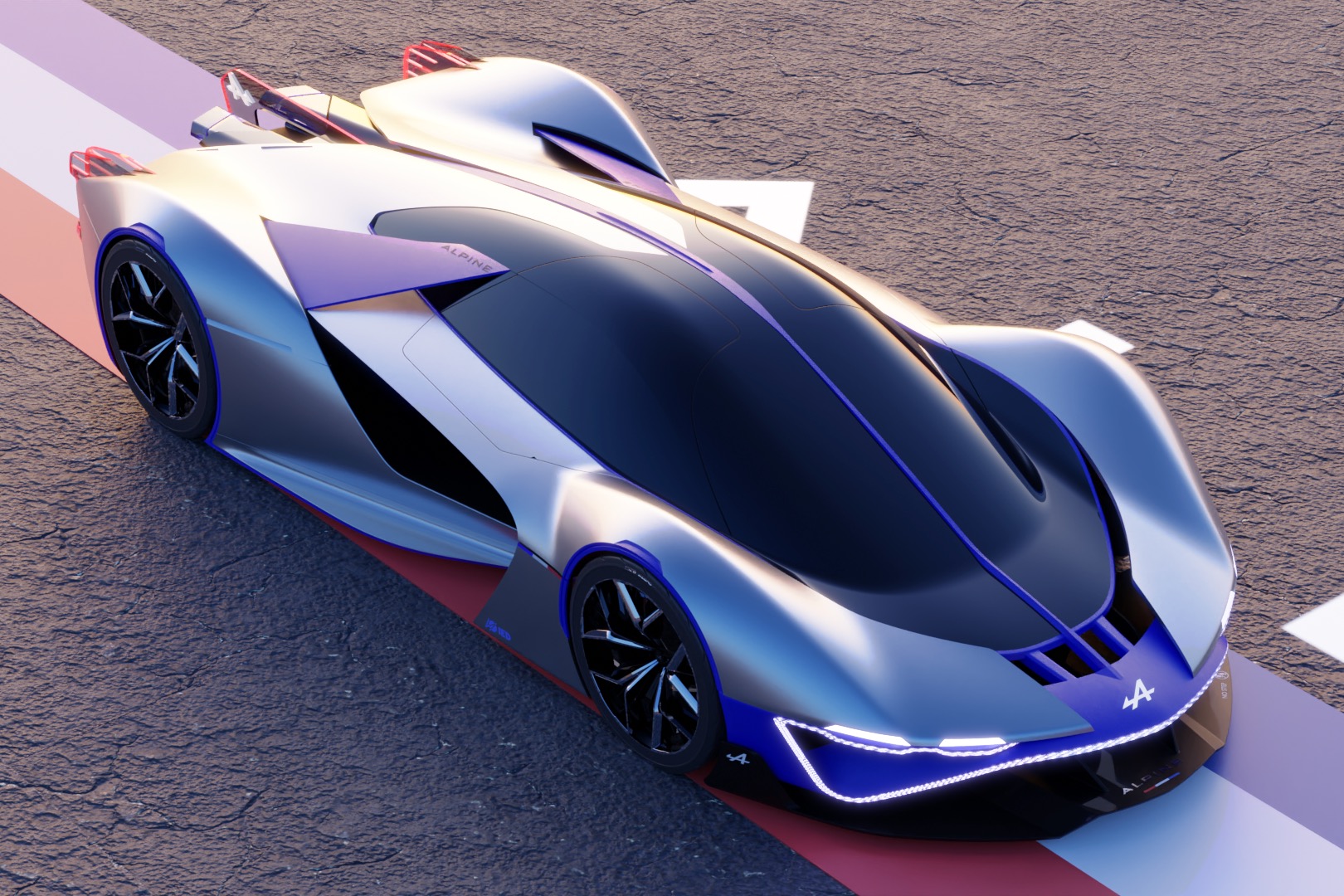
The students formed the A4810’s F1-inspired look through sketches, 3D models, digital renderings, animations, and Human Machine Interface.
“Collaboration with the Istituto Europeo di Design and its students has been a great experience,” Alpine Design Director Antony Villain said.
“It was a ‘filter’ for us to see the brand through the eyes of the younger generation, but it was also an opportunity to share our passion and know-how, and give them sound advice for a successful career in automotive design.”
Snapshot
- Australia’s infrastructure rating has dropped 20 places in the last four years
- AAA suggests taxes be redirected towards transport to rejuvenate the economy
- Only half of the fuel excise tax has been spent on transport projects
The transport sector has been touted as one of the biggest parts of Australia’s local economy to lead us through our post-COVID-19 recovery period, according to one of the industry’s peak bodies.
The Australian Automobile Association (AAA) has called for transport to be one of the leading sectors in Australia’s economic recovery, as well as a major part of this year’s upcoming federal election.
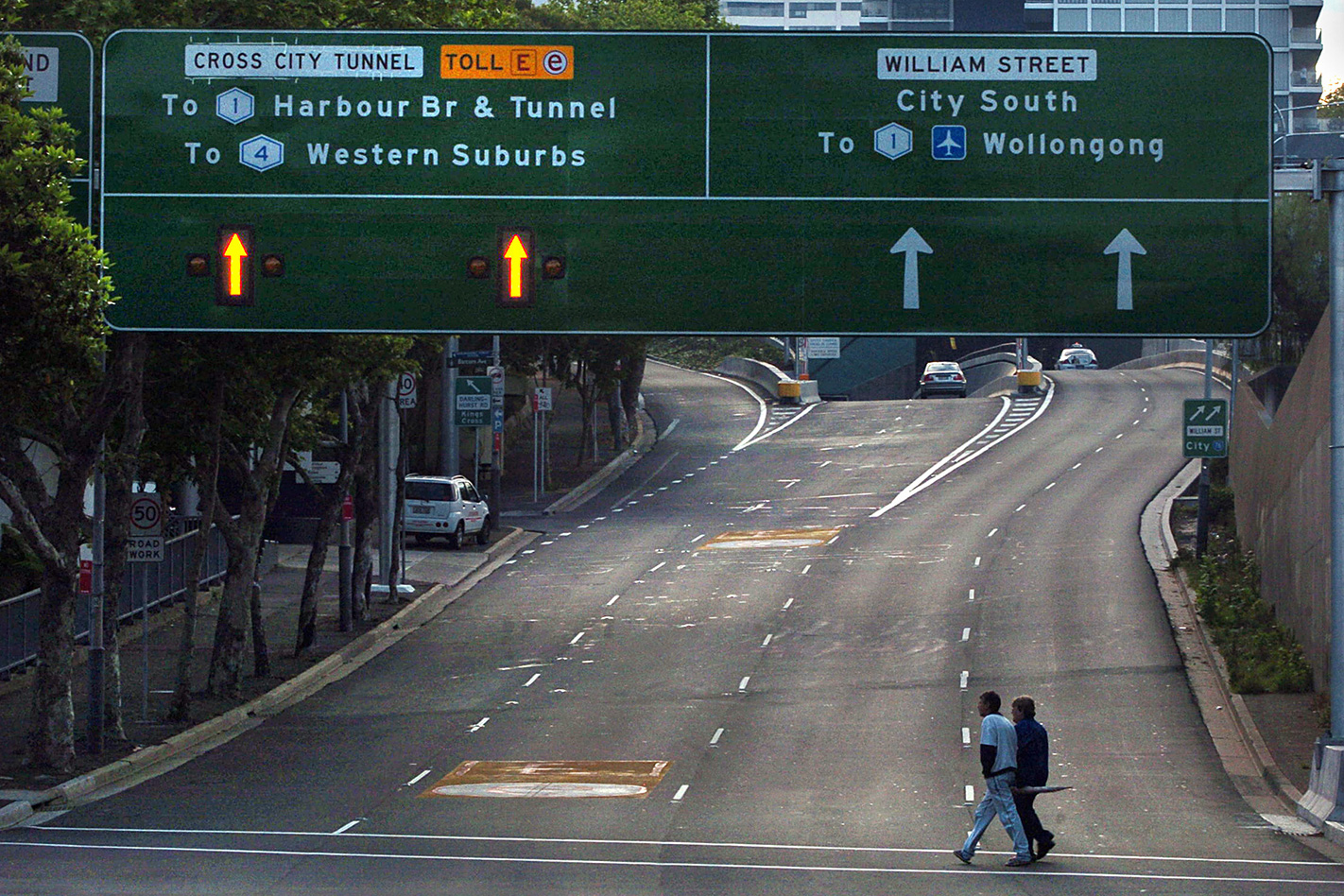
According to the peak body for the motoring industry, Australia has recently slipping down the rankings in the World Economic Forum’s analysis of global transport infrastructure, dropping from 18th to 38th place in the four years leading up to 2019.
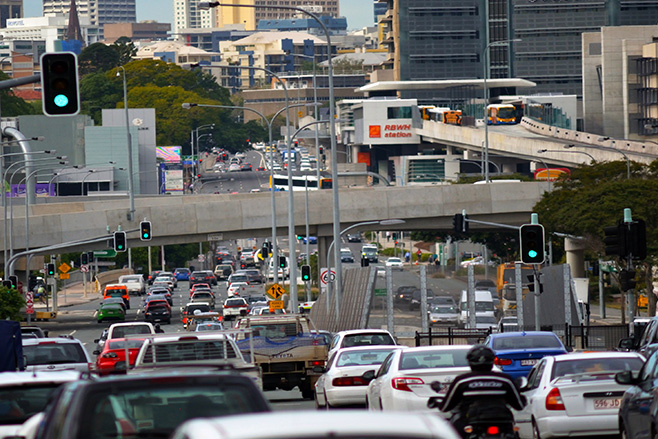
AAA’s managing director Michael Bradley has called on the Australian Government to reconsider how it spends its tax revenue, with only half of the estimated $13 billion expected to be gained from the fuel excise tax this year to be reinvested in transport projects.
“With petrol prices at record levels, Australian motorists deserve to have every cent of their fuel taxes spent on projects that make their commutes faster, their families safer, and their communities stronger,” said Bradley.
“The past decade has seen just 53 per cent of the fuel excise spent on the transport network and as a result Australia is now having to play catch up.
“Both sides of politics have in recent days been right to resist calls for fuel tax cuts, citing the importance of fuel excise as the nation’s main source of road-building revenue.
“But the time has come for both sides of politics to commit to using 100 per cent of fuel taxes to build projects that get Australians and our economy moving again.”
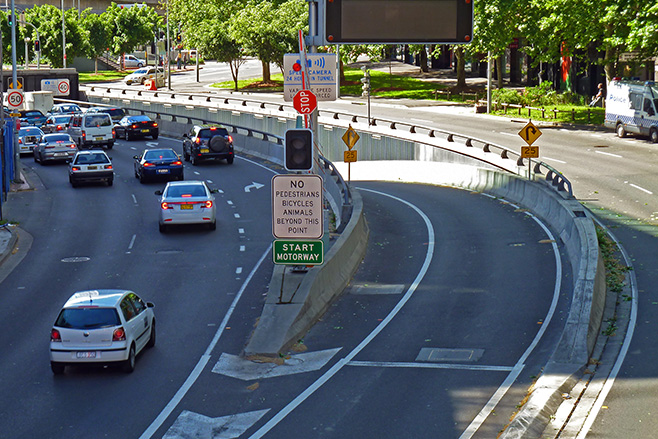
The AAA’s Green Light Australia’s Recovery campaign is a part of the peak body’s policy platform for 2022, in which it calls for not only smarter investments in infrastructure, but also a more uniform, nationwide approach to road safety.
Bradley has recently been outspoken on the issue of road safety, previously calling for a data-led approach to coordinate a better way for Australian roads to be improved.
“Australia’s worsening road toll reflects poorly on our chaotic national approach to road safety, which has been shown by recent inquiries and reviews to still lack clarity and coordination,” said Bradley last year, off the back of a surprisingly high road toll being recorded.
“National road trauma data collection and reporting remains shambolic, and ministers considering Australia’s overdue National Road Safety Strategy 2021-2030, need to prioritise this issue.
“At a time when Australians have daily reporting of COVID-19 infections, hospitalisations, deaths, and vaccinations split by age, gender, and jurisdiction, nobody knows how many Australians were seriously injured on our roads last year, let alone the interventions likely to deliver improvements in the future.”
Also rolled into the AAA’s policy platform are its ambitions for the Australian Government to improve the quality of fuel available to local motorists (which will also reduce greenhouse gas emissions), while simultaneously pushing for more accurate emissions and fuel efficiency testing measures – after it found a number of vehicles failed to meet local standards.
A recent report by the AAA found Australian household transport costs had risen to roughly $413 a week last year, with the recent petrol price boom only driving those numbers up.
The Adelaide Motorsport Festival will return for 2022, organisers announced overnight.
Funding for the event was cut by the Government back in 2019, with the Opposition making its return an election promise – one the Premier-elect will be held to, with the Adelaide Motorsport Festival announcing the dates of November 23 to 27.
While timing has yet to be formally approved by authorities, the Goodwood-esque festival will include the Adelaide Rally – the largest tarmac rally in the world – and has been pencilled in for the week prior to the Supercars’ Adelaide 500 round, helping to capture motorsport tourists from around the country and the world.
Part of the city’s old Formula 1 street circuit will be used, with the event set to feature a number of former F1 cars from the late 1980s and early 1990s when Adelaide hosted the Australian Grand Prix.
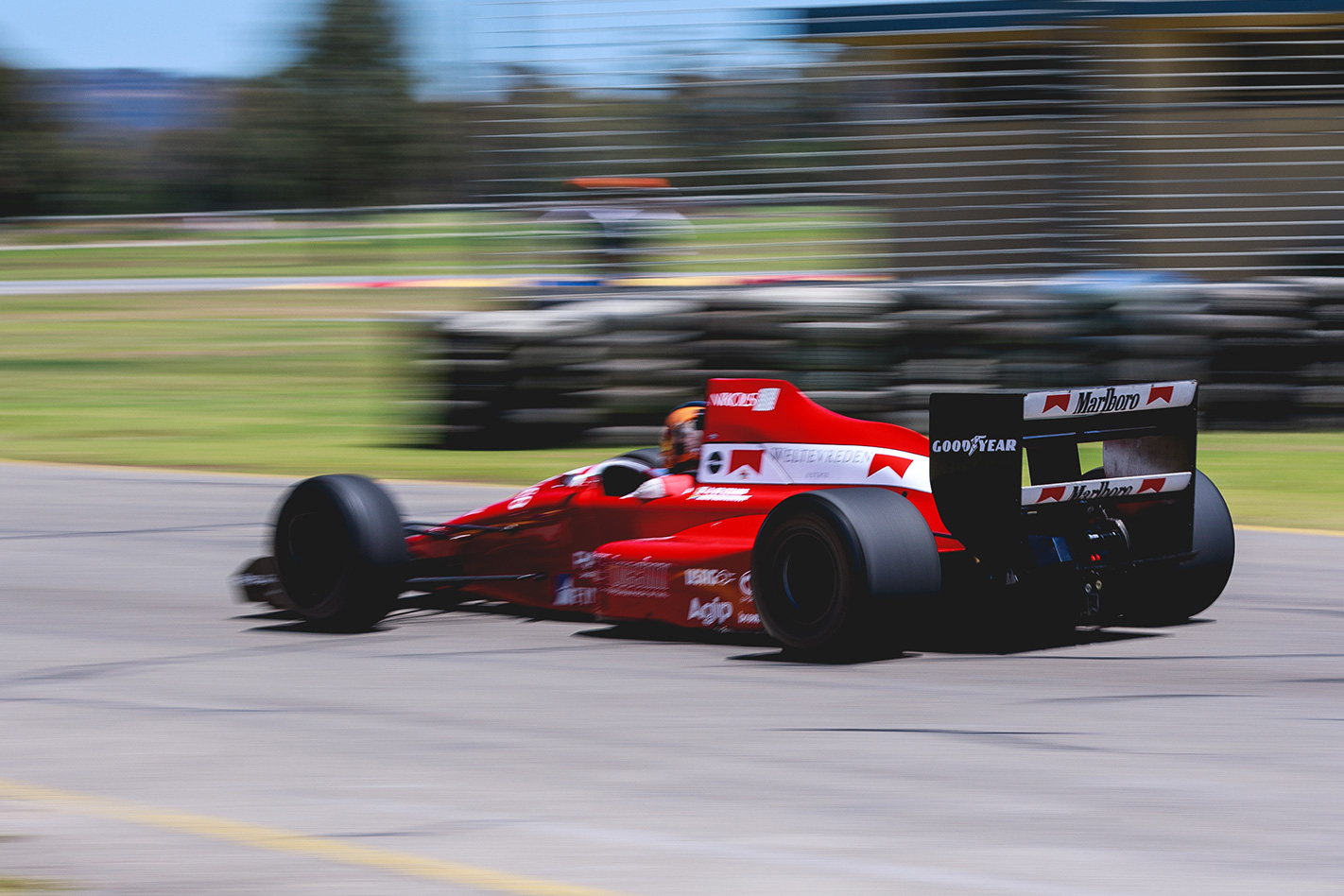
Friday night will see the return of Peak Hour of Power – a parade of rare and exotic vehicles, including retired F1 cars, all of which will drive through the city at peak hour – before the Gouger Street Party kicks off in the restaurant precinct, featuring live music, pop-up bars, and celebrity appearances.
For more information, you can head to the Adelaide Motorsport Festival website by clicking here.
Plug-in hybrids get a bad rap. The problem with PHEVs, according to the naysayers, is their electric driving range is poor compared with a proper EV, and when the battery’s done, the internal combustion engine the uses more fuel than it should lugging around the dead weight of a slumbering EV powertrain. PHEVs are the worst of both worlds, they insist.
They’re wrong.
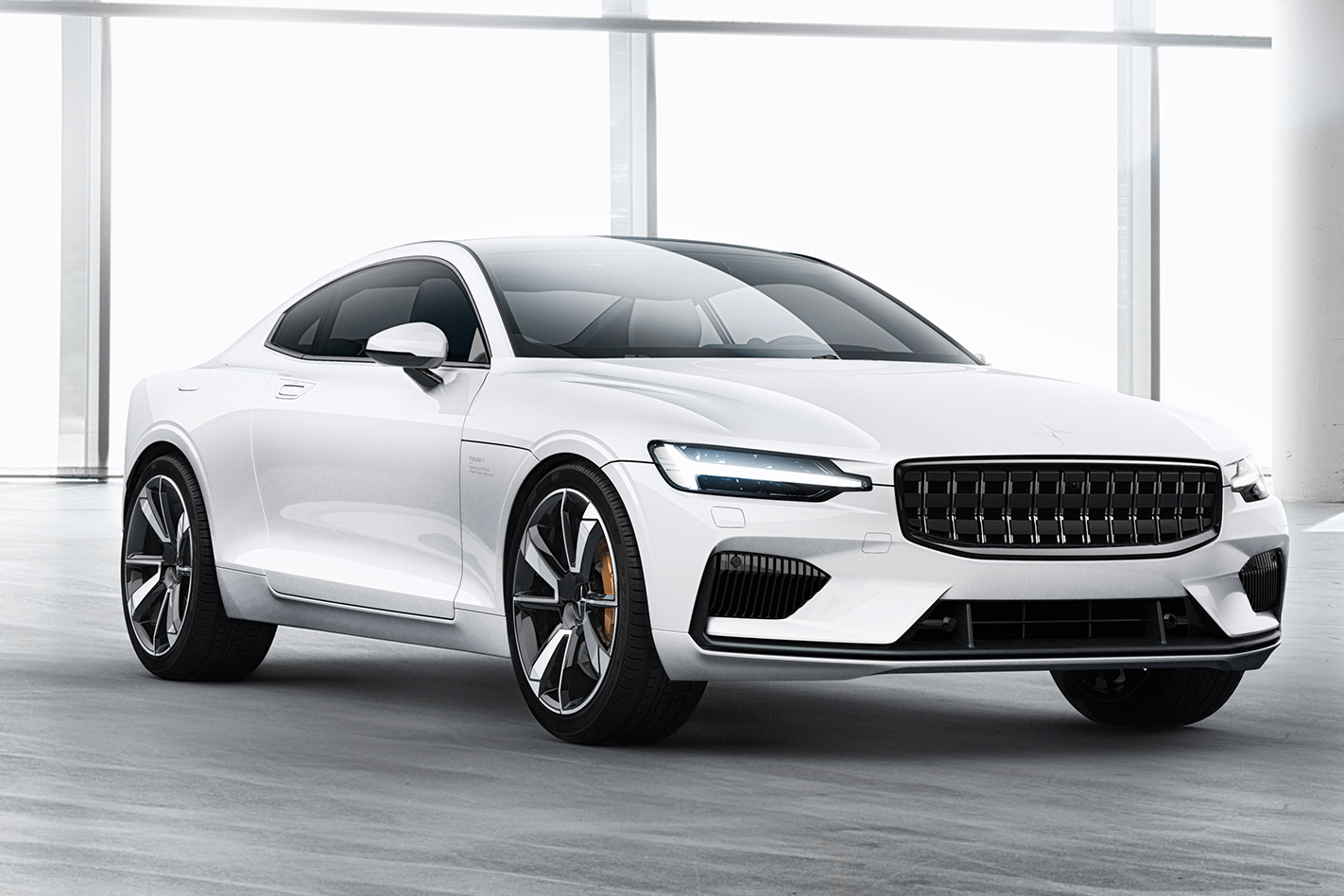
Polestar 1 is a simple name for a complex premise. Designed to be a fast, continent-crushing grand turismo that’s also able to waft through congested cities on smooth, silent electric power, it has a plug-in hybrid powertrain comprising a 2.0-litre internal combustion engine that is both supercharged and turbocharged, and three e-motors – one at the crankshaft, and one at each of the rear wheels – delivering a total system output of about 460kW and 1000Nm of torque.
This sublimely elegant coupe rolls on a shortened version of the Chinese-market Volvo S90L platform, and borrows the internal combustion piece of its powertrain from the T8 version of that car. Packaged into the platform are three battery packs with a total capacity of 34kW/h.
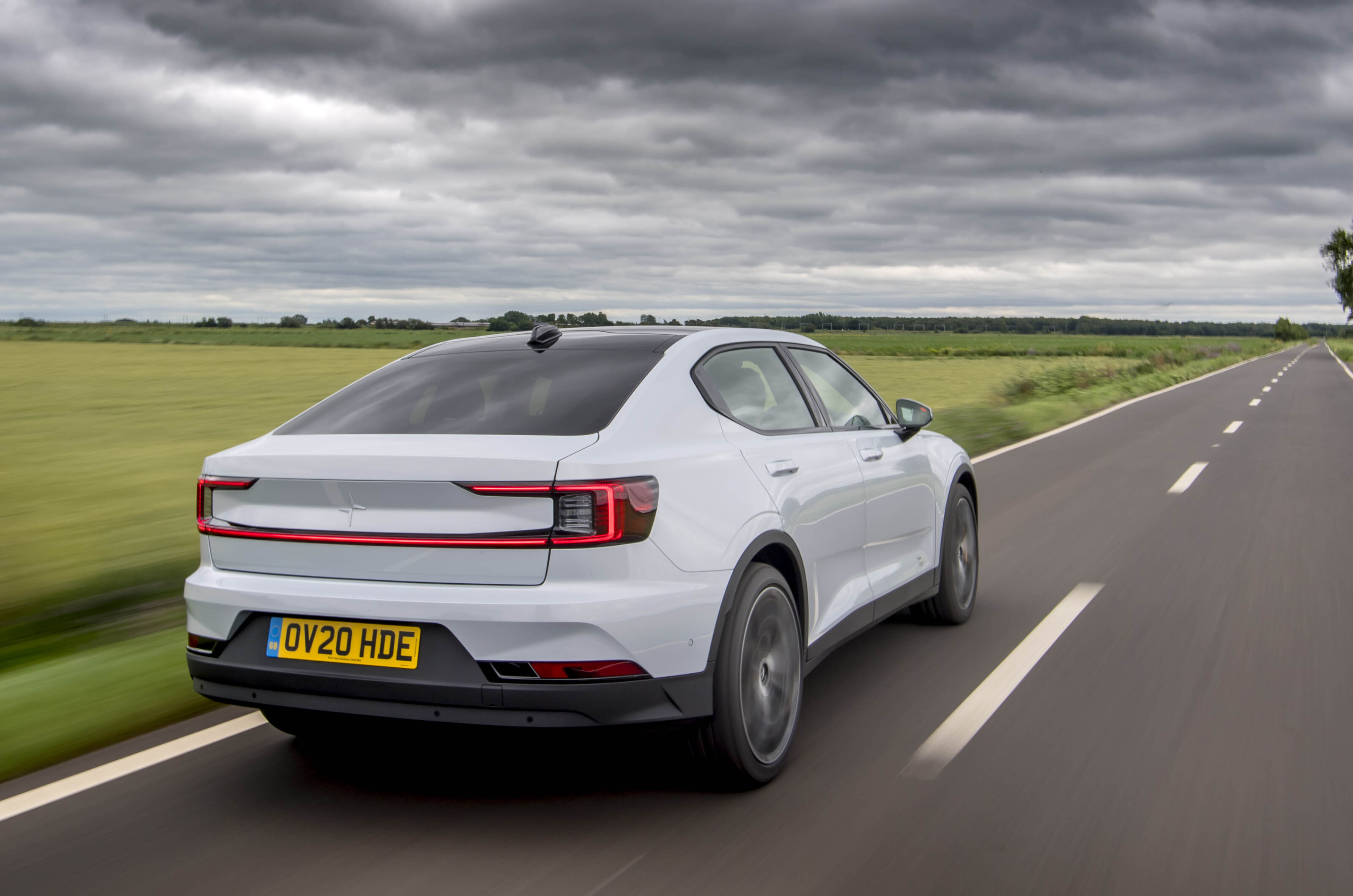
The Polestar 1 is quick – 0-100km/h takes about 4.0 seconds, and it’ll easily peg 250km/h on an autobahn. It handles well, too. Active torque vectoring, achieved via the e-motors at the rear wheels, endows the Polestar 1 with incredible front-end grip from corner entry to mid-turn, and superb traction from the apex once you get back on the throttle. For a car weighing 2350kg, it turns in with alacrity and punches hard out of corners, and it’s all achieved with remarkably little fuss.
Polestar 1 is designed to be a fast, continent-crushing grand turismo that’s also able to waft through cities on smooth, silent electric power”
Fast, comfortable and discreetly glamourous, the Polestar 1 is the sort of car today’s Simon Templar would drive. But the banality of everyday driving is where it proves the worth of a properly sorted PHEV.
A 430km day trip from home in London to the Midlands and back saw the Polestar cover the first 107km, tiptoeing through heavy stop-start city traffic and then cruising at 120km/h on the motorway, on pure electric power. It averaged 6.3L/100 for the whole journey.
The next day, after recharging the battery overnight, I went see friends in Surrey, a round trip of just over 100km. The internal combustion engine never fired up. Average fuel consumption had dropped to 5.0L/100km, and the 60-litre fuel tank was still half full.
That got me thinking: if I suddenly had to trade our Mercedes C-Class diesel wagon – which has averaged 5.0L/100km over the past 6500km – then a PHEV with 50 to 100km of electric driving range would be an intriguing alternative; a viable halfway step to going full electric. It would deliver the range and flexibility I need for quick 400-500km day trips out of London, something current EVs and today’s charging network can’t guarantee, while enabling clean and efficient e-running on the crowded streets around home.
No, a PHEV isn’t perfect. But then, no car is. Or ever has been. The trick is figuring out how to optimise the compromises to best fit your needs. An electric vehicle, with zero exhaust emissions, makes sense if you drive in crowded cities and urban areas. If you cruise long distances, the much-maligned diesel, which is extremely efficient at constant throttle, remains a good option. I do both. And, as the Polestar 1 proved, that’s a duty cycle for which a PHEV, right now, is anything but the worst of both worlds.
Snapshot
- Hybrid HR-V to be sold alongside petrol-powered counterpart
- Honda’s SENSING safety suite to come standard across all grades
- Pricing to be announced before the end of March
Honda is gearing up to roll out its latest HR-V in the coming weeks, with both the internal combustion engine-powered SUV and its hybrid sibling set to launch soon.
Having been revealed by Honda over a year ago, the third-generation HR-V’s arrival will signal the first time the model has been available as a hybrid in Australia, with the 1.5-litre, naturally-aspirated Vi X grade coming in as the cheaper variant under the e:HEV L – powered by the same petrol engine but with electric motors on each axle increasing power, torque and fuel efficiency.
Just one grade will be available with each powertrain, locked into fixed prices after Honda moved to an agency model across Australia last year.
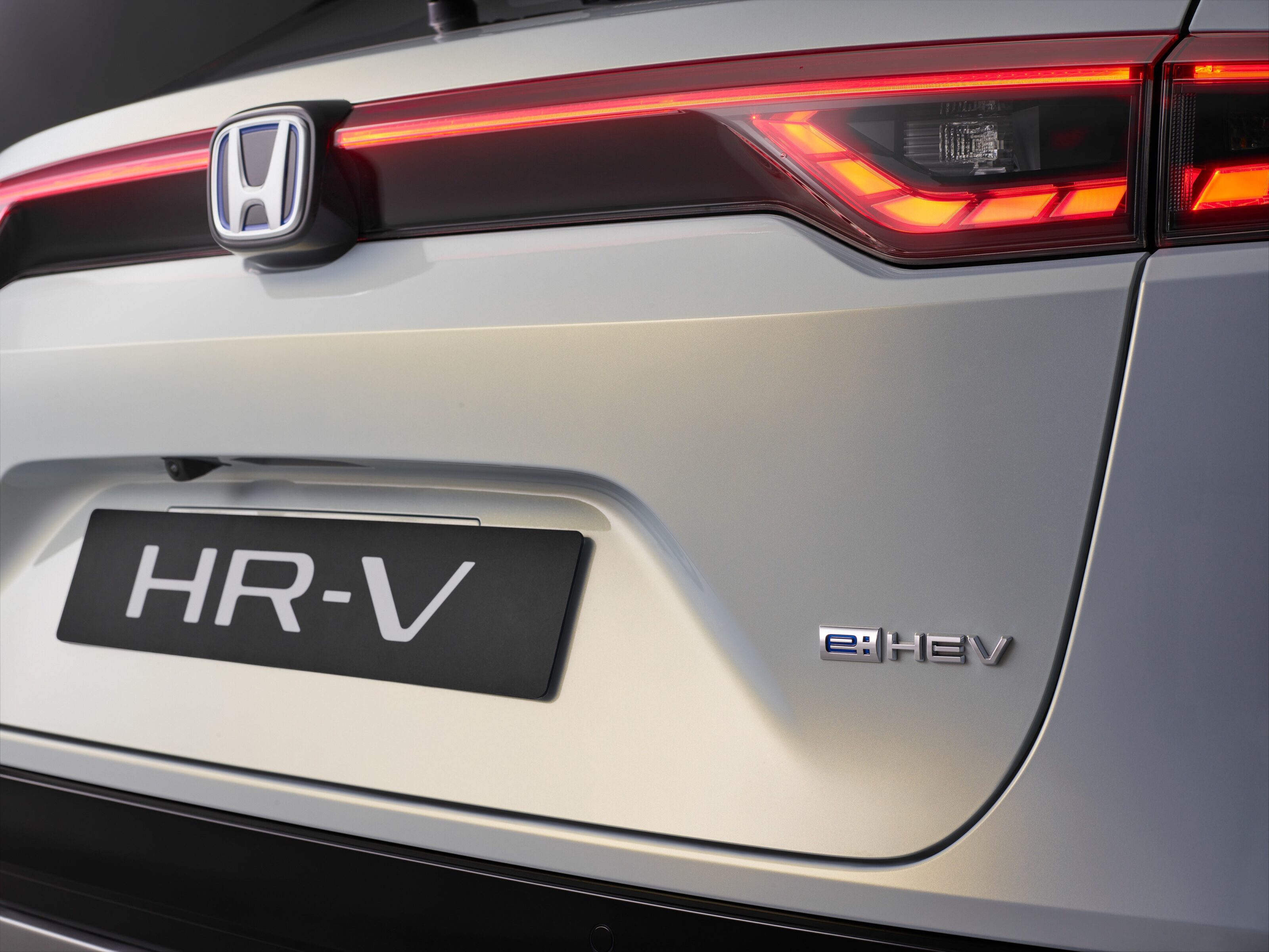
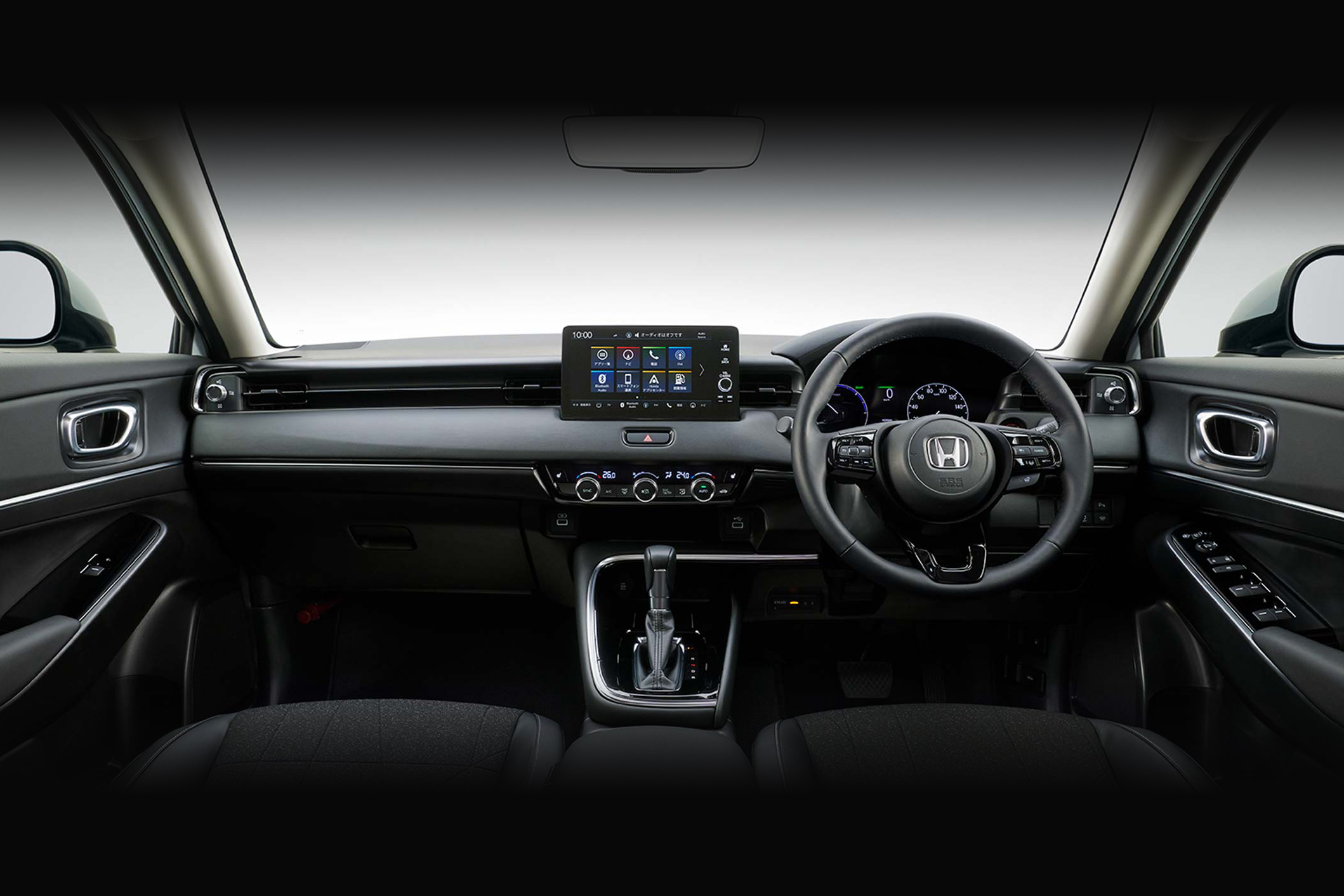
According to the manufacturer, the entry-level HR-V Vi X will feature standard equipment such as 18-inch alloy wheels (with tyre deflation warning system), LED headlights (with high beam support system), 9.0-inch infotainment screen, satellite navigation, wireless Apple CarPlay and smart keyless entry with push button start.
On top of this, the hybrid e:HEV L is confirmed to gain a hands-free power tailgate with walk-away close, a heated steering wheel, heated front seats, an acoustic windscreen and LED active cornering lights.
Honda’s SENSING suite of safety technologies will also become standard across both grades, adding a host of safety features which includes forward collision warning, collision mitigation braking system, lane departure warning, lane keep assist system, road departure mitigation system, adaptive cruise control with low-speed follow, high beam support system and traffic sign recognition system.
Honda Australia Director Stephen Collins said the new HR-V will be a turning point for the nameplate, now positioned as a more premium offering within its segment while retaining its place as an entry to the brand’s model range.
“Building on HR-V’s existing strengths, the third-generation model represents the beginning of a new chapter for Honda’s small SUV, with sophisticated styling, premium quality, advanced safety and intuitive technology,” said Collins.
“Repositioned as a sophisticated entry point to the Honda vehicle line-up in Australia, the all-new HR-V has been designed to appeal to a broader audience, elevating premium styling and quality alongside the HR-V’s enduring trademarks of spaciousness and versatility.”
Complete pricing and features for the HR-V will be announced before the end of March, with the first examples expected to arrive in showrooms shortly after.
A YouTuber has caught the moment when a Tesla Model S jumped over an intersection, putting a number of lives at risk and leaving the vehicle as a write-off.
Alex Choi says he organised a Tesla meet in Los Angeles, attended by dozens of vehicles, before being invited to a spot in Echo Park where another YouTuber performed a similar stunt back in 2020.
In the video, Choi says there was little warning of the dangerous action before it occurred.
While the Model X appeared to survive the original 2020 jump, this time the Model S driver carried more speed, taking a hard landing, setting off the car’s airbags, and smashing into garbage bins and parked cars.
It’s believed all of the occupants – including a stray cat – all escaped without injury.

“Forget that it’s a Tesla, this is an EPIC jump,” journalist and podcaster Matt Farah wrote on Twitter.
“Masterfully stupid, and the fact that there are like 20 angles of it means that there is zero chance of an insurance payout and a likely chance of (well deserved) arrest,” Farah added.
While there is little footage of the aftermath, Choi says the vehicle’s occupants quickly left the scene following the incident, leaving the totaled car on the street.
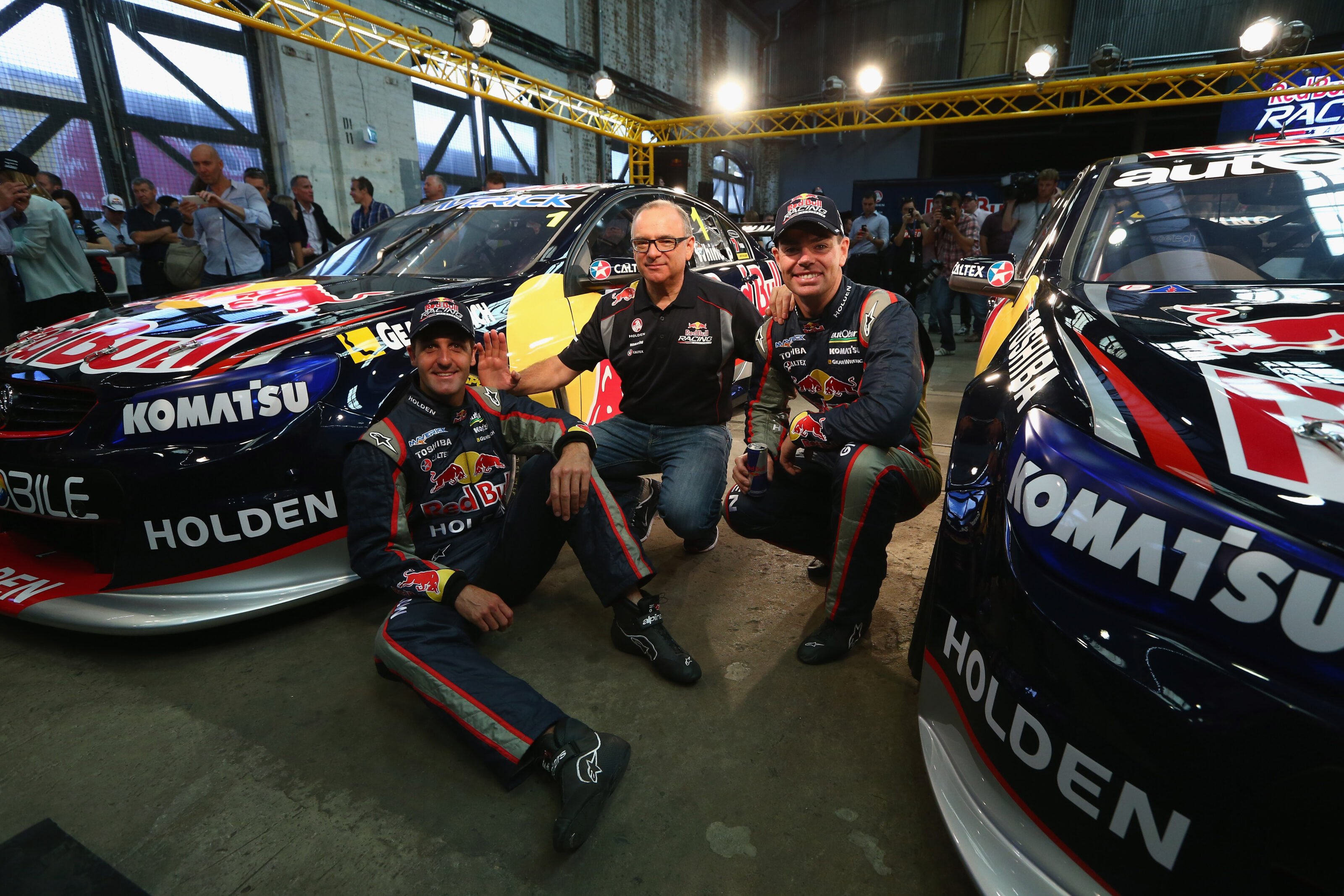
The gong for ‘Best Feature Story Of The Year’ went to Wheels for our probing profile of Triple Eight Race Engineering boss Roland Dane.
Presented by Hino and Castrol, and judged by an independent panel, the Supercars Media Awards have for the past 10 years celebrated the high standard of coverage of Australia’s leading motor racing category. The 2021 awards were presented at the weekend’s opening round of the 2022 Supercars championship at Sydney Motorsport Park.
Wheels’ profile of Dane on the eve of his retirement was declared the stand-out feature story in any media during the 2021 Supercars season. He opened up about his rise to Supercars supremacy in a 10-page feature in the December 2021 issue entitled “The Man Who Built An Empire”. Written by multi award-winning motor sport journalist Mark Fogarty, the story was praised by the judges for its depth and perspective.
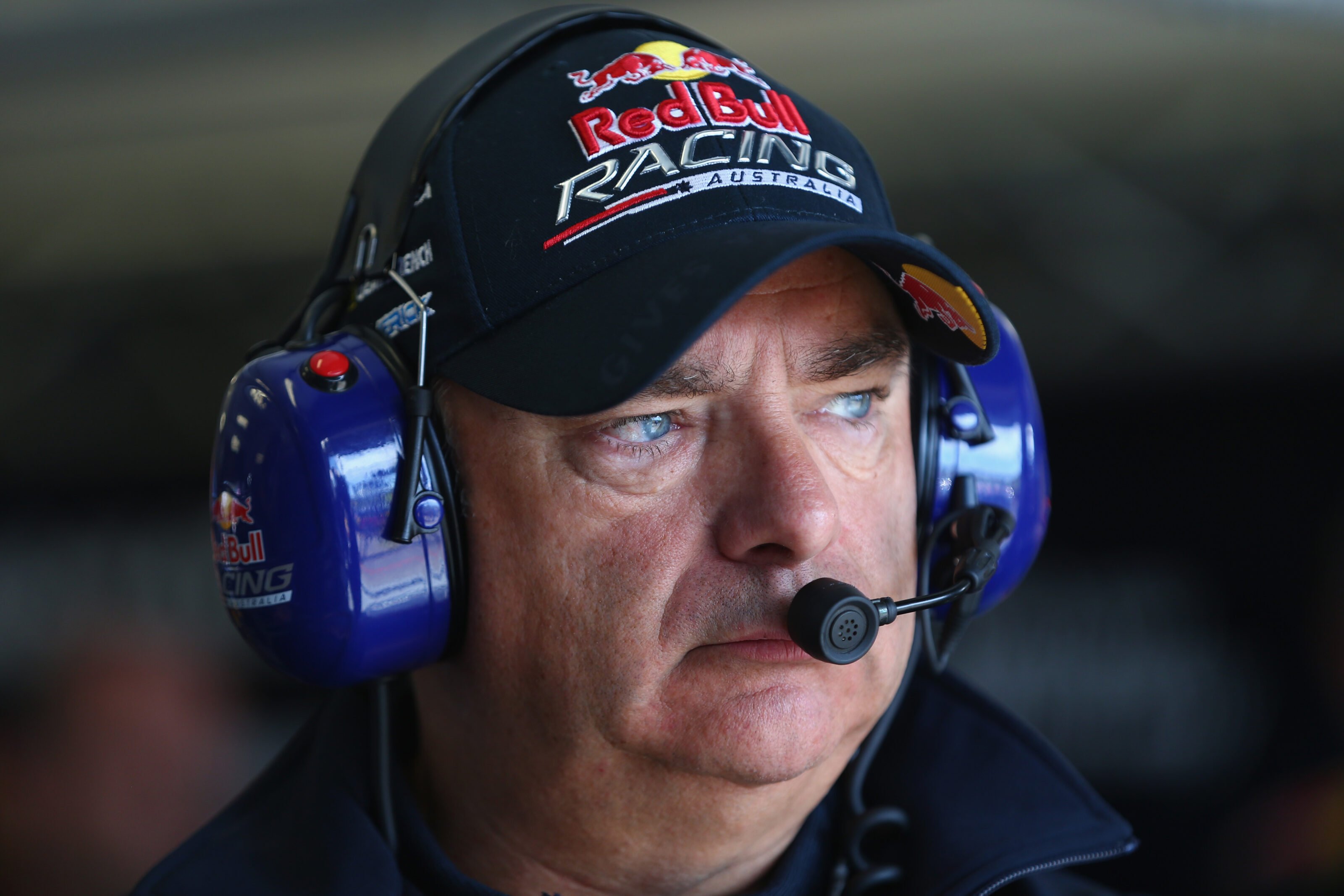
Fogarty has known Dane for more than 30 years in both the UK and here, providing a unique perspective on Triple Eight’s domination of V8 racing since 2008 under his reign. The hard-nosed Anglo-Irish entrepreneur, who is also an Australian citizen, stepped down from owning and running the team at the end of last season after guiding the squad to the drivers’ and teams’ Supercars titles. He handed over control to record seven-time Supercars champion Jamie Whincup, who retired from full-time driving to run the Red Bull Ampol Racing outfit.
Wheels paid tribute to Dane, arguably the most significant and influential figure in Supercars for the past 15 years, with an in-depth look at the man and his methods. He is a Wheels fan, having read the magazine since an Australian relative bought him a subscription when he was a teenager in London.
Dane called Fogarty’s story “hard but fair”, acknowledging its balance and authority as a prime example of the declining art of informed long-form journalism.
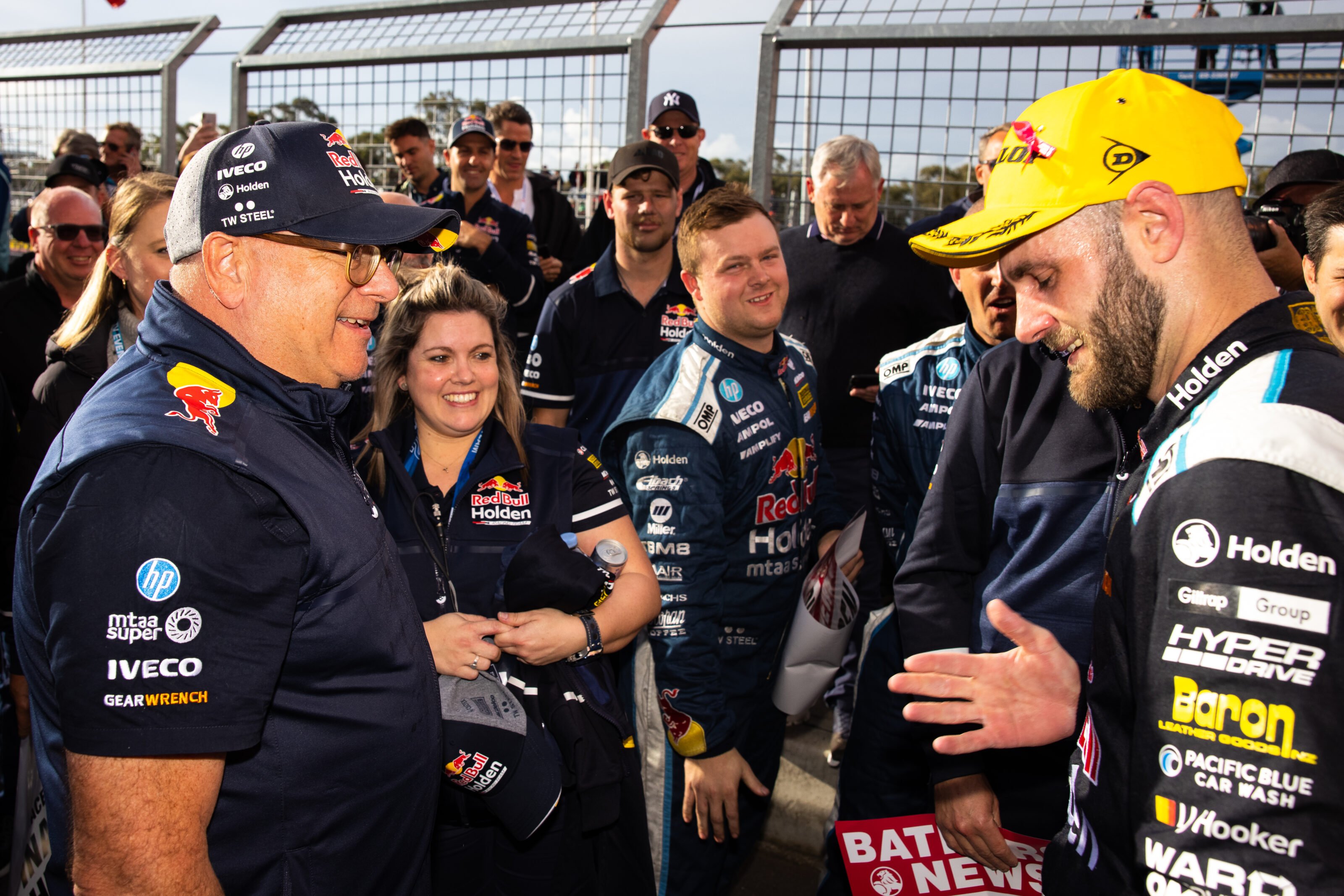
In accepting the Supercars ‘Best Feature Story’ award, ‘Foges’ – a former senior staff writer on Wheels – rated the yarn as one of the best in his long career.
“It’s a privilege to get so much space in one of the world’s greatest car magazines,” he said. “The effort I put into the story was rewarded with a lavish spread.
“I was allowed to tell Roland Dane’s story in unusual depth befitting his remarkable achievements. His regard for Wheels was reflected in the time he devoted to the interview and his candour.
“I rate this as one of the best motor sport stories I’ve ever written anywhere.”