
“No more SUVs for Jaguar,” the new CEO Thierry Bolloré said last year without batting an eyelash.
If that’s the message Jaguar is sending out, F-Pace and E-Pace will almost certainly be discontinued by the end of 2027, just in time before Euro 7 strikes. No more me-too cars, was another often cited quote by the chairman.
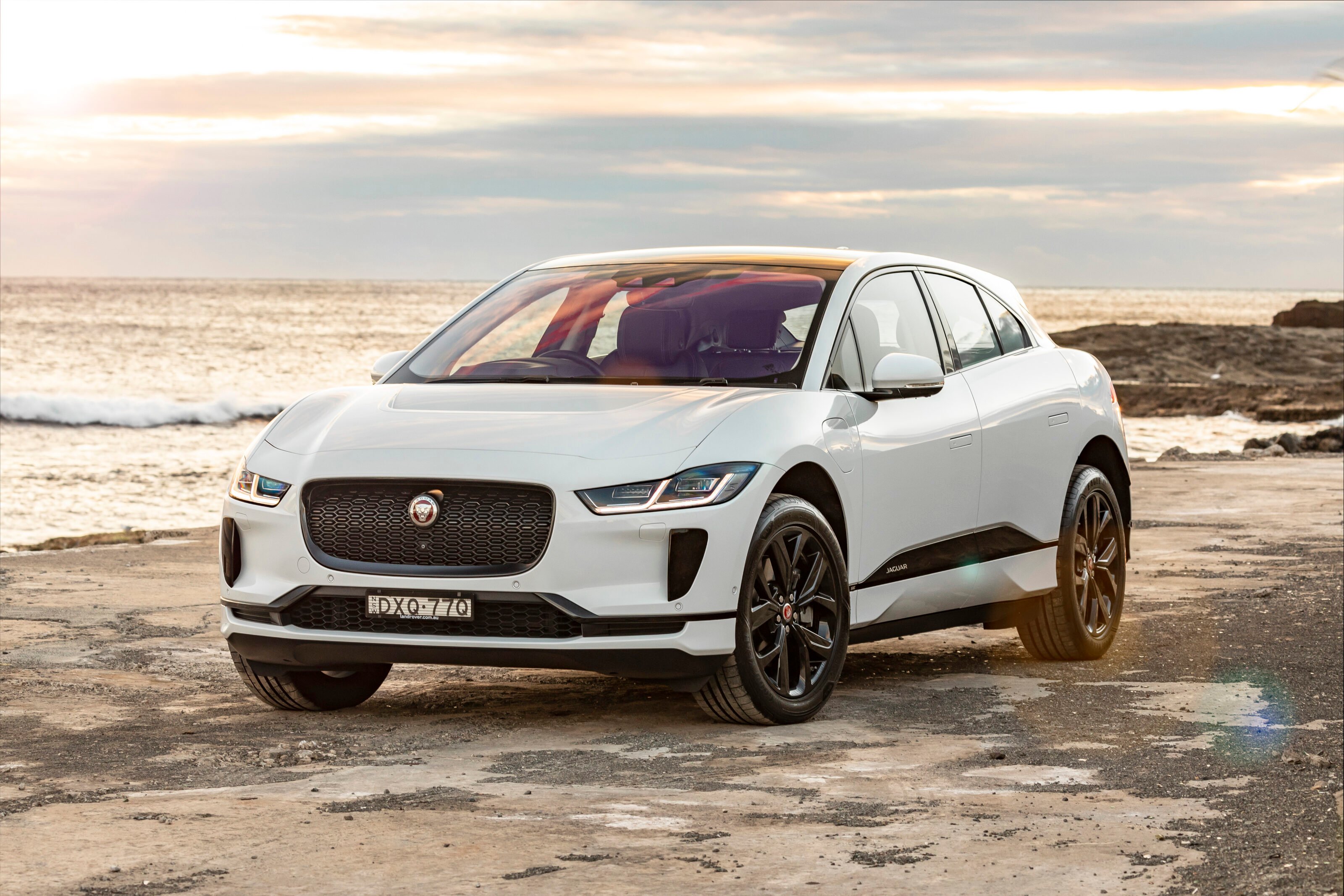
That’s why the half-finished electric XJ was axed at a substantial loss, which is a very good reason not to replace the competent but bland XE and XF. Such a radical decimation would leave Jaguar with the charming but compromised solitary i-Pace which is due to be replaced in late 2025 by project X384.
Of course, there is also the ageing F-Type still loitering in the background, unsure where to go, how to behave and what to wear in its next life.
Still nowhere to be seen is a flagship model, a proper halo car, a mould-breaker like the stillborn C-X75 one-off. The cycle plan continues to list X391 – the electric XJ – which has allegedly been pushed back to 2027 but instead may end up on a scrap heap near Coventry.
Having spoken to a couple of sources from the Midlands, it transpired Jaguar has, under Bolloré, embarked on a radically different journey loosely labelled “expect the unexpected”.
The reimagined brand values are bound to stand on different pillars and chase different priorities. It seems certain that le directeur général aims to move the marque further up-market, fuse values like style and substance, take on pricier rivals like Aston Martin and Bentley instead of focusing on BMW and Mercedes-Benz.
Volumes would likely shrink in the process, but profits would increase as electromobility advances from a breakthrough planet-saving technology to a universal must-have state of mind.
Since strong performance and long range are soon bound to be common commodities, Jaguar must instead emphasise other strengths such as ultra-fast charging, the Britishness of the execution, the totally cool presentation and the values of the brand community.
Means to this end are said to include another iconic sports car like the E-Type, a luxurious four-seater clad in a functional and understated livery, a spacious and sporty crossover without social acceptance issues, and perhaps even a compact stealth street jewel doubling up as high-end bespoke commuter car.
Four years are a short timespan to establish a fresh brand identity, but in a way it may even be easier to reinvent Jaguar as a whole than to replace generic also-runs like Land Rover’s Discovery and Disco Sport. Watch this space.
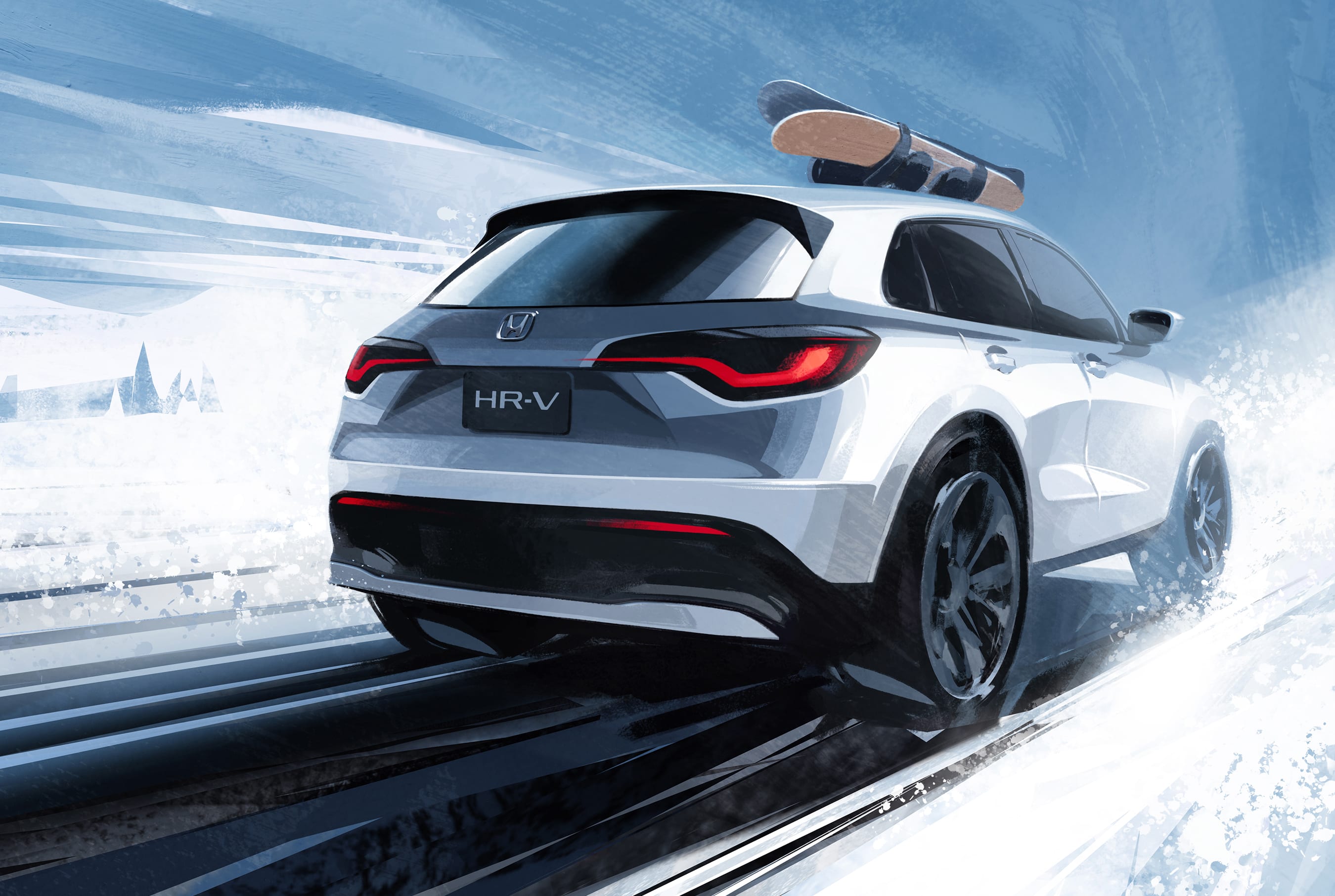
Honda US has teased a new HR-V with sketches of the crossover SUV dashing through the snow with snowboards on the roof racks.
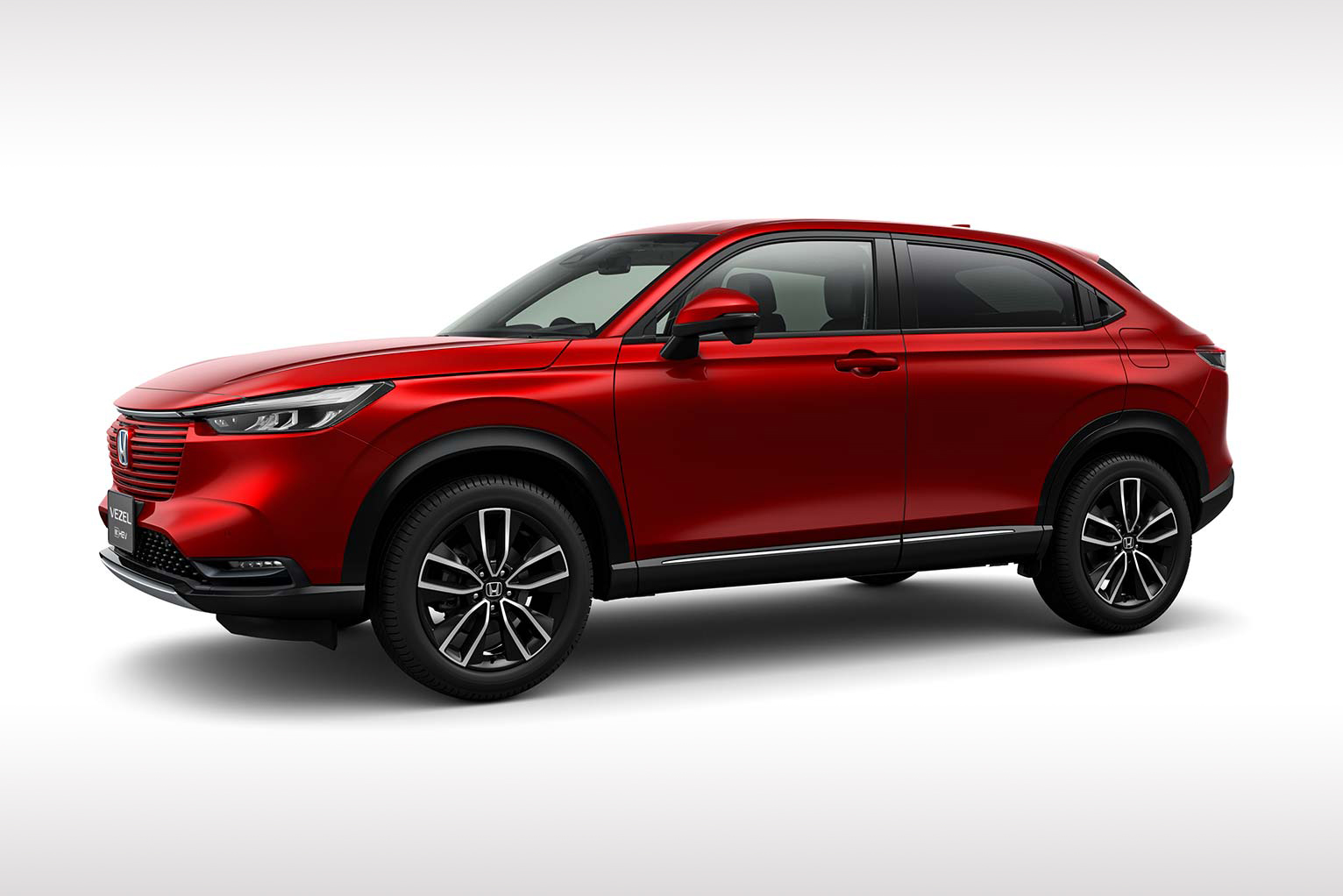
However, the sketches have revealed the US is set to get a different version of the 2022 HR-V than the one Honda revealed globally in February last year.
While the HR-V seen previously focuses on a change in styling for a more premium look, the US teaser shows a HR-V with a sporting attitude, and potentially even an upsize.
In early 2021, Honda stated “the development of a successor to the Honda HR-V for the US market is underway.”
“This new HR-V will be designed to meet the distinct needs of US customers and will differ from the Honda Vezel/HR-V that will be introduced in other regions.”
Very little information was given upon the reveal of these two US-spec HR-V sketches, save for the new model being “all-new,” and that it aims to be “sporty and versatile.”
Its styling, particularly at the front, is certainly more clearly aiming for this with much larger vents and grilles, paired with lights that almost create a Jaguar F-Pace look.
At the rear, separate lights rather than an elongated tail light across the rear means the design remains closer to the previous HR-V than the global 2022 model.
The US market HR-V will be revealed later in 2022 in what Honda is calling “Year of the Crossover.”
It’s official – Bugatti’s order books are full, now ticking down to the end of production for the Chiron and Bolide.
In October last year, the French hypercar manufacturer announced it was down to the final 40 build slots for the Chiron, having set a production cap of 500 units for the Veyron’s successor from when the first example rolled down the Molsheim production line in 2016.
Over the course of 2021, 150 customers put in an order for one of Bugatti’s vehicles – 60 per cent of whom were completely new to the brand – as all 80 build slots for the Chiron Super Sport were filled, with deliveries set to take place throughout 2022.
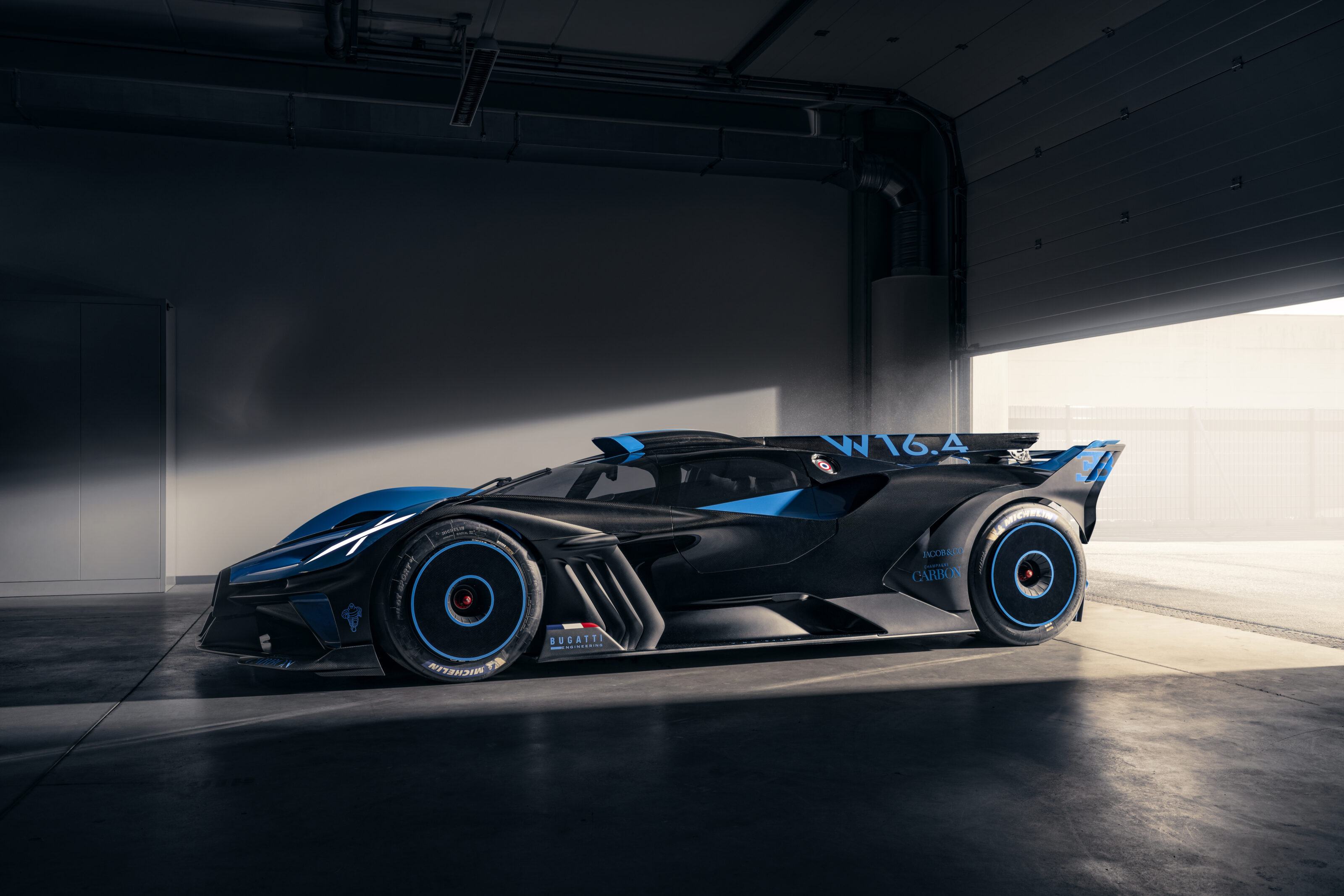
The track-focused Bolide also joins the Chiron in the category of “cars you likely can’t afford but can’t buy anyway”, as all 40 built slots were filled within two months of the cars launch, with each buyer handing over an eye-watering AU$6.5 million each for the privilege.
2021 was a big year for Bugatti, not only from a production perspective but from a corporate view, as the marque announced it had been acquired by Mate Rimac, as the 33-year-old Croatian took a majority stake and merged his eponymous electric vehicle company with the hypercar manufacturer.
“We believe what we have created with Bugatti Rimac is the best hypercar company in the world, blending over a century of heritage, craftsmanship and innovation with the quick-thinking, ingenious engineering and pioneering electrification technology of Rimac Automobili,” said Rimac.
“I can’t think of a better combination of expertise and – as a life-long admirer of Bugatti – it’s an honor for me to lead this joint company as CEO into a revolutionary new future for Bugatti.”
Despite Porsche still holding on to a 45 per cent stake in the Bugatti Rimac business, it’s a new era for Bugatti since it was acquired by the Volkswagen Group in 1998, now under the control of a man who was just 10 years old when the deal occured.
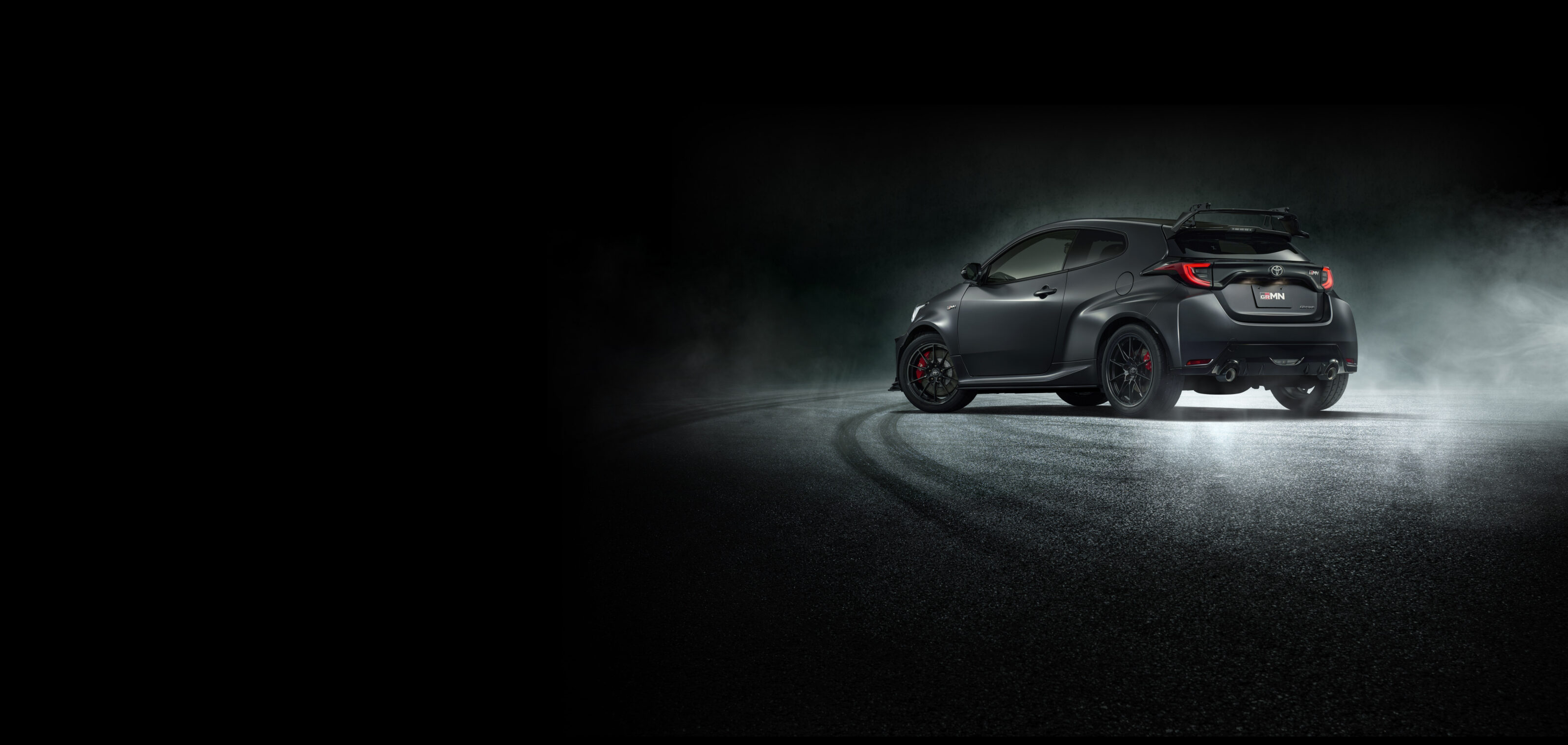
Toyota has revealed a red-hot GRMN variant of its GR Yaris at the 2022 Tokyo Auto Salon.
Tokyo Auto Salon is the biggest event of the year for the Japanese tuning industry, and the perfect place to whip the covers off Toyota’s most motorsport-focused variant of the giant-killing GR Yaris yet.
Limited to just 500 units, available to the Japanese market only, the limited-edition GRMN Yaris taps into Toyota’s motorsport experience and professional driver feedback gained since the hot Yaris’ initial global launch.
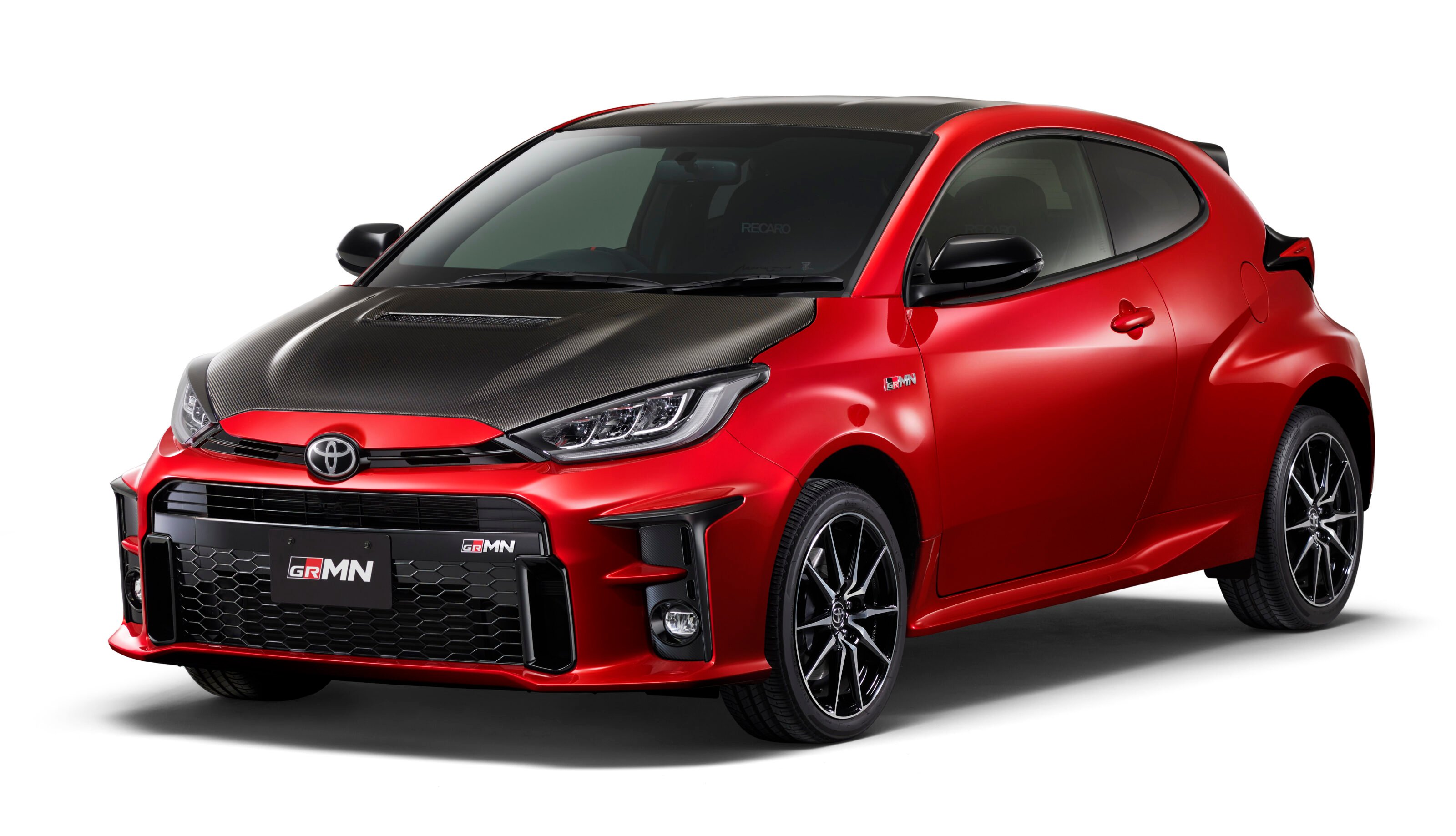
Toyota Japan have also announced the launch of an ongoing driver support program for those 500 lucky GRMN buyers, where cars can be upgraded with new components and technology, or more finely tuned through analysing driver data, at Japan’s network of dedicated GR Garages.
Out of the box, the GRMN Yaris differs greatly from the GR Yaris and GR Yaris Rallye we’ve received in the Australian market. Development stems from the GR Yaris’ championship-winning season in Japan’s Rally Championship and participation in Super Taikyu, delivering more grip, braking force and cornering ability.
The engine package remains the same, however, continuing to draw 200kW @ 6500rpm, and 390Nm between 3000 and 4600 rpm from its highly-strung, 1.6-litre turbocharged three-cylinder.
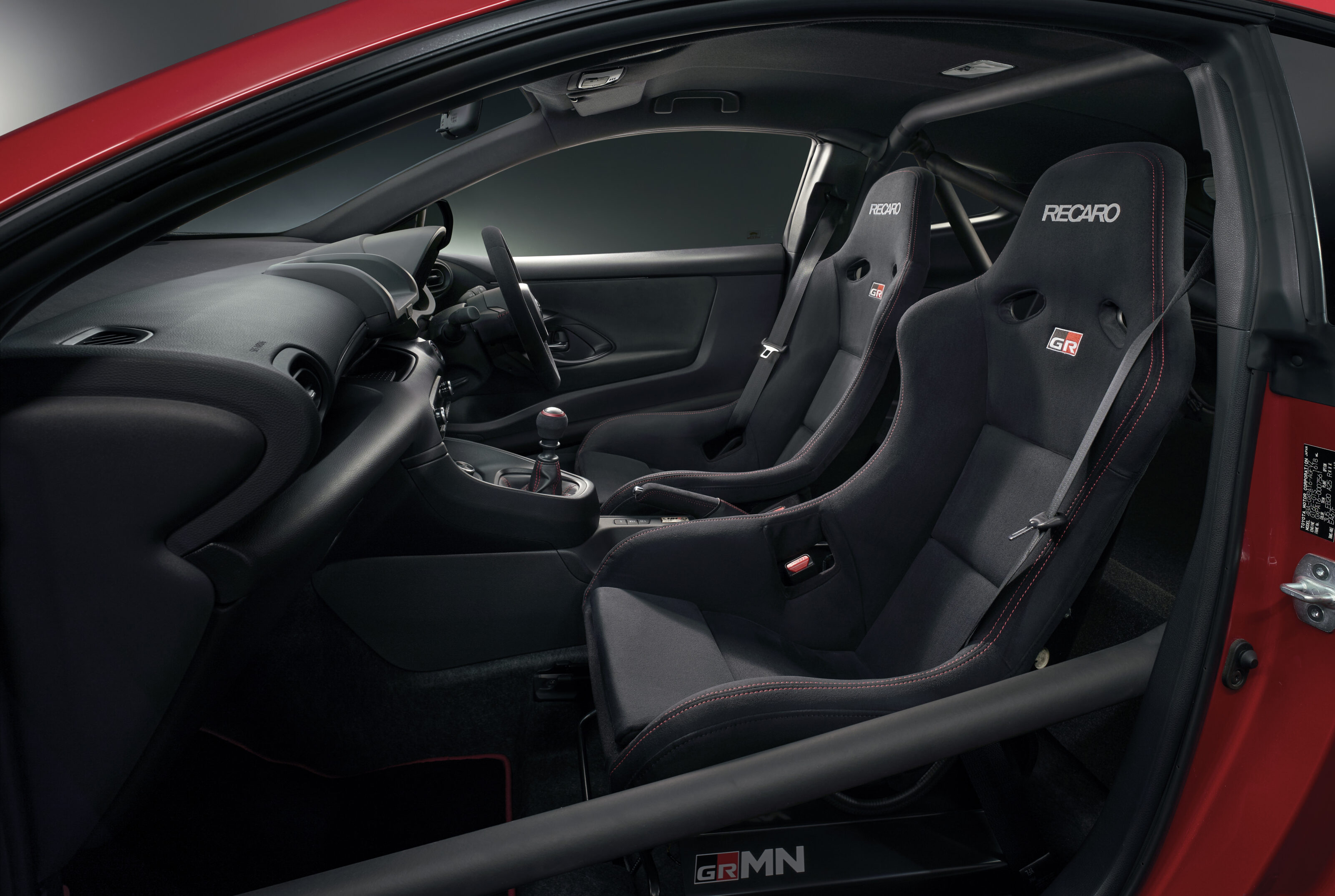
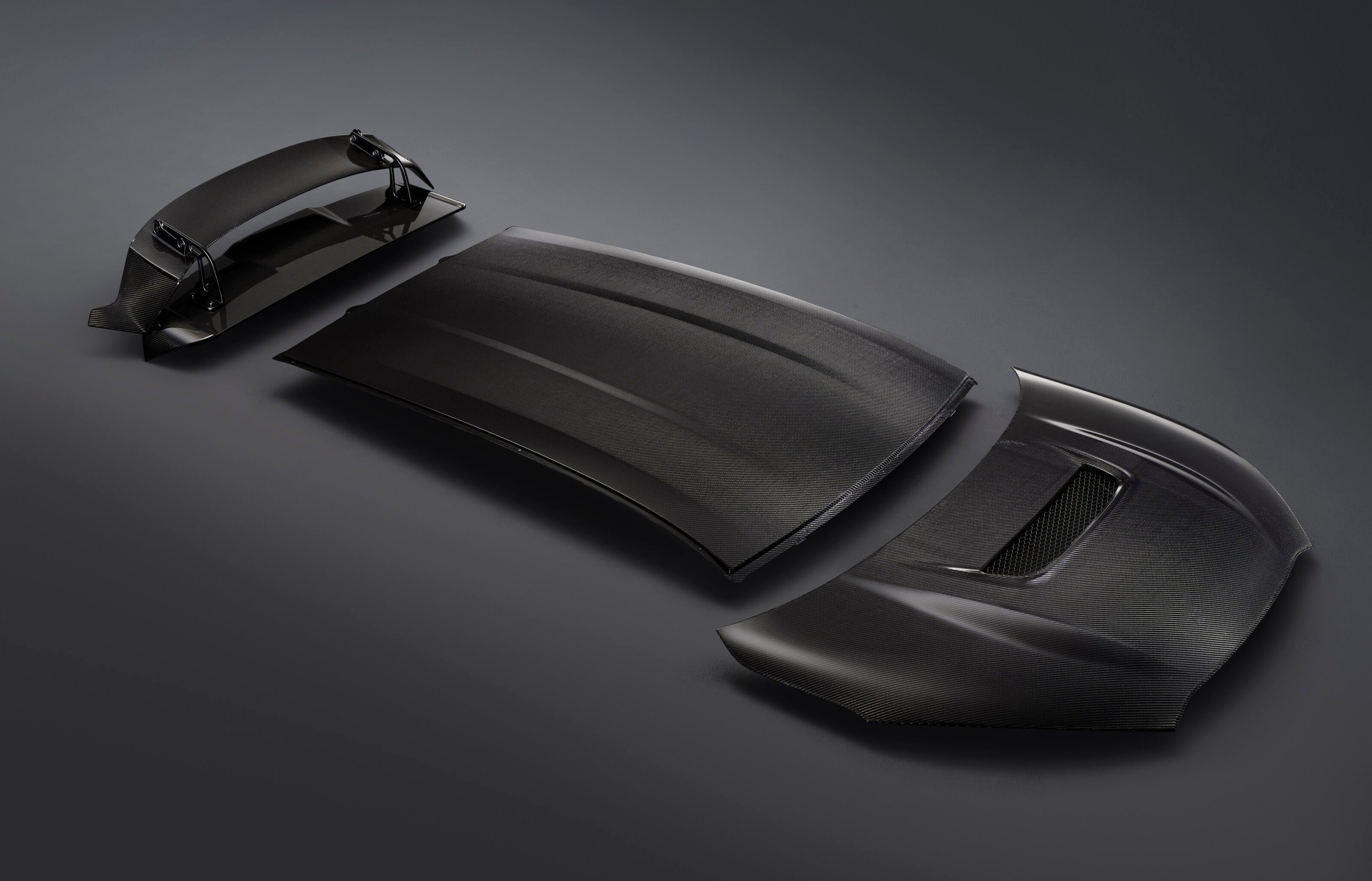
Overall body width has increased, and the ride height has been lowered by 10mm for aerodynamic gains and a lower centre of gravity. A weight loss program sees kerb weight fall by approximately 20kg thanks to the new carbon fibre bonnet, roof and spoiler, side-mounted fixed-back Recaro seats and the deletion of the rear seats and infotainment system.
The gearbox has been given a significant workover, too, gaining close-ratio gearing from first to fourth, along with a lower final drive for punchier power delivery. To aid reliability, high-grade low-alloyed SNCM steel was utilised in its construction, with shot peening performed on first, third, fourth, fifth and sixth gears to significantly improve shock torque and fatigue strength.
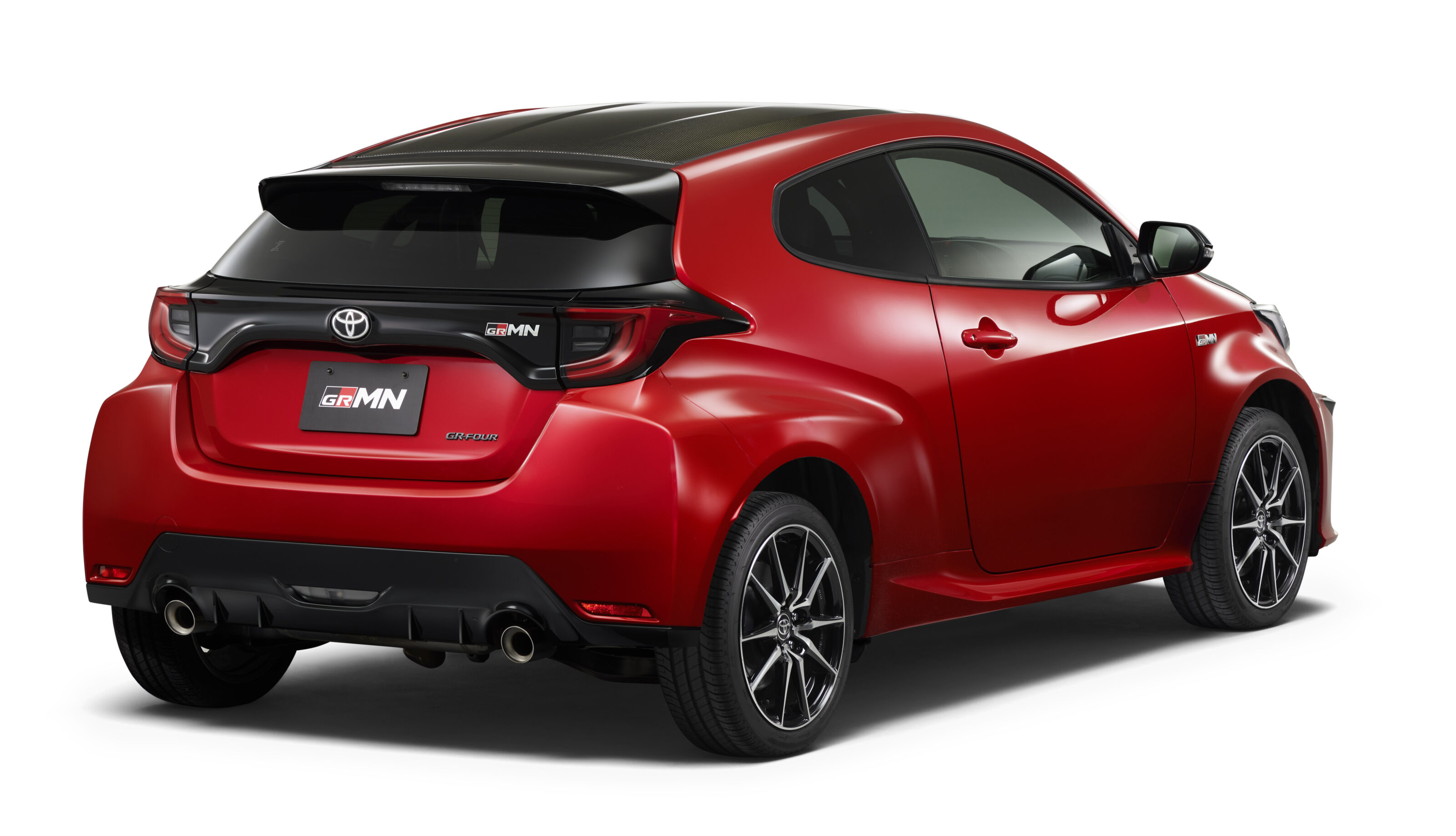
To improve body rigidity, GRMN Yaris chassis’ gain a further 545 spot welds along with an extra 12-metres of structural adhesive. Like the existing variants, all GRMN Yaris’ will be built on a dedicated production line at Toyota’s Motomachi plant by a team of ‘Takumi’ (master craftsperson).
For the most dedicated of performance drivers, the GRMN Yaris can be further outfitted with a factory-fitted Circuit Package, or a dealer-fitted Rally Package.
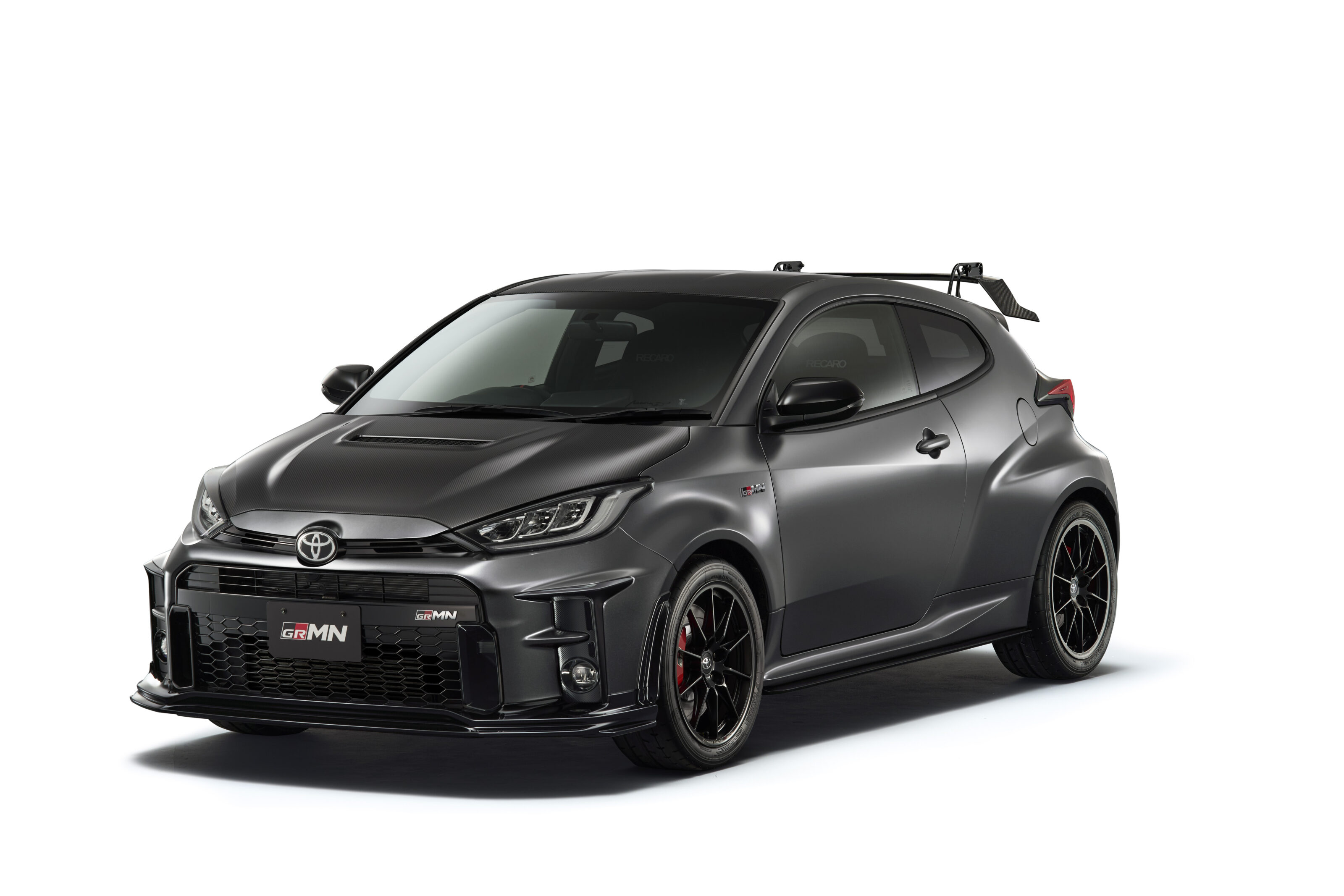
The Circuit Package focuses on on-road performance based on developments learned through the Super Taikyu series which includes: unique GRMN 18-inch BBS wheels (pictured with sticky Advan A052 semi-slicks), Bilstein shocks with adjustable damping, carbon fibre wing, side skirts and lip spoiler. Production of these racetrack-oriented specials is limited to just 50 units of the overall 500 run.
The Rally Package – not to be confused with the Australian-market Rallye – can be purchased in full or with individual components, and gains GR-branded shock absorbers, short stabilizer link set, GR under guard set and a GR roll bar.
Given the original GR Yaris enjoyed global demand that far outstripped supply, Toyota Japan will be holding a lottery system for hopeful domestic buyers. Applications close on February 28, before winners are contacted in early March. Successful buyers will be invited to take part in the mid-year personalisation and feedback program prior to delivery, which is expected around Q3.
Sadly the GRMN Yaris remains a Japanese market offering only, however prices directly converted at the current exchange rate indicate that the base GRMN will cost Japanese buyers the Aussie equivalent of A$88,432 (¥7,317,000).
Adding the full Rally Package sees that price swell to A$101,255 (¥8,378,764) while the Circuit Package halo tops the range at A$102,366 (¥8,467,000).
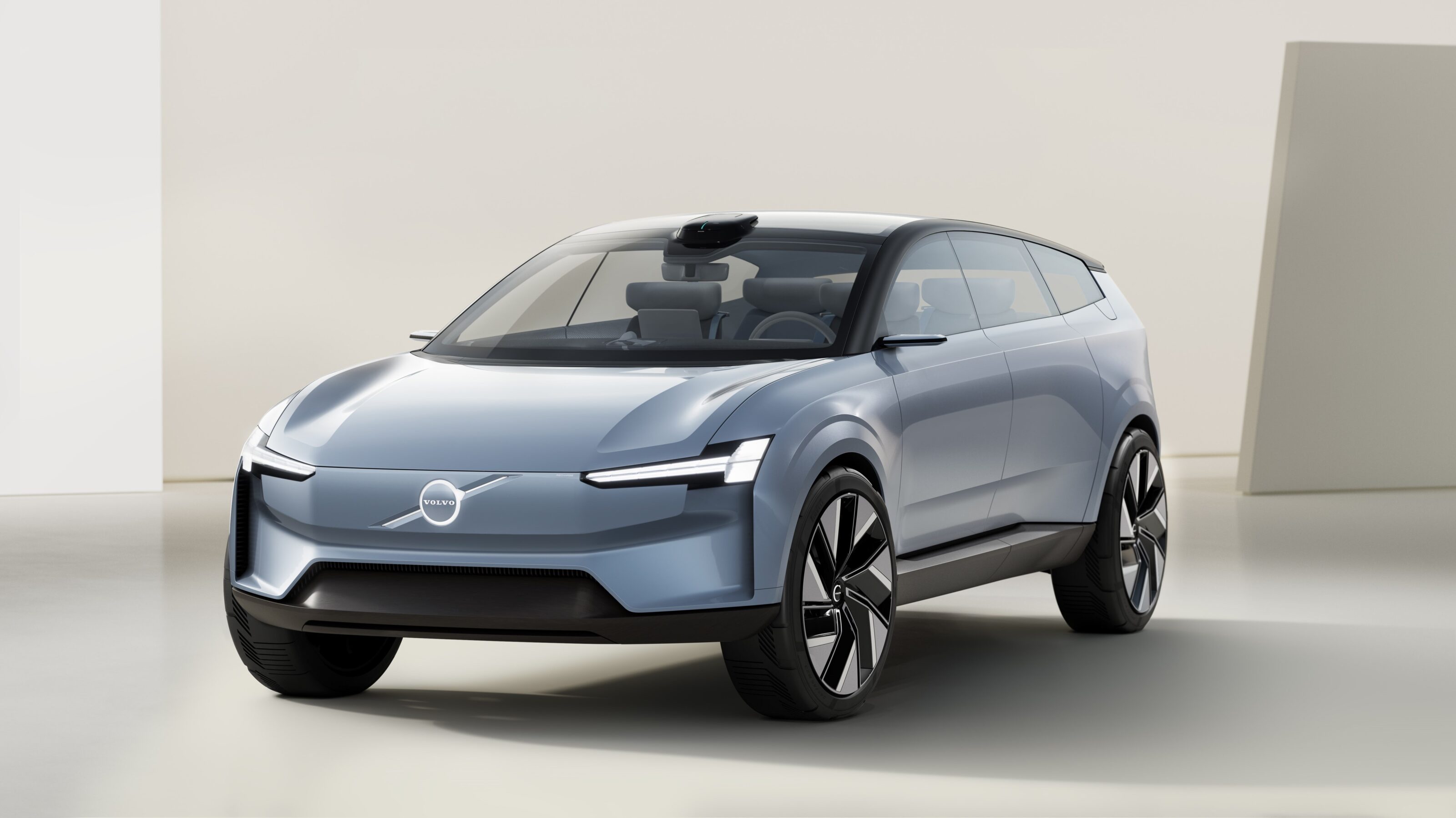
Volvo has announced its Ride Pilot self-driving technology which will permit what it claims is “unsupervised” driving on future vehicles.
The news was revealed at the recent 2022 Consumer Electronics Show in Las Vegas, where Volvo said its next-generation vehicles such as its incoming electric SUV will offer Ride Pilot as soon as it’s approved.
It hopes Ride Pilot will give back time to drivers for “secondary activities”, like “reading, writing, working or socialising”, leaving vehicle operation up to the Ride Pilot program.
However, drivers will still need to be present behind the wheel in case of emergencies.
Volvo hasn’t revealed when it will debut Ride Pilot. It’s only promised Californian customers will be offered the technology first after it passes “rigorous” verification.
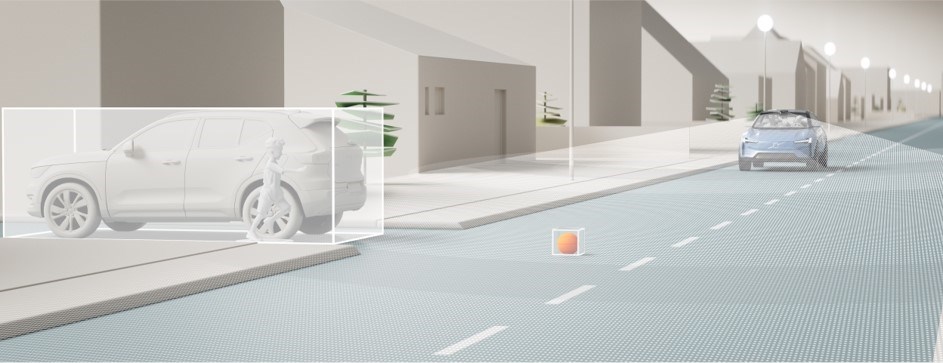
The brand also says the technology will be optioned as a subscription service but withheld any further details about cost or duration. However, Volvo does say the software will be improved over time through over-the-air updates.
That’s because a state-of-the-art sensor setup based around more than 24 sensors and a cutting-edge Iris LiDAR will be built into its future electric vehicles, whether Ride Pilot is optioned or not.
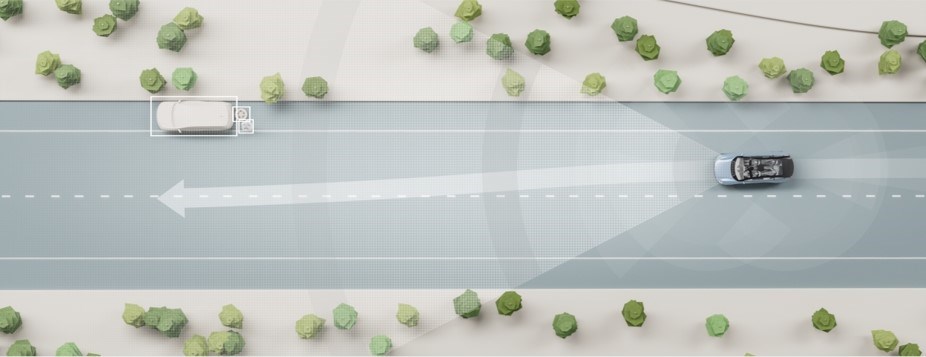
At first, the technology will only be able to be used on approved highways. Volvo will begin testing on Californian highways mid-year to complement a program underway on roads in Sweden.
Volvo will join other companies developing autonomous driving technology in California like Alphabet and General Motors. It hopes to roll out Ride Pilot to other markets around the globe after its proposed introduction in California.
- Welcome: Notice is Served
- Update 1: Breaking the Board-om
- Update 2: A Mounting Challenge
- Update 3: Finding the V-Spot
- Update 4: Infectious Personality
- Update 5: Sorting Watt’s What
- Update 6: Do you want to get Funky?
- Update 7: Vacating the Venue
Welcome: Notice is Served
Price as tested: $25,490 This month: 419km @ 8.3L/100km By: Trent Giunco
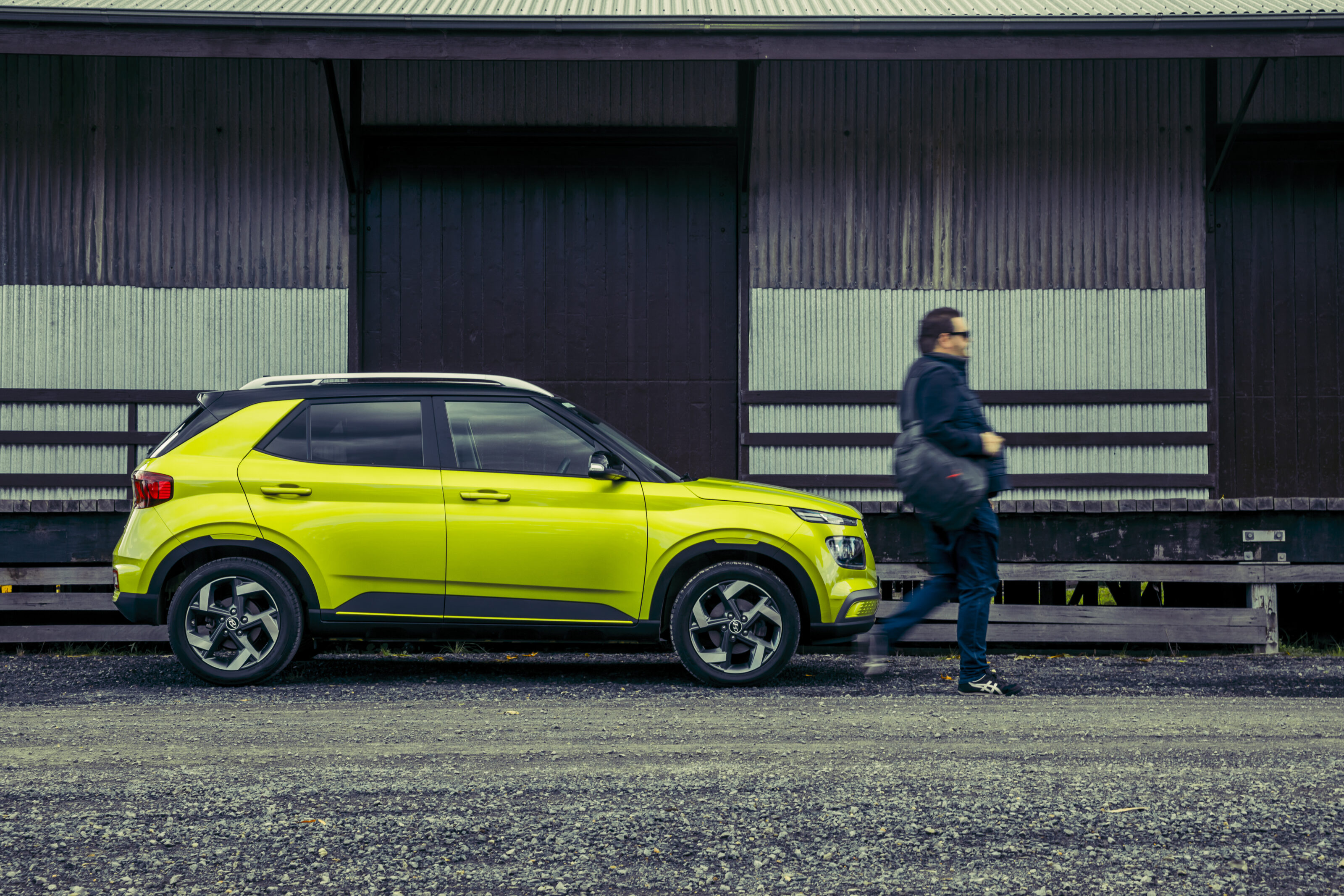
The world is full of different kinds of people. Some like the spotlight placed firmly on them at all times – being the centre of attention is a constant need, not merely a desire. Then, on the flipside, there are those who like to go about their business without causing as much as a ripple.
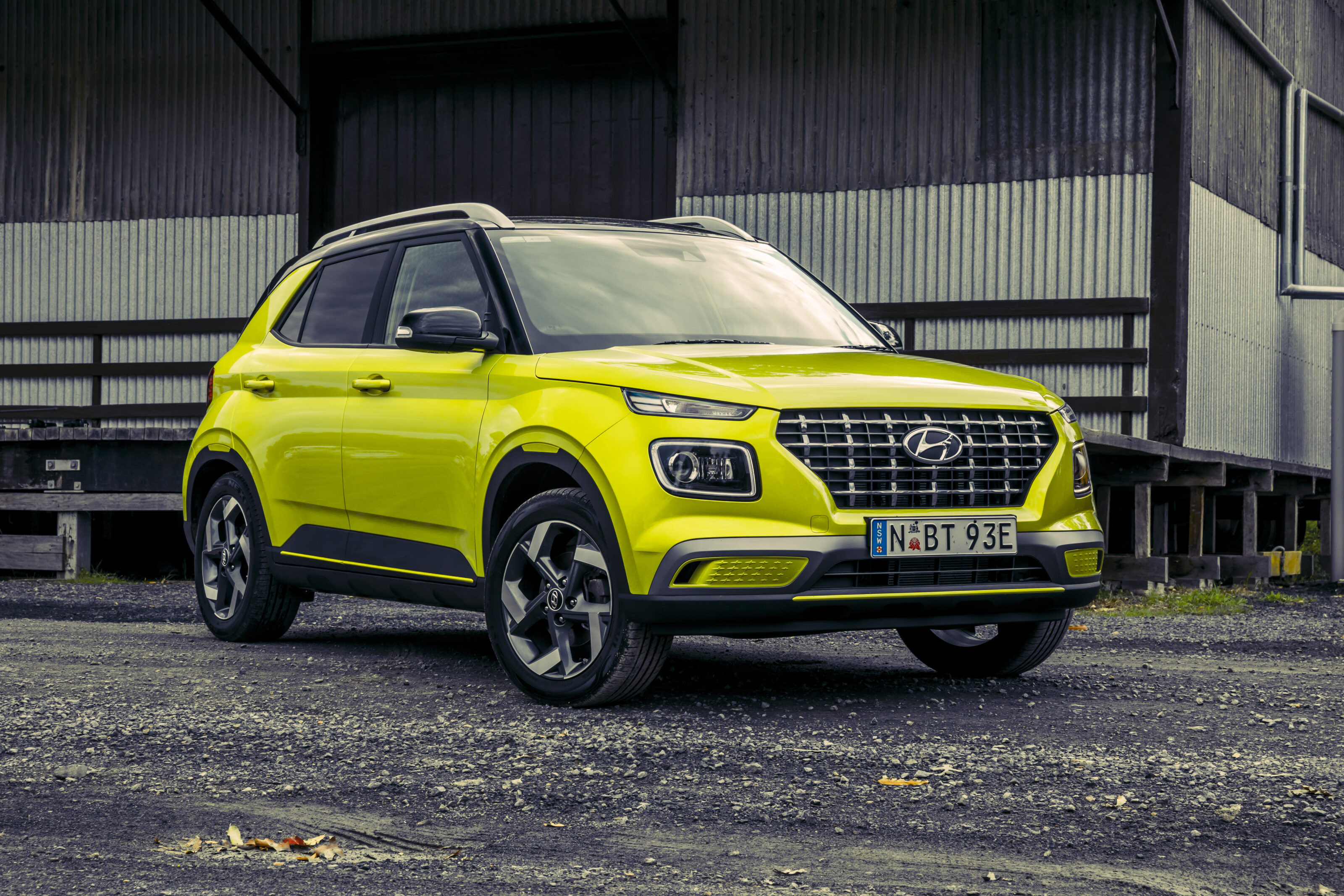
I don’t feel like I fall entirely into either category, but certainly err far more heavily to the latter. So driving an ‘interesting’ looking compact SUV, the sole design purpose of which is to stand out, is a bit confronting. Splash on the Acid Yellow (or is it green?) hue, with a contrasting Phantom Black roof, and I might as well be a starkers Miranda Kerr or Chris Hemsworth walking down the street.
This has been my early experience with the provocatively styled 2020 Hyundai Venue Elite, joining us in top-spec Elite trim for the next six months.
On its first trip outside the CBD, it was hard not to notice just how noticed I’d become.
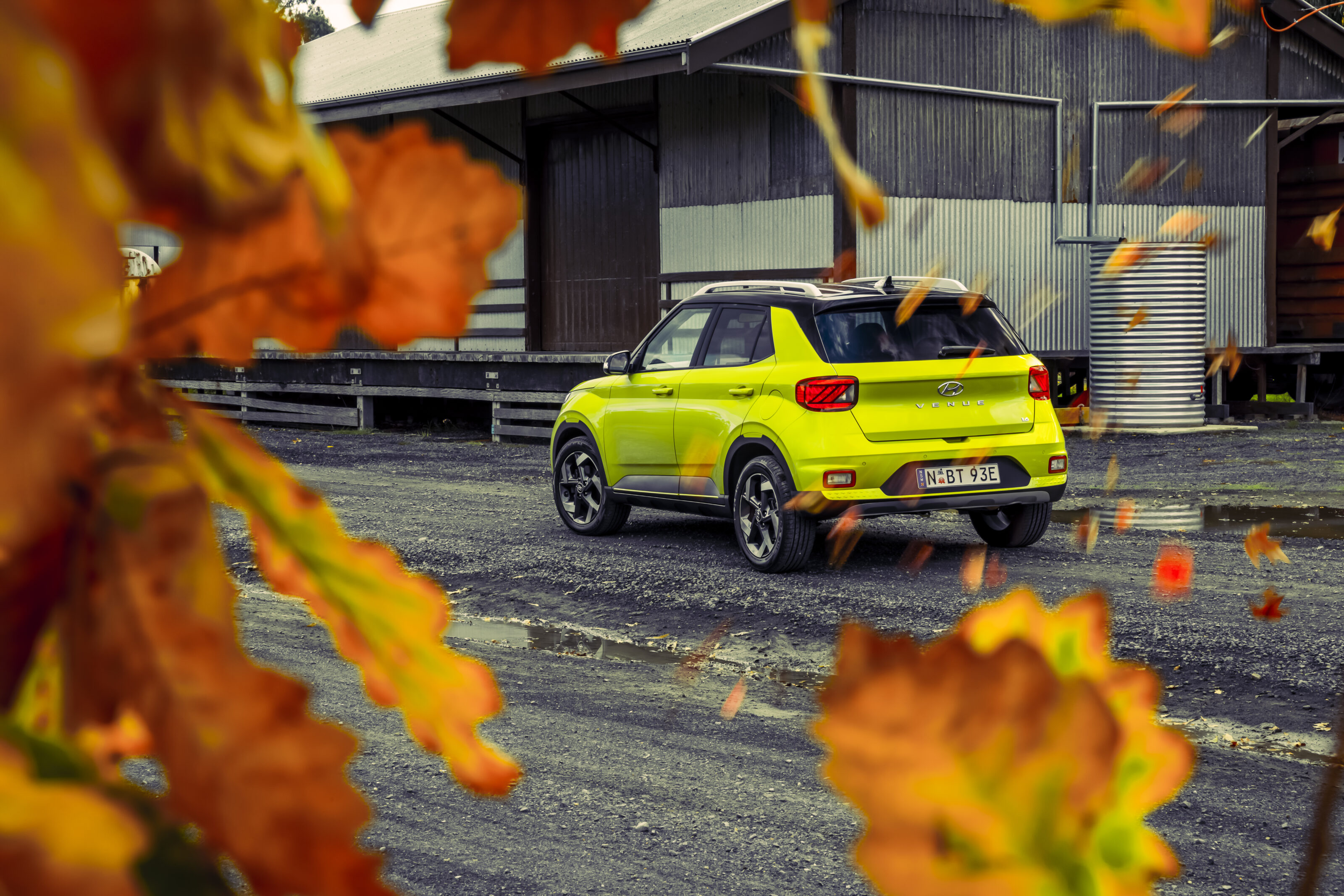
That notion became apparent in the small Victorian town of Healesville. There are many twisty roads in this region, but despite the 1592mm tall body, roll isn’t too much of an issue. In fact, despite a lack of grunt (more on that later), the handling is commendable for a budget SUV.
The drive back to the big smoke affords time to play around with the ergonomically sound cabin, swipe the 8.0-inch infotainment screen and appreciate the impressively loping ride quality. It’s all easy to live with.
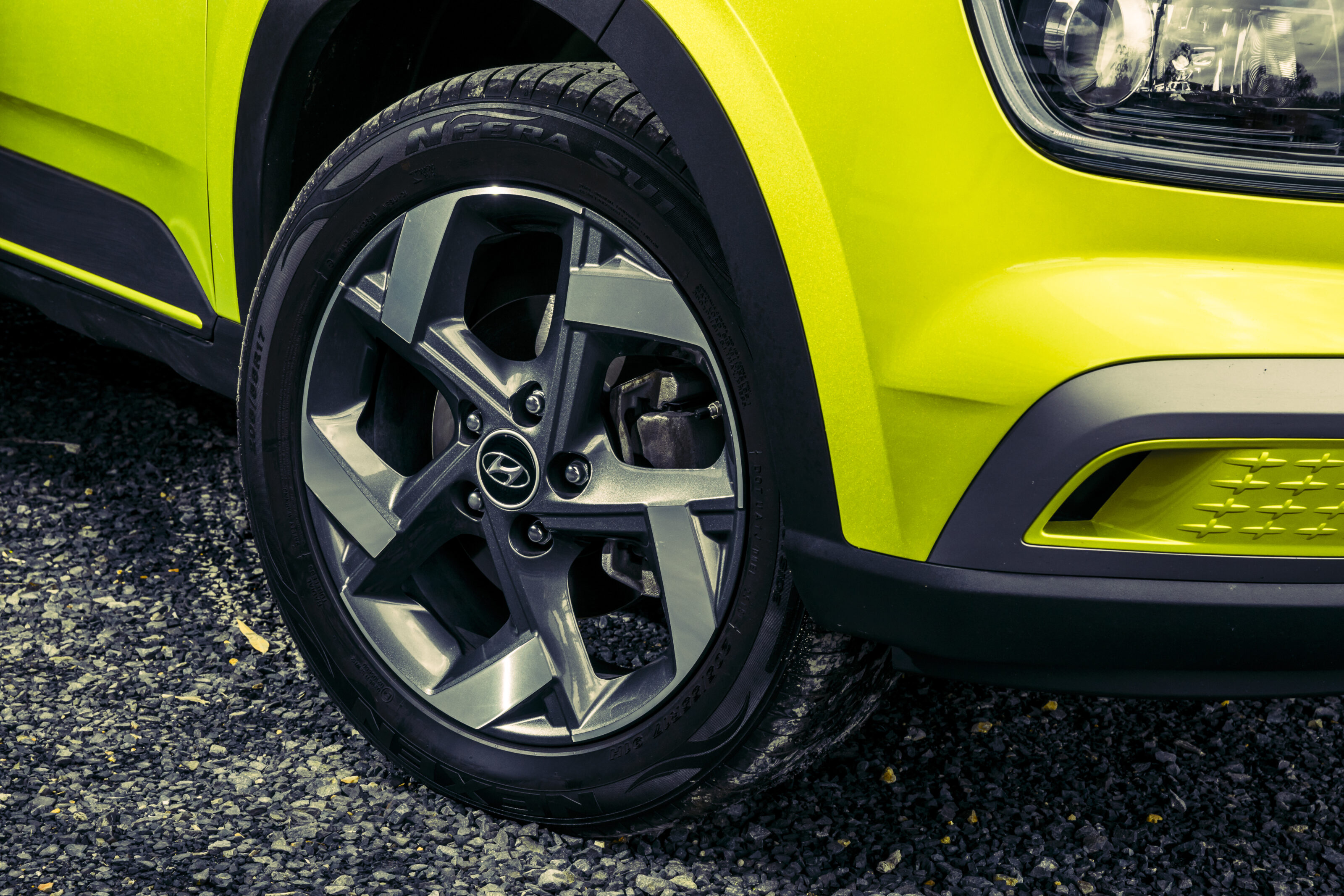
As the most expensive offering in the three-tier range, the Elite gains handsome body cladding, 17-inch alloys, LED daytime running lights and the option of two-tone paint.
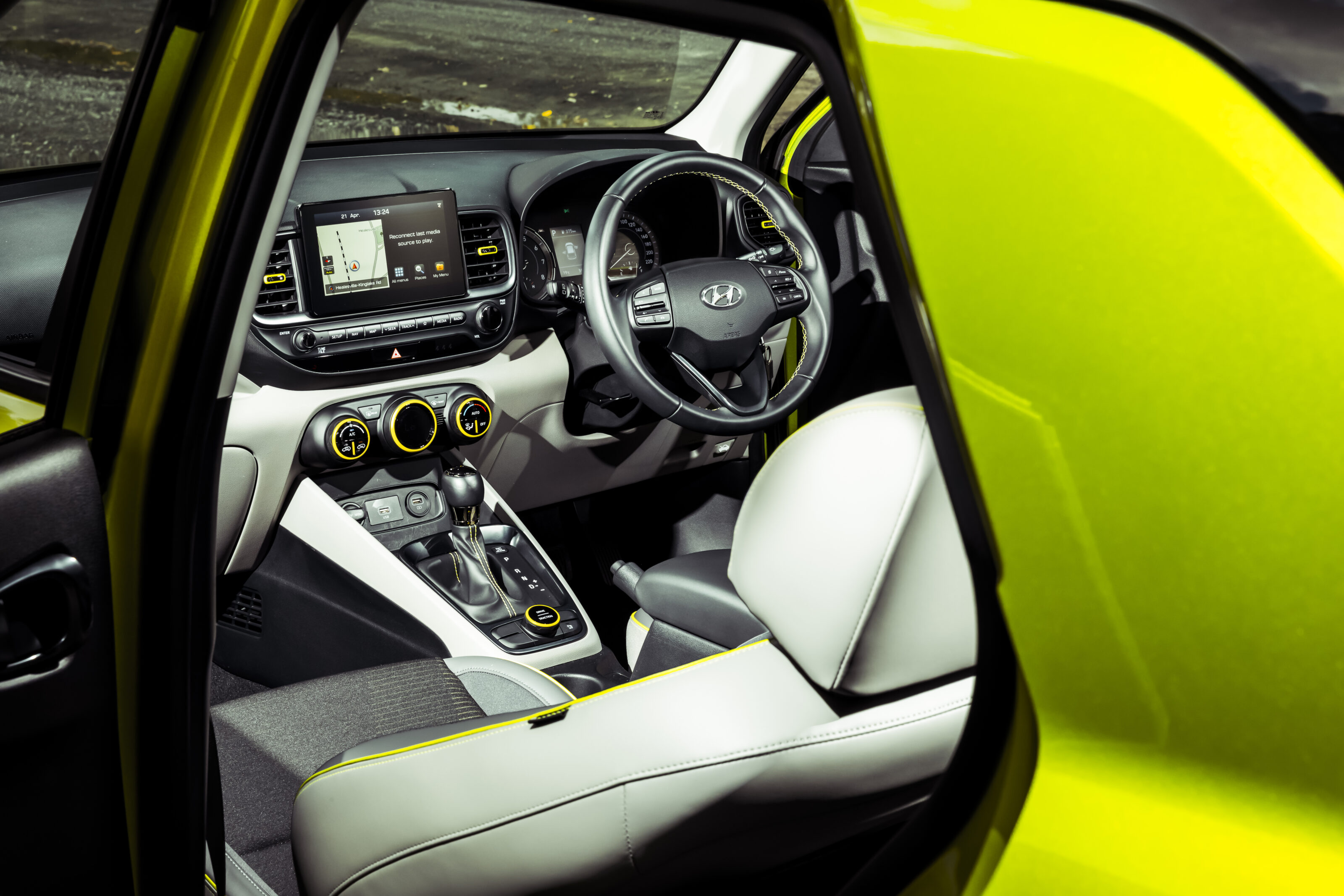
Other extras include blindspot monitoring and rear cross-traffic alert to bolster the Hyundai SmartSense safety package, as well as satellite navigation with live traffic updates, six-speaker audio system with DAB+ digital radio, and climate control. Given all this, the lack of keyless entry and start is a strange omission.
However, even with all the kit the top-spec affords, I’ve already got a niggling feeling that the Elite we’ve been provided isn’t the Venue to go for – is it really worth $25,490 when the entry-level Go is less than $20K? Previous exposure to the rest of the range suggests that the value equation diminishes the more cash you splash.
The basic mechanical package is the same across the board. Power comes from a naturally aspirated 1591cc four with 90kW/150Nm and, luckily, it only has to lug around 1165kg.
That’s because it’s a bit of an old nail; a small-capacity turbo triple would definitely work a treat. And true to form like previous tests, it’s already thirstier than its 7.2L/100km claim.
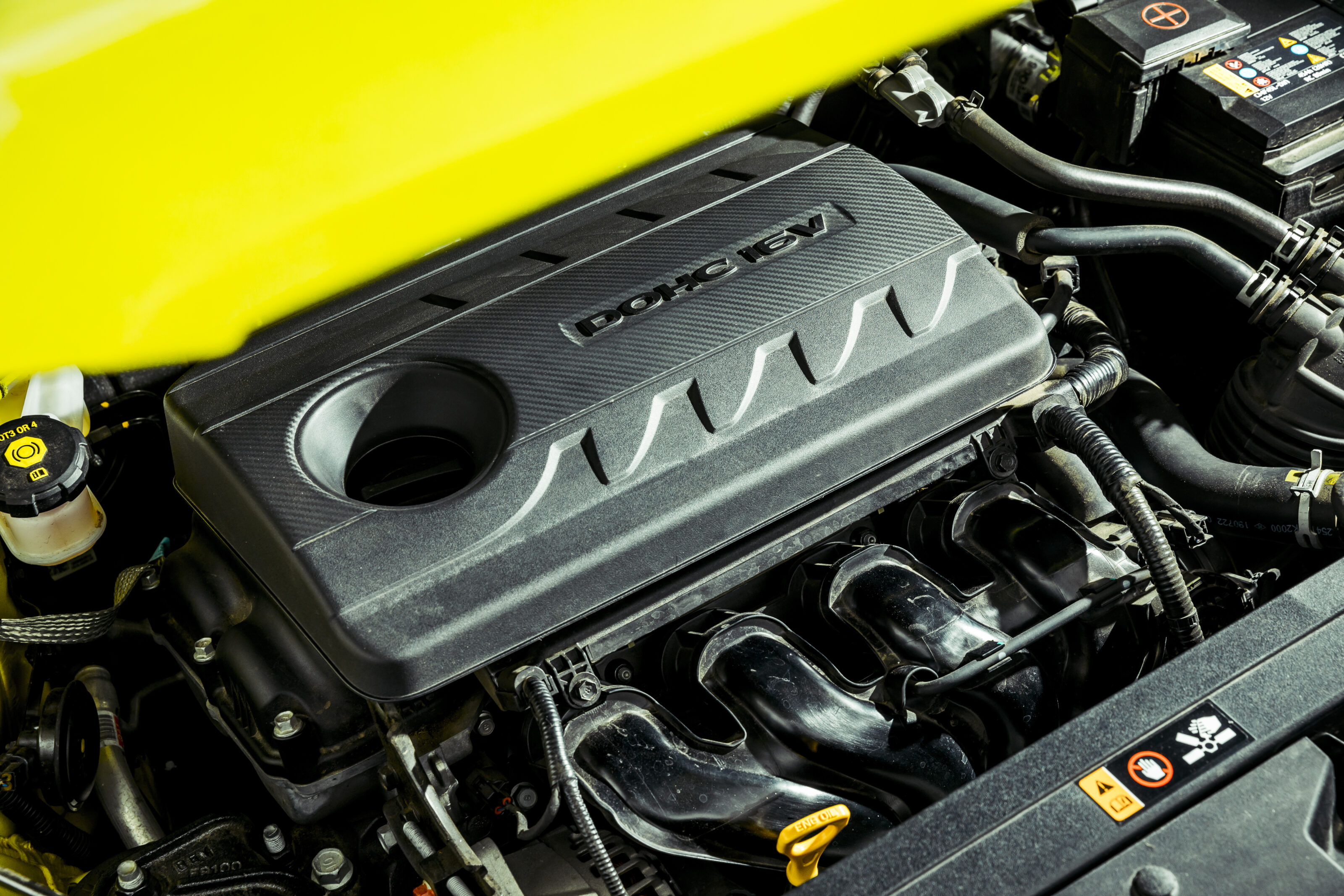
A six-speed manual is available on lower grades, though the Elite comes only with a six-speed torque converter auto. In the hilly Yarra Valley, the auto ’box seems to endlessly kick down in search of torque that simply isn’t there.
Despite the off-road pretensions suggested by the jacked-up ride height (170mm of ground clearance), the Venue is strictly front-wheel-drive only – although it does come with three traction modes: Snow, Mud and Sand. On the flip side, Normal, Eco and Sport modes are available to mix up the driving experience. The suspension set-up comprises struts up front with a torsion-beam rear axle.

The extrovert Venue is with us long enough to work through its persona that has, up to this point, proven persuasive in Wheels comparison tests. Now is our chance to see if there’s even more to uncover, in terms of charm or niggles when it’s subjected to the daily grind – and will we ever work out if it’s yellow or green?
If we can’t, I’m sure I’ll have plenty of people coming up to me to tell me what they think.
Update 1: Breaking the Board-om
Mileage this month: 367km @ 10.7L/100km By: Cameron Kirby
I felt like I’d just won the lottery on Christmas morning. I even refreshed the web page a few times, just to be sure, but there it was in black and white: Victorian residents were now permitted to have five guests in their house as part of the first round of loosening social distancing restrictions.
At that point, I hadn’t seen my friends for two months. Usually, I’d see them every week or so to play niche board games, drink copious quantities of wine, and then argue about the complex rules of niche board games.
Problem is, my personal stocks of wine and new niche board games were running low. A trip for both was needed. Thankfully, I had just become the custodian of Wheels’ newest long-termer – this eye-searing Venue Elite – and it seemed perfectly suited to my unique demands.

One of the Venue’s greatest strengths so far has been its manoeuvrability. It’s only a smidge over 4.0-metres long and has a 10.2m turning circle, which combine to make this little SUV an absolute champion when attempting a challenging reverse parallel park. The only thing to be mindful of is an over-eager throttle calibration in reverse, but so far, that’s been the Venue’s only tight-quarters foible.
Another surprise has been the ride. Our Venue is the range-topping variant and I expected its larger 17-inch wheels and 205/55 tyres to add a harsher edge to the ride (lesser Venues roll on 15-inch hoops), but it has actually been unexpectedly comfortable. I wouldn’t go as far as calling it plush – but for the price tag it’s certainly one of the better riding small SUVs getting around.
Limited travel has meant the only other task the Venue has been called upon is to ferry my canine offsider to the dog park.
Problem is, my dog is about the same size as a small horse, making boot space a valuable commodity. On paper, the Venue stacks up nicely. Its 355 litres is significantly more than you get in a Mazda CX-3, plus it has a two stage floor system which frees up more room when you need it. There’s also a brilliant design feature that allows the boot’s parcel shelf to be slid out of the way to stand behind the rear seats. Despite all this, however, my leggy hound still doesn’t fit, so it’s back-seat duties for him. Clever packaging can only achieve so much, after all.
With the new guidelines now permitting recreational driving in Victoria, I’ve already started planning a day-trip to visit one of the state’s smallest big things, in one of the smallest SUVs you can buy. This will give me the opportunity to see how the Venue fares when removed from its inner-city comfort zone. NVH has been impressive so far, so I’m optimistic about its grand tourer abilities.
Update 2: A Mounting Challenge
Mileage this month: 724km @ 7.5L/100km By: Cameron Kirby

I honestly thought my first #DriveAfterIso would be a roaring Alpine Ring blast. But no, instead it would involve less than 100kW and a schlep to an unknown hill. The plan, concocted half as a joke, would be to take ‘my’ Venue long termer to Mount Wycheproof – literally the world’s smallest mountain. It seemed like the perfect tongue-in-cheek destination for a road trip. SUVs are big but the pint-sized Venue is little, Mountains are tall but Wycheproof is short … geddit?
This was my first period of extended highway driving with the Venue and I quickly realised that it’s out of its comfort zone. At a true 100km/h the engine is humming along at 2500rpm. At 110km/h that rises to 2800rpm. The 90kW/151Nm 1.6-litre atmo four-pot struggles with the smallest of inclines, with the six-speed auto all-too-readily slipping down a ratio, adding an extra thousand revolutions. Large hills prompt a drop to fourth where the engine screams for mercy at 4500rpm.
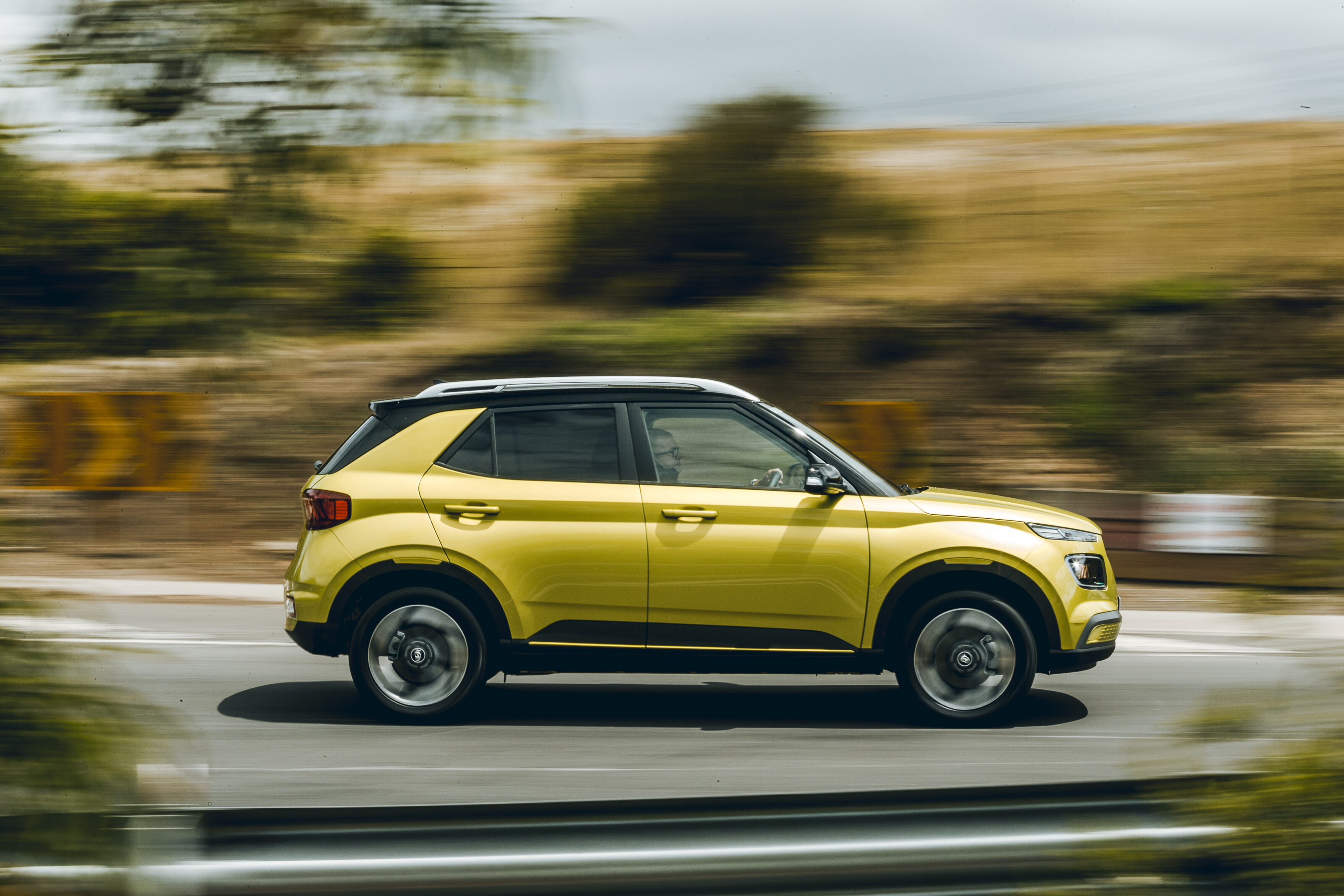
On smooth dual carriageways the engine is the most significant NVH niggle. Travelling further from the city centre sees a drop in road quality, with the coarser chip surface bringing a subsequent increase in tyre roar.
Soon, the combination of high cruising revs and droning tyre noise has me searching for other irritants, purely for distraction. The most I can muster is the poor padding for the arm rest on the door.
I knew Mount Wycheproof would be small but even so, I was still unprepared for just how small. Even from a handful of kilometres away, the ‘mountain’ resembles more of middling hill which gives our trip a strange sense of anti-climax.
This soon disappears. Surrounded by flat grasslands, sitting atop the granite outcrop at the summit provides a beautiful, nearly unbroken 360-degree vista.

We return to Melbourne under the veil of darkness. The auto-dipping headlight system can best be described as patchy, with high-beam turning off and on at random on an empty gumtree-lined road yet remaining on as a truck approaches.
It wasn’t the epic alpine jaunt I had been expecting but this trip gave me plenty of smiles and laughs. While it’s not perfectly suited to the task, none of the Venue’s foibles are deal breakers for further extended trips.
As for our destination. I’d highly recommend a trip to the world’s smallest mountain – not only is the view at sunset stunning but you’ll be part of a rare club to have reached its summit – less people live at Wycheproof than Everest Base Camp. Small things can still deliver big smiles. You just have to give them the opportunity.
Update 3: Finding the V-Spot
Mileage this month: 318km @ 9.4L/100km By: Cameron Kirby

Well that’s bloody annoying,” I thought to myself. I’d just tried to put my Keep Cup into one of the Venue’s central cup holders. Frustratingly, the cork band on my environmentally conscious caffeine receptacle fouled the edges, and it wouldn’t fit.
Turns out only smaller cups and bottles will fit in the central holders. As I spend more time with the Venue, it’s little quirks (both good and bad) like this that have become more prominent. One of the positive surprises has been the rear window wiper, which automatically activates if you select reverse gear while the front wipers are also on.
At this price point, value for money is one of the biggest customer priorities, and for a sub-$30K SUV, the Venue remains a compelling option.
However, I’ve begun to ponder if paying for the flagship Elite is worth the extra coin compared to its more affordable variants.
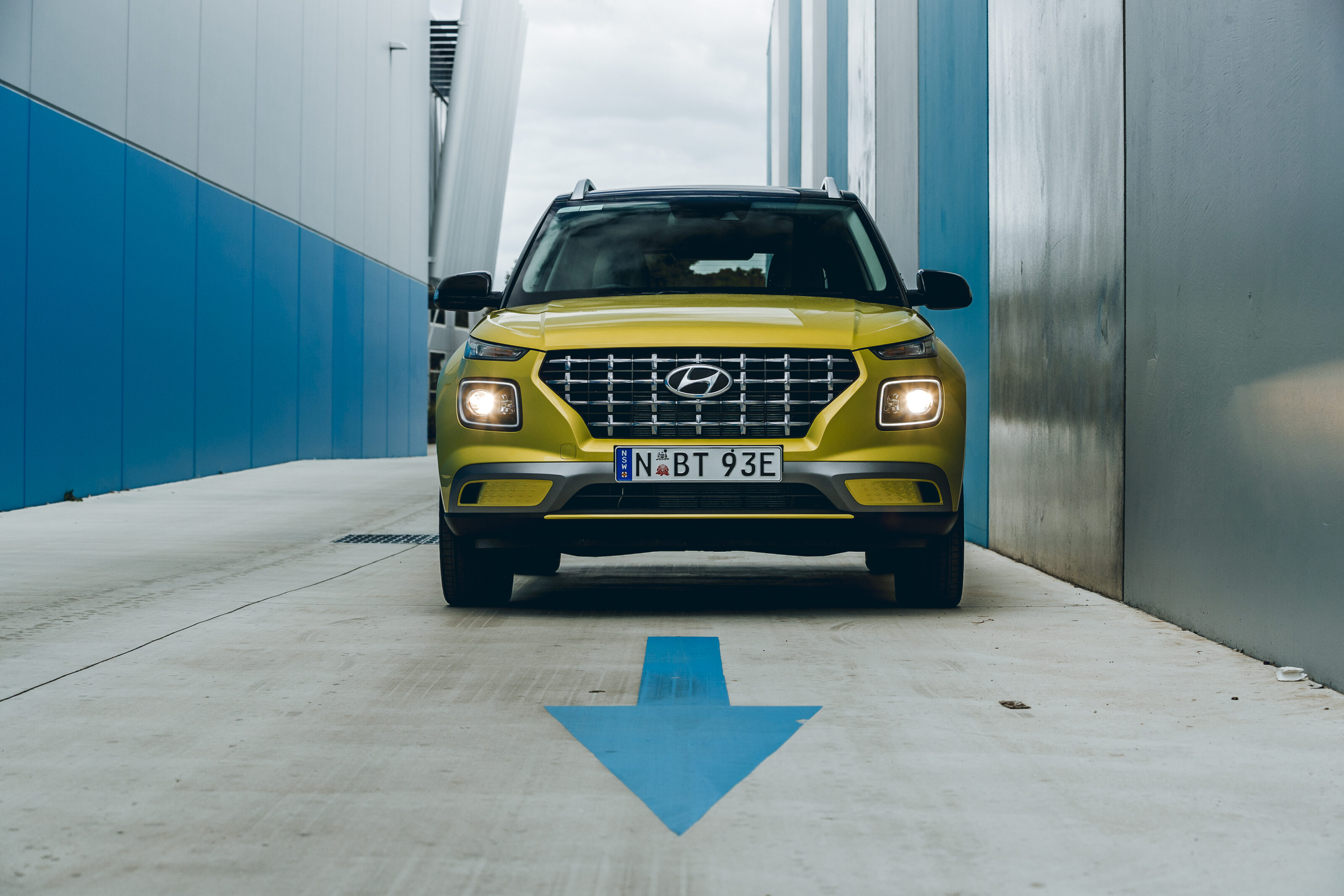
Costing an extra $2020 compared to the mid-spec Active auto, the Elite offers some mild styling upgrades and boosts the wheel size to 17-inches (up from 15). But while the larger wheels look sharper, the trade-off is a small reduction in ride quality. Personally, I’d prefer the cushier ride.
Inside, there are more worthwhile additions. Elite versions gain sat-nav with live traffic updates, DAB+ radio, single-zone climate control and an extra fast-charging USB socket.
I like to have the temperature ‘just so’ in a car, so the climate control has been appreciated, while the fast-charging has been helpful on plenty of occasions when I’ve left the house with a phone on low battery.

Your extra outlay also nets you some extra active safety gear. Elite versions gain blind-spot monitoring and rear-cross traffic alert, which go a long way to justifying the higher price tag. The blind-spot monitoring can be a tad over-cautious, but I prefer this to a safety system that keeps quiet when it shouldn’t.
What isn’t worth the money, is the inbuilt sat-nav system. I’ve opted not to use Android Auto to better understand the inbuilt system and, well, you’re much better off using smartphone mirroring. That is, unless you enjoy taking the long, slow way home. Hyundai’s sat-nav can’t hold a candle to Google Maps or Waze.
So is the Elite an over-priced flagship? Far from it. Sat-nav aside, its visual, tech and safety additions justify its higher price. Yet for me, the mid-spec Active (which Hyundai predicts will be the volume seller) is the smarter buy. It drives just as well, rides a little better, and I can make do without a few bells and whistles.
Update 4: Infectious Personality
Mileage this month: 306km @ 9.5L/100km By: Felipe Ubilla
There are a few things that I have planned for which a selection of cars would be preferable: a ute for grabbing building supplies; a wagon to shift a bunch of boxes with kids’ toys; something large and comfortable for a much-needed holiday.
But we reside in inner Melbourne and right now our beloved city is under Stage Four restrictions during the COVID-19 pandemic. So all of those plans are just pipe dreams until the lockdown begins to ease.
Our new reality sees me darting off to the local shops after work to grab supplies in the Venue before our 8pm curfew. Having had little previous time with the car, thus far it has been a pleasant surprise.

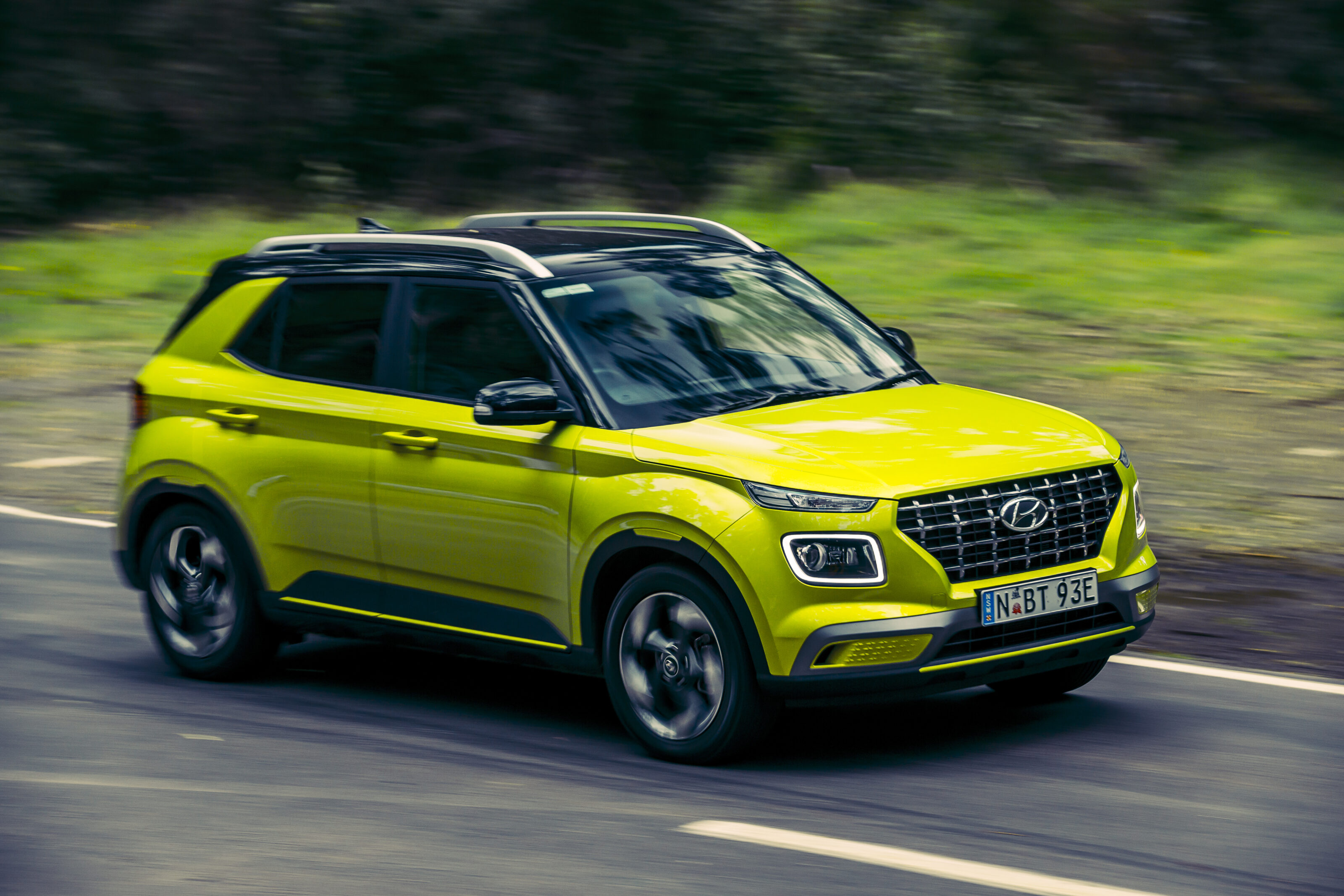
Walking away from the Acid Green SUV, I’m reminded of the toxic goo Jack Nicholson fell into in Batman – except I haven’t had the urge to wear eccentric purple suits coming out of it. Bad jokes aside, I am a fan of the paint, especially as it helps with trying to spot the Venue when returning to shopping centre car parks.
Having only seen the Venue in images, I initially thought the grille was overdone and oversized. But in the metal it’s a different story – the grille and overall design feel cohesive and fresh. The light signature and general shape has shades of the Citroen C4 Cactus in it, but with crease lines and no questionable ‘AirBumps’.

Heading back home I muse over how well the Venue handles, even if the ride is a touch firm. Previously we’ve touted the mid-spec Active as the pick of the bunch for being cheaper and riding on 15-inch wheels, but Hyundai has just announced the MY21 update for the Active and top-spec Elite. So while the entry-level Go remains untouched, the Active now comes with 17-inch alloys and a price hike of $420, resulting in the manual costing $22,120 and the auto $24,140. The auto-only Elite jumps by $250 to clock in at $25,990 and it now includes keyless entry and start – welcome additions to bring it on par with some of its rivals. But if ride comfort is near the top of your check-list, the Go (which rolls on 15-inch hoops) is definitely worth a look.
Arriving home in a shroud of darkness, the bright and plucky Hyundai strikes me as the perfect car for these dark times. Small and nimble, it’s ideal for the daily dash. Dare I say, I’m finding the Venue infectious.
Update 5: Sorting Watt’s What
Mileage this month: 145km @ 12.6L/100km By: Felipe Ubilla
It’s hard to gauge which Dan has been more significant in steering Victoria through the pandemic – Dan Andrews or Dan Murphy’s.
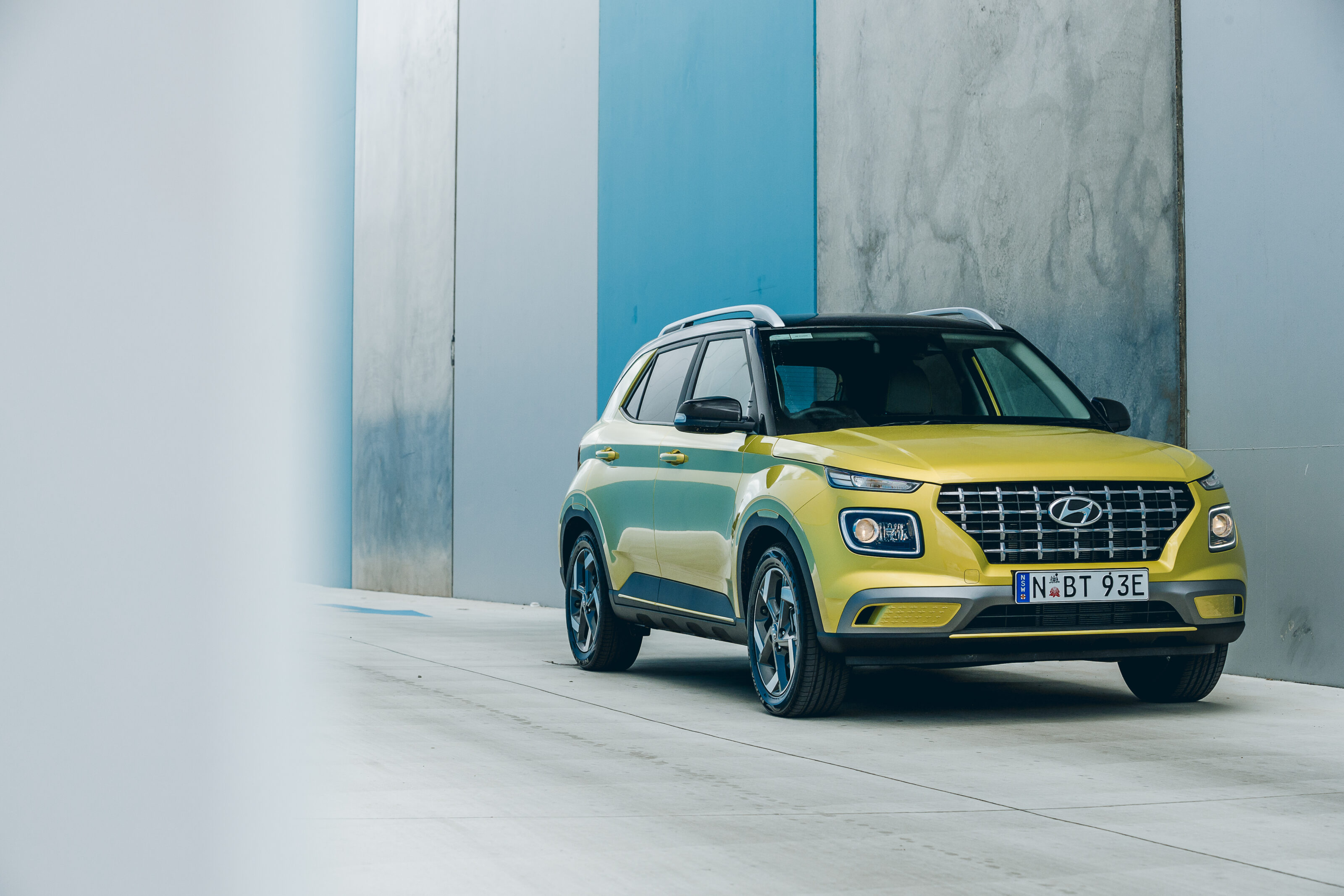
Melbourne is now past the halfway point of the strict Stage 4 restrictions that have continuously morphed. These laws now allow residents to drive within a five kilometre radius of their home for exercise. Since the change kicked in, I took the opportunity to get out with the family in the Venue to see how it would manage fully loaded.
The small Hyundai does well to give the impression of space in its interior. There’s plenty of head room, including in the second row, but your knee caps can quickly reveal that to be small comfort. Being still under five foot, it shouldn’t be an issue for my kids, but with the booster seat jutting forward, the eldest daughter struggled to squeeze into her seat.
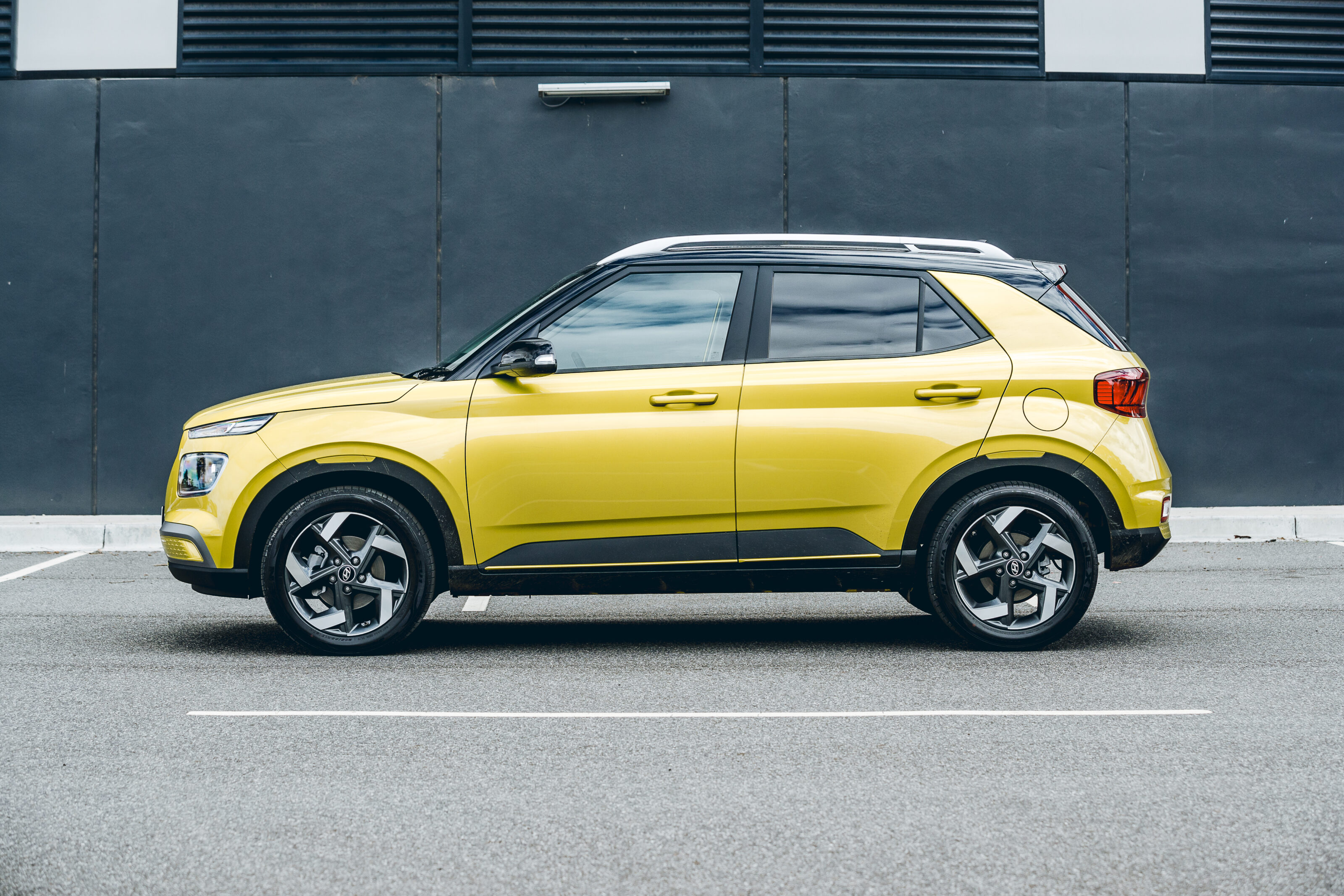
Currently she stands at 143cm, which, annoyingly, is 2cm shy of the 145 needed for her to ditch the booster seat. If she was just slightly taller, she would have no issues with the rear-seat packaging. Instead, to allow her sufficient space, the front seat needs moving forward slightly, compromising a comfortable driving position.
Beyond the space issue created by the booster seats, the lack of second-row air-con feels like a bit of a miss. The 355-litre boot is a generous size, although if you throw in a pram, there’s not much change left.
Fully loading the Venue for long-distance trips might be a stretch for the 1.6-litre atmo four pot, especially if steep inclines are involved. Faced with a decent ascent on the drive home, the 90kW/151Nm engine became very vocal with the task asked of it, needing 4000rpm to punch up all the way past the crest.
It’s a pity there’s not a turbo variant offered, otherwise this little dynamo would be capable of punching much higher up in its segment. As is, the Venue makes for a great second family car for shorter hauls. Hyundai, please take note. Alternatively, you could just invest in contraception and not have kids.
Update 6: Do you want to get Funky?
Mileage this month: 139km @ 11.5L/100km By: Felipe Ubilla
I’ve long held the view that the word ‘funky’ should only be used in association with James Brown or something extremely pungent. Outside of those parameters, it seems to get thrown around far too much to describe anything that’s out of the ordinary or quirky.
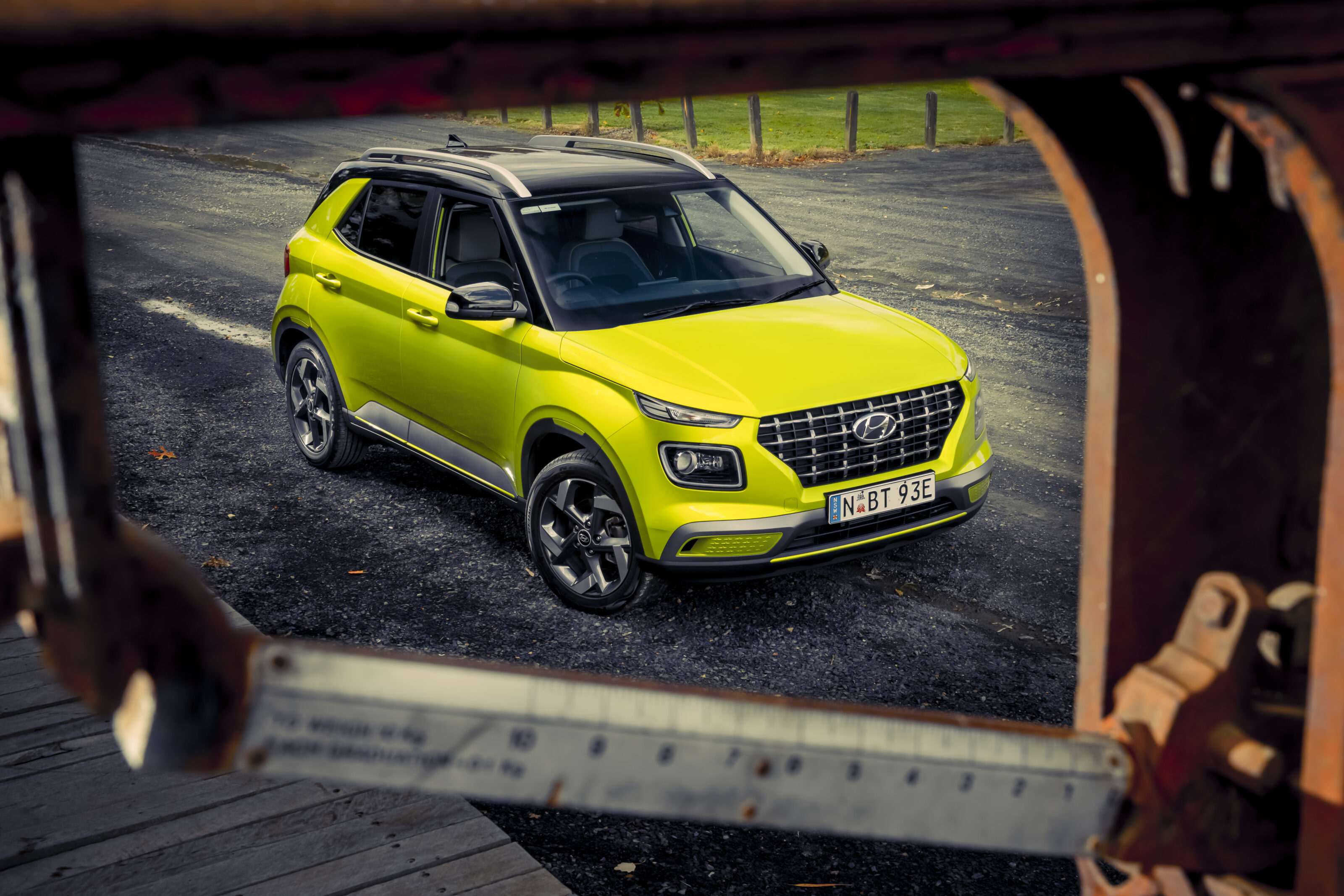
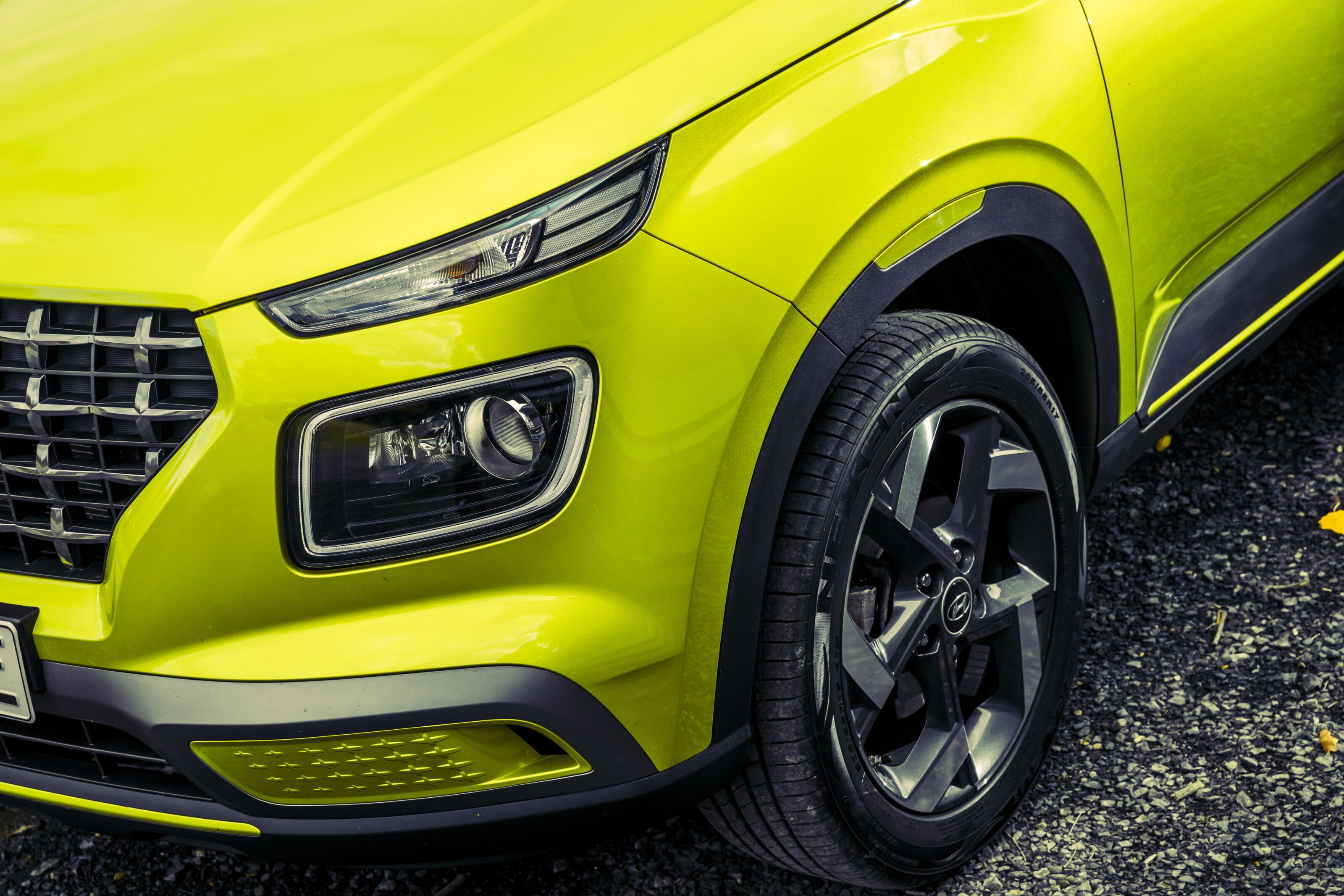
While ‘funky’ has been used to describe Hyundai’s Venue, I have to agree it is a rather boldly designed small SUV. The Acid Yellow may be harmful to people with sensitive retinas, but I like it – bold design warrants a bold colour. When the light hits the little Venue at the right time it accentuates the body creases, flared guards and cladding.
The interior is in no way mind blowing, but the design is clean and functional. Dials, air-vent levers and stitching match the exterior paint for a refreshing touch, but the Venue is let down by the hard and scratchy plastics. The range-topping Elite comes nowhere near Mazda’s CX-3 in materials and finish, but you do pay just under $10K more to get into the FWD Akari.
One quirk I’ve found in the Venue is the rear-view vision – short-range visibility is fine but trying to spot what’s occurring in the distance has me looking like a bobble-head doll trying to find the sweet spot, due to the sloping roofline at the rear. This isn’t an issue when driving around the inner city, but it might be when on country roads or freeways and if you suffer from extreme paranoia.
Under the watch of Luc Donckerwolke (who left the company back in April) Hyundai has made some bold visual moves in the last few years and that trend looks like continuing with upcoming Tucson – although it’s bordering dangerously close to being too angular and overdone. We’ll reserve judgment until we see it in the metal.
Hyundai has come a long way from the maker of little Excels, and it’s exciting to see the direction the Korean giant is taking – it’s almost enough to erase the memory of the original Coupe. Almost.
Update 7: Vacating the Venue
Mileage this month: 117km @ 11.8L/100km Total mileage: 2536km @ 9.2L/100km By: Felipe Ubilla

When the Venue’s keys were tossed my way a few months ago I wasn’t too sure what to expect, but I have to admit, Hyundai’s light SUV has proven to be a nice surprise.
The two-tone paint in Acid Green looks great, day or night, working brilliantly to highlight the car’s shape and contours – for a small SUV its stance is tough and masculine, like that of a British bulldog. Its colour and design definitely turns heads.
The interior is good without being brilliant. The design is functional, most surfaces use hard and scratchy plastics but depending on your taste, the body-coloured accents are a nice touch. The 8.0-inch touchscreen infotainment is a standout: crisp, clear and easy to use, although the graphics are a little basic. The six- speaker system has also proven to be better than expected.

We’ve found the interior space ample up front and passable at the rear. The large child booster seat which was an issue a few months ago has been out-grown by my daughter, and its removal has vastly improved comfort for her. However COVID restrictions nixed any chance to go on an extended trip, or even getting time on a freeway for that matter.
Which is a pity really, because one of the Venue’s strongest aspects is its dynamic capability. Handling is great; I often found myself taking detours to hit a few more bends on the way home. But the elephant in the room is the lacklustre 1.6-litre atmo four-pot – its 90kW/151Nm outputs could really use a boost.
But if punchy performance is a high priority, you’re probably looking in the wrong segment to begin with – wait for the i20 N instead.

Do we recommend the Venue? Yes; it presents as a better-value alternative to the class-leading Toyota C-HR, especially in Go and Active guises. But you will be trading a superior interior finish and engine performance compared to the Toyota. Which doesn’t have to be a deal-breaker. The Venue is all about cheap and cheerful fun, which it brings by the bootful.
Snapshot
- All Renaults sold in Europe will be electric by 2030
- Worldwide target remains at 90 per cent EVs by the same date
- Target of 65 per cent EV production volume by 2025
French manufacturer Renault has clarified its electric vehicle stance, announcing 100 per cent of its new vehicles sold in Europe will be electric by 2030.
When it outlined its goals last year, the iconic marque said it would aim for EVs to make up 65 per cent of new car production by 2025, moving towards 90 per cent of global sales by 2030.
In an interview with Automotive News, Renault CEO Luca de Meo specified that this goal would become achievable due to its entire European range being electrified by the time 2030 comes around, as the remaining 10 per cent would come from sales in global markets that are yet to move away from internal combustion engines.

“Renault will be 100 per cent electric in 2030 in Europe,” the Renault Group CEO put succinctly.
Sub-brands such as Dacia are also to go fully electric, although a far larger portion of the investment will go towards getting Renault’s EV line-up sorted before its subsidiary makes the change.
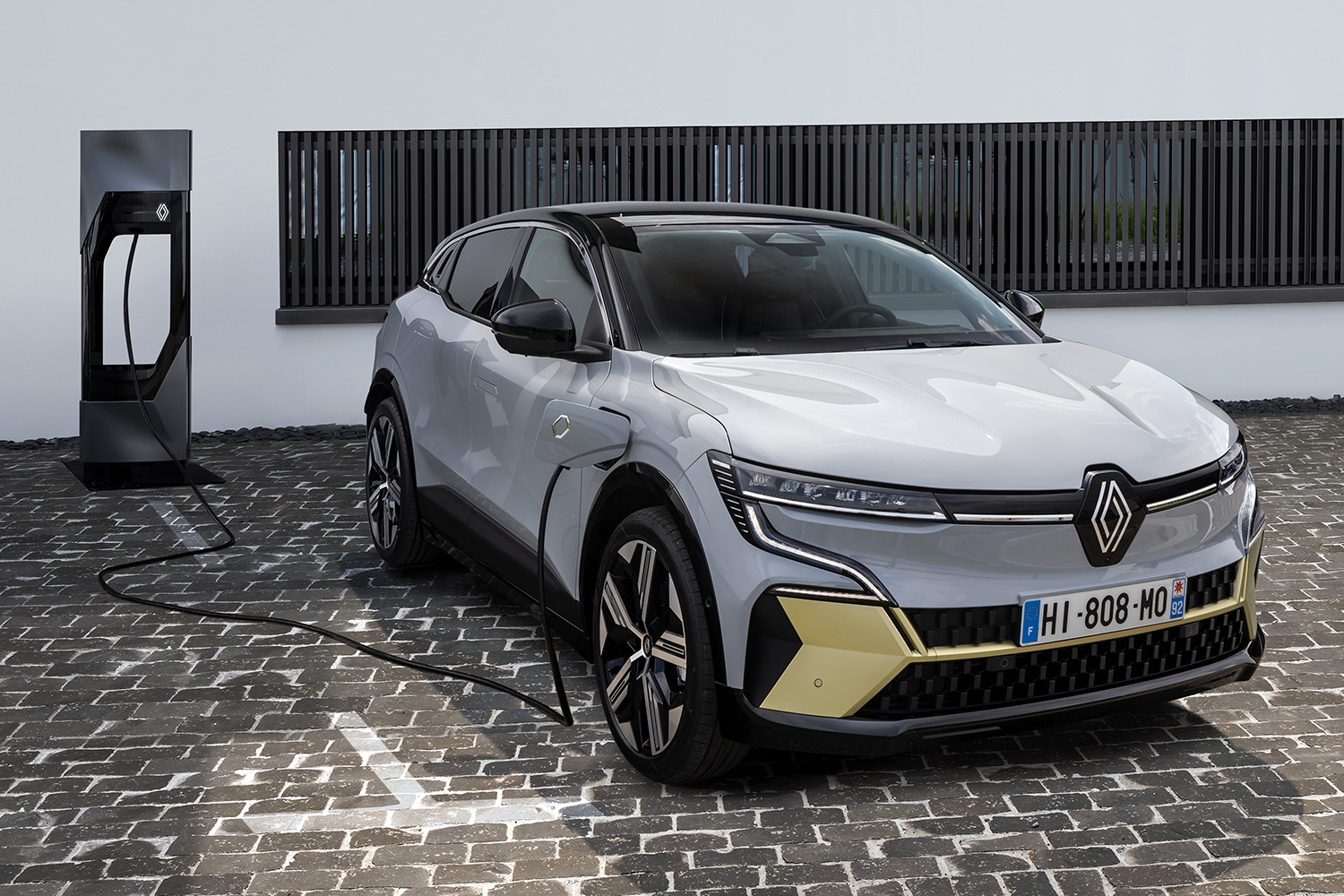
It’s no massive surprise to hear Renault and several other European manufacturers are pulling the plug on ICEs. The EU has tabled a proposal to outlaw the production of ICE-powered vehicles from 2035, prompting a number of the world’s biggest automotive producers to radically change their future model range.
Renault has already announced some of its product plans moving forward, from introducing its new Common Module Family B-segment EV (CMF-BEV) architecture, launching the new Megane E-Tech and reviving its past nameplates, such as the Renault 5, set to return from 2024.
Snapshot
- 2022 12 Hour to now take place across May 13-15
- Original event date was February 25-27
- Last running of the race was in 2020
Supercars has announced it has delayed this year’s Bathurst 12 Hour, pushing back the GT endurance race from February to May thanks to COVID concerns.
Originally slated to run between February 25-27, the new date will see the race take place across May 13-17, the latest 12 Hour to date since its inception in 1991.
As well as the current Omicron outbreak currently hitting Australia and the rest of the world, the change has been made to benefit international teams who are competing as a part of the Intercontinental GT Challenge, allowing more overseas stars to race in the enduro.

Supercars Chief Operating Officer Shane Howard said the new date would allow the event to run as smoothly as previous years.
“This is the best outcome for the event under the current circumstances,” said Howard.
“This new date alleviates pressure on international competitors and freight operators as well as marshals, officials and volunteers who play a critical role in the success of the event every year.
“We have worked closely with Destination NSW, SRO Motorsports Group, Bathurst Regional Council, Motorsport Australia, ARG and our broadcasters to ensure this date will ensure the best outcomes for all involved and the Liqui-Moly Bathurst 12 Hour.
“As we’ve seen, a number of high-profile teams have already committed to attending and we look forward to seeing more international competitors announce their inclusion leading into May’s new date.
“This is a win for fans who have been keen to see this event return to the Australian motorsport calendar for the last two years.”
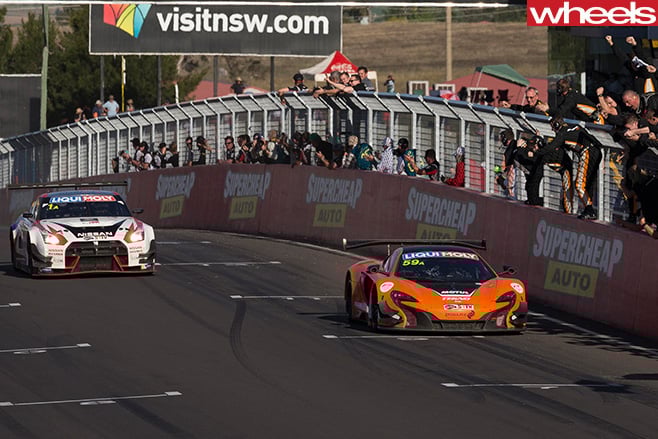
Last run in 2020, the Bathurst 12 Hour has run under a formula for GT3 cars to contend for the outright win since 2011, attracting factory efforts from the likes of Bentley, Porsche, Mercedes-AMG, BMW, Nissan and Ferrari to name a few.
The move away from February might be a welcome relief for drivers and teams, no longer having to contend with 40+ degree days, instead now dealing with a darker start and potentially cold track temperatures to start the race.
Tickets for the enduro at Mount Panorama will go on sale from January 17 at 11 am AEST through Ticketek.
Snapshot
- Cupra Born to be tested in Australia before going on sale
- Three units will complete at least 10,000km each
- Born arrival will come shortly after Cupra’s brand launch
The all-new, fully-electric Cupra Born will be ready for Australian roads straightaway from when it’s launched, as the performance brand announced its plans to test examples locally throughout 2022.
Slated to arrive towards the end of the year, the Born is based on the same MEB electric platform as its Volkswagen and Skoda cousins, the ID.3/4/5 and the Enyaq respectively.
However, unlike the existing Volkswagen Group Australia brands, Cupra will be the first to bring an electric vehicle to Australia, launching the Born as its flagship model shortly after the marque makes its first appearance in the middle of the year.
UPDATE, December 2022: Australian Born pricing announced
Cupra has confirmed Australian pricing and features for its Born electric hatch. Get all the details at the link below.
Story continues…
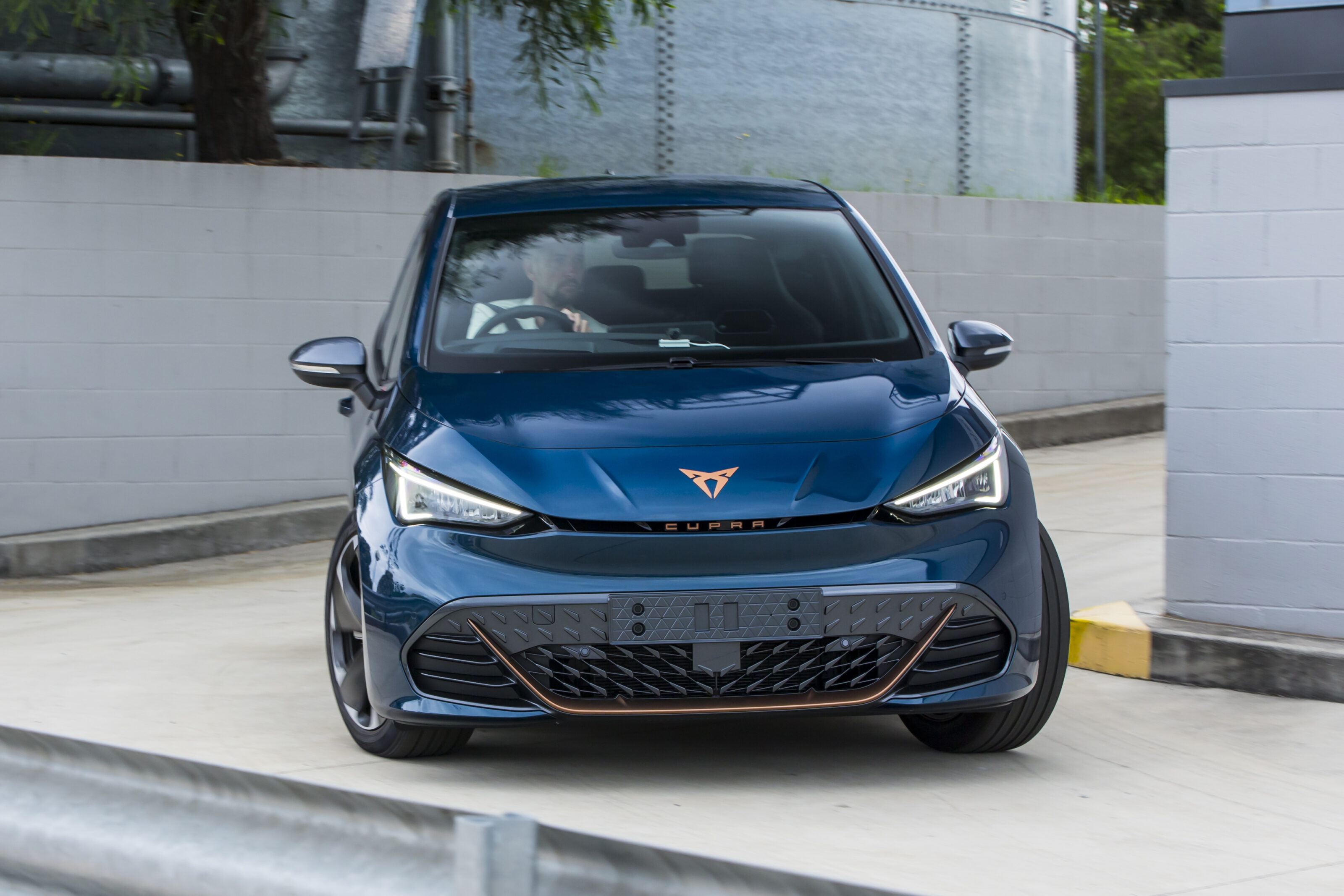
As reported late last year, the first of three Born EVs to be shaken down has arrived in Sydney, with each car slated to undertake over 10,000km of testing – a new world for the performance car which is making its debut outside of Europe.
Ben Wilks, Australian director of the Spanish manufacturer, said the Born has an important role to play in Cupra’s local line-up.
“Cupra’s conventional [internal combustion engine] and PHEV [plug-in hybrid] range will be unique in this country, the perfect line-up for a new brand to challenge the established order,” said Wilks.
“Born is undoubtedly our halo car, one that embodies all of Cupra’s performance and design allure in a zero-emissions package.”
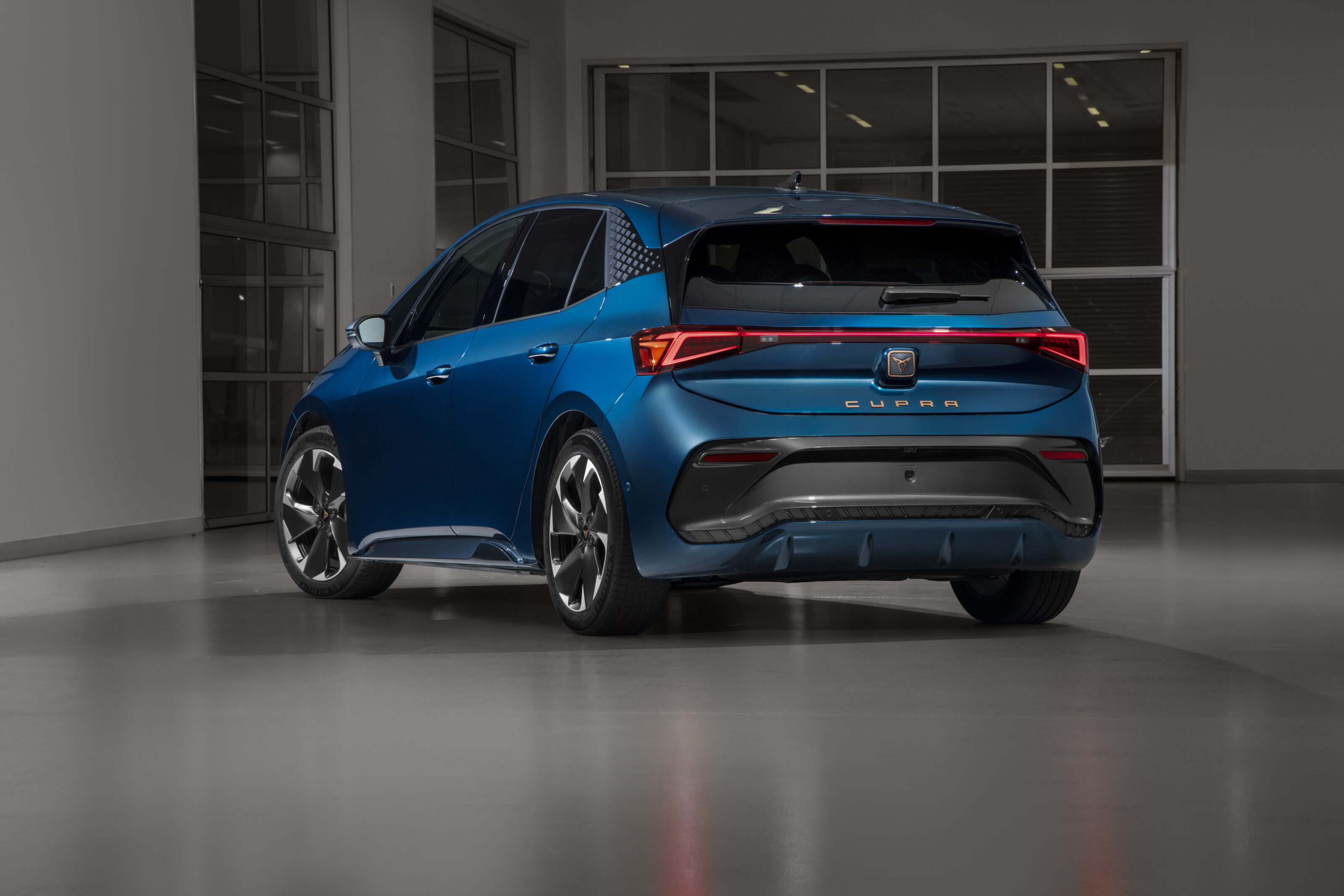
Before the Born goes on sale, Cupra will release its Leon, Ateca and Formentor to Australian buyers, all based on existing Volkswagen Group platforms but with Cupra’s own twist, providing a performance touch to each model.
No pricing has yet been released for the Born but it’s expected to start around the same price as a Golf GTI ($54,490 before on-road costs) – potentially less than the popular Tesla Model 3 ($59,990 before on-road costs).
Mercedes-Benz might have set an execution date for its wagon models, according to European reports.
Declining sales of long-roof models come during a tough time for supporters of the body style, as manufacturers invest heavily in high-riding SUVs and electric vehicles (EVs) to cope with surging demand.
As reported by German publication Automobilwoche, Mercedes-Benz’s biggest markets – the United States and China – have low demand for wagon variants of existing models while interest in EVs is booming, forcing the manufacturer to throw its resources behind the latter.
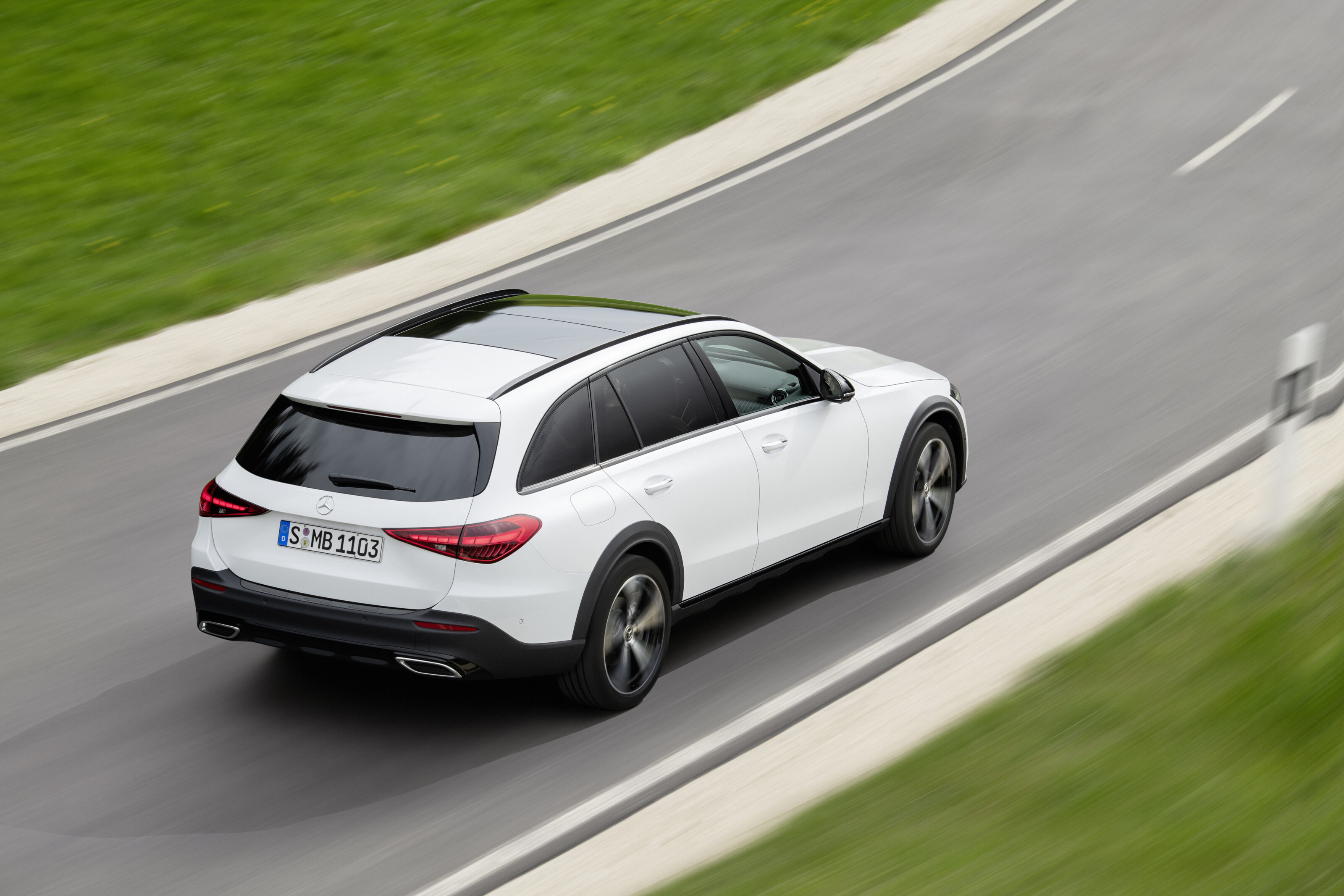
However, despite the impending end of wagons as we know them, Mercedes revealed its C-Class Estate All-Terrain last year – a Europe-only release which jacked up the ride height, increased the suspension travel and added plastic guards to the mid-size model.
In Australia, only a handful of C-Class variants can be purchased as an estate, with the C200, C300, C43 AMG and C63 AMG all available in long-roof form.
Stuttgart’s investment in EVs is no surprise, having already announced all new models for Europe will be electrified from 2025 as it looks to go fully-electric by 2030, although this will exclude markets where demand for internal combustion engines is high, coupled with low policy-based support for EVs.
Across Mercedes-Benz’s passenger and commercial vehicle sub-brands, its investment in electric technology is expected to exceed exceed €40 billion (AU$63.8B) between now and the 2030 target date – around a quarter of parent company Daimler’s annual profit in 2020.
