
As many governments edge closer to banning the sale of new petrol- and diesel-powered cars, five Japanese manufacturers have banded together in an attempt to keep the internal-combustion engine (ICE) alive.
Subaru and Mazda have rallied behind Toyota in the initiative, also joined by motorcycle companies Kawasaki and Yamaha, in the pursuit of developing carbon-neutral fuels.
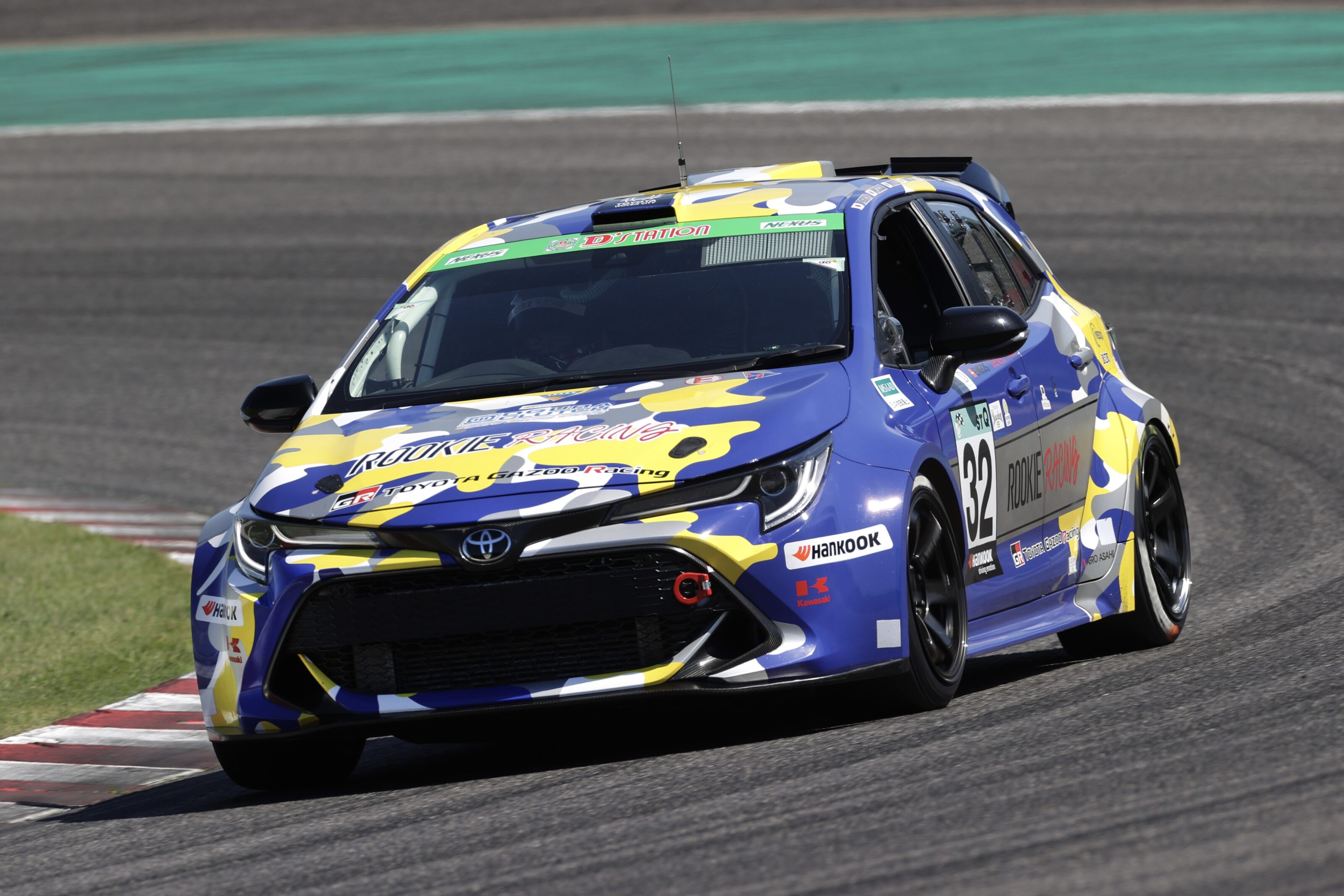
The three carmakers will participate in motorsport using biodiesel and biomass-derived synthetic fuel, while Toyota and Yamaha will compete in the Super Taikyu Race using hydrogen fuel.
While most hydrogen vehicles operate like an electric vehicle – using a fuel-cell to generate electricity – the two firms will use hydrogen to directly power internal-combustion engines.
Toyota has previously shown off its hydrogen-powered Corolla, which used hydrogen created from brown coal at Gippsland’s Loy Yang mine, in Victoria’s south east.
Kawasaki and Yamaha – traditional competitors in the motorcycle segment – will explore the possibility of collaborating on joint hydrogen research for two-wheeled applications.
The announcement comes as six carmakers signed onto the Glasgow Declaration at the COP26, which commits to banning the sale of new ICE vehicles by 2040.
I love homologation specials. Being utterly motorsport mad, having a road car that’s directly and significantly influenced by racing regulations is one of the coolest things I can imagine – short of road-registering the racing cars themselves.
Which makes it a little confusing when I confess to people that I think any motorsport series that legislates specially built road cars into the rulebook is setting itself up for failure.
Hearing that the FIA and ACO (who is responsible for the 24 Hours of Le Mans) were going to require manufacturers to build road-going versions of the top-flight LMH race cars made me cheer and cringe in equal measure.
While I knew it would produce at least one truly all-time great hypercar, I also realised it meant the replacement for LMP1 was destined to fall short of expectations.
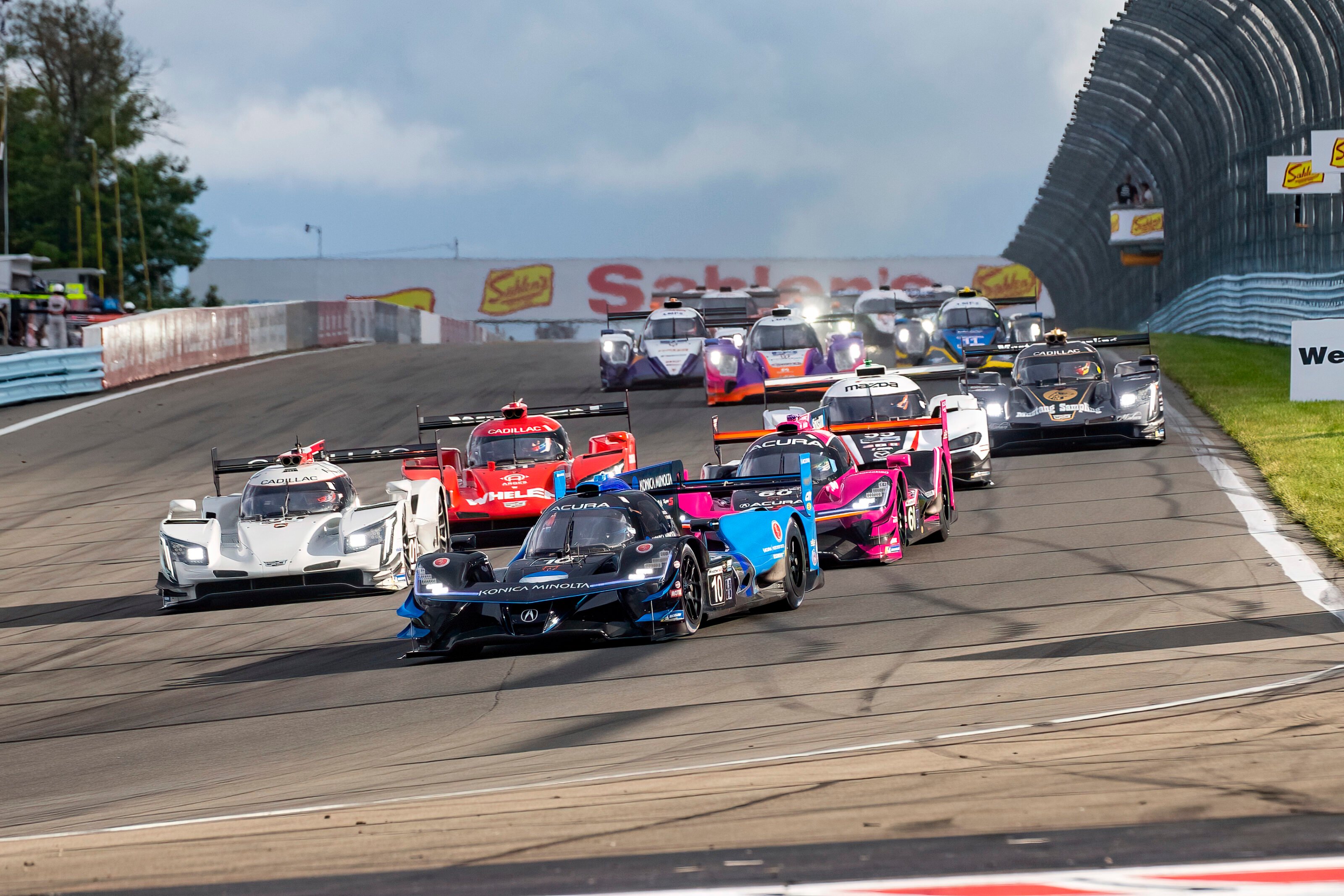
It’s really of no great surprise to learn that this portion of the ruleset was quietly dropped. So there is no longer any impetus for manufacturers to build limited-run models with inverted profit margins if they want to join the Hypercar party.
Even though the rule never made it past the initial draft, just the thought of having to funnel money into a loss-making road car program scared manufacturers away from LMH. And standing there, arms open, ready to accept them was the American-run IMSA and its affordable, homologation-free, LMDh rules.
In the time between the LMH concept being announced, and the final rules being confirmed, IMSA was able to convince Audi, Porsche and BMW to sign up to its cheaper alternative. This then wedged the FIA and ACO into hamstringing LMH cars to allow the two types of car to race evenly against each other at the 24 Hours of Le Mans. It was a masterclass in political chess.
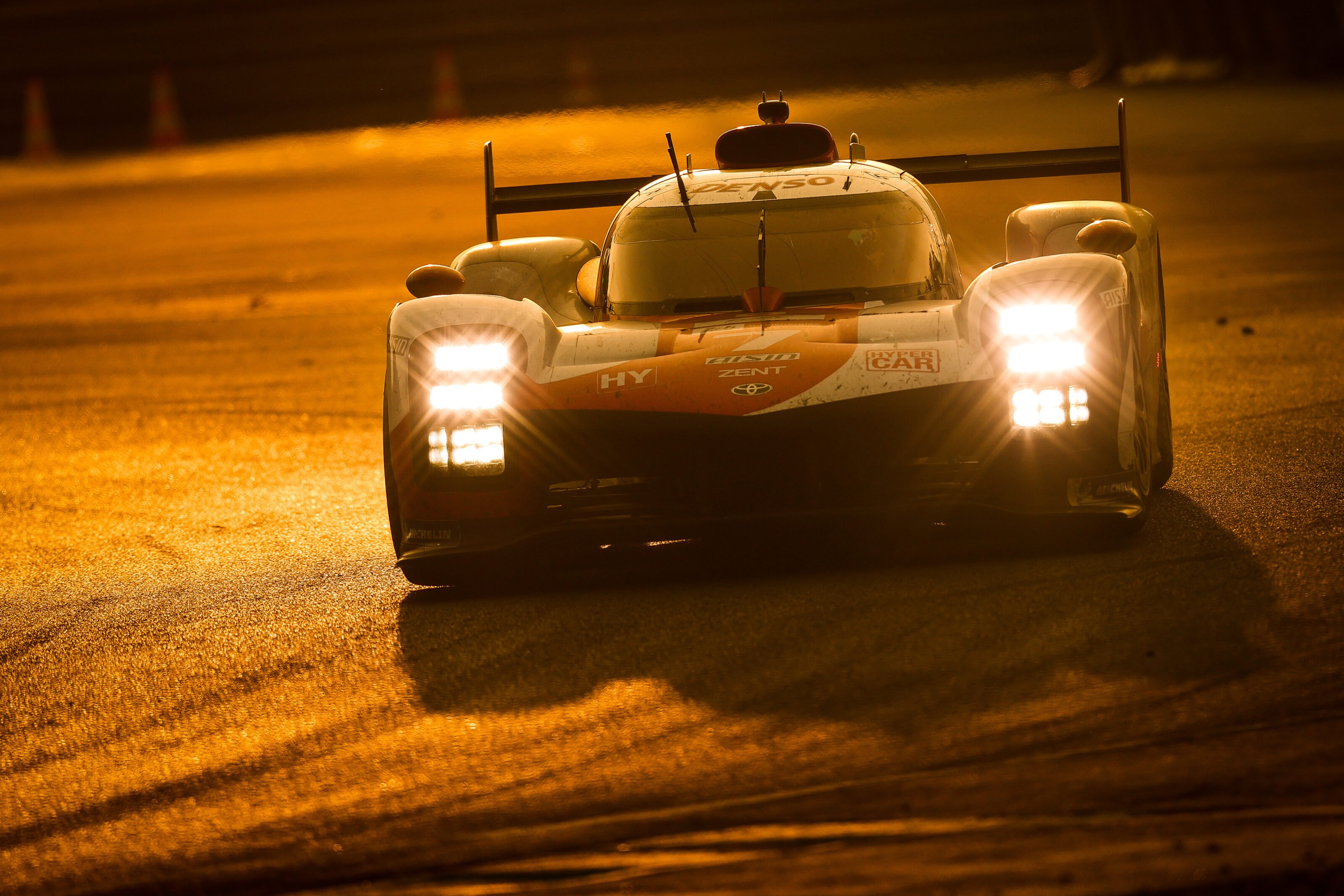
It’s also an insight into how manufacturer money flows through contradictory tides. IMSA didn’t build its LMDh rulebook to attract the biggest manufacturers in global motorsport. That was just a happy accident. The initial priority for LMDh was to ensure that IMSA’s premier category remained affordable for those currently involved, not to attract new faces.
Car companies could join the party if they wanted, but the Americans weren’t going to bend the knee in a way that left those without manufacturer backing short-changed. Unlike the FIA/ACO generated Hypercar regulations, LMDh will utilise a control chassis and hybrid systems, with manufacturers that want to play only having to turn up with their own ICE and penmanship for the exterior styling. Not exactly a deep pool for genetic development.
It’s a tactic straight out of high-school dating; by shunning car company interests, IMSA inadvertently found itself stealing manufacturers from other categories.
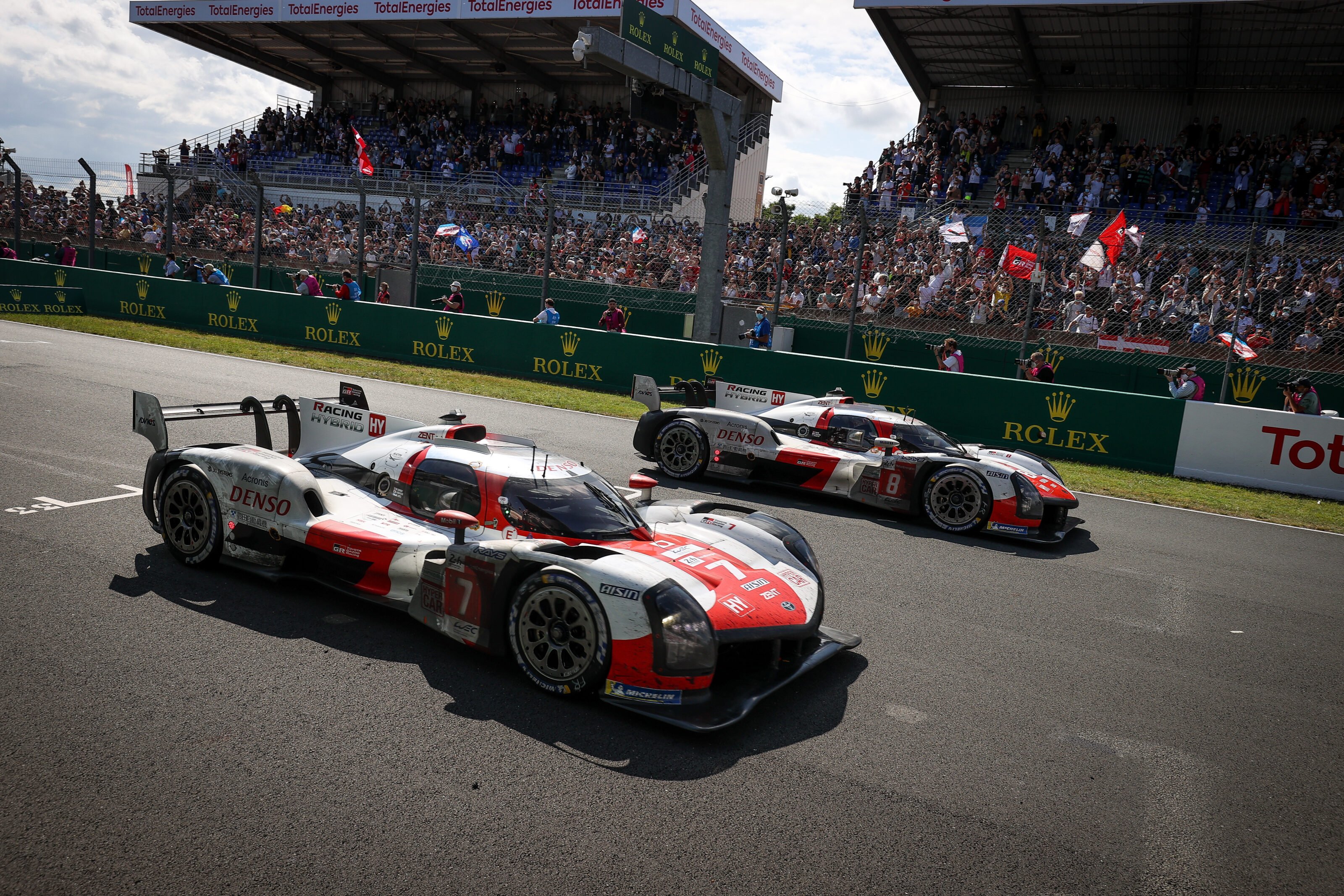
Formula E is feeling the brunt of this. On the precipice of its third-generation ruleset, its most well-heeled teams are packing up their bags and walking away – most to join IMSA. Formula E at its peak boasted the involvement of nine vehicle manufacturers of varying sizes. Three of those have announced their departure, with more expected to follow suit. What was once the golden child of manufacturer-supported motorsport is in troubled waters.
In a cruel twist of fate for Formula E, the same tactics that made it affordable and attractive in the first place – namely the near total ban on technological arms races – is what has prompted several teams to start packing their bags.
BMW said the quiet part out loud when its au revoir press release stated: “When it comes to the development of e-drivetrains, BMW Group has essentially exhausted the opportunities for this form of technology transfer in the competitive environment of Formula E.” The cynical might note that this hasn’t stopped BMW diving into another closely controlled championship in LMDh.
Which brings us to the heart of the issue. If a race series takes car manufacturers at their word, they will always be disappointed. Hitching your wagon to factory money is an easy trap to fall into, but one that has rarely ended well. But if categories simply focus on designing rules that make racing affordable and competitive, they might just find themselves happily surprised.
The 2022 Subaru Solterra may have only just been revealed, but already rumours of an STI version have begun.
Subaru showed the all-electric Solterra to the world last week, unveiling the company’s first dedicated battery-powered model, developed in collaboration with Toyota.
The Solterra will be offered in two types: the first uses a single 150kW electric motor to power the front wheels, while a second all-wheel-drive model uses dual 80kW electric motors – with 530 kilometres and 460 kilometres of driving range available respectively (WLTP test cycle).
But what if Subaru mounted the 150kW electric motor on both axles to create a high-performance model?
With Hyundai preparing to launch its electric Ioniq 5 N, digital artist X-Tomi Design has imaged what the Solterra would look like if it was developed by the company’s STI division.
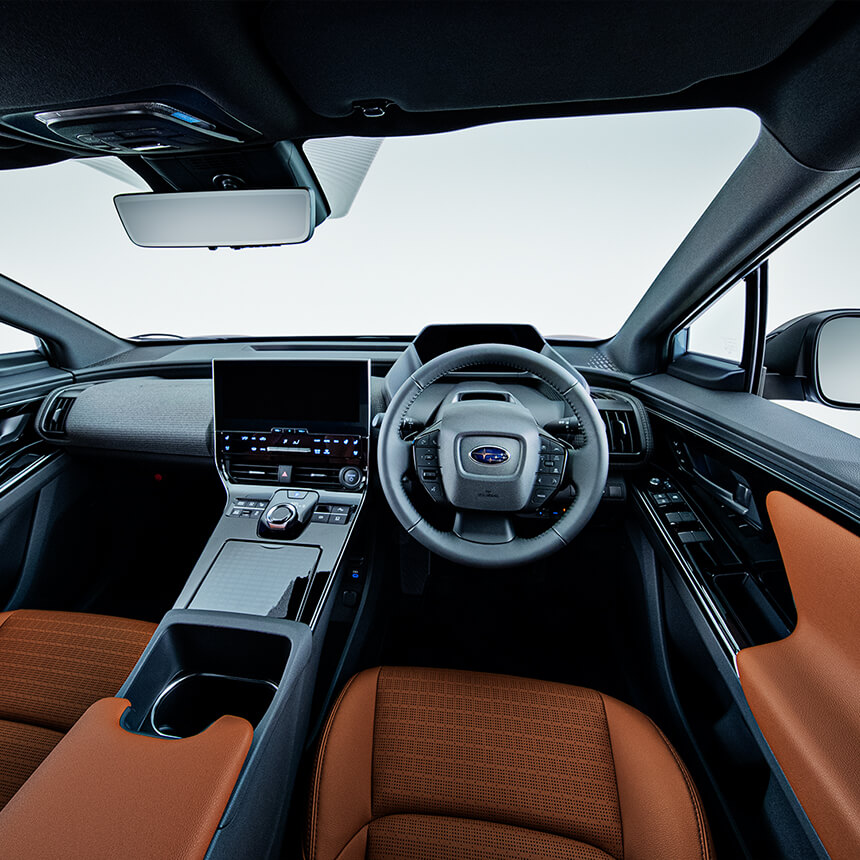
The Solterra STI incorporates a deep body kit, bonnet scoop, closed-off hexagonal grille, fog lights, lowered suspension on large black alloy wheels, a black roof, and finished in the company’s trademark World Rally blue.
Past rumours out of Japan suggest Toyota and Subaru are cooking up yet another shared model as part of their joint collaboration, possibly a small hot hatch with roots to the GR Yaris, with the aim of reviving Subaru’s world rally program.
While there’s no solid indication yet of a Subaru Solterra STI – or a Toyota GR BZ4X – it’s possible the Japanese carmakers could begin work on performance versions of the electric SUV to compete with the likes of the Kia EV6 and Hyundai Ioniq 5 N.
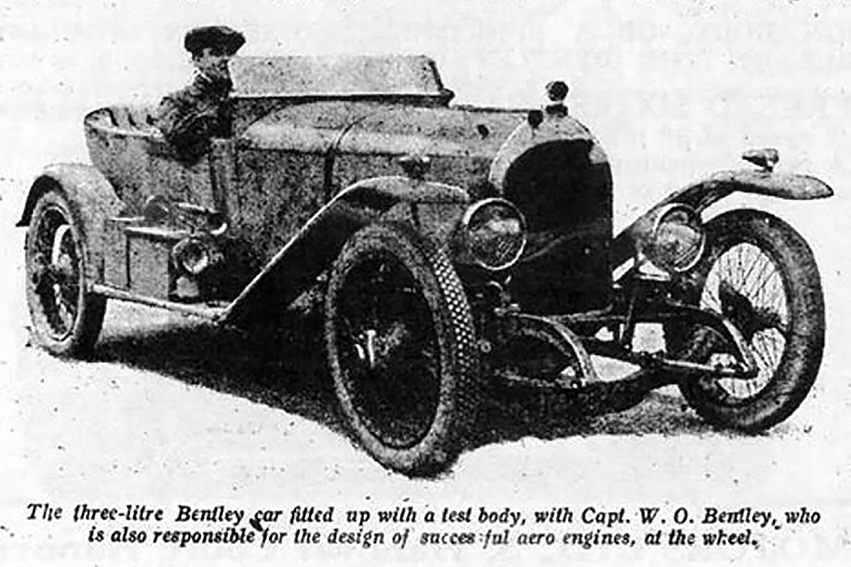
Bentley is celebrating a century of sales, with the company having received its first order for a customer car back in 1921.
Development of the model – known as the Bentley 3-Litre – began in 1919, offering a significantly larger engine than that found in the cars of French competitor Bugatti.
As was customary at the time, Bentley provided the vehicle as a drivable chassis, devoid of interior and exterior panels, allowing the customer to choose their own coachbuilder and body style.
While the first vehicle ordered was by wealthy Londoner Noel van Raalte, the first delivery of a customer car went to Ivor Llewellyn, who bought production chassis number three – and remains the oldest known surviving production Bentley in the world today.
But while the luxury car company is celebrating its long history, Bentley recently renewed its carbon-neutrality certification for its headquarters and operations facility in Crewe, UK.
The organisation has reduced its carbon off-sets by 81 per cent since it was first certified in 2019, with the aim of becoming end-to-end carbon neutral by 2030.
The announcement of its green credentials may not be coincidental, with Bentley – along with the rest of the Volkswagen Group family – choosing not to sign the Glasgow Declaration at COP26, which commits to zero-emissions vehicles by 2040.
Only six major carmakers joined the pledge, along with NSW, Victoria, South Australia, and the ACT.
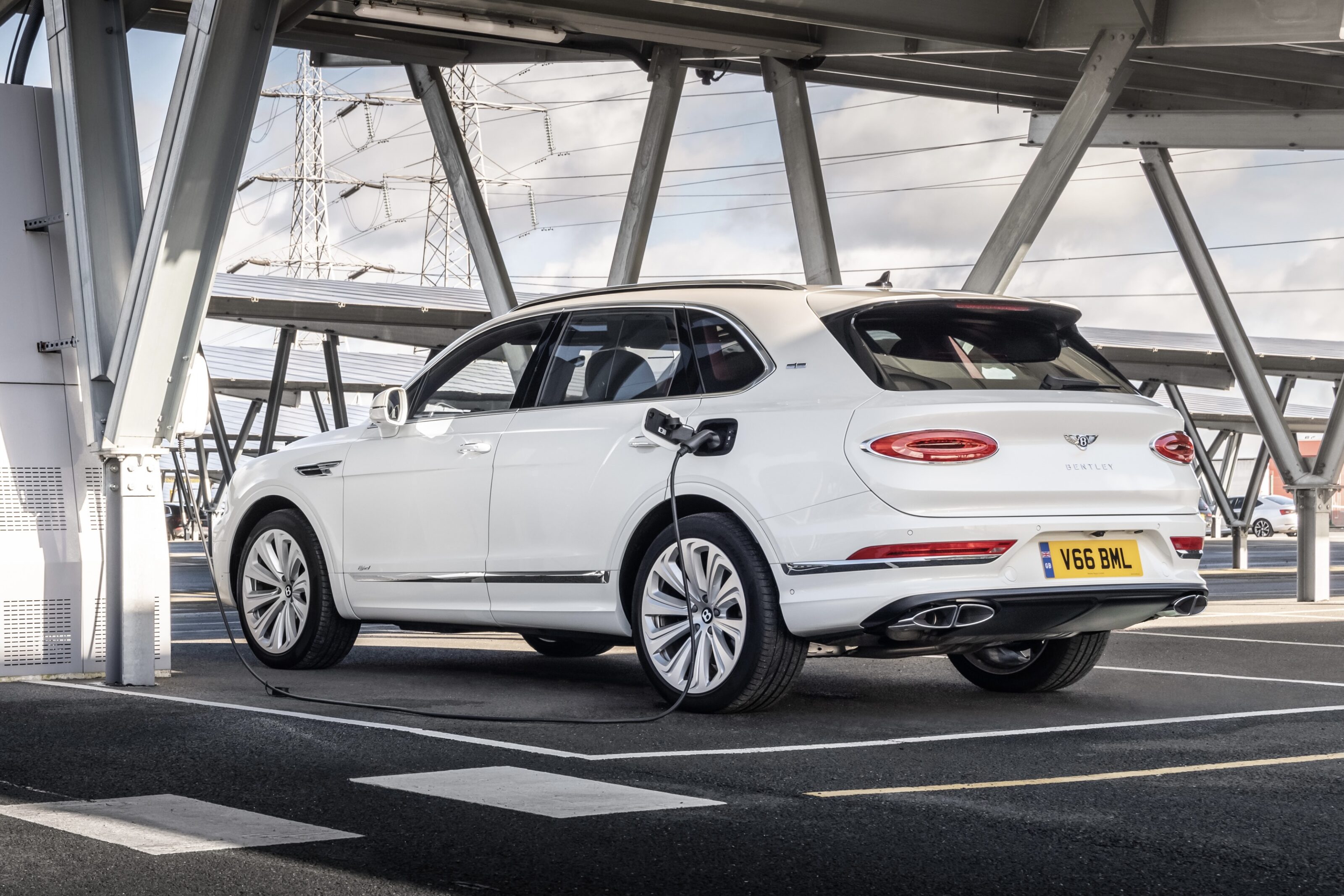
Curiously, Bentley will actually meet the conditions a decade early, having committed a year ago to not selling any combustion-engined cars after 2030.
“Over the last two decades Bentley has taken a pioneering approach to sustainable entrepreneurship; creating a high quality, low environmental-impact, highly efficient production facility here in Crewe,” Peter Bosch, member of the board for manufacturing, said.
“We are committed to reducing off-setting and our team is continually implementing great solutions to reduce our impact year-on-year. Our ultimate aim is to create a net climate positive manufacturing footprint by 2030.”
New petrol and diesel vehicles could be looking at an expiry date – with New South Wales, Victoria, South Australia, and the Australian Capital Territory joining six car companies pledging to drop petrol and diesel vehicles by 2040.
General Motors and Ford both signed onto the Glasgow Declaration on Zero Emission Cars and Vans at the COP26 event, along with Mercedes-Benz, Jaguar Land Rover, Volvo, and BYD.
Missing from the pledge were Toyota and Volkswagen – the world’s top two manufacturers – as well as BMW, Hyundai, Stellantis, Nissan, and Honda.
The declaration commits signatories to transition to zero-emissions cars by 2040, or 2035 in “leading markets”.
If the declaration is upheld, new-car buyers in NSW, VIC, SA, and the ACT will only be given the option of battery-electric and hydrogen-electric cars.
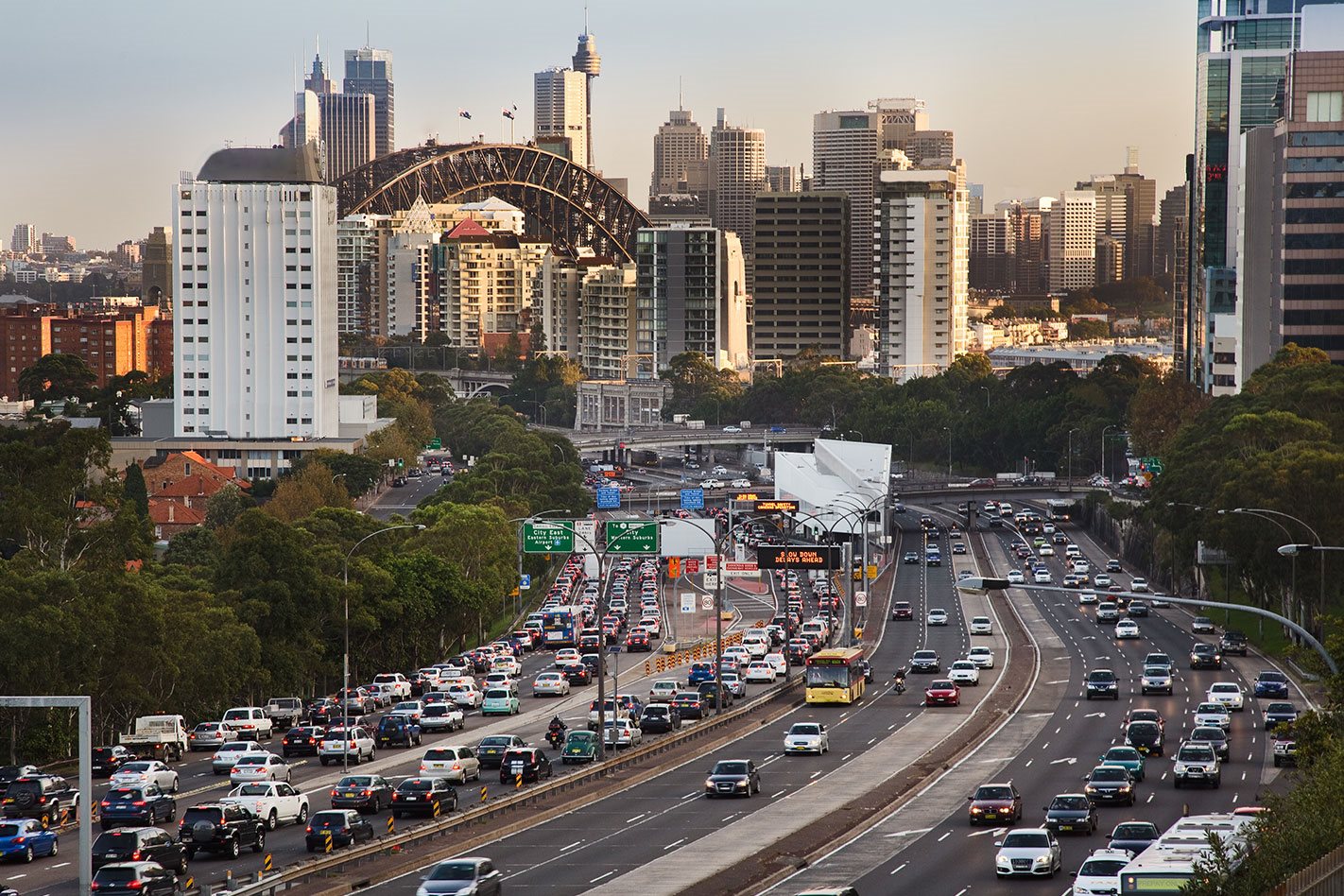
Volkswagen Group brands Audi and Bentley put out statements reaffirming their commitments to electrification.
Polestar CEO Thomas Ingenlath was scathing of other manufacturers refusing to commit: “Car companies are still talking about selling petrol and diesel cars until 2040. Considering the lifetime of a car, they will still be driving and polluting the second half of this century.”
Speaking to German newspaper Handelsblatt, Volkswagen Group CEO Herbert Diess dismissed the plan as “not doable” by 2040.
“We need raw materials, new mines, a circular economy. Battery capacity and building renewable energy grids across Europe will be the bottleneck,” Diess said.
“It will take everyone working together to be successful,” Ford said in a statement to Automotive News Europe.
While US, China, and Germany did not join the declaration, a notable signatory was India – the world’s second most populous country.
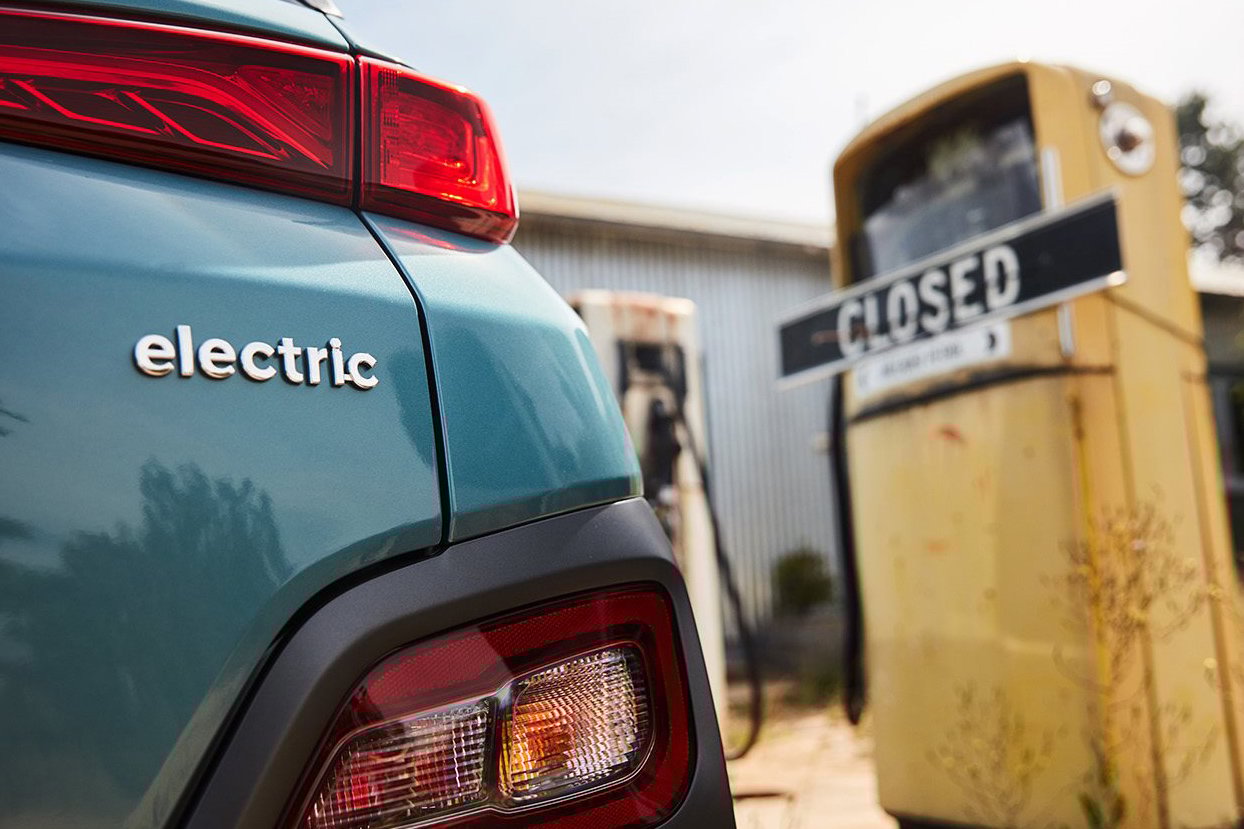
Despite the “zero-emissions” forming key aspects of the declaration, a German environmental spokesperson said the country had not yet signed up as it wanted clarification as to whether fuels made from renewable energy, but burned in a combustion engine, could be included.
Porsche and BMW have previously announced their intentions to develop synthetic fuels.
New Zealand was one of 33 countries that committed to the pledge, as did the states of Washington, New York, and California – the world’s fifth latest economy.
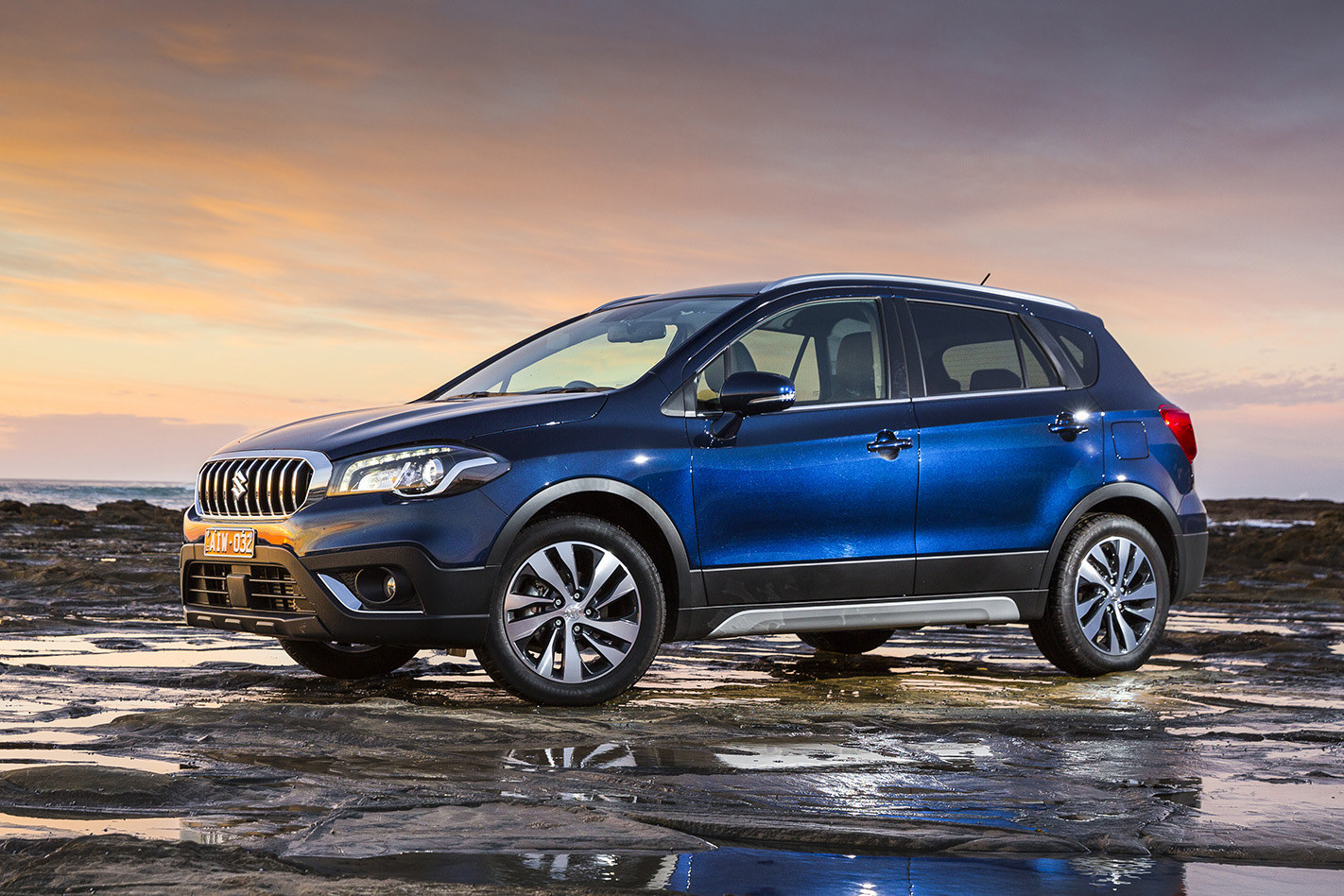
UPDATE, November 15: The 2022 Suzuki S-Cross has leaked online.
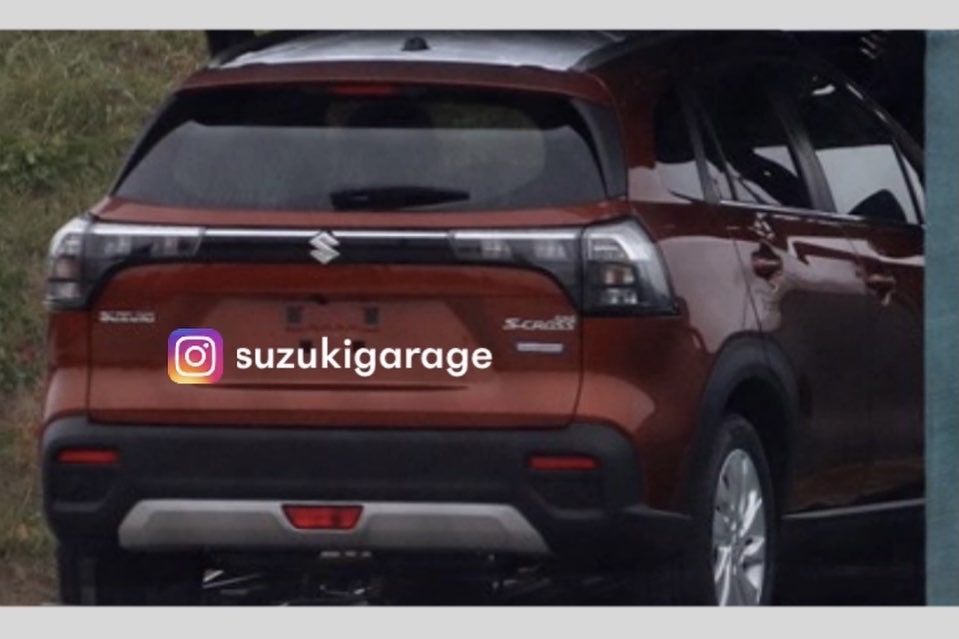
Images published by Instagram account @suzukigarage show the heavily-facelifted S-Cross more than a week ahead of Suzuki’s official unveiling on November 25.
The S-Cross has dropped its ageing looks and adopted a much sharper design at the front end, while the rear now features tinted clear tail-lights, connected by a centre garnish.
Click on the gallery below to see more images, and let us know what you think of the new S-Cross looks in the comments section below.
Stay tuned to Wheels on Facebook and Instagram to see the latest news as it happens.
The story to here
November 12: The 2022 Suzuki S-Cross has been teased ahead of its reveal event later this month.
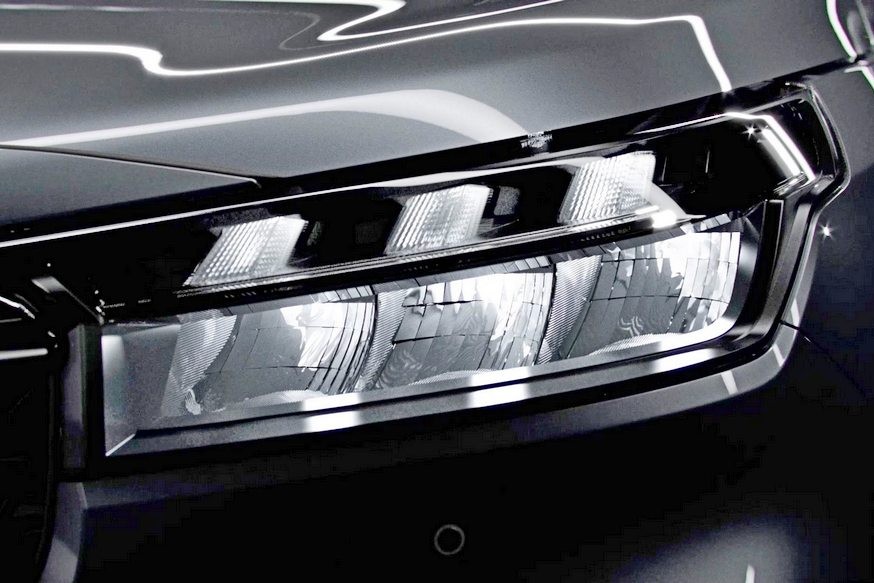
Suzuki in Ireland tweeted a short video, which offers a glimpse of sleek new headlights. While there was no mention of the model, it’s expected they belong to the new S-Cross.
Another strong hint is an image on the website of Suzuki Greece, with the words “cross the line”, and listing the reveal date of November 25.
October 31: The 2022 Suzuki S-Cross is set to be unveiled at the end of November.
Spanish publication motor.es reports the third-generation S-Cross will be shown late next month, following confirmation from Juan López Frade – President of the local Suzuki arm.
“If everything goes well and we don’t have supply problems for this model, I hope it can reach dealerships at Christmas and be a gift for anyone who wants a good car,” López Frade told motor.es (translated).
While the S-Cross is currently sold in some European markets with a 1.4-litre 48-volt mild-hybrid powertrain, there are some suggestions the new model will debut a 1.5-litre hybrid engine.
Despite the Suzuki Jimny using a 1.5-litre four-cylinder engine – and rumours of future electrification coming to the Jimny – some reports suggest the S-Cross could borrow its hybrid powertrain from the Toyota Yaris Cross Hybrid.
In the Yaris Cross Hybrid AWD, the 1.5-litre three-cylinder non-turbo engine is assisted by an electric motor, sending power to the front wheels through a CVT automatic, with a rear axle-mounted electric motor delivering all-wheel-drive grip.
Suzuki and Toyota announced plans to enter a new alliance in 2019, the result of which has meant shared models between the two Japanese carmakers, such as the Toyota Corolla being rebadged the Suzuki Swace in some international markets.
The air in Beech Forest is still and undisturbed. The waters of Bass Strait meet the lazy flow of Skenes Creek 15 kilometres to the south east as the magpie flies, but there is no salty sea breeze rustling the trees in this once bustling timber town.
Instead, on an overcast and drizzly day in the middle of yet another open-ended state-wide Victorian lockdown, the living world has seemingly abandoned Beech Forest, population 82, altogether. The door to the only pub in town is locked indefinitely, and there isn’t a single visible soul wandering the streets. The only sign of life here is the soft sound of birdsong that emanates from the myrtle beeches.
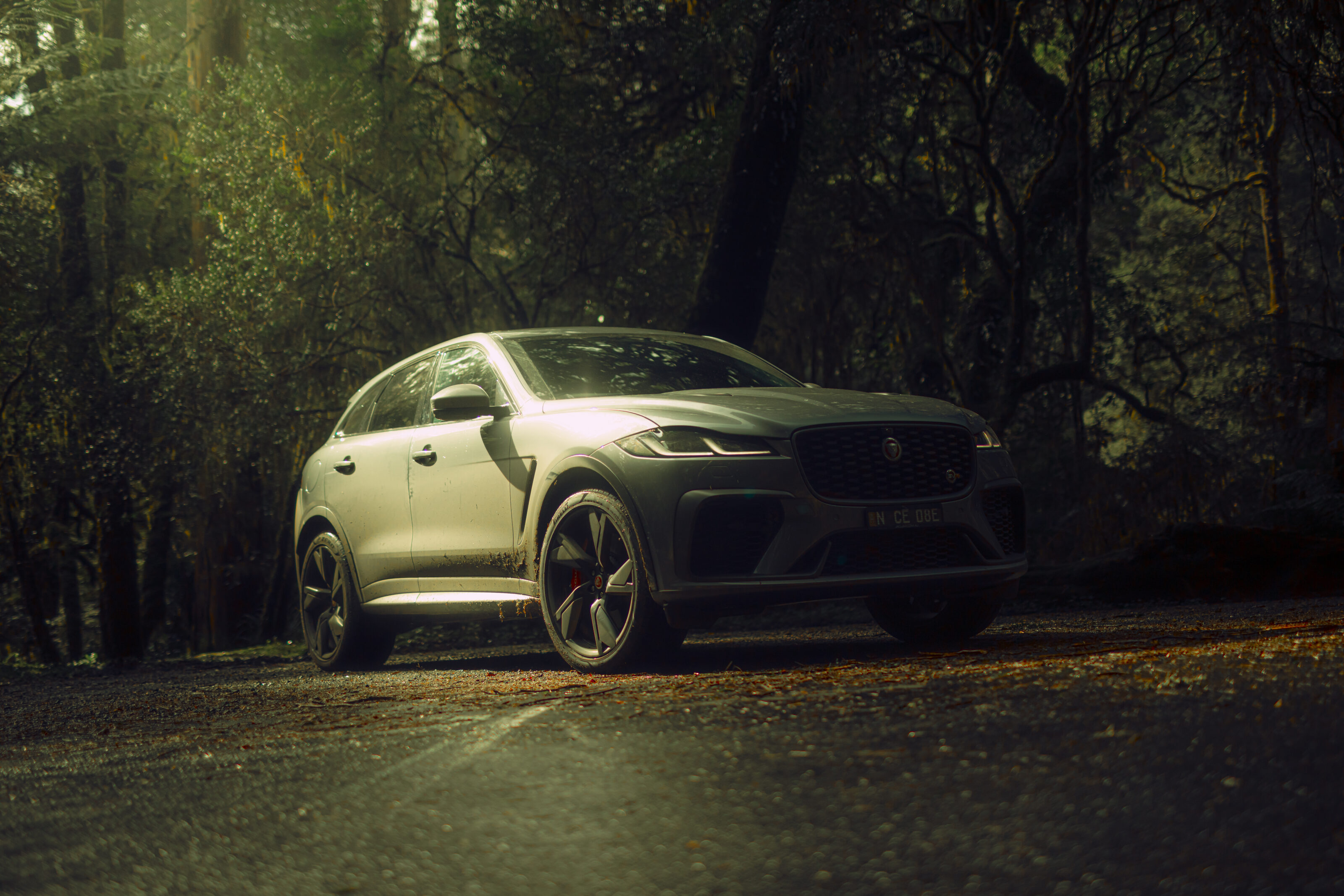
The inside of the Jaguar F-Pace SVR is an Alcantara and leather-trimmed cocoon, helping shield me from the light misting of rain that is falling. The clouds hang low, as nature slowly encroaches on the edges of the narrow tarmac scar – C159 – that runs through the hamlet.
It’s a path that a few kilometres from here transforms into Turton’s Track, a road that when looked at on a map promises to be as challenging as the finest WRC tarmac stage. Traditionally clogged with tourist traffic, it is currently bereft of travellers. That is, except for me and the Jaguar F-Pace SVR.
Ba-bum. Ba-bum. Ba-bum.
There is no sound, but the SVR’s starter button flashes with the anthropomorphised rhythm of a resting heartbeat.
Ba-bum. Ba-bum. Ba-bum.
The constant but silent beat compels me to press down, firing the 5.0-litre supercharged V8 engine under the SVR’s bonnet to wake from its slumber. The chirping of birds is drowned out as combustion chambers ignite and four exhaust tips flare into a rasping report.
Subtlety will not be today’s overarching theme. This engine is on death row, and its final meal is set to be the 32 kilometres of tarmac between here and the outlet of Skenes Creek, washed down with a tank of premium unleaded.
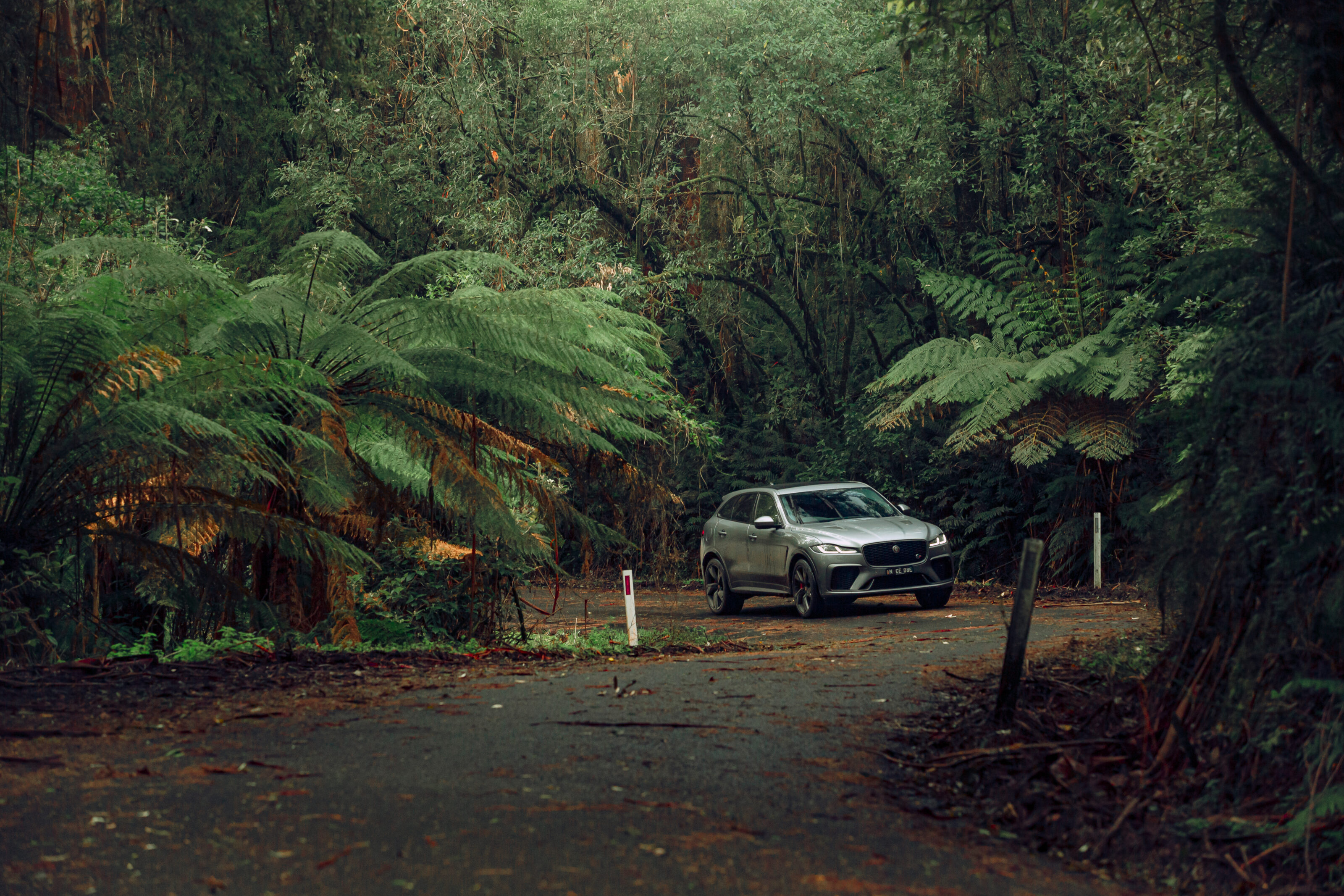
Logging of the Olongola Plantation to the south of Beech Forest is in full swing. We head east from the centre of town, and just before the protected native flora encloses around C159 the road passes a large cut of land that has been cleared. Lush green is replaced by the stark sand-coloured skin of felled timber.
It’s here that the only proof that Beech Forest remains populated can be seen, with workers operating machinery to move the fallen Californian Redwoods onto trucks to be transported to the next stage of their life. The town has been home to plenty of colourful characters in the past, with arguably the most famous being Cliff Young.
In 1983 Young was a 61-year-old potato farmer that decided to enter the inaugural Sydney-to-Melbourne Ultramarathon on a lark. He ended up winning the entire 960-kilometre event, running the course in five days and fifteen hours – nearly 10 hours quicker than his nearest competitor.
Just as Young’s competitors were left slack jawed at his incredible endurance, so do Jaguar’s rivals often underestimate the F-Pace SVR’s unique place within the Australian motoring landscape. It’s one of the more compelling but overlooked performance bargains on the market.
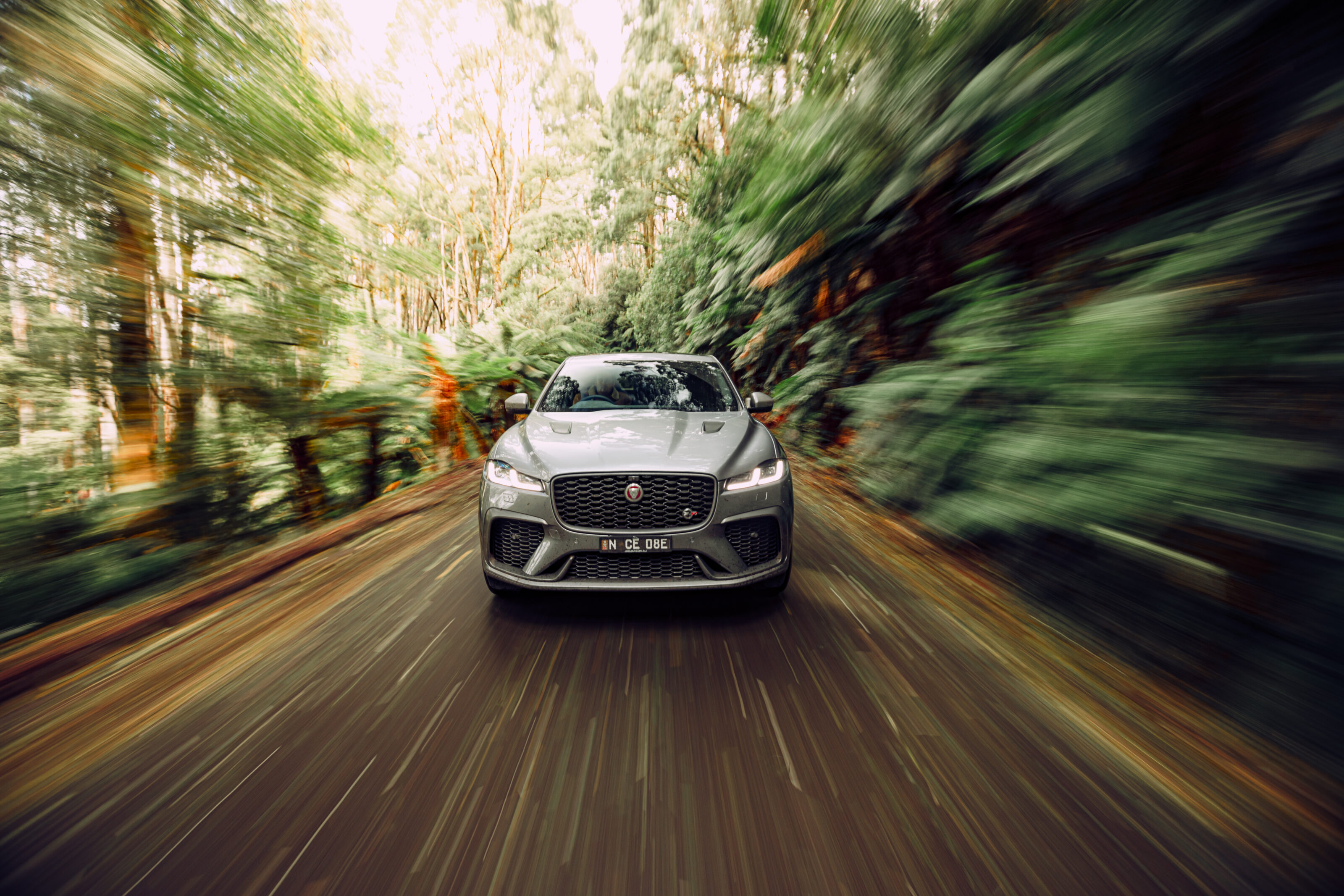
Want 400kW under your right foot? With a starting price of $142,300, the F-Pace SVR is the cheapest way into that exclusive power club. This is thanks to the now distinctly old-school combination of a relatively large capacity V8 with an Eaton-style supercharger placed atop to force great gales of air down its gullet.
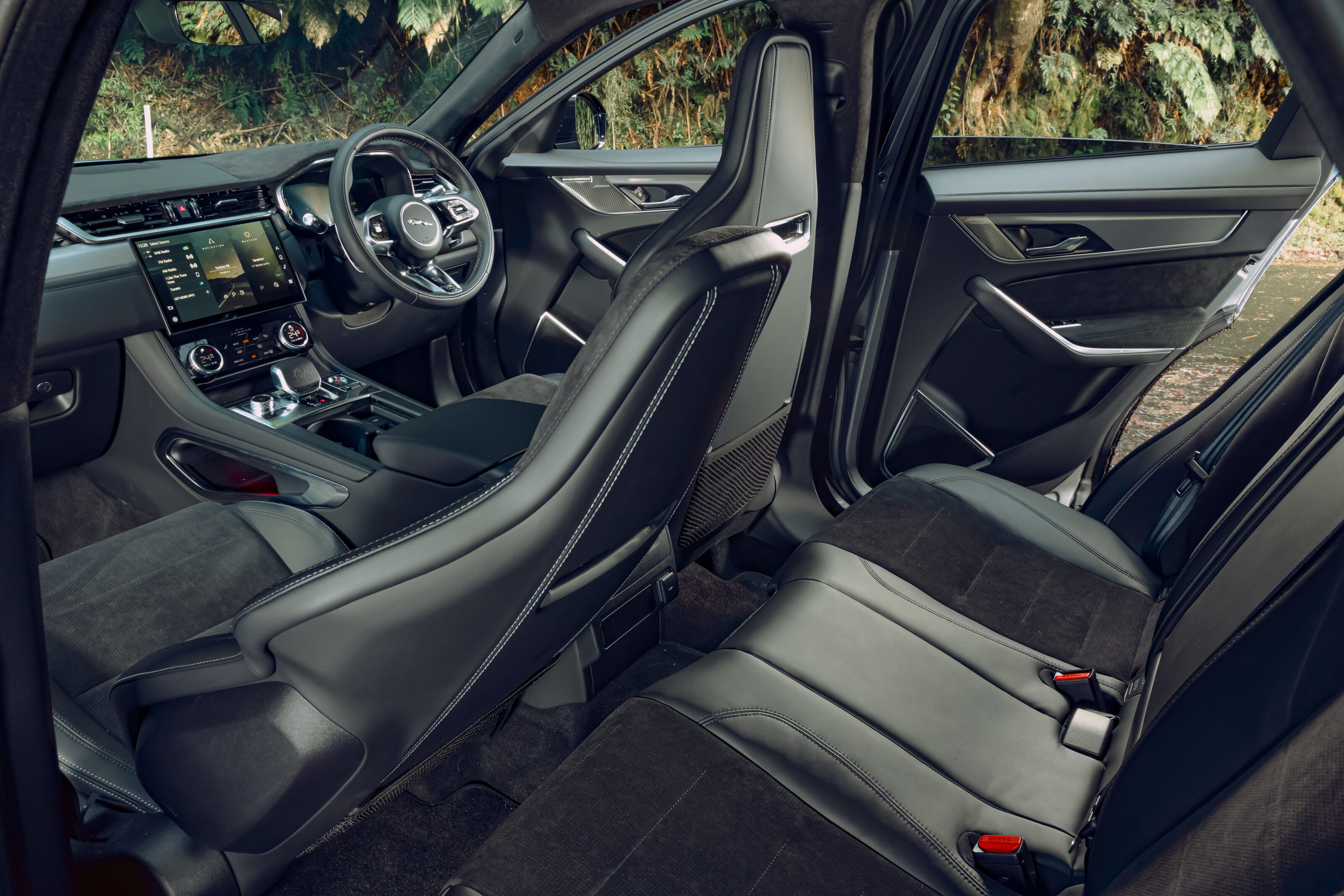
There is all the usual luxury you’d expect of a full-fat performance SUV: comfortable and cosseting seats, heavily improved infotainment, heated seats and steering wheel, an expansive moon roof and more. But it’s that eight-cylinder tribute to the gods of fury and anger that dominates almost everything to do with the F-Pace SVR.
Absolute power corrupts absolutely? Not here, with engineers tweaking the SVR to deploy its brutal payload more effectively than ever. When the F-Pace SVR was launched locally in 2019 it was a crude instrument of blunt force. Fast, yes, but not at rewarding of subtlety.
Attempt to trail brake into bends, or do anything more complex than apply the simplest (and gentle) inputs and the SVR would throw its arms up in the air in a mess of discombobulated body roll.
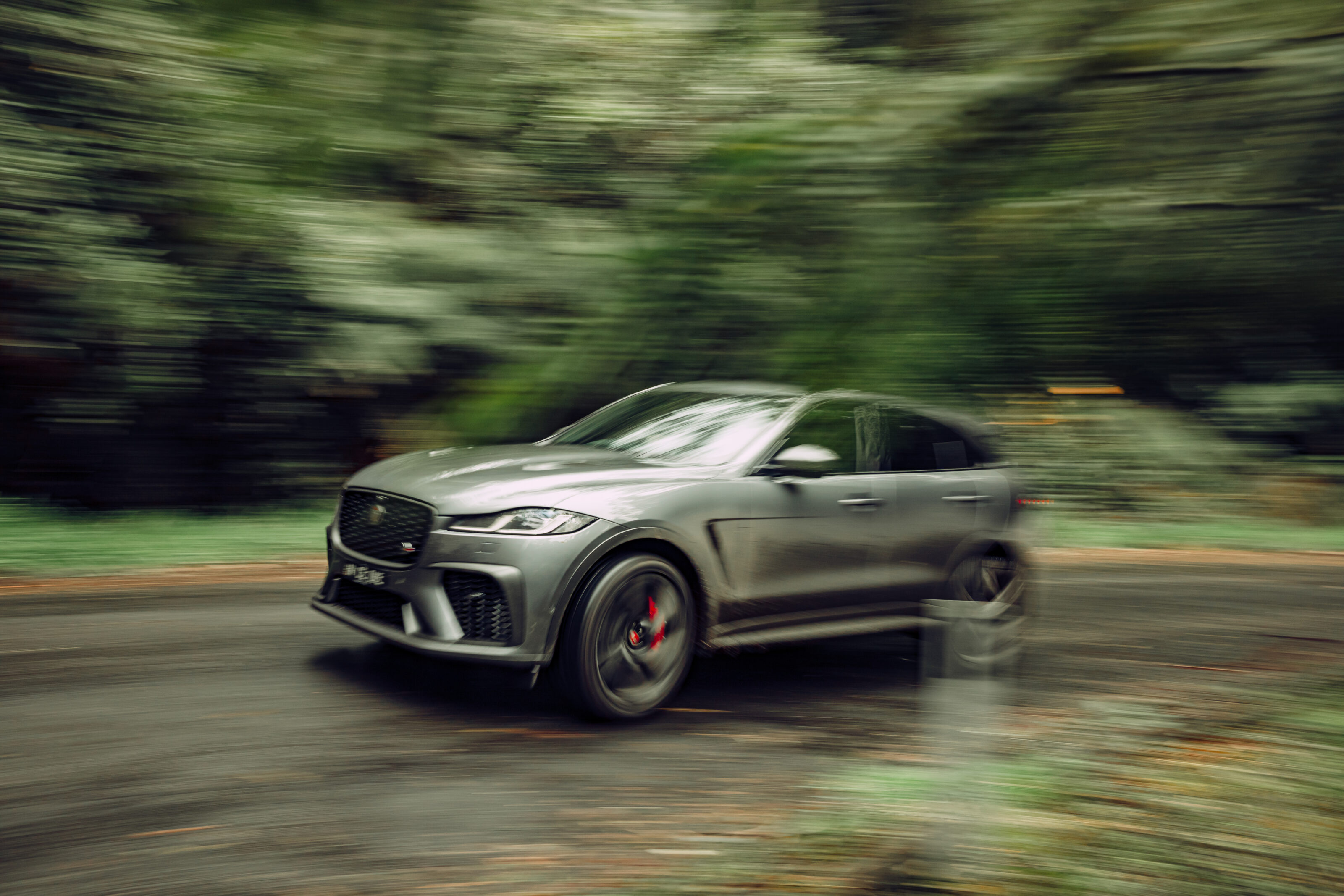
This updated facelift though, this is something altogether more refined. The engine remains unchanged and is as bombastically unrelenting as before, but it’s everything that surrounds the supercharged centrepiece that has been upgraded, tweaked or adjusted to better allow it to achieve its lofty highs. This included raiding the parts bin of its sedan siblings for a new transmission.
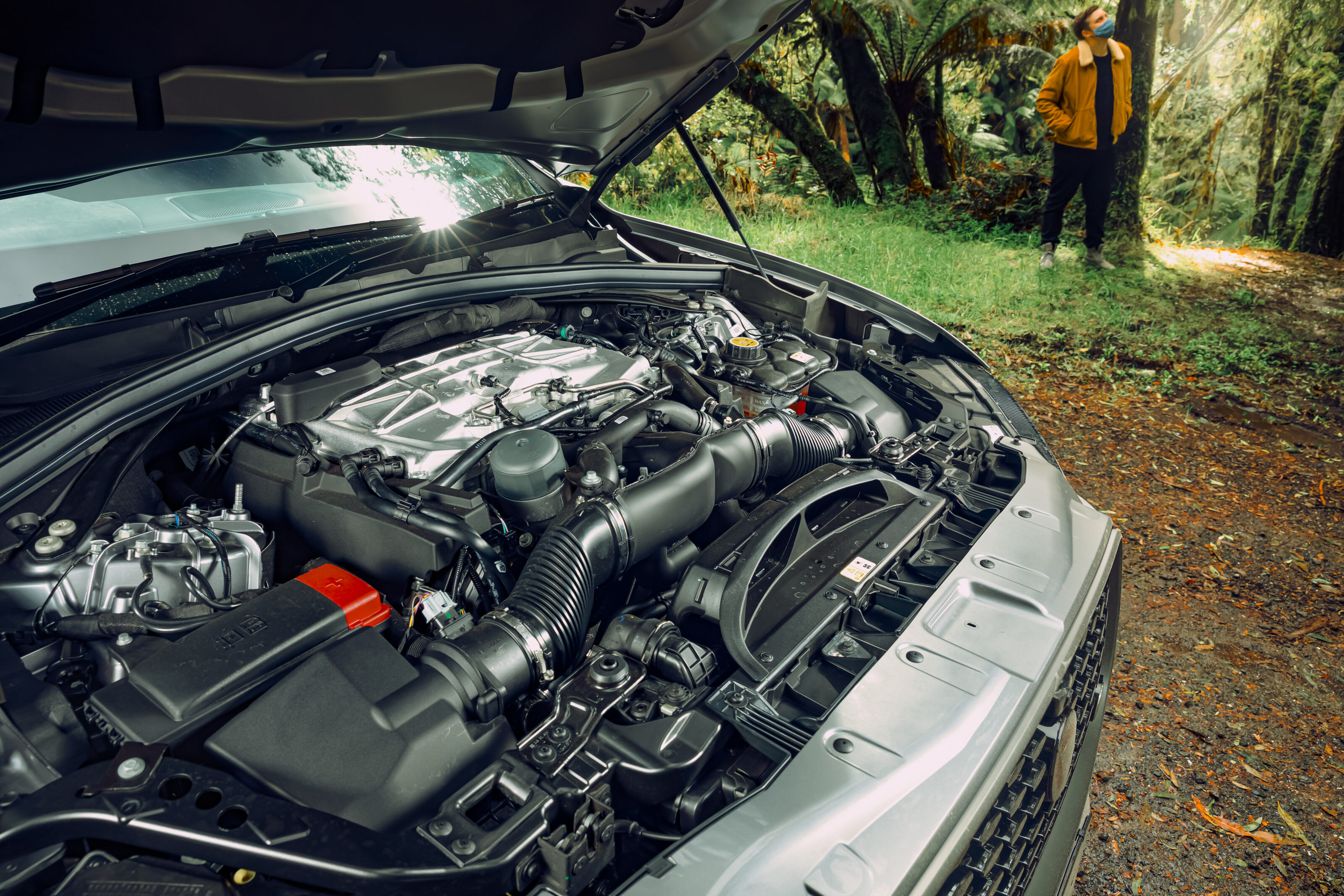
Jaguar has given the F-Pace SVR the eight-speed torque converter automatic found in the XE Project 8 super sedan that was bolted together by JLR’s Special Vehicle Operations skunkworks. This means all 405kW and 700Nm of the forced-induction V8 can be deployed in every gear, where previously torque figures were limited in lower ratios. Peak torque arrives at just 2000rpm, and is available all the way to five grand. There has also been a raft of tweaks to get this SUV to dance better on its toes.
Updated Bilstein adaptive dampers are the headline change bringing greater levels of body control, with the rear end of the F-Pace receiving particular attention. Two thirds of the bushings in the back half have been replaced, while all four corners feature new bump stops and stiffer toe links. The front axle has new lower control arms fitted, and the engine sits atop asymmetrical mounts.
Engineers have focused on maintaining vertical suspension travel to ensure ride comfort is maintained, while reducing lateral movement. There’s still body roll, even with the adaptive dampers in their most hunkered down setting, but instead of distracting from the task at hand the movements clearly telegraph the transfer of weight and grip throughout the cornering process. You can even attempt to trail brake now – how sophisticated!
The new gearbox sends power to a central mechanical differential that distributes power between the axles with an obvious rearward bias, with an electronically locking diff found on the aft unit. In normal conditions 70 per cent of torque is distributed to the rear tyres, with the F-Pace SVR’s most conservative split being a neat 50:50.
However, switch the driving mode to its most dynamic setting and 90 per cent of power travels the long way to the ground. Put simply, the F-Pace can turn itself into a 365kW/630Nm rear-drive monster, with the rest of its power reserves feebly playing the sensible sidekick via the front wheels. It’s exactly as lively as you’d expect.
Hearing that, you’d be forgiven for thinking that Turton’s Track might be a confusing place to release the F-Pace SVR onto the world. It is described as the road that locals love to hate, and wasn’t covered in tarmac until 2008.
Before then it was a dirt line scrawled through the forest with the same level of purpose as the markings on a scribbly gum. Its popularity comes from the almost untouched pocket of forest that surrounds the thin, sinuous strip of bitumen. Tight and twisting, with an endless barrage of turns, Turton’s Track is not to be underestimated in any way.
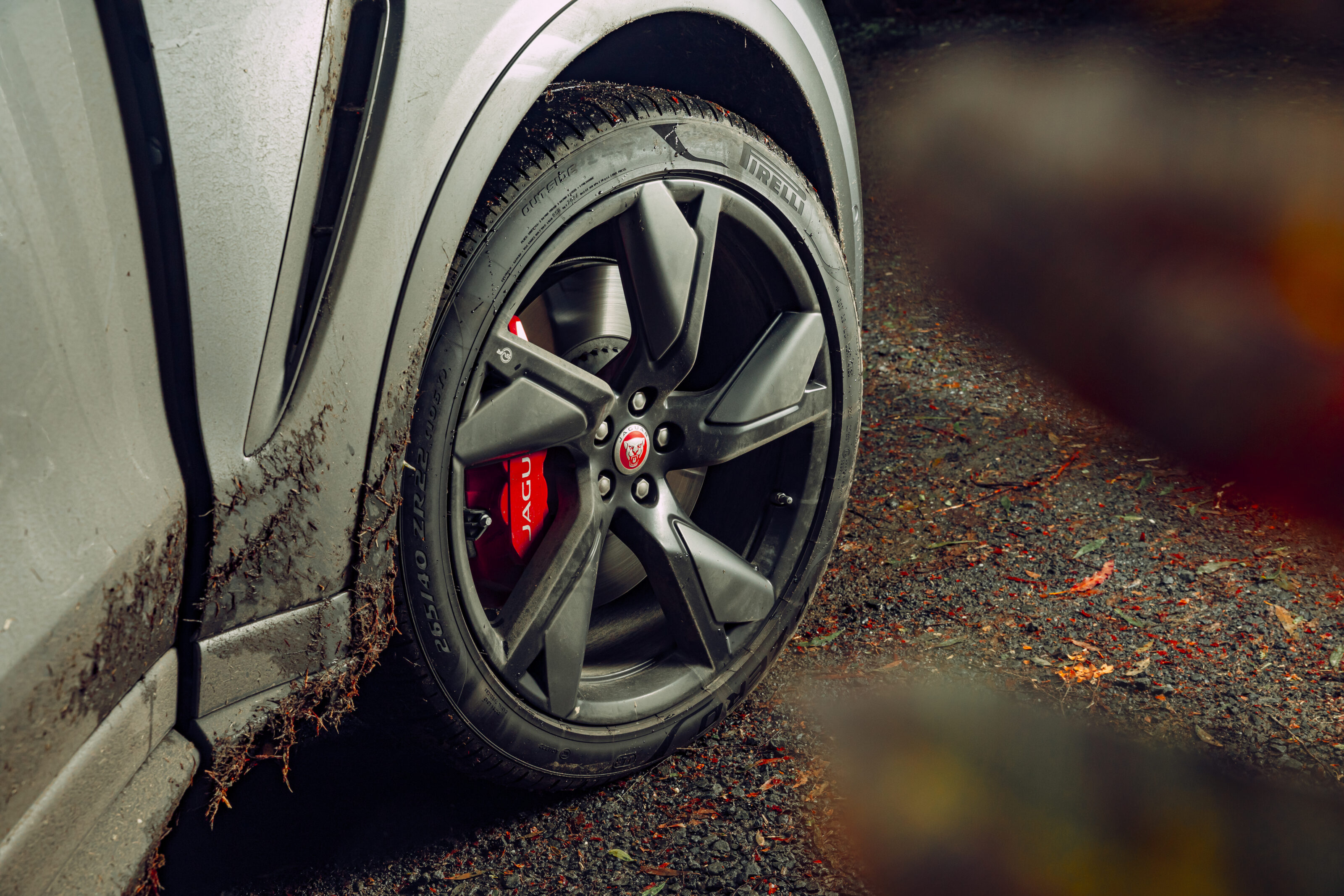
The Jaguar’s Pirelli P Zero tyres do an impressive job of finding whatever purchase they can on the road, even when it is damp, mossy, and covered in tree litter – no small part thanks to 265/40R22 measurements up front, and 295/35R22 at the rear.
The razor-edge conditions mean the F-Pace’s full dynamic abilities are best saved for later in our trip. But outright pace in the bends isn’t the F-Pace SVR’s real modus operandi. Cackle-inducing fun is the name of the game, and it’s to be found under your right foot. Jab the throttle and the F-Pace throws its head back, nose waggling in the air like a boat getting on wake.
Previously it felt like the SVRs braking wasn’t match fit for the power and weight it wielded with such abandon. This wasn’t the fault of the mechanic aspect of the equation which remains unchanged with 395mm ventilated front discs grabbed by four-piston calipers and 396mm ventilated rear rotors clamped by a single-piston caliper. However, the booster has been adjusted, giving the driver more bite earlier in the pedal travel, with impressively improved feel.
It’s a reassuring feeling when the 405kW can be unleashed with frenetic urgency at the flex of the ankle. The supercharged V8 doesn’t really have a powerband, as that term would accurately describe the entire rev range. It is always eager to please, ready to attack on command.
The eight ratios in the automatic gearbox are stacked closely, meaning that even on a tight and technical road the F-Pace SVR will shuffle between gears in quick succession. Handy then, that the sound signature from the Jaguar’s four exhaust pipes is truly out of this world.
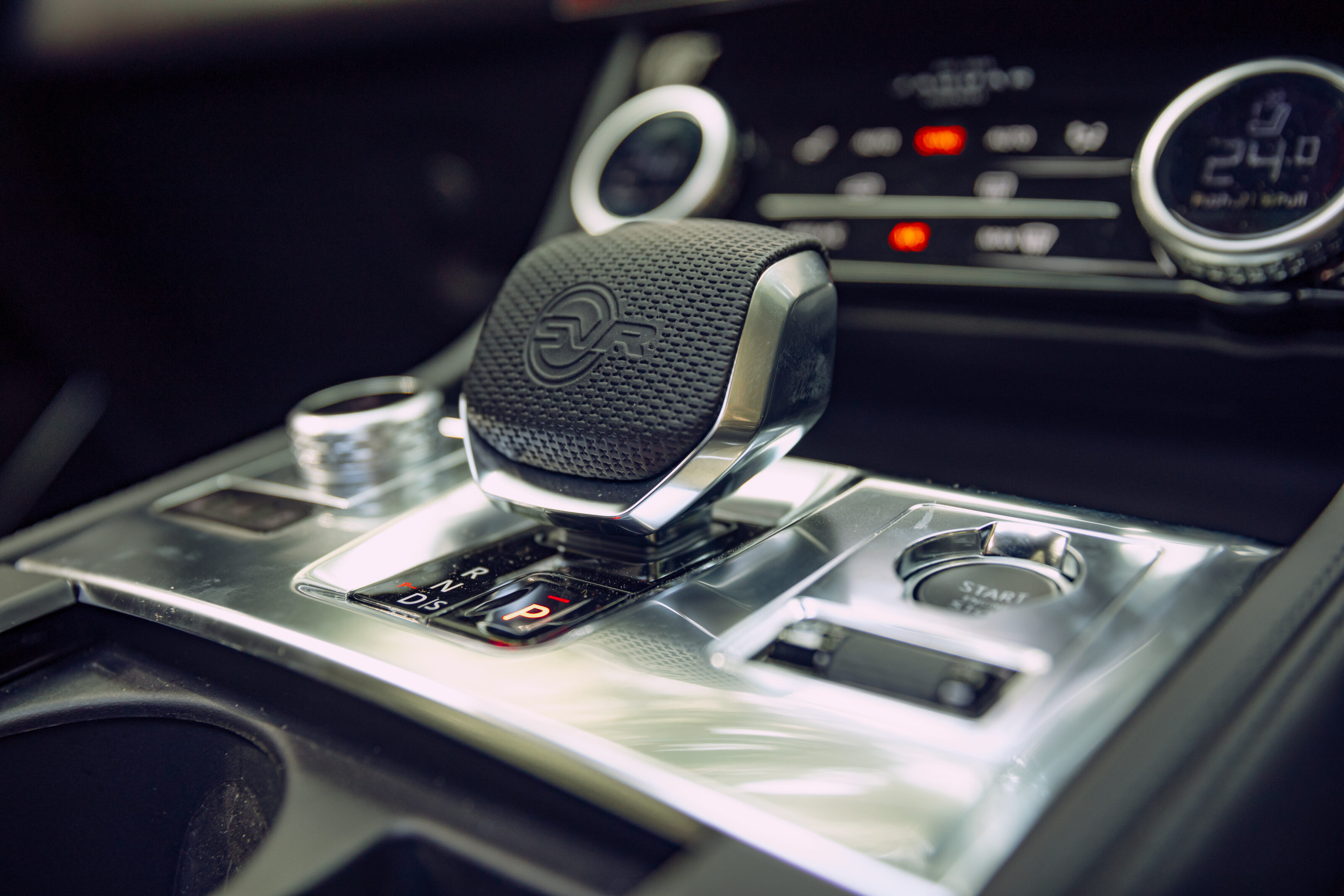
Just as your foot reaches the firewall, redline is upon you. Pull the metal paddle on the steering wheel and there is a brief pause before the exhaust clears its throat and goes again. By time the gear change is complete the next bend is upon you. Back down a gear and the off-throttle crackle sounds like thunder being forced back into the bottle.
The F-Pace SVR is caged in by the relentlessness of Turton’s Track, but at the same time it almost feels at home – shouting and barking to an audience of one mortal and a million silent onlookers. Today the road feels abandoned, and if left unattended for much longerit would be reclaimed entirely by nature. Deer and wallabies have replaced tourists, jaunting in the middle of the road.
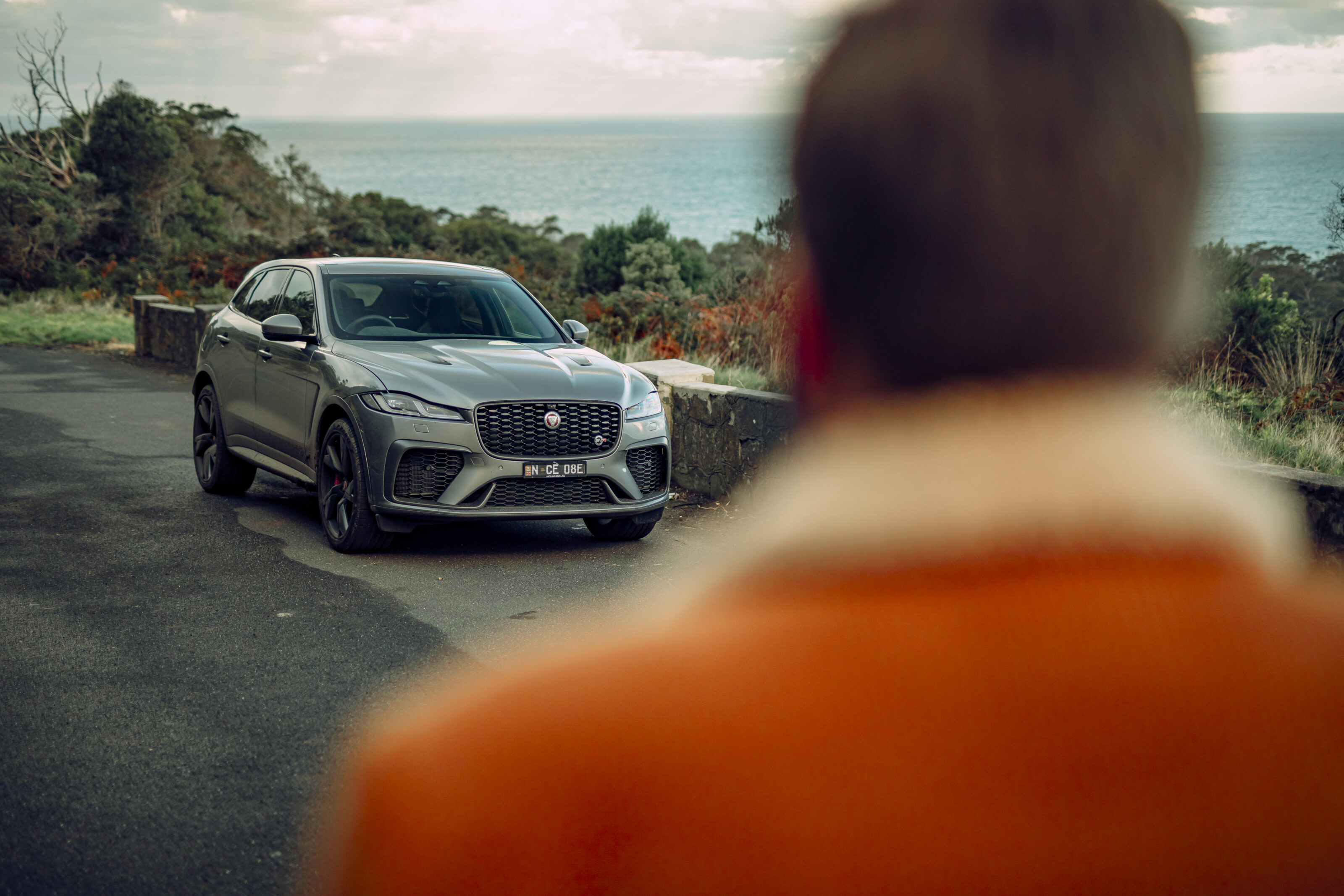
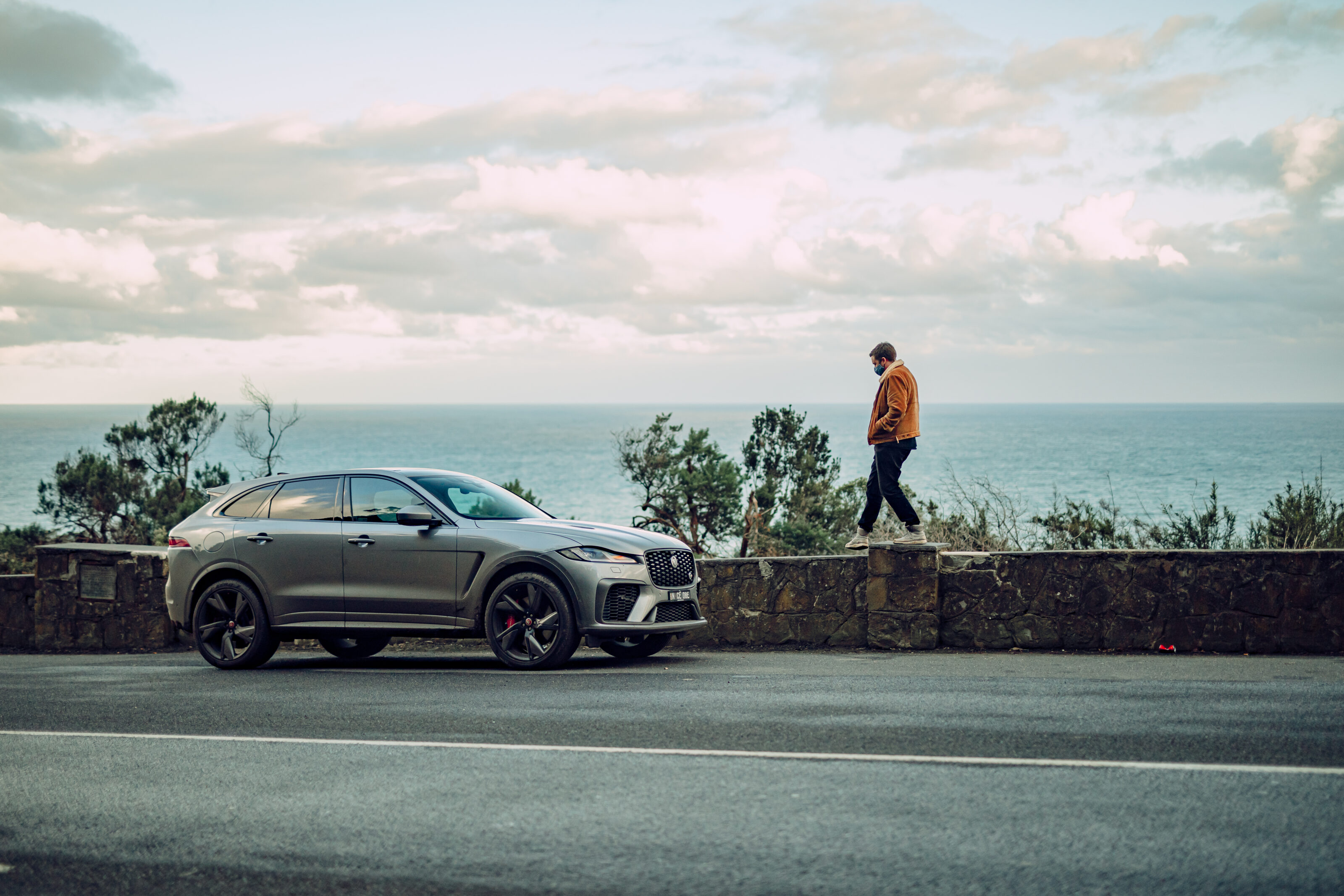
There is no reprieve to be found on C159 once it plunges into the green depths of the forest unless you pull over and stop completely. I do just that to take a moment to soak in the visuals of the F-Pace SVR. It’s a remarkably resolved design, with loads of aggression thanks to large front intakes that curl upwards at the edges like the gaping maw of science fiction’s planet-hopping trophy hunter The Predator.
A pair of tall vertical slits sit behind the front wheels. These vents aren’t for cooling, instead helping shuffle air from out of the wheel wells to reduce front lift at speed. Today they are caked in a grime that has given our tester’s Eiger Grey paint a matte texture. Wet leaves have begun to stick to the aerodynamic cut-outs on the F-Pace’s lower flanks, feebly attempting to reclaim the car for the forest.
Half of the spine and ribcage of an animal much larger than me sits abandoned by the side of the road. I try not to think about what killed it, and why only half of the ribs are present. It’s eerily quiet here, with the loudest noises being blood in my ears sounding like a restless ocean. Or maybe it’s Bass Strait that is calling me from a direction I can no longer pinpoint.
A thick tree line and cloud cover means I can’t get a proper bead on the sun’s location, and the constant twisting of the route so far has my sense of direction tied into a frayed knot.
Ba-bum. Ba-bum. Ba-bum.
Time to continue the journey.
As overwhelming as the forest feels at the centre of C159, it is just a shell of what once spread across large swathes of the Otways. During the late 1800s and early 1900s settlers flocked to these fertile lands, jump-starting a timber boom that saw up to 29 different sawmills operate in the area around Beech Forest at its peak.
The first pub was built in 1888, to the west of the modern-day town. Legend has it J.W. Gardner constructed the 14-room building using the wood from a single giant mountain ash tree. A narrow-gauge runway started in construction in 1909, extending to Crowes and becoming the longest of its kind in Victoria by 1919.
Timber was hauled out via this route, while the first cars – and gravel for roads – were brought in. In 1919 a fire had destroyed the entire settlement. An entire town built and lost, an industry boomed and crashed, all before the company that would eventually build this F-Pace was ever formed.
With Turton’s Track behind me I march onward to Skenes Creek via C119. Escaping C159 and onto this wider path is like night and day. No longer suffocating the F-Pace, the road opens up with fast, flowing bends that meander down the hillside toward the sea. Finally, all the hard work of Coventry’s chassis engineer’s bubbles to the surface.
A new steering calibration for the updated model plays a key part in engaging on these faster roads. It increases in weight naturally and progressively, giving ample feedback from the front wheels, and providing fine levels of accuracy off centre. Adjusting the way the rear differential locks means the SVR is now more eager to rotate during the mid-part of the corner. Though you’ll want to be pointed vaguely in the right direction by the time you get to full throttle as even 90 per cent of 405kW can overcome the 295-section rear tyres.
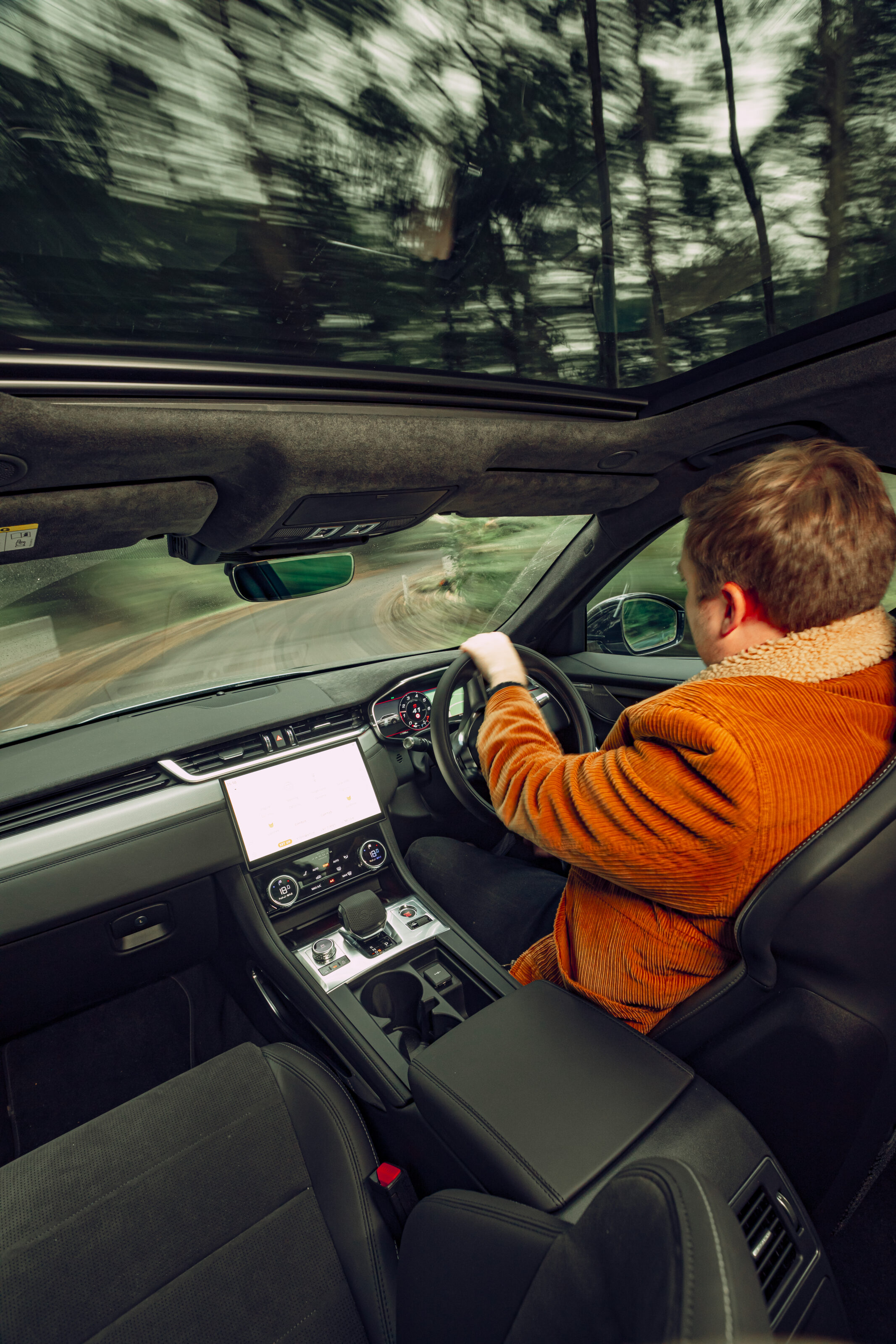
Away from the lower ratios I finally get to indulge in prolonged full-throttle antics. This has to be one of the finest sounding experiences in modern motoring. It’s an industrial sabre rattle that bellows across the valley for kilometres. No, that’s not an exaggeration. You’ll be heard long before you’re seen in the F-Pace SVR.
While this may all sound compelling, it’s also part of the F-Pace’s downfall. The Jag makes an excellent argument for itself in a vacuum, away from its current performance SUV rivals. The Porsche Macan Turbo is a sharper scalpel, and the Alfa Romeo Stelvio is a quicker straight-line missile. But the F-Pace SVR isn’t for perfectionists. It has flaws, and it relishes that fact.
This Jaguar is for drivers willing to take the good with the bad. Those who desire a V8 engine knowing it’ll put greater weight over the front nose. The people who see electronic anti-roll bars as an artificial barrier to greater involvement.
A few kilometres from the end of C119 and a royal azure horizon bursts into sight. The Bass Strait is still today, but despite the temporary calm you are always aware of its capability for unparalleled destructive fury. Where the sea holds its powers as a constant threat, the forest’s only defence from encroaching humanity is the mutually assured destruction of fire.
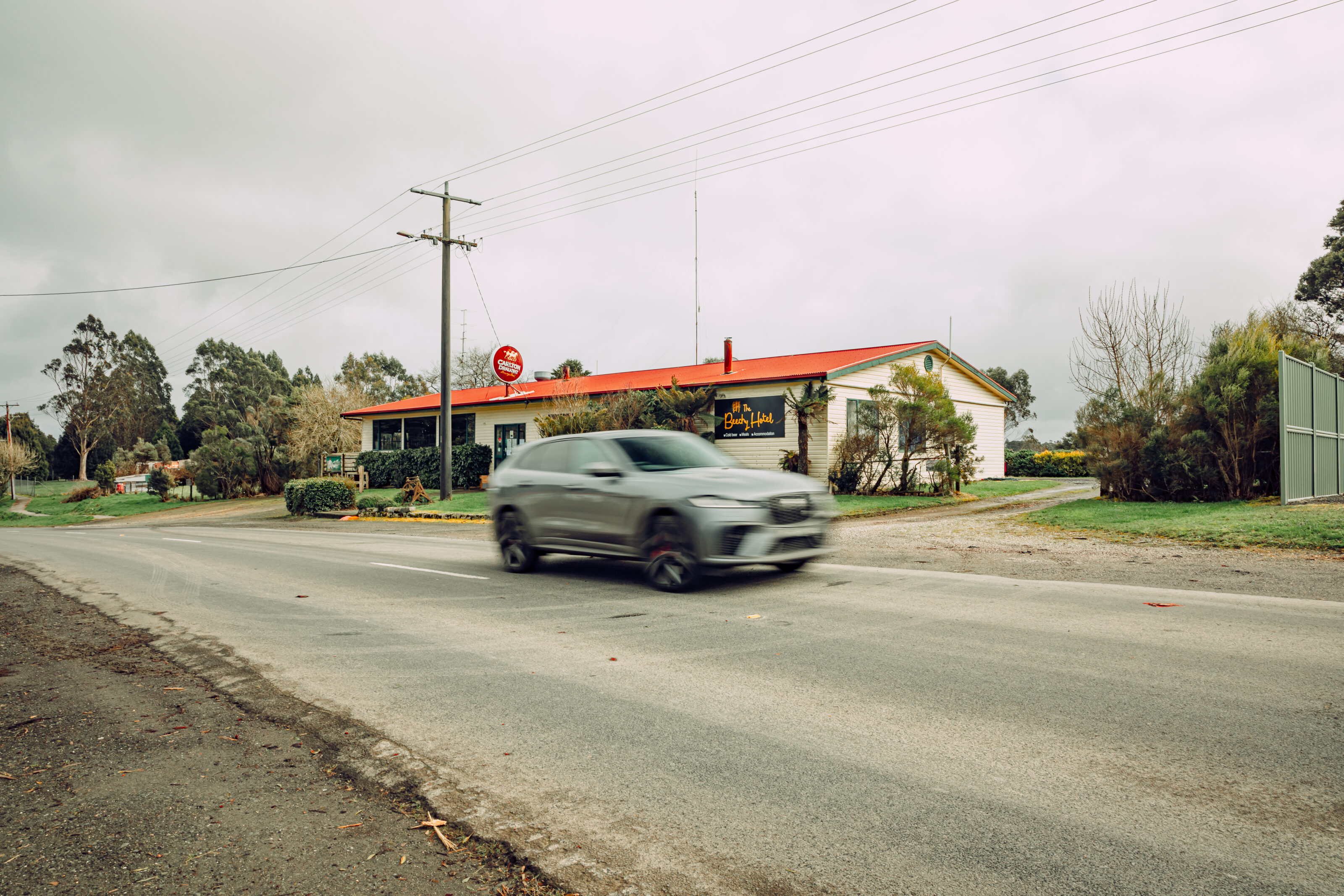
On the road south toward Skenes Creek the path is scarred by an arrow-straight fire break, trees bulldozed in a show of preventative force that will save both human and animal souls in the ever increasing heat of Australian summers.
Jaguar is about to embark on a similarly hard-nosed venture as a company, committing publicly to a fully electric future by 2030. Eight combustion chambers, as charismatic as they are, won’t be enough to carry the F-Pace SVR across that fire break. Meaning, in a game of power and glory, the F-Pace SVR sits atop a cursed throne.
Darkness descends and my time with the F-Pace draws to a close. The GPS says I have 198km to travel until the comfort of home, and the trip computer estimates 197km of fuel left in the tank. The combination of Turton’s Track and the F-Pace SVR frayed my nerves beyond the task of a late-night hypermiling challenge so I brim the tanks in silence before slipping back into the dripping ink of night.
Ba-bum. Ba-bum. Ba-bum.
The Route
Length: 32 Kilometres
In normal circumstances this route is heavily trafficked, so be prepared to do more sight seeing than corner-carving. Keep your wits about you on Turton’s Track, blind corners abound, and two cars will struggle to pass each other comfortably at speed.
JAGUAR F-PACE SVR SPECS
Key Points
- Bloomberg report shows nearly six million electric vehicles will be sold this year
- Full EVs currently account for just 0.45 per cent of new vehicle sales in Australia
- 2019 to 2021 uptake in EV, PHEV and FCVs has increased by 140 per cent
Annual sales of electric vehicles could soar as high as 40 million units per year, according to recent modelling.
As a part of the COP26 Climate Change Conference in Glasgow, BloombergNEF (BNEF) compiled its Zero-Emission Vehicles Factbook, summarising key data relating to the uptake and adoption of ZEVs worldwide.
The document has been released amidst a wide range of countries and manufacturers announcing targets to end production of internal combustion engines, with the large European market moving towards ZEVs only from 2035.
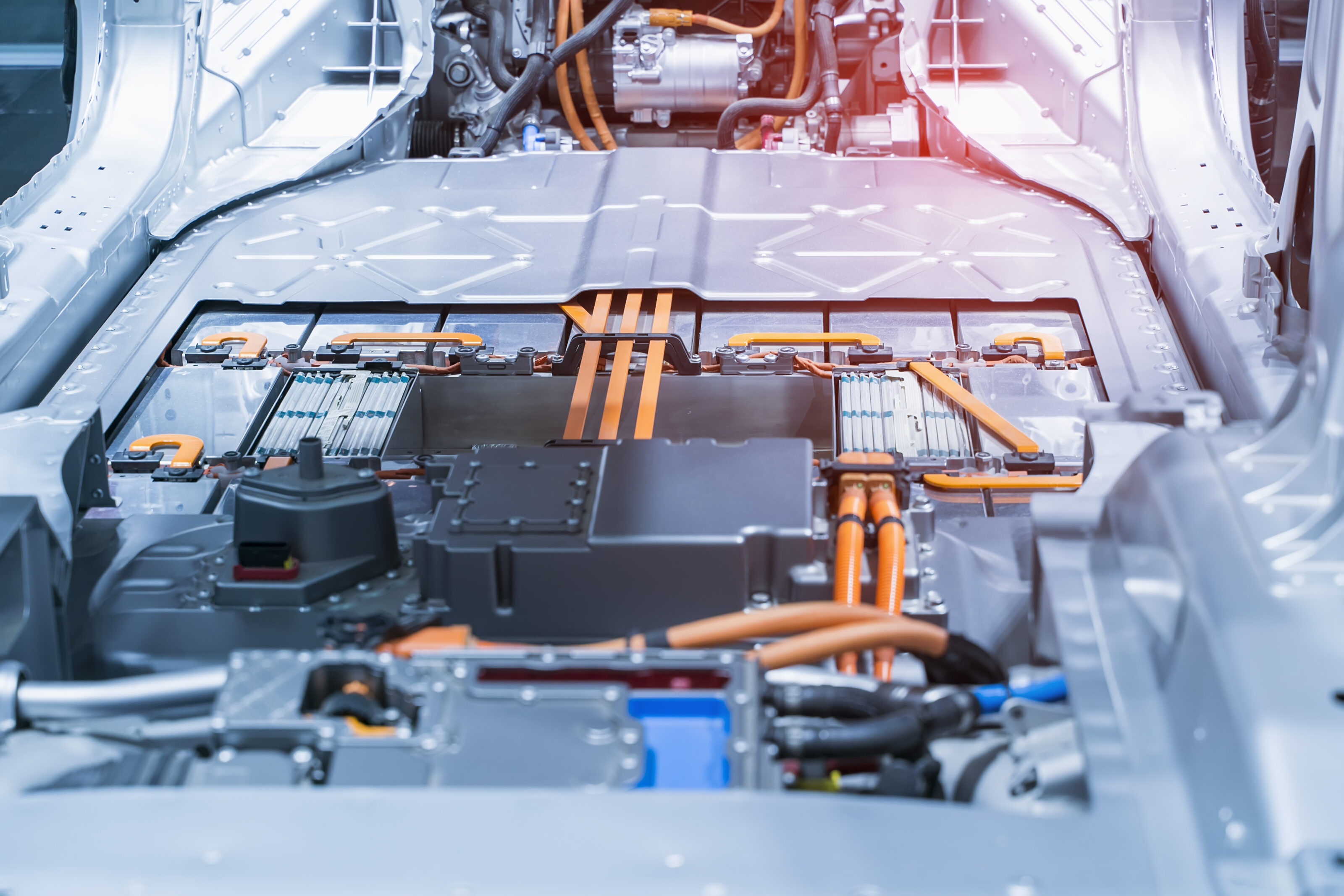
By the end of 2021, passenger electric vehicles (which includes battery-electric, plug-in hybrid and fuel-cell) will account for 5.6 million new sales worldwide, an 80 per cent increase over the 3.1 million sold in 2020 – itself a significant jump on the 2.1 million units shifted in 2019.
Comparing the pre-pandemic levels of 2019 to 2021, electric vehicle sales represented seven per cent of deliveries in the first six months of this year, while the same period two years prior saw EVs account for just 2.6 per cent of the new-car market globally.
While BNEF’s modelling shows there are around 12.6 million EVs on the road, only nine million of these are believed to be true ZEVs, with China leading the way by having racked up 4.3 million sales – eclipsing Europe’s combined 2.2 million.
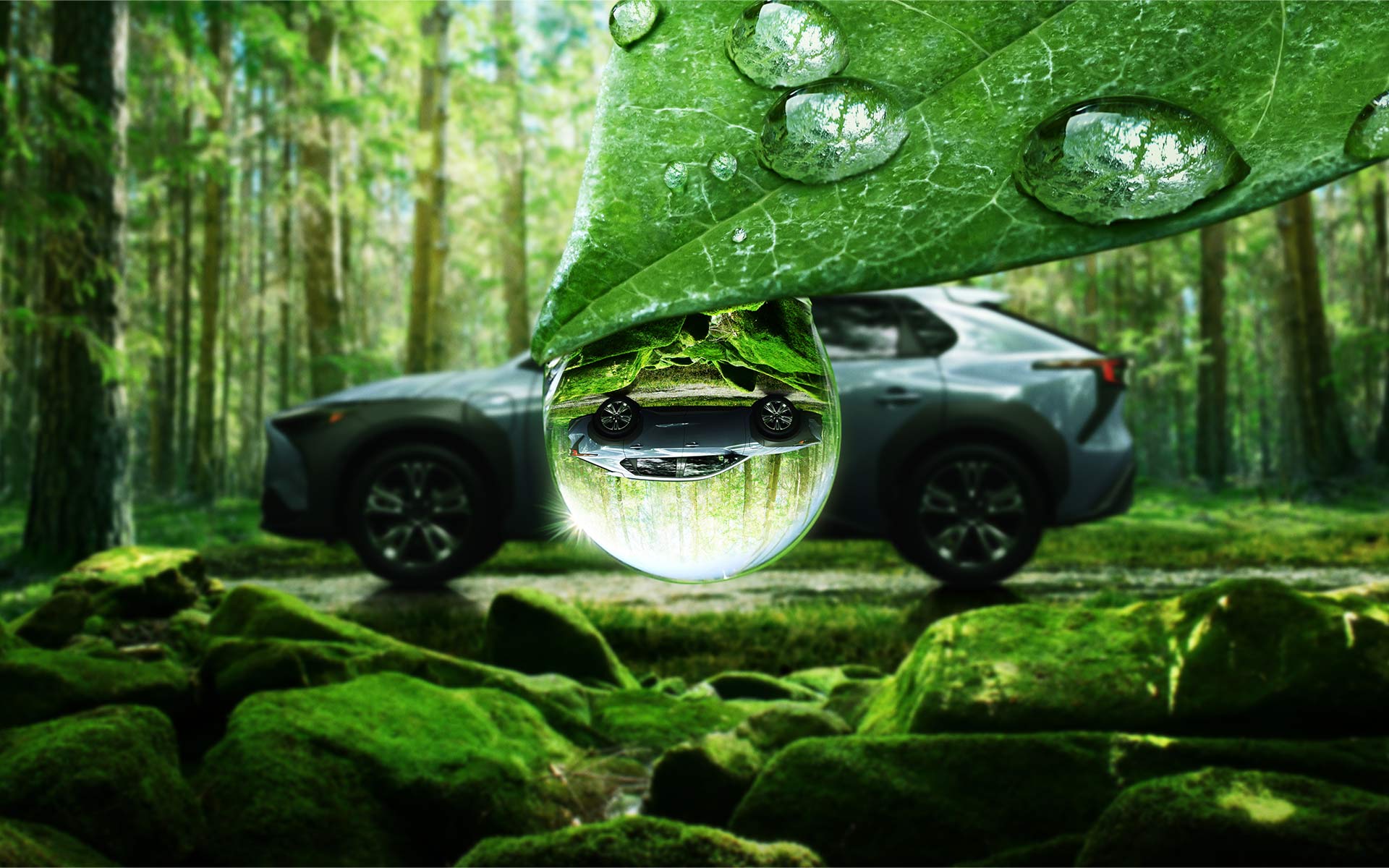
This rapid uptake in EV adoption has seen BNEF readjust its future predictions, with 677 million ZEVs now expected to be sold by the conclusion of 2040 – an increase of its 2019 forecast, which sat at 495 million vehicles.
There are a range of contributing factors as to why these figures have been adjusted and will likely keep changing.
For starters, battery technology and investment continues to soar, ultimately driving costs down in the long run, as will the increased levels of charging infrastructure – both at a public and privately funded level.
As more manufacturers start to get onboard the EV train, the range of models available to consumers increases, allowing a wider scope of choice while also introducing different price points which cater for different buyers.
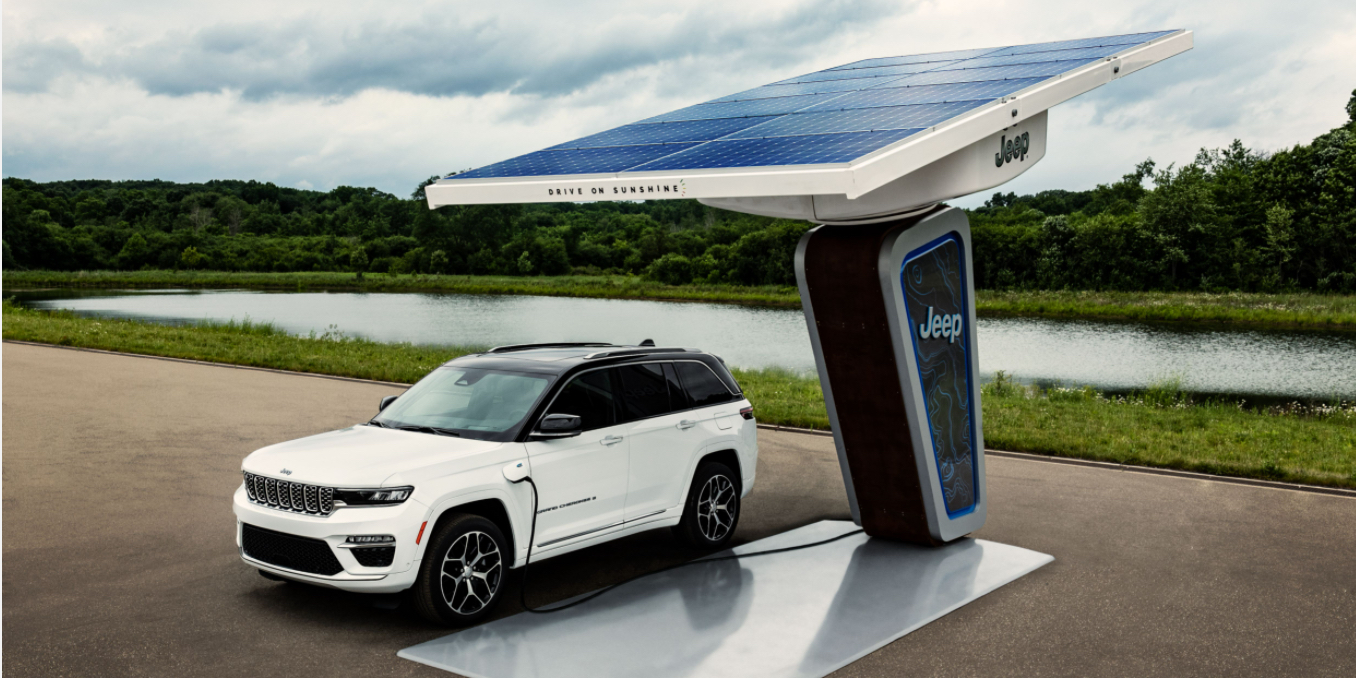
Contrary to popular belief, the report also shows an EV’s lifetime emissions are well below the levels of an ICE-powered vehicle, even taking into account the means of production and ongoing running factors such as charging.
Thanks to the EV-reliant Chinese market, Geely and its subsidiary Volvo currently lead the way in the portion of EV sales from the total line-up, with BEVs, PHEVs and FCVs accounting for 39 per cent of the manufacturer’s total sales in the first half of 2021.
This number is nearly double that of second-placed BMW and Daimler, both sitting on 20 per cent each, while Hyundai and Kia’s combined sales trail in fourth – just three per cent behind the German marques.
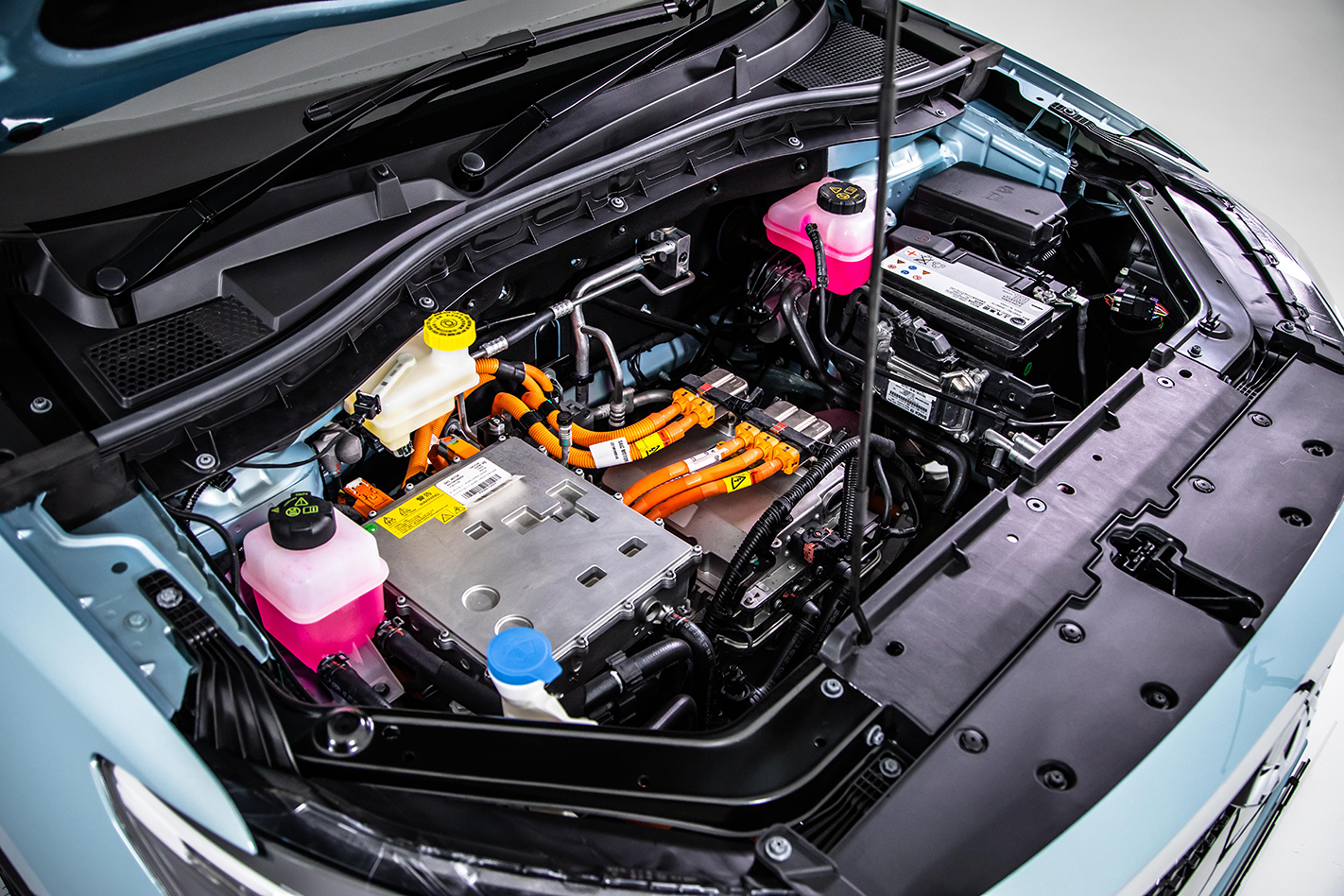
In Australia, our slow adoption of EVs has caused somewhat of a snowball effect, with manufacturers hesitant to bring new models to a country which doesn’t have unified subsidy approaches across each state.
Last week the Federal Government released its Future Fuels Strategy, criticised by the Australian automotive industry for being “too little, too late” in encouraging new car buyers to consider EVs.
As of the end of October, a total of 4029 electric vehicles have been sold in Australia this year, a 147.8 per cent increase over the same period in 2020 – but still well and truly shy of the global average, with the number representing just 0.45 per cent of all new cars sold.
Key Points
- Porsche has launched new customisation program
- 1985 Le Mans 24 Hour winner is the first owner to use it
- Custom 911 GT3 features a Le Mans-inspired design inside and out
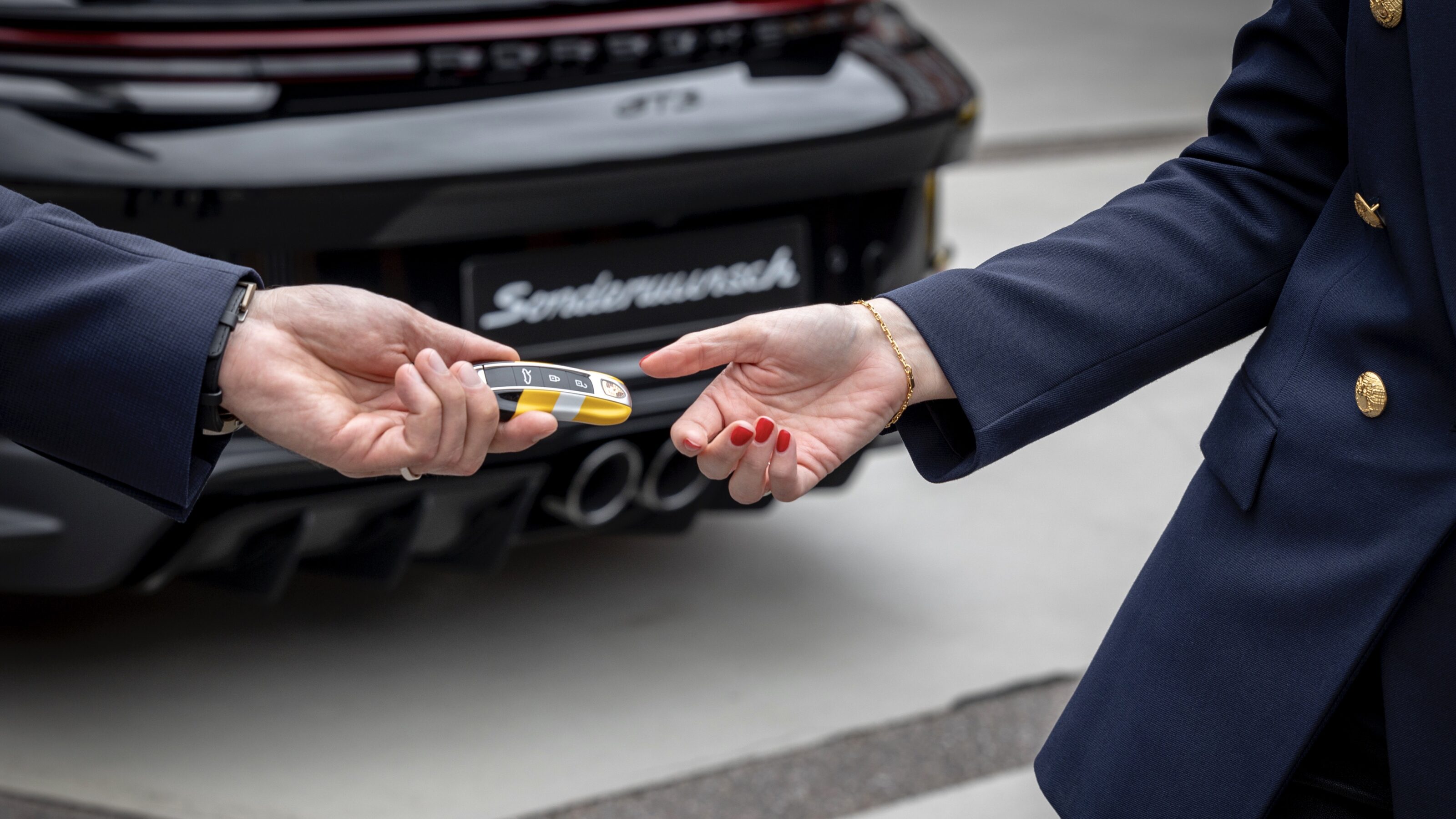
The first one-off, custom-built Porsche created under the brand’s new ‘Sonderwunsch’ (special request) programme has been delivered.
The arrival comes six months after the Stuttgart firm announced it was resurrecting the service first launched in the 1970s.
The programme, a collaboration between Porsche Classic and Porsche Exclusive Manufaktur, allows customers to customise virtually every aspect of their dream Porsche with bespoke parts – from the powertrain and suspension parts to unique paint jobs and one-off interior materials.
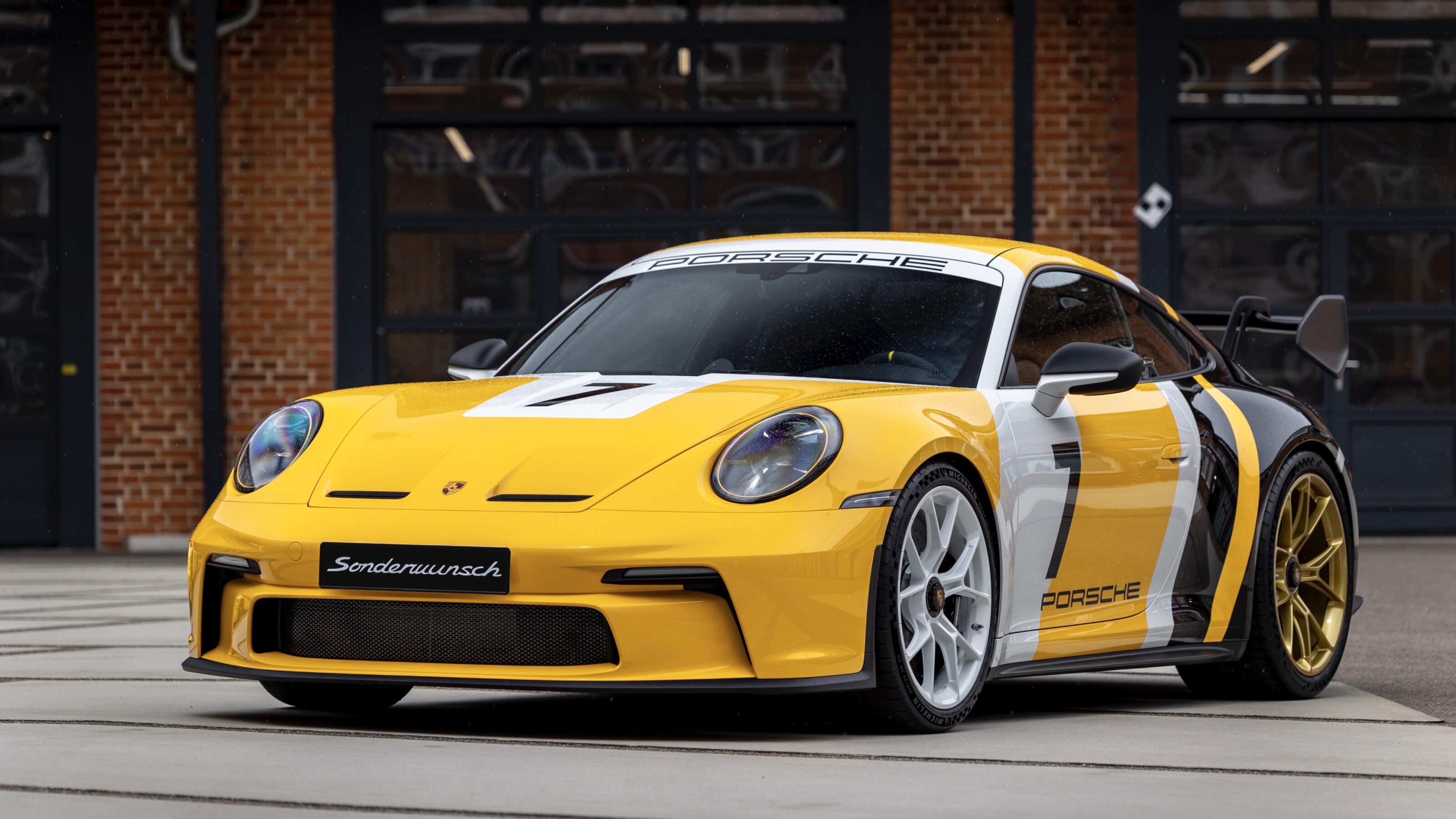
Paolo Barilla, who raced his private Porsche to victory at the 1985 24 Hours of Le Mans, was the first customer to pick up their custom sports car – a 911 GT3 honouring the Group C Porsche 956B he took to overall victory at the race.
With the ex-Formula One racer turned-pasta-company chairman taking delivery on his sixtieth birthday, this custom 911 GT3 Le Mans is perhaps one of the best presents going.
The visual styling of the 911 GT3 features strong cues to the 956, finished in summer yellow paint with black and white race stripes.
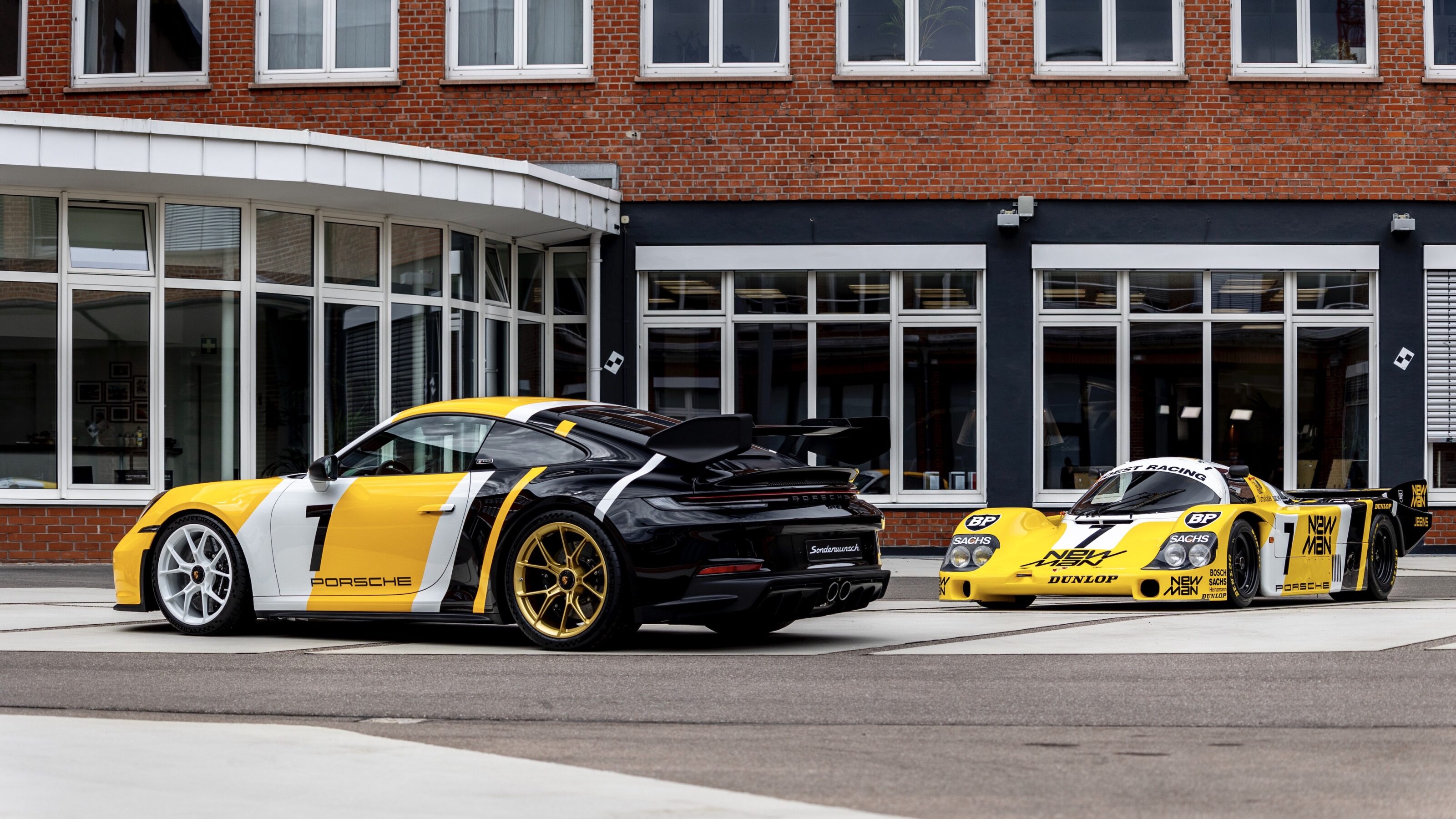
In addition, the number seven has also been painted along the side of the vehicle to pay homage to Barilla’s race number – while the alloy wheels are white at the front and gold at the rear, again to mimic the 956 that raced at Circuit de la Sarthe.
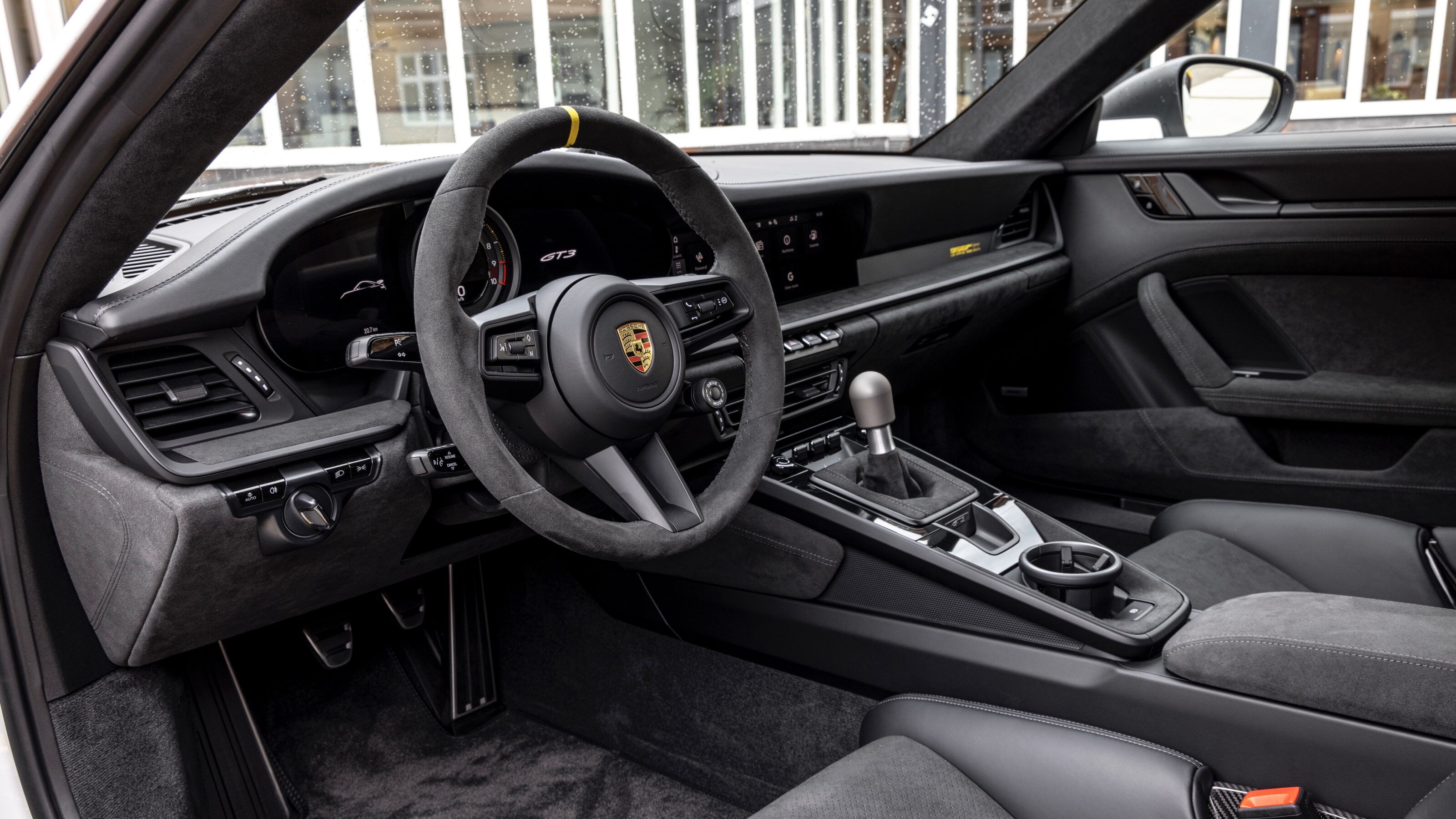
The colour theme continues inside the 911 GT3, with black Alcantara trim accented by white stitching and a number of yellow ‘Le Mans 1985’ symbols.
The manual gear shifter has also been swapped out, with a metal design imitating the magnesium ball found in the 956 in its place, created from an aluminium block sanded back for a smooth finish.
Bulky side plates headline the modified rear spoiler in order to mimic the 956, in addition to a custom design for better aerodynamics – developed with the assistance of the engineers behind the base 911 GT3. The design of the spoiler is also engraved with ‘PB 60’ across its flanks to represent Barilla’s initials and current age.
Assuming the role of project manager, Barilla made frequent visits to Porsche during the process of building his vehicle, and was granted permission to attach the gearbox to the engine using a torque-controlled screw device after being enlisted as an official production line employee.
From design sketch to final delivery, the entire process for building the custom 911 GT3 within the ‘Sonderwunsch’ programme took three years, while the current 992 series was still in development.
This meant the team behind the vehicle was required to begin work on the custom GT3 using the previous 991 model, before shifting to the new generation version.
Electric mobility is coming, it’s inevitable, and even our PM has made the decision to start acknowledging this. So, Wheels has compiled a special 16-page segment of the December issue to answer all the big questions and dig into what an EV future will look like.
It’s not all electric of course, we’ve got regular comparisons with petrol-powered foes, chats with trackside titans, and trips overseas (really!), but the future is the focus this issue.
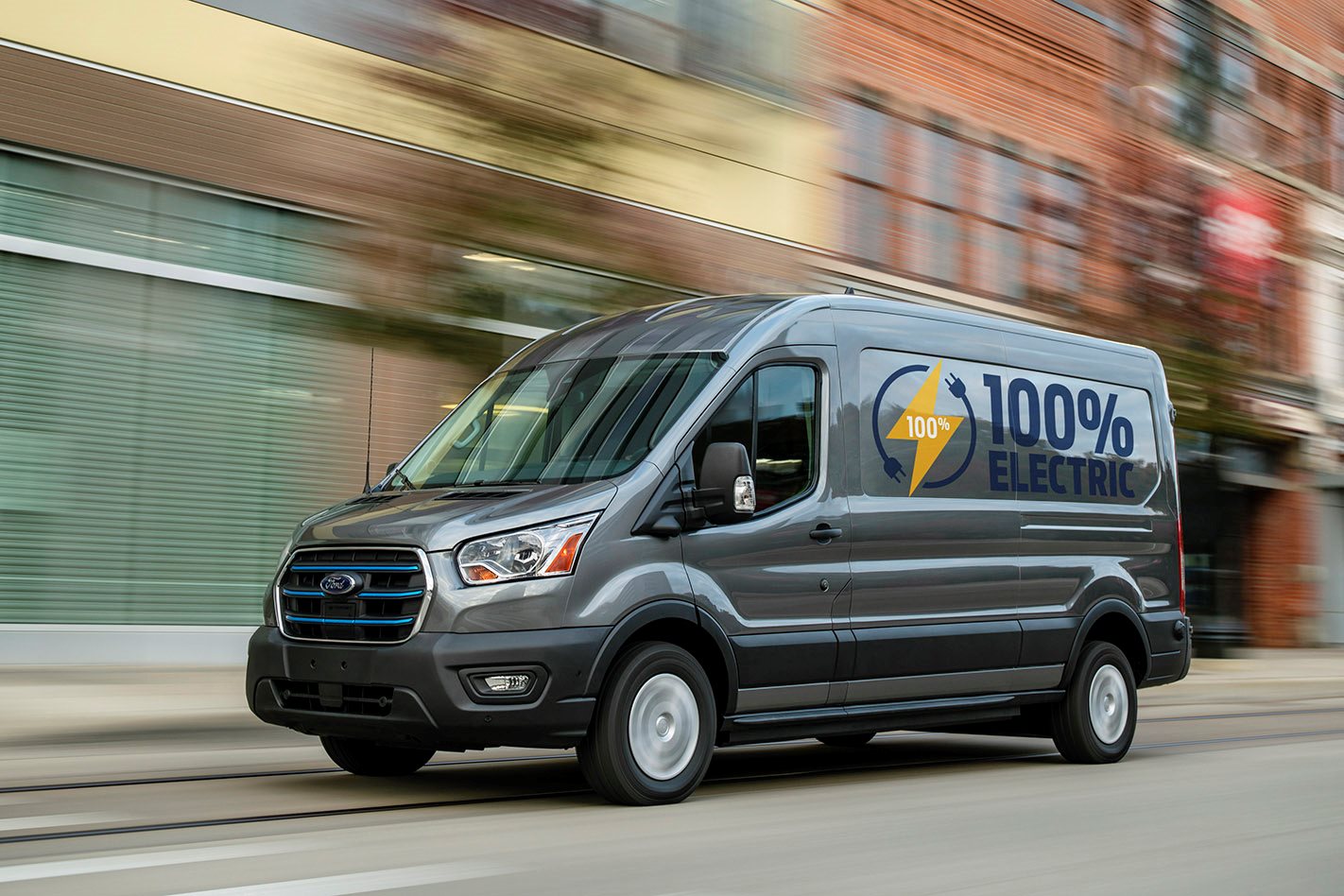
Our news section, for example, has all the details of Porsche’s electric plans for the 911, straight from our trusty European sleuth, before we dig into Ford’s local electrification plans here in Australia.
We also chat with former PM-hopeful Bill Shorten on his Tesla ownership and his thoughts on the direction Australia is taking.
BMW’s i4 leads our Drives section, though the M5 CS that rounds out the Drives sort of balances that out a little, don’t you think? Lexus NX and Toyota 300 Series also get a look-in.
The first comparo in the December issue sees Tesla’s Model 3 take on the Hyundai Ioniq 5, before we launch into our complete 2021 EV guide.
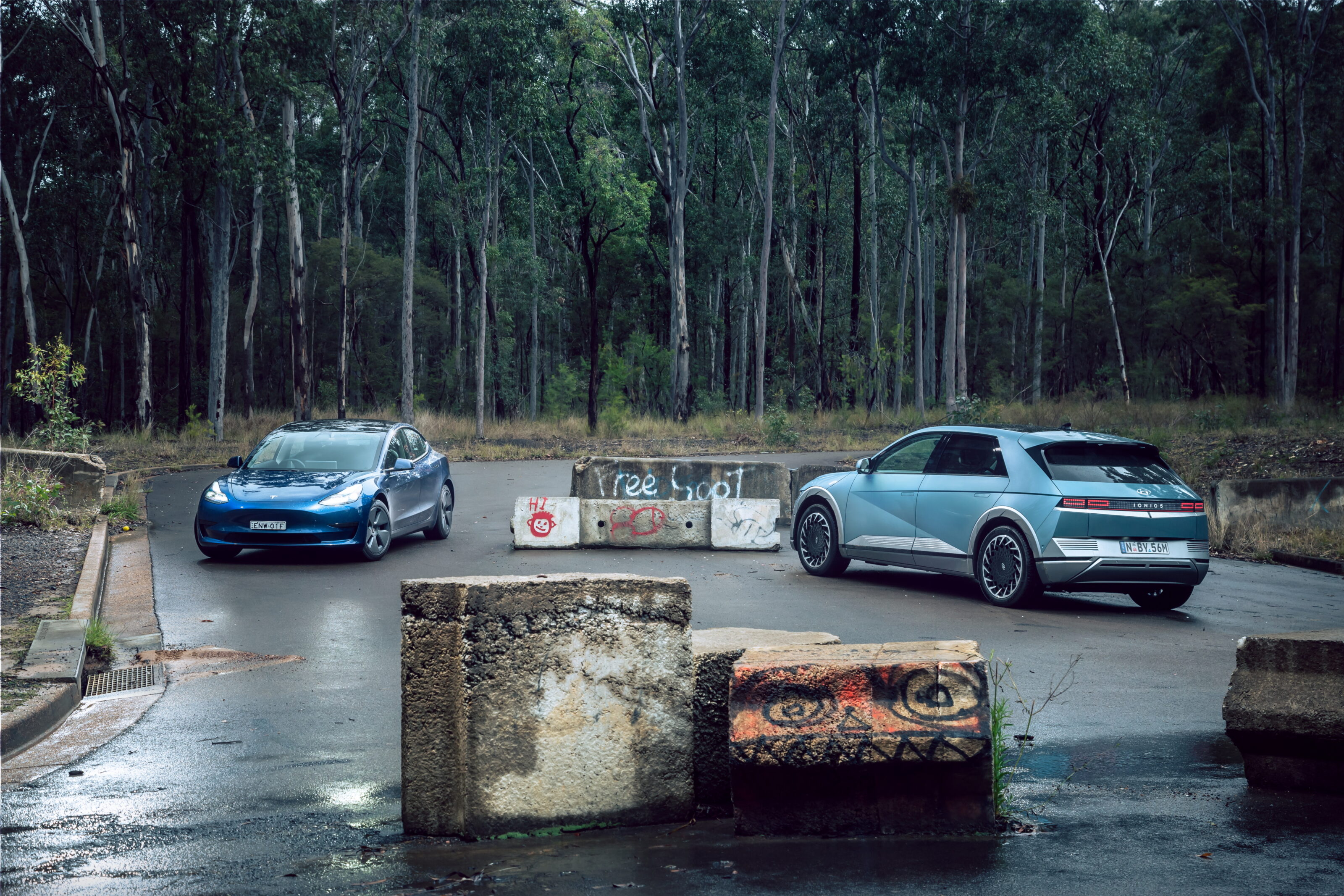
What models are here, and what do they offer? Which is the Wheels pick for each price bracket? We also go into as many EV FAQs as we can muster, before looking at the nitty gritty of buying and owning EVs in each state. Then, the future, the EVs coming to Australia and what to expect from them.
After we’ve finished talking tech, we travel to the UK where our roaming Brit expat Dan drives the new Audi S3, and compares it to the incoming Cupra Leon 300. Another Audi, the Q7, tackled Genesis’ GV80 back here on local soil.
Another big hitter, Roland Dane is the subject of our profile this month, as he steps down from the top of his incredibly dominant Triple Eight race team.
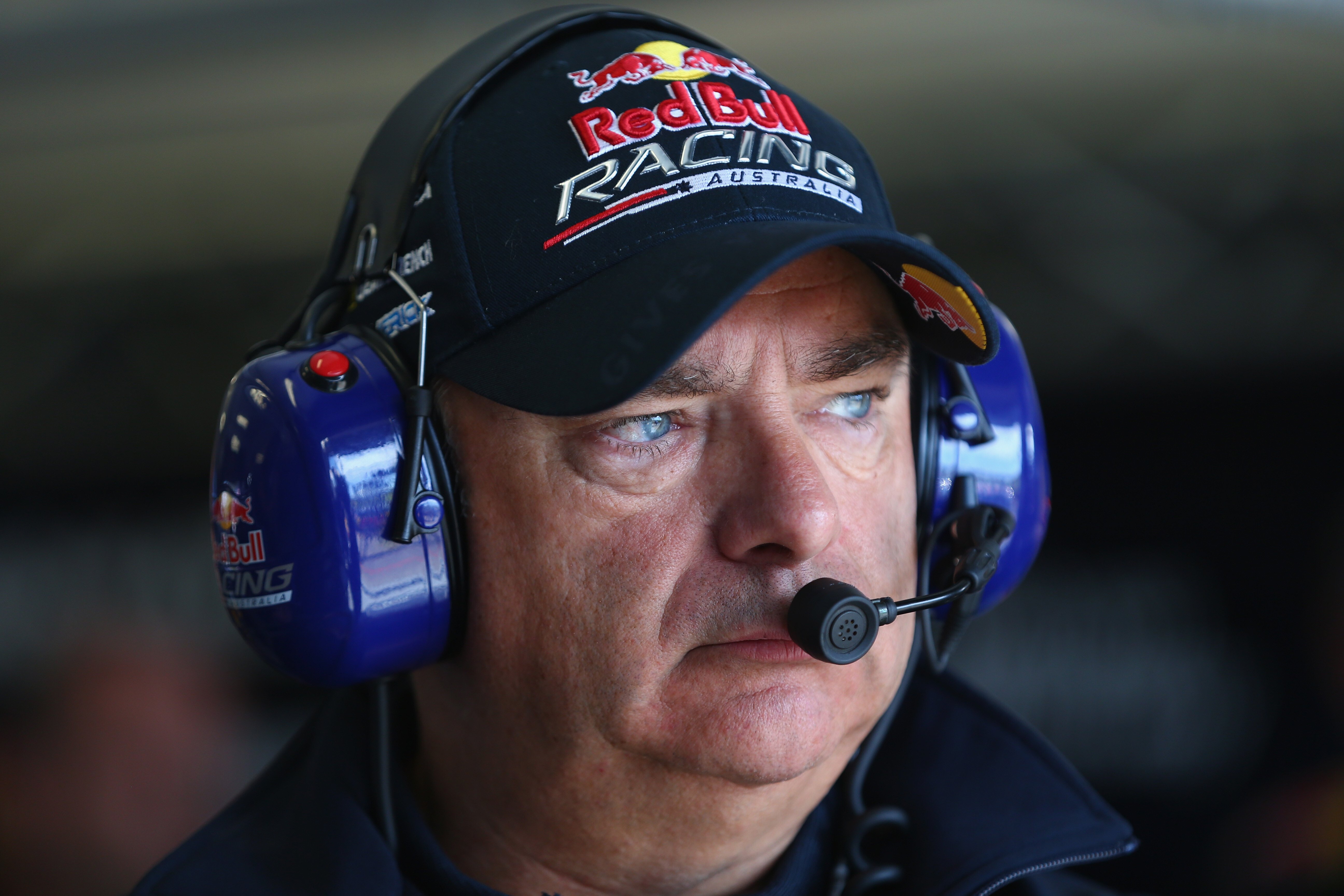
Finally, fancy a fang in Ferrari’s ridiculously exclusive annual Cavalcade? We did, and it was glorious.
You can grab a subscription to Wheels to get future magazines delivered to your door before they’re on shelves, or find a copy at the shops, servos, or newsagents!
Oh, and while you’re here, pop us a follow on:
