
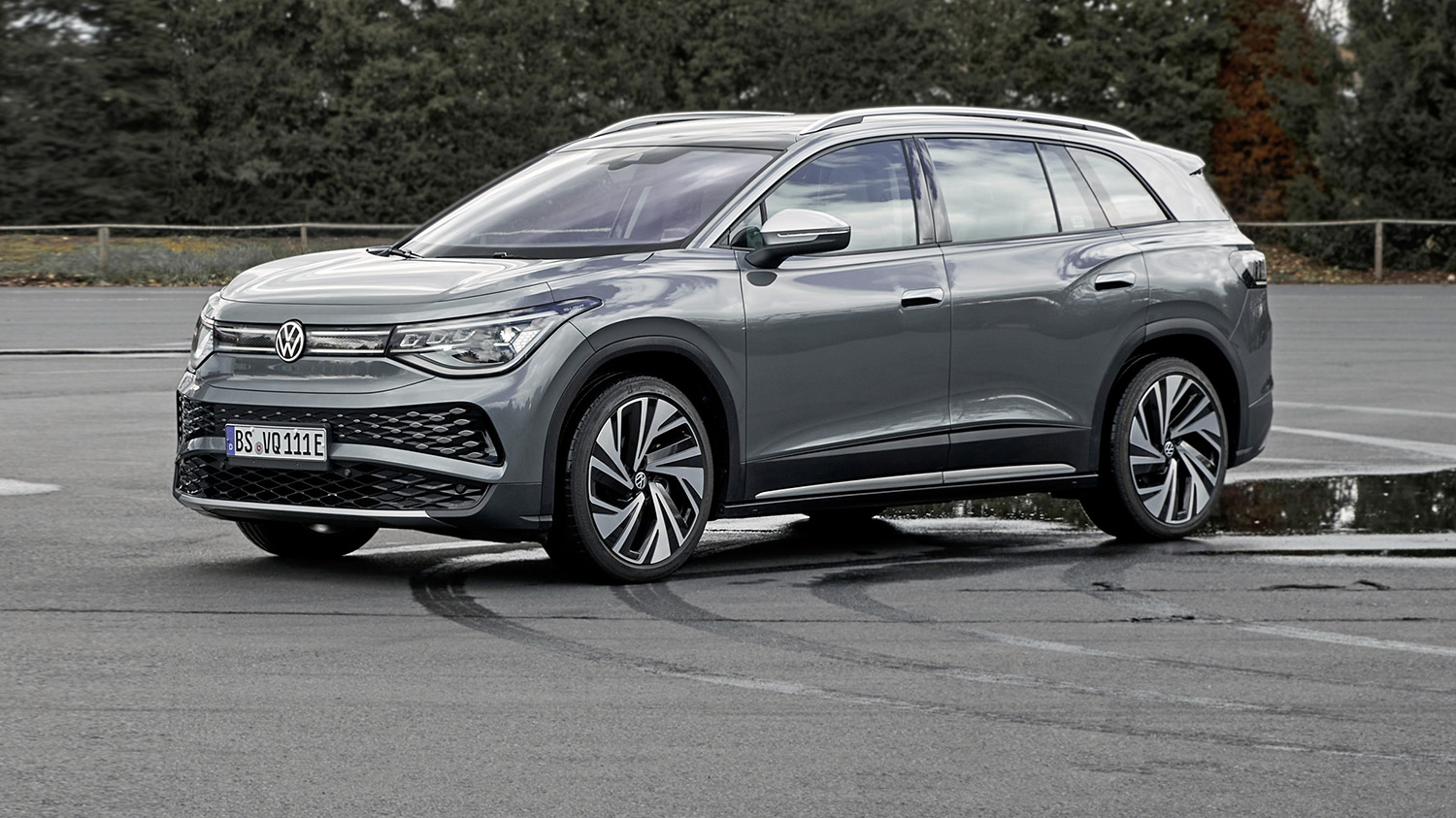
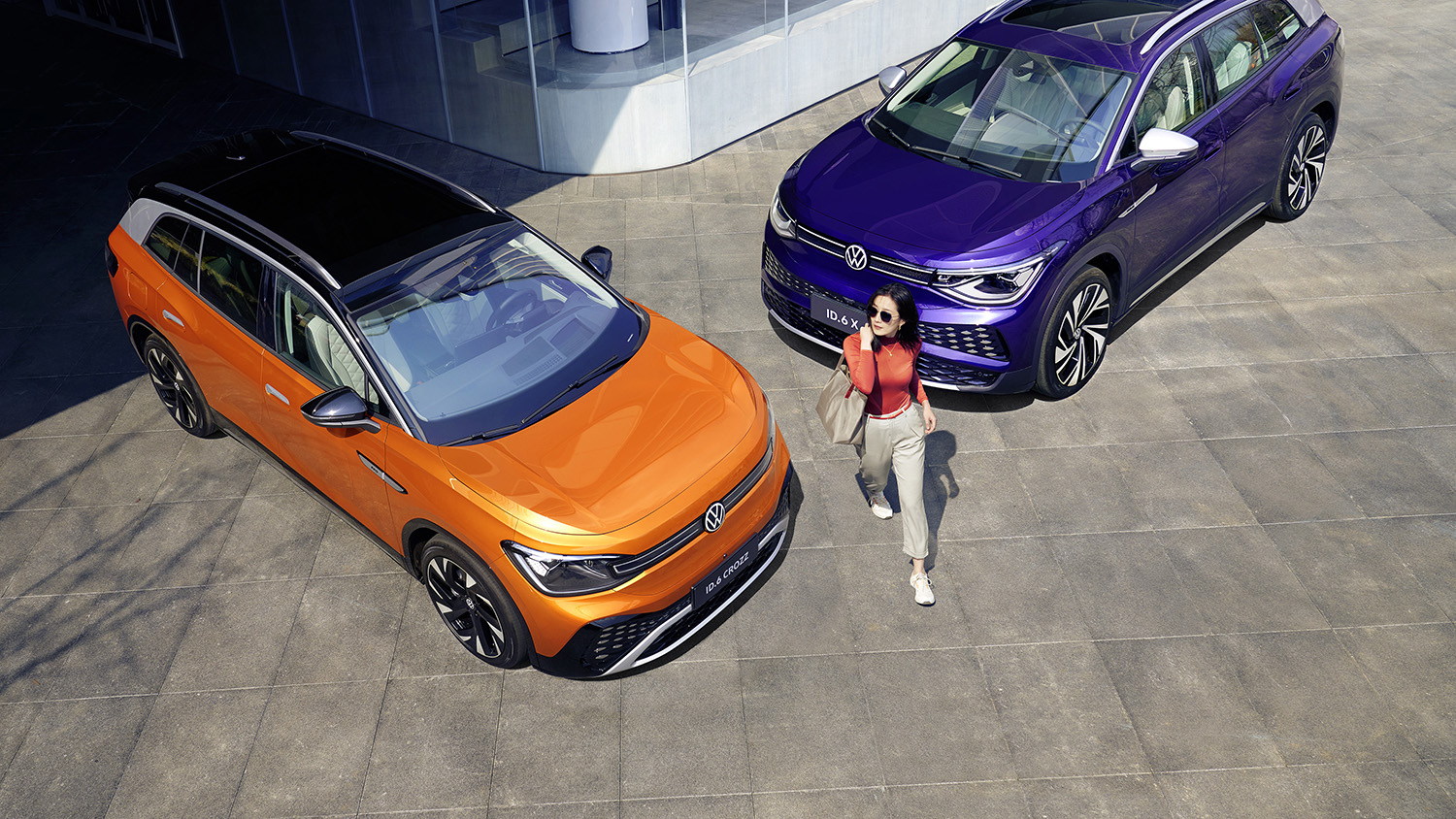
At the 2021 Shanghai Motor Show, VW unveiled the ID.6. The bigger brother of the ID.4 is available as crossover badged ID.6 X and as a slightly rowdier, more SUV-like Crozz.
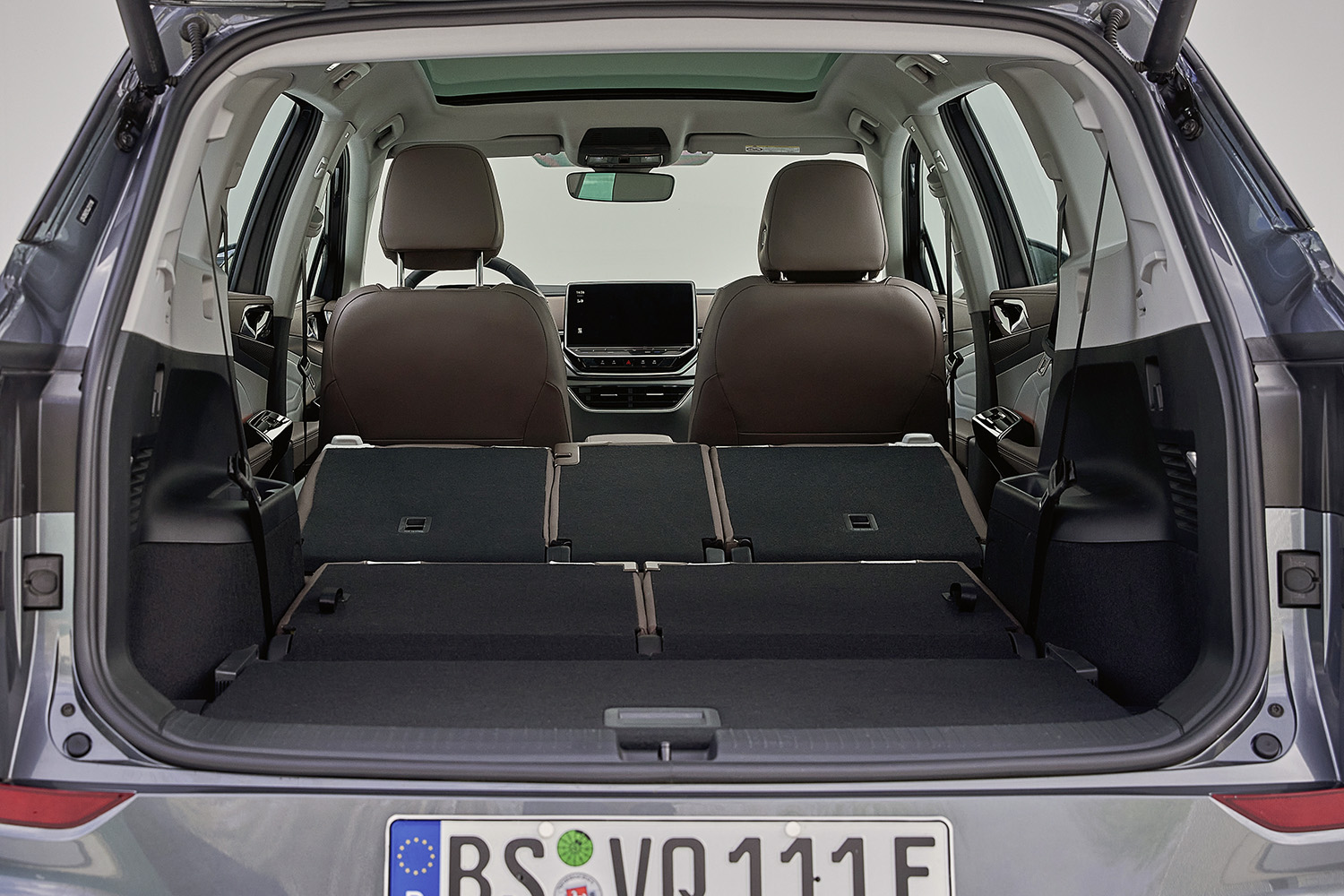
Its wheelbase was extended by 300mm to make room for a third row of seats, but those who travel seven-up should only bring hand luggage. After all, its boot volume varies between hopeless and acceptable depending on the chosen cabin configuration.
At 4888mm, the neo-MPV with the pseudo-off-road livery is 10mm longer than the full-size Touareg. Marginally taller and wider than the ID.4, it tips the scales at a substantial 2280kg.
In contrast to the soon-to-be-discontinued Sharan and both Multivan generations, the people movers built in Foshan and Anting must do without practical rear sliding doors.
Access to seat row number three is accordingly compromised, and the same goes for the rear legroom, headroom and shoulder room as well as for the contourless, thinly padded seats.
EDITOR’S NOTE: Regrettably, drive-day photography for this test could not be supplied, as a result of COVID-related logistics troubles. And, as a primarily Chinese-market offering, official photography for the ID.6 X is in short supply. Wheels apologises for this result.
Customers keen on jumping the dim-sum queue by outpacing their hungry rivals on the way to the best restaurant in town should opt for the top-of-the-line AWD model that boasts a combined output of 228kW. While the front wheels are powered by a 76kW motor, the 152kW rear drivetrain is a carryover from the ID.3.
The entry-level variant has a 134kW unit wedged between its hind legs. There are two different underfloor battery packs on offer; the smaller outfit is rated at a humble 58kWh, the brawnier energy source good for 77kWh. According to the rather optimistic Chinese NEDC norm, users can expect a range of 436 and 588km respectively.
The all-wheel drive ID.6 will accelerate from 0-100km/h in 6.6sec but the top speed of both models is limited to 160km/h. The average consumption works out at a miserly 18.2kWh/100km, peak torque is a useful 310Nm, the maximum charge power is a merely adequate 125kW.
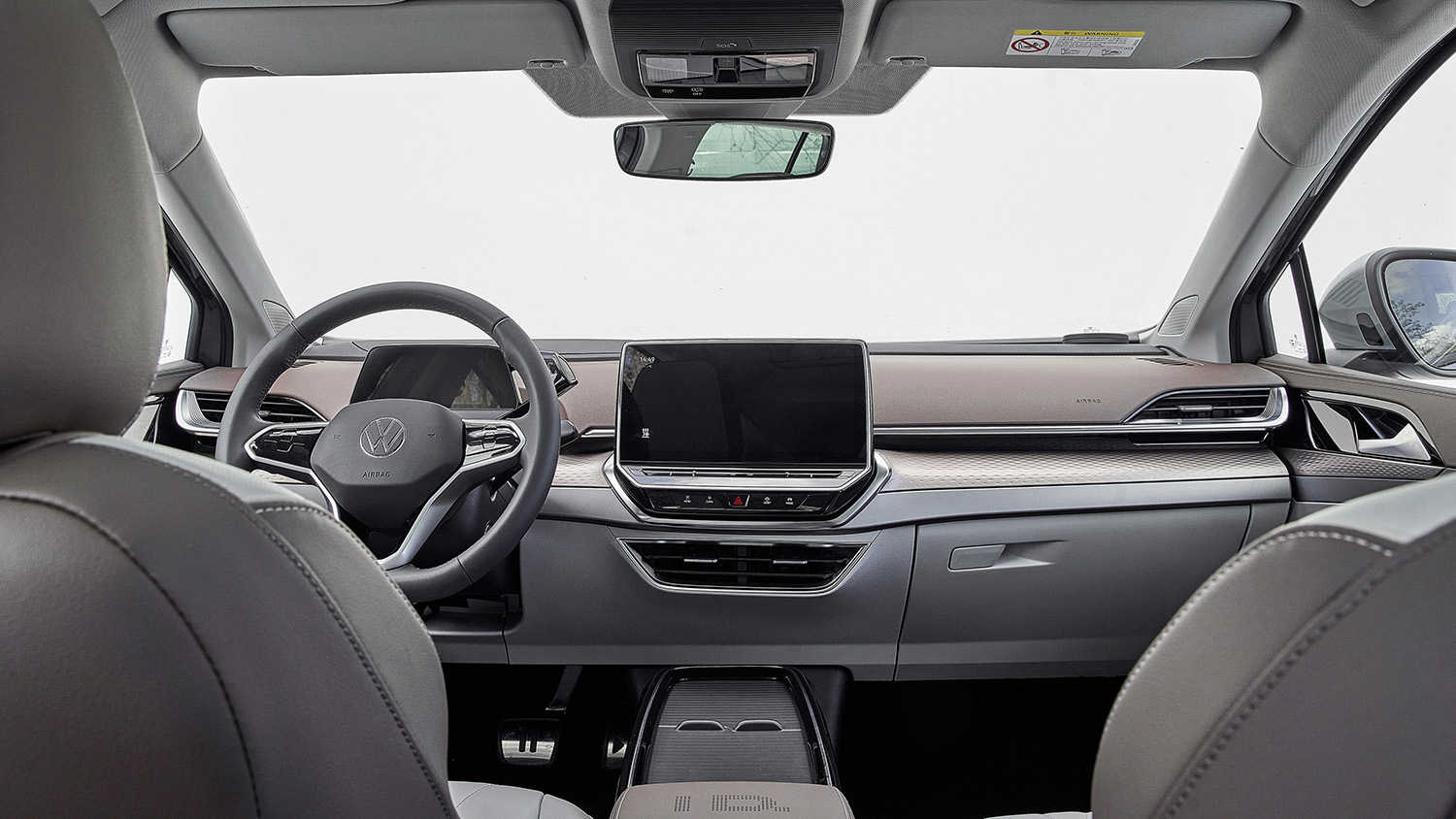
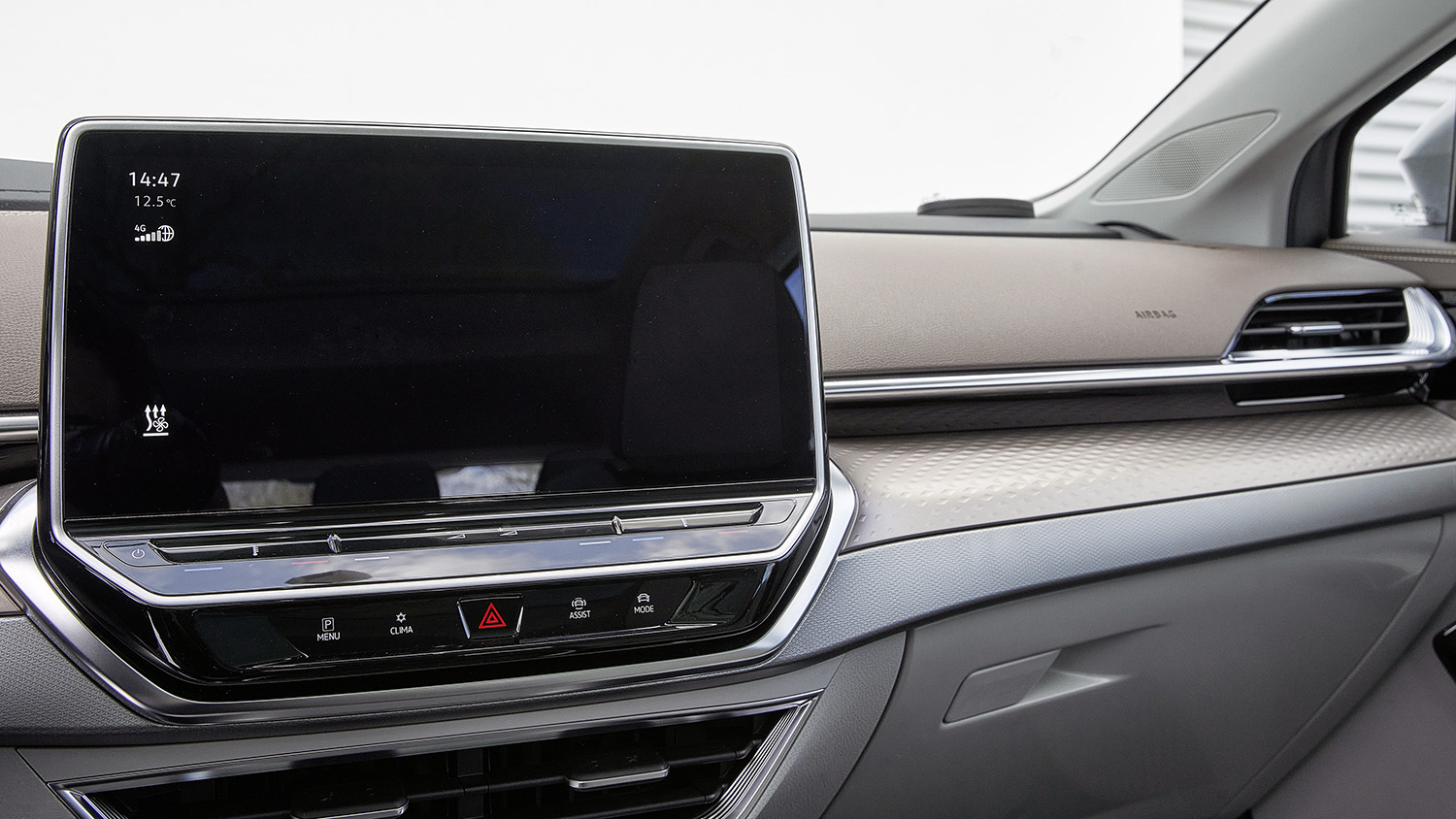
It’s an okay car, the ID.6 X, but dynamically it does not play in the same league as the Tesla Model 3 Long Range or the Hyundai Ioniq 5, both of which command similar prices. Charge power and charging time, voltage, ergonomics, recuperation and the portfolio strategy that puts the ID.4, ID.5 and ID.6 in the same small basket are among the points we take issue with.
Who better to respond to our concerns than the brand‘s new R&D chief Thomas Ulbrich?
“The ID range has been very well received, but it is perfectly clear that we must continue to improve the product and extend the services that come with it,” he says.
“Whereas we are going to stick with the 400V system over the entire lifecycle, the maximum charge power will, before long, increase to 170kW.
“VW just started the first round of no-cost over-the-air updates, and we are soon going to unlock additional functions at cost. Rather than chasing Tesla for performance, our emphasis is on practicality and user-friendliness.”
Like its brethren, the ID.6 is not as involving to drive as its chief rivals. In terms of handling prowess and entertainment value, the top-of-the-line model is at best a dozen confettis and half a paper streamer more rewarding than the base ID.4. The brand´s defensive recuperation philosophy is again a major bone of contention.
Comments the CTO: “Customer feedback suggests that some users would like us to extend the one-pedal feel until the vehicle comes to a full stop. Other clients are in turn interested to dial in the coasting mode at random.
“Both requests warrant attention but bear in mind that it takes about two years to write, implement and certify the corresponding software. As far as hardware changes are concerned – the touch sliders and the light pod received some criticism – we would not take action before the mid-cycle update.”
With the exception of the surprise-and-delight instant torque effect, the ID.6 is a stoically safe transportation appliance that ticks all must-have boxes but rarely excels. According to the mastermind behind the ID movement, the ongoing transformation process will soon introduce new features while the related proximity of extended autonomous driving capabilities calls for a major rethink on part of the industry and customers.
In this context, VW freely admits that self-determined drivers who enjoy regularly testing their limit and the vehicle dynamics that enable them to do so – among them the enthusiastic GTI and R crowd – are no longer the target audience of the ID family of cars.
Instead, the EV range “was conceived for people who actively use assistance systems and other digital means to get from A to B in an exceptionally safe and relaxed manner”.
On the roads around Wolfsburg, the German-designed Asian import displayed a potpourri of strengths and weaknesses. As soon as a destination is set, the sat-nav kicks off the journey by allowing the predictive co-pilot to assist certain accelerating, braking and steering manoeuvres. This may be a useful algorithm for members of the anti-destination league, but it is a persistent irritation for active drivers.
After all, the black box lifts off way too early, meets speed limits with frustrating anticipatory obedience and is prone to double the distance to the car in front just as one might contemplate a last-minute overtaking act before the next roundabout. Certain electronic disruptors can be idled step by step, but they are back in full force after every restart.
Even in Sport mode – where AWD is active at all times – and in the least interfering energy regeneration stage, the ID.6 X simply isn‘t interested in late braking, extra-sharp throttle responses or aggressive cornering.
On the credit side, the top-of-the-line ID is a near-silent and markedly effortless cruiser. It takes a minor earthquake to unsettle the irrevocably plotted dynamic stability, every journey provides the kind of cocooned isolation that used to be privy to luxury sedans, the suspension remains amazingly compliant even when the car is fitted with optional 21-inch wheels, the directional poise is spot-on and the mix of grip, traction and roadholding cements confidence.
The steering is neatly weighted and precise, but its habit of scanning the full range from digital detox to automatic activism can be disconcerting at times. The brakes certainly fall short of an Oscar nomination. They require a fair bit of effort, their feedback is vague rather than reassuring, full deceleration strikes only after a momentary delay, and the long pedal travel, in combination with the varying effort, takes the progressive smoothness out of every stopping procedure.
Also on our wish list are a kickdown-induced temporary maximum speed extension to take the sting out of overtaking manoeuvres on a busy stretch of autobahn, paddleshifters for intuitive access to a choice of recuperation modes or virtual gear changes and, generally speaking, a more switched-on spirit. True, this is a difficult tightrope to walk for every contender.
After all, in the EV world power and torque are no longer the key deciders and differentiators. Instead, the focus is shifting towards efficiency and convenience in order to manage range anxiety and charge anxiety, which will likely remain the tallest acceptance hurdles for years to come.
Means of getting there include superior aerodynamics, reduced weight and broader digital talents, as well as more sophisticated batteries and motors.
As far as the ID.6 X is concerned, VW must further emotionalise the product, add sparkle to the customer experience and offer a much wider choice of mobility as a service.
VERDICT
The ID.6 X is an oddball choice. Genetically, it is a somewhat compromised people mover. Visually, it is a wannabe SUV.
It is a competent yet bland crossover, let down by complex ergonomics and lecturing software.
EDITOR’S NOTE: Regrettably, drive-day photography for this test could not be supplied, as a result of COVID-related logistics troubles. And, as a primarily Chinese-market offering, official photography for the ID.6 X is in short supply. Wheels apologises for this result.
https://www.instagram.com/p/CUuLfEjJ939/
Nissan knocked the ball out of the park when it revealed the new Z. In its non-Nismo form, the key ingredients seem – not to put too much of an emphasis on it – top notch. Rear-wheel drive, slick retro-inspired styling, twin-turbo 3.0-litre V6, more power than key rivals, and a choice of either six-speed manual or nine-speed automatic transmission.
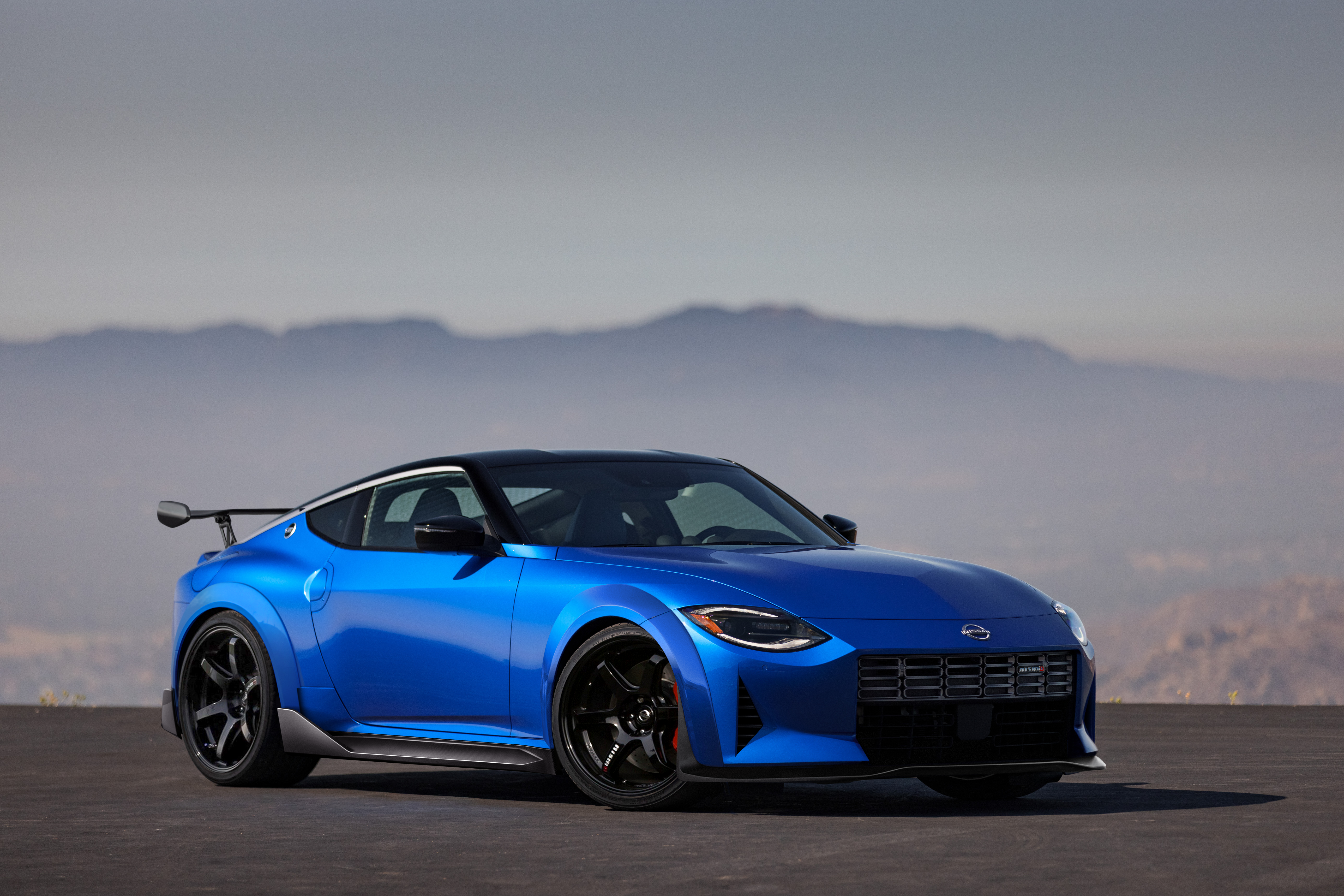
However, we think Nissan can go even better, thanks to its motorsport (and hardcore road car) division, Nismo. So, here is our vision for the Nissan Z Nismo.
The baseline performance of the new Z means a gently once over won’t suffice here, Nismo will need to get some proper oil on its hands to get the job done properly. First the basics: new dampers, springs, bushings, and control arms will focus the new Z even further. Between the tweaked suspension and new 20-inch forged single-piece RAYS wheels will sit a full Brembo brake suite.
Slotted and ventilated discs will feature at all four corners, measuring 370mm with six-piston calipers on the front axle, and 360mm with two-pot grabbers at the rear. Flared arches, larger front intakes, and a motorsport-adopted rear wing will give the Z Nismo significant presence. The standard Z is expected to tip the scales near 1600kg. Liberal use of carbon fibre for panels such as the roof and bonnet should help keep that figure stable for the Nismo.

Due to the sheer age of its underpinnings (the FM chassis has been old enough to buy hard liquor for two years now) a proper plug-in hybrid powertrain is near-impossible to implement. However, there are efficiency and power benefits to be found in the mild hybrid realms, with the Z Nismo debuting new turbo technology aided by a 48-volt electrical system.
The VR30DDTT that sits under the bonnet is an award-winning engine, but new electronic turbo technology will help elevate it further. Currently small-diameter turbochargers are fitted to reduce lag. In order to maintain responsiveness while boosting power a pair of Garrett-developed e-turbos will allow Nissan to install larger turbines with greater levels of boost, while fitting the equivalent of an anti-lag system. As a result, power could jump to 350kW and 600Nm, making the Z Nismo a relatively affordable rival to the likes of the BMW M4 and Mercedes-AMG C63 S coupe.
The hardcore Z will demand a price premium compared to the standard variant, but a sub-$140k price will allow breathing room to Nissan’s GT-R flagship, while undercutting luxury rivals.
Read on to discover the finer details of how we’d make it all work.
Once the factory race team is established, customer cars could be offered to those with deep enough pockets.
Step 1: Open wide
More boost and power will require extra cooling. Z Nismo will gain a redesigned front bar that accommodates a larger intercooler, while allowing more air to flow into the engine bay and onto the beefier front brakes.
Step 2: Rays of sunshine
Forged wheels from RAYS measure in at 20-inches in diameter, with 10.0-inch diameter at the front and 10.5-inch at the rear. Single piece design helps offset the increase in unsprung mass introduced by the increased diameter brake discs and larger calipers.
Step 3: Track day is best day
What’s the point of a more focused performance variant of an already capable sports car if you don’t let owners enjoy it on track with the reassurance that everything will be covered by warranty? Being developed by Nissan’s motorsport arm, consistent track use will be well within the Z Nismo’s remit, and covered accordingly.
Step 4: Homologate this
The Nissan Z family has strong racing heritage, and we hope the new addition is no different. With the GT-R filling GT500 and GT3 racing duties, it leaves the door open for a Z GT4. Changes to the Nismo such as chassis lightening and wider bodywork will flow into the racer. Once the factory race team is established, customer cars could be offered to those with deep enough pockets.
Step 5: Boost to the future
Garrett’s e-turbo will place a small electric motor in between the compressor and turbine inside the turbocharger. When off-throttle, the 48-volt system will keep the system spinning, acting like anti-lag, while spooling quicker under acceleration.
Want to play fantasy product planner with us? Send your best ideas to [email protected]
Key Points
- Built in celebration of the 35th anniversary of the original Grandeur
- The concept features subtle modern changes outside and a drastic new look inside
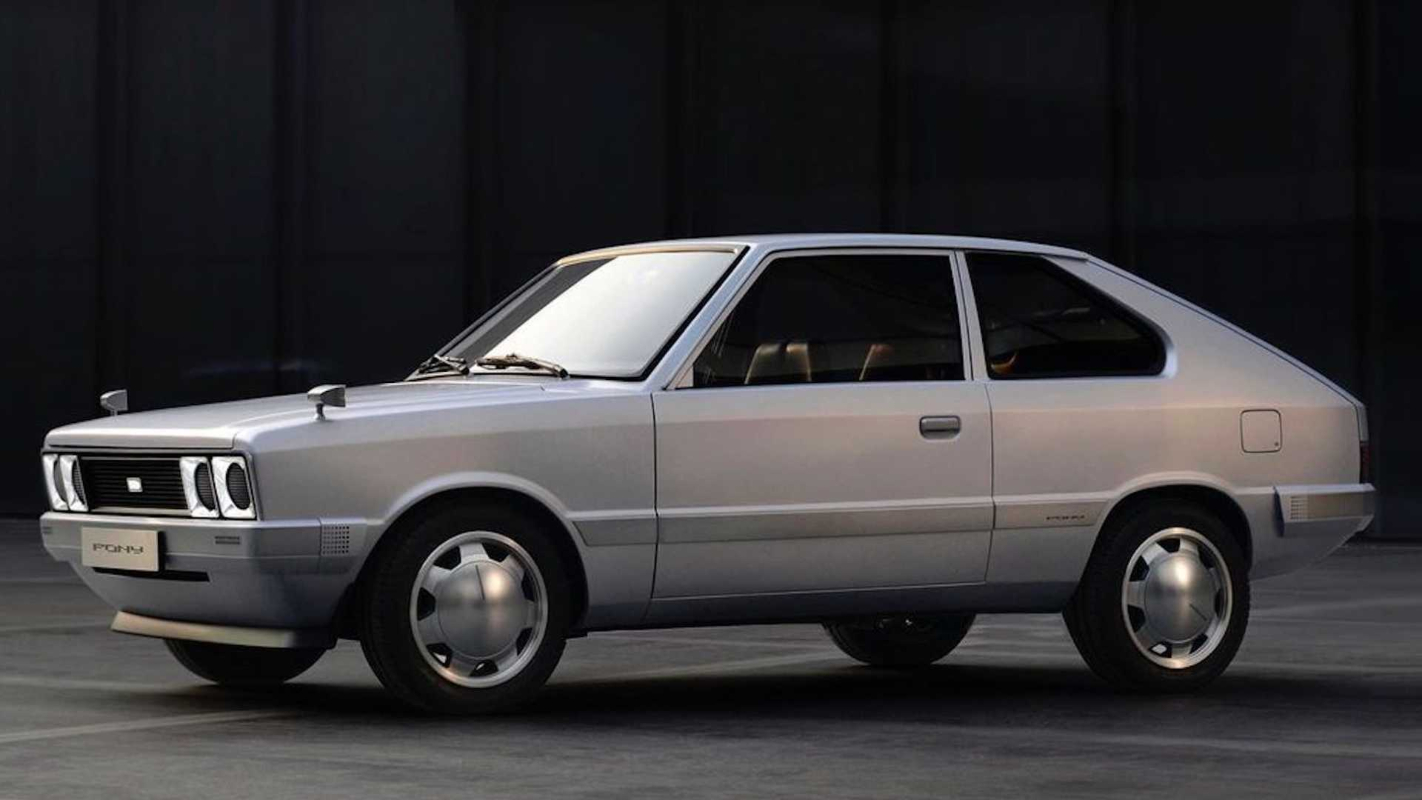
- The second ‘Heritage Series’ concept from Hyundai, following the first Pony-based version
Hyundai has pulled the covers off its second ‘Heritage Series’ model in South Korea.
The 1986 Grandeur electric ‘restomod’ concept car follows the unveiling of a modified 1986 Pony in April – the design of which inspired the Ioniq 5.
Built in celebration of 35 years since the launch of the original Grandeur – produced between 1986 and 1992 – the concept mixes heritage styling, albeit with some modern touches, and futuristic technology.

A rebadged version of the Mitsubishi Debonair, the original Grandeur acted as the flagship sedan of the Hyundai line-up – a feat still achieved through the current sixth-generation model sold exclusively in Korea and other selected markets.
Despite retaining most of boxy styling found on the original Grandeur, the concept features a number of modern touches.
These include a redesigned front grille, side mirrors, alloy wheels, side mouldings, and all-new front and rear lighting units that utilise the ‘parametric pixel’ cubed LED design found in the Ioniq 5 electric SUV and Pony heritage concept.

While changes to the exterior of the Grandeur Heritage Series are subtle for the most part, Hyundai has gone to great lengths to modernise the interior of the concept car.
A large widescreen infotainment display is the headline act to the new interior, with original analogue dials, available twin-CD/cassette player and air-conditioning dials replaced by a single unit. The system is controlled by a smaller touch panel situated below the dashboard, inspired by the design of a piano fall board.

A mode allowing passengers to play a virtual piano, developed in partnership with instrument company Samick, and a watch storage slot within the centre console also feature.
In addition, original components – such as the single-spoke steering wheel and mechanical gear knob – have been redesigned to match the new-age retake inside.
https://www.instagram.com/tv/CV8gjcDLmkw/
Hyundai claims the 18-speaker audio system fitted to the concept vehicle, with a sound-bar located within the dashboard and speakers angled at 45-degree on each side, provides for a listening experience similar to that of a concert hall.
Once a symbol of luxurious seating material, the Grandeur utilises red-coloured velour trim for the seats and other touch points. The concept also sports leather trimmings on the seat backs, centre console and door trims.
Following the success of the first Pony Heritage Series, Hyundai has confirmed the next concept model will be a modern take on the first-generation 1991 Galloper, itself a rebadged version of the first Mitsubishi Pajero.
While the Grandeur Heritage Series may be strictly limited to show car status, an electric Hyundai sedan is set to come to life with the Ioniq 6 that is currently in development ahead of an expected reveal in early 2022.
The Hyundai Santa Cruz has been reimagined in N-Line trim, thanks to YouTuber SRK Designs showing us how a performance version of the compact pick-up ute could look.
Exploring a niche within a niche, SRK Designs reveals how they mocked up a Santa Cruz N-Line on photoshop software and how well the model lends itself to the visual transformation.
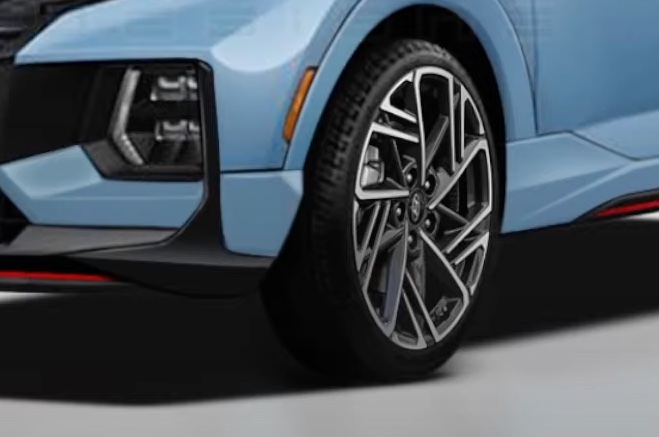
After starting with a colour change to the N brand’s signature sky blue, SRK Designs then changes the ute’s lower body cladding to the same colour before adding front bumper air guides to sharpen its front-end look.
Red pinstripes down the ute’s side and across its front bumper further honour the N brand, while larger diameter wheels (up from 20-inches) with a Sonata-esque design and a floating roof complete the transformation.
Obviously, these renders are unofficial. Hyundai has not yet hinted at any plans for an N-Line Santa Cruz, but while the model remains American-only, a performance-lite version like this would successfully tap into our local psyche.
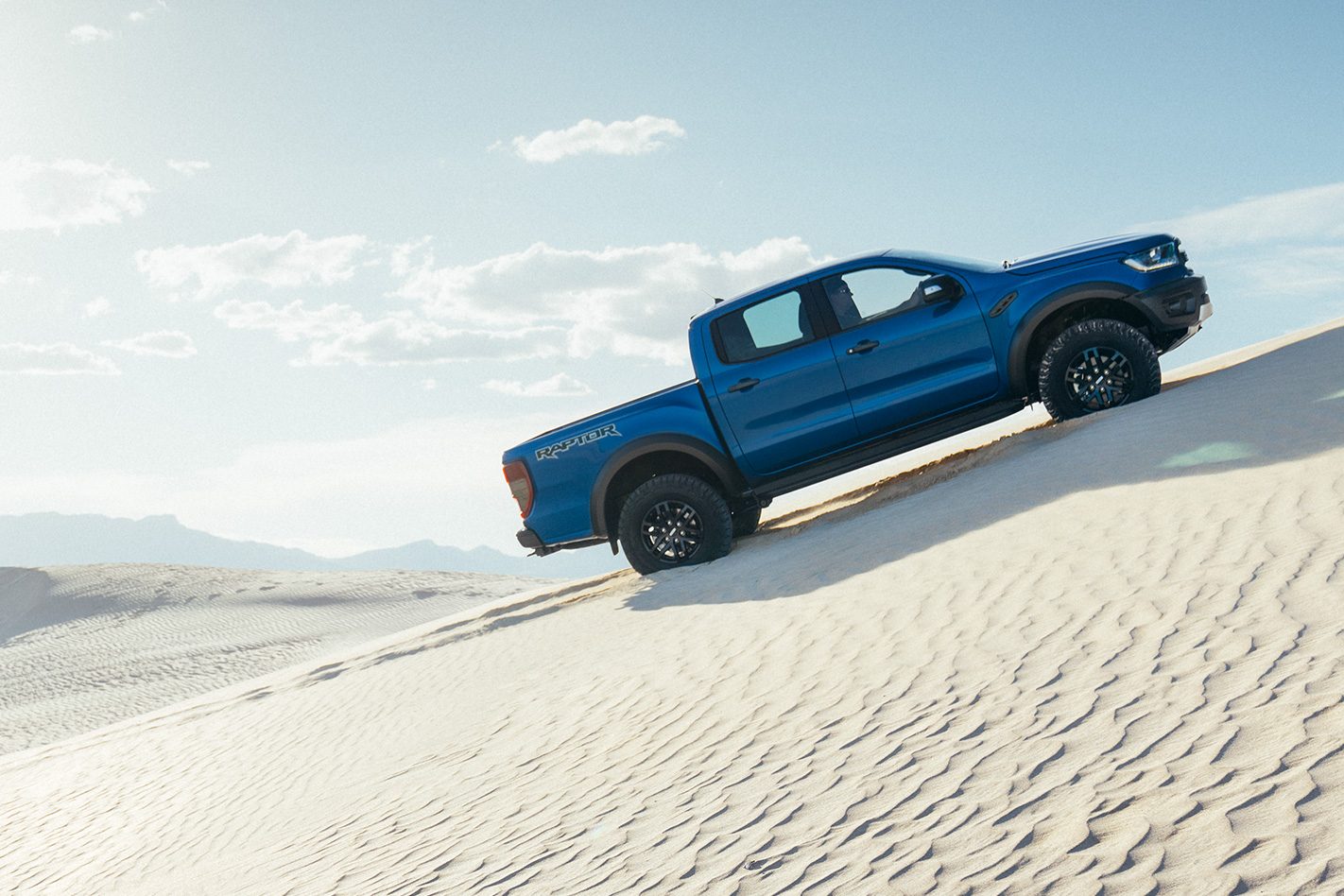
The Ford Ranger Raptor and Volkswagen Amarok W580 speak to our love for performance cars and pick-up utes. Of course, the Santa Cruz comes from a different class of pick-up to those frame-on-body offerings since it’s built on a Tucson SUV platform.
Keeping that in mind, a performance bent on the Santa Cruz would help distract us from its limited towing ability (set at 2268kg braked).
We’d have to think of mechanical changes ourselves, but that’s easy for the Tucson-derived strut front and rear multi-link suspension setup underneath the Santa Cruz.
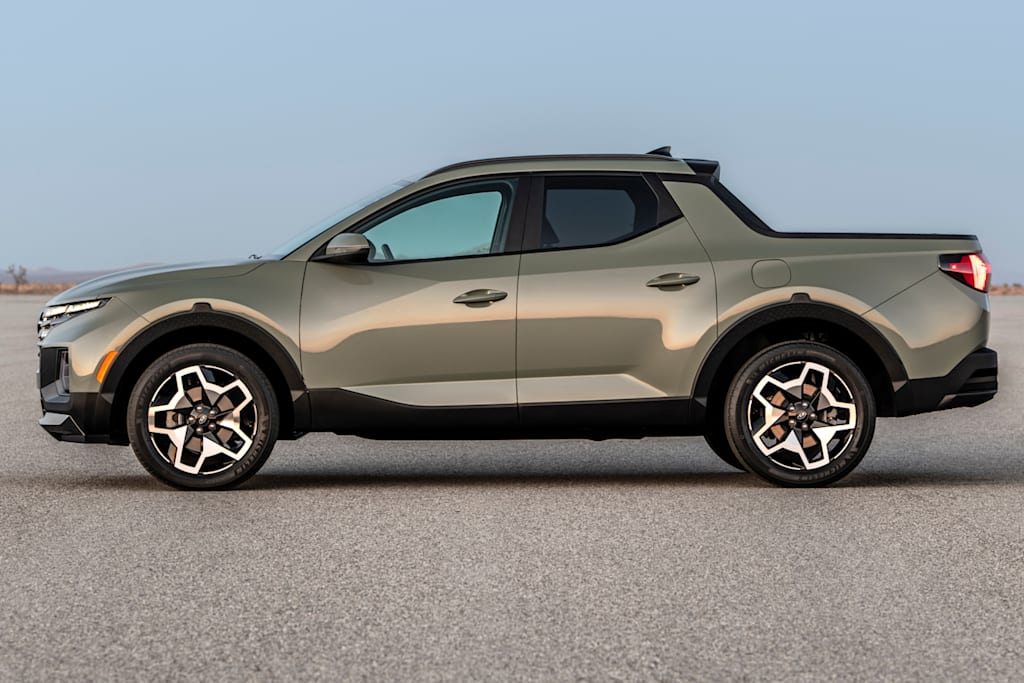
In the powertrain department, the Santa Cruz can be had with a 2.5-litre, turbocharged four-cylinder engine driving all four wheels through an eight-speed dual clutch gearbox, so it should easily handle more than its current 210kW/422Nm.
If you wanted to go crazy, the crew at MOTOR went as far to dream up a full-fledged N version with a 4.6-litre V8. And while a Santa Cruz N-Line seems more attainable, we’d need one in right-hand drive first.
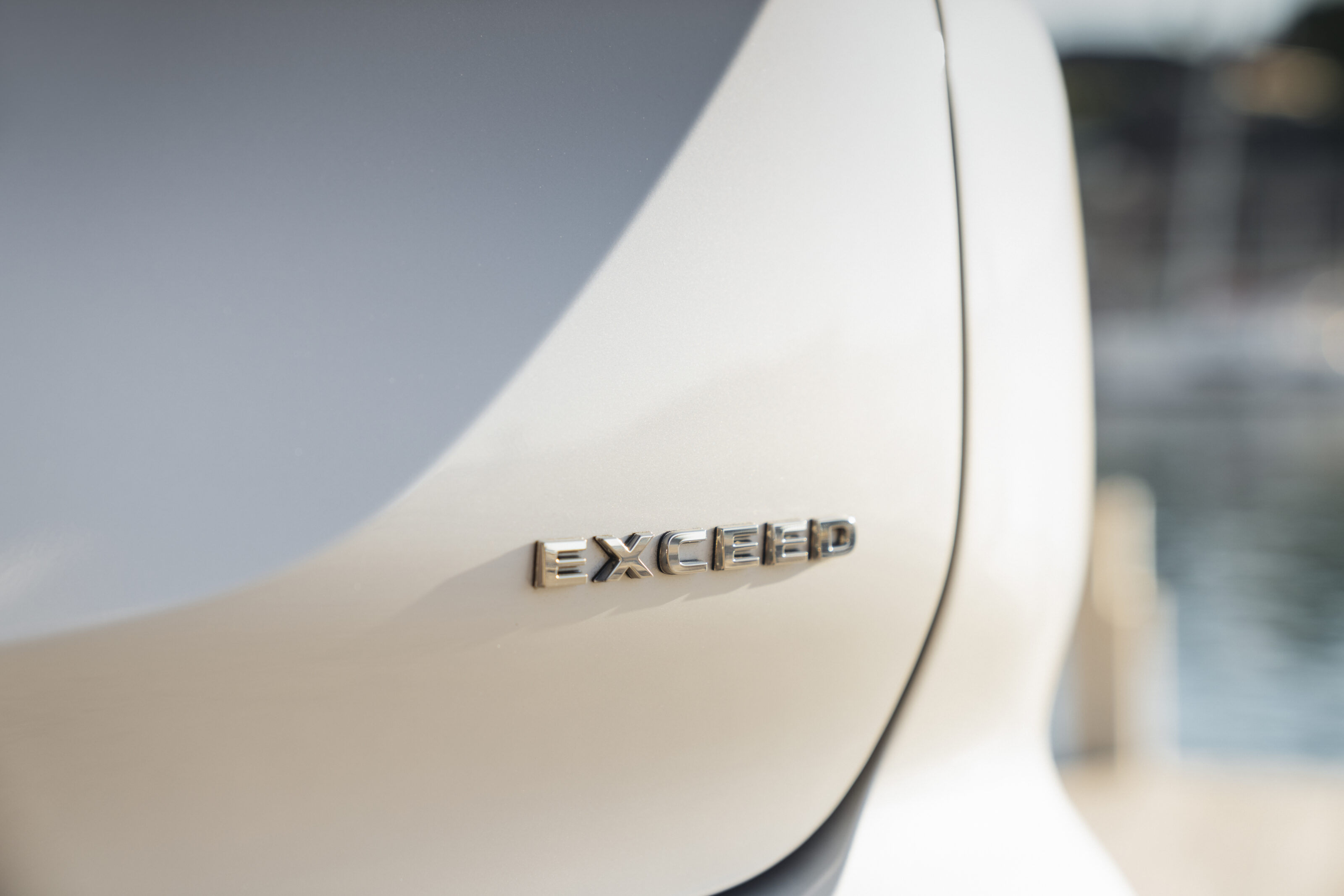
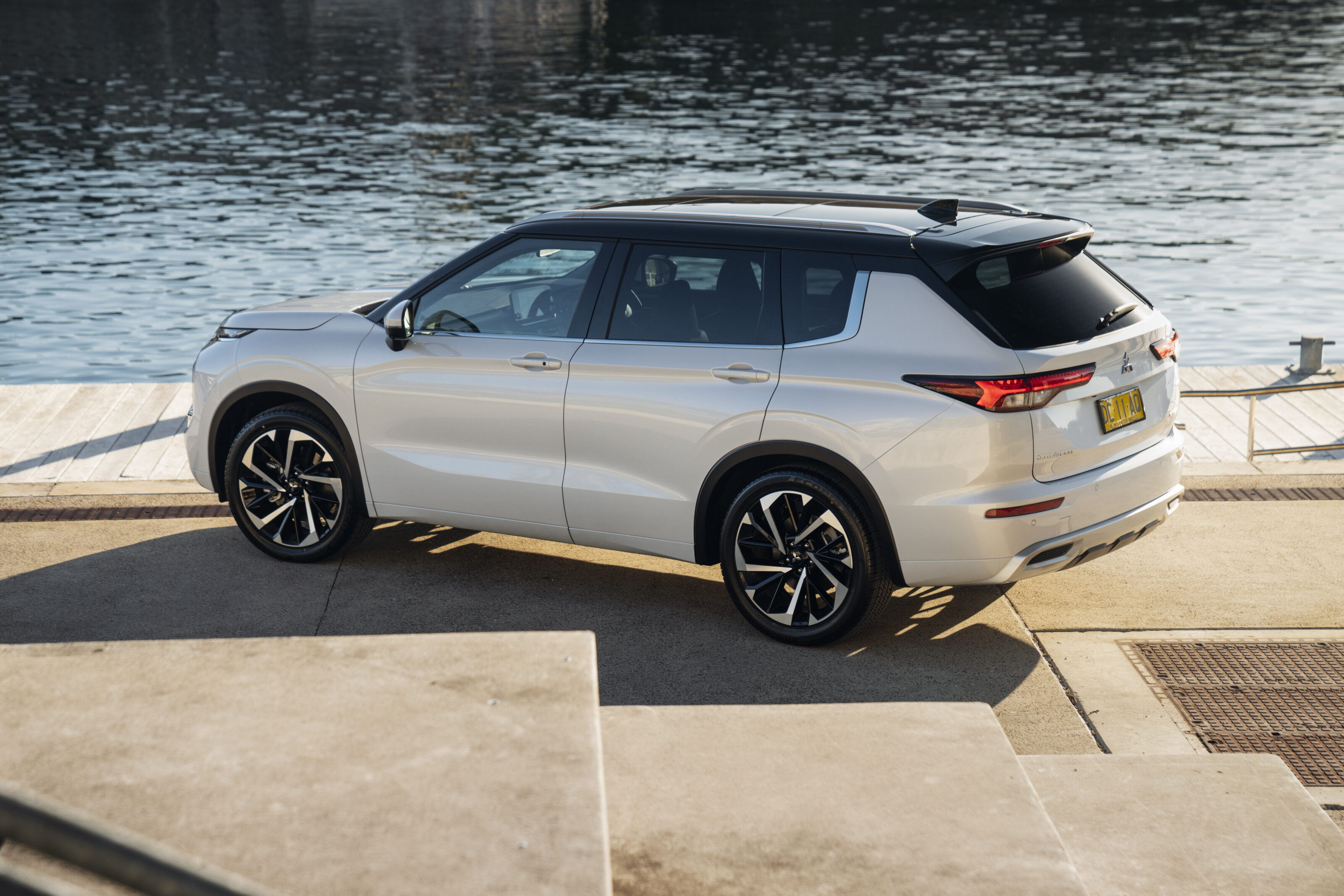
Looks good, doesn’t it? Or perhaps it doesn’t? It appears the styling of the new Mitsubishi Outlander Exceed Tourer is very divisive, comments during our time with it split between great and ghastly.
There are two parts to this. The first is that few would have described the previous Outlander’s styling in a positive manner, so even 50:50 is a significant step forward, while the second is that in provoking a reaction it at least gets people talking.
The new Outlander is an extremely important car for Mitsubishi, pretty consistently accounting for around one in five sales for the brand in Australia. It’s arrived a little later than originally intended, delayed by the incorporation of Mitsubishi into the Renault-Nissan alliance.
This allowed it to move to a platform shared with the forthcoming Nissan X-Trail as well as a future successor to the Renault Koleos. Its new body structure increases rigidity while reducing weight thanks to an aluminium bonnet and plastic front guards.
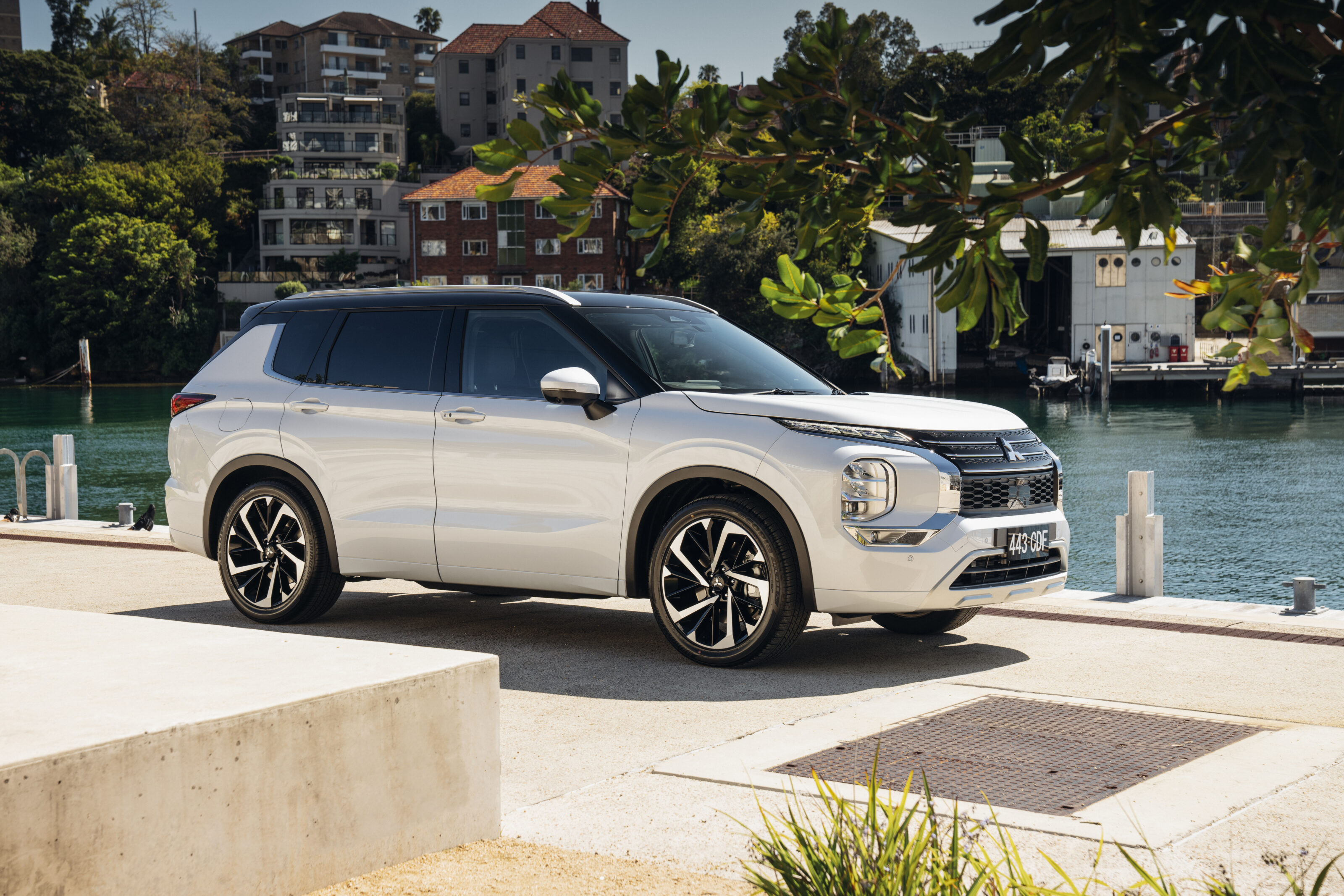
A larger car in every direction, the new Outlander’s dimensions help its aesthetics. Overall length increases by 15mm but the wheelbase has been extended by 36mm, shrinking the massive overhangs of its predecessor. Likewise, it’s grown more in width (51mm) than height (38mm), making for a squatter stance.
Pricing for this range-topping Exceed Tourer is listed at $49,990 before on-road costs, a $2000 premium over the regular Exceed. For that, buyers score:
| Two-tone exterior paintwork, either black-over-white or bronze-over-black, including Diamond paint thatu2019s usually a $940 option |
| Two-tone black and tan high-grade leather interior |
| Front massage seats |
This is on top of the equipment included in lower specification models:
| Colour-coded lower bodywork |
| Panoramic sunroof |
| Tri-zone climate control |
| Leather seats, powered fronts with memory, heated front and rear |
| 10-speaker Bose stereo |
| Rear sunshades |
| 20-inch alloy wheels |
| 12.3-inch digital instrument cluster |
| Head-up display |
| Auto lights and wipers |
| Wireless phone charging and CarPlay |
| 9.0-inch infotainment touchscreen with smartphone mirroring |
| Electrically operated tailgate |
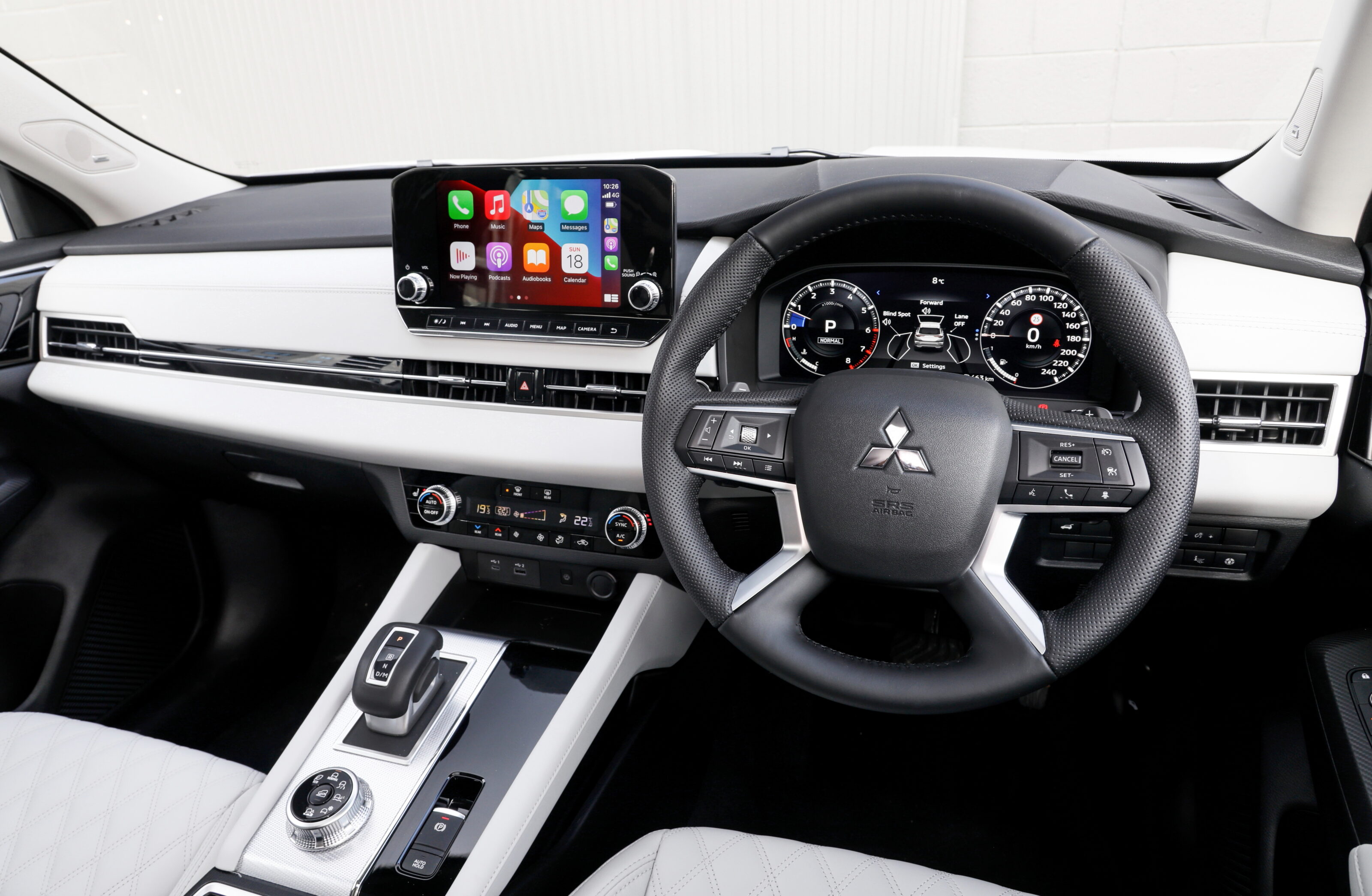
The Outlander’s cabin, especially in this flagship Exceed Tourer, is a real highlight. The horizontal design theme is simple and classy but it’s the materials that are a standout.
Soft leather surfaces abound, contrasting diamond-stitched patterns on the door trims and seats are a premium touch and all the buttons and dials have precise, defined movements.
There’s more: the two large digital screens, for the infotainment and instruments, are clear and easy to navigate, separate HVAC controls are always welcome, as are wireless charging and Apple CarPlay, while the Outlander’s new mouse-like gear selector also allows quick and easy changes between park-reverse-drive – it doesn’t necessarily improve upon a traditional lever, but at least it’s not a backwards step like so many other reinvention attempts.
It’s not all champagne and roses, however. The default instruments when I first drove the car were a pair of independently rotating wheels – one for revs, the other for speed – which quickly made my head spin due to them rotating at different speeds just in my peripheral vision. Thankfully a set of traditional dials is an easily-found option.
That observation is purely personal taste, as is my lack of appreciation for Mitsubishi’s font choices, but what isn’t is the fact that the silver trim surrounding the gear selector reflects sunlight terribly.
Depending on the position of the sun, either the driver or passenger will require sunglasses due to the rays being reflected directly into their eyes. An unfortunate oversight.
The Outlander’s cabin is a real highlight. The horizontal design theme is simple and classy but it’s the materials that are a standout.

Move into the second row and the quality materials continue, along with plenty of space for legs and heads, fore-aft and recline adjustment, a separate set of temperature controls (which can also be adjusted from the front), vents and both USB-A and USB-C ports for device charging. The outboard seats have ISOFIX, there are tether points across all three seats and the side shades are helpful for keeping sun off the kids.
Where the Outlander differs from most – if not all – of its mid-size SUV competitors is the option of a third row. In fact, it’s not an option but standard on all but the base ES where it costs $1000 extra.
Mitsubishi describes the Outlander as a ‘5+2’, with the rearmost seats intended for occasional use only, but it’s difficult to see a use case for them.
Access is difficult due to the inability of the second row to fold forward, there are no child-seat mounts (nor curtain airbags) so little’uns are out and accommodating anyone larger requires the second row to move so far forward that all legroom disappears.
Still, compared to the five-seat Outlander there’s only a seven-litre boot space penalty so there’s little downside to their existence.
Leave them folded and the Outlander’s boot will swallow 478L (to the top of the rear seats) while dropping the 40:20:40 split second row increases that to 1461L.
It’s a capacious space measuring 1717mm long, 1380mm wide (1156mm width between wheel arches) and 870mm high with all seats down, but one that nevertheless falls well short of some of its competition such as the Toyota RAV4, Subaru Forester and (current) Nissan X-Trail.
Behind the wheel, the driving position is widely adjustable and the seats comfortable. Heating and massage are welcome, though I’d trade the latter for cooling, especially as we come into summer. The steering wheel’s perforated leather and its weighting give a distinctly Audi vibe; I suspect an Ingolstadt product might have been in the benchmarking fleet.
Despite its increased size, light, accurate steering and a commendably tight 10.6m turning circle make urban manoeuvres no stress. Parking is assisted by Mitsubishi’s multi-around monitor, which uses the cameras and sensors to display an image all around the car and prevent low-speed collisions. There is no self-park assist feature, however.

Six drive modes are available – Eco, Normal, Tarmac, Gravel, Snow and Mud – each altering powertrain response, steering weight, the all-wheel-drive system and stability control.
The latter two modes, in addition to a hill descent control function, implies a level of off-road competence, but we wouldn’t recommend getting too ambitious given the Outlander’s relative lack of ground clearance and road-biased tyres.
Normal is the default and it works reasonably well. The 2.5-litre naturally-aspirated four-cylinder engine produces 135kW and 245Nm, figures superior to the smaller base engines in rivals like the Hyundai Tucson, Kia Sportage and Toyota RAV4, though at this price point many competitors also offer turbocharged options with greater low-end torque that make for easier progress. There is no longer a diesel option.
Despite its increased size, light, accurate steering and a commendably tight 10.6m turning circle make urban manoeuvres no stress.
One of the Outlander’s shortcomings becomes apparent when you ask for more throttle than that typically required by day-to-day traffic.
Floor the accelerator and the automatic continuously variable transmission (CVT) responds with more revs but acceleration doesn’t feel to markedly increase yet vibration through the steering wheel does. Best to just be patient and go with the flow.
Our 8.4L/100km fuel figure recorded over more than 600km more or less corresponds to Mitsubishi’s 8.1L/100km combined claim, though that is a sizeable increase over the previous Outlander’s 7.2L/100km claim.
Blame the new car’s equally sizable increase in weight. The previous range-topping petrol Outlander weighed 1525kg; this Exceed Tourer is 1760kg. As a result, the power-to-weight ratio has dipped from 81kW to 77kW/tonne.
Those who require greater efficiency can wait for the forthcoming Outlander plug-in hybrid, though it will carry a significant but as-yet unknown price penalty (the previous generation PHEV was $12,700 dearer than its combustion-only counterpart).
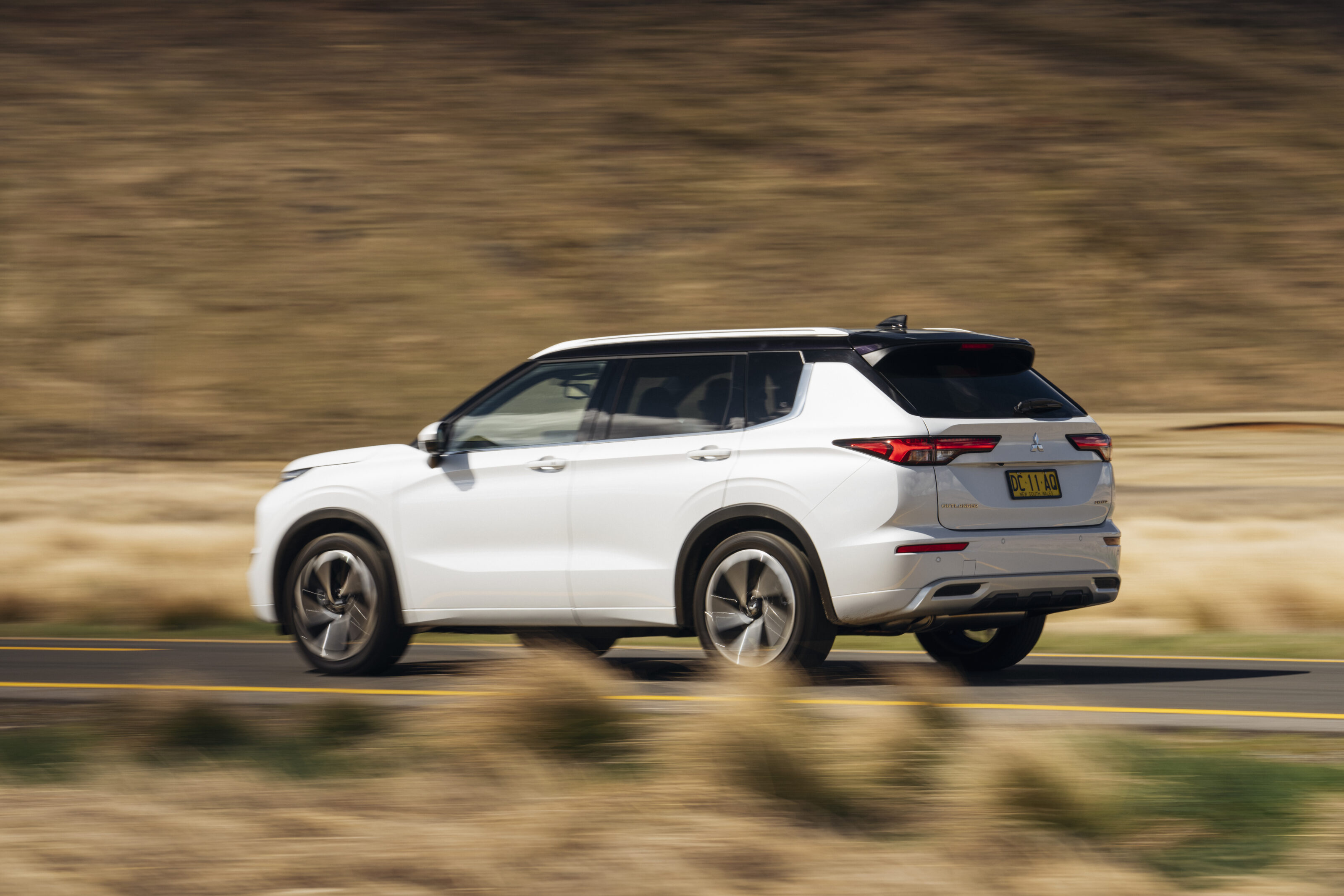
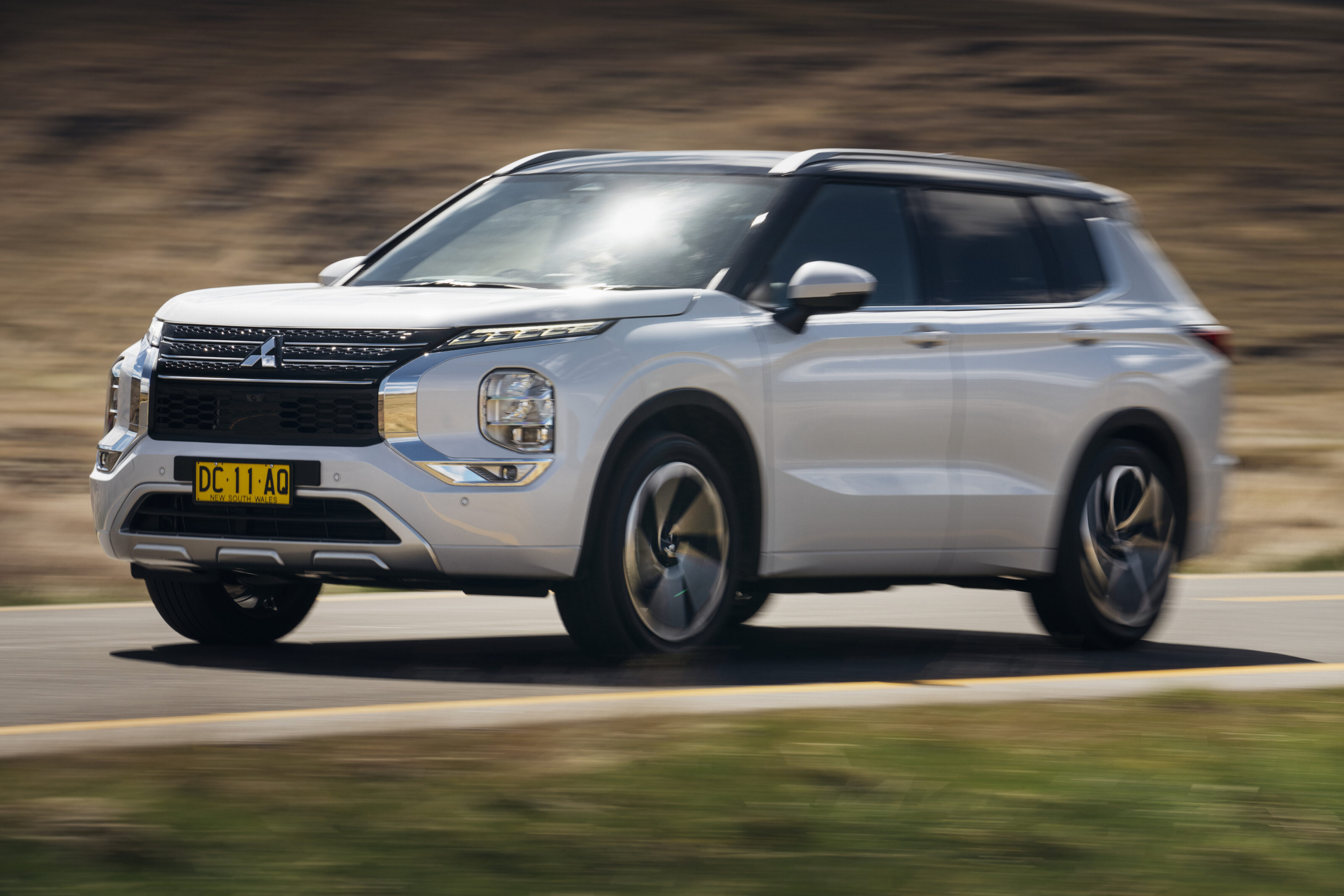
Where the new Outlander does impress is in the twisties – dynamically it’s a big improvement on its predecessor.
While it’s not a car that’s likely to be driven enthusiastically, the accurate steering that’s free of kickback, strong grip, decent body control and clever all-wheel-drive system, using a development of the Super-AYC (Active Yaw Control) that was in Mitsubishi’s Lancer Evolution series, make it stable and confidence-inspiring at higher speeds on a winding road.
Tarmac is a quasi-sport mode, sharpening the throttle and causing the CVT (which doesn’t have any gears per se) to mimic a conventional eight-speed automatic, which it does quite successfully.
You can change ‘gears’ using the steering wheel paddles but the shift logic is impressively intelligent in keeping the revs safely where you need them.
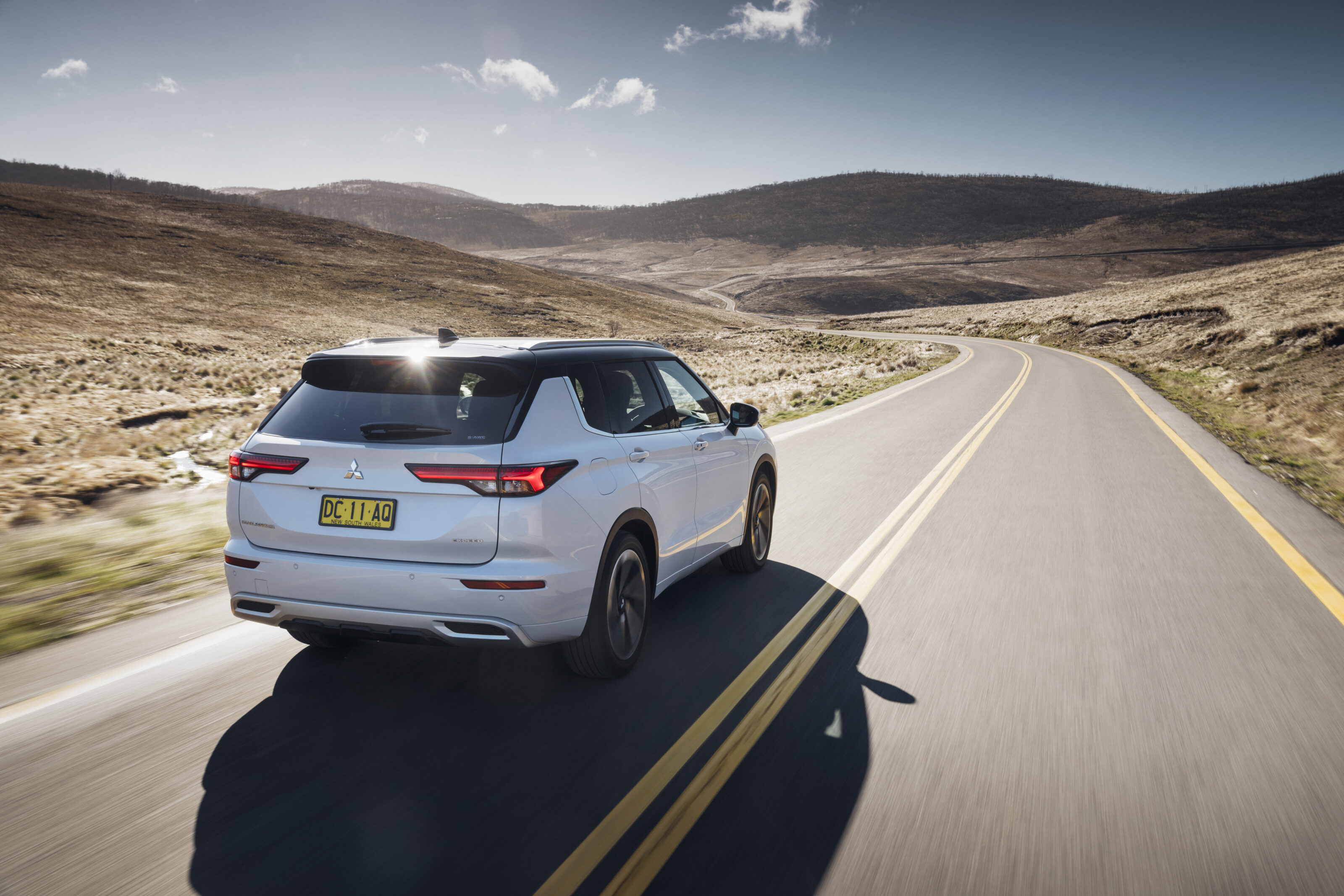
Talking of safety, eight airbags are standard, including front, side, centre and driver’s knee airbags up front and side curtains in the first two rows, along with a comprehensive suite of active safety systems:
| Adaptive cruise control |
| Forward collision mitigation with pedestrian detection |
| Blind-spot monitoring |
| Emergency lane assist |
| Lane departure warning |
| Lane departure prevention |
| Rear cross-traffic alert |
| Traffic sign recognition |
| Predictive forward collision warning |
| Trailer stability assist (maximum 1600kg towing) |
So far, (mostly) so good, but where the Outlander lets itself down is its ride quality.
On the highway it’s not too bad, accepting gentle lumps and bumps with little fuss, but sudden changes can flummox it and impacts like expansion joints thump through the car.
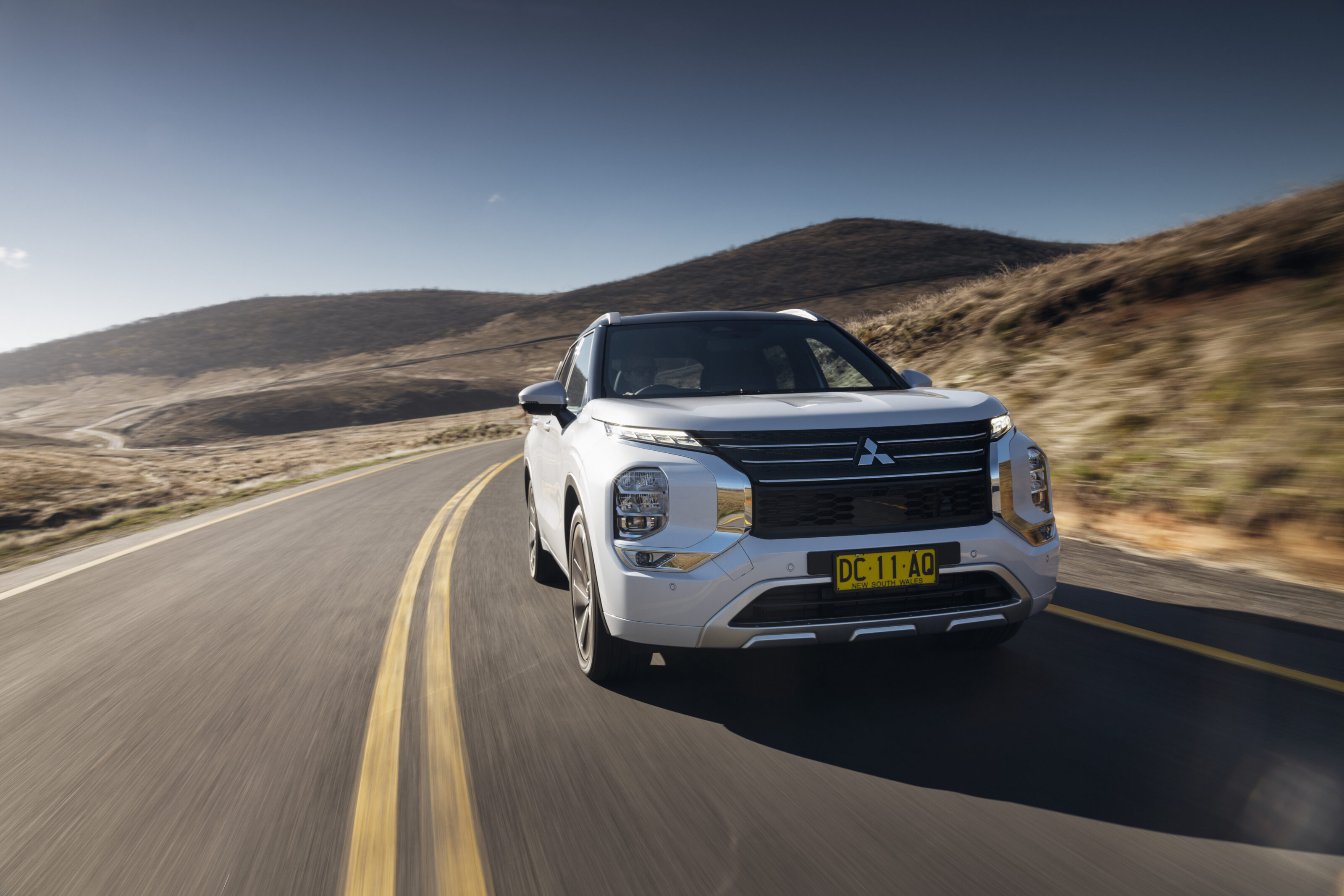
Of more concern is the low-speed urban ride, where this SUV will presumably spend most of its time. It fidgets and jitters in constant reaction to the road surface, which becomes both tiring and irritating.
Whether the 20-inch wheels of the Aspire grade upwards are partially to blame won’t be known until we drive a lower variant on 18s, but it’s the Outlander’s most obvious shortcoming.
And it’s a shame, as in many areas it’s very competitive, with a great cabin, plenty of space, lots of technology and Mitsubishi’s long warranty and capped price servicing program. This stretches for 10 years or 150,000km, though only if the vehicle is serviced at an official Mitsubishi dealer, otherwise it reverts to five years.
Service intervals are 12 months or 15,000km and the total servicing cost over 10 years is $3190, though the final service is $799 of that. The first five services are $199 each.
VERDICT
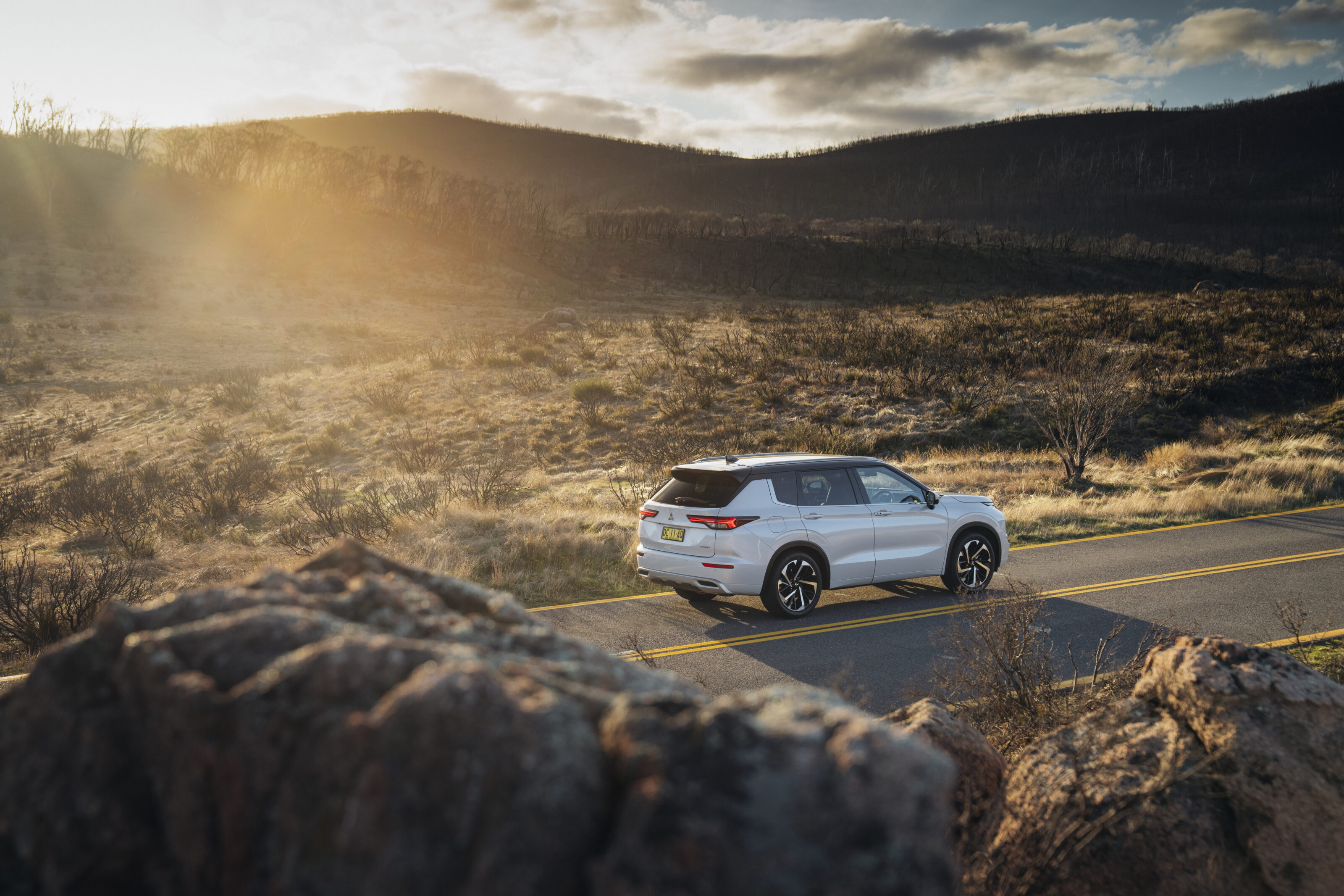
In conclusion, the new Mitsubishi Outlander is a big step up over its predecessor in terms of technology, dynamics and desirability, and while prices have increased slightly you get a lot more car for your money.
Only a slightly underpowered – or more accurately, under-torqued – engine and in particular its brittle ride quality let it down and prevent it from being an SUV that we could automatically recommend.
2022 Mitsubishi Outlander Exceed Tourer specifications
| Body | 5-door, 5+2-seat SUV |
|---|---|
| Drive | all-wheel |
| Engine | 2488cc inline-4, DOHC, 16v |
| Gearbox | Continuously variable |
| Power | 135kW @ 6000rpm |
| Torque | 245Nm @ 3600rpm |
| Bore/stroke | 89 x 100.0mm |
| Compression ratio | 12.0:1 |
| Fuel consumption | 8.1L/100km (combined/claimed); 8.4L/100km (tested) |
| Weight | 1760kg |
| Power/weight | 76.7kW/tonne |
| Front suspension | Struts, coil springs, anti-roll bar |
| Rear suspension | multi-links, coil springs, anti-roll bar |
| L/W/h | 4710/1862/1745mm |
| Wheelbase | 2706mm |
| Towing | 1600kg (braked) |
| Steering | Electrically assisted rack-and-pinion |
| Front brakes | 350mm ventilated discs, single-piston calipers |
| Rear brakes | 330mm solid discs, single-piston calipers |
| Tyres | 255/45 R10 101W (f/r); Bridgstone Ecopia |
| Wheels | 20 x 8.0-inch (f/r) |
| Price | $49,990 + ORC |
Day of Blunder
How many mistakes can a rookie team from the MOTOR palace make in a 24-hour kart race? Plenty and then some, it would seem…
Twenty-four hours in a kart. Not such a bad thing, right? As long as you get the right number of drivers (24 seemed like a nice, round figure), some shelter, loads of sugary, chemically laden kidney killers masquerading as energy drinks and plenty of coffee, how hard could it be?
This feature was first published in MOTOR magazine’s November 2003 issue
Everyone else was so damned keen, too. Todd Hallenbeck quickly nodded his ascent, claiming he’d been born in a kart – or was it conceived? Deano Evans didn’t need much prompting, either; I mean, there were going to be at least 20 competitors he could attempt to bend to his will with his, let’s say, passionate driving style.
Marcus Hofmann was in, too – and how. So excited was the young fella that he ran out to the nearest race shop and bought a new skid lid that Schuey would be proud to wear. The thing’s got more wings than the feminine hygiene products aisle at Coles. And of course there was the Big Cheese, He Who Must Be Obeyed, Taylor (M).
Surprisingly (okay, not surprisingly), my idea was poo-pooed by one or two of the office nancy-boys. S’pose you could break a nail if you put your glass of chardonnay down the wrong way.
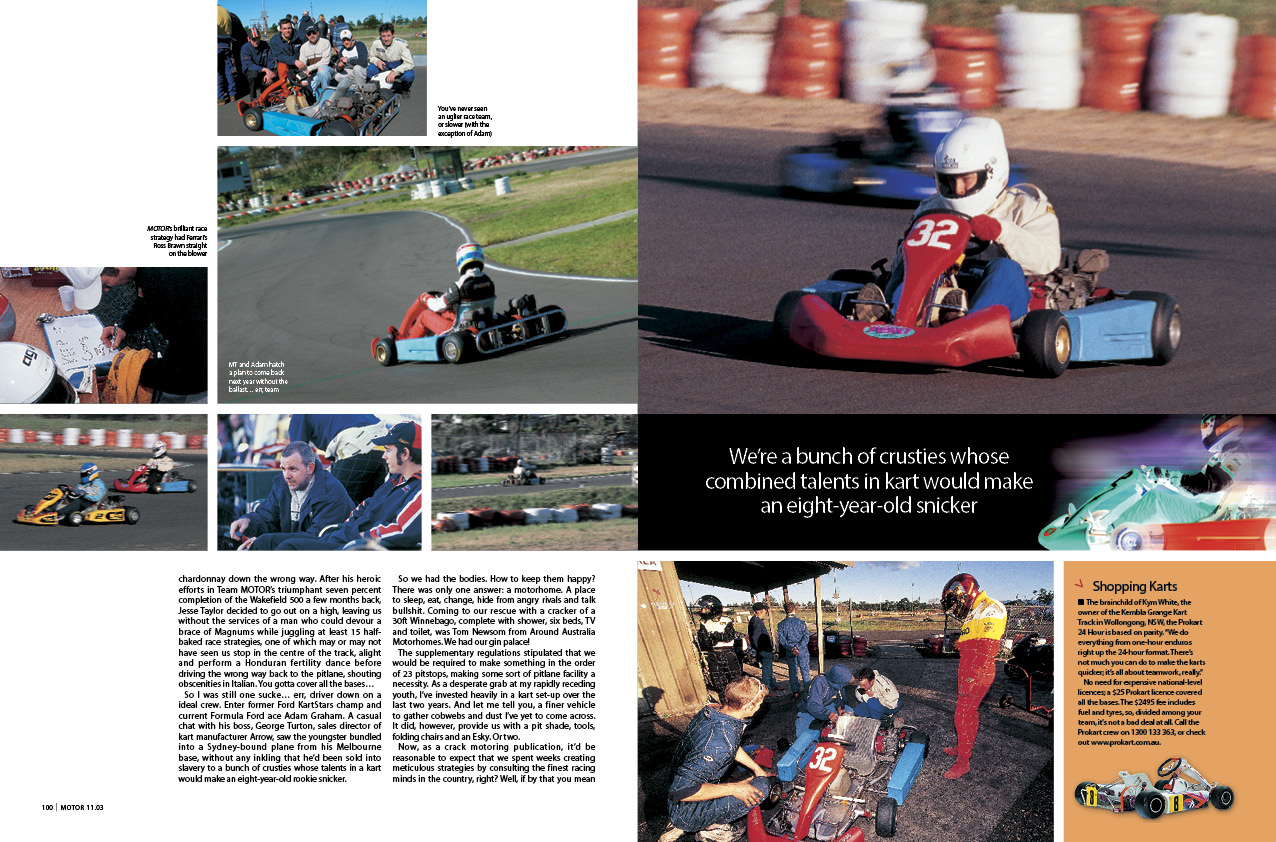
After his heroic efforts in Team MOTOR’s triumphant seven percent completion of the Wakefield 500 a few months back, Jesse Taylor decided to go out on a high, leaving us without the services of a man who could devour a brace of Magnums while juggling at least 15 half-baked race strategies, one of which may or may not have seen us stop in the centre of the track, alight and perform a Honduran fertility dance before driving the wrong way back to the pitlane, shouting obscenities in Italian. You gotta cover all the bases…
So I was still one sucke… err, driver down on an ideal crew. Enter former Ford KartStars champ and current Formula Ford ace Adam Graham. A casual chat with his boss, George Turton, sales director of kart manufacturer Arrow, saw the youngster bundled into a Sydney-bound plane from his Melbourne base, without any inkling that he’d been sold into slavery to a bunch of crusties whose talents in a kart would make an eight-year-old rookie snicker.
So we had the bodies. How to keep them happy? There was only one answer: a motorhome. A place to sleep, eat, change, hide from angry rivals and talk bullshit. Coming to our rescue with a cracker of a 30ft Winnebago, complete with shower, six beds, TV and toilet, was Tom Newsom from Around Australia Motorhomes. We had our gin palace!
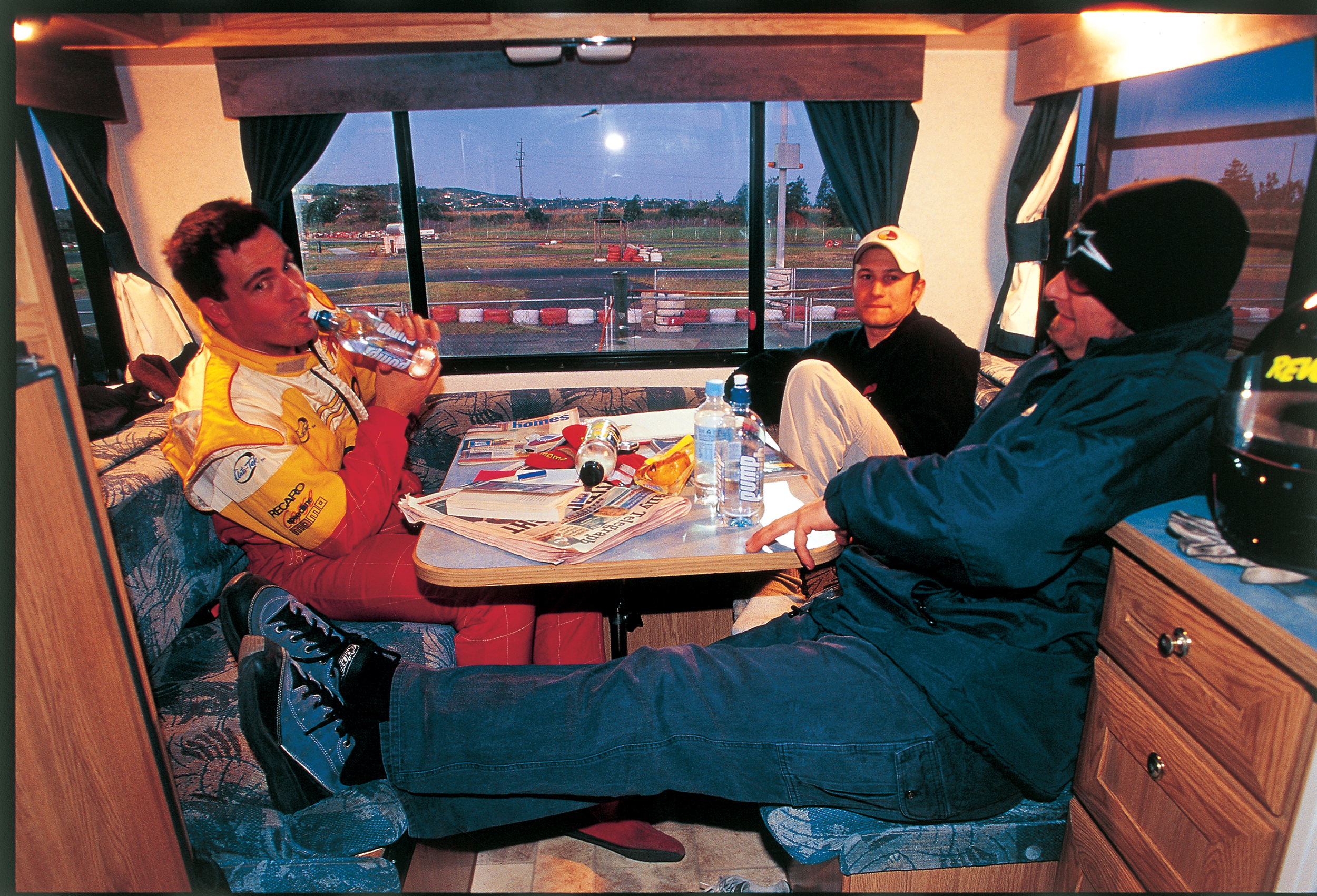
The supplementary regulations stipulated that we would be required to make something in the order of 23 pitstops, making some sort of pitlane facility a necessity. As a desperate grab at my rapidly receding youth, I’ve invested heavily in a kart set-up over the last two years. And let me tell you, a finer vehicle to gather cobwebs and dust I’ve yet to come across. It did, however, provide us with a pit shade, tools, folding chairs and an Esky. Or two.
Now, as a crack motoring publication, it’d be reasonable to expect that we spent weeks creating meticulous strategies by consulting the finest racing minds in the country, right? Well, if by that you mean we stood around, scratching our heads, 10 minutes prior to the start with absolutely no idea what we were doing, then we had a strategy, all right.
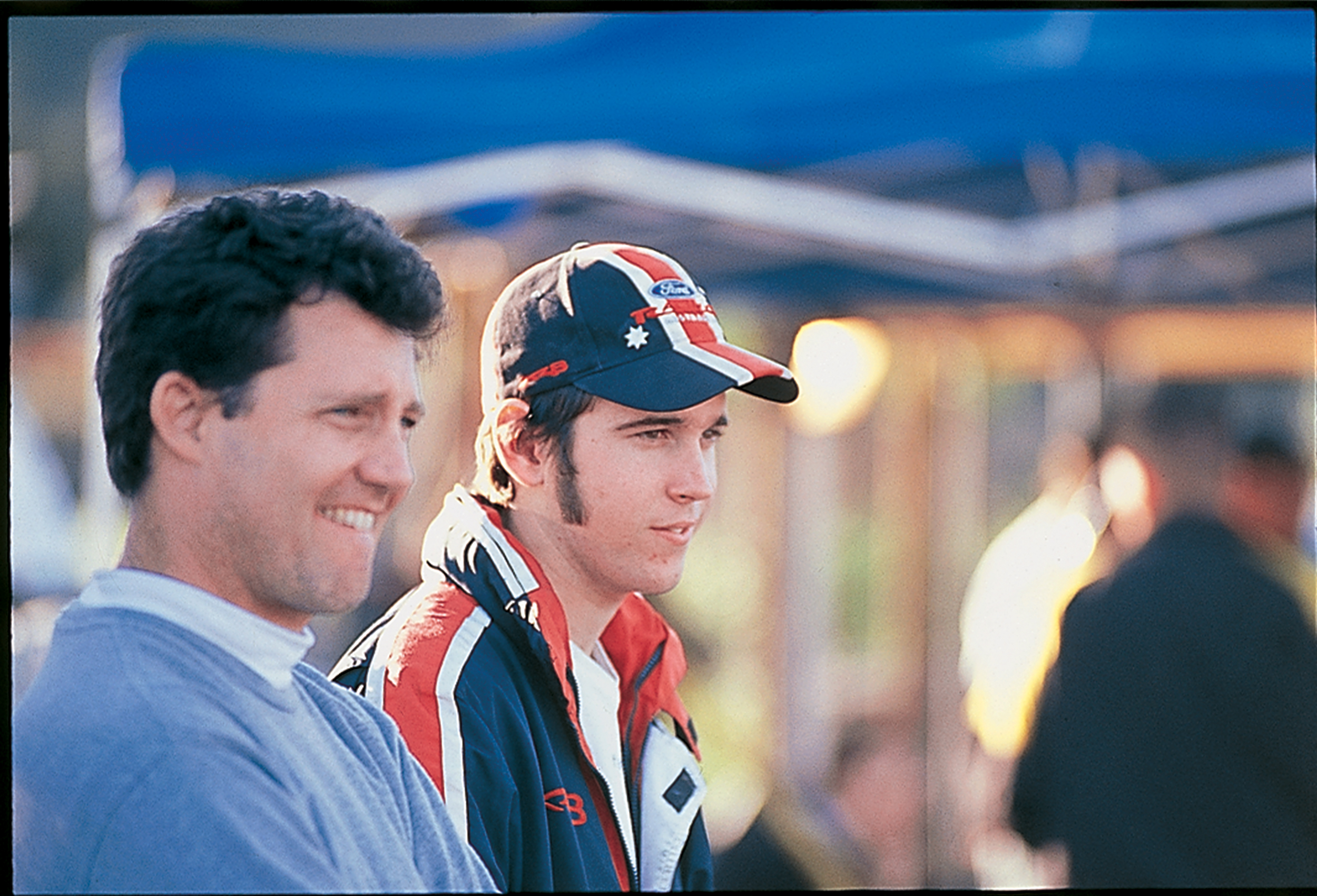
Actually, our strategy was decided the minute Adam got off the plane. As young, as fit and as talented as we will never be, it was the not-so-secret desire of all of us that Adam lead off, have a 10-minute break after, say, six or seven hours, go back out for the night stint and allow us to each take a 10-minute pull each at the end. Seemed reasonable enough; I mean, the kid brought two suits with him. Two! Eventually we arrived at a roster system, which gave the five of us at least four hour-long sessions each in the saddle.
It didn’t take long for us to realise how good Adam was going to make us look, as he topped the practice time sheets in Li’l Taxi, our rental kart’s red and blue colour combo instantly reminding us of a 1970s cab. Let me tell you, the looks on the faces of some of the gun owner-drivers as Adam made mincemeat of them in a rental kart was a sight to behold.
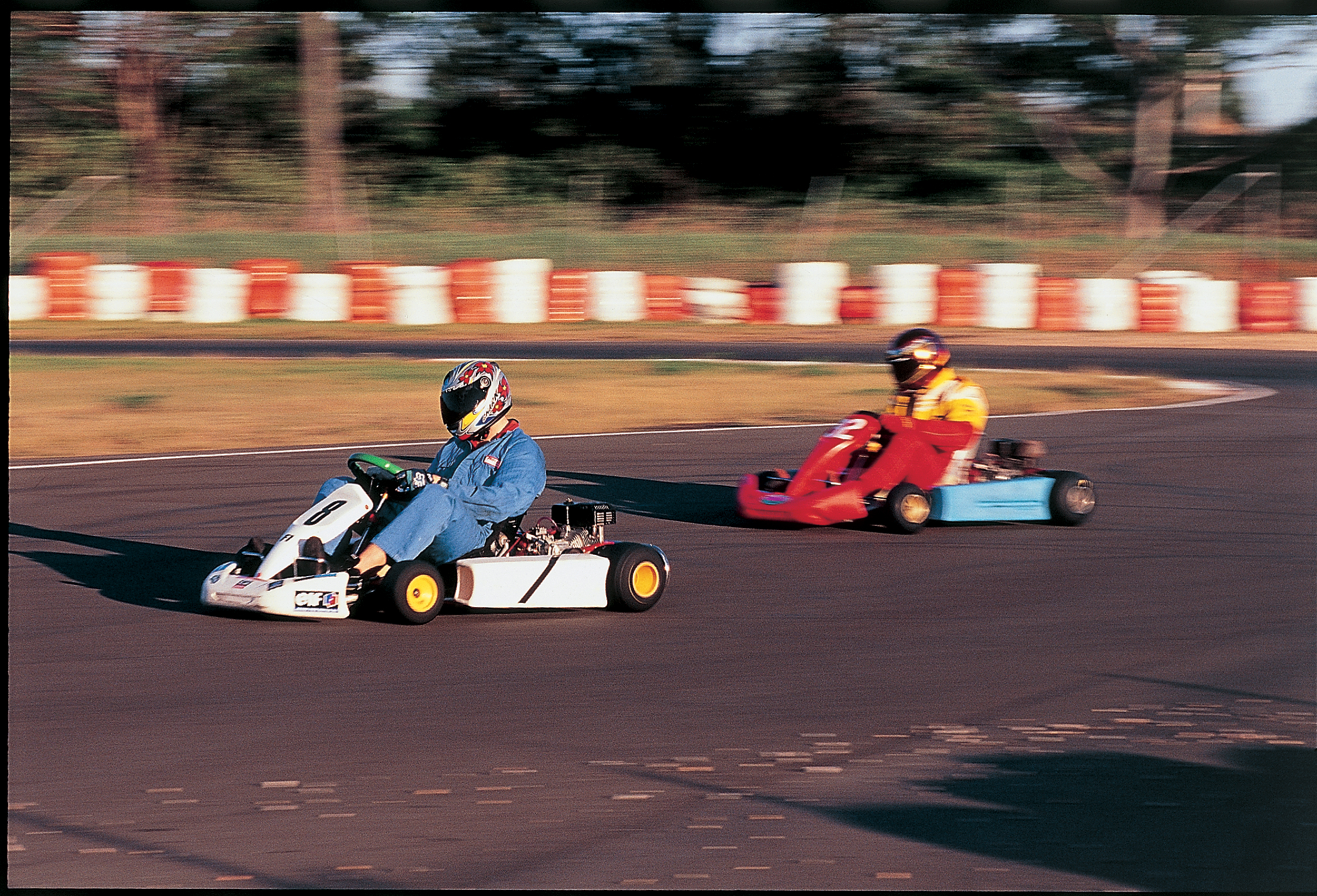
Fully floodlit, the short yet sinuous Kembla Grange Raceway course offered little respite for the weary. A tough switchback complex preceded the 200-metre back straight, before a hard stop at a gravel trap-lined hairpin. With a super-wide exit, the hairpin afforded both the place to look glorious in front of the pit gallery as well as the chance to pick gravel from places the sun doesn’t shine should you screw up.
And screw up we… actually didn’t do it too often. Lest you’re despairing that I’m going to give you a lap-by-lap account of how we blitzed the field in a Schuey-at-Monza-esque manner, be assured that we did nothing of the kind. But it’s true to say that Adam led the first eight laps of the event after the Le Mans-style start, and he wasn’t too keen to allow other karts – lighter, more powerful and more tunable than our hardy beast – past. In fact, one of his shut-the-door manoeuvres brought a tear to Dean’s eye.
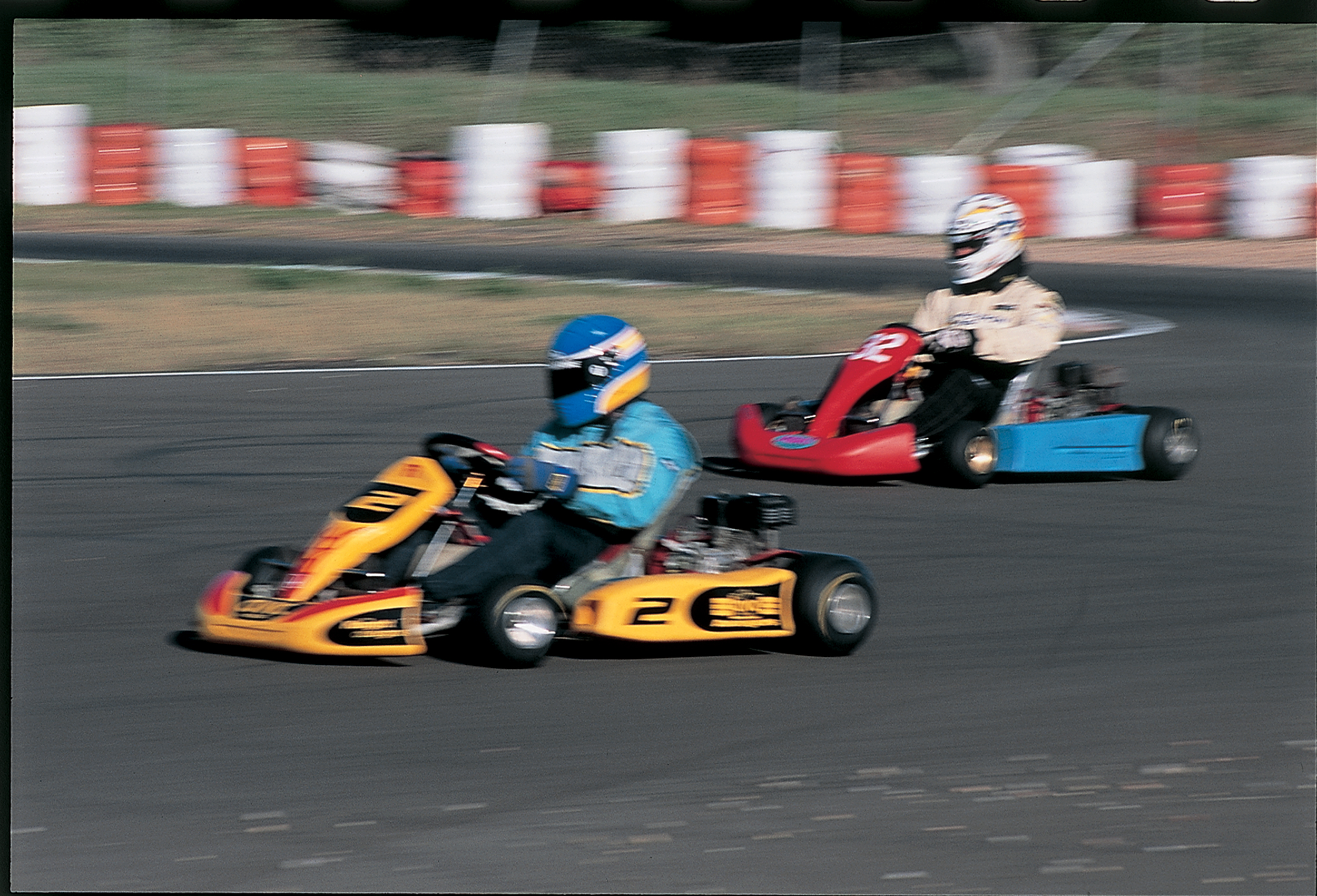
“Now, that’s an expert,” he half-whispered, gazing rapturously into the distance.
How did we cope with the rigours and routines of 24 hours of karting? Some better than others, it must be said. For mine, I actually found the dead-of-night running to be the most enjoyable of all.
There’s a real sense of camaraderie out on the track – well, when you’re being lapped with the regularity of bad jokes on Rove Live, you really get to know people. Rugged up in a two-layer race suit, polypropylene undershirt, thick gloves and socks, I was completely comfortable in the single-figure temperature – save for my arse, which felt… well, I couldn’t actually feel it.
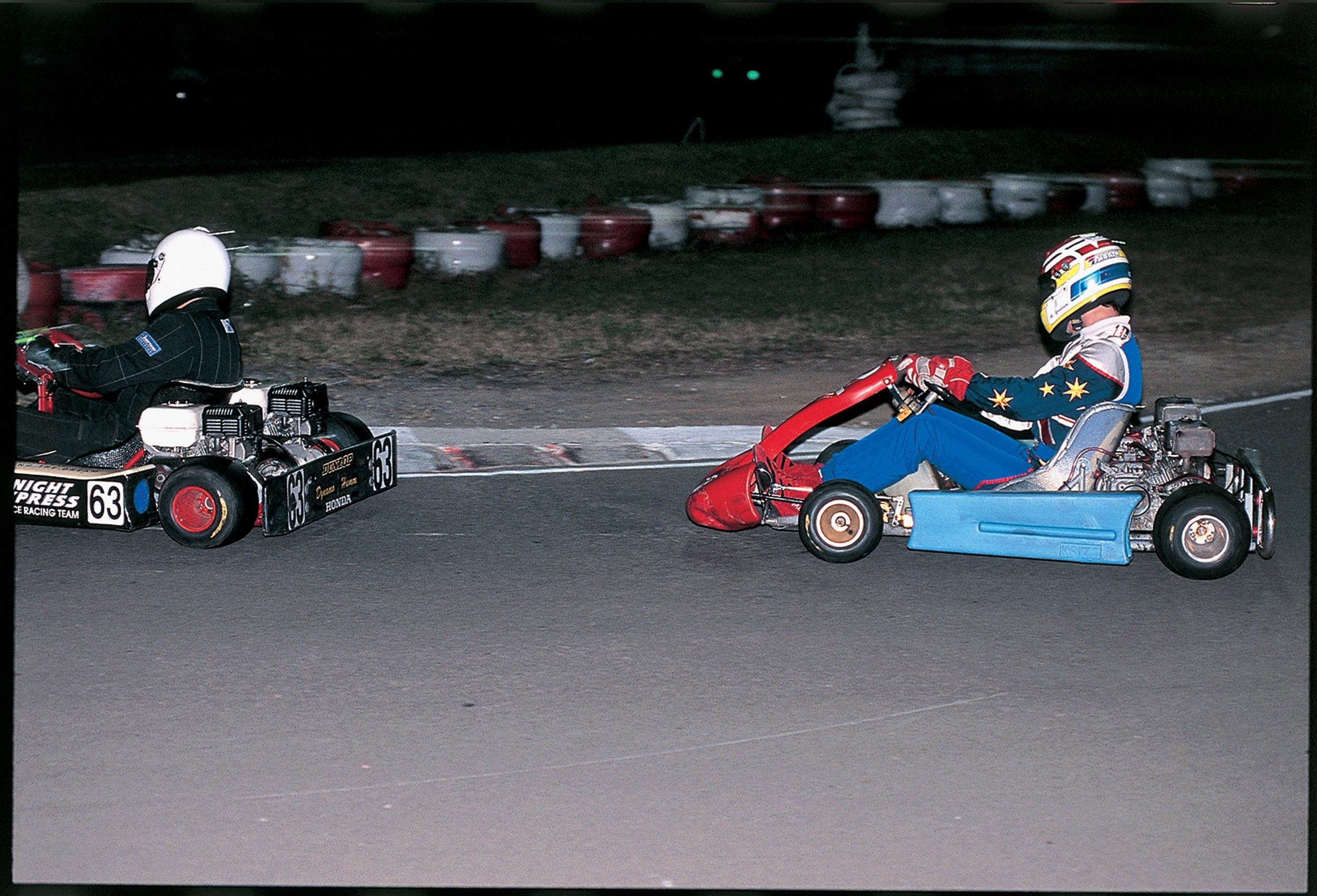
Doing it hardest was Dean. In his usual style, he rampaged out of the blocks on his first stint, carving karts up like a Sydney cabbie. Later, about 30 laps in to his second run, he was knackered.
“Should we pull him in?” asked Todd, obviously concerned at Dean’s erratic pace.
“Nah. Unless he’s doing 35s, leave him out,” said MT. “Teach him a lesson.”
Just two laps later we literally levered the poor fella out of the kart.
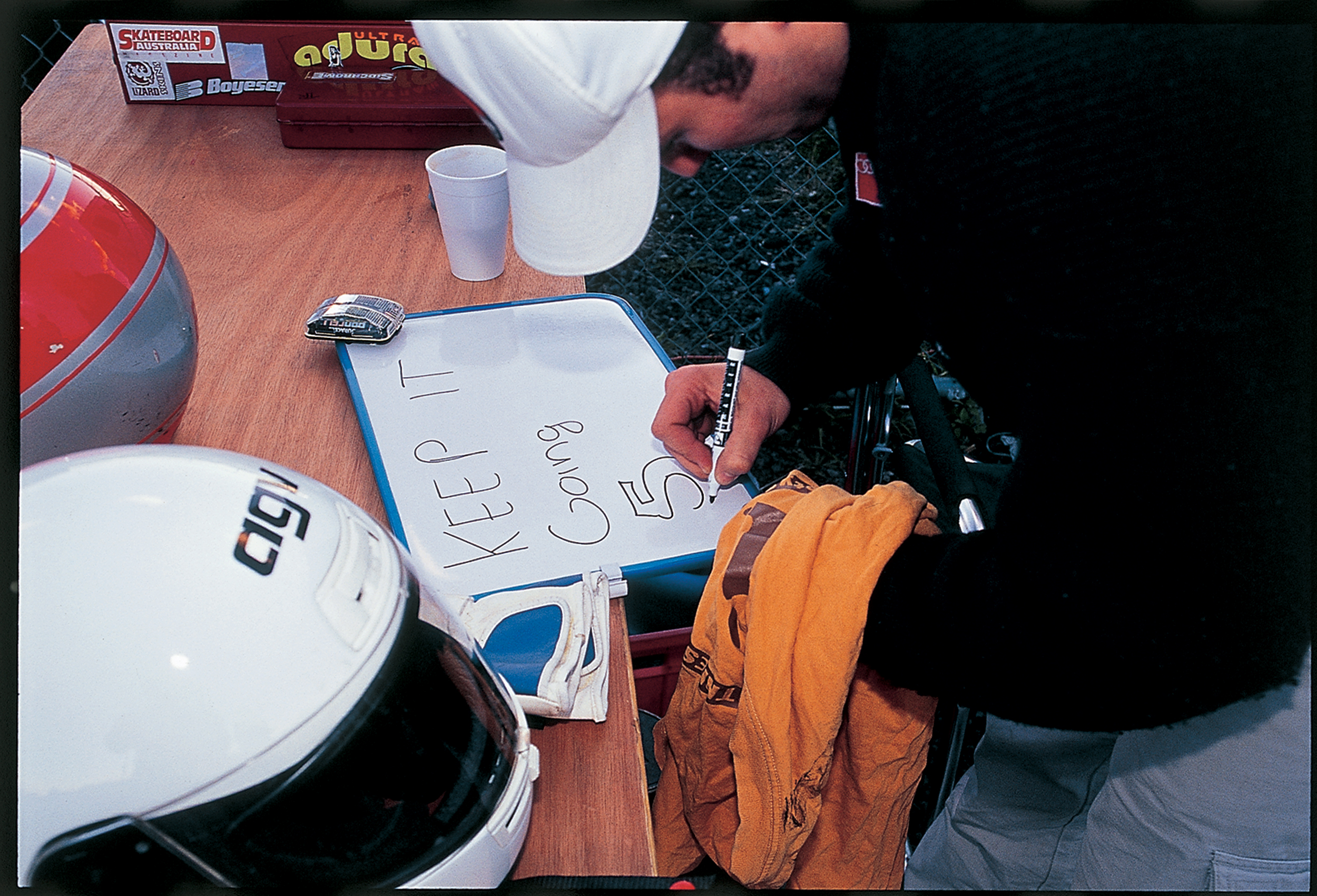
Marcus was great fun to watch, throwing the kart at every corner and dealing with the consequences as they arose. Sure, he hit more people than everyone else in the event combined and multiplied by three, but everyone leaned over the fence when he took to the track.
Todd and MT were the epitome of controlled enduro driving, keeping up a good pace for the whole duration, and Adam was a bloomin’ robot, just churning out lap after lap in the 30-second bracket for hours on end. And I did say hours; his longest stint was in the order of two and a half hours’ duration.
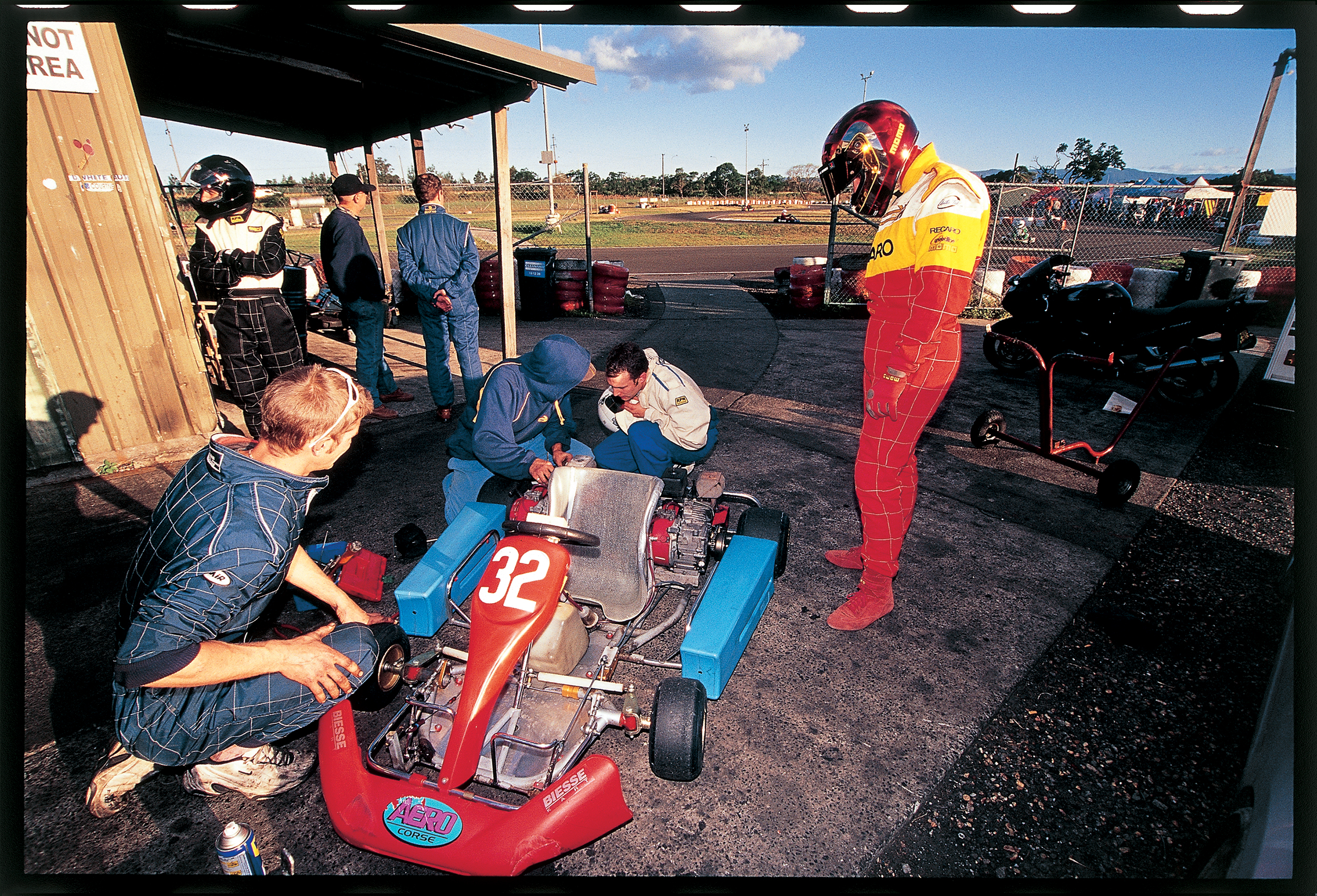
By the time Li’l Taxi crossed the line at 1pm on Sunday, the Prokart mechanics had replaced our brake pads twice, refitted a broken pull-start cord after a botched fuel stop, straightened the front axles three times and the rear axle twice, aligned the steering at least three times and refuelled it 23 times. We ran the entire 2455 laps on one set of Dunlop tyres, too.
We’d run into numerous competitors, been tipped off the track a couple of times and had run out of fuel once.
Our final position? Eleventh out of 14 starters, 290 laps behind eventual winner Civic Avengers. And with all motorsport clichés firmly put aside, when Todd crossed that finish line, it felt like a win regardless.
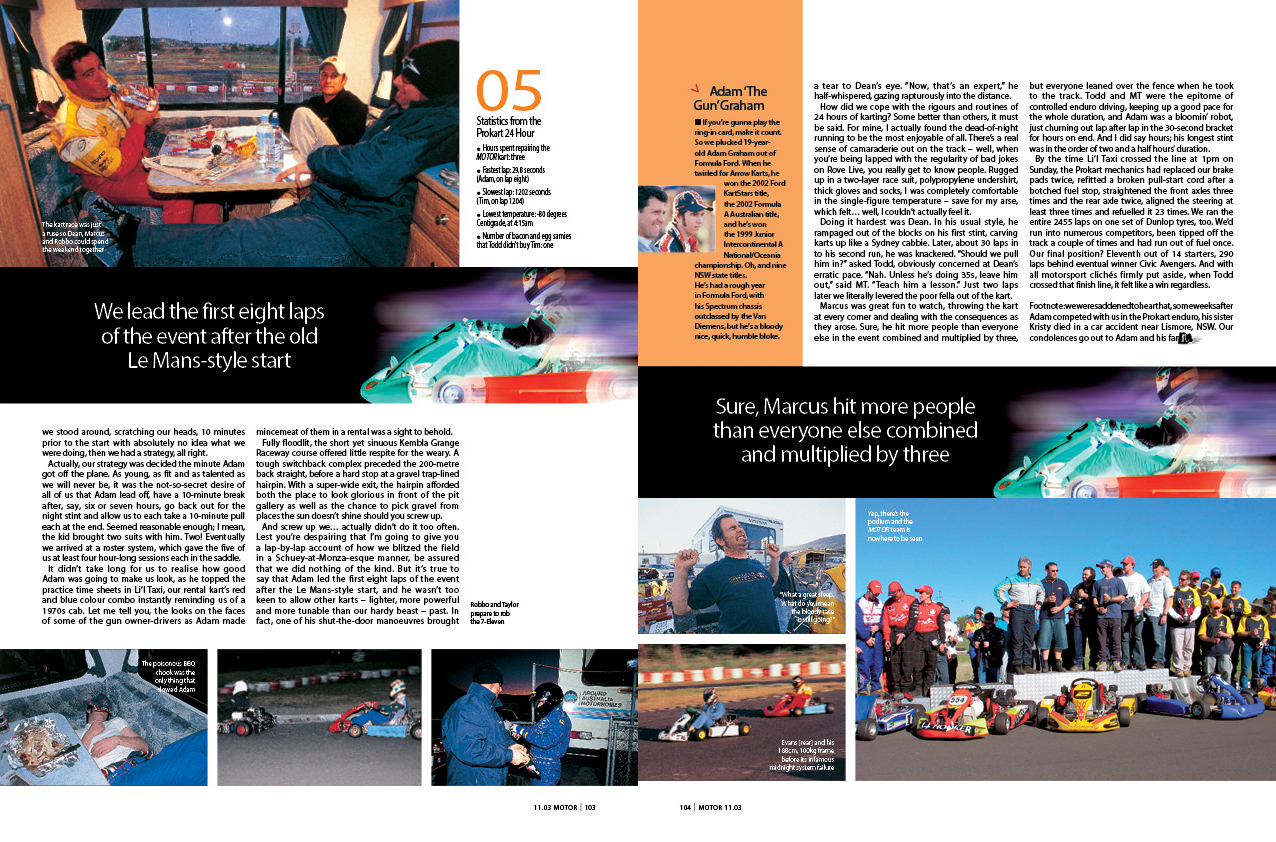
Footnote: we were saddened to hear that, some weeks after Adam competed with us in the Prokart enduro, his sister Kristy died in a car accident near Lismore, NSW. Our condolences go out to Adam and his family.
Suffering from a muggy helmet, or need some more shelf space? We’ve trawled the web for the coolest car life products and solutions, many of which we’ll be hoping to find under the Christmas tree this year.
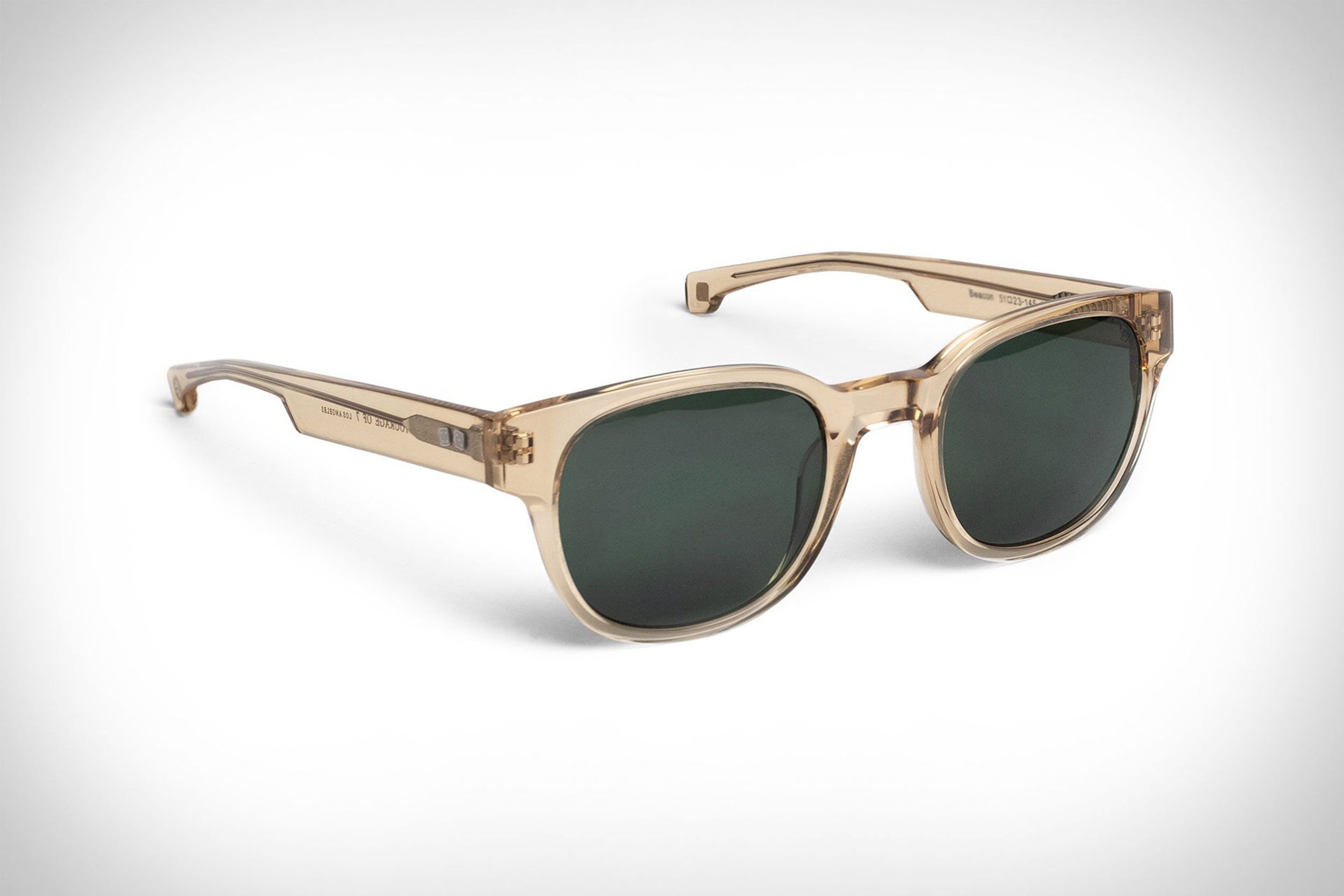
Entourage of 7 ‘Beacon 1020’ sunglasses – $435 – goodseeco.com
These are the same sunnies worn by Matt Damon in Ford v Ferrari. They’re handmade in Japan with titanium hinges and look the goods
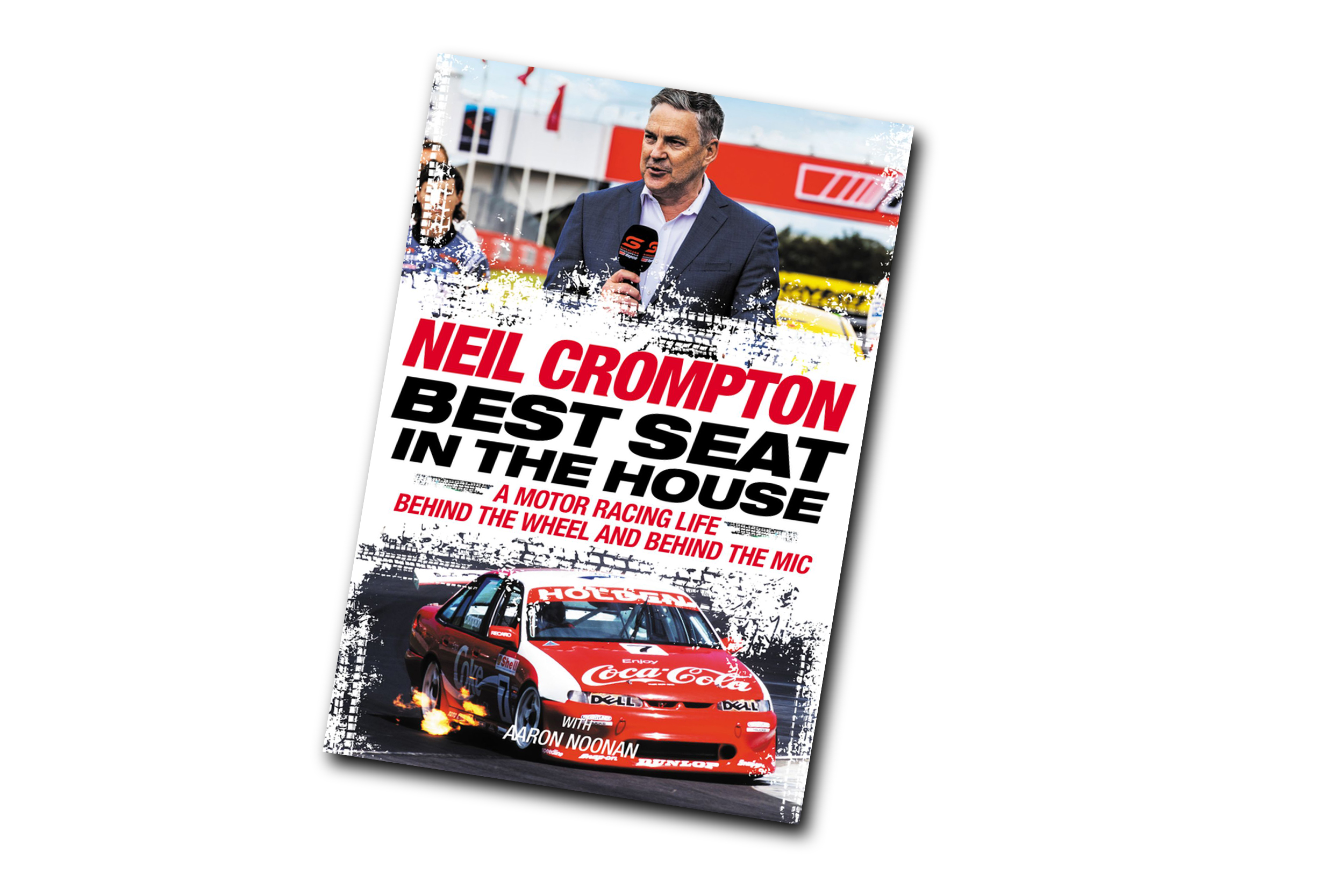
Neil Crompton: Best Seat in the House – $39 – bookshop.v8sleuth.com.au
Racer and broadcaster Neil Crompton reflects on 40 years of witnessing motorsport from the the best seat in the house
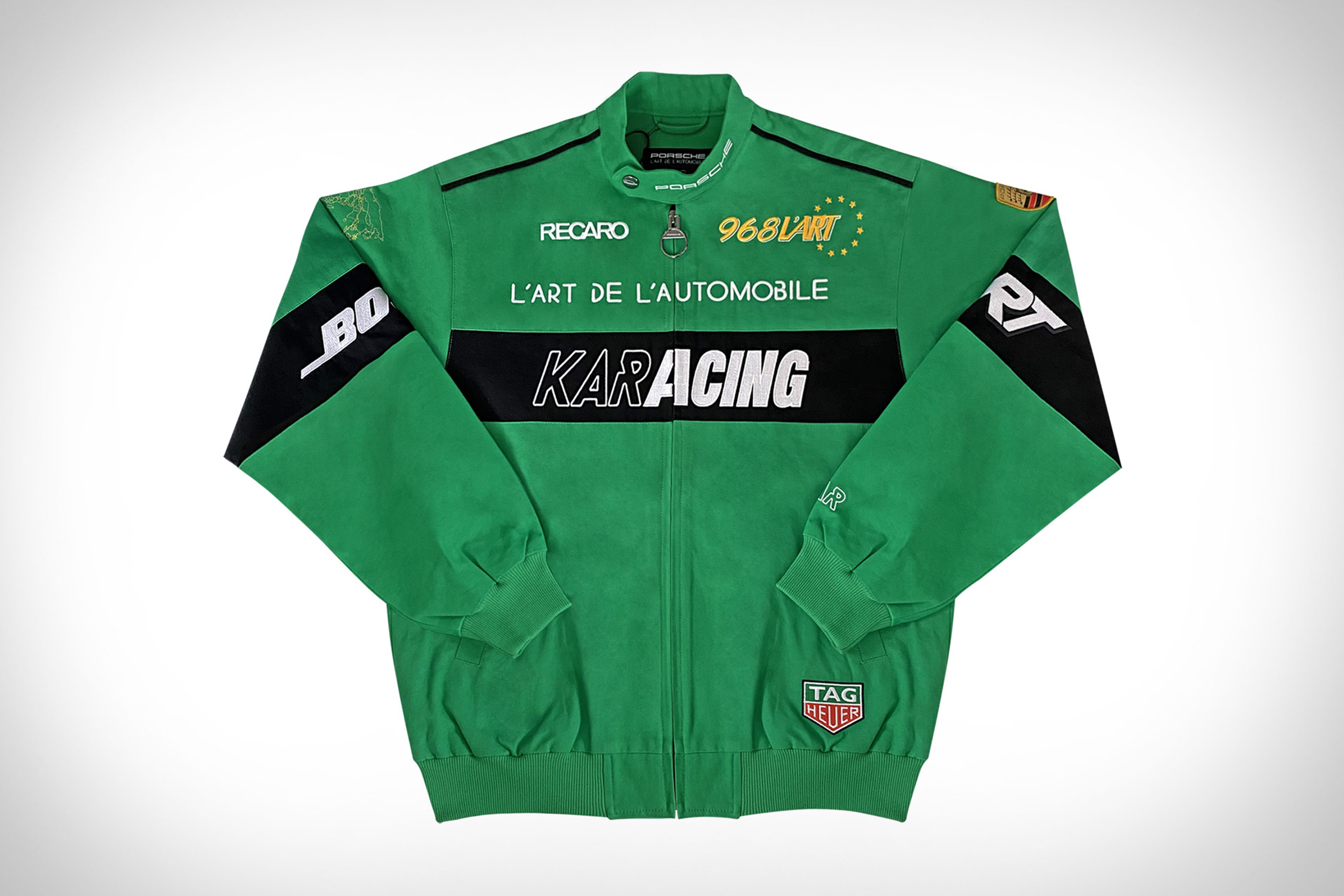
L’Art 968 jacket – $550 – lartdelautomobilekar.com
Parisian streetwear firm (and luxury car workshop and dealership) links with Porsche for a sizeable clothing capsule, released alongside its wild 968 concept car
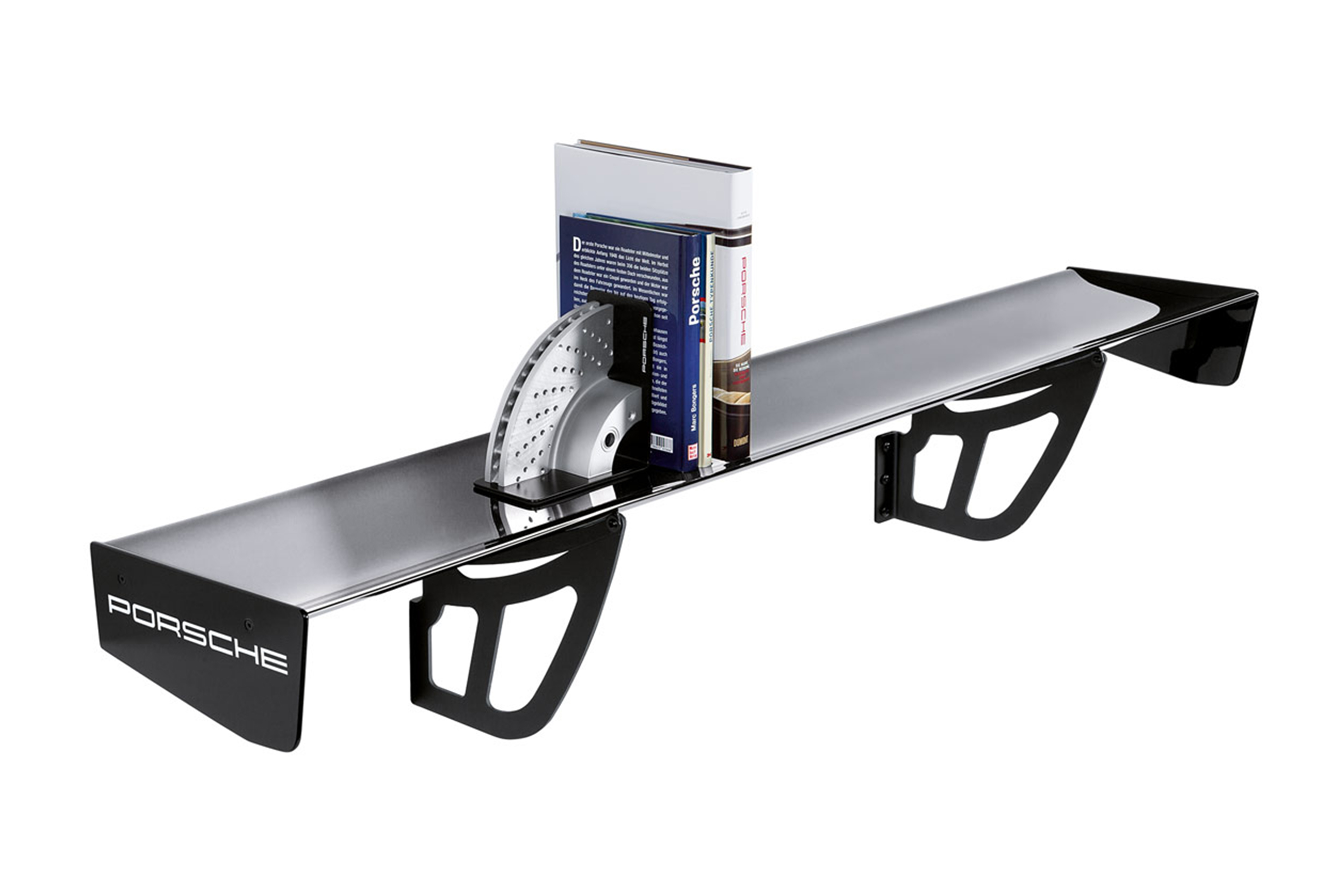
Porsche GT3 Cup shelf – $6253 – shop.porsche.com
Has there ever been a better storage solution than mounting a genuine GT3 Cup wing to your office wall? Find this is at the top of MOTOR’s Christmas list this year
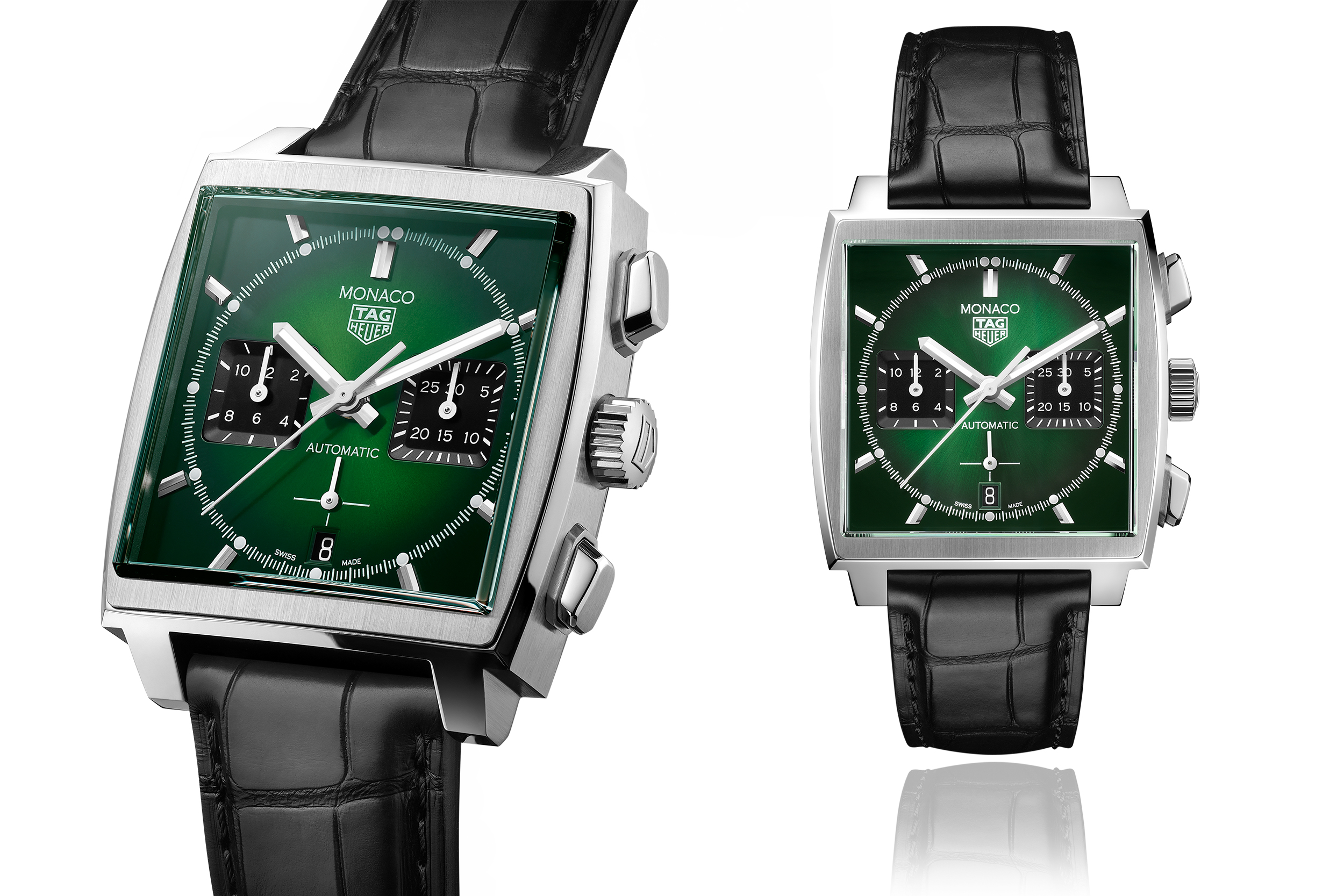
TAG Heuer Monaco green special edition – $9650 – tagheuer.com
TAG Heuer’s iconic Monaco jumps on 2021’s green dial bandwagon, but we’re certainly not complaining. Classical 39mm case is faithful to its late-60s dimensions, beneath which resides the prolific Heuer Calibre 02 automatic movement delivering 80 hours of power reserve
TRACK PACK
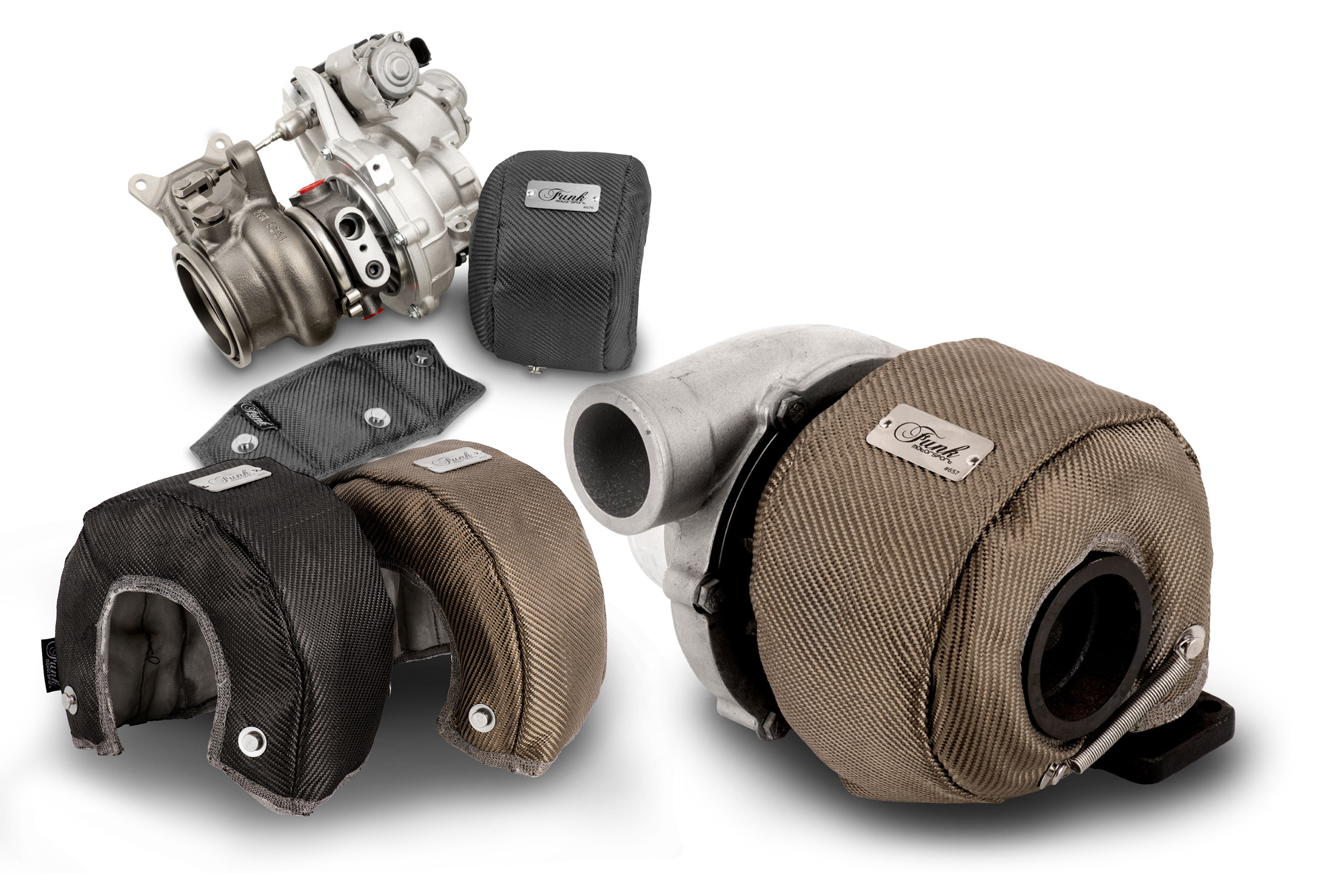
Funk Motorsport titanium turbo blanket – $335+ – gcg.com.au
Heat management is paramount when it comes to turbo-tech. Funk Motorsport products are new to the local market, but come backed by years of experience in grassroots motorsports, as well as WRC, Formula 2, British Touring Cars and more
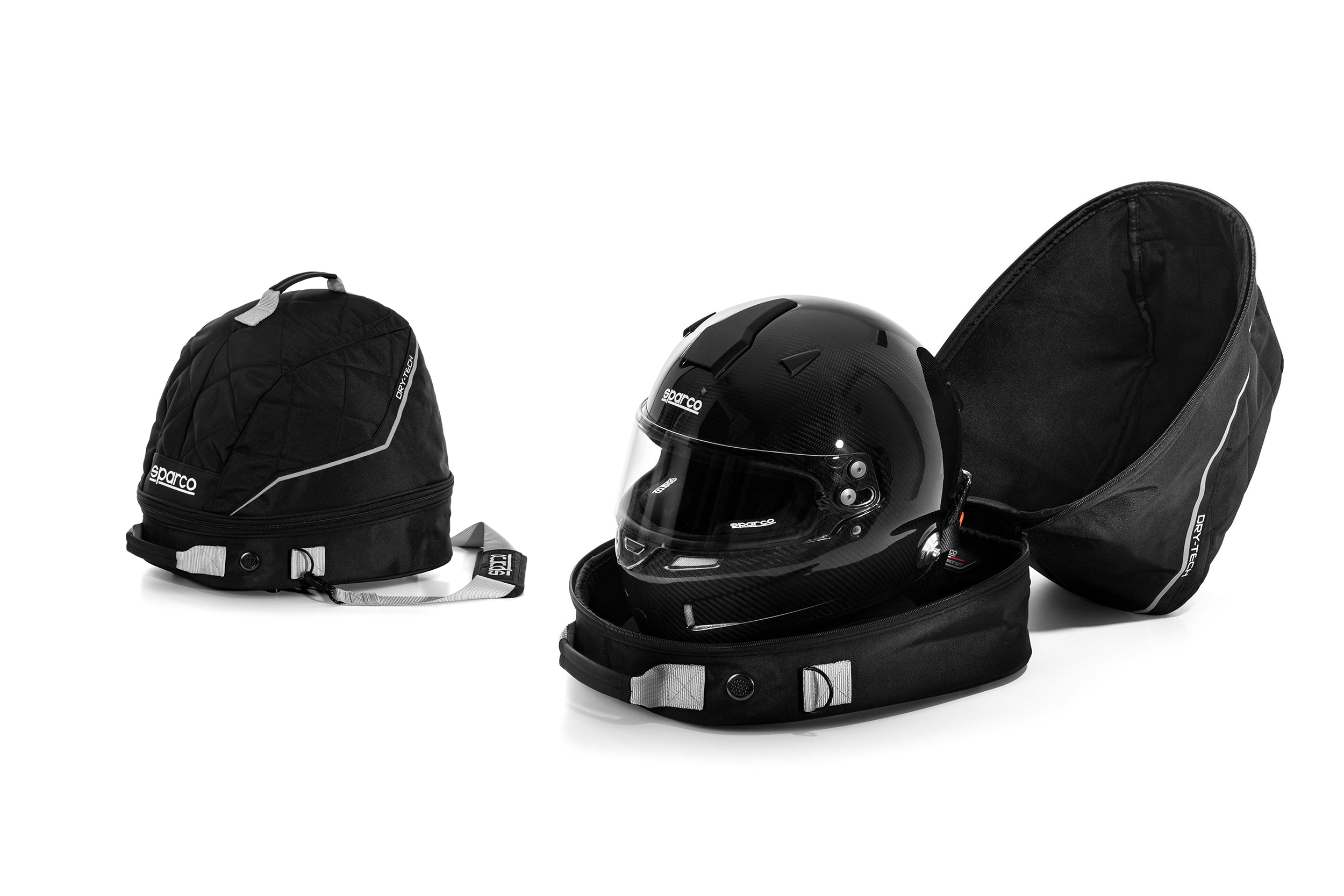
Sparco Dry-Tech helmet bag – $145 – autosport.com.au
Nothing worse than a muggy lid! Stay fresh with this Sparco carry bag. Sturdy clamshell design features 12v USB drying system plus stowage space for FHR
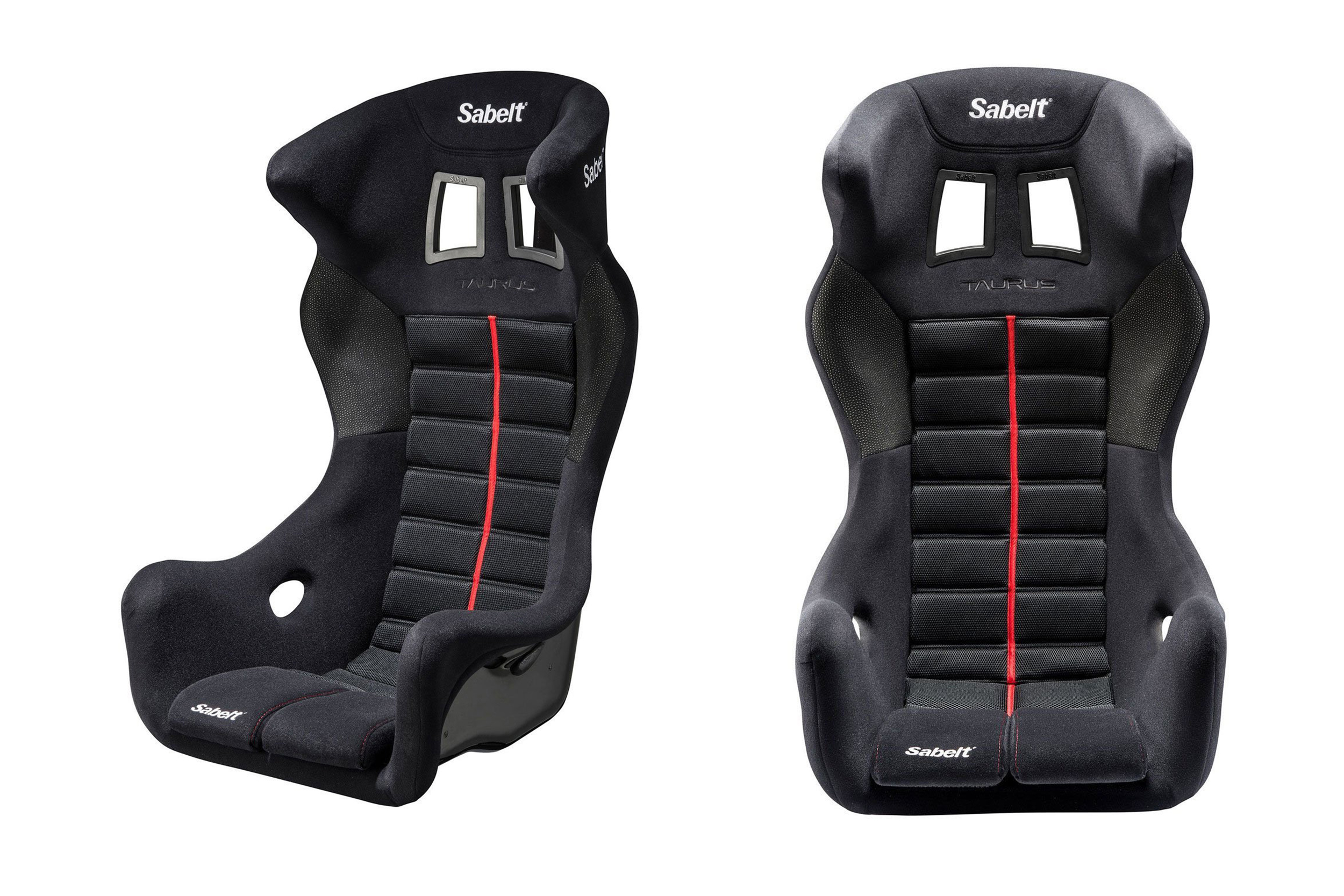
Sabelt Taurus race seat – $1137 – vsport.com.au
Fixed-back Sabelt racing seat is a serious piece of kit, with lateral mounting points, integrated head restraint and FIA 8855/2009 homolgation. Great value option
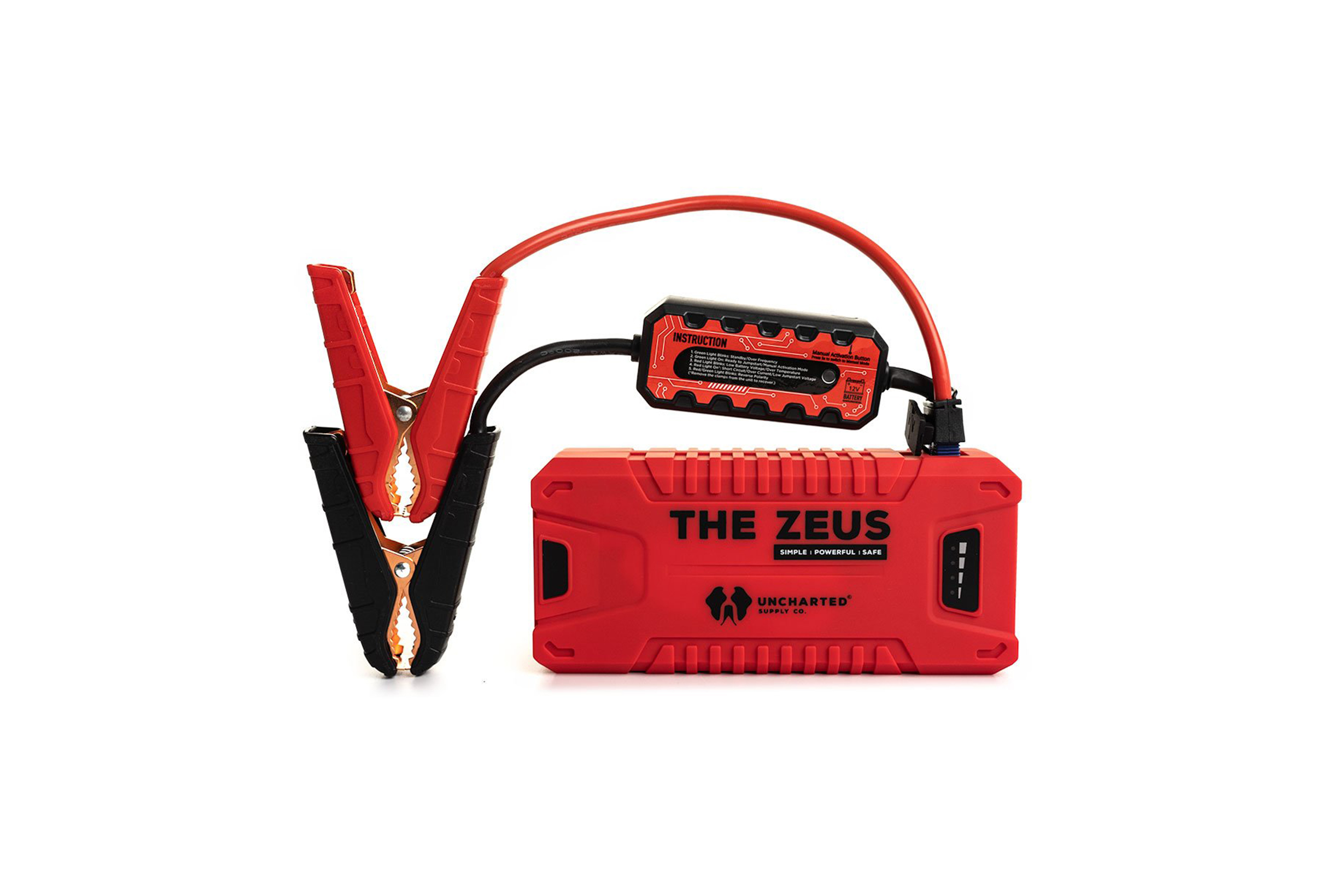
The Zeus portable jump starter – $205 – unchartedsupplyco.com
Compact 20,000mAh jumper pack also doubles as a ludicrous mobile battery pack and flashlight. Good insurance for the grandest of tours
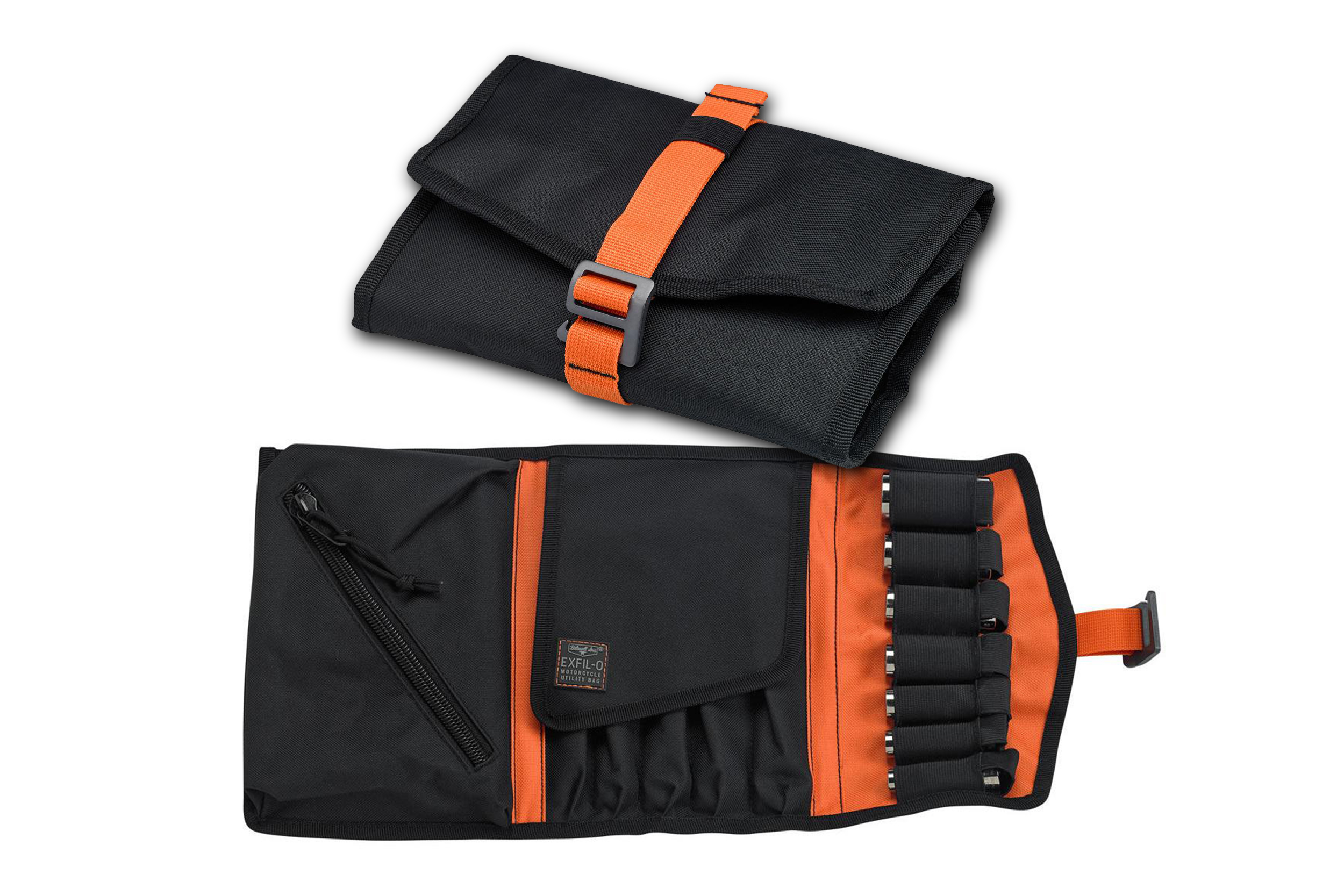
Biltwell Exfil-0 tool roll – $82 – biltwellinc.com
Want to carry some basic tools without the big steel toolbox? This hardy tool roll was built for motorcyclists but will carry your service essentials with ease
Piliferous poet Scroobius Pip once said “You see a mousetrap, I see free cheese and a challenge” and after driving the Ferrari 812 Competizione, I understand what he meant.
Apathy has no reward because it requires no action, whereas hard things hold the potential for great satisfaction – even if they look a bit dicey.
In this particular analogy, imagine the cheese is the latest in Ferrari’s line of exclusive special-edition front-engined V12 sportscars and the trap is the Fiorano test track in the pissing rain. Intimidated, I was.
Take for example, the new Competizione’s ancestors; the F12 tdf was a wild iteration of the front-engined, rear-drive coupe that was a handful at the best of times, and before that, the 599 GTO was a savage interpretation of the donor model that really should have been fitted with an ejector seat.
And now the limited-edition Special Series bloodline continues in the form of a car that takes the 812 Superfast as its basis.
What has resulted, however, is not simply a liberal application of stickers and carbon fibre but a comprehensive weaponising program that probably violates the Hague Convention.
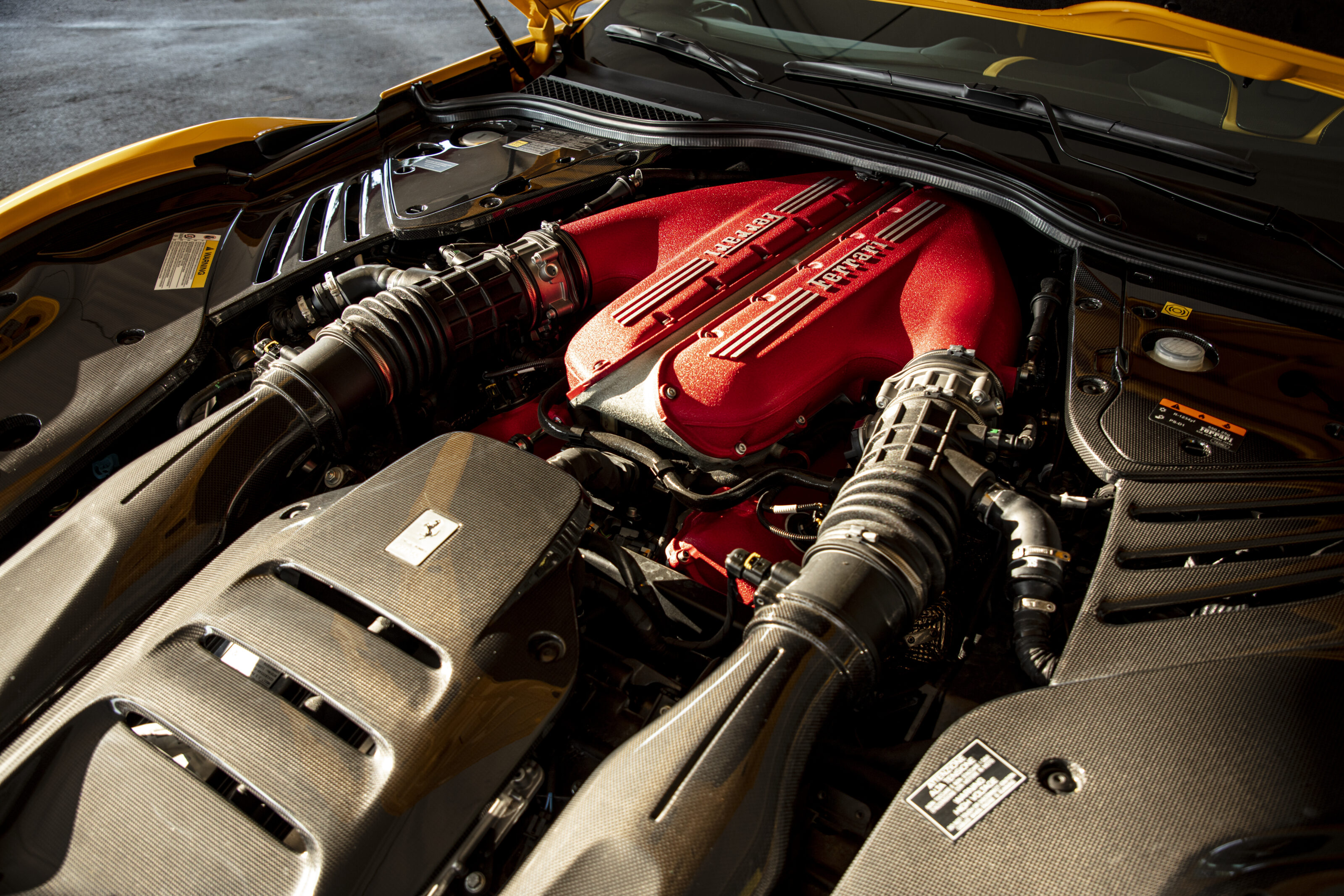
At its heart, the 6.5-litre naturally aspirated V12 has been extensively revised with titanium con-rods replacing the iron-age versions, connected to a lighter crankshaft. At the top end, different cylinder heads incorporate finger valve lifters in favour of the bucket tappets found in the Superfast, while the entire induction is new with shorter tracts for better performance at higher rpm.
The net result is a truly violent version of the glorious 65-degree V12 that revs freer and faster to a maximum of 9500rpm and will chuck out 610kW and 692Nm at 9250 and 2500rpm respectively.
Number nerds will note that, compared with the Superfast, power is up 22kW but torque is shy by 26Nm. Think of the Competizione like a Christmas present though – its respectable torque is the wrapping paper and box that kids play with, while its incredible power is the true gift for the initiated.
Those who have experienced the savagery of a Ferrari V12 would take care pointing this carbon-tipped missile at any road or track. However, we’re at the Ferrari’s test track in Fiorano – a ribbon that’s as infamous for its narrow unforgiving path as much as it is for the long, long list of legendary cars and drivers that have graced it over the decades. I’m certainly humbled and almost embarrassed to be here but thick clouds are looming and there’s no time for vanity.
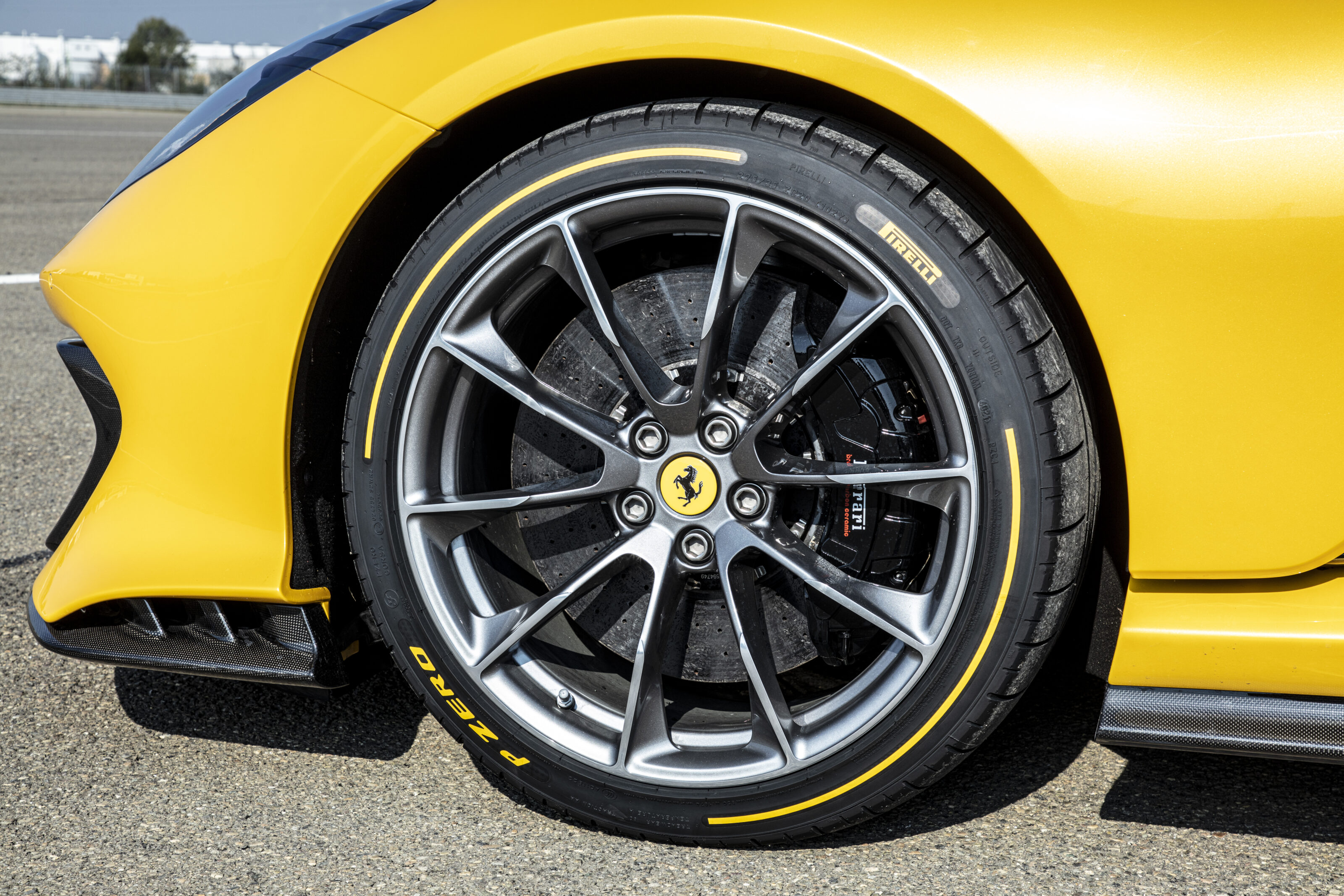
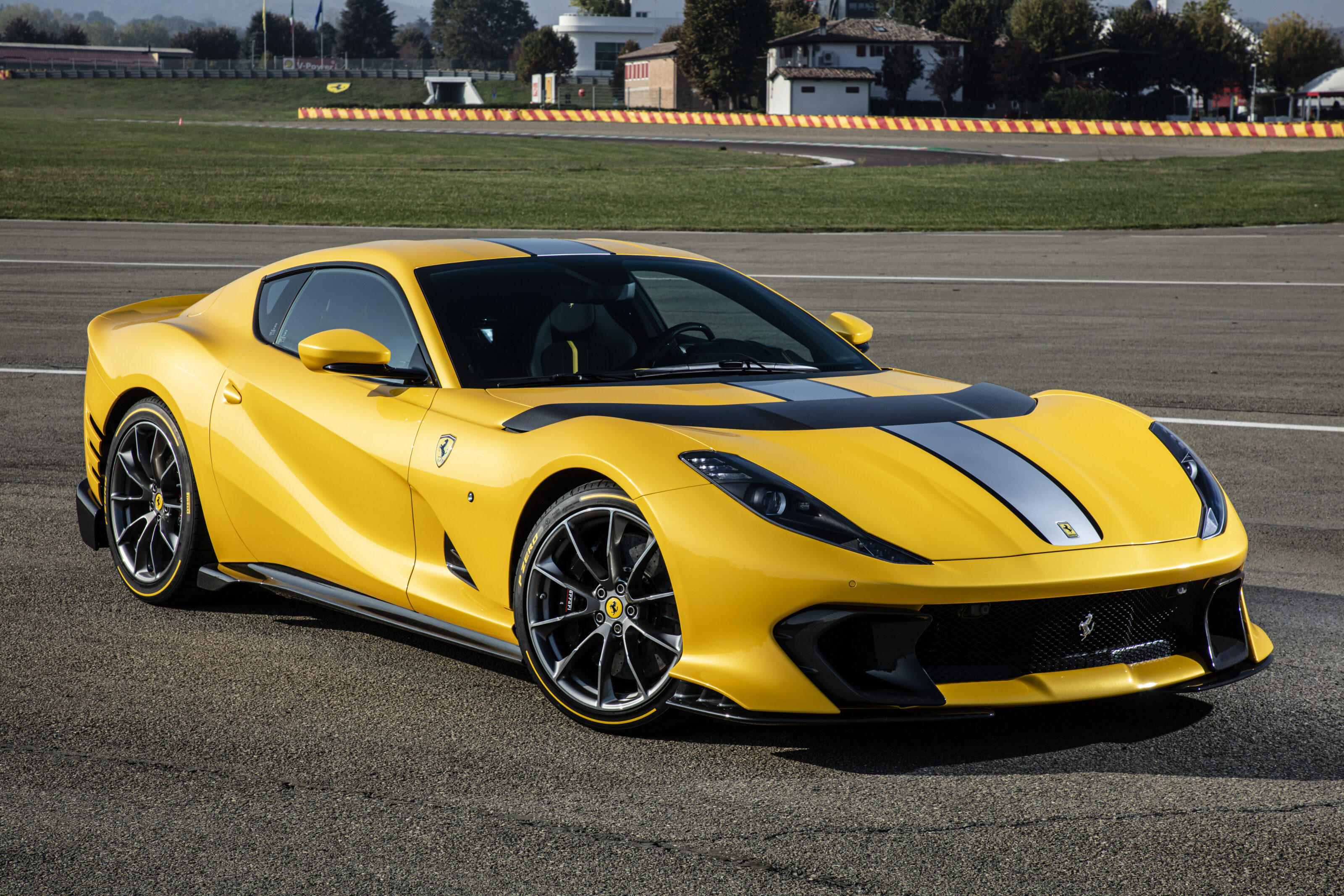
The Competizione is available shod with a choice of Michelin Pilot Sport Cup 2R tyres or Pirelli P Zero Corsa but the latter are the only option for a day like today which is struggling to climb past seven degrees with rain forecast. And yes, we have used pictures from a sunnier day where you can actually see the car. With warmish rubber, the coupe’s tail squirms out of the pits and suggests the conditions will allow full power at no point.
However, this Fez is packing a few tricks. For a start, its rear-wheel steering can now operate fully independently and will skew one wheel to find a better line boosting stability in horrid conditions – the effect on the front end is just as remarkable, pointing the nose more eagerly as the rear works its magic.
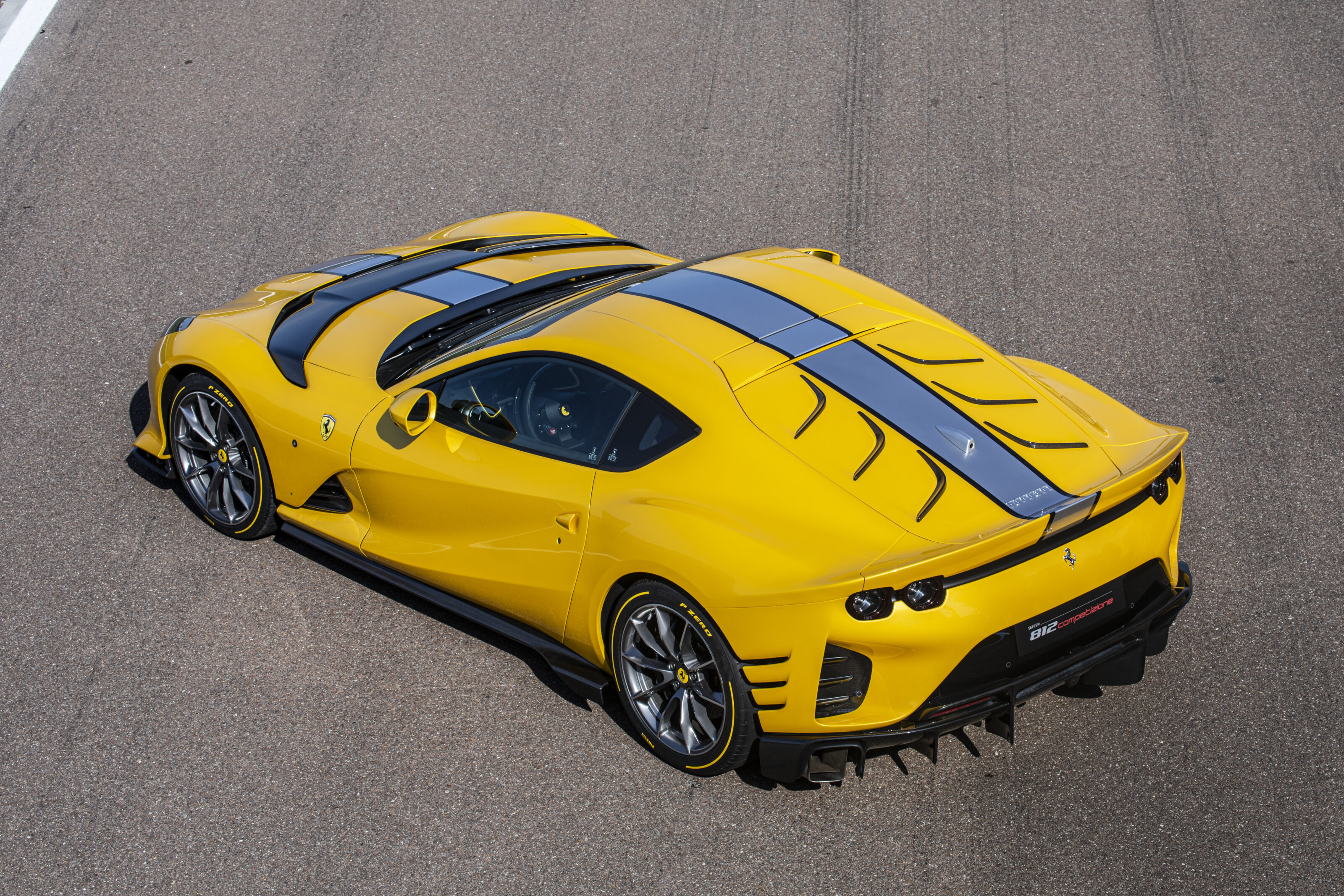
Then there’s the aero – probably the most significant part of the transformation. Virtually every part of the Competizione’s body was revised including the full-width bonnet blade which not only looks like 3D racing livery, but improves airflow from the radiators and over the roof. New front inlets split air between the brake cooling and inner arches, and there’s more ducting behind the front wheels to extract it.
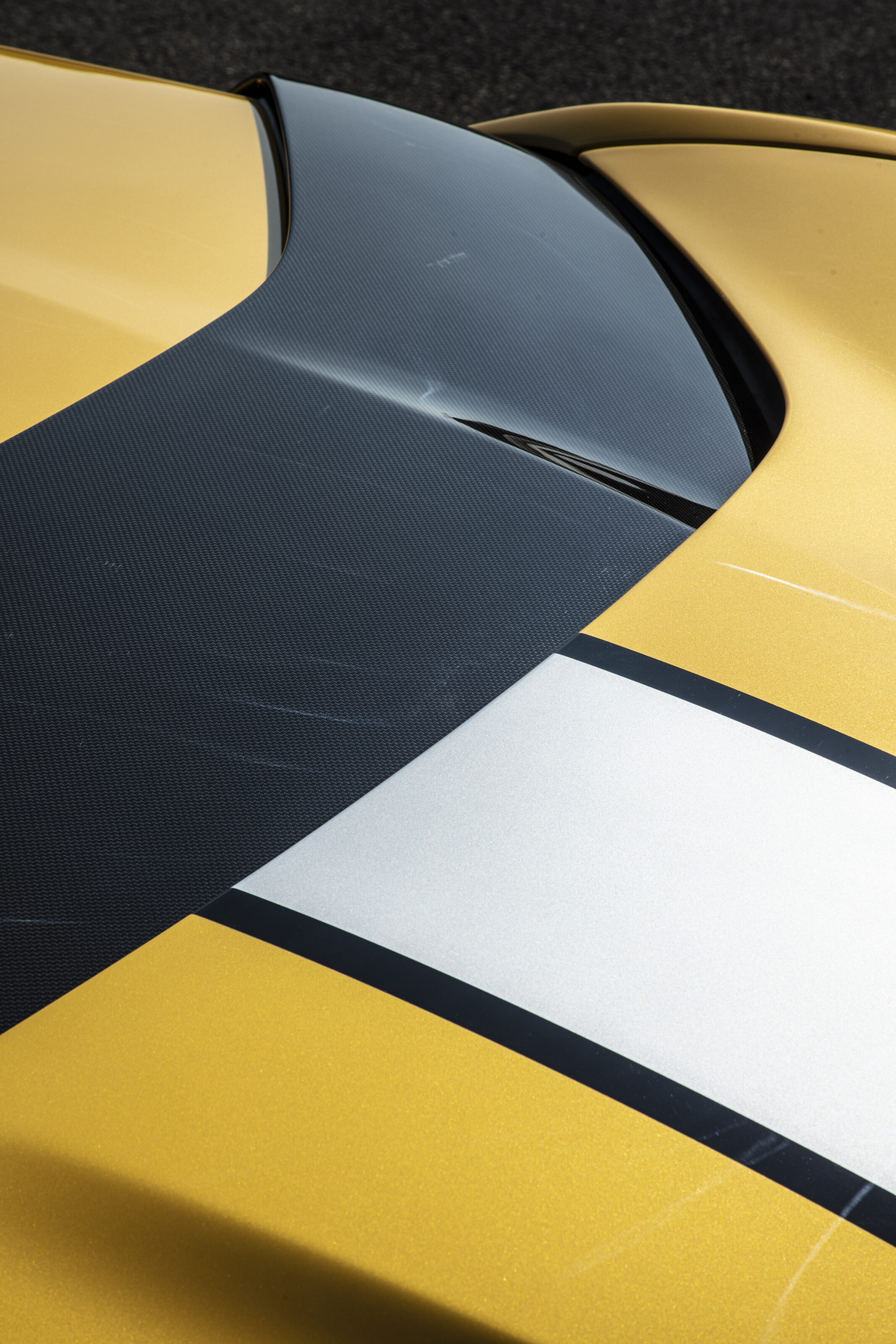
At the tail, gills behind the wheel do the job of ostentatious exterior fins but are cleverly concealed, while the entire rear window is deleted in place of lighter materials, vortex generators and a rear-view camera.
The result is 80kg more downforce than the Superfast and jaw-dropping stick. Pushing on into some of Fiorano’s corners requires more grit than I’d been expecting with blind exits, serious day-ending drop-offs and possibly career-ending barriers with zero run-off. But the 812 obliges.
It’s steering is surgically precise and actually takes some getting used to with responsiveness that’s hard to believe. But when the tail inevitably tries to overtake, the front wheels are fast enough to catch anything and slowly build confidence with a feel that rivals McLaren’s hydraulic feedback.
There’s a surprising amount of compliance in the chassis with noticeable lean and dive when the monstrous carbon brakes are called on, but the engineers were able to tune in a beautiful level of suppleness thanks to a weight-loss diet that shredded the Comp down from 1705kg to just 1667kg with dramatic results.
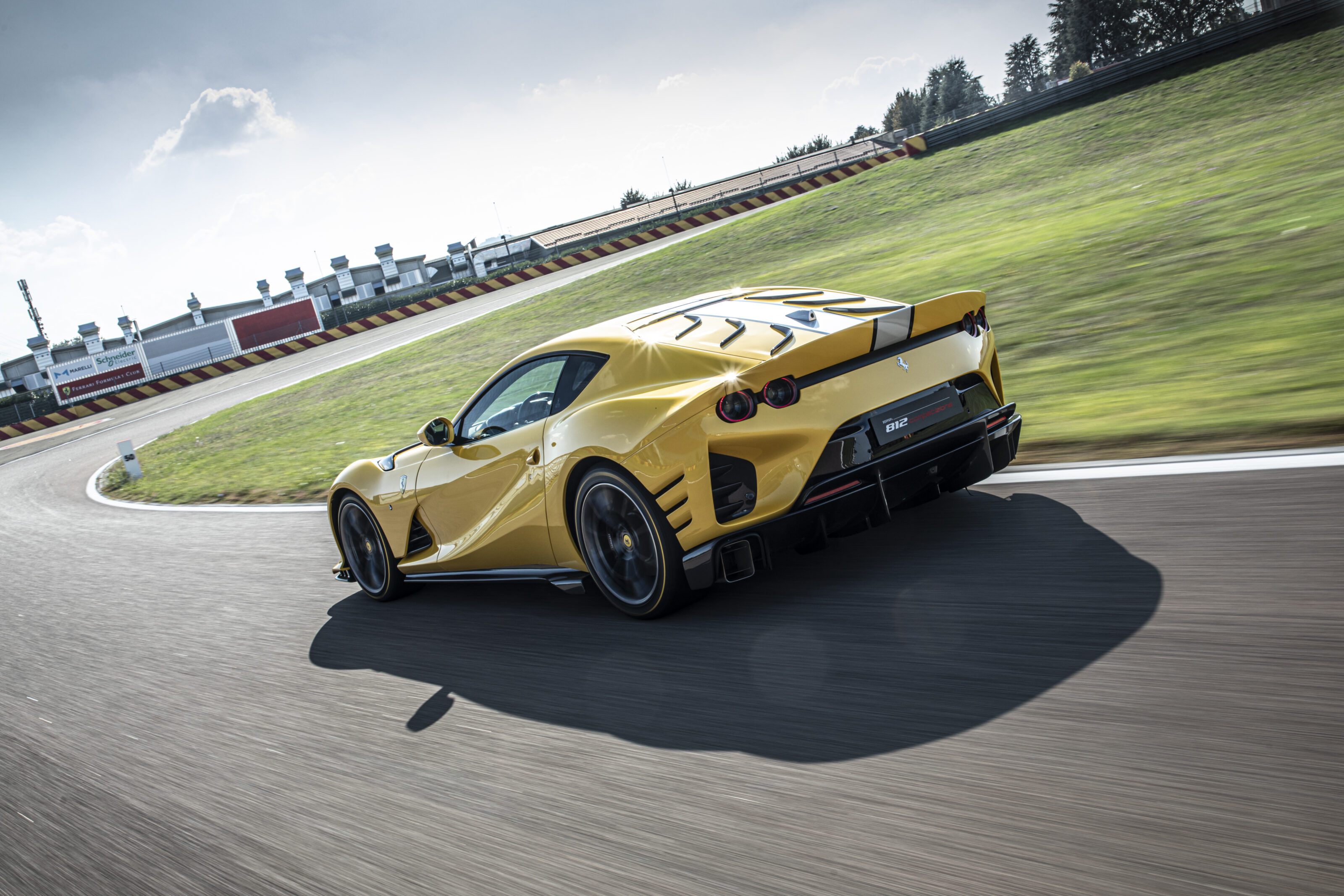
Notably the acceleration, which is utterly galactic. The blue max-rpm shift-light at the top end of the steering wheel flashes like a Carabinieri cop car – at low speed because the rear tyres are lighting up but above third gear because the engine is capable of gaining speed like a failed anchor winch.
Ferrari claims 100km/h from standstill in less than 2.9 seconds but it’s the speed above 100km/h that is so astonishing and each of the iconic corners approaches with dizzying pace. Another handful of seven-speed dual-clutch is grabbed delivering ferocious gear changes, the electronically controlled diff somehow slaps power to the blacktop and the magnetorheological suspension eats the few lumps I can find.
It takes laps to process everything and it’s an assault on the senses – the ears most of all. Combined with a new exhaust system designed to restore noise despite the inclusion of a particulate filter, the report from the two outboard tailpipes triggers a primal response. It’s not an F1 howl but a Jurassic holler that early people would have certainly fled from.
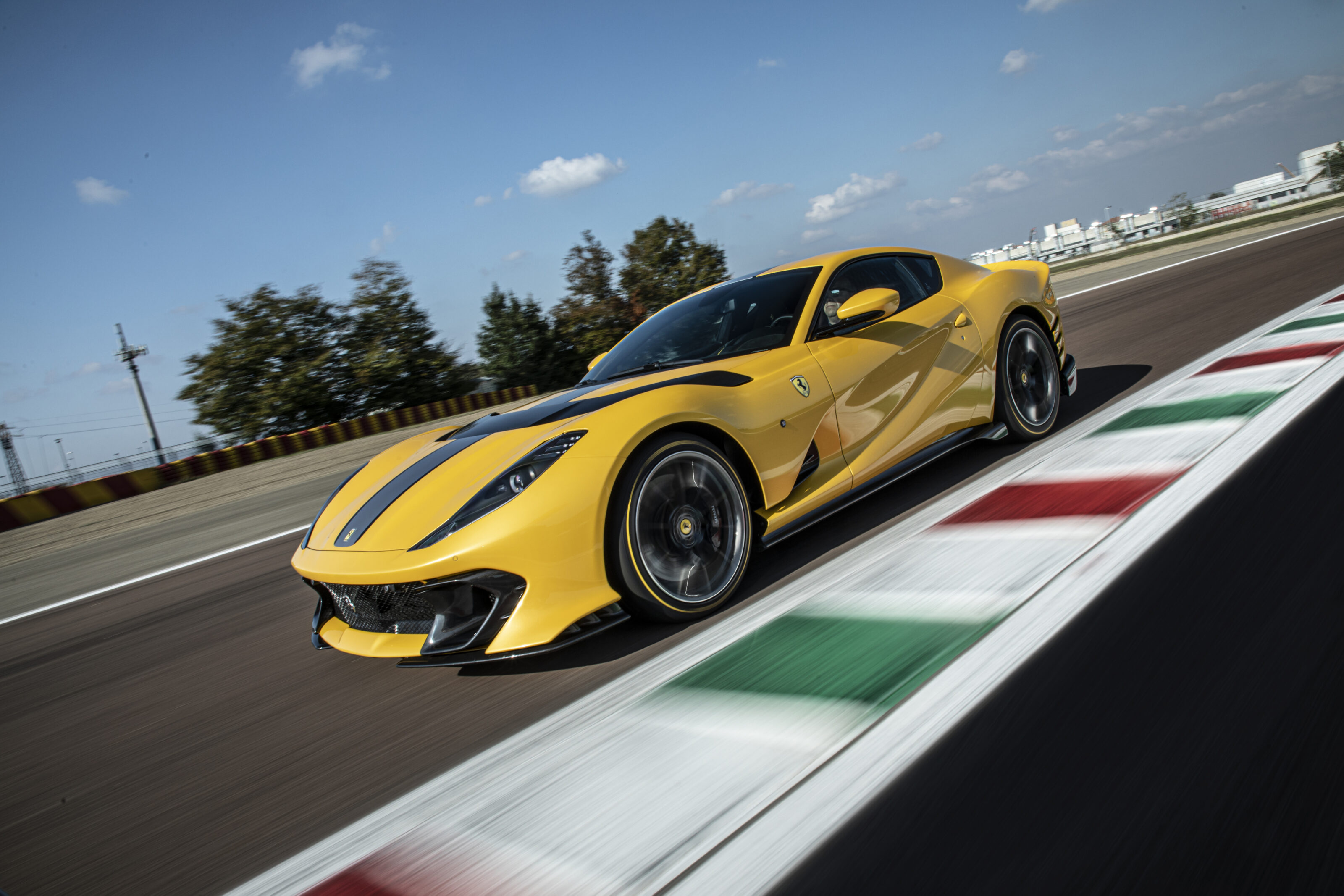
Not everything about this car is as easy as listening to it though. It’s a hard car to drive and at one of the hardest tracks I’ve experienced but with perseverance, both start to show their true brilliance. The mannettino dial is switched over from Sport to Race and the car takes on an even more shocking aggressiveness.
If it were a dog it would need a muzzle and a person with the same character would live on Ritalin and most likely in a padded cell. And then it starts to rain.
Had this been the launch of the 812’s predecessors, this event would have been ended early, says Fiorano’s chief test driver Raffaele De Simone but he tells me this car is capable but not suicidal.
“The tdf was hard to drive and slow. The Competizione is hard to drive but fast,” he says, which does nothing for my nerves. In dry conditions, the Competizione has vast reserves of grip provided the accelerator is used gently, but its wet weather grip is almost more surprising.
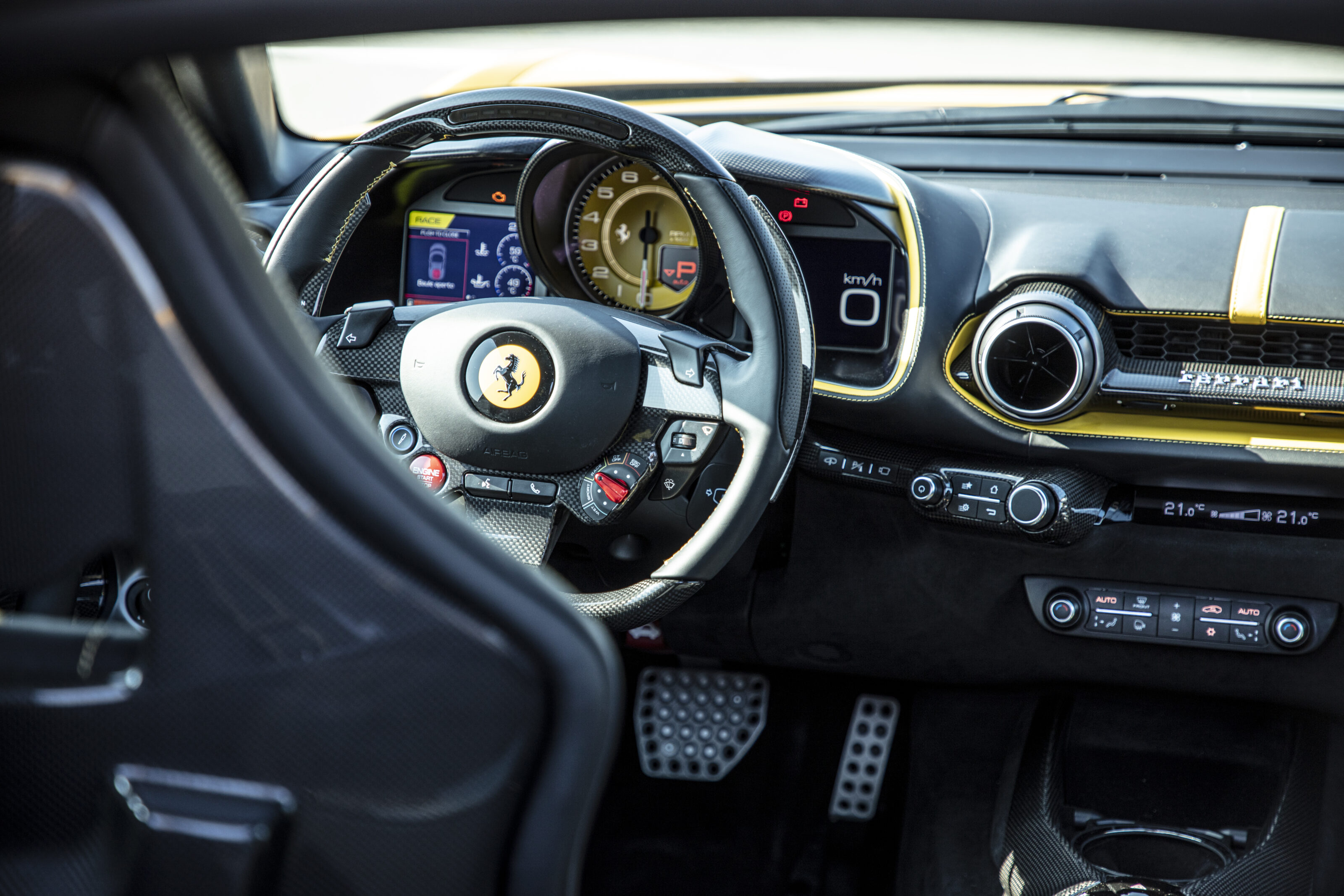
With the dial turned to Wet mode the car is incredibly graceful solving any traction or grip problems before they eventuate but in more dry-weather focused modes the car does things that shouldn’t be possible. This is down to a clever ‘self-learning’ SSC 7.0 stability system that can tell if the surface is wet, or dry, or sticky, regardless of whether the driver knows it or not. Sport and Race modes actually have completely different maps and behaviours in the wet and this is one reason all cars are returned to the pits intact despite the prevailing conditions.
When the track falls silent once again I feel I’ve only just started glimpsing what makes this car enormously good. I think it can be tamed but probably not by me and definitely not without many, many laps at the wheel, but this car, nor this track, is supposed to be easy to drive. Perhaps put best by De Simone when referring to the imminent owners lining up to take delivery “If you’re not a good driver, sell it,” he advises.
This track and car are both about an echelon most people can only ever aspire to, the embodiment of excellence and the quest to extract everything the 812 Competizione has to give would be an adventure worth investing in. But like all of the brand’s most exclusive models, to do that you must be invited.
If you have a place to use it, the invitation in your hand and the driving ability to fully exploit its talents, there is still the matter of cash. Initially, I would have said a starting price of $1,023,838 was a bit steep but it seems I’m wrong because all 999 were already spoken for before the model had been fully confirmed or detailed.
In fact, not one of the customers approached by Ferrari turned down the invitation to own a Competizione.
It would appear that selling a car that’s hard to drive, hard to order and hard to afford is actually very easy.
Ferrari 812 Competizione specs
Key Points
- Oliver Blume confirms hybrid 911 won’t be a PHEV
- Lessons from 919 Hybrid will be used in the road car
- No plans yet to fully electrify the nameplate
As one of the world’s most iconic sportscars, the Porsche 911 has always been a reflection of the industry in which it exists.
From adopting turbochargers in the 1970s to being a pioneer in dual-clutch transmissions, the 911 has remained contemporary no matter which generation you look at – until the 992.
While the industry ramps up its efforts to go electric or introduce electrification into its model ranges, the lack of a hybrid 911 is a glaring omission amidst its choices of various combustion engines.
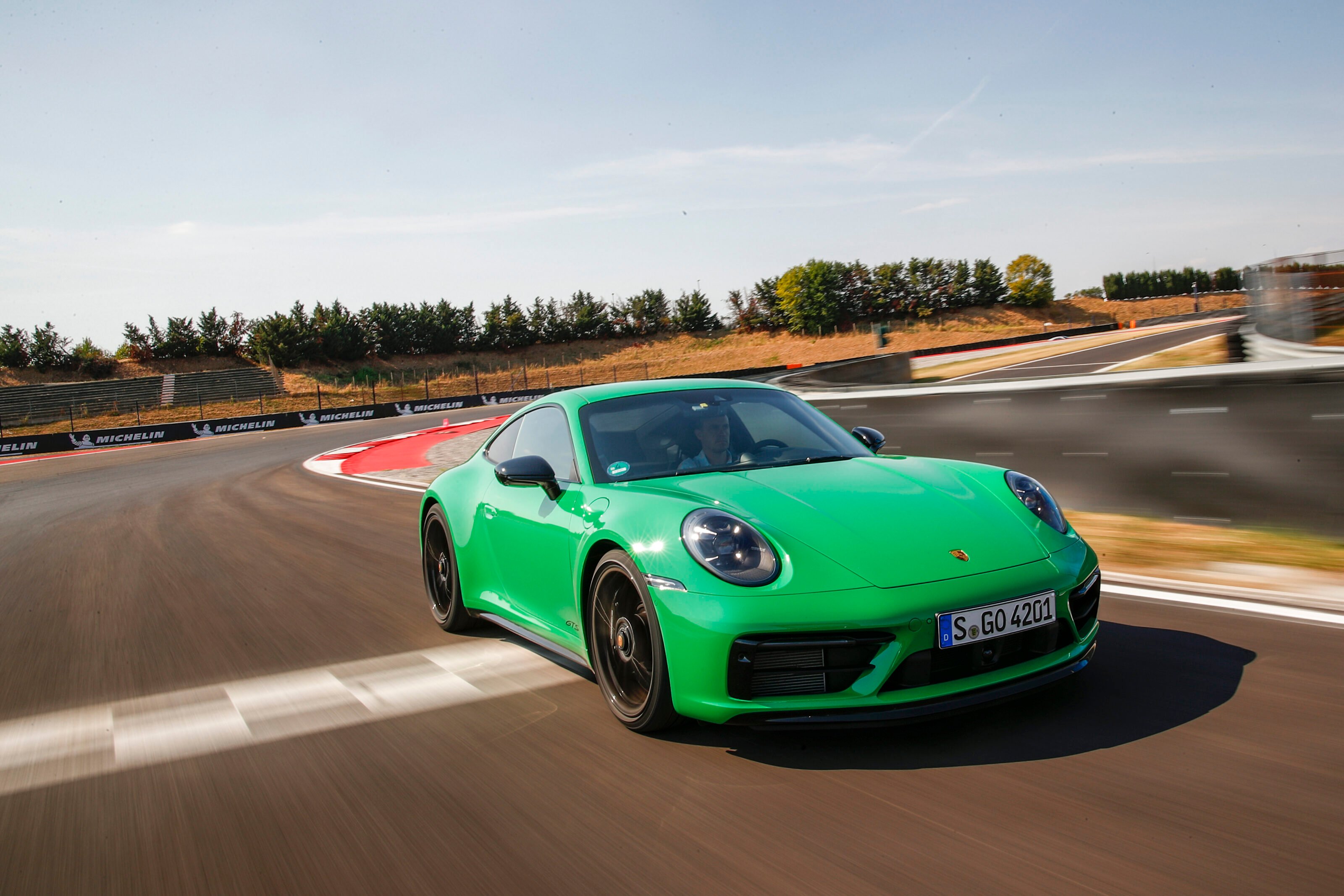
However, Porsche CEO Oliver Blume has confirmed a hybridised version of the sportscar is on the way and will utilise a mild-hybrid system, rather than a plug-in hybrid setup which would allow it to be recharged while not on the go.
Speaking to German publication Automobilwoche, he said the hybrid tech set to be implemented in the sportscar will be derived from its motorsport programs, such as the World Endurance Championship winning 919 Hybrid.
“It won’t be a plug-in hybrid, but it will be a very sporty hybrid from motorsport,” said Blume.
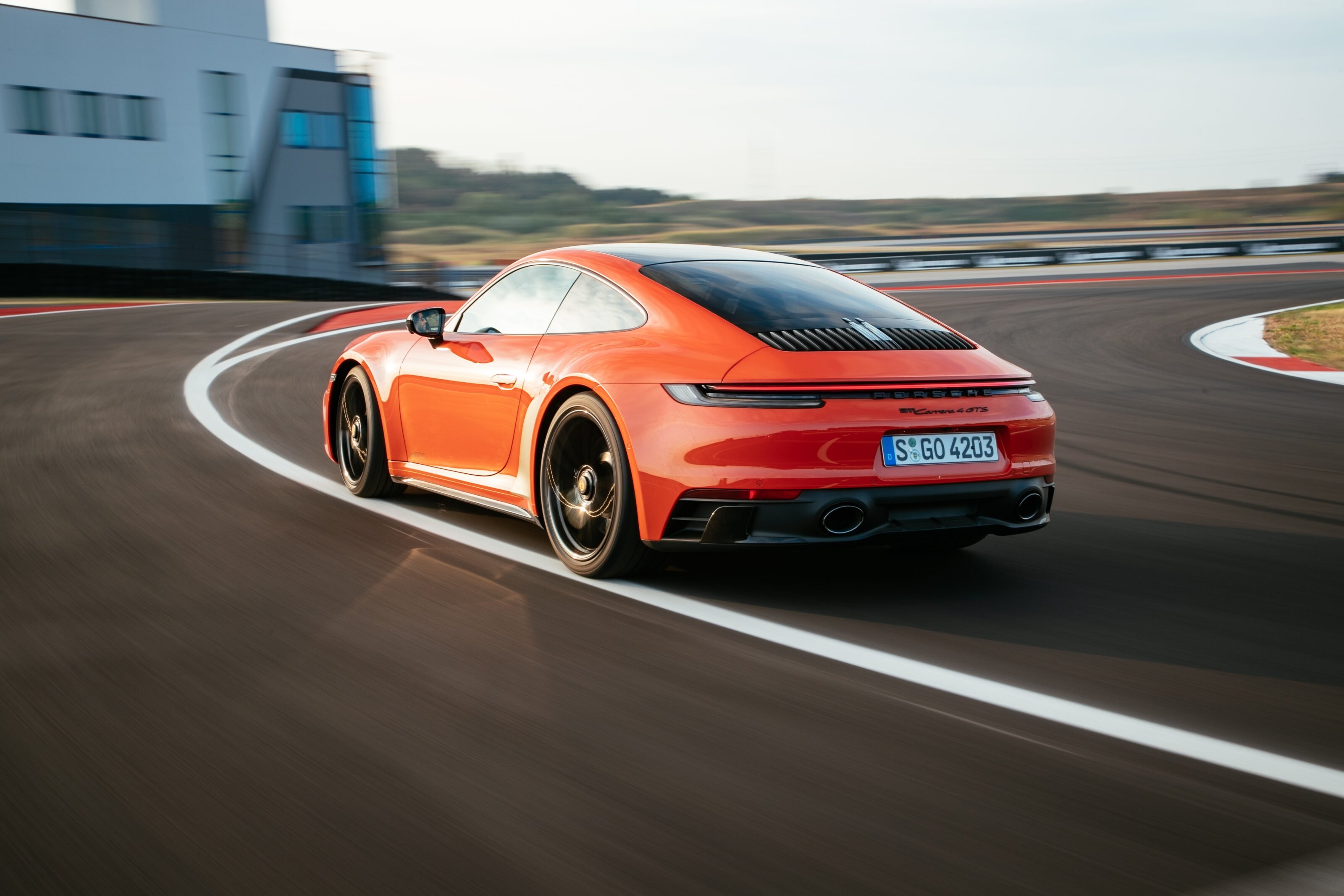
Porsche is planning to take on the World Endurance Championship and the IMSA Sportscar Championship again from 2023 with a hybrid prototype, set to be developed in conjunction with Team Penske with the aim of winning more 24 Hours of Le Mans and Daytona titles.
Back in 2017, Blume confirmed to sister publication Wheels the manufacturer would be developing a hybrid 911, although the initial target of a 2020 or 2021 introduction has flown by with no sign of an electrified rear-engined coupe to be seen.
While plans are in place to make the next generation of Boxster and Cayman available as fully electric vehicles, the head of the 911’s future, Frank-Steffen Walliser, has previously said he cannot see an EV 911 happening, and it would be the last electrified model from Porsche if such a vehicle was made.
Daimler is walking away from its relationship with Renault, with the German giant selling off €316 million (AU$495 million) worth of shares in the French carmaker.
According to Bloomberg, the sale is part of a plan to dissolve a three-way partnership between Renault, Nissan, and Daimler – the parent company of Mercedes-Benz.
While the 2010 deal meant all three companies owned a minority stake in each other, the breaking up of the partnership had Nissan sell its €1.15 billion (AU$1.8bn) Daimler shares in May, with Renault doing the same in March.
It’s expected Daimler will offload its 3.1 per cent holding in Nissan in the future.
Mercedes-Benz axed its Nissan Navara-based X-Class ute following mediocre sales, but continues to offer the Citan in Europe – a small people mover and commercial panel van based on the Renault Kangoo.
The partnership also resulted in Nissan’s premium brand Infiniti basing a number of its models on Mercedes-Benz cars.
