
If you search for photos of Warren Luff you get a better snapshot of his racing career than any stat-sheet summary can provide.
The 45-year old Queensland-based driver has a long racing career, making his national debut in 1995, becoming a Supercars co-driver in ’99, winning the V8 Utes series in ’02, going full-time in Supercars in ’04 – and that’s not mentioning his impressive sports car and one-make Porsche resume.
Yet, its not until you begin typing Luff’s name into an image search that you really begin to get the full picture.
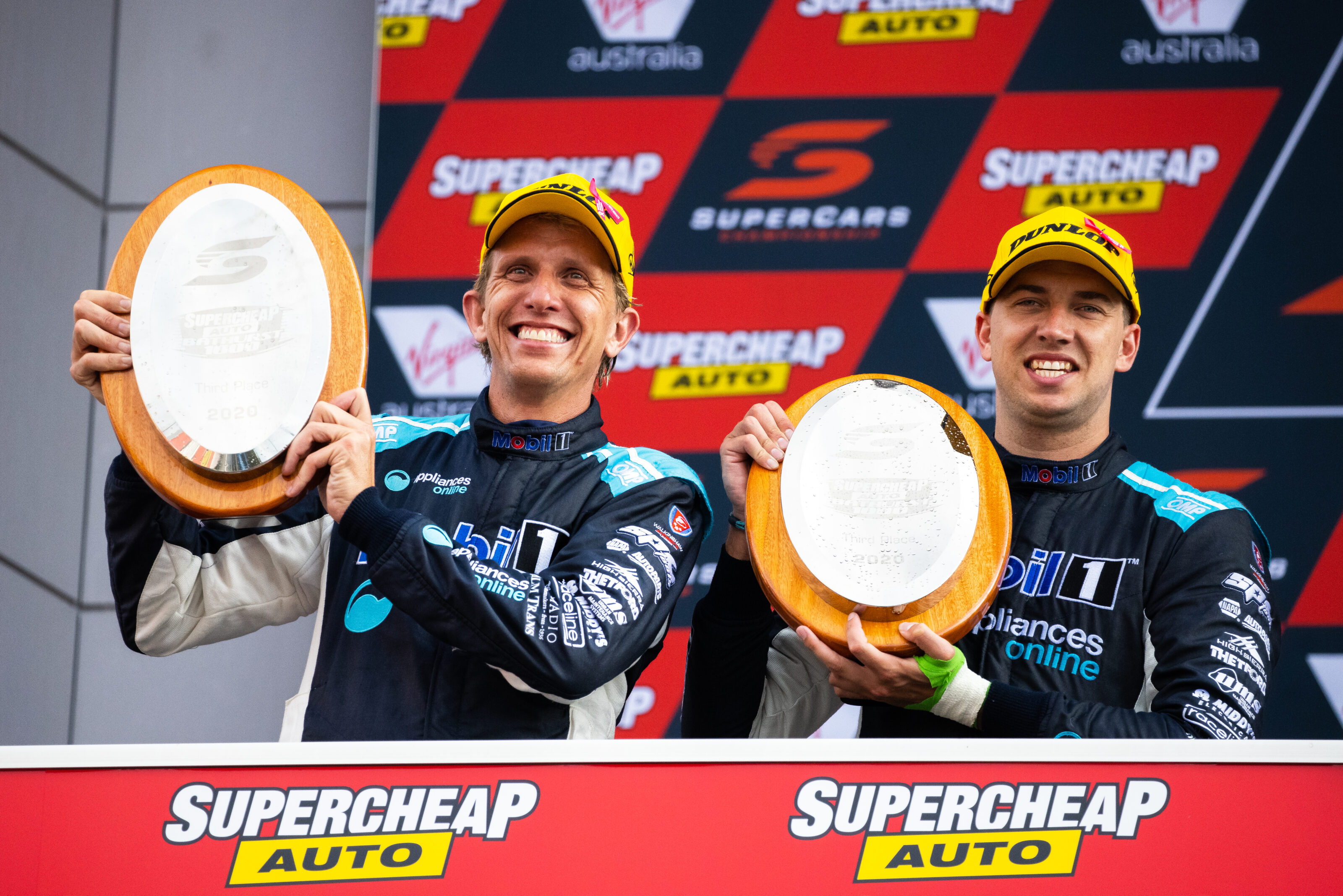
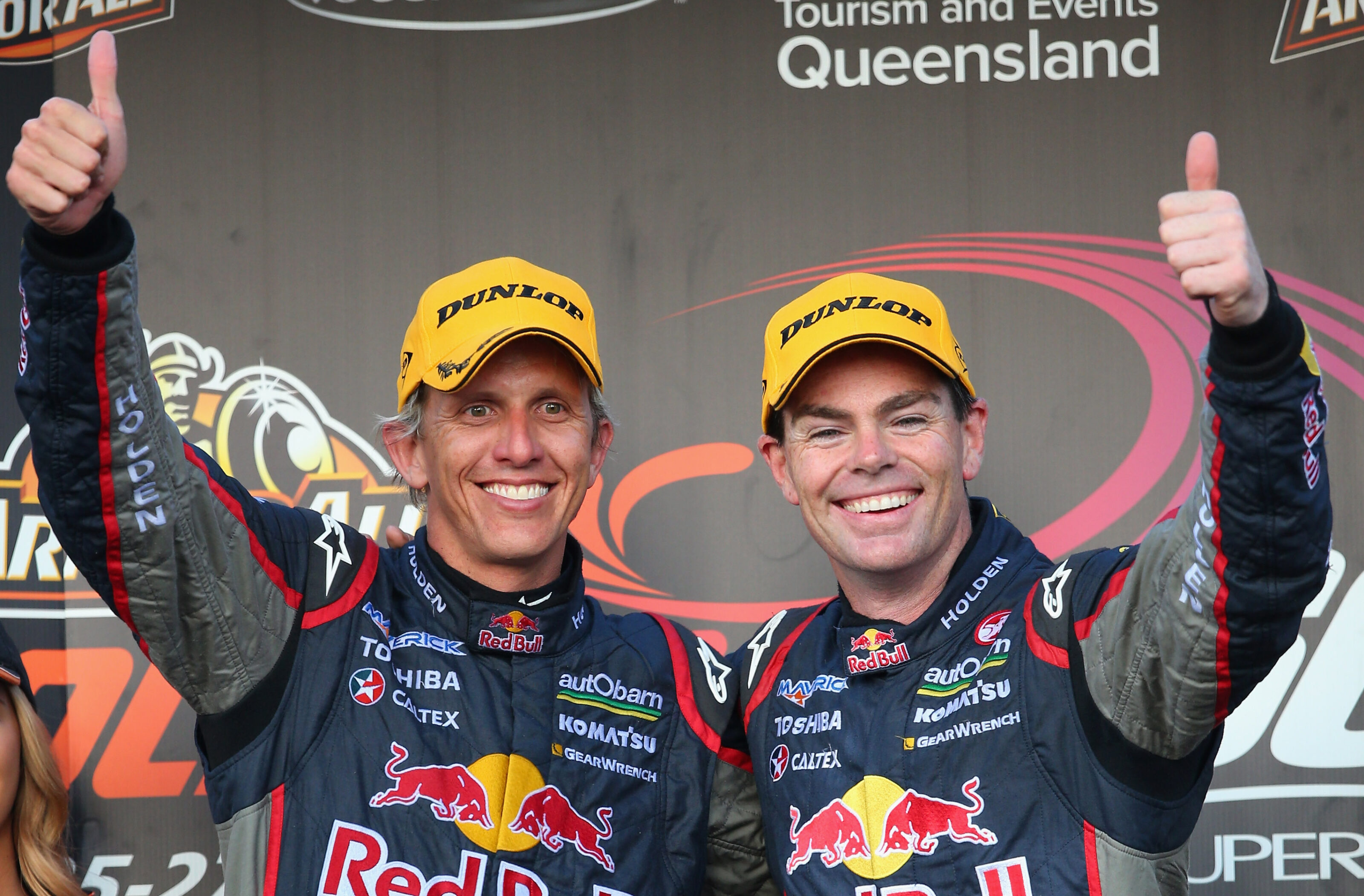
Craig Lowndes, Garth Tander, Chaz Mostert, Scott Pye all feature alongside the platinum-blonde Luff, all of them grinning from ear-to-ear spraying champagne upon the rostrum of the Bathurst 1000 – or standing 12 foot tall atop a car having just won the Sandown 500.
This is where Luff’s considerable talents behind the wheel are best exemplified. He is the person that some of Australia’s most successful racing teams go to when they need a safe (and fast) pair of hands for the biggest event of the year – the Bathurst 1000.
Since 2012 Luff’s record at The Mountain is shockingly impressive with six podiums from nine attempts. Each of them with either Triple Eight or Walkinshaw Andretti United (nee Holden Racing Team).
So, what is it that has teams baying to get him into their cars? According to Luff, it’s relatively simple.
“Look, there’s no real secret to being a good co-driver, you’ve just got to be able to get in and get the job done,” he tells MOTOR, making it sound oh so easy.
“It’s also about putting aside your ego, you’re not out there to prove a point. It’s about, staying out of trouble, maintaining position, gaining a position where you can, trying not to lose position. But just, realistically, don’t do anything silly.
That sounds straightforward in isolation, but even Luff recognises the job at hand can get more challenging when you factor in the unique complexities of endurance racing at Mount Panorama where “you’ve got walls and changeable weather and all those sorts of things”.
“But it’s just, as a co-driver, it’s not your job to win the race because you’re not in the car at the end of the race, when the real race really starts, you’re there through those middle stints,” he explains.
“So, it’s about being able to bring the car back every time, in the best position that you can, and get that lead driver back in, so they’re in a position at the end of the day for when the real race starts.”
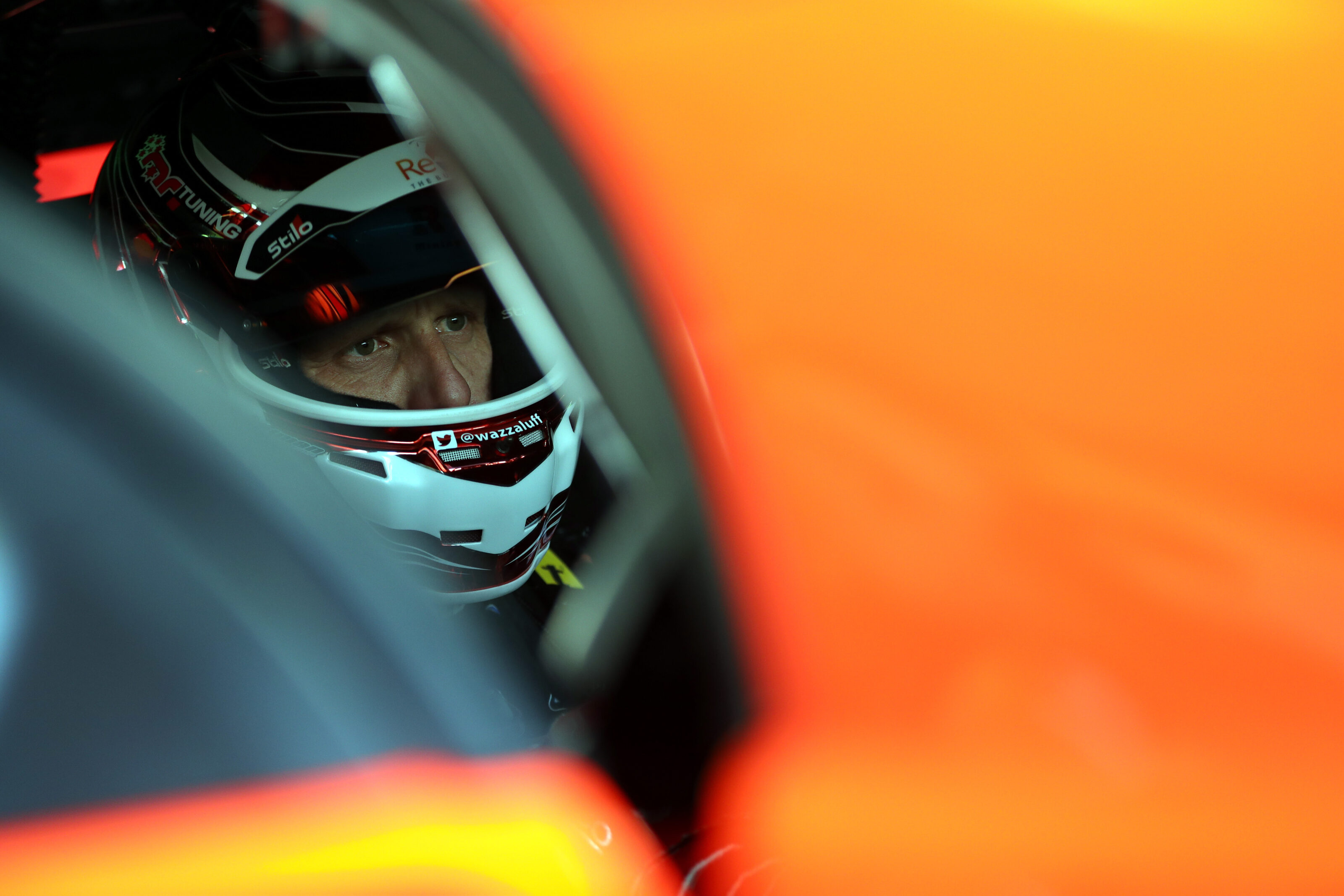
Luff hasn’t competed full-time in a national racing championship since 2014 – when he finished runner-up in a closely fought Carrera Cup battle to Steven Richards. That may cause some to underestimate Luff’s ability to be match-fit. Do not make the same mistake.
While he may not be spending time in race cars, Luff’s day job as a professional stunt driver at Movie World on the Gold Coast sees him driving cars on (and over) the limit day-in, day-out.
“Skidding a Holden SS ute around is completely different to driving a V8 Supercar around Bathurst,” he admits. “But when you break it down to the basics of driving, it’s still developing that seat of the pants feeling and responding and reacting to a car that’s moving around underneath you.”
The stunt driving has been a full-time job for Luff since 2008, but he’s been helping the team at MOTOR even longer. We’ve been asking him to thrash some of the country’s quickest road cars since 2004, and he’s gotten pretty darn good at it since then.
“I think the big thing for me is being able to get the best out of any car,” Luff explains. “One of the things I’ve really prided myself on and honed over the years is, generally, it doesn’t matter what car I get in, usually, in 90 per cent of cars, I’ll do like an out lap and two flyers, and generally that’s it. And usually the fastest lap that I’ll do is actually the first flying lap. If not, sometimes the second.
“Key to this is being able to quickly identify where the grip level of the car is, and the brakes, and how it gets the power down. And being able to do it in those one or two flying laps is something that I’ve really worked hard on getting right over the years. And is something I’m quite proud of.”
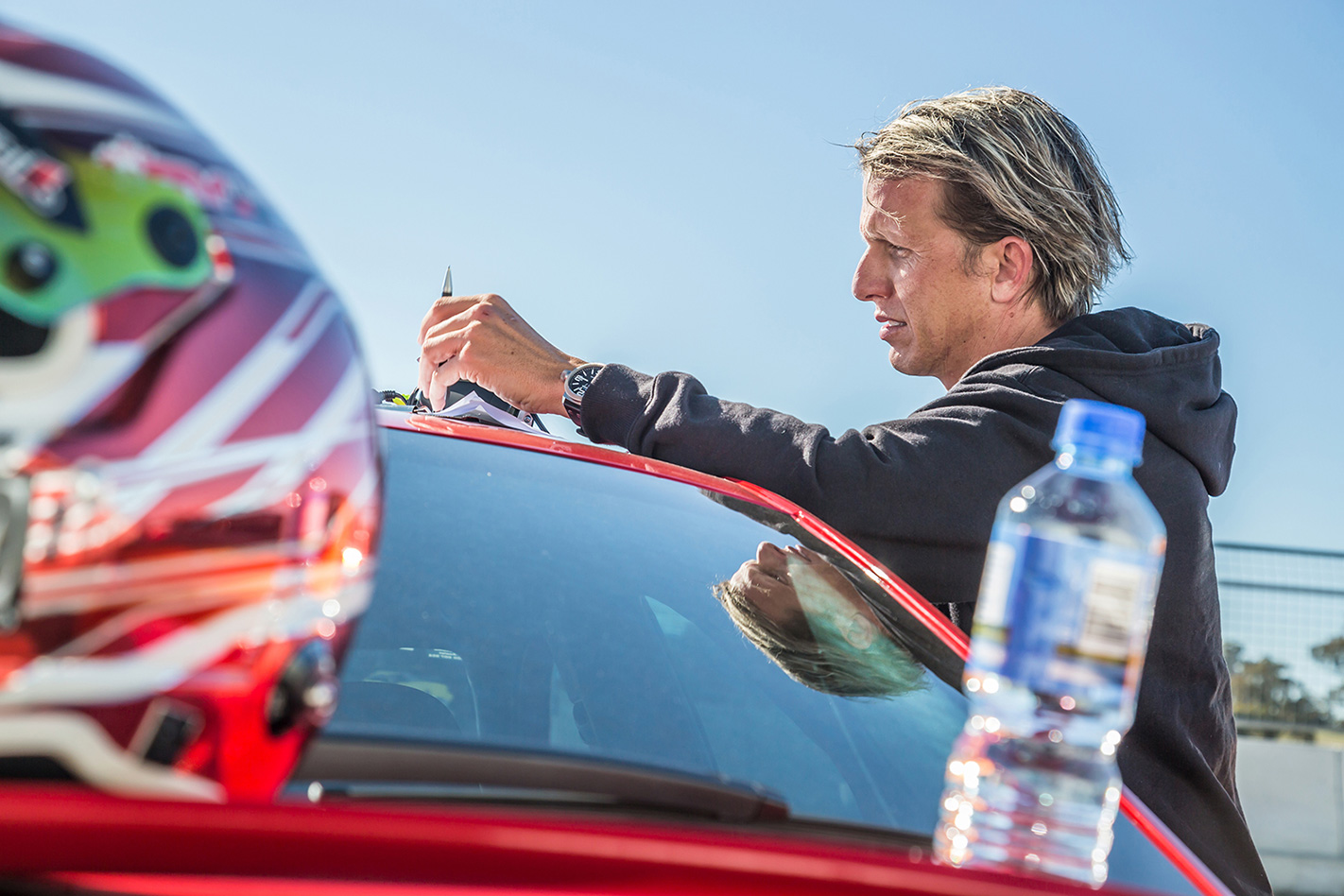
That finely honed ability puts him in good steed for the 2021 Bathurst 1000. This year there will be no 500km enduro in the lead-up. Luff, along with almost all other co-drivers, will have just a few practice and test laps at Sydney Motorsport Park under their belt before heading to The Mountain.
While he admits that this year’s preparations have been “really hard”, Luff isn’t too worried.
“For someone like myself, it’s having those years of experience where you’ve driven plenty of miles around Bathurst, you’ve driven plenty of V8 Supercars, and you’ve done those thousands and thousands of laps over the 19 odd years, that you can tend to jump back in and get up to speed relatively quickly,” he says.
“Like this year, for example, the last time I drove the car was at a ride day at Phillip Island at the start of the year. So, normally you would’ve been along to a couple of test days and usually, in the past, there’s always been those co-driver sessions in the lead up to the enduro. So, yeah, look, it does make it tough, but it does sort of play into the hands of some of the more experienced guys, like myself, where you’ve got that experience that you can call upon.”
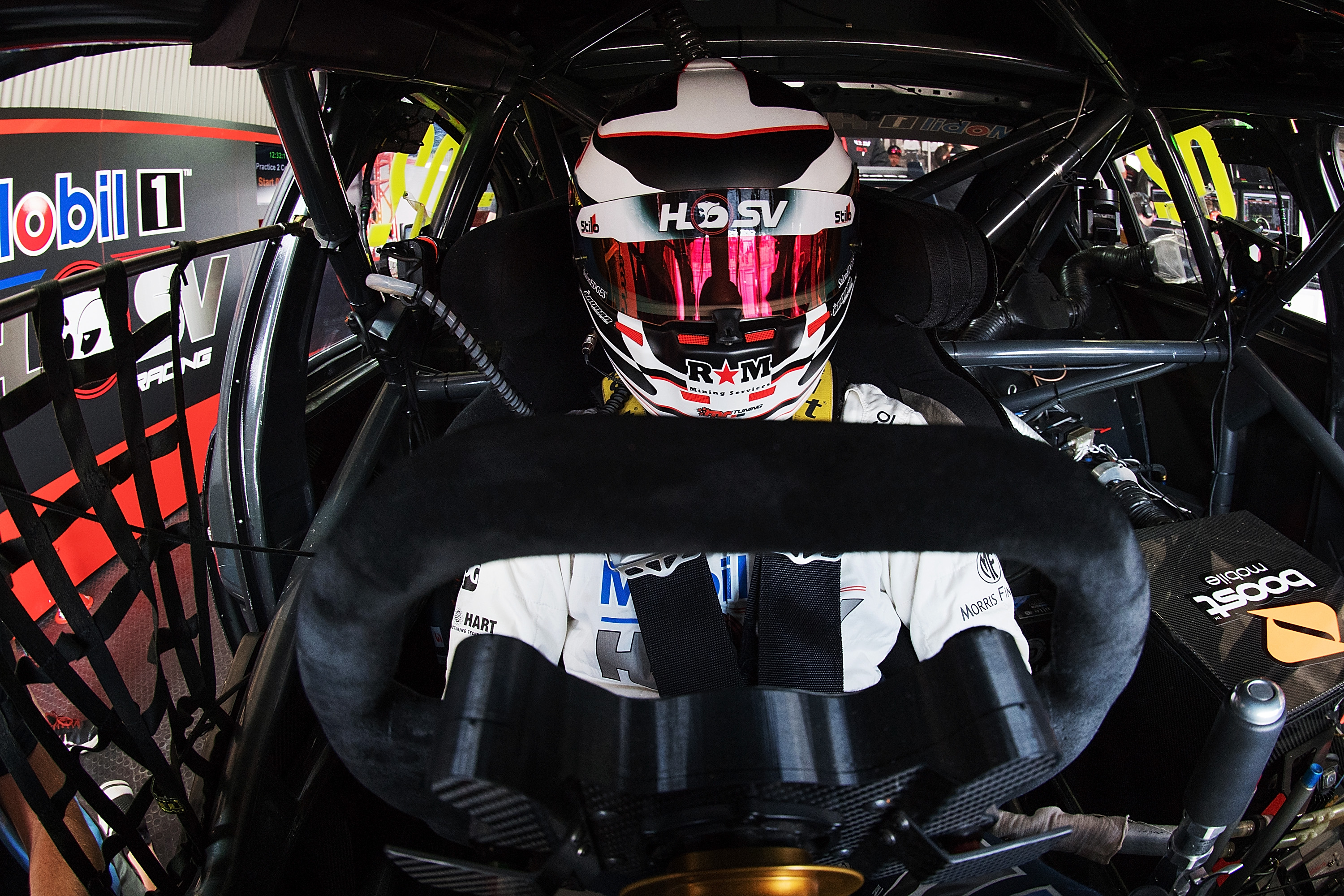
Making an already disrupted lead-up to The Great Race more challenging is the fact Luff has a new co-driver for 2021 – Walkinshaw Andretti United’s Bryce Fullwood. The Northern Territory native is more than two decades younger than Luff, and is in his second full-time season in Supercars.
“Bryce is one of the exciting young guys that’s coming into the sport,” Luff says of his new co-driver. “It’s been a tough 18 months for him with COVID and everything going on, and inconsistencies with the calendar, and being able to test and all that sort of stuff.
“So, for these young guys that have come in in the last year, or even this year, it’s been a baptism of fire because it hasn’t been the normal year that you would expect, where you’ve got events that flow one after the other, and you can build on that momentum. But he’s a great young talent and I’m sure that he and I will be there pushing on hard come Bathurst, and the team will put us in a position that we can fight to be up the front towards the end.”
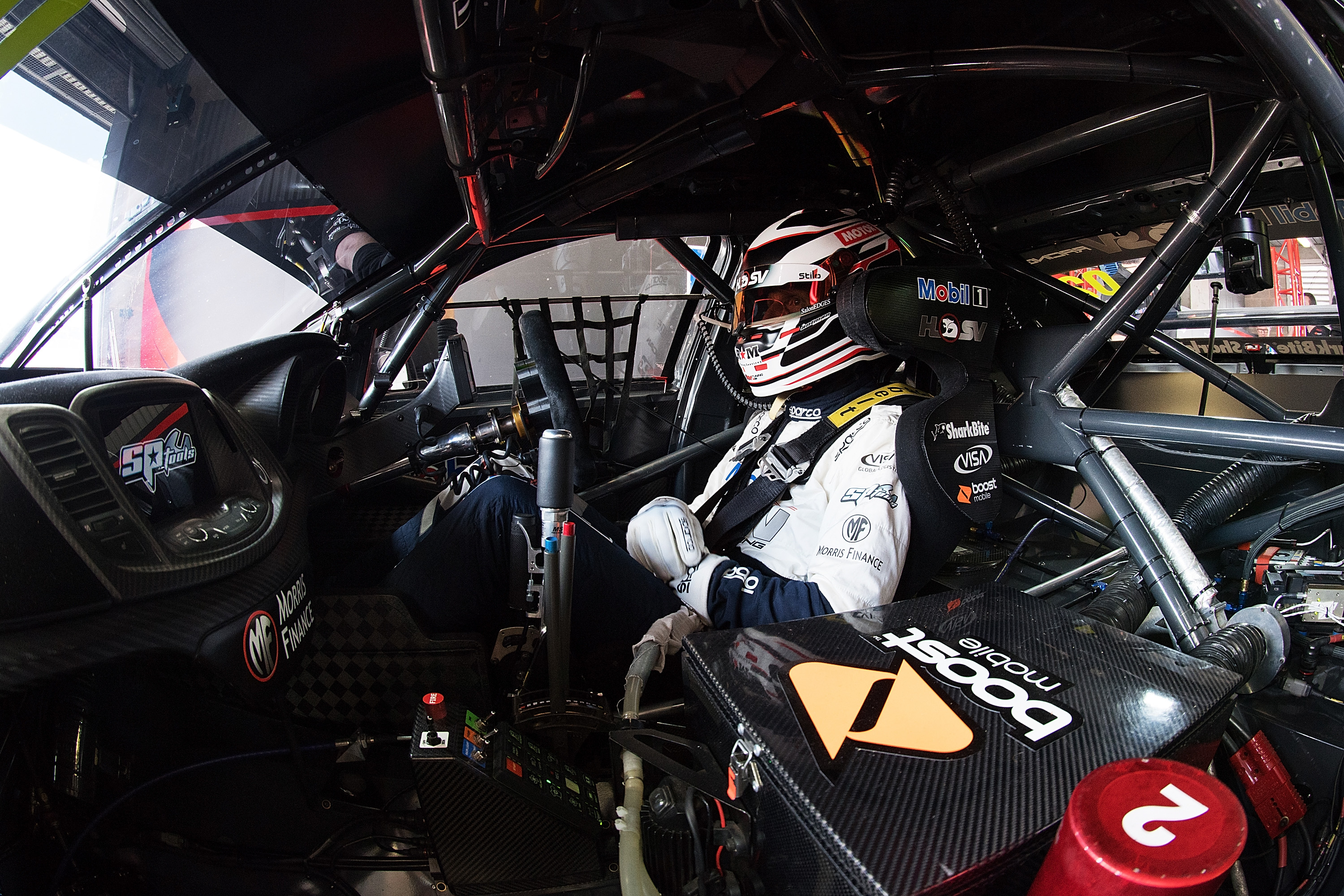
If we didn’t know any better, it’d be easy to dismiss Luffy’s easy-going personality as a well-trained veneer. But not so, he is as genuine as they come, down to earth (his countless nights in dodgy motels on the road with MOTOR is testament to that), with a devilishly quick wit. Those personable traits are another tool he utilises when moonlighting as a racing driver.
“Be that guy or girl that is happy to go do the PR appearances, and go do the sponsor functions, and the autograph sessions and do all that sort of stuff,” he explains.
Despite all the success so far in his career, Mount Panorama holds a special place in Luff’s heart to this day.
“I’ve always loved Bathurst,” he explains. “Bathurst is one of those bucket list places where everyone wants to be able to race. And I still remember being that six- and seven-year-old kid, sitting there watching Bathurst with my dad, being awestruck by the race, the event, and the whole atmosphere and everything like that.
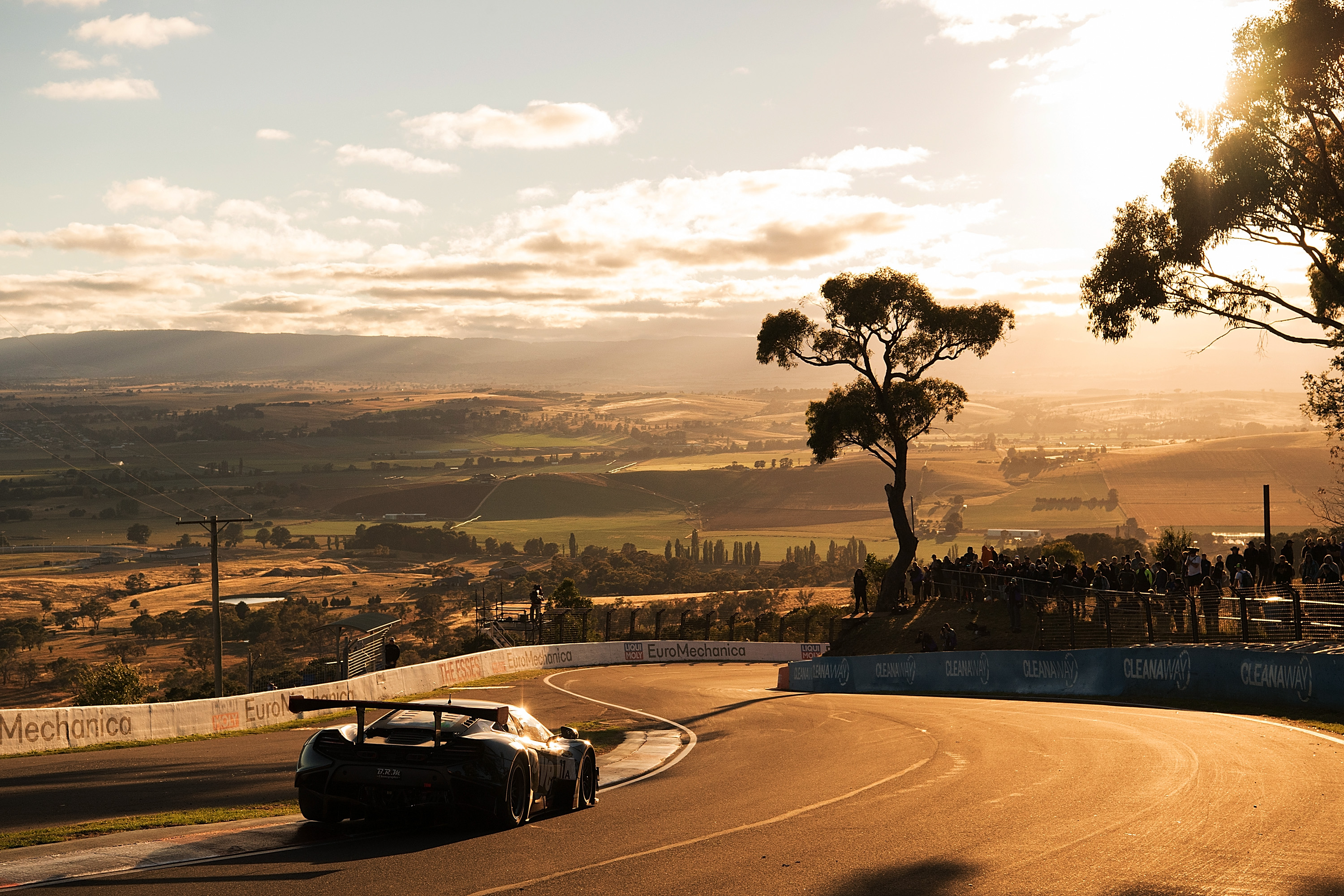
“So, to grow up and not only to get to race there in support categories, but to then, finally, have my chance to race there in V8 Supercars, and to have been doing it now ever since 2002. And yeah, to have been on the podium now six times, it’s something that, honestly, dreams are only made of.
“If I could go back and tell that six- or seven-year-old kid sitting on the lounge, that one day, not only are you going to race there, but you will have stood on the podium six times, it’s something that you wouldn’t believe is even possible. It’s a magical place to be able to go and race.”
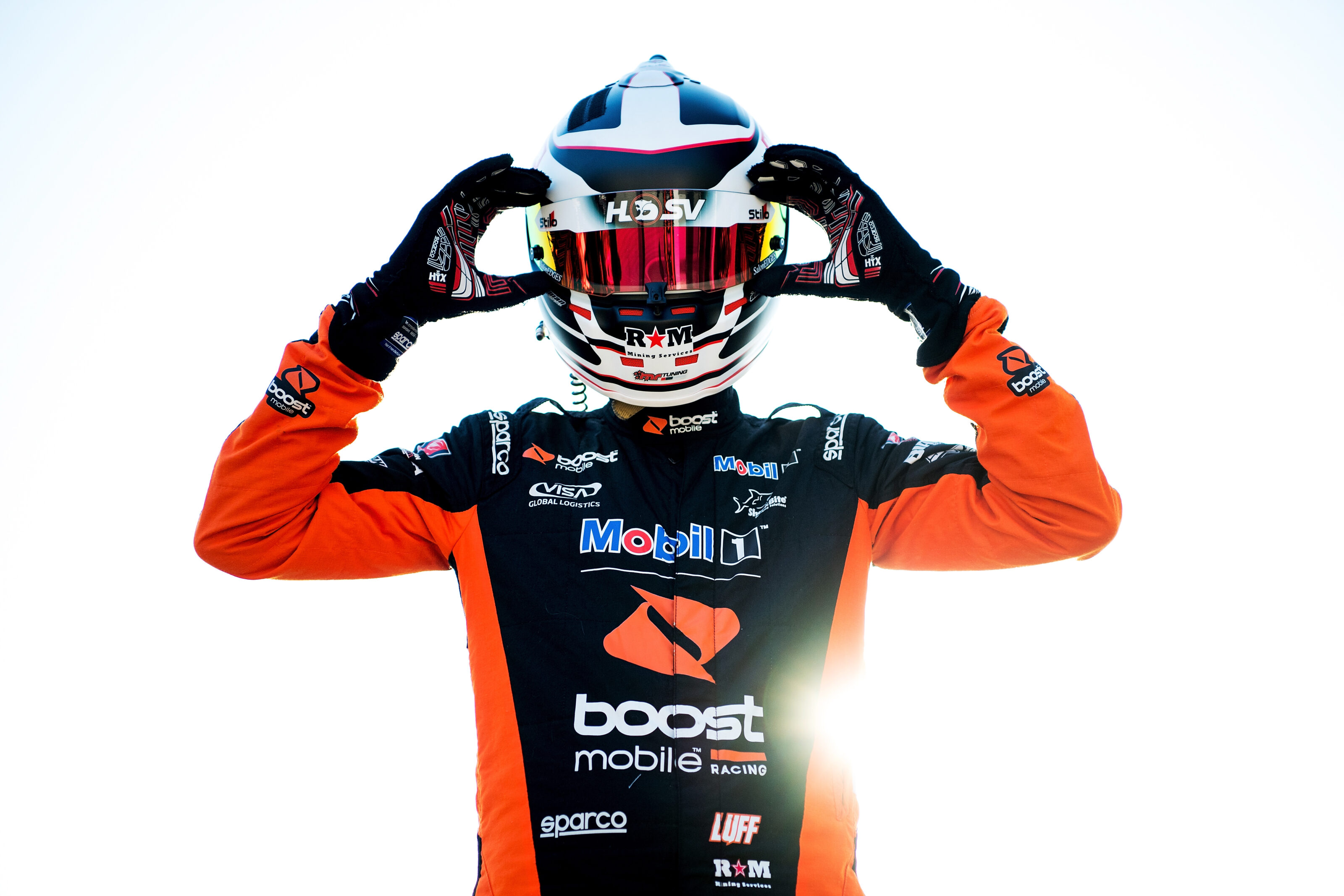
When the Supercars circus heads to Mount Panorama in December, make sure to keep an eye on car #2. With Warren Luff involved, history tells us that it will be a dark horse come the end of 161 laps of racing.
The 2023 Audi R8 could move to twin-turbo V8 power, replacing the ageing V10 engine currently fitted to the supercar.
The R8 may end up using the 4.0-litre twin-turbo V8 engine found across the Audi S and RS performance range, as well as in other Volkswagen Group vehicles such as the Bentley Continental V8, Porsche Cayenne, and Lamborghini Urus SUV – according to a report from Germany’s Auto Bild.
Given Audi’s aggressive move towards an electrified model line-up, the next R8 could emerge with some kind of hybrid powertrain before adopting a fully-electric one, helping the high-performance model to abide by Europe’s strict emissions laws.
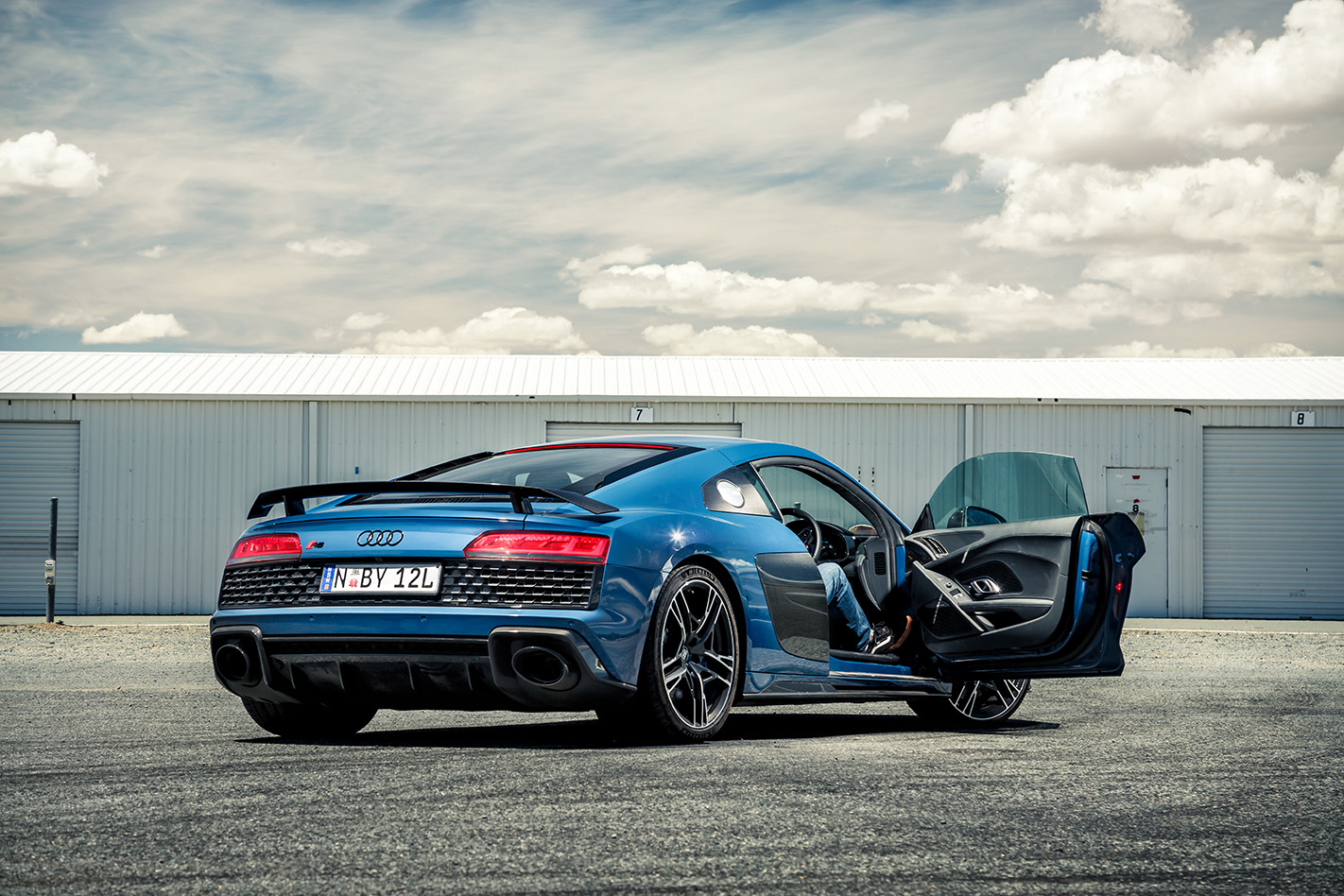
As reported last month, the Audi R8 was axed from the local line-up, with low sales making it difficult for the German carmaker to continue to produce Australian-specific versions of the 5.2-litre V10 engine.
“The current generation of the Audi R8 Coupe and Spyder are no longer offered in Australia, for local homologation reasons,” an Audi spokesperson told MOTOR in September.
“The R8 will continue to be produced for other markets. Audi AG is currently discussing various concepts for a possible R8 successor, but no decision has been made so far.”
If the twin-turbo V8 found in other models does make its way into the supercar, it could make the reintroduction of the Audi R8 a viable option for the brand.
The BMW M135i xDrive has been given an update heading into 2022, with the German manufacturer revising its handling characteristics.
Aimed at the performance-focused driver, the 2022 M135i xDrive has received tweaks under the skin to address shortcomings of the current model, with its front camber values now increased alongside a new hydromount – which is attached to the front wishbones.
A redesign of the trailing and control arms on the back axle have resulted in BMW recalibrating the spring and damper settings all round, reducing lateral roll through corners while increasing steering feedback.
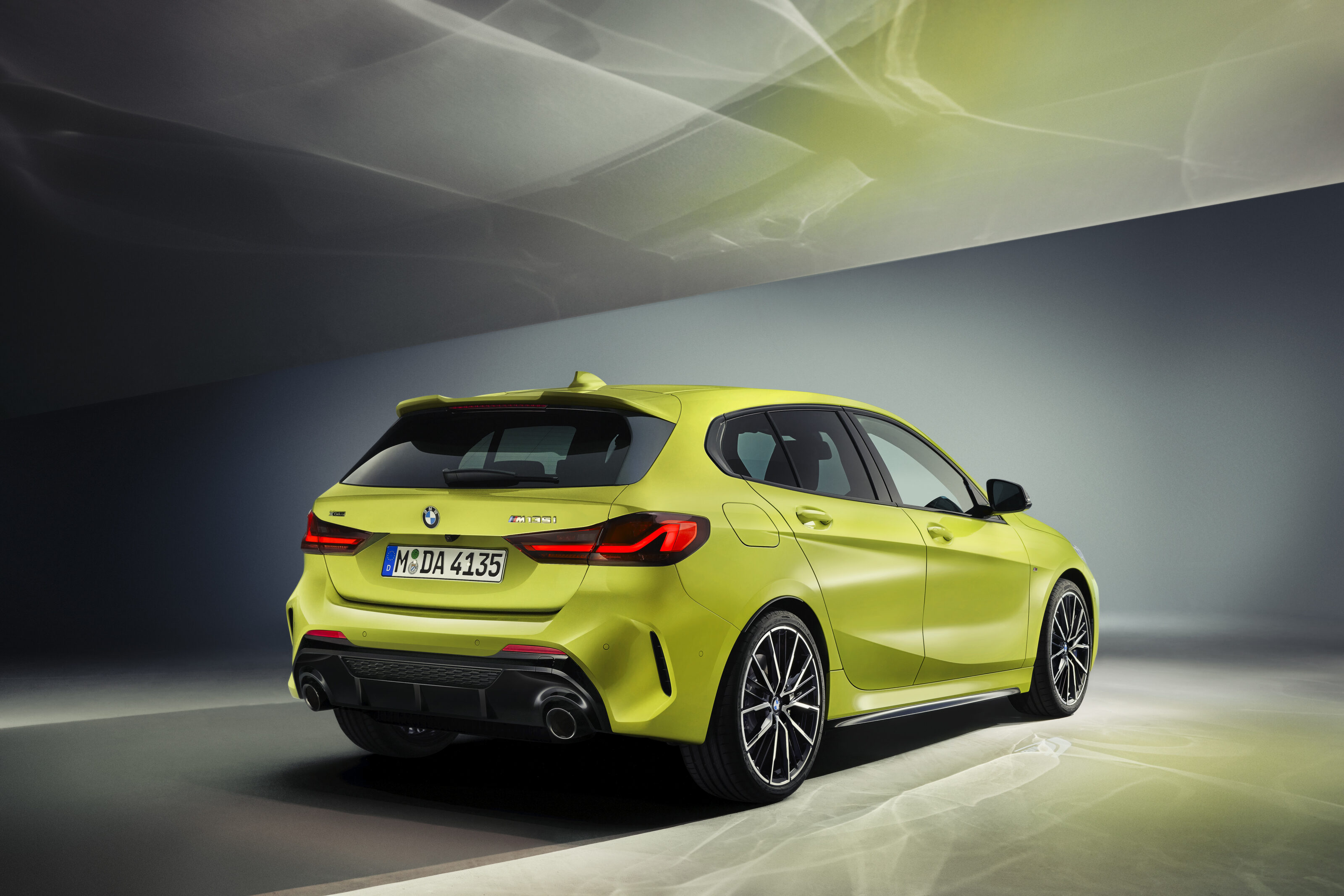
While no exterior changes have been made, a selection of BMW Individual paint finishes are now available, including the Sao Paulo yellow (pictured), frozen orange metallic and frozen pure grey.
The cabin is also unchanged, with BMW’s only modification coming in the form of a revised amplification process for the exhaust note – allegedly now sounding more true to the exterior noises than before.
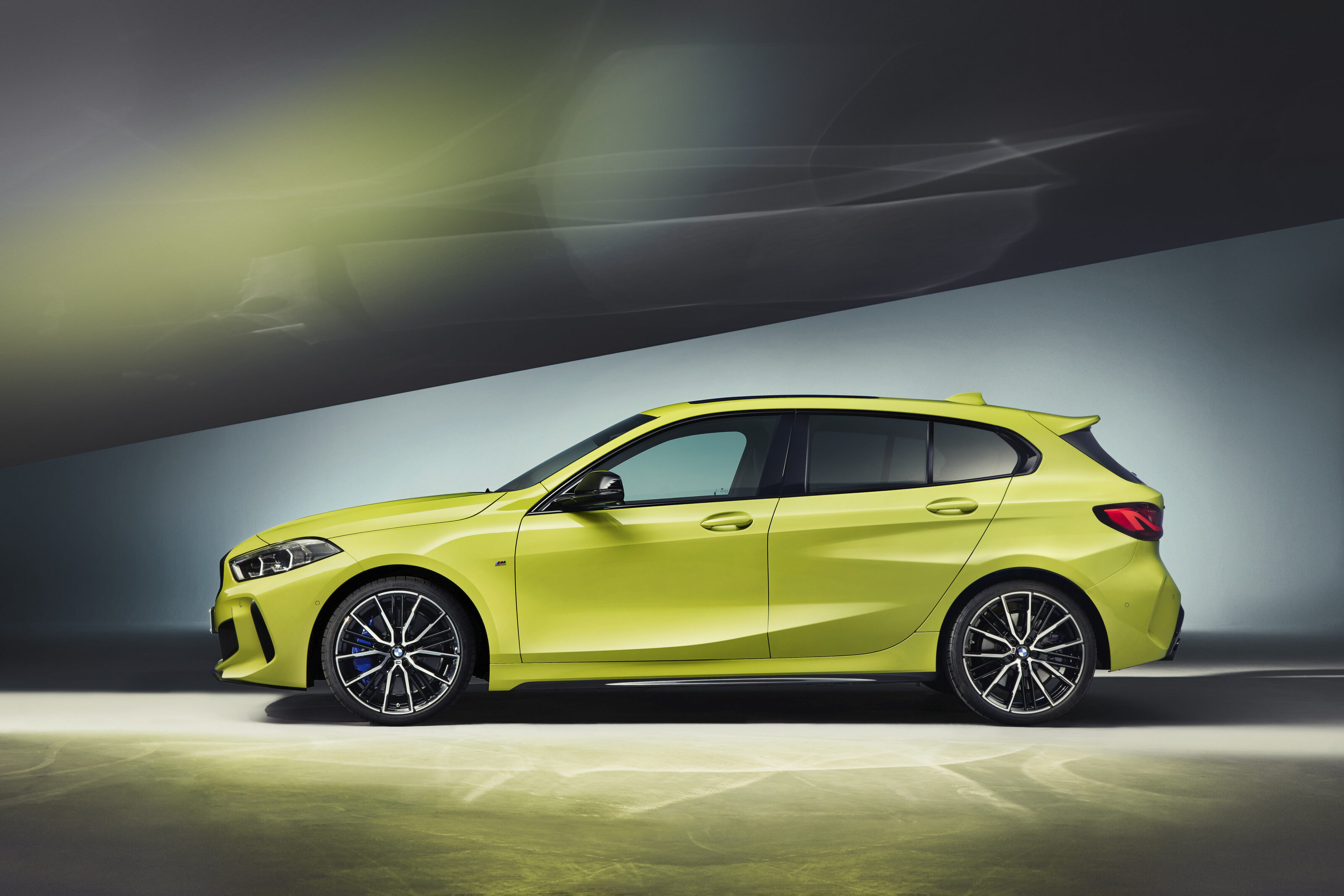
Otherwise, the M135i xDrive is unchanged – under the bonnet sits a 2.0-litre, turbocharged four-cylinder engine, pushing out 225kW and 450Nm, sending power to all four wheels through an eight-speed torque-converter automatic transmission.
When will the 2022 BMW M135i xDrive come to Australia?
While the updated 2022 model is set to arrive in the first quarter of next year, the MY21 starts at $65,570 before on-road costs for the M135i xDrive Pure.
Snapshot
- NSW Government targets 50 per cent of vehicle sales to come from EVs by 2030
- Rebates applied to buyers of EVs after September 1
- No stamp duty on EVs under $78,000
The New South Wales Parliament has passed the Electric Vehicles Bill, introducing an investment package worth $600 million.
First announced in June, the strategy at the heart of the Bill targets electric vehicles making up more than 50 per cent of the new car market by 2030, a significant increase of the current 0.43 per cent share so far this year.

A rebate of $3000 has been offered to the first 25,000 buyers of EVs with a list price of $68,750 or less, which will be applied retroactively to all owners who purchased a new EV from September 1, 2021.
The Government forgoes charging stamp duty on any EV under $78,000 before on-road costs, while plug-in hybrids will be included under the scheme from July 1, 2027 – or when the state surpasses 30 per cent electric sales.
Looking to lead by example, the NSW State Government’s vehicles will go all-electric by 2030, with 50 per cent of the roughly 20,000-strong fleet expected to ditch internal combustion engines by 2026.
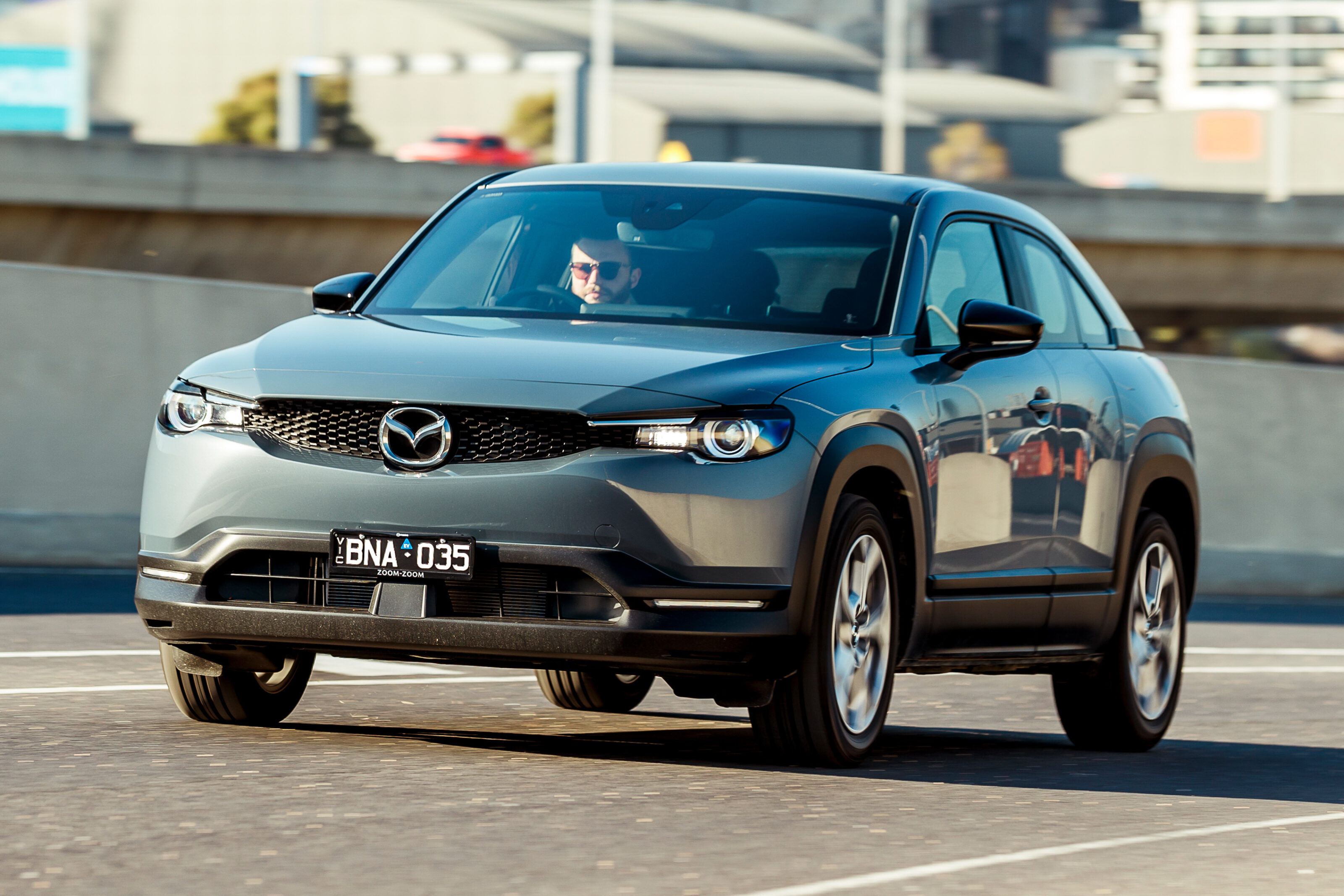
An investment in infrastructure will also come to support the expected electric uptake – with $150m allocated towards highway fast charging, commuter corridor fast charging, destination charging, and household areas.
On top of this, a further $20m is set to be allocated towards destination chargers along yet-to-be-determined tourist routes, boosting the local economy of select communities by placing the fast chargers at motels, restaurants and points of interest.
Unlike the Victorian State Government, NSW won’t introduce a road user charge in the near future, instead waiting until July 2027 or the 30 per cent marker to bring in its charge of 2.5 cents per kilometre, and EV drivers will also be allowed to use T2 and T3 transit lanes.
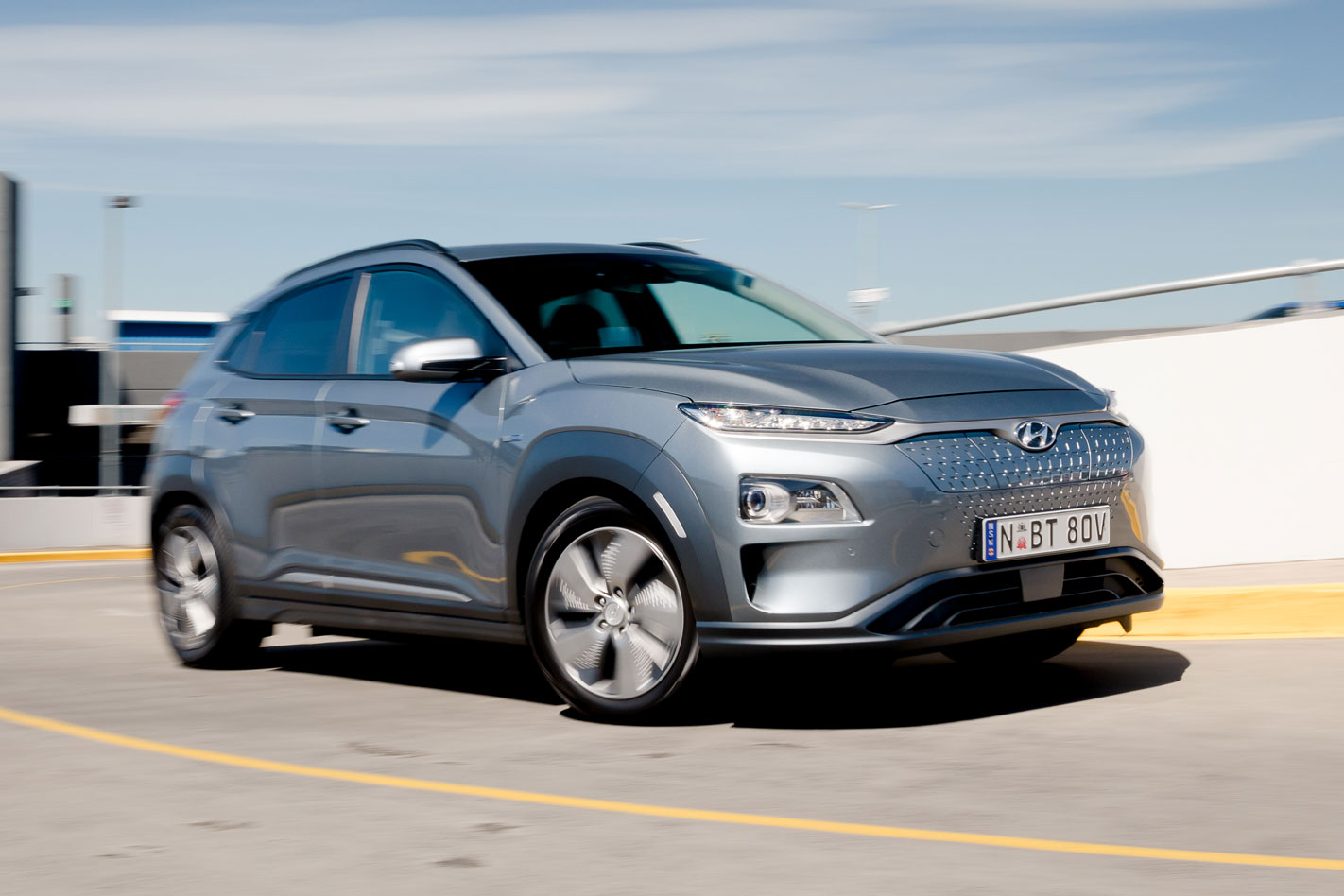
CEO of the Electric Vehicle Council, Behyad Jafari, told WhichCar he was pleased to see the NSW Government lead the way towards EV adoption in Australia, having consulted with the authority and the NRMA on the Bill.
“The passage of the NSW Electric Vehicle Bill is a huge step forward for EVs in Australia,” said Jafari.
“The State Government’s nearly $600m investment will make electric vehicles cheaper to buy [and] build more charging stations.“What Australia needs now is for other governments to follow the example NSW has set to boost EV uptake immediately.”
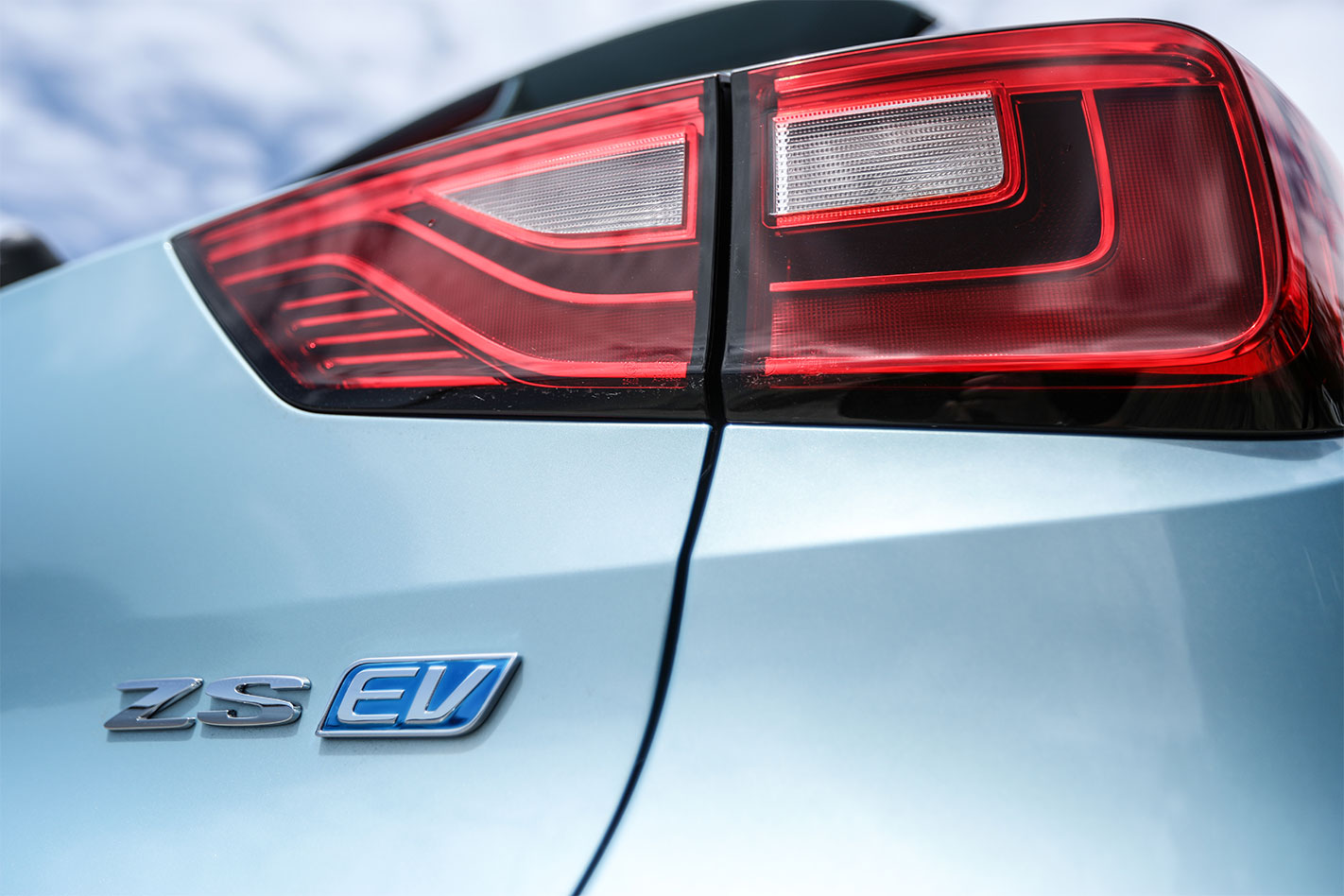
The incentives included in the Bill now mean the MG ZS EV will retail for $41,990 after the rebates are applied, with the brand’s Australia and New Zealand CEO Peter Ciao welcoming the legislation.
“We welcome the move from the NSW Government to support the roll-out of electric vehicles and this government scheme will allow more of our customers to commit to an electric future sooner,” said Ciao.
“We look forward to offering our support to the Minister for Energy and Environment’s office, as MG accelerates its plans to supply and support infrastructure in NSW and across Australia.”
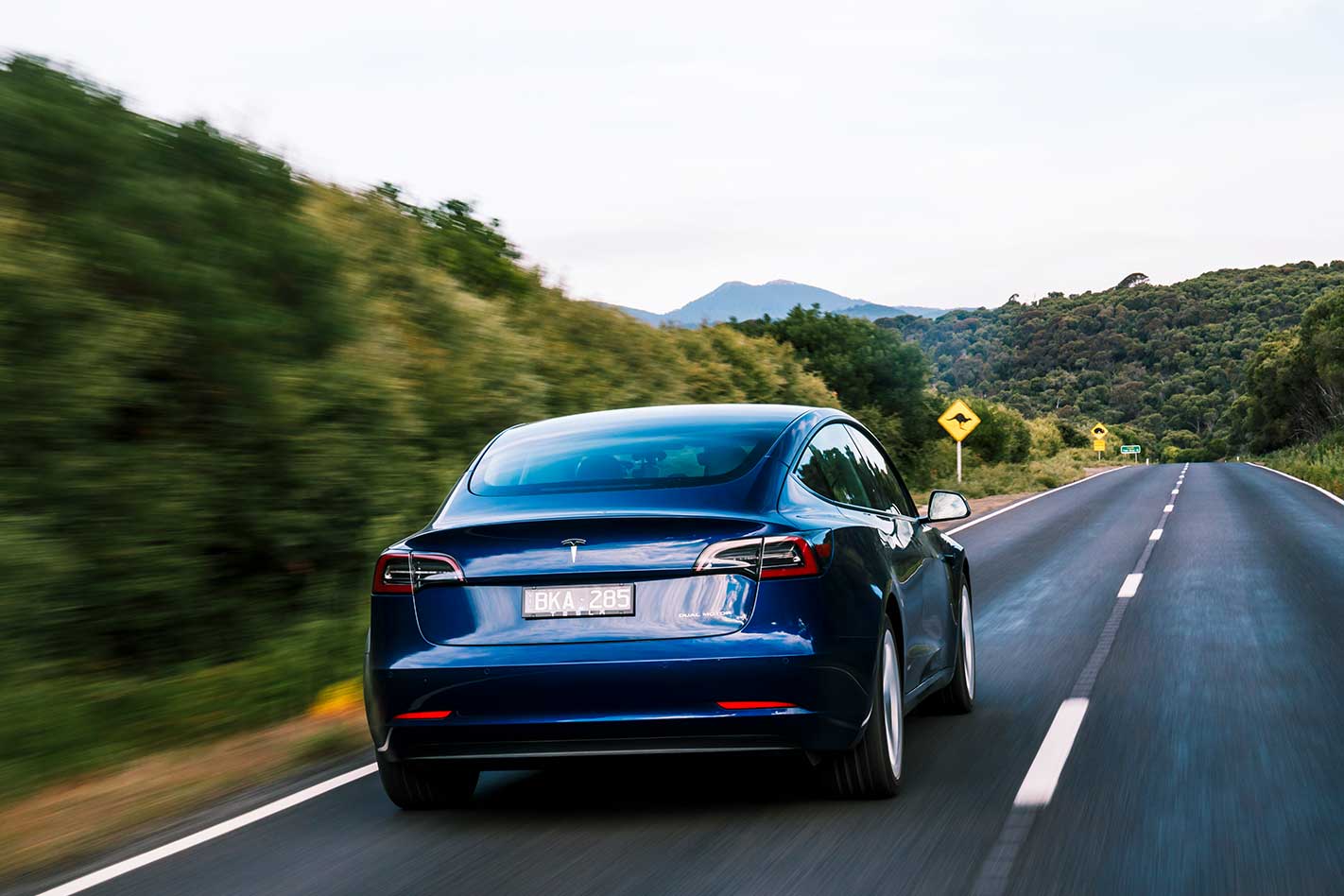
Chief Executive of the Federal Chamber of Automotive Industries, Tony Weber, said the NSW policy is an example which should be followed by other states and territories.
“Capital investment in a comprehensive electric vehicle charging network in metropolitan and regional areas is precisely the kind of tangible and practical policy setting that will increase the confidence of EV drivers across the State,” said Weber.
“The accompanying reforms, including the elimination of stamp duty on EVs together with non-financial benefits of access to transit lanes for EV drivers, are also consistent with best practices from governments across the world.
“The direct consumer incentives also provide a boost to the market. We look forward to seeing the full details of how consumers can access these grants along with stamp duty relief which we note will be available prior to November 1.”
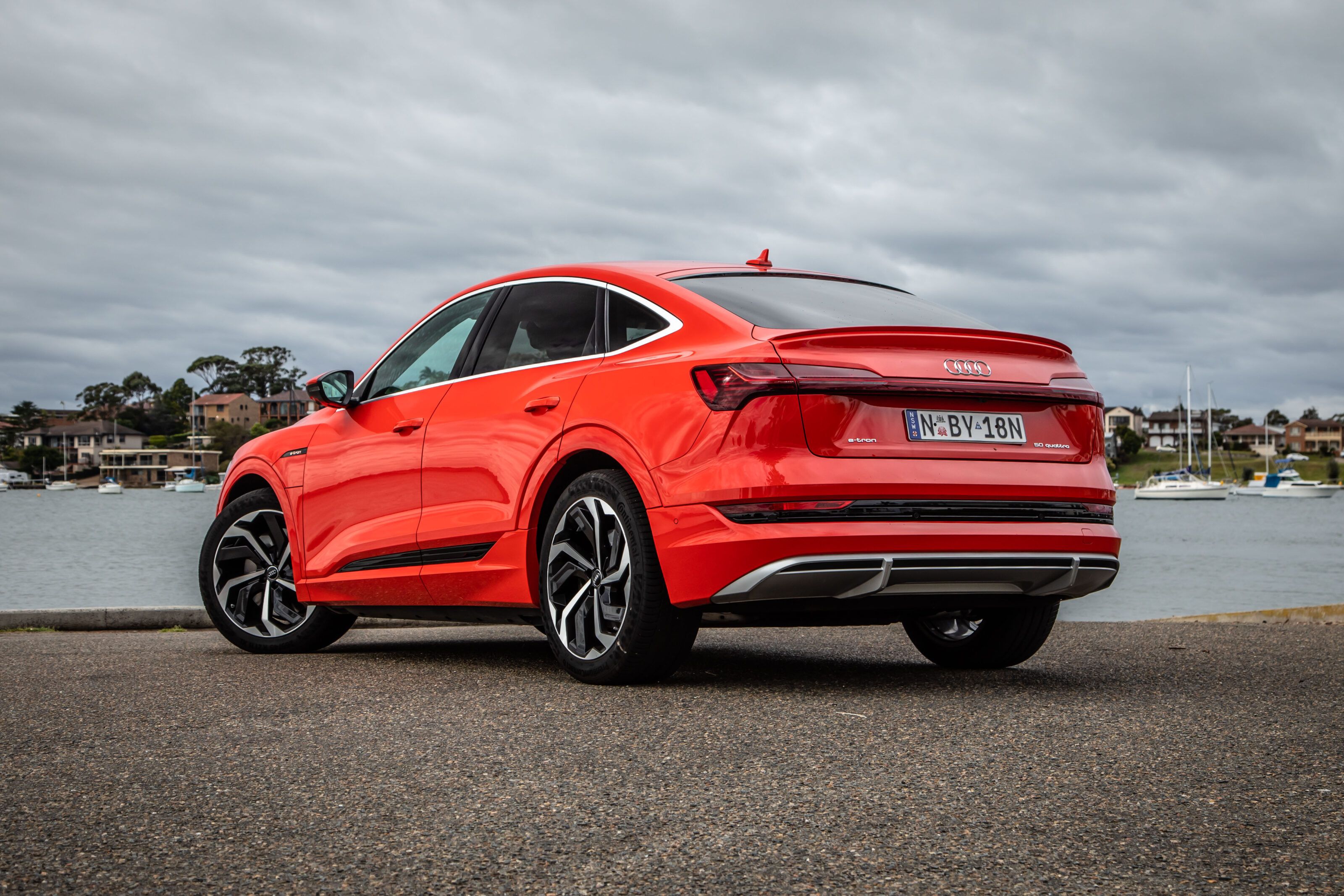
If you’re a carmaker in the EU, you have to show everyone you’ve got your ducks in a row. For all its many years of making electric concepts and limited run stuff like the R8 E-Tron, Audi’s first customer battery-electric vehicle was a long time coming. And when it arrived, it arrived in a form that our car market could recognise – an SUV. Not a weird city car made of carbonfibre or a dull, humdrum hatchback but a big, five-seater luxury SUV.
The Audi E-Tron has been around since 2019 and, here in Australia, for around a year.
It hasn’t exactly gone bananas in the sales, but that has something to do with the fact that it’s a gap plugger until things really start to get going, like the Q4 E-Tron that we hope to see soon. And at less than a hundred grand, if the winds blow the right way.
With competitors coming thick and fast – BMW and Mercedes are building up quite an onslaught – another look at the E-Tron is in order to remind ourselves of Ingolstadt’s first attempt and how it’s standing up to the scrutiny.
Pricing and Features
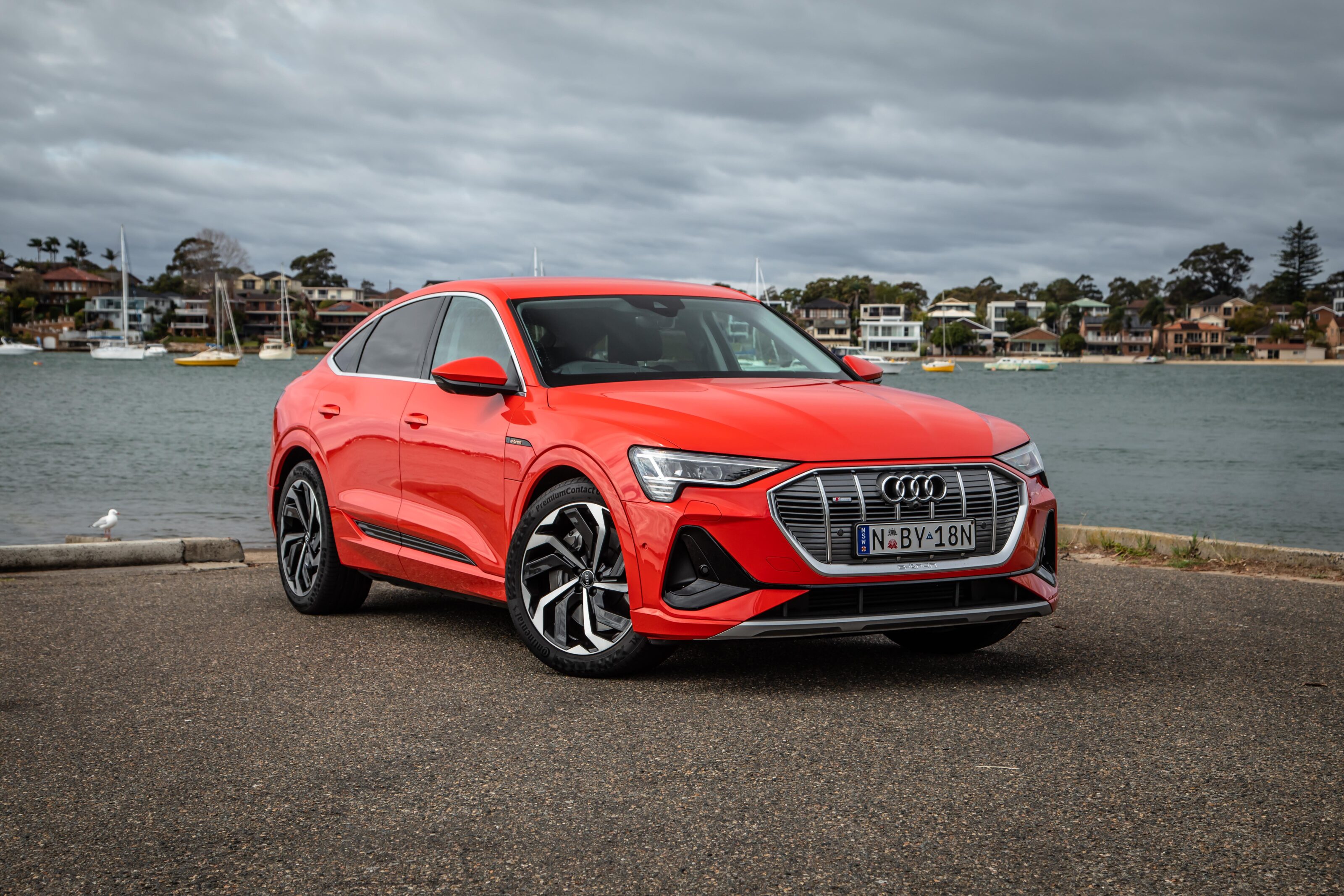
Without putting too fine a point on it, the E-Tron 50 Sportback is a lot of money at $148,100 before on-roads. With the BMW iX starting well below that and a new version of the EQC to undercut it, as well as all but the top-spec Jaguar i-Pace costing less, it had better come out swinging with the stuff.
And it does.
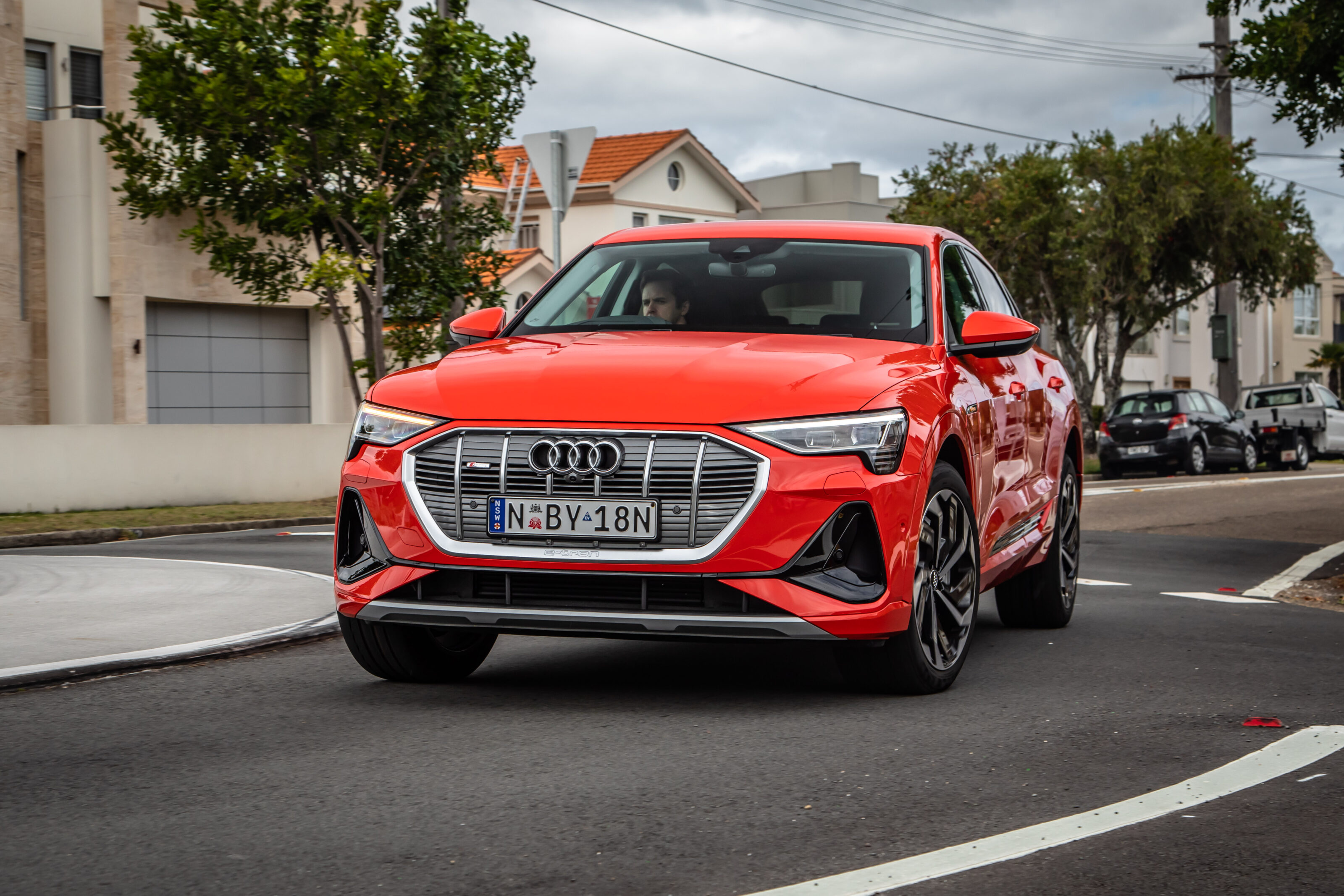
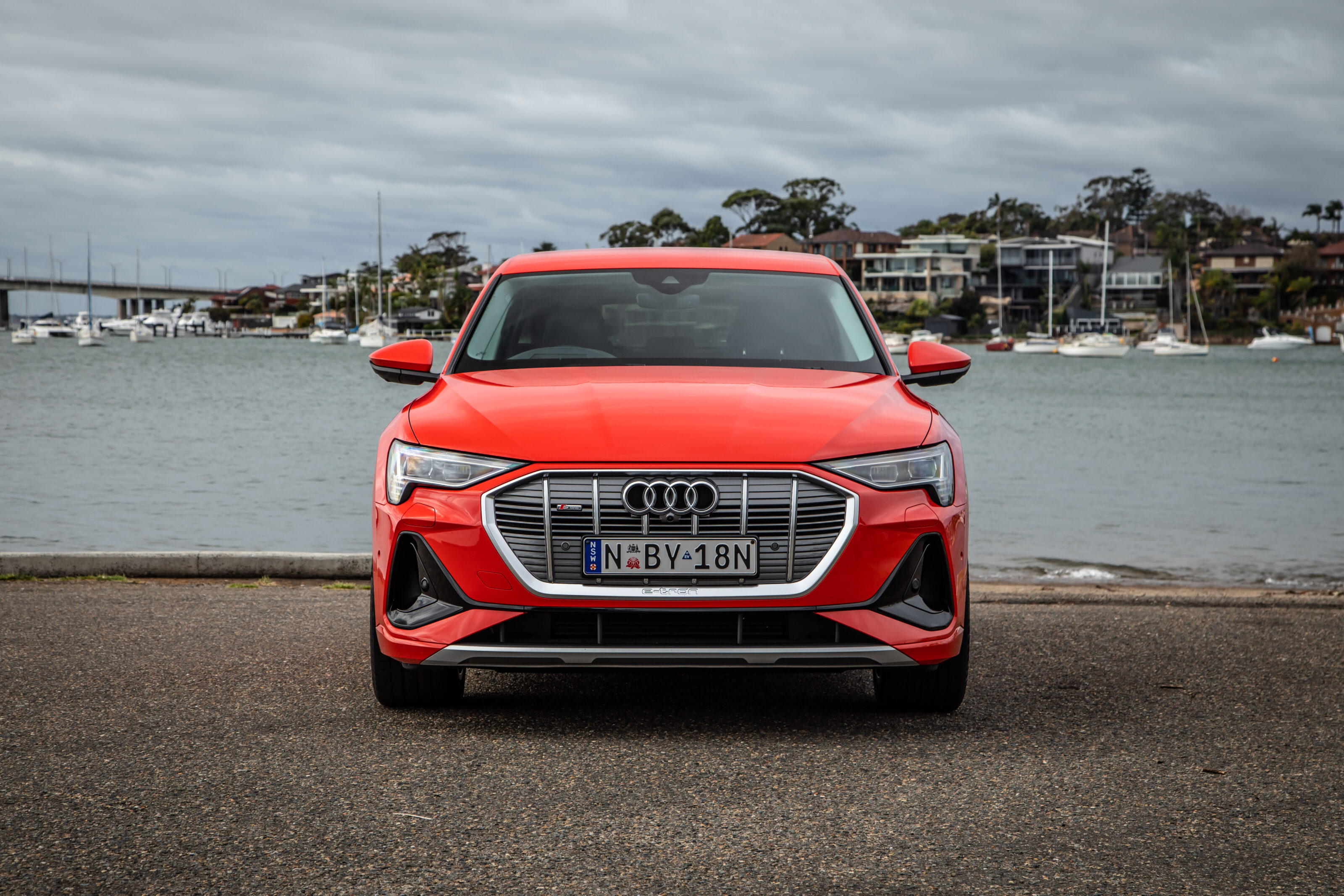
The E-Tron rolls out of the factory on 21-inch alloy wheels and the Catalunya red of the test car was an option costing $2300. Standard is a Milano leather interior, multi-zone climate control, 10-speaker stereo, wireless charging pad, head-up display, powered tailgate, heated sports front seats, electric folding and heated rear vision mirrors, adaptive cruise, auto LED headlights, around-view cameras, reversing camera, keyless entry and start, inbuilt sat-nav, auto wipers and a space-saver spare tyre.

Audi’s S-Line exterior package is also standard, with beefier front and rear bumpers plus a grille badge and brake calipers with orange E-Tron inscription.
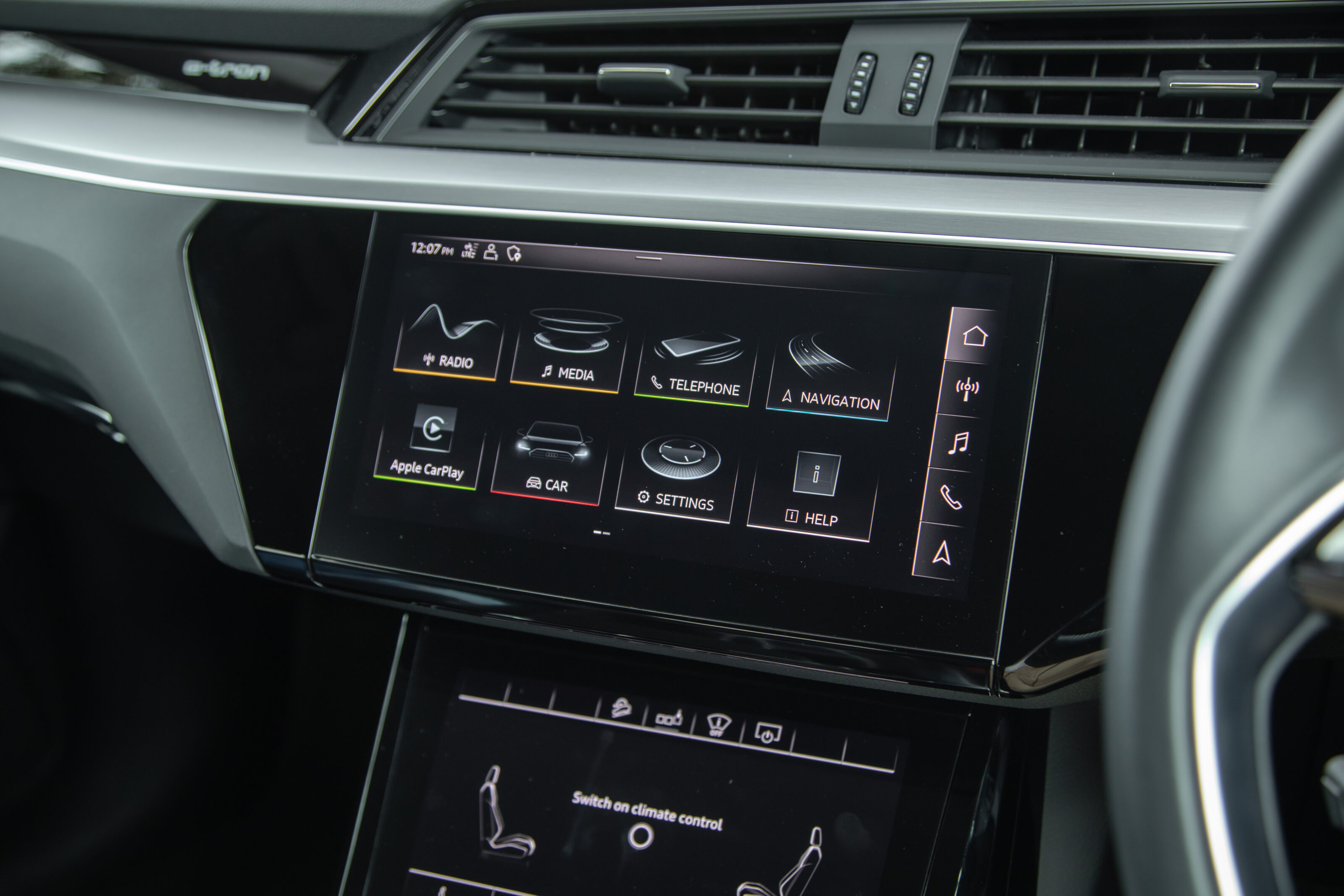
The two touchscreens are 10.1-inches for the MMI screen and 8.6-inches for the lower screen (the instrument pack is Audi’s 12.3-inch Virtual Cockpit). You get all the Audi Connect Plus goodness and you can do things with a phone app like unlock the doors, turn on the climate control, that kind of thing.
The MMI screen features some visuals to help you understand where the power is flowing and how, but it somehow misses out on some really nerdy stuff, as does the dashboard. You also get DAB+ digital radio into the bargain.
Without putting too fine a point on it, the E-Tron 50 Sportback is a lot of money at $148,100 before on-roads and options.
The safety package is comprehensive, with six airbags, ABS and stability controls, forward collision warning, forward AEB, rear cross-traffic alert, forward cross-traffic alert, exit warning, blind-spot monitoring, lane-keep assist, collision avoidance assist (with steering help) and Audi’s pre-sense tech, which pulls the seatbelts tight and closes the windows if it thinks things are about to get percussive.
Babies’ and kids’ seats are looked after with three top-tether anchors and two ISOFIX points.
On arrival in 2019, the E-Tron scored five ANCAP safety stars.
Comfort and Space

Weirdly, the E-Tron is not built on VAG’s MEB dedicated electric platform but on the long-established MLB platform under which you’ll find every large SUV from VW to Lamborghini and every Audi from the A4 and up. As a result, it’s a little compromised and doesn’t have that familiar skateboard vibe of rival EVs like the i-Pace.
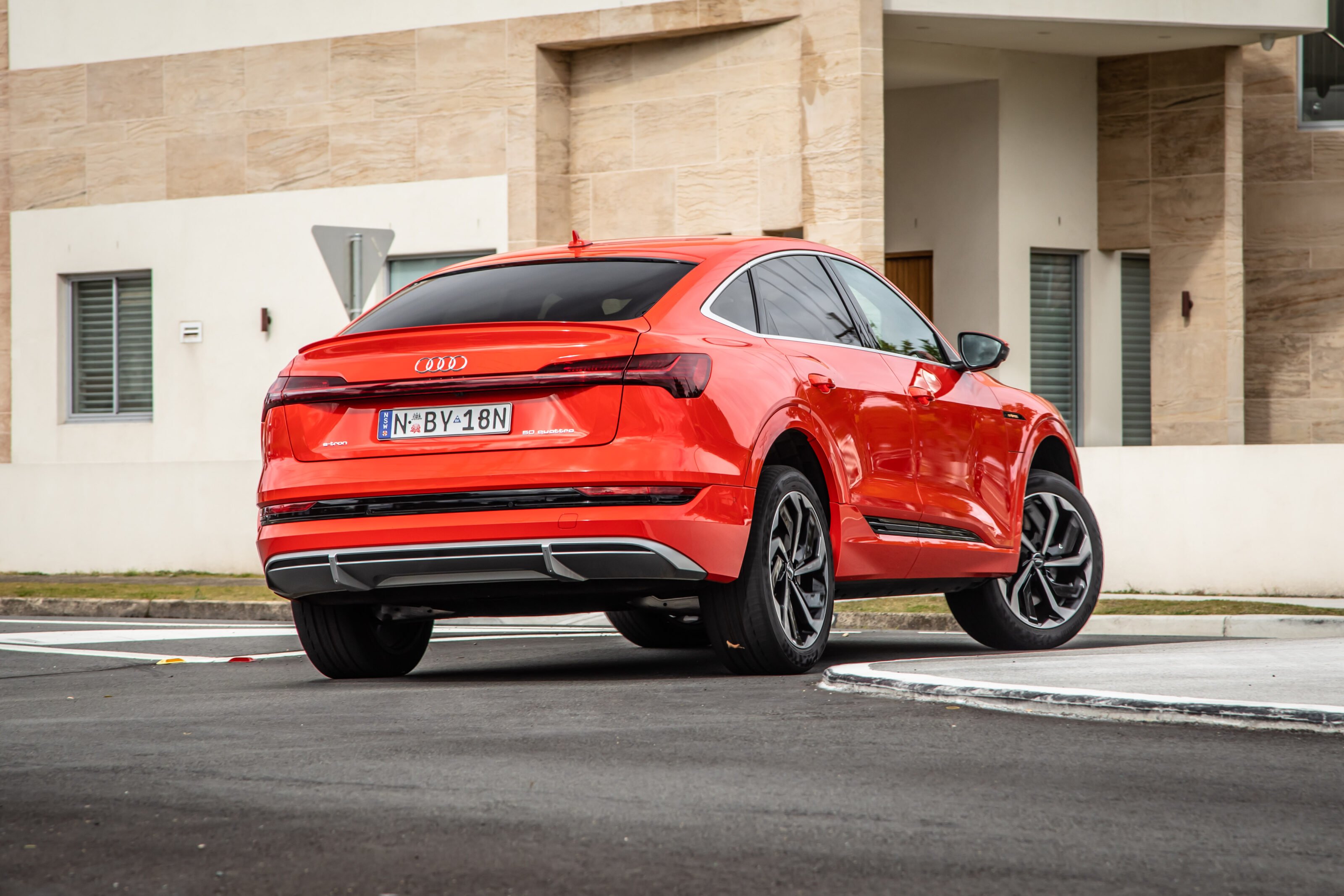
Available in SUV and coupe-like Sportback bodystyles, the latter loses nothing obvious from its occupant space and suffers just a little drop in cargo space from 660 litres in the SUV to 615 litres.
The froot box is the same 60 litres and is really just there for the portable charger. If you put the seats down there’s probably well over 1500 litres, but Audi doesn’t supply a figure for that.
The E-Tron feels Q7-wide because, well, it is, but that means the cabin has plenty of space and light. Front-row occupants are mollycoddled in big comfortable seats. There are two cup holders, a small cube of storage space under the armrest and bottle holders in the doors.
The cup holders have a slot between them for standing your phone vertically and next to it is the clever charging pad. You lie your phone on its side and slide it into a spring-loaded clip to keep it against the pad and also not flying about when you go around a corner. A little bit like Hyundai’s in the Santa Fe/Palisade, in fact.

The E-Tron also has the familiar dual-screen setup from Q7 and Q8, with the big 10.1-inch screen for car and media functions while the lower one looks after climate controls and secondary functions.
The dash design is similar to the Q7 and Q8, with excellent full-width air vents and lovely detailing. I remain very attached to the gear selector, which looks like the throttle control from a sci-fi fighter ship.
Rear-seat passengers have a nearly flat floor, so three across the back is probably fine although the centre console intrudes into what would be knee or shin space.
Given its size, the head and legroom is plentiful and the falling Sportback roofline doesn’t interfere with your cranium. Unless you’re not paying attention when you’re getting out.
If you’re regularly hauling kids or capsules out of the back seat, the SUV might be a better bet to keep your head in the same shape as when you started.
On the Road
With the E-Tron, you have a choice of two power levels, the 50 and 55. The 50 has a 71kWh battery (64kWh useable) for a WLTP range of more than 300km while the 55 sports a bigger, 95kWh battery for a WLTP range in excess of 400km.
You can charge at home from a domestic socket or an optional 11kW AC charging kit from JETCharge. The 50 offers up to 120kW fast-charging and the 55 has 150kW fast-charging support.
The 50 as tested here has a total of 230kW and 540Nm driving all four wheels (of course) and will cover the sprint to 100km/h in 6.8 seconds, which is not bad at all. If you step up to the 55, you get 300kW and 664Nm for a 5.7-second run to the ton.
You can also tow 1800kg if you fancy making fun of a government minister in your spare time.
The 50 has 230kW and 540Nm driving all four wheels and will sprint to 100km/h in 6.8 seconds, which is not bad at all. You can also tow 1800kg if you fancy making fun of a government minister in your spare time.

Unfortunately, the overwhelming feeling of the E-Tron, at least initially, is that it’s big and heavy. And it is, well over two tonnes, which is partly down to the MLB platform but mostly due to batteries. As always, though, the weight is lower down than an ICE car, so that certainly has its benefits.
Added to that, the air suspension does its best to further reduce the feeling of weight, to the point where it’s almost banished in Dynamic mode. It always feels big but, as I say, that’s because it is.
It does feel quick, though. I’ve driven quite a few EVs and I still can’t quite reconcile their near-silent acceleration, with just a couple of clicks and whirrs once the system realises you mean business.
The throttle is lively unless you’re in Efficiency mode (hint: not even once) and it’s easy to modulate your speed once you get used to the way it all works. Unlike some EVs, the brake feel is good and there isn’t an awkward switch between recovery braking and actual braking.
I did often wish for a more aggressive recovery system, though. The paddleshifters are good for that “here I am downshifting for the corner feel” but I’d prefer the one-pedal operation of, say, a BMW i3 or Nissan Leaf. Yes, neither of those are anything like this car, no I haven’t driven a Tesla recently so can’t compare it.
And once you’ve completed the corner, the paddle-shifting is for naught because it goes back to the more relaxed default setting. Perhaps there is a way to make it more aggressive permanently and if there is, it’s well buried.
My time with the E-Tron was sadly restricted to shorter runs than I might have liked. As a result, its power consumption was a substantial 29.7kWh/100km, which means I’d just squeak out 300km, but you don’t want to be squeaking in an EV, especially in my part of Sydney which is a black hole for public charging.
The supplied six-year Chargefox subscription would be rather handier if I lived in another part of Sydney, specifically the bits between the northern shores of Botany Bay and the lower North Shore. The options in Melbourne, Brisbane and the Gold Coast are more favourable no matter where you live in the metro area and even Perth seems relatively well-served. Adelaide less so.
Luckily, when you’re not covering a lot of miles you don’t have to charge very often and when you do, home charging is extremely useful and more to the point, perfectly adequate.
I – and I imagine a number of owners – have the choice of charging for free during the day from our rooftop solar or looking up when the exorbitant time-of-day rates in Sydney drop from the utterly outrageous 50-odd cents per kilowatt-hour to 13c/kWh (10pm, as it turns out) and set the car up to start charging then.
It’s real set-and-forget stuff and there’s always the small joy of pressing the button on the charge port and the little door opening electrically. There are two charge ports, one on either side of the car, but only one side is a DC port.
Ownership
Yep, it’s still a three year/unlimited-kilometre warranty at Audi, which remains frustrating given Mercedes has stepped it up to five years but I’m also looking at you, BMW. There is an eight year/160,000km warranty for the battery, however.
Audi one-ups just about every other EV offering on the market with a six-year subscription to public charging network Chargefox.
Chargefox has 770 locations, without about 10 per cent of them proper fast-charging points of more than 120kW.
VERDICT
The E-Tron might be the sort of cutting edge technology we’ve come to expect of EVs but there’s a very real sense that Audi made sure not to make it too oddball or too in-yer-face EV. It’s almost like there were more wacky proposals on the table but everyone said, “What if we just made a car that’s electric that people might want to buy and isn’t intimidating for the EV-curious?” And that’s what we’ve got.
It’s very Audi – big wheels, Q-styling, terrific interior design and execution. It doesn’t have the numbers or rip-out-your-spleen acceleration of a Tesla, but nor does it have all that baggage. It drives like a normal car, except just plug it in when you get home.
While it is a little compromised for being built on MLB, that’s also a strength – Audi’s engineers and designers knew what they were doing from the get-go and what they had to work with. It hasn’t – and won’t – set the world on fire, but it has respawned the E-Tron brand as a full EV proposition while not being obnoxious about it.
| Body:u00a0 | Five-door SUV |
|---|---|
| Drive: | AWD |
| Engine: | Dual-motor electric |
| Transmission: | Single-speed |
| Power: | 230kW @ 0 rpm |
| Torque:u00a0 | 540Nm @ 0 rpm |
| Bore stroke (mm): | NA |
| Compression ratio:u00a0 | NA |
| 0-100km/h:u00a0 | 6.8sec (claimed) |
| Fuel consumption:u00a0 | 22.7kWh/100km (combined) |
| Weight: | 2612kg |
| Suspension: | MacPherson struts front/multi-link rear |
| L/W/H:u00a0 | 4901mm/1935mm/1616mm |
| Wheelbase: | 2928mm |
| Brakes:u00a0 | 399mm ventilated disc front / 351mm ventilaed disc rear |
| Tyres:u00a0 | 265/45 R21 |
| Wheels:u00a0 | 21-inch alloy wheels (space-saver spare) |
| Price:u00a0 | $141,800 + ORC |
Snapshot
- UK has previously committed to ICE ban from 2030
- Current EV and infrastructure investments total u00a31.9bn
- Manufacturers will be forced to transition towards specific EV sales volume
The British Government has pledged an extra £970 million towards the nation’s vehicle electrification efforts.
Having previously announced it would ban the sale of new ICE-powered vehicles from 2030 – one of the most progressive commitments in the world – it has released its Net Zero Strategy, outlining its plans to get to a carbon neutral state by 2050.
In 2019, domestic transport accounted for 23 per cent of the UK’s total greenhouse emissions, with 55 per cent coming from private vehicles, although the overall number dropped to 19.6 per cent in the COVID-affected 2020.
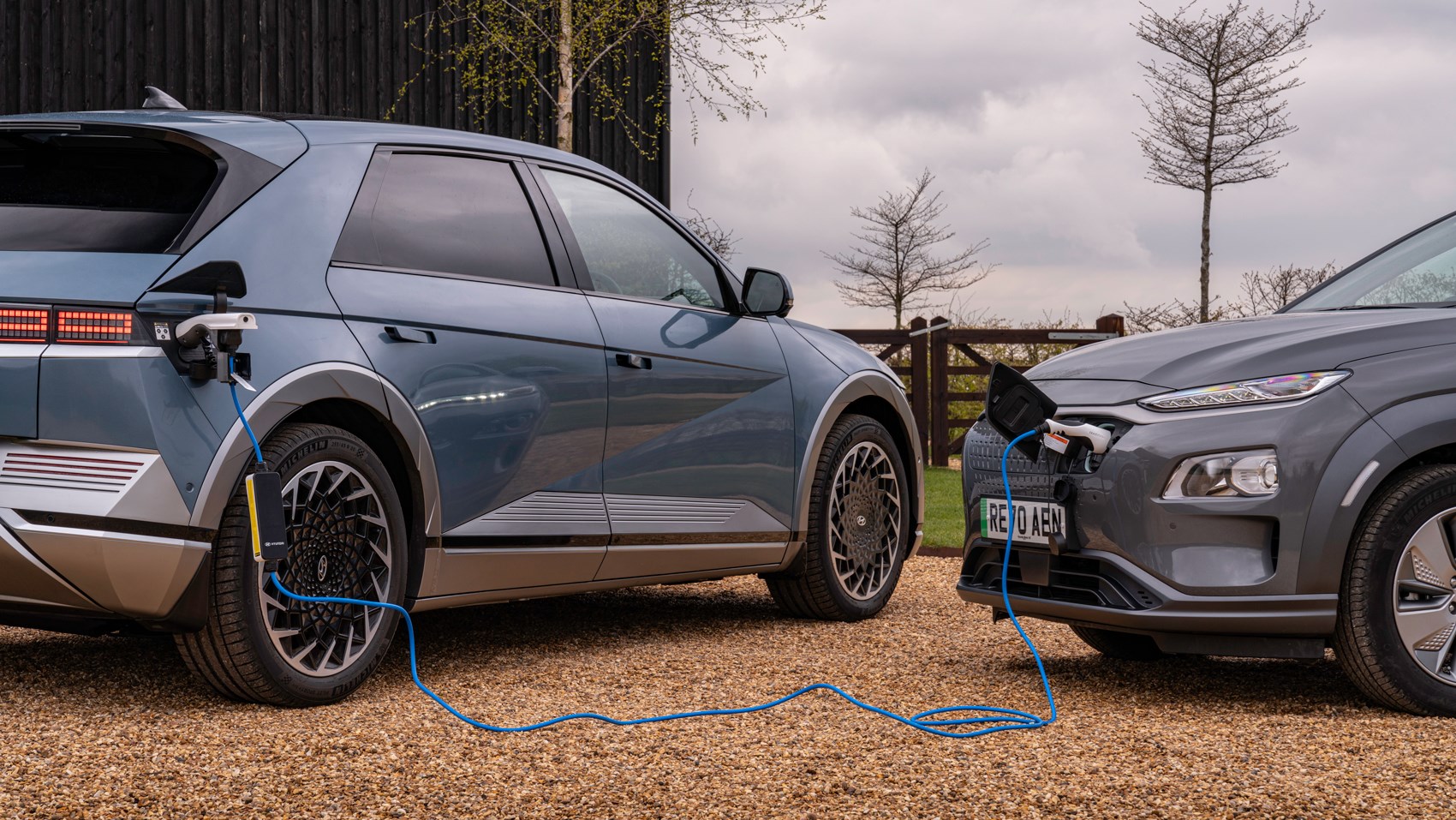
As one of the largest industries to target, an extra £350 million (AU$646m) has been allocated towards the electrification of vehicles sold in the UK, adding to an existing investment of £1 billion (AU$1.84bn) through the Automotive Transport Fund.
On top of this, the Government will spend an extra £620m ($1.14bn) on grants and charging infrastructure for EVs, focusing on on-street residential charging points – a move which has been backed by the charging industry.
The UK Government believes the Net Zero Strategy will lead to roughly 440,000 jobs while also unlocking a further £90m (AU$166m) in private investment by 2030, clawing some of its money back.
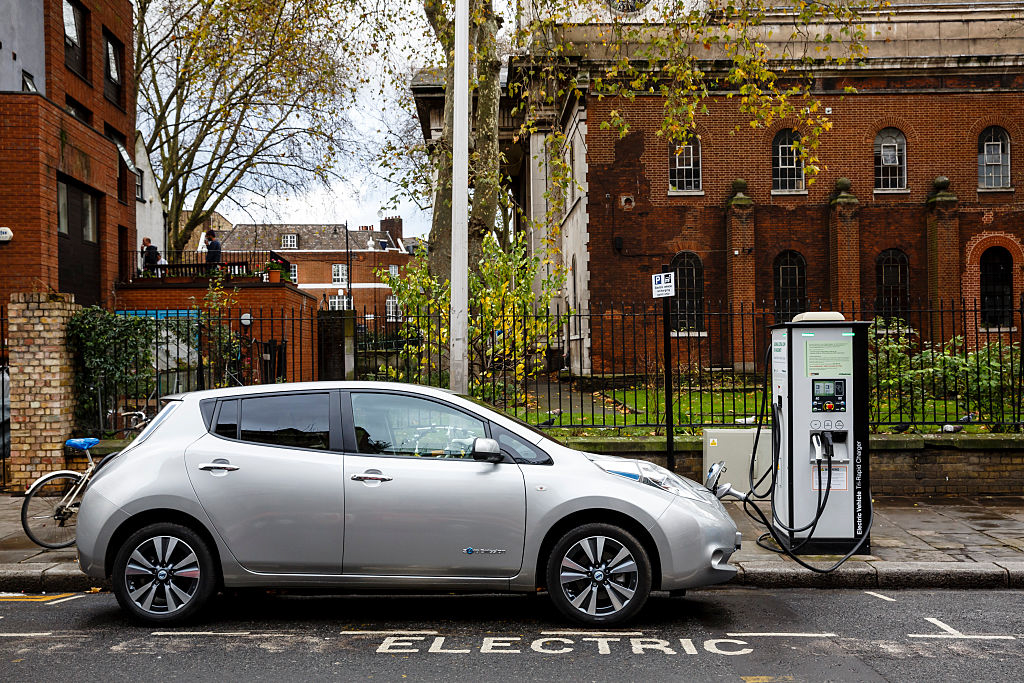
While no specific targets have been set, it is understood the UK will implement a fleet emissions target through zero emission vehicle mandates to reduce the number of ICE vehicles being sold each year, winding down to the 2030 ban.
Hybrids will be on sale until 2035, at which point the phasing out will begin, followed by a complete ban on all non-zero emissions vehicles from 2040 – including motorcycles, buses and goods transporters.
Meanwhile, the Australian Federal Government is currently in discussions about introducing a net zero target ahead of the Prime Minister, Scott Morrison, visiting the Glasgow Climate Change Summit at the end of October.
The covers have come off the 2022 Honda Civic Si sedan for the US market, previewing some of the styling and features coming in the full-blooded Civic Type R.
Honda will offer the Civic Si to North American buyers as a sporty and fun model, sitting below the Civic Type R – but with the Si adopting some features from its performance-oriented sibling.
The new Civic Si is powered by a 1.5-litre turbocharged four-cylinder engine producing 260Nm and 149kW – down 4kW over the outgoing model – and driving the front wheels exclusively through a six-speed manual transmission.
The manual’s throw has been reduced by 10 per cent and adopts the Civic Type R’s rev-matching system, while the flywheel has been lightened by 26 per cent to allow for easier revving.
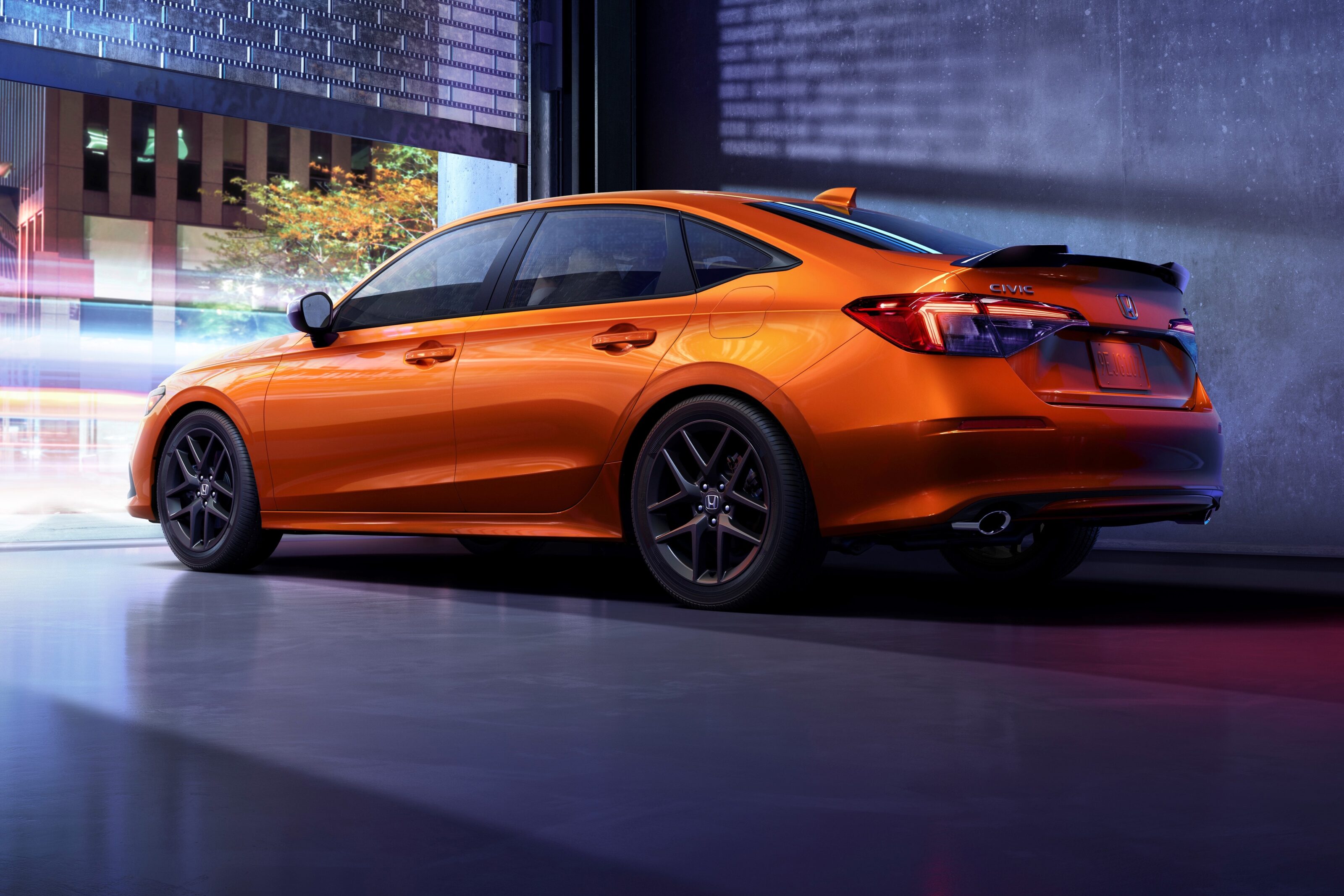
Also borrowed from the Type R hot hatch are front suspension components, helping to stiffen up the front-end by 79 per cent over the Civic EX sedan, while steering and braking are also improved over the standard model.
Shock absorbers specific to the Si are matched with stiffer springs, bushings, and thicker stabiliser bars, all riding on a set of black 18-inch alloy wheels.
Styling for the sporty Civic also gives us a good indication of what we can expect when the Type R finally lands, albeit with a large rear wing and more aggressive body kit.
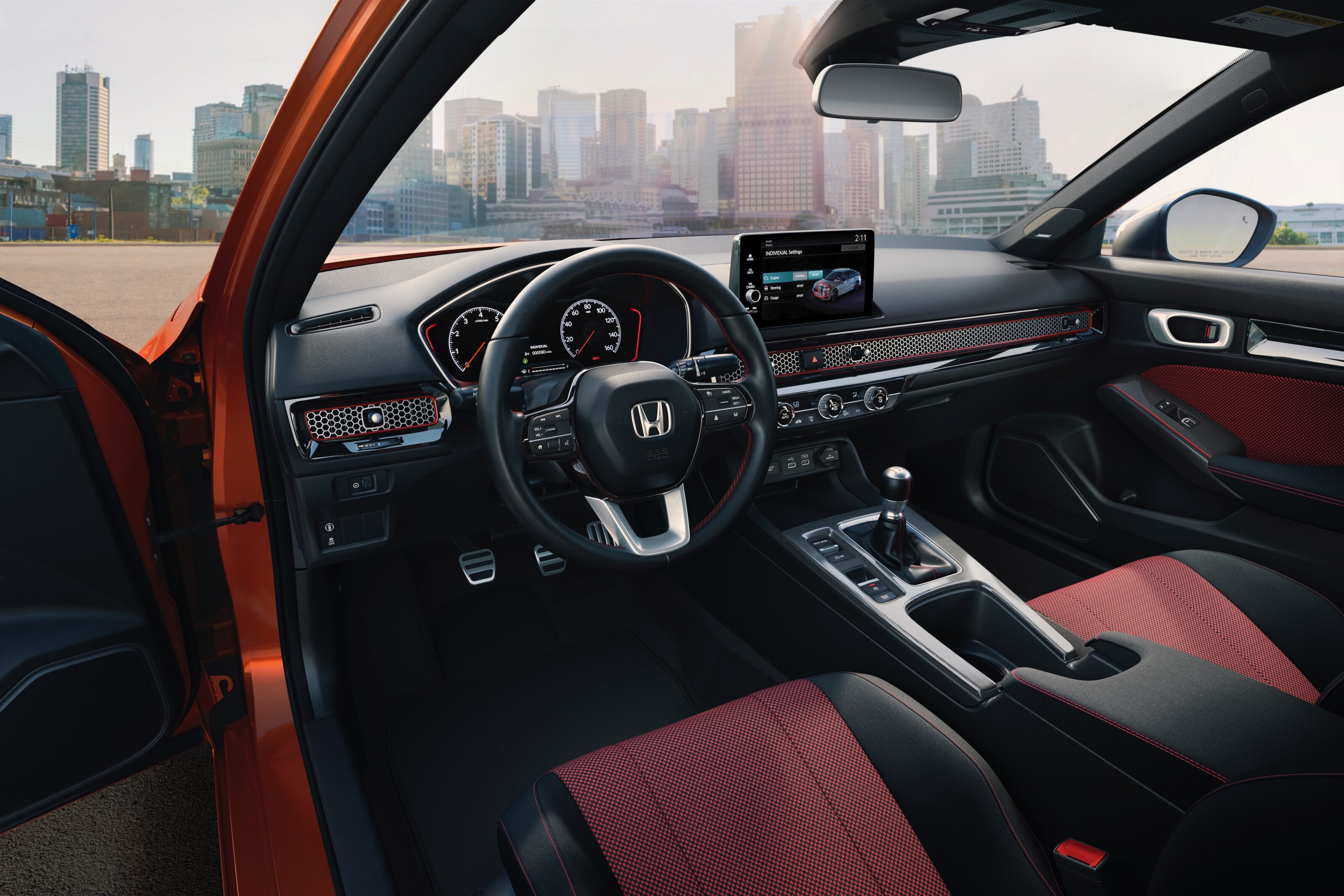
Inside, the Civic Si gets sports seats and pedals, red contrast stitching, and a 9.0-inch high-definition infotainment touchscreen with wireless Apple CarPlay and Android Auto – all running through a 12-speaker Bose premium sound system.
As the 2022 Honda Civic Si is based on the sedan body – which isn’t being offered in Australia – there’s little chance we’ll see the variant re-join the line-up locally.
With Honda promising to launch the hatchback in Australia in the fourth quarter of 2021, expect more details to come through in the coming weeks – including details on the Civic Type R.
Snapshot
- EV6 to be launched in three grades
- Rear-wheel and all-wheel drive available
- High-performance GT variant will launch in the future
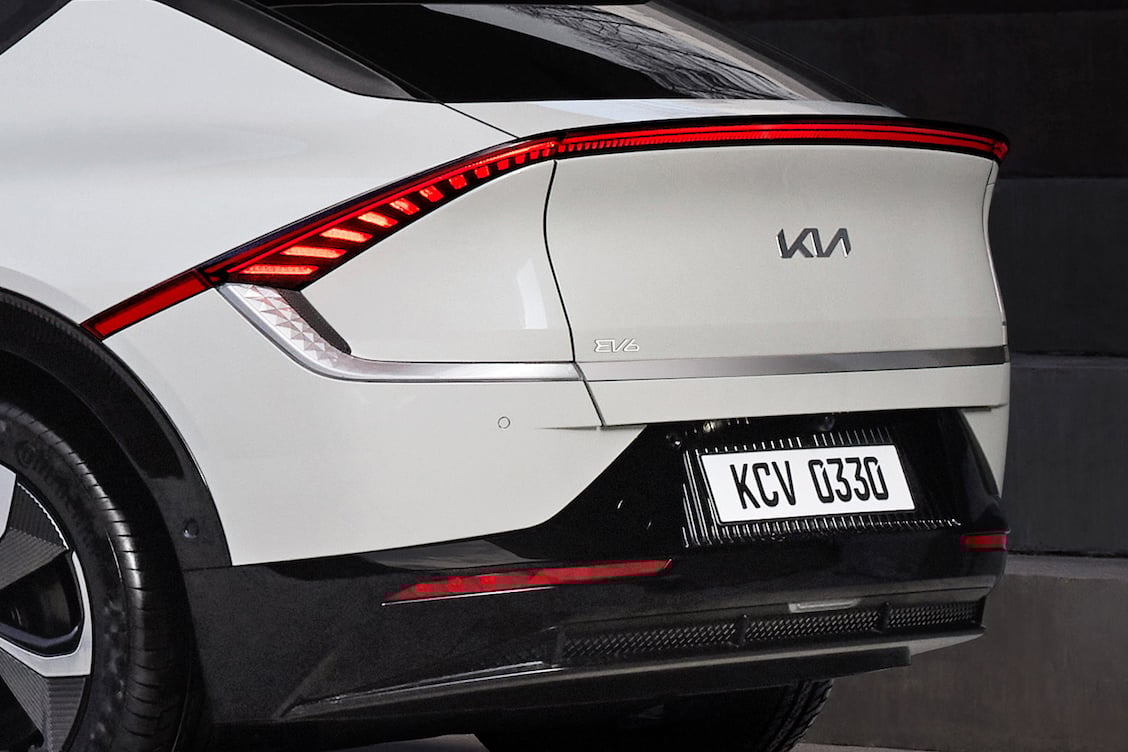
The British arm of Korean manufacturer Kia has released the specs of the upcoming EV6, with Australia’s variants expected to mirror those available globally.
As the first of 11 dedicated electric vehicles to come from Kia over the next five years, the EV6 has been launched in three grades – Air, GT-Line and GT-Line S – with a choice of rear-wheel or all-wheel drive for the latter two variants.
While a flagship GT grade has been confirmed, it won’t be available until later on in the model’s lifecycle, meaning buyers will have to make do with the 168kW and 350Nm RWD EV6 or the 239kW and 605Nm AWD grades for now.
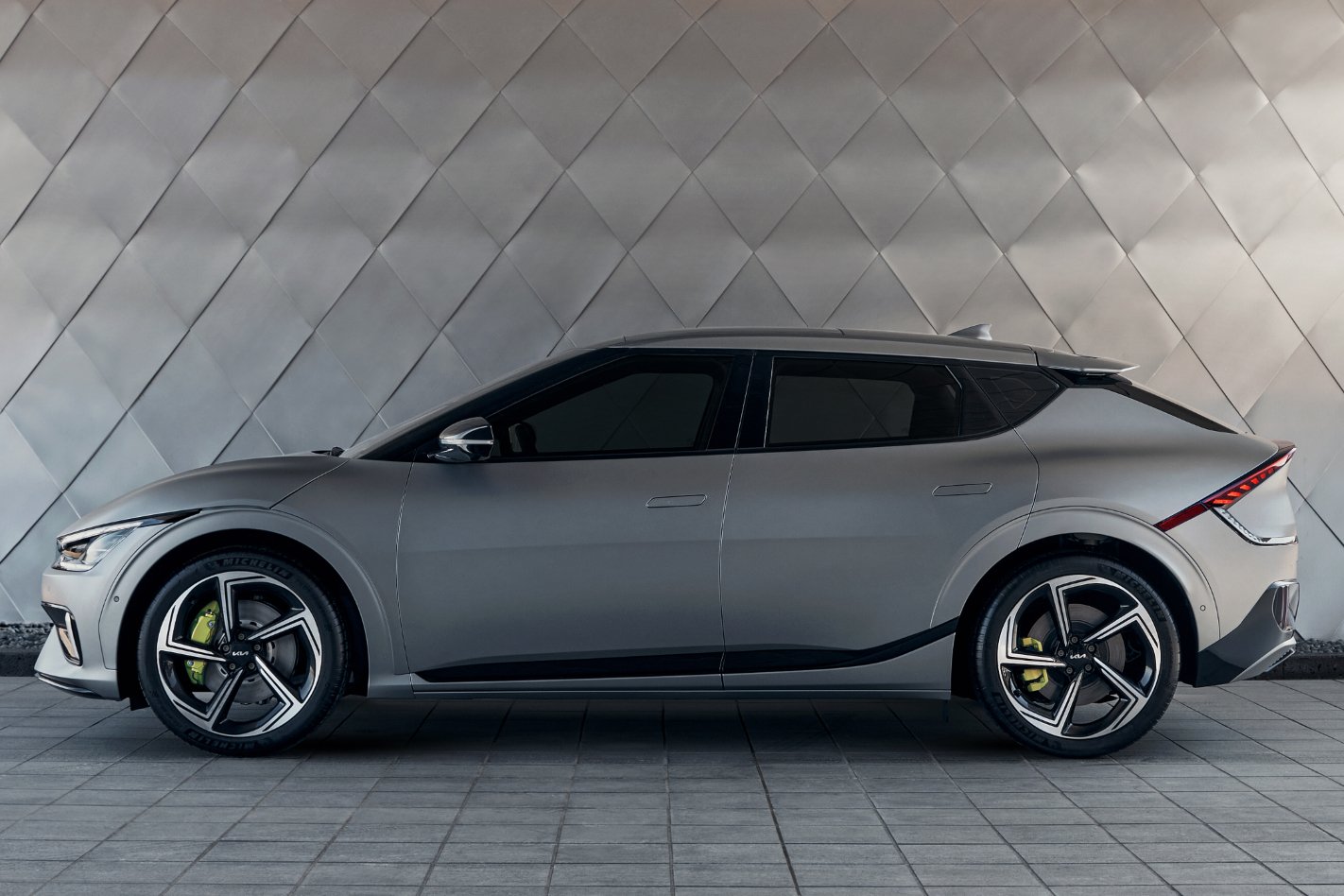
At the official reveal of the car earlier this year, Kia said lower grades would be available with a choice of 58.0-kWh or 77.4-kWh battery packs, however only the larger pack is on sale in the UK market – providing a combined driving range of up to 528km in RWD guise and 505km for AWD variants.
All EV6s will be equiped with a five-metre long Type 2-to-Type 2 charger cable plus a Type 2-to-domestic cable, the latter of which can recharge the EV6 to 100 per cent in 7.5 hours, while a 350kW charger can take it from 10 to 80 per cent in 18 minutes.
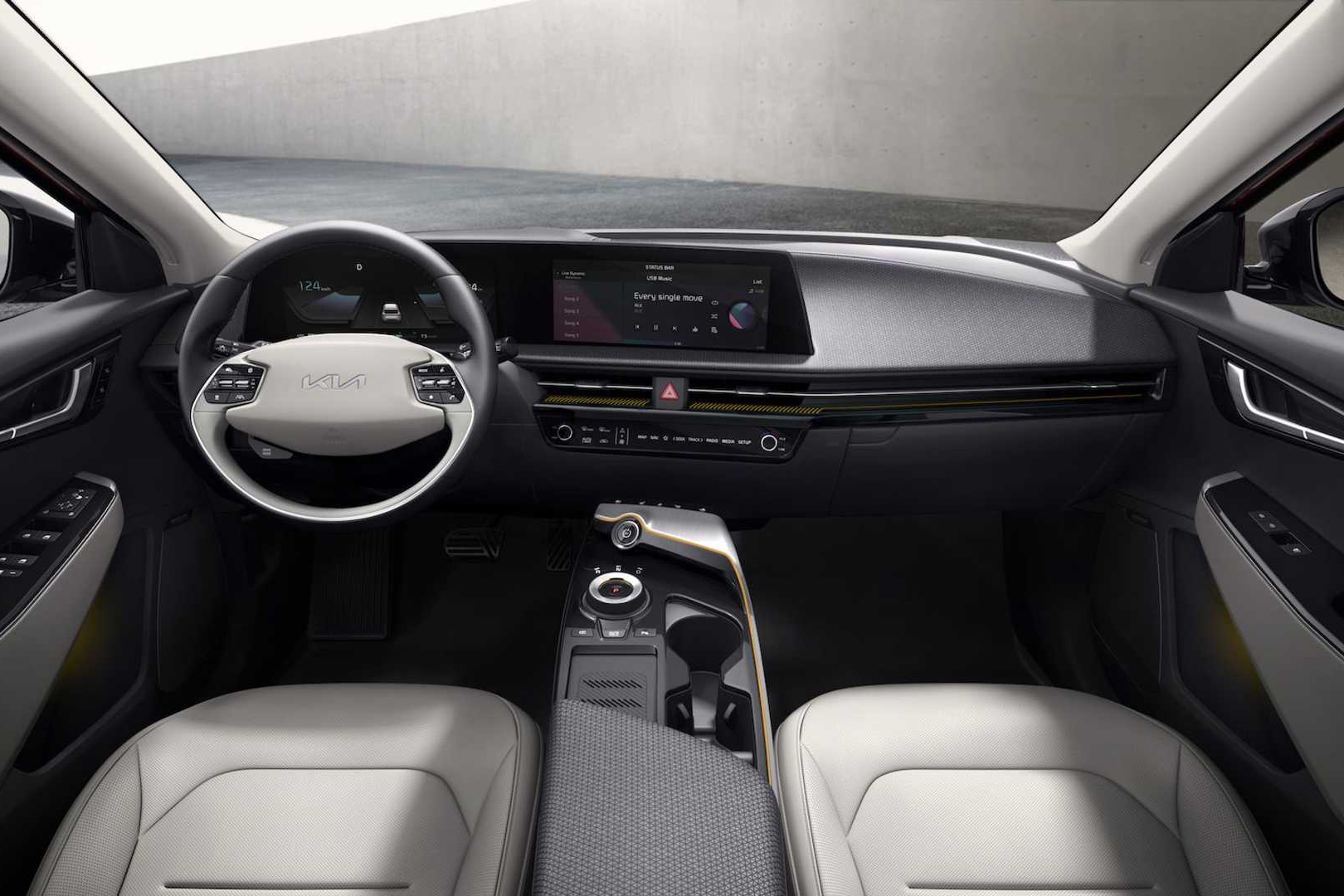
Exterior options include a choice of 19-inch and 20-inch alloy wheels, as well as six premium paint finishes which are offered as standard, tying in with the three interior trim combinations – black vegan leather, black suede and white vegan leather and black suede with neon green stitching.
Inside the cabin a pair of 12.3-inch touchscreens provide driving data and infotainment respectively, with the new multi-mode display replacing traditional physical controls with a haptic screen.
One of the rare options for the EV6 is the ability to include a heat pump on the GT-Line and GT-Line S grades, allowing heat generated by the cooling system to be used for temperature control of the cabin – which, in turn, helps it to achieve 80 per cent of its driving range either at minus seven degrees or the optimal 25 degrees celsius.
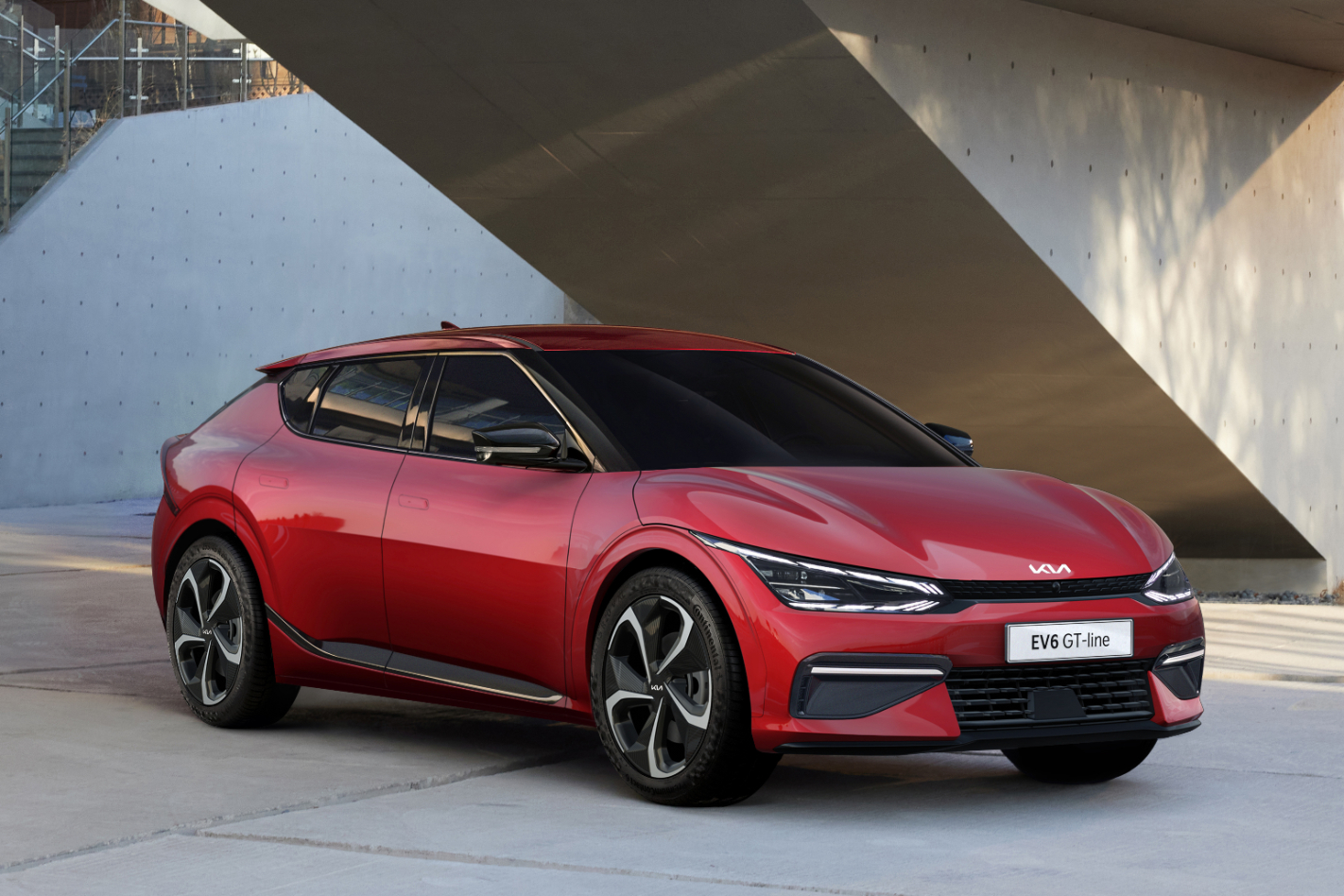
A host of safety features are also included on the EV6, such as; forward collision avoidance assistance, highway driving assist, lane follow assist, lane keep assist, driver attention warning, blind-spot collision avoidance assist, rear cross-traffic alert and safe exit assist to name a few.
Rear parking sensors and a reversing camera are standard across all three grades, while the GT-Line grade and above gain front sensors, culminating in the range-topping GT-Line S scoring extra tech such as; forward collision avoidance assistance for junction crossings, enhanced highway driving assist and parking collision-avoidance assist.
2022 Kia EV6 pricing
Pricing hasn’t yet been released for the Australian-bound EV6s, but going off the UK retail values, we could expect to see the model range from $75,000–$100,000.
Prices include VAT.
It’s faster but is it better? That question floated across my mind when reading the first drives of Porsche’s latest 992 GT3. While everyone was blown away by its speed and grip, there were faint rumblings that it had perhaps become a little too focused for use on the road. We’ll find out in due course when the first Aussie cars arrive, but it got me thinking. Do we get too fixated on numbers?
It’s easy to see why car manufacturers would. It’s easy to communicate to buyers if a car returns better numbers than before. Faster, more economical, lower emissions and so on. Everyone’s a winner, right? Not so quick, hoss. While cars are, undoubtedly more capable than ever, it does raise the question of whether they’re so capable that they lose something for road driving.
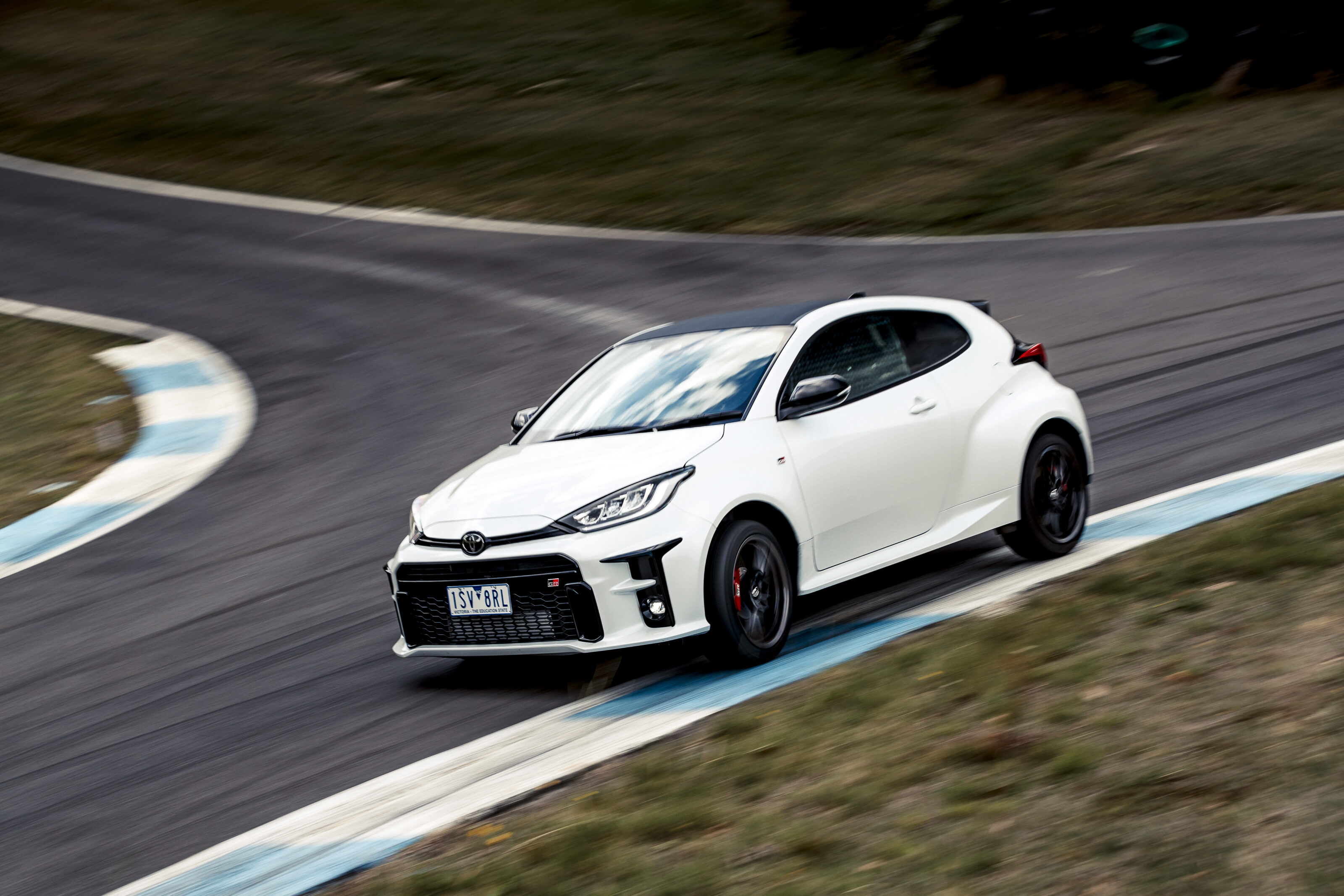
As regular MOTOR readers will know, at the moment I’m driving a Toyota GR Yaris Rallye as part of the mag’s long term fleet. With 156kW/tonne on tap, a manual gearbox and excellent Michelin Pilot Sport 4S tyres, it’s as fast and capable as I realistically need. The ability to accelerate to 100km/h in five seconds is plenty quick enough on road. We don’t always need to just go faster.
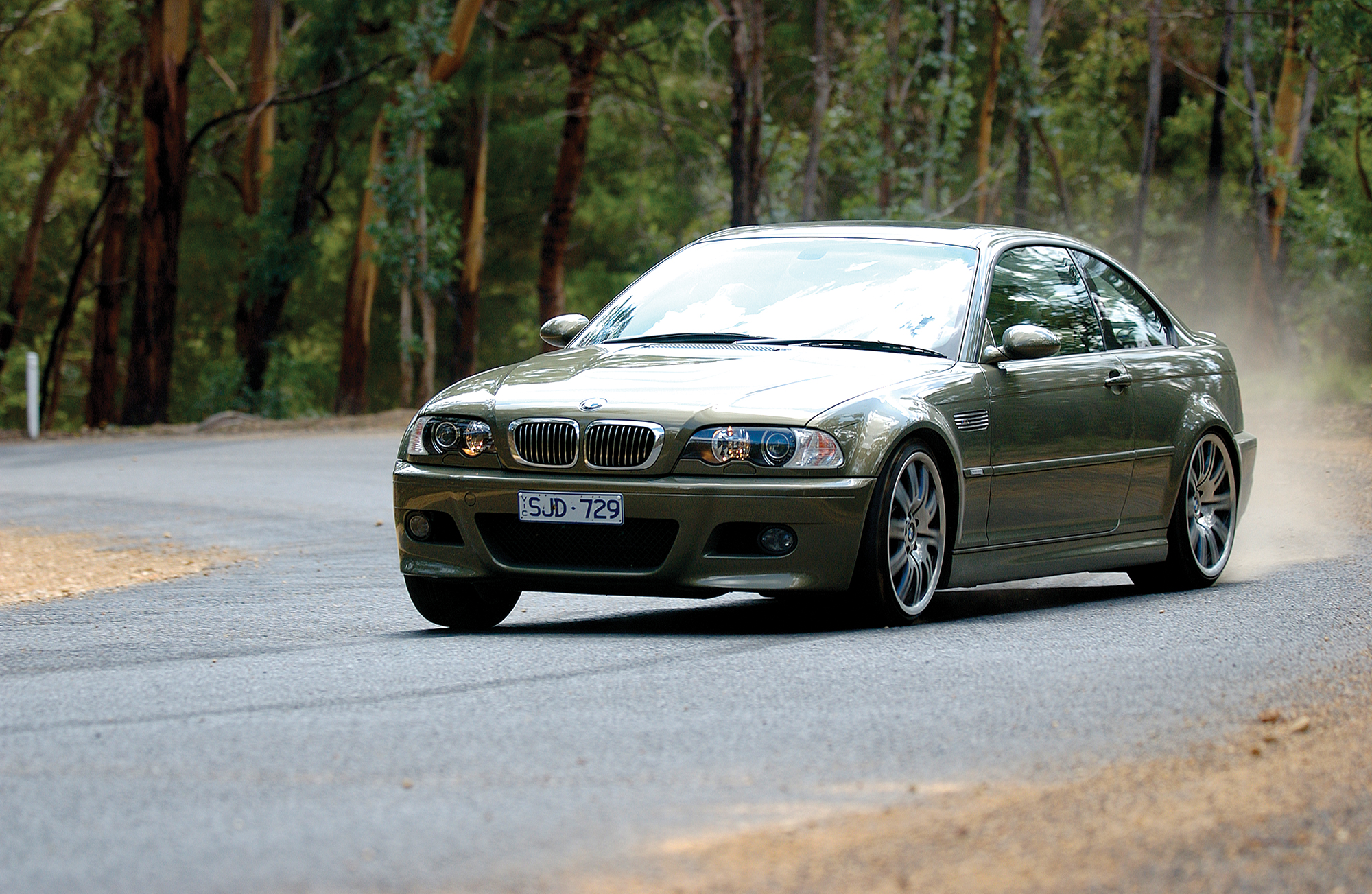
Case in point? I remember chatting to a BMW engineer about the F80 M3, the first of the line to feature forced induction and asking him what he thought of the engine. “It has so much more power and torque than the V8,” he said, without raising anything by way of a smile. “You’d still have the V8 through, right?” I wheedled mischievously. “No, the six is a much better engine,” he countered, before leaning in and muttering “the one in a [E46 M3] CSL.”
Indeed, you only have to look at the performance figures of each initial M3 offering per generation to see how much quicker each successive generation has become.
| BMW M3 | 0-200km/h | Improvement % |
|---|---|---|
| E30 | 33.7s | – |
| E36 | 20.1s | 40% |
| E46 | 16.8s | 16% |
| E90 | 15.6s | 7% |
| F80 | 13.3s | 15% |
| G80 Competition | 12.5s | 6% |
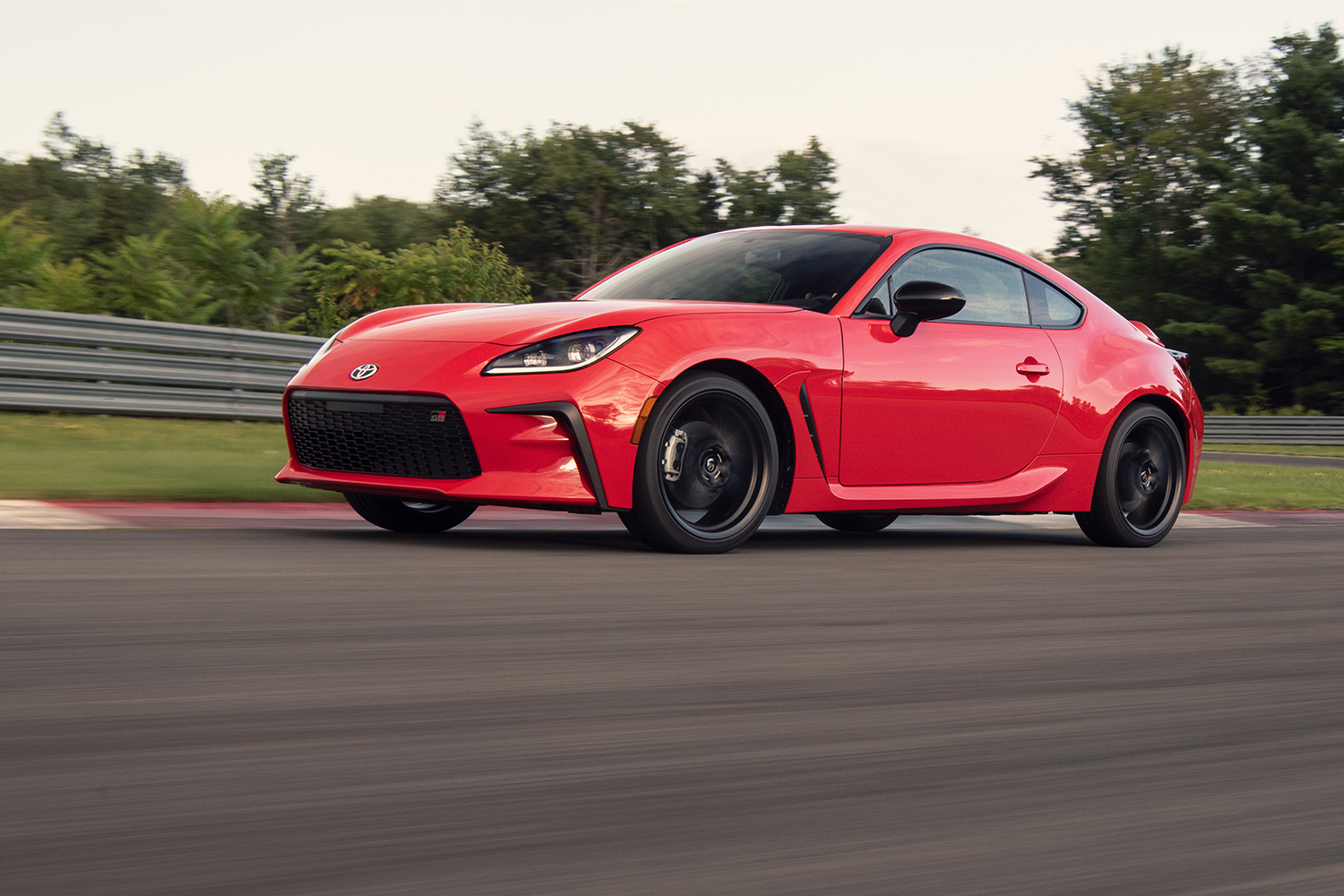
Now ask yourself which of them you’d choose to take for a drive on your favourite road. I’d be torn between an E36 and an E46, but I certainly wouldn’t take one of the later turbocharged cars. They’re so quick that to get them up on their toes requires very specific conditions. It’s why there will always be a place in my heart for cars like the latest Ford Fiesta ST or the Toyota 86 which feel alive and rewarding at relatively accessible speeds.
One of the key aspects of making these cars feel alive in your hands is getting tyre choice right. Performance cars are often over-tyred in the interests of grip, lap times and, yes, a nod to safety and yet tyre technology is not one that has indulged in this feast of objective measures. We take it for granted that tyres have improved over the years, but by how much? You only have to look at another performance measure to get a clue.
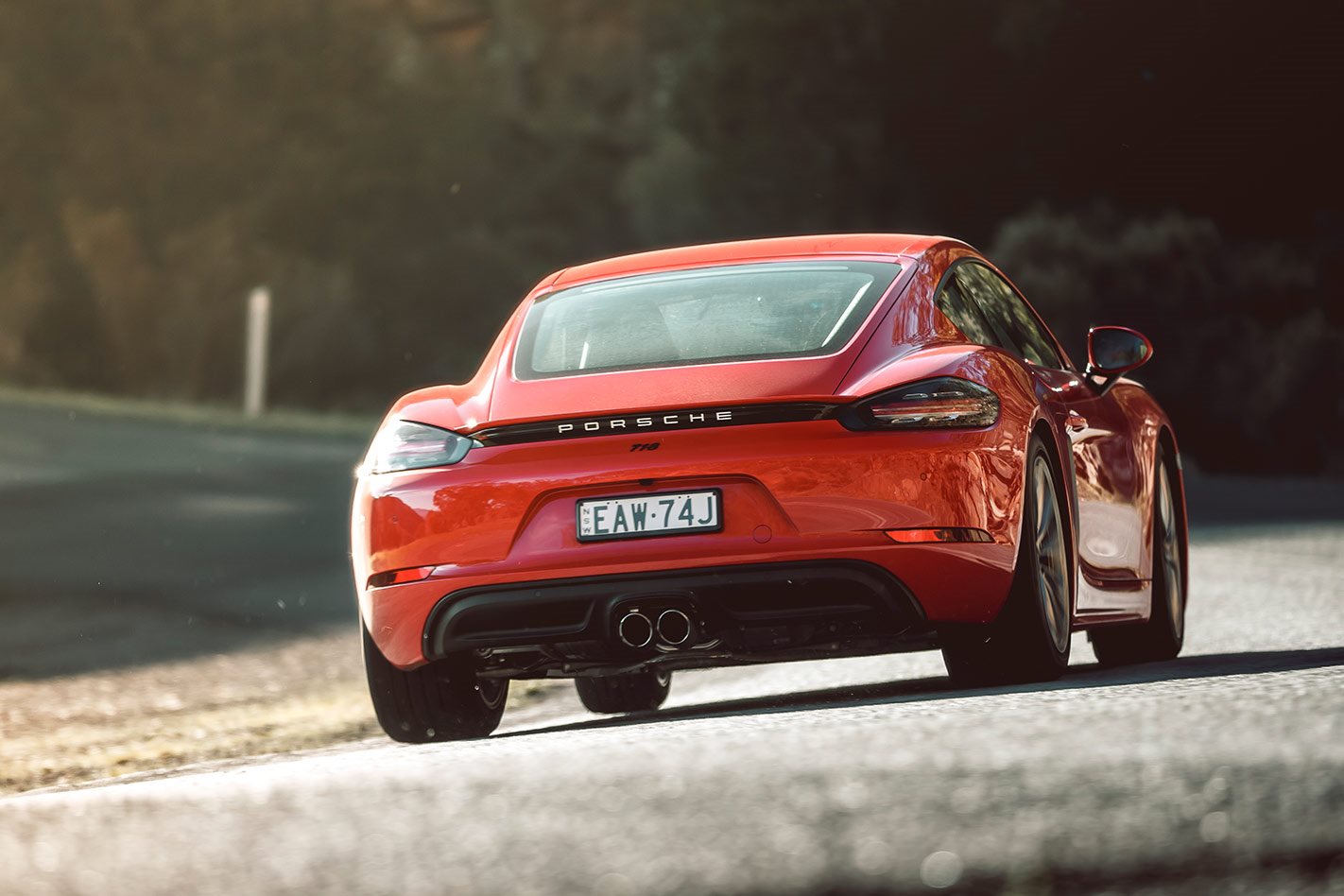
Why is a 718 Cayman S (177kW/tonne) nearly ten seconds quicker around the Nürburgring than a 996 GT3 (196kW/tonne)? Part of it down to the advances in gearshifting technology as the 718 that Christian Gebhart was driving was equipped with a PDK whereas Walter Röhrl had to change gears in the 996 himself. Much is down to the sheer amount of grip the contact patch is affording though, helped in turn by suspension and aero. Looking back at that list of BMW M3s, the size of the rear contact patch between the E30 and the G80 models has increased by 51 per cent.
But again we come back to the question of whether you’d rather be blatting through the gears in an effortlessly capable 2.5-litre four-cylinder Cayman or wringing an atmo 3.6-litre Mezger engine to its 8000rpm redline. Leaning on Porsche’s stability control or taking matters into your own hands?
Don’t get me wrong. I’m all for progress, and in the mainstream realm it has made the average car immeasurably better. Performance drivers are a strange bunch though. Unless you are absolutely determined to wring out the last tenths on track, you have to wonder where we’re going.
Wherever that destination is, I’m fairly sure Nürburgring lap times are not a worthwhile waypoint. Even Mr Röhrl has given up on those, admitting that they’re best left to younger pedallers. That ten second gap between the Cayman and the GT3 sounds vast, but on a 20.6km lap of the Nürburgring, it’s a difference of 1.9 per cent.
As an aside, I disagree with the likes of James May that the Nürburgring is ruining road cars. It’s a road. How does a road ruin road cars? The hyper focus on lap times is what is creating cars that are only in their peak operating window at speeds most will never achieve. That’s where we’re going wrong. I know the Nordschleife well but I couldn’t get within 30 seconds of a Lars Kern or a Kevin Estre in an identical vehicle. The cars are being designed to fit a level of expertise that is beyond me and, I suspect, at least 95 per cent of their customer set.
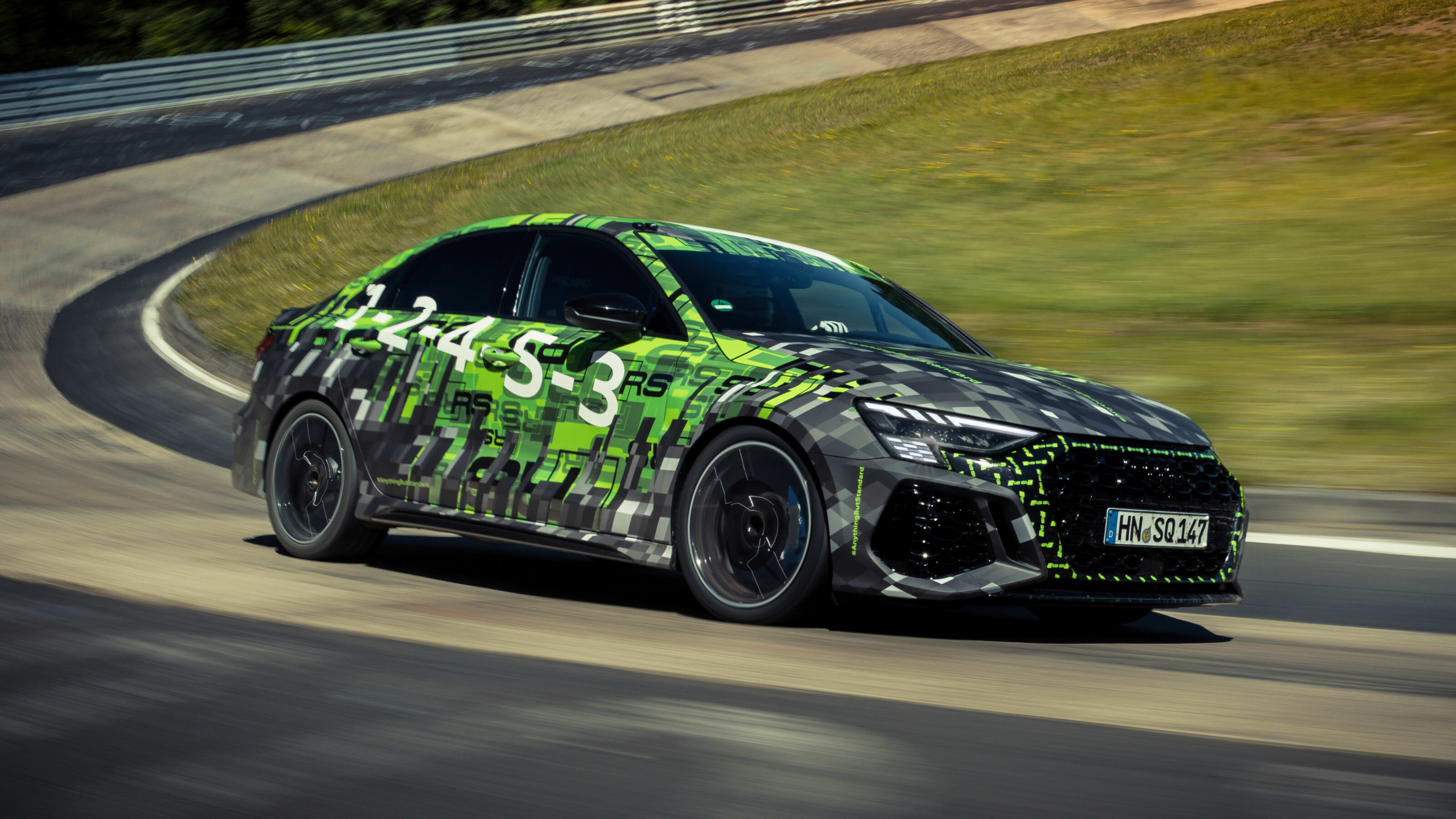
So where does that leave us, if we’re framing this discussion purely in the realm of enjoying cars on road? We want cars that are not necessarily hugely powerful, but which are adjustable and accessible. If they sound great, that’s a bonus and, as we move into a world of electric cars, I’m increasingly beginning to think that the ICE cars that will be most valued are the ones which sound the best, but that’s probably a discussion for another time.
This points us towards relatively affordable cars, which I’m all for. There’s also the ‘analogue wristwatch’ argument to consider, whereby there’s an ineffable feel-good factor in having something beautiful and created by craftsmen to be overengineered for your specific requirements. There’s nothing wrong with that, but that’s a question of ownership rather than driving experience.
I guess, what I’m trying to say is that the person arriving at the top of the hill route first doesn’t necessarily win. The one arriving with the biggest grin on their face is the one who has got things right and choosing how to do that and arguing over why is exactly why we love the world of performance cars so much. Yes, we’re addicted to measuring, but every once in a while it pays to stop and ask whether the metrics we measure are even worth a damn.
Snapshot
- Ineos has recently invested u20ac2bn (AU$3.13bn) in hydrogen
- Grenadier fuel-cell concept vehicle to use a Hyundai cell
- The company currently produces 400,000 tonnes of hydrogen annually
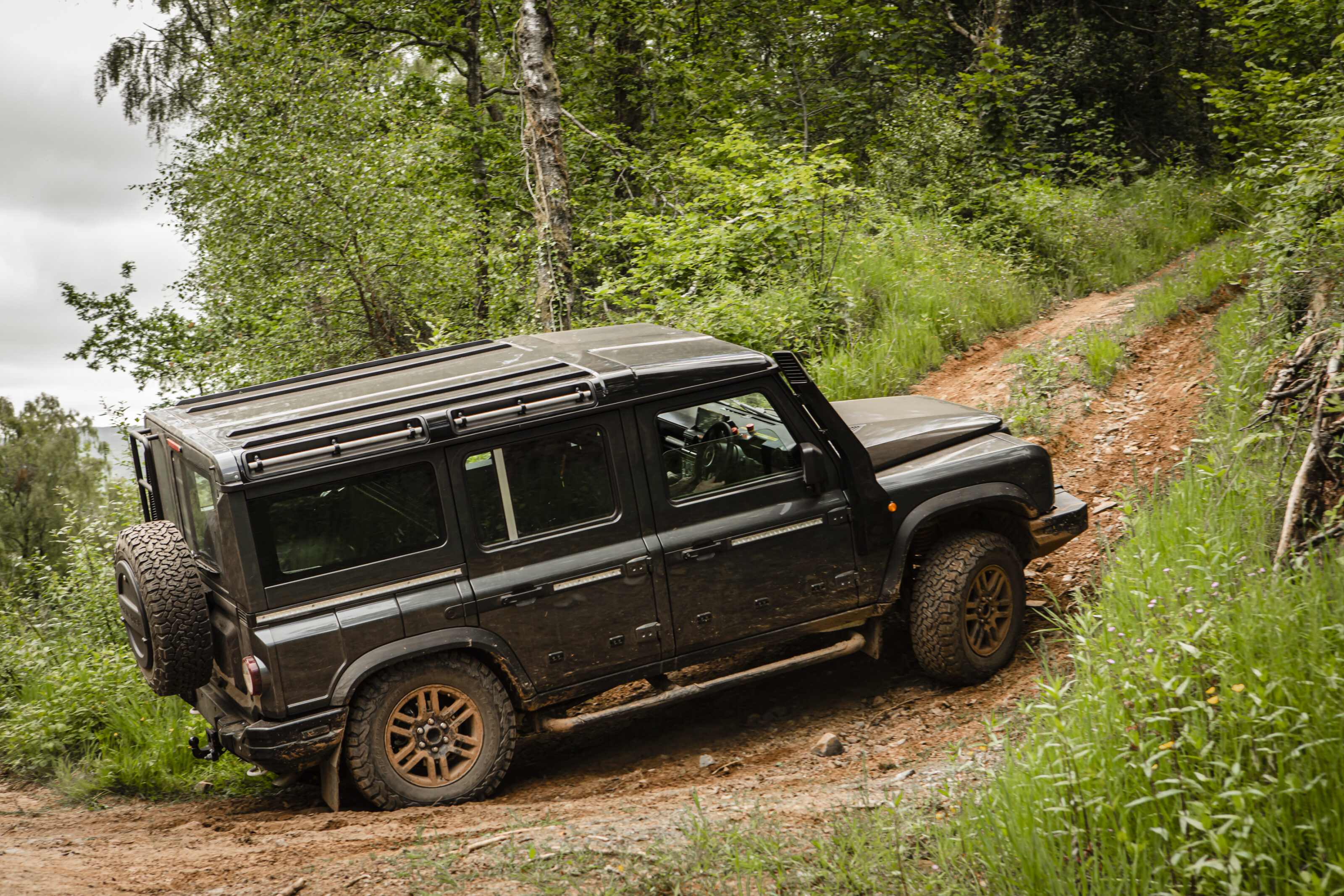
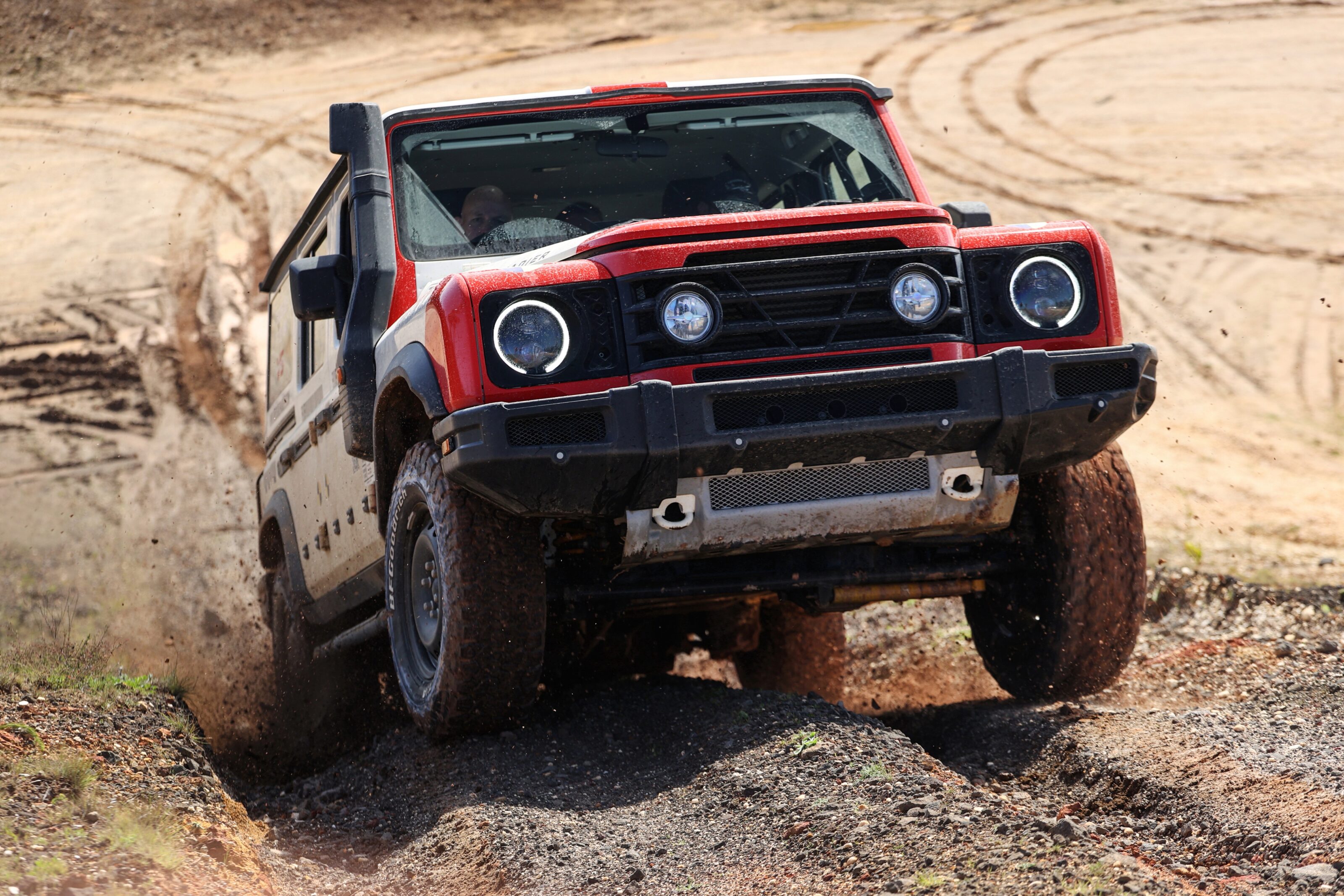
Ineos is set to utilise Hyundai’s expertise with hydrogen fuel-cell powertrains to underpin a zero-emissions Grenadier 4×4.
While Ineos has experience with hydrogen and vehicle production through its new Grenadier off-roader, the manufacturer hasn’t yet combined the two – enter Hyundai, which already has started to roll out its own such model, the Nexo.
Having signed an agreement with the Korean manufacturer in 2020, Ineos will utilise Hyundai’s hydrogen fuel-cell technology to develop zero-emissions cars for the future – starting with the Grenadier Fuel-Cell Electric Vehicle (FCEV) Concept.
One of the largest chemical companies in the world, Ineos currently produces and uses 400,000 tonnes of low carbon hydrogen annually, and has recently invested €2 billion (AU$3.13bn) in green hydrogen.
Sir Jim Ratcliffe, founder and CEO of the UK-based company, said utilising the lightest element to power vehicles will be the ideal way to reach zero carbon emissions.
“We believe hydrogen is the fuel of the future and Ineos is determined to take a leading role in its development,” said Ratcliffe.
“When used in a fuel-cell, hydrogen only produces water and is the UK’s best chance of reaching its carbon reduction targets”.
“The issue is that industry can only do so much, and the UK Government must start to invest in the development of our hydrogen infrastructure to allow the gas to be much more widely used. At the moment, we are massively lagging behind Europe and the gap is starting to grow”.
Currently in the midst of tightening emissions regulations, the United Kingdom will be one of the first jurisdictions in the world to ban the production of internal combustion engine vehicles, phasing out fossil-fuelled vehicles from 2030.
The current production-spec Grenadier is available with either a BMW-sourced inline six-cylinder turbocharged petrol or diesel engine, slated to launch in Australia next year from $84,500 before on-road costs.
