
Snapshot
- At the end of Q3 2021, GM has sold 1.78 million vehicles
- Toyota has sold 1.86 million in the same period
- Could be GM’s worst year since 1950s
The race is on in the United States for the highest-selling automotive manufacturer of the year, as Toyota has passed General Motors three-quarters of the way into 2021.
According to US publication Motor1, Toyota has sold 1,857,884 vehicles to the end of September while GM has only delivered 1,777,483 in the same period – a difference of 80,401.
Although this isn’t a massive disparity between the two, it’s enough to give Toyota a marginal lead going into the final three months of the year, however both manufacturers are currently struggling to keep cars rolling off the production line thanks to the global semi-conductor shortage.
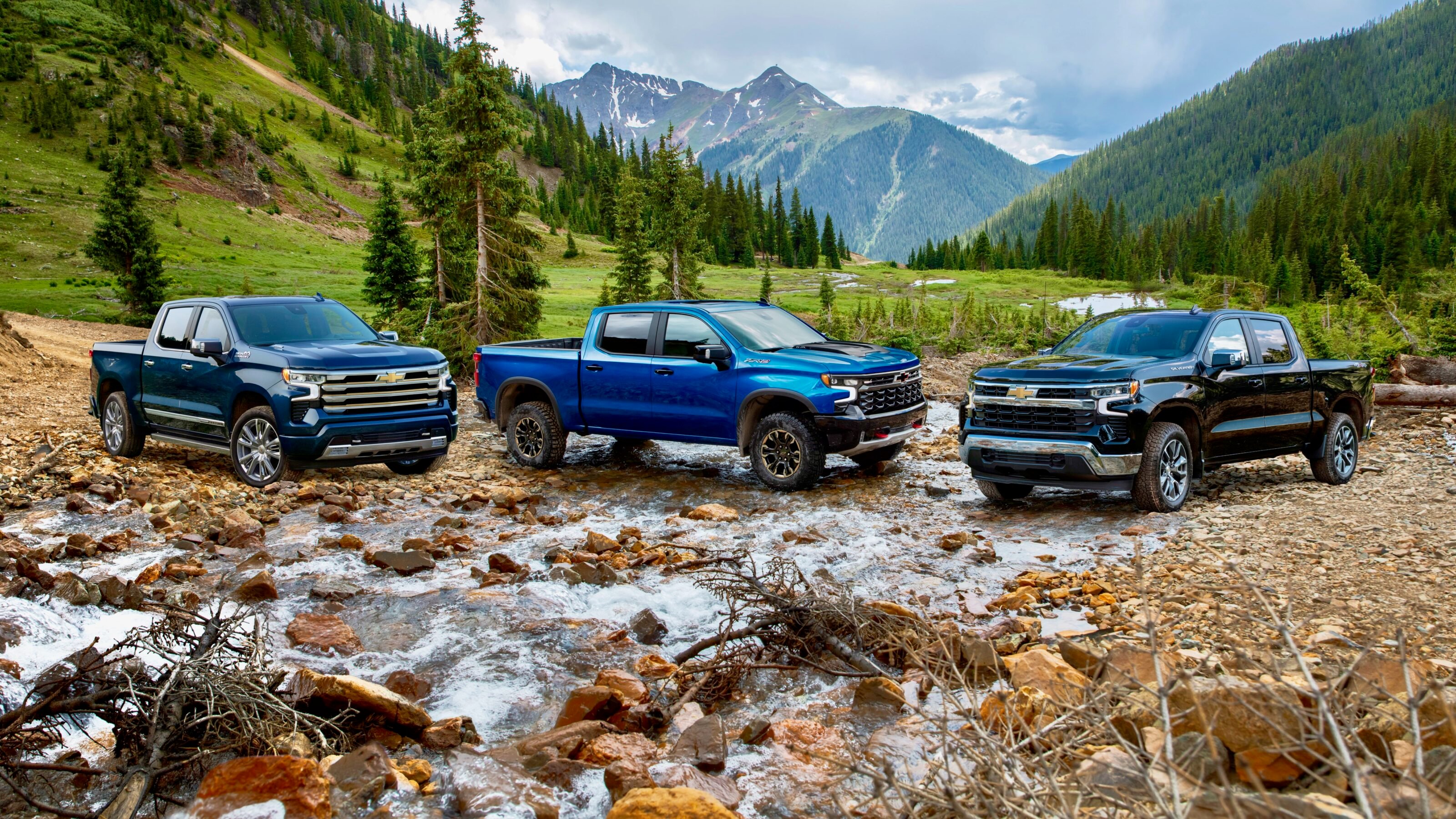
For GM, previous reports have showed the automotive giant has been parking up to 1000 incomplete vehicles a day due to a shortage of semi-conductors, while Toyota has been facing production pauses in its factories in Japan as well as the United States.
The third quarter of 2021 was GM’s worst since the 2009 Global Financial Crisis in which it was bailed out by the United States Government, and it could be on track for its lowest volume year since the 1950s.
If Toyota is able to knock GM off its perch at the top of the sales charts, it will be the first time in 90 years for the American giant hasn’t been the best-selling automotive manufacturer, spanning back to the Great Depression.
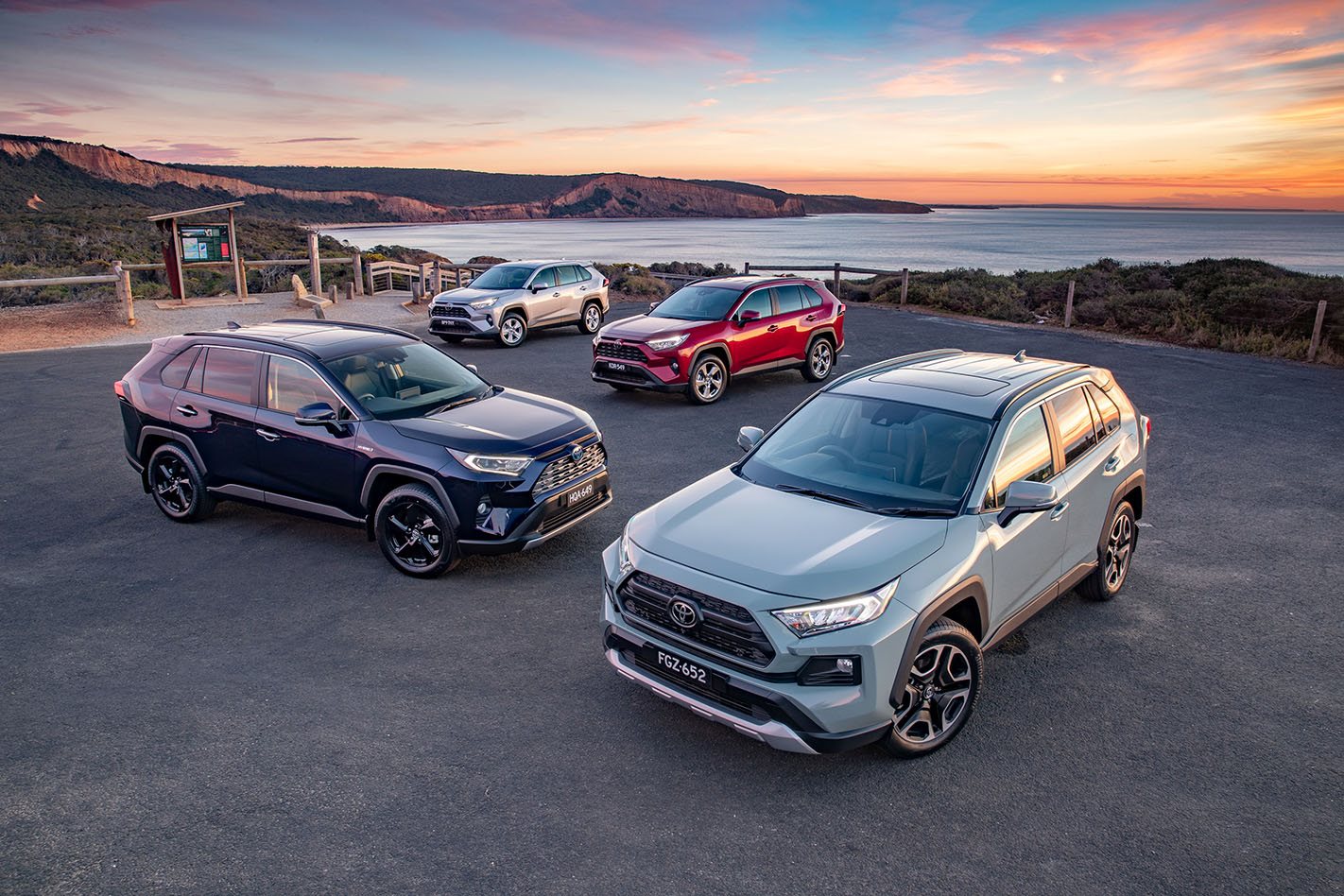
As reported last week, Toyota Australia provided an update to local media about its own semi-conductor shortages, claiming one-third of its models will be delayed by four months or less, up to three-quarters of its range could be postponed by as much as six months.
Despite this, the manufacturer shifted 20,107 vehicles in September, an all-time record for the month, contributing to its year-to-date sales total of 176,661 units.
Aston Martin has removed the manual transmission from its line-up globally.
Australian buyers will now only be able to take delivery of an Aston Martin with an automatic transmission, despite a former CEO promising to keep the option available to its customers.
“I want to be the last manufacturer in the world to offer manual sports cars, and I want to honour that commitment,” Aston Martin Chief Executive Officer Andy Palmer said in a statement back in 2019.
That changed when Tobias Moers took the top job, telling a roundtable of Australian media in May 2021 the manual transmission would be phased out ahead of the MY22 Vantage’s arrival.
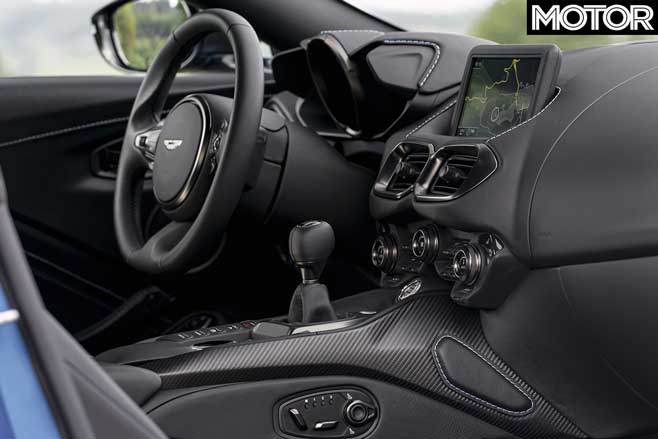
The decision was part of a raft of changes introduced by Moers to reduce spending and stabilise finances at the British manufacturer.
The removal of the manual Vantage from the range means the cost of entry into an Aston Martin sports car has increased by more than $20,000 to $299,462 before on-road costs.
While the Vantage was one of the most expensive three-pedal cars on the Australian market for some time, that title now belongs to the $369,900 plus on-road costs Porsche 911 GT3 – with the manual gearbox available as a no-cost option.
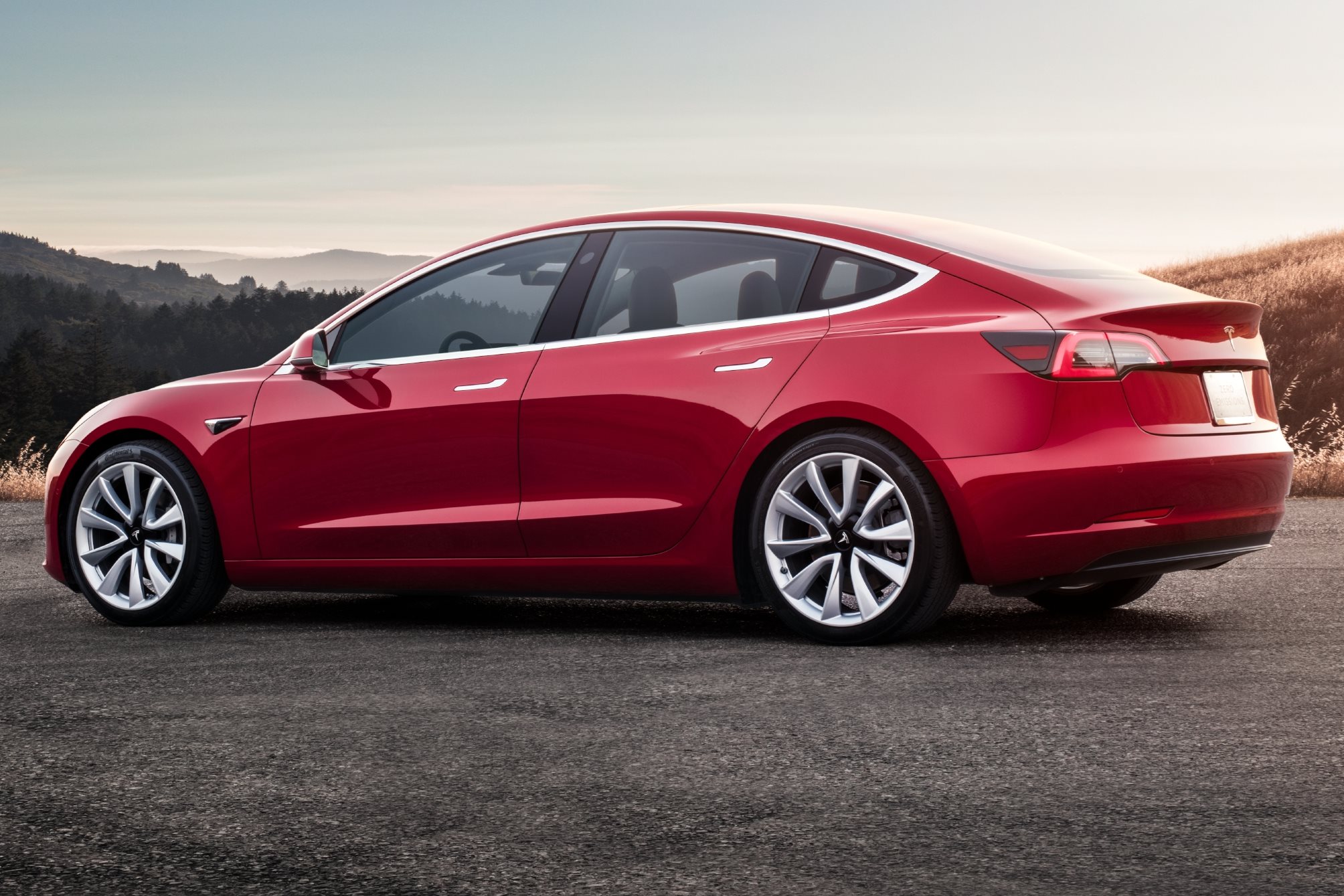
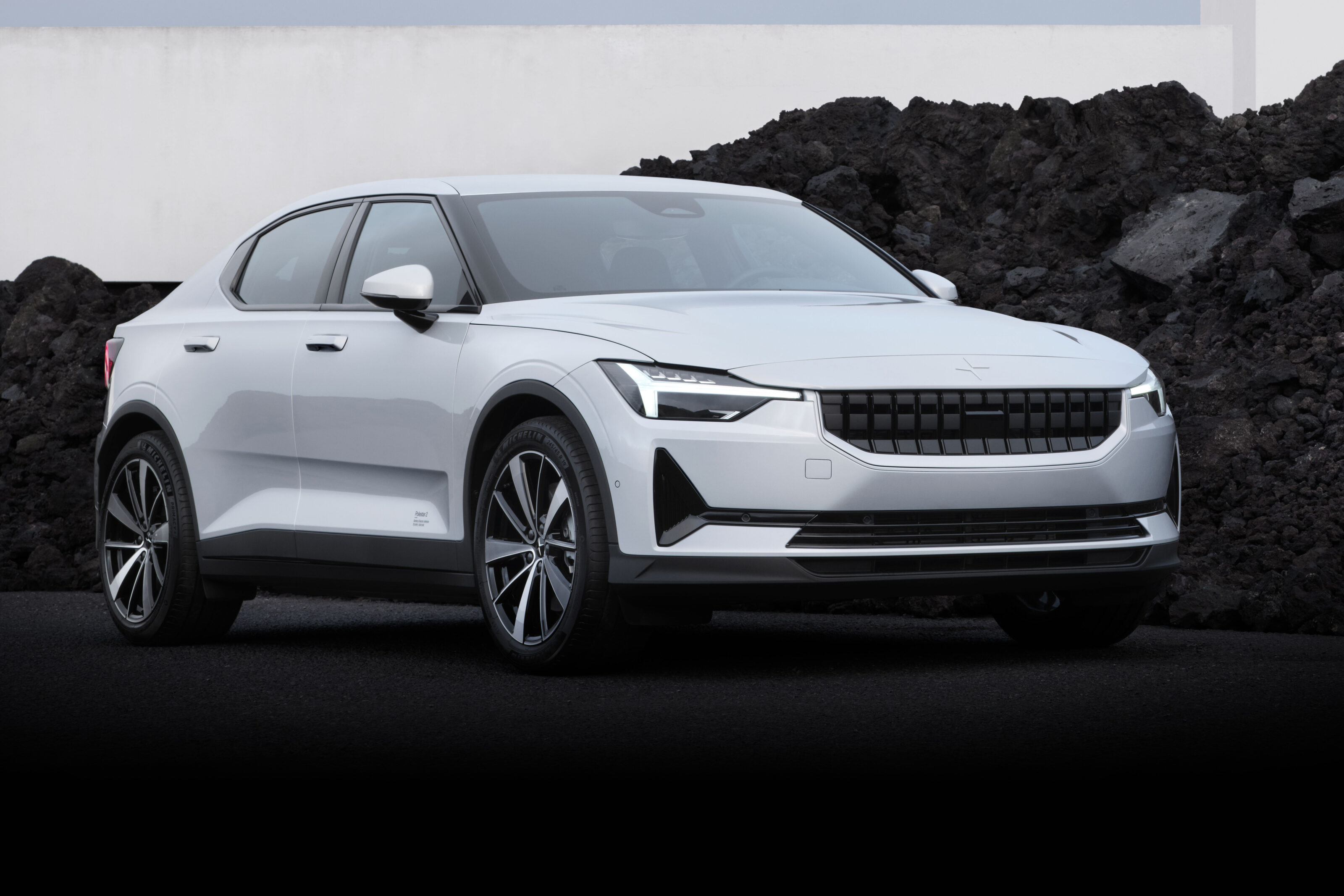
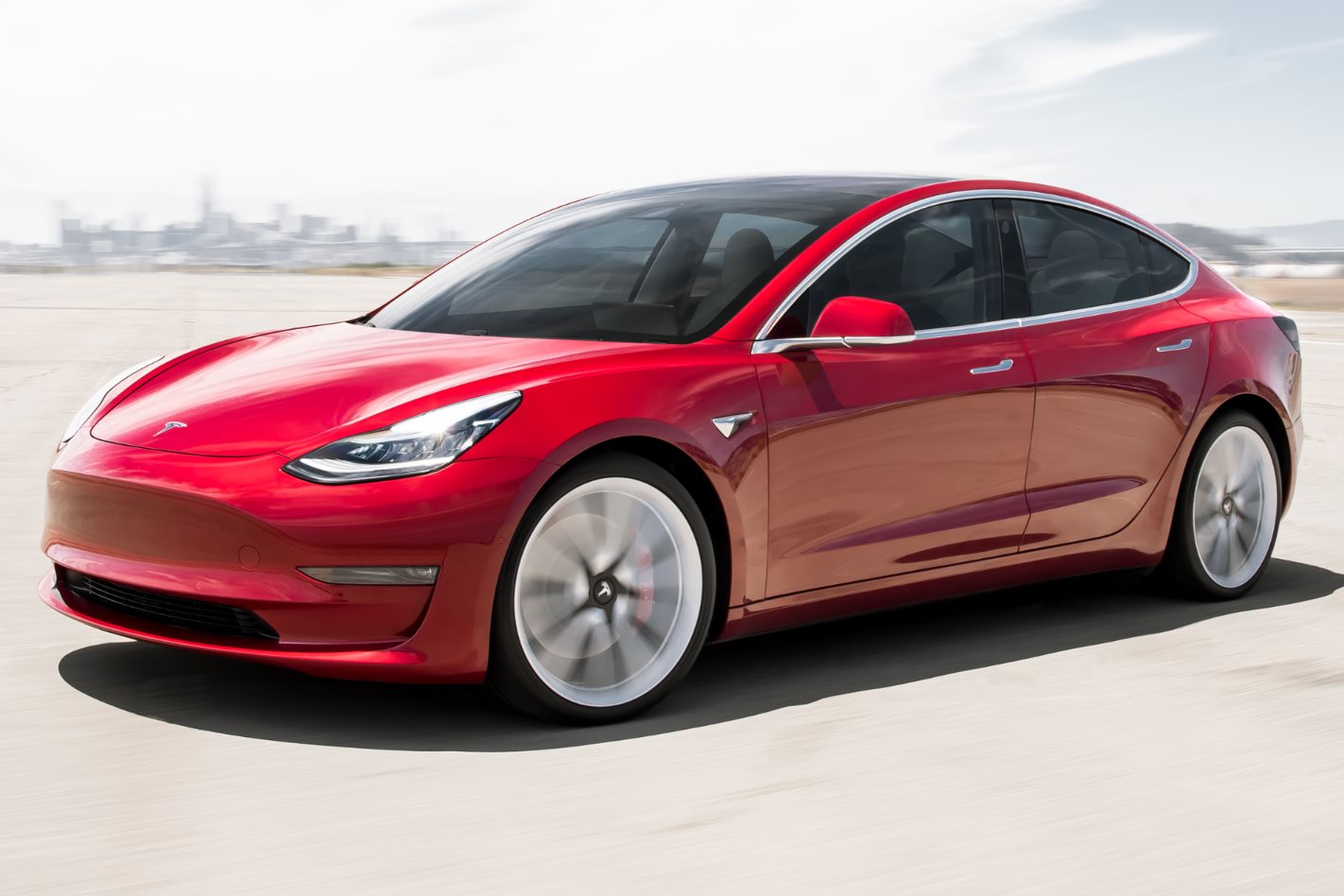
Australian pricing and features for the Polestar 2 have been revealed, and it has a similar driving range, size and price to the current electric sales champion – the Tesla Model 3.
But how do they stack up? Let’s find out.
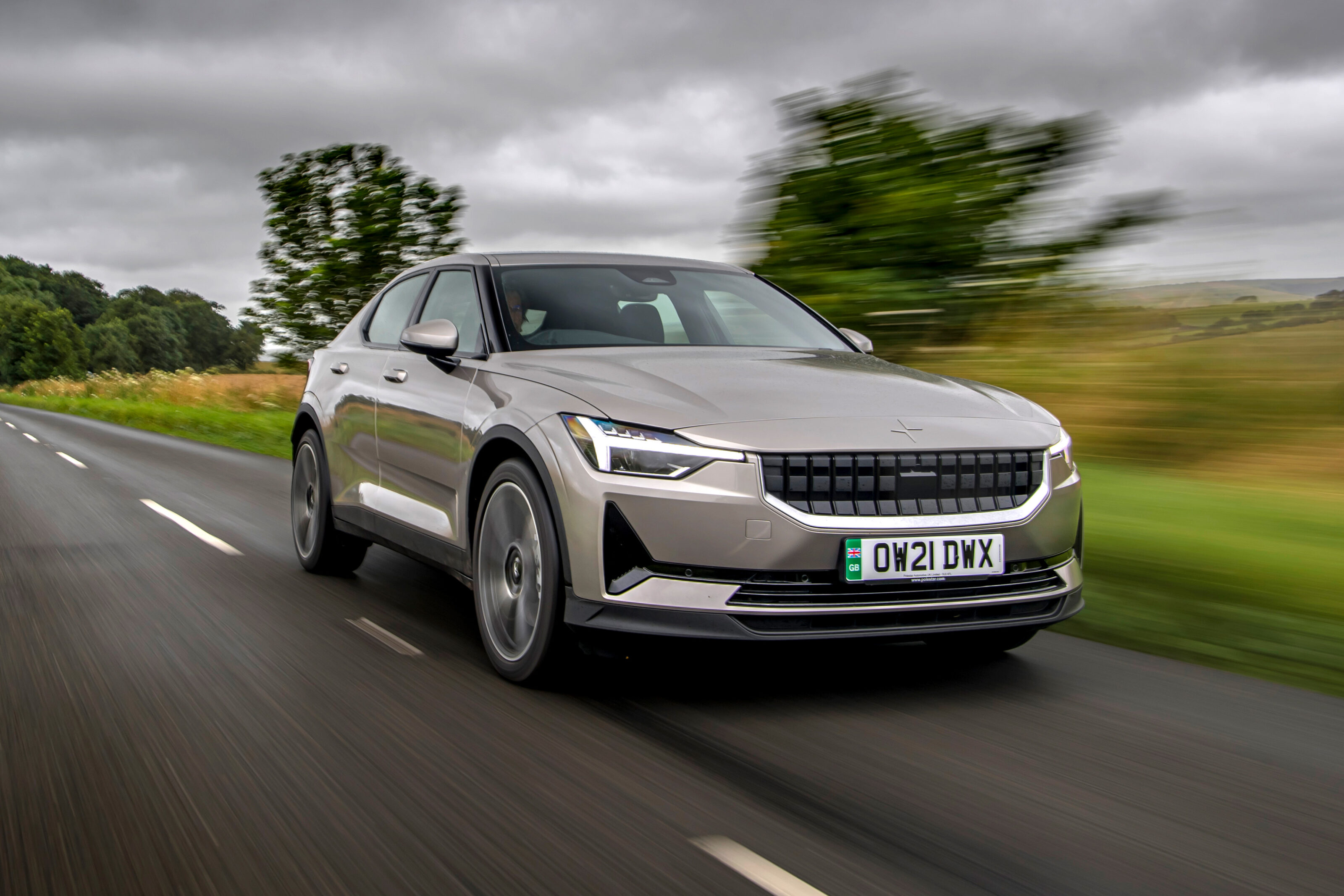
Performance
Like the Model 3, the Polestar 2 comes in three different variants: Standard Range (FWD single motor), Long Range (FWD single motor) and Long Range (AWD dual motor).
The single-motor Polestar 2 will do 0-100 km/h in a claimed 7.4s with a top speed of 160 km/h. The dual-motor version meanwhile, claims to cover 0-100 km/h in 4.7 seconds, also with a 160 km/h top speed.
Polestar offers an $8000 Performance pack, which doesn’t improve the car’s acceleration or top speed – but along with other features such as gold seatbelts and Brembo brakes, adds Ohlins Dual Flow Valve dampers with 22 suspension settings, which is something the Model 3 doesn’t offer.
Not bad from Polestar, but Tesla has it beat in raw numbers.
Driving range
At the entry level, the Polestar 2 and Model 3 are basically identical in terms of driving range, according to WLTP measurements, but both versions of the Long Range Polestar 2 pull up short compared to the Model 3 Long Range and Performance.
| Polestar 2 Standard Range | 440km |
| Polestar 2 Long Range (single motor) | 540km |
| Polestar 2 Long Range (dual motor) | 480km |
| Tesla Model 3 Standard Range Plus (RWD) | 448km |
| Tesla Model 3 Long Range (AWD) | 580km |
| Tesla Model 3 Performance (AWD) | 567km |
Charging Speed
Both cars have 400V battery systems and will charge at more or less the same speed at a DC charger. Both have a max 11kW AC charge rate via a Type 2 socket.
Due to the Model 3’s impressive efficiency (13.2kWh/100km vs. 17.1kWh/100km), you won’t have to stick around at the charger as long to get the same amount of driving range. Handy if you just need a quick top-up to get to your next destination.
Charging Network
The Polestar 2 has the same problem every other non-Tesla EV has – it can’t use Tesla’s Supercharger network despite the fact the plug (CCS2) fits, because Tesla locks the chargers to only work on Tesla vehicles.
The Model 3 can use all the same chargers the Polestar 2 can, in addition to the Tesla ones. While public facilities are still relatively sparse, Tesla will have an edge when it comes to charging.
Safety features
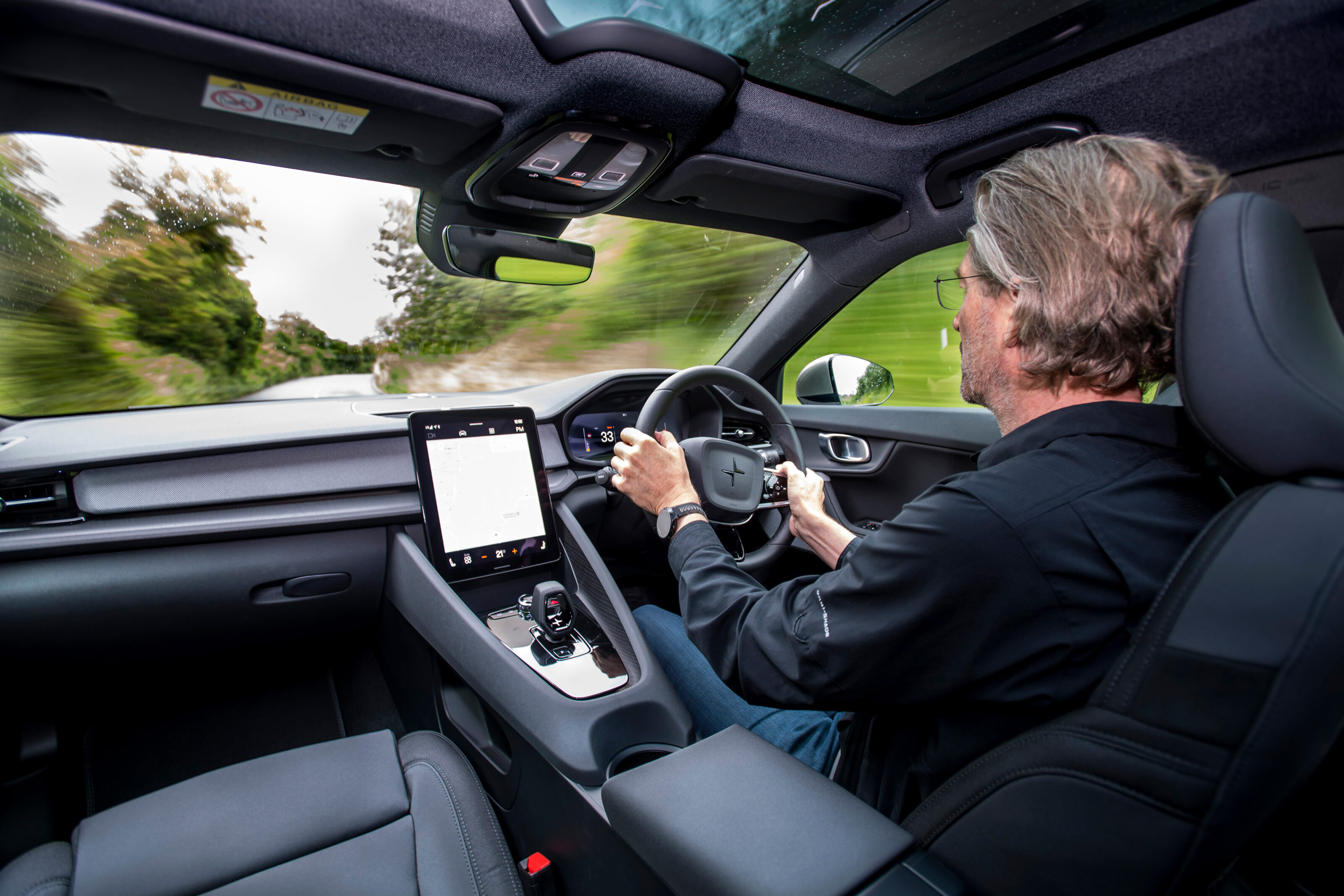
Even though the Polestar 2 has more safety features than the Model 3, most of it is bundled in a $5000 Pilot Pack – which includes basic systems such as advanced lane keep assist (Pilot Assist, the equivalent of Tesla’s basic Auto Pilot), blind-spot monitoring and adaptive cruise control.
That said, the Pilot Pack does include a few extras the Model 3 doesn’t have:
Tech features
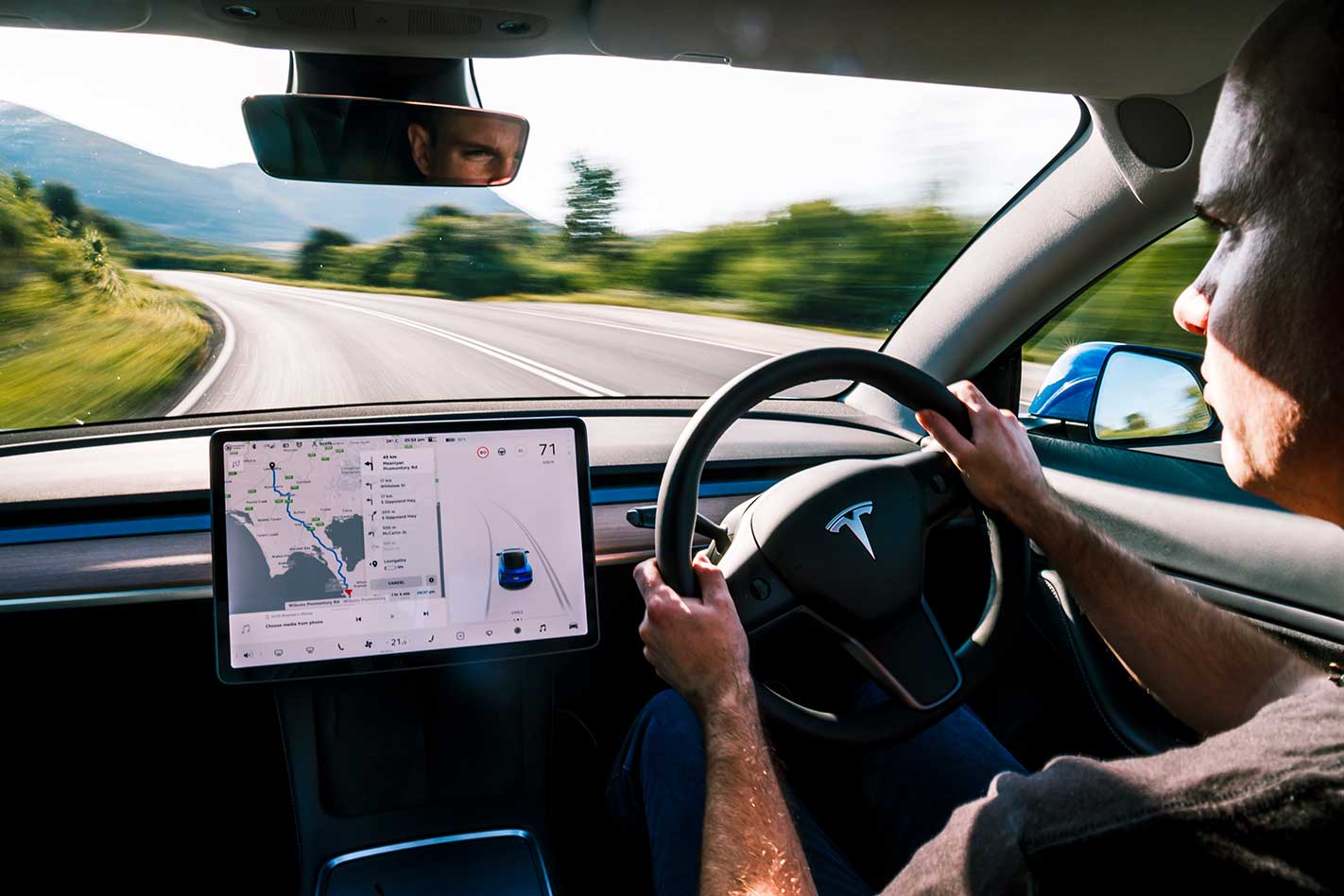
Again, both cars have similar levels of gadgets available, including a smartphone app and over-the-air updates, but some things will cost extra on the Polestar 2 to match what the Model 3 comes with as standard:
| Heat pump for more efficient warming of the cabin (Plus Pack) |
| Adaptive cruise control (Pilot Pack) |
| Panoramic glass roof (Plus Pack) |
| Wireless mobile phone charging (Plus Pack). |
The only major feature the Polestar 2 has by default that the Model 3 doesn’t is a foot-operated tailgate. Neither car has Apple CarPlay or Android Auto – although, in Polestar’s case, this is because it utilises the Android Automotive Operating System. The Polestar 2 is the first production car to use this platform.
It’s also worth mentioning the $10,100 “Full Self Driving” option on the Model 3, which adds features such as automated freeway lane changes, parallel parking and the ‘Summon’ party-trick – which is handy for getting out of tight parking spots.
Cargo space
Externally, the Polestar 2 and Model 3 are almost identical in size. The Polestar 2 has a cargo space of 405L in the rear, while the Model 3 can hold 425L. However, the liftback design on the Polestar 2 may allow for more flexible storage. Both have a frunk, but the Model 3’s is larger.
Pricing
The Polestar 2 comes in at competitive price points compared to the Model 3:
| Polestar 2 Standard Range | $ 59,990 |
| Polestar 2 Long Range (single motor) | $ 64,900 |
| Polestar 2 Long Range (dual motor) | $ 69,900 |
| Tesla Model 3 Standard Range Plus (RWD) | $ 59,900 |
| Tesla Model 3 Long Range (AWD) | $ 73,400 |
| Tesla Model 3 Performance (AWD) | $ 84,900 |
This is sharp pricing, but it’s diminished by the fact you need to option the Pilot ($5000), Plus ($6000) or Performance ($8000) packs that contain features which are standard on the Model 3.
For example, if you want adaptive cruise control, a feature included in cars half the price of the Polestar 2, you need to cough up an extra $5000. Not good if you had your eye on the Polestar 2 Long Range, as adding any of the packs makes it ineligible for the $3000 Victoria and New South Wales EV rebates.
If the features of the packs doesn’t concern you, the Polestar 2 Long Range (single motor) is in a sweet spot with the ability to travel 540km for $8500 less than the mid-spec Model 3 – with the potential for more savings, as the Polestar 2 Long Range is eligible for rebates the Model 3 Long Range is not.
Warranty
The Polestar 2 has a superior warranty, providing coverage for five years and unlimited kilometres compared to the Model 3’s four years or 80,000km.
Battery warranty on the Polestar 2 is eight years or 160,000km for all variants. The Model 3 Standard Range Plus is the same, but the Long Range and Performance are covered for eight years or 192,000km, whatever comes first.
Model 3 killer at last?
Of all the Model 3 competitors, the Polestar 2 gets closest to the mark. What lets Polestar down, is the extra cost packages.
Adaptive cruise control is an extra $5000, even if you don’t want or need the other stuff in the Pilot Pack. A wireless charger, or an energy-saving heat pump, are only in the $6000 Plus Pack. All of this is available on the Tesla Model 3 Standard Range Plus.
If we learn anything from the raft of clean-sheet electric vehicles coming onto the market, it’s that Tesla’s Model 3 Standard Range is hard to beat as a total package.
In mid-2020, Sydney’s tight Ferrari community began hearing rumours of a remarkable barn-find. Reputedly a 1967 330 GT, the V12-powered two-plus-two Pininfarina-styled coupe. According to the rapidly circulating gossip at the time, the mystery car was being hawked around classic-car dealers.
A friend of a friend, who is a serious Ferrari collector, was told that if he wanted to know more, he should ring a number the following evening. Intrigued and eager to learn the truth, he spoke to the mechanic tasked with selling the V12 Ferrari on behalf of the owner’s widow.
Told the car had been sitting in a garage undriven for 46 years, my friend, who wants to remain anonymous (let’s call him Franco) was justifiably sceptical, despite being assured, “It’s actually a 330 GT in a shed and it is real. There’s no question of its authenticity.”
Still dubious despite being reassured that the car was indeed as described – and with just 33,378miles (53,734km) on the odo – the mechanic sent Franco’s mobile two photographs of the Ferrari as further evidence. The car looked genuine. Now convinced the 330 GT was worth further investigation, Franco was also told two or three other people were interested in buying the car. The race was on.
If Franco turned up at 7:00am the next day he could meet the mechanic at his workshop, about two and a half hours south-west of Sydney, and be taken to the (still secret) address. Only then would Franco be introduced to the widow to be the first potential buyer to see the now suddenly precious car.
Accompanied by the mechanic, Franco and his two sons reached their destination on time to discover a modest home with only a pathway leading from the road. They also sighted a small, single-car garage about 100 metres down the hill from the house, yet there was no evidence of any form of driveway; no hint any vehicle had driven to or from the shed in decades.
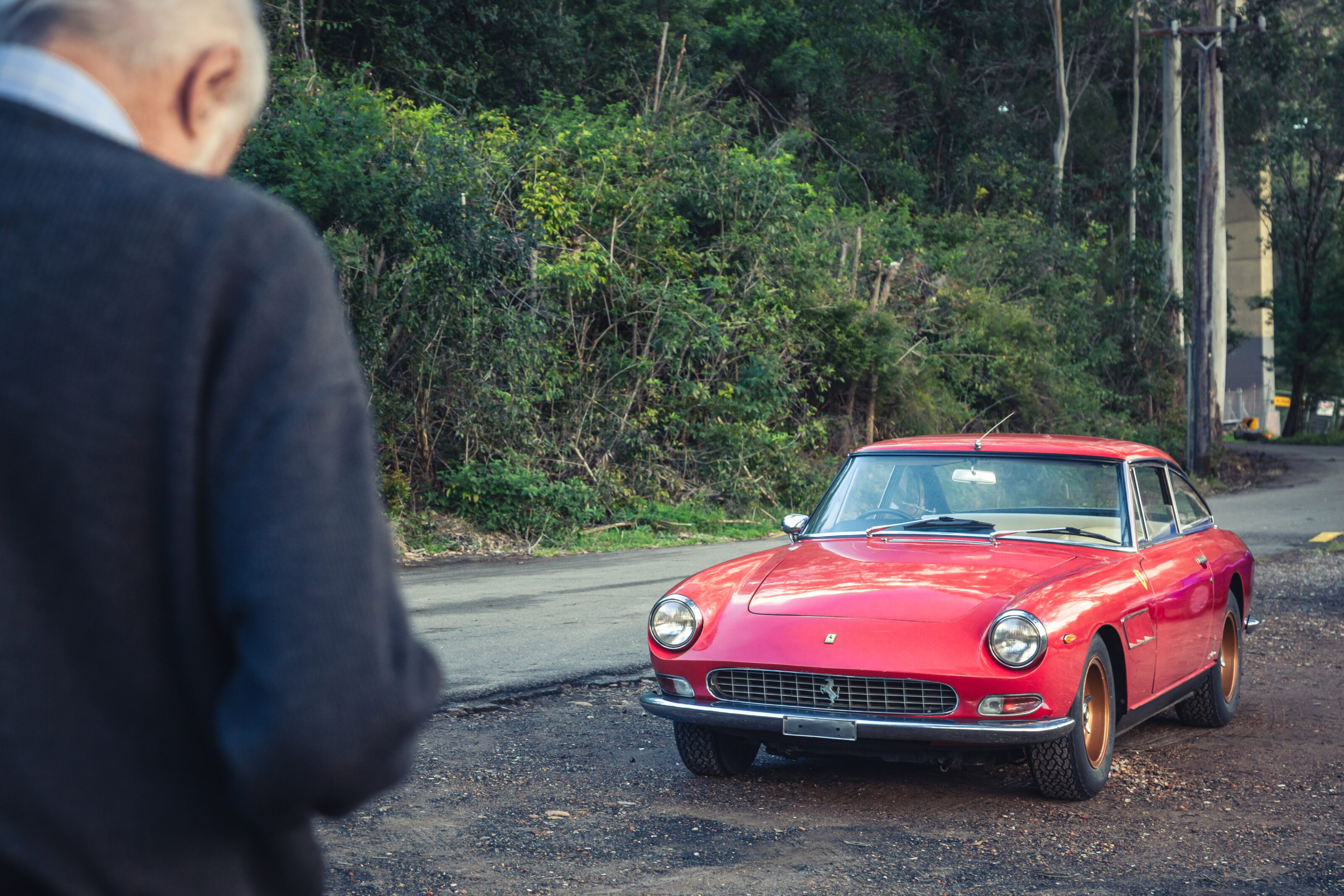
Minutes later they were unlocking the garage doors to expose the red Ferrari to the outside world for the first time since 1974. Covered in layers of dust, the paint badly crazed, the Michelin XWX 215/70 VR15 rubber still holding some air, the floor covered in carpets to absorb any moisture and the walls lined with insulation, it was obvious the Ferrari had been deliberately sealed off in the garage to be preserved. Stunned, Franco could only wonder: why?
The battery was flat, and they struggled to unlock the driver’s door, but the boot lid opened easily to reveal a full-sized spare. The car rode on Campagnola wheels, but a full set of Borrani wire wheels was also stored in the garage. It was what was under the spare that astonished Franco and the widow.
Now convinced the 330 GT was worth further investigation, Franco was also told two or three other people were interested in buying the car. The race was on.
Freeing the generous leather bag, Franco discovered the Brazilian-born owner had neatly preserved the Ferrari’s entire history from the moment the ‘330/GT 2 + 2 Coupe’ was ordered by Maranello Concessionaires, the UK distributors, on November 7, 1966, with delivery set down for December ’66.
The cache included almost all the documents – receipts, service records, fuel dockets, repair bills, ferry tickets, letters, sale notes – related to the car’s life. They revealed it was one of 36 right-hand- drive (of 455) Series II 330 GTs built and one of only three with a factory electric sunroof. Unknown delays meant delivery of the ‘Azzurro’ (blue) Ferrari to a Bill Chandler took place on February 28, 1967, the car costing £5800, four times the price of a Rover 2000 P6.
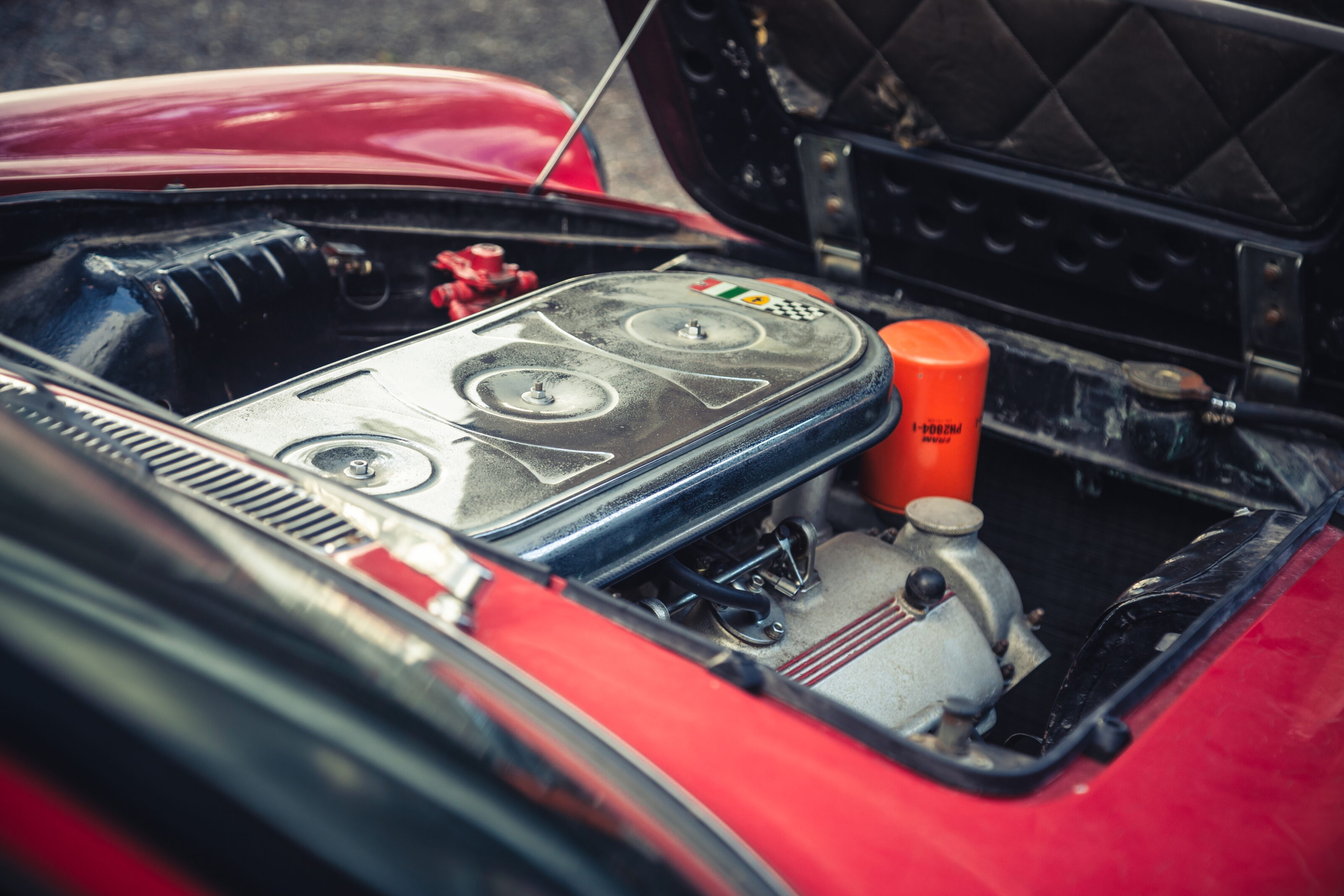
Staggeringly, too, Franco discovered the Ferrari’s extensive toolkit and jack were still intact in a leather roll found in a small compartment under the bonnet. Further examination revealed the car’s only missing parts were a section of the chrome windscreen surround and a chrome stripe along the left sill.
Most astonishingly of all, the owner – his Australian widow wants their names to remain a secret – erected 100mm by 100mm timber poles around the car to form a cage, apparently to prevent the Ferrari from being stolen. Bizarrely, illogically, that also meant the owner was prevented from driving his Ferrari. We’ll never know why. He died in August 2019 and his widow can’t explain why her husband built the garage specifically to imprison the Ferrari.
Quickly she filled in the gaps and relayed the history of the car to a fascinated Franco. The married couple worked together as Qantas first-class stewards during the 1970s, flying the Sydney-London-Sydney route, which meant being away from home for 10 days at a time.
The pair enjoyed quality cars and wanted a Ferrari. In February 1973, they wrote to Ferrari in Italy, enquiring about the possibility of buying a tourist-delivery Dino 246, even asking about a potential competition version. The March 1 reply came from Michael Barker at W. H. Lowe, the Australian distributors, quoting a European delivery price of $8100 for a Dino GT and $8600 for a GTS (a leather interior was a $370 option). After paying taxes and duty, the Dino cost $16,000 if distributed in Australia; this when an HQ Holden Kingswood was $2985.
Having decided not to go ahead with the Dino, in August 1974 they bought the 330 GT for £1900 pounds (one-third the new cost) from Stuart Adams, the third owner. During Adams’ ownership, the Ferrari was painted Rosso Corso and reupholstered; curiously, vinyl replaced the Connolly leather.
Before shipping the Ferrari to Australia, our couple understandably decided they should take the 330 GT on a pilgrimage to Maranello as part of a month-long Continental tour that took them as far south as Sicily. This journey added around 5500 miles (8850km) to the milometer. Sadly, we don’t know if any photographs of the tour exist, but as proof, Franco has inherited the Seaspeed Ferry tickets for the channel crossings.
In December 1974, the Ferrari arrived, via a container, in Sydney and was collected (apparently along with a W113 Mercedes-Benz SL pagoda) from the docks by the couple on December 12. We don’t know if the Ferrari was driven to its clandestine location, or if it was trucked, but we do know it was never registered in NSW. I like to think the owner enjoyed at least one proper 330 GT drive in Australia before the Ferrari was shut away.
A year after her husband died, his widow decided she wanted to sell the car and sought the advice of her trusted mechanic. Realising such a low-mileage barn-find Ferrari, with an impeccable providence, was an increasingly valuable collector car, she and the mechanic researched values and came up with an undisclosed price. There was no negotiation.
“This is my price. It’s fixed,” she told Franco.
Knowing it was more than he wanted to pay, and probably more than the unrestored car was worth, Franco says, “When I saw it, I made up my mind to buy it no matter what. It wasn’t a question of money; I wanted the car to have a good home. I’m not touching it.”
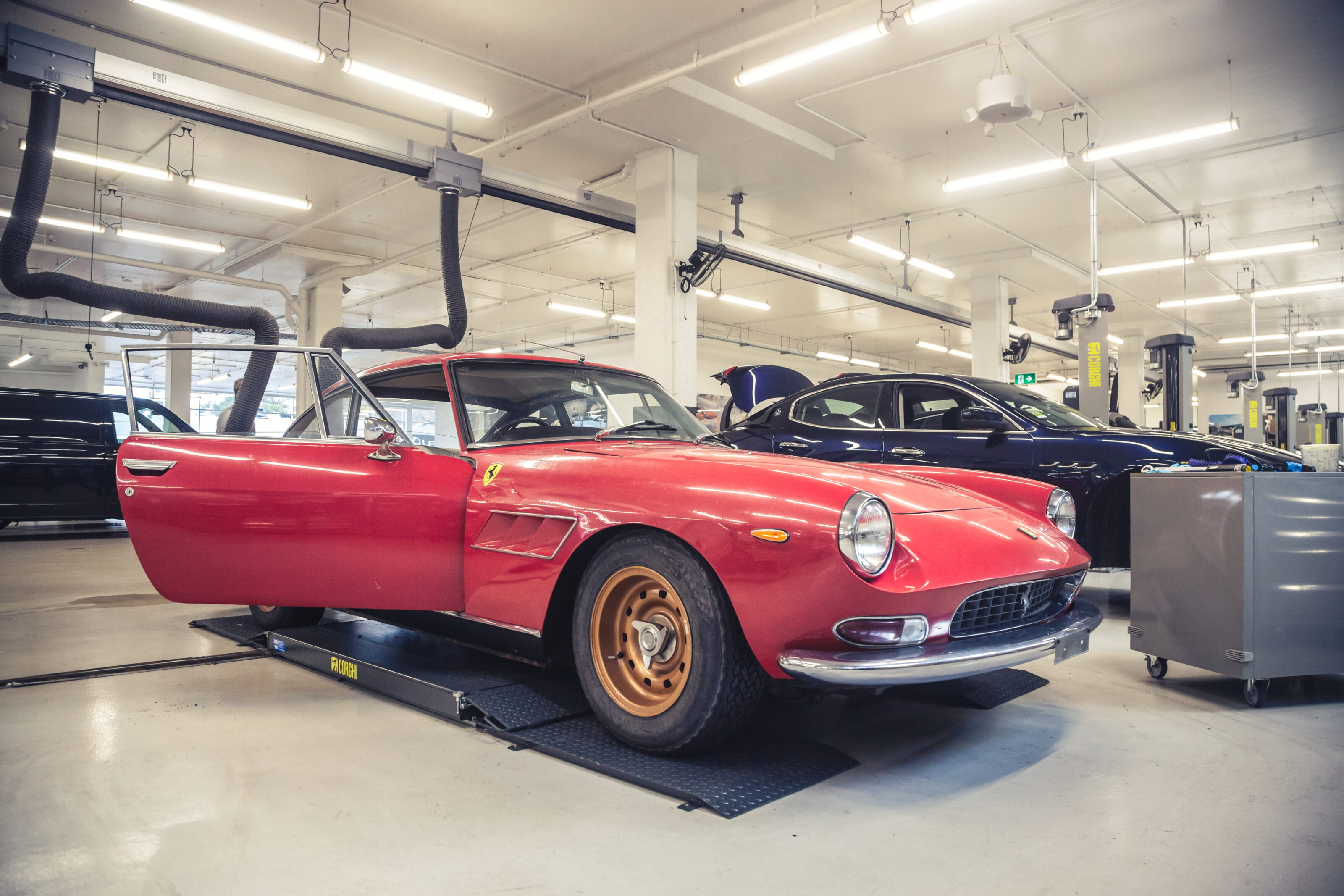
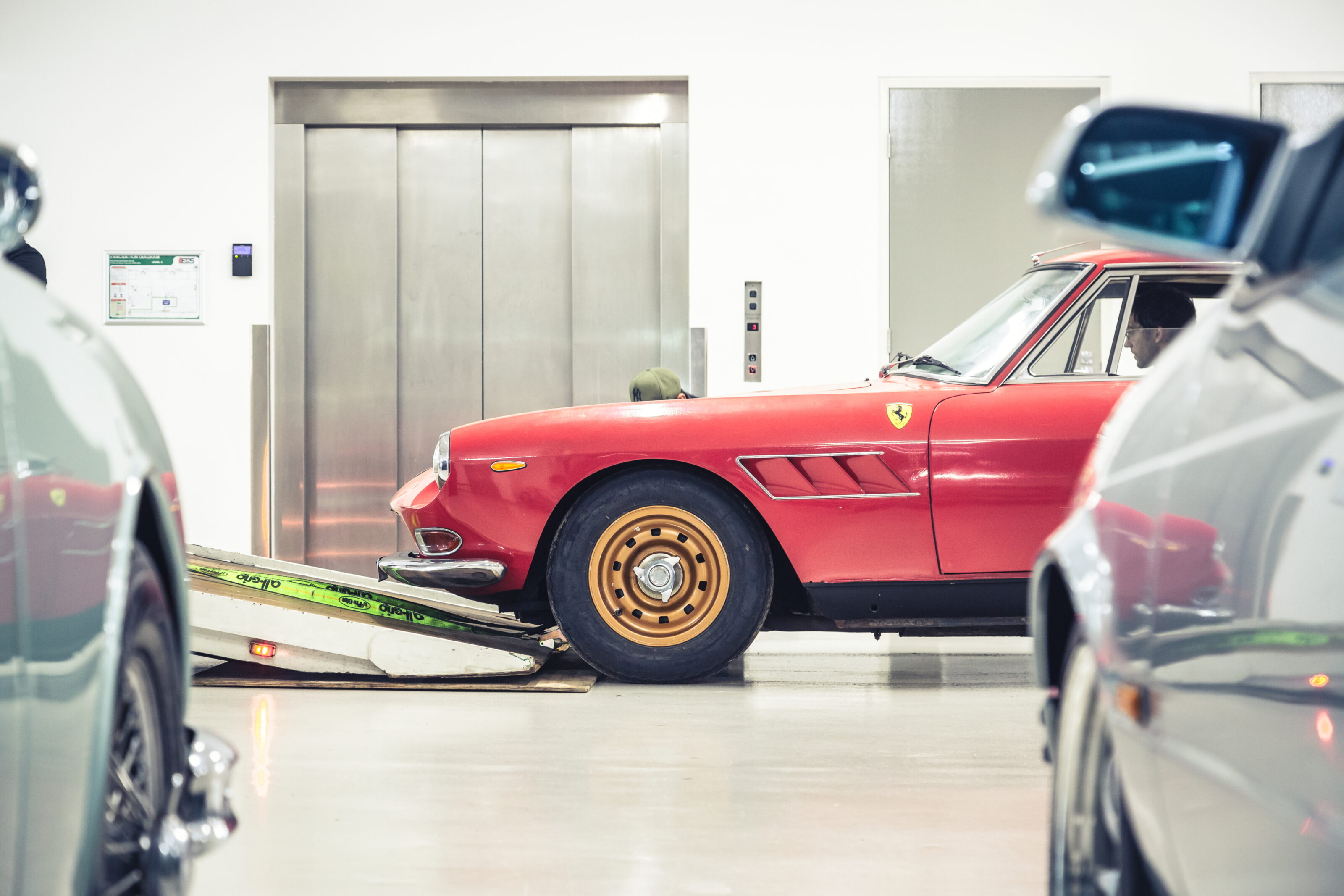
Within a week the 330 GT was in the swish service department of Ferrari North Shore in Artarmon, Sydney, in the care of service manager Adriano Giorgi.
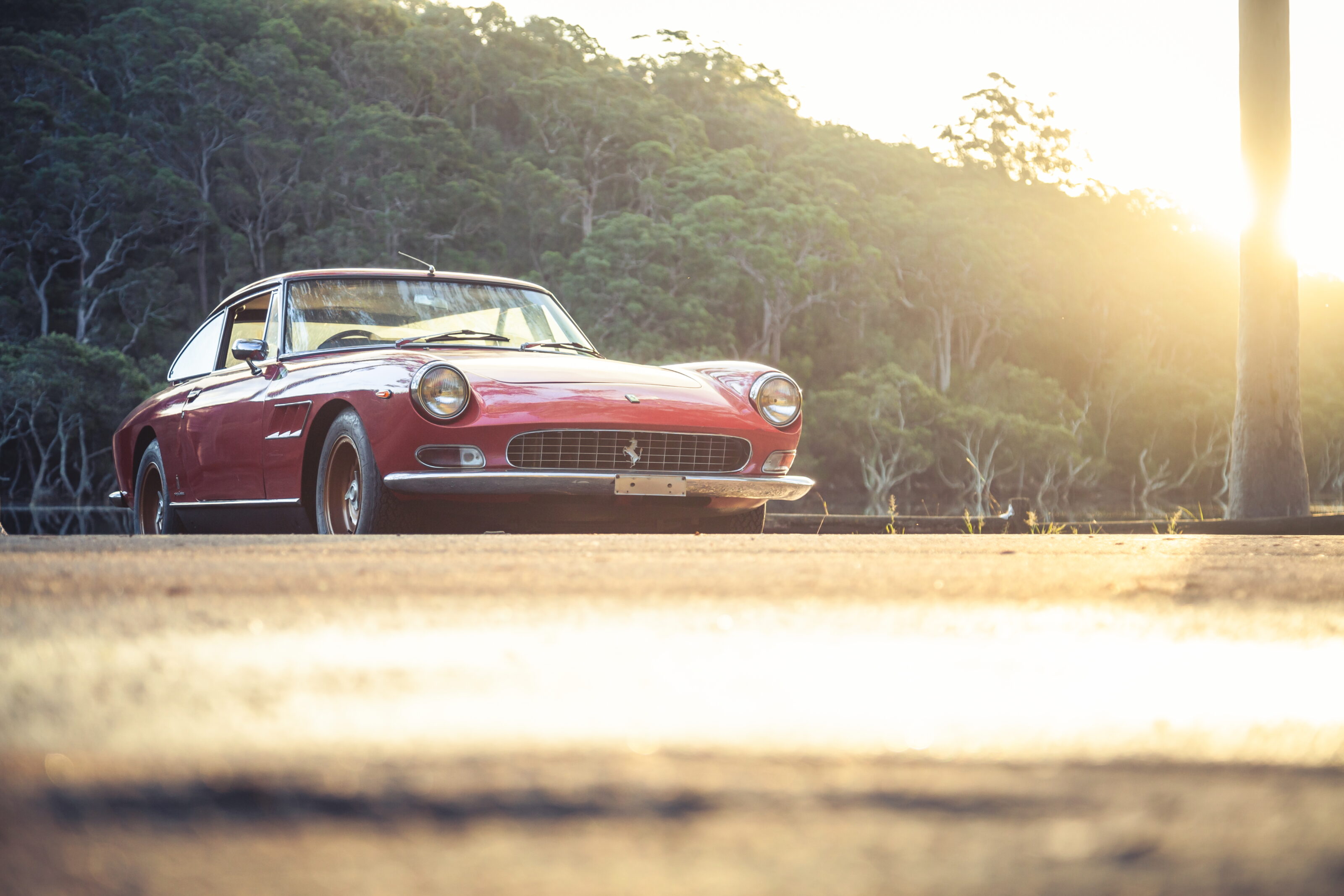
Franco still won’t say how much he paid for the 330 GT. We do know that restored Series II models currently sell for around $400,000 to $500,000, about half the value of the then-current (1966-1968) and even more elegant two-seat GTC that shared its 2400mm wheelbase (250mm shorter than the 2+2) and independent rear suspension with the earlier and even more valuable 275 GTB Ferrari.
Dedicated Ferrari enthusiasts will know what follows, but for the rest of us a little history is appropriate.
Ferrari launched the 330 GT 2+2 in 1963 as successor to the popular 250 GTE. Powered by a new 4.0-litre version of Gioacchino Colombo’s sohc V12, the 330 GT retained the older car’s wishbones and coil front suspension and live axle rear suspension, four-wheel discs and four-speed gearbox.
To improve rear seat room, Ferrari stretched the wheelbase by 50mm to 2650mm and sent Pininfarina drawings of the longer chassis. Twenty-nine-year-old Tom Tjaarda, who’d moved from Ghia to PF in 1961, was asked to style the body (see sidebar, p101).
Back in Artarmon, after a gentle clean, no attempt was made to start the Ferrari until the engine and its ancillaries were given a thorough check. The cam covers came off, the bores checked by endoscopic camera and found to be “as clean as a whistle” and the engine free to turn over.
They cleaned the spark plugs and the distributor, drained and replaced the fuel and oil, battery and tyres. Electrical energy employed, Adriano was shocked to find the sunroof and door windows opened and the original Pioneer radio still worked.
However, not all was ideal. Giorgi then discovered the decades of sitting idle meant the clutch was bonded on. Sensibly, he decided not to try starting the V12 in gear. Given the evidence of a mechanical flaw, they choose to meticulously examine the Ferrari’s underpinnings while it was on a hoist.
“You can tell Ferrari was used to building racing cars and not production models,” Adriano explained after inspecting the suspension and brakes, “They must have been unbelievably expensive to build.”
No other obvious flaws were found, and the clutch was separated. Now was the moment to discover if the Ferrari would start. With Franco on hand to witness the drama, it took a full 10 seconds of cranking before the V12 fired up, booming into life and settling initially to a 2500rpm idle, the mechanical tacho needle jiggling evocatively.
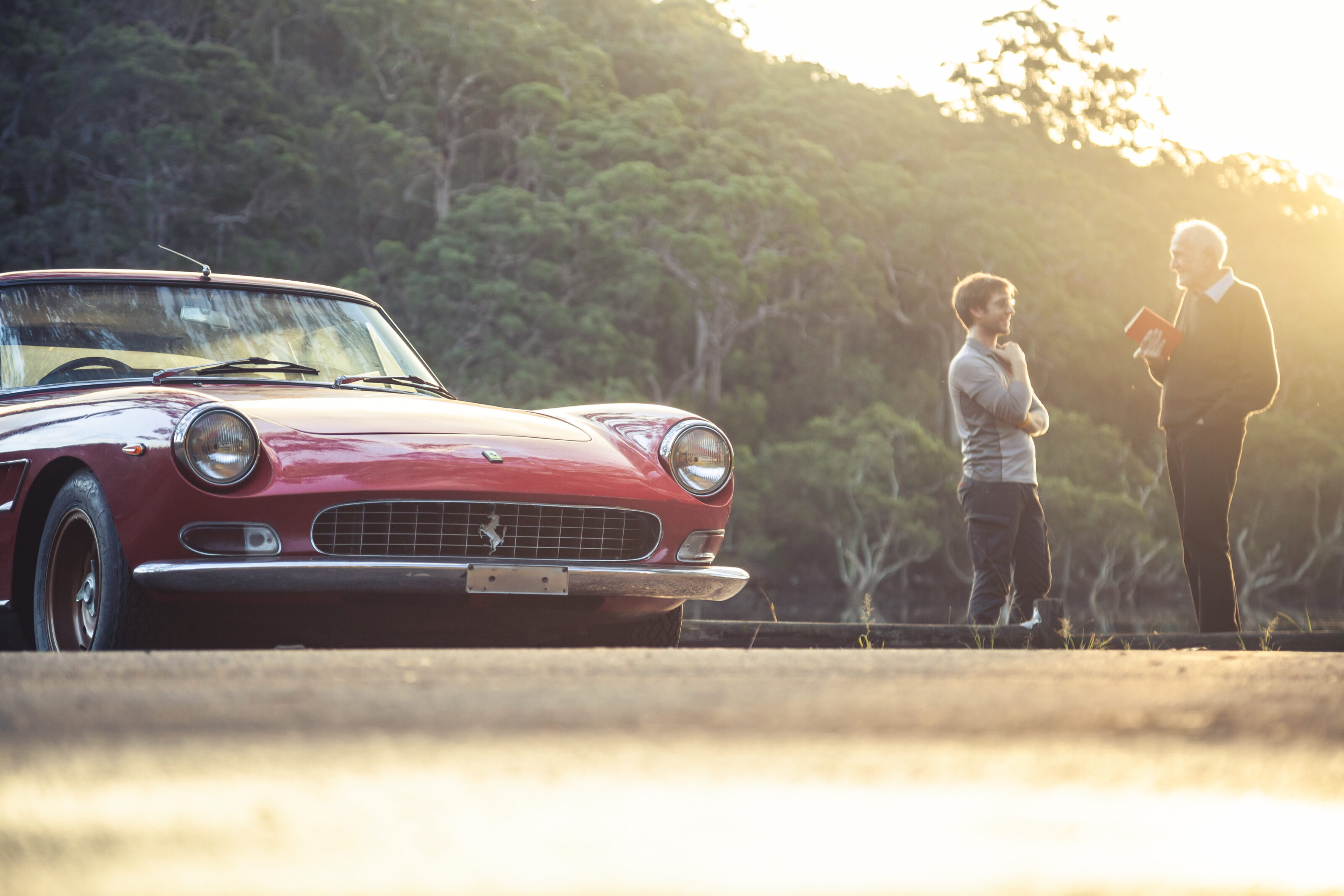
Best of all: no worrying – and potentially expensive – smoke emanated from the exhaust. A couple of weeks later Spencer Martin – he of the 250LM – and I watched the 330 GT fire up – “start you bastard” – and Franco, having told us the car’s intriguing history, agreed that I could write a Wheels story on the Ferrari.
Editor Campbell concurred, especially if I could drive the Ferrari, if only briefly, for Thomas Wielecki’s camera. We quickly arranged a December date for Adriano to drive the car (on trade plates) to our location, close to the service centre, where I would be permitted fleeting wheel time. That didn’t work out, though Thomas was able to begin shooting the car.
Rain for six consecutive January/February Saturdays forced the cancellation of each planned shoot. I’d begun to doubt the story would ever happen and it wasn’t until June that we established another firm appointment. With Adriano hobbling on crutches, Giacomo Bongiorno, one of the two mechanics who work on classic Ferraris at Ferrari North Shore, became our driver.
With the engine warmed up, the exhaust echoing through the service centre, Giacomo edged the 330 GT out on to the road. Thomas, camera at the ready, rode with me in the back seat of my Skoda. All too aware that photographing potentially unreliable classics requires perseverance, Thomas wanted to grasp every opportunity and started shooting the car.
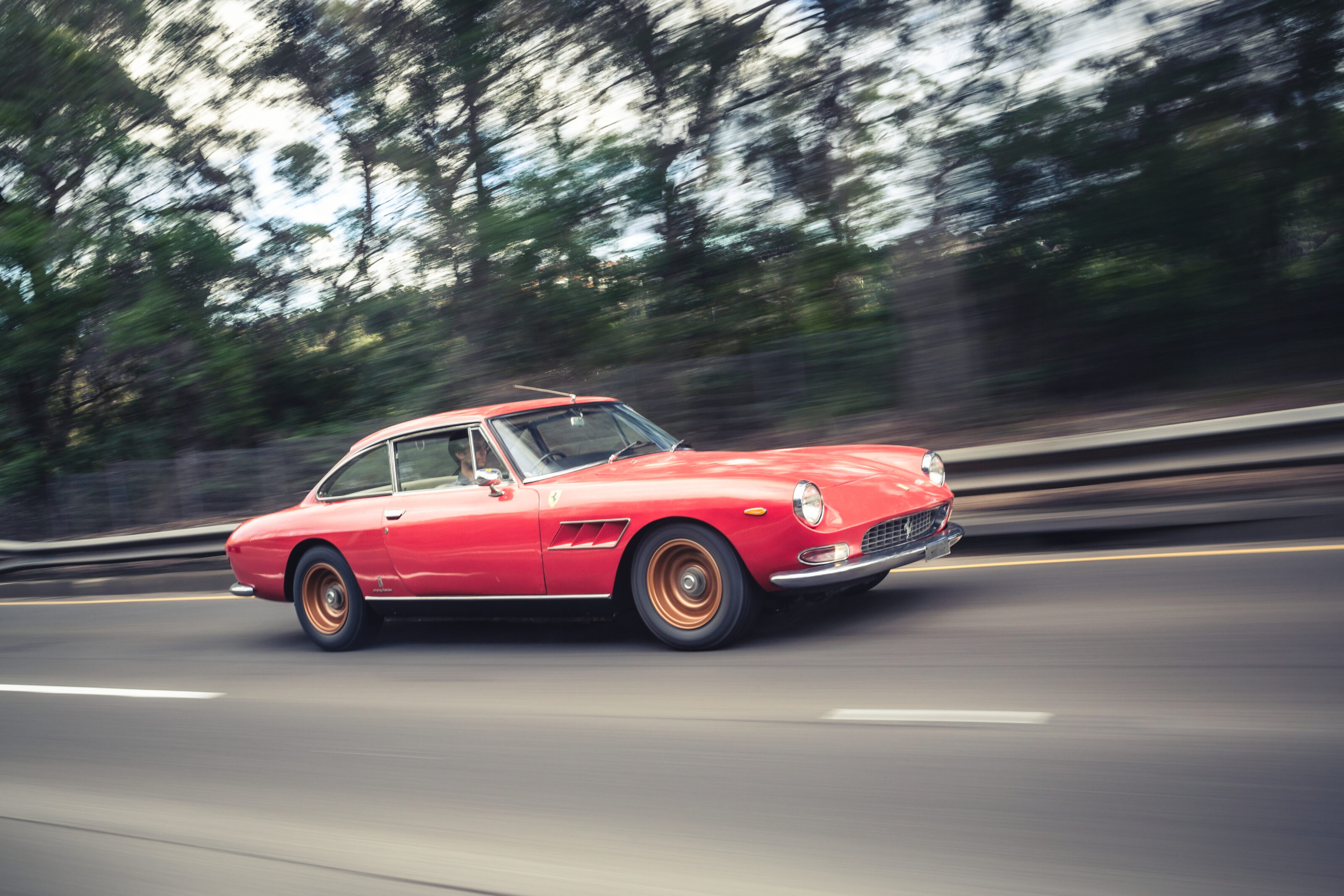
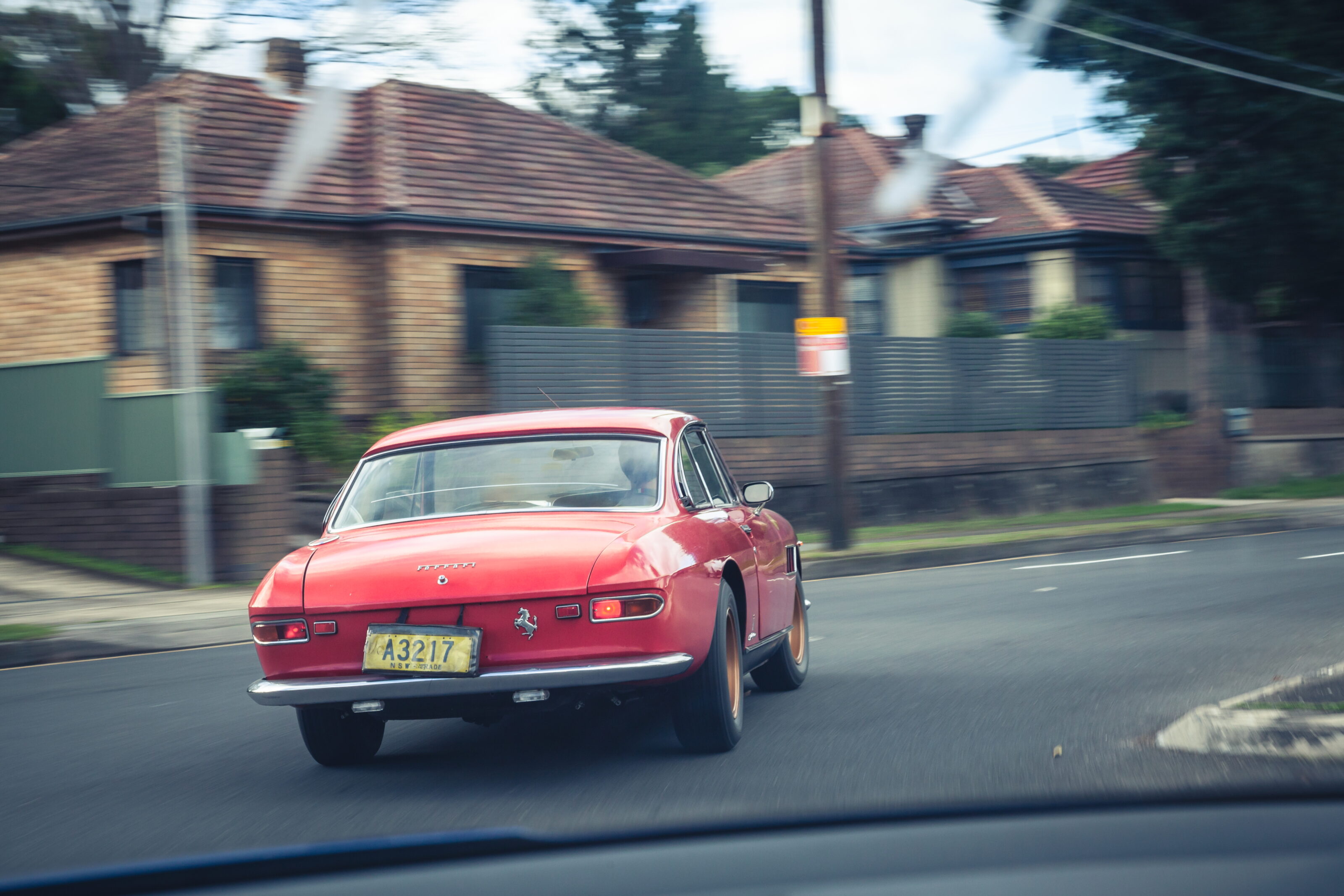
We knew the swooping six-lane Roseville Bridge offered the best chance for tracking shoots. Miraculously, traffic thinned, the Ferrari slicing ahead, Giacomo occasionally wrenching his eyes from the road ahead to see if Thomas and I were still on station close to the 330 GT. Only on the climb up the other side was the Ferrari consumed by SUVs and tradie utes, Thomas delighted at the contrast they presented to the tiny red car.
We thought all was sweet when the Skoda arrived at Davidson Park on the upper reaches of Middle Harbour. But the Ferrari was slow to appear, and smoke billowed from both rear wheel arches when it eventually pulled up. A worried Giacomo, feeling the rear discs binding on the drive down the hill, shut the engine off.
He reminded us that this six-kilometre run was the longest the 330 GT had undertaken in 47 years. With the Ferrari unable to move, rear discs locked on, Thomas went to work while we waited for the brakes to cool.
“That’s what happens when you buy an Alfa,” a walker called out as he passed. We didn’t bother to correct him.
Giacomo’s attempts to start the Ferrari failed. Suspecting the fuel was vaporising in the manifold he checked the fuel pump and tried again. And again. On the tenth attempt, the engine roared.
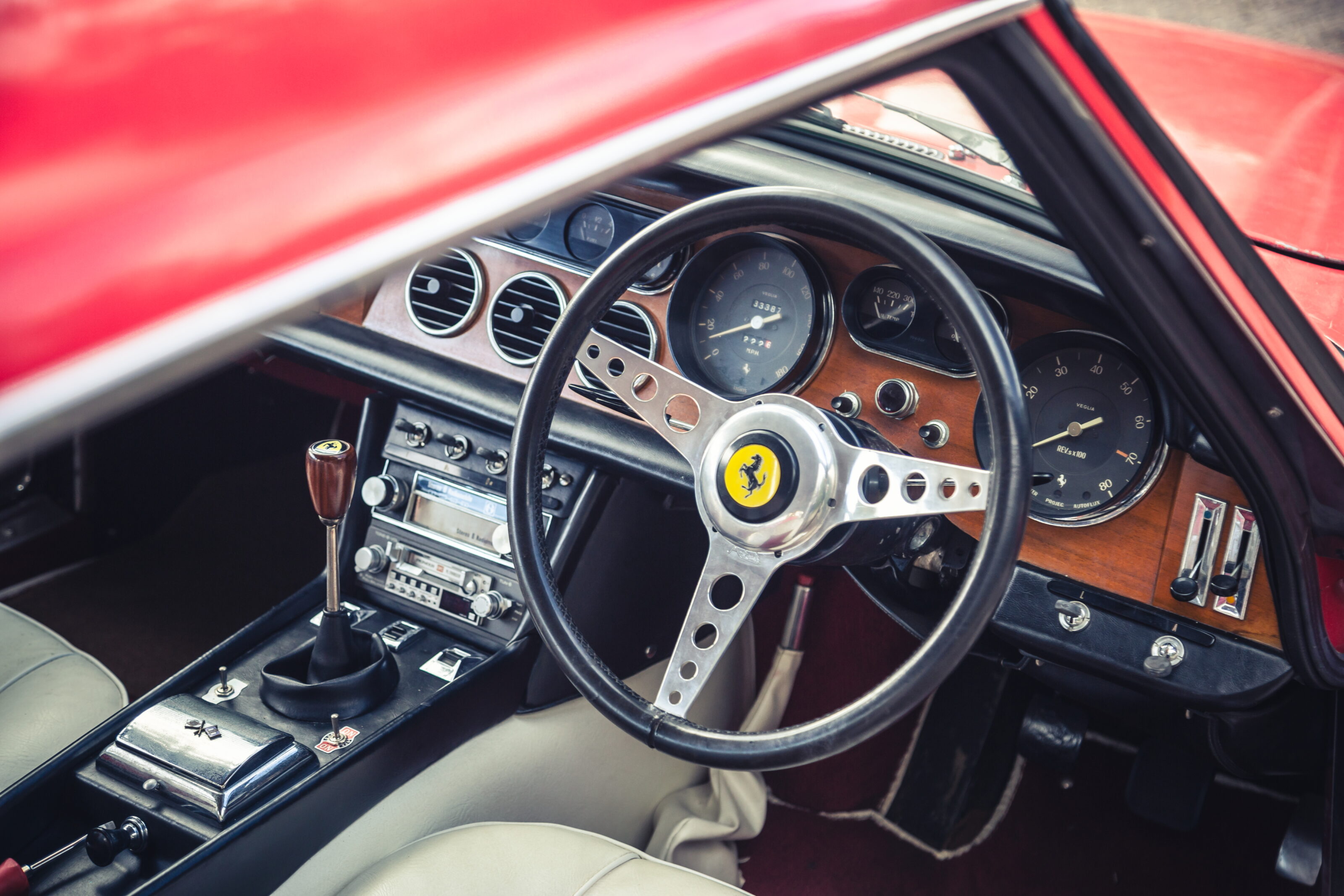
My turn. Even with the brake problem. Thick seats hold you tight, the three-spoke steering wheel is a long reach away, the pedals not too close. A lovely oily smell fills the cabin. Minor instruments stretch out across the dashboard, oil pressure and temperature are positioned between the 180mph speedo and 8000rpm tacho, redlined at 7000rpm. A short, almost delicately thin gear lever – no open gate on the 330 GT – operates the Series II’s five-speed gearbox.
I am as ready as I’ll ever be, though I don’t ever remember being as nervous before driving a car.
“You need to give it plenty of revs,” instructs Giacomo.
I blip and then hold the engine revs at around 3000rpm. It’s not enough to overcome the brakes. The car stalls. Humiliation. My ‘drive’ is over.
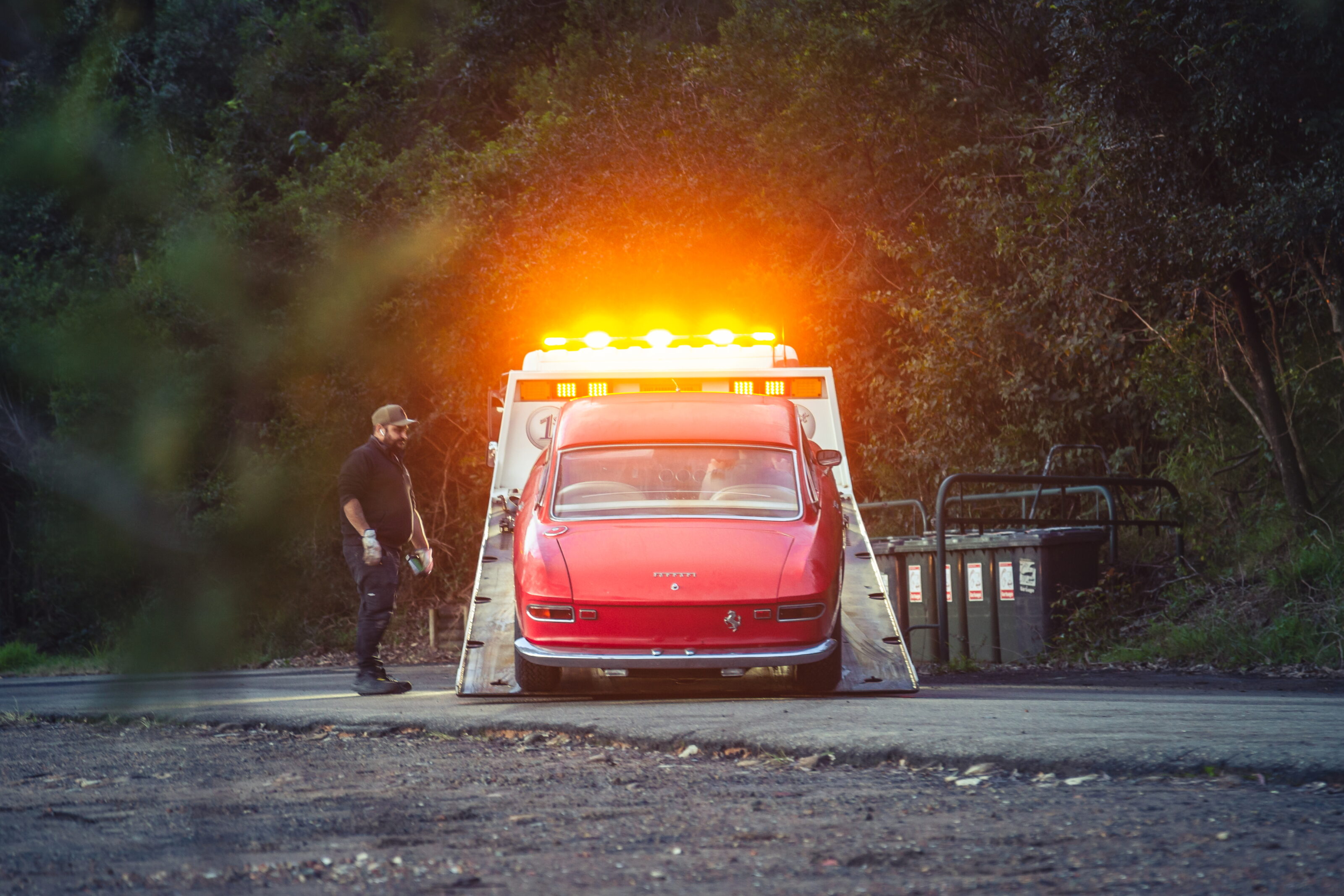
Every attempt to restart the car fails as the battery winds down. Giacomo has forgotten jumper leads. Finally, just as we discover the brakes are now free and the Ferrari can be pushed, he speaks to Adriano. A tow truck is ordered. In the now ‘perfect’ fading light we push the 330 GT into Thomas’s preferred location. He’s happy.
In the gathering dark, ignominiously the Ferrari returns to the workshop. One day, perhaps, when it’s been seriously fettled and is on Historic registration, I shall get to drive the car. Perhaps.
Should Franco change his mind and decide to restore the 330 GT, how much does it cost to restore a classic Ferrari?
“It’s a choice between quick and expensive or long and cheaper,” says Giorgi. “You can spend two grand a day if two blokes are working on the car.”
Four Eyes: The Design
Born in 1934 in Detroit, designer Tom Tjaarda spent his career in Italy and is most famous for his Fiat 124 Spider, Chevrolet Corvette Rondine and De Tomaso Pantera designs.
Ferrari wanted an elegant, still sporting car and Tjaarda crafted a pleasing three-box shape with a rakish C-pillar and four round headlights, with the larger pair on the outside for a slightly cross-eyed look.
Enzo Ferrari objected to the lights, but eventually gave in when it was pointed out that even Rolls-Royce had facelifted the Silver Cloud to accommodate four headlights.
When journalists drove test cars a few months after the October 1963 launch, they almost universally objected to the look of the paired headlights.
Barely two years later, after Tjaarda had returned to Ghia, the four lights were gone, replaced by more elegant, single round lights to create the more desirable Series II 330 GT you see here.
Writer’s Note: GM’s Ferrari
I recently discovered that the Ferrari 330 GT played an important role in the development of GM’s 1960s E-car program that bred the Buick Riviera, Oldsmobile Toronado and Cadillac Eldorado.
Dick Ruzzin, whom I got to know when he ran GM’s Opel design studios for five years from 1991, was a Junior Creative Officer in the Oldsmobile studio in 1963 when the E-car program was in progress.
In an article on the creation of the Toronado, Dick, now an insightful contributor to Dean’s Garage, an American website devoted to car design, explained that John Beltz, the formidable chief engineer of Oldsmobile, decided they should buy a new 330 GT (red of course).
Beltz’s idea was to use the 330 GT’s tight, four-passenger coupe packaging to help define Olds’ vision for a personal car.
The design studio started with a clay the size of the Ferrari, but inevitably expanded to a size similar to a Camaro/Firebird.
As the styling developed, it then became bigger again to encompass the demands of Buick, Cadillac and Oldsmobile. I wondered what happen to GM’s Ferrari?
Snapshot
- Atlis unveil XT electric work ute
- Quoted figures of 600hp and 9-tonne towing
- Plans to bring it to Australia in 2025
Electric start-up company Atlis has unveiled its EV pick-up truck in the US – and allegedly there are plans to bring it to Australia.
The Atlis XT pick-up follows much along the same lines as the hugely popular 2022 Ford F-150 Lightning and Rivian R1T, taking EV motoring to the ute market.
Atlis first teased a very different looking version of the XT pick-up in 2019 according to Carscoops, the latest XT prototype presenting as a much boxier shape than the first version.
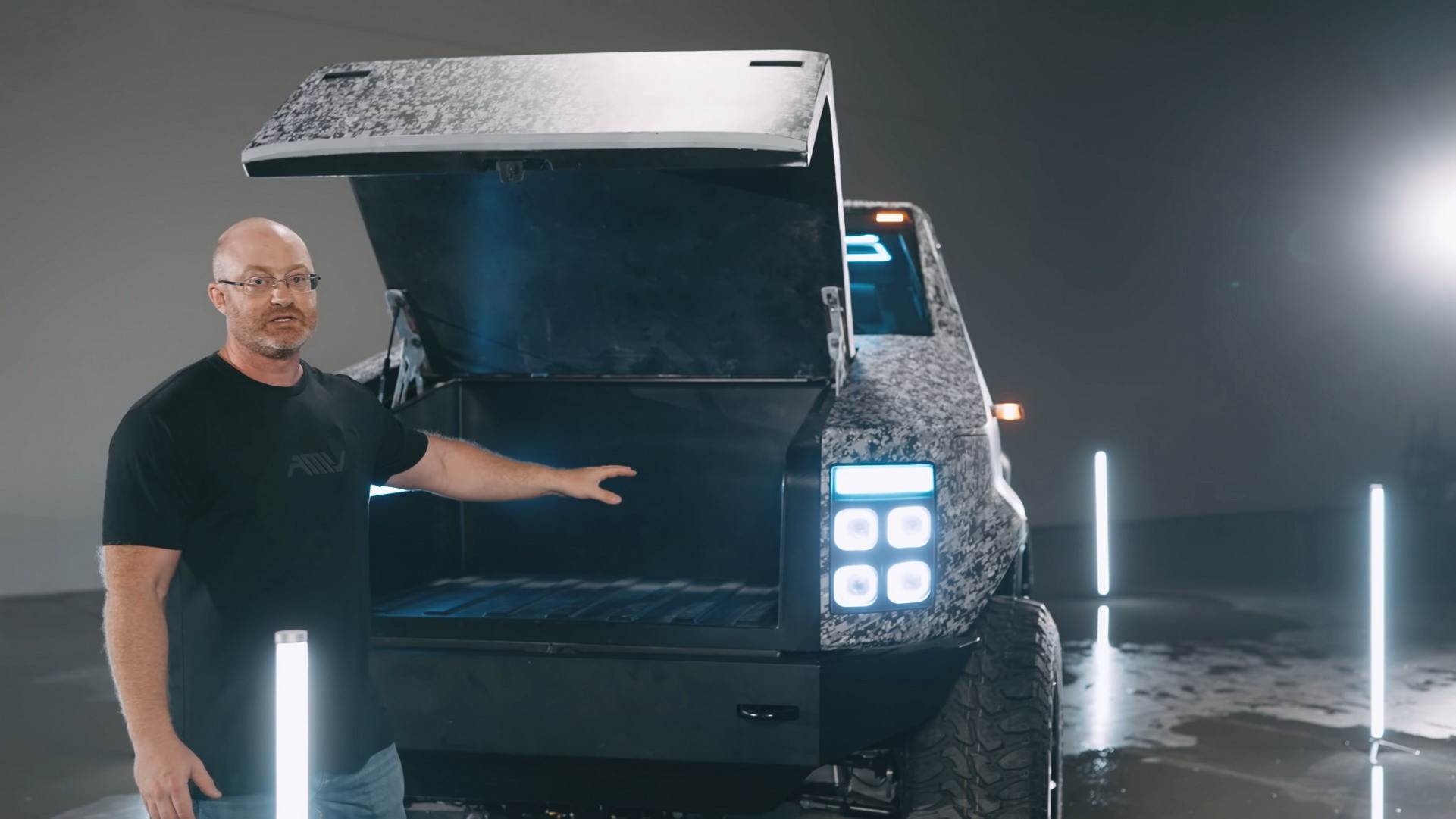
The big pick-up is built on what Atlis calls its XP platform, using a motor at each wheel with a single-speed transmission.
Atlis claims the XT is capable of 447kW/16,269Nm in top spec.
Atlis also quotes the vehicle’s maximum driving range is anywhere between 483km-805km based on motor and battery choice, with a maximum towing capacity of 9,072kg using a conventional tow bar and up to 15,876kg with a gooseneck set up.
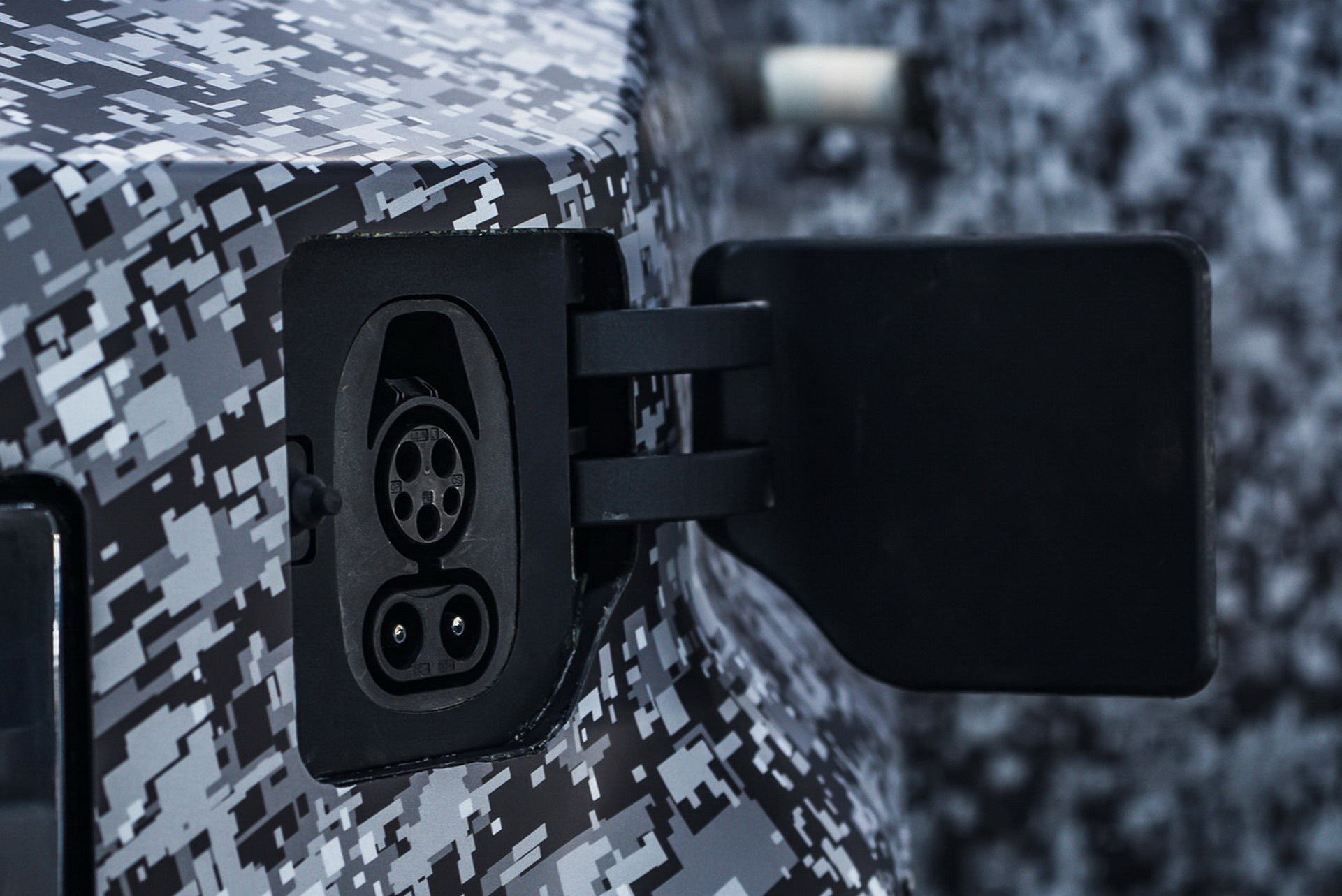
The only charge time quoted is 15 minutes – but that’s on Atlis’s own high-speed charging network in the US, which hasn’t been fully developed and rolled out across the country yet.
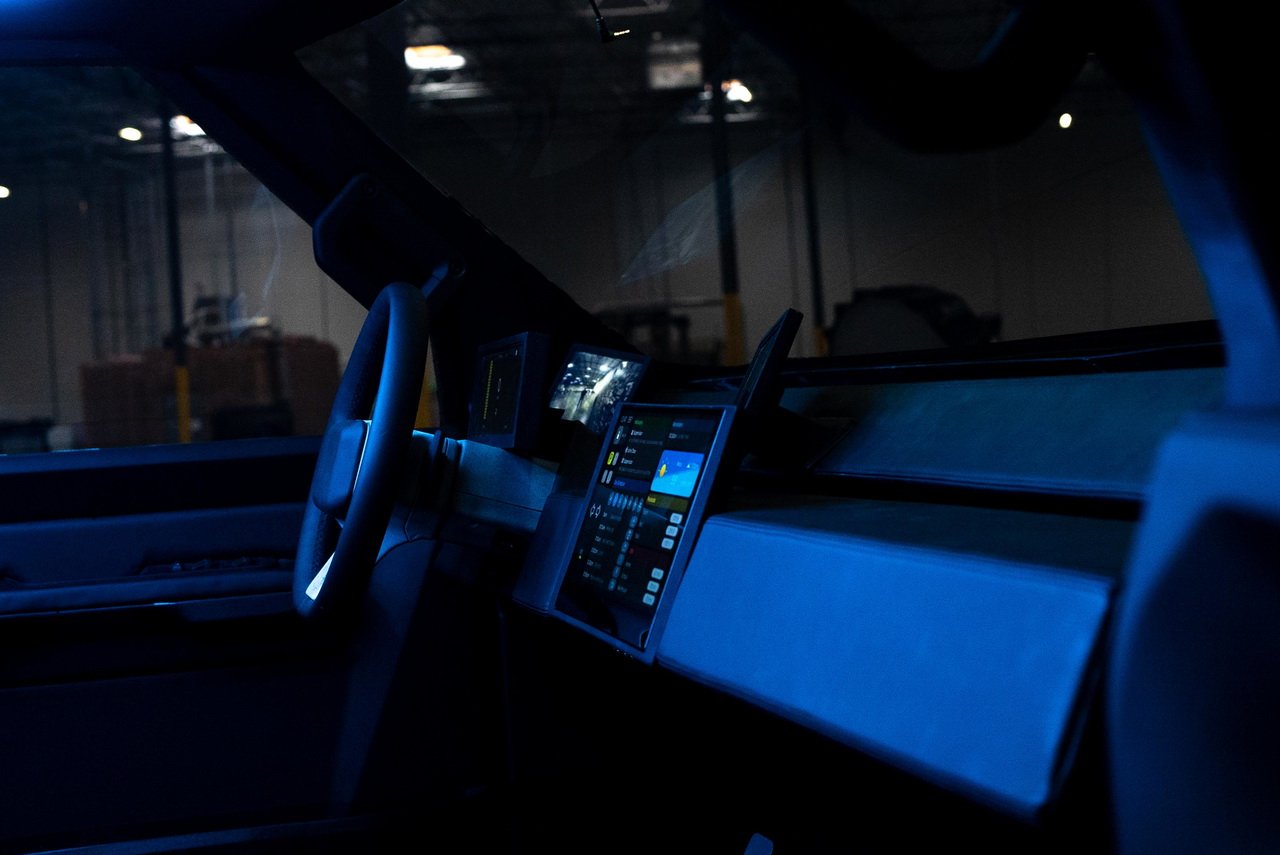
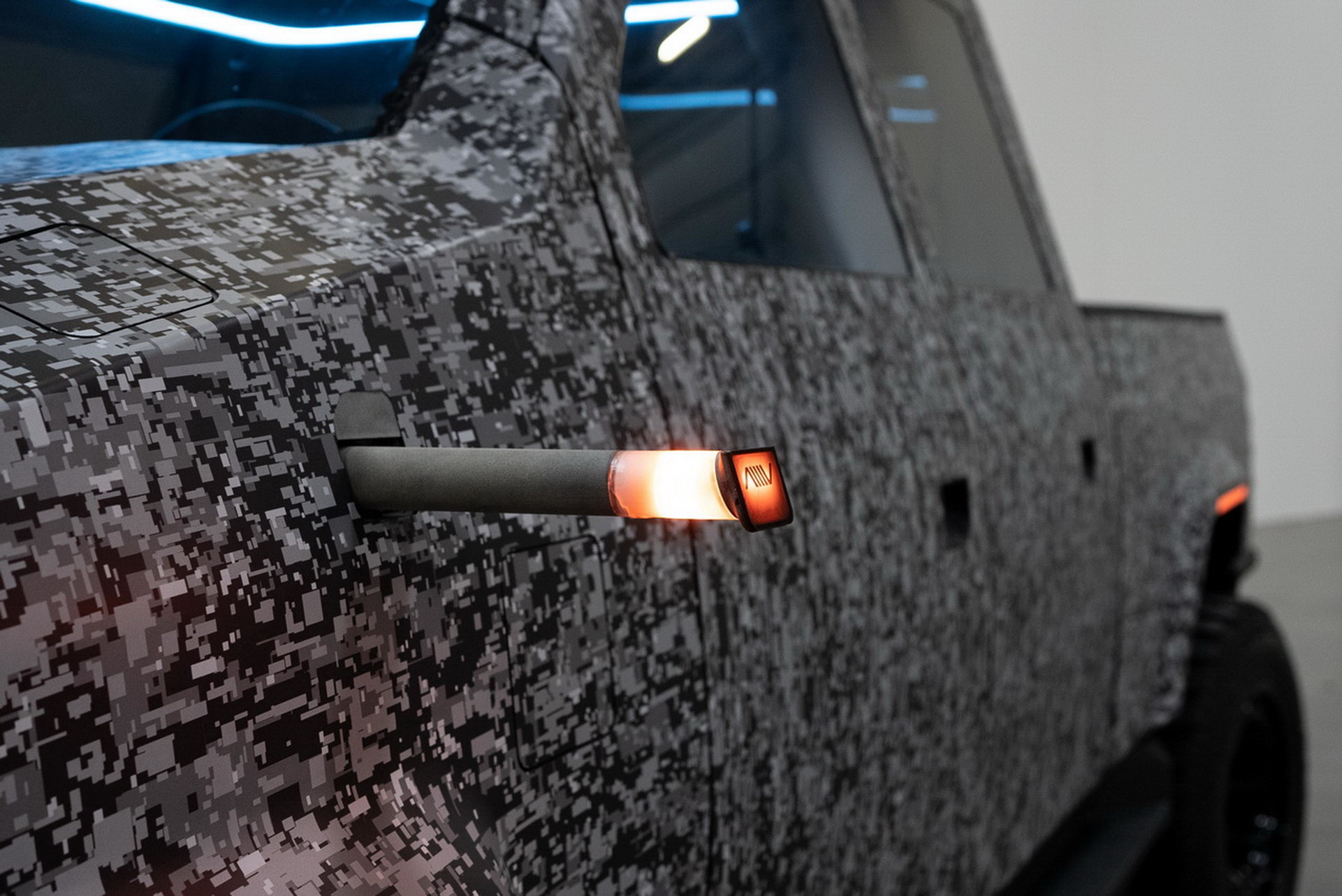
Other features include a front trunk or ‘frunk’, much like on the F-150 Lightning, with pop-out cameras instead of conventional side mirrors, a 12.8-inch touch screen – as well as tough stain and scratch resistant materials used for the interior trim.
Production is planned to start in 2022, with prices slated to begin at US$45,000 (AU$61,872).
Early last month, Atlis signed an agreement with AusMV (Australian Manufactured Vehicles Pty Ltd) to bring the Atlis XT to Australia, according to PR Newswire.
The arrangement will allegedly see AusMV import 19,000 XTs here in 2025 to convert to right-hand drive and sell under the Atlis brand.
“Many traditional automakers have overlooked Australia when launching new EVs for a variety of reasons, but we see things differently. Our long-range, fast-charging electric work trucks are ideal for this market,” said Mark Hanchett, CEO and founder of Atlis.
Pricing and features for potential Australia-delivered models are yet to be released, but with the markup already seen on Chevrolet Silverado and RAM pick-ups imported and converted to RHD in Australia, we expect prices will exceed that of the US market here in Australia.
The Australian Government has announced a $2 billion loan facility to help establish mining projects crucial to the battery industry.
The fund will help get critical minerals projects up and running, which mine materials like lithium – a key ingredient in battery technology used in electric vehicles.
“The lithium industry alone, which is essential to develop new battery technology, is forecast to be worth $400 billion globally by 2030 and initiatives like this will mean Australia is well placed to grab its share of the market,” Minister for Resources and Water Keith Pitt said at the announcement.
The $400 billion forecast is around eight times the revenue generated by Australia’s coal exports in 2020.
“Australia is already among the world’s top suppliers of some of the world’s most sought-after critical minerals and we know there is enormous potential through our untapped reserves,” Minister Pitt said.
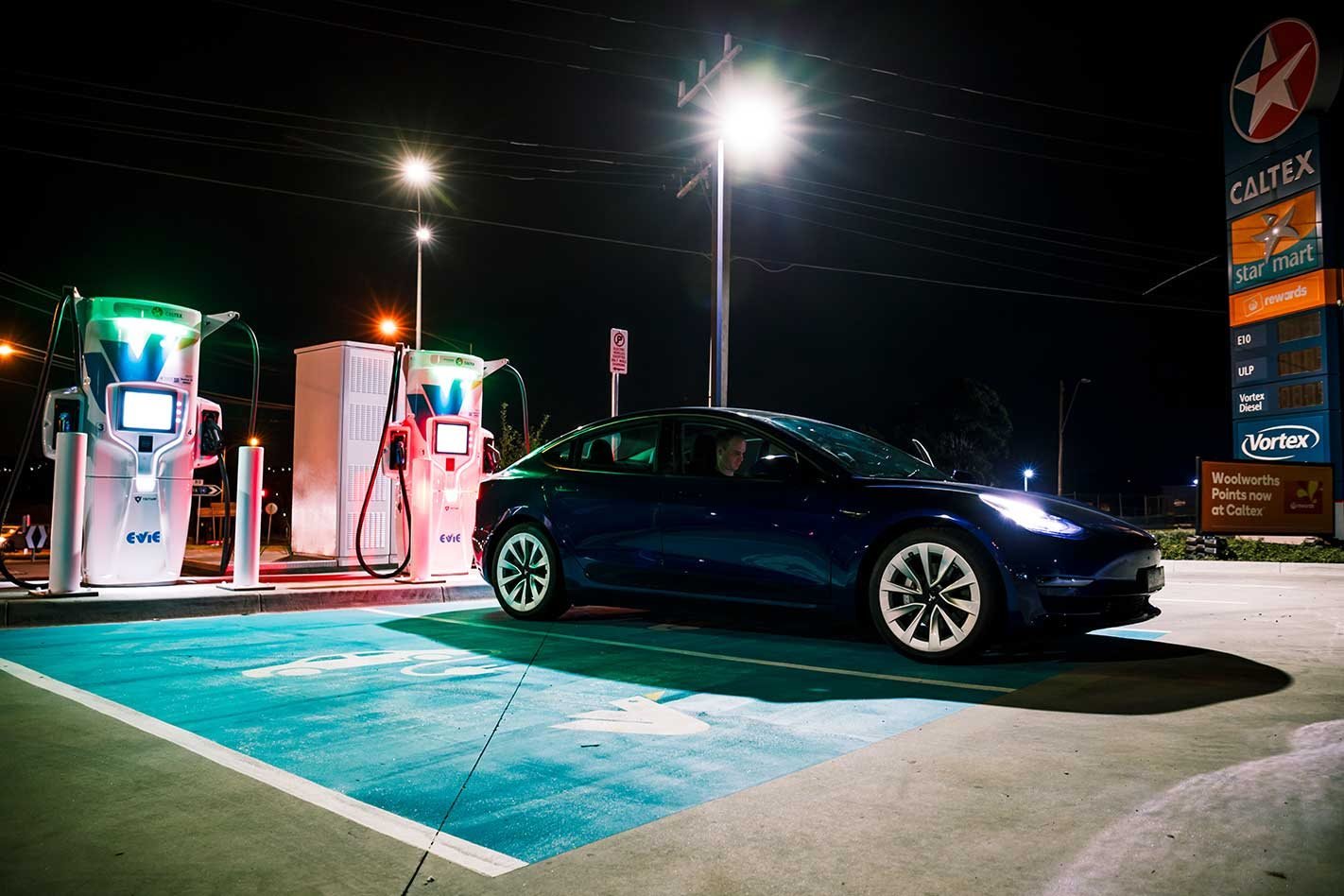
In July 2021, BHP Group announced it had signed a nickel supply agreement with Tesla, and was working with the US electric carmaker to lower its carbon emissions in the battery supply chain. The announcement came a month after a Tesla executive said the firm was spending $1 billion on Australia’s minerals supply to meet electric vehicle growth.
“Australia is the only country in the world with resources in all three of the critical battery metals, as well as other minerals required for the clean energy transition,” Tesla chairwoman Robyn Denholm said in June.
“In short, a values-led mining industry has greater value to Tesla and to an increasing portion of the global marketplace.”
Denholm said Australia has the potential to supply minerals and resources with some of the lowest emissions in the world.
“This is critically important over the next 30 years, because manufacturing as a whole has to decarbonise very quickly and this means that low-carbon minerals will be at a strong advantage in the new supply chains being created for renewable energy.”
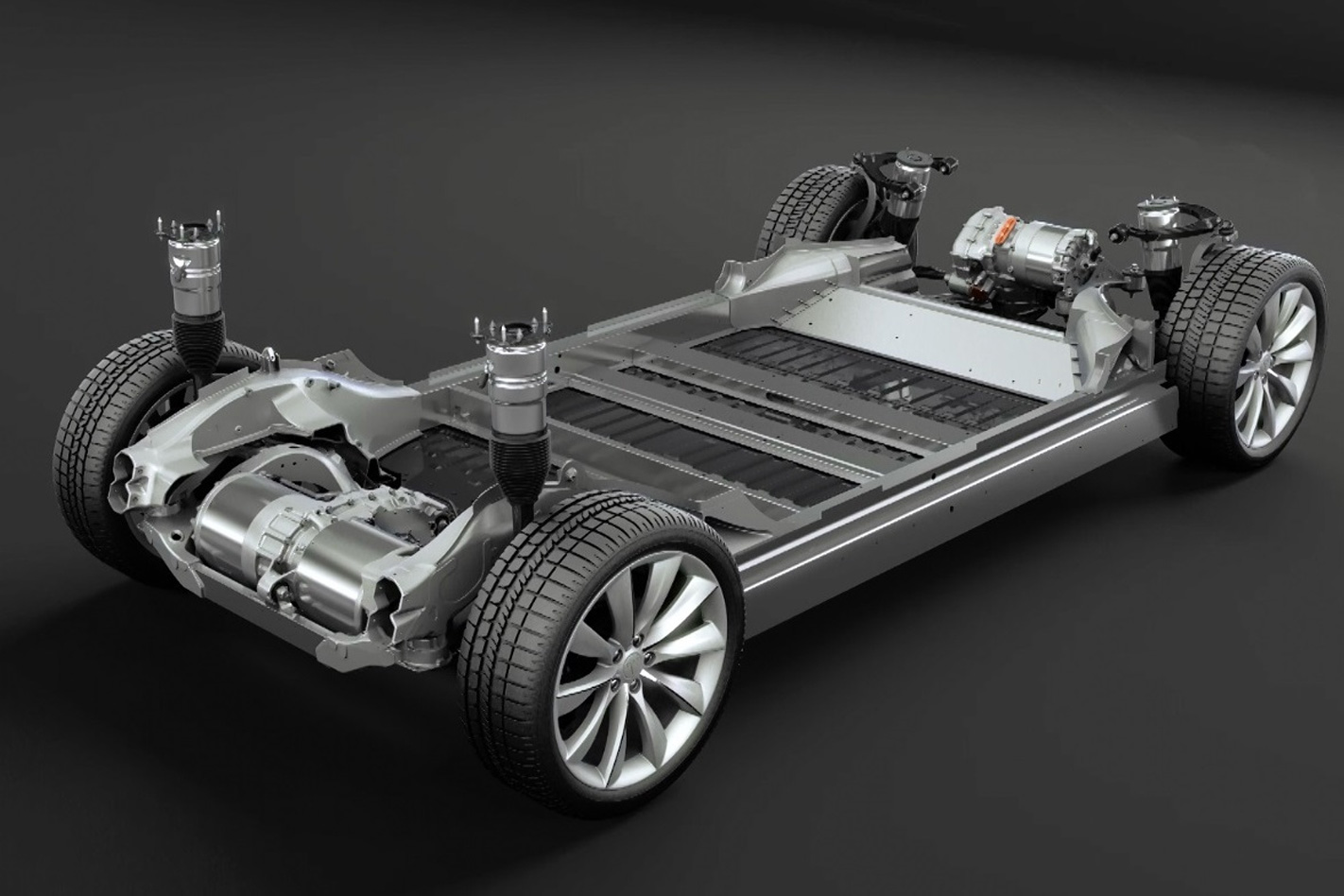
The new $2 billion fund is said to help fill “finance gaps” in mining projects, providing companies with loan facilities to establish critical supply chains.
“We want to ensure that Australia’s resources producers do get established [so] they can link up with others in our supply chains in a free and open Indo-Pacific [region],” Prime Minister Scott Morrison said at the announcement last week.
“Critical minerals are a strategic area for governments too because they are fundamental to the future energy economy.”
Australia has the fifth largest known reserves of lithium in the world (with the greatest mineable reserves) and is the largest exporter globally, shipping 42,000 tonnes overseas in 2019.
To put this new Federal Government program into perspective, Japan has set up a $24.7 billion trust to help fund the development of next-generation battery tech. Much of that war chest is being used to acquire the lithium required to put solid-state batteries into large scale production.
Toyota is one of the companies taking advantage of the extra Government funding in its native Japan, using the money to supercharge its solid-state battery technology.
Two Japanese mining and oil companies, Mitsui Kinzoku and Idemitsu Kosa are also using the Government money – building infrastructure to produce lithium metals for solid-state batteries.
Snapshot
- China facing coal shortage and power rationing
- Result of ambitious carbon reduction policy
- Model 3 delivery times as yet unchanged
A Tesla supplier has paused production amidst China’s ongoing energy crisis, potentially impacting Australian Model 3 deliveries.
The Eson Precision Engineering factory in Kunshan, Jiangsu, suspended operations from September 26 to October 1 due to ongoing power shortages and toughening emissions standards. The company produces components for all Tesla Model 3s sold in Australia.
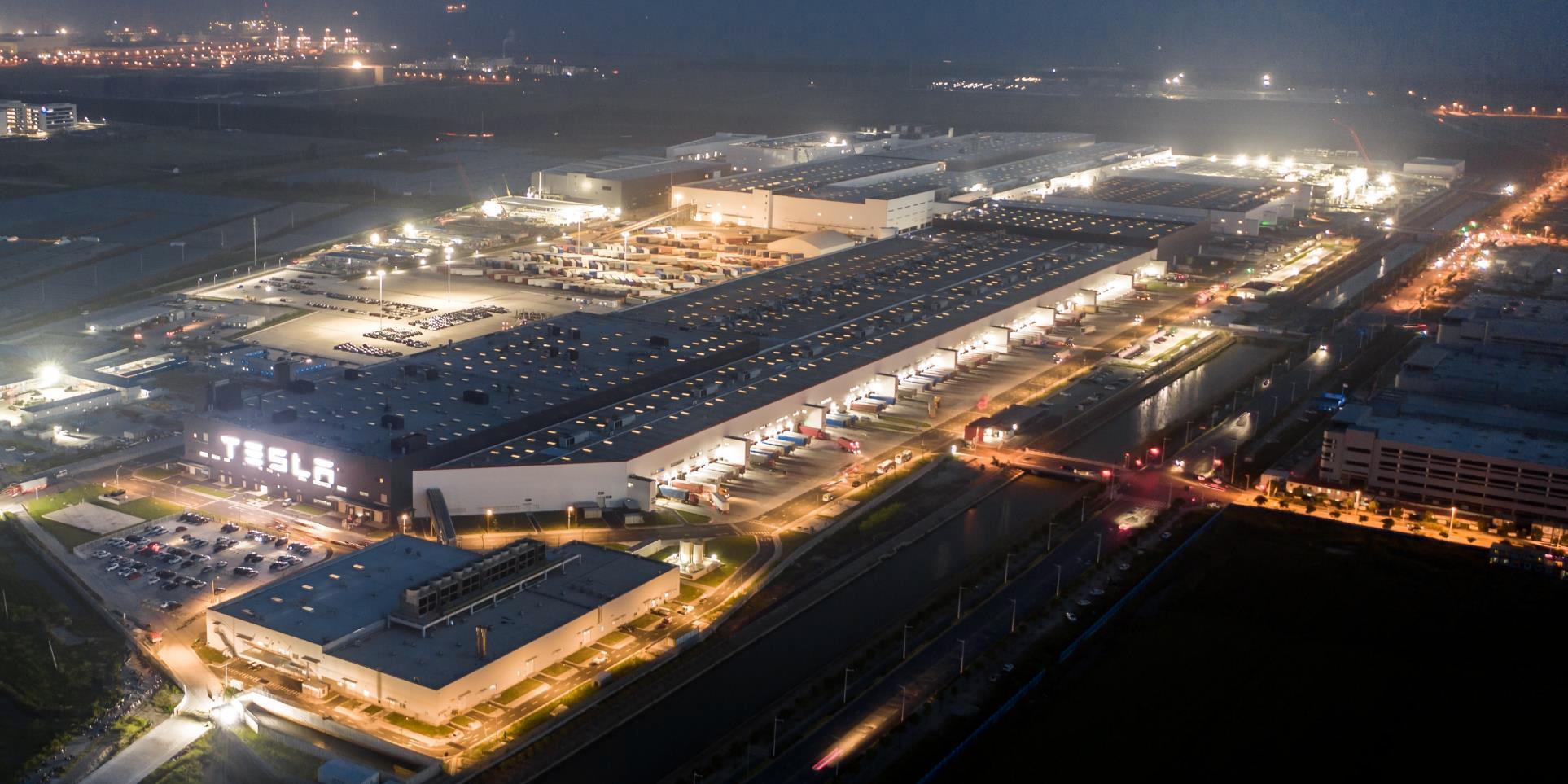
Chinese president Xi Jinping aims to have the country’s C02 emissions peak before 2030, and reach carbon neutrality by 2060. New regulations have impacted the country’s domestic coal mining industry, reducing the output of its coal-fired power stations and driving prices up.
In response, Government power regulators have instituted rolling blackouts and energy rationing across 20 of China’s 30 regions. Coal prices are not expected to drop in the near future, meaning ongoing production halts are a possibility. Tesla CEO Elon Musk labelled the crisis a “serious concern” on Twitter.
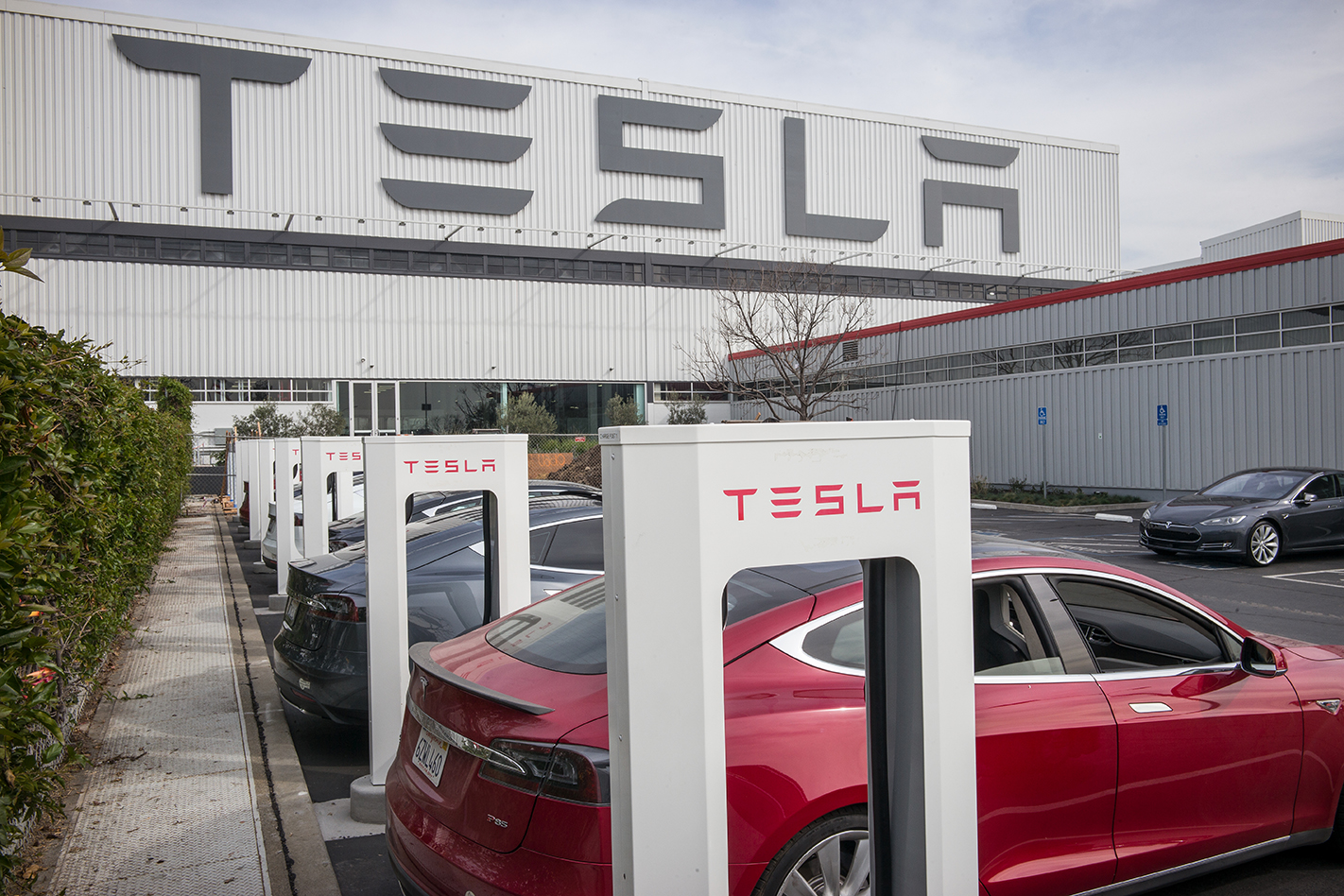
It’s not the first time this year Tesla production has faced shutdowns in China. In August, the ongoing semiconductor shortage saw the Shanghai ‘Gigafactory’ halt some operations for about four days.
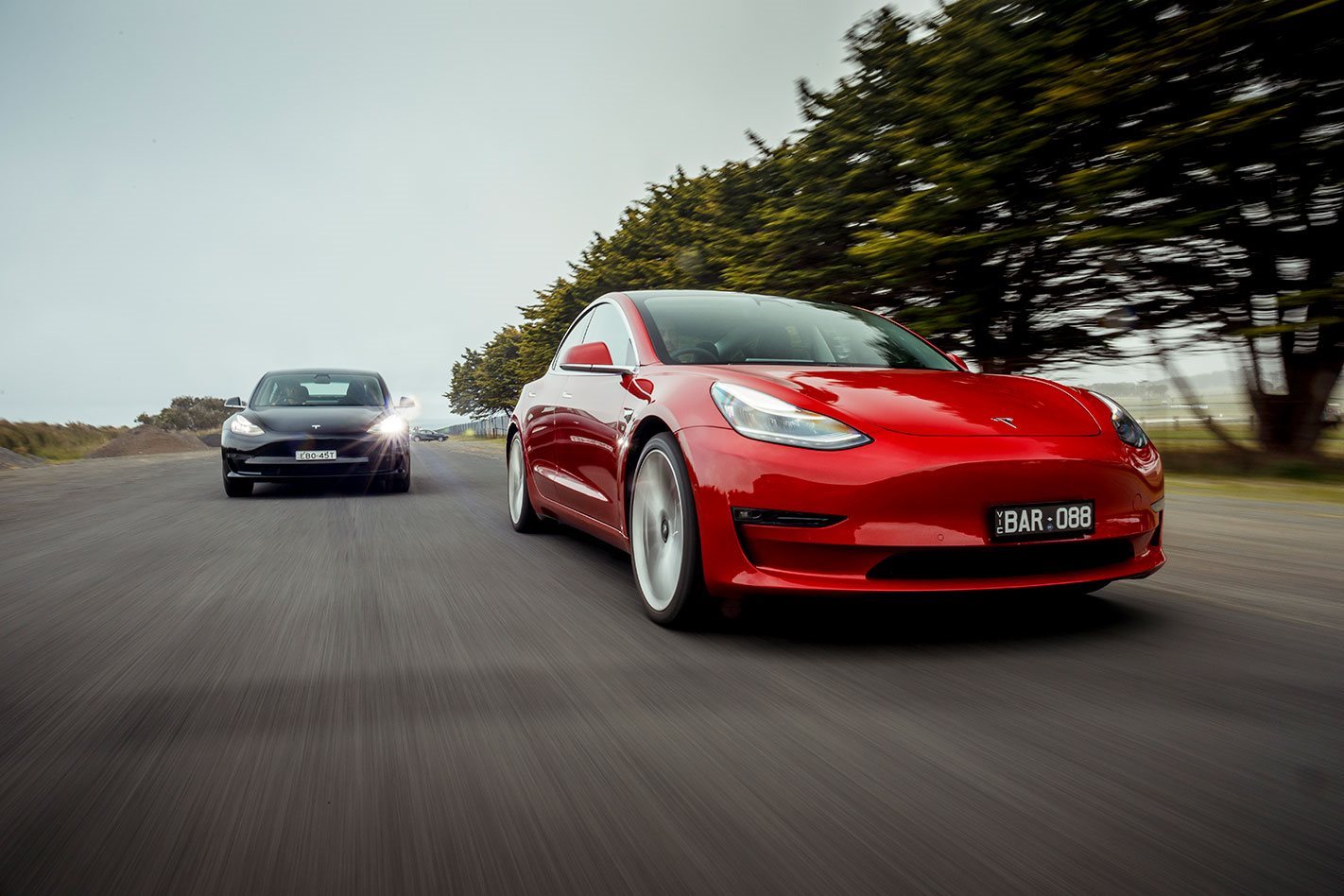
Tesla shifted production of Australian-market Model 3s from Fremont, California to Shanghai earlier this year.
Right now, Tesla’s website says local buyers can expect a base Model 3 to be delivered within one to three weeks of its order date.
The all-electric Hyundai Ioniq 5 has been awarded Production Car of the Year in the Car Design Review.
Produced by industry outlet Car Design News, the annual publication awards the best design to both a concept car and a production car – with the judging panel including head designers from Maserati, Volvo, and Volkswagen.
“Once in a while a car comes along that creates an impact on the design community,” said Maserati’s Vice President of Design Klaus Busse.
“The Ioniq 5 is such a car, and its impact is evident in the sketches of many young student designers.”
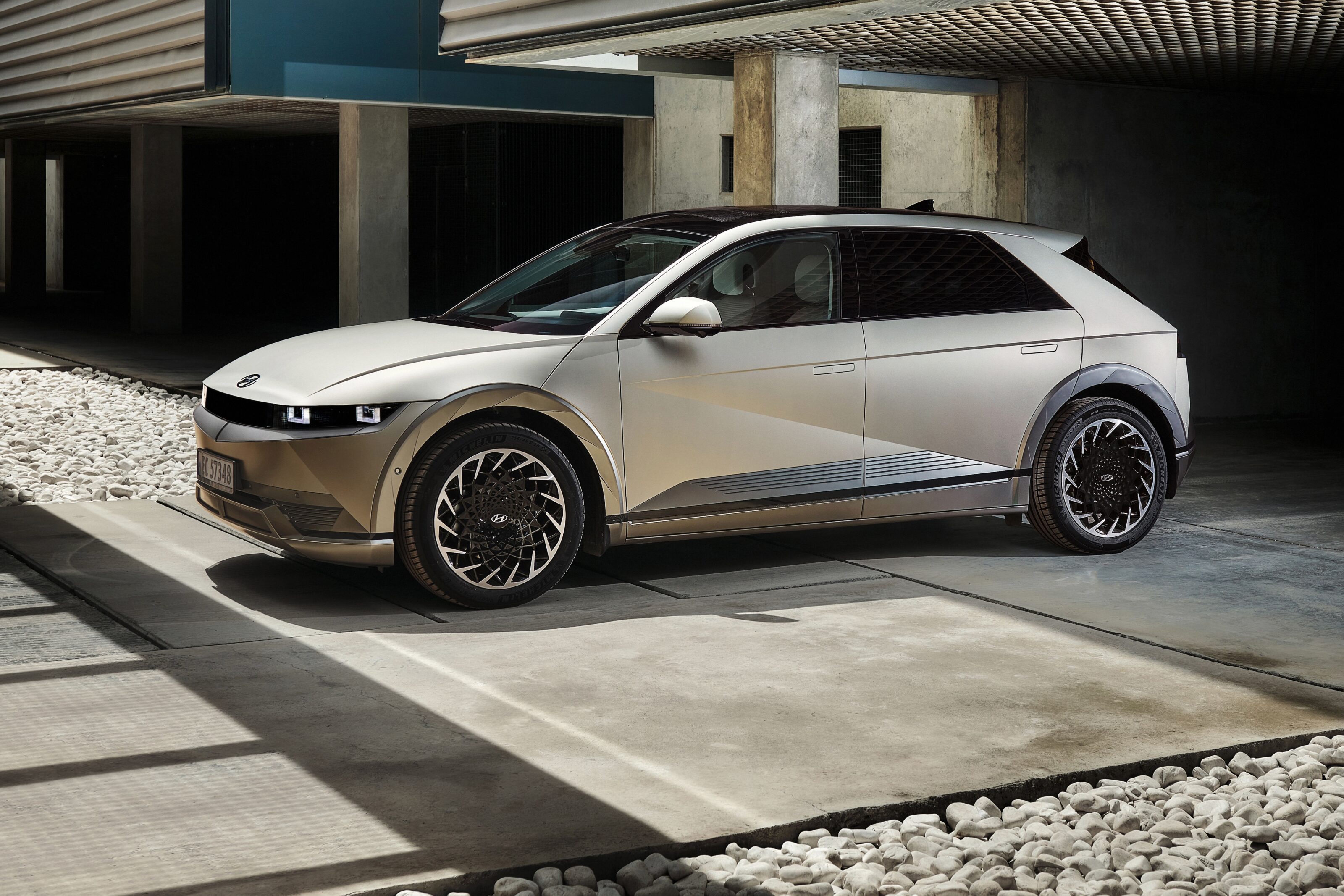
The Hyundai’s “striking surfaces and geometric patterns” were also highlighted by the judges, with some referring to the Ioniq 5’s design as a “gamechanger”.
The eighth annual Car Design Review also named the Renault 5 as the winner of the concept car category, despite strong competition from both Lexus LF-Z and Polestar Precept.
“Renault 5 Concept shows a beautiful mix between retro design and the modern reincarnation of an iconic car of the past.”
The 2022 Hyundai Ioniq 5 is on sale in Australia now, priced from $71,900 before on-road costs, while a production version of the Renault 5 is expected in the future.
Snapshot
- 2022 LC500 and 500h unveiled in Japan
- Suspension tweaks and new colours and interior trim added
- Unclear if changes will come to Australian market
The 2022 Lexus LC500 and LC500h have been unveiled for the Japanese market, with the main changes including suspension tweaks and a range of new colours for both the coupe and convertible version of the flagship two-door.
Lexus says its main focus with the new updates was to improve both the ride quality and overall handling response, which has included both mechanical and software changes.

To achieve this, the Japanese luxury carmaker has changed the sway bars, springs and shock absorbers which are said to increase steering response and on-road control while also improving ride comfort – an important trait for Lexus grand tourer.
Engineers also adjusted the Lexus Dynamic Handling System to suit the mechanical updates.
Another key part of the updated for the 2022 LC500 range in Japan is new choices of colours, inside and out.
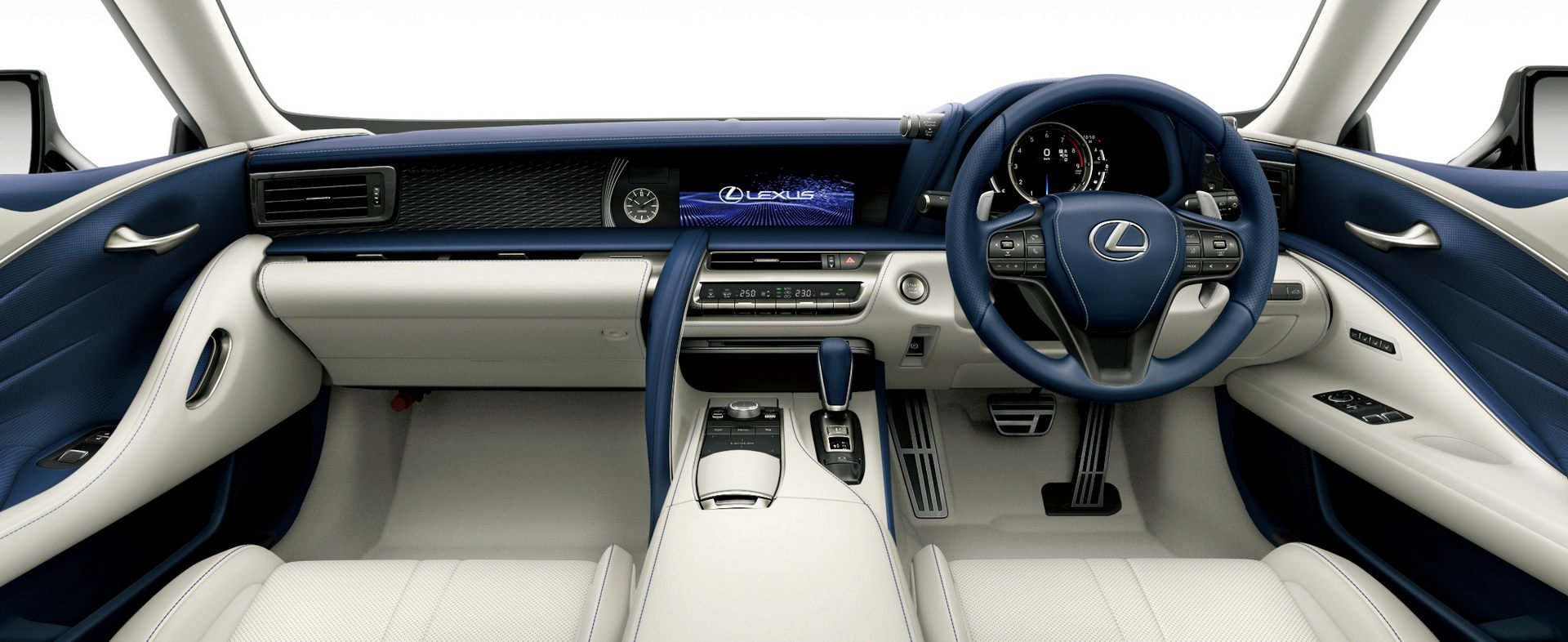
The new shades are called Sonic Iridium (silver) and a green Lexus has dubbed Terrane Khaki Mica Metallic. The green is already available on Australian models.
A new blue and white trim option for the interior has also been added for 2022, as well as the option of a blue soft top for convertible buyers.
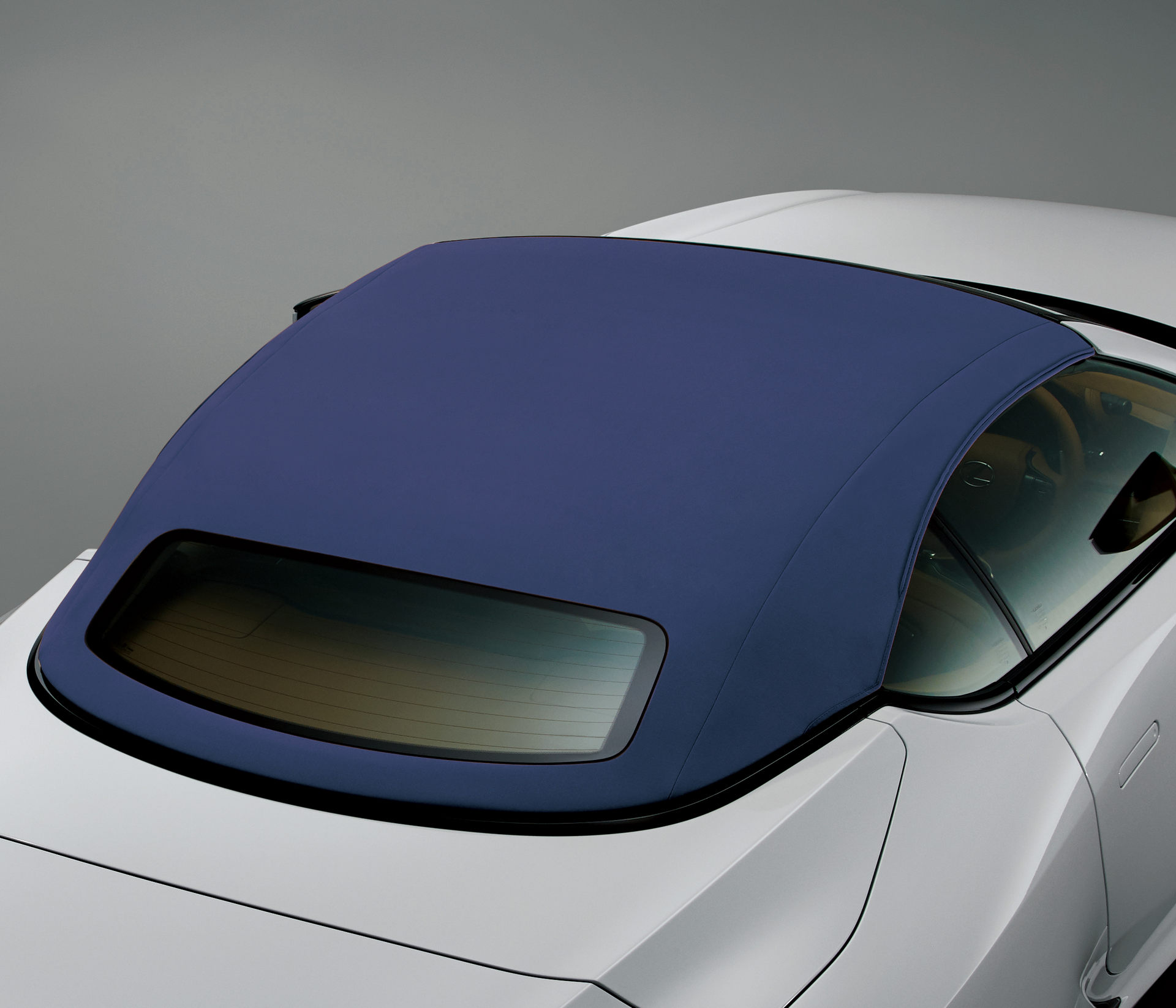
A set of 21-inch forged aluminium wheels and orange brake callipers complete the list of new options for the 2022 model, but the 351kW/540Nm 5.0-litre alloy V8 remains unchanged.
A spokesperson from Lexus Australian confirmed to Wheels that: “The LC Coupe and Convertible will receive a model year update, and we will confirm timing and specifications applicable to our market in due course.”
The 2022 BMW 2 Series Active Tourer has leaked online ahead of its official debut.
It was expected BMW would reveal the 2 Series Active Tourer in the coming weeks, but overnight Cochespias posted what appears to be an official advertisement on Instagram revealing the all-new small people-mover.
Maintaining its upright body design, the 2 Series AT adopts sleeker headlights, along with more pronounced kidney grilles – though somewhat more subdued than its 4 Series stablemate.
Unlike the recently-unveiled 2 Series Coupe, itself based on BMW’s rear-wheel-drive CLAR platform, the new 2 Series AT will be underpinned by the carmaker’s UKL2 architecture, shared with the 1 Series hatchback, as well as the X1 and X2 small SUVs.
According to previously-leaked product plan information, the 2 Series AT will debut in European markets with four models initially: 218i, 220i, 223i, and 218d as the sole diesel option.
Entry-level models are expected to offer a 48-volt electrical system and torque-converter automatic transmissions, but the 223i and 218d may be fitted with dual-clutch transmissions.
While unlikely to reach our shores, an all-wheel-drive 223ix variant will arrive in the first quarter of 2022, followed by a 223dx, 225ex, and 230ex – with both ‘ex’ models to offer AWD grip from a plug-in hybrid powertrain.
There’s no word yet on whether the 2 Series AT will be offered locally, with BMW Australia indicating in previous years it was considering reducing the complexity of its product range. Stay tuned for more information in the coming months.
Would you like to see the 2022 BMW 2 Series Active Tourer offered in Australia? Let us know in the comments section below.
