
Audi Australia is bidding farewell to its R8 V10 supercar, confirming the flagship mid-engined machine will no longer be produced for the local market.
The decision to stop importing the Coupe and Spyder to Australia comes off the back of Audi’s engine plant in Hungary no longer producing the Australian-spec V10 engine, instead focusing on those tuned for the European market.
While local cars were available with a 5.2-litre engine developing 397kW/540Nm in rear-wheel drive trim or 449kW/560Nm when mated to Audi’s quattro system – these figures were lower than European tune cars, which are fitted with petrol particulate filters, reducing emissions and noise.
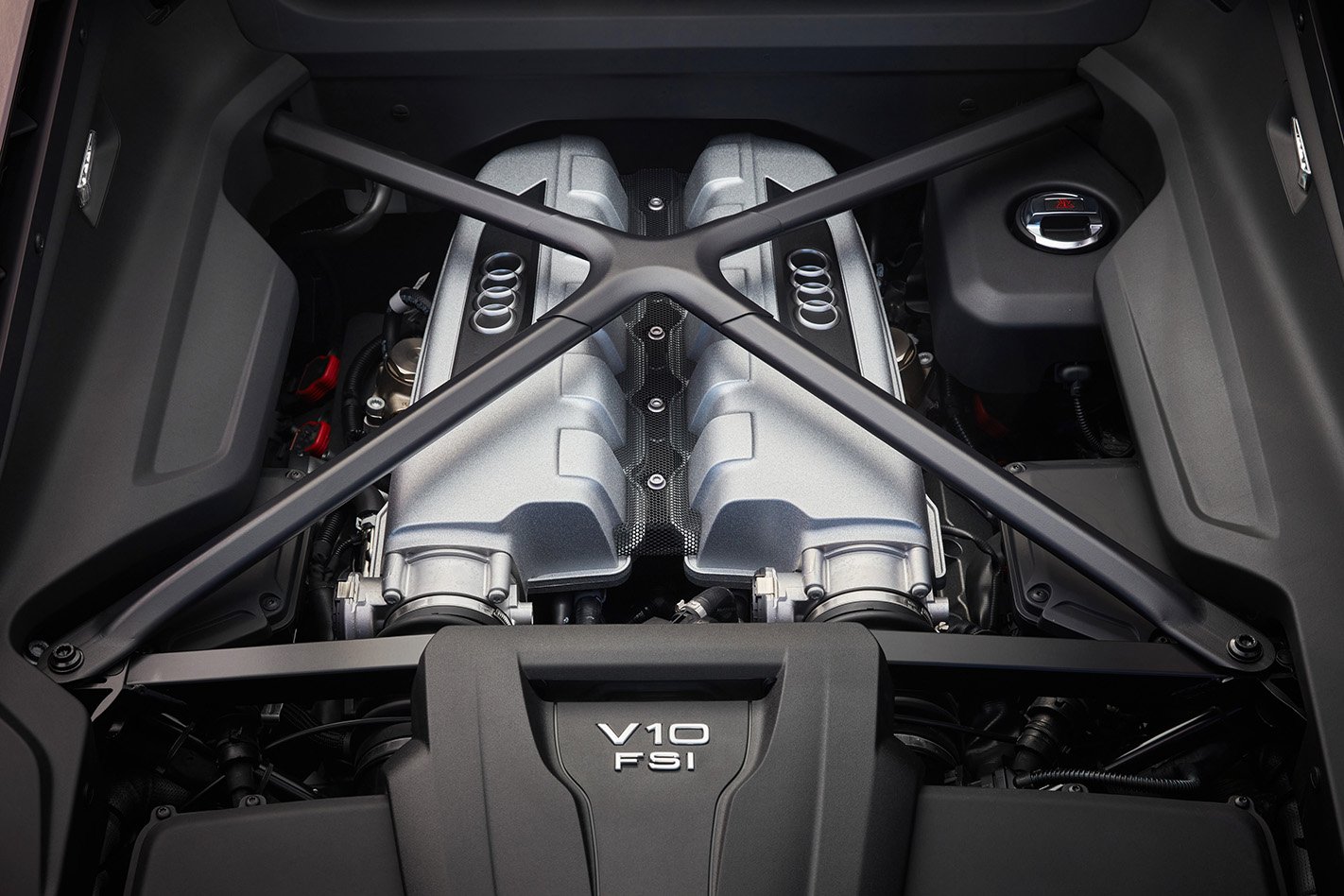
The de-tuned engines drop 22kW/10Nm and 7kW/20Nm respectively on their European counterparts, but gain the V10’s iconic howl – something the PPF neuters.
A spokesperson for Audi Australia confirmed the R8’s local demise to MOTOR, citing the engine’s production coming to an end.
“The current generation of the Audi R8 Coupe and Spyder are no longer offered in Australia, for local homologation reasons,” said the Audi spokesperson.
“The R8 will continue to be produced for other markets. Audi AG is currently discussing various concepts for a possible R8 successor, but no decision has been made so far.”
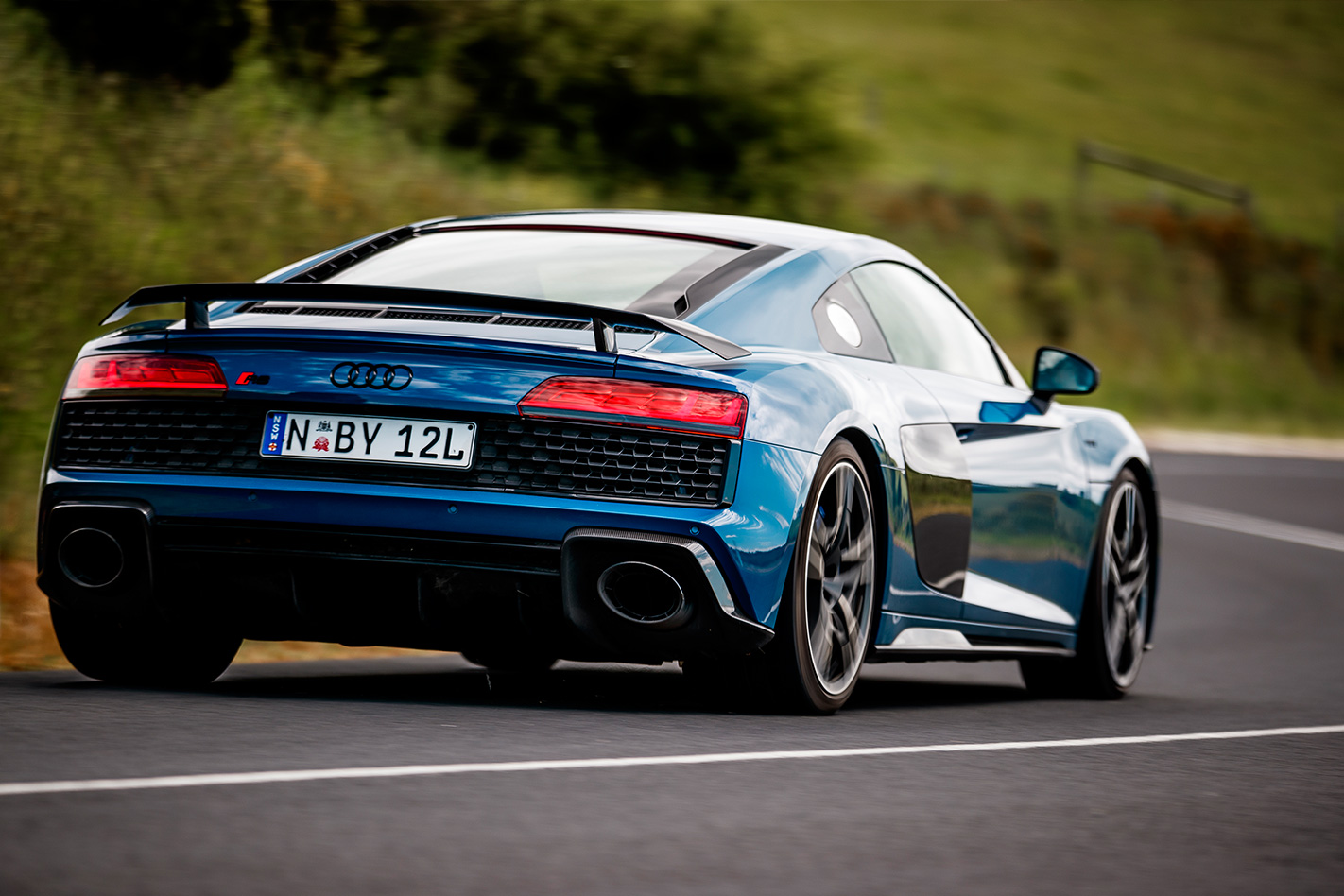
First launched globally with a 4.2-litre V8 in 2006, the R8 gained its V10 powerplant in 2009 before becoming the sole remaining engine when the second-generation car was released in 2016.
Year to date Audi has sold just 29 R8s in Australia, equal to the whole of 2020 (17 units) and 2019 (12 units) combined, although not enough to ensure the future of the supercar for local buyers.
While the long-serving R8 is forced into retirement, its Lamborghini Huracan sibling remains safe with deliveries of an even more track-oriented STO variant soon to commence.
A Lamborghini spokesperson has confirmed to MOTOR: “At Lamborghini we always follow the new regulation in terms of emission and homologation in every market and our V10 Huracan EVO product range will be homologated as well in Australia.
We will soon introduce into the market the first units of Huracan STO that will thrill our customers with the most track oriented Lamborghini.”
If you assess the Jaguar I-Pace on paper, depending on your worldview, you get two different answers to what it is. From the badge alone it can understandably be pigeonholed as a luxury SUV with a strong focus on efficiency and comfort above all else.
Peer over the specs sheet and you get the idea that things aren’t so simple. Near enough 300kW and 700Nm, all-wheel drive, and a 0-100km/h sprint of four point something seconds. That’s real performance car stuff.
But what works in theory doesn’t always translate to the real world. Could the I-Pace be the most overlooked performance car on sale in Australia?
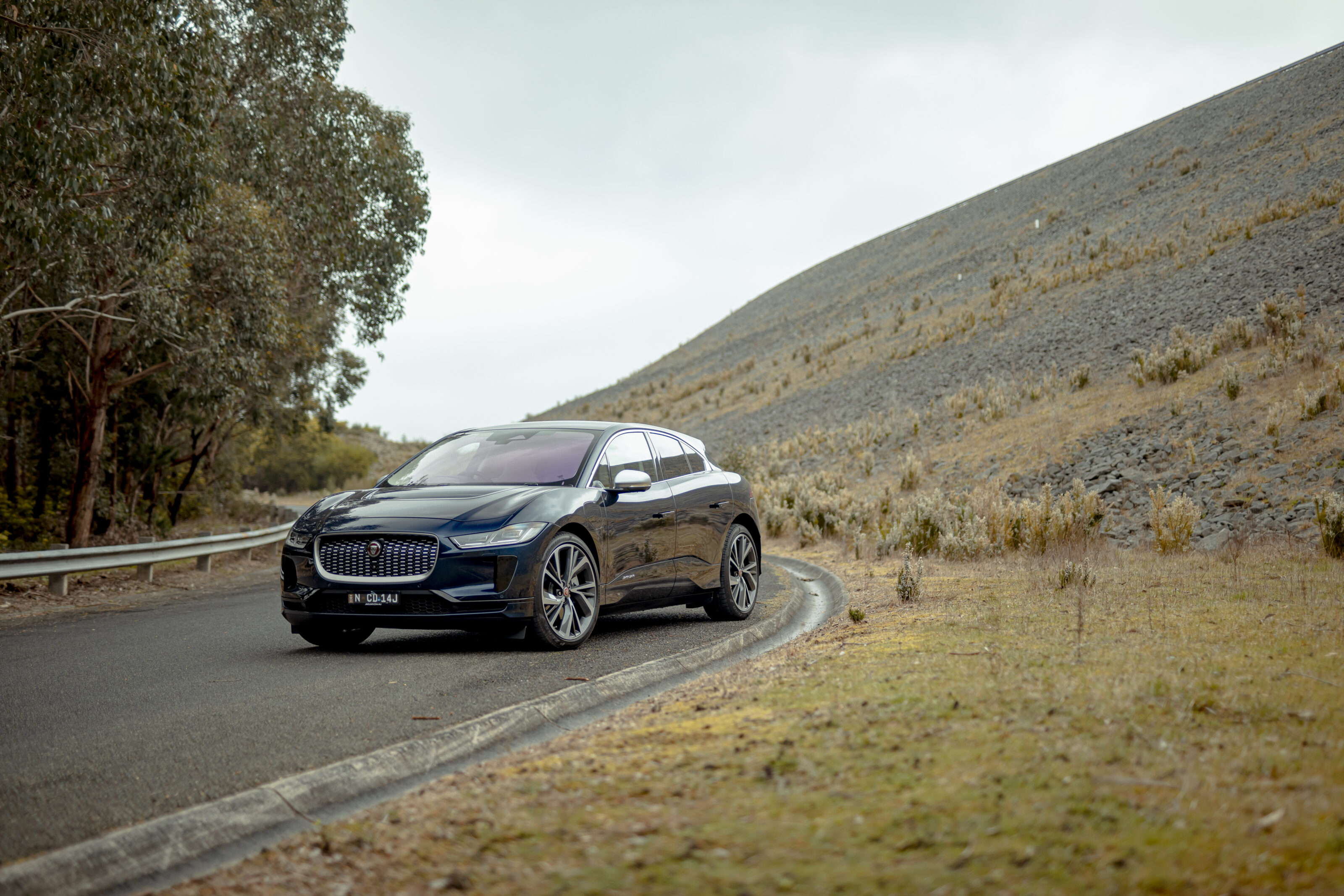
Updated for 2021, the electric Jag has received some tweaks, mainly to do with infotainment, home-charging solutions, and additional exterior styling options. We have the cheapest of the identically-powered three-variant range, the S, on test, which starts at $127,620 – a chunky $4760 increase for this model year.
That means when you compare the I-Pace against traditional ICE rivals like the Audi SQ5 TFSI ($101,136), BMW X3 M40i ($113,900), and Mercedes-AMG GLC 43 ($120,600) it’s already at a bit of a price disadvantage. However, none of those listed can match the Brit in terms of power.
It’s a well-sung hymnbook now, but the big benefit of the electric powertrain is the immediacy of its response. With a 90kWh battery, and an electric motor on each axle, the I-Pace uses its 294kW and 696Nm outputs to great effect. Some of the greatest atmo engines available today can only dream of responding to throttle inputs with this kind of urgency.
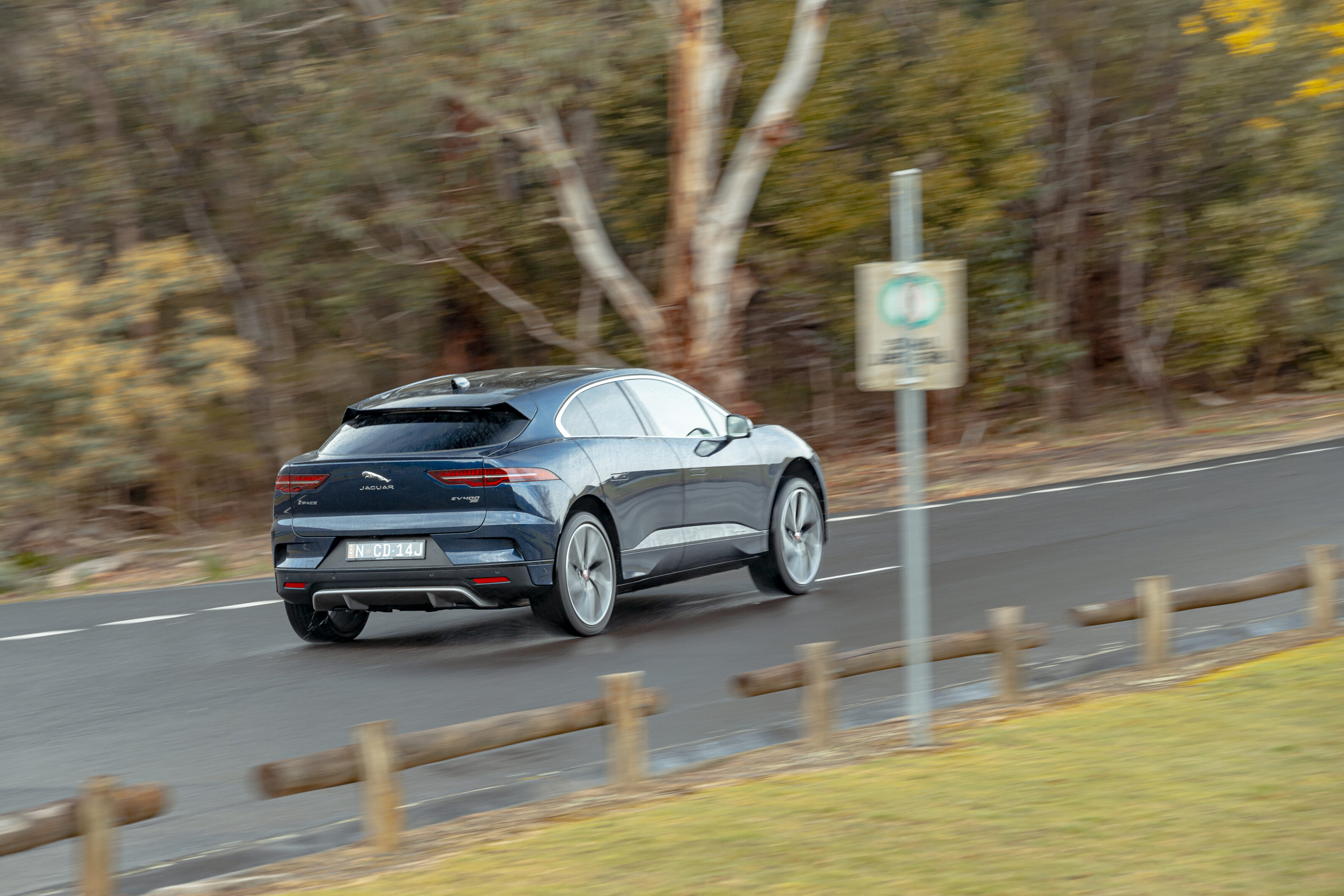
“The I-Pace steps off the line with a solid whoomph rather than a vicious whack”
For an EV, the straight line acceleration is nothing extreme. A claimed 0-100km/h time of 4.8 seconds is half a second slower than its supercharged 5.0-litre V8 sibling, the F-Pace SVR, and the I-Pace steps off the line with a solid whoomph rather than a vicious whack. Top speed is limited to 200km/h, and the I-Pace is running out of puff north of 130km/h, but it focuses more on deploying power effectively at speeds that will keep your local constabulary happy.
Unlike others in the electric realm, the I-Pace will relish being driven enthusiastically in a manner that isn’t just straight-line acceleration. By taking an ‘if it ain’t broke’ mentality to the mechanicals, Jaguar’s engineers have preserved the I-Pace’s dynamic personality and we’re all the better for it.
Pirelli P-Zero rubber on all four corners, measuring 255/40/R22, should be an indicator that JLR’s engineers spent plenty of time finessing the I-Pace on Gaydon’s ride and handling course – penned by Apex Circuit Design no less.
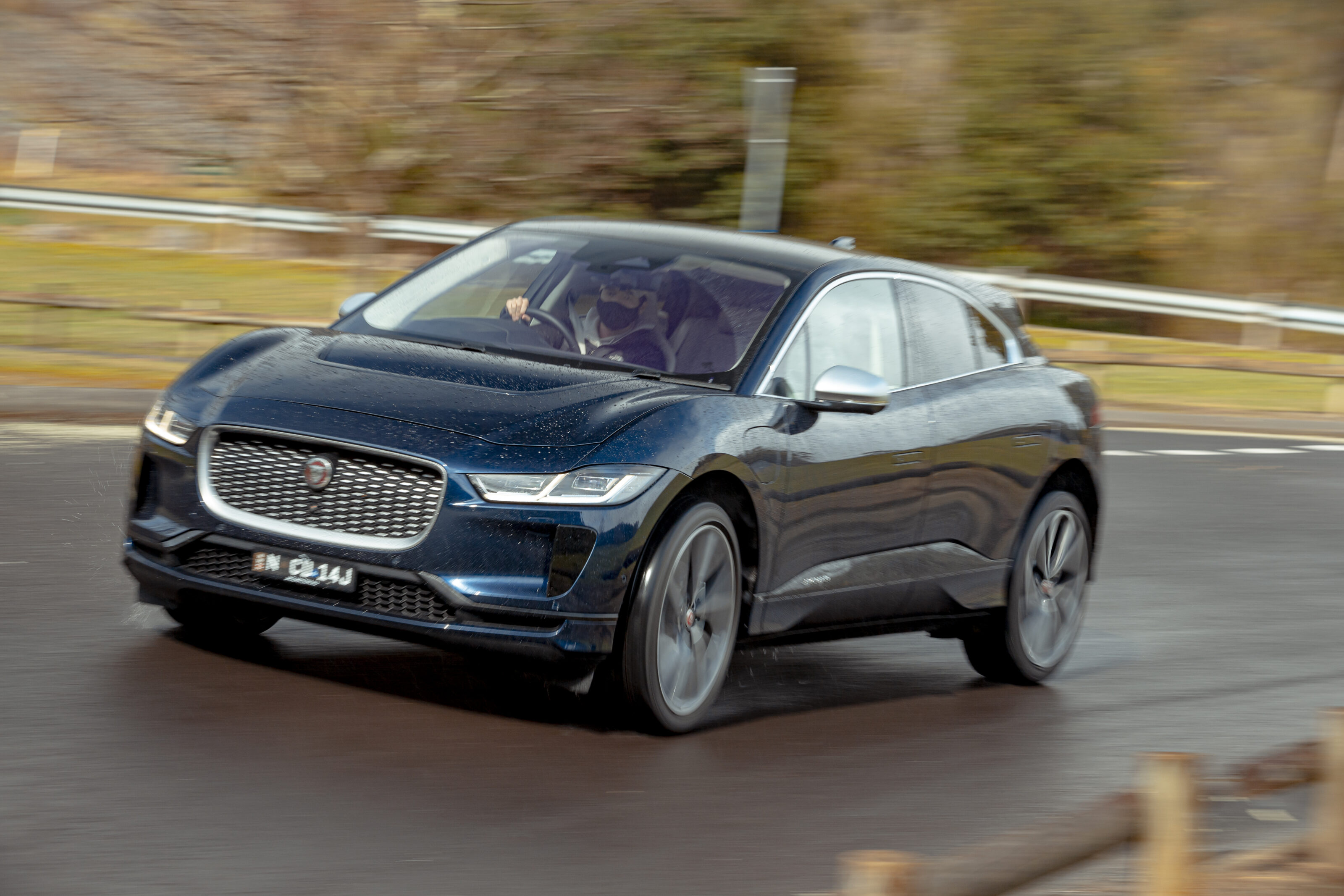
The high-speed stability is fantastic, with the I-Pace staying planted and confident through fast sweeping bends as the speedo climbs unrelentingly toward corner exit. Grab it by the scruff of the neck in slower bends and the I-Pace doesn’t shrink away, instead rewarding you with an engaging front end that dives into the corner.
The ESC system has been nicely calibrated, allowing you to get aggressive on corner entry, with some extra slip helping rotate the car without constant nannying or interventions. With all the systems on you won’t be getting any power oversteer, but at the same time it takes serious effort on the behalf of the driver to force the I-Pace into understeer. As a twin-motor set-up, the I-Pace deploys torque vectoring via the braking system, slowing wheels as needed to help pull you into bends.
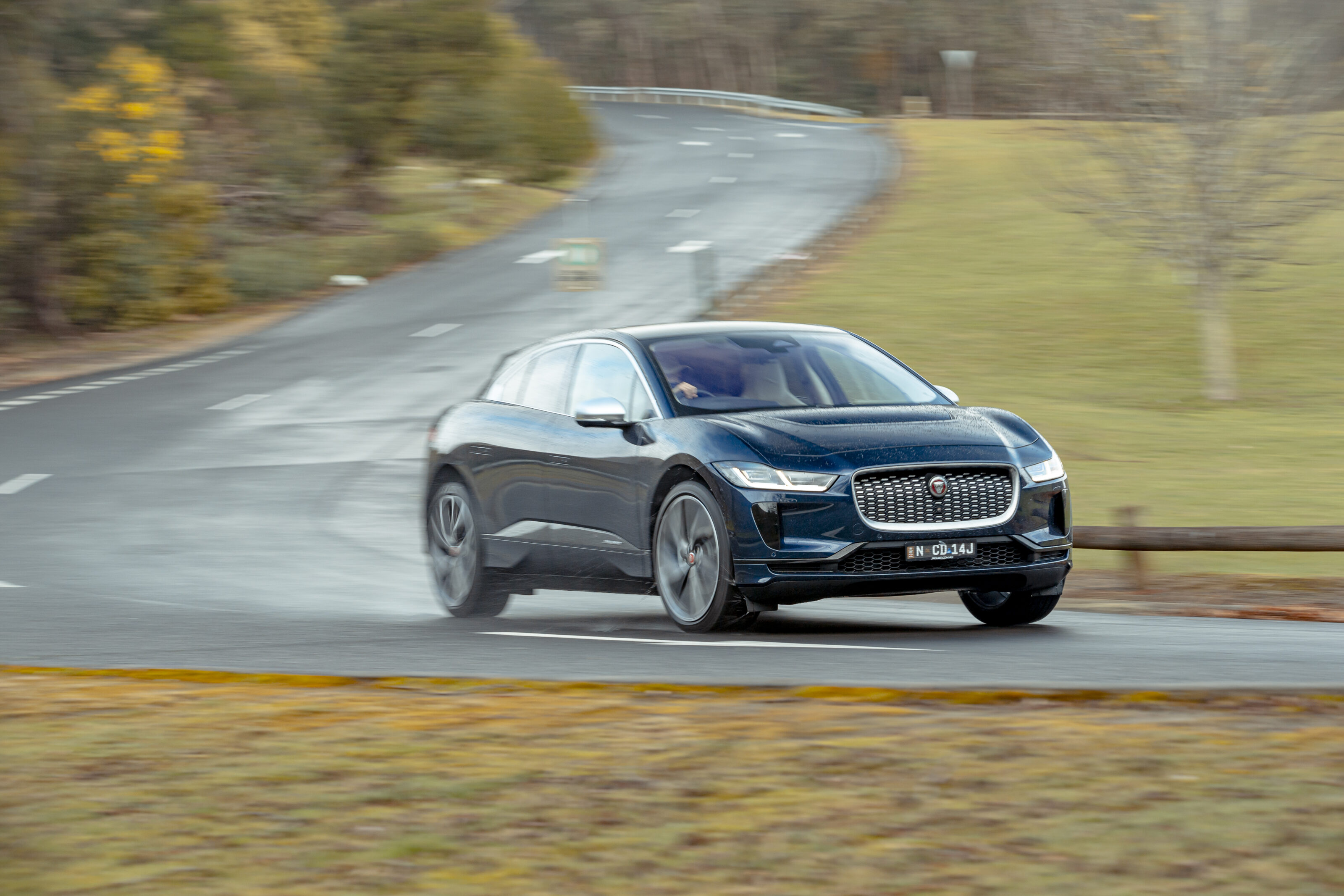
Despite there being no physical connection between the front wheels and what you hold in your hand, the steering is well weighted. It’s direct, accurate, and with 2.5-turns lock-to-lock hits the sweet spot in terms of its ratio.
The most disconcerting part of the driving experience is the lack of sound, which leaves you underestimating exactly how fast you are travelling as the I-Pace leaps from one bend to the other. Thankfully, the optional head-up display lets you keep track without taking your eyes too far off the road. You’ll want to keep tabs on the speeds as well, as probably the biggest shortcoming in the I-Pace’s surprising performance CV are the standard friction brakes which could do with extra bite – particularly for a vehicle with a two-tonne plus kerb weight.
Handy then, that you can ratchet up the regenerative braking to assist. At its maximum regen setting, the I-Pace can be driven hard almost exclusively using a single pedal.
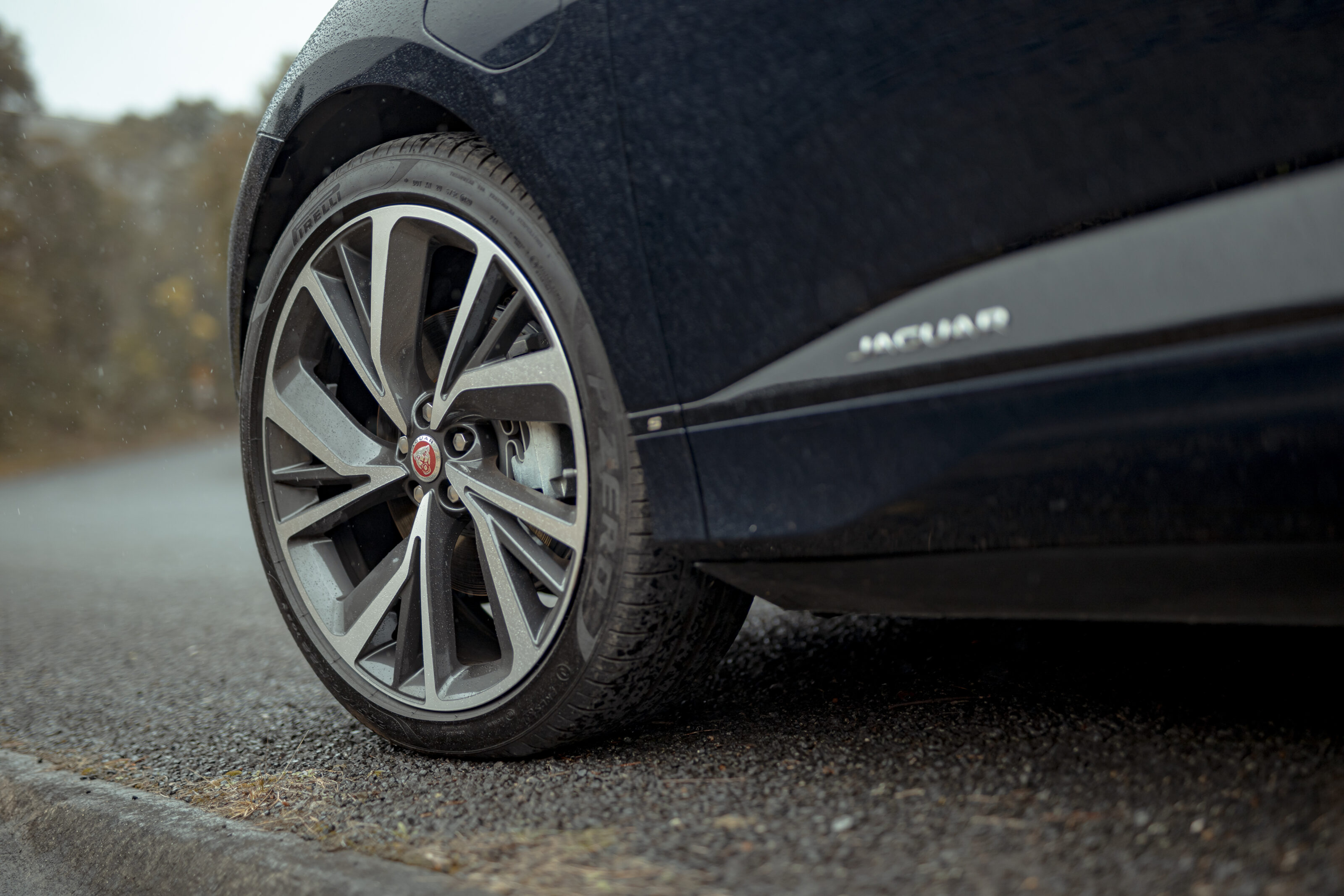
Given our car was riding on optional 22-inch wheels, the I-Pace’s ride is surprisingly supple. The air-suspension avoids low frequency heaving even in its comfort setting, retaining decent compliance with confident rebound damping. Body control is taut but unperturbed by nasty mid-corner bumps.
Overall the I-Pace nestles into a comfortable middle ground between everyday refinement and dynamic poise and ability. With its low centre of gravity, it doesn’t suffer that oversprung hard edge sometimes engineered into performance SUVs for body control purposes, its comportment being more akin to that of a fast wagon.
It makes for a great daily driver with an interior that is trimmed generously with leather, aluminium and other high-end materials. Updated for 2021 is the dual 10- and five-inch upper and lower touchscreens for infotainment and climate controls. A 12-inch fully digital instrument cluster is clean, simple, and well-executed.
The entire infotainment system has been refreshed to more closely mimic the design found on modern smartphones, while two phones can be connected via Bluetooth at the same time. Wireless charging can be added as an optional extra, and Apple CarPlay and Android Auto are standard fit. The I-Pace’s charging, battery management, and infotainment systems can all now also be updated over-the-air.
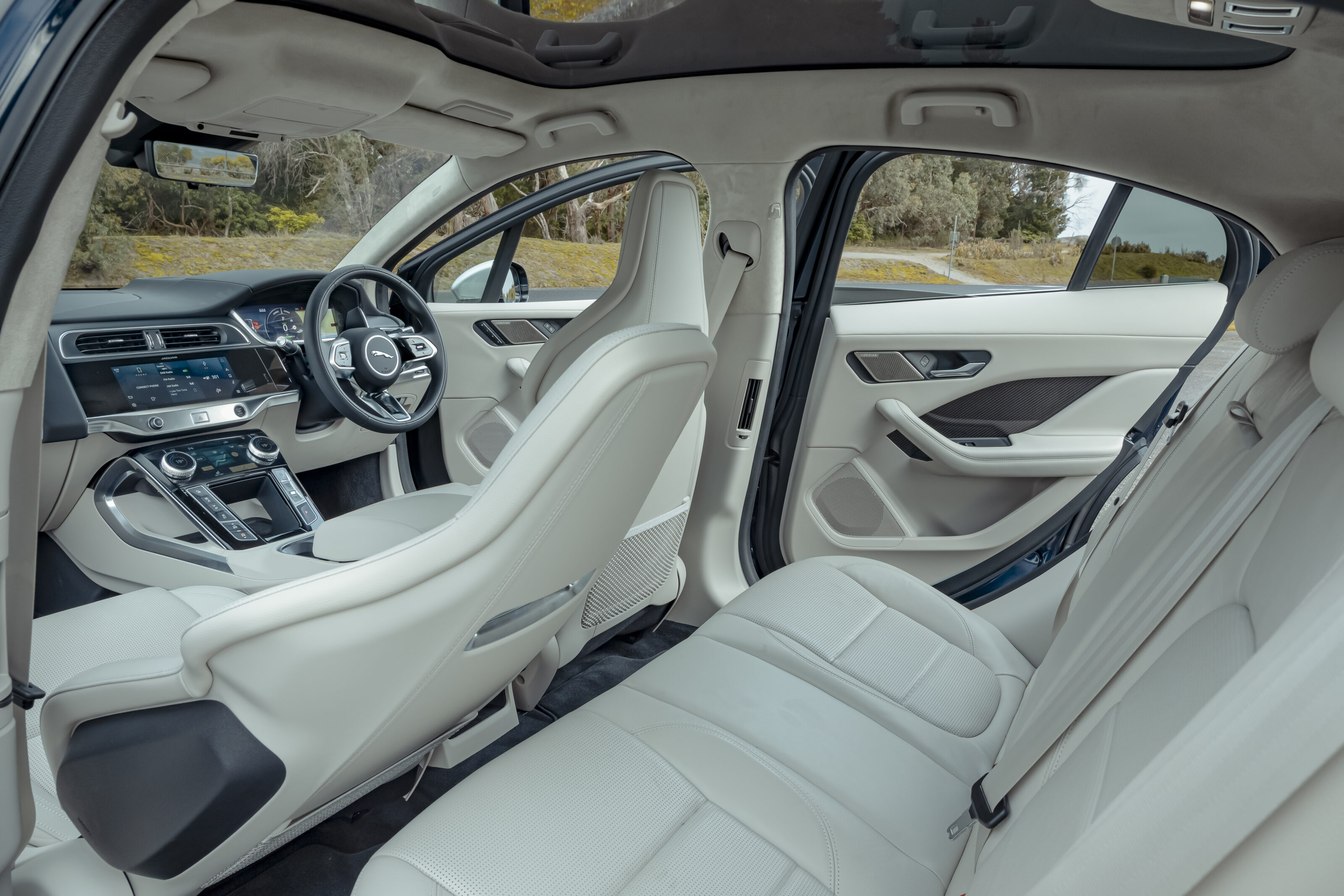
The front seats have a bucket design with good lateral support for both the upper and lower body. Despite the remarkably thin back, which aids the already ample rear legroom, the front pews don’t sacrifice much in the way of noticeable comfort in the process.
The inside of the I-Pace is a great place to spend time, with the huge optional fixed panoramic roof giving the entire interior a light and airy feel. The standard Meridian sound system is also a quality item, with surprisingly clean reproduction even on lossy music file formats.
A surprising benefit of the electric powertrain is that it allowed JLR’s designers and engineers to push the I-Pace’s wheels as far to the fore and aft of the car as possible, resulting in a huge wheelbase of almost three metres (2990mm, or just 45mm less than a 2020 Mercedes S-Class).
This not only means rear occupants are catered for with ample legroom, but it pushes the driver forward in the car, giving you impressive vision and visual engagement, and helping you to better position this large car on the way into a corner.
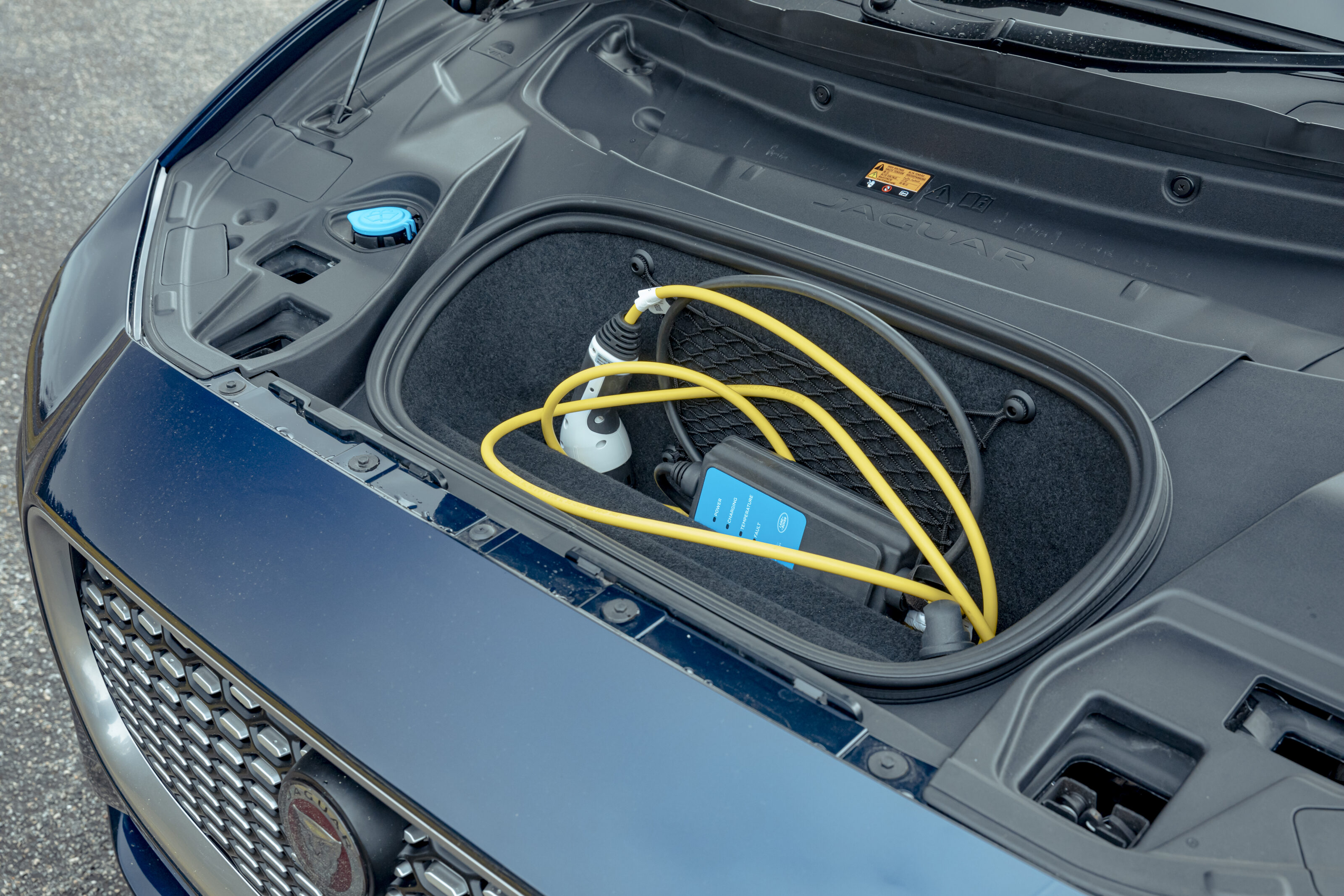
In a boon for those charging at home (which will be nigh-on 100% of owners), the onboard three-phase AC system has been upgraded to 11kWh from 7kWh, cutting complete charging time from 13 hours to 8.6, and now adds 53km of range per hour.
There are plenty of compelling reasons to want to add an I-Pace to your shortlist of new car options, but something to remember is that options (and there are many) will quickly transform an already premium price tag into something altogether more expensive.
Our loan vehicle was optioned to $164,142 as-tested, with much of its nicer features hidden in the options list. Those wonderful front seats, $8450. The panoramic roof will set you back $3580, and the head up display is $1040 on its own. However, those are relative ‘nice to haves’. I’d strongly encourage potential I-Pace buyers to tick the boxes for Adaptive Dynamics ($2405) and Electronic Air Suspension ($2002) at a minimum.
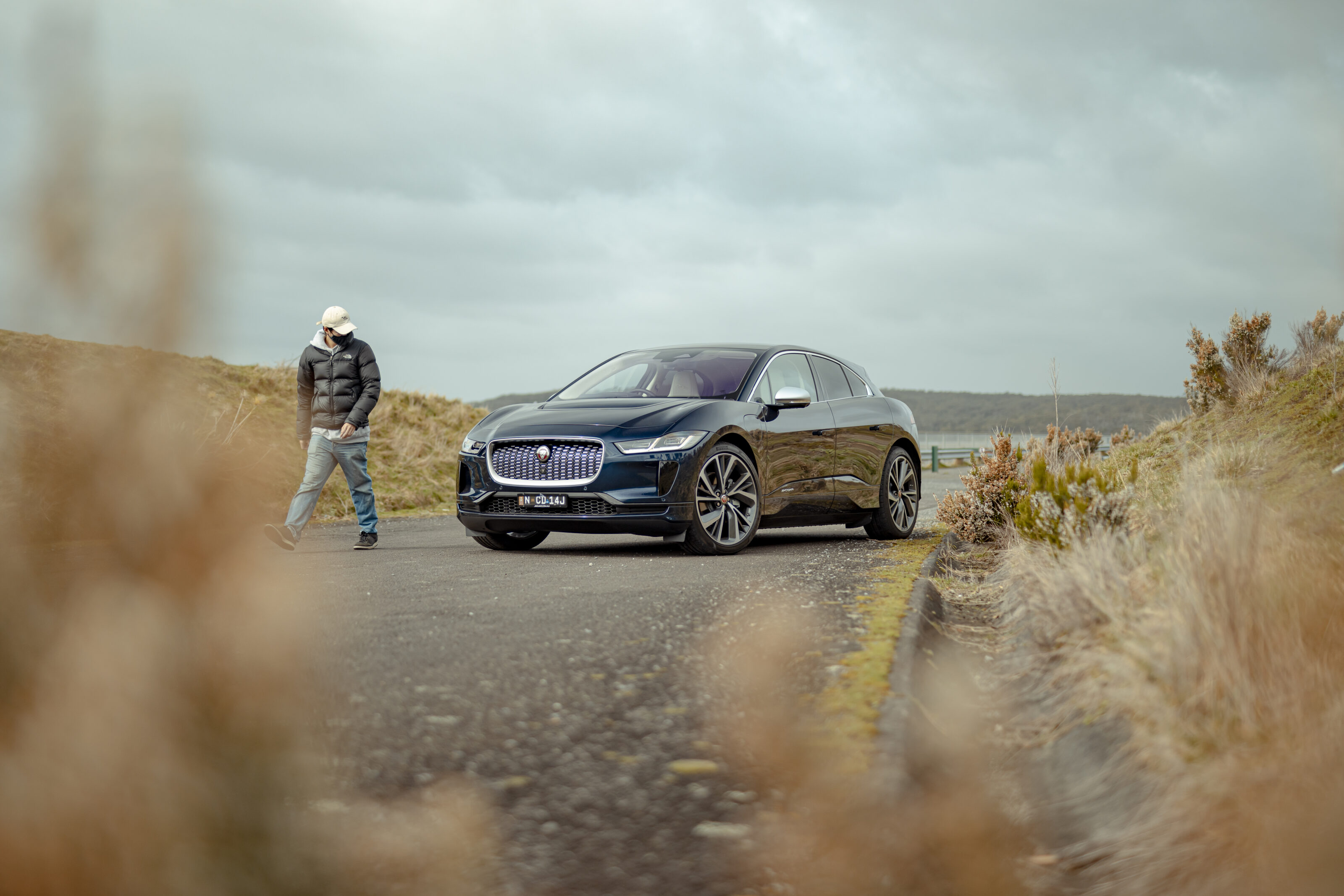
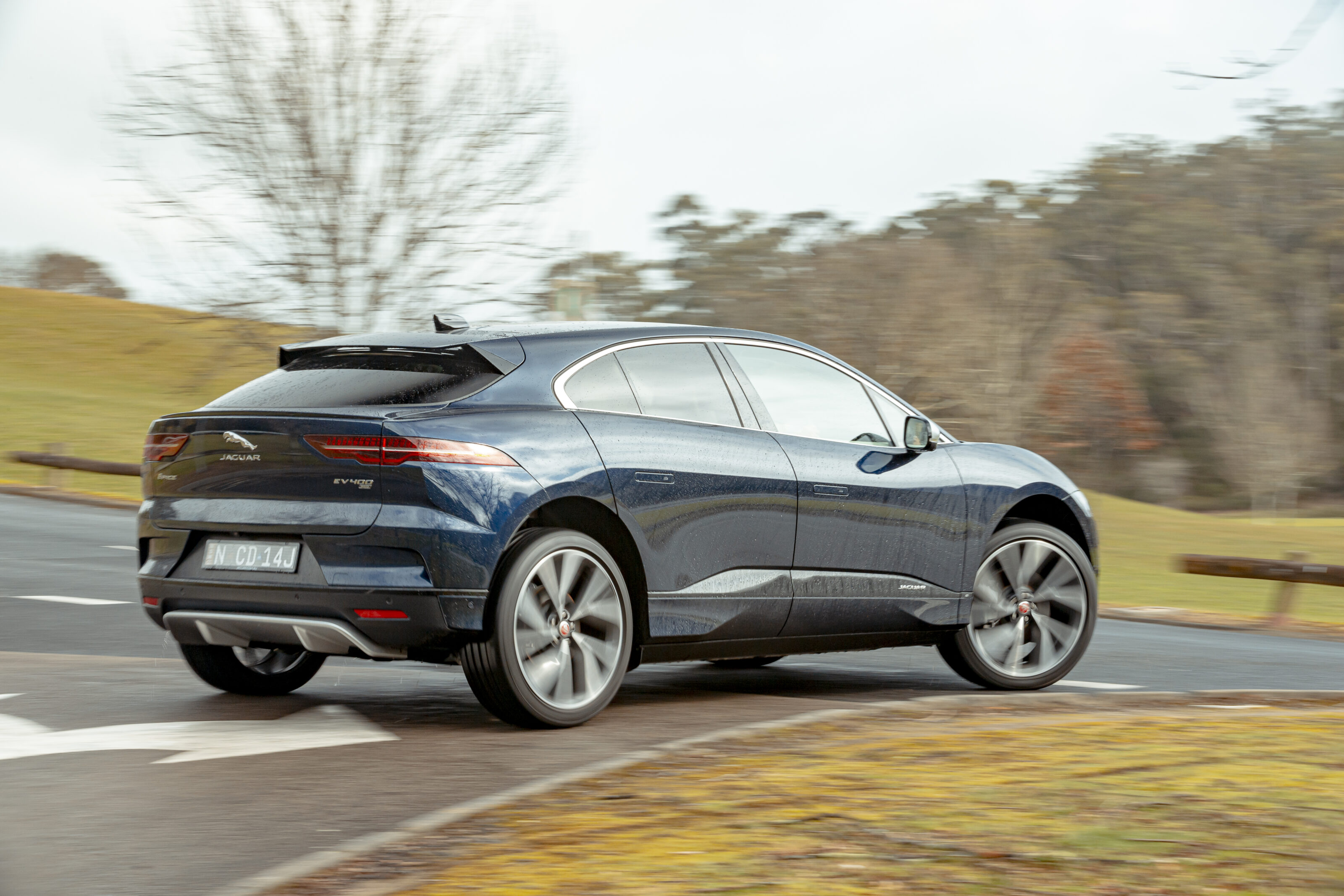
The I-Pace is unlike traditional performance benchmarks in some ways, but there’s a reassuring familiarity to its willingness, nay eagerness, to be grabbed by the scruff of the neck and be driven hard. It may go unnoticed by many for its subdued looks and electric drivetrain but if it’s an indicator of our performance car future, things aren’t all too bad after all.
2021 Jaguar i-Pace EV 400 S specs
| Body: | Five-seat, five-door SUV |
|---|---|
| Drive: | all-wheel |
| Engine: | 90kWh battery, 2 electric motors |
| Power: | 294kW |
| Torque: | 696Nm |
| Power/Weight: | 137kW/tonne |
| Transmission: | Single-speed reduction gear |
| Weight: | 2133kg |
| Suspension: | Double-wishbone, adaptive dampers, coil springs, roll bars (f); independent, anti-roll bar, adaptive dampers, coil springs u00a0(r) |
| L/W/H: | 4682mm/2011mm/1565mm |
| Wheelbase: | 2990mm |
| Tracks: | 1624mm/1647mm |
| Steering: | electric rack and pinion |
| Brakes: | 350mm discs, single-piston sliding calipers (f); 325mm ventilated discs, single-piston sliding calipers (r) |
| Wheels: | 22.0 x 8.5-inch (f/r) |
| Tyres: | 255/40 R22 (f/r); Pirelli P Zero |
| Price: | $127,620u00a0($164,142 as tested) |
Snapshot
- Rocket Edition limited to 25 units
- Top speed of 330km/h comes thanks to a 662kW tune
- Vmax only possible with 23-inch wheels, not standard 24-inch set
Brabus has revealed its new 900 Rocket Edition, claiming it will be the “world’s fastest SUV” when it makes its official public debut at this year’s Monaco Boat Show.
The Rocket Edition’s life began as a humble Mercedes-AMG GLE 63 S 4 Matic, although the base 4.0-litre twin-turbo V8 has been tweaked to now produce 662kW and 1250Nm, a 212kW/400Nm boost over the donor car’s figures.
To achieve this, Brabus effectively reworked the engine’s internals, stroking it out to 4.5-litres and adding a pair of much larger turbos, although it retains the standard car’s nine-speed automatic gearbox and four-wheel drive system – both helping to put the power to the ground for a claimed 0-100km/h time of 3.2 seconds.
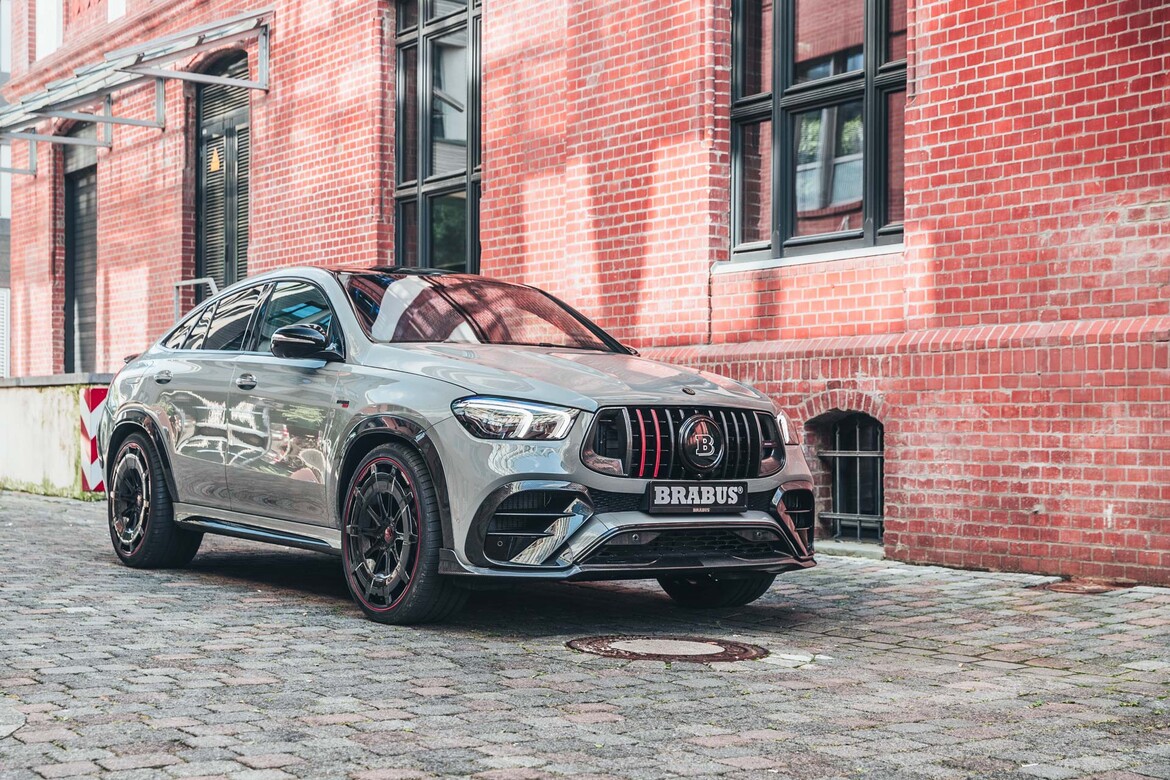
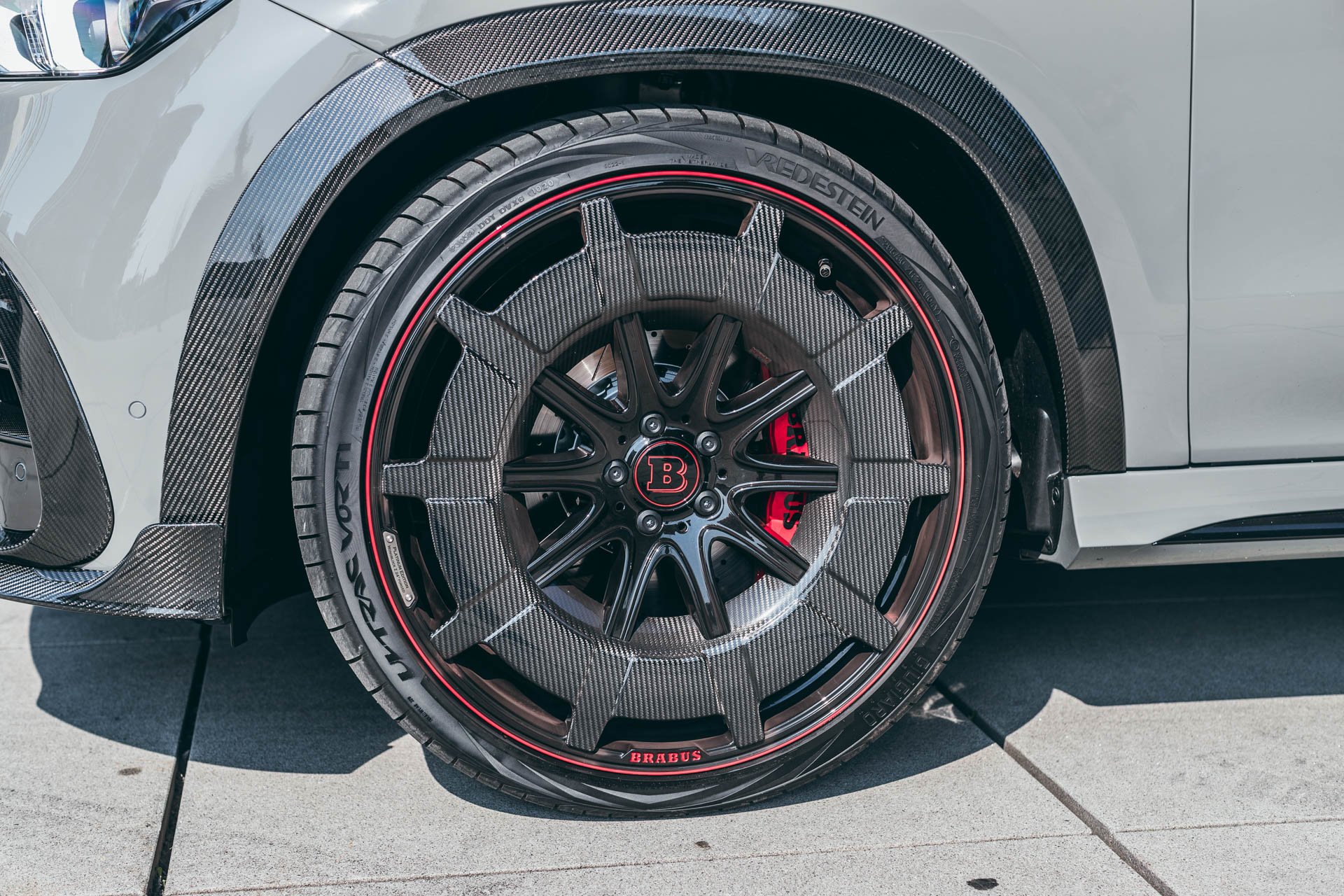
With such a large amount of power and torque, the 2400kg+ SUV is still able to nudge a claimed top speed of 330km/h, although Brabus states this is only possible when it’s fitted with the 23-inch Monoblock Y “Platinum Edition” forged wheels and Continental high-performance tyres, not the standard 24-inch forged wheels with aero discs.
On its website, the manufacturer boldly claims: “It is the world’s fastest SUV, defined by an unmistakable appearance, vigorous agility and an unmatched driving experience, no matter the destination.”
Much like the Rocket Edition G63 launched earlier this year, the 900 Rocket Edition features a range of carbon fibre trim on the exterior to give it a far more aggressive stance, with a completely redesigned front grille and two red highlights.
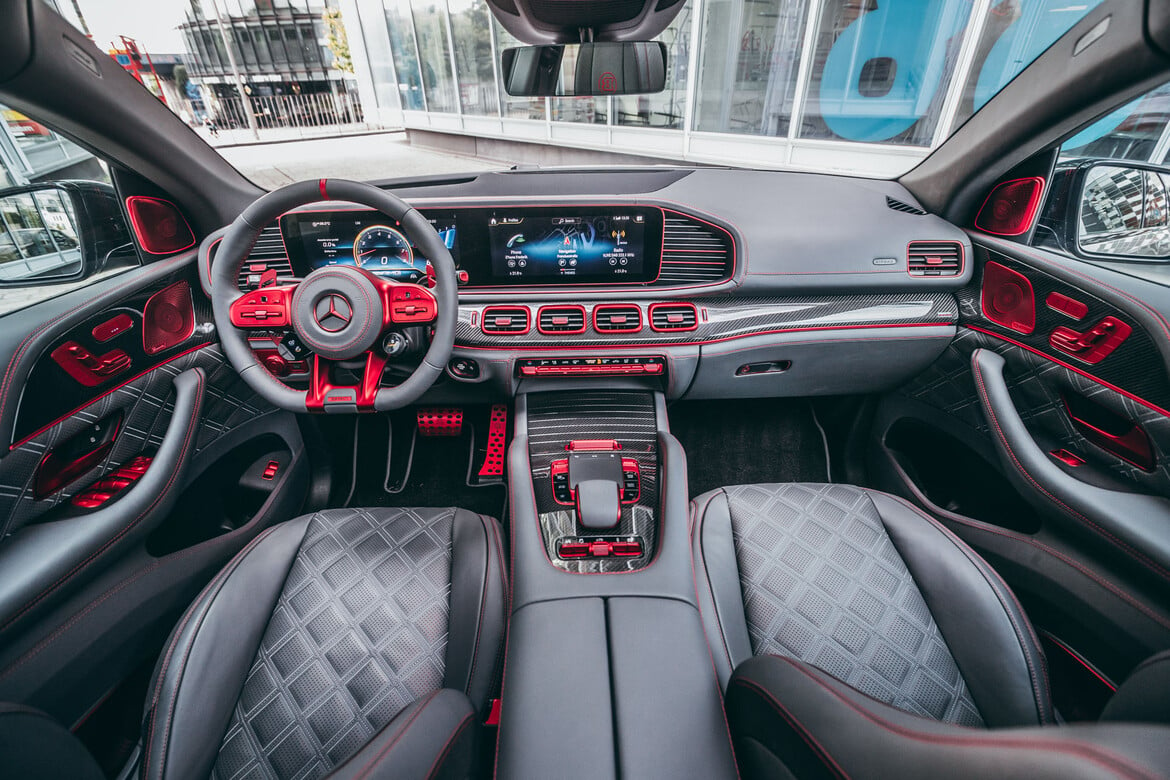
In the cabin, it’s a similar story – grey leather is contrasted with Rocket Red highlights across the dash, door cards, steering wheel and pedals, with some carbon fibre trim sneaking its way between the two.
Limited to just 25 units, all of which will be sold in Europe, the 900 Rocket Edition has an eye-watering price tag of €381,243 (AU$620,000), before taxes and on-road costs.
Online racing simulator iRacing has signed an agreement with seven-time Formula One champions Mercedes-AMG to bring its current and next race cars to the service.
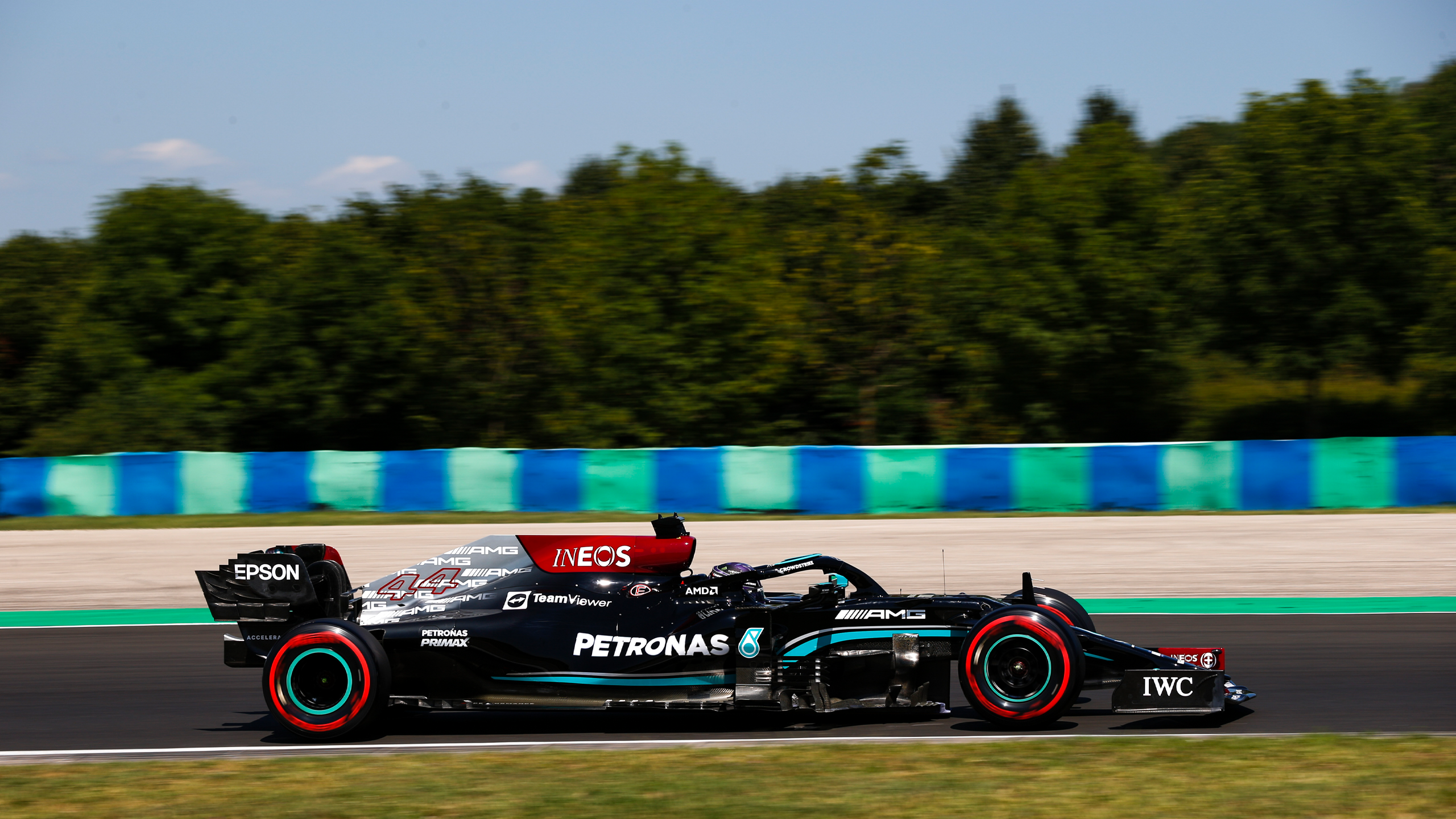
Having won every driver’s and constructor’s title since 2014, and currently leading the 2021 team’s championship, it’s hard to argue the Silver Arrows aren’t the quickest cars in motorsport’s top tier, having carried Lewis Hamilton to his record-equalling seventh title last year.
Mercedes-AMG’s 2021 car – the W12 E Performance – will likely become a part of history, as Hamilton is just one win away from taking an unprecedented 100th victory in the sport, something that many thought impossible after Michael Schumacher’s 91 career wins.
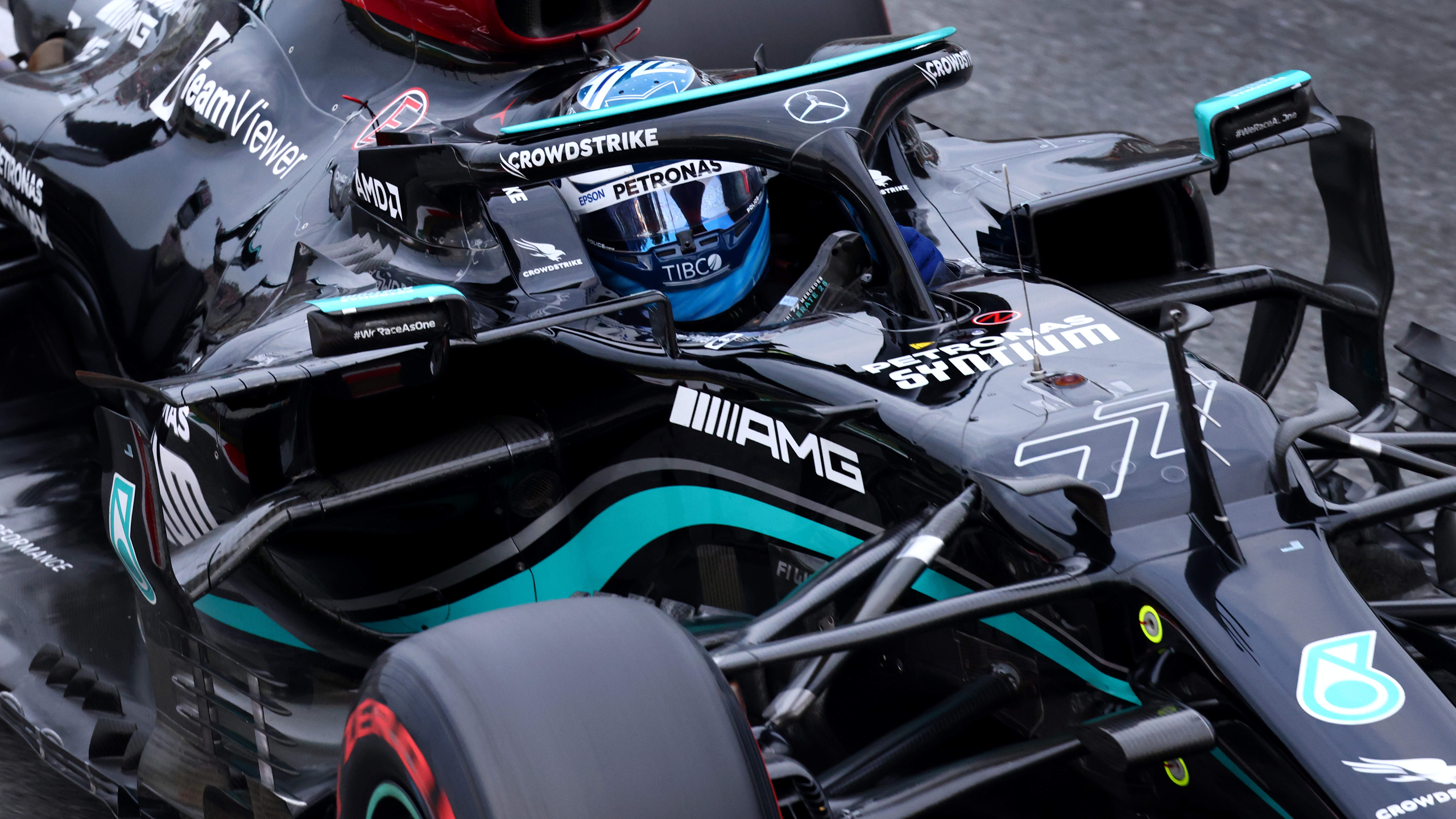
iRacing’s executive vice president Steve Myers said the relationship will allow the platform’s nearly 200,000-strong member base to experience one of the quickest cars to ever hit the race track.
“We couldn’t be more excited to add world-class race cars like the Mercedes-AMG F1 W12 E Performance to iRacing in the near future,” said Myers.
“The Mercedes-AMG Petronas F1 Team has been the dominant marque at the highest level of motorsport for quite some time, coming off of seven consecutive championships for its cars and drivers, and bringing their world-class machines to iRacing further establishes our commitment to providing our nearly 200,000 devoted iRacers the world’s most authentic sim racing experience.”
James Vowles, Mercedes-AMG F1’s motorsport strategy director, said the W12 in the simulator will be as close as can be physically replicated to the real thing.
“We have been working closely with iRacing since the start of 2021 to bring the W12 to life in iRacing’s virtual environment,” said Vowles.
“The intent was to create as accurate a representation of W12 as possible from a performance and driving perspective. Throughout the process, we have held a unique and close relationship with the developers, which has generated a model we hope everyone enjoys driving as much as our drivers have.”
Formula One is set to undergo a massive regulation change in 2022, aimed at increasing the quality and closeness of racing by reducing aero wash, placing a higher dependence for downforce on the underside of the cars rather than over the top.
iRacing currently has a range of older Formula One cars on its service, from the Cosworth DFV-powered Lotus 49 and 79, a Williams FW31 from 2009 and McLaren-Honda’s MP4-30, which competed in the 2015 season.
Snapshot
- Developed to celebrate the premiere of No Time to Die, the latest James Bond film
- Just 125 special edition vehicles will be manufactured
- Priced from u00a390,000 (AU$169,675)
Aston Martin has revealed a new take on the iconic DB5 to mark the premiere of the latest film from the long-running James Bond series, No Time to Die.
Paying respect to the original DB5 – first used in 1964’s Goldfinger – the two-thirds scale ‘No Time to Die Edition’ is an updated version of the electric DB5 Vantage Junior, offering more performance and driving range.
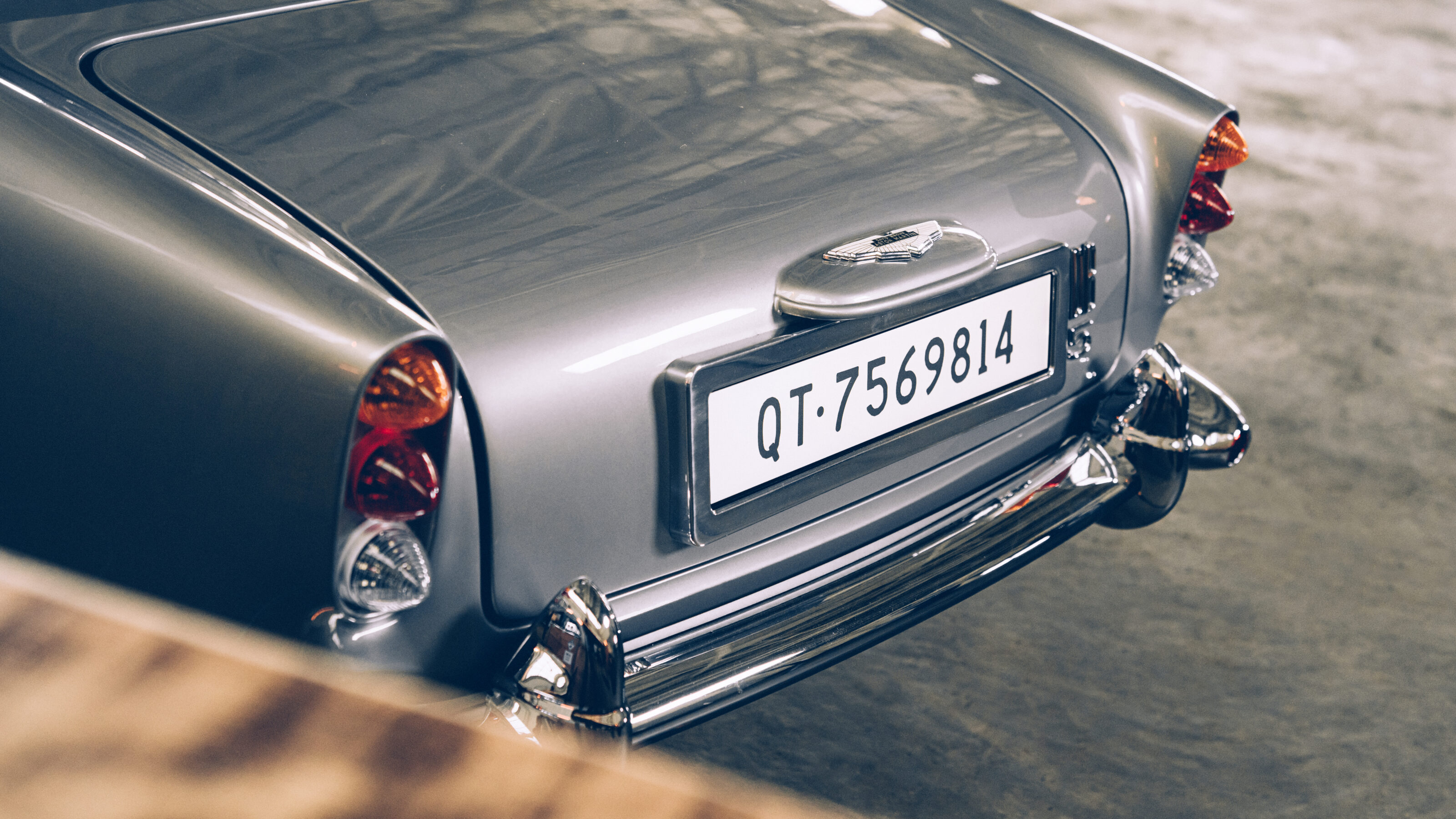
The DB5 Junior has been developed in partnership with The Little Car Company and EON Productions, the firm behind the James Bond series, and will be limited to just 125 vehicles – available on a first-come, first-served deposit program with pricing fixed at £90,000 (AU$169,675) before local UK taxes.
Designed to replicate the DB5 used in Goldfinger, the three companies 3D-scanned the original vehicle for accuracy – albeit with some modern touches to accommodate for the electric powertrain, capable of a 129 kilometre driving range.
However, unlike the original coupé, the DB5 Junior utilises a convertible body to comfortably accommodate both adults and children.
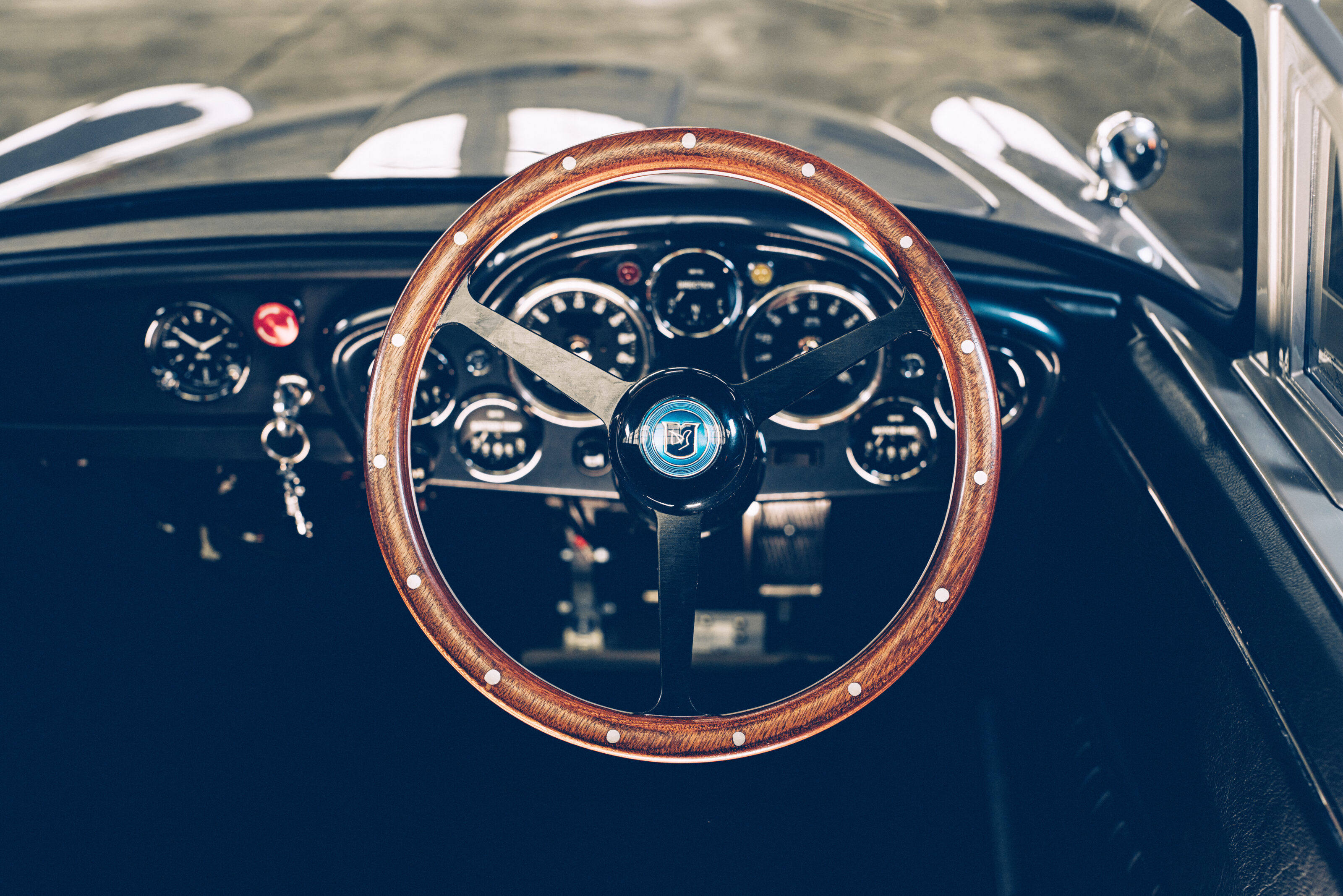
In keeping with the secret agent nature of a Bond vehicle, the DB5 Junior is fitted with a hidden switch panel to swap the headlights for a pair of simulated Gatling guns, as well as the ability to eject smoke through the rear exhaust for up to an hour.
Although not road legal, the DB5 Junior is fitted with a set of high-performance Brembo brakes, Bilstein suspension and regenerative braking.
Every owner will receive membership to the Aston Martin Owners’ Club as well as The Little Car Club, granting them access to a number of racetracks throughout the United Kingdom.
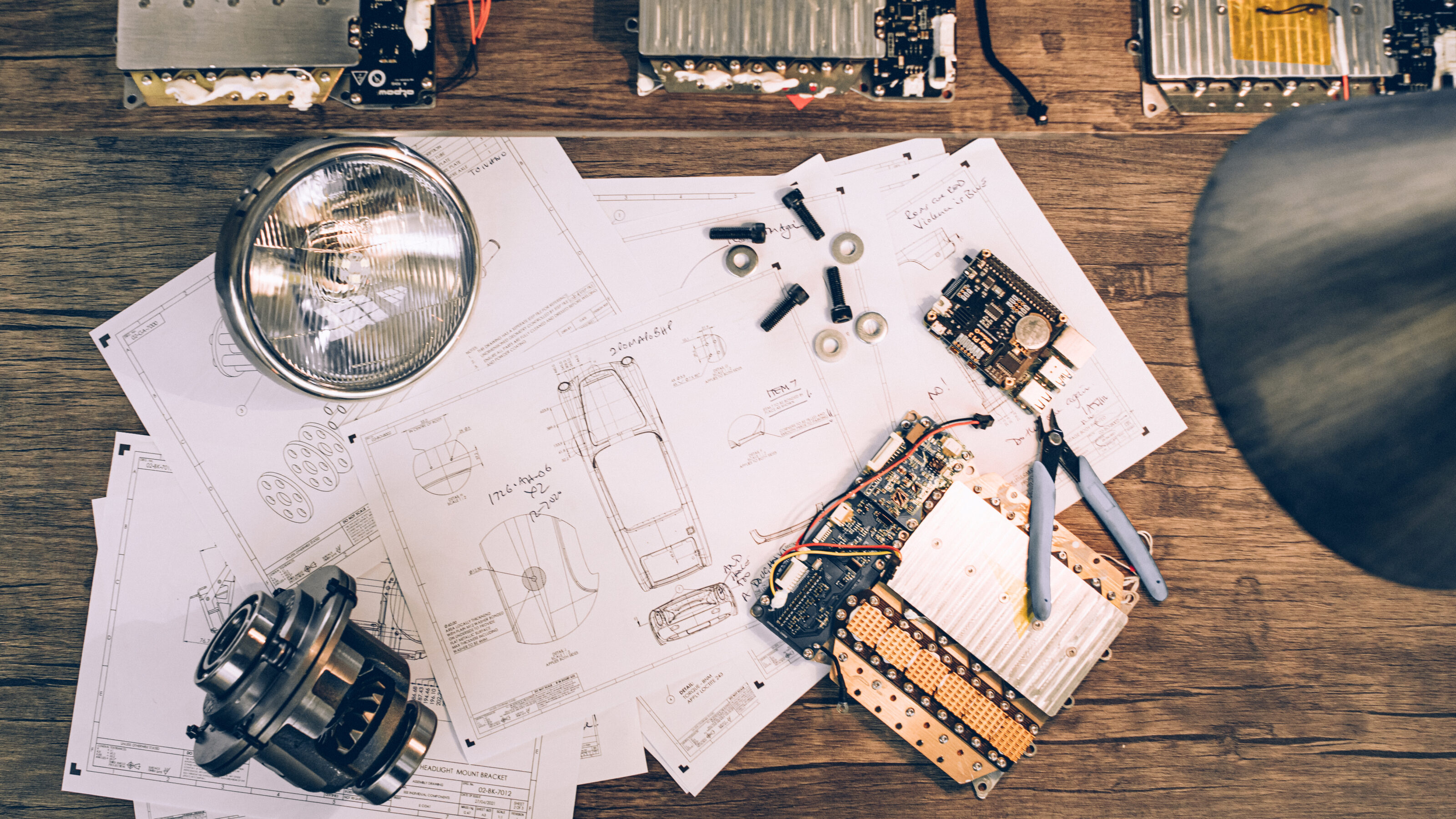
Existing DB5 Junior owners will be given the opportunity to upgrade to the No Time to Die Edition, with any remaining build slots to open up to the general public.
James Bond fans will be able to watch No Time to Die on November 11 in Australia (local lockdowns permitting), when the 25th iteration of the series is released in cinemas.
Snapshot
- New Seven 170 is powered by a 660cc engine
- Two-seater conforms to Japanese kei car regulations
- Kerb weight of just over 440kg allows a power-to-weight of 127kW/tonne
The iconic Caterham Seven continues to evolve, as the British manufacturer has introduced its lightest and smallest ever sportscar.
Dubbed the Seven 170, the two-seater weighs a touch more than 440kg thanks to its new Suzuki-derived, turbocharged inline three-cylinder engine, developing 62kW and 116Nm to allow a power-to-weight ratio of just over 127kW per tonne.
With a top speed nudging past 160km/h and a 0-100km/h sprint time of 6.9 seconds, it might be surprising to hear the Seven 170 is the lowest-emission Caterham on sale, making it both Euro 6 and London ULEZ compliant.
Holding on to the original Lotus Seven’s mantra of ‘simplify and add lightness’, there’s not a lot to the 170. New alloy wheels with 155-section tyres and a live rear axle are about the most exciting bits of kit to be fitted to the ultra-lightweight toy.
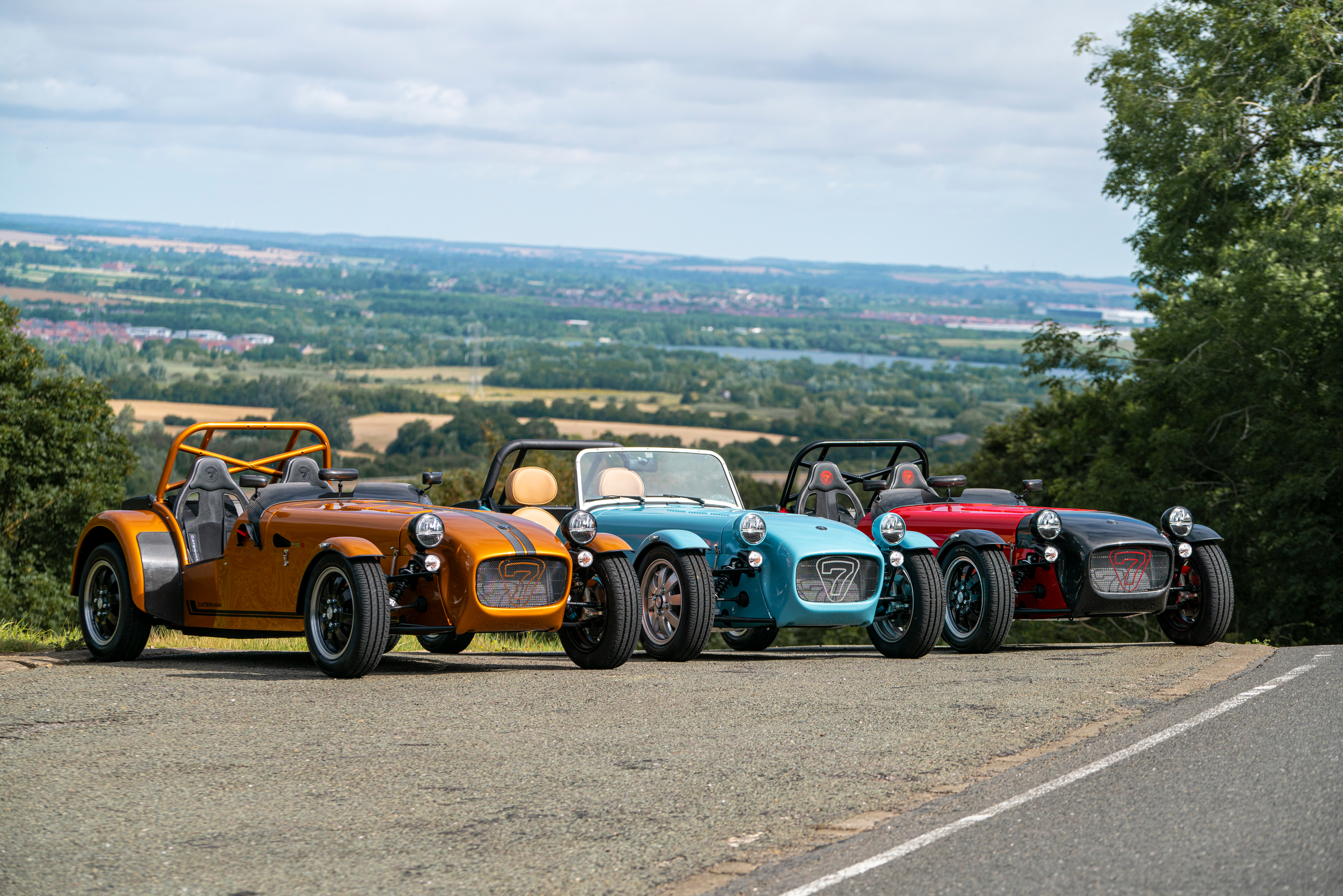
After being acquired by Japanese company VT Holdings earlier this year, the manufacturer’s new parent company decided its most iconic sportscar should be better aligned to its local regulations, turning the Seven into a kei car.
On top of the aforementioned 660cc engine, the 170’s width has been chopped down to 1470mm, 105mm skinnier than any other Seven and enabling it to comply with kei car regulations.
Available as a road or track car, the 170S trim is designed for road use, featuring a five-speed gearbox, road suspension pack, 14-inch Silver Juno alloy wheels, full windscreen and weather gear including a hood and side screen, black leather seats and a Momo steering wheel, while the track-oriented 170R gains sports suspension, composite seats, a four-point harness, limited-slip differential and carbon-fibre dashboard.
Prices start at £22,990 (AU$43,235) in kit form for the Seven 170, with factory-built vehicles also available at an undisclosed extra cost.
McLaren has wasted no time in celebrating Daniel Ricciardo’s first victory with its Formula One team, revealing a limited-run 720S for the Australian market as a tribute.
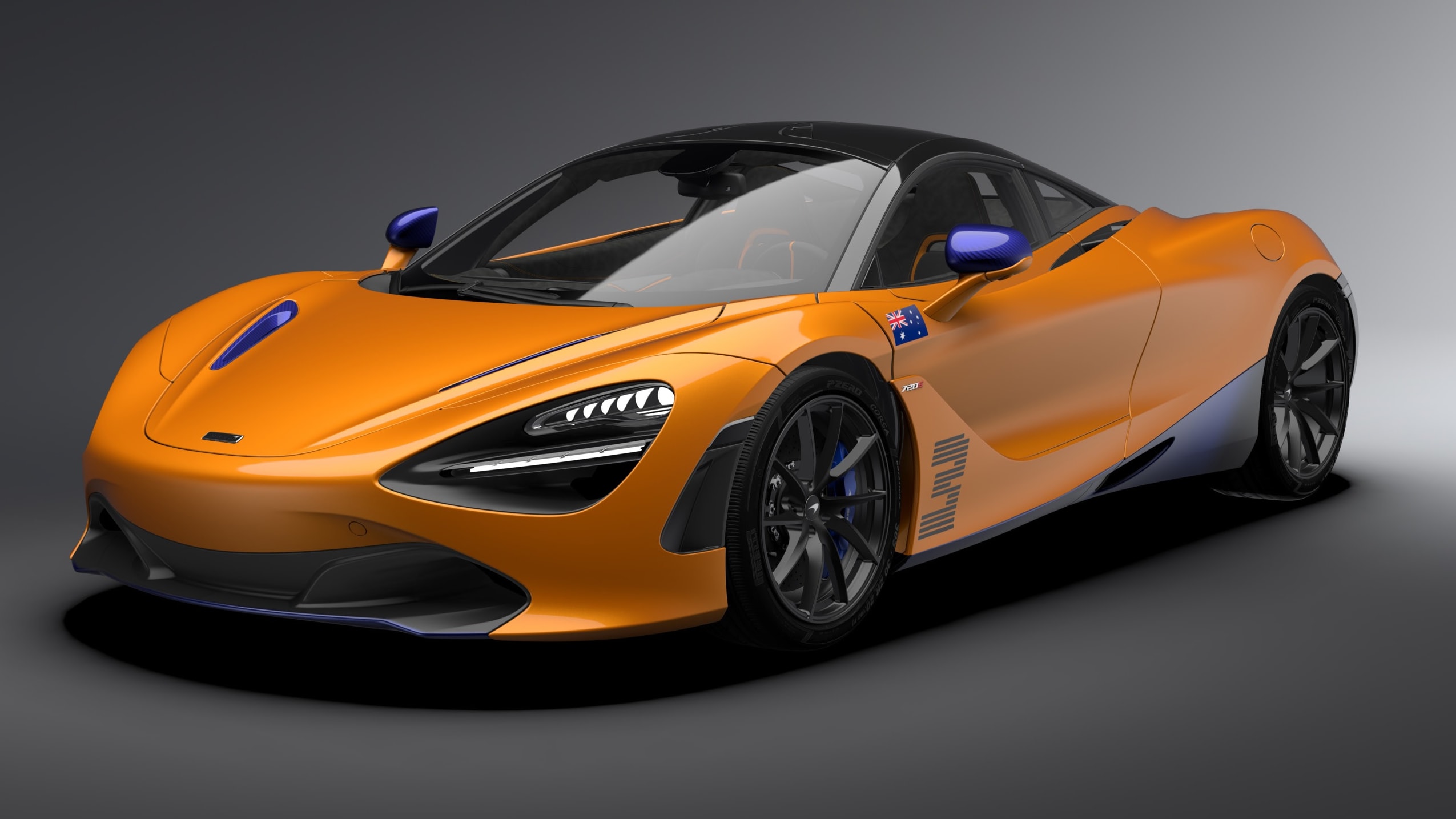
Off the back of his first win in a McLaren a fortnight ago at the Italian Grand Prix, the 720S Daniel Ricciardo Edition has been commissioned by McLaren Special Operations for its Melbourne and Sydney dealerships, with only three units available for very select customers.
Setting the limited edition car apart from its “standard” siblings, it will feature a signed carbon fibre sill, unique ‘race number three’ door design and be painted in a two-tone Papaya Spark and Burton Blue finish with the Australian flag on its front wings.
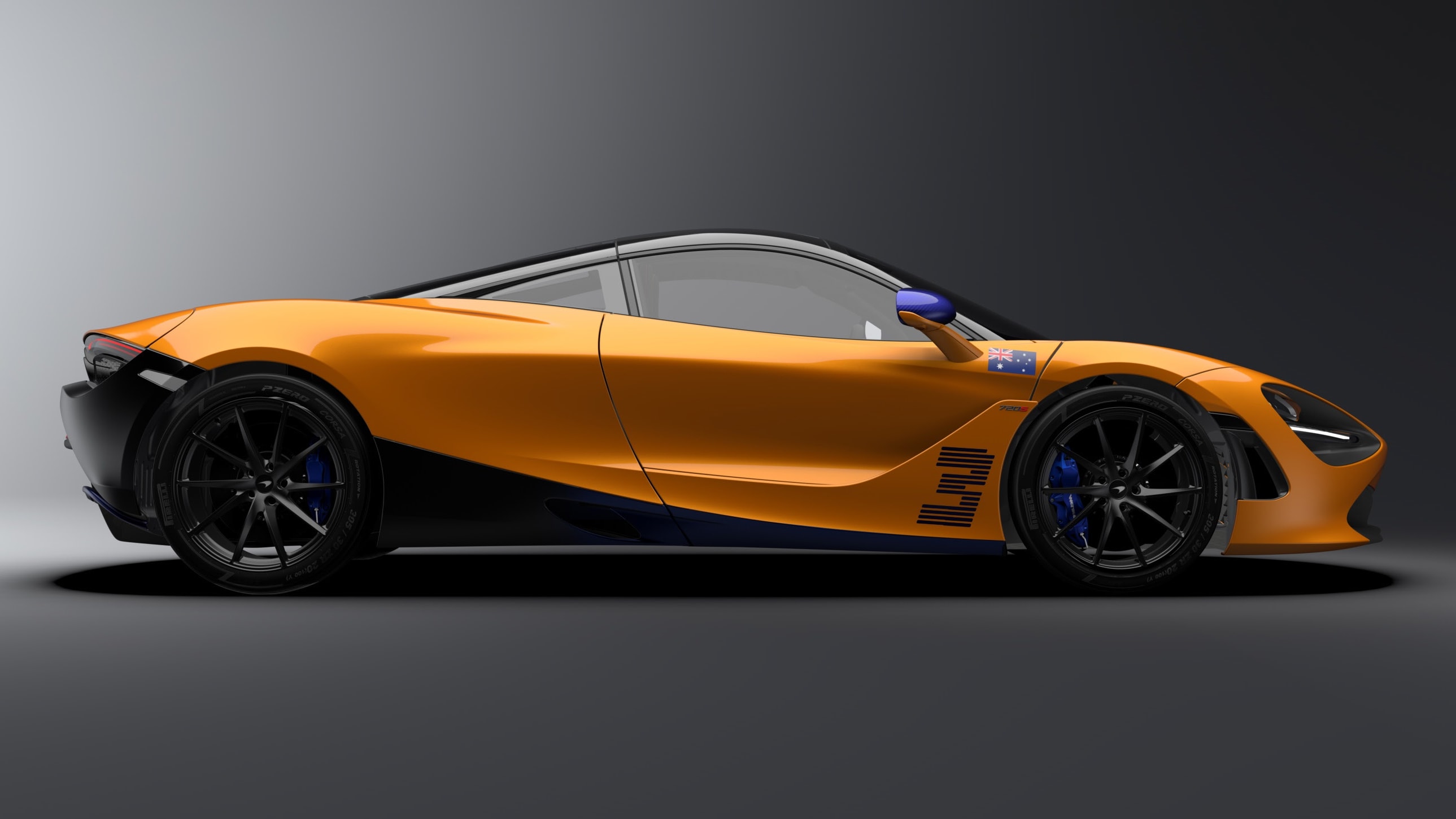
Ricciardo described the supercar as a benchmark vehicle, not only within McLaren but also its high-performance segment.
“One of the great privileges of driving for McLaren is getting behind the wheel of many of the brand’s exhilarating supercars and while each offers something unique, the 720S is the absolute benchmark,” he said.
“The 720S is a fitting model to celebrate Daniel’s achievements and we’re delighted to see it adorned with the Australian flag crafted by MSO,” added George Biggs, McLaren commercial executive director.
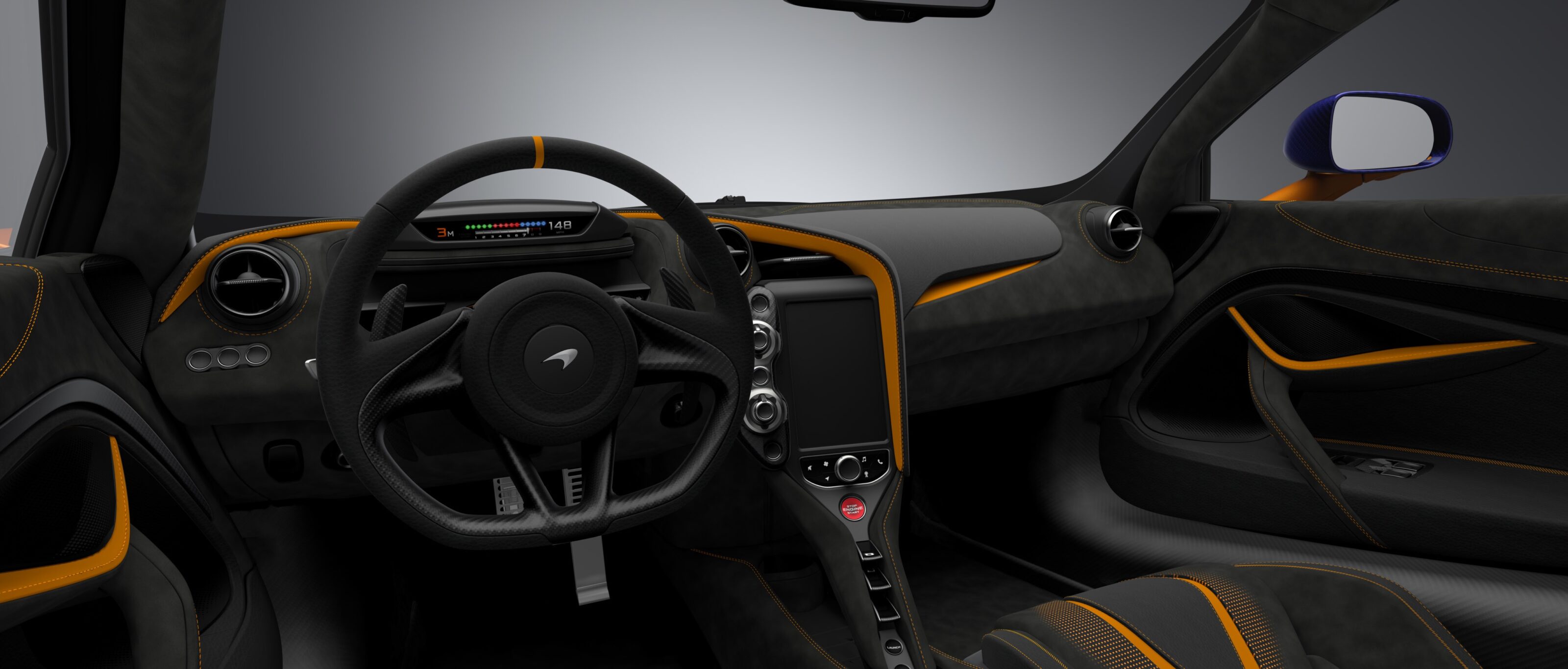
Featuring the same 4.0-litre, twin-turbo V8 as the base 720S, the Daniel Ricciardo Edition produces 530kW and 770Nm, enough to propel the car to a top speed of 341km/h with a 0-100km/h time of 2.9 seconds.
Pricing has yet to be revealed but it wouldn’t be too surprising if it goes on sale for more than the 720S’s $509,000 price tag, before on-road costs, of course.
Ricciardo and team-mate Lando Norris took home full points from this year’s Italian Grand Prix, scoring the team’s first one-two finish since 2010 and its only victory since 2012, moving them to third in the Constructor’s Championship battle.
Swedish manufacturer Volvo has stepped up its commitment to being one of the automotive industry’s green leaders, promising its future electric cars will be void of animal-derived products.
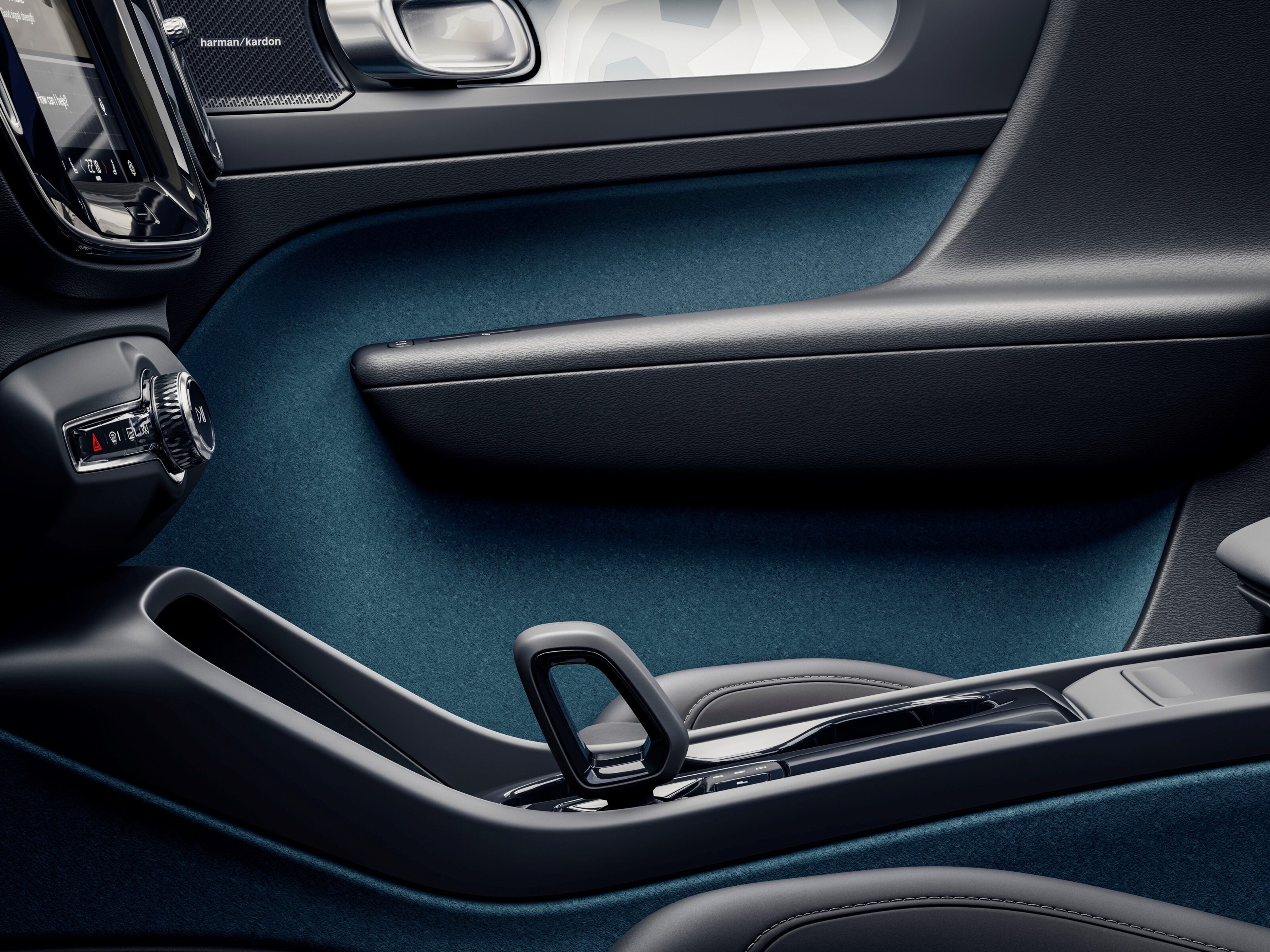
Pledging to ditch leather from its cars by 2030 when its line-up becomes fully electric, Volvo will be utilising vegan alternatives while still aiming to retain a high-quality finish, not wanting the move to dilute the occupant’s experience.
Volvo has said it will debut its new Nordico interior material in its next generation of models, a textile made from recycled PET bottles, bio-sustainably sourced forest materials from Sweden and Finland along with recycled wine bottle corks.
Volvo’s director of global sustainability, Stuart Templar, said the manufacturer needed to apply itself to achieving sustainability across all fronts, becoming a leader in the industry for its eco-friendly outlook.
“Being a progressive car maker means we need to address all areas of sustainability, not just CO2 emissions,” said Templar.
“Responsible sourcing is an important part of that work, including respect for animal welfare. Going leather-free inside our pure electric cars is a good next step towards addressing this issue.
“Finding products and materials that support animal welfare will be challenging, but that is no reason to avoid this important issue. This is a journey worth taking. Having a truly progressive and sustainable mindset means we need to ask ourselves difficult questions and actively try to find answers.”
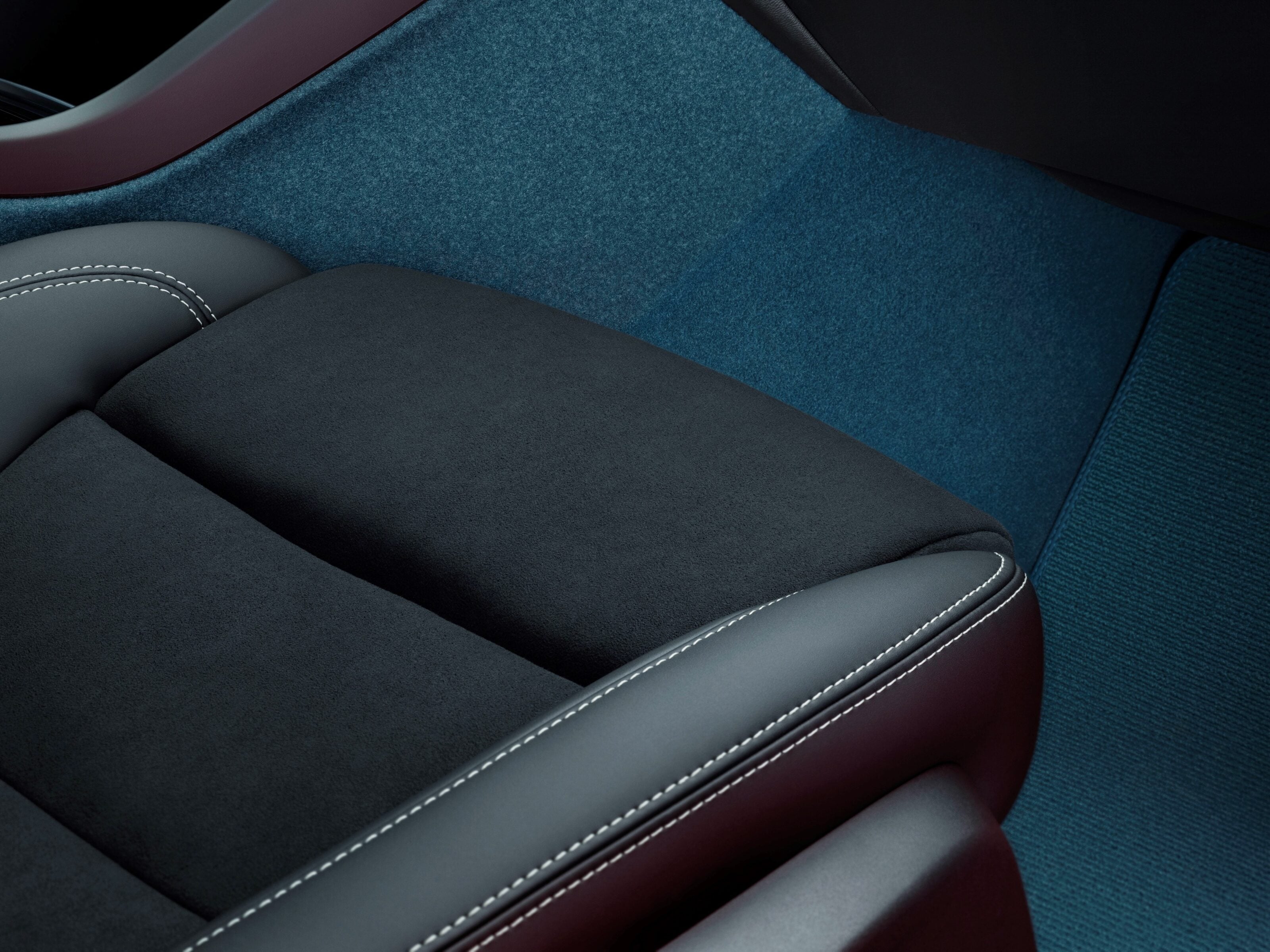
Responsibly sourced wool blends are still on the cards to be used by Volvo, so long as the suppliers can certify their materials are being gathered ethically and animal welfare is paramount in the supply chain.
The investment from Volvo into future technologies stretches beyond its interior trim choices – the manufacturer has recently partnered with steel makers SSAB to develop fossil-free steel for its vehicles, as well as bringing its battery development in-house through a joint venture with Northvolt.
Snapshot
- 165 category less suited to EV
- Lack of charging a prime concern
- Creative thinking kept the car charged
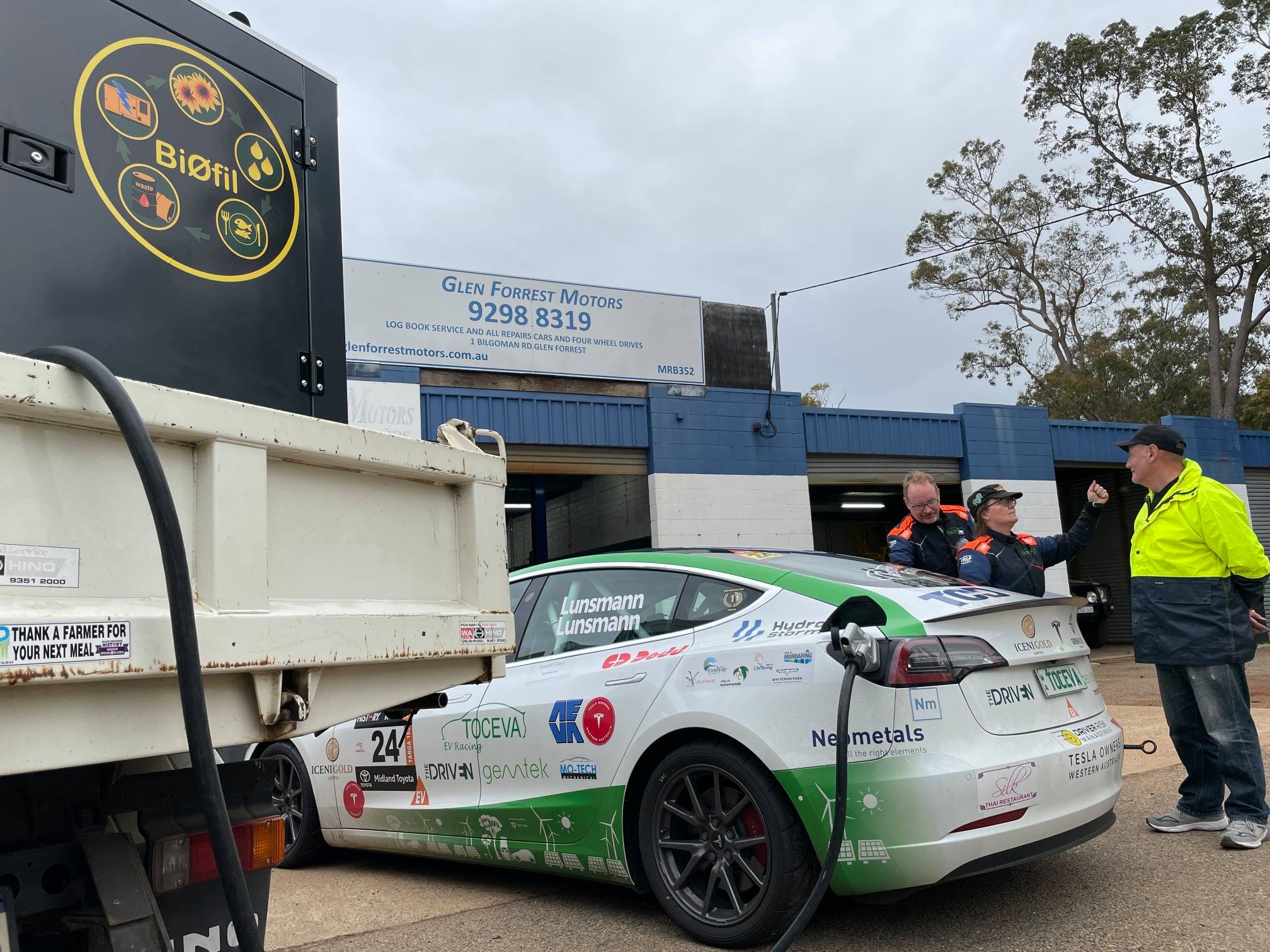
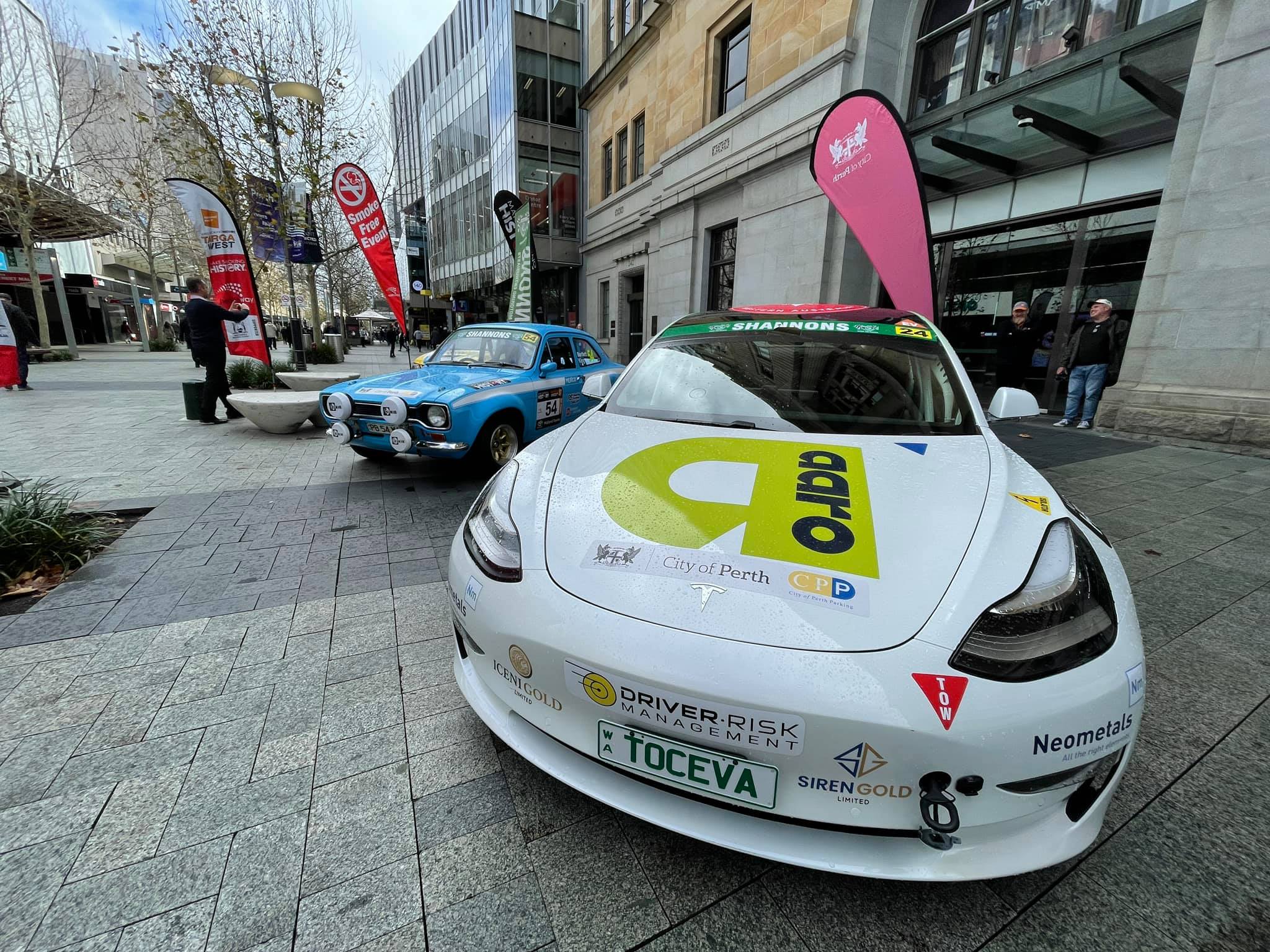
In October 2020, Jurgen Lunsmann took a Tesla Model 3 to victory in the 130km/h class of the Targa West rally. The driver brought home the event’s lone EV without drama, declaring the battery-powered sedan unbeatable at legal road speeds.
The car, owned by a retired resources engineer Jon Edwards, was run by the Toceva Racing team. The team was formed by members from the West Australian Tesla Owners Club and the Australian Electric Vehicle Association.
Lunsmann, with his wife Helen in the left-hand seat calling the notes, won the 165 class, which is the middle of the three categories that make up the tarmac rally field. Not only did the car compete in the 2020 event, the WA pair has also taken on the Shannons Rallysprint series, placing fourth at the Perth Motorplex event in January.
Lunsmann told the ABC that the first year he endured the usual lame jokes about extension cords – numbering them at 200 – halving in its victorious second year and this year he says there were none.
Stepping up to the 165 class, the team knew the challenge was a big one as the higher speeds of the intermediate class are less suited to EVs. As speeds rise, so does aerodynamic resistance. Put fairly crudely, drag squares with speed and Lunsmann found this resulted in every kilometre of racing ripping through the battery at a faster rate.
To put it into context, the team’s testing found that for every kilometre at 200km/h, the Model 3 took 2.5 per cent of battery capacity, reducing its effective range to just 40km.
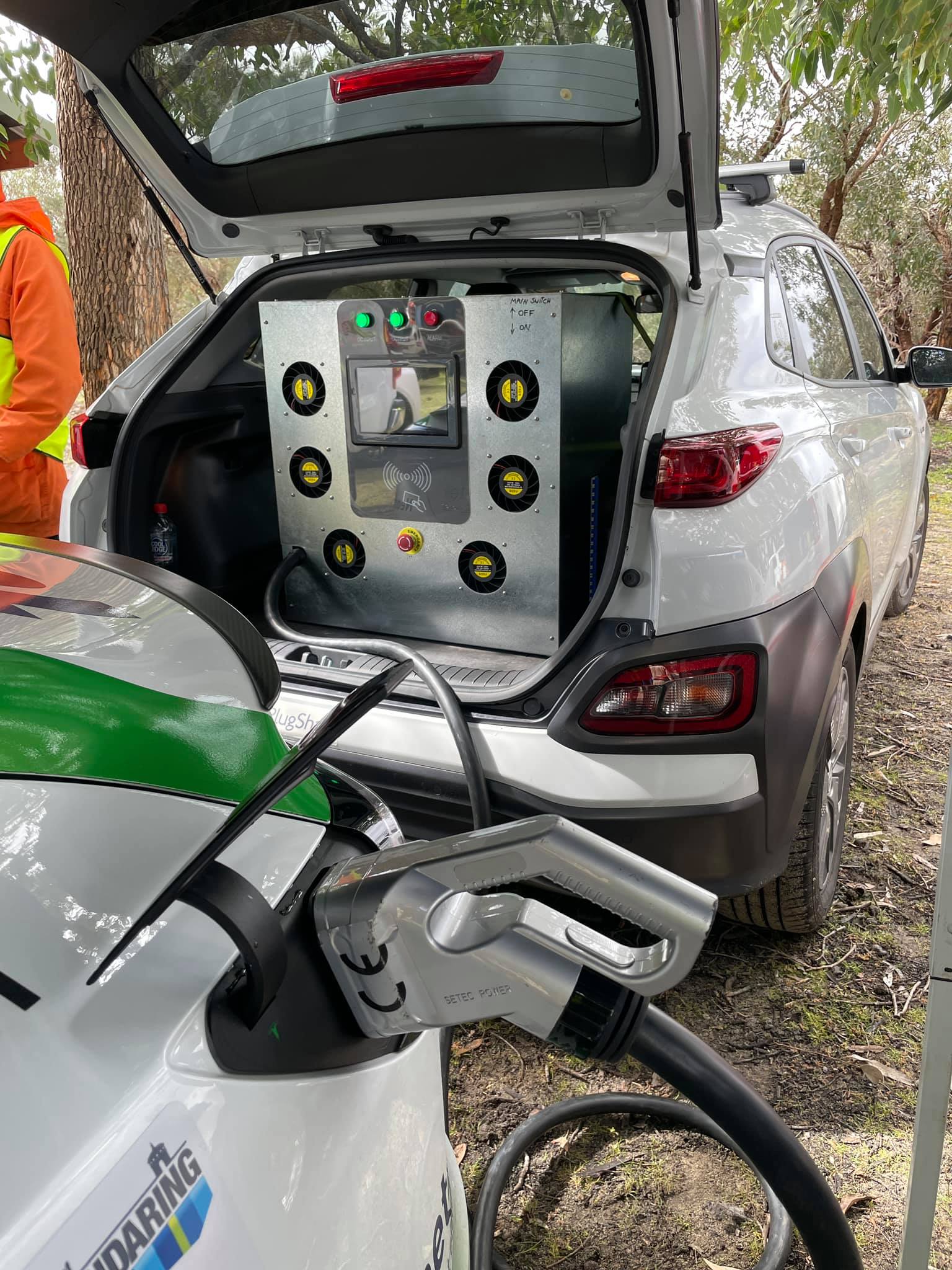
The team cooked up a plan to keep the Model 3 charged. You’ll have to excuse the pun because one of the power sources was a bio-diesel generator fed by used cooking oil. The team assembled a small army of charging options for the four-day, 1000km event, knowing that the battery would empty long before the end of each day’s competition.
Unlike the jerry cans used by the rest of the competitors, this would be a huge undertaking to cover off the Model 3’s power needs given the remoteness of the locations and lack of fast-charging equipment.
Along with the bio-diesel generator, the team also took another electric vehicle with the capability to charge the race car as well as a salvaged battery on the back of a truck. The strategy was to plug in every time the car was stationary for more than a few minutes.
Tarmac rallying does involve a fair amount of waiting around, which is more than enough time for a petrol car to chug down on jerry cans, but an EV’s charging rate is slower, the equivalent of a cup of petrol every minute according to car owner Edwards.
EV racing is nothing new, of course. Formula E is getting stronger and more interesting as the cars improve. This year’s Monaco race saw the entire Grand Prix track in use and drivers no longer have to leap from one car to another during a race to make it to the end.
Jaguar’s i-Pace racing series supported the Formula E events for the first few seasons and Australia’s Molly Taylor is winning races in the Nico Rosberg-owned Extreme E off-road racing series.
Tarmac rallying is the last frontier, it seems, with few cars apart from Toceva Racing’s running regularly in the sport. While the team got creative and dreamt up a solution to the perennial charging problem facing EV owners on the road let alone in motorsport, it certainly shows the potential of an EV.
How quick is the Skoda Octavia RS? That’s a very good question, and one that this article will provide the answer to.
Welcome to a new series where we will not only performance test your favourite fast cars, but also tell you the process by which we came about those numbers! Because, believe me, it’s quite a process.
First cab off the rank is the new Skoda Octavia RS. If you’re not the reading type, just take a look above and watch the video instead!
The new Octavia RS develops 180kW and 370Nm from its 2.0-litre turbocharged four-cylinder engine and sends it to the front wheels through a seven-speed, dual-clutch gearbox.
Skoda’s 0-100km/h claim is 6.7 seconds, which we’ll attempt to match or better – but we’ll also gather data for 0-97km/h (more or less 60mph, which is technically 96.6km/h), the quarter mile, 80-120km/h overtaking acceleration, and 100-0km/h braking.
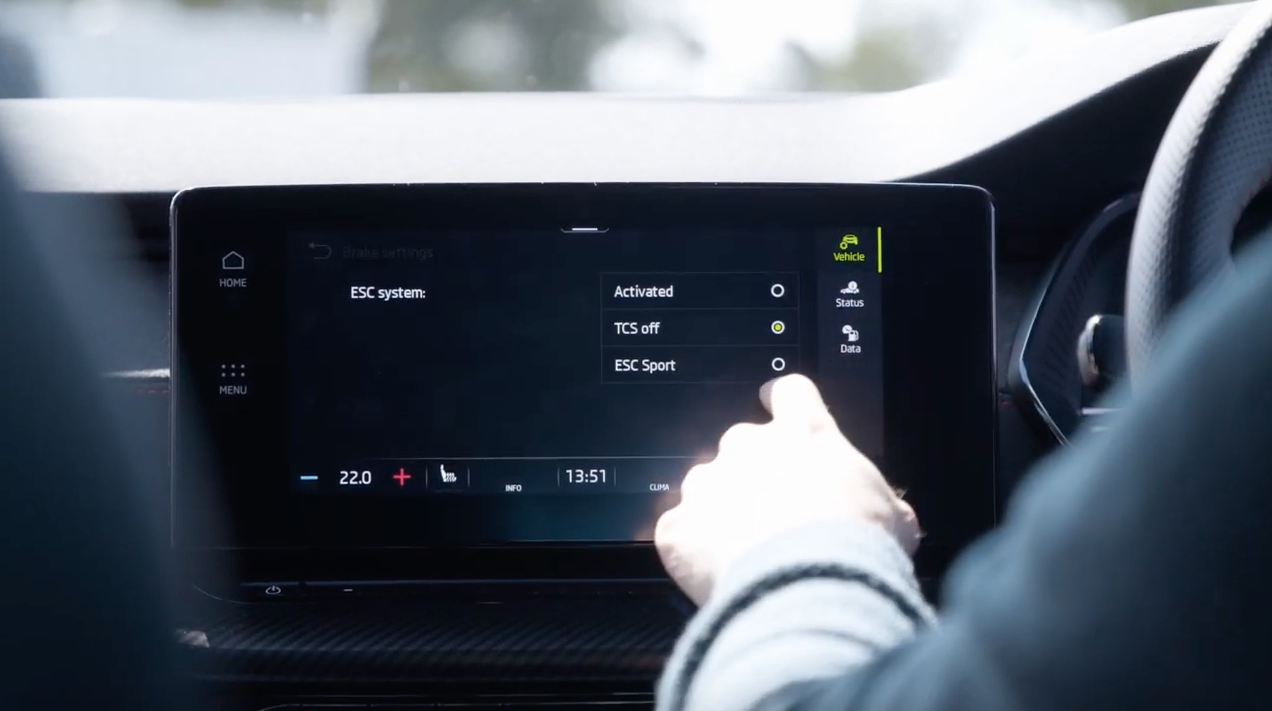
The first port of call for quick acceleration times is activating launch control, which is done by selecting Sport for the transmission, ESP Sport or TCS Off for the ESP system (somewhat weirdly located under ‘Brakes’ in the vehicle sub menu), then holding the brakes with your left foot and flooring the throttle with your right.
The revs spike to 4000rpm; releasing the brake dumps the clutches, and the wheels spin momentarily before the ESP cuts in dramatically, stopping any momentum dead in its track.
Despite this, the Octavia matches its 0-100km/h claim at 6.7sec, as well as hitting 0-97km/h in 6.5sec and 0-400m in 14.8sec at 163.1km/h.
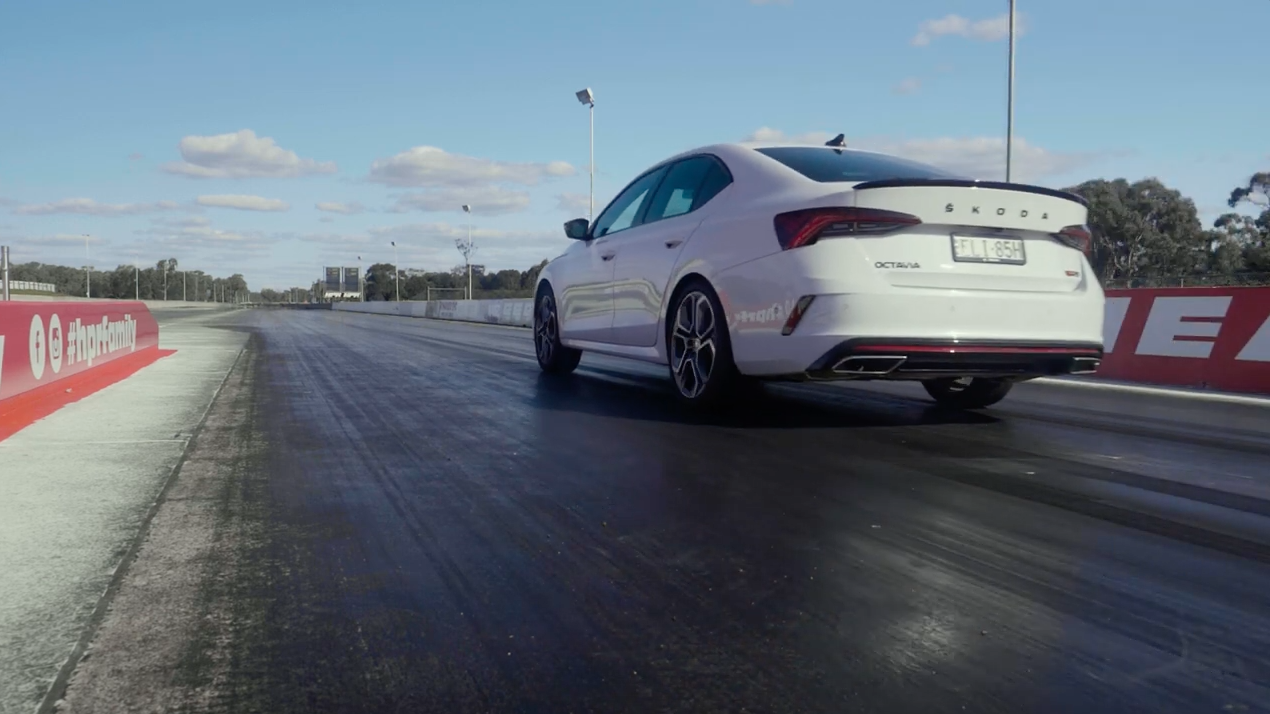
On the return journey down the strip, the Octavia RS records 3.6 seconds from 80-120km/h – once rolling it’s properly quick! – and a 36.4m stop from 100-0km/h.
For the second run, ESP Sport is switched for TCS Off to see if it eliminates the ESP intervention. It does, but also blazes the tyres to smithereens, which is quite entertaining but not very good for the time.
It’s surprising that only a couple of tenths slip by, with 6.6sec 0-97km/h and 6.9sec 0-100km/h figures.
It feels like the Octavia RS has more time to give, but a change in approach results in a surprise discovery. The intent was to just ease the car off the line, in an effort to avoid wheelspin, but it turns out that the launch control system isn’t an all-or-nothing affair.
Lighter throttle pressure results in the revs hovering at around 2500rpm, which then also allows the throttle to be introduced more gradually.
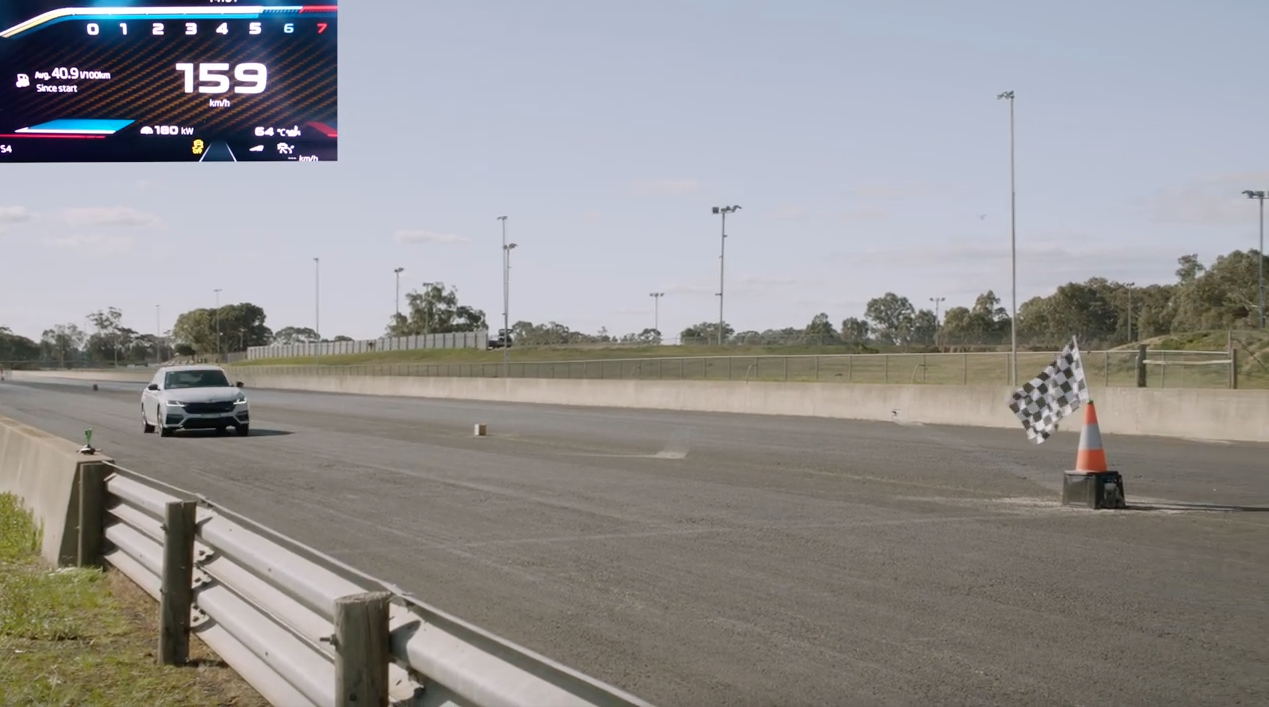
It works. There is still a decent amount of wheelspin with the electronics nibbling around the edges, but it’s a fairly clean launch and the DriftBox spits out good news: 0-97km/h in 6.15sec, 0-100km/h in 6.41sec and a 14.47sec quarter mile at 163.08km/h.
This is a strong result, beating the factory 100km/h claim by almost three tenths of a second – and just goes to show that even in this age of automatic gearboxes and highly computerised launch programs, a little human involvement can make a difference.
We look forward to bringing you plenty more of this stories and let us know which cars you’d like use to test in the comments below.
