
Porsche’s IAA Munich show highlight Mission R concept might wear an aggressive track-focused façade, but the hot two-door actually hides details that will emerge in the next-generation Cayman and Boxster road cars.
The fourth-generation of Porsche’s baby sports hero is widely reported to make the switch to electrification in its next incarnation, aligning with the technological showcase presented by the Mission R – but its aesthetics and platform is also offering a glimpse of what to expect.
Speaking at the reveal of the mighty 800kW racer, Porsche AG CEO Oliver Blume explained no Porsche concept is ever a simple design folly and the car would evolve into something less transient.
“All design studies we present will come more or less through in future,” he said. “Remember the 918 or the Mission E? Here (Mission R) we have the same commitment and elements or parts of the car will come true.”
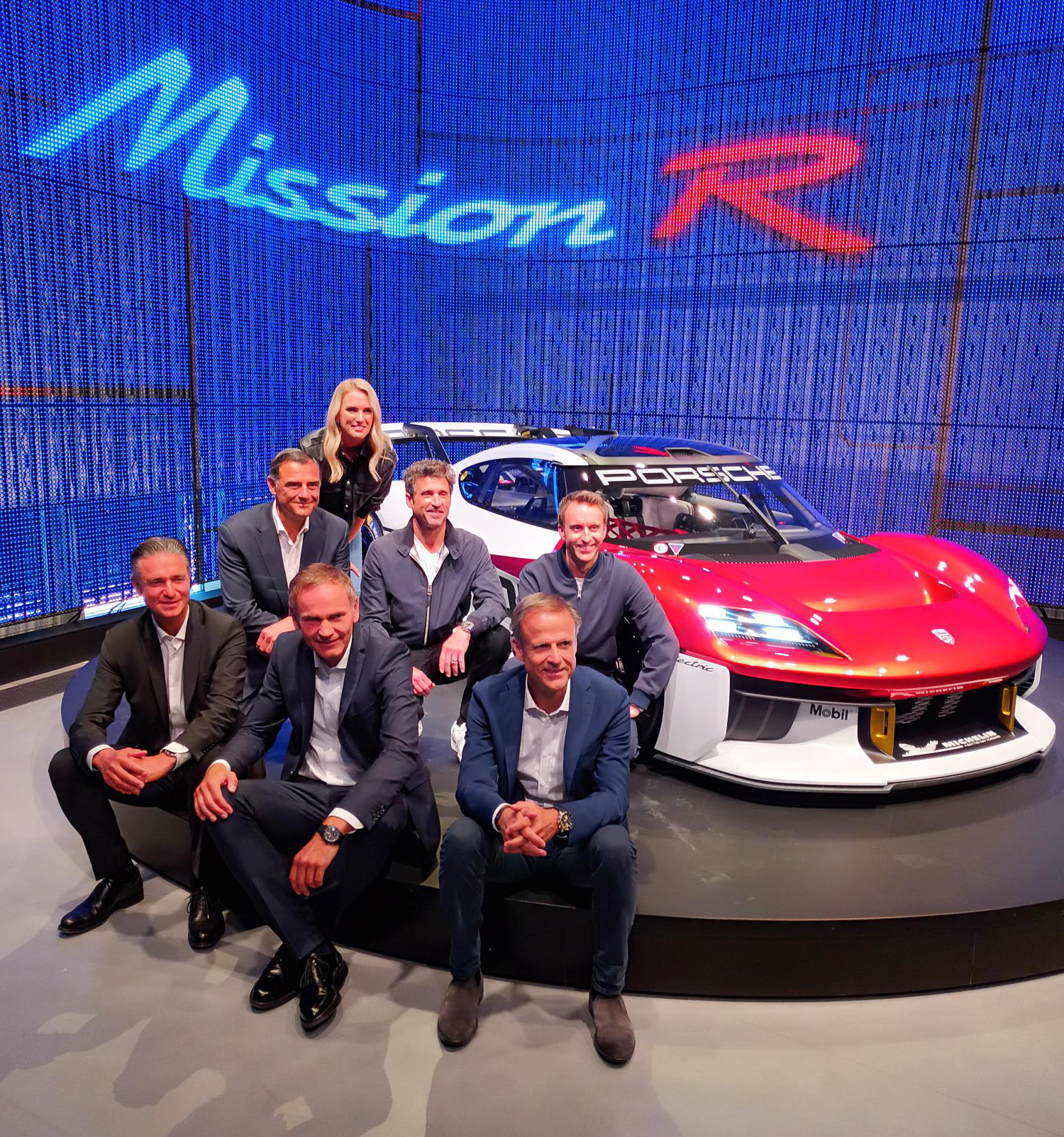
While the all-wheel drive monster might still break light as the centrepiece of a single-make racing series, Blume said the Mission R will certainly lend parts to a future electric production car.
“The first idea was to create a vision for future sustainable motorsport. We could have the opportunity to create our own Porsche series with this car, but we have also used elements you will find in future Porsche electric cars – on the design side but also the technology side. It’s more than a study.
“We use it to test like a concept car, and then also to think what could be feasible for series production as well.”
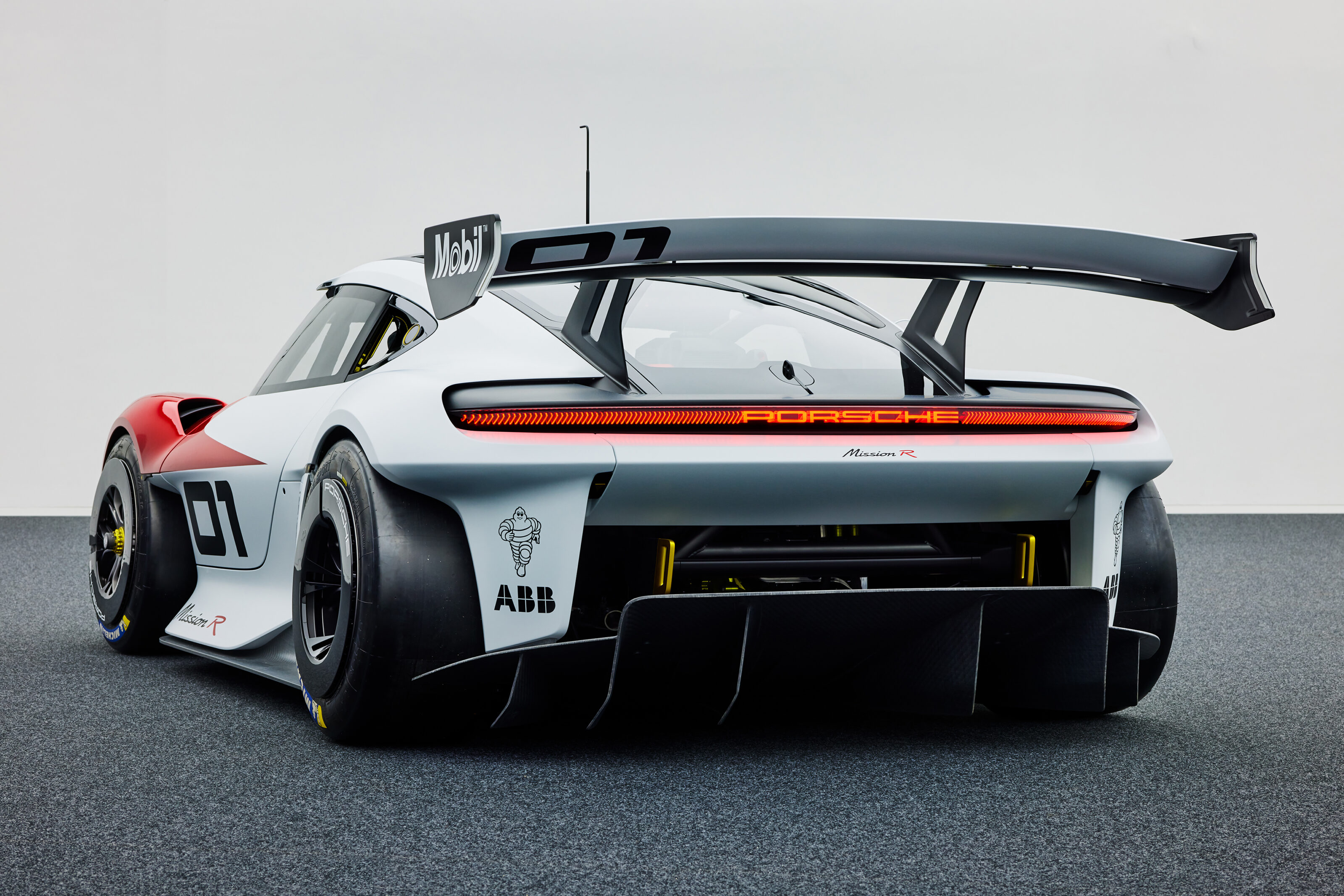
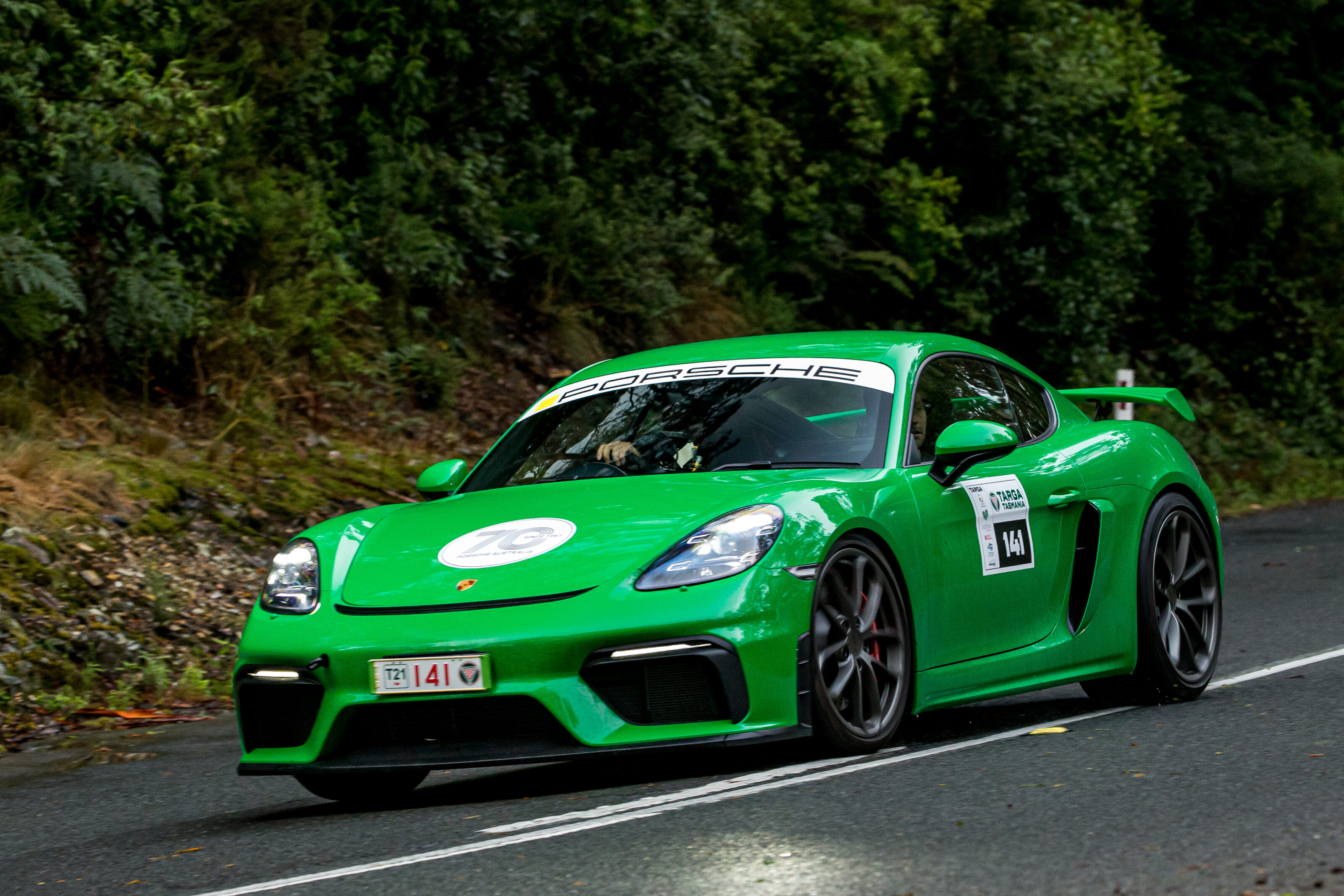
More insight was offered into the eventual evolution into the next Cayman by Porsche GT racing vehicles project manager Matthias Scholz who tantalisingly hinted:
“Normally we would take the street legal car and then convert it to the race car, but at the moment we do not have the street legal car so we will see. If you look at Cayman in the future…”
Furthermore, Porsche customer motorsports spokesperson Holger Eckhardt added additional weight to the theory that a production version resulting from the concept would indeed take the form of the Cayman. At this stage, a production Mission R racer is chalked in about four to five years’ time – but the Cayman is expected next year.
“If we tell you that we are thinking about 2025 – 2026 (for Mission R production), there must be something new before,” he said.
Scholz ruled out using Porsche and Audi’s current EV platforms, something which again is concurrent with the plans for an electric Cayman – which is understood to arrive rolling on its own new platform, for the electric version at least.
“It’s not J1 and it’s not PPE,” confirmed Scholz. “When we electrify a model we won’t do a carryover of the combustion engine because there are too many compromises. When we are looking to future sports cars we would develop its own platform but connected with some modules coming from other cars. It will be unique.”
Snapshot
- Potentially brittle steering wheel logo could cause injury if airbag deploys
- A total of 73,813 vehicles are affected
- Mazda is currently contacting known customers
Almost 74,000 Mazda 3s built between 2003 and 2006 have been placed under recall.
Covering 73,813 units, the notice has been issued due to the plastic Mazda logo on the car’s steering wheel potentially becoming brittle – increasing its chances of fracturing upon airbag deployment.
If the plastic badge does shatter, it could be propelled towards the driver and result in injury to the vehicle’s occupants.
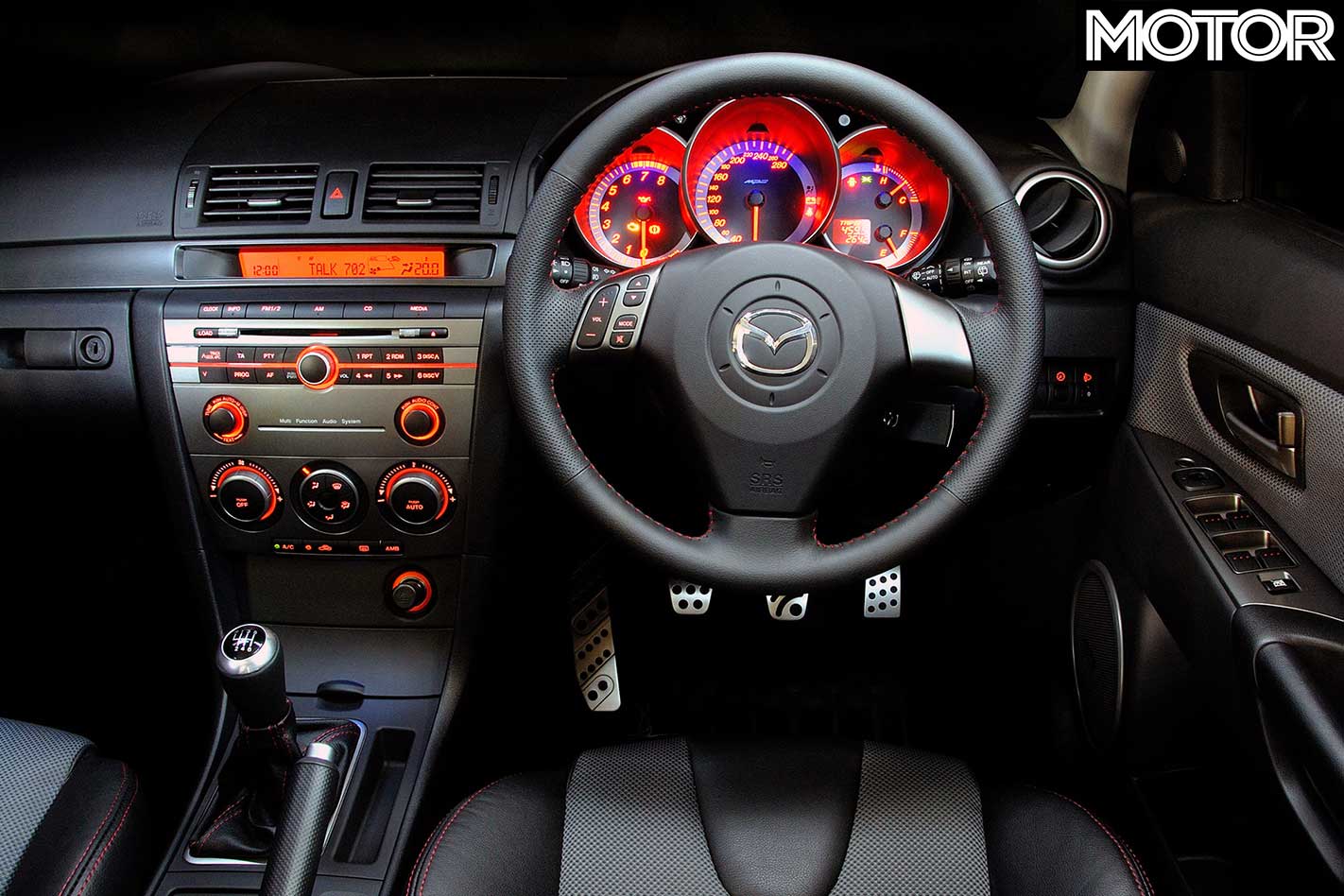
Mazda Australia is currently contacting all known owners to arrange a replacement of the horn cover free of charge, although if you’re unsure about whether your vehicle is affected, Mazda’s customer support can be reached on 1800 034 411 or [email protected].
A list of VINs for affected vehicles can be found here.
Snapshot
- Outlander PHEV owners use EV mode exclusively 84 per cent of the time
- Mitsubishi believes PHEVs aid the transition towards full-electric
- Targeting 40 per cent reduction on 2010 CO2 levels
Mitsubishi has used World EV Day to slam governments across Australia for unfairly penalising plug-in hybrid owners by introducing a road user charge for electrified cars.
The firm’s director of marketing and operations, Rob Nazzari, hit out at lawmakers at state and federal level for leaving PHEVs out of plans to incentivise the uptake of electric vehicles, and also for implementing road user charges – which mean hybrid owners cop both an EV tax and the fuel excise.
While seven out of the eight states and territories have incentive schemes, only the NT’s policy benefits PHEVs. SA and NSW plan to implement a road user charge from 2027 or when the percentage of the market dominated by EVs hits 30 per cent (whichever comes sooner), while VIC brought its own tax in from July this year.
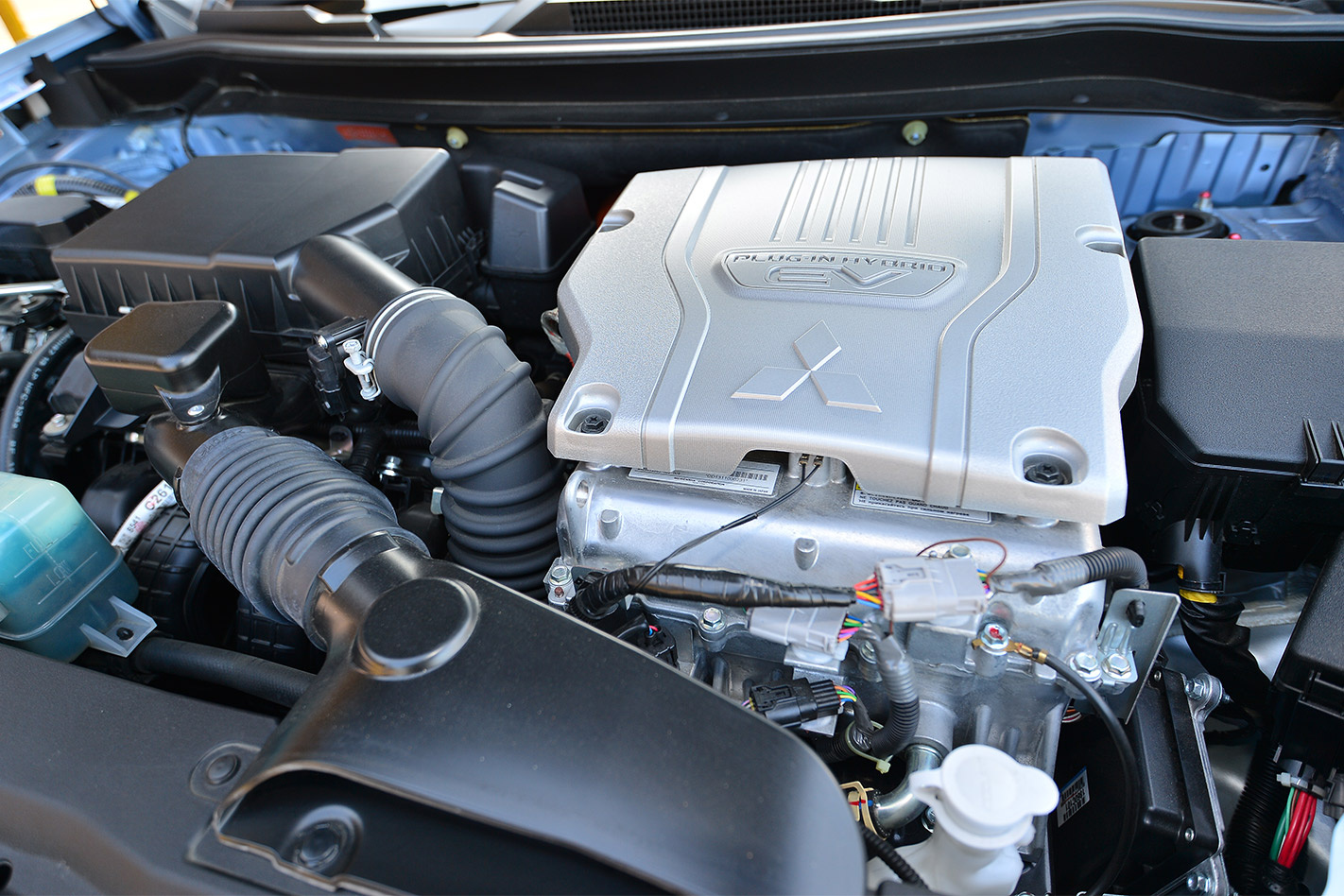
The exec particularly criticised the South Australian Government as the state is home to its headquarters in Adelaide.
“Not only is it counter-productive, but our PHEV owners could be slugged with a double tax of fuel excise and a road user charge on the same kilometres,” Nazzari said.
“This has the potential to stall the uptake of EVs and delay the achievement of a low-carbon future. Our customers shouldn’t have to pay both – they shouldn’t have to pay more than their fair share.”
Speaking last month as the SA Government announced it was delaying the rolling out of its EV tax by five years from 2022 to 2027, State Treasurer Rob Lucas said the authority’s actions were “necessary”.
“Currently, drivers of zero and low emission vehicles pay little or no fuel excise,” he said.“But ultimately as the State transitions towards a higher concentration of zero and low emission vehicles, there will be a corresponding reduction in the number of motorists paying fuel excise which contributes to vital road funding to help maintain and improve the state’s road network.“A road user charge is necessary to ensure that all vehicle owners, regardless of what car they drive, contribute to the upkeep of our roads into the future.”
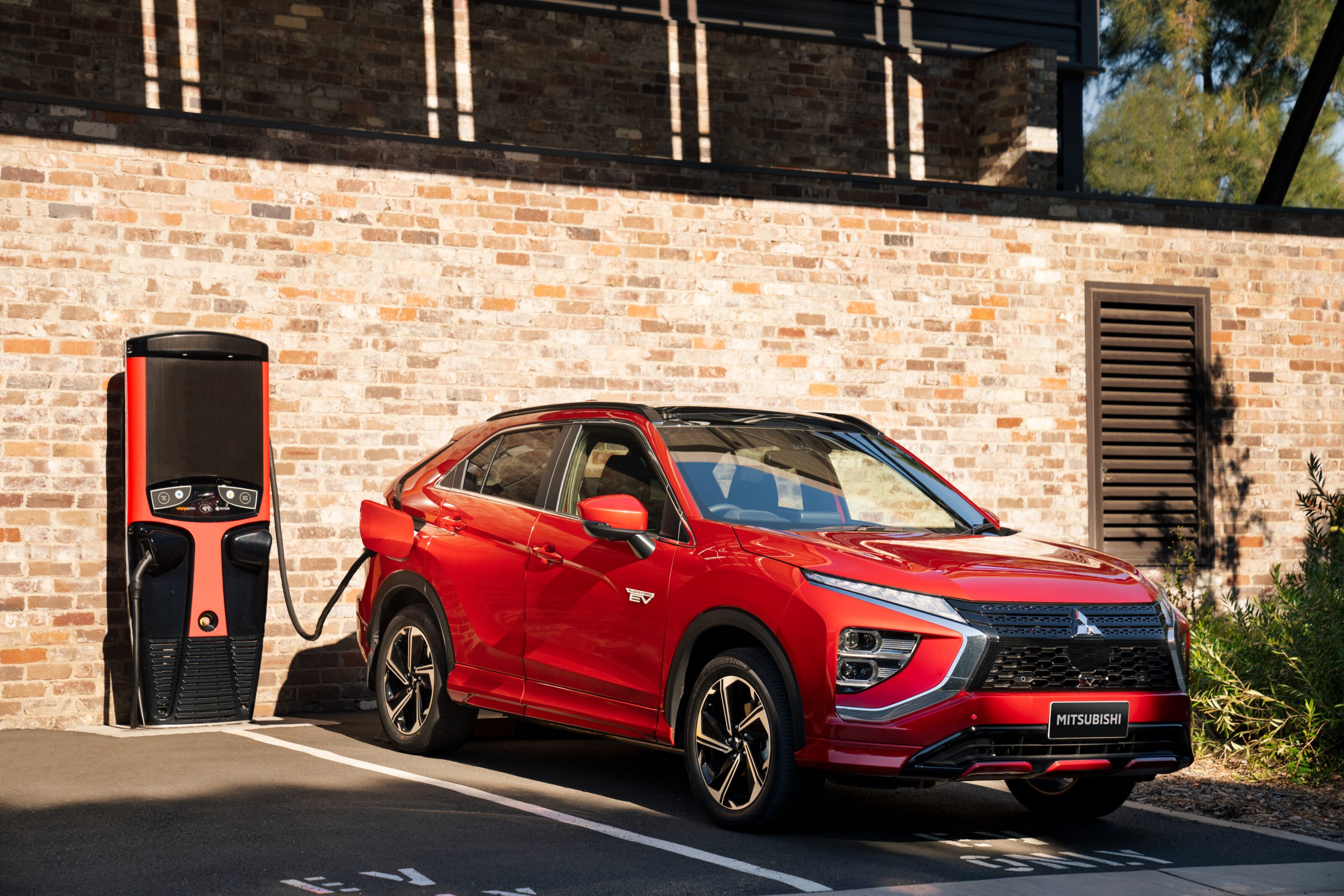
According to the Australian arm of the manufacturer, Outlander PHEV drivers use the SUV’s EV mode 84 per cent of the time, meaning only a small portion of their driving day is spent burning fuel with the ICE.
“Our white paper [released today] clearly outlines that PHEVs play an important role in the transition to a net zero emissions future.
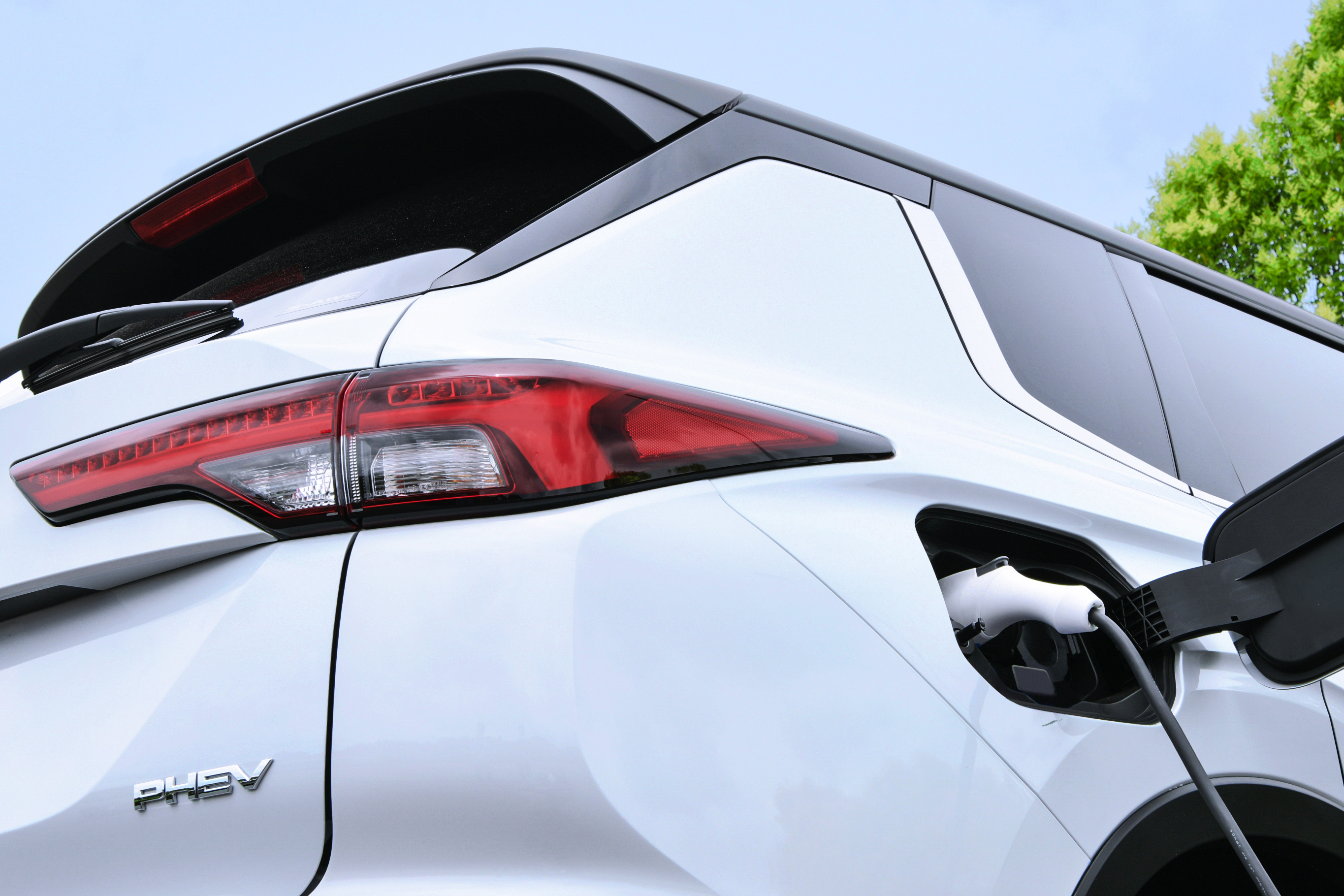
“They can also help fast track the future uptake of EVs by familiarising consumers with the technology. [We know] 83 per cent of Mitsubishi Outlander PHEV owners say they will opt for an EV as their next vehicle.”
While the average price of a new car in Australia is around $41,000, both the Outlander PHEV and new Eclipse Cross PHEV are priced higher, with each model’s base variant retailing for $47,990 and $46,490 respectively.
“If our customers could access them utilising a subsidy, our entry level plug-in hybrid would be within a whisker of the $41,000 average purchase price for new vehicles in Australia,” Nazzari added.
The new Eclipse Cross PHEV was launched locally last month, adding to the existing Outlander as Mitsubishi’s second PHEV. The Outlander is set for an update, arriving later this year, although the PHEV variant won’t hit showrooms until 2022.
Mitsubishi quotes an electric-only range of 55km for its Eclipse Cross PHEV, 1km more than the Outlander PHEV due to it being a larger and heavier vehicle.
As a part of its roadmap towards net zero carbon emissions by 2050, Mitsubishi is setting itself a 2030 target of reducing its vehicle C02 emissions by 40 per cent compared to 2010, with a similar target remaining for its business activities in comparison to 2014.
Snapshot
- The BMW iX3, iX and i4 will all arrive here by early 2022
- BMW claims it will have one of the biggest electrified vehicle ranges in Australia next year
- By 2023 there will be 25 such BMWs and Minis on sale in Australia
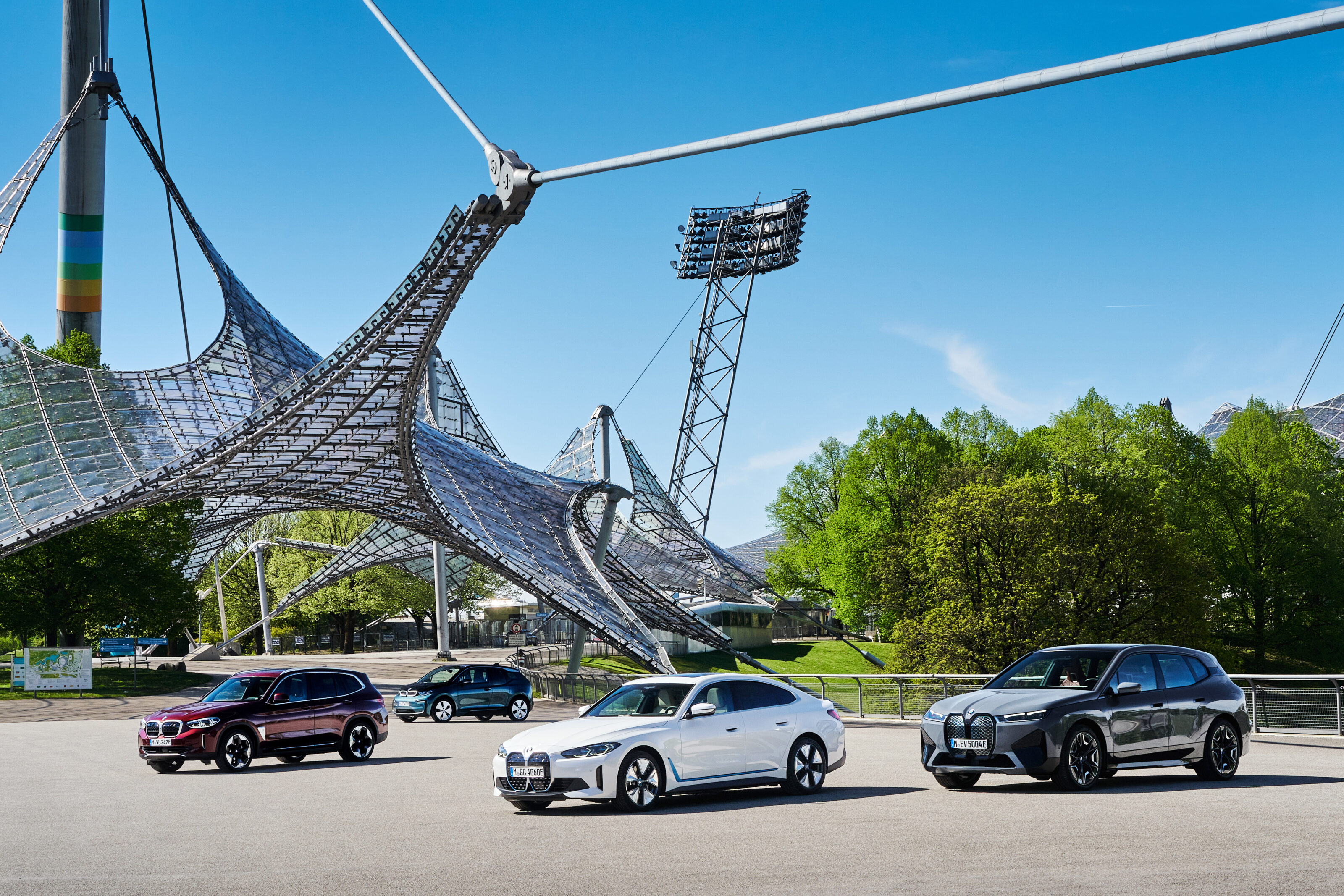
BMW Group Australia has used World EV Day to confirm it will introduce three new electric vehicles to the local market by April 2022.
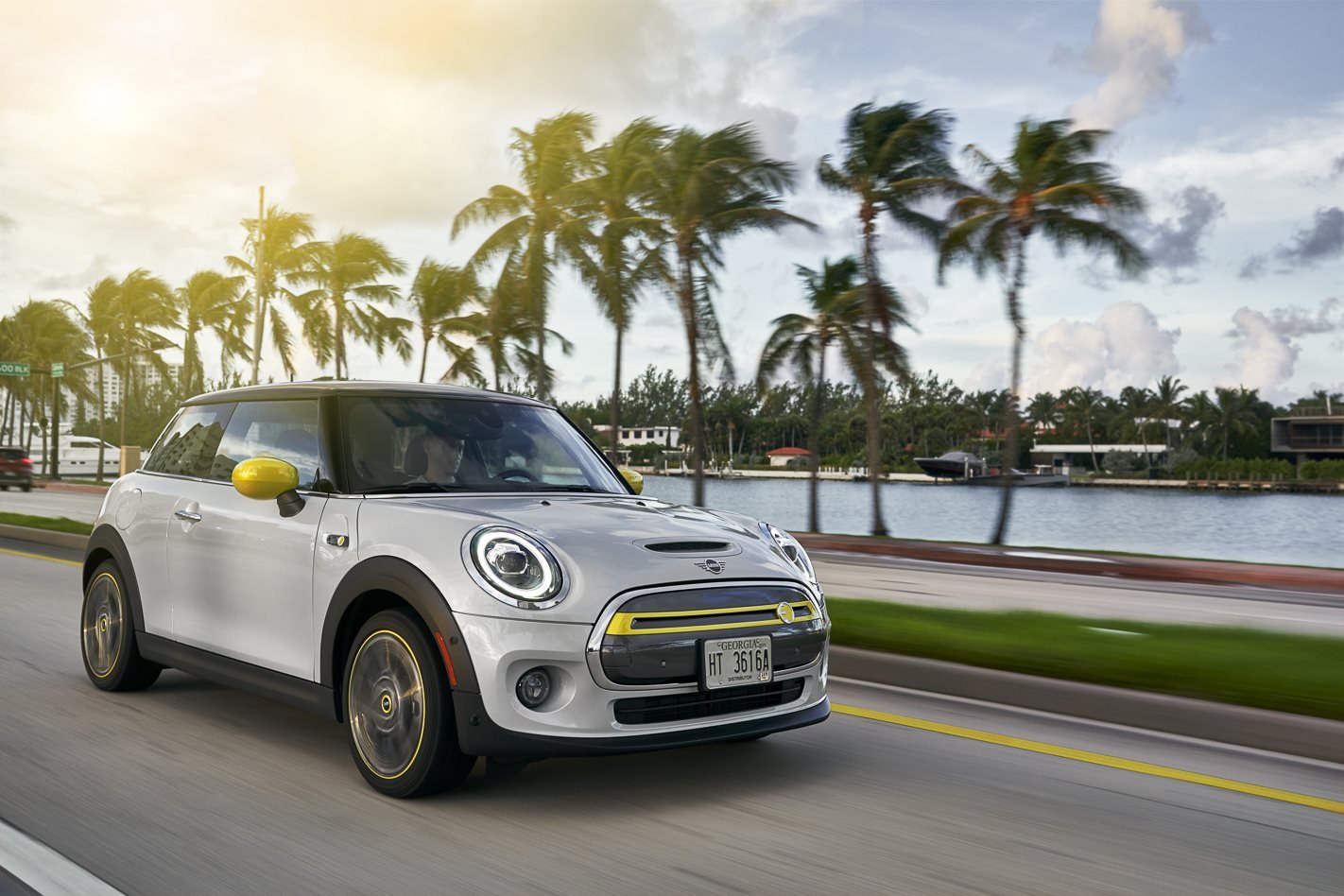
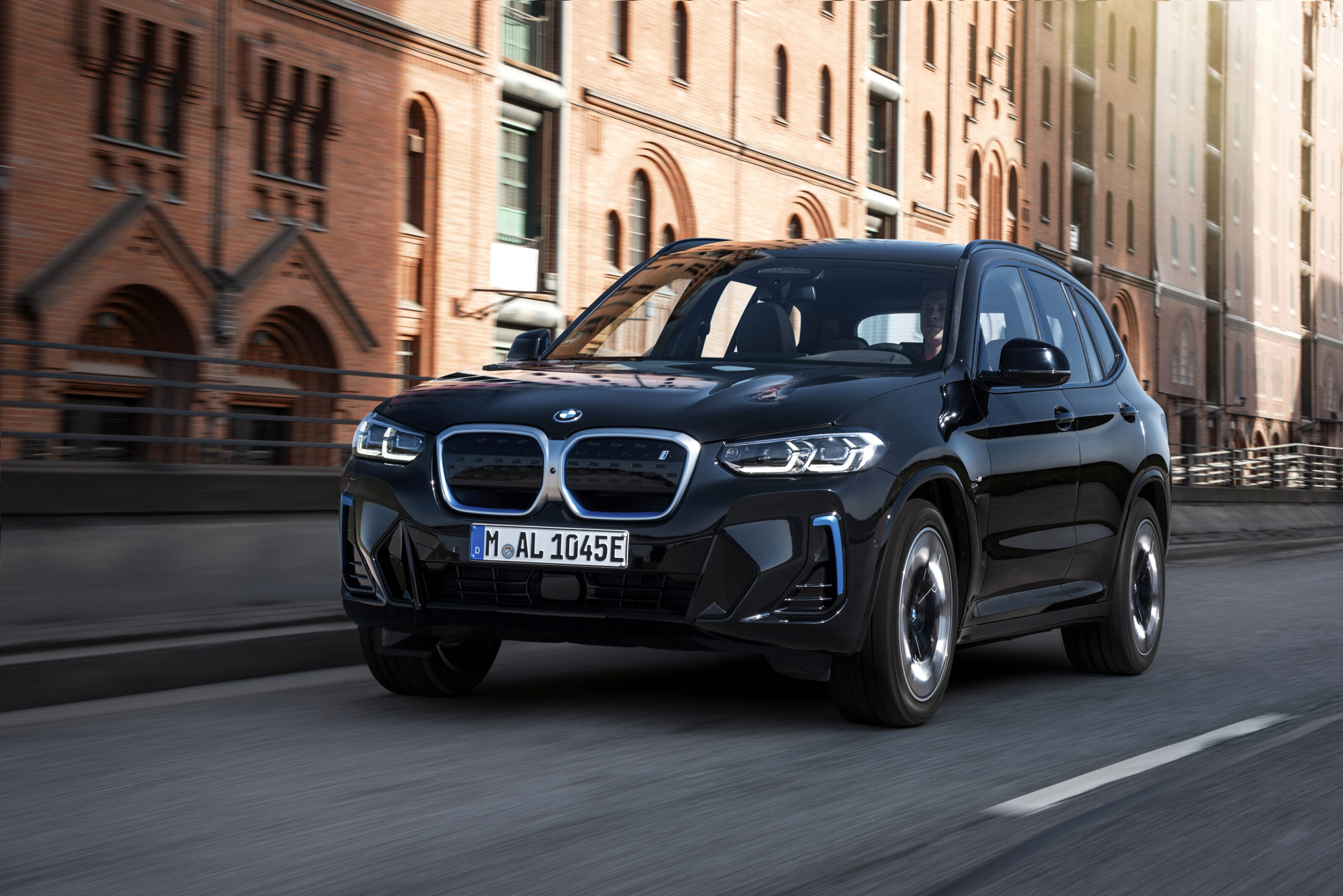
The iX3 and iX SUVs and the i4 Gran Coupe will join the i3, Mini Electric Hatch and the plug-in hybrid versions of its sedans and SUVs to take its electrified range to 10, with that number to expand to 25 by 2023 – more than half of which will be battery-electric vehicles (BEVs).
The iX3 and iX will be the first to arrive, toward the end of 2021 – with the i4 line-up, which will include the 400kW M50 hero variant, expected at the beginning of 2022.
The shift to electrification is in line with the parent company’s pledge for half its global sales to be BEVs by 2030.
This includes Mini, which by then will offer a fully electric line-up.
Electrified BMW and Mini sales have already experienced a rise in Australia, with a 114 per cent increase to the end of July 2021 compared to the corresponding period in 2020.
In addition to its global EV expansion, BMW is aiming to reduce C02 emissions caused by vehicle production – which account for 70 per cent of its carbon footprint.
That figure is naturally higher for BEVs, which has seen new sustainability measures applied to the production of the firm’s new-generation models, such as those arriving in Australia during the next six months.
For example, the raw material cobalt used in the iX3’s 80kWh battery has been reduced by around a third compared with the previous-generation battery in the BMW i3.
Meanwhile, renewable energy is used both for the manufacture of battery cells and vehicles.
On the BMW iX, a high proportion of secondary aluminium and reused plastic also contribute to its resource-efficient production process.
The amount of secondary nickel used for the high-voltage battery in that model is already as high as 50 per cent, with the battery housing containing up to 30 per cent secondary aluminium.
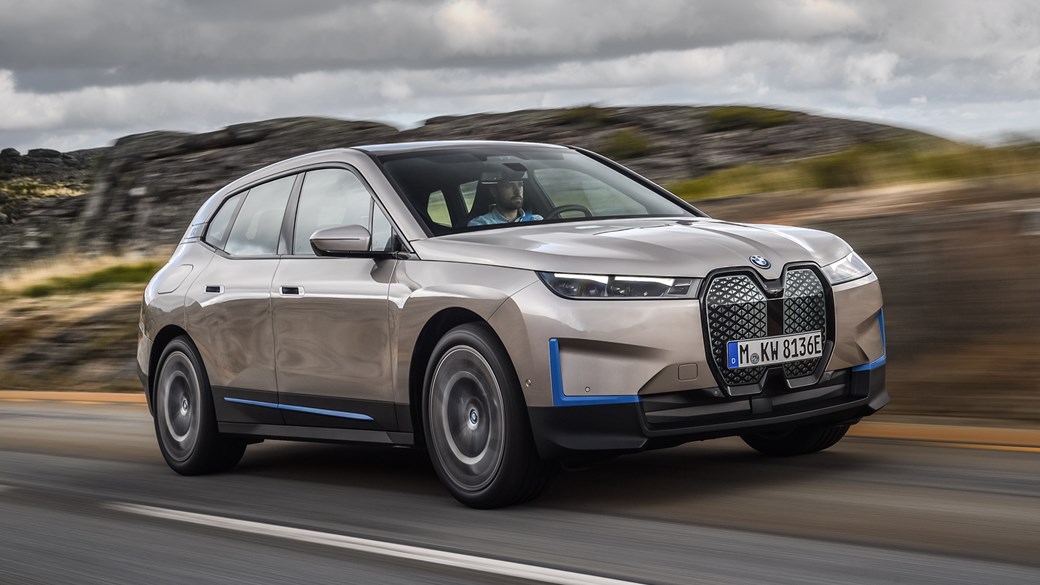
The interior of the iX uses FSC-certified wood and leather tanned with olive leaf extracts, as well as other natural products.
Recycled fishing nets are among the raw materials used for the floor coverings and mats.
By 2030, BMW aims to halve the CO2 emissions per vehicle and kilometres driven compared to 2019 levels.
Snapshot
- Ride-sharing giant supports road user charge but says it should be delayed
- 100 per cent of Uber rides in be in an EV by 2040
- Carmakers also putting pressure on Government on World EV Day
Uber has thrown down the gauntlet to the Australian Government over its lack of emissions regulations – making four key recommendations on how it should be working to increase the uptake of electric vehicles.
The Australian arm of the US ride-sharing giant has released a report today to mark World EV Day, outlining what it sees as key barriers to its drivers making the switch to an EV – and how the Government should be changing policies to overcome them.
The four recommendations made by Uber involve; addressing the price gap between EVs and internal combustion engine-powered cars, improving national infrastructure, delaying road-user charging while uptake is “still in its infancy”, and introducing fuel efficiency standards and zero-emission sales targets to help carmakers bring their cleanest models to Australia.
The latest report follows a commitment from Uber in September last year to having 100 per cent of its rides in zero-emissions vehicles by 2040.
More recently the Aussie arm of the ride-hailing firm announced that, as of July 1 2021 for 12 months, all existing and new Uber drivers using battery electric vehicles (BEVs) would see their service fees slashed in half compared to those behind the wheel of ICE cars.
Uber said it would “lose money on every one of those trips – but the benefits will be worth it”.
Employee research undertaken by the ride-sharing outfit has also found 58 per cent of its drivers want to switch to an electric vehicle in the next five years, but upfront cost is the biggest barrier. Just 18 per cent of them believe they’ll be able to do so in that timeframe.
Speaking at a conference led by the Electric Vehicle Council of Australia on increasing Australia’s EV future on Thursday, the company’s General Manager for Australia and New Zealand, Dom Taylor, said the EV space in Australia was growing – but the country has a long way to catch up to other countries.
“Australia needs to catch up to the rest of the world, we can’t just rely on the Government, we [the industry and public] need to show leadership – it has been playing the waiting game that has got us here. The EV space is growing in Australia and Uber is excited to be part of that in the coming years.
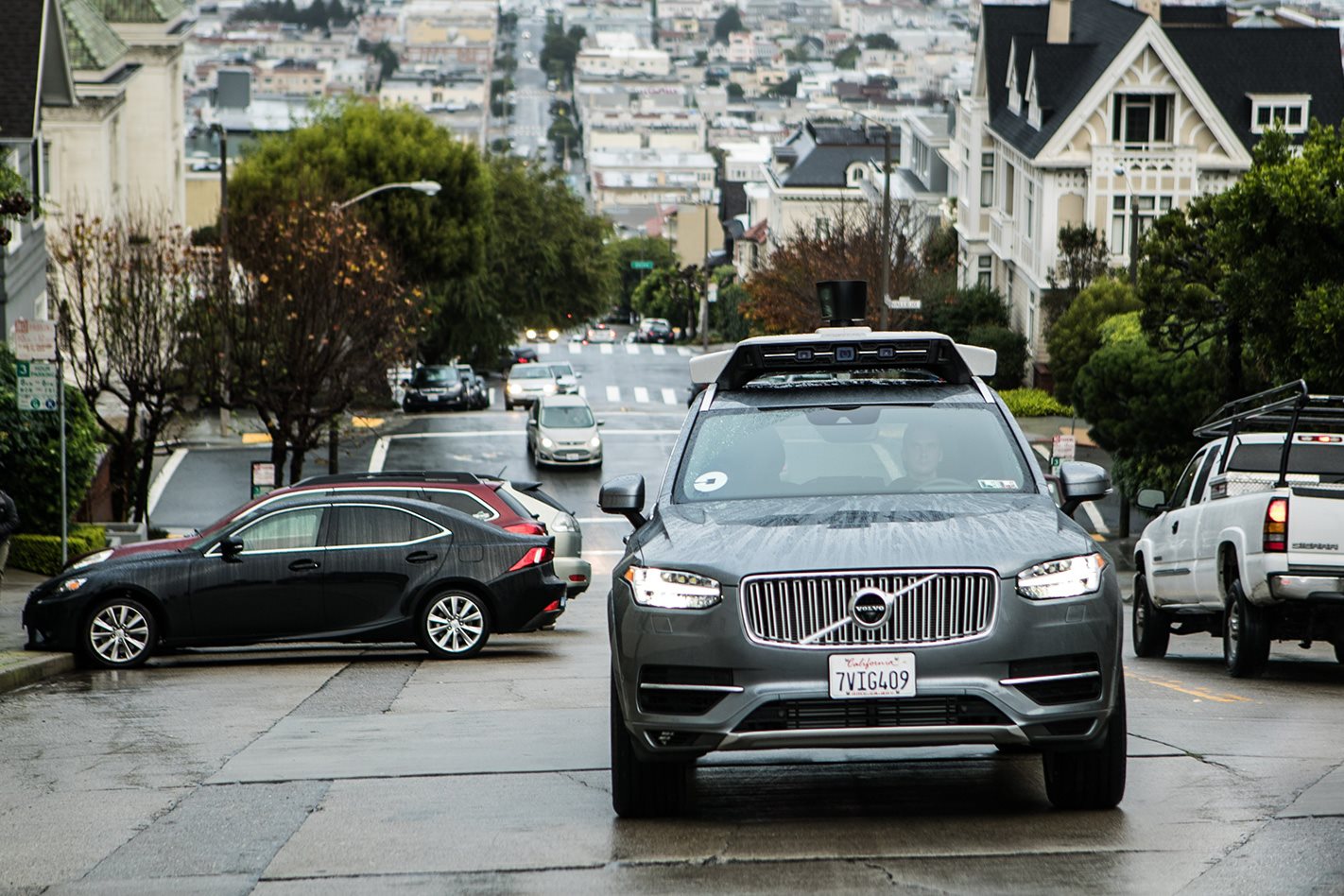
“By 2040 every trip in an Uber will be in an EV. To do that in Australia we need to stop on-boarding internal combustion engine cars by 2030. At the moment, just one per cent of drivers here are in an EV, to get to 100 per cent is a major change and requires a shift in our approach across the board.
“How? We don’t think we have the answer just yet, but it will involve the rest of the industry and looking at new ways of doing things with both the major players and start-ups to get there.”
According to Uber’s report released today, the average vehicle in Australia travels roughly 12,000 kilometres each year, while ride-share drivers using their vehicle five days a week might clock up as many as 50-55,000 kilometres in the same period – over four times as much.
As a result, the local Uber boss emphasised the need for Aussies to reduce their dependence on private vehicles and thus lessen the impact of tailpipe emissions on the planet.
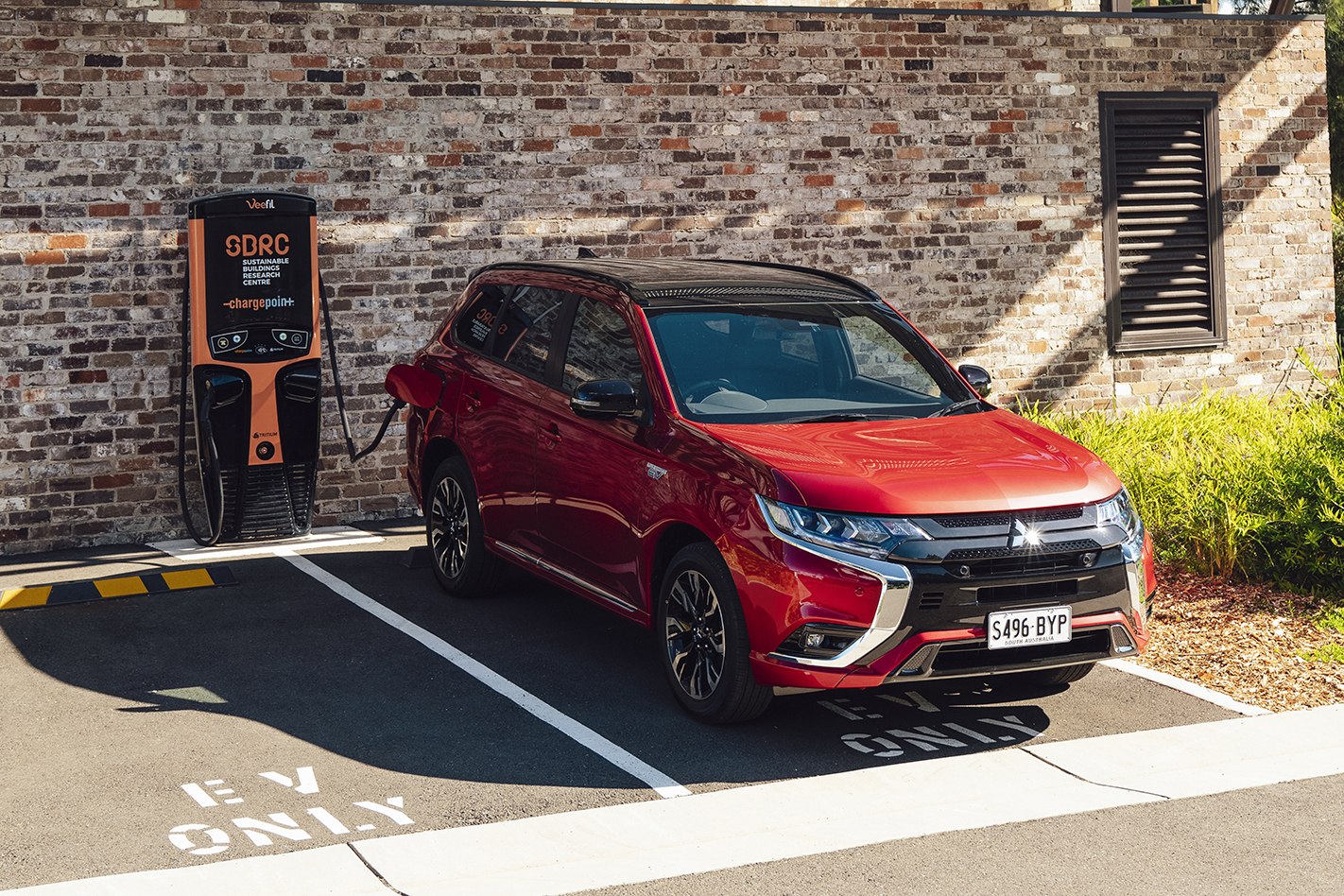
In Australia, the transport sector is the nation’s second largest source of greenhouse gas emissions. Around seven in 10 Aussies travel to work by car and our vehicles remain among the most emissions-intensive in the world. On top of that, we have the third highest rate of vehicle ownership among OECD nations.
“We’ve done a lot of work on what the future of cars looks like and the future of mobility looks like – and we strongly believe it is going to be shared, it is going to be electric, and it is going to be autonomous.
“Those three factors coming together will dramatically reduce the number of cars required, and once there are fewer cars it will majorly lessen the cost of moving around and also spaces such as car parks – which can be converted into something more green and community driven.”
The Uber manager’s sentiments have been backed up by other voices from within the local car industry today. Several have reiterated concerns that the Federal Government’s lack of action on encouraging EV uptake and setting national emissions standards is a major roadblock to progress – calling for an “integrated strategy between the states/territories and Government”.
One carmaker said where it had seen this happen overseas there had been an increase in EV sales.
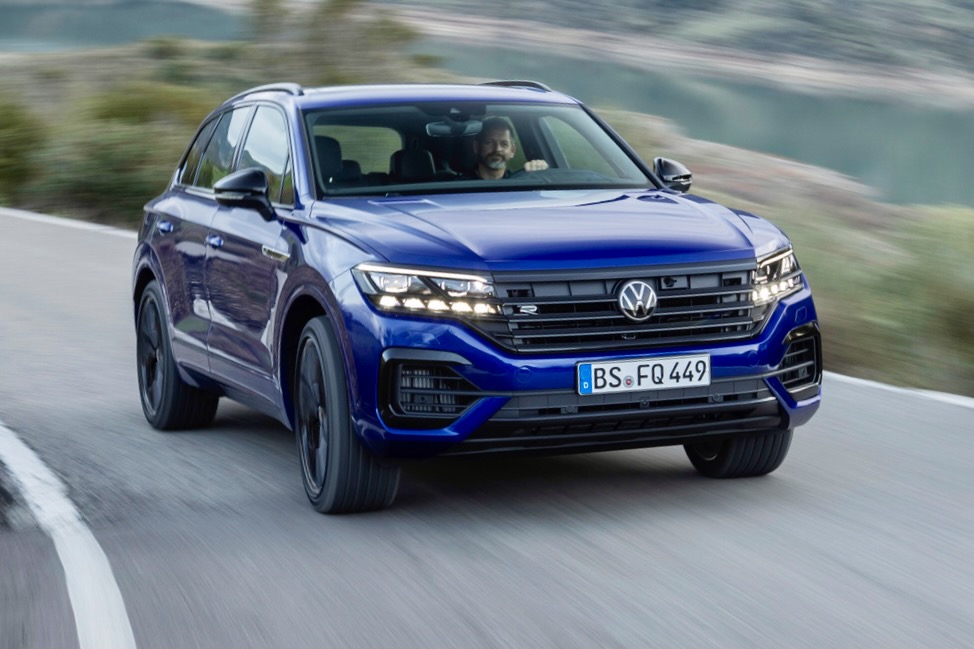
Meanwhile others, such as Mitsubishi, have complained that plug-in hybrids (PHEVs) are being ignored by governments across the nation. A statement released today by the manufacturer said:
“Mitsubishi believes that PHEVs should treated fairly: if they are treated as electric vehicles for tax purposes, then they should also be treated as electric vehicles when it comes to accessing subsidies. PHEVs owners should definitely not be worse off compared to traditional combustion engine vehicles (by paying both the EV road-user charge and fuel excise).”
On Thursday, Volkswagen announced its Touareg R PHEV is confirmed for Australia, coming in 2023 – the first electrified vehicle in its range to make it to our shores.
Volkswagen’s general manager of passenger vehicle marketing, Ralph Beckmann, said the replacement of a V8 Touareg with an equally rapid and capable, cutting-edge hybrid electric version as the brand’s halo car was “richly symbolic and a strong message”.
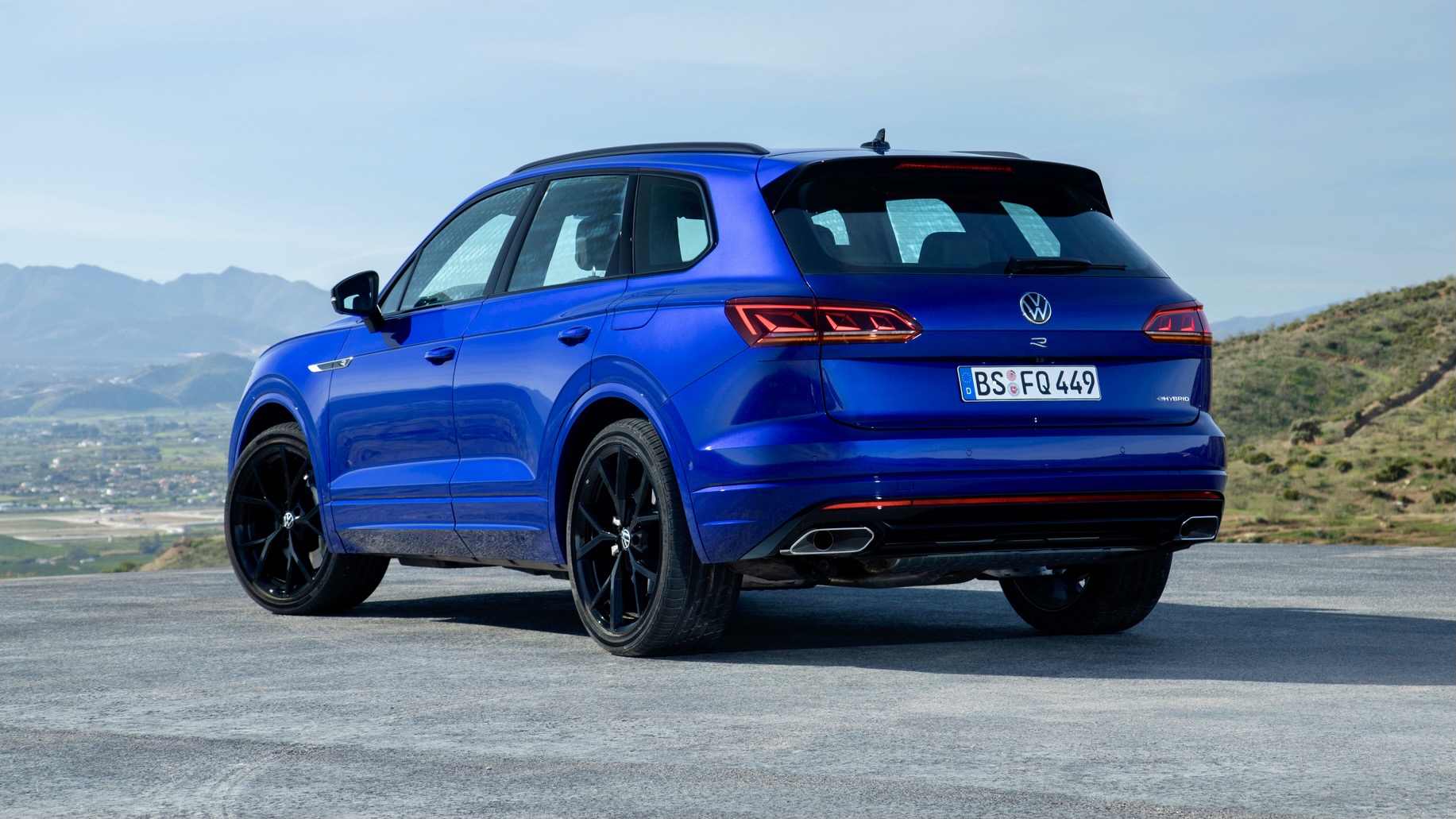
“The Touareg R was not destined for Australia because Volkswagen PHEVs and EVs are naturally prioritised for markets with emissions targets,” Mr Beckmann said. “Meanwhile the Touareg V8 was discontinued having rapidly sold through its local allocation.
“The Aussie appetite for the biggest and best Volkswagens combined with the overdue recognition on the part of Government that Australians deserve the best quality petrol, and the progressive policies of NSW, all helped make the business case.”
According to a report released last month by the EV Council, 58 electric models are due here by the end of 2022 versus the 31 currently available.
Official new car figures showed 8688 electric vehicles were bought by Aussies in the first half of this year, compared to just 49 10 years ago.
Snapshot
- 2022 Volkswagen Touareg R coming to Australian dealerships
- First plug-in hybrid Volkswagen sold here, offering 47km of electric driving range
- Most power of any Volkswagen production car
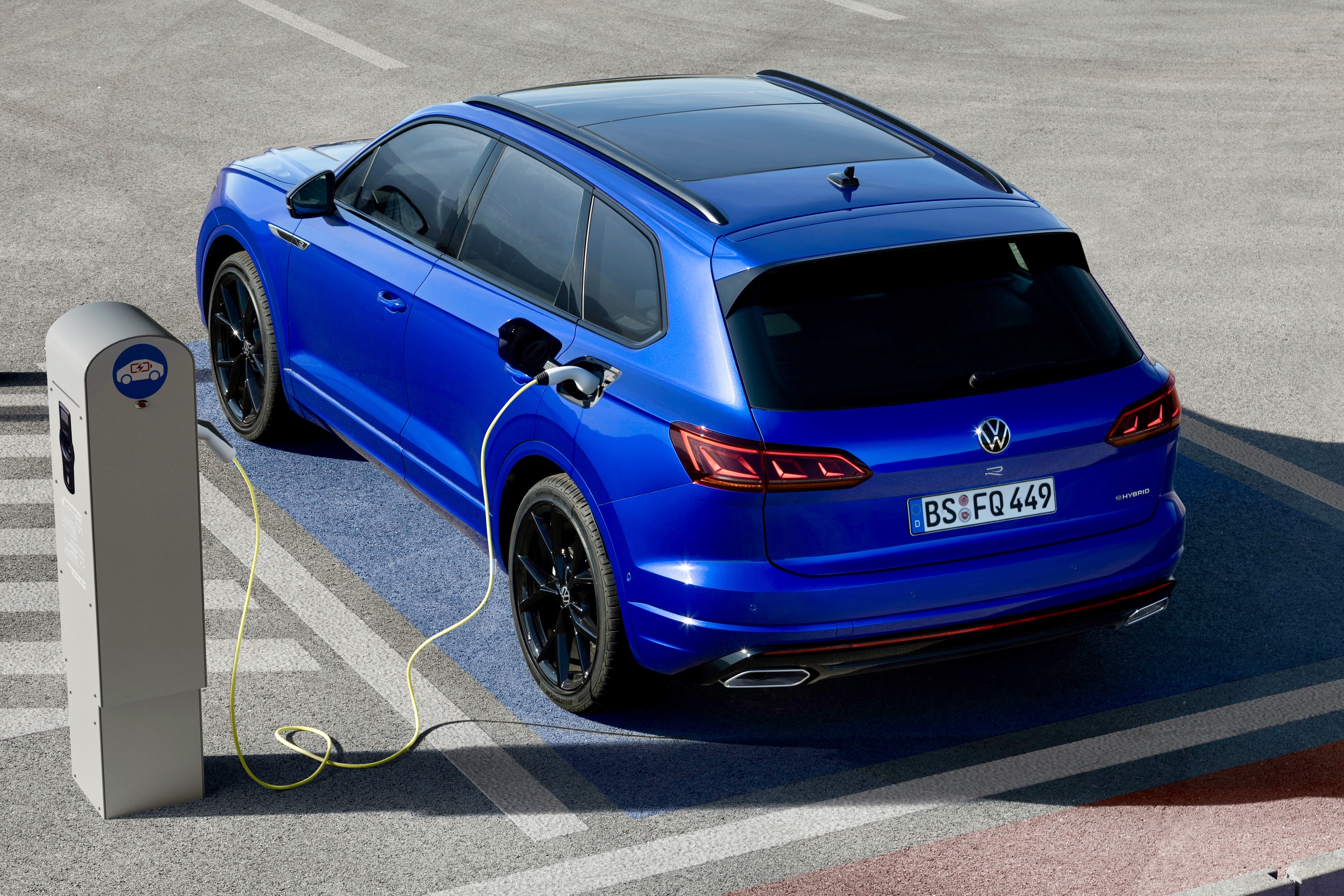
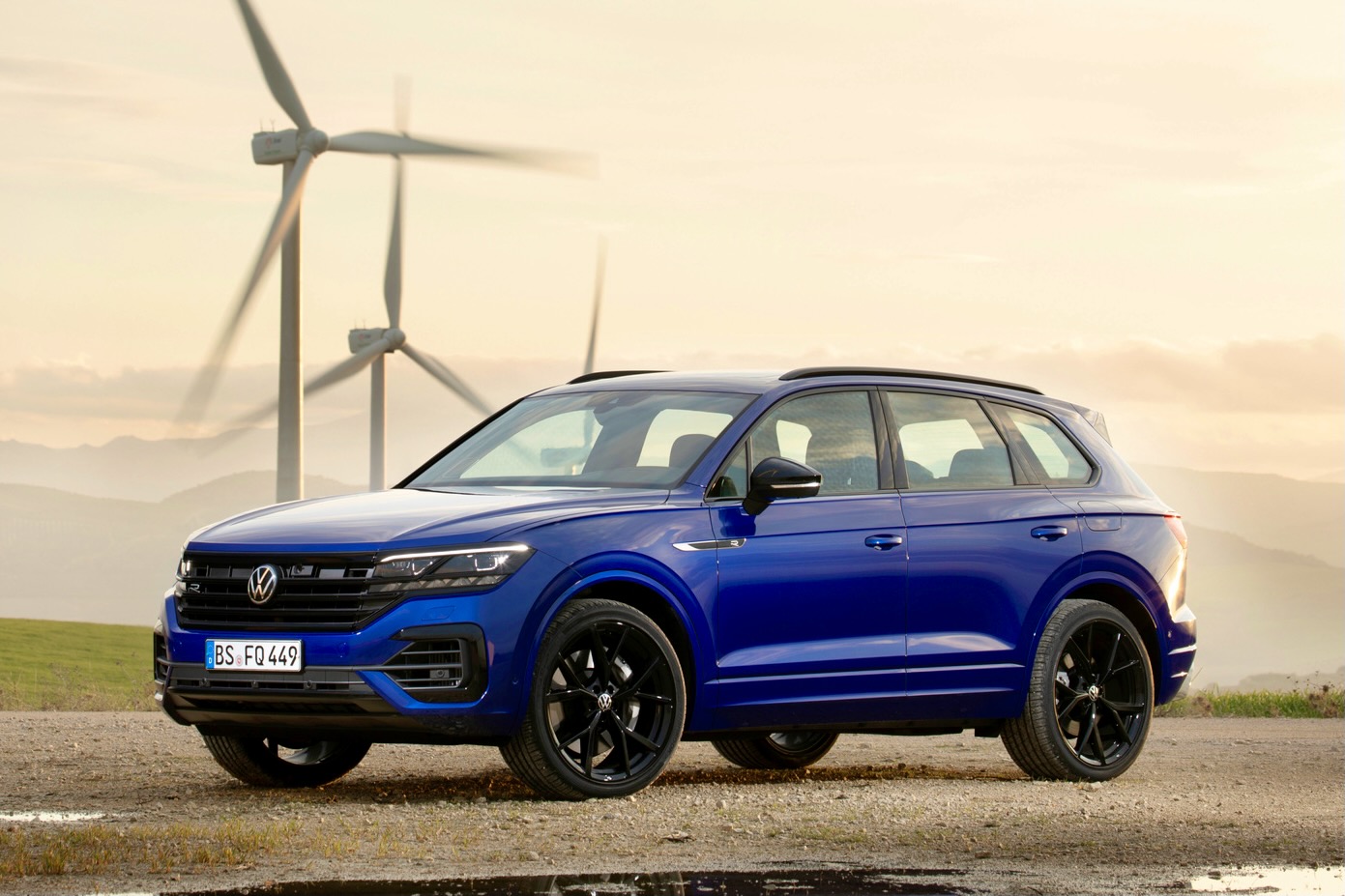
The 2022 Volkswagen Touareg R has been confirmed for Australia – making it the first plug-in hybrid model sold here by the manufacturer.
With the Volkswagen providing up to 47 kilometres of electric-only driving range (on the WLTP test cycle), the new Touareg offers buyers a combination of zero-emissions driving, as well as ‘R’ street cred – the single letter denoting the company’s performance models.
Powered by a 14.3kWh battery, an electric motor accompanies a 3.0-litre turbocharged petrol V6 engine to produce a total output of 340kW and 700Nm – making it the most powerful production Volkswagen ever made.
But while it does have the most power, the Touareg R is 0.2 seconds slower than the turbo-diesel V8-powered Touareg 310TDI R-Line it replaces due to a torque deficit of 200Nm.
The turbo-petrol V6 sends power to all four wheels through an eight-speed automatic transmission, taking the Touareg R to 100km/h from a standstill in a claimed 5.1 seconds.
Fuel economy has yet to be certified for Australia, however it’s likely the MY23 Touareg R will be similar to overseas models claiming 2.7L/100km (WLTP cycle).
Volkswagen says the SUV can be fully recharged in 2.5 hours using either a 7.2kW AC wallbox, or a standard 10-amp domestic power point.
The Touareg largely borrows its PHEV powertrain from another member of the Volkswagen Group family – the Bentley Bentayga Hybrid. The latter uses the same 250kW/450Nm petrol engine, but in the Touareg it is matched to a slightly more powerful 100kW/400Nm electric motor.
The new Touareg R is based on Volkswagen Group’s MLB Evo architecture – a platform also shared with the Bentayga, Audi Q7, Porsche Cayenne, and Lamborghini Urus.
Earlier this year, as first reported by Wheels, the Touareg R was tipped to be coming to our shores – but it almost didn’t happen.
“The Touareg R was not destined for Australia because Volkswagen PHEVs and [electric vehicles] are naturally prioritised for markets with emissions targets,” Volkswagen’s general manager of passenger vehicle Marketing, Ralph Beckmann, said.
It’s understood Australia’s commitment to improving fuel quality and NSW Government policies to encourage the uptake of electrified vehicles helped Volkswagen’s local arm make a viable business case for the Touareg R.
“Australia has typically been the third biggest R market, behind only Germany and the UK in actual sales,” Beckmann said, suggesting our preference for performance vehicles helped to secure the model.
Pricing and full details of the 2022 Volkswagen Touareg R will be announced next month, along with the wider model range, while deliveries are expected to begin in late 2022.
Snapshot
- Utilises latest TomTom MN-R data
- Previously video and manual methods used to capture road information every 100m
- Star system recognised internationally
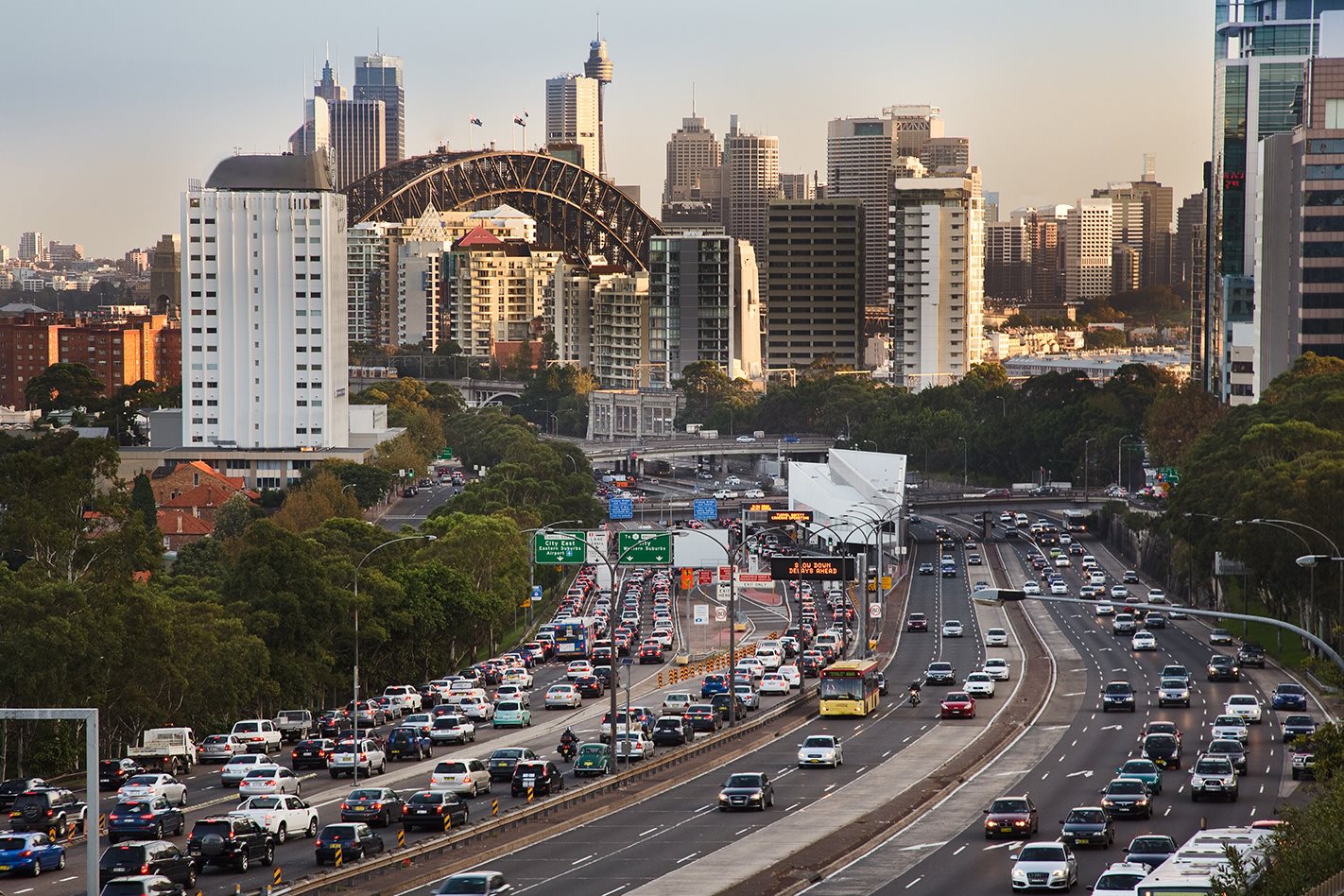
Artificial intelligence is being used to rate roads across New South Wales to make them safer to drive on.
The new project, launched by Transport for NSW (TfNSW), will convert TomTom’s MN-R next generation map information from 20,000km of roads into an internationally recognised five-star rating system aimed at reducing injuries and deaths – as well as prove feature extraction techniques and machine learning for LiDAR data.
Previously the tests carried out involved identifying and recording more than 50 road attributes every 100 metres using video survey footage and manual recording methods.
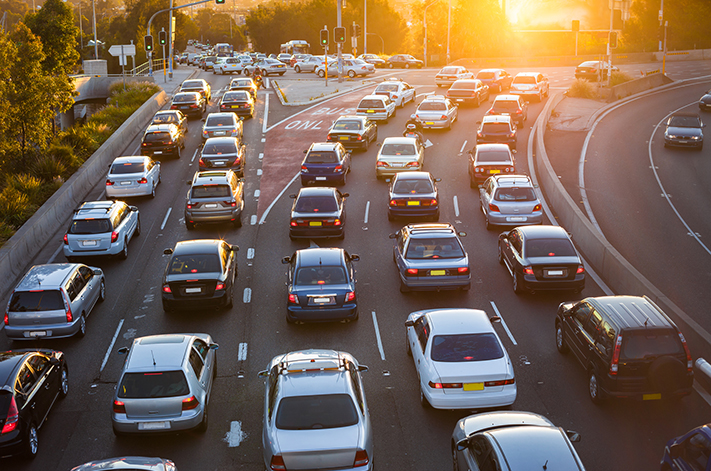
On average, between 1100 and 1200 people lose their lives due to crashes on Australian roads each year – and more than 40,000 suffer debilitating injuries.
As a result, the Australian Government is linking infrastructure funding to tangible safety improvements – meaning state agencies must get behind the star-rating system to get the cash.
The most recent 2018-2020 National Road Safety Action Plan set targets for 90 per cent of travel on national highways and 80 per cent of travel on state highways to meet a three-star or better safety standard.
To date, more than 280,000km of Australian roads have been star rated.
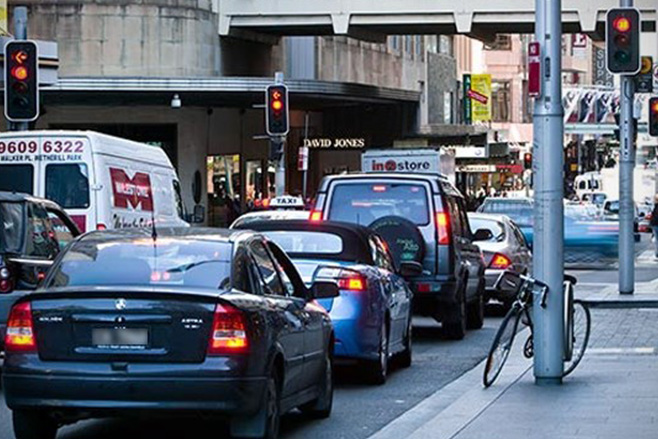
Monica Olyslagers, from the charity International Road Assessment Programme (iRAP) which is partnered with TfNSW, said the use of AI and machine-learning would significantly speed up the task of star-rating roads to enhance public safety.
“Raising the standard of the world’s roads to a three-star or better standard for all road users will help to focus policy and investment. With crash costs typically halving with each incremental improvement in star rating ,the potential to save lives is significant,” she said.
“The use of artificial intelligence and machine learning techniques to collect the data has potential to reduce costs and increase the frequency and accuracy of data.
“Making faster and more affordable data collection possible means that safety assessments can be done on an annual basis across the whole road network.”
The project is supported by the iMOVE Cooperative Research Centre and is being led by (TfNSW) and partners, including the University of Technology Sydney (UTS), iRAP and geospatial data experts Anditi.
iMOVE CRC’s managing director Ian Christensen said improving road safety performance is a priority for all levels of government in Australia.
“Using technologies such as AI to enhance in our suite of safety policy tools is a great step forward. These powerful and insightful tools can inform sound investment by Government that saves lives and unlock significant benefits to families, communities, business and health systems through reduced road trauma,” he said.
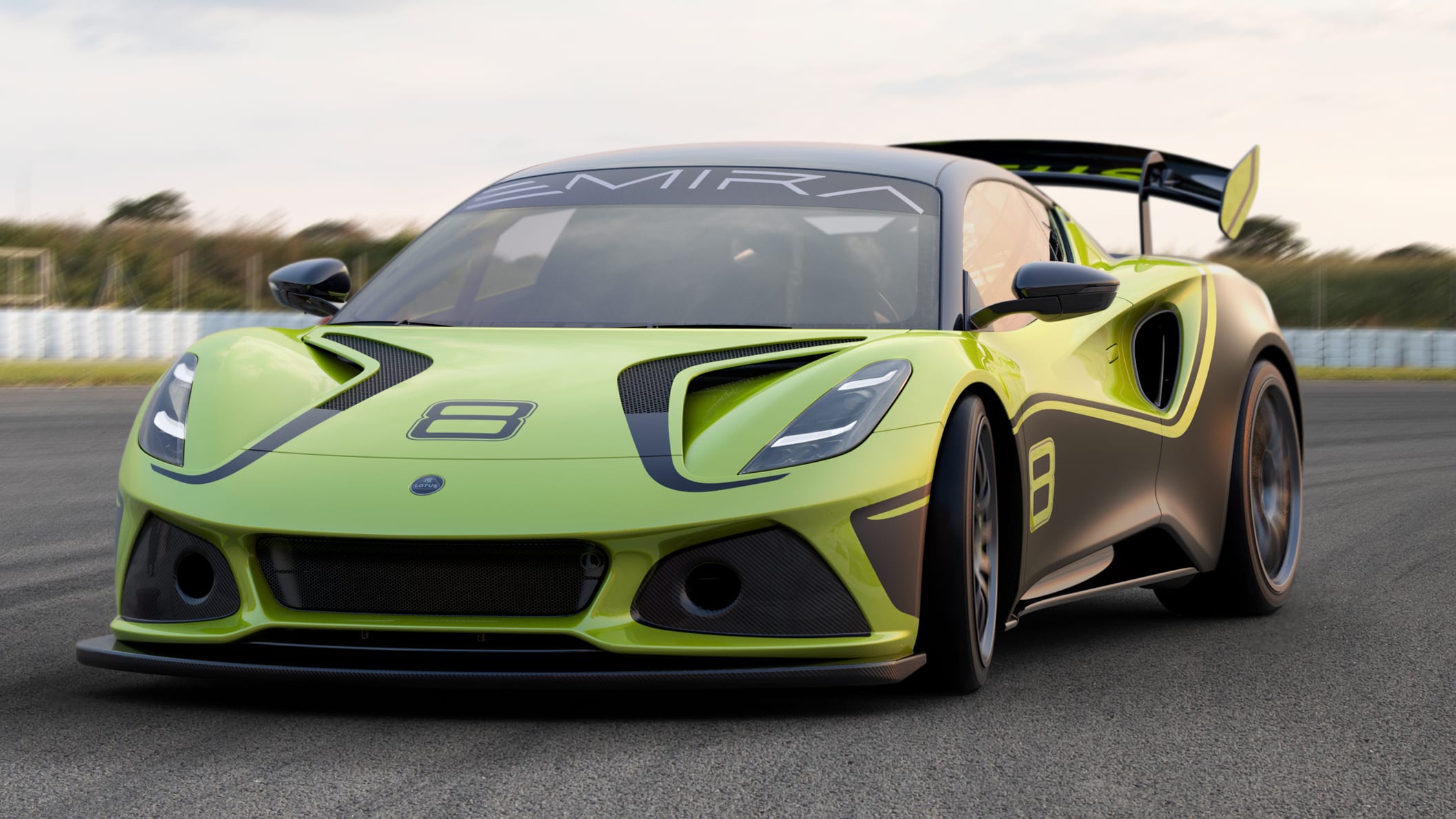
The recently-released Lotus Emira sports car now has a race-ready variant, with the iconic British manufacturer launching its GT4-spec challenger.
Based on the two-seater which made its debut in July, the GT4 will replace the Evora as Lotus’ competition car in the entry-level GT championship, looking to replicate its predecessor’s success on the race track.
Stripped of the road car’s creature comforts, Emira GT4 will be powered by the same Toyota-sourced 3.5-litre V6 engine as the Evora racer, developing around 300kW with the help of a Harrop TVS 1900 supercharger.
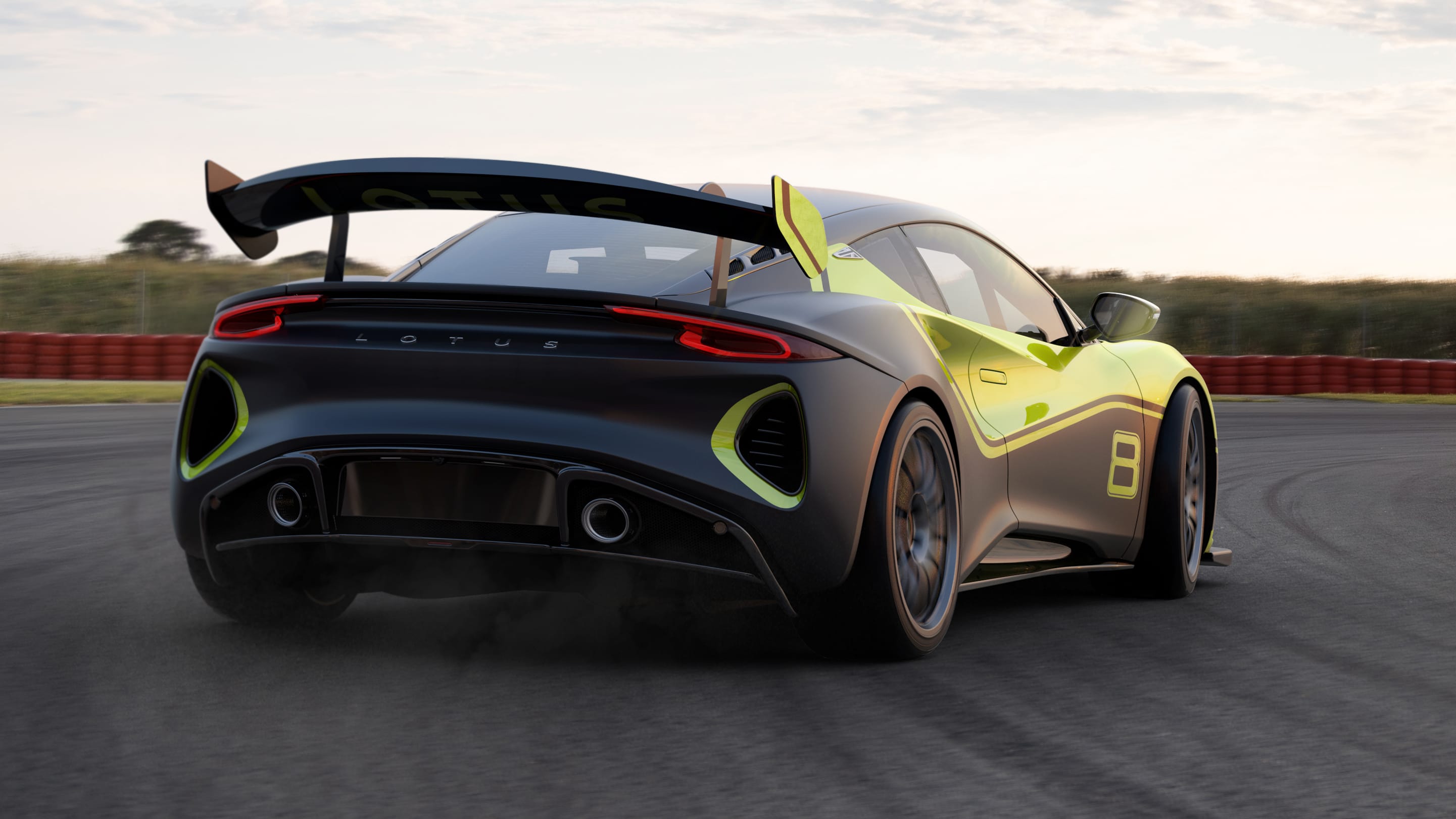
Rather than the six-speed manual or automatic transmissions in the road-going Emira, the racer sends power to the rear wheels through a paddle-operated six-speed xTrac sequential ‘box and limited-slip differential.
A set of 18-inch wheels on each corner are shod in Pirelli’s GT4 spec rubber, with 265 section tyres on the front and 305s on the rear, while the double-wishbone suspension is coupled with Öhlins dampers to maximise the contact patch of the rubber.
Even with the addition of a roll cage and other important safety upgrades, the Emira GT4 weighs in at just 1260kg before the sport’s governing body applies Balance of Performance adjustments, more than 100kg lighter than the street car.
Lotus is slowly immersing itself in motorsport after a dry spell in recent years, having become a technical partner to former Formula 1 champion Jenson Button’s JBXE Extreme E team.
The Emira GT4 will make its race debut in the 2022 GT4 European Series, competing against the likes of Porsche’s Cayman and the BMW M4.
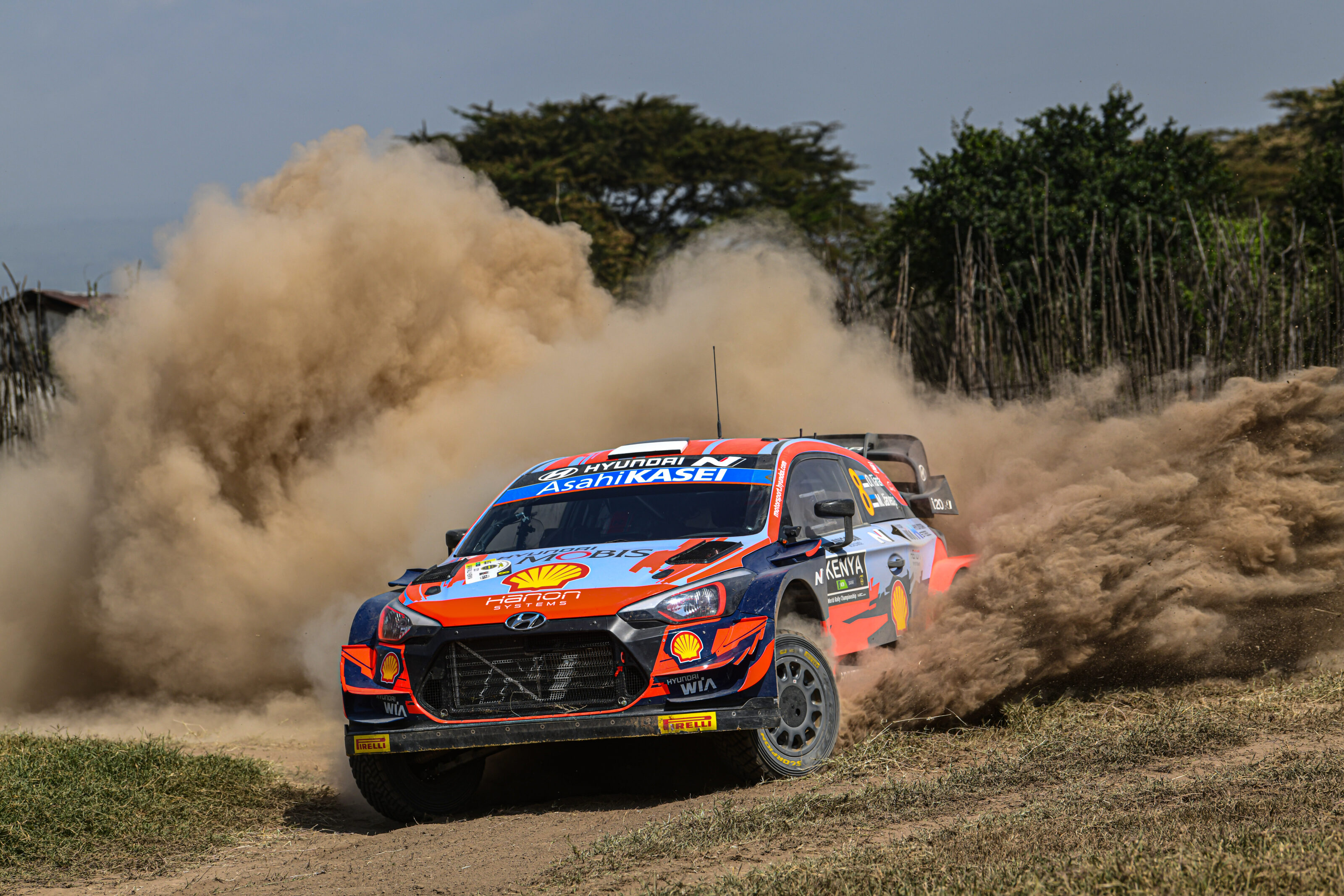
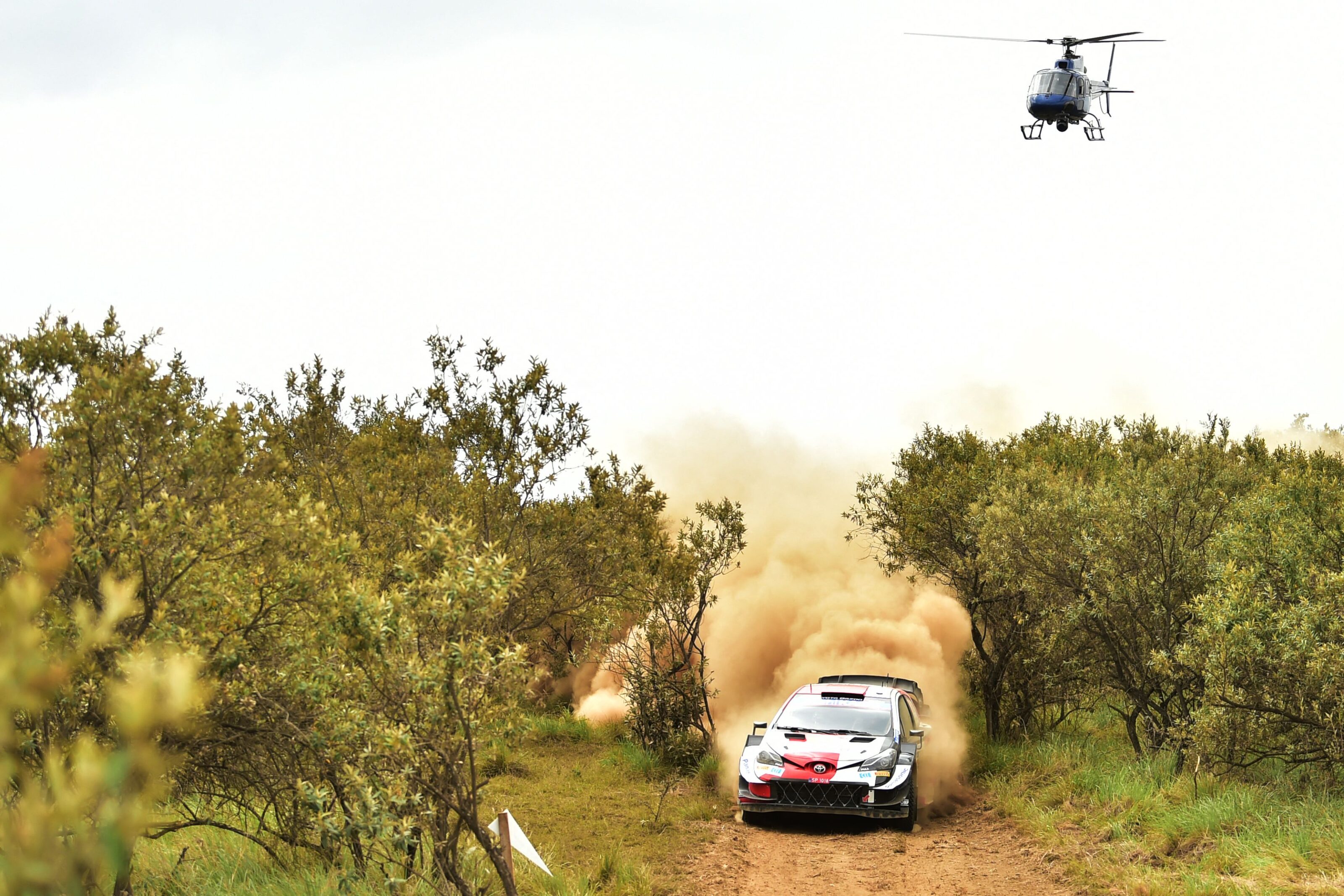
The World Rally Championship returned to Africa recently after a two-decade hiatus. Was it a ‘real’ Safari rally? No, not really, and nor could it be. In this day and age, having open roads and 2500km routes simply isn’t possible, but any fears the need to accept a European-style itinerary and accommodate live television would water down the challenge were unfounded.
Giraffes stood stage-side, there were real life zebra crossings, random downpours turned the roads into an ice rink and one car even got stuck. I’ve been watching the WRC a long, long time, but never have I seen a car fail to finish a stage simply because it got bogged. Deep dust, called fesh-fesh, required plenty of commitment, but when his vision became obscured by said dust, Finnish young gun Kalle Rovanperä lifted and his Toyota Yaris sunk onto its underbelly, the wheels spinning helplessly.
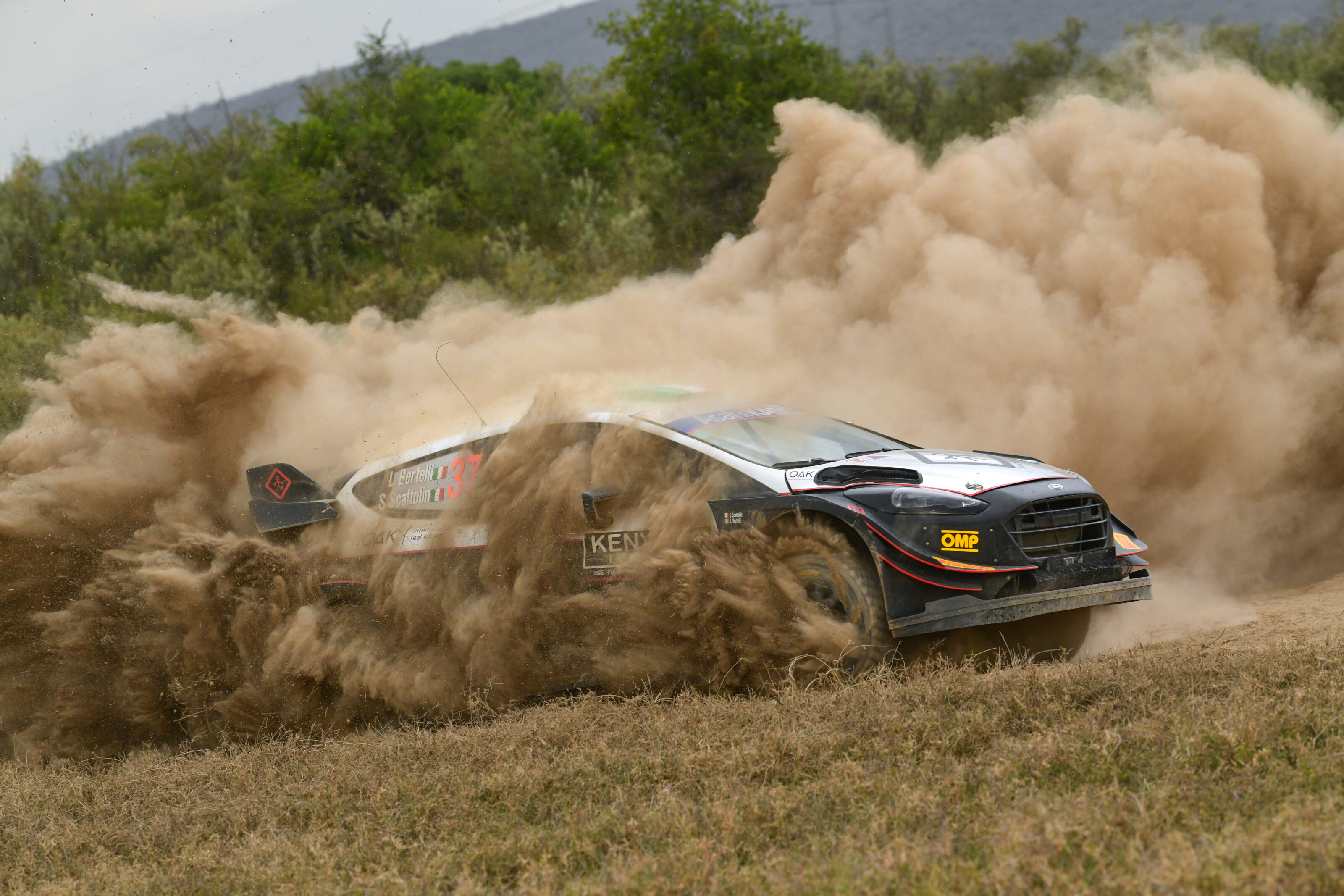
It was like when you hold a dog above water and its legs start paddling but it isn’t going anywhere. The stage was stopped and Kalle retired. Sebastien Ogier won – of course he did – but was lucky to do so having blown his rear dampers on the opening morning and lost multiple minutes. It was riveting viewing with constant action and it got me thinking. Why was this so compelling?
There were concerns about taking the latest generation of World Rally Cars to Kenya. Once upon a time, manufacturers built detuned, beefed-up Safari specials at vast expense, but these latest machines had nothing more than a little extra ride height. A current World Rally Car is a thoroughbred, designed to go as fast as possible for a relatively short distance, with a 300kW 1.6-litre engine, sophisticated transmission and plenty of aero – not exactly the ideal spec for tackling the African savanna.
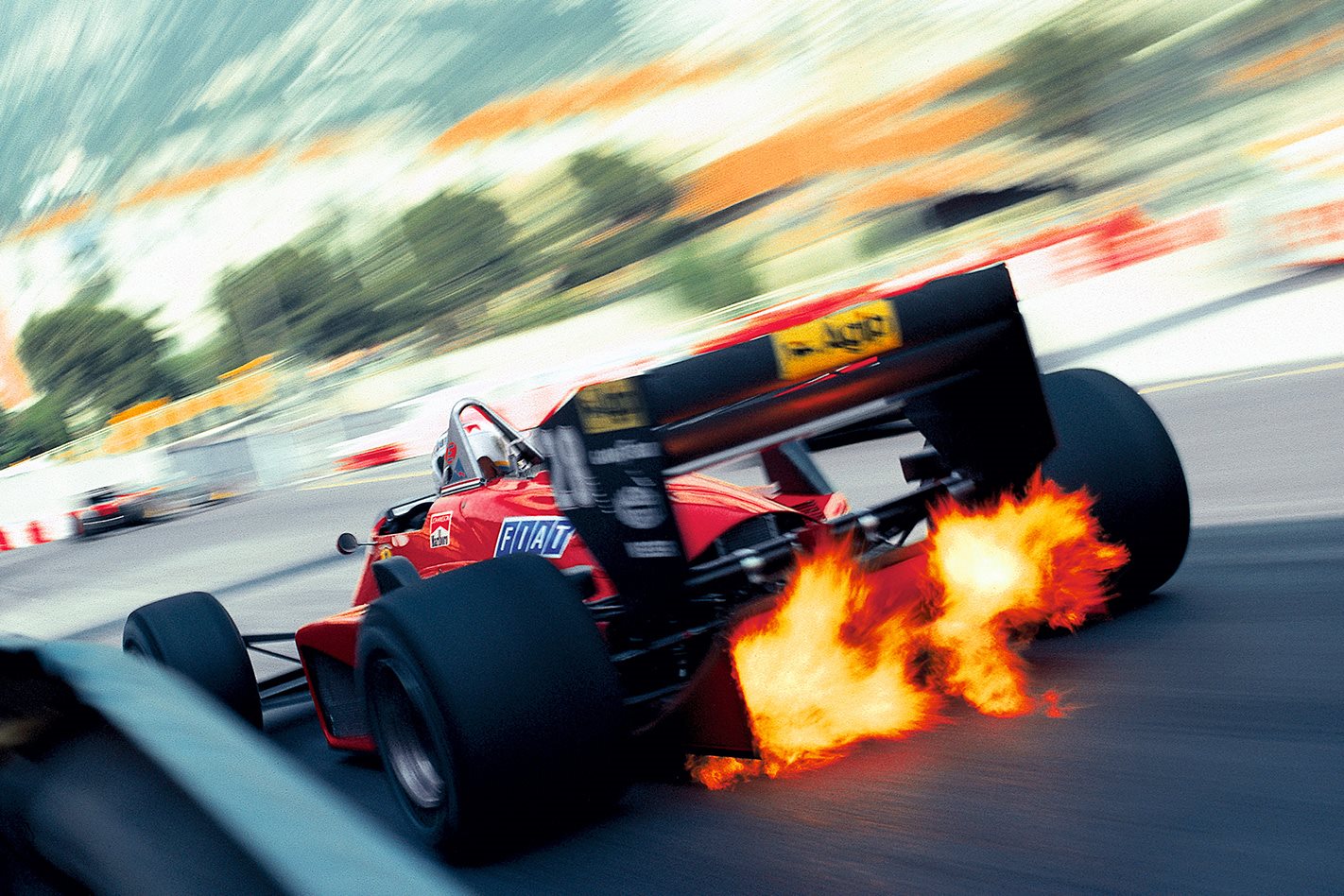
This caused a light bulb to go off: if you want exciting motorsport simply make sure the vehicles are outside their comfort zone. Why are wet F1 races invariably the most entertaining? Simple. Take a car that’s specifically designed to suck itself to the tarmac and remove the one thing it’s built to extract – grip. All of a sudden those finely honed wings and 1000 hybrid-assisted horsepower are at the mercy of four small, slippery contact patches.
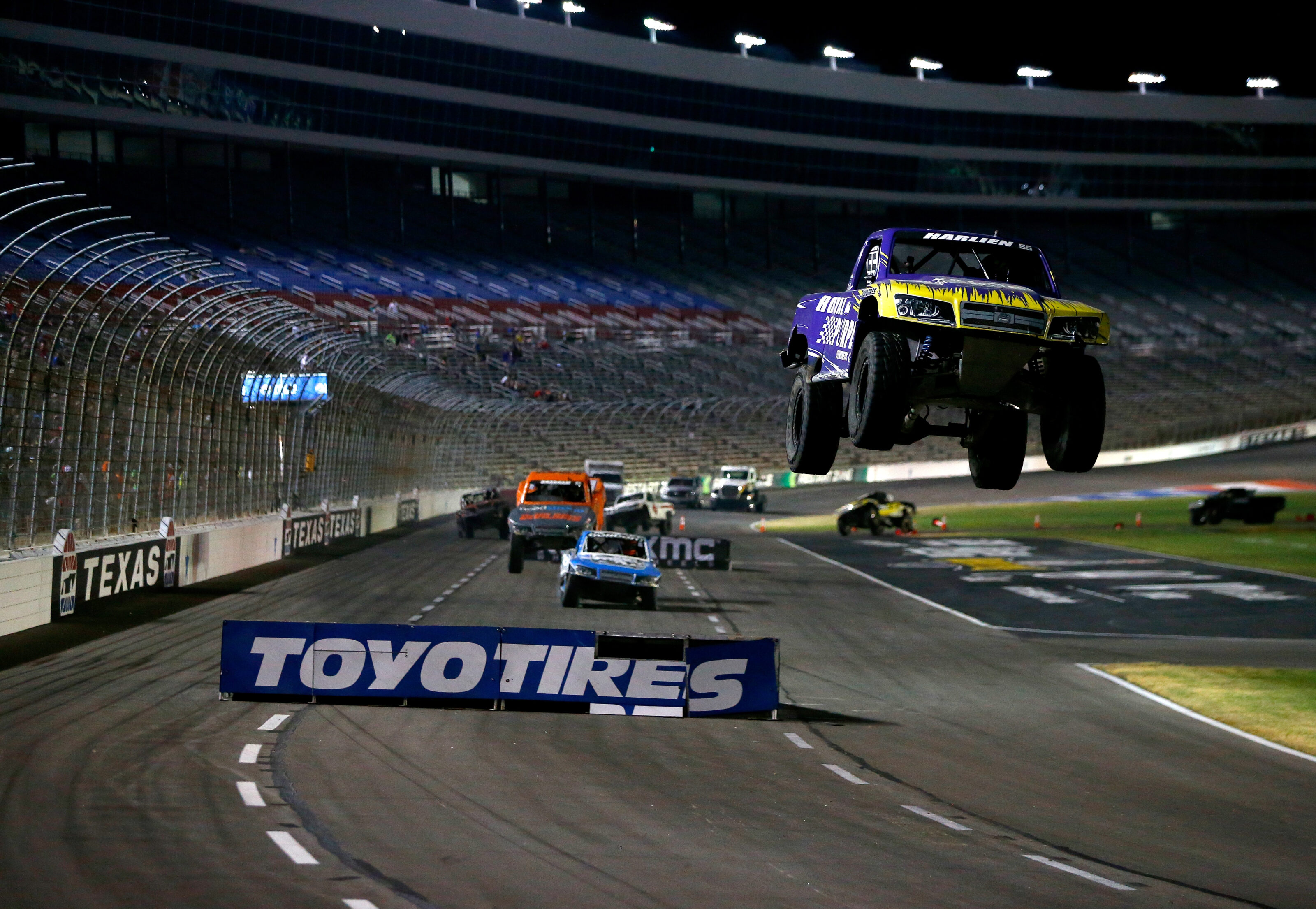
My fellow columnist Cameron Kirby extolled the virtues of Stadium Super Trucks recently and he’ll find no argument here. These bellowing, wheel-standing, oversteering behemoths are another perfect example of this theory: Trophy Trucks are intended to bounce off Baja dunes, not hot lap road courses, yet every race is a must-watch.
There is a clearly defined line, though. As the Kirbster mentioned, race series shouldn’t take themselves too seriously, nor be afraid to try new things, but fans will quickly revolt against any measure that feels contrived. Bernie Ecclestone’s infamous suggestion that random sprinklers be activated during a Grand Prix would certainly have had the desired effect of spicing up the action, but such a solution would feel too artificial, too random. Sport must be entertaining, but must also remain a meritocracy. The proposed reverse-grid format could arguably fall into the same category.
Technical regulations are an opportunity to introduce, if not chaos, then at least a degree of randomness. When Supercars still used an H-pattern manual gearbox drivers were constantly at risk of a mistake, a missed upshift killing momentum or fluffed downshift locking the rears and spinning the car. The move to sequential gearboxes eradicated most of that and if Supercars introduces paddle-shift it’ll disappear completely. F1’s cutting-edge tech regs also used to increase the jeopardy – you never knew when a car was going to meet a fiery doom thanks to an engine/transmission/hydraulics explosion.
This brings me to my final point and the lesson we can take: manufacturers should never, ever be involved in creating either the sporting or technical regulations of a series. They want exposure and a contest but most of all they want control. Control of the variables, control of the message; the last thing they want to do is venture outside the comfort zone. The racing suffers as a result. There’s nothing more exciting than not knowing what’s going to happen next. Though some random zebras certainly don’t hurt.
In a life before cars, I reviewed other things. Books, music, films and as though that wasn’t enough, video games.
Ninety per cent of video games are crap, or at least they were when I was reviewing them. This is something of a tenuous link but the people who designed the Hyundai Venue seem to have taken some inspiration from the wildly successful Minecraft, a blocky, 8-bit style video game that looks like the sort of thing I played on an Apple IIe, not the hugely powerful consoles or gaming PCs the kids have today.
Blocky, upright and bold, the Venue arrived to the light SUV party super late and bumped out its ageing hatchback uncle, the Accent, in the process. Probably even threw glitter on it as it left, just to annoy it.
And with that, the Venue became Hyundai’s entry-level car. A sign of the times when the cheapest car sold by the $13,990 drive-away pioneers is a compact crossover that starts at over twenty grand.
2021 Hyundai Venue Elite Pricing and Features
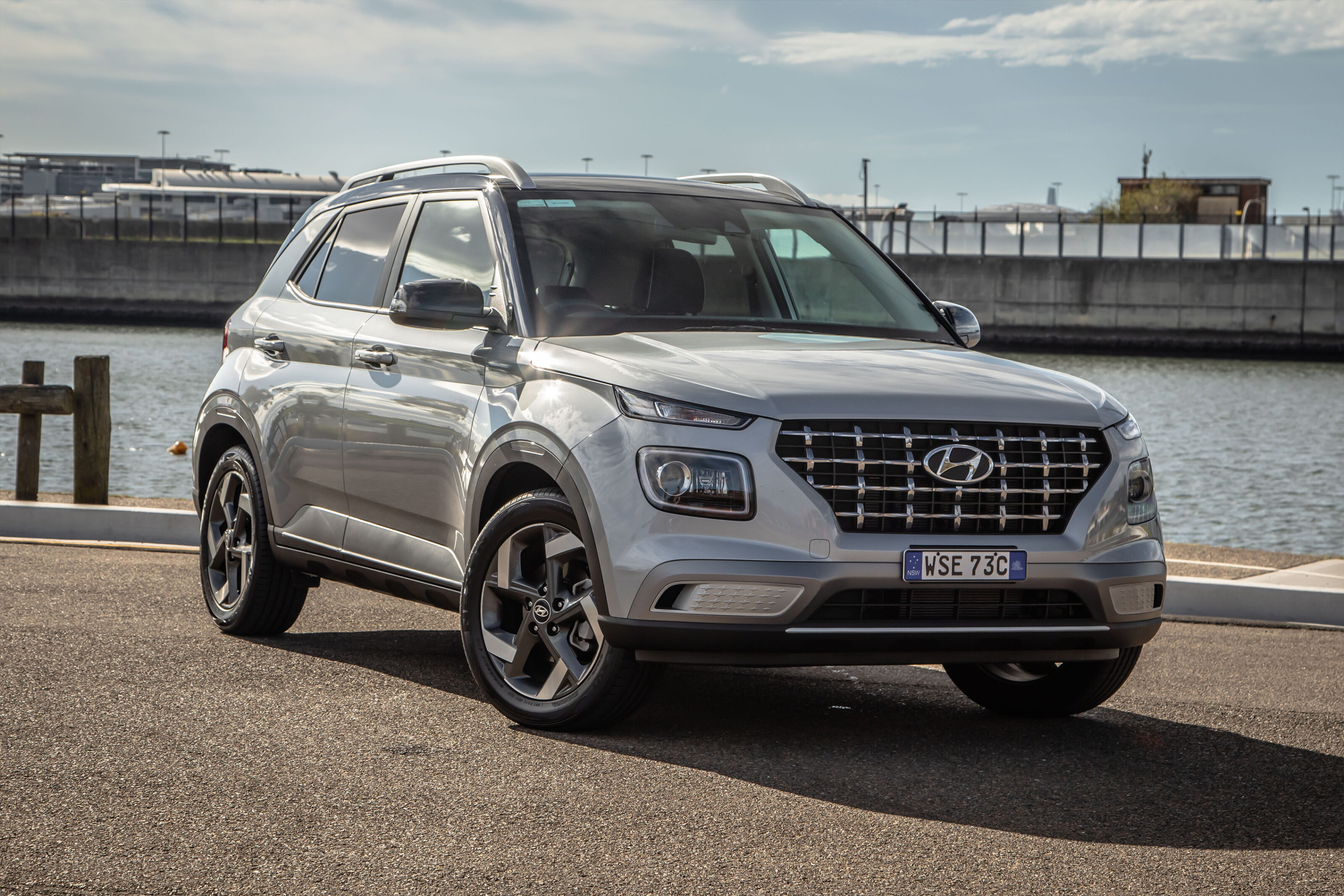
The Venue range is three tall and here at the top is the Venue Elite tested here, bumping into Mazdas, Toyotas and almost a Volkswagen, coming in at $26,740 before on-road costs. Even though it’s tiny, the inexorable rise of small car prices in Australia makes that figure look fairly reasonable, especially when you see what you get.
Shipping from South Korea, the Elite comes with 17-inch alloys, an 8.0-inch touchscreen, six-speaker stereo, single-zone climate control, reversing camera, keyless entry and start, cruise control, sat-nav, auto headlights, auto high beam, power windows and mirrors and a space-saver spare.
The four-star ANCAP rating might look like a problem, but there is an explanation. You get six airbags, ABS, stability and traction controls, forward AEB with pedestrian detection, forward collision warning, reversing camera, lane-keep assist, driver distraction alert, blind-spot monitoring and rear cross-traffic alert.
The AEB pedestrian detection works from 5km/h-60km/h and works at night while the cyclist detection is only rated for day use. For other vehicles, the AEB works up to 180km/h.
The kids are looked after with two ISOFIX points and three top-tether anchors
The Venue scored four ANCAP stars in September 2019. Due to a series of complex ANCAP rules – in this case relating to the type of AEB fitted – the Venue scored four ANCAP stars. The 2021 rules are even tougher so while five stars is pretty common in this segment, it won’t be for much longer. Times change and so must safety standards, but they’re not very well explained by the body that sets them.
2021 Hyundai Venue Elite Comfort and Space
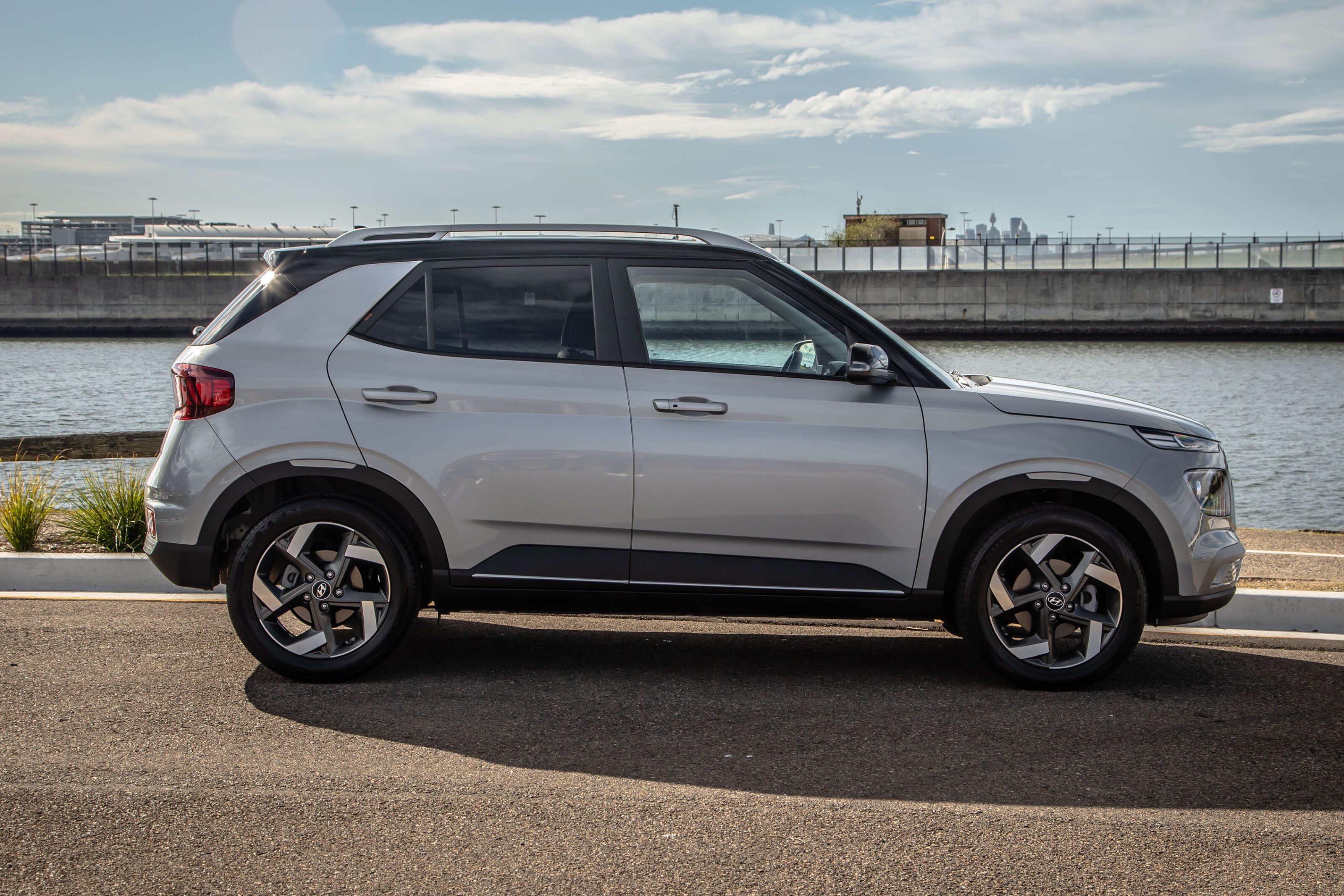
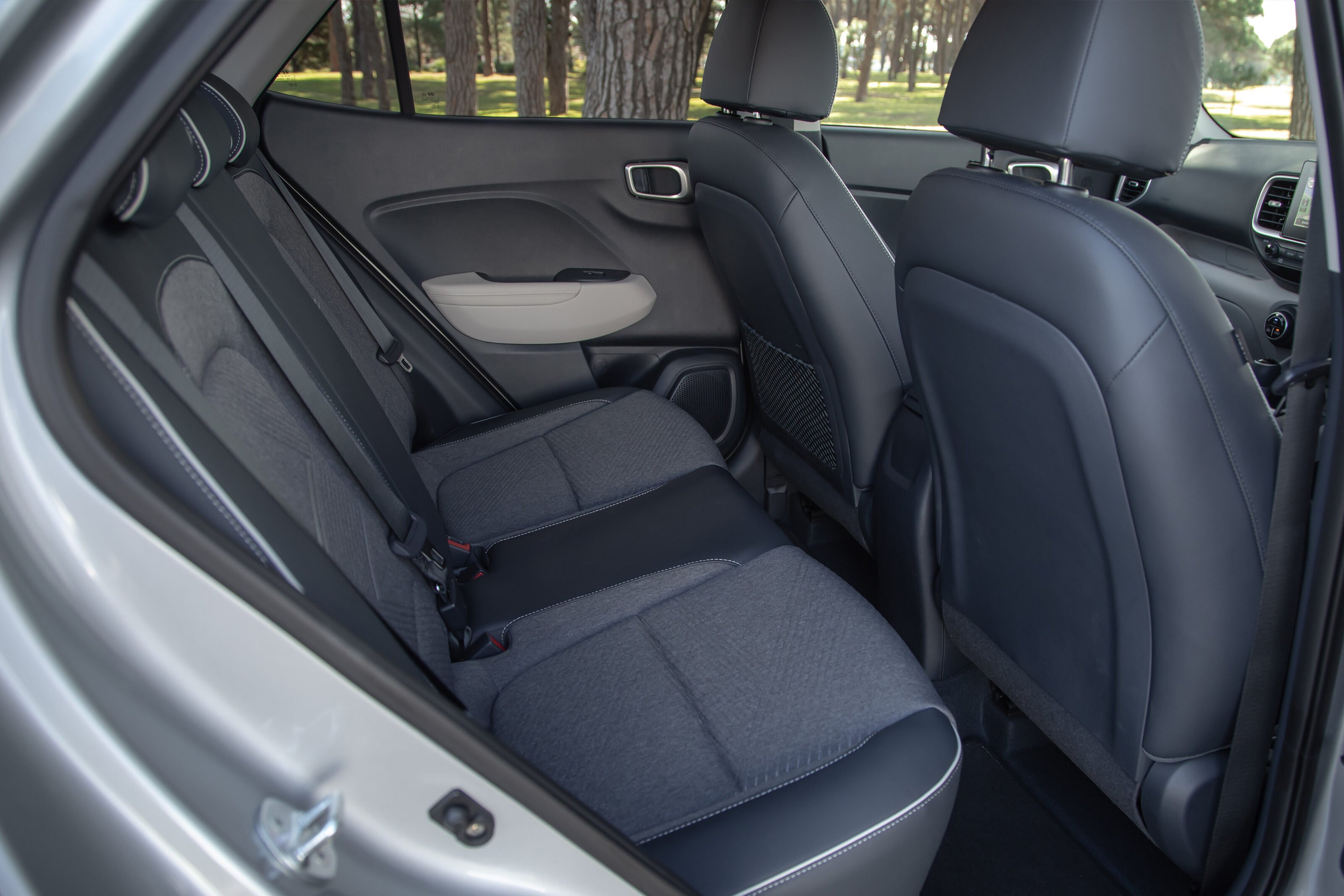
The Venue is pretty small by modern standards – just a smidge over four metres – but it has a pretty decent wheelbase to deliver impressive interior space. The cloth-trimmed seats are all fairly comfortable if less style-focused than the exterior, but the real surprise and delight is in the back seat. Well, at first it is, anyway.
I’m not super-tall but it’s a welcome discovery when I find that I can sit behind my driving position and still have plenty of knee and legroom (relatively speaking). My head comes within a couple of inches of both the roof and the C-pillar, which is a bit claustrophobic for longer trips, but it’s fine for short trips. Less fine for short trips is the lack of, well, anything else here in the back, like an armrest or, as I believe is considered important, cupholders. No rear vents, of course, but the doors will hold a small bottle each.
Bottom line is that you can fit two adults in the back in reasonable comfort, but few humans will be happy in the middle seat due to the Venue’s narrow dimensions.
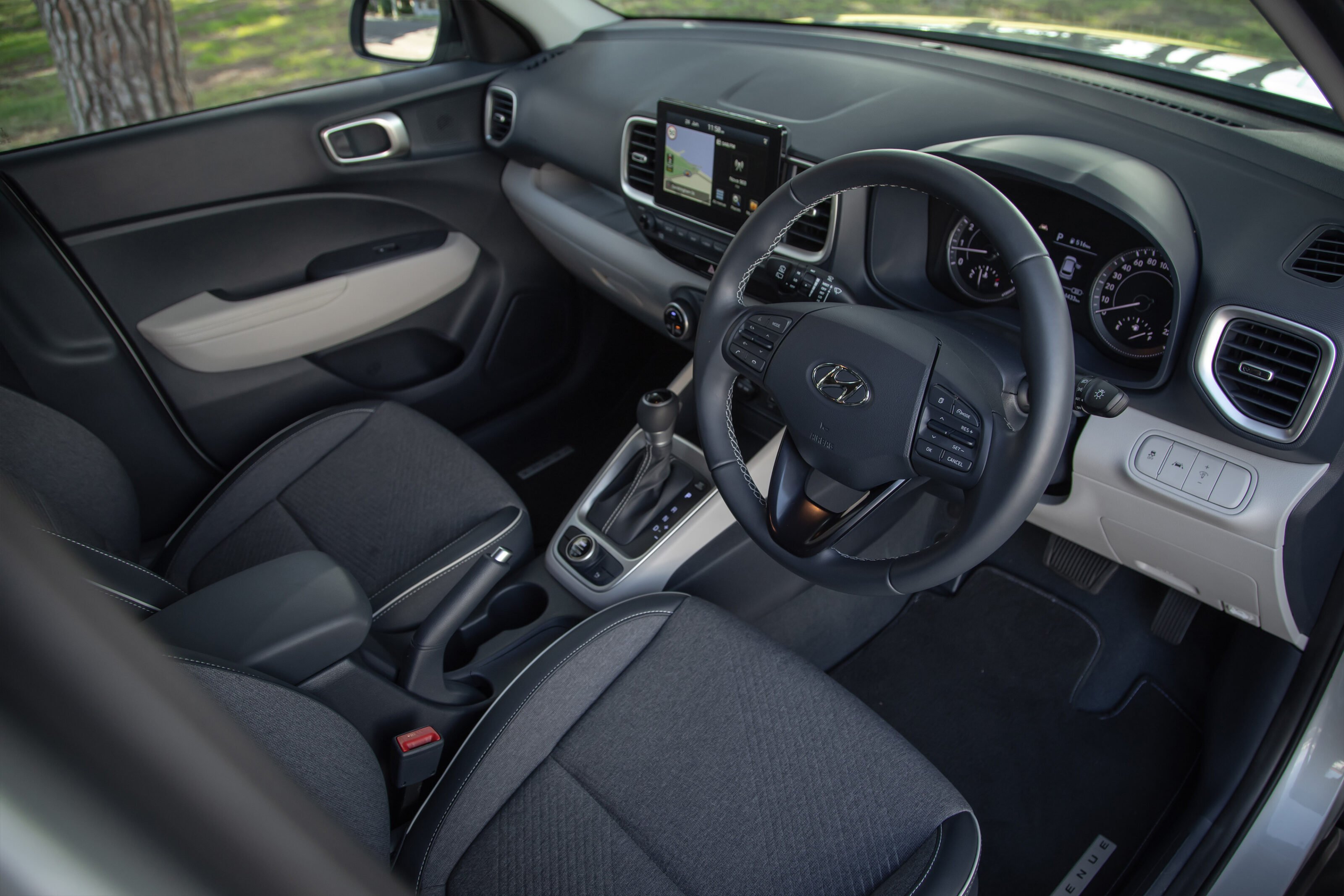
Up front there is just one USB port and one 12V outlet, two cupholders and a matching pair of bottle holders in the doors. There is also a Toyota-style shelf in front of the passenger in the split-level, two-tone dash.
The boot is where the real action can be found. Class competitive at 355 litres, it has a moveable false floor to add some depth should you need to load something a bit tall. Hyundai doesn’t supply a seats-down figure, but it’s probably around the 1000 litre mark and the space is wide, with the seats folding down almost flat and the space doesn’t have a step with the boot floor in the higher position. Quite handy, really.
Under the boot floor, you’ll find the space-saver spare.
The 8.0-inch touchscreen hosts an updated but older version of Hyundai’s media software but annoyingly loses the wireless CarPlay and Android Auto capability of the Active and entry-level Venues. I think it’s something to do with the satellite navigation inclusion that the other two don’t have. The six-speaker audio system is powerful and clear enough for this little car.
2021 Hyundai Venue Elite On the Road
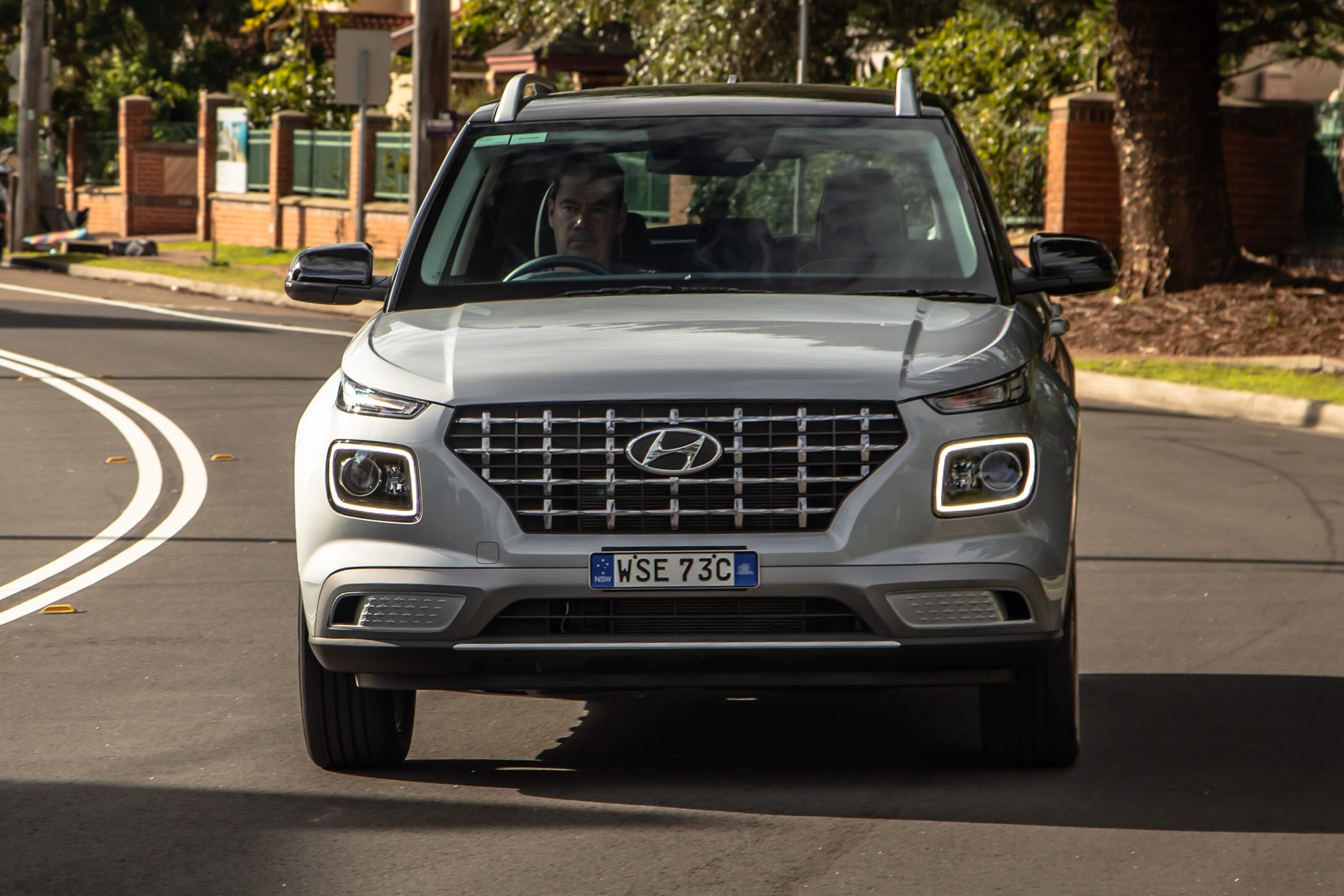
There’s a surprising amount of talent in this class, so the Venue has to be good. The 1.6-litre engine is not going to wake up the neighbours with just 90kW at a high-ish 6300rpm and nor will it drag them out of bed with 151Nm at another high-ish 4850rpm. The variety of engine types in this class is more interesting than the class above, with the Venue going up against small-capacity turbos, three-cylinders and even a 2.0-litre four-cylinder.
The six-speed auto is welcome as it’s not one of those CVTs that afflict many small cars. This transmission is well-calibrated for punching around town, with an enthusiastic pick-up to help get you going with the limited power and torque on offer.
While the engine is largely characterless and a bit gritty under full throttle, it’s perfectly happy to pull past the peak torque figure before the transmission wisely sends you to the next cog. The power deficit is really only apparent when you’re trying to overtake or you’re loaded up and going uphill on a freeway.
he six-speed auto is welcome as it’s not one of those CVTs that afflict many small cars. This transmission is well-calibrated for punching around town, with an enthusiastic pick-up.
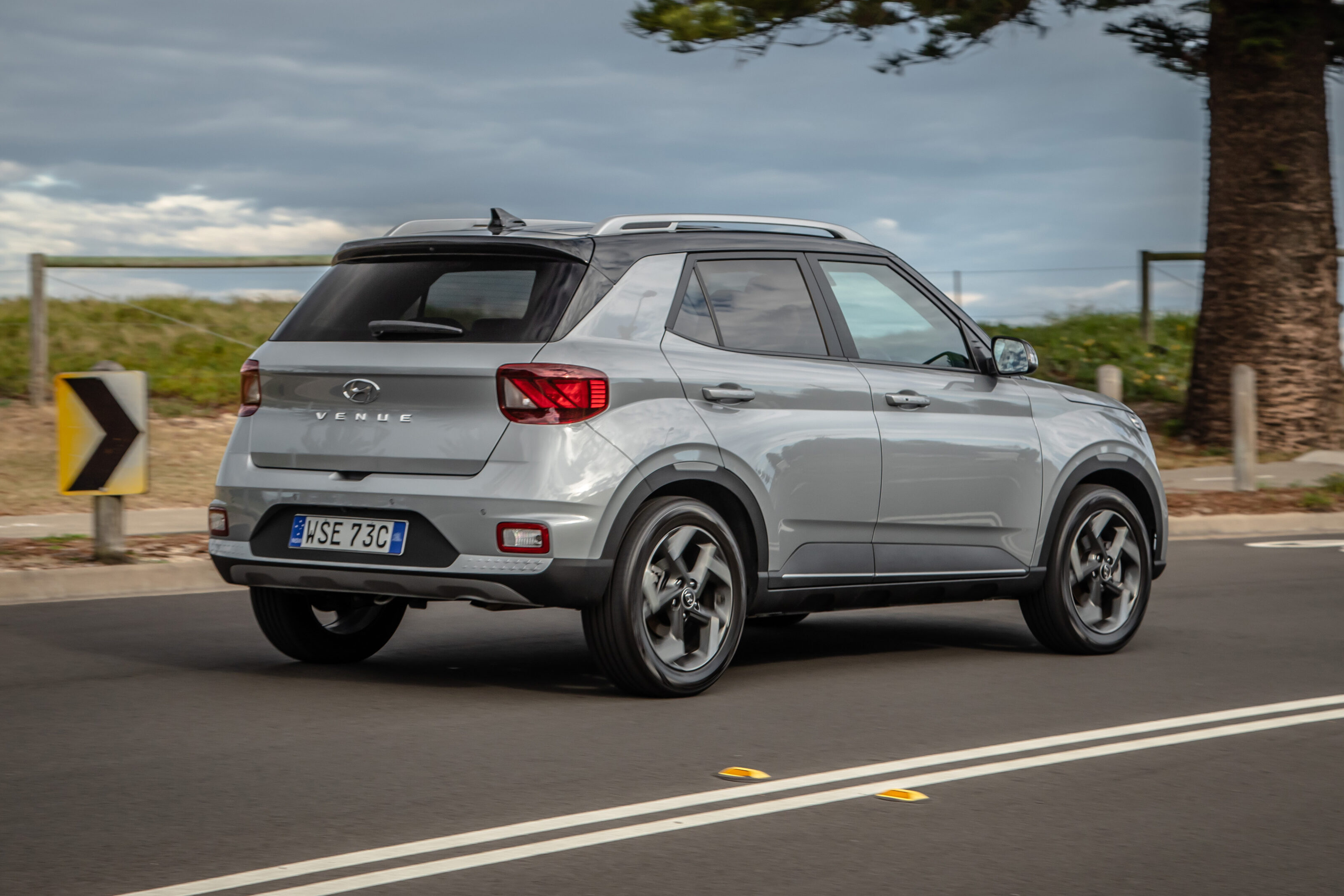
Aside from that, with its small size, handily quick steering (2.7 turns lock-to-lock) and a pretty decent amount of grip from the 215/55 tyres, the Venue is good fun to get around in.
It’s not a back-road tearer, but if the mood takes you one day, you’ll have a bit of fun in some twisties, although the tyres will ensure safe understeer will set in before you get too excited. The body does roll a little, but it’s very well controlled and sticks with Hyundai’s recent form of well-sorted chassis.
The MacPherson struts up front and torsion beam rear behave themselves most of the time, delivering a good ride and handling balance and only really upsetting occupants over sharp bumps or, less regularly, mid-corner bumps. What it doesn’t do is take any crap from potholes and rubbish surfaces, the composure holding until things get really broken.
On top of that, it’s super-easy to park pretty much anywhere.
The Venue drinks 91 RON and the official combined figure of 7.2L/100km seems achievable since I got 7.9L/100km (indicated) in mostly city driving.
2021 Hyundai Venue Elite Ownership
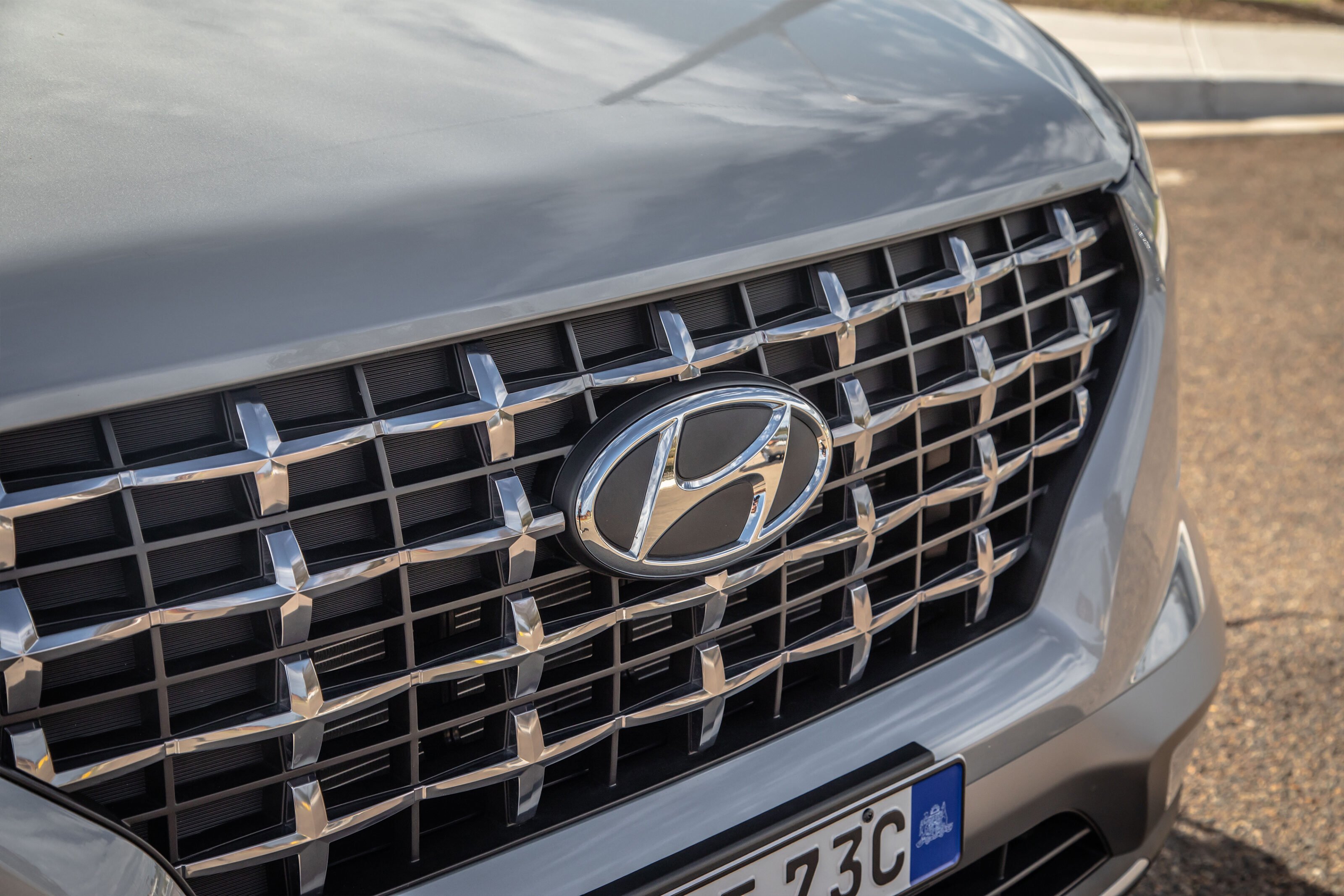
Hyundai offers a five-year warranty with unlimited kilometres, a 12-month roadside assist package and capped-price servicing. If you stick with dealer servicing, you get a yearly extension on the roadside assist for up to a decade, which I think only Hyundai offers, along with lifetime capped-price servicing.
Servicing comes around every 12 months/15,000km. The first five intervals amount to $1575, for an average of $315 a service, which is competitive rather than outright cheap. A Yaris Cross, for instance, is cheaper to service but costs a lot more to buy. You can also pre-pay three, four or five years of servicing, which often activates some sort of offer with Hyundai finance.
VERDICT
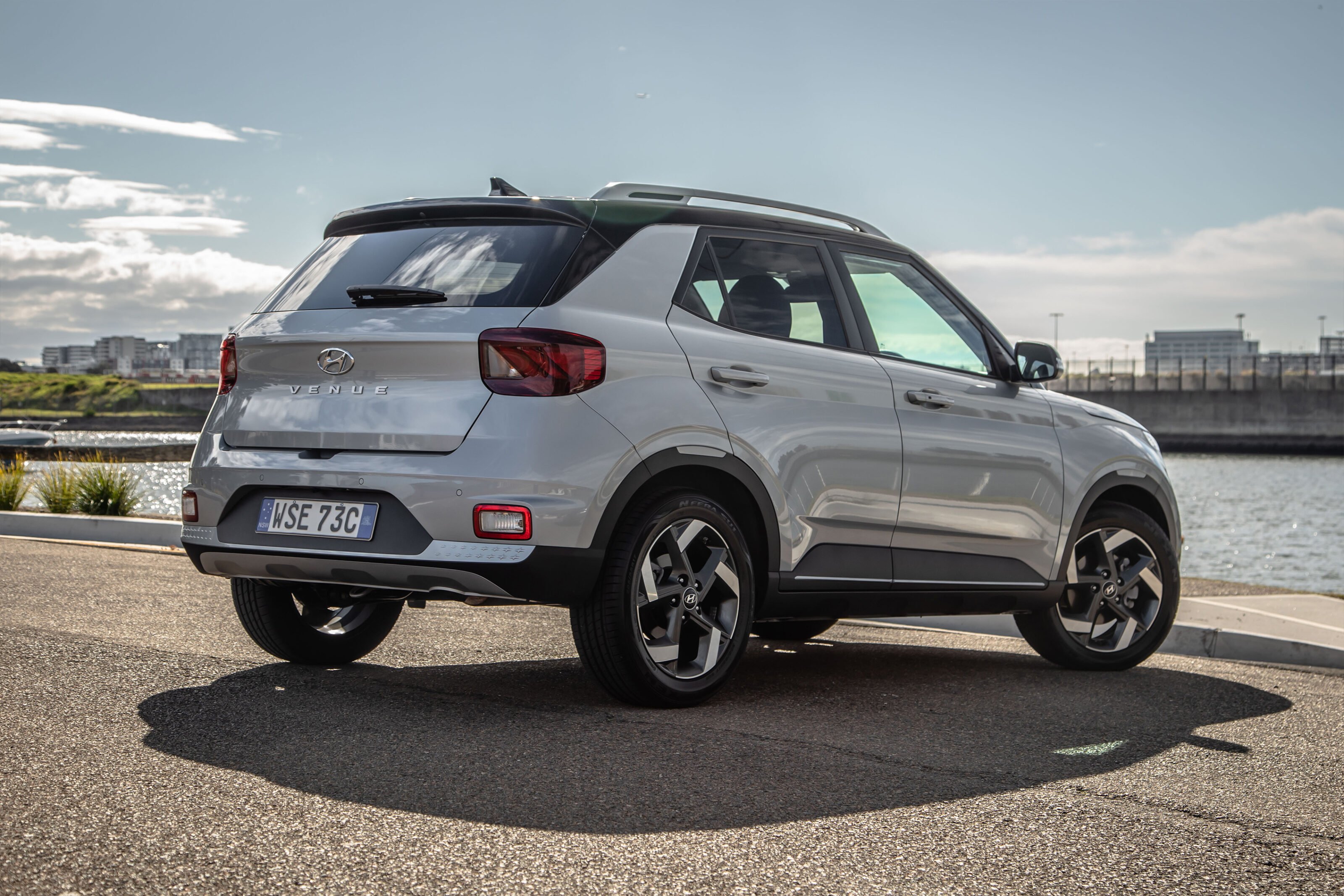
The Venue Elite is fun, chunky and funky. I’m not sure a top-spec light SUV is the kind of car the market is clamouring for, but some people are game enough to pay into the $40,000s for a Mazda CX-3, albeit with a bigger engine, all-wheel drive and other bits and pieces.
What I really like about the Venue is the styling and overall driving experience, even if the engine is a bit ho-hum.
Small SUV buyers seem to have a fairly narrowly defined set of requirements and the Venue certainly hits them. I just reckon that the best of what the Venue offers – decent tech, fun to drive and those looks – are taken care of by the cheaper versions.
The compelling bits of the Elite are a couple of extra safety features (good) and the sat-nav (meh). If that’s worth a grand or two extra to you, go for it.
2021 Hyundai Venue Elite Specifications
| Body: | five-door compact SUV |
|---|---|
| Drive: | front-wheel drive |
| Engine: | 1.6-litre four-cylinder |
| Transmission: | six-speed automatic |
| Power: | 90kW @ 6300rpm |
| Torque: | 151Nm @ 4850rpm |
| Bore stroke (mm): | 77.0 x 85.4 |
| Compression ratio: | 10.5 : 1.0 |
| 0-100km/h: | 11 sec (estimate) |
| Fuel consumption: | 7.2L/100km (combined) |
| Weight: | 1225kg |
| Suspension: | MacPherson struts (front); torsion beam (rear) |
| L/W/H: | 4040/1770/1592mm |
| Wheelbase: | 2520mm |
| Brakes: | 280mm ventilated disc (front); 262mm solid disc (rear) |
| Tyres: | 205/55 R17 Nexen |
| Wheels: | 17-inch alloy wheels (space saver spare) |
| Price: | $26,740 + ORC |
