
Snapshot
- More safety tech onboard
- Four trim grades still available
- Pricing yet to be revealed at debut
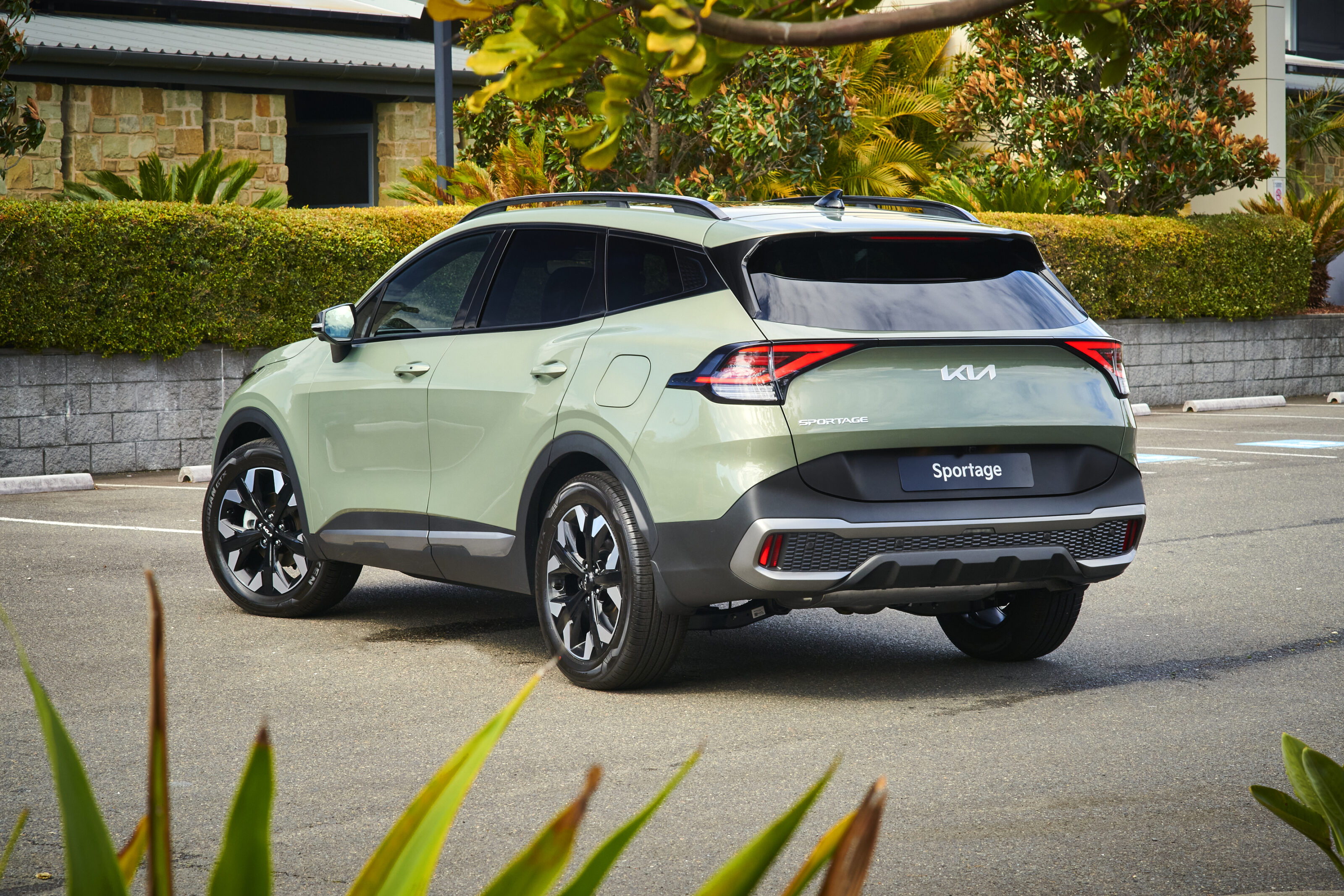
The 2022 Kia Sportage will bring a significantly increased level of safety and convenience features across the range from its October launch.
Kia Australia has this week confirmed the specifications for the all-new, fifth-generation mid-sized SUV, which will again comprise the S, SX, SX+ and GT-Line trim grades.
Every model will provide more equipment than before in return for price increases, which will be confirmed closer to the new Sportage’s showroom debut.
The outgoing Sportage range spans $30,490 and $47,090 before on-road costs.
Notable features for the base S include LED headlights, blind-spot and rear cross-traffic monitoring, and adaptive cruise control (autos only), which were previously available only on the range-topping GT-Line.
Every Sportage now includes lane follow assist, tyre pressure monitoring, multi-collision brake, and camera-based speed-limit recognition.
Auto high-beam and driver attention assist are expected to be retained.
The Sportage also gains the front centre airbag first introduced on the Sorento and designed to prevent the driver and front passenger from clashing heads in the event of a heavy side impact.
For infotainment, the S steps up from a 7.0-inch to 8.0-inch touchscreen, adds digital radio and multi-device bluetooth connectivity, and offers wireless Apple CarPlay/Android Auto where other grades require a smartphone to be plugged into a USB socket.
Stepping up to the SX brings key items such as 18-inch wheels (over 17s), a larger infotainment touchscreen with integrated navigation, dual-zone climate control, rain-sensing wipers, front parking sensors (adding to rear sensors), electric lumbar adjustment for the driver’s seat, one-touch front windows, and release levers for the folding second-row seats.
However, the new SX loses the JBL audio system included with the outgoing model, instead featuring a regular six-speaker set-up.
The SX+ tempts buyers with the likes of 19-inch alloy wheels, keyless entry and start, artificial-leather seats with electric adjustment for the driver, a Harman Kardon audio system, and an auto gesture tailgate.
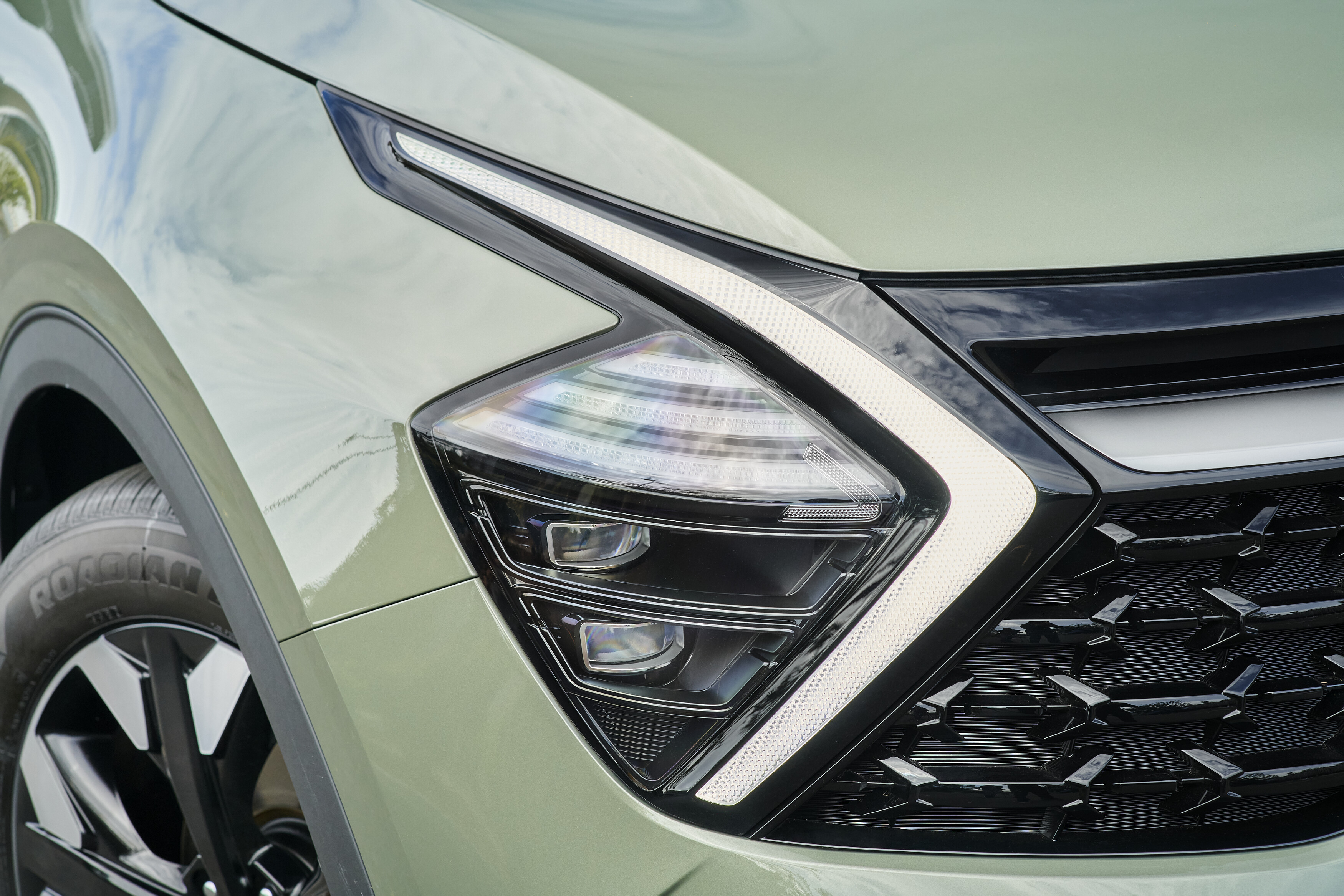
LED foglights, paddleshift levers and heated front seats are new features which have cascaded down from the outgoing GT-Line.
The 2022 version of the flagship Kia Sportage GT-Line is also more extensively equipped.
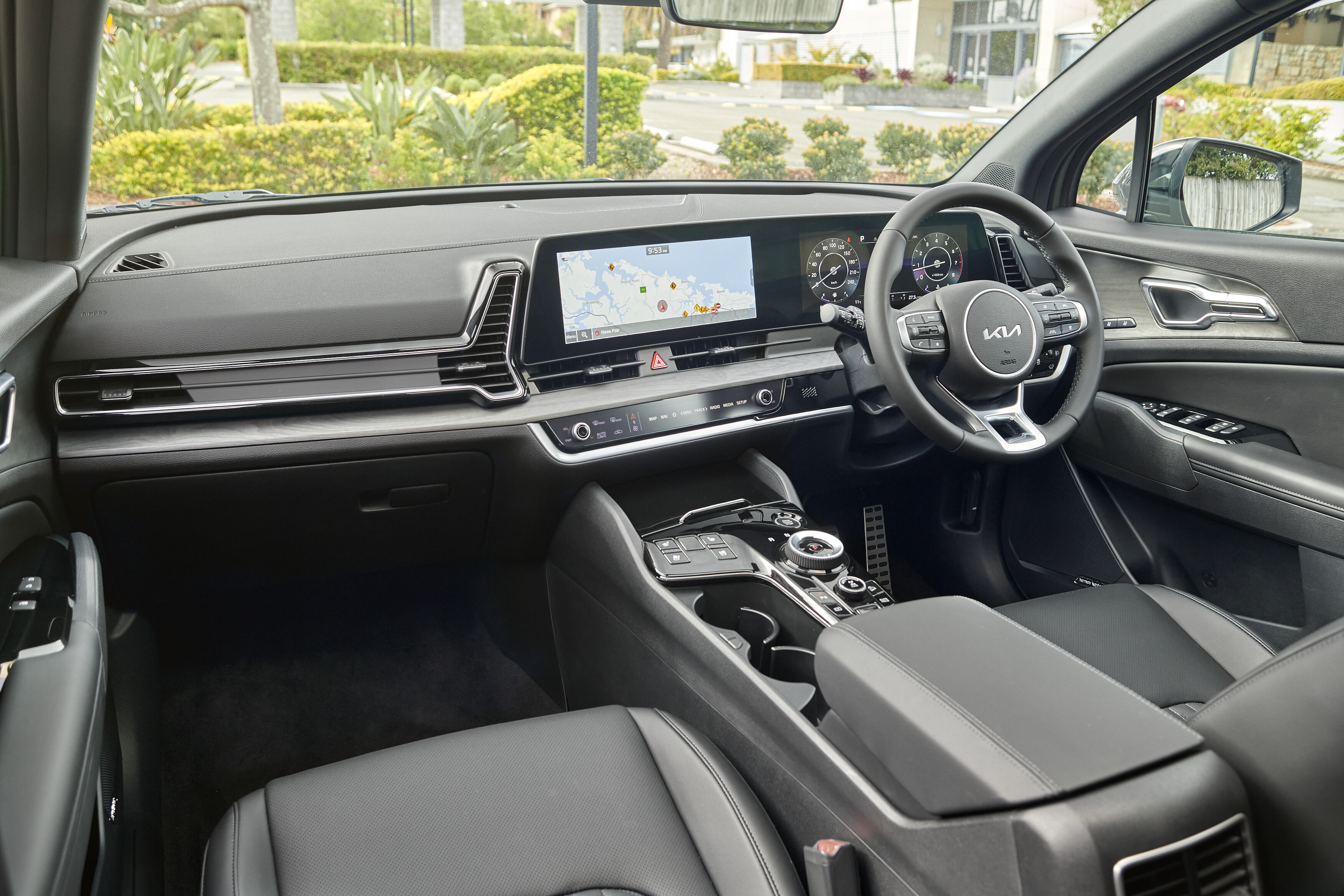
It features full-leather upholstery where it was previously leather-appointed, it gains a 3D surround-view monitor, and it’s the only model in the range to have a curved, panoramic digital display comprising 12.3-inch infotainment touchscreen and 12.3-inch instrument cluster. The latter incorporates the camera-based blind-spot collision assist.
The GT-Line’s interior also includes ventilation for the front seats, electric adjustment for the front passenger seat, electric panoramic sunroof, LED interior lights, ambient mood lamp, alloy sports pedals.
Kia’s Uvo telematics system – which allows a smartphone or smartwatch to remotely control some functions (climate, engine start, lock/unlock) and access certain vehicle information – is still under consideration for the Australian market.
A shift-by-wire rotary transmission dial is exclusive to the GT-Line, where other models use a regular gear lever.
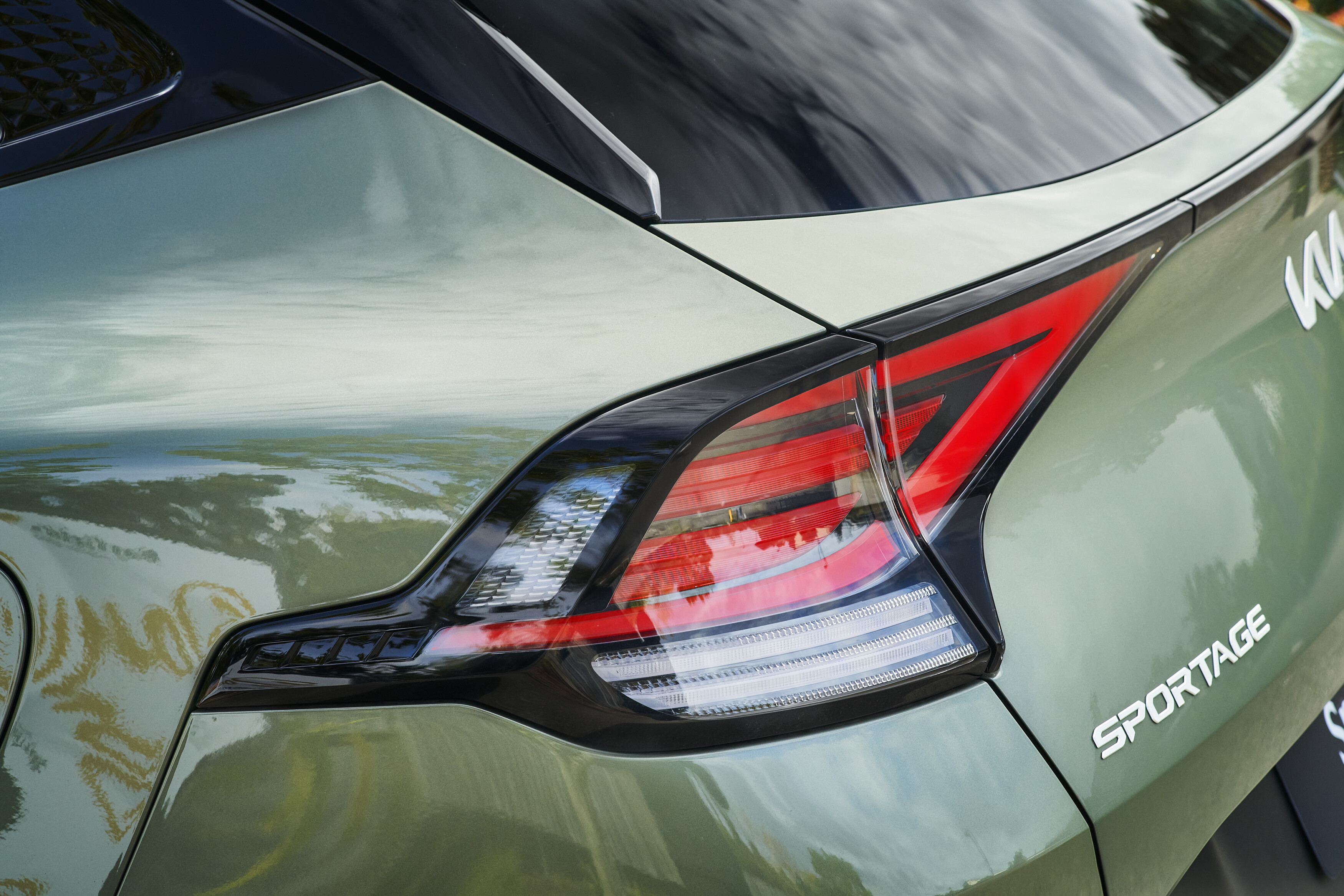
The exterior stands out with 19-inch machined-alloy wheels, dual LED headlights, and full LED tail-lights (other models partial LED tail-lights).
Remote parking assist is available on the diesel GT-Line.
In another change from the outgoing Sportage, all automatic variants feature an electronic park brake.
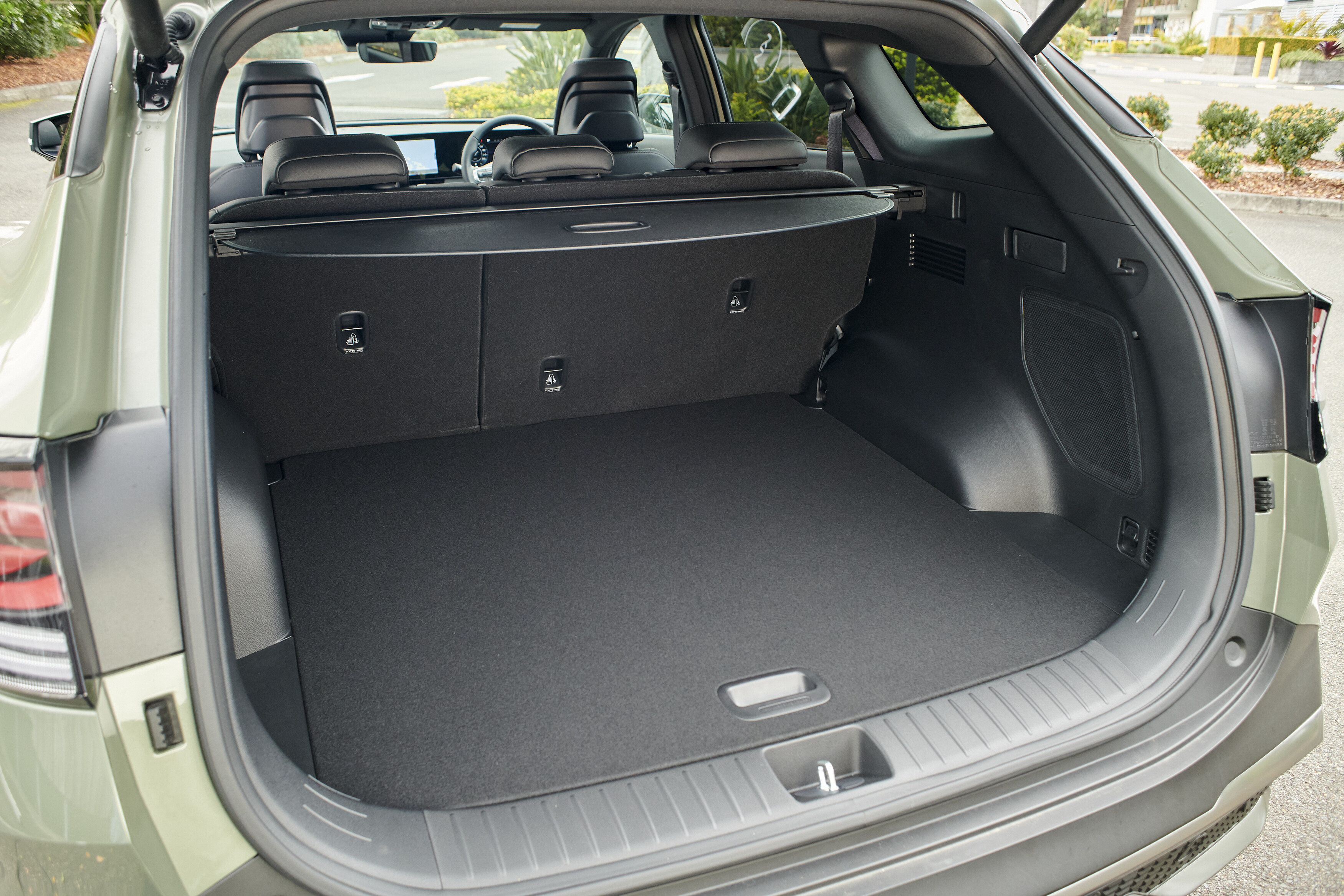
The larger, fifth-generation Kia Sportage – which will bring increased cabin and boot space – is available with a choice of engines, depending on trim grade.
All four grades are available with a carry-over 2.0-litre four-cylinder turbo diesel with 137kW and 416N distributed to four wheels via an eight-speed auto.
A 2.0-litre four-cylinder petrol with 115kW and 192N also continues for front-wheel-drive Sportages, with S and SX variants available with either a six-speed manual or six-speed auto.
The auto-only SX+ is the only grade available with three engine options, adding a 1.6-litre turbocharged four-cylinder with 132kW and 265Nm borrowed from its cousin, the Hyundai Tucson.
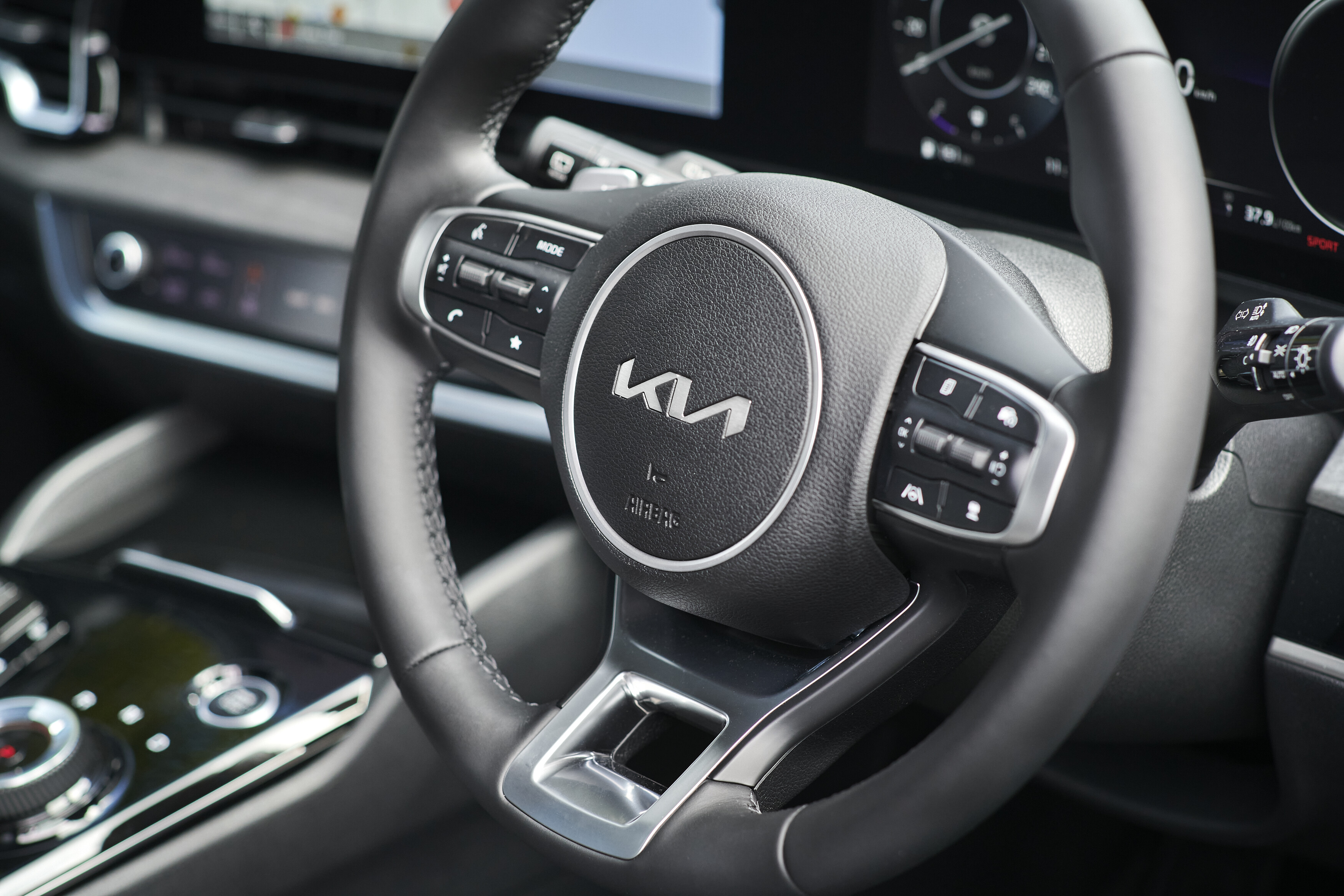
This all-wheel-drive turbo drivetrain is the sole petrol offering on the flagship GT-Line.
Kia Australia has for now ruled out the plug-in hybrid Sportage to join the Sorento PHEV large SUV due later this year.
Several new exterior colours have been created for the 2022 Sportage, including fusion black, vesta blue, dawning red, and jungle wood green.
Beyond the standard clear white, there’s also steel grey and snow white pearl.
Snow white pearl and jungle wood green aren’t available for the base Sportage.
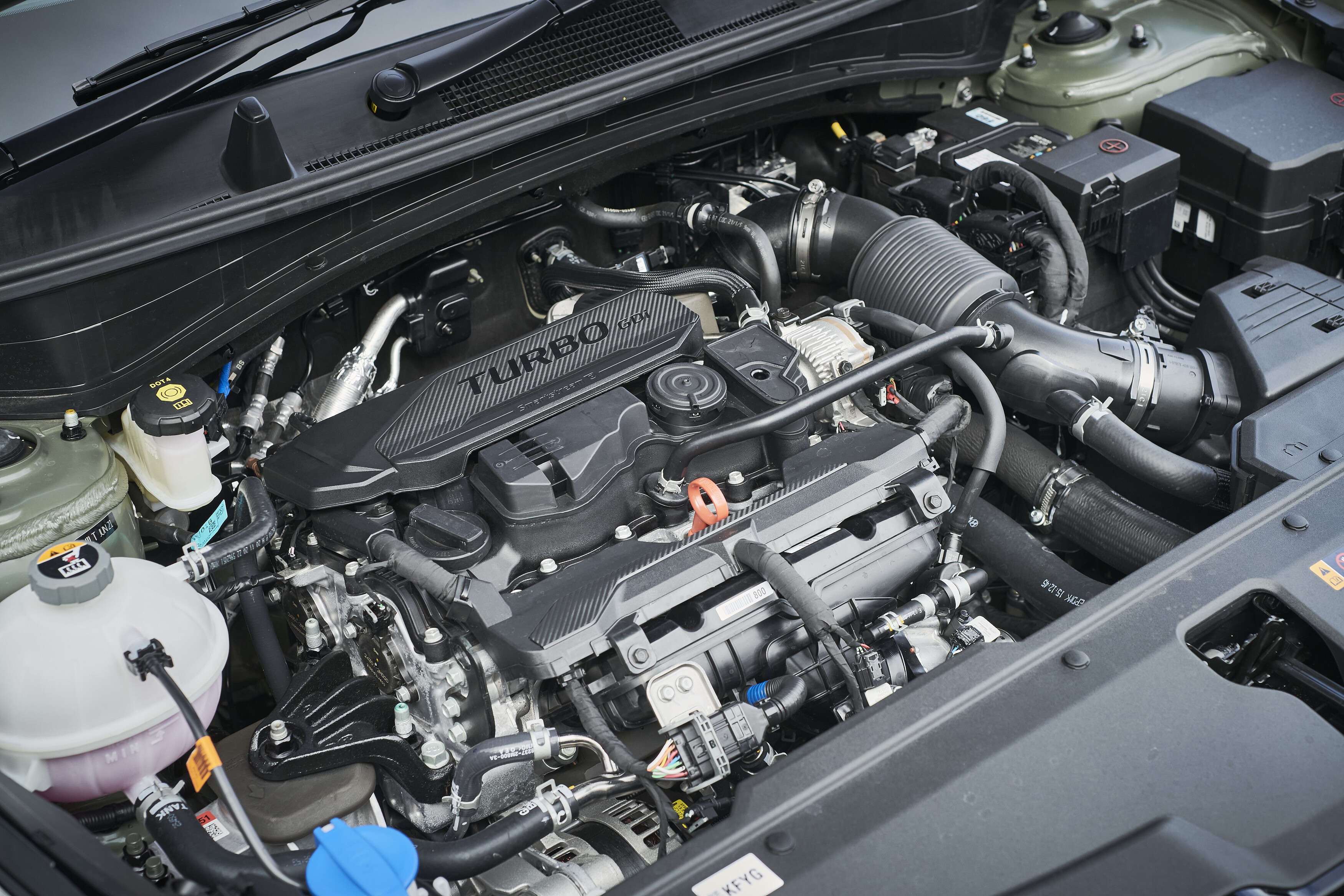
SPORTAGE S
Drivetrain options
| 115kW/192Nm 2.0L FWD petrol 6-speed manual |
| 115kW/192Nm 2.0L FWD petrol 6-speed auto |
| 137kW/416Nm 2.0L AWD diesel 8-speed auto |
Key features
| 8.0-inch infotainment touchscreen |
| 4.2-inch multifunction driver display |
| Digital radio |
| Wireless Apple CarPlay/Android Auto |
| LED headlights and tail-lights |
| LED daytime running lights |
| 17-inch machined-alloy wheels |
| Leather steering wheel |
| Blind-spot monitoring |
| Adaptive cruise control |
| Speed-limit sign reading |
| Lane follow assist |
| Lane keep assist |
| Front centre airbag |
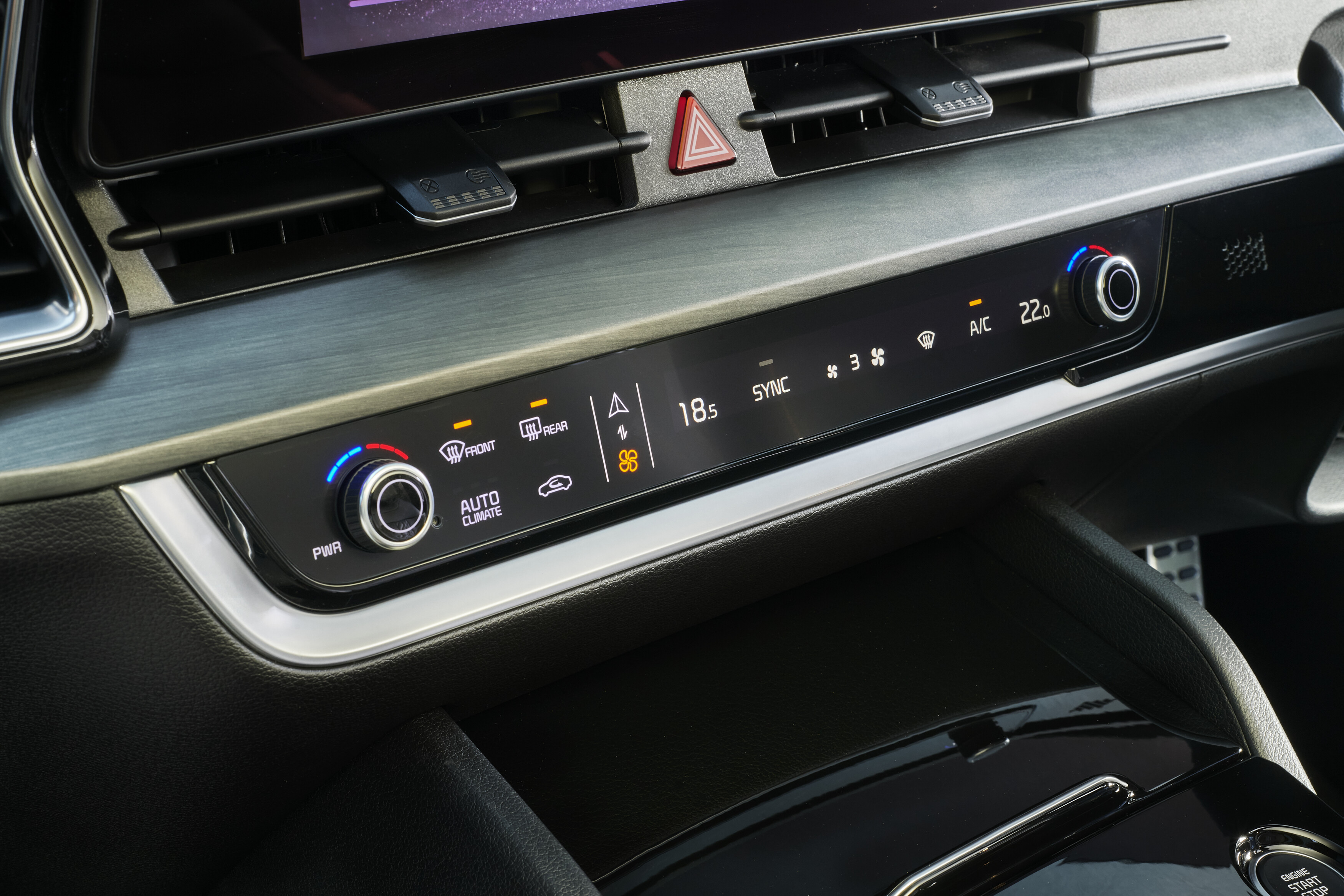
SPORTAGE SX
Drivetrain options
| 115kW/192Nm 2.0L FWD petrol 6-speed manual |
| 115kW/192Nm 2.0L FWD petrol 6-speed auto |
| 137kW/416Nm 2.0L AWD diesel 8-speed auto |
Key features over S
| 18-inch machined-alloy wheels |
| 12.3-inch infotainment touchscreen |
| Integrated navigation |
| Plug-in Apple CarPlay/Android Auto |
| Dual-zone climate control |
| Rain sensors |
| Front parking sensors (adding to rear sensors) |
| Driveru2019s seat electric lumbar adjust |
| Leather gear lever |
| Auto front windows |
| Remote folding second-row seats |
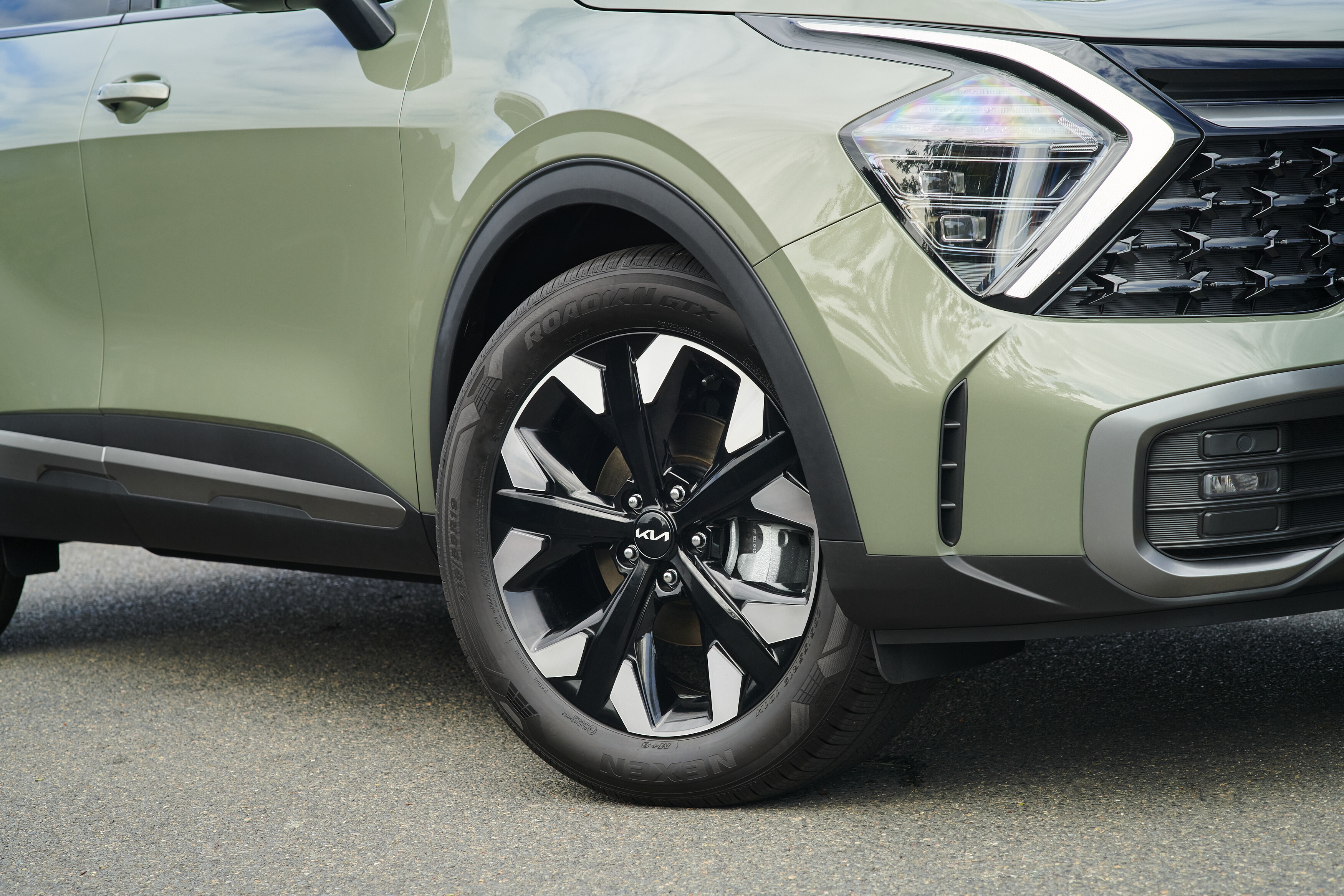
SPORTAGE SX+
Drivetrain options
| 115kW/192Nm 2.0L FWD petrol 6-speed auto |
| 132kW/265Nm 1.6L AWD petrol turbo 7-speed dual-clutch auto |
| 137kW/416Nm 2.0L AWD diesel 8-speed auto |
Key features over SX
| 19-inch alloy wheels |
| Harman Kardon audio system |
| Artificial-leather seats |
| LED foglights |
| Heated front seats |
| Electric driveru2019s seat |
| Auto gesture tailgate |
| Paddleshift levers |
| Keyless entry/start |
| Tinted rear glass |
SPORTAGE GT-LINE
Drivetrain options
| 132kW/265Nm 1.6L AWD petrol turbo 7-speed dual-clutch auto |
| 137kW/416Nm 2.0L AWD diesel 8-speed auto |
Key features over SX+
| 19-inch machined-alloy wheels |
| Curved 12.3-inch + 12.3-inch digital cluster and infotainment displays |
| Leather seats with suede upper |
| Electric passenger seat |
| Ventilated (and heated) front seats |
| Dual LED headlights |
| Wireless phone charging |
| Shift-by-wire rotary dial |
| Panoramic sunroof |
| LED interior lights |
| Ambient mood lamp |
| Alloy sports pedals |
| Surround view |
| Remote park assist (diesel only) |
| Blind-spot collision assist (video feed) |
Snapshot
- Over 3600 Outlanders recalled from 2013-2020
- PHEV models may have been fitted with low quality batteries
- Can cause harm in the event of an accident
Mitsubishi has recalled 3,677 Outlanders sold between 2013 and 2020 over fears an incorrect battery may be fitted to the PHEV variants of the SUV.
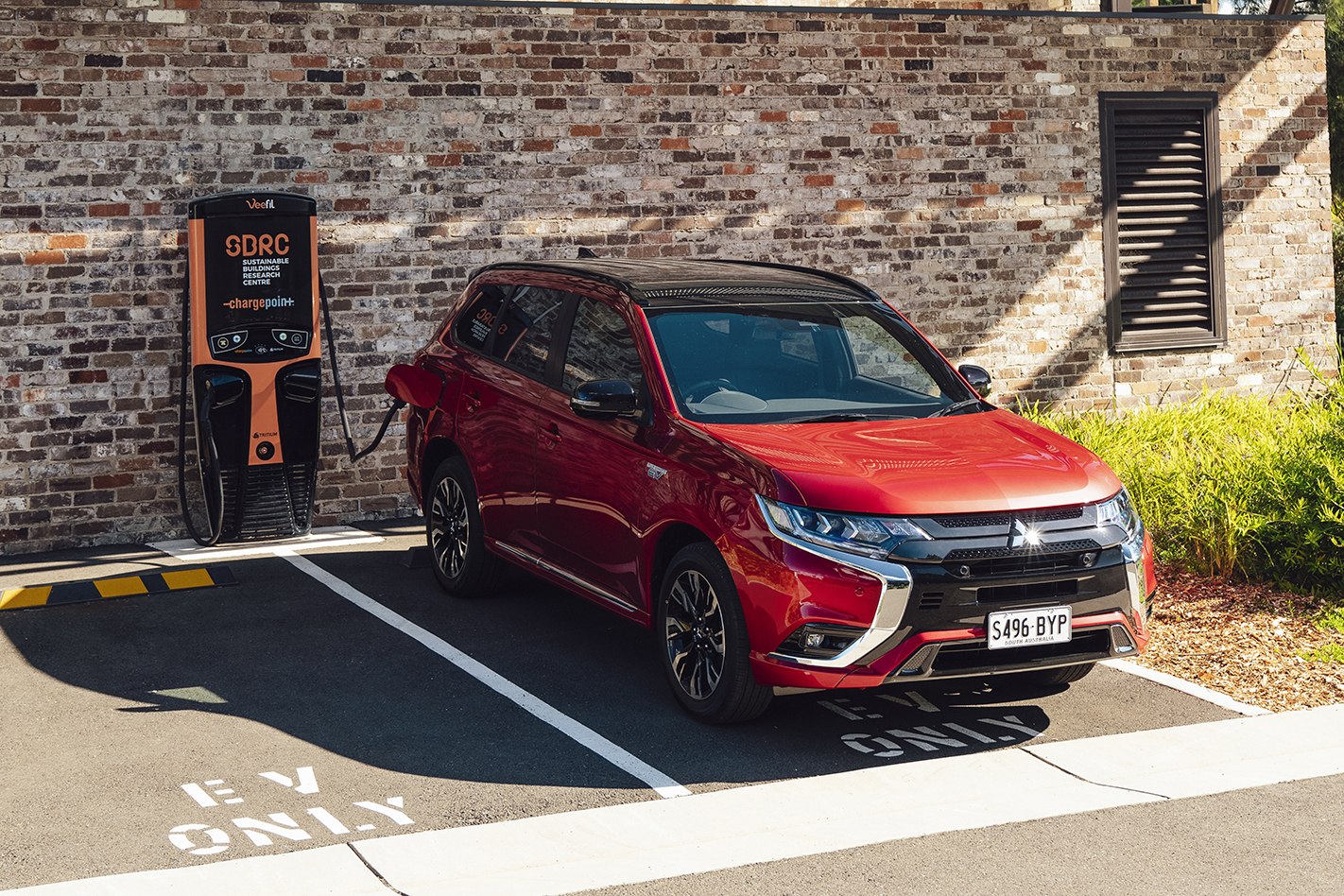
The recall states that the 12 volt AGM (absorbent glass mat) battery found in the rear may have been replaced with a non-AGM battery before, or after, the cars were sold.
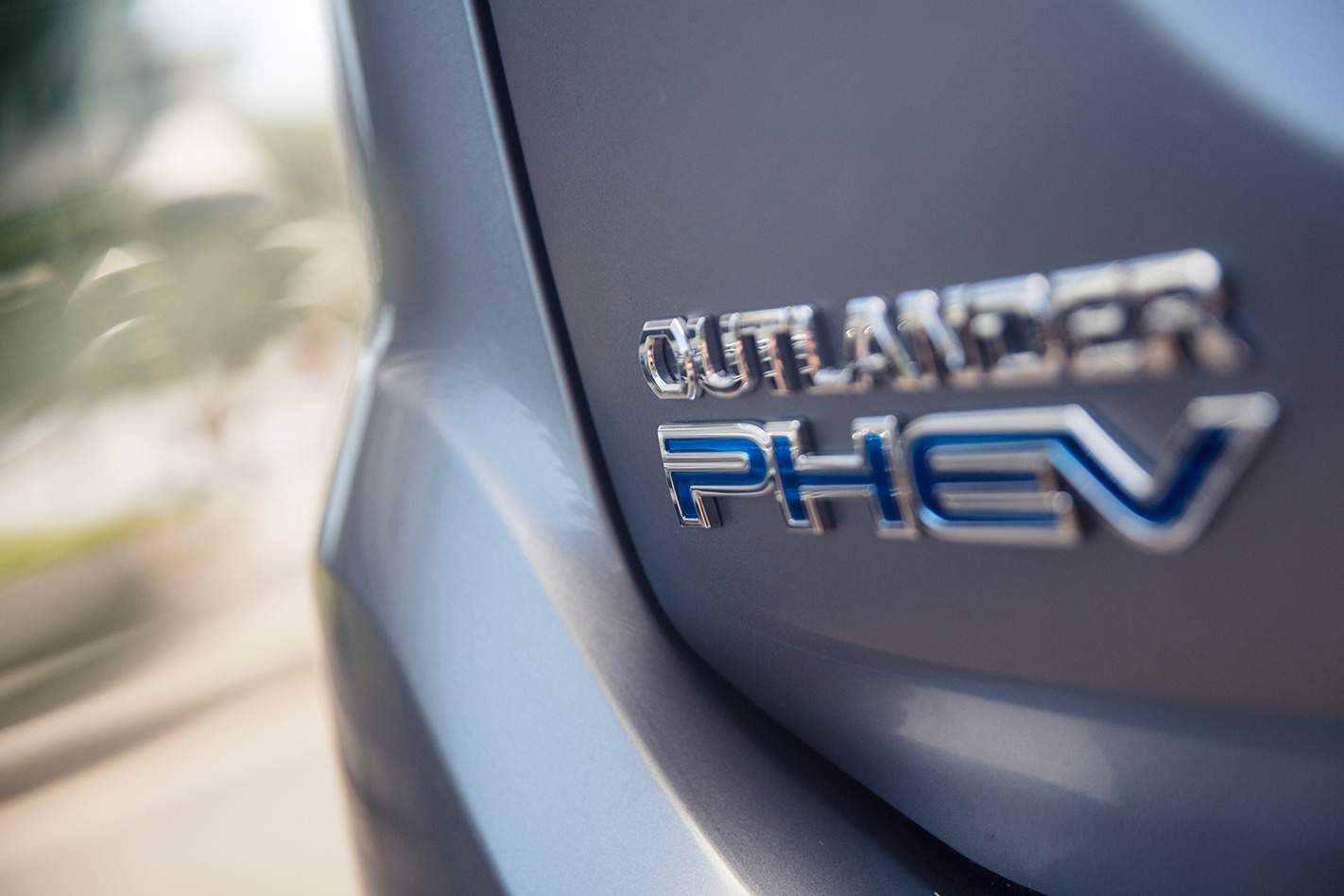
A non-AGM battery is more dangerous as it is more likely to release hydrogen sulphide gas, and if the car is involved in an incident, the incorrect batteries could leak acid and cause serious safety issues.
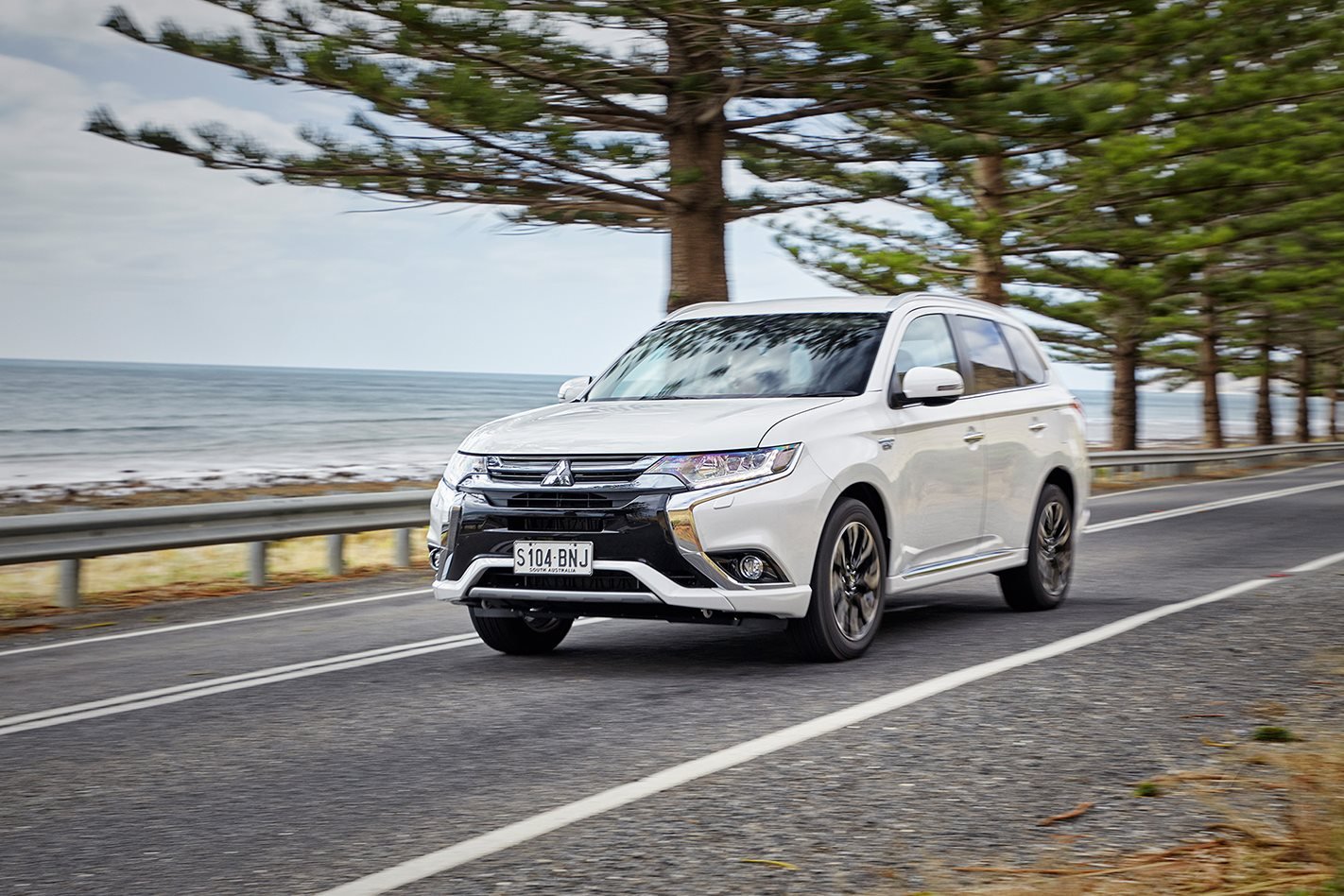
Mitsubishi is already in the process of contacting affected owners, who can have the fault fixed at their local Mitsubishi dealer free of charge, and are encouraged to do so as soon as possible.
A list of VINs is available here.
UPDATE, September 22, 2022: Electric Hyundai Casper could come to Australia
Hyundai has told Wheels that the upcoming electric version of the Casper could come to Australia, giving it a new entry-level EV to compete with the MG ZS and BYD Atto 3. Get the details at the story link below.
The story to here
September 2, 2021: Hyundai Casper revealed
Hyundai has revealed its smallest SUV – the Casper – for the Korean manufacturer’s local market as well as India, but it won’t be heading Down Under.
Powered by a 1.0-litre, three-cylinder engine – available as either naturally-aspirated or turbocharged – the Casper is understood to share a platform with the foreign-market i10 and the Kia Picanto, Australia’s best-selling vehicle in the micro segment.
Measuring up at 3595mm in length, 1595mm wide and 1575mm high, Hyundai’s Casper is comparable to the Suzuki Ingis small SUV, although it stacks up 105mm shorter, 65mm narrower and 20mm than its Japanese rival.
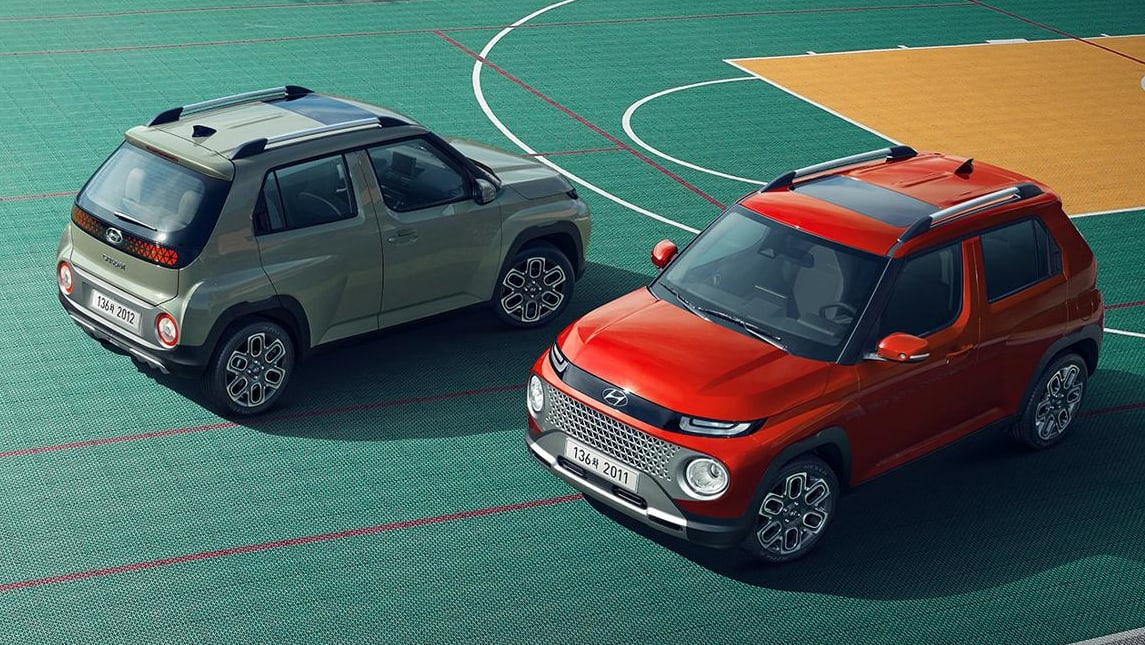
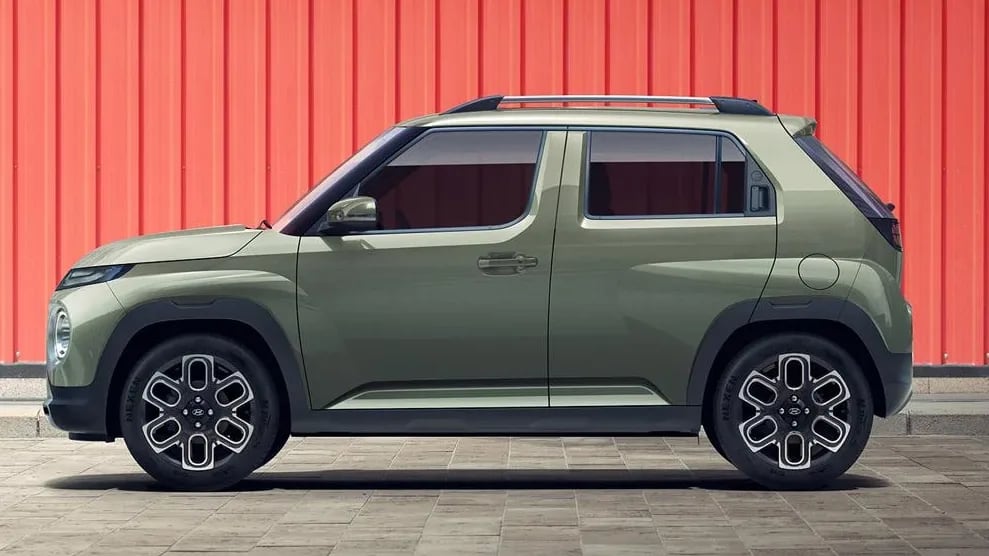
Sharing similar design language to the larger Venue, Kona and Nexo, the Casper has slim LED daytime running lights at the front, but also a pair of larger, circular headlights underneath, standing out on either side of the grille.
The usual black trim cladding features on the edges of the Casper’s body, again aligning it with its larger siblings, while the atom-shaped wheels and distinctive rear styling set it apart from other models in the Hyundai range.
While the carmaker hasn’t released any pictures of the Casper’s cabin, images from The Korean Car Blog show design sketches of the small SUV’s interior, adopting a two-spoke steering wheel, dash-mounted gear stick and an 8-inch infotainment screen.
Despite being based on the Picanto and having rivals in its segment, a spokesperson for Hyundai Australia told Wheels it has “no current plans to introduce Casper in Australia”, owing to competitiveness in the local market.

Snapshot
- H2X Warrego reservations now open
- Launch date set for November 2021
- Three variants reportedly priced from $189,000 before on-road costs
Reservations for the 2022 H2X Warrego hydrogen ute have opened, while the Australian company has announced a November launch for the new zero-emissions model.
Customer deliveries of the Warrego are said to begin in April 2022, with H2X offering buyers three different variants of the Ford Ranger-based ute.
Opening the range is the Warrego 66, with 200kW of power and a choice of either rear-wheel drive or all-wheel drive. The model features a 66kW hydrogen fuel-cell and 60kW supercapacitor battery, with a 6.2kg hydrogen tank delivering a claimed 500 kilometres of driving range.
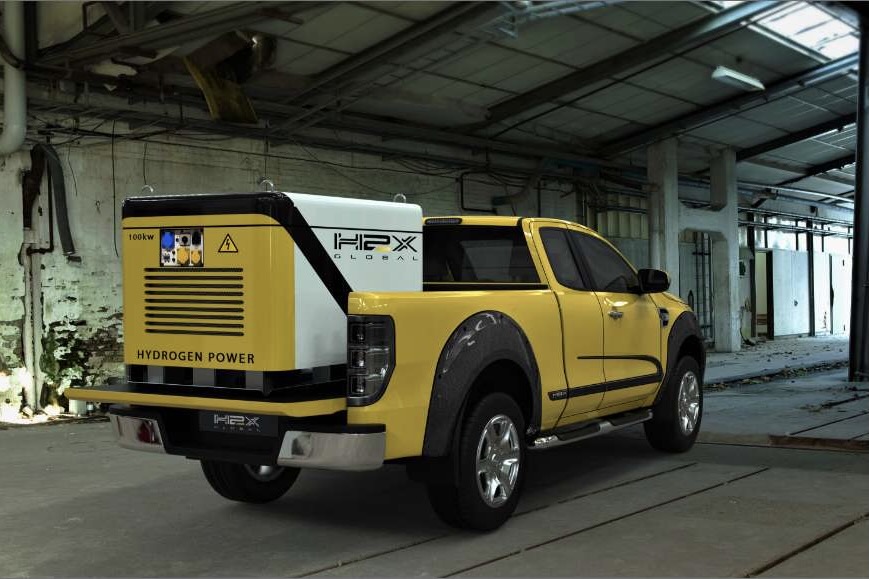
The mid-range Warrego 90 gets 220kW with all-wheel drive as standard, with both the fuel-cell and battery specifications upped to 90kW and 100kW respectively, also with a 6.2kg hydrogen capacity.
The range-topping Warrego 90 XR increases the hydrogen tank to 9.3kg, which H2X says can deliver up to 750km of driving range, with refuelling taking less than five minutes.
While prices have not been published by the company, website The Driven reports the ute will be available from between $189,000 and $250,000 before on-road costs.
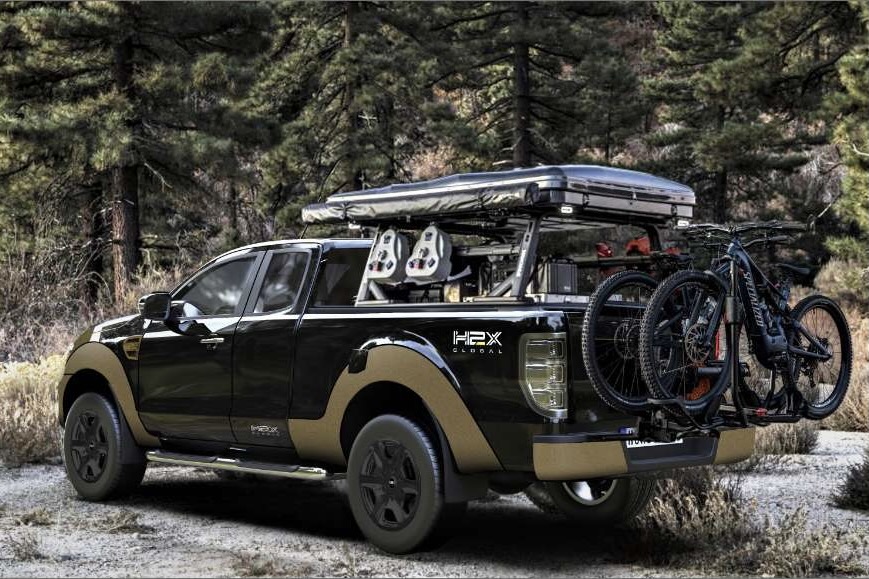
H2X says the Warrego 90 can complete the 0-100km/h sprint in just eight seconds, while the Warrego 66 takes 11 seconds. Payload capacity for the hydrogen ute is 1500kg.
Customers are offered a 24 month warranty on the Ford Ranger body, while the retrofitted H2X powertrain gets a 48 month warranty.
The 2022 H2X Warrego will go on sale in November 2021, with deliveries expected to begin in April 2022. The company is accepted reservations for the ute on a new dedicated website.
Snapshot
- Electric models to use hydrogen fuel cell and battery cell technology
- Eight new models to be introduced by 2035
- Carbon net zero target of 2035
Korean luxury car manufacturer Genesis has outlined its plans to move towards an all-electric line-up, announcing all models will become EVs by 2030.
Just over five years since it became a standalone brand under parent company Hyundai, Genesis intends to launch only EV models from 2025 in its aim to have achieve carbon net zero by 2035.
Only last week, Genesis launched its first electric model, the GV60 – which shares its underpinnings and features with the upcoming Hyundai Ioniq 5 and Kia EV6.
However, the marque expects to introduce a further eight EVs by 2030, a realistic target given its four-strong internal combustion engine model line-up has come from the past five years.
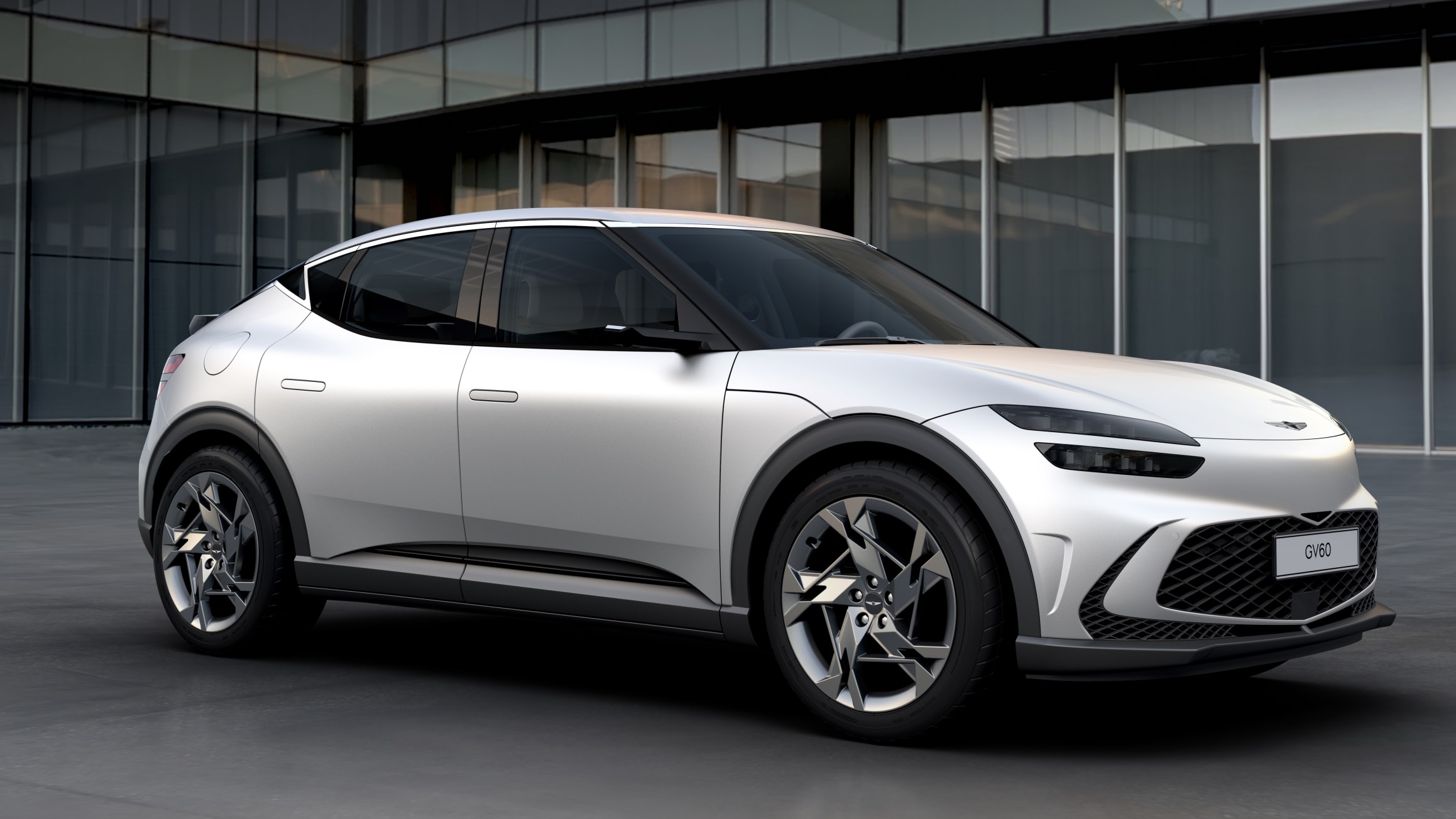
To achieve its target of 400,000 vehicle sales per year, Genesis will adopt both traditional battery technology, as well as hydrogen fuel-cells, for its electric range – hedging its bets on the future fuel sources which will be available.
Hydrogen isn’t new within the Hyundai Motor Group, as the Nexo has recently joined government fleets in Queensland and the Australian Capital Territory although Kia has previously distanced itself from its parent company’s ambitions, siding with battery EVs over fuel cells.
To the end of July 2021, Genesis has sold 342 cars so far this year, an increase over the 85 it sold in the same period throughout 2020.
Despite the slow local uptake, global sales recently passed 500,000 since the brand’s launch in 2015.
UPDATE, September 2: Jaguar Land Rover has now added the 2019 – 2021 Discovery L462 variant to its list of recalls, citing this model may also suffer from a defective battery earth connection to the chassis.
JLR says 266 vehicles are affected, and it is in the process of contacting owners to have the vehicles fixed free of charge.
You can find the full list of affected VINs here.
The story to here
May 4: Jaguar Land Rover has announced a recall for Discovery models built between 2019 and 2021 due to a fault with the start-up battery ground stud.
The issue has affected 1541 vehicles locally, however, it seems it’s not a problem just isolated to Australia – Land Rover North America issued the same recall for the 2019-2020 Discovery on December 9, 2020, which impacted 11,084 vehicles in the US.
According to the automaker, vehicles with the fault may exhibit a range of electrical faults, including complete loss of power while being driven and losing all electrics.
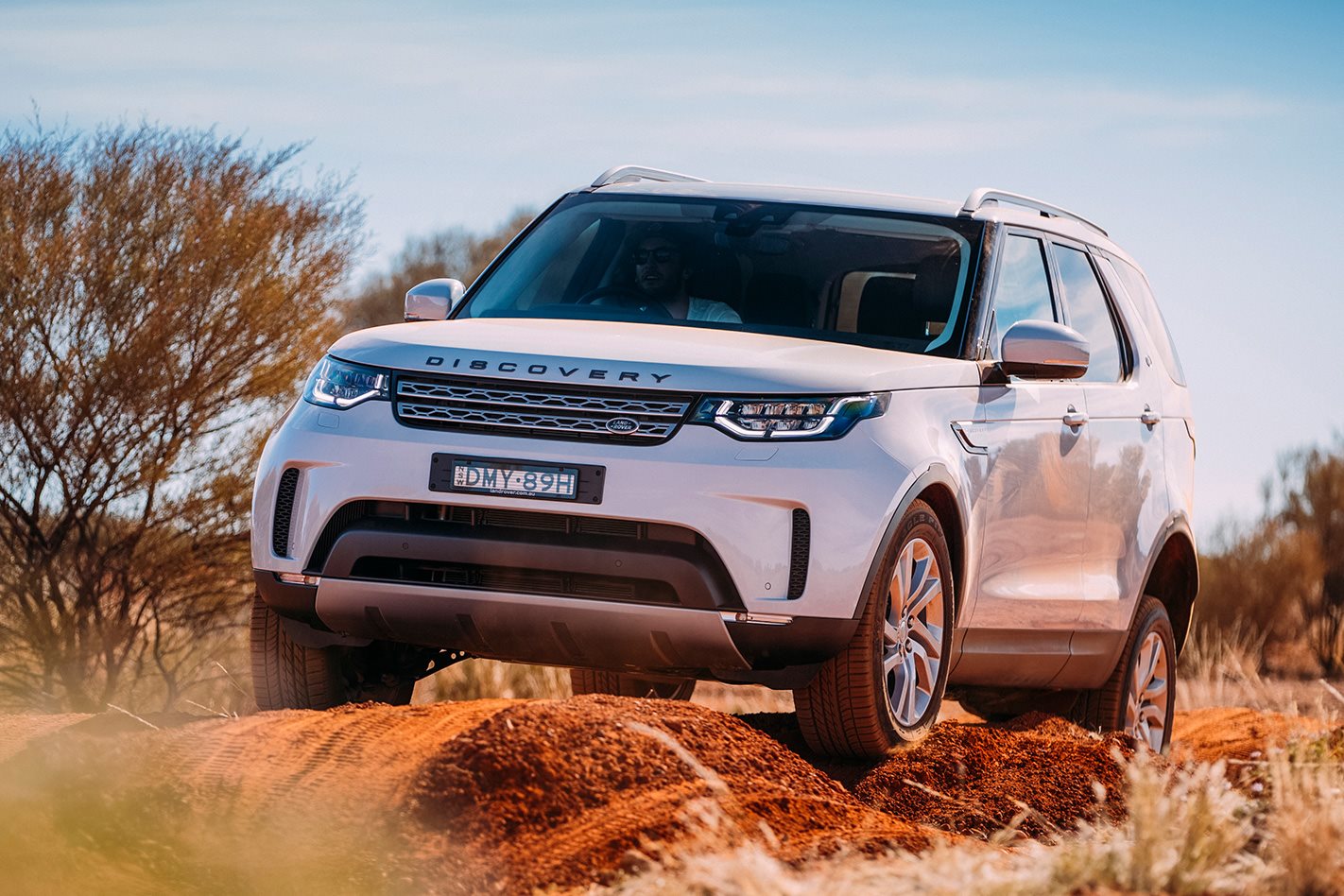
Land Rover will be contacting owners of affected vehicles in writing and is asking that they contact their preferred authorised dealer to organise a repair as soon as possible.
The fix will include replacing the start-up battery ground stud, which will be performed free of charge.
The British marque has also compiled a list of the affected vehicles’ VIN numbers, which can be viewed here.
Snapshot
- Both models now feature 2-litre mild-hybrid engines
- SP Evolve brings black highlights to Mazda 3
- Touring SP trim introduced for Wheels COTY CX-30
Mazda has delivered a major mechanical update for its popular Mazda 3 and CX-30 by introducing a hybrid powertrain into the line-up for both models.
Taken from the MX-30 crossover, the 2.0-litre, four-cylinder, mild-hybrid engine will now be available in both models when purchased in G20e guise – delivering 114kW and 200Nm to the front wheels through a six-speed torque-converter automatic gearbox.
As well as adding G20e Evolve M variants to the CX-30 and 3 ranges, Mazda has also introduced the SP trim for each model, with the Mazda 3 G25 Evolve SP gaining; black wheels, mirrors, grille and seats. Meanwhile, the CX-30 Touring SP Vision Technology scores similar upgrades, available with the G20, G25 and G25 AWD powertrains.
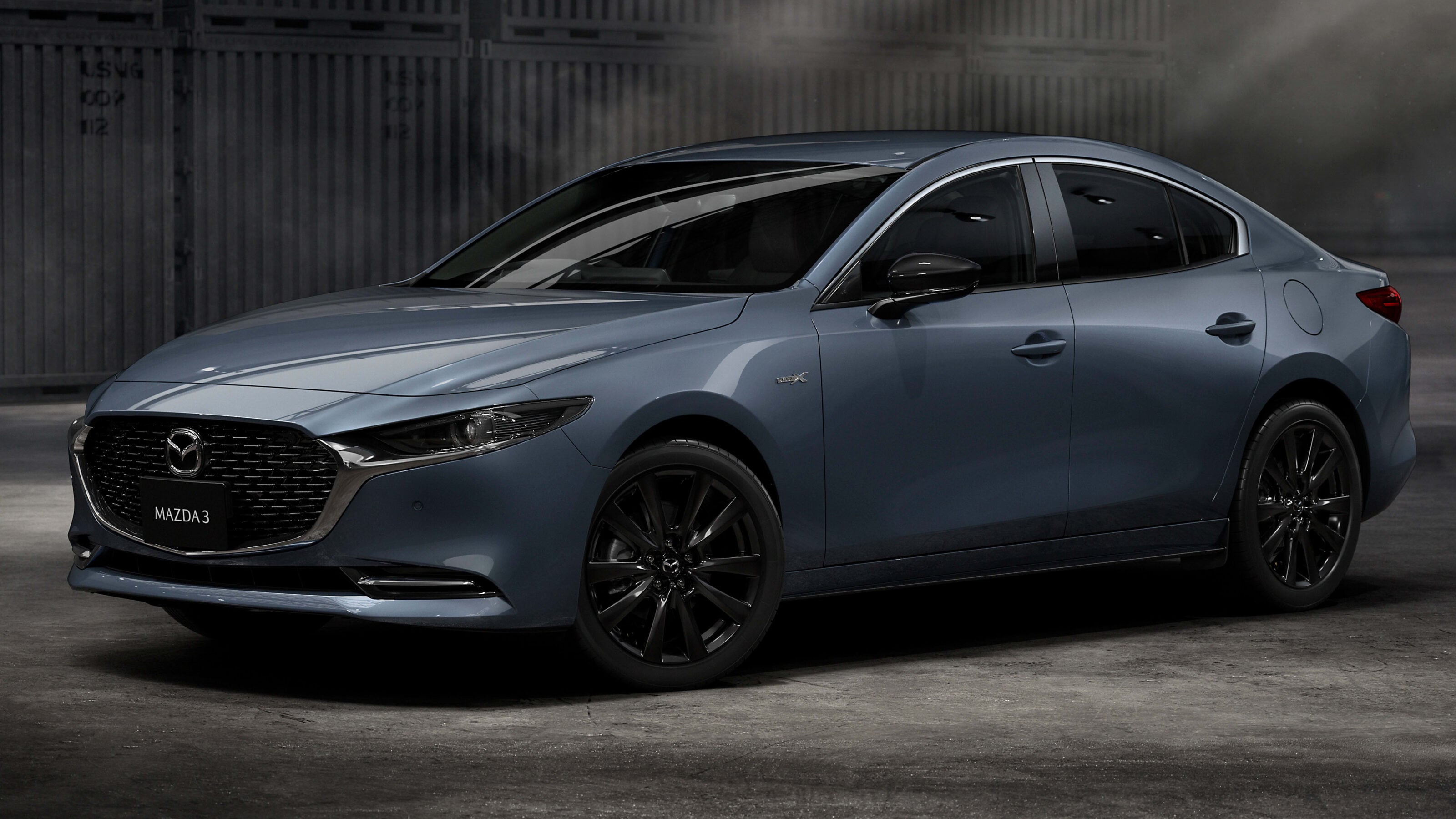
2022 Mazda 3 updates
On top of the aforementioned changes, Mazda has introduced upgraded features across the whole 3 line-up, including:
G20 Pure
- Leather steering wheel and gear knob.
G20e Evolve M Hybrid
- G20e Evolve M Hybrid powertrain
- Standard Vision Technology
- Advanced keyless entry
- Exterior mirror with auto-dimming function (driver’s side)
- Exterior mirrors with reverse tilt-down function
- Exterior mirrors with position memory
- 10-way power-adjustable driver’s seat
- Two-position driver’s seat memory.
G25 Evolve SP
- G25 Evolve SP replaces G25 Evolve
- Black 18-in alloys
- Black exterior mirrors
- Black grille
- Black cloth seats with red accents.
X20 Astina
- e-Skyactiv X badge on the rear and a Sky-X badge on each front fender
- Engine sound and ride comfort improvement
- Manual transmission no longer available.
Colour and trim availability
- Platinum quartz metallic is now available
- Polymetal grey is now also available on sedan
- Titanium flash has been discontinued
- Pure white leather is no longer available on X20 Astina sedan
- There are now no exterior colour restrictions for burgundy or pure white leather options on Astina models.
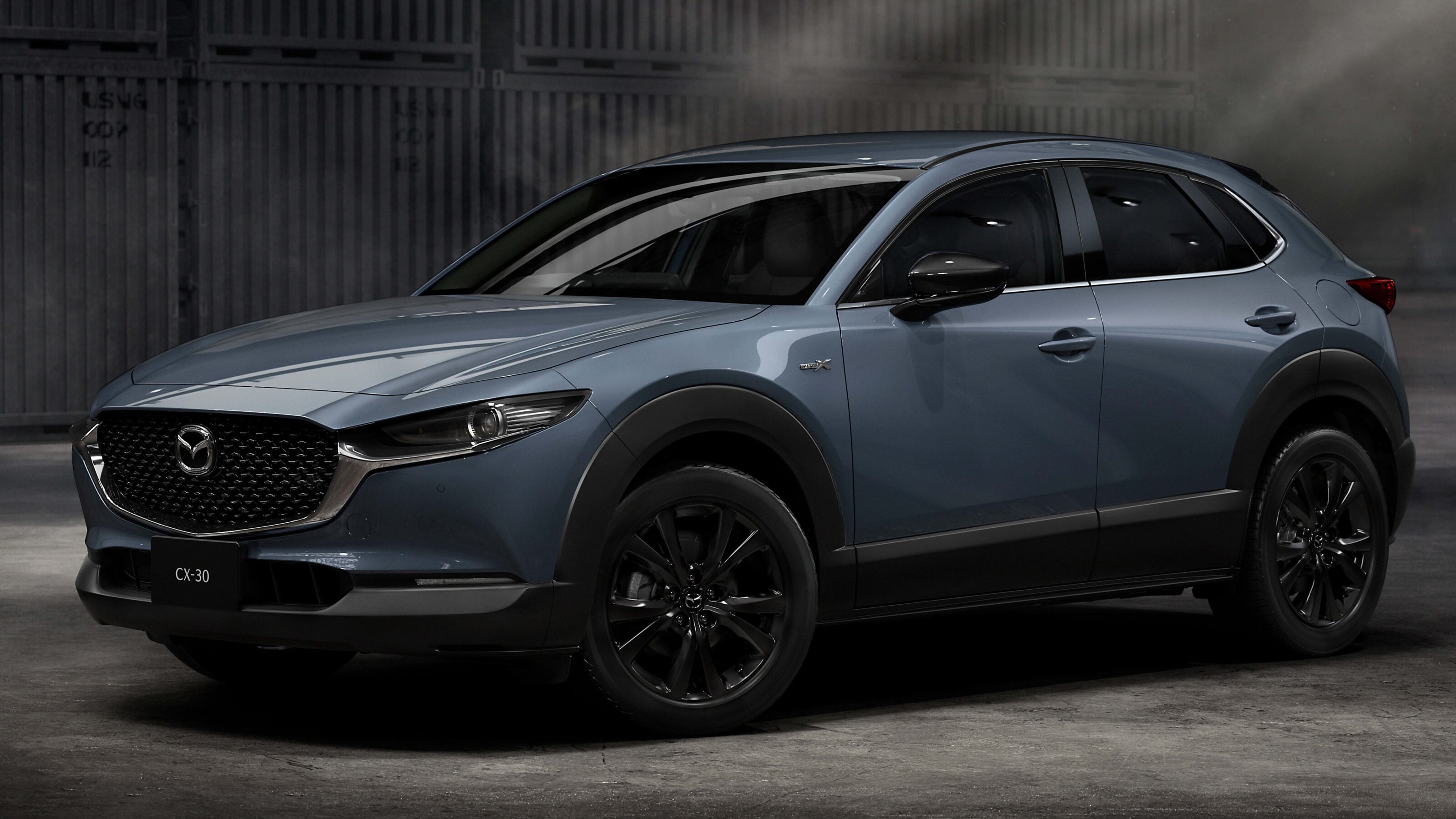
2022 Mazda CX-30 updates
Just like the 3, the CX-30’s range has also been refreshed, with each variant receiving different equipment, such as:
G20 Pure
- Leather steering wheel and gear shifter.
G20e Evolve M HYBRID Vision Technology
- G20e Evolve M Hybrid powertrain – as offered on Mazda MX-30
- Vision Technology
- Advanced keyless entry
- Exterior driver’s side auto-dimming mirror with reverse tilt function and position memory
- 10-way electric powered driver’s seat with two-position memory.
G20, G25 and G25 AWD – Touring SP Vision Technology
- Burgundy leather seat trim with a unique black interior coordination replacing the rich brown dash and door card accents
- Black metallic 18-inch alloy wheels
- Black side mirror caps.
G20 Astina
- Electric power tilt and slide sunroof.
Colour and trim availability
- Platinum quartz is now available on all grades
- Pure white leather on all exterior colours of G20 and G25 Astina.

Mazda says both models in upgraded form are currently available for pre-order, but has not confirmed prices as yet. The MX-30 hybrid range currently retails between $33,990 and $40,990 before on-road costs.
Earlier this year the Japanese manufacturer announced its intentions to achieve a 25 per cent electric vehicle line-up by 2030, with hybridised versions of its internal combustion engine models providing a stop gap in the meantime.
So, you fancy yourself a driving enthusiast, have bought a hot car, and want to get the most out of it? Pushing the limits in the public domain carries a range of risks, not only to your licence with stringent speed enforcement nationwide, but to yourself, your pride and joy, as well as other road users.
The best place to responsibly enjoy yourself and your car is the race track, but your first visit to the circuit can be daunting and confusing.
A major source of confusion for first time track day attendees is simply settling on what to bring. It can be easy to fall into the trap of overpreparation but, in reality, you need not bring your whole garage with you.
Of course, your track pack will grow with time and experience but, if you’re just starting out, these are the five things you need to think about to get yourself on track.
1. A car
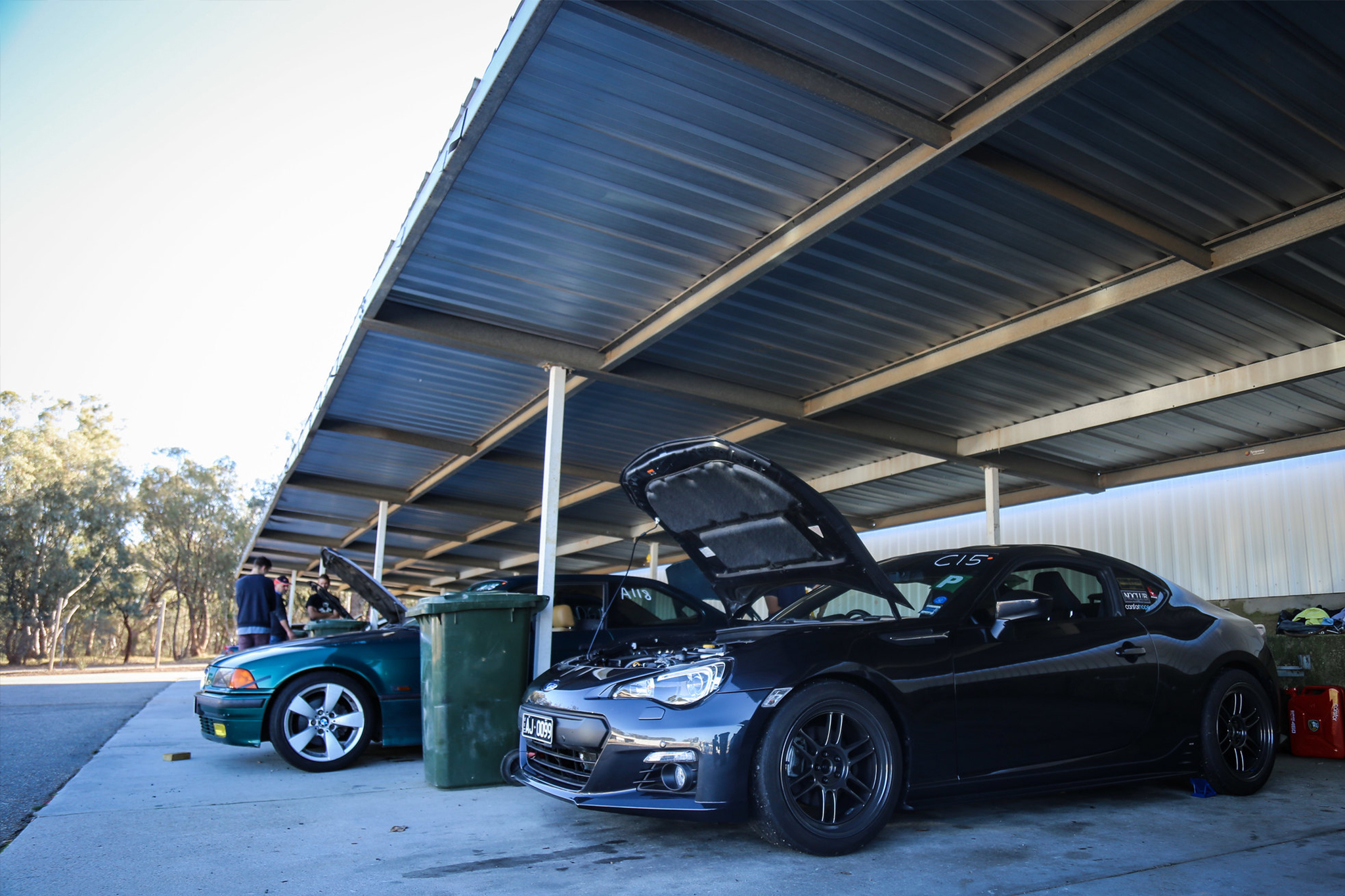
An obvious answer, but a crucial one. A properly maintained car is paramount to track day survival, and we mean more than just petrol in the tank and air in the tyres.
Preparation and maintenance needed will vary depending on the age of the car and its condition, however generally speaking, new cars require little preparation in order to survive a day at the races. Adherence to scheduled servicing and a fresh oil change will often do the job. Also ensure tyres and brake pads are up to the task with good life left in them. You might also consider swapping them for more performance-oriented aftermarket units.
For older cars, ensure your vehicle is in overall roadworthy condition and free of any leaking fluids. It also pays to check on any old rubber hoses which may have perished over time and pose increased risk of failure under high heat and pressure.
2. A licence
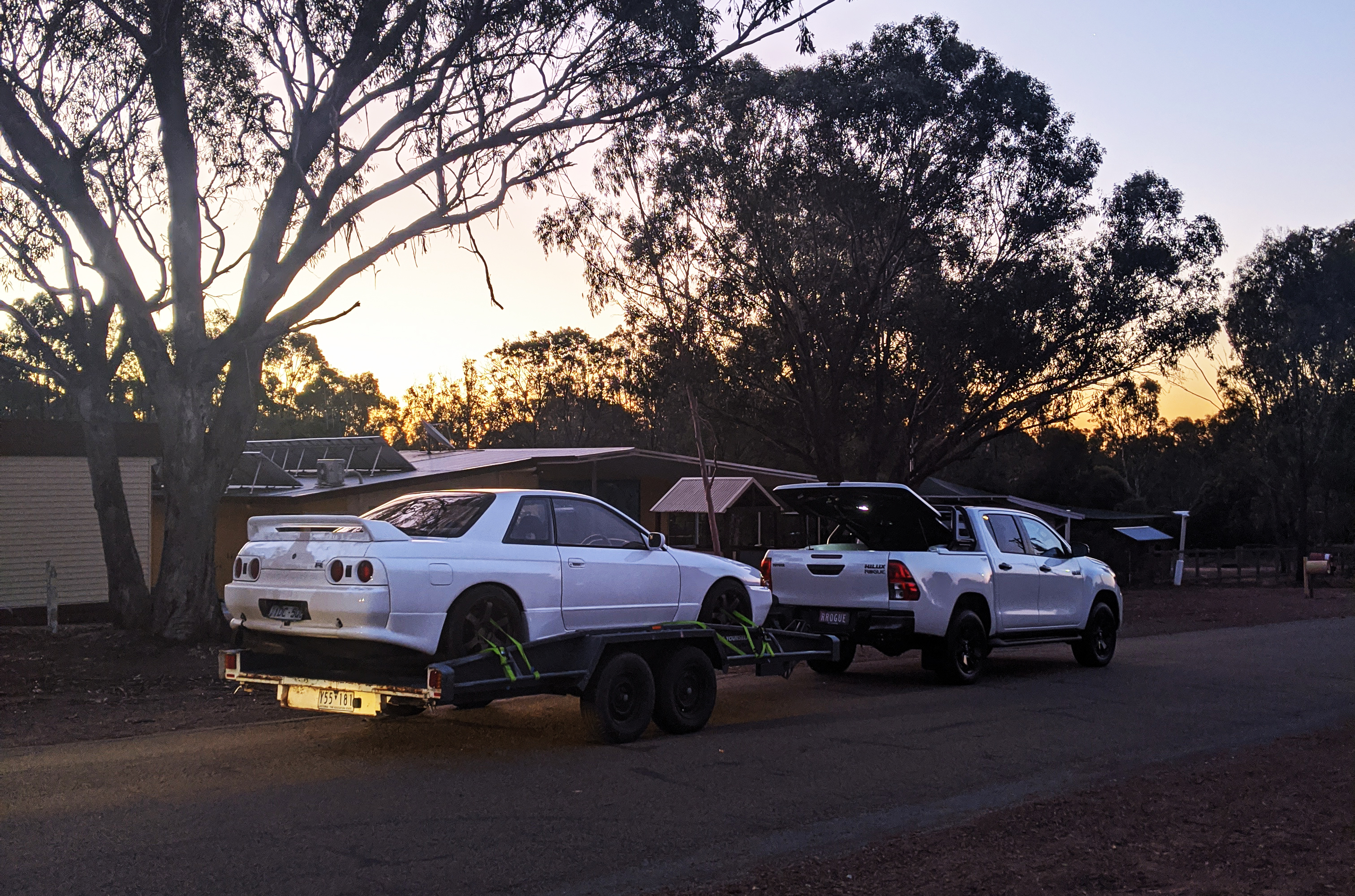
We’re not talking about your state-issued driver’s licence. Many events will require some sort of licencing before you’re allowed out onto the track.
Entry-level Speed Licences are available on an annual basis from the likes of the Australian Auto-Sport Alliance and Motorsport Australia, and may require you to join an affiliated car club. Annual licences and car club membership isn’t terribly expensive, and will earn its keep if you intend on entering numerous events per year.
If you’re just starting out, however, many grassroots events allow for single-day licences. Check the rules and regulations of your chosen event, and be sure to come prepared. The last thing you want is to be told to pack up your things before you’ve so much as turned a wheel.
3. A helmet and attire
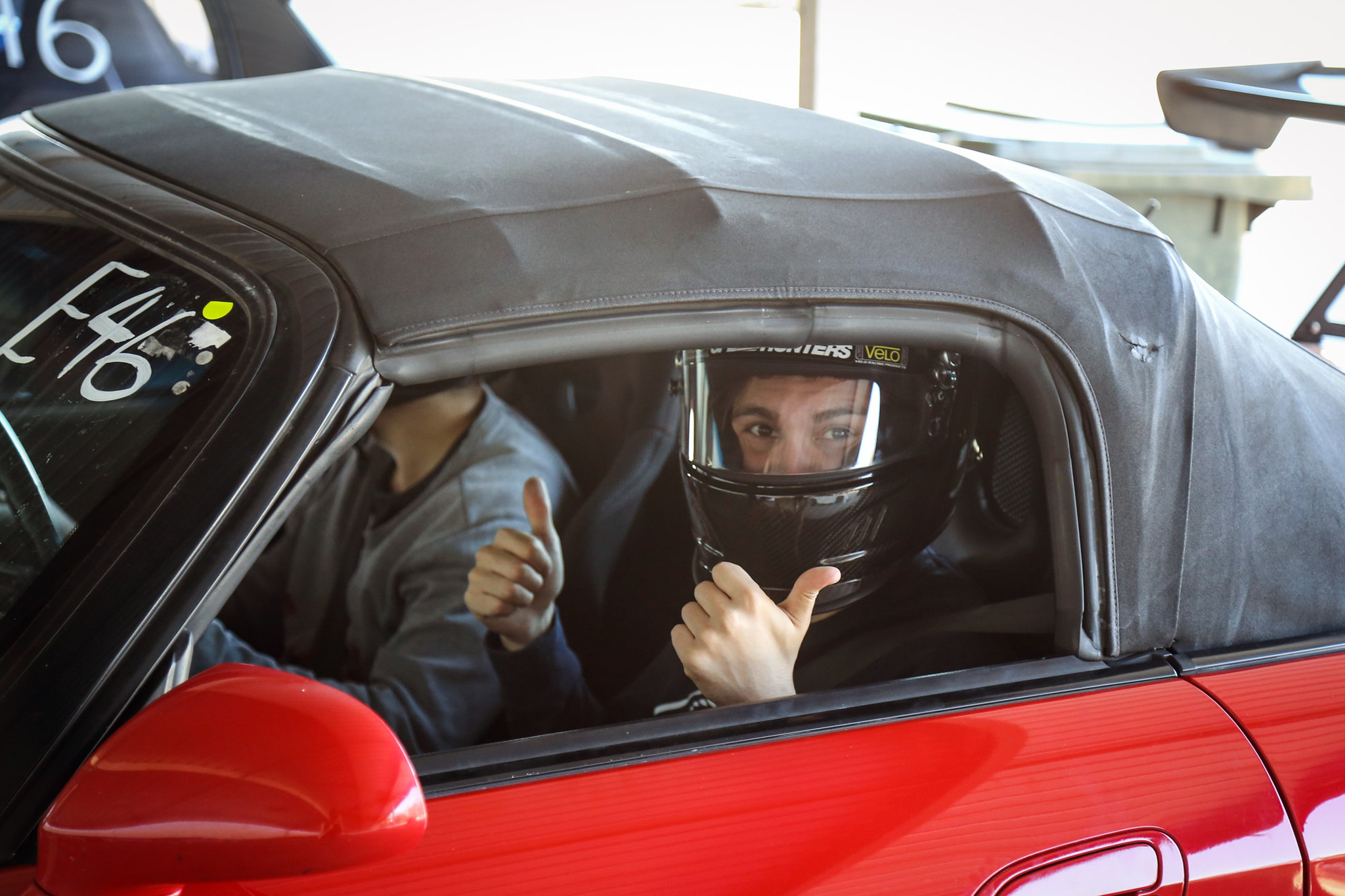
There’s no way around it: if you want to get on track, you’ll need to bring a helmet. Generally speaking, a motorcycle or karting helmet will be suitable for most casual grassroots track days but, again, always check the rules ahead of time as certain events may hold specific requirements.
Full race suits, gloves and boots aren’t essential but you’ll at least be required to wear long-sleeve clothing and closed-toed shoes. It’s also worth considering what sorts of materials you’re donning. Articles of clothing made of denim, cotton or wool are generally recommended, while synthetic materials like nylon can melt onto your skin in the event of a fire and should be avoided.
4. A fire extinguisher and equipment
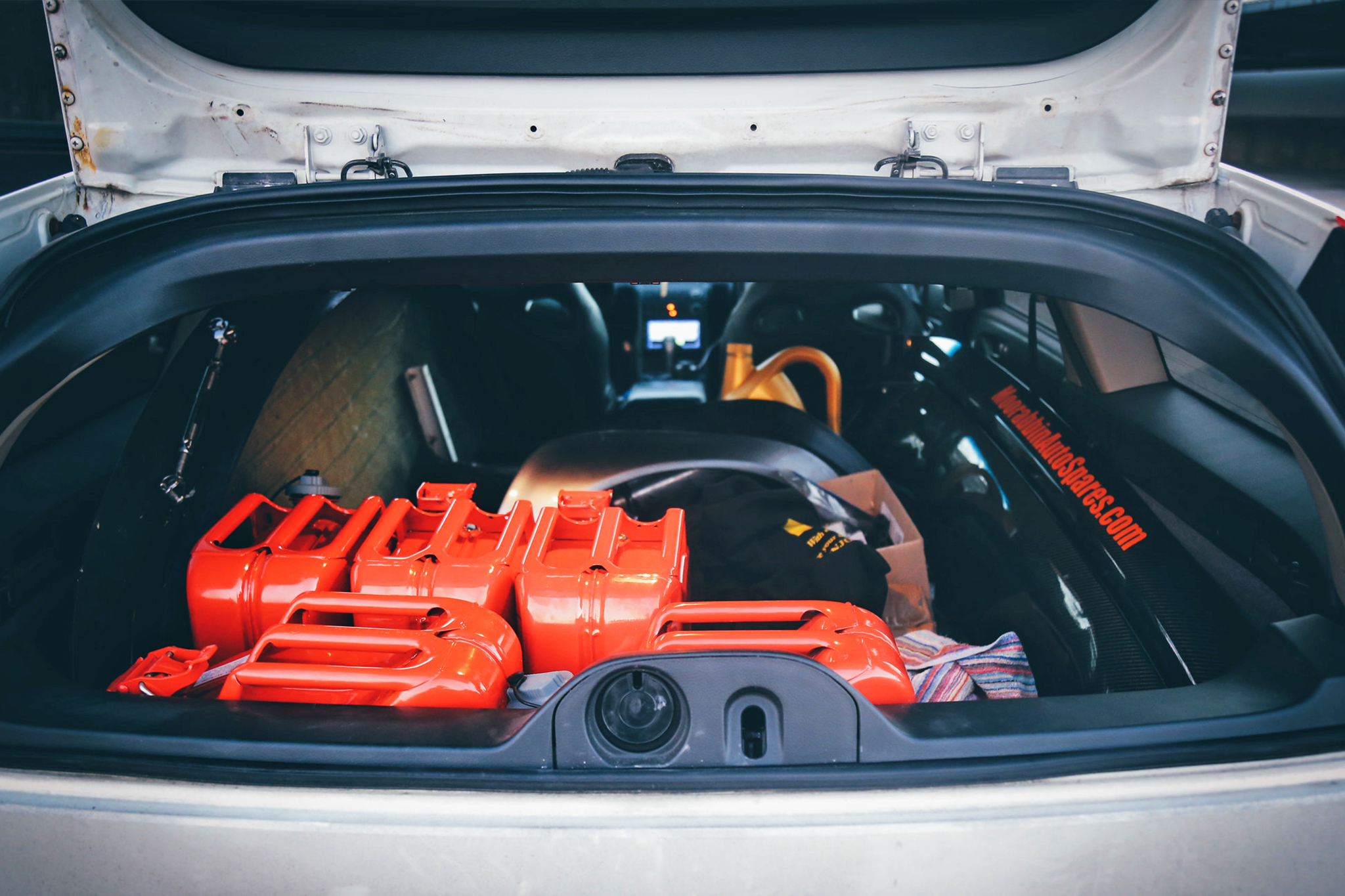
Many events will require a mounted fire extinguisher in the vehicle with you and, even if they don’t, they’re a smart thing to have with you in the event of an emergency. Most auto parts stores will carry affordable options that often include mounting brackets.
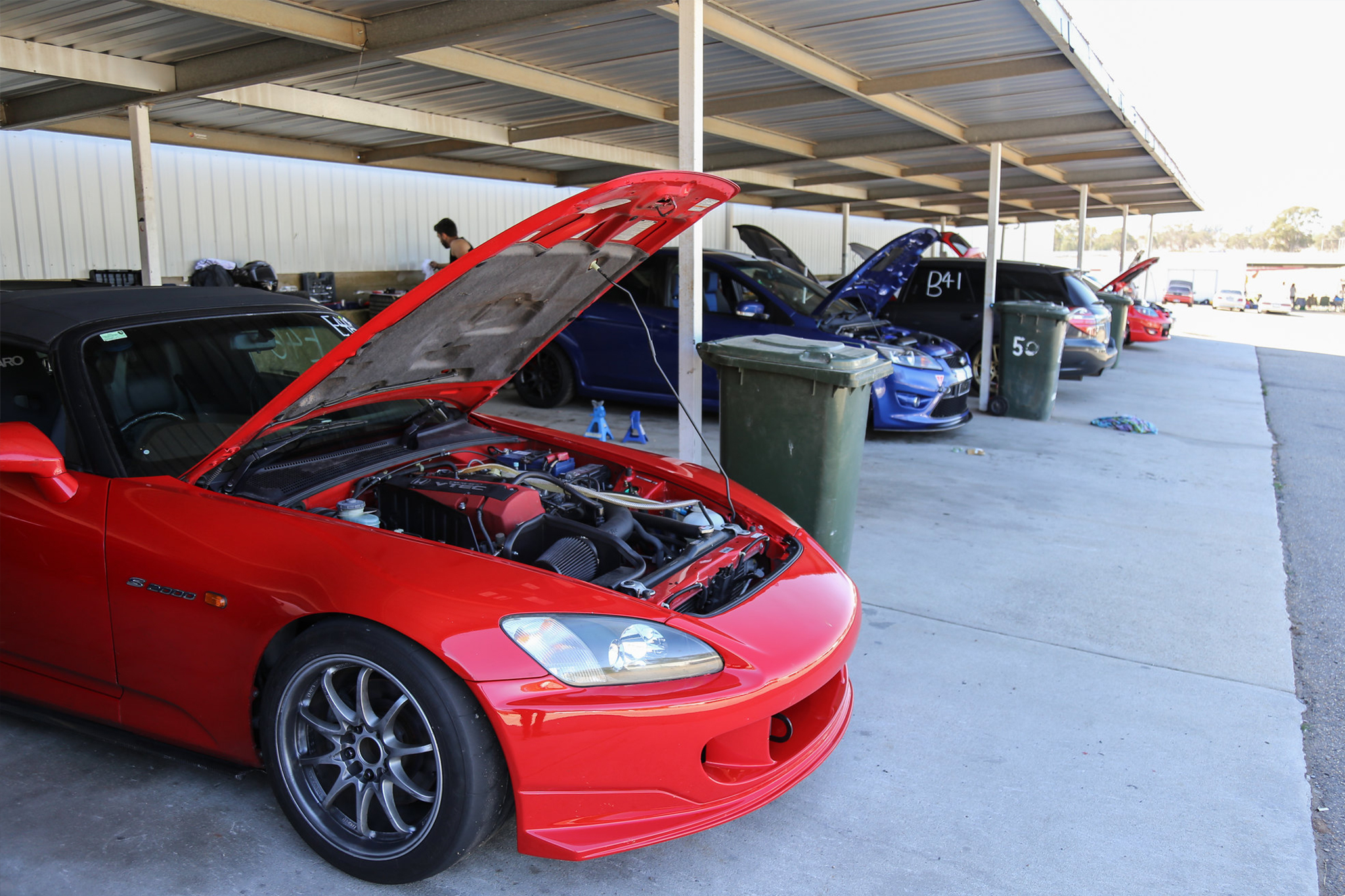
You should also carry a basic toolkit for minor repairs, just to be safe. Your vehicle may already be carrying a scissor jack (which doubles as a handy wheel chock between sessions) and wheel brace, but you can add a socket set, some pliers and screwdrivers to that list, too.
5. A good attitude
You might have your own ideas on benchmarks and target lap times but the ultimate mission of every track day is to have fun, and for you and your car to return home in one piece.
Pay attention at the driver’s briefing at the beginning of the day. It’s there you’ll learn the proper signals for overtaking on track, as well as any flags or signal systems used, and what to do if you end up with car troubles or in an accident on track.
Even if it’s not your first time, start the day slow at seven-eight-tenths. The track and your tyres will be cold, so take your time in getting your eye in and building a rhythm. As you gain in confidence and familiarity with your car, your driving ability and the circuit, you can gradually build in pace from there. If you’re spearing off-track in the very first session of the day, that’s probably a sign to dial it back a few notches.
Do you remember your first track day? Or thinking of getting involved? Leave your tips or questions in the comments below!
Snapshot
- Power and torque are unchanged at 423kW/700Nm
- Prices start from $295,470
- Deliveries to begin at the start of 2022
Land Rover’s in-house Special Vehicle Operations department has added a few bespoke tweaks to the Range Rover Sport SVR, turning the rapid SUV into an even more exclusive offering.
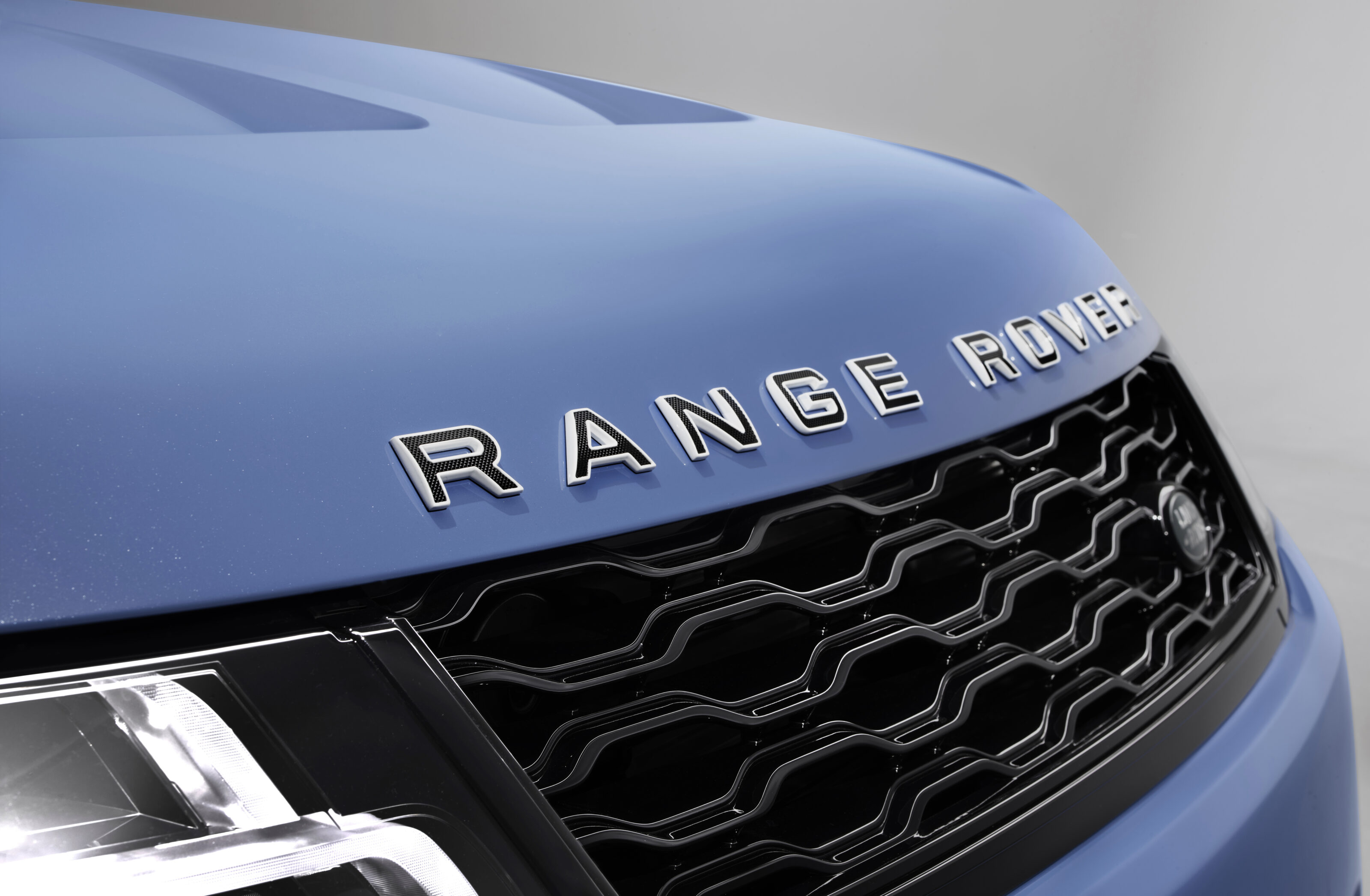
Visual changes headline the Range Rover Sport SVR Ultimate’s introduction, featuring a choice of two solid glass flake paint options for the first time – either gloss maya blue or gloss marl grey – as well as satin ligurian black.
Contrasting the dark paint options, and complementing the light blue, are Fuji white highlights on the Ultimate edition’s side vents and its Range Rover badging – tying in with the Narvik black contrast roof, mirrors, grille and its surrounds to set it apart from standard SVRs.
Riding on 22-inch wheels, the black alloys sit in front of its black brake calipers – although it’s hard to hide the massive stoppers which have to stop over two-tonnes of 423kw/700Nm British SUV.
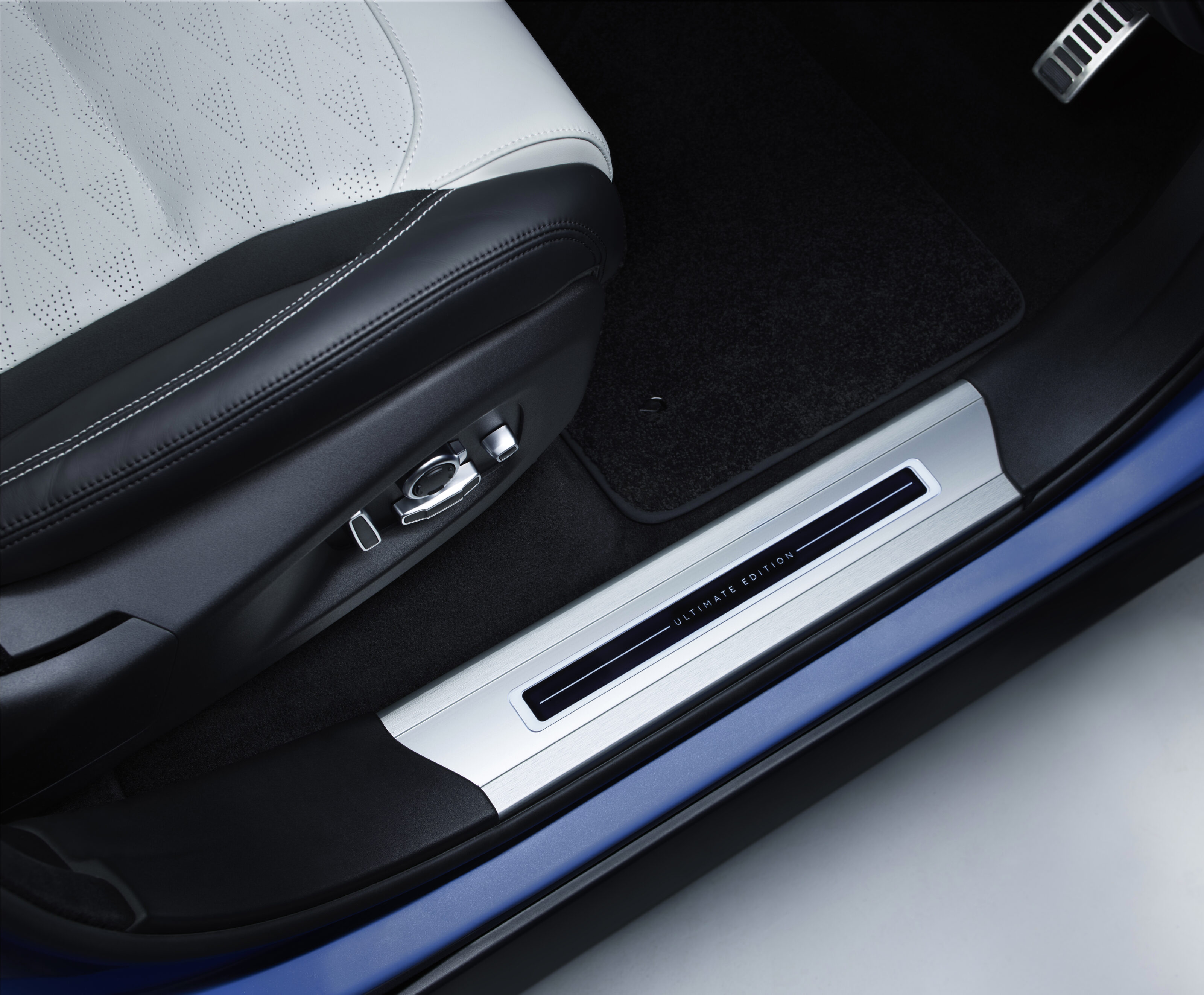
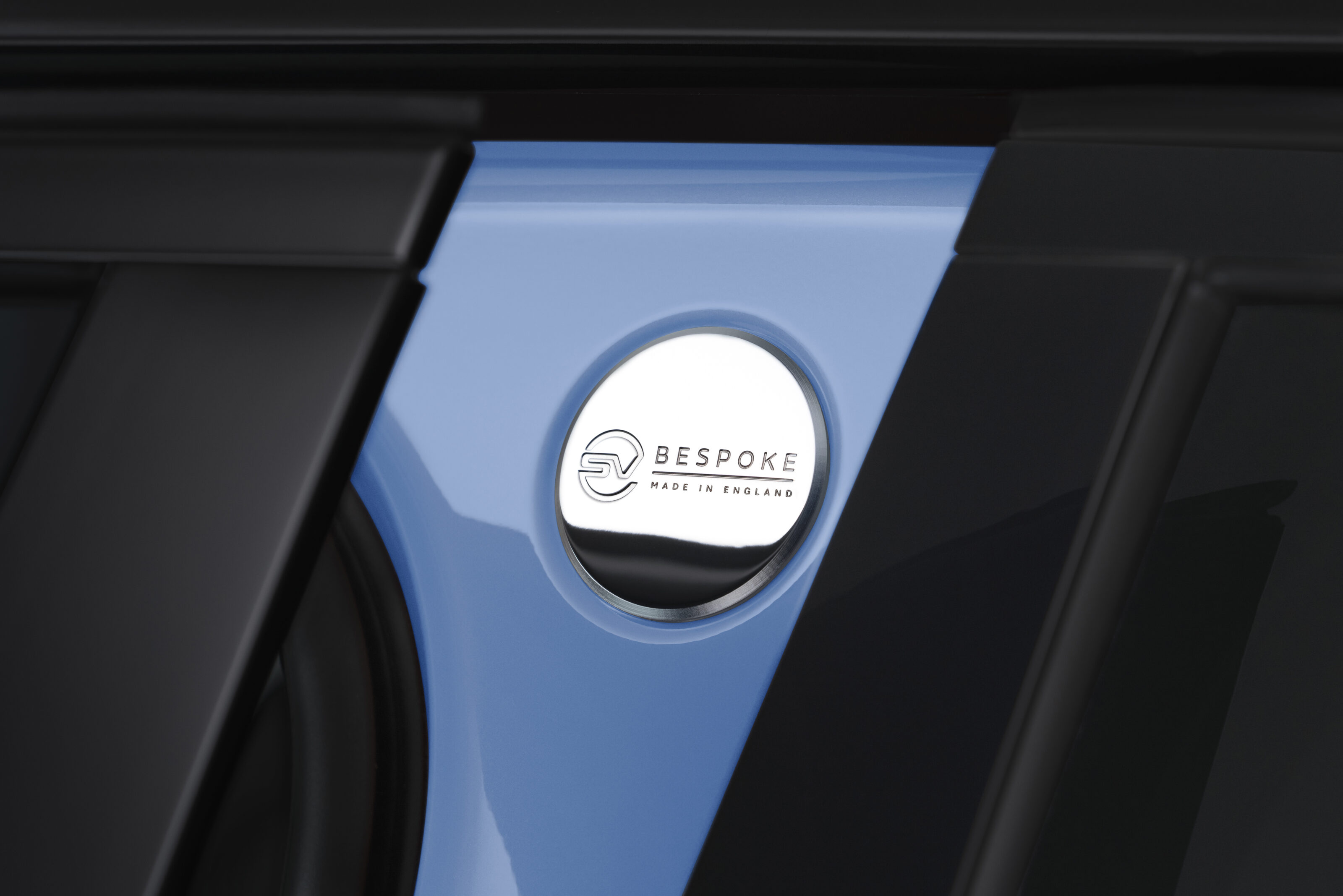
Inside the cabin it’s a relatively sedate affair, with a handful of Ultimate touches adding a point of difference to the SVR, including illuminated embossed sill plates and B-pillar badges.
While other options are available, Range Rover recommends the Ultimate with its ebony and cirrus interior, combining black Windsor leather side bolsters with white Suedecloth seat cushions.
The price for these bespoke differences? Range Rover says the Ultimate will set buyers back $295,470 before on-road costs, a $49,200 premium over the base Sport SVR which retails at $246,270.
Set to be sold locally in limited numbers, deliveries of the Range Rover Sport SVR Ultimate will begin in January 2022.
Snapshot
- 2019-2020 Hyundai IONIQ EV recalled due to a battery issue
- The fault could lead to a vehicle fire
- A total of 208 cars are included in the recall
Hyundai has recalled a total of 208 examples of the 2019 to 2020 IONIQ Electric due to a potential issue with the vehicle’s battery.
According to the recall notice published by the Department of Infrastructure, the battery fitted to the IONIQ EV “does not meet specifications and may lead to an electrical short which could start a fire”.
Hyundai will contact affected owners, but the company can be reached directly by calling 1800 186 306 or visiting a dealership, found here.
You can check a list of all 208 VINs related to the recall by clicking here.
