
Eagle-eyed viewers of last Sunday’s British Grand Prix may have noticed Hollywood star Tom Cruise hanging out in the Mercedes garage, celebrating with the team after Lewis Hamilton’s pass on the penultimate lap over Charles Leclerc to seal his 99th Formula One victory in front of a home crowd at Silverstone.
However, something Australian viewers missed out on, or at least those who watch the Sky Sports feed on Fox Sports/Kayo, was a pre-race piece put together by the UK’s Channel 4, featuring Cruise and two special guests.
Joining Cruise in an on-track battle between himself and two Porsche 911 GT3s were a duo of two-time British Grand Prix winners – David Coulthard and Mark Webber.
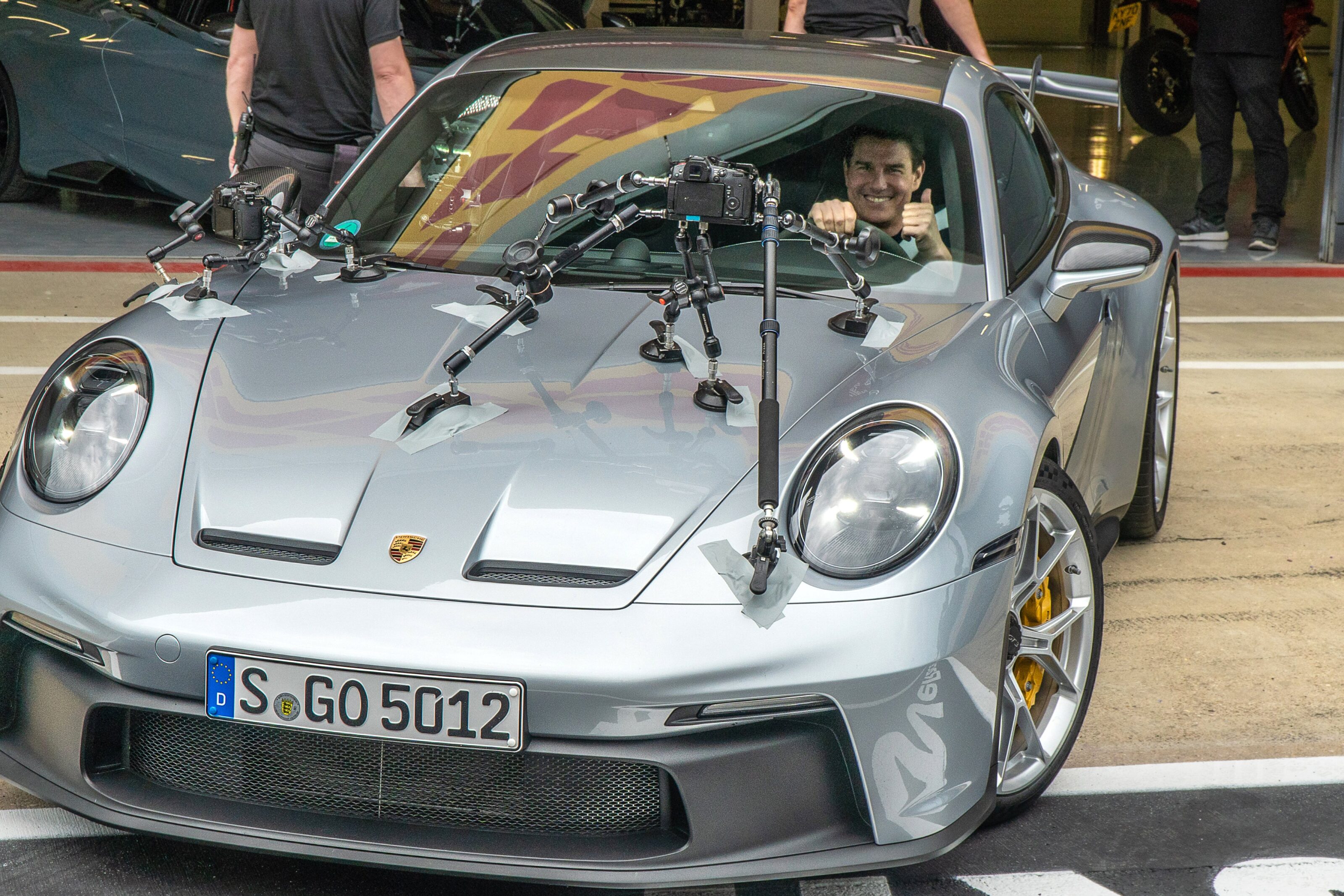
The video begins with Coulthard taking fellow Channel 4 F1 host Steve Jones out on the track, soon joined by Webber (a Porsche brand ambassador) alongside them. Whilst joking about who is whose wingman, a third GT3 splits between them, driven by Cruise.
What follows is a range of movie references – specifically based around the 1986 hit Top Gun in which Cruise starred as hot-shot pilot Pete “Maverick” Mitchell – while he engages Webber, Coulthard and Jones in a dog fight around Silverstone, of course with copious amounts of Kenny Loggins songs playing in the background.
F1 fans will appreciate the digs at Webber, such as Cruise calling him “not bad for a number two driver” (the line Webber used after winning the 2010 British GP) as well as bringing up Multi 21, instantly enraging Australians with memories of the 2013 Malaysian Grand Prix.
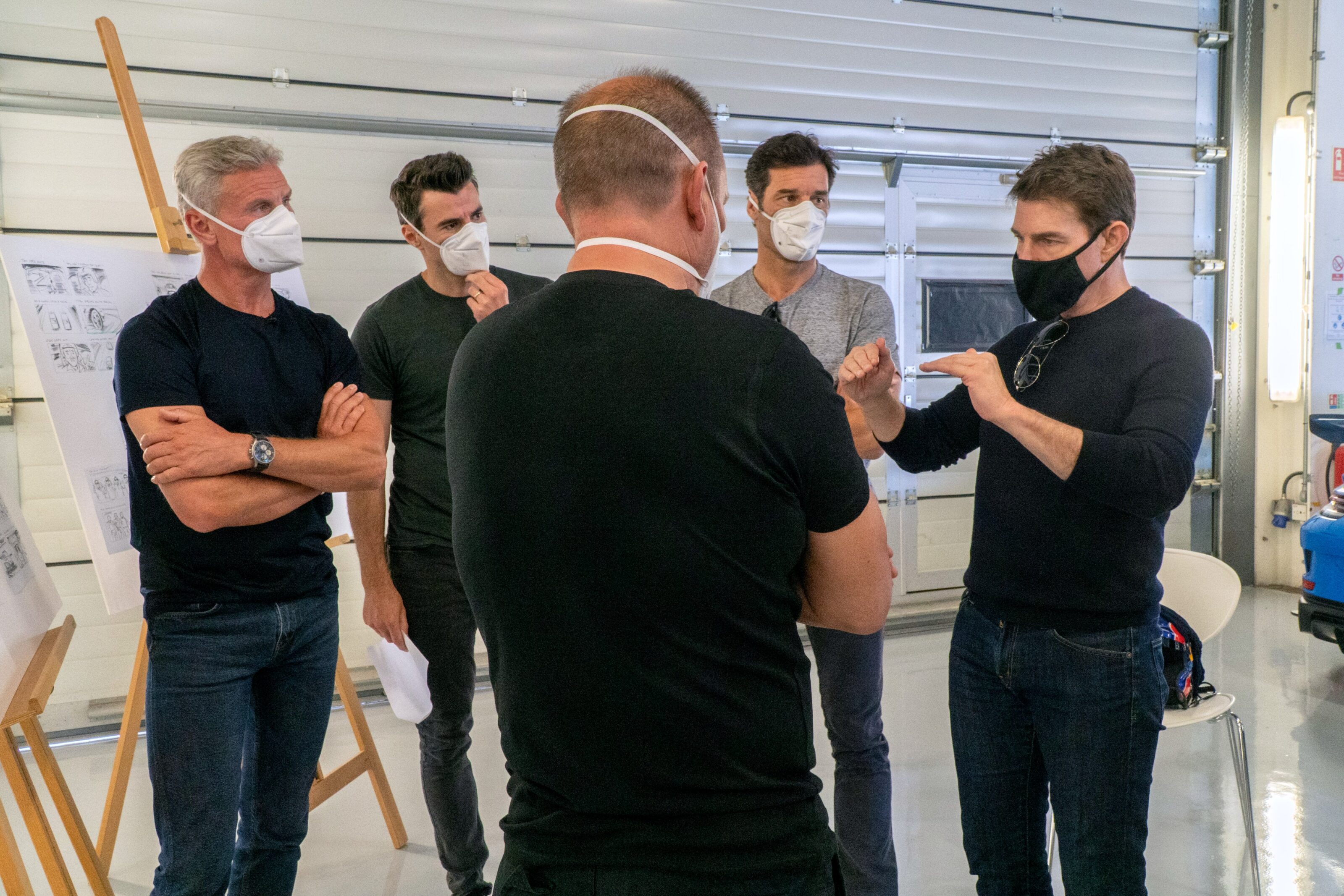
In the end, everyone comes over all lovey-dovey, breaking into a rendition of ‘You’ve Lost that Lovin’ Feelin” by the Righteous Brothers, although there’s no Kelly McGillis around to serenade.
Cruise is set to reprise his role as Pete Mitchell in Top Gun: Maverick, set to be released in November this year, some 35 years after the original film’s debut.
Snapshot
- For children aged three to six
- Comes with choice of authentic paint options
- Keeps iconic dihedral doors
McLaren has released its latest offering for junior supercar enthusiasts – helping kids to earn same major street cred at the school gates.
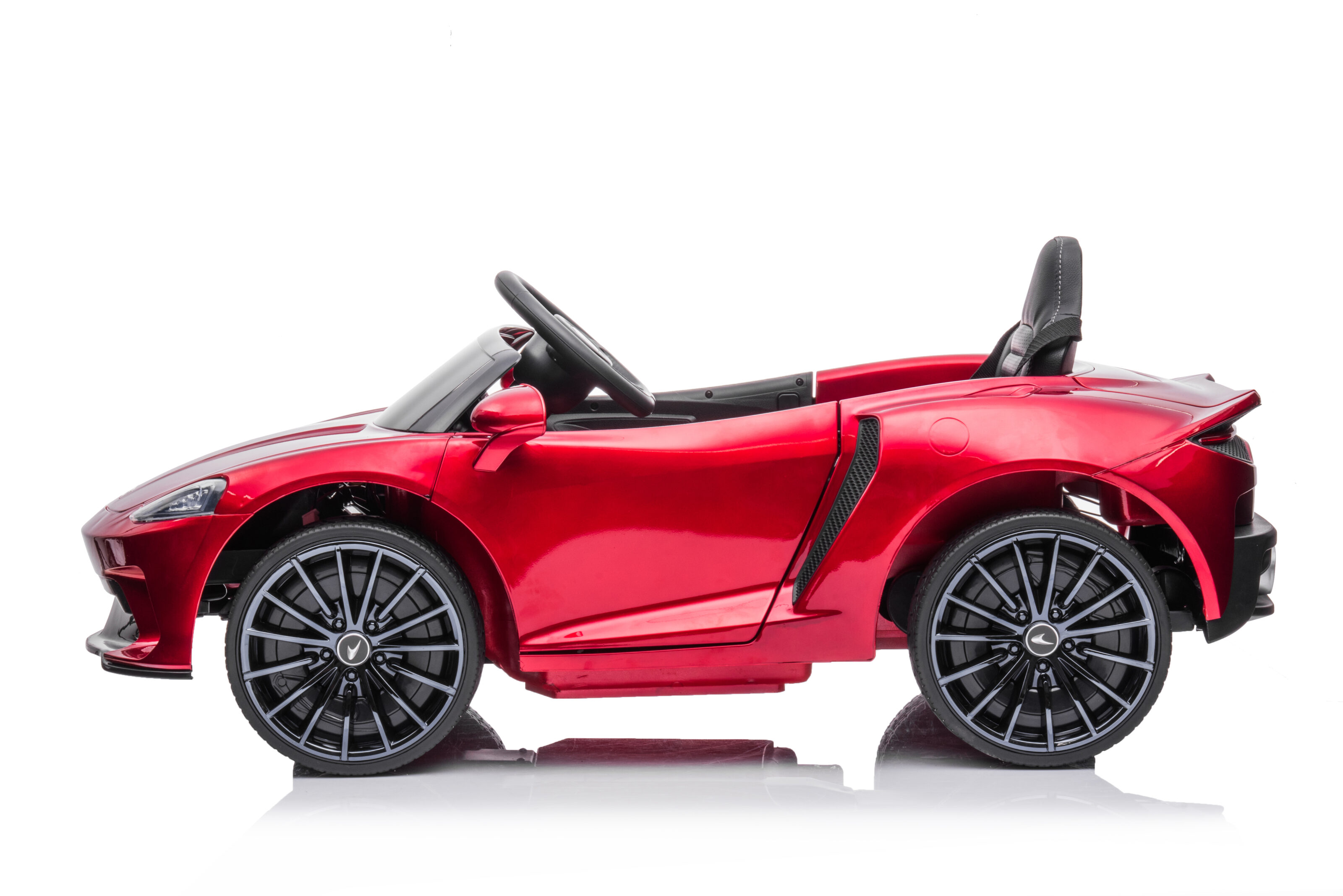
The GT ride-on, the fourth model in the marque’s toy car range, comes with the brand’s iconic dihedral doors, as well as a functioning boot, accelerator and brake pedal, and LED lights.
Inspired by the luxury supercar maker’s real-life model, the GT ride-on follows the P1, 720S and McLaren Senna electrified children’s models.
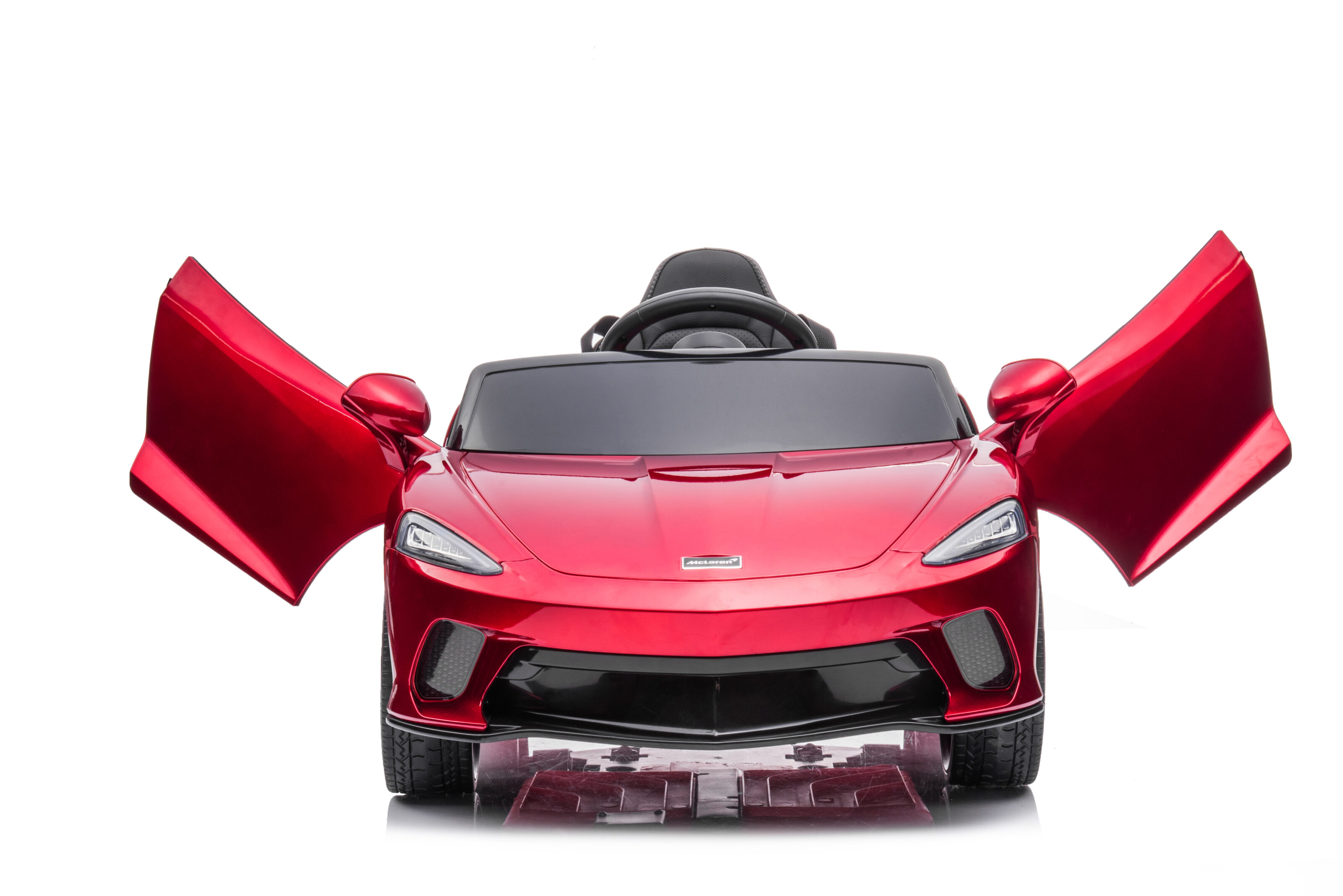
Supercar fans from three to six years’ old can now discover what it is like to drive their very own McLaren GT.
The new model has authentic McLaren design detailing, and just like the real thing, the children’s version of the GT has workable dashboard controls with key start which activates McLaren engine sounds.
Tiny journeys can also be accompanied by music – played through an infotainment system which can access files from a USB or SD card alongside an optional MP4 display screen.
“We aim to inspire the future generation of enthusiasts. The new GT ride-on allows even the smallest of fans to discover the magic of our pioneering supercars,” said Hayley Robinson, merchandise, licensing and partnerships manager at McLaren Automotive.
“We’re proud to develop and encourage younger minds and seek to create the next generation of drivers, engineers, and automotive designers.”
The GT is available in six authentic McLaren colours: burnished copper, silica white, onyx black, McLaren orange, amaranth red and burton blue.
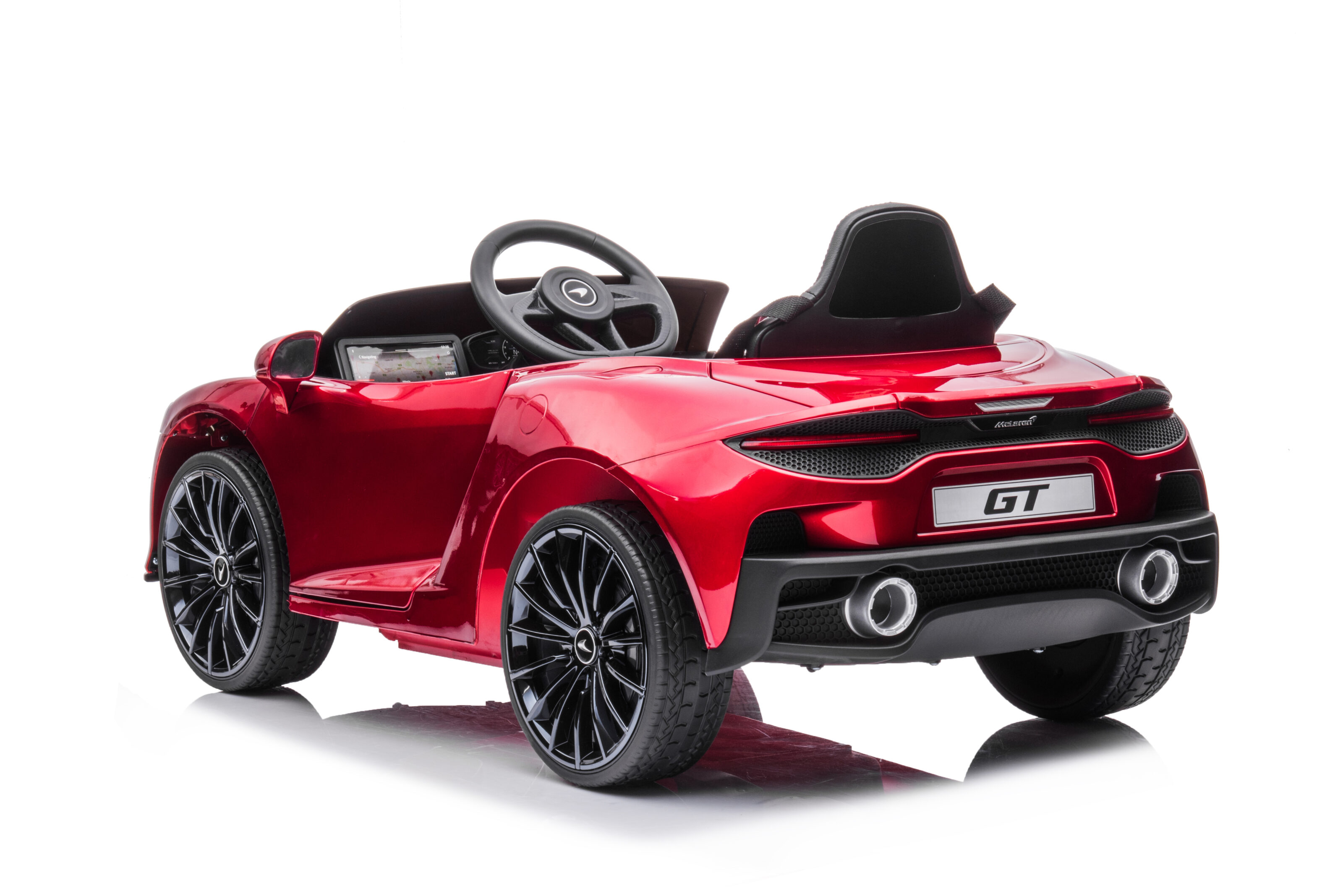
The McLaren GT ride-on is available to order now from selected global toy retailers for $279.
Other manufacturers also offer similar luxury products for little would-be car owners, including the Porsche Macan, Range Rover Evoque and Mercedes-AMG G63.
Snapshot
- Volvo’s move to electric will spark naming revolution
- Current names are too ‘engineering-focused’
Volvo has confirmed plans to shift from its current alphanumeric naming structure to phonetic badging with the launch of its next-generation electric vehicles.
Speaking with Autocar, brand CEO Hakan Samuelsson confirmed the electric Volvo XC90 successor due next year – previewed by the recently-revealed Concept Recharge – will become the first model to be handed a ‘proper’ name.
“If you look at cars today, all of them are very ‘engineeredly’ named: XC, T8, All-Wheel-Drive, double-overhead cams – it’s all specification on the rear of many cars,” said Samuelsson.
“We’re talking about a totally new architecture, a new-generation of born-electric, all-electric cars with central computing… that’s why we’re not going to have numbers and letters, an engineering type of name.”
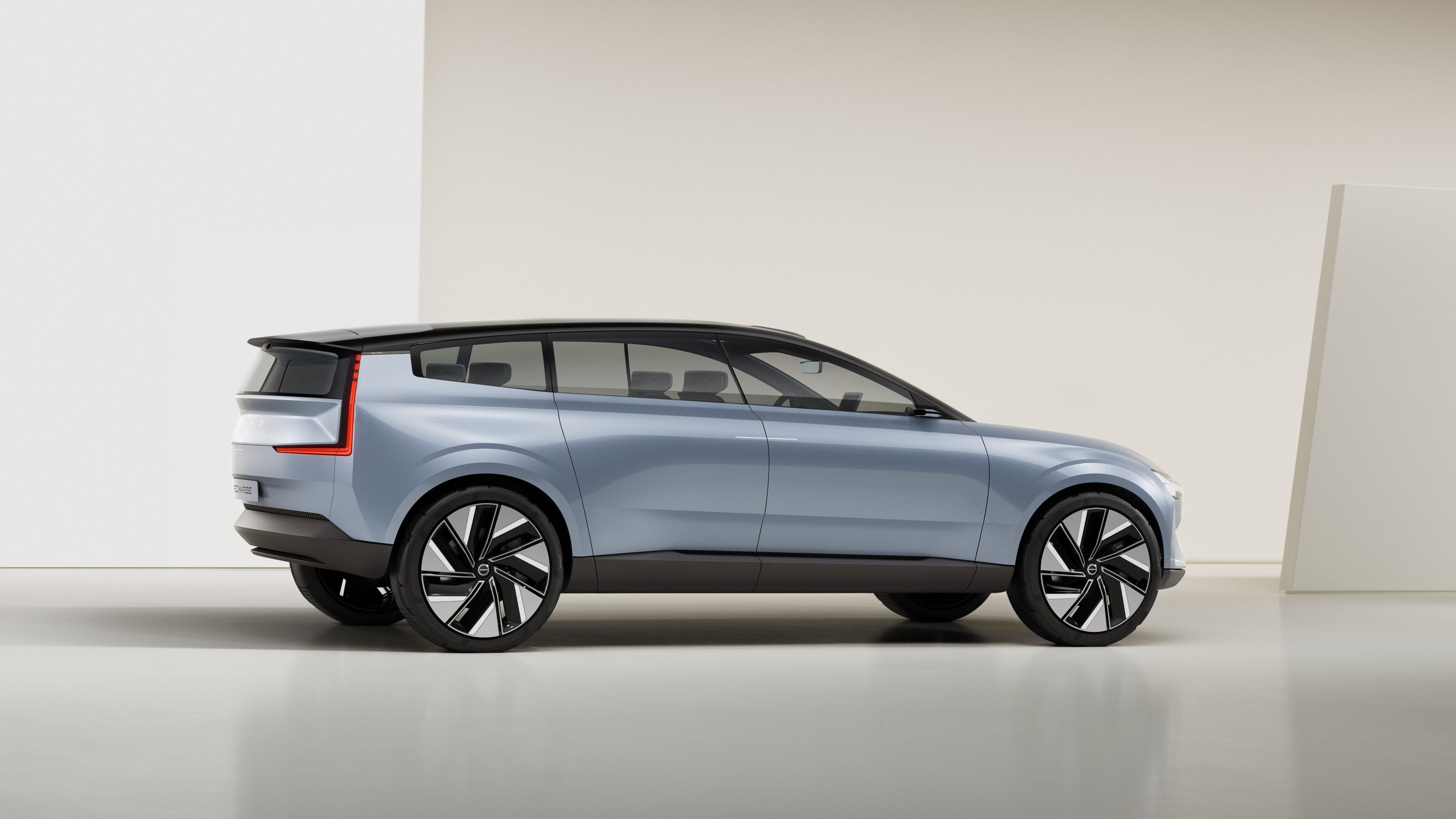
Samuelsson added that the name for the electric XC90 replacement is yet to be finalised, with discussion ongoing within boardrooms of the brand’s Gothenburg headquarters.
Bucking the trend for a widespread shift to alphanumeric branding for electric vehicles – such as the Volkswagen ID, Mercedes-Benz EQ and BMW i ranges – the Swedish marque wants its next-generation vehicles to be given more emotional names, similar to giving “a newborn child a name.”
Volvo is not the only luxury brand to make a similar move.
Cadillac has also shifted away from alphanumeric naming for its electric vehicles, seeing internal-combustion models such as the CT5 and XT6 sit alongside the all-electric Lyriq and upcoming Celestiq.
Volvo has mostly used numbers and letters, or both, for its vehicles since the launch of the ÖV 4 in 1927. It moved to the current naming structure during the mid-1990s – S for sedans, V for wagons, C for coupes and XC for crossovers, followed by a size-based number.
What name do you think the XC90’s successor should adopt?
A new report from the International Council on Clean Transportation (ICCT) has concluded that electric vehicles are not ‘dirtier’ than internal combustion-engined vehicles. The authors took a cradle-to-grave view of EV ownership to settle one of the more enduring elements of the opposition to electric motoring.
One of the well-trodden paths of EV resistance is the idea that electric cars are more damaging to the environment than conventional vehicles. This idea dates back to the last century, when early EVs used lead-acid batteries, and has persisted ever since. It’s the kind of thing that snowballs, never mind that no new EV uses that kind of battery.
There are two persistent objections to EVs. The first is the valid concern around the extraction and refinement of lithium in the production of battery packs, which is by necessity a dirty activity. Billions of dollars are being spent to find alternative materials for environmental and financial reasons.
The second concern cited by sceptics – understandably and perhaps rightly – is that EVs merely move the source of carbon pollution from the tailpipe to the smokestack at your nearest coal or gas-fired generator and therefore are no cleaner.
What’s new then?
The ICCT report examines the environmental impact of an electric vehicle over its entire service life.
The ICCT says it is “an independent, non-profit organisation founded to provide first-rate, unbiased research and technical and scientific analysis to environmental regulators. Our mission is to improve the environmental performance and energy efficiency of road, marine, and air transportation, in order to benefit public health and mitigate climate change.”
So it’s fairly ambitious but upfront about its goals.
This is a genuine problem, globally and locally. As I’ve previously written here, much of Australia’s electricity generation is carbon-intensive and EVs largely move the problem away while improving local air quality.
According to the Australian government’s own figures from 2019, 79 per cent of our electricity generation comes from conventional means. Coal makes up 56 percent, gas 21 percent and oil two percent. By global standards, that overall figure fits in with most industrialised economies, so the figures in the report are locally applicable.
The rest is made up of solar, pumped hydro and wind at various scales. According to an ANU paper, if the current rate of new solar and wind installations maintains its current rate of 10GW per year, Australia’s grid will be 50 percent renewable by 2025.
The ICCT report, labouring under the title, “A global comparison of the life-cycle greenhouse gas emissions of combustion engine and electric passenger cars”, examines the new vehicle markets in Europe, the United States, China, and India, which account for seventy percent of new car sales.
The methodology compares electric vehicles registered in 2021 and matches them with projections based on market changes over the next decade.
The report takes into account the current carbon intensiveness of electricity grids, different levels of electrification in vehicles, the fuels mix across these markets – and even the methane leakage from the production of hydrogen from natural gas.
The report benchmarks medium-sized cars sold in 2021 in these markets of all fuel types to compare the lifetime carbon outputs, including the creation of the vehicle itself and the power source.
Based on 2021 figures, the report found that the average medium-sized BEV’s emission are lower by almost two thirds in Europe and the US, nearly fifty percent in China and around thirty percent in India.
The report expects continuing decarbonisation of the grids in these markets, the gap will further widen by 2030.
The Union of Concerned Scientists found in 2015 that an EV created anywhere from 15 to 70 percent more carbon dioxide than an ICE vehicle during the manufacturing process, but made that back during its lifetime, so the ICCT report’s findings aren’t new in that fundamental sense. The report does put real numbers against a BEV’s lifetime CO2 benefit across five of the world’s biggest car markets.
Based on these figures, it’s important to acknowledge the point that electric vehicles are not carbon-free. As the old saying goes, you can’t make an omelette without breaking eggs. Manufacturing of any kind uses resources and EVs are no different. The ICCT report does, however, bust the myth that EVs are dirtier than ICE cars.
And with our grid as well as each of the markets examined by the ICCT committing to large-scale decarbonisation of generation, the CO2 gap between BEV and ICE will only widen.
Swift, silent and slippery, the 2022 Mercedes-Benz EQS has the essential attributes of an excellent assassin. And that’s exactly what it is. This big, luxurious and tech-laden electric sedan is the car that kills the S-Class.Mercedes-Benz, without being explicit, confirmed in late July that the just-launched and all-hybrid W223 S-Class will be the last of the line. From 2025, all new-vehicle architectures the company launches will be electric-only.
So that’s the fate of the S-Class, for decades Mercedes-Benz’s flagship model, effectively sealed. Only the timing of the funeral remains unknown. Will the W223 run its natural lifespan of seven or so years? Or will the EQS strangle it to death earlier than 2027?
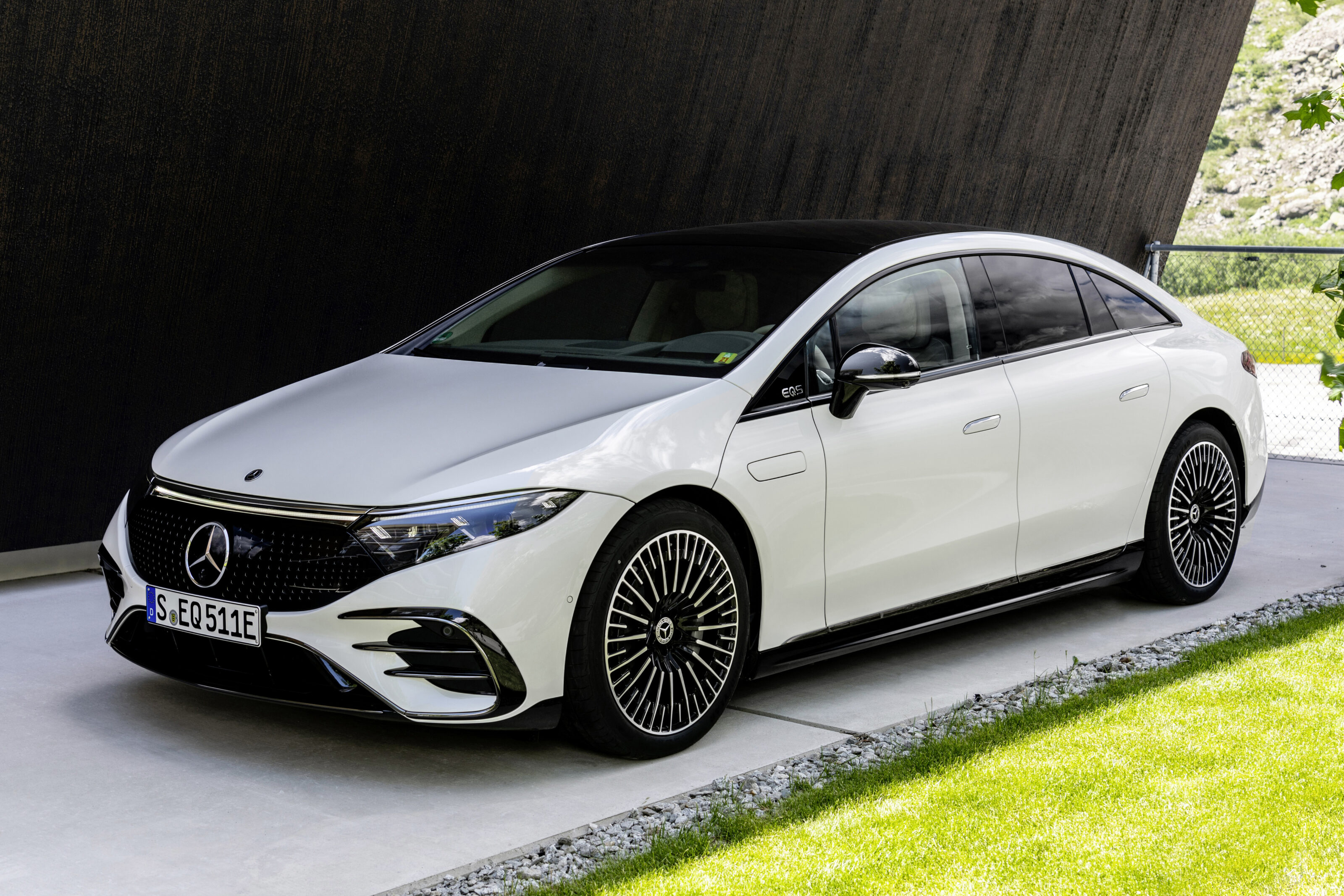
Whenever it happens, it won’t be a tragedy. Not only is the EQS a machine in tune with the times and fit for the future, it’s also a better big luxury car than the S-Class in many of the ways that really count.
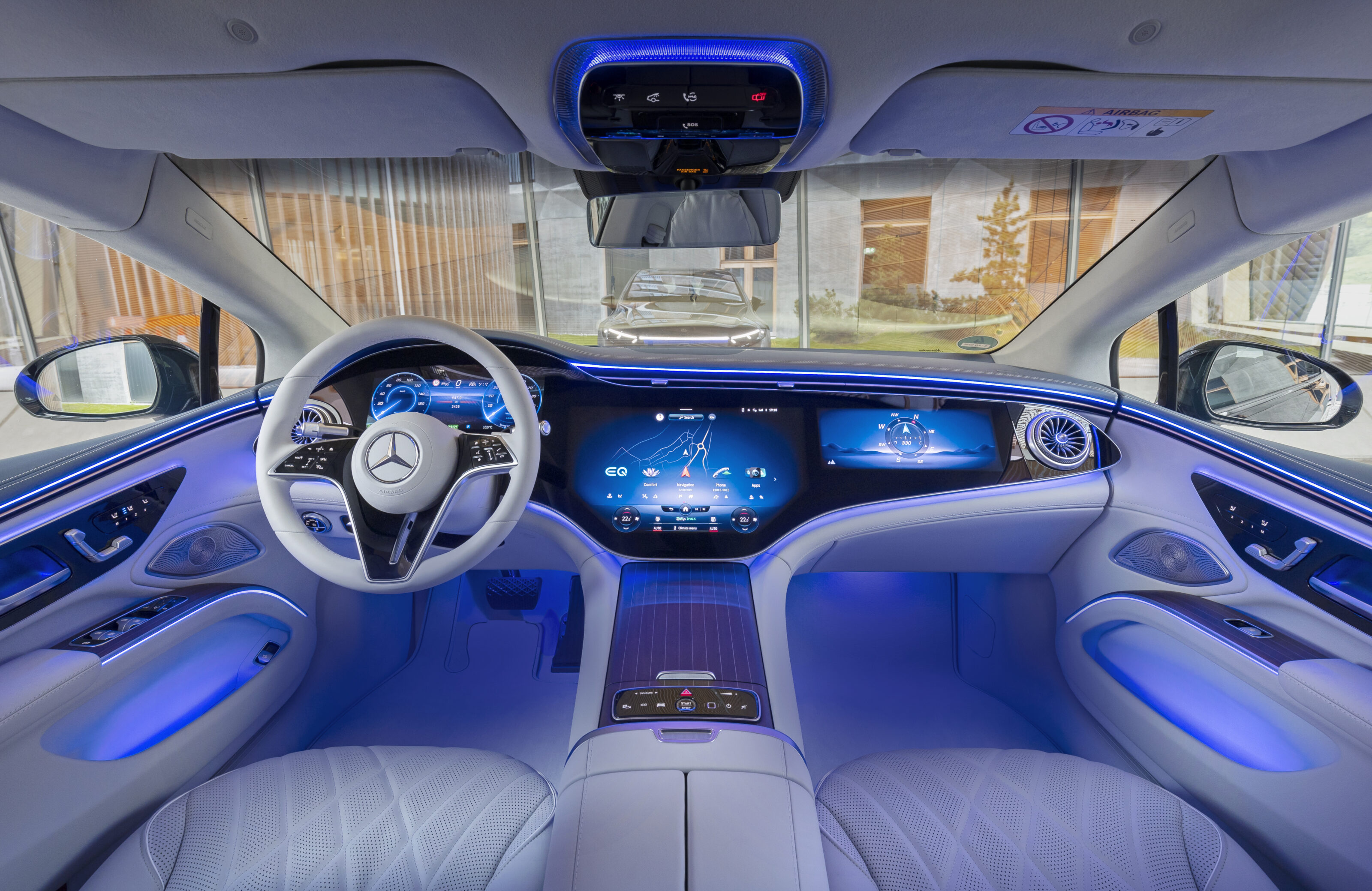
The interior of the latest S-Class is visually stunning, but that of the EQS is even better. Especially if it has Hyperscreen. This curved and carved sheet of glass is almost the entire instrument panel, and its visual impact is immense.
Behind it are up to three displays: configurable instruments for the driver, a massive central touchscreen, plus an optional passenger screen. Hyperscreen is a technology reserved for EQ models, and it’s desirable for more than just its looks.
It delivers what Mercedes-Benz calls a ‘zero-layer’ user experience on the centre screen. What this means is the use of artificial intelligence to figure out what the driver will want to use at any time, and automatically displaying these functions. It’s capable of constant learning and improvement over time, but even a day spent interacting with this latest iteration of MBUX is enough to convince anyone of its value.
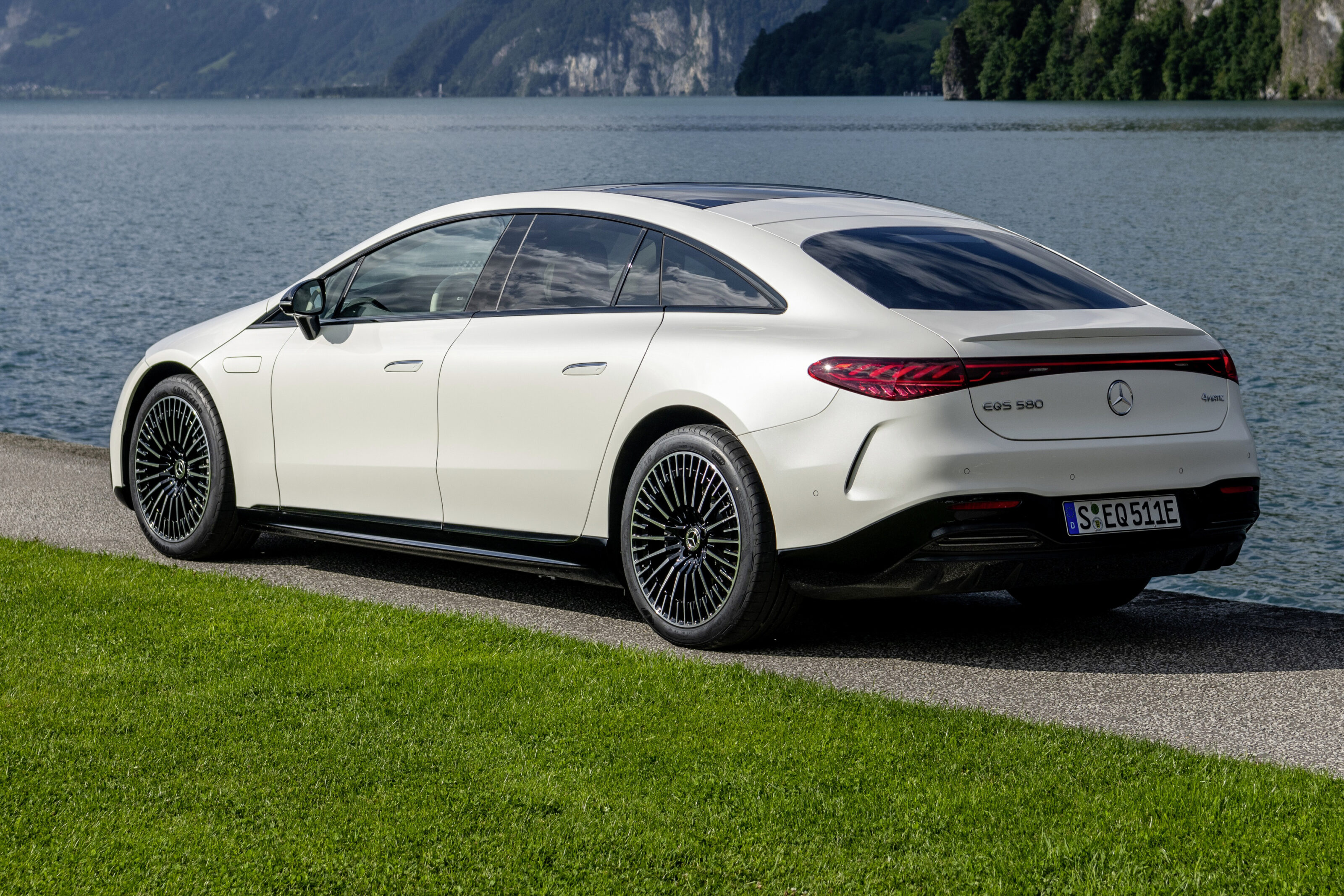
In tune with the streamlined Hyperscreen interface, the interior design of the EQS aims for a cleaner and more minimalistic look than the S-Class. There are few buttons, but plenty of eye-pleasing curves and impressive craftsmanship.
The interior also takes advantage of the EQS’s flat-as-a-battery-pack floor. With no need for a central tunnel, Mercedes-Benz’s designers could install a bridge instead. Beneath the elevated platform extending from the base of the instrument panel to the centre console is another useful, out-of-sight storage space.
The only area where the EQS’s interior fails to match the S-Class is rear seat roominess. There’s a good reason for this: aerodynamics.
The EQS sets a new production-car record for low drag, though it should be pointed out that only one model achieves the crucial 0.20Cd figure, and then only when fitted with a particular 19-inch wheel and some small additional aero aids.
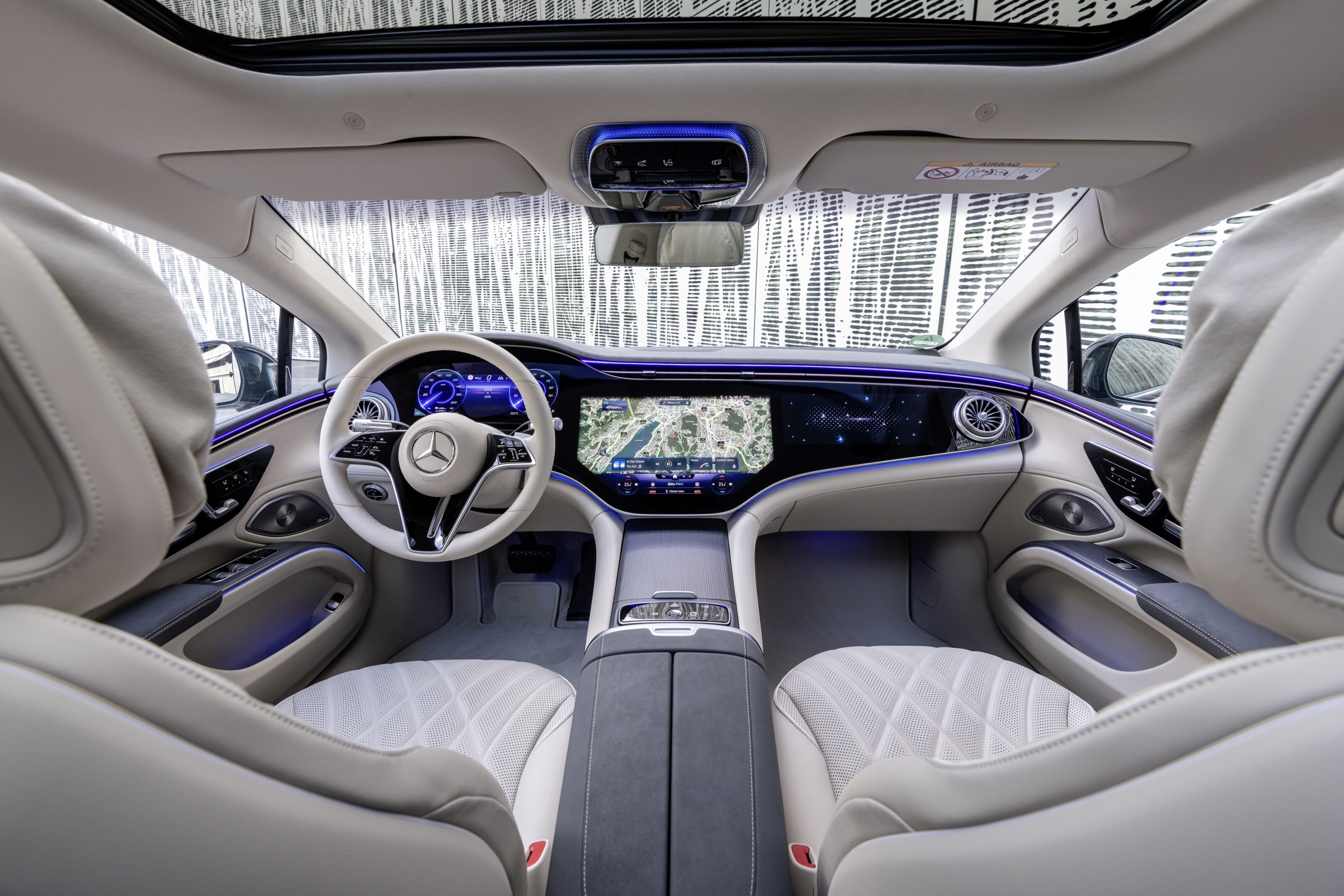
What’s important to understand is that the shape of the EQS was influenced by the need to reduce air resistance more than most other cars. Aerodynamics dictated a profile rising from a low nose and then tapering from a point above the front seats to a tall tail.
And this meant the EQS almost certainly had to be a liftback. There’s a massive cargo compartment ‒ 610 litres ‒ beneath it, but the rear seat isn’t as sprawlingly spacious as that in the S-Class. While there’s ample knee room, head clearance isn’t so generous, even though the seat is relatively close to the floor.Holger Enzmann, project lead for EQS development, confesses that senior Mercedes-Benz management didn’t believe early design proposals for the car were serious. Their doubts were only dealt with when design chief Gorden Wagener’s people came up with the look now known as ‘one bow’. Still, from outside, the EQS is no great beauty.
Aerodynamics played an outsize role in shaping the EQS because low drag was essential to achieving one key objective: a 780km driving range. This target was set at the very beginning of the project, or five years ago, according to Enzmann.

The EQS is an EV that should easily get close to, or maybe exceed, its WLTP range in day-to-day driving.
It was a very ambitious aspiration, but the EQS450+ has a 780km WLTP-rated driving range. The other variant leading the model’s roll-out, the EQS580, is almost as impressive. Its WLTP range is 676km. They have the same 108kWh lithium-ion battery pack.
We drove both the single-motor 450+ and dual-motor 580 at the international launch of the EQS in Switzerland.
It’s not hard to sense the effect of the ultra-aero shape. Just tap the thing behind the steering wheel that looks just like a shift paddle to disable regenerative braking. On the move, without electricity-generating drag to slow it, the EQS feels like it could roll on forever when the accelerator is released on a flat road. And going downhill it quickly gathers speed.
The quest for powertrain energy efficiency ‒ the other factor affecting EV driving range ‒ was equally relentless. The EQS has different, more advanced motors from the EQC, EQA and other Mercedes-EQ models.
They’re synchronous permanent-magnet units, but the interestingly innovative motor designed for use in the rear axle of all EQS models is different from the front motor of the all-wheel-drive variants (see footer).
Both motors feature liquid cooling of rotor and stator, and the waste heat captured this way is used to reduce the need for electrical heating elsewhere in the car, thus boosting range. This and the other efficiency-enhancing measures seem to be effective.
On one 180km-long leg of the test program, the trip computer of the 450+ I was driving calculated my energy consumption at 12.6kWh/100km, well under the car’s official WLTP rating of 15.8 to 19.8kWh/100km. Though the drive did begin high in the Alps and ended much lower, this is still a mighty impressive result.
The 580 driven the day before exactly matched the upper 21.4kWh/100km consumption of its WLTP figures. Both cars were driven quite normally.
What these real-world results mean is that the EQS is an EV that should easily get close to, or maybe exceed, its WLTP range in day-to-day driving.
The EQS is, to some extent, quite S-Class-like to drive. The two share some suspension and steering components, and both are built in Mercedes-Benz’s high-tech Factory 56 in Sindelfingen, outside Stuttgart.
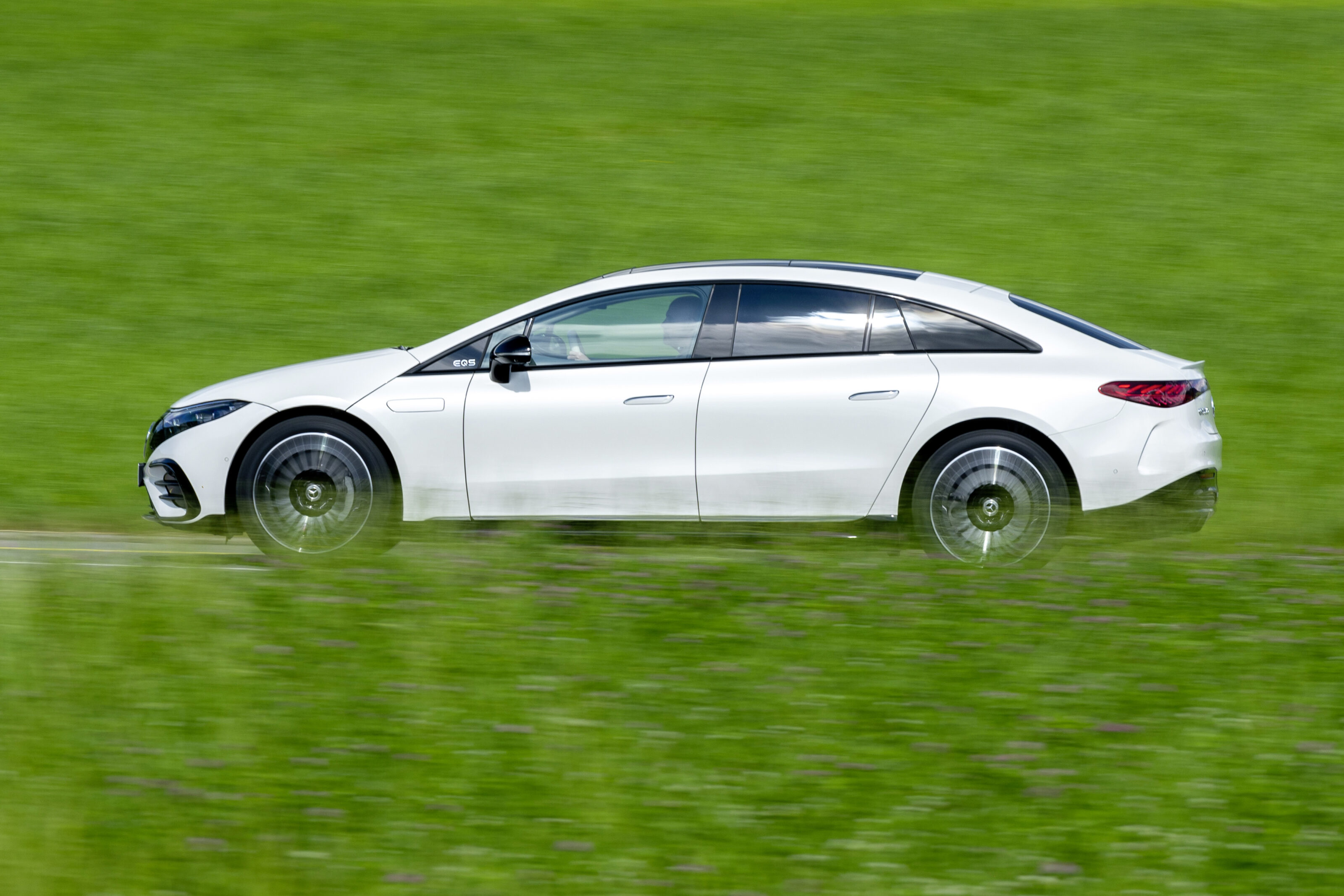
Like the S-Class, the EQS casts a large shadow. Though very long and wide, it’s one of those cars that seems smaller when behind the wheel. Its width seems to shrink, while the standard rear-wheel steering system makes it feel like something with a shorter wheelbase.
But the EQS is the better driver’s car. Its air-spring suspension, even in the default Comfort driving mode, doesn’t deliver the same ultra-soft ride. While very absorbent, there’s a little more discipline; enough to engender a sense of slightly superior agility and responsiveness.
Acceleration of the EQS is in the same league as equivalent S-Class models. The rear-drive 450+ is slower than the all-wheel-drive S450, but the all-wheel-drive 580 is a fraction quicker than the likewise all-wheel-drive S580.
But the EV is both smoother and more silent. It beats the S-Class at its own favoured game; refinement. Engineers who worked on the motors and power electronics of the EQS took great pains to make this happen.
Electric motors are not naturally quiet and vibration-free devices, nor are components like inverters, explains engineer Xenia Kressner. On a walk-round of a cutaway EQS580 skateboard chassis she points out its key features; skewed motor stator windings, noise-absorbing covers for the inverters, subframes with rubber bushings to double isolate the motors from the body structure.
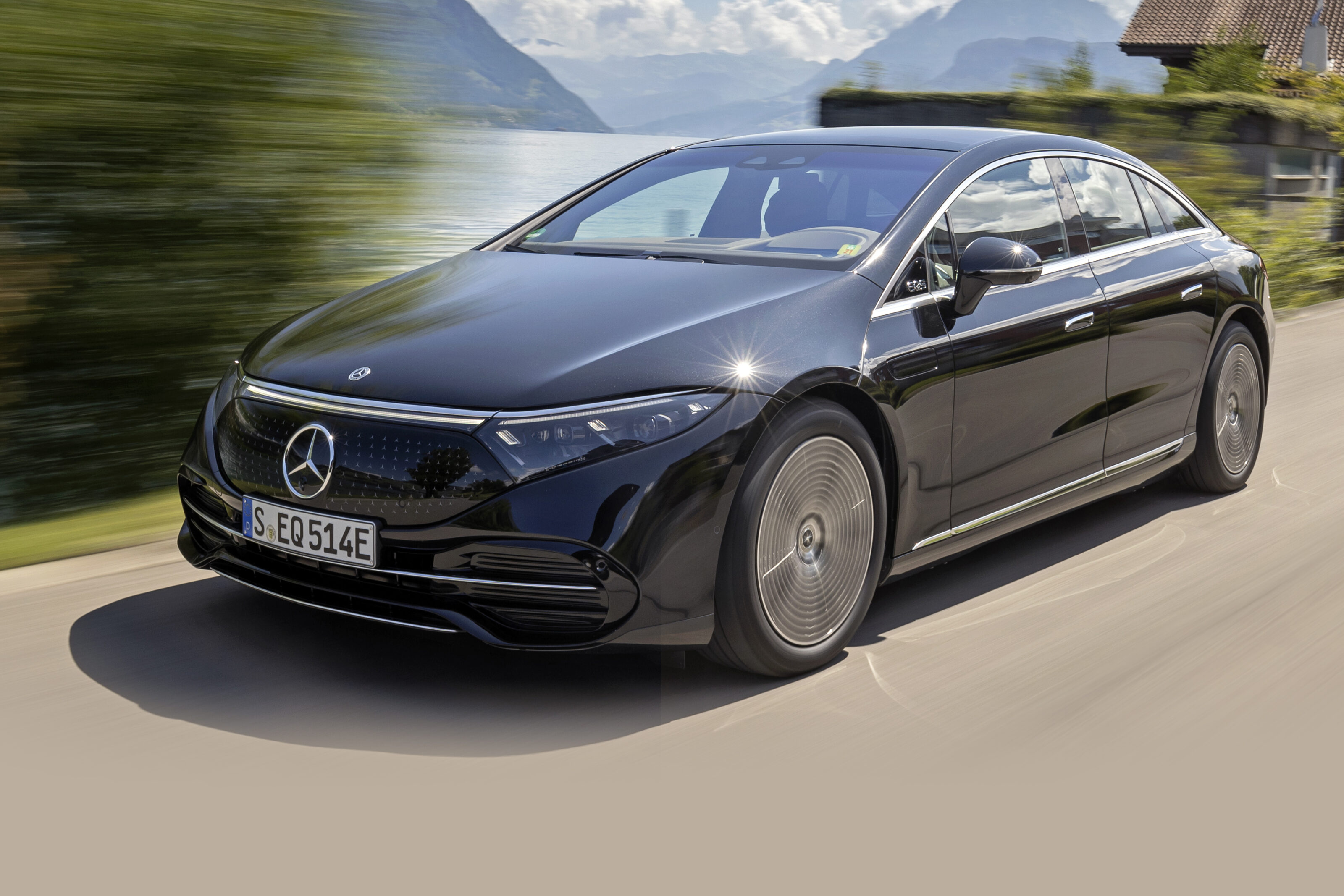
These measures are very effective. I’ve never driven a car in which speed was so hard to judge. The way it accelerates, even foot flat, is supernaturally silent. The shove is instant, just like other high-end EVs. In the case of the EQS580 it’s also massive.
Clear superiority in refinement and performance isn’t hard for an EV to deliver, but there are more practical aspects of use and ownership where they struggle to even equal ICE-powered competitors.
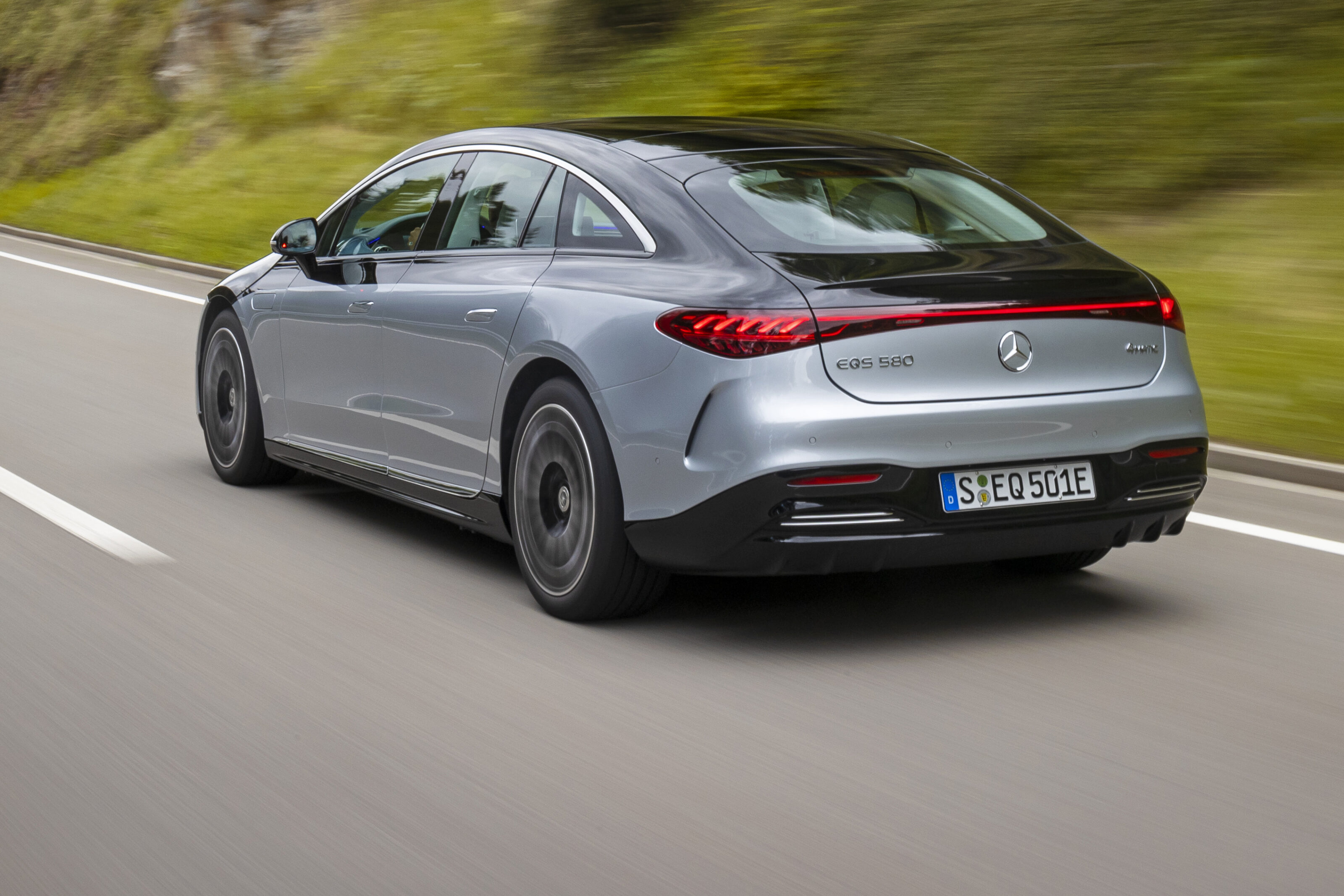
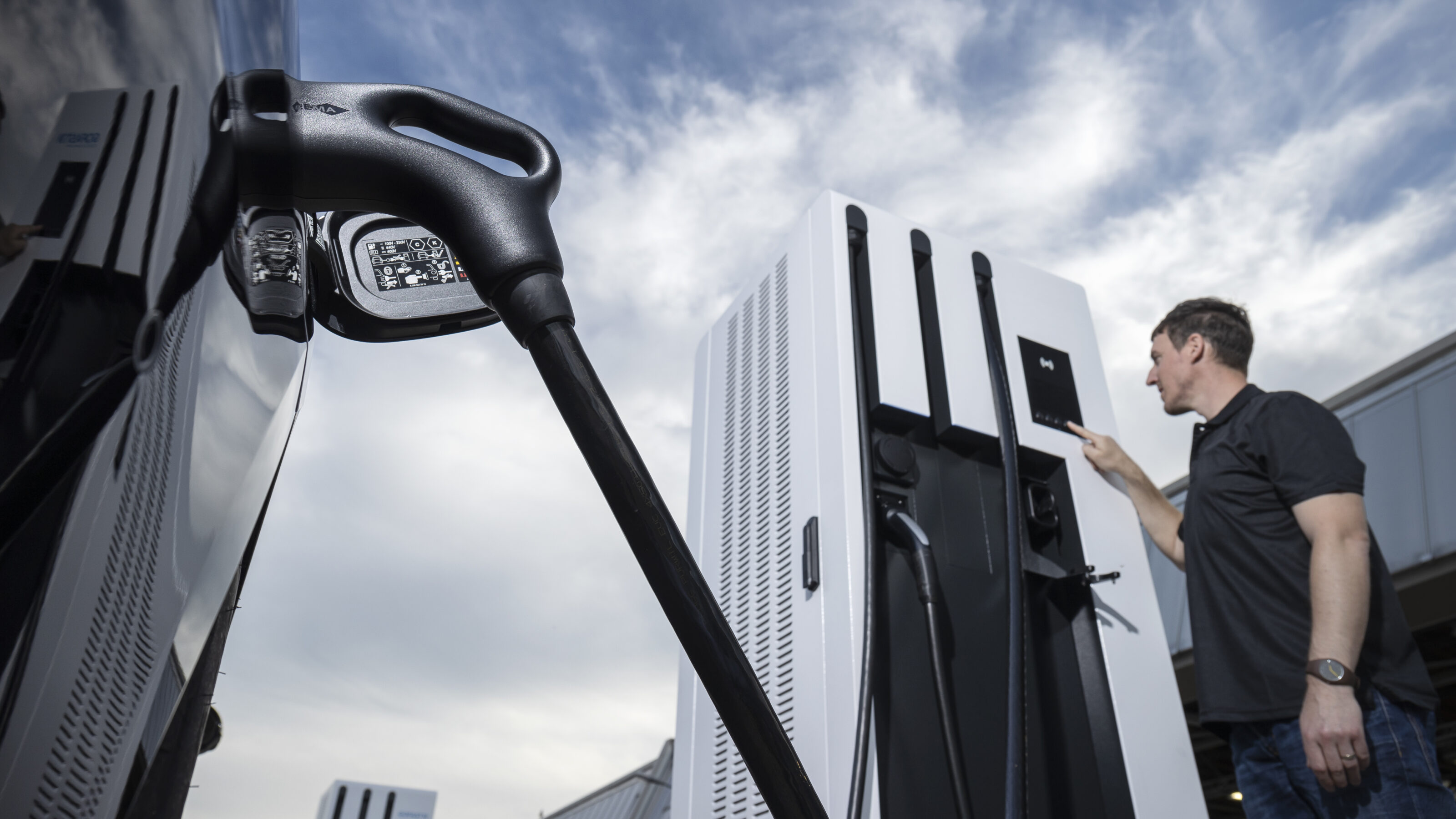
The most obvious of these is recharging time versus refuelling time. The EQS comes standard with an 11kW on-board charger that needs a similarly rated three-phase wallbox to fulfil its potential. With one of these installed at home or workplace, the EQS will seldom need to charge anywhere else. But, sooner or later, an owner will want a quick recharge on a long trip.
Hooked up to a powerful DC fast charger, the EQS450+ can take on 300km of range in only 15 minutes. The EQS580 can add 260km in the same time, reflecting its higher energy consumption per 100km.
This isn’t as speedy as filling a tank with unleaded, but most people also need a comfort stop, a coffee break, a leg-stretch, or all three, after a few hours behind the wheel. Although the number of DC fast chargers that can pump out the 200kW the EQS can accept is small, more are being installed on the major routes where they’re most needed. And with its great driving range the needs of the EQS are less than other EVs.
So while choosing the EQS does involve a degree of compromise, price isn’t one of them. Though prices are yet to be announced for Europe, where deliveries of the EV will begin in September, it’s promised the EQS will cost around the same money as equivalent S-Class models. This also goes for Australia, where the EQS is scheduled to arrive in March or April 2022.
Extra EQS variants are sure to go into production in the meantime, including those with a smaller and less costly 90kWh battery pack. Mercedes-Benz Australia is still picking and choosing, but the possibility of a single-motor EQS for between $200,000 and $250,000 surely exists.
Mercedes-Benz has made clear its future is electric, and the EQS shows that this isn’t something to dread. This ultra-aero electric luxury liftback truly is a landmark in the history of the company that invented the car, simple as that.
Just a phase…
Most EV motors use three-phase power to create the pulsing forces that push their rotors round. Not the innovative motor developed for the rear axle of the EQS. It uses six-phase power.
Engineer Xenia Kressner explains what this means with a comparison to an internal combustion engine. It’s like joining two four-cylinder engines to create a V8, she says.
Doubling the number of phases doubles the frequency of the electric motor equivalent of power strokes, but without any great increase in the motor’s physical size. The change also makes the motor run more smoothly.
2022 Mercedes-Benz EQS specifications
| Model | Mercedes-EQ EQS580 |
|---|---|
| Motors | Dual (front and rear axles) |
| Battery | 108kWh |
| Max power | 385kW |
| Max torque | 855Nm |
| Transmissions | Single-speed reduction gear |
| Energy consumption | 18.3 u2012 21.4kWh/100km (WLTP) |
| 0-100km/h | 4.3sec (claimed) |
| Weight | 2585kg |
| L/W/H/Wheelbase | 5216/1926/1512/3210mm |
| Price | $330,000 (estimated) |
| On sale in Australia | March/April 2022 |
Father’s day is coming up. If you’re yet to find quite the right gift, or maybe just shopping for yourself, check out the ten coolest car life products we’ve found on our digital travels this month!
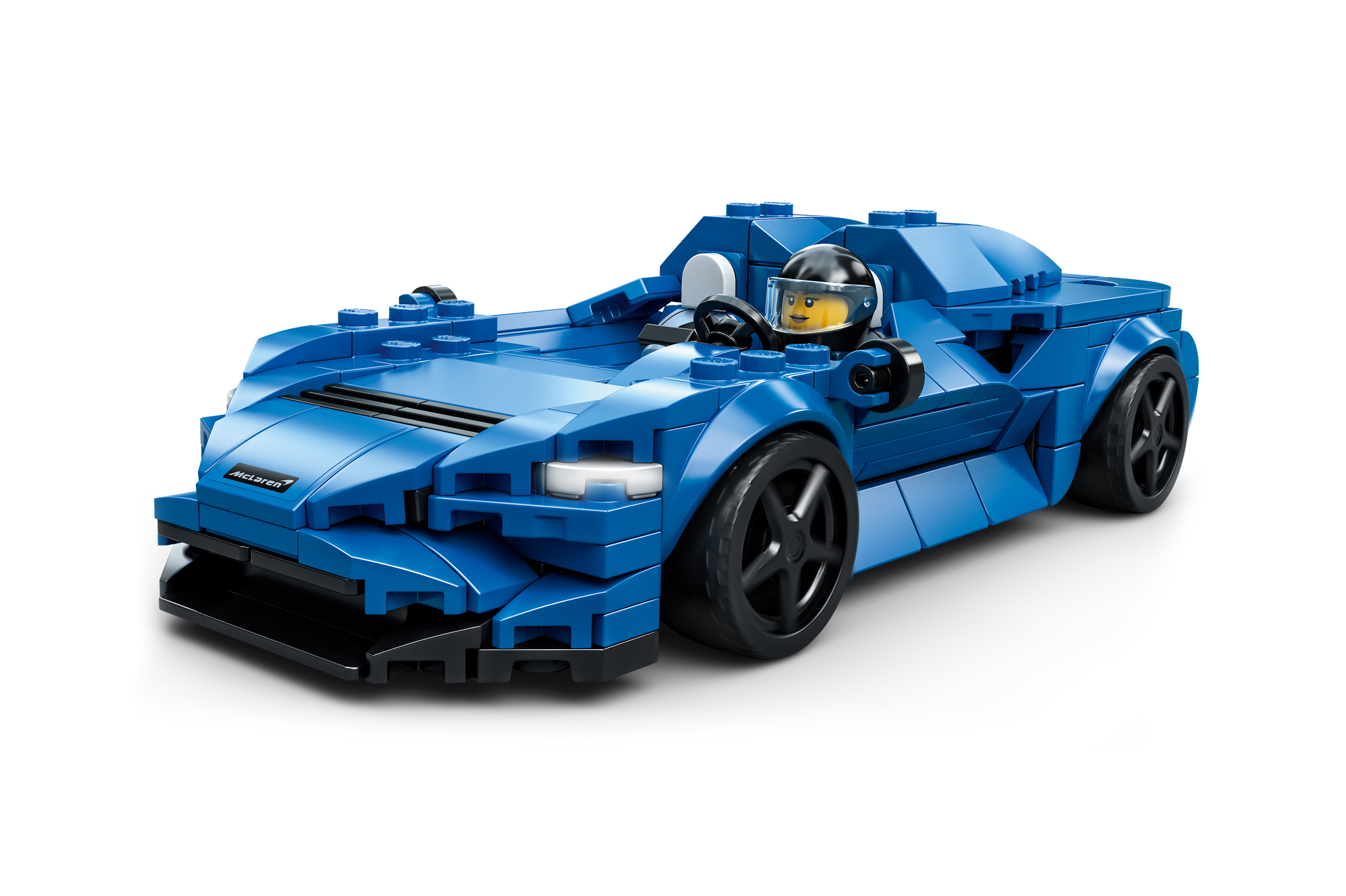
McLaren Elva Lego Speed Champions – $30 – lego.com
Lego’s latest Speed Champions kit lets anyone own McLaren’s $2.5+ million open-air hypercar. 600kW flat-plane V8 sadly not included…
Stirling Moss no. 7 sweatshirt – $92 – shop.goodwood.com
Inspired by the legendary Sir Stirling Moss, Goodwood’s classic-fit sweatshirt is inspired by the 250 GT SWB that he raced in the ’60s

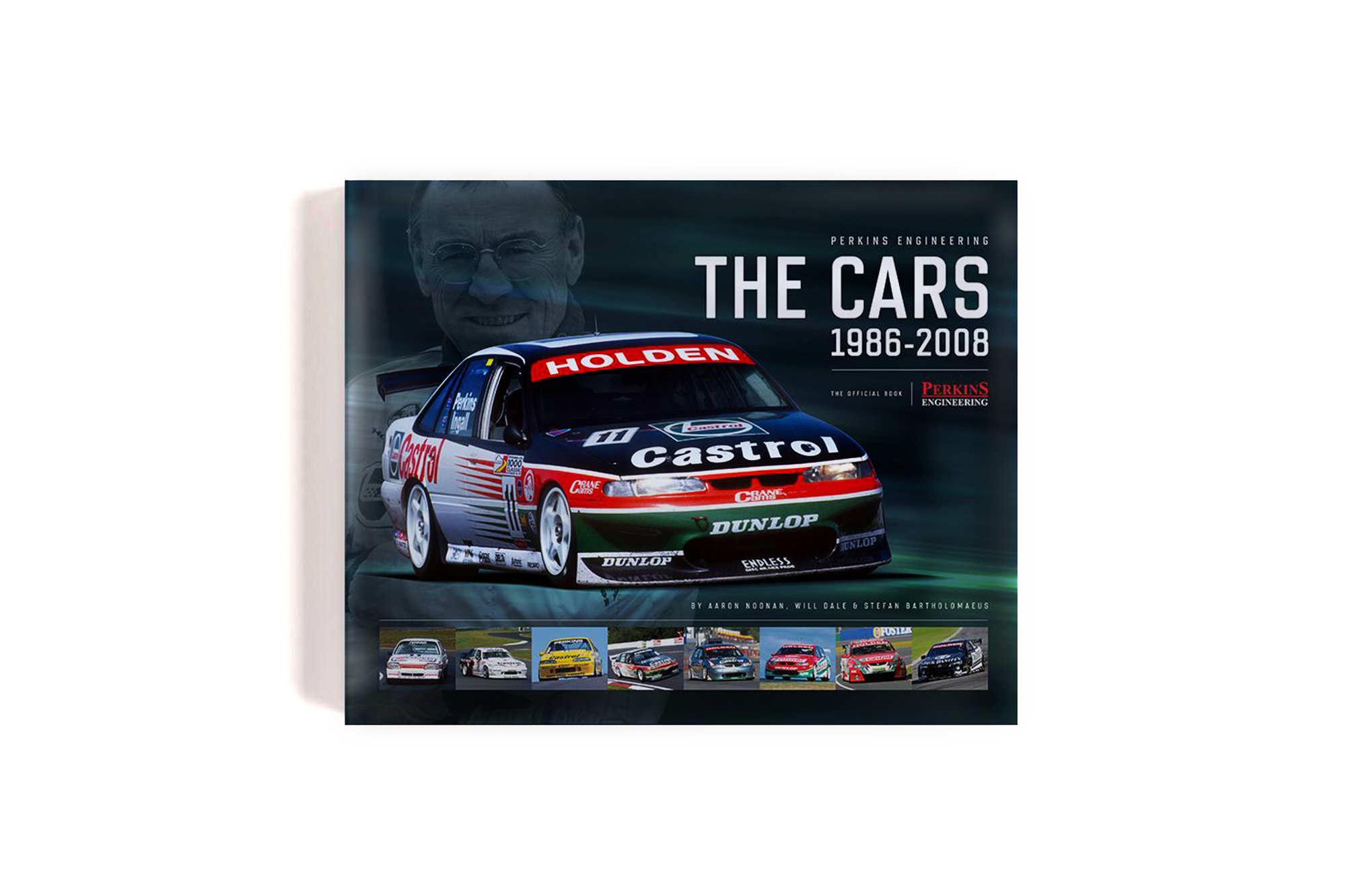
Perkins Engineering: The Cars 1986-2008 – $140 – bookshop.v8sleuth.com.au
Aussie race nuts will love this historical hardcover chronicling the cars spanning Perkins’ incredible career. Pre-order now
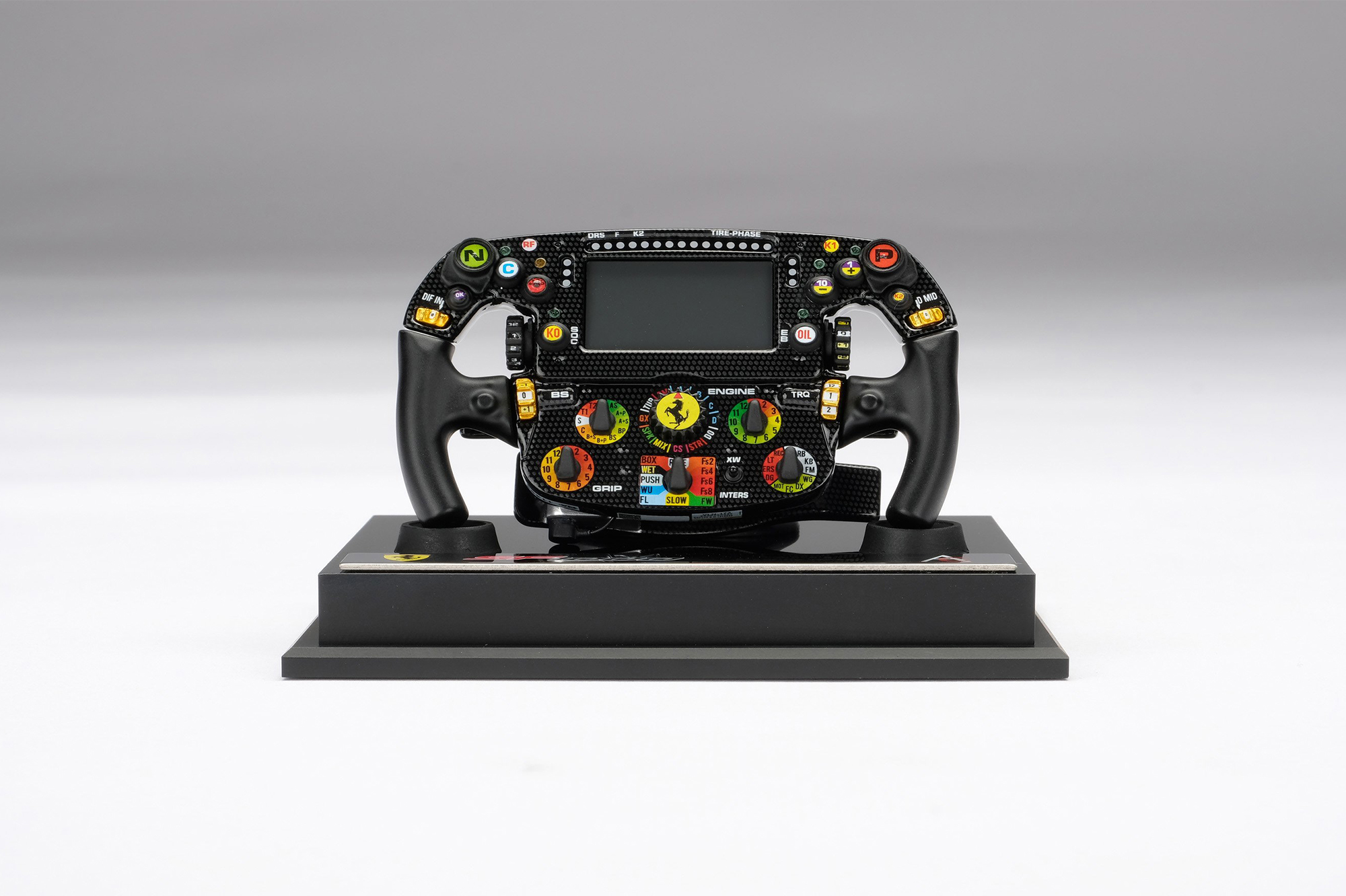
Ferrari SF1000 Steering Wheel – $244 – amalgamcollection.com
This mob is a trove for the desk decorators; the 1:4-scale piece reflecting the steering wheel from Ferrari’s 2020 F1 car in incredible detail
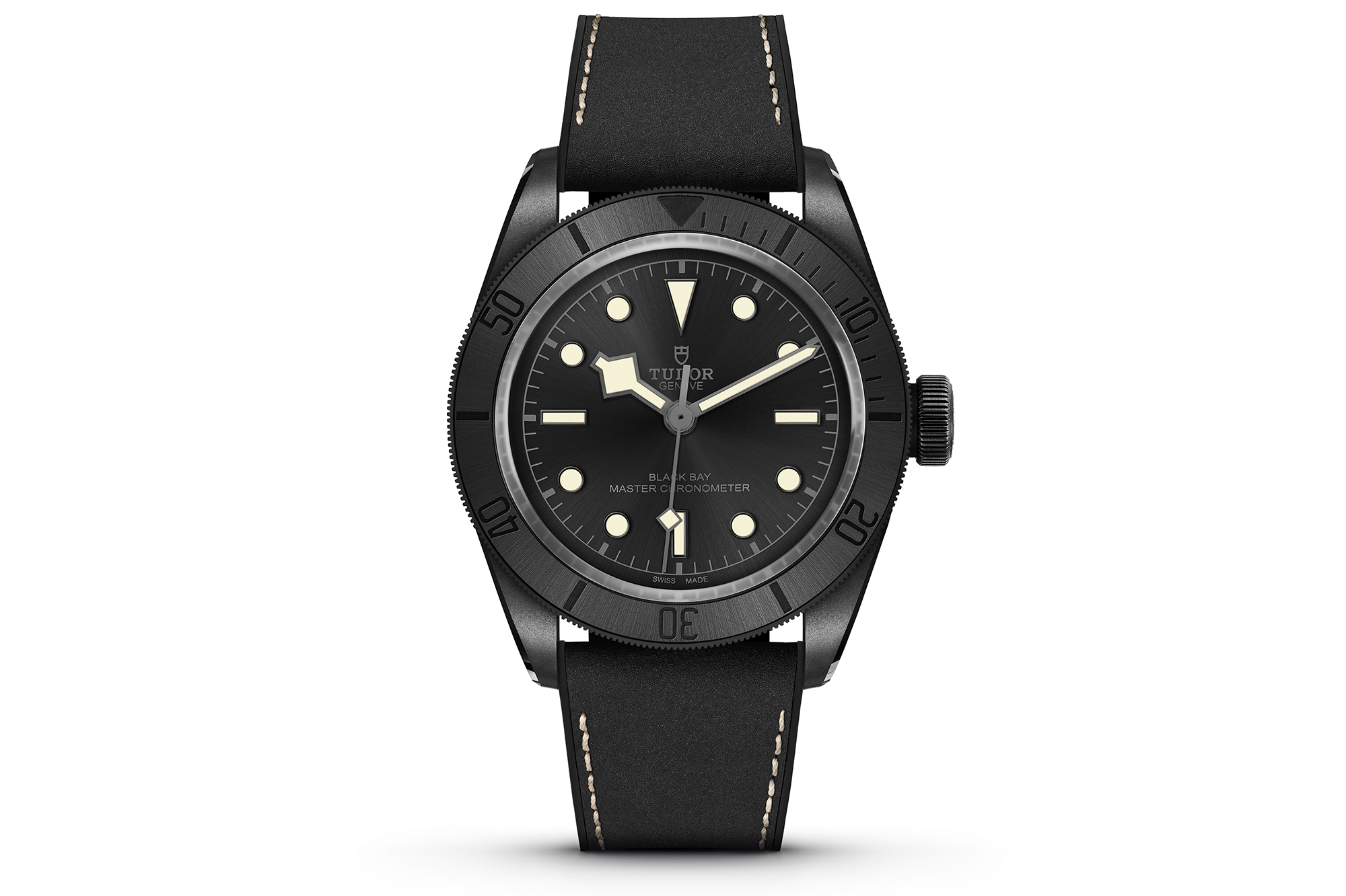
Tudor Black Bay Ceramic 41mm – $6440 – gregoryjewellers.com.au
Tudor, one of our favourite brands, has unveiled a revolutionary new variant of its popular Black Bay diver. Ceramic case and bezel house a radical new MT5602-IU movement with METAS master chronometer certification + 70 hours of power reserve
Track Pack
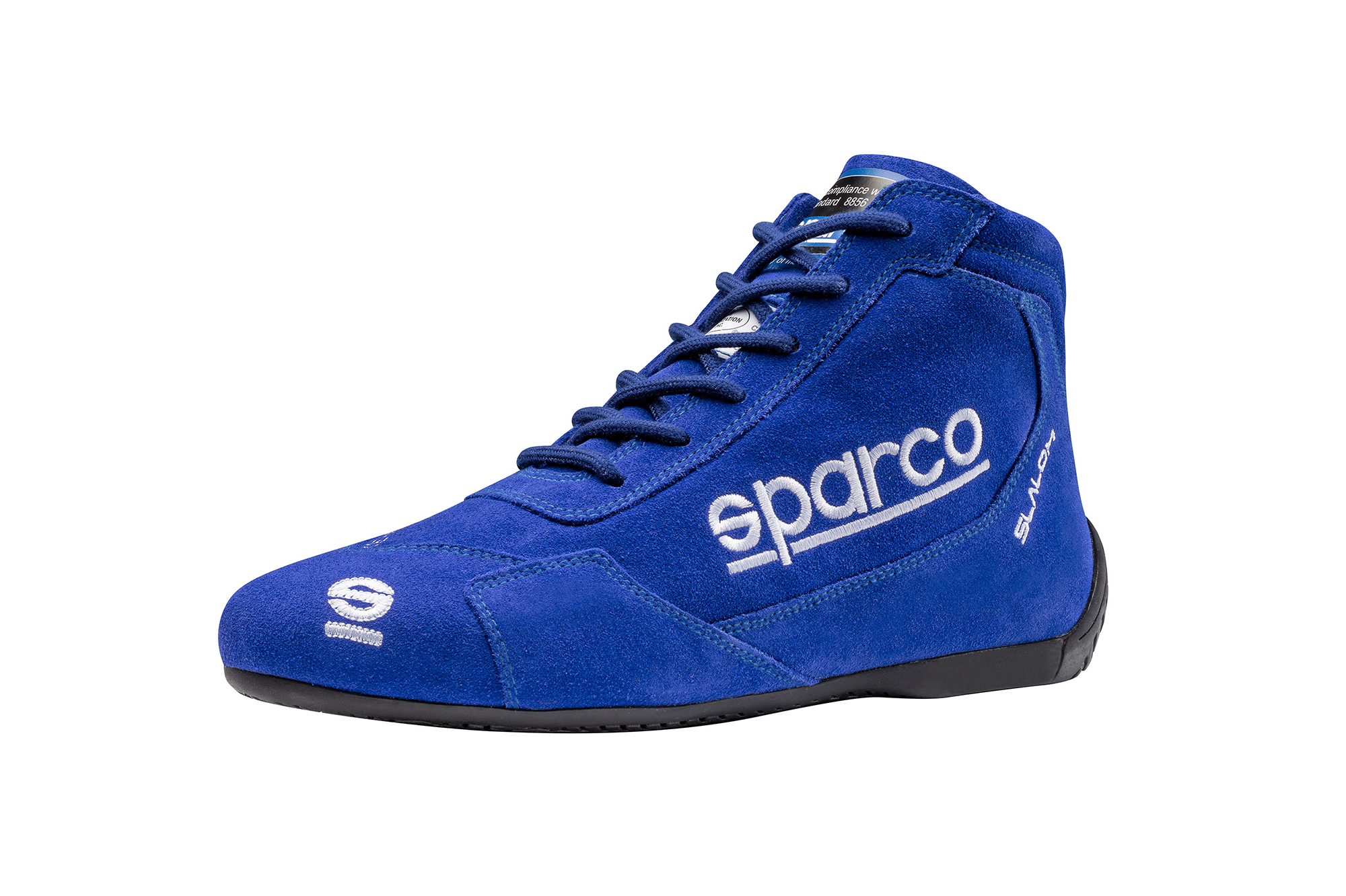
Sparco Slalom RB3 FIA boot – $225 – autosport.com.au
These Sparco race boots offer a snug and secure fit, feature suede uppers, leather insole and rubber soles for maximum feedback and minimal slip. FIA approved and oil and fuel-resistant
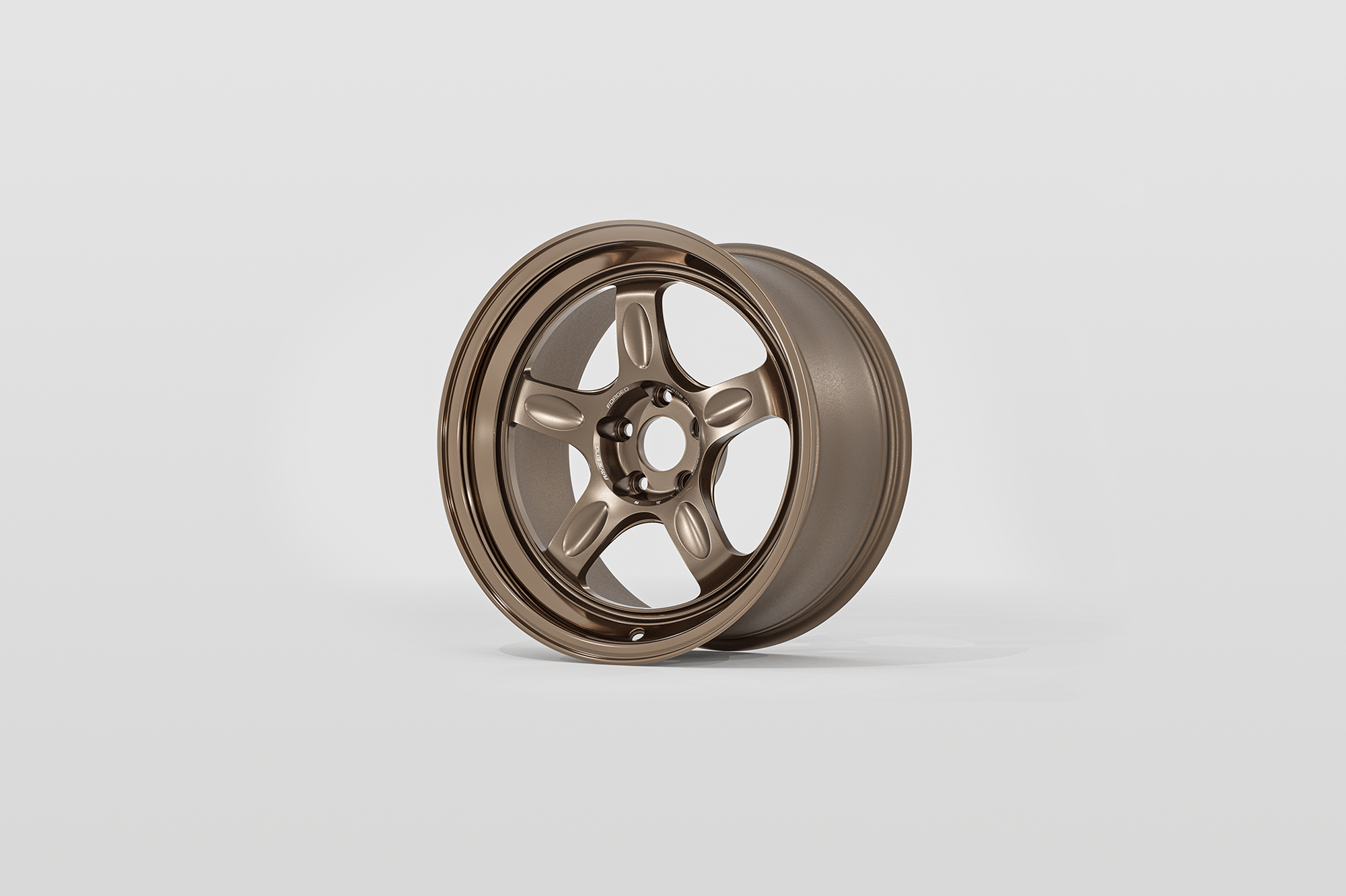
Volk Racing 21C wheels – $3696 – mkmotorsports.com.au
Volk’s latest forged monoblock wheel is a modern reprisal of vintage Group C and early-’00s GT-C wheels. PCD fits most major Japanese cars
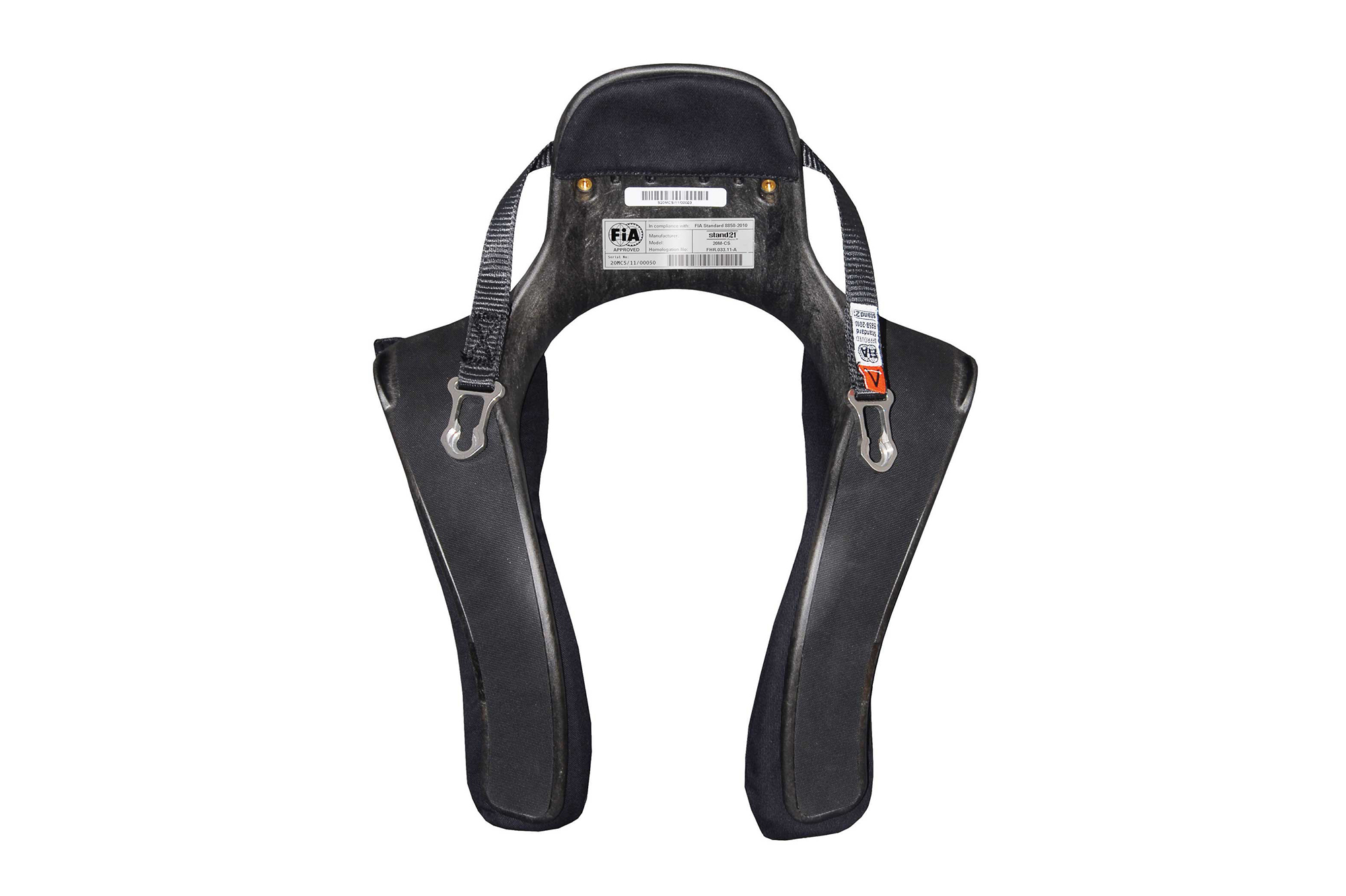
Stand 21 Club Series 1 FHR device – $399 – raceline-racewear.com.au
To quote the Wu-Tang Clan: ‘protect ya neck’ with the most affordable frontal head restraint system available. Handmade in France
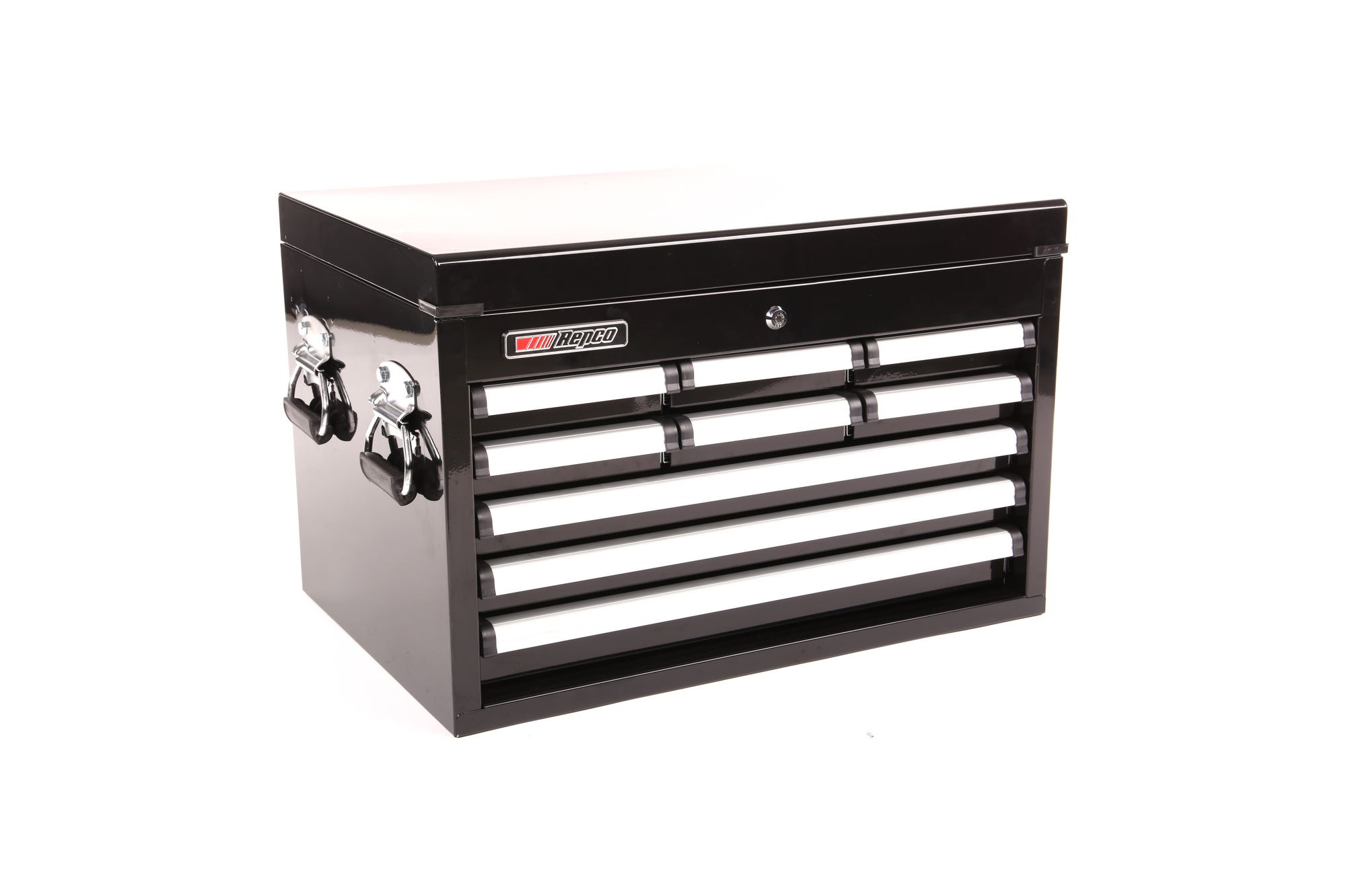
9-drawer tool chest – $420 – repco.com.au
Keep your tools and spares organised at the track with this handy lockable tool chest from Repco. It measures 68cm long and is made of heavy-gauge steel
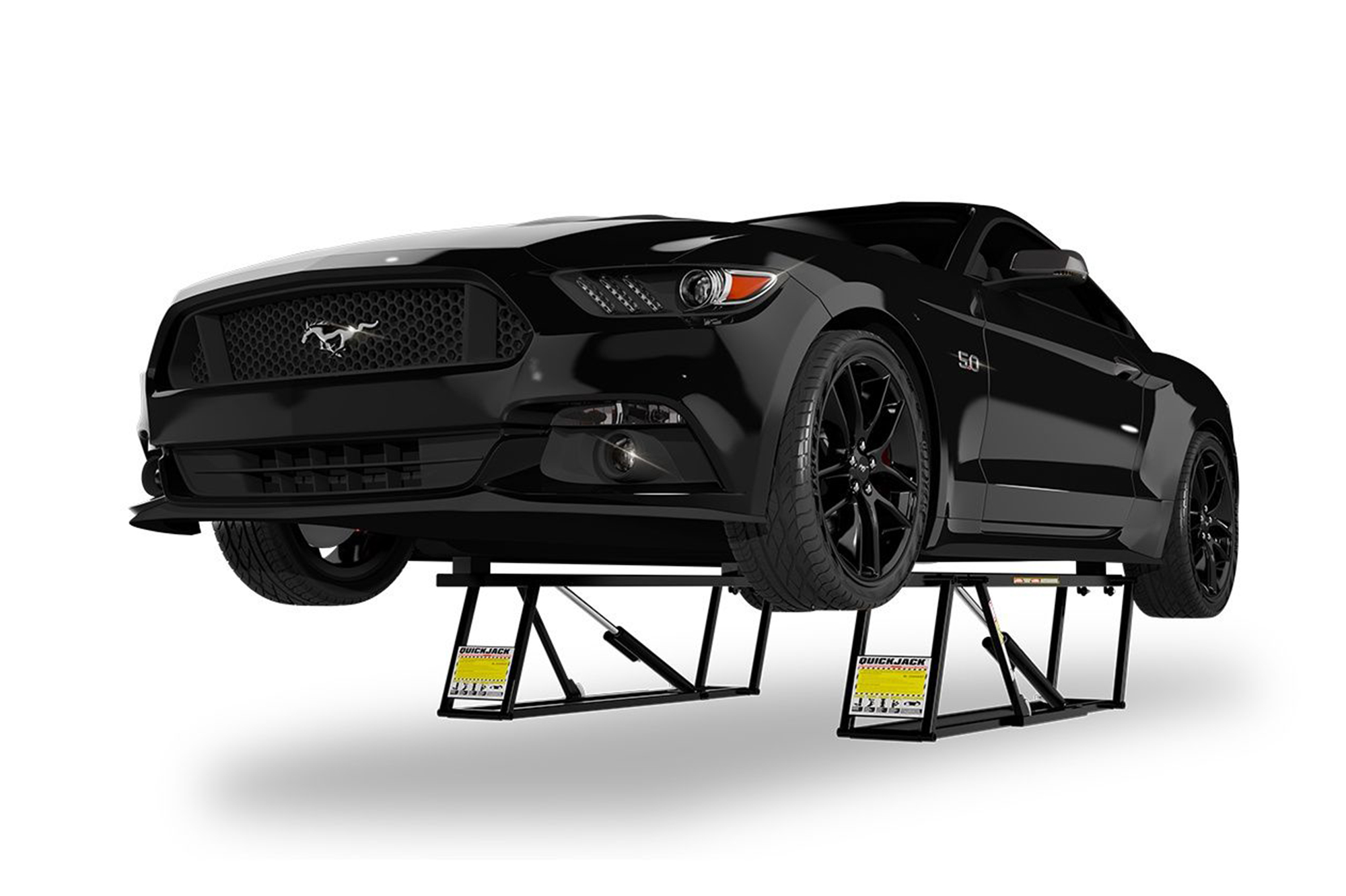
QuickJack BL-5000SLX – $2840 – quickjack.com.au
Short of a fixed-post hoist, QuickJacks are the easiest way to get a car in the air. The powered frames are portable and can have a car airborne in under a minute
A BIT OF S&M: Audi’s S4 has muscled up with a new V8 to take on BMW’s six-packed king of the road. Can the Audi punch its weight against the world’s sexiest six, or will it be all torque?
This article was first published in the July, 2007 issue of MOTOR
Over the horizon, lights-ablaze, just a dozen kays away, roars a logging truck. We’re on a narrow goat-track of a road, deep in a pine forest, with a 40-tonne semi laden with big lumps of timber powering our way at warp factor nine.
We’ve got the best part of $300k of German engineering parked up for a static shot. We know these logging blokes don’t like to lift, and we also know from bitter past experience that wood chips will crack a screen and pepper paintwork as easily as coarse chip stones. We have to run and hide.
A few frantic exchanges over the radios and it’s realised there’s a safe place to get off the road just a kay or two away. Toward the oncoming truck!
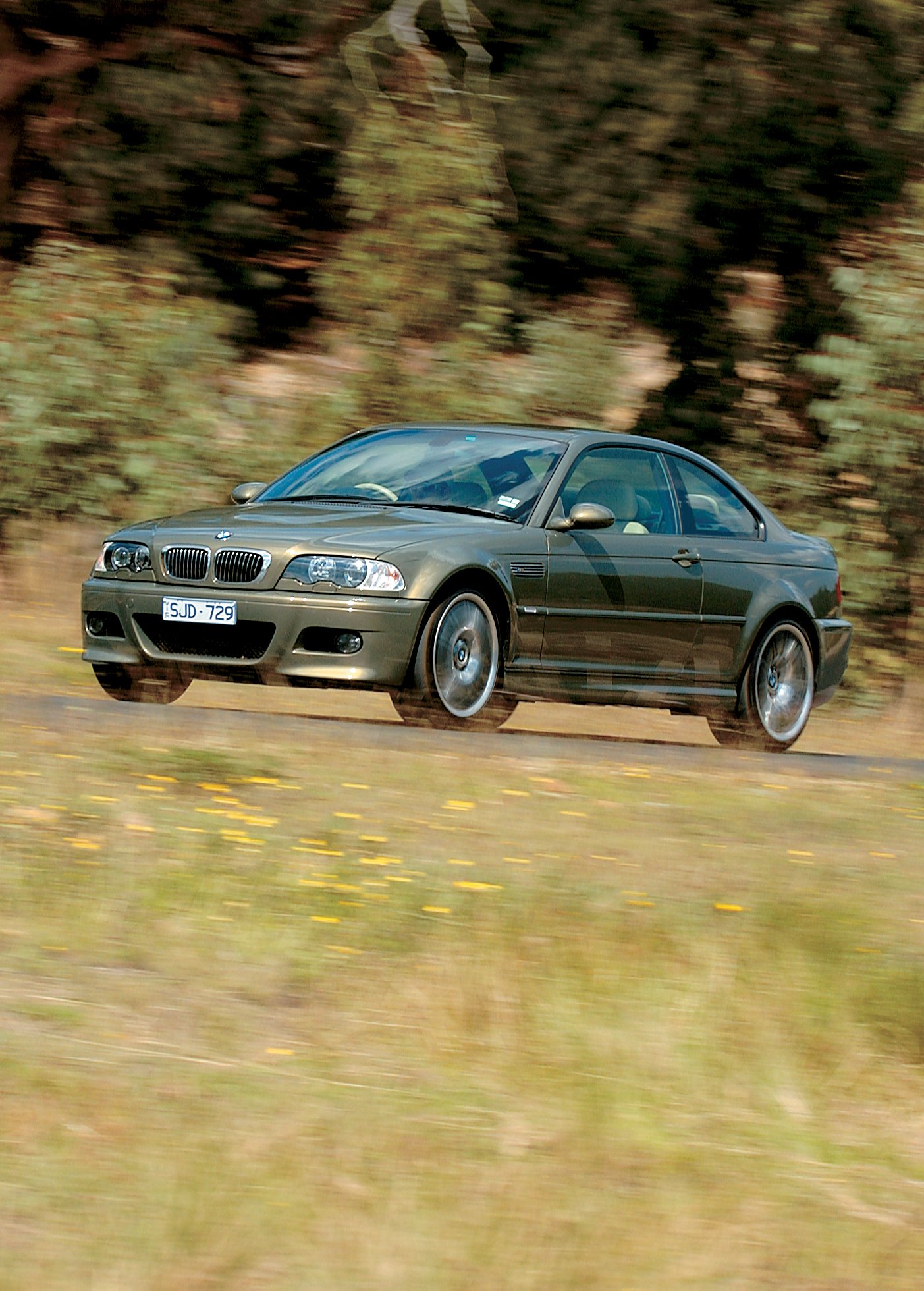
Marcus guns the M3’s straight-six, and its rump squats and fires off down the road before the Audi has a chance to draw breath. Each snap-shift from its six-speed SMG gearbox is accompanied by a little bob of the metallic army-green BMW bum and a momentary interruption of its staccato wail.
The Audi responds in equal voice and blazes away from rest with typical all-wheel-drive efficiency. Its regular manual ’box shifts with the usual rubbery feel found in Audi manuals, lacking in the tactile pleasure of the tighter Japanese version.
The S4 is playing catch-up to the Bimmer, but only really starts to make progress out of the tight corners, where its torque advantage is at its greatest. But on the faster bends, it’s clear the Audi is having the better time. Turn in, settle into steady-state understeer, push hard on the throttle and gently four-wheel drift out of the exit.

“On the faster bends, the Audi is having the better time. Rapid progress doesn’t get any easier”
Rapid progress doesn’t get any easier. Okay, maybe its big brother RS6 might argue the toss, but you know what I mean.
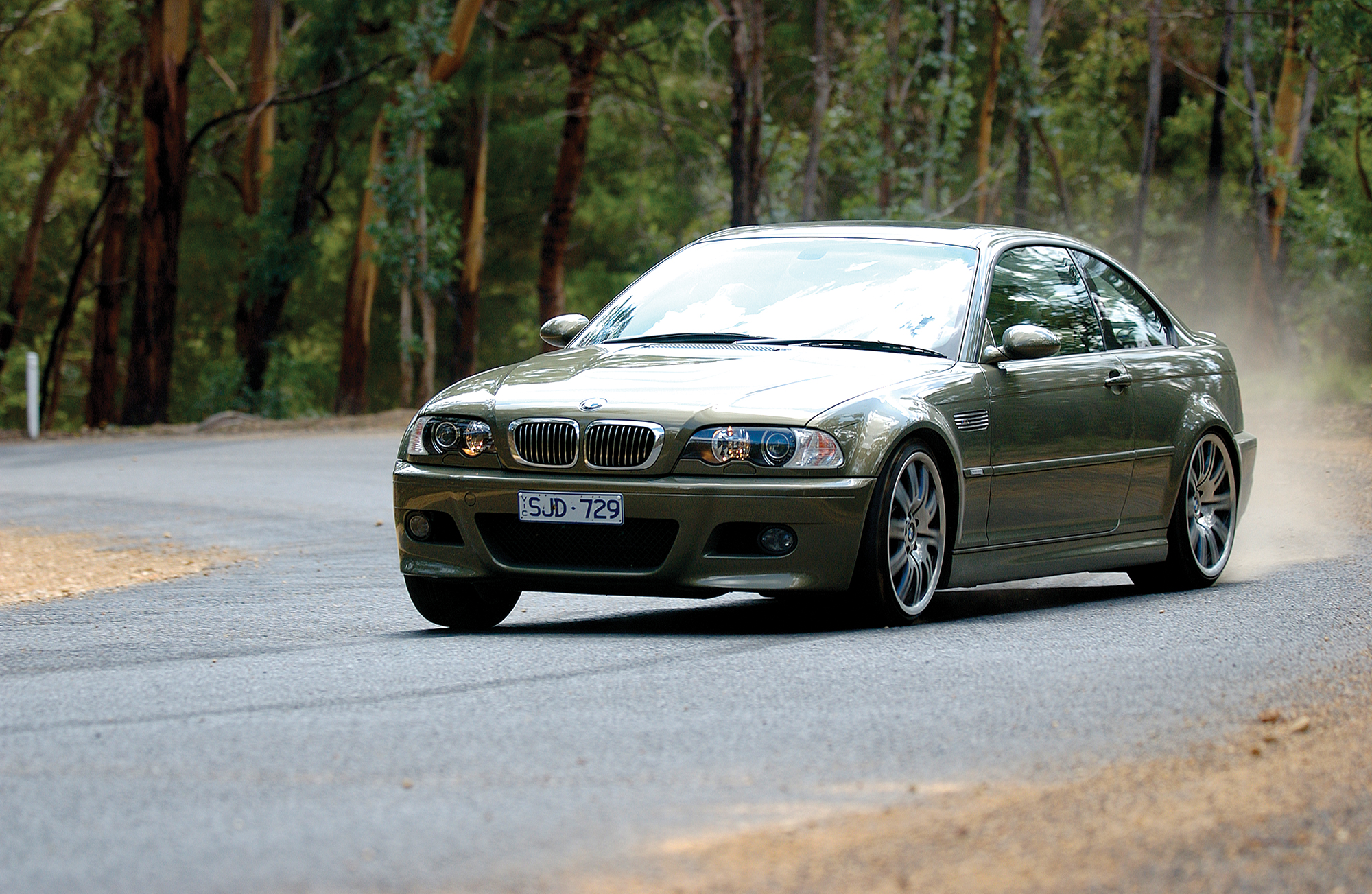
The M3, on the other hand, looks like it’s making harder work of the task. It’s a game of slide-and-catch, as its front bites the rear slips 10 degrees before the tricky M-diff slides into play and throttle-adjustable oversteer becomes available. Nevertheless, the M3 is clearly outpacing the Audi.
About 500 metres off the M3’s tail, I pop over the rise and spot Marcus as he finds our safe haven. The M3’s brake lights flare red as its nose bites into the tarmac and its rear end hurtles back to greet me.
Hard on the brakes, the Audi’s ABS kicks in as its rear is still settling from the last crest. I tuck the S4’s bum into the side road, not 30 seconds before the truckie belts past, pace unabated, air-horn a-blaring.

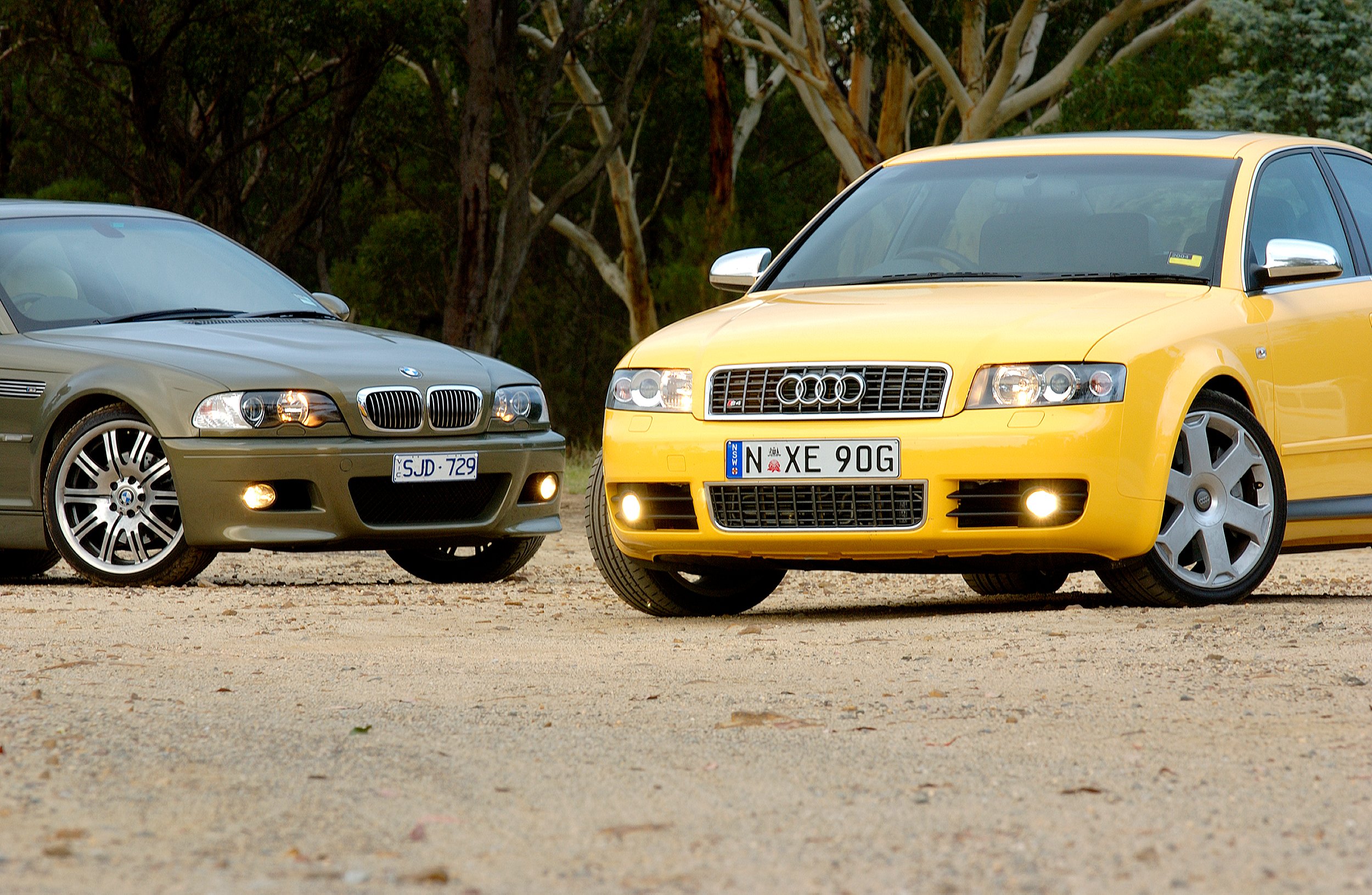
As the cars and drivers sit panting, nosed down this dusty side road, let’s take stock of what we’ve got here. An M3 up against an Audi S4? Coupe v sedan? Straight six v bent eight? Rear-drive v all-paw? Apples v oranges?
Yep, as for comparing the incomparable, we’re guilty as charged. But before you grab your letter-writing pens, Audi’s mad scientists of Ingolstadt clearly had a lock on the M3 when they reached for the shoehorns and stuffed an A4 to the gunwales with 4.2-litres of V8.
It’s the same basic engine as found in A6, A8 and allroad. In S4 trim, the 40-valve eight belts out 253kW at 7000rpm. For those who don’t go to bed at night cuddled up to an M3 brochure, that 253kW is just 1kW more oomph, but it’s available at 900 revs lower on the tacho than in the Bavarian stormer. With an extra two pots and a full carton of milk’s displacement advantage, it’s a gimme that the Audi thumps the M3 on torque output – 410Nm at 3500rpm to the M3’s 365Nm screaming out at 4900rpm.
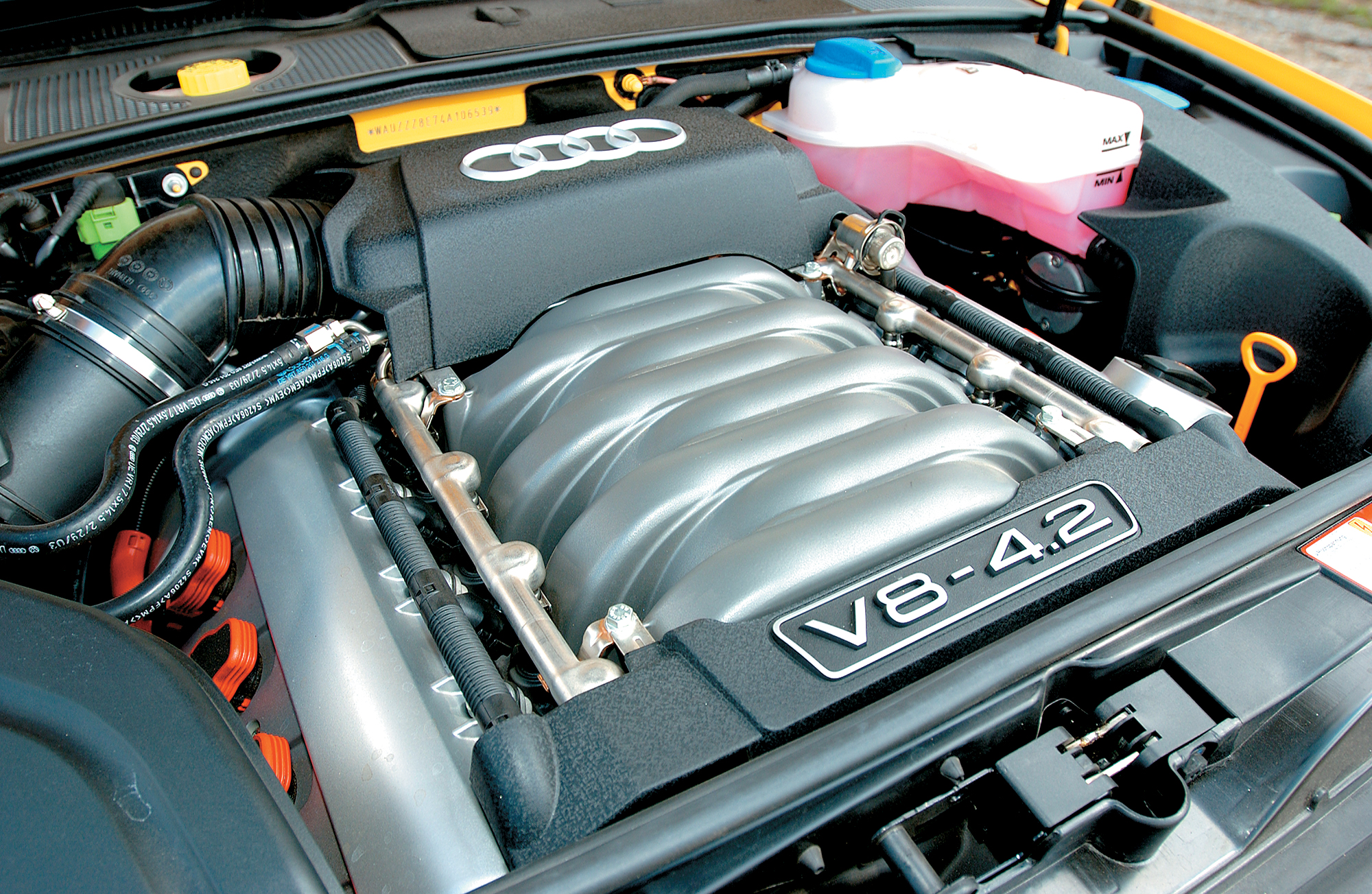
The on-paper advantage for the Audi is reduced in the real world only by the reluctance of its engine to venture into the very top of the rev stratosphere. But progress is just as rapid in the meaty mid-range.
The M3’s straight six is a stunning engineering achievement. Eighty percent of the 365Nm is on song from just two grand, giving the Bimmer a usable and exploitable rev scale of 6000rpm. And the last 2500 revs are accompanied by a blood-curdling shriek unmatched by any other engine of so few cylinders.
The Audi’s V8 is also an aural delight and its revs flare (to a point) and fall with almost no flywheel resistance. This makes operation of the six-speed ’box a hit-and-miss affair, with smooth, low-speed getaways being the most difficult to master, as it’s a challenge to feed the overly sprung clutch against the fast-revving V8. If you don’t want the hassle, tick the five-speed Tiptronic box for an extra $3000.
The M3’s sequential six-speeder doesn’t ask you to bring a lot of skill to the table, but it, too, is compromised. Keep the M3’s throttle pinned to the carpet and orange shift-lights romp across the top of the tacho before demanding an upshift just after eight grand. Grab the steering-wheel-mounted paddle or the stubby alloy lever for an upshift and the rush around the tacho starts again, as the voice drops an octave.
But this particular M3 SMG shifted with such brutality, each full-throttle upshift was made with a pre-emptive wince etched across my face. I swear I even glanced rearward a couple of times, expecting to find cogs and shards of cast metal clinking down the tarmac behind. Not even the track-focused CSL shifted with such ferocity.
The M3’s shift-speed is adjustable, and around town you’d want to go for a medium setting, as its slowest speed is just too doughy. The full auto mode is one of the best within the whole sequential genre, but this is to damn with faint praise. And make sure you’ve depressed the sport button to sharpen throttle responses, otherwise you’ve got a fast-shifting gearbox competing with slow inputs from its engine.
Although you don’t have to, a minute flex of the right ankle as you grab the next cog does wonders for the shift’s smoothness. Still, kinda defeats the purpose of having a sequential gearbox.
The Bimmer’s other great compromise lies in its ride quality. For the sake of fashion, most M3s are sold with the $3000 option of 19-inch wheels. Yep, they look great, but the ride is shot to bits and its back end bounces and skips around.
Indeed, I don’t entirely trust the M3 on the 19s. On the 18-inch rims and rubber (both 18s and 19s have the same 255 section-width in the rear), the M3 drives like a more powerful Nissan 200SX. It’s tyre-smoking, lock-stop, drift-central.
But on the 19-inch rubber with its lower 35-series profile and stiffer sidewalls, you’re always second-guessing the breakaway point. It slips, grips and sliiiides in that order, but its first slip drives the knuckles a bit whiter. Ride it out and it’s still the king of drift, it just isn’t as chatty as on the 18-inch Michelins.

The Audi’s 18-inch alloys (and there’s a full-size spare) are shod with equally meaty 235/40 ZR18 Bridgestone Potenzas, but its suspension takes the edge off sharp intrusions in a way the M3 could never match, even on smaller wheels.
Along with the very front-mounted engine, this initial softness to the chassis does allow a bit more push, but you’ll usually only find it above 7/10ths. Remember, too, that the Audi weighs 1660kg, 165kg more than the M3.
Twelve grand separates the two on price and then you have to factor in some of the already more expensive M3’s options, including $3k on wheels, the BMW Individual interior appointments, sunroof, and so on.

All up you’re looking at an on-road difference getting closer to $25,000 but it’s not as though the $129,500 Audi misses out on anything. Typically Audi, the S4 is well screwed together and the sombre cabin with its black leather trim is every bit as sumptuous as the Bimmer’s airy beige, black and faux wood.
This is the fourth time I’ve refereed an M3 in a straight comparo and I’ve steered one at various Bang For Your Bucks and PCOTY shoot-outs. It’s yet to suffer a loss and it’s record includes an outright win at PCOTY in 2002, a couple of class wins at BFYB, plus a string of comparo wins and a couple of drawn bouts. Unfortunately the clean record gets tarnished here, with a narrow points-decision loss to the Audi.
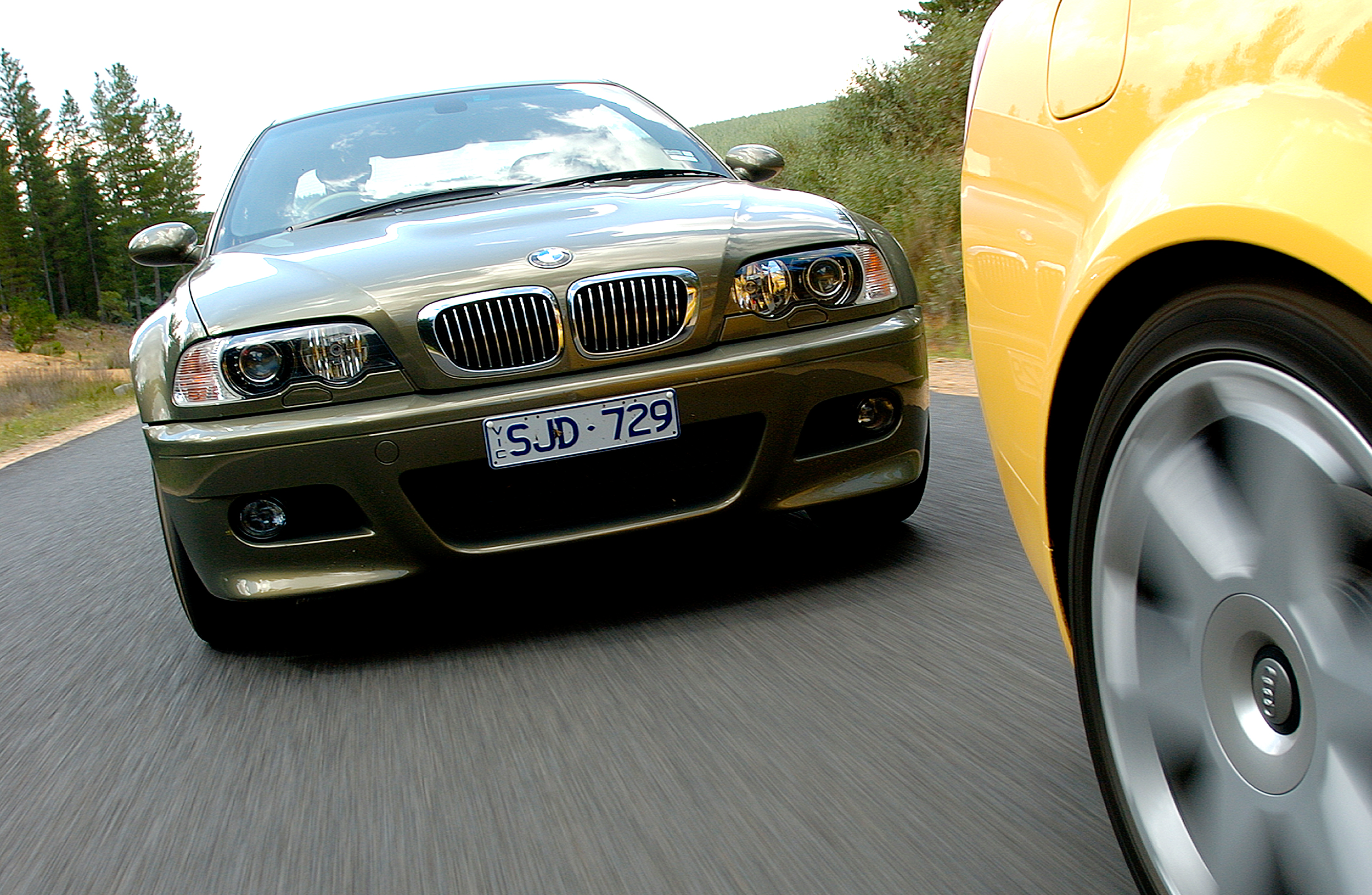
Drop it back to 18-inch rolling stock and give it a good old H-pattern manual and the M3 is easily one of MOTOR’s favourite cars and still mops the floor with the Audi on sheer entertainment value. Hell, it’s in the PCOTY hall of fame as the most dominant winner ever.
But in no way should this be viewed as a default win for the Audi. Certainly, the S4 does not offer the thrills of the M3, neither does it demand the same compromises. However, we’re still talking about a small-ish, nimble car, powered by a bloody great lump of aspirated V8.
This Audi finished seventh at PCOTY back in April this year and narrowly missed out on a shot in the top six finals. In the process, it also beat off some big-dollar, big-horsepower competition, even though it was a little overshadowed by its hard-core chest-thumping RS 6 brother.
Like the mighty M3, the S4 is a car with an enormous breadth of talent.

Audi shares images of its Dakar attacker unclothed
- Audi Sport devises new RS Q E-Tron for January 2022 Dakar rally
- Relies on technology from Formula-E and DTM race campaigns
- To be run in conjunction with Q Motorsport as a range-extending hybrid
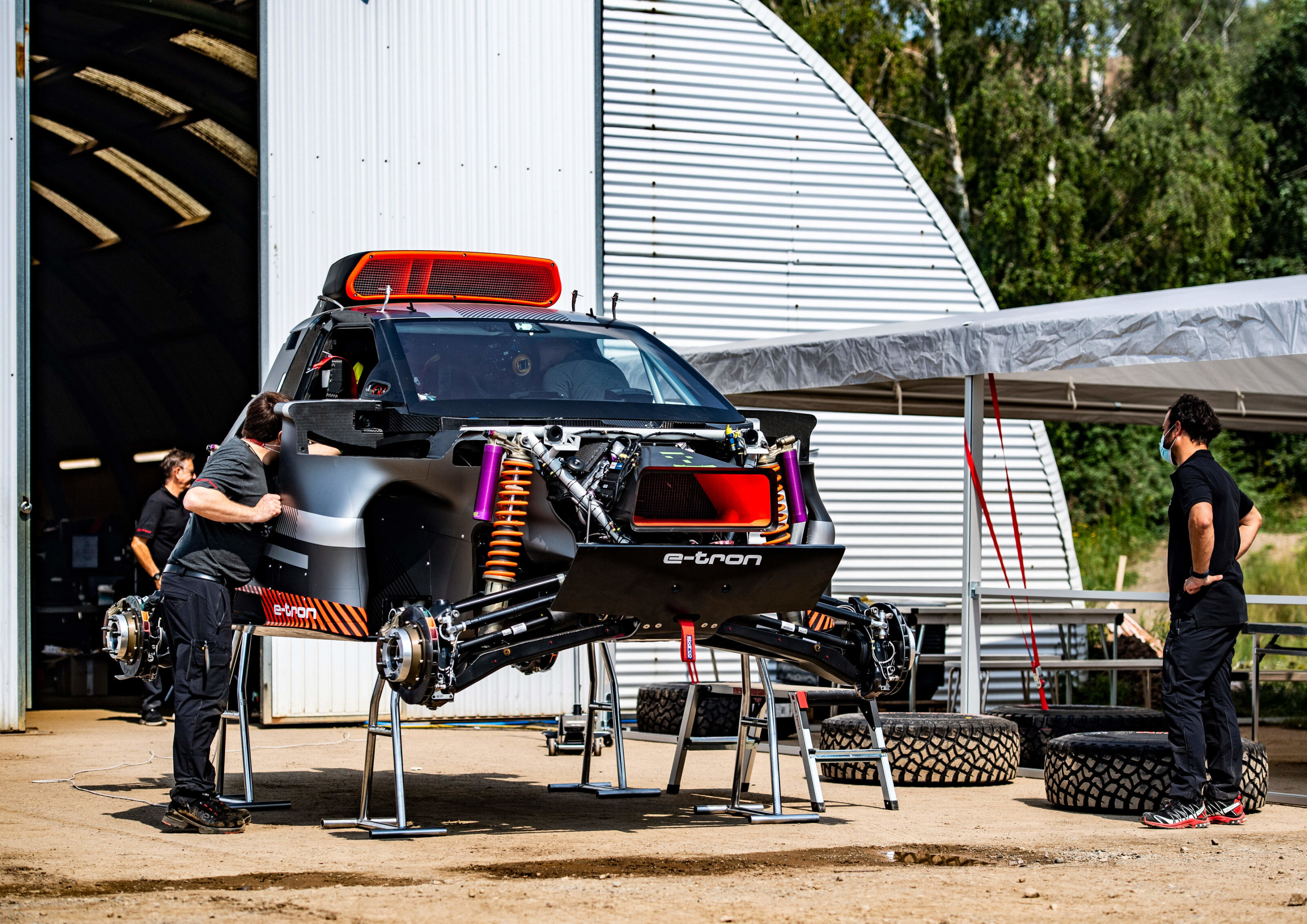
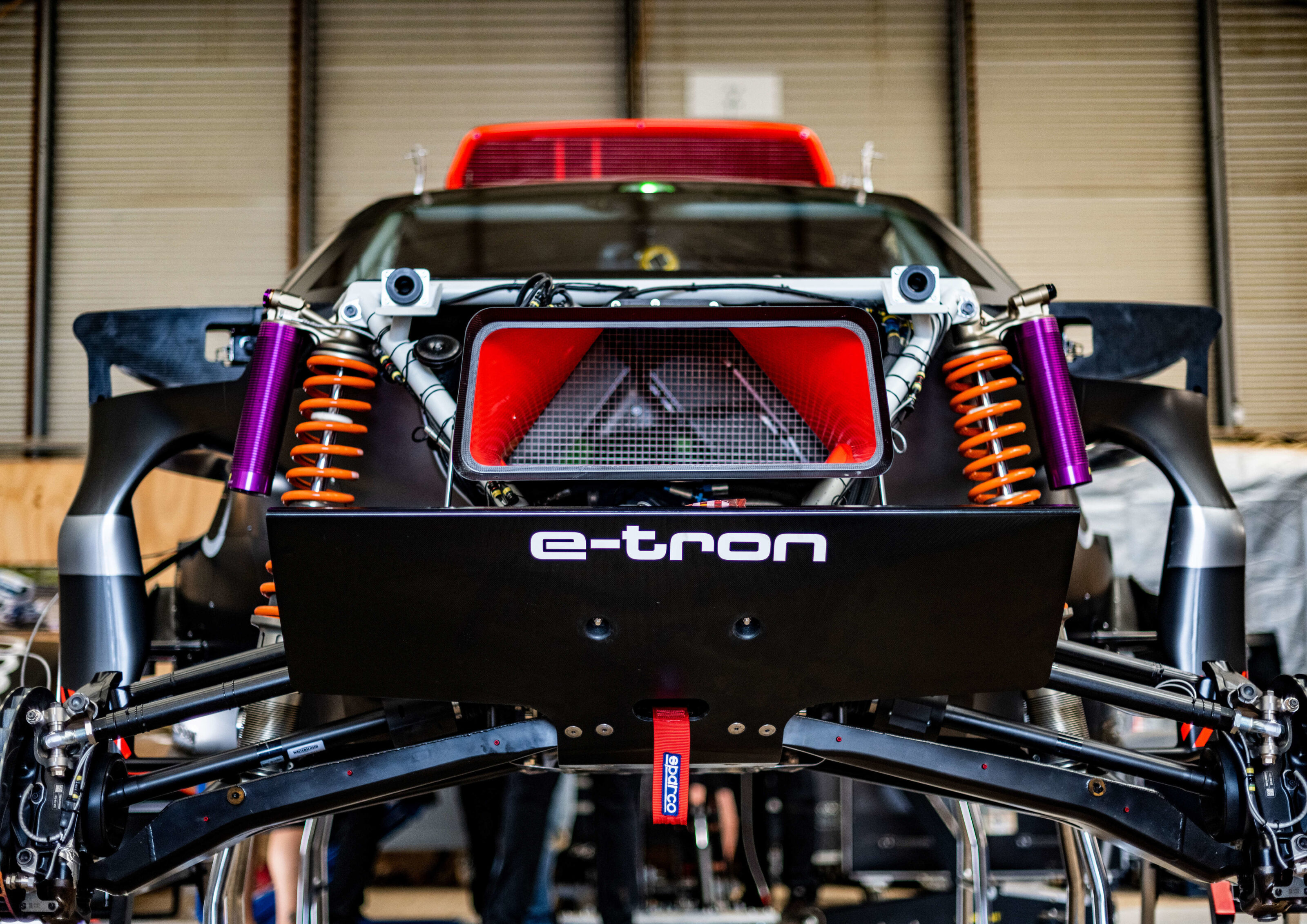
Audi has dropped the curtain on its RS Q E-Tron, giving us our first complete look at the racecar it hopes will make it the first brand to win the world-famous Dakar rally with an electrified vehicle.
As these fresh images reveal, the RS Q E-Tron is an uncompromised take on a desert weapon not unlike Peugeot’s 2016 contender. Audi has built it from the ground-up in less than 12 months for an attack on the two-week Dakar rally.
Besides a very compressed single frame grille at the front and contrived sport back silhouette, the RS Q E-Tron bears little resemblance to any Audi before it, be it on road or track.
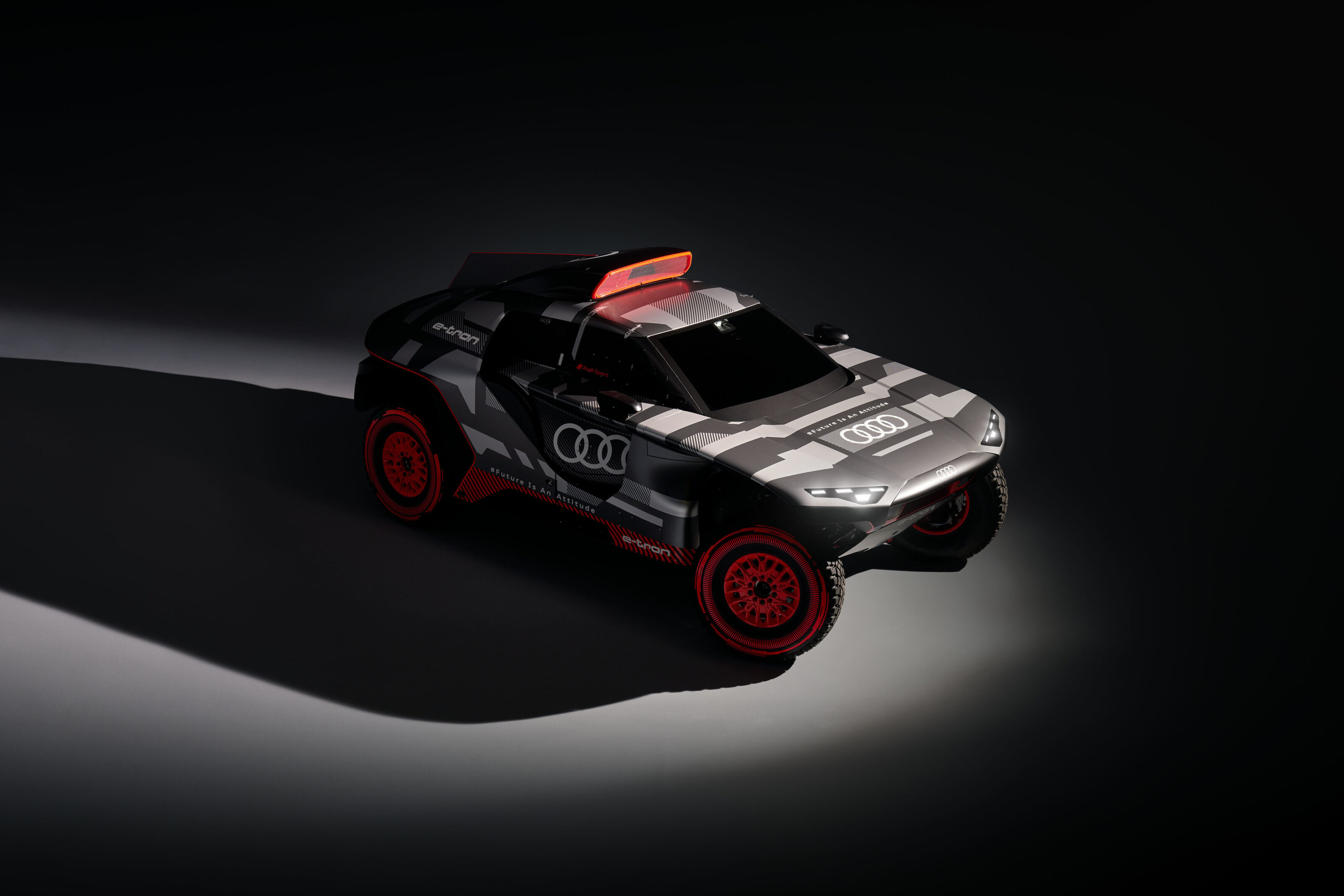
Audi says it’s so ground-breaking, sporting regulation did not exist for it when the project begun. Under that imposing carbon-fibre skin is a spaceframe chassis constructed around a driver’s cell, while the roof-mounted scoop hints at the huge cooling demands of the power unit below.
The general layout of the powertrain would be familiar to anyone versed in modern performance EVs, as two electric motors drive an axle each for computer controlled all-wheel drive. They can offer as much as 500kW combined, but the final output is still to be finalised.
The RS Q E-Tron diverges from other racecar hybrids, or EVs on this matter, with a four-cylinder petrol TFSI engine mounted mid-ships. Running between 4500rpm and 6000rpm, it’s responsible solely for charging the main 50kWh battery.
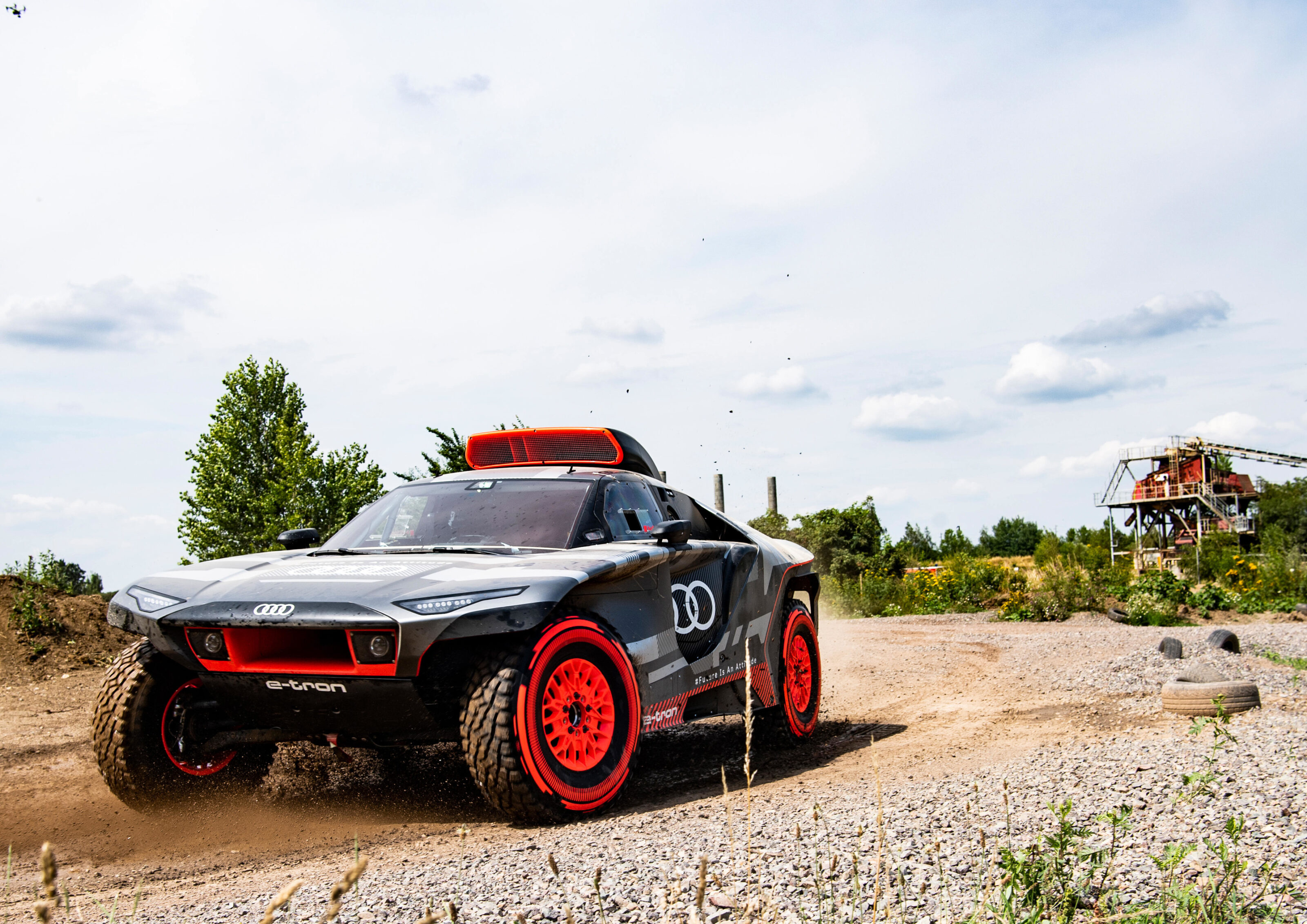
The project is a segue from Audi Sport’s two outgoing motorsport projects. The electric motors and motor-generator unit hooked up to the petrol engine are pinched from its last-ever Formula E racer, while the engine is from its DTM campaign.
And if the name didn’t make it obvious, the Dakar program should feed into the brand’s electric ambitions to have 30 electric models on the road by 2025.
Pop-culture fans might remember the last time Audi’s Q, RS and E-Tron sub-brands joined forces in 2019, when Audi unveiled the RSQ E-Tron concept vehicle within the animation movie Spies in Disguise.
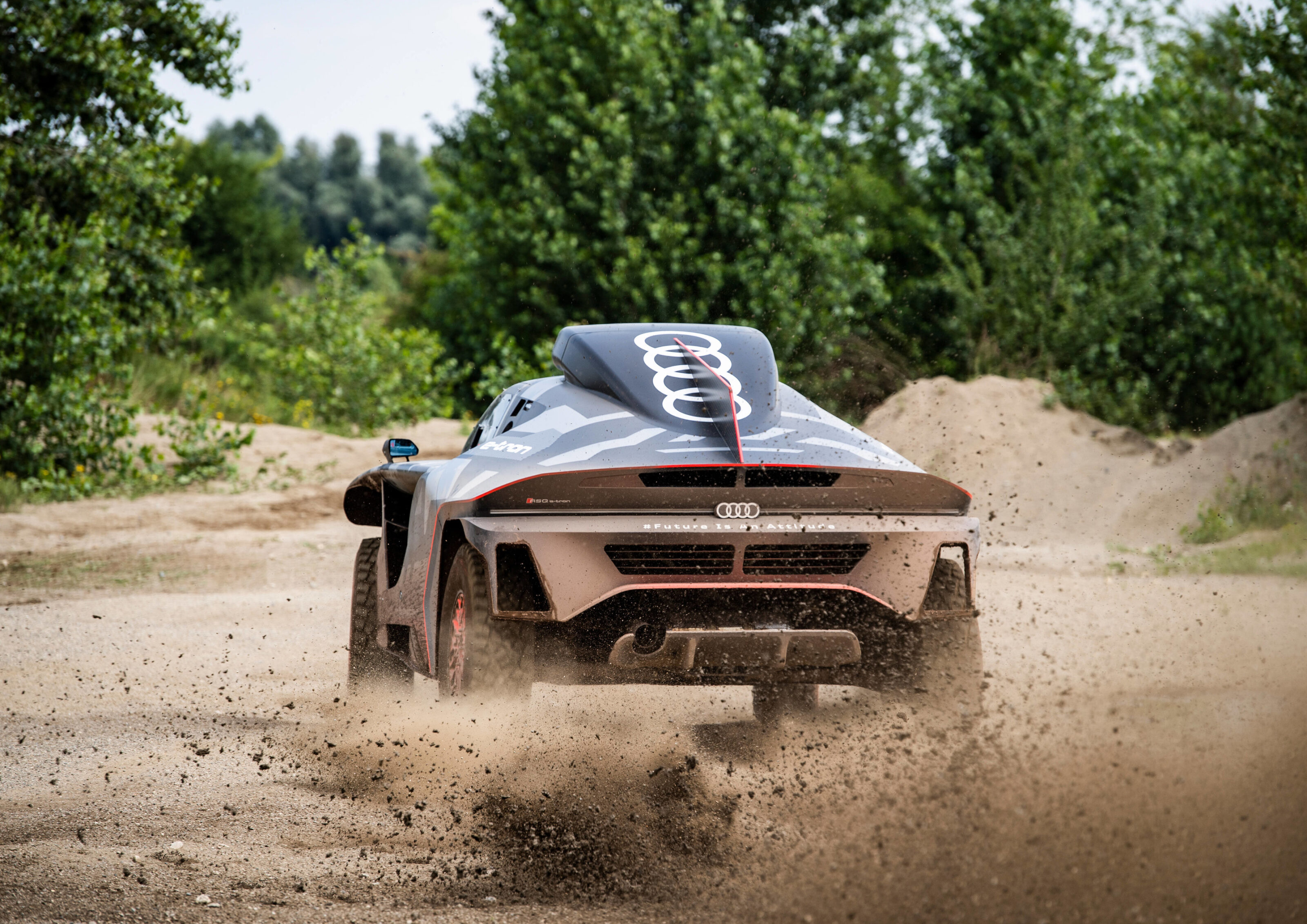
Of course, that vehicle looked very different, with classic mid-engine proportions dictating the electric animated concept’s ground-hugging stance and features – and it was touted as autonomous, too.
This time around, the new RS Q E-Tron will very much be driver controlled, with an esteemed line-up of pilots planned to tackle the gruelling rally.
Audi has comprised its Dakar driver team with two-time WRC champion Carlos Sainz Snr, two-time DTM champion Mattias Ekstrom and 14-time Dakar winner Stephane Peterhansel.
They will be matched with co-drivers Lucas Cruz, Emil Bergkvist and Edouard Boulanger.
The car has also been optimised for servicing during the race, and while things like sensors were eliminated where possible to reduce complexity Sven Quandt, the founder of rally partner Q Motorsport, says it’s still one of the most complex cars he has seen in his life.
The 2022 Dakar rally in Saudi Arabia will mark a return to roots for Audi, which has not been officially involved in top-level rallying since the Group B era with its Quattro S1.
The brand name was re-introduced to the WRC recently, after Mattias Ekstrom launched an attack on Rally2 (WRC2) with a purpose-built Audi A1, with Bergkvist at the wheel – albeit, without factory support.
Whether this new Dakar effort will pave the way for an official return to the sport which made the quattro brand famous when WRC goes hybrid in 2022 remains to be seen.
For now, eyes remain fixed on the RS Q E-Tron as it undergoes an intensive testing schedule, including cross-country rallies, in the lead up to the Dakar rally in 2022, January 2-14.
Snapshot
- Six-speed manual, eight-speed auto options available
- $49,000 starting point, only 500 on offer
- Is this really the end..?
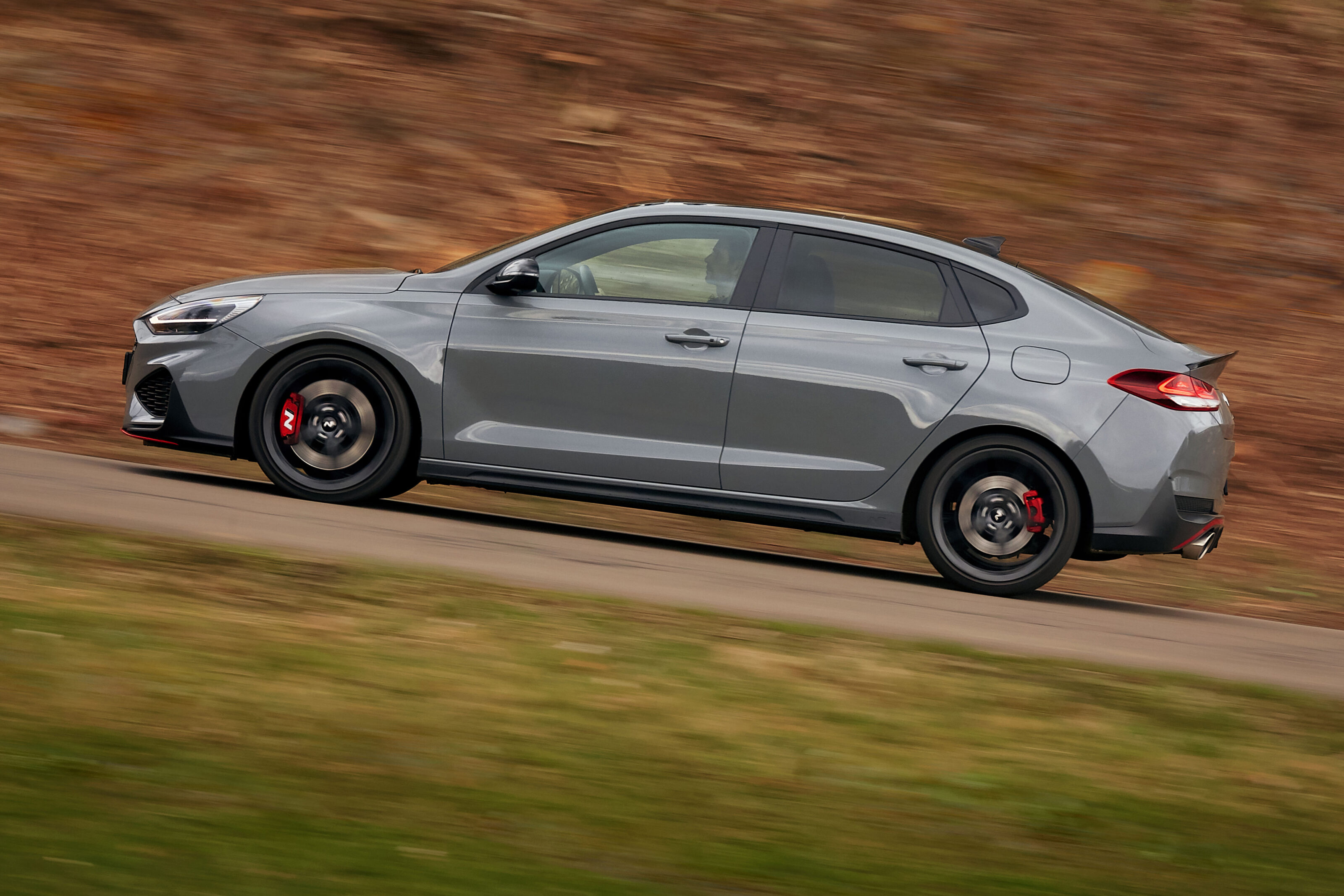
As the incoming Hyundai i30 Sedan N hero heads for Australia, the i30 Fastback N is preparing to say its final farewell. (Well, actually, the brand’s local arm says this may not be the end, but more on that later.)
Available in manual and – for the first time – dual-clutch automatic forms, the i30 Fastback N Limited Edition will be restricted to just 500 examples, with order books open only until the end of September.
In its Limited Edition form, the manual version of the i30 Fastback N will be offered from $49,000 before on-road costs – marking an increase of $7000 on its original 2019 launch price. It compares to $44,500 (before on-road costs) for the facelifted i30 N hatch in manual form.
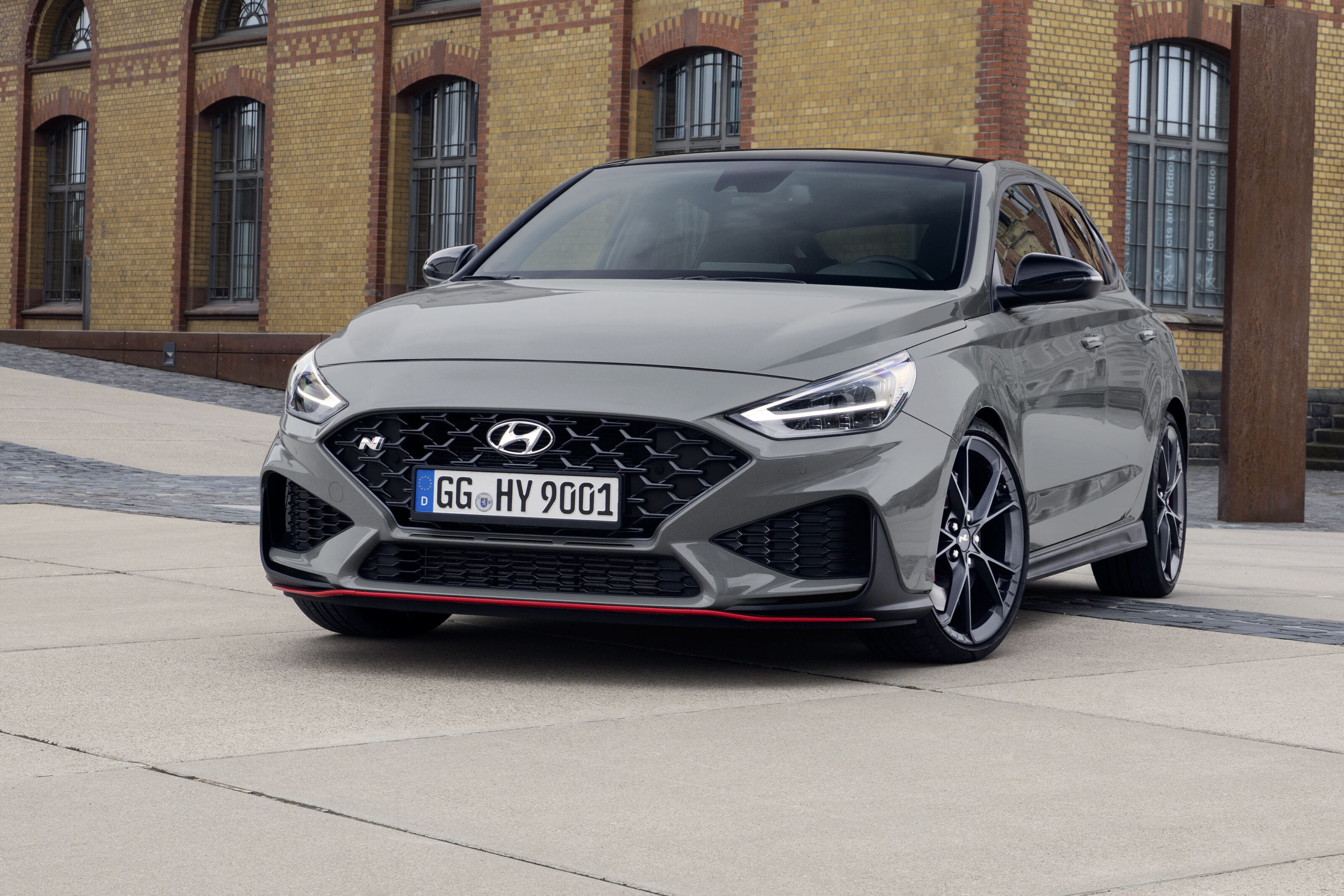
In its new eight-speed dual-clutch automatic form, the i30 Fastback N will be priced from $52,000 before on-road costs – a touch cheaper than the now auto-only $53,1000 Volkswagen Golf GTI.
For the spend, buyers will get the new-look N hatch and sedan’s upgraded 206kW/392Nm 2.0-litre turbo petrol four-cylinder engine (matched to a front-wheel drive configuration), along with the redesigned suspension geometry and hardware, and an Australian-developed tune for the electronically controlled suspension system.
The Fastback N again rides on 19-inch alloy wheels, while inside there’s sports N Light Seats and the i30’s new 10.25-inch infotainment display.
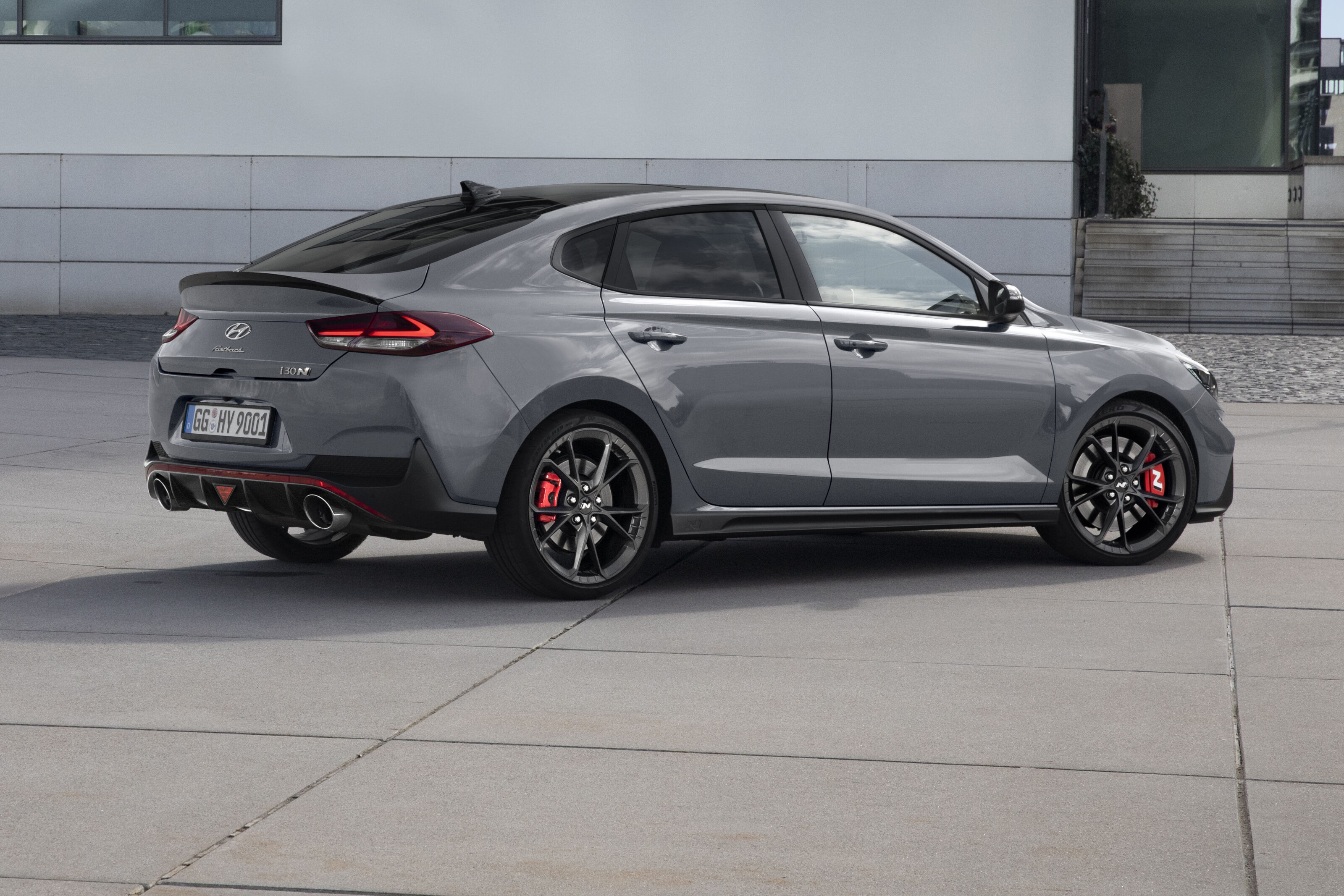
As with the updated hatch, the Fastback N runs peak torque between 2100 and 4700rpm, with maximum power online at 6000rpm.
Hyundai says buyers can expect the wet-clutch eight-speed DCT automatic variant to hit 100km/h from standstill in 5.4 seconds – which compares appropriately with the 180kW Golf GTI’s 6.3-second claim.
The DCT variant also comes packing the amusing N Grin Shift setting and N Grin Control System, which you can read about in our i30 N hatch pricing story here.
Pulling the whole thing up is a sizeable brake package, with the i30 Fastback N Limited Edition wearing new 360mm calipers at the front (up from 345mm).
Is this the end for the i30 Fastback N?
We would have said so, given the i30 Sedan N is now on its way, but Hyundai Australia’s communications manager cheekily noted this evening: “you haven’t asked if this is the end…”
Officially, the company has no plans to offer the i30 Fastback N beyond this limited-edition run, but it isn’t ready to write it off all-together.
“We’re not entirely ready to close the book on i30 Fastback N, there is always the potential for another chapter, but nothing is confirmed. This might not be a last hurrah for the i30 Fastback N in Australia,” the brand’s local spokesperson, Guido Schenken, told us.
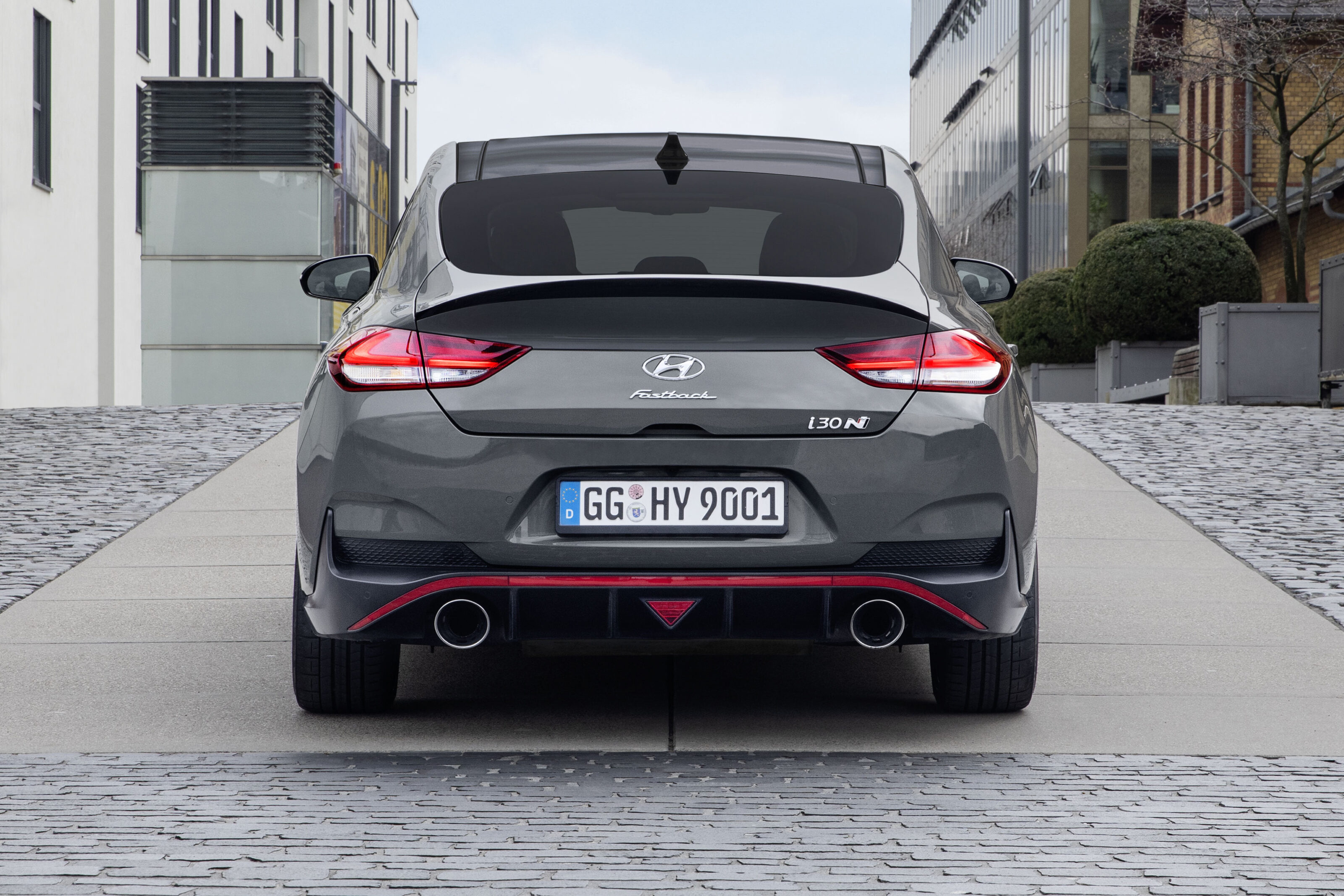
The i30 Fastback has been a well-regarded option in the brand’s growing N range, but ultimately it was a relatively low-volume offering. Of the 2700 N models sold since launch in March 2019, the Fastback has made up “around” 20 per cent of that number.
The company stresses, fairly, that the N model line has so far had only one full year of unimpeded sales – that being 2019, when the i30 N range notched up 1121 sales.
2021 Hyundai i30 Fastback N pricing for Australia
| i30 Fastback N six-speed manual | $49,000 |
| i30 Fastback N eight-speed DCT auto | $52,000 |
Prices exclude on-road costs
Options
| Premium paint (metallic and mica) | $495 |
| Panoramic glass sunroof | $1500 |
| i30 Fastback N Limited Edition | ||
|---|---|---|
| 2.0L Turbo-GDi MT or DCT | ||
| N-exclusive performance features: | N-exclusive interior styling: | LED daytime running lights (DRL) |
| – 206kW/392Nm 2.0 Turbo engine | – Alloy sports pedals | LED headlights and front indicators |
| – Active variable exhaust | – N Light Seats | LED side repeaters in mirrors |
| – Electronic Controlled Suspension | – Alcantara and leather interior | LED tail lights |
| – Electro-mechanical LSD | – 4.2u201d TFT colour Supervision cluster | Temporary space saver spare wheel |
| – N Drive Mode System | SmartSense advanced safety: | 10.25u201d satellite navigation system |
| – N Performance Driving Data Sys. | – Forward Collision-Avoidance Assist | DAB+ digital radio |
| – Performance brake package | City/Urban/Pedestrian (camera) | Apple CarPlay/Android Auto |
| – Rear stiffness bar | – Driver Attention Warning | Cruise control |
| – Rev matching function | – Lane Keeping Assist | Dual zone climate control |
| N-exclusive exterior styling: | – Lane Following Assist | Heated front seats/steering wheel |
| – 19u201d alloy wheels u2013 forged | Tyre Pressure Monitoring System | LED courtesy & puddle lights |
| – Pirelli P-Zero HN tyres | Parking Distance Warning u2013 Fr/Rr | Power folding exterior mirrors |
| – Full body kit | Rear view camera | Smart key & push button start |
| – Headlights & tail lights | Rain sensing wipers | Wireless charging pad (Qi) |
| – Rear boot lip spoiler | Rear privacy glass | Electro-chromatic interior mirror |
The ongoing worldwide semi-conductor chip shortage is projected to drag on into 2022, according to Stellantis CEO Carlos Tavares.
As the head of the world’s fourth-largest automotive manufacturer, Tavares has seen first-hand what the effect has been on production. In June, Stellantis’s plant in Mexico had to stop work due to a lack of parts.
Speaking at an Automotive Press Association event in Detroit, US, yesterday, Tavares said he believes the situation is unlikely to improve by the end of the year.
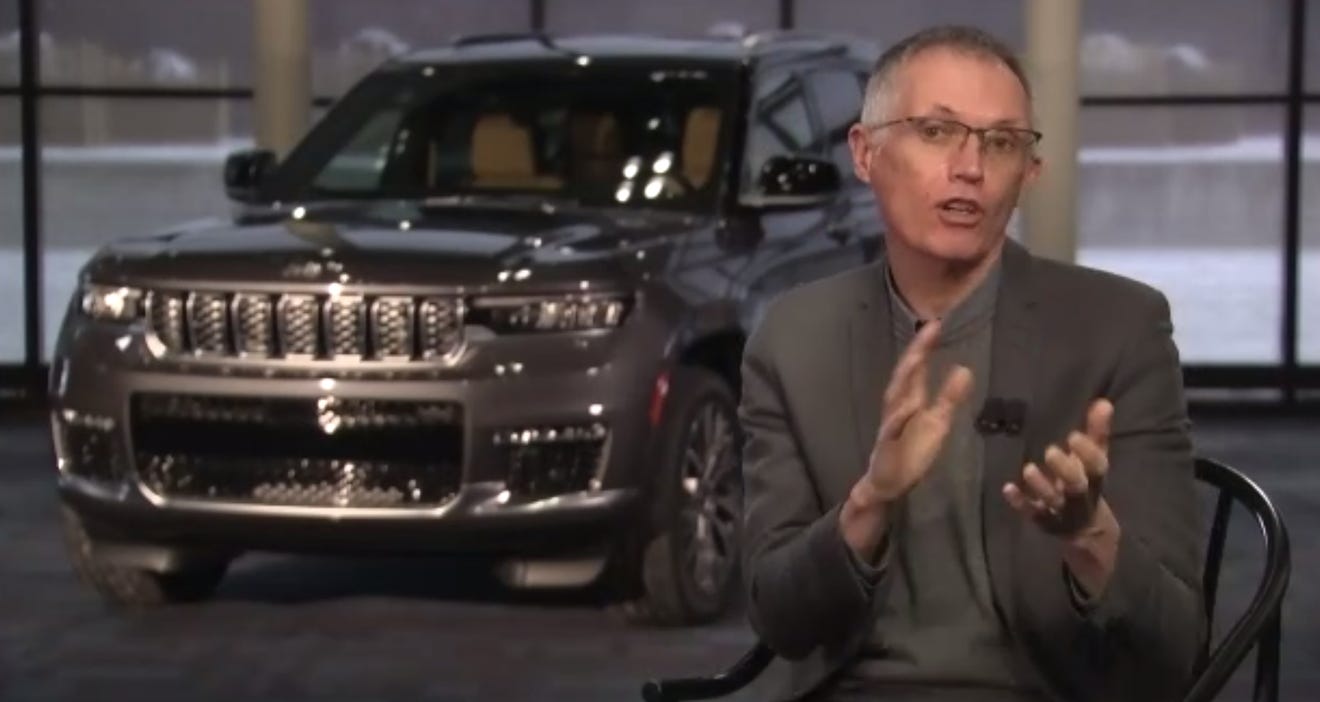
“The semi-conductor crisis, from everything I see, and I’m not sure I can see everything, is going to drag into ’22 easy – because I don’t see enough signs that additional production from the Asian sourcing points is going to come to the West in the near future,” said Tavares, according to Reuters.
Tavares also said it would take around 18 months to re-engineer a vehicle to suit a different type of semi-conductor, leading manufacturers to ride the shortage out instead.
This means Stellantis is currently prioritising its highest profit models to maximise revenue over its low-volume, small profit vehicles, potentially having to sacrifice stock of certain equipment to benefit the wider business.
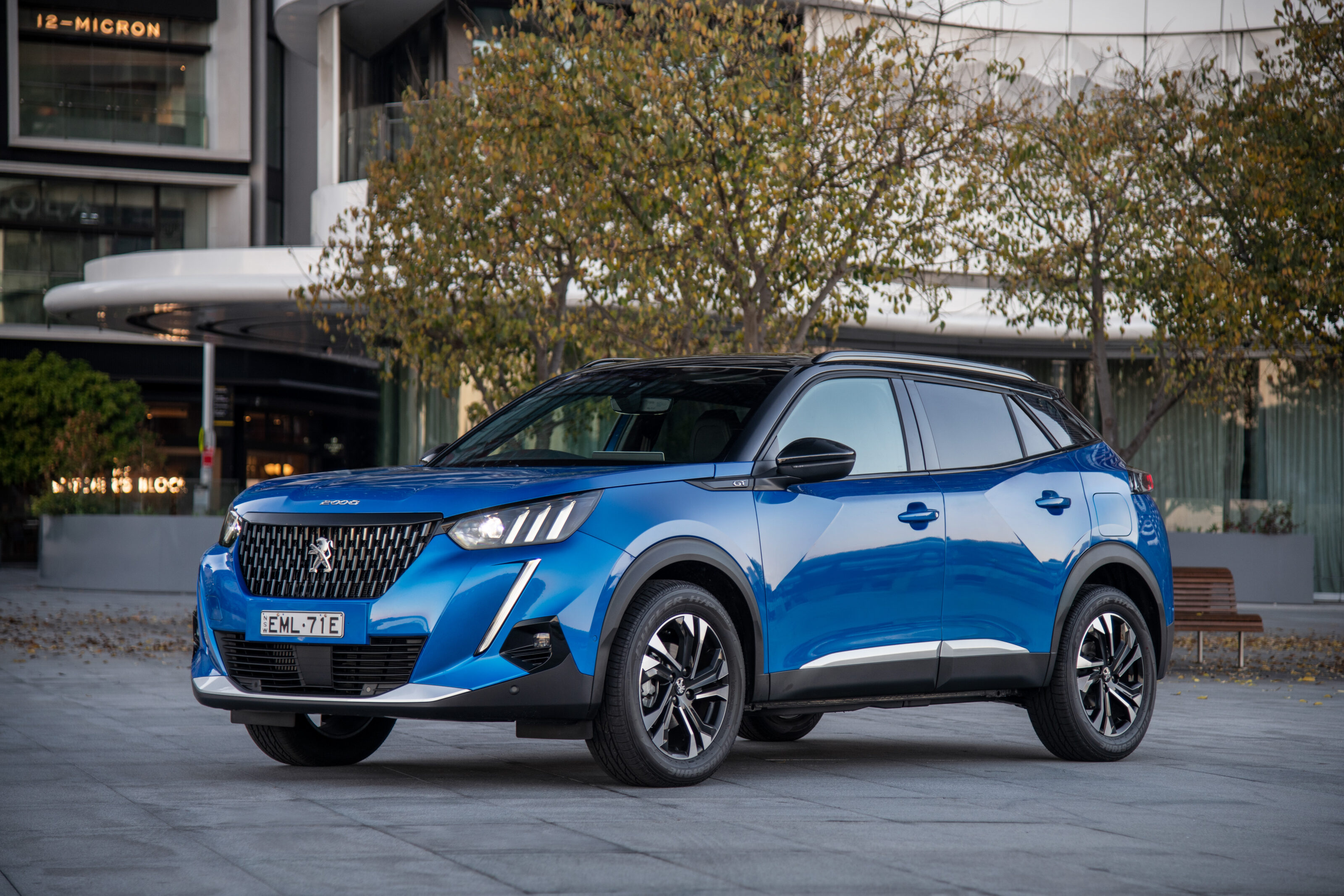
Daimler’s Chief Financial Officer, Harald Wilhelm, made the same prediction earlier this week, saying the problem could affect production and sales into the second half of this year and the beginning of 2022.
The parts issue was sparked by a surge in the price of used cars last year due to the Covid-19 pandemic, drawing more buyers towards new vehicles with supply of parts unable to meet the overwhelming demand.
