
Vintage R/C toys are backed by a hugely passionate cult following, and Japanese toymaker Tamiya is frequently found at the centre of the collectible community with iconic nameplates such as Grasshopper, Hornet and Hotshot.
‘Wild One’ was another breakout R/C assembly kit, initially released in 1985. It enjoyed such a cult following that Tamiya later re-released it in 2012, and again in 2015.
The Wild One buggy will return bigger and better than ever in 2022, with Tamiya set to license a number of life-sized assembly kits that you can build at home – and actually drive.
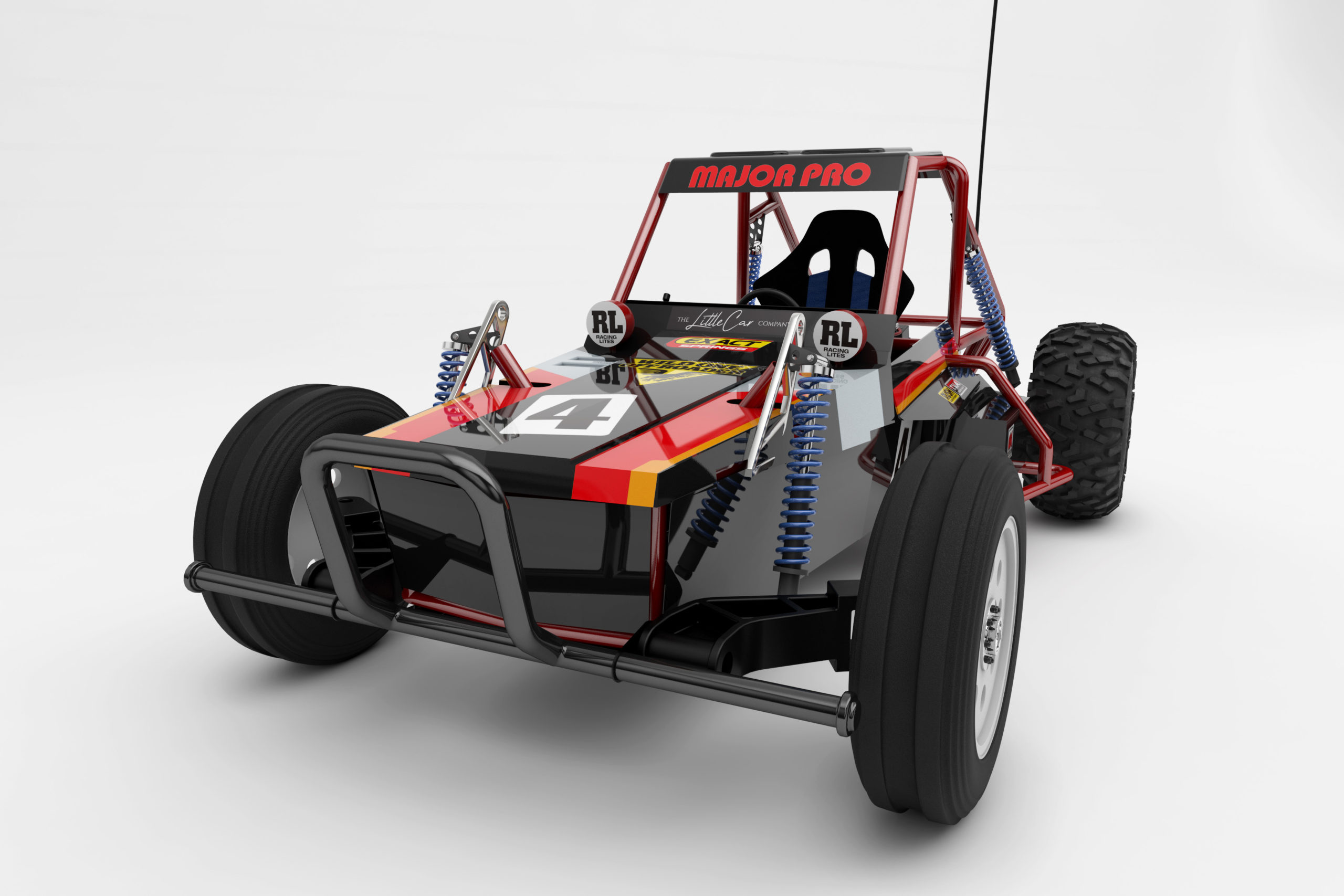
You won’t find them at your local hobby shops however, as the vehicle kits will be produced and sold by UK firm, the Little Car Company.
The aptly-named boutique firm is also responsible for the reborn Baby Bugatti II and Aston Martin DB5 Junior; both handcrafted and meticulously-finished 2/3-scale electric buggies that can fit both child and adult alike.
Dubbed the Wild One MAX, the electric off-road buggy is comprised of a tubular space-frame chassis and coilover suspension, with its electric motor sending power exclusively to the rear wheels.
The Wild One MAX is cornered by 15-inch off-road tyres, Brembo brakes and a regenerative braking system. Just a single driver’s seat is fitted, with a three-point seatbelt and digital gauges.
Prices are expected to start from US$8250, which equates to around AU$10,600 at the current exchange rate. While that may be the most expensive Tamiya kit we’ve ever heard of, that’s a comparable bargain compared to the Little Car Company’s Baby Bugatti and Aston Martin; which cost AU$50,000 and $65,000 respectively.
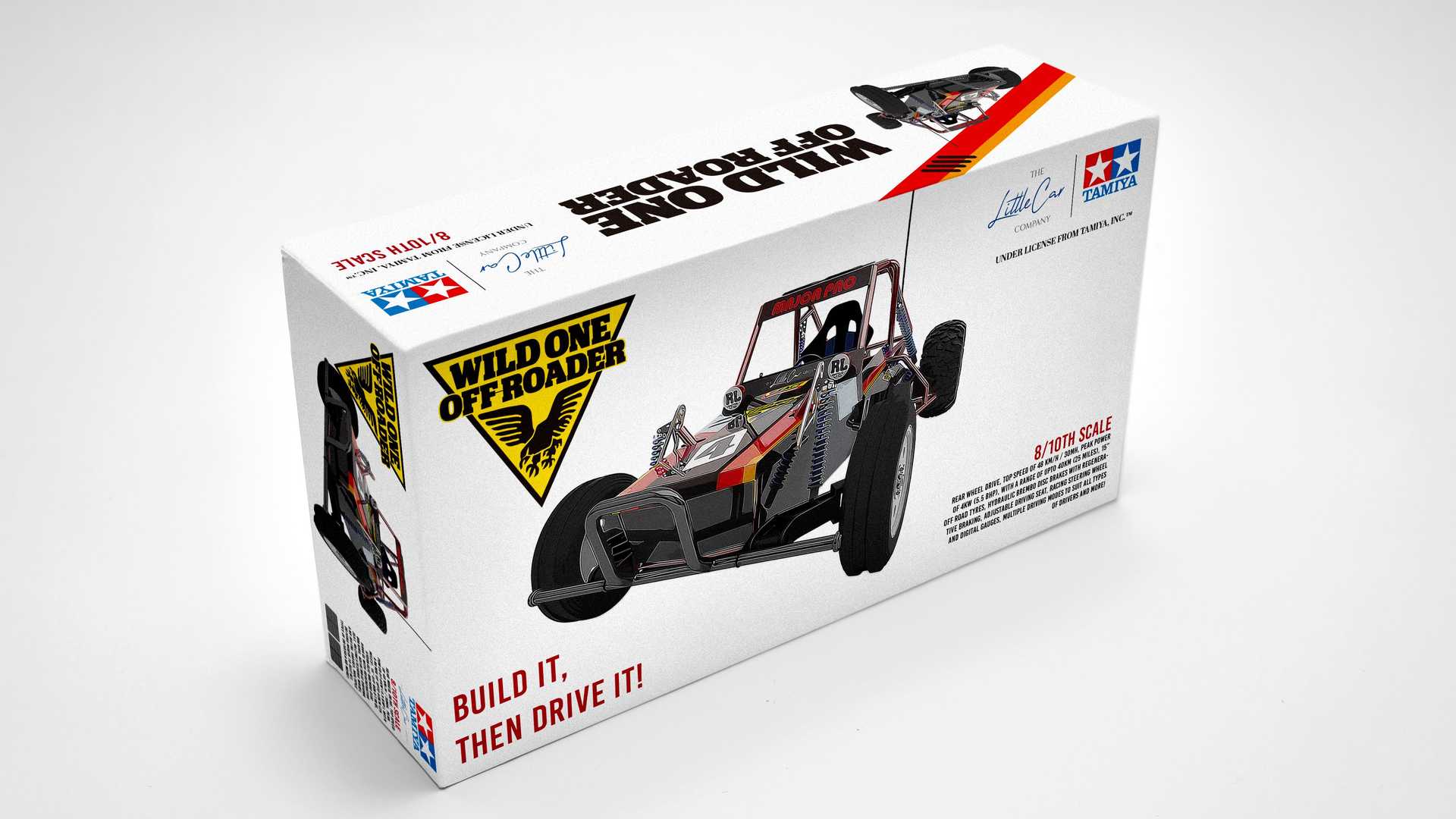
That base price affords you a 2kWh battery capable of travelling up to 40 kilometres with a top speed of around 50km/h. Various driving modes will be available to adjust top speed, power output and throttle maps.
Even more exciting, the Little Car Company is also planning to offer a number of add-ons and accessory kits which can increase performance and range, as well as offering kits to upgrade suspension and brakes, or even make it street legal.
Global launch and customer deliveries are only expected to begin from 2022, however the pre-order books are open and available at wildonemax.com
Talking points
- $15 million mansion in Montana
- Room for 50 cars
- Your very own dyno and fuel pump
Give a car nut an unlimited budget to build a house and it’s very likely they would come up with something similar to this multi-million dollar mansion that is for sale in Montana, USA.
On the market for US$12 million, which with current exchange rates equates to AUD$15.4 million, the property has everything you could ever want as a motoring enthusiast.
Located in Big Sky, Montana, the main residence is a four-bedroom and five-bathroom building occupying 8361 square metres of the 20-acre property.
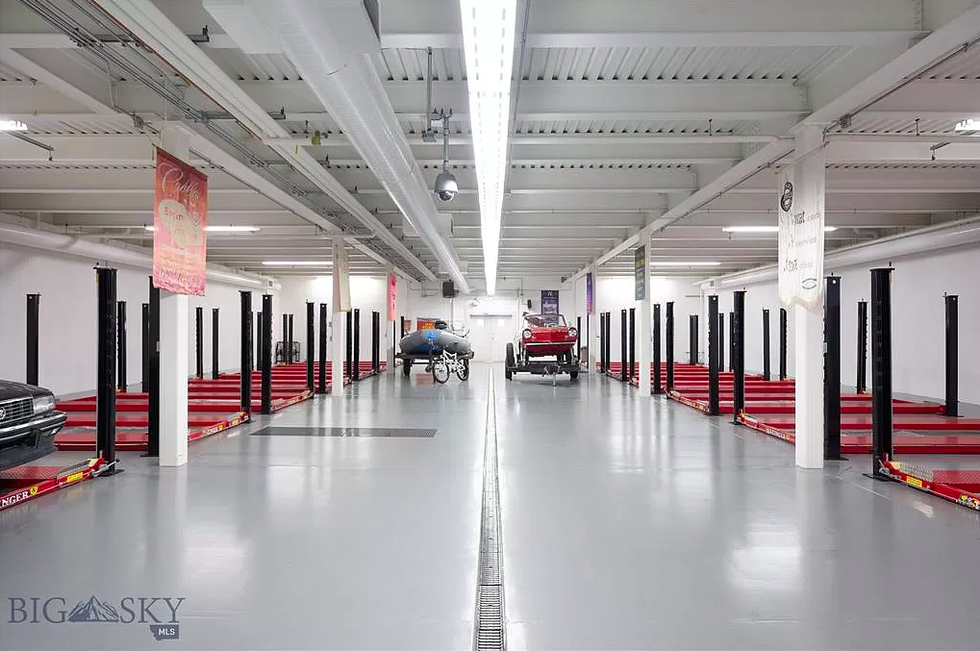
Now, you might be thinking the two-car garage attached to the house is a tad, well, underwhelming for a house of this price.
Fear not, because the new owner will also get the secondary garage, which has space for 50 vehicles, a Tesla home charging system, and a full-blown dyno.
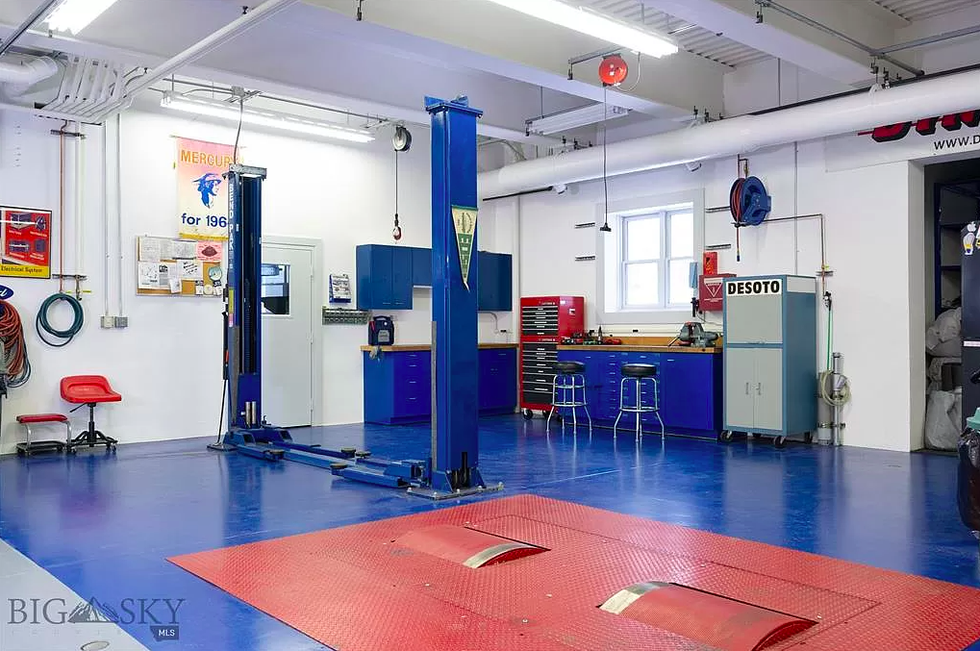
Yup, you get an honest-to-god dyno that you can fire up at any time to see exactly how much power each of your toys is producing.
That’s not all – the property also includes a 1000 gallon fuel pump (equivalent to 3785 litres of your finest petroleum) to keep your collection juiced.
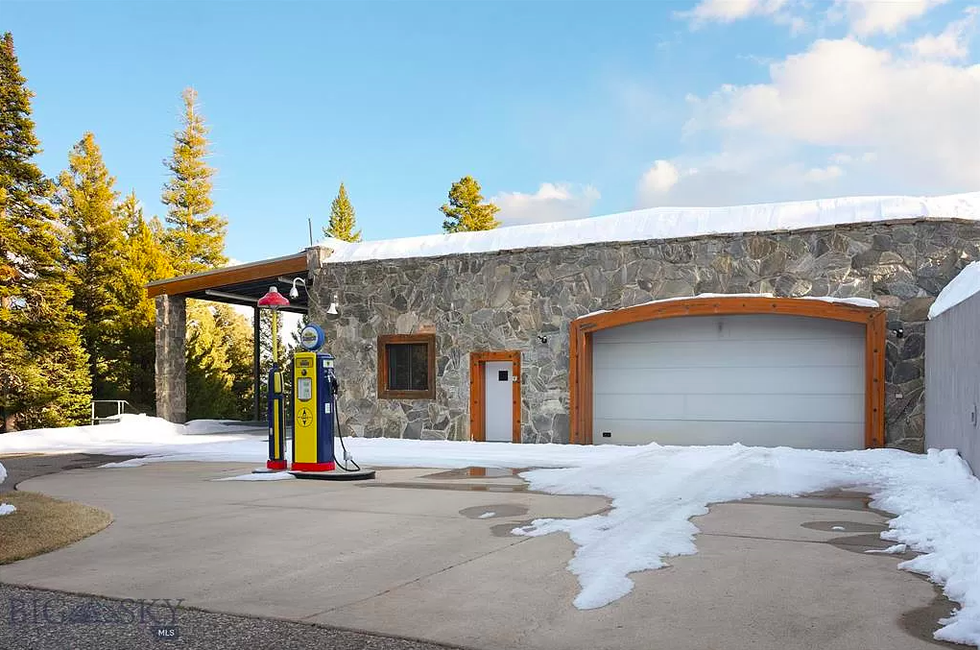
You also get indoor and outdoor car wash bays, an on-site generator, caretaker quarters, tractor storage, and some utterly breathtaking views
Finally, the property also includes a secondary detached guest house specifically built for Aunty Bev and Uncle Barry in their roaming RV.
Interested? Us too!
Snapshot
- State Government aiming for 50 per cent EVs in next nine years
- 20,000 subsidies available on vehicles up to the value of $69,000
- $19million to be spent on charging stations
- There are currently 7,000 EVs on Vic roads, but 300,000 new cars sold every year
The Victorian Government has announced it wants half of all new cars sold in the state by 2030 to be electric – incentivising people to buy by offering subsidies of up to $3000.
The State Government made the shock announcement on Saturday, claiming it will provide 20,000 subsidies – the first 4000 of which will be available from tomorrow – for Victorians to take up electric vehicles up to the value of $69,000.
In total, the Andrews Government has put aside $100 million for the project.
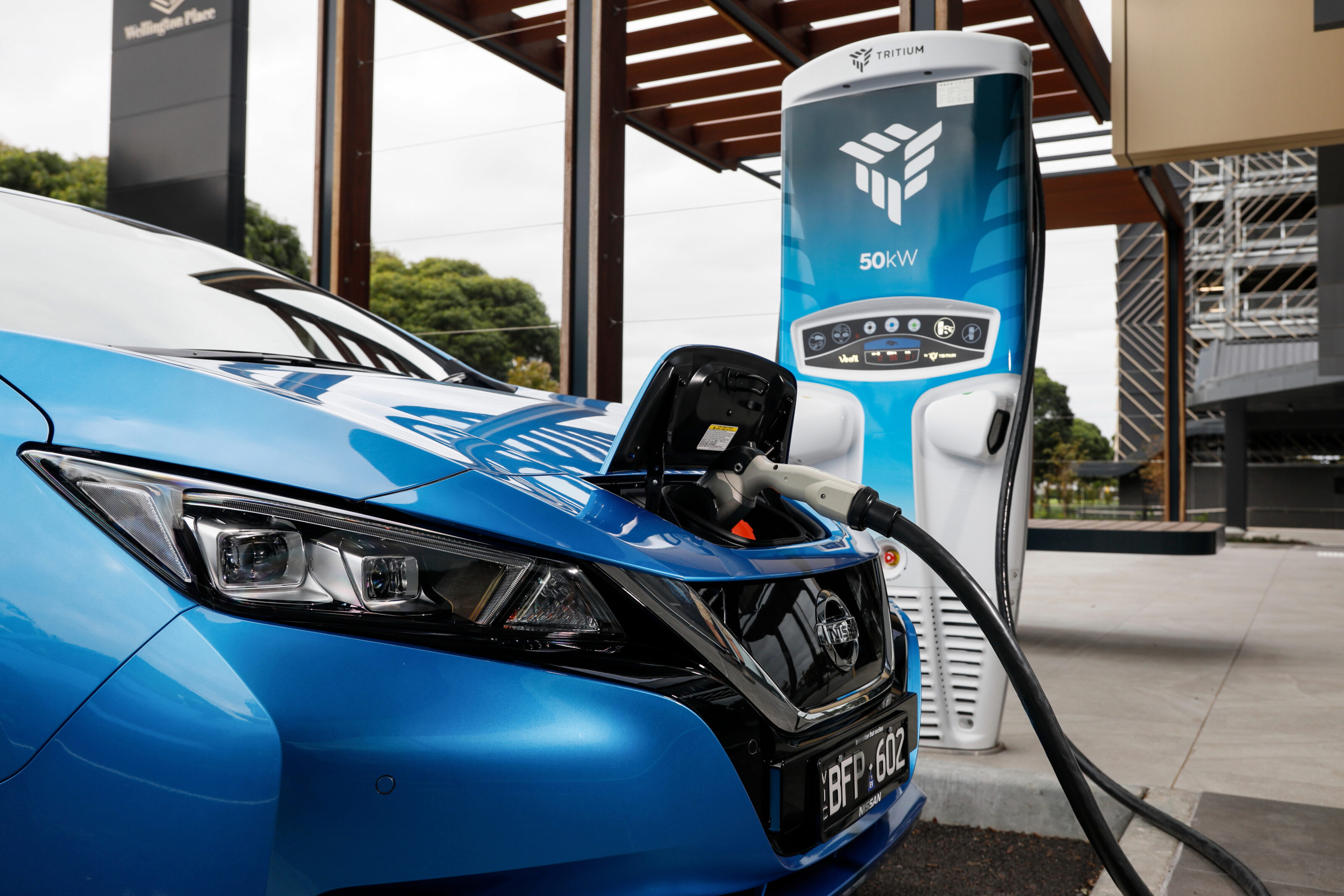
As part of the deal, $19 million will fund new charging stations state-wide and $10 million will go towards the cost of expanding the Government’s EV fleet by 400 vehicles over the next two years.
“When people get an EV, they are starting to save significant dollars off their bills,” Climate Change Minister Lily D’Ambrosio told the ABC.
“It’s almost up to $1,600 that is saved off fuel and maintenance costs, each and every year, so we want to make it easier for Victorians.”
Behyad Jafari, CEO of the Electric Vehicle Council, welcomed the news.
“This is the positive commitment that we have been calling for. With the right actions to support it, we can get on with accelerating Australia’s transition to electric,” he said.
“To put this in context, Victorians buy 300,000 new cars per year. The government is committing to go from around 2,000 EV sales to 150,000 in nine years. The market won’t do this by itself, it will take work, but achievable and the right move.
“Victoria has said it will work together with other states and territories towards a vehicle CO2 standard, where the Federal Government has failed to do so. This is a monumental commitment by the Victorian Government and I hope other states accept.”
MG Australia and New Zealand boss, Peter Ciao, also praised the announcement.
“We applaud the Victorian government’s initiative to support the roll-out of electric vehicles in that state,” said Ciao.“At MG, we believe in electric for everyone, and this government subsidy will give more people the opportunity to sample the benefits of electric motoring for themselves.”
The government will establish an expert advisory panel to advise it on the policies and infrastructure needed to meet the 50 per cent target by 2030.
The 2030 target and subsidies are part of its strategy for Victoria to have net zero emissions by 2050, with interim targets for 2025 and 2030 to be announced tomorrow.
Currently there are fewer than 7,000 electric vehicles registered in Victoria, with the Federal Chamber for Automotive Industries concerned about just how the growth targets will be achieved, calling the State Government’s plans “ambitious”.
“We welcome the approach taken by the Victorian Government today,” said FCAI Chief Executive Tony Weber.
“However, the FCAI has concerns over the ambitious target of 50 per cent of new vehicle sales in Victoria being electric vehicles by 2030, warning that governments should focus on CO2 emissions targets rather than mandating specific technologies.
“The aim is to reduce CO2 emissions from vehicles. Governments should focus on targets, not technologies. If governments set the targets, the carmakers will deliver the range of vehicles into the market that achieve environmental outcomes and meet the needs of Australian motorists.
“We have already come a long way and we believe these issues can be resolved.”
Mr Weber added that the actions taken by the Victorian Government highlighted that the Federal Government risked missing an opportunity to provide leadership and policy direction on the increased take-up of zero and low emissions vehicles (ZLEVs).
“The FCAI has consistently advocated for a national approach to these issues that ideally would be federally-led to avoid the prospect of individual state governments introducing their own standards and incentive programs in support of ZLEVs.
“Consistency is the critical element for Australian customers. If other states introduce their own programs, they must align. Otherwise, the result will be another disjointed and chaotic system like the introduction of different rail gauges across the country.”
Mr Weber also questioned the Victorian Government’s separate decision to introduce a distance-based charge for electric and plug-in hybrid vehicles – something which has caused widespread controversy in recent months and been dubbed “the world’s worst EV policy” by industry and environmental groups.
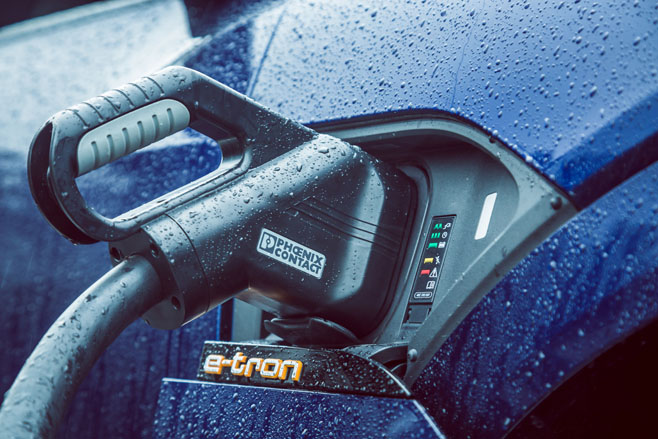
In an open letter they urged crossbench MPs to vote against the bill when it comes before Parliament and claimed the Andrews Government’s proposed tax is the only stand-alone electric vehicle tax in the world, and risks putting Australia even further behind the rest of the world in its uptake of electric cars.
“Road user charging decisions should not be based around specific technologies and particularly those that are in their relative infancy in the Australian market,” Mr Weber added. “An efficient road user charging scheme can address all vehicle users regardless of the type of vehicle they drive, how often it is driven and the purpose of the travel.
“The FCAI will be keen to work with the Victorian and other governments to explore the benefits to the broad-based tax and vehicle charging reform.”
Taxing EVs has caused widespread controversy across Australia in recent months, with Victoria pursuing a distance-based charge which would apply to zero and low emission vehicles (ZLEVS) if passed by Parliament.
Under the proposed policy, which was announced in the 2020-21 Victorian Budget, a 2.5c/km charge would apply to electric and other zero emission vehicles – including battery-electric and hydrogen vehicles, and a 2.0c/km charge will apply to plug-in hybrid-electric vehicles.
According to the Victorian Government, electric vehicle owners will pay on average an additional $330 a year in distance-based road usage charges and plug-in hybrid-electric vehicles owners will pay an additional $260 a year – though this figure does not seem to take into account the petrol excise that PHEV drivers also pay.
The proposal has gone down like a lead balloon with many across the car industry and environmental groups who believe charging EVs penalises owners for shrinking petrol and diesel tax coffers without rewarding them for helping to reduce carbon emissions.
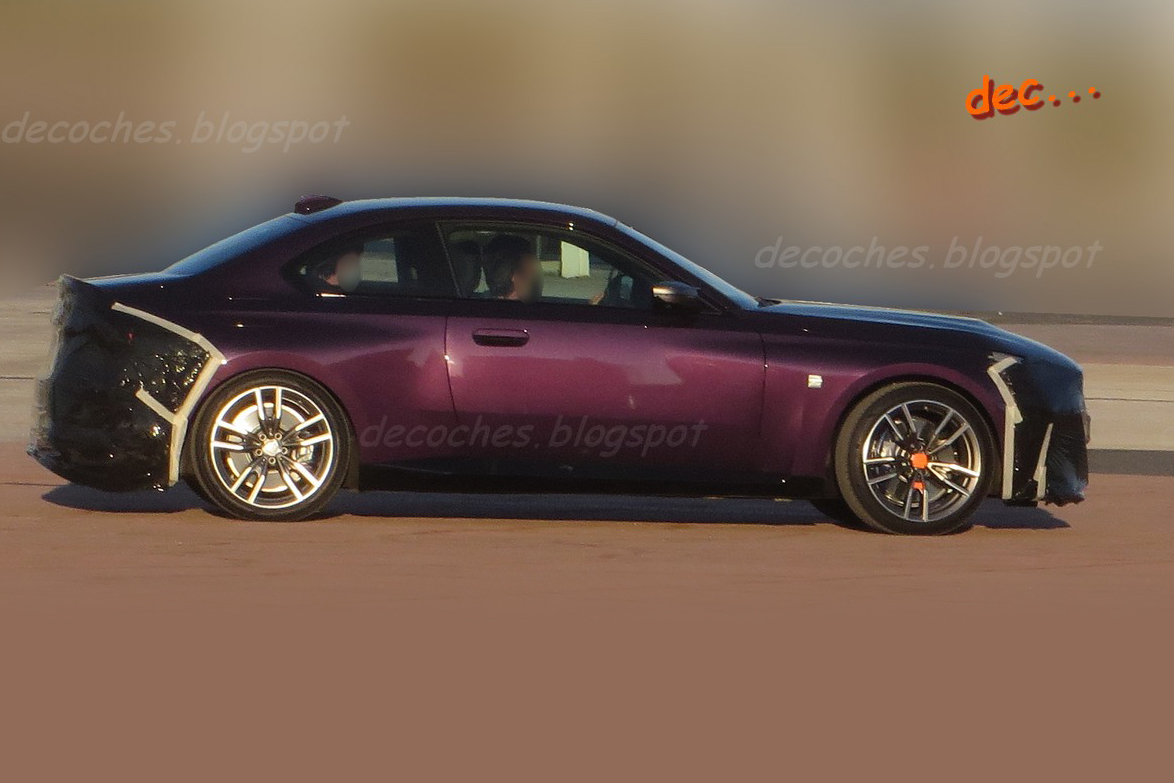
The upcoming new 2022 BMW 2 Series Coupe has been spied testing once again, wearing far less camouflage than ever before.
In this new photo, posted to enthusiast site decoches, the 2er is shown in what could be BMW’s Twilight Purple (which, incidentally, looks incredible on the new M3).
Apart from showing off its paintwork, this new photo also reveals the best look yet at the hot coupe’s body lines.
Big, box-flared guards are perhaps the standout feature here, running right through the front quarter and into the door, before blowing out again at the rear.
Other highlights visible here include a subtle bonnet bulge and what could be a longer roofline for better second-row comfort – and perhaps a longer wheelbase to go with it.
Watch for more on the new 2er to come in the weeks and months ahead, and catch up on our 2 Series and M2 coverage below.
The story to here
Tom Fraser
March 21: Our snappers have caught the next-generation BMW M2 sports car in the wild, wearing heavy camouflage and showing off its drift skills.
Images were first snapped of the new M2 undergoing winter testing around an ice track in Sweden, though it’s now also been seen hitting the local streets around the BMW factory in Munich, Germany.
Sadly, BMW has actually done a bang-up job at hiding the 2022 M2’s design with the camouflage.
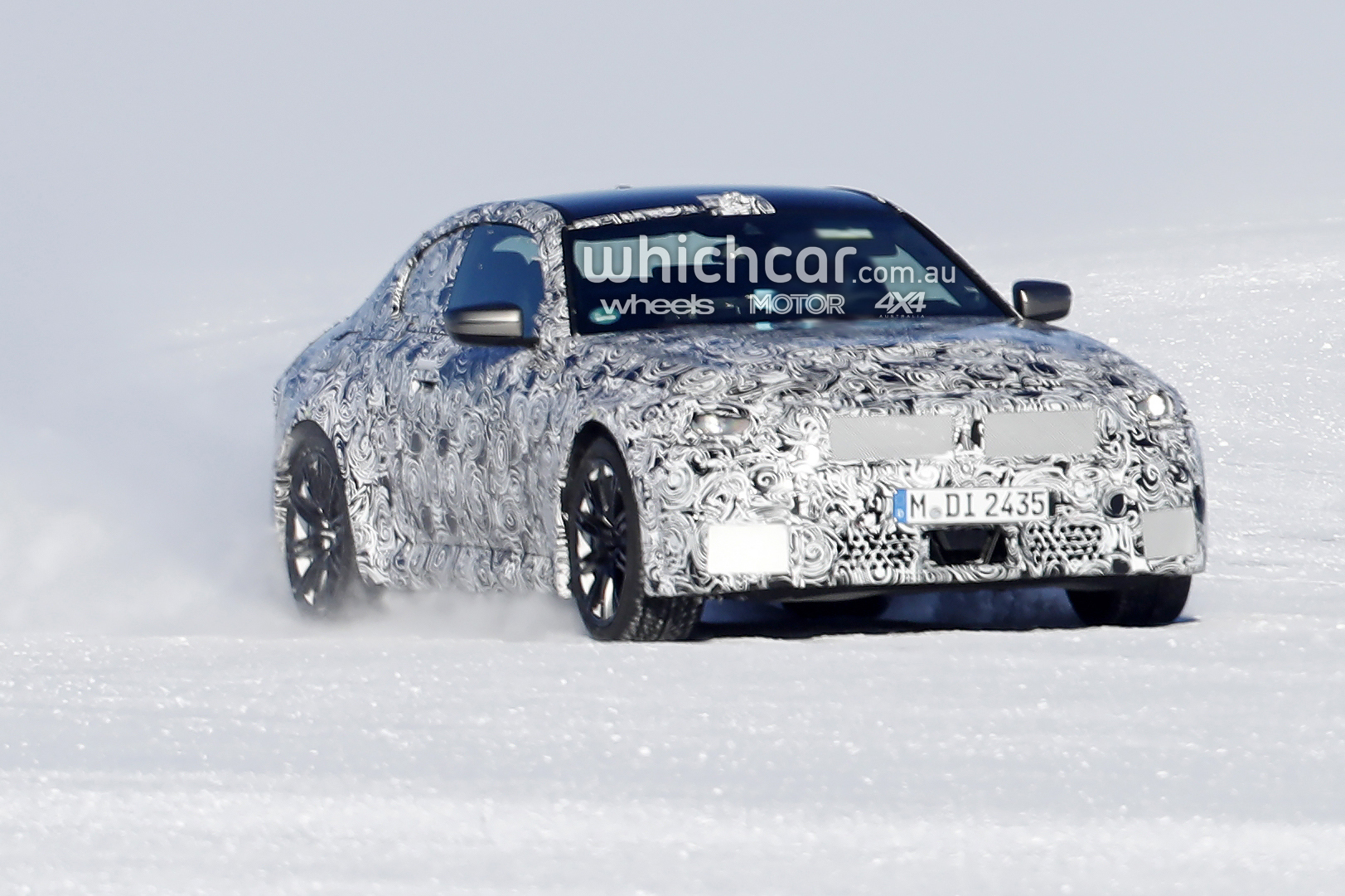
Of course, it gets a set of pumped wheel guards hiding large M Sport wheels, though the most encouraging design feature we can see is the more traditional BMW kidney grille.
It seems not to have followed in its buck-toothed M4 brethren’s footsteps.
Our first glimpse of the standard 2 Series showed an interesting departure from BMW’s current styling, especially at the rear end.
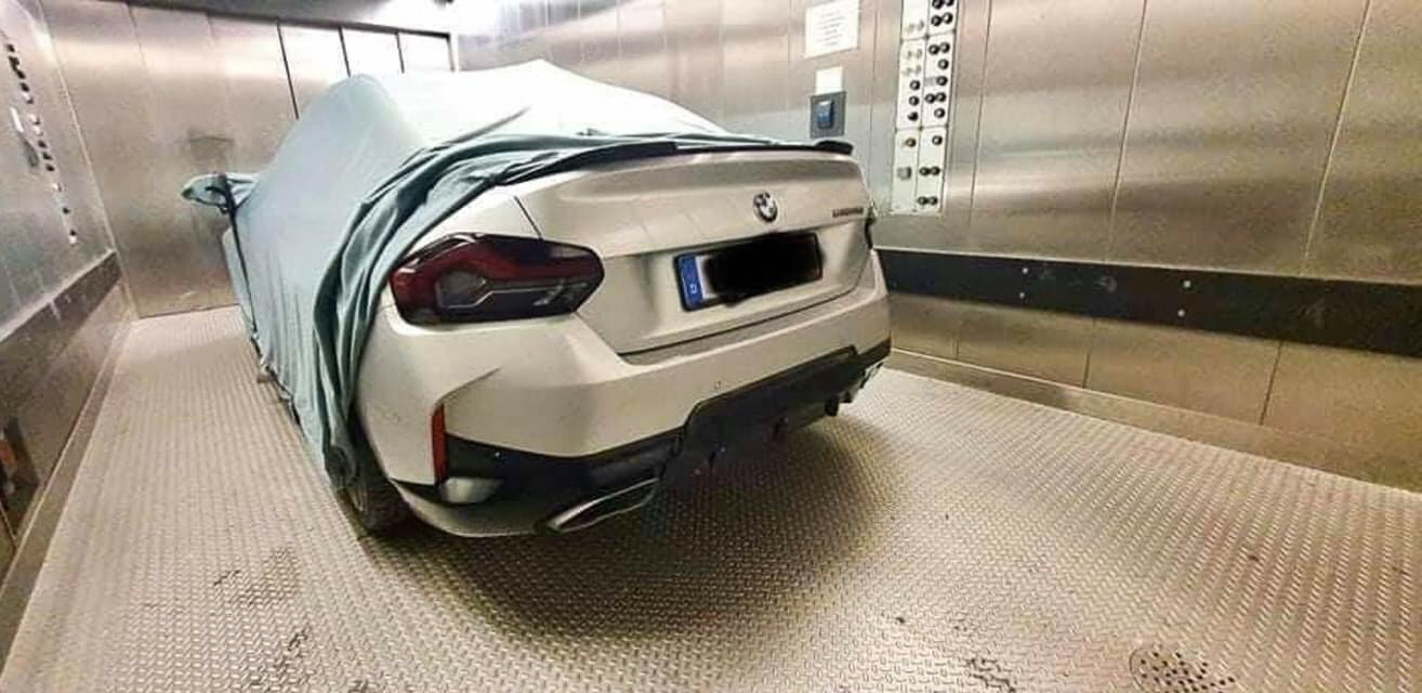
Fingers crossed this full-bottle M version amps up the aggressiveness with sports front and rear bumpers, as well as a bulging bonnet.
It’s very early to say – and BMW has said nothing on the matter – but we wouldn’t be surprised if M Division swapped out the 3.0-litre turbocharged straight-six of old and used a tuned-up version of the M135i’s 2.0-litre turbo four-cylinder instead.
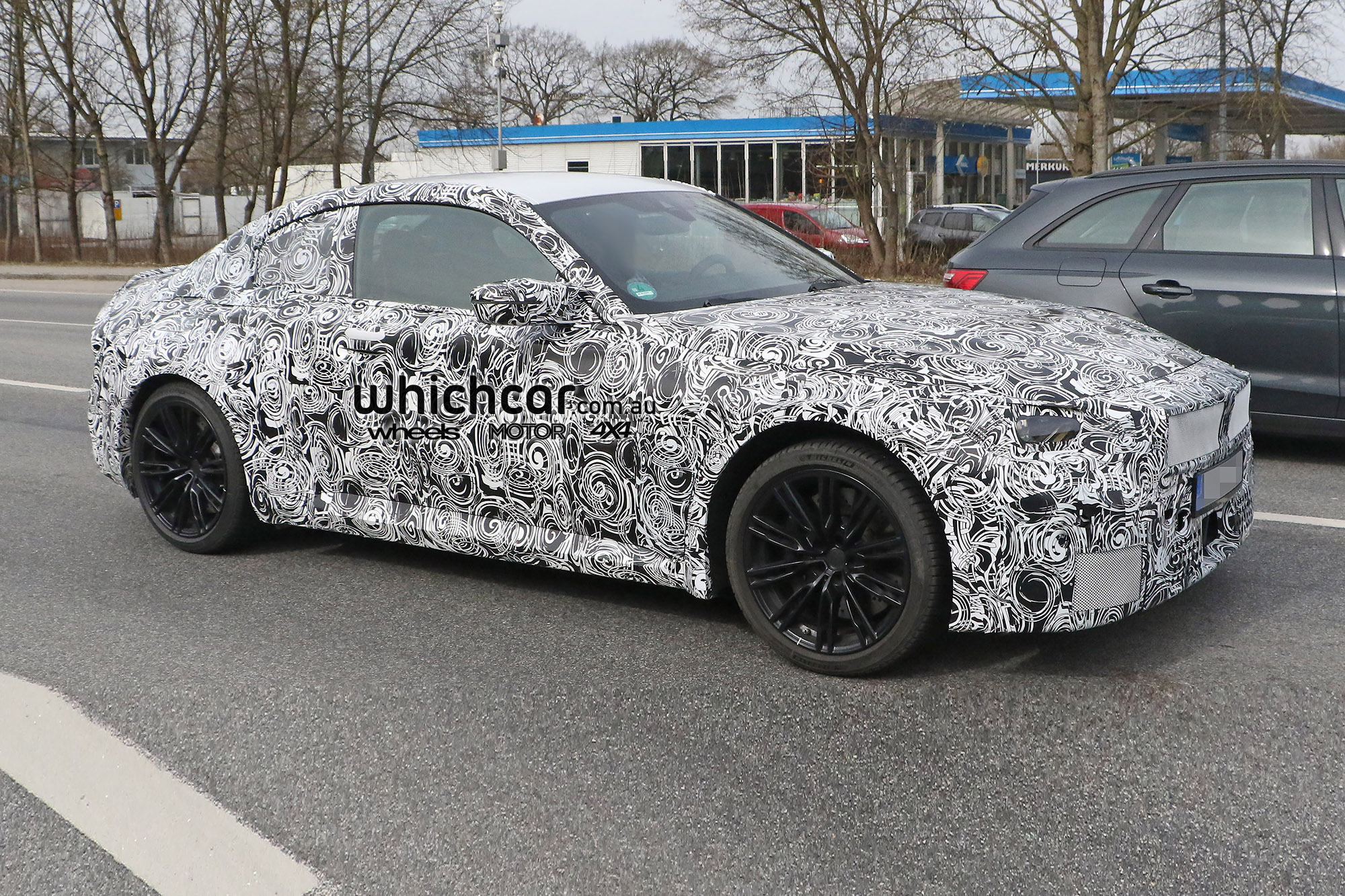
Further suggestions floated online give the next-gen M2 a de-tuned version of the current M3’s 3.0-litre twin-turbo inline six-cylinder, as was the arrangement in the previous M2 Competition.
No doubt performance buffs will be holding out for the latter, though it’s too early to say what’ll eventually feature under the bonnet.
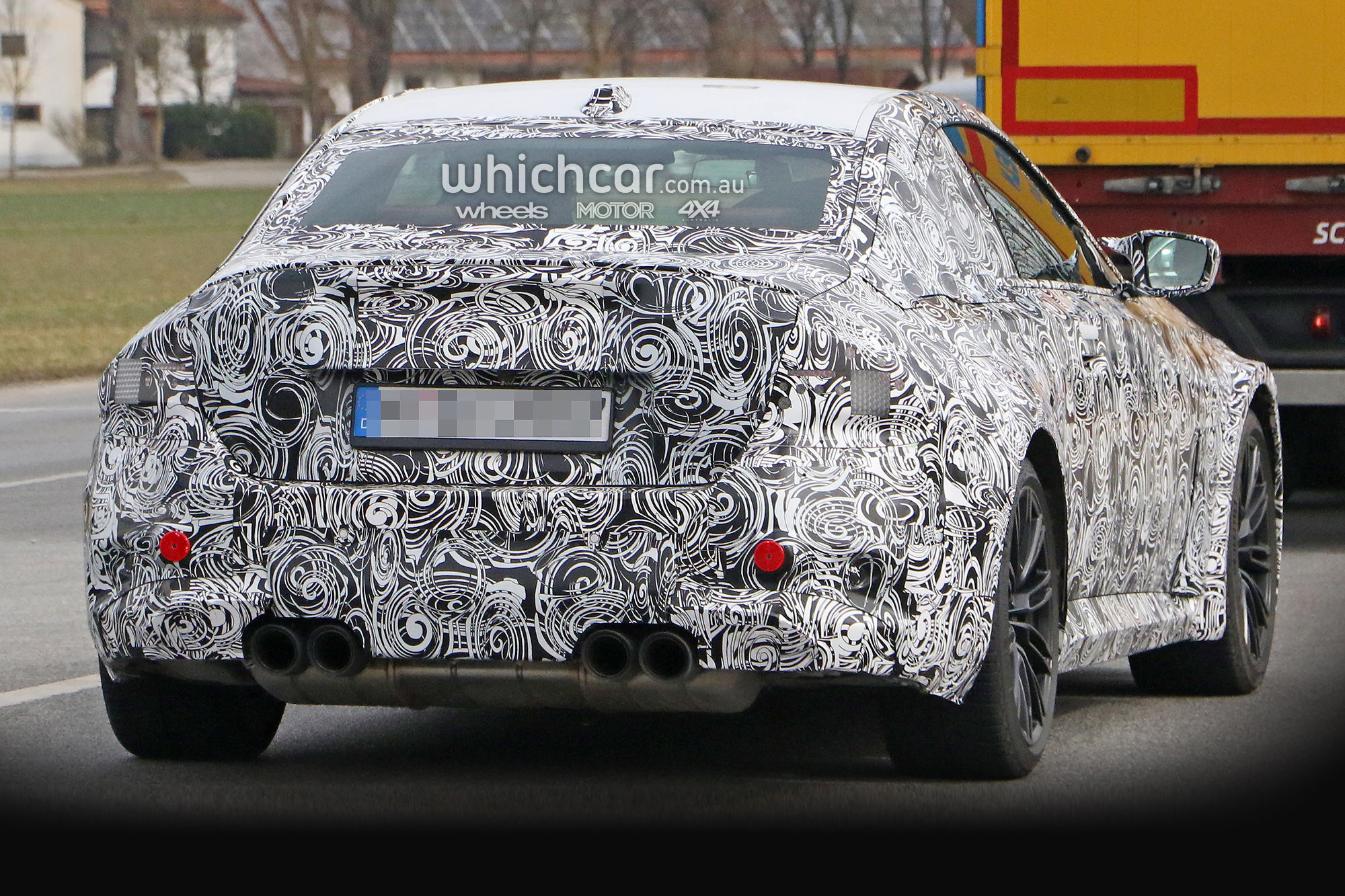
Unlike the BMW M3 and M4 twins, the next-gen BMW M2 is unlikely to go all-wheel-drive, instead retaining its rear-drive layout.
The new BMW 2 Series is expected to be revealed towards the end of 2021 – making this M2 likely to debut in 2022 – and this, a very early sneak peek at what to expect.
MORE: M2 news and reviews MORE: All BMW stories
A new Formula 1 season is upon us and I’m, well, not really that excited. Don’t get me wrong, I’ll still tune in to every grand prix and become invested in the championship battle, but F1’s racing product is not engaging in the slightest.
For many, this isn’t a particularly new or controversial opinion. But it is one that those in charge of motorsport’s most prestigious category have wrestled with in recent times.
There have been some attempts to rectify the ‘bad racing’ plague with minor tweaks here and there, but the rot that has set into Formula 1’s framework is deep, and requires a more significant exorcism than a few new pages in the rule books.
If I was put in Bernie’s vacated shoes and became F1’s omnipotent despot, I’d scrap the sporting and technical regulations altogether and start again from scratch.
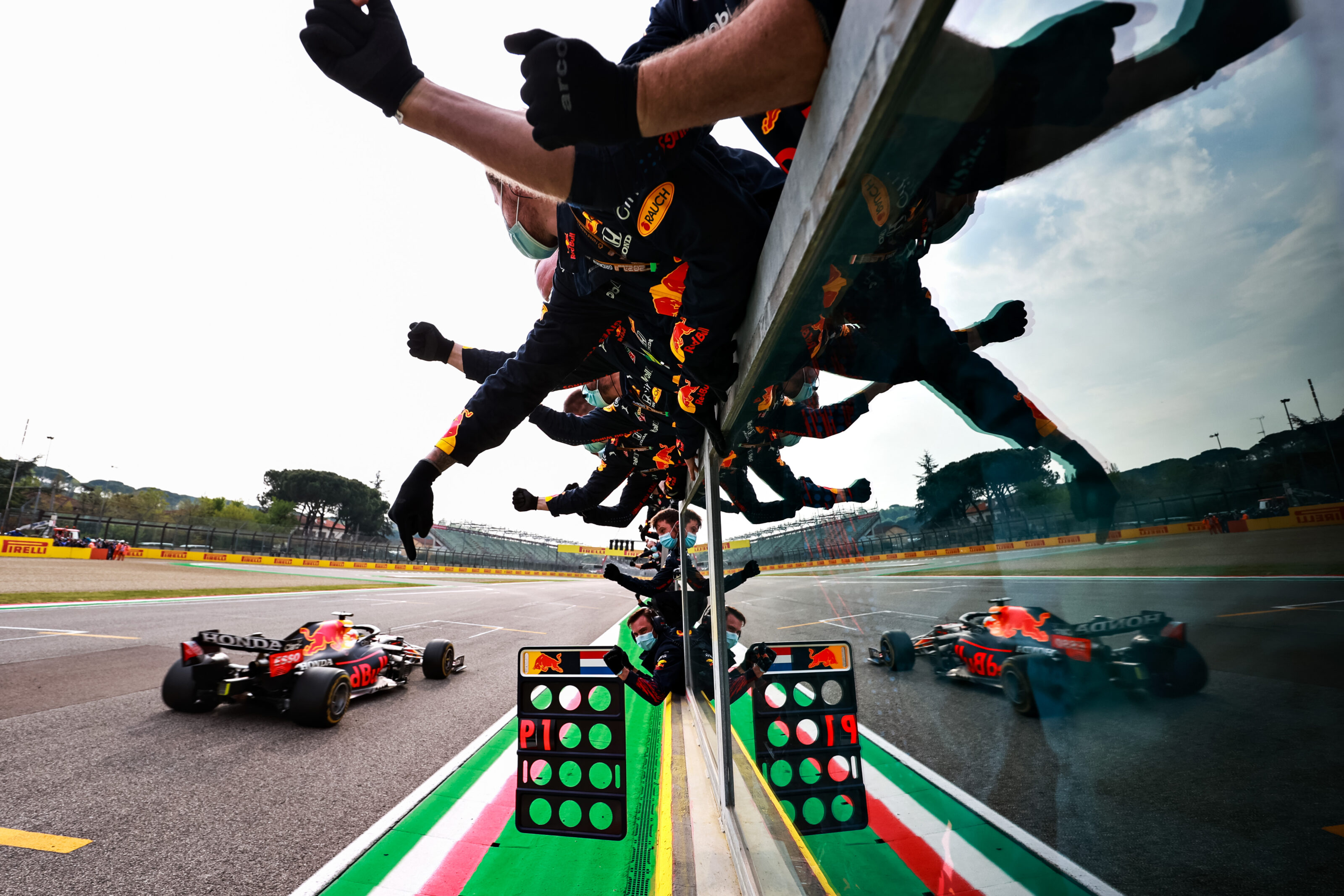
Despite my fanatical wishing, that’s not going to happen though. F1 is currently content to plod along, with the 2020 rules remaining largely unchanged as we head in to ’21.
Existential problems require radical solutions. So, here are my four rule changes that I think could return the shine to motorsport’s crown jewel without requiring an entire rulebook rewrite.
First cab off the rank is simple – mandate that teams must use all three slick tyre compounds in a dry grand prix.
Currently, teams must use two of the three, but this has resulted in snooze-fest one-stop races becoming the norm, with drivers eking more than half race distance on the hardest and slowest compound.
No one wants to see the greatest drivers on the planet conserving tyres at the start of a grand prix. Enforcing the use of all three compounds would banish one-stop races to the bin where they belong, adding a level of strategic intrigue to each race.
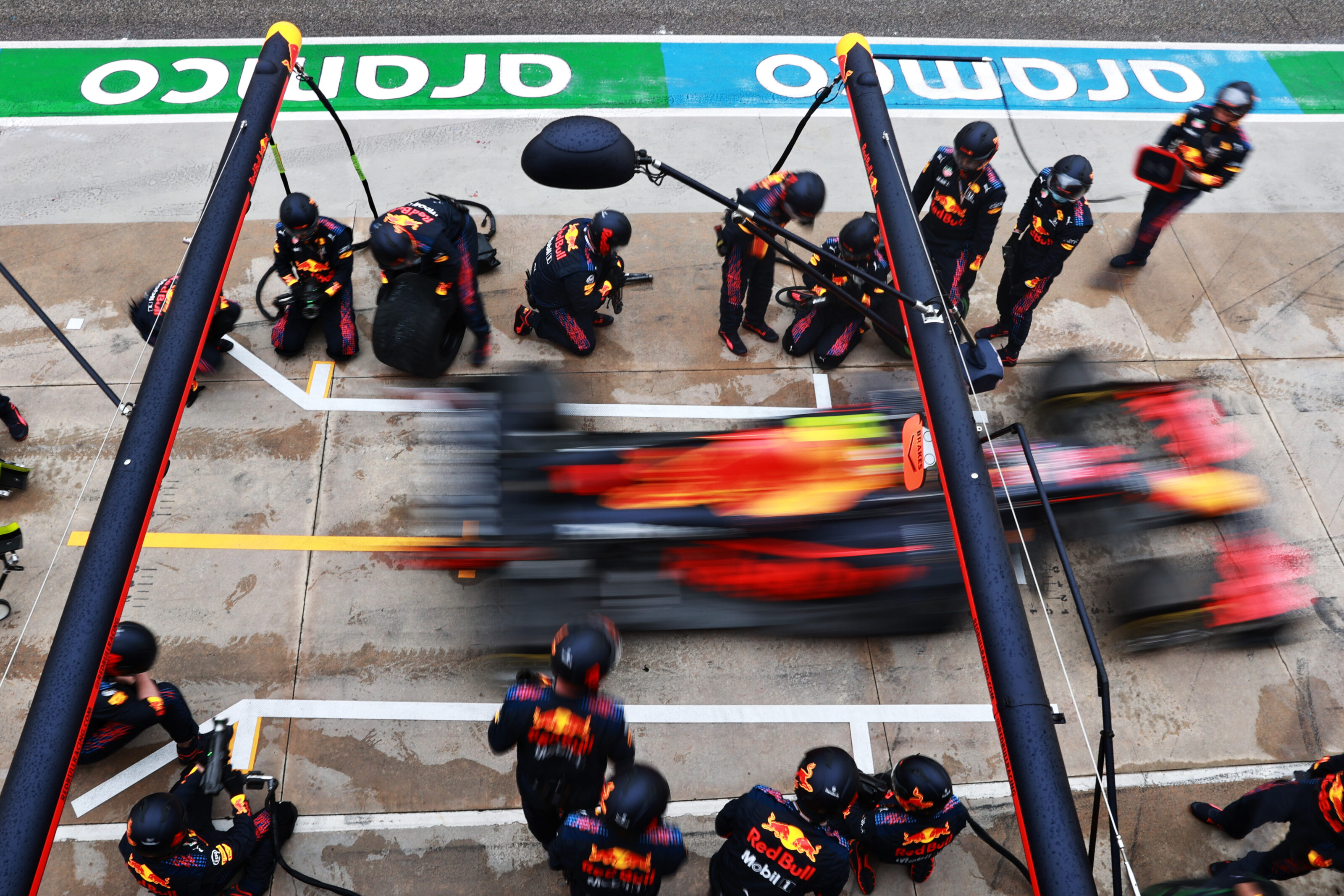
The second change is a direct follow up to the three-compound rule – slash the length of almost every grand prix. In 2020 the average F1 race time was over an hour and a half.
I’ll happily watch every lap of a 12-hour endurance race, but 100 minutes of dawdling around Yas Marina? Take me out to the barn and shoot me now, please.
If a race is completed under green flag conditions, a 45-60 minute run time seems like the sweet spot. In conjunction with mandating two stops per race, drivers would be forced to be at maximum attack for more of the race.
Next item on the agenda is stopping teams from collecting and transferring data in real-time during a grand prix. The immense amounts of information that teams harvest from a modern F1 car is staggering, and it is this data that allows engineers to coach the drivers on where to perform better during a race.
Time to get rid of it.
With a few exceptions such as car location and speed, teams should be prevented from accessing vehicle data during a race. I’ll happily allow teams to collect the same information as they currently do, but restrict them from retrieving it until 24 hours after the chequered flag has been waved.
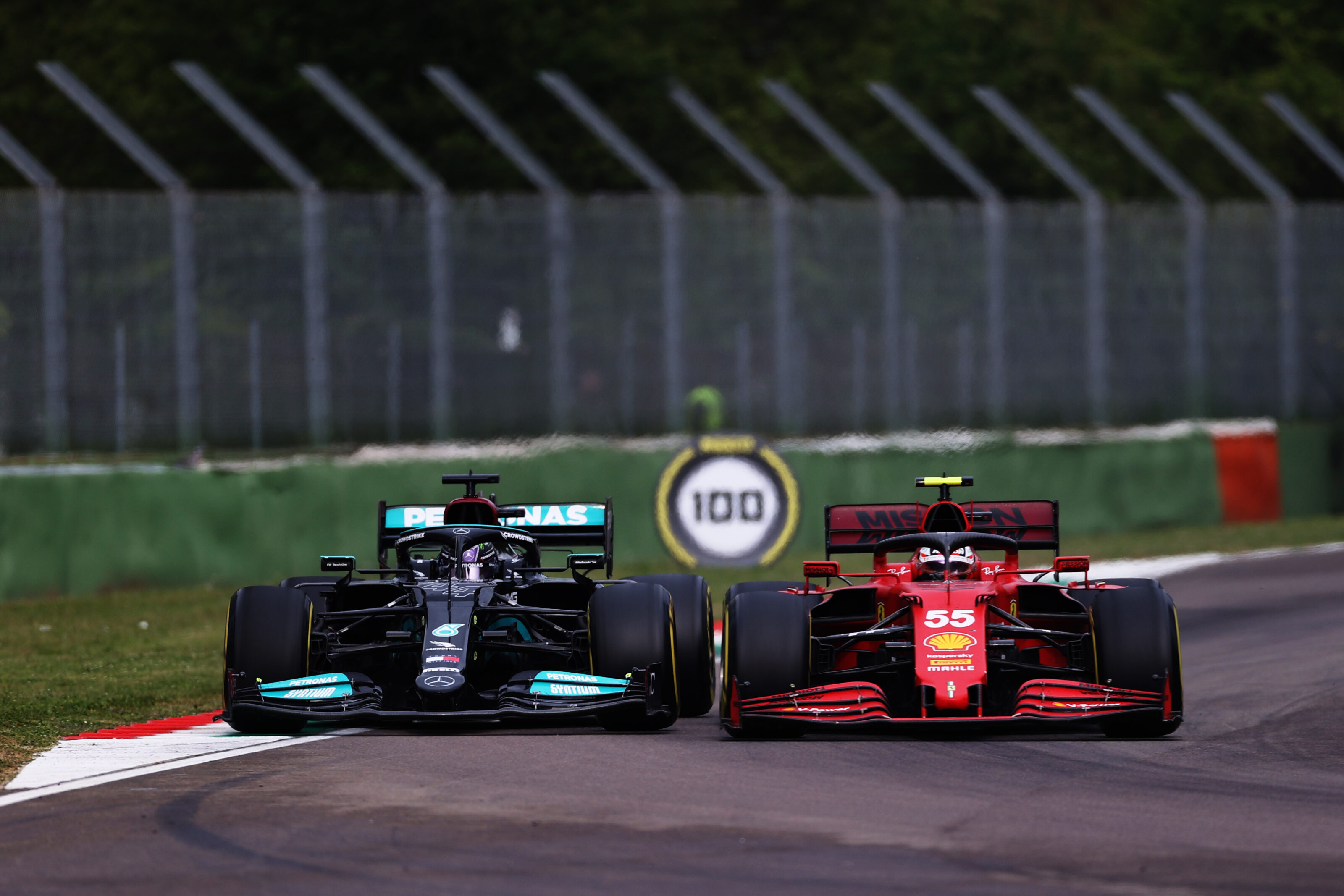
The most radical of my ideas is a complete and unrepentant upheaval of the current F1 race weekend format. In my world, each F1 weekend bar a select few would be a two-day affair, ditching Friday’s running altogether.
On the Saturday I’d make qualifying in its current guise the first session of the weekend, followed by a single 90-minute practice session in the middle of the day.
The final running on Saturday would be a Top 10 Shootout, with drivers from Q3 competing to secure pole with a one-lap dash. Sunday would start with a 60 minute ‘young driver’ session, where each team must run a pair of drivers that have not competed in an F1 race. Before the grand prix starts, the field will get a 30-minute warm-up, and then it’s on to the big race.
At select tracks (or those struggling with attendance numbers), F1 could trial a double-header weekend. Qualify, hot lap shootout, race on Saturday, and follow it up with an identical program on Sunday.
It’s unlikely that F1’s leadership team will have the fortitude to implement any meaningful changes in the short term. But if any of my suggestion inspire, I’ll take my payment in a season pass please, Mr Brawn.
The DBX is a crucial car for Aston Martin. Its development can be traced back to 2015, and it’s tasked with ushering in a new era for the storied British marque.
But if you thought its design was a little too conventional, California-based car designer Jiaqi Han has come up with a dramatic reimagining of the big British brute.
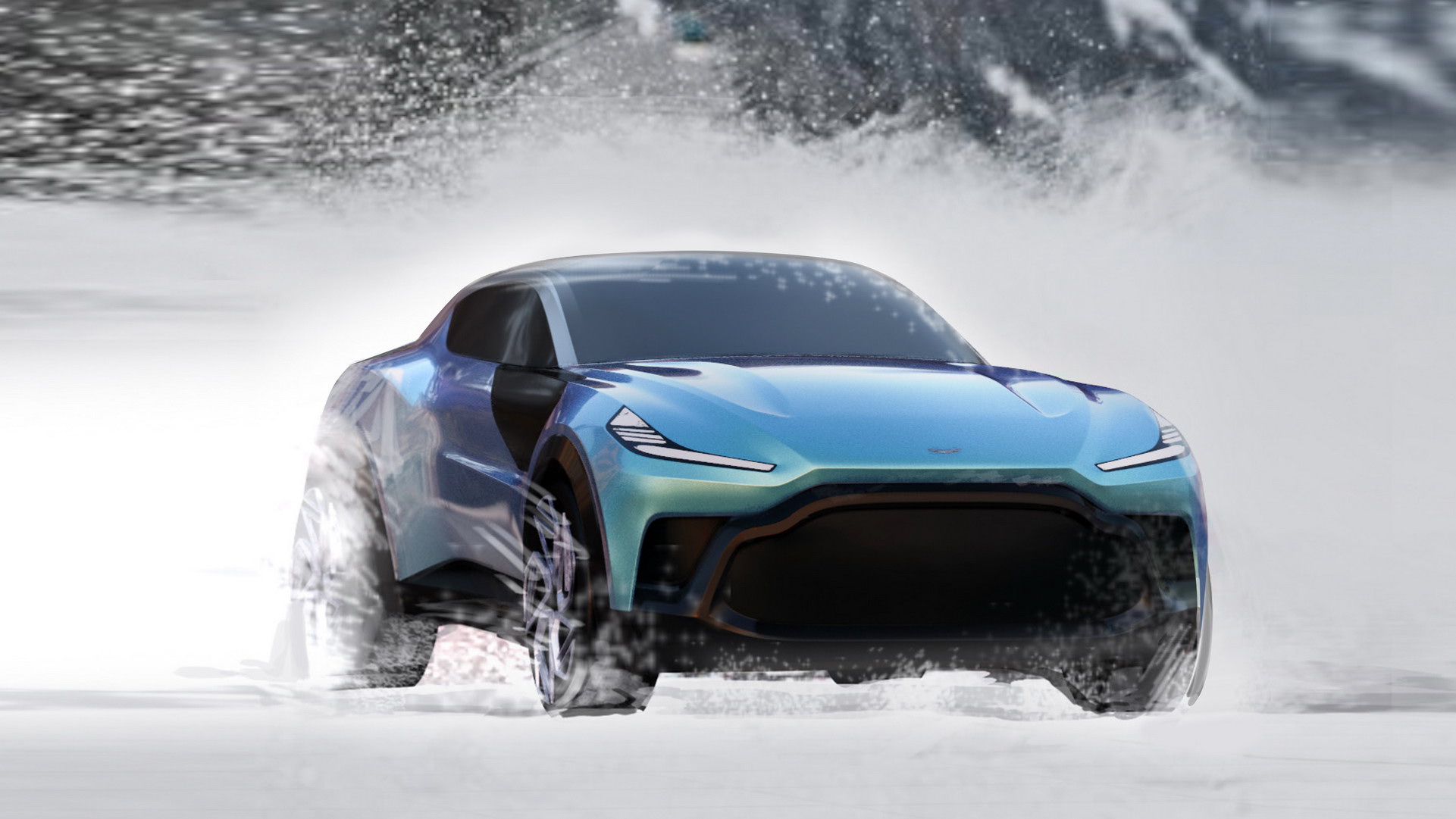
Currently working for Bentley Motors as an exterior designer, the initial sketches for the Aston Martin SUV stem back from Han’s time studying at the esteemed ArtCenter College of Design in Pasadena, California. The eye-catching renderings put forth a futuristic electric SUV, complete with innovative occupancy and luggage solutions, blended with striking design.
Han’s spoken of his vision to “create more opportunities for design and layout”, with a sleek and sloping roofline with a long-bonnet effect and a heavy rear-cab bias.
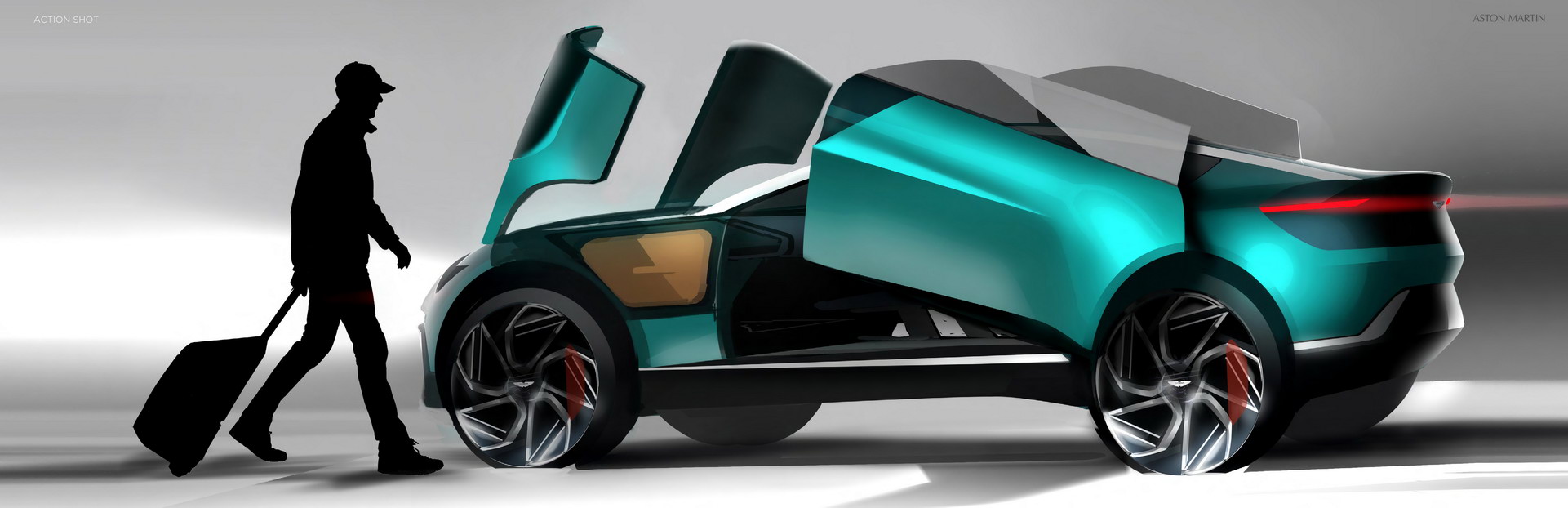
Curiously, instead of four conventional occupancy doors, the massive rear panels are reverse-hinged and yield a simply massive aperture through which to access both front and rear seats.
Two front panels are situated ahead of the A-pillar and open as a conventional door would, allowing access to two extra stowage compartments – almost akin to the McLaren F1, perhaps.
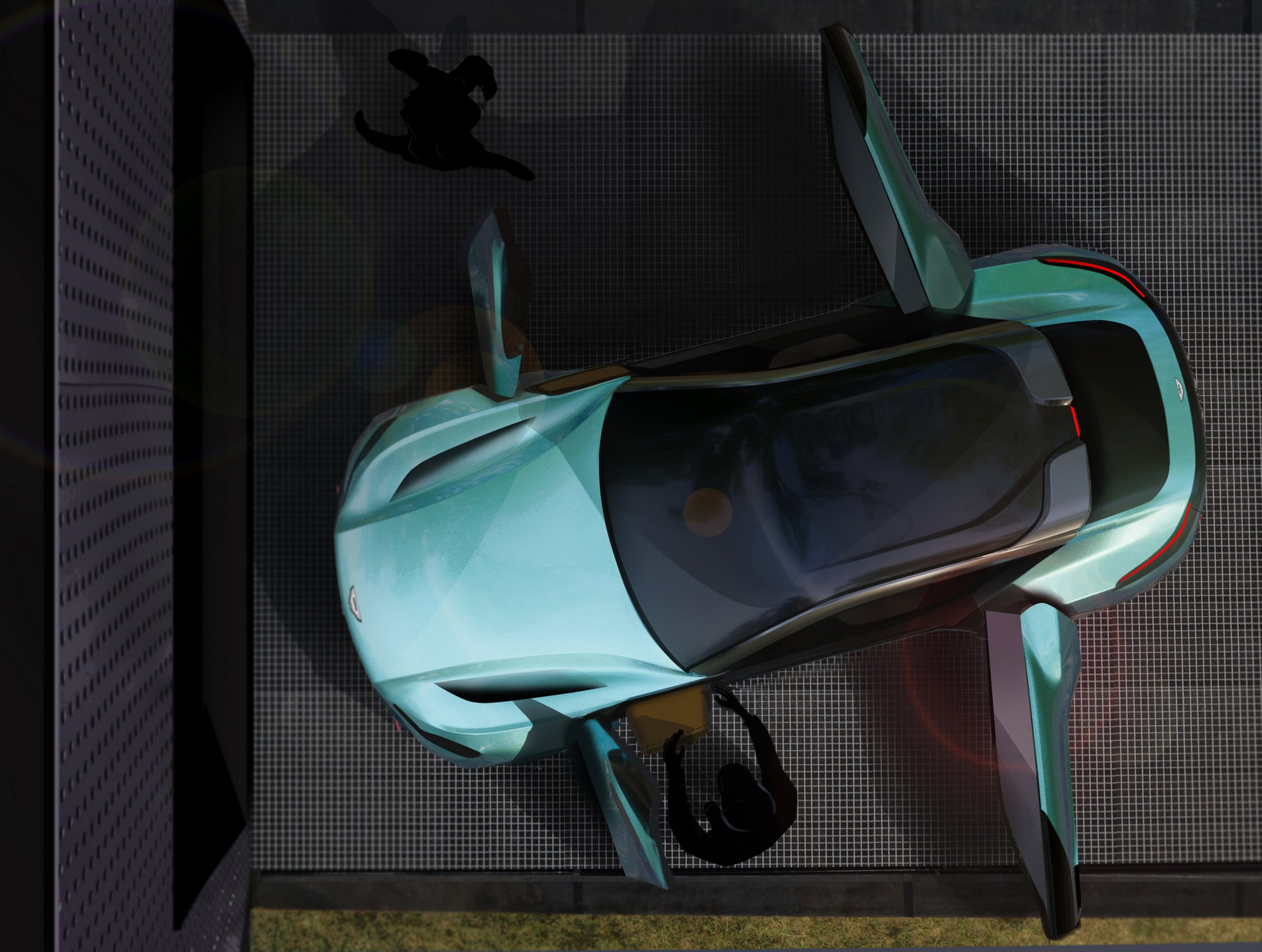
Han sees this unusual stowage solution to be an innovative packaging cue which exploits the SUVs electric architecture, while retaining Aston Martin’s signature long-bonnet.
“The luggage in the dash-to-axle space is a key design feature of this vehicle” explains Han.
“It allows the window graphic to be extended into the luggage compartment, showcasing this unique function”.
While Aston Martin’s future roadmap is heavily focused on the uptake of electrification, promising to electrify all models by 2025, we suspect Han’s renderings would require further reworking to meet the various international design regulations.
Still, it remains a tantalising case study in how the luxury high-riders of the future may look.
Talking points
- Sub-4 second 0-100km/h times
- New u2018Unbridled Extendu2019 track mode
- GT Performance Edition scores Brembo brakes, Magneride dampers and Pirelli tyres
Ford America has begun accepting orders for its highly anticipated GT and GT Performance variants of its electrified Mustang Mach-E SUV crossover.
The top-shelf versions score more power from their dual electric motors than the standard Mach-E, with the GT producing 358kW and 814Nm and the GT Performance offering the same power but more torque – 860Nm, to be precise.
The extra grunt is sent to all four wheels of the new ponies, which translates to some quick 0-100km/h times, with the GT claiming to take just 3.8 seconds, and the GT Performance completing the sprint in a supercar-beating 3.5 seconds.
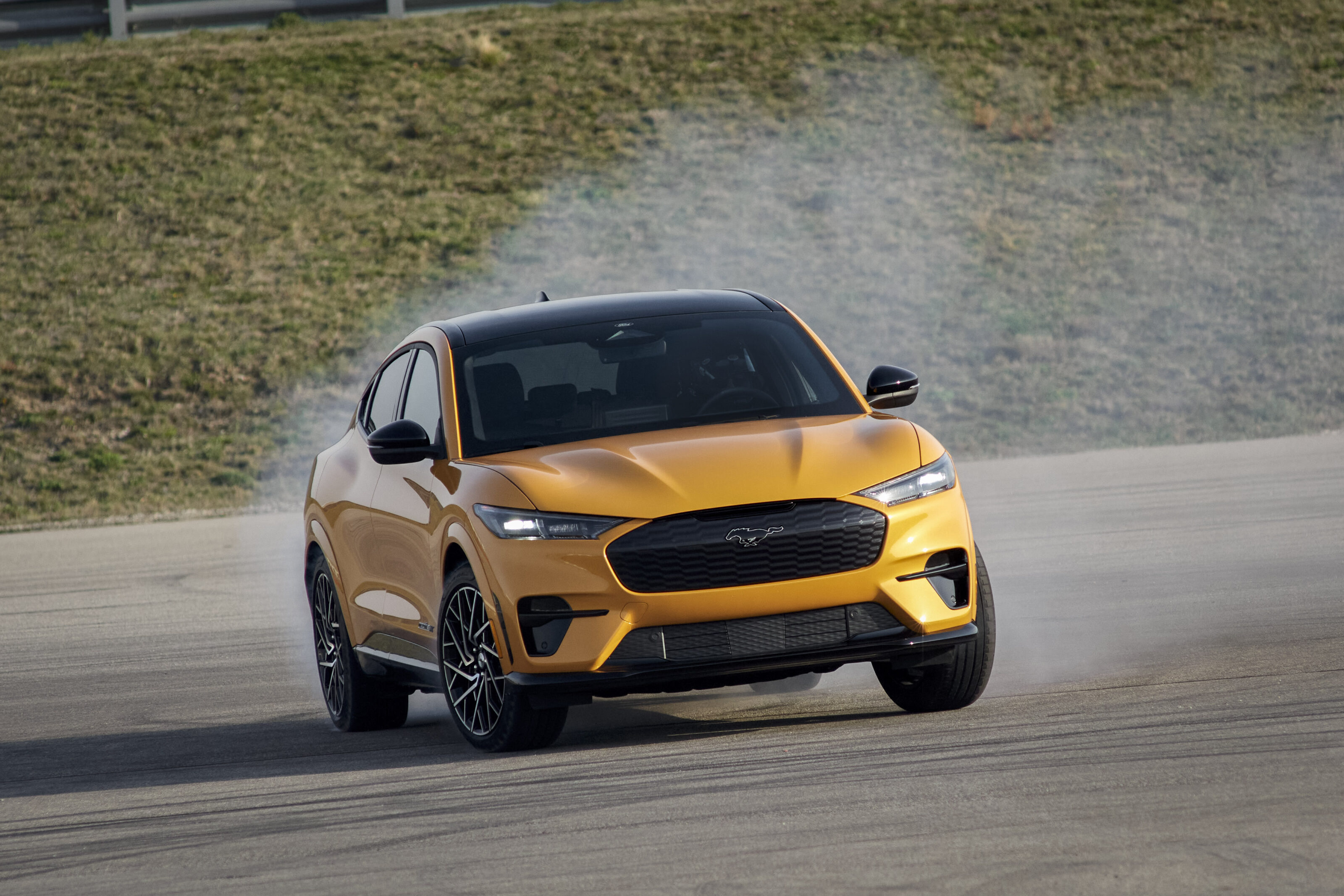
The GTs aren’t just about blistering straight-line pace, however, with Ford claiming the vehicles’ dynamics have been thoroughly reworked for a more aggressive experience on and off the track.
Ford has even built in a track-only mode called ‘Unbridled Extend’, which offers a bespoke tune for the car’s traction and stability control.
Other features include a set of bespoke 20-inch alloy wheels wrapped in 245/45 tyres at all four corners, red brake calipers and larger rotors for better stopping power.
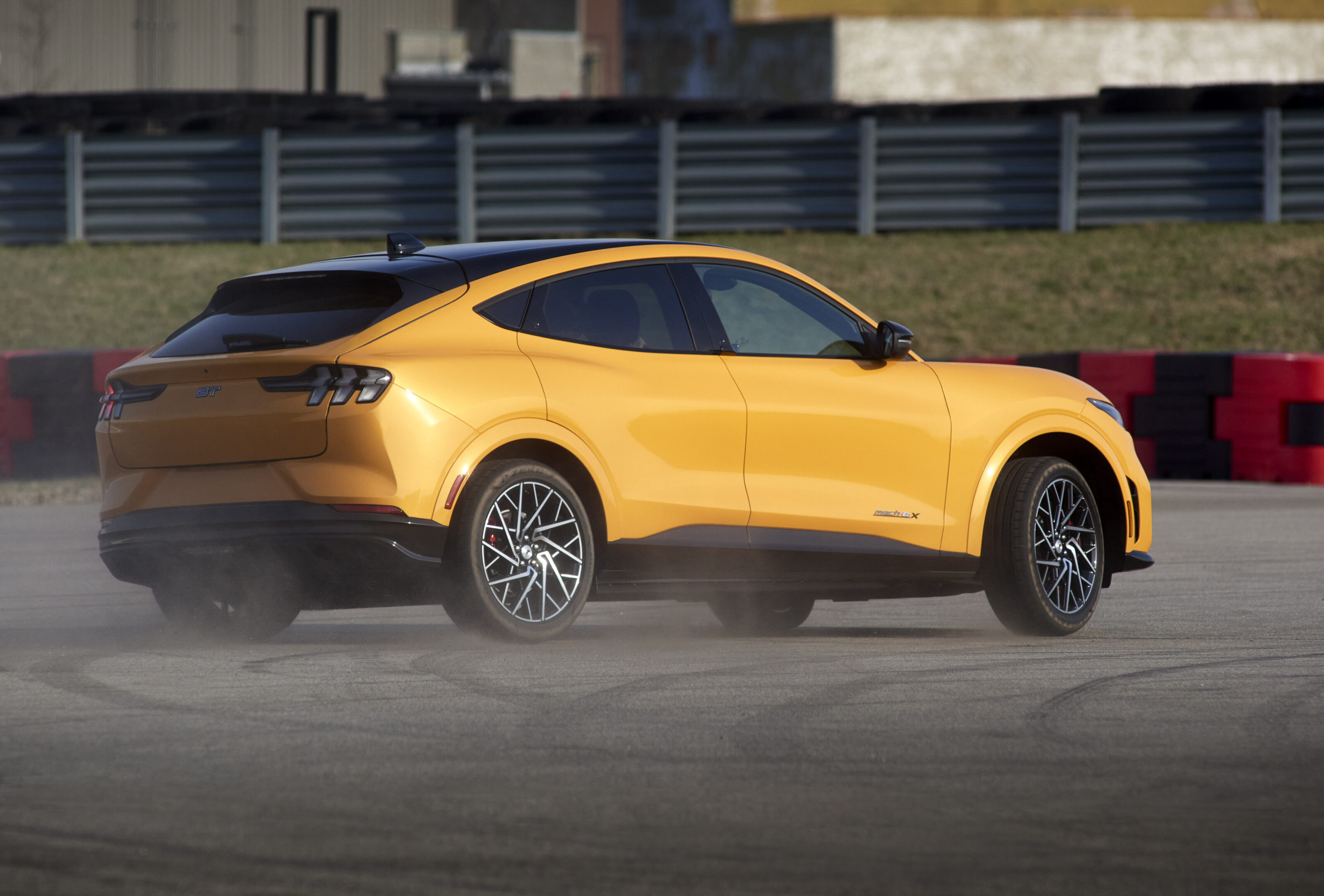
The Blue Oval has also fitted the GT Performance with bigger Brembo brake calipers, Pirelli P-Zero tyres and adjustable Magneride dampers.
Range is rated at 402 km for the Mach-E GT and 378 km for the GT Performance Edition, and charging times remain similar to the standard Mach-E, with the EVs capable of charging from 10 to 80 per cent in just 40 minutes when connected to a DC fast charging station.
Inside, the GTs score bespoke sports seats with copper piping, nine-speaker Bang and Olufsen sound system, and the option of Ford’s BlueCruise hands-free semi-autonomous driving system.
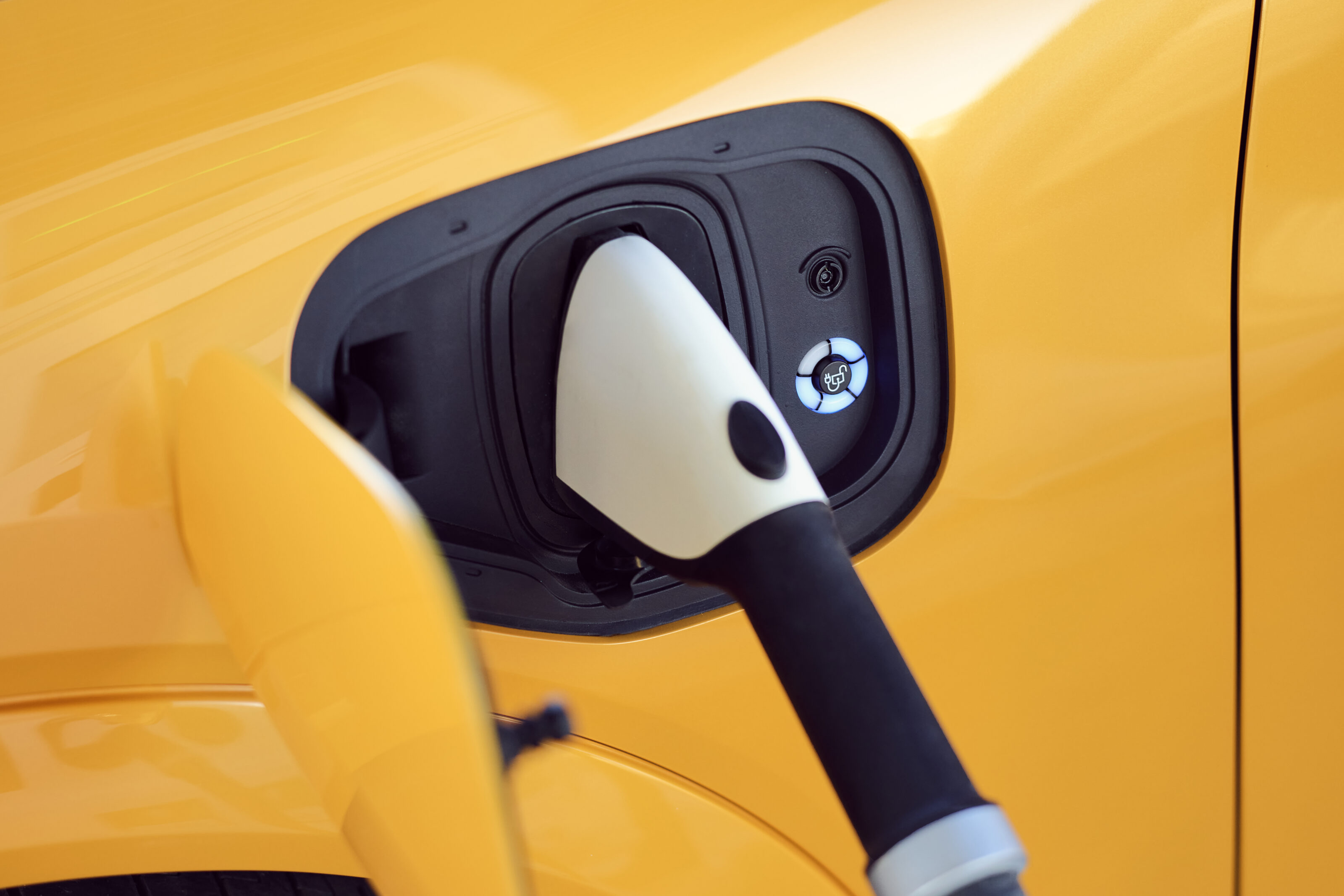
Unfortunately, Ford Australia has told WhichCar there are no plans to bring the Mustang Mach-E Down Under – despite the EV being homologated for other right-hand drive markets like the UK.
Australia’s first taste of an electrified Ford will be a plug-in hybrid version of the automaker’s mid-size SUV, the Escape. Although Ford has also confirmed its arrival has been pushed back nearly a year from its expected release date due to supply issues in Europe, and the SUV won’t land in local showrooms until early 2022.
The representative added: “Ford Australia’s EV line up will grow, first with our Escape PHEV SUV and soon with other BEVs and electrified models.”
Talking points
- All MFA2-based Mercedes-Benz products affected
- Issue likely to remain unresolved until the back end of 2021
- All affected cars still retain five-star ANCAP safety rating
Mercedes-Benz models based on its MFA2 platform will not come equipped with the Pre-Safe accident anticipation system for the remainder of this year due to a global shortage of semiconductors.
The German automaker told WhichCar the issue affects the A-Class, B-Class, CLA, GLA, GLB models.
According to a local representative of the Stuttgart firm, the current worldwide deficit of semiconductors – which is wreaking havoc on the automotive industry – is likely to last until the end of this year at least. So far 11 vehicles are affected in Australia and are on their way to local dealerships next week.
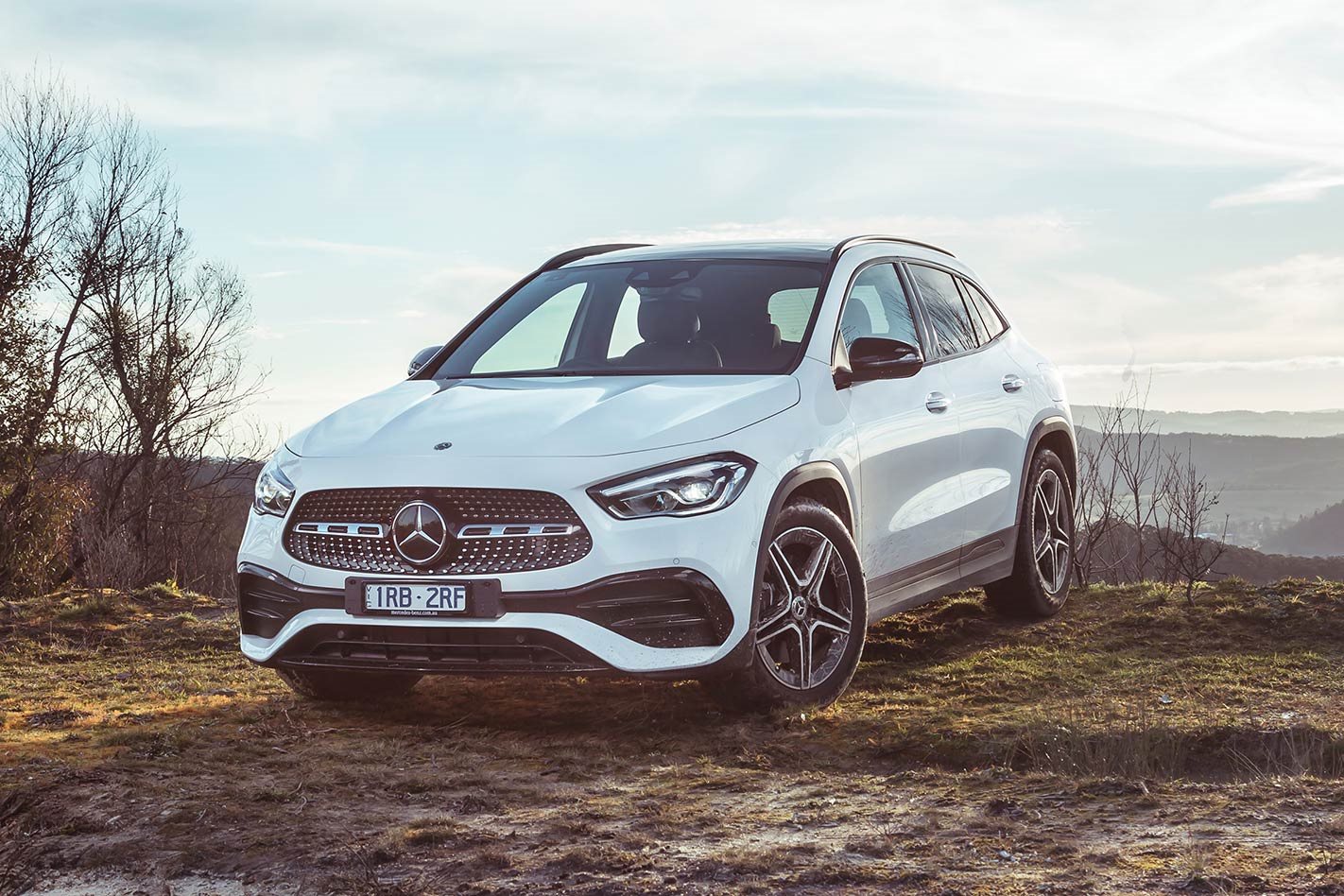
Without the Pre-Safe system, these vehicles will lose the ability to perform various functions when a collision is imminent such as tightening the seat belts, closing the windows and sunroof, and moving the seats into an optimum position.
However, even without the safety tech, all the aforementioned models retain their five-star ANCAP safety rating.
Mercedes-Benz does not produce the semiconductor part required for Pre-Safe, so certain models in the automaker’s product range which can’t be manufactured without the semiconductors have been prioritised until the shortage issue can be resolved.

Mercedes is just the latest manufacturer in an already long list of other marques that have been hit hard by this shortage, which has been spurred on by an increased demand for personal electronic devices during the COVID-19 pandemic.
Talking points
- EVX chassis will be available in four different variants
- Battery pack forms integral part of carbon composite monocoque
- 1000kW of power and 1000 kilometre driving range possible
Williams Advanced Engineering (WAE) and Italian engineering and design house, Italdesign, have unveiled a jointly developed fully electric vehicle platform.
Called the EVX, the new electric chassis is targeted for premium and performance products, with both WAE and Italdesign hoping to supply the platform to OEMs and new entrants in the automotive industry.
The modular electric chassis is the two brands’ first creation together, and it has the potential to properly shake up the rapidly growing EV industry.

Williams has taken care of the novel composite-constructed rolling chassis and battery technology, while Italdesign has focussed on creating turn-key vehicle development services, as well as safety systems, structures and UX devices.
The EV architecture employs a method of battery integration which sees the battery pack casing form part of the platform’s carbon composite monocoque, becoming an integral part of the structure.
By doing this, WAE claims the platform is both lighter and stronger and sets new standards in terms of static and torsional rigidity.
The chassis design also translates to a stronger structure capable of absorbing more load in the event of a crash, which means the body that sits on top of the EV platform can focus more on design and aesthetics rather than crash safety.
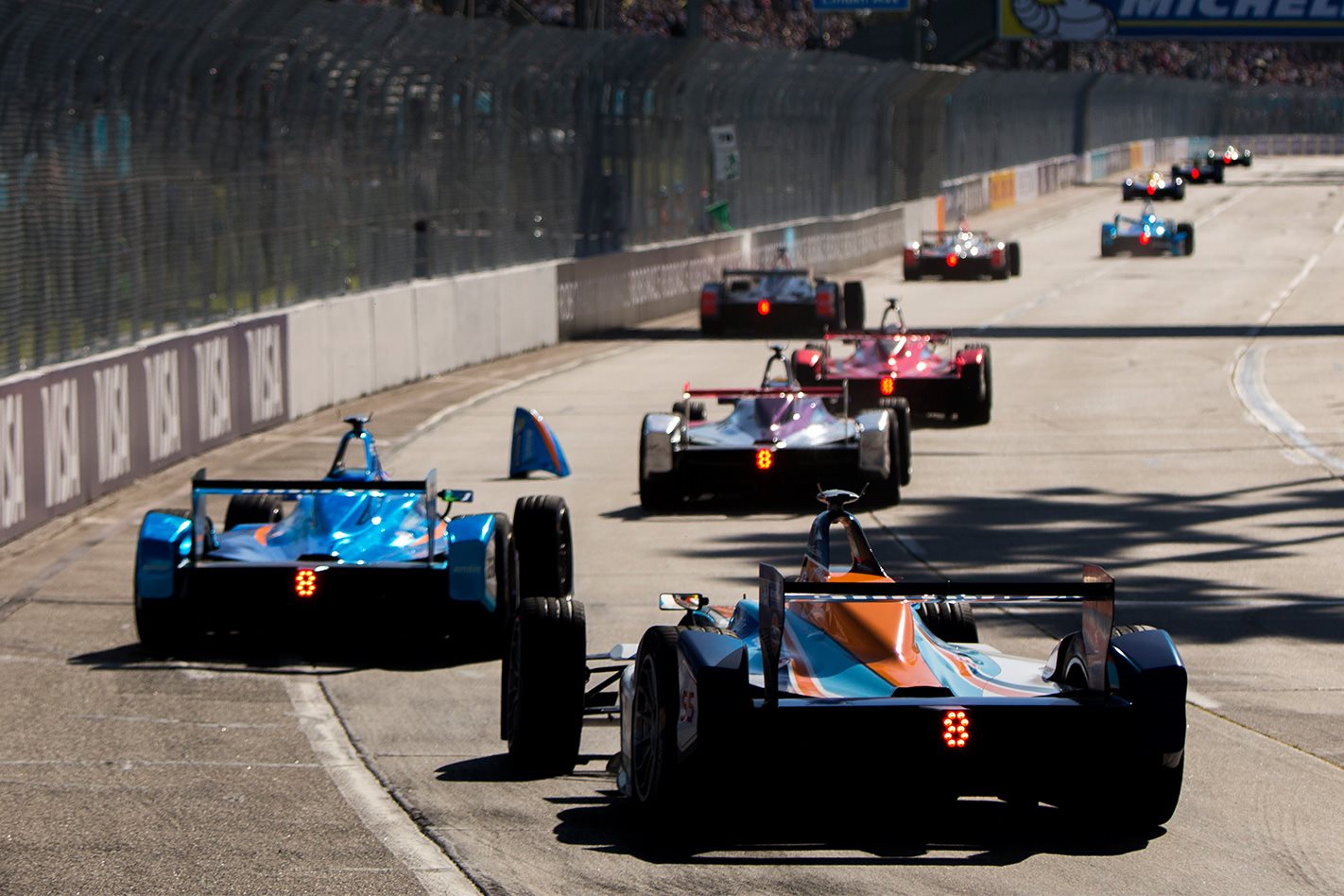
WAE has been a pioneer in the world of high-performance battery development and production in both the motorsport and automotive arenas for more than a decade, supplying batteries to the entire grid of FIA Formula E World Championship cars since 2014.
This level of expertise should mean WAE can deliver a class-leading battery pack for the EVX.
And, judging by the quoted figures, it has. WAE is claiming a power output of up to 1000kW from 104kWh-120kWh of energy.
The modular chassis design also enables the potential for expansion of the battery pack up to 160kWh, which equates to a potential 1000km driving range.
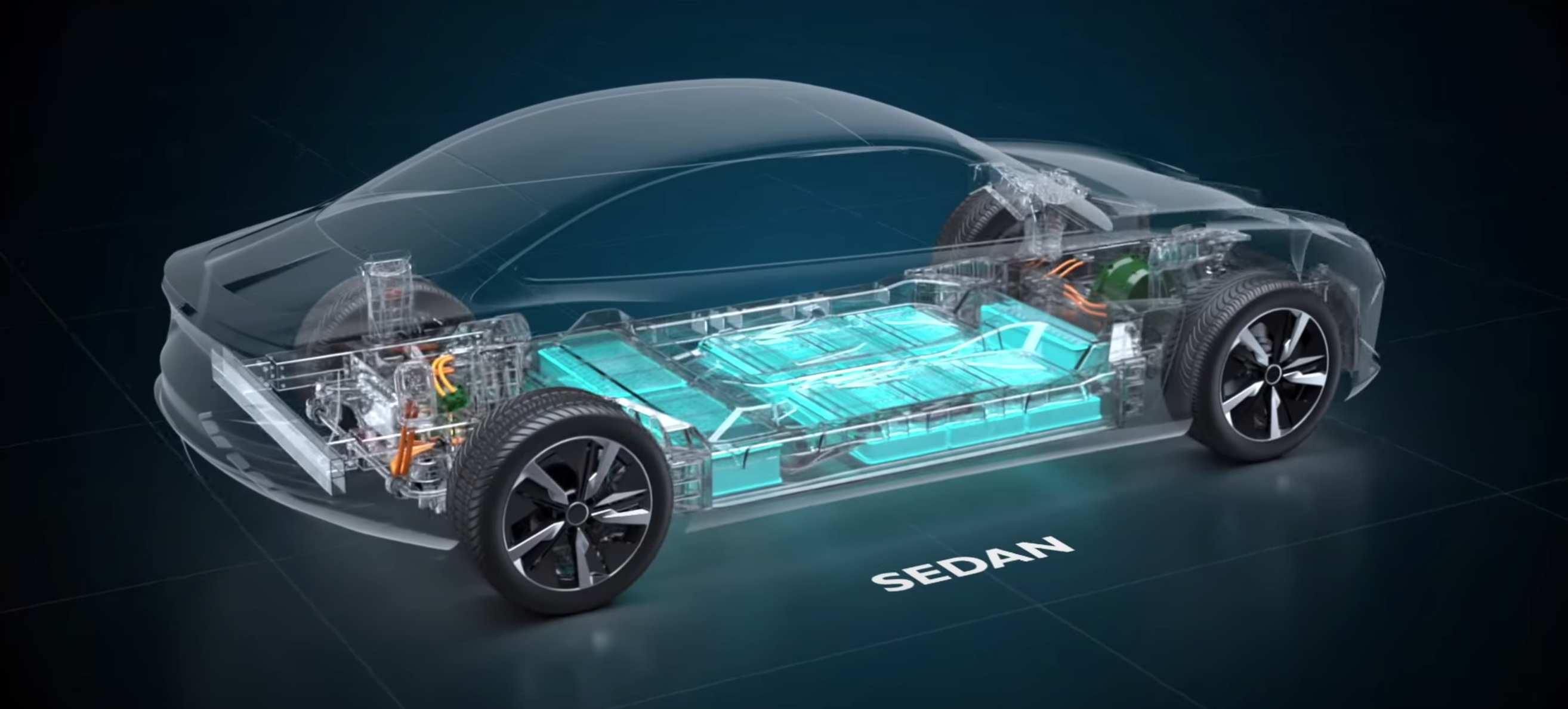
The EVX platform will be available in four different variants – Sport GT, Cabriolet, Sedan and Crossover.
Thanks to the modular nature of its design, the EVX can suit several applications, and Italdesign can work directly with third parties on creating turn-key solutions.
The new platform is capable of supporting production runs up to 10,000 units, 500 of which could be created by Italdesign at its own manufacturing facilities in Moncalieri, Italy.
It’s an exciting announcement from the two brands, and it also showcases the way car design is evolving to suit the new EV era.
Talking Points
- Entire line-up scores ‘RS design’ package option
- Entry-level R8 V10 RWD replaced by new ‘Performance RWD’ models
- RS6 and RS7 now available with Dynamic Ride Control (DRC)
Audi America has updated its entire performance line-up, with more power, improved handling and refreshed styling.
Buyers should note, however, that these changes may not reflect plans for the Australian line-up of these models – but we’ve reached out to Audi Australia for word on what we might expect to see in the coming months.
Two new entrants in the four-ringed automaker’s US-market R8 supercar range – the R8 V10 Performance RWD Coupe and Convertible – replace the standard RWD models.
Both Performance models gain more power than their predecessors, now rated at 420kW – up from 397kW. (The Quattro models still have them beat, however, with 449kW.)
The rear-wheel drive, mid-mounted V10 supercars also get the option of a ‘Sport Exhaust’ pack and a ‘Dynamic’ pack.
The former gives the new RWD models a four-button steering wheel with performance modes and a sports exhaust system with black exhaust tips.
The latter package includes ceramic front and rear brakes, 20-inch five-double-spoke titanium-finish wheels, and racing shell seats finished in Nappa leather.
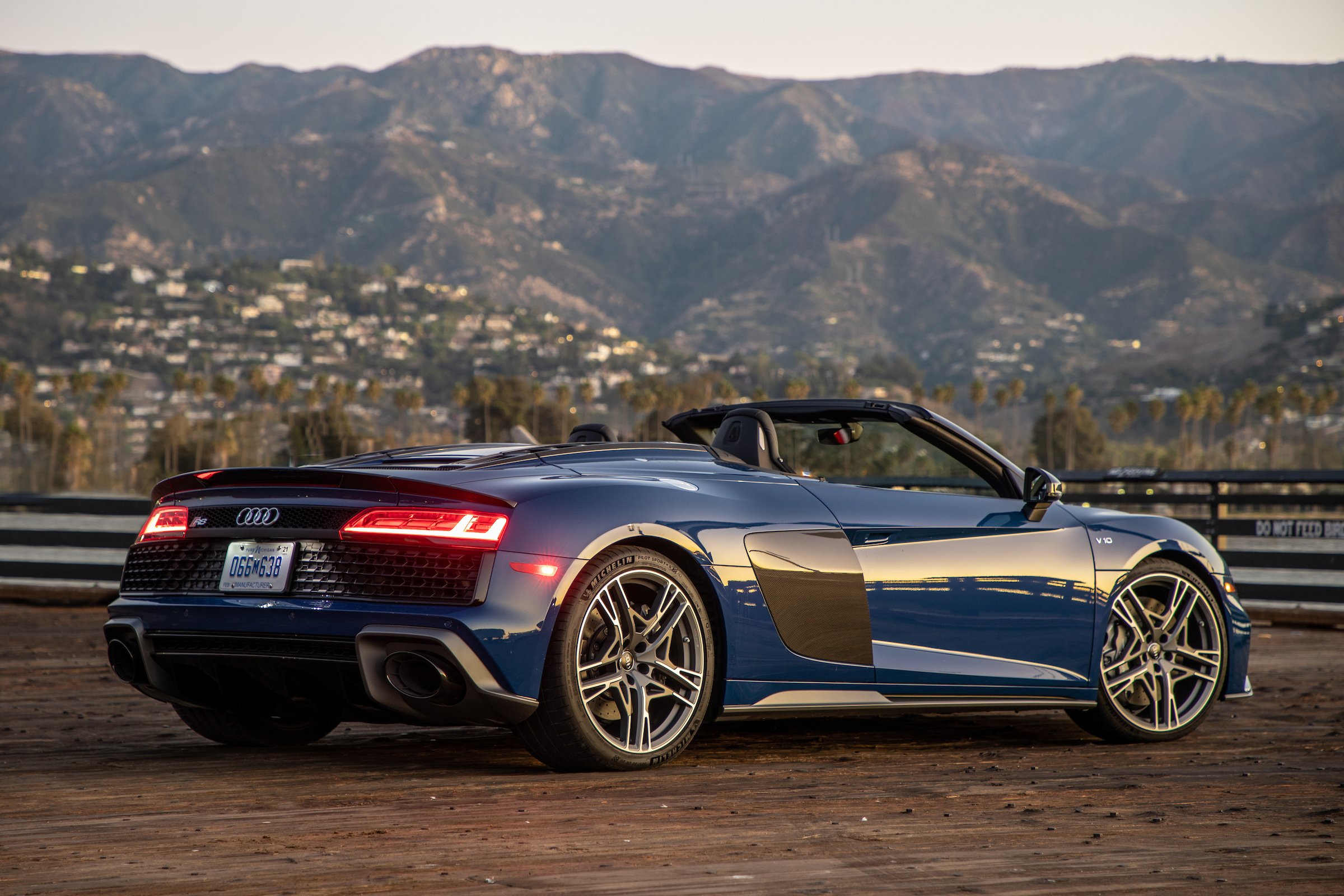
Elsewhere in the range, the RS5 Coupe and Sportback can now be had with a new ‘RS design’ package which brings; front seat belts with red stitching, complementing RS logo floor mats and an Alcantara wrapped steering wheel, shift lever, and centre console.
There’s also an Audi exclusive ‘Bronze Styling’ package, which adds; black-out badging, matte carbon fibre exterior front spoiler and rear diffuser, RS carbon fibre matte inlays and matte carbon fibre exterior side mirror housings.
Other new options include an Audi exclusive ‘Bronze Stitch’ interior pack, new 20-inch five-arm-peak wheels milled-cut with a bronze finish, and a ‘Performance’ pack, which lifts the Coupe and Sportback’s top speed to a claimed 280km/h and also adds a carbon fibre engine cover, grey brake calipers and ceramic front brakes.
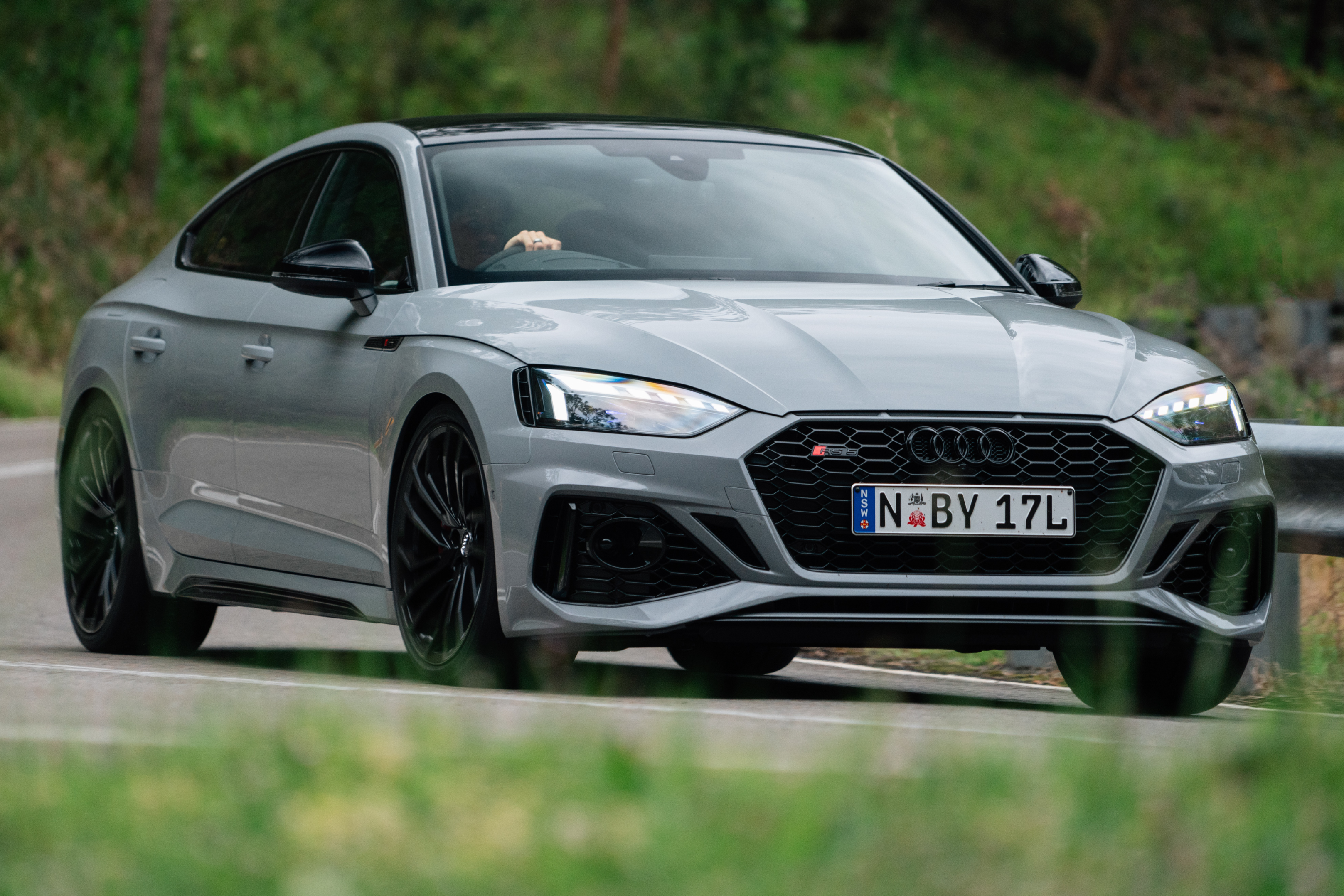
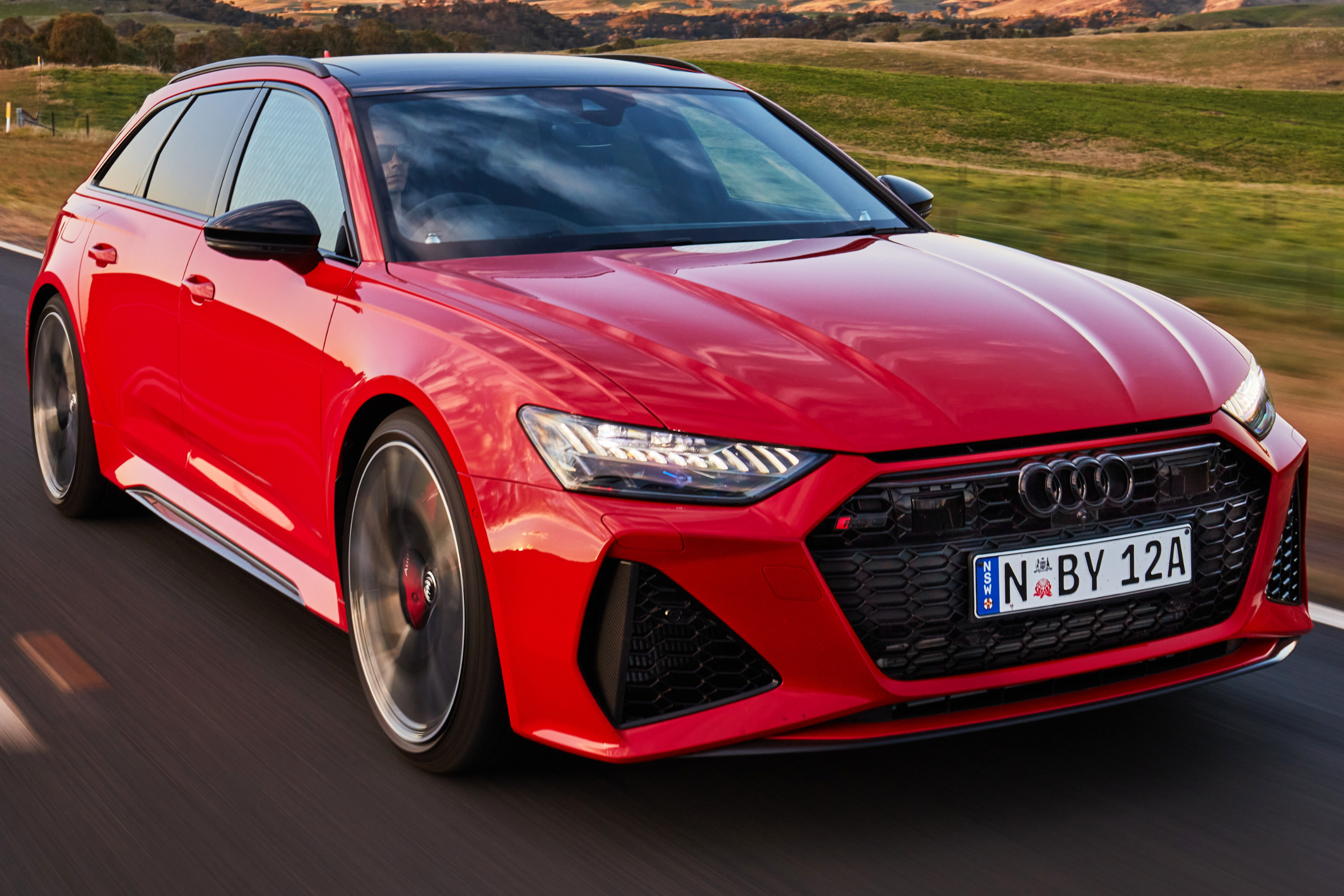
Audi’s ballistic RS6 Avant wagon and RS7 four-door coupe also score Dynamic Ride Control (DRC) with steel springs and hydraulically-linked, diagonally-opposed adjustable dampers. It’s worth noting that Aussie RS6s and RS7s have already had this suspension option available since launch.
Other new additions include a sports flat-bottom steering wheel with hands-on detection as standard, as well as a new black or titanium-coloured 22-inch wheel design, which can be had as part of the Carbon and Black optic packages.
The RS6 and RS7 can be optioned with the same “RS-design” package found on the RS5.
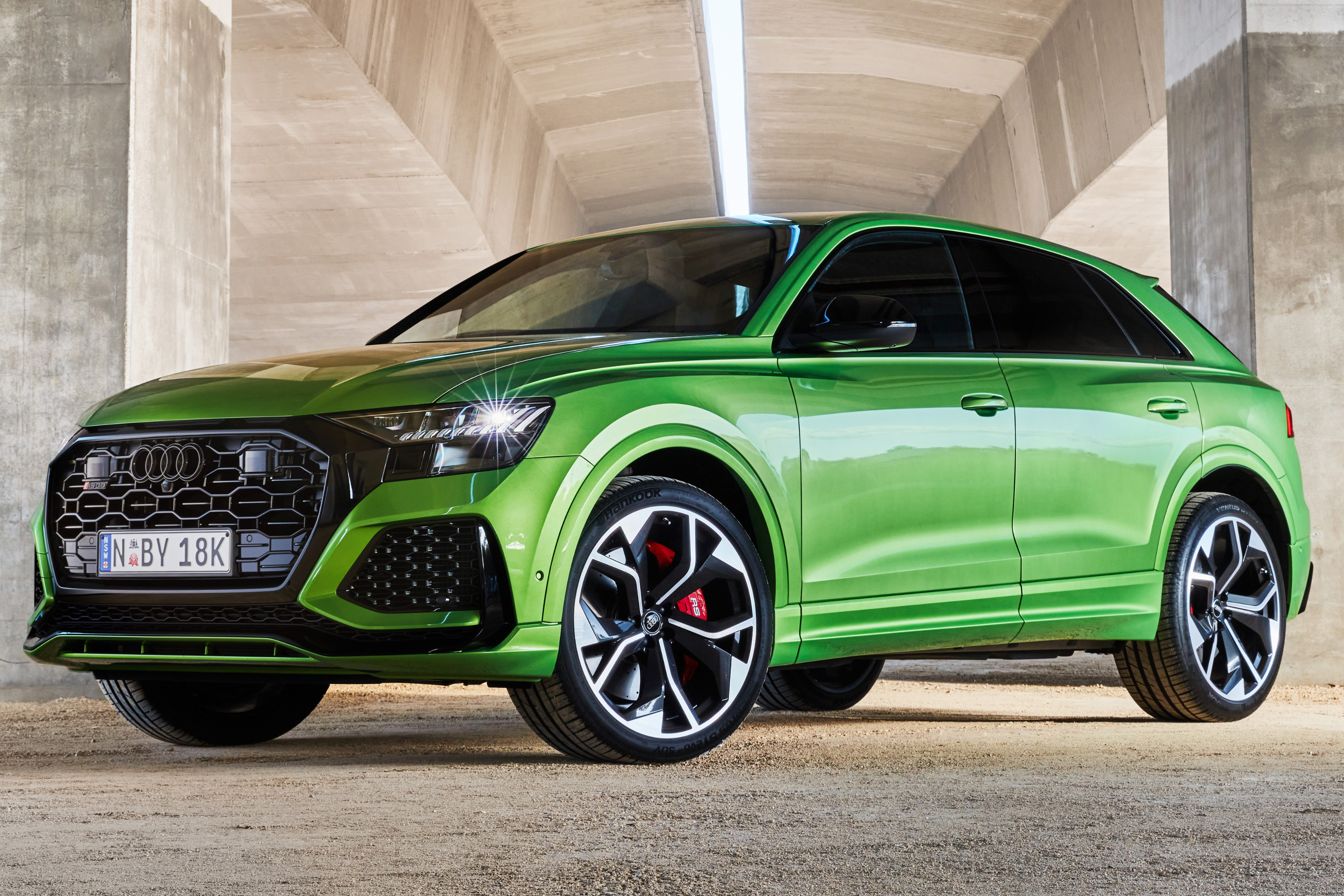
For 2022-year models, the RS Q8 performance SUV now gets added safety features such as adaptive cruise control and active lane assist.
Owners looking for more safety features such as traffic sign recognition and intersection assist can also option the ‘Executive’ package.
Like the rest of the updated line-up, the “RS-design” package can also be equipped with the RS Q8.
As the American market doesn’t import the RS5’s Avant sibling, the RS4, it’s unclear whether or not the performance wagon will be receiving the updates too. However, we’d hazard a guess it stands to score the new options too.
Are these updates coming to Australia?
Our crystal ball is cloudy on this one, however, WhichCar has reached out to Audi’s local arm for confirmation. Be sure to watch this space as we bring you all the updates on Audi’s refreshed Sport line-up.
