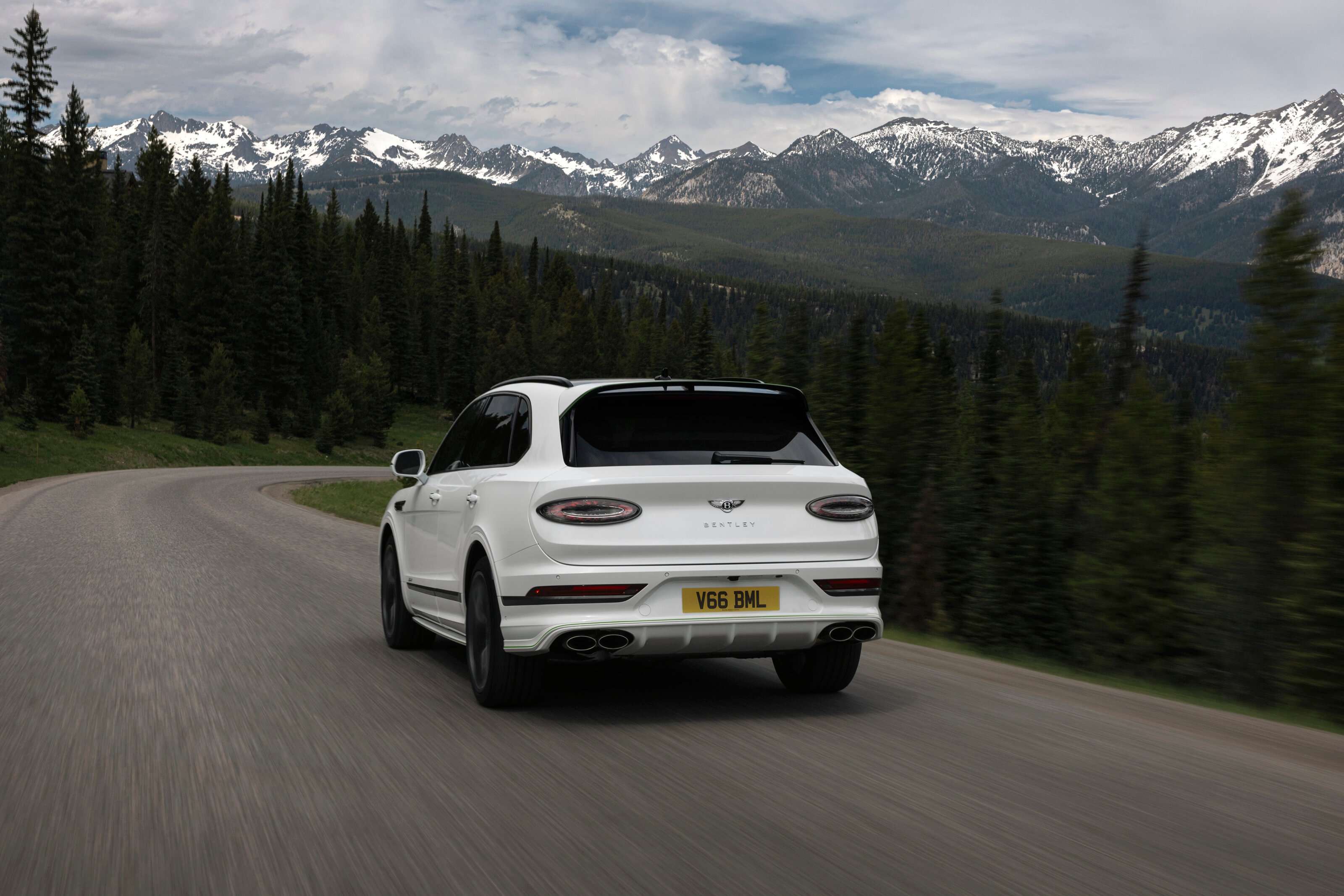
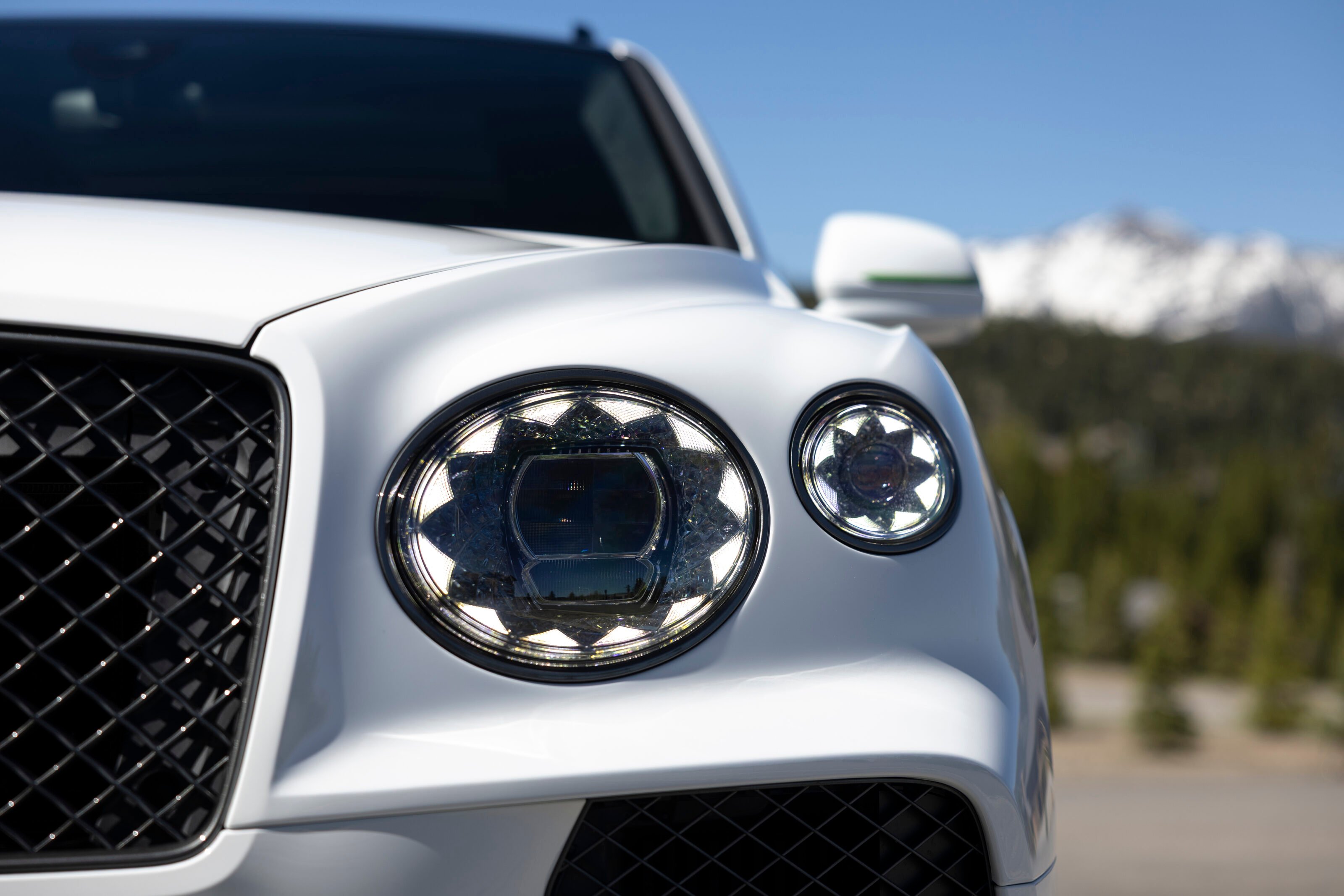
Bentley has unveiled its most formidable SUV to date – the new Bentayga Speed.
Combining elite performance with dynamic agility, it eclipses its predecessors, including the W12-engined version, by introducing Bentley’s most powerful and engaging chassis yet. For the first time in a Bentayga, the chassis enables controlled, on-throttle slip, elevating the driving experience.
At the heart of the new Bentayga Speed is a refined 4.0-litre twin-turbocharged V8, delivering an impressive 478 kW and 850 Nm of torque. This powerhouse accelerates the luxury SUV from 0 to 100 km/h in just 3.4 seconds, topping out at 310 km/h.
Enhanced SPORT mode and ESC Dynamic programming allow drivers to toggle between refined road control and corner-sliding capability befitting the vehicle’s aspiration as a performance SUV.
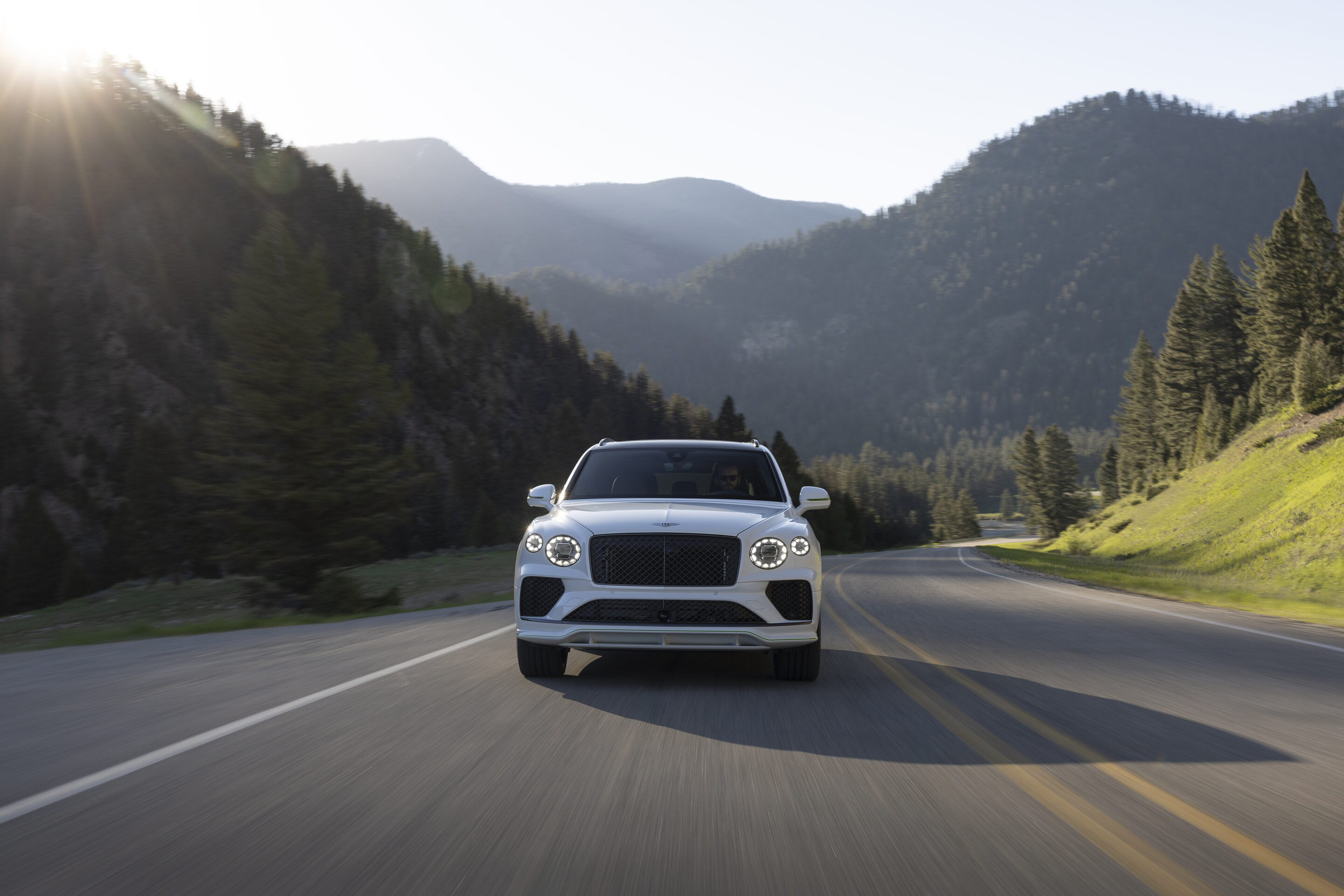
The V8 engine comes standard with a sports exhaust system, producing a throaty growl that matches the vehicle’s performance persona. For an even more visceral experience, the optional titanium Akrapovič exhaust amplifies the soundtrack, complemented by quad tailpipes for a bold rear aesthetic.
The Bentayga Speed’s dynamic nature is complemented by an array of performance-oriented features. SPORT mode benefits from 15 per cent stiffer suspension damping, sharper steering, and brake torque vectoring for agile turn-in and confident corner exit. Optional carbon ceramic brakes unlock ESC Dynamic mode, allowing drift angles and increased power delivery through corners. All-wheel steering enhances agility at low speeds and stability at higher ones, shrinking the turning circle while boosting confidence and control.
Design-wise, the Speed continues the performance theme via dark-tinted chrome, exclusive badging, and 22″ or optional 23″ alloy wheels in distinctive finishes emphasize its assertive stance. A striking black roof option – satin or gloss – adds to the powerful aesthetic.

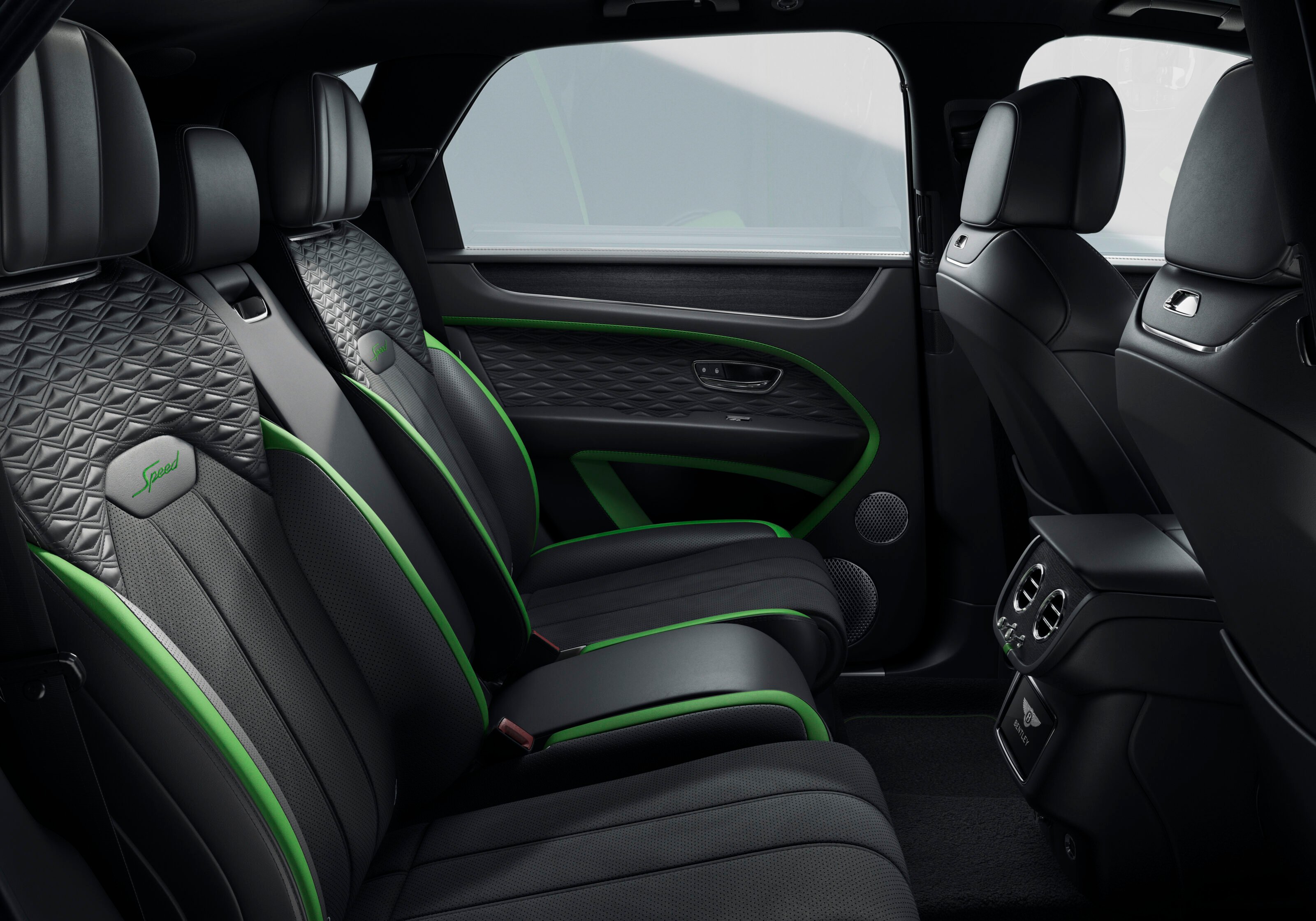
Inside, a unique driver display, dark-tinted interior accents, embroidered emblems, and a Precision Diamond quilt pattern display the SUV’s luxurious yet sporty appeal. The new colour split design, using darker secondary hides, adds depth and contrast.
With its bespoke tuning and formidable V8, Bentley says its latest creation expands the capabilities of a luxury SUV – without sacrificing its reputation for comfort and refinement. No word as yet on an Australian debut.
Classic car lovers, start your engines – an extraordinary automotive event is about to hit Brisbane. On the evening of June 12, Manheim Australia, in partnership with Tough Automotive, will host a Prestige & Classic Vehicle Auction that will present some absolute rare gems for collectors and enthusiasts.
Held at Tough Automotive’s Eagle Farm headquarters, this one-of-a-kind auction will bring together more than 30 rare and high-end vehicles, showcasing the very best of classic and exotic motoring history.
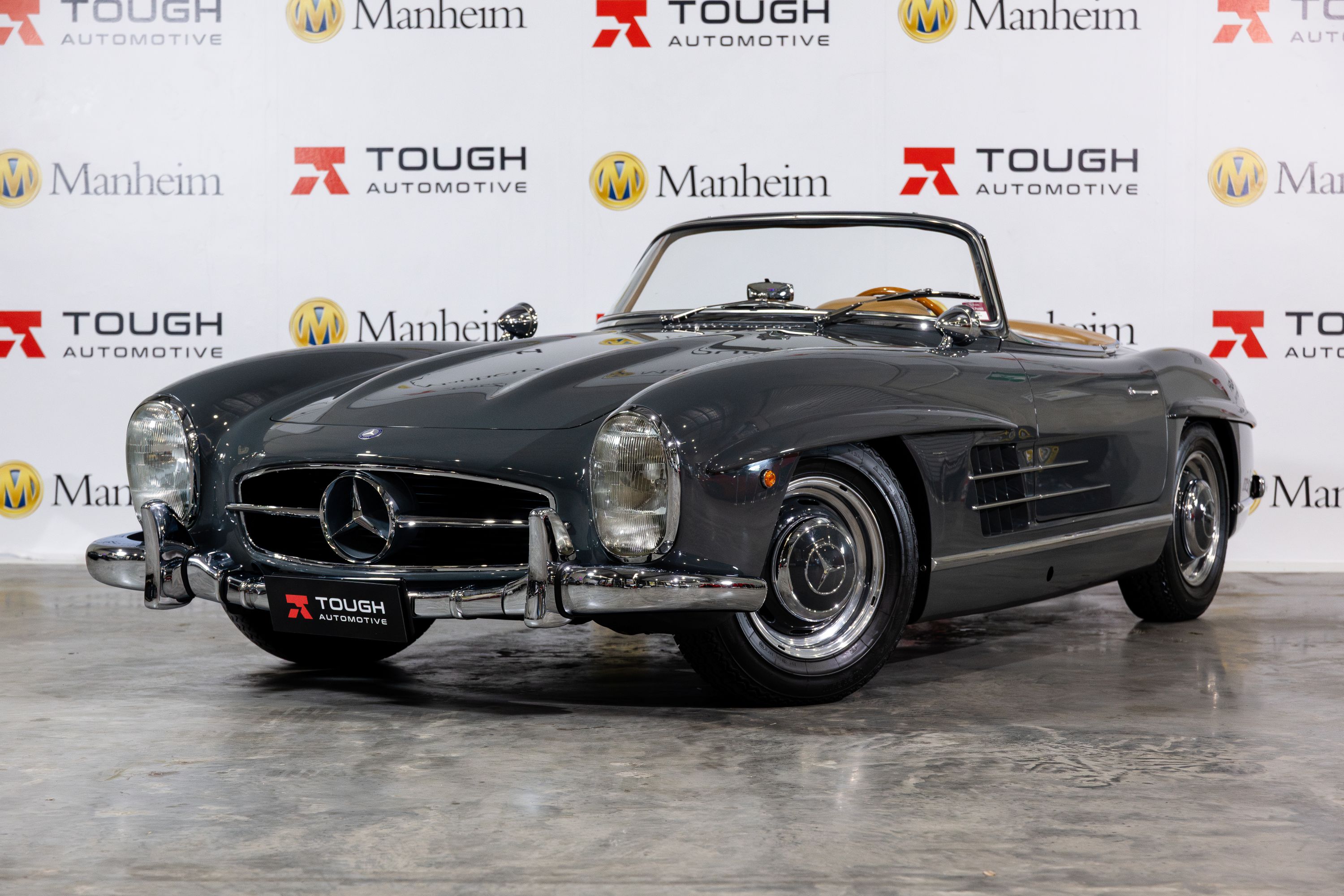
From the refined elegance of a 1961 Mercedes-Benz 300 SL Roadster to the raw thrill of a Lamborghini Murcielago LP460 Roadster, the line-up will appeal to aficionados with a taste for excellence.
In a move that reflects a new direction for the auction house, Manheim is taking its proven remarketing platform offsite. While traditionally hosting events at its own facilities, the auction house in this instance will deliver a simulcast auction – combining in-person bidding with real-time online participation. This hybrid approach ensures that enthusiasts across Australia and beyond can join the action, whether at Eagle Farm or from the comfort of home.
“Bringing our auction technology and expertise to specialty events like this creates a new level of excitement and accessibility,” said Wayne Oats, Head of Dealer at Manheim Australia. “It’s about helping vendors reach a wider audience while giving buyers a premium and seamless experience.”


Dan Torr, owner of Tough Automotive, echoed the enthusiasm: “Working with Manheim means we can connect with collectors across the country and around the world. It’s more than a sale – it’s a celebration of automotive craftsmanship.”
The roster of vehicles going under the hammer reads like a collector’s dream:
- Six Ferraris, including a 348 TB, 360 Modena, and the legendary 275 GTS
- Two McLarens, featuring the ferocious 750S Coupe
- Two Porsches, including a 356 B Coupe and a 996-Series 911 GT3
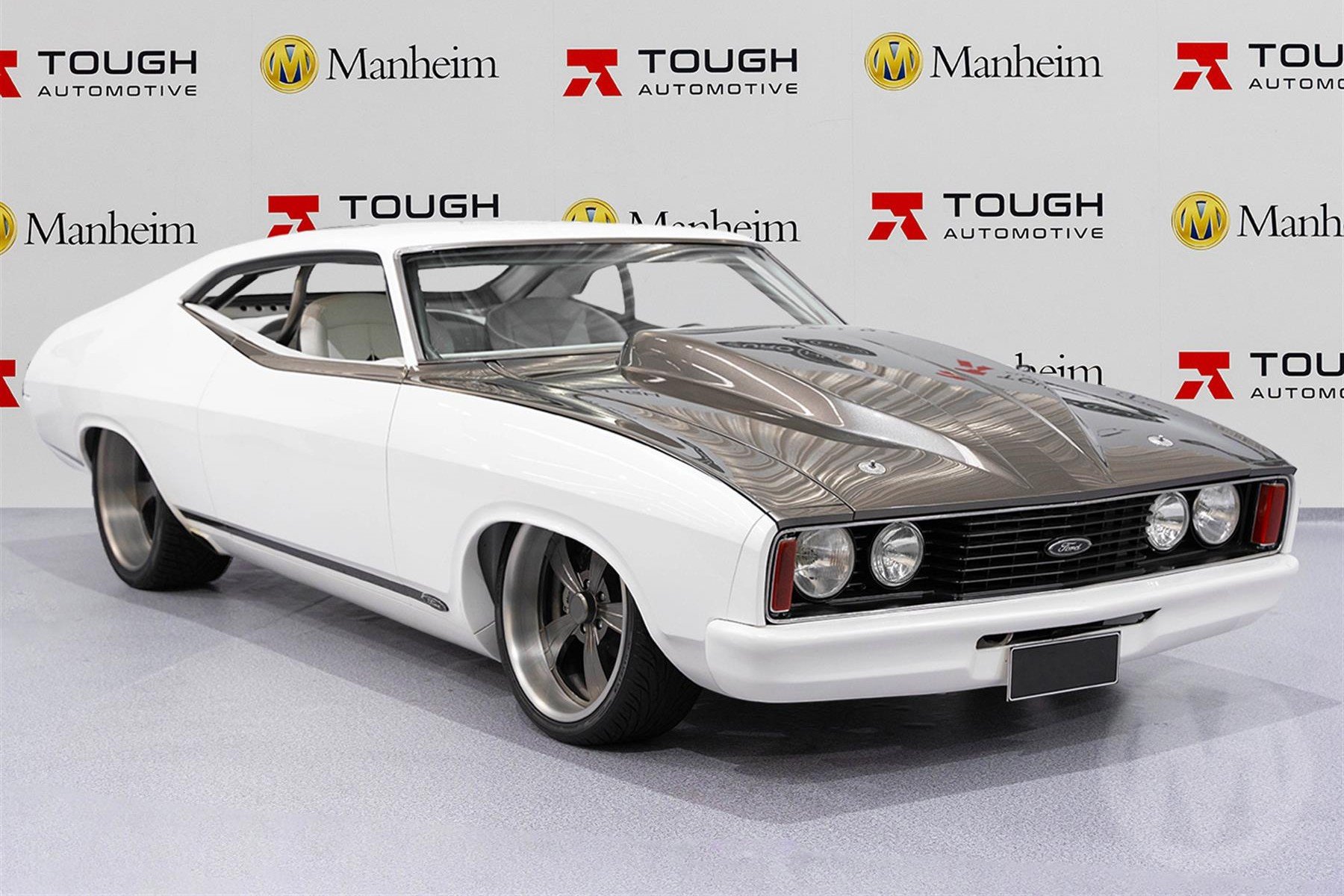
- Rare classics like a TVR Tuscan S Targa, a Range Rover CSK 2-Door, and Australian icons such as a 1970 Holden HT Monaro and a 1978 Ford Falcon XC Coupe
The full catalogue is now live, with more surprises likely to join in the lead-up.
What happens when two mad AFL supporters get to name a car company? Premcar.
The automotive design, engineering and production company in Melbourne rose from the ashes of Ford Performance Vehicles and has since earned an international reputation for the quality of its work.
But the name? That’s a very different story, as company CEO Bernie Quinn explains.
“Most people will think it stands for ‘Premium Cars’,” he tells Wheels. “But, you know what, when we did the management buy-out of FPV joint venture partner Prodrive Australia, we had to have a ‘place-holder’ name for all the paperwork. I’m a mad Hawthorn supporter in the AFL and my old boss was mad about Carlton, so he called it ‘Premiers Carlton’. So, Premcar.
“It was him taking the piss out of me. But it’s not a bad name so we never changed it. “Besides, Hawthorn has been much more successful than Carlton. We’ve had three premierships since the Premcar deal,” he laughs.
And the success of Premcar?

Right now it’s best known for the Warrior versions of the Patrol and Navara it developed for Nissan Australia and produces at its factory in Melbourne. But it has done plenty of other work, from a thundering 1966 Ford Bronco ‘restomod’ desert sled to its widespread use of a ‘multi-body dynamics simulation’ software package for the development of – wait for it – caravans and a bunch of Chinese EVs. And that’s just the stuff we know about.
It’s a distant trip from the days when FPV was all about homegrown go-faster Falcons. In 2025, everything at Premcar is about technology, diversity and a ‘just say yes’ attitude to new projects. And it’s growing fast.
“One thing I’ve learned over the years is that you have to maintain a diversity of customers and skills,” Quinn says. “Strategically, what that means (is that) if we just do one type of job, we won’t learn anything new. We maintain project work and engagement, not just in automotive but also in aerospace and defence. And in marine. I have to keep a big office of engineers busy. If we don’t work on autonomous vehicles, or electric vehicles, we don’t learn anything we can offer to a company like Nissan.”
It’s been the same for much of Quinn’s life and career. And it’s reflected in his personal garage.
“I think it’s seven cars. No, it’s actually six. I’ve got a little Ag bike, too. They all have massive emotional attachments. I’ve got a 996 Porsche 911 which I love, but is it the favourite? It depends on the day. I have an XY Fairmont, white with burgundy. It was my mum’s car. I’ve restored it – it’s pretty much perfect.”
And then there is his Studebaker.
“My first car was an XY Falcon, because I was Ford crazy. I have my second car, which is a Studebaker Hawk. I picked up my wife in that car. She thought I was a doofus and then I turned up in the car and she started to take me seriously. How could I get rid of that? It’s a 1963. It’s Australian built. They built them in Tottenham in Melbourne somewhere. But I’m not driving it at the moment. It’s at a mate’s property. It will be a restomod at some time. It has a lot of sentimental value.”

So Quinn was a car guy from the get-go, but he’s done a lot of work to get to the top seat at Premcar.
“I was a battler, a late bloomer,” he remembers. “When I finished the Higher School Certificate I didn’t get enough marks to get into university so I went to work at the Gas and Fuel Corporation (a Victorian government authority) and did maths at night school. I went the hard road.
“I was not even lazy. I just didn’t know what the hell I was doing. I’m the youngest of eight kids so
I had three or four mothers, not just one. To be brutally honest, I didn’t know how to take care of myself. I had this loving and caring upbringing, but I could hardly tie my shoelaces. I had to be shocked into action.”
We’ll get to that in a minute, but for now there are some basics.
Quinn is 53 and lives in the fairly unfashionable suburb of Thornbury in Melbourne. He has just celebrated 21 years of marriage to Kieran and they have three children, Jamie, Cecilia and Genevieve. He has a degree in engineering as well as an MBA, both from Victoria University.
Premcar has around 120 employees, with two facilities at Epping in the north of Melbourne – one responsible for engineering and things like fast prototyping work, the other housing the manufacturing lines for the Warrior models. So, back to the Quinn story.

“I got my girlfriend at the time pregnant when I was 21. Jamie is 33 now,” he says. “All of a sudden, I had a little baby to deal with, and I still hadn’t finished uni. That was the shock that got me starting to take some responsibility.
“One thing I was certain about was I wanted to work with cars. I got the job at Gas and Fuel because I knew I had to branch into mechanical engineering. I hated it (the job). But it was good, because it would have been easy for me – not being fully in control of my life – to have stayed if it gave me any satisfaction.”
He quickly moved on to his first automotive job, at Toyota Australia, which was a combination of education and frustration.
“If I wasn’t so passionate about cars I don’t think I could drive myself to the outcomes that we get to, and drive the team to get to the outcomes.”
“I was a production engineer, based in Bertie Street in South Melbourne, near where Brock had the Holden Dealer Team. I was a little bit of a fish-out-of-water there. It was a very conservative workplace. I was gutted a bit, because this was my dream.”
He was working as an engineer, but not the way he wanted.
“One of the first jobs that came across my desk was modifying the factory to do the Camry Sportivo. I was thinking the car would be a Falcon XR6 competitor, but the sum total of my area was four new suspension bushes on the subframe. And it was like an 18-month project.”
As a side hustle he was the singer in a band.
“I borrowed a Tarago from the press fleet and that was our tour bus for one weekend. It was good fun, but…”
It was time to move, and he went to Dana – an American drivetrain company – doing front and rear suspension work for the Ford Territory. There was also some Falcon suspension work. Then came a life-changing meeting with legendary Ford engineer, and global suspension guru, the late Richard Parry-Jones. Just as Peter Hanenberger had put Radial Tuned Suspension into a new generation of Holdens, Parry-Jones made cars like the Ford Focus into world beaters with brilliant driving dynamics.
“I learned how important it is to get back to fundamentals to make the platform deliver a brilliant ride-steering-handling package. If it’s hung off a bit of plasticine it makes zero difference. There was elimination of friction in systems – things like ball joints and bushes and steering racks. So you get the purity of inputs into the car. Then if there are noises you tune them out, you don’t mask it. It was a really good learning experience for me.”

Then Quinn – who still recalls the inspiration he got from reading the Mel Nicolls’ story about driving down the Hume Highway in Wheels – spotted a potential dream job as a driveline engineer at Ford Performance Vehicles and joined a team under the leadership of David Flint. He was tough and uncompromising and led the creation of 42 high-performance models before retiring at the start
of 2006.
“I got along really well with him (Flint),” Quinn recalls. “Not everyone did. My dad was a similarly large, potentially abrasive, character. In the first meeting he asked ‘Who are you?’ Then he said ‘Our drivelines are shit – fix it’.”
Things were already moving fast, as he had been promoted to a manager’s job before he even sat down at his desk in Glenbarry Road, where Tickford Racing is now located, for the first time.
“My first job was to put the six-speed manual gearbox into the XR6 Turbo, XR8 and GT, and F6. NVH (Noise, Vibration, Harshness) was a nightmare. We had torsional vibration and gear rattle. Even more fundamentally, the thing didn’t fit in the transmission tunnel. So we tipped the powertrain over, changed the driveline angle, so it would sit lower.”
He moved to every department at FPV, from powertrain to chassis, and was eventually promoted to Chief Engineer in 2010 with a head count of around 80 people.
“Then, in 2012, Ford Australia were manufacturing Falcons at a fraction of the volume they previously were. And they basically took over the building of GTs and F6. It didn’t make any sense for them to out-source and so the joint venture with Prodrive (a UK motorsport and engineering company owned by David Richards) collapsed,” said Quinn.
“My colleague Jim Jovanovski and I got offered the business as a management buy-out, so we did that and took it over. “At that stage, with far fewer employees, it had a $2-3 million turnover, concentrating on engineering services. It’s a similar size now to what it was in FPV’s heyday. I’m very proud of that. It’s never easy.”

They kept the Prodrive name for a couple of years, to ensure they did not “spook the horses” and did a lot of work for Chinese customers. Quinn will not get into financial details, but admits the current turnover is somewhere north of $40 million a year. He is happier talking about the work at Premcar over the years.
“You have to go back to the customer and their user expectation. A Nissan customer will be different to a Ford customer or a Tesla customer. We don’t have a separate research department, but we spend a shitload of money on research and development. And we try to spend it on a project.”
The most recent trial for Premcar was during the pandemic.
“In Covid I didn’t want to let anyone go so we had projects like suspension kinematics projects, powertrain integration projects. One piece of innovation was building prototype vehicles for OEMs (Original Equipment Manufacturers). So, if you’ve got a 2015 Commodore and you’re trying to build a 2020 Commodore, you have a whole new vehicle electrical architecture. You’ve got to make the systems work. We invested into CAN translation modules.”
Premcar is also heavily into specialised manufacturing work.
“We do a whole heap of 3D printing. It’s either manufacturing or tooling. Every Patrol Warrior has four 3D printed parts in it. The big bit of software that we do a lot of work with is mechanical simulation. We can tune the hard points on a vehicle. We even used that to develop a unique caravan suspension system.”
Its Terraglide package is claimed to be the only one in the world with an anti-roll bar, as well as tricky engineering to prevent the van driving the car.
“We’ve reduced the spring rate down to something like a car. We’ve improved the kinematics so the caravan doesn’t try to jack the car.”

But wait, there’s more.
“We even did a helicopter program for a Japanese OEM. Most people think automotive engineering is not as sophisticated as aerospace. But it comes down to innovation. It’s not just engineering, it’s product development systems. It spits out a better outcome.”
Although Premcar is booming, Quinn regrets what was lost when Australian carmaking ended. “What a terrible fucking shame. I think the big thing we lost was to be protective of our people and our technology,” he says. “It’s the lack of opportunity for people like me, who were mad, mad car people and wanted to see it all happen. There is stuff like sovereign capability.”
Still, there is some good news.
“We haven’t lost it all. What Premcar and Walkinshaw Automotive is doing… To see how much joy it brings to customers, to have a car that’s specifically developed for Australians on our roads, and the people in the factory working on the cars. A lot of the younger ones thought they would never be able to work on cars. The engineers get to apply their passion into something that’s well received by customers and the market. The people who really want a locally developed and tuned vehicle can find them.”
Quinn also sees a modern reflection of the age-old rivalry on Aussie roads between Holden and Ford.
“I don’t think that exists everywhere. Is that diminishing? I don’t think so. I think that tribal passion has been fostered in Australia. Bathurst is a big part of that. When dad brought home a new car it was a big event. I had that obsession with cars and Ford. It was insane. And I got to live that out.”
Quinn believes his passion was a key driver for success with Premcar.
“If I wasn’t so passionate about cars I don’t think I could drive myself to the outcomes that we get to, and drive the team to get to the outcomes. That energy has got to come from somewhere. It’s a passion to make great cars and build then and drive them and enjoy them.”
How, then, does he see the future?
“Premcar will probably be 7-10 times bigger than what it is today. And it will have facilities in different continents. We’ll have our first international facility manufacturing vehicles in a couple of months.”
This interview originally appeared in the April 2025 issue of Wheels magazine – subscribe here.
Things we like
- Fast, fun to drive
- Stylish upmarket interior
- Fierce cross-country touring ability
Not so much
- It really should be named 1 Series
- Cramped rear seat, small boot opening
- Priced too close to the larger 3 Series
| Rating |
Price: $86,600 plus on-road costs
Engine: 1998cc turbo 4-cylinder
Peak power: 233kW (from 5750rpm to 6500rpm)
Peak torque: 400Nm (from 2000rpm to 4500rpm)
Transmission: 7-speed dual-clutch auto, all-wheel drive
0-100km/h: 4.9 seconds
Top speed: 250km/h
Fuel consumption (claimed/as tested): 7.7L/100km / 7.4L/100km
Claimed CO2 emissions: 176g/km
L/W/H/WB/boot: 4546mm/1800mm/1445mm/2670mm
Bootspace: 430 litres
Tare mass: 1545kg
Warranty: 5-year/unlimited km, 3 years of roadside assistance
5-year service cost: $2380
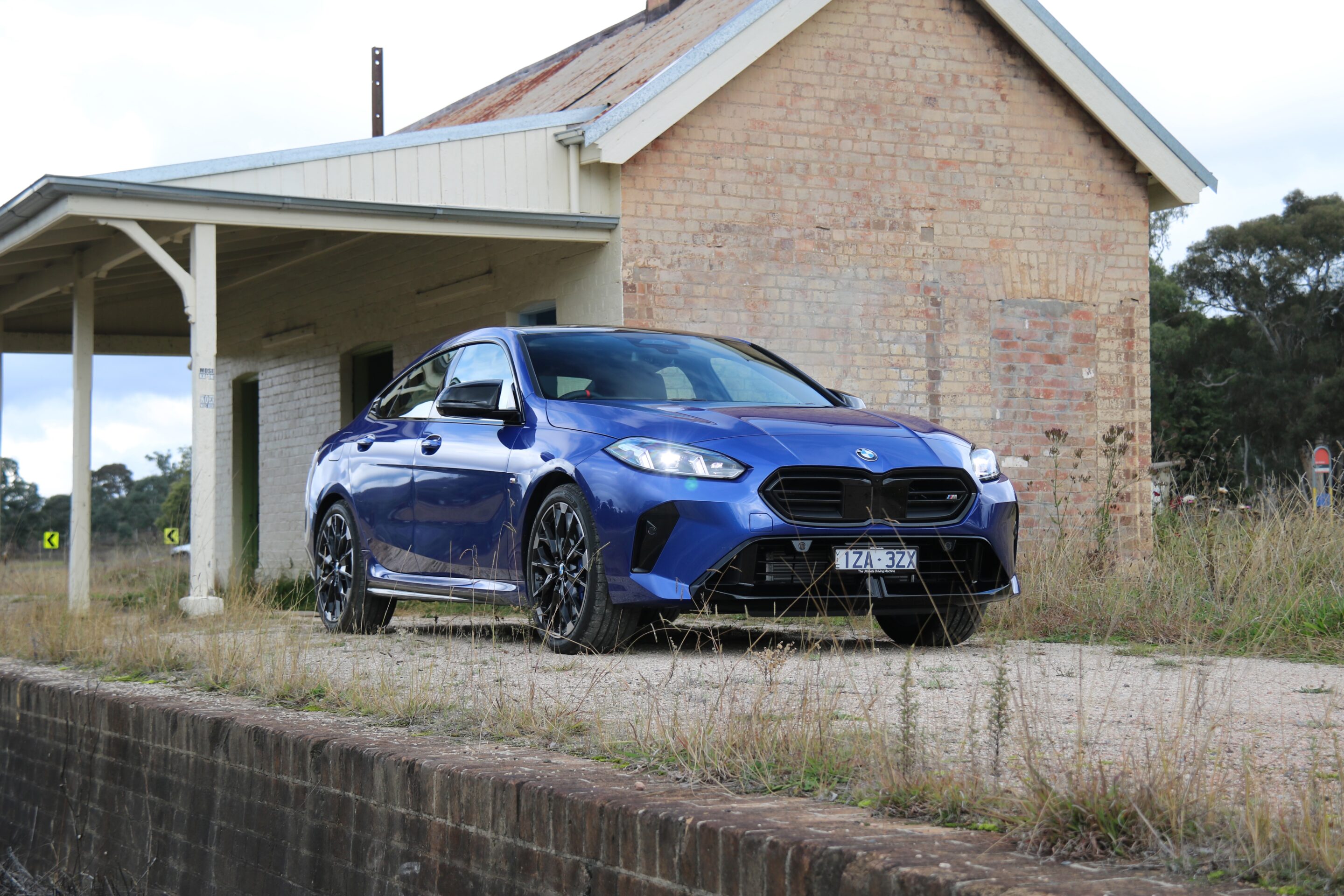
The BMW 2 Series Gran Coupe – not the two-door coupe, nor the Active Tourer MPV that used to be sold locally – has been a reasonable seller in Australia since its release in 2020. Serving as the brand’s entry level sedan and based on the 1 Series hatchback, the ‘2er’ – as it’s affectionately known – has sat underneath the 3 Series in both all-round ability and sales figures.
BMW clearly wants more sales for its entry-level cars, however, with this new 2 Series Gran Coupe that was recently launched locally. While it’s not an all-new car – the body and mechanicals are largely identical –BMW has blessed it with a new ‘F74’ model code compared to the pre-update ‘F44’. Thanks to revised styling, it appears new to most. Does the new styling, added features and rejigged value equation give it more of a point of difference in the BMW line-up?
Price and equipment
Currently, there are three 2 Series Gran Coupe models here: the base 218, mid-level 220 and top-spec performance M235 tested here. You’ll notice that the former ‘i’ from petrol BMW models – as in ‘220i’ – has been dropped to reduce confusion with BMW’s EVs. The 218 and M235 are in showrooms now, while the 220 is due within the next few months.
2025 BMW 2 Series Gran Coupe pricing (plus on-road costs):
| 218 | $59,900 |
|---|---|
| 220 | $62,900 |
| M235 | $86,600 |
BMW M235 standard equipment:
- 19-inch alloy wheels with a tyre repair kit
- Light- and rain-activated automatic all-LED exterior lighting
- Front and rear LED daytime running lights
- Rain-sensing automatic wipers
- Keyless entry with push button start
- Heated and auto-folding mirrors with automatic passenger-side dropping in reverse
- ‘Veganza’ synthetic leather upholstery
- Heated electrically adjustable front seats with massaging and driver’s memory
- Heated leather steering wheel with paddle shifters
- Dual-zone automatic climate control with rear air vents
- 10.25-inch digital driver’s display
- 10.7-inch touchscreen with inbuilt live services
- Wireless Apple CarPlay and Android Auto
- Satellite navigation with live traffic
- AM/FM/DAB+ digital radio
- 12-speaker Harman Kardon sound system
- 4x USB-C charging ports
- Wireless phone charger
- Multi-colour LED ambient cabin lighting
- Head-up display
- Auto-dimming rear mirror
- Six airbags
- Autonomous emergency braking (AEB)
- Adaptive cruise control with stop and go functionality
- Lane keeping assistance with adaptive lane guidance
- Blind-spot monitoring with safe exit warning
- Traffic sign recognition
- Driver attention monitoring
- Adaptive high beam
- Rear cross-traffic alert
- Tyre pressure monitoring
- Front and rear parking sensors
- 360-degree camera
M235 options:
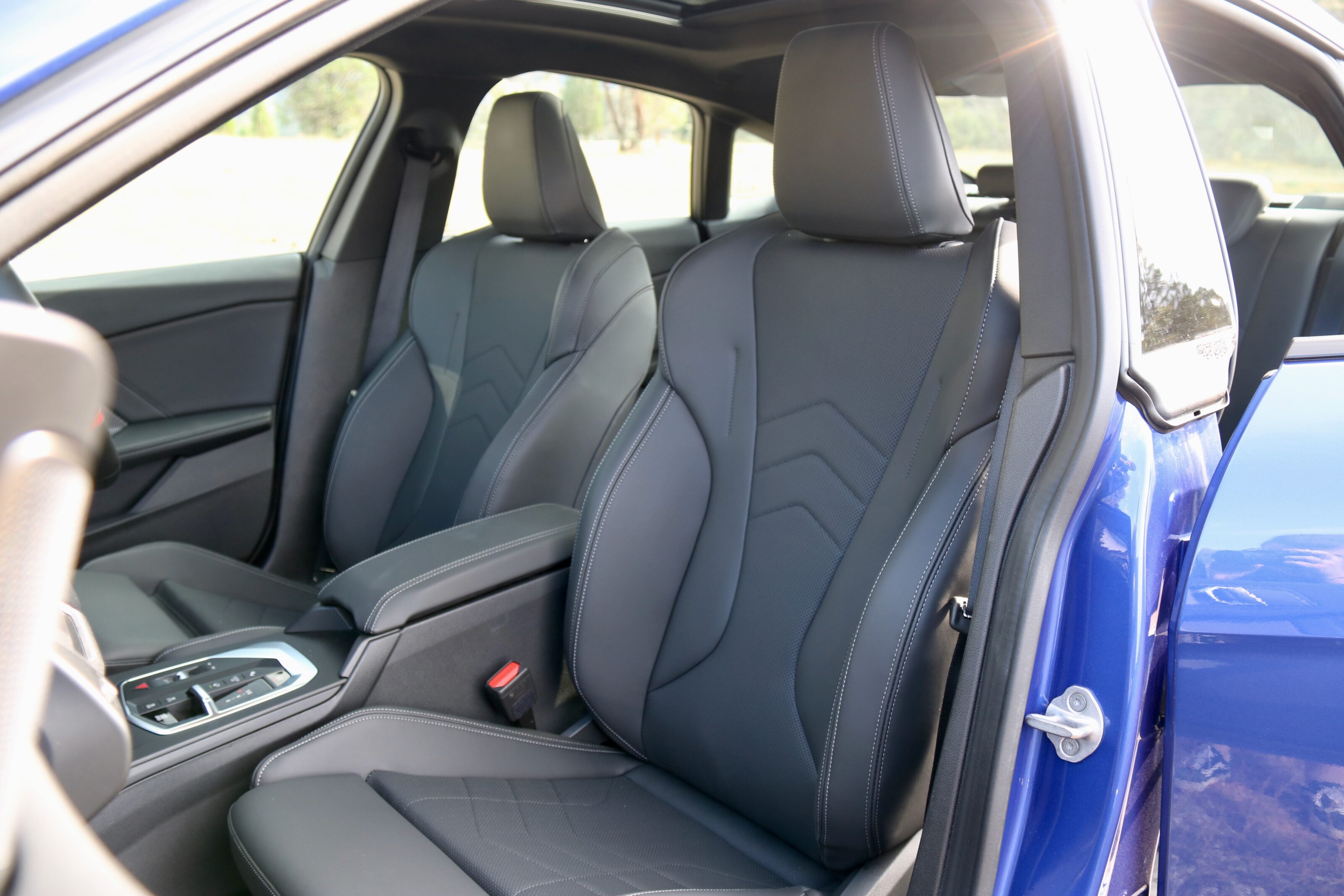
- M Sport Package Pro (black exterior detailing, upgraded brakes, sports front seats and M seatbelts): $2800
- Premium paint: $1385 – $2693
- Matte paint: $3847
Interior, practicality and bootspace
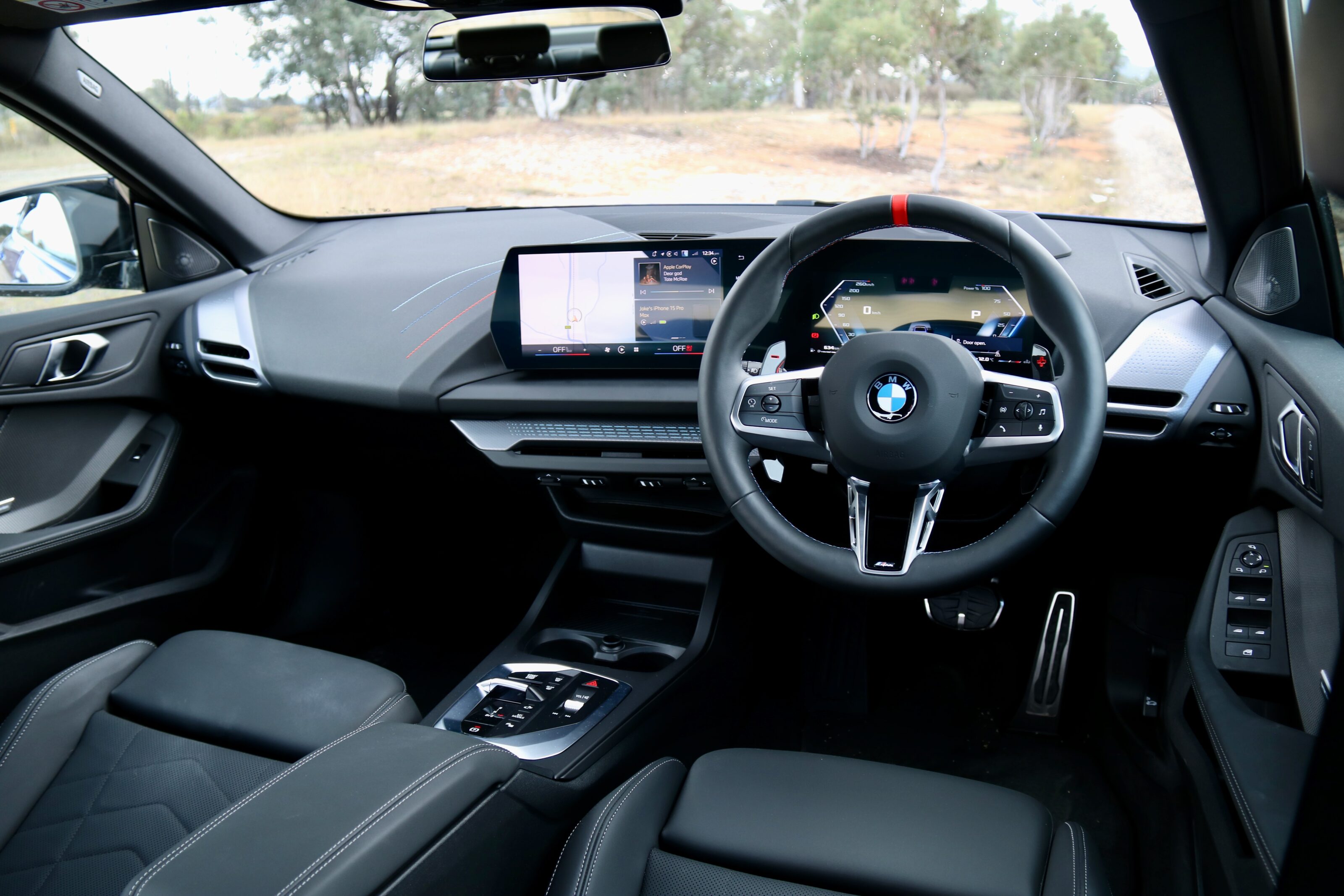
While the exterior of the M235 received a relatively mild refresh of the previous 2 Series – it’s only 20mm longer, for example, and that’s down to bumper shaping – the interior’s update was greater with a new dashboard design, more tech and better quality materials than before.
The quality inside the 2 Series Gran Coupe is best in class with plenty of soft touch materials and expensive-feeling switchgear and funnily enough, it actually feels better quality in some places than the larger X3, such as the door handles. The illuminated aluminium panels around the air vents look great as well – though they do reflect into your vision of the mirrors at night.
BMW’s latest Operating System 9 infotainment software has filtered down from more expensive models into a large curved display, which looks great. The infotainment portion of the display is smaller than in those models however, and like the X1 and X2 SUVs, it loses the controller wheel on the centre console so that you must touch it to interact with it.
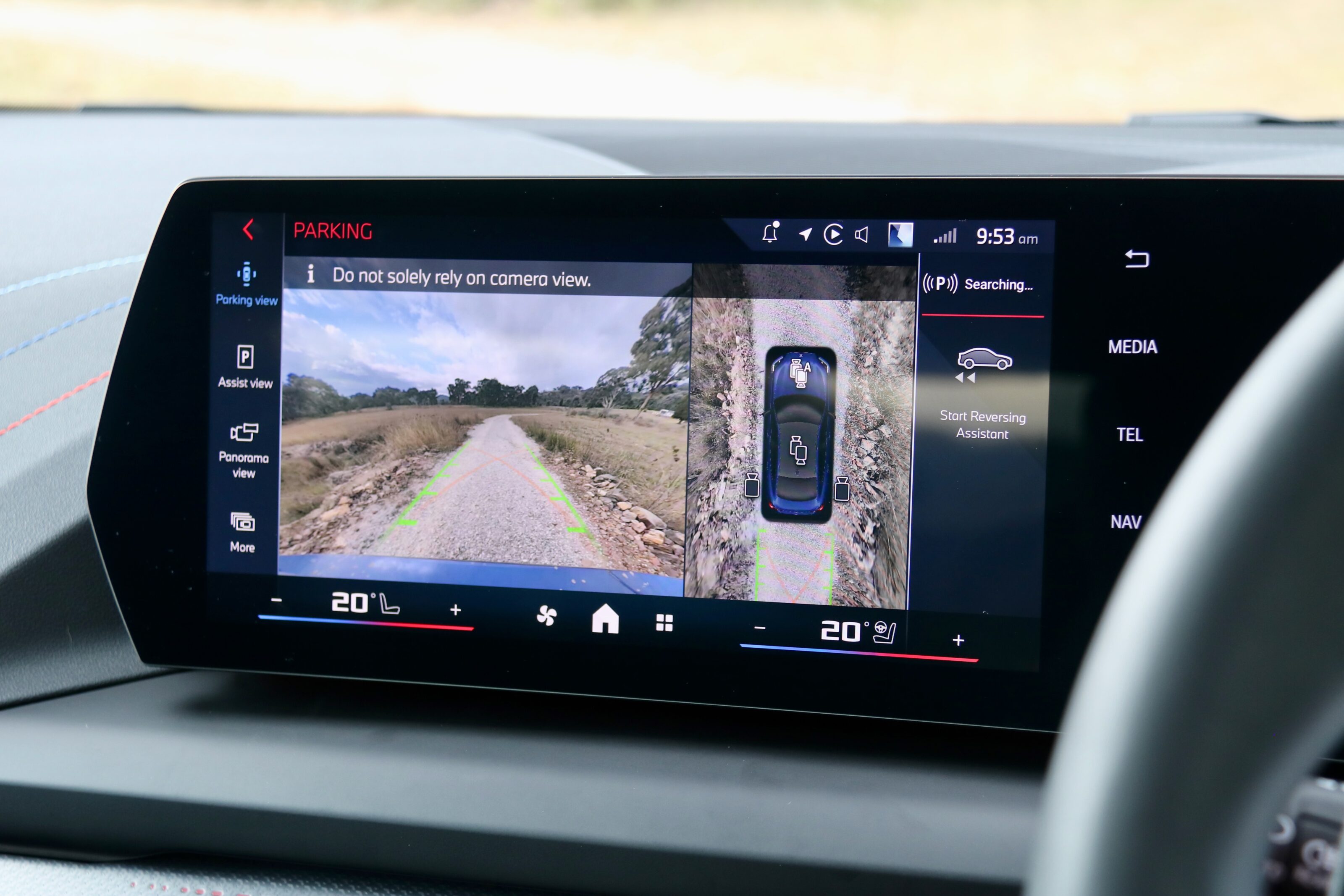
The sheer amount of features packed into the screen can make it a bit overwhelming to use at first, as can the lack of physical climate control buttons, but it’s fine once you get used to it. The wireless Apple CarPlay was faultless in our time with it, and the 12-speaker Harman Kardon sound system is impressively punchy as well.
Front seat comfort is fabulous, with plenty of adjustment for the driver’s seat – though not the side bolsters, unlike some other BMW models. It’s also relatively practical with big door bins, a big tray for the wireless phone charger and a reasonably sized box underneath the central armrest, though with shallow cupholders. We’d also like to see the centre console raised upwards as it’s a bit of a reach from the driver.
The rear seat of the 2 Series Gran Coupe feels somewhat of an afterthought compared with the roomier S3 sedan. At six-foot tall, this writer didn’t have enough headroom thanks to the sloping roofline, while kneeroom is tight as well and there are no map pockets. On the plus side, however, there are amenities such as air vents, two USB-C charging ports, big door pockets and an armrest with cupholders.
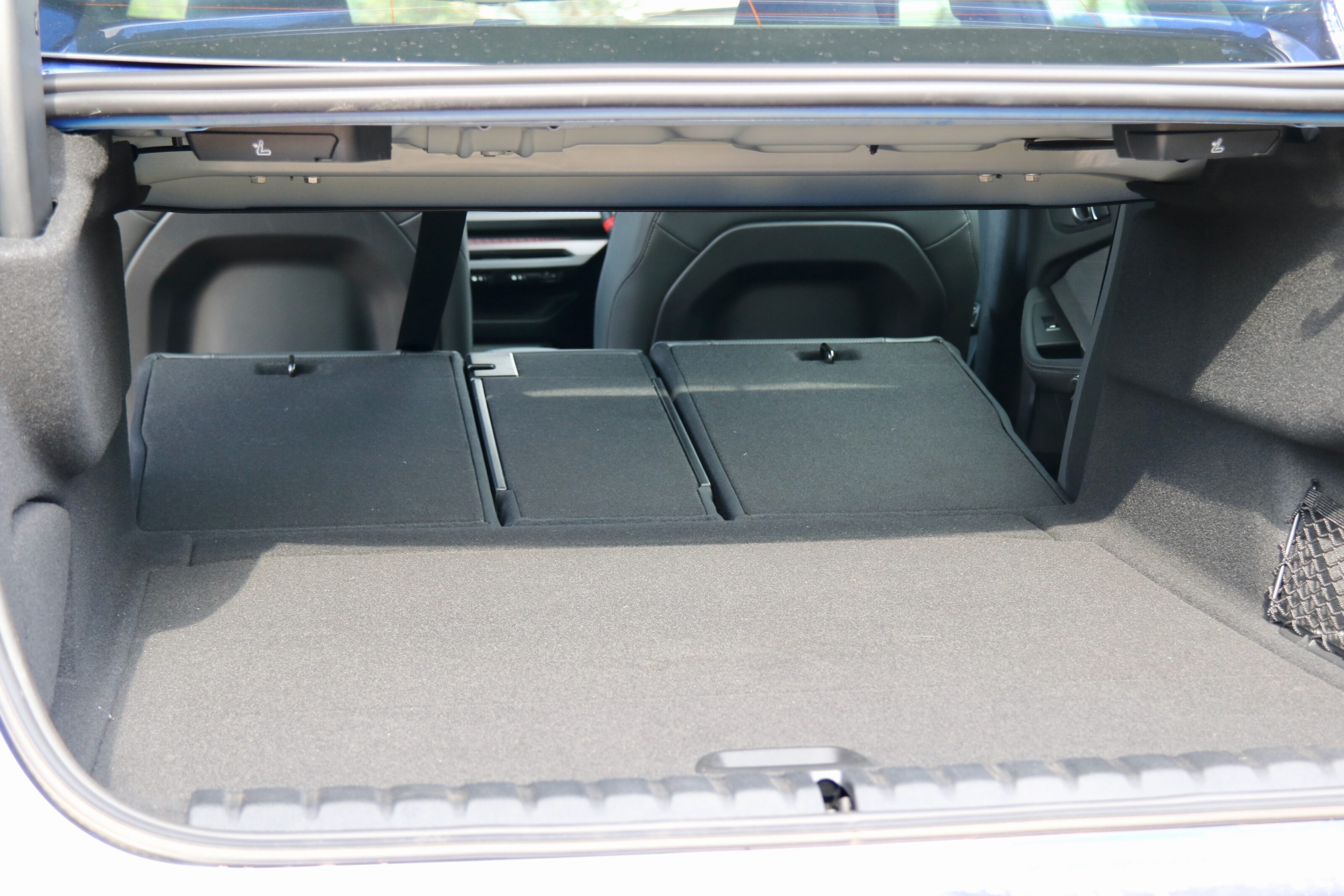
The boot measures a healthy 430 litres – a full 105L more than the S3 sedan and 10L more than the A 35 sedan – with under-floor and side storage, as well as a few hooks to hang bags off. The rear seats split fold 40:20:40 to load longer items, though the boot opening is small.
Performance and economy
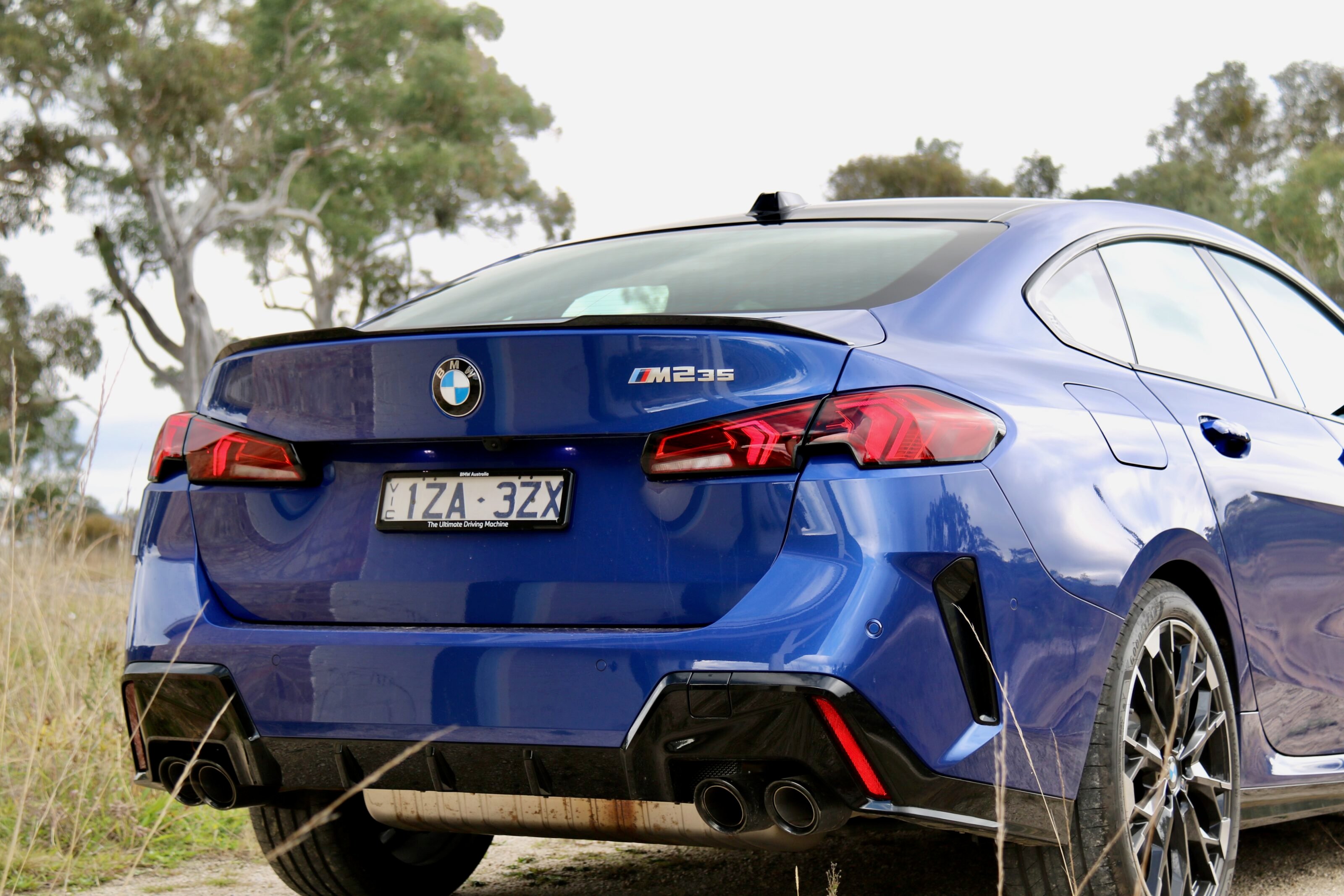
The M235 uses BMW’s ‘B48’ 2.0-litre turbocharged four-cylinder petrol engine, which uses a seven-speed dual-clutch transmission to send grunt to the road via all four wheels. It’s largely mechanically identical to the pre-updated M235i, aside from a different tune for more power (233kW versus 225kW) and less torque (400Nm versus 450Nm).
BMW claims combined fuel consumption of 7.8L/100km and CO2 emissions of 176g/km for the M235, and its 49-litre fuel tank must be filled with 98RON premium unleaded fuel. In our time with the M235, we managed to beat the claimed consumption with a 7.4L/100km result, though that did include a lot of country driving. Our roadtrip to Mudgee from Sydney and back returned an excellent 6.2L/100km result.
On the road
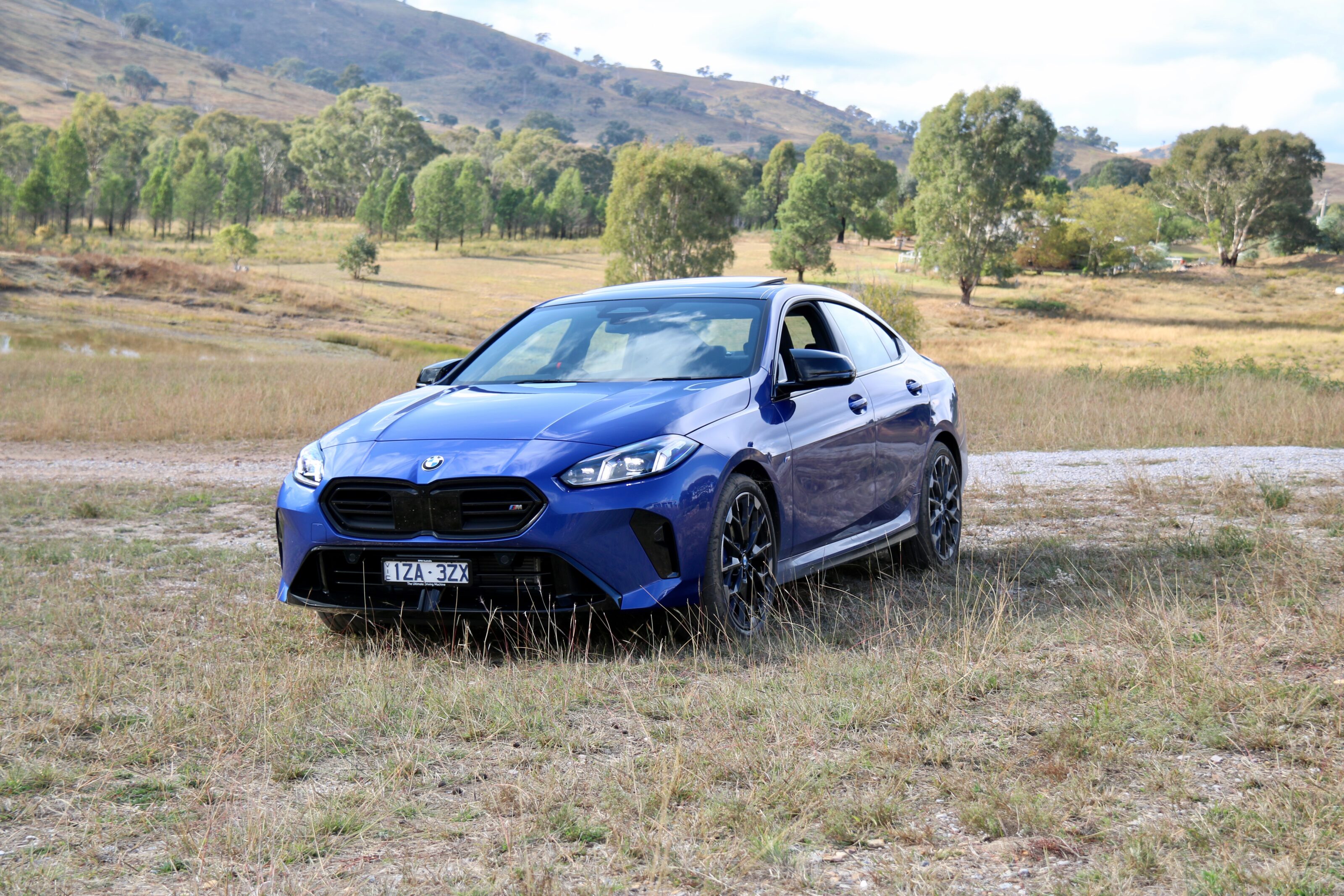
Based on the same ‘UKL2’ platform as the 1 Series, X1 and X2 twins and the Mini Countryman, the BMW 2 Series Gran Coupe is generally quite satisfying to drive. In M235 form, it’s feisty and handles well, though it’s not as fun as a 3 Series. It also doesn’t have the trick rear limited-slip differential of the S3, but unless you’re regularly tracking your M235, you’re unlikely to notice. Its steering feels strangely dead just off centre but it’s otherwise well weighted.
Where the M235 could use improvement, however, is in its low-speed urban ride quality, which is too firm on Sydney’s rubbish roads. It uses frequency-selective dampers and not adaptive, and we think they’d be a good addition for a softer in-town ride. Because of its performance and nicely damped higher-speed ride, the roadtrip from Sydney to Mudgee was fun and memorable.
We’d also like to see more bark from the M235’s engine because, at the moment, it’s a bit too subdued for a performance variant. Both the S3 and A 35 sound better, and in a performance car like this, that counts for a lot. But there’s no denying how fast the M235 feels from behind the wheel: 100km/h is delivered in just 4.9 seconds and its mid-range punch is impressive, despite being 50Nm down on the pre-updated model.
One big change from F44 to F74 was the addition of a new seven-speed dual-clutch transmission to replace the former eight-speed auto. We weren’t sure of this change as ZF’s eight-speed ‘box is one of the best in the business but the new dual-clutcher is impressive, with lightning fast shifts and very little of the low speed hesitancy that DCTs are known for.
Also impressive is the M235’s range of active safety features, which didn’t make themselves known the whole time we had the car and that’s exactly how they should be: there when you need them, silent when you don’t. Overall, the M235 feels very well engineered from behind the wheel, or exactly what you’d expect from a BMW.
Service and warranty
BMW covers the M235 with a five-year/unlimited km warranty with only three years of roadside assistance.
Its service intervals are decided by the car, but once-yearly/every 15,000km is given as a guide. A five-year/80,000km service pack costs $2380 ($476 per year).
Verdict: Should I buy a BMW M235 Gran Coupe?
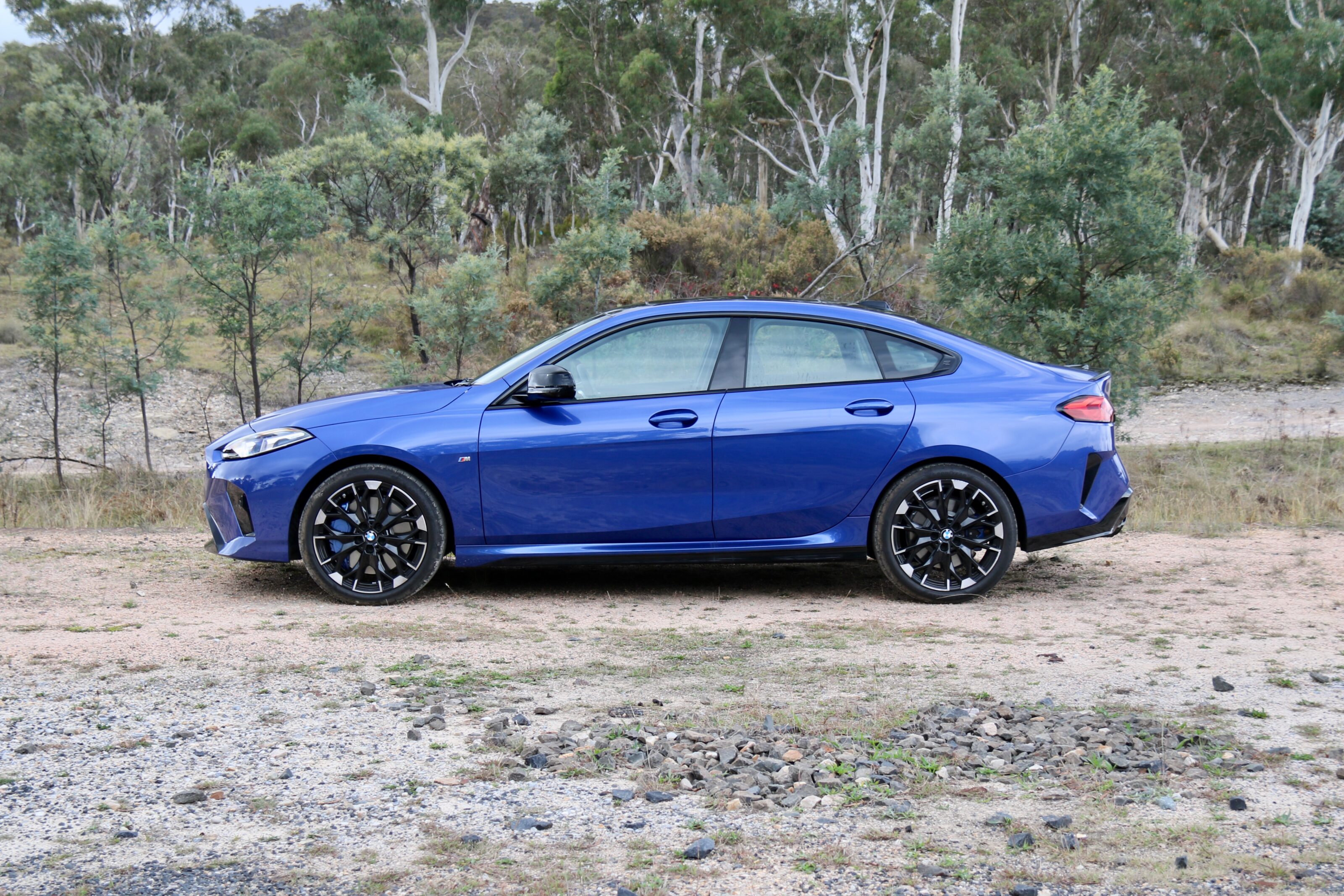
The BMW M235 Gran Coupe impresses as a well-rounded small sedan that’s enjoyable to drive, quick but efficient and great quality. It’s also good value against its main rivals – pricier than the S3 but optioning that car to the BMW’s equipment level actually makes the Audi more expensive.
Counting against the 2er is its small back seat, a firm urban ride and that its naming will cause confusion – it’s really a 1 Series sedan and not related to the coupe with which it shares a number. The 2 Series Gran Coupe has never been a bad car, but its biggest issue is its 3 Series bigger brother.
While the $92,900 +ORC 330i isn’t as quick or as well equipped as the M235, it’s bigger and more practical, plus it uses the traditional BMW rear-wheel drive layout for superior driving dynamics. If the M235 were priced closer to the lower-spec 220, a better case would be made for it, but at current prices, we’d choose the 330i every time. Still, choice is a great luxury to have and if you’re after a small premium sedan, BMW makes bloody good ones.
BMW M235 Gran Coupe rivals
Audi S3 Sedan
Mercedes-AMG A 35 Sedan
Things we like
- Awesome value for money
- Classy and comfortable cabin
- Comfortable driving experience
Not so much
- Silly name
- Thirsty with no hybrid option yet
- Indecisive dual-clutch auto
| Rating |
|---|
Price: from $44,990 drive away
Engine: 1998cc turbocharged four-cylinder petrol
Peak power: 180kW (@ 5500rpm)
Peak torque: 375Nm (@ 1750 to 4000rpm)
Transmission: 7-speed dual-clutch automatic, AWD
Combined fuel consumption (claim, as tested): 8.7L/100km, 11.3L/100km
CO2 emissions: 200g/km
Length/width/height/wheelbase: 4720/1860/1705/2710mm
Boot: 117L (3rd up to top of seatback)/479L (3rd folded to seatback)/(739L (3rd folded to roof)
Tare mass: 1731kg
Warranty: 7-year unlimited km, 12 months (up to seven years service activated)
Five-year service cost: $1495 ($299 per year)
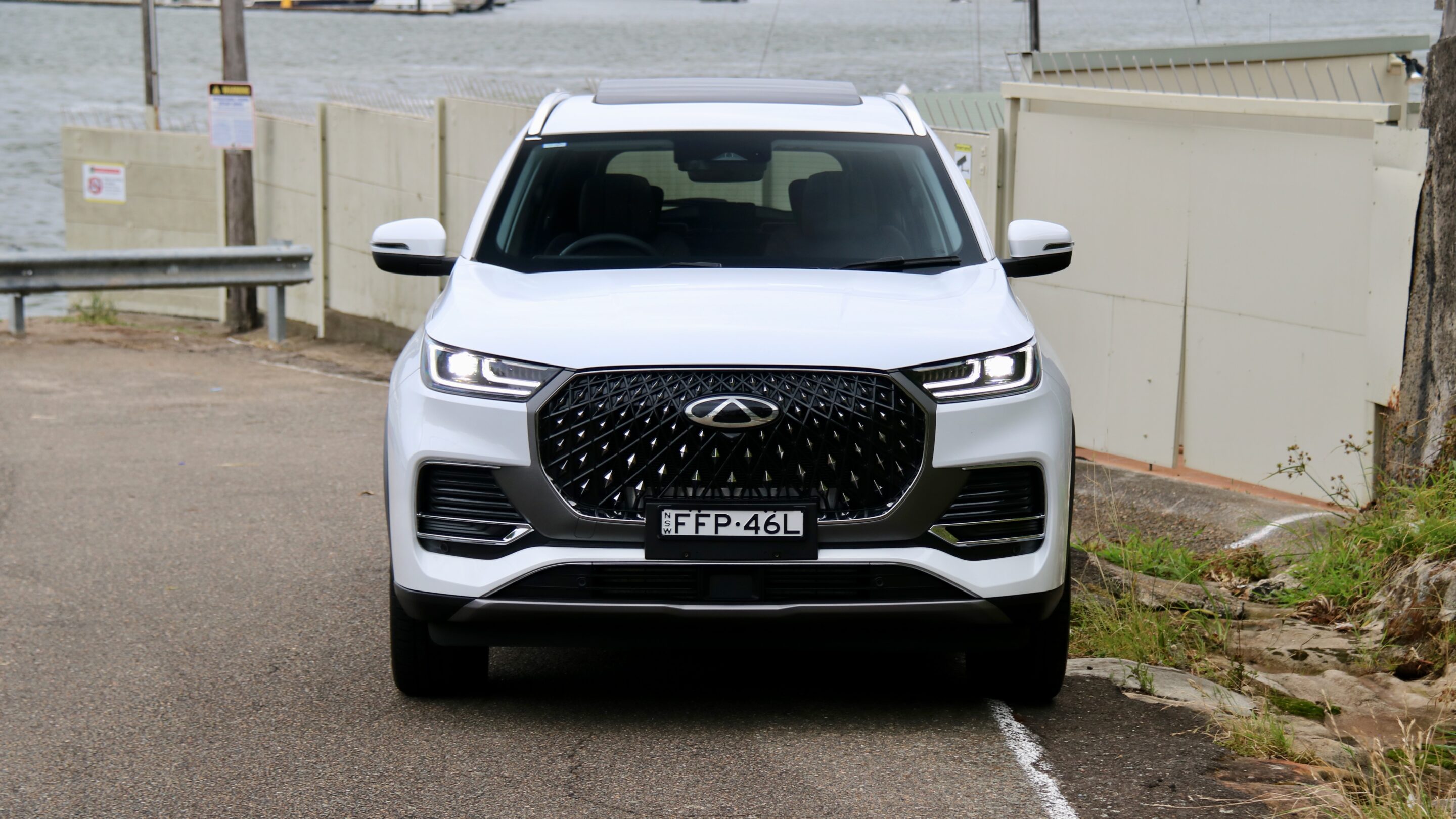
Chinese car maker Chery is going from sales strength to strength here in Australia after being one of the first – and therefore most recognisable – Chinese brands to go on sale locally.
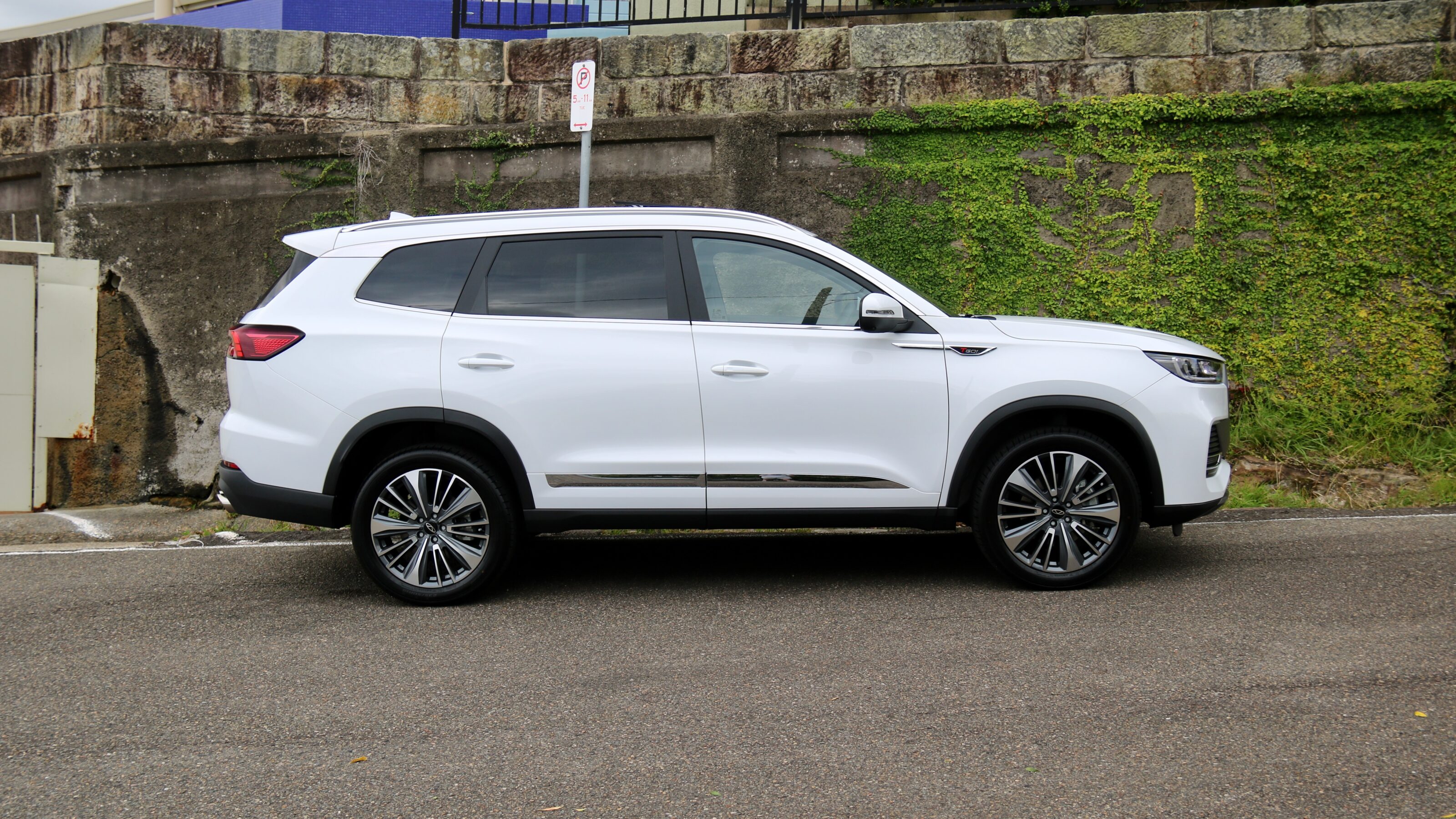
The largest vehicle in its range is the Tiggo 8 Pro Max, a seven-seat SUV that competes with cars such as the Mitsubishi Outlander and Hyundai Santa Fe.
As you’d expect from the brand, its asking prices are bargains – $38,990 drive away for a fully loaded, turbocharged seven-seat SUV – and it’s also covered by a long warranty and a cheap servicing regime. Is it the seven-seat SUV of your dreams? Let’s look closer.
Price and equipment
For now, the Chery Tiggo 8 Pro Max is offered in three models: Urban, Elite and Ultimate AWD, with all three using a turbocharged 2.0-litre petrol engine. Plug-in hybrid variants are due in July.
2025 Chery Tiggo 8 Pro Max pricing (drive away):
| Urban | $38,990 |
|---|---|
| Elite | $40,990 |
| Ultimate AWD | $44,990 |
Tiggo 8 Pro Max Urban standard equipment:
- 18-inch alloy wheels
- Roof rails
- Dusk-sensing automatic LED exterior lighting
- Rain-sensing automatic wipers
- Keyless entry with push button start and remote start
- Auto-folding mirrors that auto-drop in reverse
- Synthetic leather steering wheel
- Black synthetic leather upholstery
- 10-way electric driver’s seat with memory functionality
- Four-way electric front passenger seat
- Heated and ventilated front seats
- Dual-zone automatic climate control with rear air vents
- N95 air purification
- 12.3-inch digital driver’s display
- 12.3-inch touchscreen
- Satellite navigation
- AM/FM radio
- Wireless and wired Apple CarPlay and Android Auto
- Eight-speaker Sony sound system
- 50W wireless phone charger
- 4x USB ports
- Auto-dimming rear mirror
- Multi-colour cabin ambient lighting
Tiggo 8 Pro Max safety equipment:
- 10 airbags (including front centre, driver’s knee and rear side units)
- Autonomous emergency braking with pedestrian, cyclist and intersection assistance
- Lane keeping assistance with lane departure warning
- Adaptive cruise control with traffic jam assist
- Adaptive lane guidance
- Auto high beam
- Door open warning
- Traffic sign recognition
- Driver attention monitoring
- Blind-spot monitoring with rear cross-traffic alert (including braking)
- Front and rear parking sensors
- 360-degree camera
- Alarm
The Tiggo 8 Pro Max range earned a five-star ANCAP safety rating with scores of 88 per cent for adult occupant protection, 87 per cent for child occupant protection, 79 per cent for vulnerable road user protection and 86 per cent for safety assist.
Elite adds:
- Heated mirrors
- Illuminated door sills
- Third row air vents with fan speed control
- Power tailgate
- Remote windows
- Inbuilt dashcam
- Cargo blind
Ultimate adds:
- All-wheel drive system
- 19-inch alloy wheels
- 10-speaker Sony sound system
- Illuminated sun visor mirrors
- Panoramic sunroof
- Privacy glass
- Puddle lamps
- Inbuilt fragrance system (only with no-cost optional brown interior)
Interior, practicality and bootspace
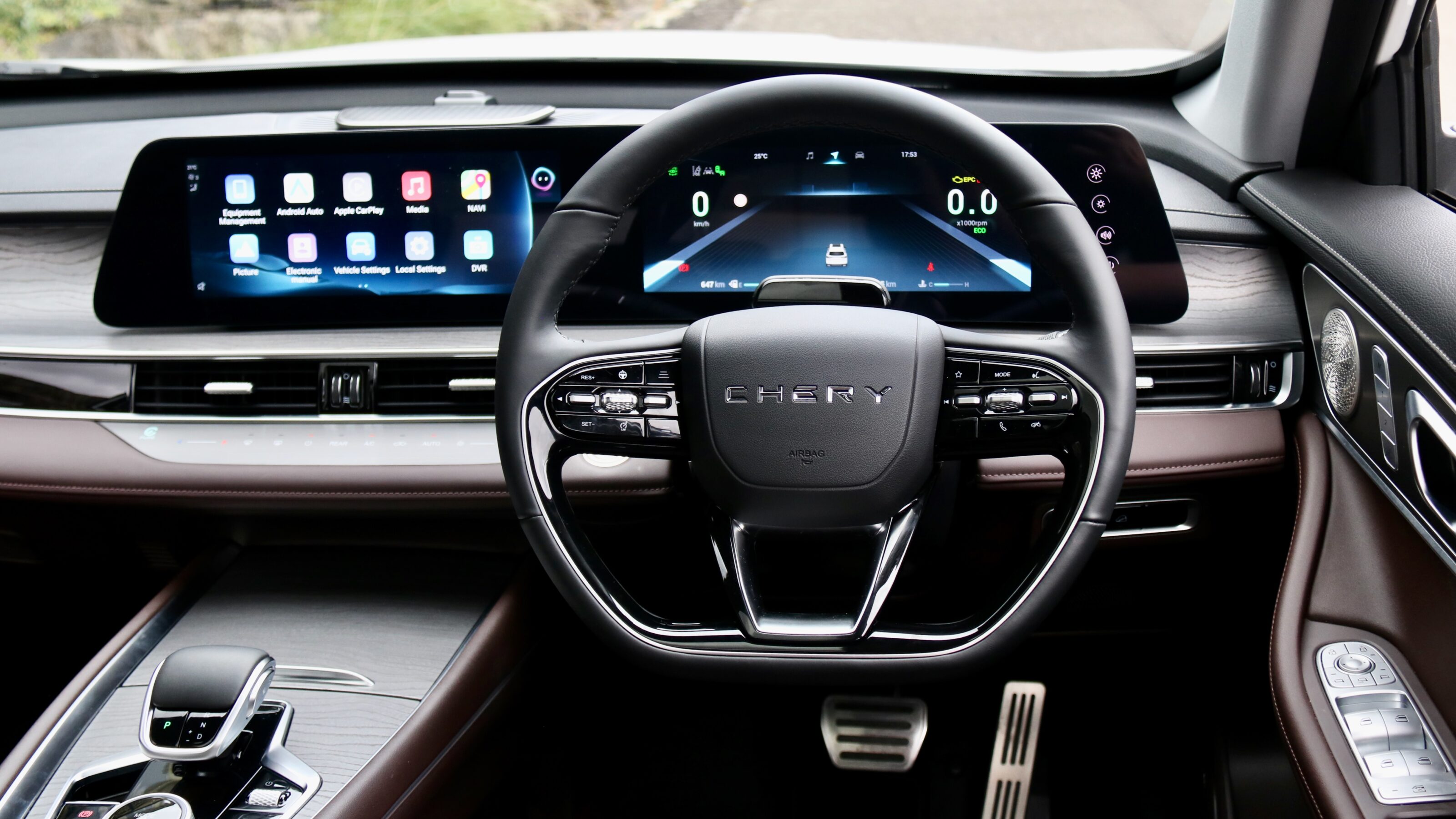
Jump into the Tiggo 8 Pro Max and you’d be forgiven for thinking that you’d entered a car that costs significantly more money. Yep, the screen resolution could be better and some of the details are a bit chintzy, but the build quality is impressive and the material choices are surprisingly plush for the asking price, with plenty of soft touch materials dotted around the cabin.
Centre of the cabin are two 12.3-inch screens that use identical software to other Chery models. While there’s no live functionality yet, it’s well featured with wireless smartphone mirroring and inbuilt sat-nav. It’s generally quite easy to use, though some functionality could be made easier by featuring a home button on the centre console. Otherwise, we quite like the physical climate buttons and shortcuts next to the gear lever.
The Tiggo 8 Pro Max’s cabin is practical as well, with big door bins, a large box underneath the centre armrest, a big tray underneath underneath the centre console and big cupholders. Front seat comfort is good, though the use of vinyl upholstery means that they’re a bit soft as well and could be more supportive.
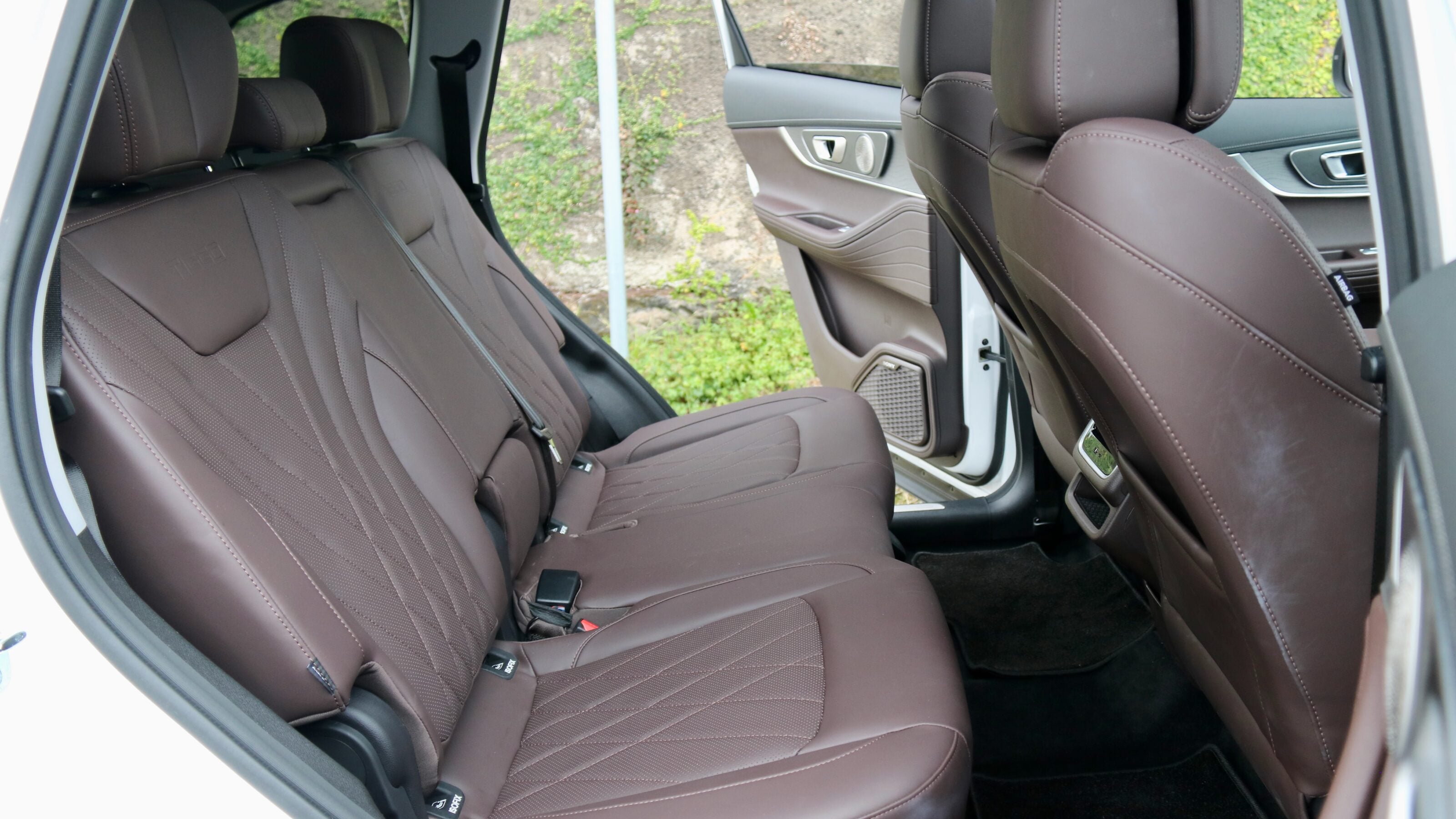
Space in the middle row is plentiful, with ample leg- and headroom, even for taller people. Three people could fit fine there as well. There are also some good amenities on offer, such as air vents, map and door pockets, a central armrest with cupholders and two USB ports. There are also two ISOFIX and three top tether points for child seats, though the action for moving the seats forward to grant access to the third row could be easier.
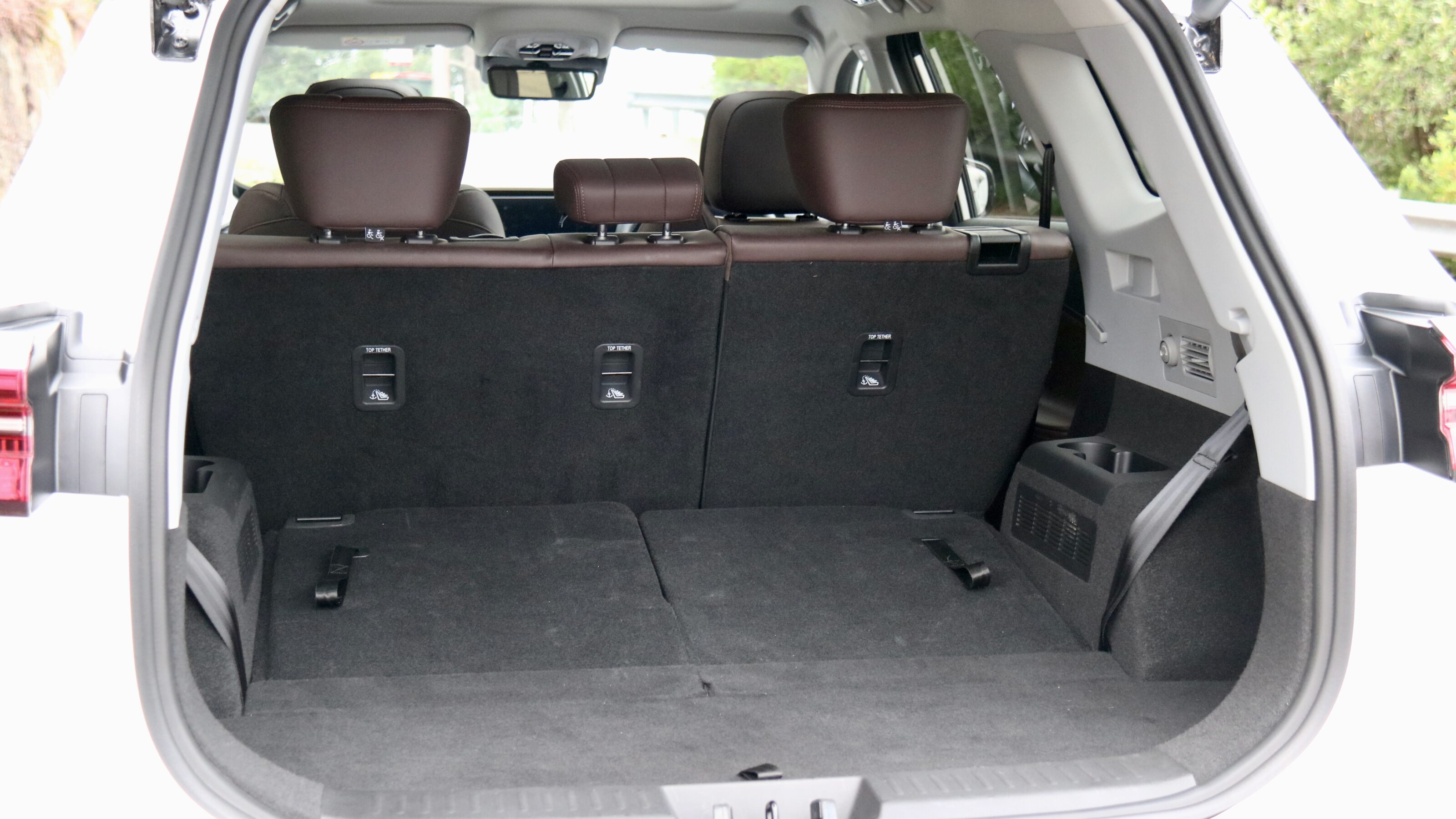
The third row of the Tiggo 8 Pro Max is definitely tighter than a Santa Fe or CX-80, but larger than the tiny third row of the Outlander. Two kids would be fine there, but adults would struggle. For third row occupants are a fan speed controller, air vents and cup holders, though no charging ports.
With all rows erected, there is 117 litres of bootspace on offer and a little bit of under-floor storage as well – folding the third row down unlocks 479 litres of space to the seatback (739L to the roof), but Chery doesn’t quote a figure for the second row folded as well. Regardless, it’s a practical space, which is impressive considering that it’s not a huge car on the outside.
Performance and economy
For now, all Tiggo 8 Pro Max models use a turbocharged 2.0-litre four-cylinder petrol engine making 180kW of power and 375Nm of torque. That’s mated to a seven-speed dual-clutch automatic transmission and power is sent to the front wheels in the base and mid-spec models, and all four in the top-spec Ultimate tested here.
Chery claims combined fuel consumption of 8.7L/100km for the Ultimate AWD, and we achieved 11.3L/100km in purely urban driving. The Tiggo 8 Pro Max features a 57-litre fuel tank and it must be filled with minimum 95RON premium unleaded.
On the road
On the road, the Tiggo 8 Pro Max impresses with its refined and comfortable driving experience. A lot of Chinese cars feature low road noise levels and the Tiggo 8 Pro Max is no different: it’s impressively well hushed, even at highway speeds. Its visibility is also good, though the rear three-quarter view can be a bit spoiled by the small rear windows.
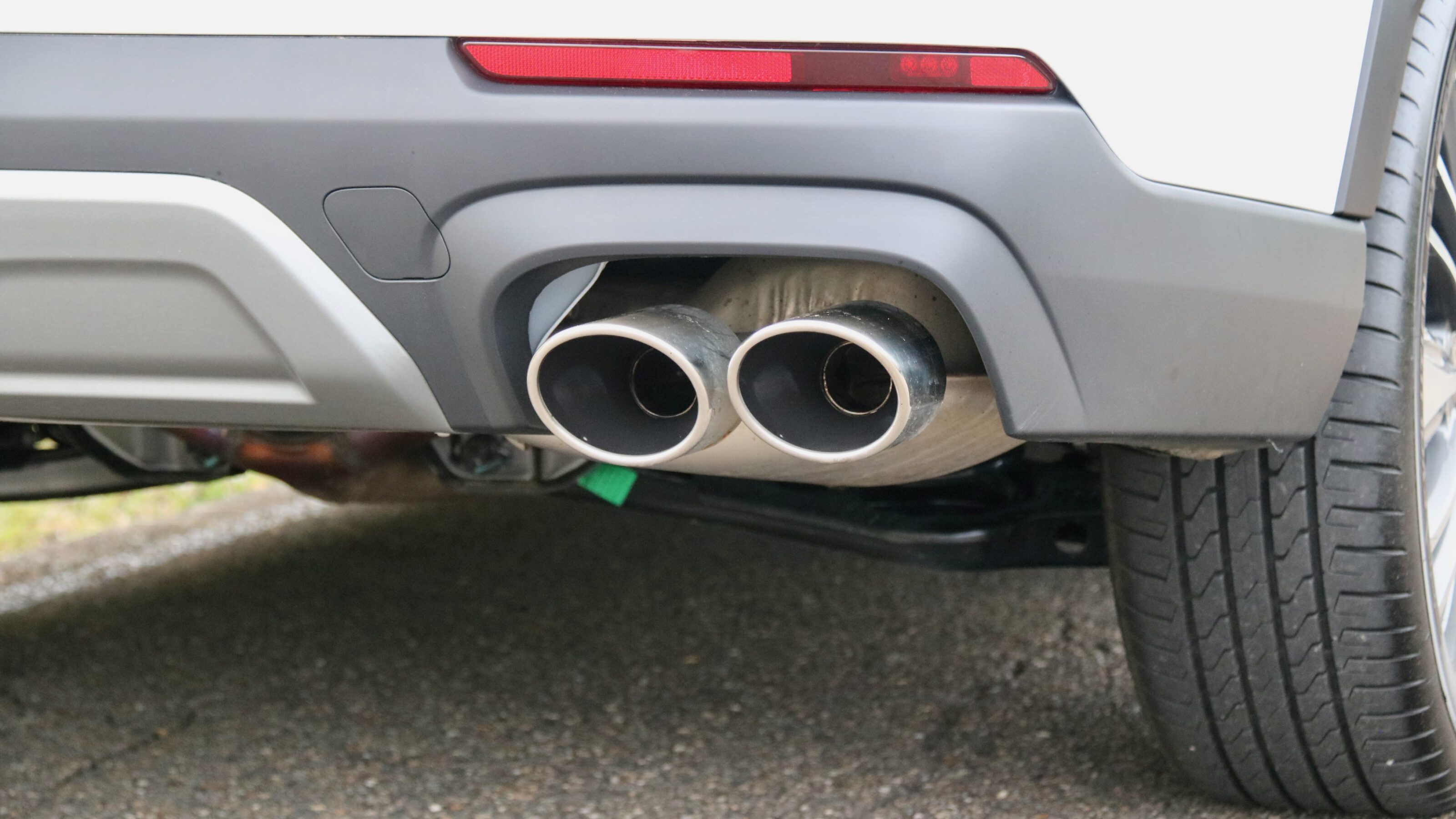
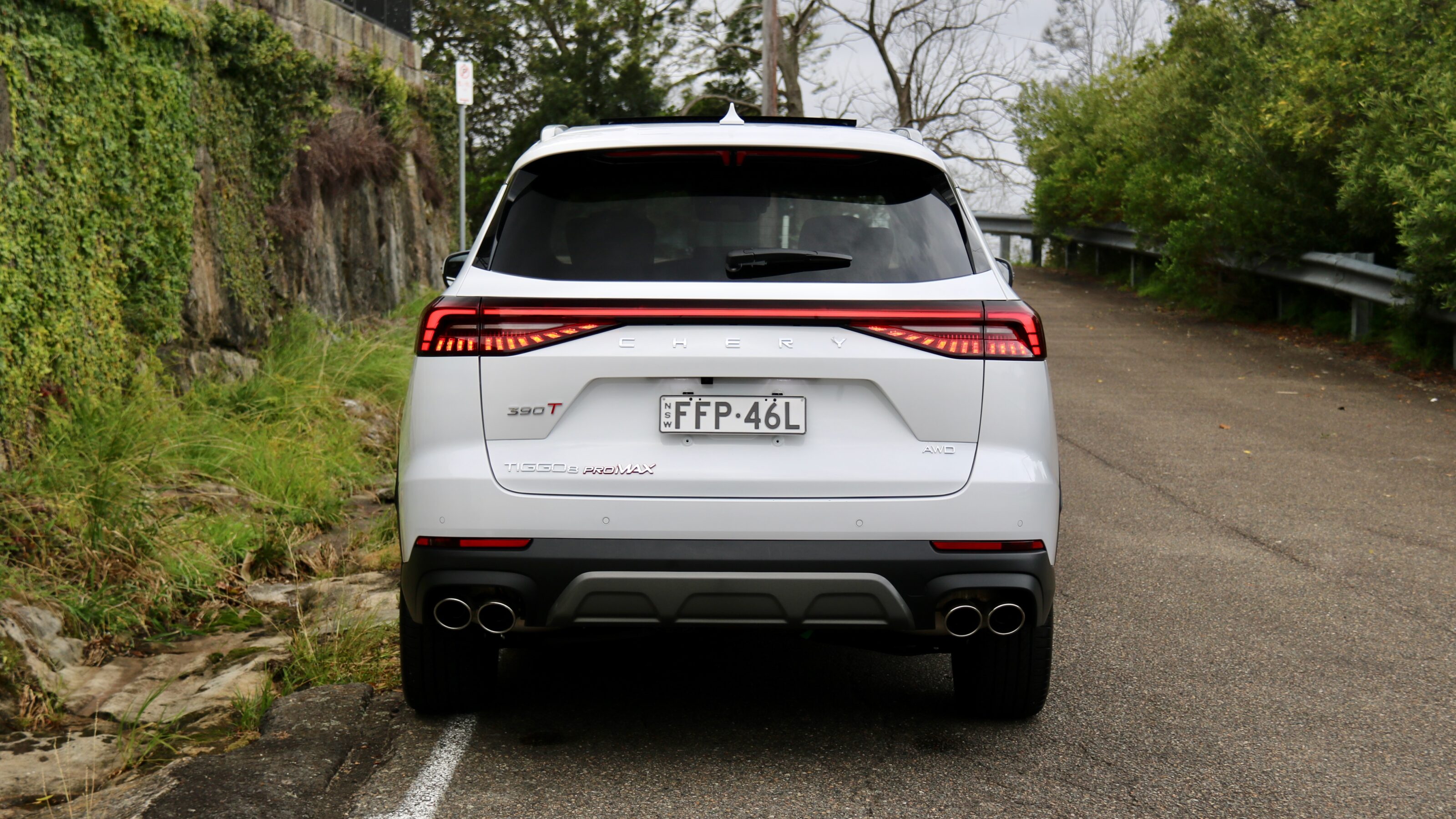
It should also be noted the Tiggo 8 Pro Max is not a sporty car, despite the quad tailpipes. Instead, it’s softly sprung and while that means its handling isn’t amazing, its ride quality soaks up the worst that some of our city roads can throw at it.
The Tiggo 8 Pro Max’s engine is strong, with enough punch for its target market. Peak torque hits at just 1750rpm and lasts until 4500rpm so that you’re almost always in the meaty part of the rev range in normal driving. The seven-speed dual-clutch transmission could be more refined however, and can feel confused at low speeds.
The active safety systems of the Tiggo 8 Pro Max are generally refined and work well, though a lot of the features, such as the active lane keeping assistance, are just too sensitive in everyday use and feel like they’re working against you. That’s nothing new in modern cars, but we still think they need some more tuning.
Service and warranty
The Tiggo 8 Pro Max is covered by a seven-year/unlimited km warranty with 12 months of roadside assistance that is service-extended by 12 months with each service up to seven years in total.
The five-year/75,000km service cost for the Tiggo 8 Pro Max is $1495 ($299 per year).
Verdict: Should I buy a Chery Tiggo 8 Pro Max?
If you’re after a bargain seven-seat SUV, there’s no denying that the Chery Tiggo 8 Pro Max is a strong contender. It’s absolutely loaded with equipment across the range – especially the top-spec Ultimate AWD tested – and features a cabin that’s well finished and practical. Its engine is gutsy and refined, while the driving experience is generally solid as well, plus, its warranty is long and its capped price servicing is cheap.
Counting against the Tiggo 8 Pro Max is its indecisive dual-clutch transmission, its restricted third row and that more powerful rivals such as the Mazda CX-80 are more efficient, though that issue will be rectified in July when the plug-in hybrid drivetrain arrives. Overall, we’d suggest looking at more expensive rivals to make sure what you buy is what you’re happy with, but the Chery Tiggo 8 Pro Max is one of the best value cars on the market today and it backs up the value equation with solid all-round capability.
Chery Tiggo 8 Pro Max rivals
Hyundai Santa Fe
Mazda CX-80
Skoda Kodiaq
Price: from $41,000 plus on-road costs
Engine: 1482cc DOHC turbocharged four-cylinder, 48V mild-hybrid
Peak power/torque: 117kW (@ 5500rpm)
Peak torque: 253Nm (1500-3500rpm)
Transmission: Seven-speed dual-clutch automatic
Claimed fuel consumption, CO2 emissions: 5.6L/100km, 126g/km
Tested fuel consumption: 7.4L/100km
Length/width/height/wheelbase: 4340/1795/1453/2650mm
Boot: 395-1301 litres
Kerb weight: 1439kg
Warranty: Five-year/unlimited km
Five-year service cost: $2176
| Rating |
|---|
Things we like
- Efficient and likeable engine
- Handsome styling updates
- Excellent handling balance
Not so much
- Urban ride is too firm
- Drivetrain can be laggy
- No spare wheel or cheaper model
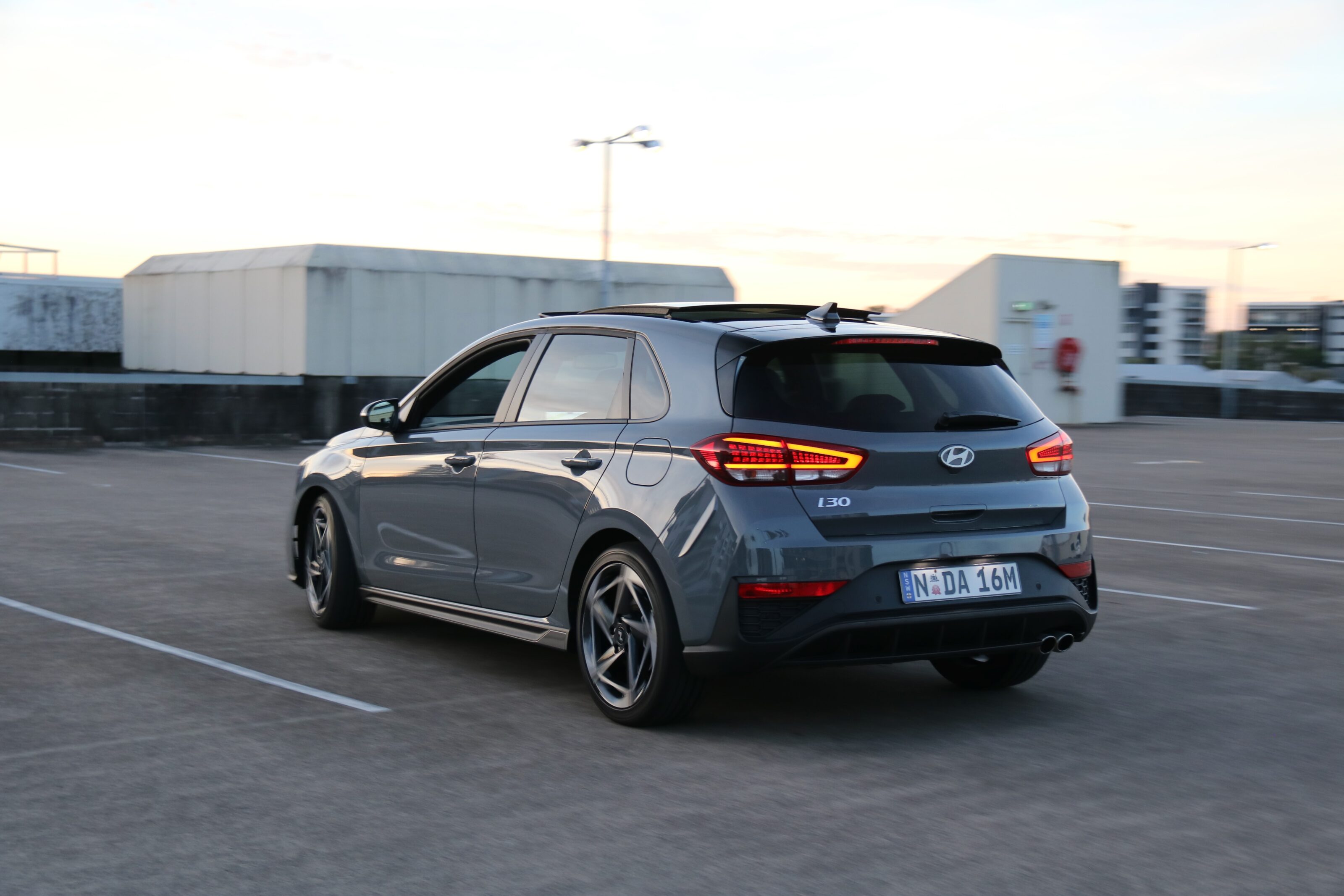
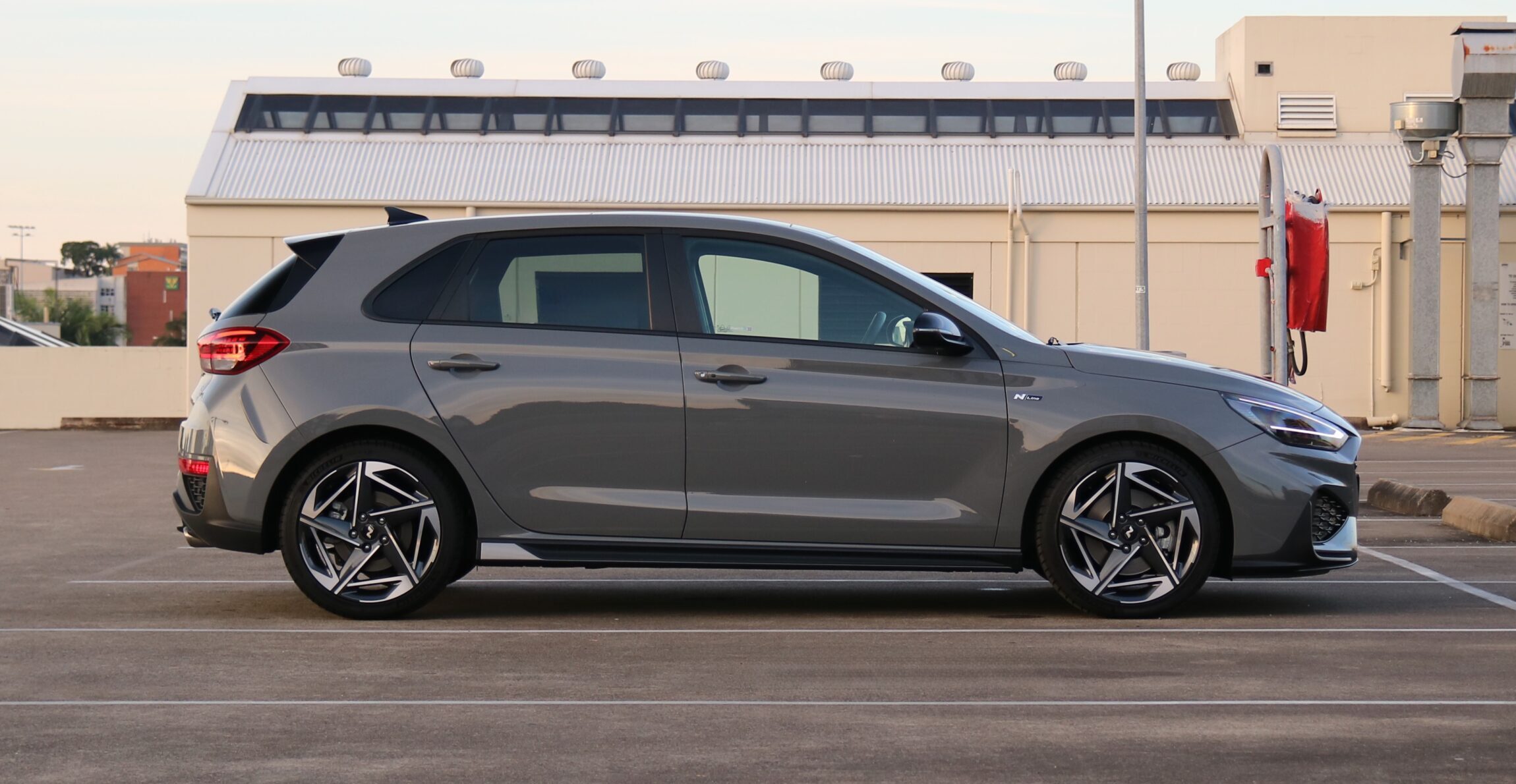
The original Hyundai i30, launched in Australia in 2006, was a watershed moment for the brand that changed its reputation forever. Not only did it live up to the brand’s value positioning, but it also gave competitors a run for their money in all-round ability – a feat continued with both the second and third generations of the nameplate.
Fast forward to 2025, however, and the global hatchback market is not what it once was – SUVs outsell them by a significant margin and many manufacturers are pulling their development. That means that while there’s a new Kona, the i30 is reportedly not getting a fourth generation and the third generation has been around for nine years, which is much longer than the usual Hyundai lifecycle.
It’s just received another update, so is the Hyundai i30 N Line still a great hatchback option to consider?
Price and equipment
For now, there are only two non-N i30 hatchback models for sale in Australia: the N Line and N Line Premium, with lesser models sadly no longer available. The i30 hatchback is now globally sourced only from Hyundai’s Czech factory, meaning that the i30 is no longer available as part of a free-trade agreement. As a result, pricing has risen by up to $4000 compared with when it was produced in South Korea.
2025 Hyundai i30 N Line hatchback pricing (plus on-road costs):
| N Line | $36,000 |
|---|---|
| N Line Premium | $41,000 |
Hyundai i30 N Line Premium standard equipment:
- 18-inch alloy wheels with Michelin Pilot Sport 4 tyres and a tyre repair kit
- Dusk-sensing automatic LED headlights
- Rain-sensing automatic wipers
- Keyless entry with push button start
- Heated/auto-folding mirrors
- Panoramic sunroof
- Dual-zone automatic climate control with rear vents
- Leather and suede upholstery
- 12-way electric driver’s seat with memory and manual cushion extension
- Heated front seats
- Heated leather steering wheel
- 10.25-inch digital driver’s display
- 10.25-inch touchscreen with BlueLink live services and over-the-air updates
- Wired Apple CarPlay and Android Auto
- Satellite navigation with live traffic
- AM/FM/DAB+ digital radio
- Six-speaker sound system
- 4x USB ports
- 7x airbags
- Autonomous emergency braking with pedestrian, cyclist, motorcycle and junction assistance
- Adaptive cruise control with stop and go functionality
- Lane keeping assistance with highway driving assistance
- Auto high beam
- Blind-spot monitoring and rear cross-traffic alert (both with braking)
- Rear occupant alert
- Safe exit assist
- Front and rear parking sensors
- Reversing camera
- Tyre pressure monitoring
Interior, practicality and bootspace
Anybody who’s experienced a current shape i30 will find the updated model entirely familiar inside as its not changed much in its nine years on sale. While some may lament that fact when comparing it against newer models, the reality is that Hyundai nailed the basics when it went on sale and they still impress today: the soft touch plastics on the dashboard and all doors, excellent ergonomics and buttons for functions dotted around the cabin. It’s all easy to use and we love it for that.
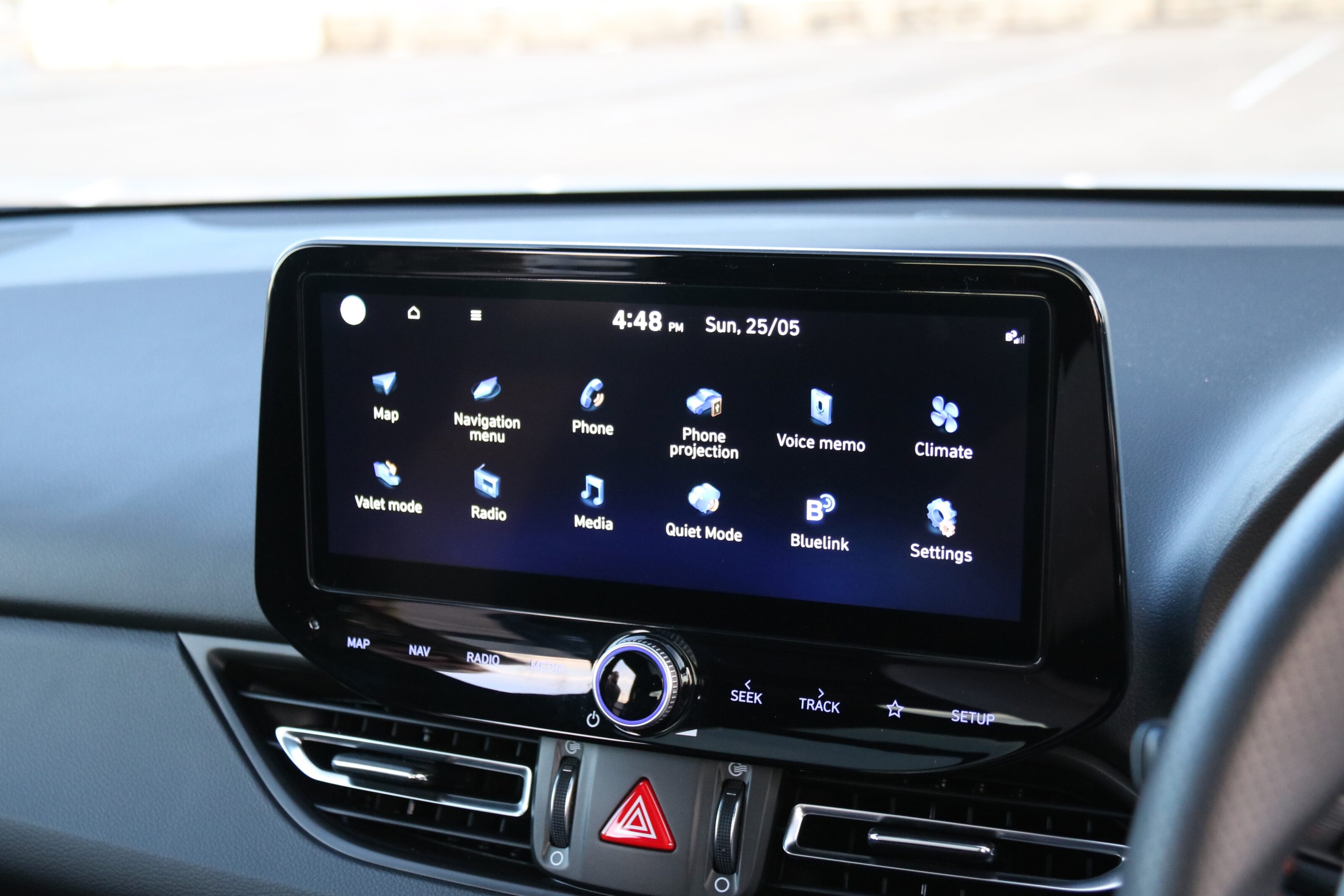
The i30 N Line Premium is equipped with a 10.25-inch touchscreen and a new 10.25-inch digital driver’s display, both of which look bright and expensive. The touchscreen now features the company’s BlueLink live services and live traffic for the sat-nav, though not wireless smartphone mirroring.
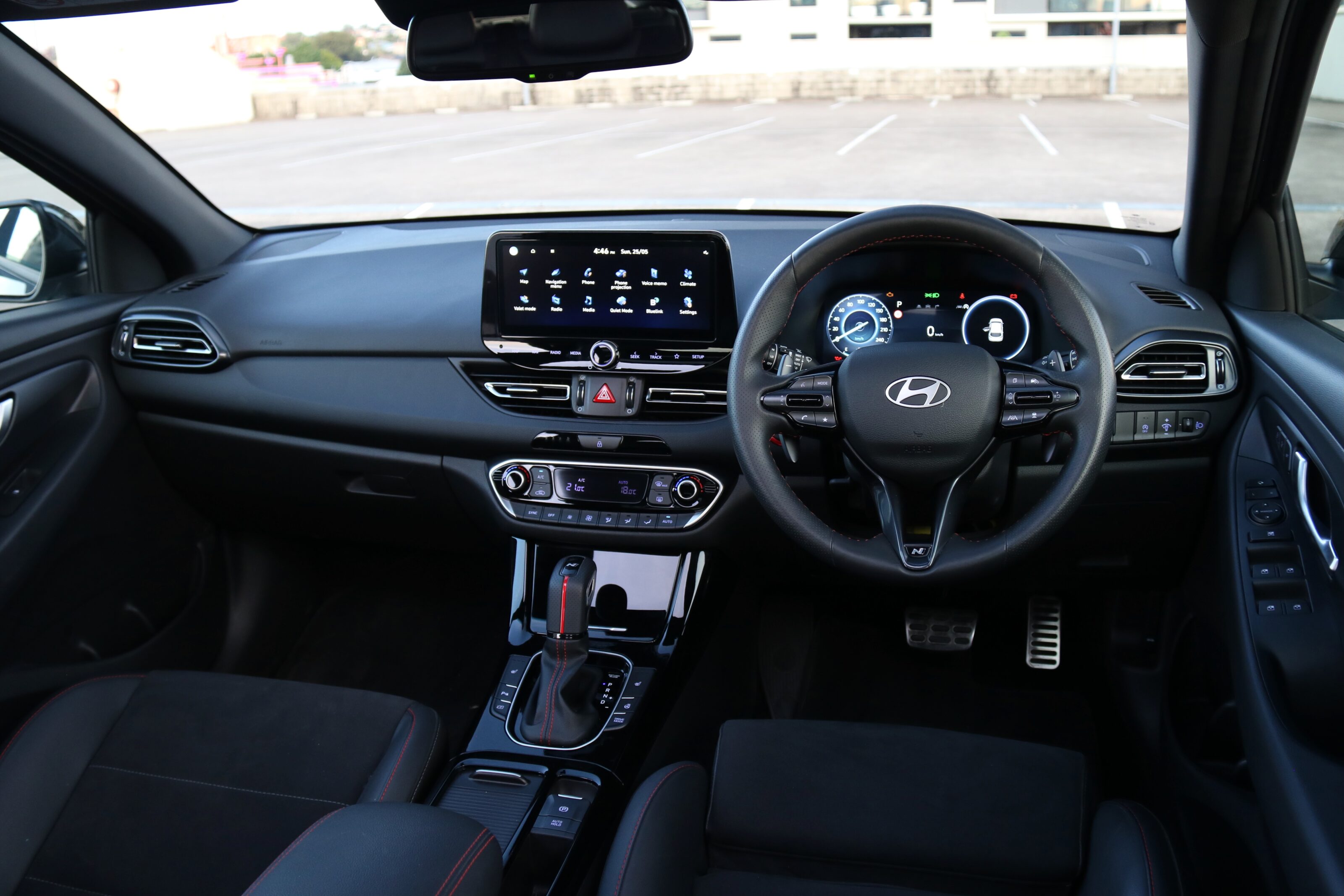
While it’s not as feature-packed as the newer Hyundai system – which would be quite expensive to employ in the i30 – it’s easier to use. While the former Infinity sound system has been shelved, the no-name six-speaker unit is surprisingly punchy. Thank you to European sourcing.
It’s also quite a practical cabin with large sectioned door bins and big cup holders in the centre console with a sliding cover. There’s also a wireless phone charger and a box underneath the sliding centre armrest lid.
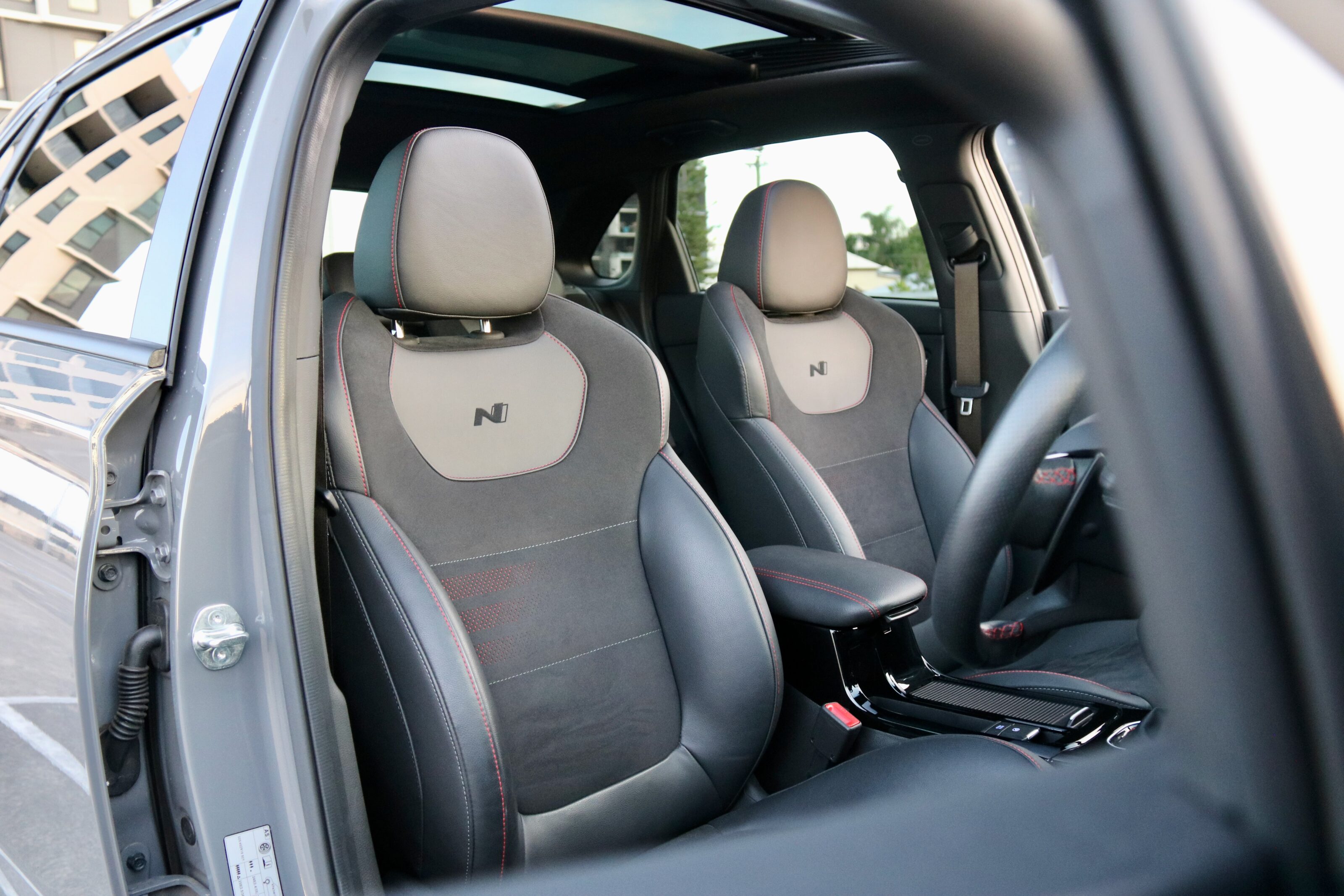
The front seats are comfortable and supportive, giving you a hug every time you get into it – we also love the adjustability for the driver’s seat, especially the very Euro seat cushion extension.
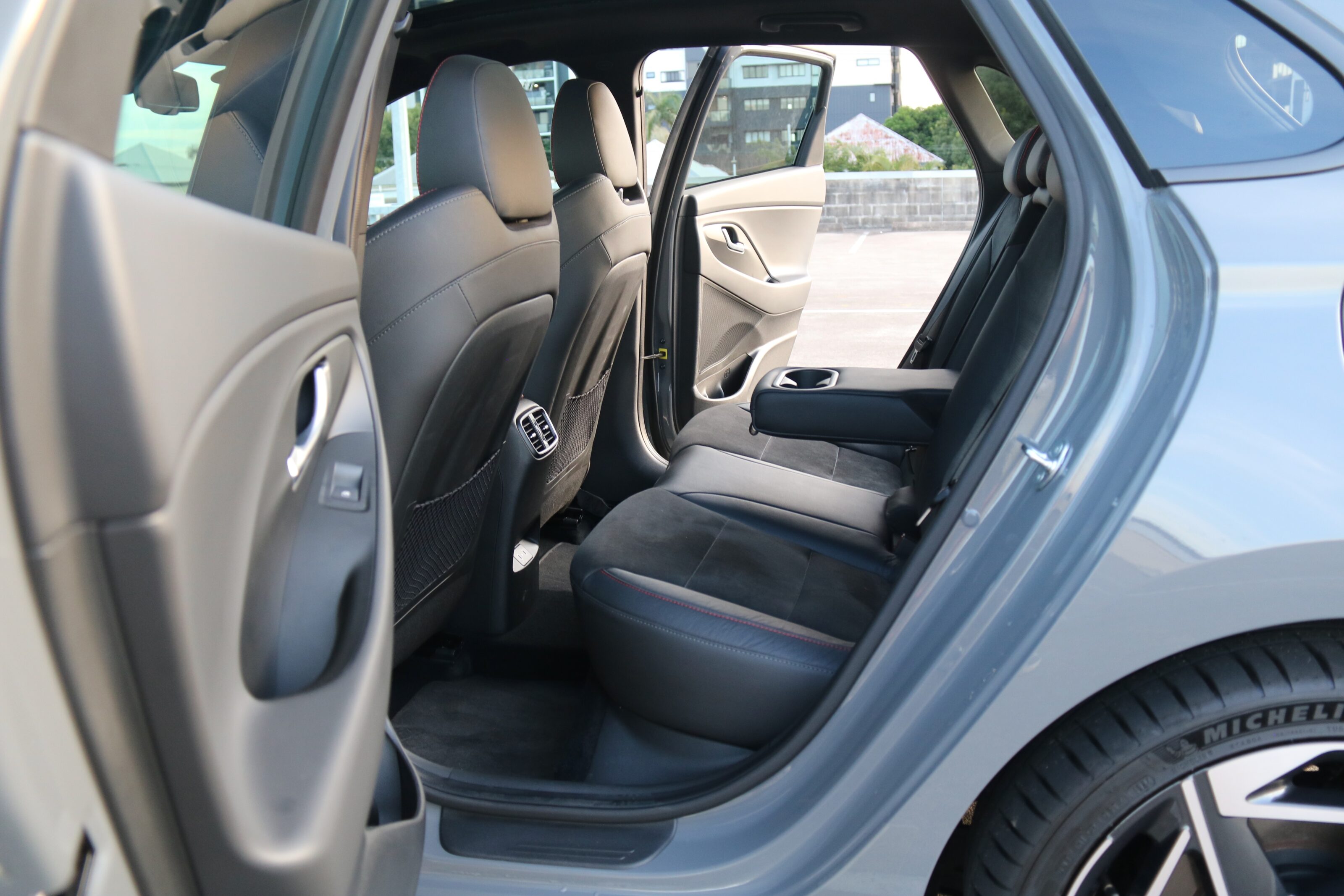
The rear seat is one of the best in the segment with comfortable seating, a good amount of room and features as well, with air vents, an armrest with cup holders, map pockets, two USB-C ports and sectioned door bins. Four adults will be quite comfortable in the i30 N Line hatchback, helped further by the expansive panoramic sunroof in the Premium letting in lots of light.
The boot of the i30 hatchback measures a healthy 395 litres with the seats up and 1301L with them folded. There’s also some under-floor and side storage, a few hooks to hang bags off and a 12V socket for something like a vacuum, but it lacks a spare wheel as the mild-hybrid system’s battery sits underneath the boot floor. It also lacks the pre-updated model’s dual-level floor for a flat surface when the seats are folded – there’s now an annoying lip.
Performance and economy
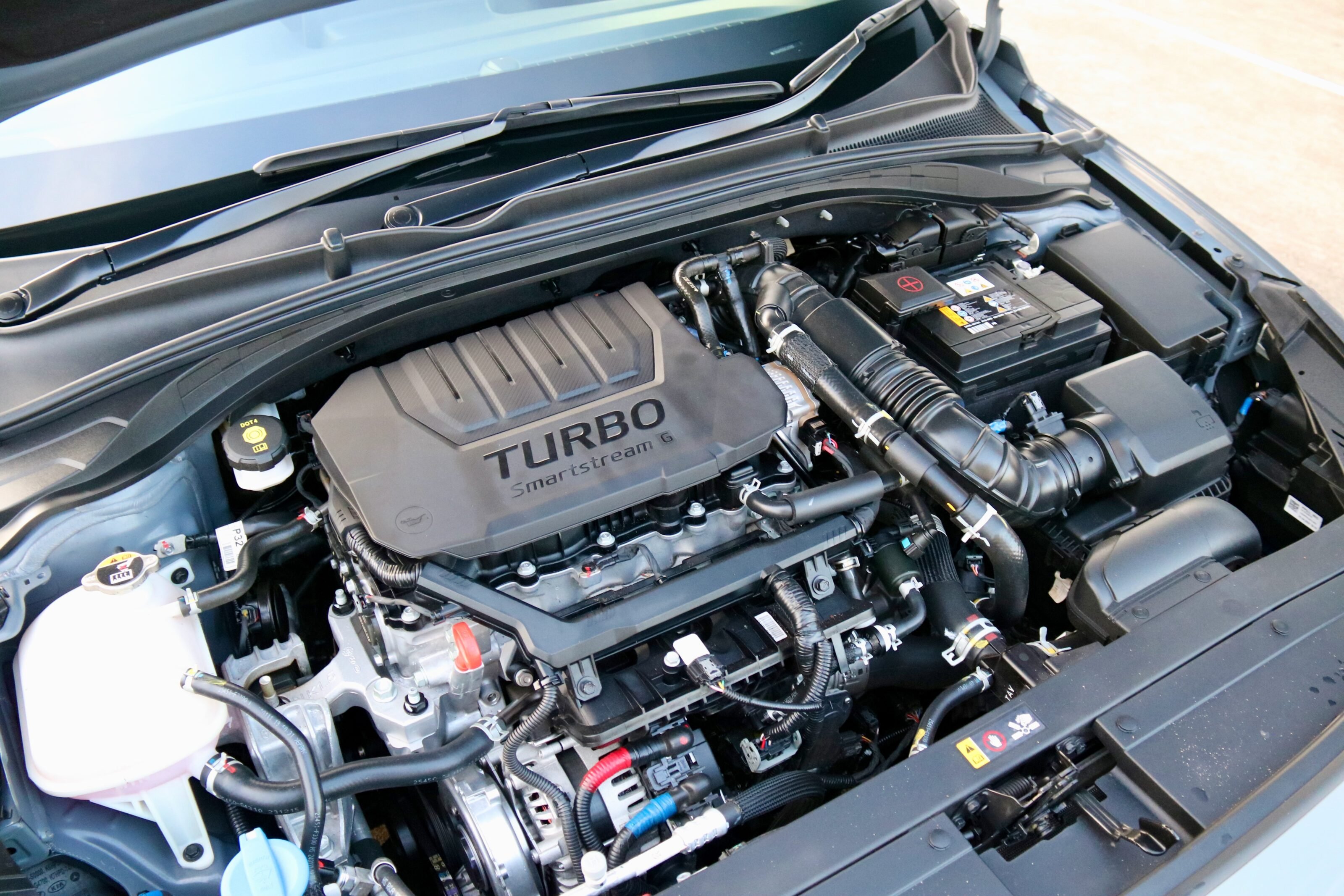
The updated i30 N Line hatchback uses a new 1.5-litre turbocharged four-cylinder petrol engine that’s paired to a 48V mild-hybrid system. It makes 117kW of power (at 5500rpm) and 253Nm of torque (between 1500 and 3500rpm) and is mated solely to a seven-speed dual-clutch transmission in Australia.
Hyundai claims combined fuel consumption of 5.6L/100km and CO2 emissions of 126g/km, and in our 95 per cent urban testing, achieved a result of 7.4L/100km – above the claim but still a big improvement on petrol i30 models of the past. The i30 N Line can also run on 91RON regular unleaded fuel, while it also features a 50-litre fuel tank.
On the road
The i30 N Line earned a long held reputation as a warm hatchback that sits below the full-fat N hot hatch but above the regular i30 models. It’s fun, quick and good value for money. To drive, the updated N Line is fabulous – its handling is sharp, body control is excellent and the steering is quick and communicative. Its ride quality is a bit too firm for rough roads, however, but get it onto a great bit of country road and it’s a riot.
Where it’s not quite as good as the pre-updated model is its drivetrain. While the new 1.5-litre turbo mild-hybrid set up is punchy enough in its own right, the i30 N Line used to have a 1.6-litre turbo engine that endowed it with more impressive performance – which, by the way, is still available in the i30 N Line sedan. Think of the 1.5T as a replacement for the old naturally aspirated 2.0-litre engine in base-to-mid i30 models and it makes more sense as not only is it punchier but significantly more efficient in the real world.
While the new engine’s 253Nm peak torque is only 12Nm short of the 1.6T, its 117kW power figure is much less than the 1.6T’s 150kW and while the new donk feels satisfyingly punchy in the mid-range, it’s definitely not as quick as the 1.6T. Its claimed 8.6-second 0-100km/h sprint is at least a second slower than, so why give it less performance? The 1.6T simply isn’t available from Czech production for the i30 hatchback and the 1.5T is now the most powerful non-N unit available globally.
However, thanks to its lesser outputs and mild-hybrid bits, the 1.5T is also a lot more efficient than the former 1.6T. In addition to the start-stop system, the mild-hybrid allows the engine to switch off when coasting and braking, for example, like a full hybrid. It delivers more efficiency but it can be caught out needing even mild acceleration and combined with the sometimes dopey dual-clutch transmission, you frustratingly can be waiting a few seconds for power. Changing the drive mode to normal or sport wakes it up, but it defaults to eco when the engine is switched on.
Service and warranty
As with every other new Hyundai product, the i30 N Line is covered by a five-year/unlimited km warranty with 12 months of roadside assistance that is extended a further 12 months with every dealer service.
Its service intervals are a short annual/10,000km (whichever comes first) and five years/50,000km of servicing costs $2176 ($435.20 per service).
Verdict: should I buy a Hyundai i30 N Line hatchback?
In a sign of the strange time that we live in, if you’re wanting a non-N Hyundai hatchback in Australia, the updated i30 N Line is your only choice. There’s no getting away from the fact it’s both more expensive and slower than the pre-updated model, and it’s lost a few pieces of equipment thanks to European sourcing such as full leather trim. However, it’s also gained features such as driver’s seat memory, the company’s BlueLink live services and more active safety kit.
The i30 N Line has a lot going for it: it’s refined, practical, quite fun to drive, punchy enough in most driving situations and well equipped as well. Counting against it is its firm ride quality, lack of spare wheel, dopey transmission at low speeds and that in some areas, it is feeling its age compared with newer Hyundai products. But it’s an honest and entirely likeable product that deserves a lot of love against the endless supply of small SUVs – Hyundai’s own Kona included.
Hyundai i30 N Line rivals
Toyota Corolla
Mazda3
Skoda Scala
Aston Martin Vantage
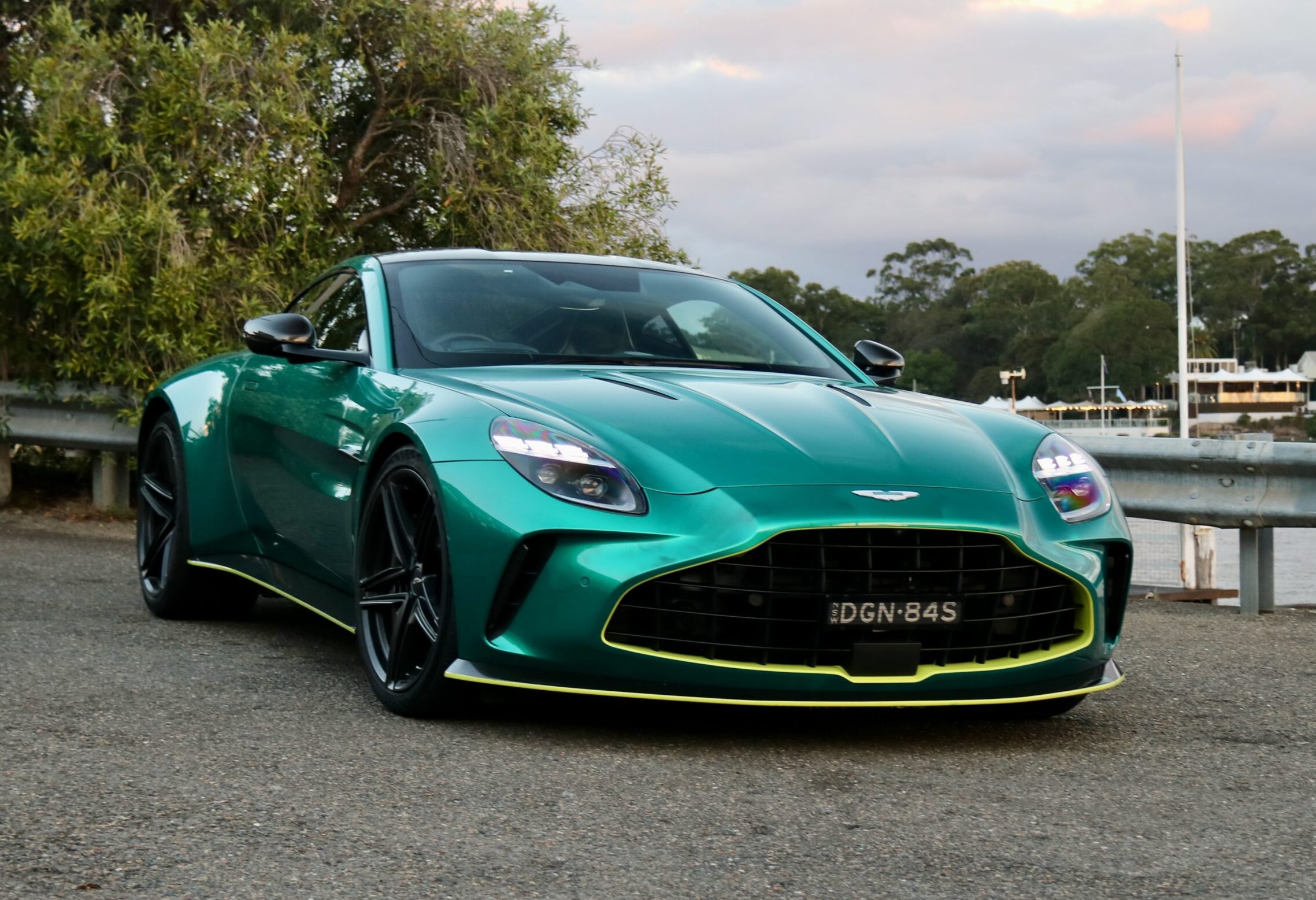
The updated Aston Martin Vantage arrived locally earlier this year. While it uses the same body and mechanicals as the previous shape car, it gained a massive 30 per cent more power, upped to 489kW and 800Nm which kicks in at just 2750rpm. Mated to an eight-speed automatic transmission, the new Vantage hits 100km/h in just 3.5 seconds with a top speed of 325km/h.
Priced from $410,000 plus on-road costs, the new Vantage has been styled to look like the best Astons of the past, including the mega cool One-77 hypercar. The new huge mouth and restyled headlights give it a more purposeful and aggressive look at the front to match its newly-uprated drivetrain. The interior is also new and aside from a big upgrade in in-car tech, its materials are excellent and it’s reasonably practical for a sports coupe.
On the road, the Vantage is surprisingly comfortable and supple for everyday use, though get it onto a track and exploring its different track settings reveals a harder-edged beast that’s very, very fast. It’s also communicative as you’d expect from a sports cars, and the multi-level traction control lets you have fun on a track without spinning. Overall, the new Aston Martin Vantage is a very good sports car and if you’re lucky enough to afford one, we say get your order in now.
Ford Mustang
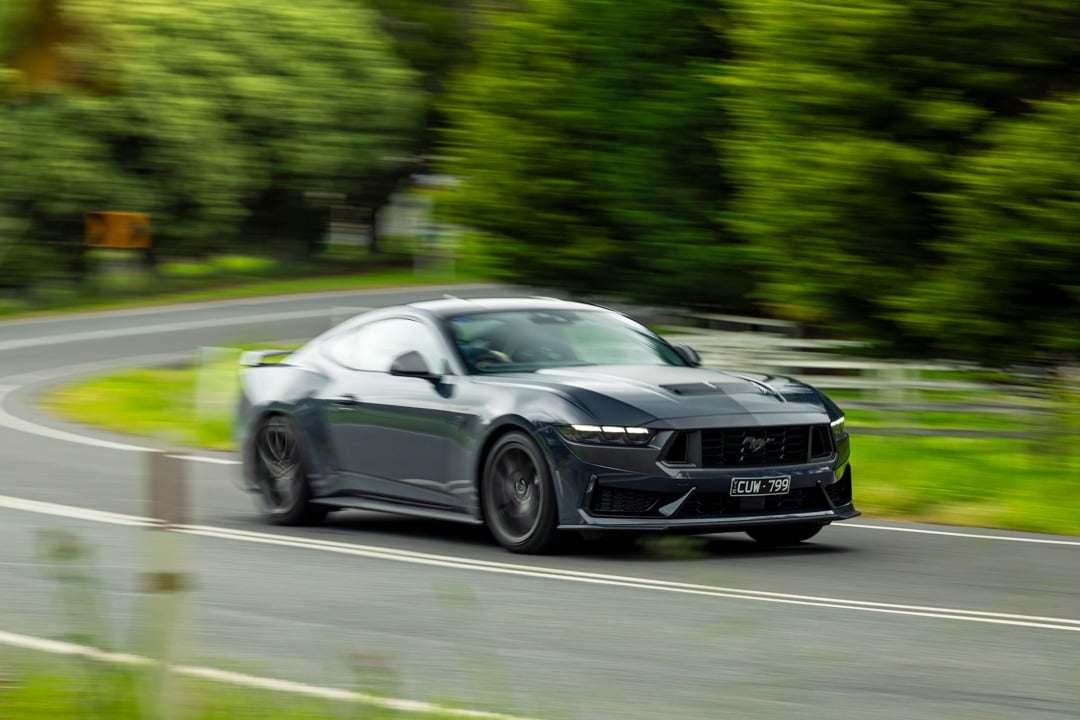
The S650 generation of the Mustang, the world’s most successful sports car, lobbed into Australia in late 2024. Like the S550 before it – with which it shares a lot of characteristics, like its drivetrains and body – both turbocharged 2.3-litre four-cylinder and naturally aspirated 5.0-litre V8 petrol engines are on offer. Both offer excellent performance, though the V8 is the obvious pick if you want thunderous noise.
On the road, the new Mustang runs rings around previous generations of the car and is quite capable in the handling department. While you can still feel its weight in corners, optioning the adaptive dampers makes it far less soggy than Mustangs of the past and its tight corner ability is surprising.
Priced from $71,990 plus on-road costs, the new Mustang is also more expensive than ever – but it can now hold a candle to much more expensive rivals in driving ability.
The S650’s interior is a big step forward on the S550 thanks to higher-quality materials throughout, as well as new screens with new infotainment software. There are even cute cues to the past, like the instrument cluster that can be configured to show dials from Mustangs from a long time ago.
The Ford Mustang remains characterful and fun but this time around, it’s also more
talented and a big improvement on Mustangs of the past.
Mini John Cooper Works range
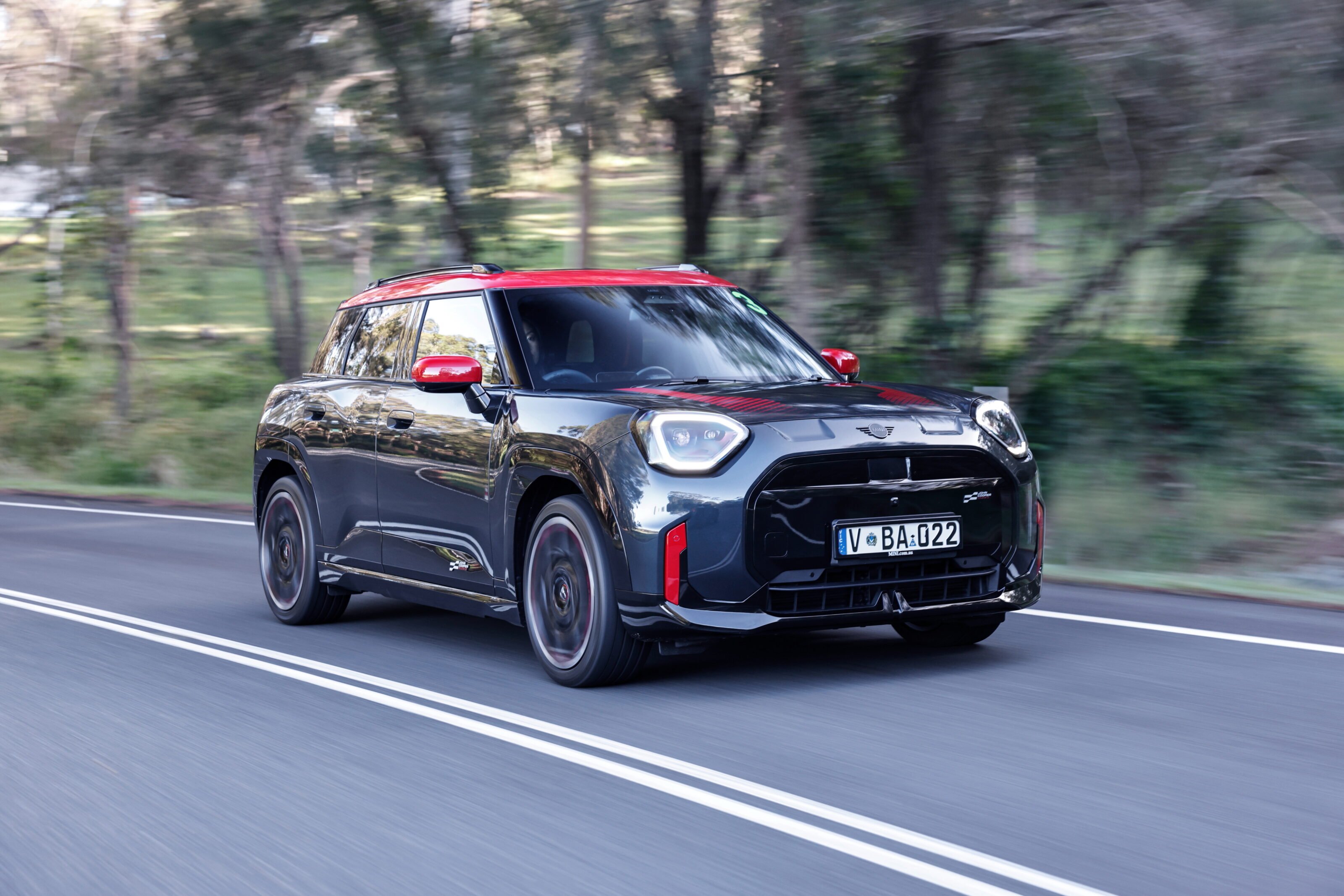
Mini, like many car brands, is undergoing a lot of change with its products, including more electrified product than ever before. For the first time, the new petrol John Cooper Works models have been joined by electric versions promising the legendary go-kart feeling for which the brand is known.
For the first time, five JCW models are on offer: the petrol Cooper hatchback, convertible and Countryman SUV, plus the electric Cooper and Aceman small SUV. Pricing starts at $57,990 for the petrol Cooper models and $63,990 for the electric ones and while the petrol Cooper makes 170kW/380Nm, the electric one makes 190kW/350Nm for a quicker sprint to 100km/h: just 5.9 seconds for the electric Cooper, versus 6.1 seconds for its petrol sibling.
As with all previous Mini models, the new JCW models are full of character, including cute-but-angry styling, as well as an interior with a huge circular central display and ambient lighting in the padded dashboard panels. Add in the typical Mini go-kart feeling, regardless of the propulsion, and the Mini JCW range remains one of the best sports cars you can buy in 2025.
Mercedes-AMG E 53
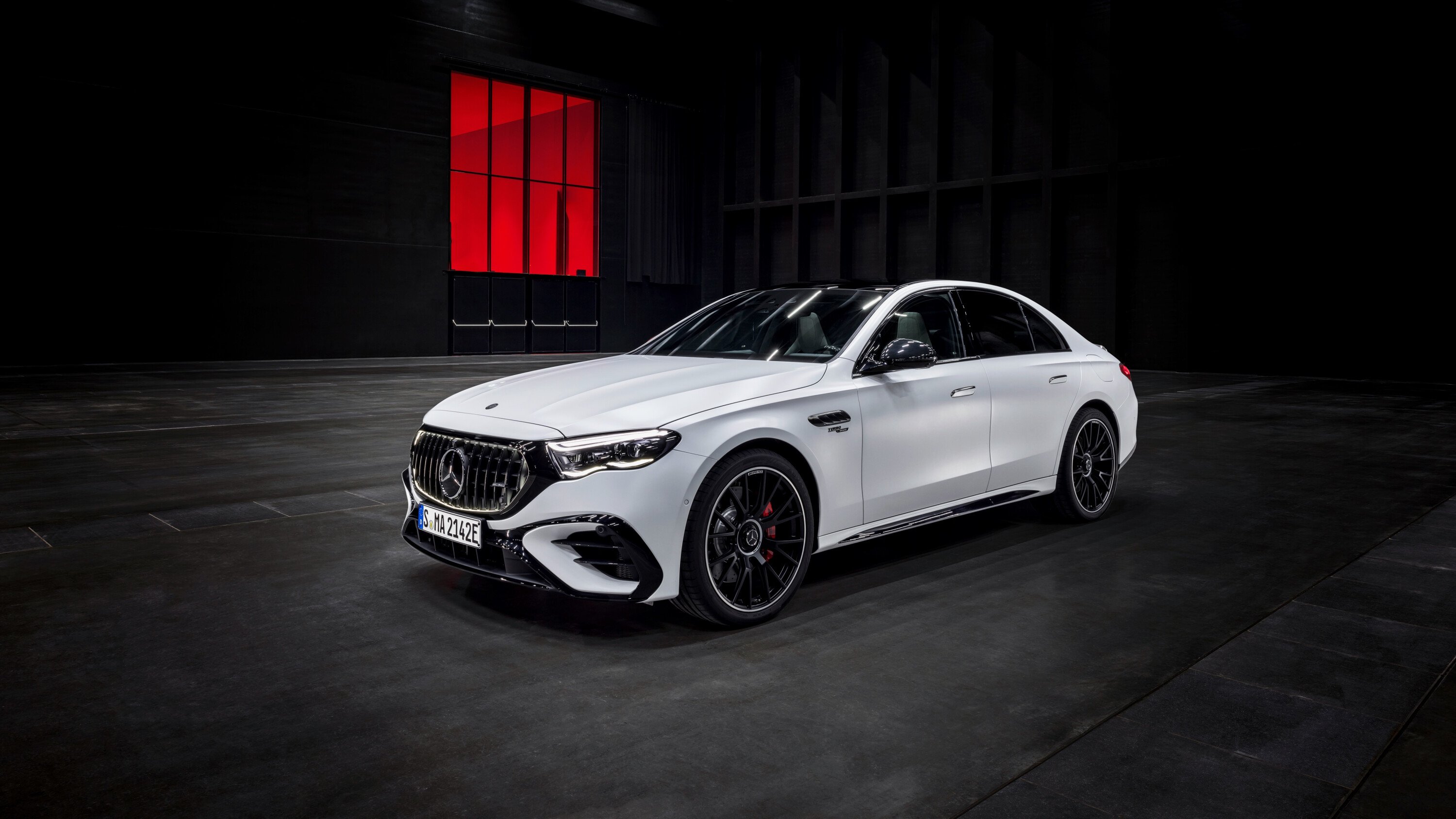
The new plug-in hybrid Mercedes-AMG E 53 sports sedan has just gone on sale in Australia and its outputs are impressive: a combined 450kW of power and 750Nm of torque, while it sprints to 100km/h in just 3.8 seconds. Yet it can also travel up to 100km on electric power alone thanks to its 28.6kWh battery and if you keep it charged, it will reportedly use just 1.7L/100km of fuel.
On the road, the E 53 is impressively well hushed and comfortable – as you’d expect from a Mercedes-Benz E-Class – but change the driving mode to Sport+ and it becomes a properly quick, nicely damped and great-sounding sports sedan. Despite its hybrid tech, it’s a serious performance car at heart.
Adding to that is the E-Class’ luxurious cabin filled with huge screens and many features like AMG sports seats, Nappa leather upholstery and an excellent 4D Burmeister sound system. Priced from $190,900 plus on-road costs, the E 53 is not cheap, but it offers a broad range of talent and seems like a bit of a bargain considering the engineering involved. The only thing that would make it even better would be the wagon variant offered overseas.
Porsche 911
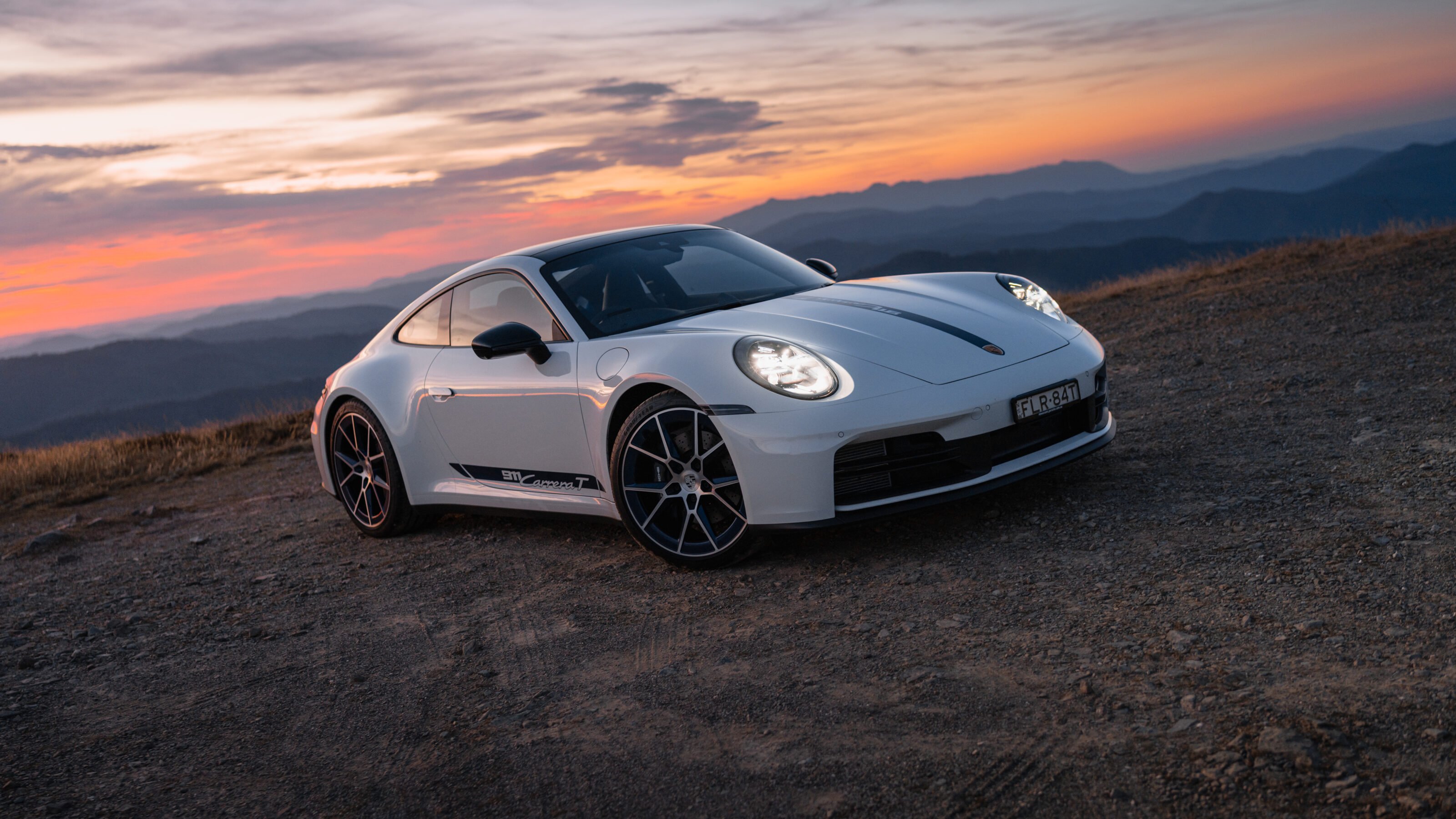
Porsche’s iconic 911 sports coupe has just been updated for 2025 and is now in its ‘992.2’ generation, an upgrade on the ‘991.1’ that arrived six years ago. The almost-full range of 911s has arrived locally, with the Carrera and Carrera S, as well as the manual Carrera T and even the hybrid Carrera GTS now on sale with Turbo and GT3 variants due later in the year.
The pick for keen drivers is, without a doubt, the manual-only Carrera T with its 290kW/450Nm turbocharged flat six engine. However, $27,400 less gets you into the base Carrera at $279,400 and that almost-$30k buys a lot of options. The new hybrid Carrera GTS makes a much stronger 398kW and hits 100km/h in just 3.0 seconds.
Regardless of model chosen, the 911 drives and rides well. It’s more than comfortable enough for the everyday commute, but taut enough for track days as well. Plus, the interior is practical and good quality, and the new infotainment screens are easy to use.
The Porsche 911 remains one of the world’s best sports cars, proudly continuing its 62-year legacy.
Toyota GR Yaris and GR Corolla
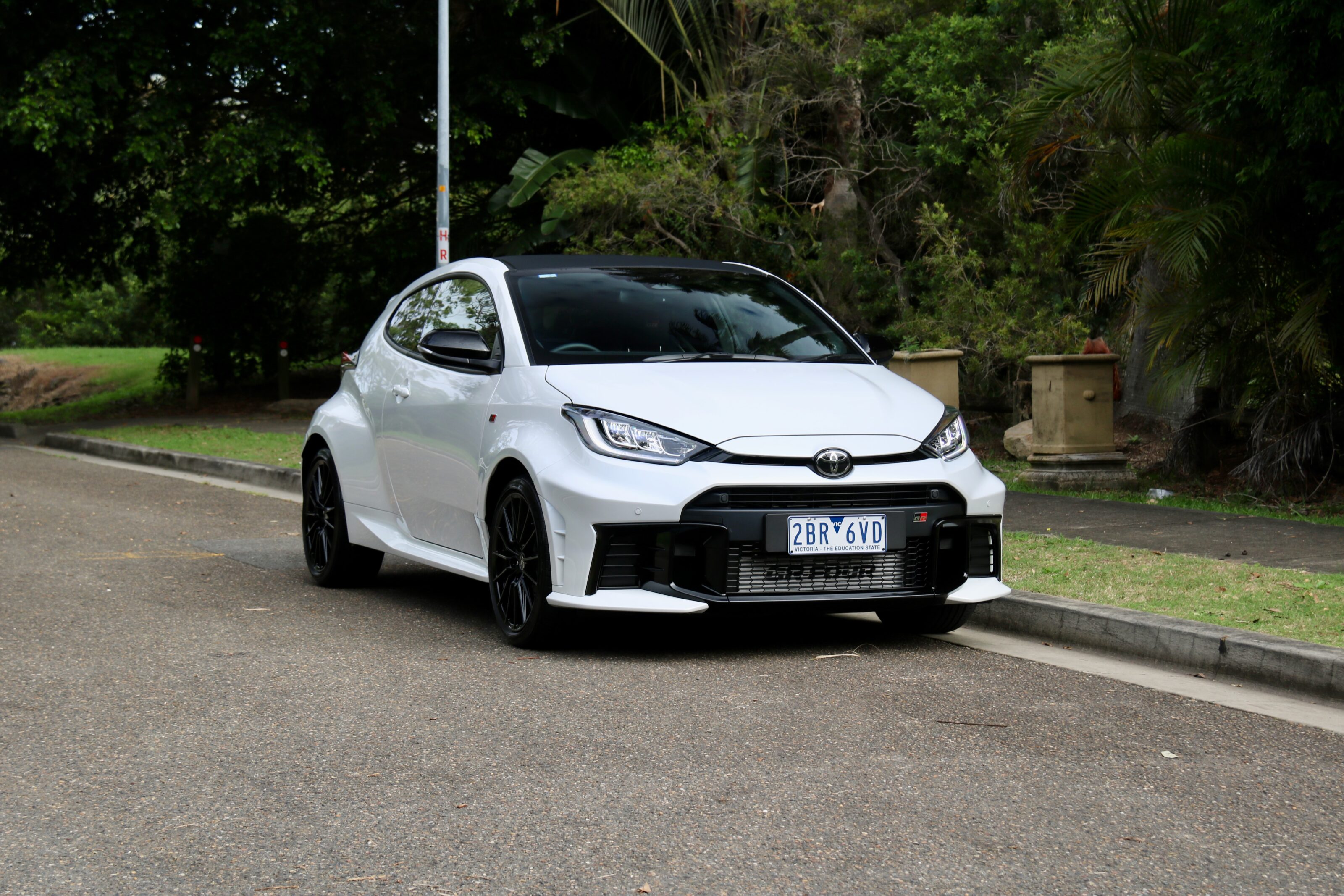
Before the release of the GR Yaris, it had been a long time since Toyota had made a turbocharged four-wheel drive sports car. But since its release in 2020, the brand has doubled down on its performance car efforts and there’s now a GR Corolla brother. Both have also just been updated with more performance and capability to make them even better, and a new optional eight-speed automatic transmission is now available as well for those who don’t want to row their own gears.
While they’re both not cheap – the GR Yaris starts at $55,490 +ORC and the GR Corolla $67,990 +ORC – they are both very fast, communicative and engaging to drive and relatively practical. For all-round goodness, regardless of price, not many cars better the GR twins.
Add in their long lists of standard equipment, including a fully-loaded active safety suite, and comfortable cabins, and it’s easy to see how the GR twins have sold well since their releases.
Better news, though is the cars represent Toyota finding its mojo again in making sporty and fun cars.
In a land with a lot of open road and a love of high-powered vehicles, speeding and the enforcement of speed limits will always be an issue for discussion.
But did you know that there’s a considerable difference in the amount you’ll pay in fines and how many points deduction you’ll cop on your licence depending on which state you’re caught speeding in? Read more below to find out much speeding will cost you in each Australian state:
ACT:
| Offence | Fine | Demerit points/suspension |
|---|---|---|
| Exceed speed by less than15km/h | $316 | 1 point |
| Exceed speed by less than 15km/h in a school zone | $342 | 1 point |
| Exceed speed between 15km/h and 30km/h | $468 | 3 points |
| Exceed speed between 15km/h and 30km.h in a school zone | $511 | 3 points |
| Exceed speed between 30km/h and 45km/h | $700 | 4 points |
| Exceed speed between 30km/h and 45km/h in a school zone | $799 | 4 points |
| Exceed speed by more than 45km/h | $1841 | 6 points |
| Exceed speed by more than 45km/h in a school zone | $2136 | 6 points |
New South Wales:
| Offence | Fine | Demerit points/suspension |
|---|---|---|
| Exceed speed by less than 10km/h | $128 | 1 point (4pts for L- and P-platers) |
| Exceed speed by less than 10km/h in a school zone | $211 | 2 points (5 pts for L- and P-platers) |
| Exceed speed by more than 10km/h | $295 | 3 points (4 pts for L- and P-platers) |
| Exceed speed by more than 10km/h in a school zone | $379 | 4 points (5 pts for L- and P-platers) |
| Exceed speed by more than 20km/h | $507 | 4 points |
| Exceed speed by more than 20km/h in a school zone | $632 | 5 points |
| Exceed speed by more than 30km/h | $970 | 5 points (plus 3mths suspension for L- and P-platers) |
| Exceed speed by more than 30km/h in a school zone | $1224 | 6 points (plus 3mths suspension for L- and P-platers) |
| Exceed speed by more than 45km/h | $2616 | 6 points + 6 months licence suspension |
| Exceed speed by more than 45 km/h in a school zone | $2778 | 7 months + 6 months licence suspension |
NT:
| Offence | Fine | Demerit points/suspension |
|---|---|---|
| Exceed speed by less than 15km/h | $150 | 1 point |
| Exceed speed by more than 15km/h but less than 30km/h | $300 | 3 points |
| Exceed speed by more than 30km/h but less than 45km/h | $600 | 4 points |
| Exceed speed by more than 45km/h | $1000 | 6 points |
Queensland:
| Offence | Fine | Demerit points/suspension |
|---|---|---|
| Exceed speed by less than 11km/h | $309 | 1 point |
| Exceed speed by more than 11km/h but less than 20km/h | $464 | 3 points |
| Exceed speed by more than 20km/h but less than 30km/h | $696 | 4 points |
| Exceed speed by more than 40km/h | $1780 | 8 points + 6 mths suspension |
South Australia:
| Offence | Fine | Demerit points/suspension |
|---|---|---|
| Exceed speed by less than 10km/h | $196 | 2 points |
| Exceed speed by more than 10km/h but less than 20km/h | $442 | 3 points |
| Exceed speed by more than 20km/h but less than 30km/h | $899 | 5 points |
| Exceed speed by more than 30km/h | $1635 | 7 points |
| Exceed speed by more than 45km/h | $1840 | 9 points + 6 months suspension |
Tasmania:
| Offence | Fine | Demerit points/suspension |
|---|---|---|
| Exceed speed by less than 10km/h | $98 | 2 points |
| Exceed speed by more than 10km/h but less than 14km/h | $146 | 2 points |
| Exceed speed by more than 15km/h but less than 22km/h | $195 | 3 points |
| Exceed speed by more than 23km/h but less than 29km/h | $341 | 3 points |
| Exceed speed by more than 30km/h and 37km/h | $585 | 5 points |
| Exceed speed by more than 38km/h and 44km/h | $829 | 6 points + 3 months suspension |
| Exceed speed by more than 45km/h | $1121 | 6 months + 4 months suspension |
Victoria:
| Offence | Fine | Demerit points/suspension |
|---|---|---|
| Exceed speed by less than 10km/h | $240 | 1 point |
| Exceed speed by more than 10km/h but less than 24km/h | $385 | 3 points |
| Exceed speed by more than 20km/h but less than 24km/h in a 110km/h zone | $385 | 3 months licence suspension |
| Exceed speed by more than 25km/h but less than 29km/h | $529 | 3 months licence suspension |
| Exceed speed by more than 30km/h and 34km/h | $625 | 3 months licence suspension |
| Exceed speed by more than 35km/h and 39km/h | $721 | 6 months suspension |
| Exceed speed by more than 40km/h and 44km/h | $817 | 6 months suspension |
| Exceed speed by more than 45km/h | $962 | 12 months suspension |
Western Australia:
| Offence | Fine | Demerit points/suspension |
|---|---|---|
| Exceed speed by less than 9km/h | $100 | 0 points |
| Exceed speed by more than 9km/h but less than 19km/h | $200 | 2 points |
| Exceed speed by more than 19km/h but less than 29km/h | $400 | 3 points |
| Exceed speed by more than 29km/h but less than 40km/h | $800 | 6 points |
| Exceed speed by more than 40km/h | $1200 | 7 points |
Everything tends to be shiny and new in the world of electric cars. Manufacturers fall over themselves to show off their newest platforms, their most progressive ideas and their latest battery systems. And then there’s the Hyundai Inster. It adopts a very different philosophy.
Its chassis can be traced back to the K1 platform that underpinned the 2018 Hyundai Santro, a city car for the Indian market. That was then recycled for the H2021 Hyundai Casper, a Korean-market urban scoot featuring a 1.0-litre internal combustion engine. From there, that chassis got an extra 180mm grafted into its wheelbase to create the K1 BEV platform that underpins the new electric Inster.
That’s why the Inster isn’t called the Ioniq 1, Hyundai reserving the Ioniq badge for is slick, dedicated E-GMP electric car platform. Instead the Inster is intended to fill a niche at the base of its range for people who want a fairly inexpensive urban EV, but who probably wouldn’t countenance walking into, say, an MG or a BYD dealer.
The word ‘fairly’ is doing some heavy lifting in that previous sentence. Prices for the four-seat Inster start at $39,000 for the Standard Range model, step up to $42,500 for the Extended Range with its bigger battery pack, and top out at $45,000 for the Inster Cross model, also featuring the large battery array. That’s about what you’d pay for something like a BYD Atto 3, which is almost Toyota RAV4 in size but, again, Hyundai points to a different buyer demographic.
The Korean-built Inster, despite its stretched chassis, remains positively dinky in its dimensions. At 3825mm long, it’s a whole class shorter than something like a Kia EV3, which measures 4300mm min length, and at 1610mm in width, it’s notably narrower than its cousin, which is 1850mm wide. The exterior styling features liberal use of Hyundai’s EV-signature pixel lights and, from front to rear, there’s an awful lot of design going on. Its stance is faintly reminiscent of the outgoing Suzuki Ignis, and there’s an interesting colour palette that includes earthy greens and khakis, plus the odd Buttercream Yellow, which is the Inster launch colour.
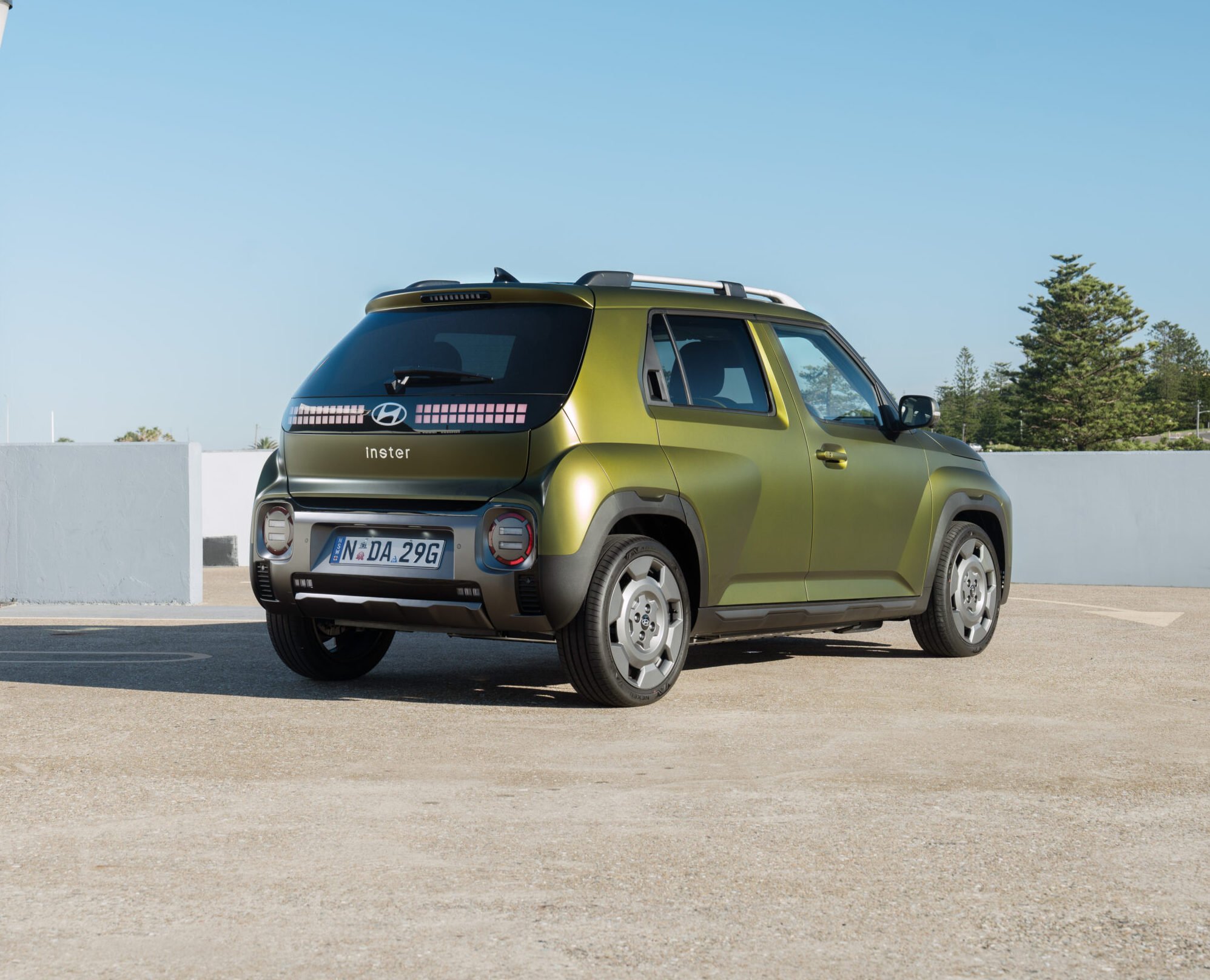
The Standard Range opens proceedings with a 42kWh battery, which translates into power and torque figures of 71.1KW and147Nm respectively. It’ll scoot to 100km/h in 11.7 seconds and on to a top speed of 140km/h but never feels underpowered or unable to keep up with cut and thrust traffic. Driving range is rated at 327km.
From there, buyers have the option to step up to the Extended Range model which, like all Insters, sends drive to the front wheels, in this case drawing its 84.5kW and 147Nm from a larger 49kWh battery. This gets to 100km/h in 10.6 seconds and on to 150km/h, and ups the driving range to 360km.
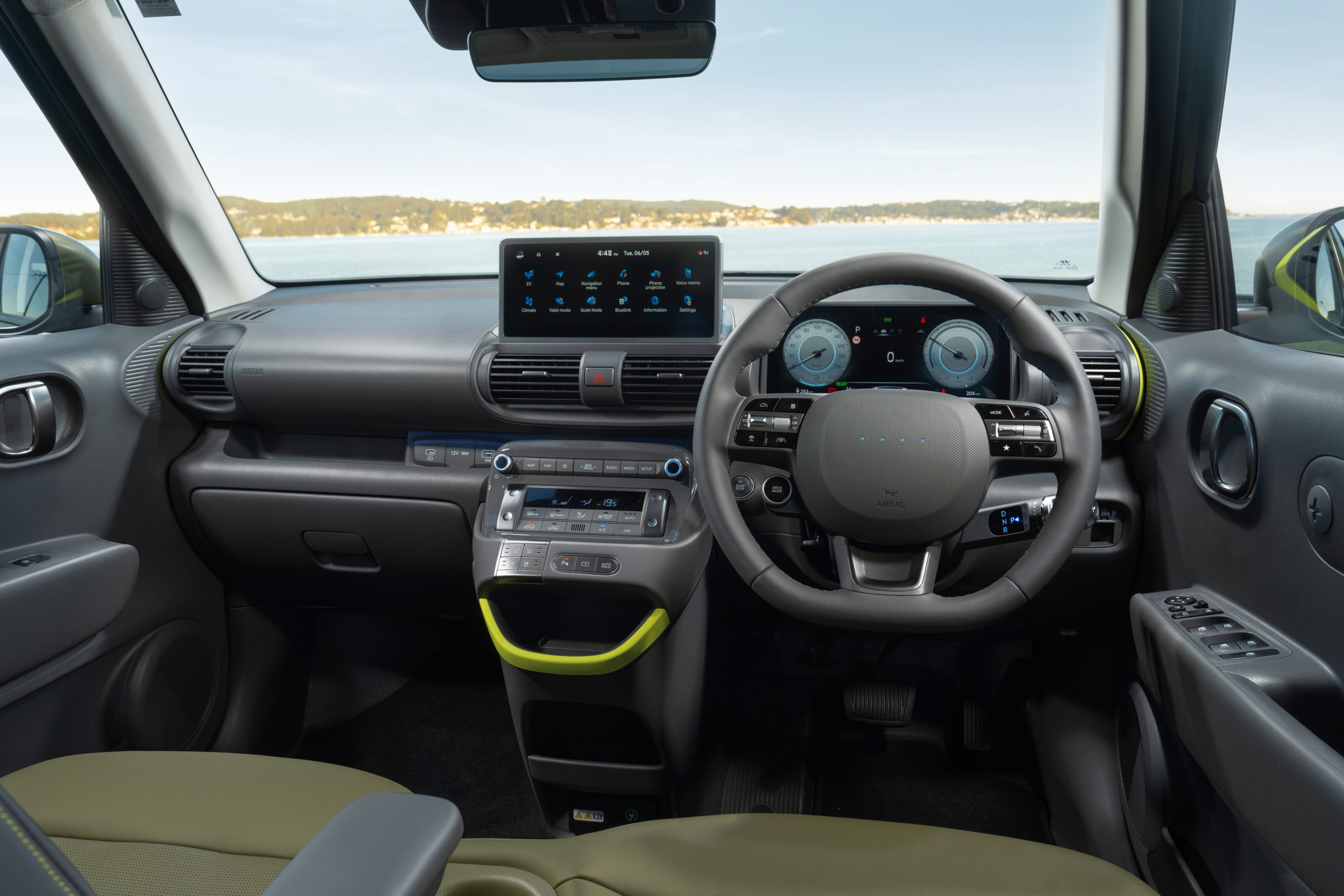
At the top of the range is the rugged-looking Inster Cross, which features no additional ride height over the other models (a standard 144mm across the board) so don’t go getting any Dakar fantasies about this one. It’s mechanically identical to the Extended Range model, but a few customers will swap its glass roof for the tough-looking roof basket which aerodynamically duds your effective range, knocking it back fully 18.6 percent, from 360km to 293km. Think carefully about making that particular style statement.
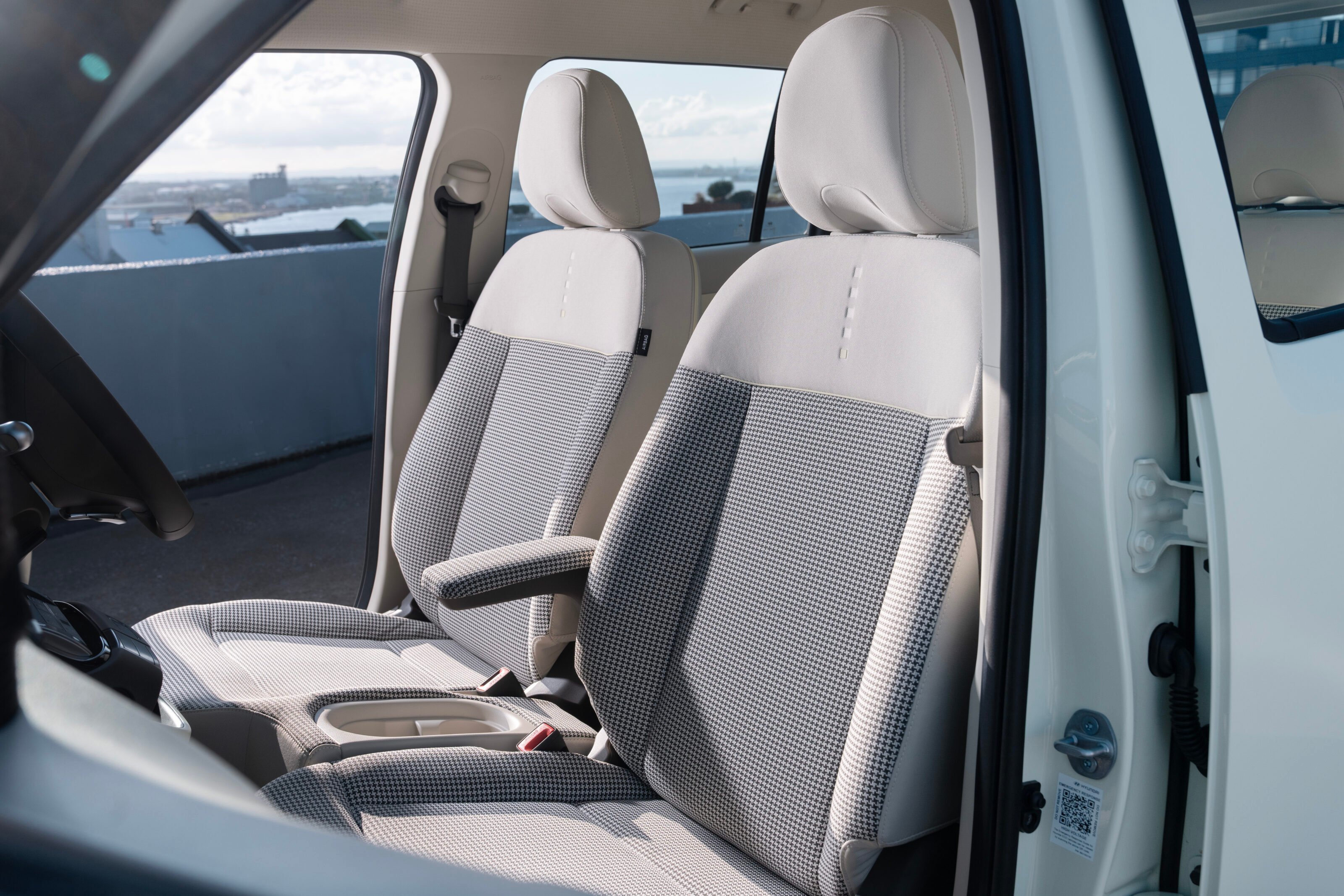
Jump inside and the Inster is well finished and sensibly configured. There’s a particular emphasis on recyclable materials, with the Standard and Extended Range models featuring recycled PET for the seating, and the Inster Cross featuring a bio-artificial leather upholstery. The dash is dominated by a pair of 10.25-inch screens, one for the central touchscreen and the other for the instrument display. It’s not a great cabin if you suffer from pareidolia, in which case the two main dials and the yawning mouth of the wireless phone charger will endlessly remind you of Jar-Jar Binks from Star Wars.
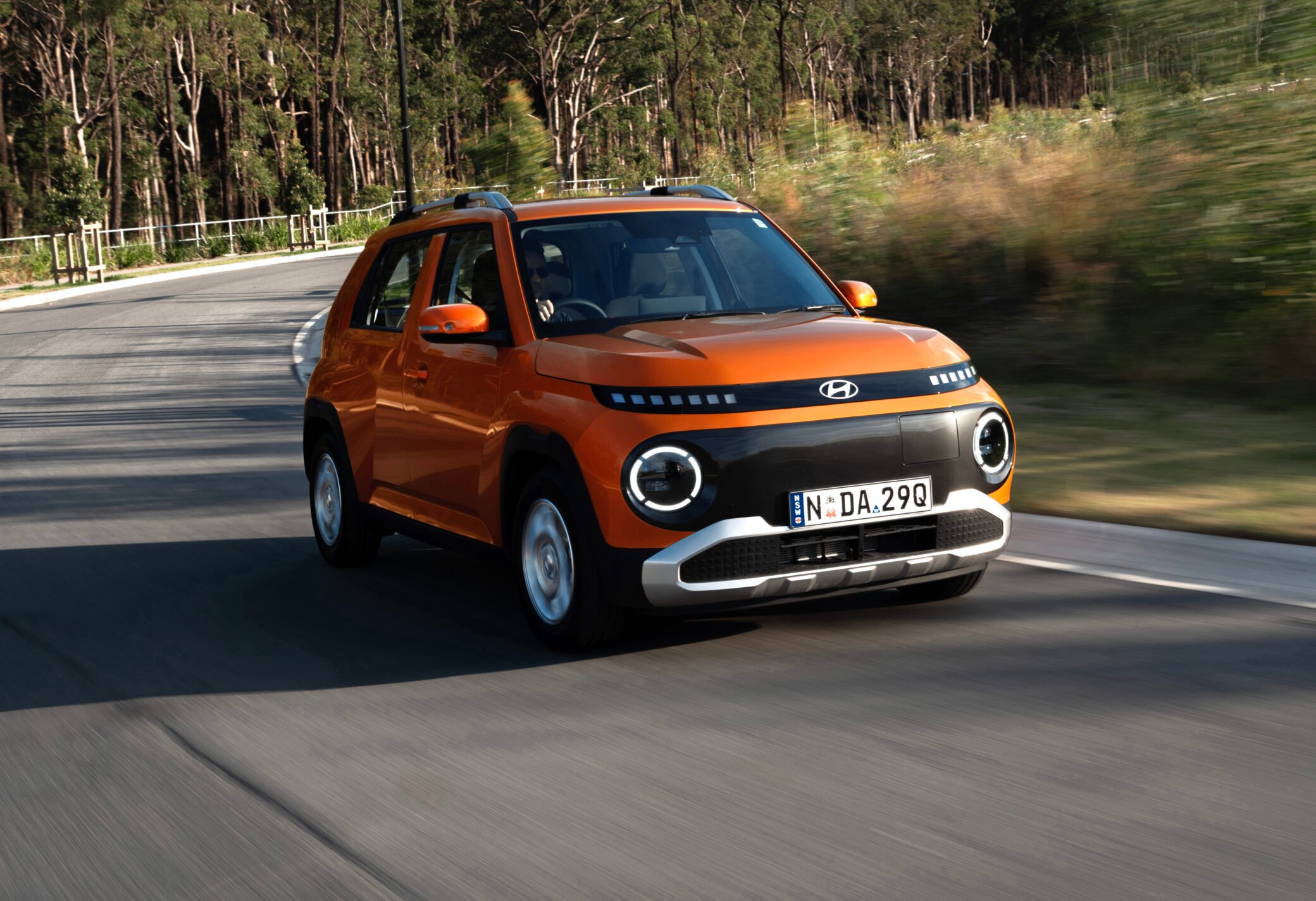
It feels narrow up front, an impression not helped by the jutting door handles, which impinge upon your leg. All-round visibility is great though, and the seats are reasonably supportive. Hyundai is adamant that there’s going to be no go-faster N version of the Inster, despite showing the wild Insteroid design study. It’s just not that sort of car.
We got to drive all three variants at the launch event, and they’re all inoffensive and pleasant to steer. That’s as tribute to Hyundai, as it’s incredibly easy to get small EVs like this very wrong when it comes to ride and handling. A limited program of local tuning has taken place, delivering a respectable measure of compliance in the Inster’s ride. Sensibly, Hyundai has resisted the urge to fit liquorice-strap tyres or program overly aggressive steering and throttle maps. Instead, it has concentrated on delivering a progressive feel to the controls and a feeling of security and surefootedness.
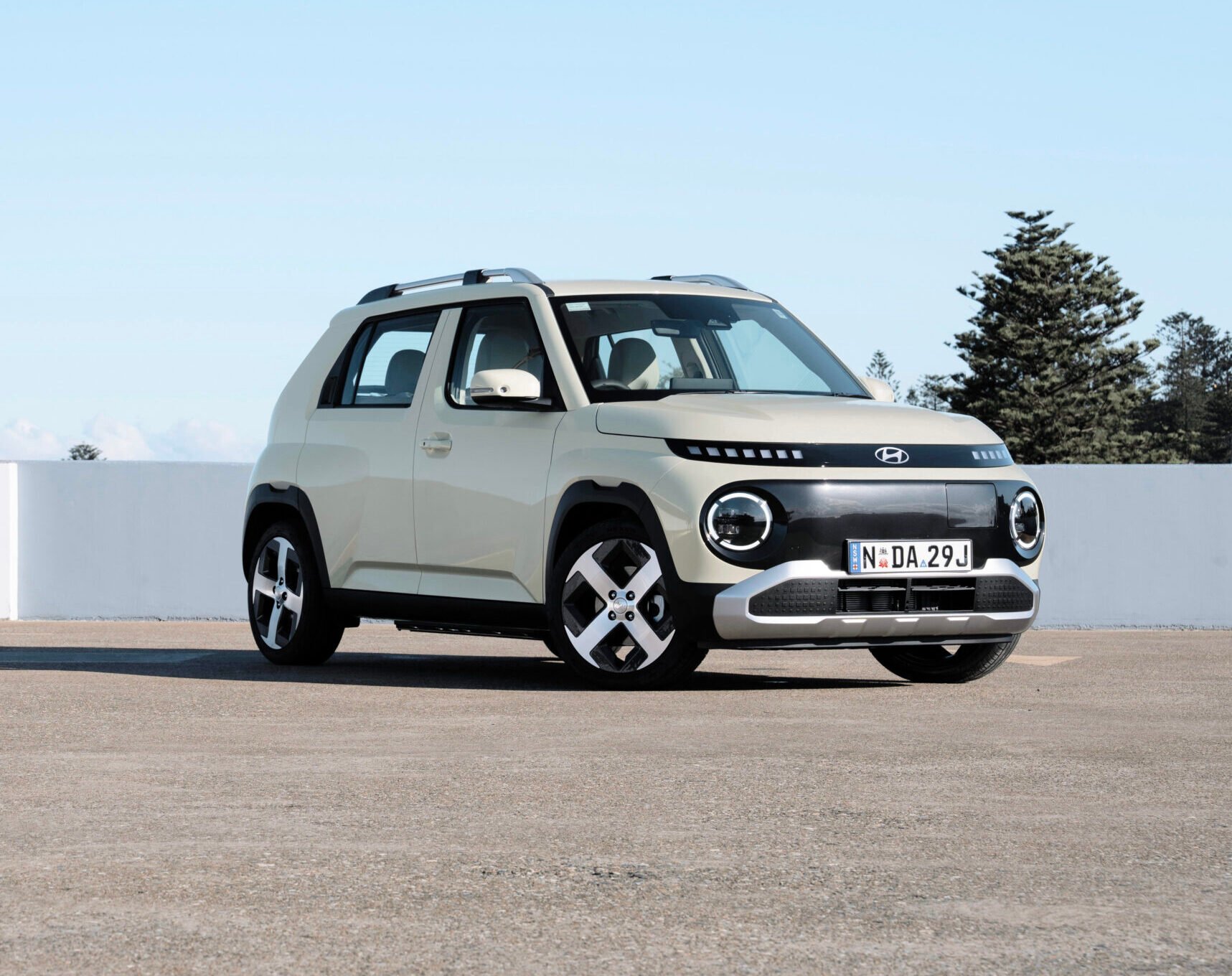
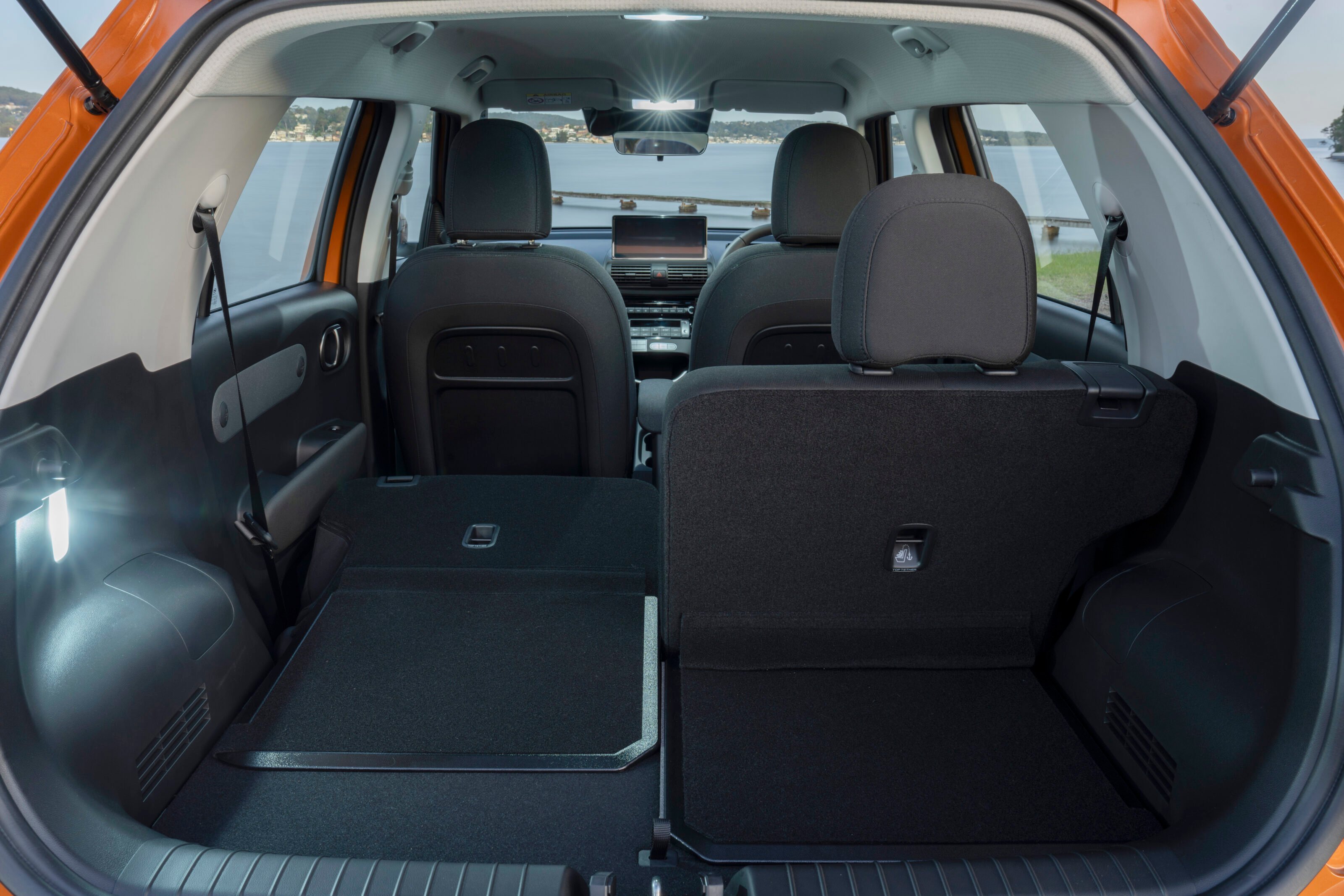
That’s not always easy in a narrow, tall vehicle, but the centre of gravity is helped by the battery pack sitting in the floor and the comparatively length wheelbase of the Inster. In fact, that wheelbase is not only 28mm longer than the next SUV in Hyundai’s hierarchy, the Venue, but also 13mm longer than the one above that, the Kona Electric. Include a sliding rear bench and that means that rear passengers in the Inster won’t be complaining about pinched legroom. Boot space is a different matter. With the rear seat slid back, there’s a measly 280 litres available, which grows to 351 litres when you slide the seats forward. Choose the Inster Cross and every one of the four seats can be folded forward to create a flat surface. Apparently the Korean arm even sells a custom mattress for turning your Inster Cross into an impromptu camper.
There’s plenty of charging options inside, including both USB-A and USB-C connections, and Vehicle To Load (V2L) functions are also fitted, allowing you to power devices such as laptops, scooters or camping equipment.
Refinement is a standout feature. While EVs are, by their nature, usually quiet in the powertrain department, this often has the effect of throwing your auditory focus onto other sources of noise, vibration and harshness. Hyundai has reinforced floor members, fitted hydro bushings for the electric motor mounts, optimised the steering damper, worked on aero around the headlight strip, fitted a full underbody cover, engineered a thicker reinforced luggage board and installed thicker door glass in a bid to create a genuinely refined cabin. It works too.
A pair of wheel-mounted paddles allows the driver to select the level of regenerative braking required which ranges from a cruisy coast to a somewhat lurch-prone amount of retardation that can feel a bit queasy without ever offering the full utility of a one-pedal solution. The ride quality on the Standard Range model, with its 15-inch wheels and 185/65 tyres is marginally better than that of the Extended Range and Inster Cross, both of which feature 17-inch alloys and 205/45 rubber.
Hyundai claims a consumption figure of 15.6kWh/100km for the Standard Range and 15.1kWh/100km for the two more powerful Inster variants, but we returned 12.5kWh/100km from the Inster Cross, which would eke range out beyond the published 360km figure.
On 10.5kW AC, the Inster Standard Range will charge from zero to 100 per cent in four hours, or 4hrs 35mins for the bigger batteries. On a public DC charger, it’ll accept up to 120kW speeds, and both will typically charge from 10 to 80% in around 30 minutes.
Buyers get a five-year warranty and a five-year connection via an included Optus SIM to Hyundai’s BlueLink connected car services. This offers not only the usual app with vehicle status, a find my car function, remote locking and unlocking and such like but also vehicle diagnostics, geofencing and valet functions, live weather info, auto collision notification and over-the-air updates to functionality like the native sat nav. If you prefer your phone to handle the nav duties, both wireless Apple CarPlay and Android Auto are standard.
Safety gear includes seven airbags and the the Hyundai SmartSense suite. This includes functionality such as forward collision avoidance assist, intelligent speed limit assist and highway driving assist. You’ll need to step up to the Inster Cross if you want a blind-spot view monitor, front parking distance warning and a surround view monitor. The top model also features gear like heated and cooled front seats, ambient mood lighting, a heated steering wheel and an electrochromatic rear view mirror.
Even the standard model comes well equipped with refinements like LED headlights, navigation-based smart cruise control, rain-sensing wipers, a heat pump, V2L functionality, DAB radio and a battery heating system. Options you might consider include metallic or mica finish paint at $595 and matte premium paint at $1000. You’ll need to pony up for the Extended Range variant is you fancy the look of the stylish Khaki Brown and Newtro Beige houndstooth seating trim, the Standard Range netting you the more utilitarian Obsidian Black cloth trim.
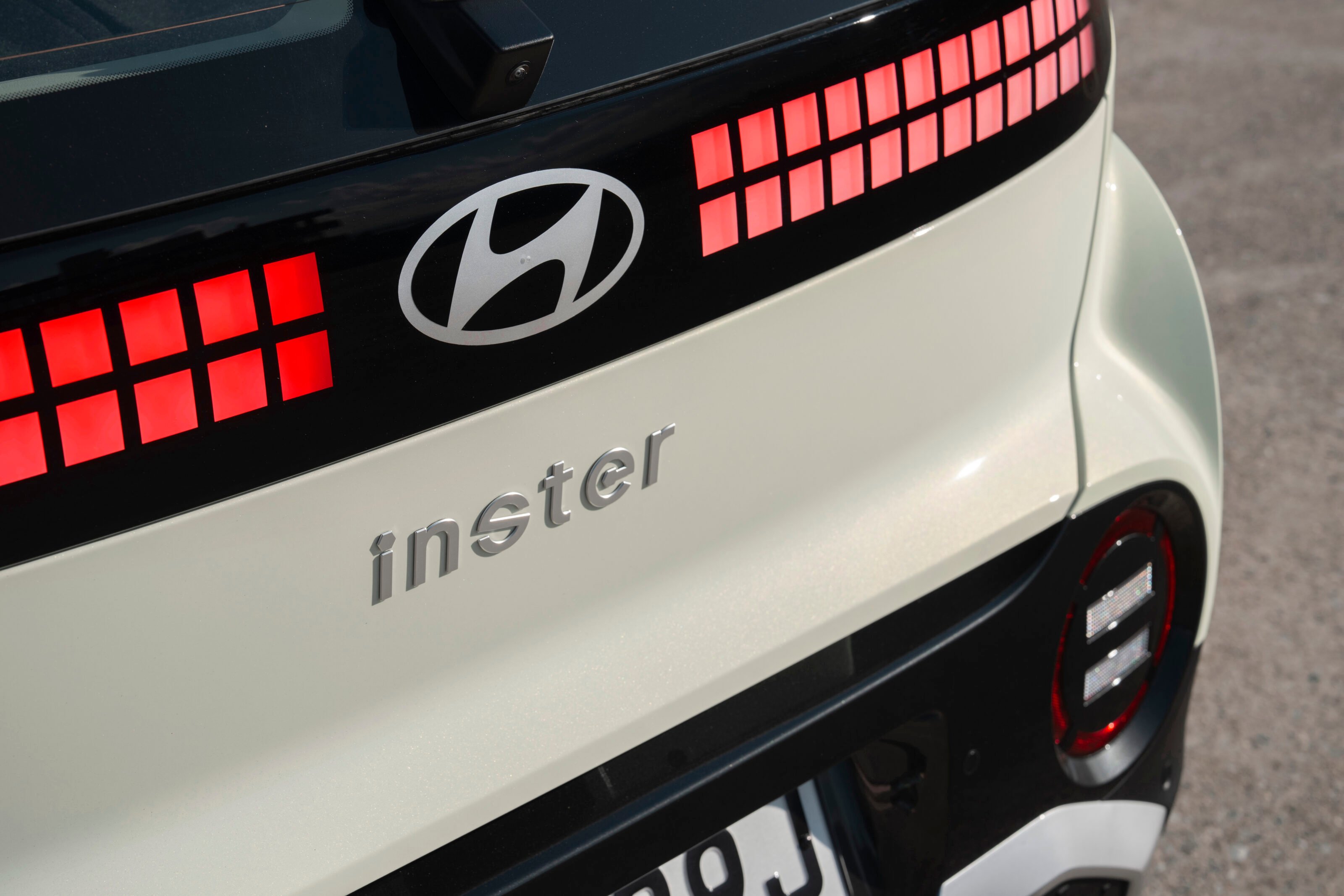
Should you be particularly determined, it’s fairly easy to take potshots at the Inster’s asking price. Examine what you’re getting a little more carefully, and it’s clear that a lot of value has been built into what remains a small car. Traditionally, the Aussie public has been somewhat suspicious of well-appointed small cars, preferring instead a more expansive measure of metal for their money. Hyundai recognises this and knows the Inster will remain a bit of a niche taste, prioritising the promotion of Kona Electric instead.
Inster buyers will be getting a well engineered product, even if that engineering does have a longer and more involved genesis than many will ever care to appreciate. It’s been an odd route to get here, but the results are encouraging. The Inster delivers on so many fronts that it’s hard not to warm to it. We’re seeing a level of maturity in this section of the market that hasn’t been there before; a completeness and a depth of engineering that’s new to the sector. The Inster’s appeal may well be specialised, but that shouldn’t detract from the sum of its achievements.
Specifications
| Model | Hyundai Inster Cross |
| Motor | Front-mounted permanent magnet synchronous |
| Transmission | 1-speed reduction gear |
| Battery size | 49kWh |
| Max power | 84.5kW |
| Max torque | 147Nm |
| Kerb weight | 1423kg |
| L/W/H/WB | 3845/1610/1610/2580mm |
| 0-100km/h | 10.6sec |
| Range | 320km |
| Price | $45,000 |
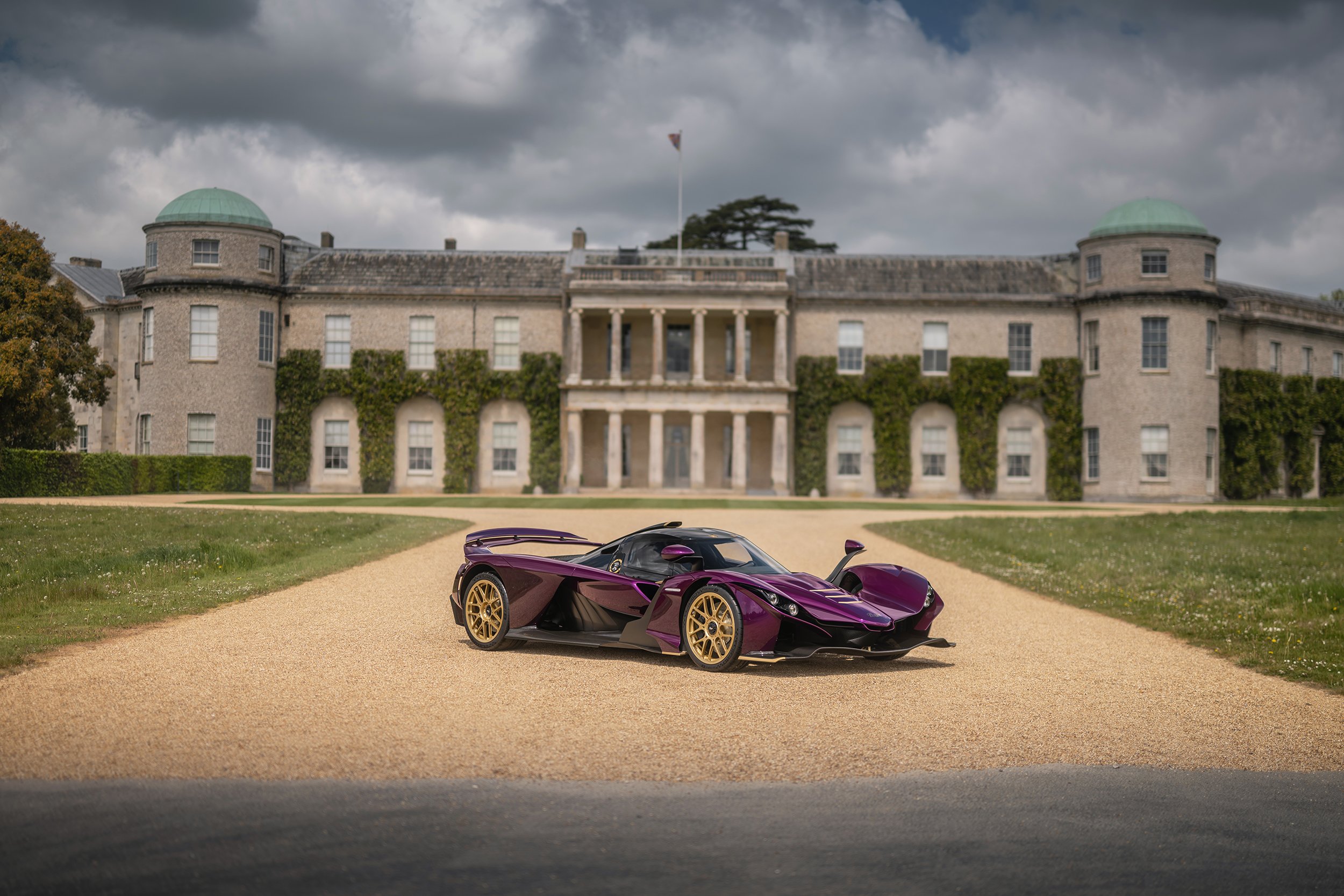
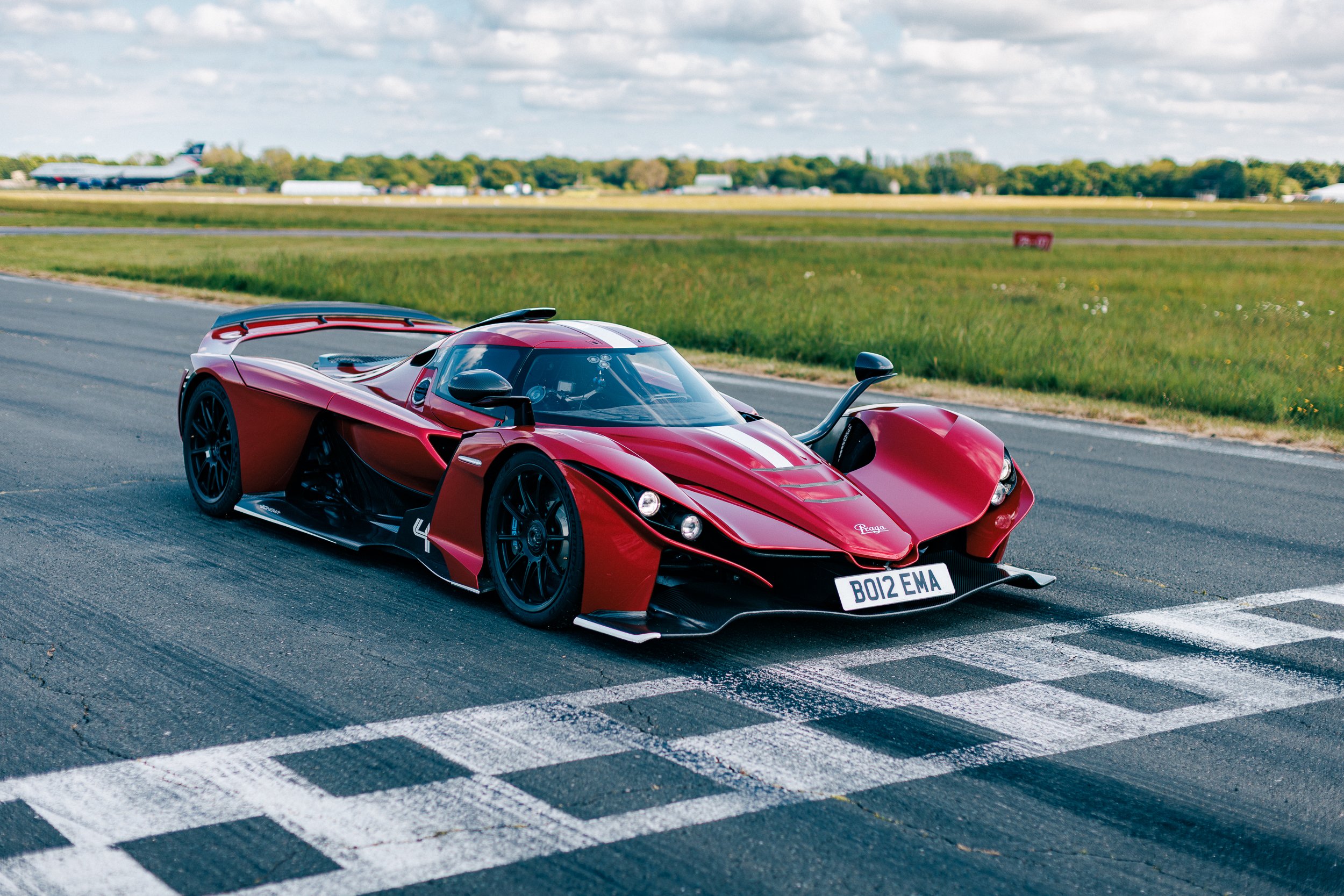
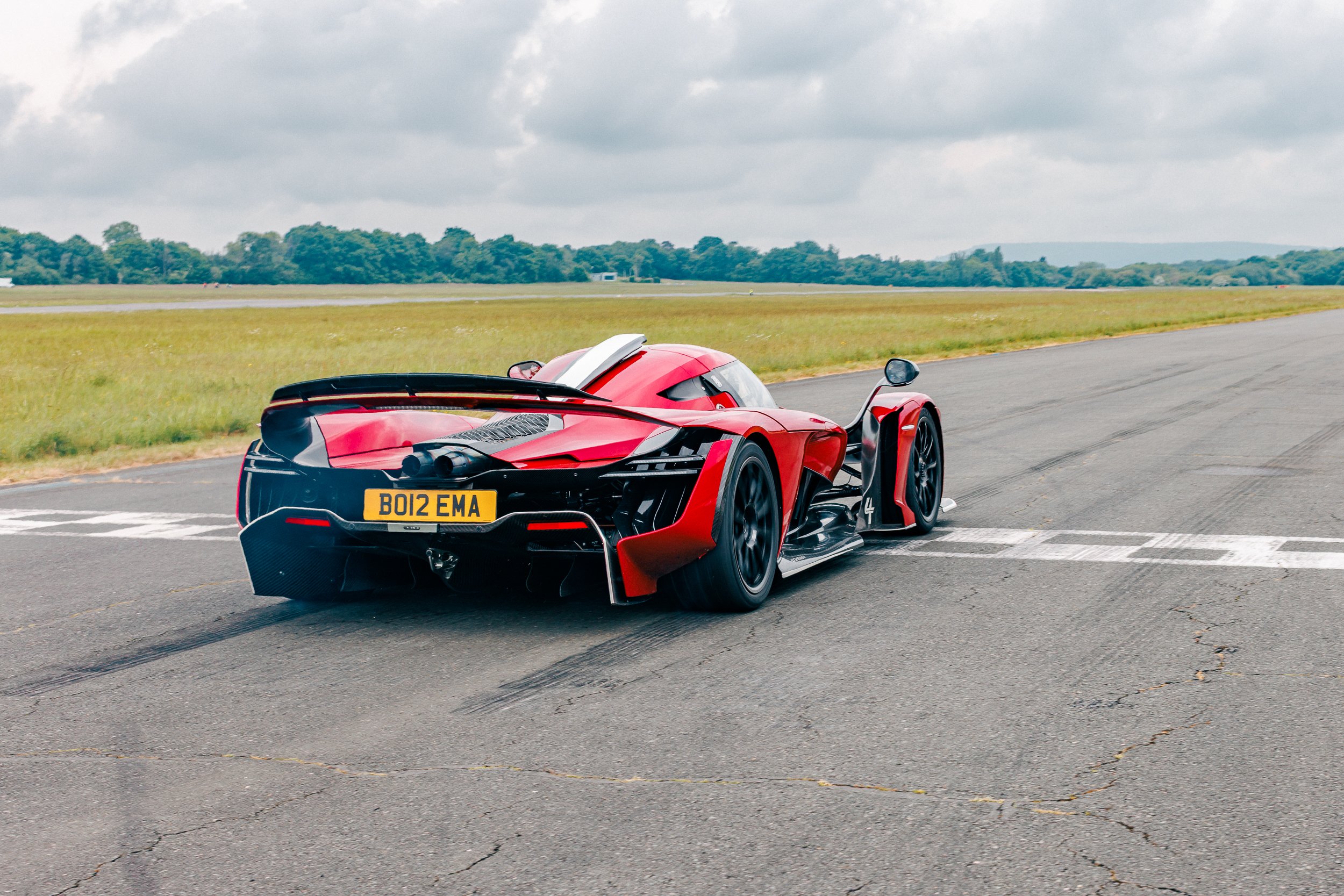
In a stunning demonstration of engineering prowess, the Praga Bohema has claimed the title of the fastest pure internal combustion production car to lap the former Top Gear Test Track in Surrey, UK – driven by ‘The Stig’.
Clocking a VBox-verified time of 1:09.8, the Czech-manufactured hypercar came within fractions of a second of the benchmark set by the hybrid-powered 850kW Aston Martin Valkyrie earlier this year.
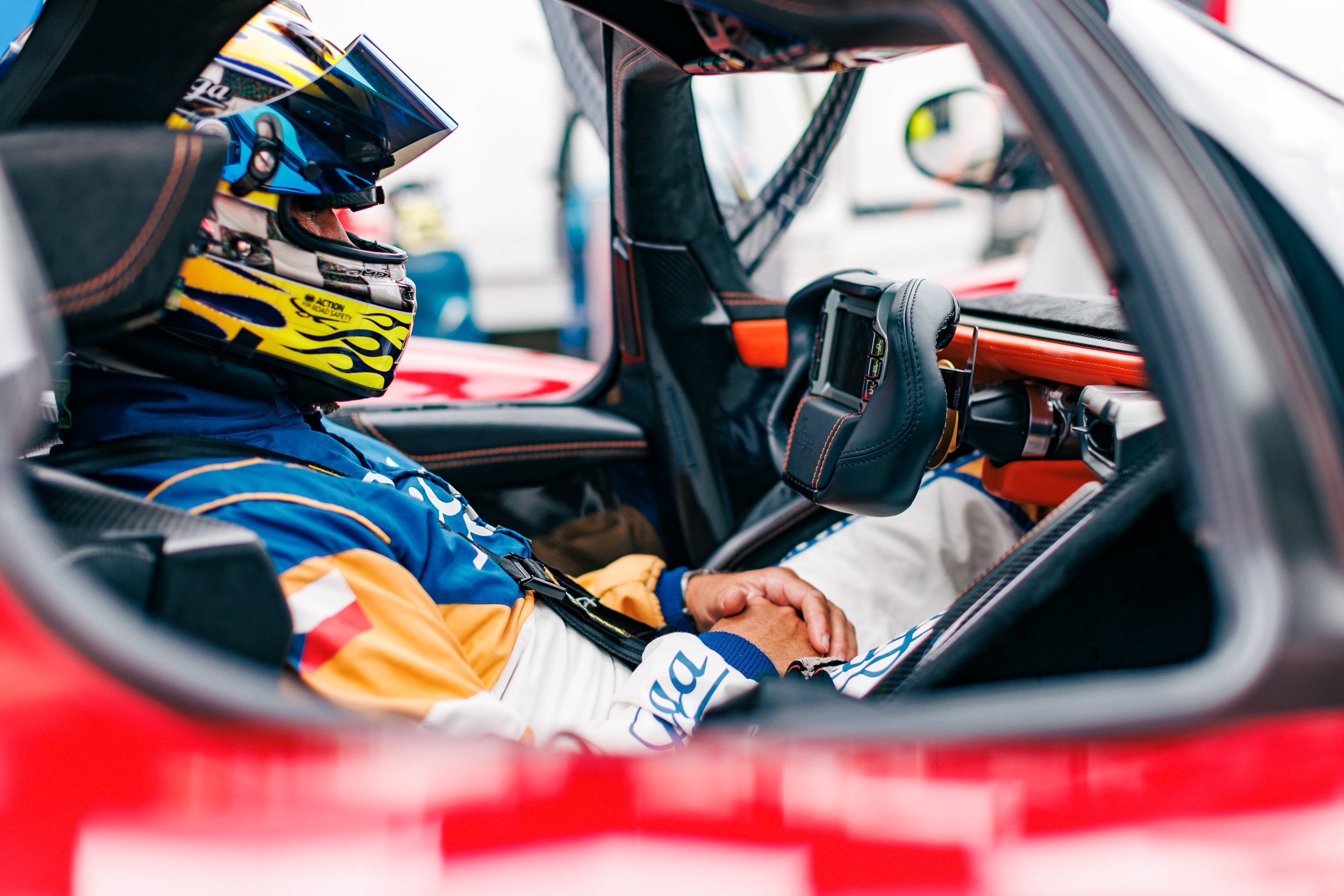
Driven by Ben Collins – the mysterious ‘Stig’ on Top Gear – the Bohema showcased its track-focused design despite wearing standard road tyres. Remarkably, Collins drove the car to the circuit himself before unpacking his helmet and race suit from the car’s side storage pods and hitting the track. With just a handful of hot laps, Collins squeezed out sector times that hinted at even faster potential.
“Setting such a fast time on road tyres was such a thrill,” said Collins. “The Bohema might live for downforce, but its mix of light weight, aerodynamics, and raw combustion power held its own against the world’s elite hybrids.”
Powered by a 3.8-litre twin-turbocharged V6 engine delivering 522kW and 750Nm of torque, the Bohema weighs just 1,000kg. The carbon fibre body, GT3-spec suspension, and carbon ceramic brakes translate into race car-level handling for the road. The aerodynamic package –developed in a Formula 1 wind tunnel – delivers over 900kg of downforce at 250km/h.
This latest achievement follows an intensive test program across circuits including Spa, Nürburgring, Zandvoort, and the Red Bull Ring. The record lap comes ahead of a major milestone for Praga: a triple customer handover at the 2025 Goodwood Festival of Speed in July. The event will mark the first US delivery and see new owners ascend the famous Hillclimb with Collins at the wheel.
Praga Cars owner Tomas Kasparek celebrated the milestone: “More than the lap time itself, this is a testament to the tireless efforts of our team – and Ben’s exceptional driving. Bohema proves that innovation and performance don’t have to rely on hybrid tech alone.”
With the supercar’s striking design captured by renowned photographer GF Williams and an enthusiastic reception anticipated at Goodwood, Praga’s Bohema is fast becoming a headline act in the world of high-performance motoring.