
Features

Gallery 1
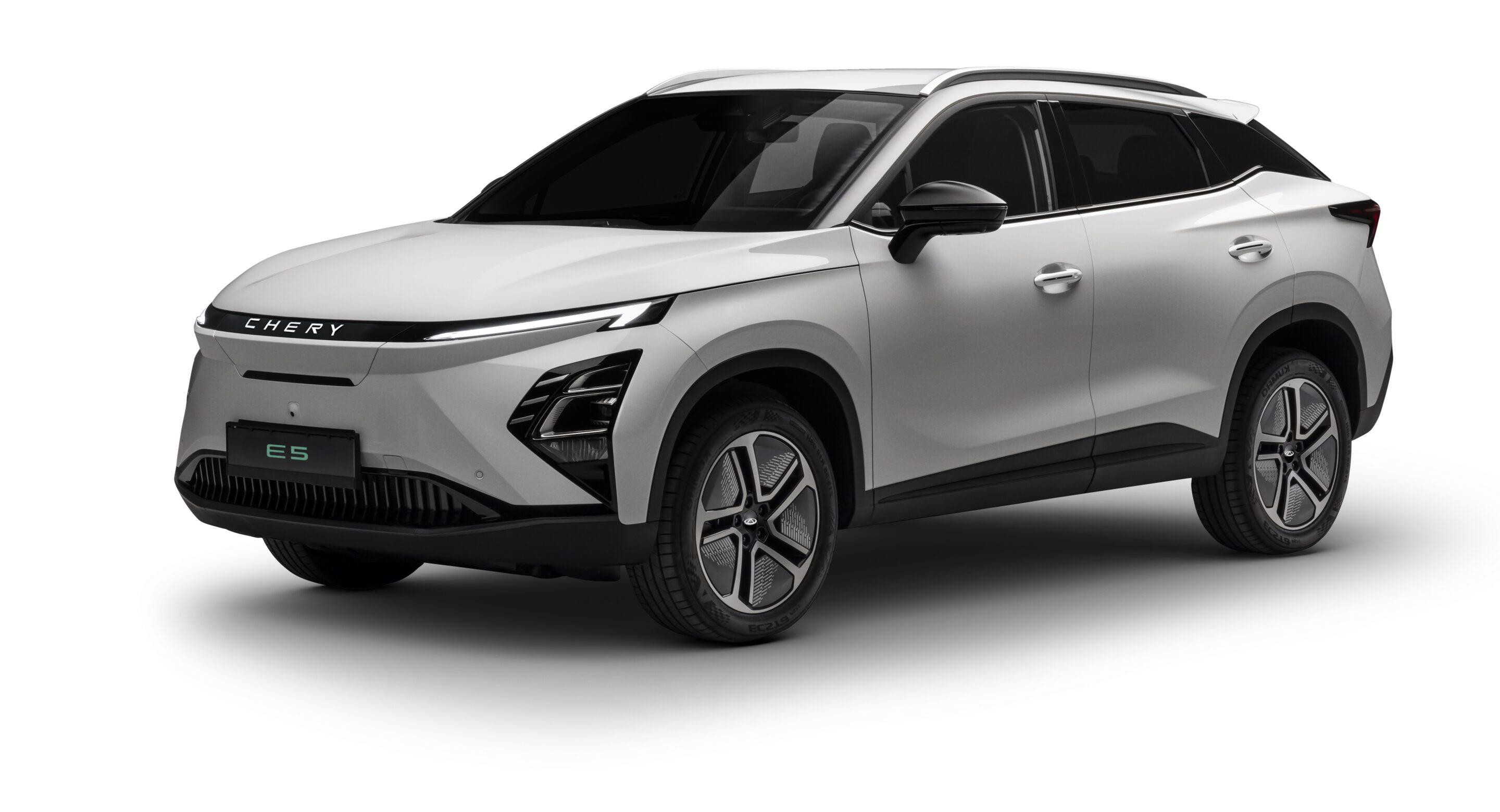
August was an historic month for new car sales. For the first time ever, full battery-electric vehicles outsold every other form of propulsion – petrol, diesel, plug-in hybrid, and even the darling of our roads, hybrid.
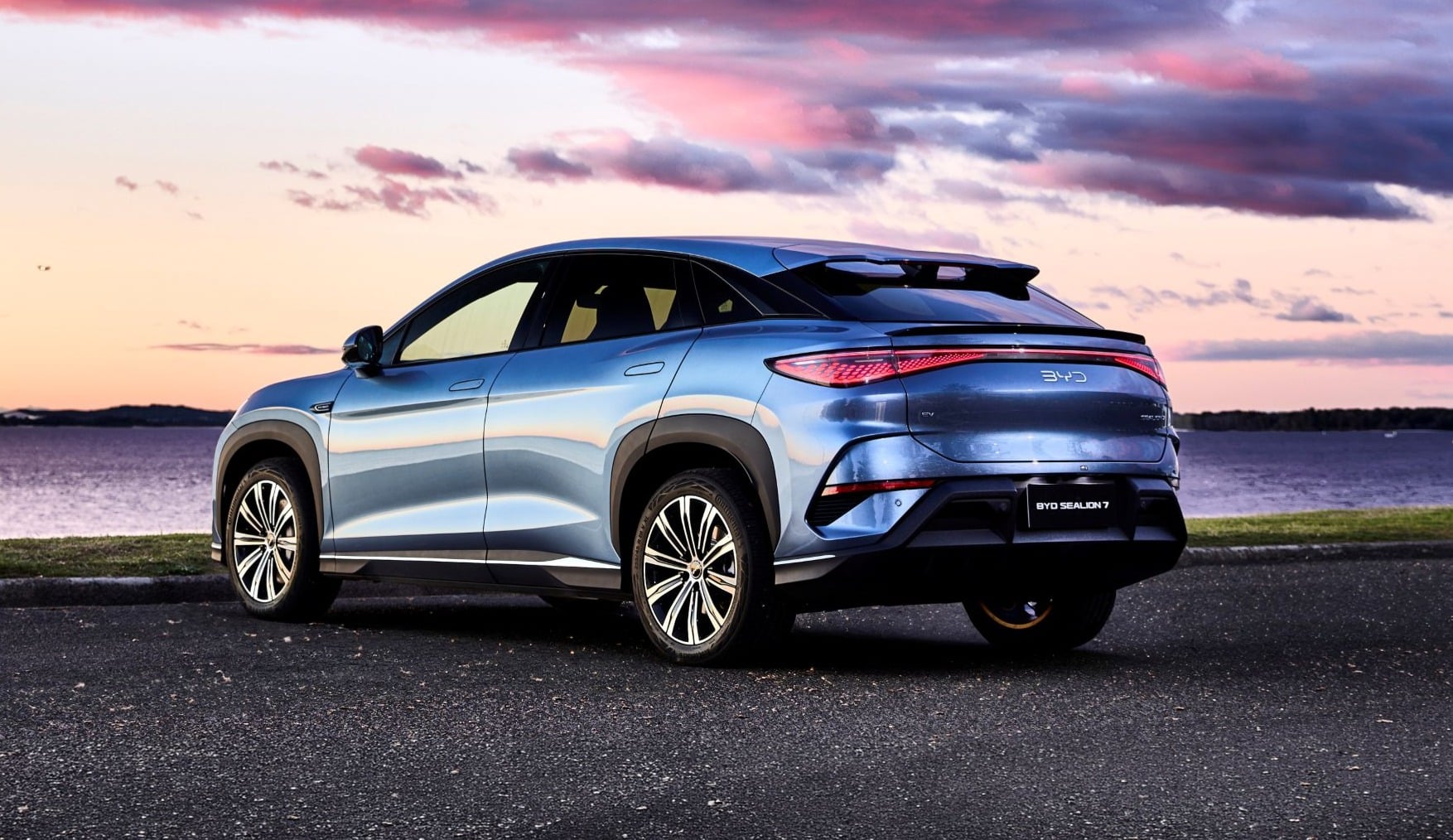
New car sales data from the Federal Chamber of Automotive Industries and the Electric Vehicle Council revealed that Australians bought 27,078 new electric vehicles in August, a 24.9 per cent share of the overall new car market, which totalled 108,760. Sales of petrol-powered vehicles amounted to 25,824 (23.7%), while diesel accounted for 23,608 sales (21.7%). Hybrids (18,662) and plug-in hybrids (10,591) made up the balance.
3
It’s a similar tale looking at the year-to-date figures. Petrol-powered vehicles are still the dominant force on our roads, with sales to the end of August hitting 243,673. Diesel options remain in second place with 207,541 units shifted over the first eight months of the year. But in third place, and for the first time, electric vehicles are outselling hybrids – 143,850 against 142,210. Plug-in hybrids trail the field with 75,206 sales so far in 2026. Special mention goes to the lone hydrogen-powered car, a Hyundai Nexo, that found a new home in June.
While raw numbers point to petrol’s dominance, it’s the buying trends that provide a clearer picture of growth in our new car market.
Electrified vehicles – electric, hybrid and plug-in hybrid – are enjoying significant growth compared with last year. EVs alone are up over 170 per cent year-on year, while buyers are finally beginning to understand the benefits of plug-in hybrids, up 124 per cent compared against 2025. Sales of hybrids continue to grow, albeit at a slower rate, up 10.3 per cent year-on-year.
Sales of petrol and diesel vehicles meanwhile, continue to plummet, down 25.7 and 126.2 per cent respectively.
The growth of battery-electric vehicles in Australia is the result of a perfect storm: the US’s military strikes against Iran in February that throttled fuel supply and drove up prices; and the steady arrival of a flotilla of ever-more affordable EVs, mostly from China.
3
Aussies have never enjoyed more choice when it comes to EVs. And in the face of uncertainty and skyrocketing fuel prices, buyers are embracing what was once a niche offering like never before. It’s a seismic shift in buyer sentiment, one that has pushed EVs into the mainstream, leading many to ask if the growth is sustainable.
There are some predictions that once the situation in the Middle East calms down (and when that might be, no one really knows, not even the man responsible for the conflagration) sales of electric vehicles will trend downwards as fuel supplies return to normal and prices ease.
Others suggest that EV infrastructure, such as public charging facilities, can’t keep pace with the booming growth of electric vehicles, potentially leading buyers to abandon their EV plans.
Yet according to the latest data from Open Charge Map, a global database of EV charging infrastructure, as of July 2026 there were 1361 public chargers in Australia with a total of 4144 charging ports. Further, according to OCM’s data, 88.4 per cent of Australians live within five kilometres of a public charger, increasing to 93.5 per cent within 10km.
While those numbers don’t hold a candle – yet – to the estimated 6700-8000 service stations dotted around the country, they are growing. ABC News, citing data obtained from independent Australian EV database, Carloop, is predicting that an additional 2000 charging ports will have been added by the end of the year.
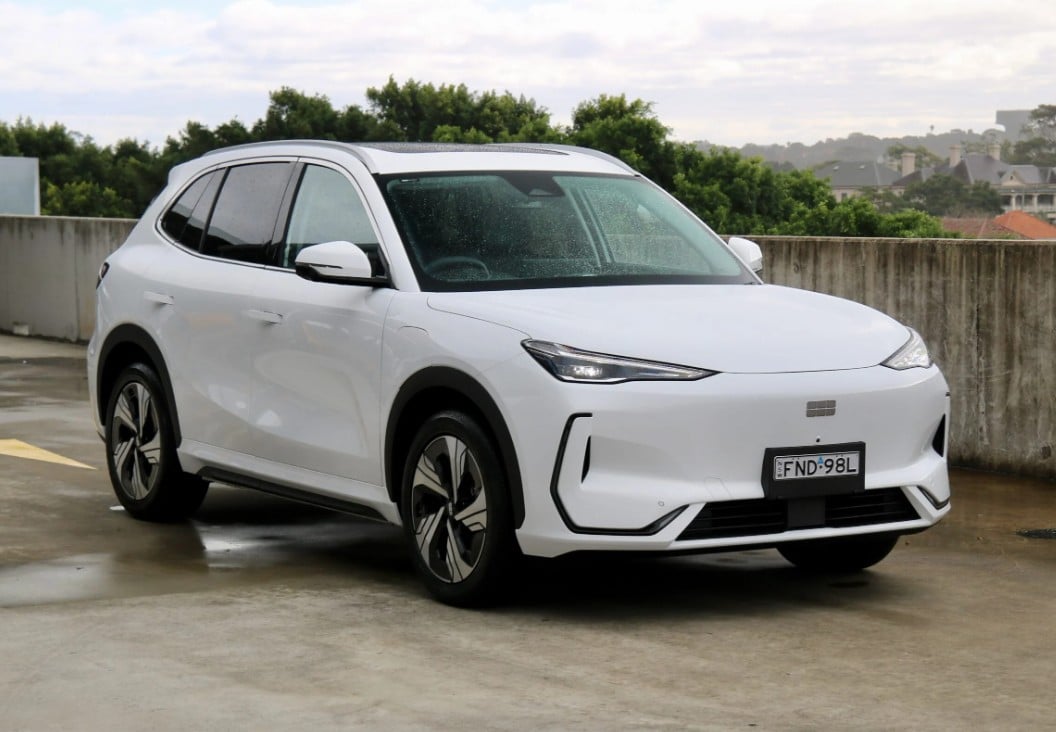
But the focus on public charging infrastructure represents only a handful of pixels of the bigger picture. The reality in Australia, according to surveys by the Electric Vehicle Council industry lobby group, is that around 92-93 per cent of EV owners have the ability to charge their cars at home, suggesting that there is no over-reliance on public charging stations to keep our growing fleet of EVs on the road.
4
Further, according to the Australian government, around 80 per cent of EV charging occurs at home, placing less demand on public chargers, leaving them free for those owners who have limited or no access to home charging. But having to use the public charging network isn’t as fraught as one might imagine. Carpool’s data suggests that the time-based utilisation rate in Australia’s major centres sits at 14 per cent – that is, public chargers are being used just 14 per cent of the time (around 3h20m) in any given 24-hour period.
Australia’s growing appetite for electric cars shows no signs of abating. Yes, infrastructure needs to keep up with an ever-expanding EV footprint, but the laws of supply and demand should take care of that. After all, there’s no larger motivation for Big Energy than turning a profit.
But the real clincher shoring up Australia’s EV future is the availability of ever more models at increasingly more affordable prices, opening up EV ownership to more Australians than ever before.
Follow WhichCar/Wheels on Google
Click the button below to make WhichCar by Wheels a preferred source for your news.

We recommend
-
 News
NewsVFACTs July 2026: Australian new-car market posts record July as EV sales top one in five
July becomes the strongest on record for new-vehicle sales, with battery-electric vehicles maintaining more than 20 per cent market share for a second straight month.
-
 News
NewsTesla Model Y powers another surge in August 2026 EV deliveries
Tesla and Polestar deliveries jumped 148 per cent year-on-year in August in latest Electric Vehicle Council report.
