
News
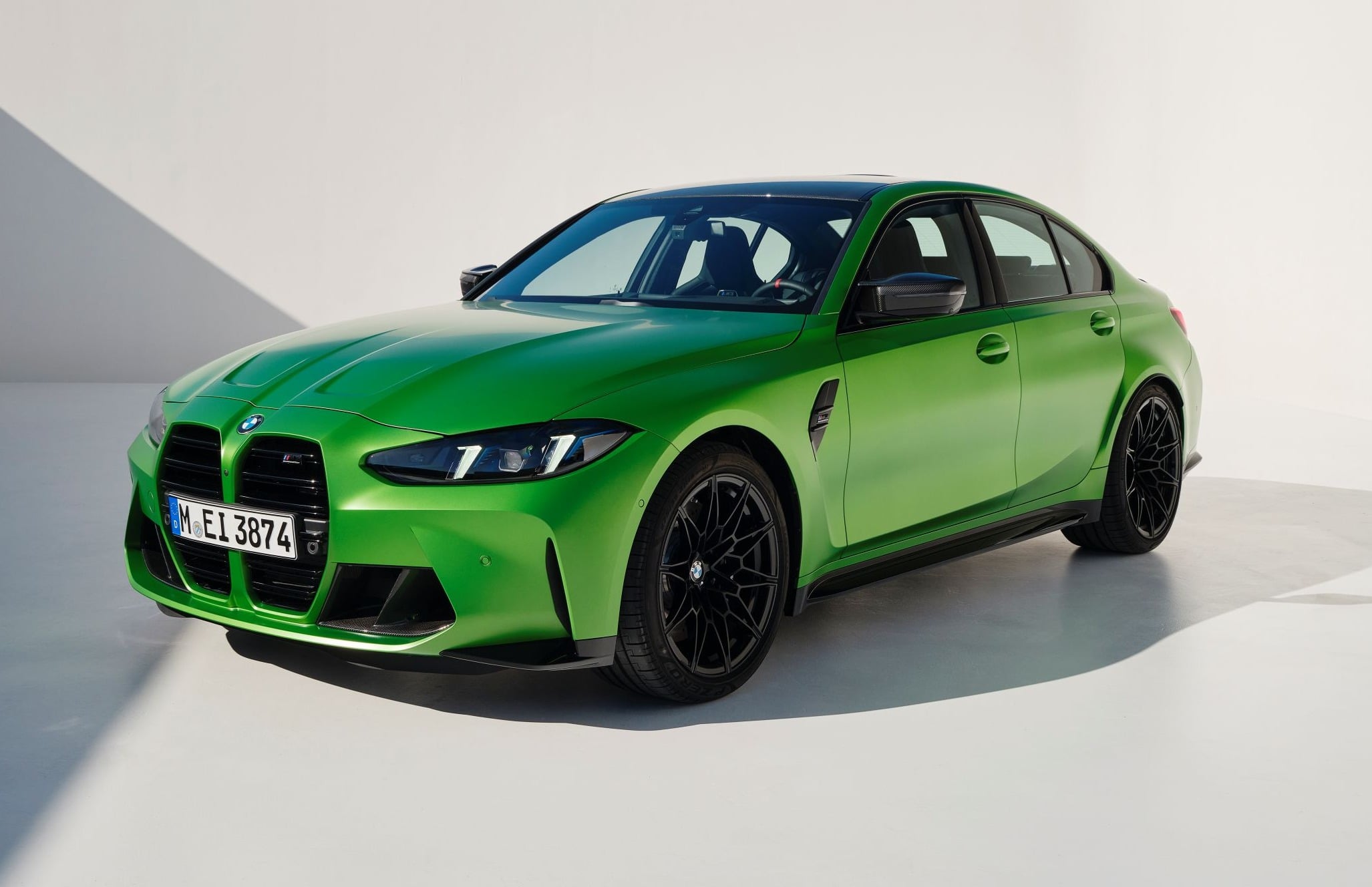
Gallery 1
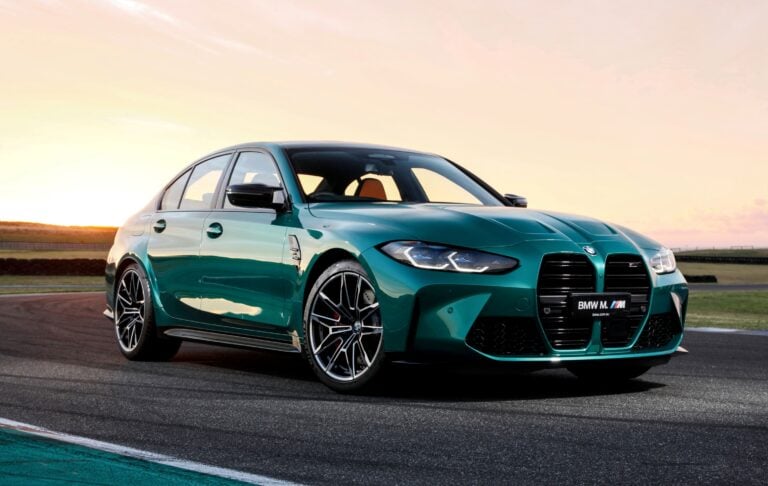
The future of the BMW M3 has firmed up, based on insider information gathered by BMW Blog.
The website reports that the current BMW M3 is set to wrap production in February next year, leaving at least an 18-month gap before a combustion-engine replacement takes its place.
That next M3, set to be G84 generation, looks likely to be automatic only, leaving the current G80 version as the last M3 available with a manual transmission.
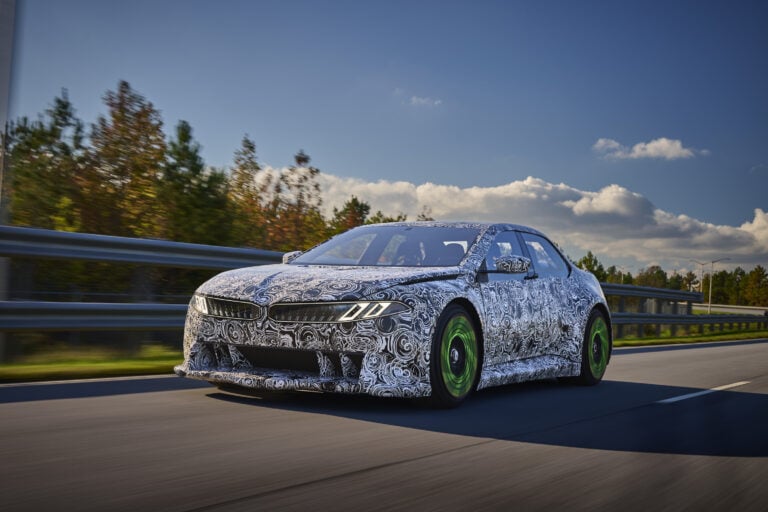
A new approach for the M3, and the 3 Series on which it’s based, will see petrol versions (ICE) and electric (EV) models rolled out side-by-side. In the case of the M3 EV, to be based on the i3 EV that has already been shown, production is expected to commence during 2027.
The ICE version of the M3, like the 3 Series, is set to follow later, but among BMW’s plans is a change in production locations for the 3 Series. The production cycles for the 3 Series, coupled with the retooling required at BMW’s Dingolfing, Germany, factory will see an almost 18-month gap between the outgoing M3 and the new ICE M3.
1
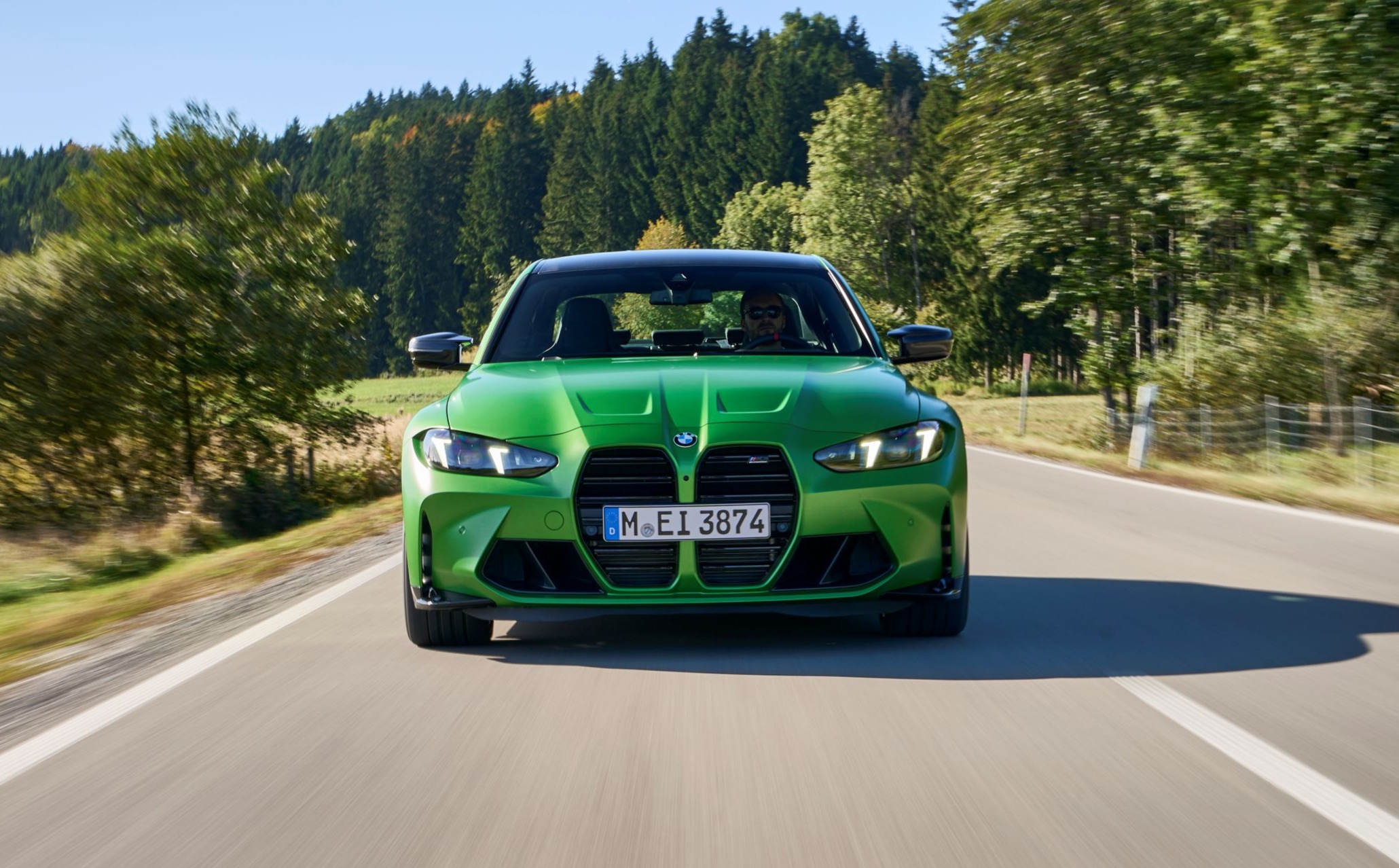
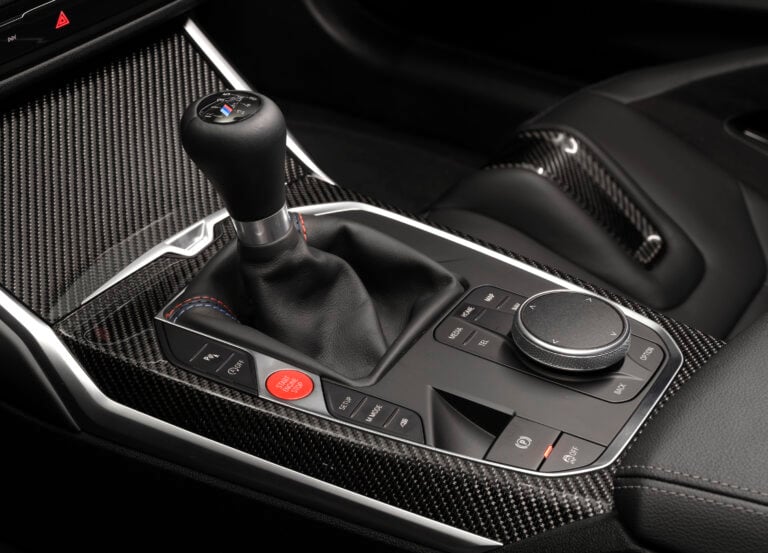
BMW Blog reports consistent insider information that suggests the current M3 will be the last with a traditional manual transmission.
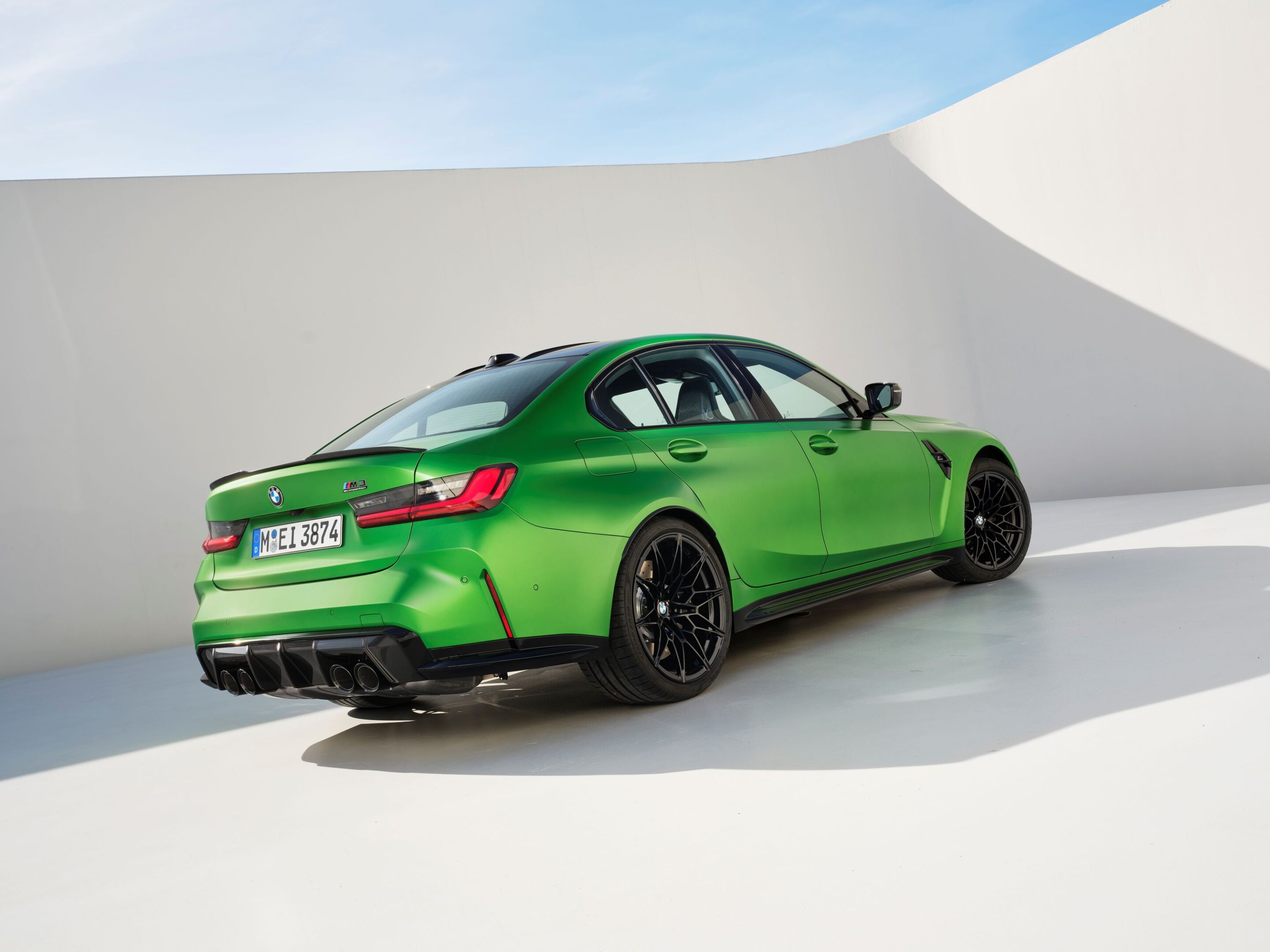
North American buyers will be offered a special edition M3 CS Handschalter as a farewell to the current generation, combining the lightweight CS treatment with rear-wheel drive and a manual transmission for the first time. Other markets, meanwhile, offer the M3 CS with an eight-speed automatic and all-wheel drive.
Australian customers have the option of a six-speed manual paired with rear-wheel drive in the ‘entry-level’ 353kW M3, but not the 390kW M3 Competition, which switches to all-wheel drive with an eight-speed automatic, as does the 405kW M3 CS.
1
The new M3 EV is expected to offer a simulated transmission, with paddle shifters and power delivery programming to mimic the feel of a traditional transmission, but neither it nor the M3 ICE will offer a true manual.
Earlier this month, BMW outlined changes to the current six-cylinder engine in the M2, M3, and M4 to meet stricter Euro 7 emissions compliance regulations. The addition of ‘M Ignite’ precombustion technology, with a separate spark plug and ignition coil, is claimed to reduce fuel consumption under high loads, like track use, without altering engine outputs.
The new technology enters production in July 2026 for the M3 and M4, followed by the M2 in August.
Follow WhichCar/Wheels on Google
Click the button below to make WhichCar by Wheels a preferred source for your news.

We recommend
-
 Features
40 Years of BMW’s M3: Evolution of a legend
BMW’s desire for a ‘sporty 3 Series’ in the mid-1980s gave rise to what has gone on to become one of the true greats of performance motoring.
-
 News
NewsManual transmission on life support, says BMW M boss
BMW M chief Frank Van Meel admits the days of M cars with manual transmissions are numbered.
-
 News
NewsTake a peek at the future of the BMW M3
BMW rolls out a test vehicle that’s packed with tech. Wheels pull on a few of the threads.
