News
Gallery 1
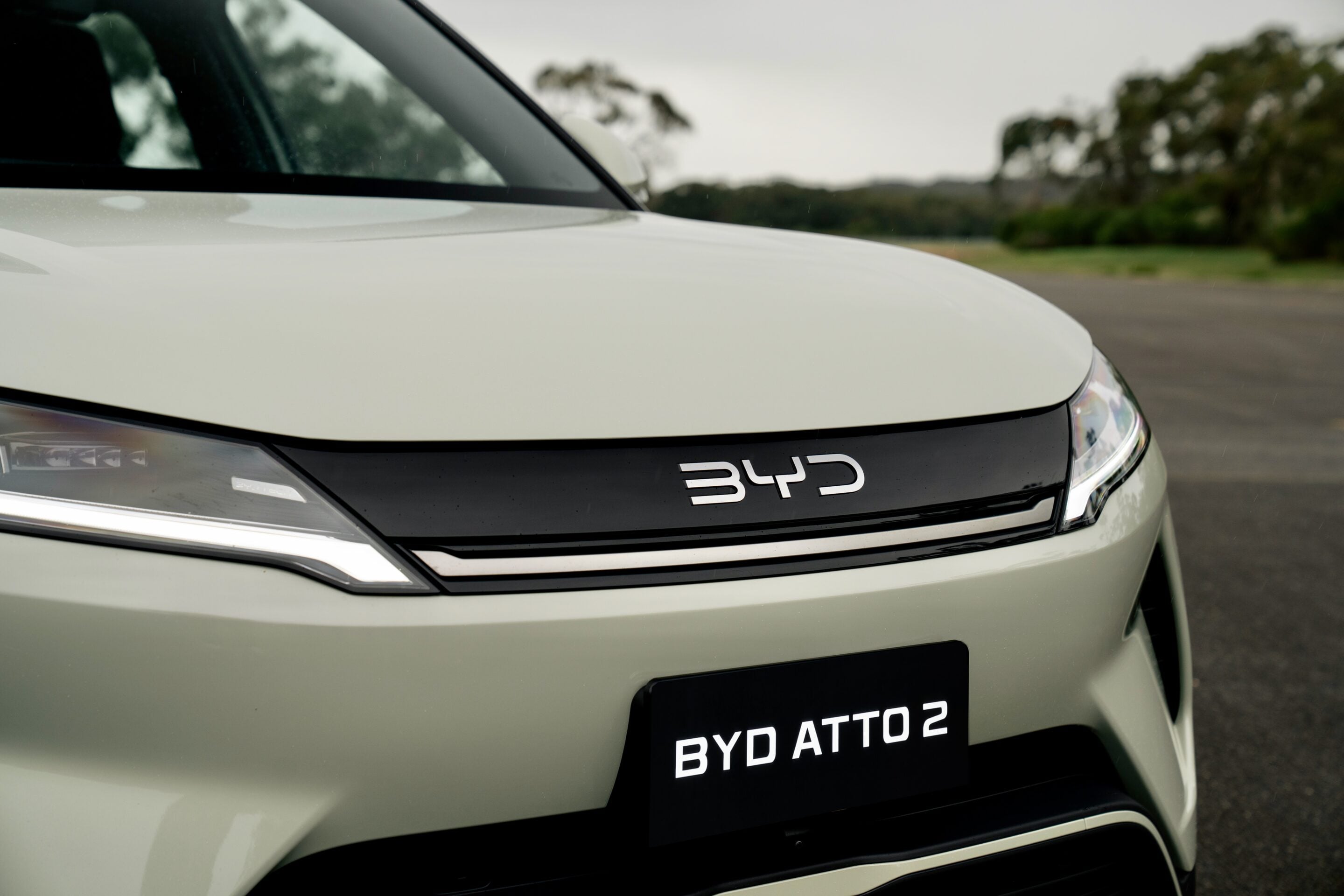
Chinese automotive giant BYD has officially overtaken Tesla to become the world’s largest seller of battery-electric vehicles, marking a major shift in the global EV landscape after another difficult year for Elon Musk’s company.
According to Tesla’s fourth-quarter 2025 results, the US-based brand delivered 1,636,129 electric vehicles globally last year, down from 1,789,226 in 2024. The decline represents Tesla’s second consecutive annual sales drop, ending its long-standing reign as the dominant force in the global EV market.
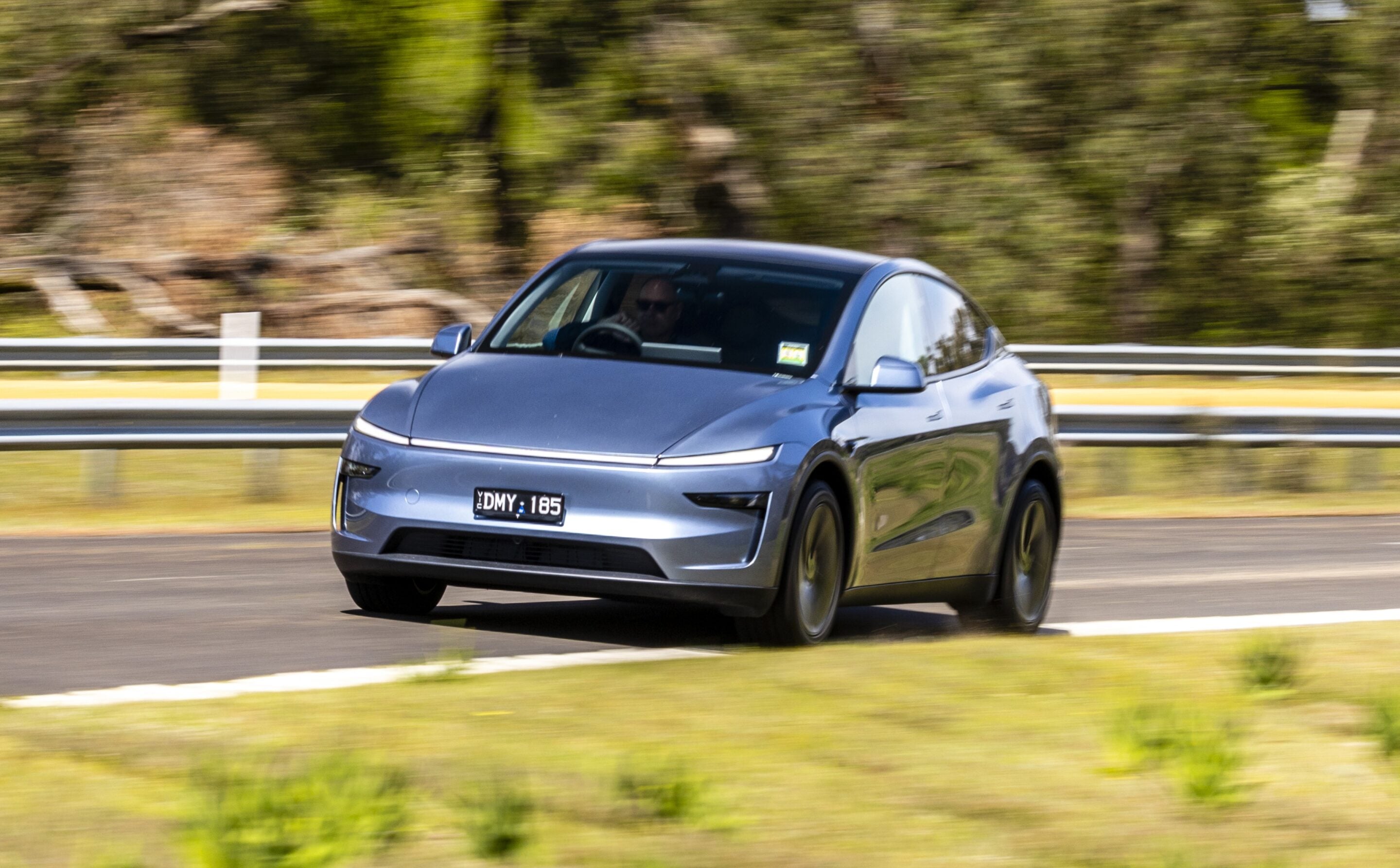
By contrast, BYD recorded a strong year despite late-year headwinds. The Chinese manufacturer sold 2,254,714 battery-electric vehicles worldwide in 2025, an increase of 28 per cent year on year. While BYD has previously outperformed Tesla in individual months and in total electrified vehicle sales (including hybrids), this marks the first time it has surpassed Tesla (below) on an annual global basis for pure EVs.
1
The result has been building for some time, as competition intensifies and Chinese brands rapidly expand into global markets. BYD and its domestic rivals have gained momentum by offering competitive driving range, advanced battery technology and aggressive pricing – areas where Tesla once held a clear advantage.
David Bailey, Professor of Business Economics at the University of Birmingham, said Tesla is increasingly being squeezed by newer competitors. He noted the brand is “being outcompeted by Chinese firms that offer better value, rapid innovation and strong battery technology,” while also pointing to Tesla’s ageing model line-up and lack of a true small, mass-market EV.
Tesla has attempted to reignite demand by introducing lower-cost variants of existing models, such as a pared-back version of the Model Y. However, broader market conditions are working against it. EV demand has softened in several key regions as incentives are wound back and buyers grapple with cost-of-living pressures.
In the United States, federal tax credits for electric vehicles ended in late 2025, pushing up effective purchase prices and dampening demand. Political controversy surrounding Musk has also proven divisive for some consumers. In Europe and Australia, while governments continue to promote electrification, policy uncertainty and future road-user charging schemes are creating hesitation among prospective EV buyers.
Despite the sales setback, Tesla’s share price remains relatively resilient, buoyed by investor confidence in the company’s autonomous driving, AI development and long-term profitability. The brand continues to push ahead with plans for self-driving technology, with autonomous Tesla vehicles rumoured to be under evaluation for select global cities from 2026.
For now, however, the numbers are clear: BYD has claimed the EV crown, signalling a new phase in the global electric car race – one where Chinese manufacturers are setting the pace.
Follow WhichCar/Wheels on Google
Click the button below to make WhichCar by Wheels a preferred source for your news.

We recommend
-
 Reviews
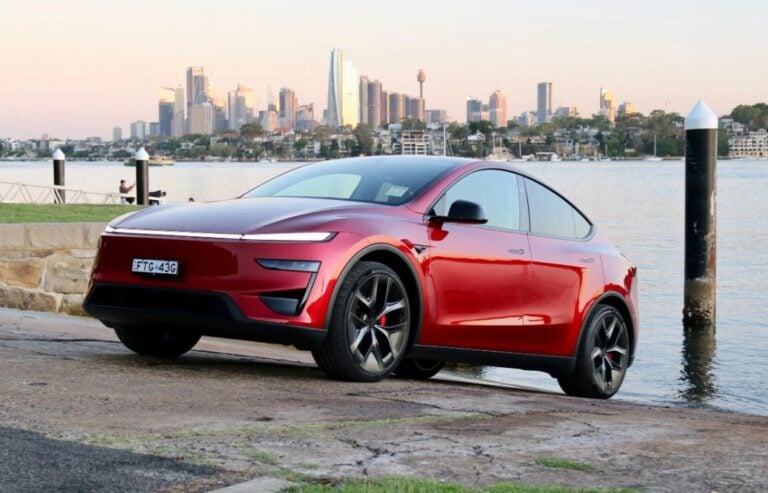
Tesla Model Y Performance review: If only all mid-life facelifts were this good
The Performance variant of the hugely successful Tesla Model Y has landed in Australia with even more power and attitude. Will it appeal to Tesla fans and the Tesla-curious?
-
 Reviews
BYD Atto 2 review: It’s Australia’s cheapest electric SUV but what else does it offer?
BYD targets top-three status with the new Atto 2, Australia’s cheapest electric SUV, combining strong value and big ambition despite dynamic flaws and modest charging performance.