
News

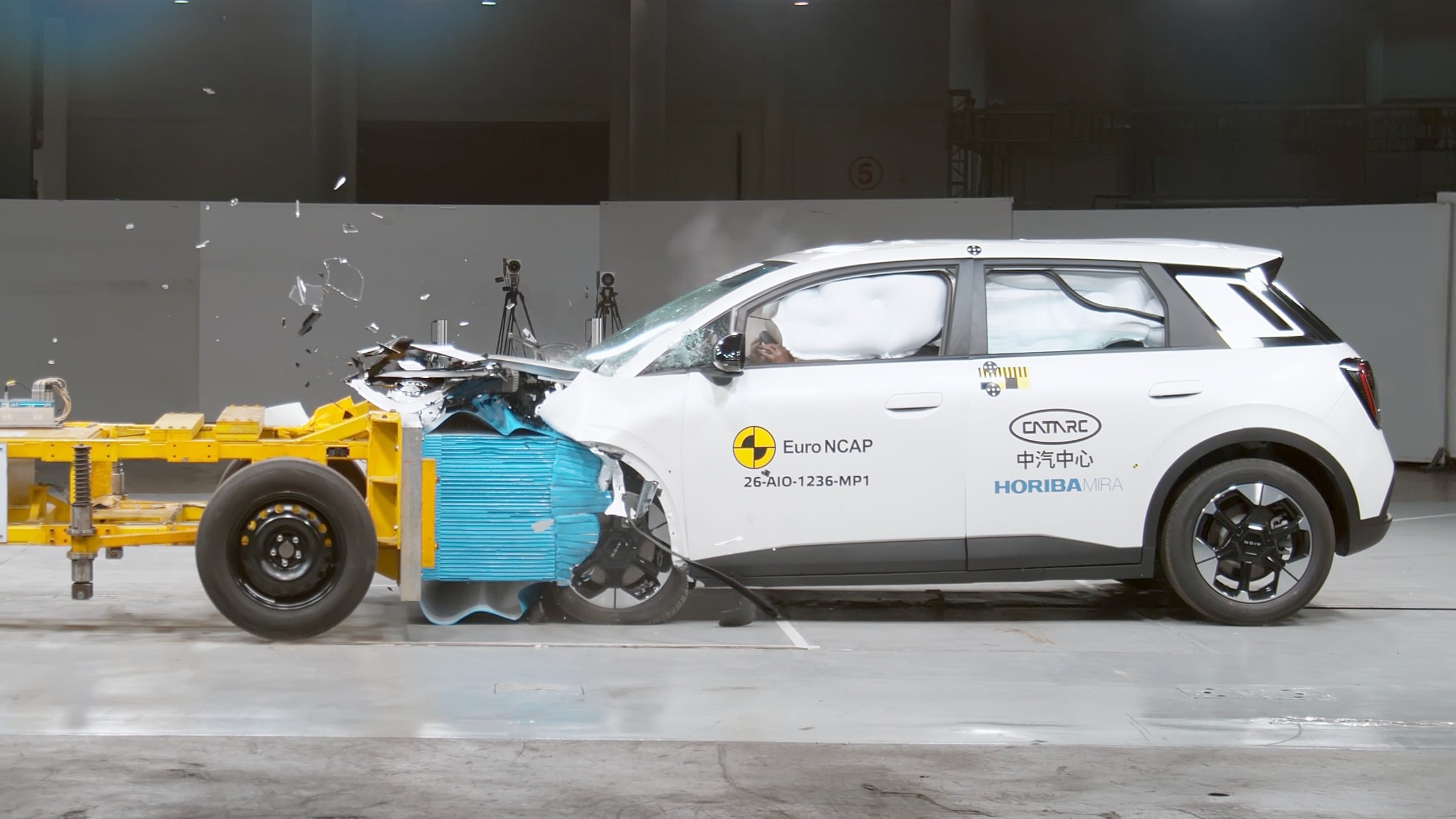
Gallery 1
The latest round of ANCAP safety ratings has been announced, with two new electric vehicles from China’s GAC and XPeng awarded five-star ratings under tougher new criteria introduced earlier this year. The GAC Aion UT electric hatchback and XPeng X9 electric people mover both impressed in testing with strong results for occupant protection in frontal, side impact and run-off road collisions.
Both vehicles were assessed against ANCAP’s latest 2026-2028 testing protocols, which introduced more comprehensive assessments of vehicle safety, including how well occupants of different sizes are protected in a collision.
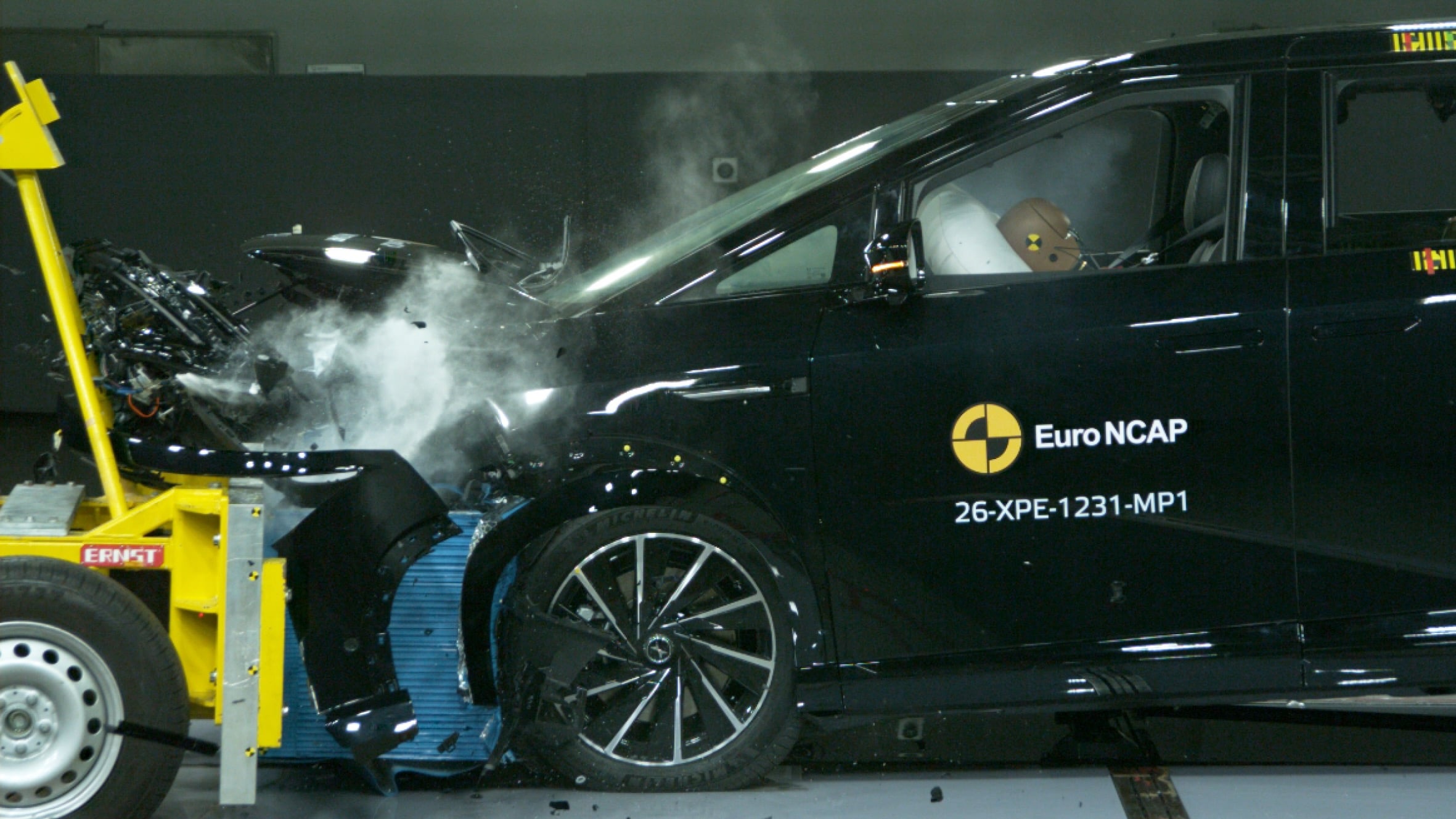
8
The GAC and XPeng also performed well in high-voltage battery safety testing, which includes a new ‘pierce test’ designed to determine whether damage to an individual battery cell could trigger a chain reaction and potentially cause a fire.
The Aion UT and X9 are equipped with several active safety features, including systems that detect incorrect seatbelt use, potentially unsafe seating positions and children left unattended inside the vehicle. Both manufacturers have also fitted the necessary hardware to support emergency calling (eCall) functionality, which is expected to become operational by October 2027.
However, despite their strong results, ANCAP criticised both vehicles for relying too heavily on touchscreens to operate essential driving functions. The body has been encouraging manufacturers to retain physical buttons for frequently used functions such as the headlights, windscreen wipers, demisters, mirrors and climate control systems, arguing that touchscreen operation can increase driver distraction.
“We want to see carmakers bring back buttons for the functions drivers use every day,” said ANCAP chief executive Carla Hoorweg.
“Adjusting your windscreen wipers, switching on your headlights or clearing a fogged-up windscreen should be simple, intuitive and achievable without taking your attention off the road.”
Follow WhichCar/Wheels on Google
Click the button below to make WhichCar by Wheels a preferred source for your news.

We recommend
-
 News
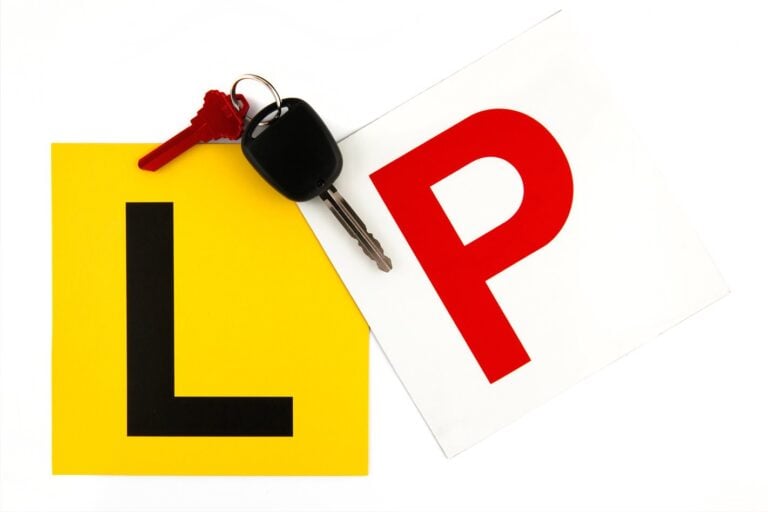
NewsAussie state makes huge change to driver’s licences to protect motorists
Driver's licences went from paper to cards, and now another transformation is on the way.
-
 News
NewsAustralian safety study finds deactivated driver assist tech could be behind one in five road deaths
A study has found that frustrated Aussies who turn off safety-focussed advanced driver assist tech could be pushing up the country's road toll.
